






Filters
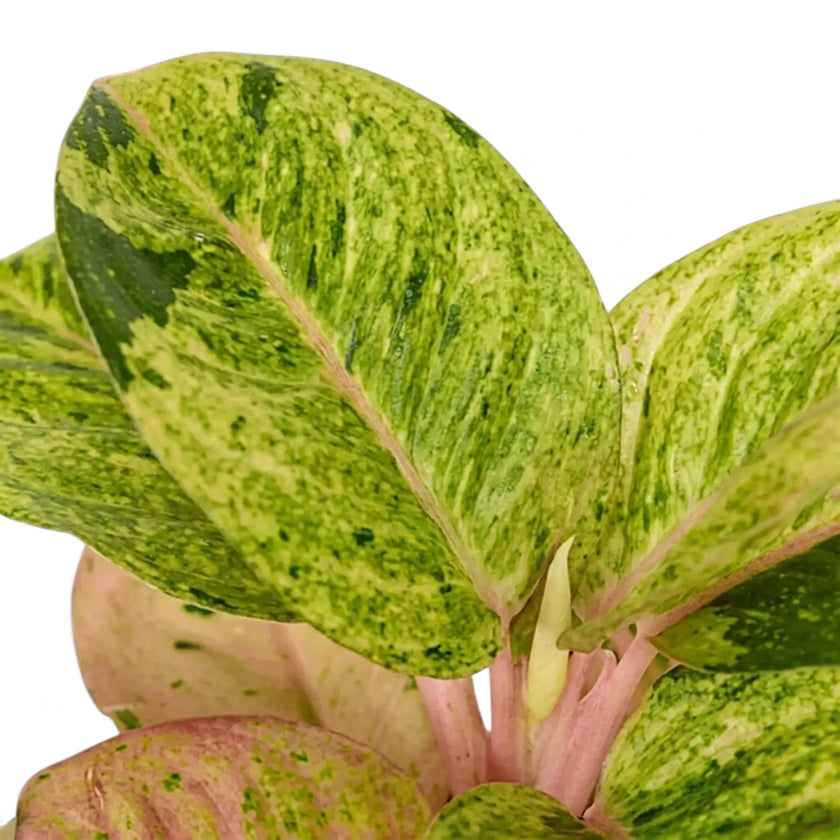
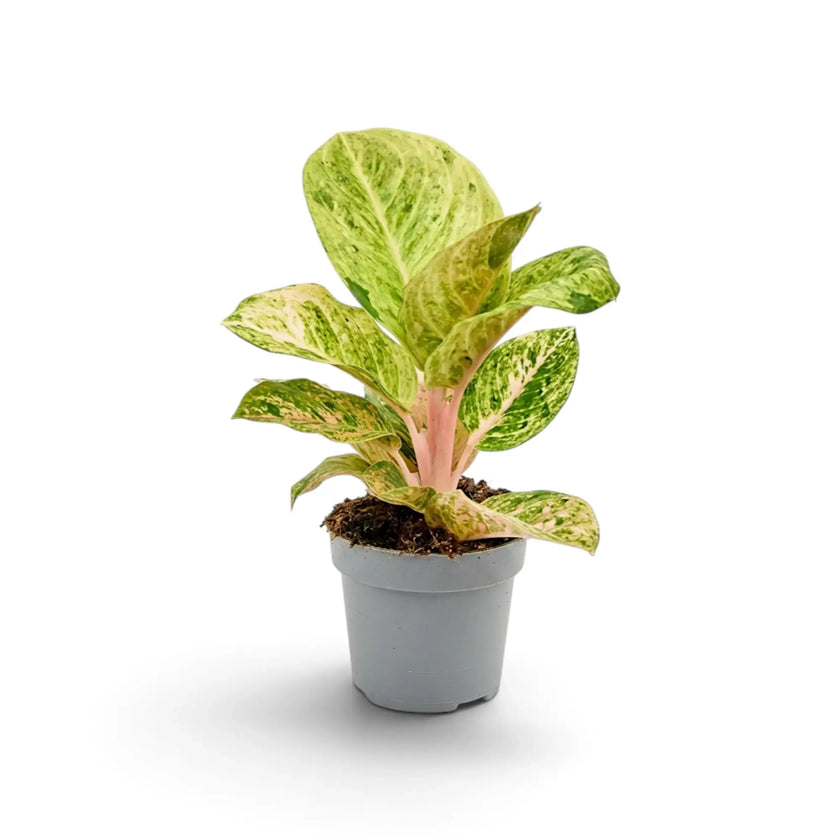
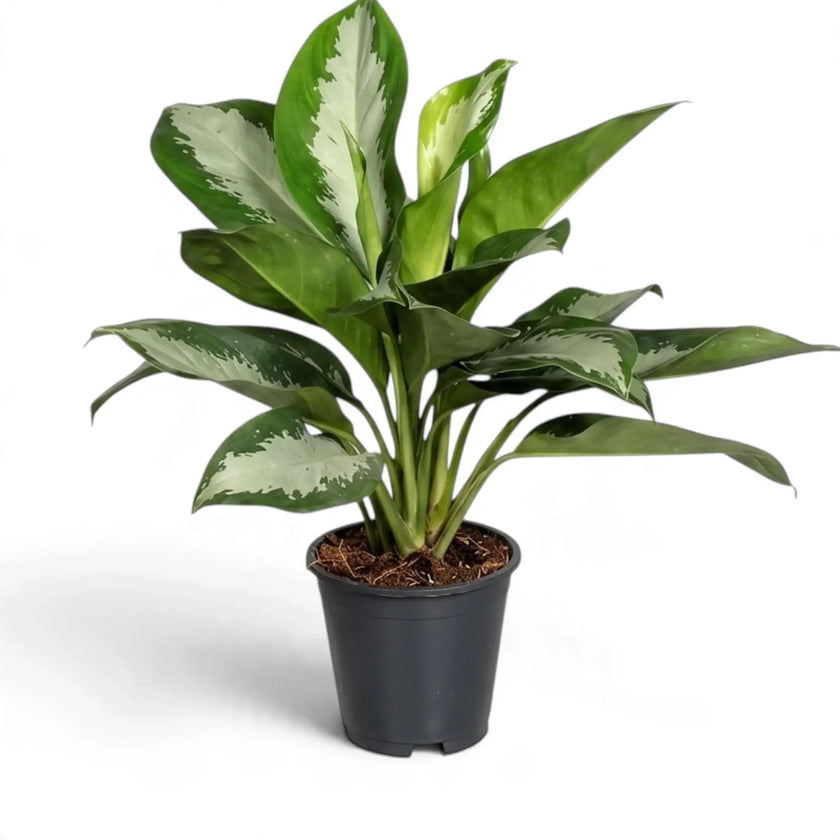
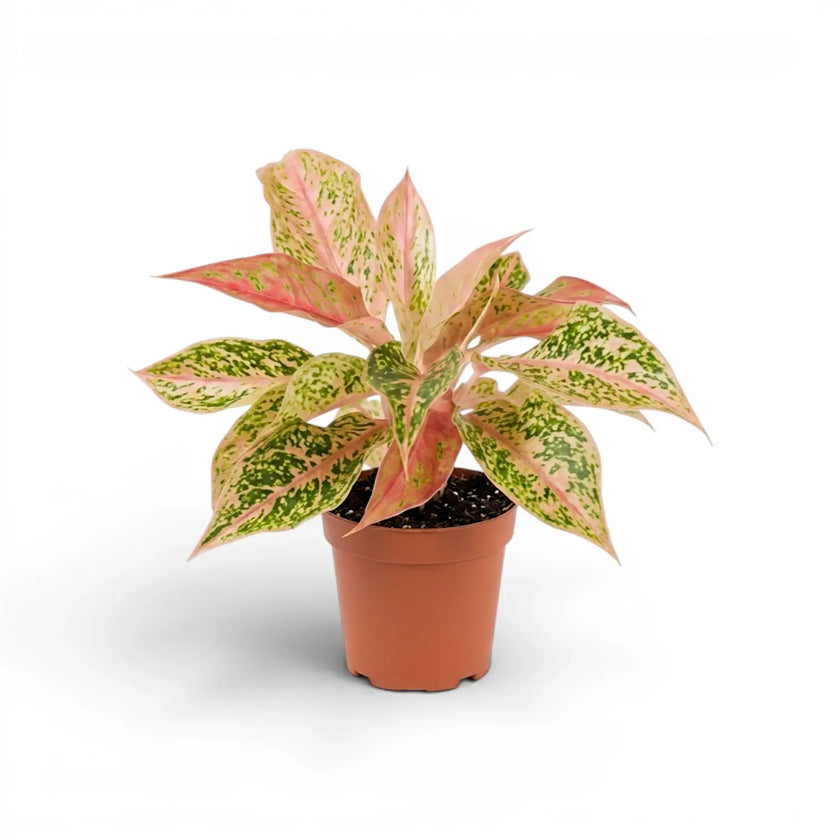
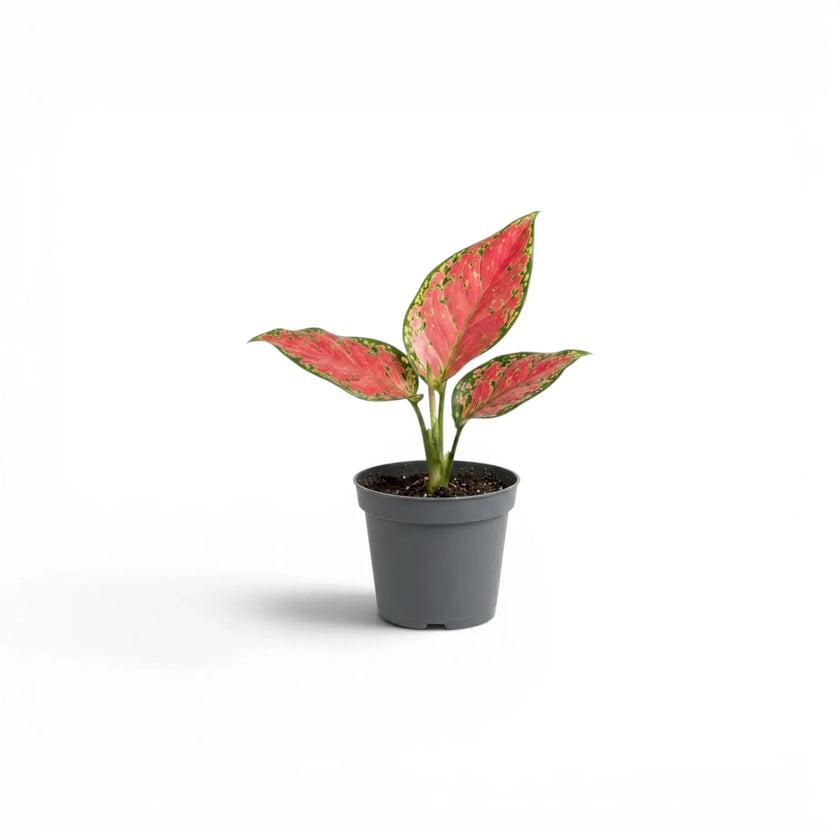
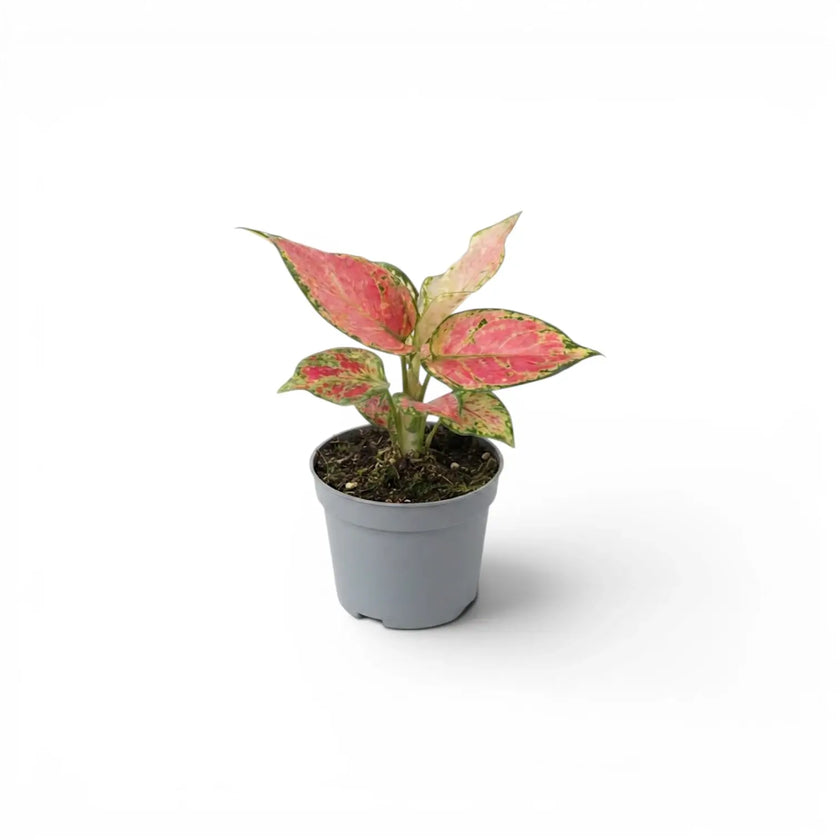
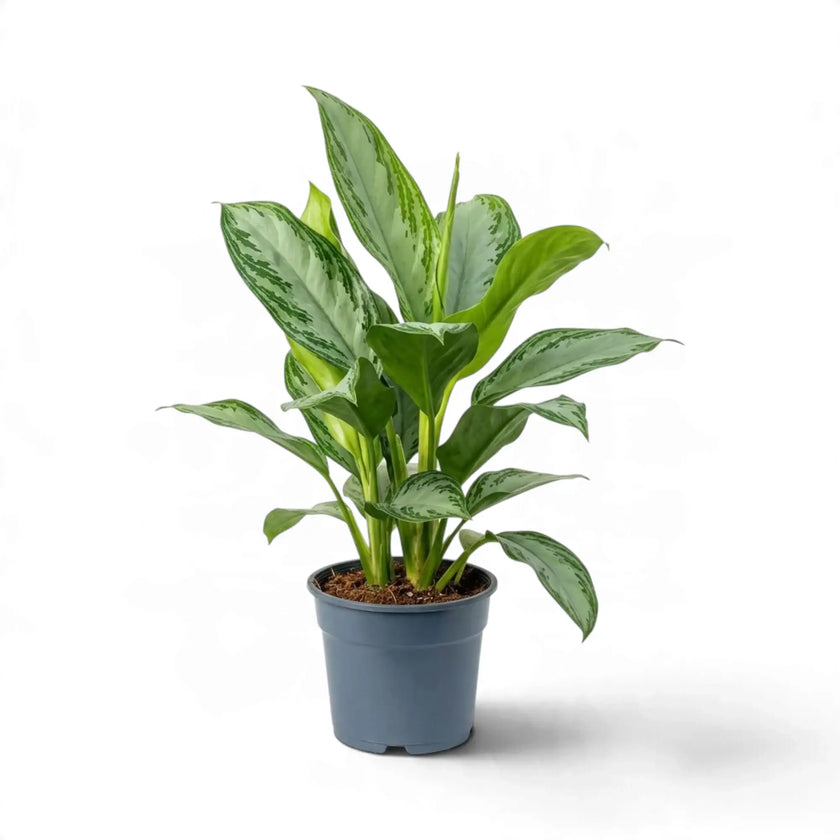
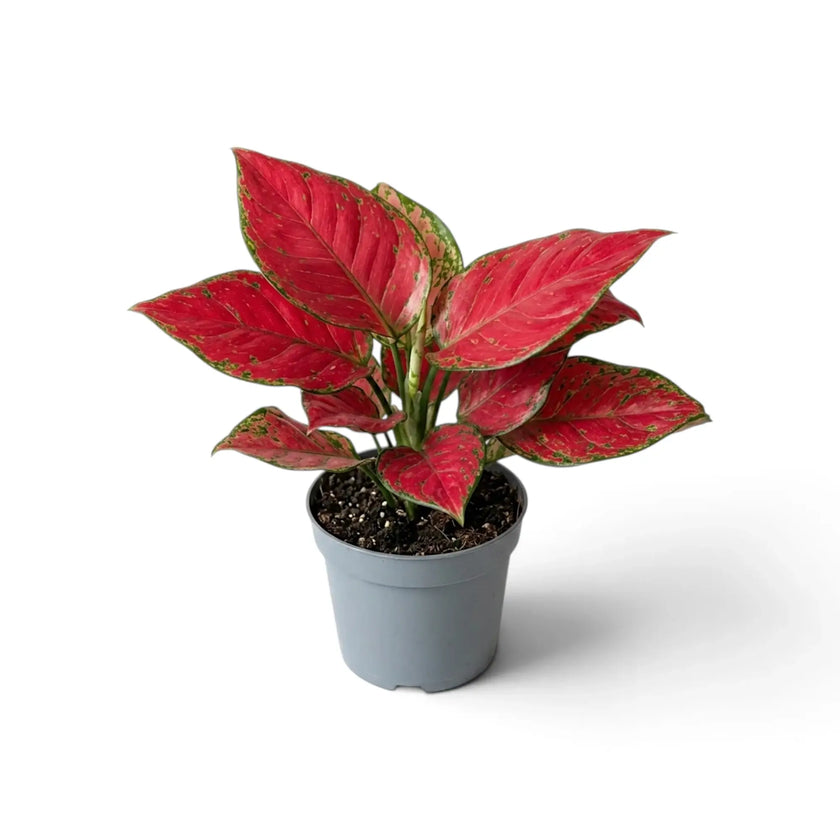
Aglaonema 'Apple Fantasy'
Sale price€15,75
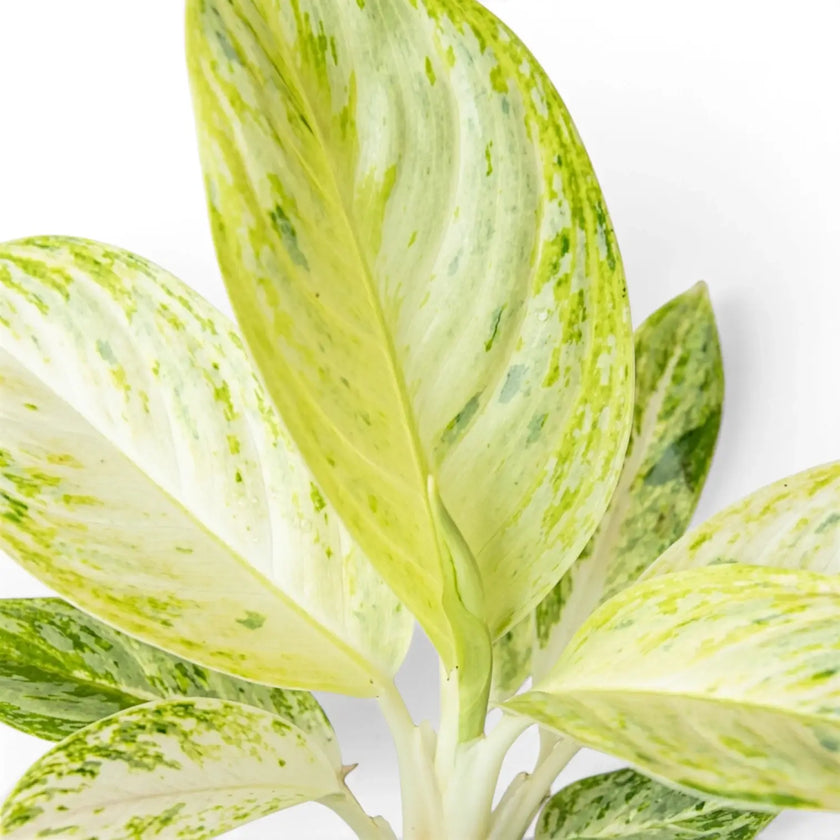
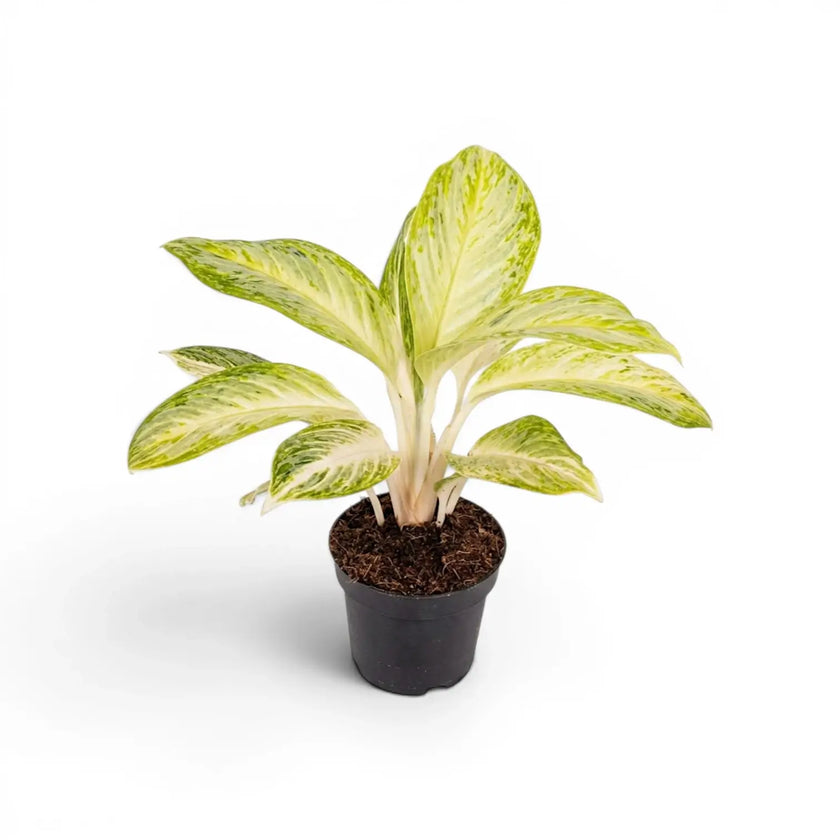
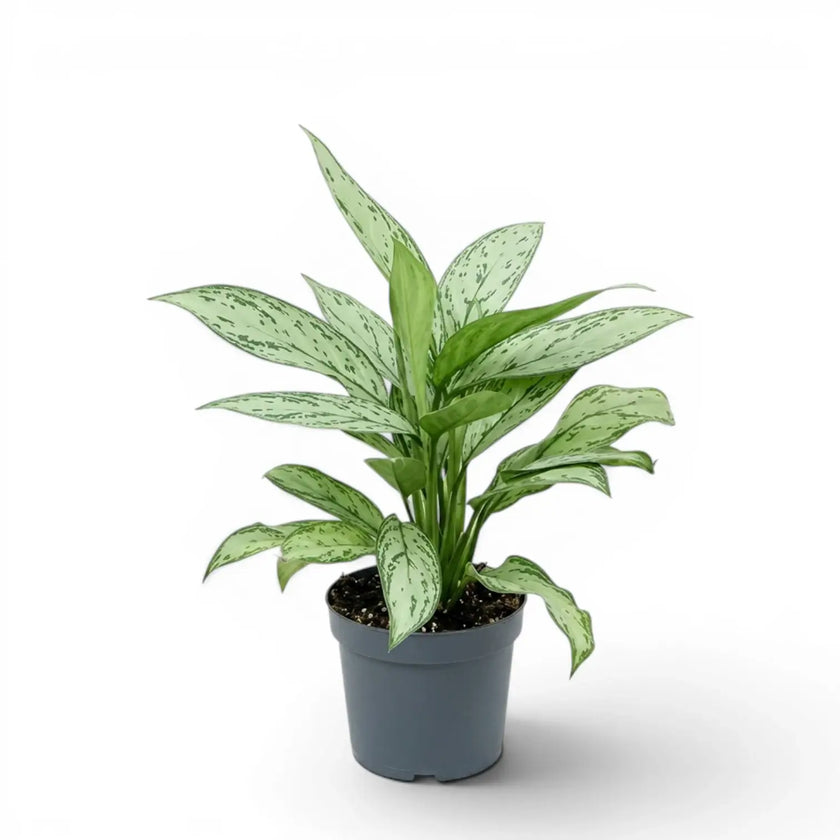
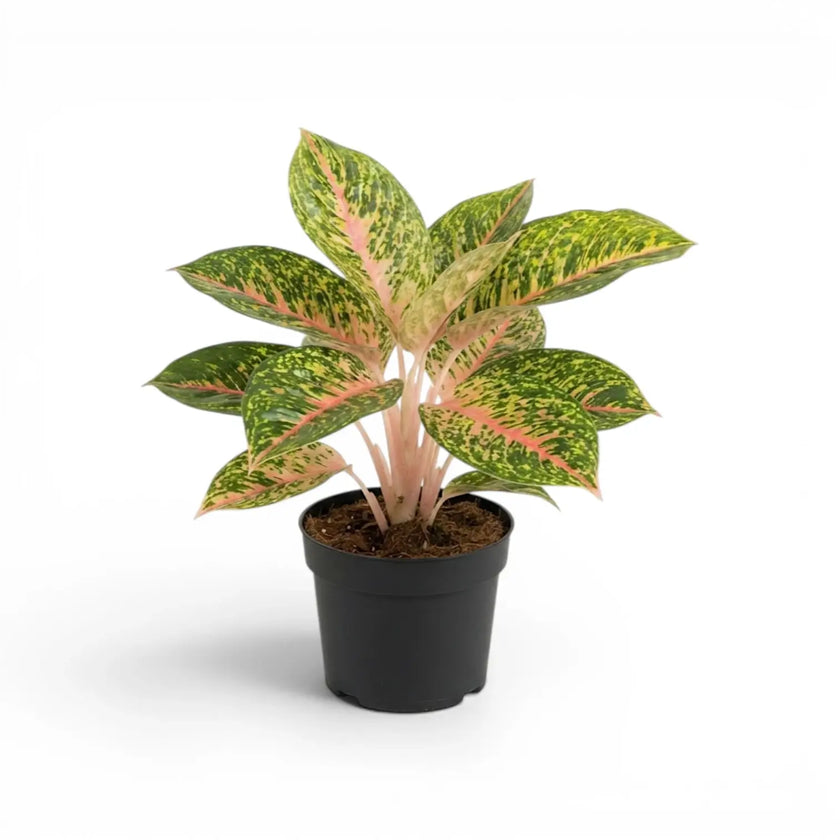
Aglaonema 'Arctic Lime'
Sale price€15,75
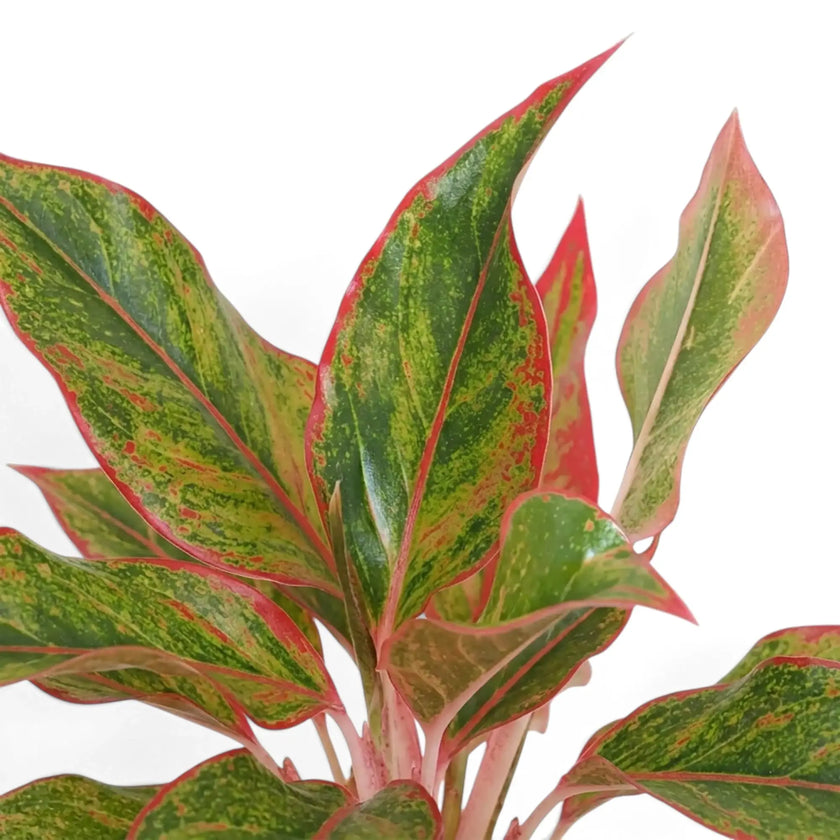
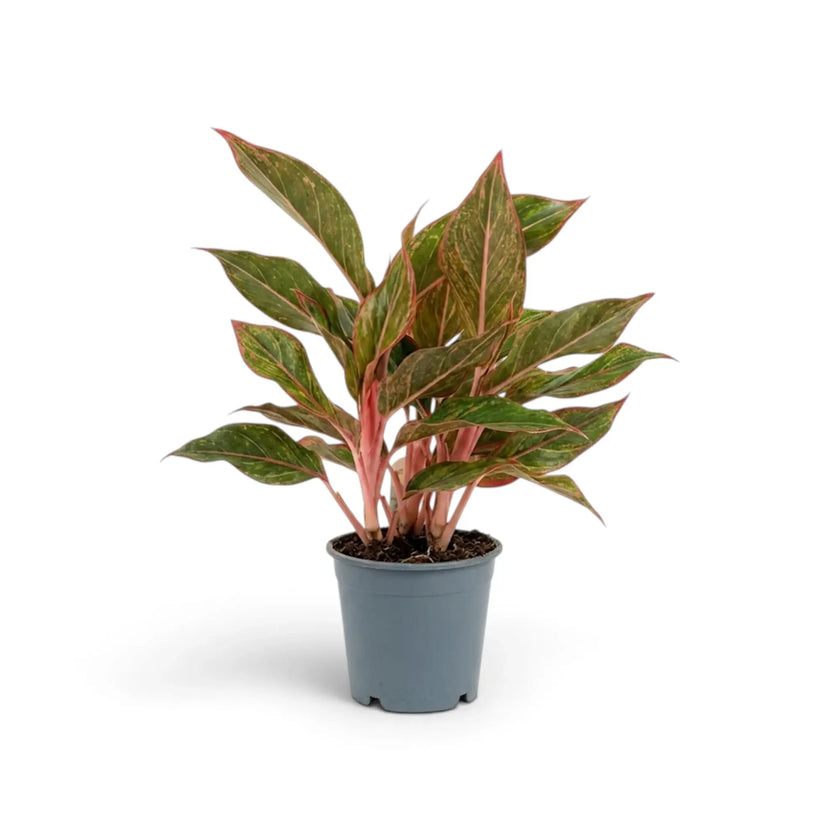
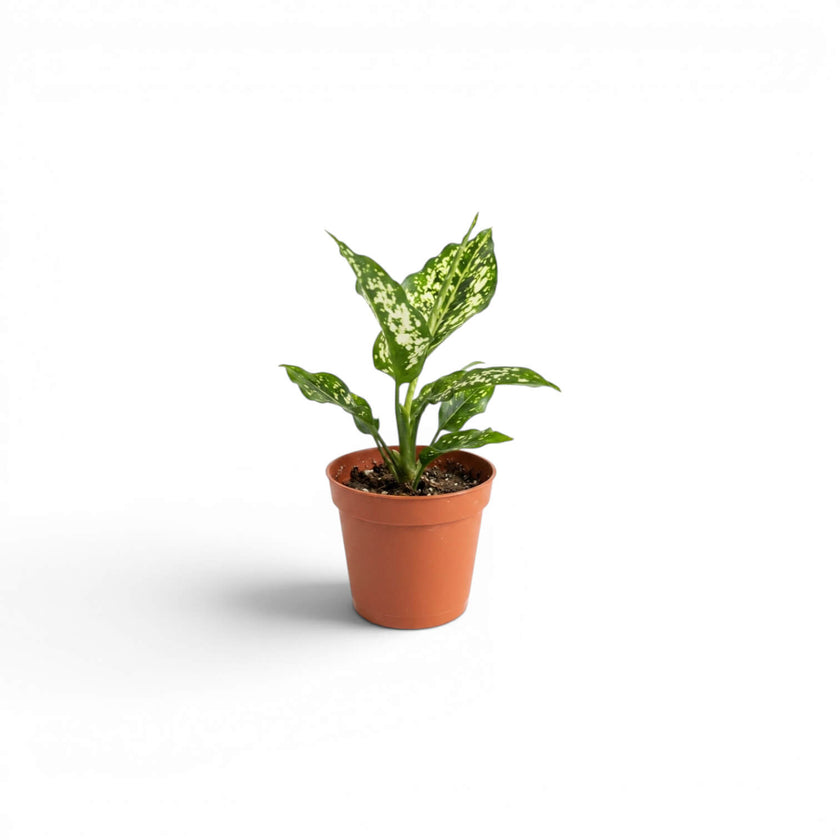
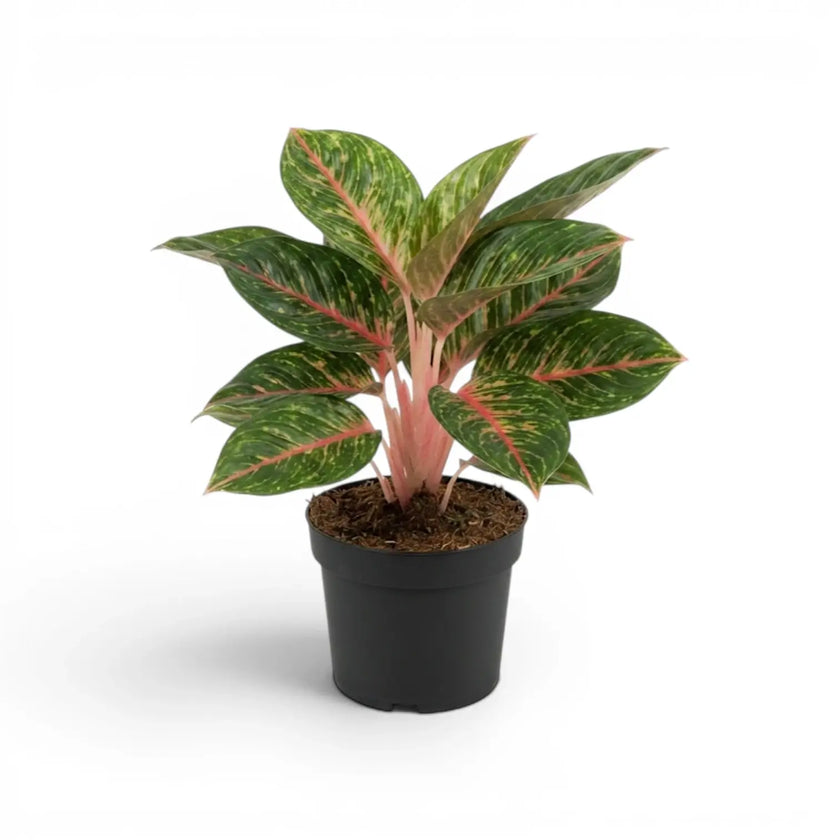
Aglaonema 'Crete' aka 'Siam Aurora' aka 'Jungle Red'
Sale price€15,75
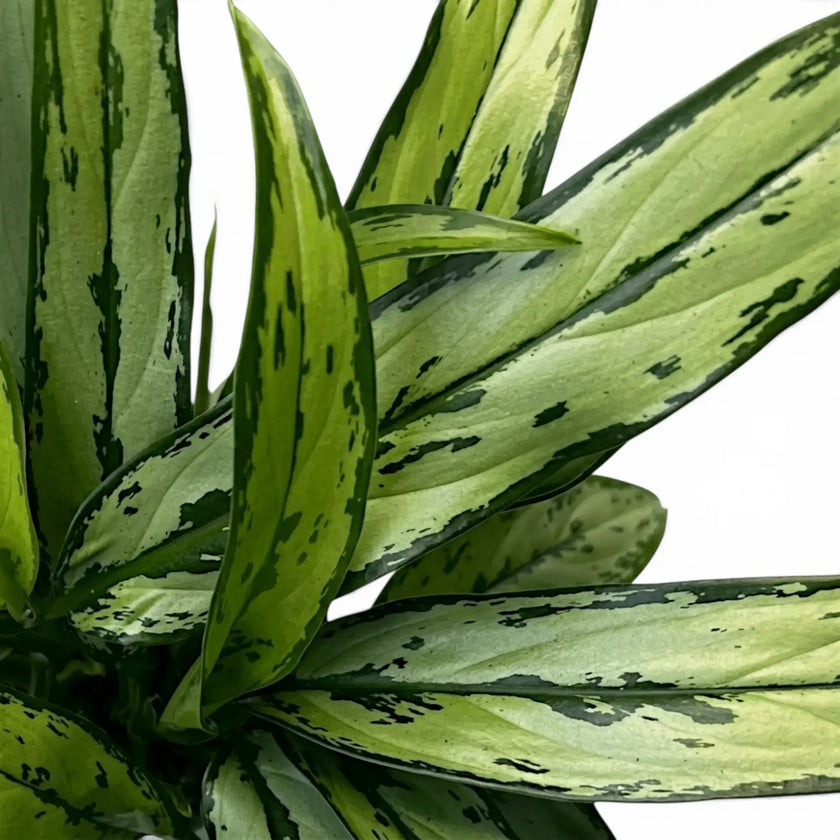
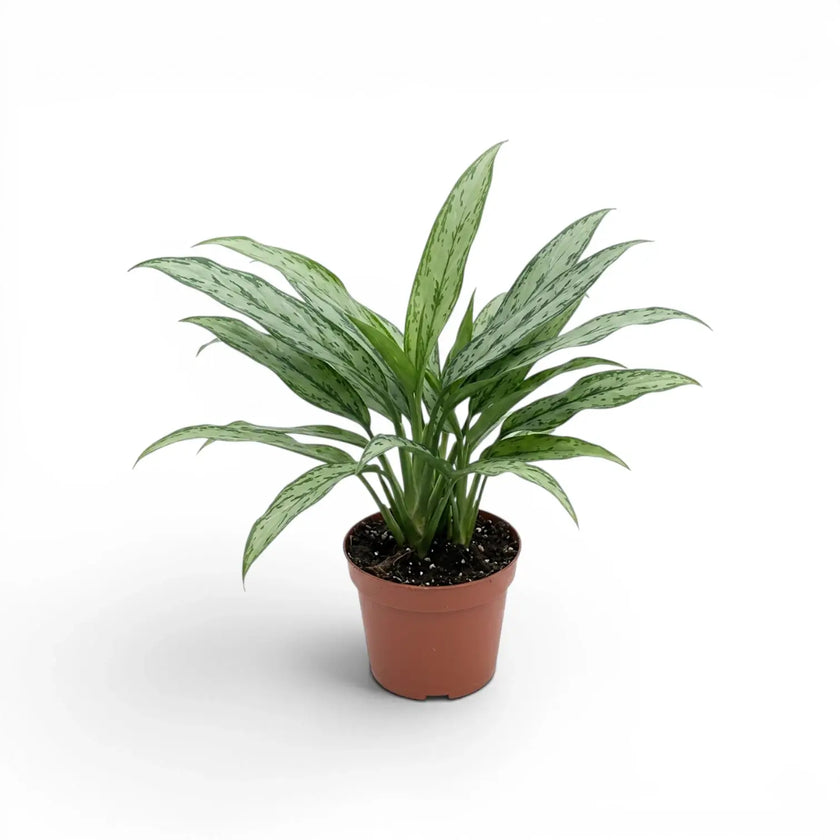
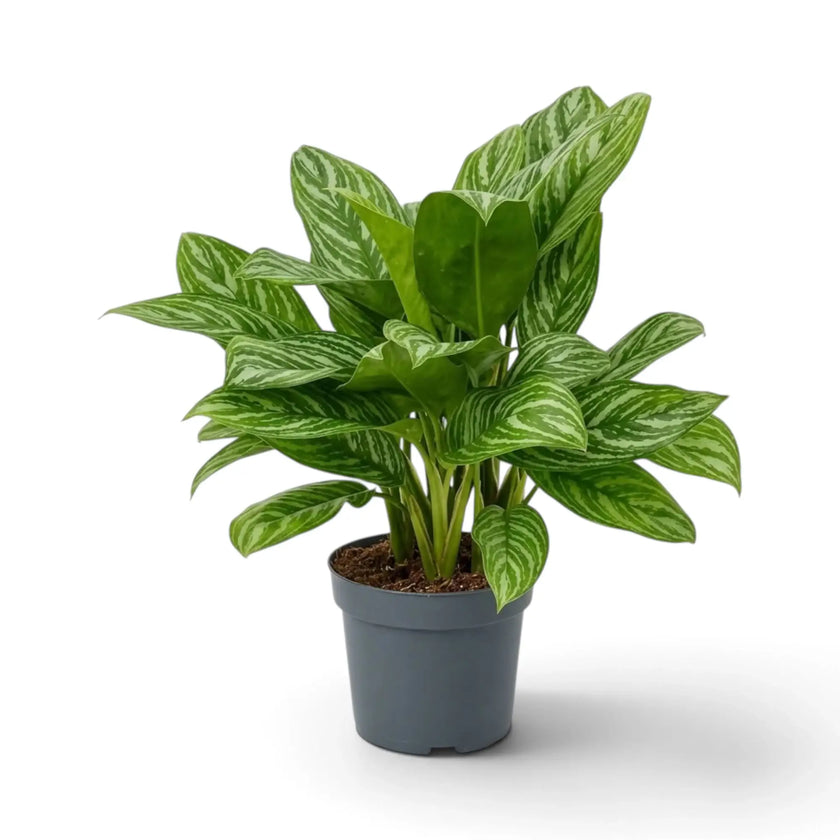
Aglaonema 'Cutlass'
Sale price€15,75
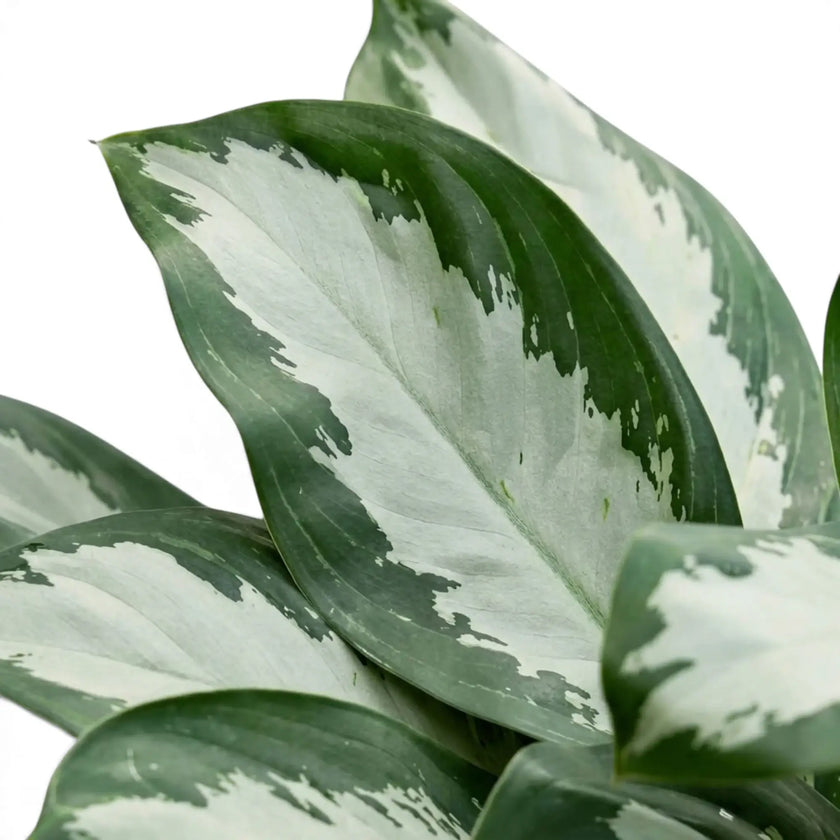
Aglaonema 'Diamond Bay'
Sale priceFrom €18,00
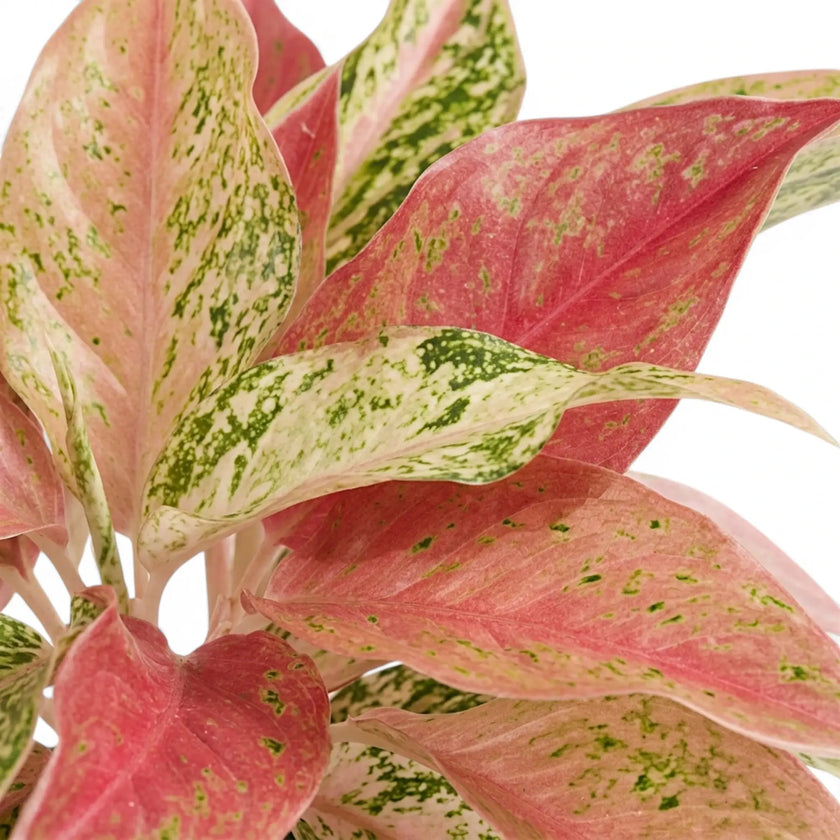
Aglaonema 'Prosperity'
Sale price€16,75
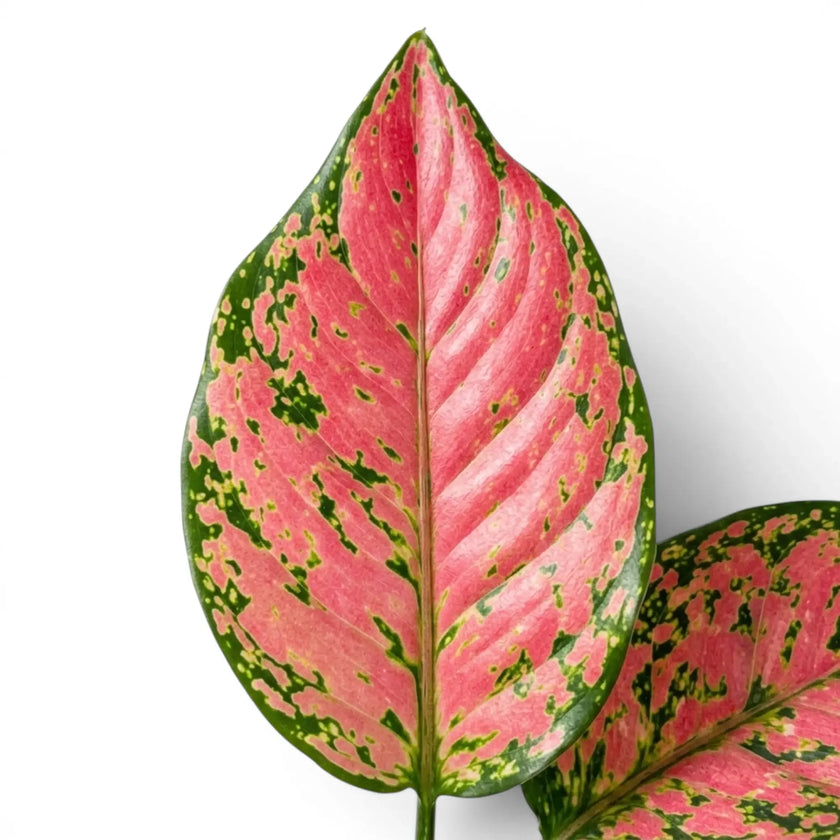
Aglaonema 'Red Valentine'
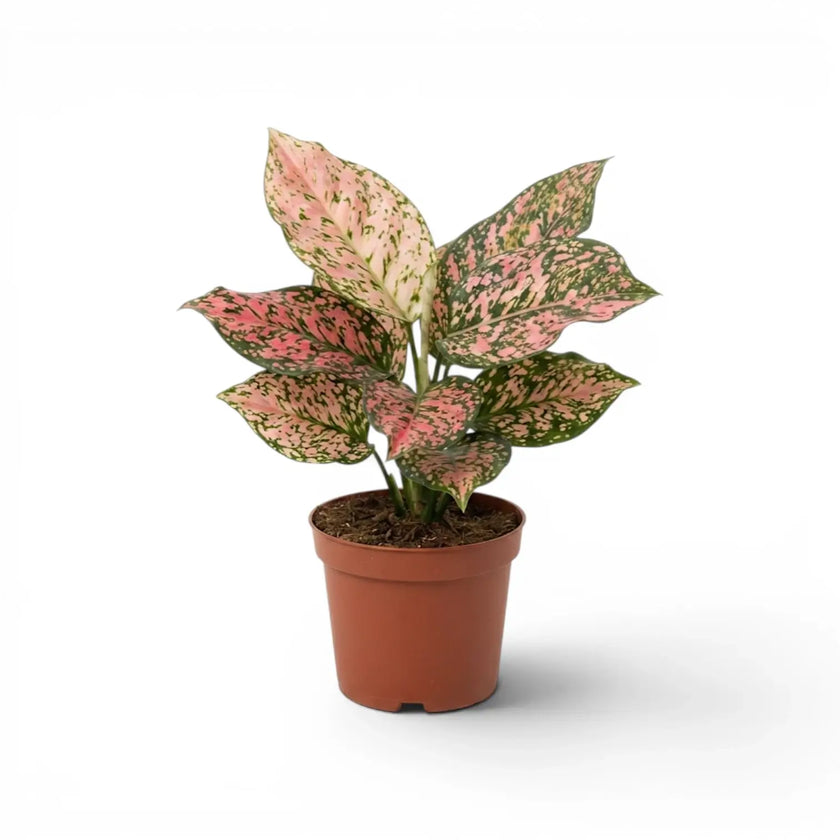
Sale price€9,75
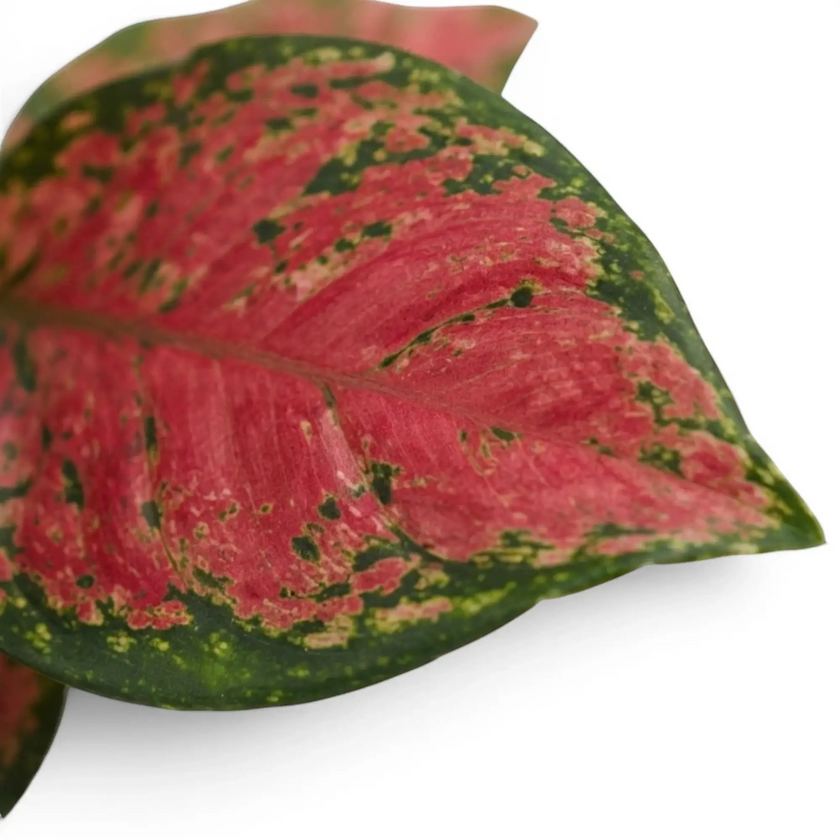
Aglaonema 'Red Zircon'
Sale price€12,00

Aglaonema 'Salmon Fantasy'
Sale price€15,75
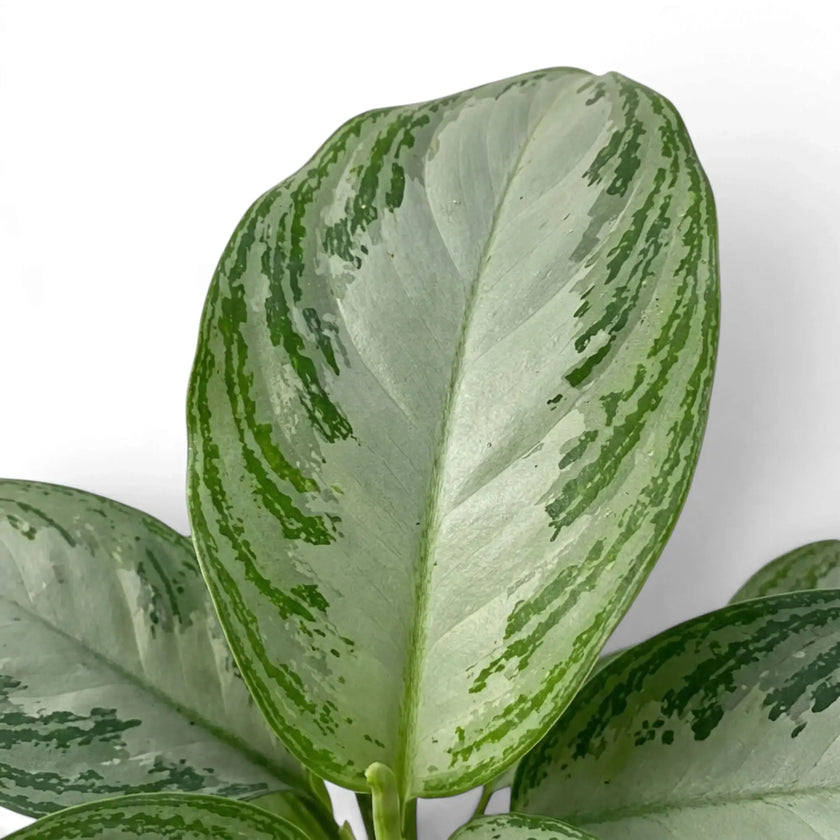
Aglaonema 'Silver Bay'
Sale priceFrom €32,50
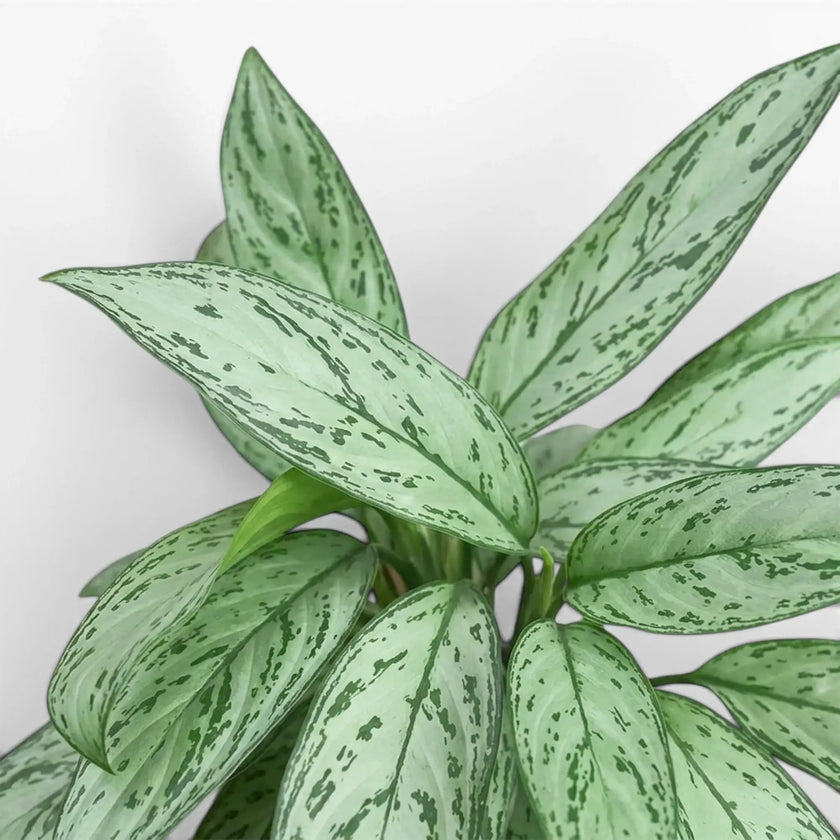
Aglaonema 'Silver Queen'
Sale price€18,00
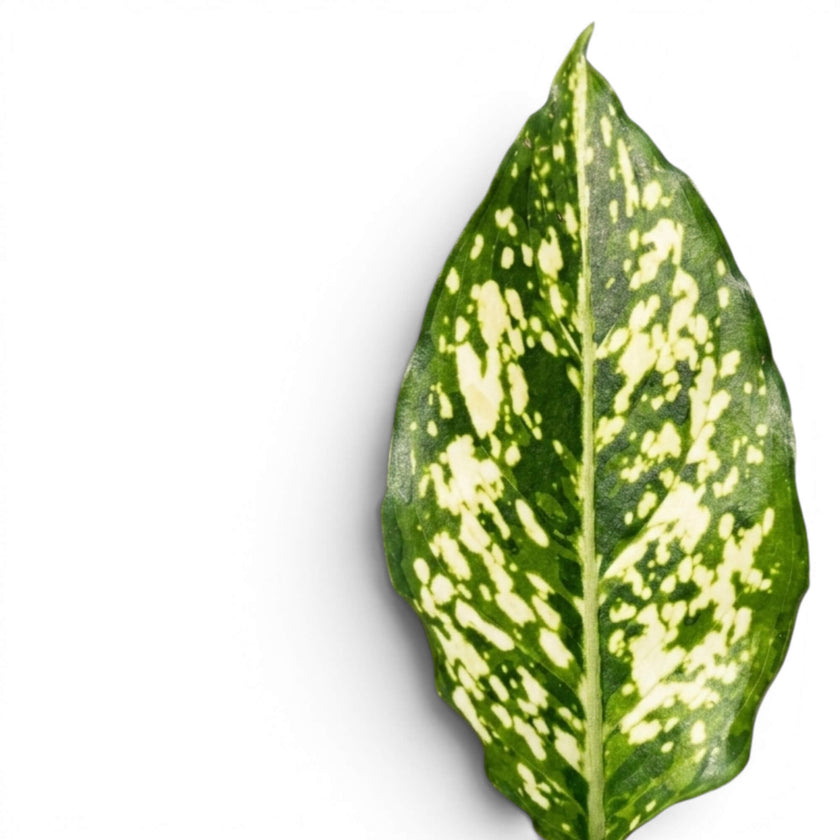
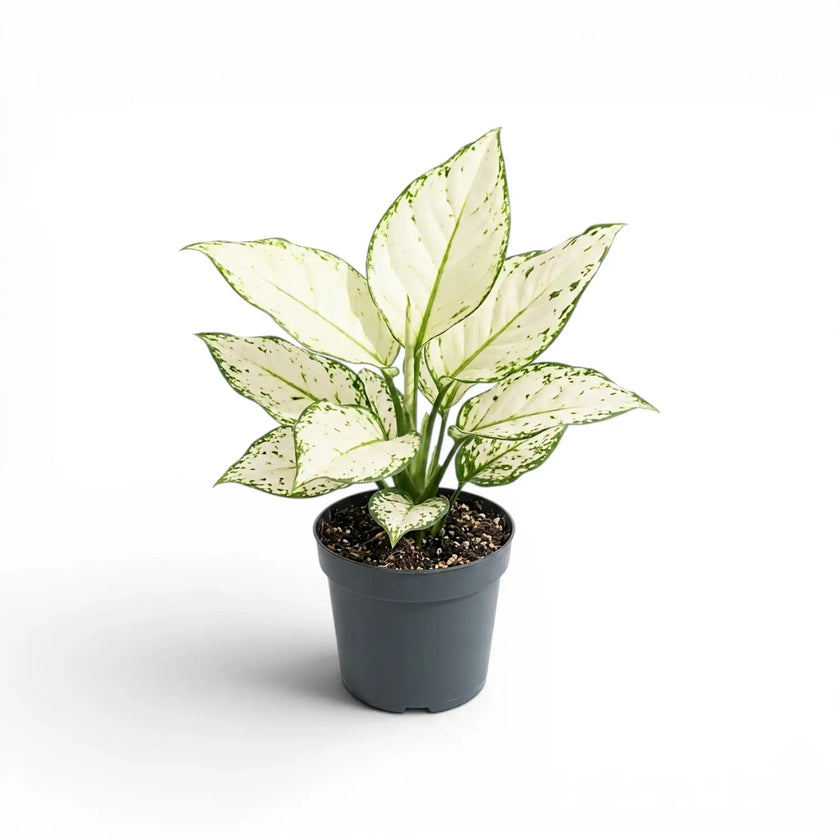
Aglaonema 'Snowflake'
Sale price€9,75
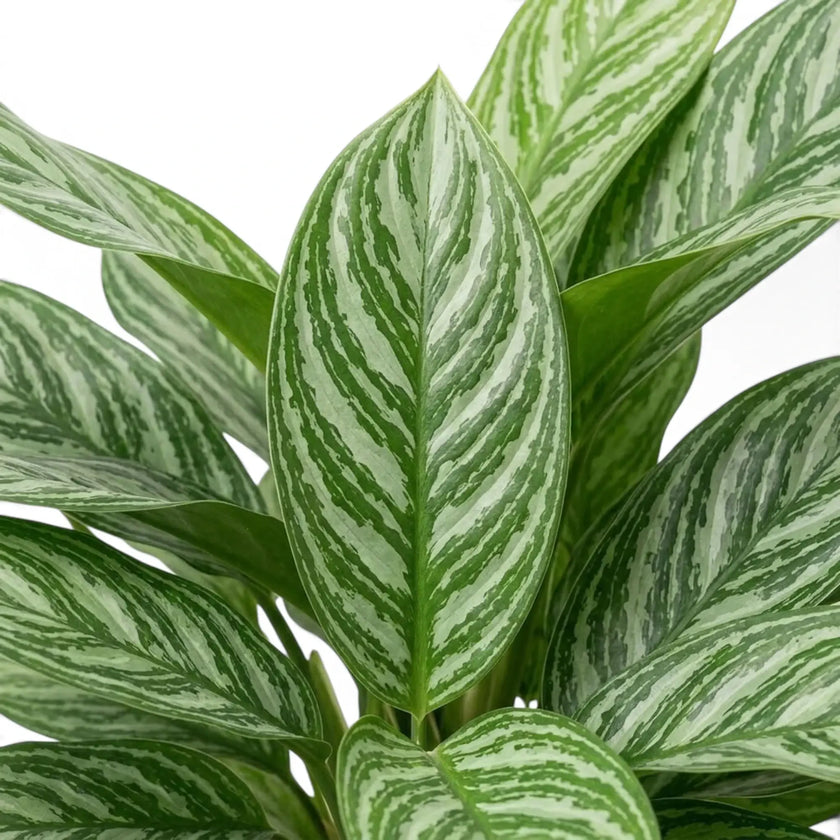
Aglaonema 'Stripes'
Sale priceFrom €32,50
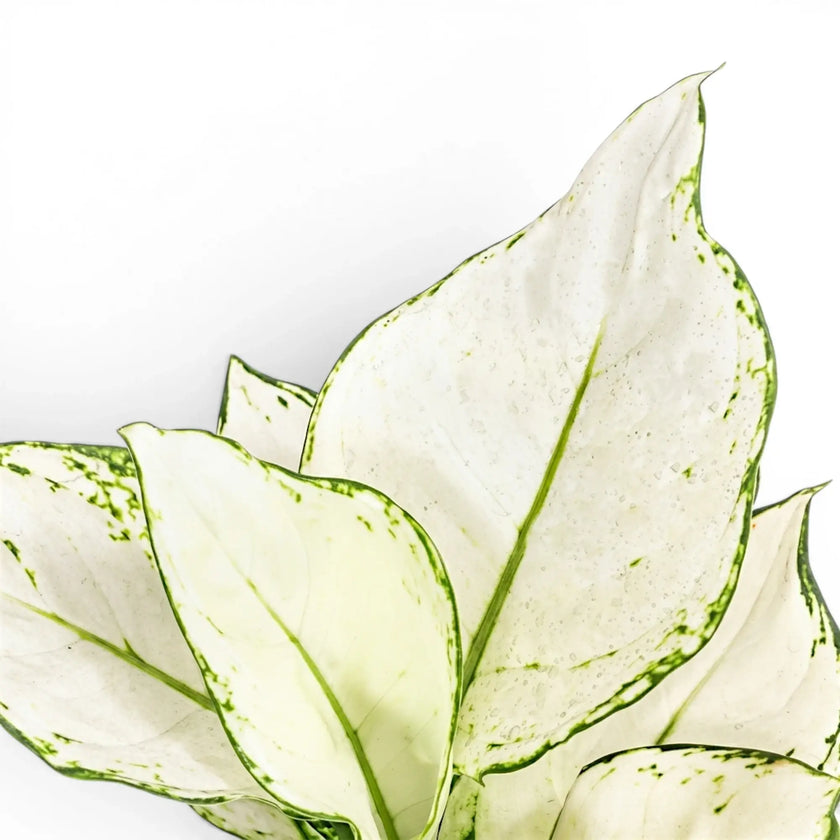
Aglaonema 'White joy'
Sale price€18,00
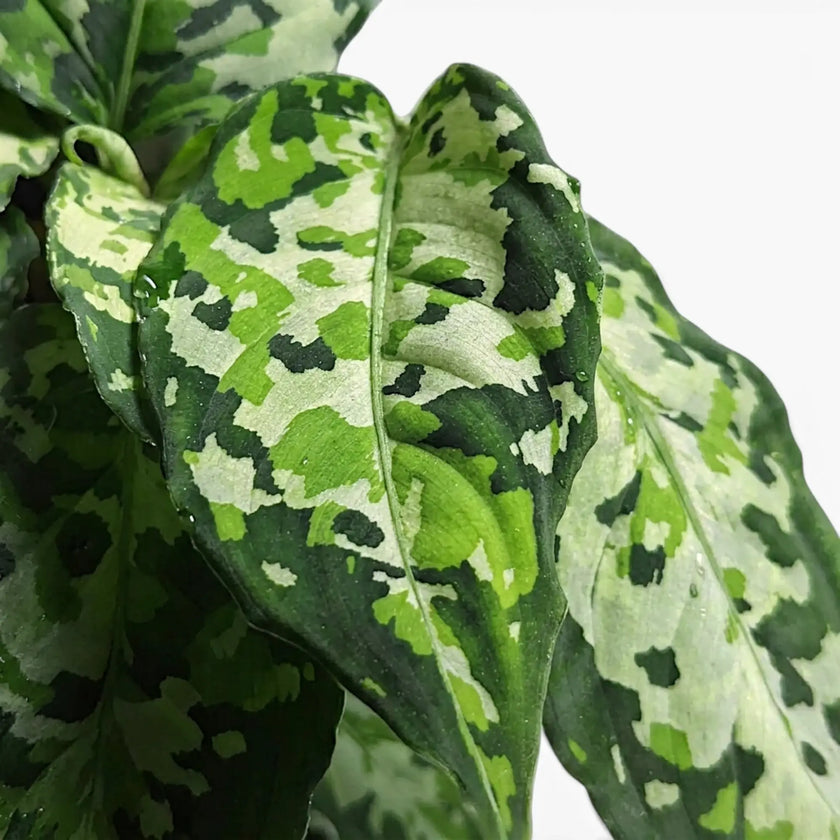
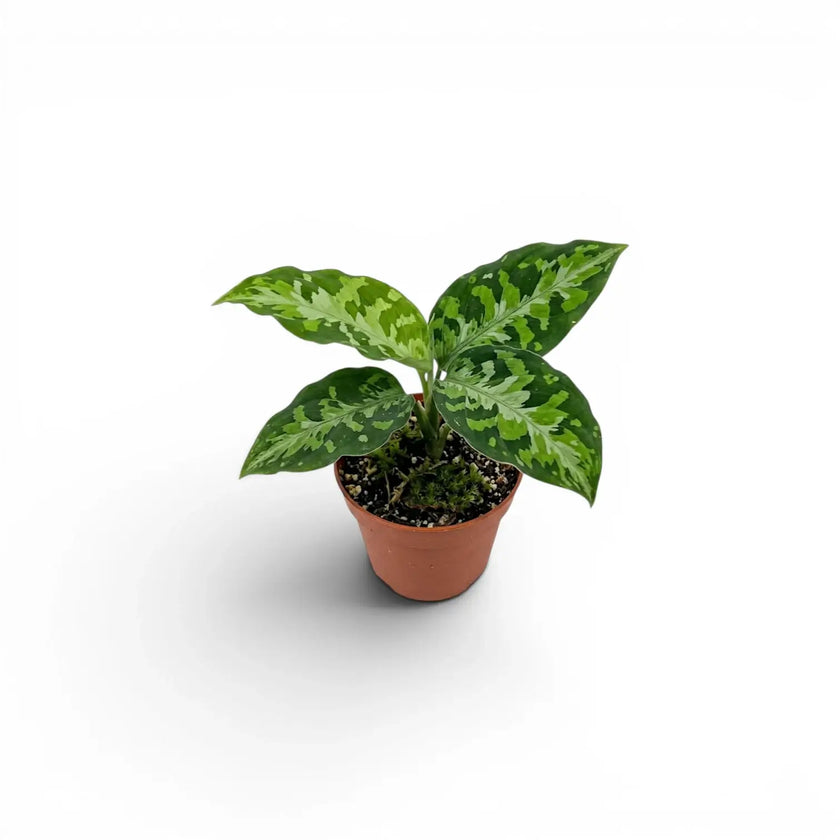
Aglaonema pictum tricolor
Sale priceFrom €9,75

Aglaonema Statement Set
Sale price€54,95
Regular price€64,00

Aglaonema ‘Maria Christina’
Sale price€18,00
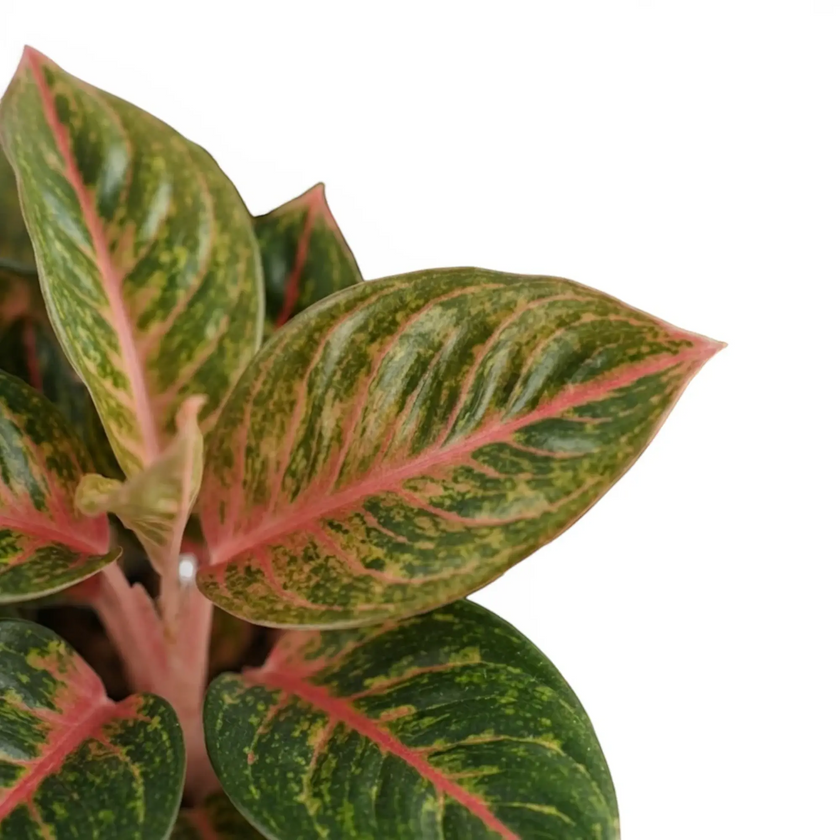
Aglaonema ‘Olive Red’
Sale price€31,25
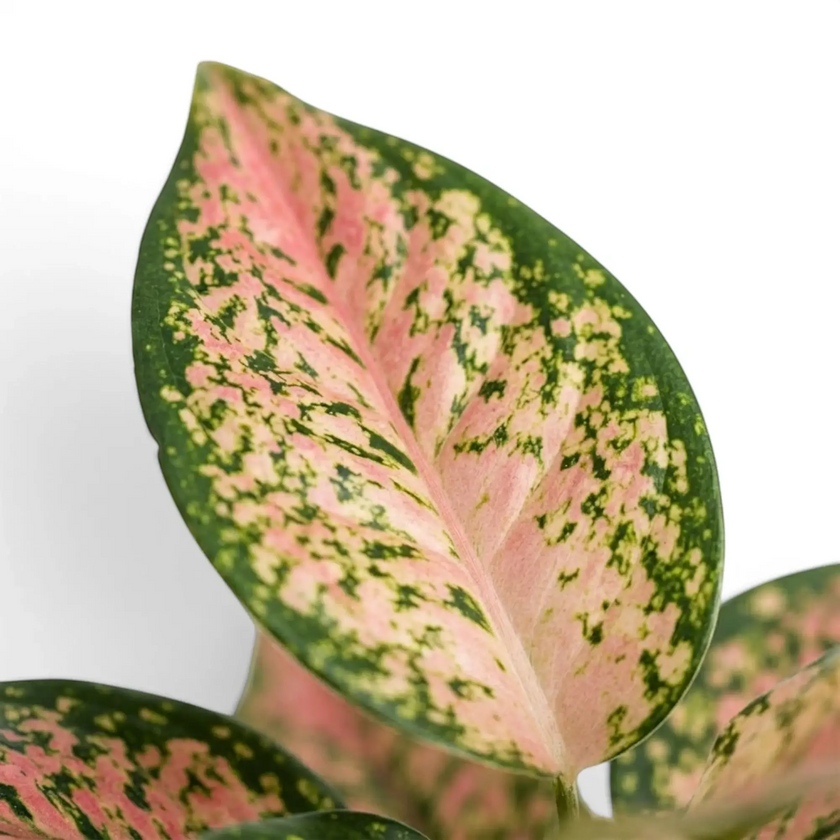
Aglaonema ‘Pink Leopard’
Sale price€31,25

Aglaonema ‘Pink Princess’
Sale price€31,25
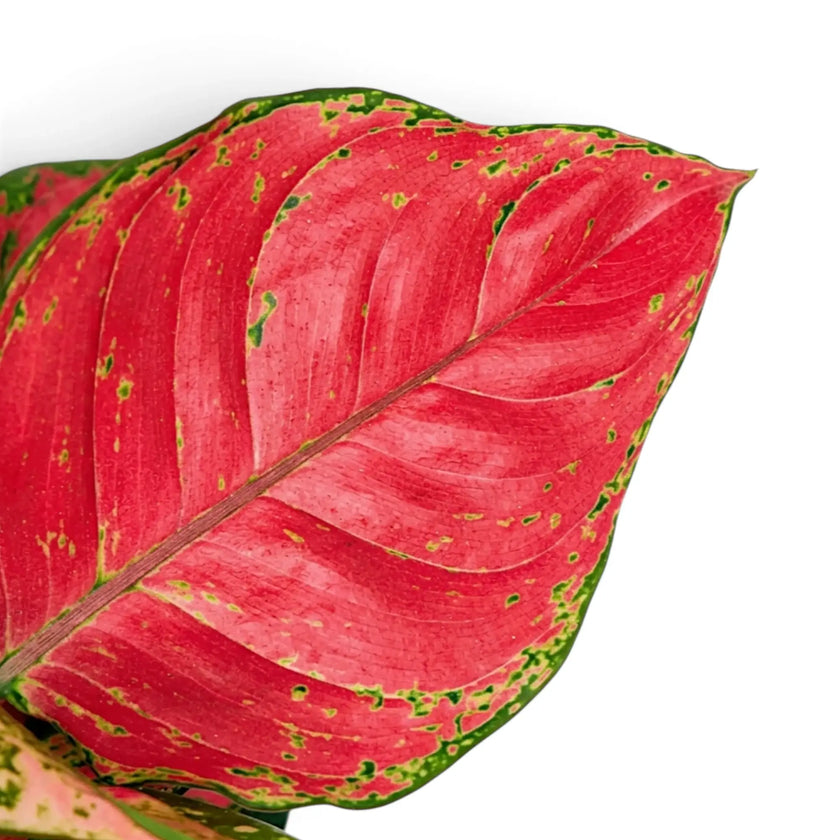
Aglaonema ‘Red Joy’
Sale price€31,25
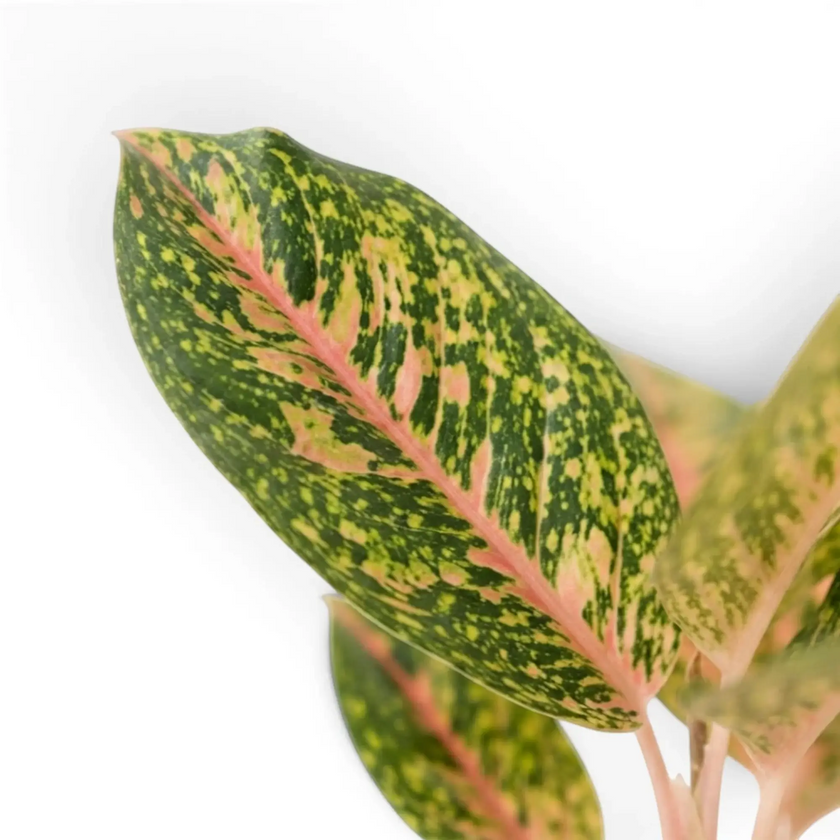
Aglaonema ‘Spring Red’
Sale priceFrom €31,25
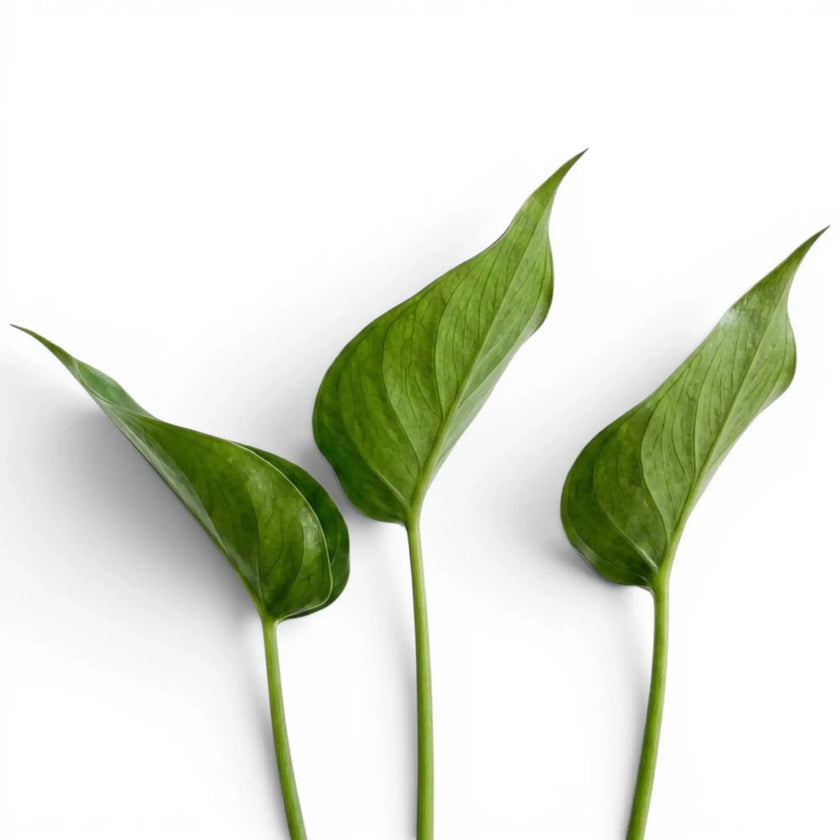
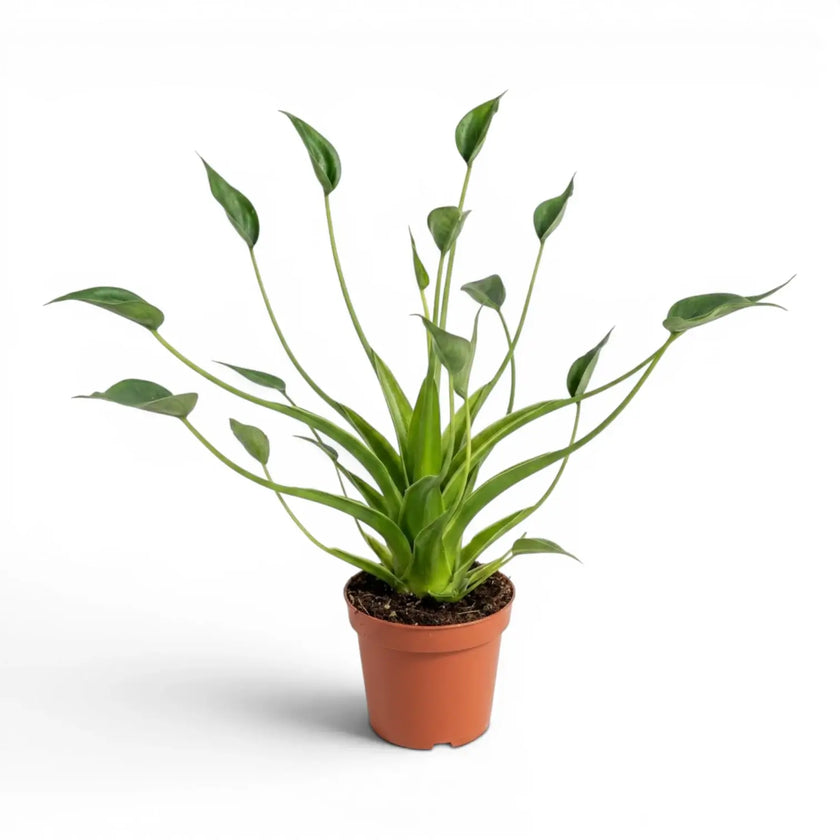
Alocasia 'Tiny Dancers'
Sale price€14,50
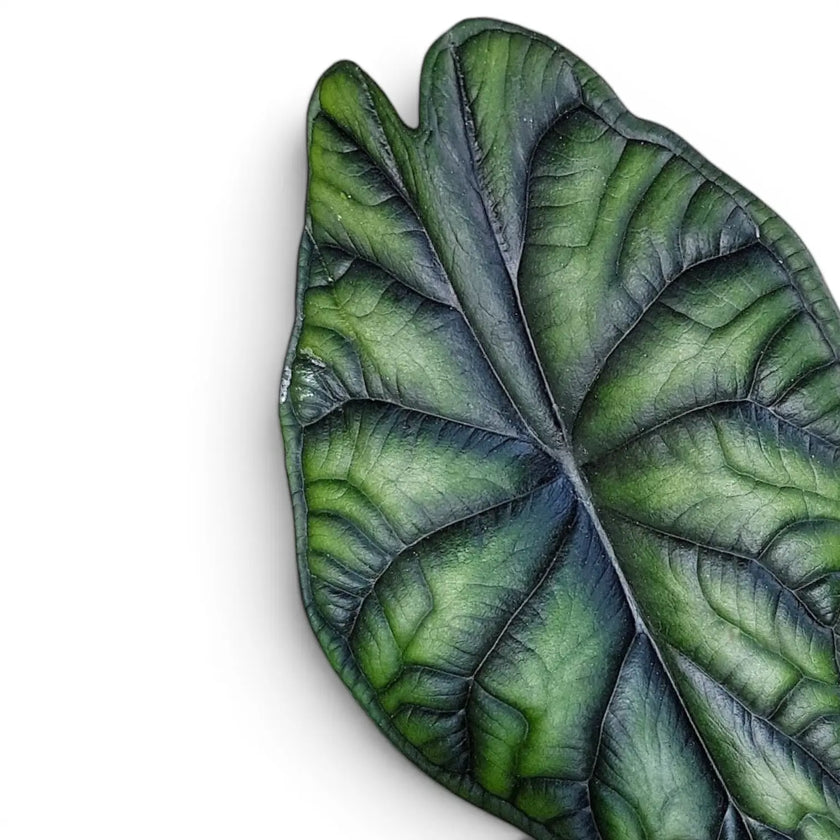
Alocasia baginda ‘Dragon Scale’
Sale priceFrom €8,50
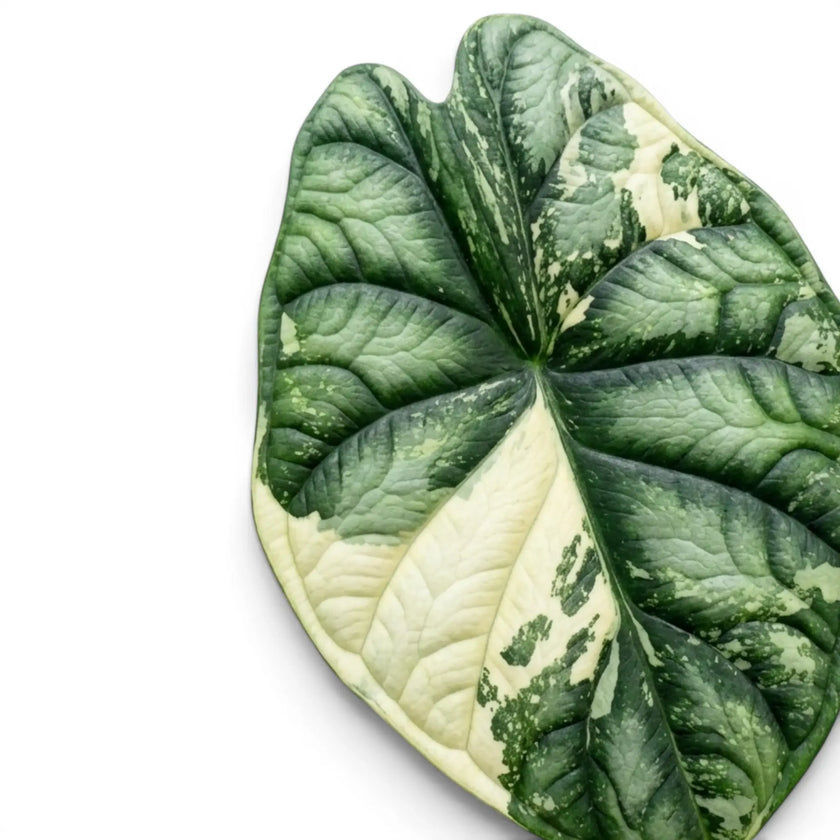
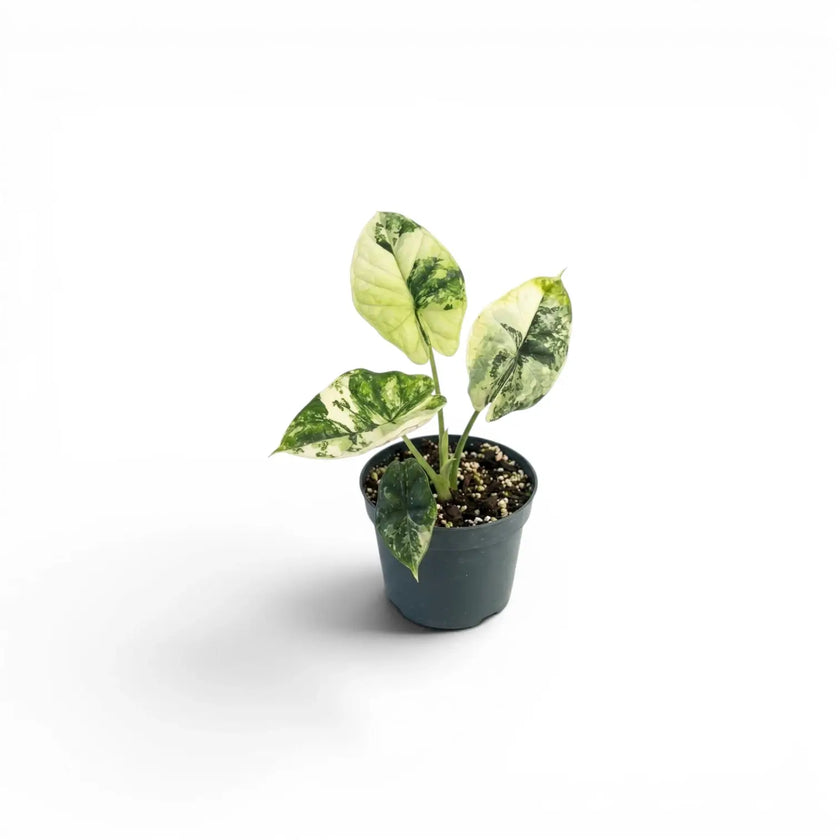
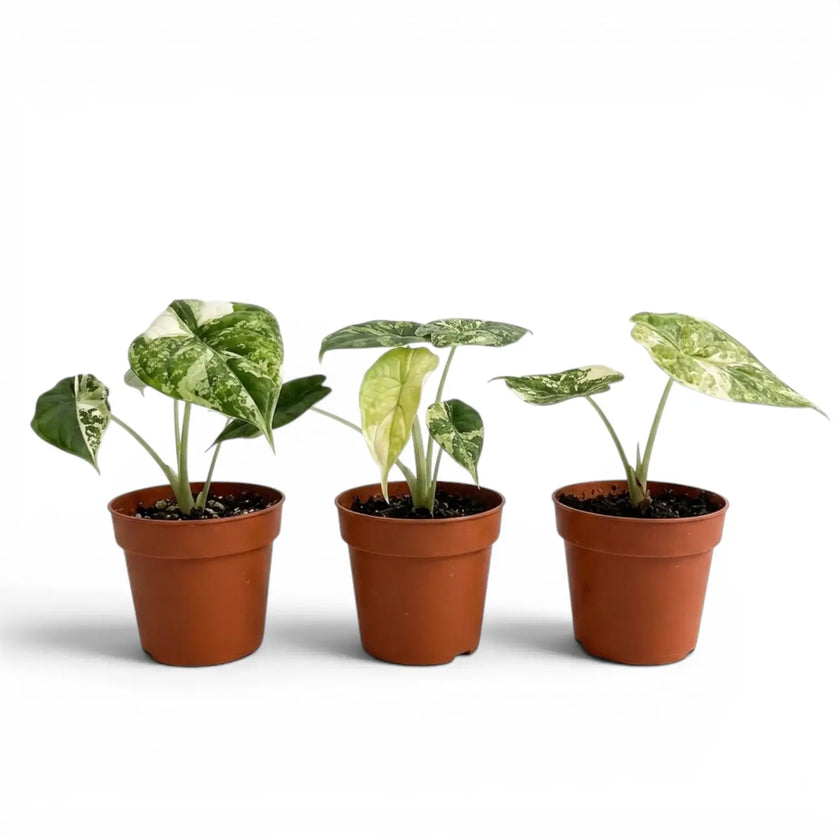
Alocasia baginda ‘Dragon Scale’ Albo-Variegata
Sale price€58,75
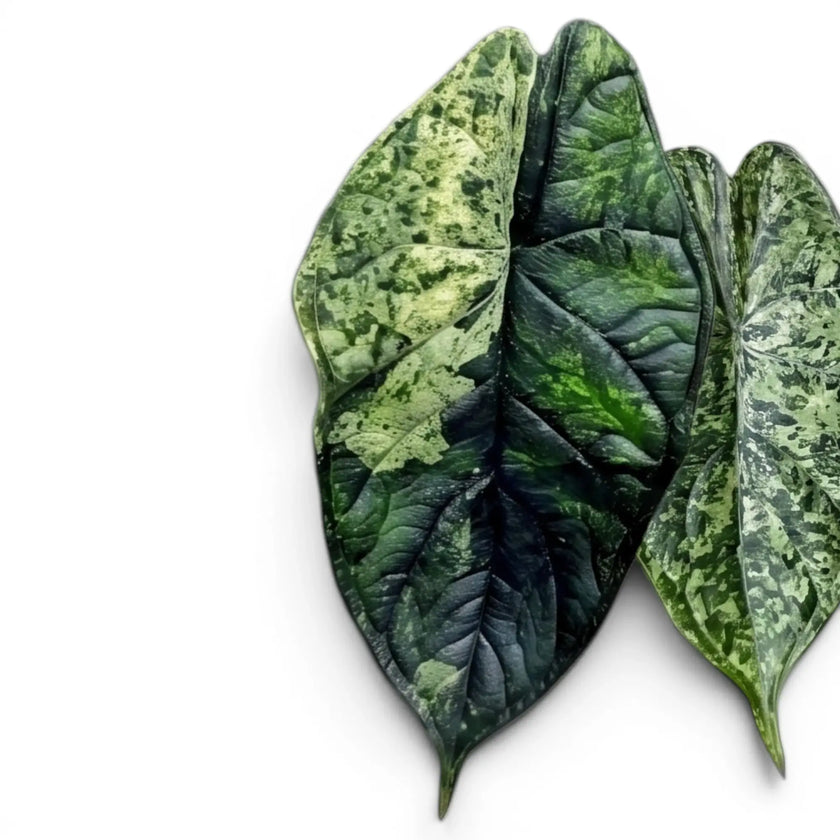
Alocasia baginda ‘Dragon Scale’ Mint Variegata
Sale priceFrom €39,75
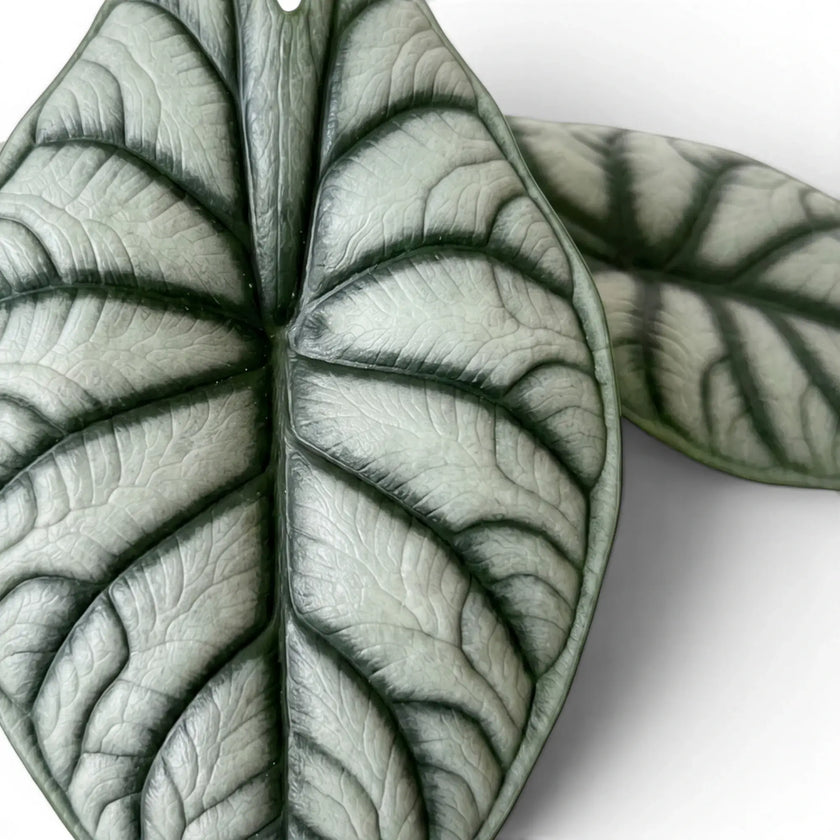
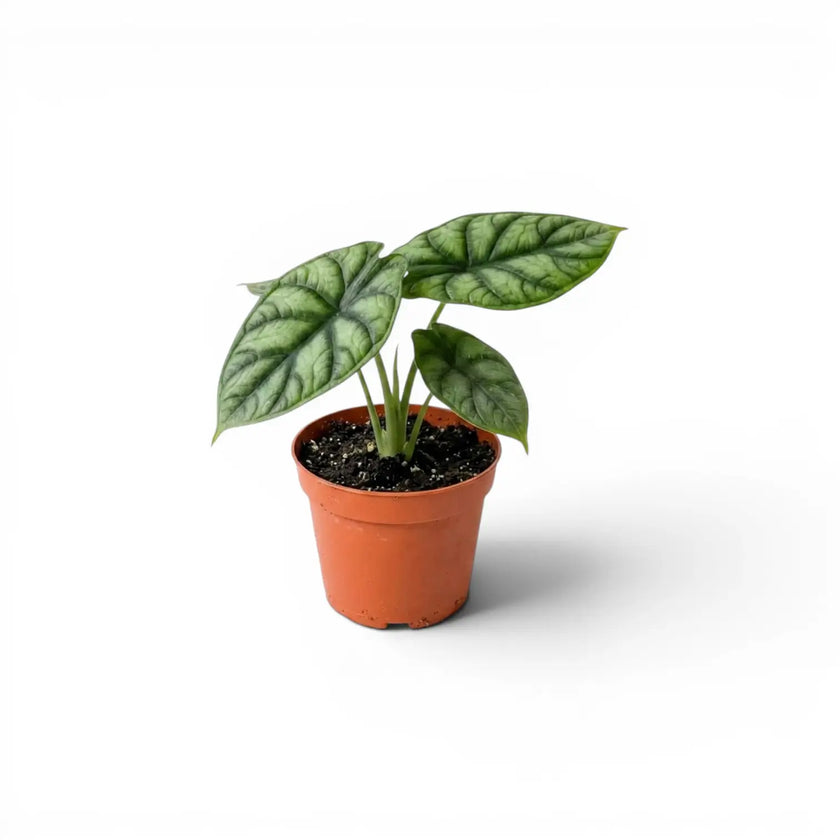
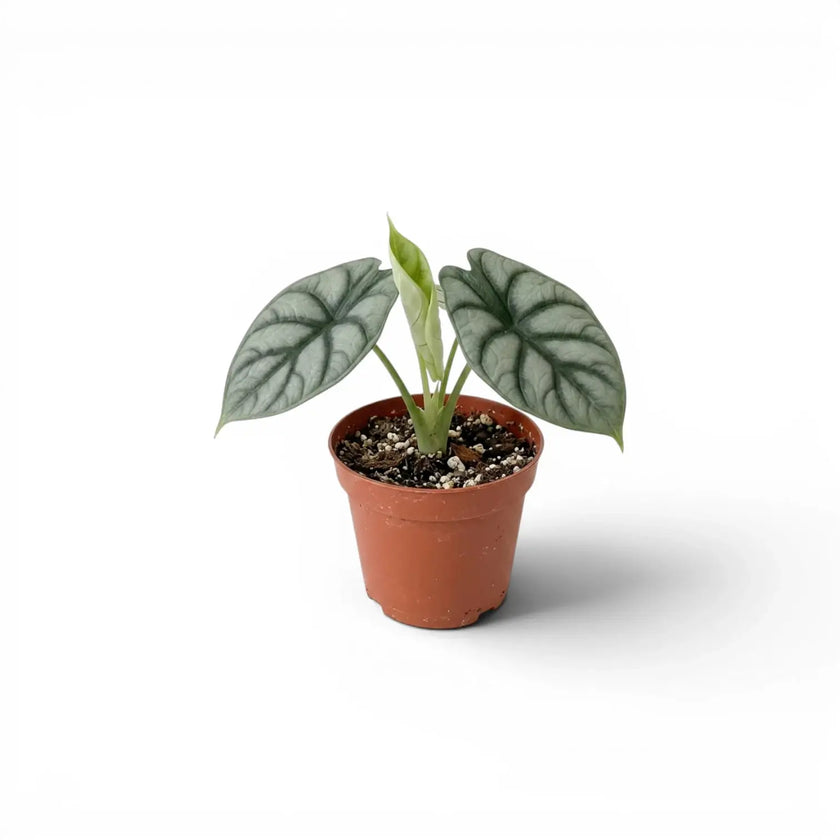
Alocasia baginda ‘Silver Dragon’
Sale priceFrom €8,50
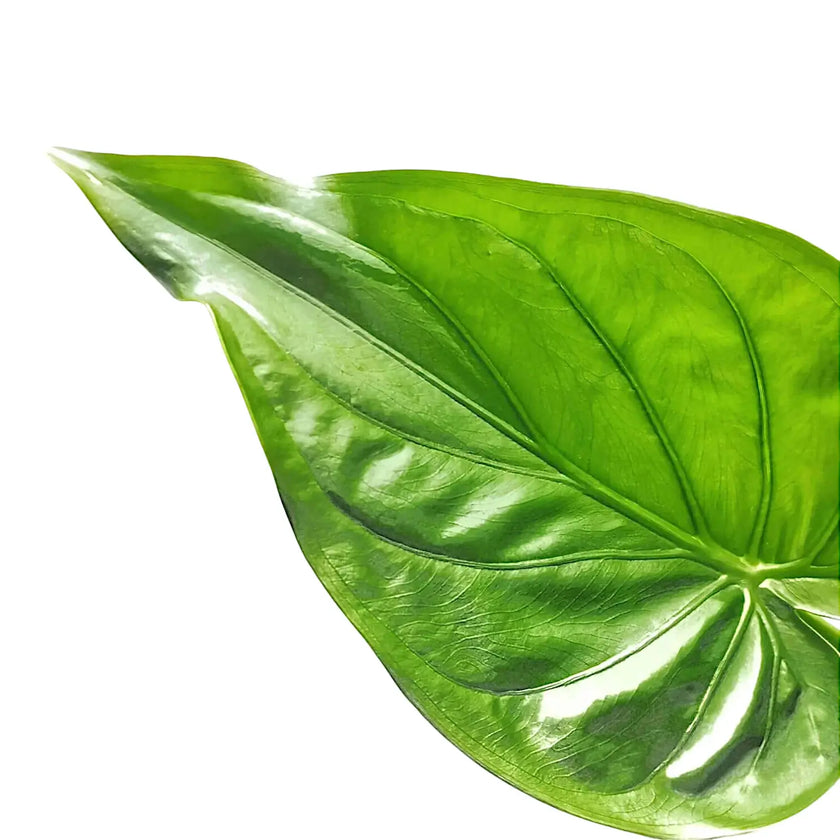
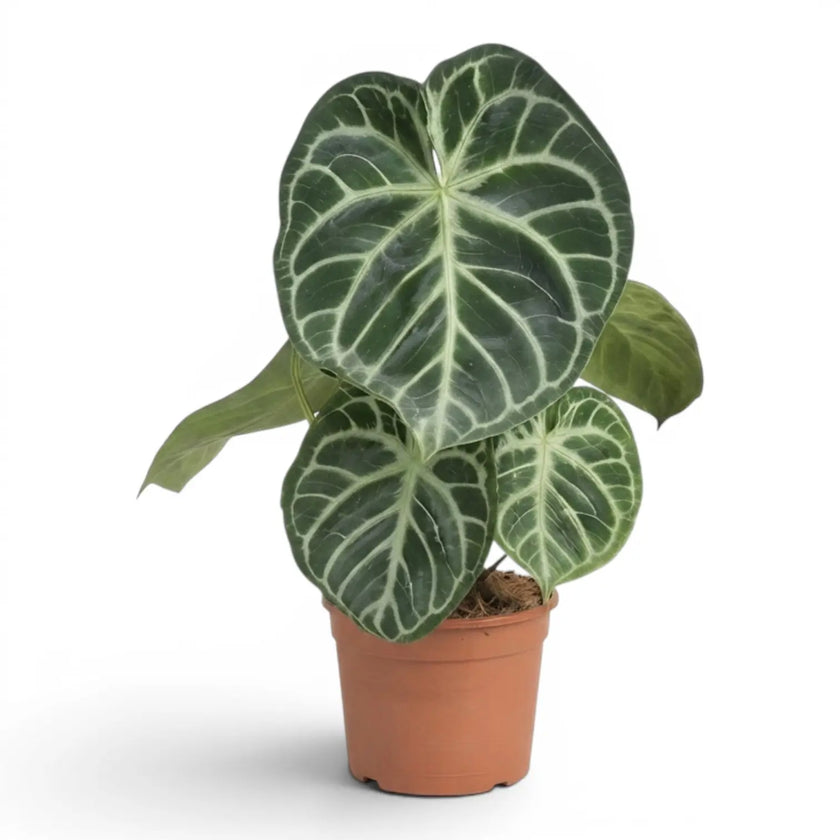
Alocasia cucullata
Sale price€37,25
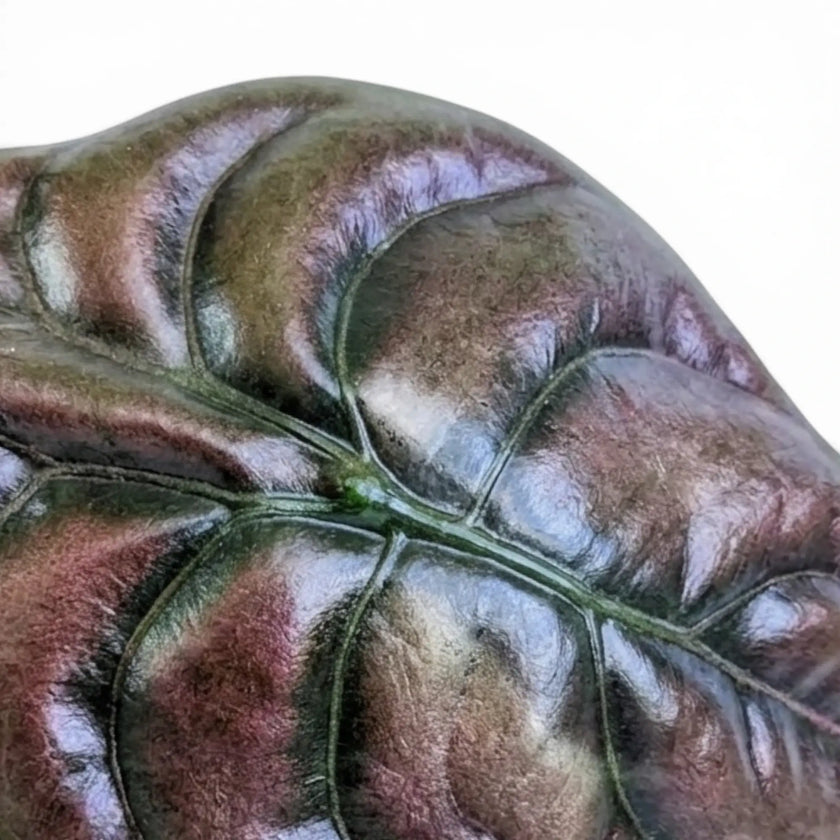
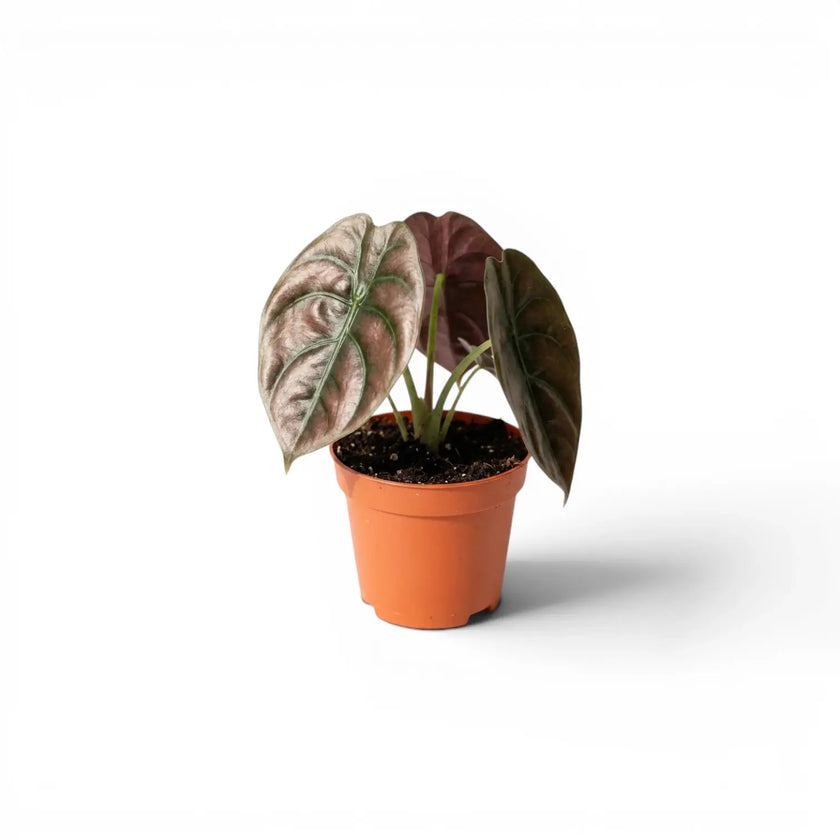
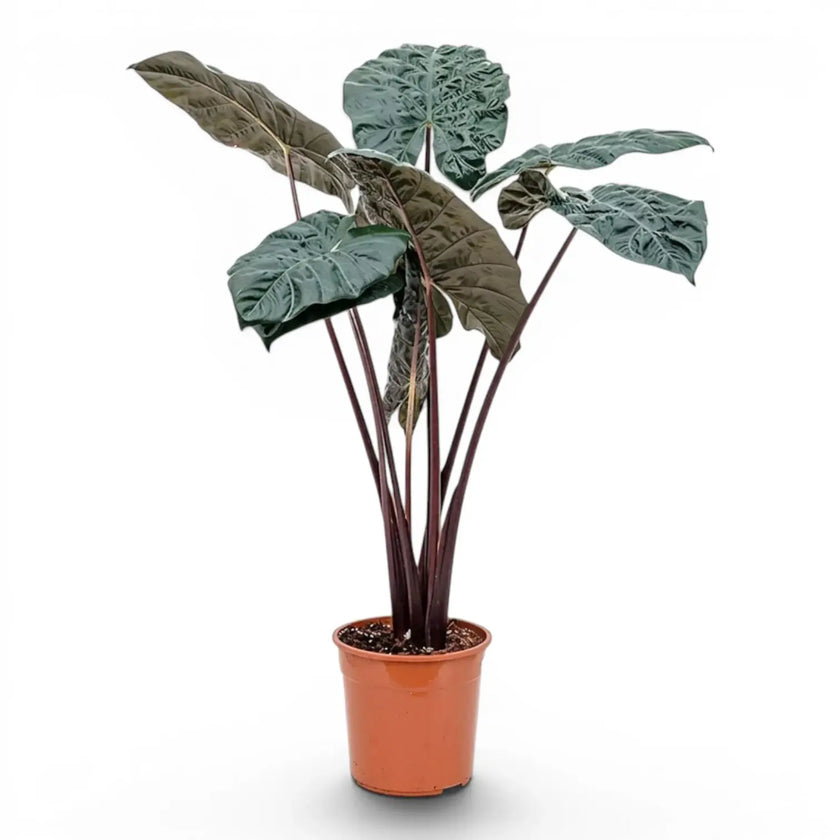
Alocasia cuprea ‘Red Secret’
Sale priceFrom €8,50
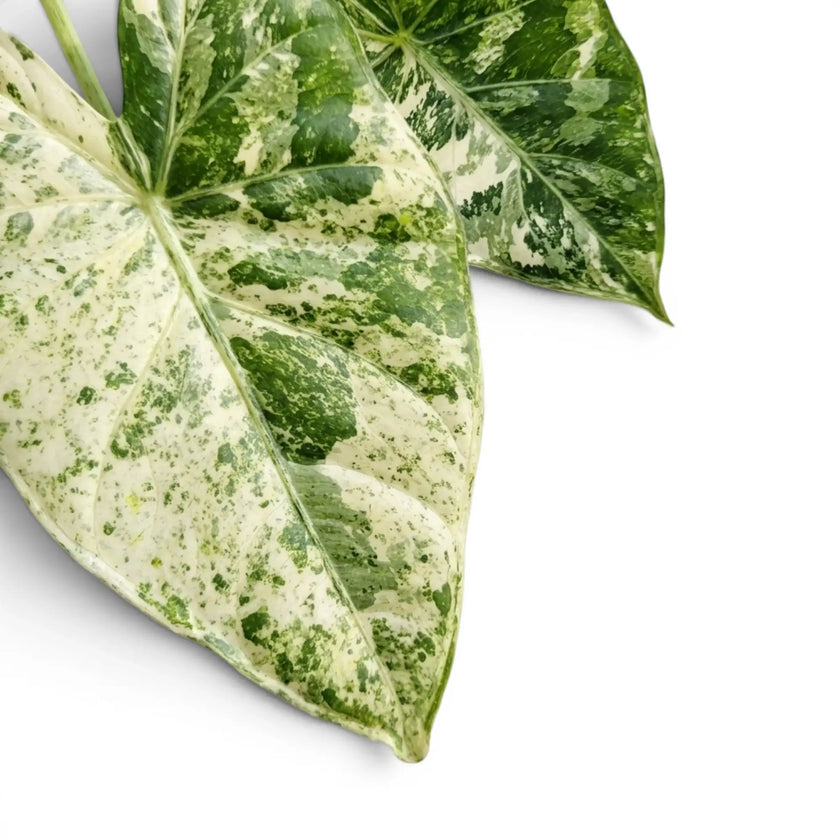
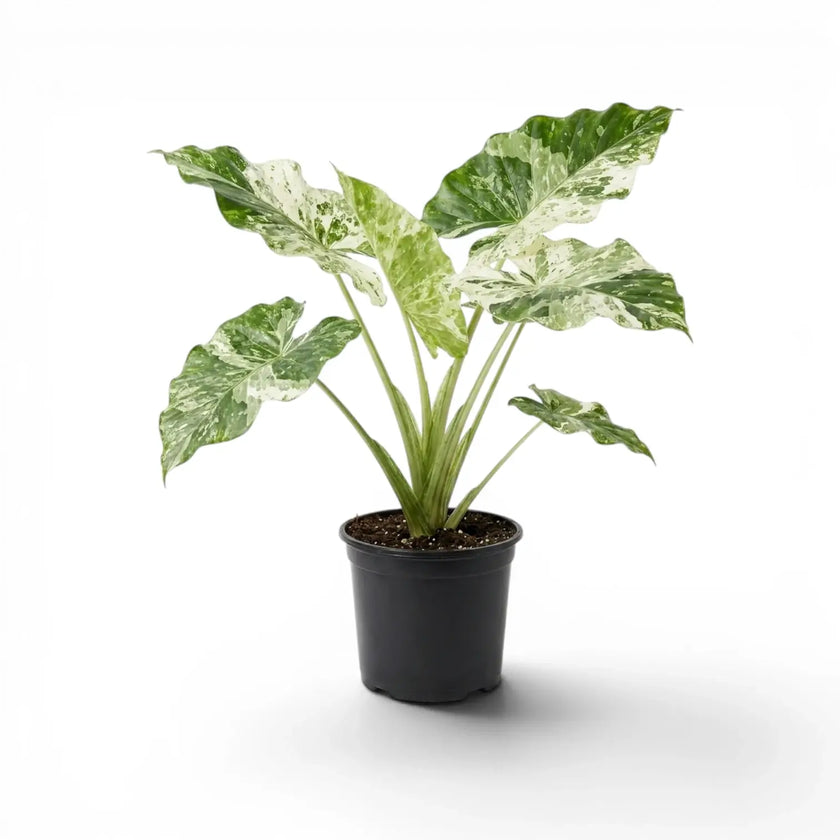
Alocasia macrorrhizos ‘Splash’ (‘Camouflage’)
Sale priceFrom €31,25
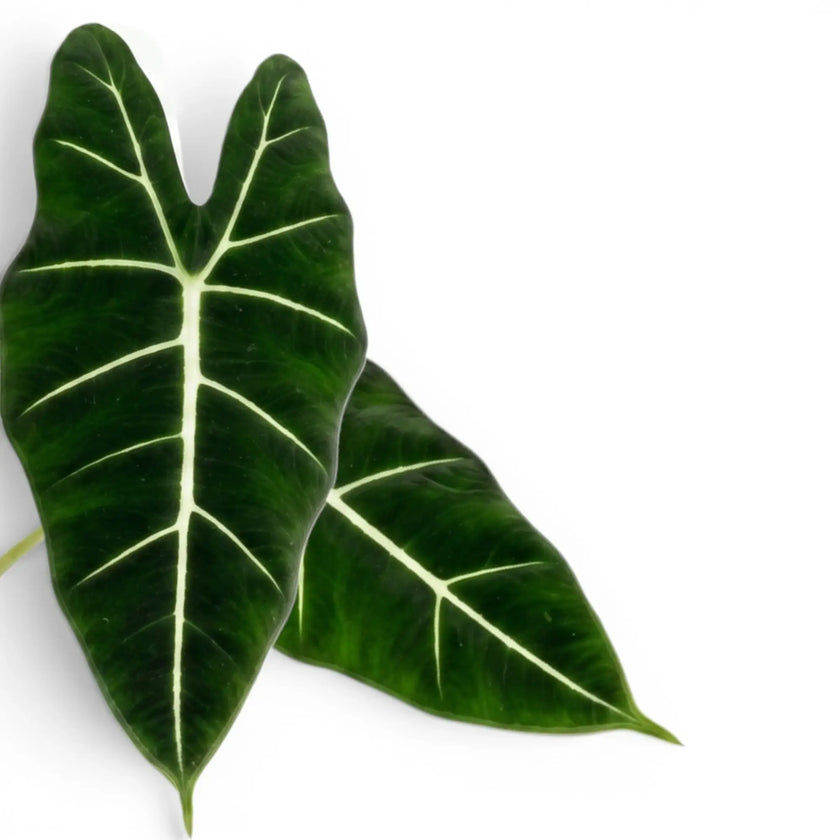
Alocasia micholitziana ‘Green Velvet’ (‘Maxkowskii’)
Sale priceFrom €8,75
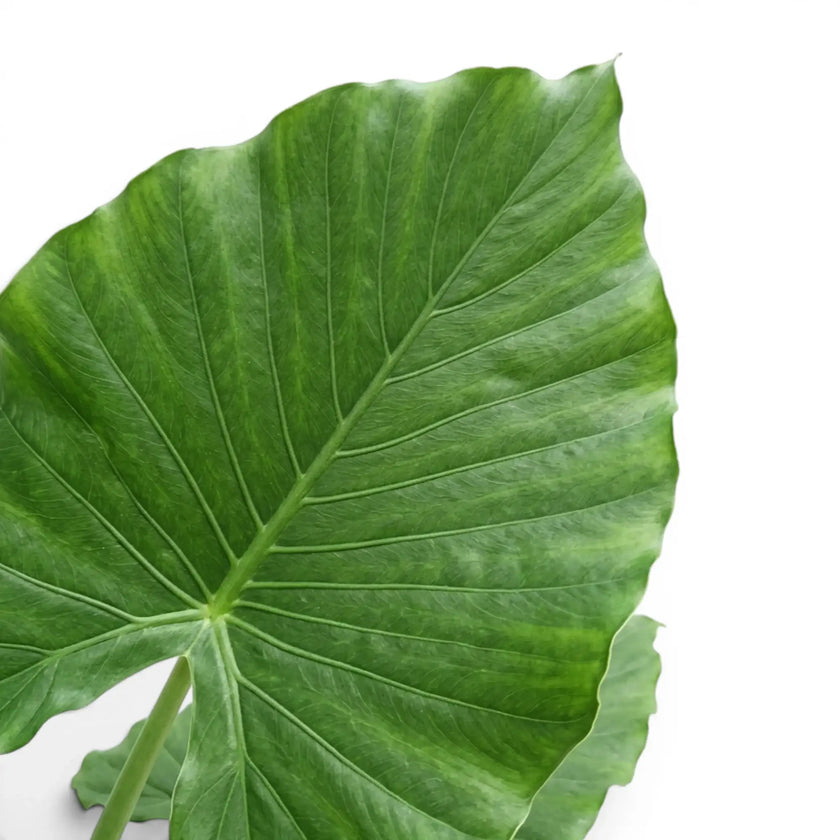
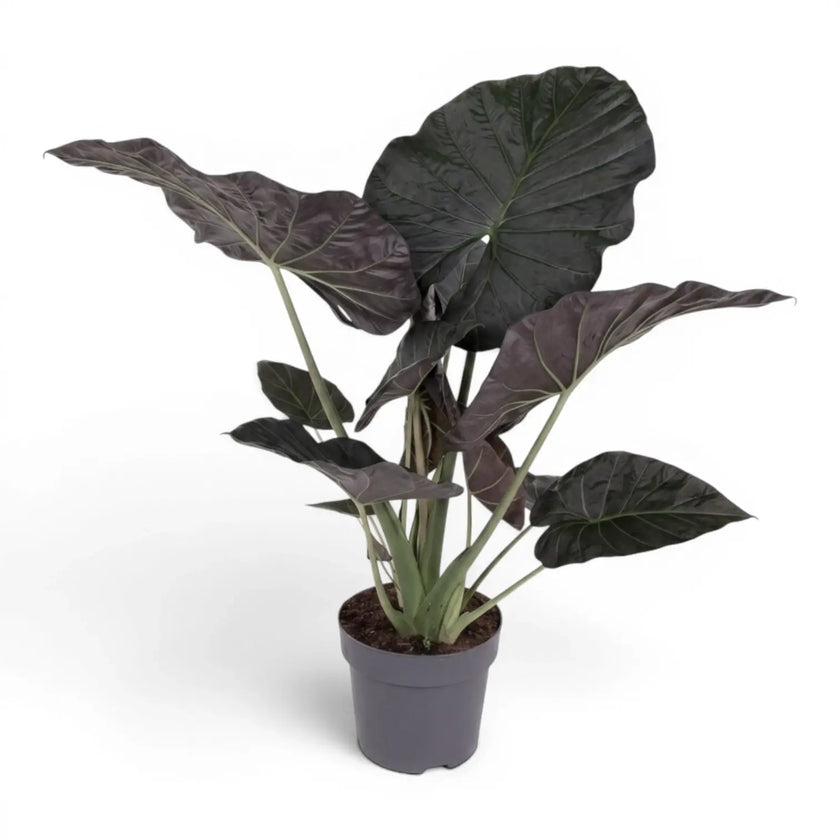
Alocasia odora ‘California’
Sale price€37,25
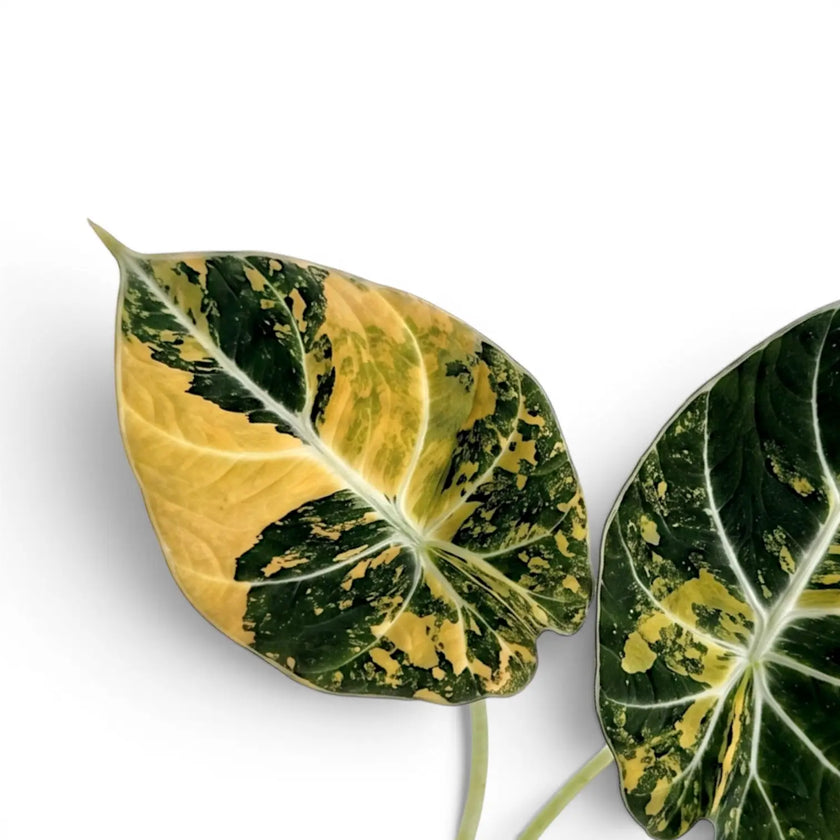
Alocasia reginula ‘Black Velvet Gold’
Sale price€86,50
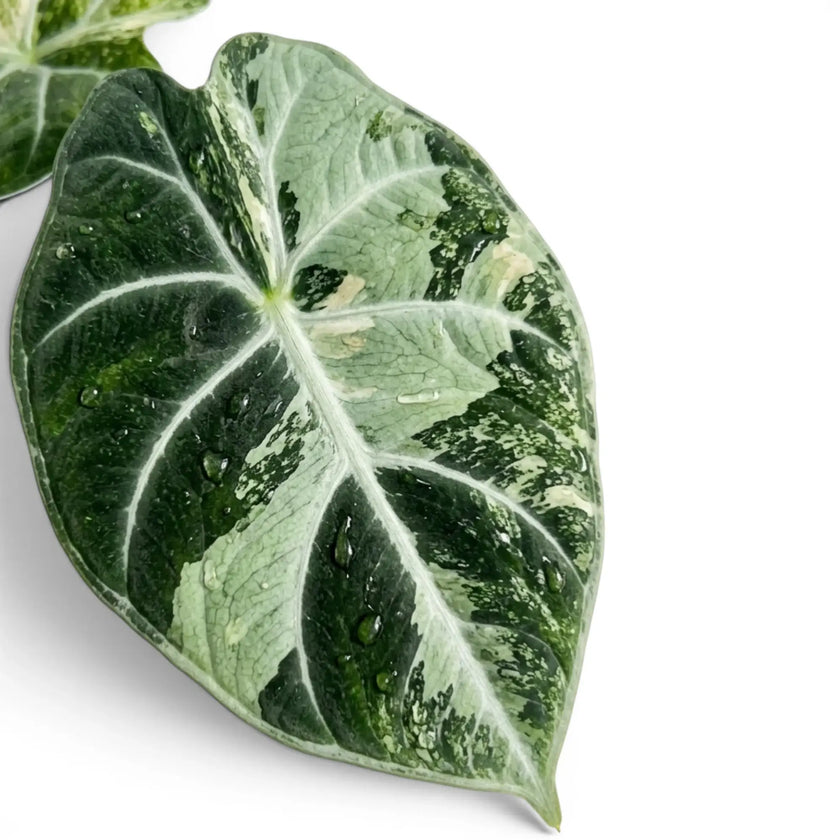
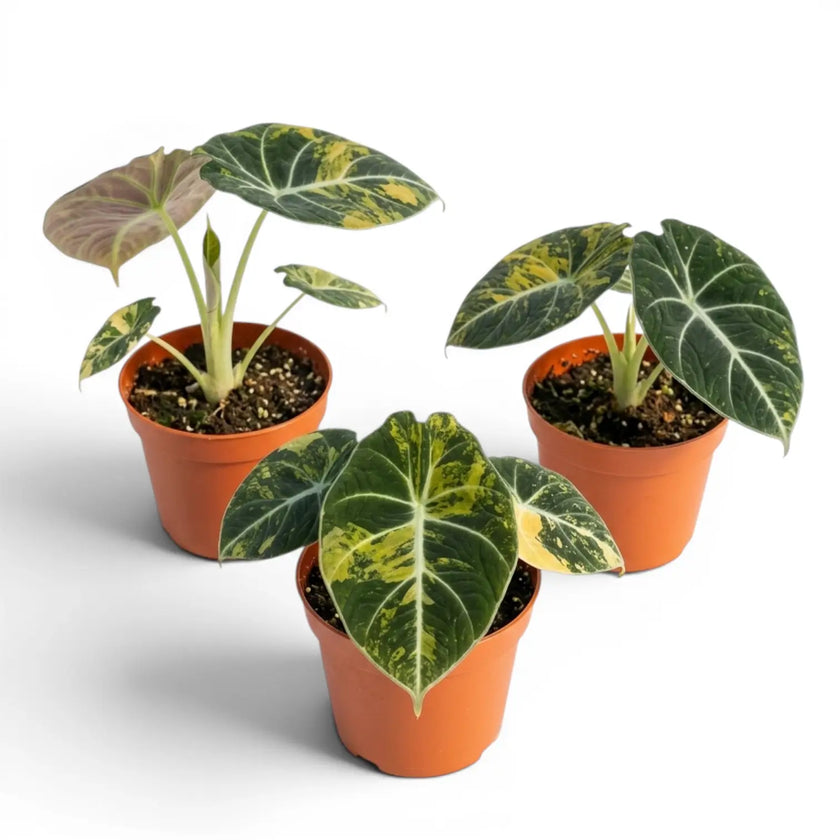
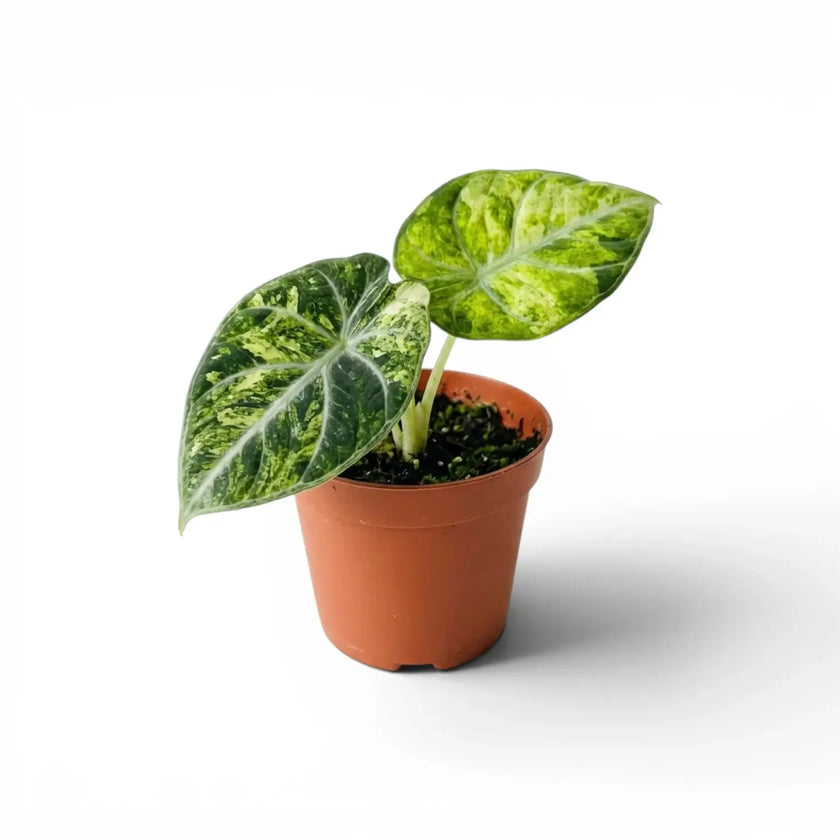
Alocasia reginula ‘Ninja Tricolor’
Sale priceFrom €45,75
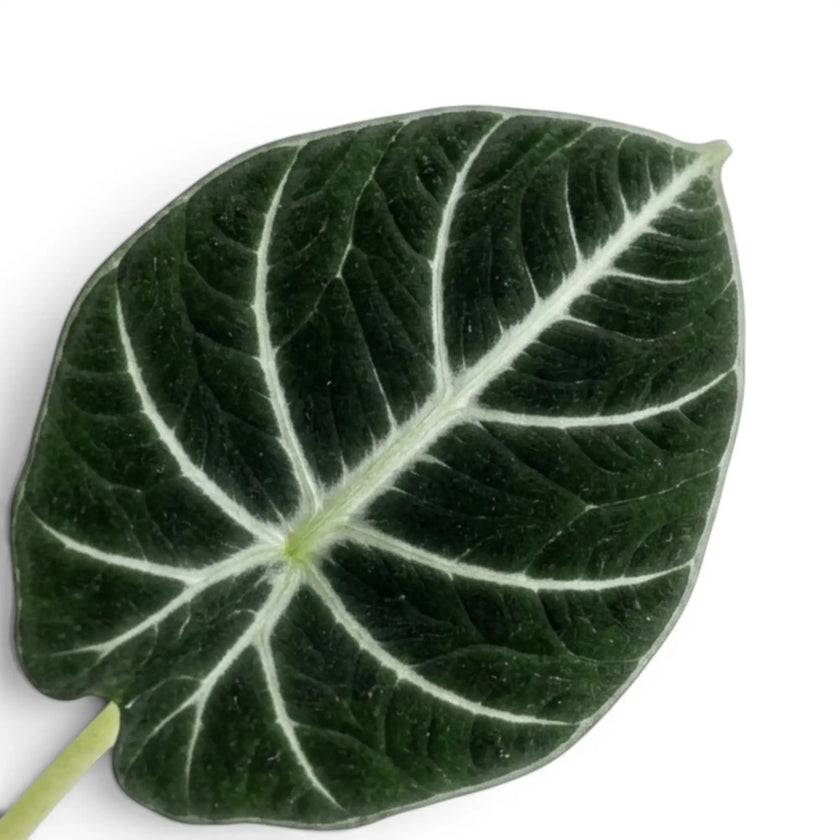
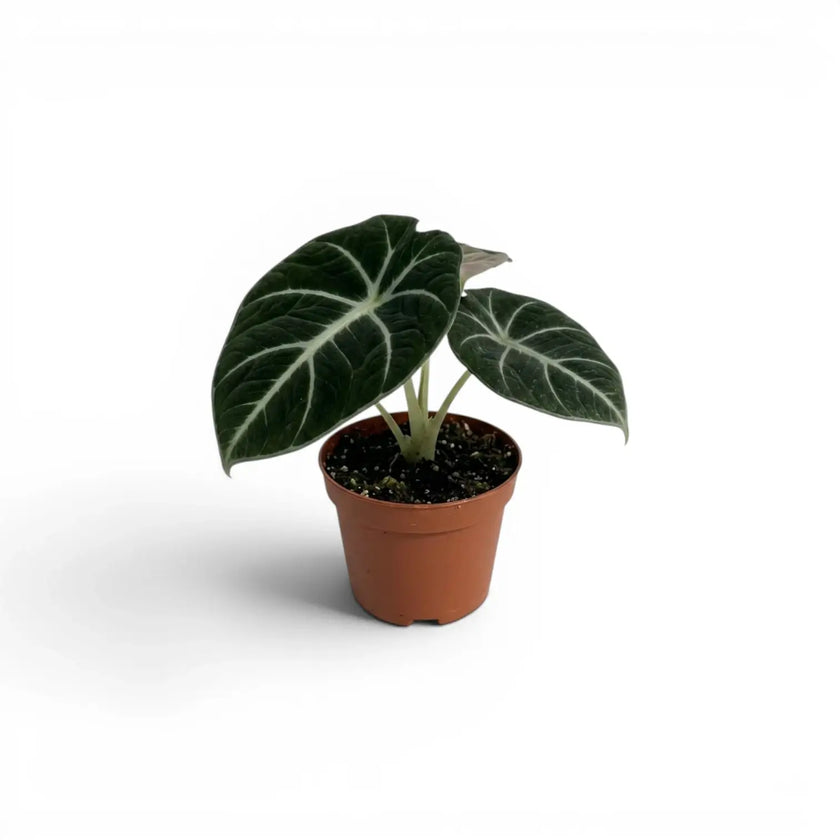
Alocasia reginula ‘Ninja’
Sale price€9,75
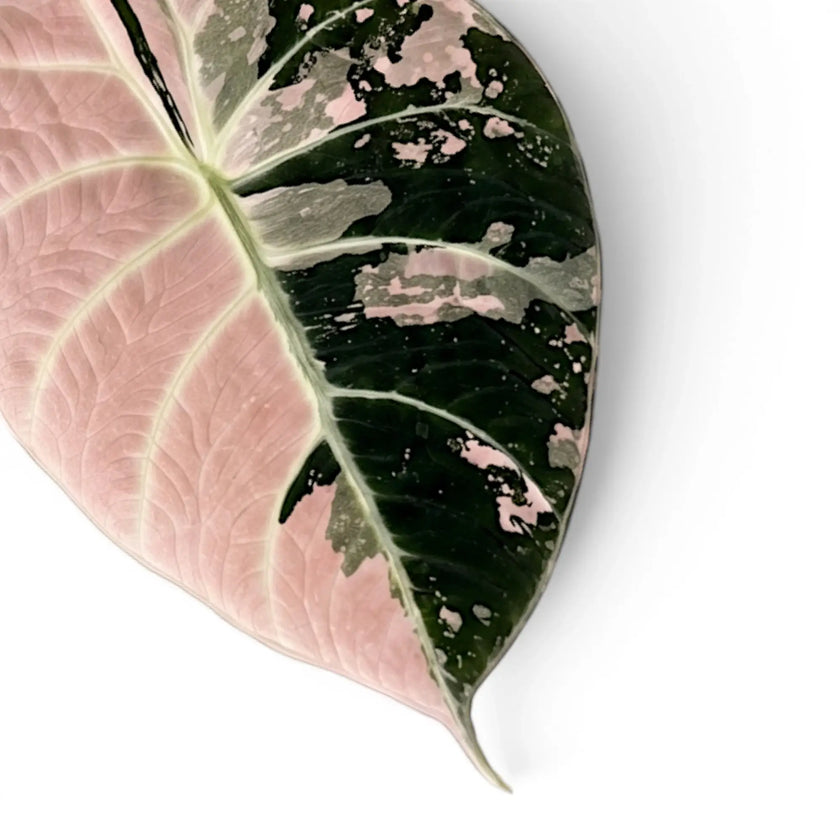
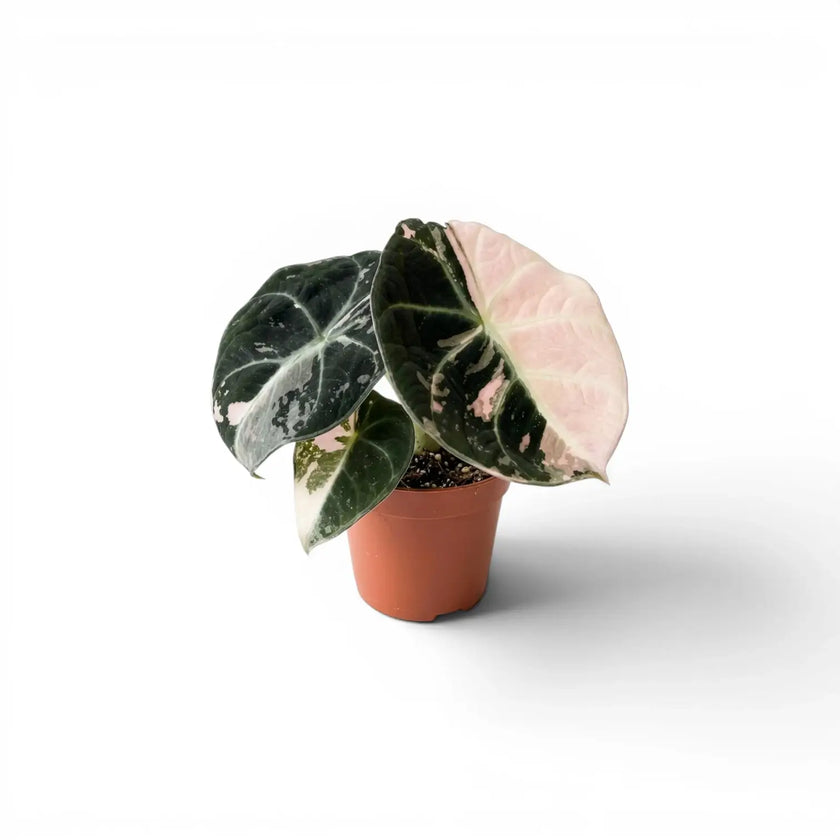
Alocasia reginula ‘Pink Variegated’
Sale price€69,00
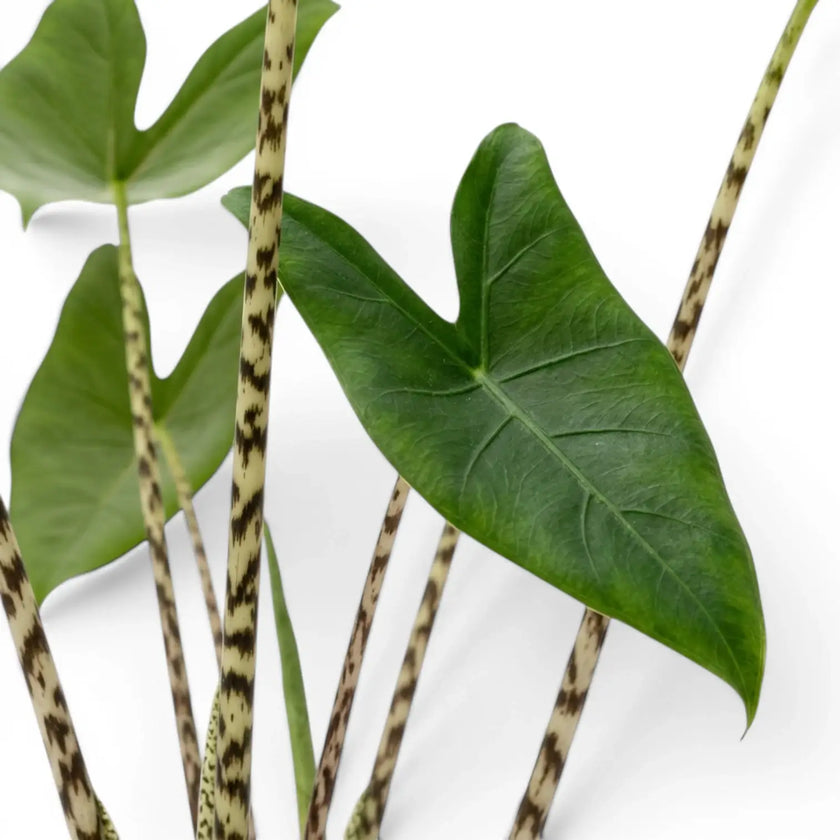
Alocasia zebrina
Sale priceFrom €8,50
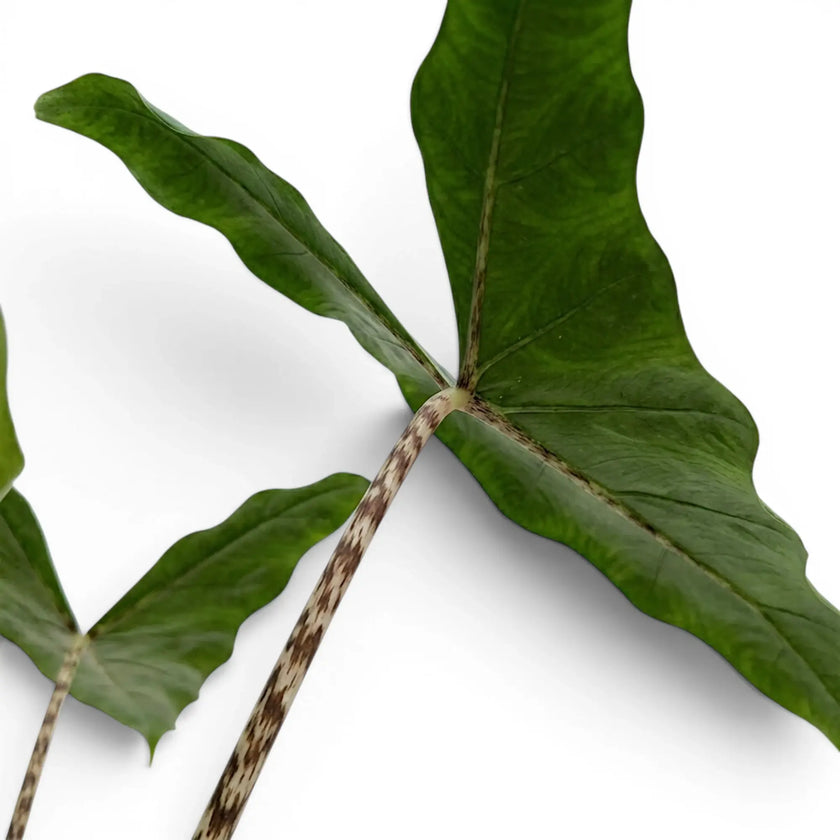
Alocasia zebrina ‘Tigrina Superba’
Sale price€31,25
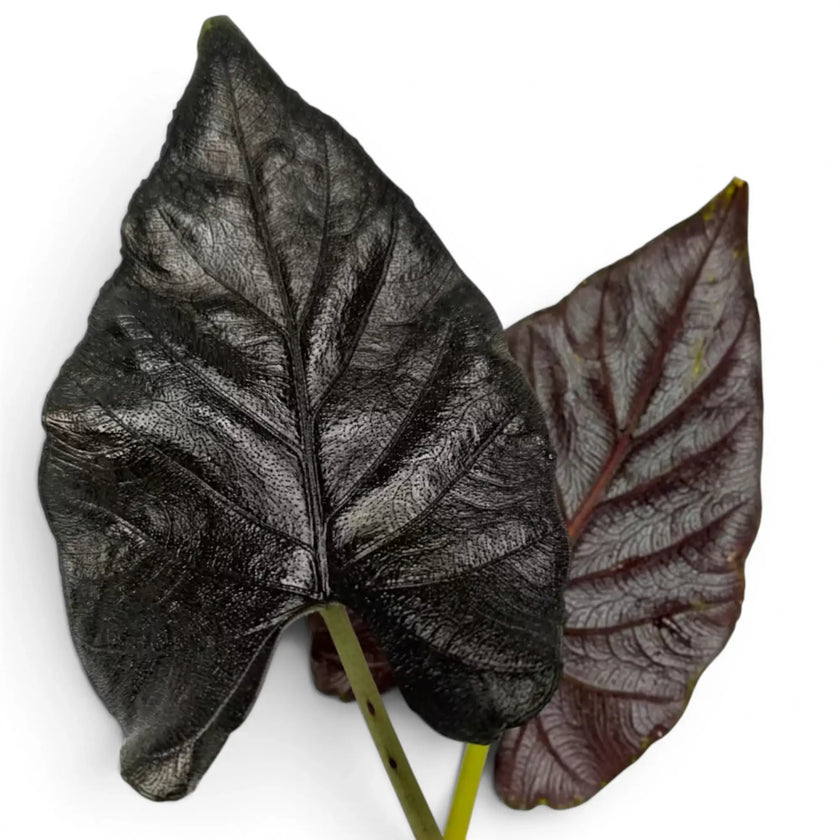
Alocasia ‘Antoro Velvet’
Sale priceFrom €9,75
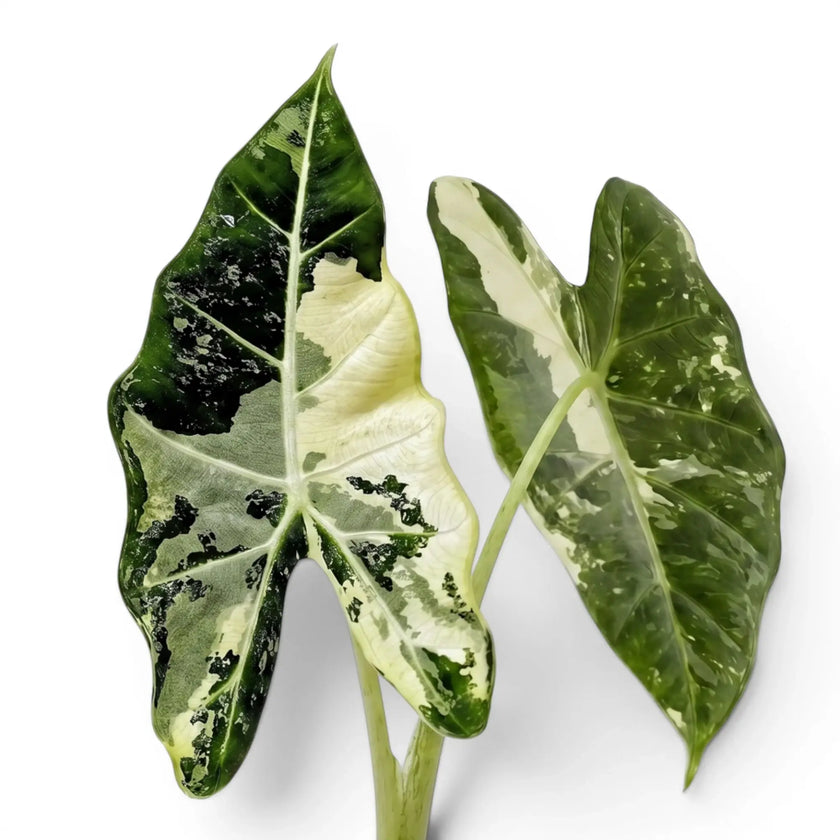
Alocasia ‘Frydek’ variegata
Sale priceFrom €19,75
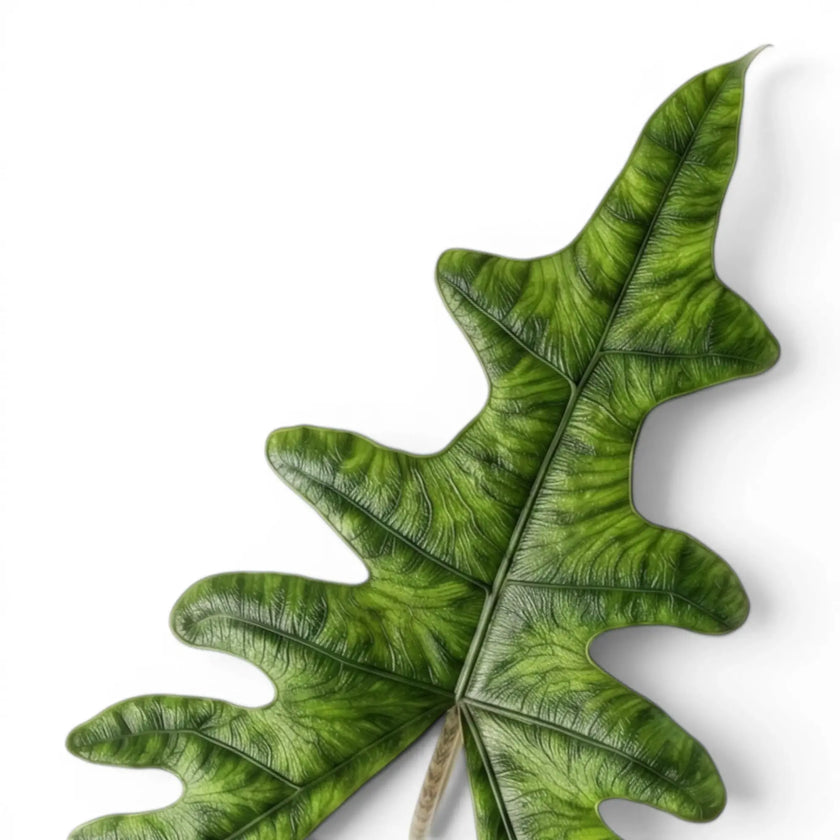
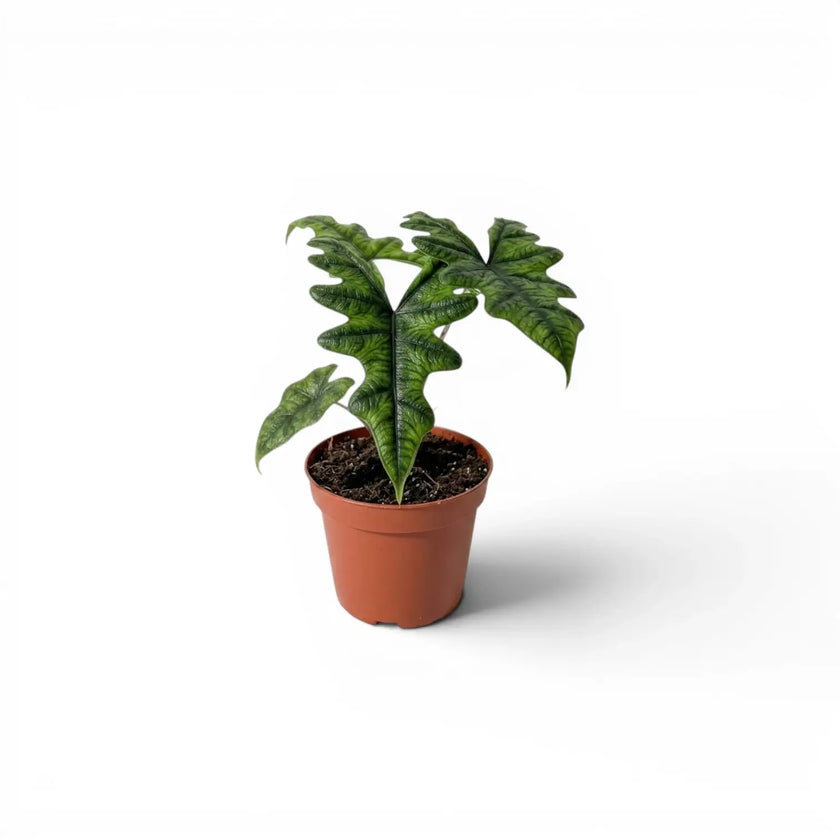
Alocasia ‘Jacklyn’
Sale priceFrom €9,75
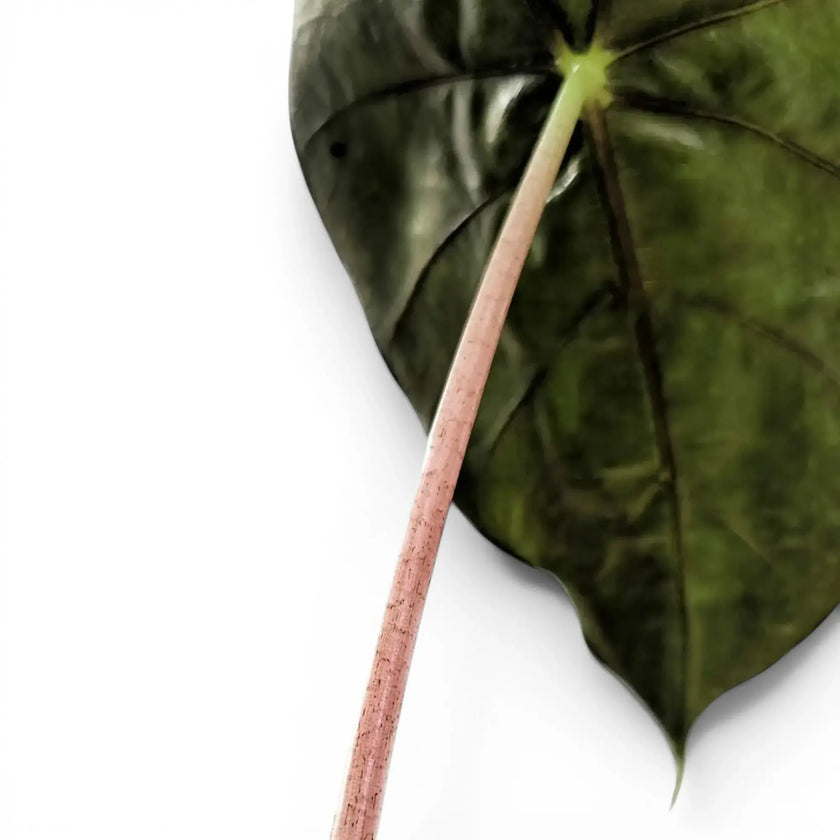
Alocasia ‘Pink Dragon’
Sale priceFrom €9,75
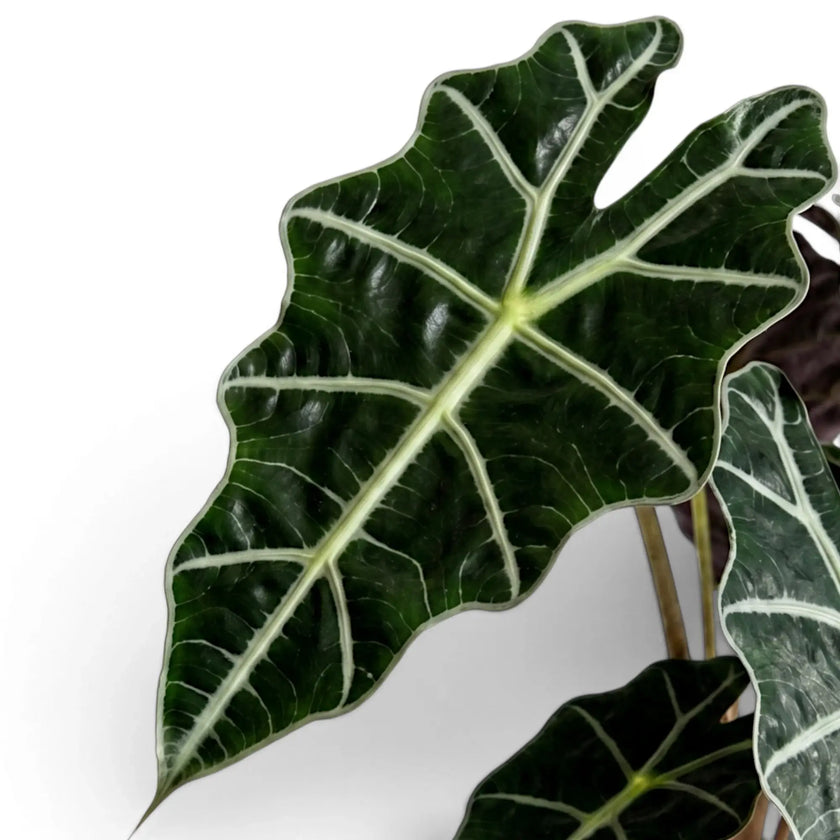
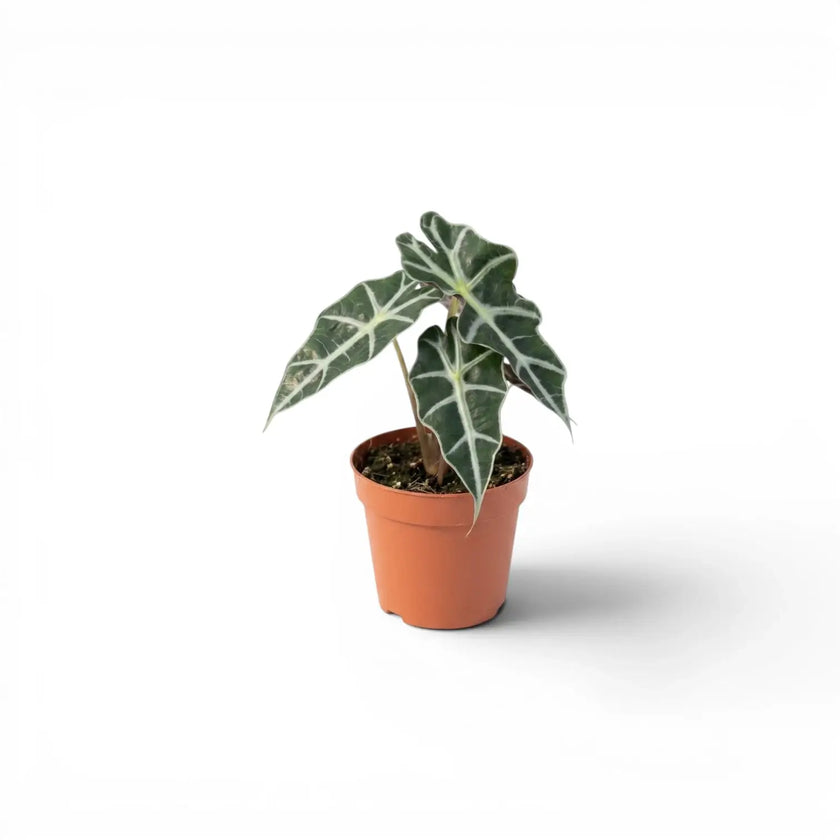
Alocasia ‘Polly’
Sale priceFrom €9,75
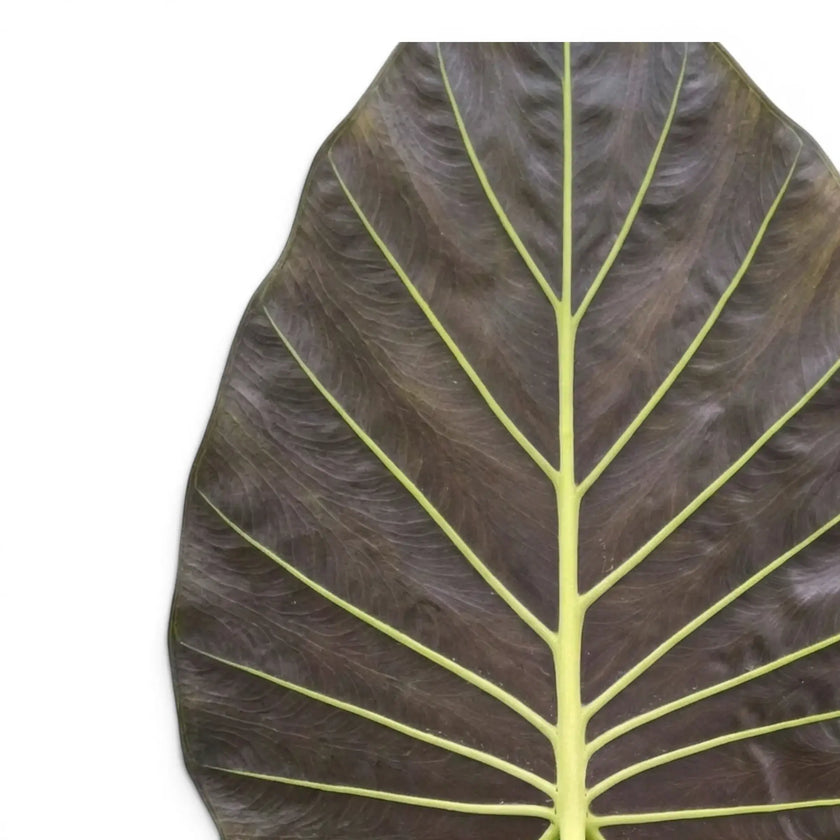
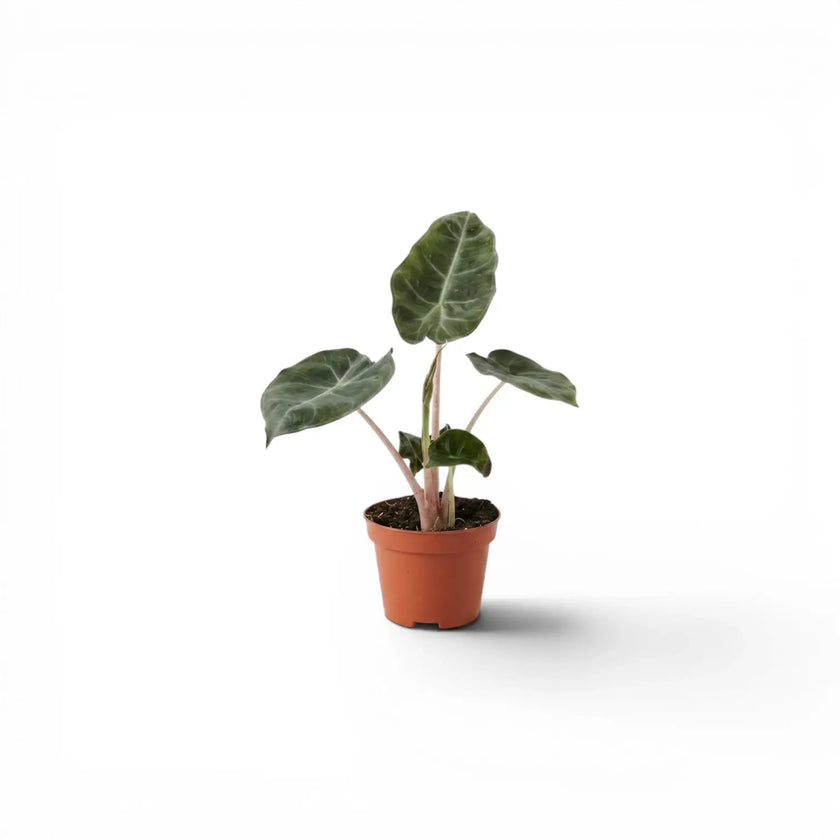
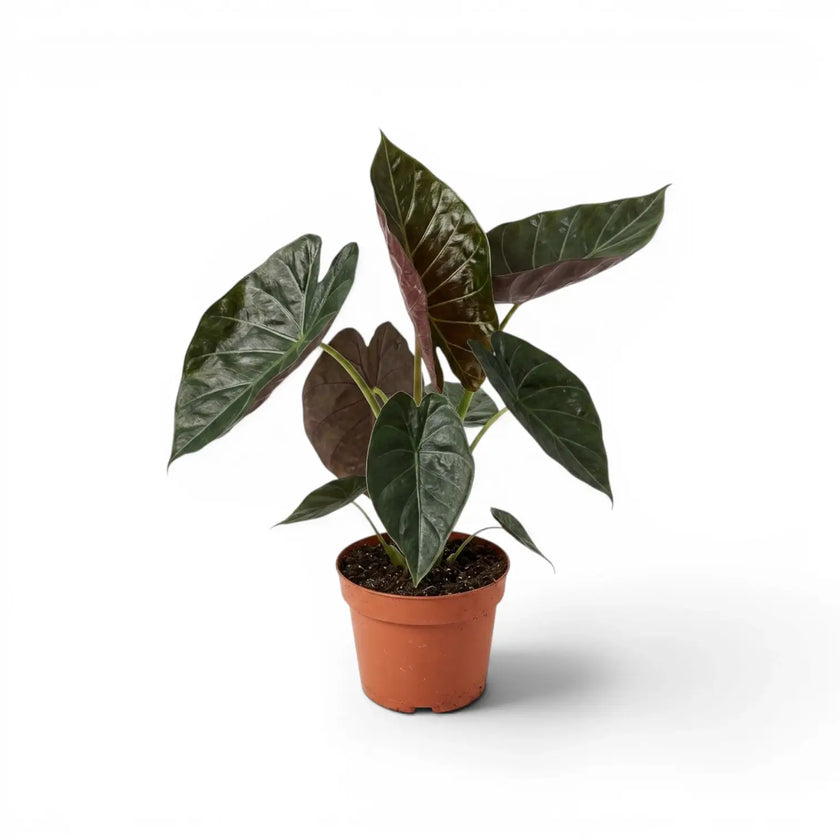
Alocasia ‘Regal Shields’
Sale priceFrom €8,50

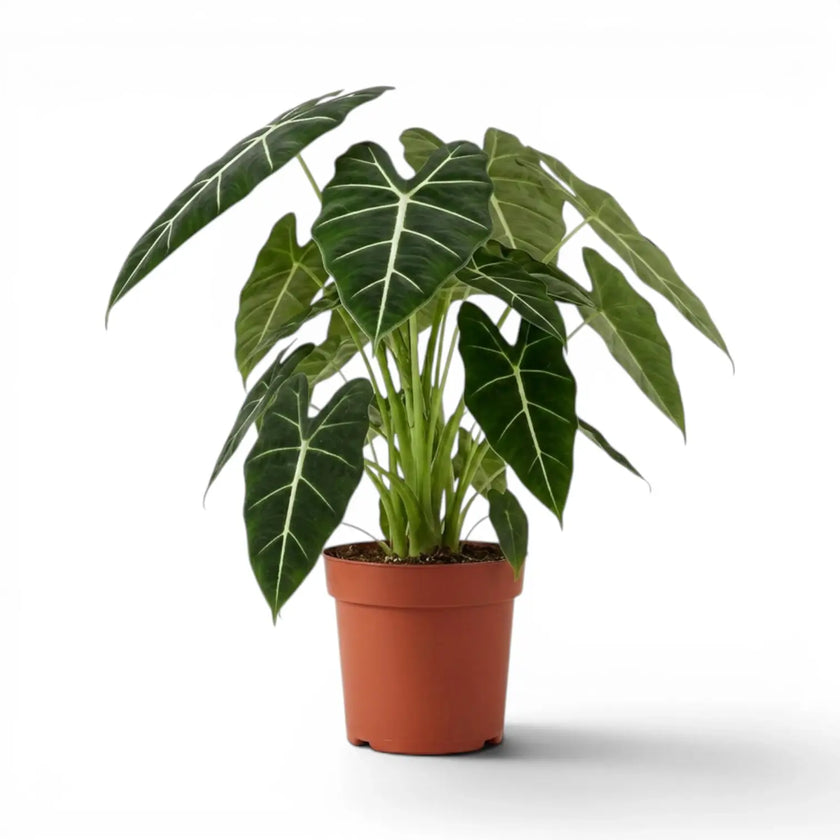
Alocasia ‘Venom’
Sale price€58,75
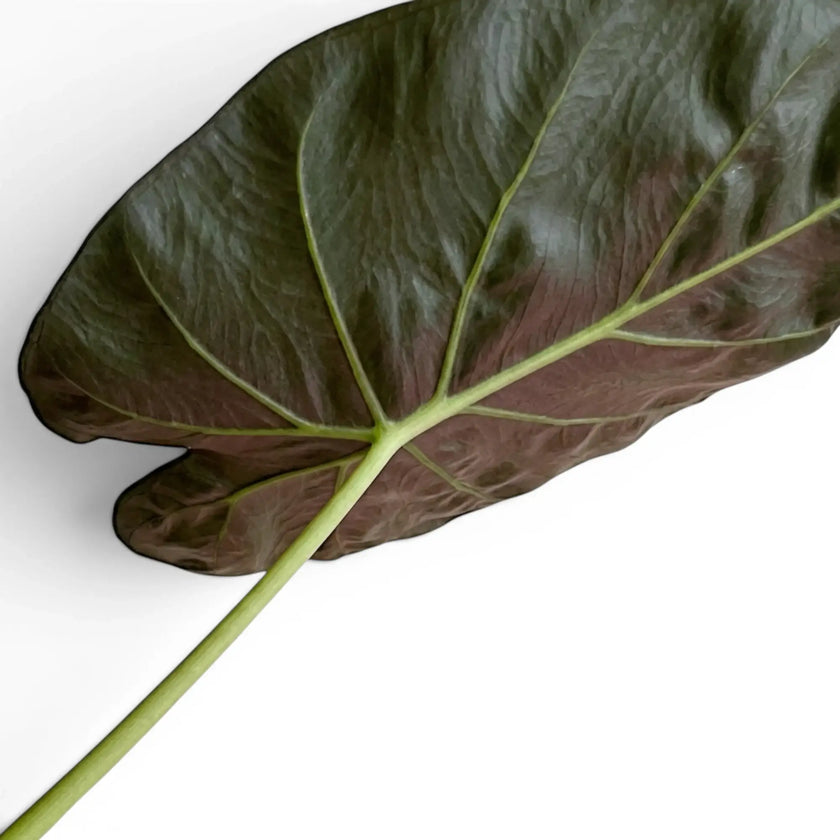
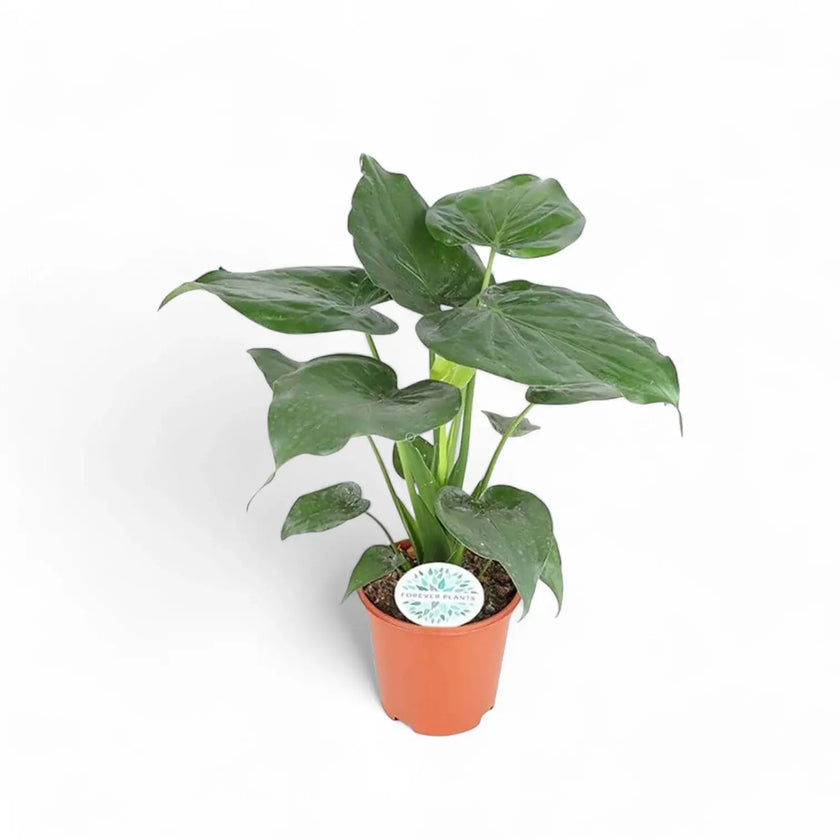
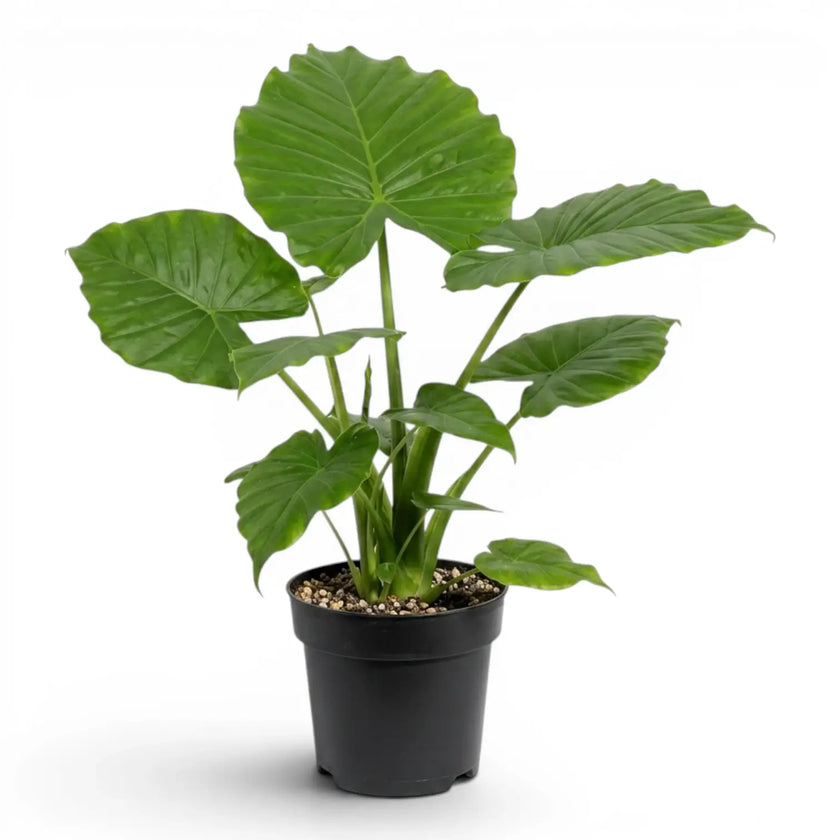
Alocasia ‘Wentii’
Sale price€18,00
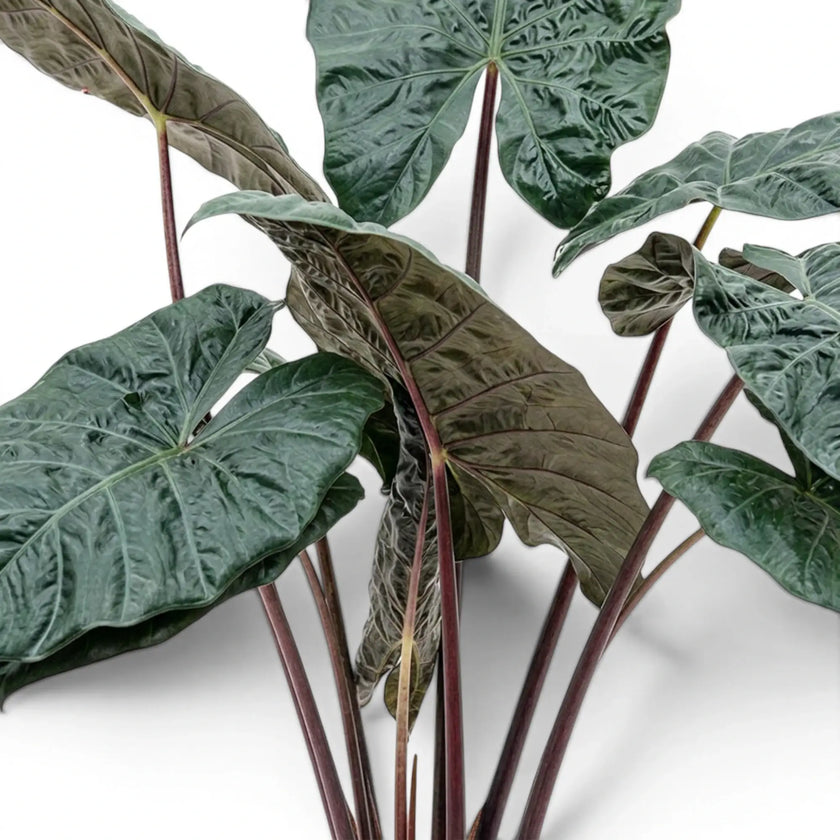
Alocasia ‘Yucatan Princess’
Sale priceFrom €32,50
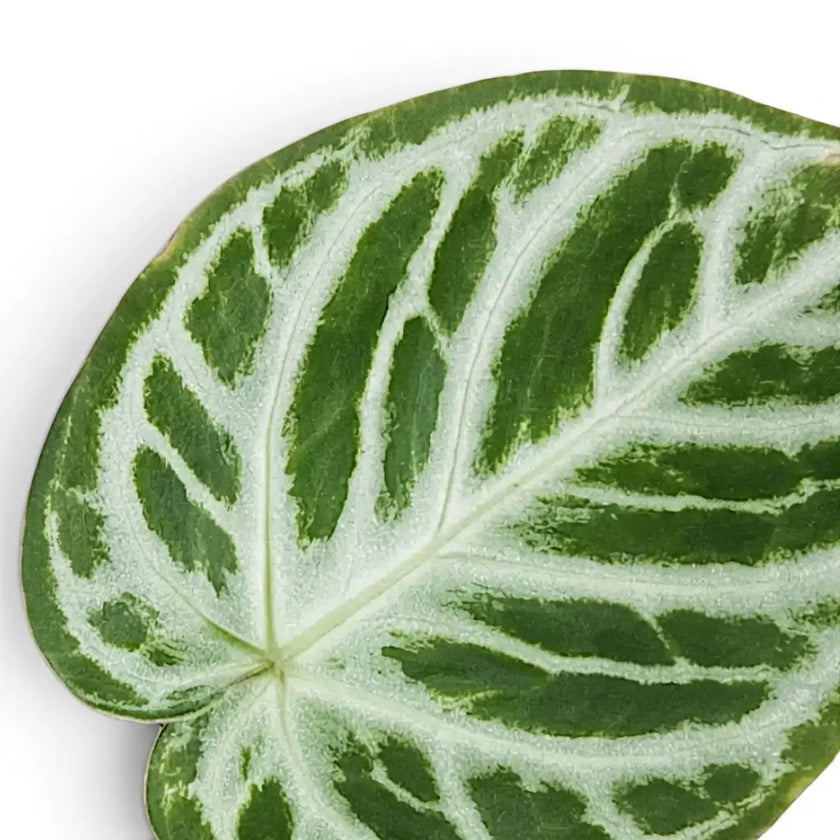
Anthurium 'Silver Blush'
Sale priceFrom €8,50
Araceae
Aroids
Frequently Asked Questions About Aroids


Sign up for Foliage Factory newsletter for early access to new arrivals and practical care tips that work in real homes.