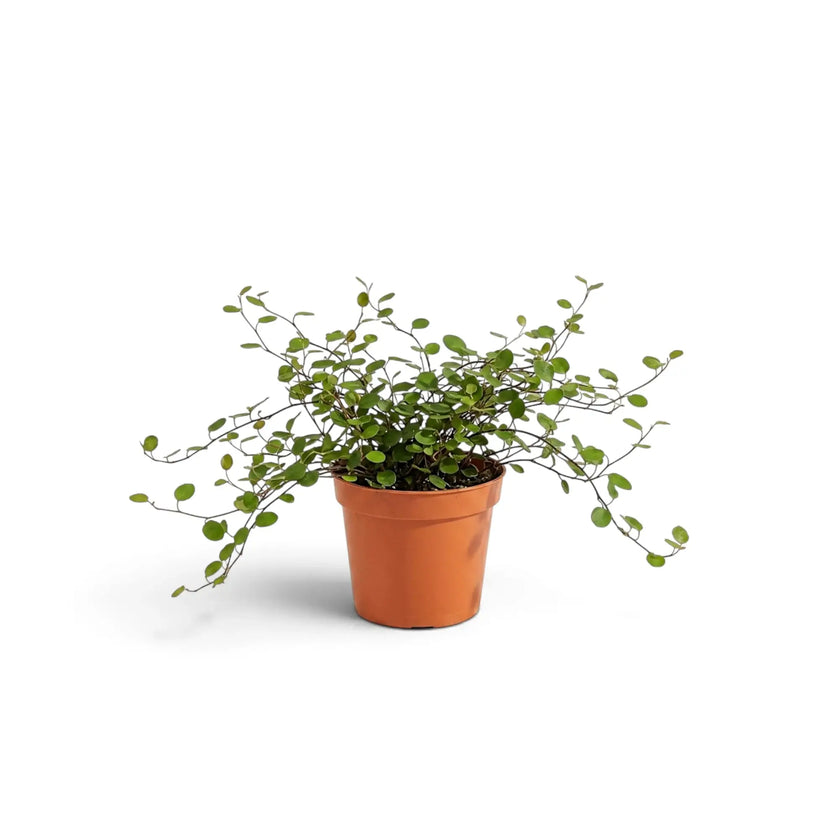
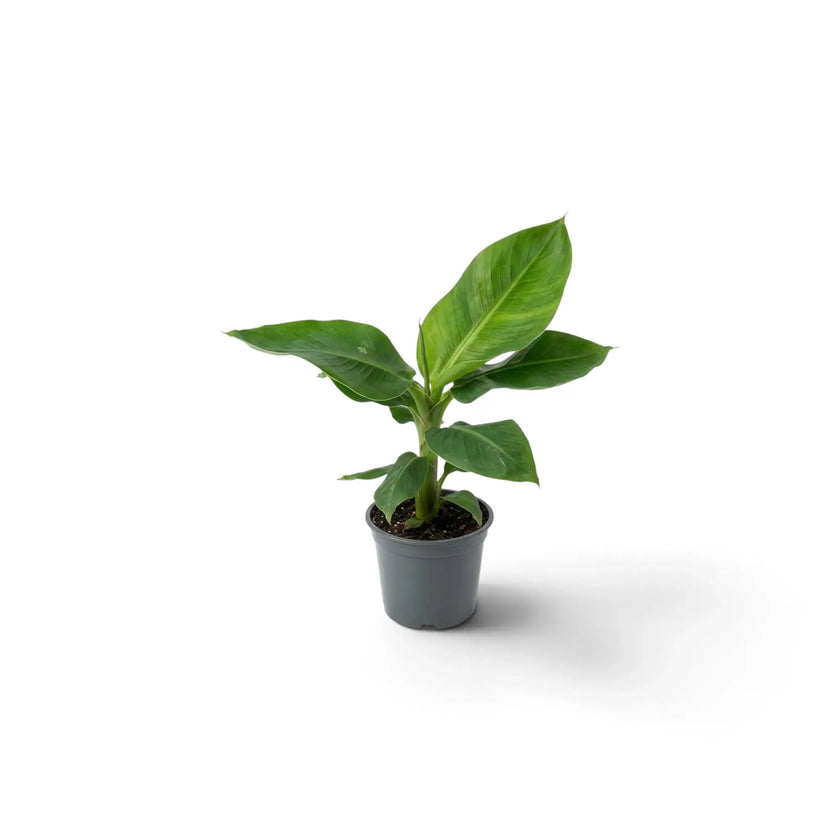
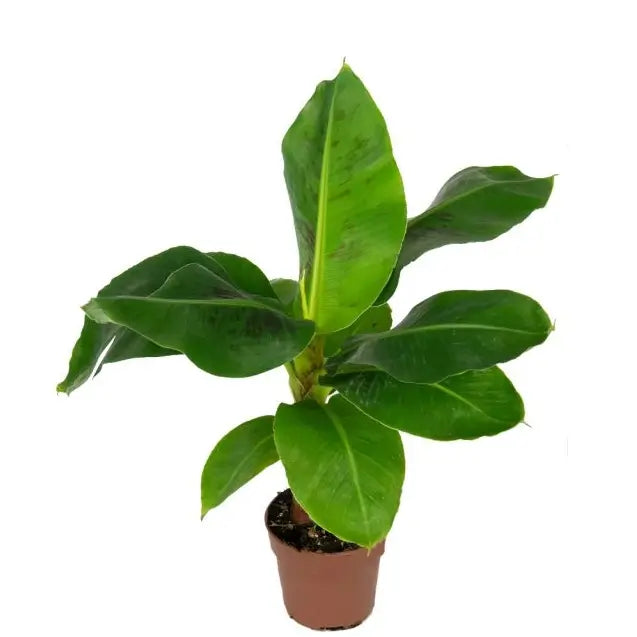
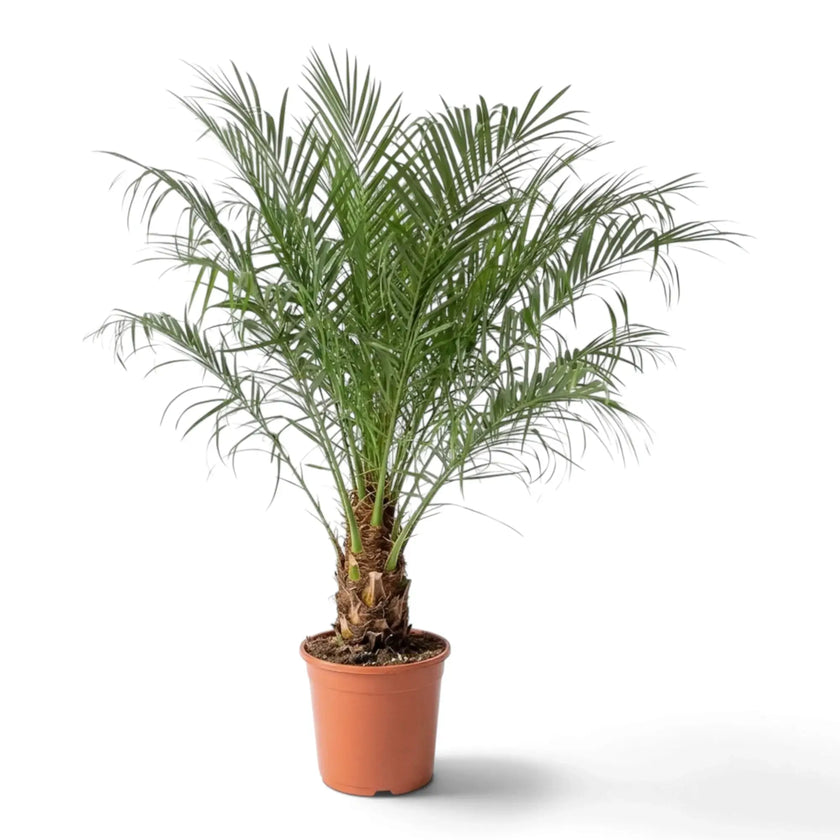
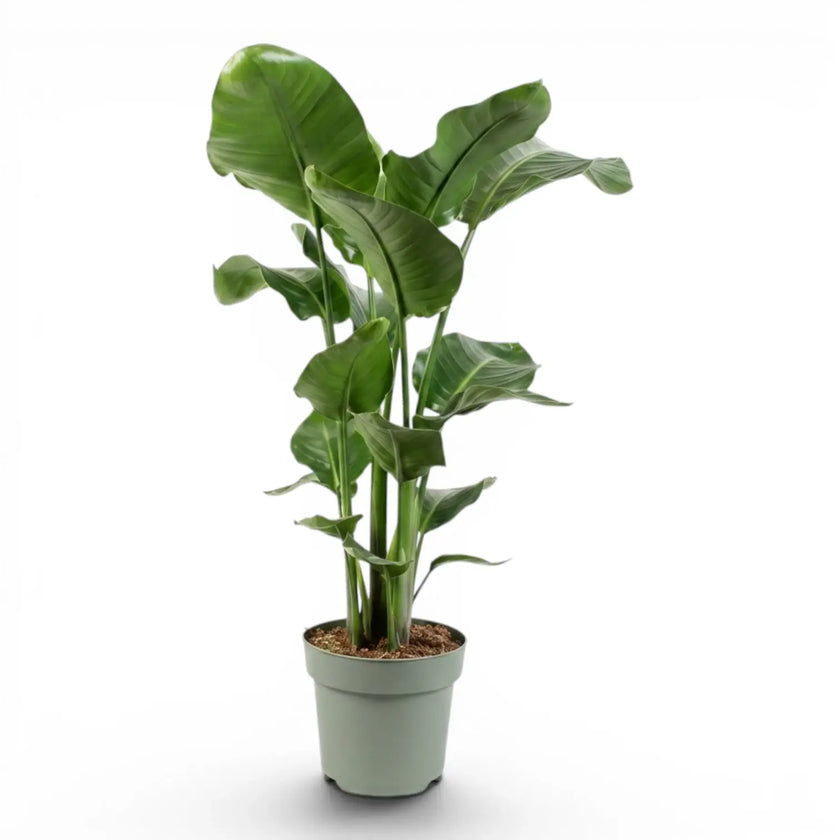
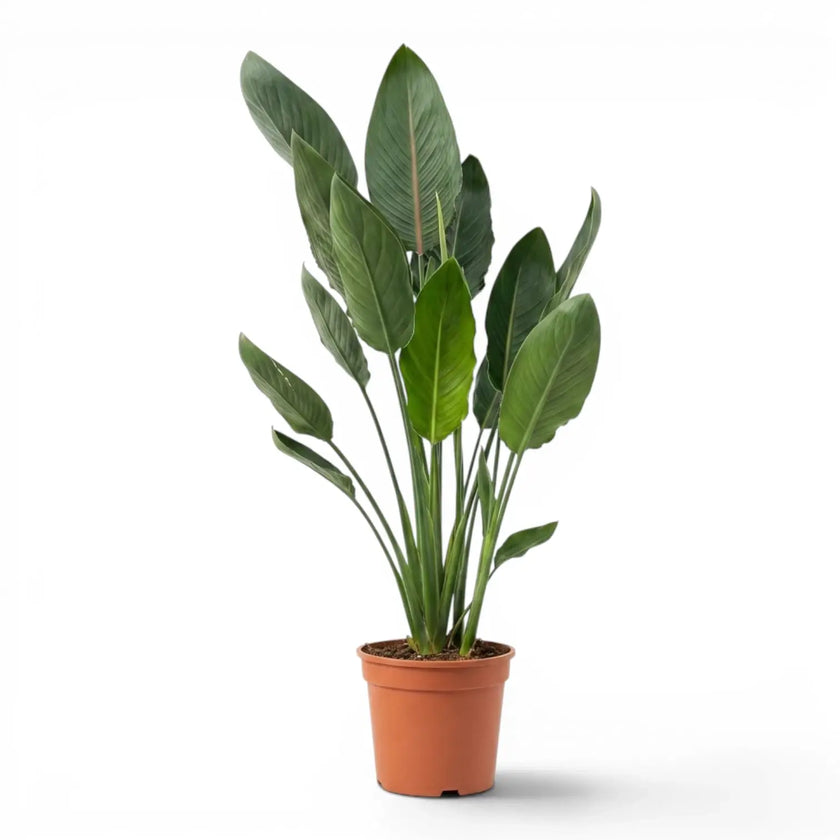
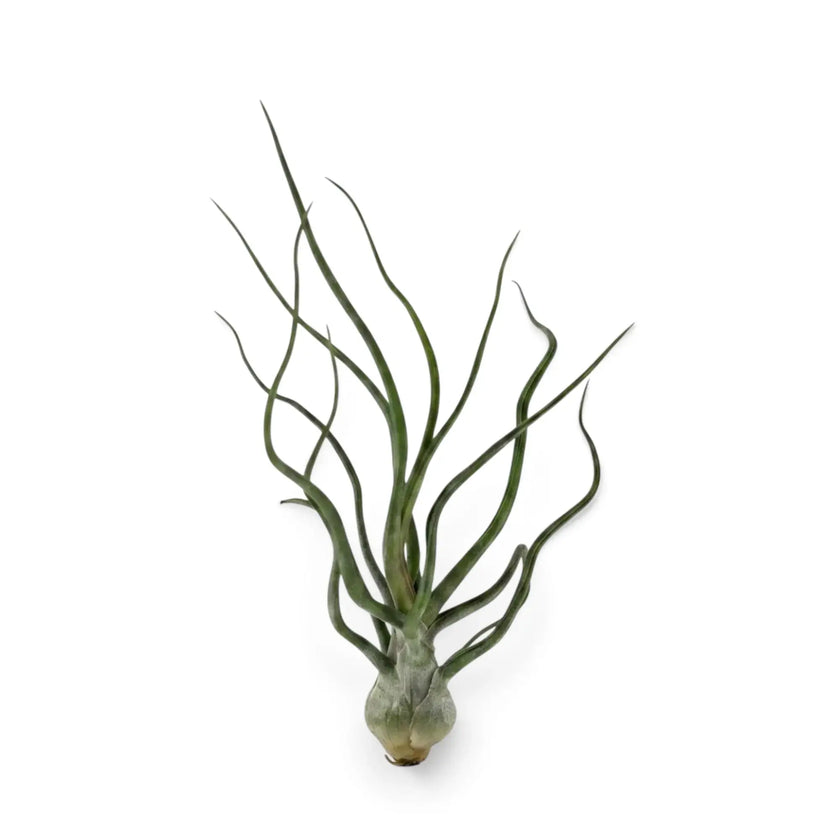
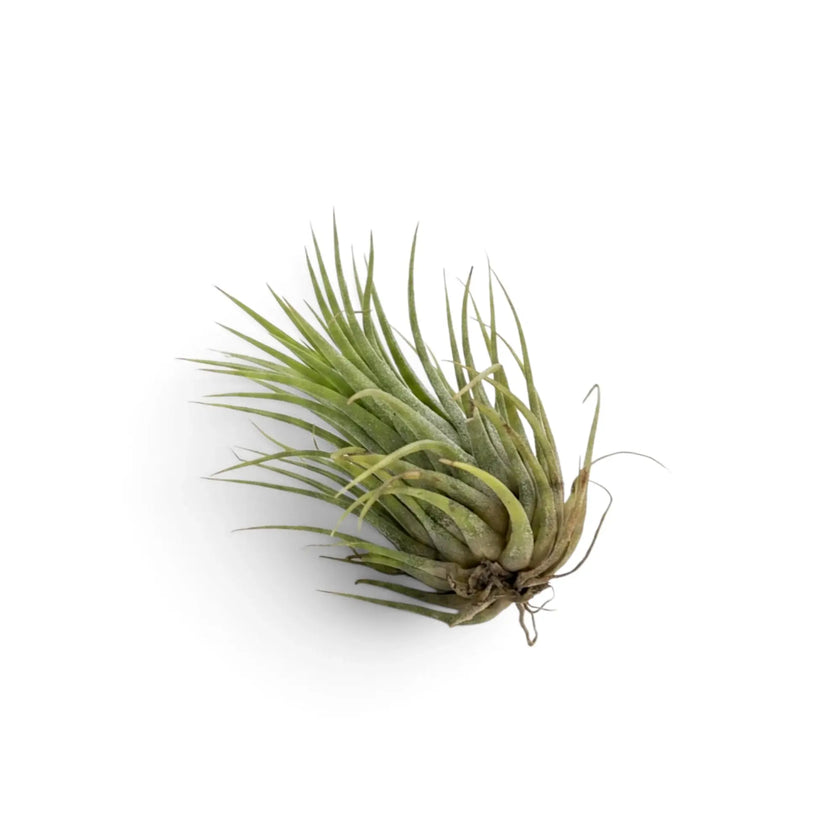
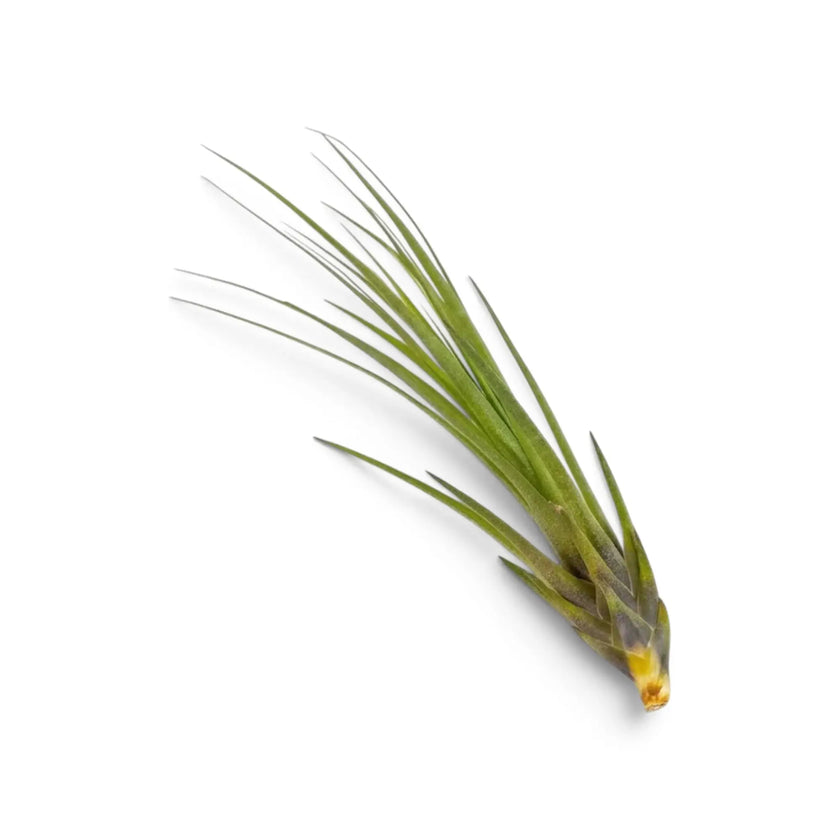
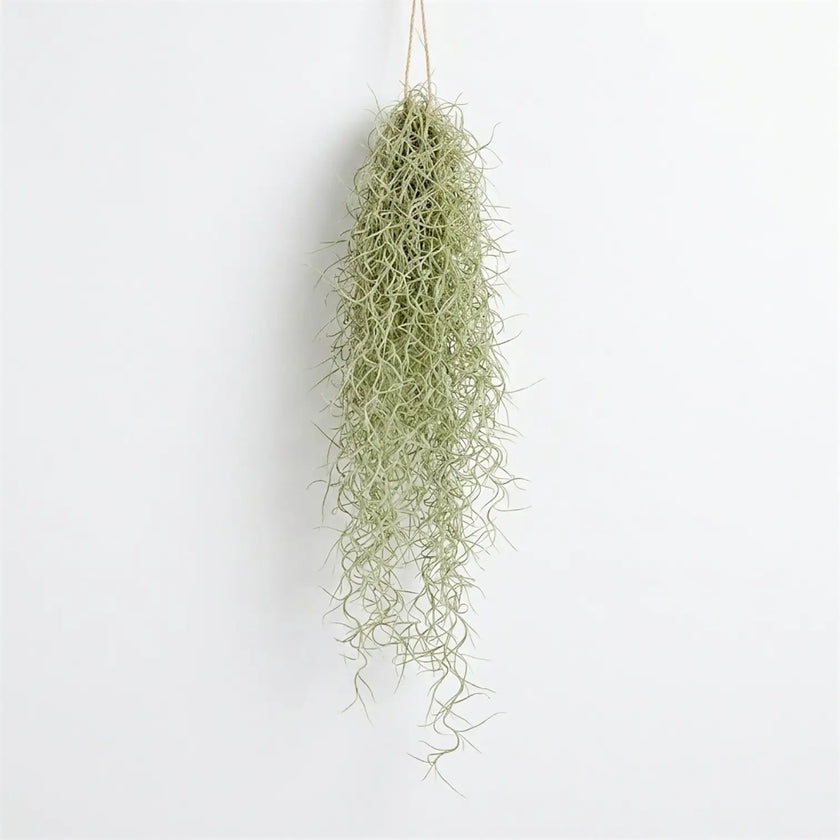
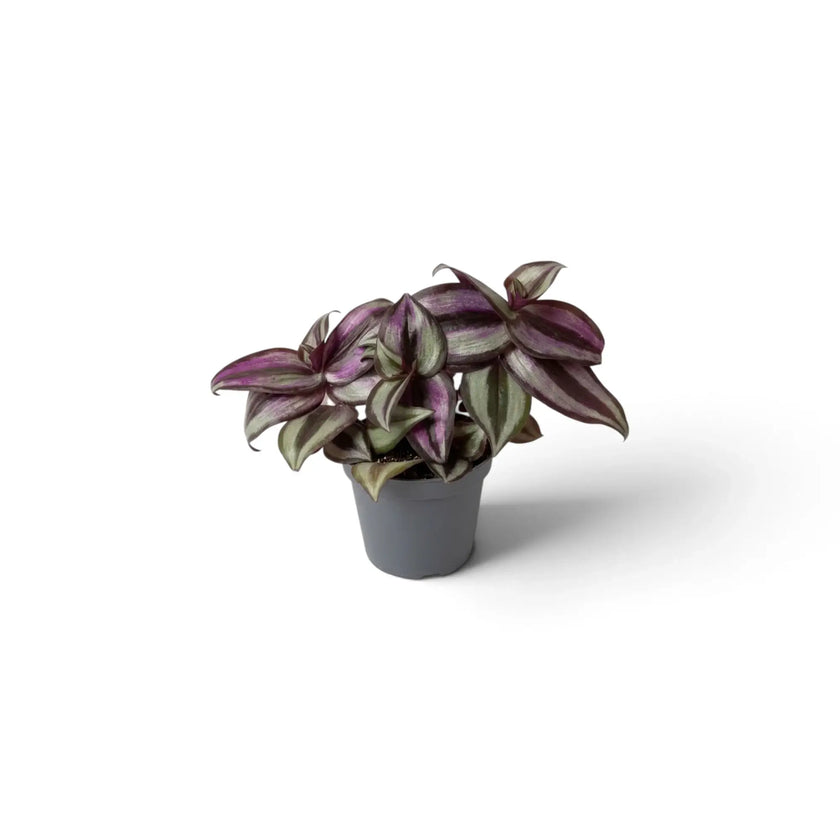
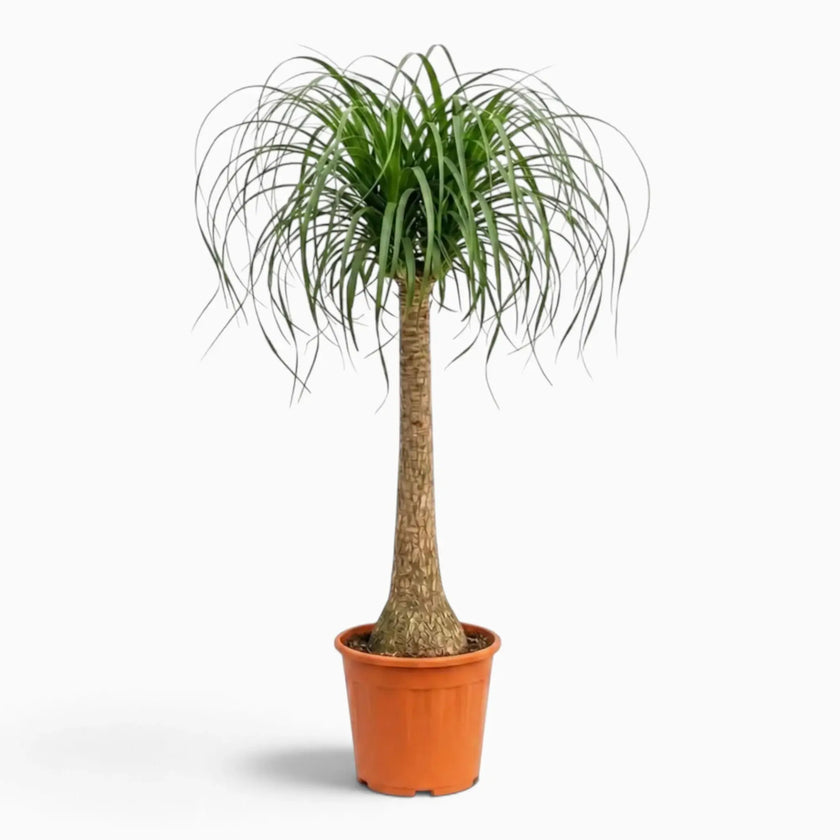
High-Light Houseplants
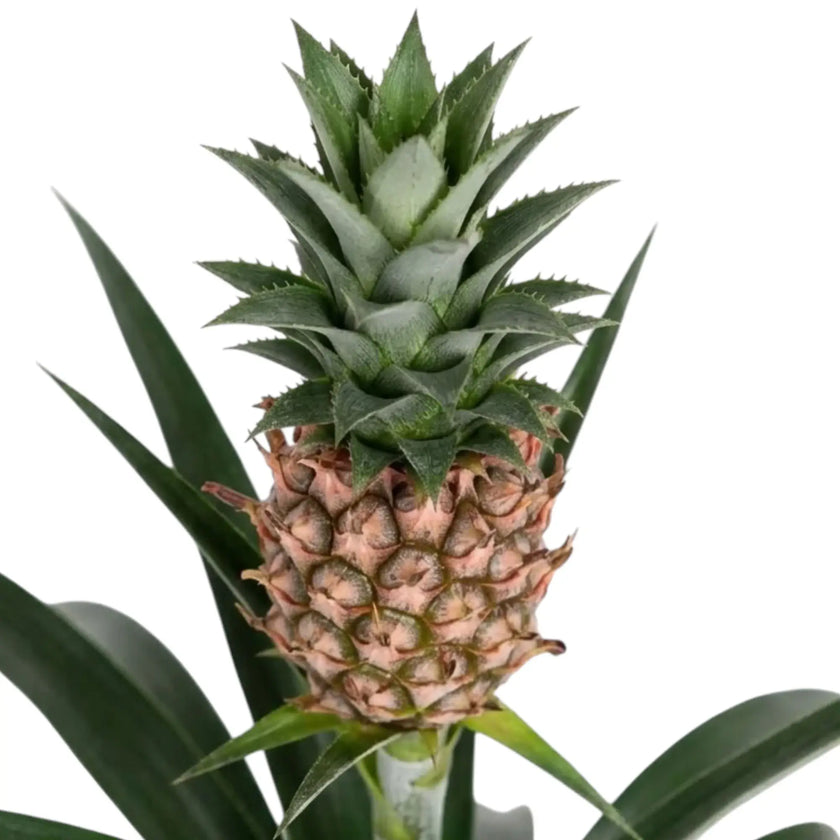
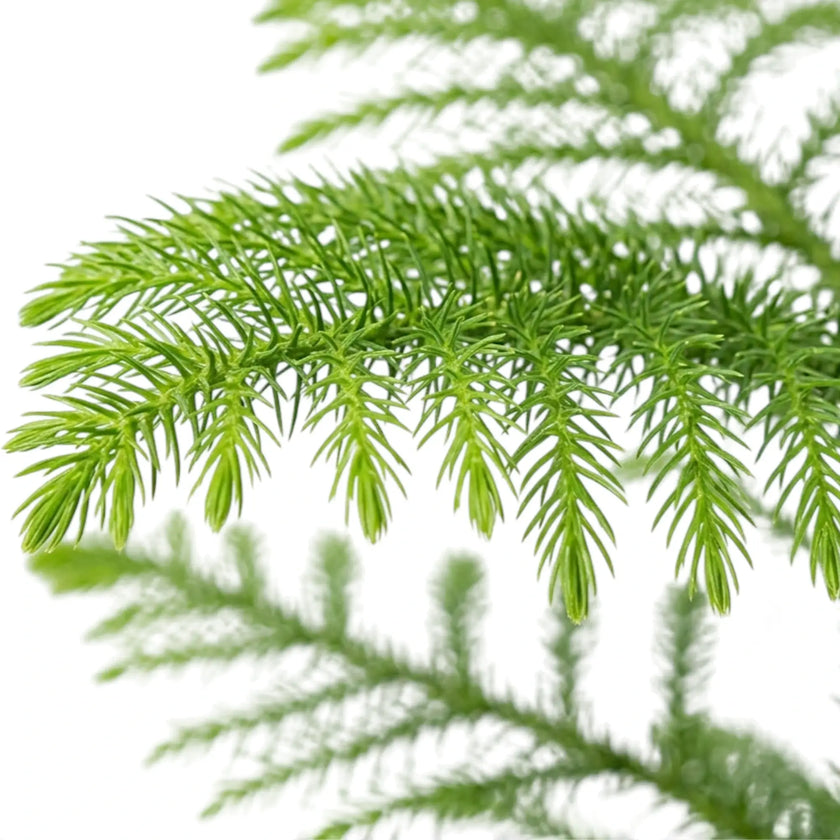
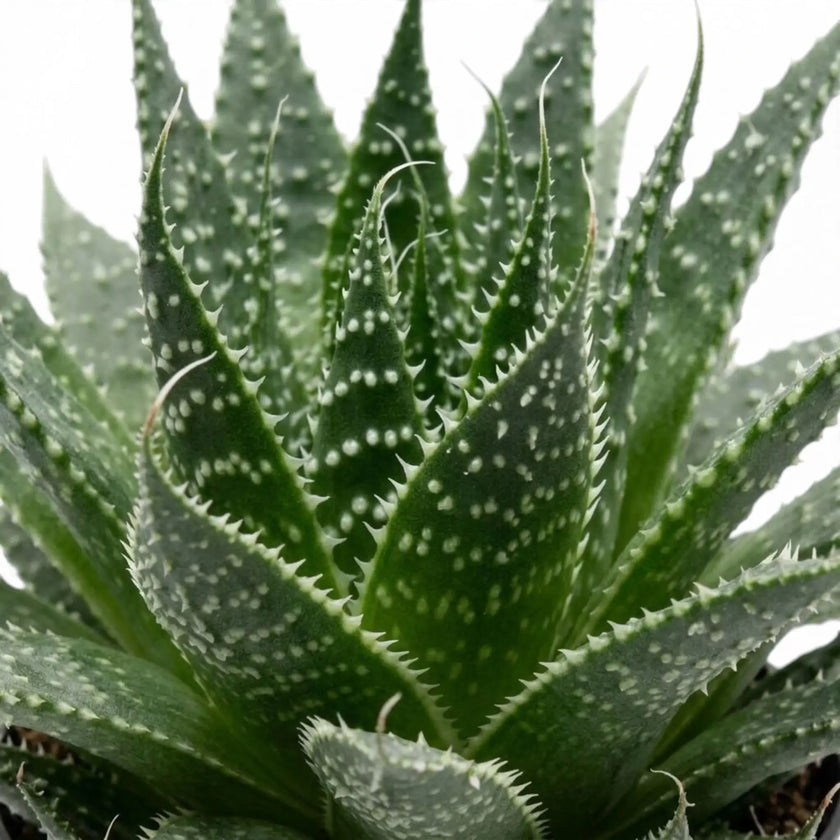
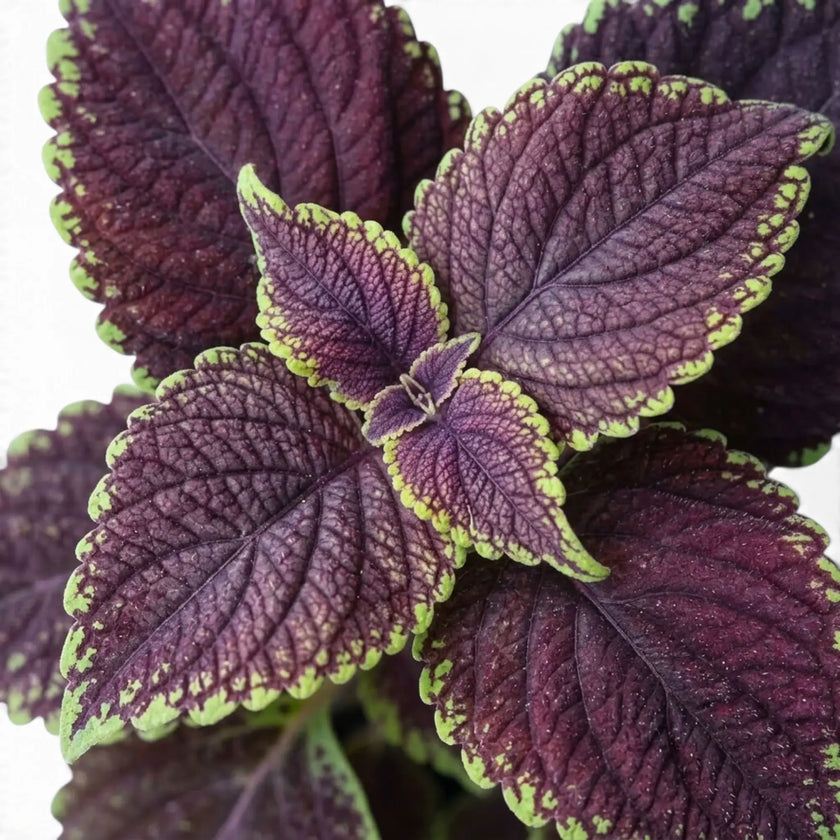
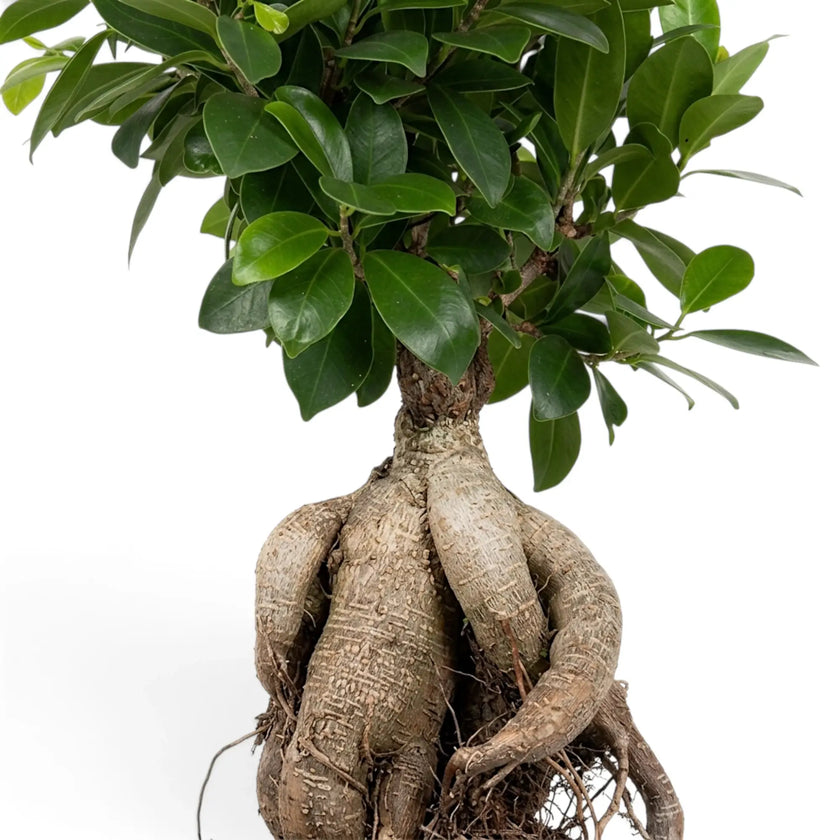
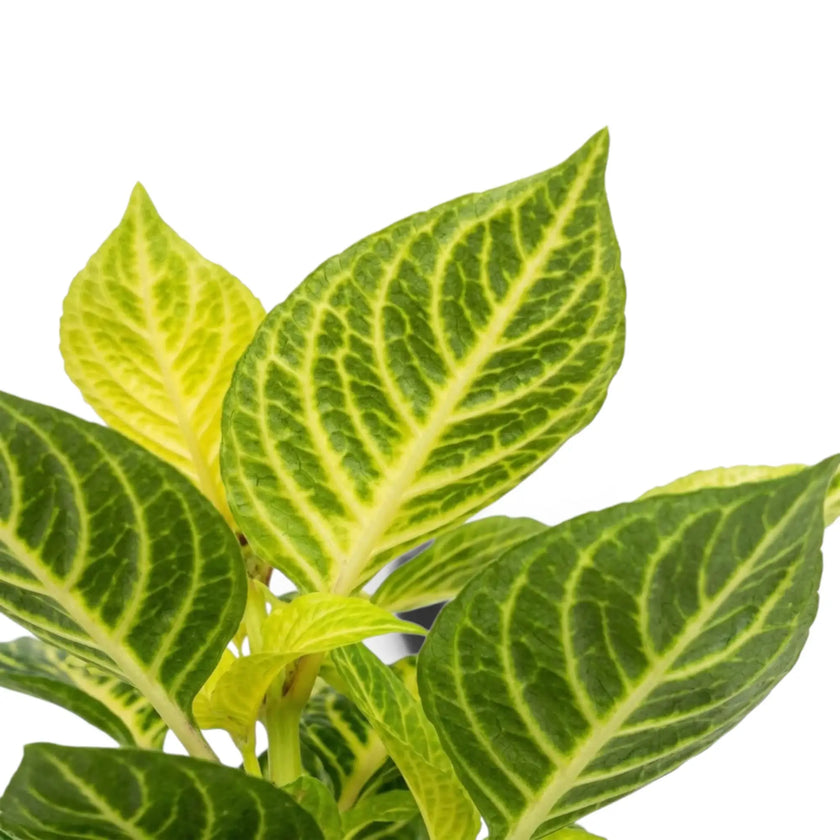
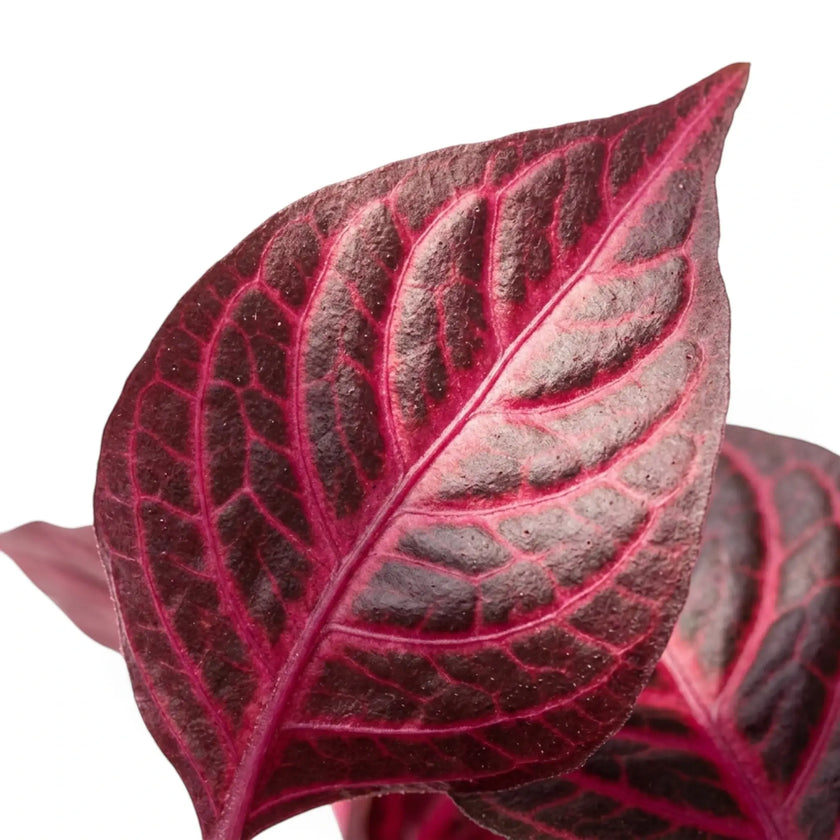
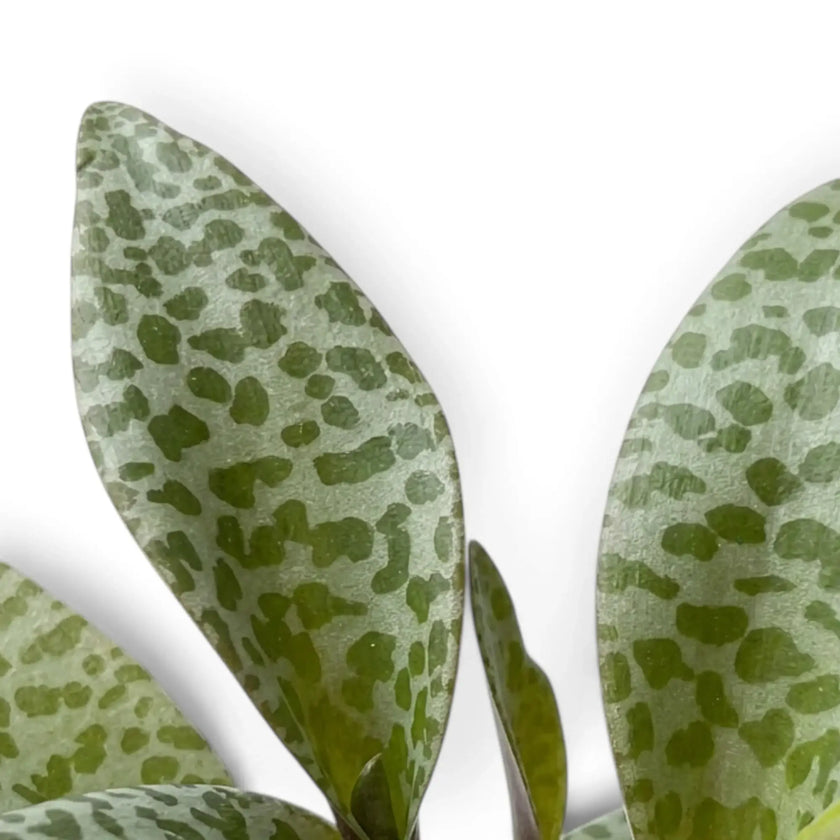
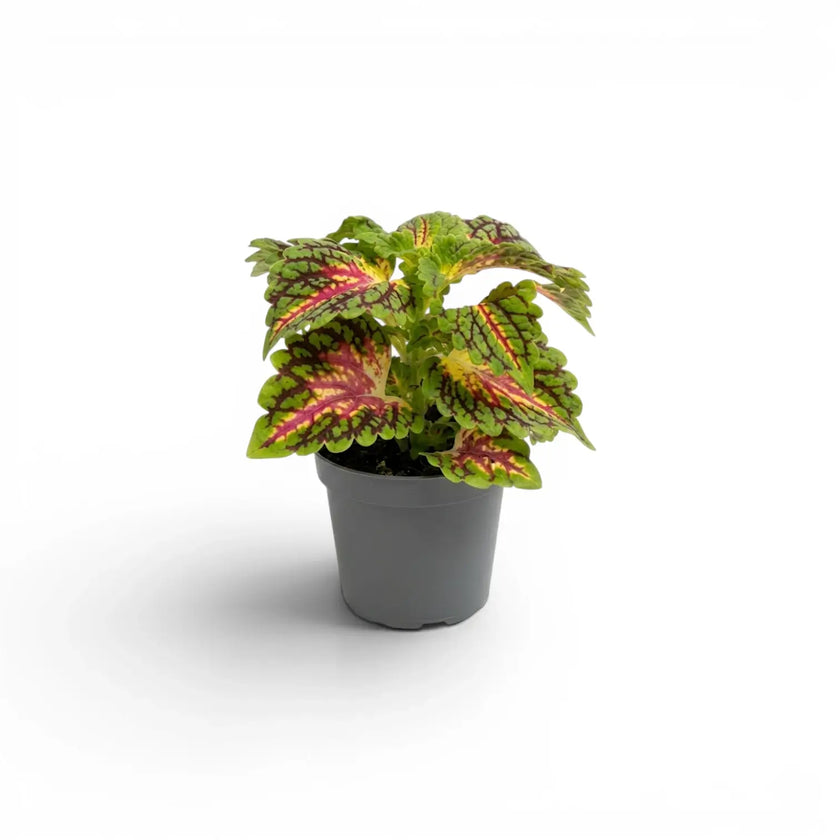
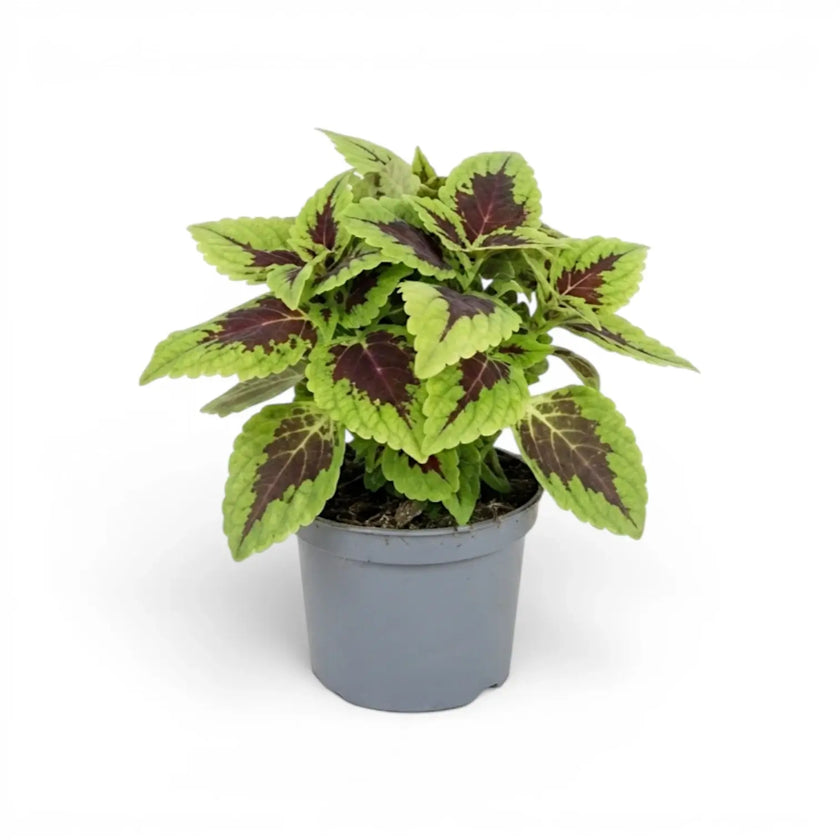
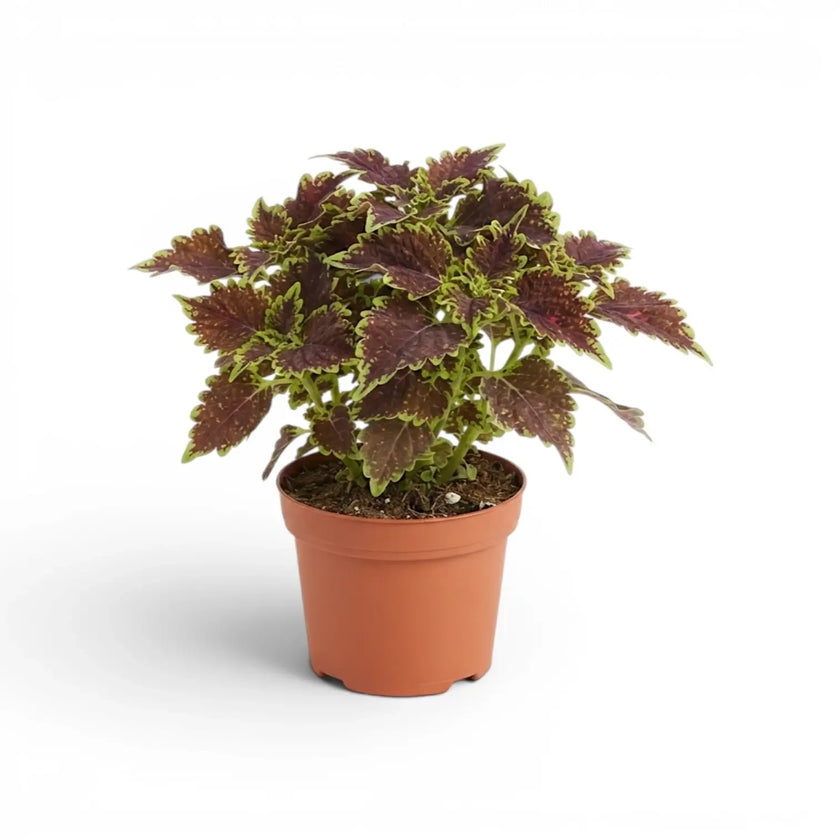
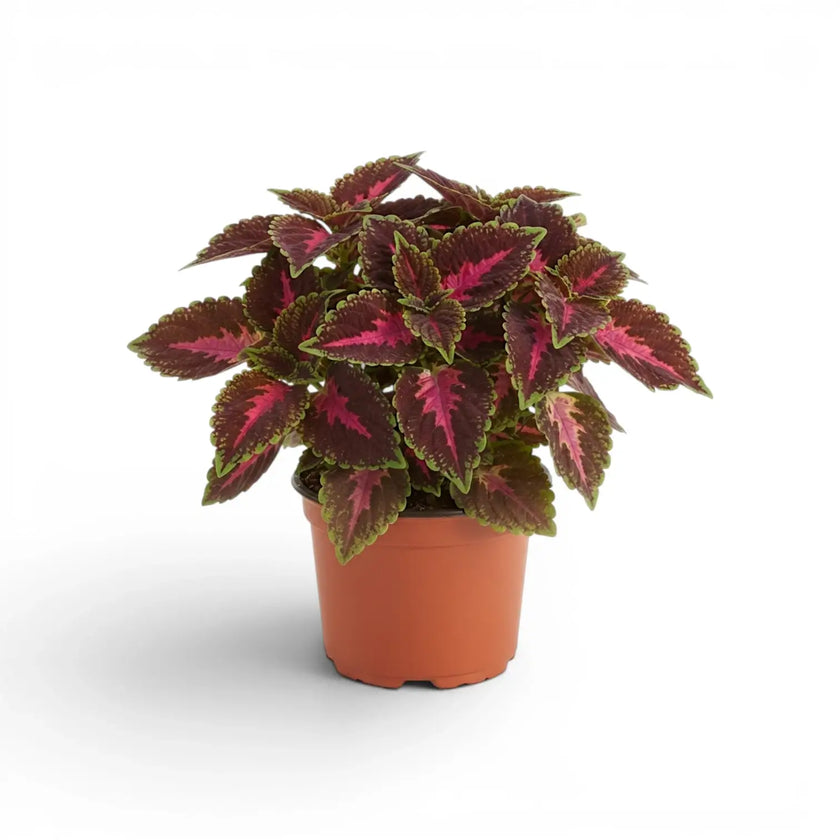
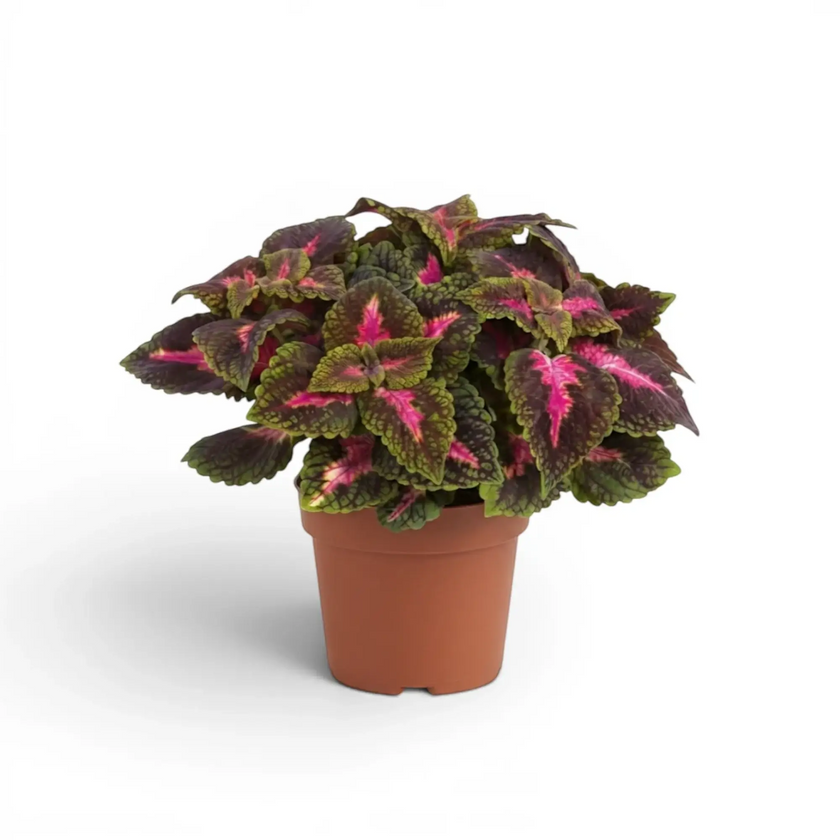
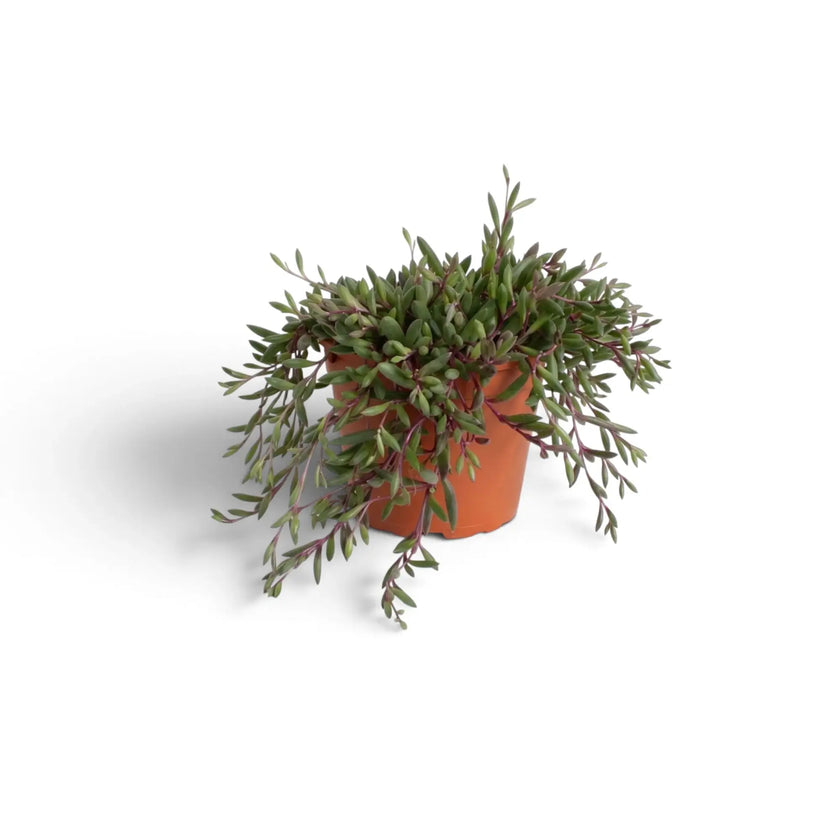
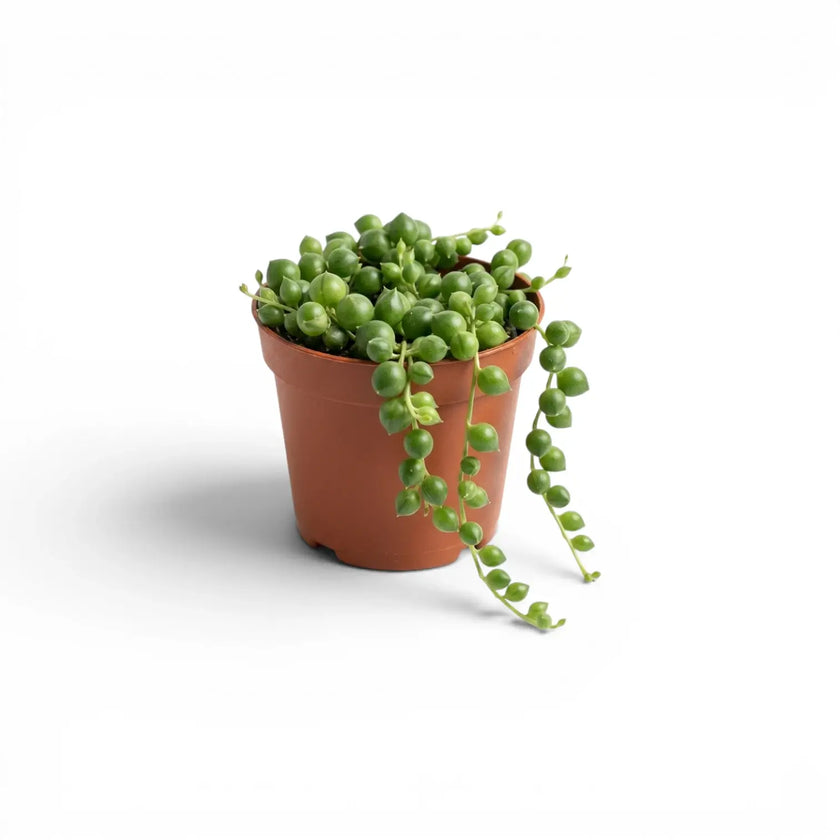
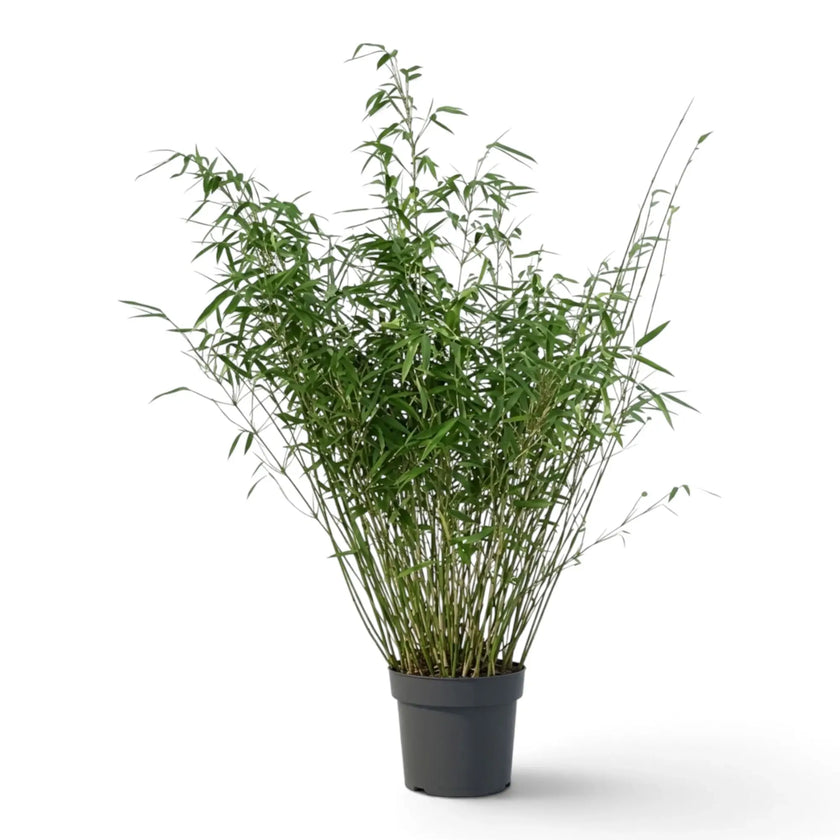
High-light plants suit very bright light and, for many species, some direct sun. Colourful foliage, air plants, succulents and sculptural shapes range from compact accents to trailing growth and larger specimens.

About Our Filters
Start with the light and space you can offer, then narrow by the plant’s shape or appearance. Check the individual product page for care and size details.
Choose the filters that matter for your search. Remove a selection if you want to see a broader range.
Filters in different groups narrow the search together.
About the filters shown here
-
Availability
Shows whether a product is available to order. This does not mean immediate dispatch; check the product and delivery information for timing. -
Price
Narrows the results by price. Check the price of your chosen size or option on the product page. -
Water Needs
These groups compare water needs broadly. Use the plant’s own care instructions and check the substrate before watering. -
Light level
Match this to the light at the plant’s intended position, including how much direct sun reaches it. -
Humidity Level
Compare the listed range with the humidity around your plants. The percentage refers to moisture in the air.
Options: Average 40–50%; Elevated 50–60%; High 60–80% + -
Pet friendly
Use this as a shortlist for homes with pets, then read the product’s safety information. Keep plants out of reach of pets that chew. -
Height or length guide
A guide to an established plant’s height or length. Check the product page for the size supplied and how the mature measurement is defined. -
Growth Habit
Describes how the plant grows and occupies space, such as climbing, trailing or forming a clump. -
Needs support?
Indicates whether a pole, trellis or other support is recommended. The product’s care instructions explain the suitable support.
Options: optional; not needed; recommended
Sort by:
Filters
High-light houseplants for bright windows and grow lights
This collection uses the Very bright / some direct light band, approximately 20,000 to 40,000 lux at leaf level. The band describes brightness at the time of measurement. How many hours of direct sun a plant can take depends on the species, season and gradual acclimatisation.
Choosing between neighbouring light bands
For a gentler position, compare Bright Indirect Light, approximately 10,000 to 20,000 lux. For plants suited to sustained direct exposure, see Sun-Loving Plants, approximately 40,000 to 80,000 lux. These approximate bands are a starting point; use the individual plant's light requirements to choose its position.
Suitable light can support shorter spacing, stronger colour or flowering, depending on the plant. It may also increase water use and growth rate. Plan for the mature footprint and any climbing support rather than relying only on the pot size at purchase.
Bleached patches and crisp scars indicate injury, whereas some species form protective pigments. The sunburn versus sun-stress guide explains the distinction.
Frequently Asked Questions About Light
How do I know if a spot matches this light level?
Measure light close to the leaves with a lux meter. Our approximate daylight bands are Low indirect: 1,000 to 5,000 lux; Medium indirect: 5,000 to 10,000 lux; Bright indirect: 10,000 to 20,000 lux; Very bright / some direct: 20,000 to 40,000 lux; and Full sun / direct: 40,000 to 80,000 lux. Check at different times because weather, season, curtains and distance from the window change the reading. A spot reading does not tell you how many hours of direct sun a plant can tolerate.
Does direct sun through a window count as direct light?
Yes. If sun is hitting the plant directly through clear glass, that still counts as direct light. South- and southwest-facing windows are usually the strongest indoor positions, while filtered or off-angle light is much gentler.
How can I tell if a plant is getting too little light or too much?
Too little light usually shows up as slower growth, smaller leaves, longer gaps between leaves, leaning, faded colour, or stretched growth. Too much light more often causes pale patches, bleaching, brown crispy areas, or scorched-looking leaves.
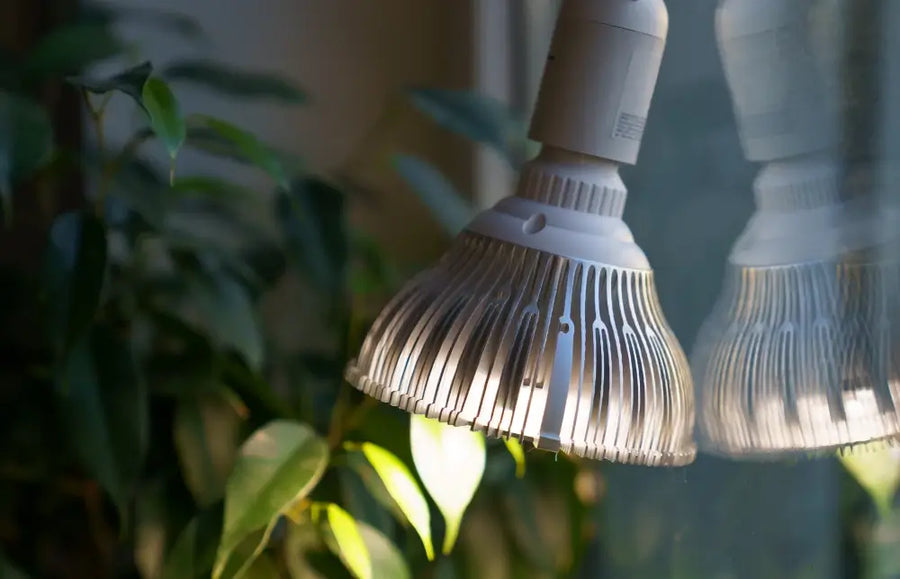
Can grow lights replace natural light?
Yes, if the fixture is strong enough and run for long enough each day. A good grow light can top up weak window light or do the full job on its own when natural light is not reliable.
Why does watering need to change when light changes?
Because light drives growth and water use. In lower light, plants usually grow more slowly and stay wet for longer, so watering often has to be delayed. In stronger light, the mix dries faster and active plants usually need checking more often.