Pet-Friendly Houseplants
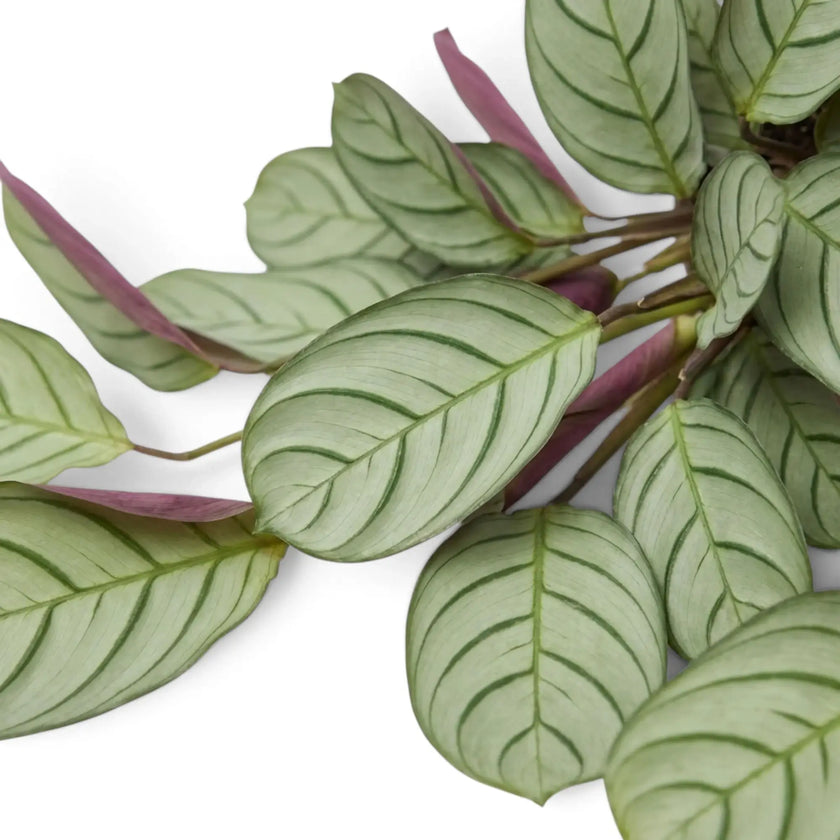
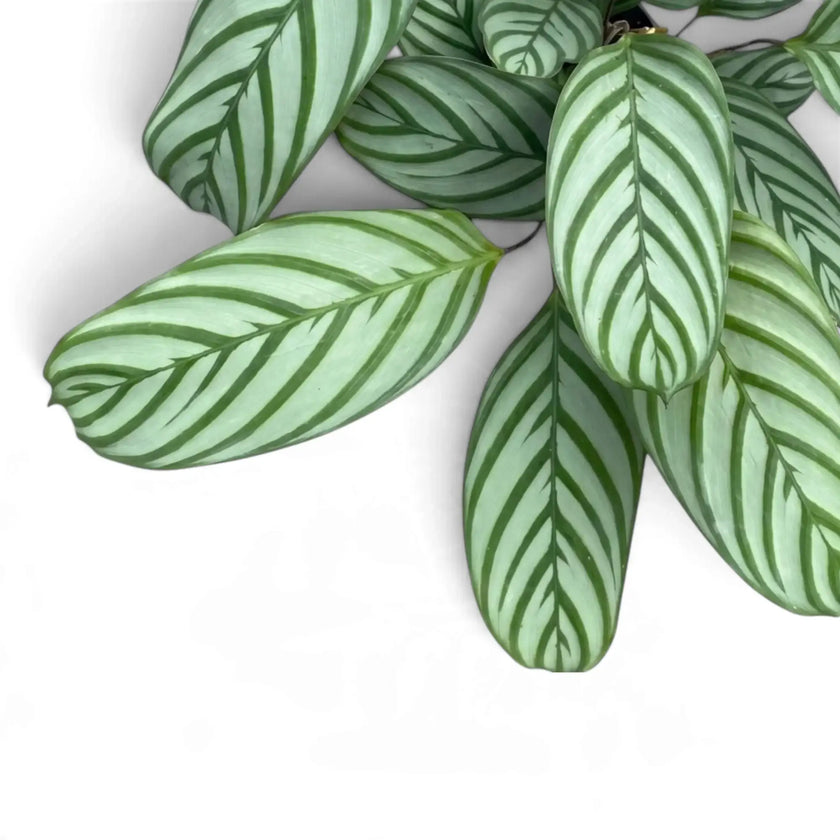
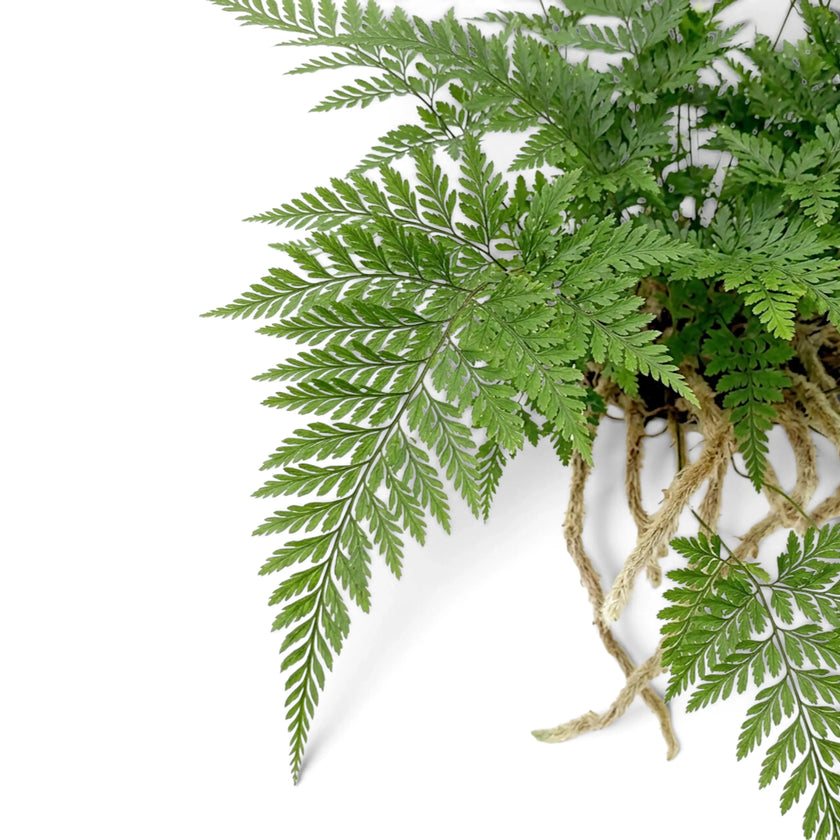
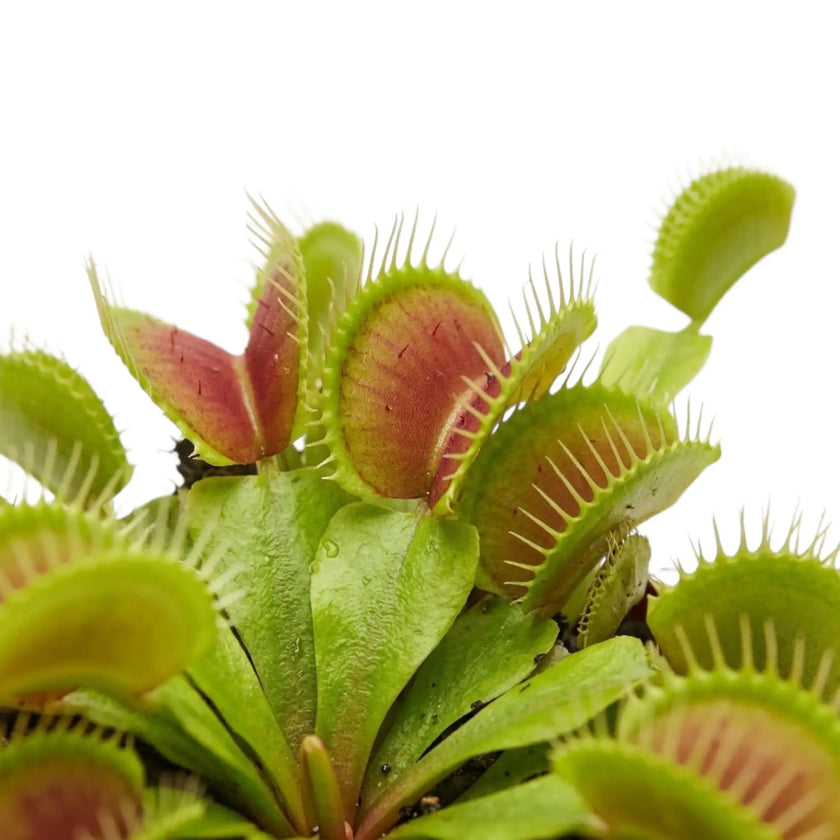
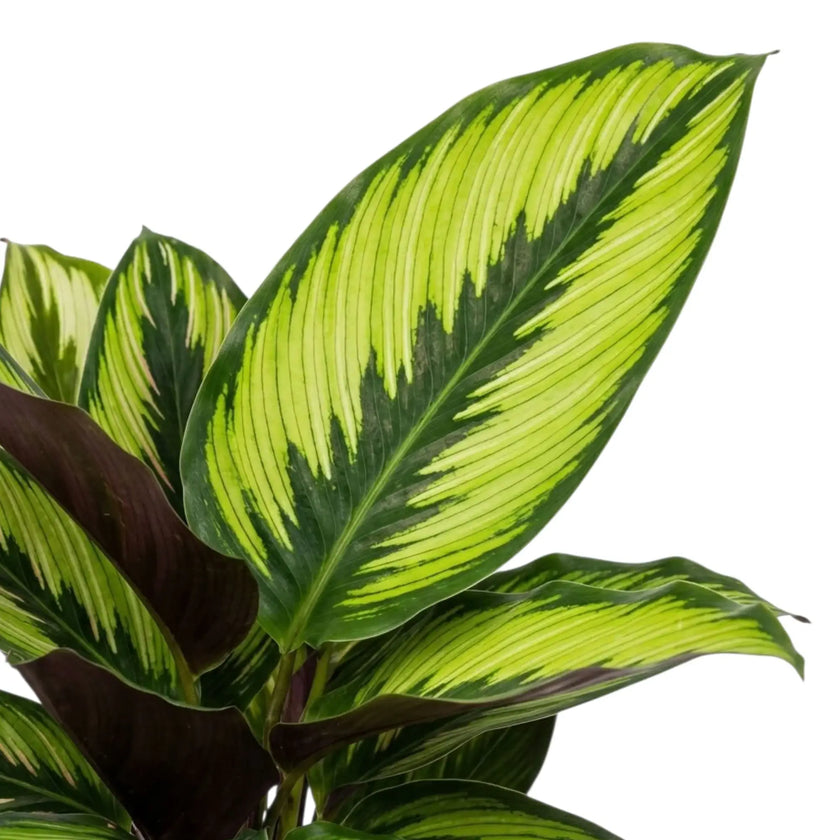
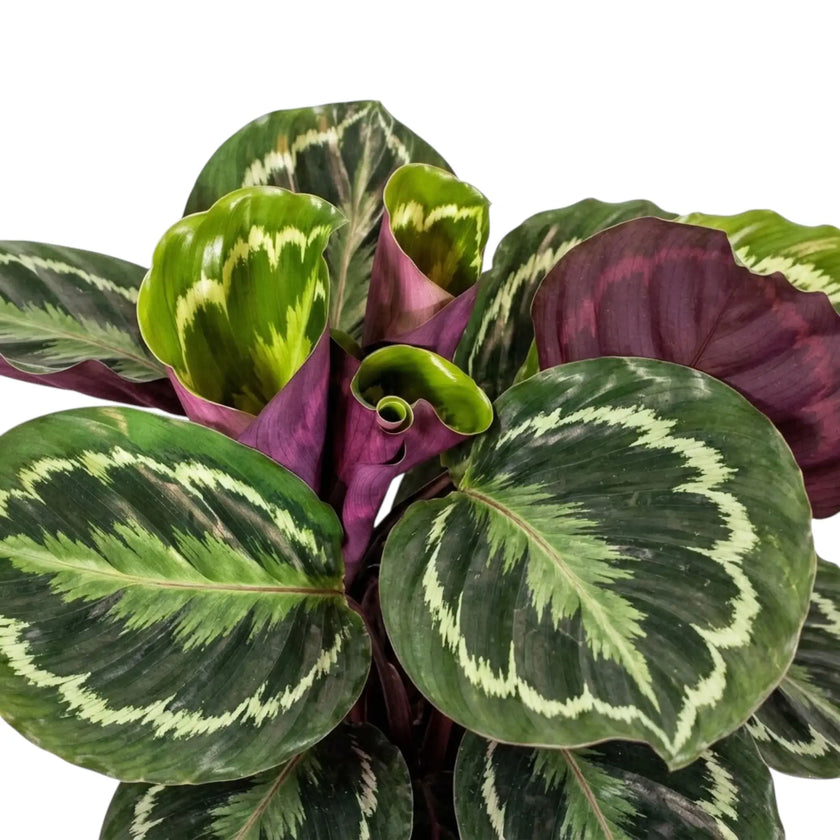
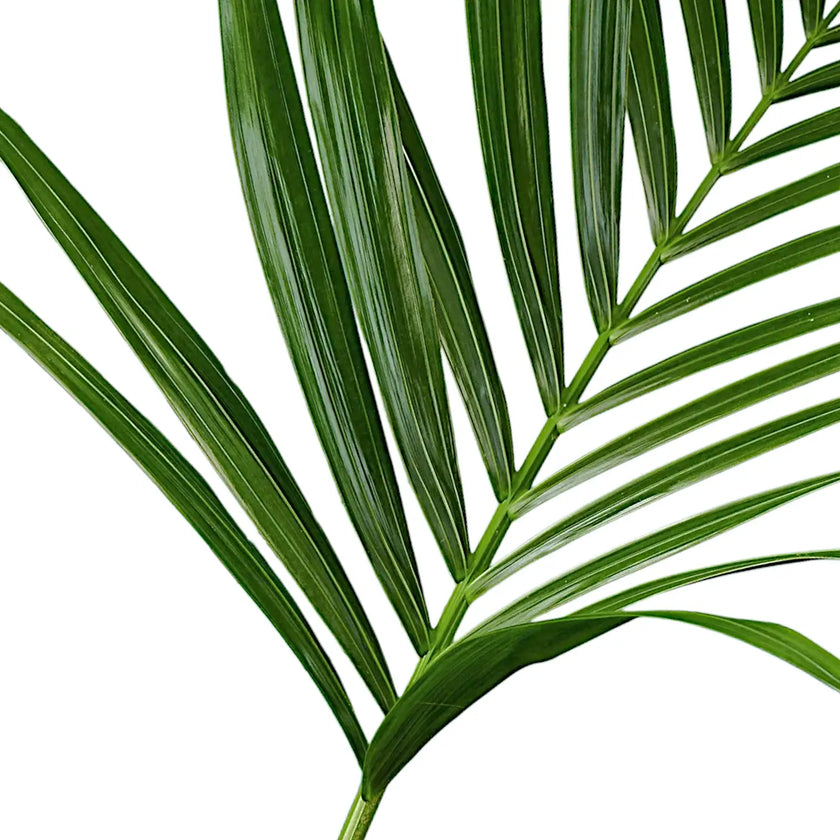
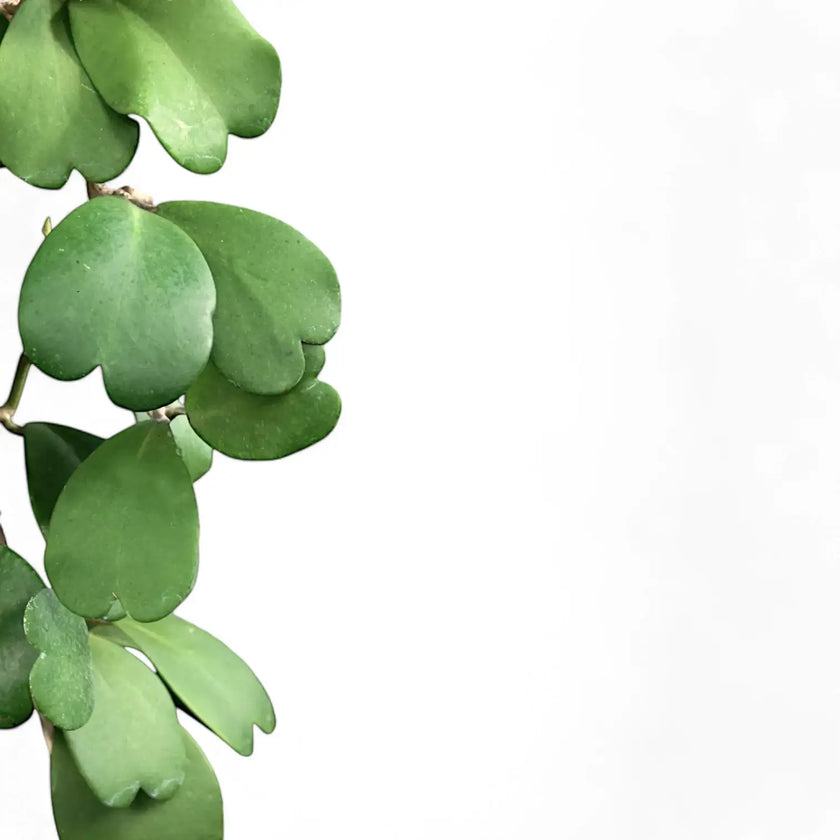
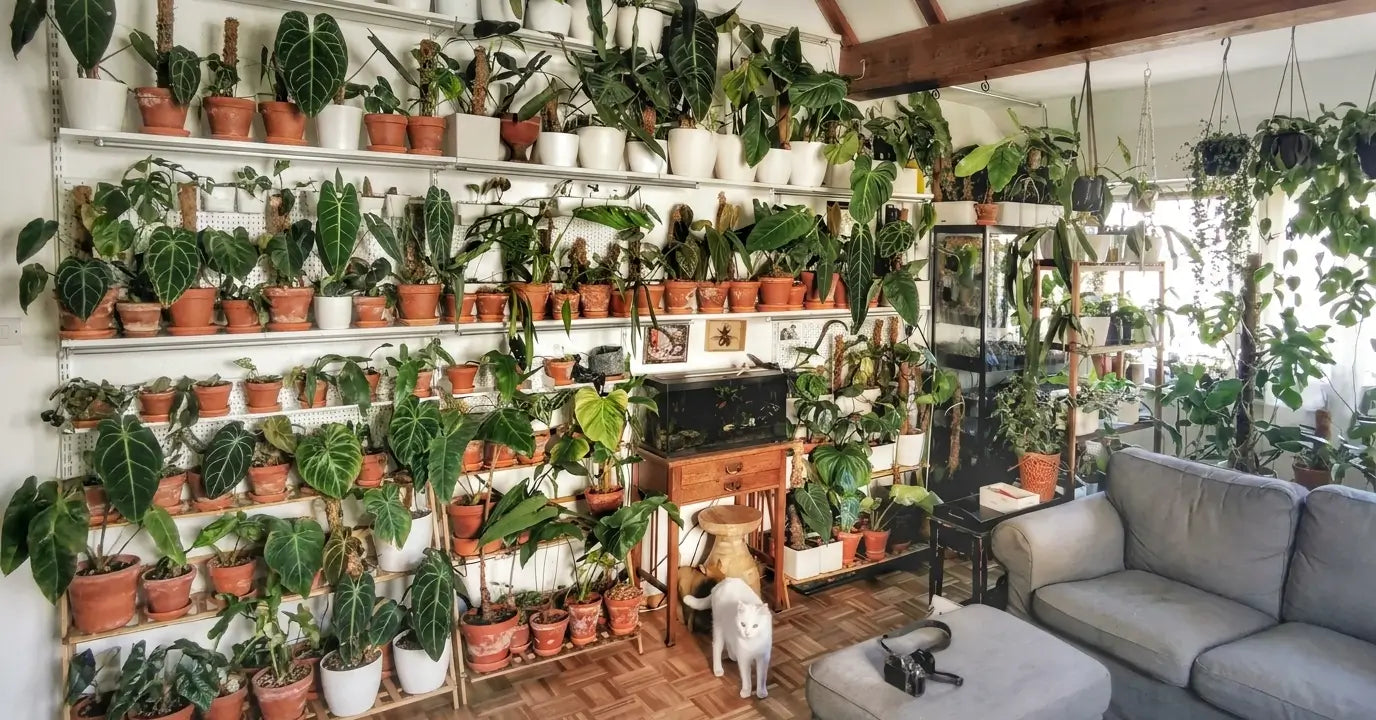
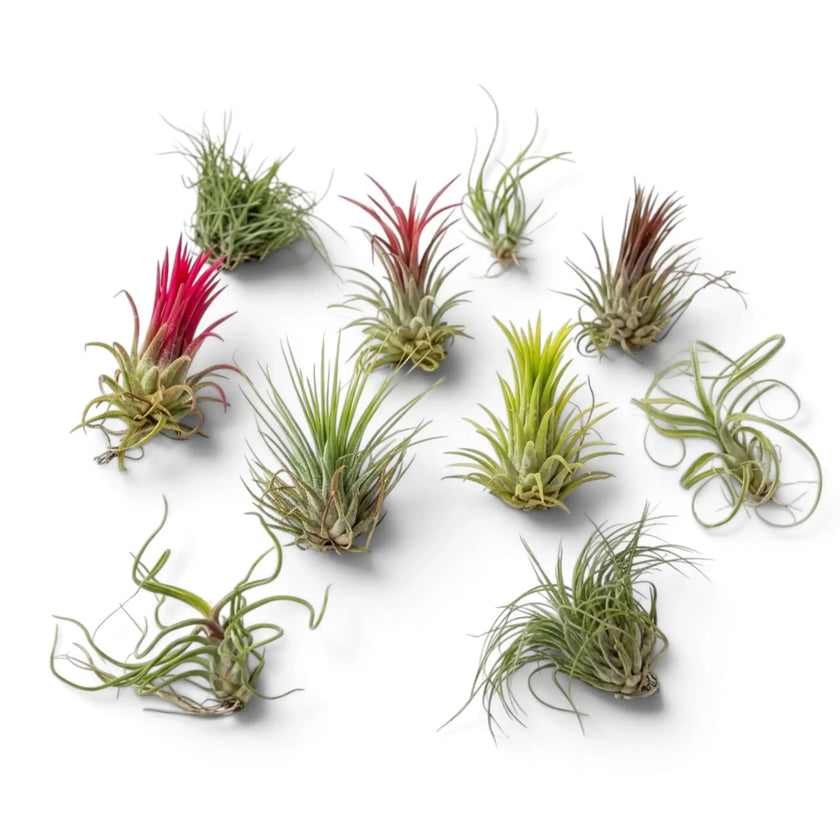
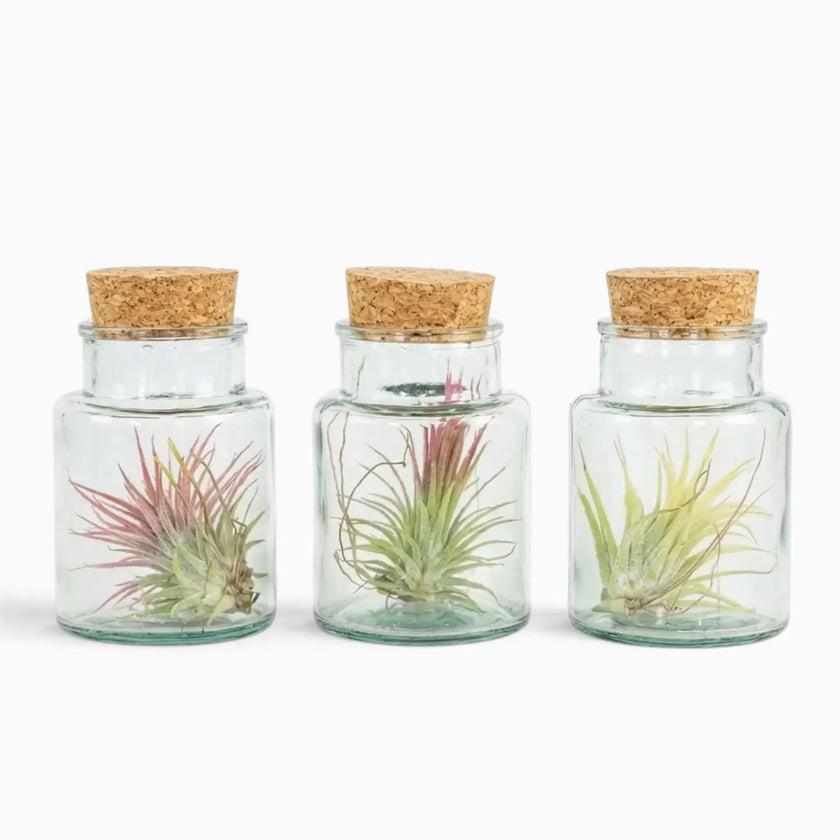
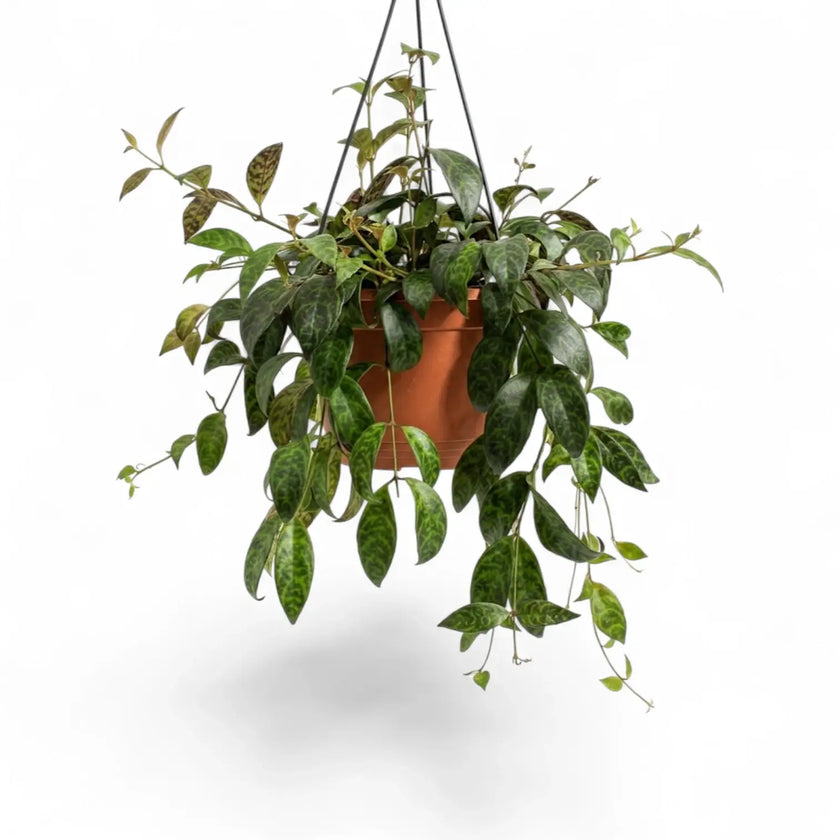
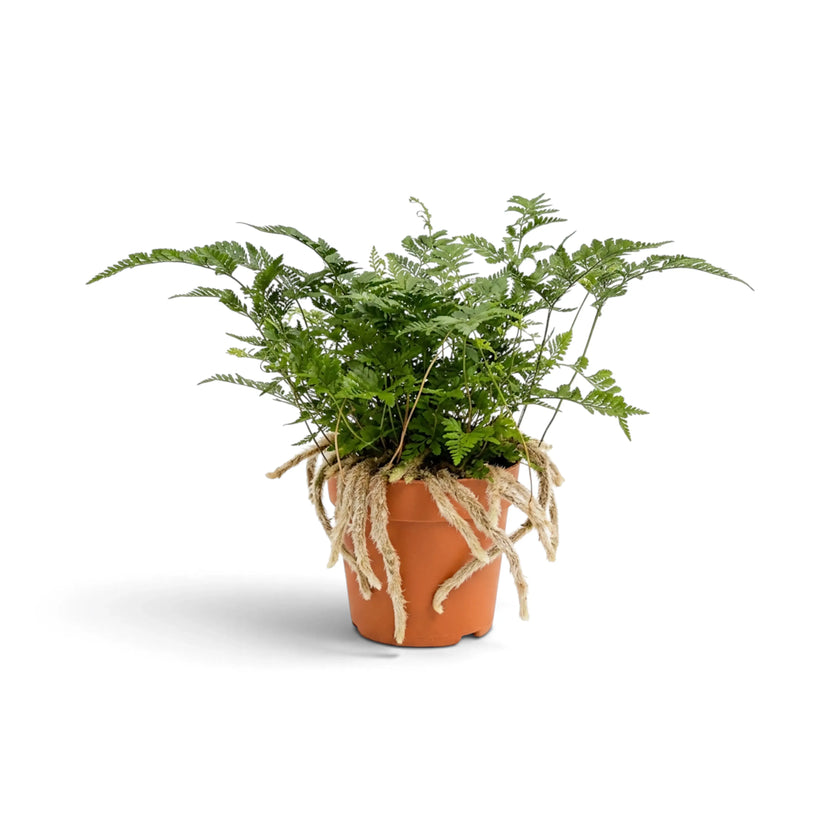
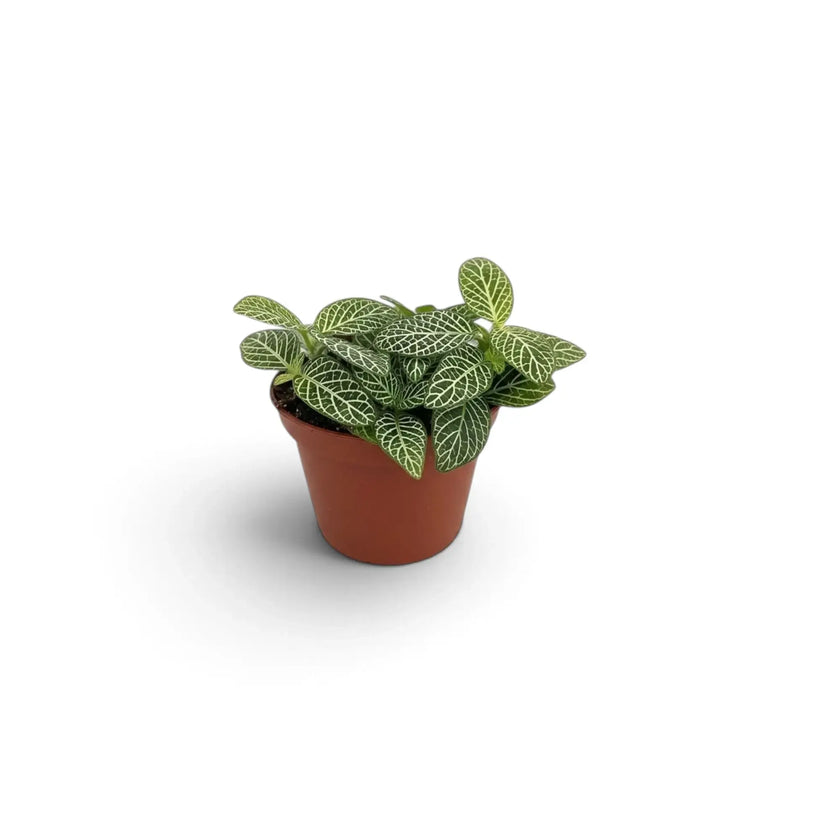
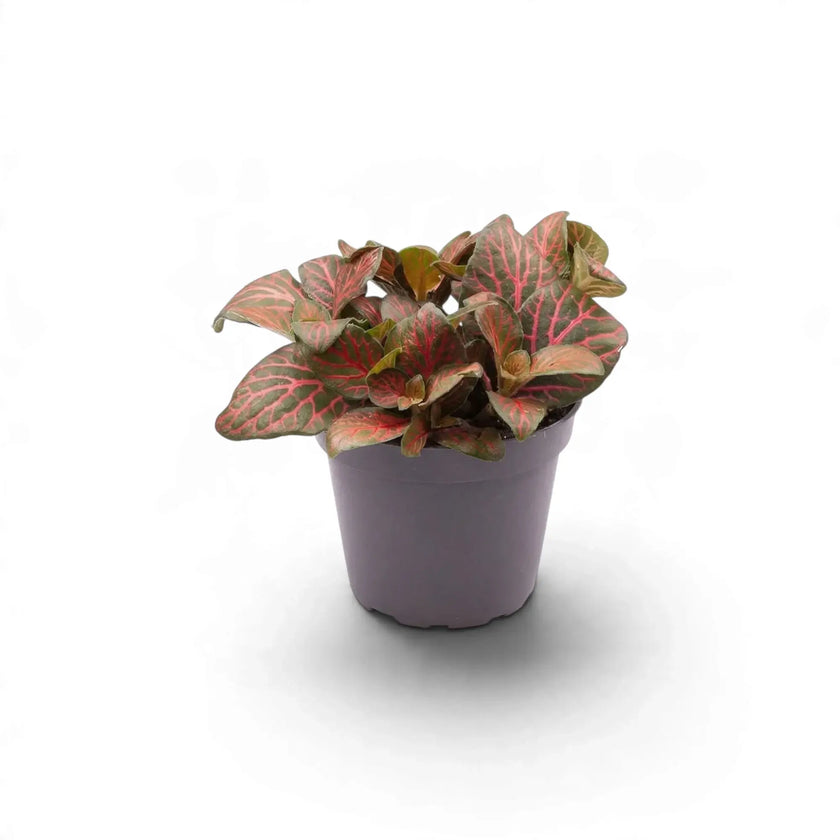
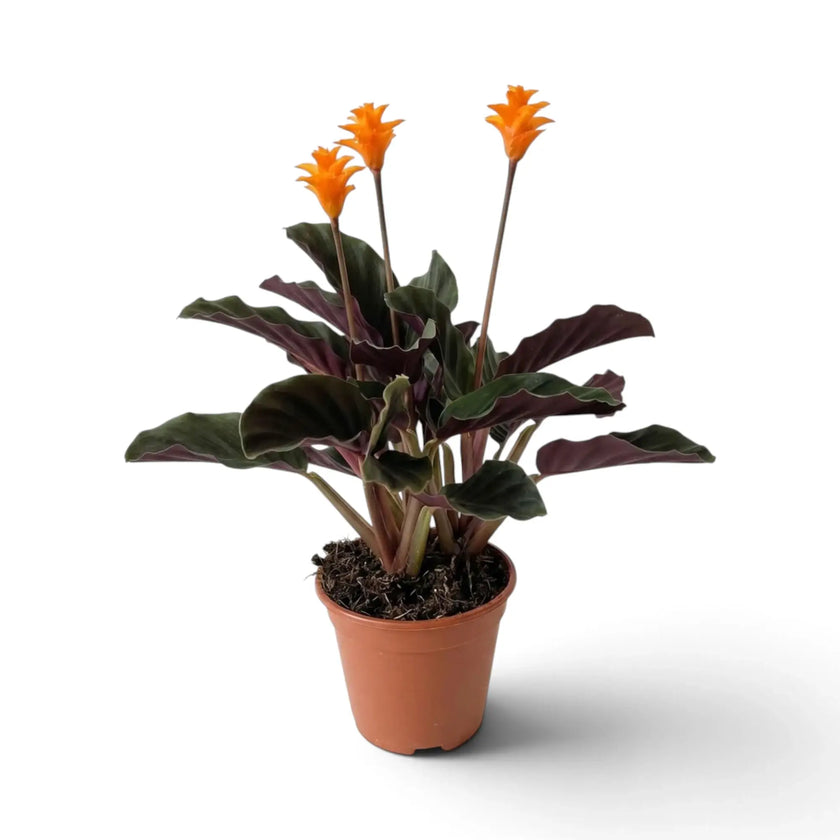
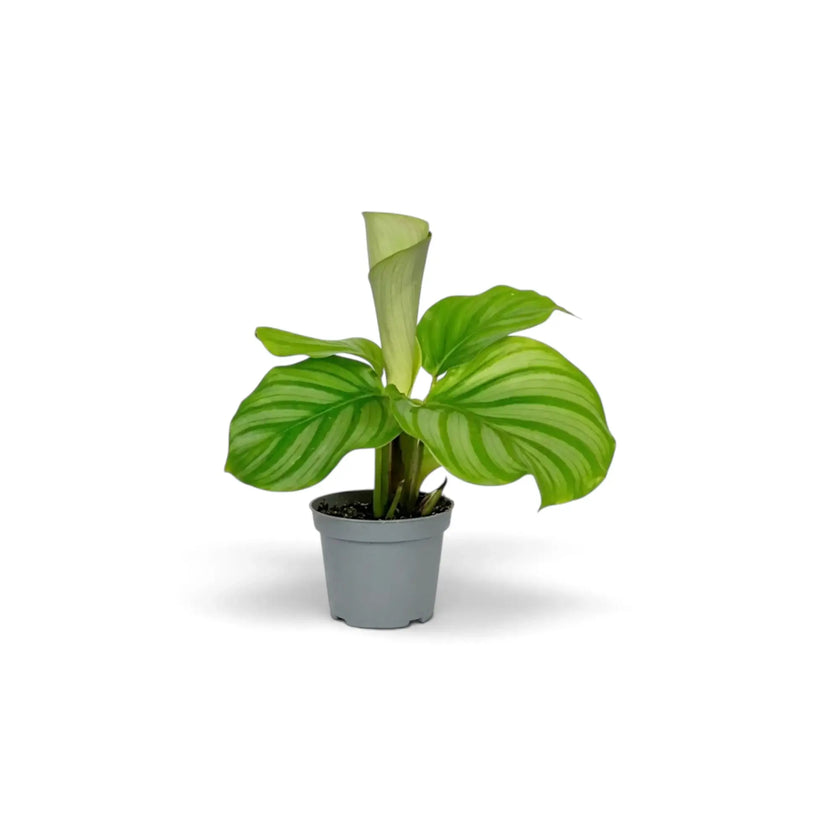
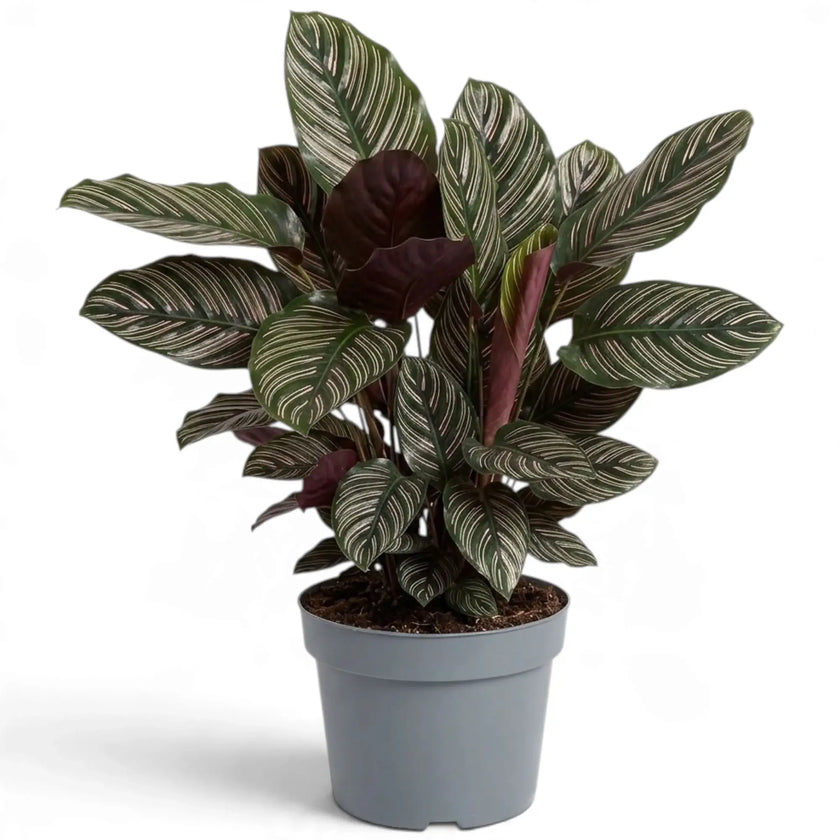
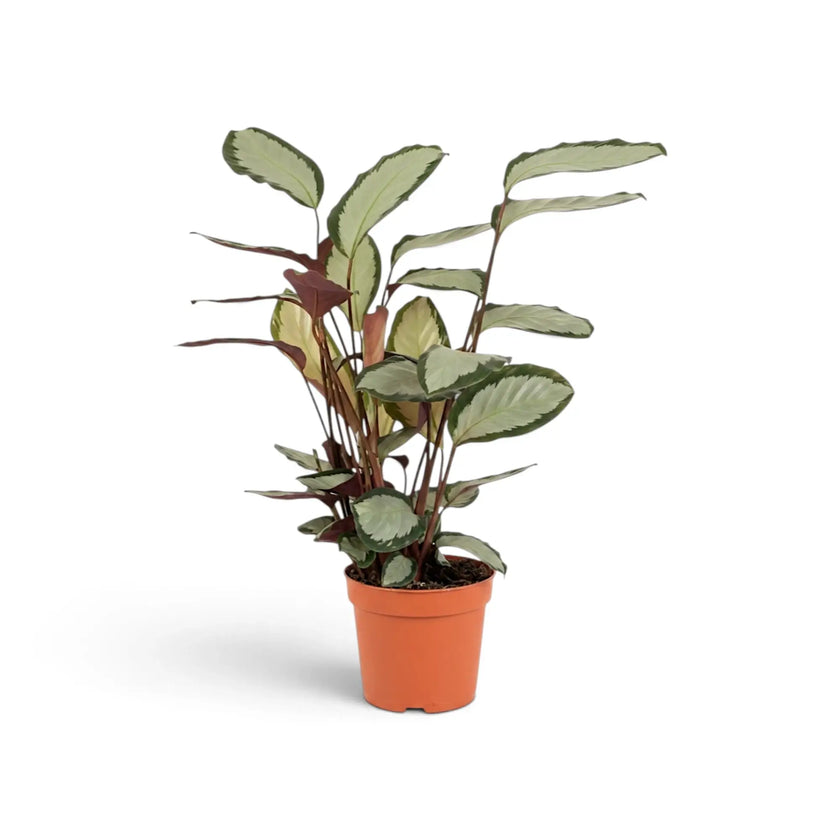
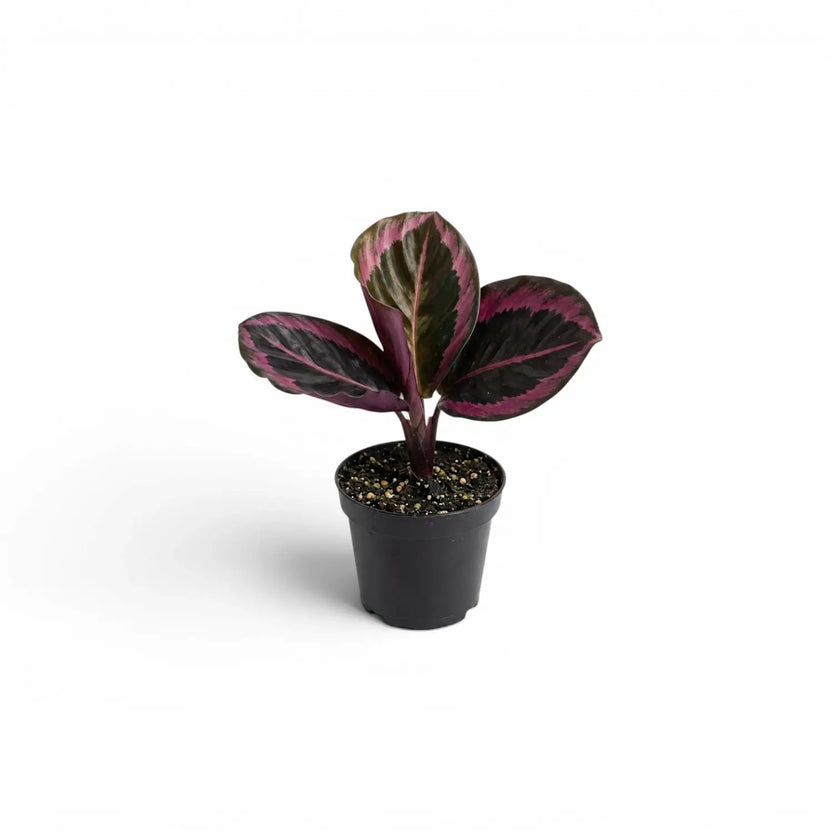
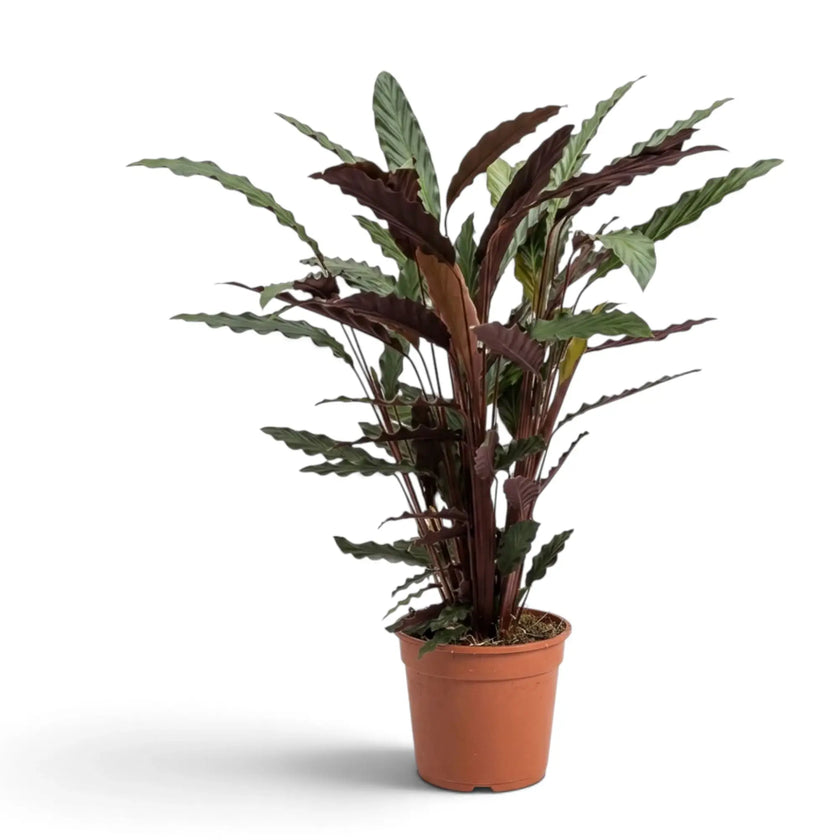
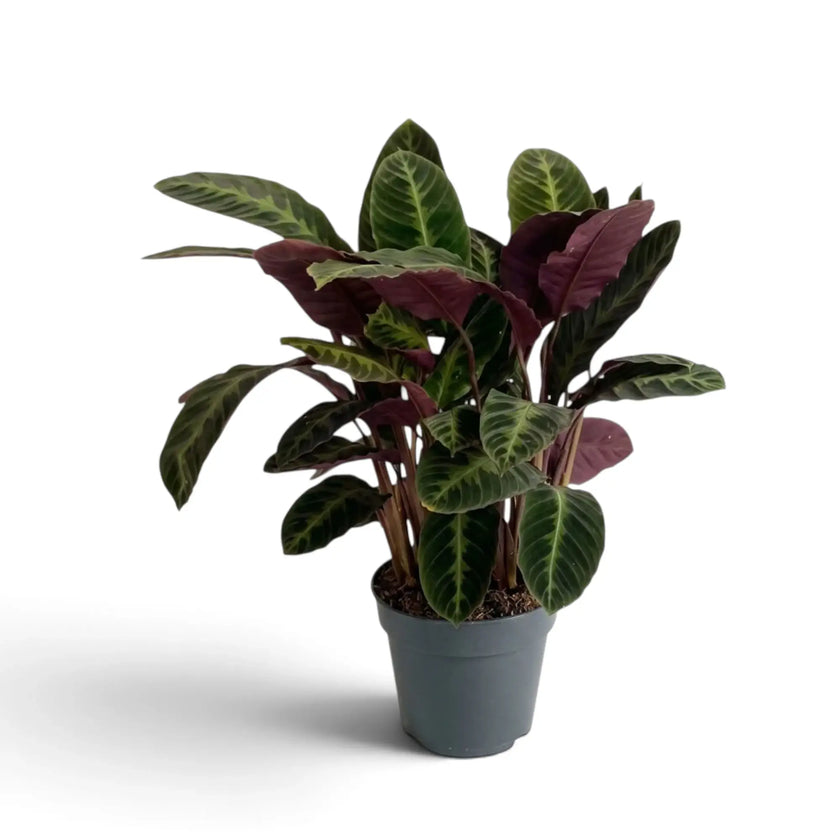
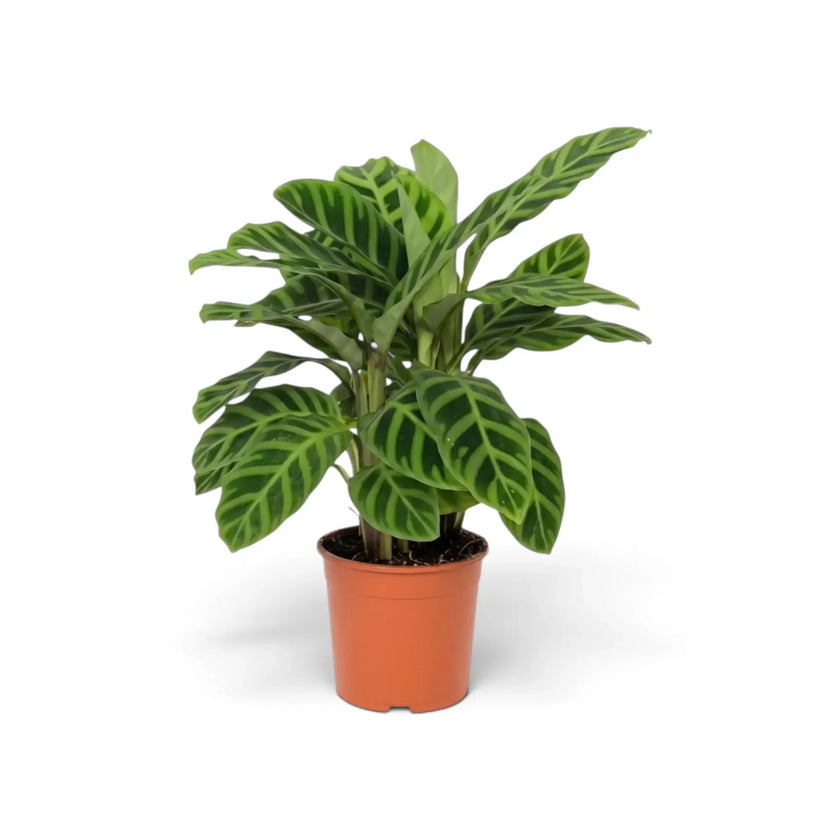
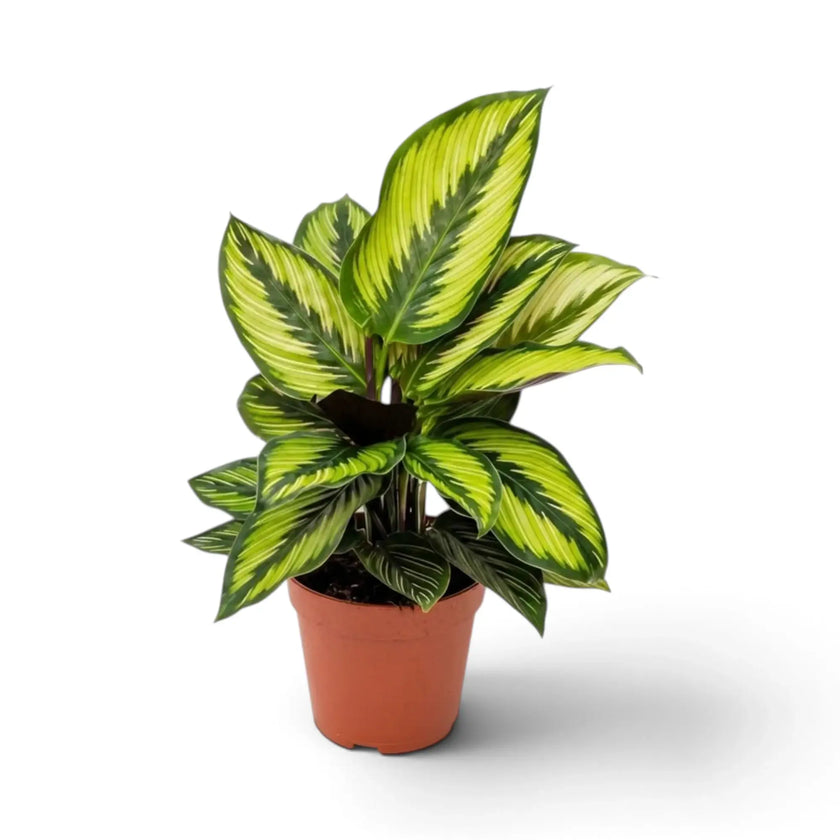
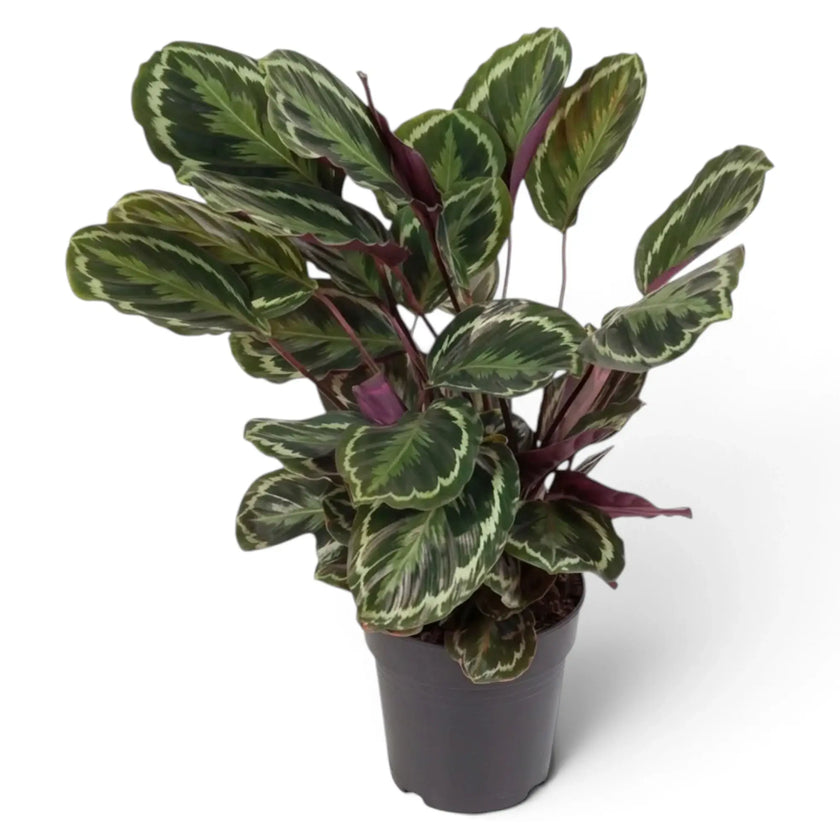
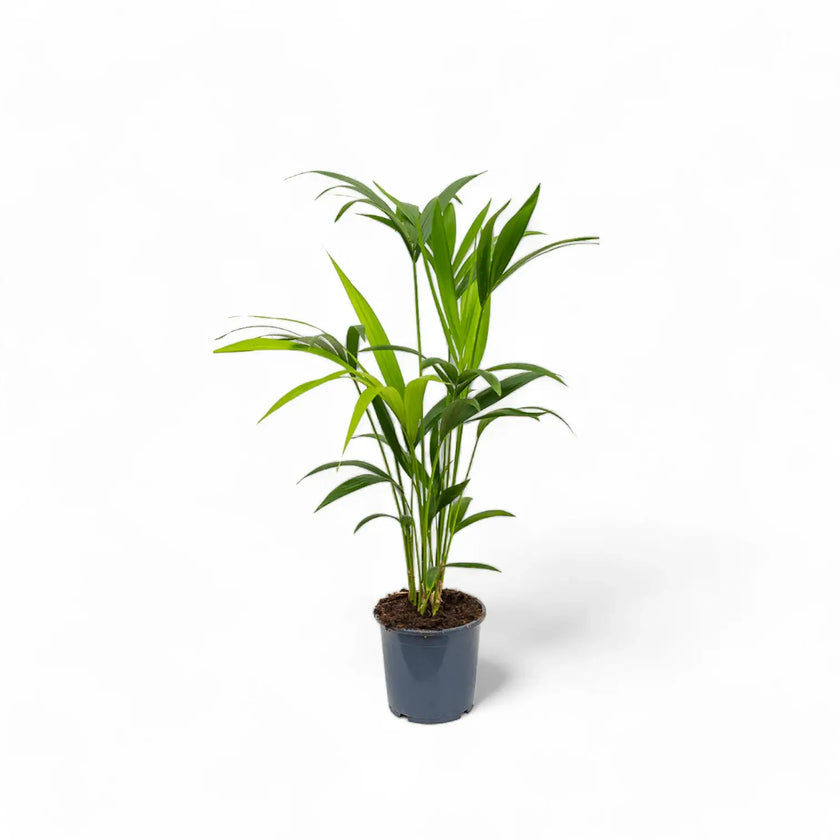
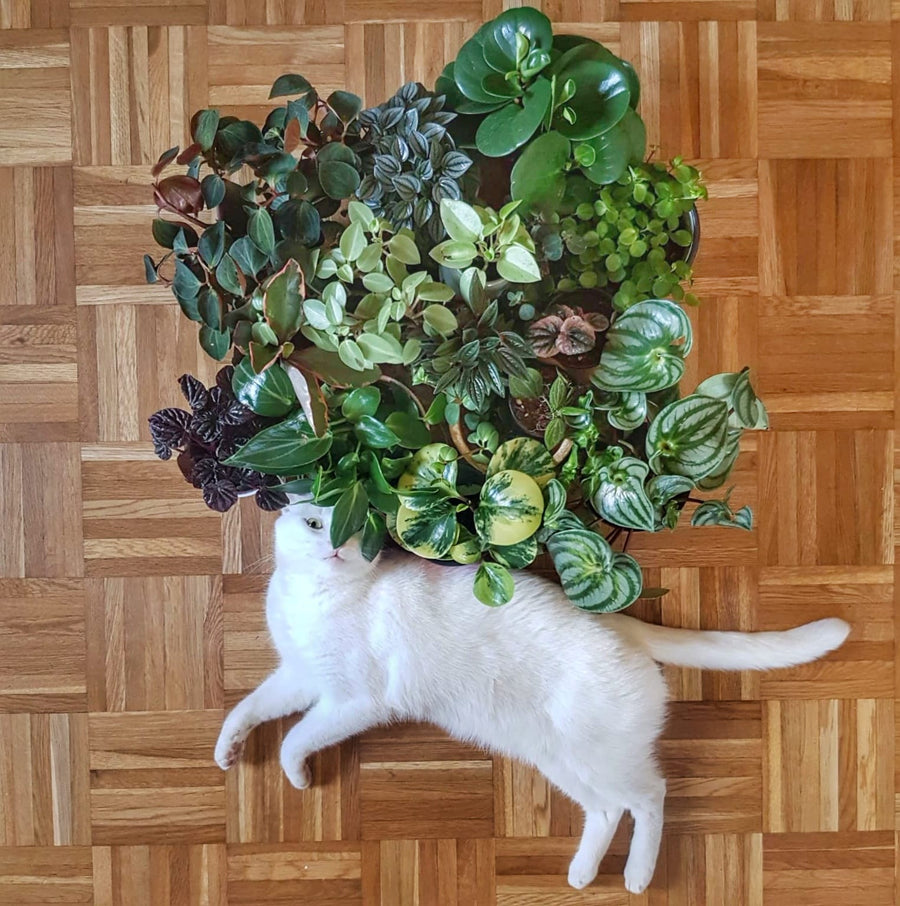
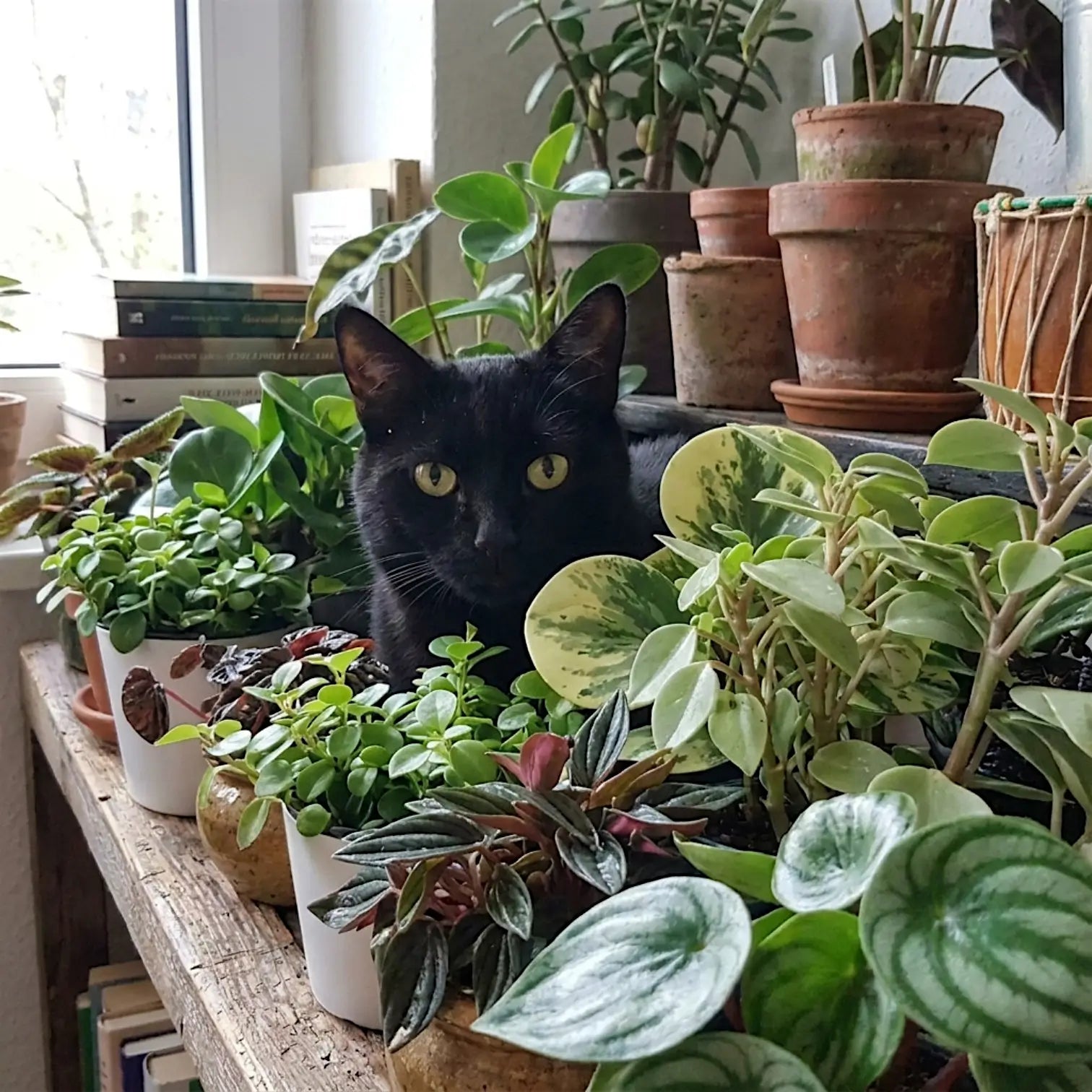
Arching palms and ferns sit alongside patterned prayer plants, compact Peperomia and trailing foliage. The range covers small tabletop pots, hanging growth, layered clumps and fuller upright plants in varied greens, markings and textures.

About Our Filters
Start with the light and space you can offer, then narrow by the plant’s shape or appearance. Check the individual product page for care and size details.
Choose the filters that matter for your search. Remove a selection if you want to see a broader range.
Filters in different groups narrow the search together.
About the filters shown here
-
Availability
Shows whether a product is available to order. This does not mean immediate dispatch; check the product and delivery information for timing. -
Price
Narrows the results by price. Check the price of your chosen size or option on the product page. -
Water Needs
These groups compare water needs broadly. Use the plant’s own care instructions and check the substrate before watering. -
Light level
Match this to the light at the plant’s intended position, including how much direct sun reaches it. -
Humidity Level
Compare the listed range with the humidity around your plants. The percentage refers to moisture in the air.
Options: Average 40–50%; Elevated 50–60%; High 60–80% + -
Pet friendly
Use this as a shortlist for homes with pets, then read the product’s safety information. Keep plants out of reach of pets that chew. -
Height or length guide
A guide to an established plant’s height or length. Check the product page for the size supplied and how the mature measurement is defined. -
Growth Habit
Describes how the plant grows and occupies space, such as climbing, trailing or forming a clump. -
Needs support?
Indicates whether a pole, trellis or other support is recommended. The product’s care instructions explain the suitable support.
Options: optional; not needed; recommended
Sort by:
Filters
Pet-friendly plants with softer forms
- Pet status: each plant is classified as non-toxic to cats and dogs.
- Physical profile: softer foliage and fewer sharp features suit active pet homes.
- Chewing response: swallowed plant material can cause irritation or stomach upset.
Pet-friendly houseplants for practical shared spaces
A pet-friendly choice combines a non-toxic classification with practical physical features. Softer foliage and fewer sharp edges can make placement easier, while long vines, loose pots and delicate leaves still need protection from chewing, pulling and repeated contact.
A heavy, stable container suits floor-level positions and places where pets brush past. Long vines need enough clearance to stay out of reach, while delicate velvet or finely divided leaves are easily damaged by paws and rubbing. The repotting guide includes container and stability considerations.
Choose the plant’s care separately from its pet-safe status. The houseplant care guides cover botanical needs, and the window-orientation guide helps find a position that fits both light and access constraints. Remove fallen leaves promptly and discourage chewing, as even non-toxic plant material can cause temporary stomach upset.
Frequently Asked Questions About Non Toxic Houseplants
What is the difference between Pet Friendly Houseplants and Non-Toxic Houseplants?
Non-Toxic Houseplants groups plants by their toxicity classification. Pet-Friendly Houseplants adds a focus on softer foliage and fewer sharp features. Neither label means a plant is safe to chew, and swallowed plant material can still cause stomach upset.
Are non-toxic houseplants actually safe for cats and dogs?
They are lower-risk, not risk-free. In ASPCA terms, “non-toxic” means a plant is not expected to cause poisoning, but eating plant material can still trigger vomiting or gastrointestinal upset. Treat the label as a way to reduce risk, not as permission to let pets chew the plant.
Which collection should I choose if my pet chews plants or gets into everything?
Consider toxicity, sharp features and placement together. Softer foliage does not make a plant safe to chew. Keep plants beyond your pet’s reach, secure their containers and avoid trailing stems that can be pulled down.
How can I check whether a specific houseplant is safe for cats and dogs?
Check the exact botanical name against a reliable database such as ASPCA, not just the common name. Common names are messy, and plants sold under similar labels can carry very different risks. Lilies are the clearest example: true lilies are an emergency for cats, while plants sold as peace lilies are different plants with different toxins.
Which common houseplants are most worth avoiding in pet homes?
True lilies and daylily types are near the top of the avoid list for cat homes because they can cause acute kidney failure. Sago palm is another major avoid because it can cause severe liver damage. Many common indoor aroids, including Monstera, Philodendron, pothos, peace lily, and Alocasia, also cause painful oral irritation and vomiting if chewed, and Aloe vera is toxic to cats and dogs as well.