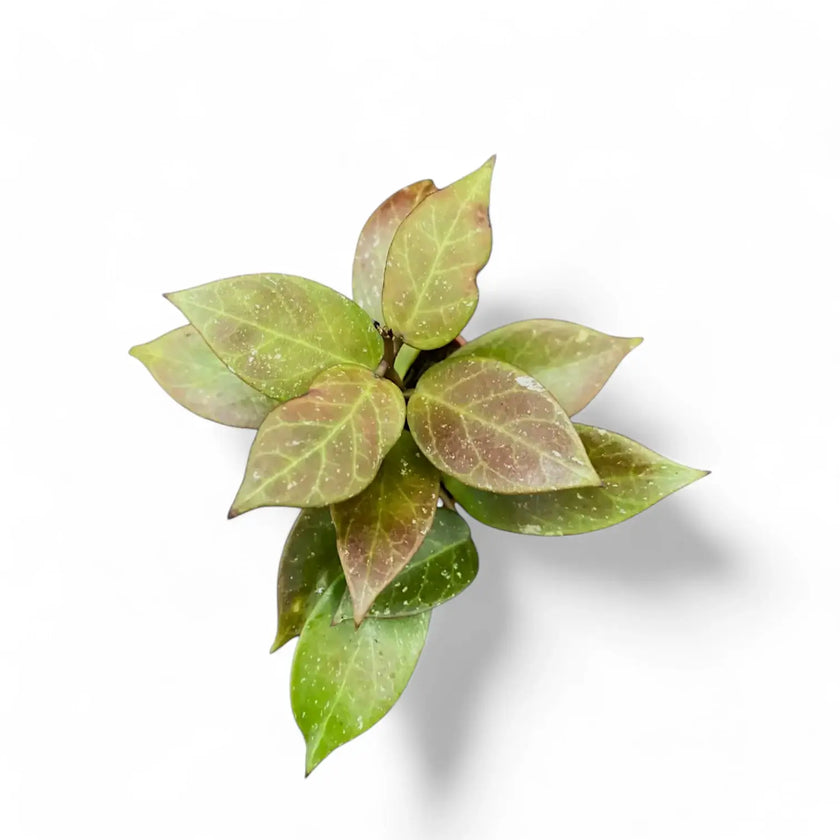
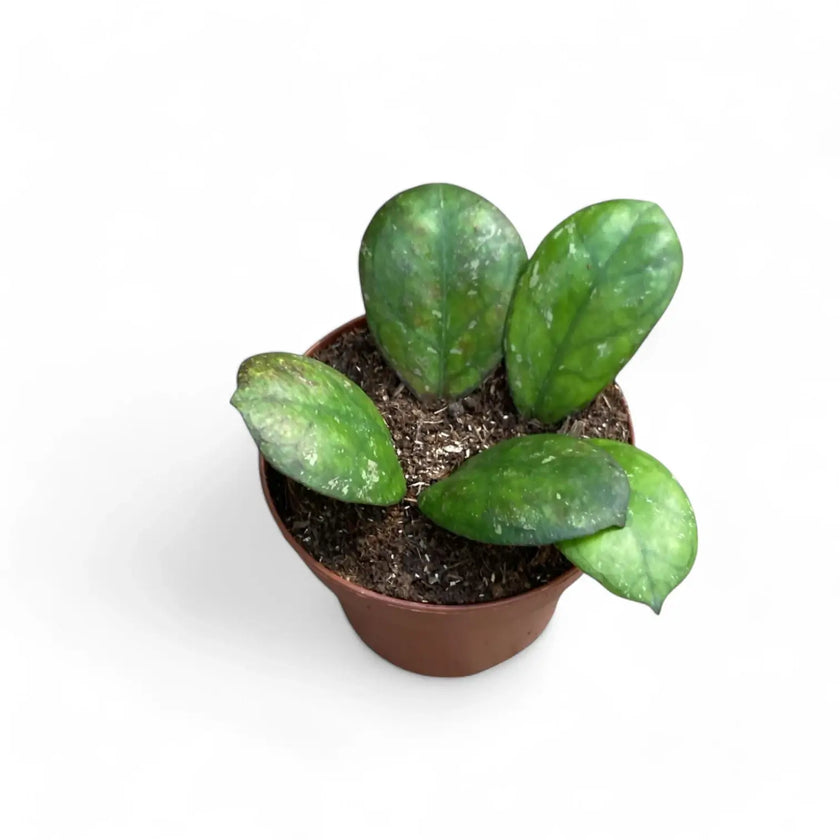
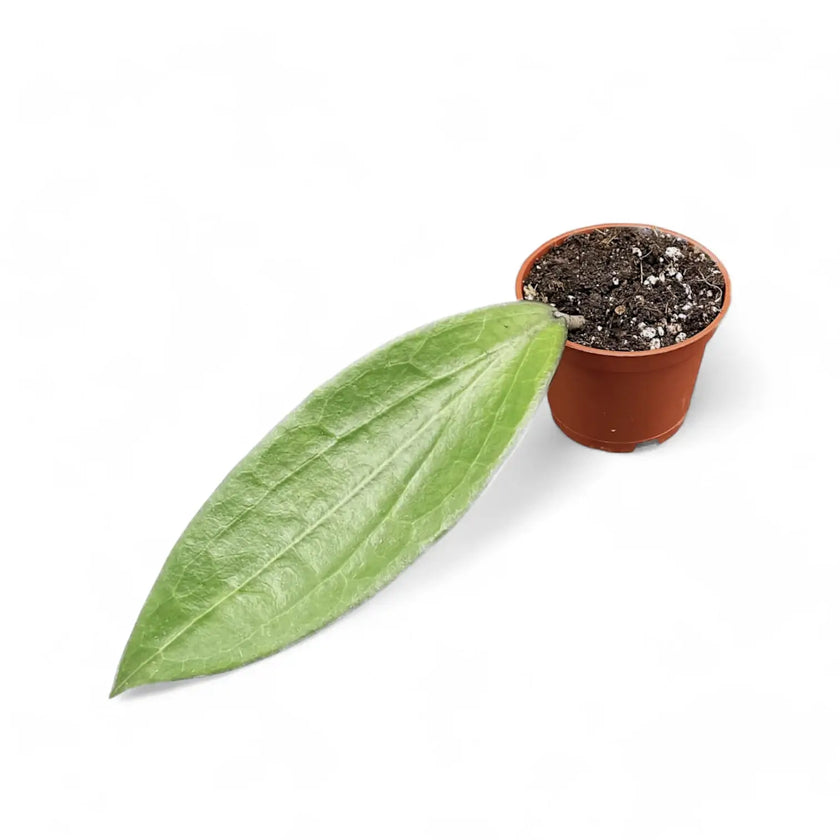
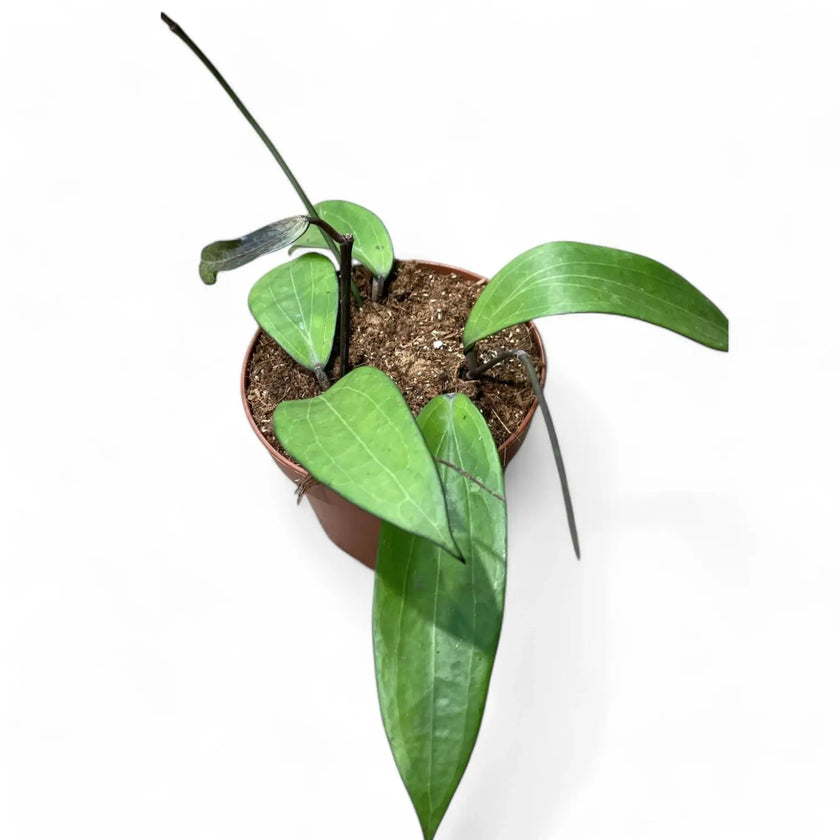
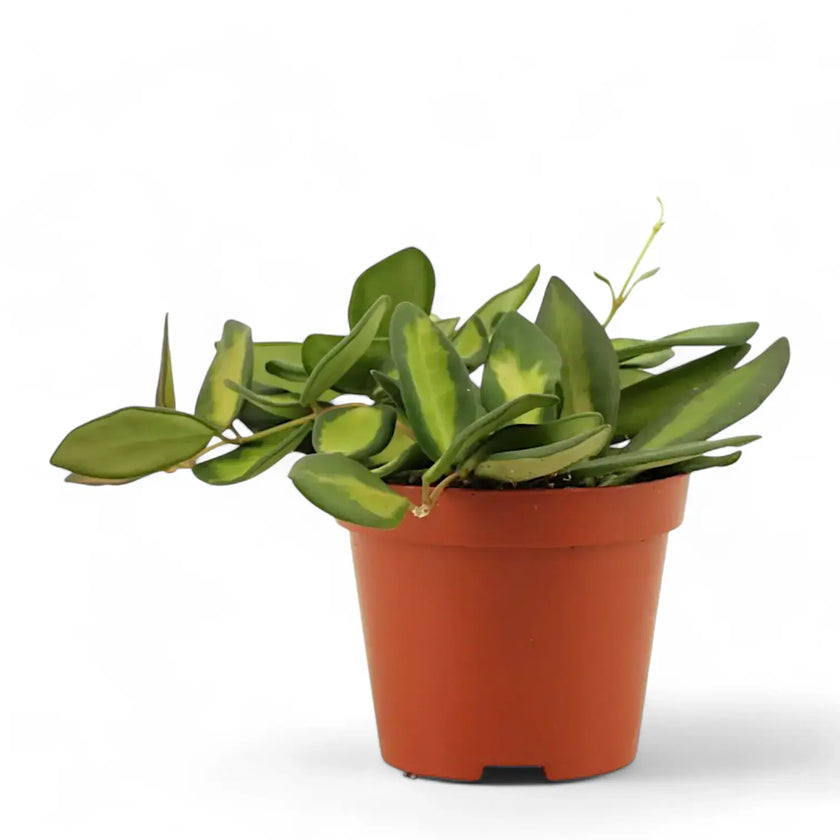
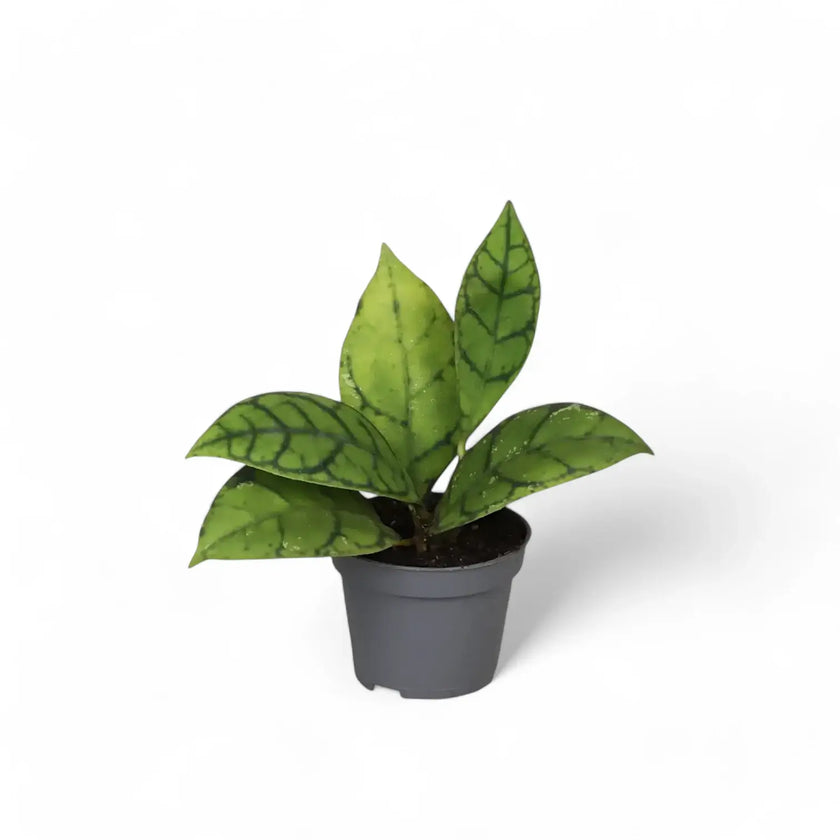
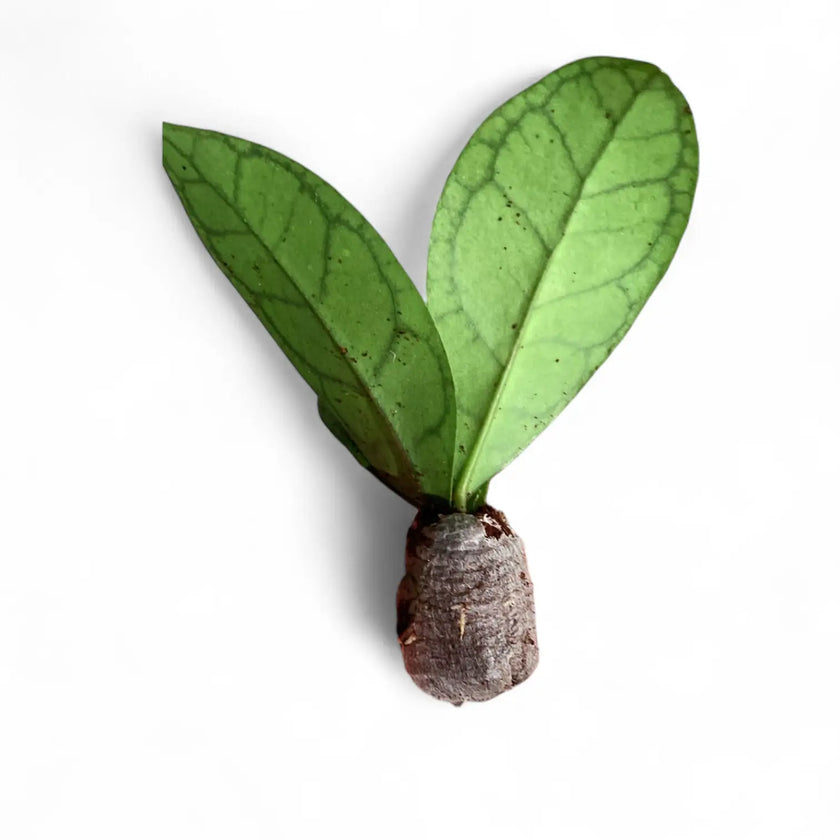
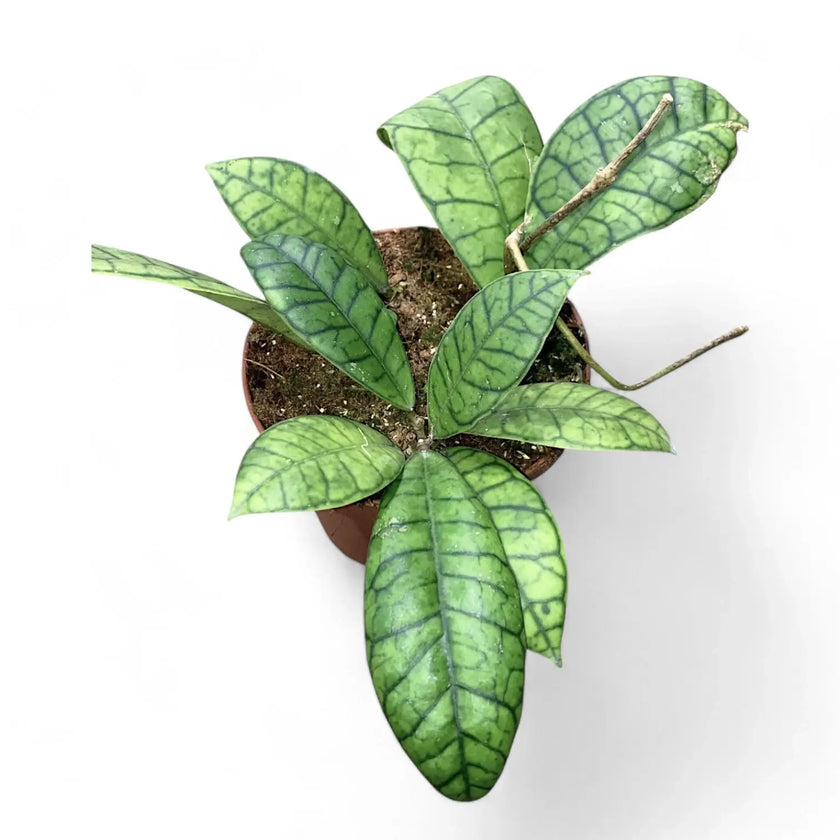
Hoya care, light needs and buying tips
Why Hoya becomes a long-term housemate
Hoya combines sculptural foliage, intricate umbels of flowers and genuine staying power. Growth usually starts slowly while roots settle in, then vines extend in waves, giving you time to decide whether you want a neat hoop, a filled trellis or a long cascade instead of fighting constant overgrowth.
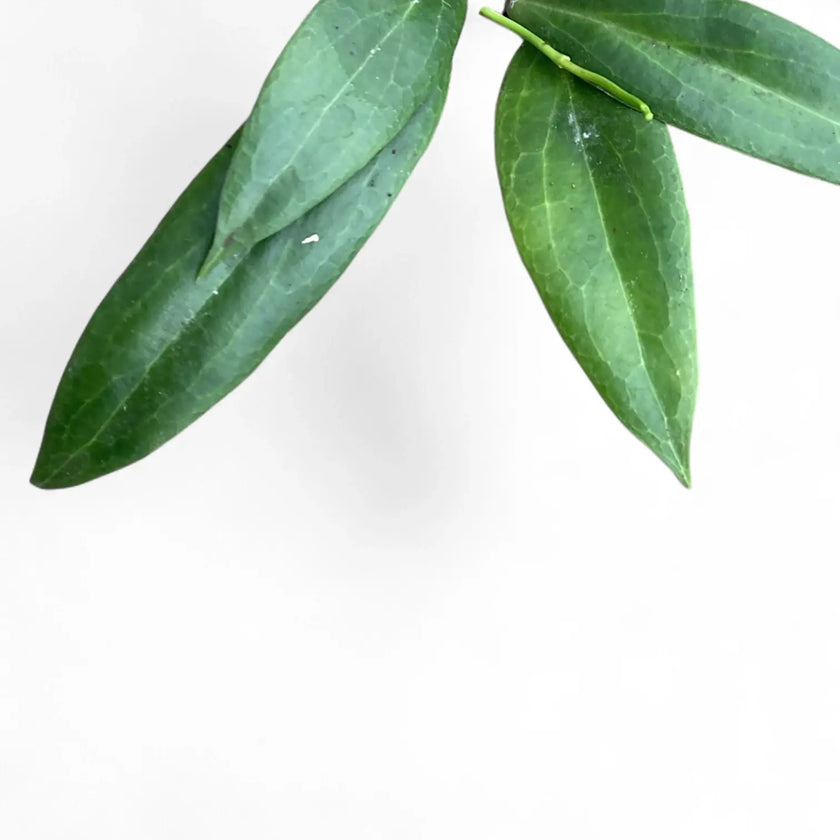
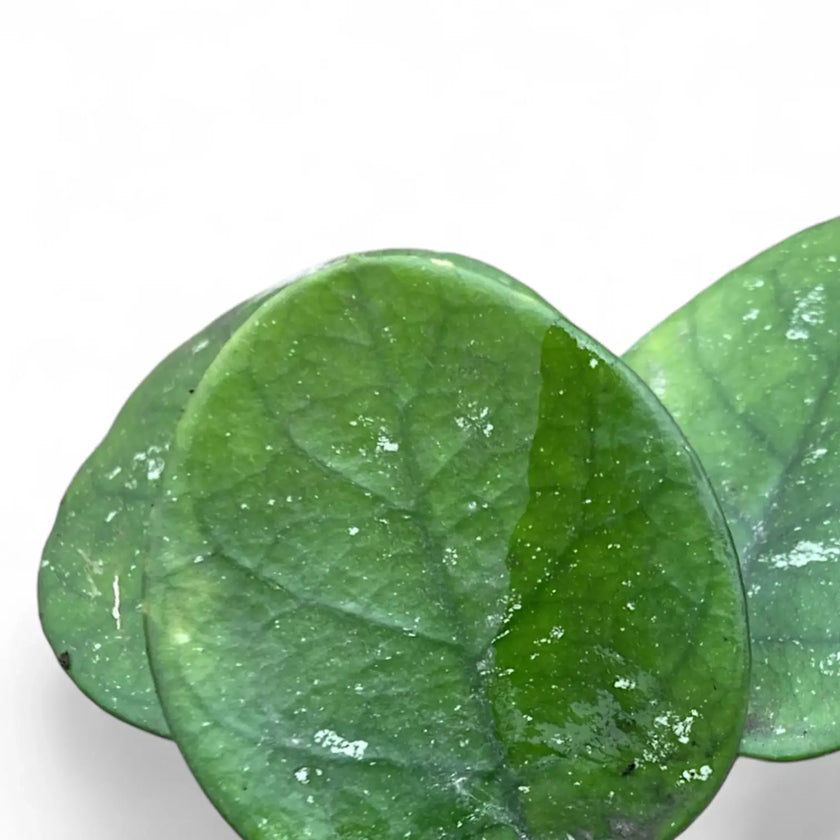
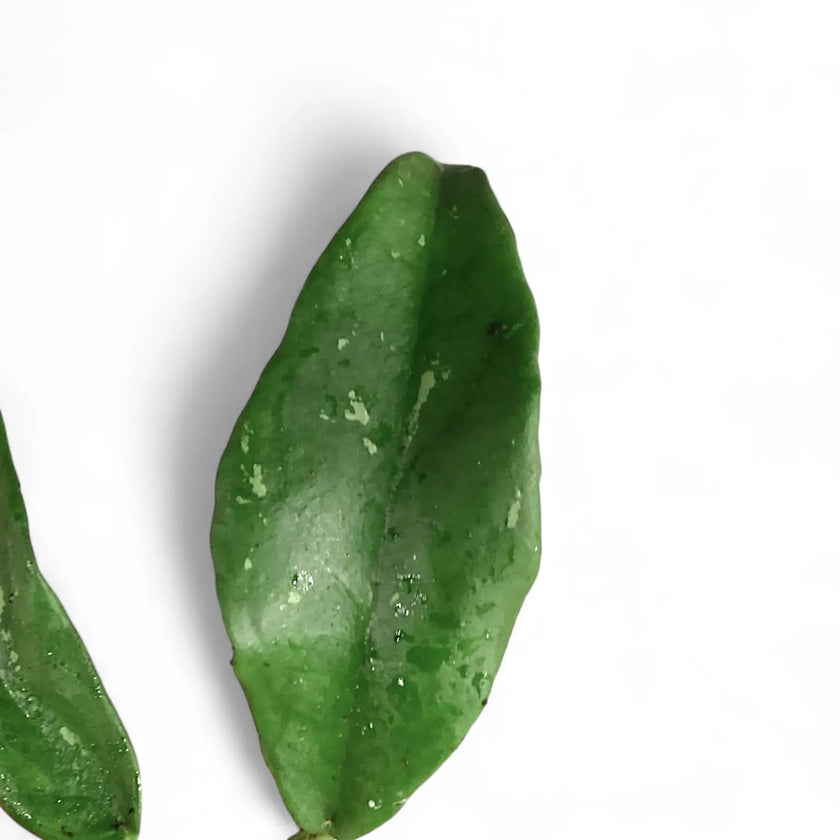
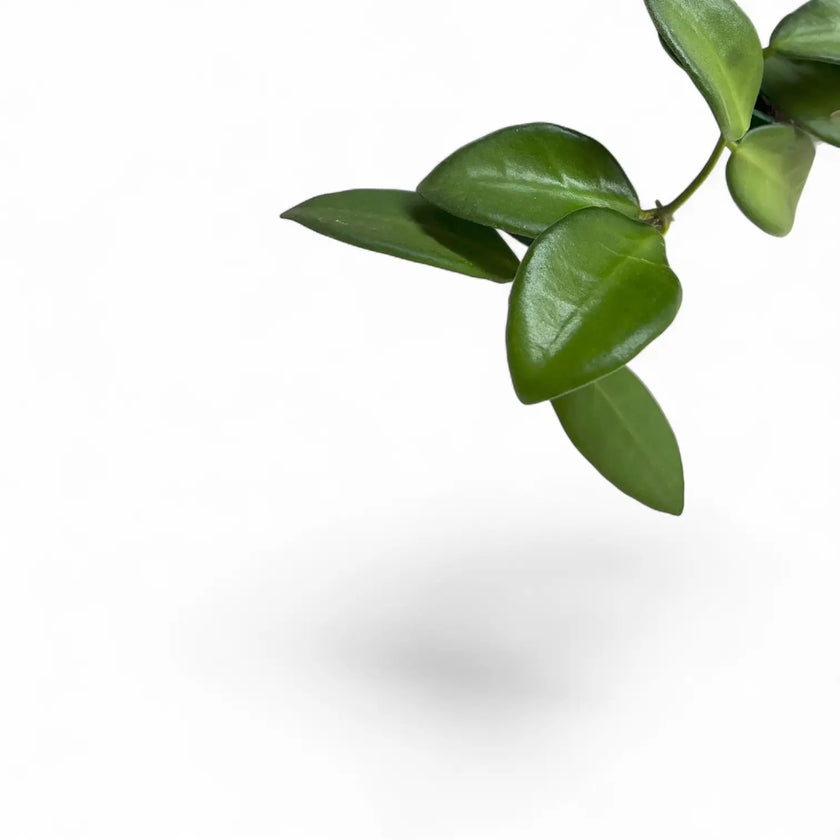
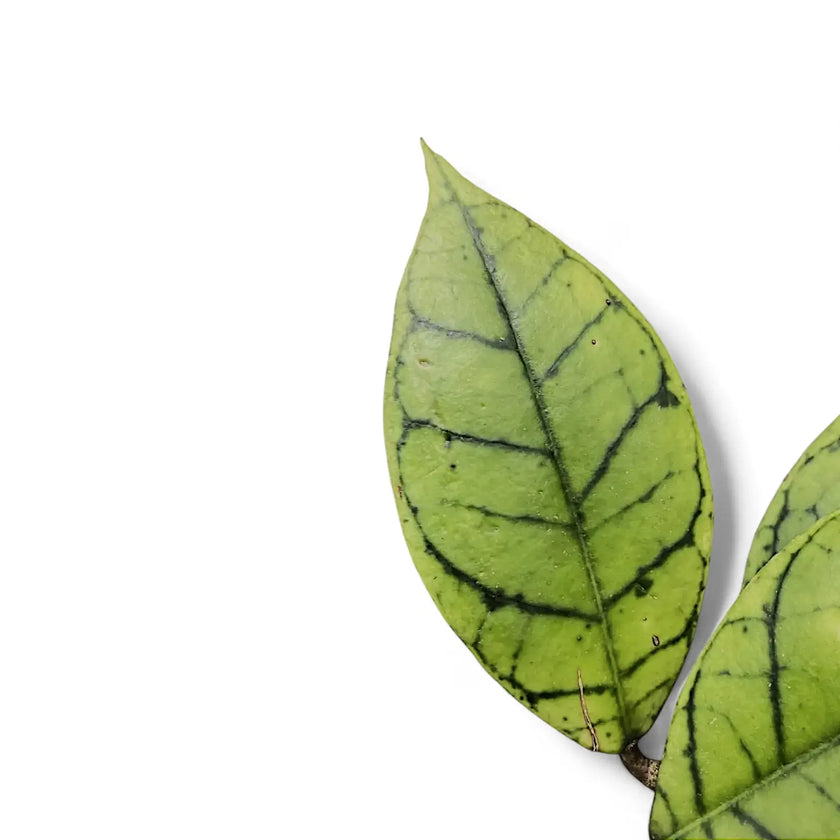
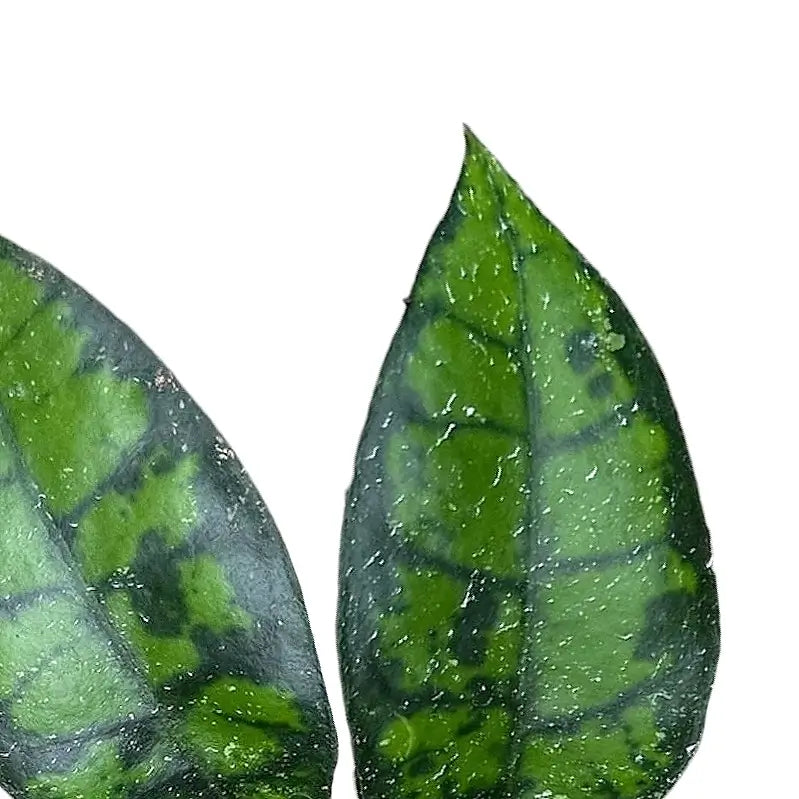
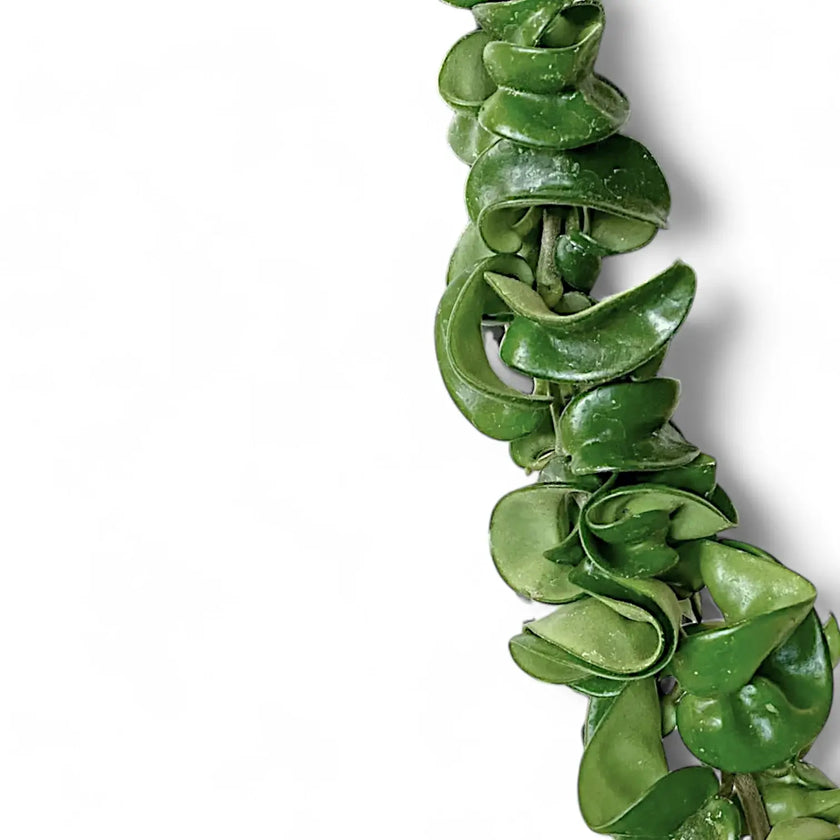
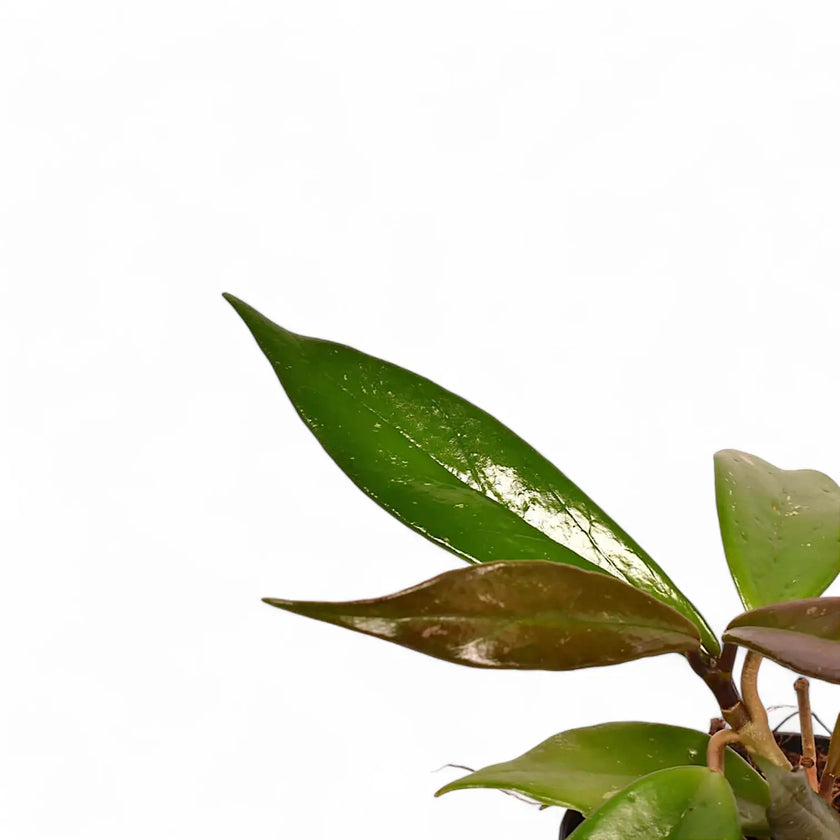
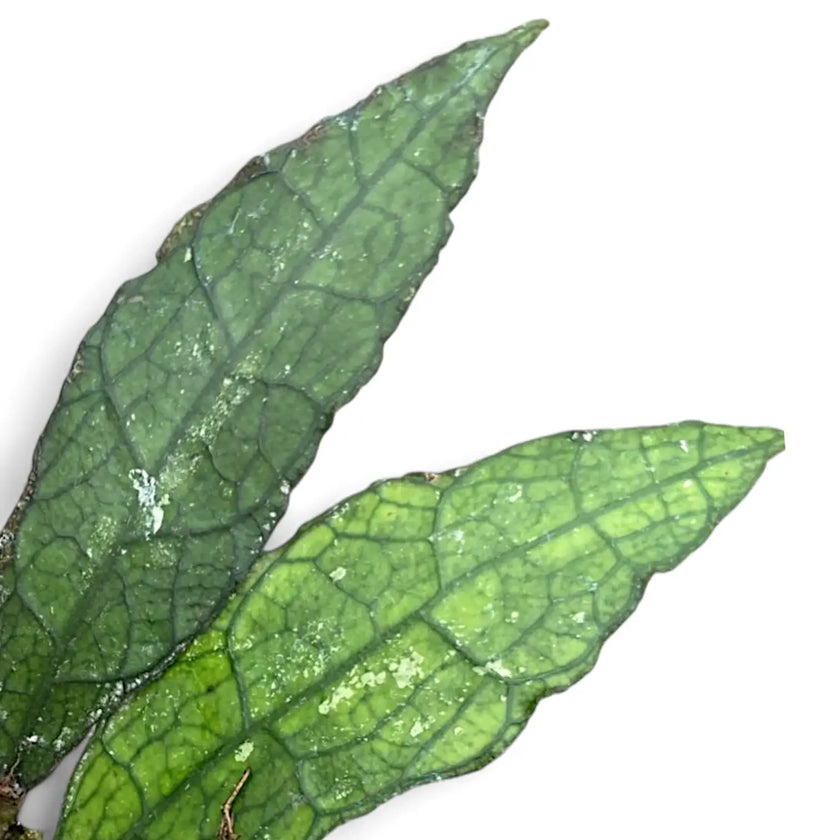
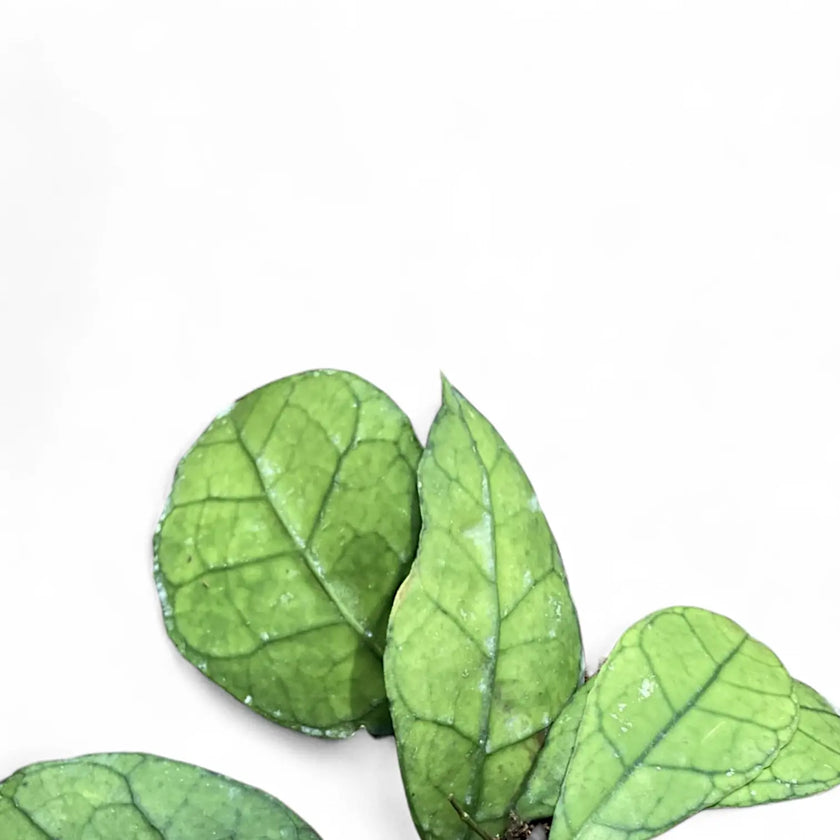
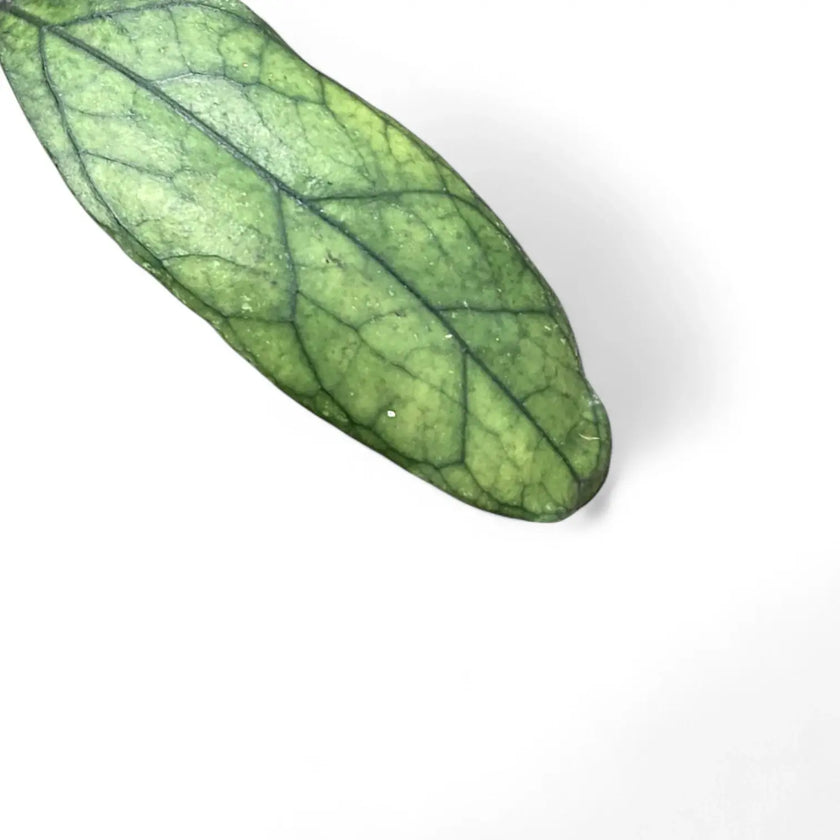
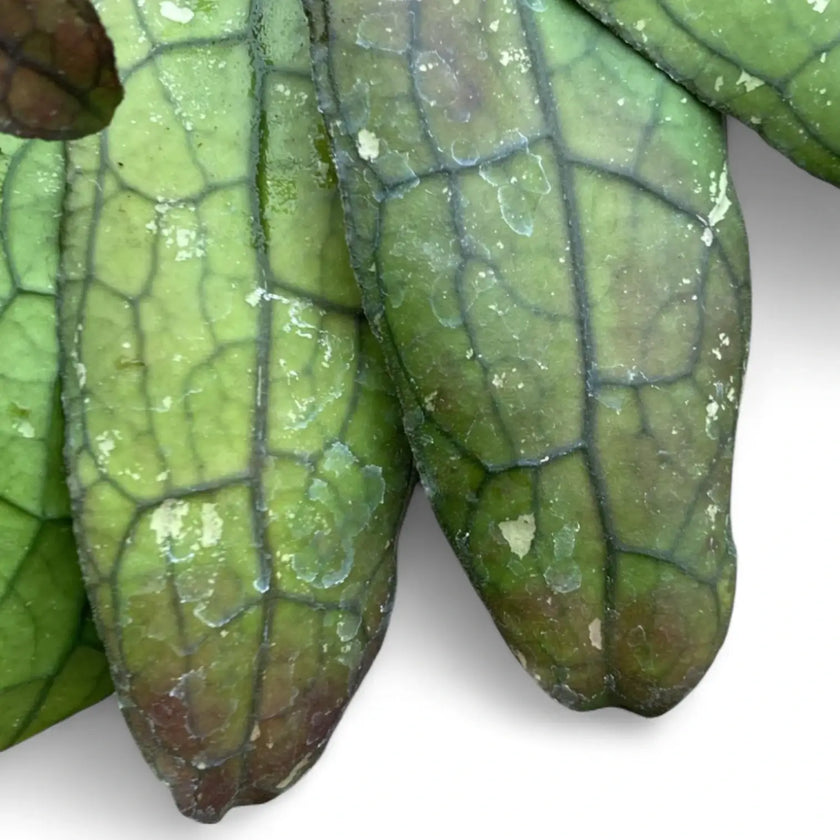
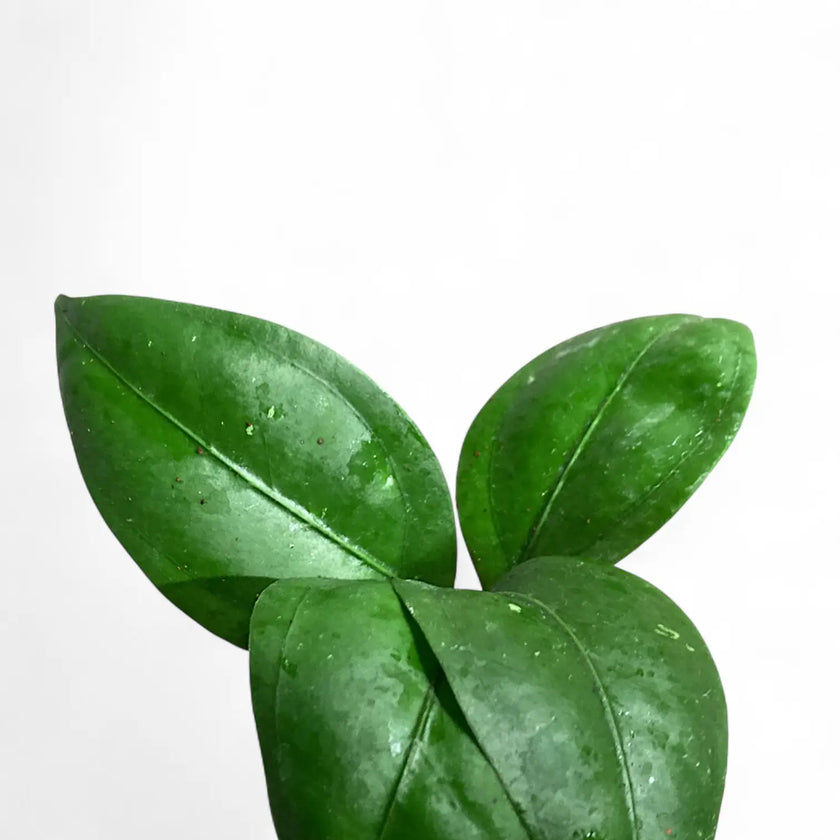
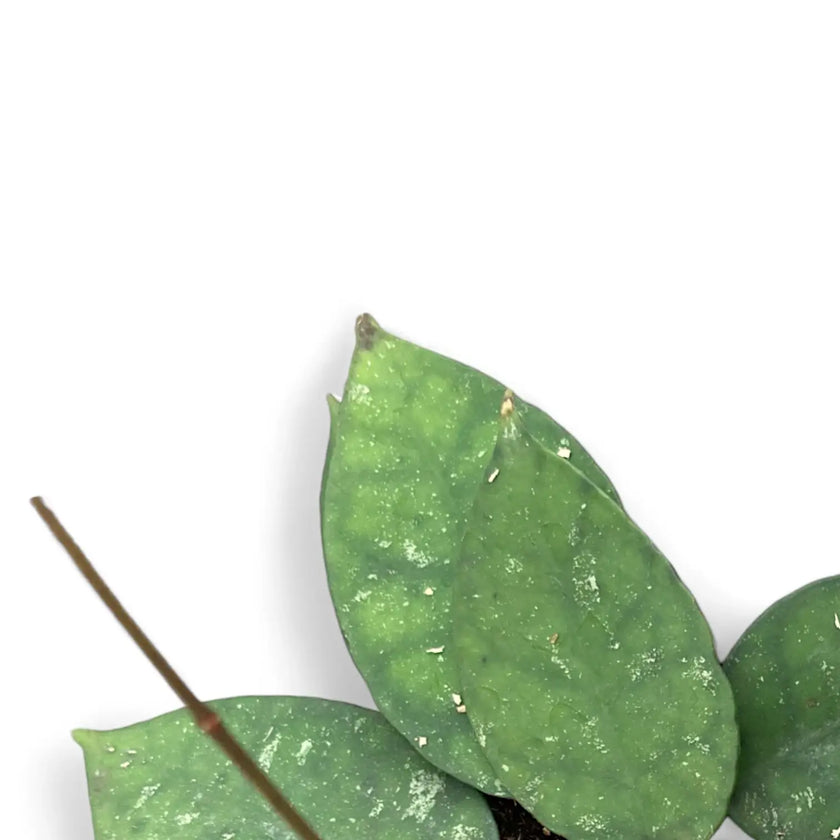
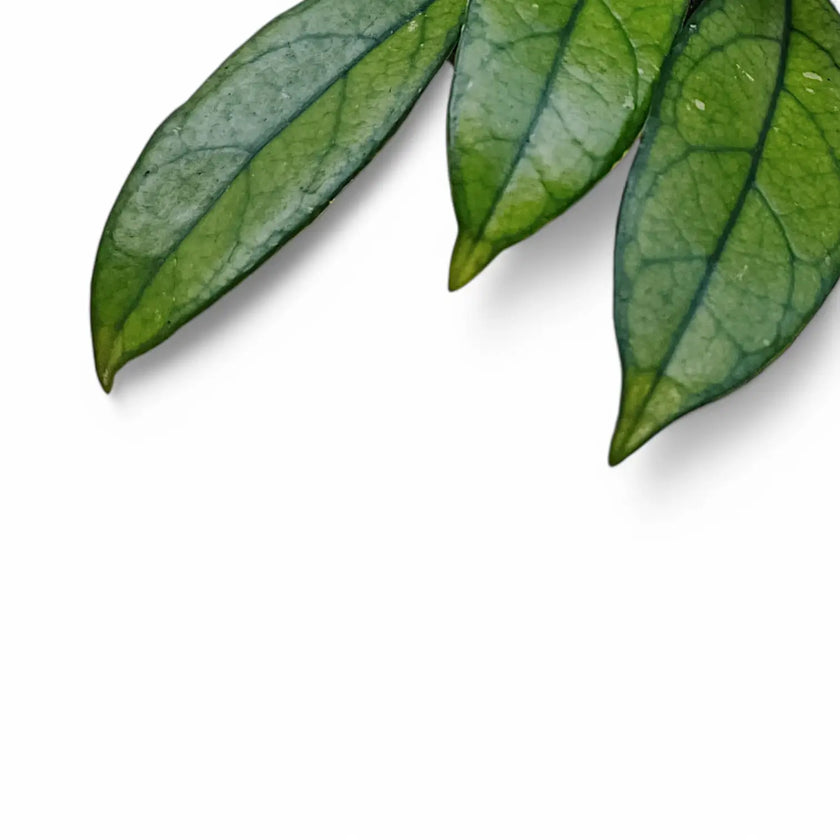
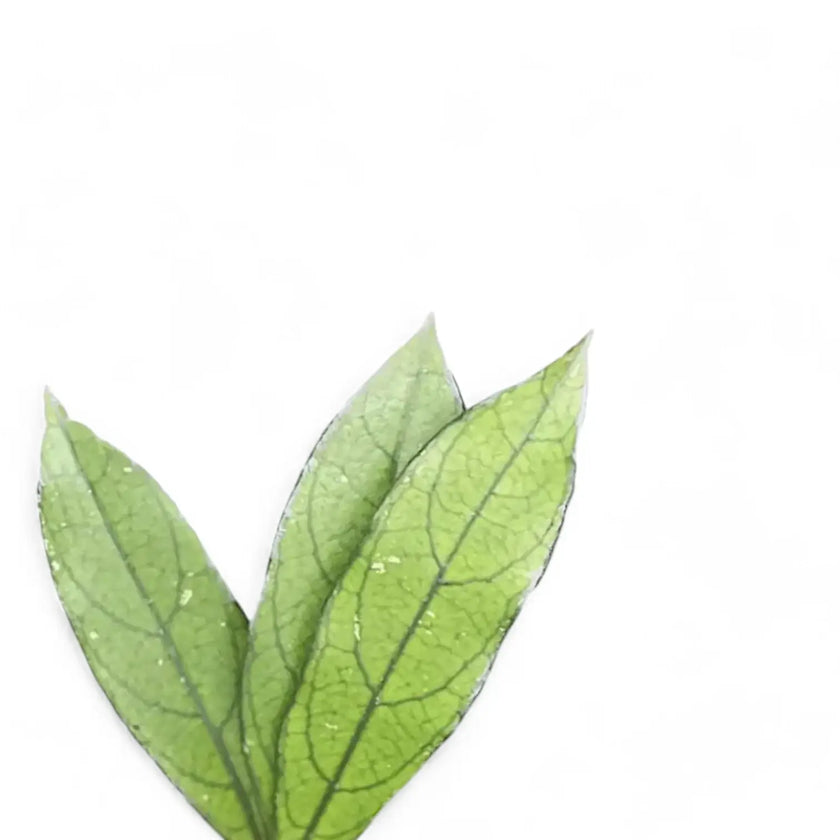
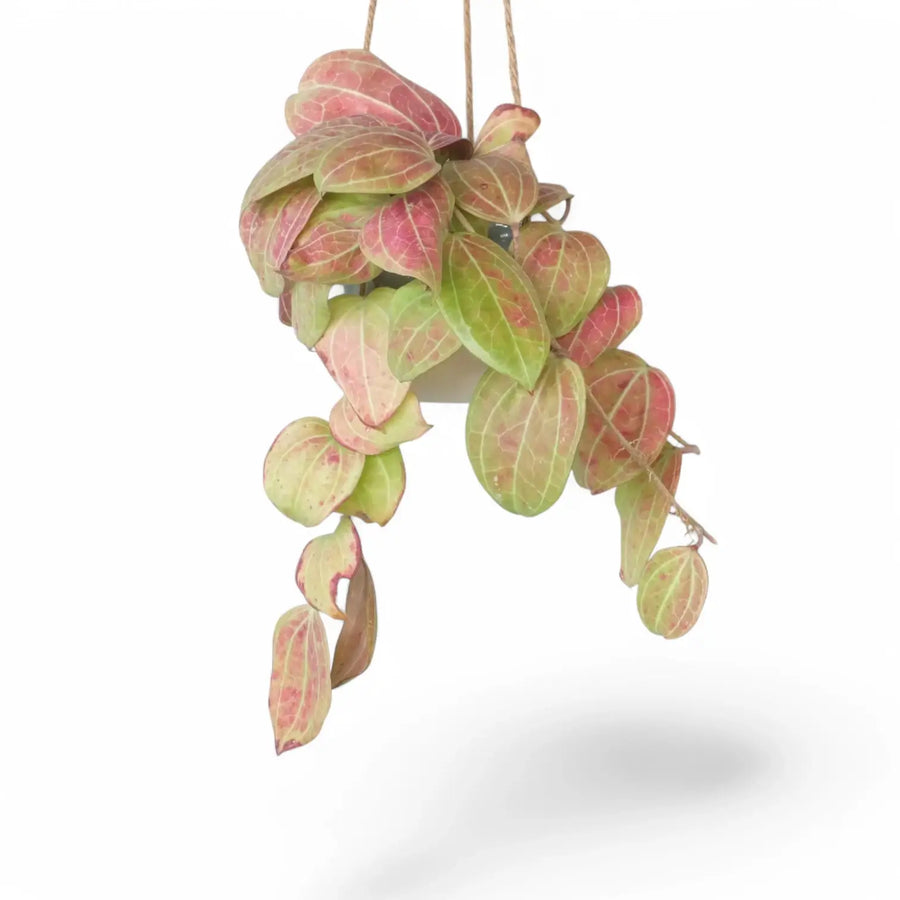
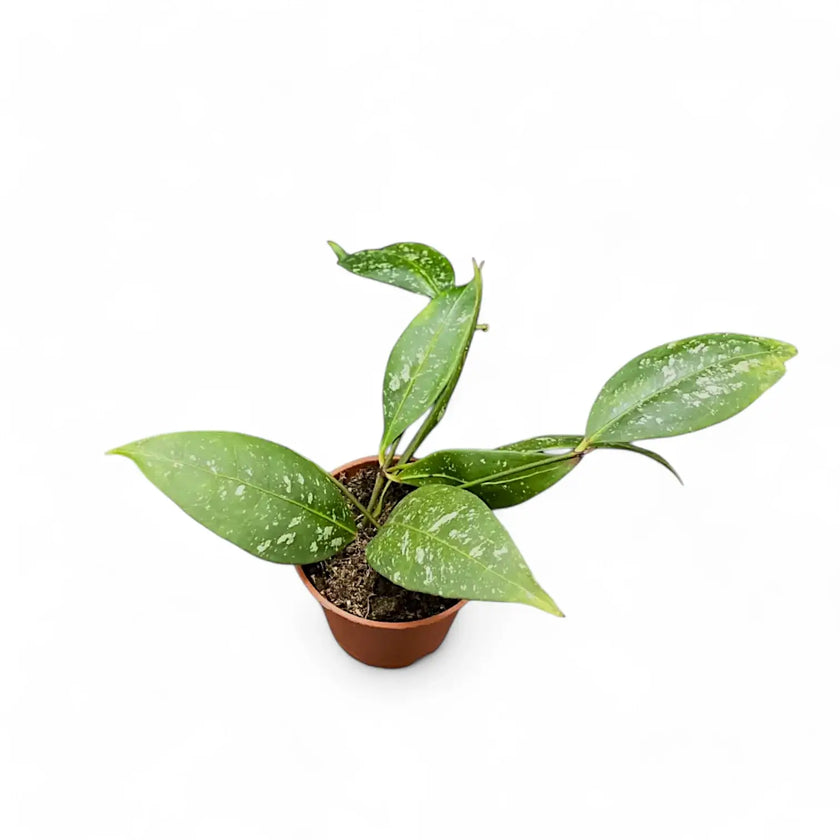
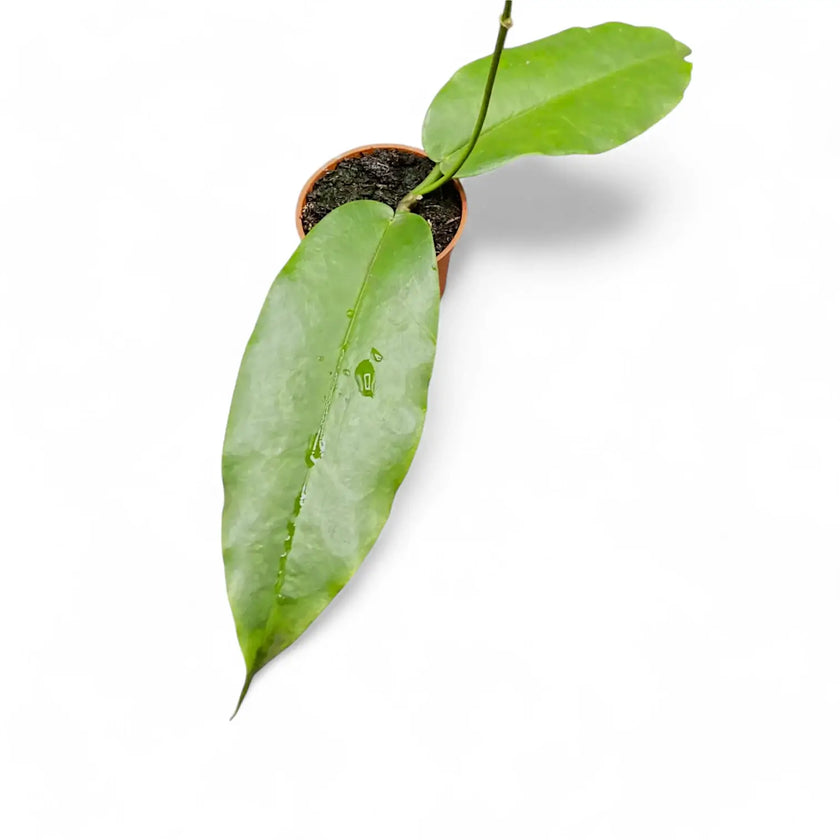
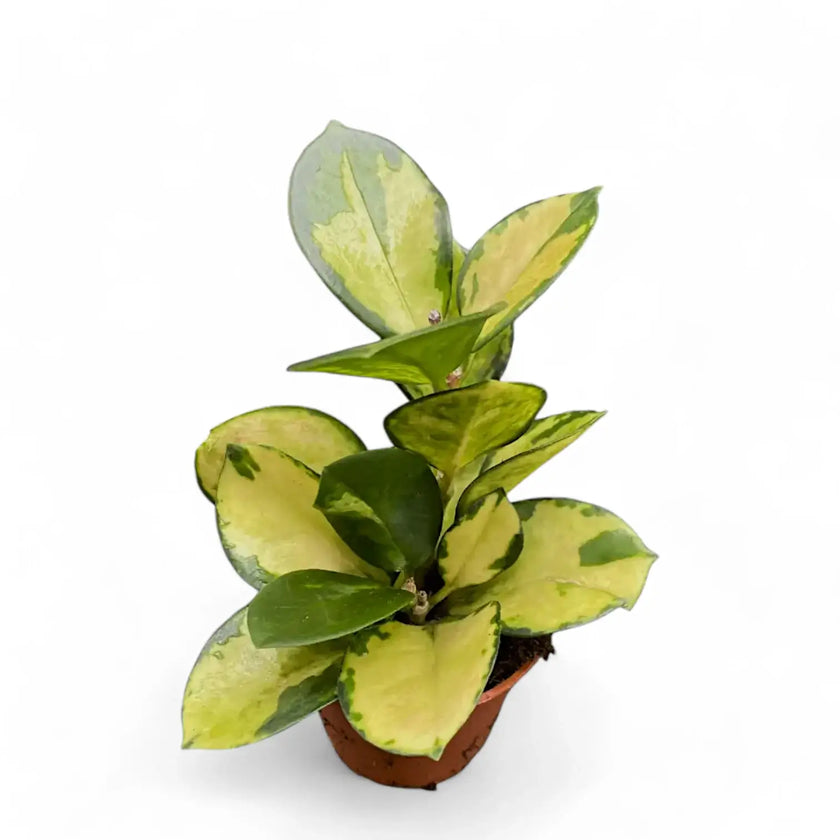
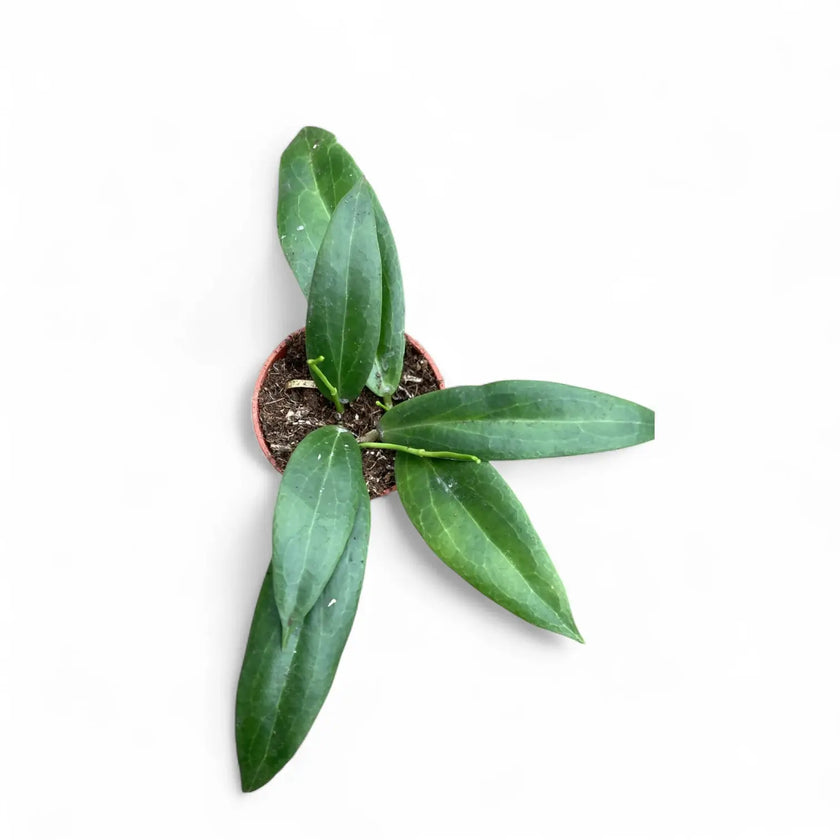
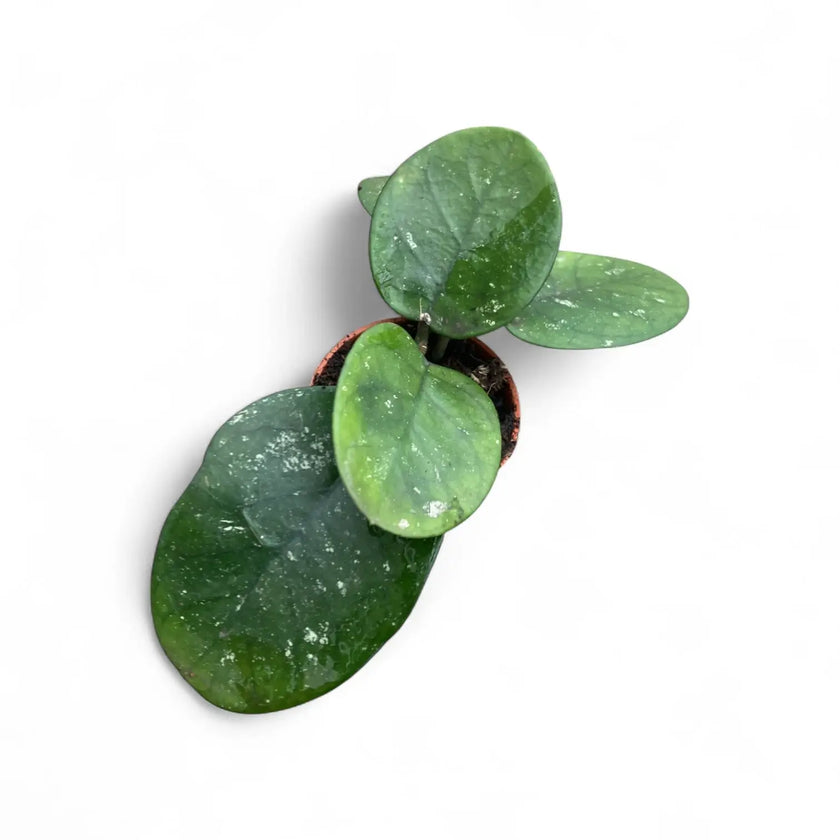
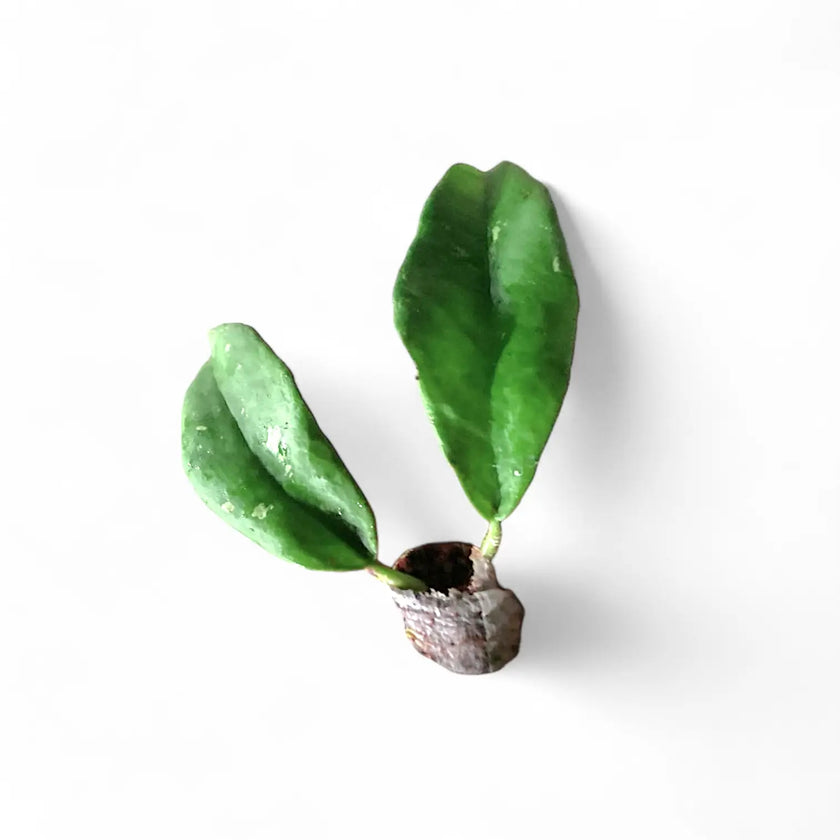
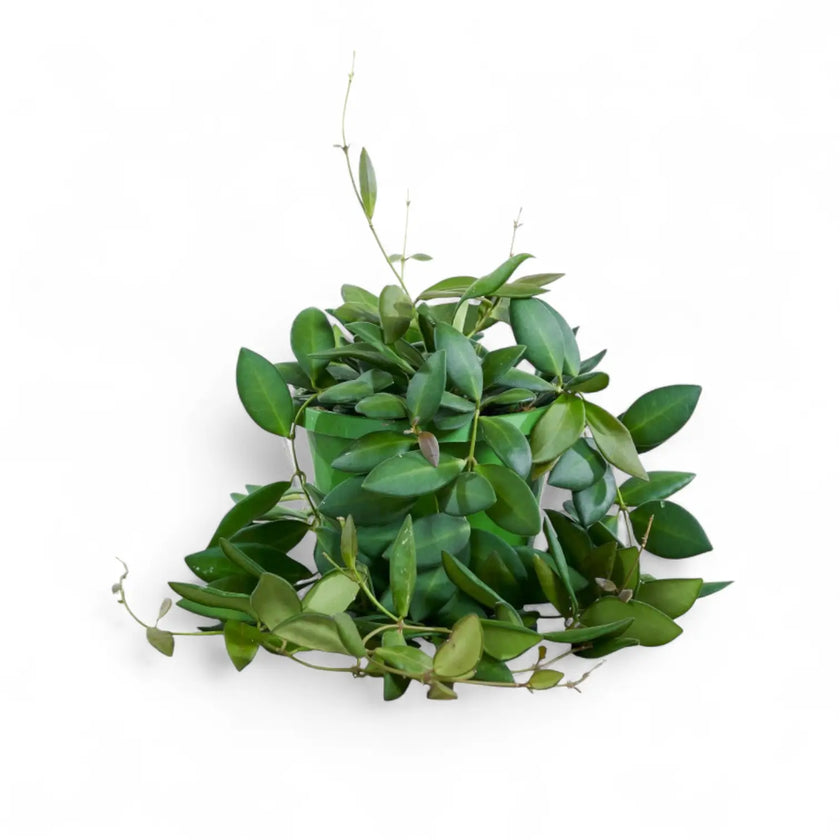
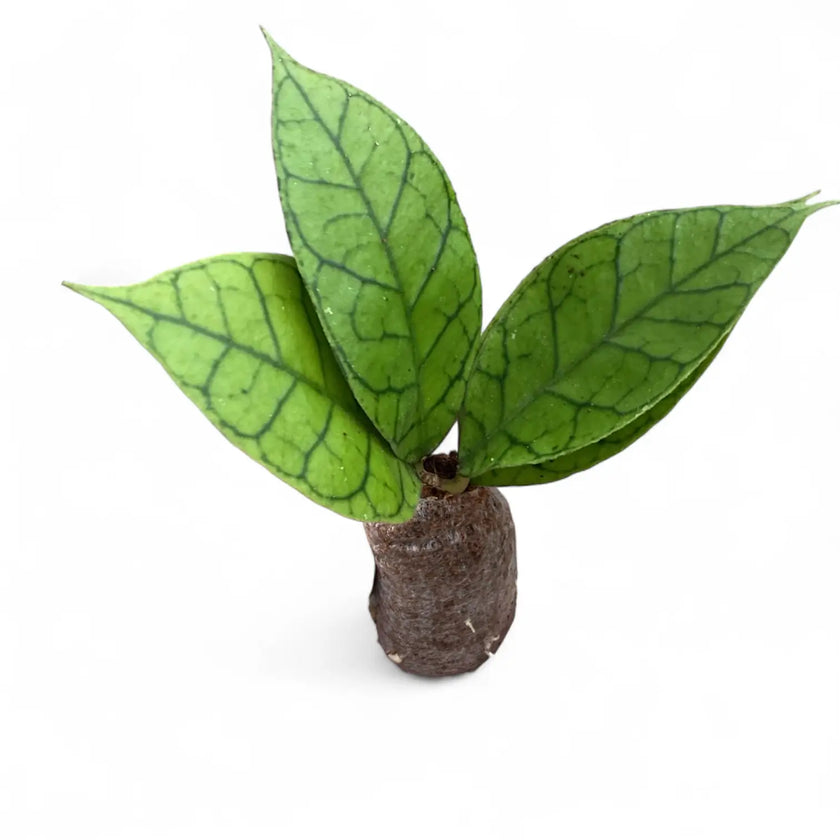
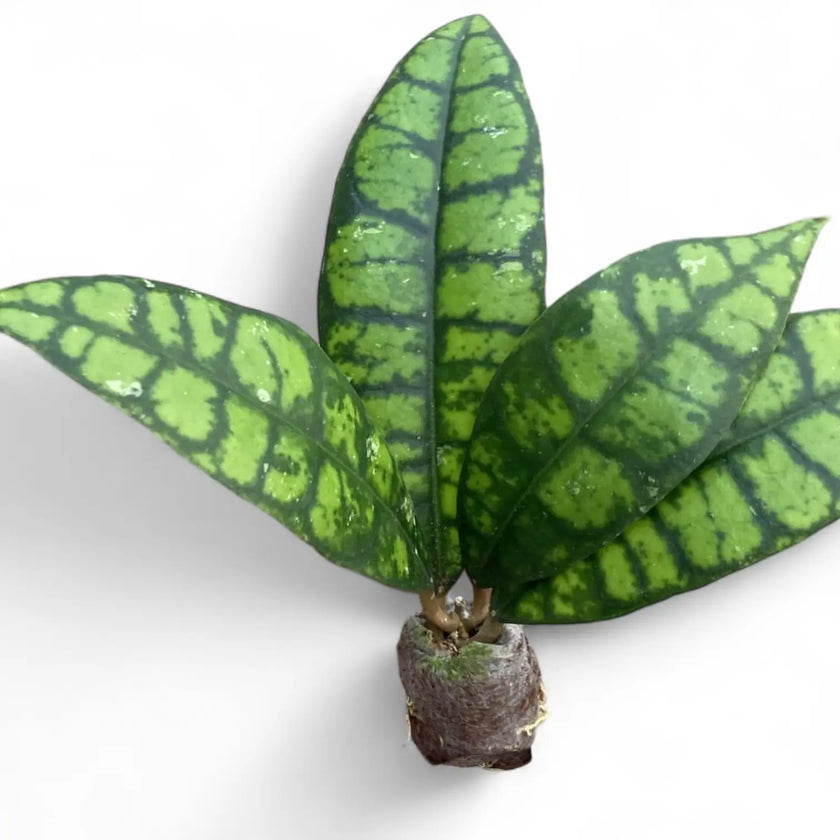
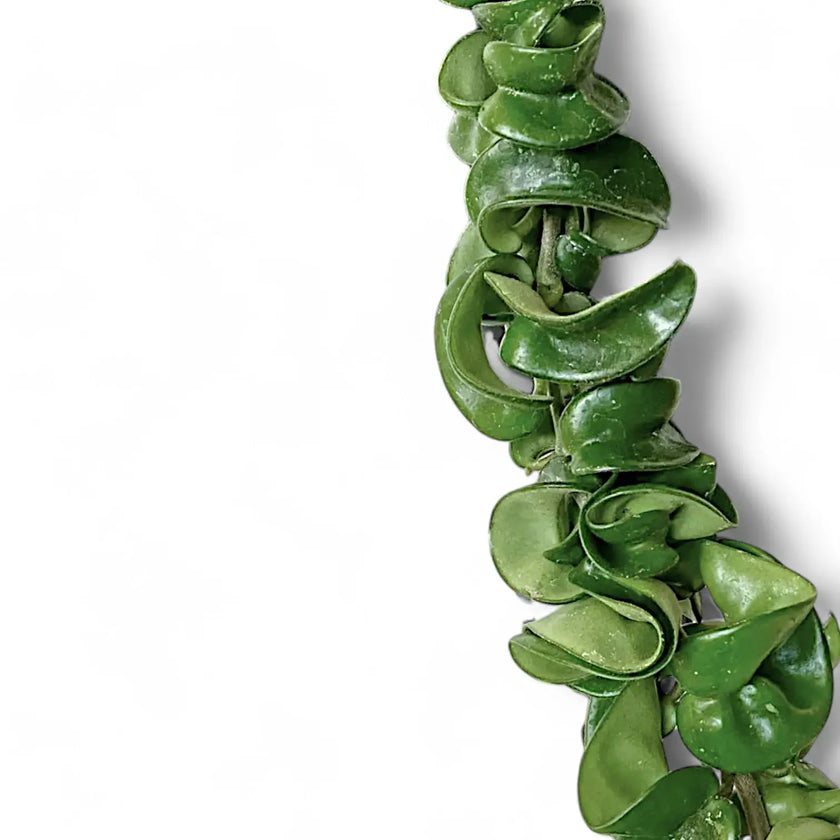
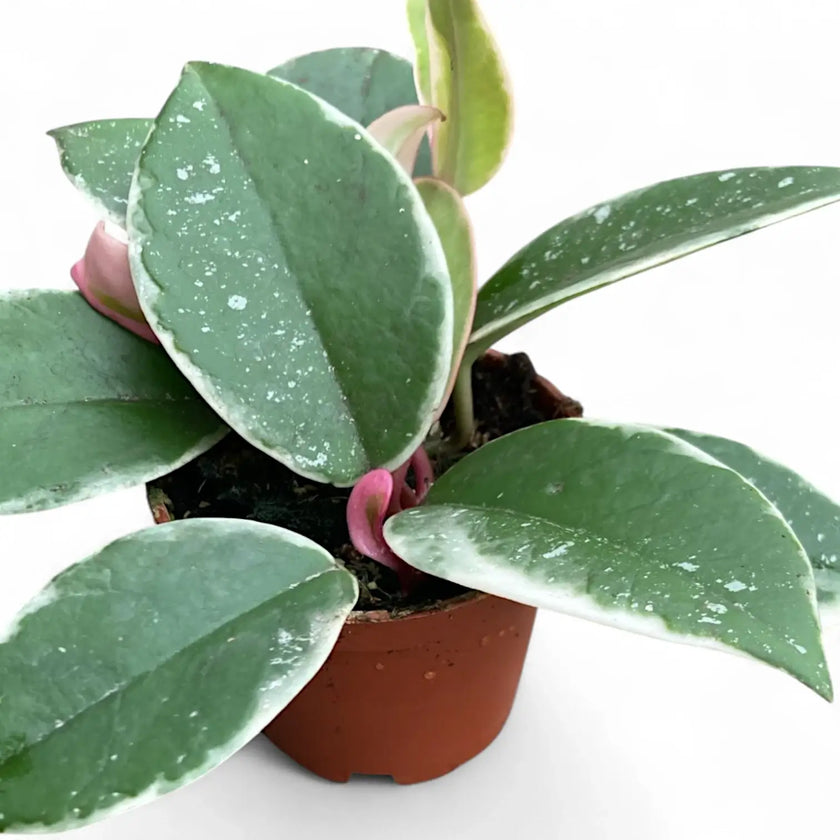
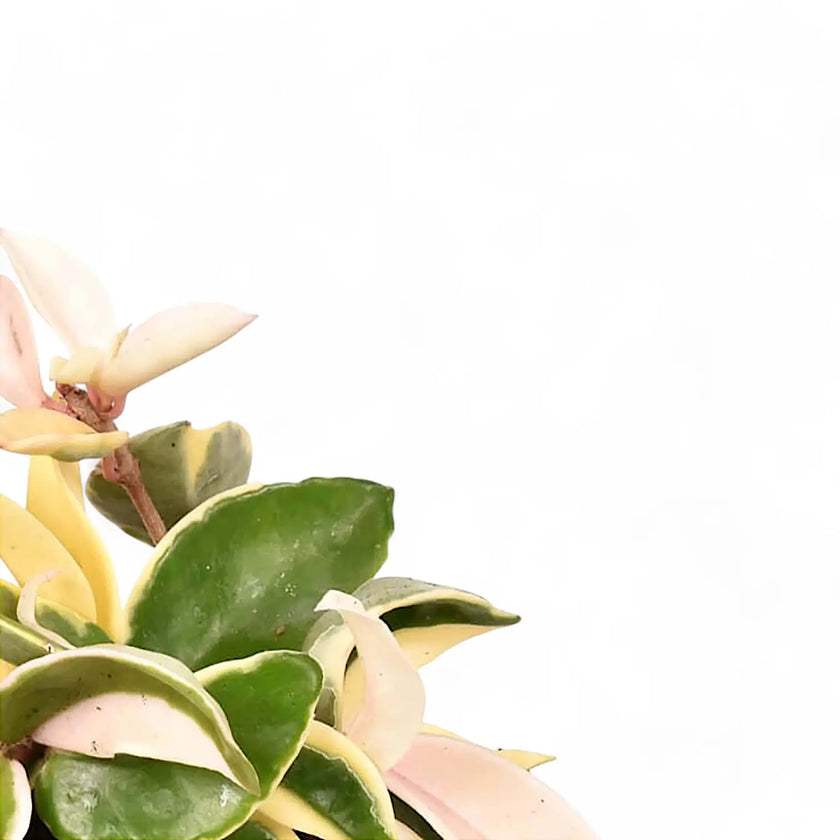
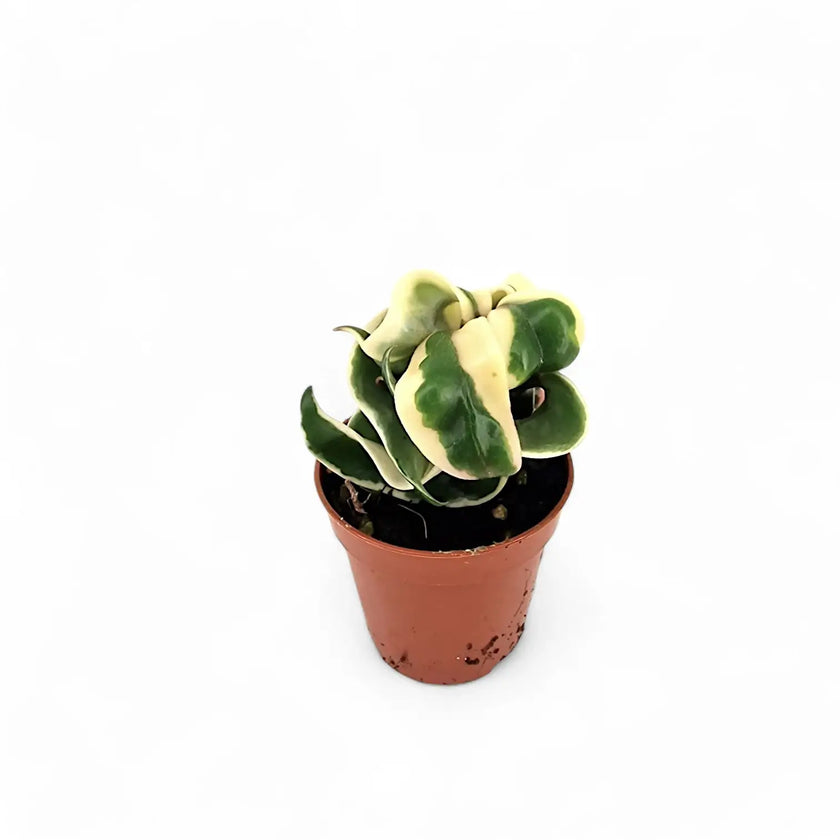
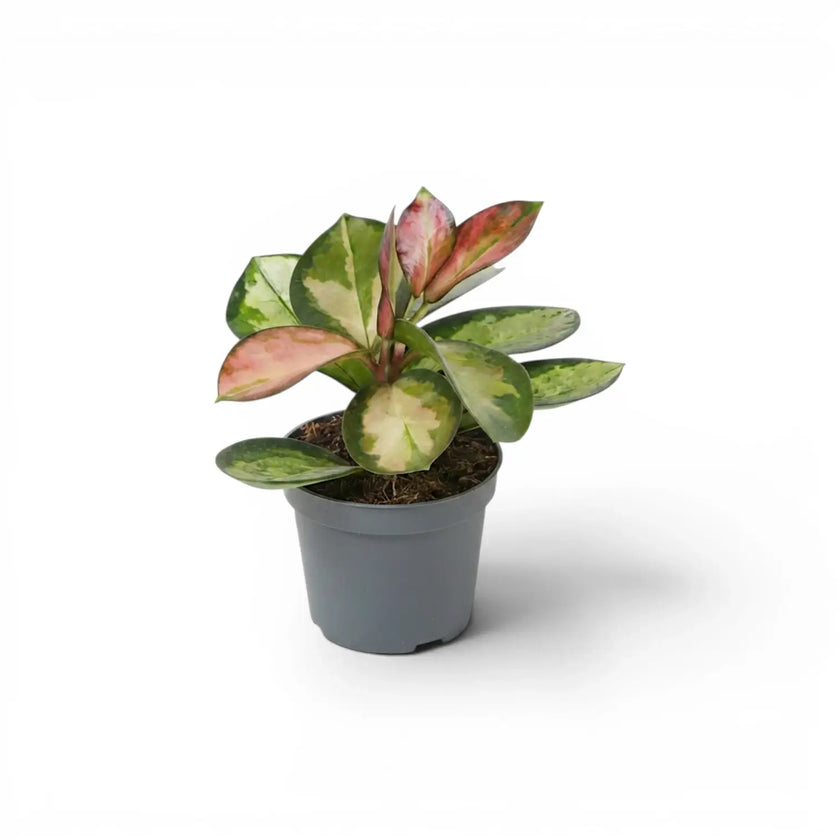
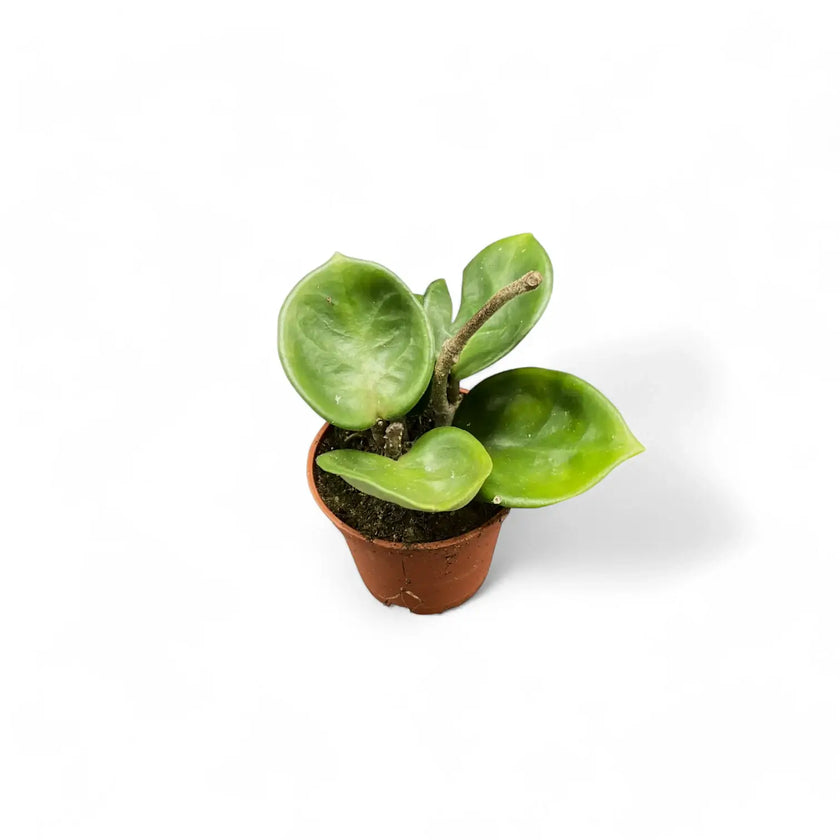
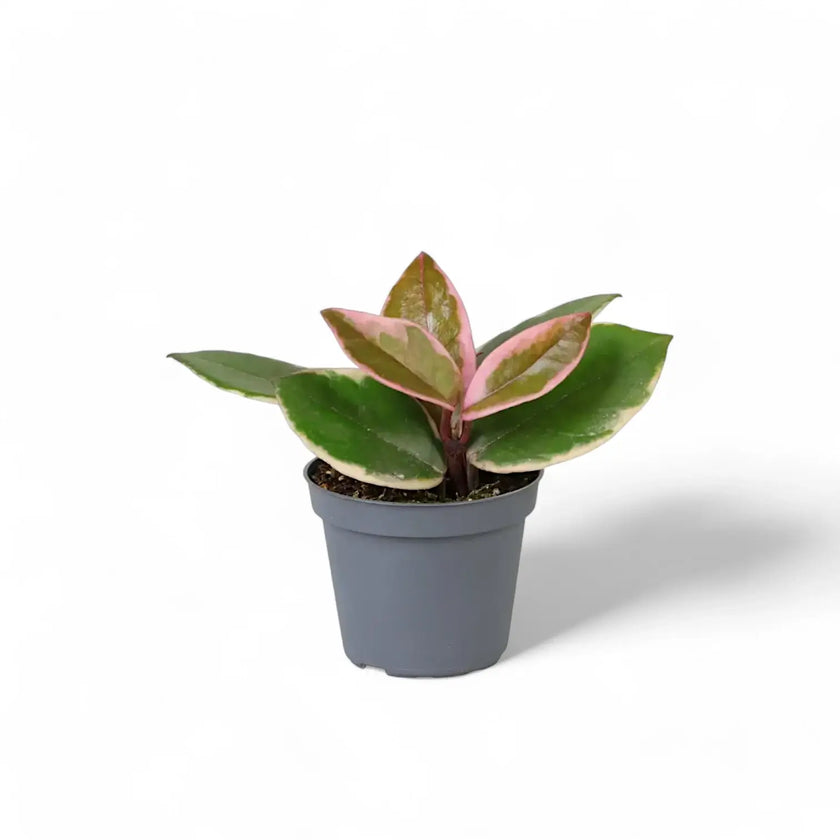
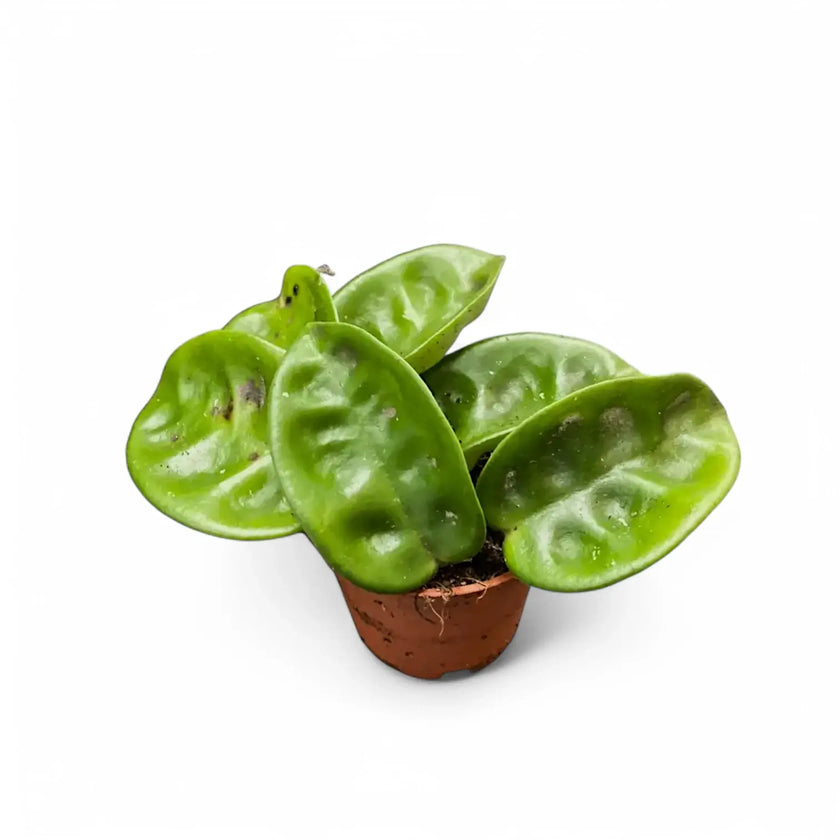
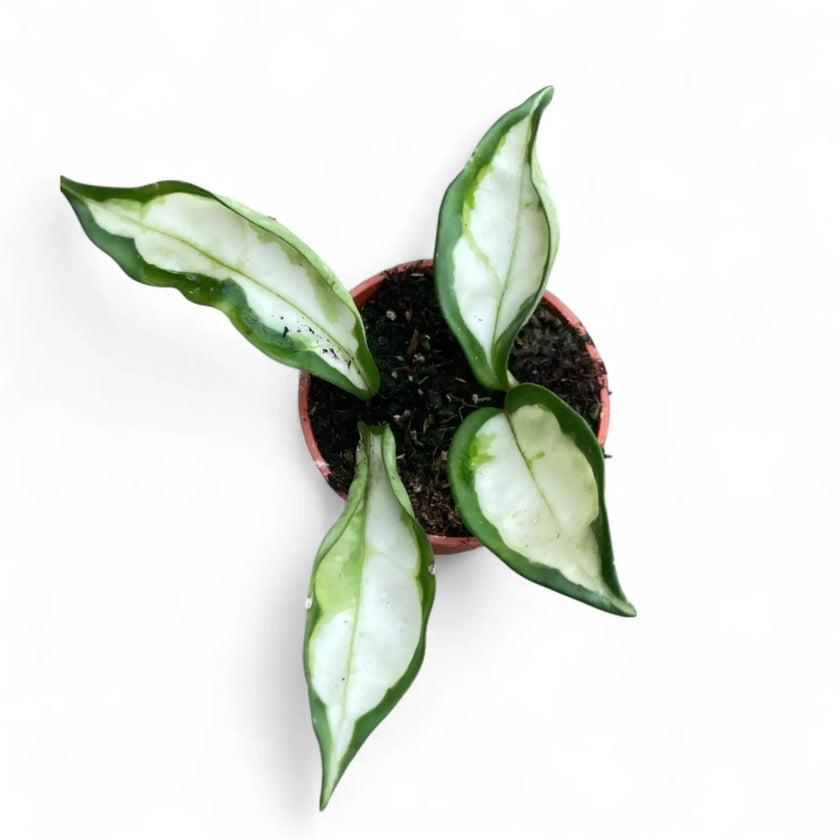
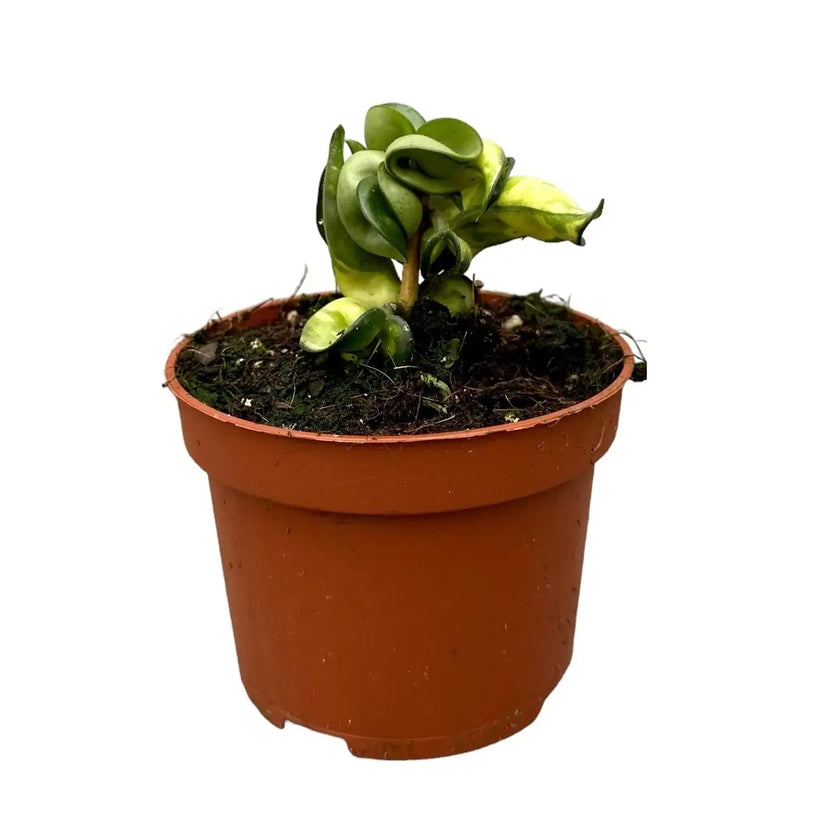
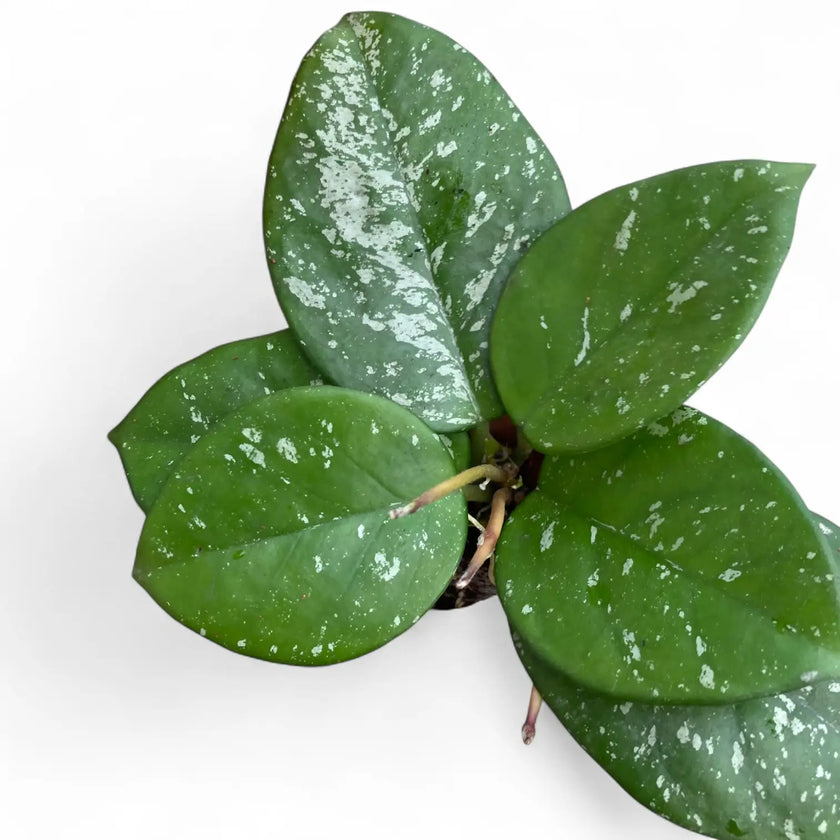
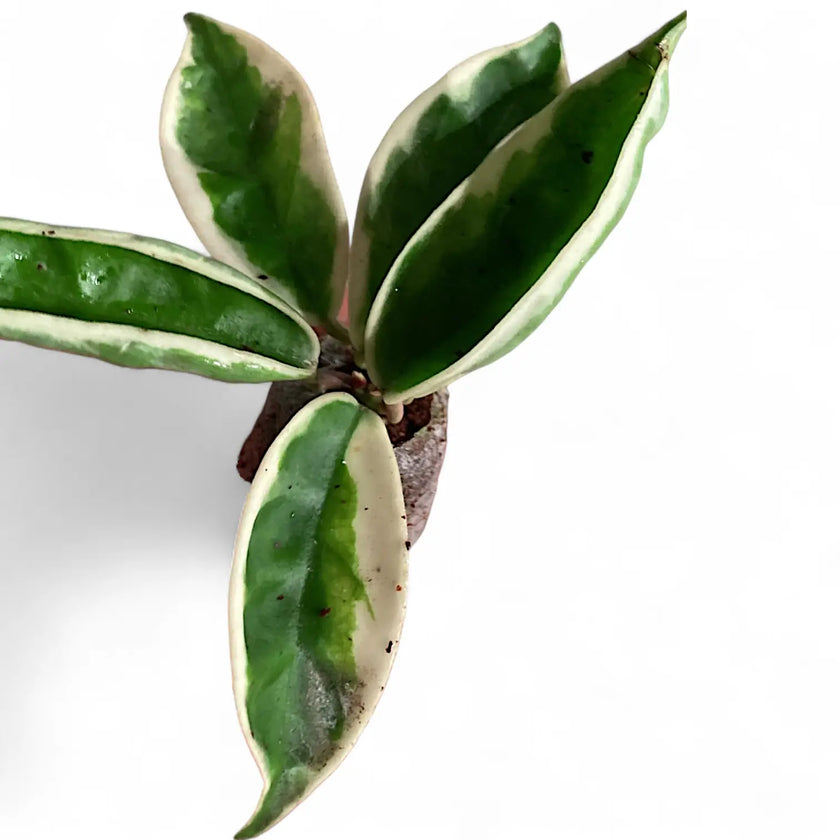
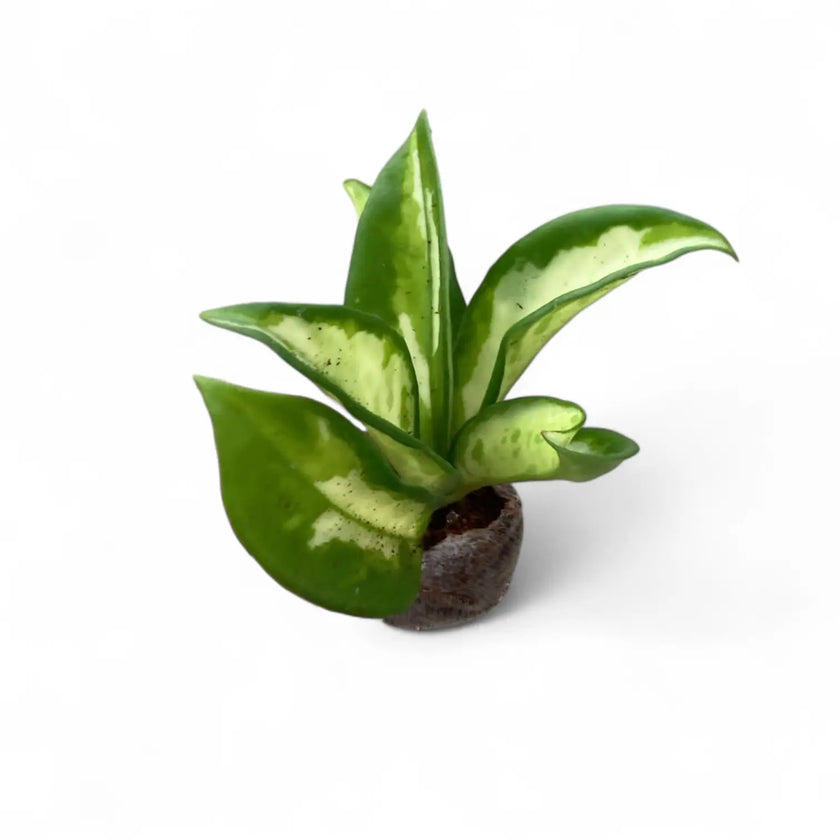
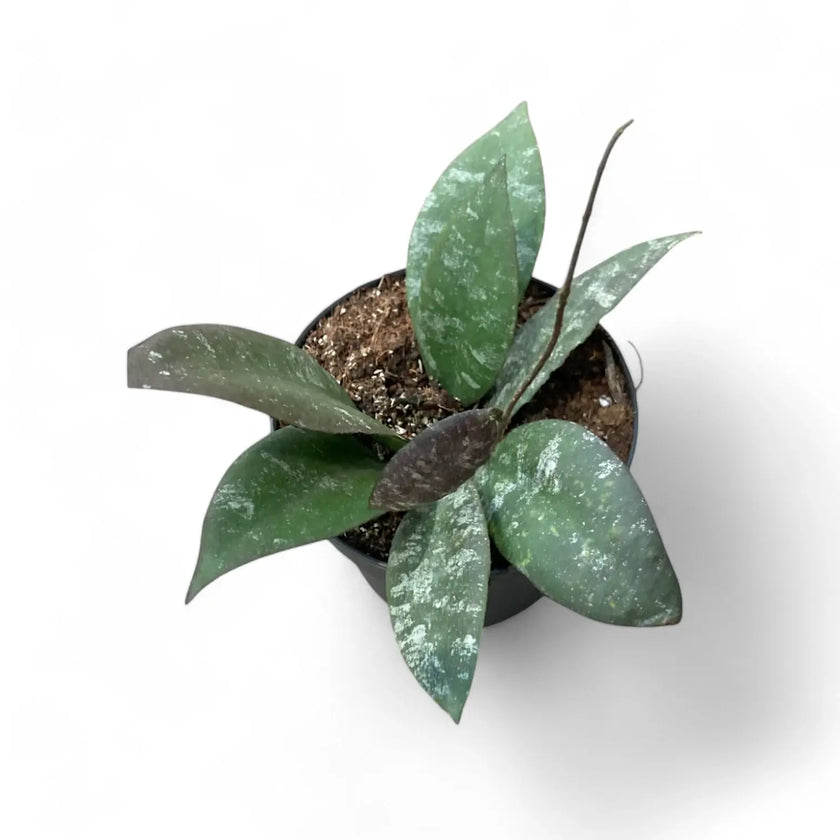
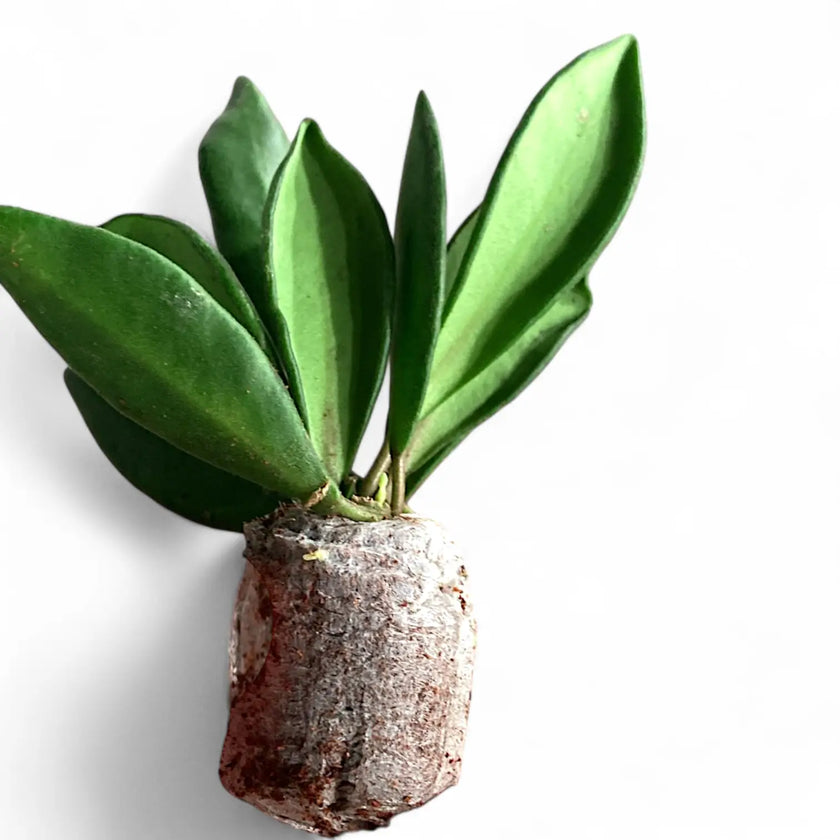
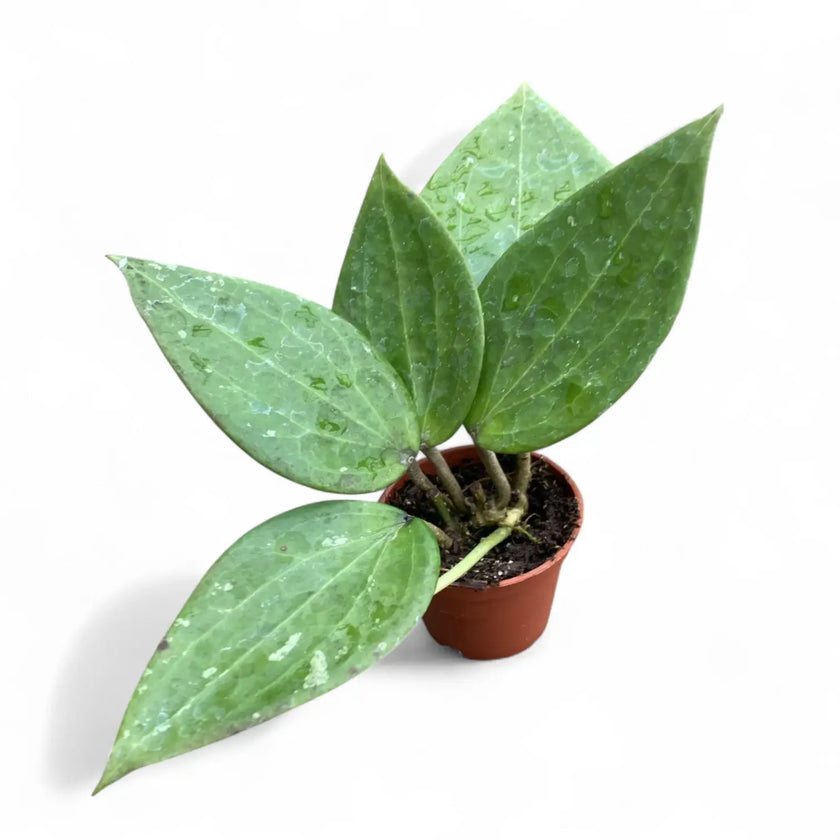
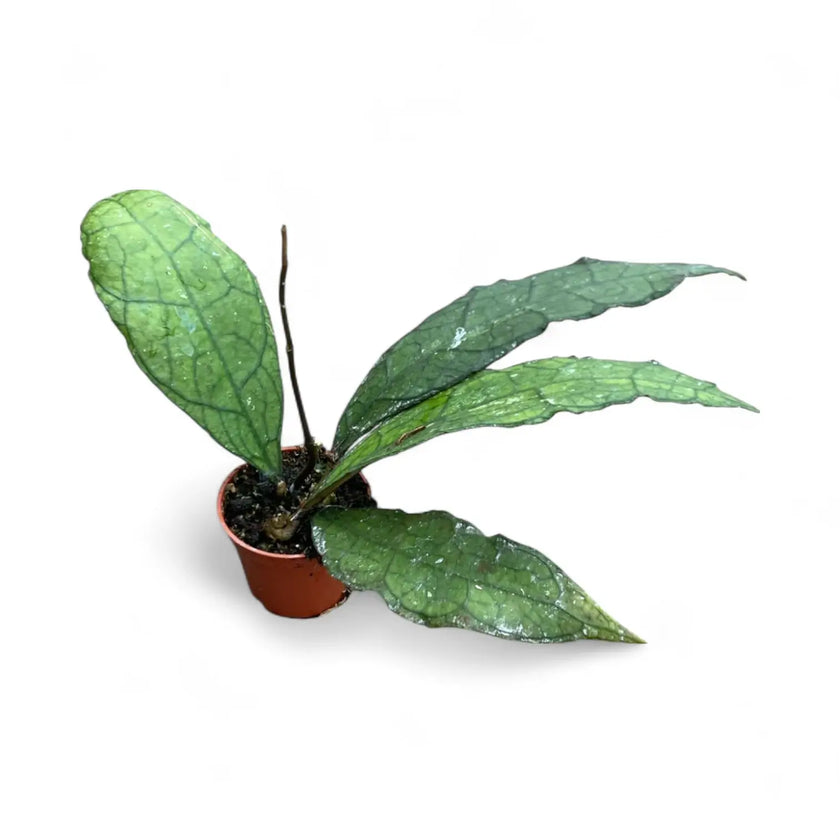
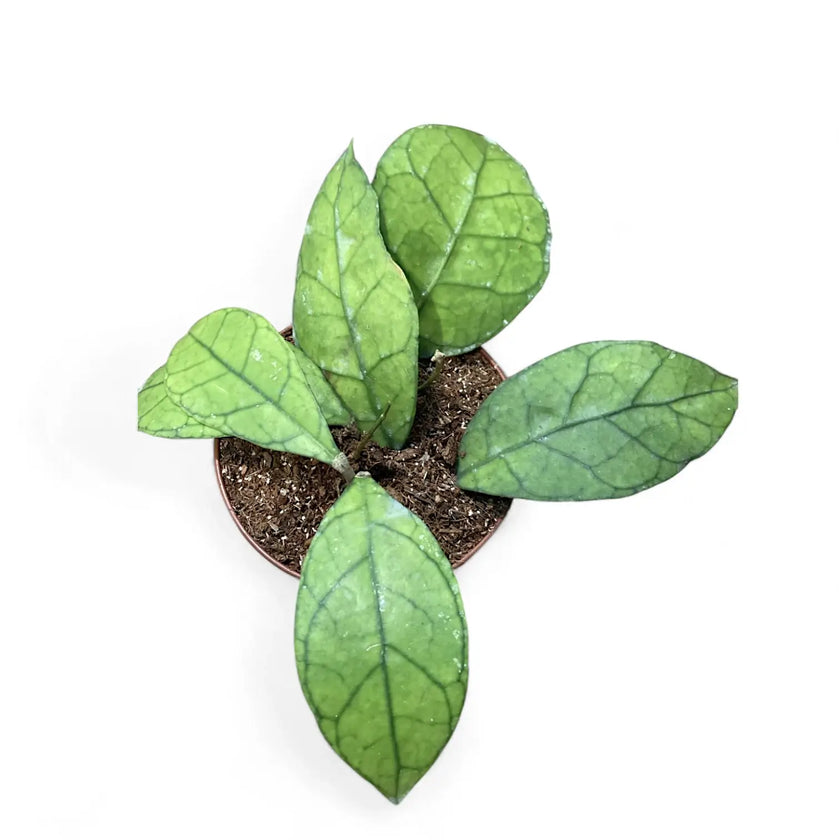
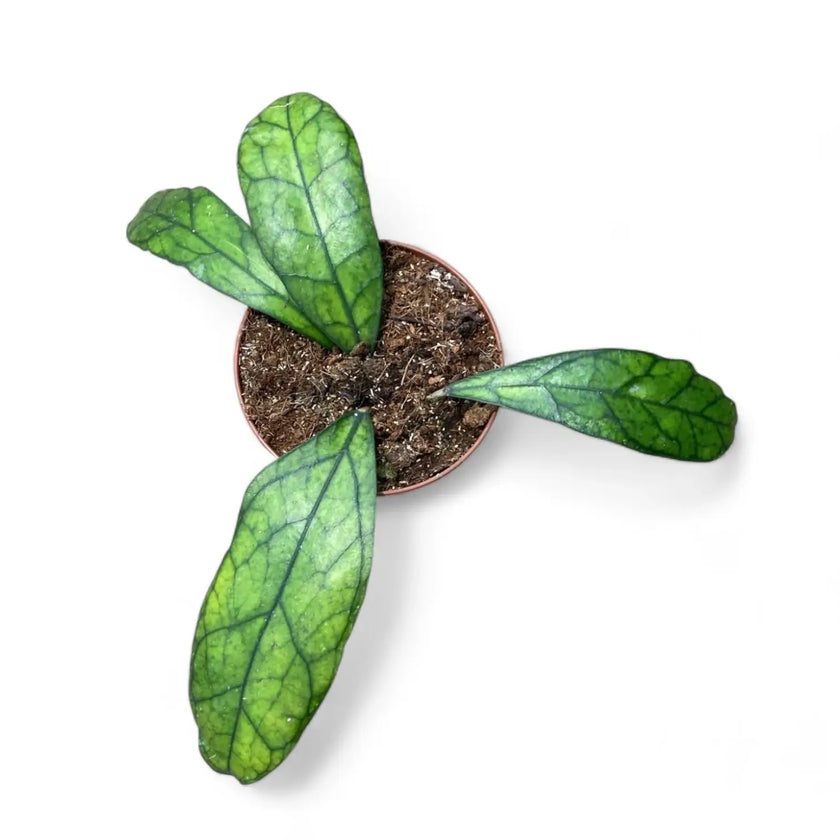
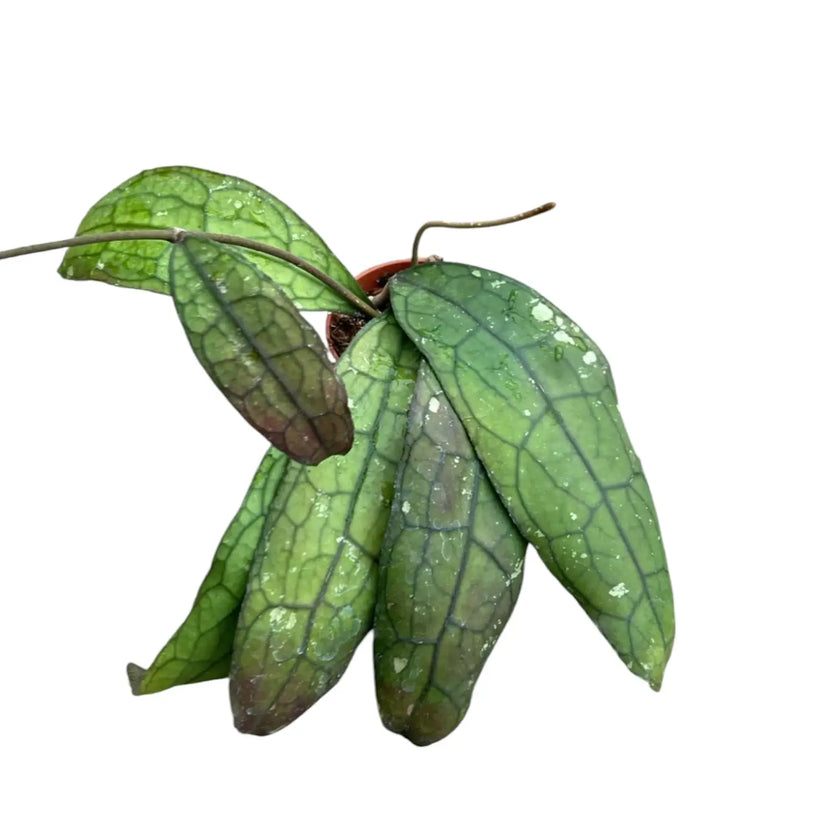
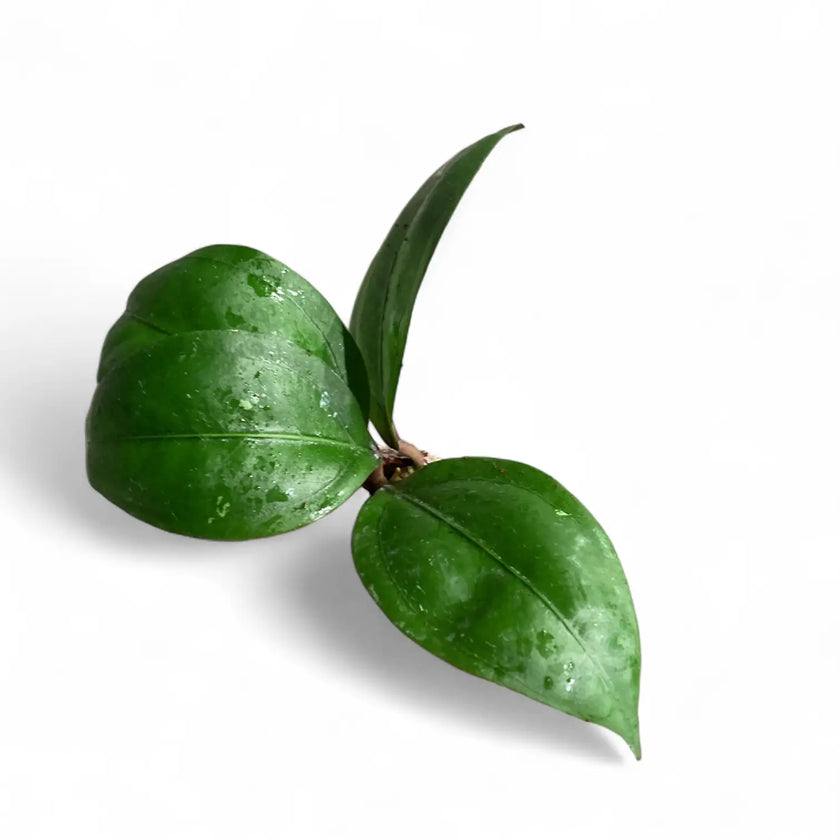
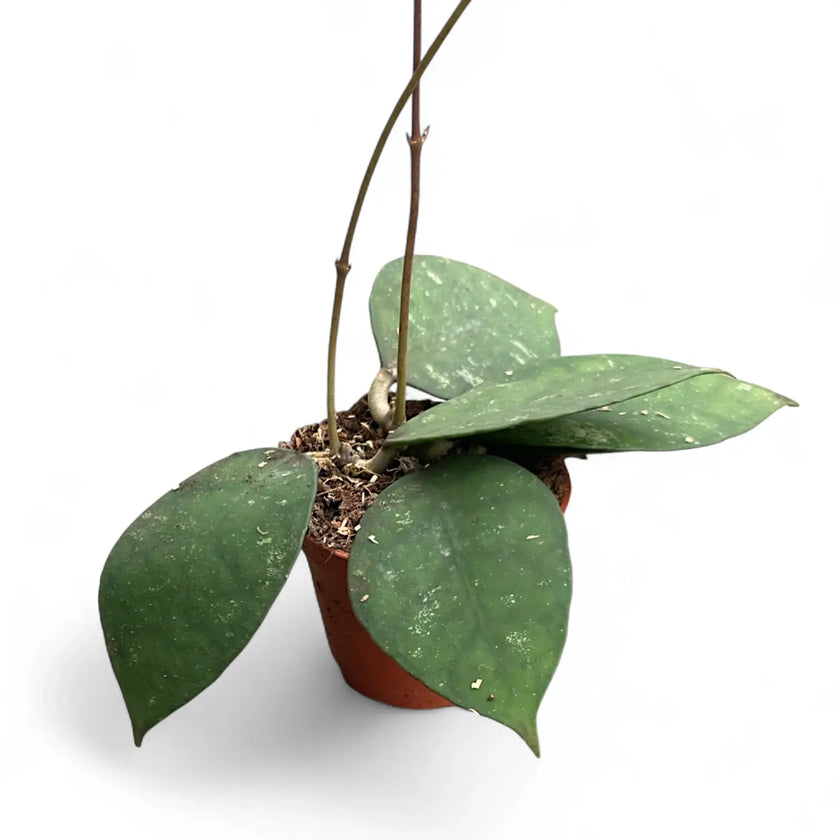
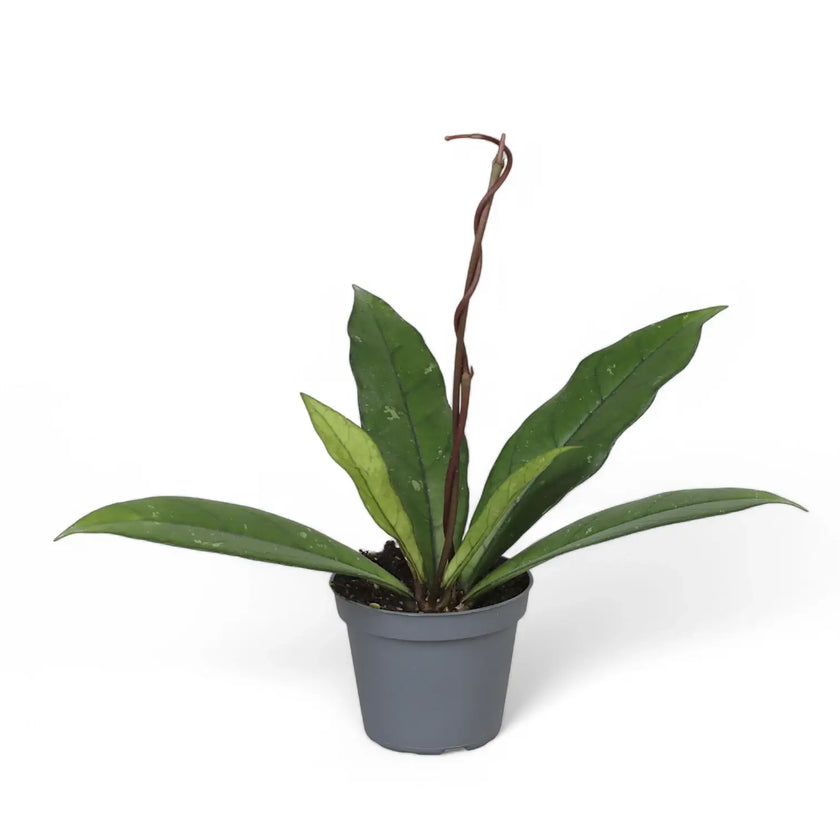
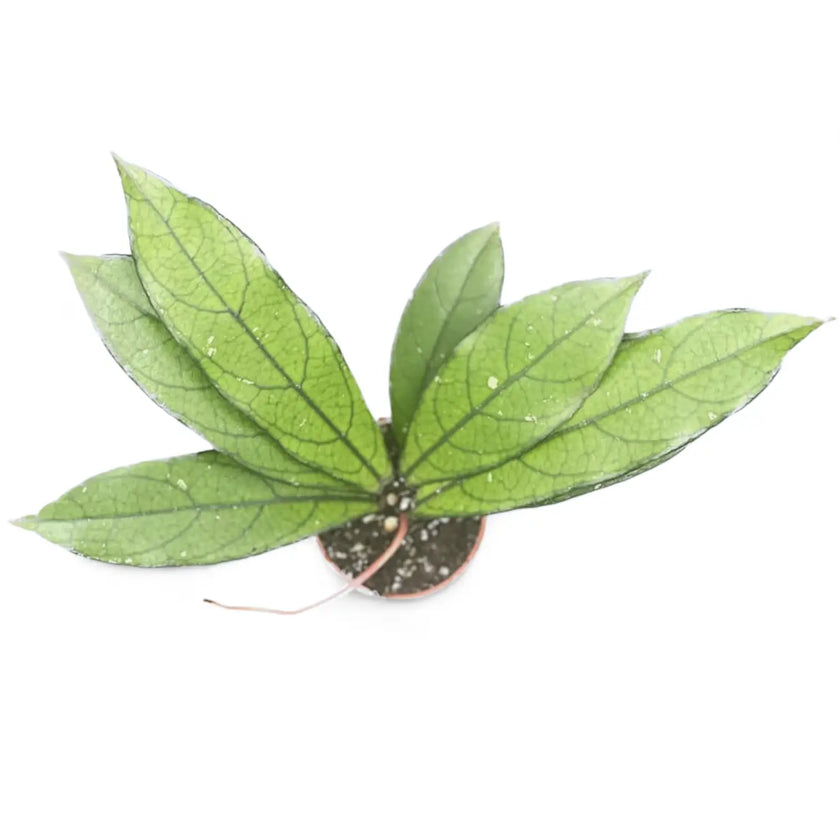
Within this Hoya range you will find thick, almost succulent leaves, finer climbing types and plenty in between. Many selections keep a modest footprint in the pot while offering metres of vine to trail, climb or wrap, which makes Hoya just as useful on a narrow shelf as in a dedicated plant corner.
Natural habitats that shape Hoya care
Most Hoya species come from warm, humid regions in South and Southeast Asia, the Pacific and northern Australia. Many grow as epiphytes or lithophytes, rooting into loose leaf litter on branches or in rock crevices instead of dense ground soil. In habitat, light is often bright but softened by higher canopy layers.
Indoors this translates to bright, indirect light, an open, well-aerated mix and a watering rhythm that keeps roots evenly moist but never stagnant. Treat Hoya more like a semi-succulent climber living above the forest floor than a typical pot plant sitting in heavy substrate.
Light that keeps Hoya compact and willing to bloom
Hoya responds best to strong but softened light for much of the day. A spot close to a window with gentle morning or late-afternoon sun and protection from harsh midday rays suits most species. Too little light leads to long gaps between leaves, thin vines and very reluctant flowering.
In very strong sun, especially behind hot glass, leaves can bleach, develop dull patches or show sharp brown edges. If you are unsure how intense your light really is, Foliage Factory’s bright-indirect light guide gives a clearer idea of what Hoya actually expects.
Watering rhythm and mixes Hoya roots enjoy
Good Hoya watering starts with the substrate. Aim for a mix that combines a moderate organic base (high-quality peat-free indoor potting mix or similar) with a generous amount of chunky material such as bark, perlite or pumice. This leaves plenty of air around the roots so oxygen can reach them and water can move through instead of sitting in a dense mass.
As a rule of thumb, water once roughly the upper half of the mix has dried. You can check with a wooden skewer, a moisture meter or by feeling through the drainage holes for remaining coolness. Repeated deep drought leads to wrinkled, stiff leaves and stalled growth; constant wetness encourages root rot and fungus gnats. Water thoroughly until excess runs from the drainage holes, let the pot drain fully and avoid parking it in a saucer of water. For more detail on how substrate, pot size and environment change this timing, you can adapt the principles from our in-depth watering guide to Hoya.
Comfort zone: temperature, humidity and airflow
Most Hoya are comfortable in typical warm indoor temperatures of about 18–28 °C. Short dips to around 15 °C are usually tolerated, but prolonged exposure below roughly 12 °C can lead to pale, sluggish growth, leaf drop and root damage. Cold draughts around windows and doors are a classic reason for plants stalling over winter.
Average indoor humidity is enough for many species, although very dry air, especially below around 35–40 % relative humidity, can cause brown tips, bud drop and tired foliage. Humidifiers, grouping plants more closely or using a closed cabinet with good airflow do more than quick misting sessions. Whatever setup you choose, gentle, consistent air movement around foliage and substrate helps prevent rot and fungal problems without chilling the plant.
Vining habit, flowering spurs and feeding Hoya
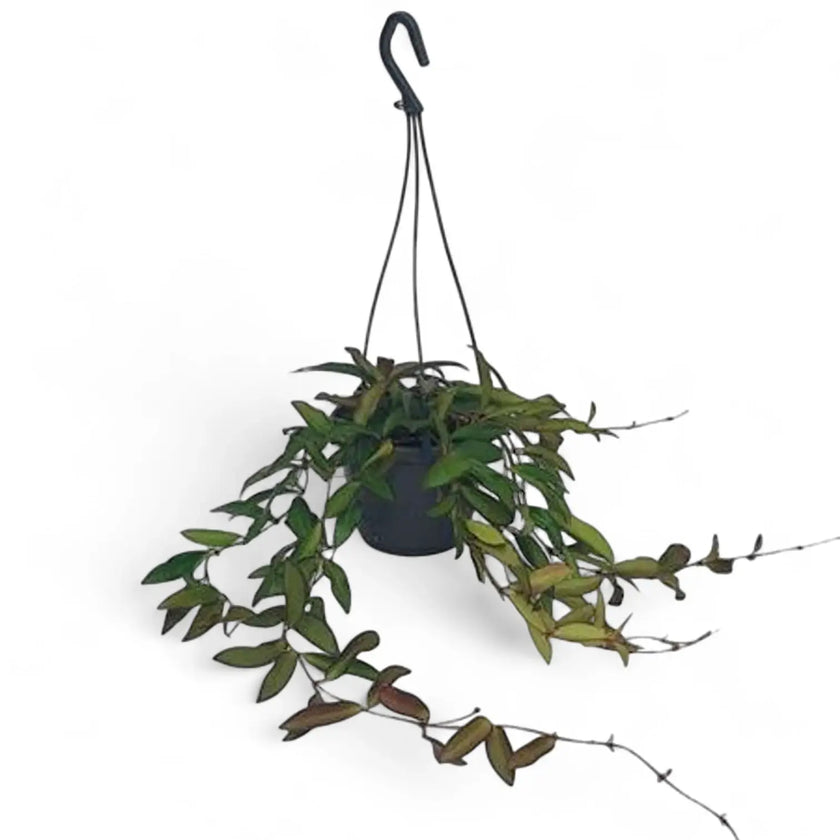
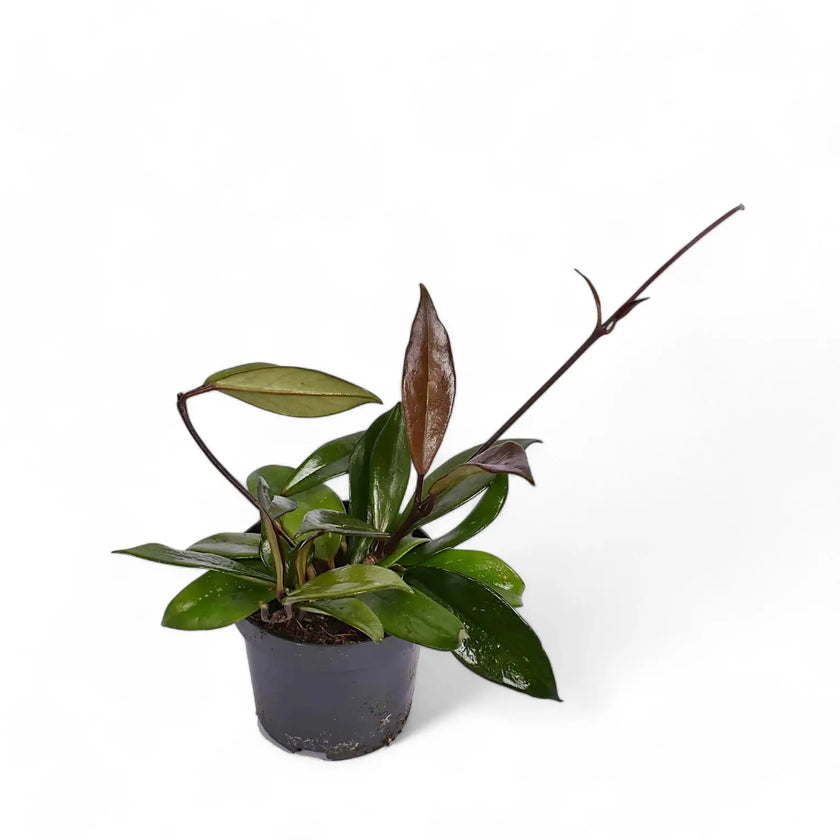
Hoya grows as a twining or trailing vine. New shoots can extend quickly, then pause while energy goes into thickening leaves and, on mature plants, forming flower spurs (peduncles). These spurs remain from year to year and add fresh rings of buds, so avoid cutting them off when you tidy the plant.
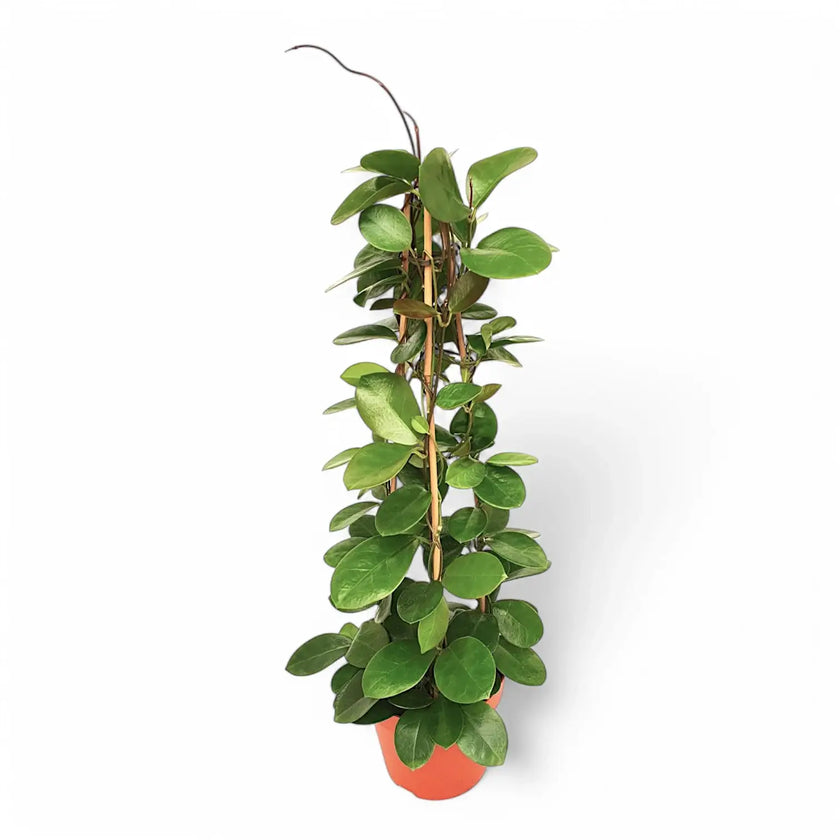
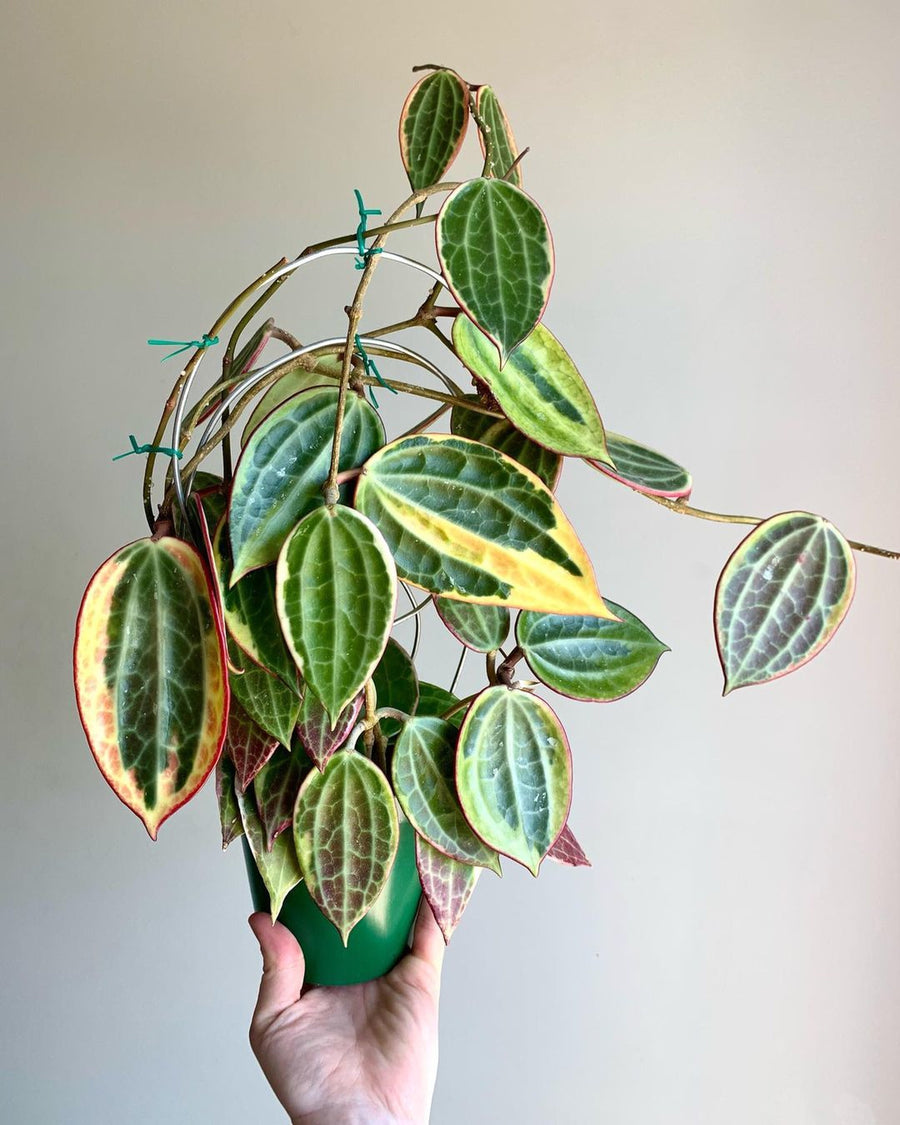
Vines can be guided onto hoops, trellises or grids for a fuller shape, or allowed to hang freely. Pinching or trimming very long shoots encourages branching lower down, which produces a denser plant with more potential flowering points. Feed lightly but regularly in active growth with a balanced fertiliser at reduced strength instead of occasional heavy doses. When growth pauses, reduce or hold feeding until new leaves appear again. For a closer look at how different species behave indoors, Foliage Factory’s Hoya indoor care guide goes into more detail.
Toxicity and handling sap
Hoya is generally considered non-toxic to humans and most pets, although eating larger amounts of any plant can cause mild stomach upset. Many species produce clear to milky sap when cut or damaged; it can feel sticky on skin, so it is sensible to wash hands after pruning and to keep sap away from eyes and mouth.
Before you choose from the Hoya range
- Best suited to: bright spots, patient growers and anyone who enjoys training vines onto hoops, trellises or cabinets and waiting for clusters of waxy flowers.
- Think twice if: your home is very dark or cool for long periods or you prefer to water heavily and often rather than letting the mix partly dry.
- Good to know: many Hoya take time to bloom indoors even in good conditions, so treat flowers as a long-term bonus rather than something guaranteed in the first year.
What happens after Hoya arrives at your home
Transport can temporarily stress Hoya, especially delicate new leaves and buds. It is normal to see a short pause in growth, a few yellowing older leaves or slightly softer foliage in the first days after unboxing. Flower buds may occasionally dry and drop as the plant adjusts to new light and humidity.
Place your plant in suitable bright light, avoid repotting immediately and let it acclimatise for a couple of weeks with steady watering and stable temperatures. Once it settles and starts to push new growth, you can fine-tune placement or supports. If you want a deeper look at this adjustment phase, our houseplant acclimatisation guide explains what is happening inside the plant.
Typical Hoya problems and quick fixes
- Wrinkled, leathery leaves: Often a sign that the mix is staying dry for too long or roots were damaged. Water thoroughly, then adjust rhythm so roughly the upper half of the substrate dries between waterings; if leaves do not firm up, slide the plant from the pot and check for dead roots that need trimming.
- Yellow, soft leaves and a sour smell from the pot: Points to overwatering in a compact or waterlogged mix. Remove the plant from the container, cut away black or mushy roots, repot into a looser mix with plenty of bark and perlite and water only once the mix has partly dried.
- Very long gaps between leaves: Hoya stretching for more light. Move closer to a bright window or use a suitable grow light so the plant receives strong, indirect light for most of the day, and avoid parking it in deep interior shade.
- Buds drying and dropping before opening: Frequently caused by sudden changes in position, cold draughts, very dry air or erratic watering. Keep the plant in a stable bright spot, protect from cold airflow and aim for even moisture rather than wild swings between soaked and bone-dry substrate.
- Sticky droplets on leaves or furniture: Often normal nectar from flowers or from small glands on leaves and stems, but it can also hide pests. Wipe leaves, then inspect carefully for insects and treat early if you see any.
FAQ – Hoya How much light does Hoya need to flower indoors?
Most flowering Hoya need bright, indirect light for many hours a day and benefit from a little gentle direct sun in the morning or late afternoon. If vines are long with very few leaves or no peduncles form after several growth cycles, the plant is almost always too dark.
How often should Hoya be watered in a pot?
Watering frequency depends on pot size, substrate and temperature, so use the mix itself as your guide instead of a fixed schedule. Wait until the upper half has dried, then water thoroughly and let excess drain away. In cooler, lower-light conditions this naturally means longer gaps between waterings.
Do Hoya prefer tight pots?
Hoya generally tolerates and often benefits from slightly snug pots, as this can encourage flowering and keeps the mix from staying wet for too long. Repot when roots circle heavily or the substrate has broken down and remains wet for extended periods, usually after a couple of years in the same container.
Can Hoya be grown in semi-hydro systems such as LECA?
Many Hoya adapt well to semi-hydro setups with LECA or other inert substrates if they start with healthy roots and the transition is done carefully. Keep the water level below the main root zone so roots grow into the moist layer, flush regularly to avoid mineral build-up and reduce fertiliser strength compared with traditional potting mix.
Back to top Scroll up to choose your next Hoya from the Foliage Factory range and let a few vines move into your collection ↑