Skip to content

Cart

Your cart is empty

Low-to-Medium Light

Low to medium light plants stay reliable in the softer daylight most interiors naturally offer. They respond well to filtered brightness and gentle, indirect light, growing at a measured pace when the substrate is breathable and the upper layer is allowed to lose moisture before each watering.

  • Adapt well to softer, indirect light levels
  • Predictable watering keeps foliage steady and firm
  • Suitable for interior spots that receive only moderate daylight

Choose low to medium light plants when you need greenery that fits into everyday lighting conditions.

Sort by

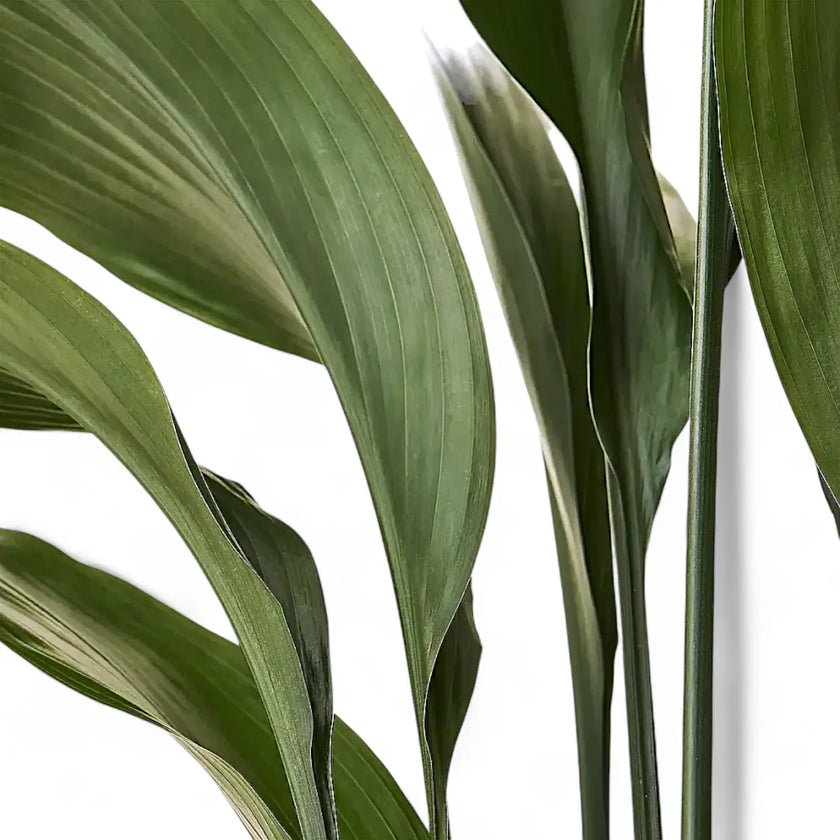
Good to know: In low–medium light, matte foliage often looks richer than high-gloss leaves, which can reflect room objects like small mirrors.

Low–Medium Light Houseplants – made for most flats

Rooms that sit between “dim” and “bright”

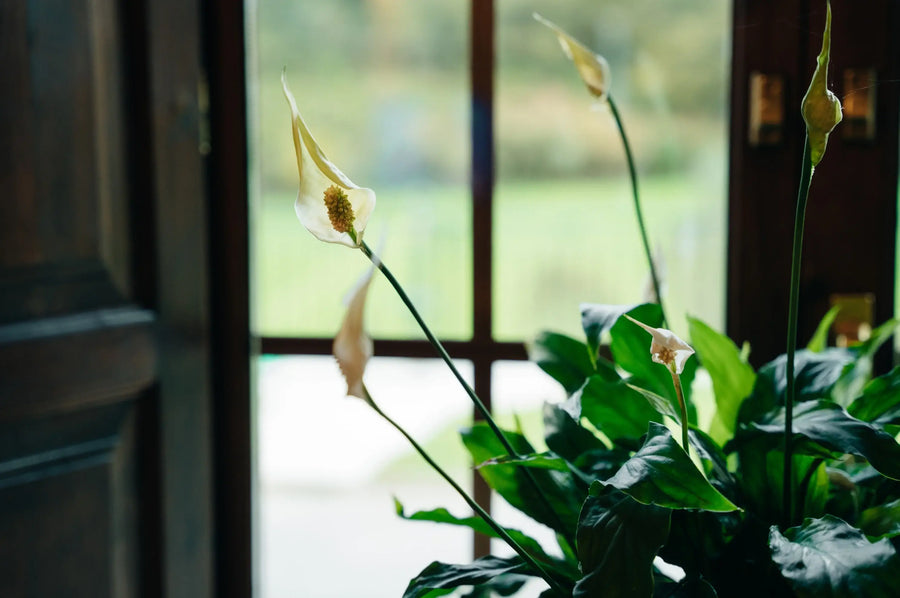
Many apartments fall into this low–medium zone: decent windows, but light filtered by balconies, nearby buildings or street trees. The room feels naturally bright through the day, yet broad, intense sun patches on the floor are short-lived or only appear in certain seasons.

Positions 1–3 m from a good-sized window, bright north or east-facing rooms and deeper spots in open-plan spaces usually count as low–medium light. If you want to check your own rooms step by step, our guide on window orientations and houseplantswalks through simple shadow tests and real-world examples; once you have confirmed you are in this band, this collection is the practical next step.

Go-to plants for low–medium light

Low–medium light is where a wide mix of indoor plants can do solid, long-term work without constant drama. In this collection you will mainly see:

  • Reliable climbers and trailers: many Philodendron, Epipremnum and tougher Syngonium that stay compact near glass and accept a little distance further back.
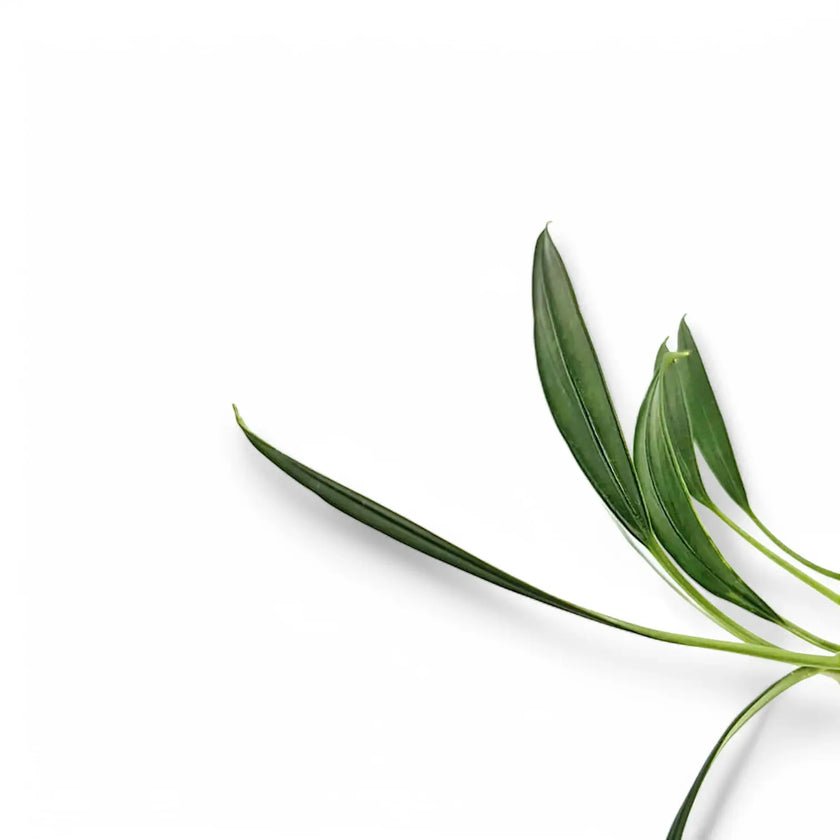
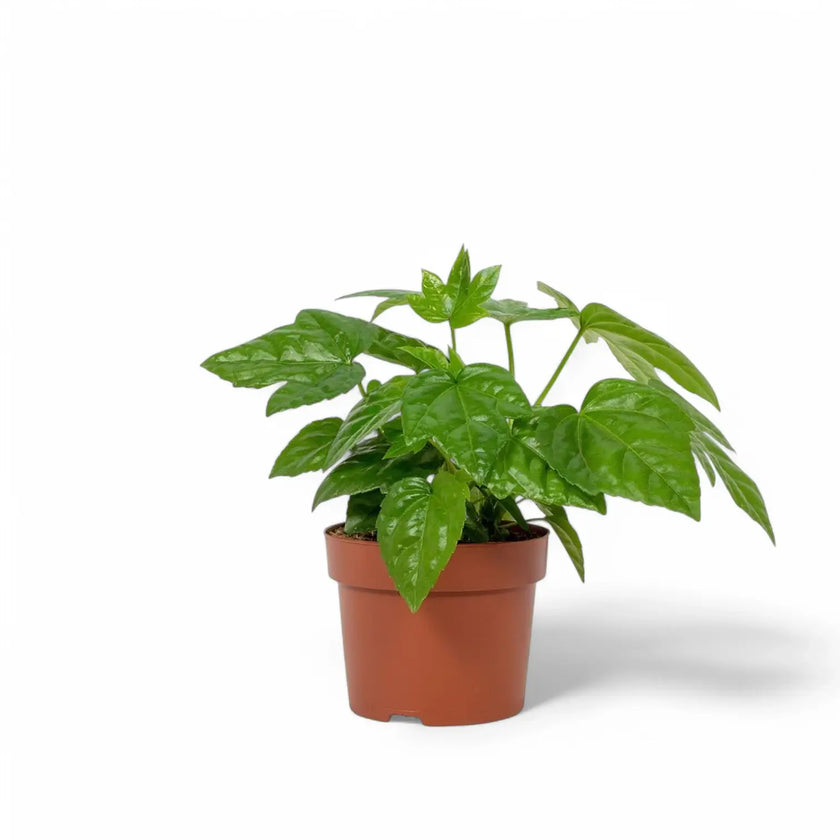
  • Upright structure plants: selected Dracaena, Schefflera and other shrubs that hold shape and leaf density without needing full sun all day.
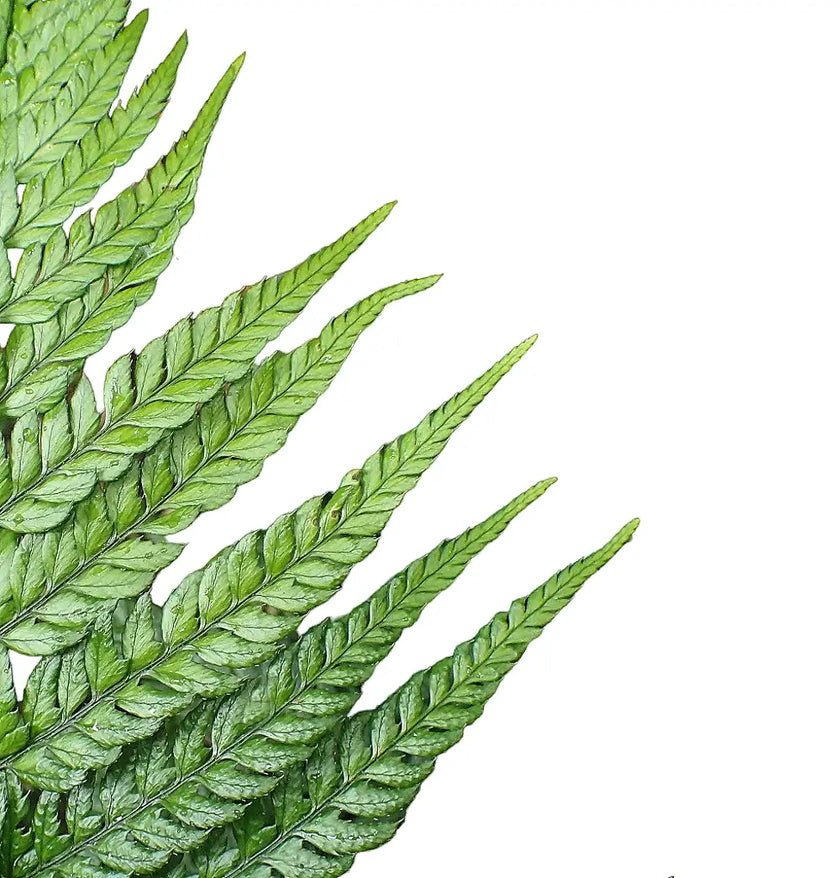
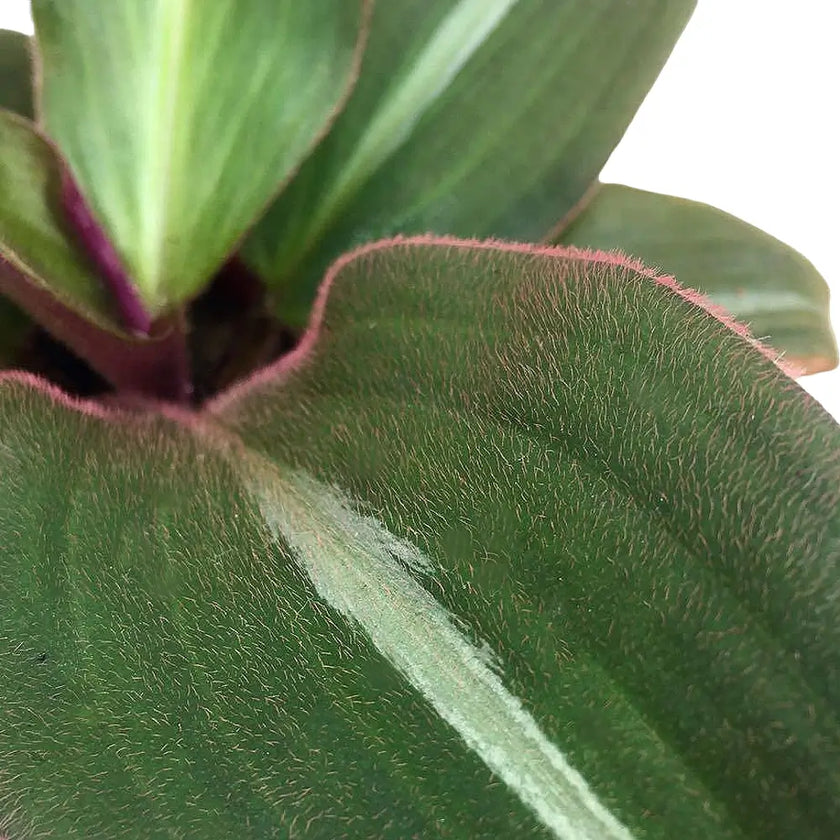
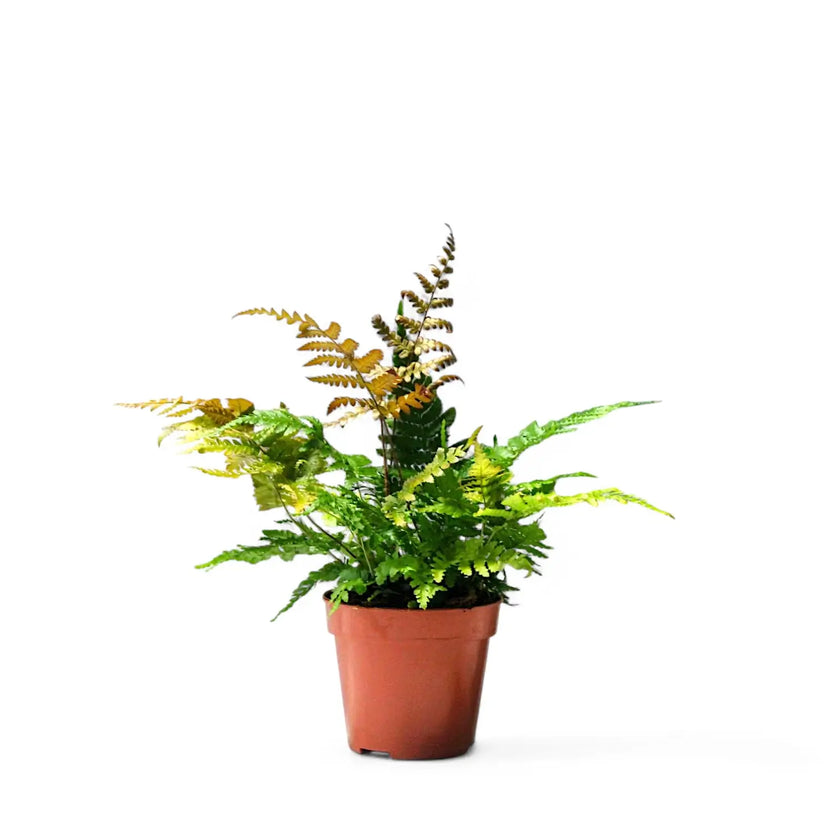
  • A few more sensitive foliage options: certain Nephrolepis, Asplenium and some Goeppertia or Maranta plants for people happy to watch moisture levels more closely.
  • Mixed containers and plant sets: combinations that pair tougher backbone plants with one or two more demanding pieces close to windows.

Tuning care to slower but steady drying

In this light band pots do not dry as fast as on south-facing sills, yet they are not stuck wet for weeks like in deep shade. That in-between behaviour should shape how you water and how you choose substrates.

Use tags and filters to match difficulty to your habits. If you like to check in often, airier mixes and plants marked as moderate are fine. If you know you water more cautiously and less frequently, slightly denser mixes and easier tags will give you more margin for error.

Fixed weekly watering is what causes trouble here. Testing the top layer with a finger or skewer before each round keeps roots safer than any calendar reminder.

This category fits homes that are clearly lit by day, with windows of sensible size and visible daylight moving across walls and floors, but without plants sitting in long, harsh sun beams. If rooms stay dull even at midday, lean on Low Light Houseplants or a proper grow light setup instead. If sun blasts glass for several hours and softer plants keep complaining, Sun-Loving & High-Light Plants will match those spots better.

Once a few dependable plants are settled and behaving predictably in this range, you can use them as a reference point before you experiment with fussier species closer to, or further from, your windows.

Low-to-medium light – how this band behaves

  • Light feel: daylight is soft but clear; strong sun does not sit on foliage for long stretches.
  • Typical distance: often around 1–3 m back from a good window or to the side of it, not pressed right against the glass.
  • Water behaviour: roots use water more slowly than in bright-indirect spots, so pots must not stay permanently wet.
  • Substrate: airy mixes with visibly chunky pieces are safer than dense soils that cling to moisture.
  • Growth pattern: moderate, with longer gaps between leaves and smaller blades compared with brighter positions.
  • Warning sign: strong stretching, tiny new leaves or stalled growth usually means the plant has dropped below this band and needs more light.

Make Sure To Read:

Low Light Explained: Myths & Real Light Levels

Low Light Explained: Myths & Real Light Levels

“Low-light plant” is mostly a marketing label. This guide shows you the real lux and DLI numbers behind indoor light, how fast intensity drops with distance from a window, which species genuinely tolerate dim corners, and how simple LED setups can shift you...

Read more