












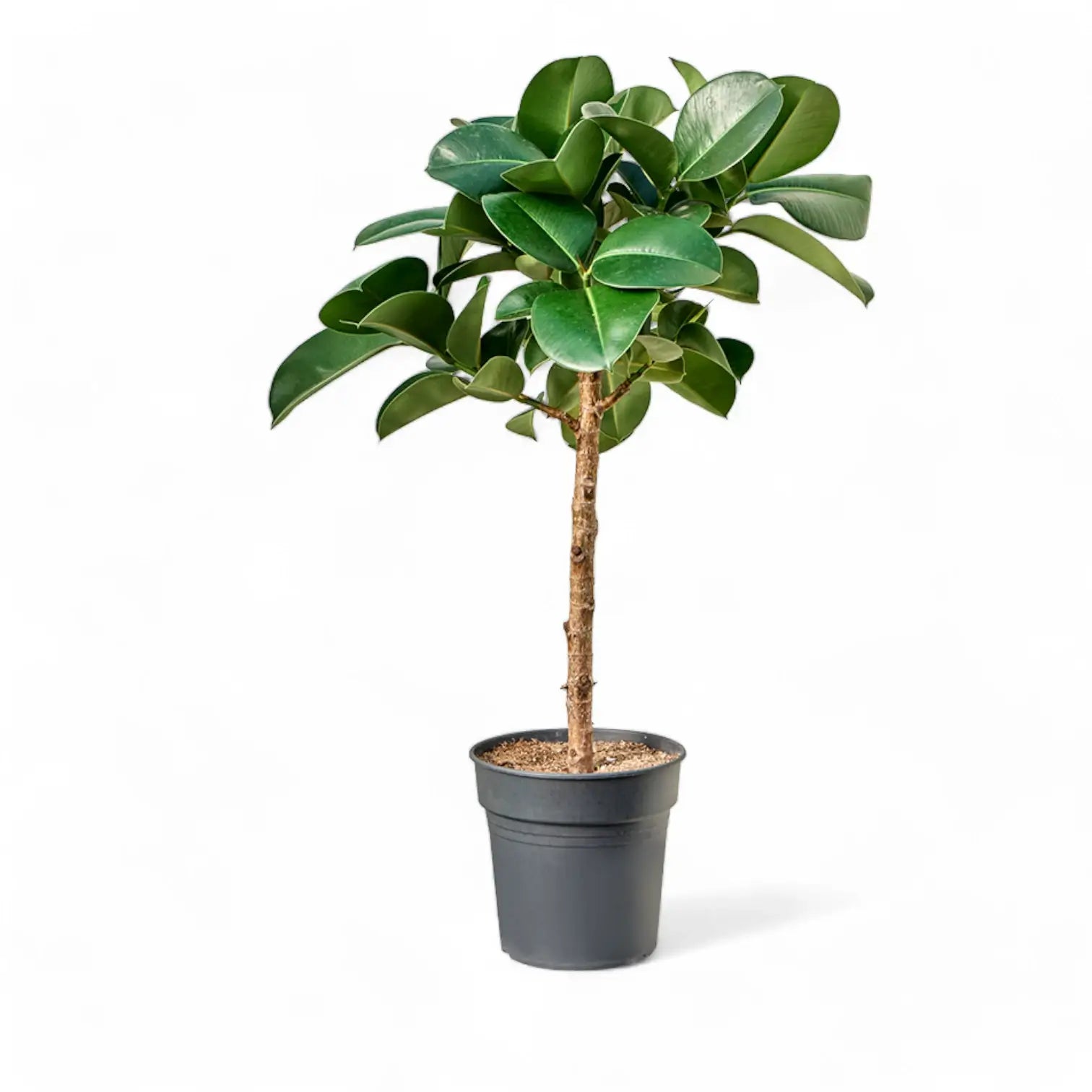
Filters
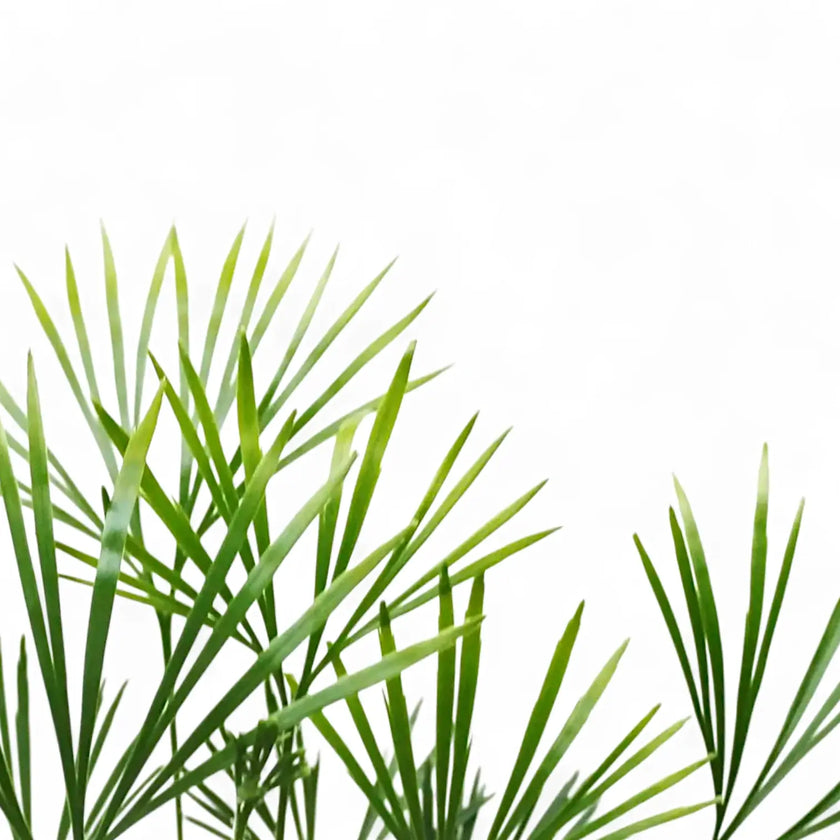
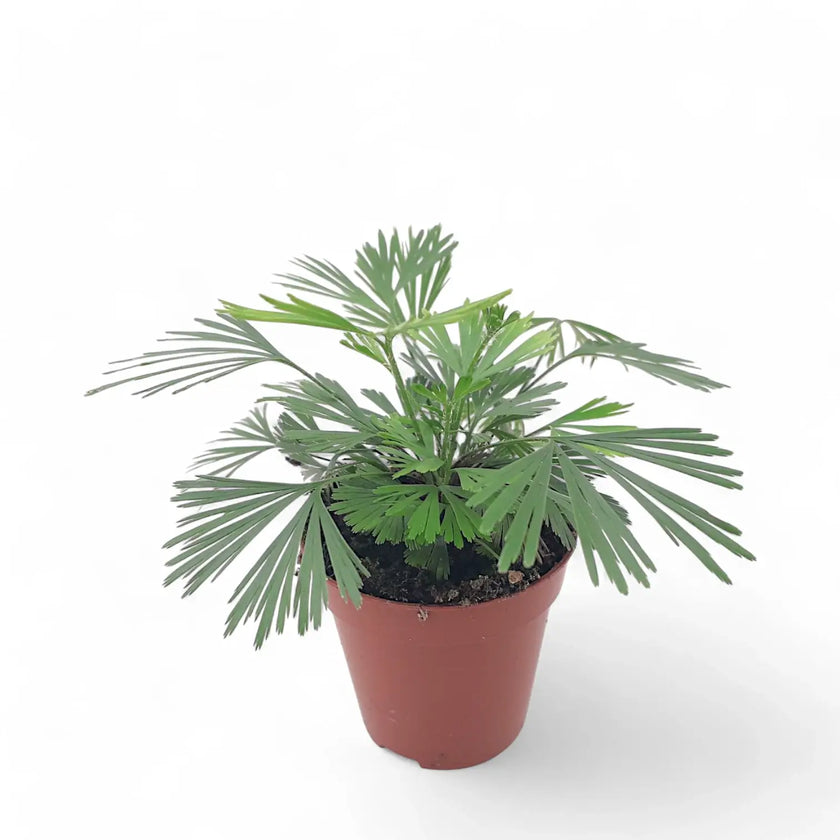
Actiniopteris australisSold out

Adansonia digitataSold out

Adelonema peltatumSold out

Adelonema wallisii ‘Camouflage’Sold out
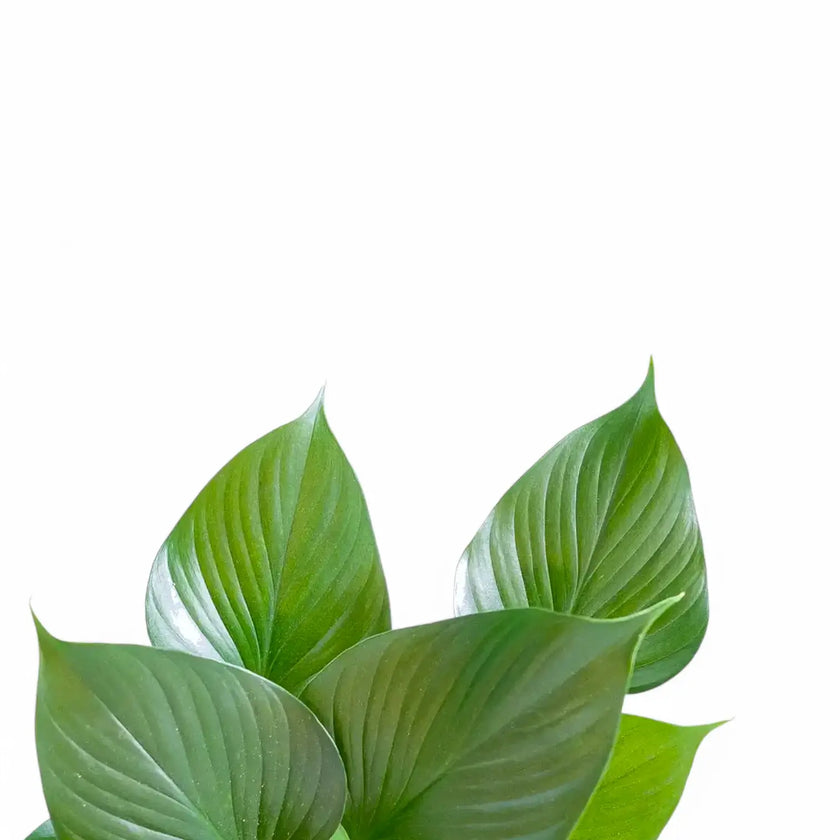
Adelonema wallisii ‘Emerald Gem’Sold out
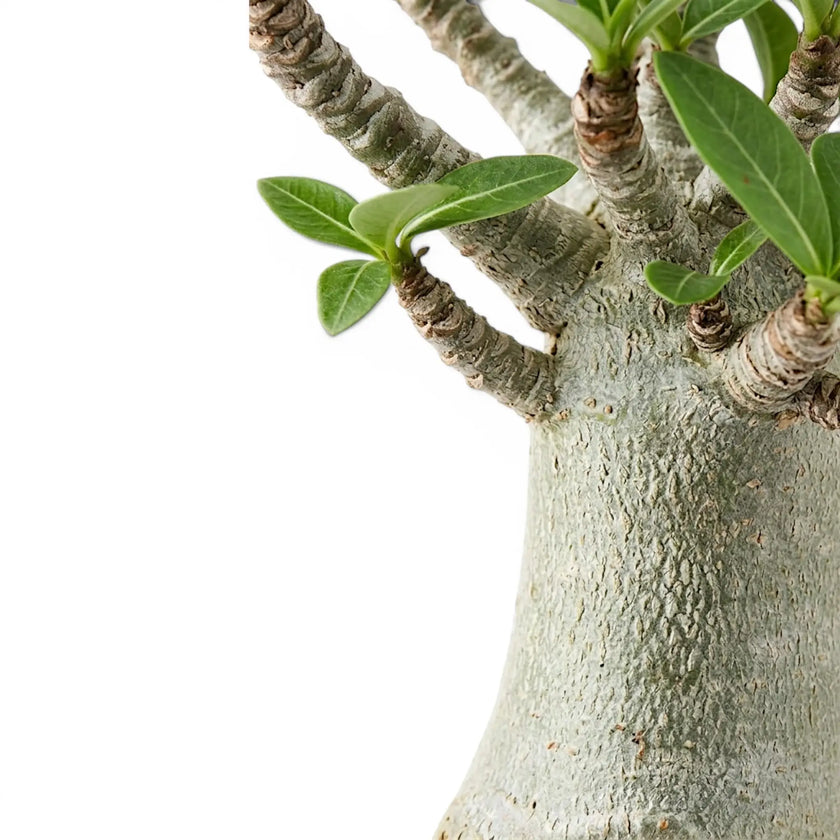
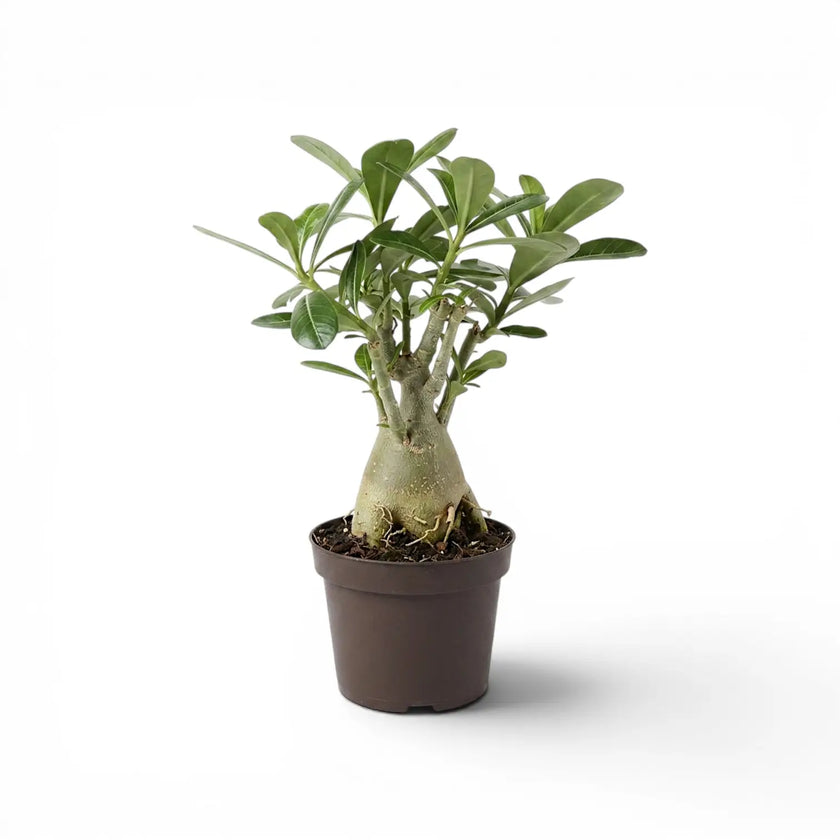
Adenium obesum
Sale priceFrom €9,75
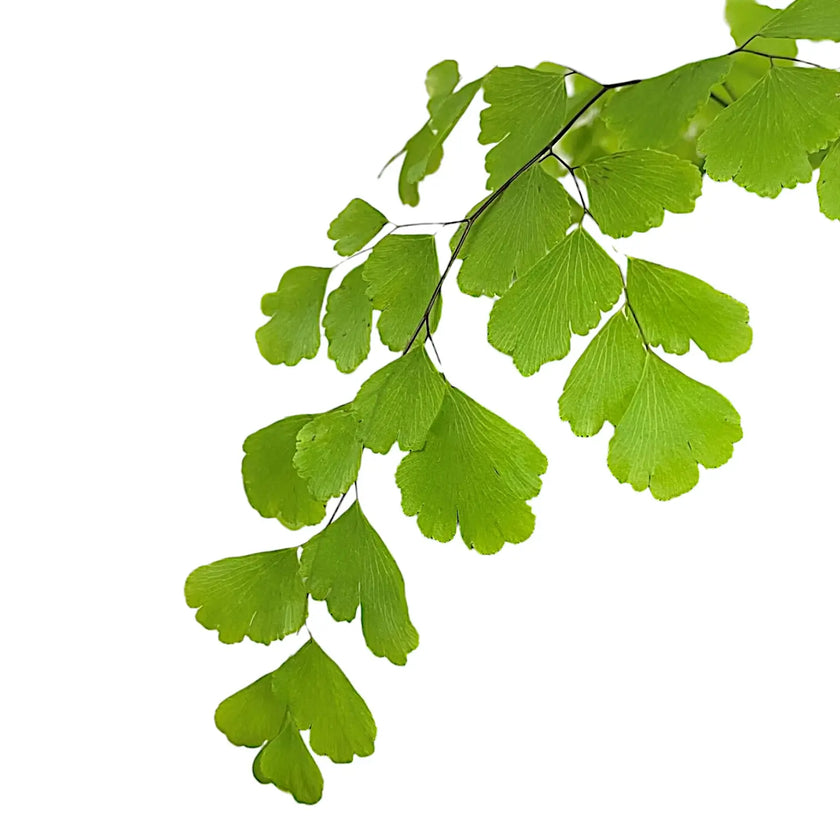
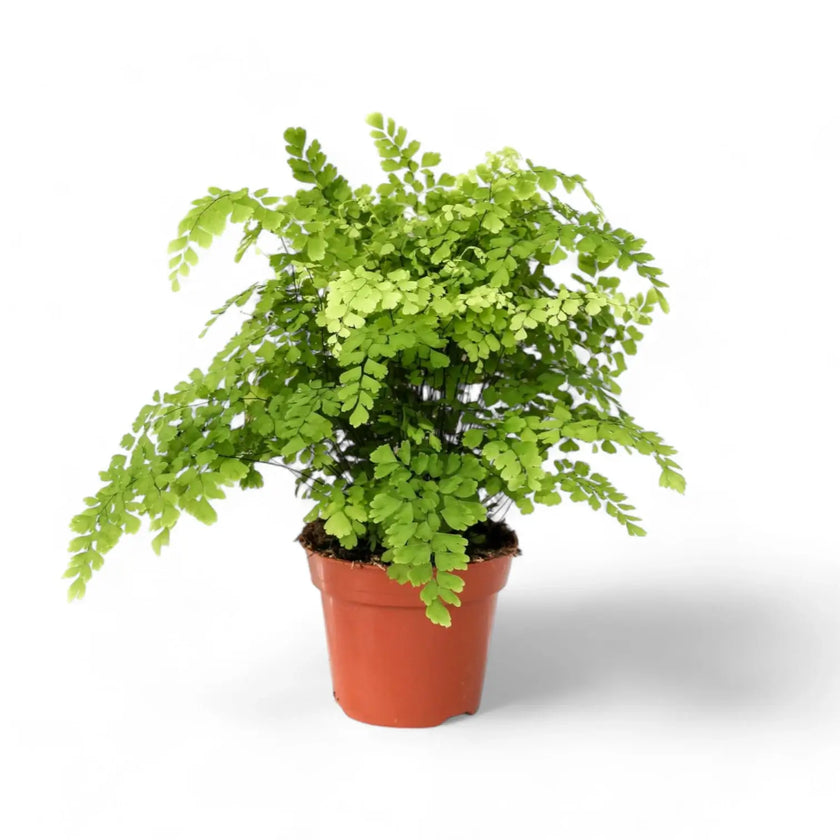
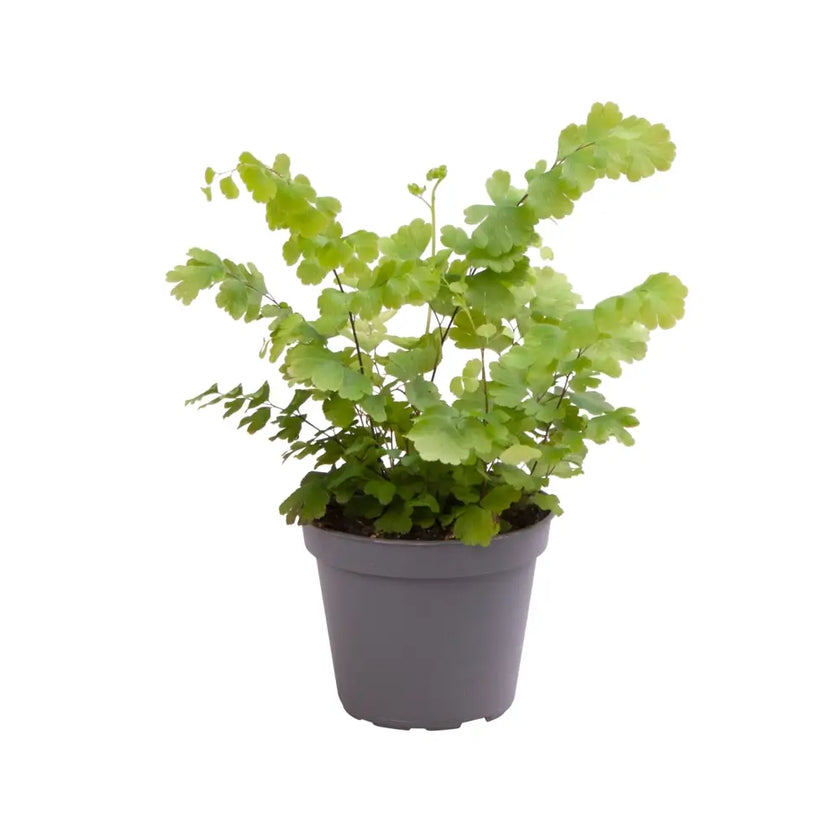
Adiantum raddianumSold out
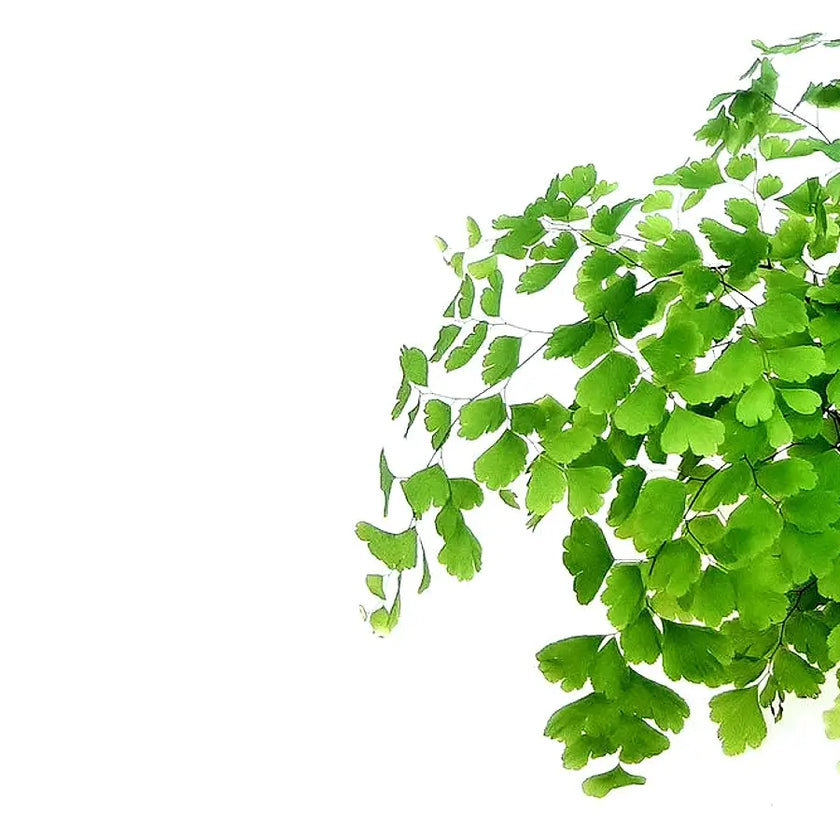
Adiantum raddianum ‘Fritz-Lüthi’Sold out
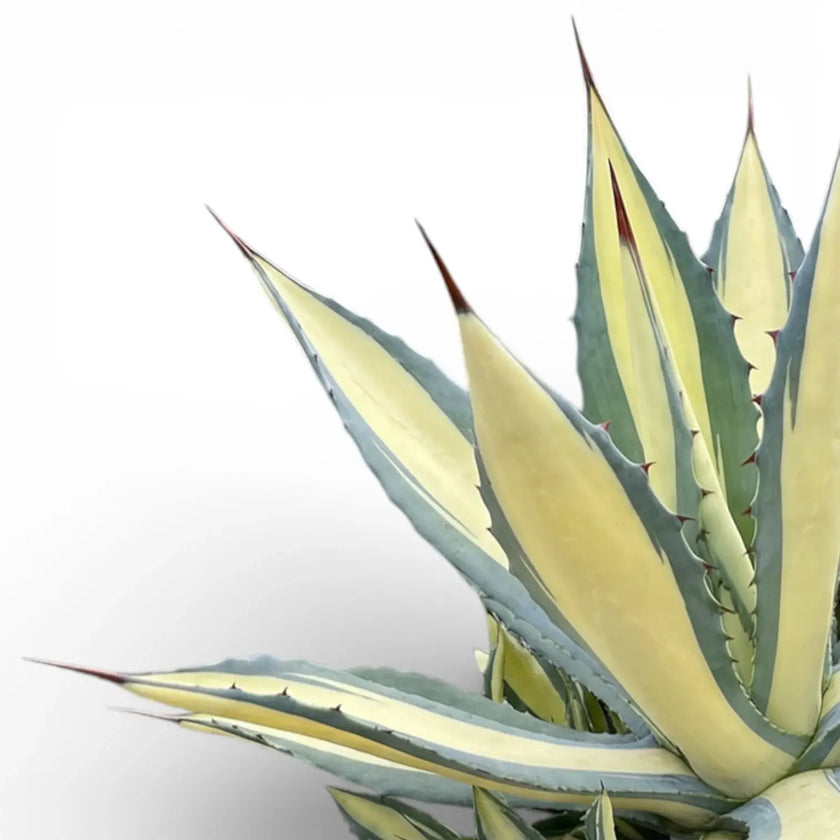
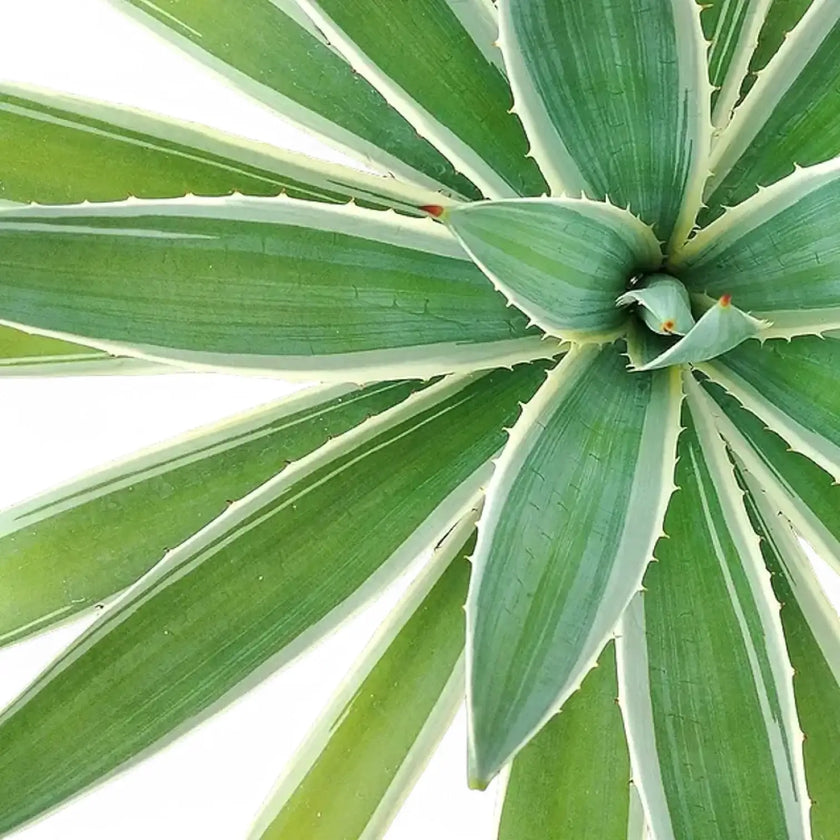
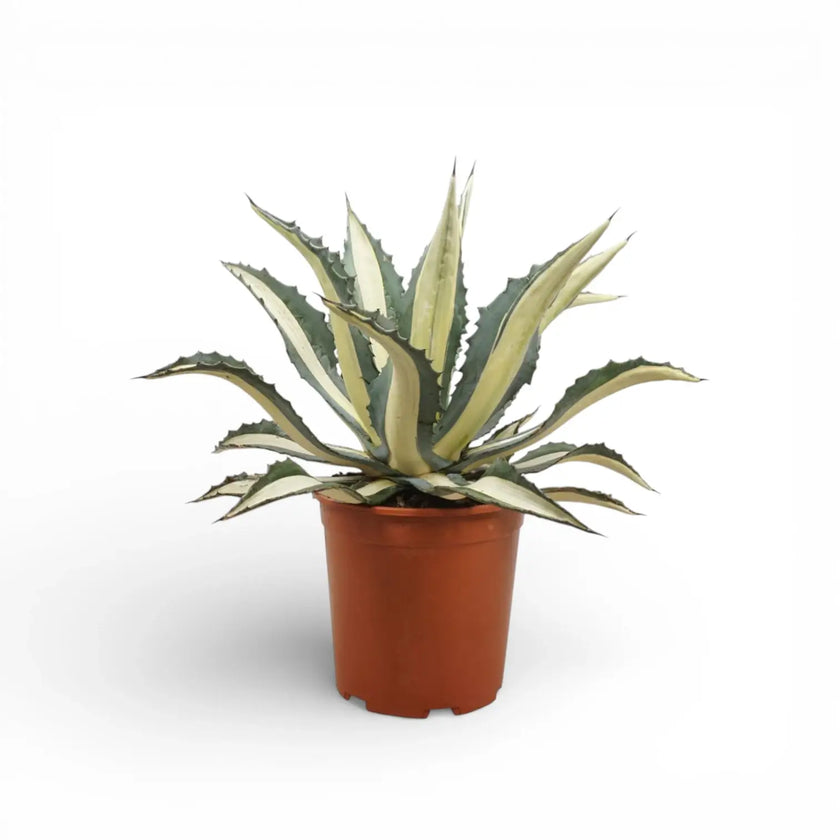
Agave angustifolia ‘Marginata’Sold out
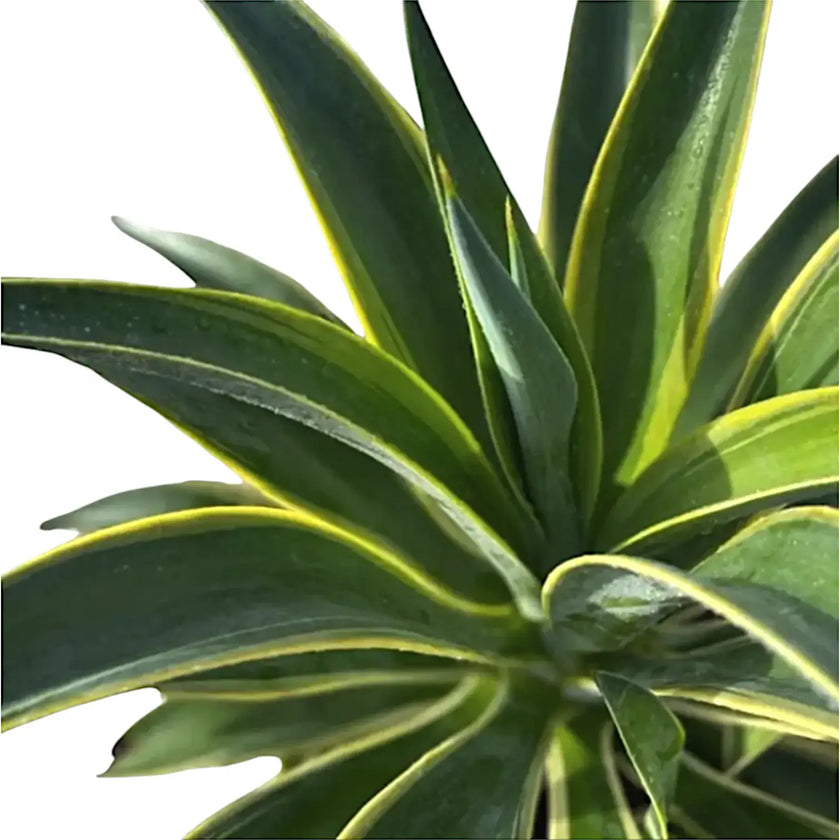
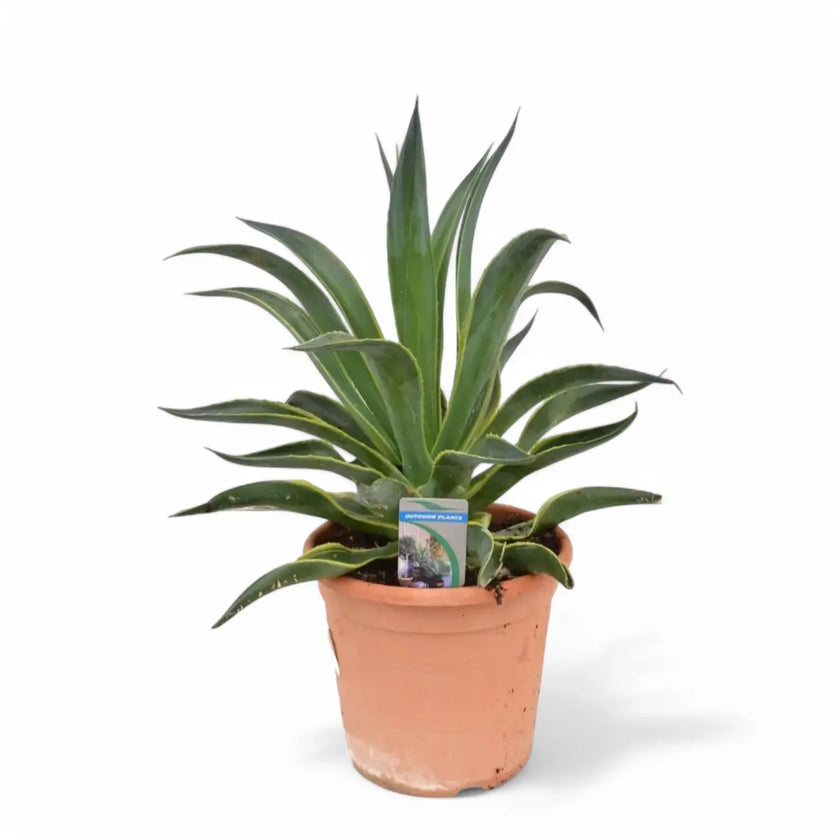
Agave demeesteriana ‘Marginata’Sold out
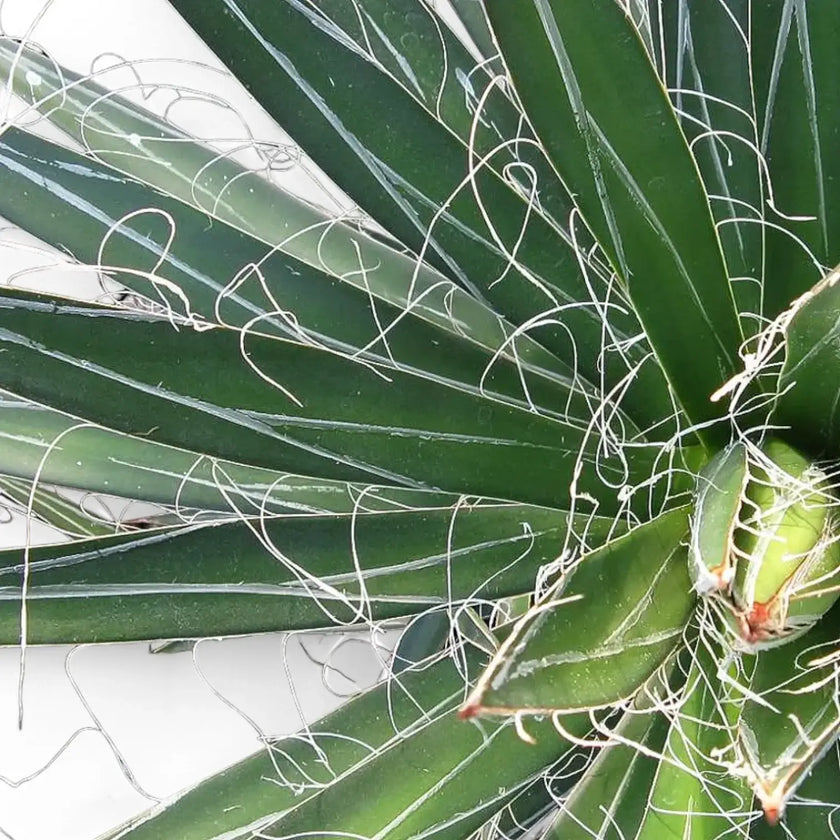
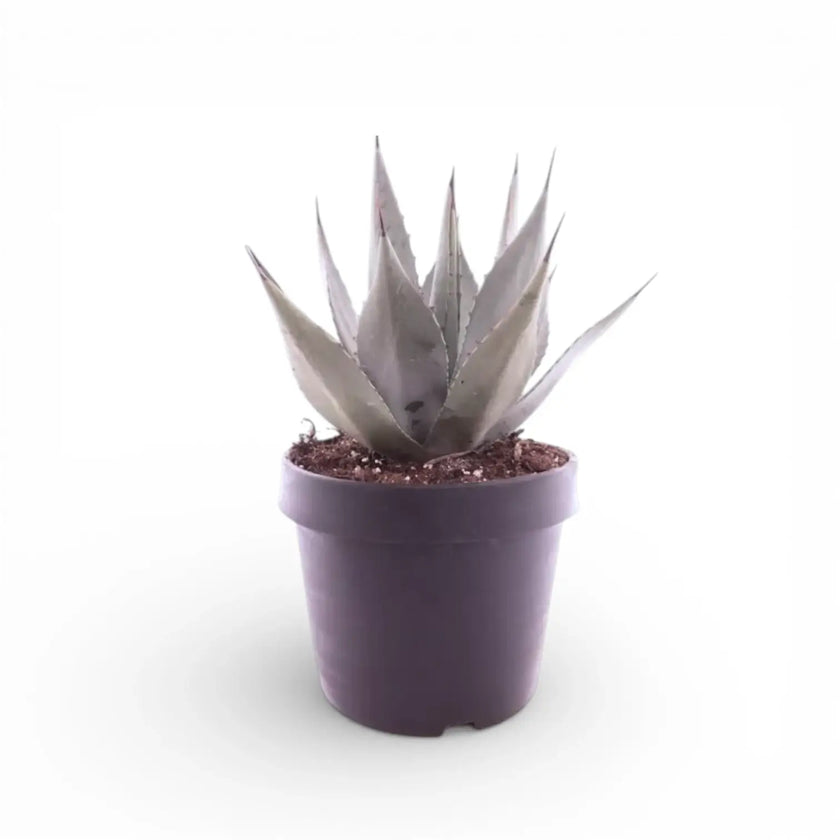
Agave filiferaSold out
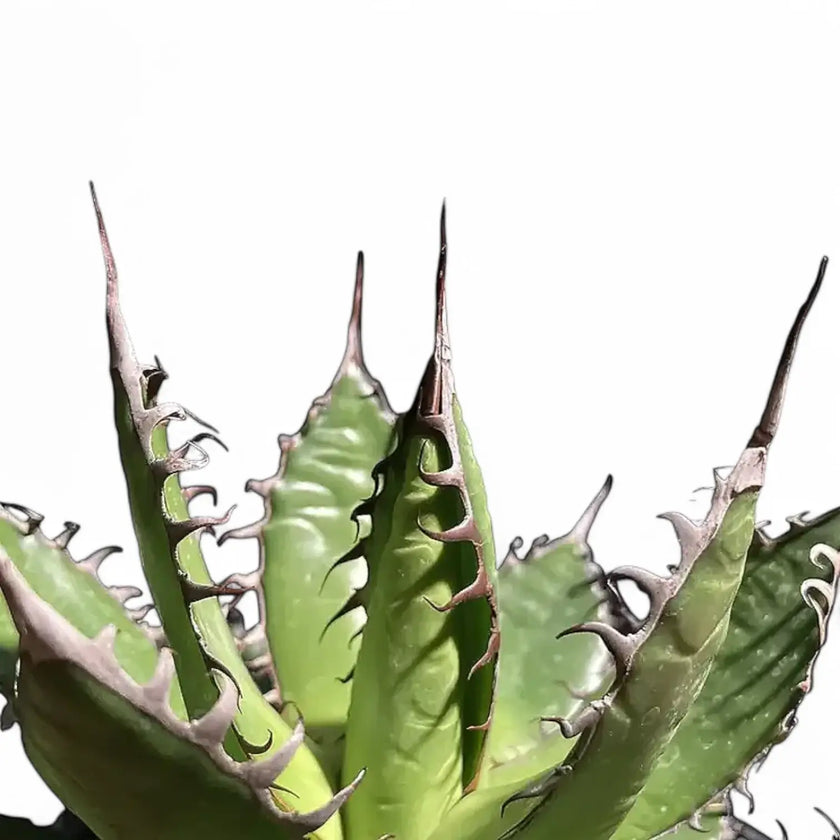
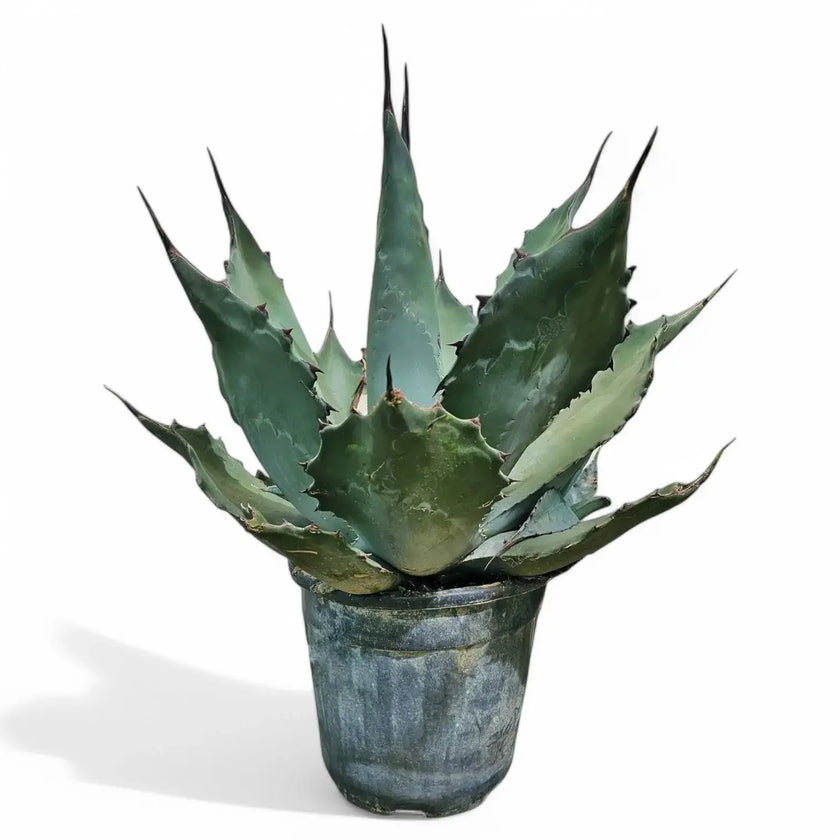
Agave horridaSold out
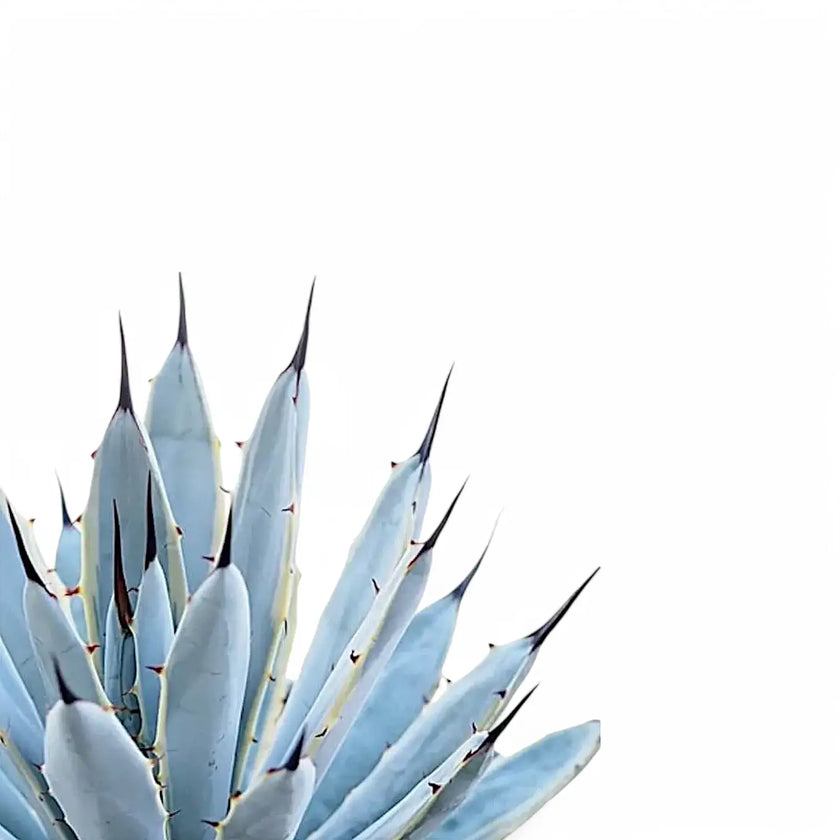
Agave macroacanthaSold out
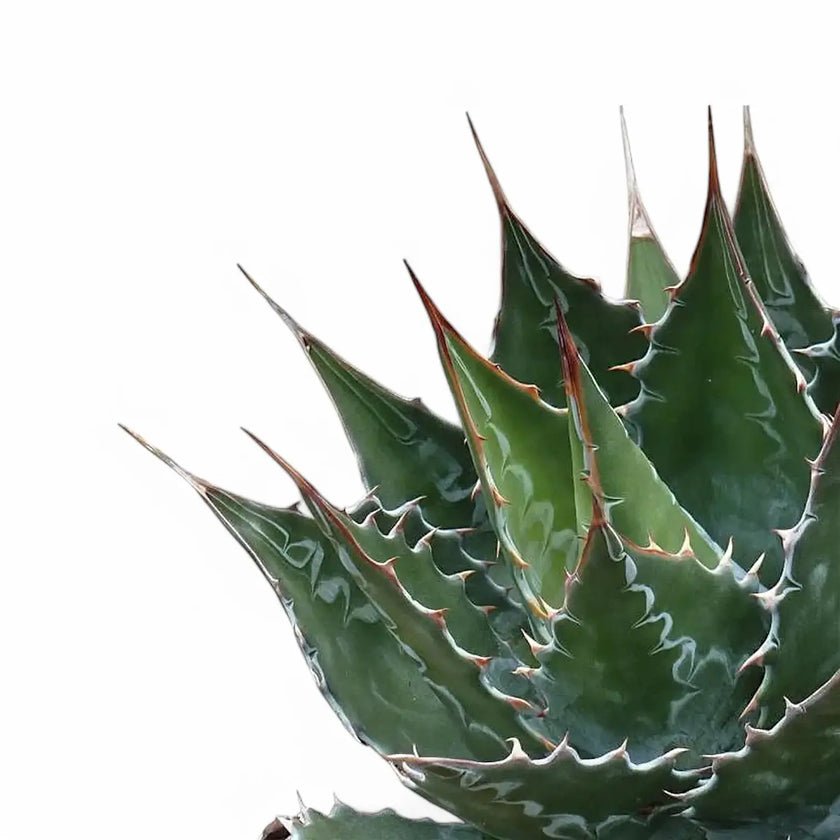
Agave montanaSold out

Agave parrasanaSold out
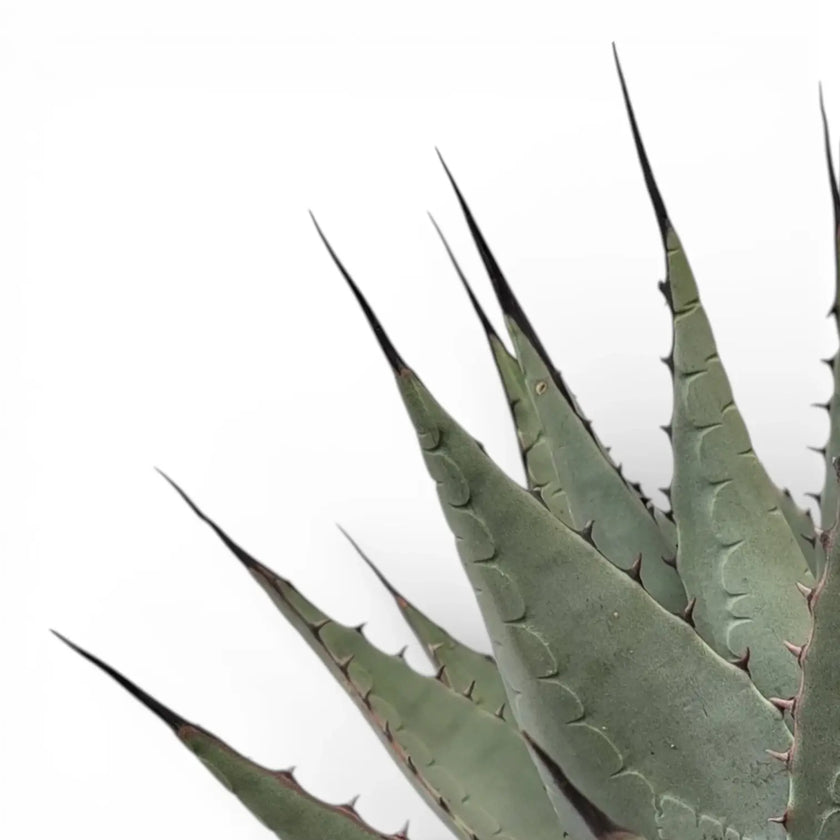
Agave parryi subsp. neomexicanaSold out

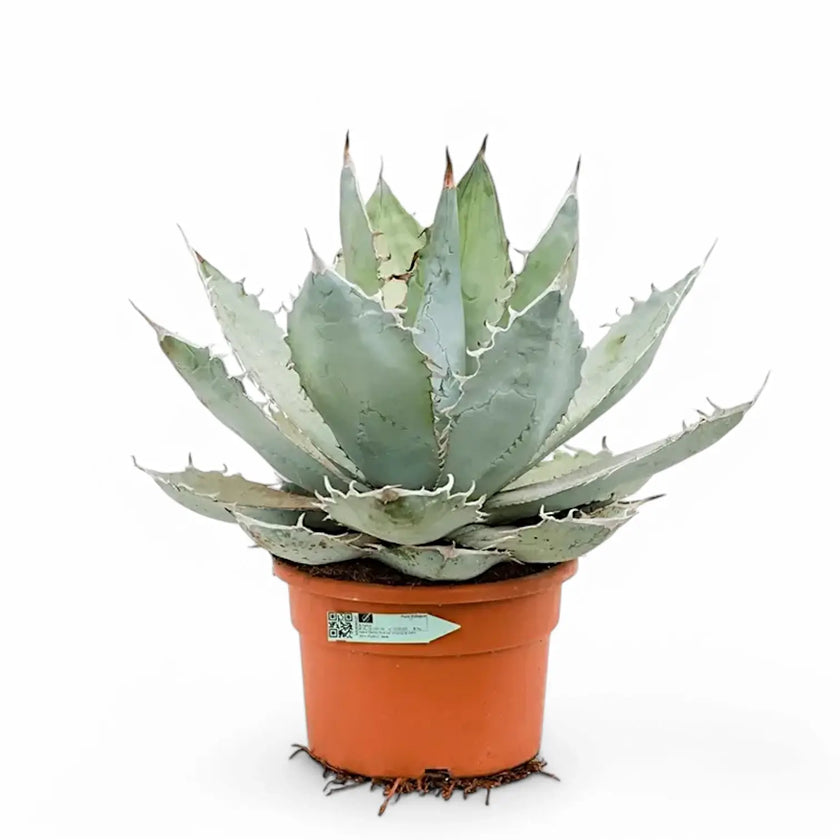
Agave parryi var. truncataSold out

Agave potatorum ‘Compacta’Sold out
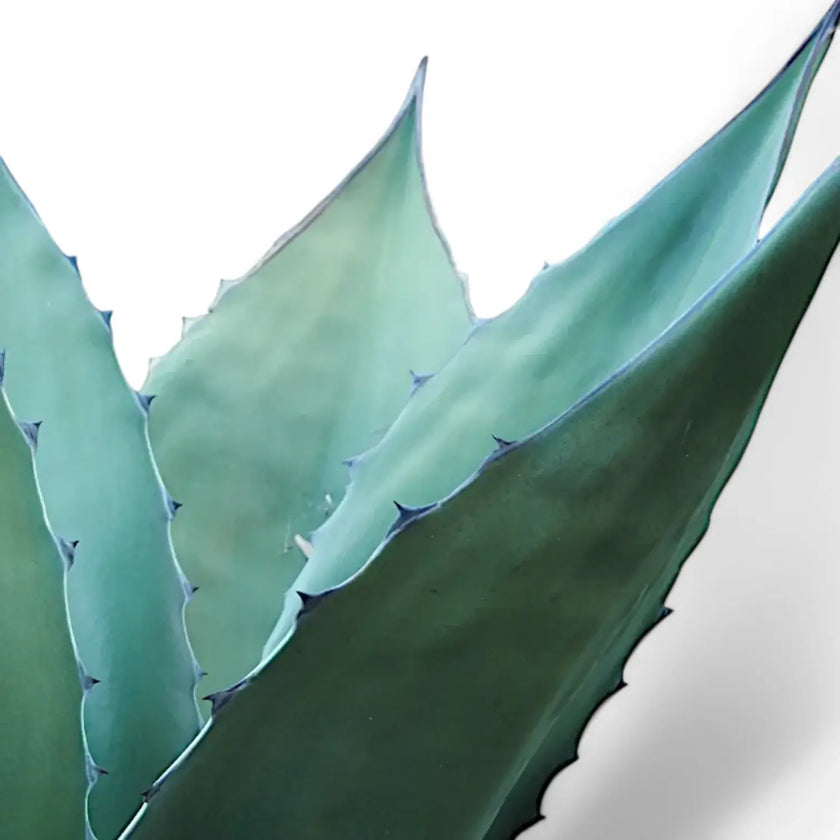
Agave salmiana var. feroxSold out
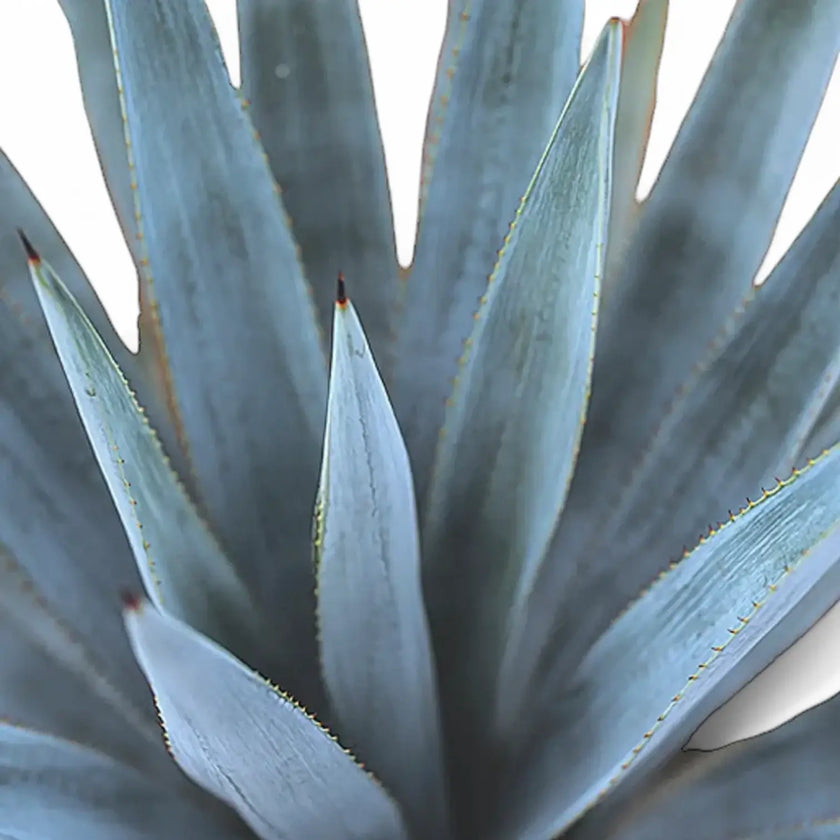
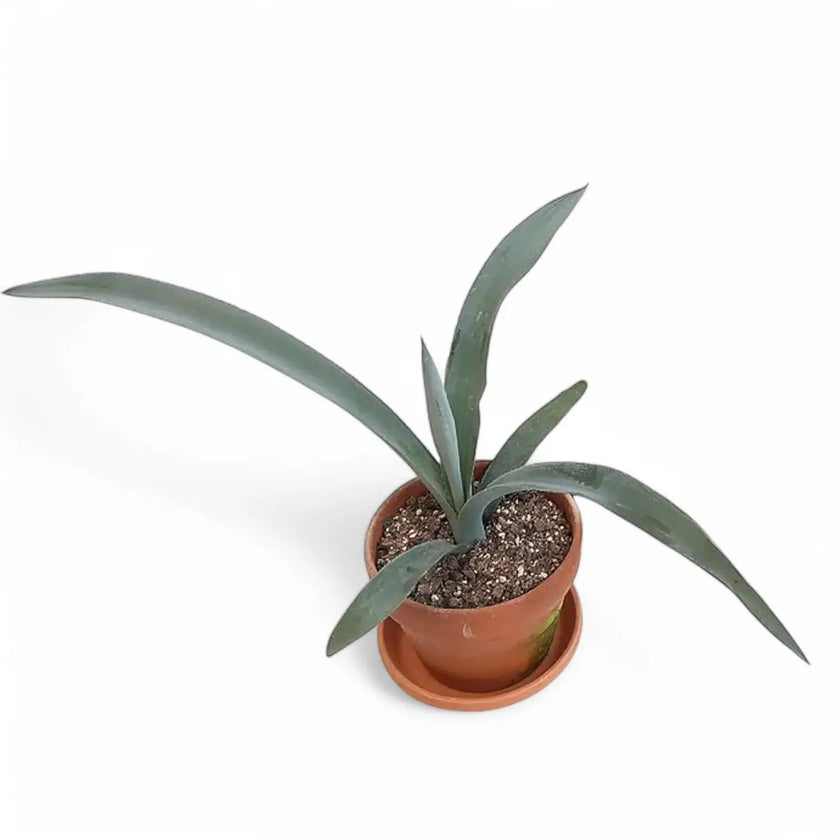
Agave tequilanaSold out
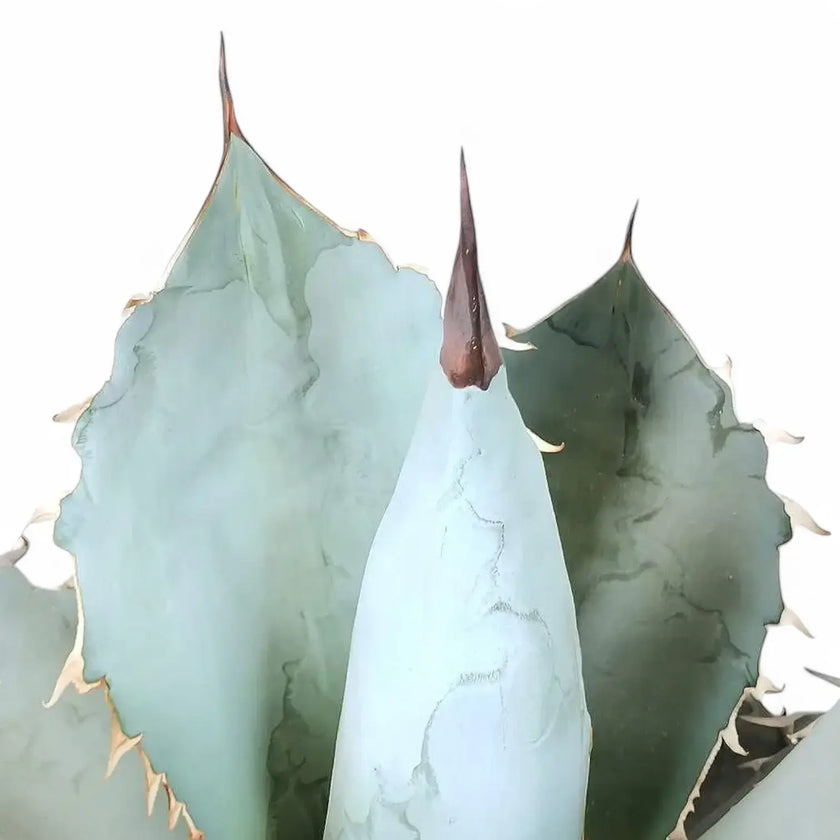
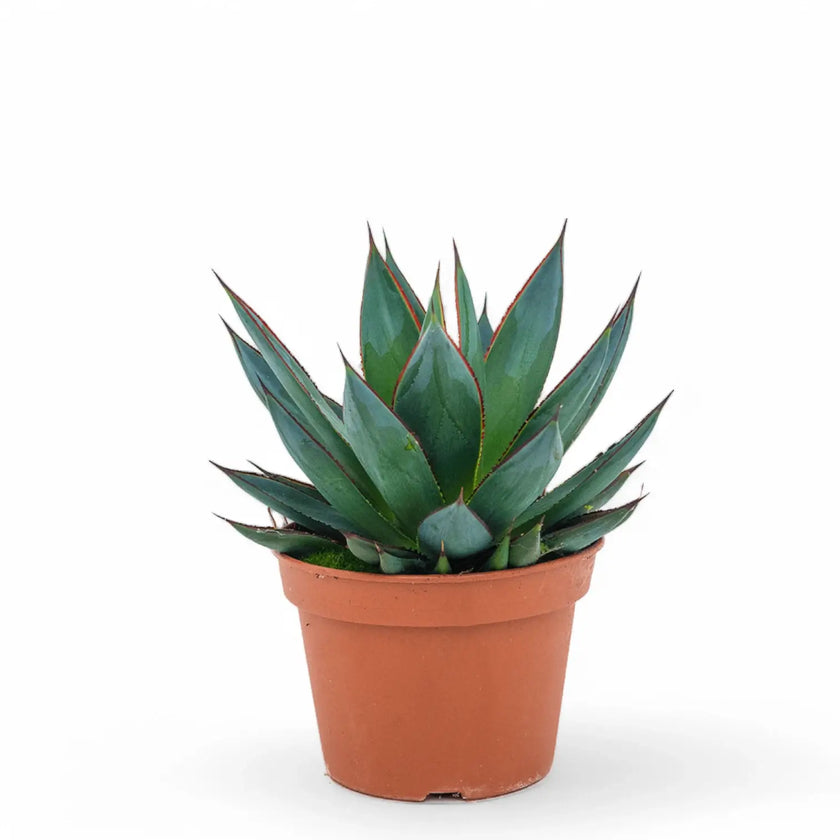
Agave titanota ‘Blue Ice’Sold out

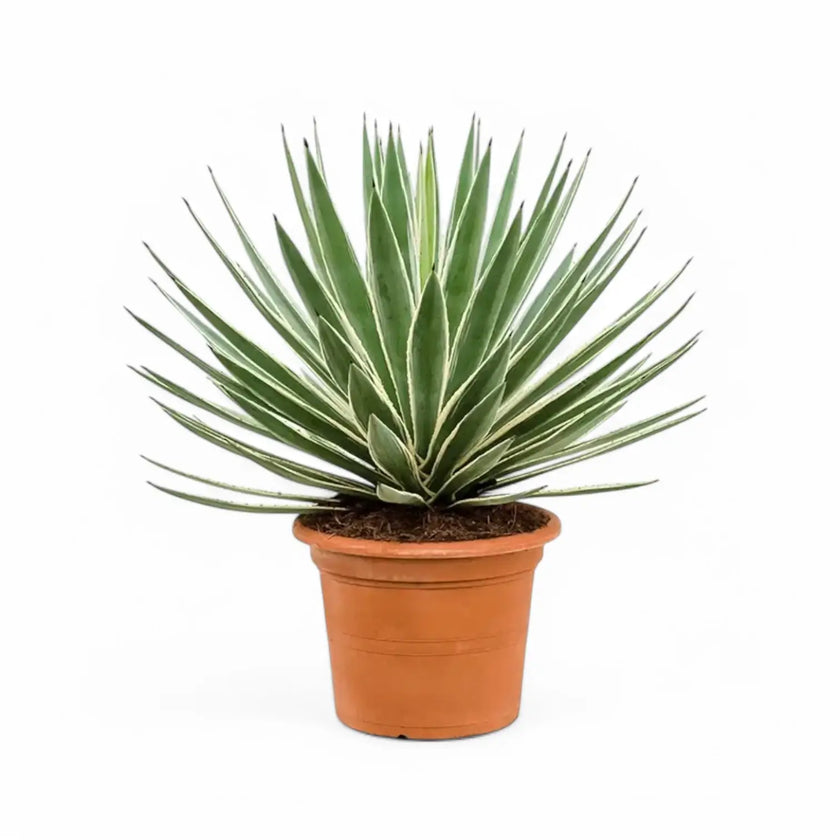
Agave victoriae-reginaeSold out


Agave × nigraSold out

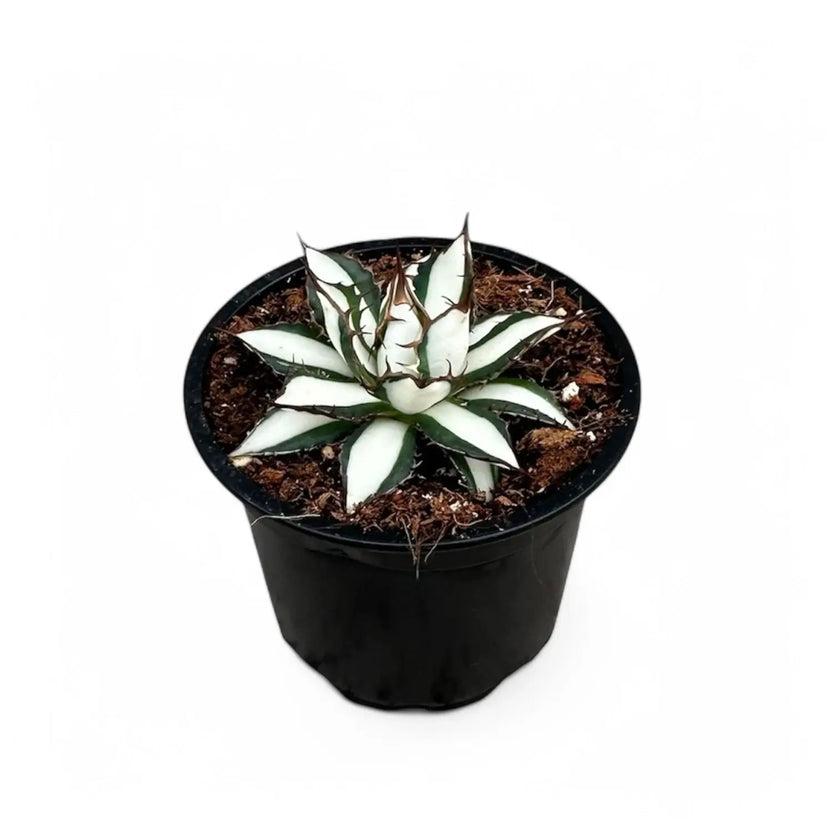
Agave ‘Ouhi-Raijin’ VariegataSold out
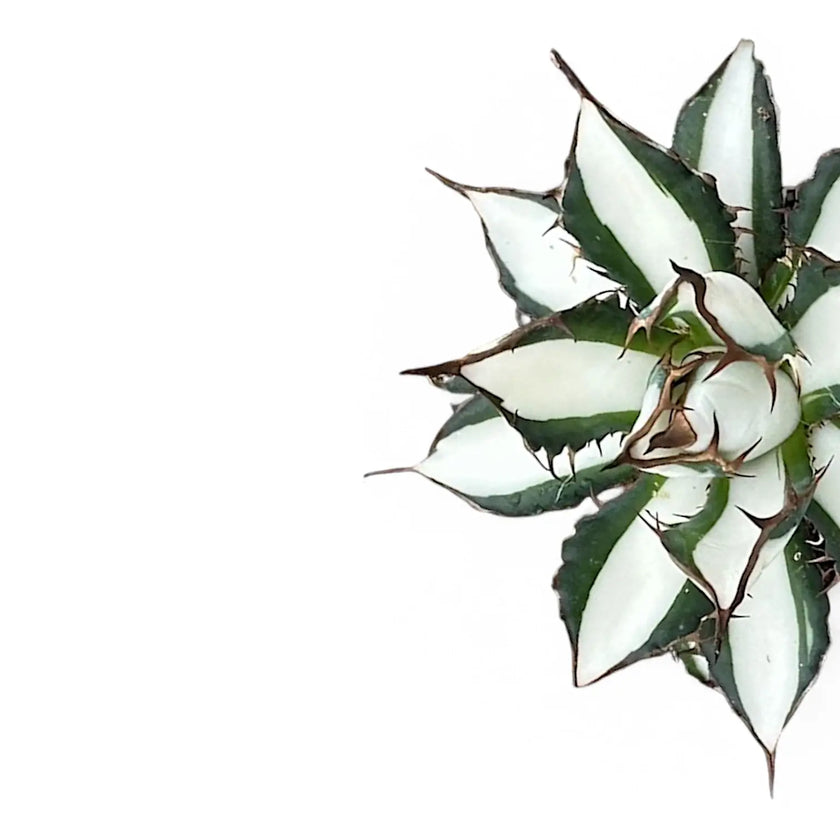
Agave ‘Peace Revolution’Sold out
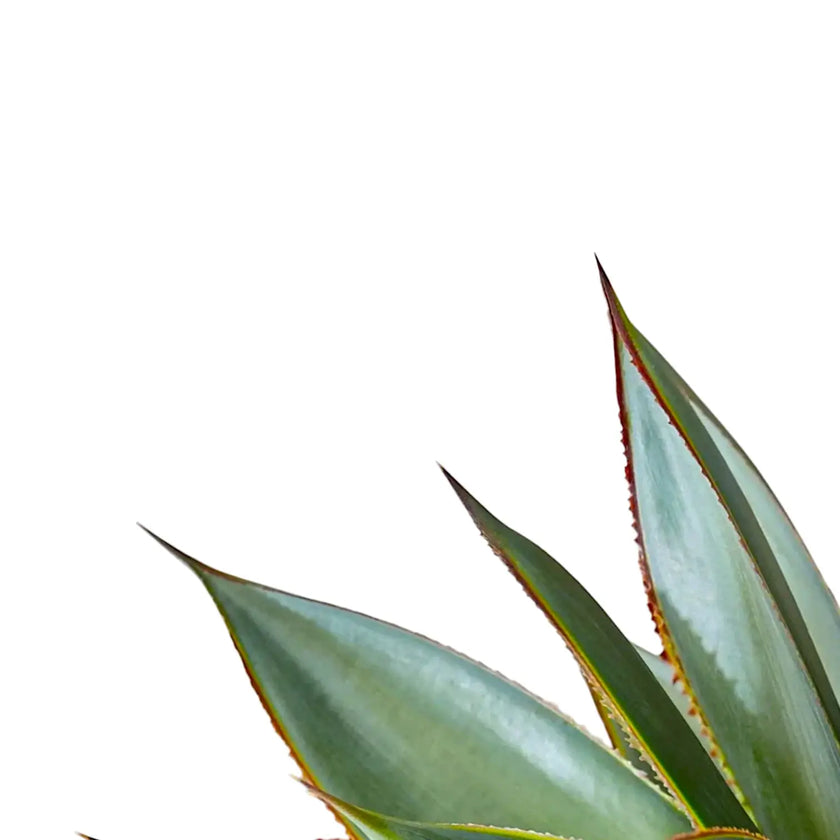
Agave ‘Shaka Zulu’Sold out
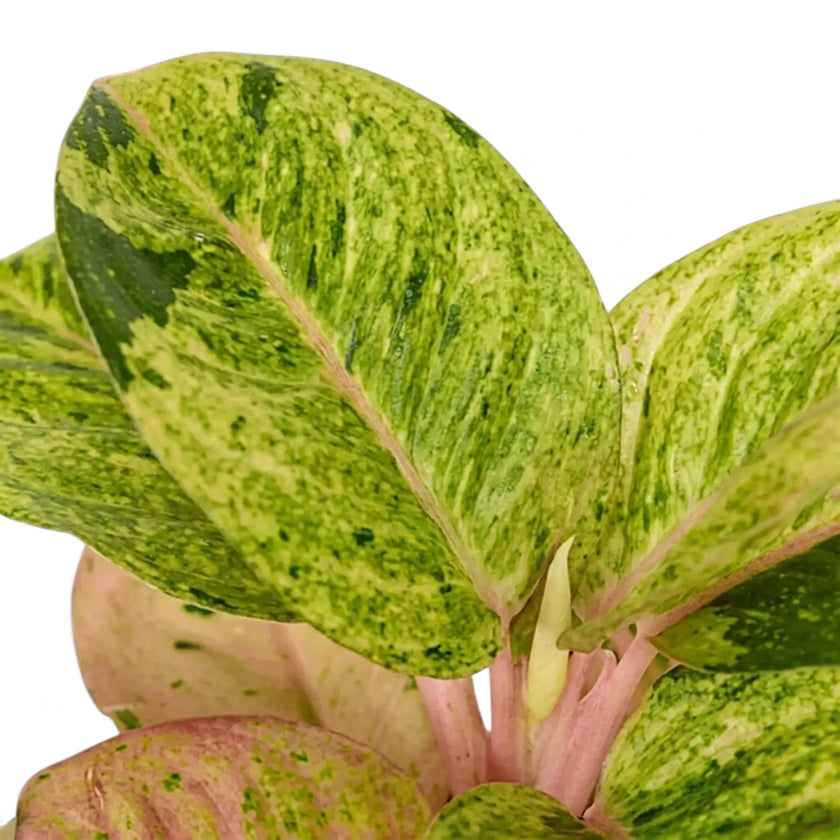
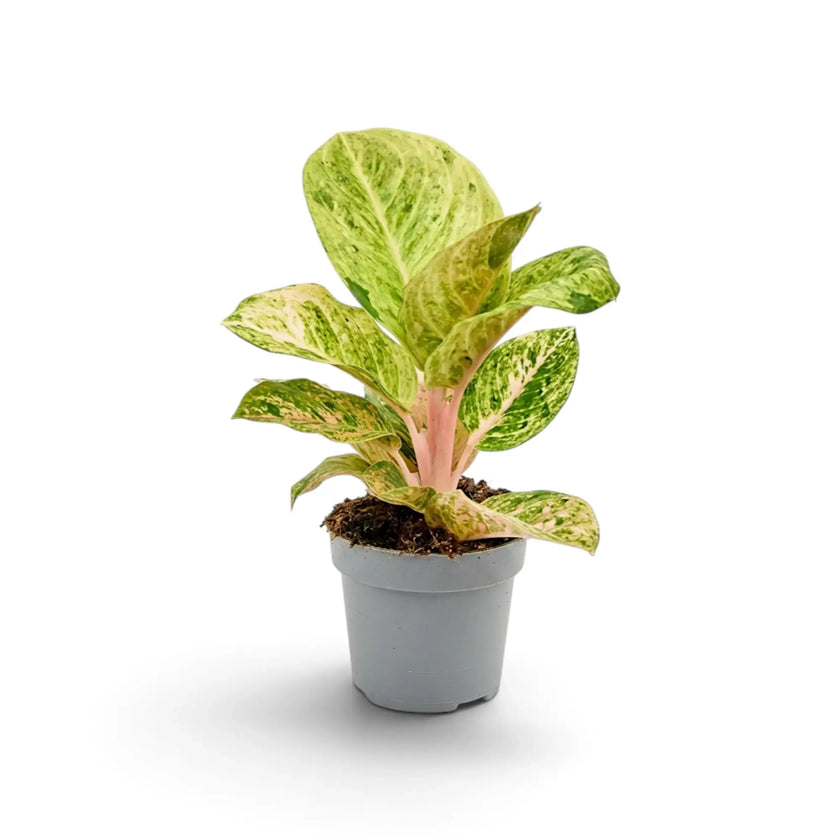
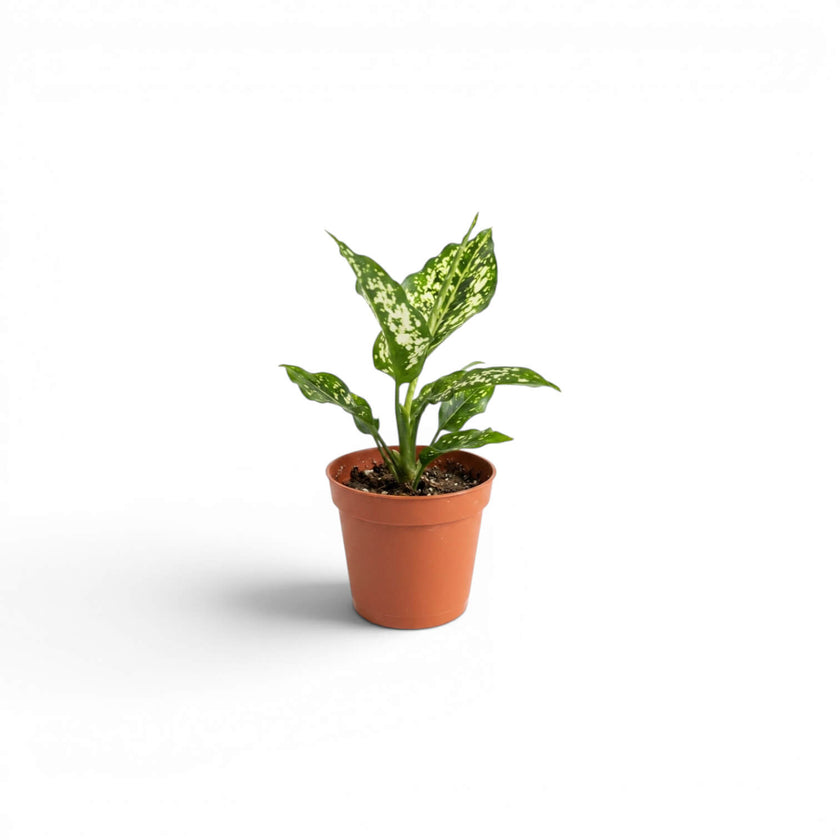
Aglaonema 'Apple Fantasy'
Sale price€15,75
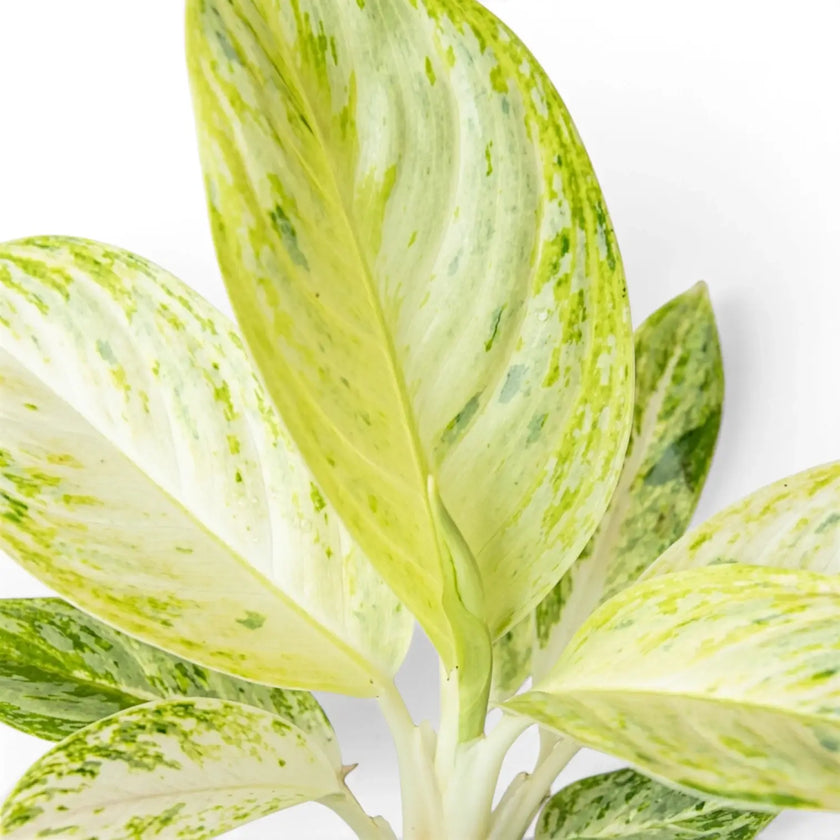
Aglaonema 'Arctic Lime'
Sale price€15,75
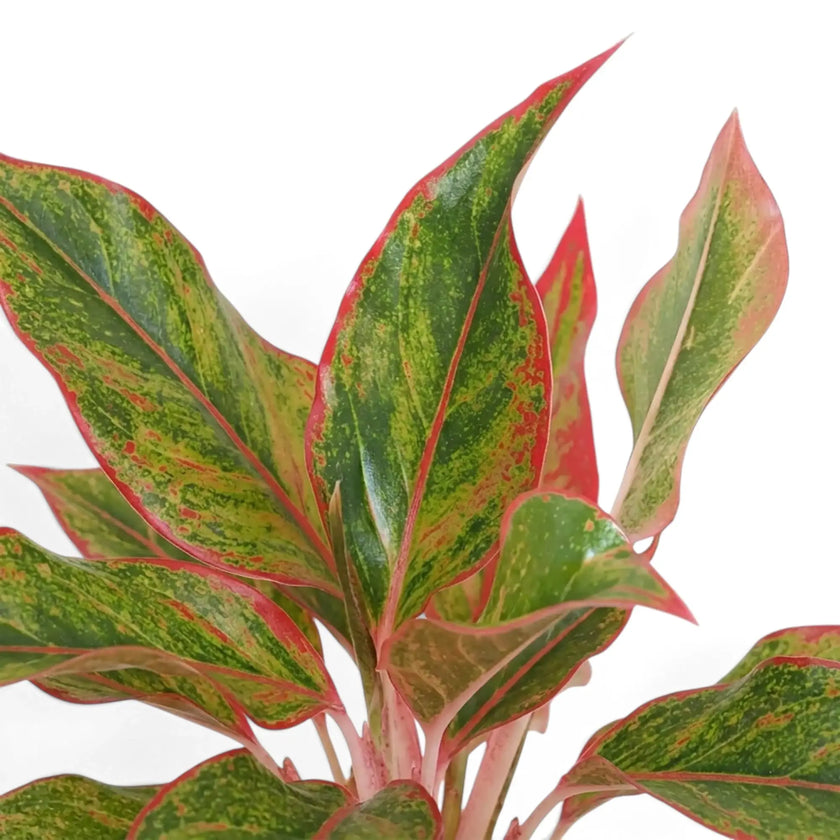
Aglaonema 'Crete' aka 'Siam Aurora' aka 'Jungle Red'
Sale price€15,75
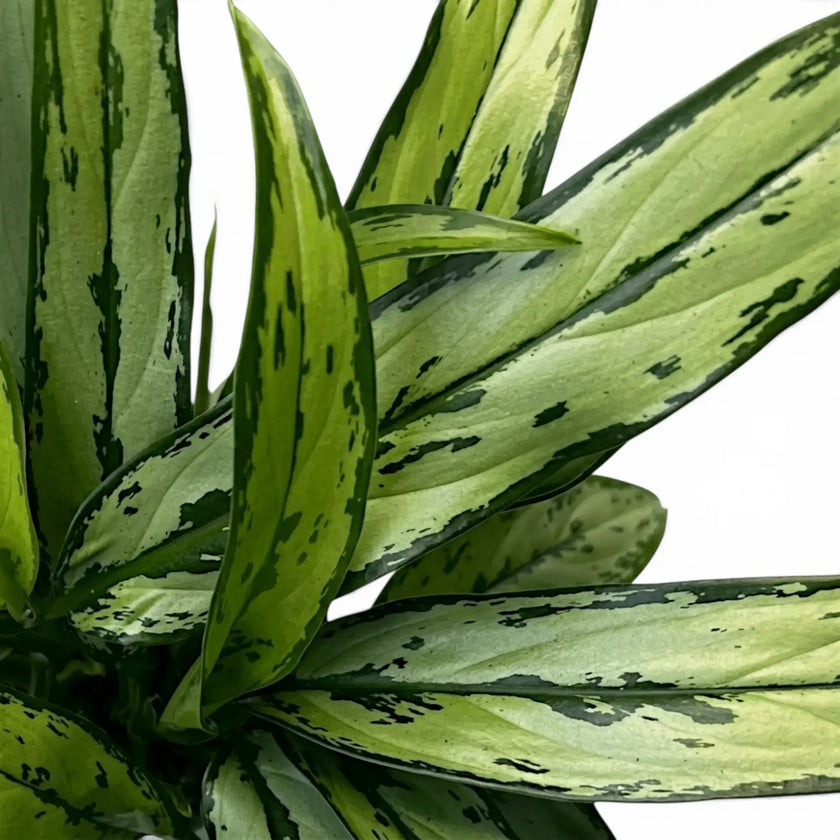
Aglaonema 'Cutlass'
Sale price€15,75
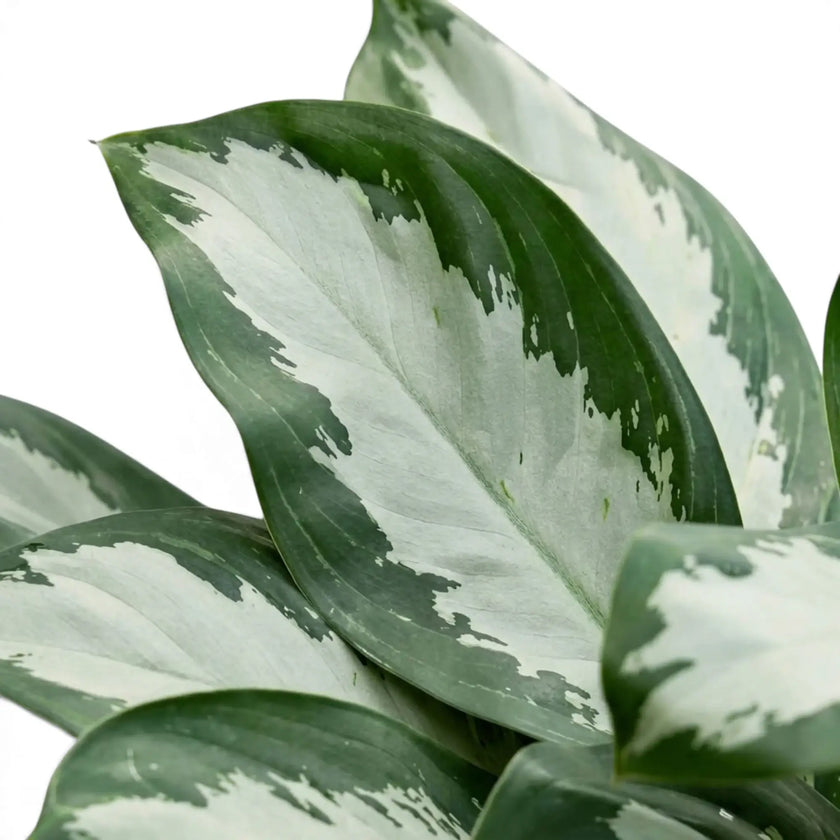
Aglaonema 'Diamond Bay'
Sale priceFrom €18,00
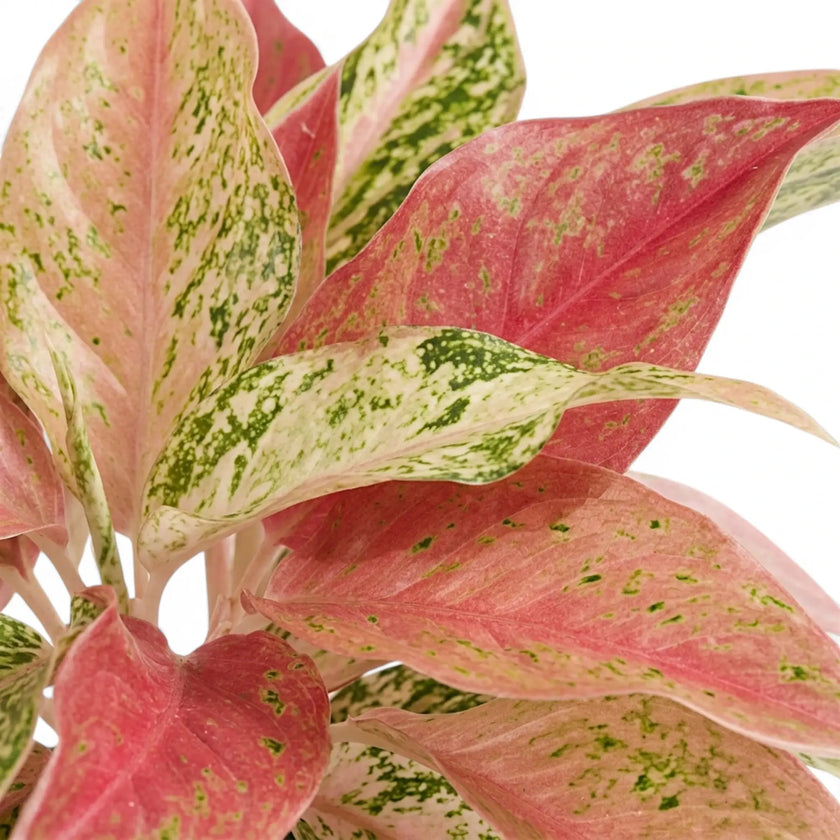
Aglaonema 'Prosperity'
Sale price€16,75
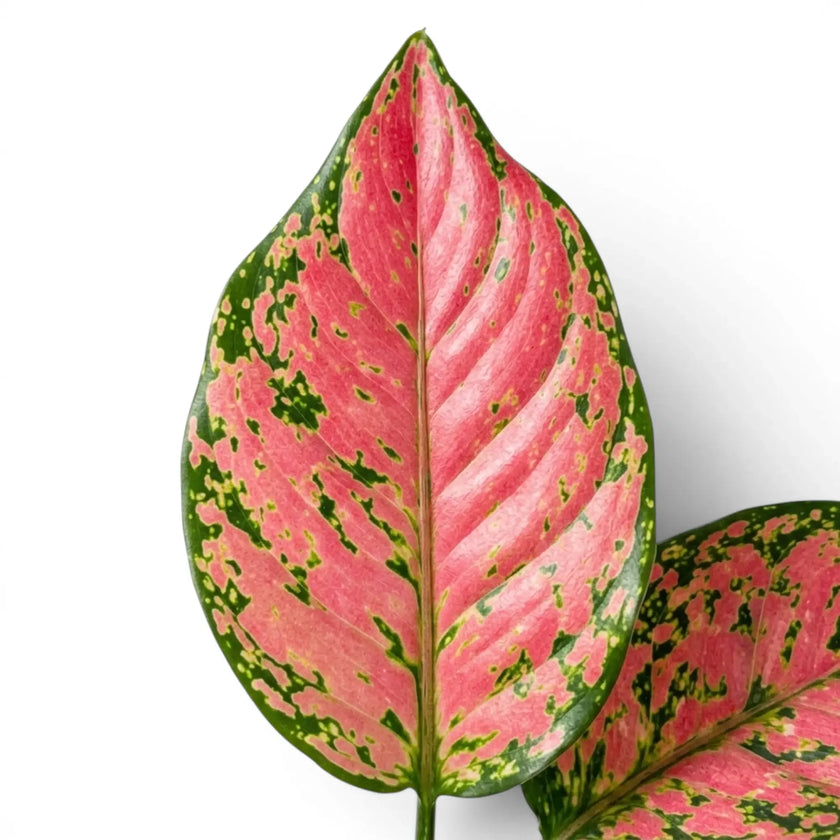
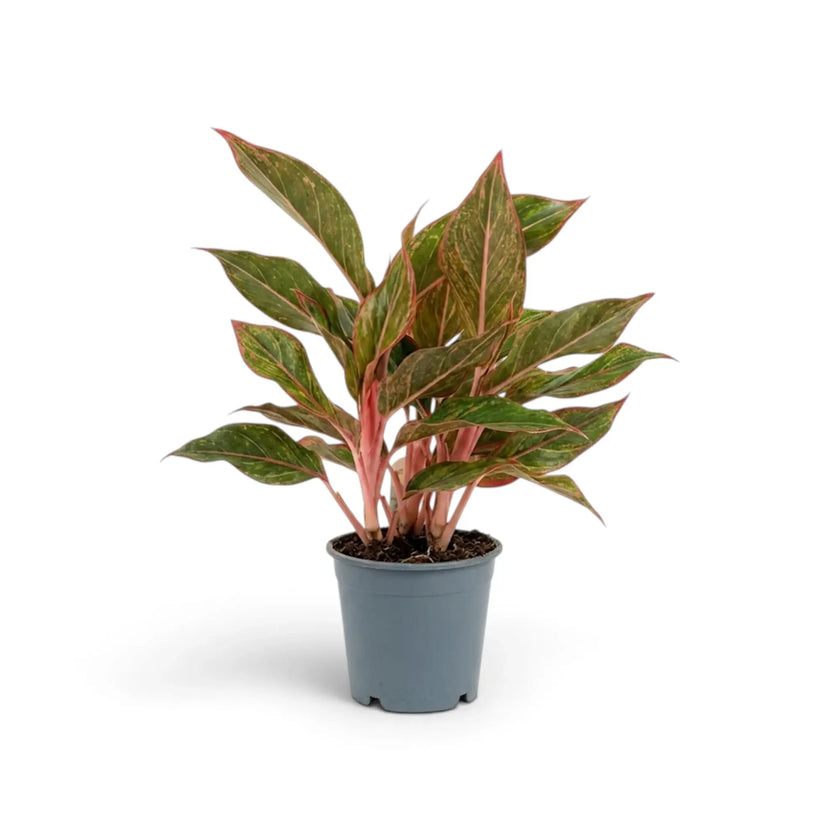
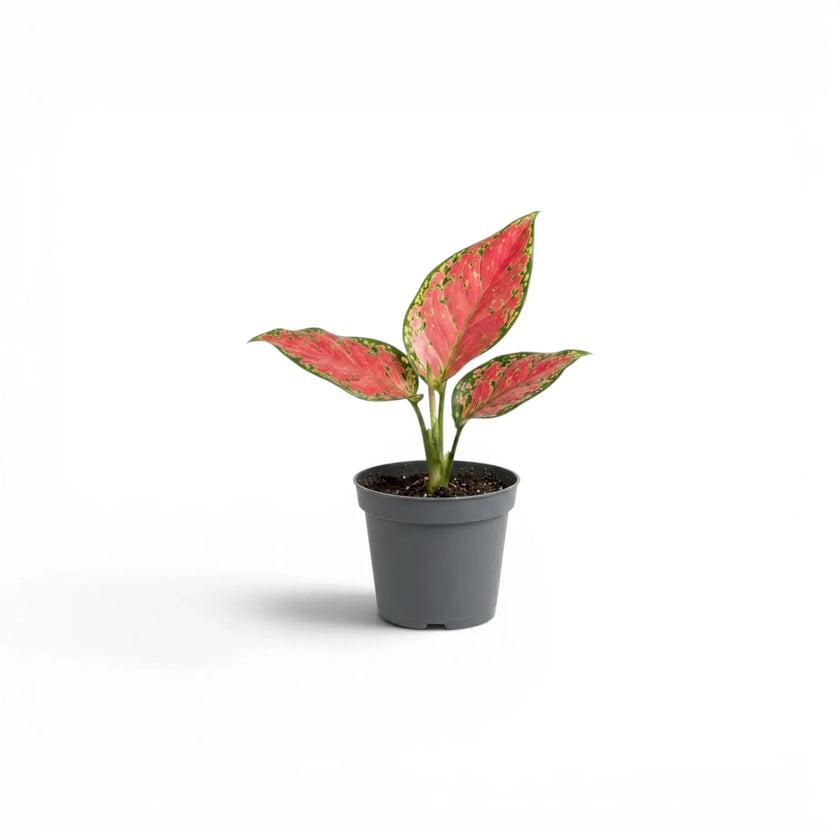
Aglaonema 'Red Valentine'
Sale price€9,75
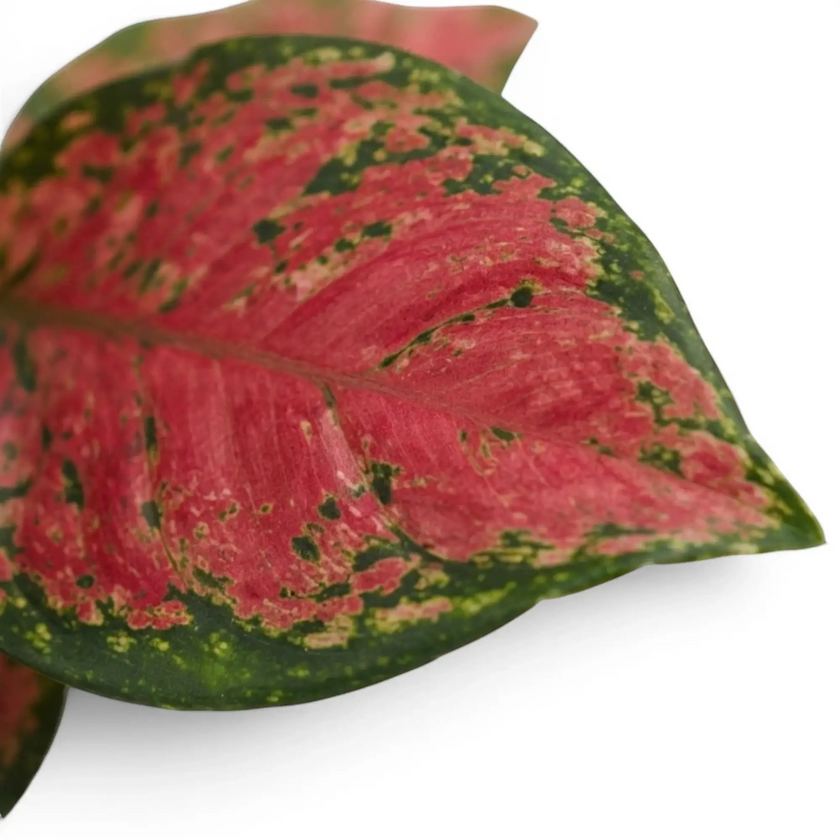
Aglaonema 'Red Zircon'
Sale price€12,00

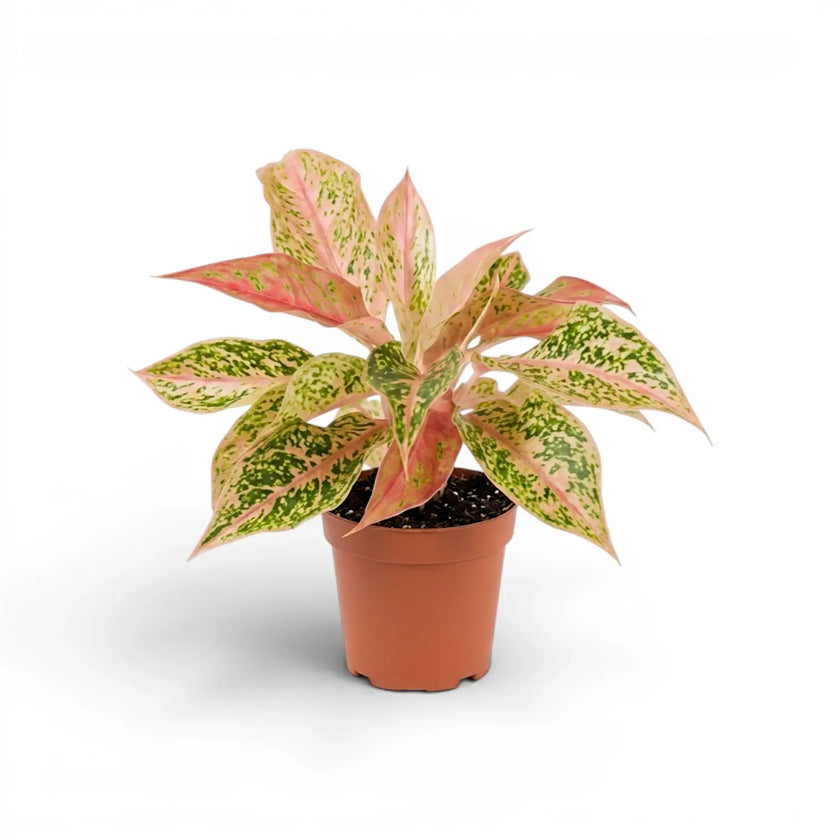
Aglaonema 'Salmon Fantasy'
Sale price€15,75
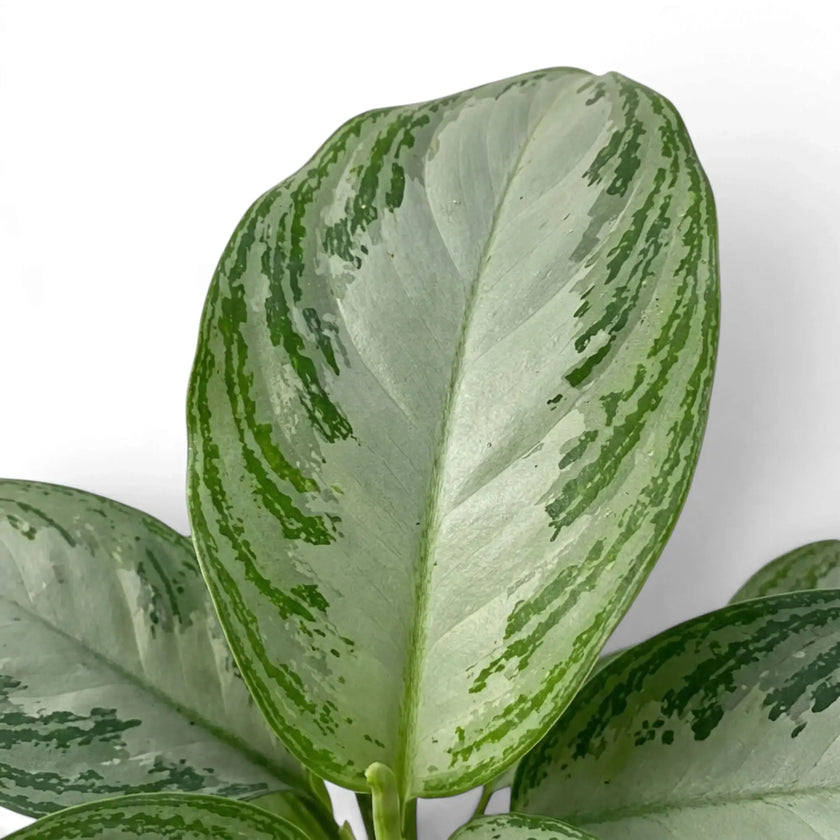
Aglaonema 'Silver Bay'
Sale priceFrom €32,50
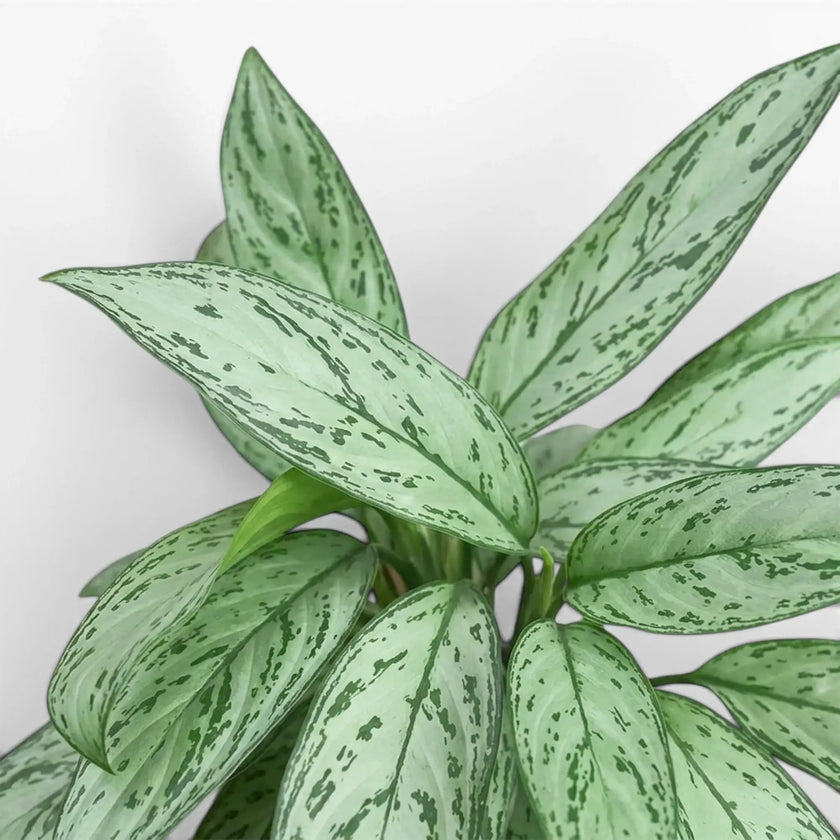
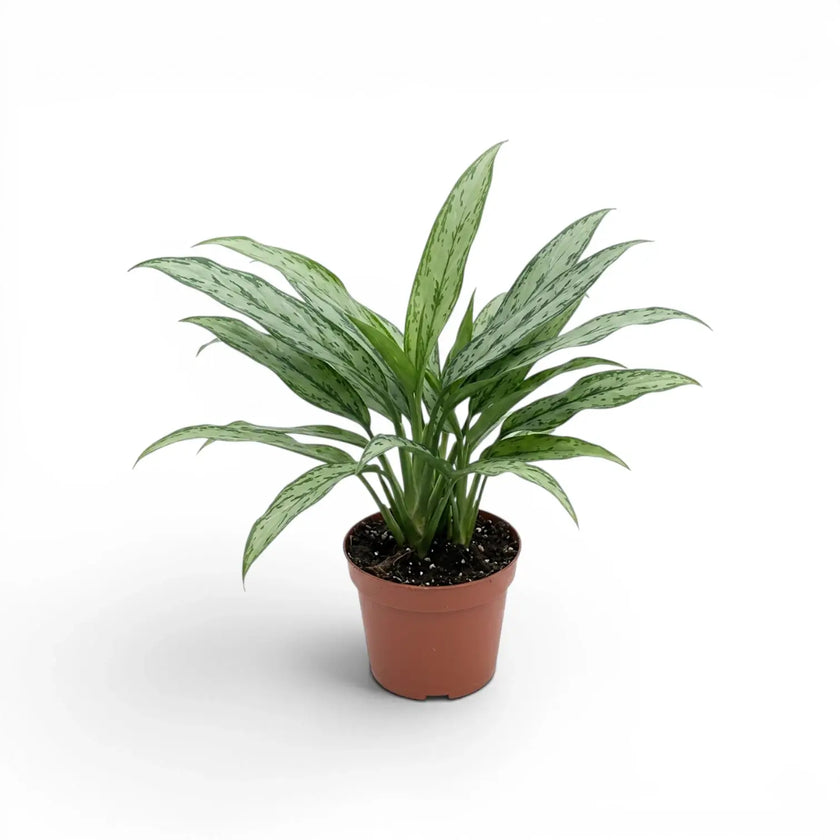
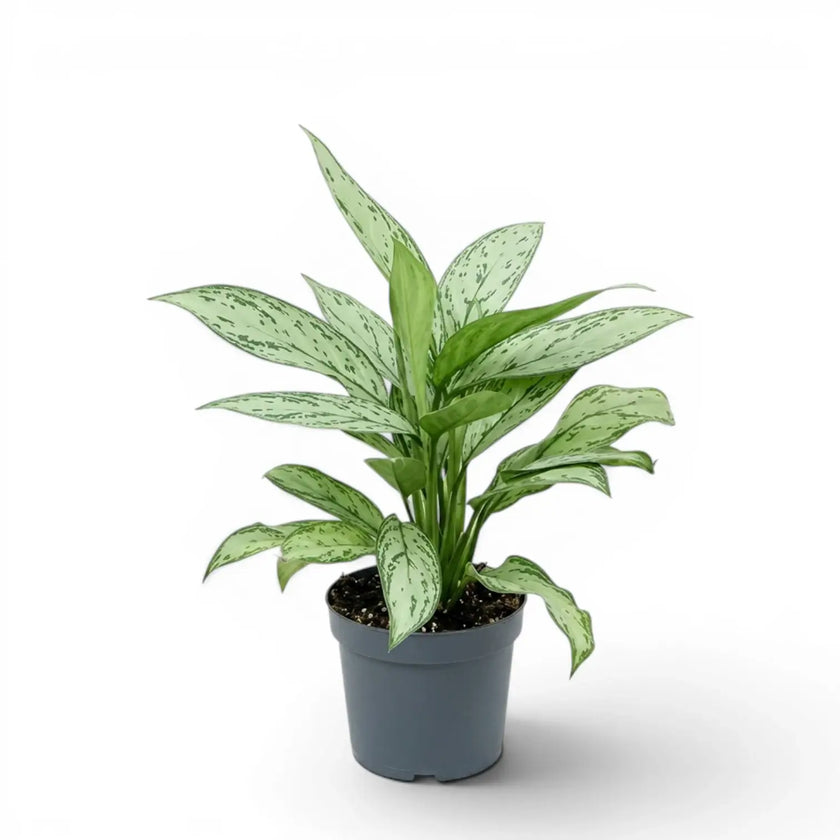
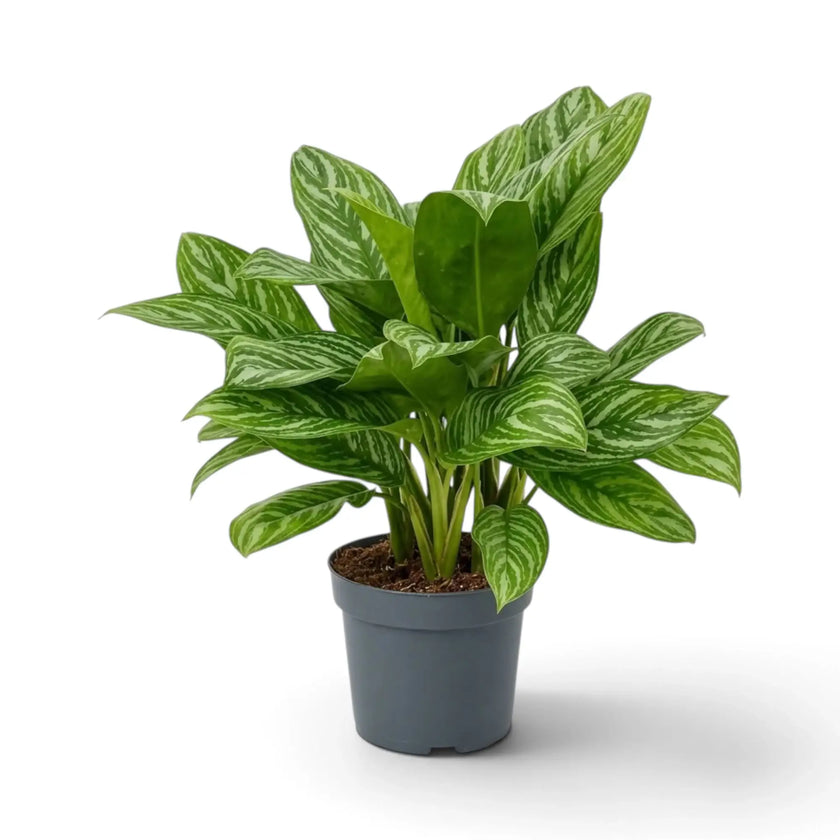
Aglaonema 'Silver Queen'
Sale price€18,00
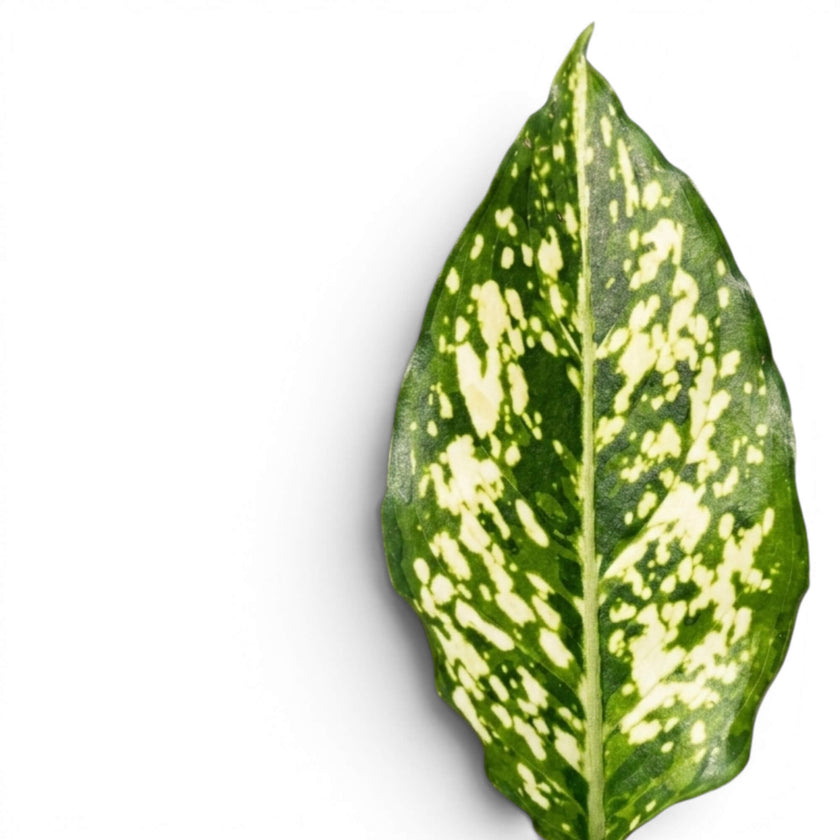
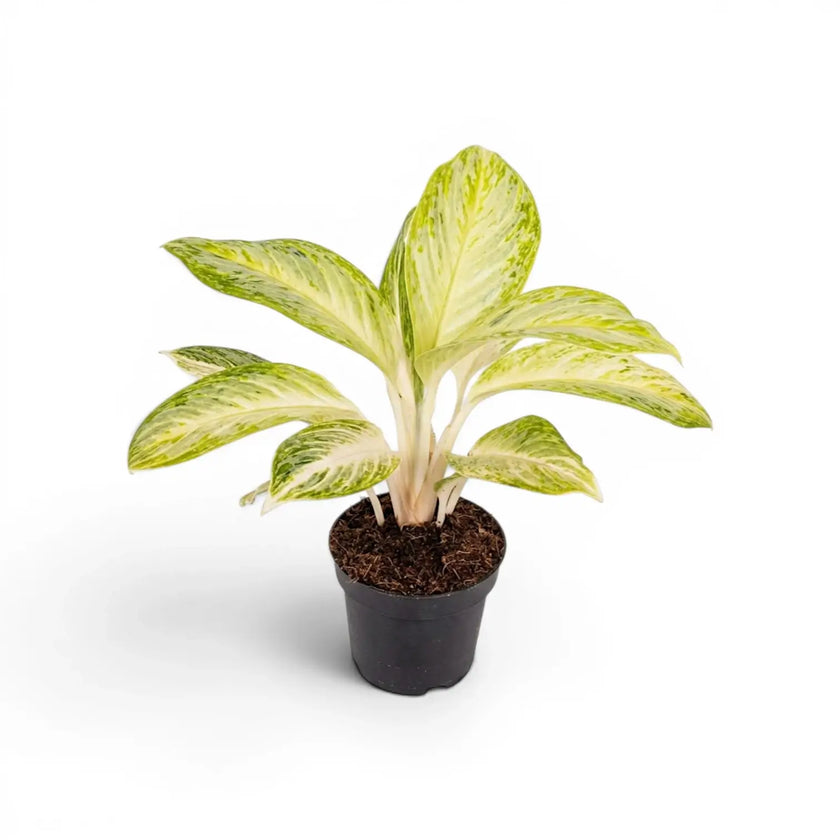
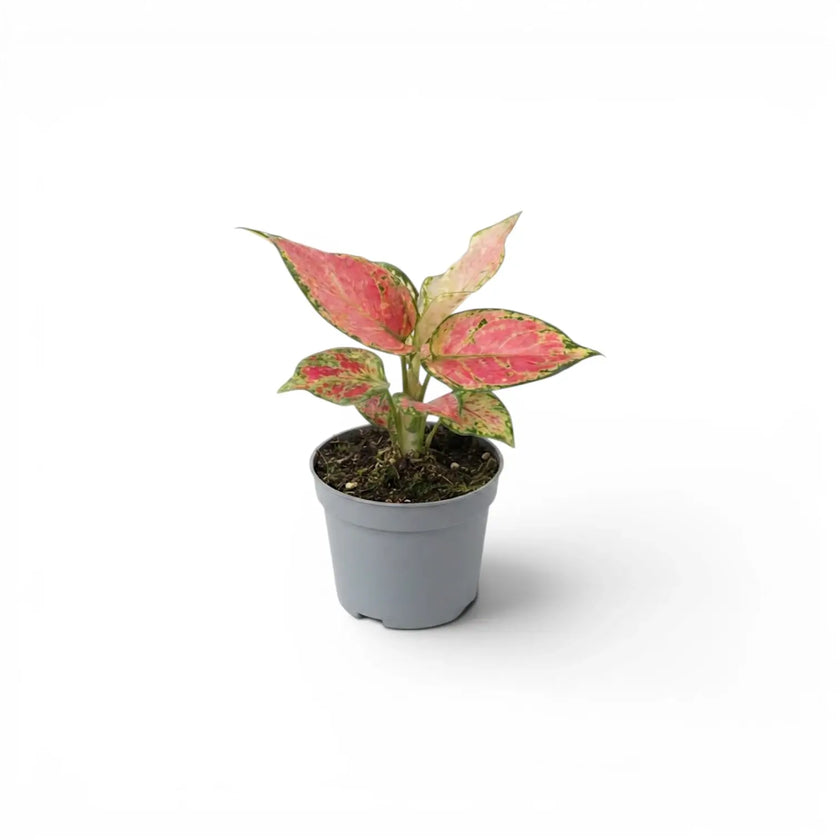
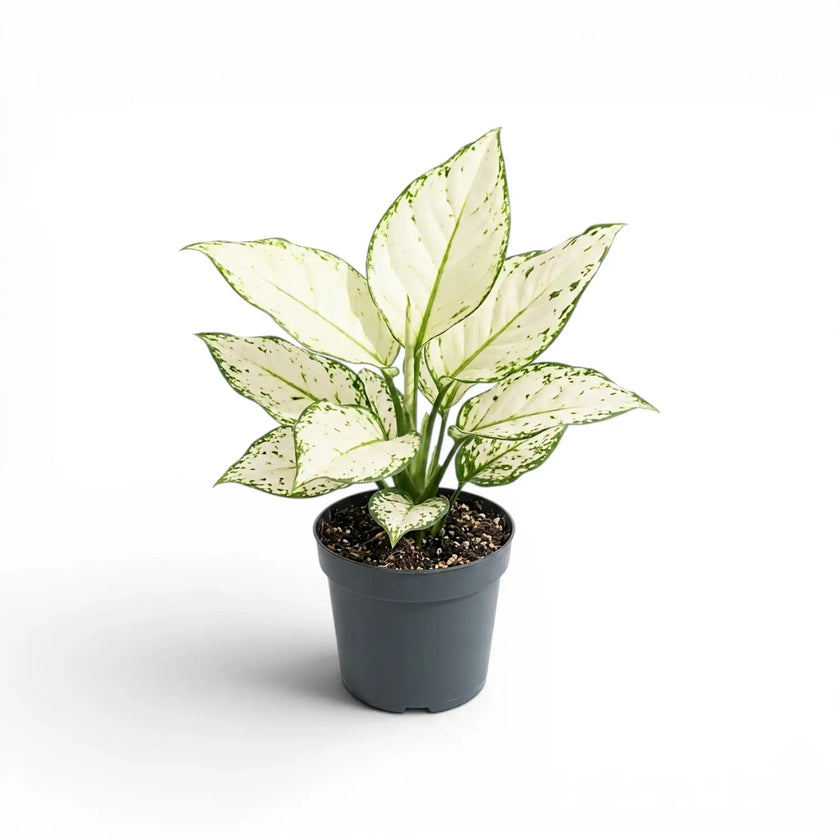
Aglaonema 'Snowflake'
Sale price€9,75
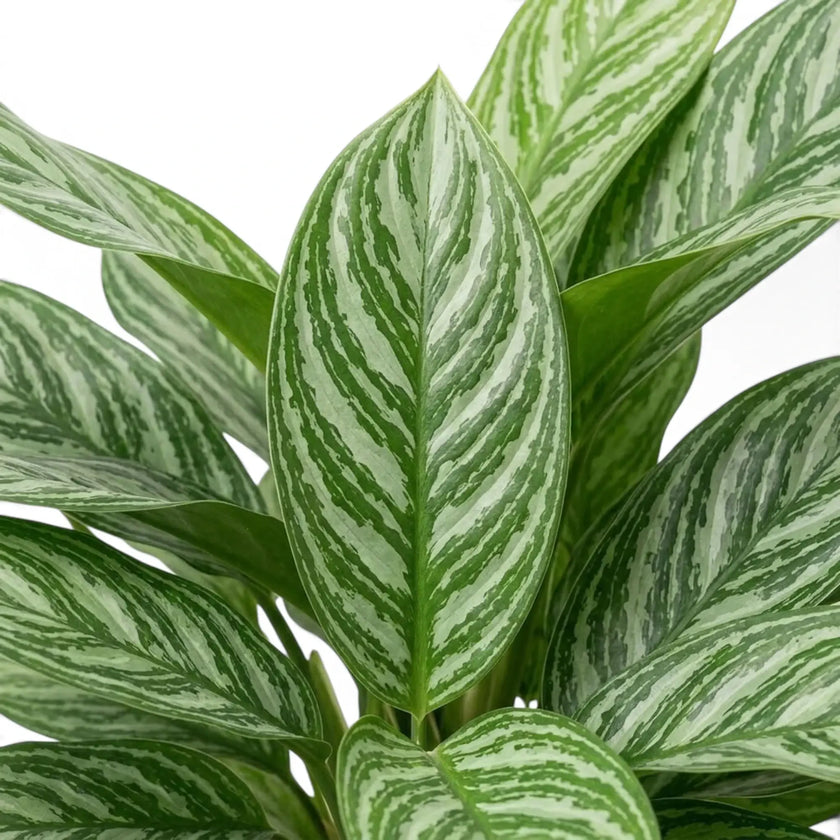
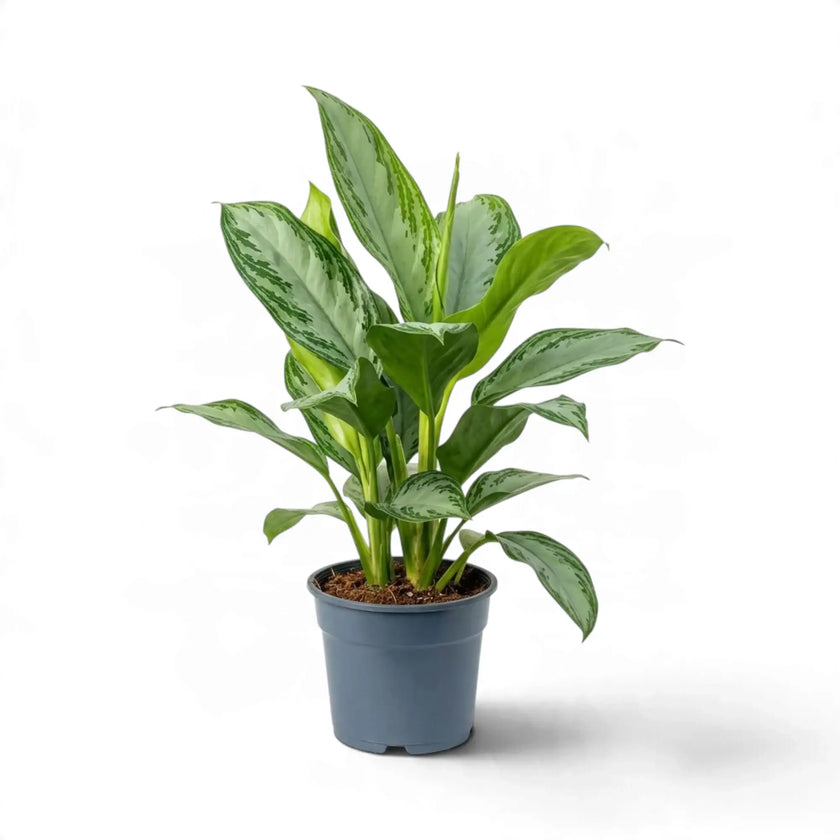
Aglaonema 'Stripes'
Sale priceFrom €32,50
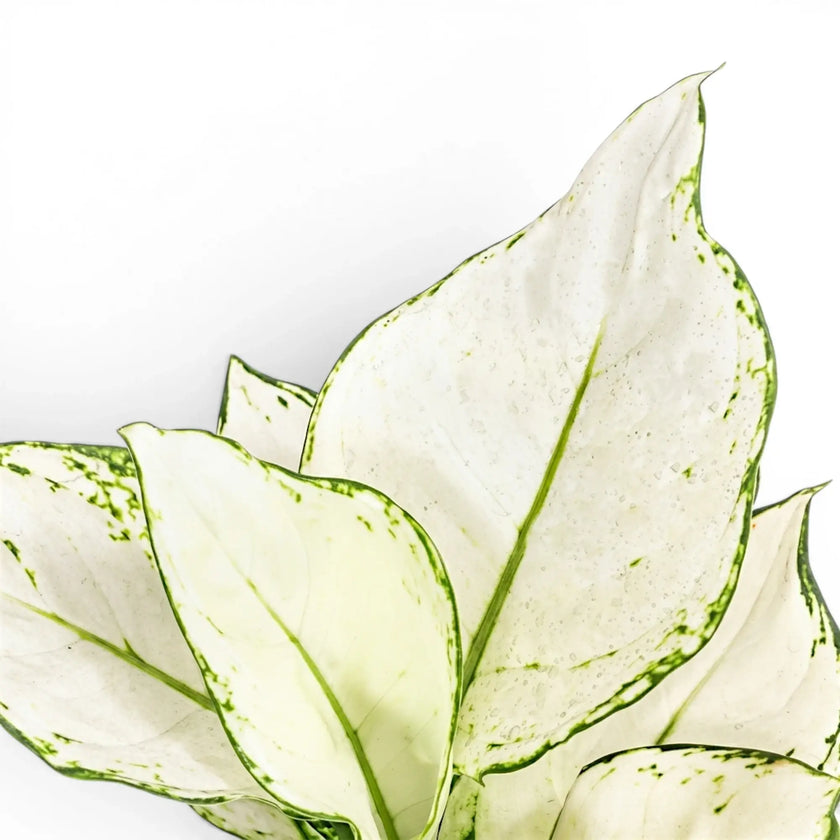
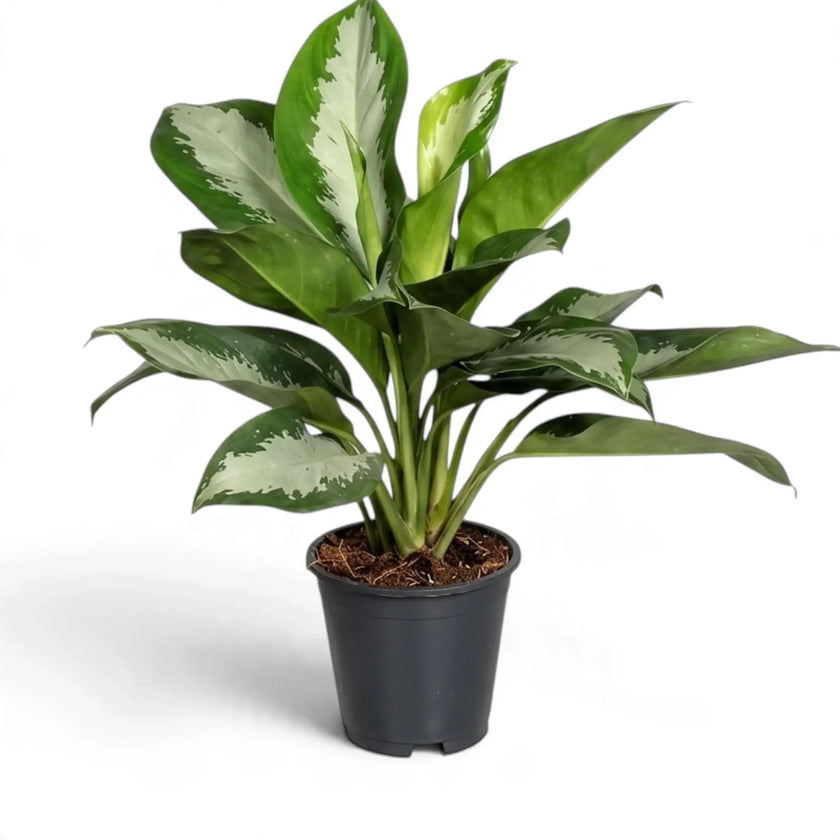
Aglaonema 'White joy'
Sale price€18,00
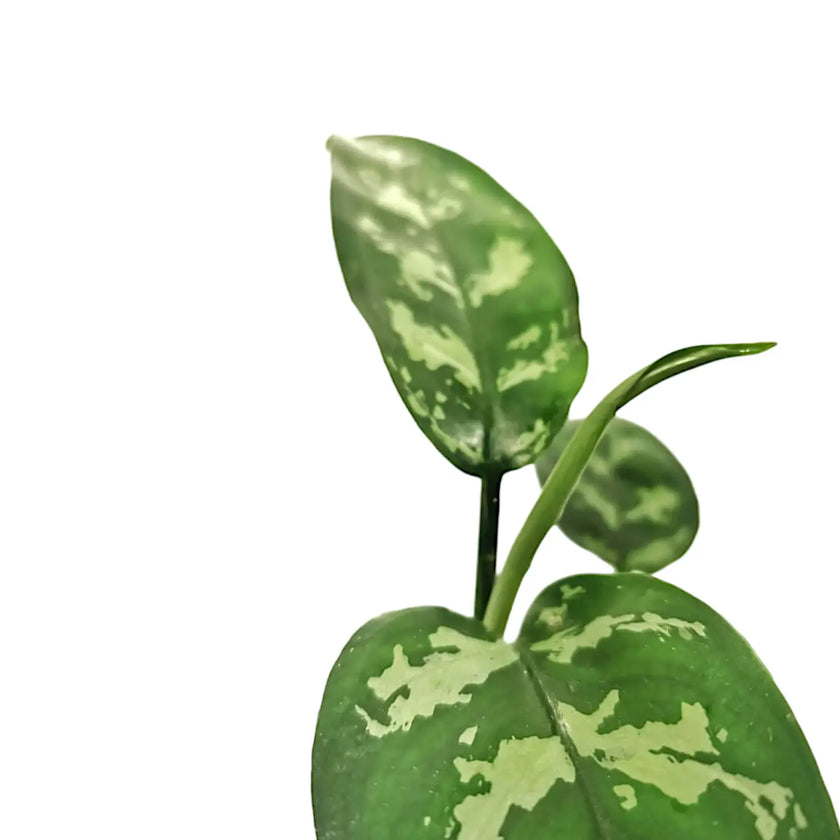
Aglaonema commutatumSold out
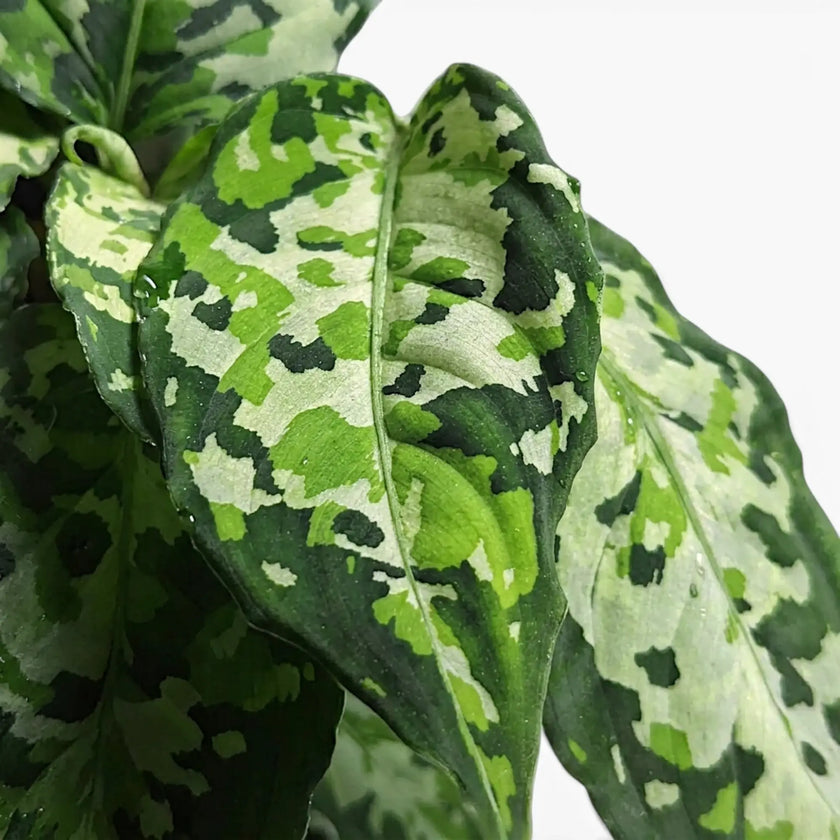
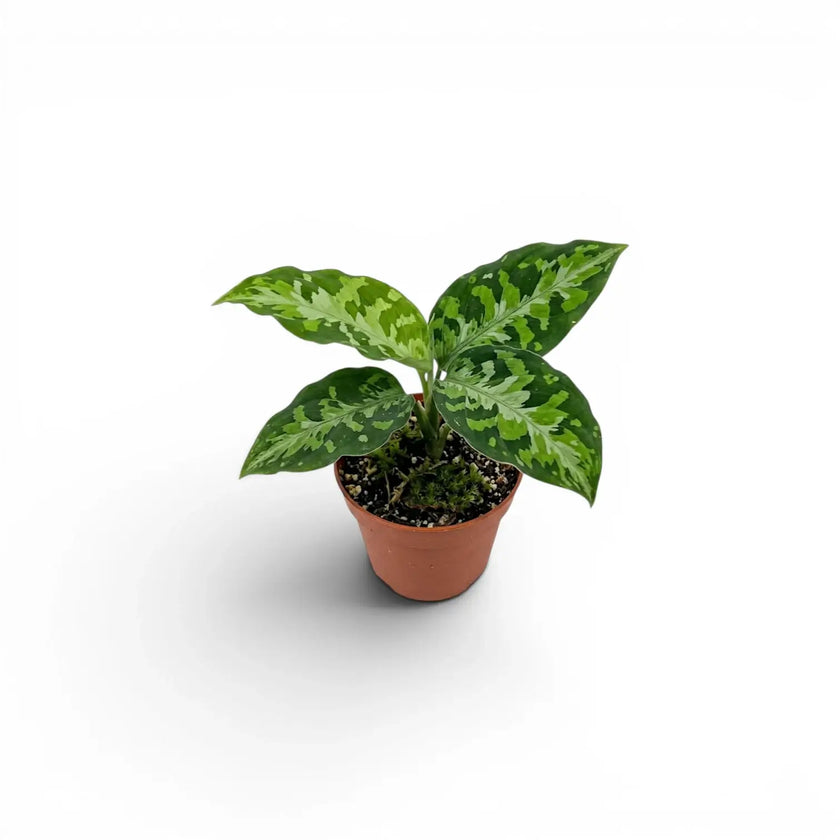
Aglaonema pictum tricolor
Sale priceFrom €9,75
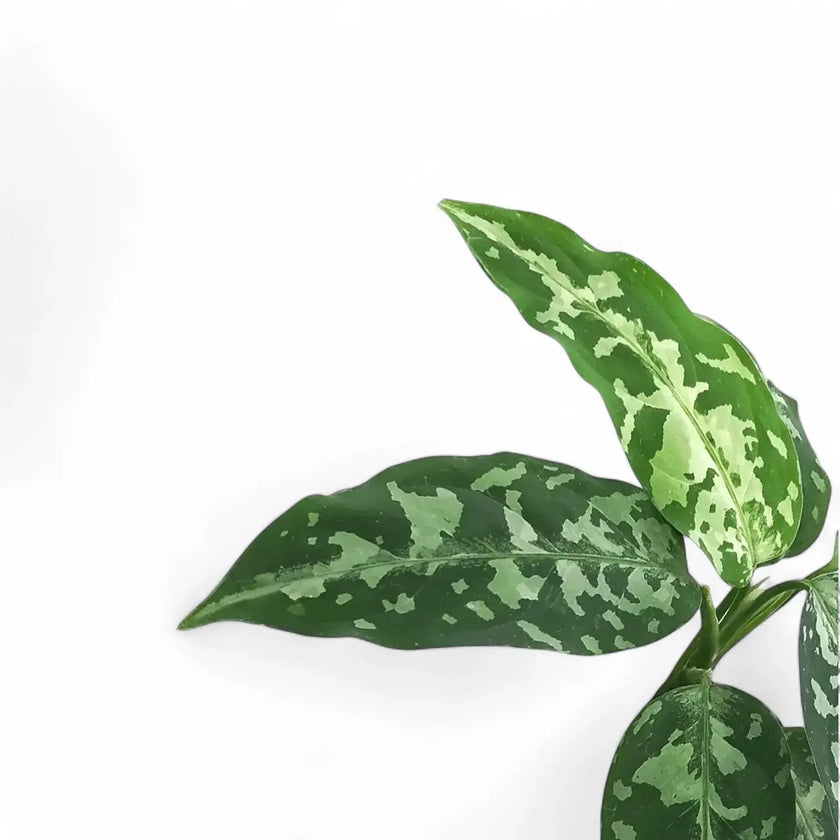
Aglaonema pictum ‘Bicolor’Sold out

Aglaonema ‘B.J. Freeman’Sold out

Aglaonema ‘Bit Kisses’Sold out
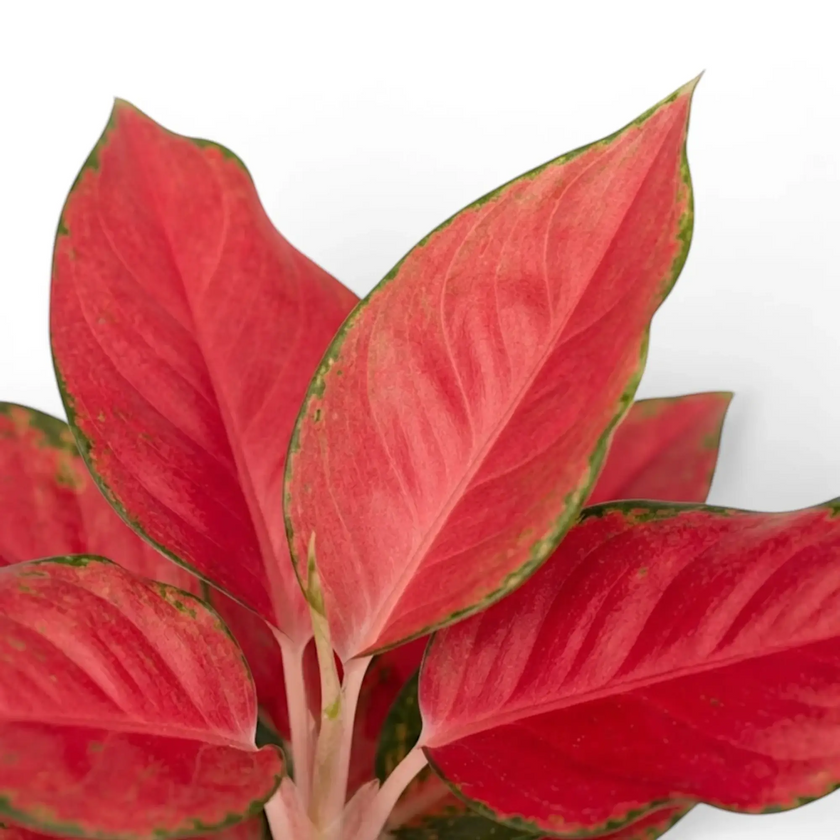
Aglaonema ‘Chili Red’Sold out
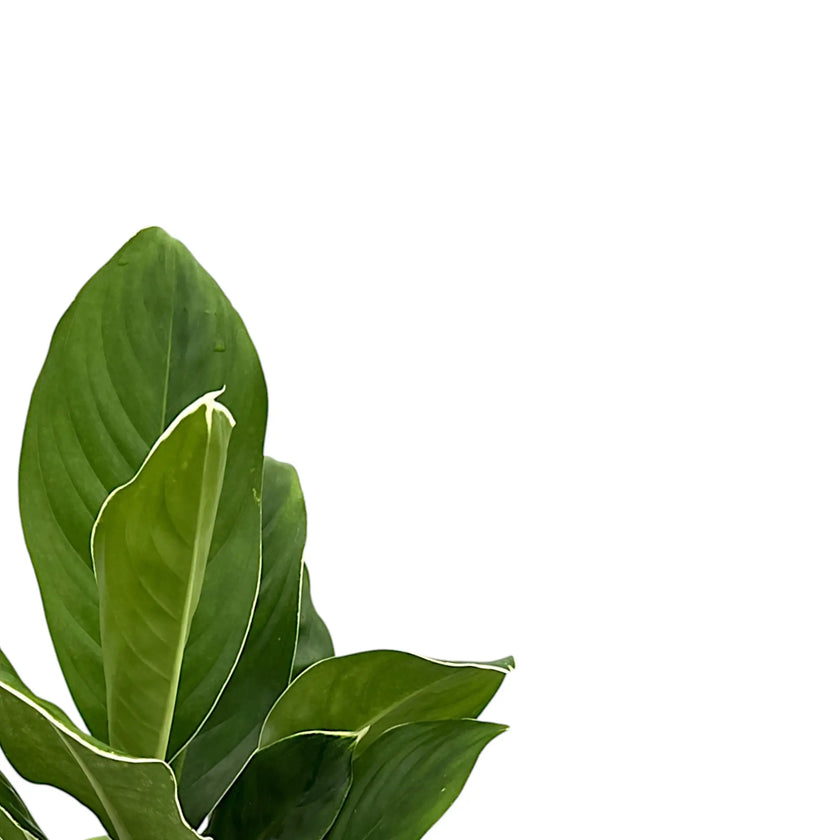
Aglaonema ‘Cintho King’Sold out

Aglaonema ‘Cleopatra’Sold out
Frequently Asked Questions About Self Heading Plants

Sign up for Foliage Factory newsletter for early access to new arrivals and practical care tips that work in real homes.