













Filters
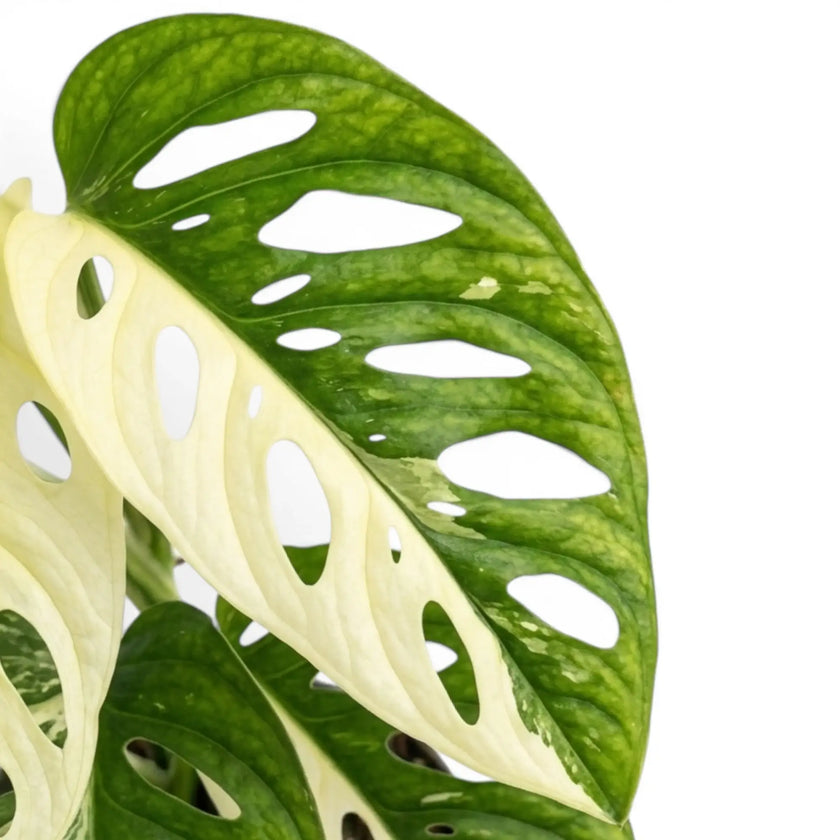
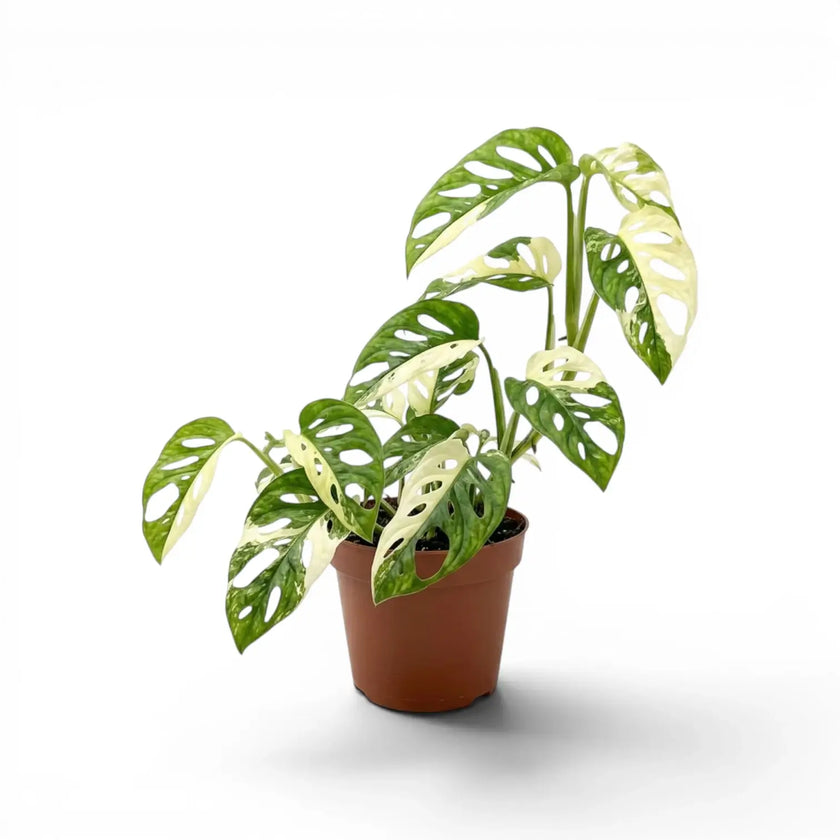
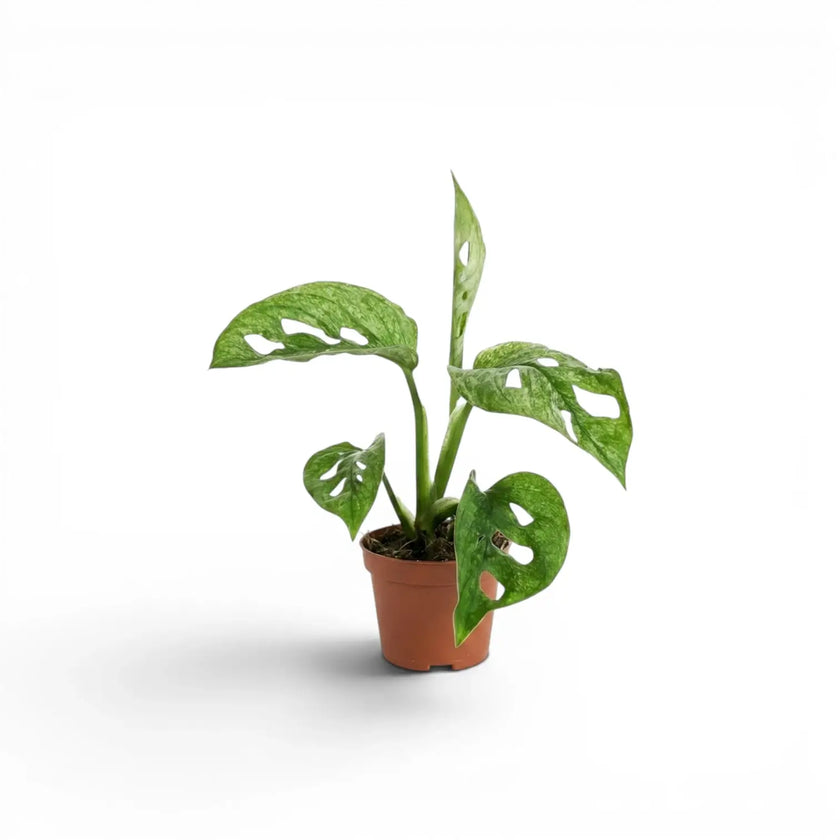
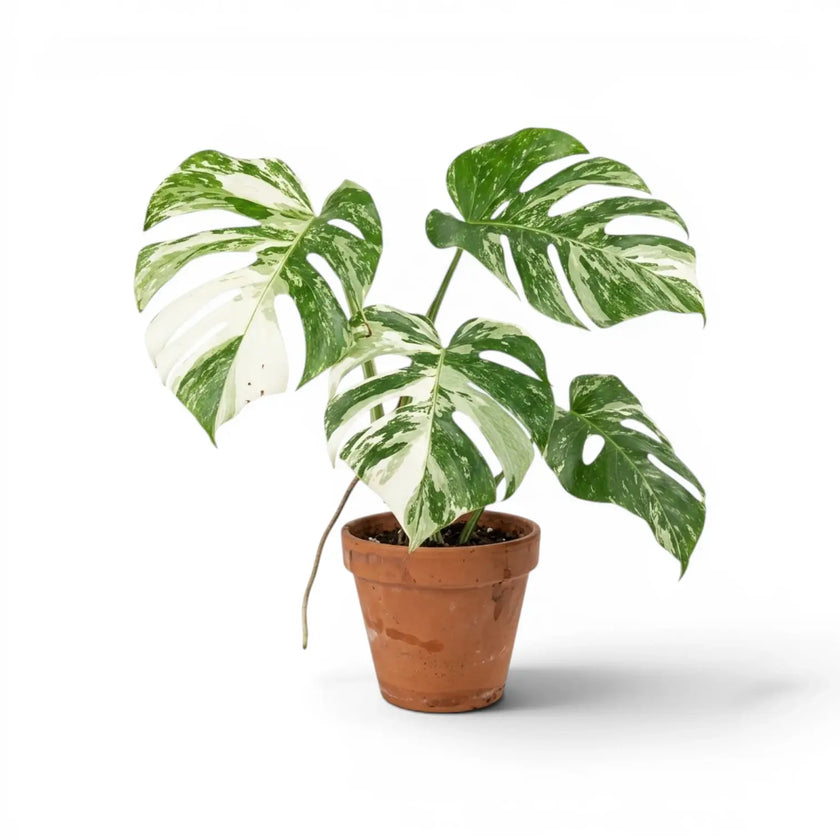
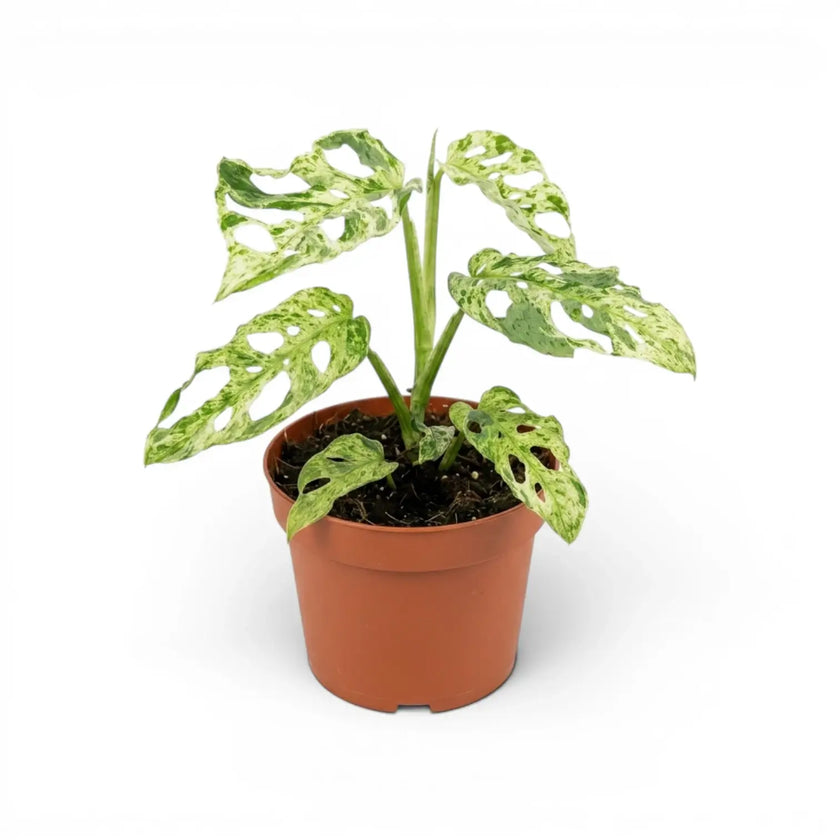
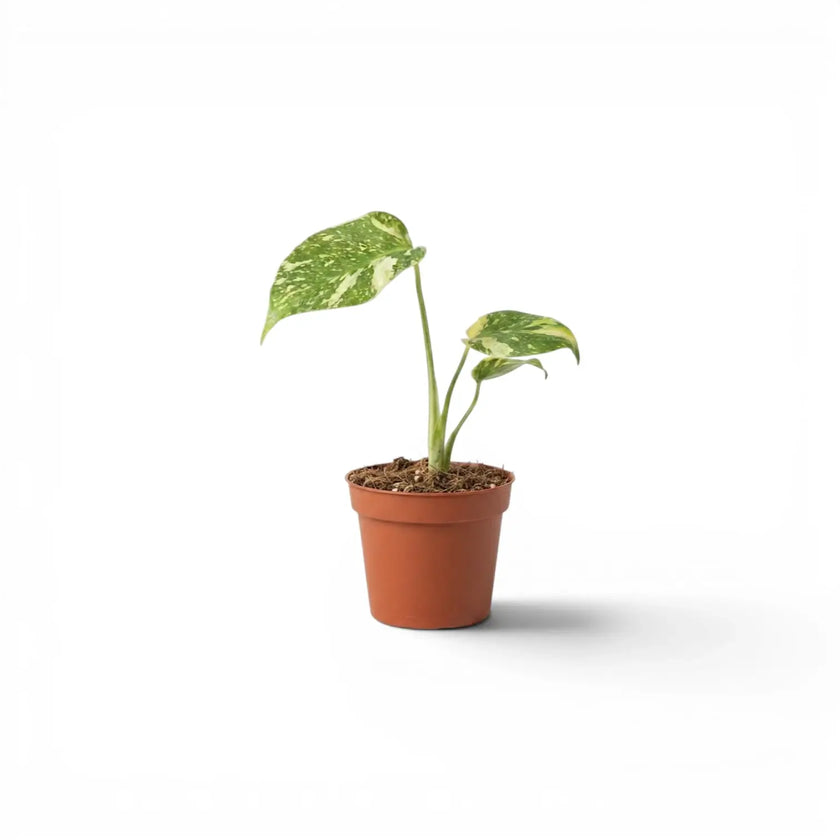
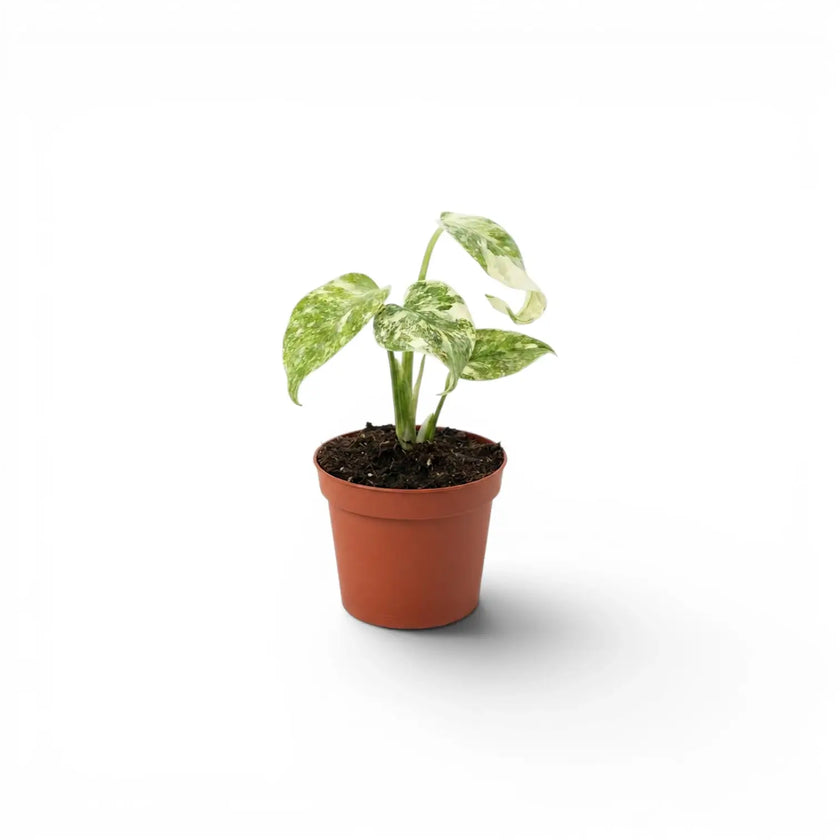
Monstera adansonii variegata
Regular priceFrom €19,25
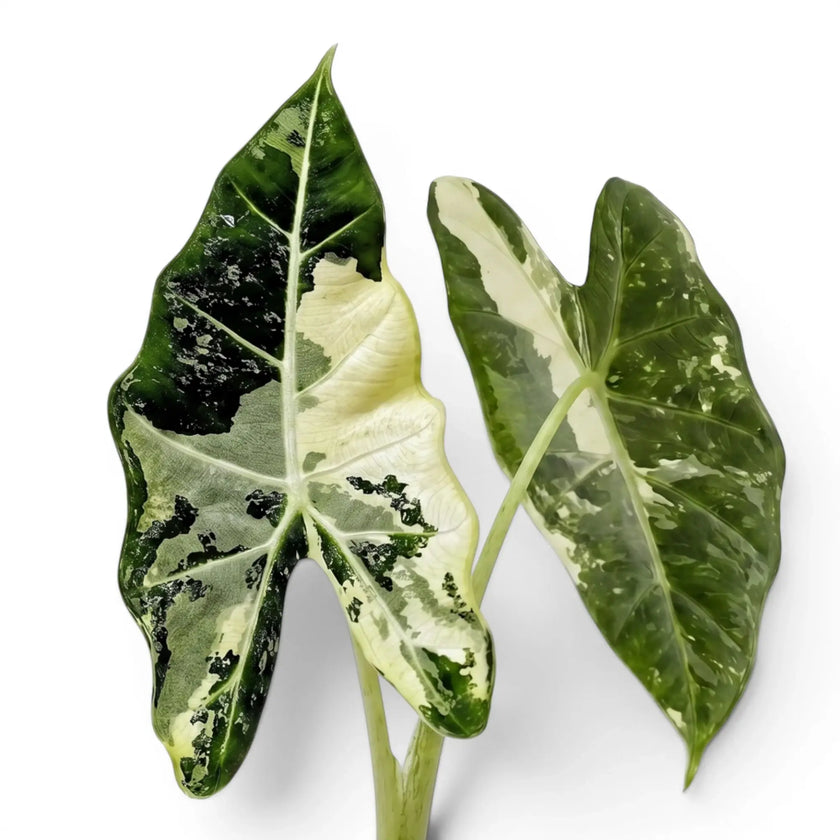
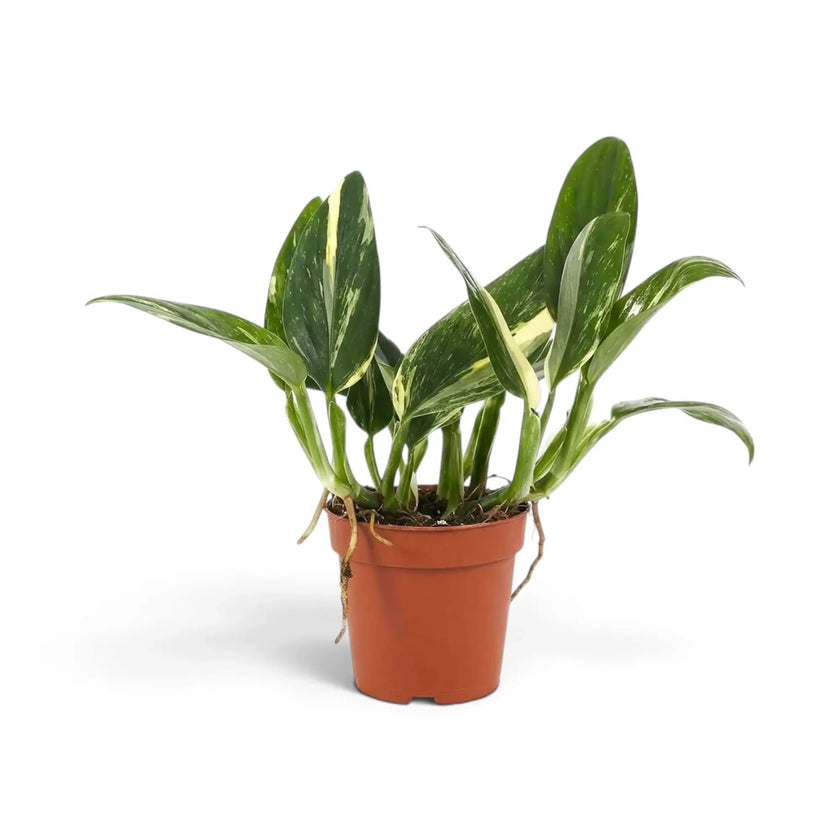
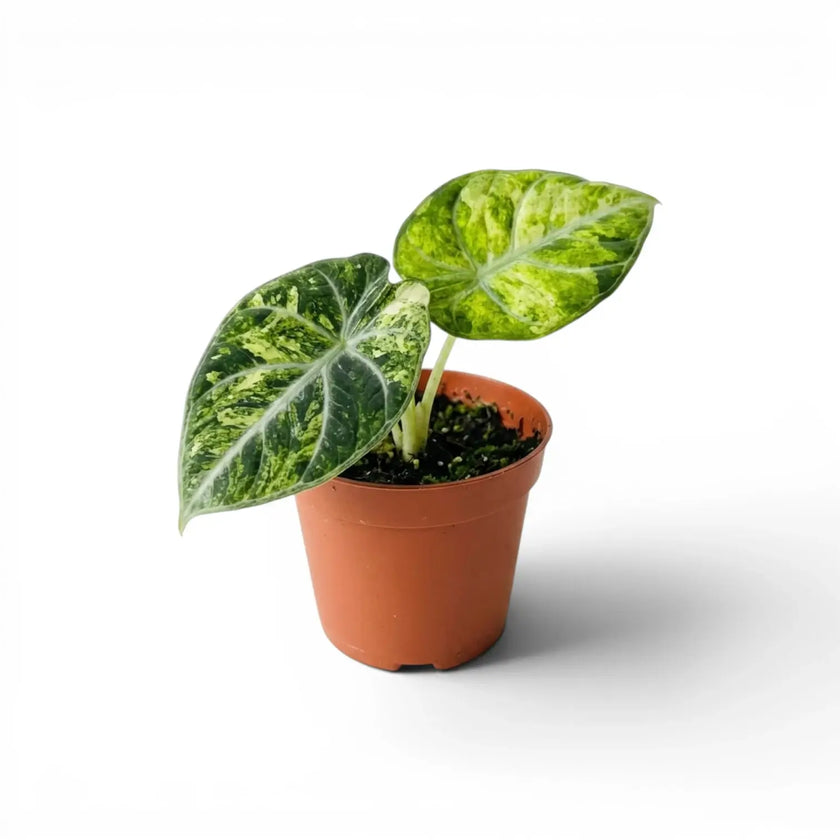
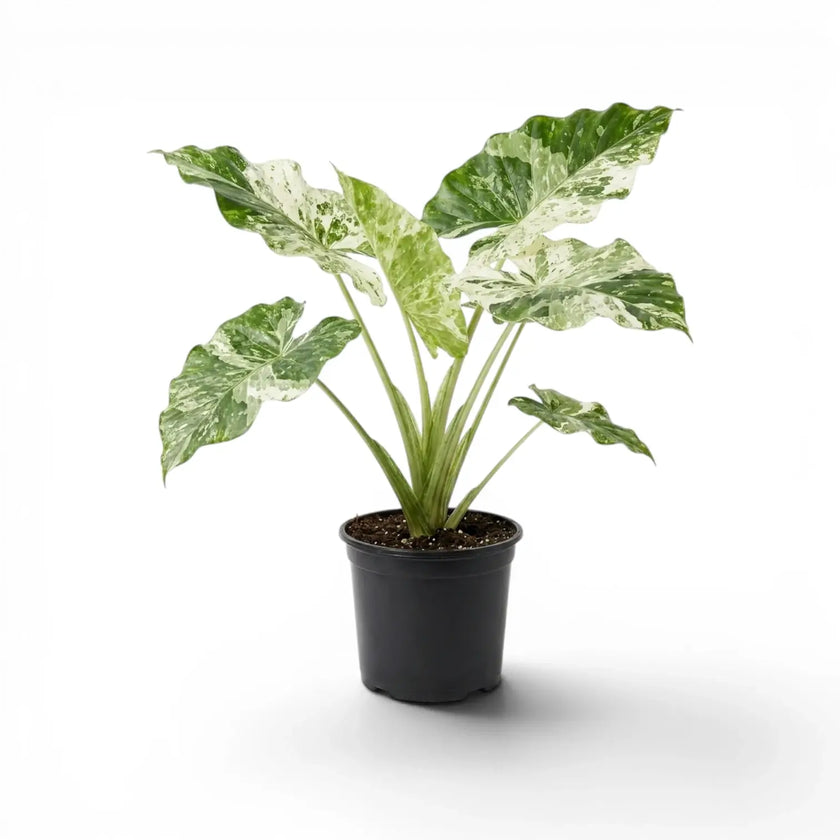
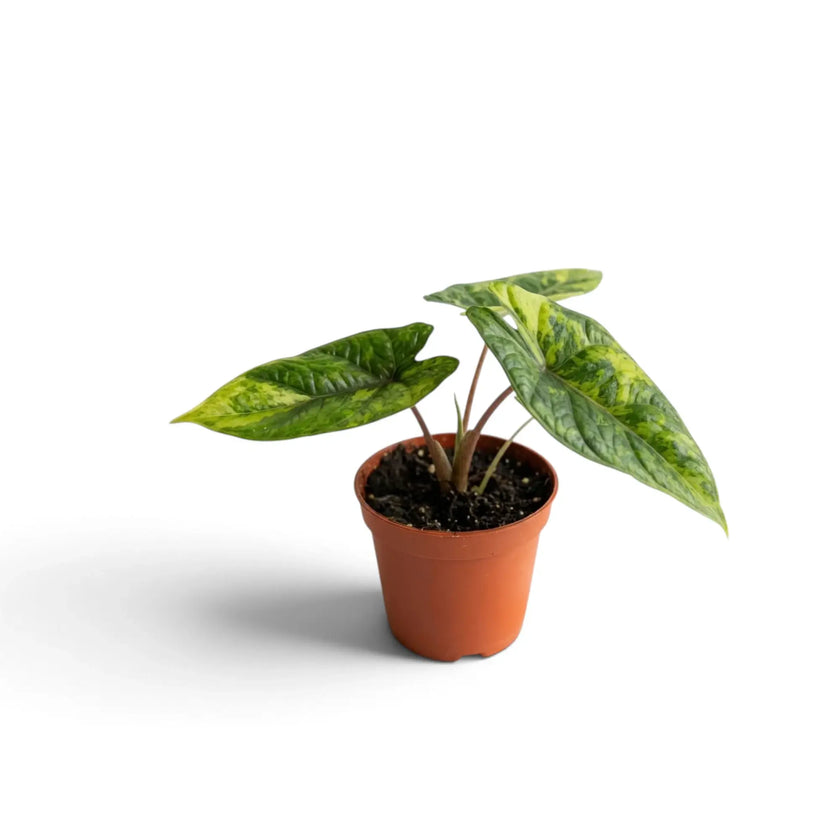
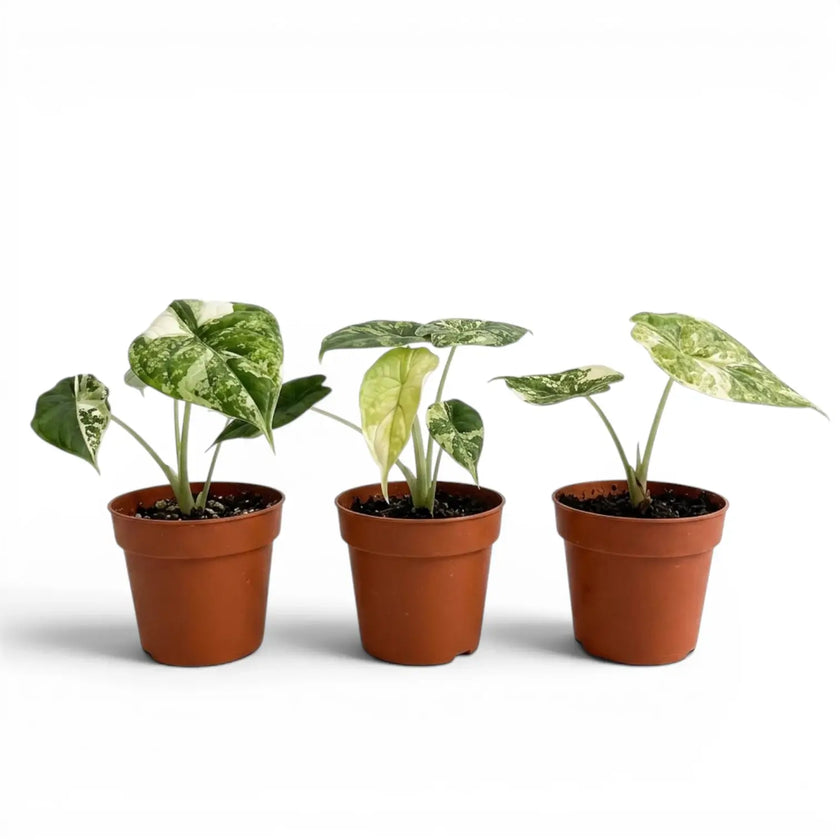
Alocasia ‘Frydek’ variegata
Regular priceFrom €19,75
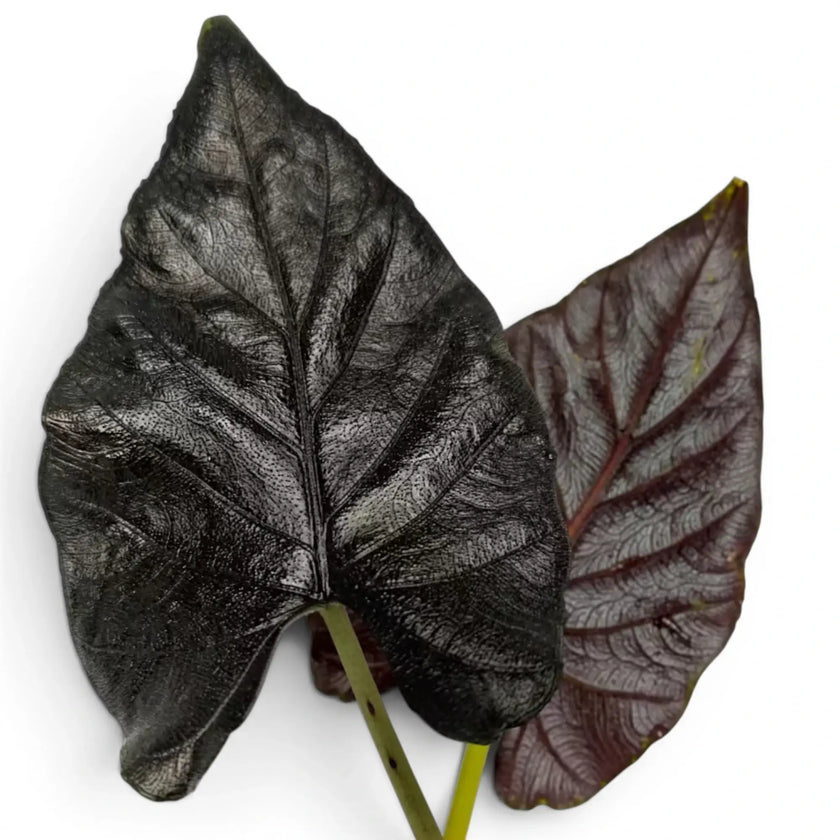
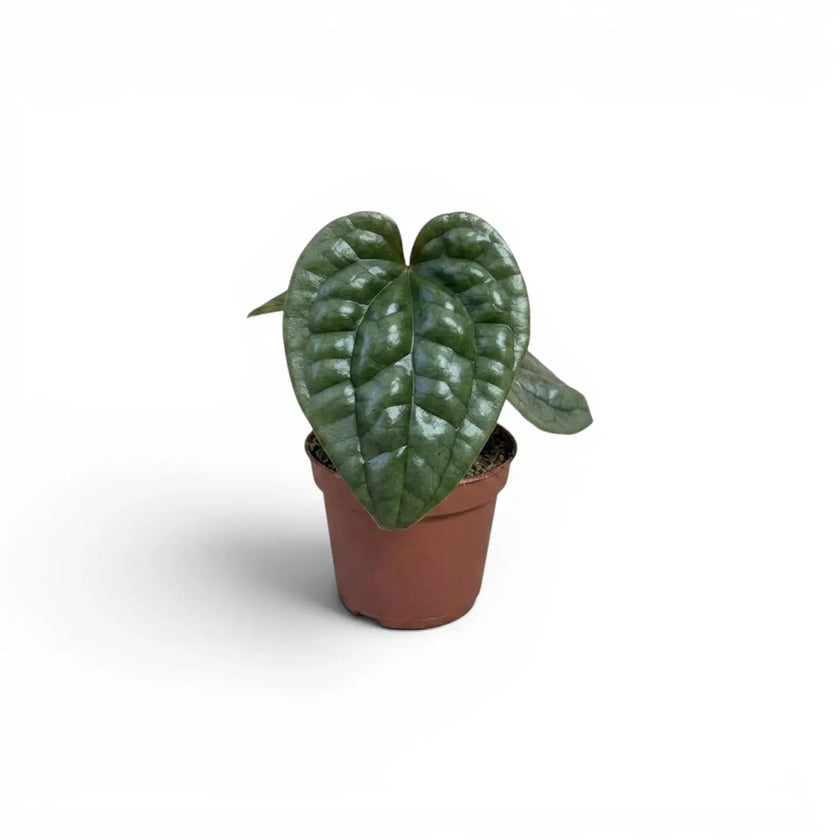
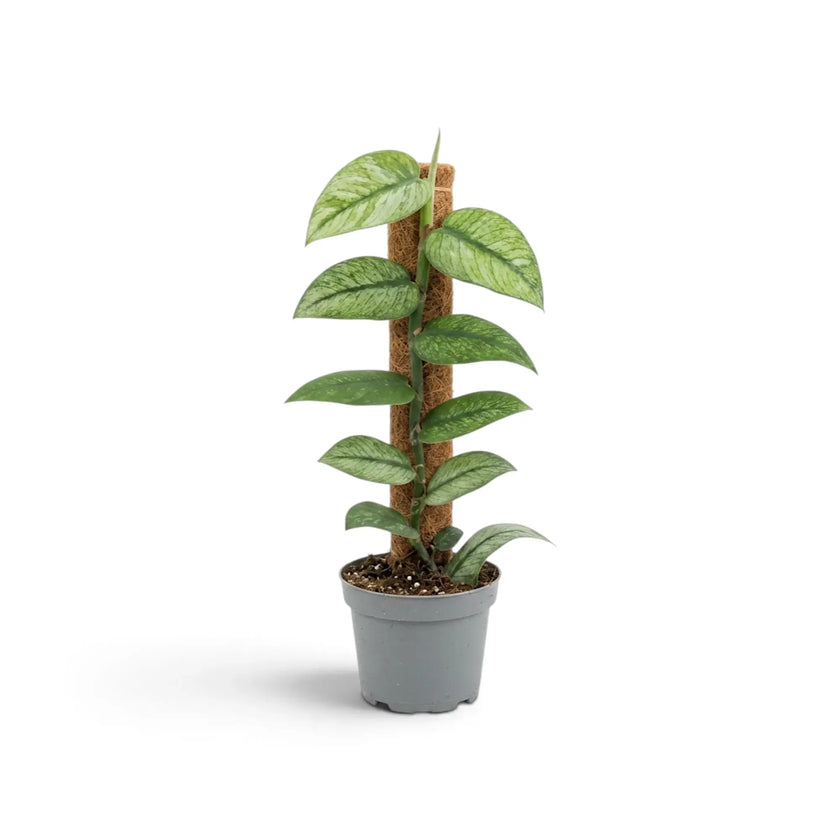
Alocasia ‘Antoro Velvet’
Regular priceFrom €9,75

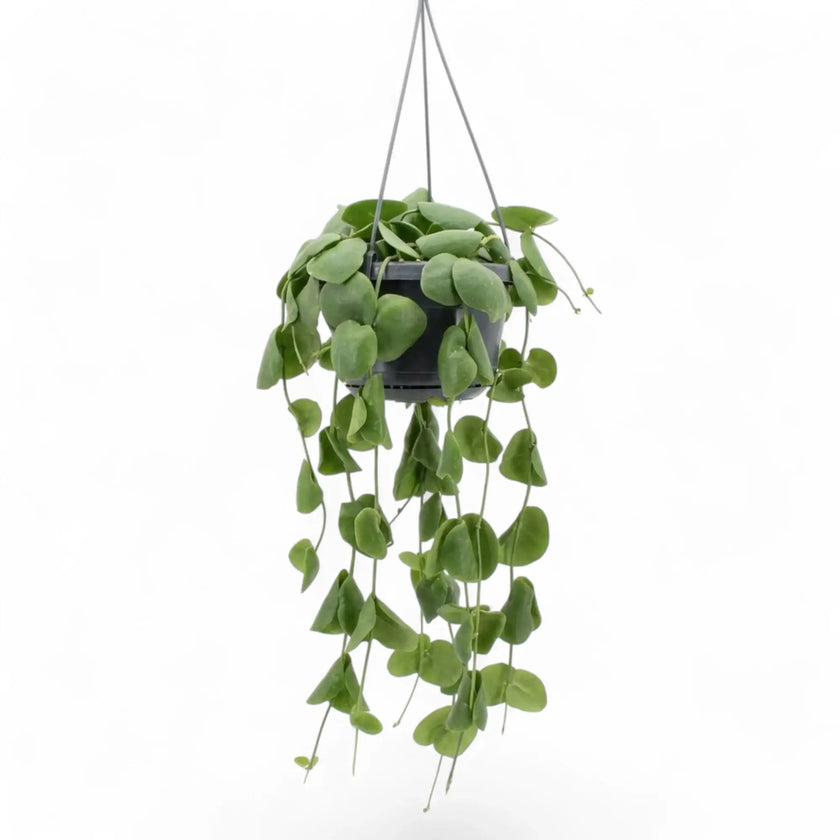
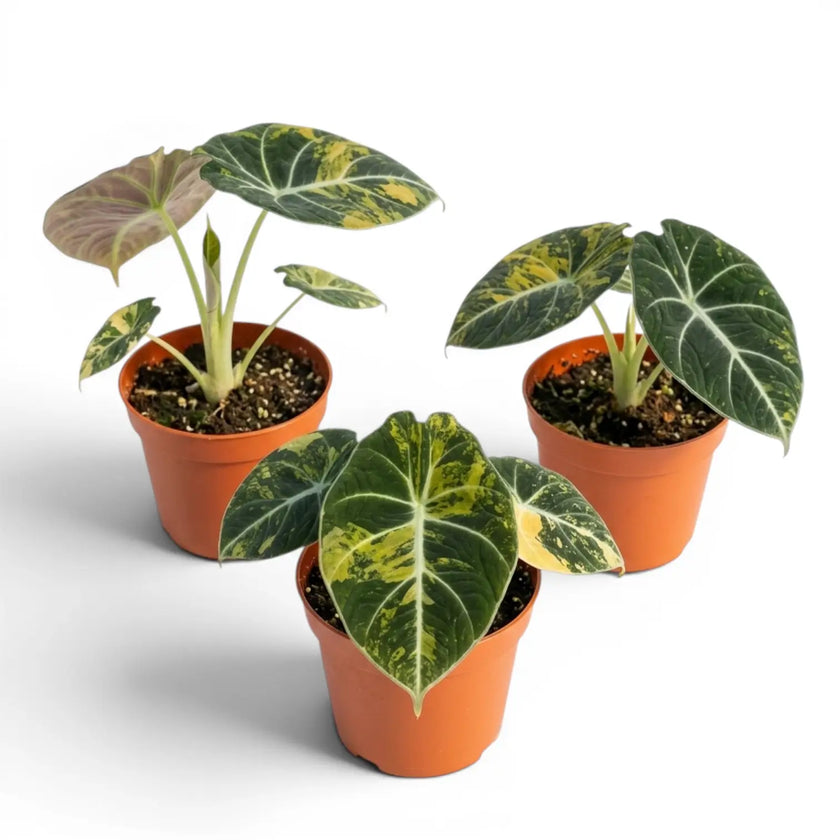
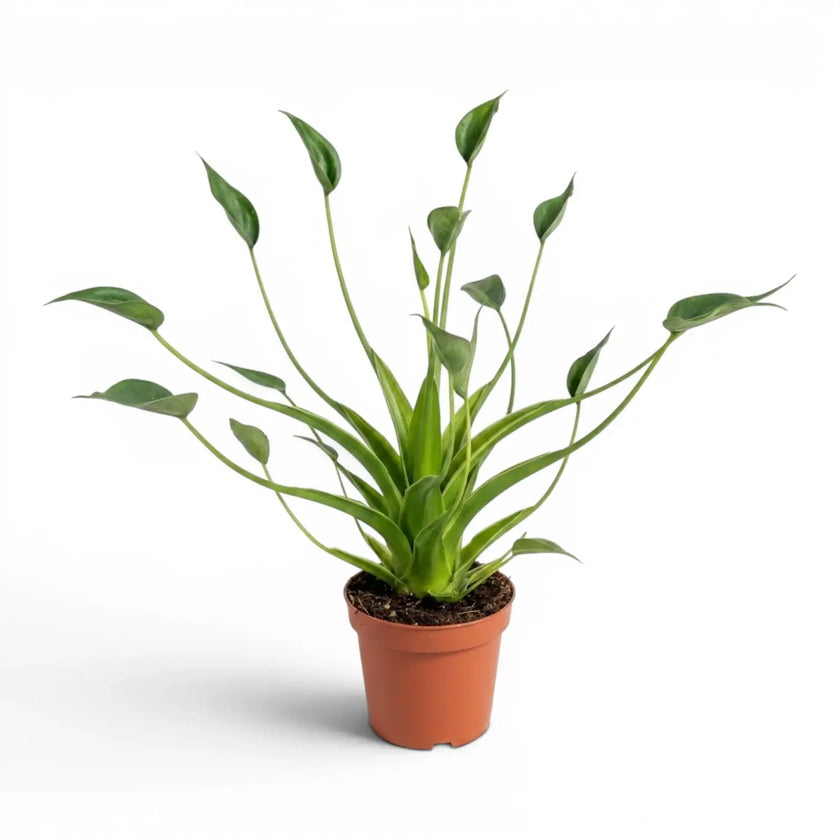
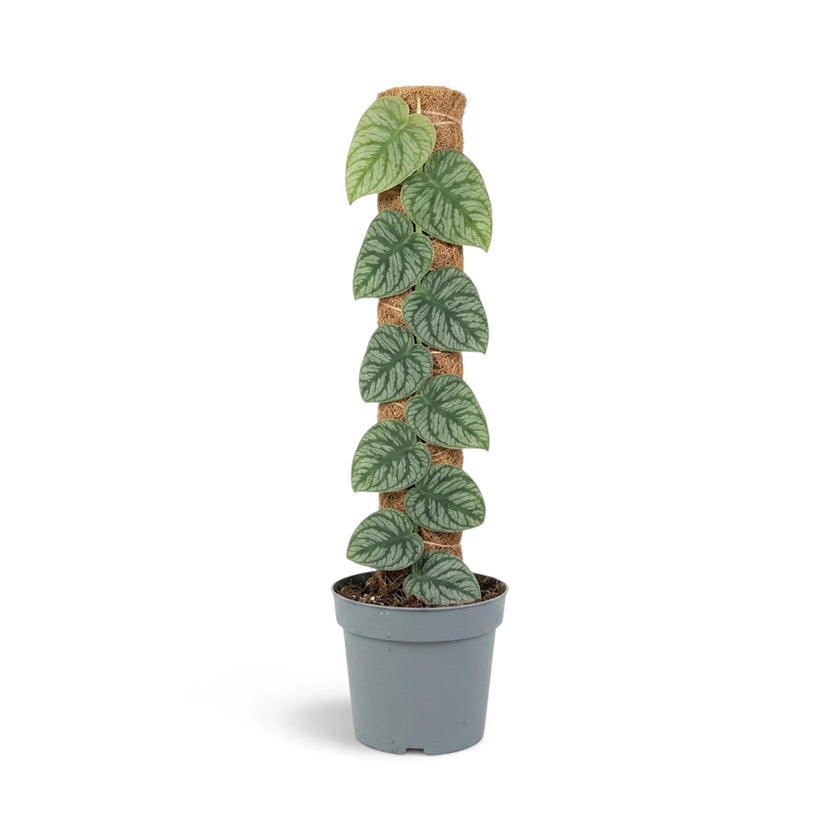
Dischidia platyphylla
Regular price€33,75
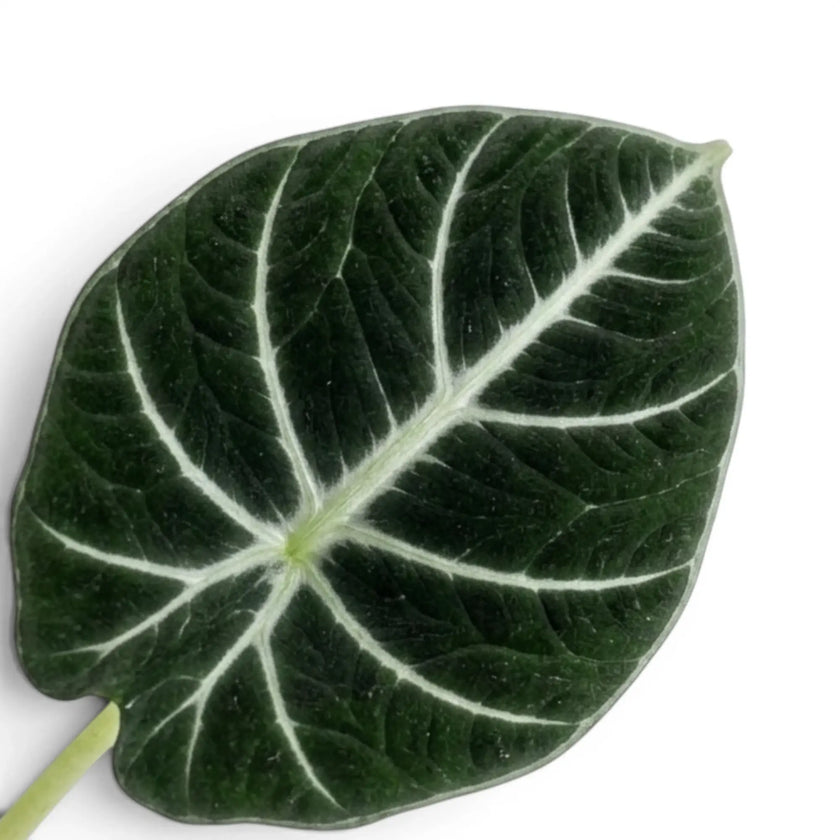
Alocasia reginula ‘Ninja’
Regular price€9,75
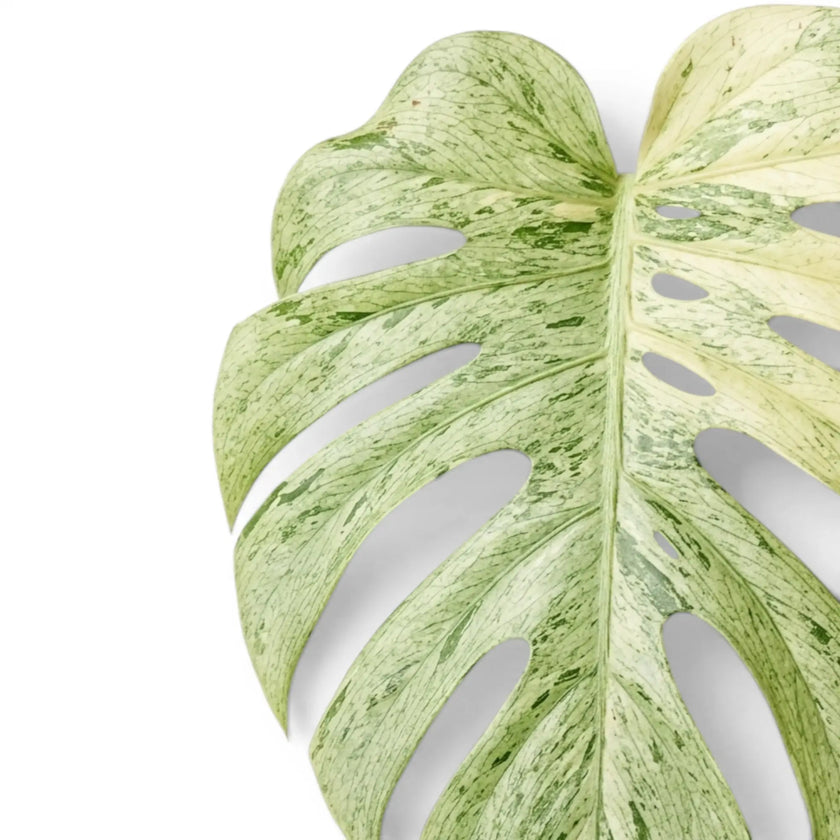
Monstera deliciosa variegata 'Mint'
Sale price€23,50
Regular price€39,00
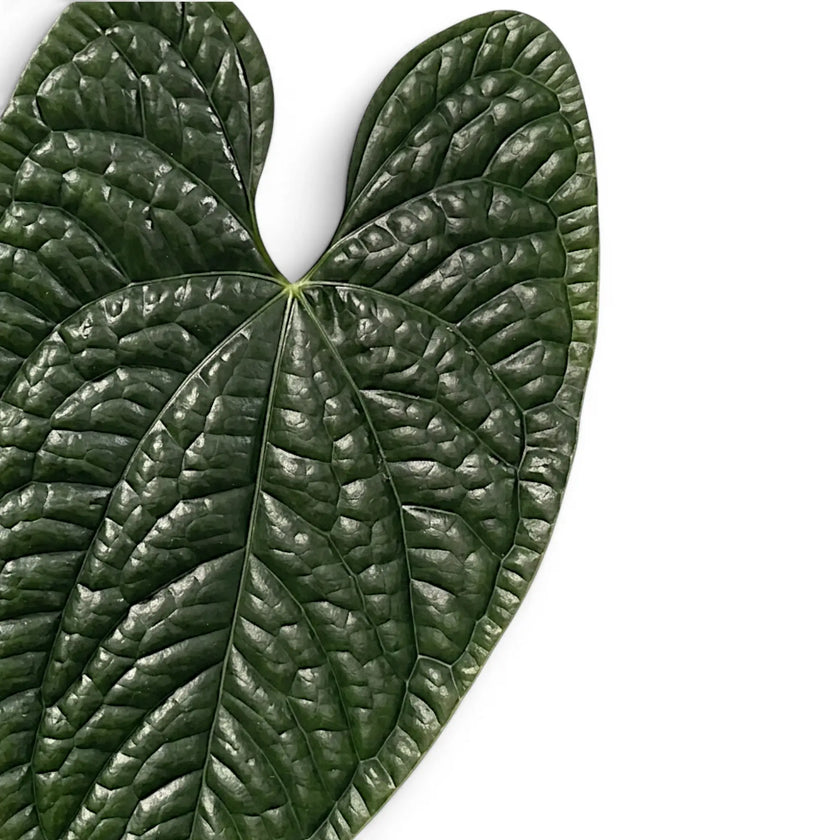
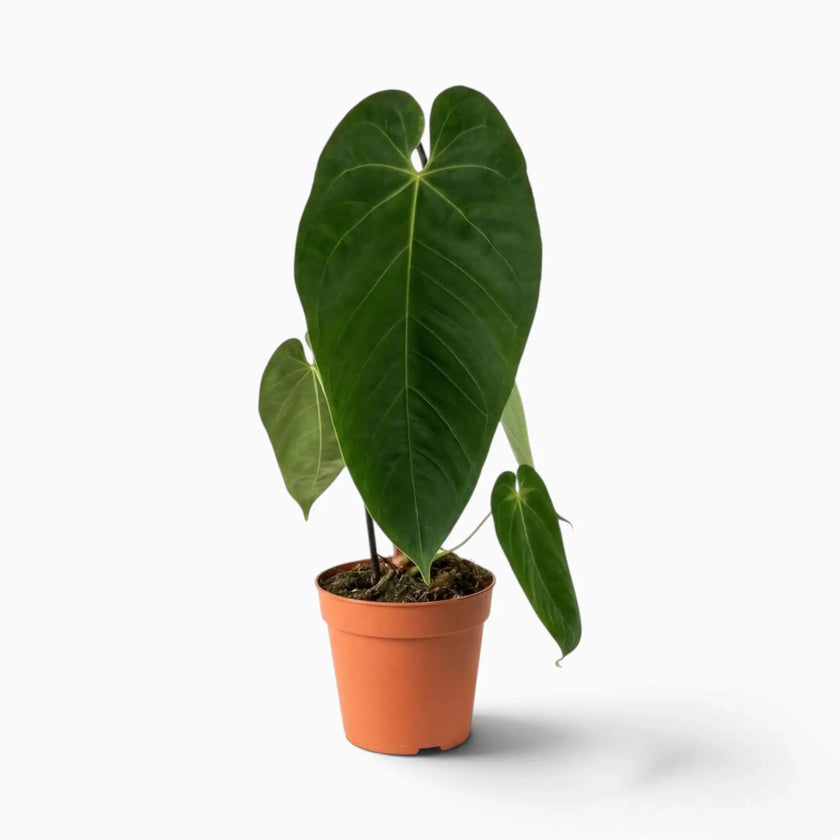
Anthurium luxurians
Regular priceFrom €12,00
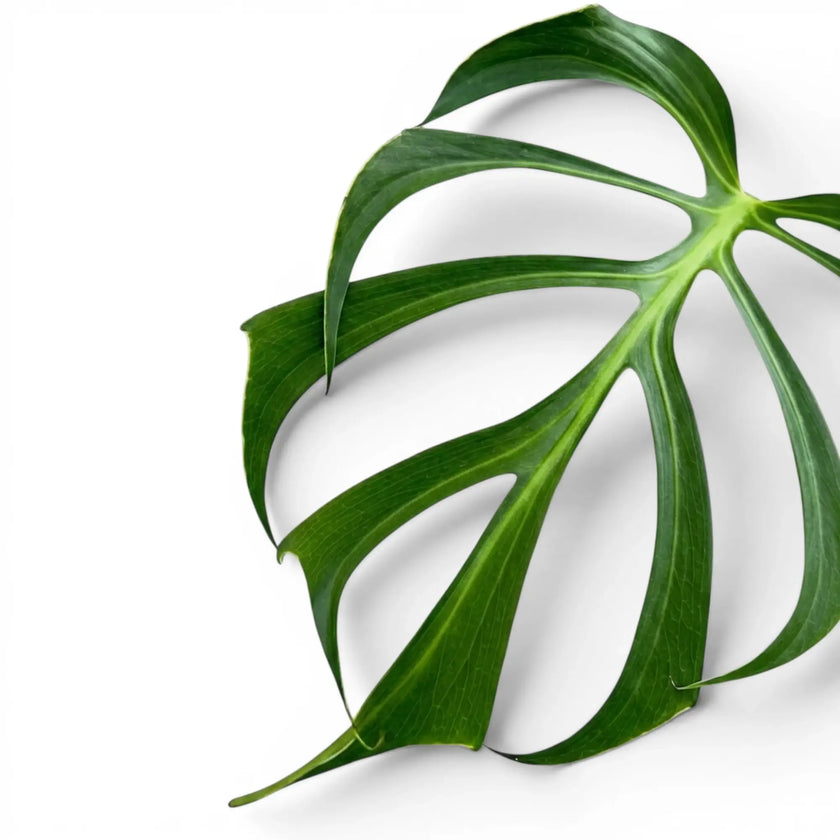
Monstera 'Burle Marx's Flame'
Regular priceFrom €13,25
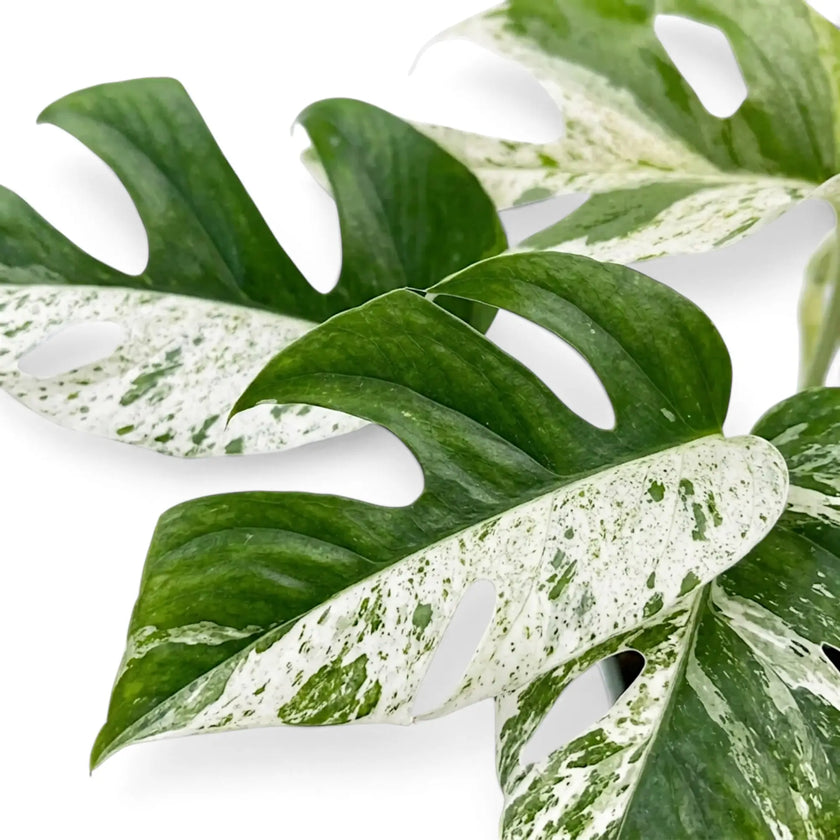
Epipremnum pinnatum 'Marble'
Regular priceFrom €15,75
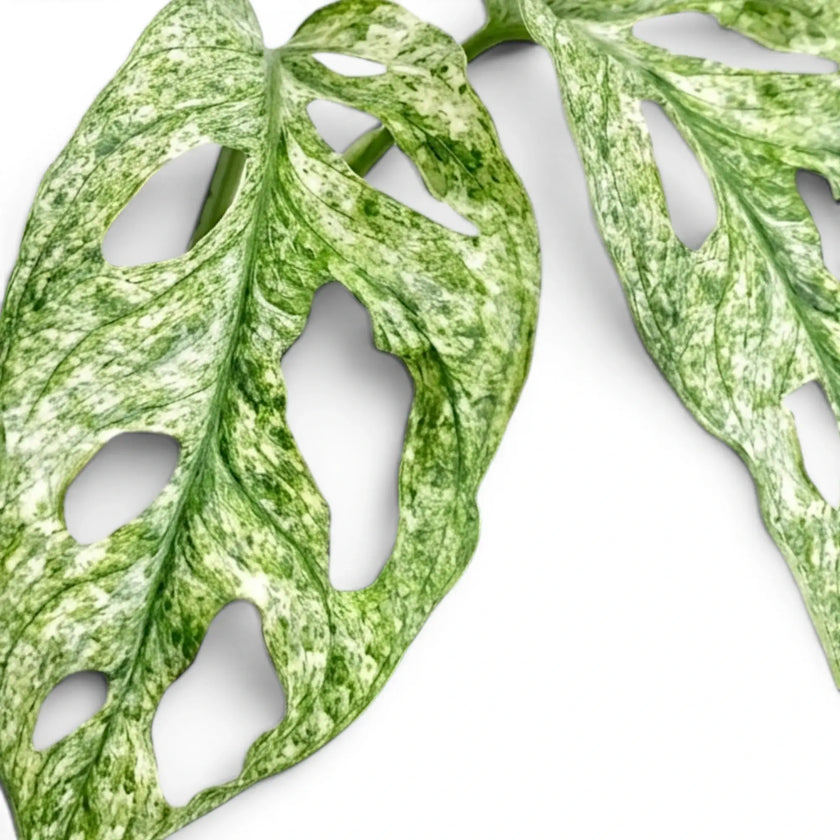
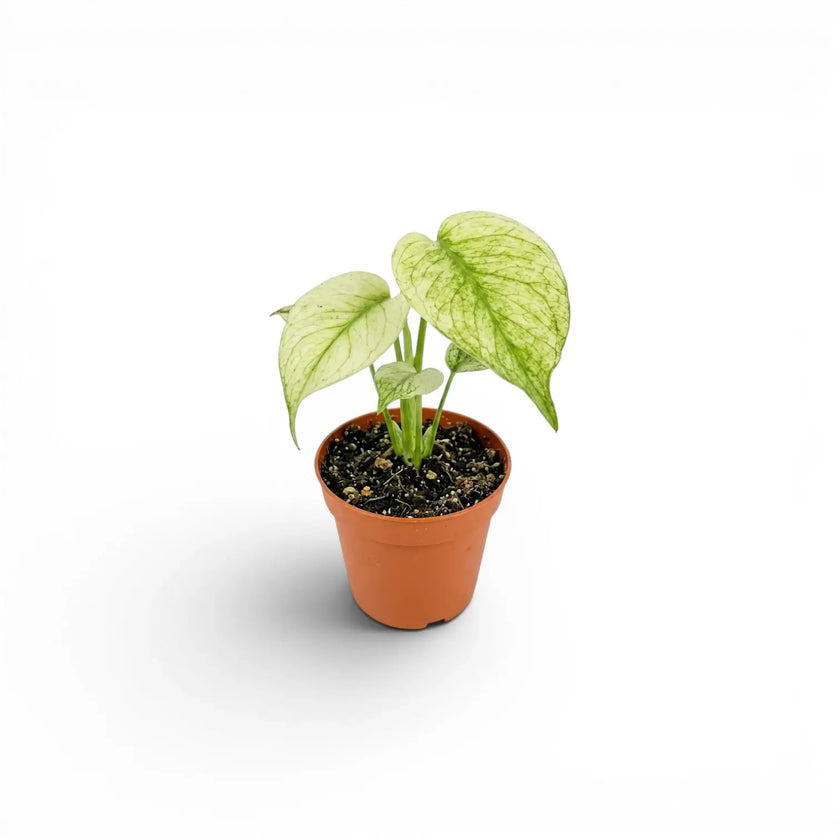
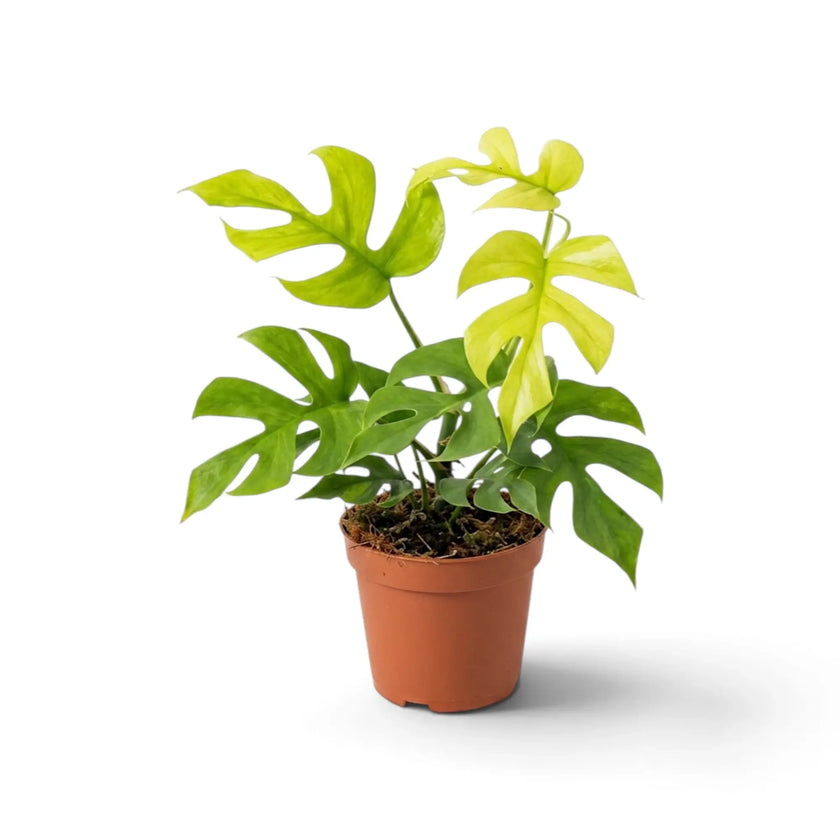
Monstera adansonii 'Mint'
Regular price€9,75
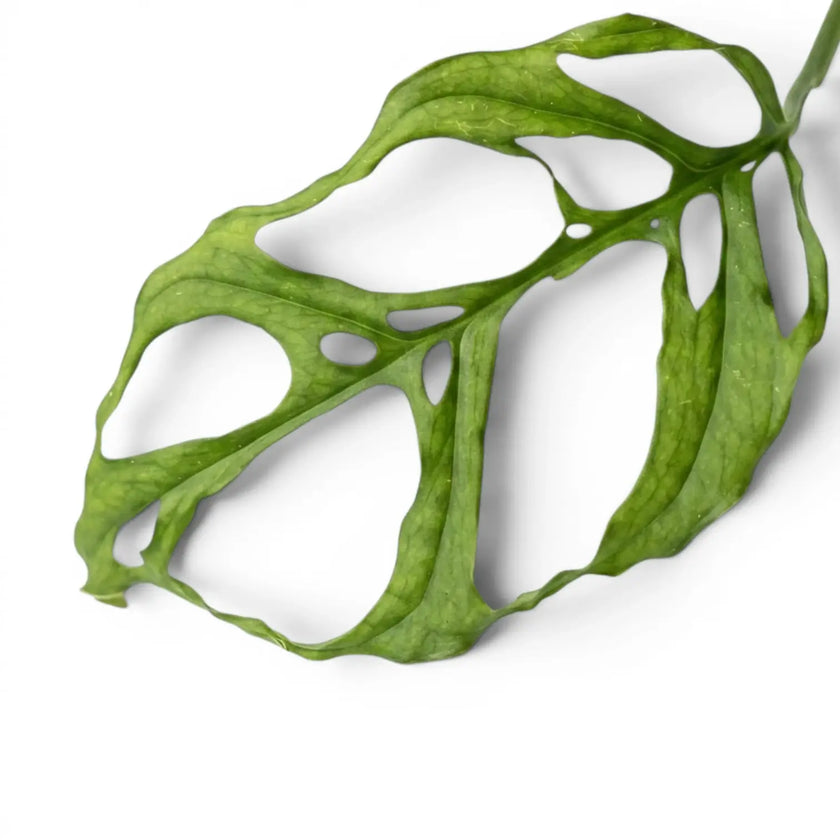
Monstera obliqua (Peru)
Regular priceFrom €10,75
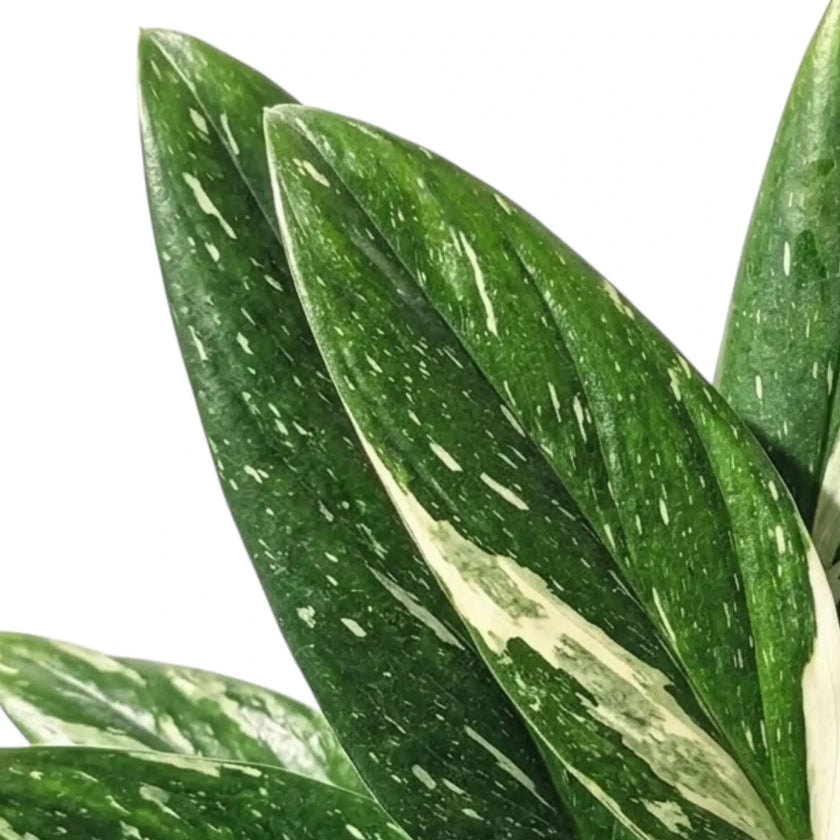
Monstera standleyana variegata
Regular price€36,00

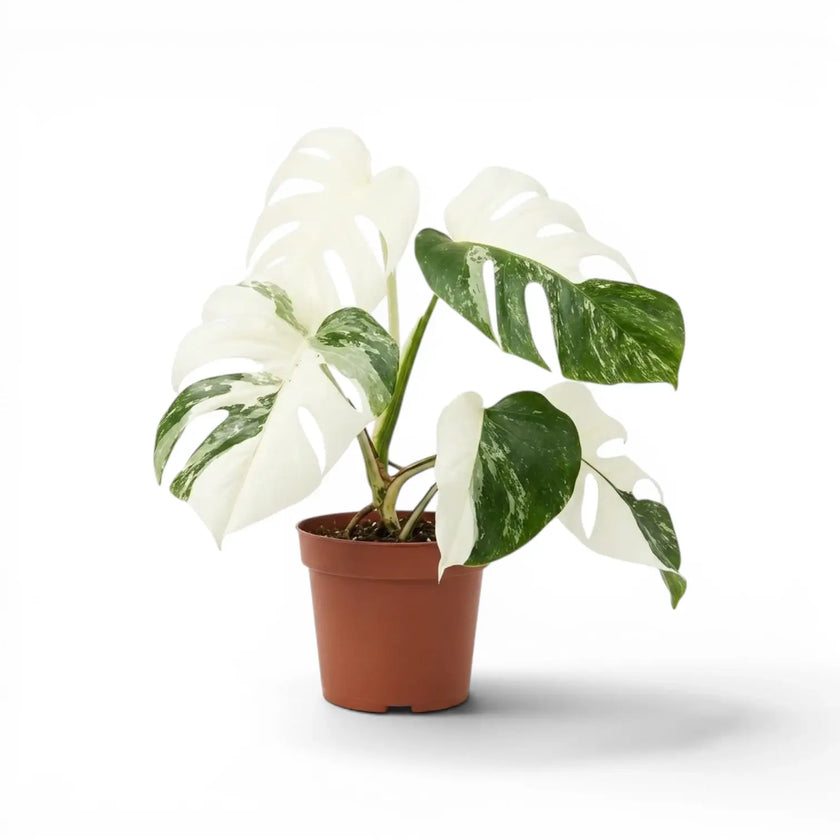
Monstera deliciosa Albo Variegata
Sale price€39,00
Regular price€99,00

Philodendron campii 'Lynette'
Regular priceFrom €14,50
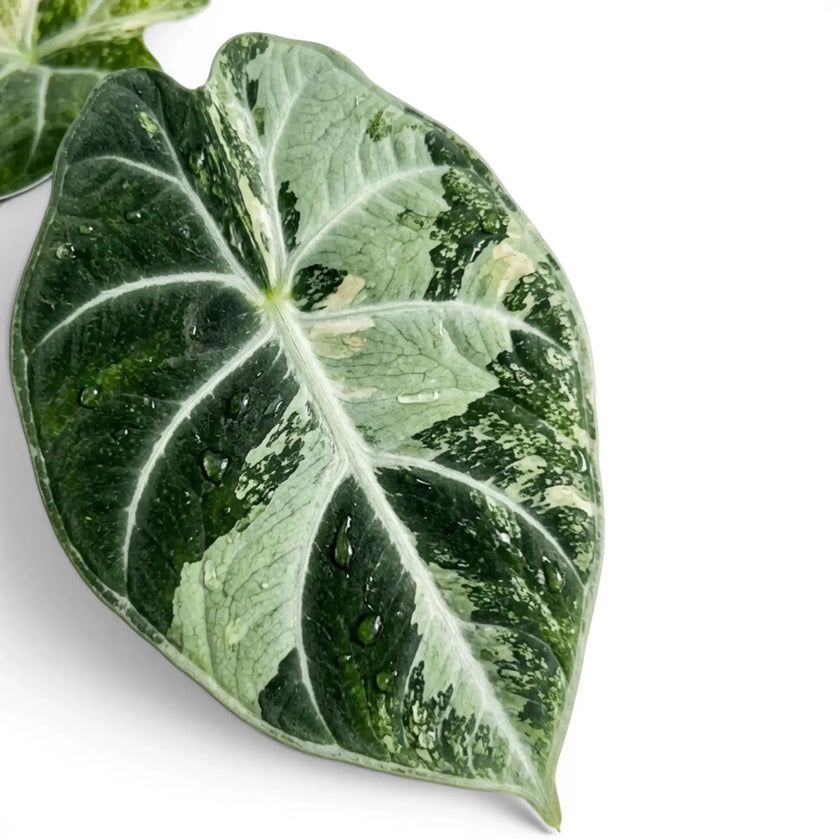
Alocasia reginula ‘Ninja Tricolor’
Regular priceFrom €45,75
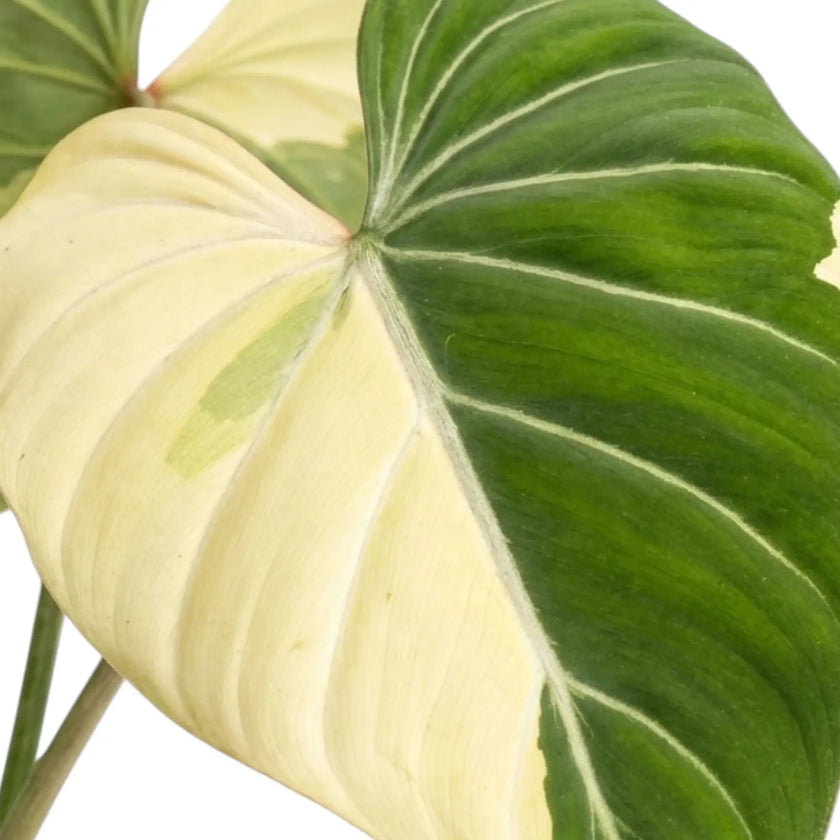
Philodendron gloriosum variegata
Regular price€86,50
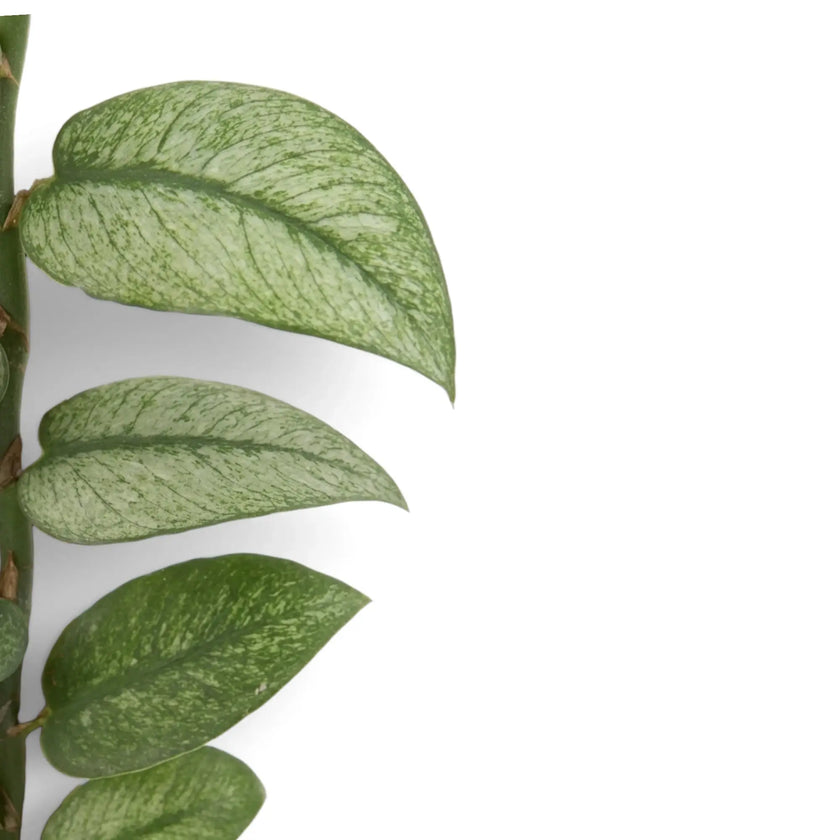
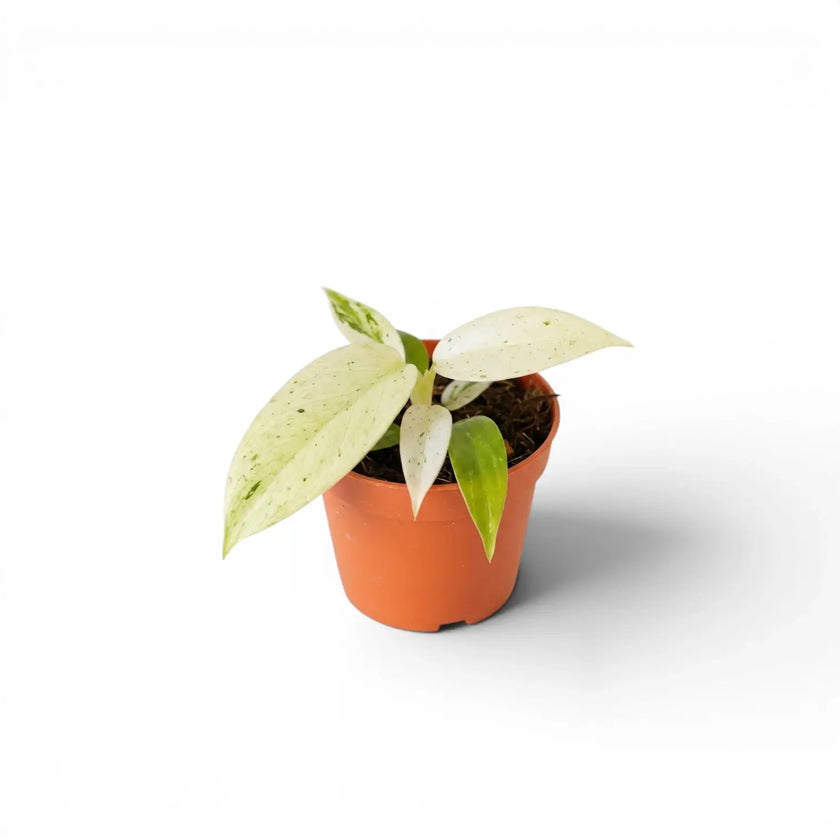
Rhaphidophora hongkongensis 'Mint'
Regular price€33,75
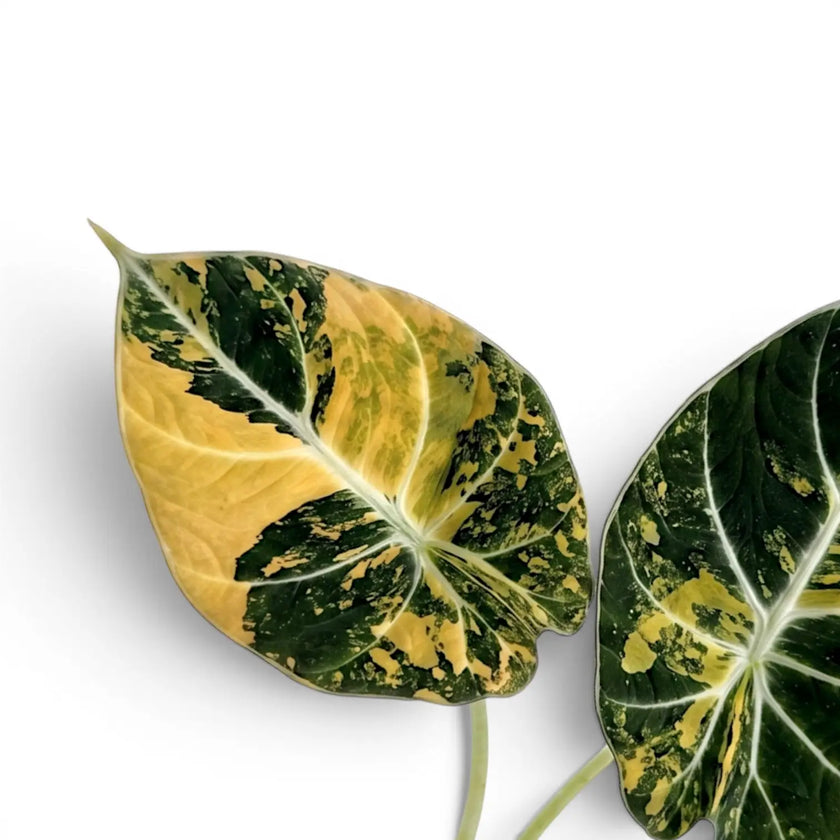
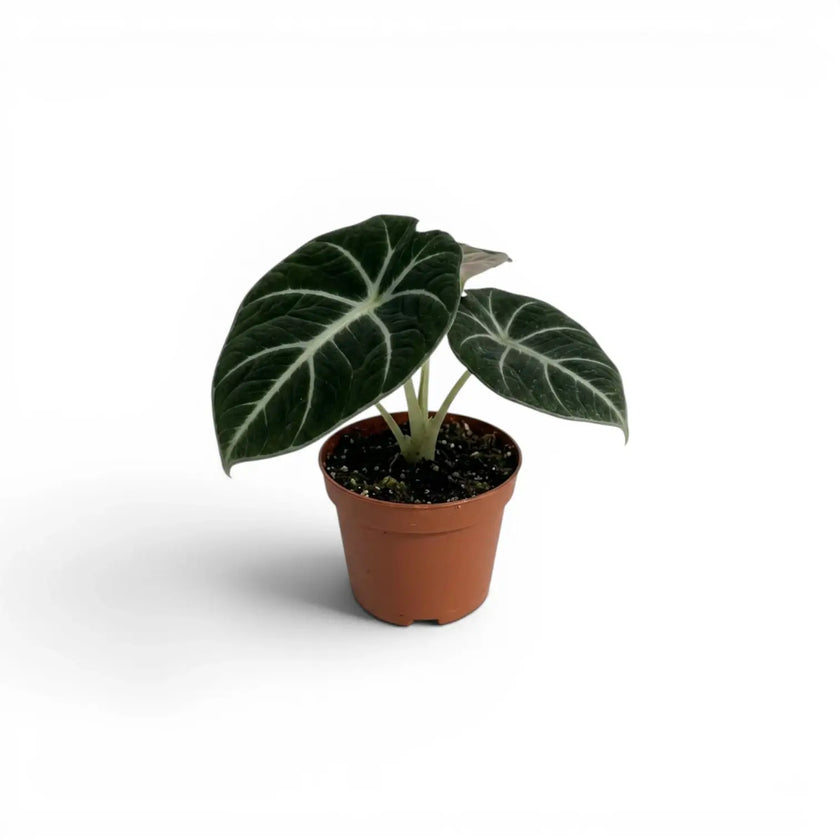
Alocasia reginula ‘Black Velvet Gold’
Regular price€86,50
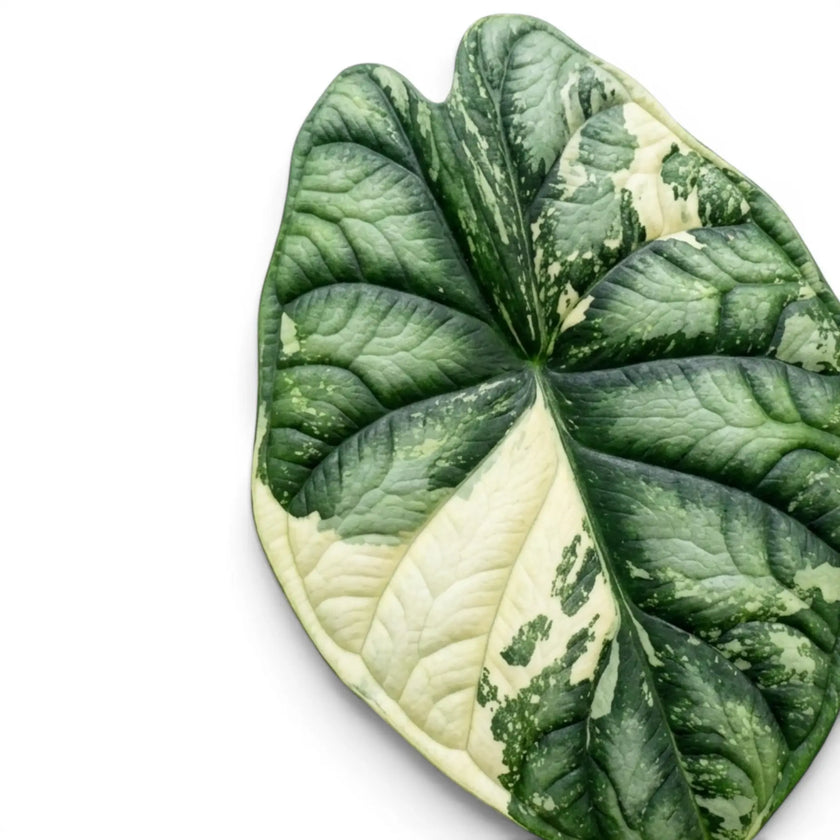
Alocasia baginda ‘Dragon Scale’ Albo-Variegata
Regular price€58,75

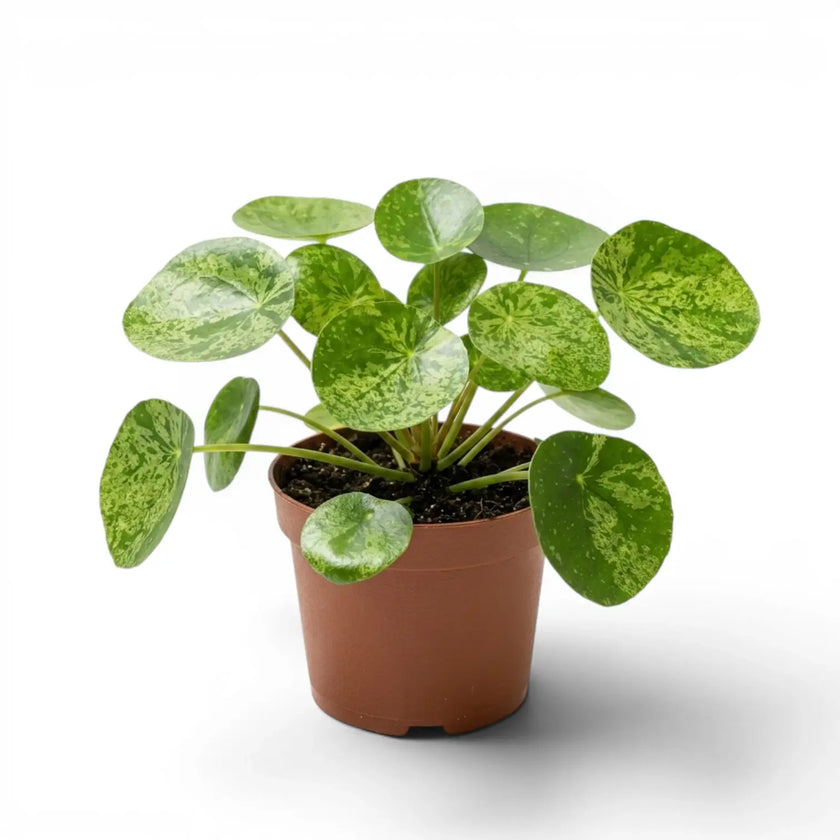
Pilea peperomioides 'Mojito'
Regular price€12,00
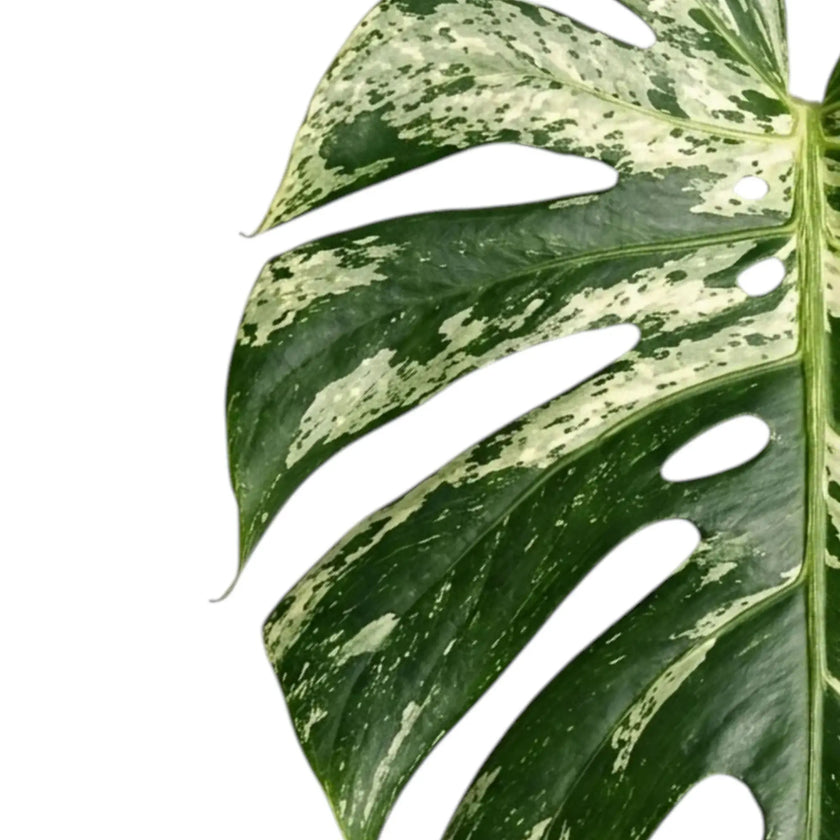
Monstera deliciosa 'Bulbasaur'
Regular priceFrom €39,95 On sale: Variant L: Pot Ø 12 cm · approx. 40 cm tall.
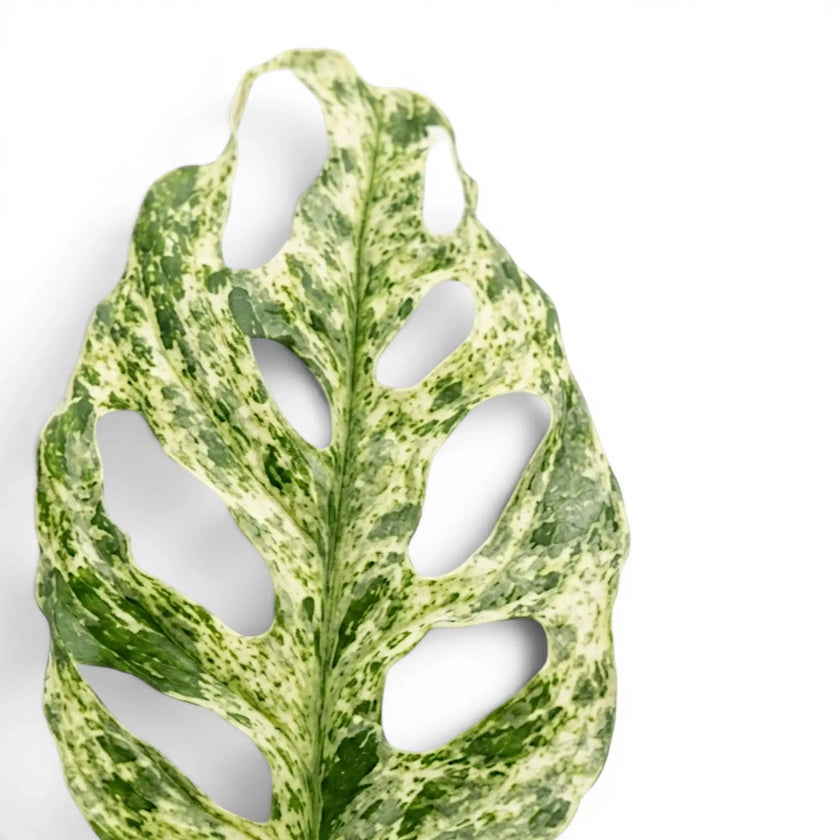
Monstera adansonii 'Frozen Freckles'
Regular priceFrom €9,75
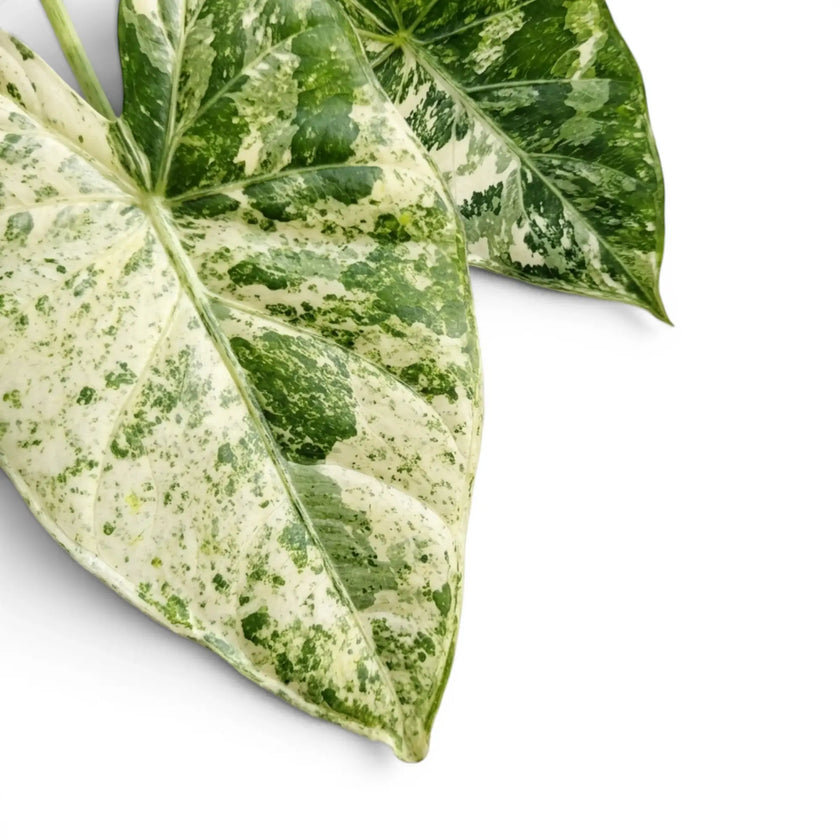
Alocasia macrorrhizos ‘Splash’ (‘Camouflage’)
Regular price€33,50
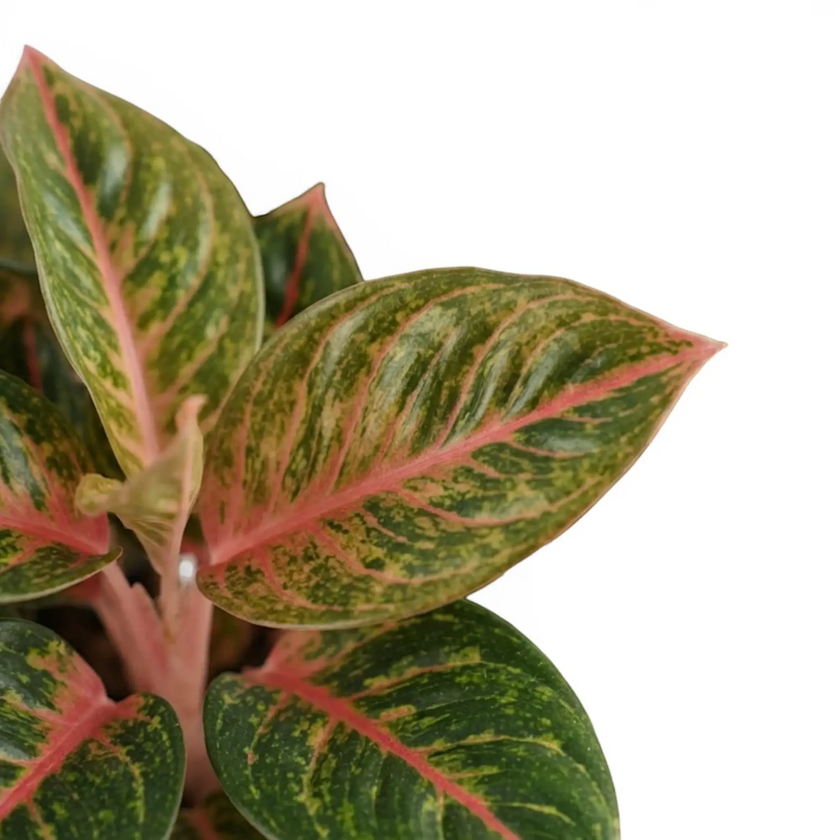
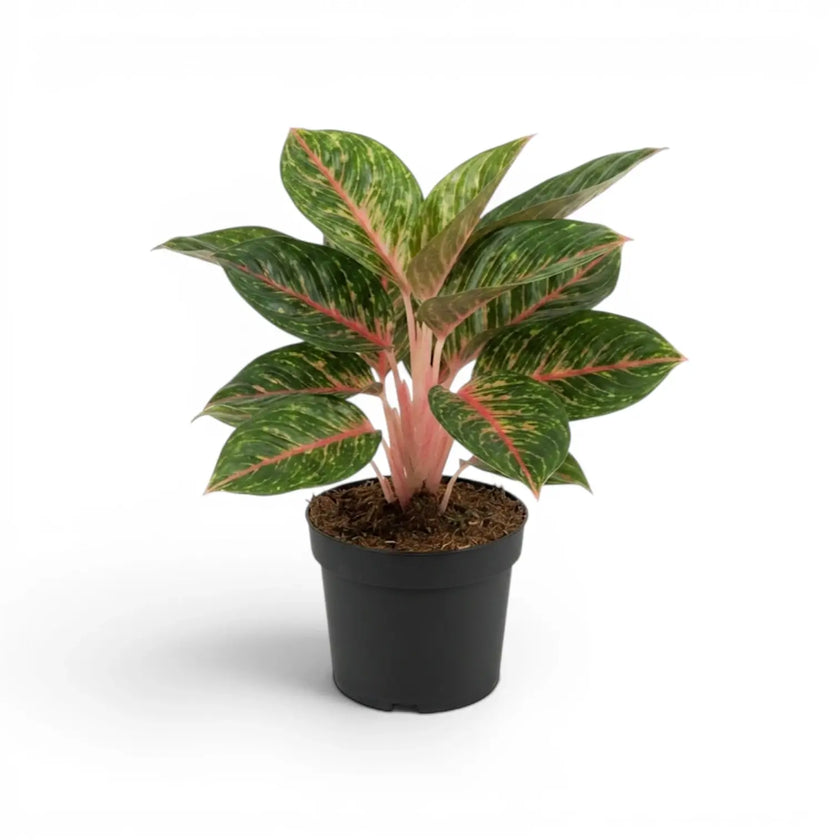
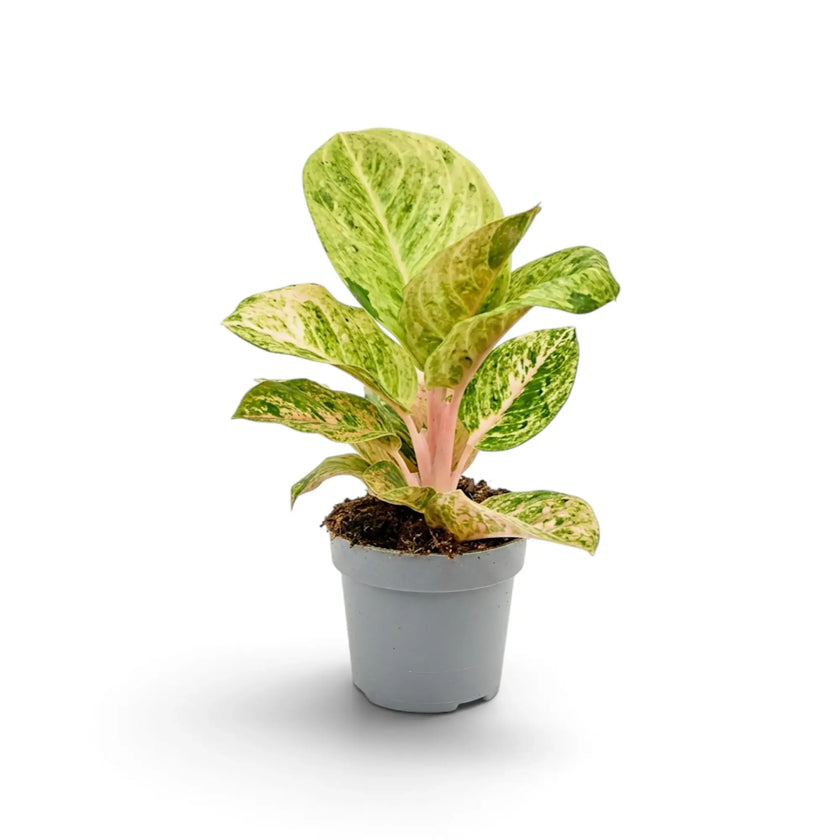
Aglaonema ‘Olive Red’
Regular price€31,25

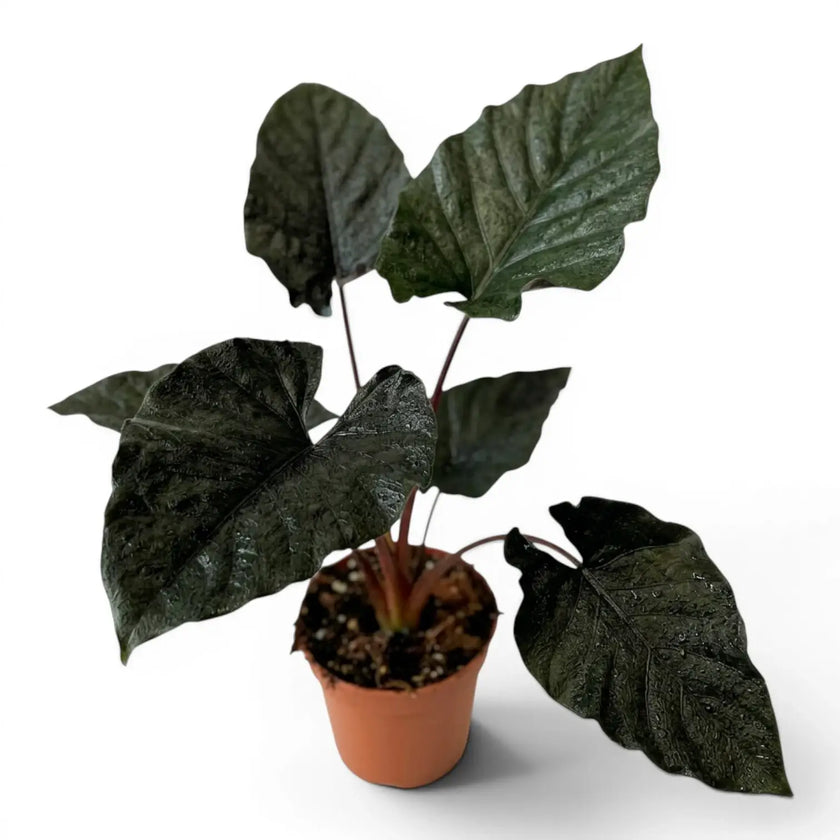
Alocasia ‘Venom’
Regular price€58,75
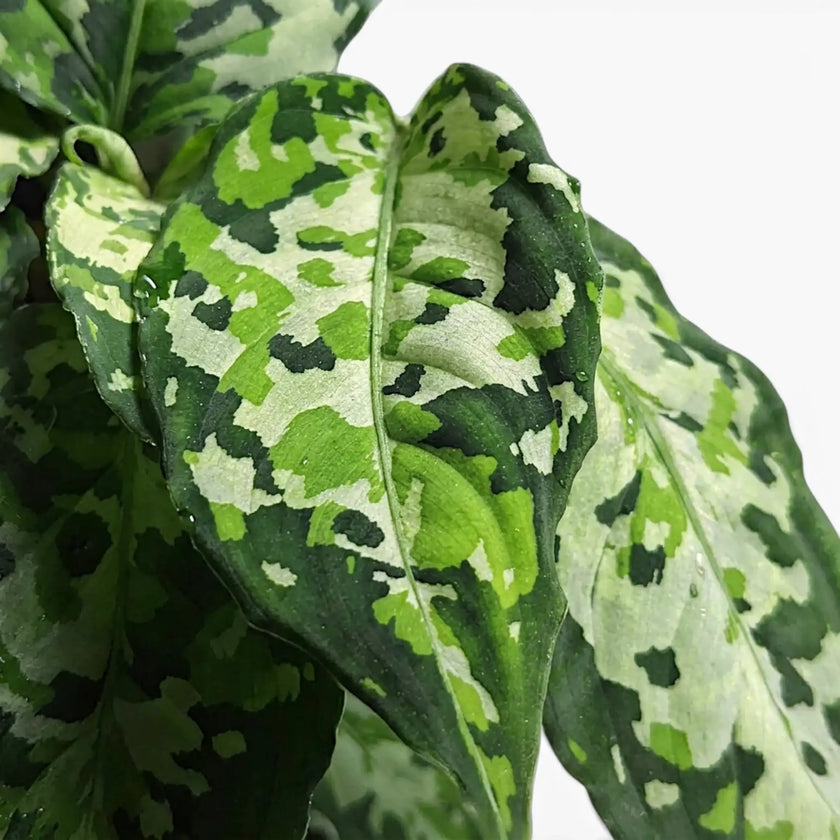
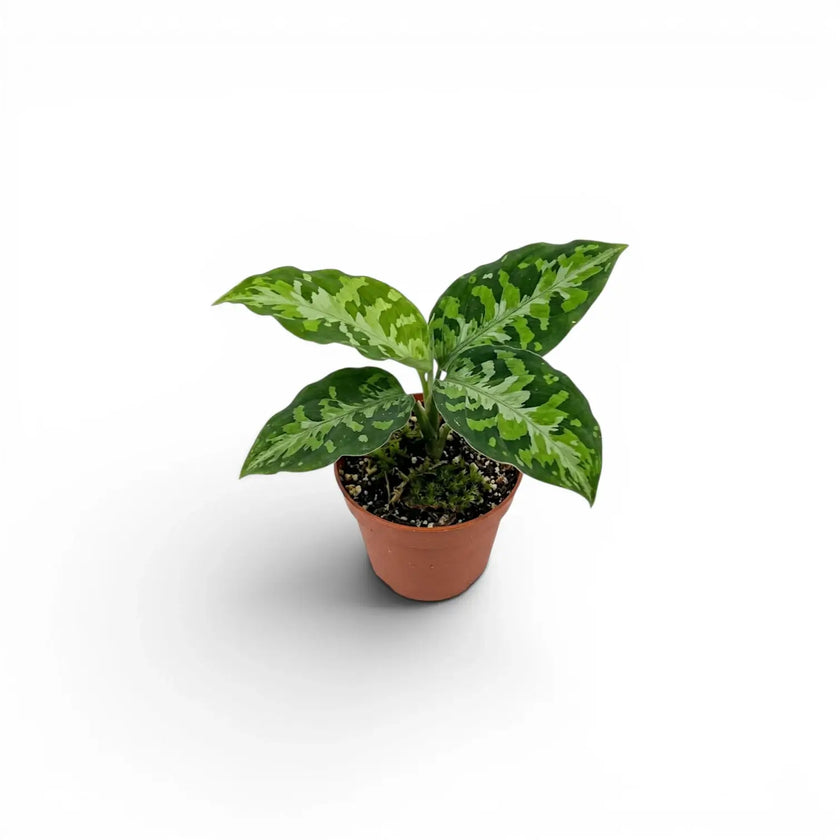
Aglaonema pictum tricolor
Regular price€9,75
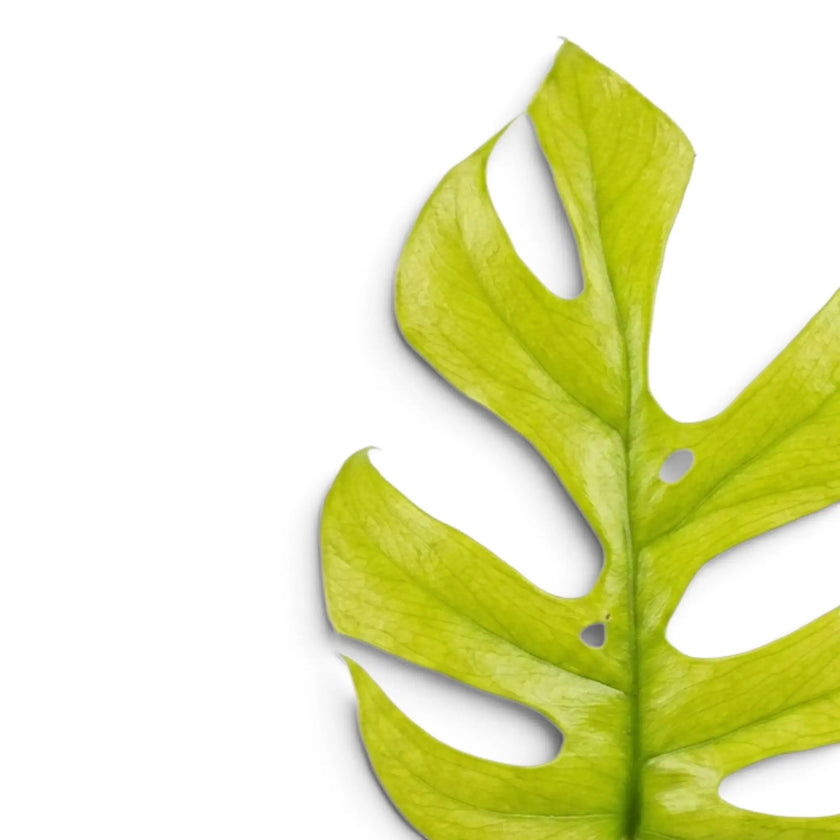
Rhaphidophora tetrasperma 'Goldrush'
Regular price€10,75

Alocasia 'Tiny Dancers'
Regular price€14,50
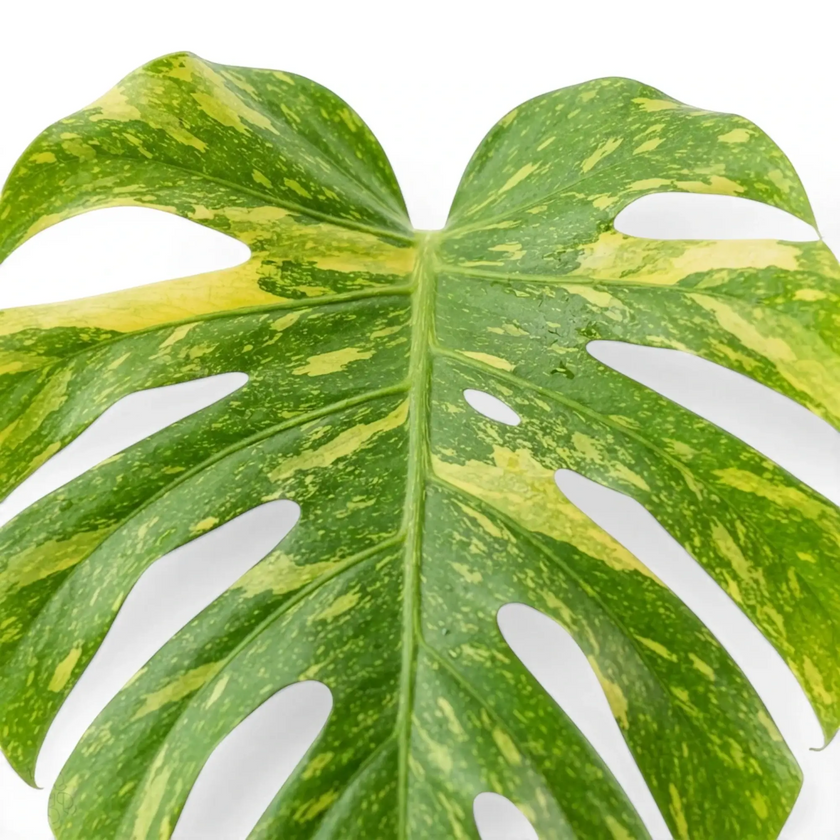
Monstera deliciosa ‘Electrolyte’
Regular price€130,75
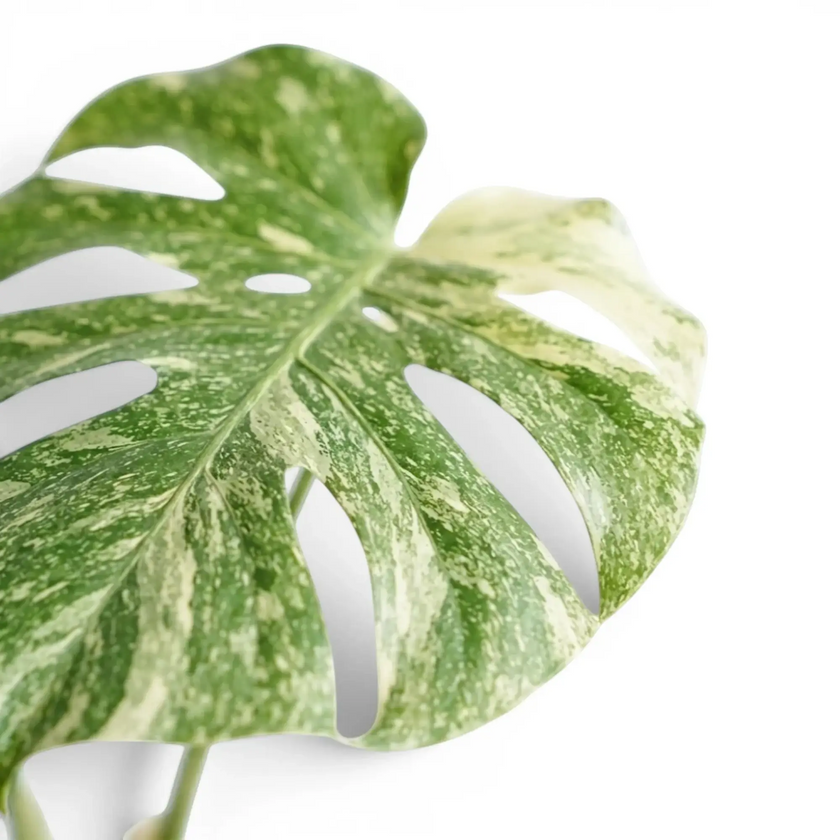
Monstera deliciosa ‘Green Snow’
Regular price€58,75
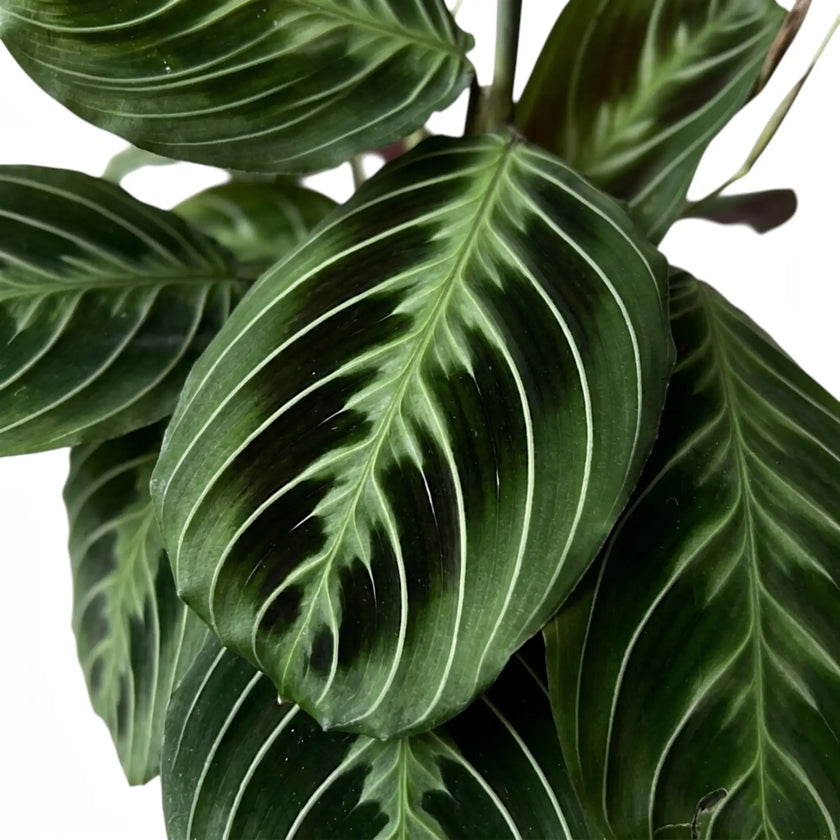
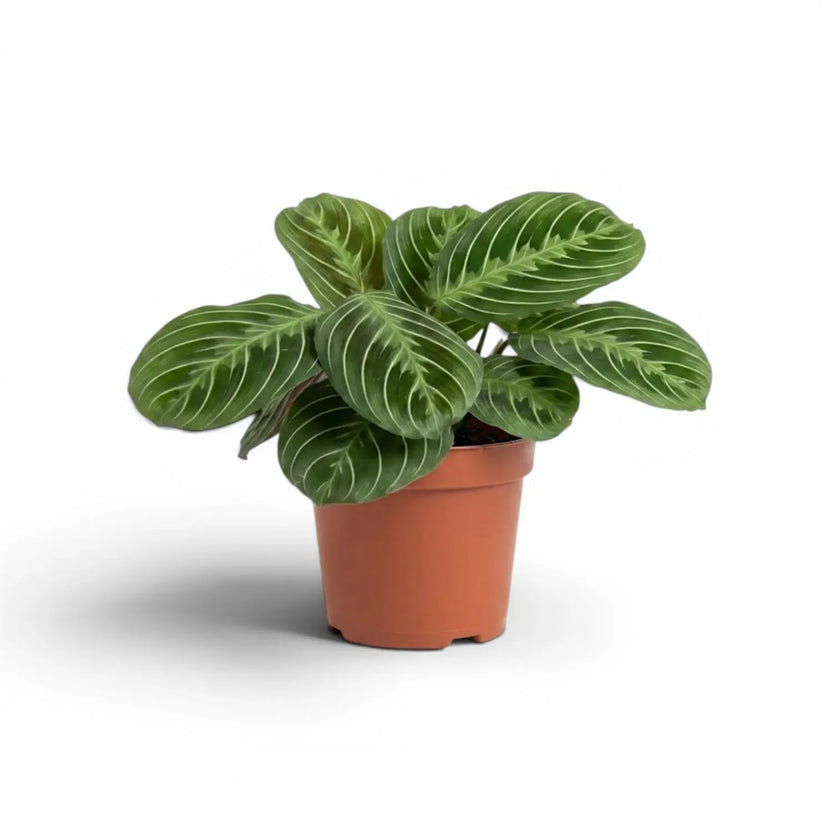
Maranta leuconeura 'Exclusive Dark' / Cat Moustache
Regular price€12,00
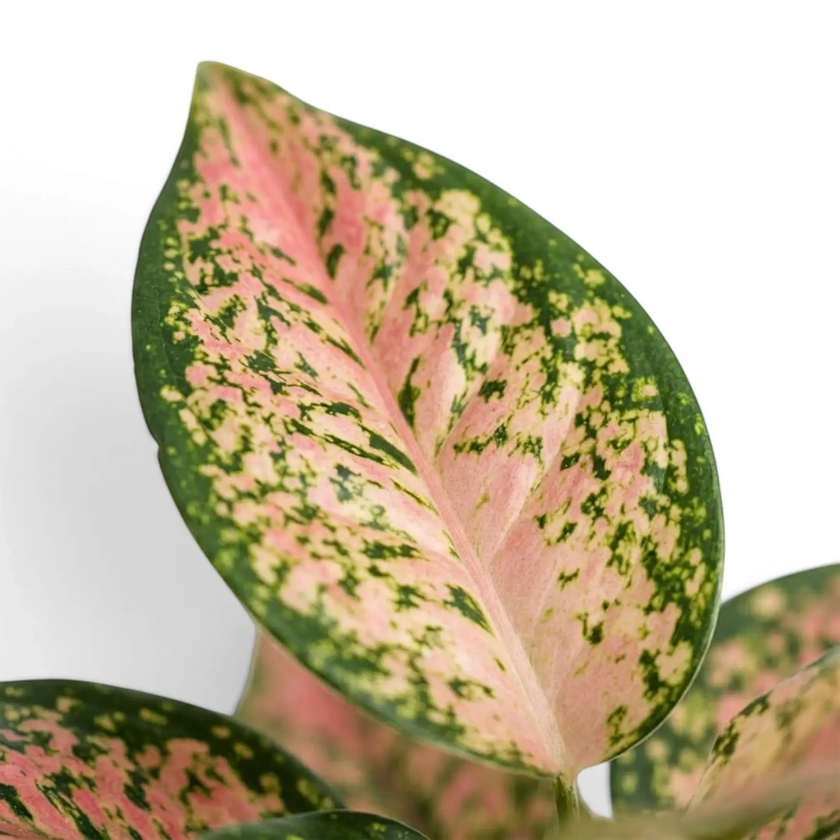
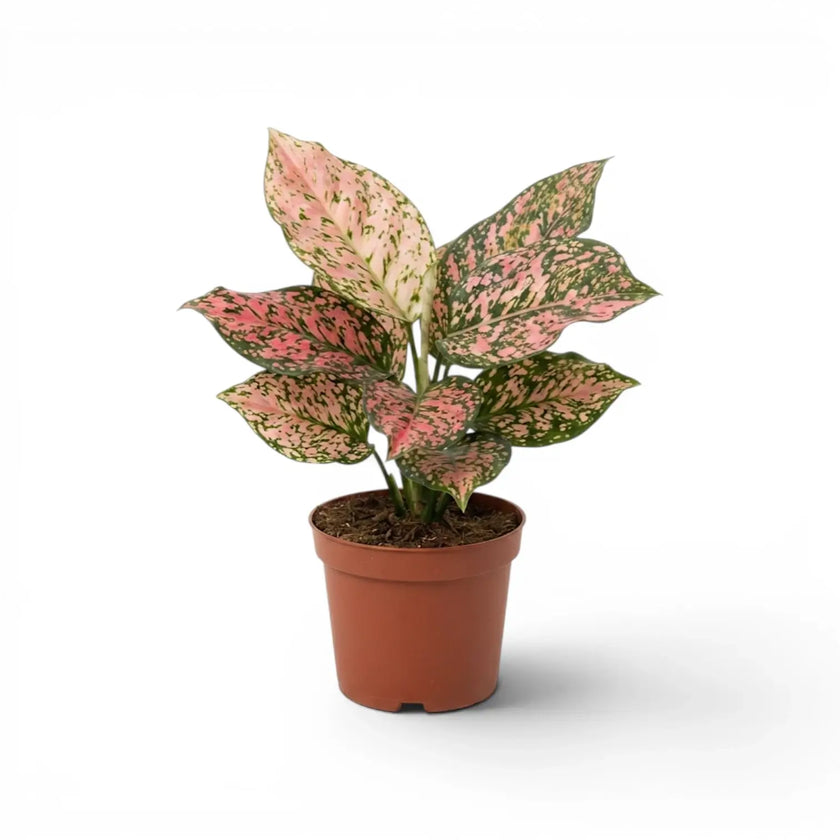
Aglaonema ‘Pink Leopard’
Regular price€31,25
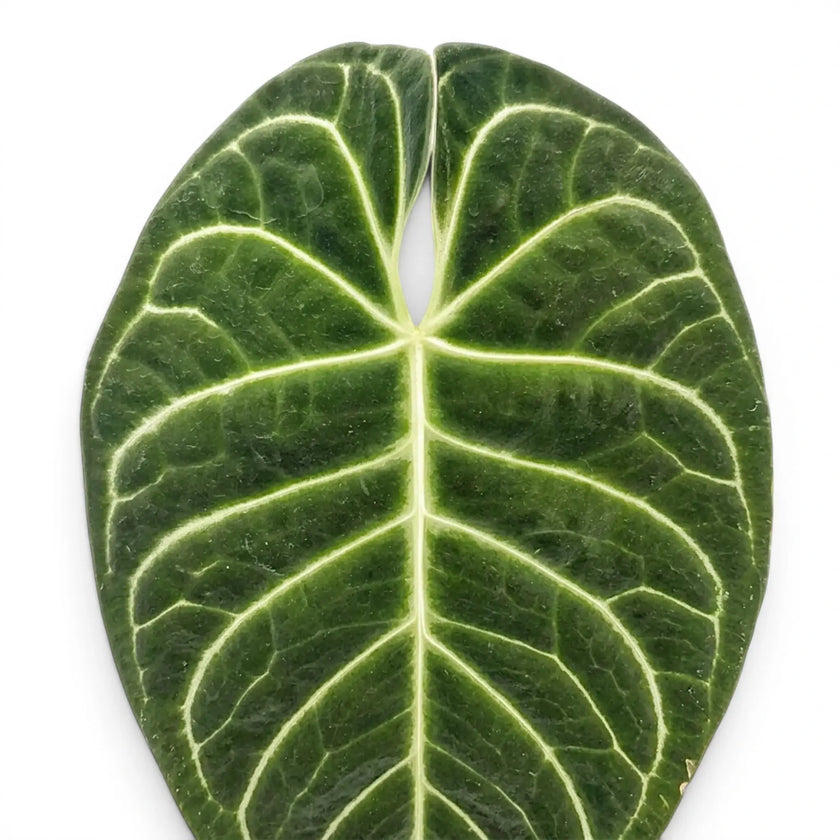
Anthurium regale
Regular price€10,75
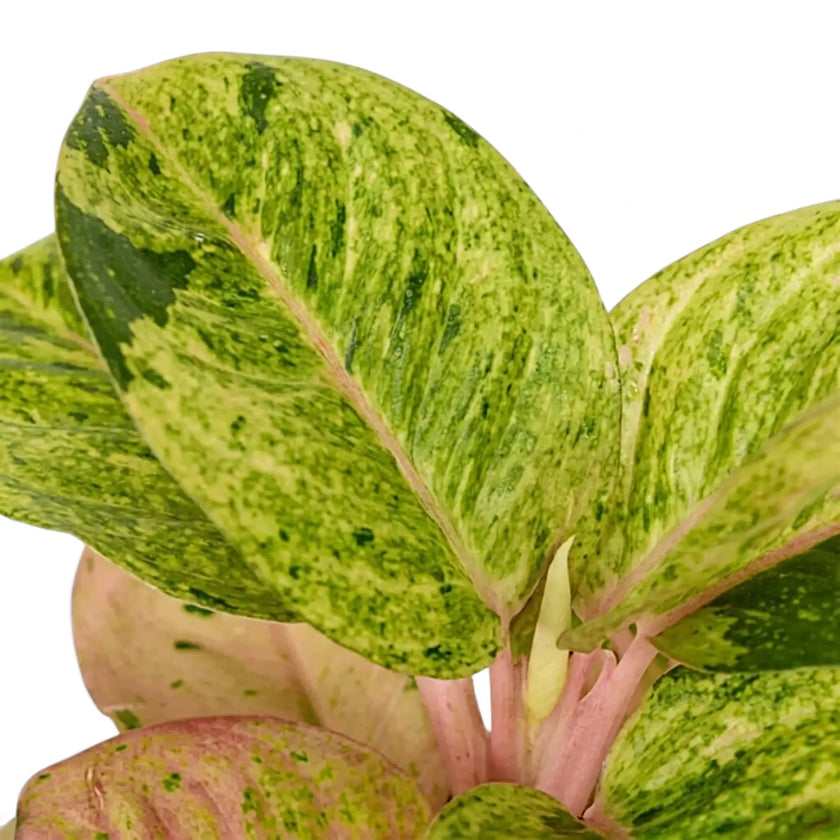
Aglaonema 'Apple Fantasy'
Regular price€15,75
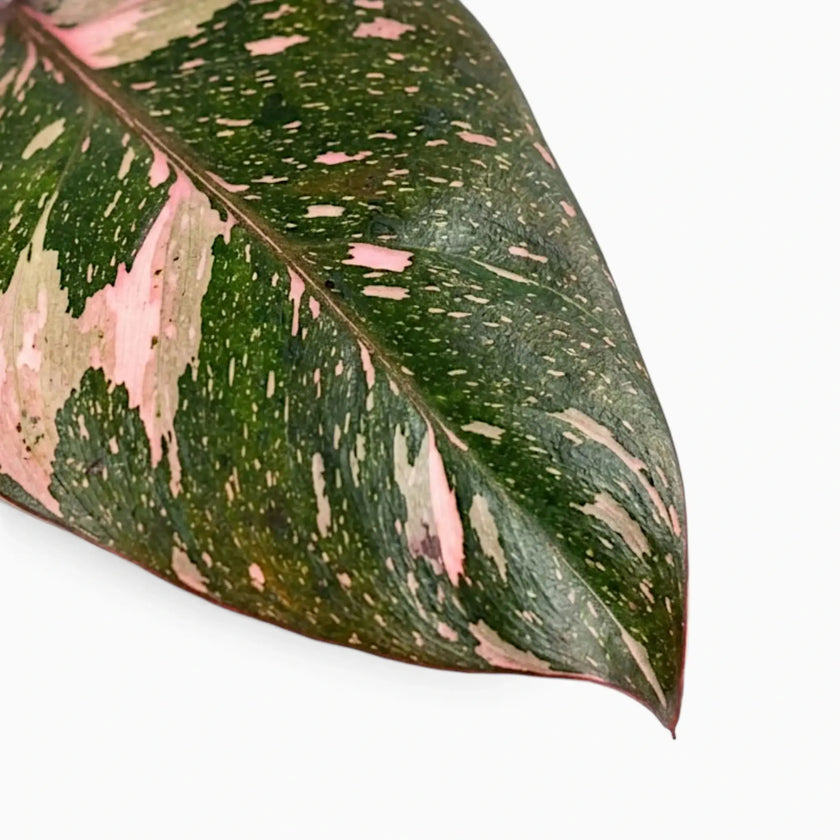
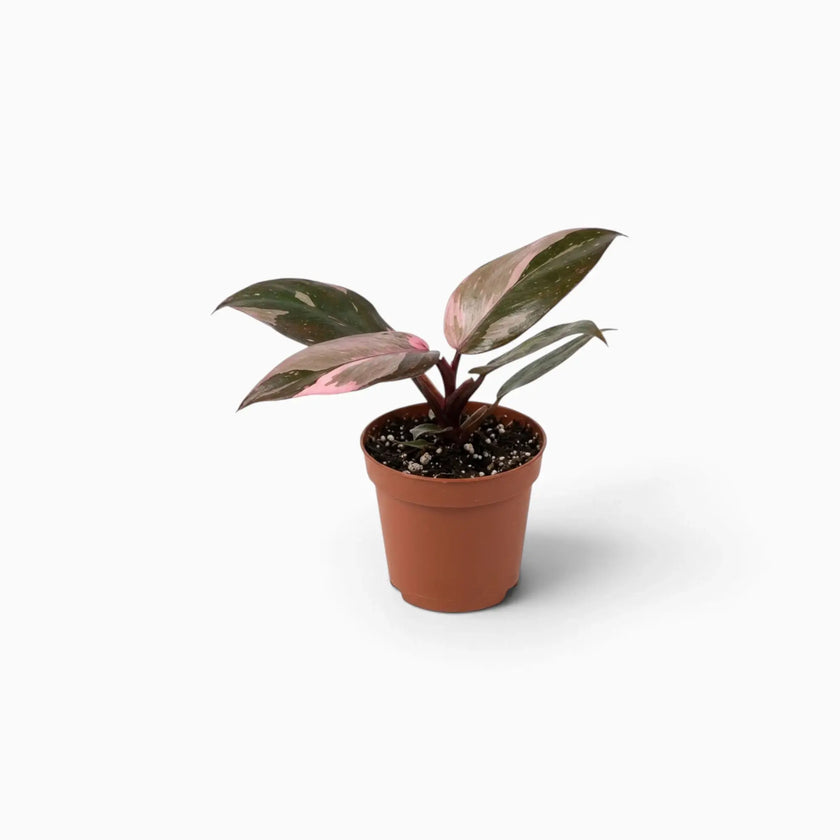
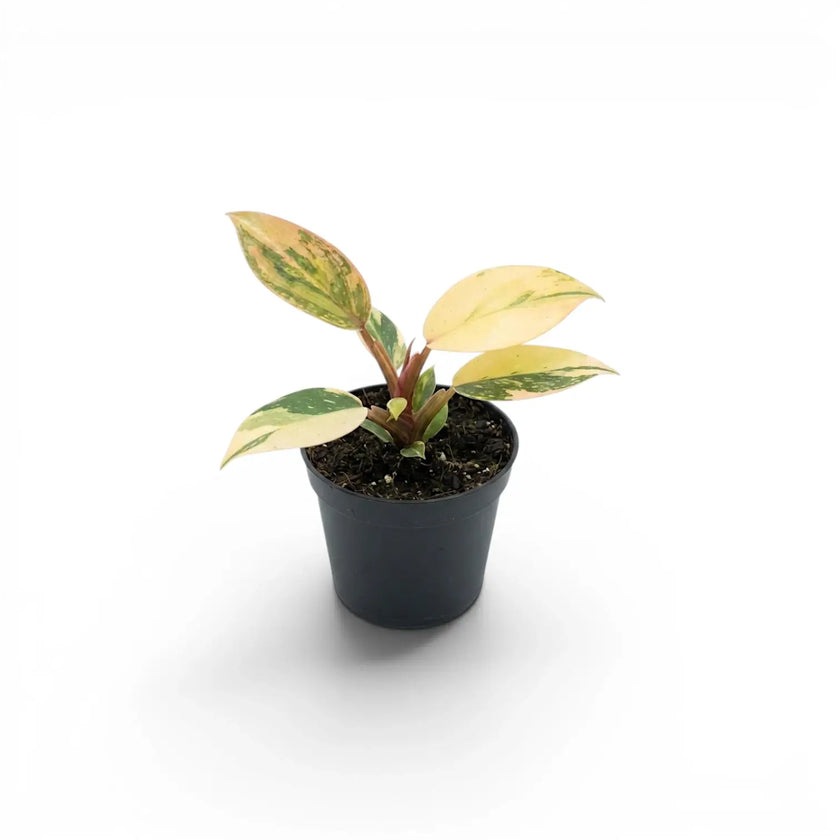
Philodendron ‘Pink Princess Marble’
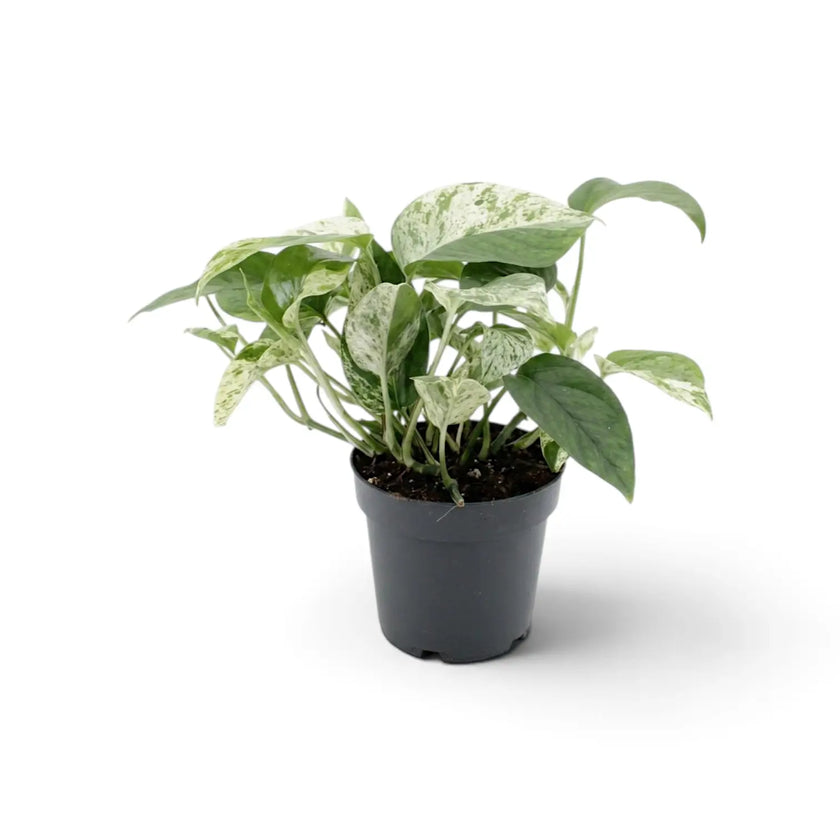
Regular price€9,75
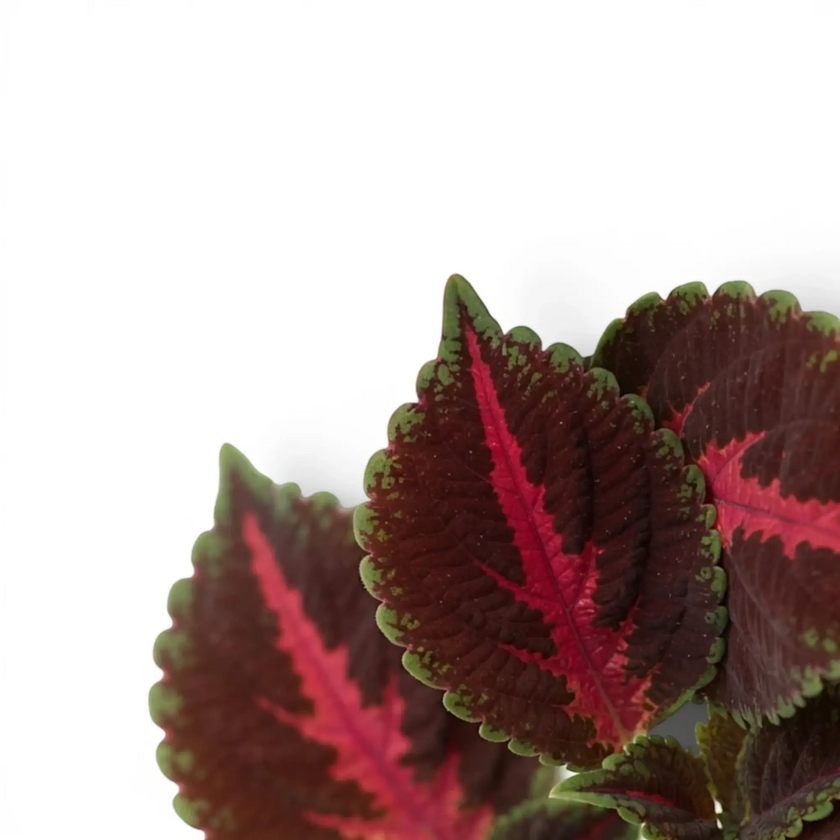
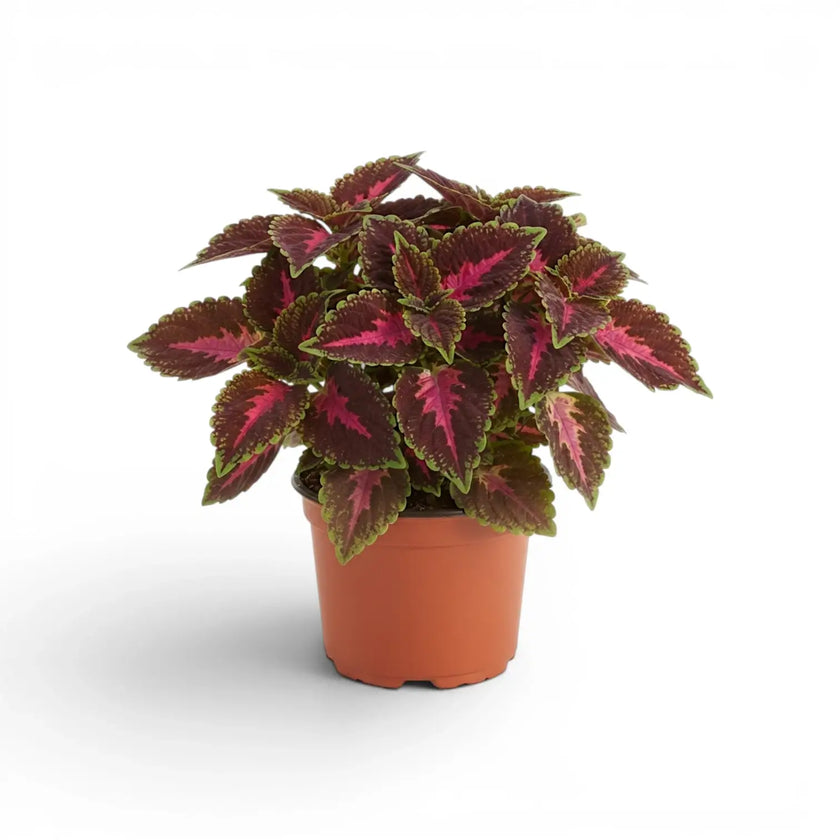
Coleus scutellarioides ‘Main Street Franklin Street’
Regular price€13,25
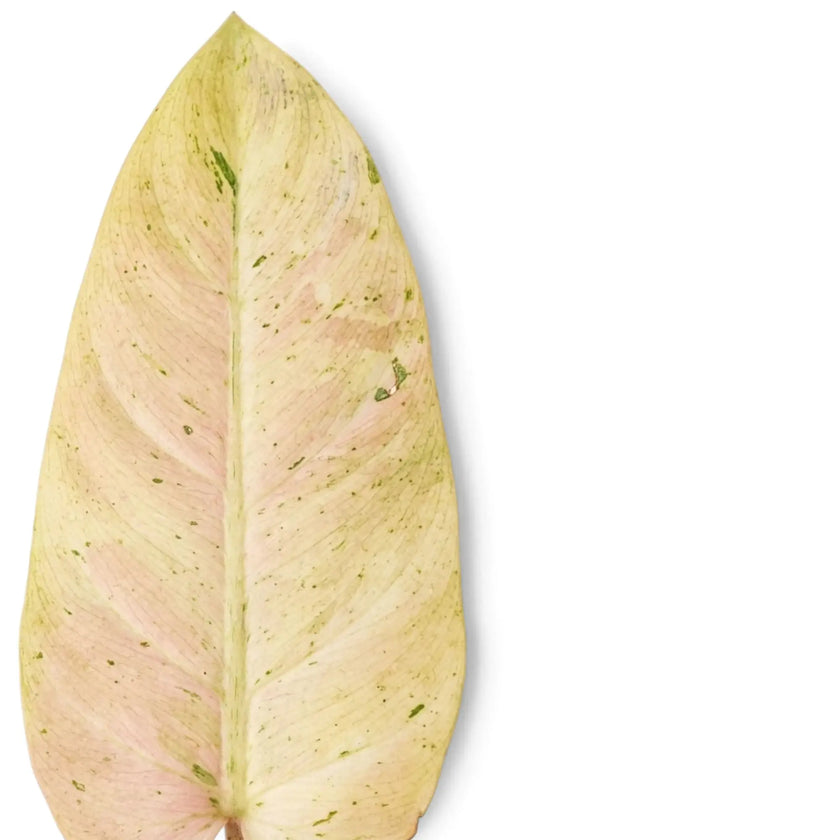
Philodendron ‘Whipple Way’
Regular price€45,75
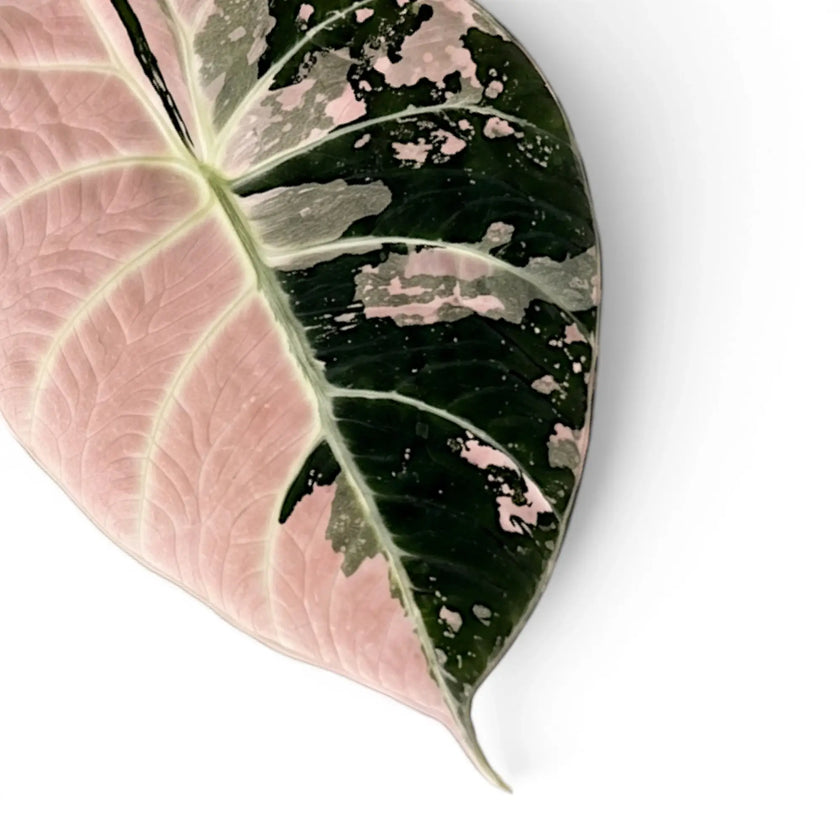
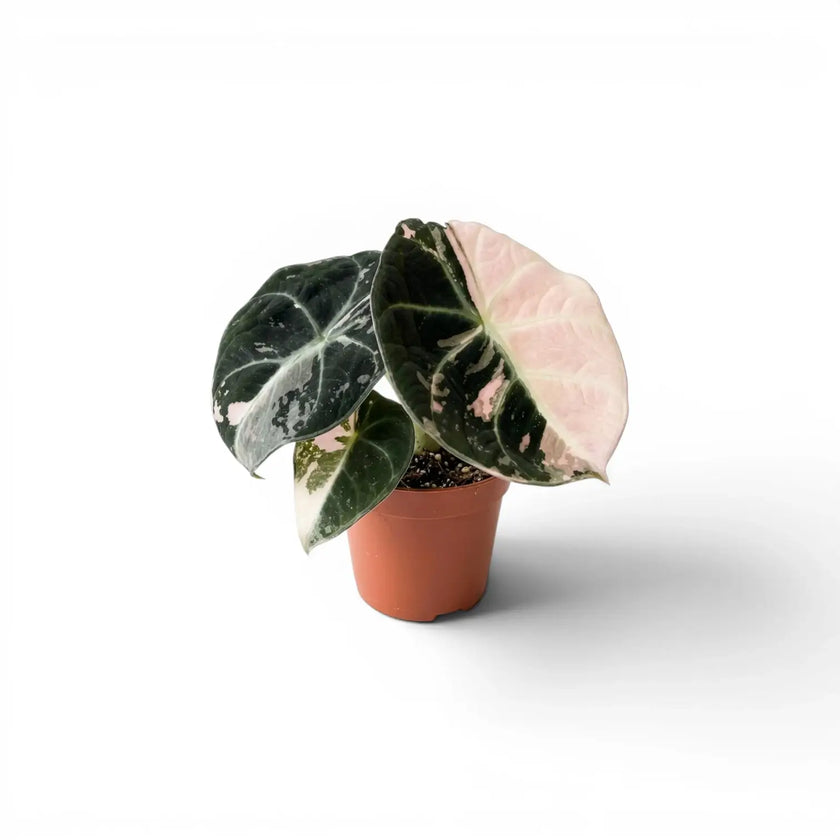
Alocasia reginula ‘Pink Variegated’
Regular price€69,00
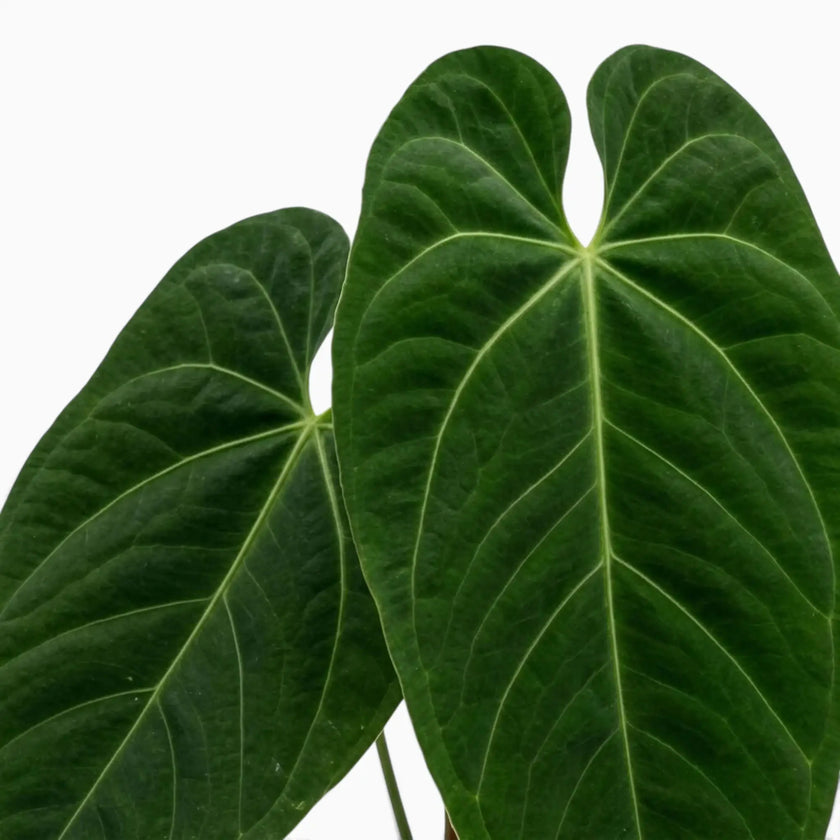
Anthurium queremalense
Regular price€22,75
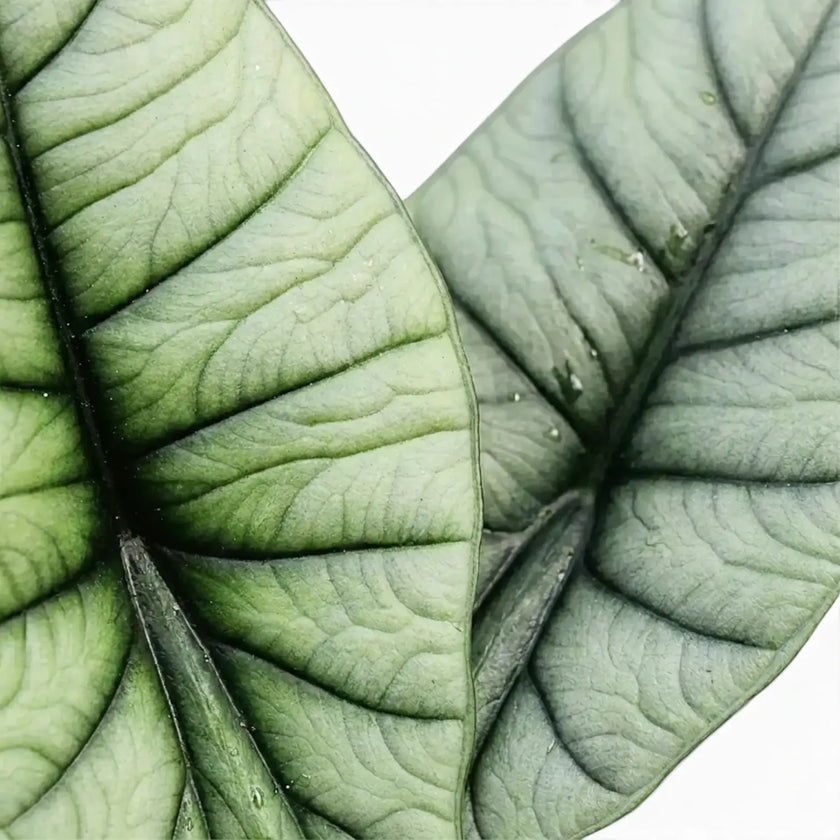
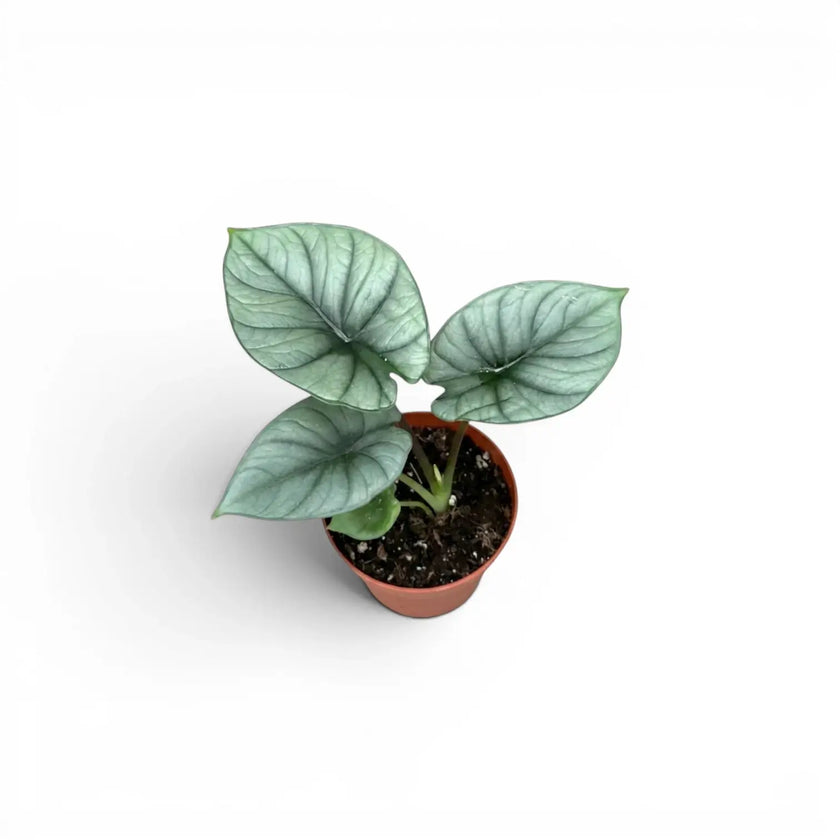
Alocasia 'Platinum'
Regular price€25,00
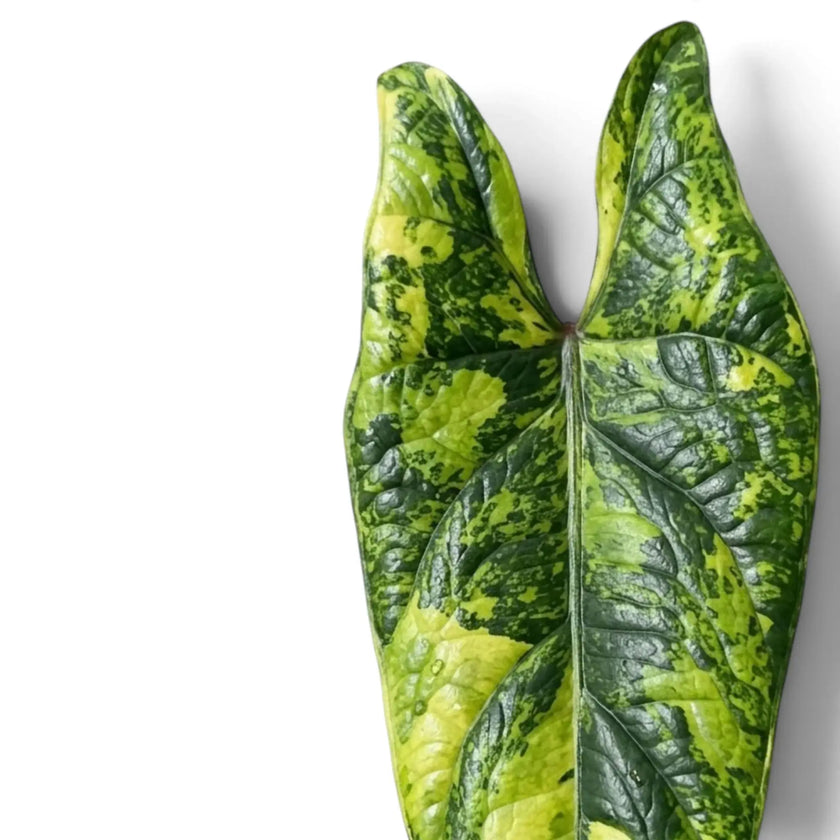
Alocasia scalprum ‘Aurea’
Regular price€59,00
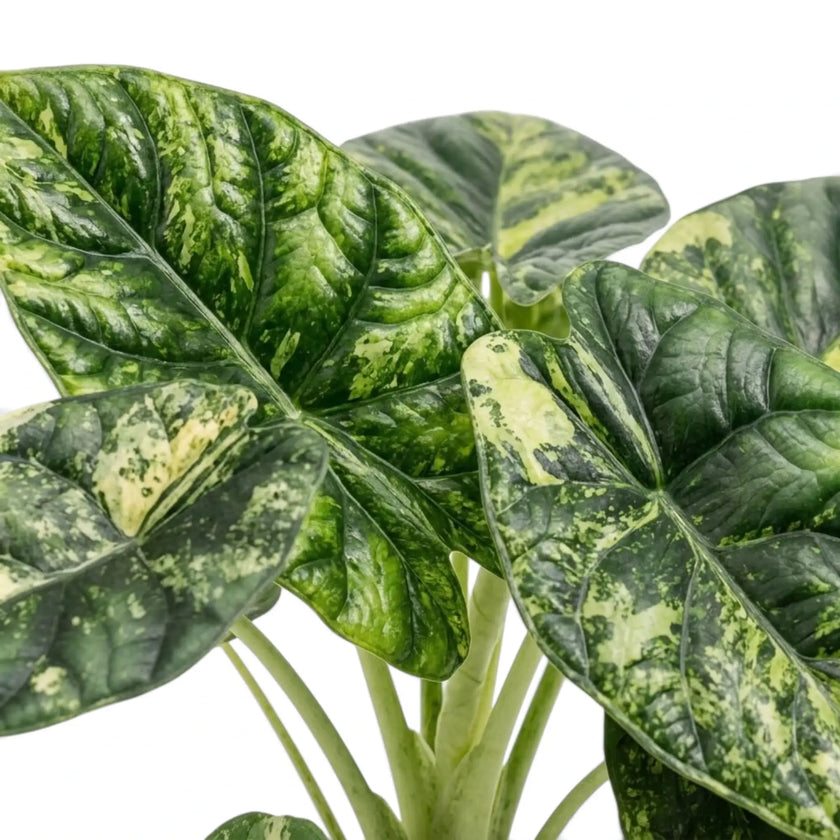
Alocasia sinuata ‘Aurea’
Regular price€59,00
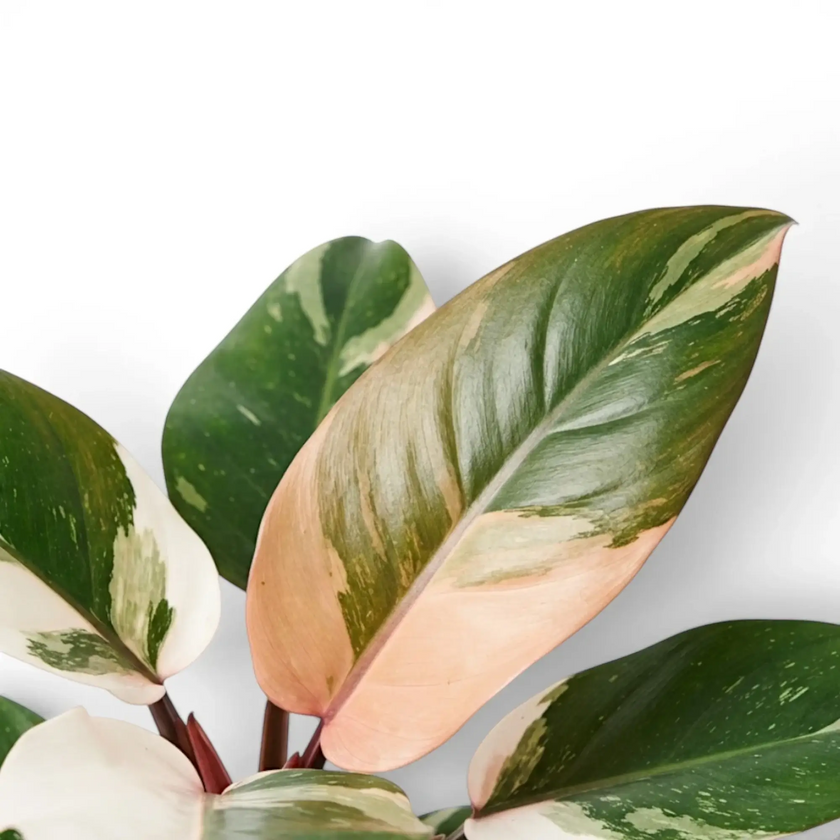
Philodendron ‘Rojo Congo’ Variegata
Regular price€86,50
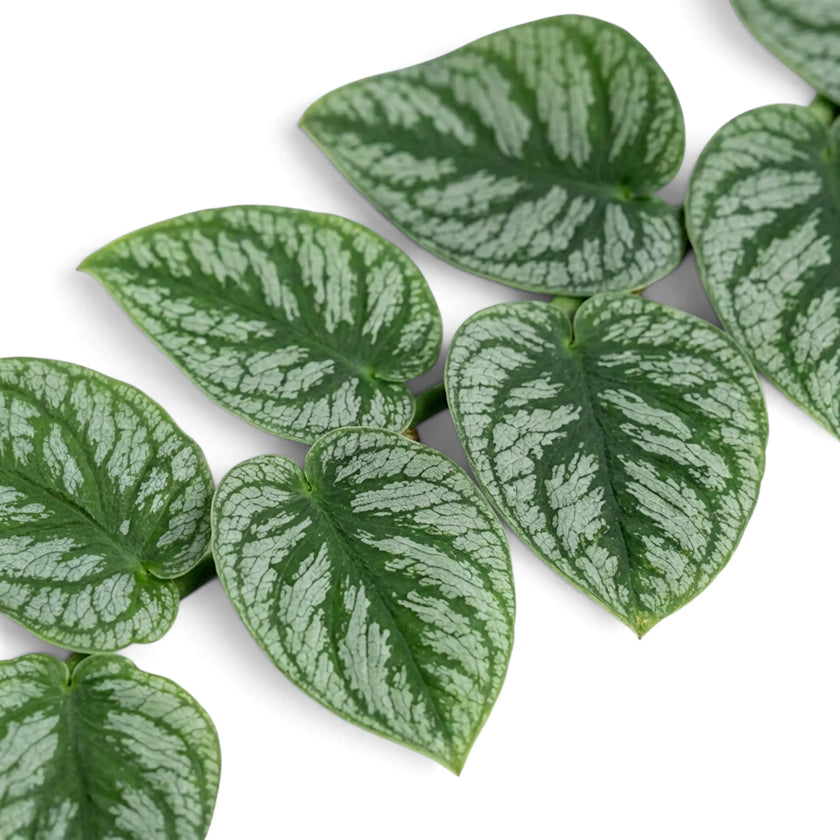
Monstera dubia
Regular price€33,75

Monstera deliciosa variegata 'Super White'
Sale price€39,00
Regular price€99,00
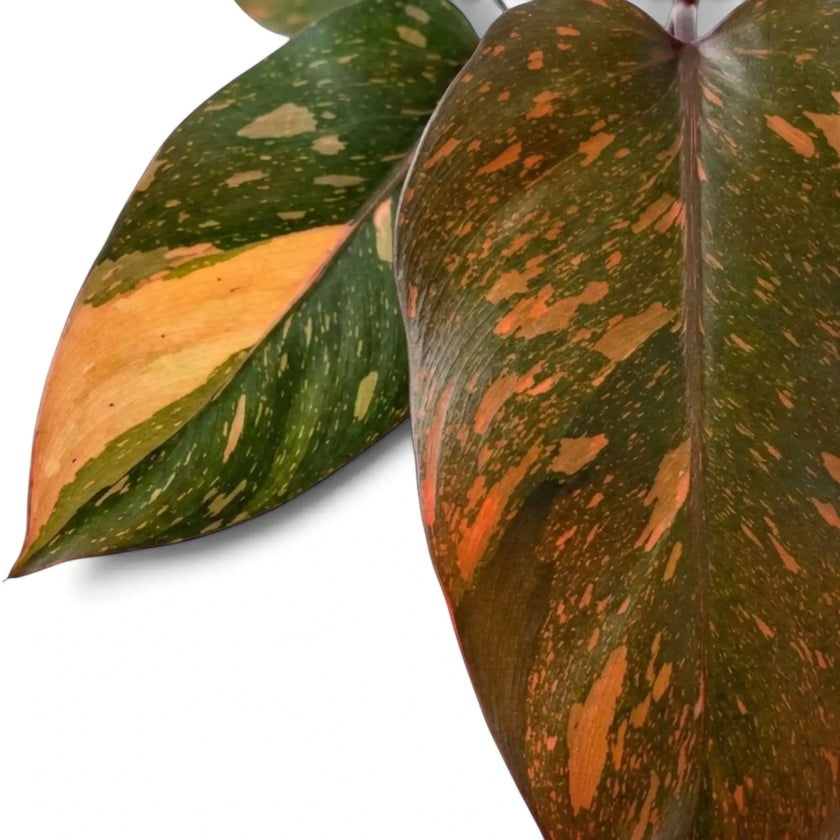
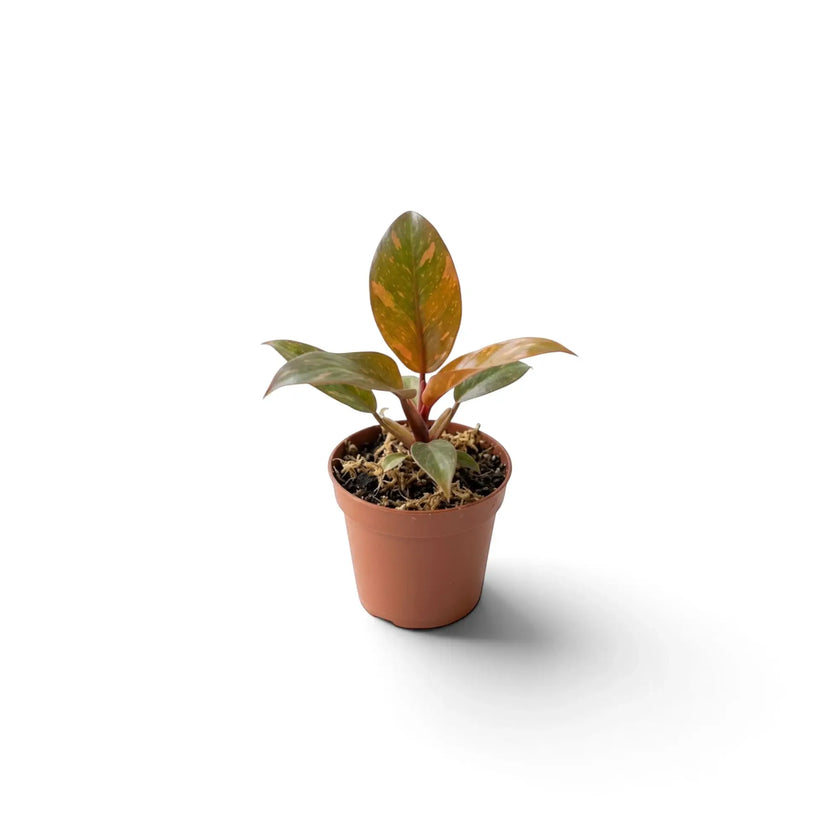
Philodendron ‘Orange Princess’
Regular price€50,50
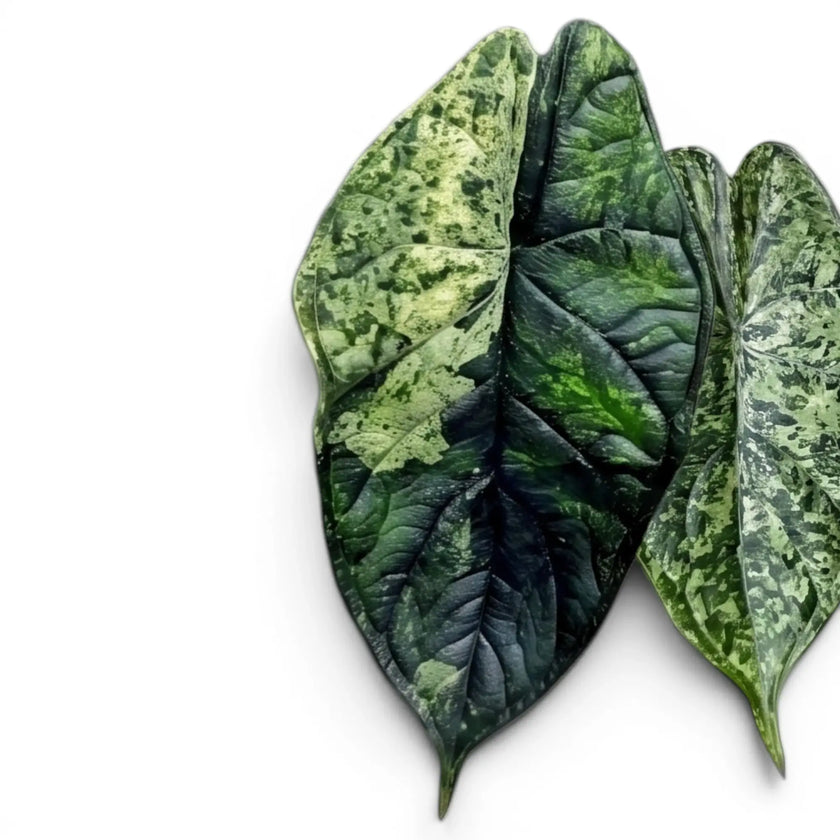
Alocasia baginda ‘Dragon Scale’ Mint Variegata
Sale price€23,75
Regular price€39,75
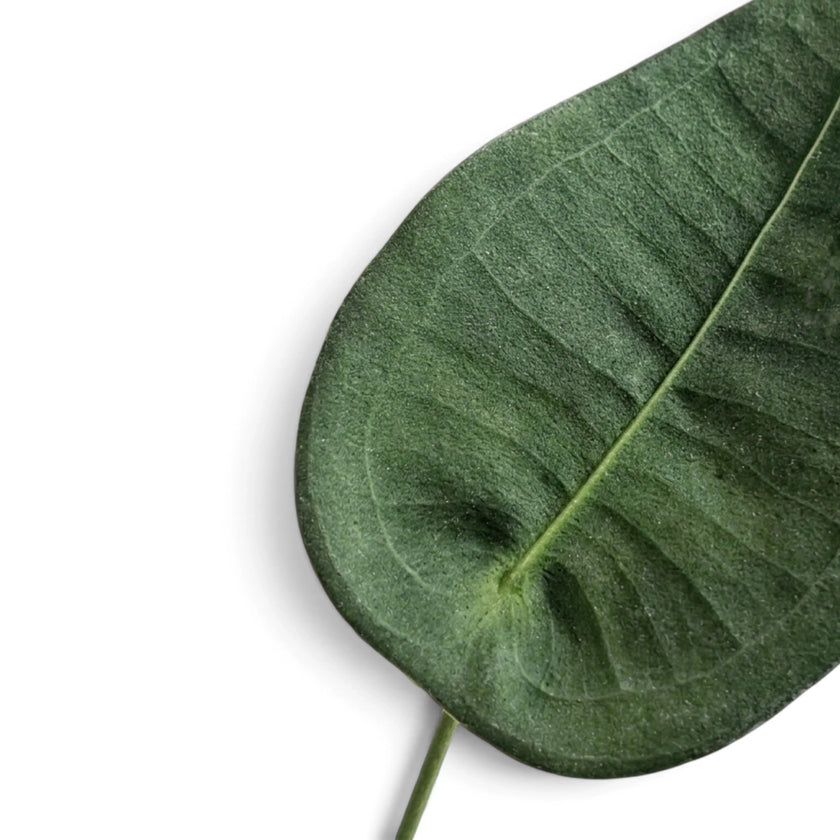
Anthurium peltigerum
Regular price€9,75

Monstera deliciosa ‘Sierrana’
Regular price€43,25
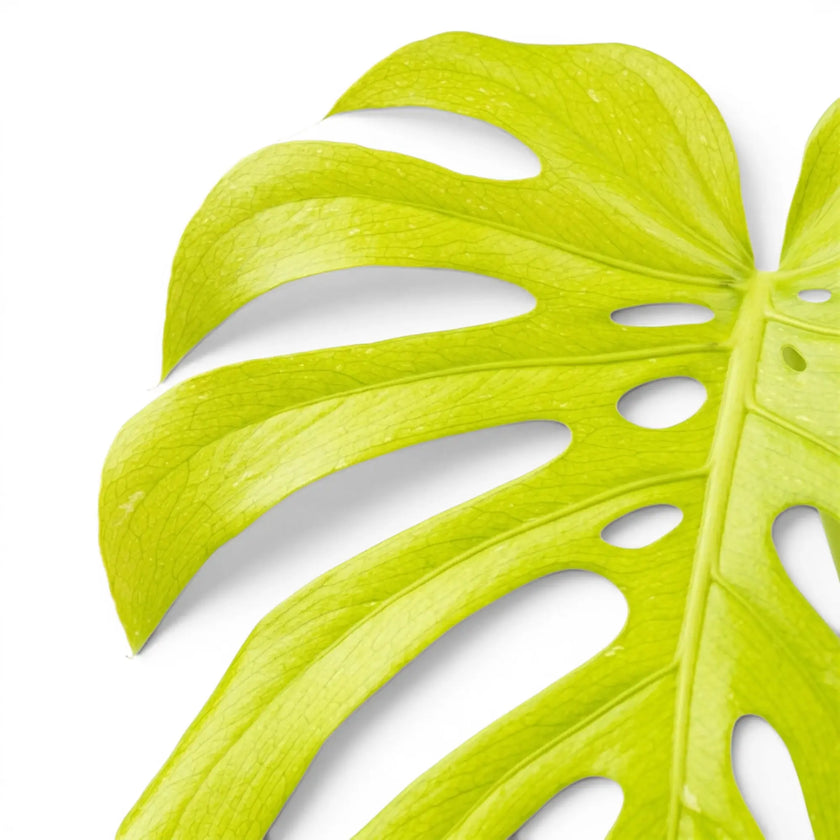
Monstera deliciosa 'Golden' ('Lemon Lime')
Sale price€39,00
Regular price€75,75