











Filters
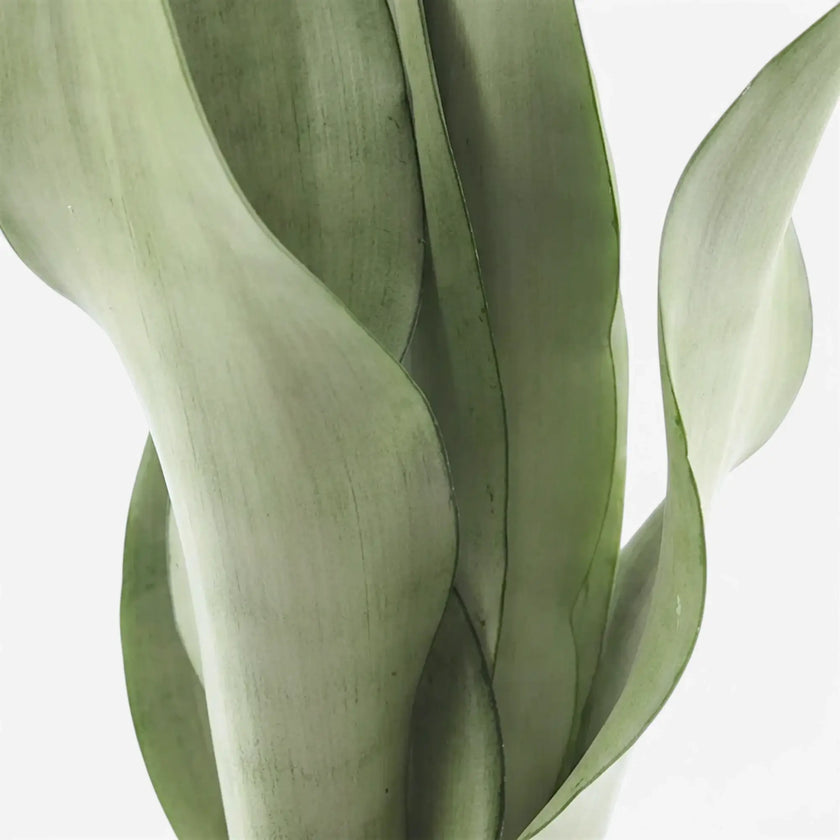
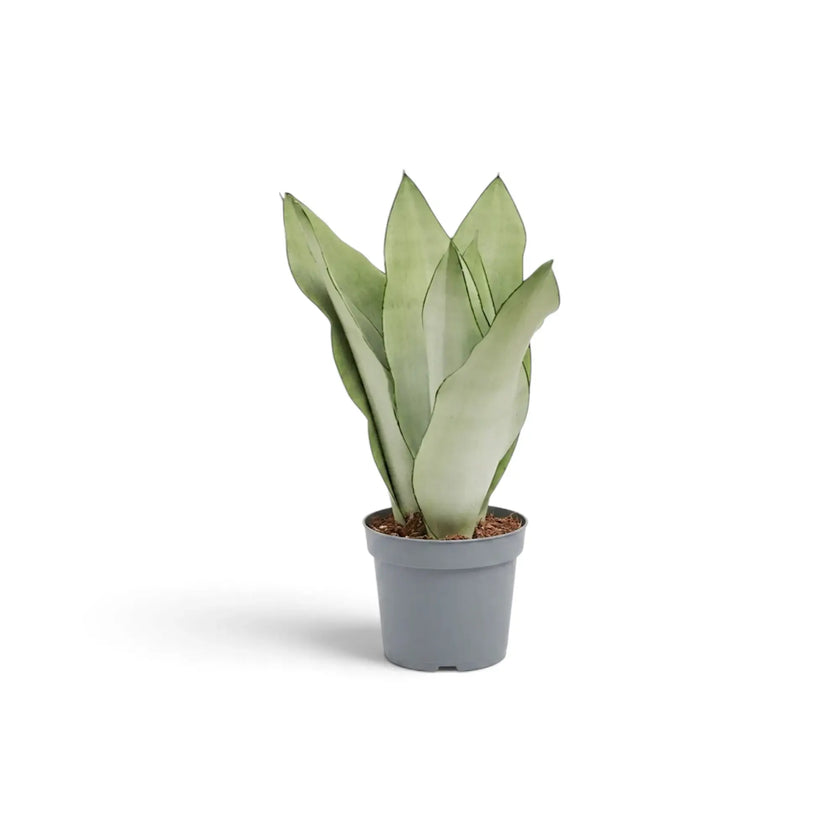
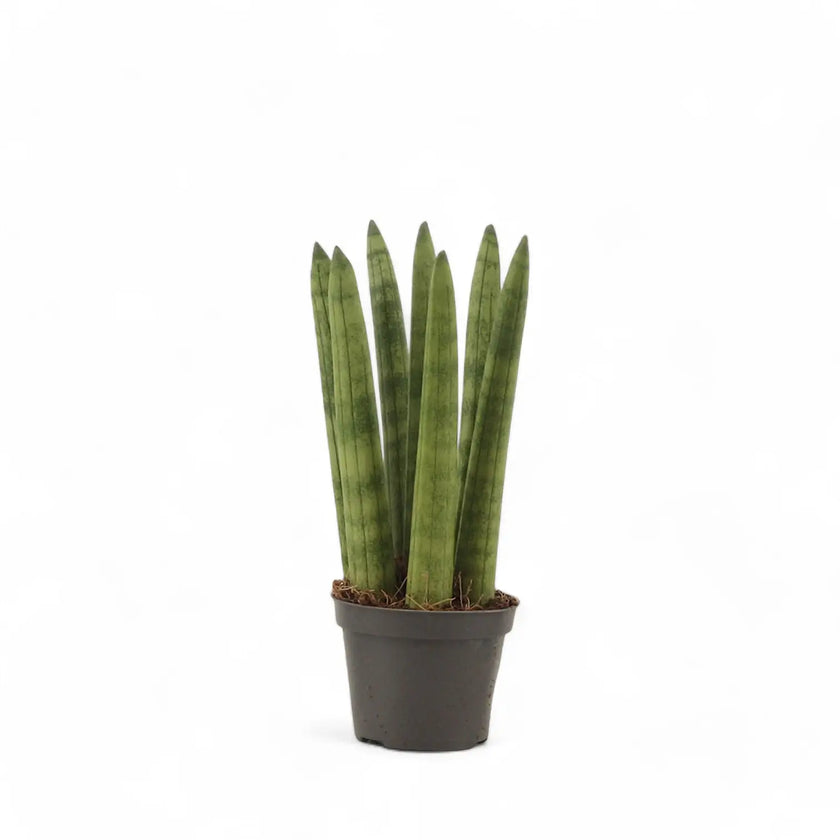
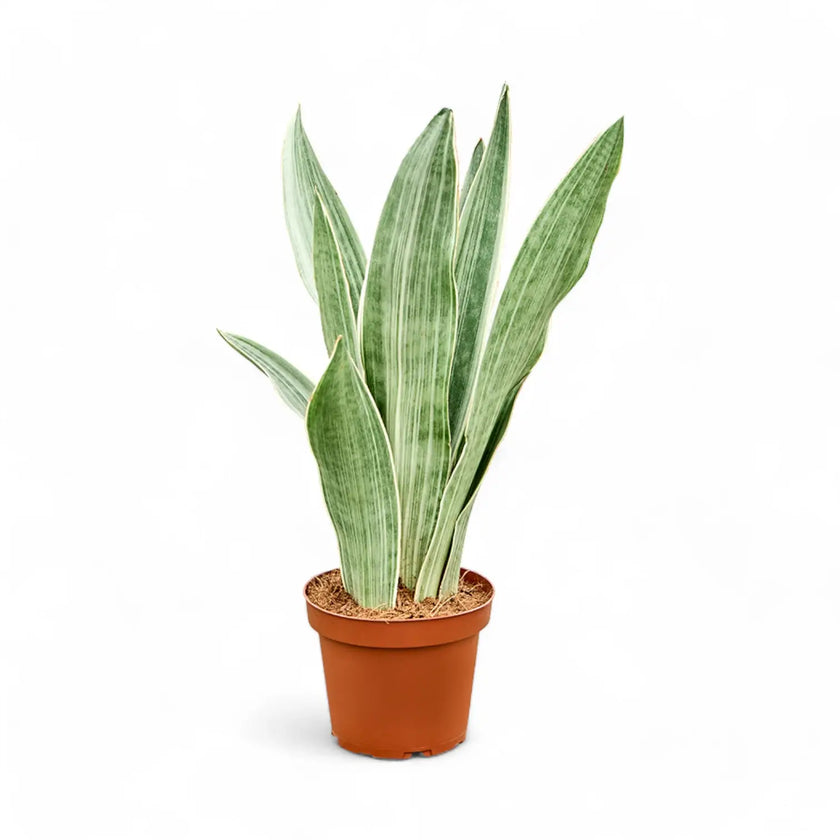
Dracaena trifasciata ‘Moonshine’
Regular priceFrom €12,00
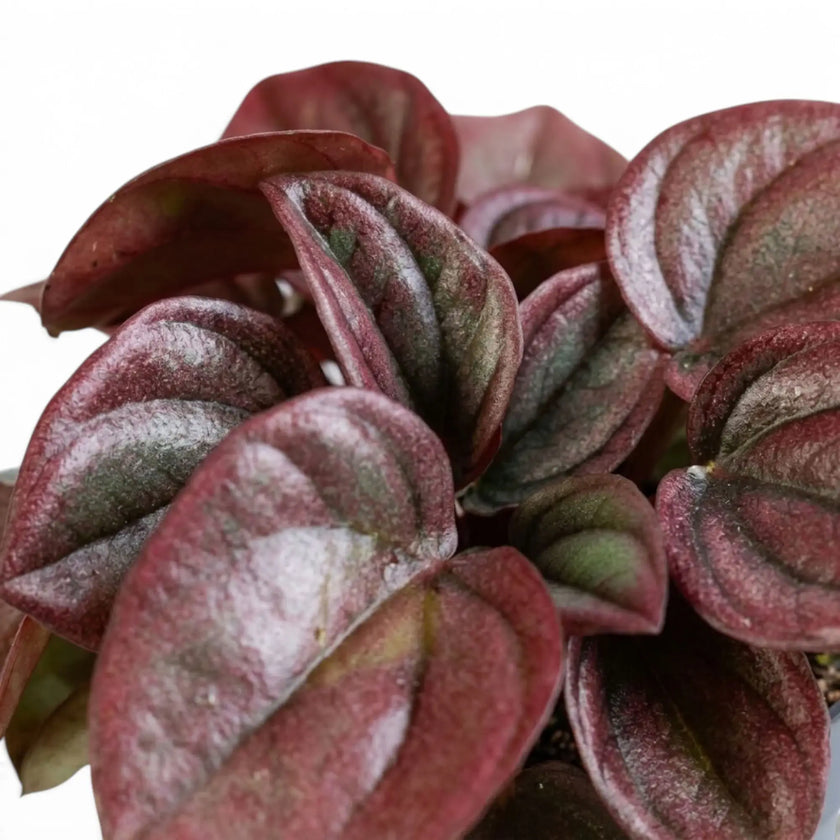
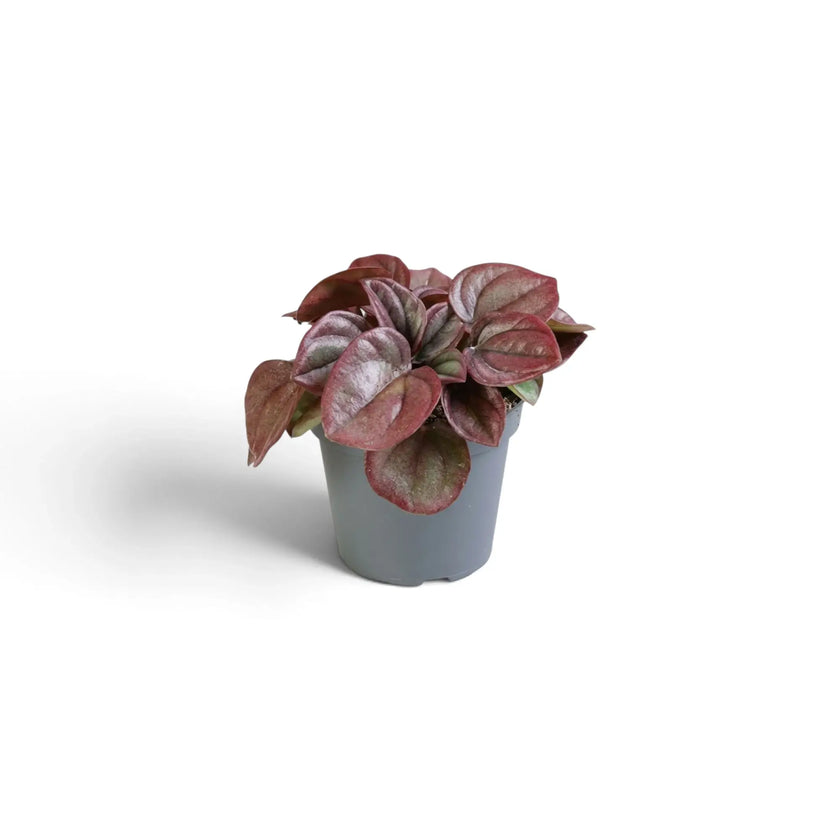
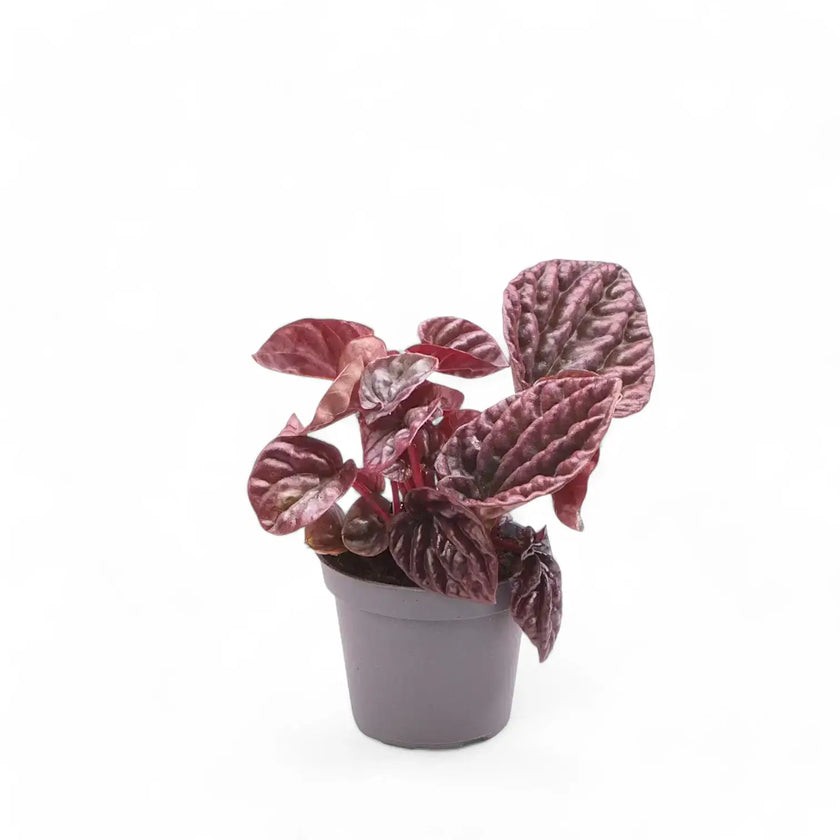
Peperomia caperata 'Cayenne'
Regular price€8,50
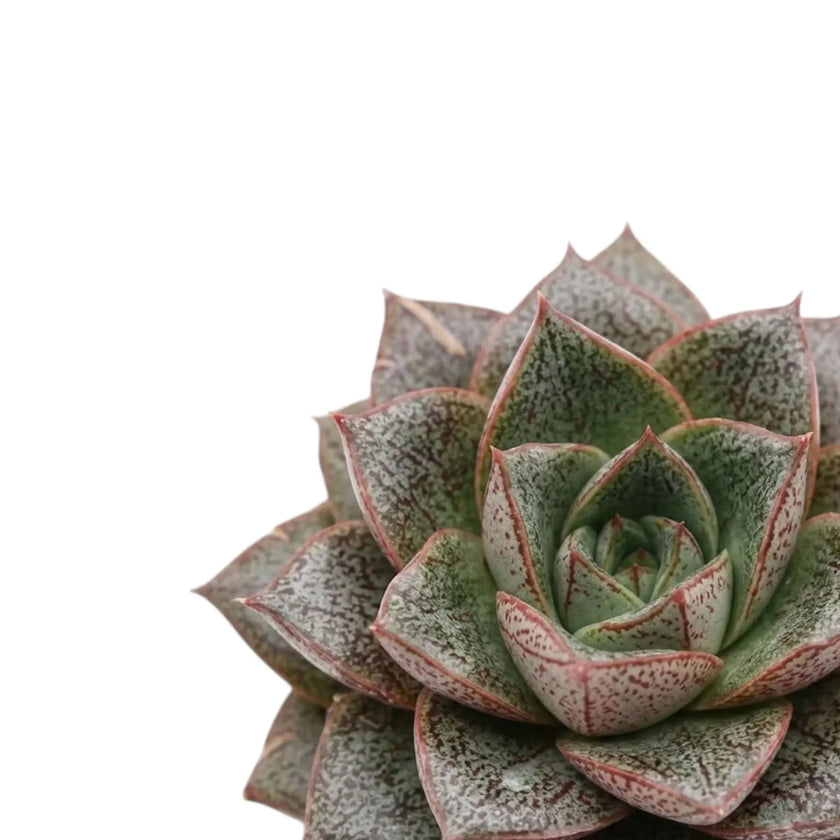
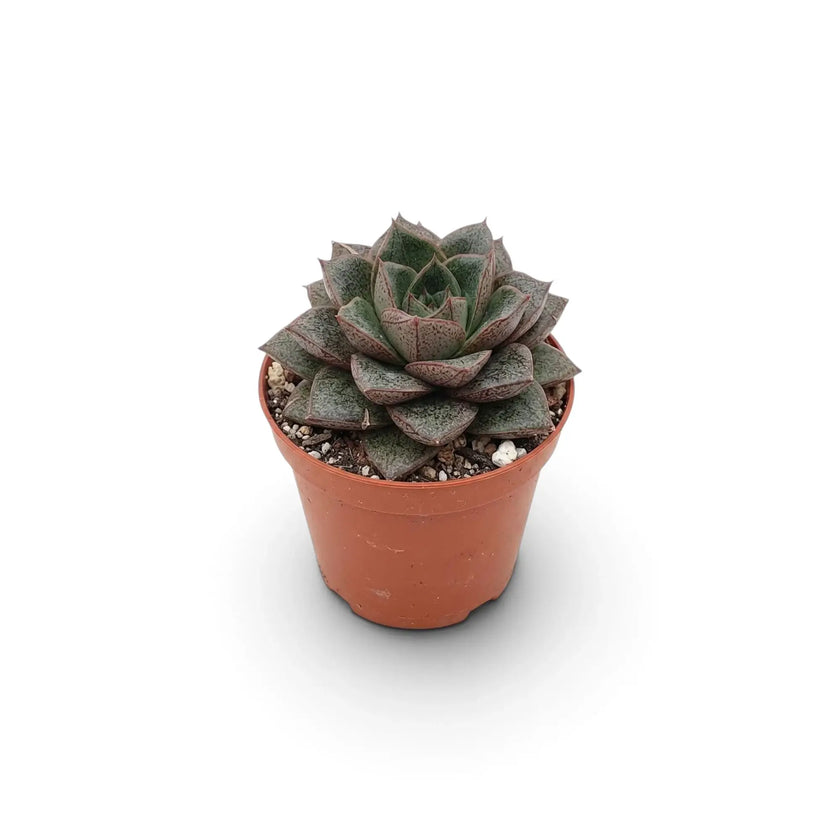
Echeveria purpusiorum
Regular price€8,50

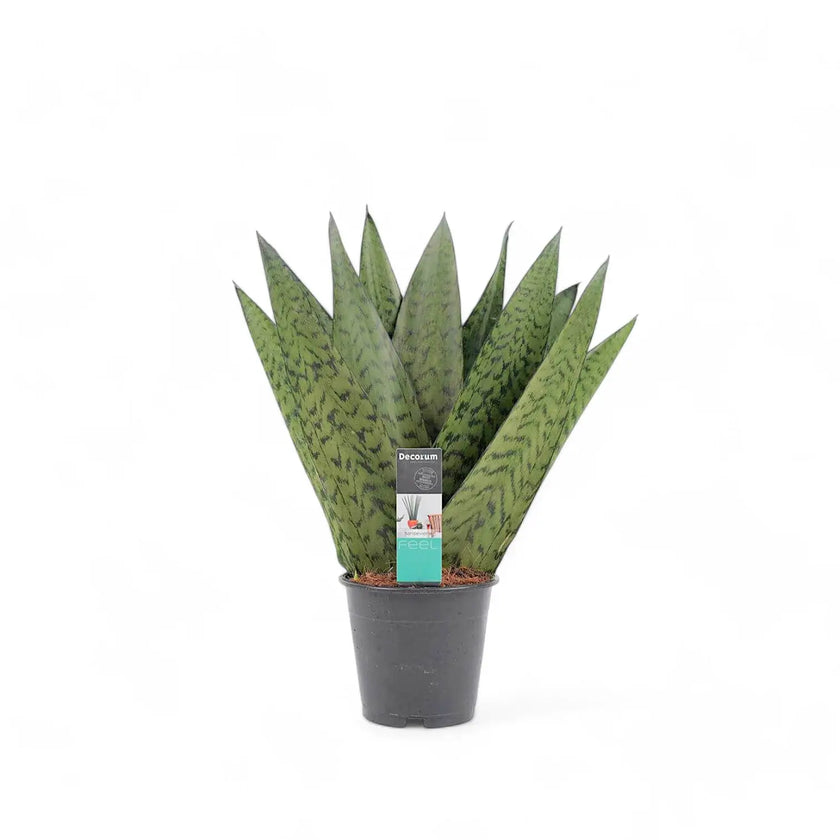
Dracaena trifasciata ‘Black Coral’
Regular price€13,25
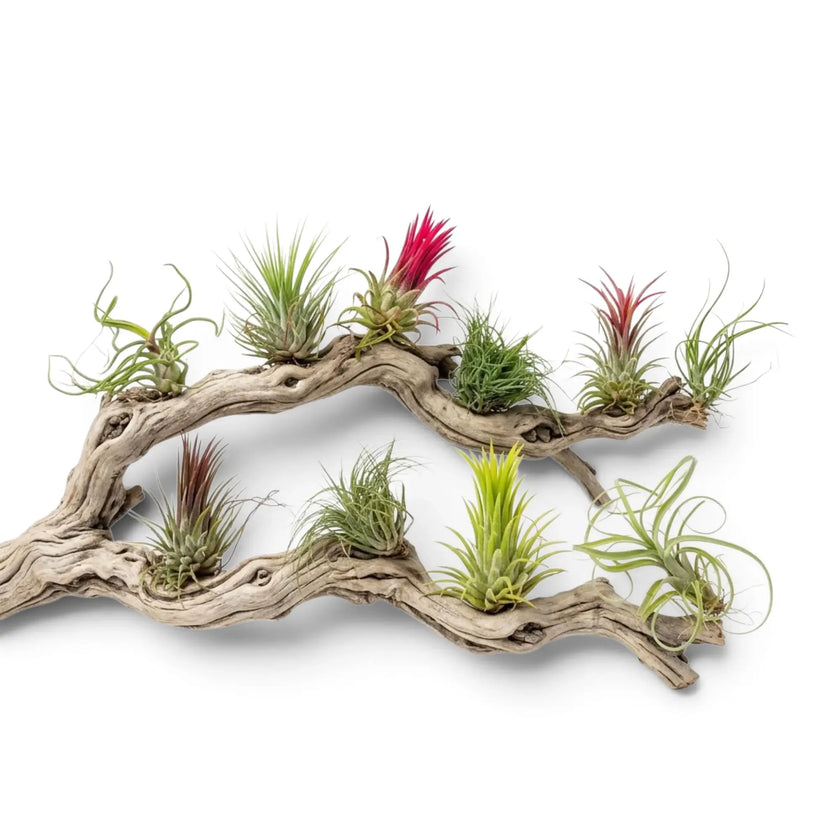
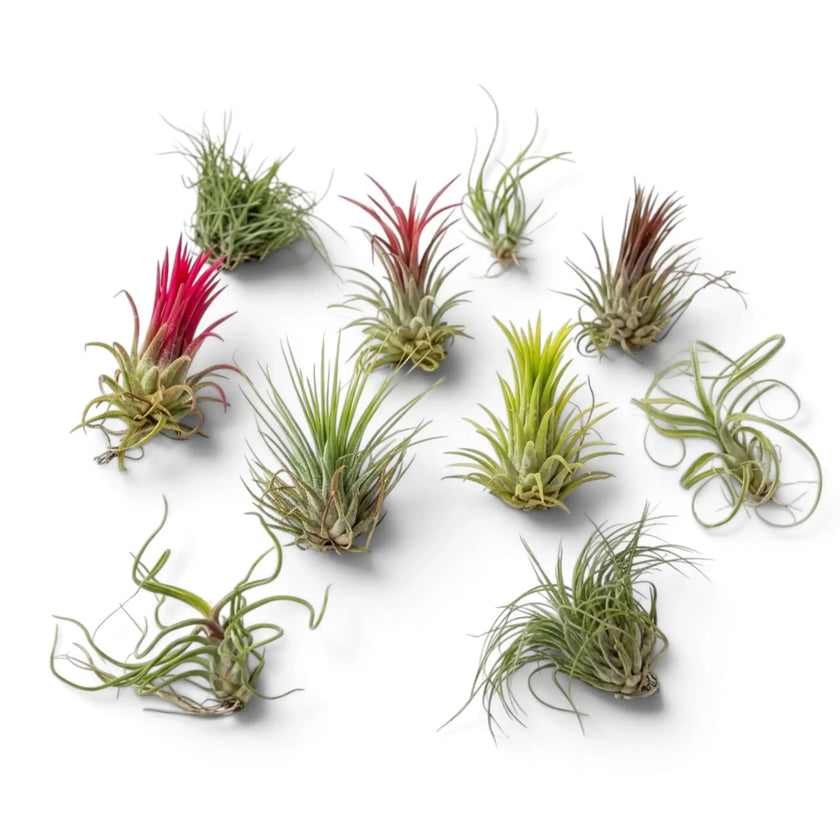
10 × Tillandsia Air Plants
Regular price€31,25

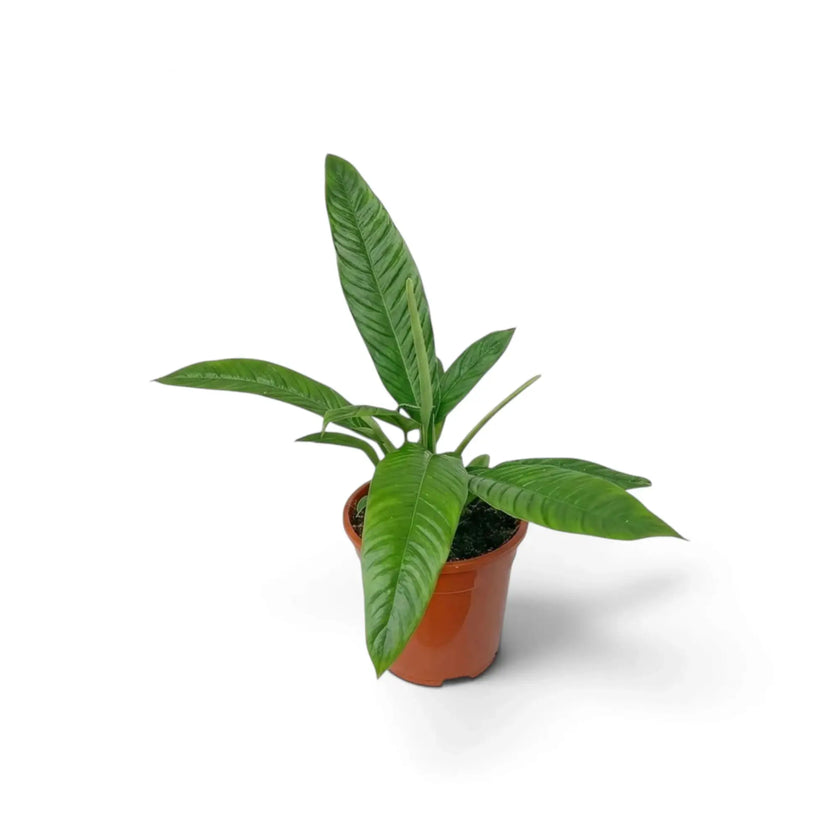
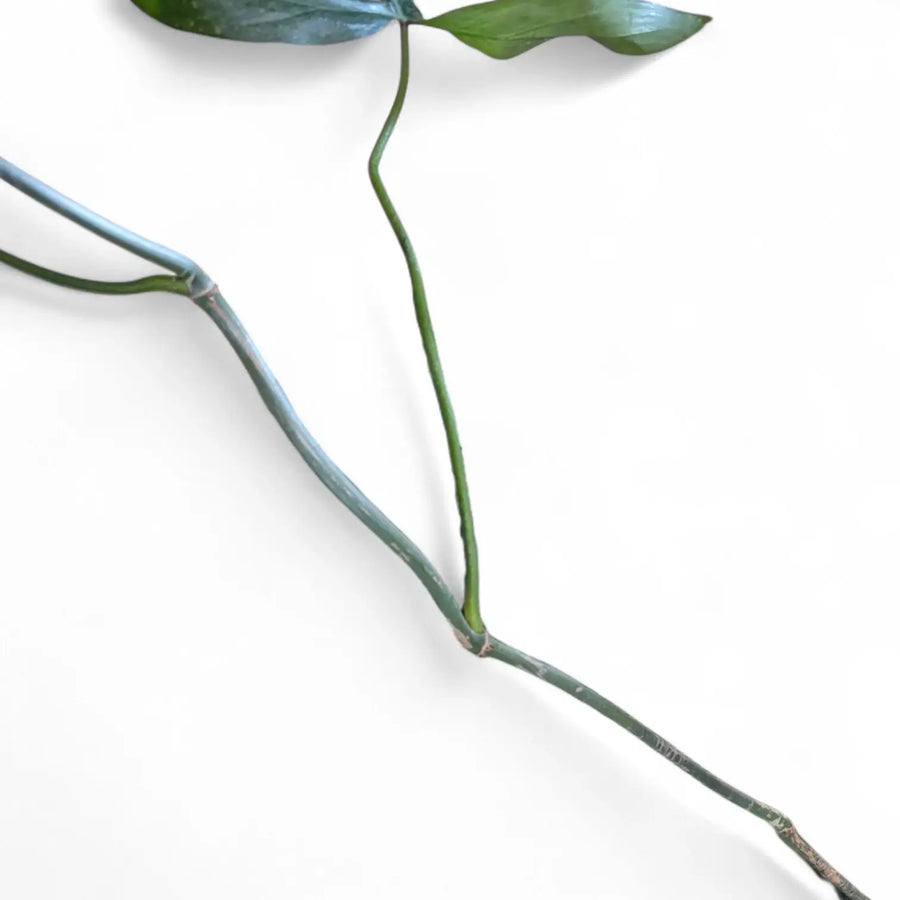
Philodendron campii 'Lynette'
Regular priceFrom €15,00
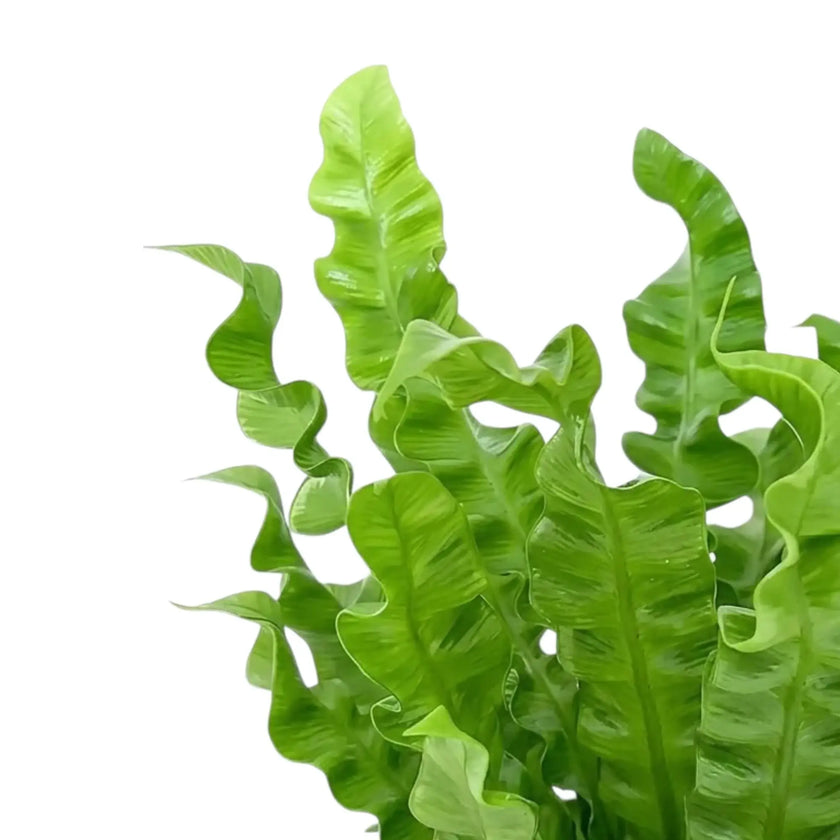
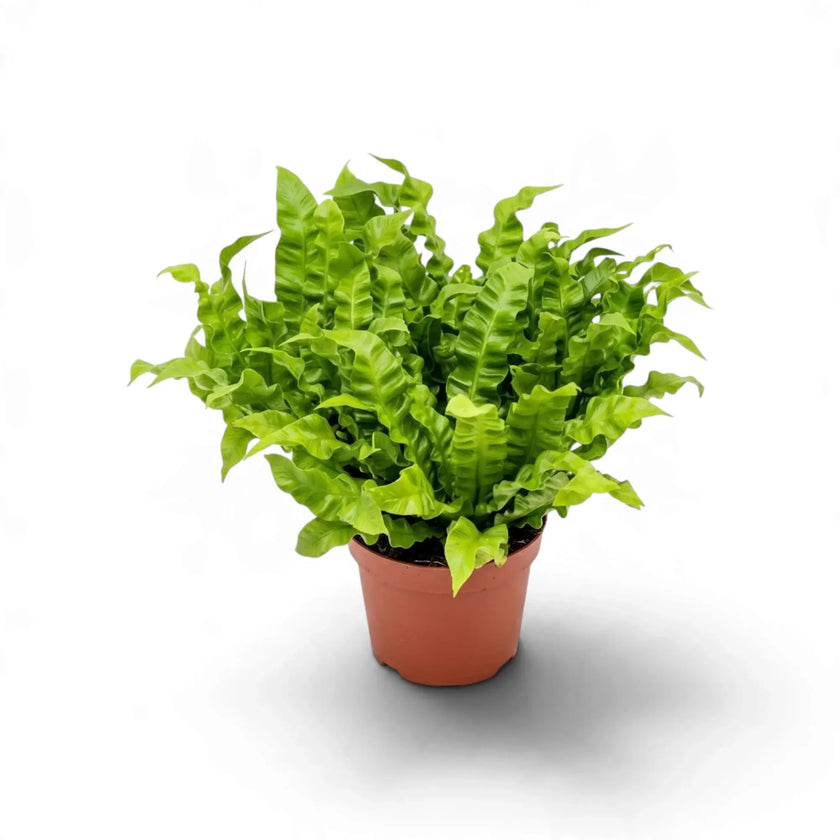
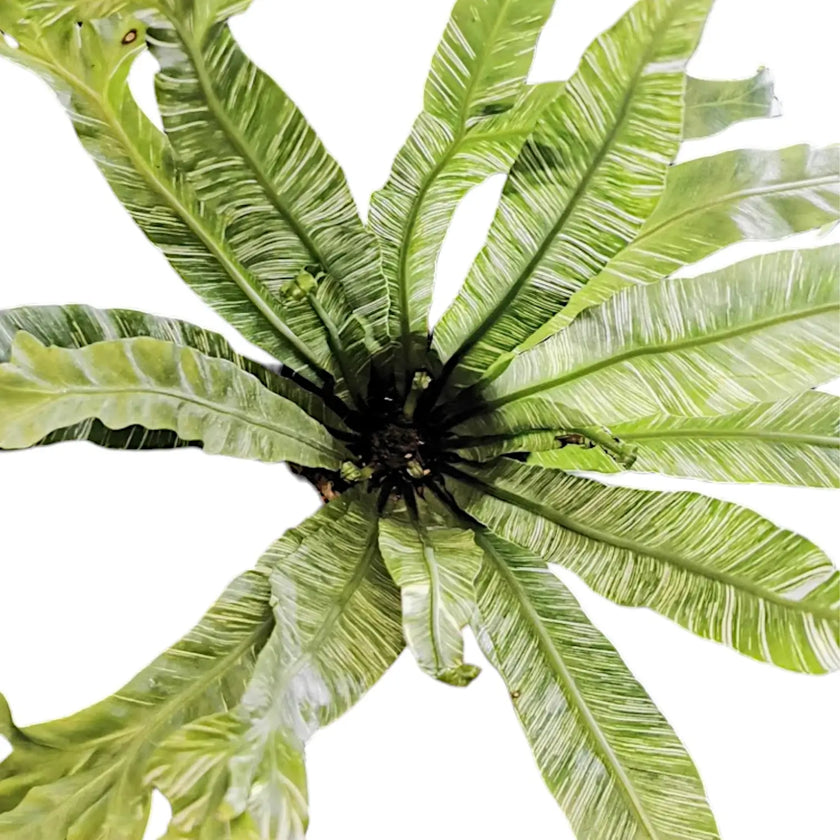
Asplenium nidus 'Crispy Wave'
Regular priceFrom €9,75
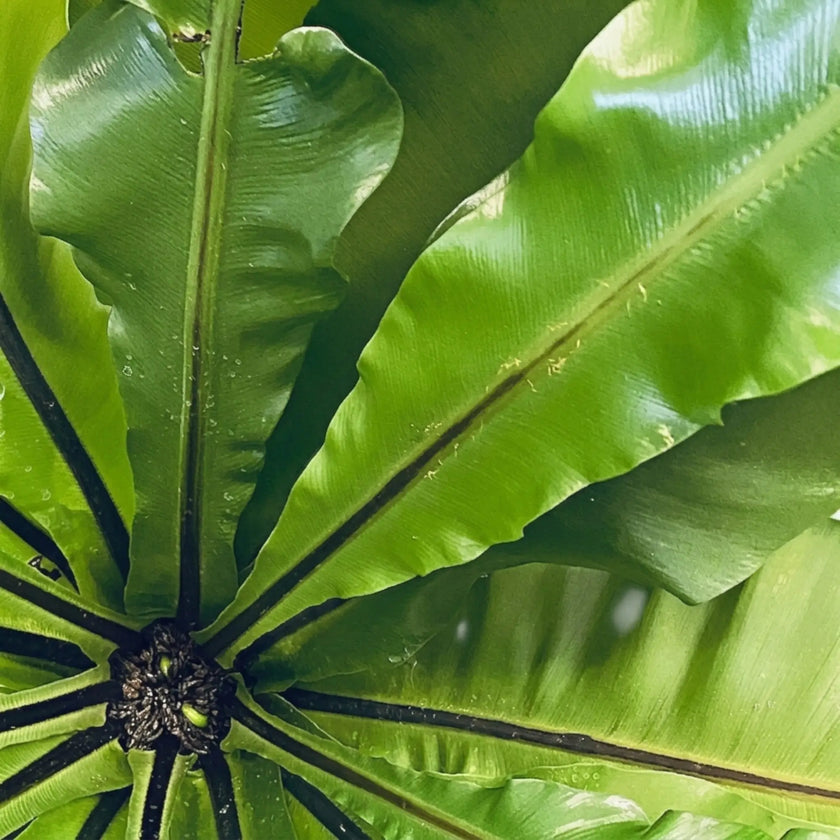
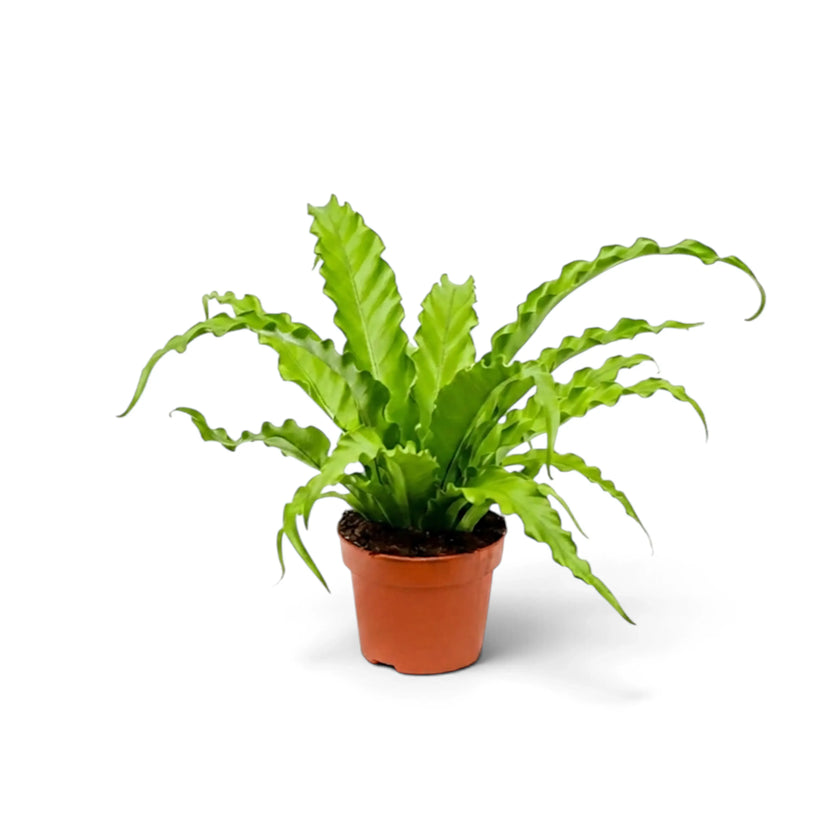
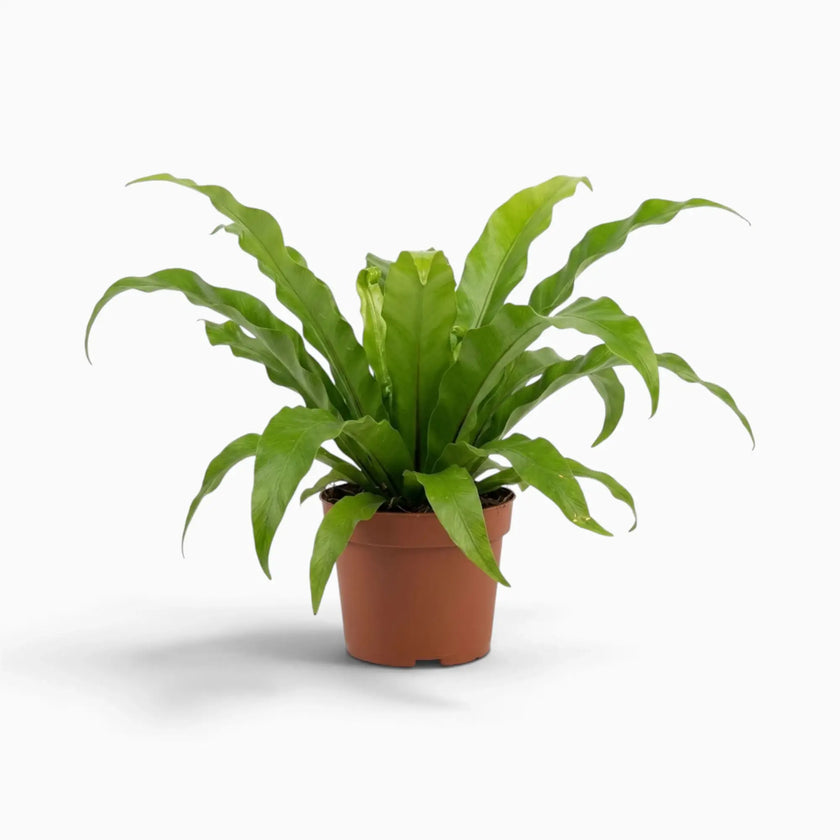
Asplenium nidus
Regular price€8,50
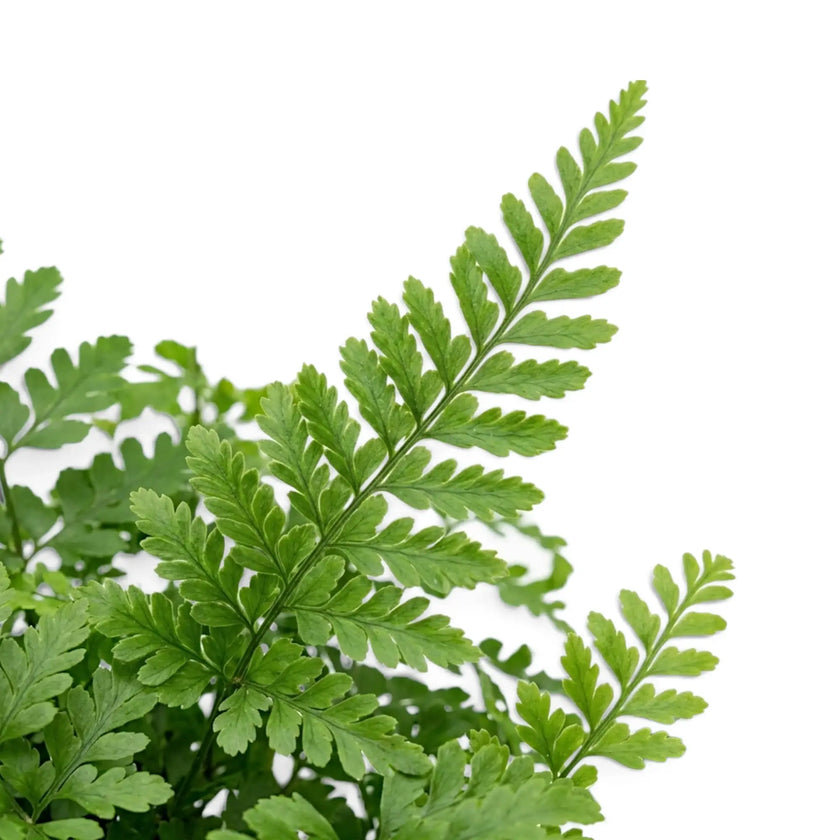
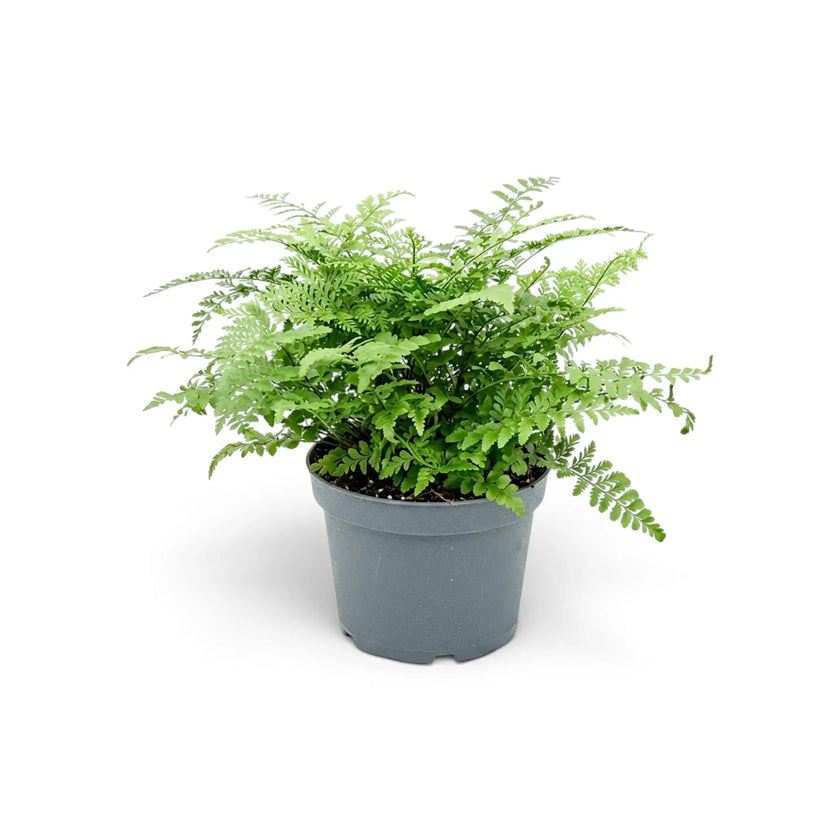
Asplenium dimorphum × difforme ‘Parvati’ (‘Austral Gem’)
Regular price€12,00
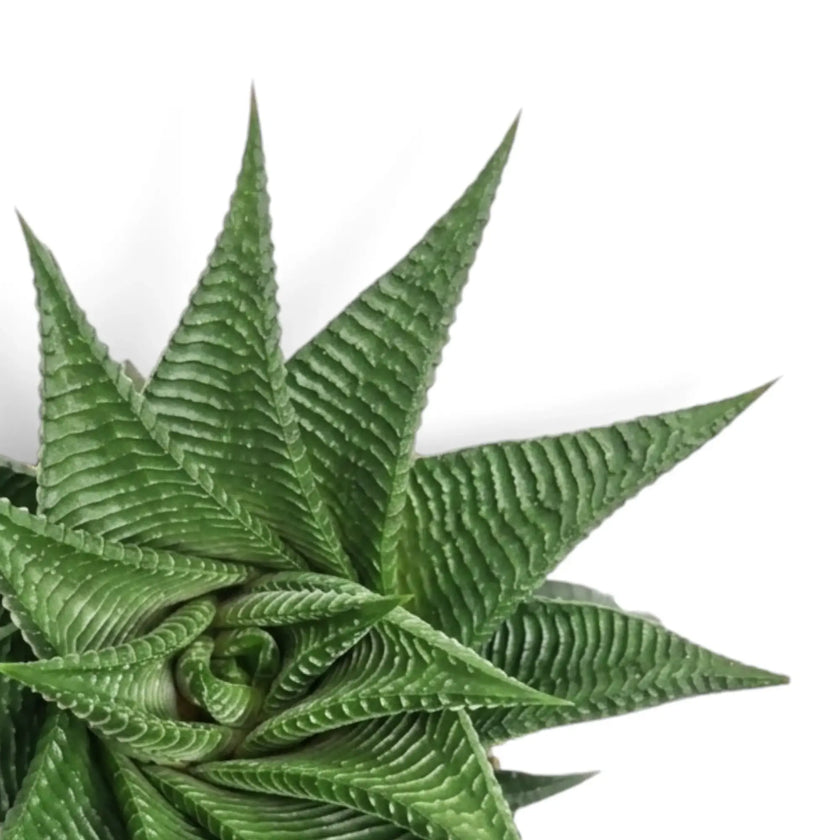
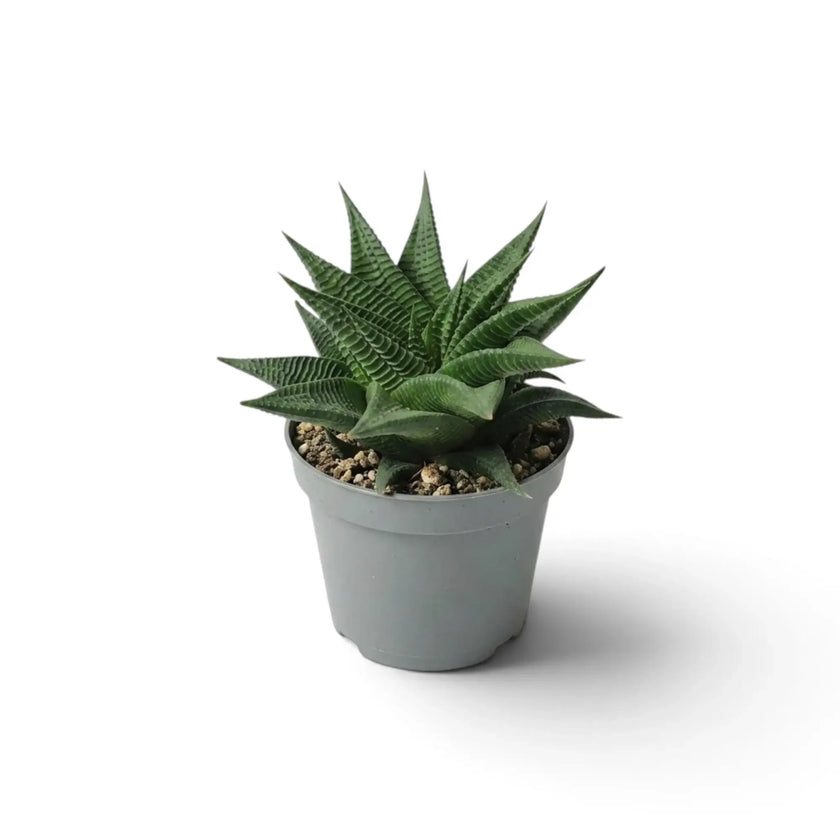
Haworthiopsis limifolia
Regular price€8,50
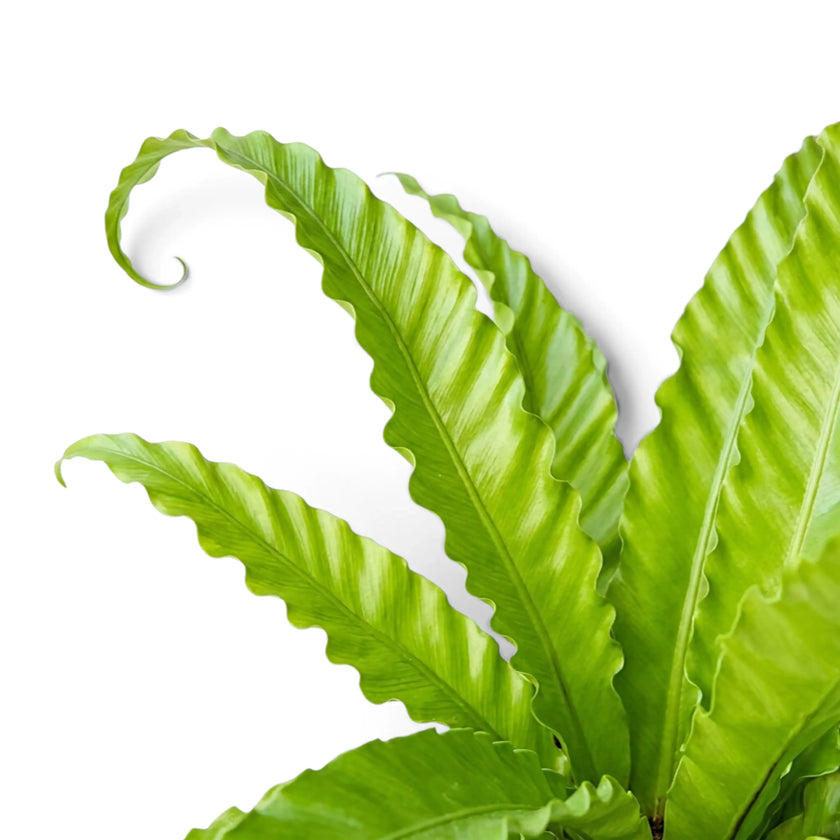
Asplenium antiquum ‘Osaka’
Regular price€10,75
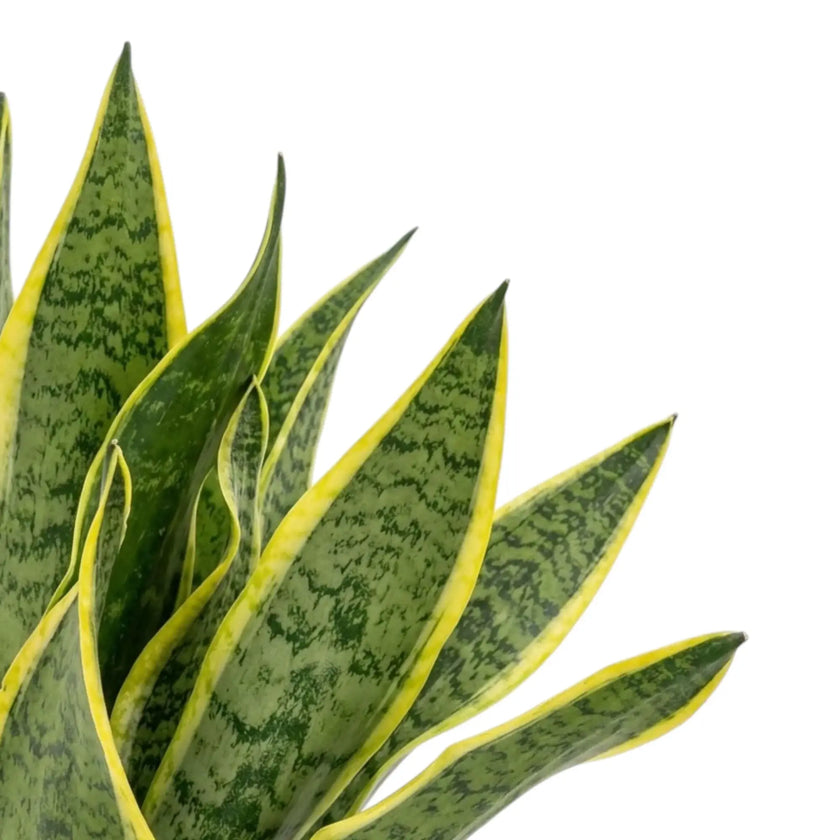
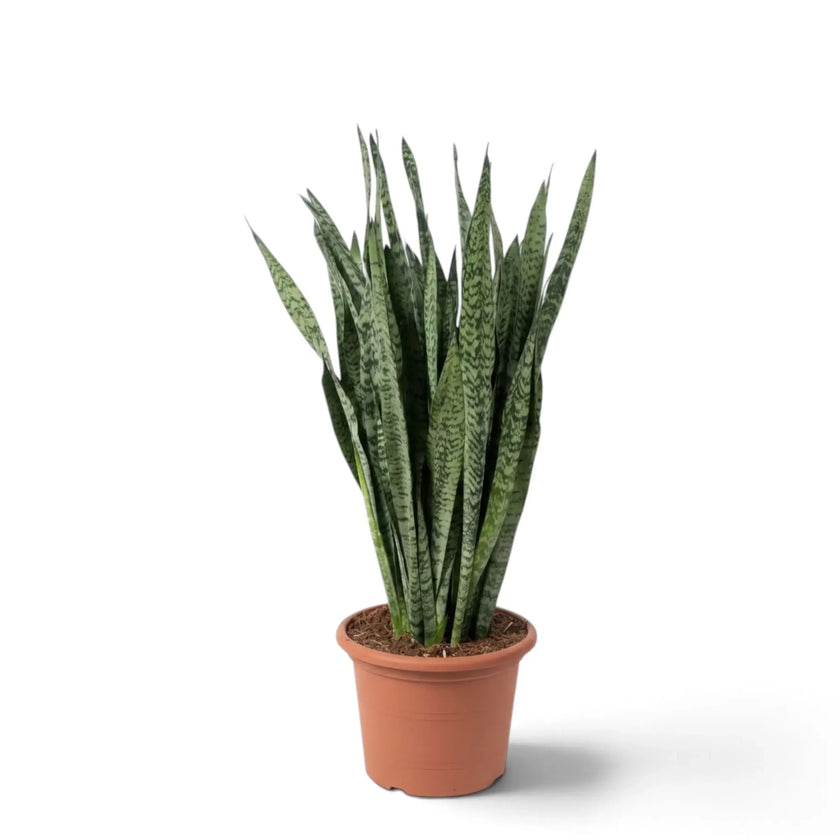
Dracaena trifasciata 'Superba'
Regular price€12,75
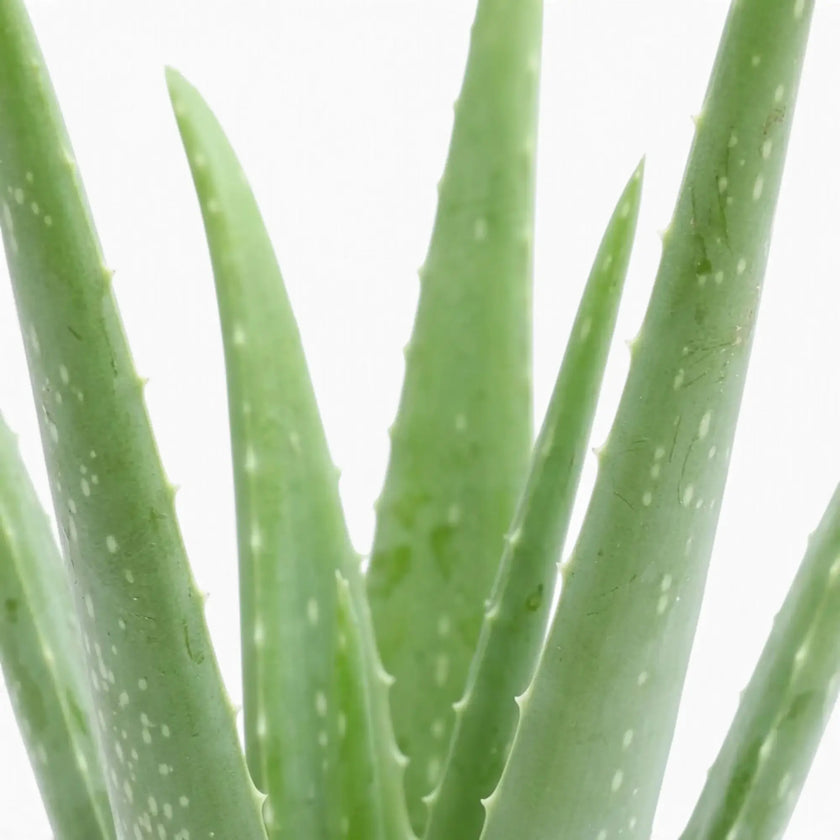
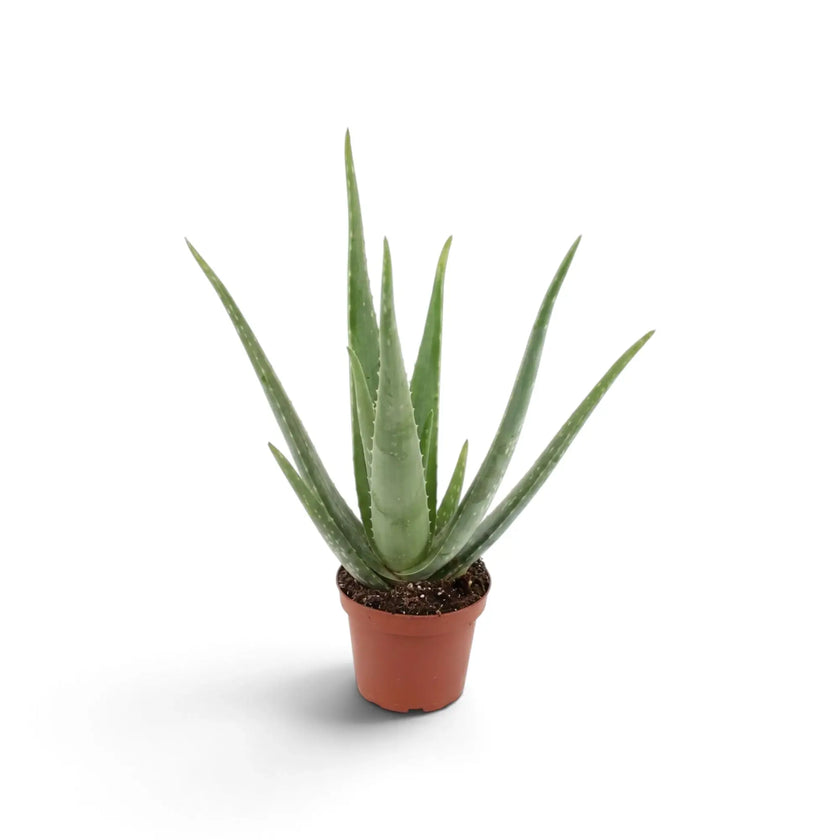
Aloe vera
Regular priceFrom €9,75
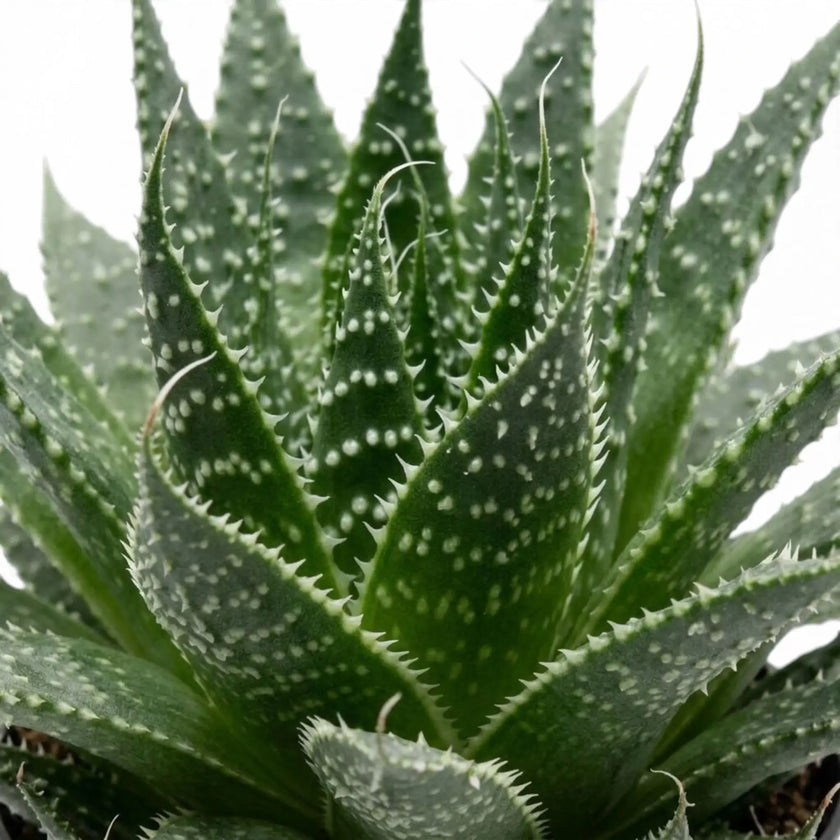
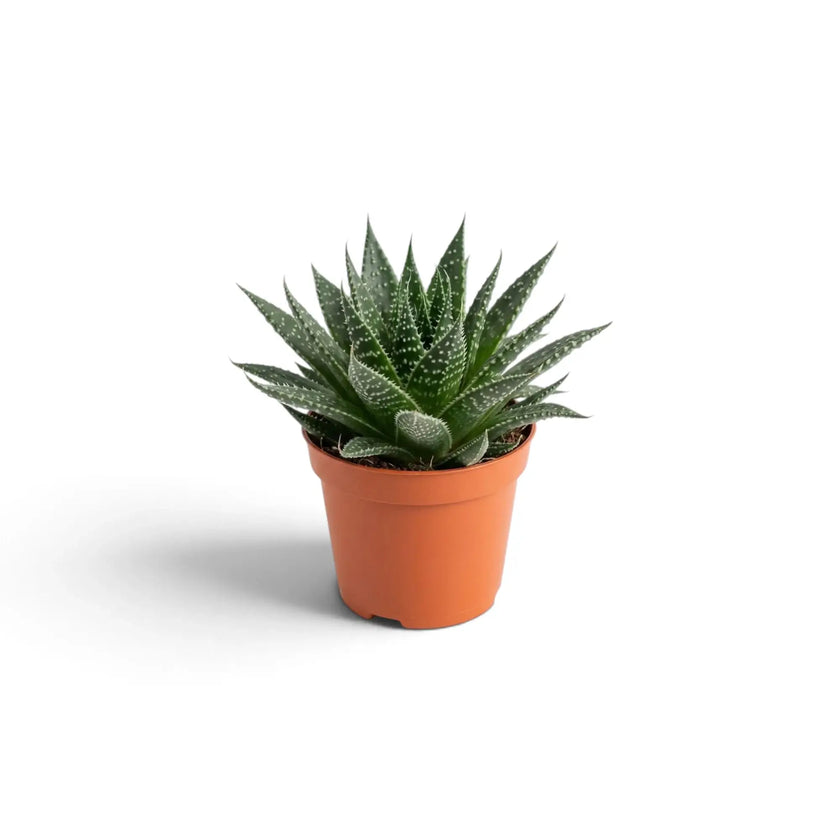
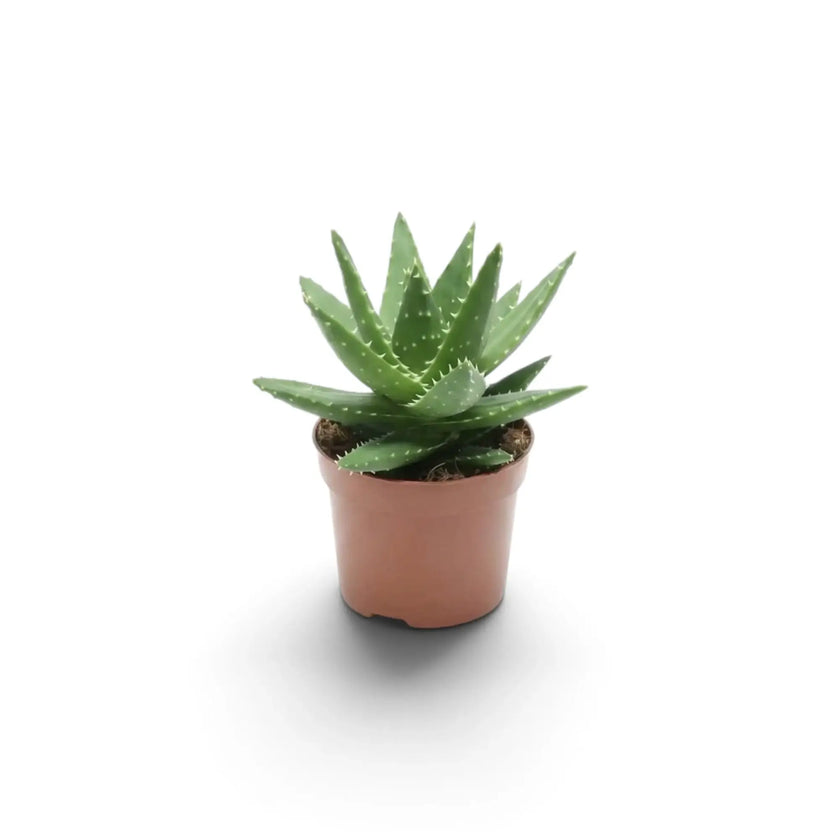
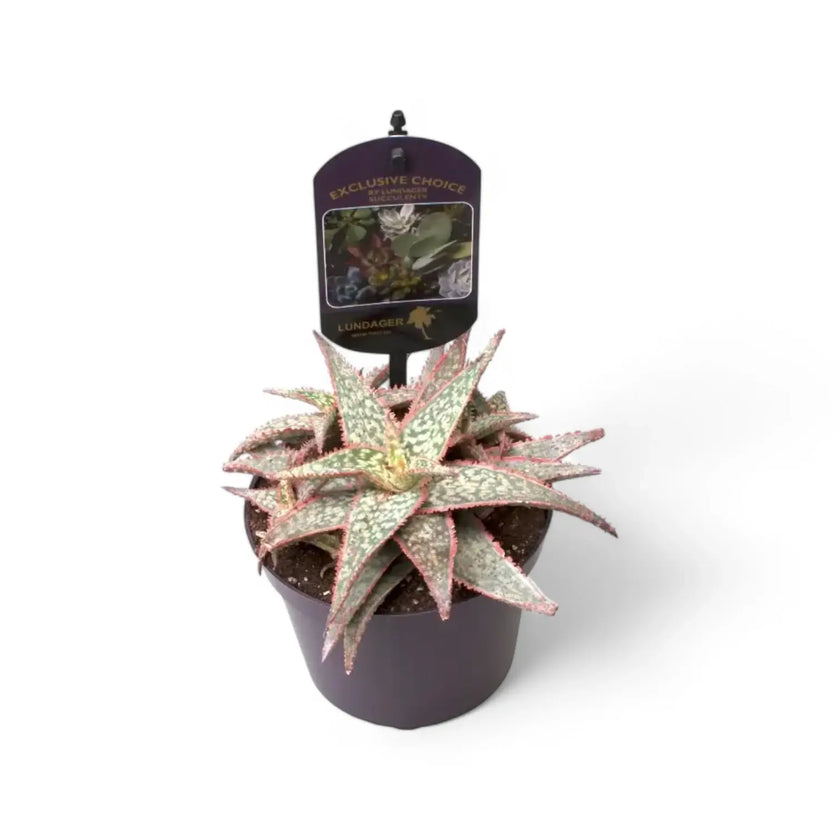
Aristaloe aristata
Regular price€8,50
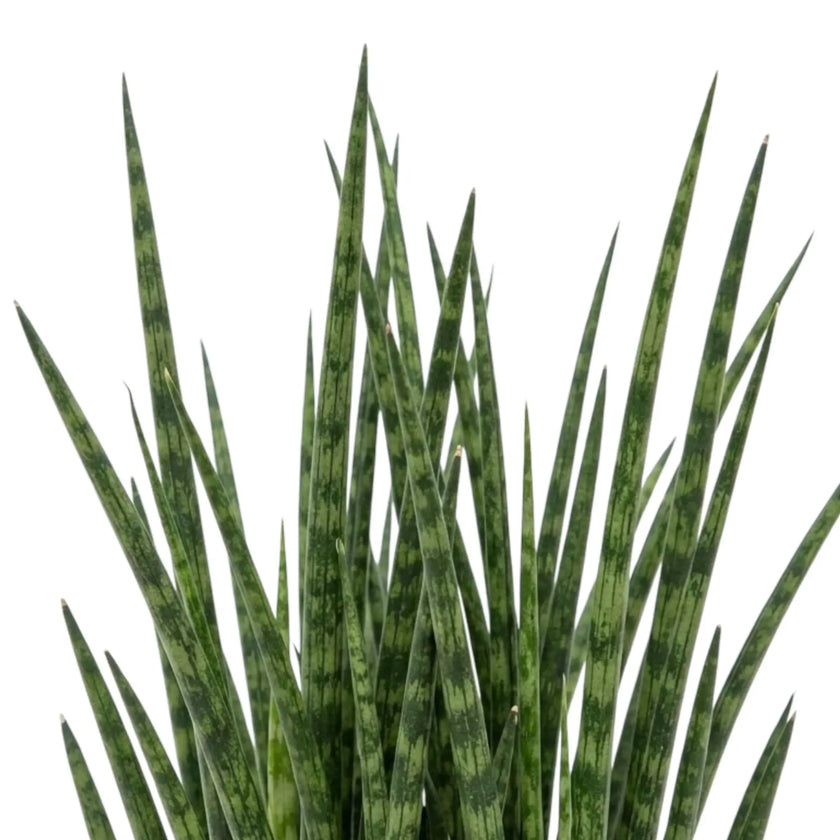
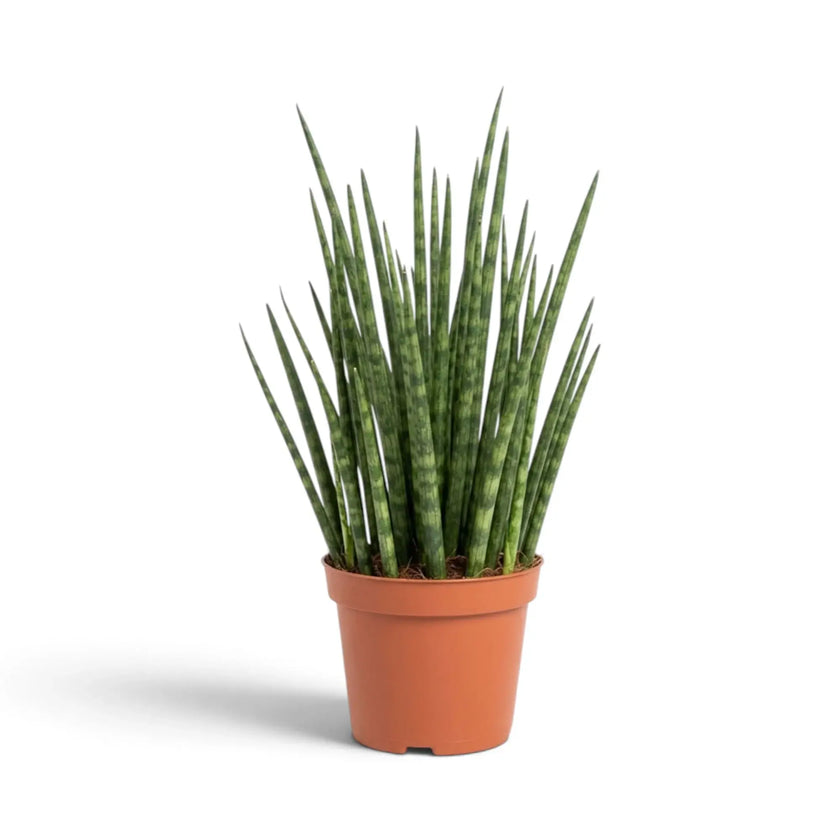
Dracaena ‘Fernwood Mikado’
Regular priceFrom €9,75
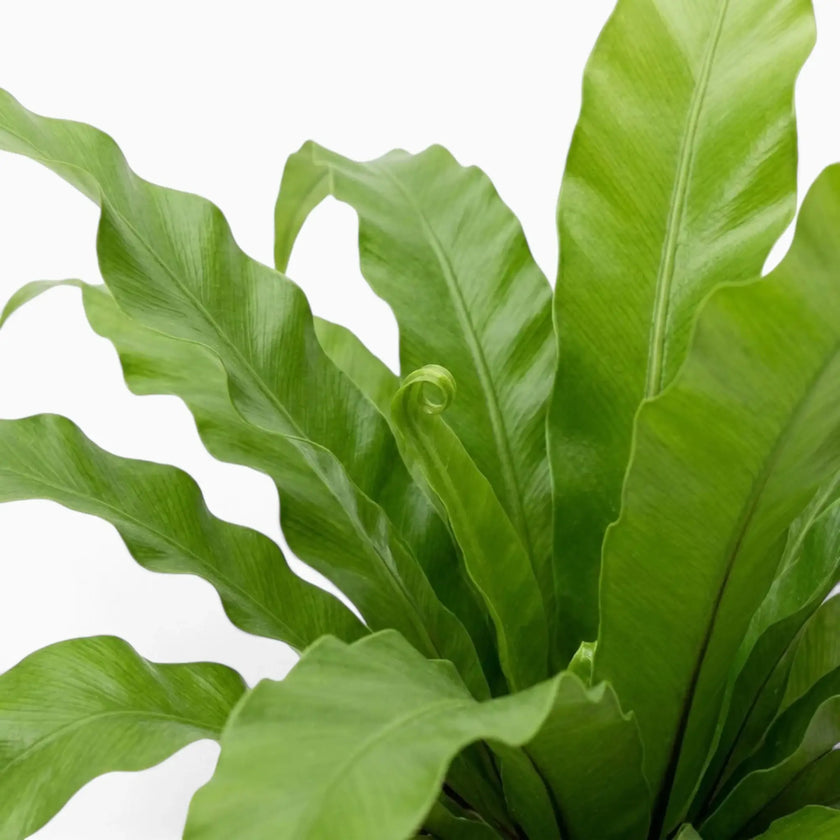
Asplenium antiquum
Regular price€10,75
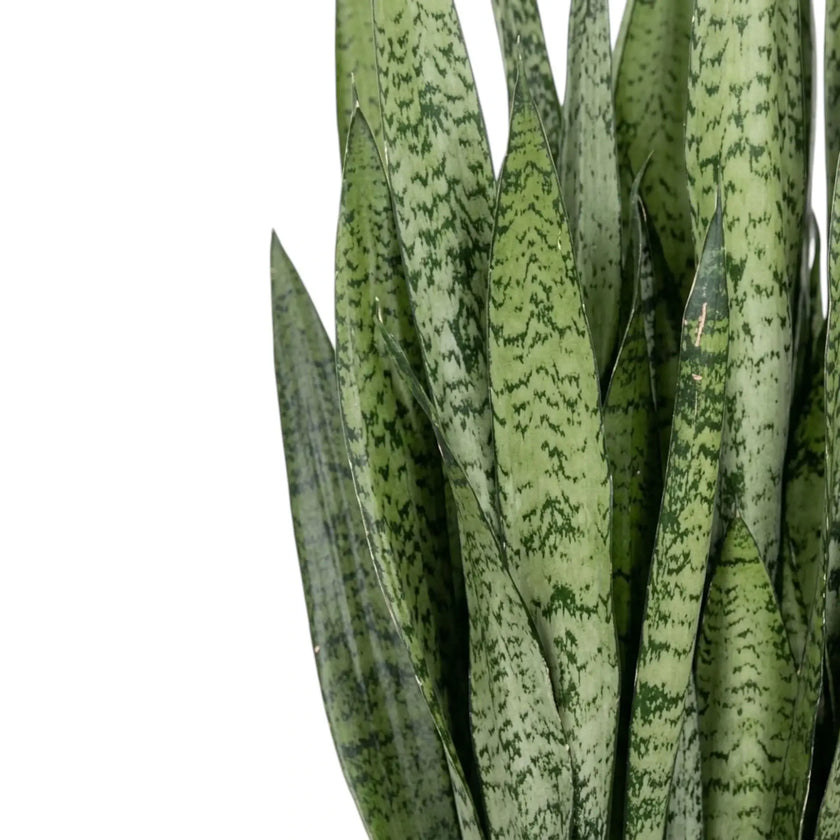
Dracaena zeylanica
Regular priceFrom €14,50
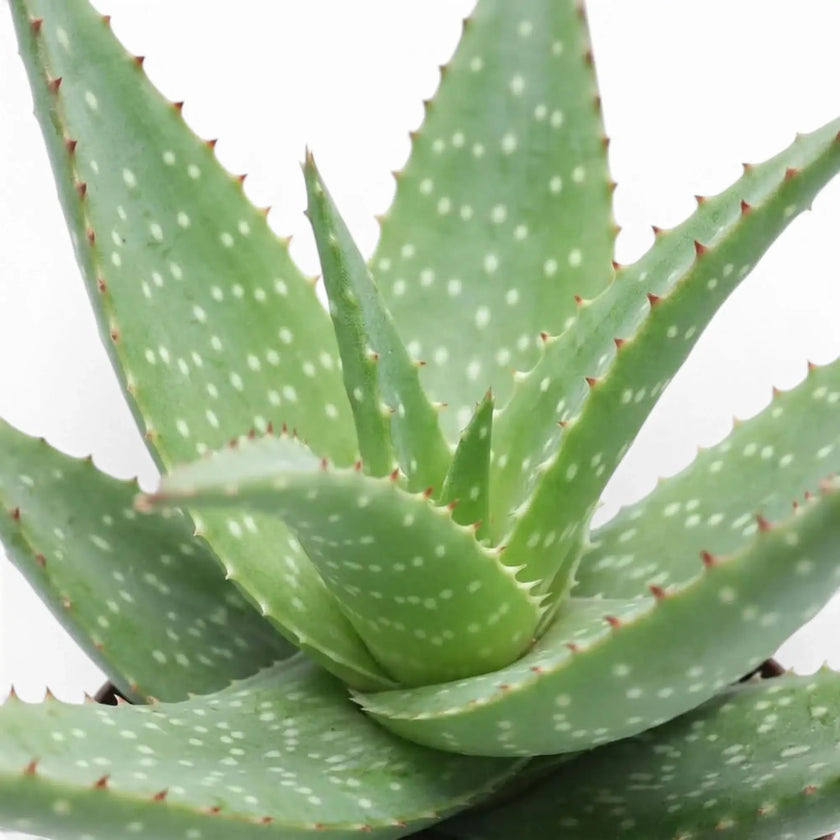
Aloe microstigma
Regular price€8,50
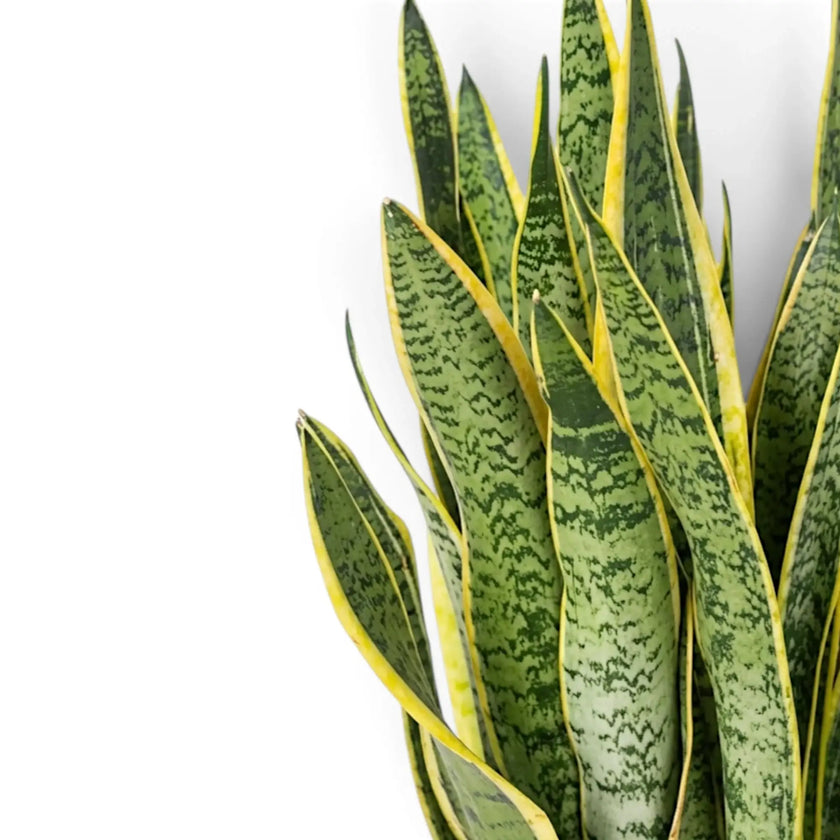
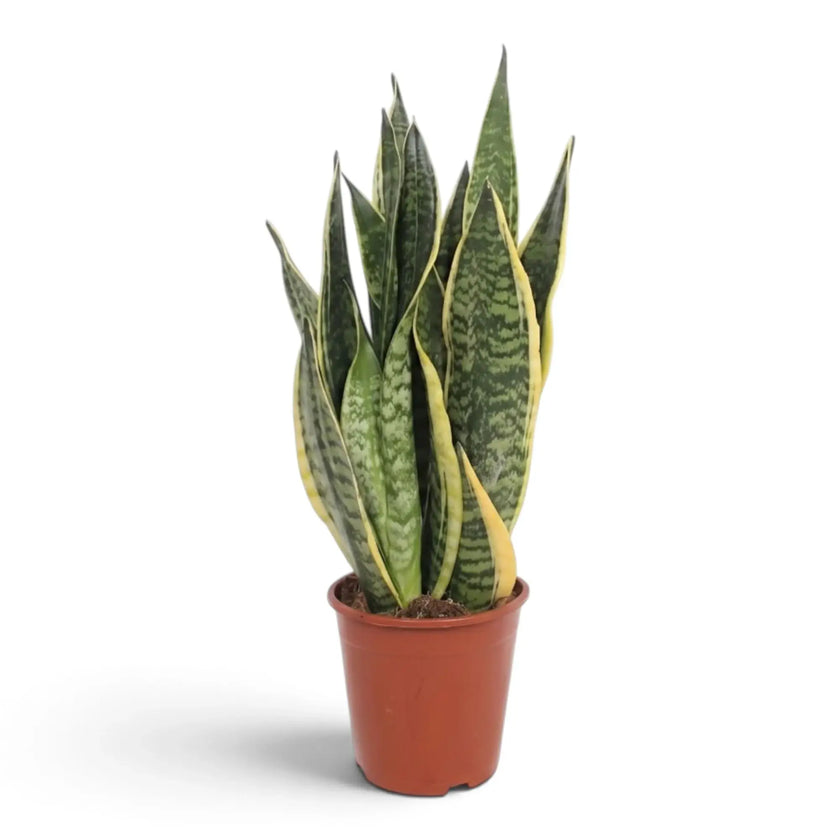
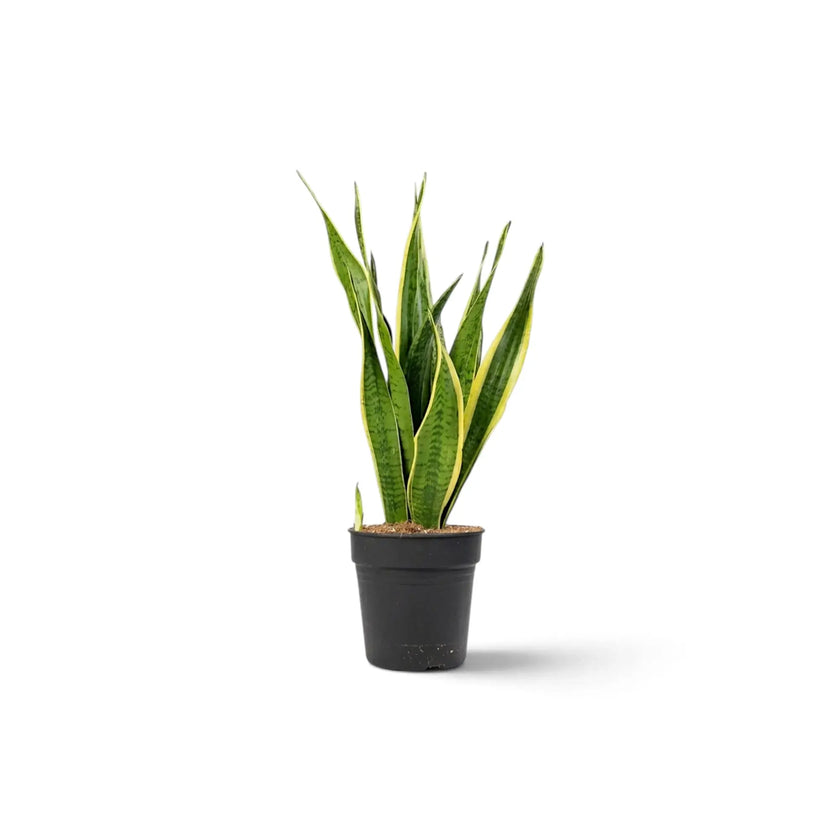
Dracaena trifasciata 'Laurentii'
Regular priceFrom €13,25
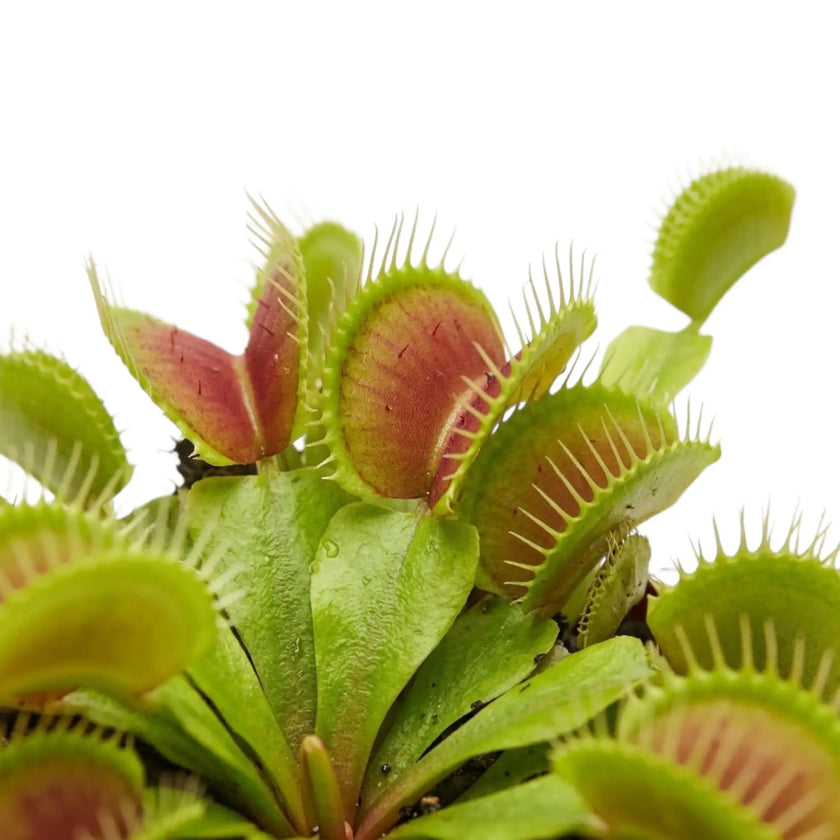
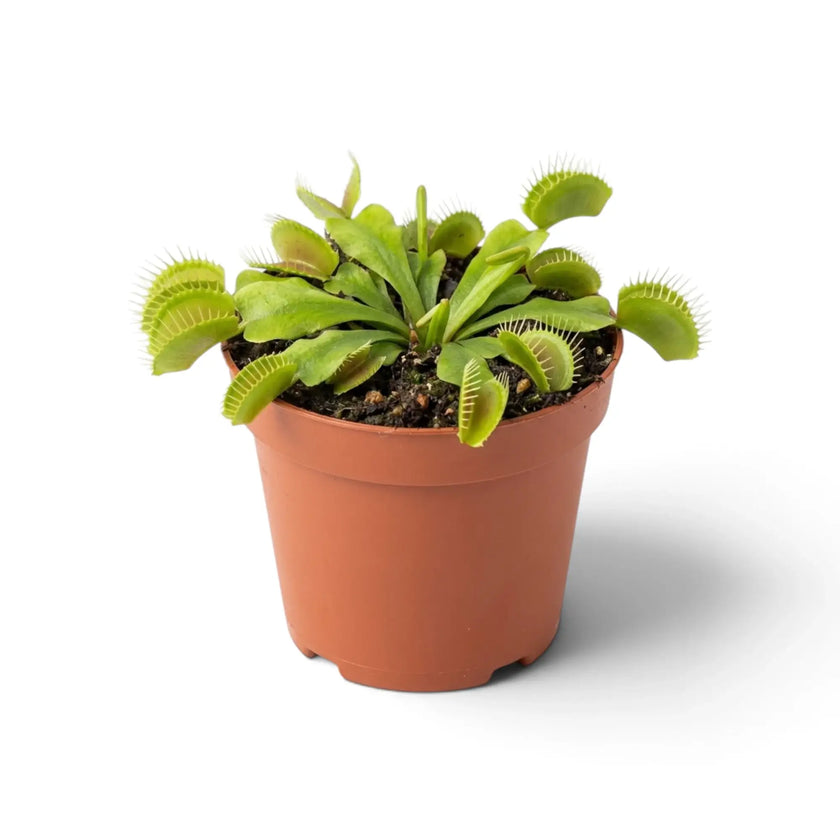
Dionaea muscipula
Regular priceFrom €10,75
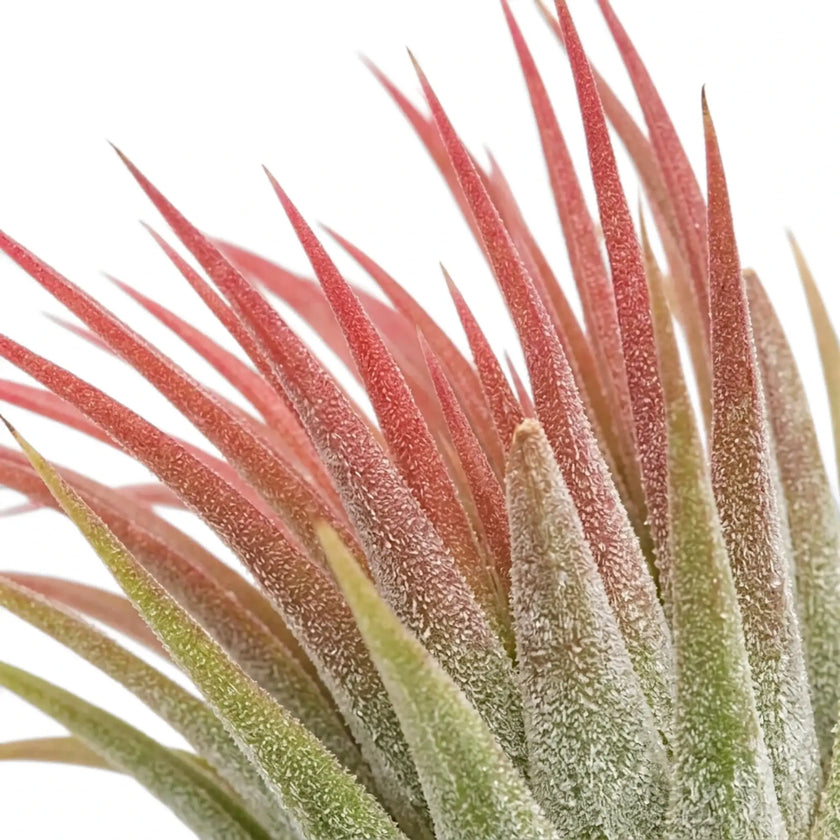
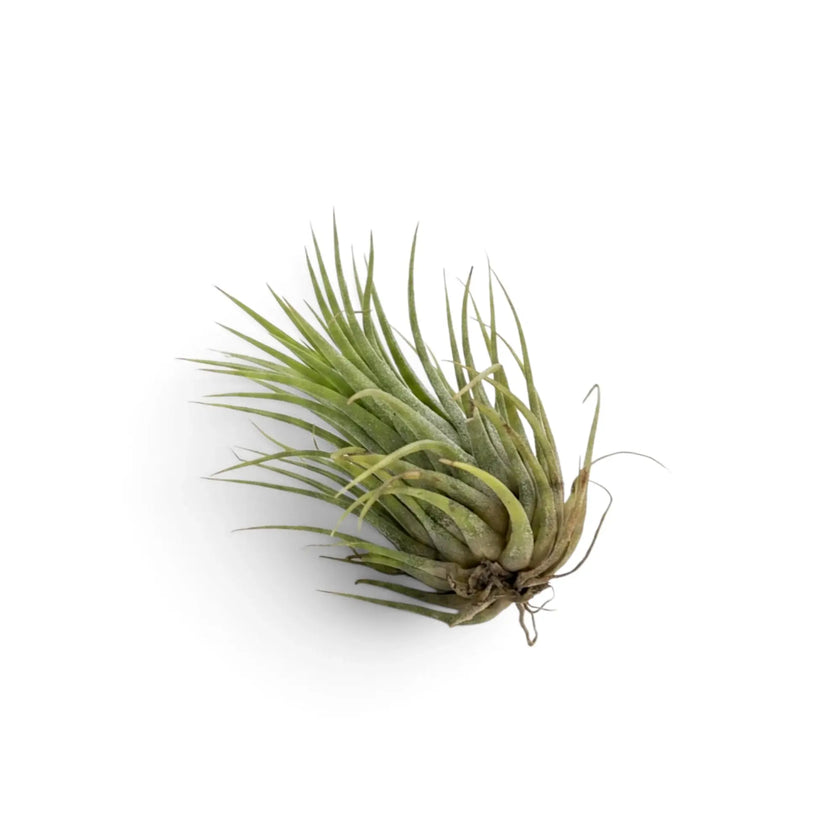
Tillandsia ionantha
Regular price€8,50
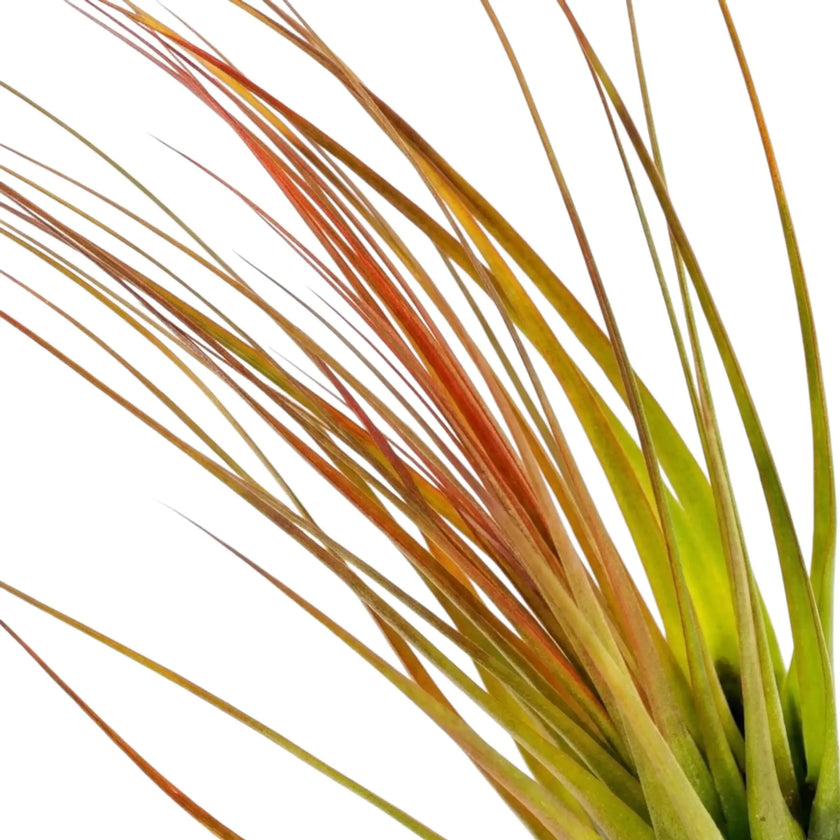
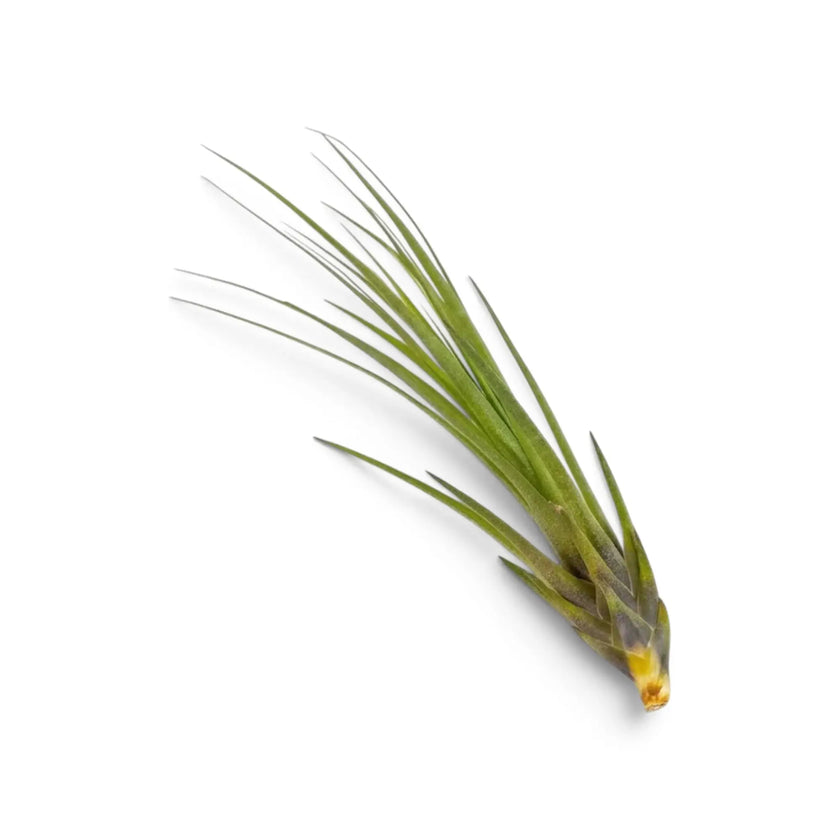
Tillandsia tricolor
Regular price€9,75
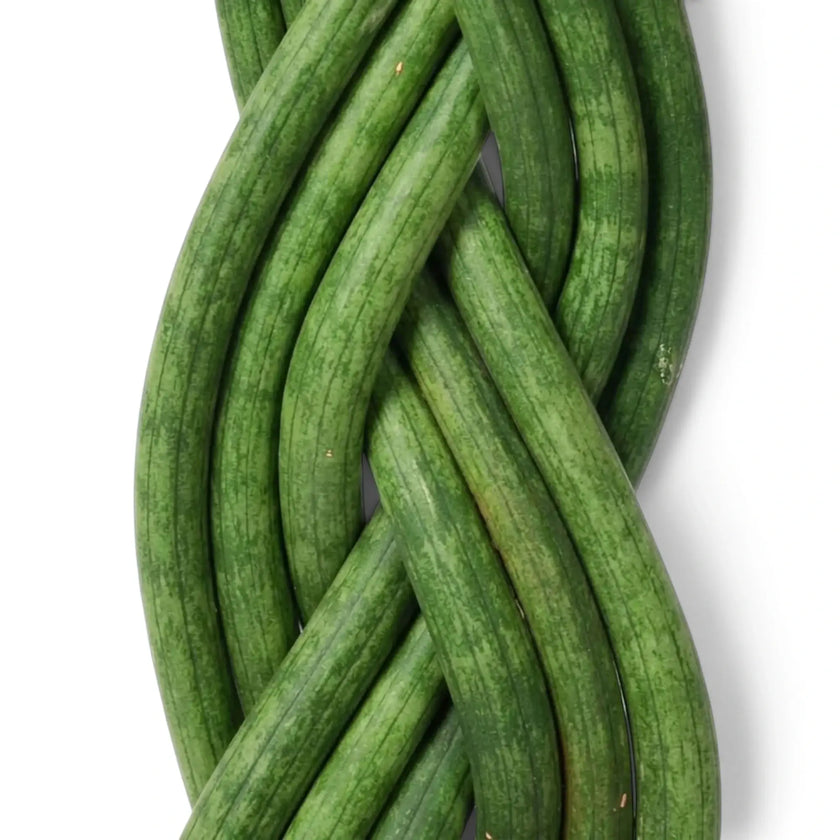
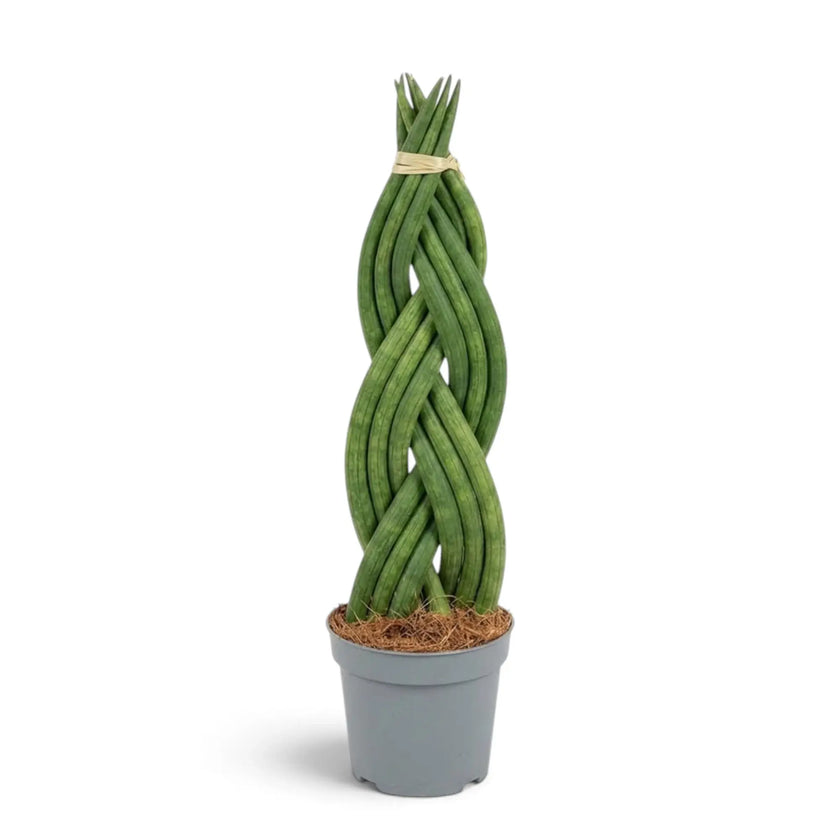
Dracaena angolensis ‘Twister’
Regular price€14,50
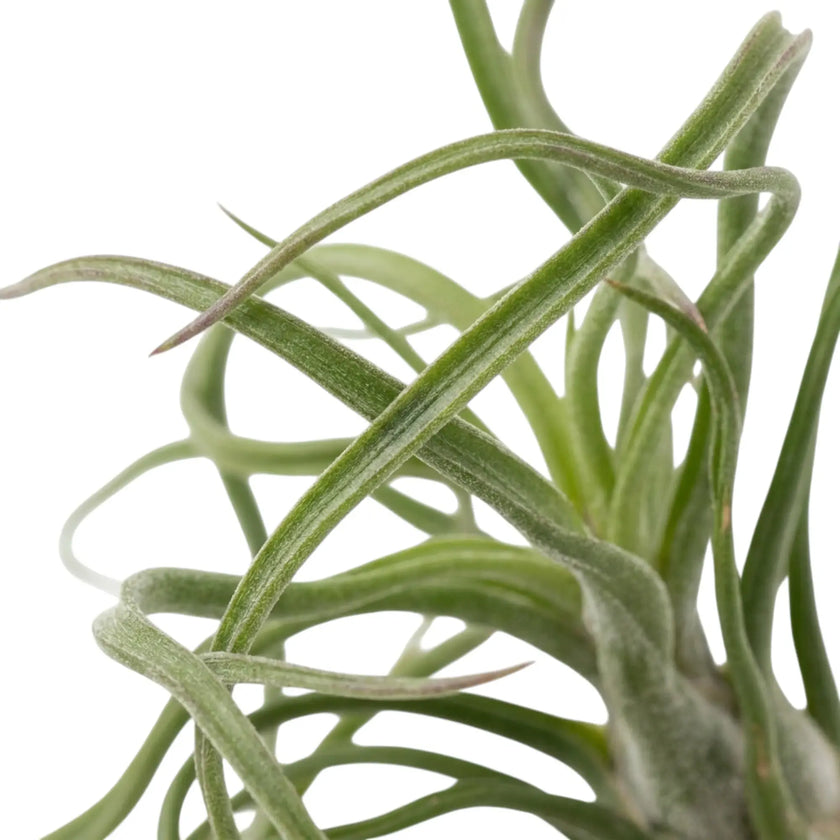
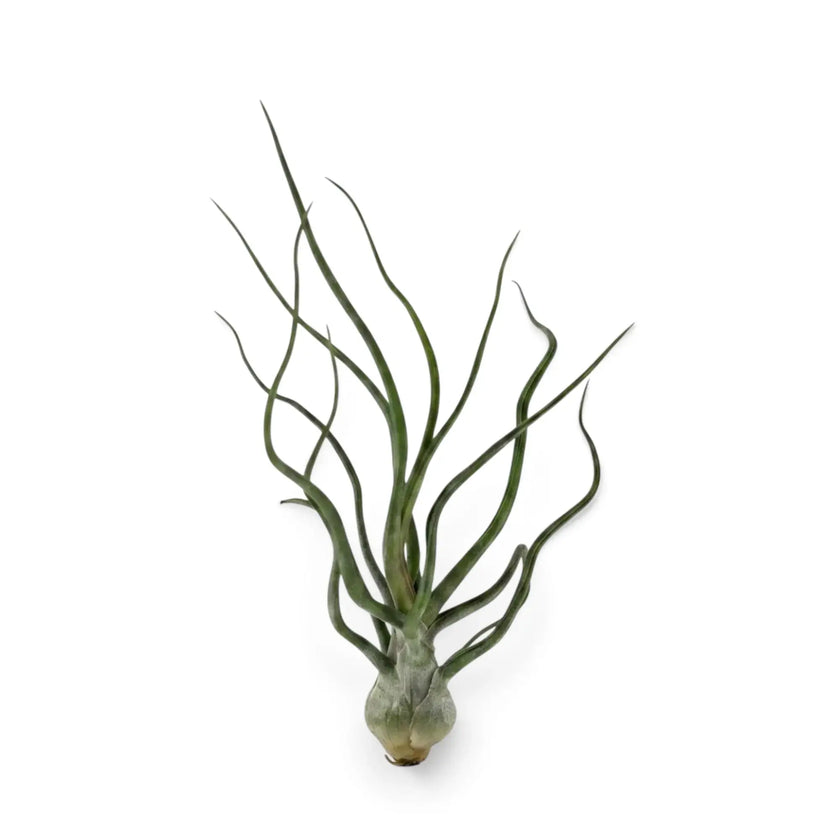
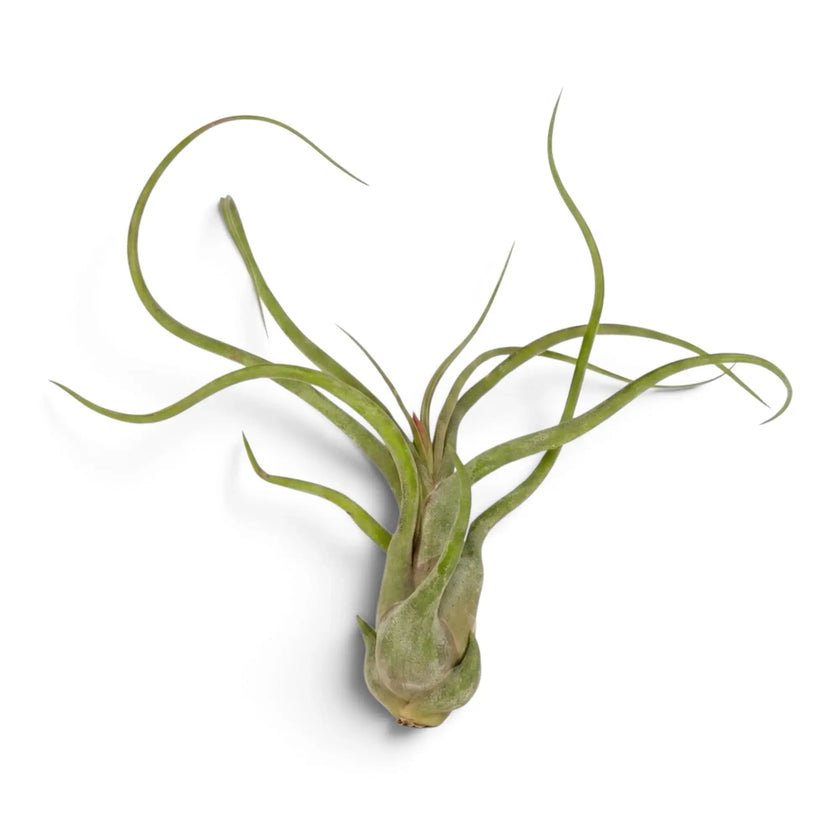
Tillandsia bulbosa
Regular price€9,75
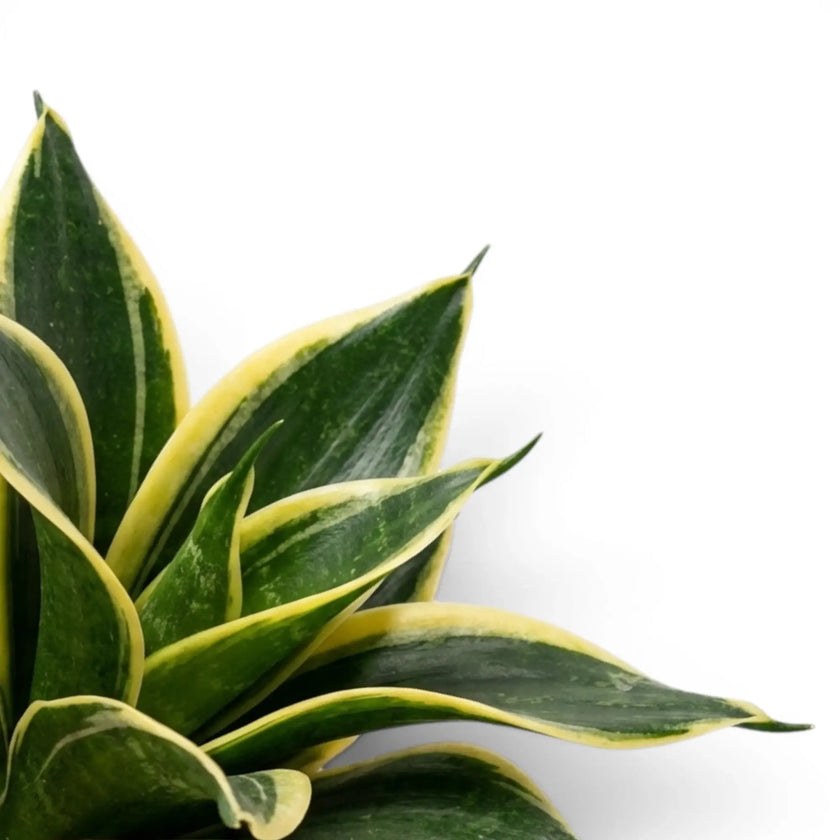
Dracaena trifasciata ‘Hahnii Golden Edge’
Regular price€8,50
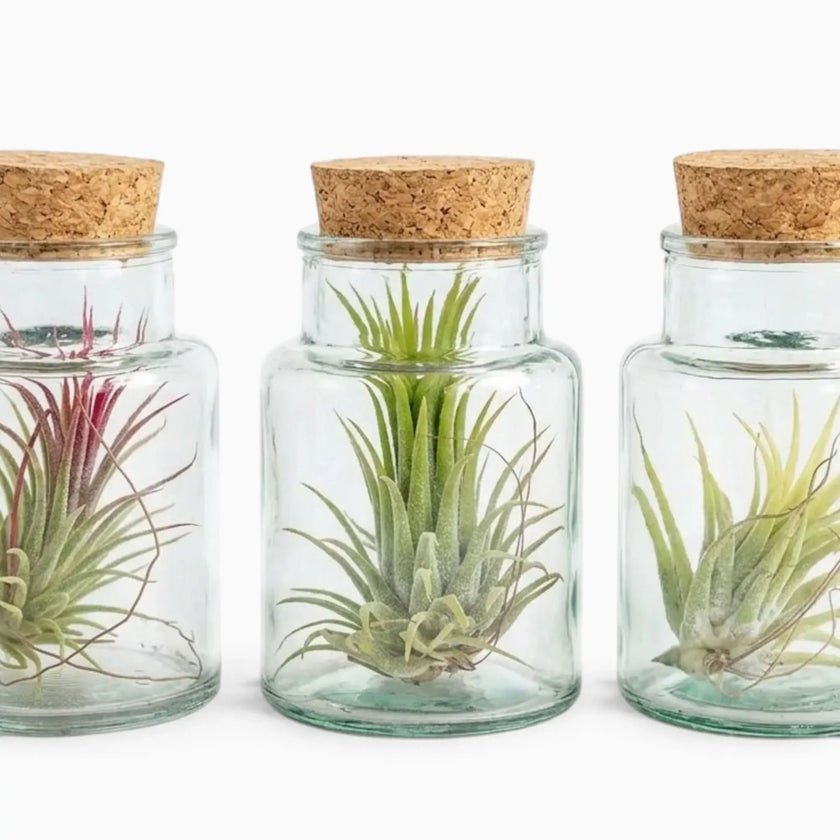
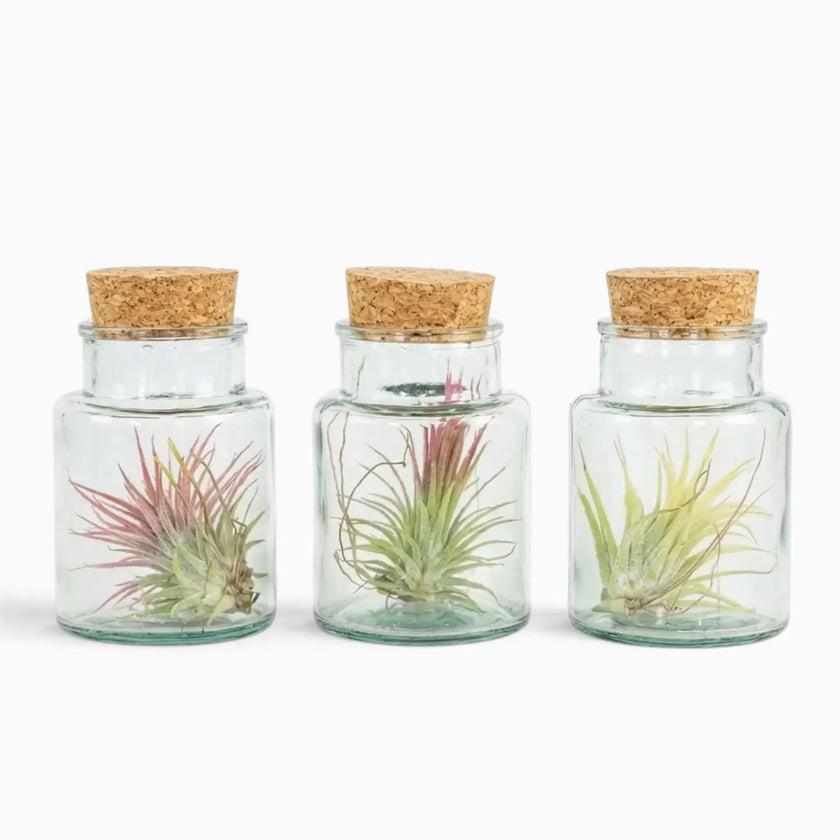
3 × Tillandsia Air Plants in Glass
Regular price€16,75
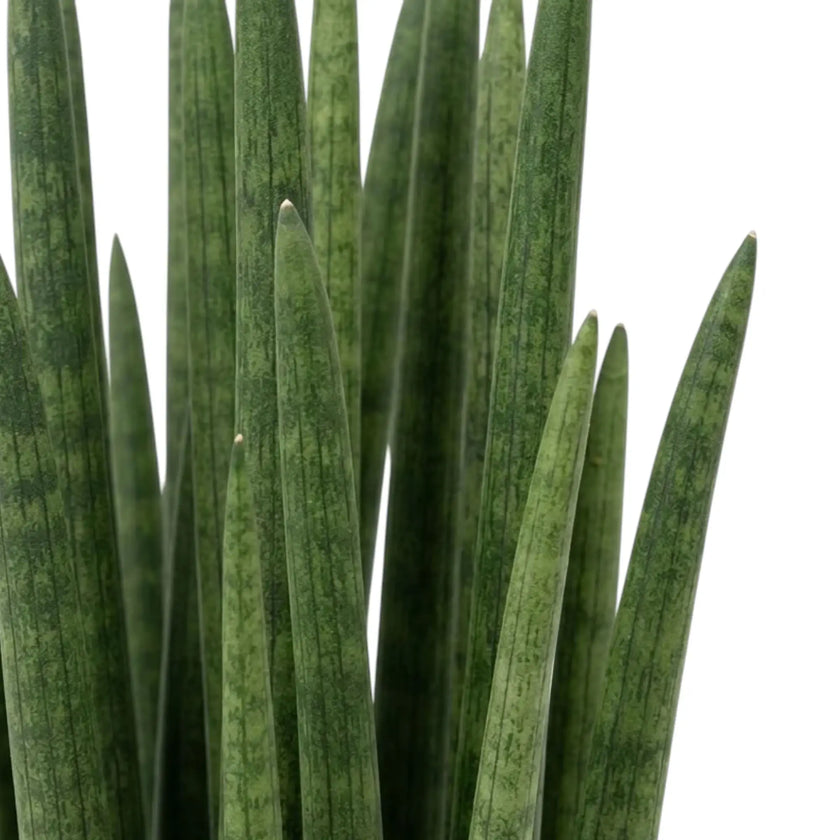
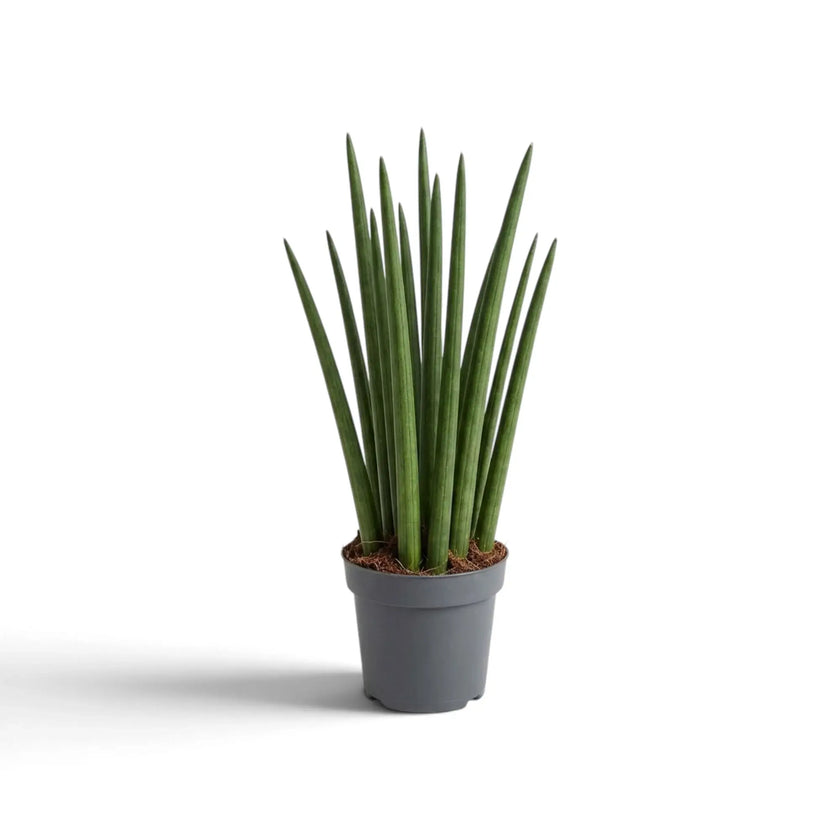
Dracaena angolensis
Regular price€40,75
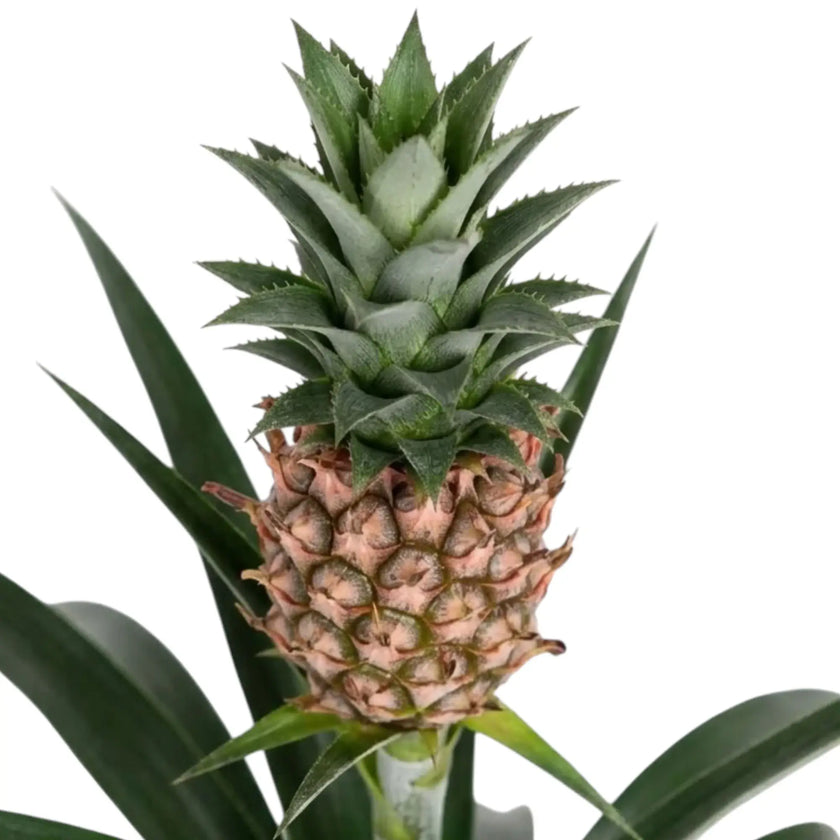
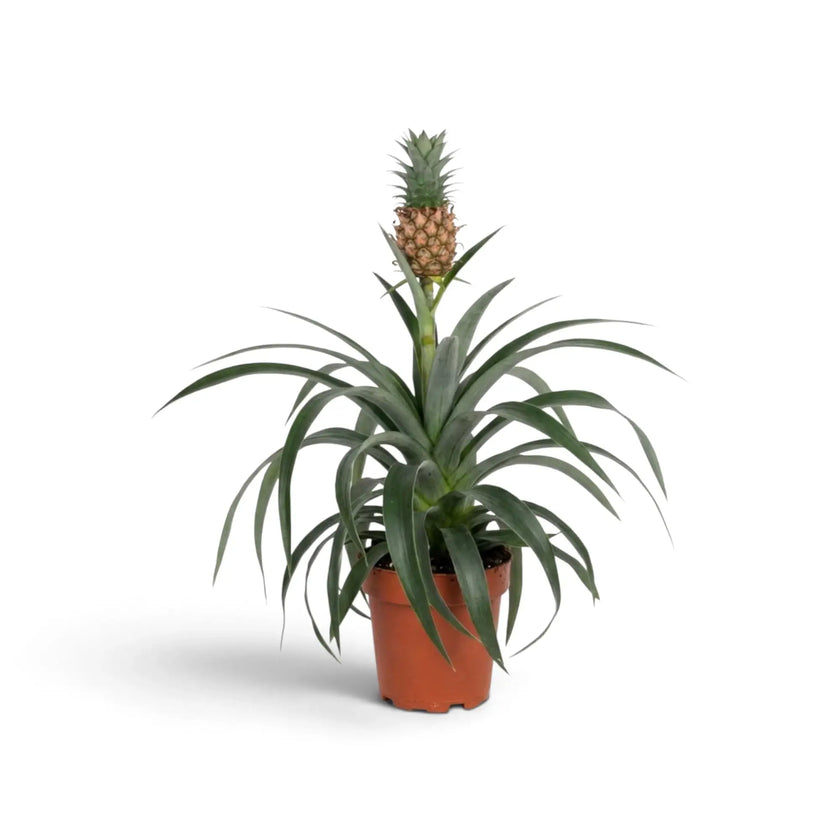
Ananas comosus 'Corona'
Regular price€16,75

Dracaena angolensis ‘Straight’
Regular price€40,75
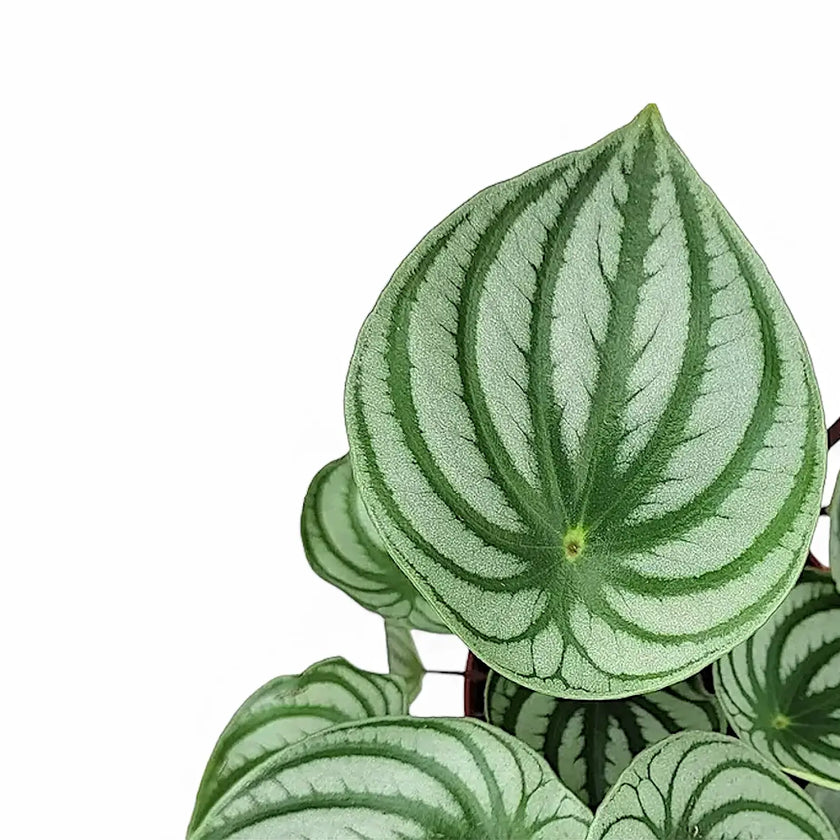
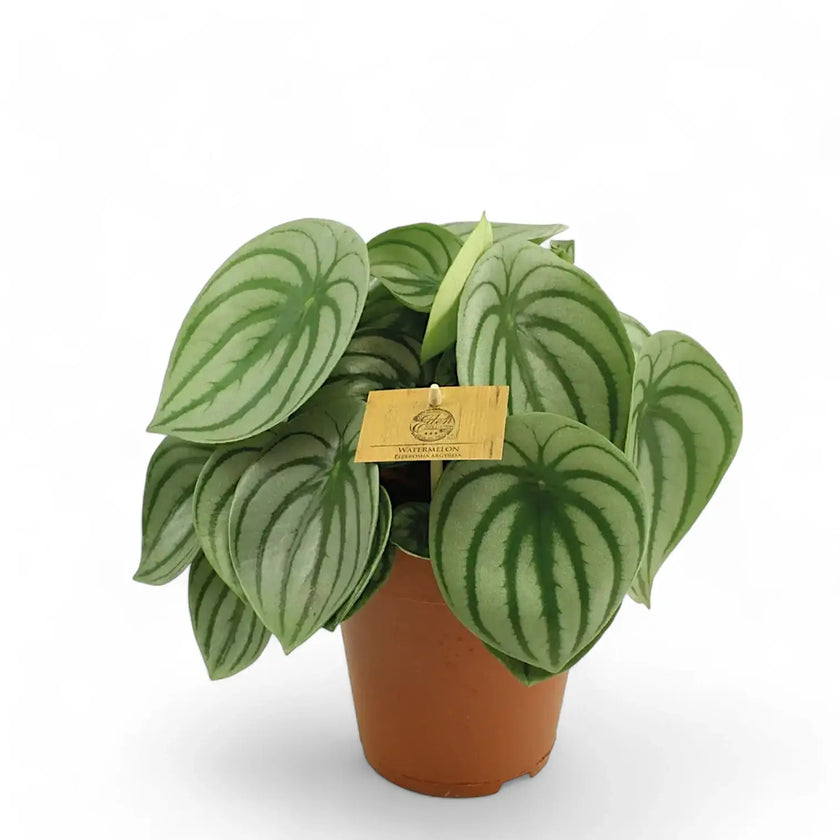
Peperomia argyraea
Regular price€13,25
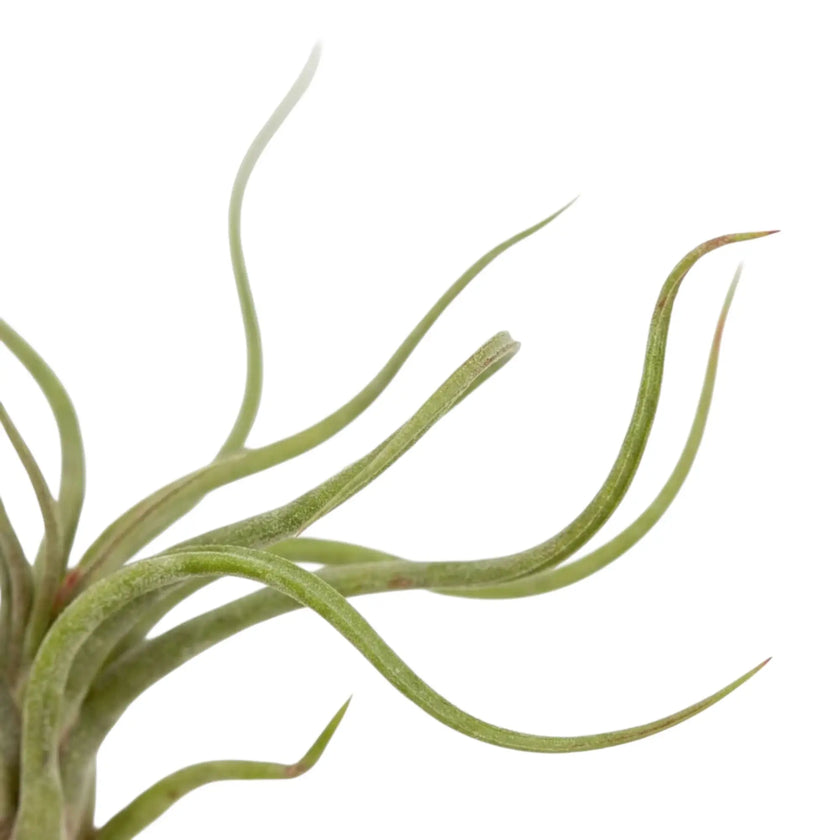
Tillandsia caput-medusae
Regular price€8,50

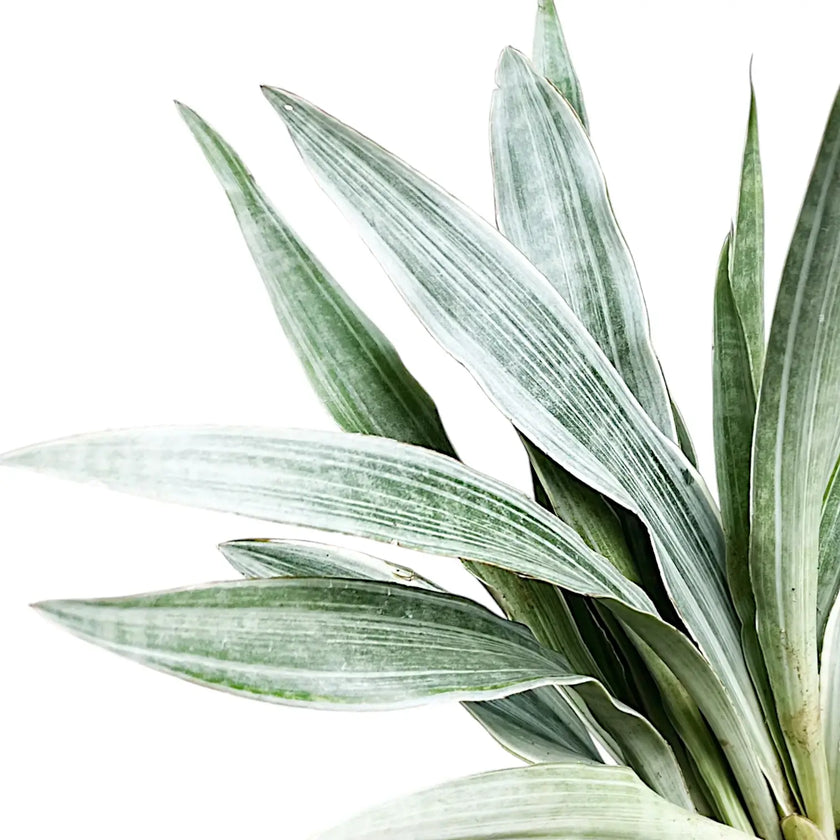
Dracaena zebraSold out


Echeveria ‘Lola’Sold out

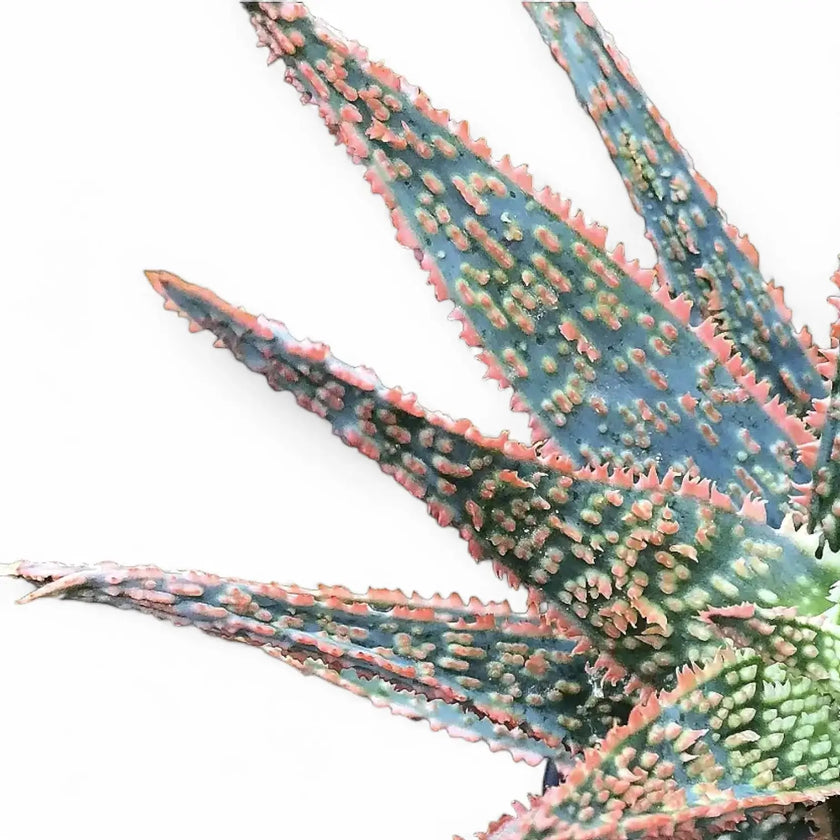
Aloe ‘DZ’Sold out

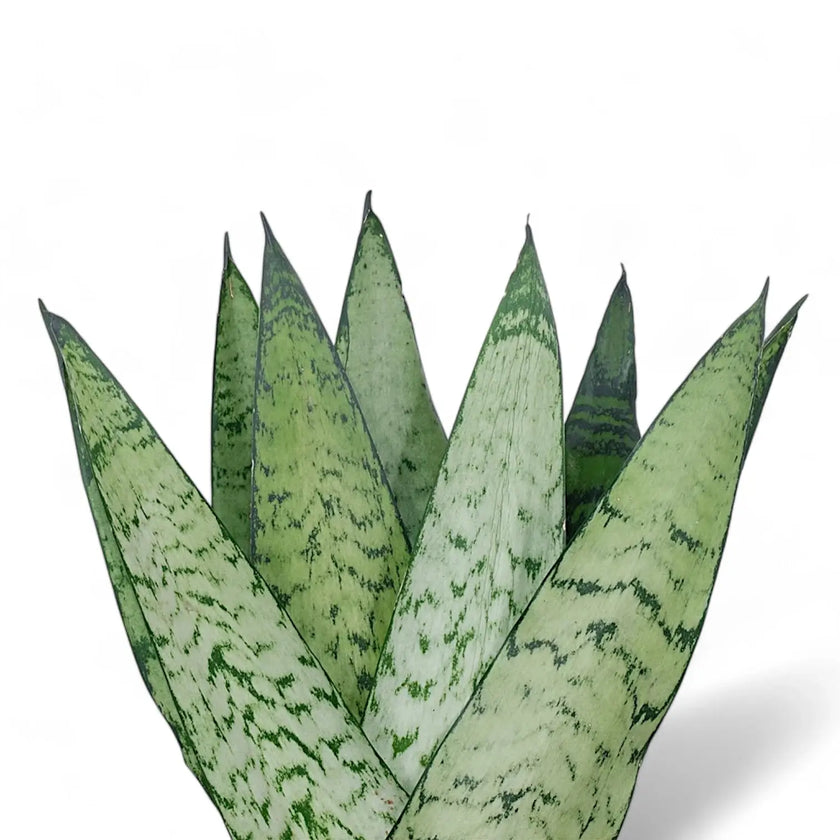
Dracaena zeylanica ‘Fan’Sold out

Cryptanthus zonatusSold out


Echeveria ‘Purple Pearl’Sold out



Asplenium nidus VariegataSold out
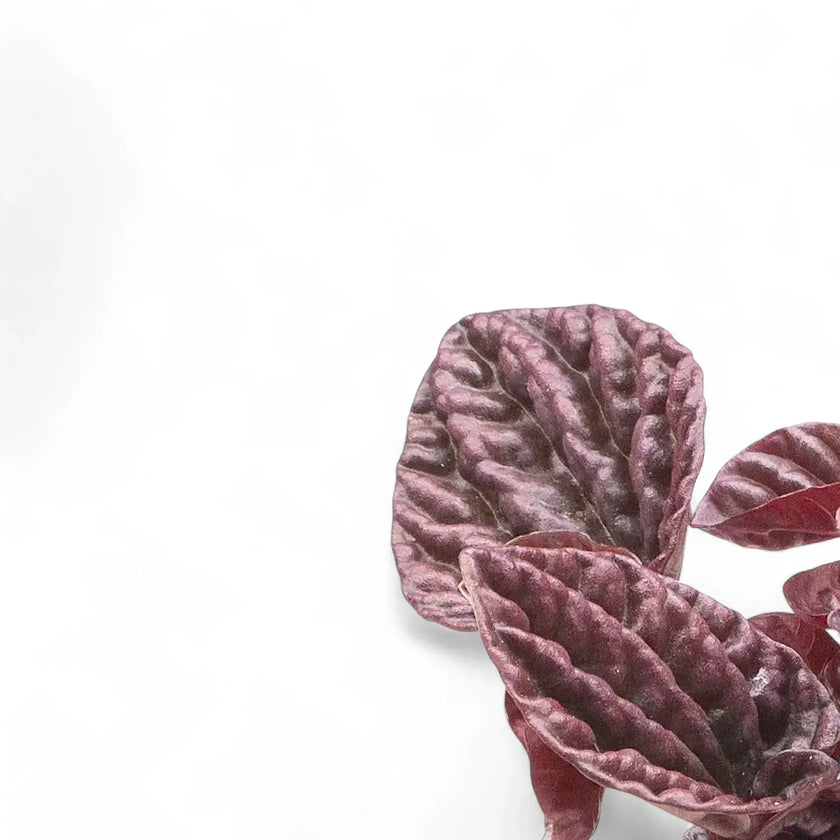
Peperomia caperata 'Luna Red'Sold out

Haworthiopsis 'Big Band'Sold out