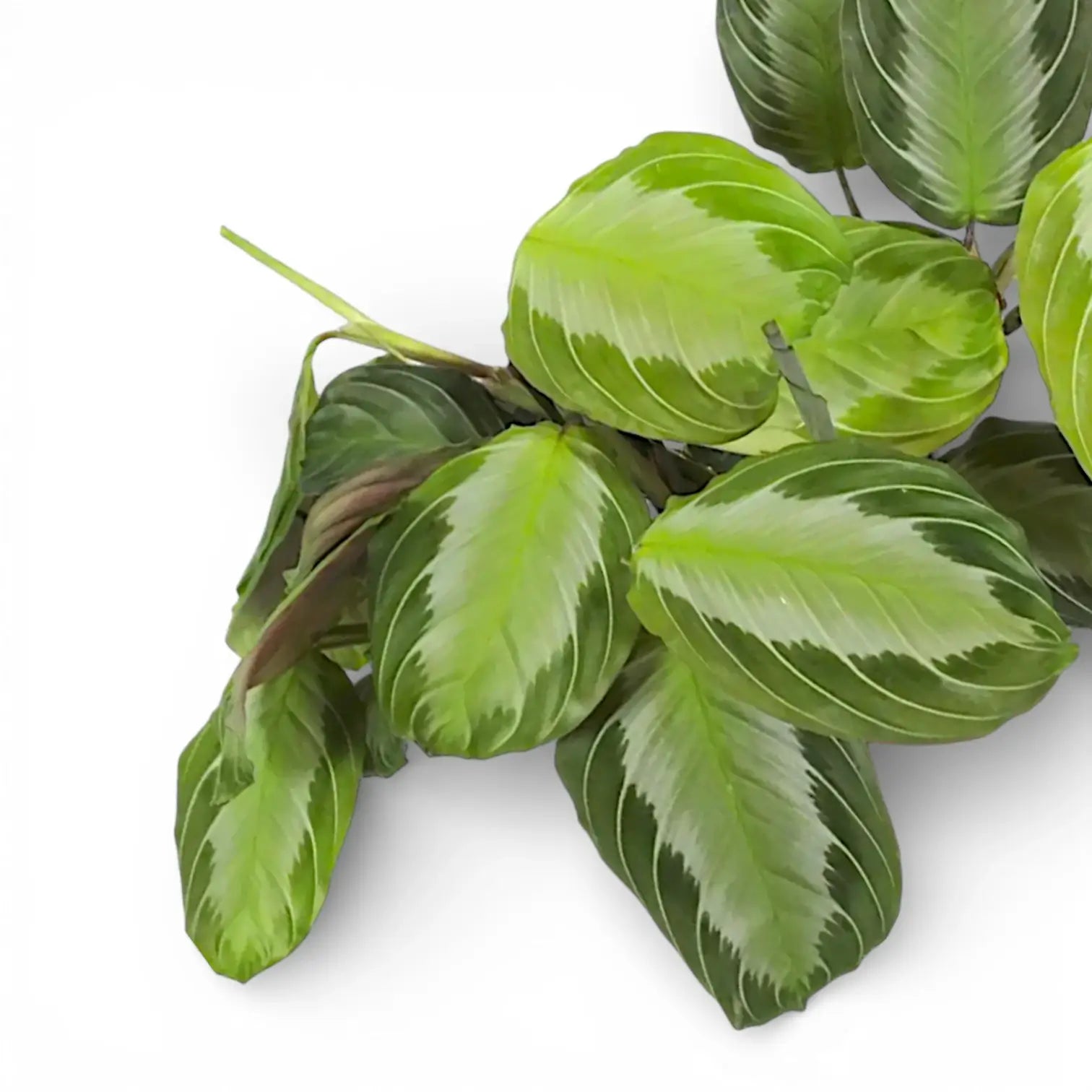
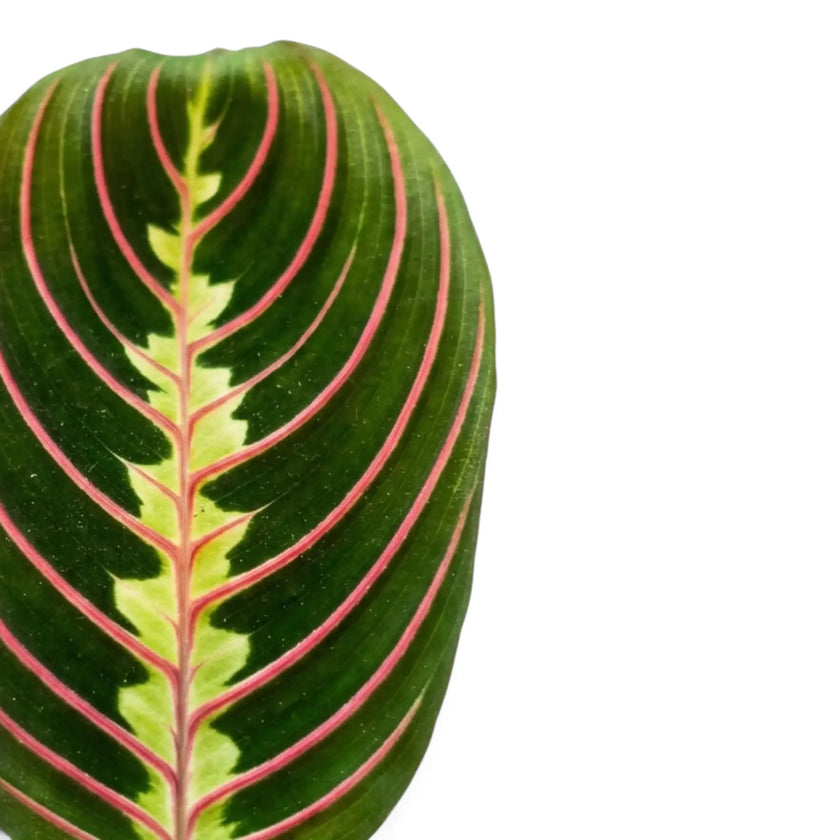
Prayer Plants
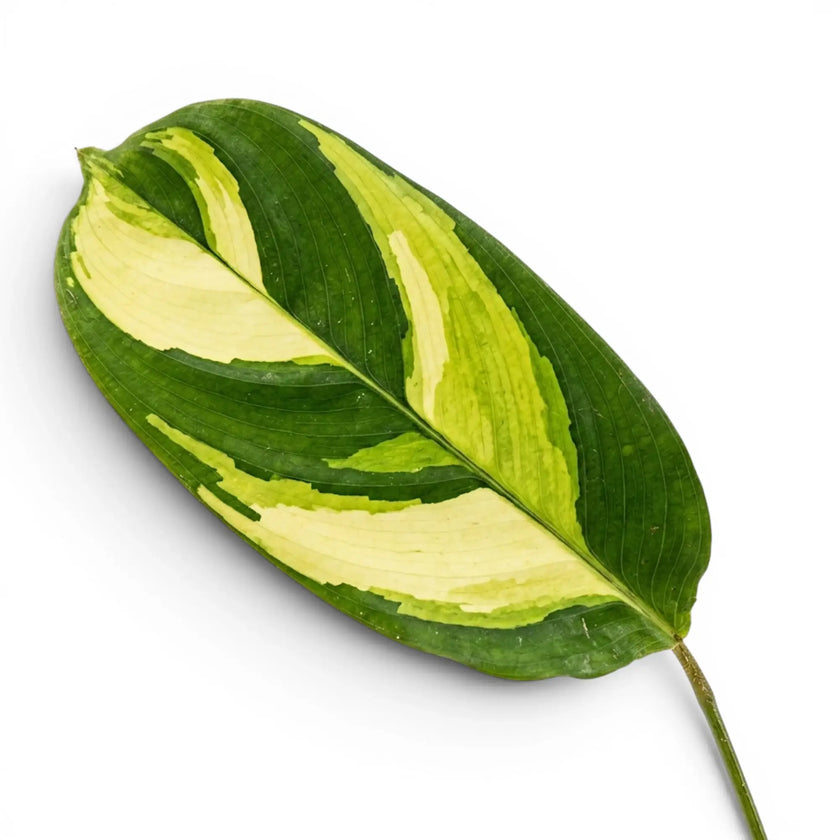
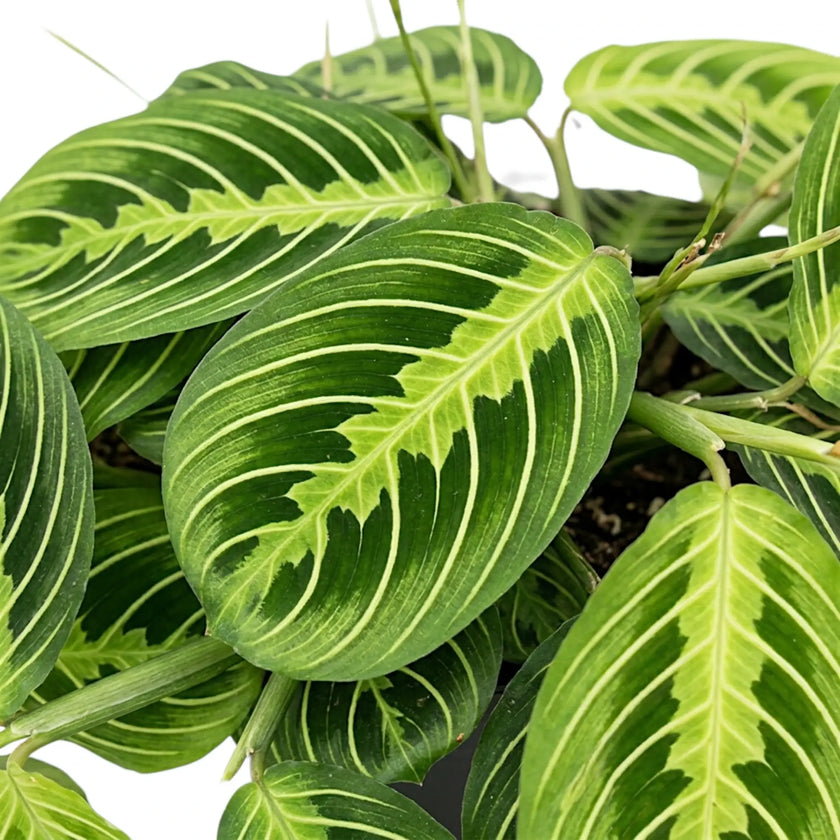
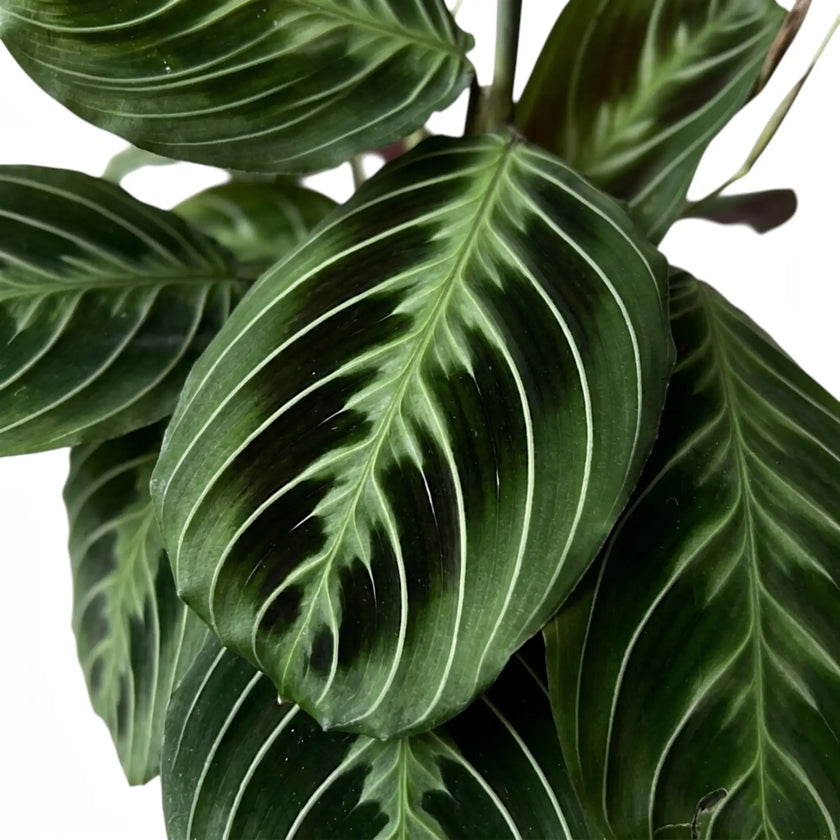
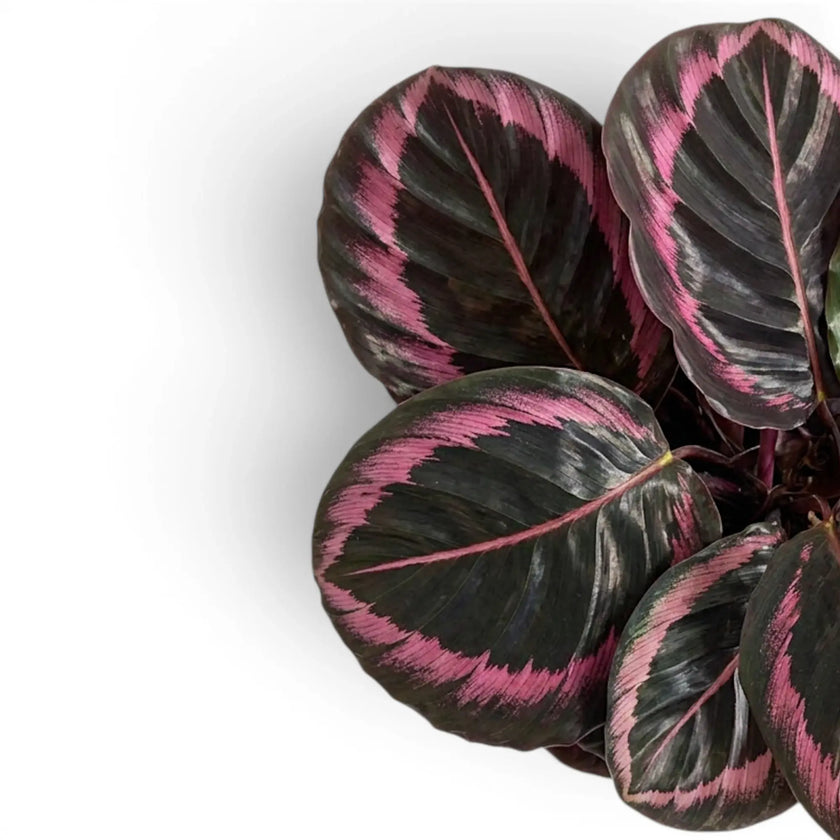
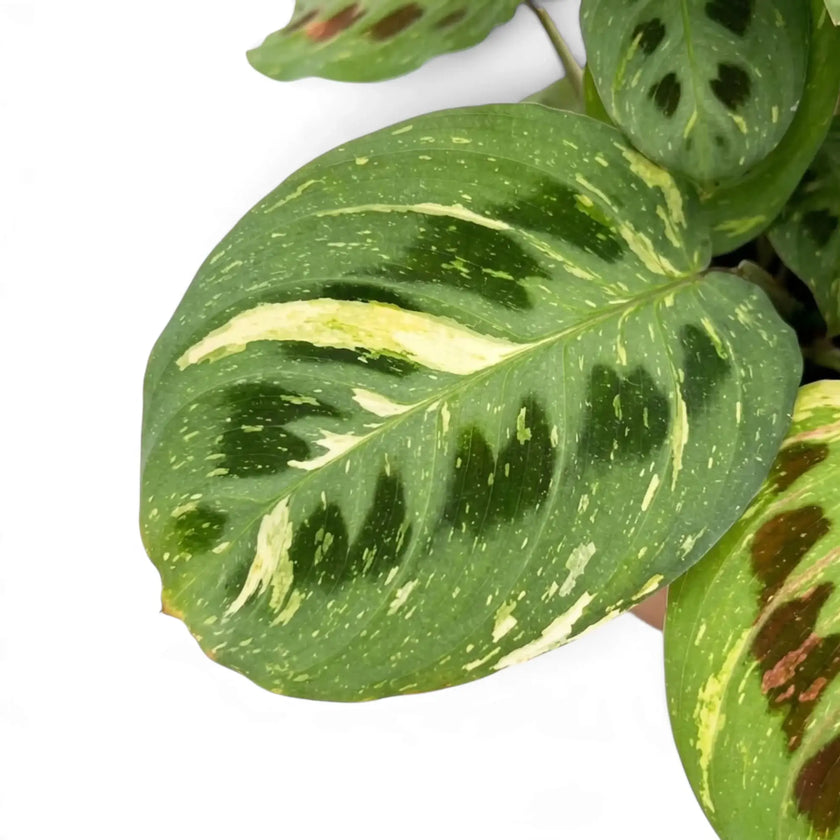
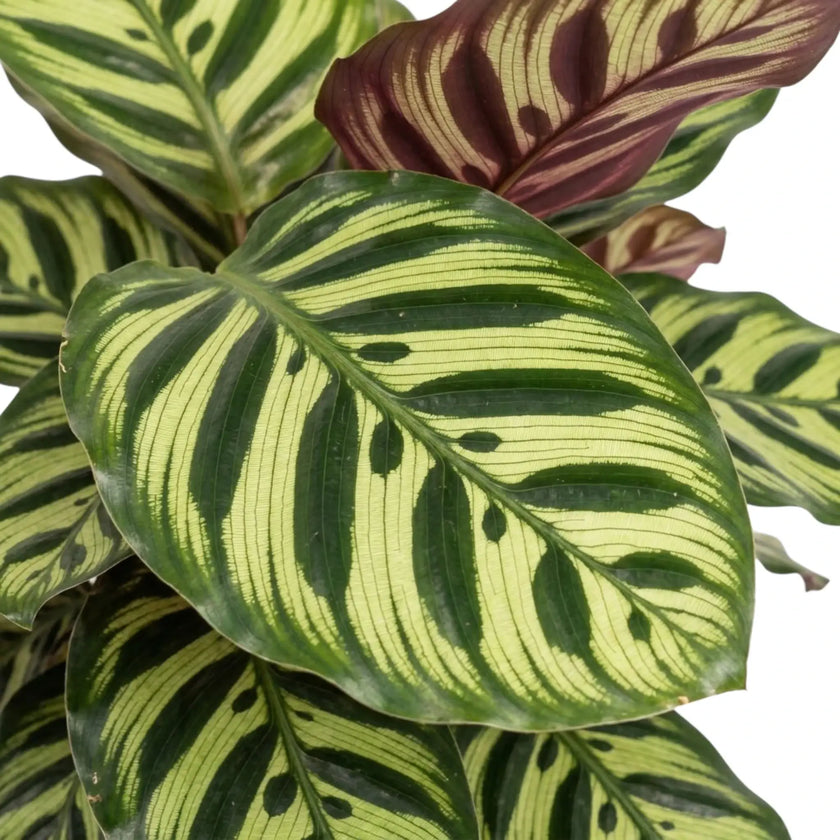
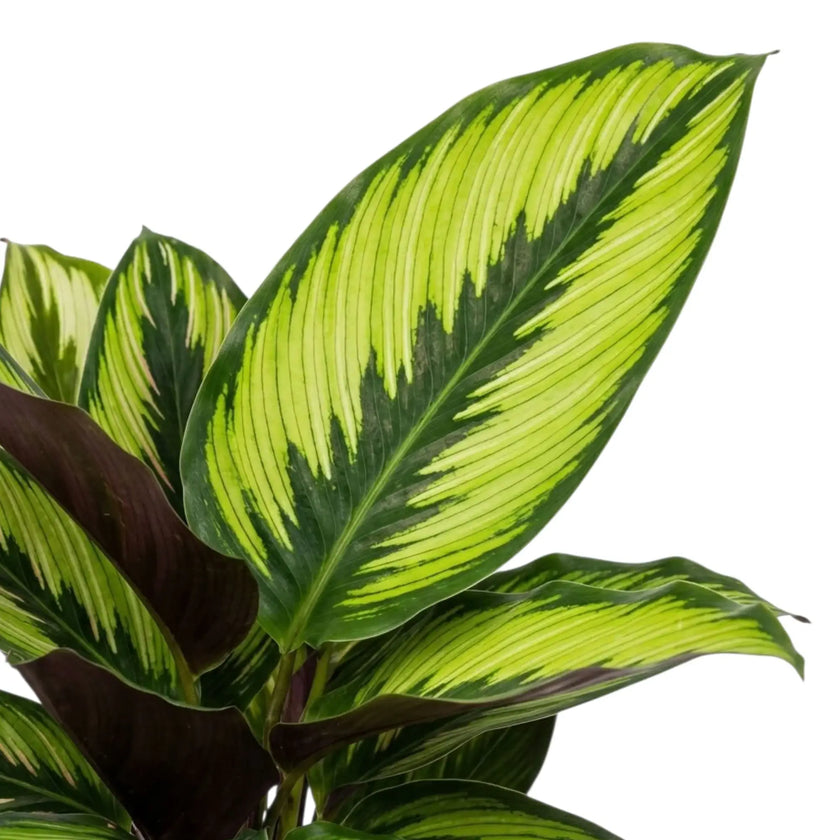
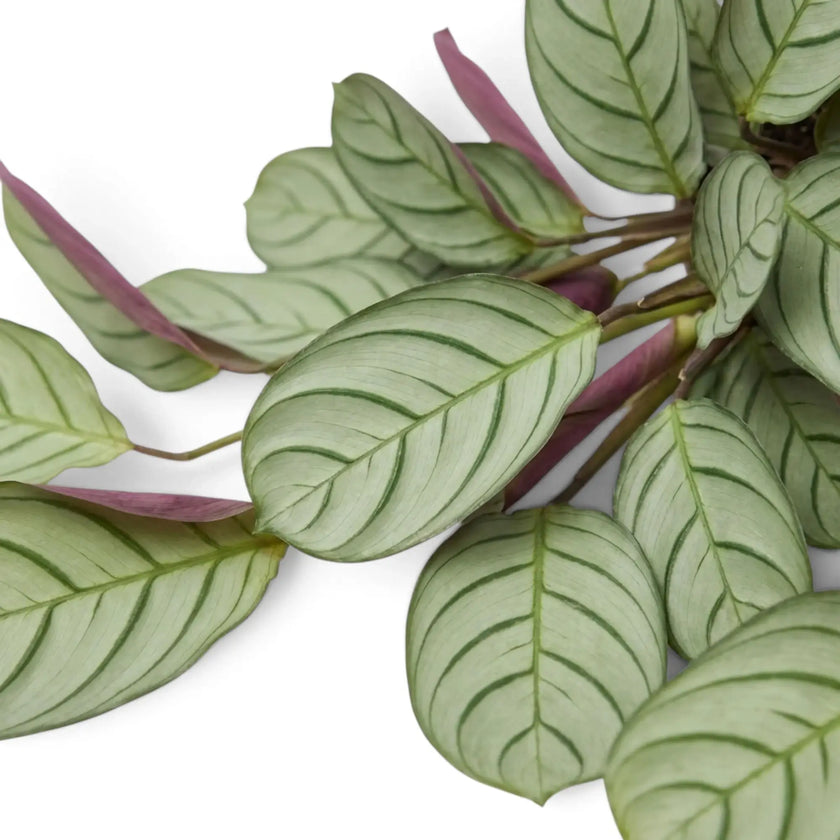
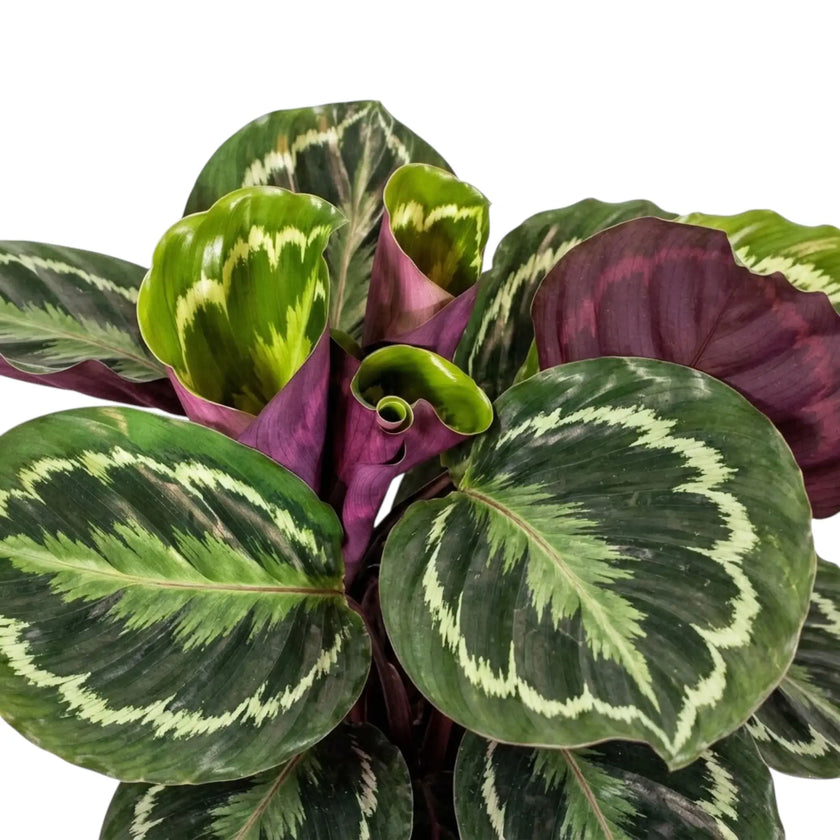
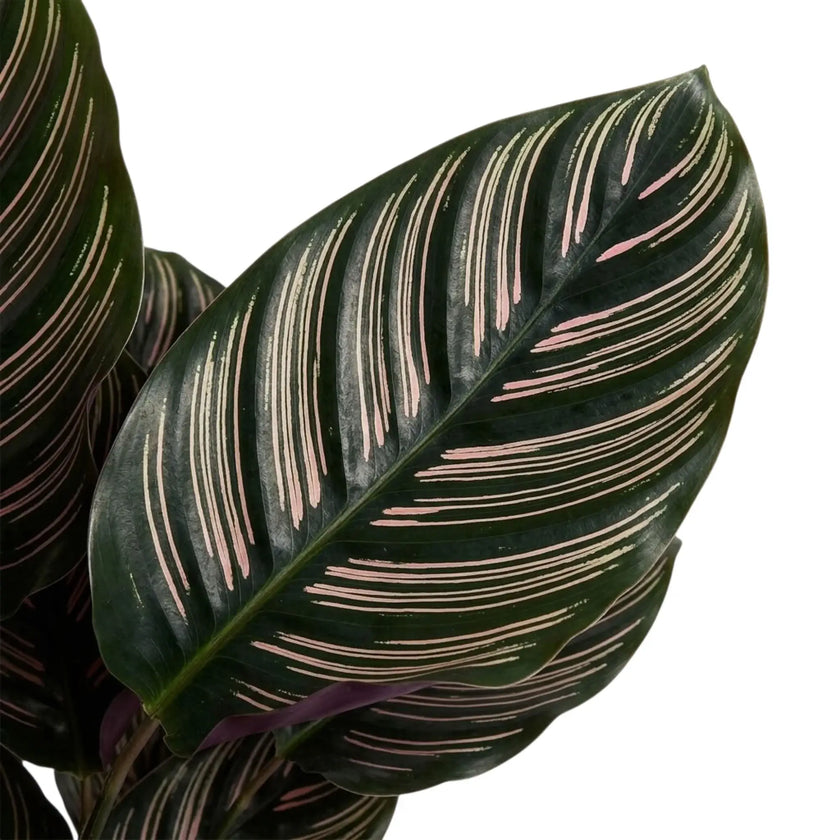
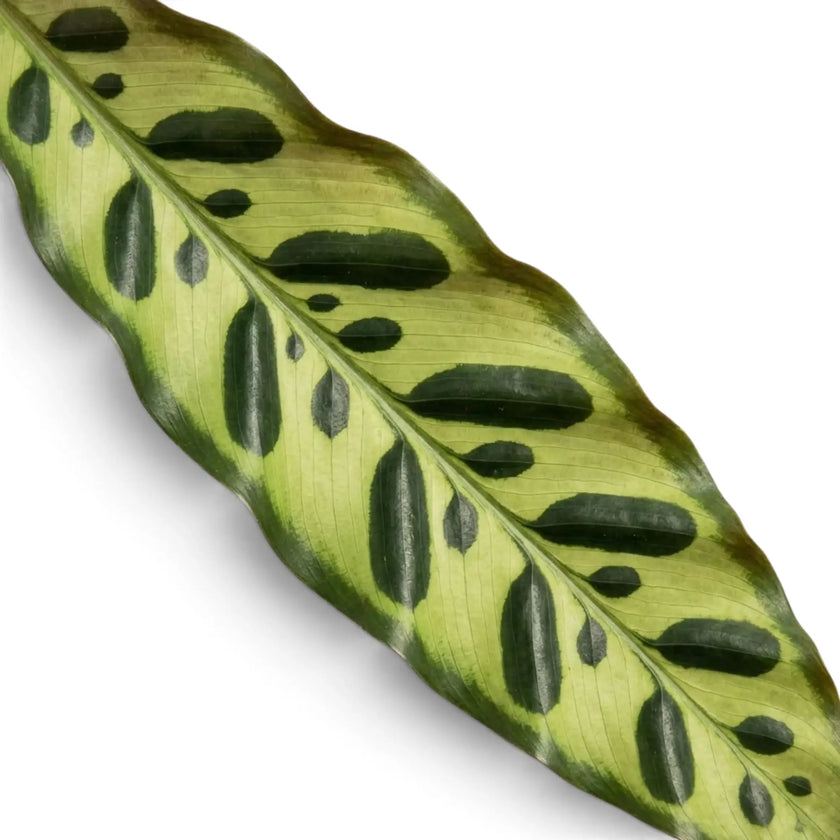
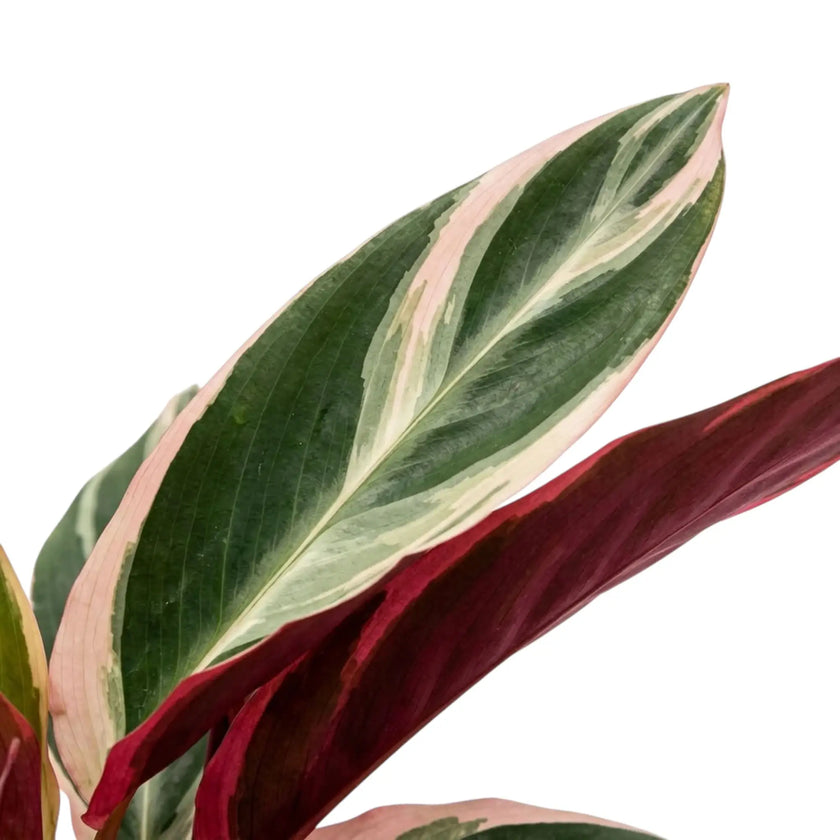
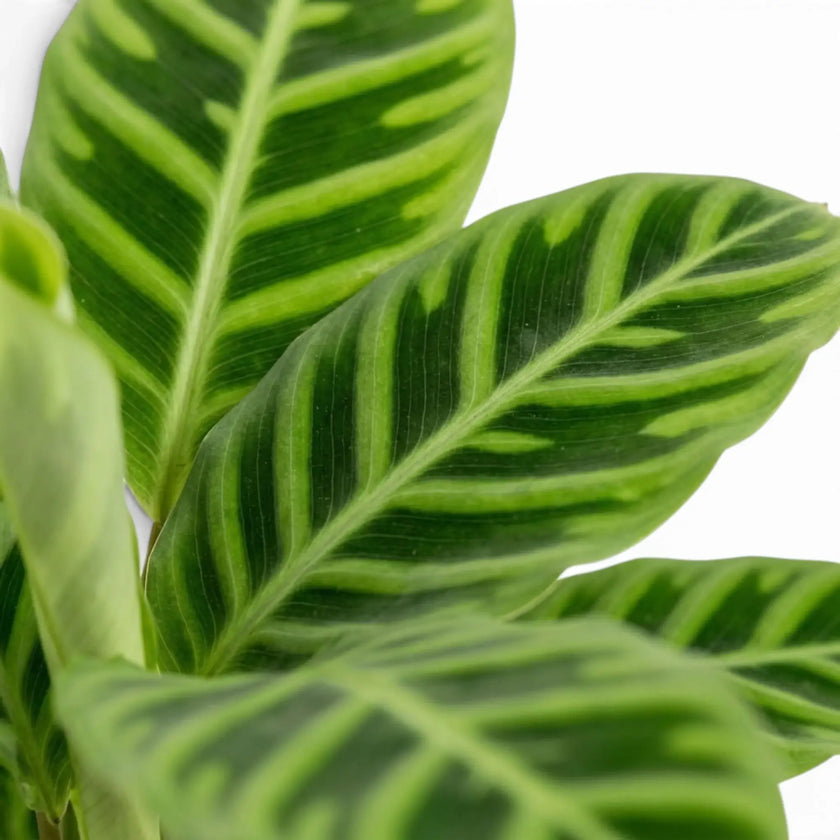
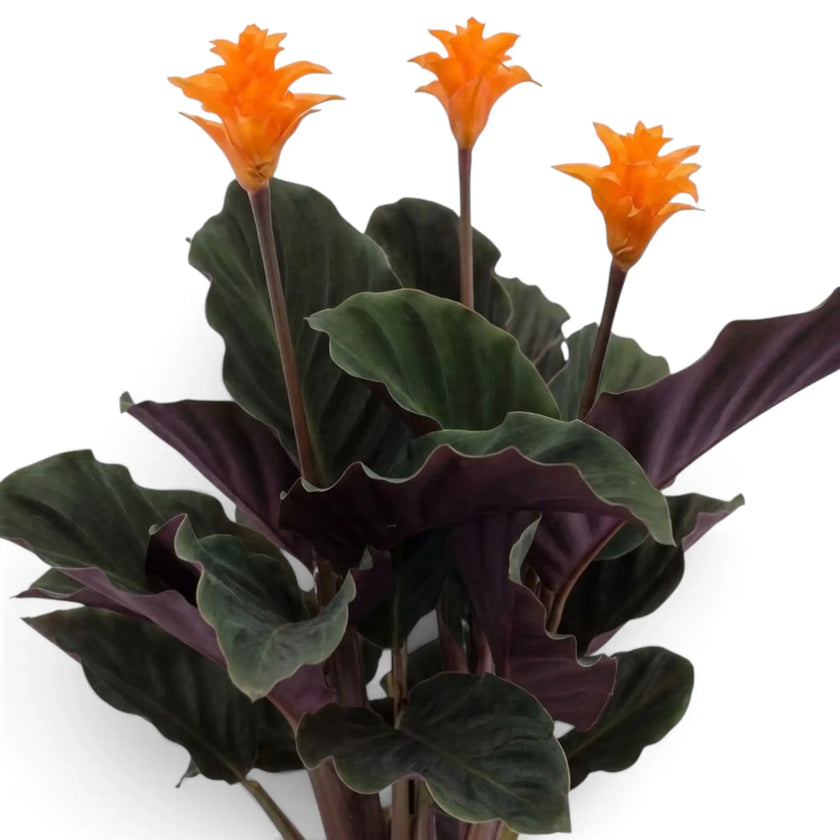
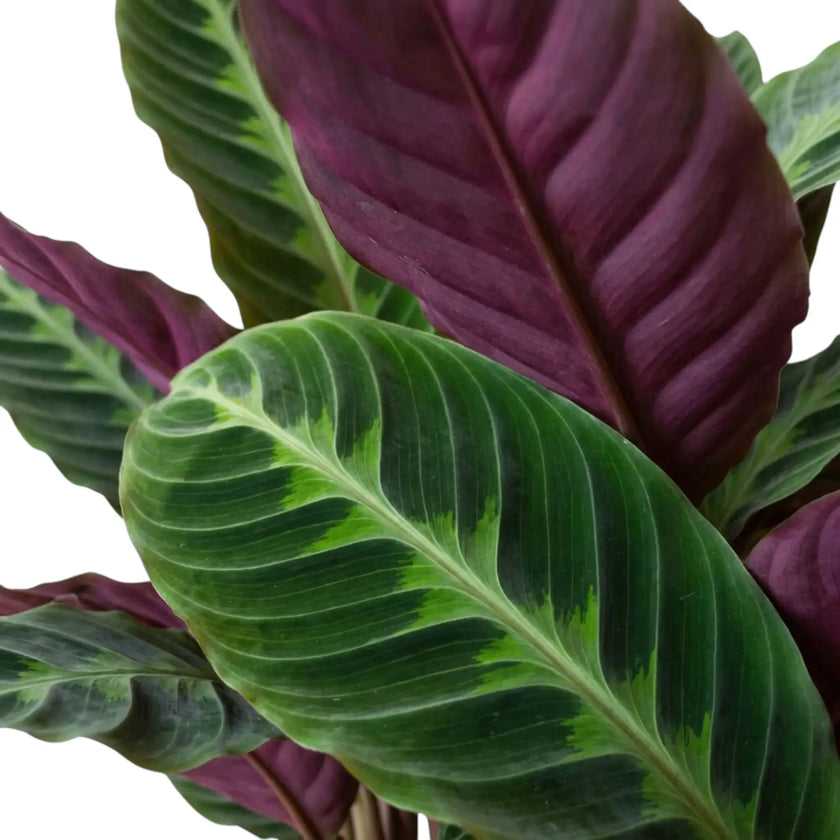
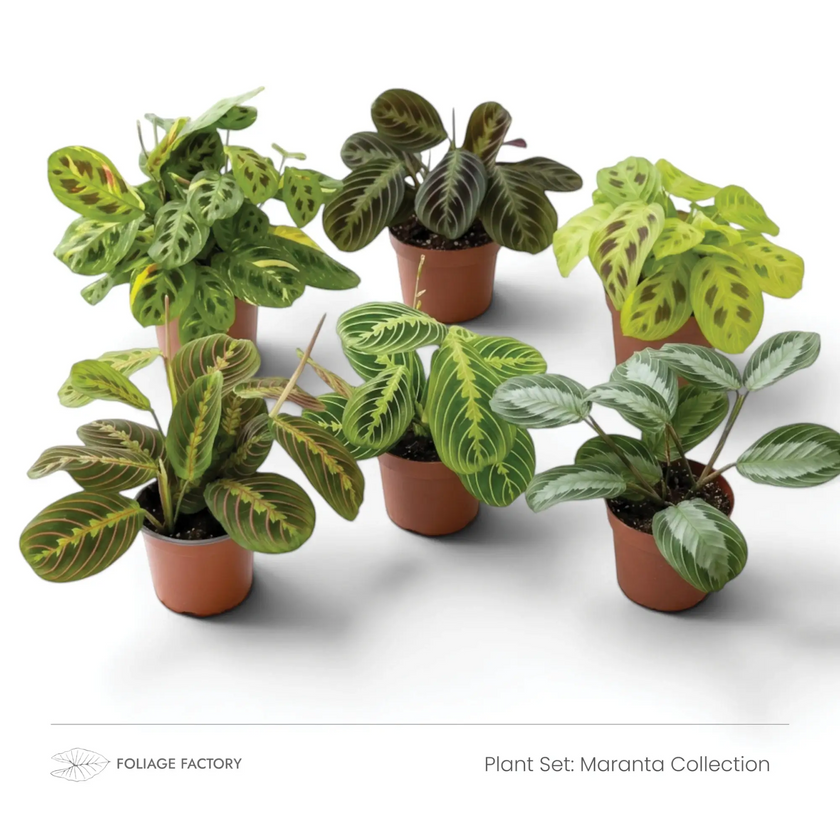
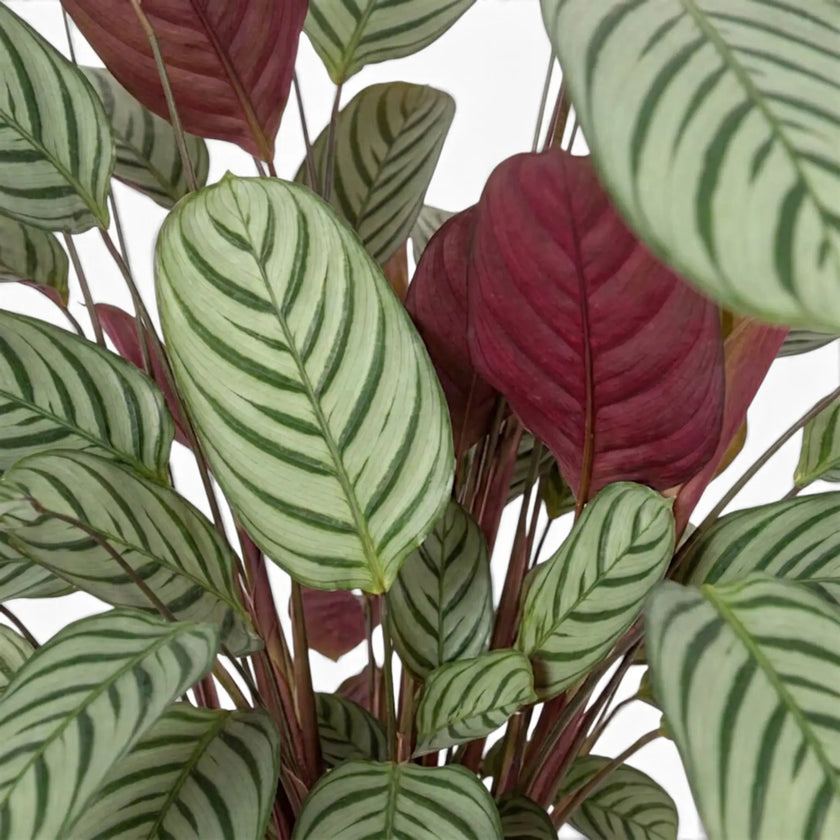
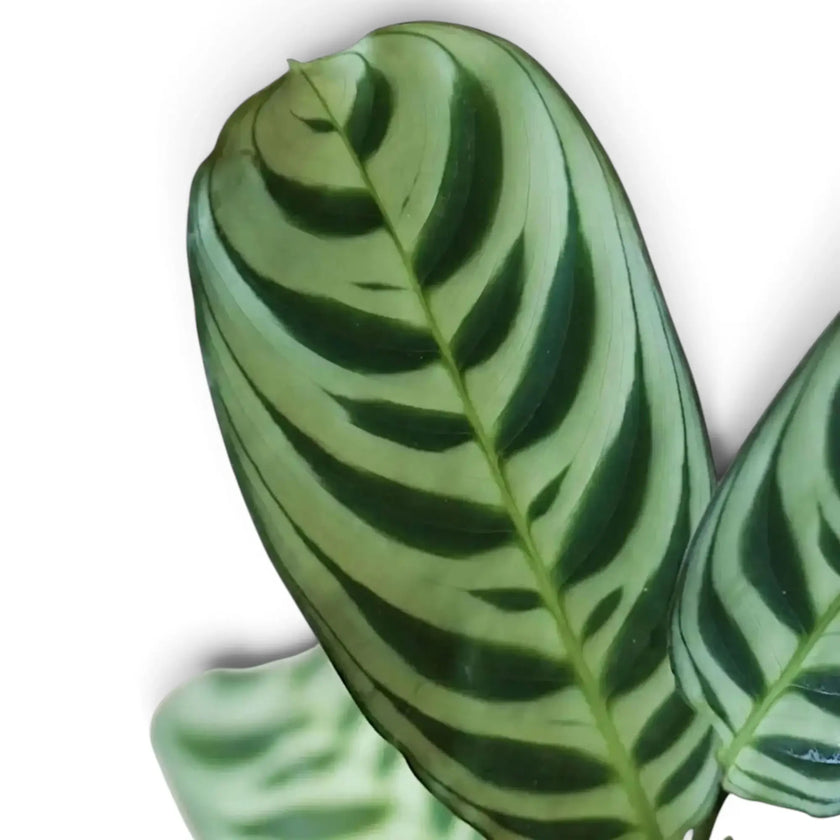
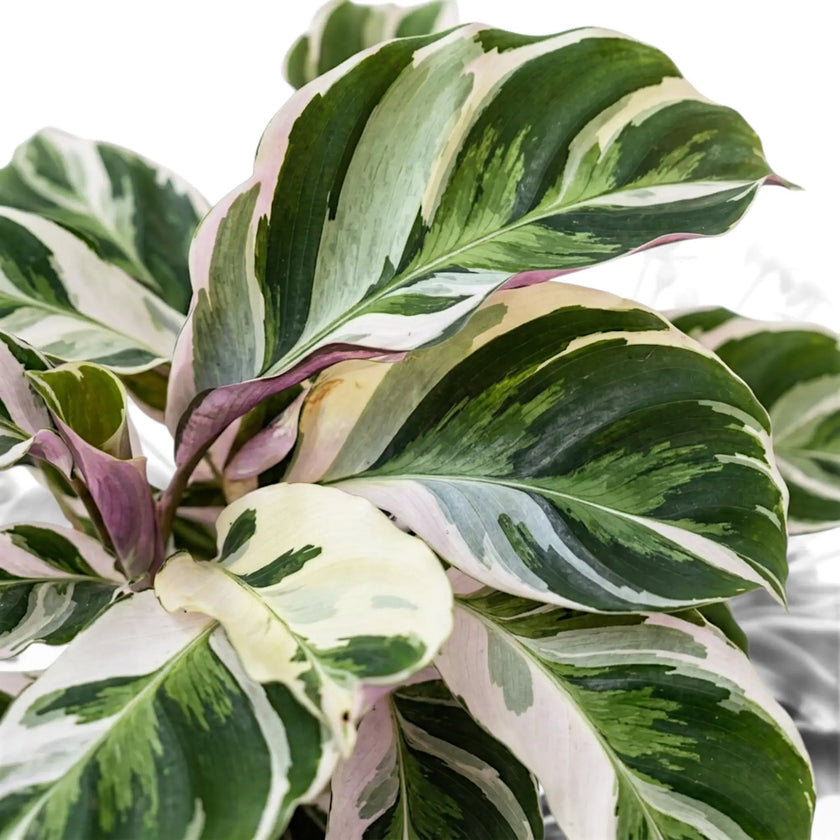
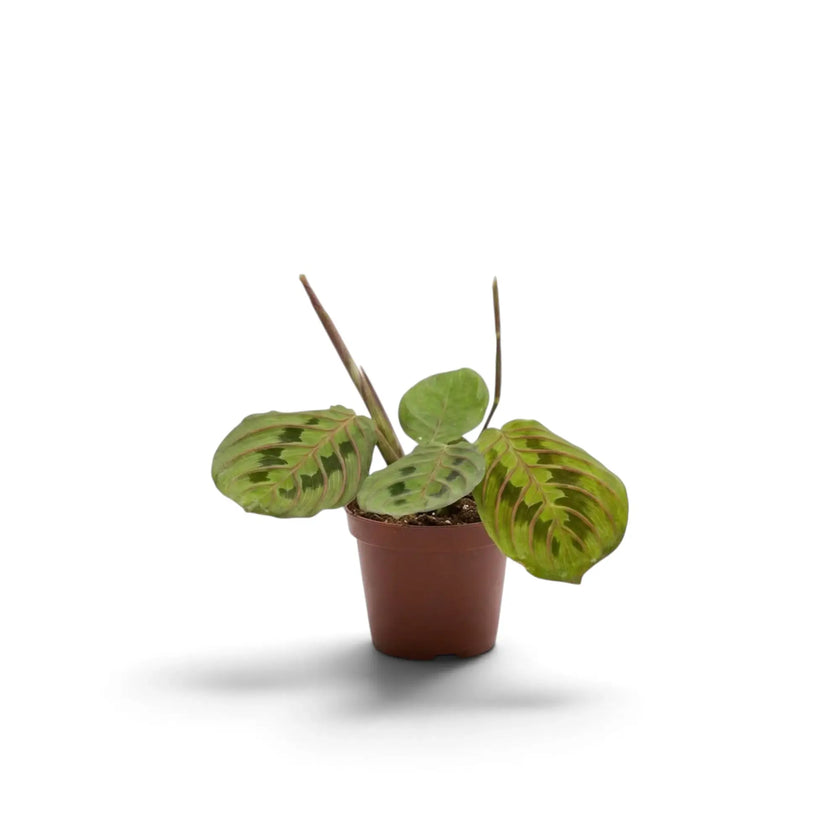
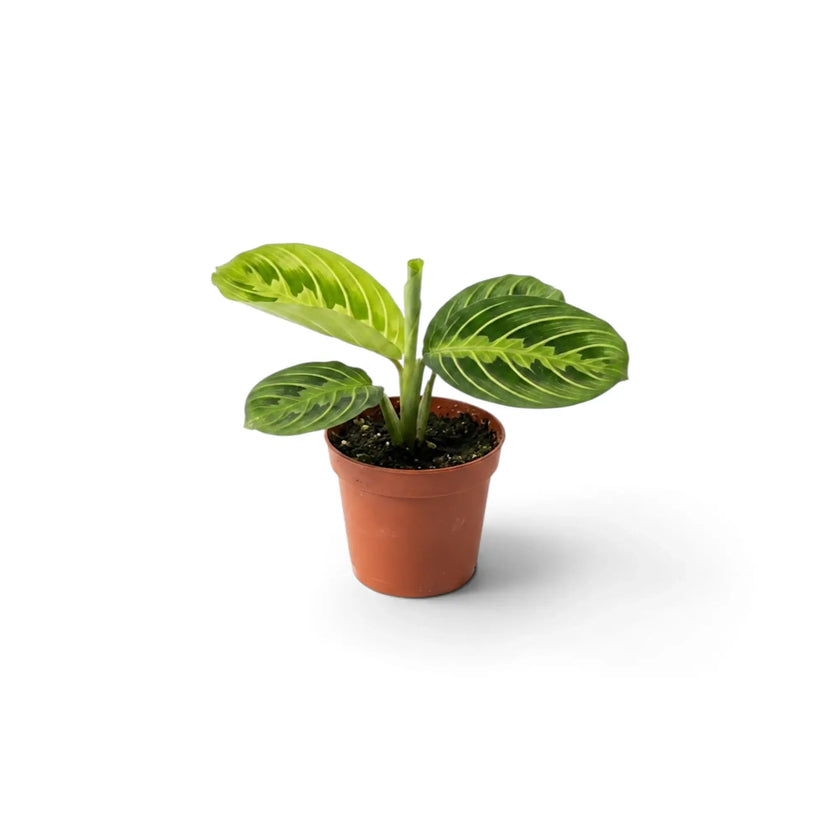
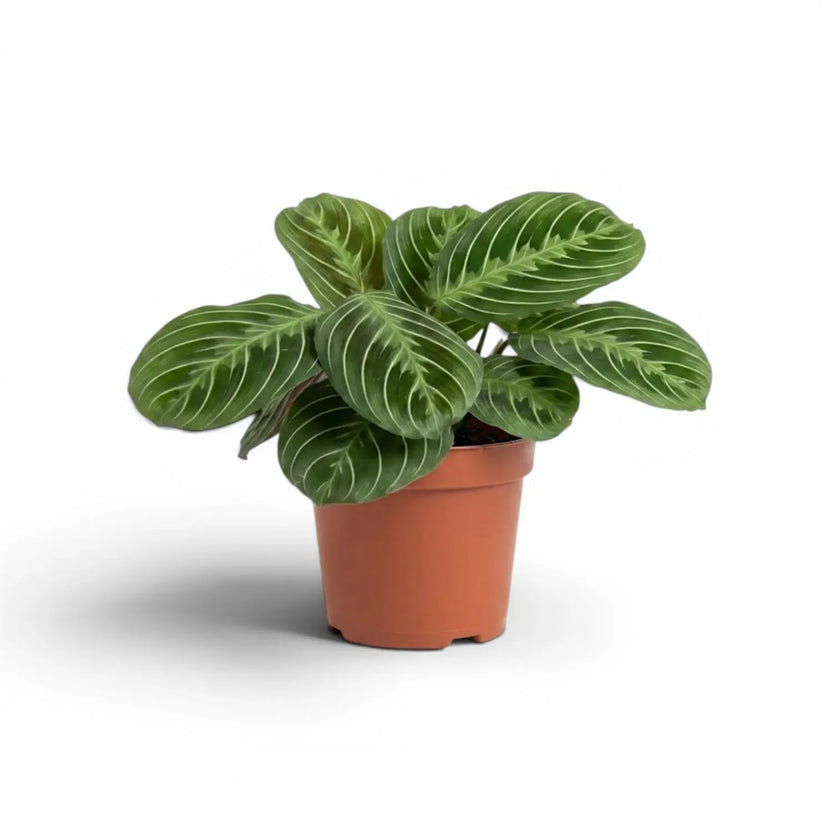
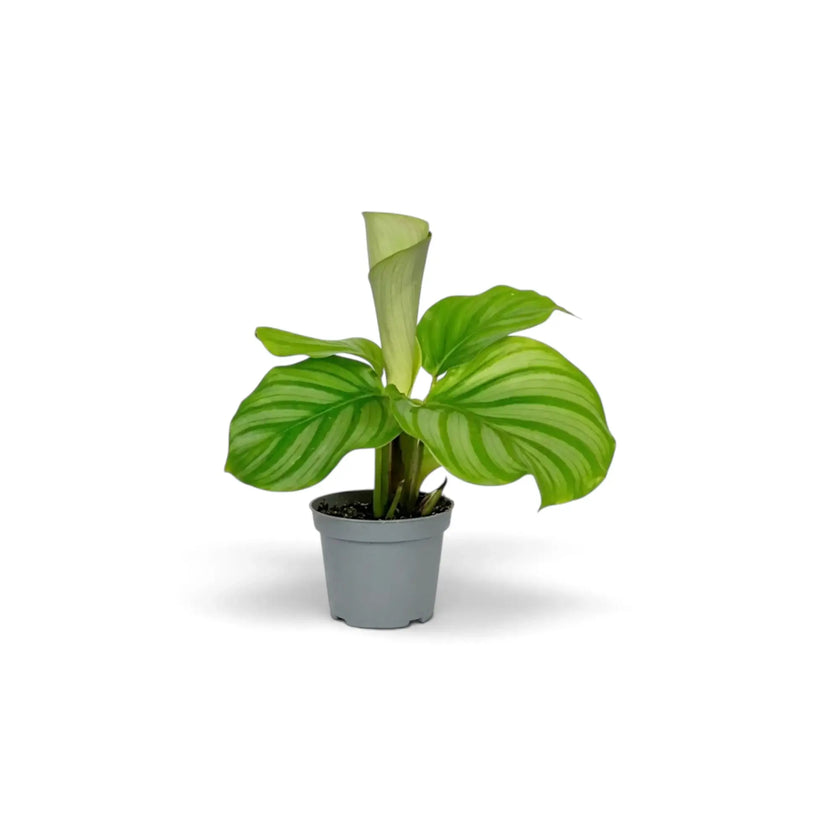
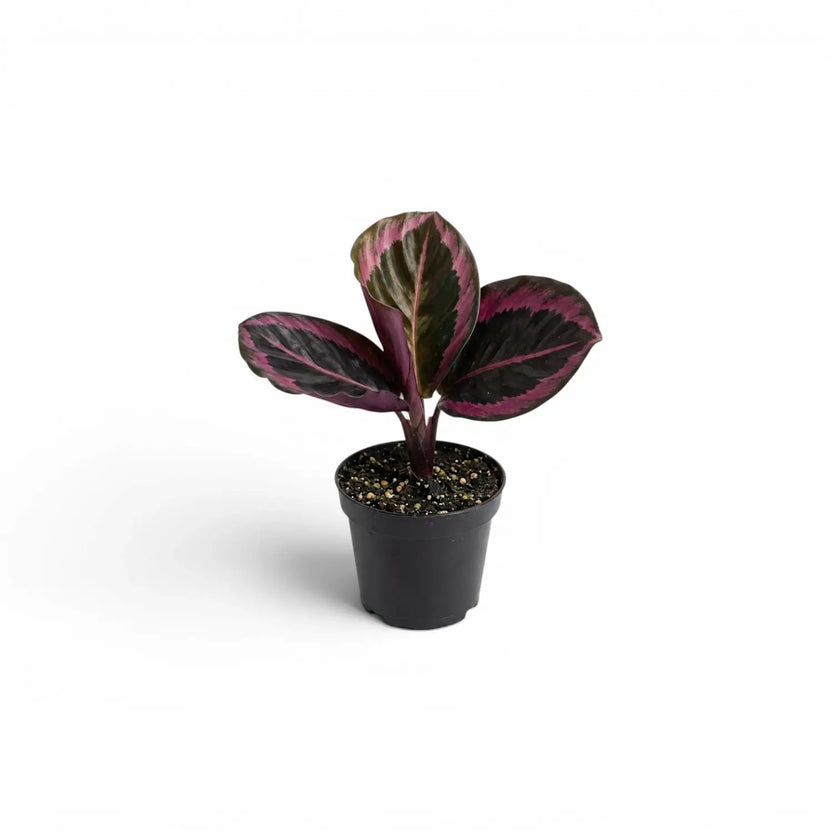
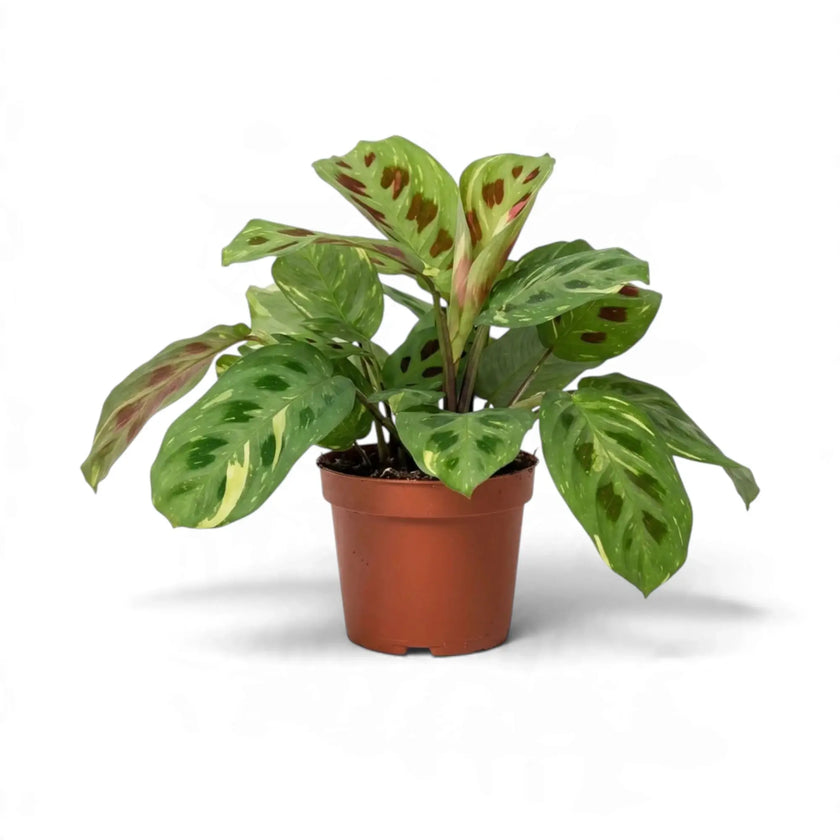
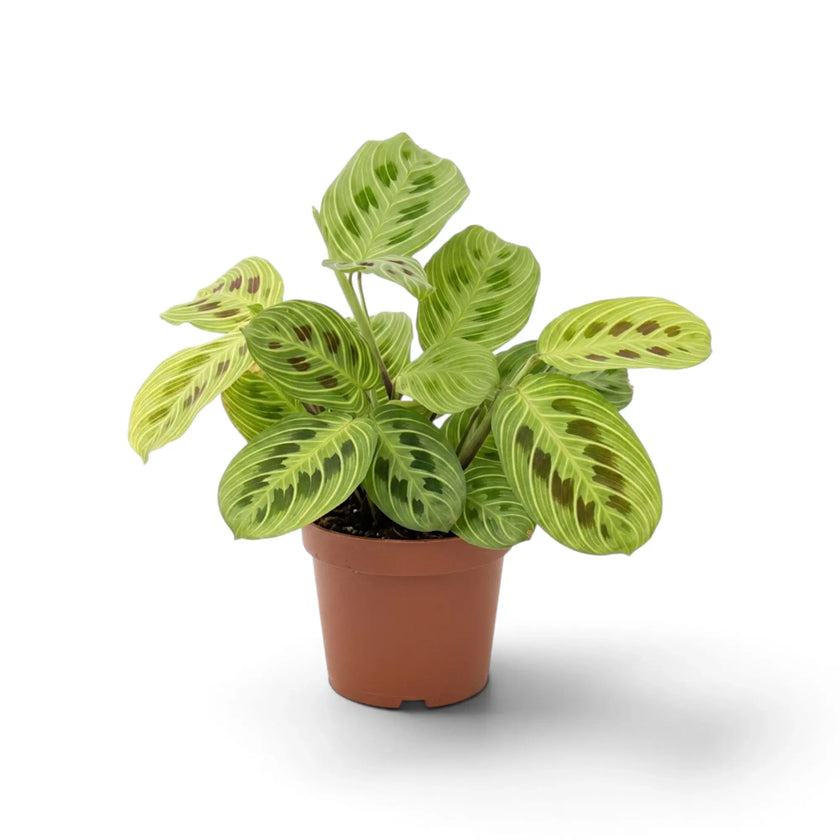
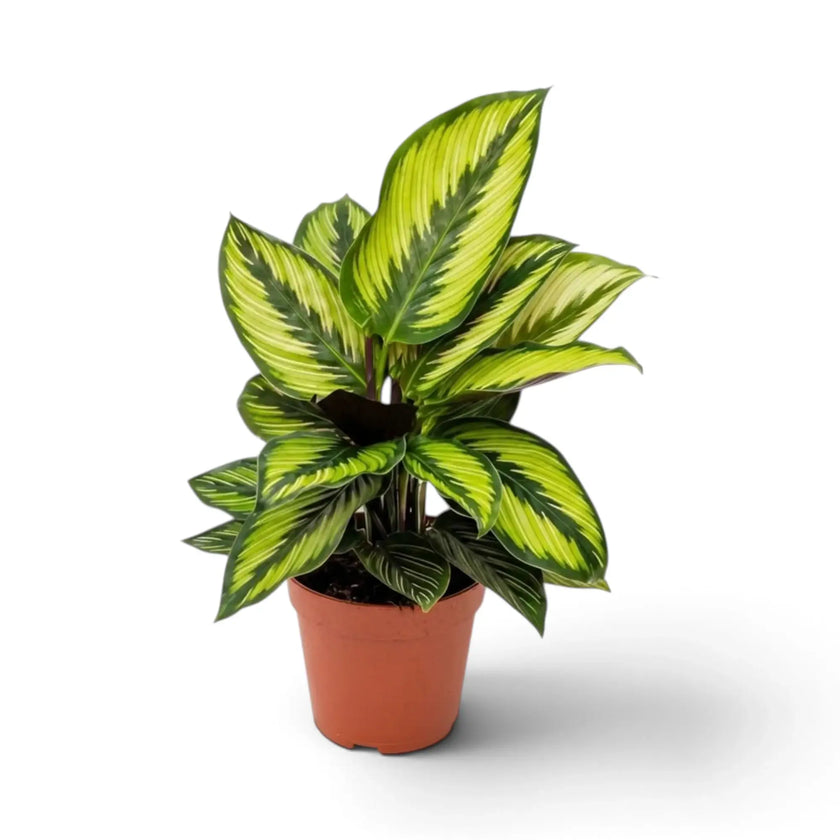
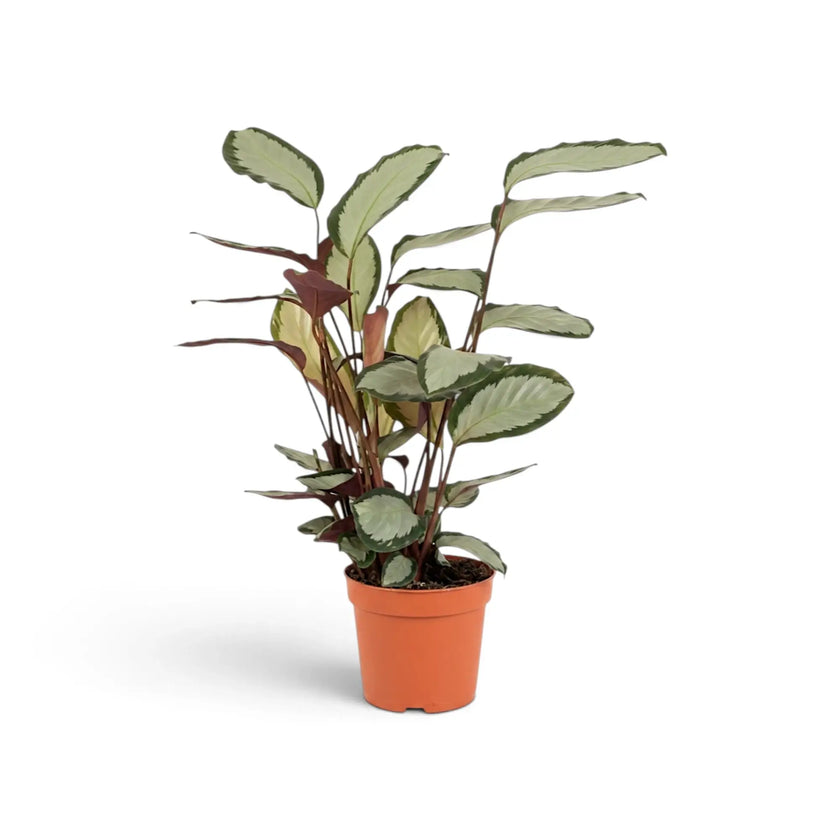
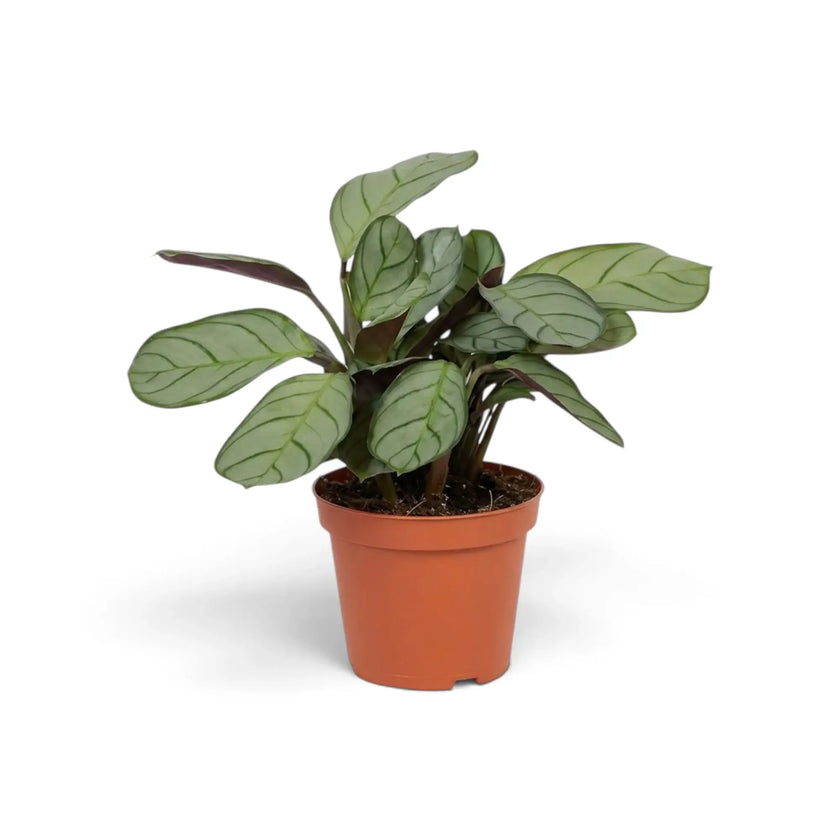
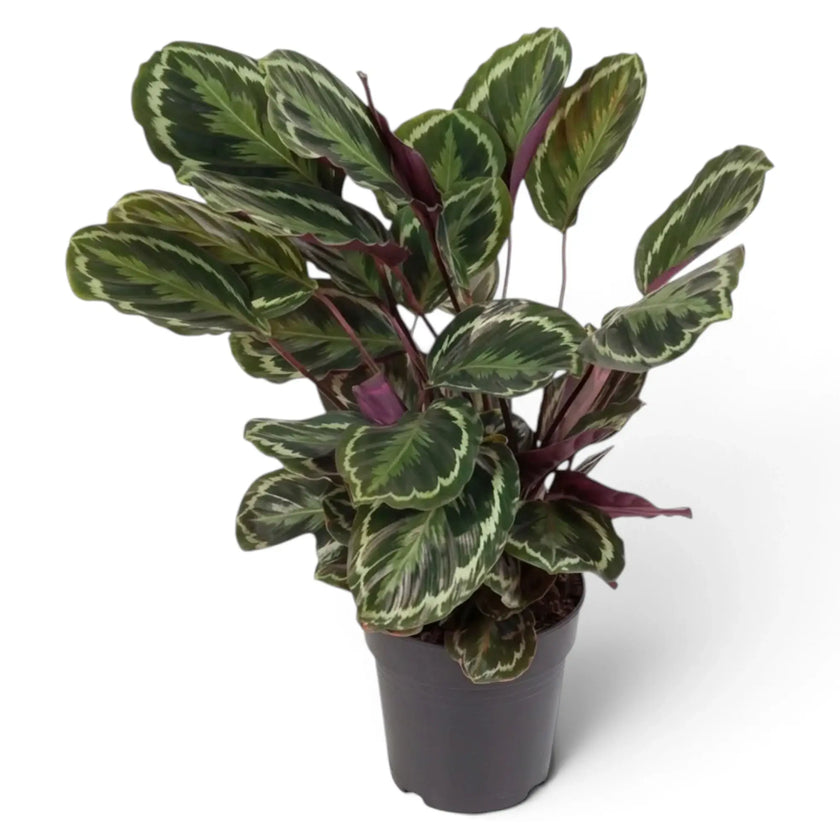
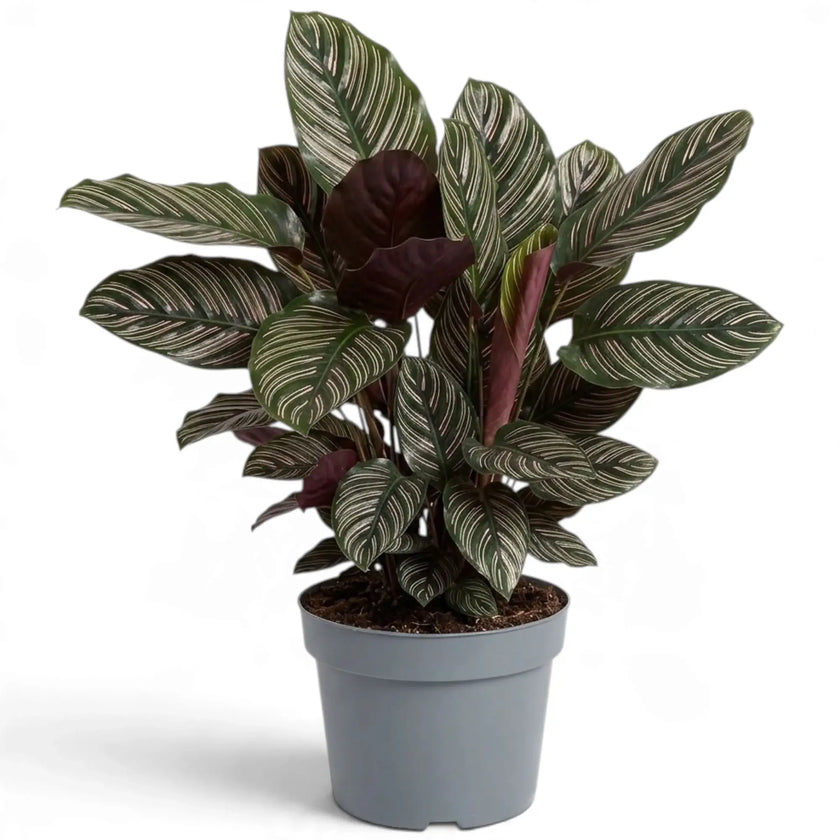
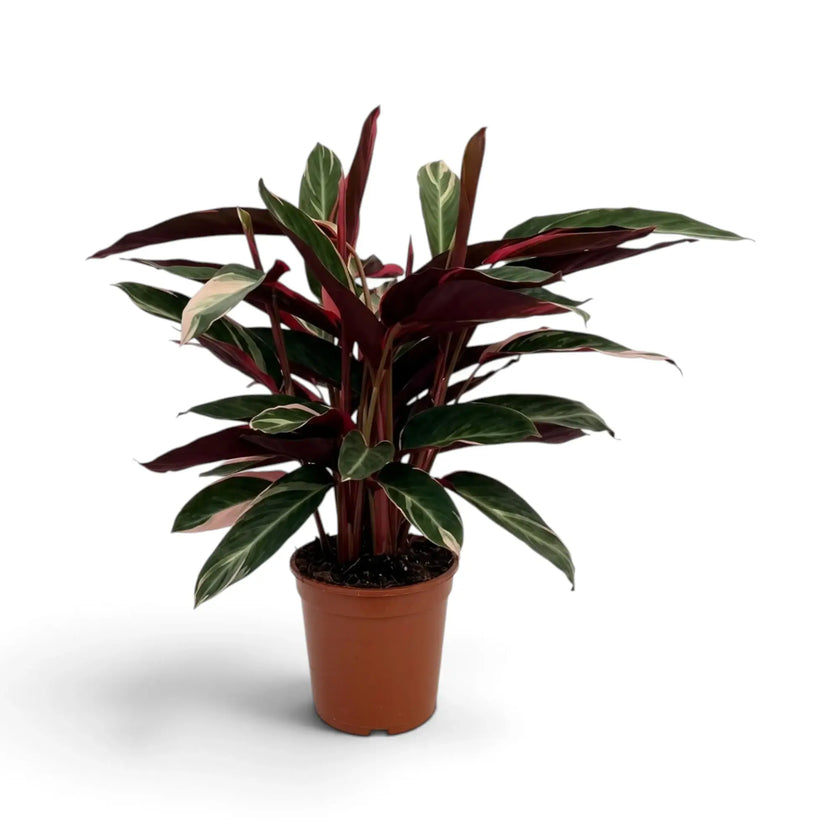
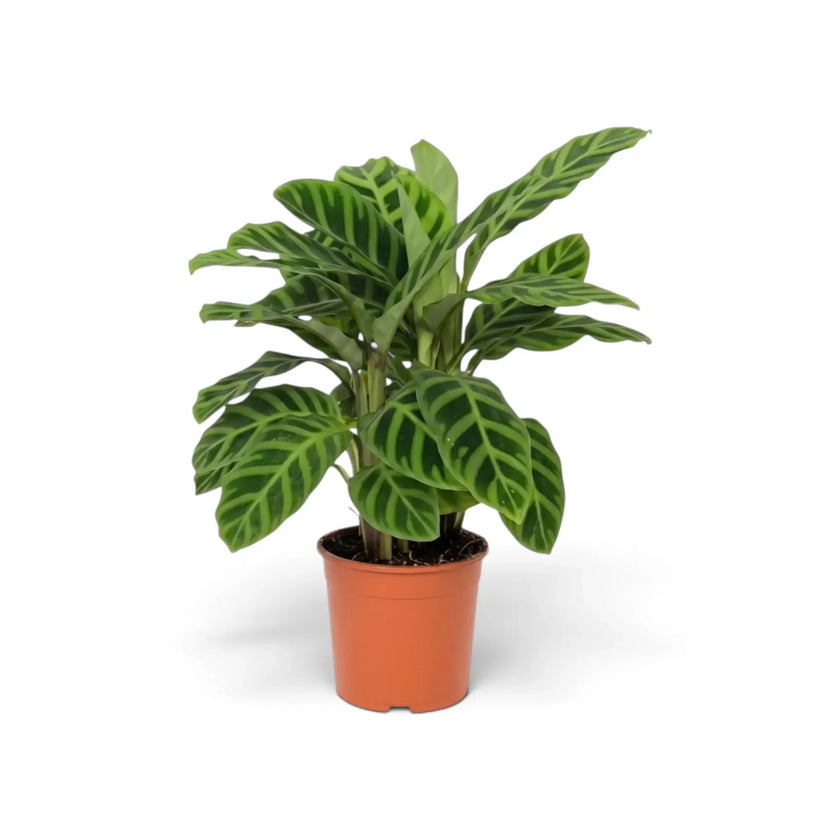
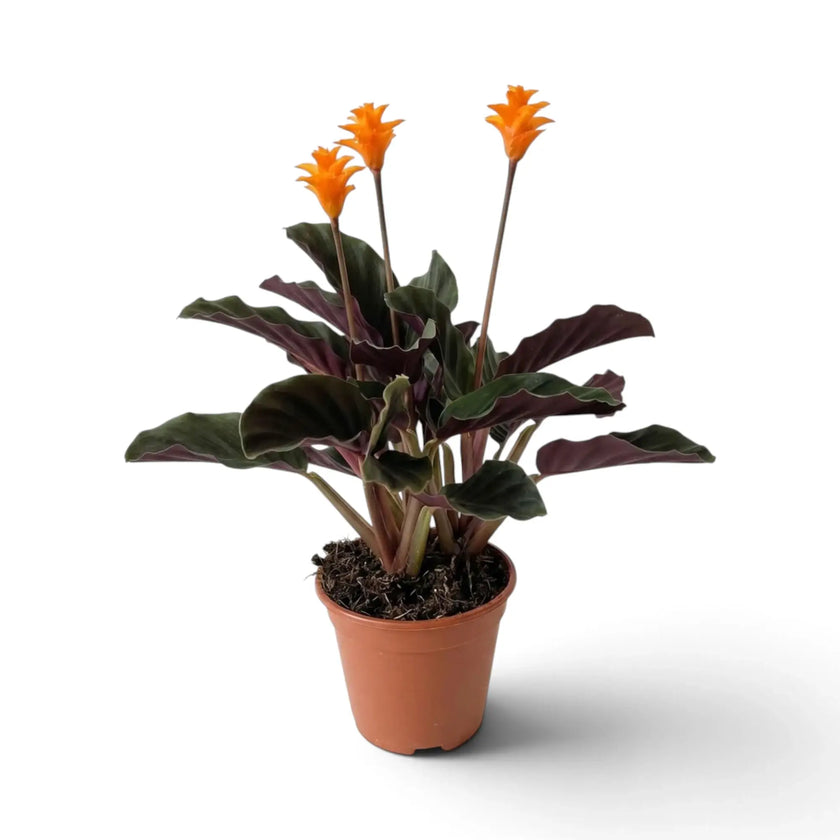
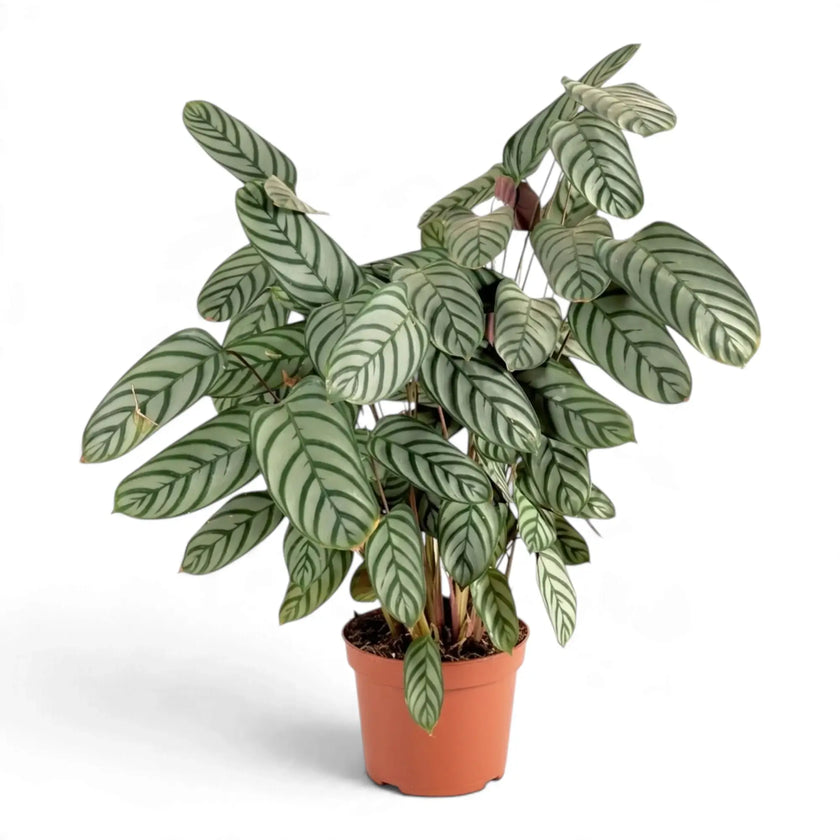
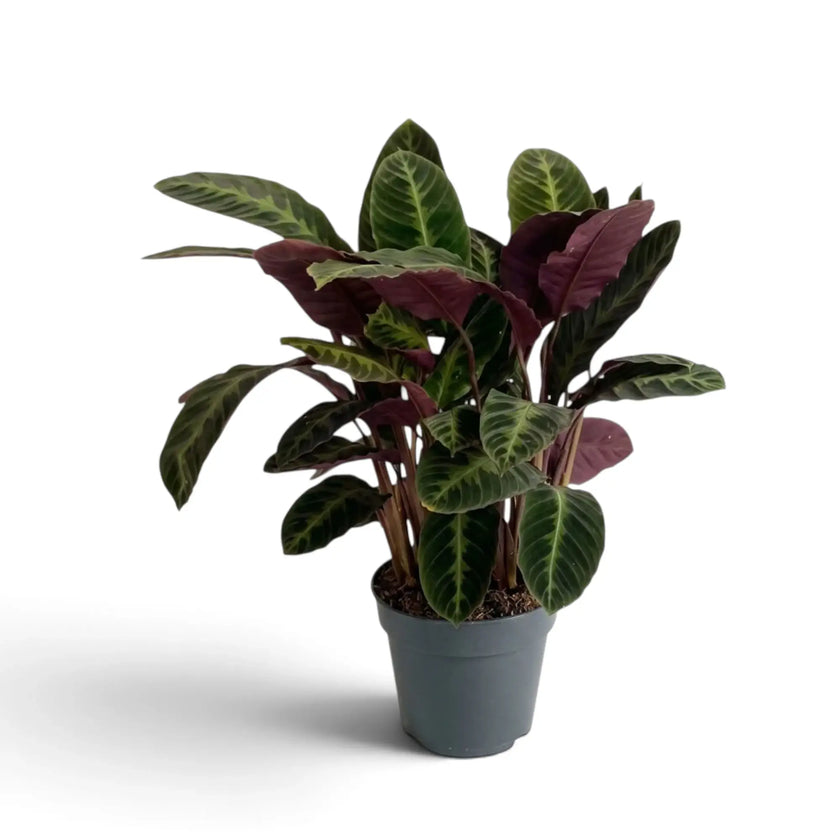
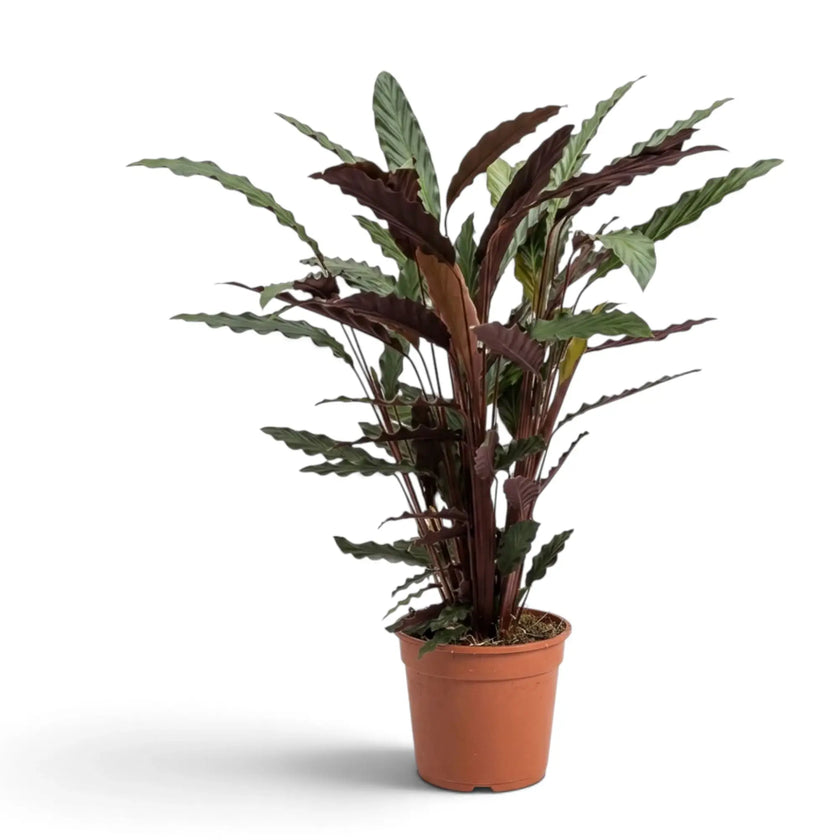
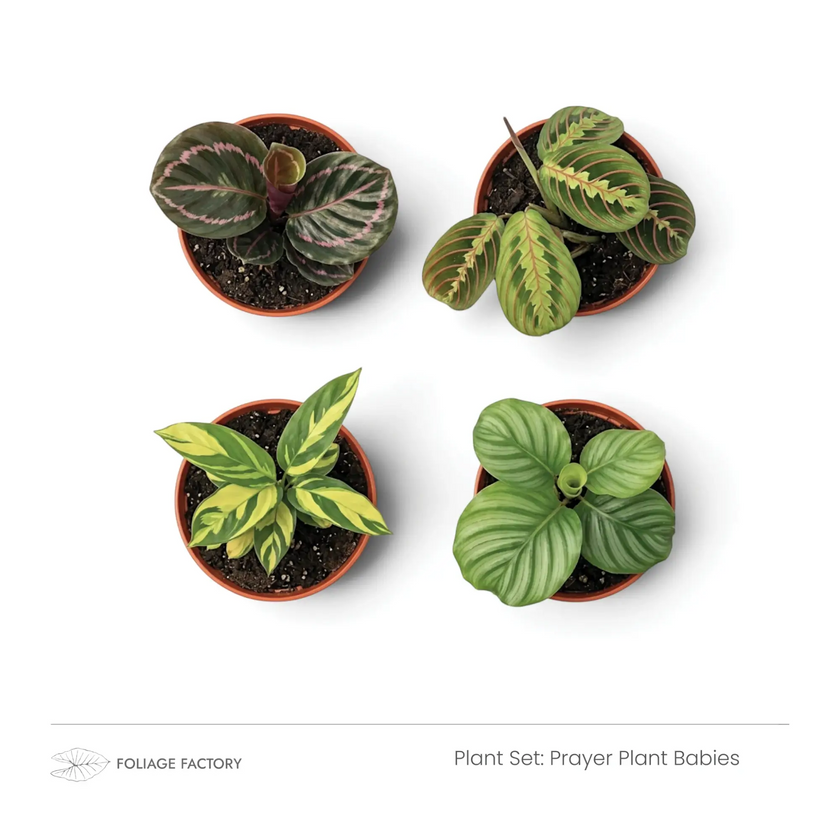
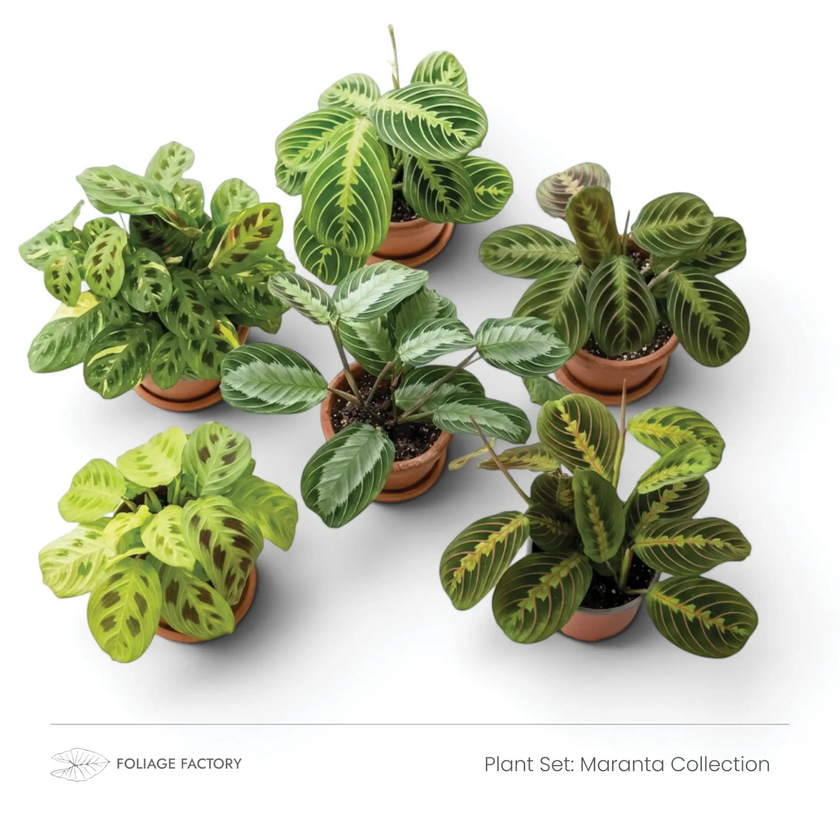
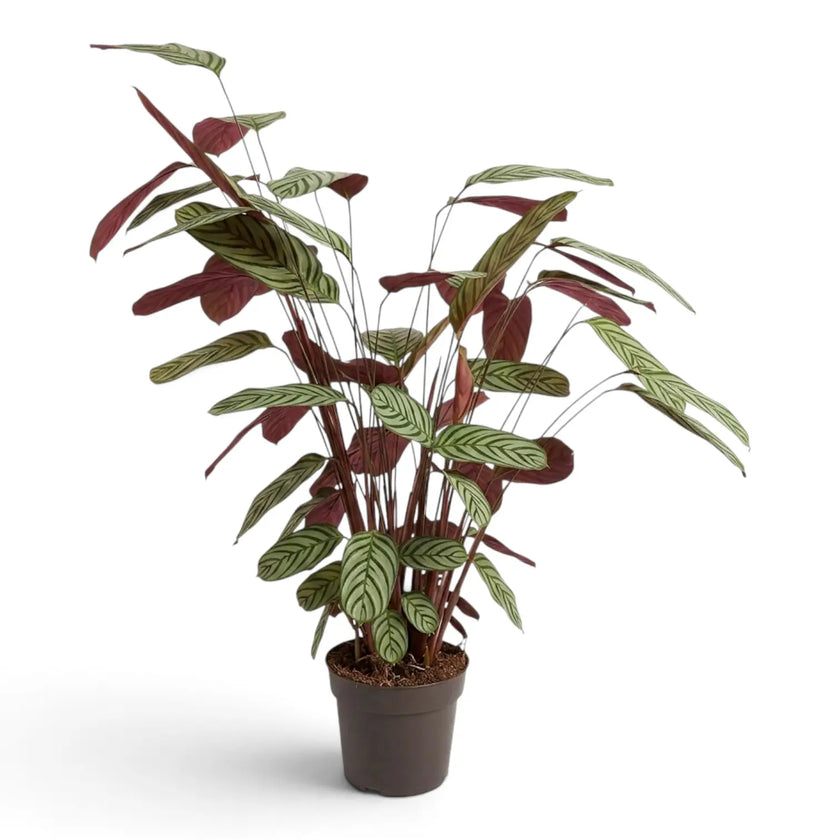
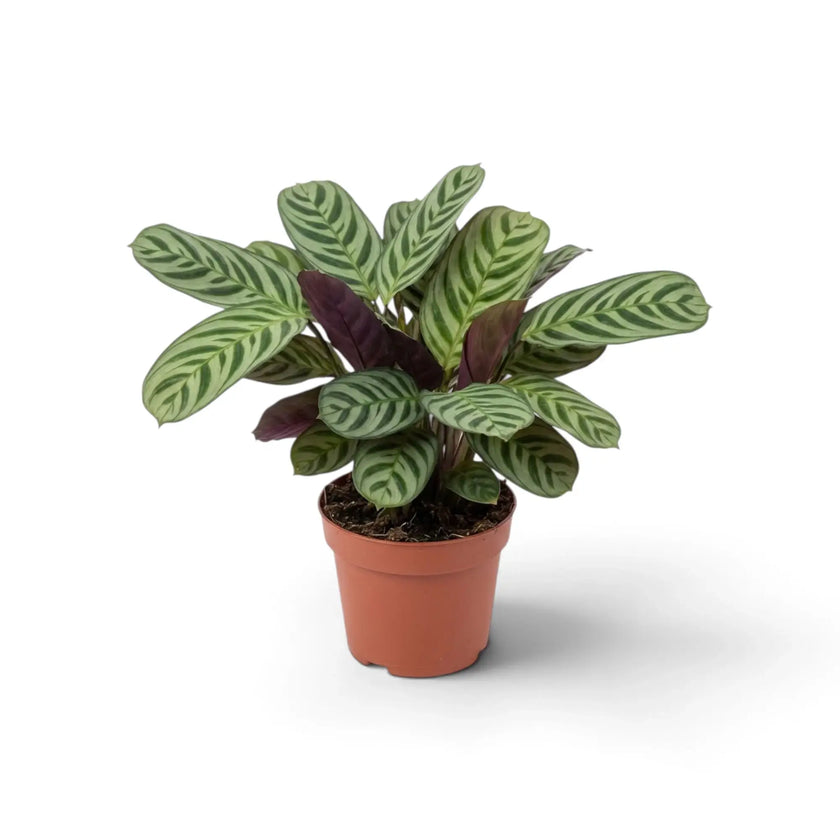
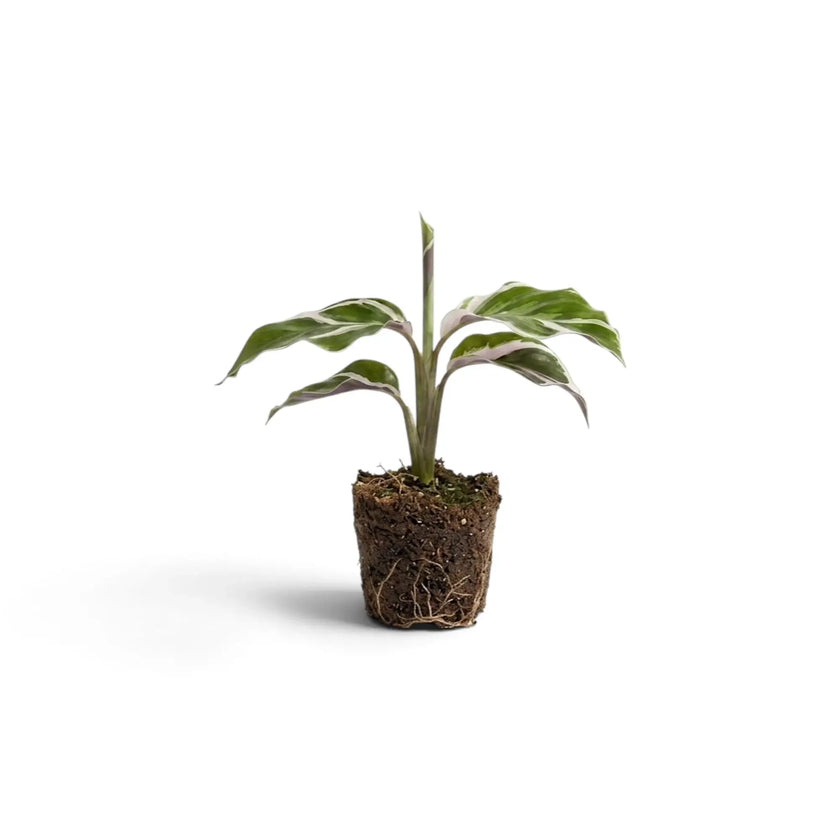
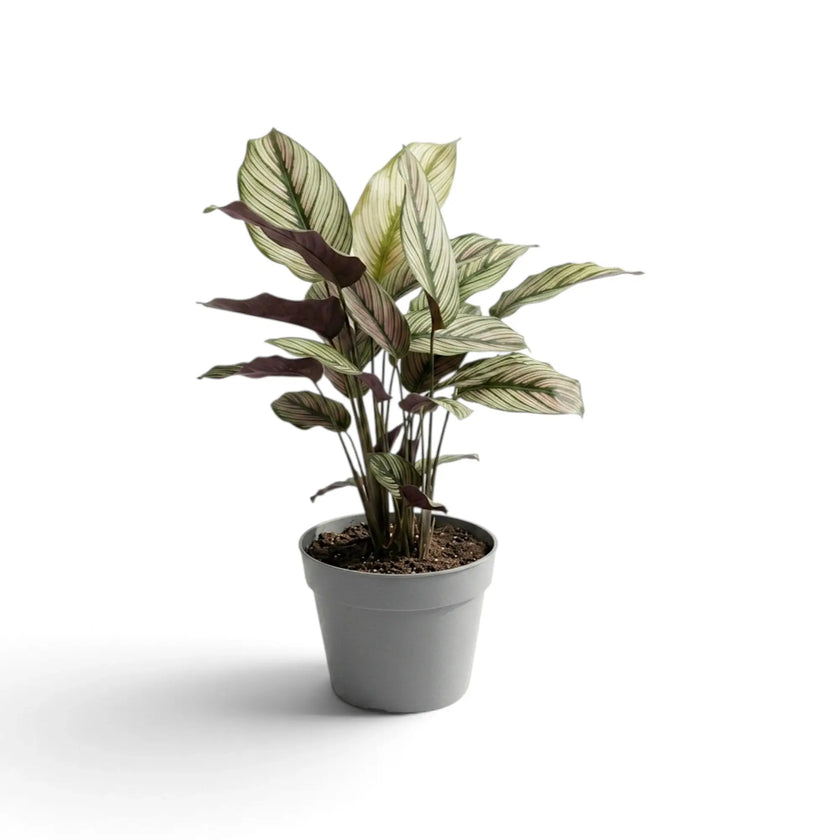
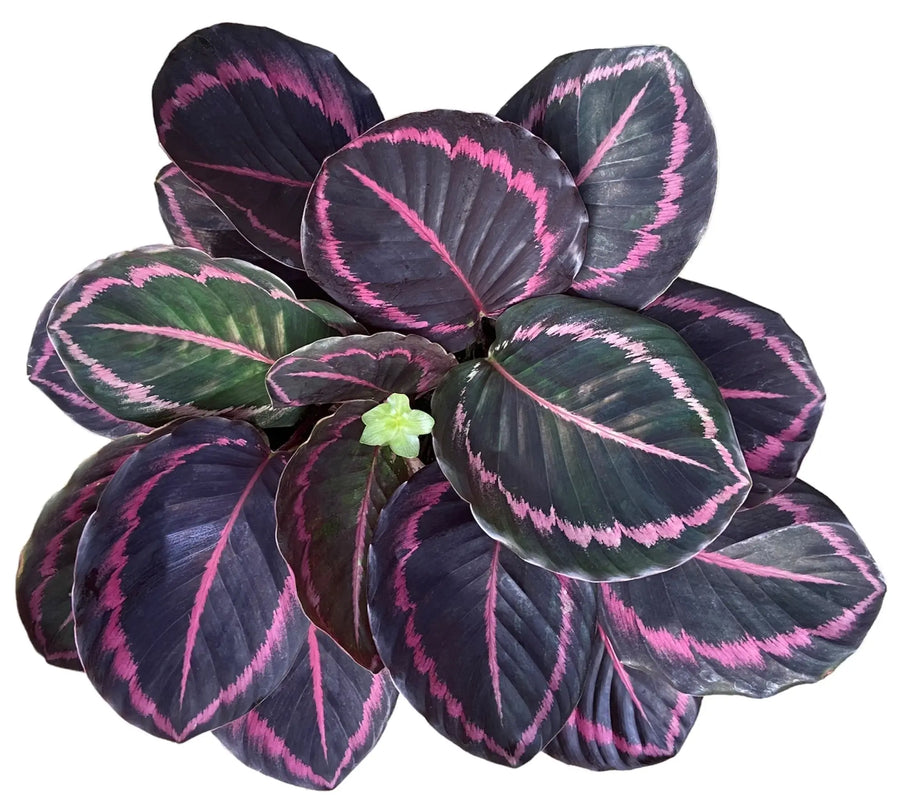
Daily leaf movement, stripes, spots and coloured undersides define prayer plants. Maranta spreads low across the pot, while Goeppertia and Ctenanthe build fuller clumps with a taller, more layered outline.

Substrate help
Keep prayer plant roots evenly moist, not packed
About Our Filters
Start with the light and space you can offer, then narrow by the plant’s shape or appearance. Check the individual product page for care and size details.
Choose the filters that matter for your search. Remove a selection if you want to see a broader range.
Filters in different groups narrow the search together.
About the filters shown here
-
Availability
Shows whether a product is available to order. This does not mean immediate dispatch; check the product and delivery information for timing. -
Price
Narrows the results by price. Check the price of your chosen size or option on the product page. -
Water Needs
These groups compare water needs broadly. Use the plant’s own care instructions and check the substrate before watering. -
Light level
Match this to the light at the plant’s intended position, including how much direct sun reaches it. -
Humidity Level
Compare the listed range with the humidity around your plants. The percentage refers to moisture in the air.
Options: Elevated 50–60%; High 60–80% + -
Pet friendly
Use this as a shortlist for homes with pets, then read the product’s safety information. Keep plants out of reach of pets that chew. -
Height or length guide
A guide to an established plant’s height or length. Check the product page for the size supplied and how the mature measurement is defined. -
Growth Habit
Describes how the plant grows and occupies space, such as climbing, trailing or forming a clump. -
Needs support?
Indicates whether a pole, trellis or other support is recommended. The product’s care instructions explain the suitable support.
Options: not needed
Sort by:
Filters
Marantaceae
Prayer Plants
The common name usually refers to members of Marantaceae such as Maranta, Goeppertia and Ctenanthe. Many have visible day-night leaf movement driven by the pulvinus at the leaf base.
Prayer plants compared by genus and growth habit
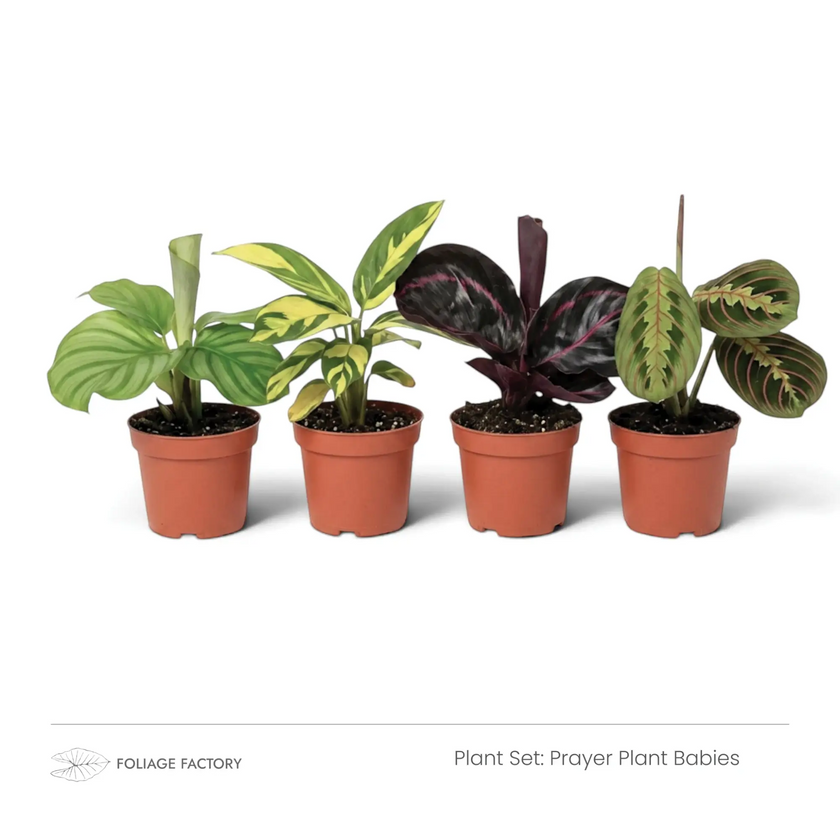
Prayer plants bring together Goeppertia, Maranta, Ctenanthe and Stromanthe. They share daily leaf movement and patterned foliage, but they do not create the same shape or occupy the same amount of space.
Goeppertia, Maranta, Ctenanthe and Stromanthe
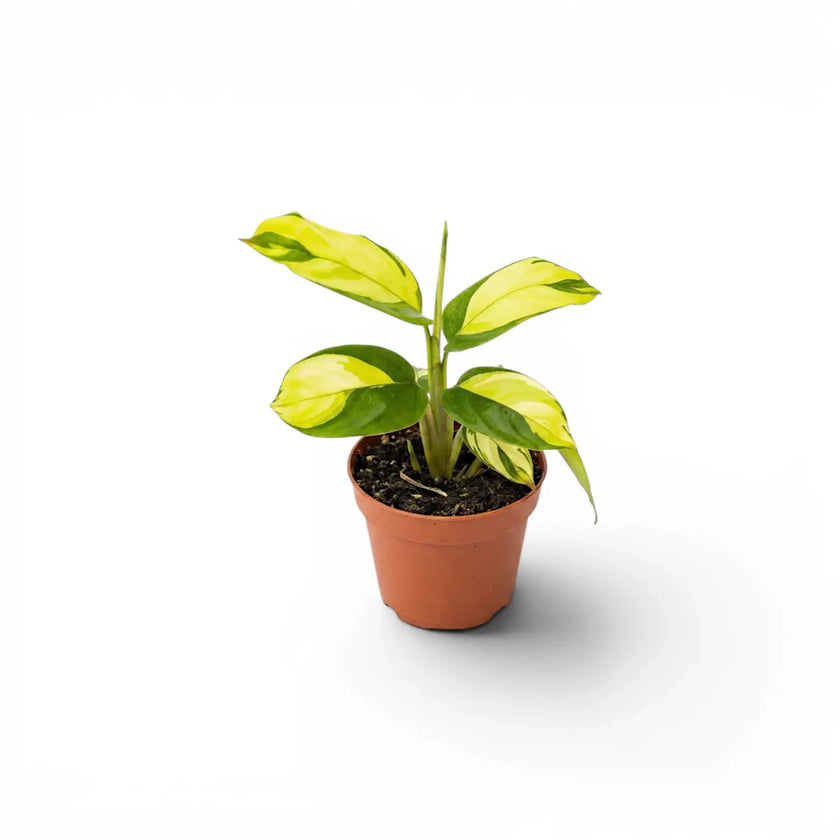
Goeppertia usually builds an upright basal clump. Maranta spreads on lower stems and can soften over the pot edge. Ctenanthe often forms a taller, more open clump, while Stromanthe can develop the broadest layered canopy. Compare mature height, spread and stem behaviour before choosing by pattern alone.
The Calathea and prayer-plant guide explains their shared preference for even moisture and filtered light. Thin leaf edges react visibly to irregular moisture, salts or prolonged dry air, so the houseplant watering guide is useful when adjusting the root-zone routine.
Strong humidity without air exchange is not the goal. A balanced approach to humidity and airflow supports new leaves without keeping the canopy stagnant. Safety is checked by the exact botanical member; the commonly sold members of these genera are typically listed as non-toxic to cats and dogs.
Botanical Profile
The common name usually refers to members of Marantaceae such as Maranta, Goeppertia and Ctenanthe. Many have visible day-night leaf movement driven by the pulvinus at the leaf base.
Details & Care
Prayer plants compared by genus and growth habit
Prayer plants bring together Goeppertia, Maranta, Ctenanthe and Stromanthe. They share daily leaf movement and patterned foliage, but they do not create the same shape or occupy the same amount of space.
Goeppertia, Maranta, Ctenanthe and Stromanthe
Goeppertia usually builds an upright basal clump. Maranta spreads on lower stems and can soften over the pot edge. Ctenanthe often forms a taller, more open clump, while Stromanthe can develop the broadest layered canopy. Compare mature height, spread and stem behaviour before choosing by pattern alone.
The Calathea and prayer-plant guide explains their shared preference for even moisture and filtered light. Thin leaf edges react visibly to irregular moisture, salts or prolonged dry air, so the houseplant watering guide is useful when adjusting the root-zone routine.
Strong humidity without air exchange is not the goal. A balanced approach to humidity and airflow supports new leaves without keeping the canopy stagnant. Safety is checked by the exact botanical member; the commonly sold members of these genera are typically listed as non-toxic to cats and dogs.
Frequently Asked Questions About Prayer Plants
Why are they called prayer plants?
The name comes from nyctinasty, the daily leaf movement that lifts or folds the leaves at night and lowers them again by day. In houseplant use, “prayer plants” usually means Maranta and other Marantaceae commonly sold alongside it, such as Goeppertia, Ctenanthe and Stromanthe.
Do prayer plants like low light?
They tolerate lower indirect light better than harsh sun, but most grow best in bright indirect light. Too little light slows growth and can make patterns look duller, while direct sun can fade or scorch the leaves.
Why do prayer-plant leaves get brown edges?
Brown edges usually point to dry air, inconsistent moisture, or minerals and fluoride in the water. Once an edge has browned it will not turn green again, so the real fix is improving conditions for the next leaves.
Do prayer plants need filtered or rainwater?
Often, yes. Many prayer plants are sensitive to fluoride, chlorine and mineral build-up, so filtered, distilled or rainwater can noticeably reduce brown tips and edge burn. If your tap water is soft and the plant is growing cleanly, you may not need to change anything.
Are prayer plants safe around pets?
Most houseplants sold as prayer plants are considered non-toxic to cats and dogs. It is still worth checking the exact plant name if pet safety is a deciding factor, especially because common names get used loosely in retail.