Houseplant Pest Control – Complete Buying Guide for Indoor Plants
Effective houseplant pest control is calm, targeted and consistent. The goal is not to drench plants in random products, but to match the right tool to the specific pest and repeat treatments on a clear schedule. This guide helps you decide when to choose sticky traps, insecticidal soap, biological controls like nematodes and beneficial insects, and targeted sprays so you can keep problems under control without stressing your plants.
Before you buy anything, start with inspection. Once a week, look closely at new growth, leaf undersides, nodes, stems and the soil surface. Identify whether you are dealing mainly with flying insects, soil-dwelling larvae or sap-sucking pests on leaves and stems. With that information, choosing the correct product becomes straightforward and you avoid wasting money on treatments you do not need.
1. Sticky traps – foundation for monitoring and flying pest reduction
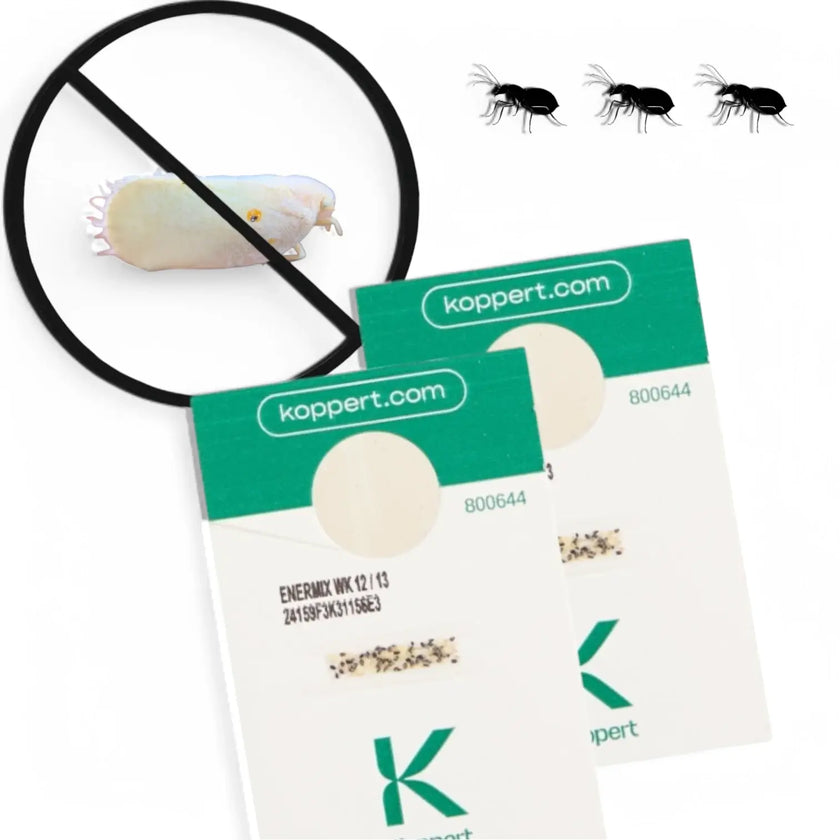
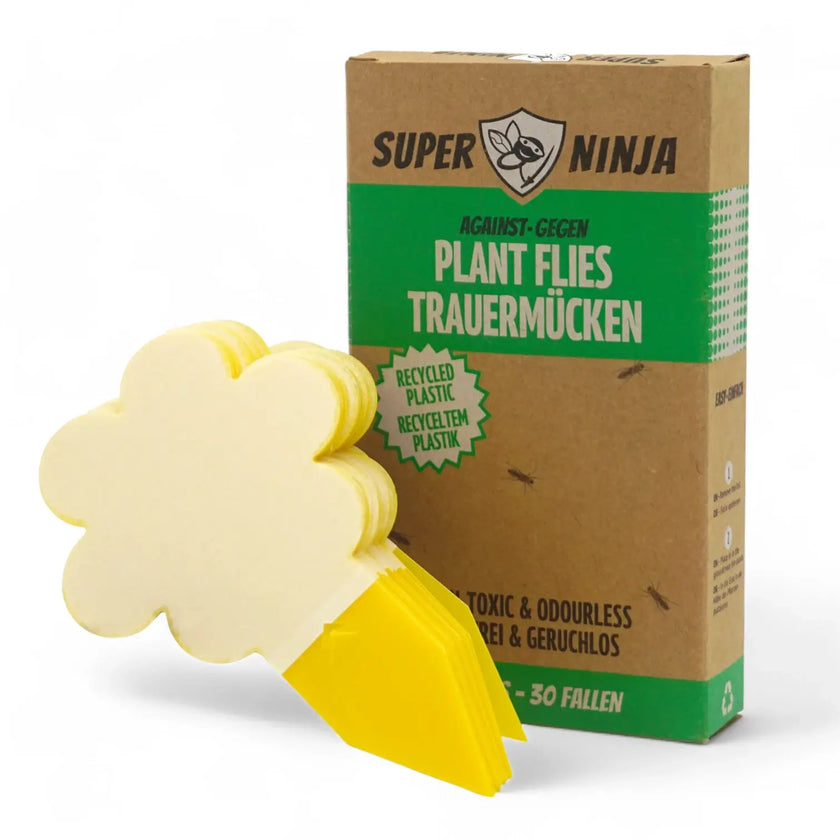
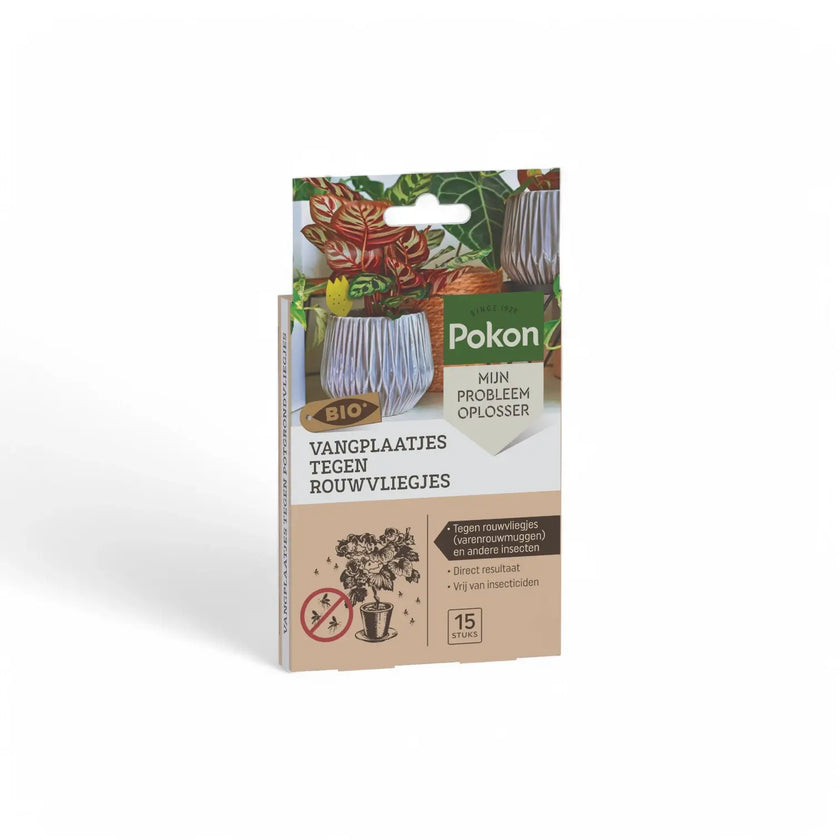
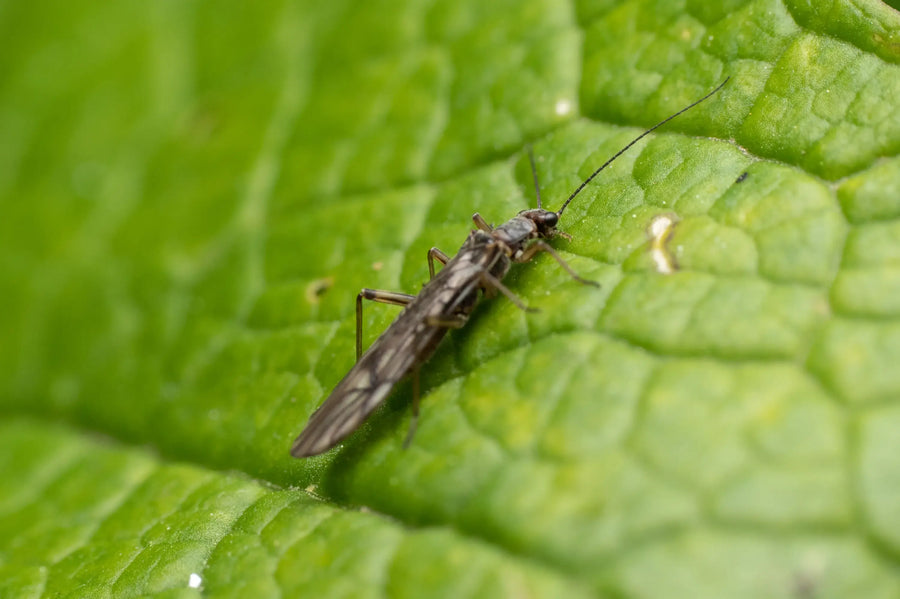
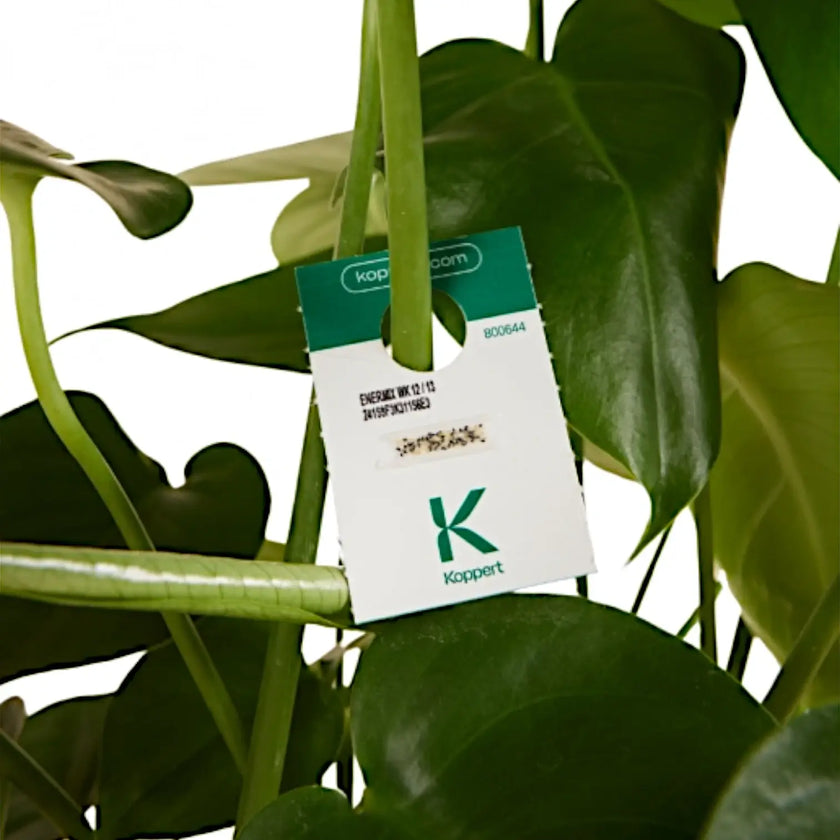
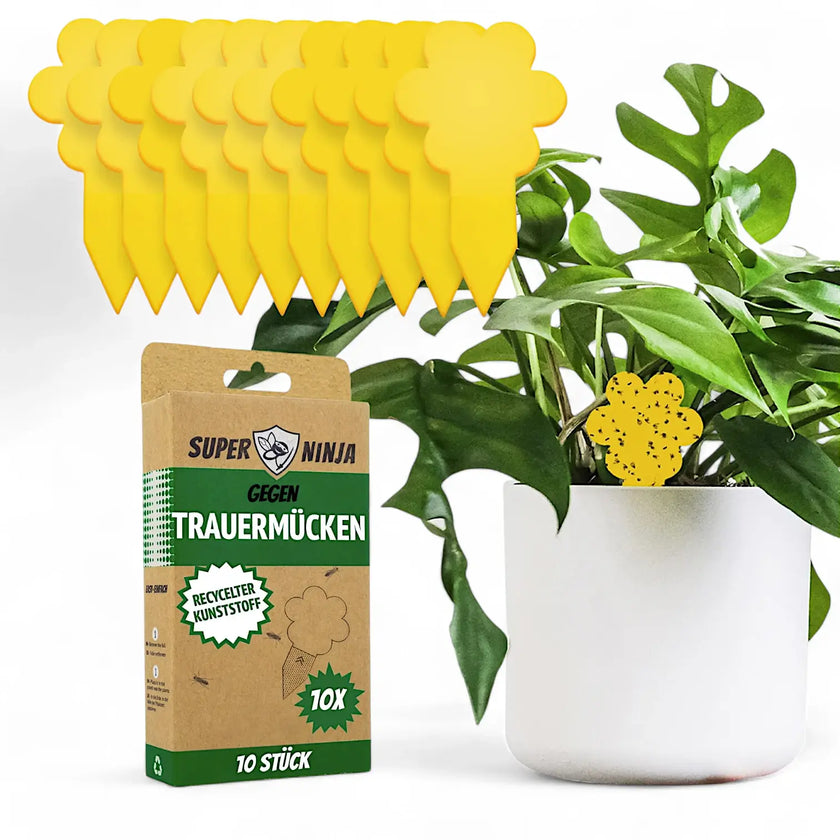
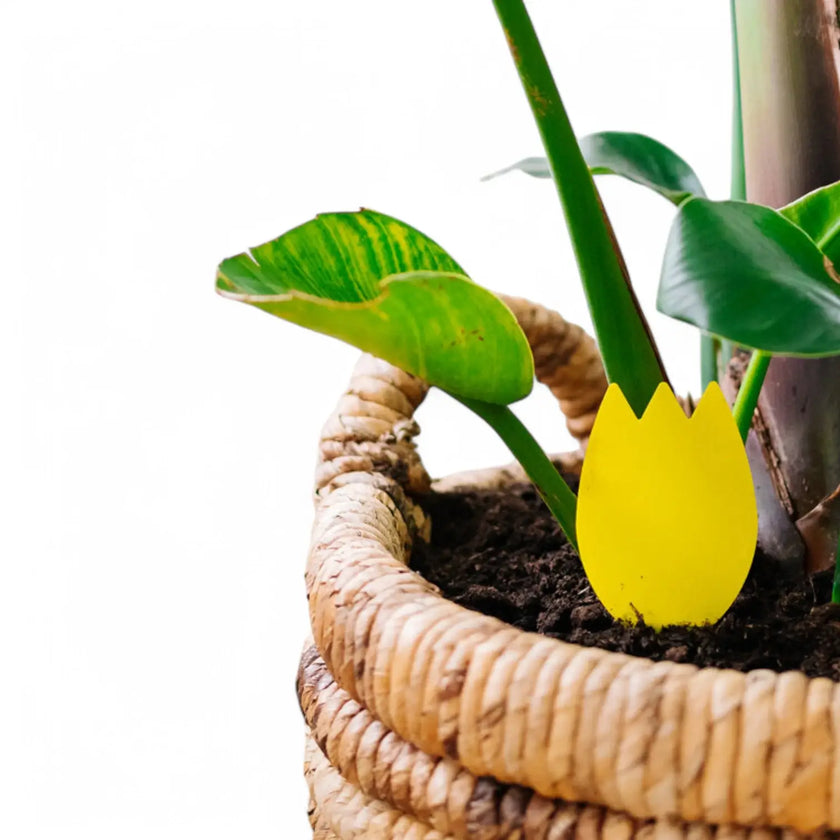
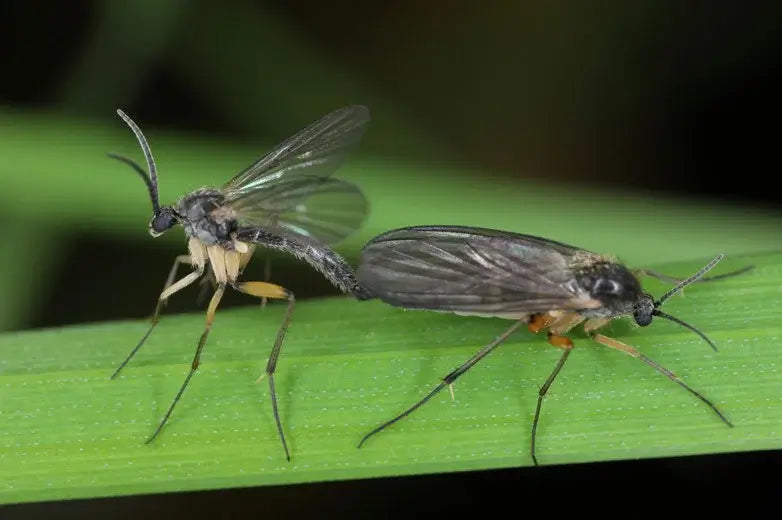
Sticky traps are the simplest way to see what is happening in your plant space. They catch adult fungus gnats, whiteflies and thrips and show clearly whether numbers are increasing or dropping after treatment. Traps will not solve a heavy infestation alone, but they are essential for monitoring and for slowing spread between pots.
- Best for: fungus gnat adults, whiteflies, thrips adults and other small flying insects
- Placement: position traps close to the soil level or slightly above the canopy of affected plants
- Quantity: use several traps in larger collections; one per pot cluster is a practical starting point
- Maintenance: replace every 1–2 weeks or sooner if surfaces are full or dusty
- Buying tip: choose traps with a strong adhesive and a size that fits easily between stems and leaves
2. Biological controls – nematodes and beneficial insects
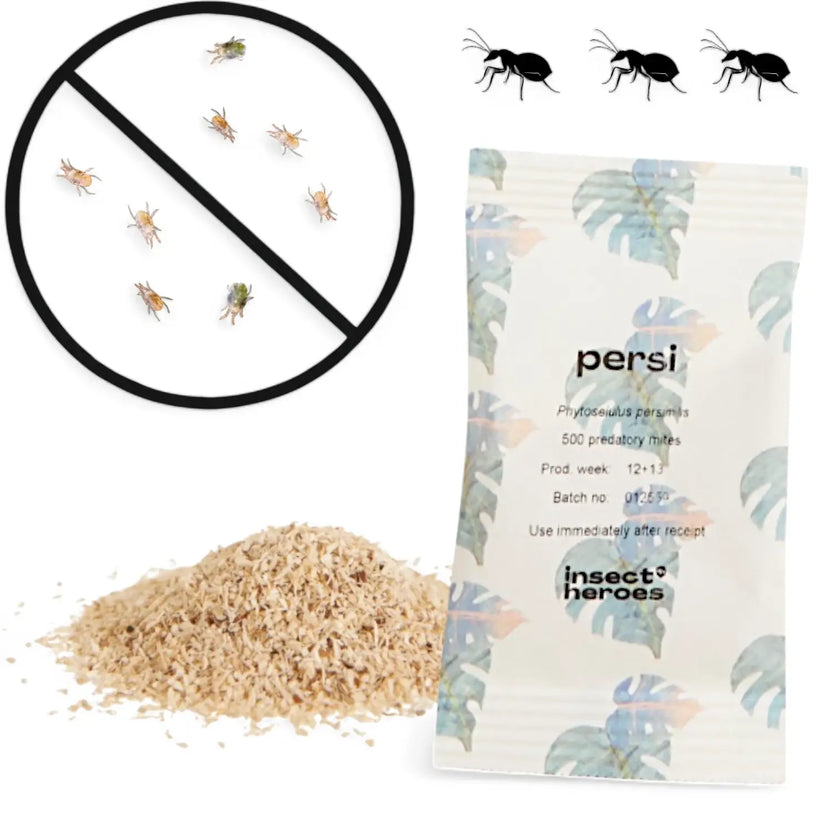
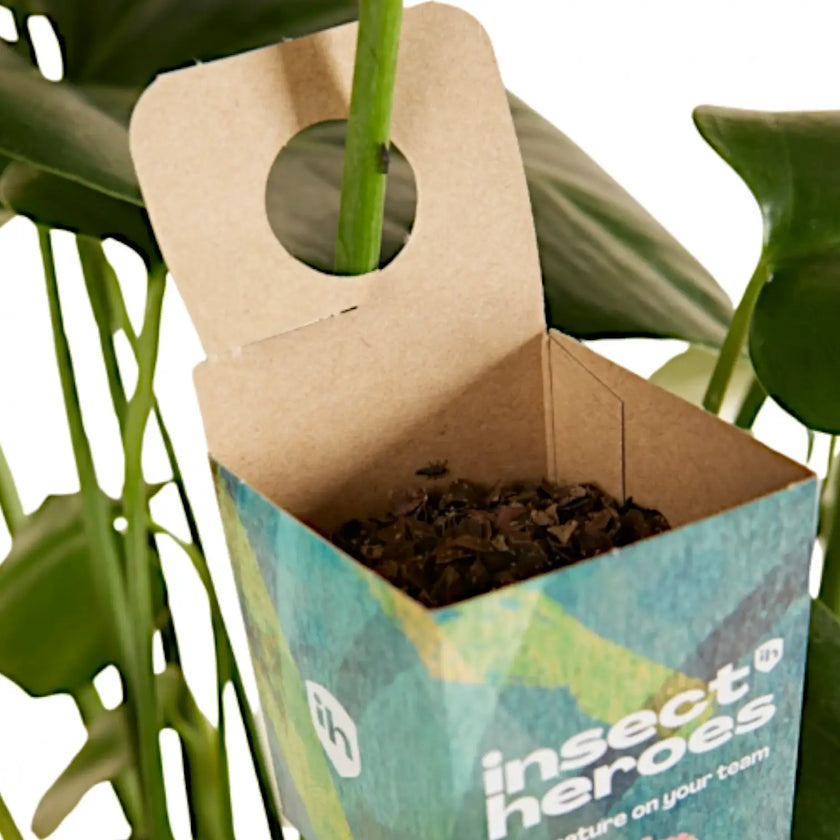
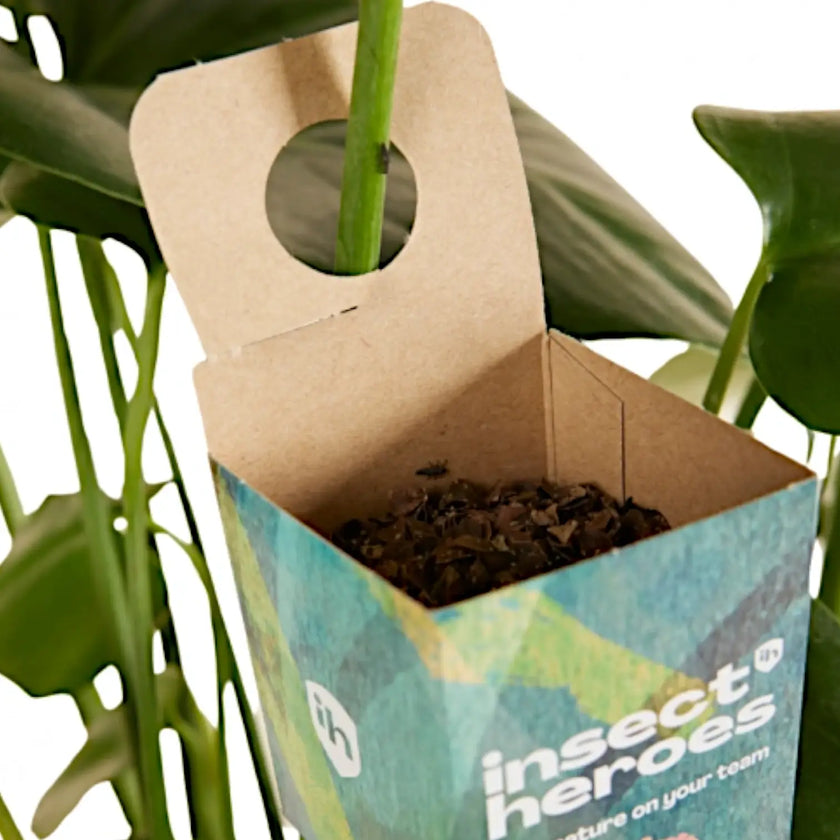
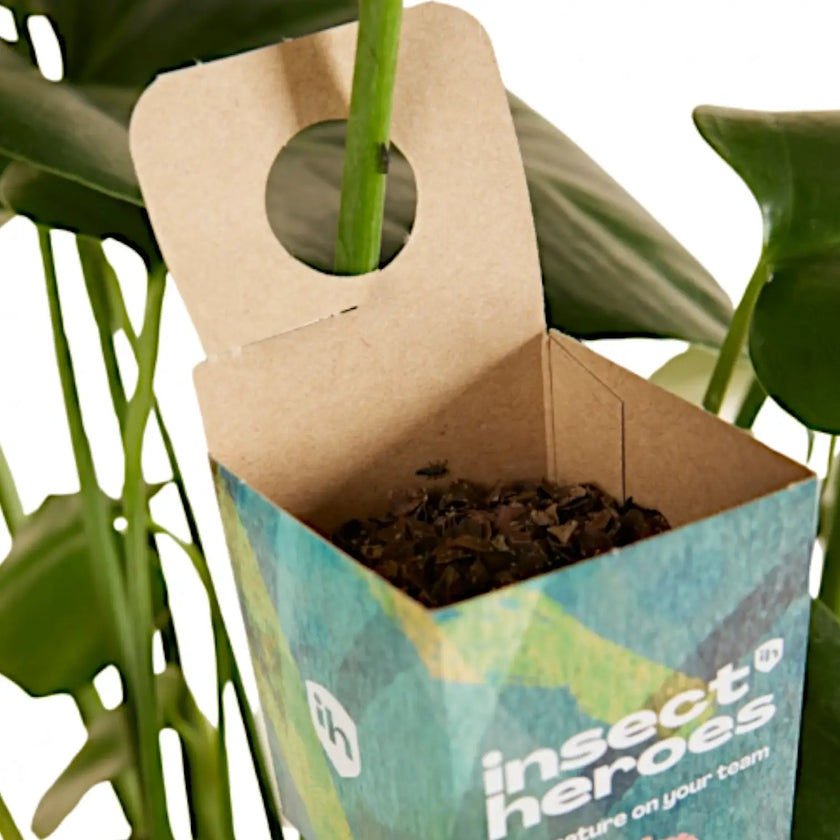
Biological controls work by introducing natural enemies of common pests. Used correctly, they offer reliable control without chemical residue and are ideal for dense plant setups, greenhouses or rooms where repeated spraying is impractical. The key is to follow temperature and dosage instructions precisely.
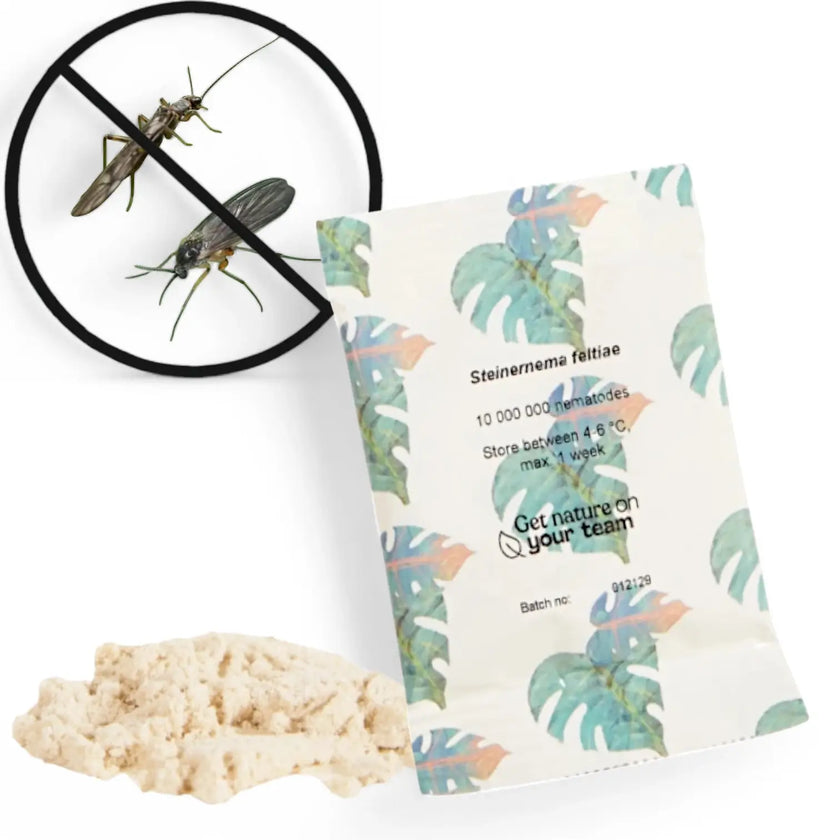
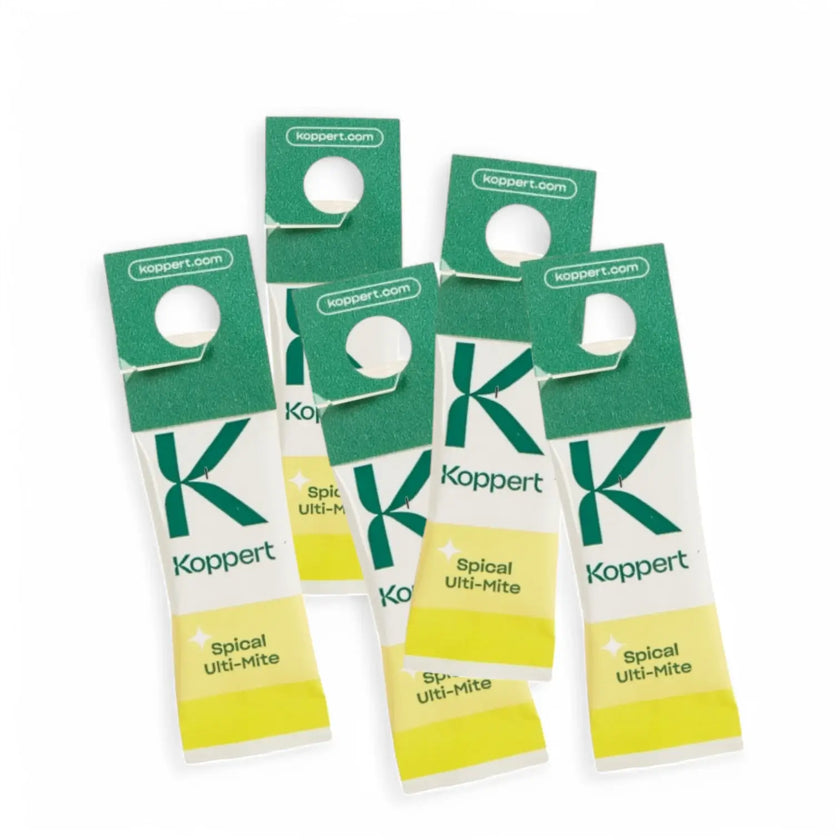
- Nematodes: microscopic worms that target soil-dwelling larvae, especially fungus gnats. They are mixed with water and applied directly to the substrate.
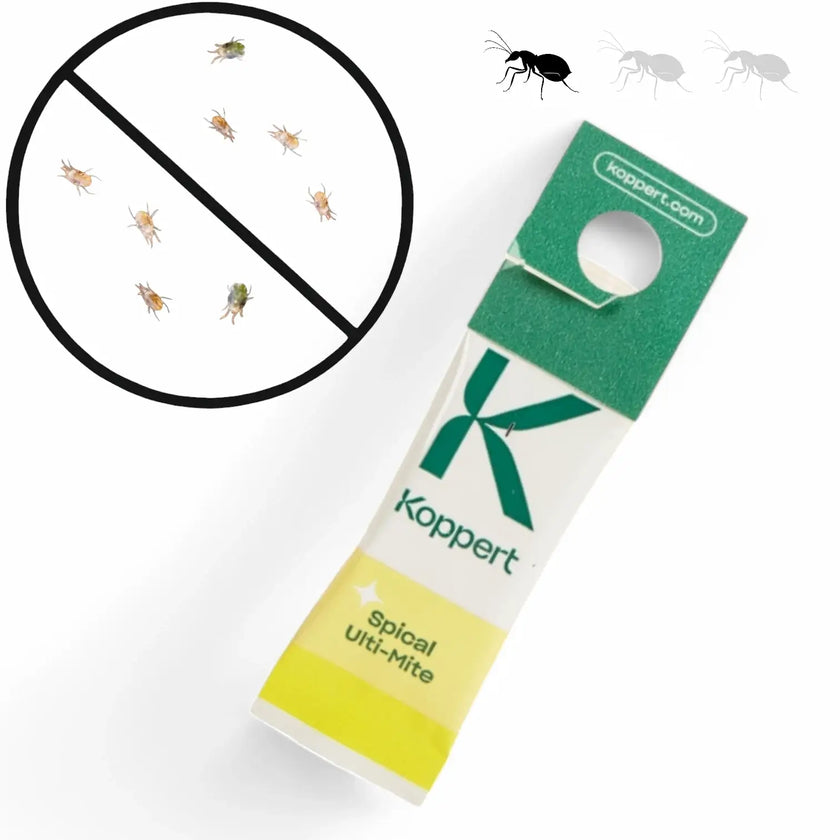
- Predatory mites: useful against early thrips stages and other soft-bodied pests on leaves and stems.
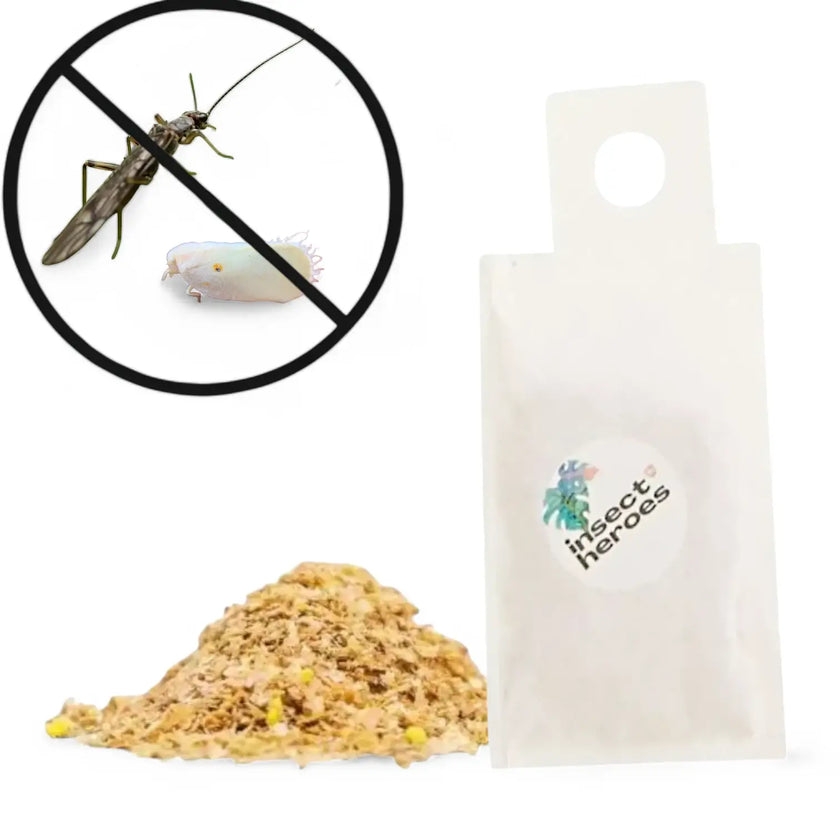
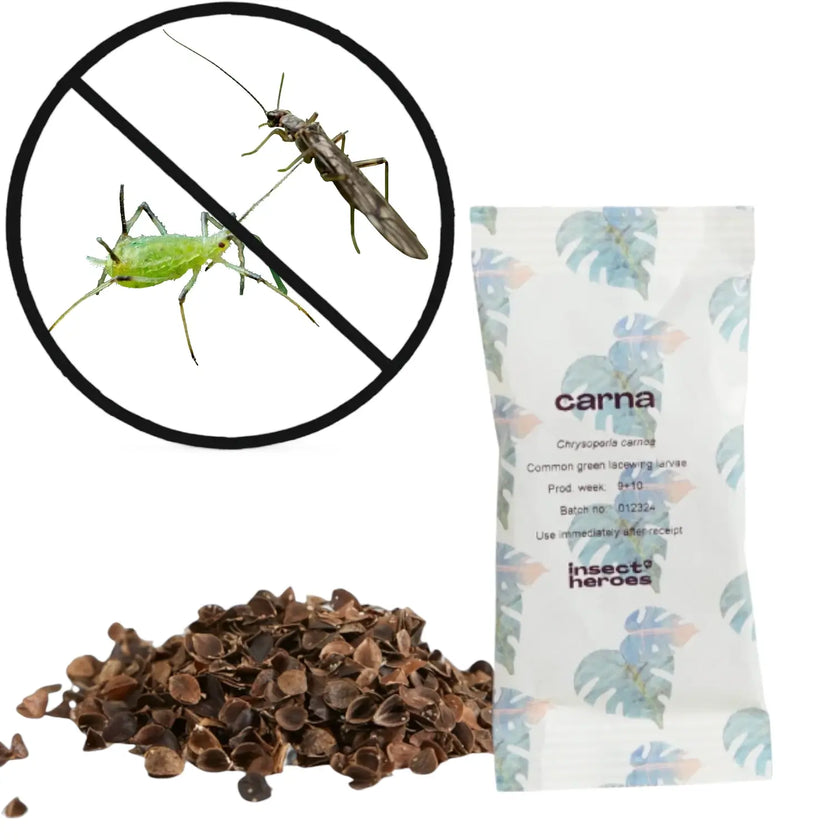
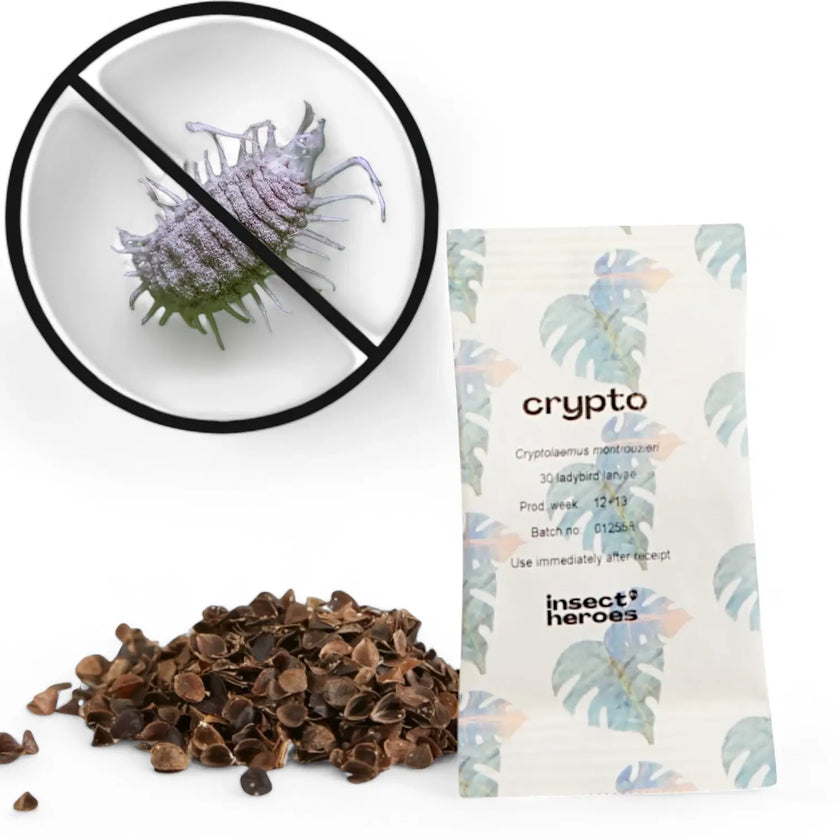
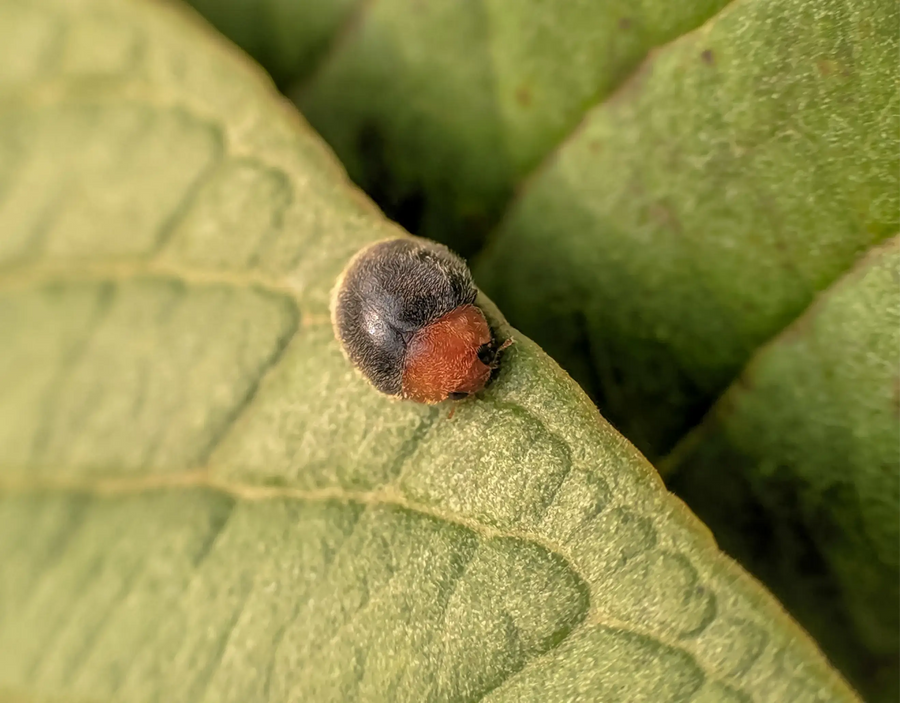
- Lacewings and ladybirds: help with aphids and mealybugs in larger, contained spaces.
- Temperature and timing: always respect the temperature range printed on the product and apply biologicals as soon as they arrive.
- Compatibility warning: do not combine biological controls with insecticidal soap or other sprays; these kill beneficial organisms on contact.
Biological methods are most effective when you start early, at the first sign of pests. Heavy, long-ignored infestations usually need a combination of mechanical removal, insecticidal soap and, once residues are gone, carefully timed biological releases.
3. Insecticidal soap – safe, targeted contact treatment
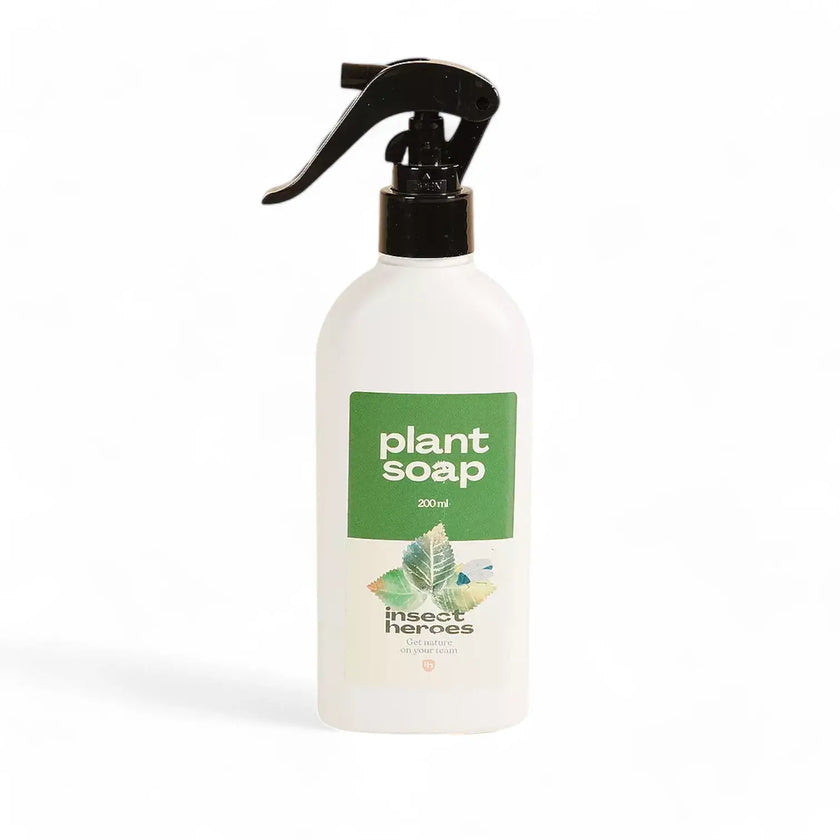
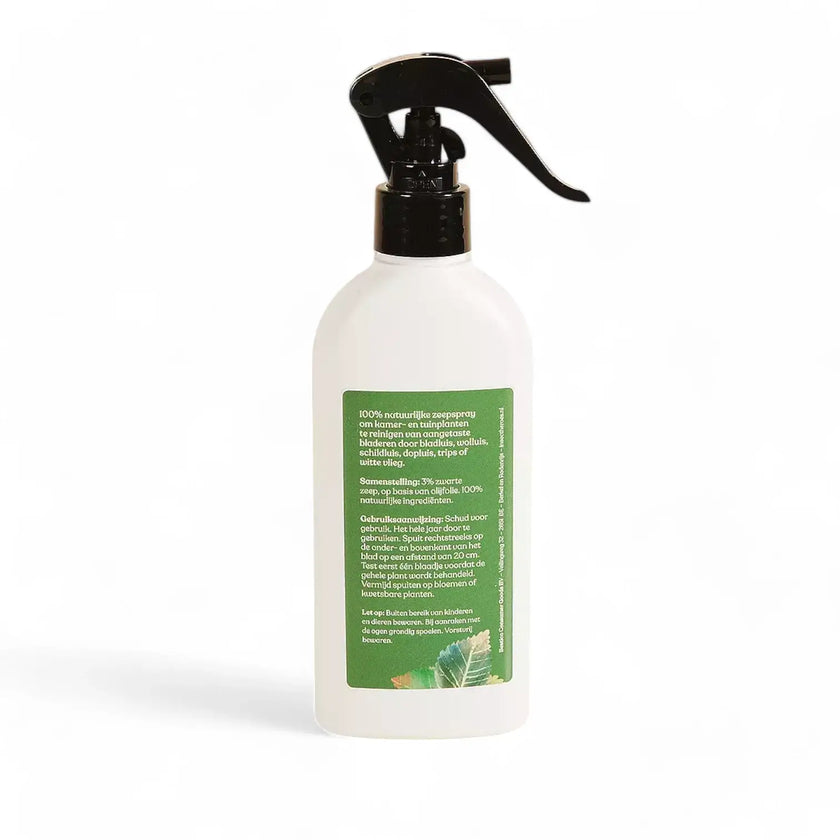
Insecticidal soap is one of the most practical and plant-friendly treatment options for many common indoor pests. It damages the protective outer layer of insects and mites, but only works where it actually touches them, so careful coverage is more important than heavy dosing.
- Best for: aphids, spider mites, mealybugs and young scale crawlers on leaves and stems
- Application: spray stems, nodes, leaf undersides and crevices where pests cluster, not just the top surfaces
- Frequency: repeat after 5–7 days and again if needed, to cover new hatchlings
- Safety test: always test on a single leaf and wait 24 hours to check for sensitivity before treating the whole plant
- Light conditions: avoid spraying in strong sun or under hot grow lights to reduce the risk of surface damage
Insecticidal soap fits well into a regular routine because it is easy to use, does not leave persistent residue and allows you to stay in control without harsh chemicals. For many households, it is the first product to keep on hand alongside sticky traps.
4. Targeted sprays – for stubborn or hidden infestations
Targeted sprays are useful when pests hide deep in nodes, thick growth or textured surfaces where other methods struggle to reach them. This includes entrenched mealybug colonies, scale on woody stems and thrips in heavily folded foliage. The goal is precise application, not blanket spraying across your entire collection.
- Best for: persistent mealybugs, established scale patches and difficult thrips hotspots
- Usage: focus on affected plants and specific areas rather than spraying every pot in the room
- Repeat schedule: follow the manufacturer’s interval recommendations; skipping follow-up doses often leads to regrowth
- Ventilation: apply in a well-ventilated area away from children and pets, then let plants dry before returning them to their usual spot
- Biologicals note: do not use targeted sprays while beneficial insects or mites are active on the plants
5. How to build a clear, repeatable pest-control routine
Pests spread easily when routines are random. A simple, predictable system keeps things under control and lets you see quickly whether your purchases are actually working. Use the steps below as a base and adjust to the size of your collection.
- Weekly checks: inspect new growth, undersides of leaves and soil surfaces at least once a week.
- Trap management: replace sticky traps regularly and compare how many insects you catch over time.
- Soil treatments: if fungus gnats are present, schedule nematode applications exactly as directed.
- Leaf treatments: keep insecticidal soap for early, localised outbreaks and reserve stronger sprays for stubborn pockets.
- Notes: write down dates, products and pests observed so you know which methods gave real improvements.
6. Quick “what to buy for which pest” overview
Use this section as a fast reference before adding products to your cart. It links the most common indoor plant pests to the tools that make the biggest difference.
- Fungus gnats: sticky traps for adults + nematodes for larvae in the soil.
- Thrips: sticky traps to monitor + predatory mites or carefully chosen spray where populations are higher.
- Aphids: insecticidal soap as first choice; repeat until new growth stays clean.
- Spider mites: insecticidal soap with thorough coverage of leaf undersides and repeated applications.
- Mealybugs: insecticidal soap plus targeted sprays on heavy clusters and hidden nodes.
- Scale: manual removal where possible, followed by careful, localised use of targeted sprays.
7. Frequently asked questions about indoor pest control products
Do I always need several products or can one be enough?
For mild issues, a combination of sticky traps and insecticidal soap often does the job. Heavier or long-neglected infestations usually need a layered approach: physical removal, insecticidal soap, and, for soil pests, nematodes. Biological controls or stronger sprays come in when pests are established or keep returning.
Can I use insecticidal soap and biological controls at the same time?
No. Insecticidal soap and most sprays kill beneficial insects and mites just as efficiently as pests. If you plan to use biological controls, stop spraying first and wait until residues are gone. If you have already introduced beneficials, avoid soap and sprays until their work is done.
How do I know which strength or concentration to buy?
Always follow the dosage printed on the label and avoid guessing. Concentrates are economical for larger collections but must be measured accurately. Ready-to-use sprays are convenient for small setups and for people who prefer to avoid mixing. If in doubt, start with the lowest recommended strength and observe plant response.
Is it enough to treat just once?
Very rarely. Most pests have life cycles that include eggs, larvae and adults. One treatment may kill what you see today but leaves the next wave untouched. Plan for at least two to three rounds of insecticidal soap or sprays, and follow the repeat schedule for biological controls to prevent quick rebounds.
Are sticky traps alone a complete solution?
Sticky traps are unmatched for monitoring and reducing flying adults, but they do not reach larvae in the soil or insects hiding on leaves. Treat them as your early warning system and first reduction step, then add nematodes or leaf treatments depending on which pests you find.
8. Strong, simple call to action – build your pest-control kit
The most effective pest routine is the one you can repeat without stress. Put together a basic kit that matches your space: sticky traps for ongoing monitoring, insecticidal soap for early outbreaks, and nematodes or other biologicals for soil and hidden stages. Add a targeted spray only if you are already dealing with stubborn infestations.
Choose your pest-control tools now, set a weekly check-in for your plants and keep short notes on what you use. With a clear routine and the right products on hand, most problems stay small, localised and manageable instead of turning into collection-wide emergencies.