

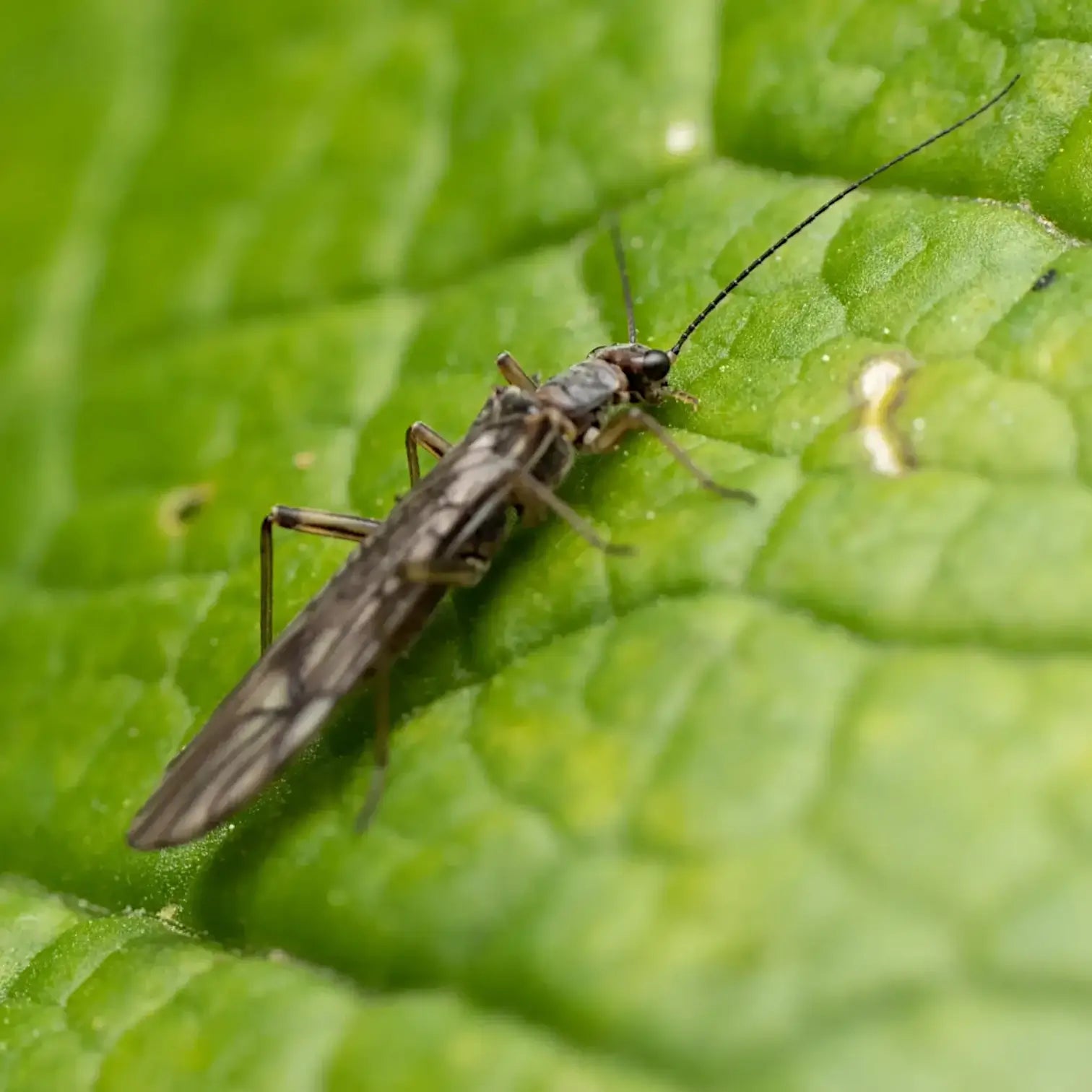
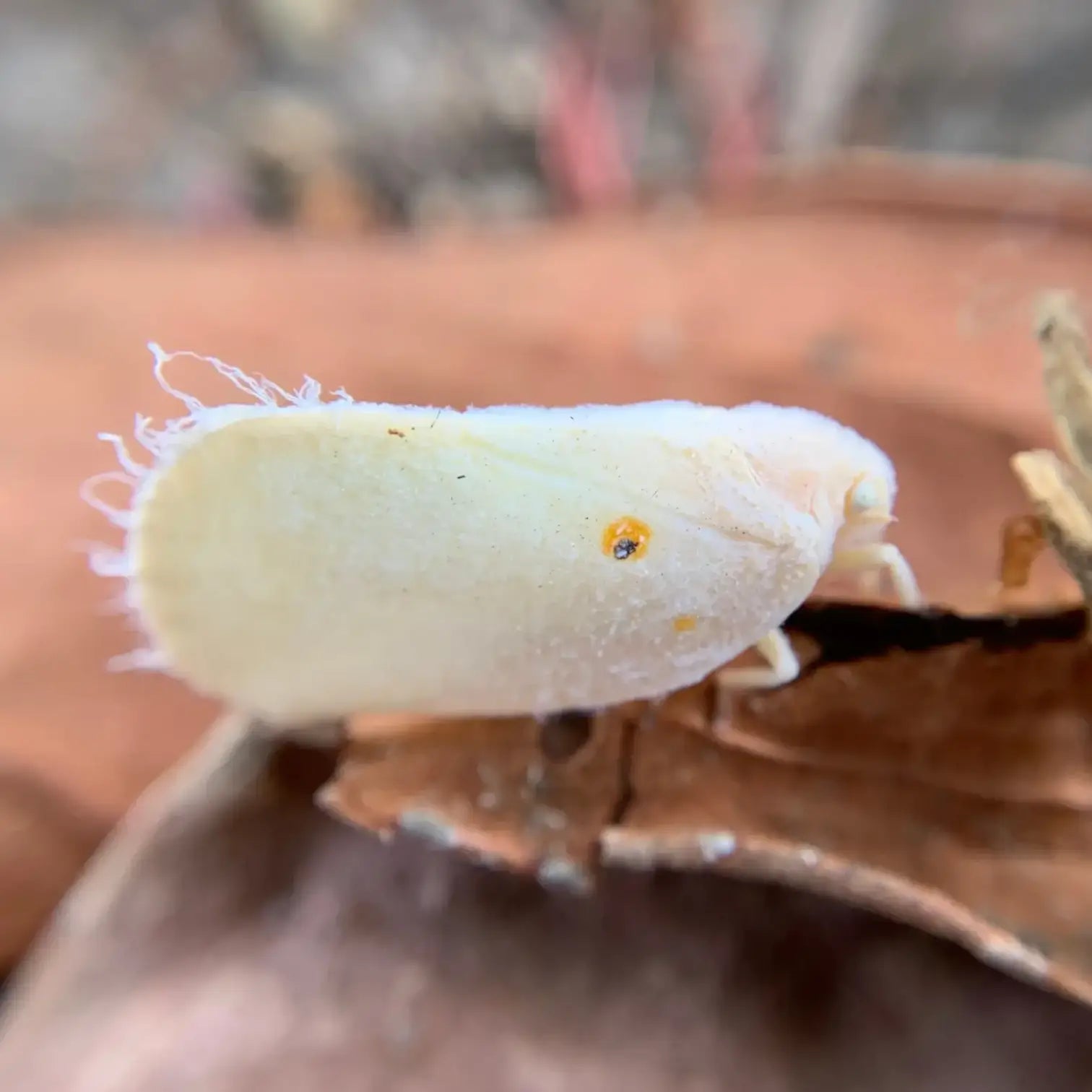
Amblyseius swirskii – Biological Control for Thrips & Whiteflies
VAT included · plus
Plant size: Pot Ø ⌀ 5 cmapprox. 5 cm tall
Sizes are approximate. Height is measured from the bottom of the pot to the top of the plant; diameter at the widest point.
Every order is carefully packed and sent with tracking. If your plant arrives damaged or develops a problem covered by our 28-day guarantee, contact us with photos. Full conditions are available under Guarantee & Returns.
Visit our FAQ or contact customer support for help with orders, delivery or plant care.
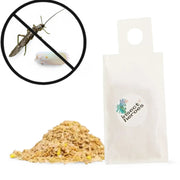
Amblyseius swirskii – Slow-Release Sachets for Thrips and Whiteflies
This predator is most useful when introduced early. It targets young thrips larvae and whitefly eggs or young stages, and it can stay active longer than a one-day release because the mites emerge gradually from the sachets over several weeks.
How to use it
- Early use: better for first signs and ongoing background monitoring support than for severe late infestations.
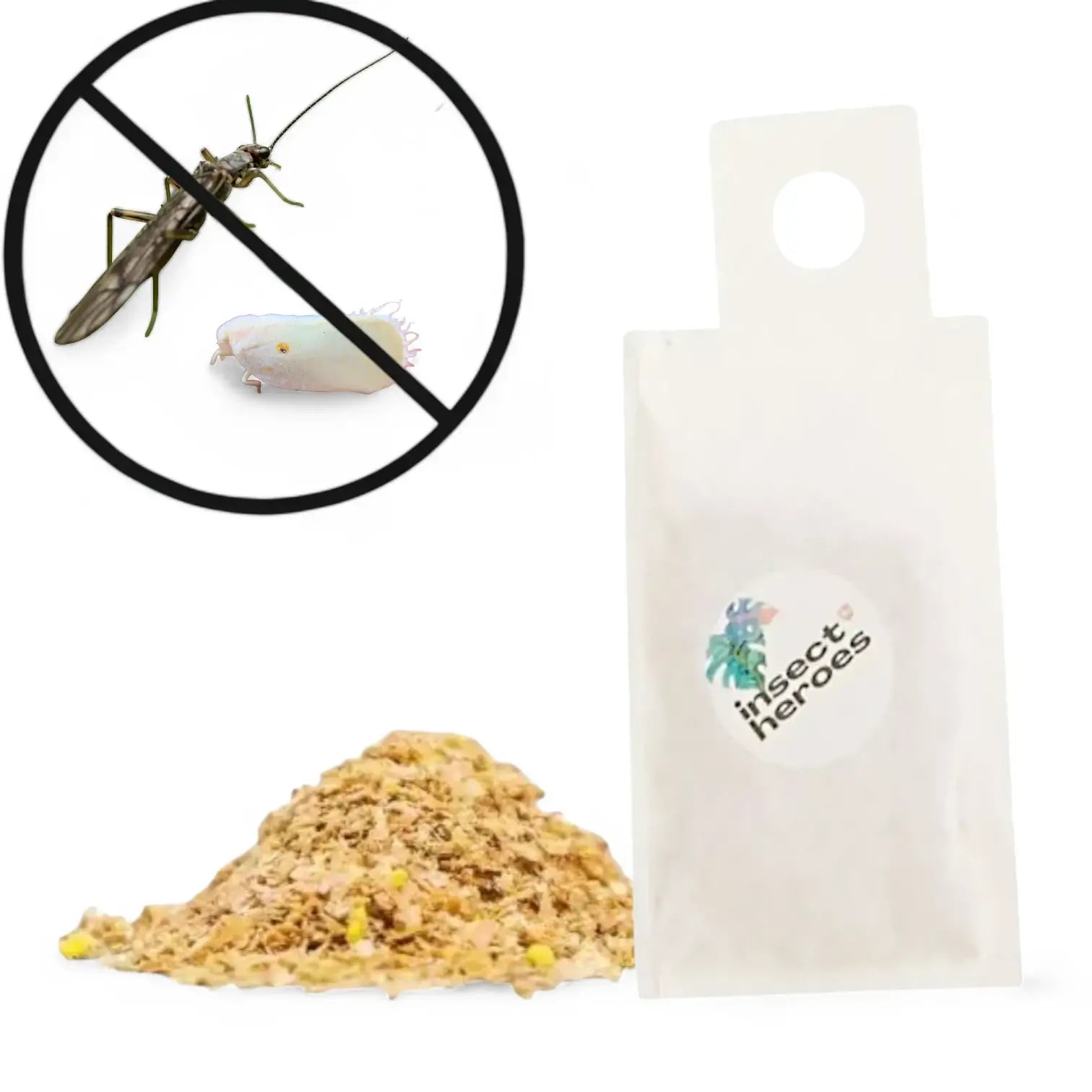
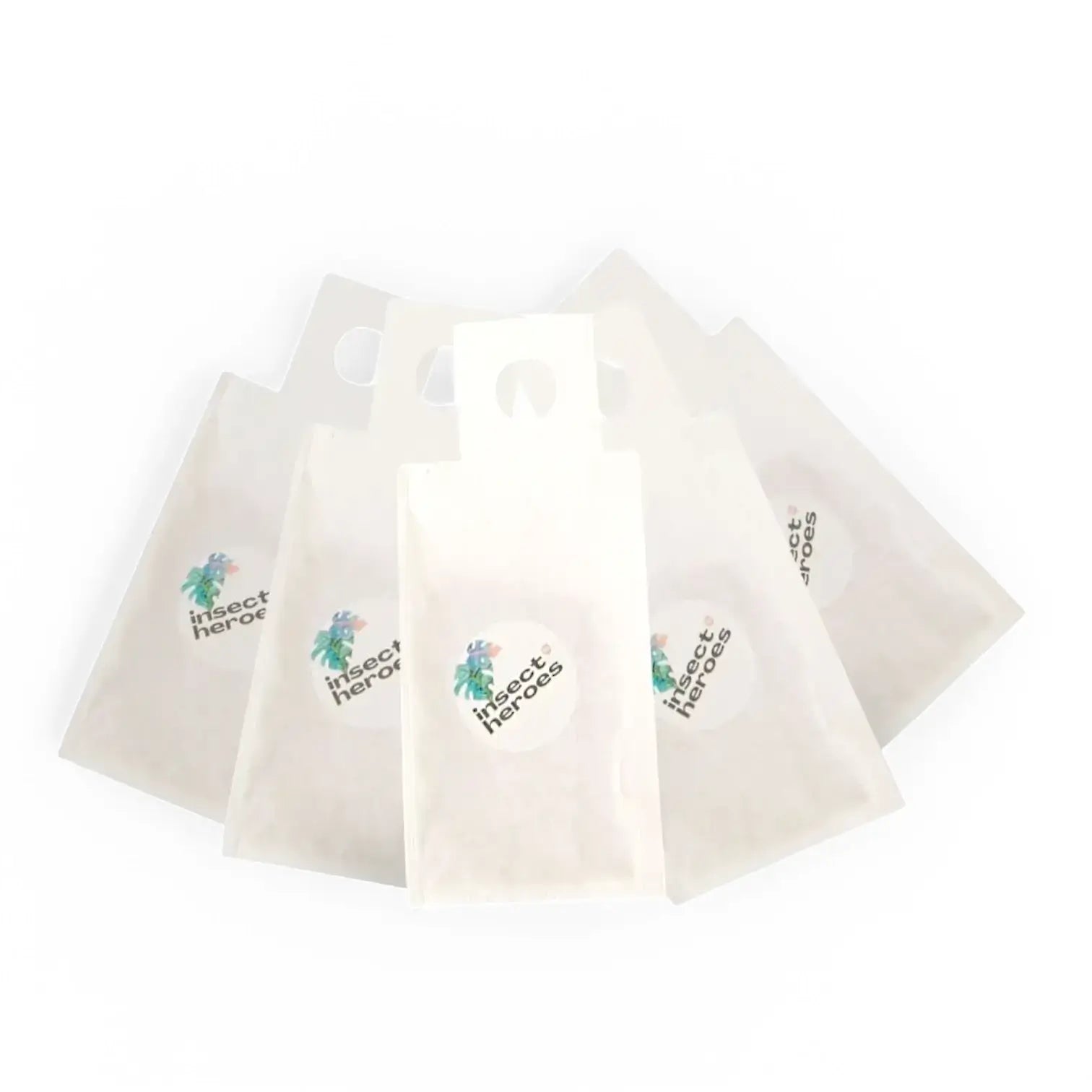
- Gradual release: each sachet starts with about 250 mites and can keep releasing predators over roughly 4–6 weeks.
- Flexible feeding: the mites can also survive on pollen for a while, which helps them establish earlier.
How to get started
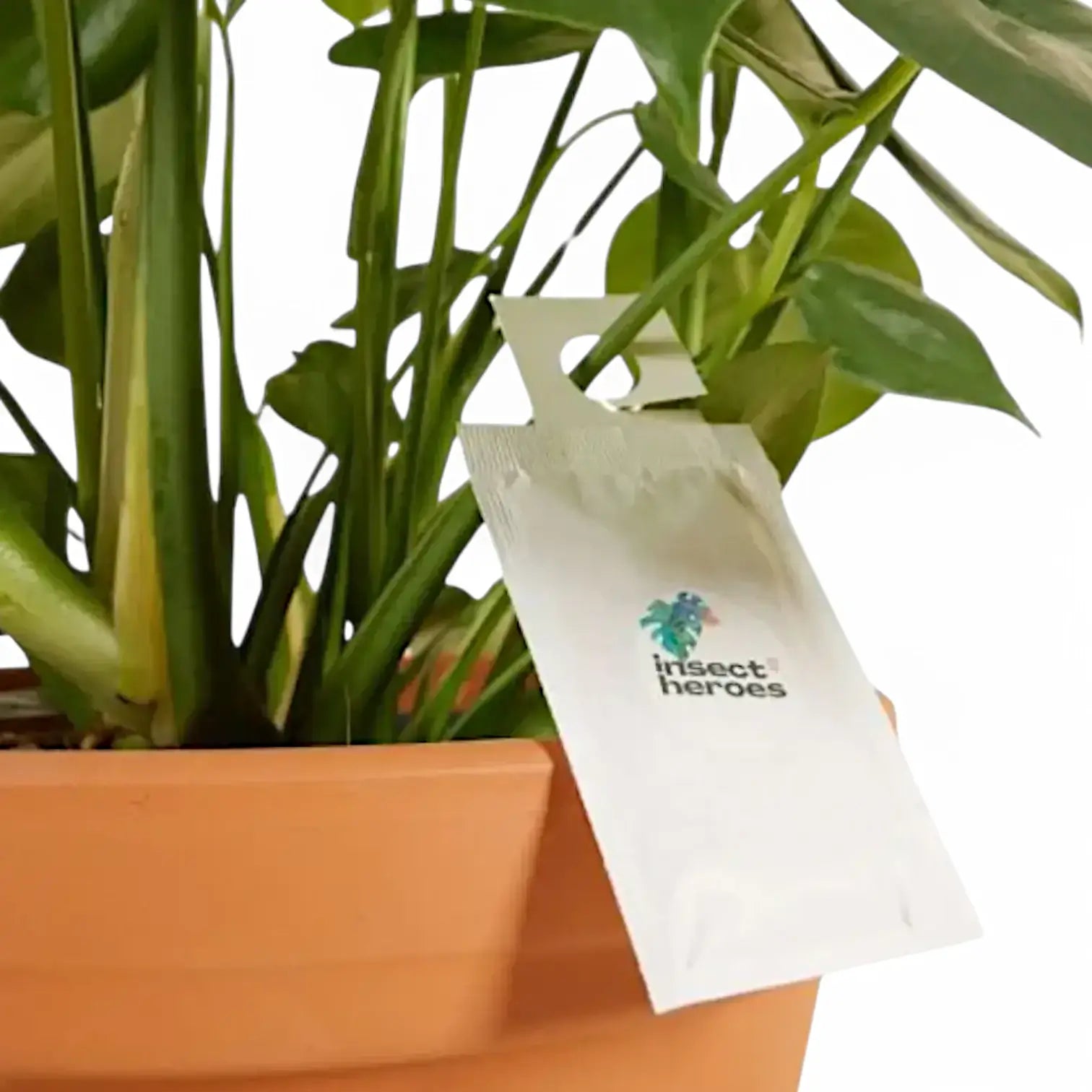
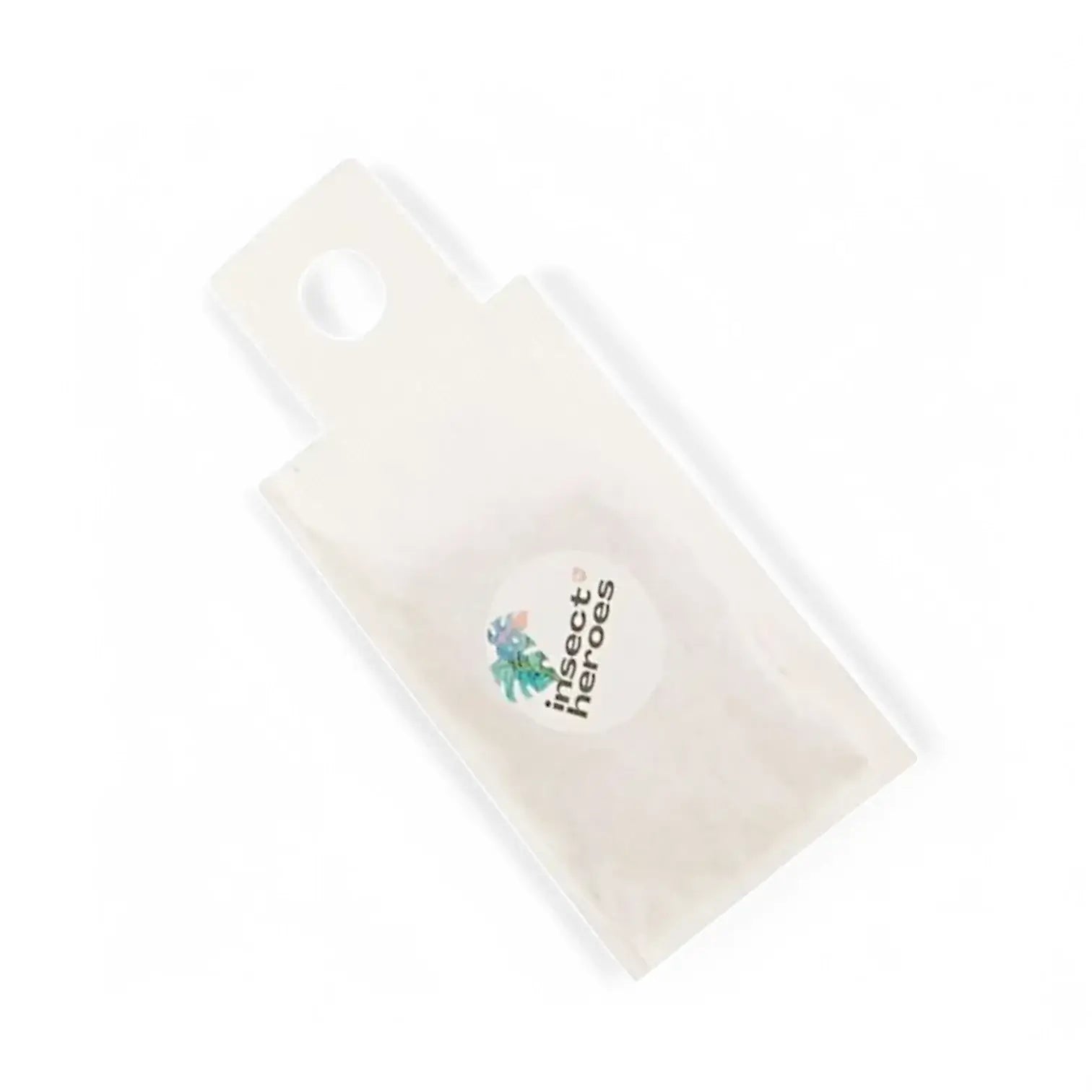
- Hang the sachets near foliage and close to the problem area.
- Do not open or tear the sachets.
- A practical guide is about 1 sachet per plant or around 1 m².
- Use them as soon as they arrive.
Order notes
- Best in warmth: roughly 20–32 °C works well, with appetite highest around warmer indoor conditions.
- Moderate humidity helps: very dry air and strong airflow can limit establishment.
- Avoid recent pesticide residues: oils, soaps and residual sprays can reduce survival.
Keep in mind
- Not a full solution for heavy spider mite outbreaks.
- Not the right tool for aphids, scale insects or fungus gnats.
How it fits into your setup
Use it early, while pest pressure is still manageable. Consistent placement and timing matters more than changing products frequently.
Combine with basic hygiene: remove heavily damaged leaves, isolate affected plants, and check neighbouring pots so you treat the full area.
Worth noting
- Follow the product instructions for placement and temperature range.
- Avoid spraying oils or soaps on release days unless the supplier confirms compatibility.
- Repeat checks weekly until new damage stops.
Amblyseius swirskii – Biological Control for Thrips & Whiteflies
Sale price€13,25
Choose options
Amblyseius swirskii – Biological Control for Thrips & Whiteflies
Sale price€13,25
Recently viewed:


Sign up for Foliage Factory newsletter for early access to new arrivals and practical care tips that work in real homes.