








Filters
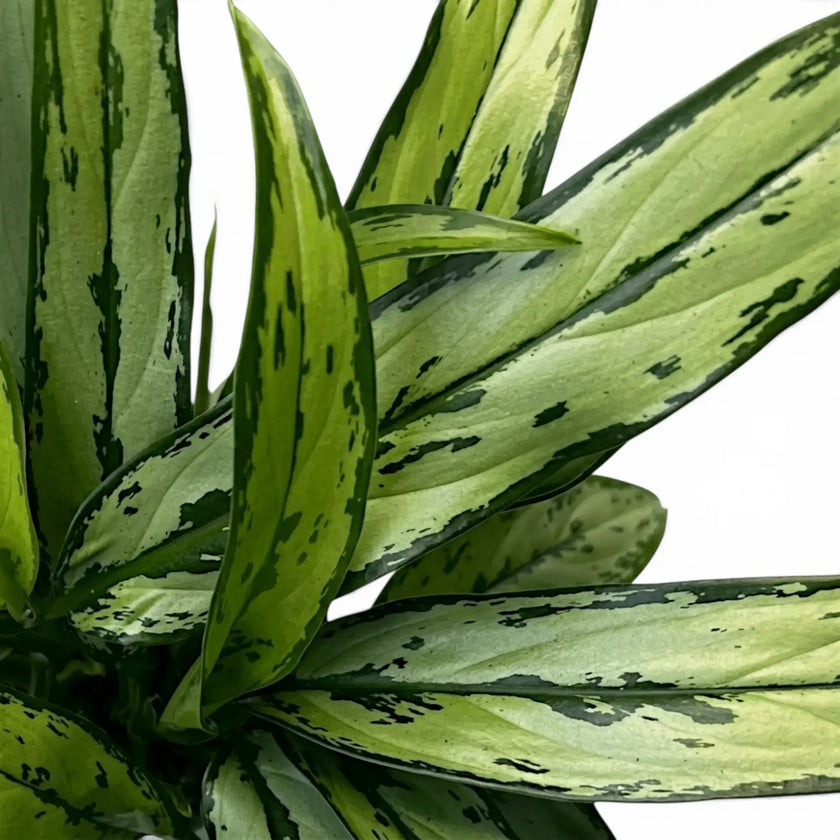
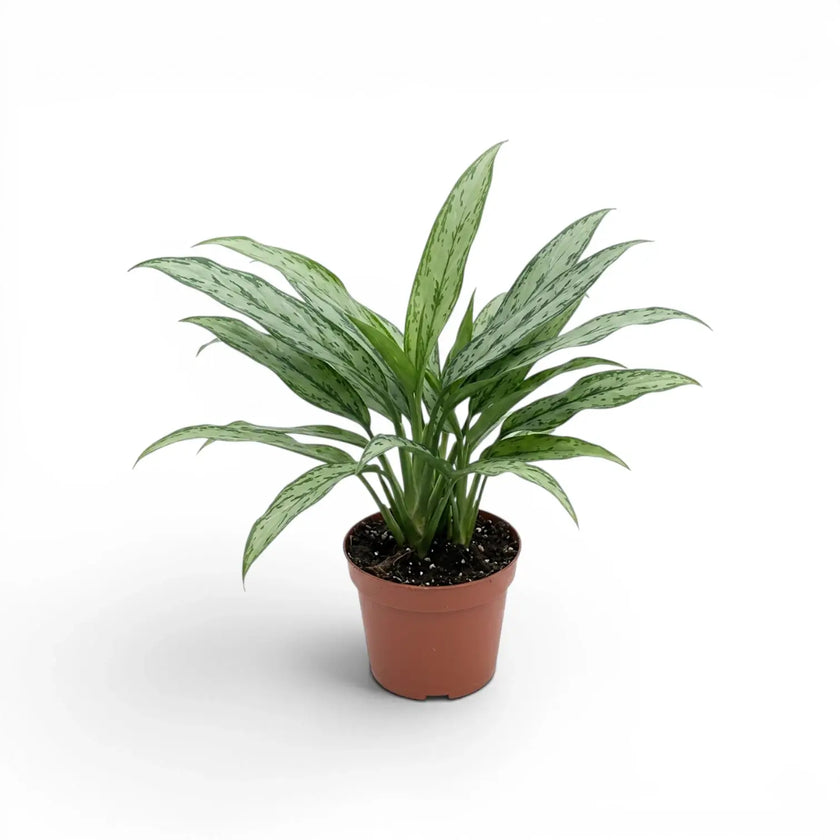
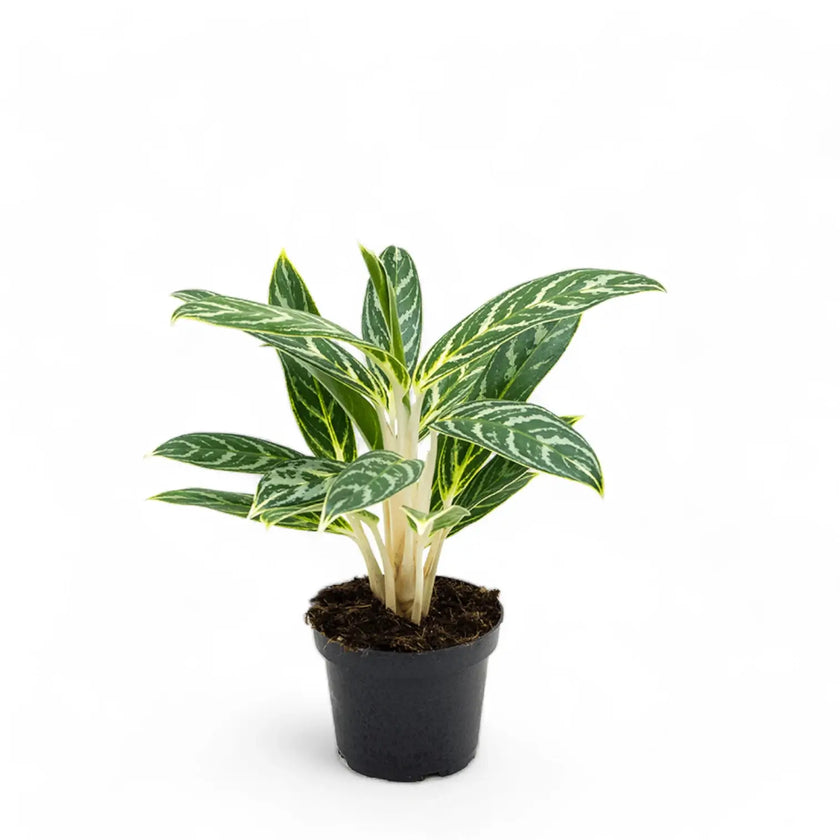
Aglaonema 'Cutlass'
Sale price€15,75
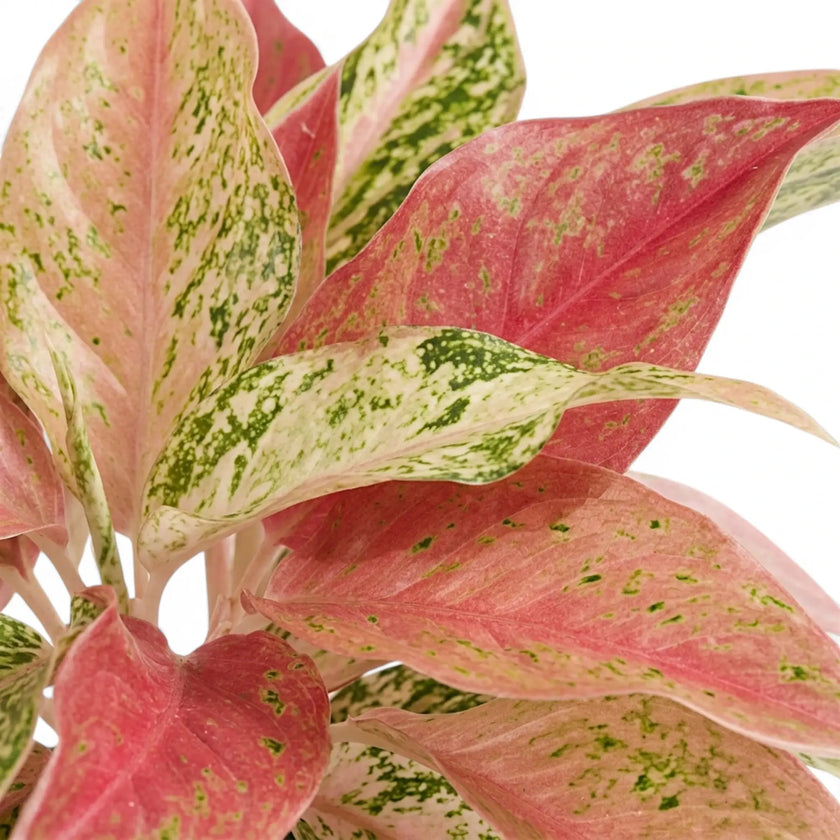
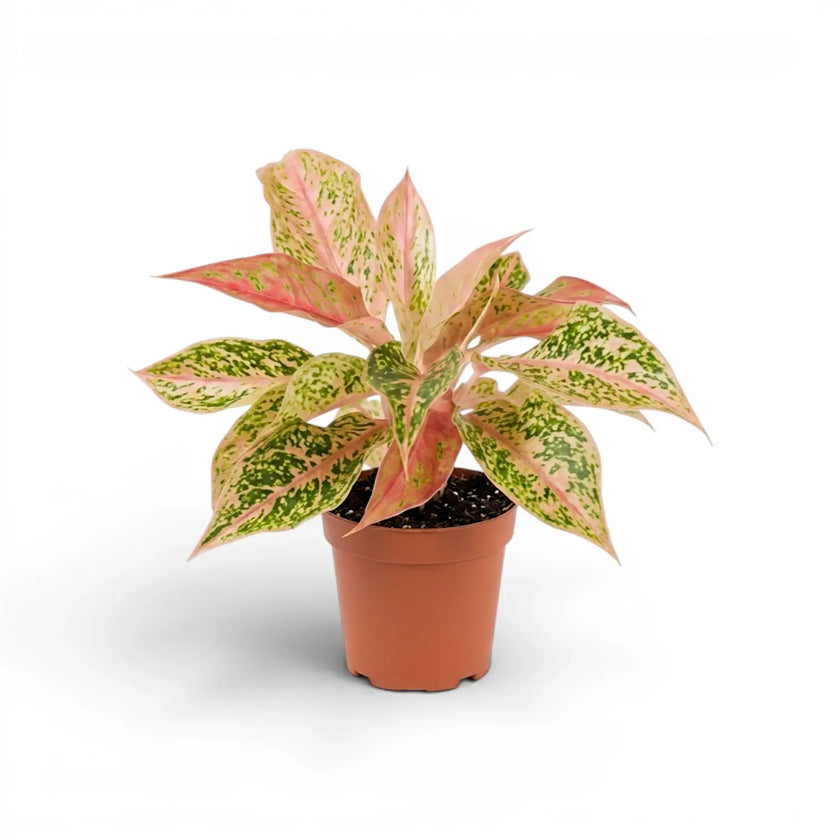
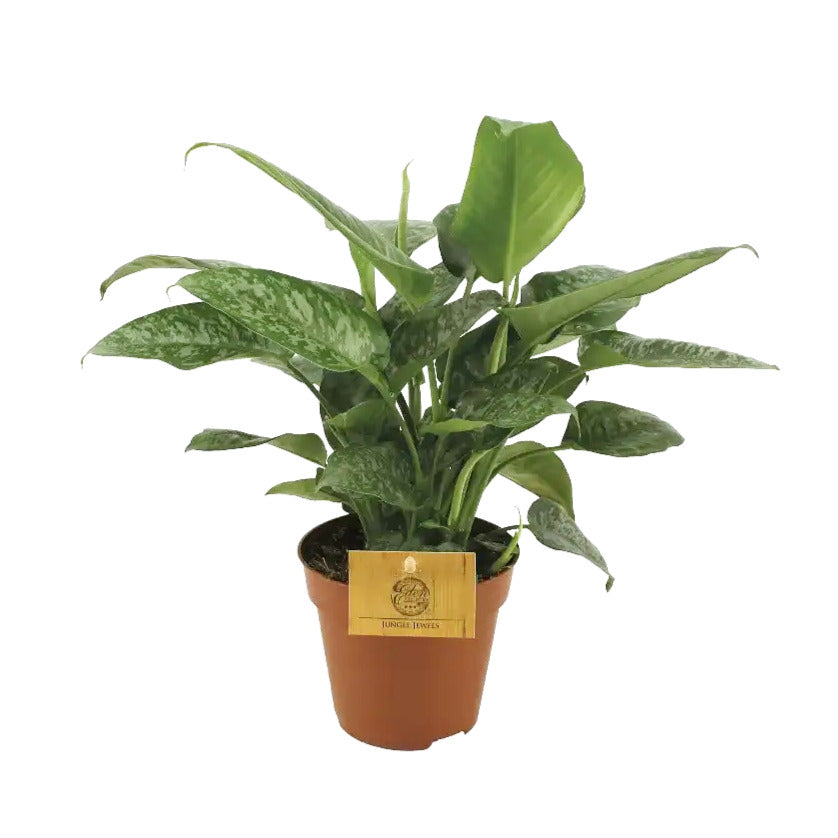
Aglaonema 'Prosperity'
Sale price€16,75
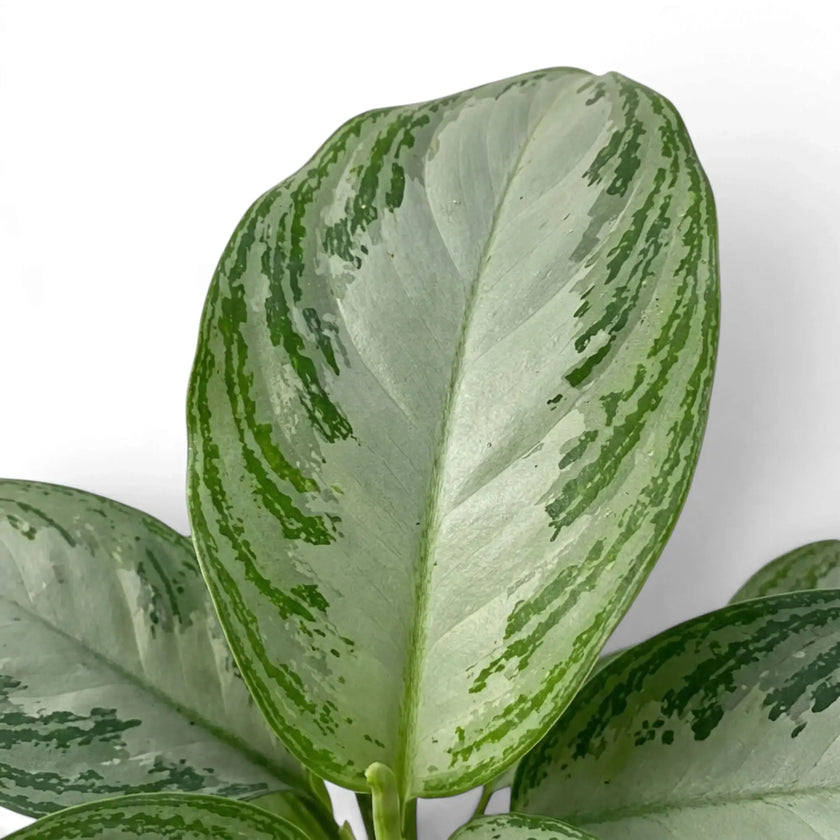
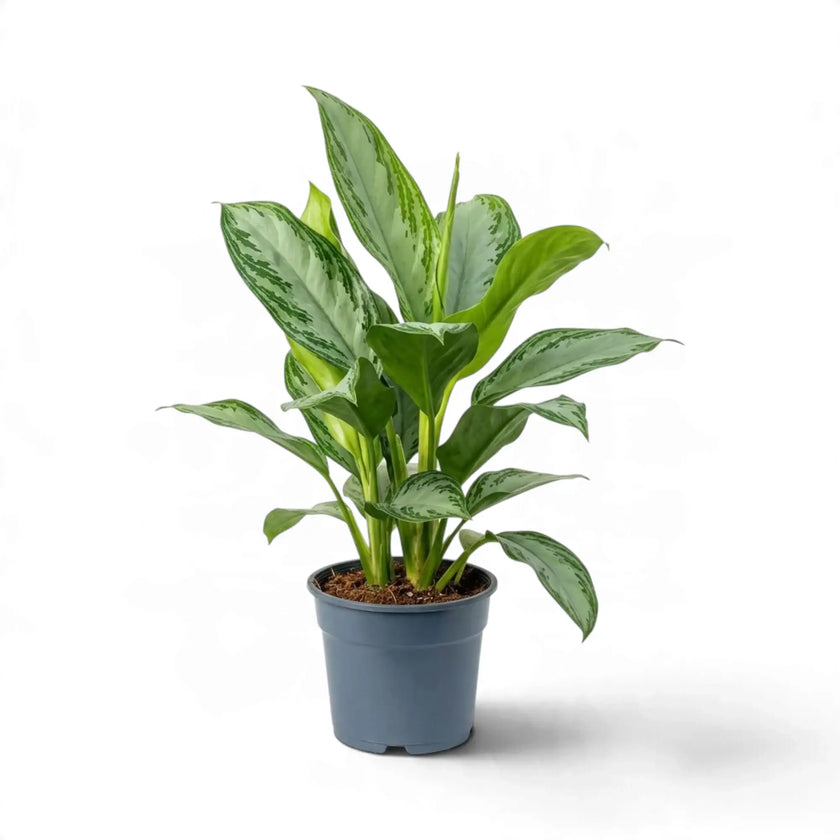
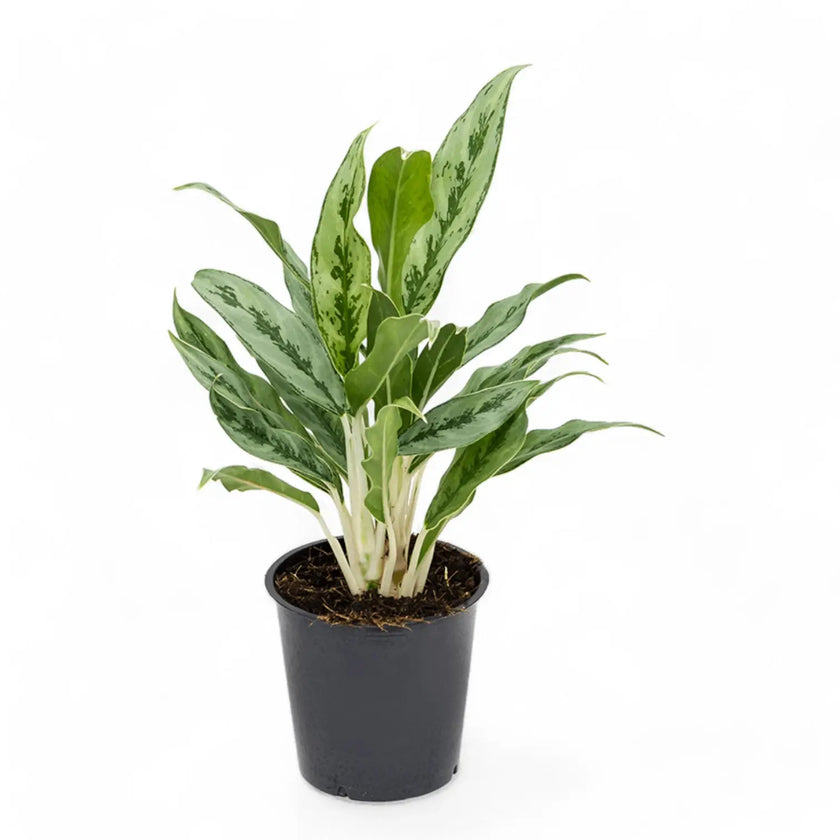
Aglaonema 'Silver Bay'
Sale priceFrom €32,50
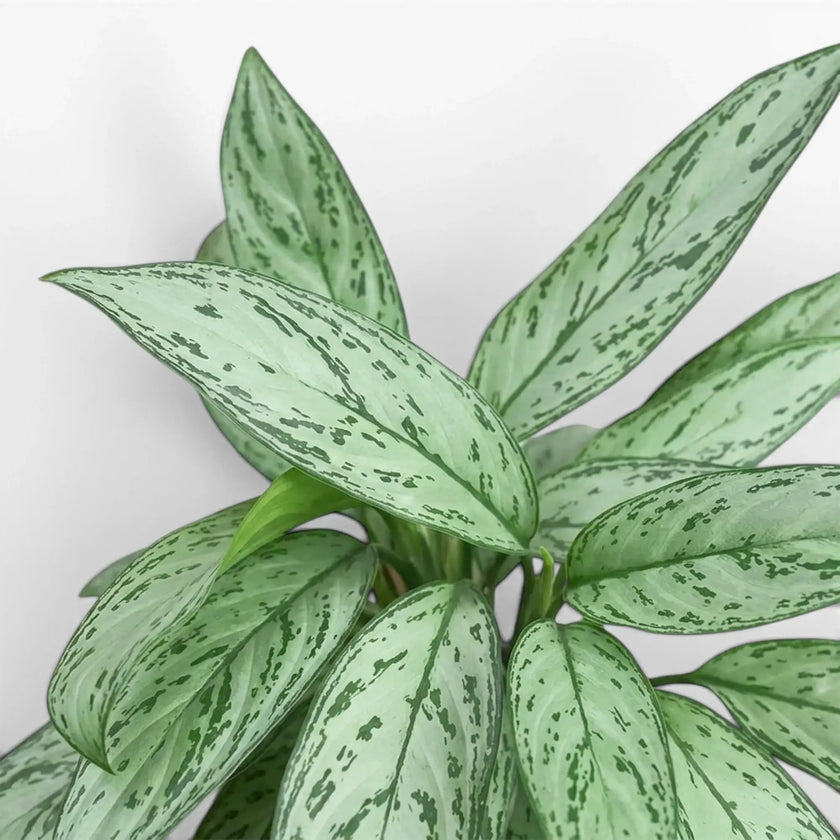
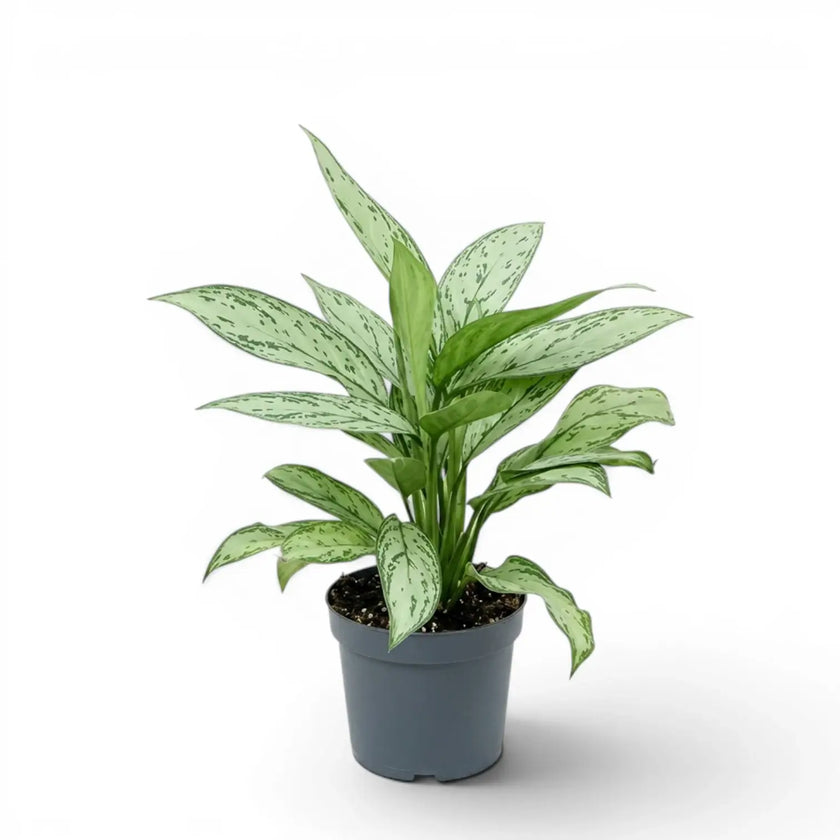
Aglaonema 'Silver Queen'
Sale price€18,00
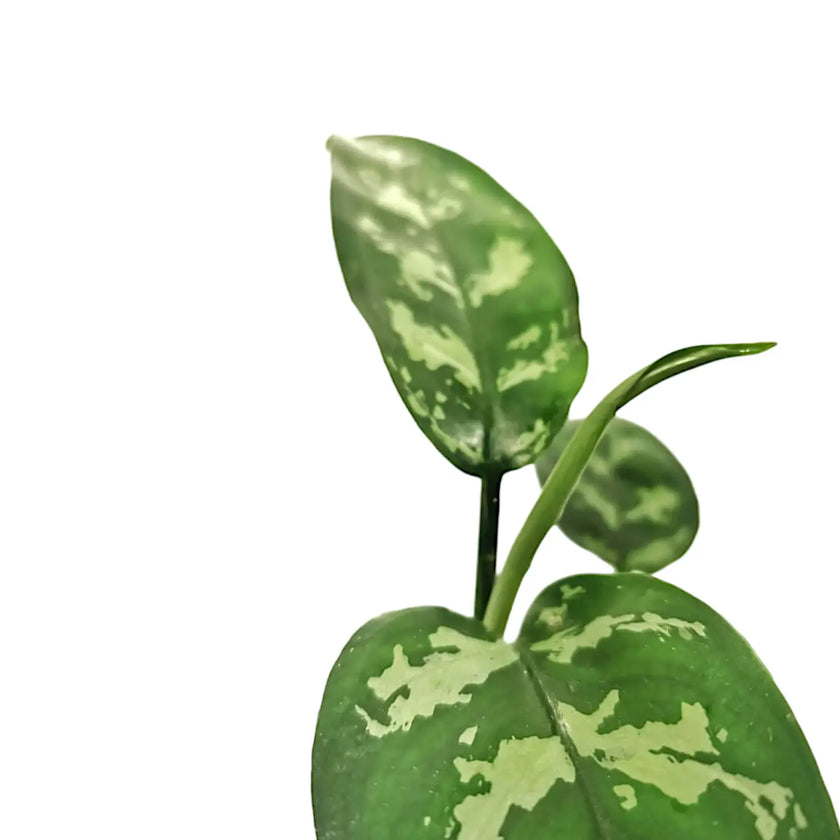
Aglaonema commutatumSold out

Aglaonema pumilumSold out

Aglaonema ‘B.J. Freeman’Sold out

Aglaonema ‘Emerald Stone’Sold out
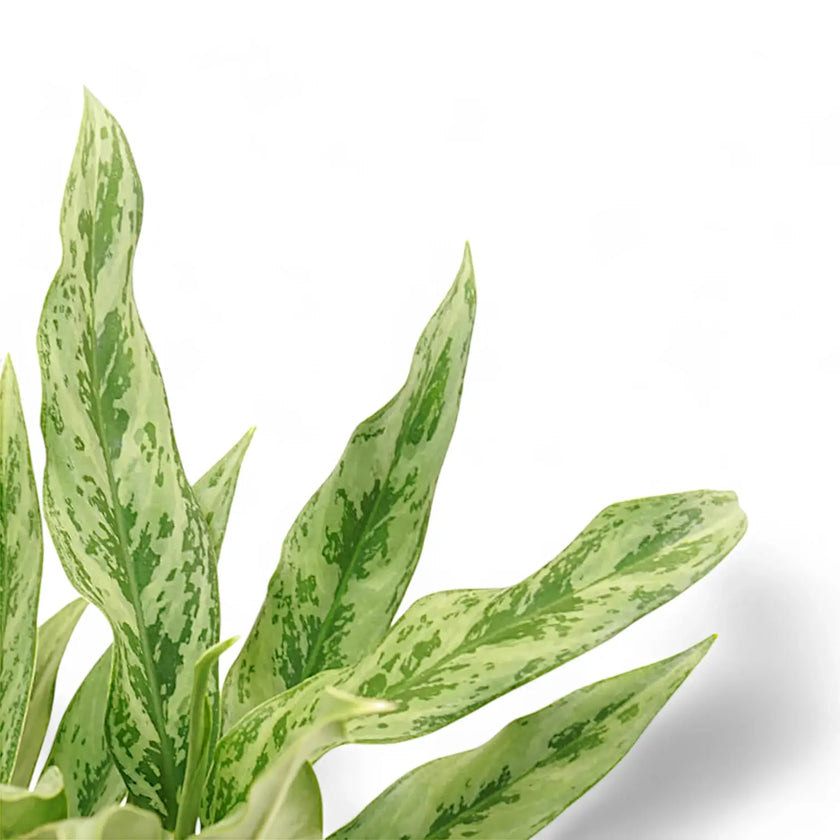
Aglaonema ‘Greyhound’Sold out
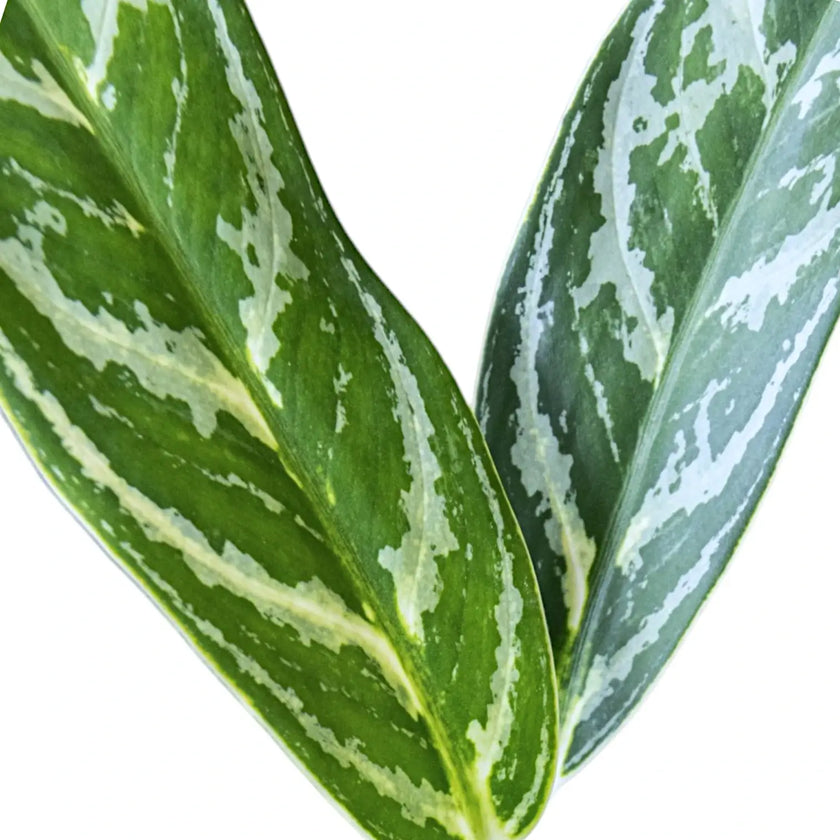
Aglaonema ‘Ivy Green’Sold out

Aglaonema ‘Jungle Silver’Sold out

Aglaonema ‘Lipstick Green’Sold out

Aglaonema ‘Maria Christina’
Sale price€18,00

Aglaonema ‘Maria’Sold out

Aglaonema ‘Romeo’Sold out

Aglaonema ‘Silver Moon’Sold out

Aglaonema ‘Silverado’Sold out
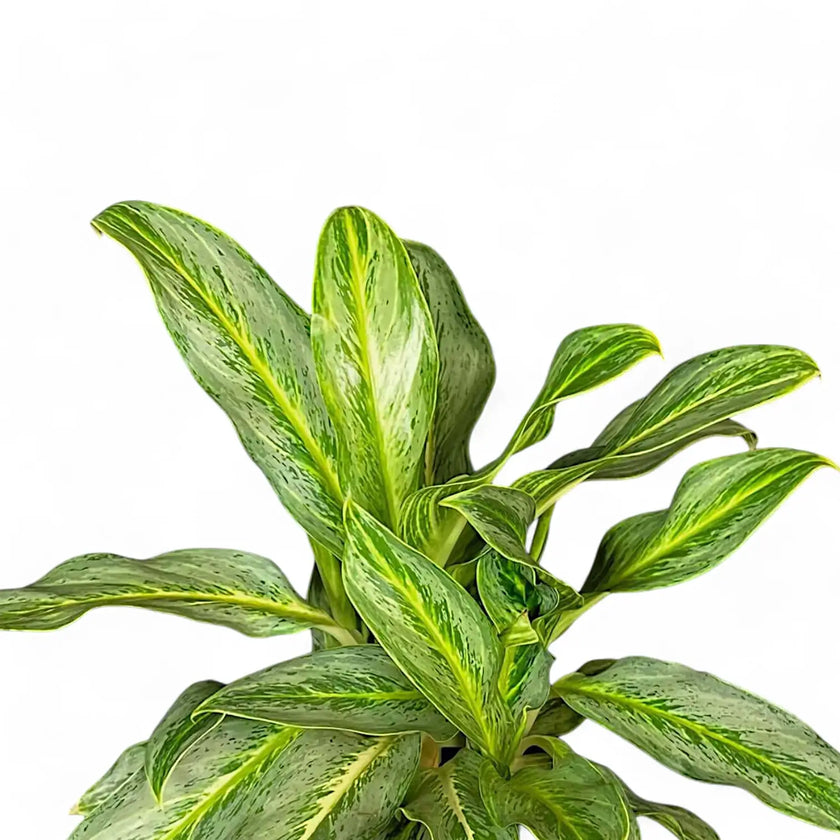
Aglaonema ‘Sunray Green’Sold out

Anoectochilus albolineatusSold out


Anoectochilus brevilabrisSold out

Anoectochilus burmannicusSold out

Anoectochilus lyleiSold out


Anoectochilus sikkimensisSold out
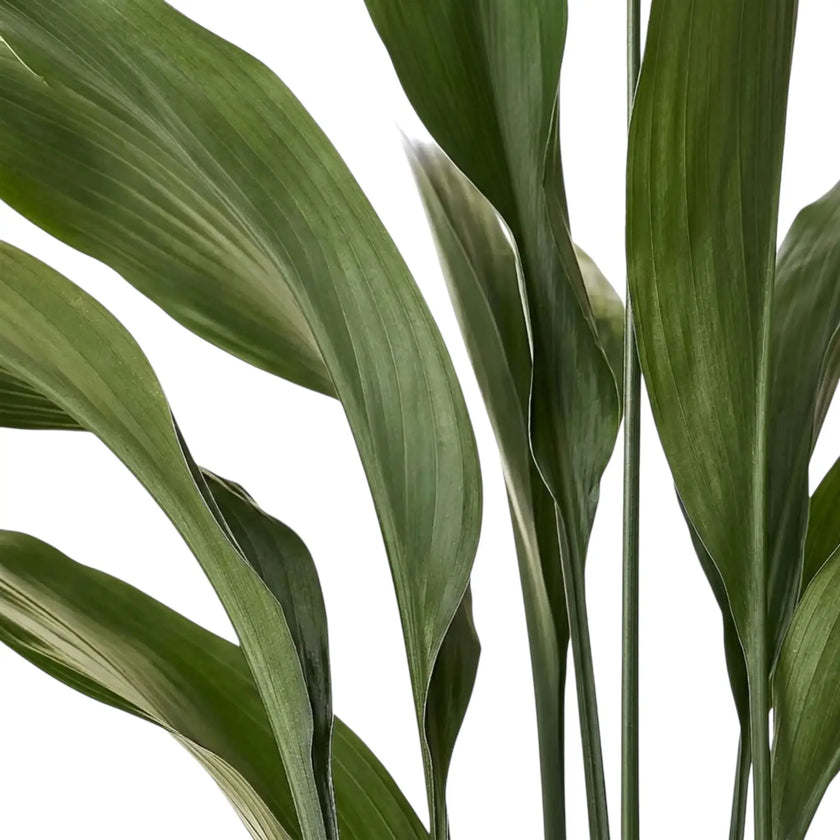
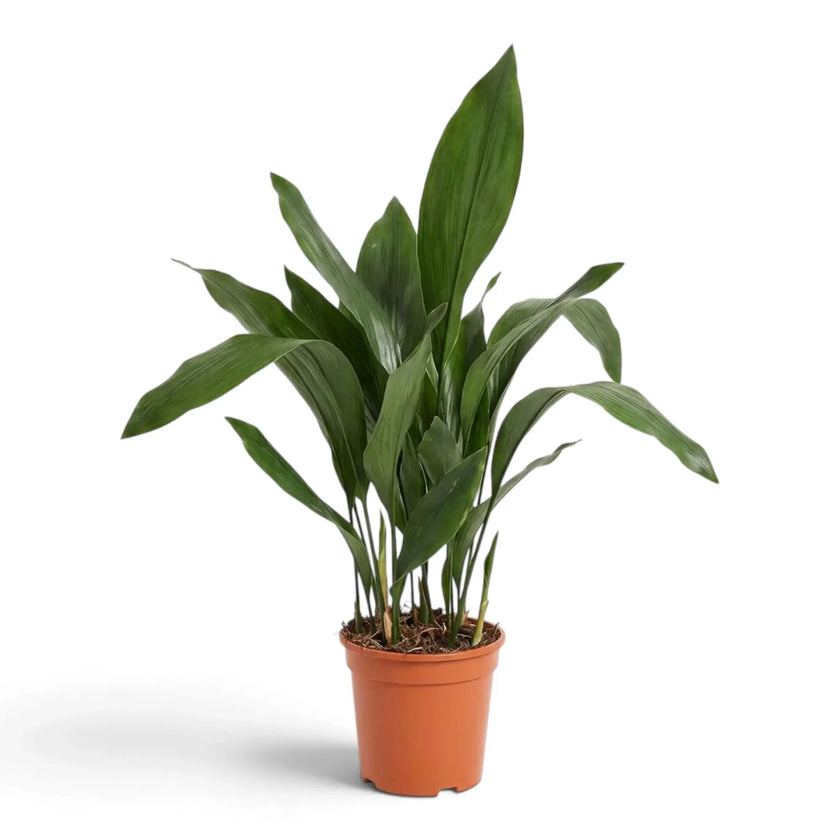
Aspidistra elatior
Sale priceFrom €44,50

Bau metallicaSold out
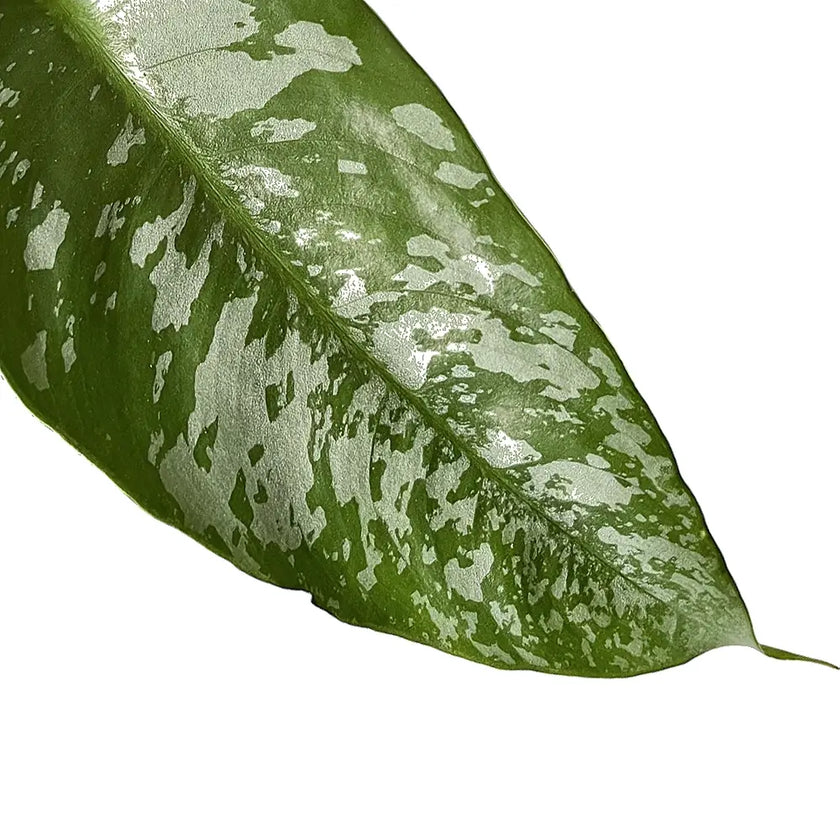
Borneoa scortechiniiSold out
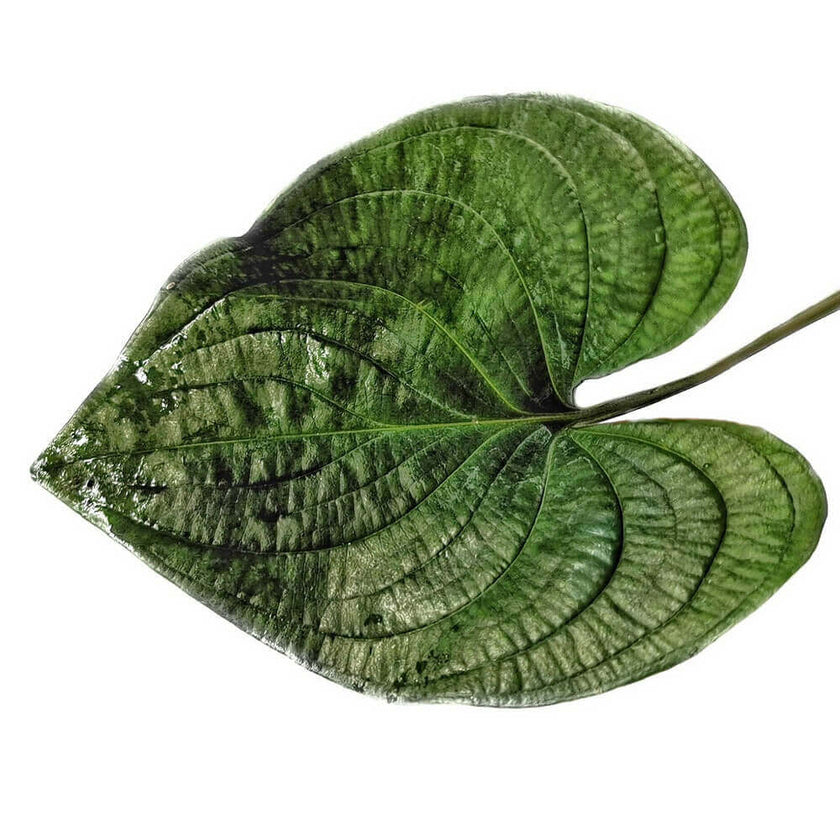
Cyanastrum cordifoliumSold out
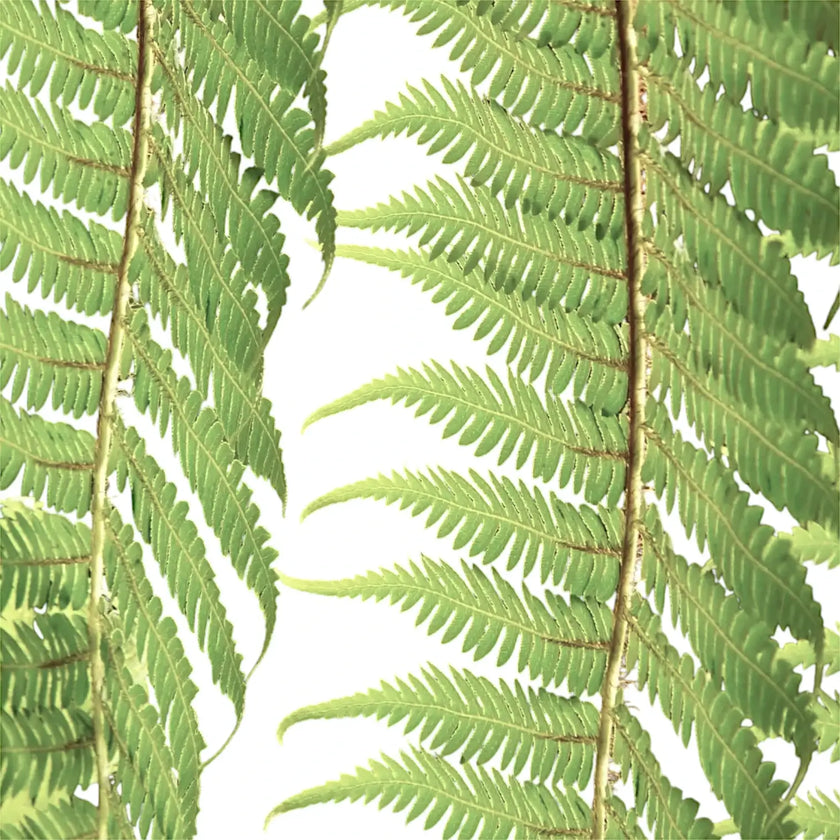
Dicksonia antarcticaSold out
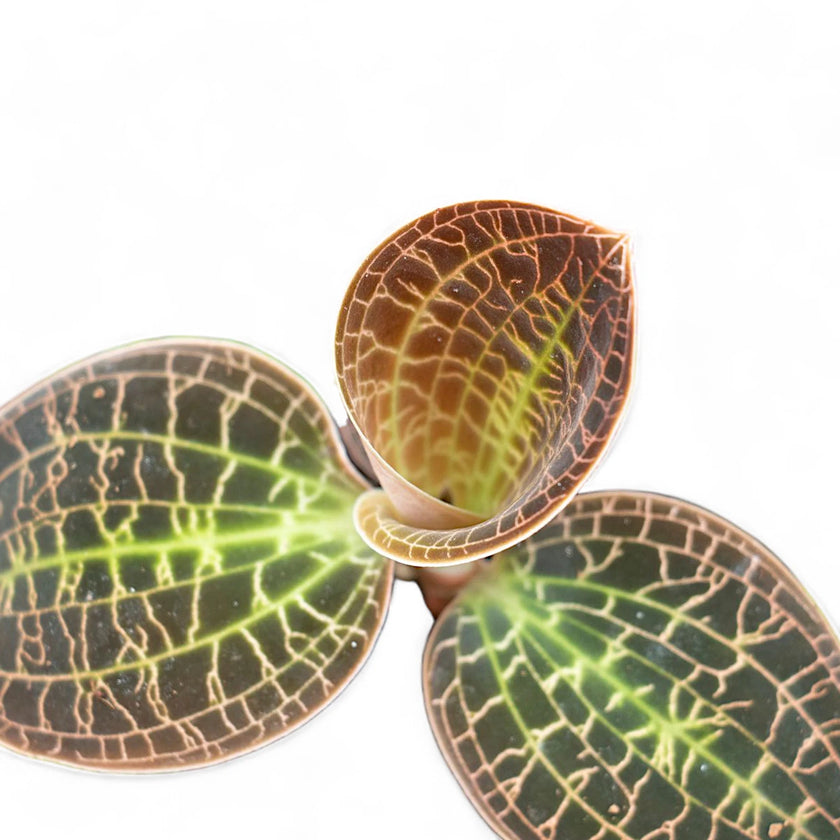
Dossinia marmorataSold out
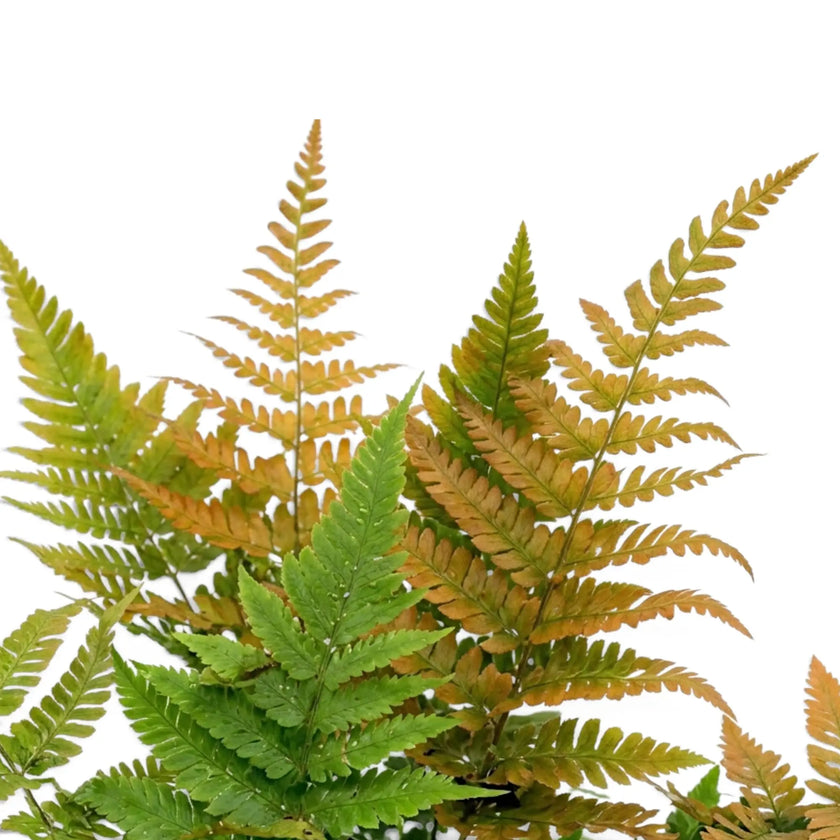
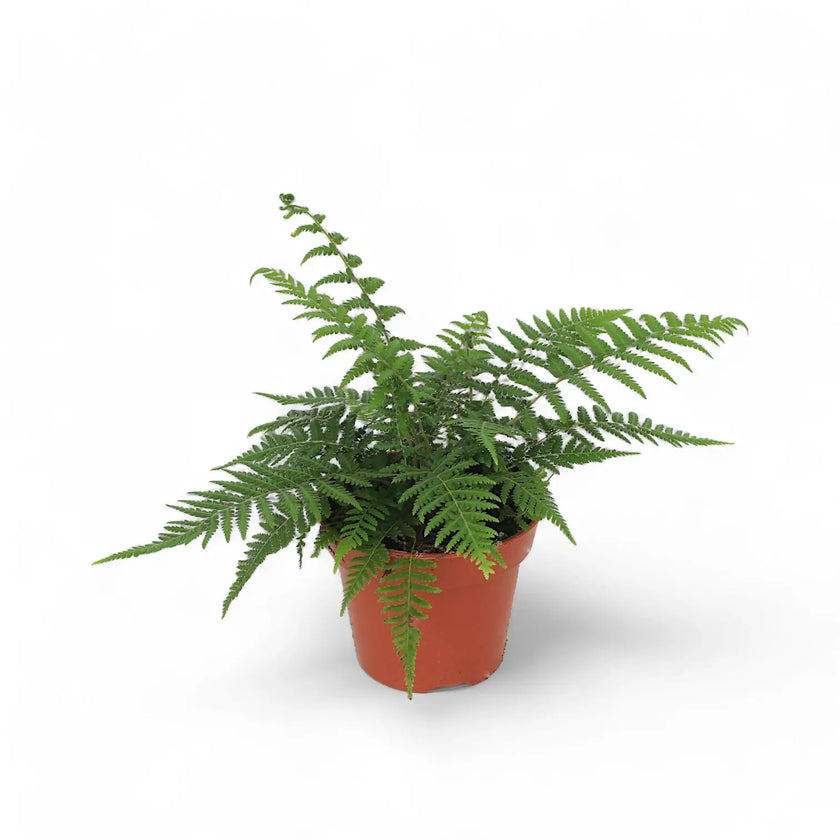
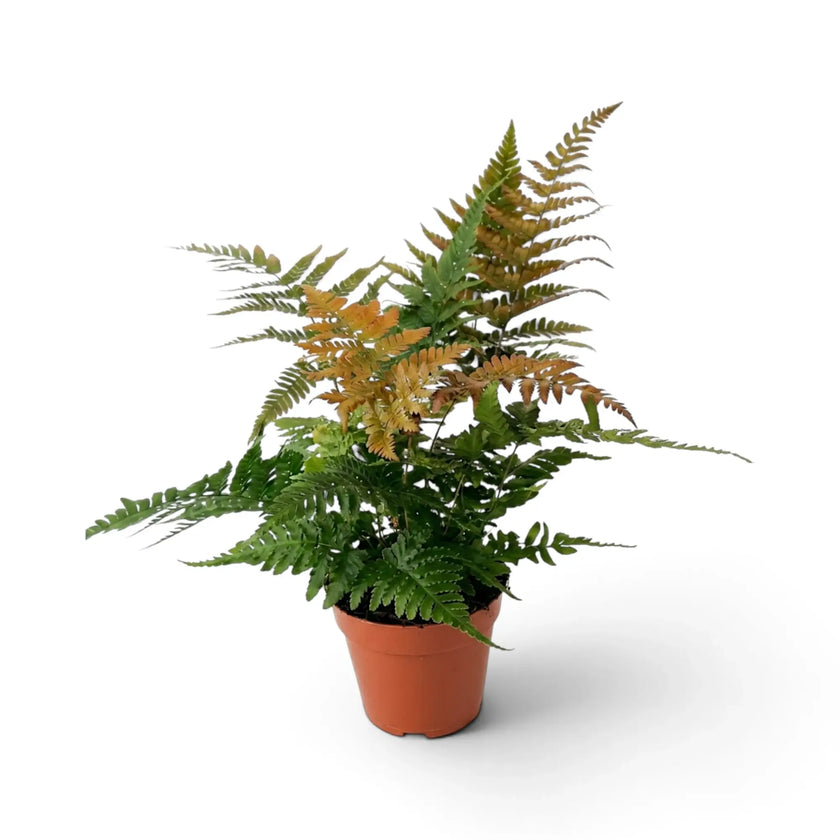
Dryopteris erythrosora
Sale price€10,75
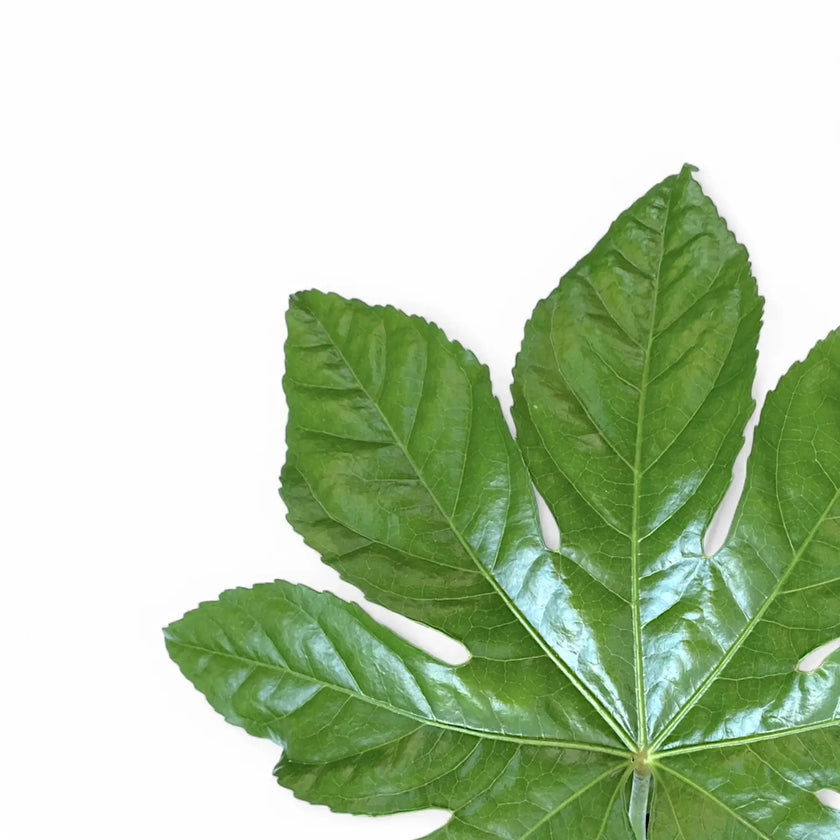
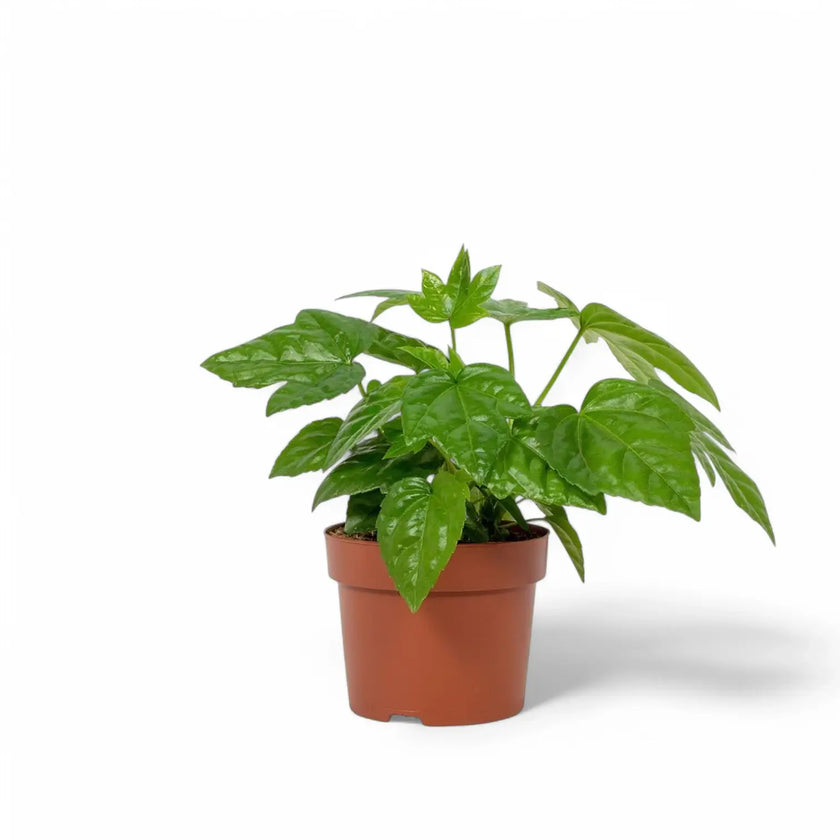
Fatsia japonicaSold out

Gamogyne bellaSold out
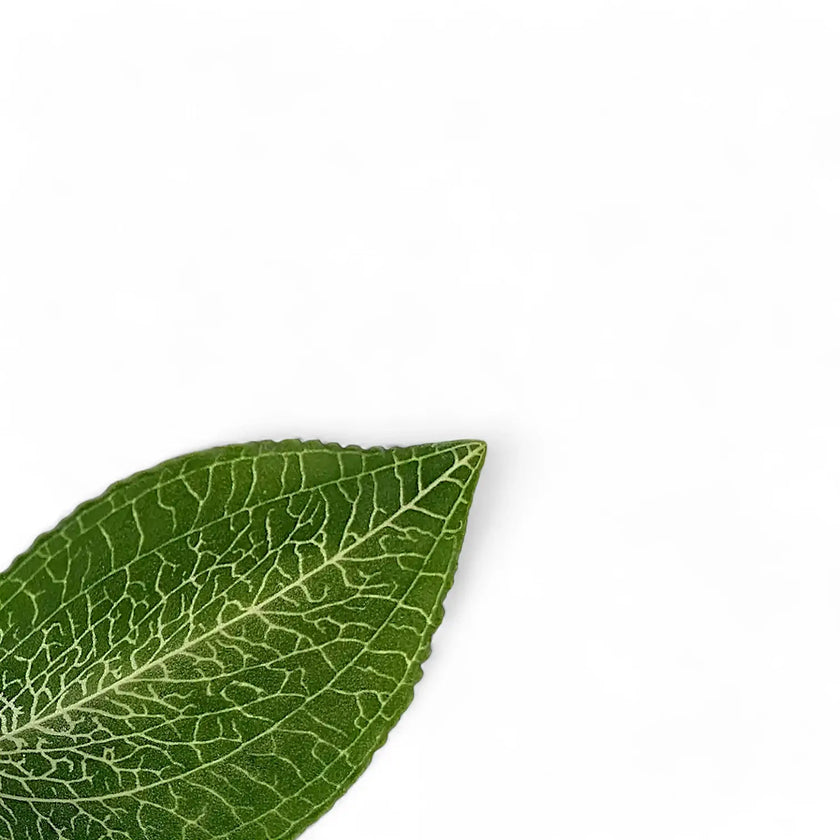
Goodyera malipoensisSold out
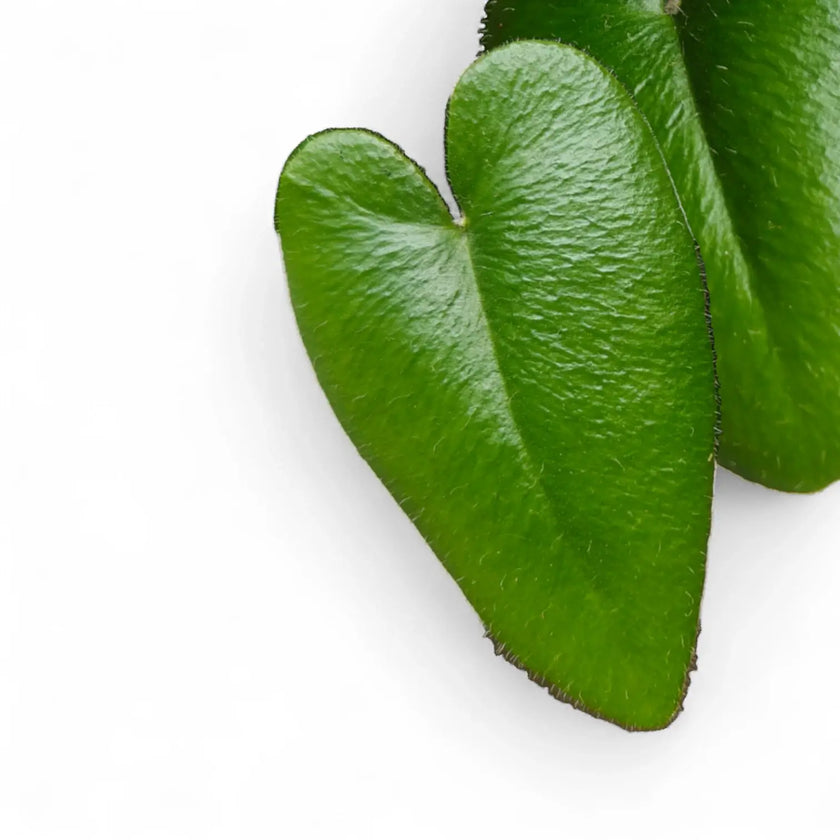
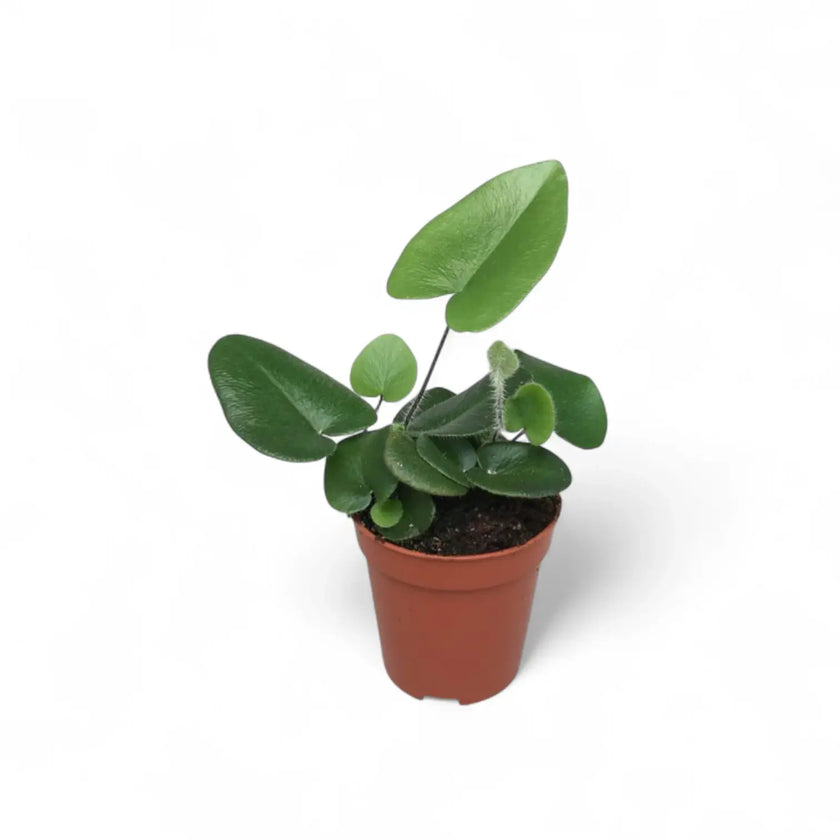
Hemionitis arifoliaSold out
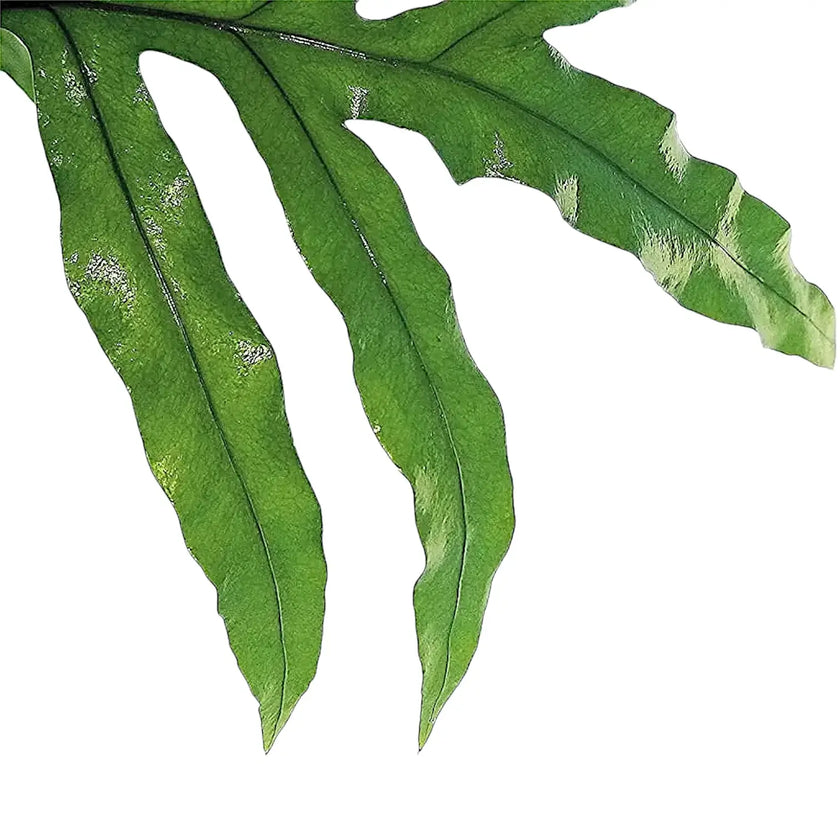
Lecanopteris pustulataSold out
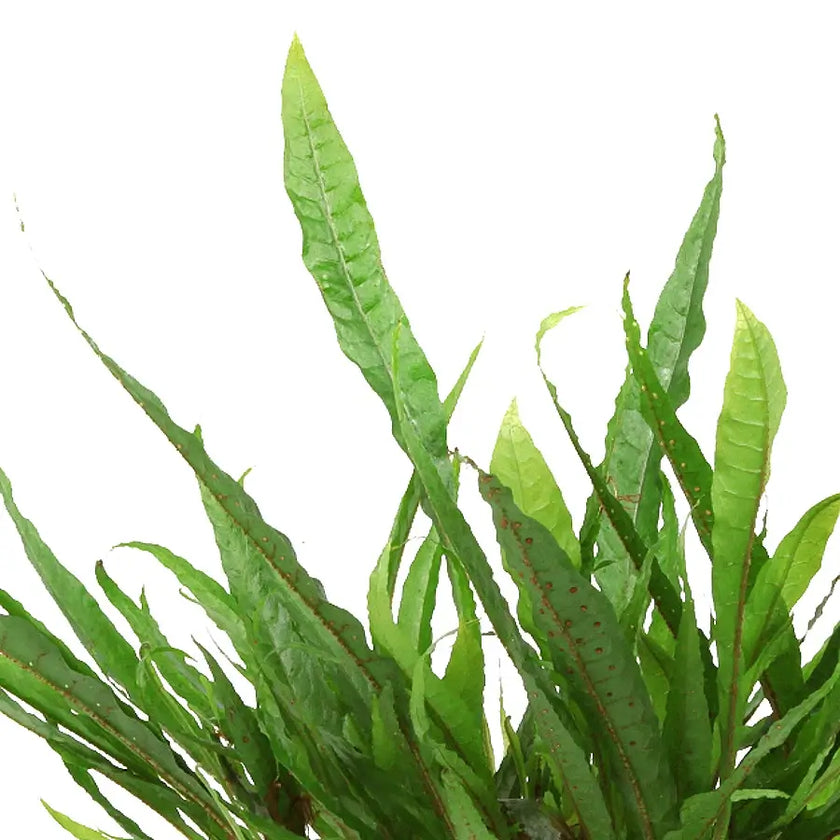
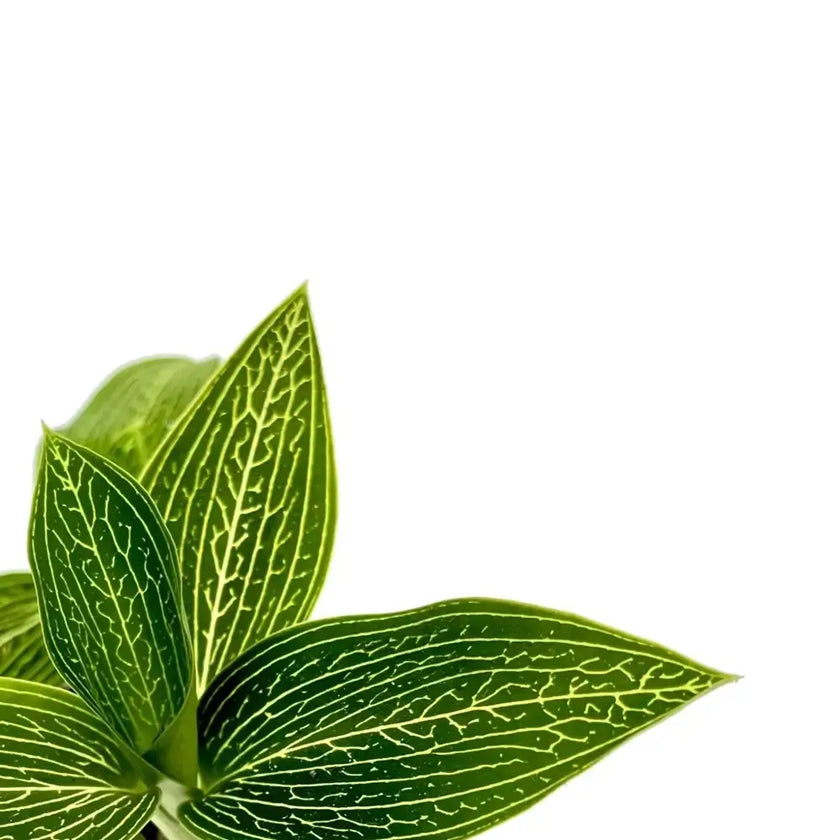
Ludisia discolor ‘Alba’Sold out
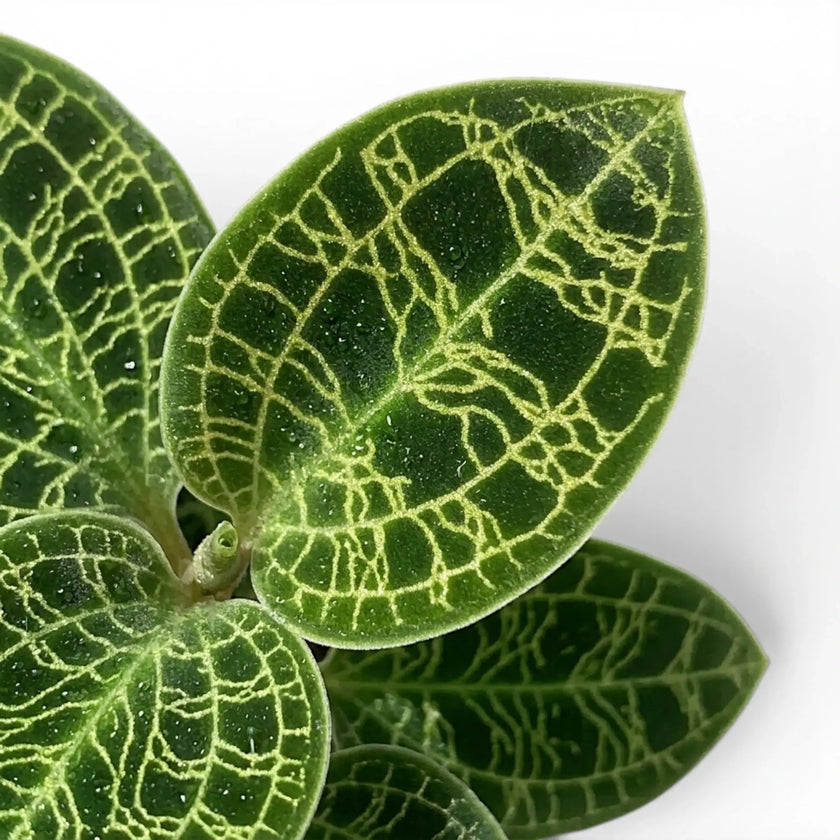
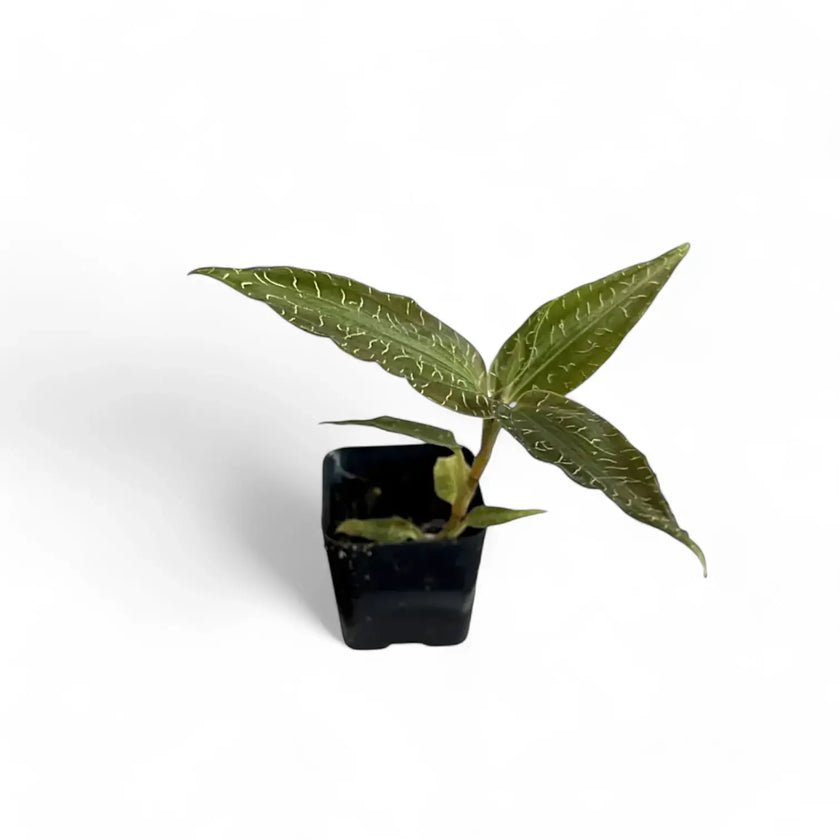
Macodes petolaSold out

Microchilus argenteusSold out
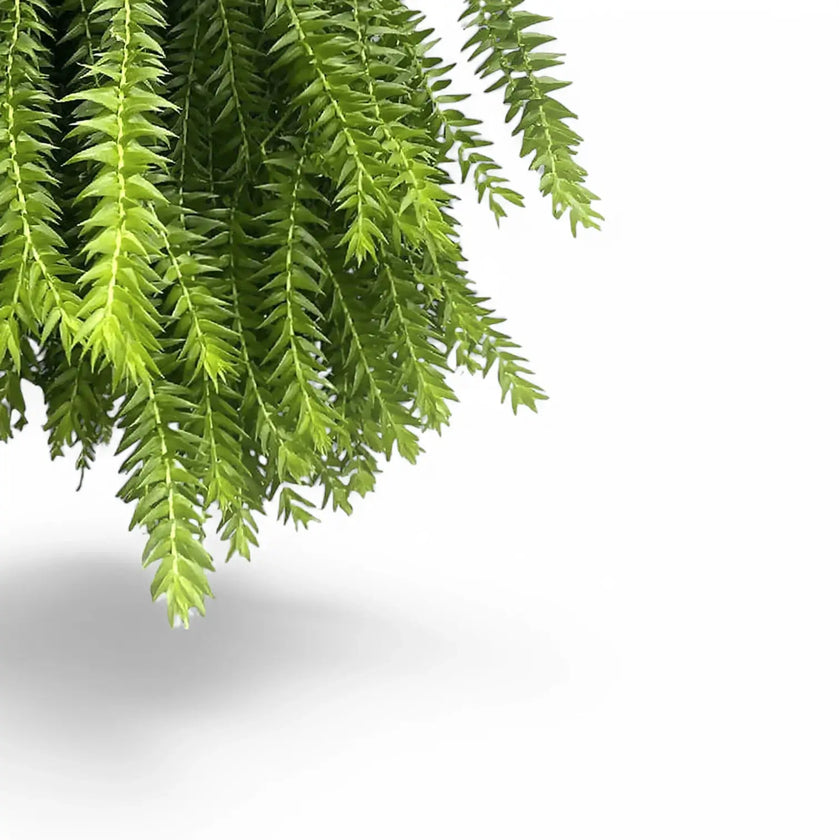
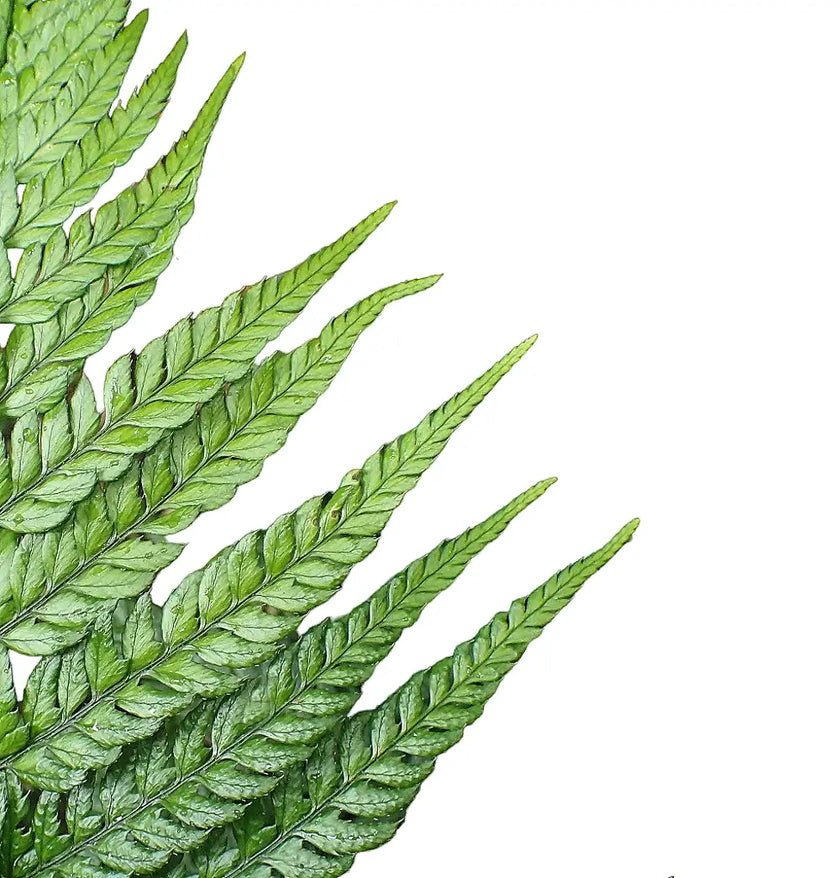
Polystichum luctuosumSold out
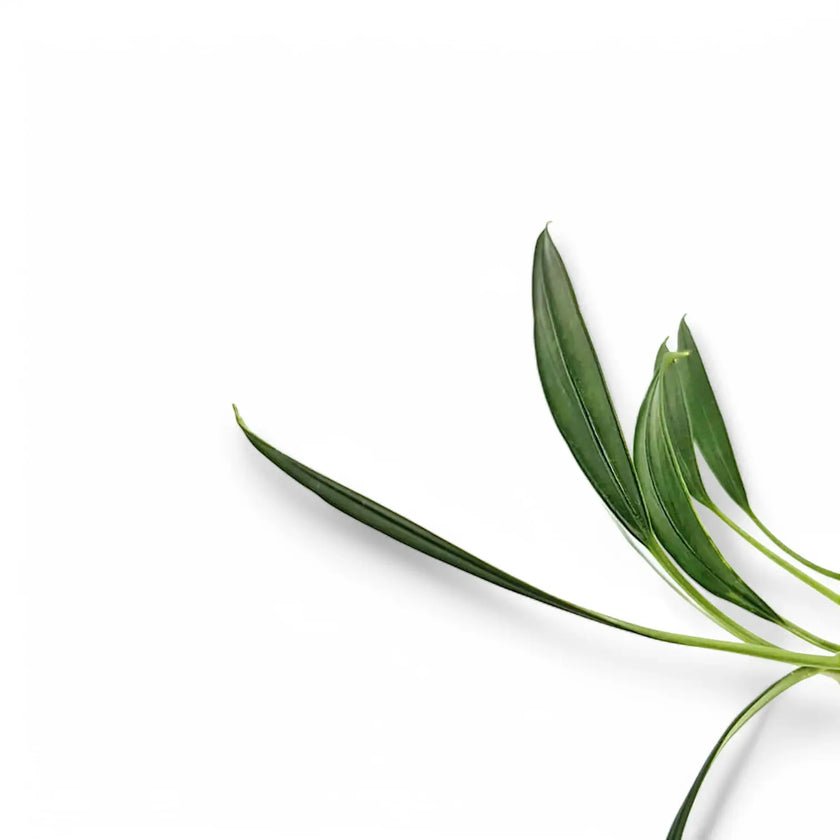
Pursegloveia minimaSold out
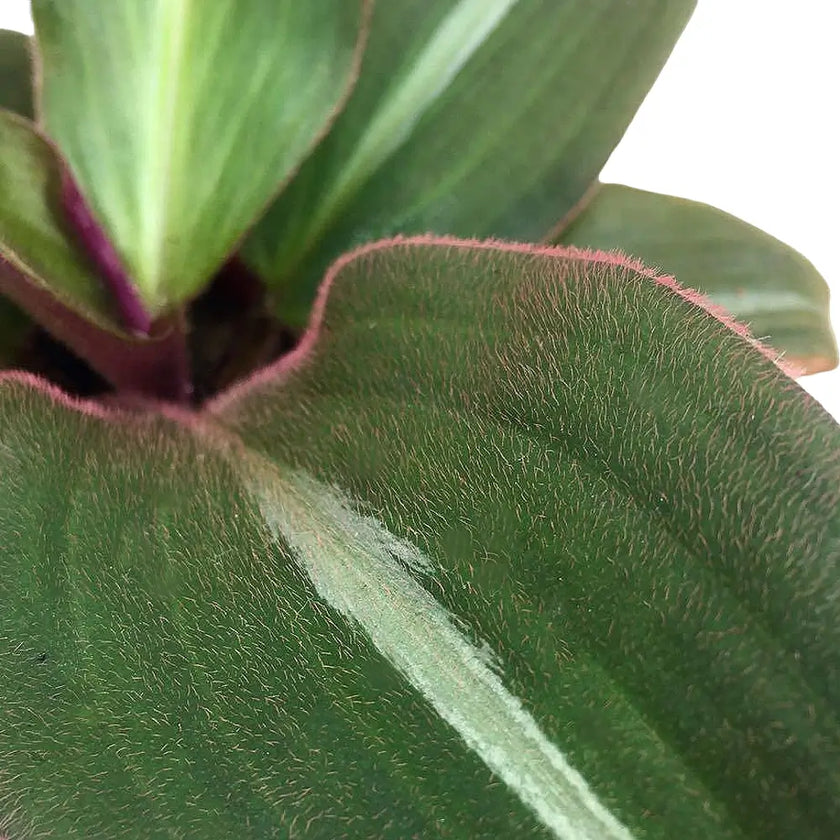
Siderasis fuscataSold out
Frequently Asked Questions About Light

Sign up for Foliage Factory newsletter for early access to new arrivals and practical care tips that work in real homes.