Skip to content

Cart

Your cart is empty.

Japanese Maples

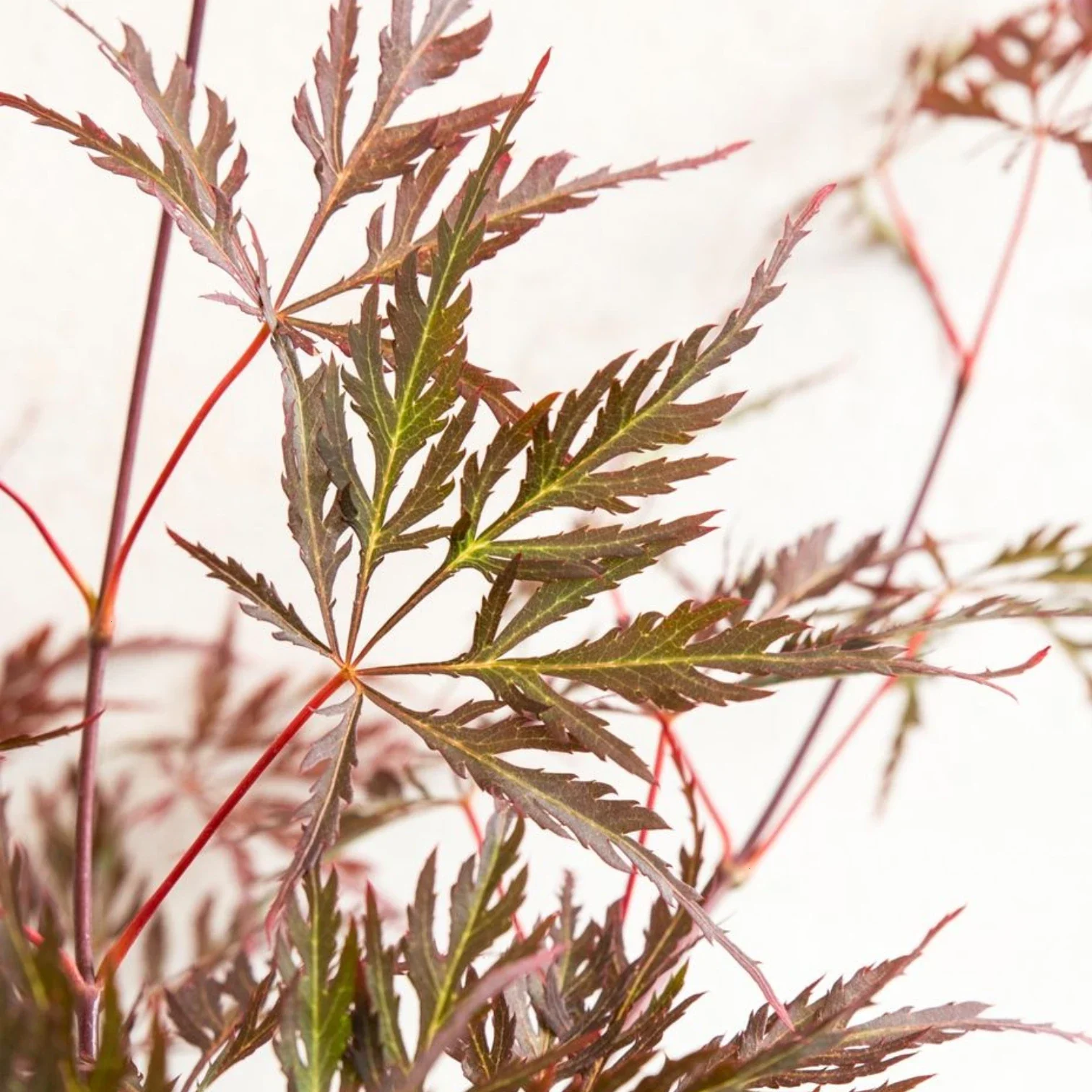
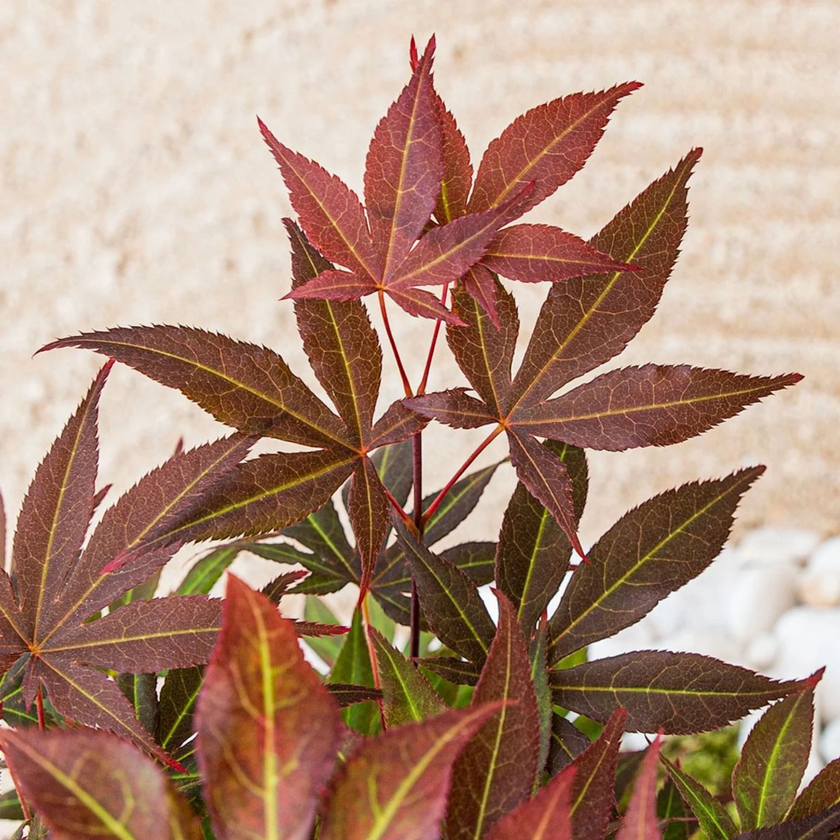
Close up of japanese maple leaves

Sort by:

10 products

Filters

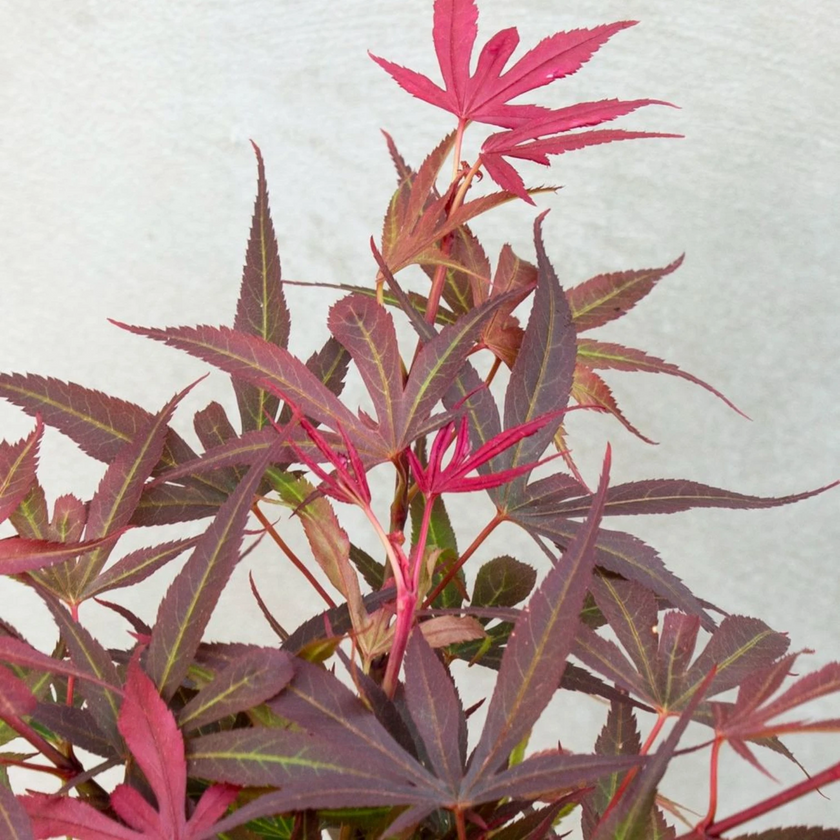
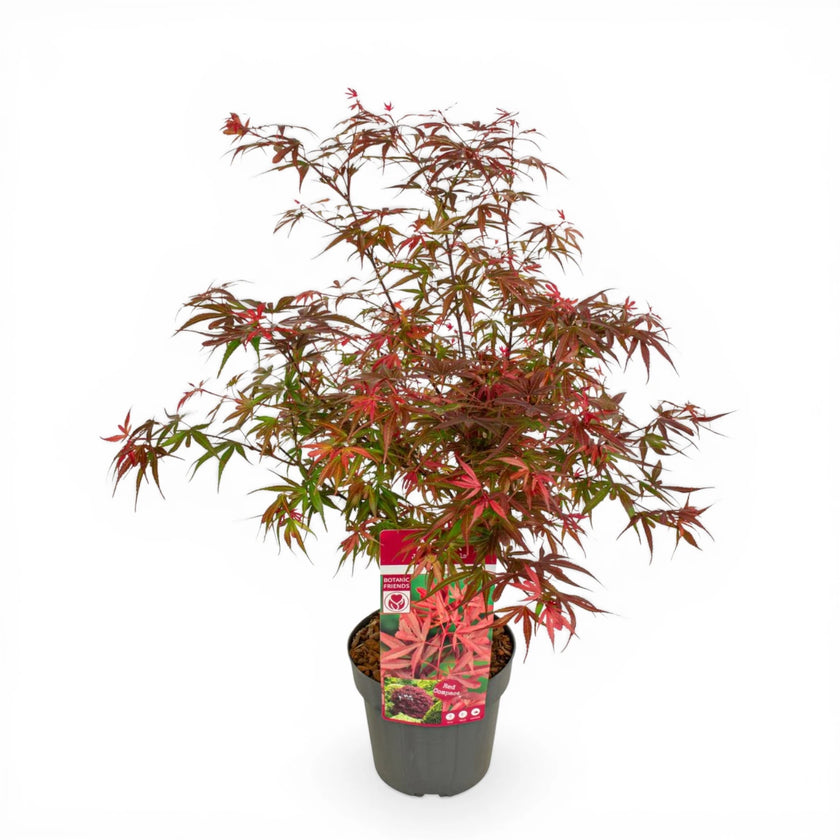
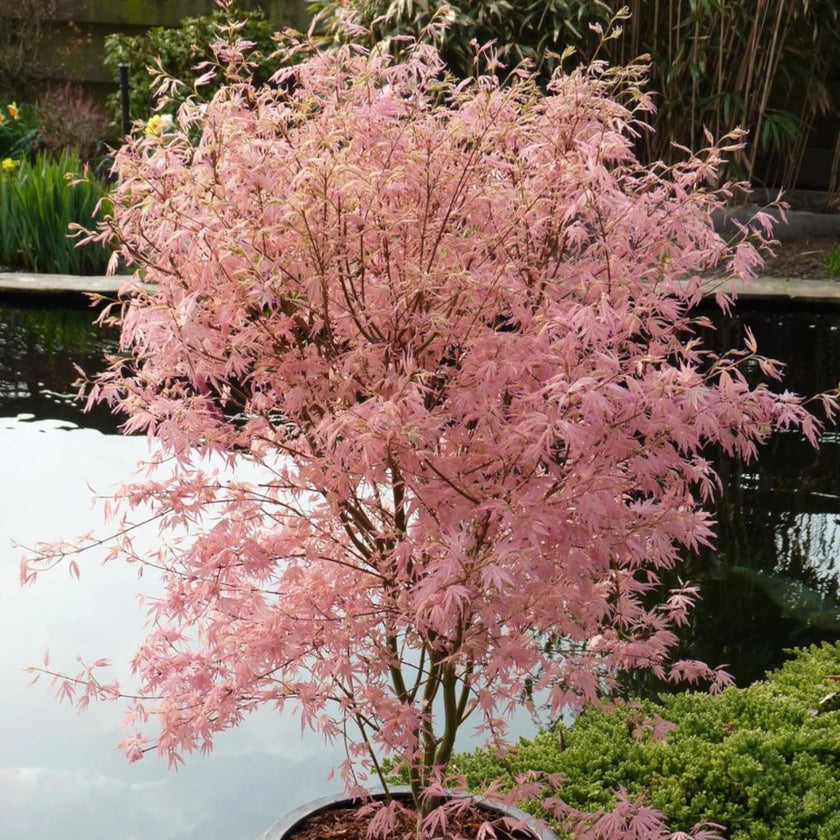
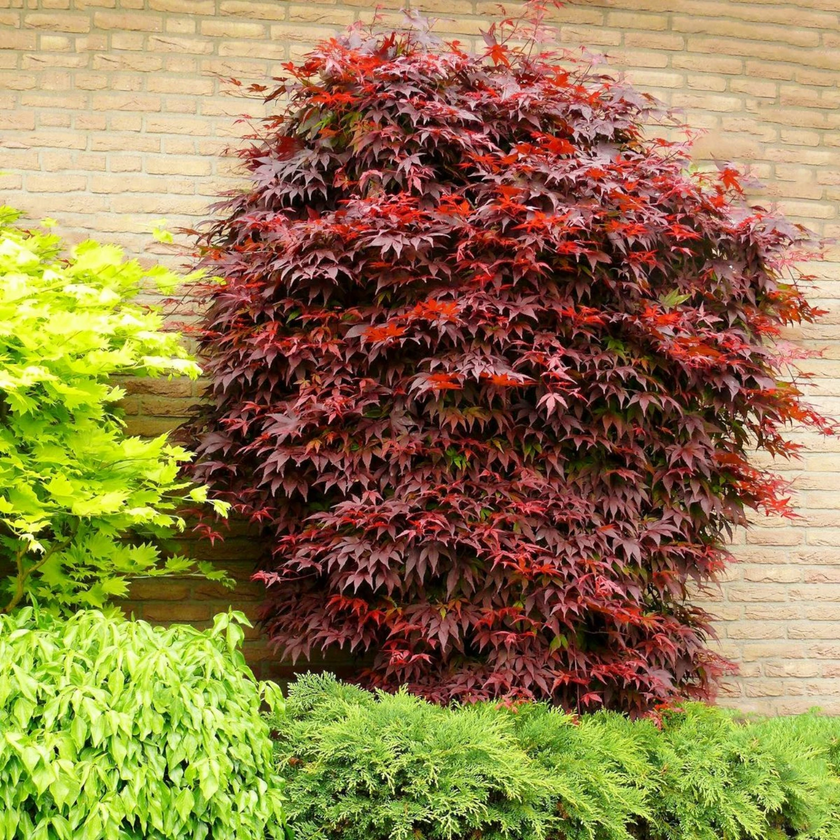
Acer palmatum 'Atropurpureum' detail shot.
Acer palmatum 'Atropurpureum' Regular price From €20,00
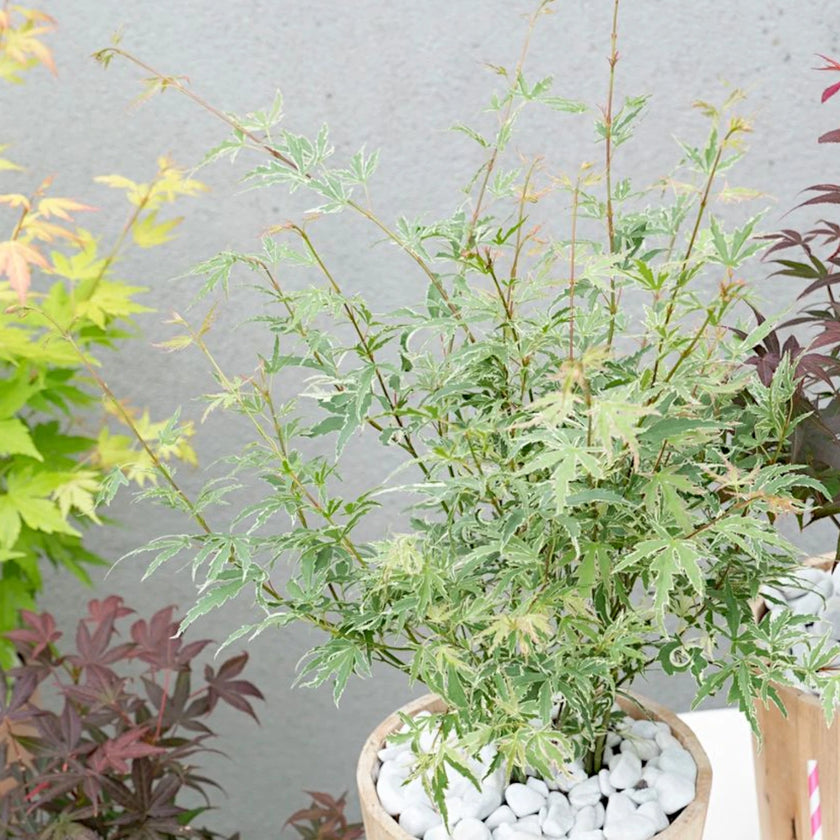
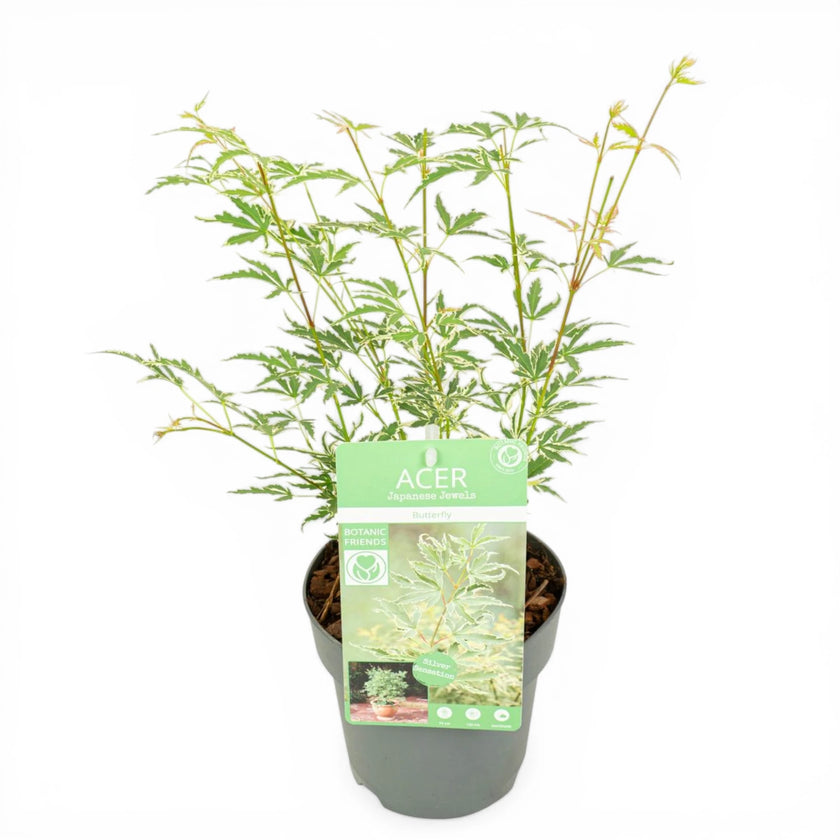
Acer palmatum 'Butterfly' detail shot.
Acer palmatum 'Butterfly' Regular price €34,75
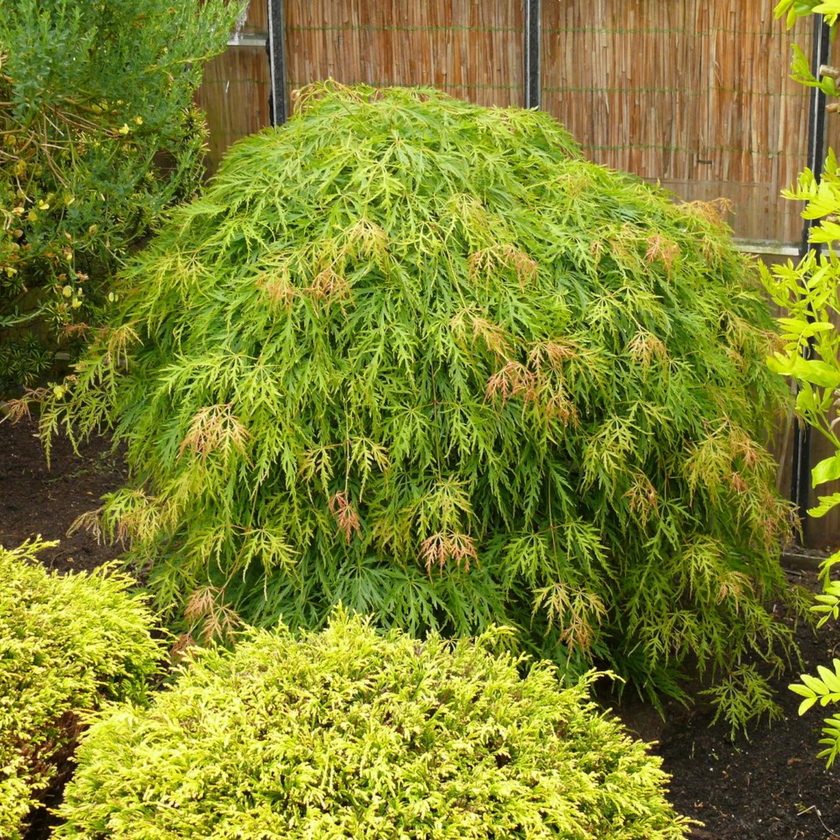
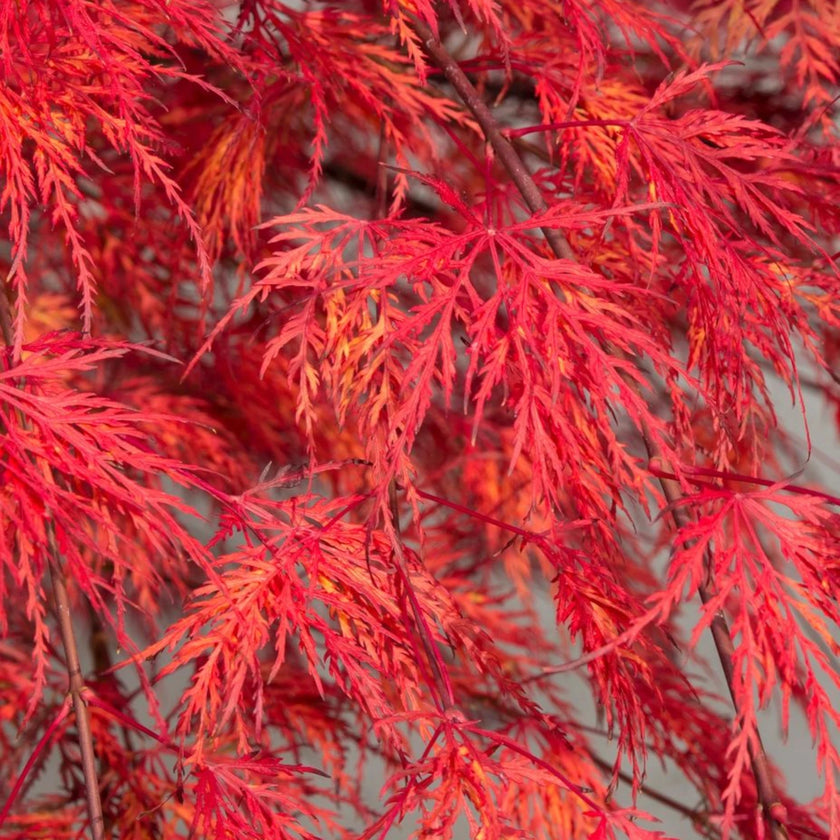
Acer palmatum 'Dissectum' detail shot.
Acer palmatum 'Dissectum' Regular price €38,75
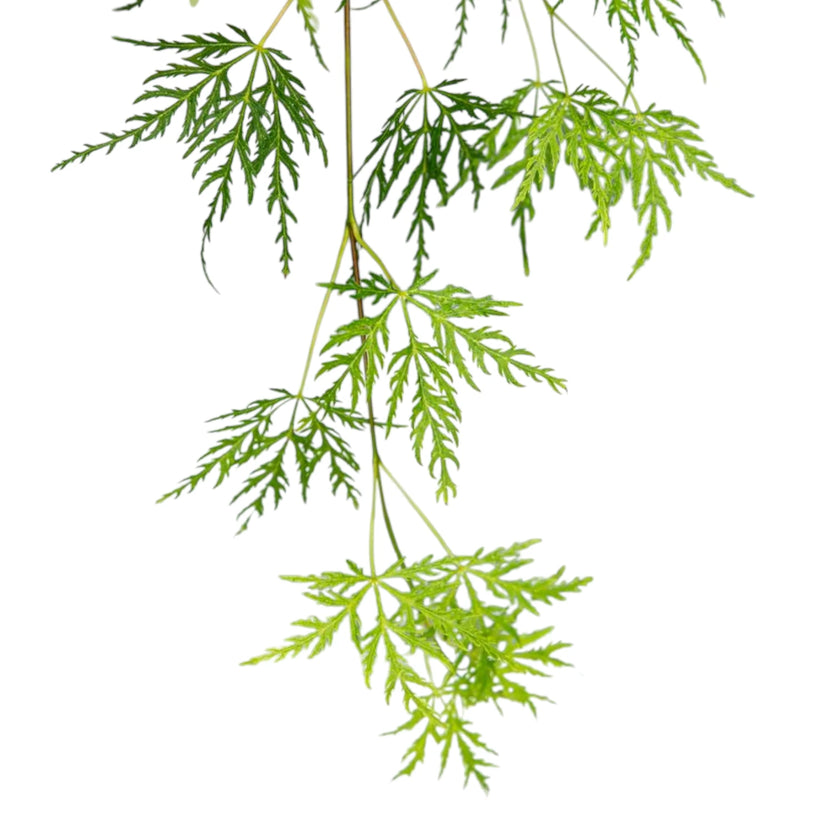
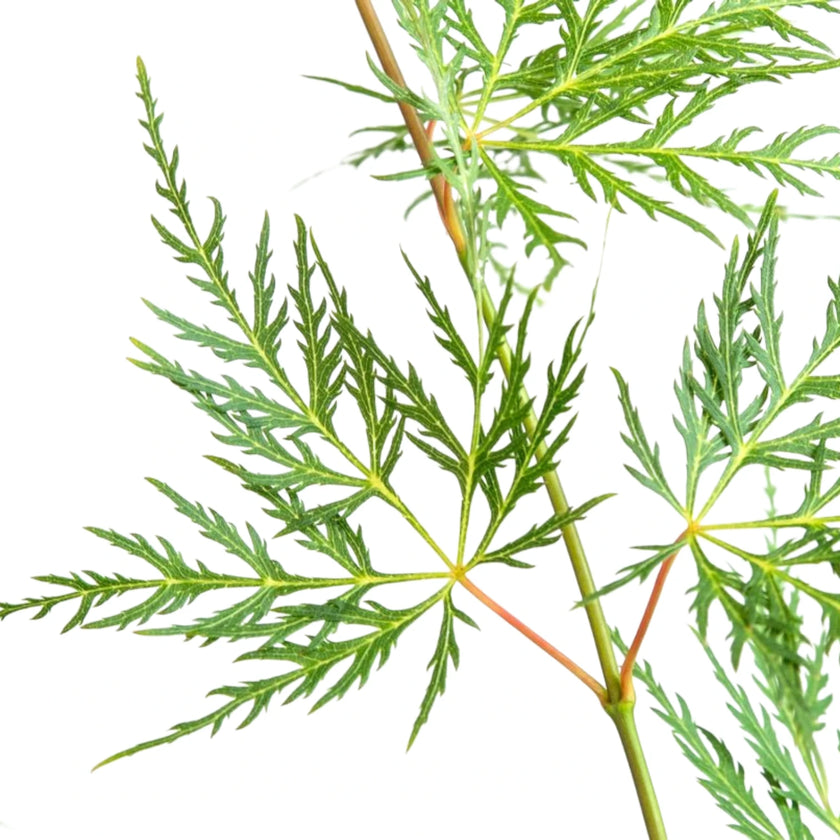
Acer palmatum 'Emerald Lace' detail shot.
Acer palmatum 'Emerald Lace' Regular price €38,75
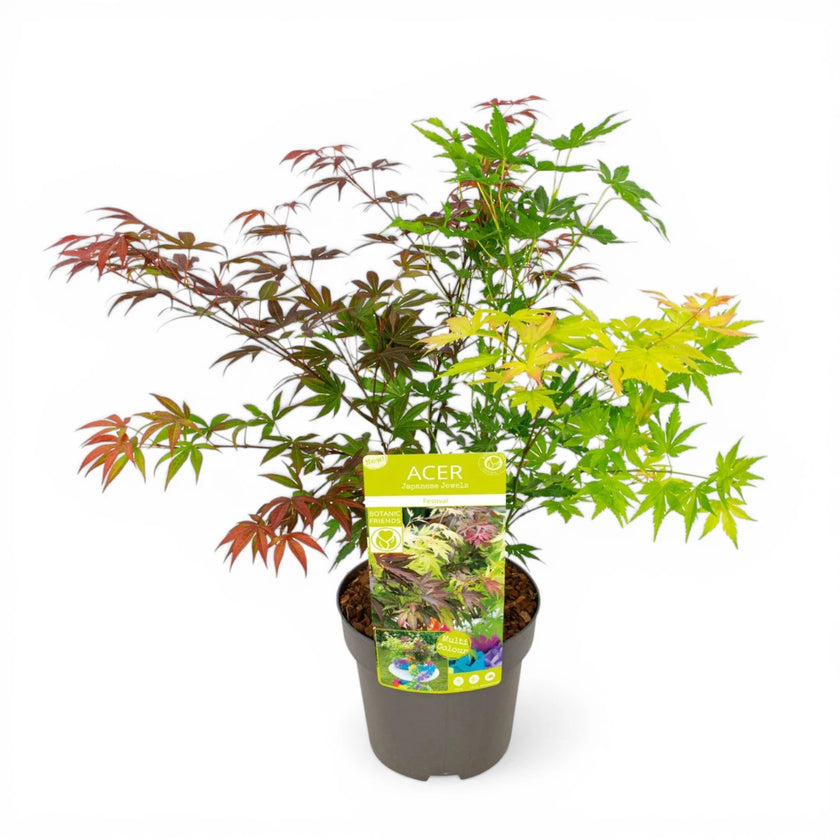
Acer palmatum 'Going Green' potted plant in nursery pot on white background.
Acer palmatum 'Going Green' Regular price €34,75
Acer palmatum 'Little Princess' close-up detail.
Acer palmatum 'Little Princess' Regular price €38,75
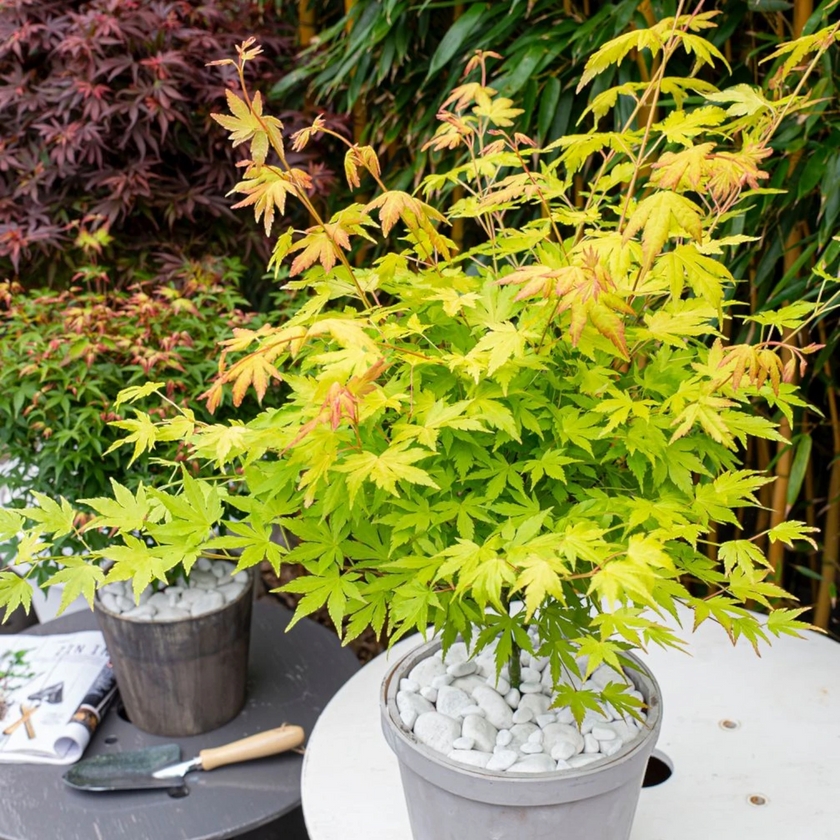
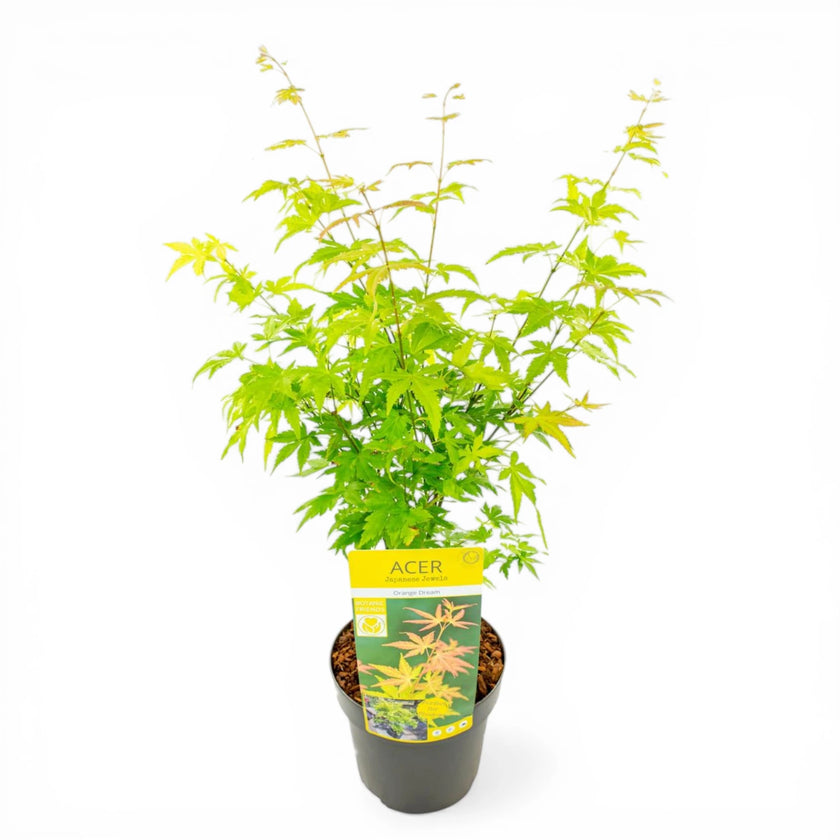
Acer palmatum 'Orange Dream' plant detail.
Acer palmatum 'Orange Dream' Regular price From €20,00
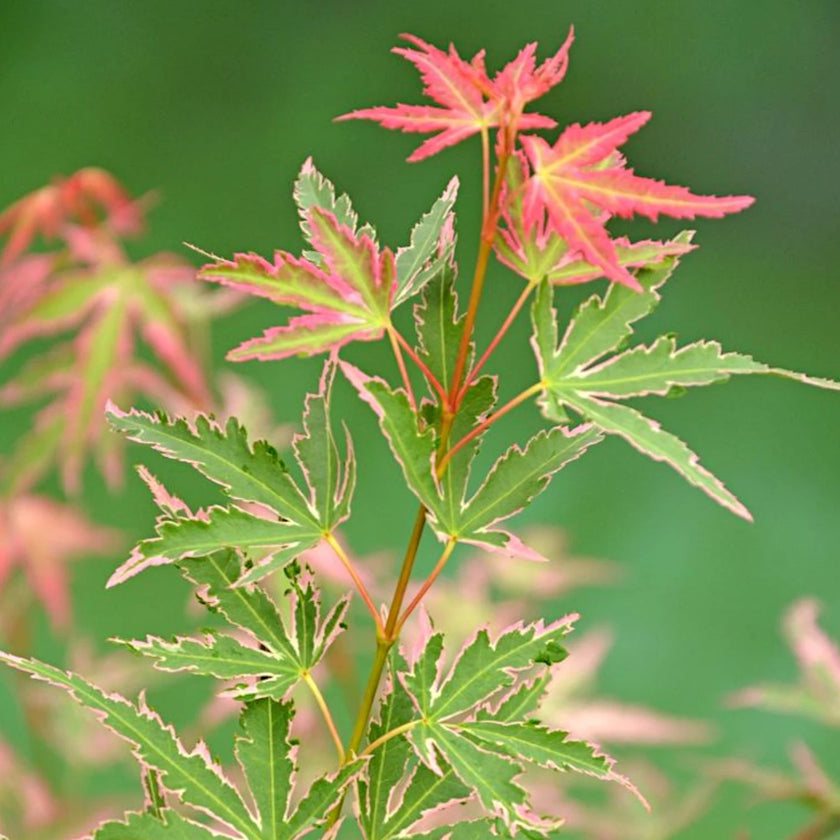
Acer palmatum 'Shaina' close-up detail.
Acer palmatum 'Shaina' Regular price €80,00
Acer palmatum 'Taylor' close-up detail.
Acer palmatum 'Taylor' Regular price €44,00
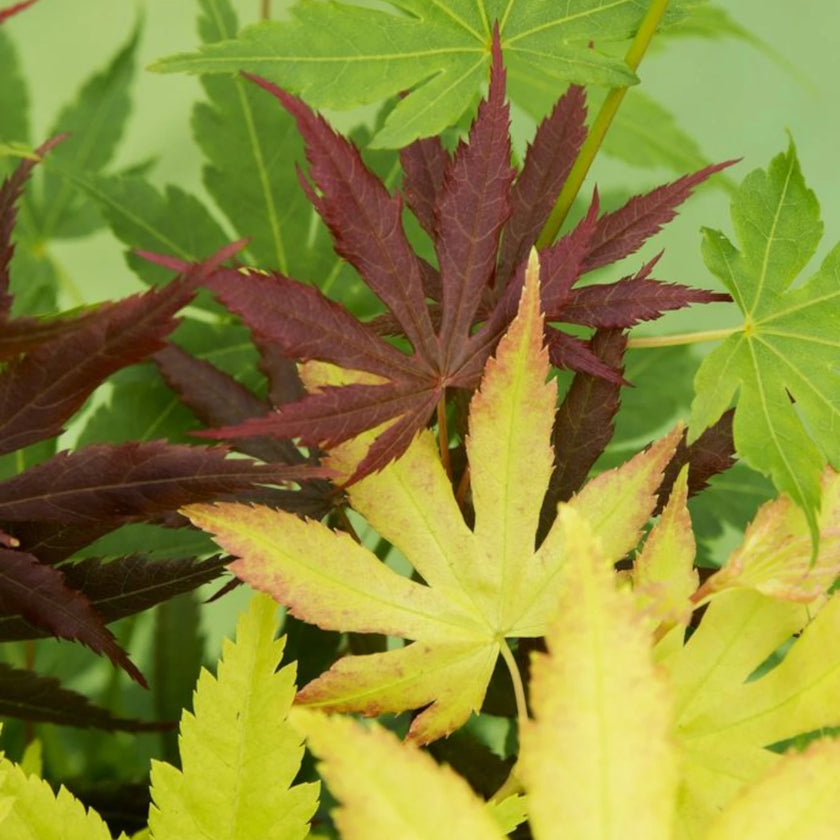
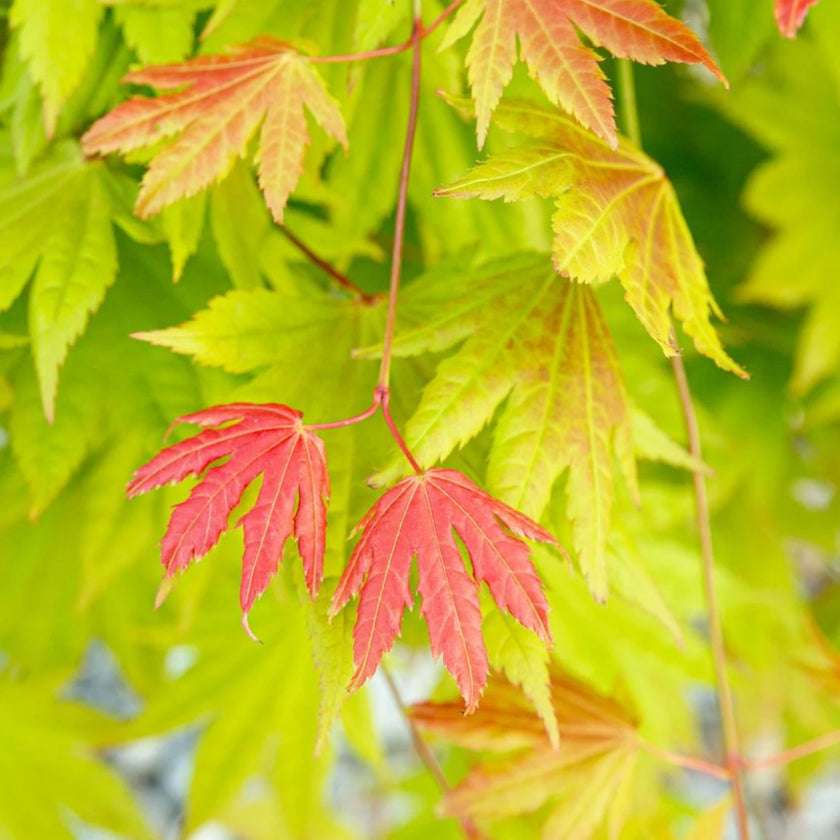
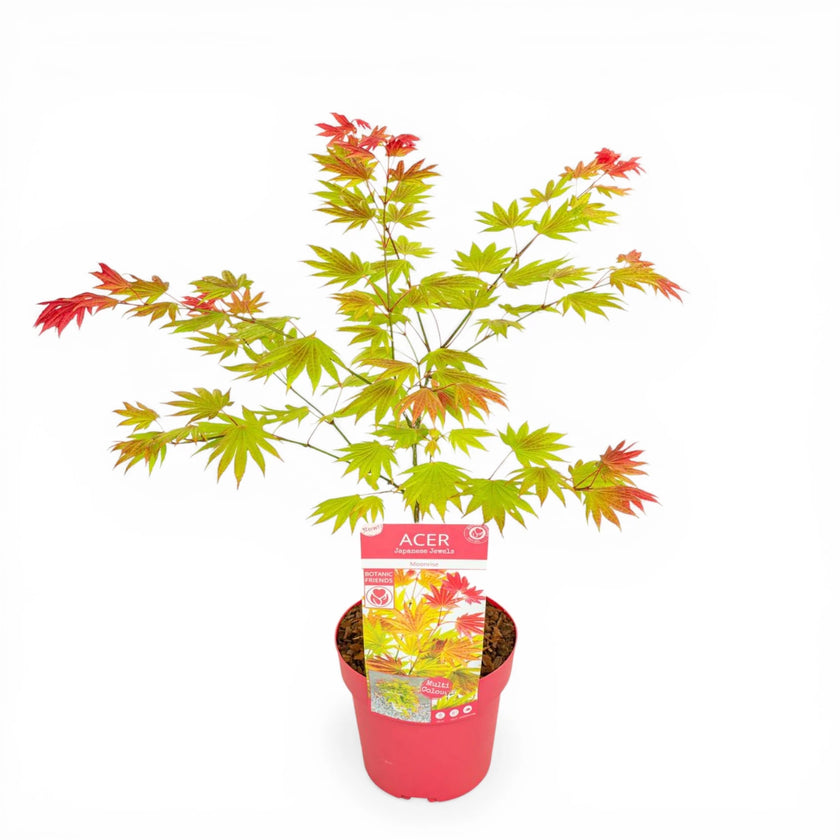
Acer shirasawanum 'Moonrise' close-up detail.
Acer shirasawanum 'Moonrise' Regular price From €46,75

Sapindaceae

Japanese Maples

Quick Overview
  • Valued for branching structure, fine texture, and strong seasonal colour.
  • Shelter from wind keeps foliage cleaner and reduces leaf edge scorch in summer.
  • Even moisture is key, especially in containers where soil dries quickly.
  • A roomy pot and structured mix support steady roots and healthier growth.
  • Winter drainage matters because pot roots sit more exposed to cold and wet weather.
  • Pruning is usually light shaping, not heavy cutting back.
  • Check mature habit and size, not only the colour in photos.
Details & Care

Japanese maples need shelter and steady roots

Japanese Maples are grown for branching shape, refined leaf texture and seasonal colour. They suit gardens, courtyards and large containers where roots stay cool, wind is limited and hot afternoon sun does not scorch delicate leaves.

  • Shelter: Protect from drying wind, especially in spring when new leaves are soft.
  • Light: Bright light with some protection from harsh afternoon sun often gives the best balance.
  • Root zone: Even moisture and good drainage matter; sitting wet or drying hard both cause stress.
  • Containers: Large, stable pots help buffer roots from heat and winter cold.

Leaf colour and shape vary widely, from deeply cut lace-leaf forms to broader palmate leaves. Mature size also differs, so check final height and spread before placing one near paths, walls or small seating areas.

Care through the seasons

Water deeply during dry spells, especially in the first years and in containers. Mulch can help keep roots cooler, but keep it away from the trunk. Pruning is usually light: remove damaged, crossing or poorly placed shoots, keeping the natural outline intact.

Where Japanese maples look strongest

  • Courtyards: Sheltered spaces show off branching and autumn colour.
  • Large containers: Good where open ground is limited, provided watering stays consistent.
  • Mixed borders: Pair with lower, quieter planting so the branch structure remains visible.
  • Entrances: Use compact forms where seasonal colour can be seen close up.

Japanese maples are best chosen by mature size, leaf form, exposure and container suitability, not only by leaf colour at the moment of purchase.

Leaf scorch often starts at exposed edges where wind, heat and dry roots meet. A sheltered position with bright light, steady moisture and some afternoon protection keeps foliage cleaner. Good drainage remains essential; Japanese maples dislike sitting wet around the roots.

In containers, refresh the root zone and topdress when needed so the plant does not decline from exhausted substrate.

Young trees need extra attention during their first summers outdoors. Regular watering, a protected position and a stable container help the canopy develop without repeated drought setbacks.