









Filters

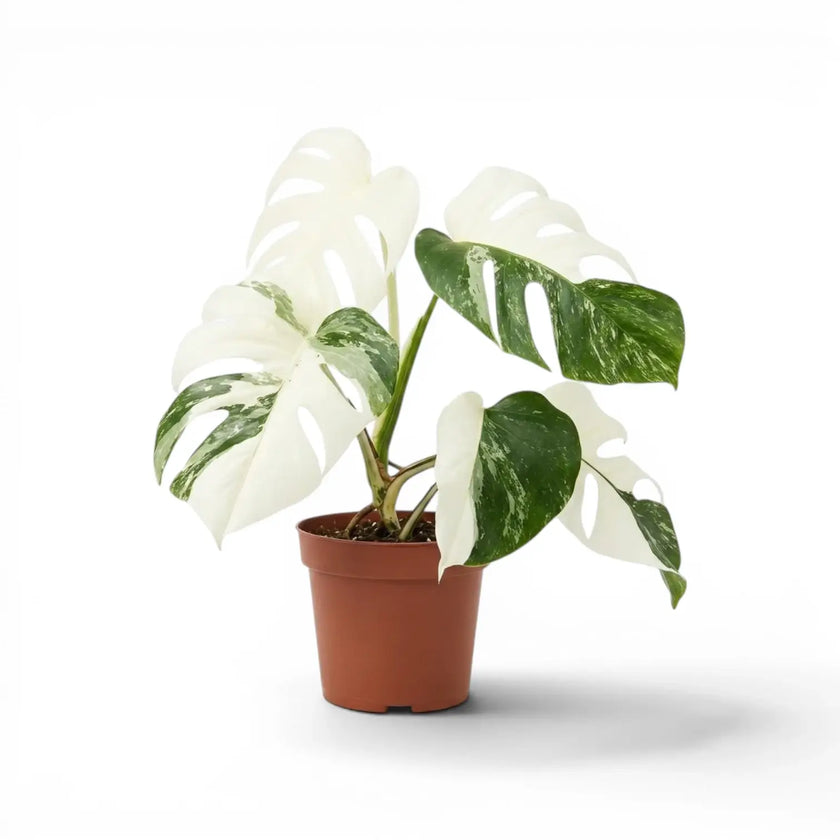
Monstera deliciosa variegata 'Super White'
Sale price€59,00
Regular price€93,45
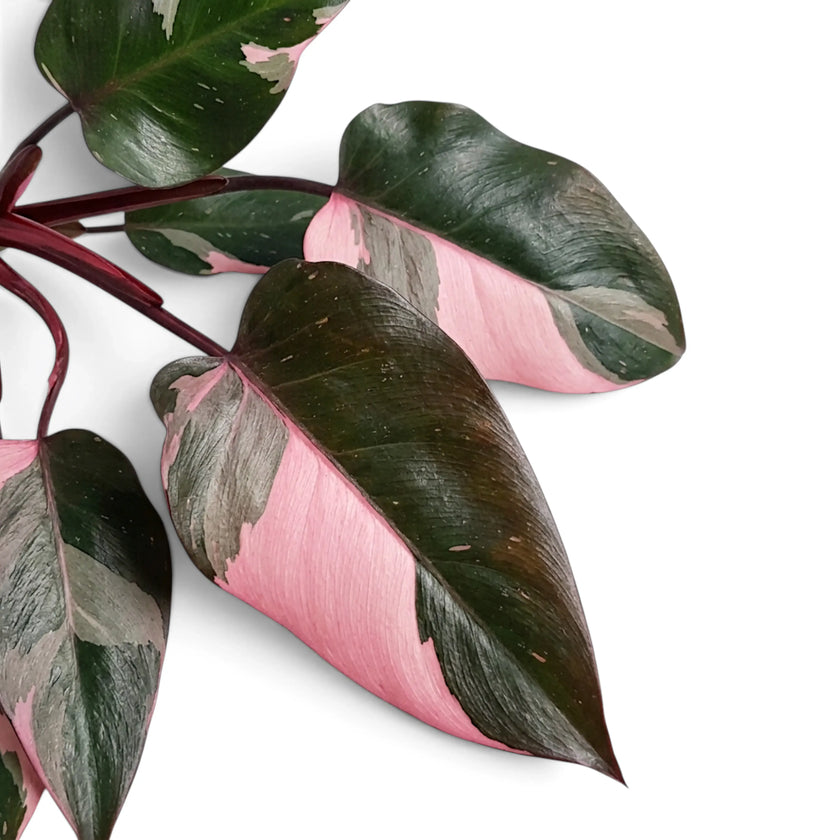
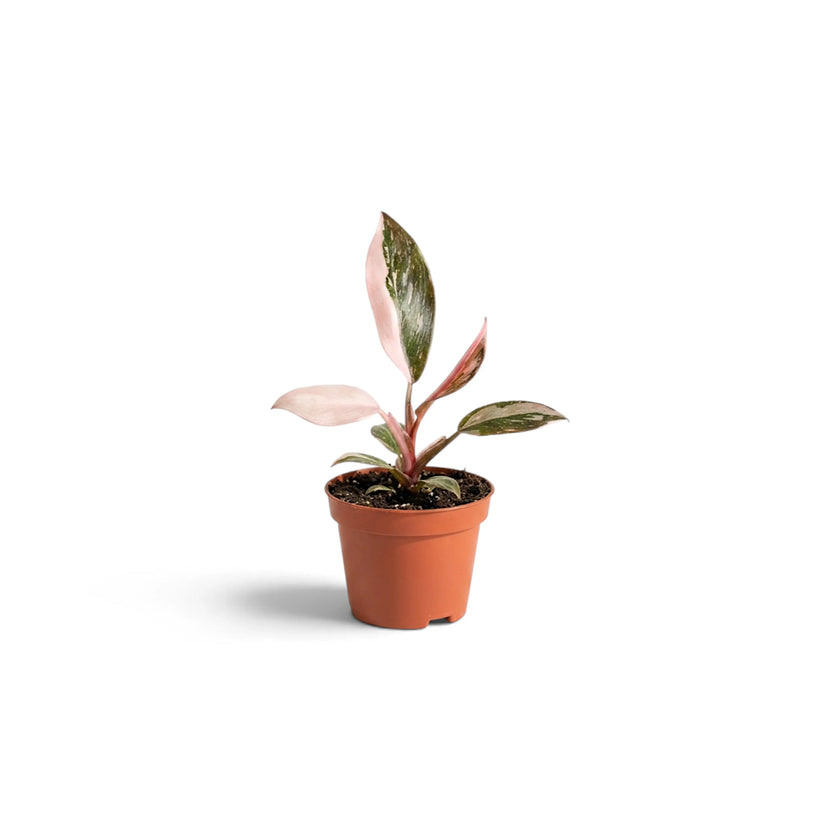
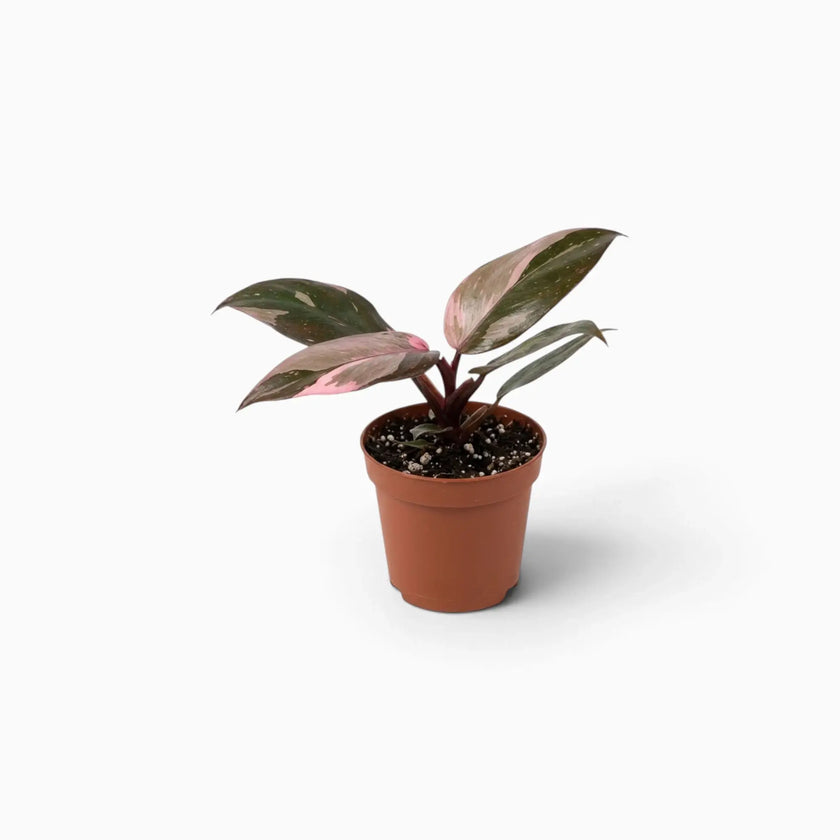
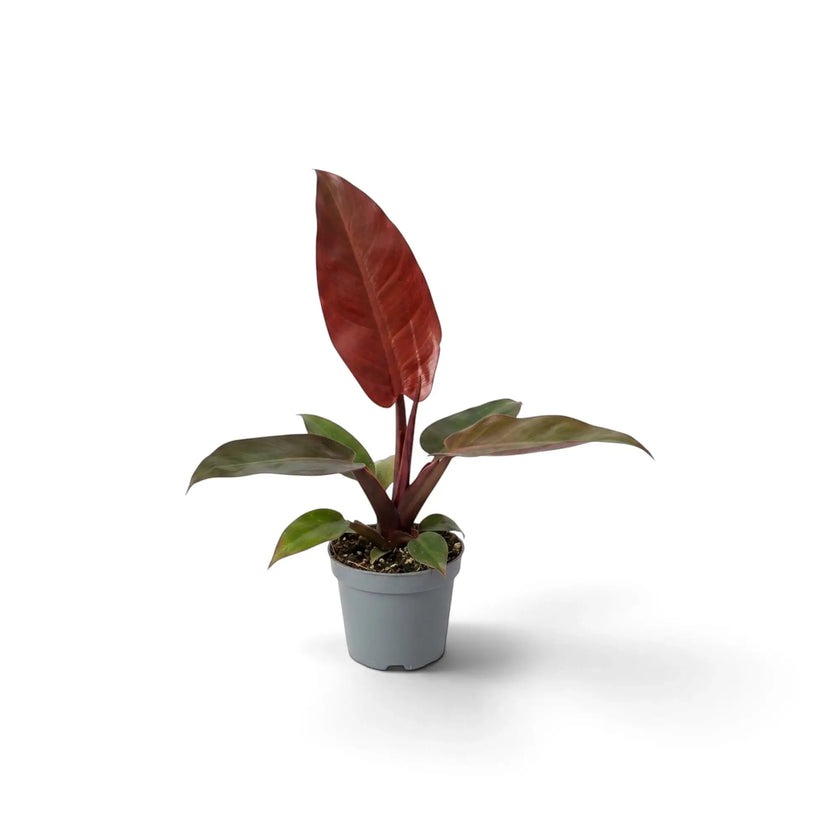
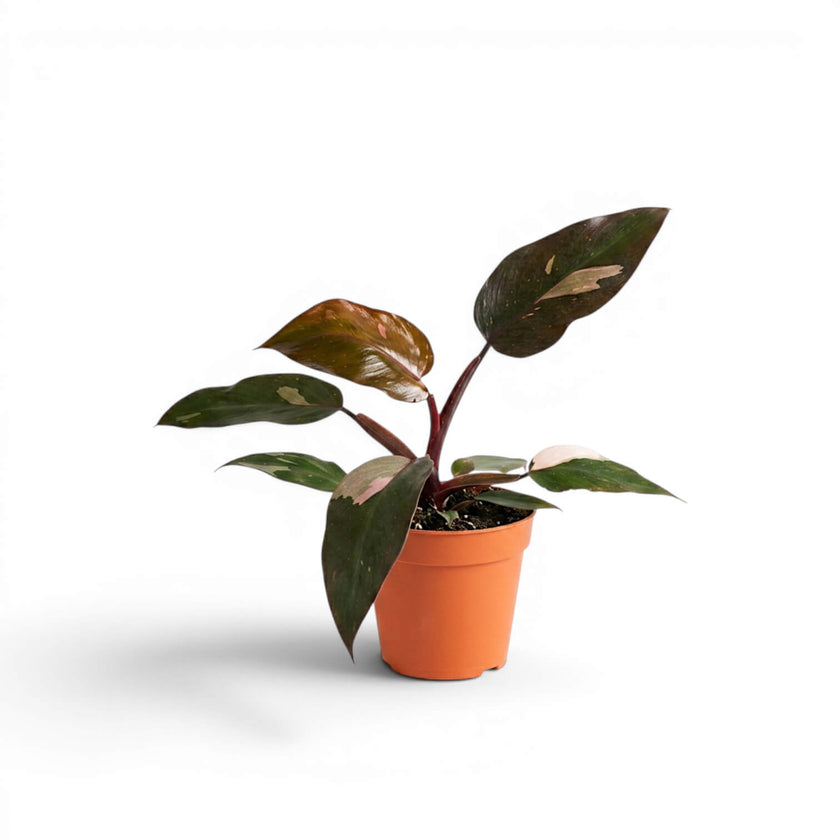
Philodendron ‘Pink Princess’
Sale priceFrom €9,75
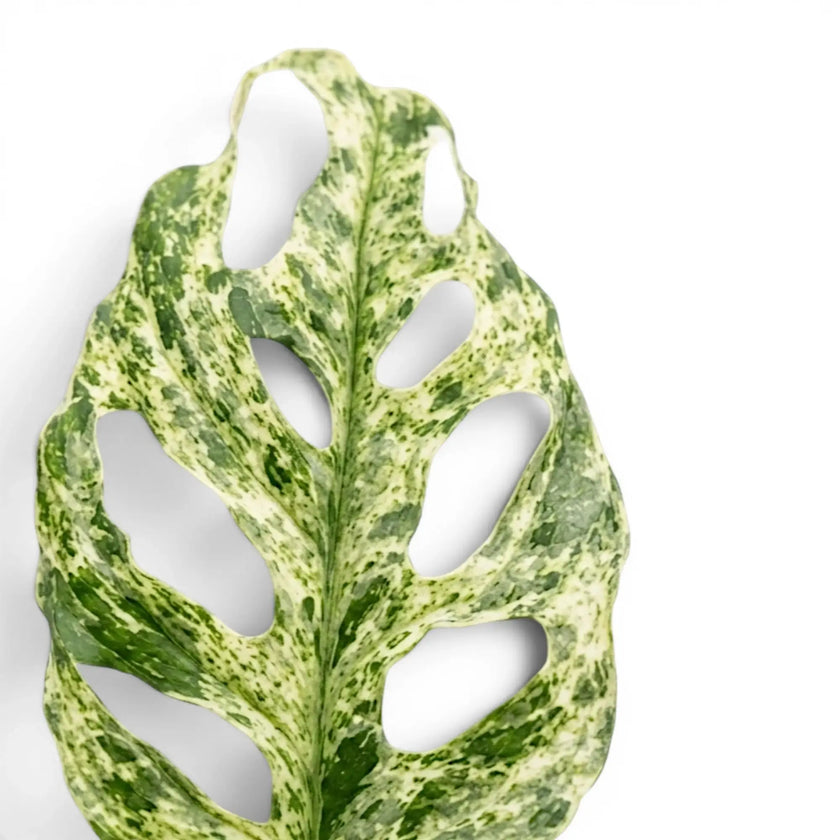
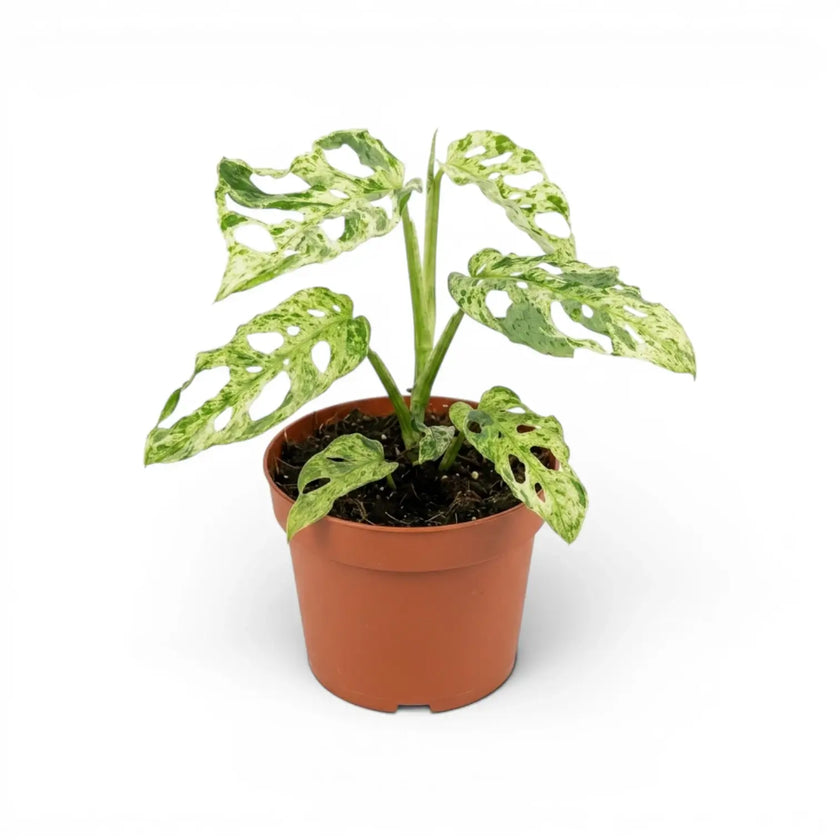
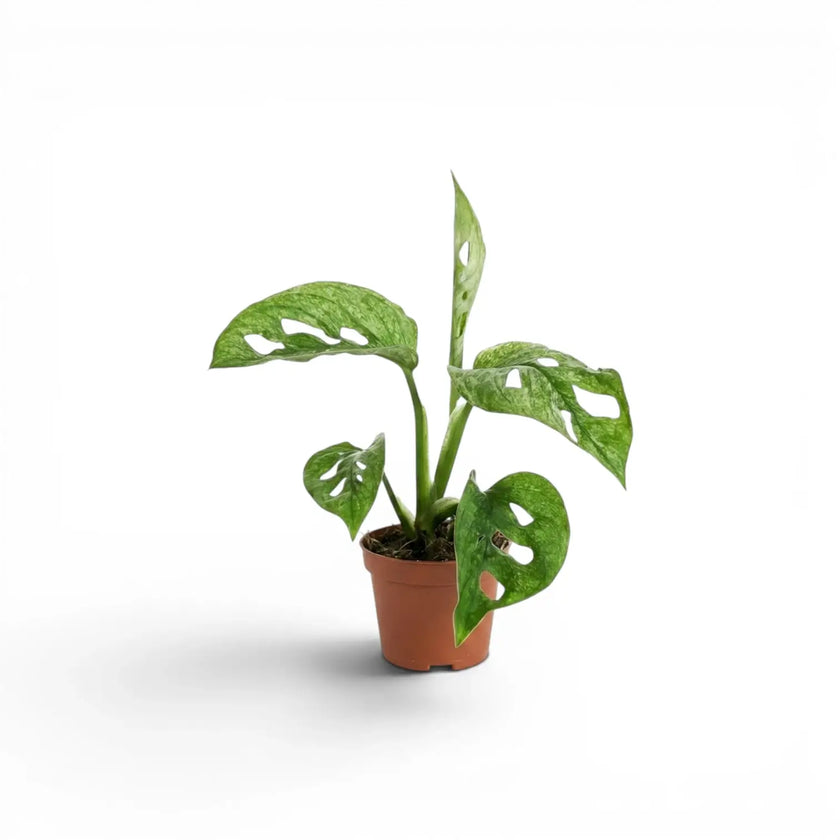
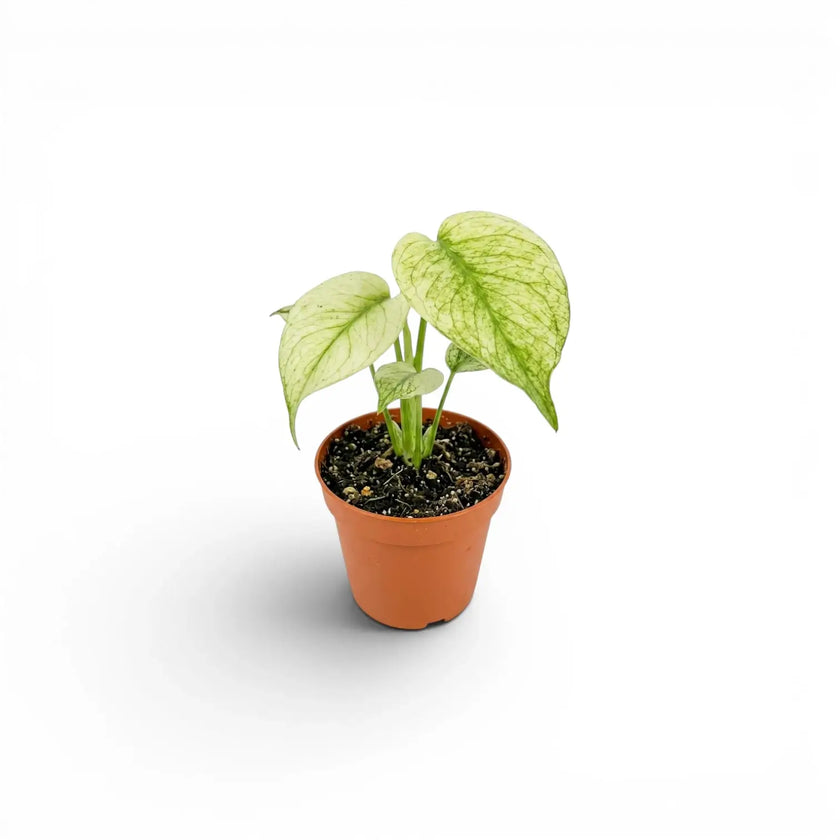
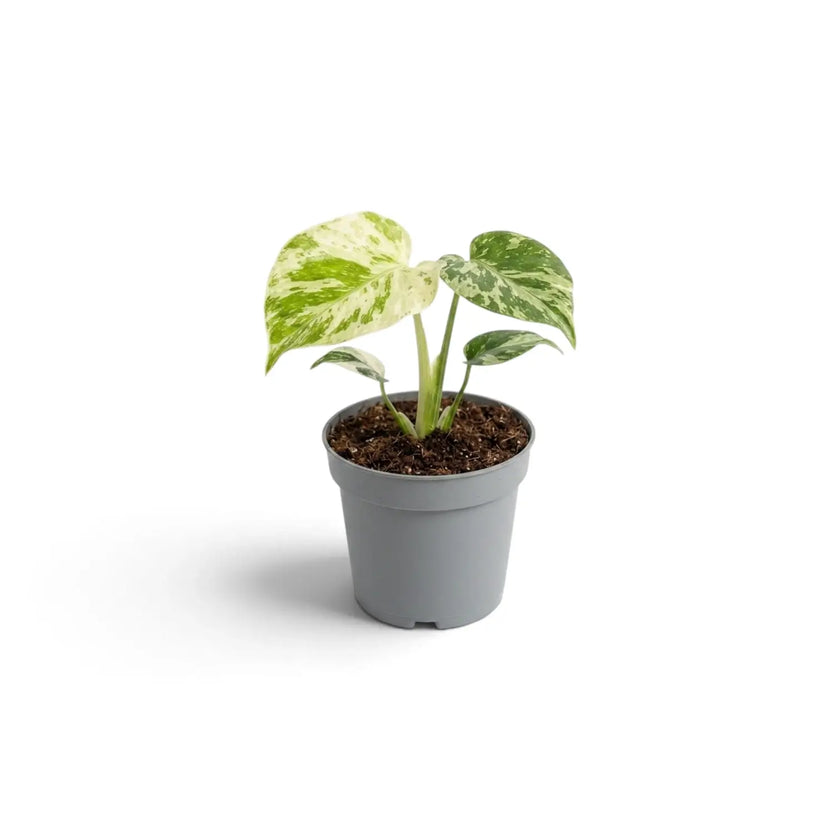
Monstera adansonii 'Frozen Freckles'
Sale priceFrom €15,00
Regular price€32,55
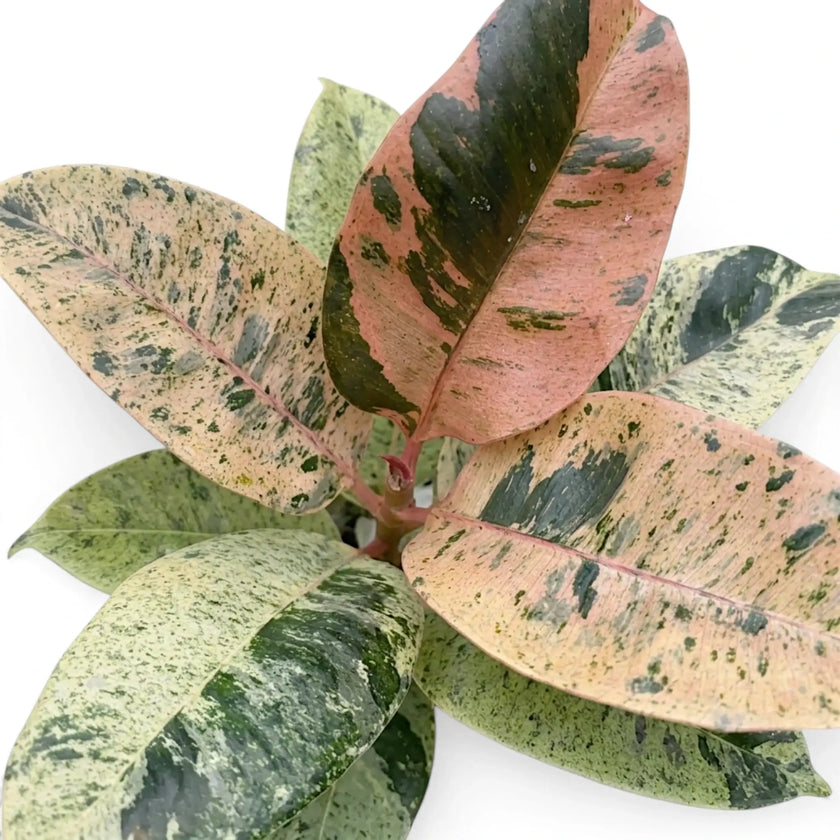
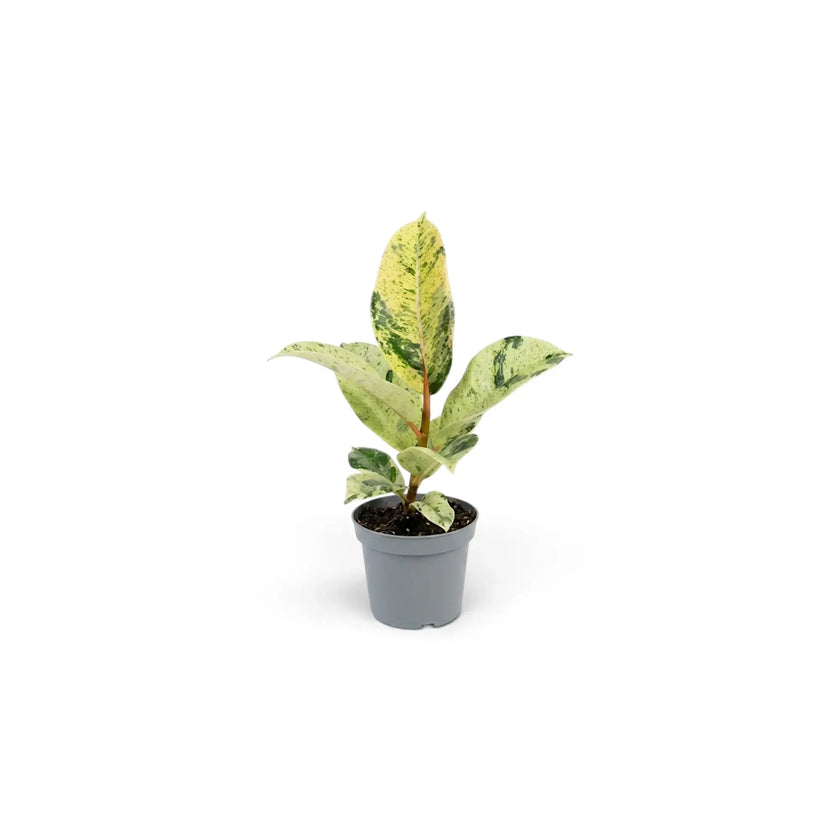
Ficus elastica ‘Shivereana Moonshine’
Sale price€9,75
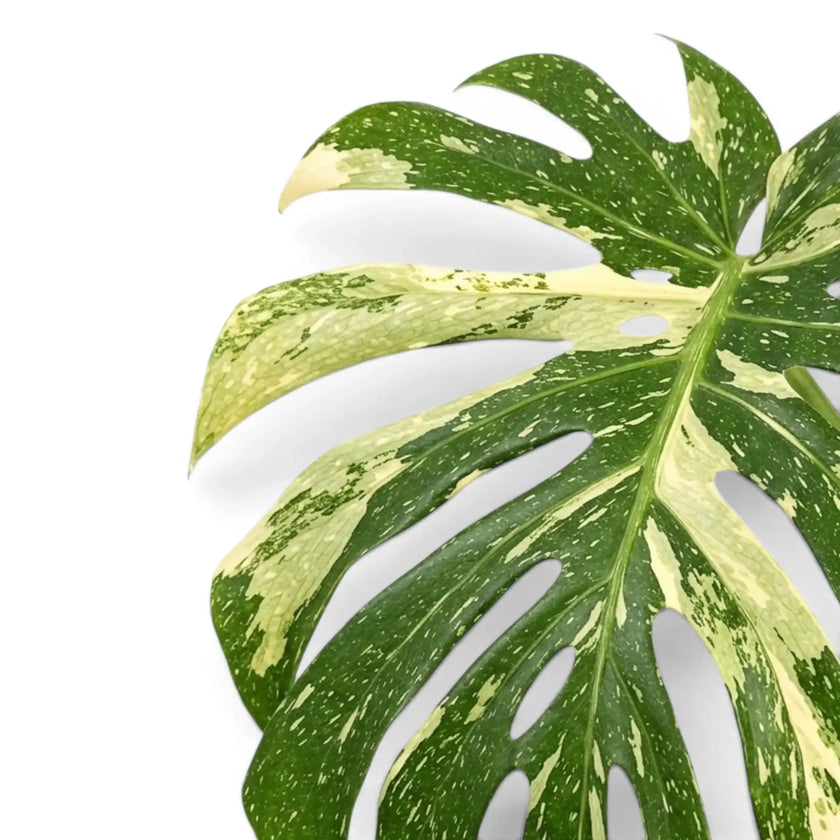
Monstera 'Thai Constellation'
Sale priceFrom €10,75
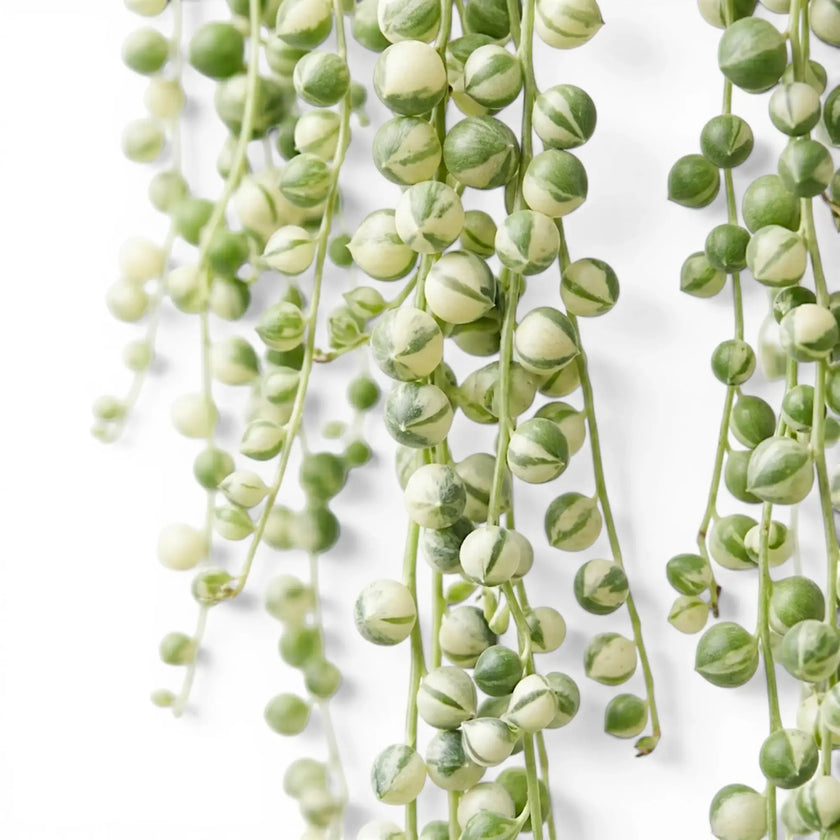
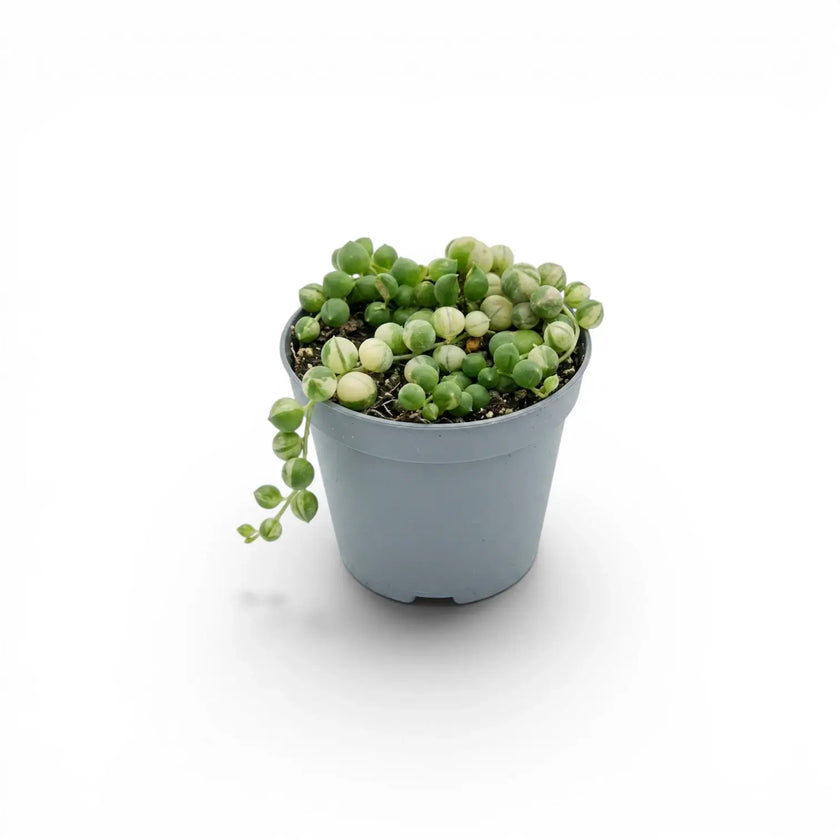
Curio rowleyanus variegata
Sale priceFrom €8,50
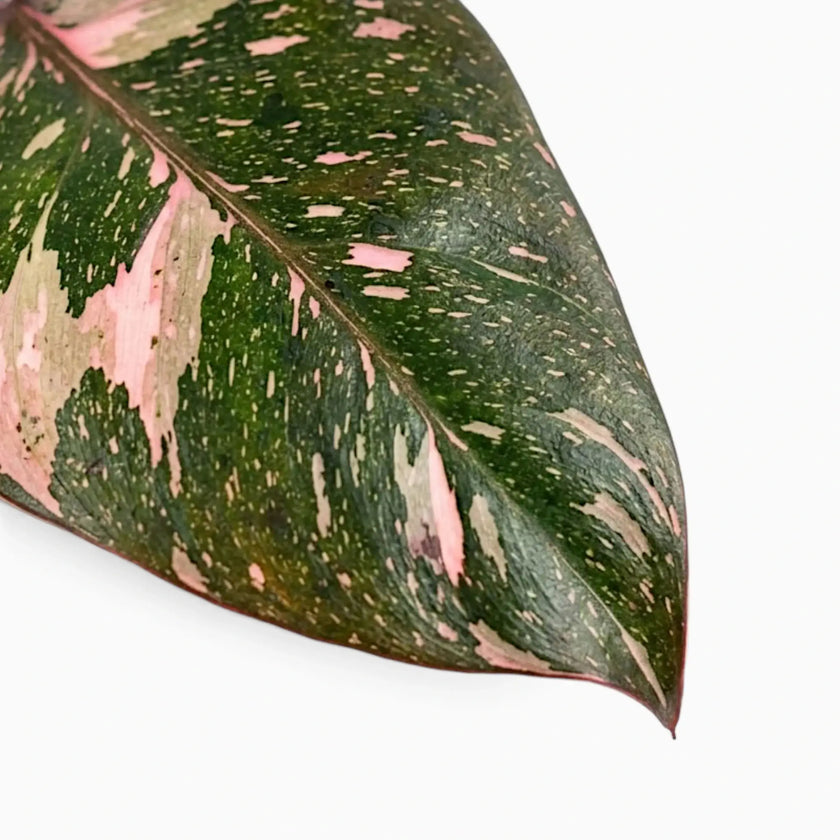
Philodendron ‘Pink Princess Marble’
Sale price€9,75
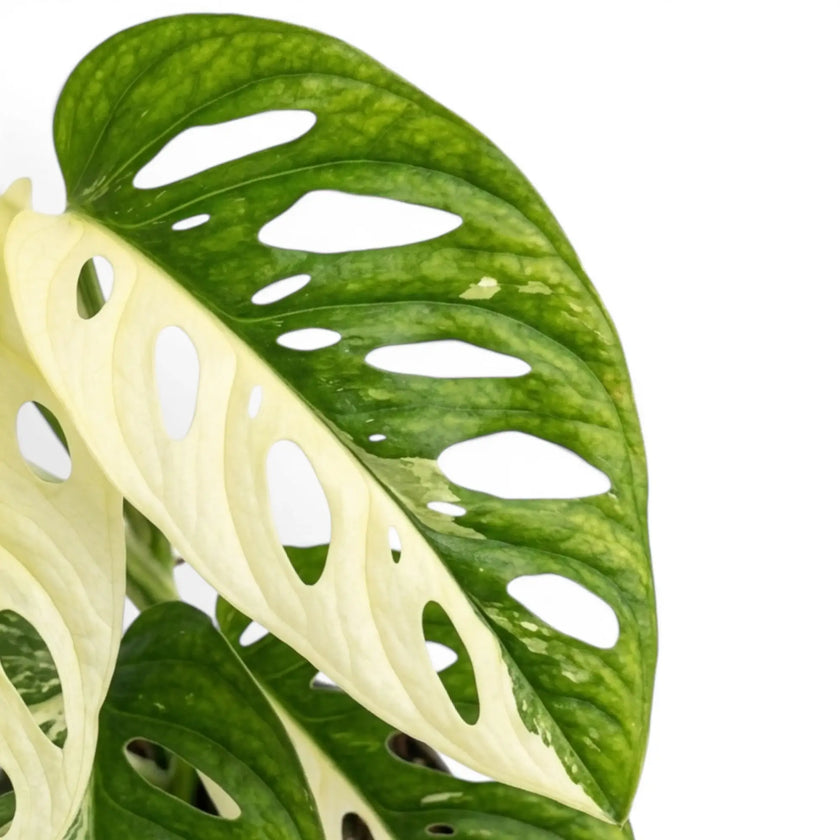
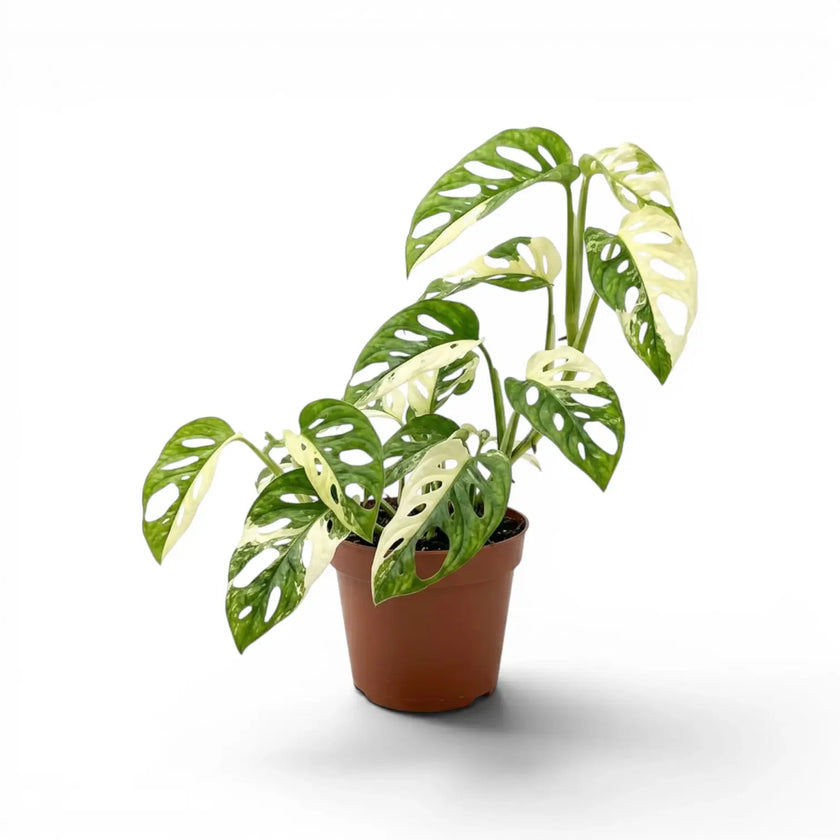
Monstera adansonii variegata
Sale priceFrom €16,25
Regular price€36,23
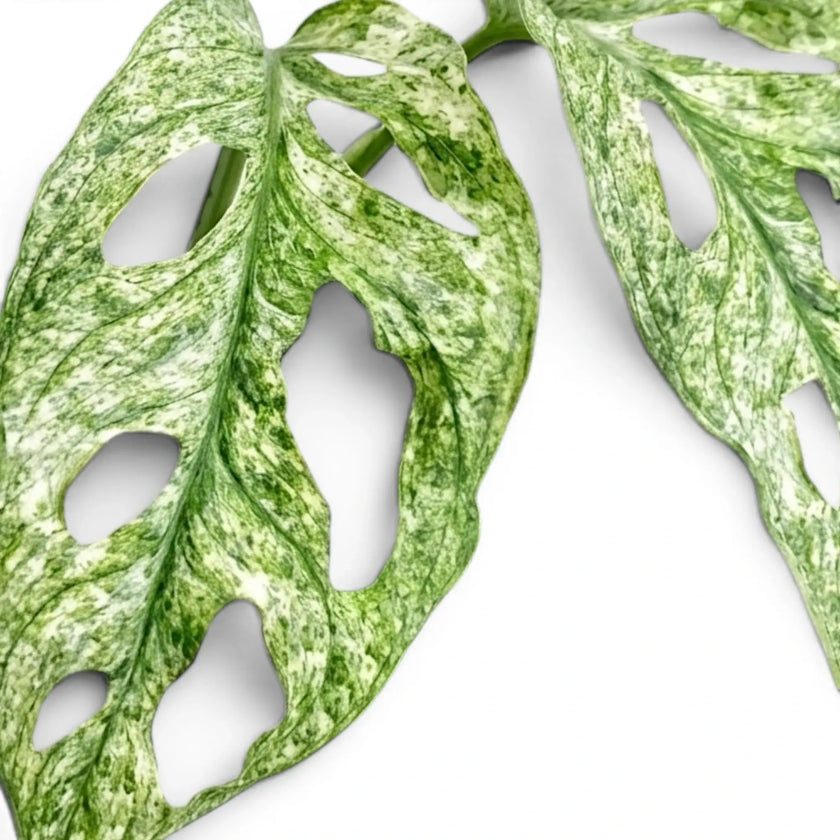
Monstera adansonii 'Mint'
Sale priceFrom €9,75
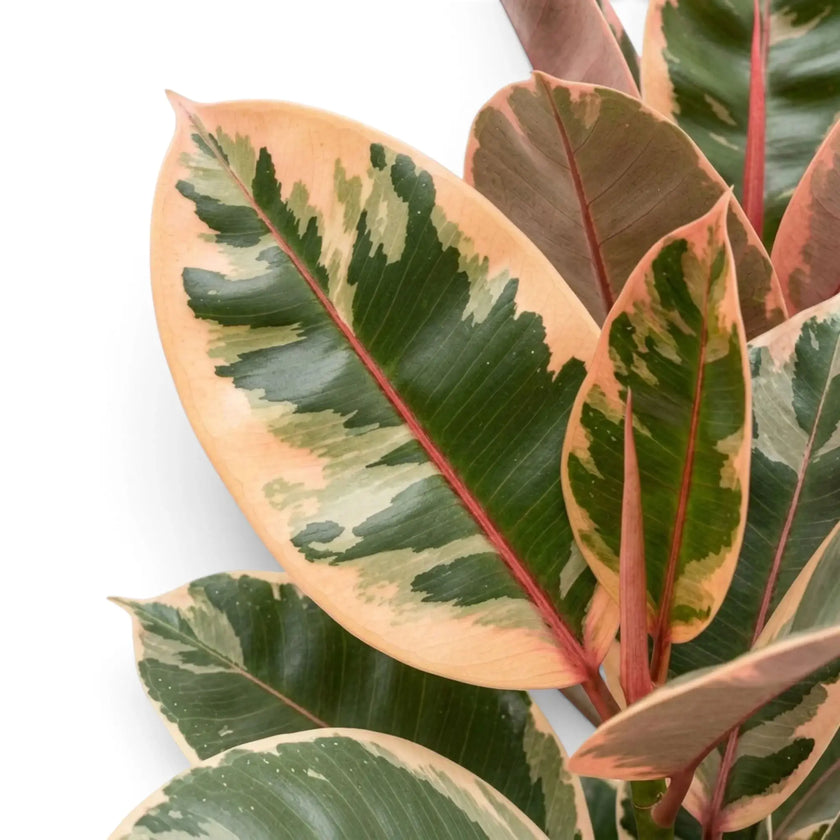
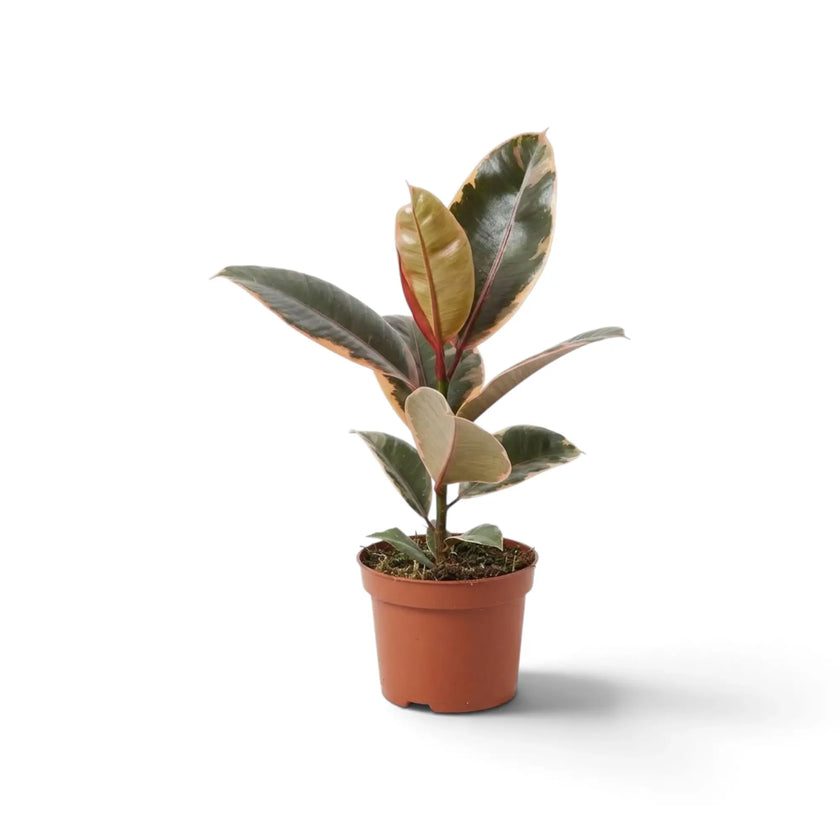
Ficus elastica ‘Belize’
Sale price€10,75

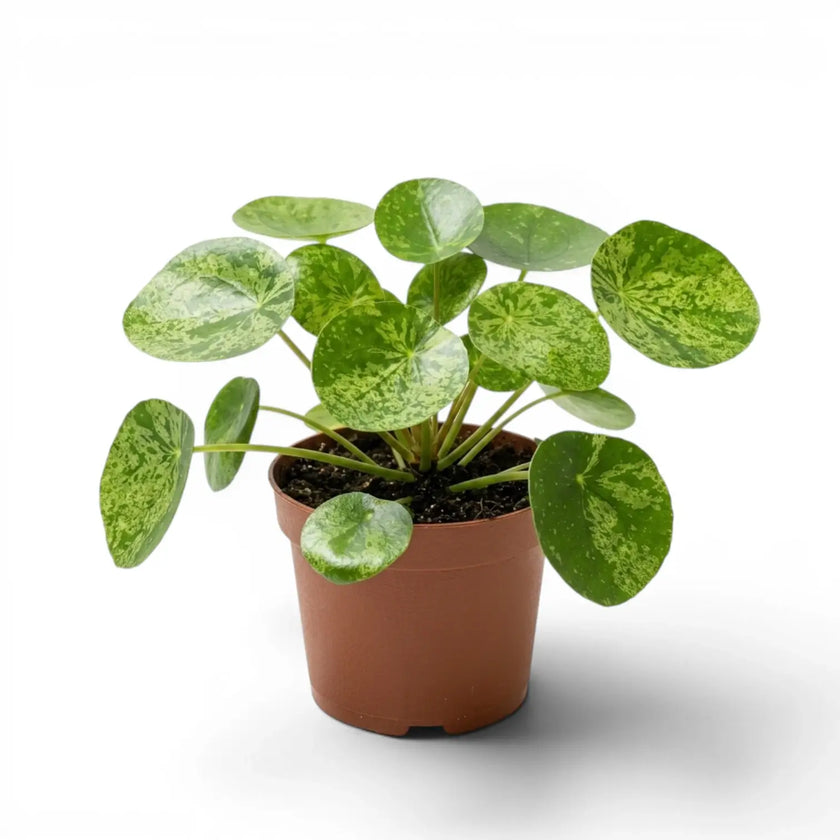
Pilea peperomioides 'Mojito'
Sale price€12,00
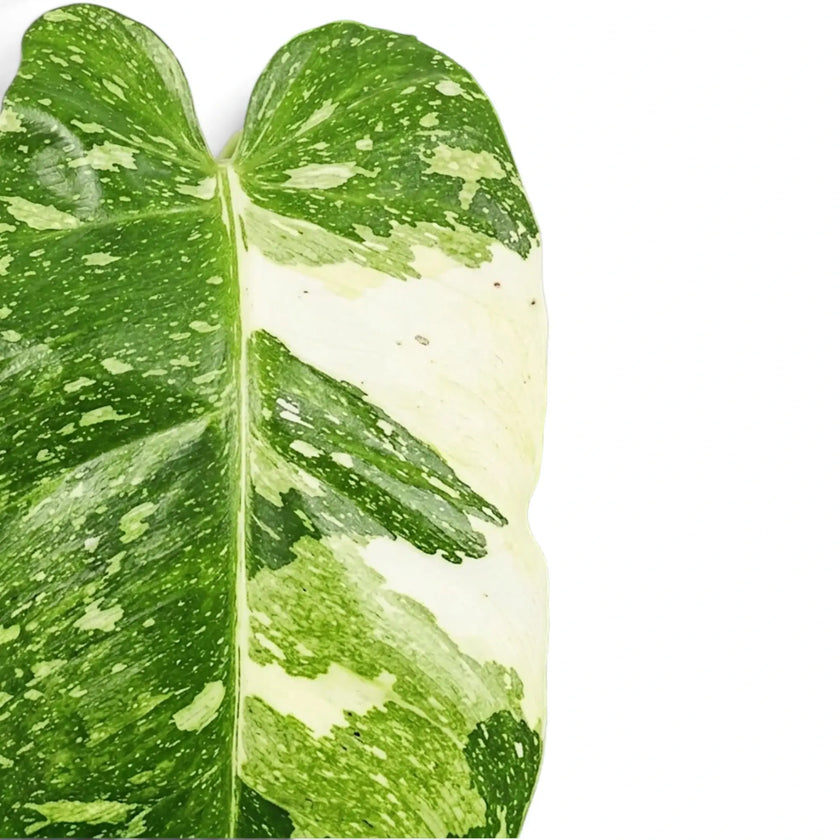
Philodendron ‘Jose Buono’
Sale priceFrom €9,75
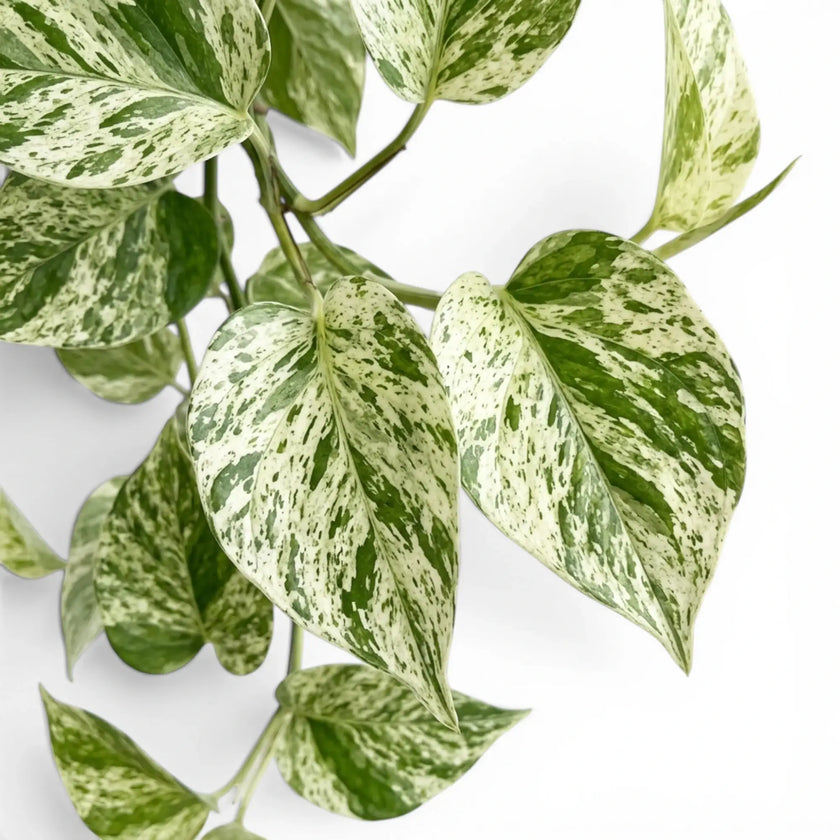
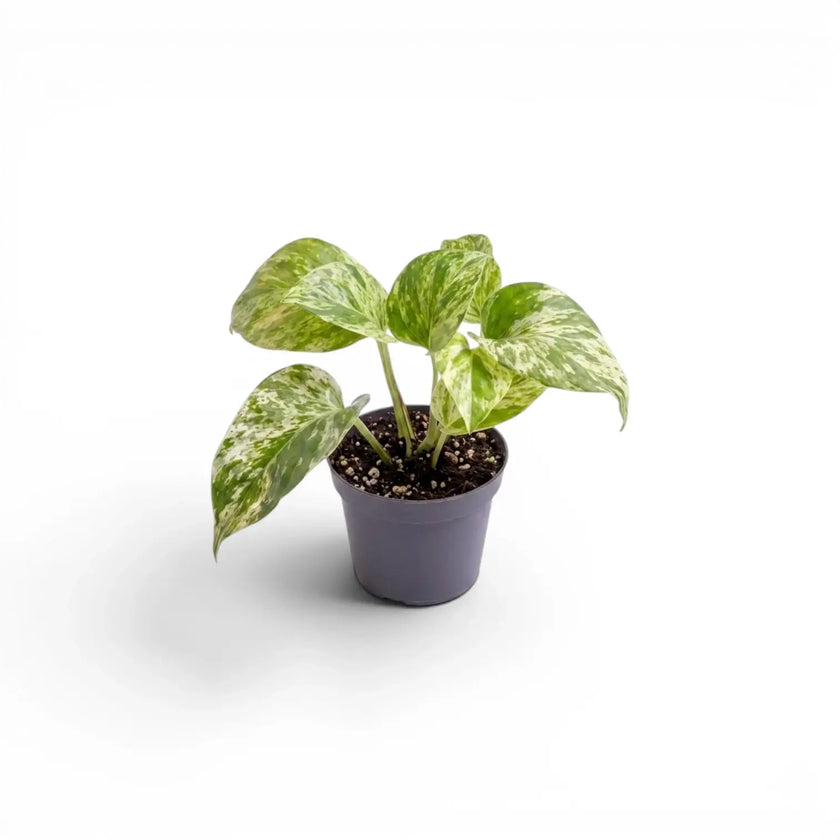
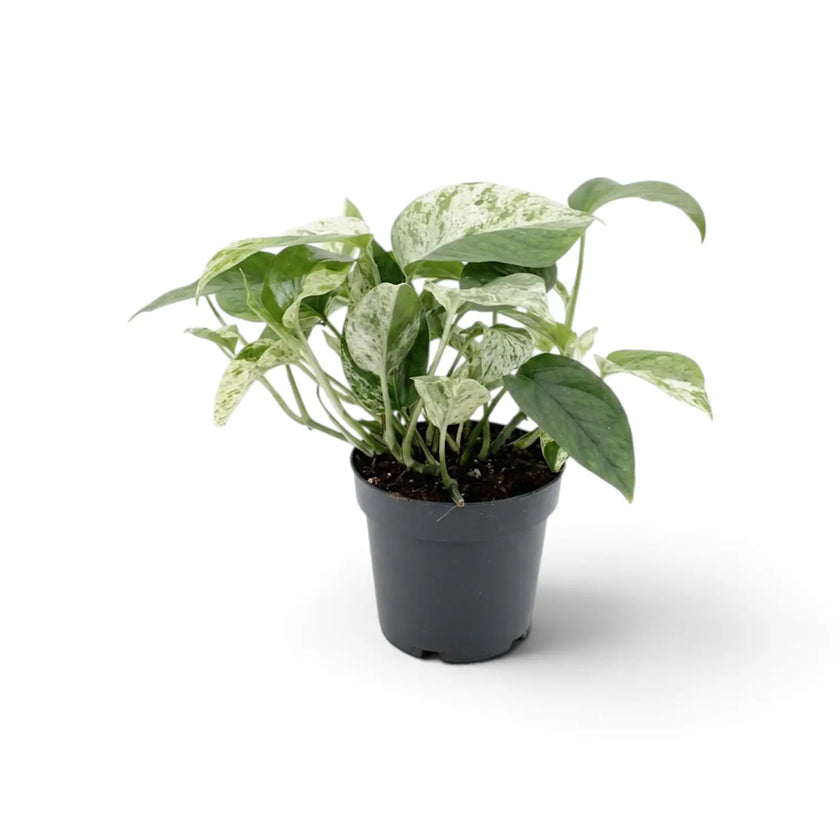
Epipremnum aureum 'Marble Queen'
Sale priceFrom €8,50
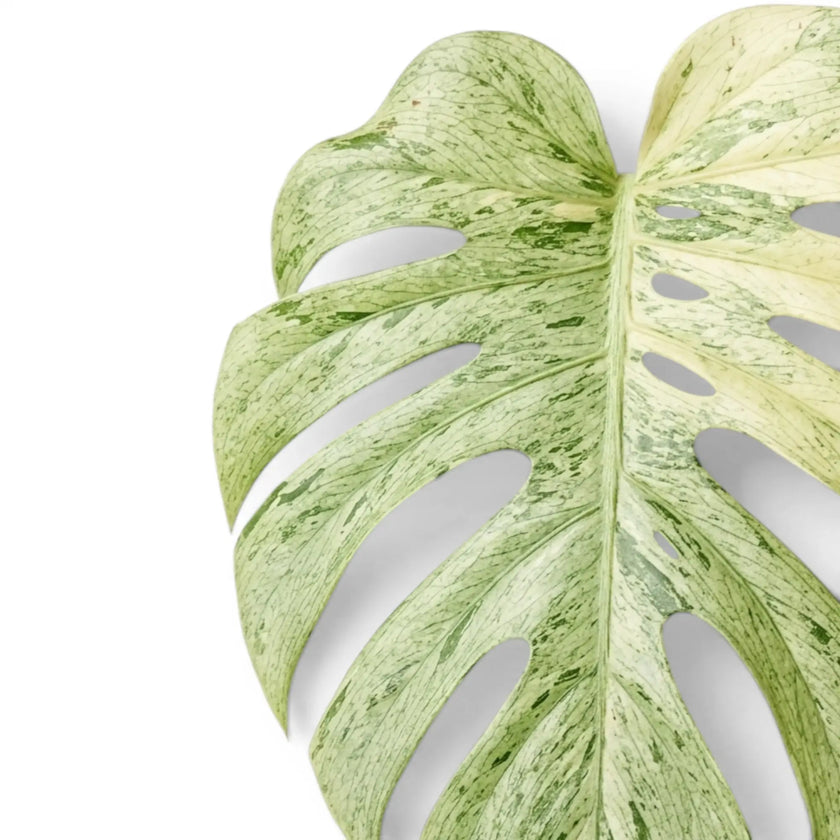
Monstera deliciosa variegata 'Mint'
Sale price€39,00
Regular price€69,00
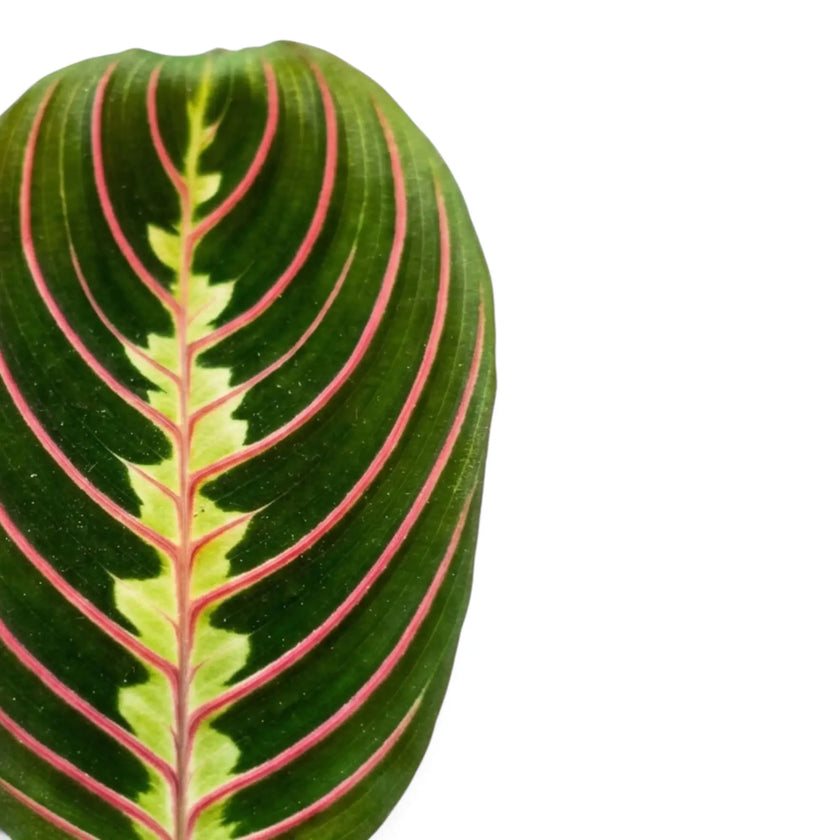
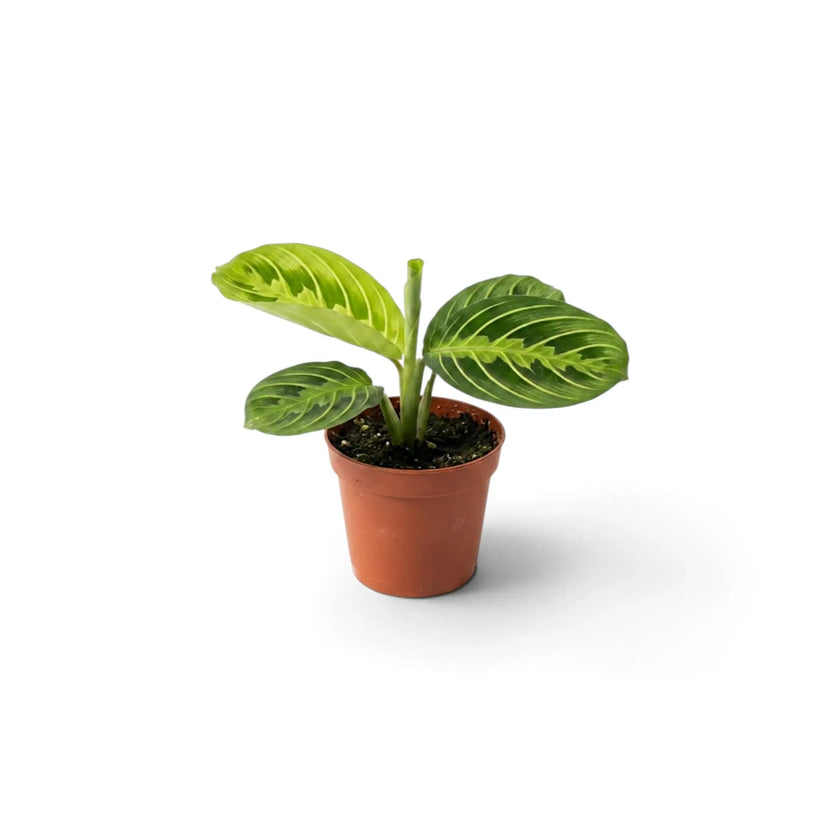
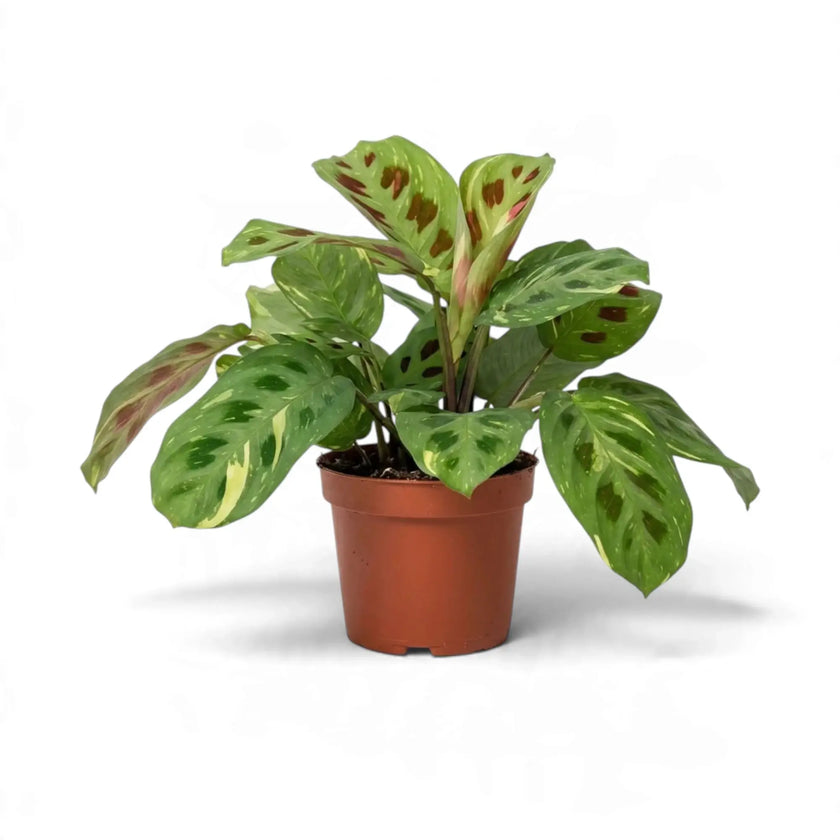
Maranta leuconeura 'Fascinator' ('Tricolor', 'Red Stripe')
Sale priceFrom €8,50
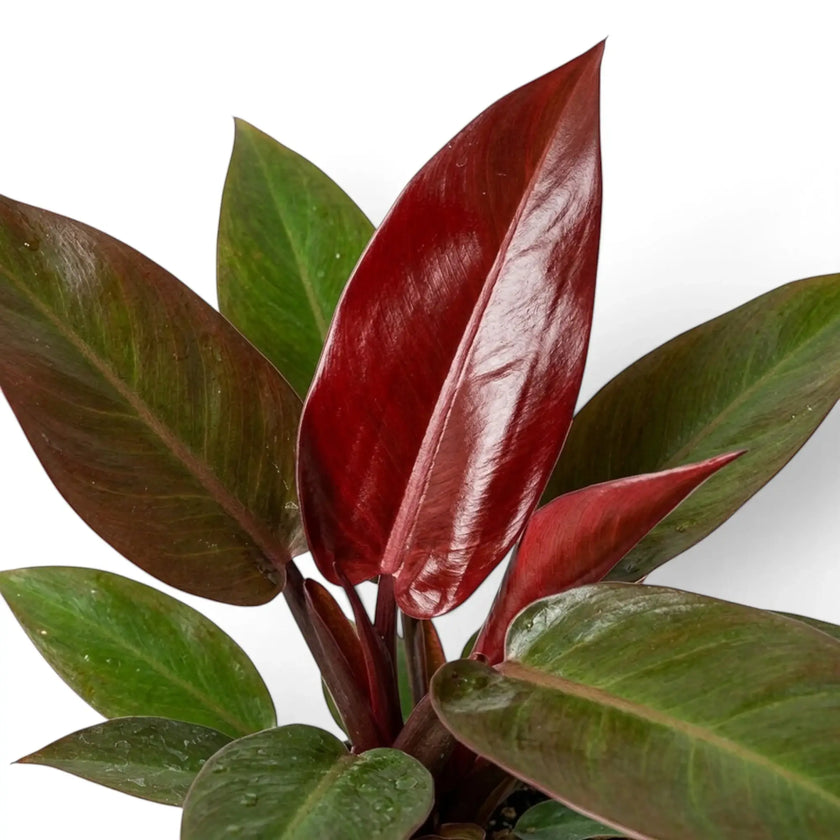
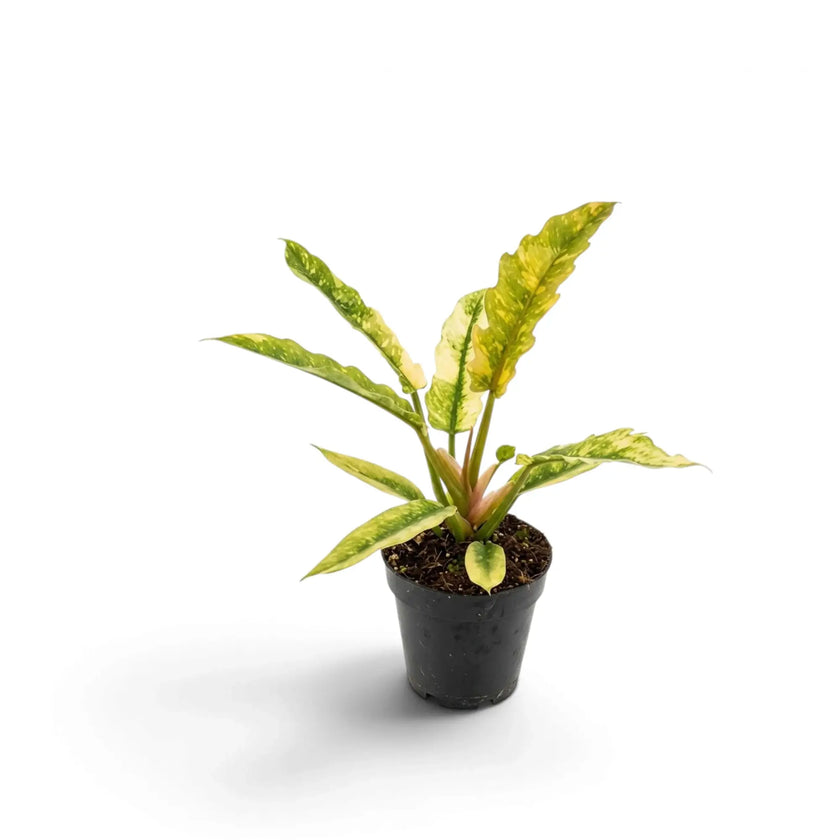
Philodendron ‘Sun Red’
Sale price€9,75
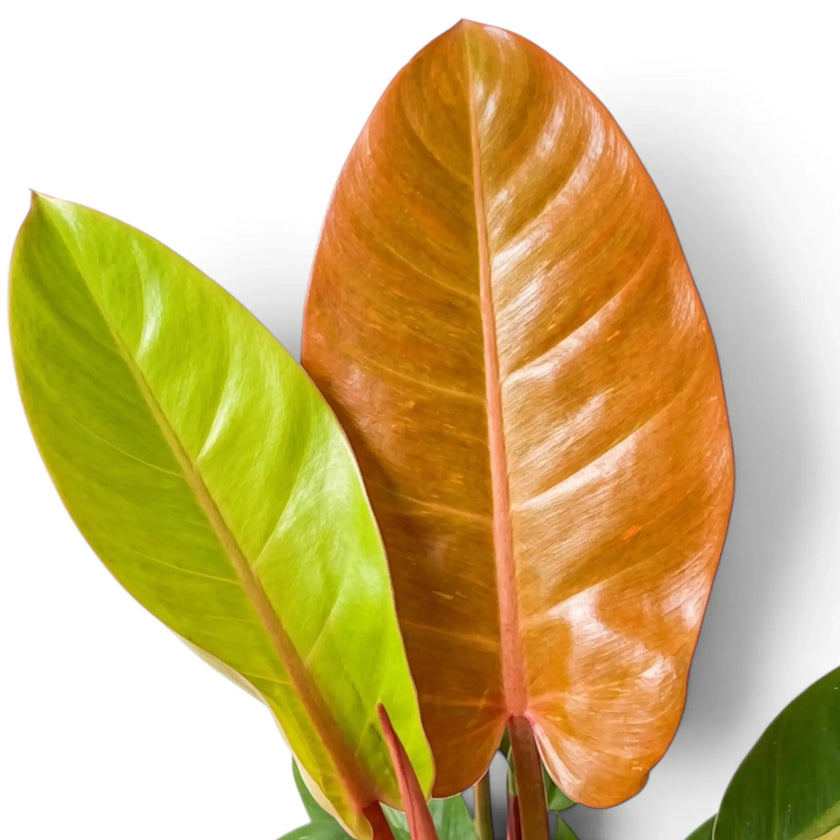
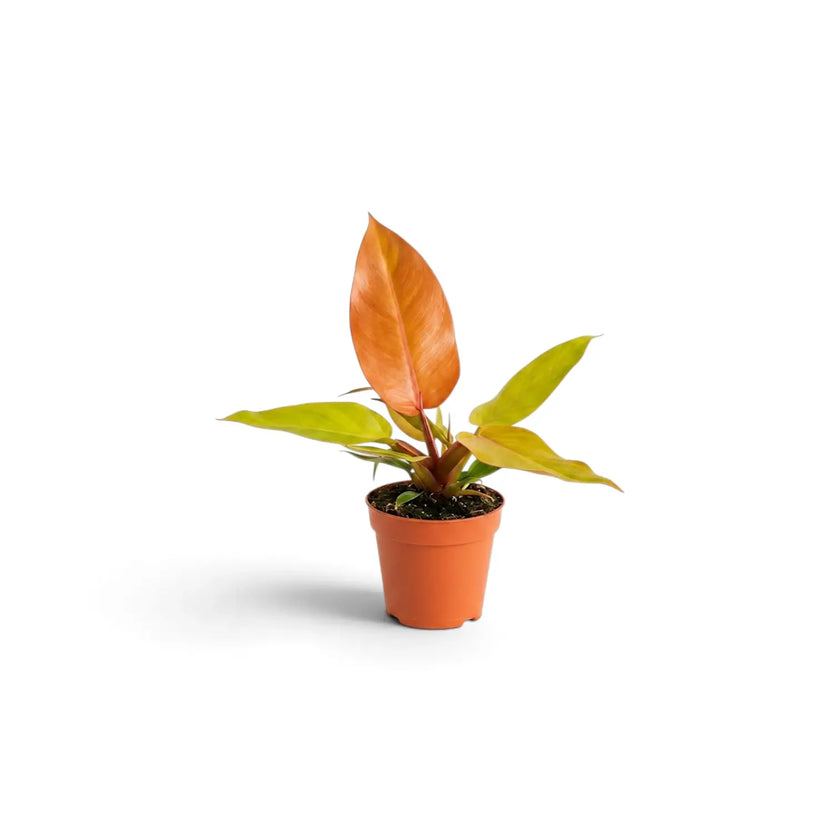
Philodendron ‘Prince of Orange’
Sale priceFrom €8,50
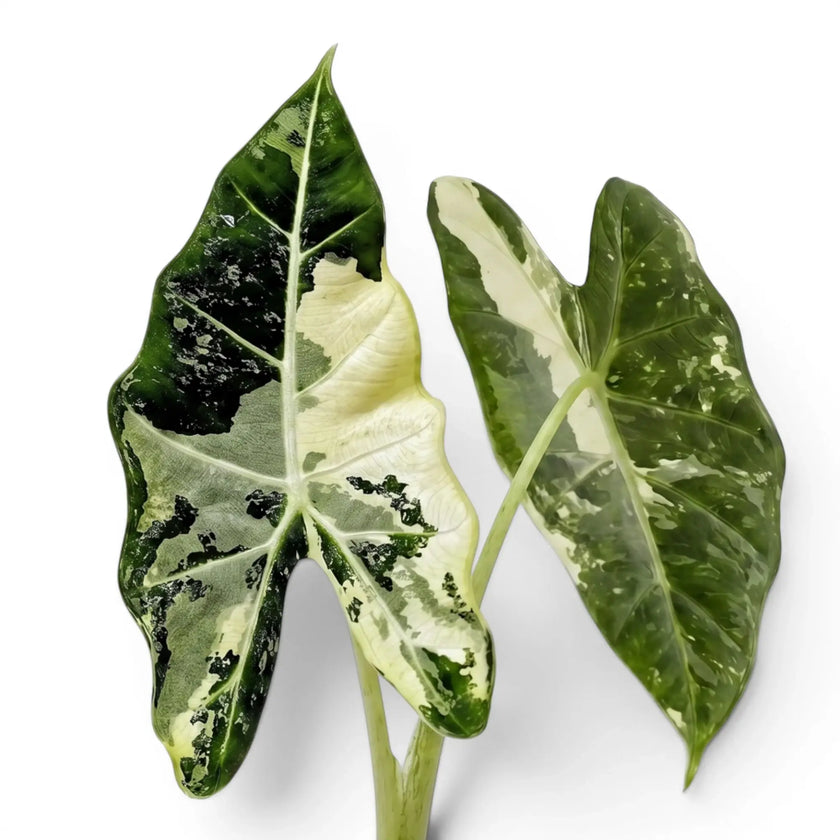
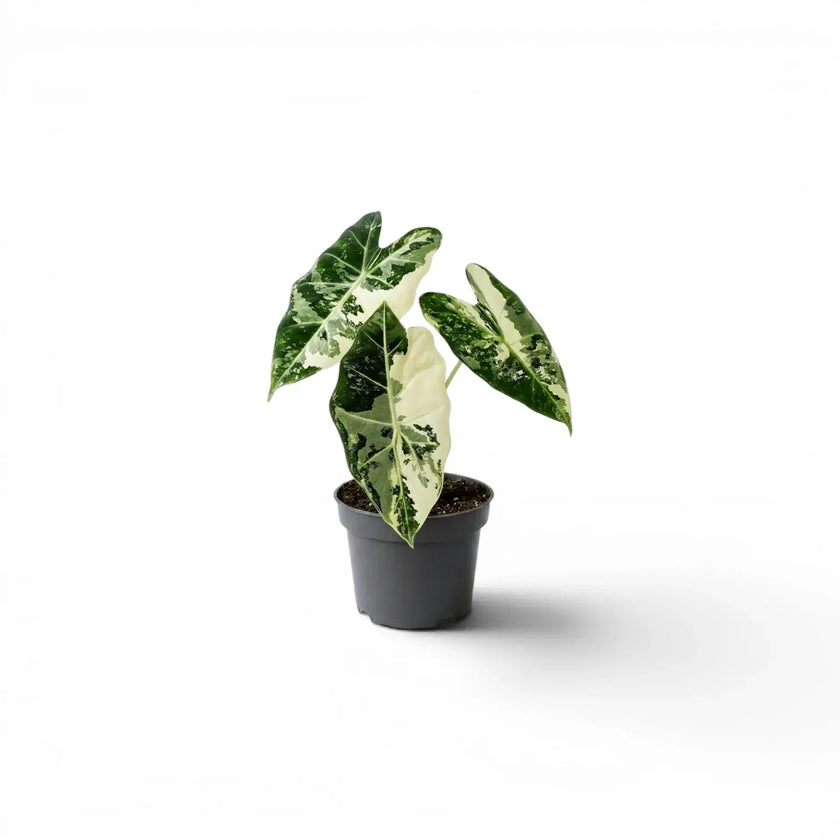
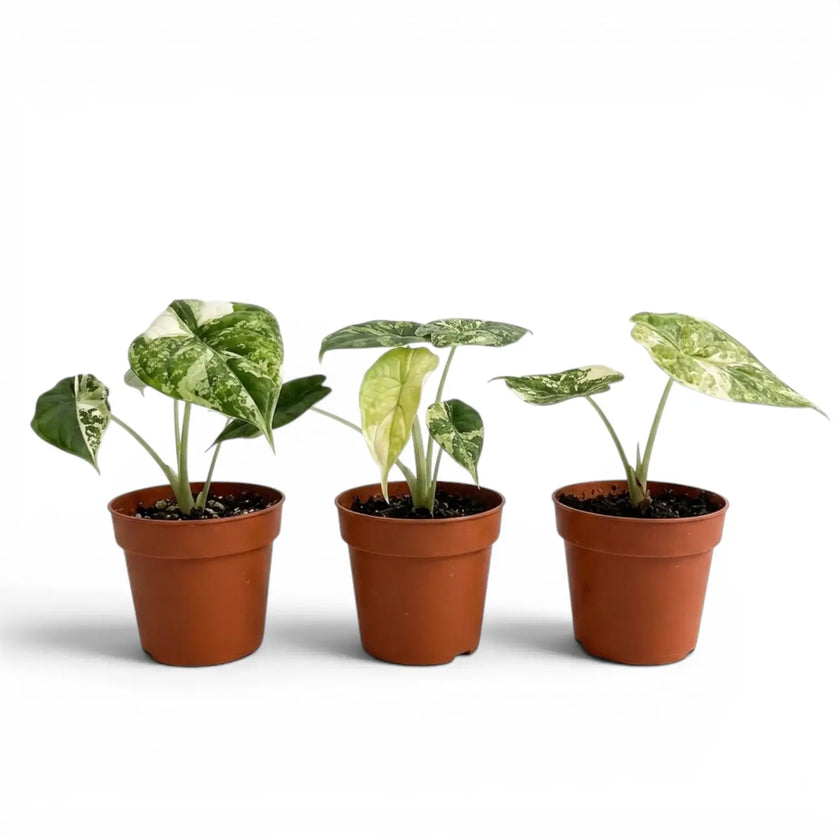
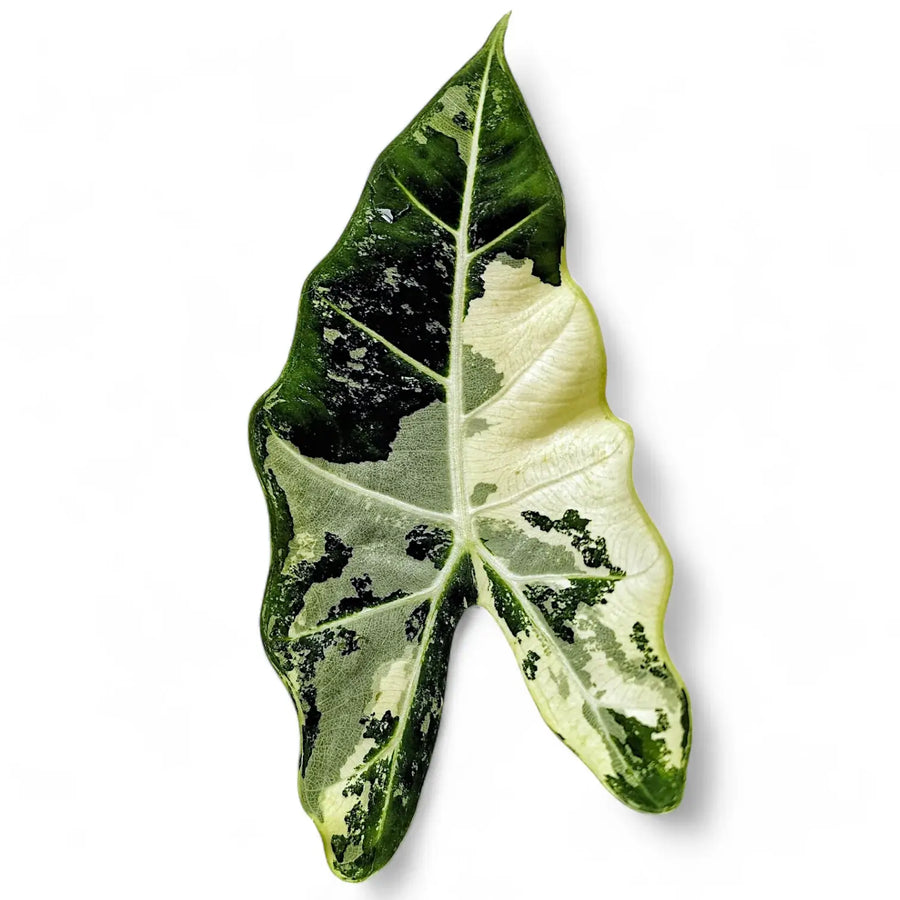
Alocasia ‘Frydek’ variegata
Sale priceFrom €19,75
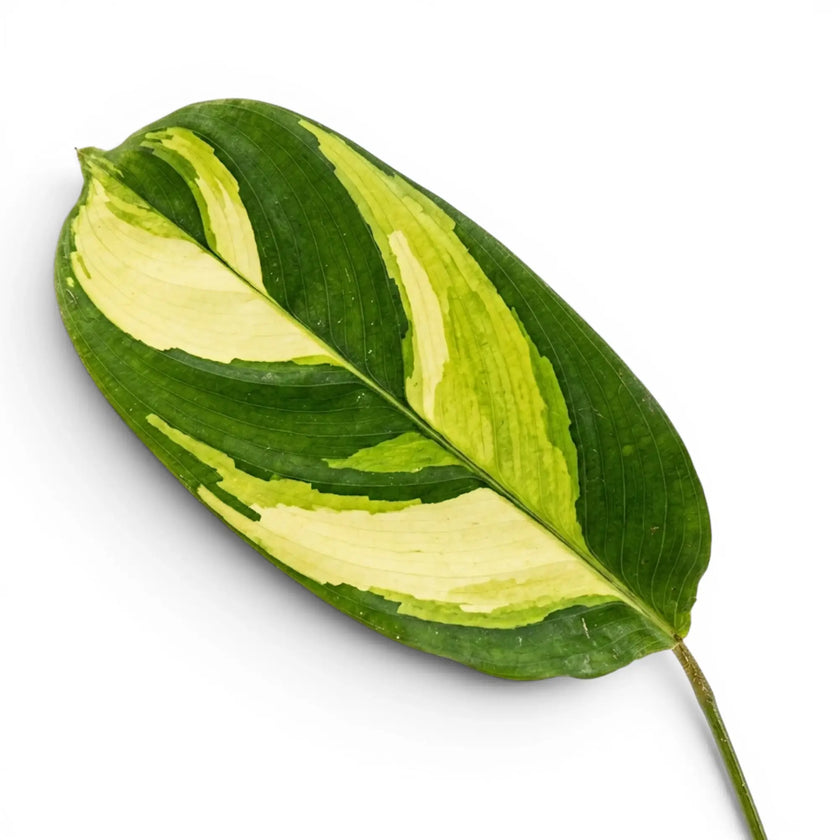
Ctenanthe lubbersiana 'Golden Mosaic'
Sale priceFrom €9,75
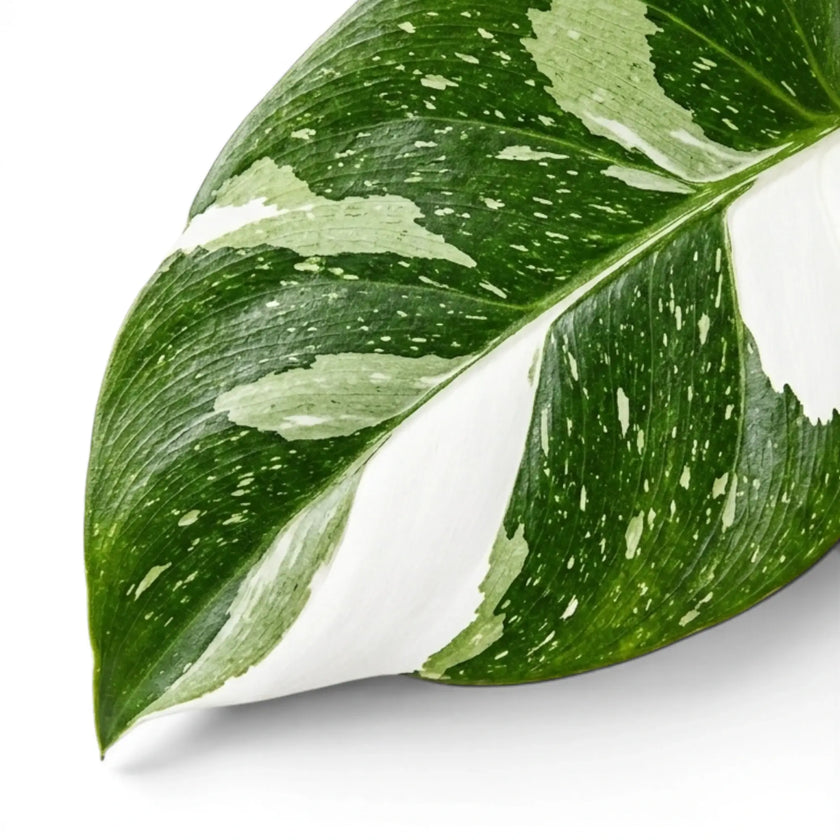
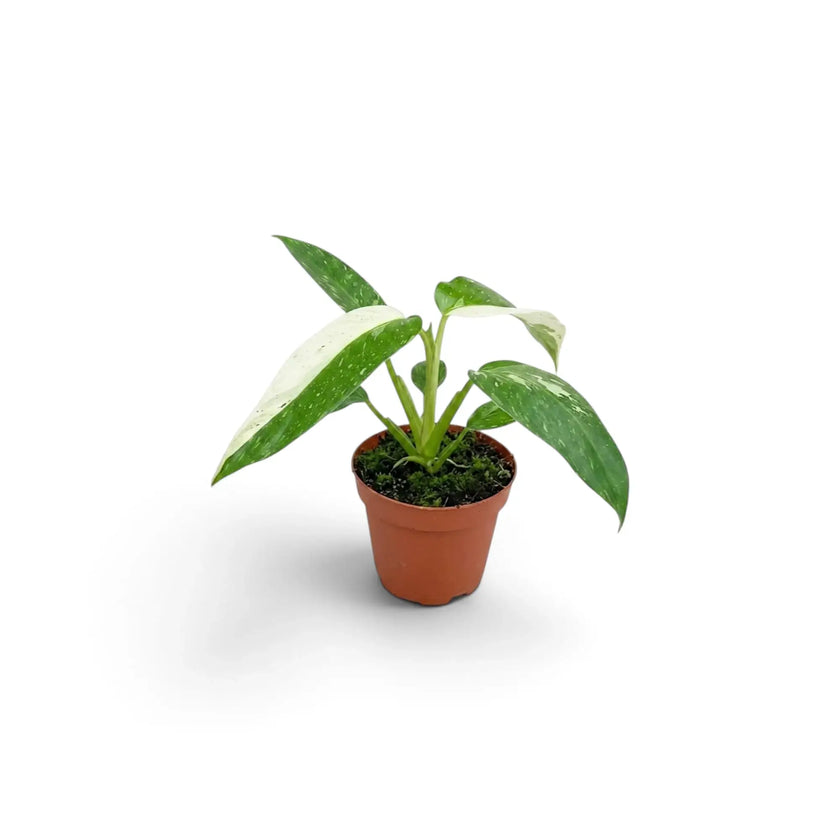
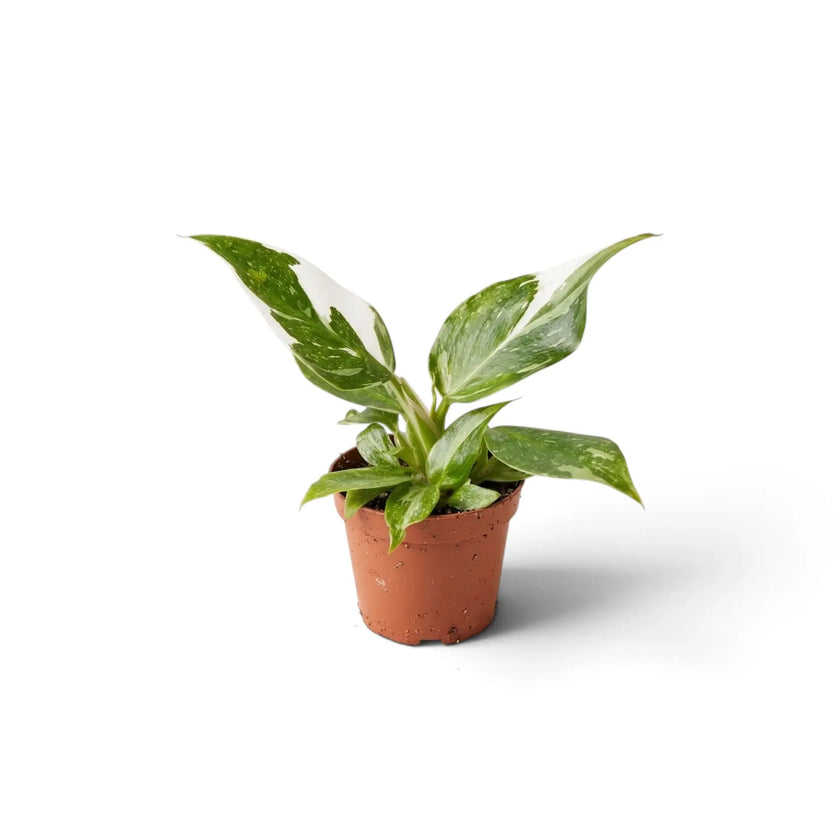
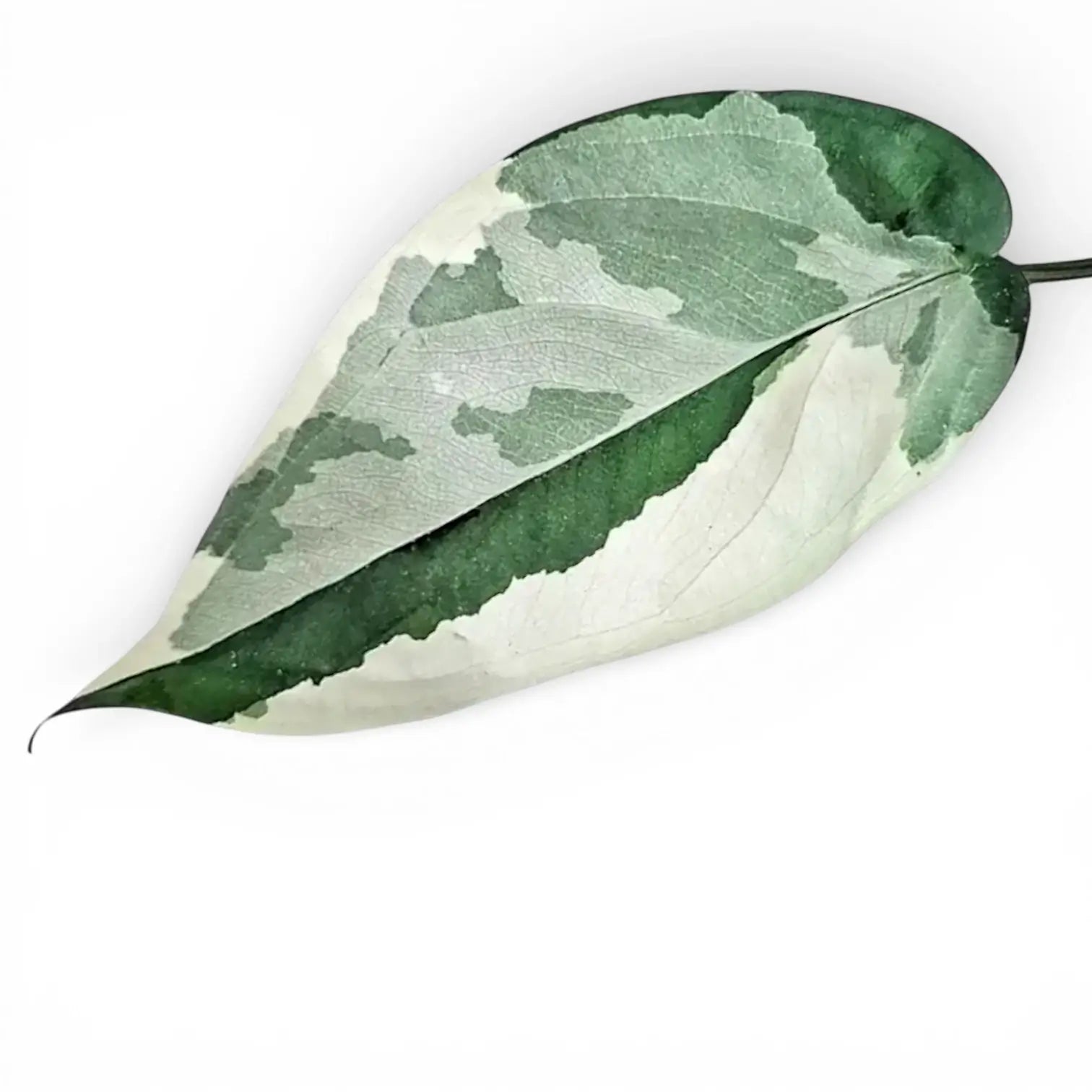
Philodendron ‘White Wizard’
Sale priceFrom €9,75
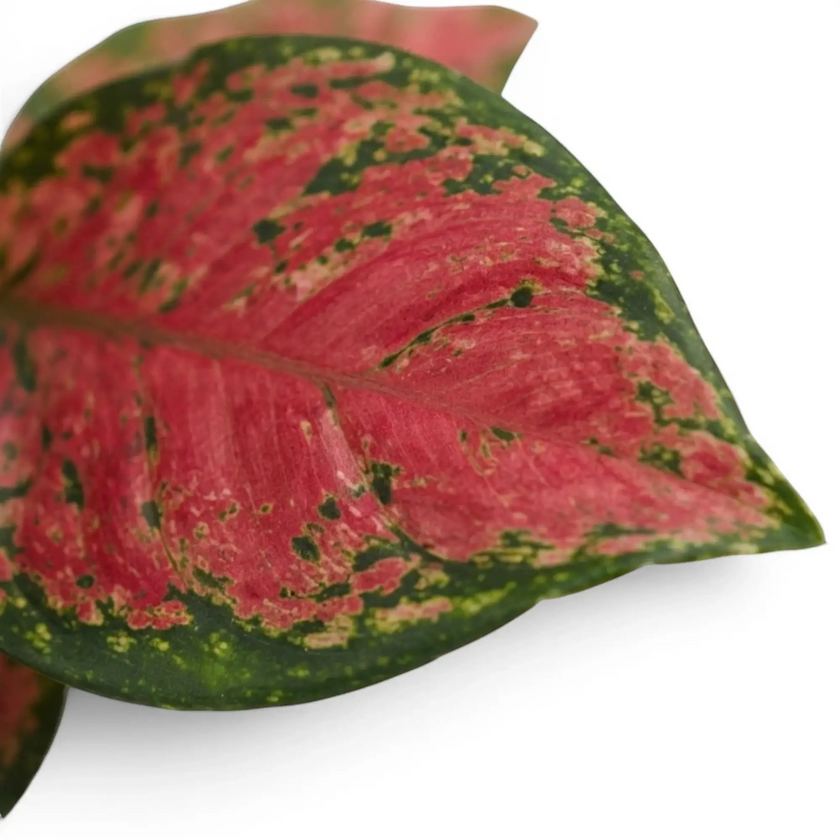
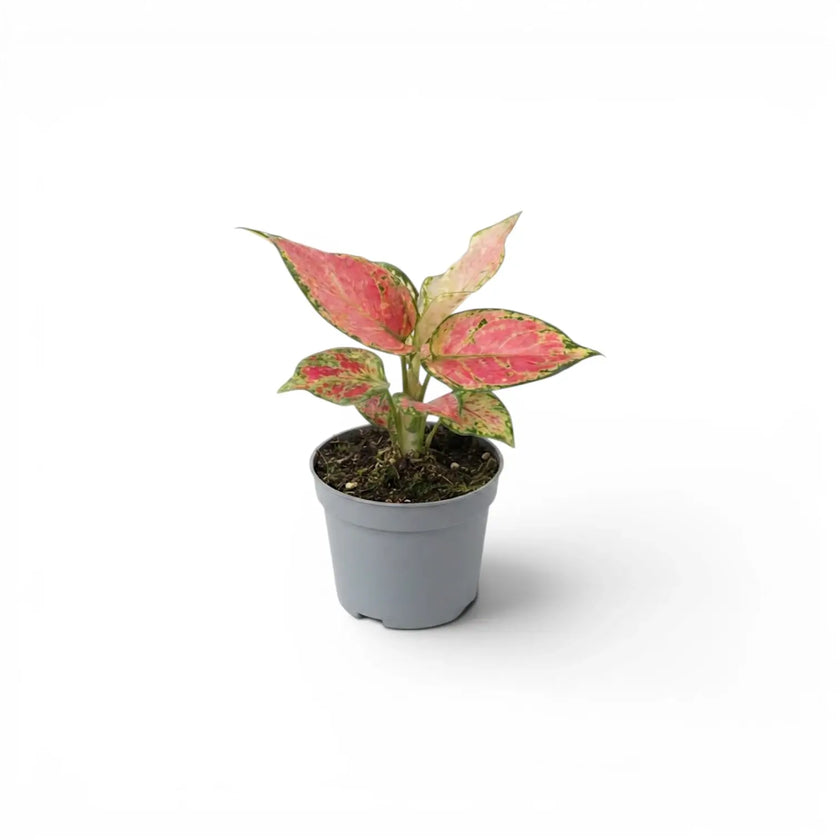
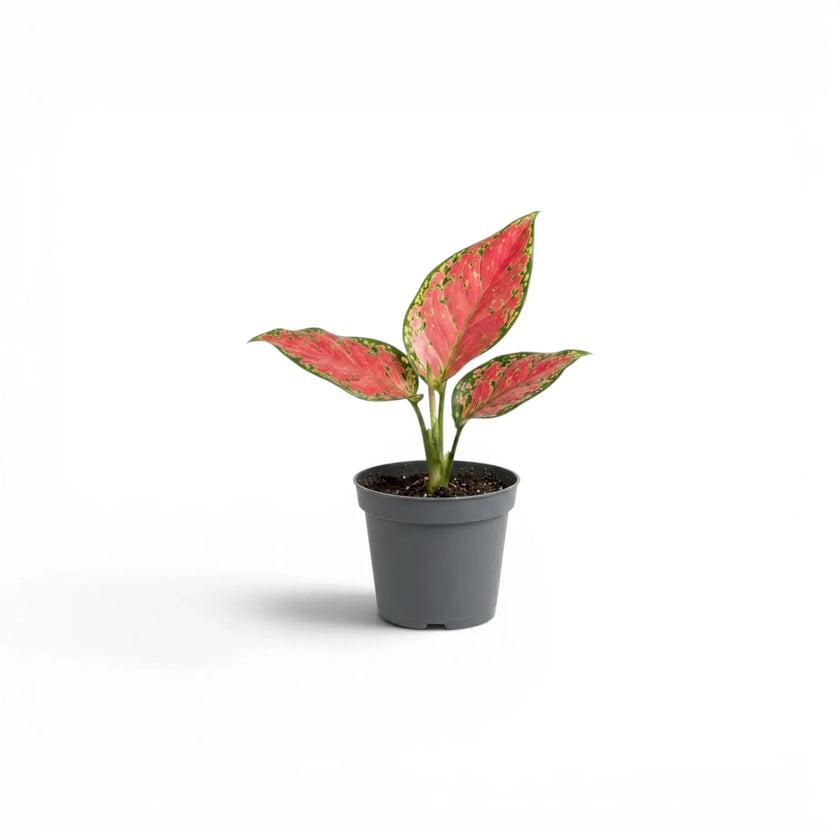
Aglaonema 'Red Zircon'
Sale price€12,00
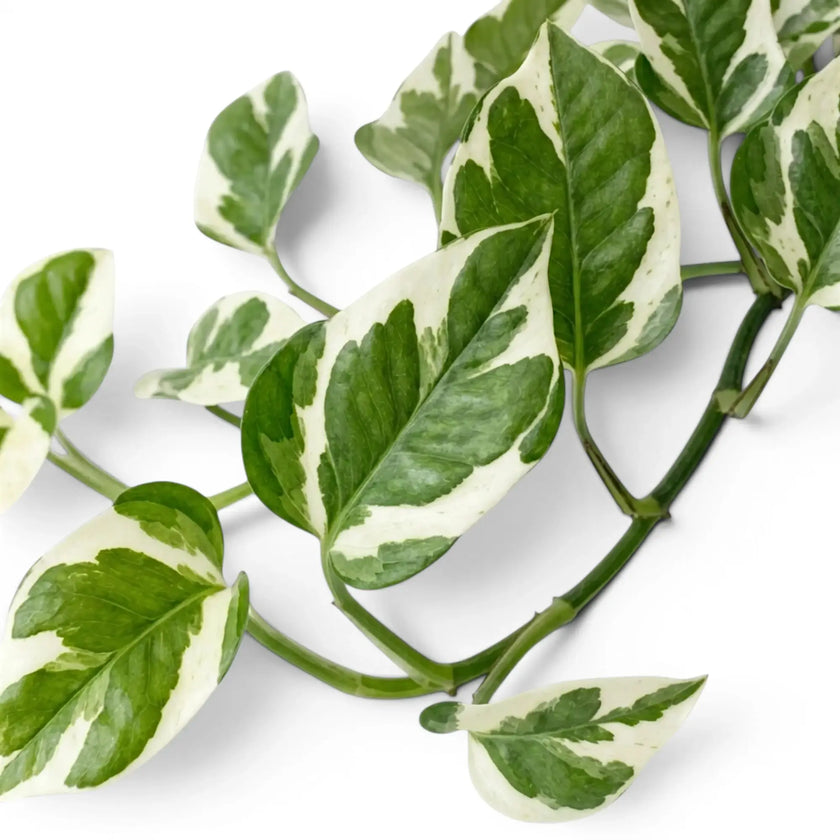
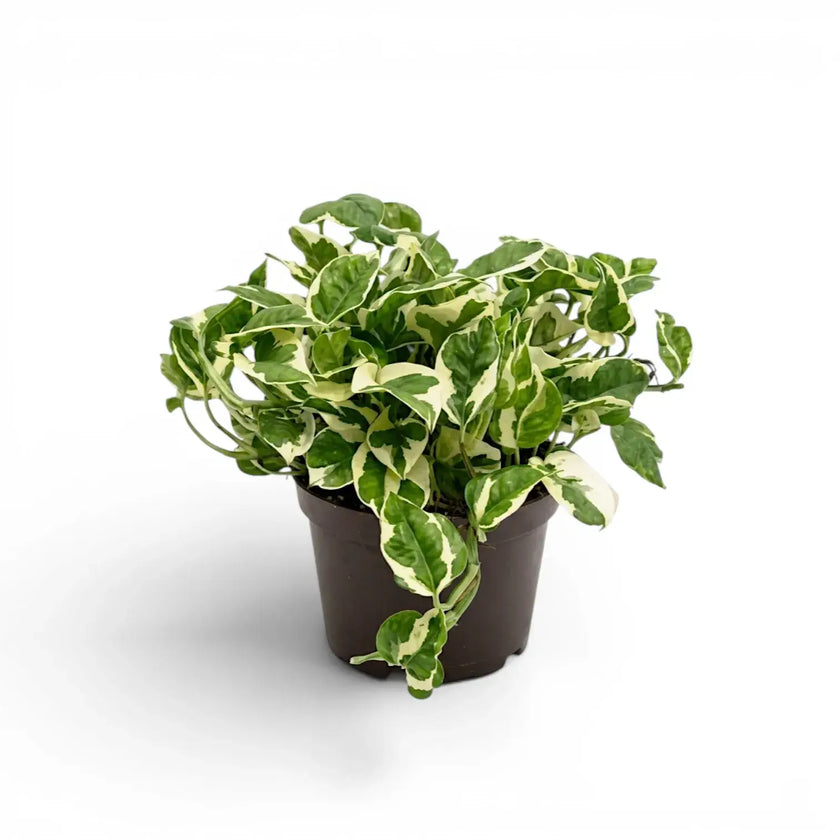
Epipremnum aureum 'N'Joy'
Sale priceFrom €9,25
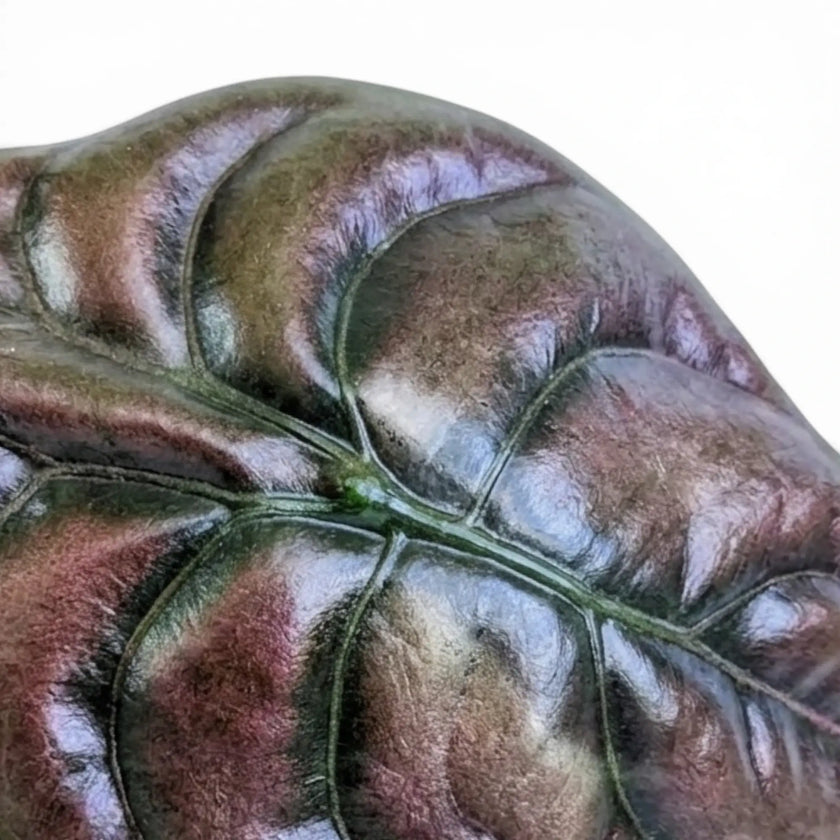
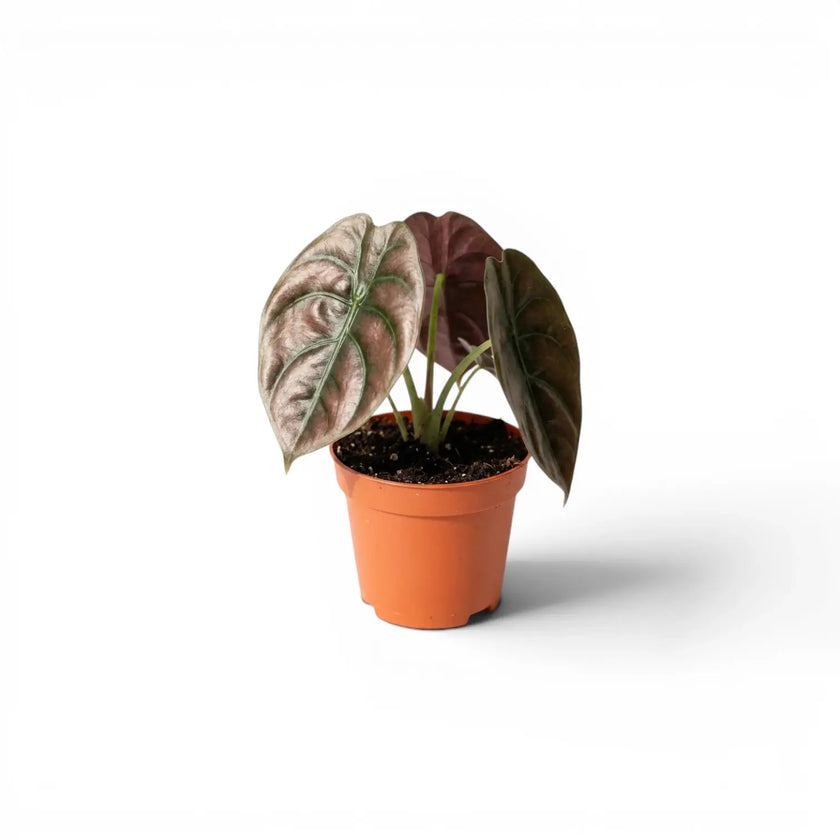
Alocasia cuprea ‘Red Secret’
Sale priceFrom €8,50
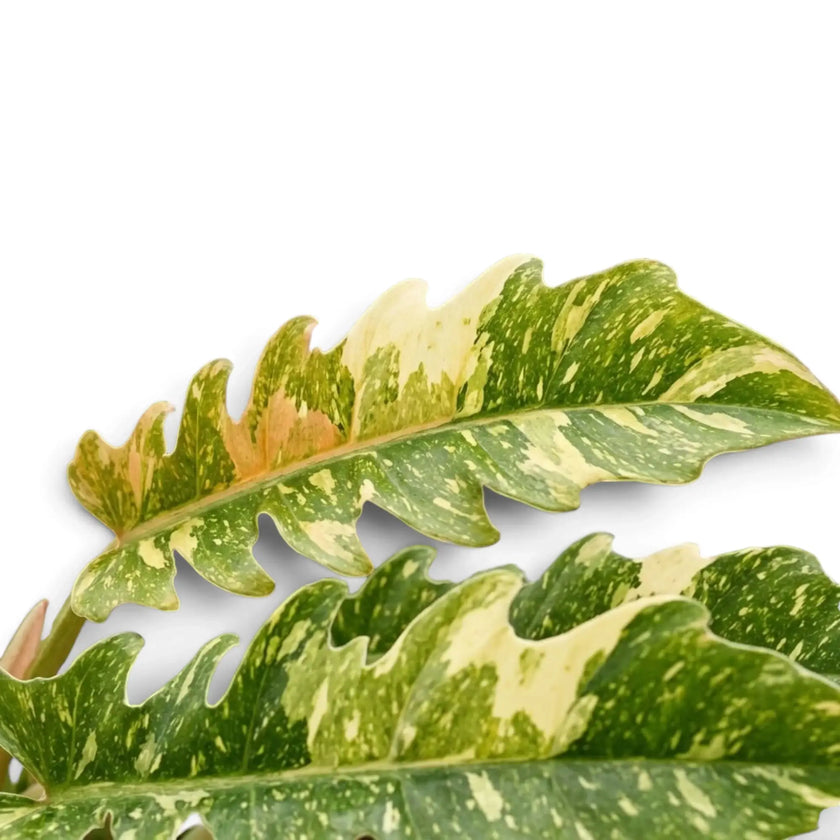
Philodendron ‘Ring of Fire’
Sale priceFrom €10,75

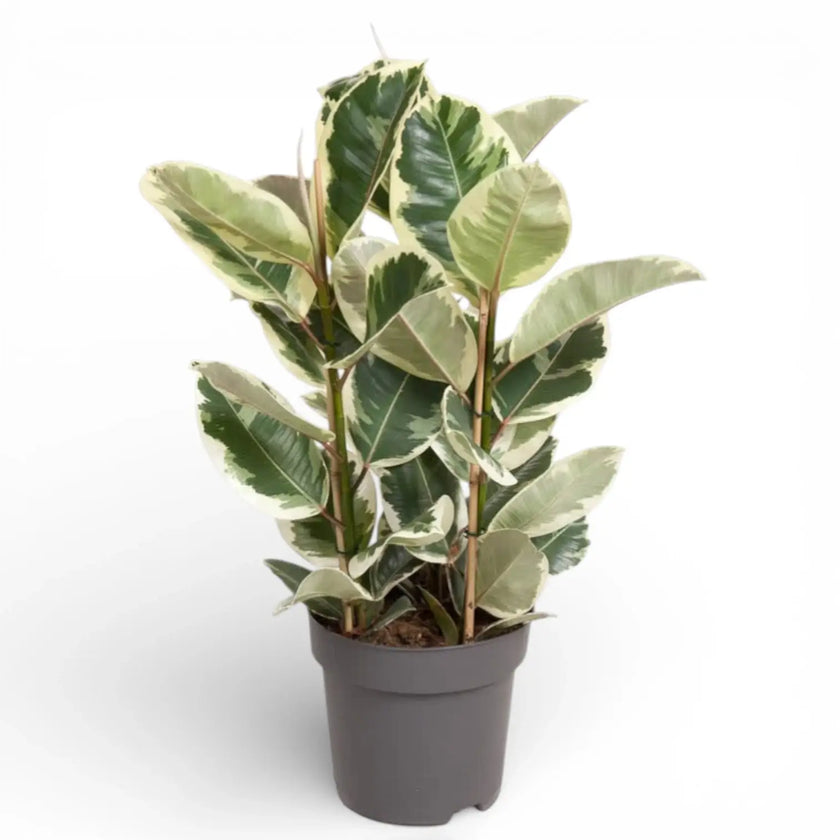
Ficus elastica ‘Tineke’
Sale priceFrom €8,50
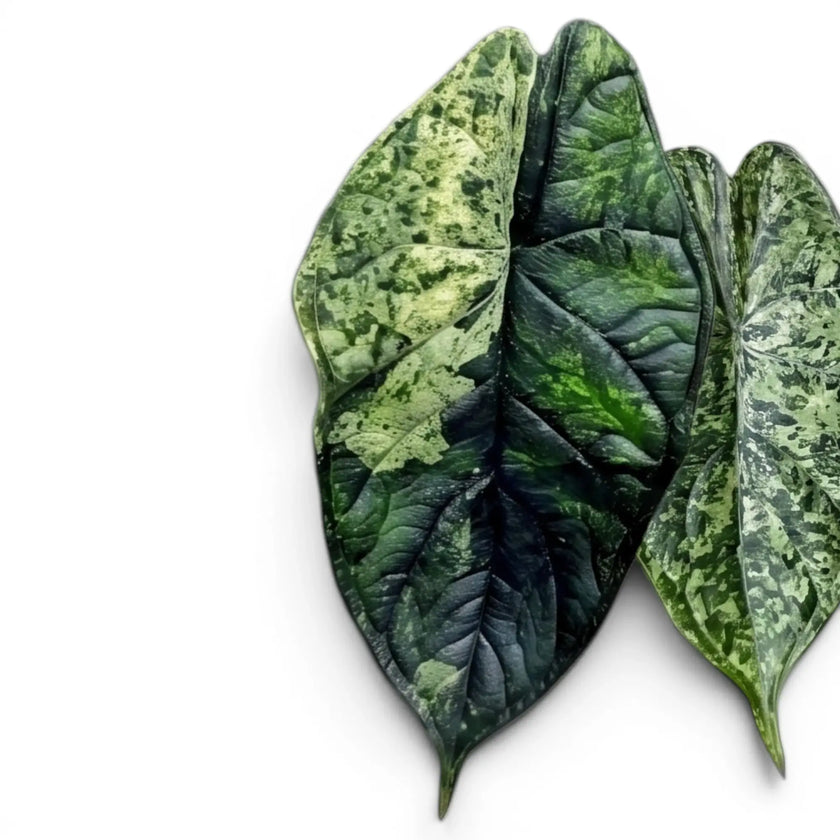
Alocasia baginda ‘Dragon Scale’ Mint Variegata
Sale priceFrom €39,75
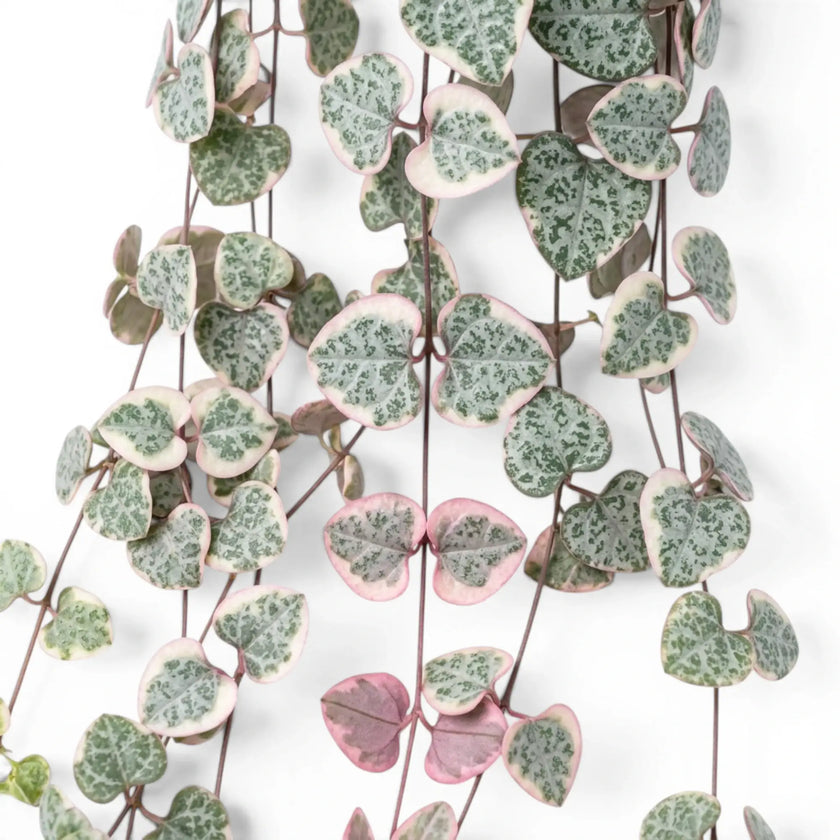
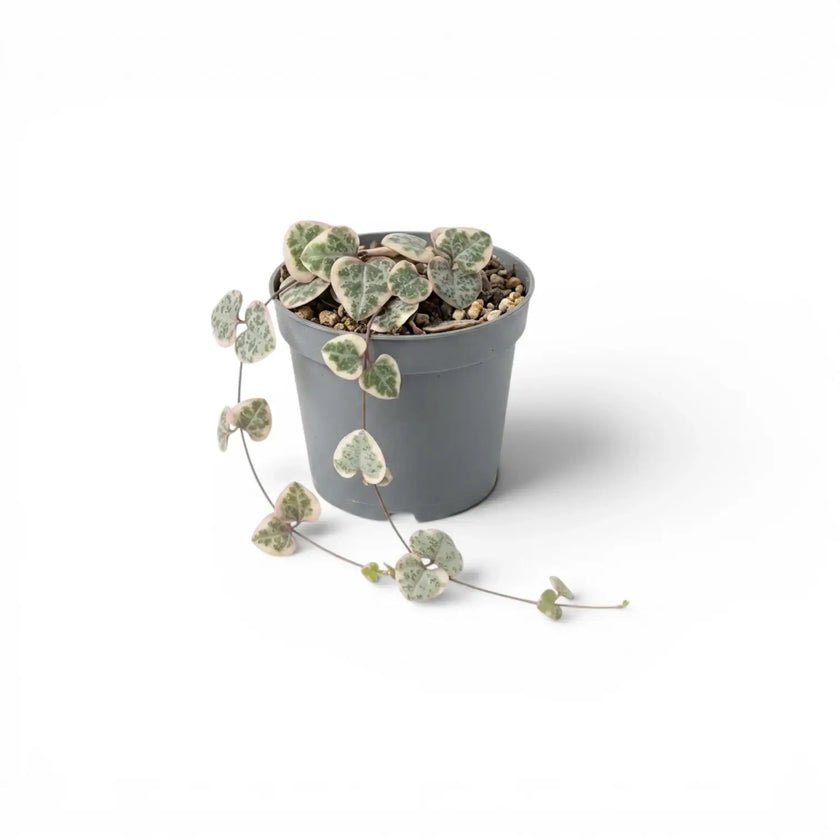
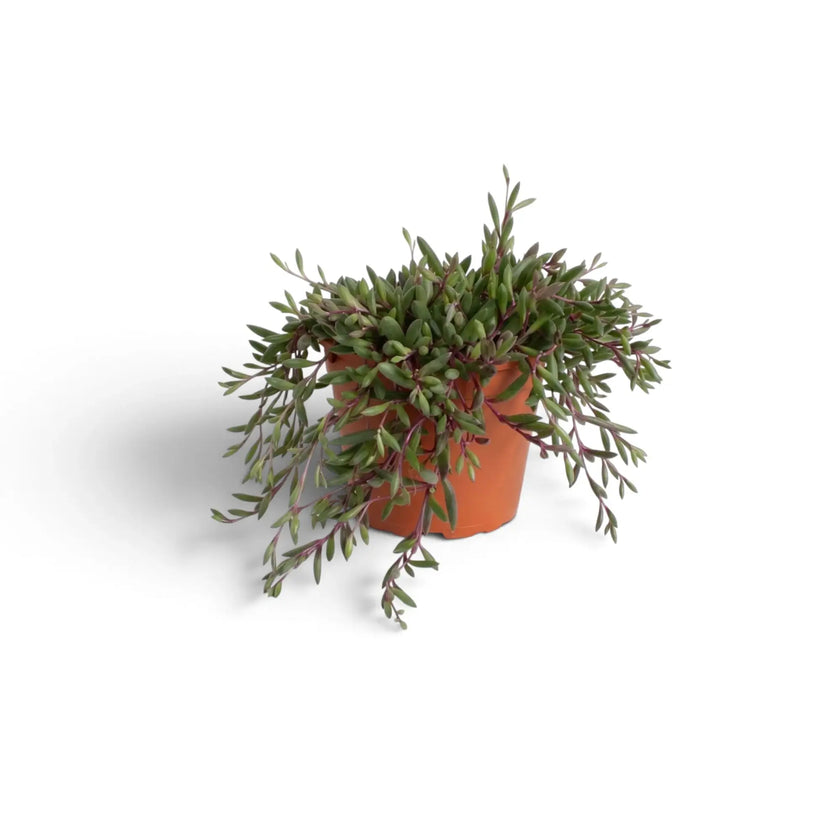
Ceropegia woodii variegata
Sale priceFrom €10,75
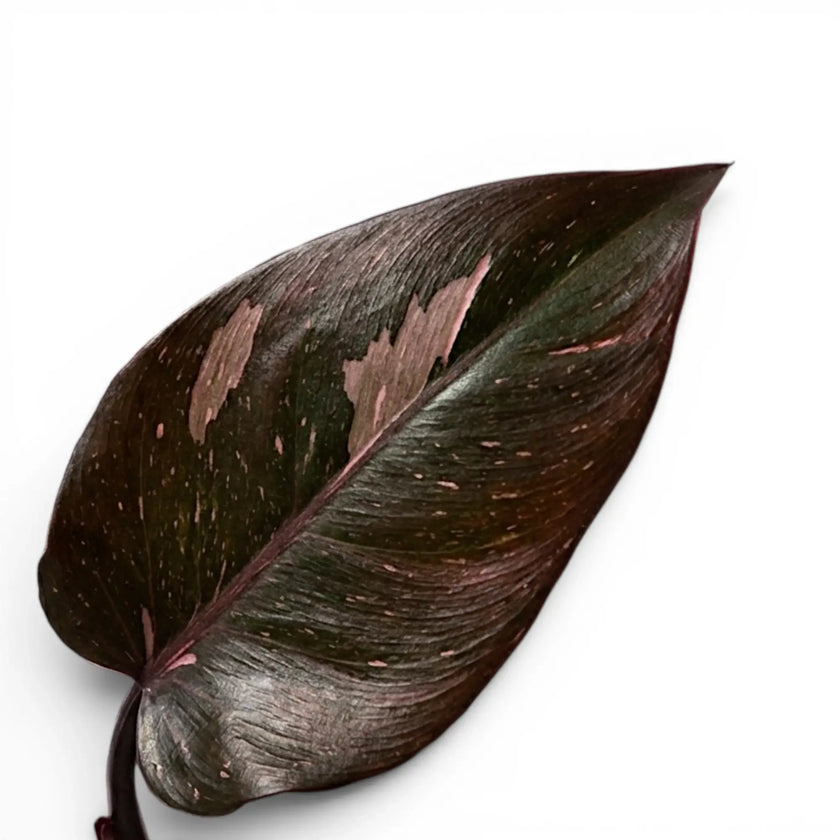
Philodendron ‘Burgundy Princess’
Sale price€9,75
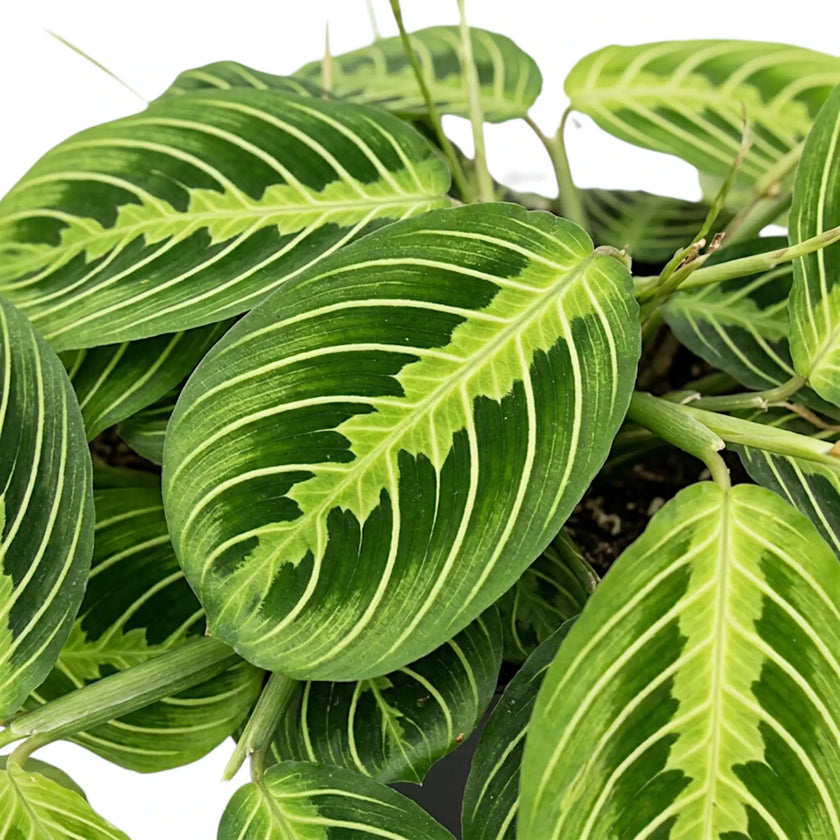
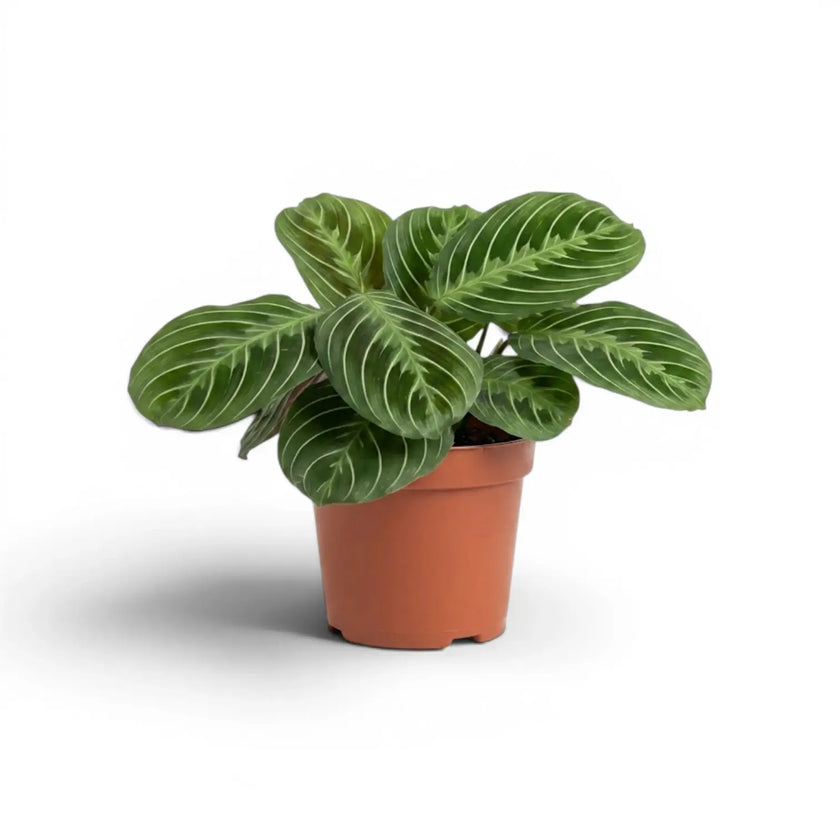
Maranta leuconeura 'Lemon Lime'
Sale price€10,75

Maranta leuconeura 'Silver Band' ('Exclusive Grey')
Sale price€15,00

Monstera deliciosa 'Bulbasaur'
Sale price€29,95
Regular price€103,95
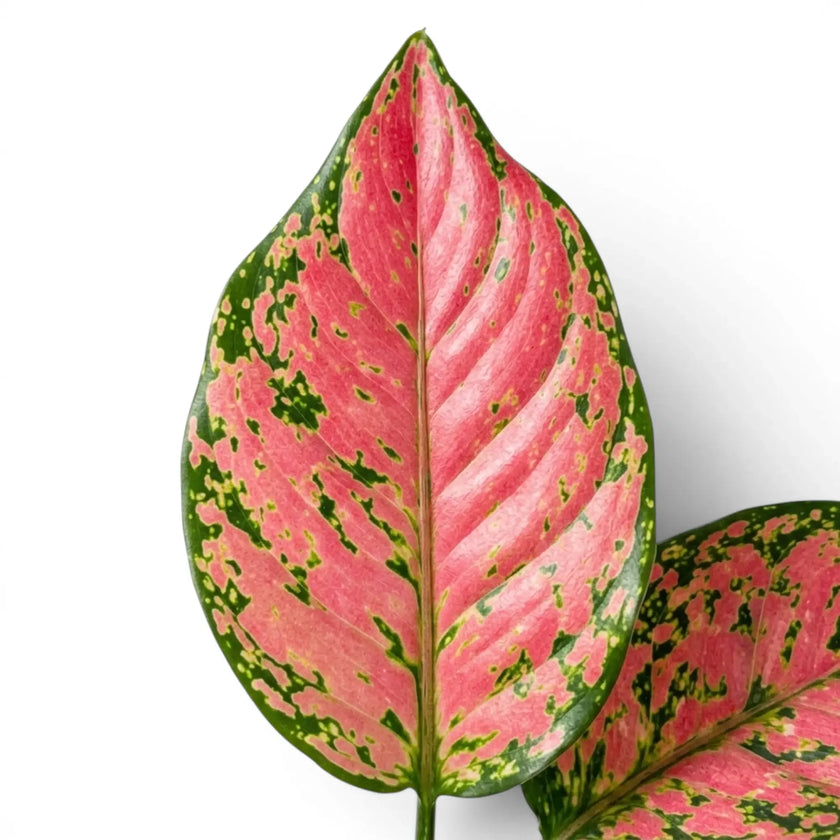
Aglaonema 'Red Valentine'
Sale price€9,75
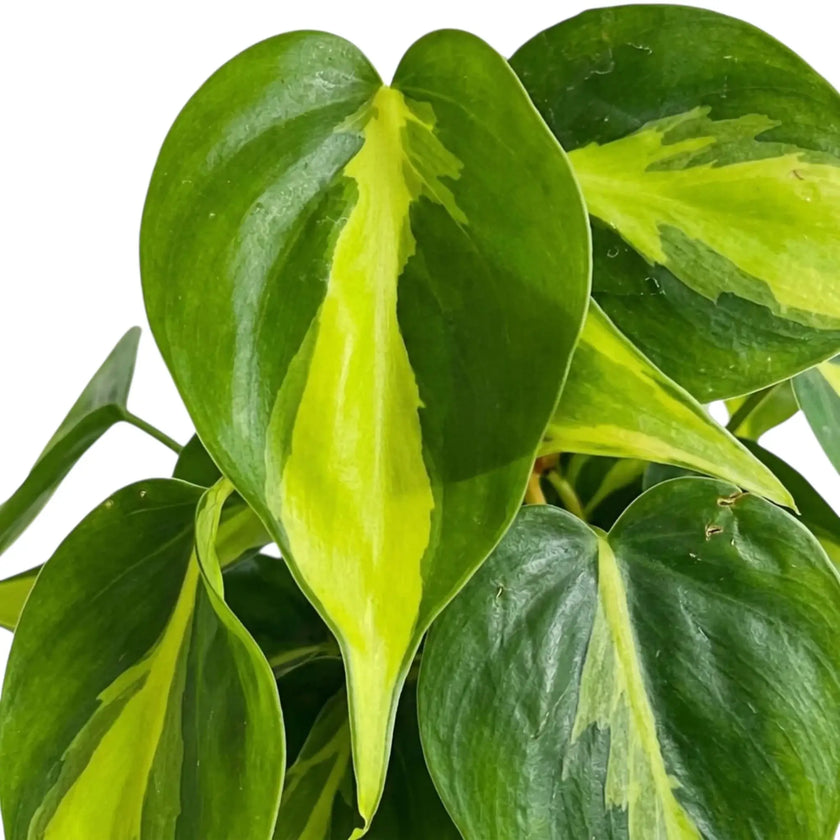
Philodendron hederaceum var. oxycardium ‘Brasil’
Sale priceFrom €8,50
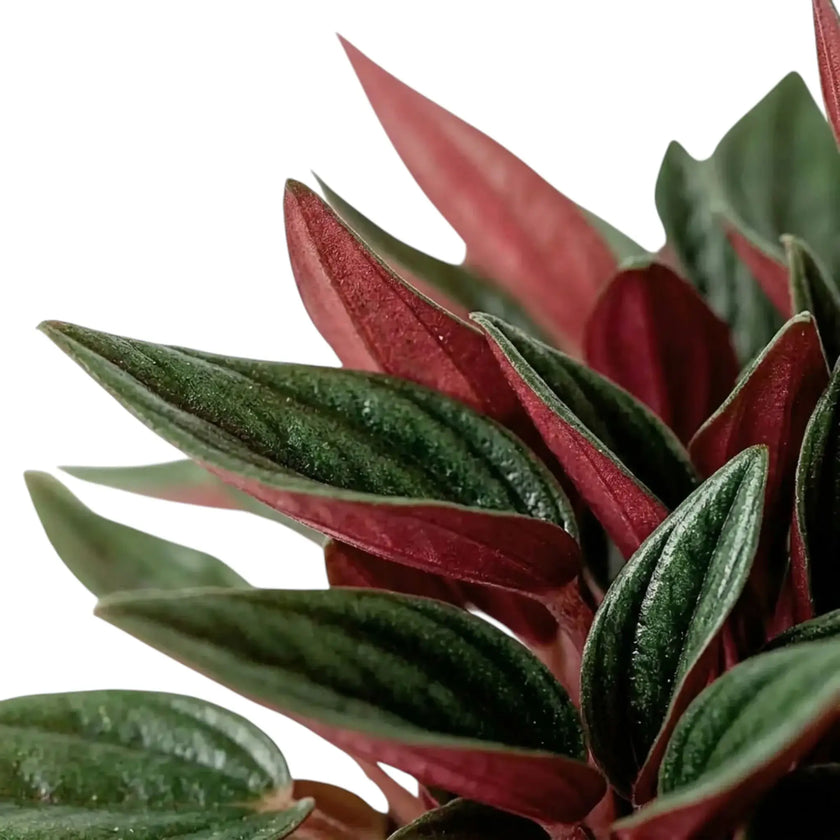
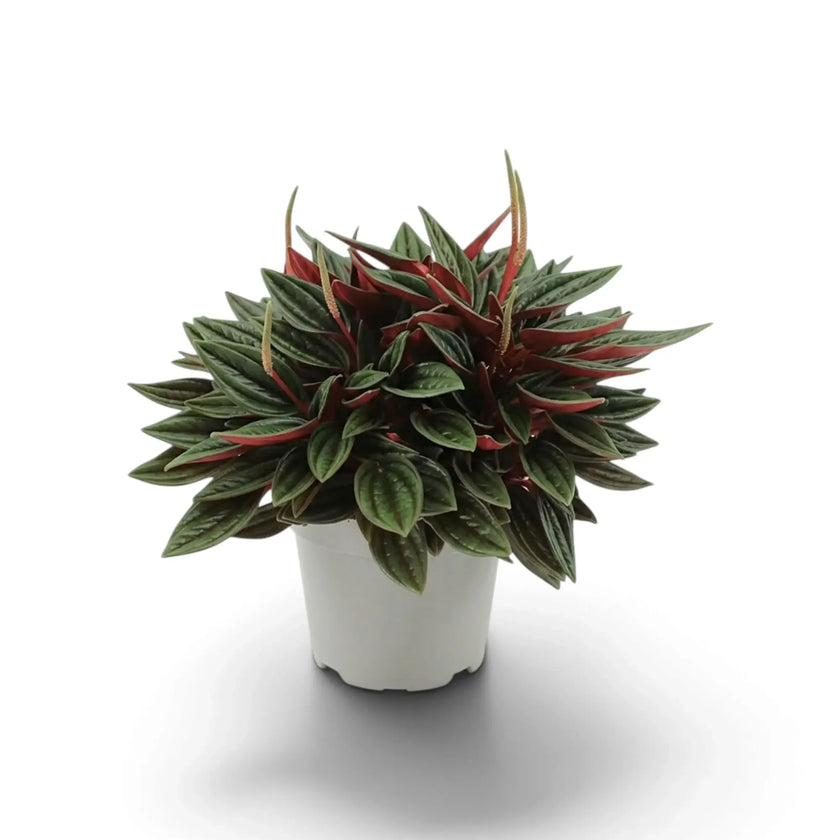
Peperomia ‘Eden Rosso’
Sale priceFrom €8,50
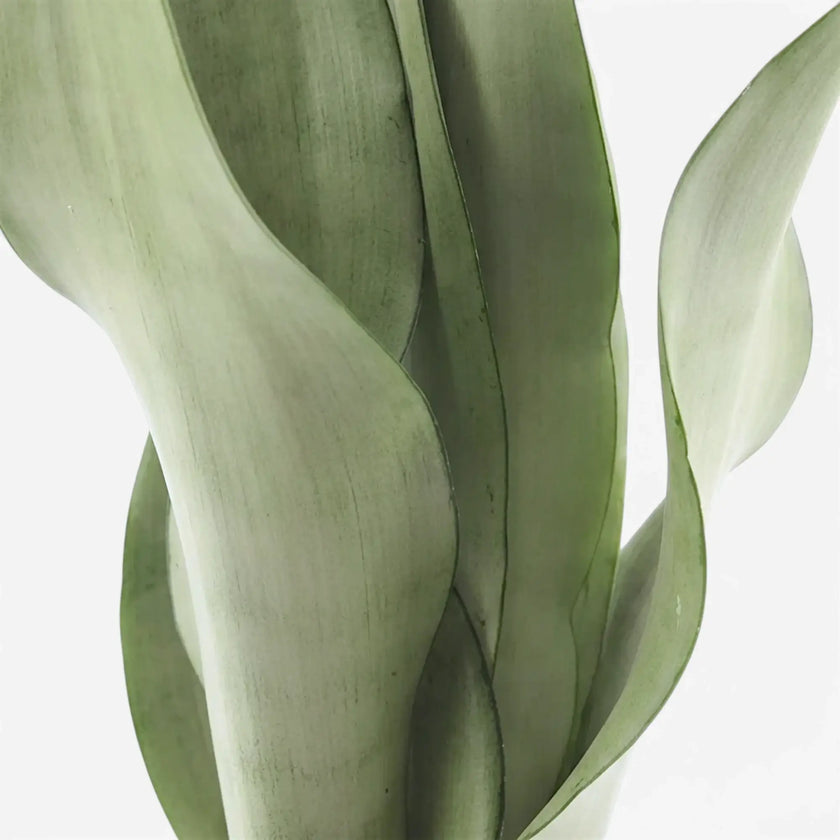
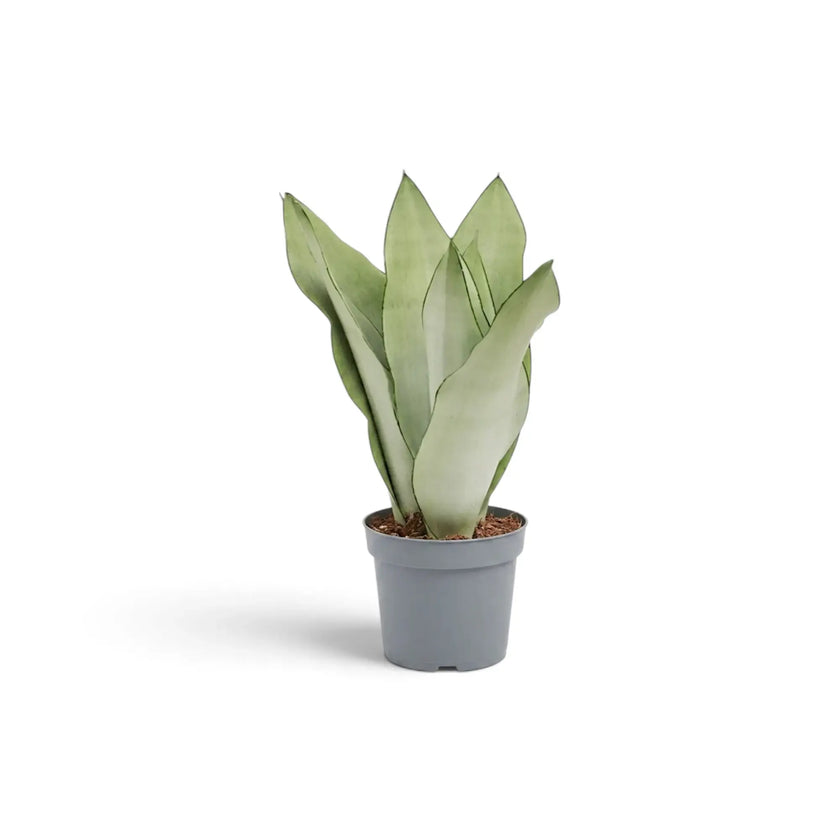
Dracaena trifasciata ‘Moonshine’
Sale priceFrom €12,00

Philodendron ‘White Princess’
Sale priceFrom €8,50
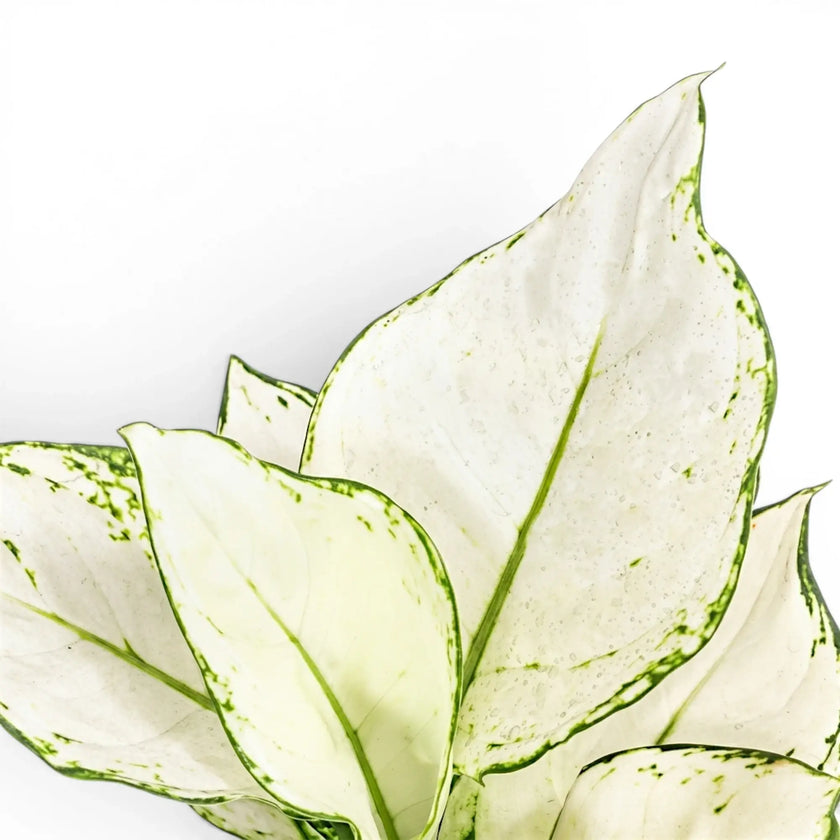
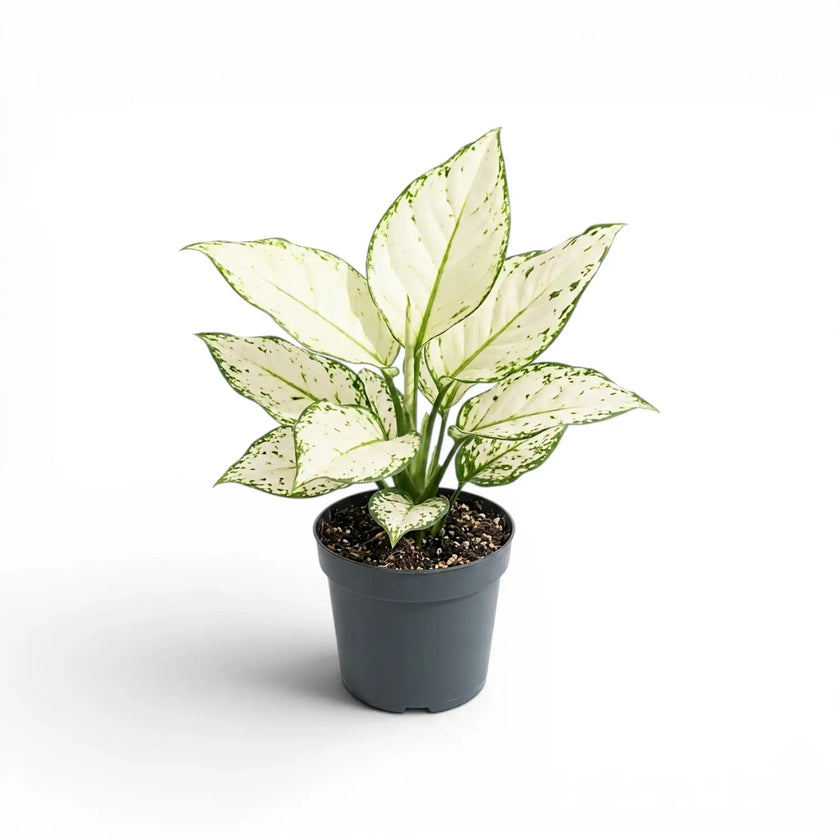
Aglaonema 'White joy'
Sale price€18,00
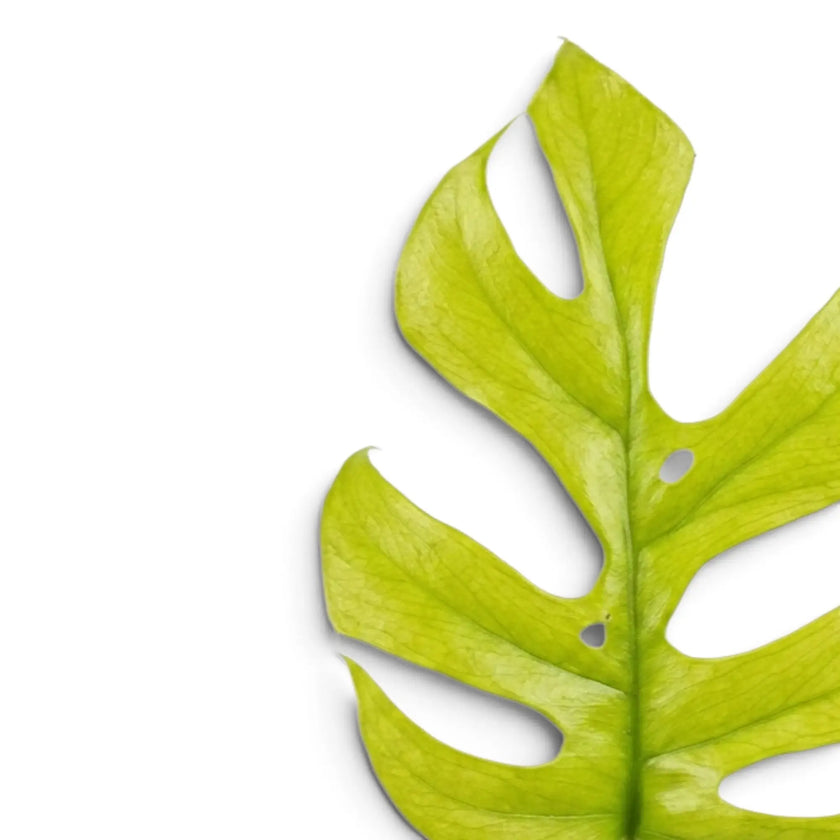
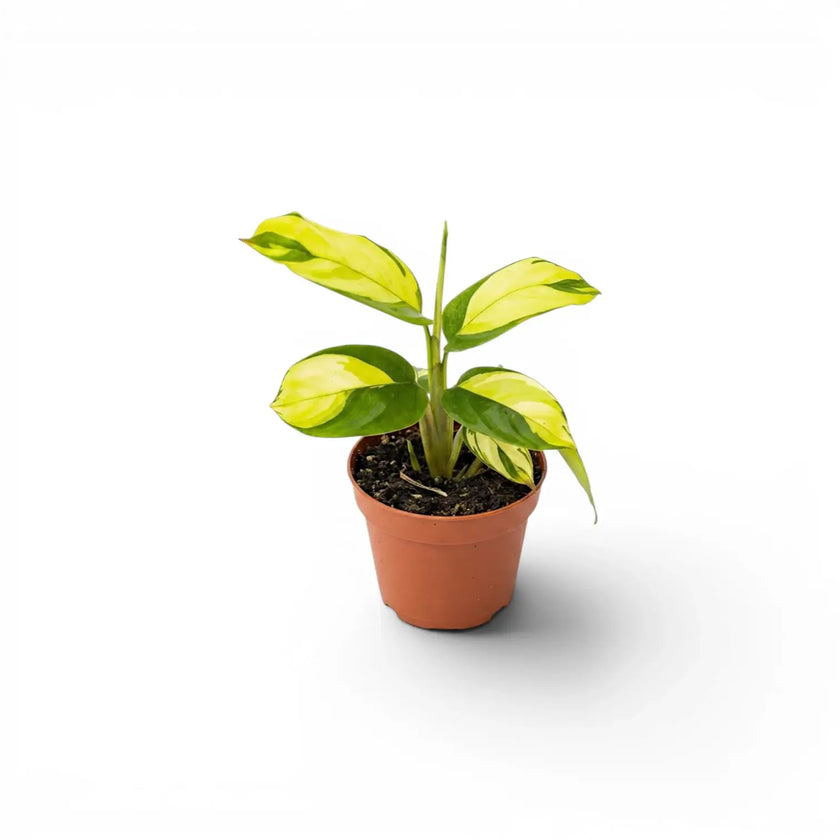
Rhaphidophora tetrasperma 'Goldrush'
Sale price€10,75

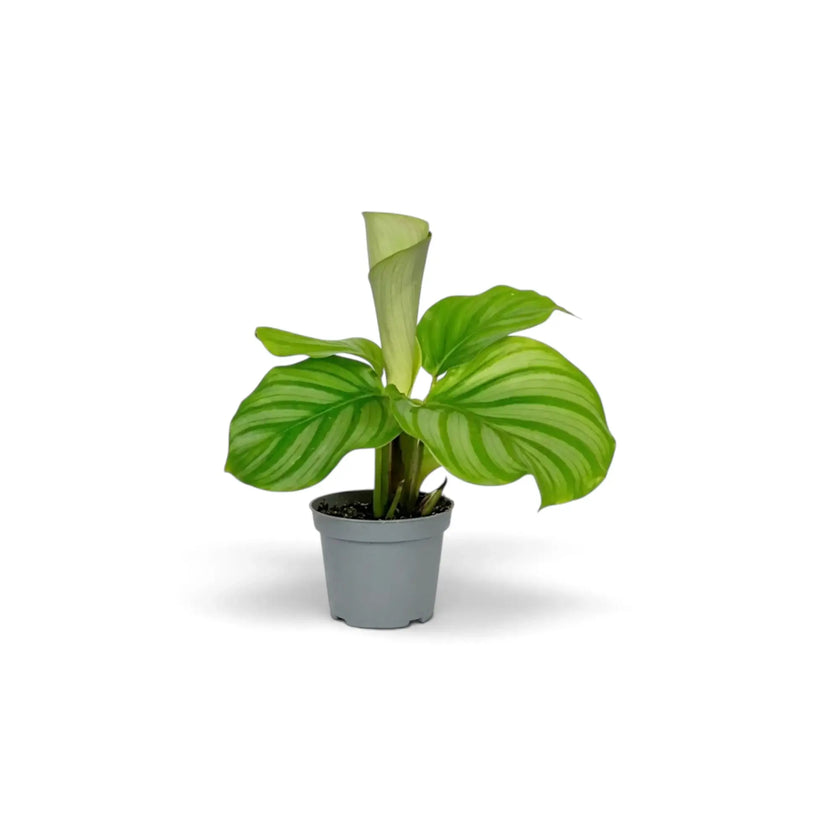
Goeppertia orbifolia
Sale priceFrom €9,75
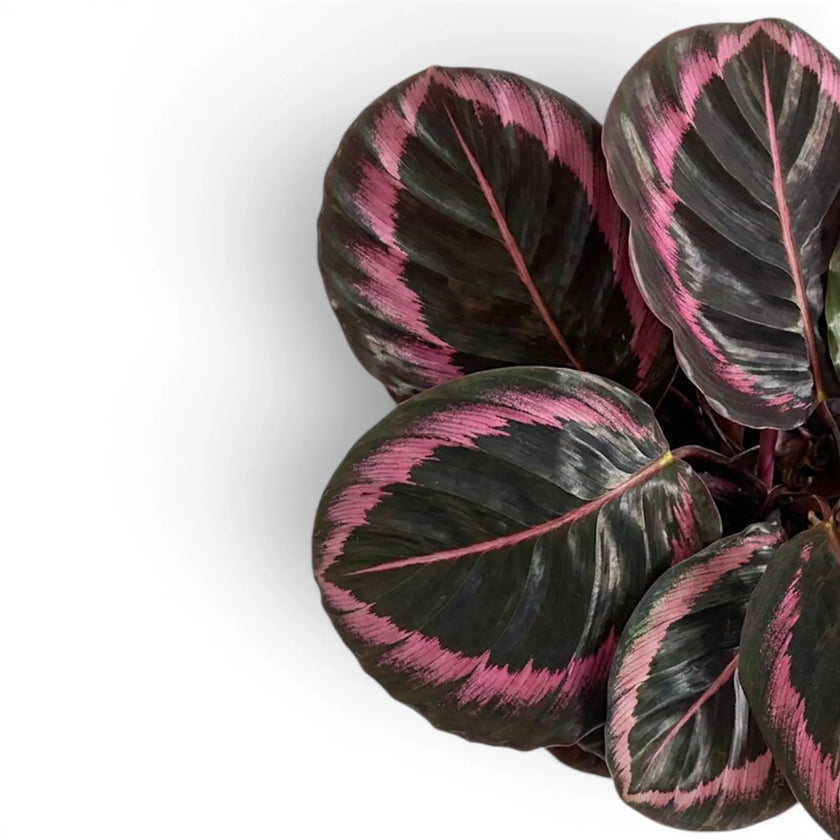
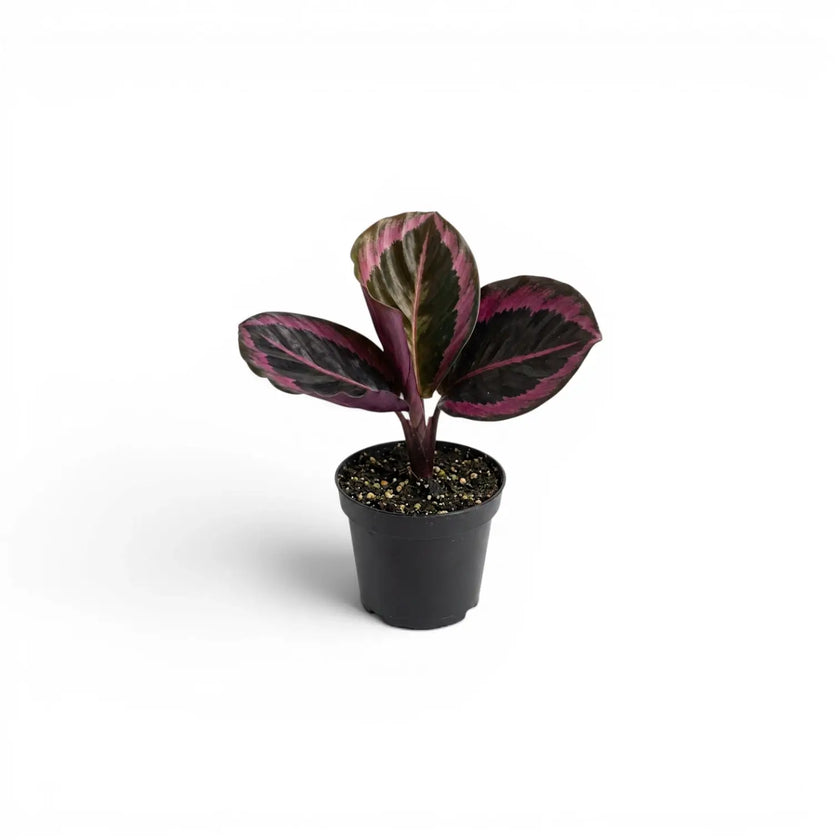
Goeppertia roseopicta ‘Princess Jessie’
Sale priceFrom €9,25
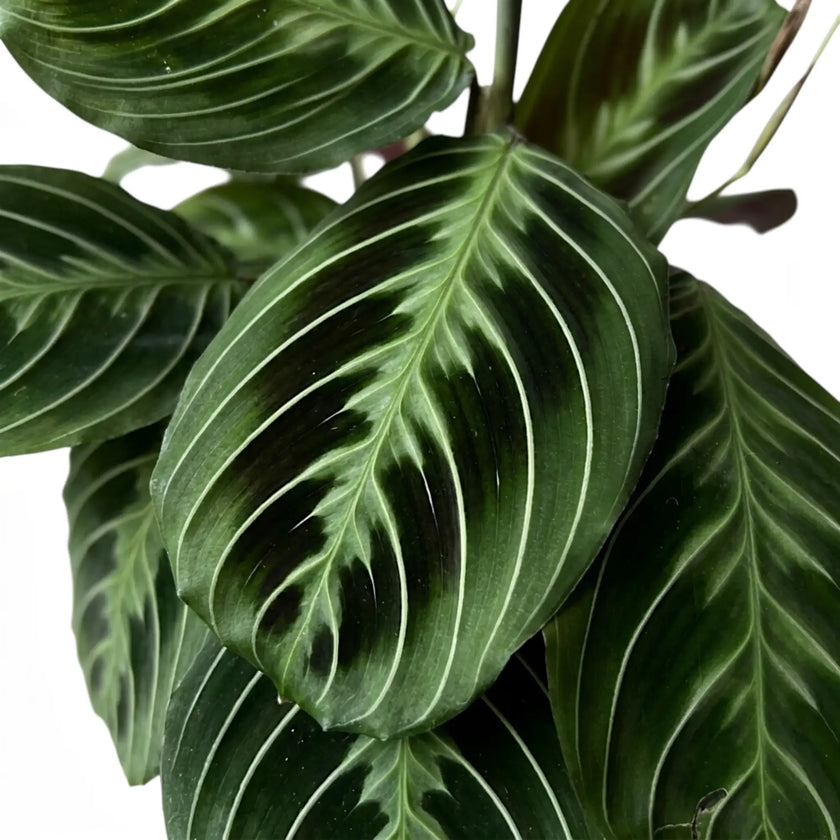
Maranta leuconeura 'Exclusive Dark' / Cat Moustache
Sale price€12,00
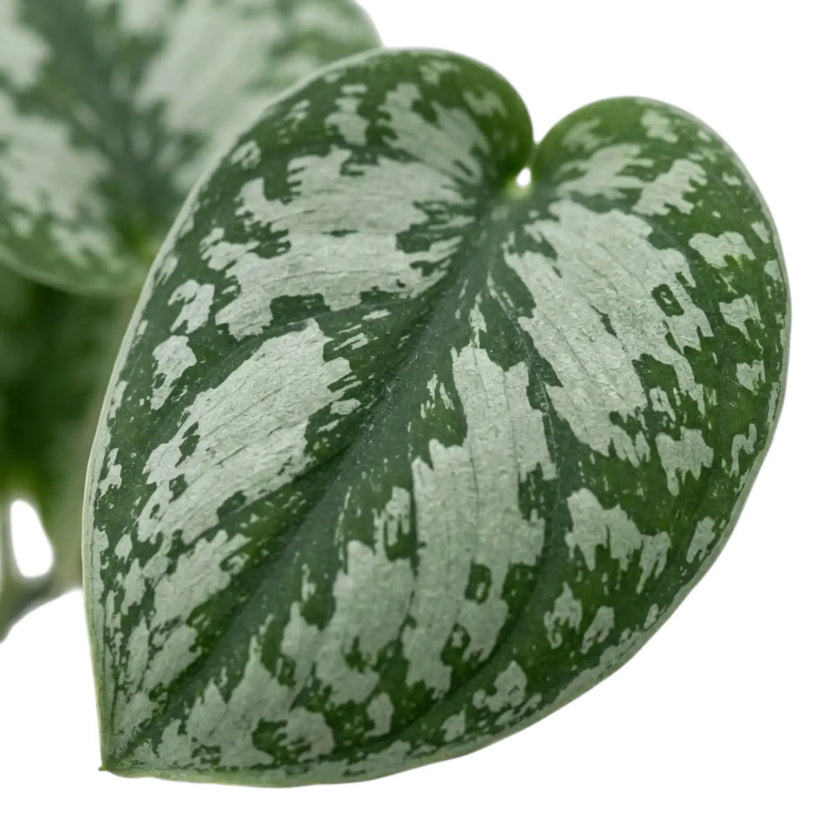
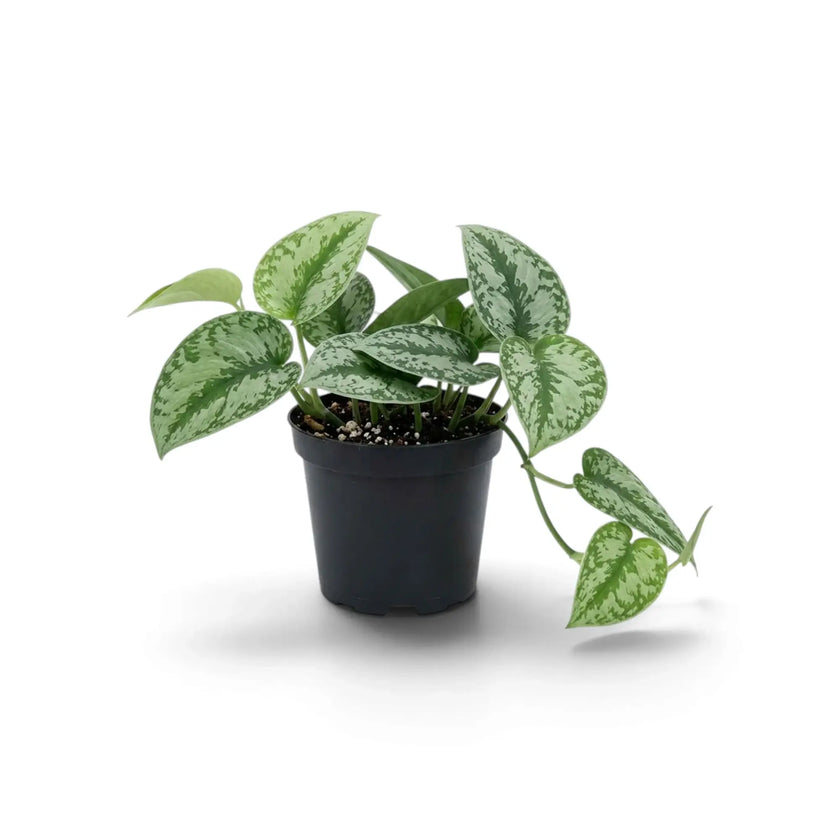
Scindapsus pictus 'Exotica'
Sale price€10,75

Dracaena trifasciata ‘Black Coral’
Sale price€13,25
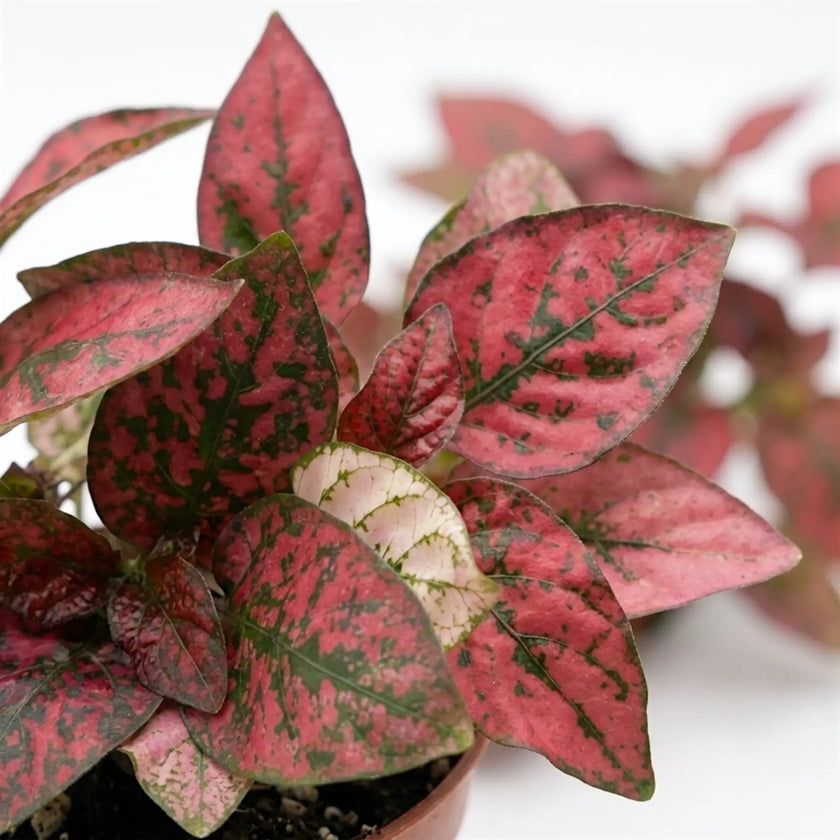
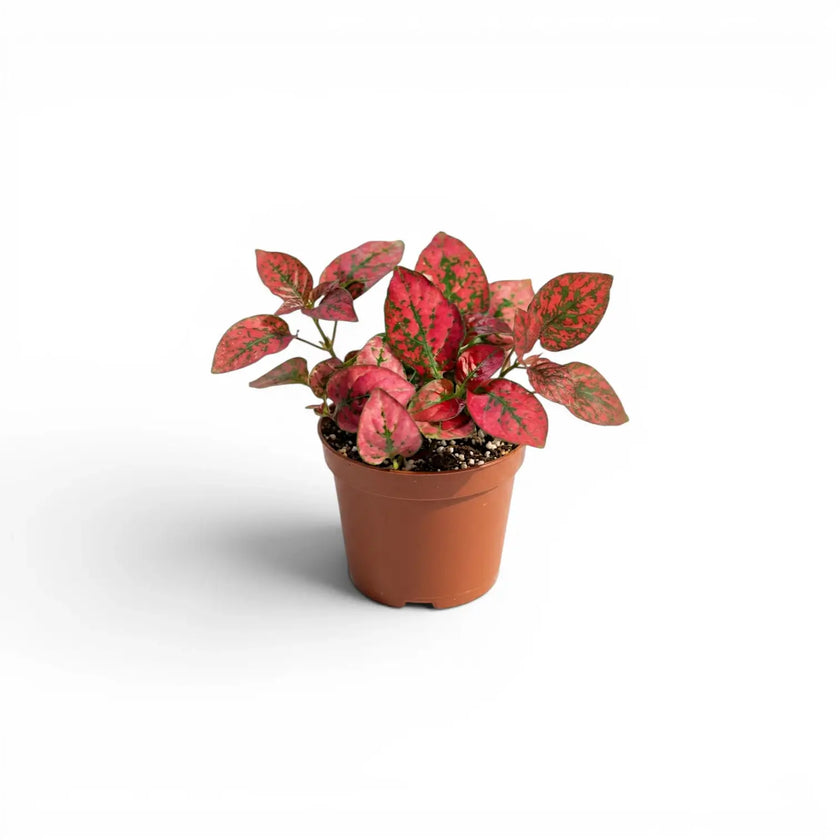
Hypoestes phyllostachya 'Red'
Sale price€8,50
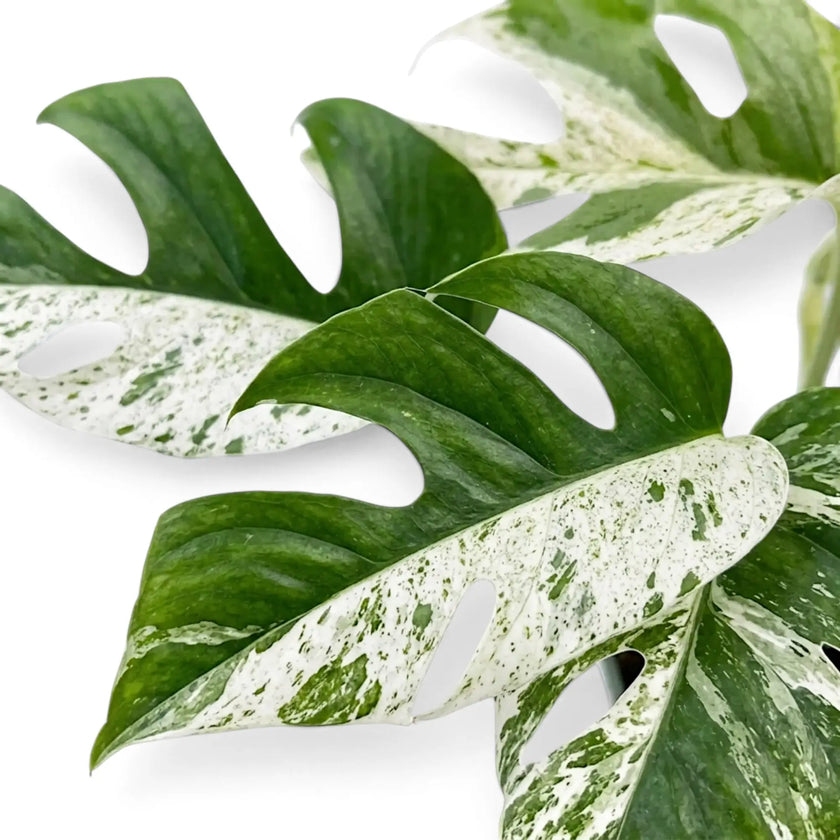
Epipremnum pinnatum 'Marble'
Sale priceFrom €15,75
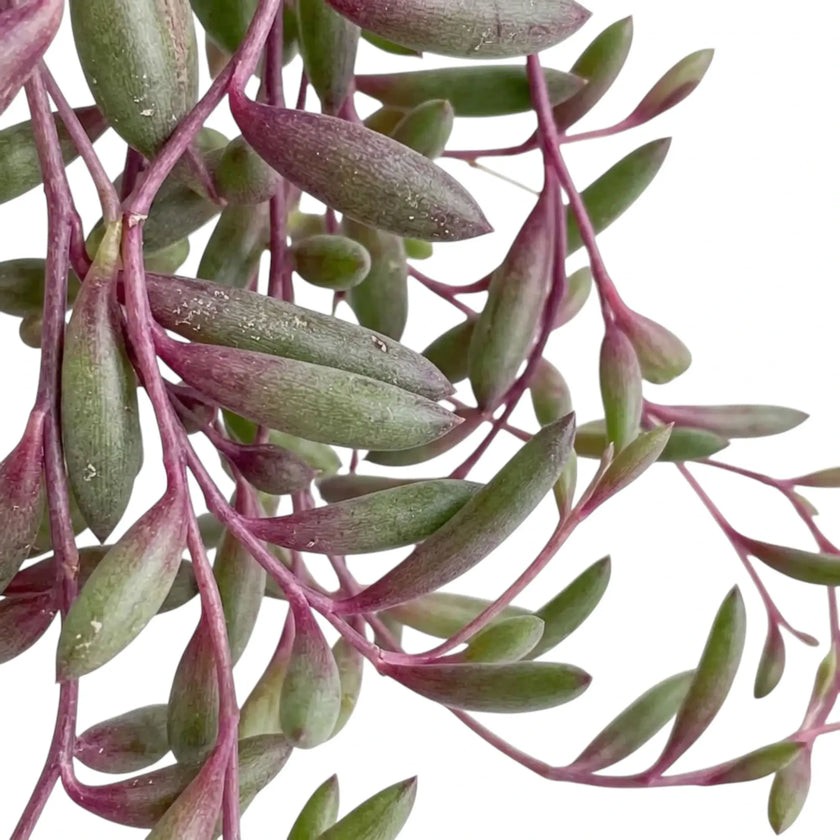
Curio herreanus 'Purple Flush'
Sale priceFrom €12,95
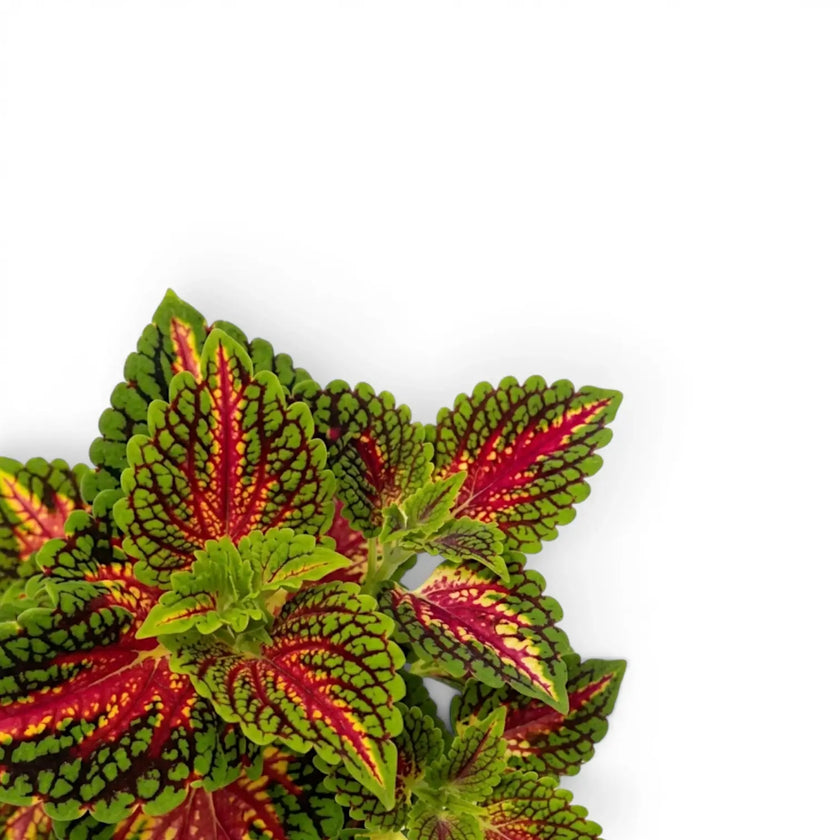
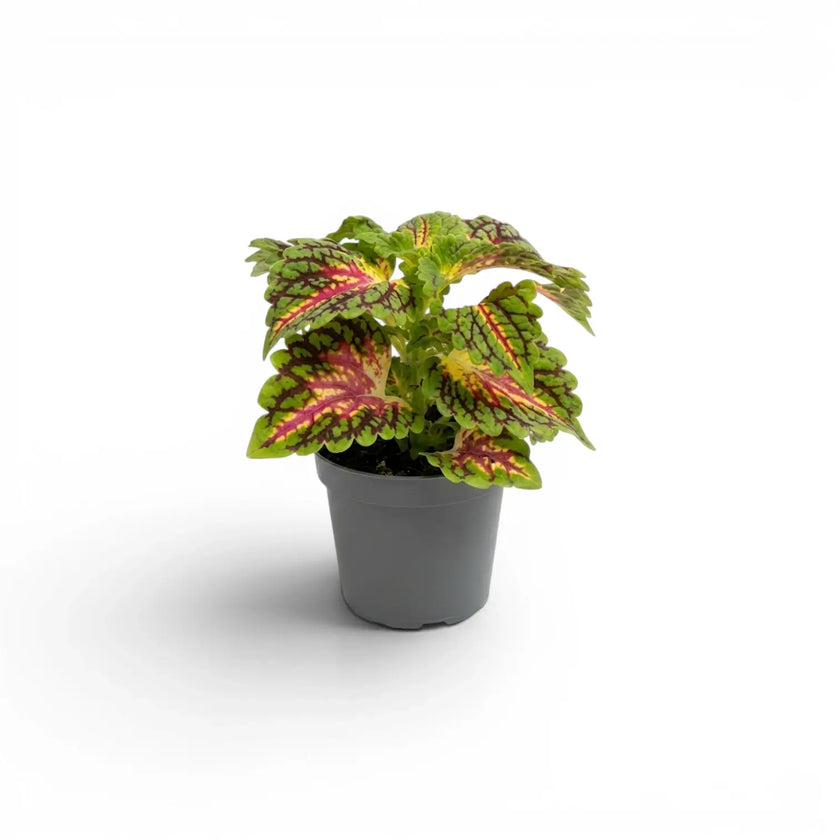
Coleus scutellarioides 'Stained Glassworks Spacecake'
Sale priceFrom €8,50
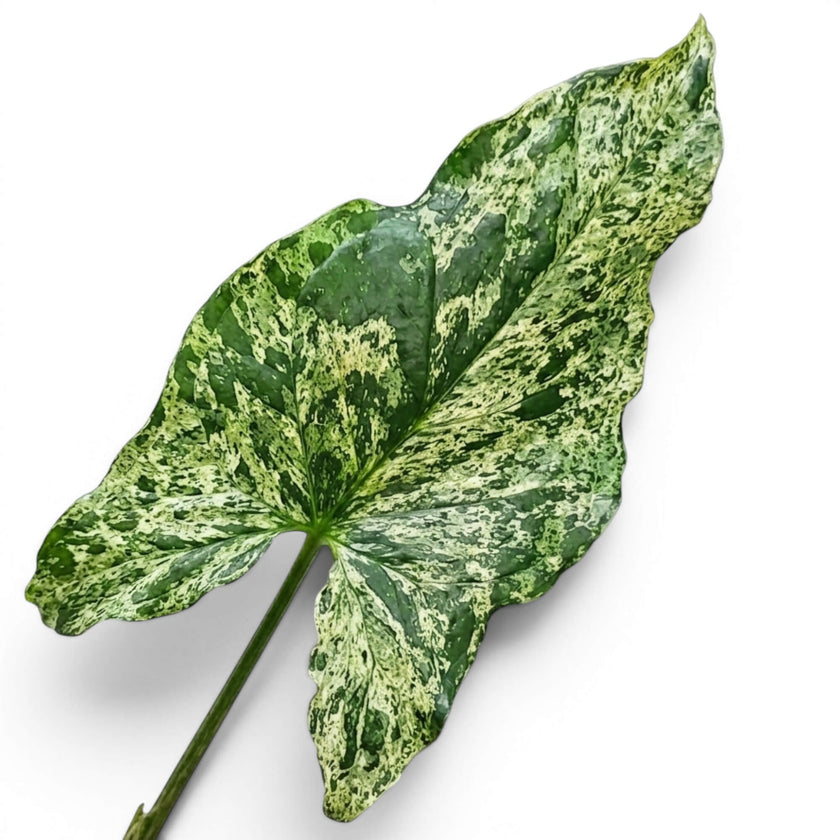
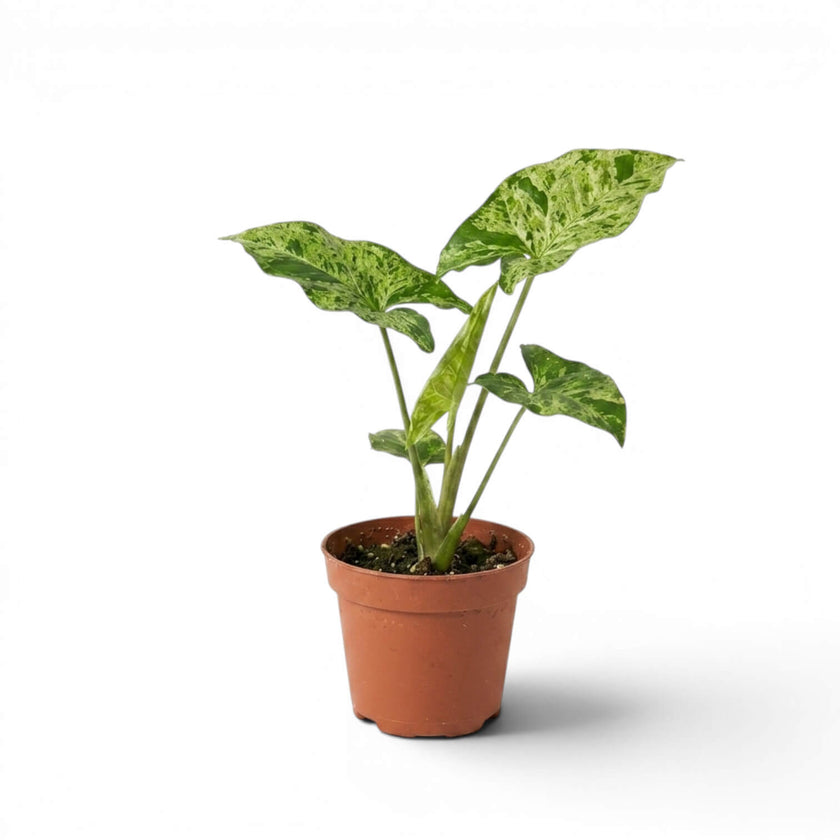
Syngonium podophyllum 'Mottled'
Sale priceFrom €10,75
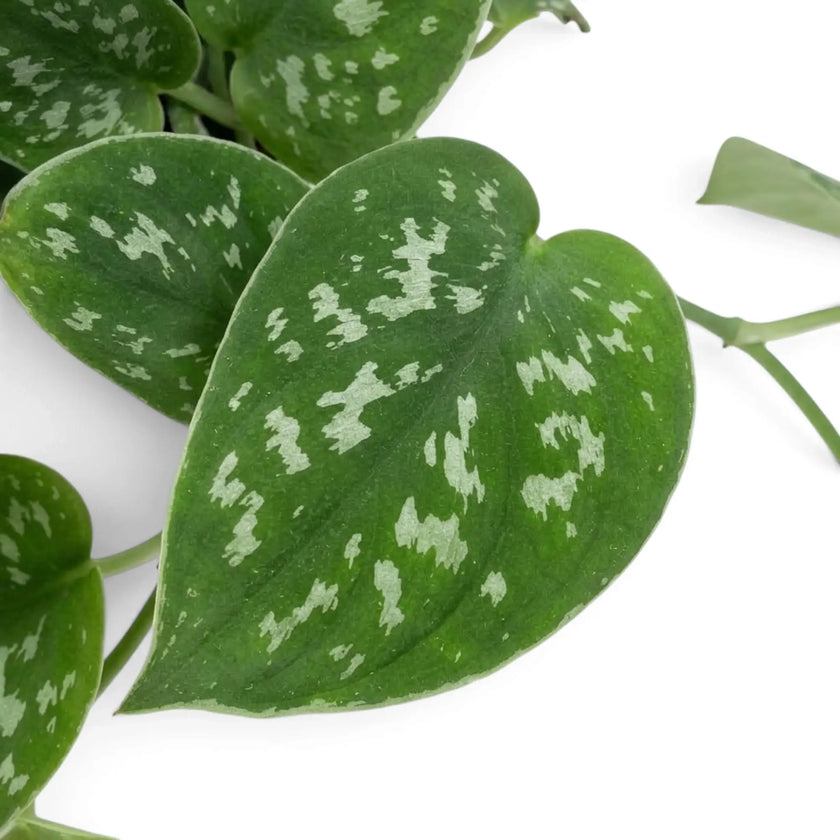
Scindapsus pictus 'Argyraeus'
Sale price€21,00
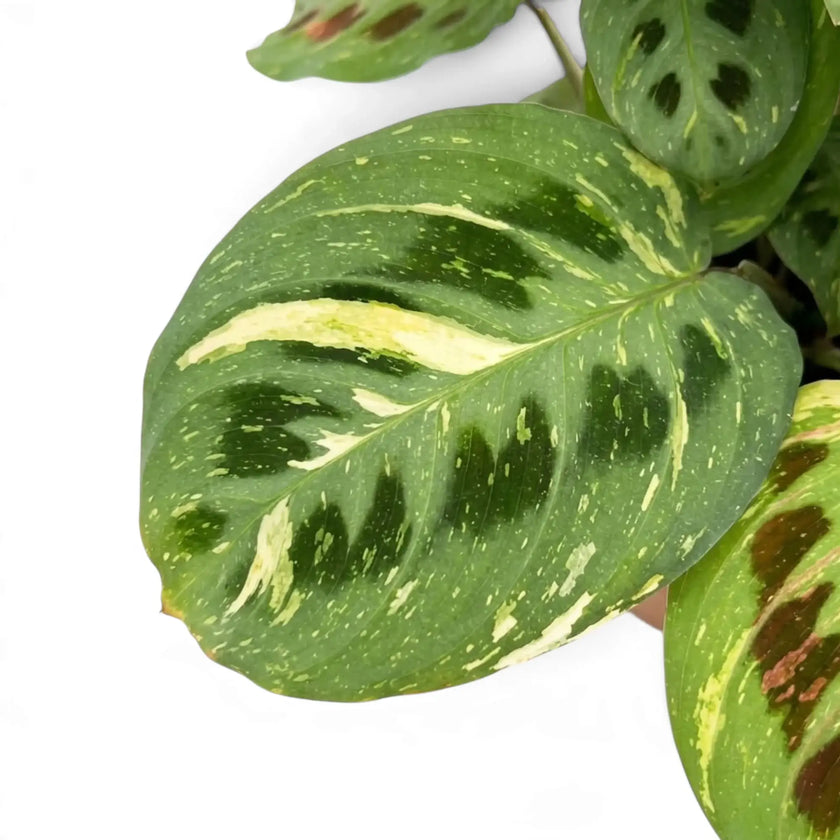
Maranta leuconeura Variegata
Sale price€12,75
Frequently Asked Questions About Variegated Colourful Plants

Sign up for Foliage Factory newsletter for early access to new arrivals and practical care tips that work in real homes.