















Filters


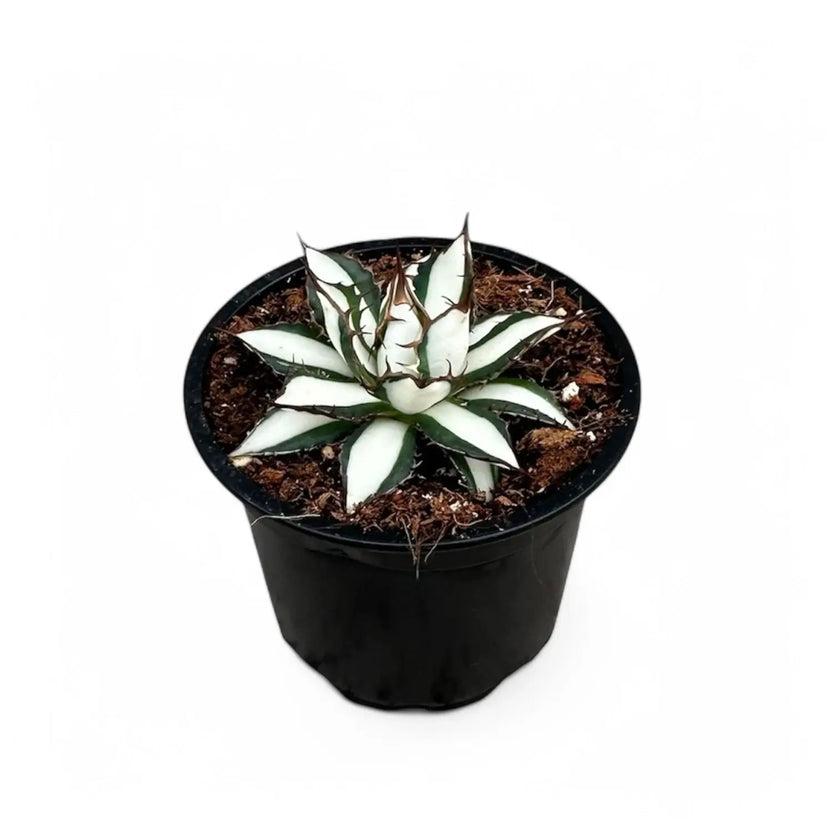
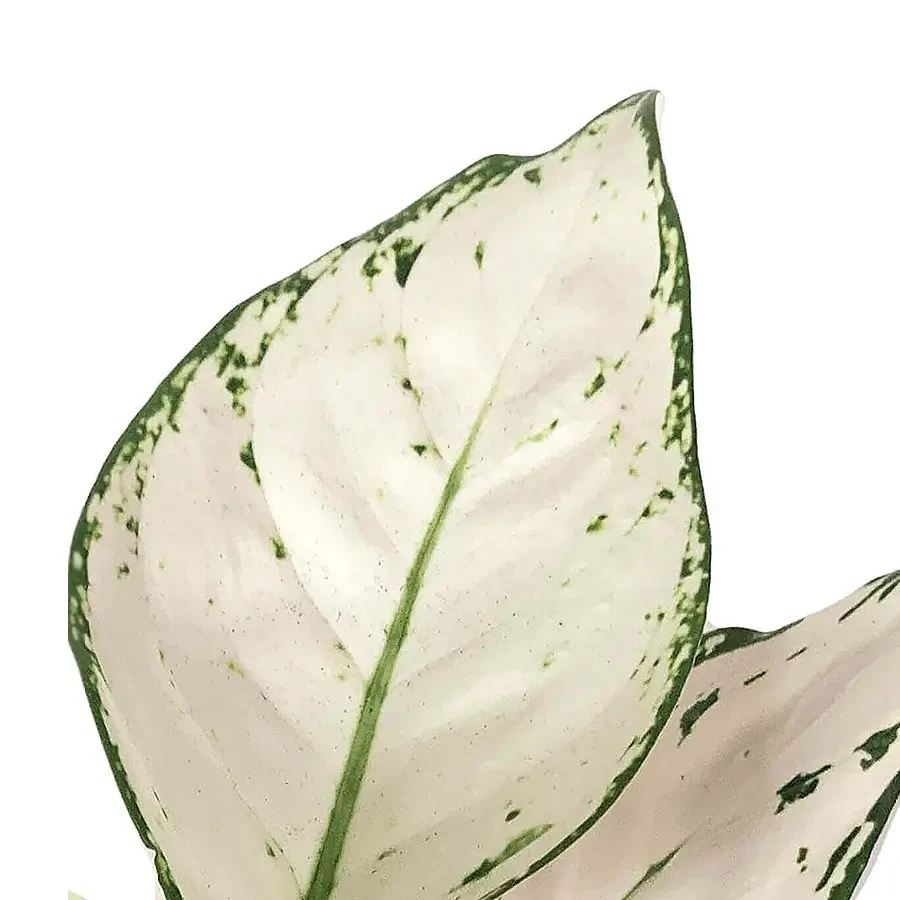
Agave ‘Ouhi-Raijin’ VariegataSold out
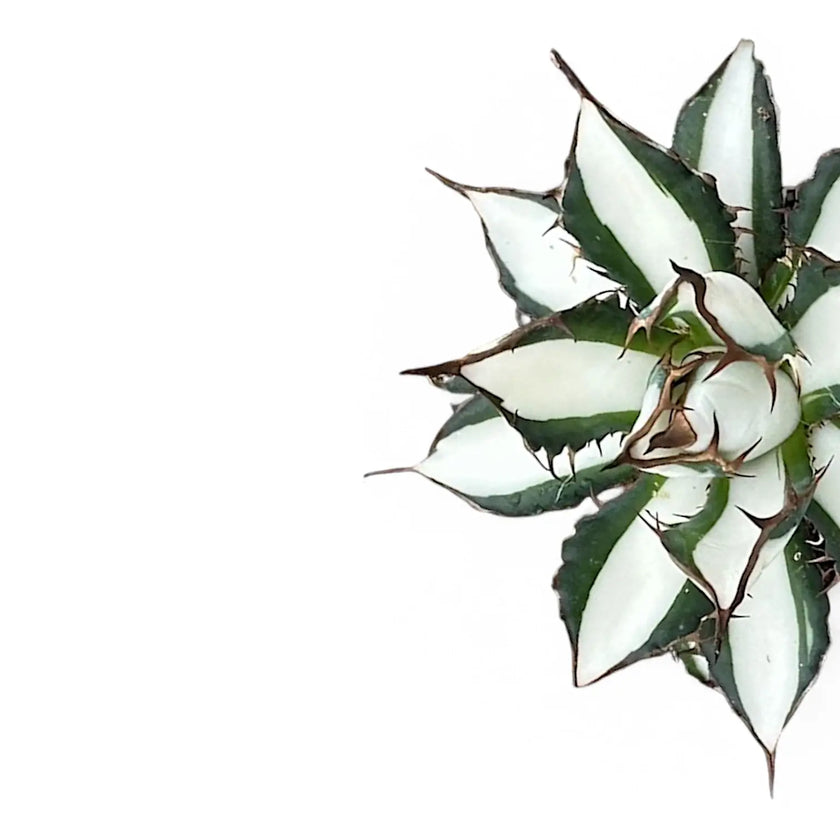
Agave ‘Peace Revolution’Sold out
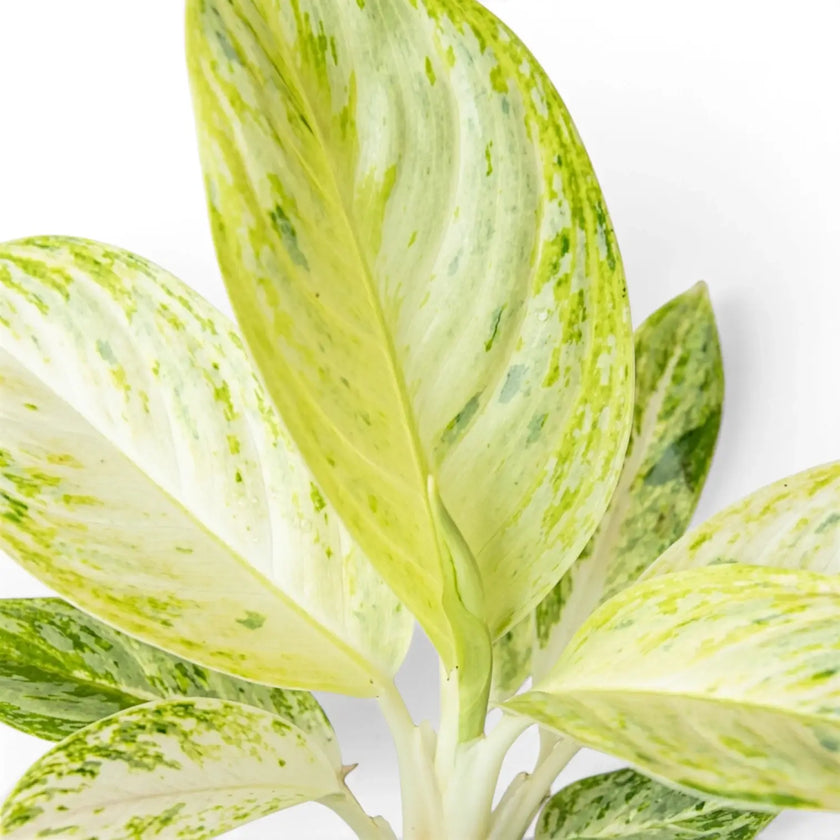
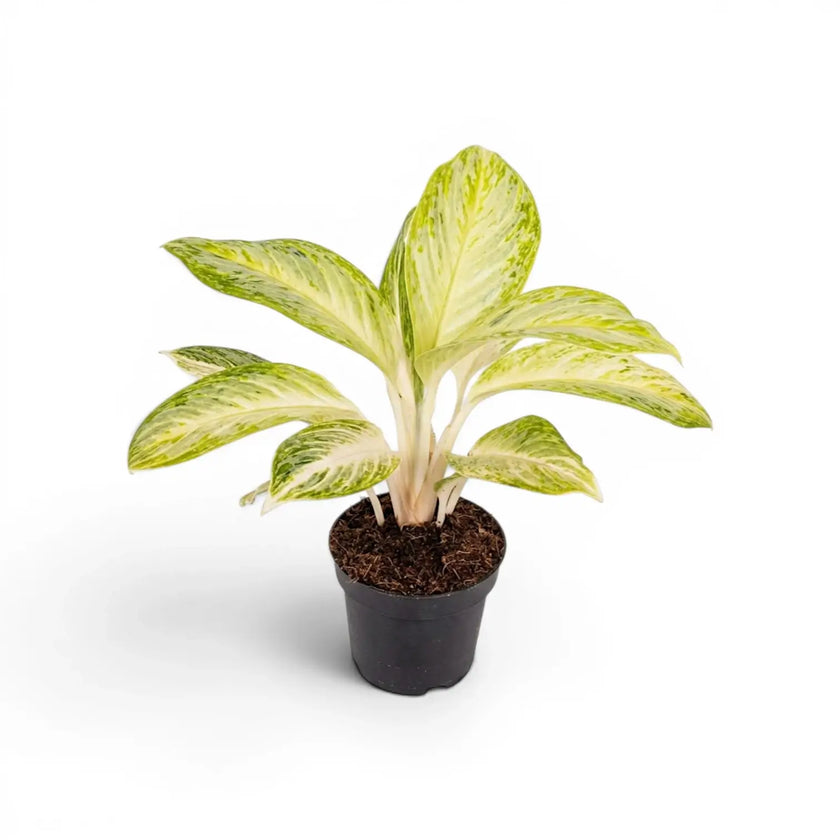
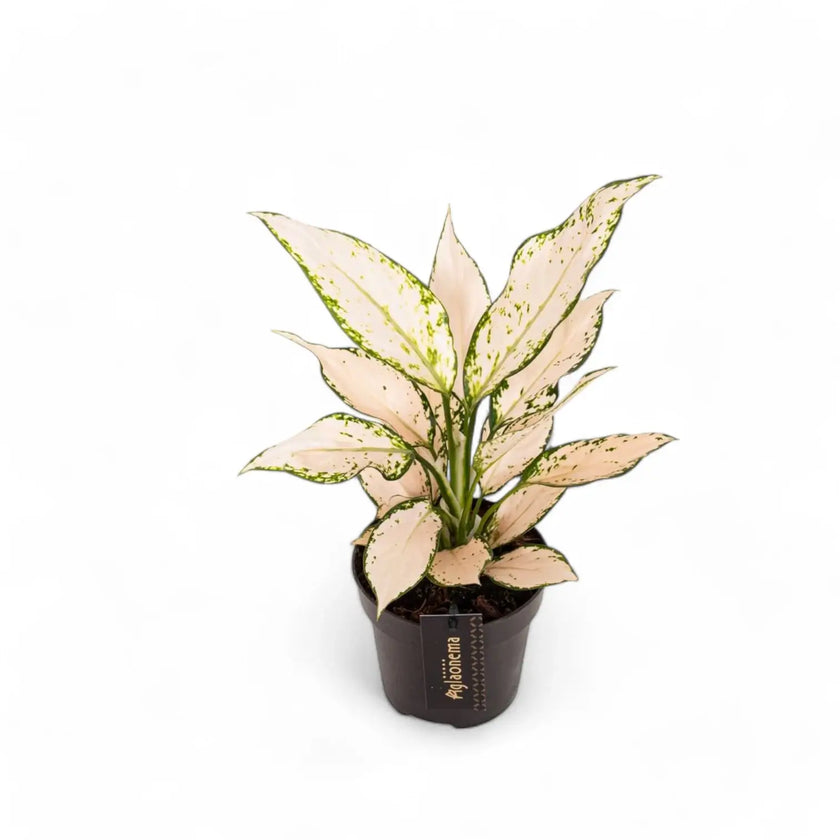
Aglaonema 'Arctic Lime'
Sale price€15,00
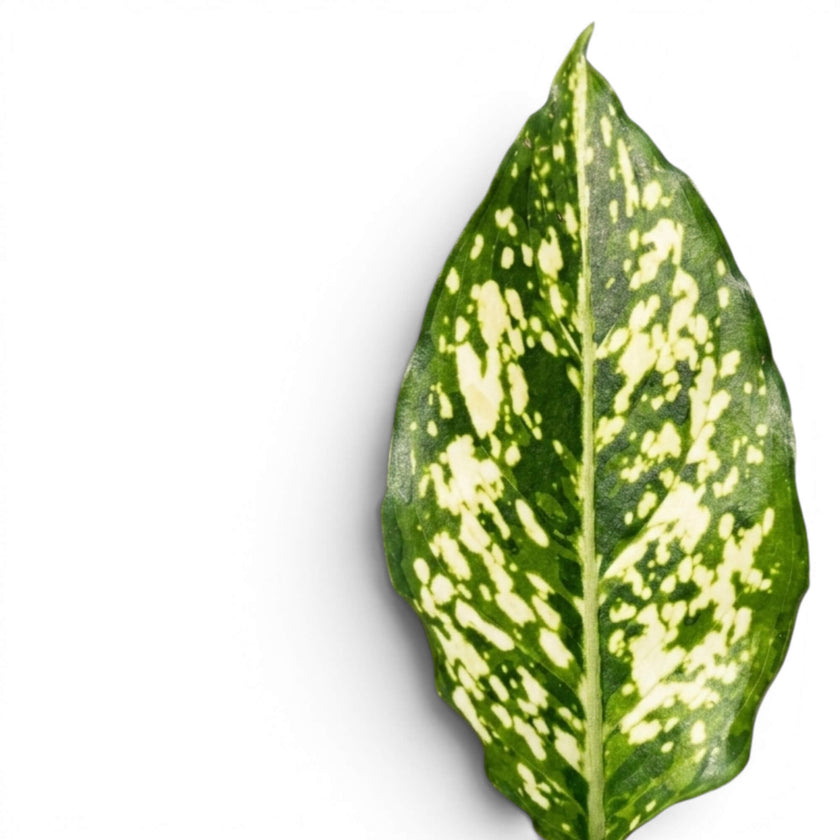
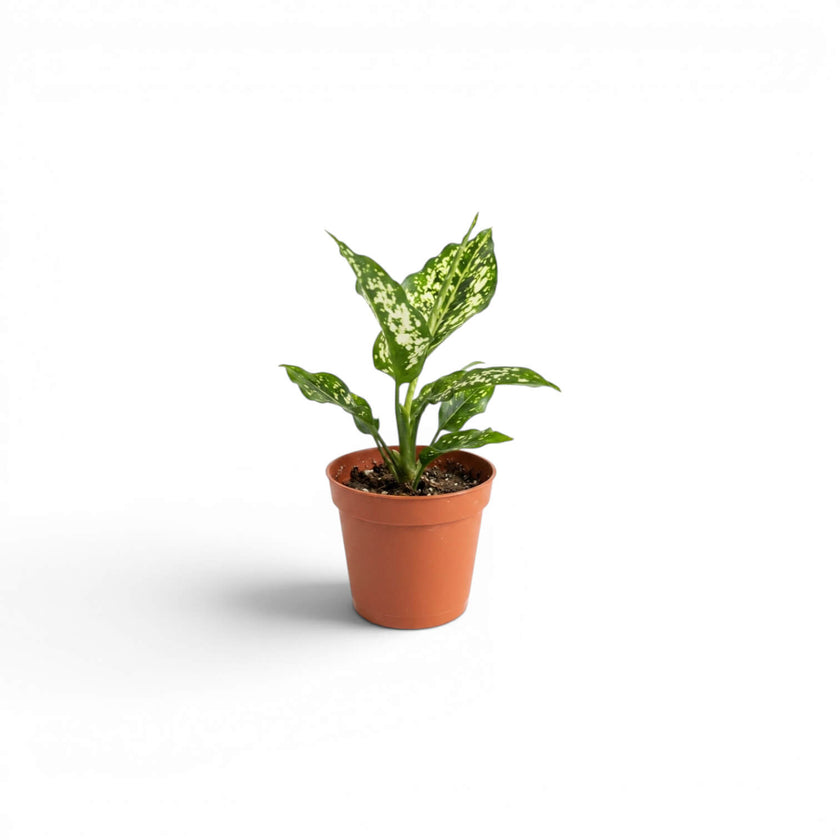
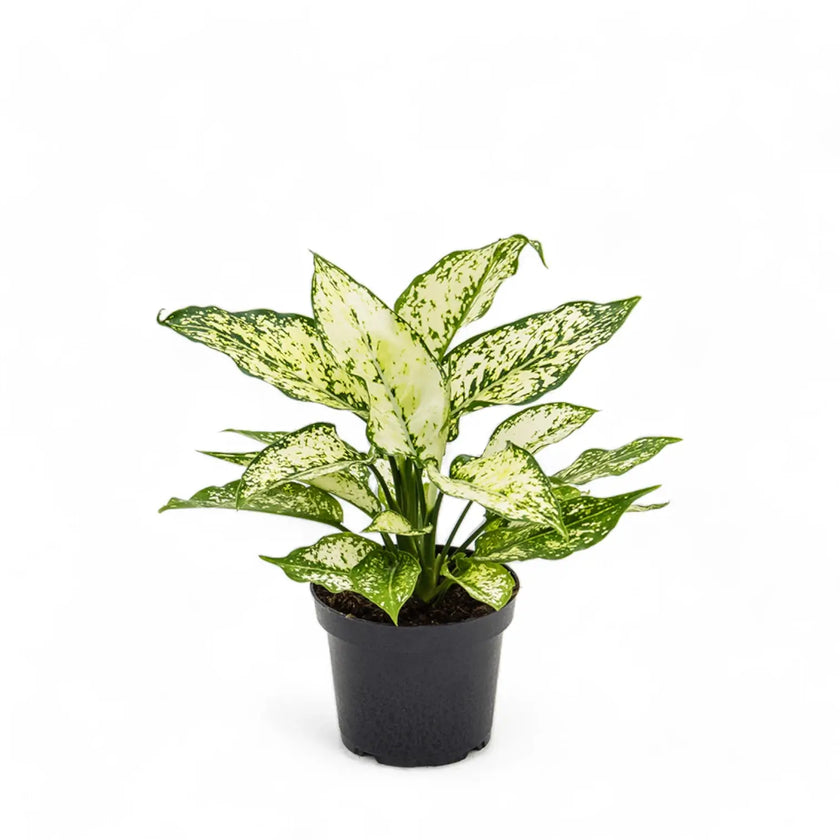
Aglaonema 'Snowflake'
Sale price€9,25
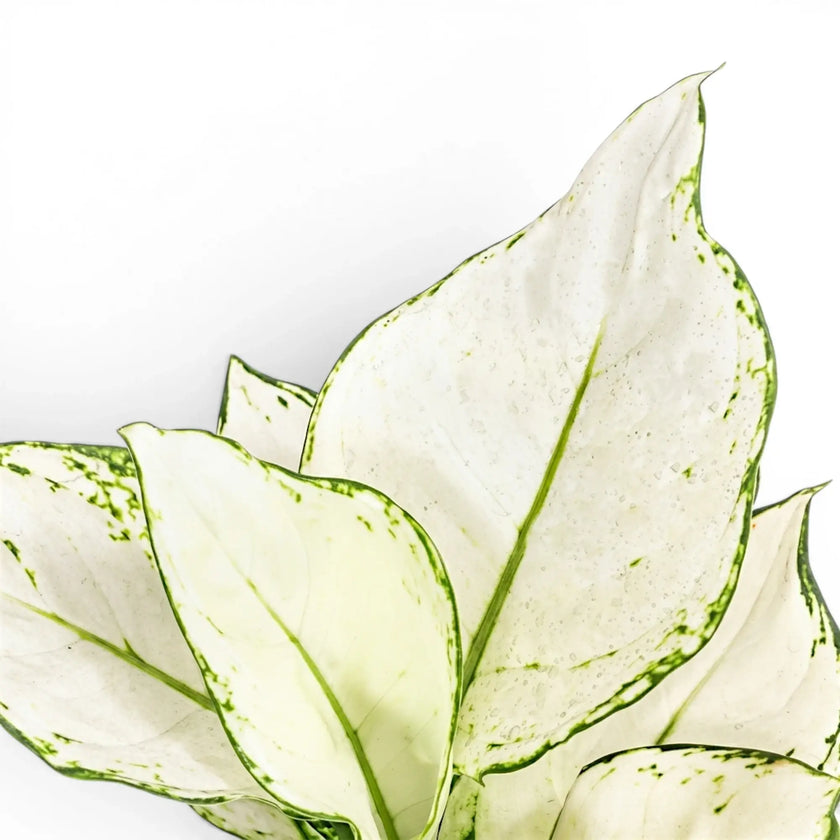
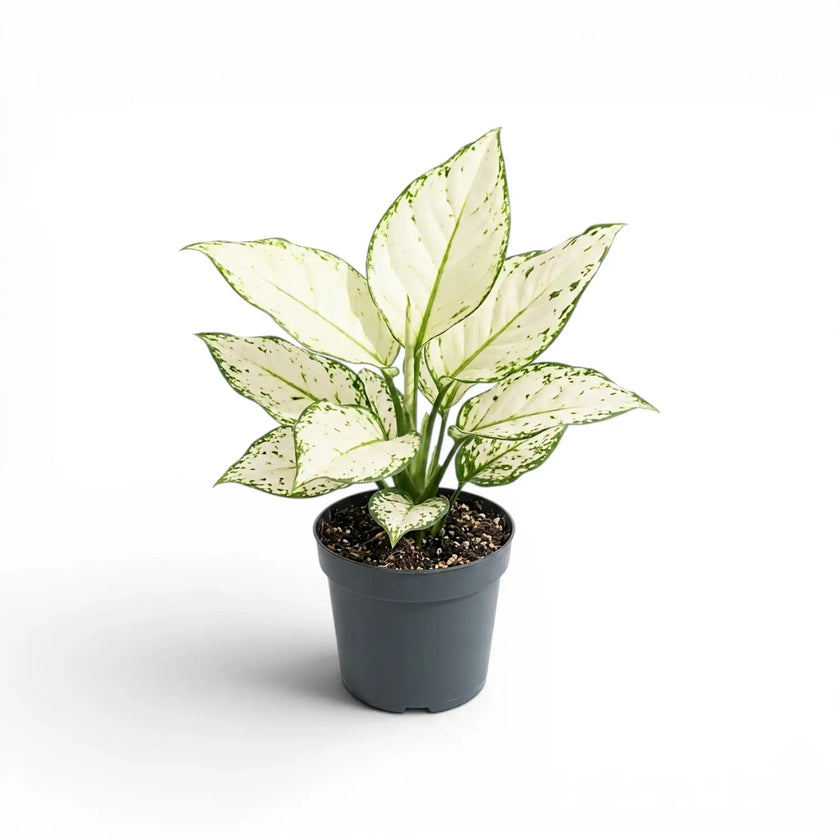
Aglaonema 'White joy'
Sale price€17,25

Aglaonema ‘Spilt Milk’Sold out
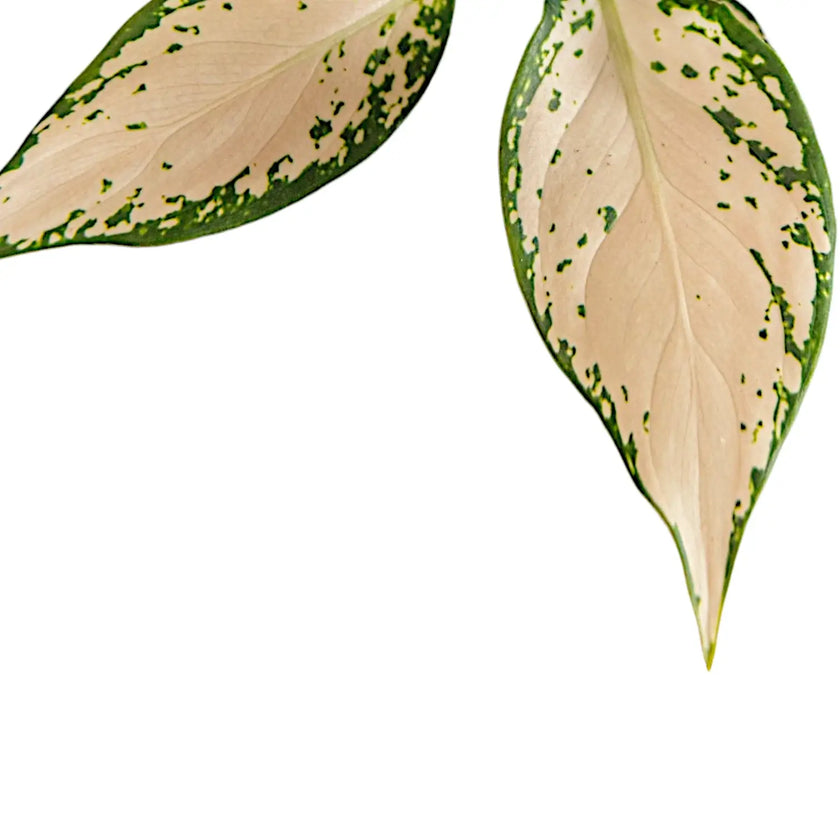
Aglaonema ‘Vanilla Baby’Sold out
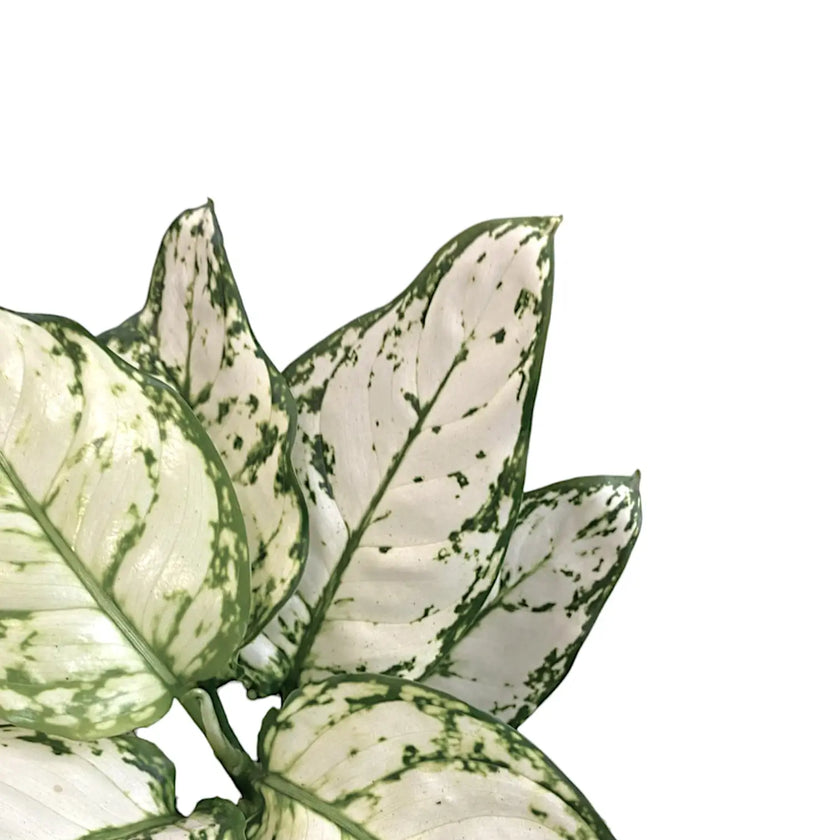
Aglaonema ‘White Kiwi’Sold out
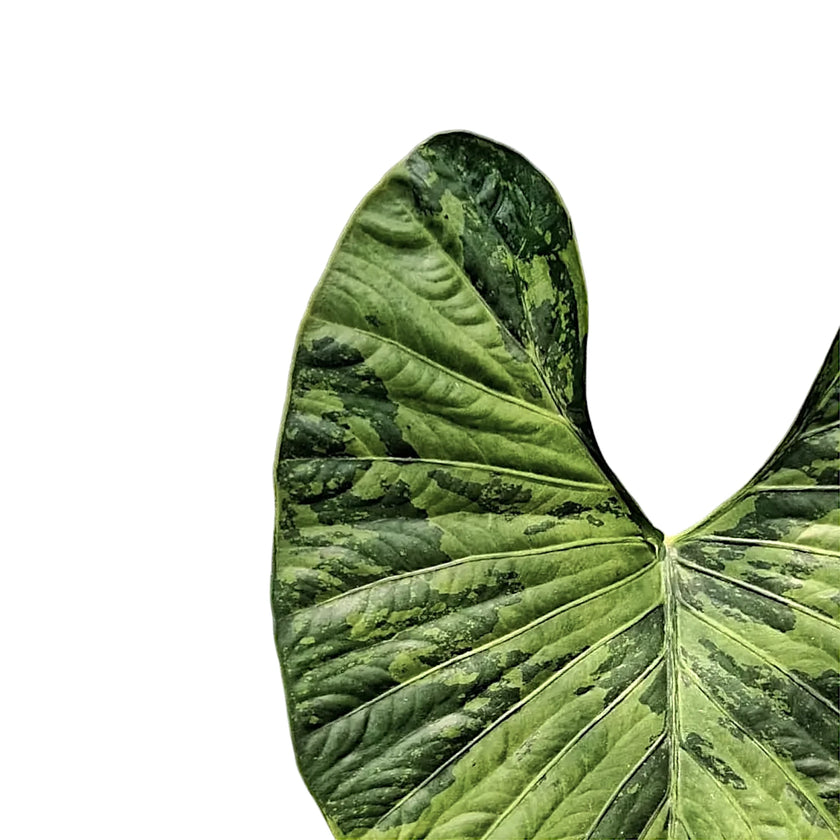
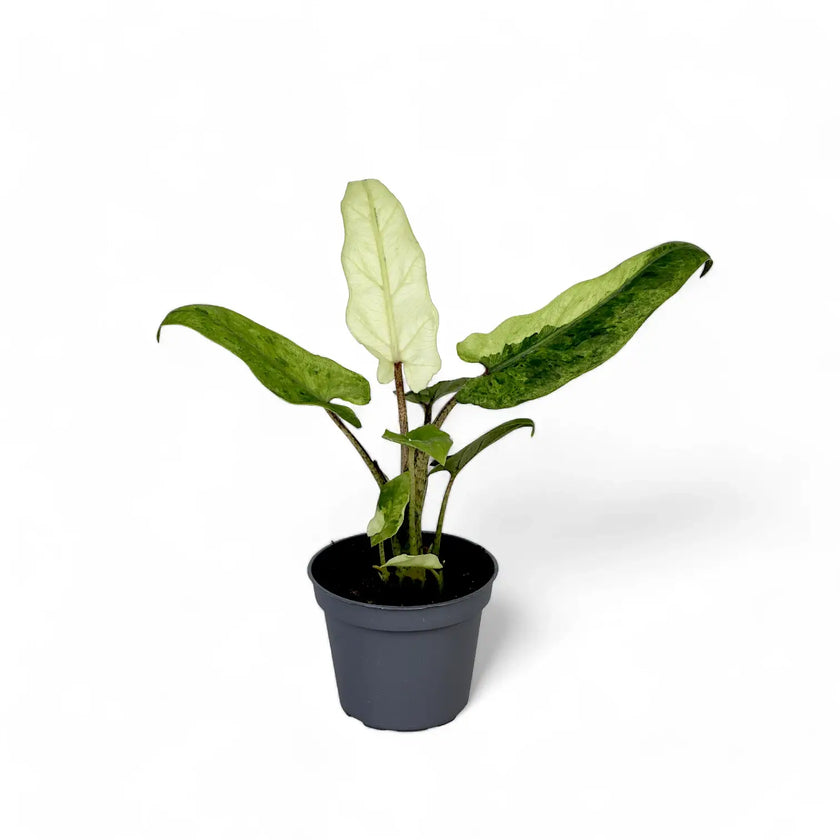
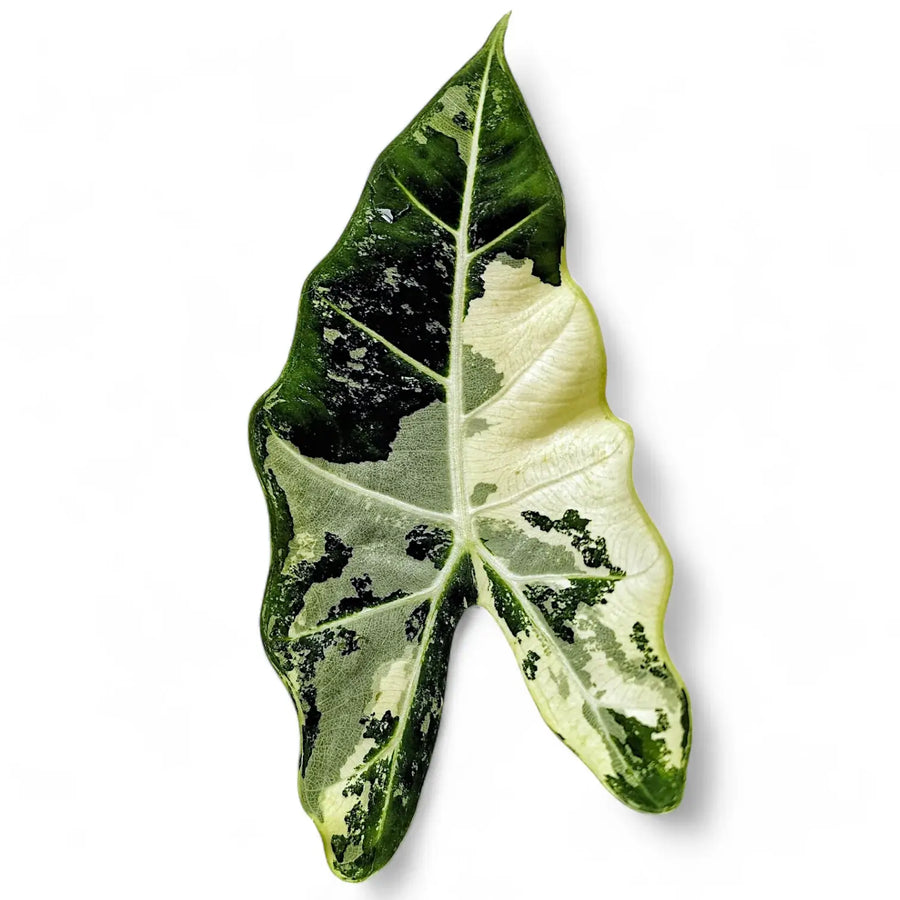
Alocasia alba VariegataSold out
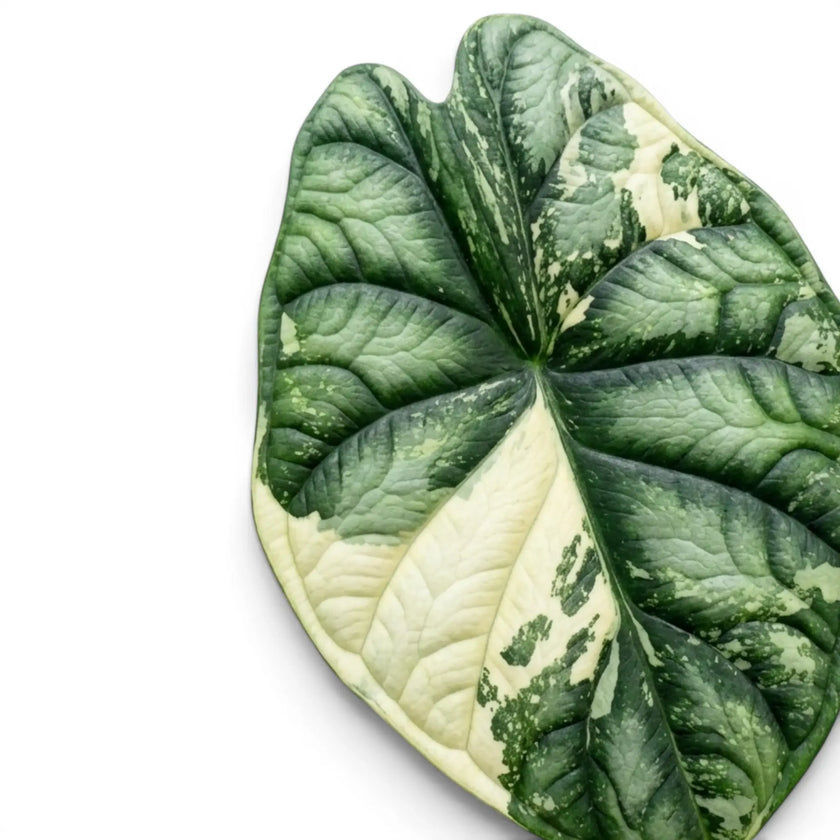
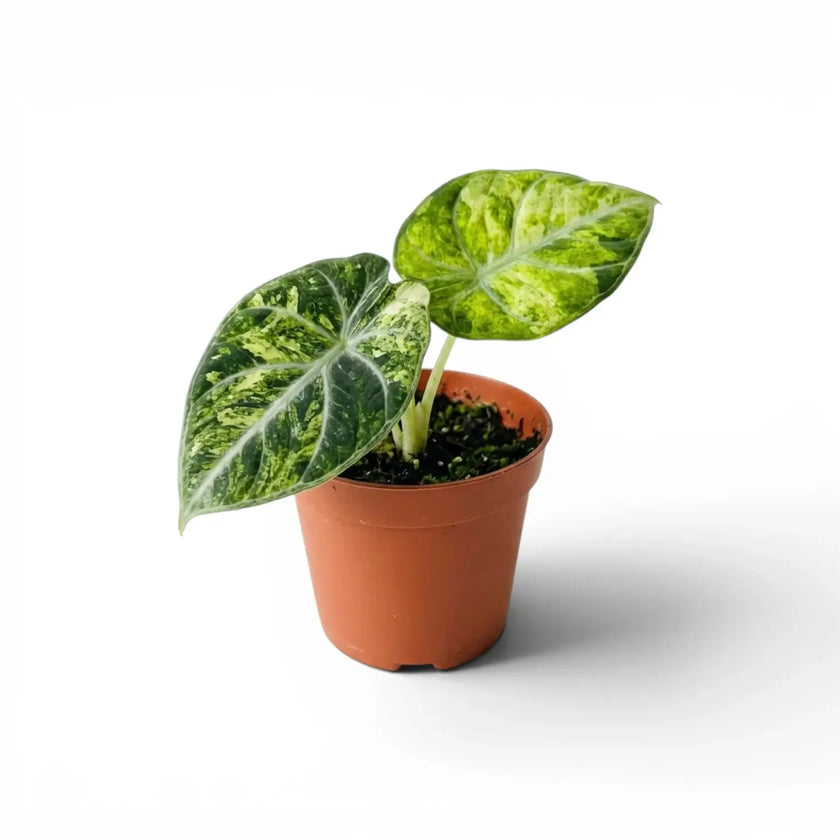
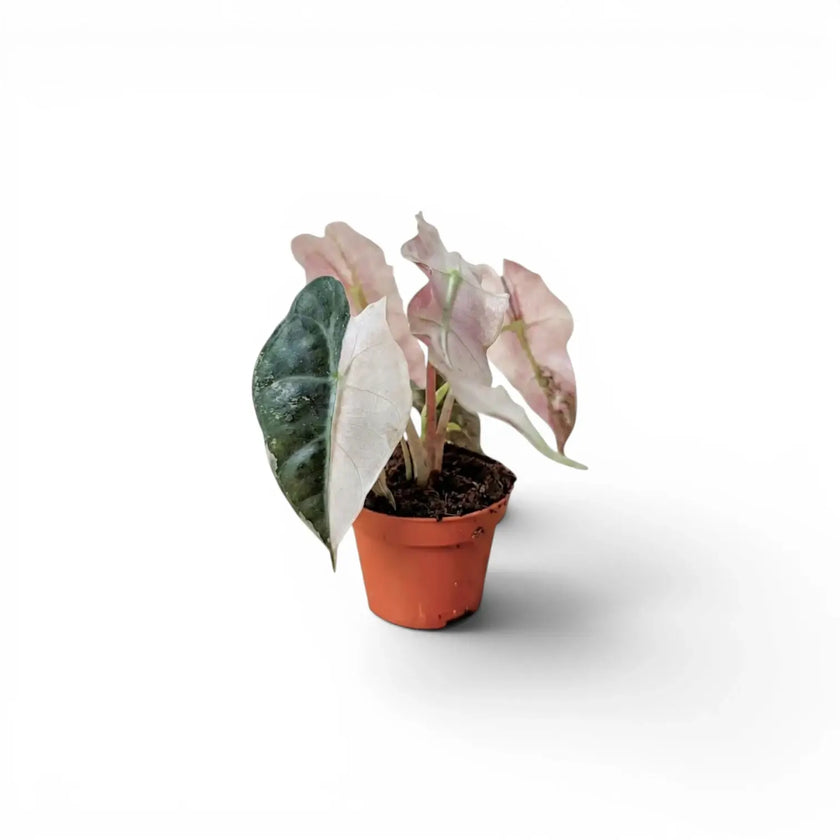
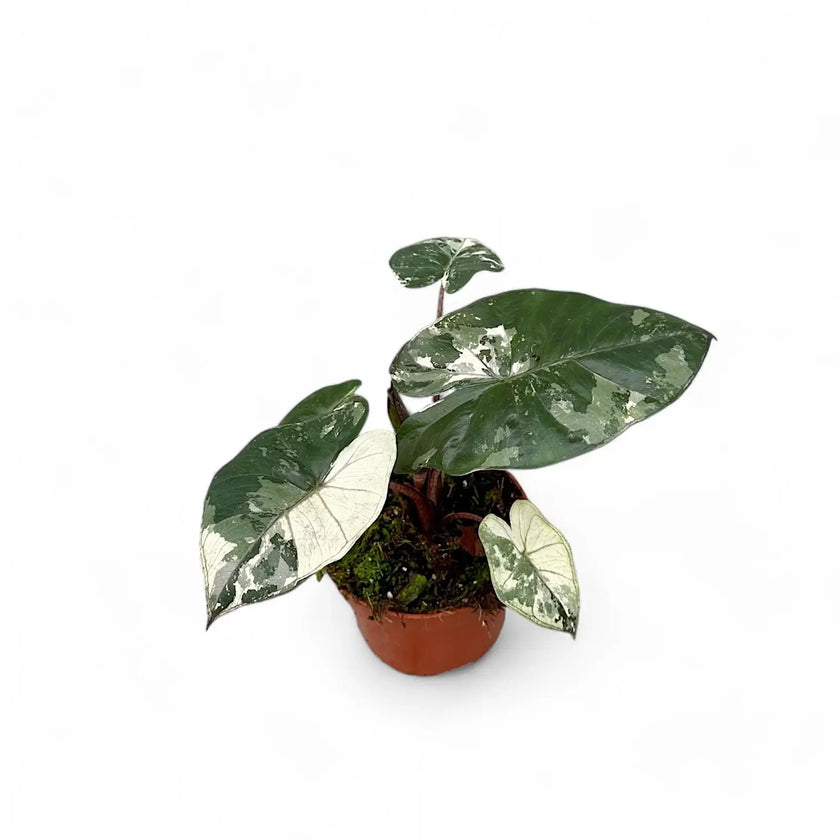
Alocasia baginda ‘Dragon Scale’ Albo-Variegata
Sale price€56,50
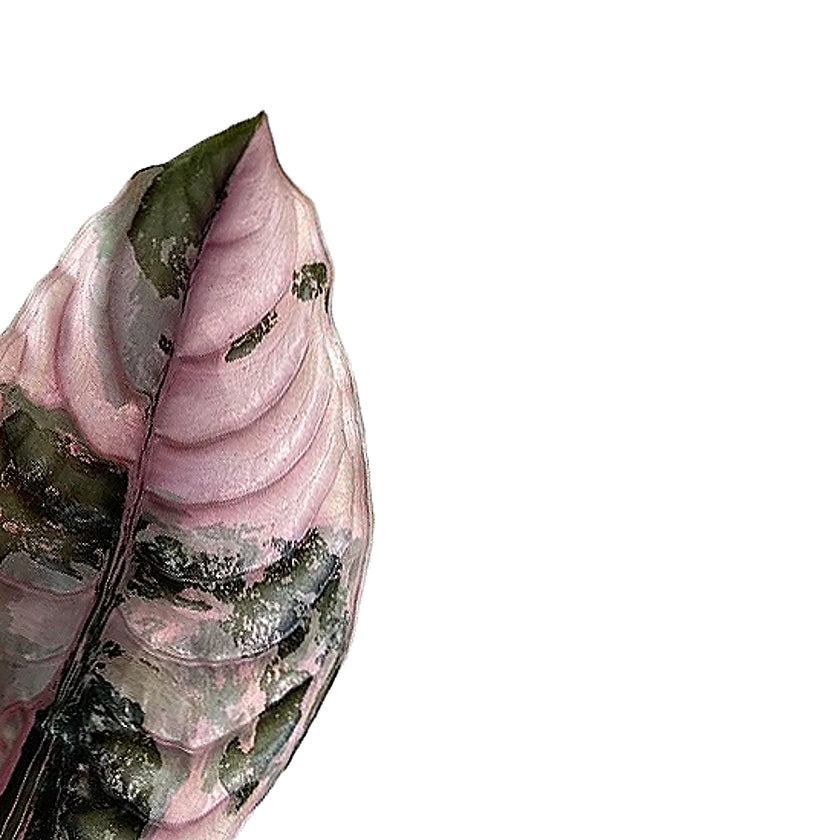
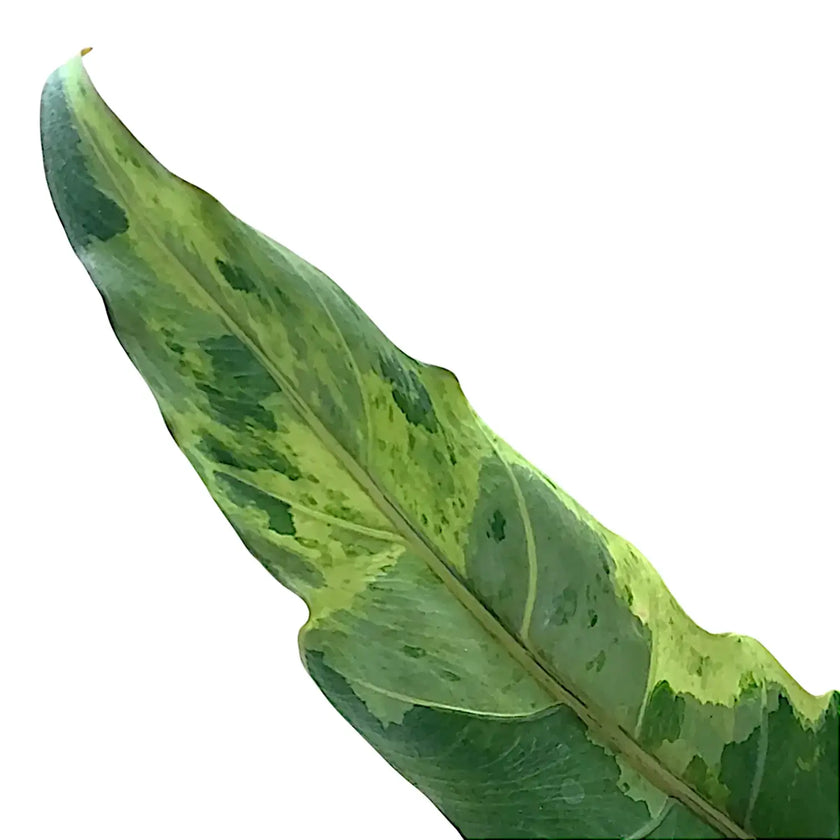
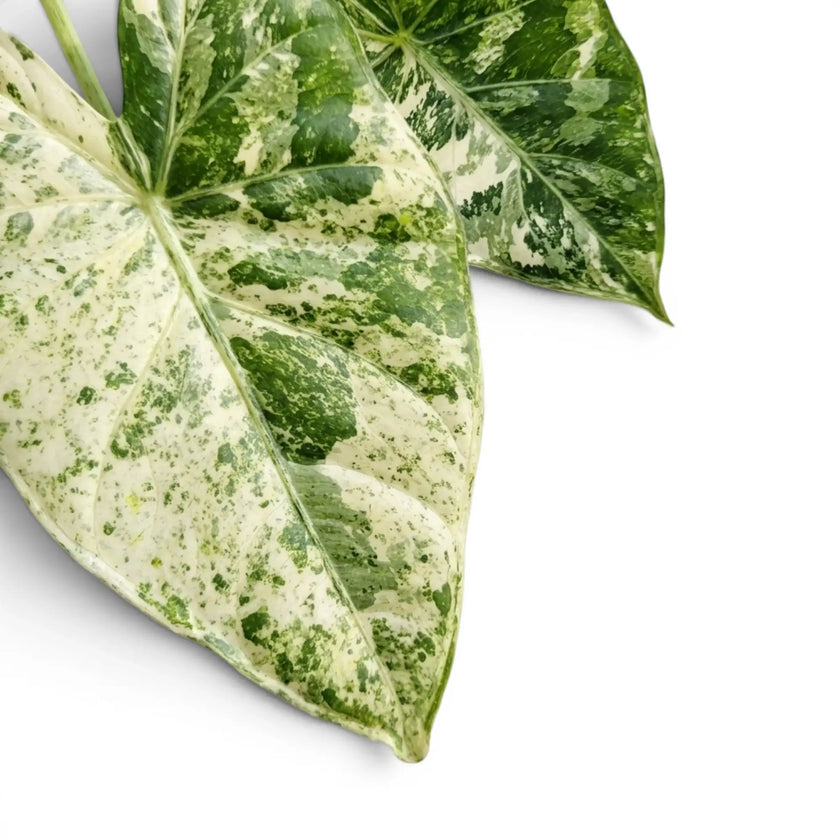
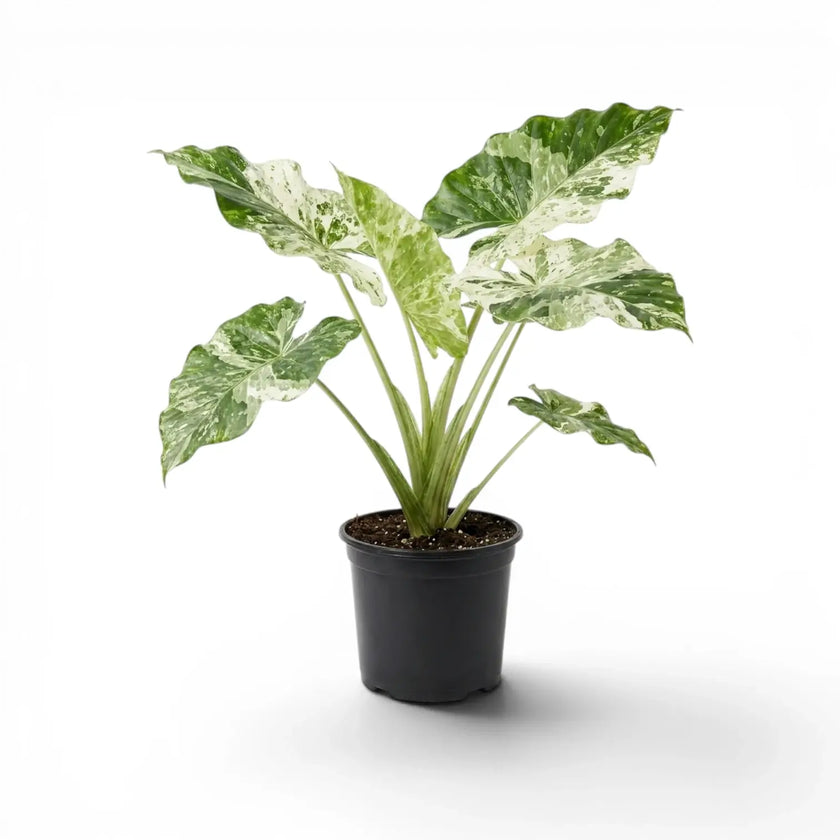
Alocasia macrorrhizos ‘Splash’ (‘Camouflage’)
Sale priceFrom €30,00
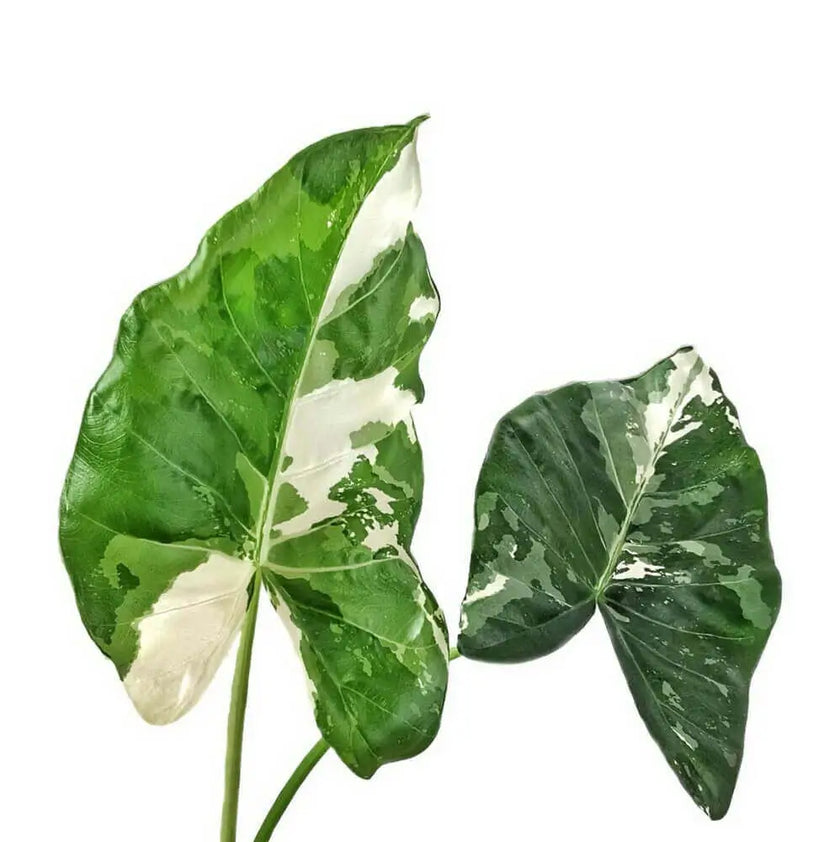
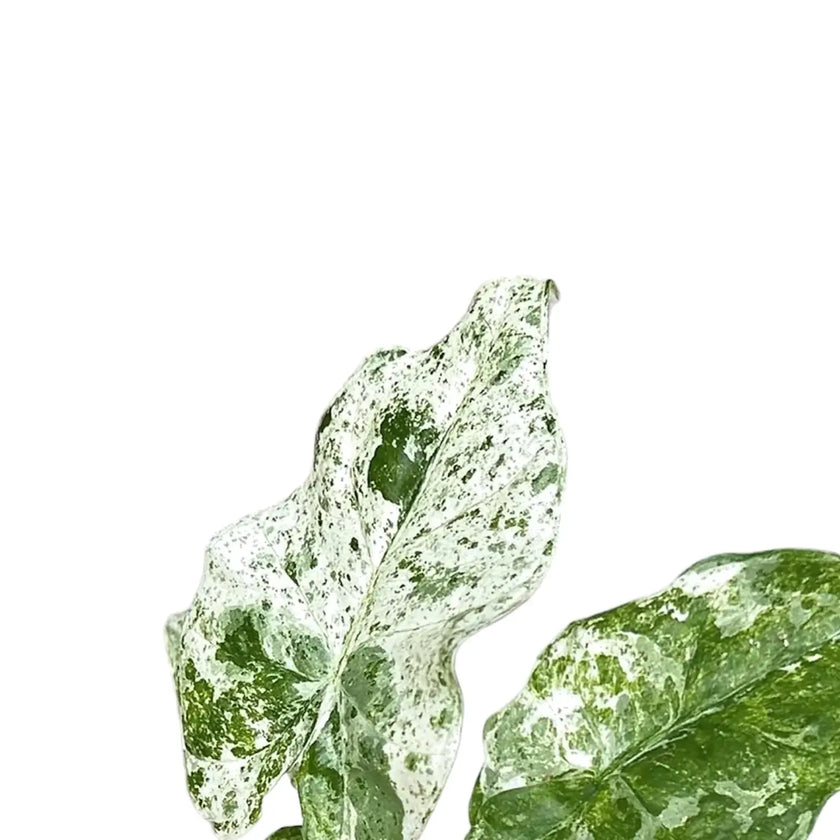
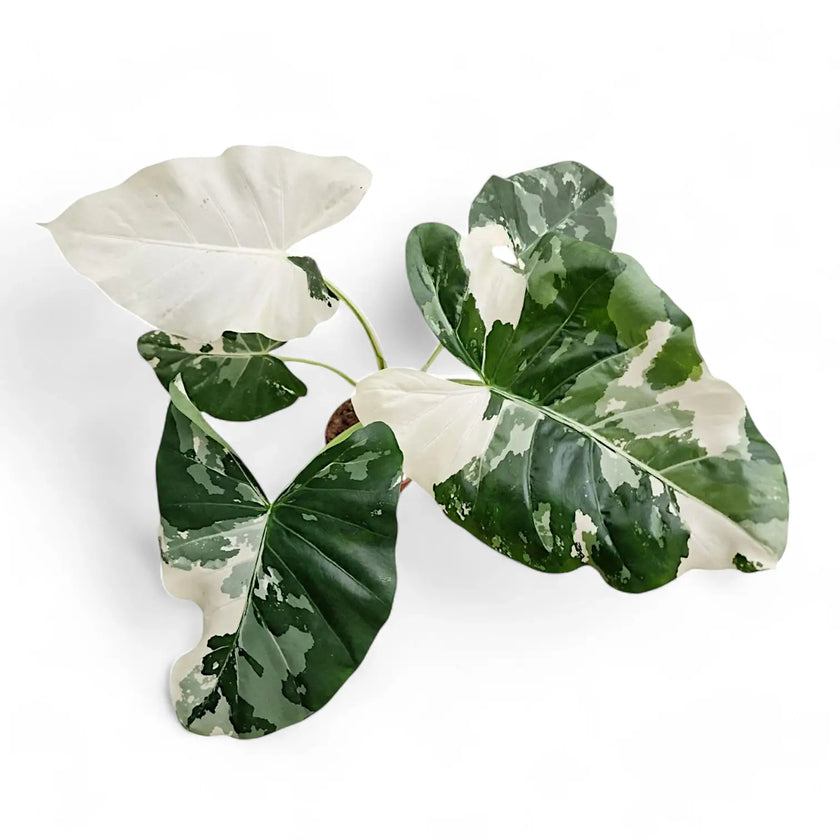
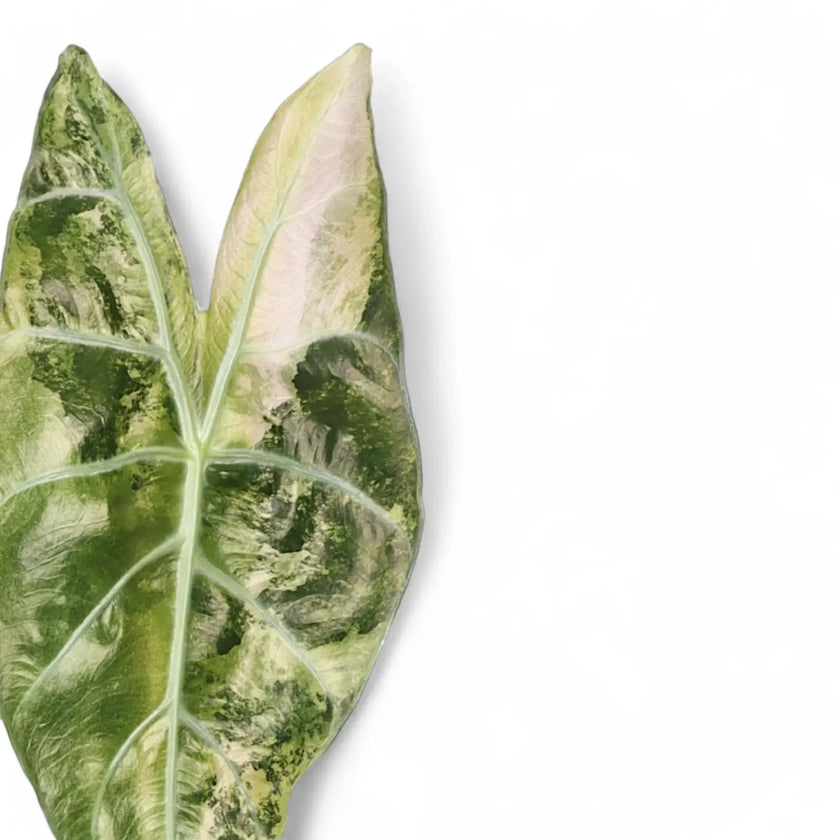
Alocasia odora ‘Batik’ VariegataSold out
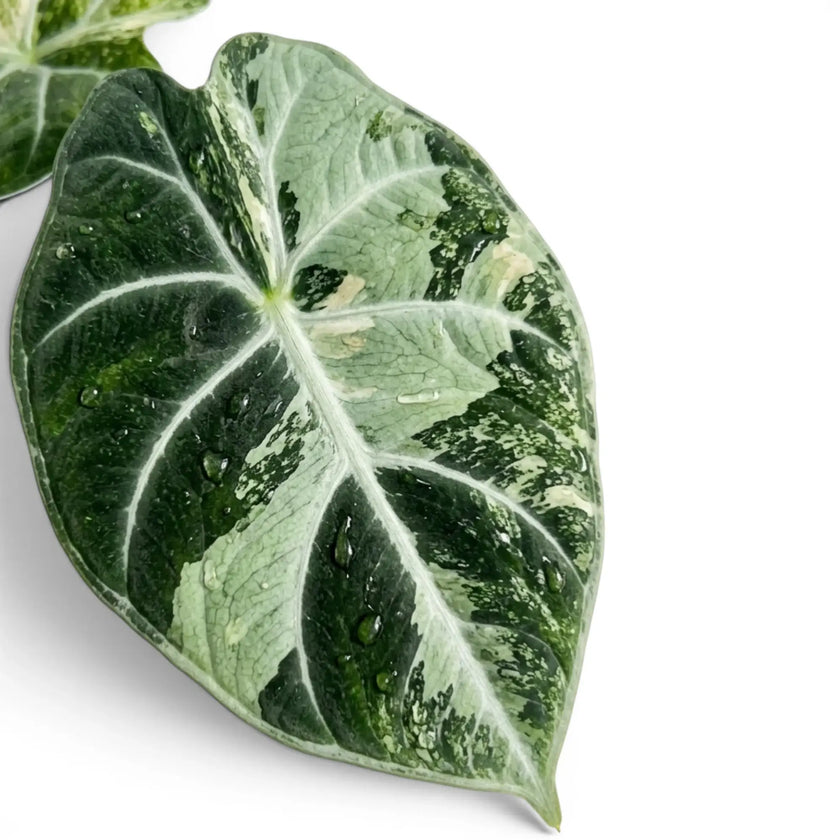
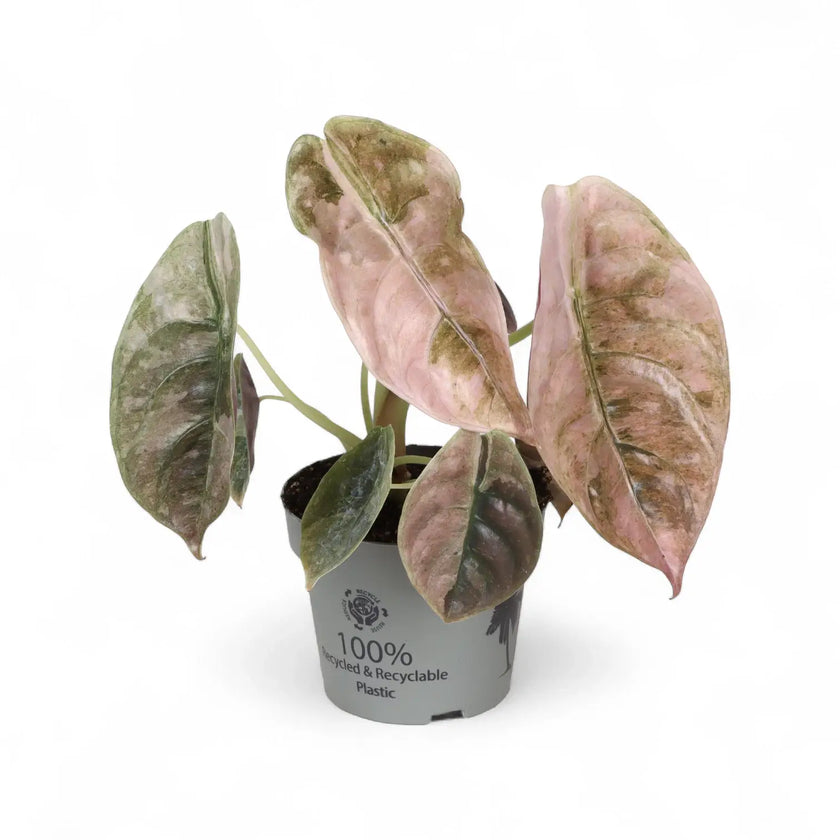
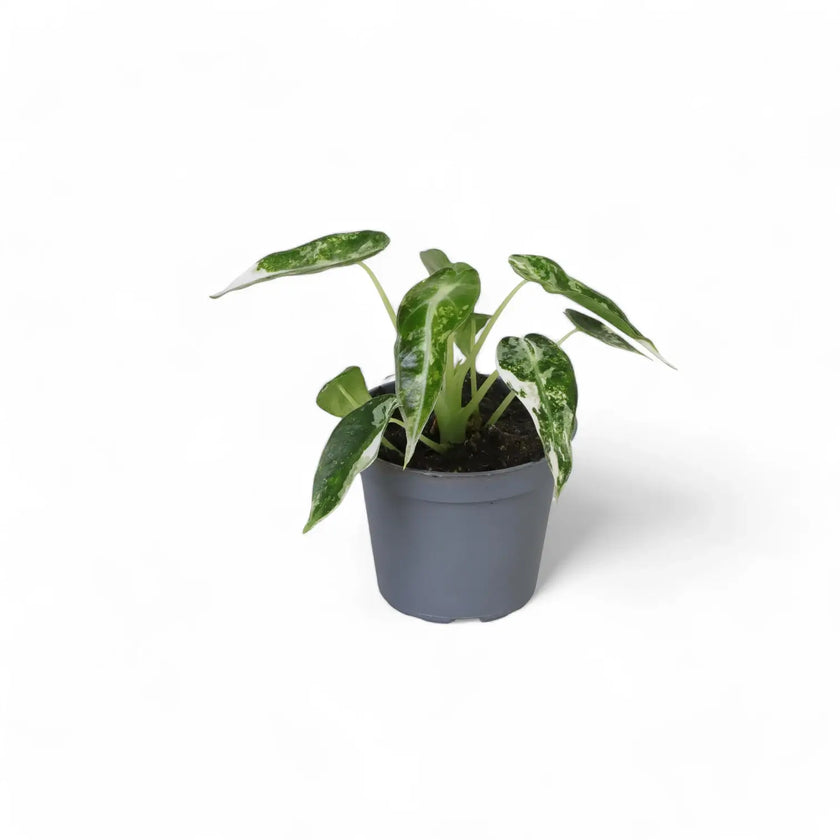
Alocasia reginula ‘Ninja Tricolor’
Sale priceFrom €43,75
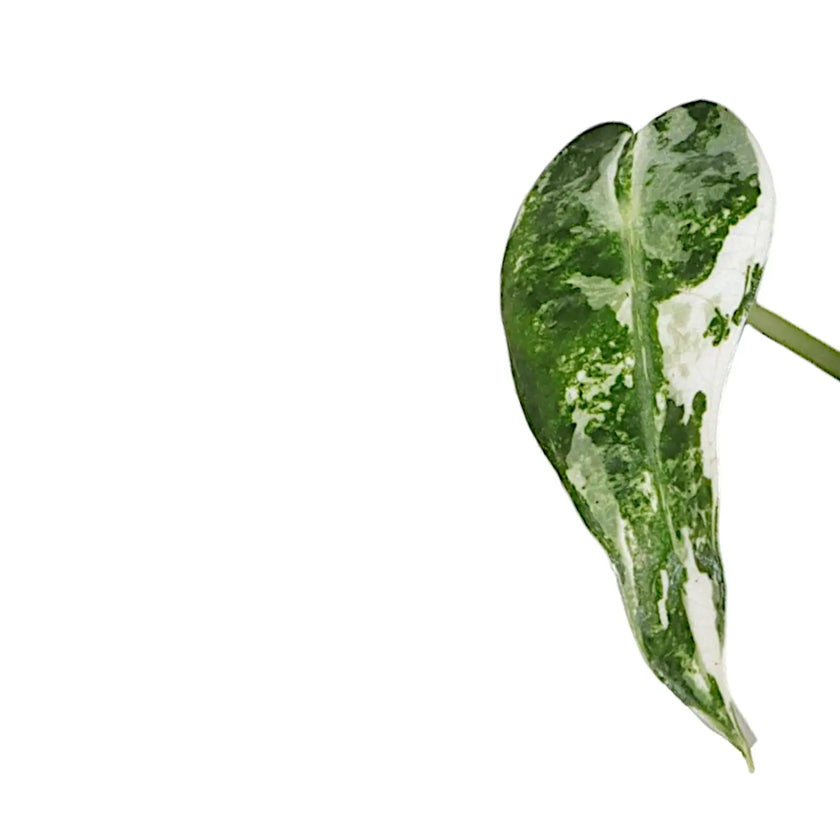
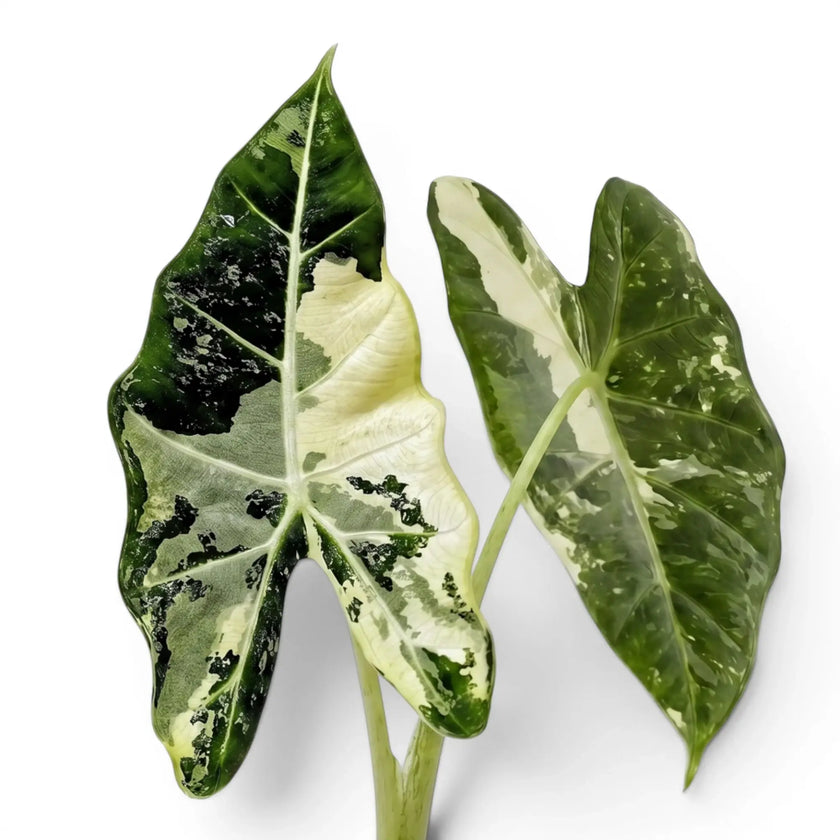
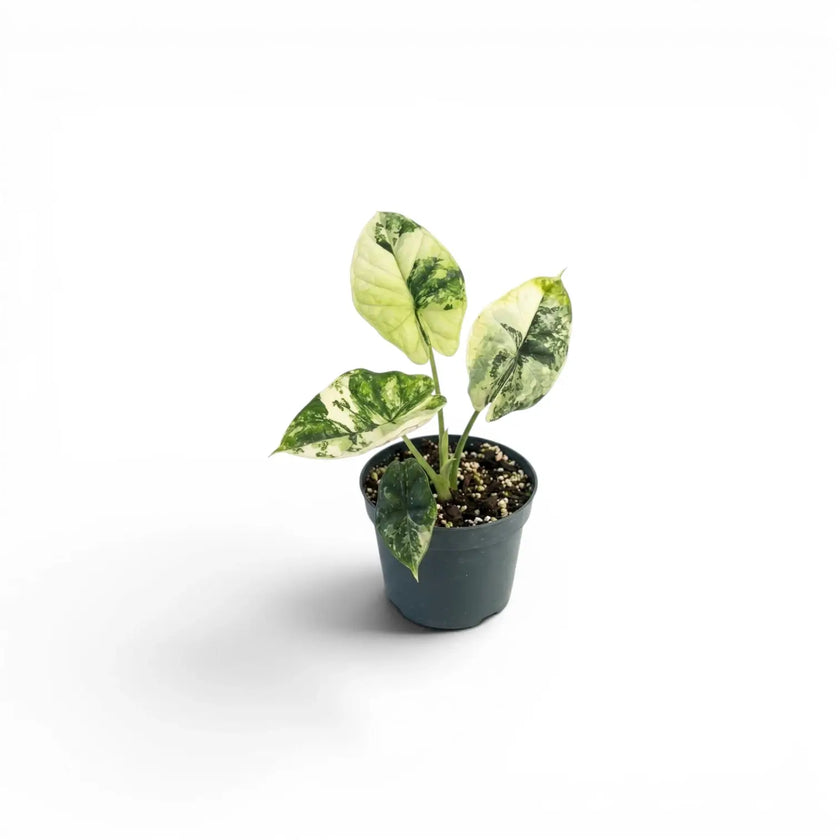
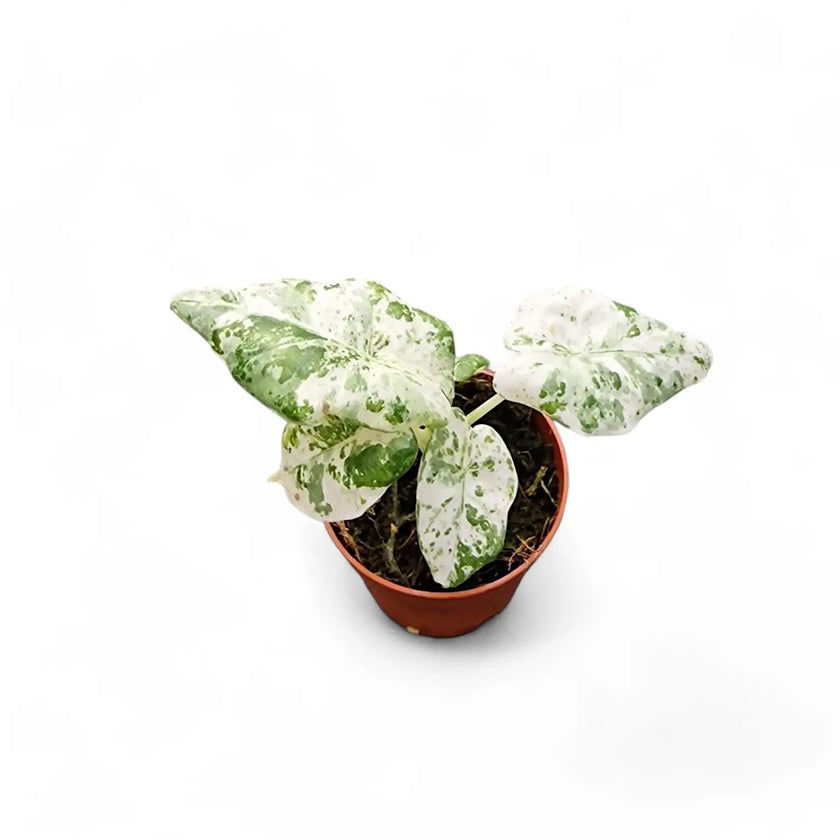
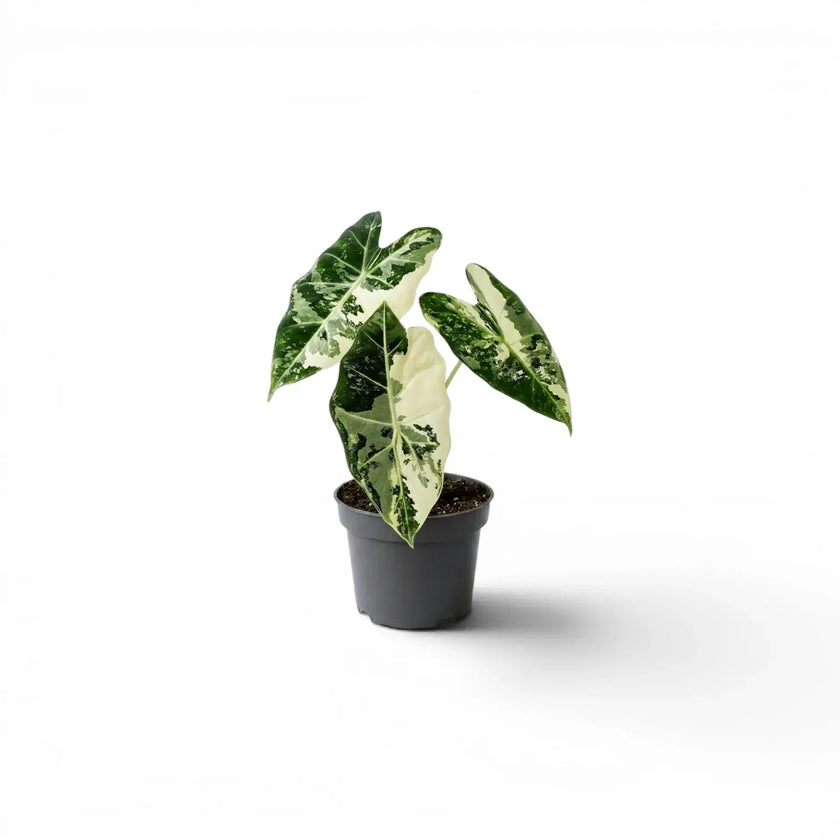
Alocasia ‘Frydek’ variegata
Sale priceFrom €16,75
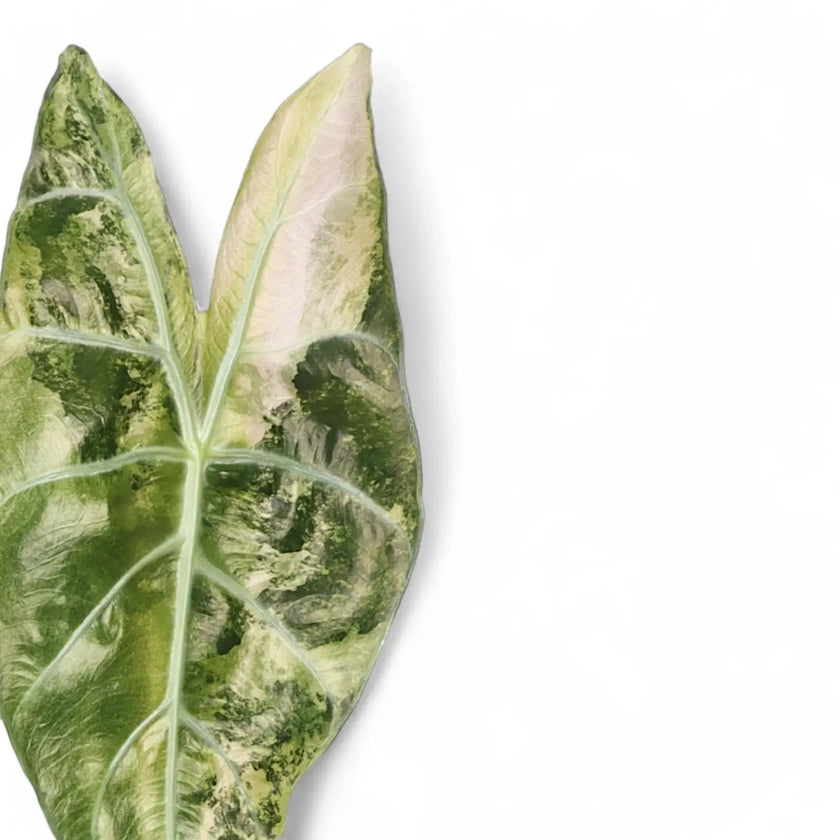
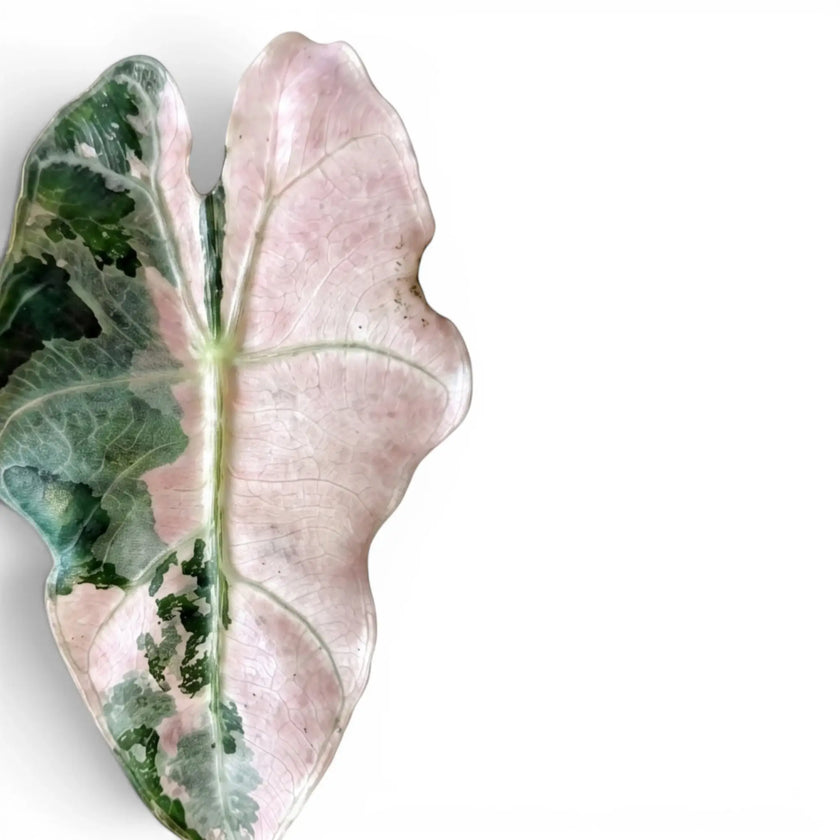
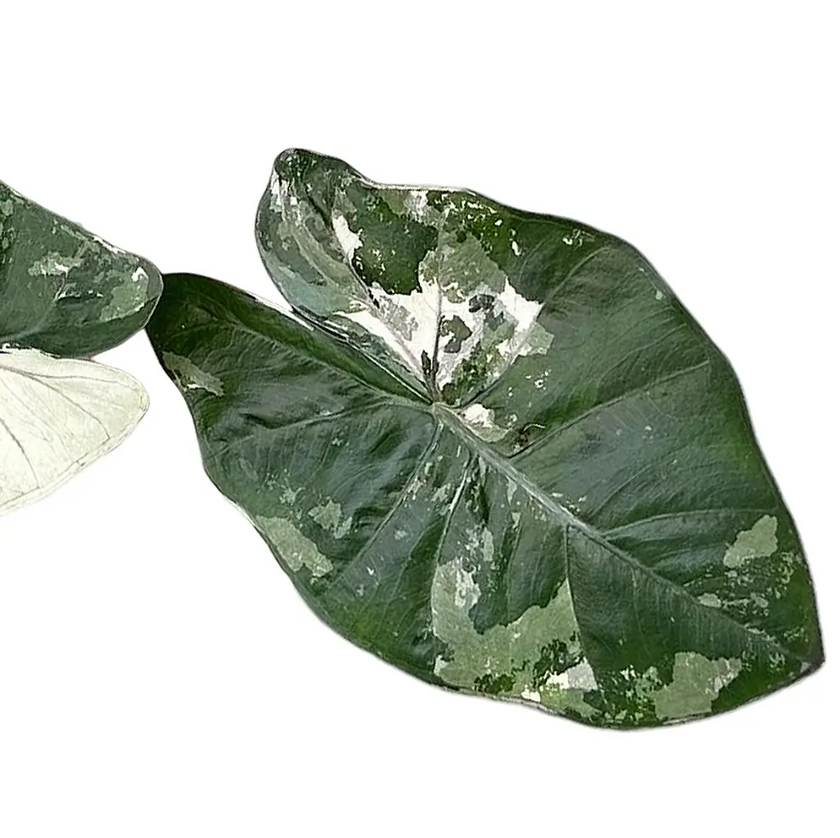
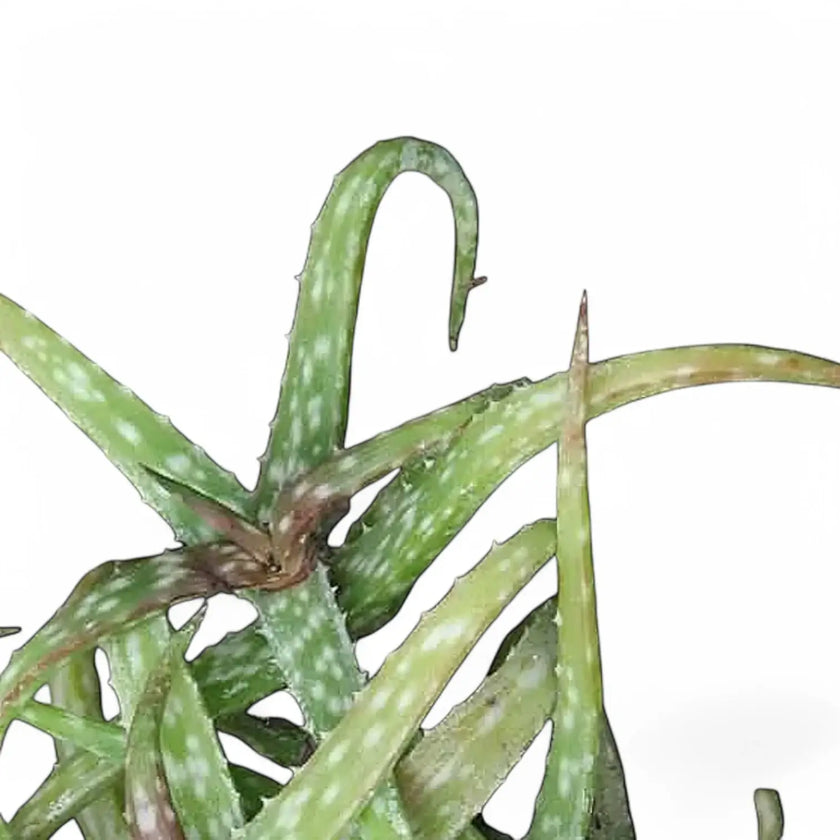
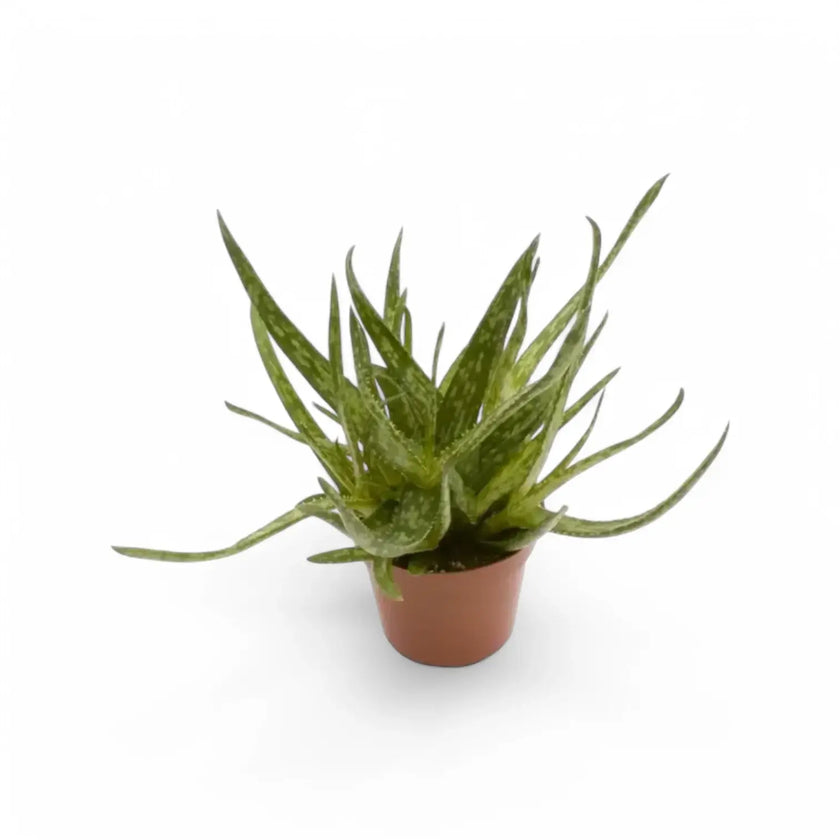
Aloe bakeriSold out

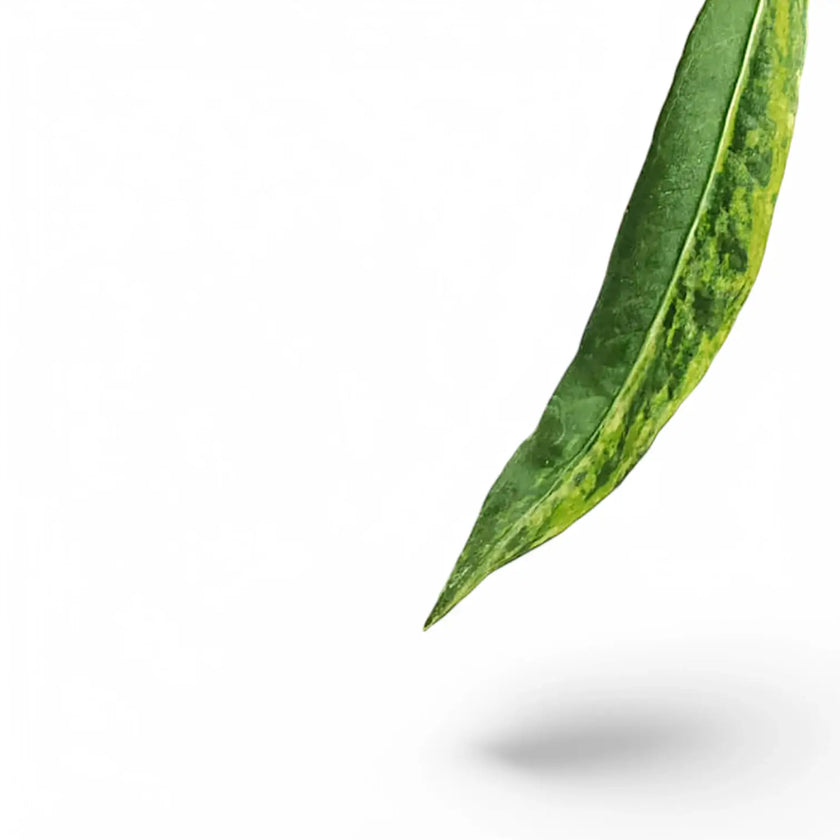


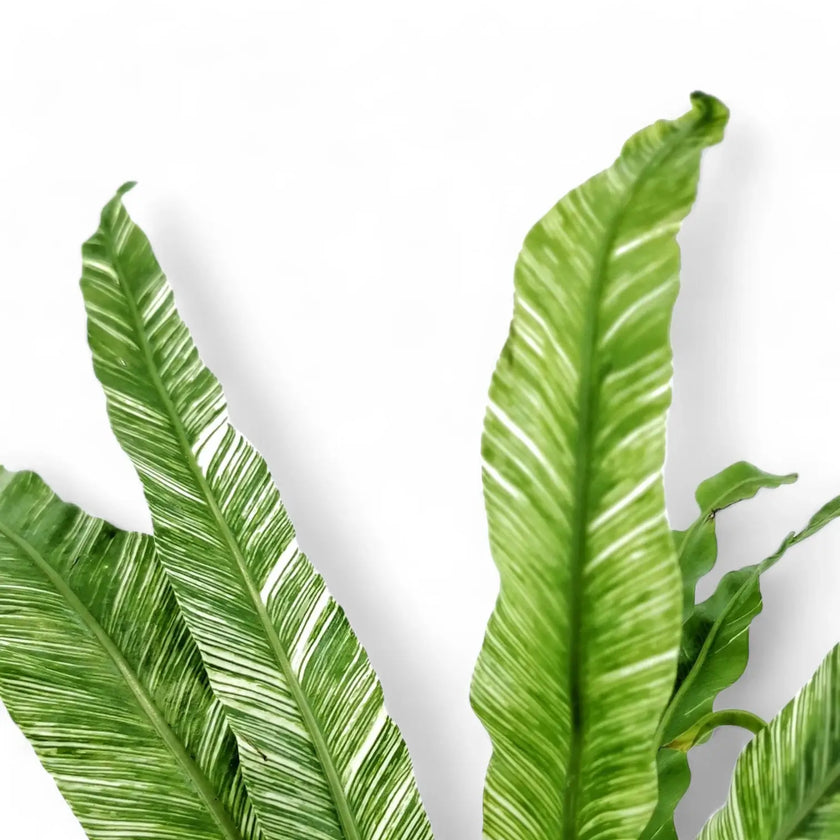
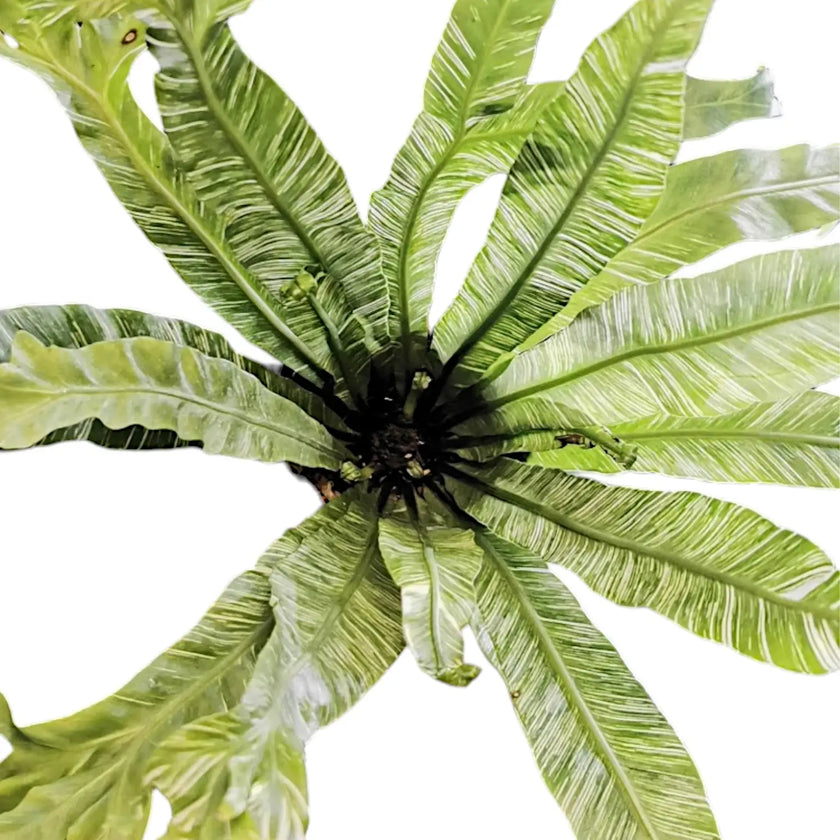
Asplenium nidus VariegataSold out

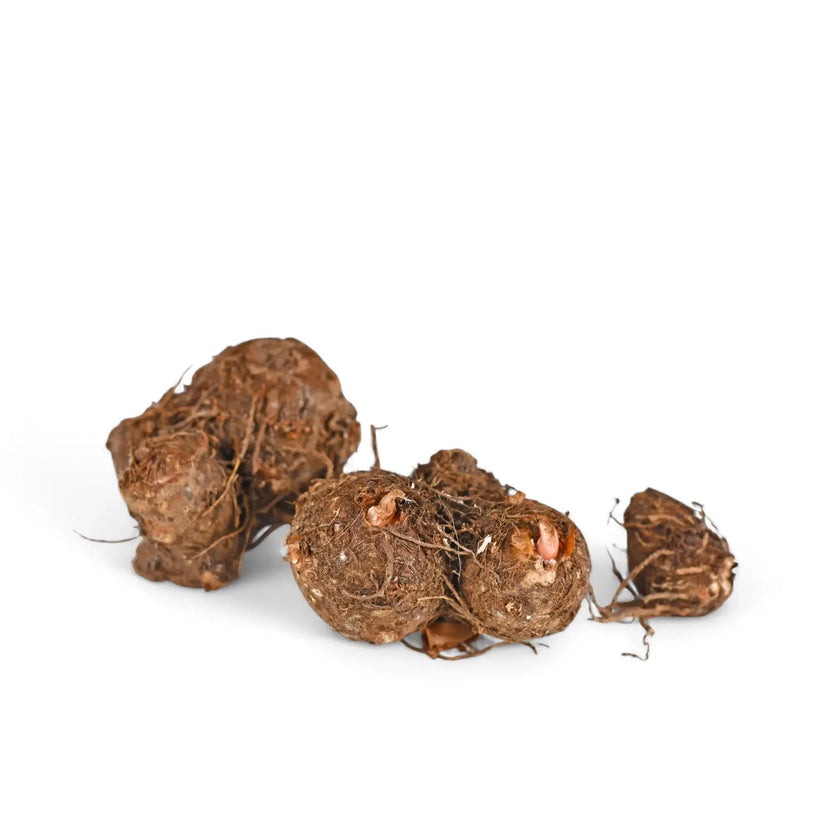
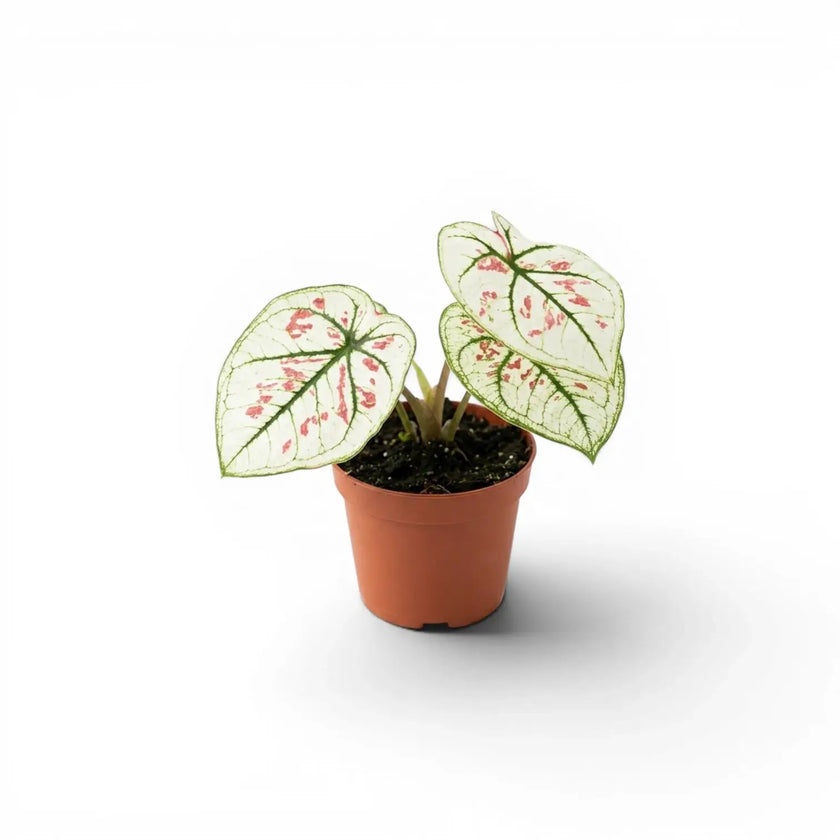
Caladium ‘Candidum’Sold out
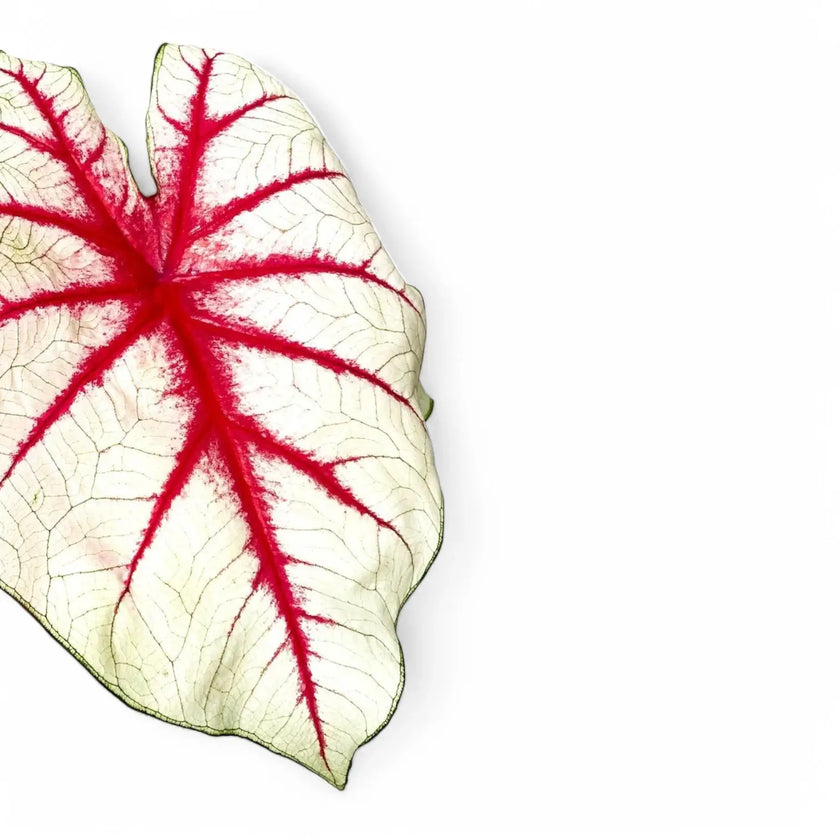
Caladium ‘Fiesta’Sold out

Caladium ‘Gingerland’Sold out
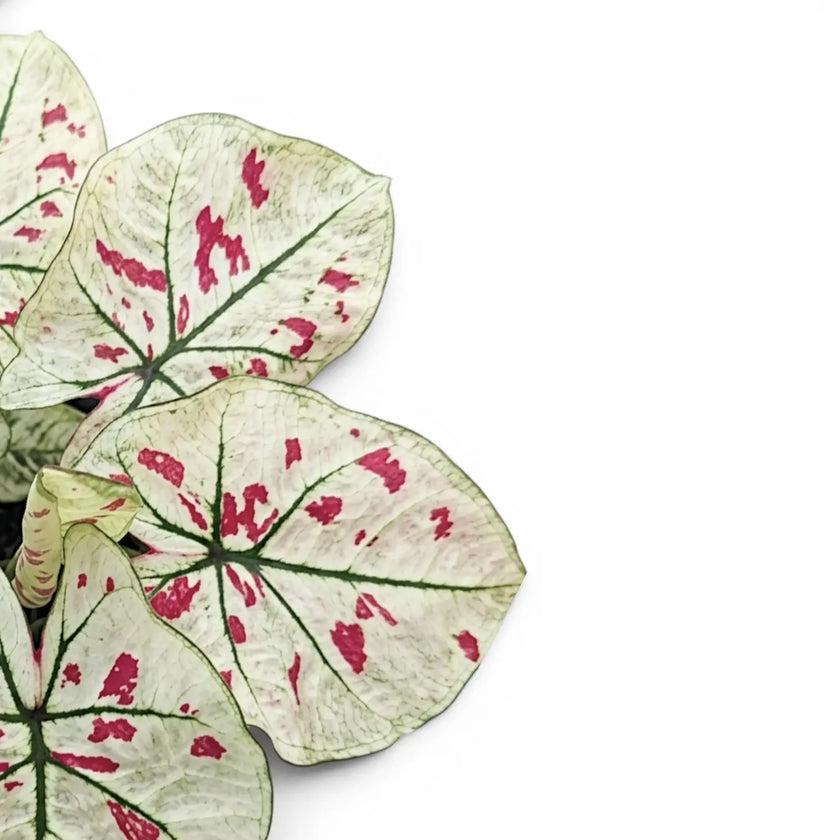
Caladium ‘Kelly’Sold out

Caladium ‘Pliage’Sold out
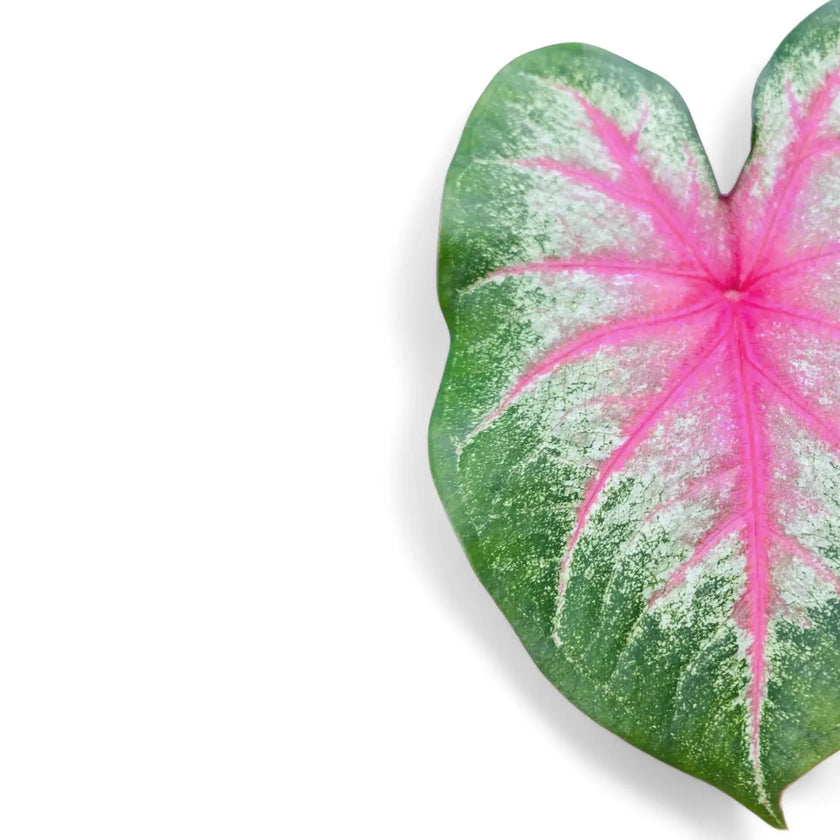
Caladium ‘Rosebud’Sold out
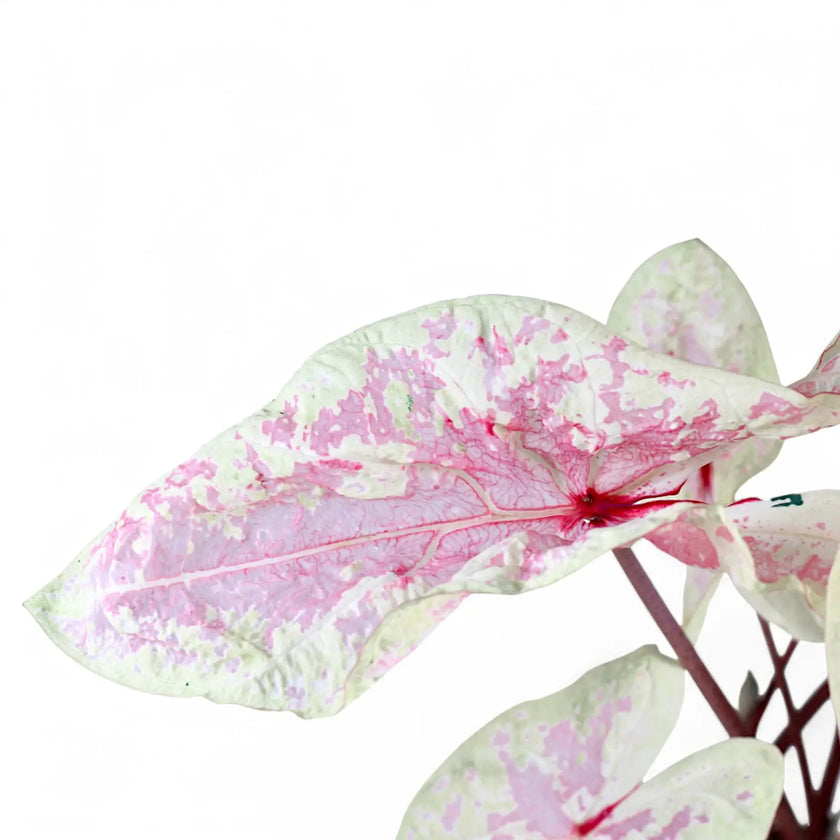
Caladium ‘Sea Foam Pink’Sold out

Caladium ‘Tapestry’Sold out

Caladium ‘White Christmas’Sold out

Caladium ‘White Queen’Sold out

Cercestis mirabilisSold out
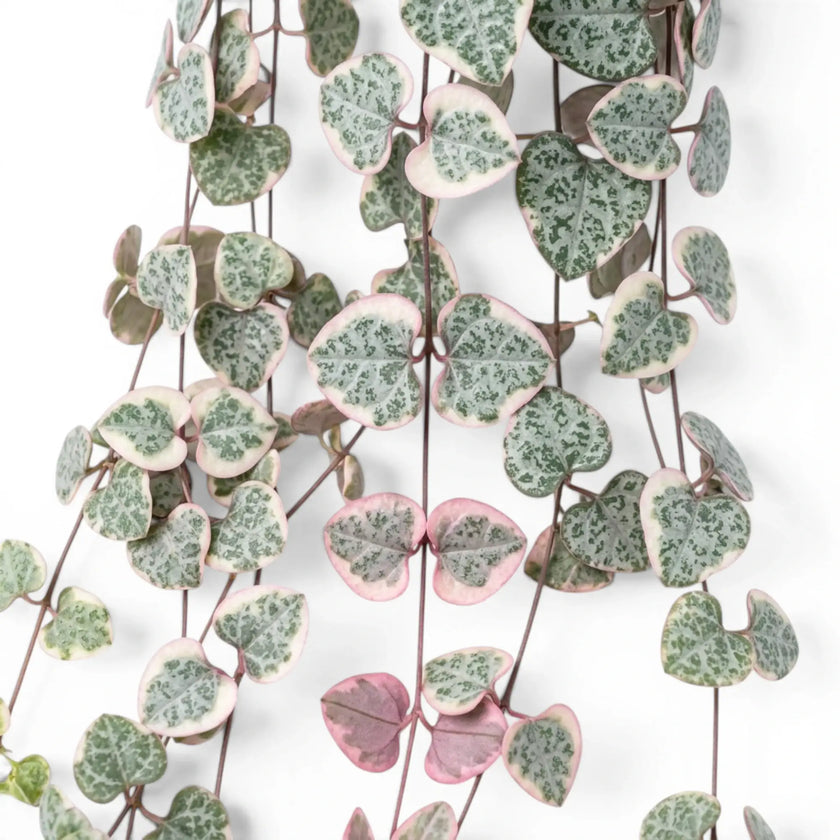
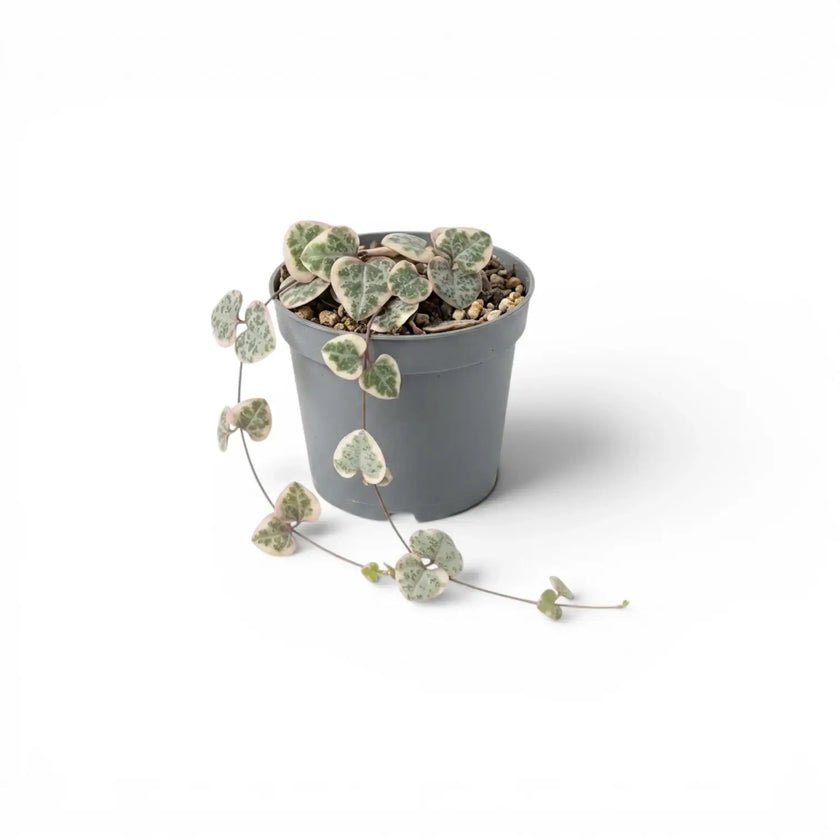
Ceropegia woodii variegata
Sale priceFrom €8,00

Chlorophytum comosum ‘Ocean’Sold out
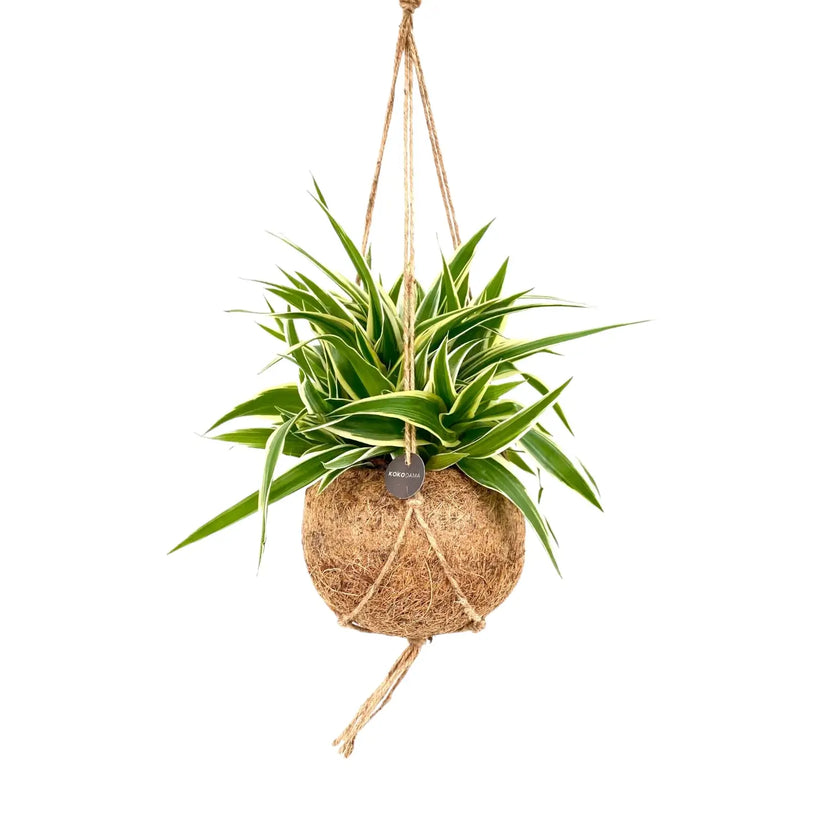
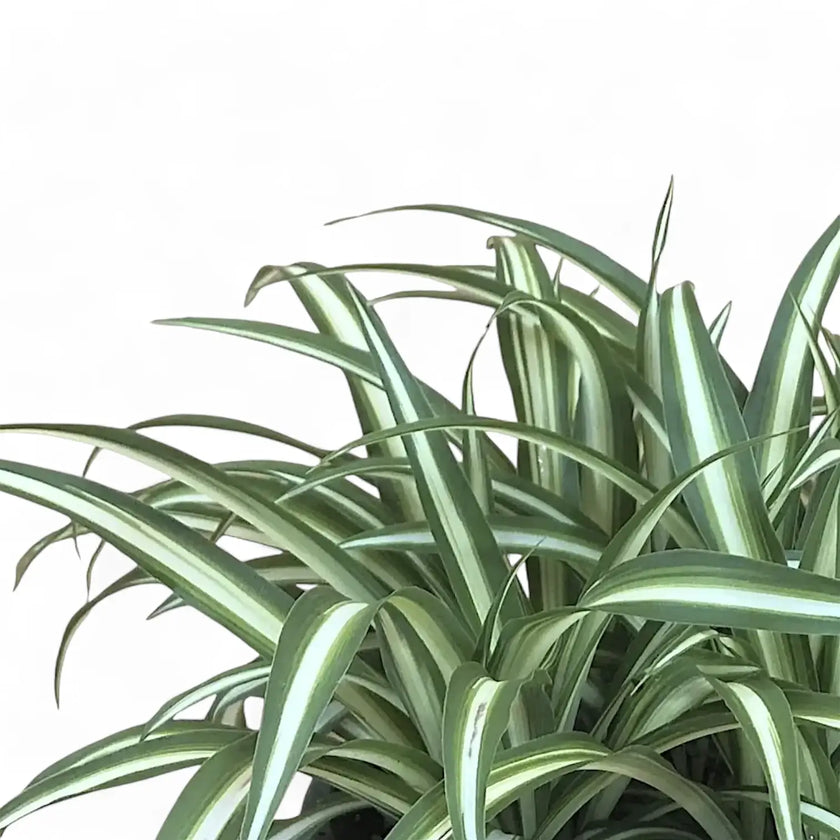
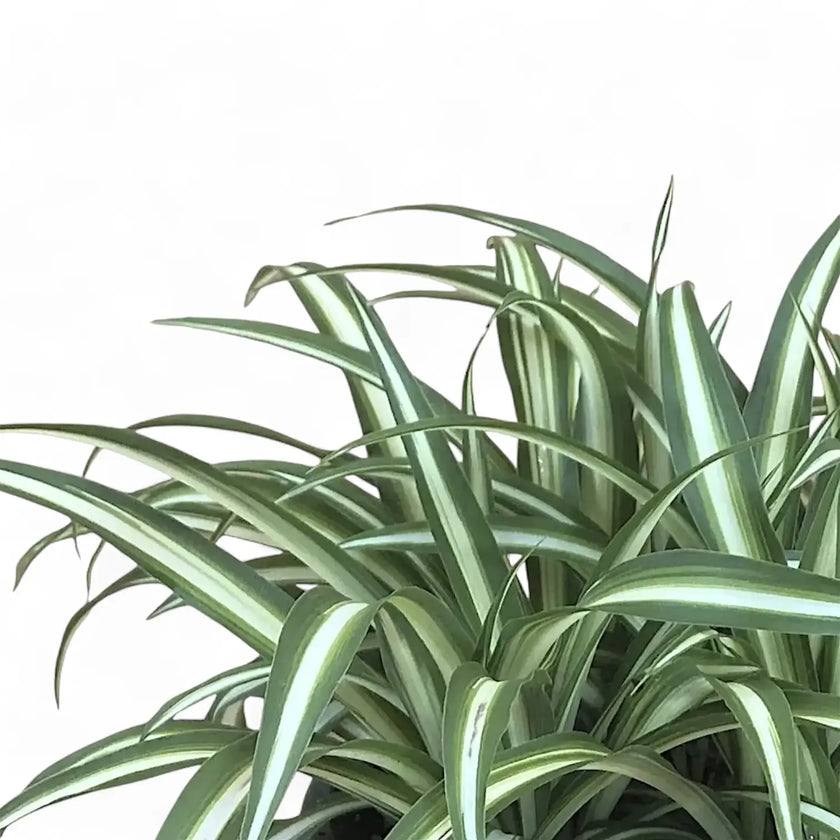
Chlorophytum comosum ‘Variegatum’
Sale priceFrom €8,00

Citrus × limon ‘Variegata’Sold out

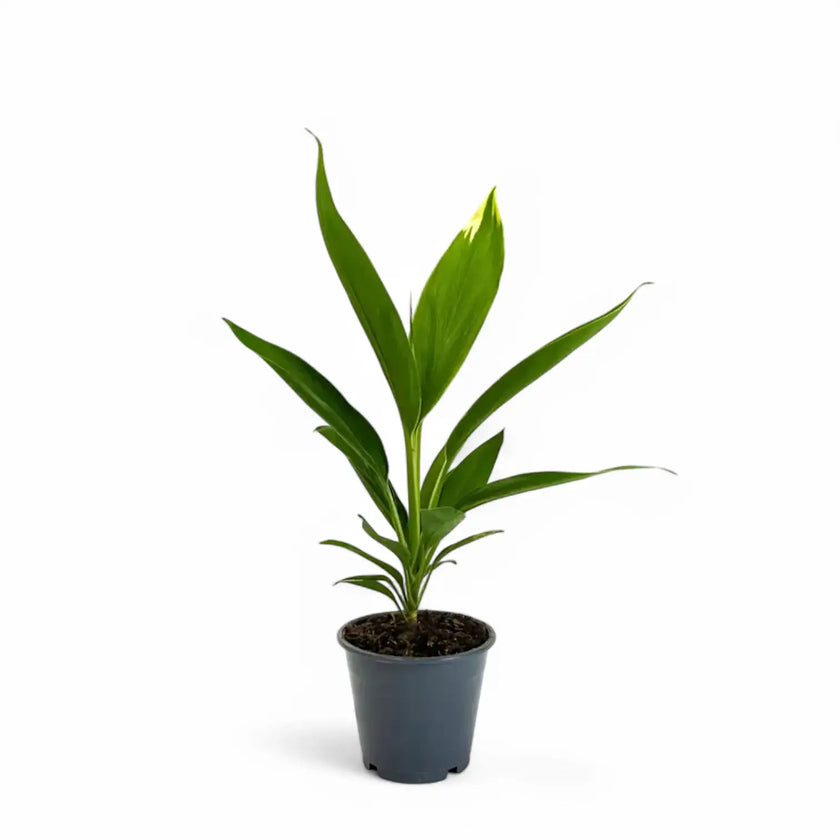
Cordyline fruticosa ‘Conga’Sold out
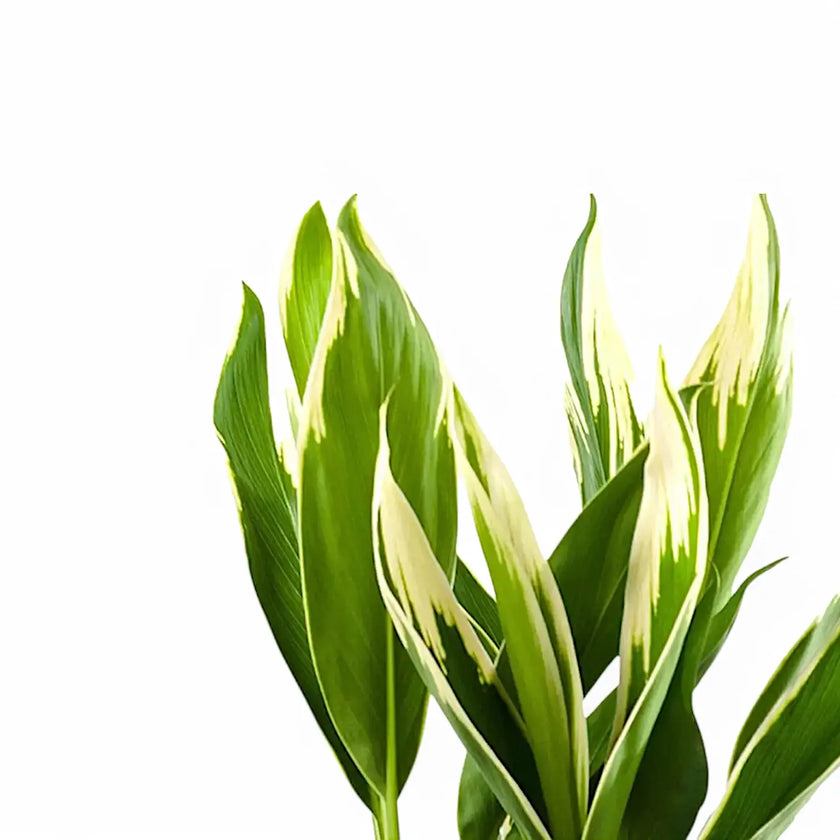
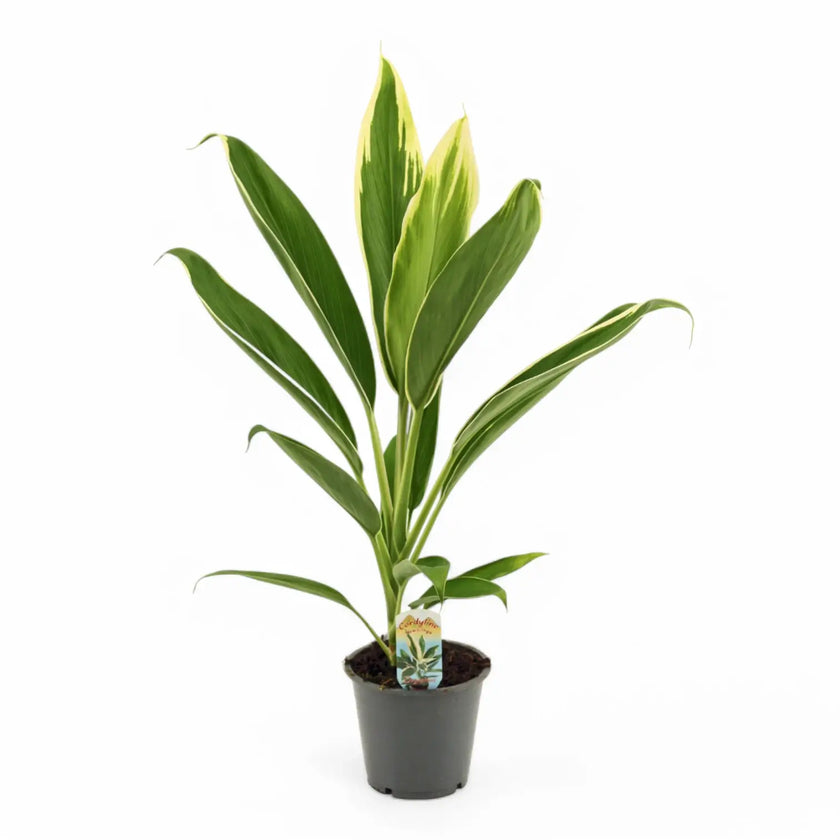
Cordyline fruticosa ‘New Conga’Sold out
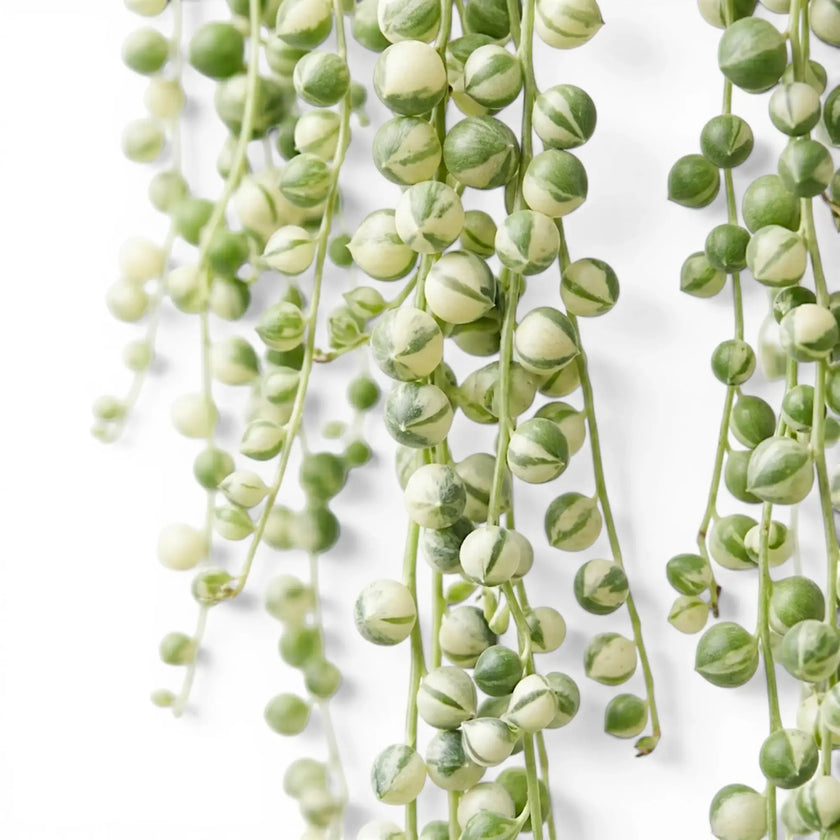
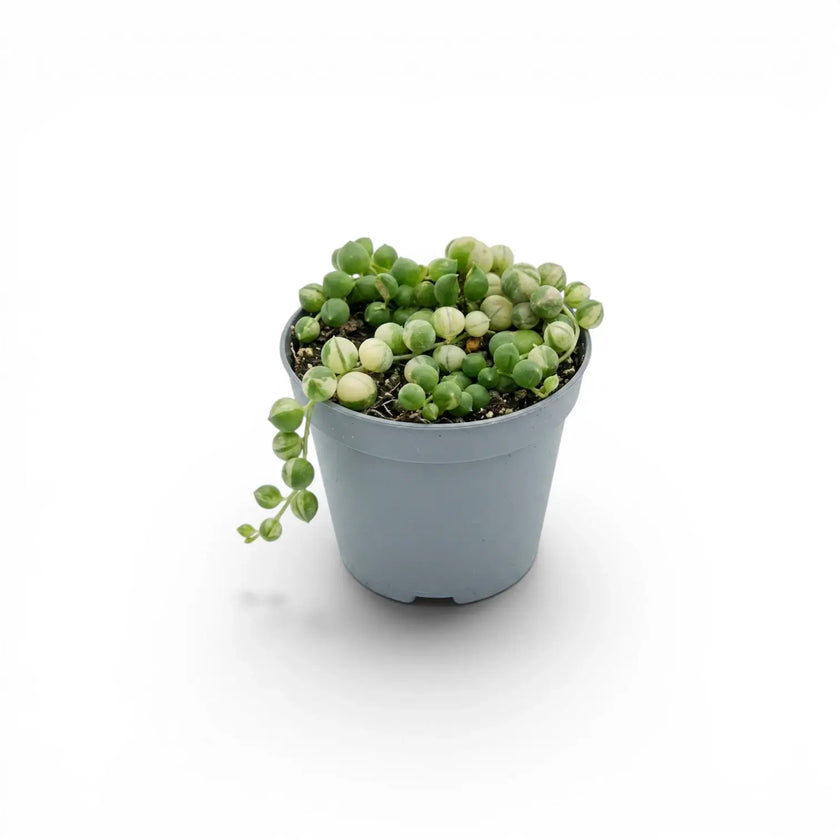
Curio rowleyanus variegata
Sale priceFrom €8,00

Dieffenbachia 'Amy'Sold out

Dieffenbachia 'Camilla'
Sale priceFrom €8,00


Sign up for Foliage Factory newsletter for early access to new arrivals and practical care tips that work in real homes.