Skip to content

Cart

Your cart is empty.

Drought-Tolerant Plants

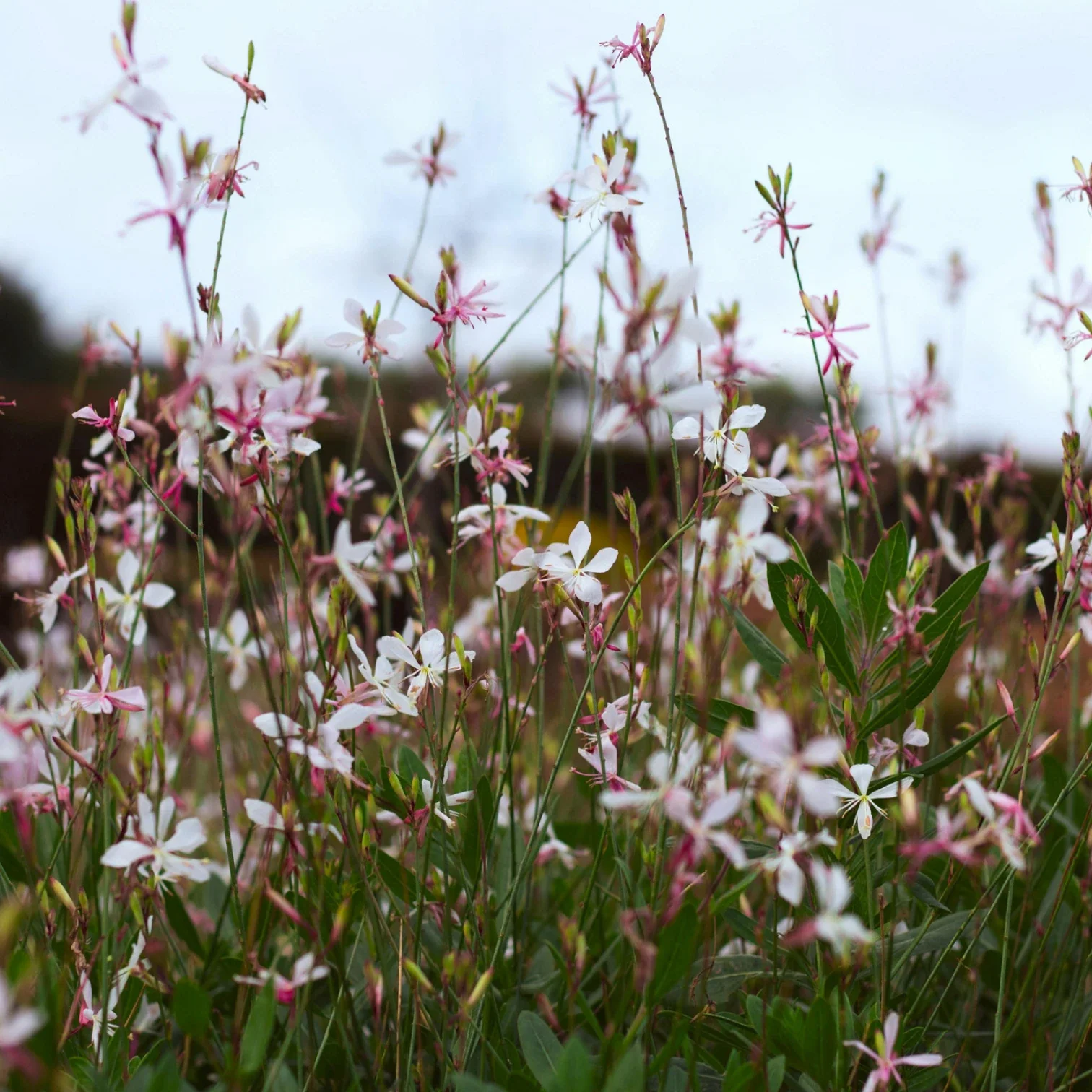
Oenothera lindheimeri blooming

Sort by:

26 products

Filters

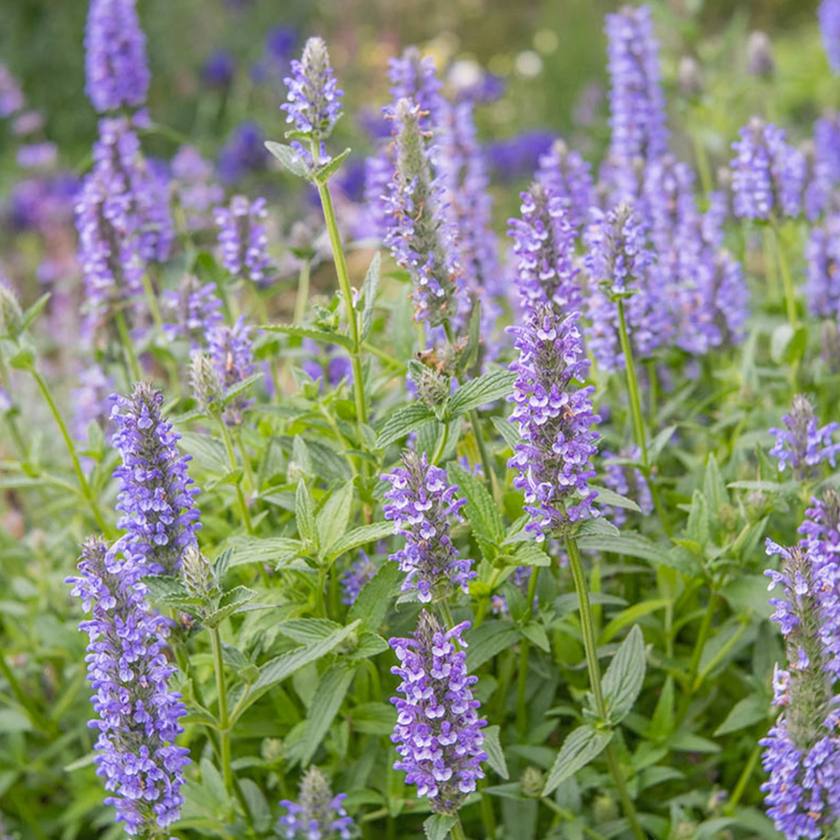
Agastache 'Blue Fortune' detail shot.
Agastache 'Blue Fortune' Regular price From €9,50
Campanula carpatica 'Weisse Clips' in nursery pot close-up.
Campanula carpatica 'Weisse Clips' Regular price From €8,00
Campanula portenschlagiana Ambella Intense Purple detail shot.
Campanula portenschlagiana Ambella Lavender plant detail.
Campanula portenschlagiana Ambella Pink detail shot.
Campanula carpatica 'Weisse Clips' detail shot.
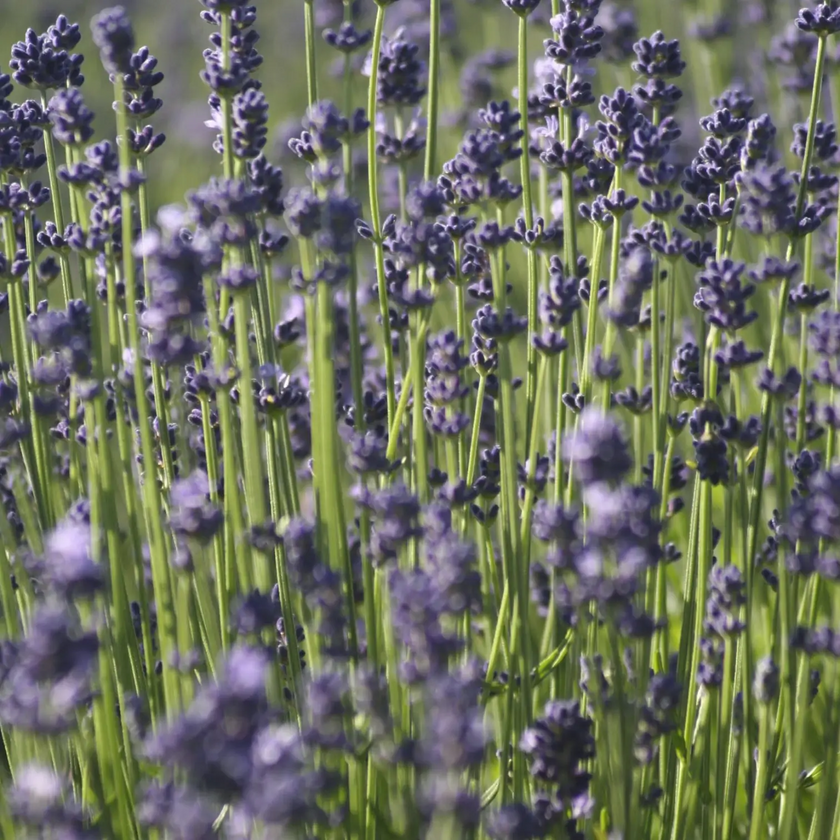
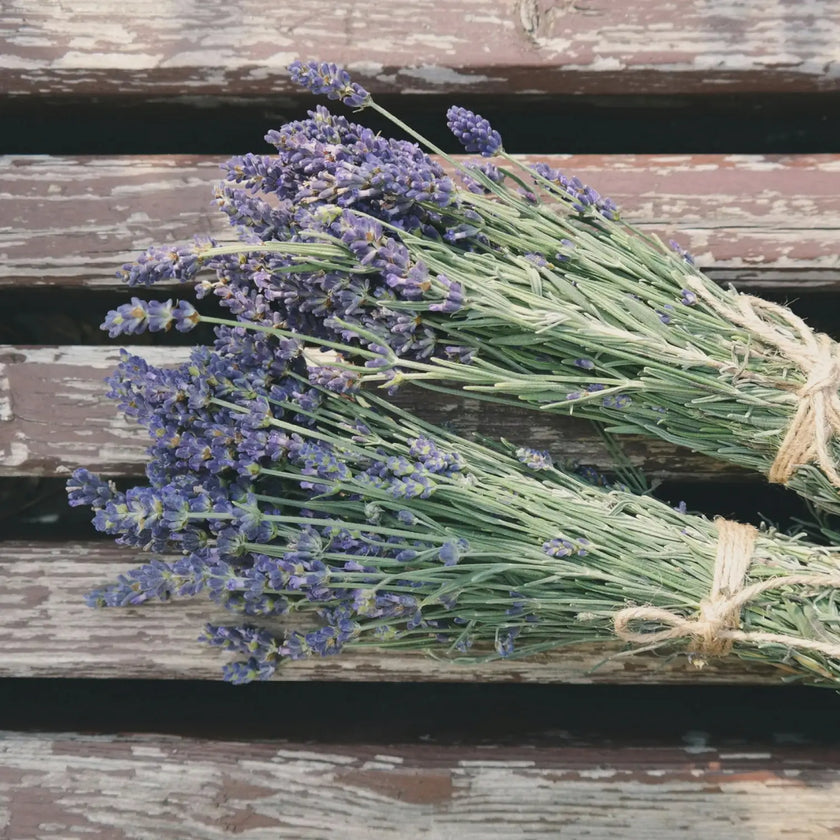
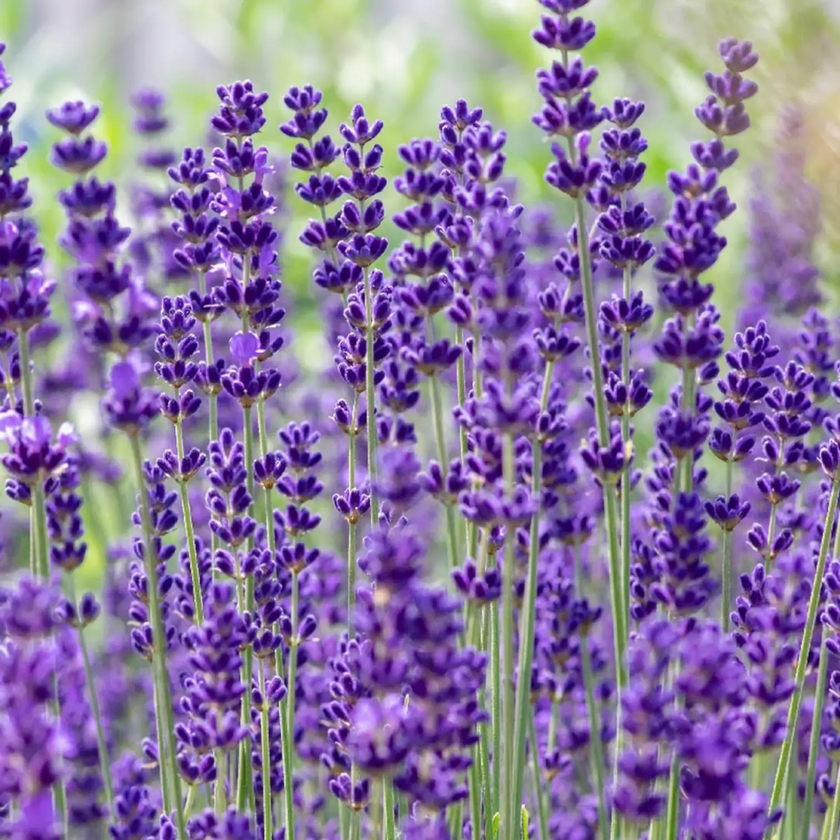
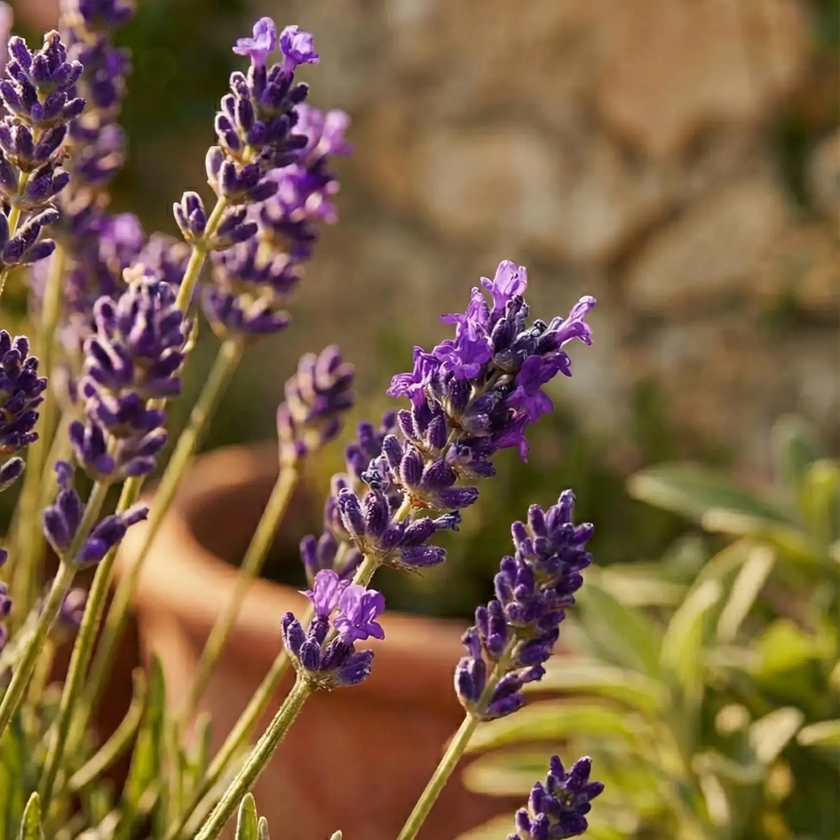
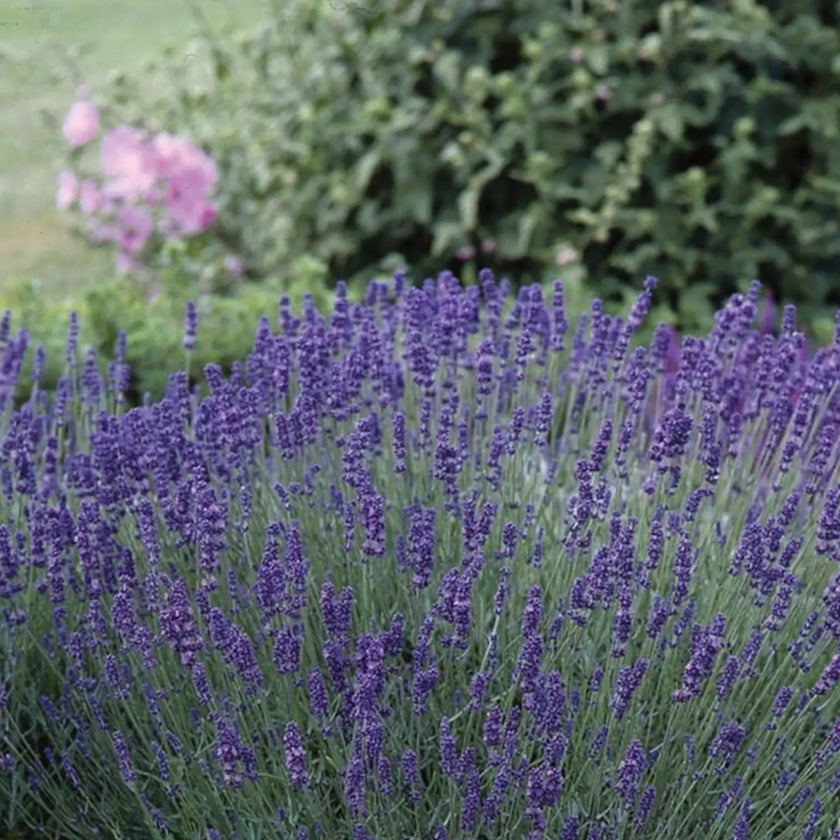
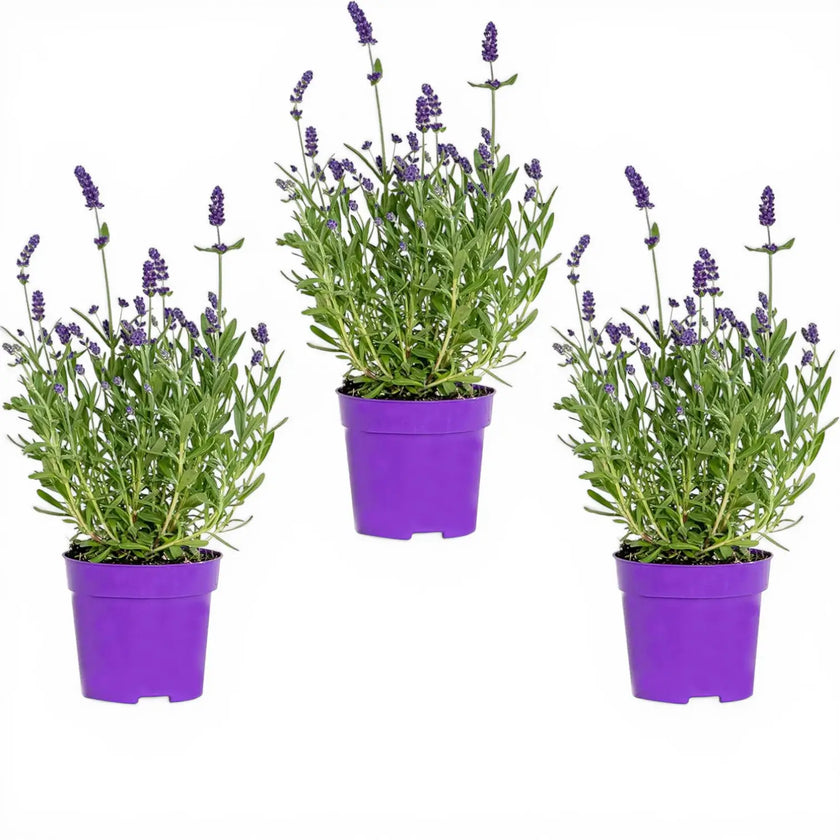
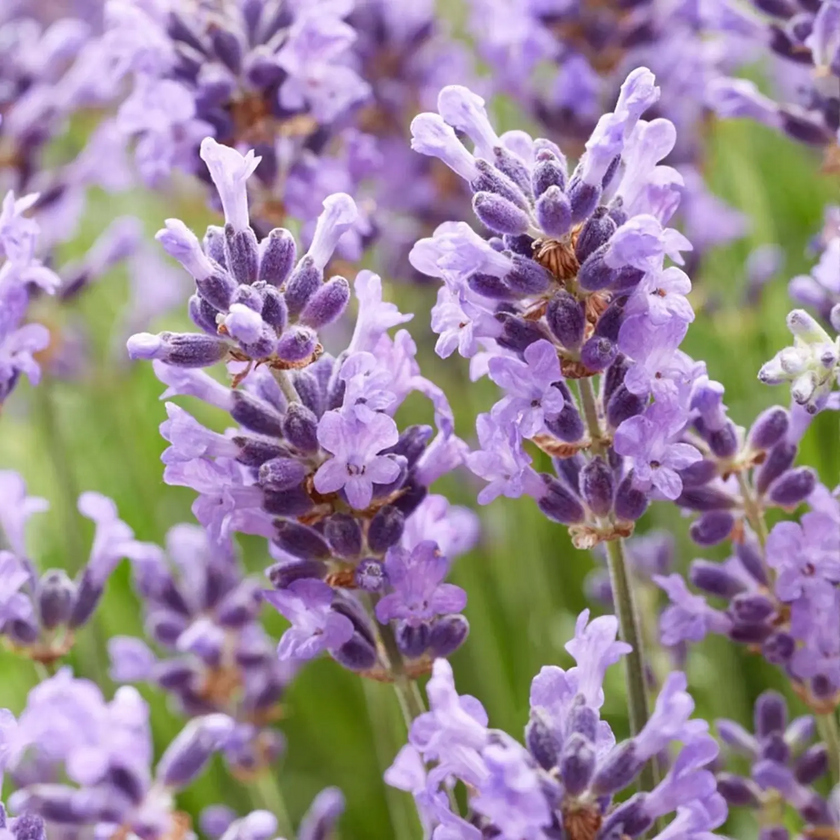
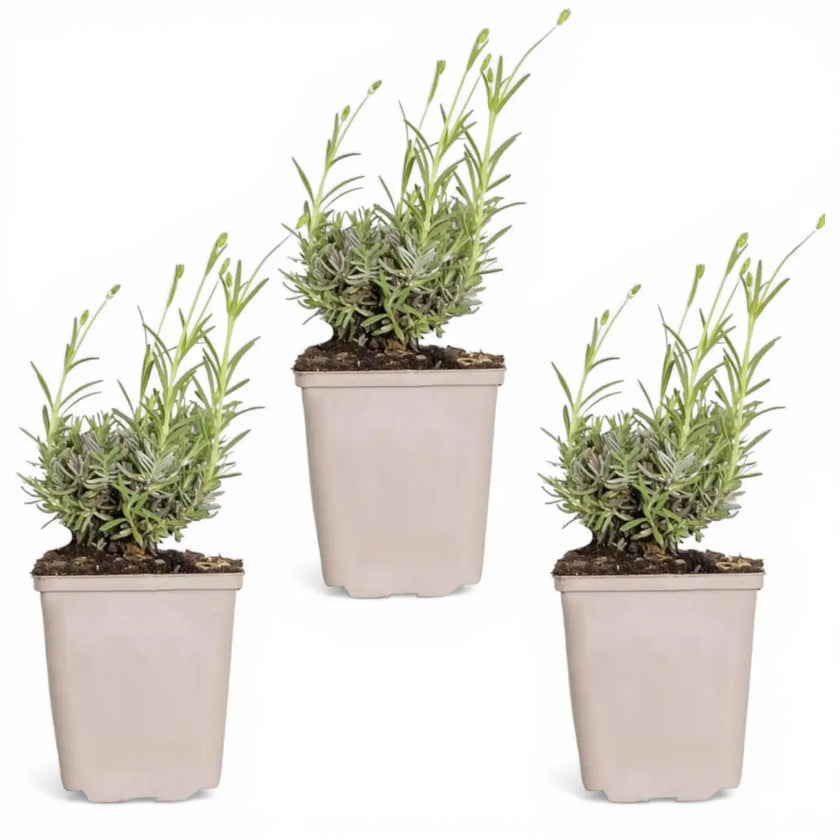
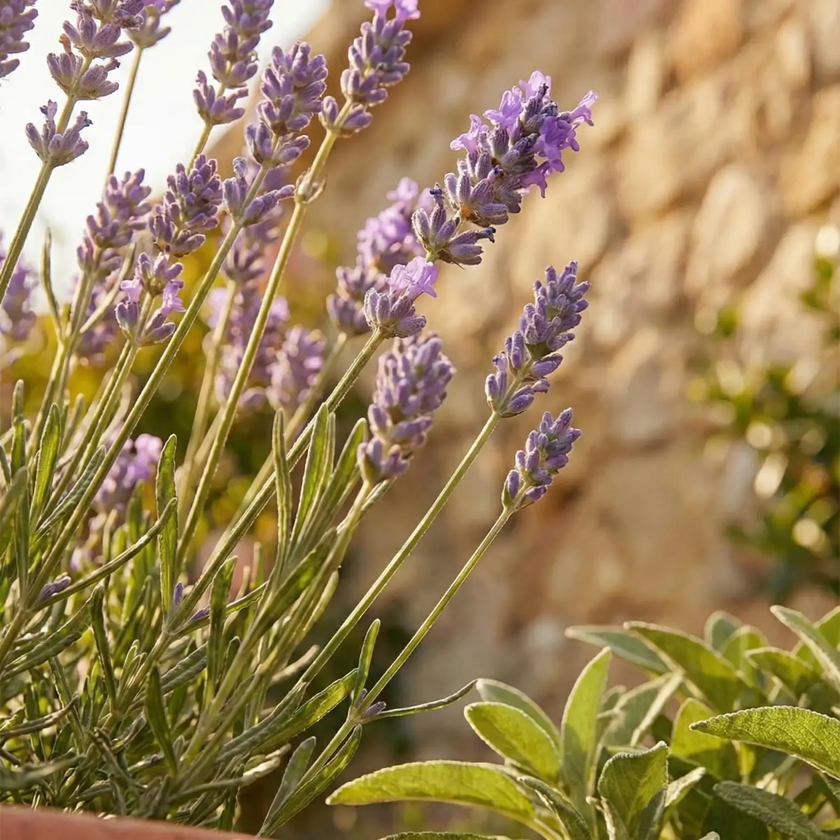
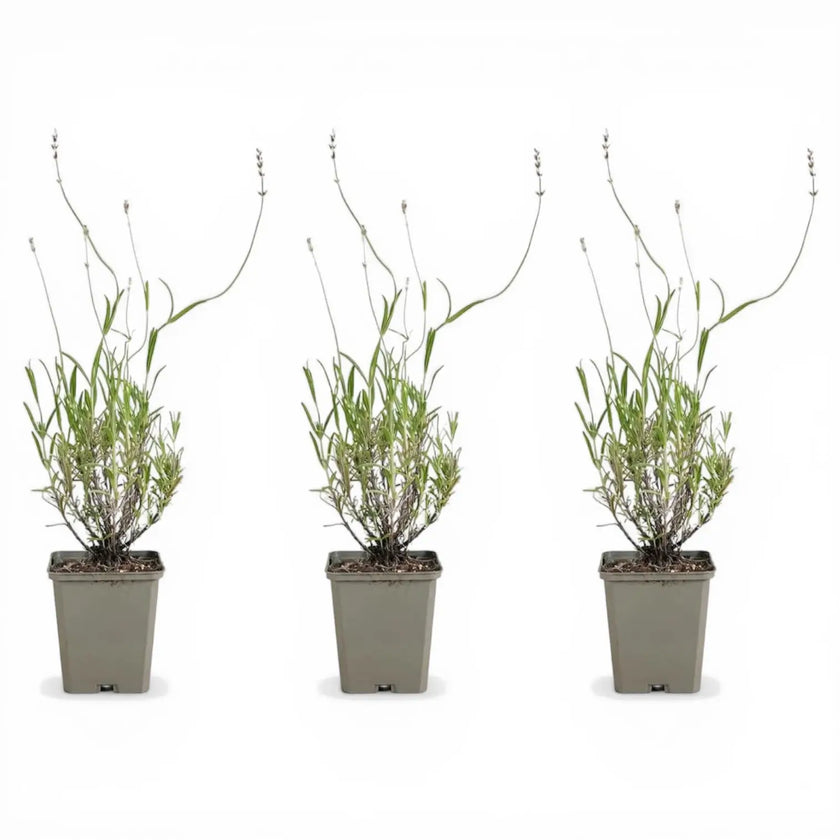
Lavandula angustifolia plant detail.
Lavandula angustifolia Regular price €13,50
Lavandula angustifolia 'Dwarf Blue' close-up detail.
Lavandula angustifolia 'Dwarf Blue' Regular price €12,00
Lavandula angustifolia 'Edelweiss' close-up detail.
Lavandula angustifolia 'Edelweiss' Regular price €12,00
Lavandula angustifolia 'Felice' close-up detail.
Lavandula angustifolia 'Felice' Regular price From €10,75
Lavandula angustifolia 'Hidcote' detail shot.
Lavandula angustifolia 'Hidcote' Regular price €12,00
Lavandula angustifolia 'Munstead' detail shot.
Lavandula angustifolia 'Munstead' Regular price €12,00
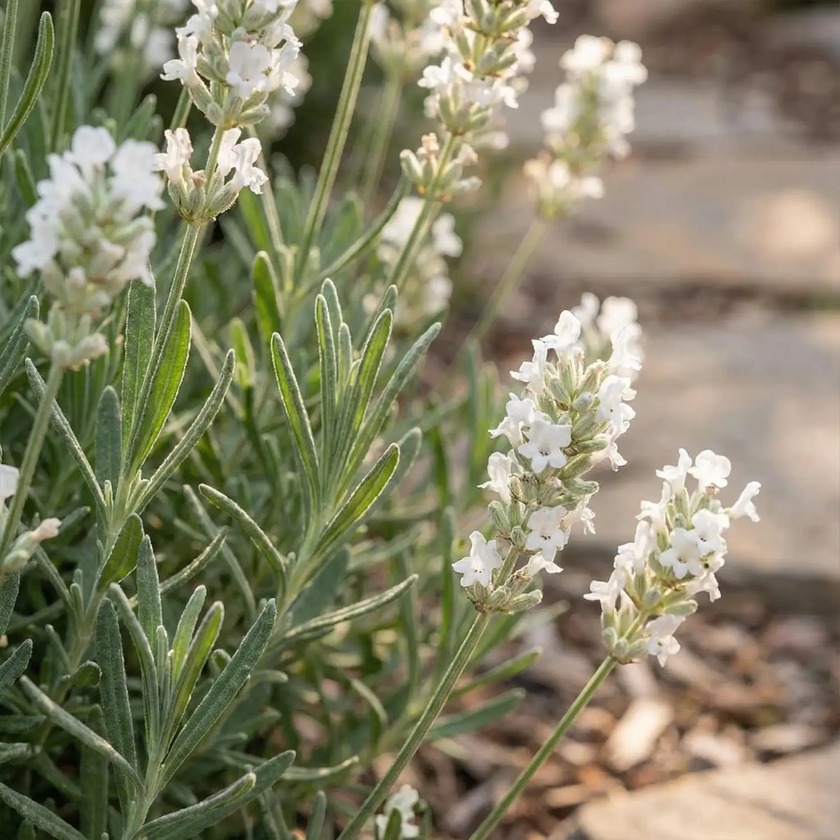
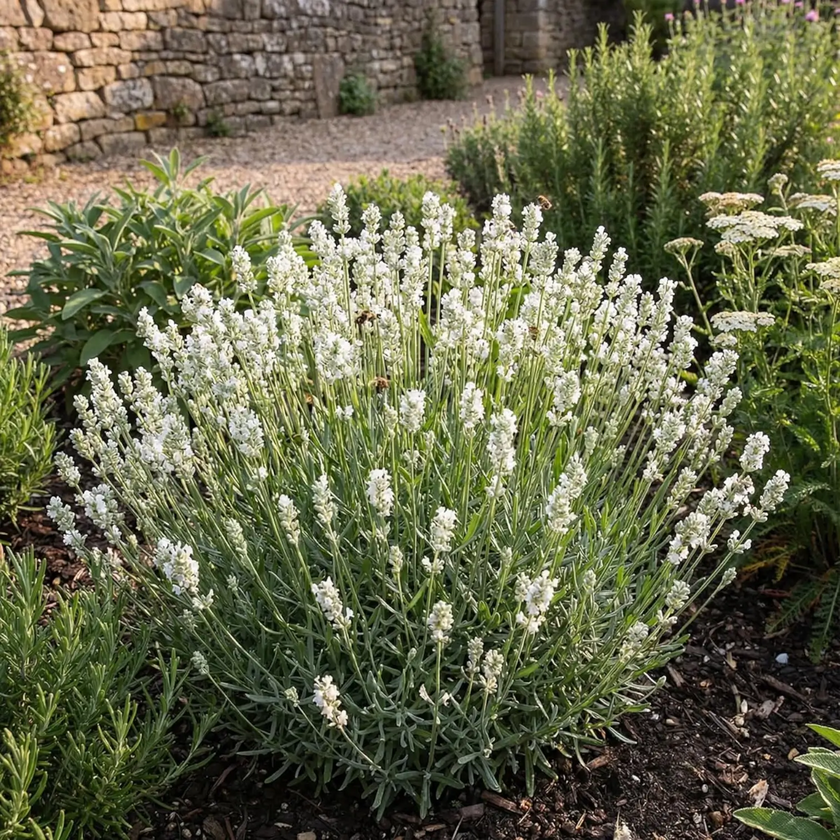
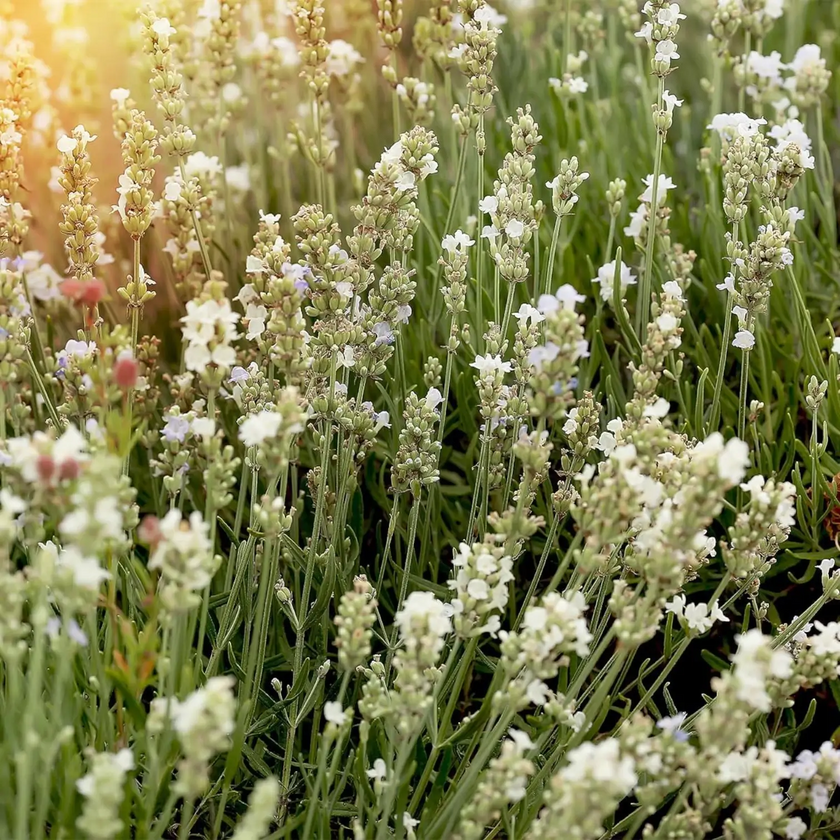
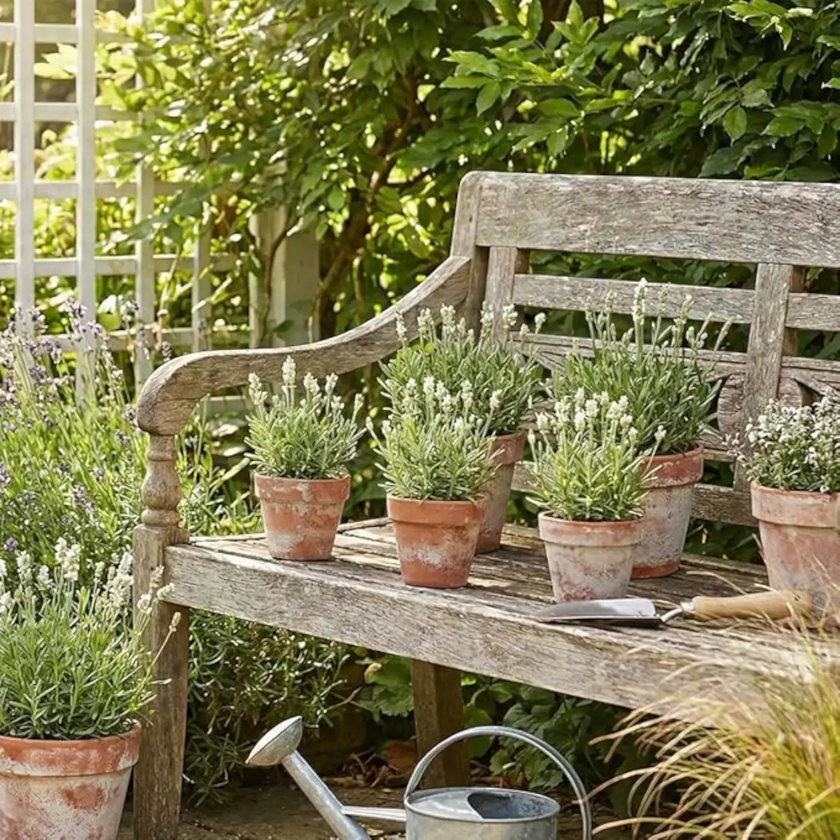
Lavandula angustifolia (white form) close-up detail.
Lavandula angustifolia (white form) Regular price €13,50
Nepeta 'Walker's Low' detail shot.
Nepeta 'Walker's Low' Regular price €12,00
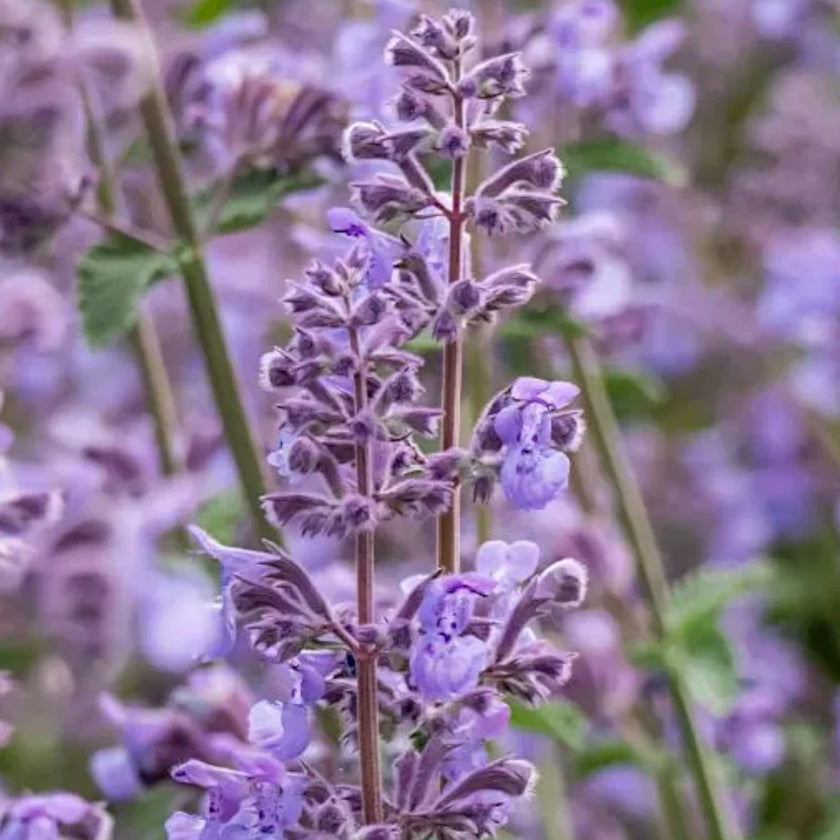
Nepeta nervosa 'Blue Moon' close-up detail.
Nepeta nervosa 'Blue Moon' Regular price €12,00
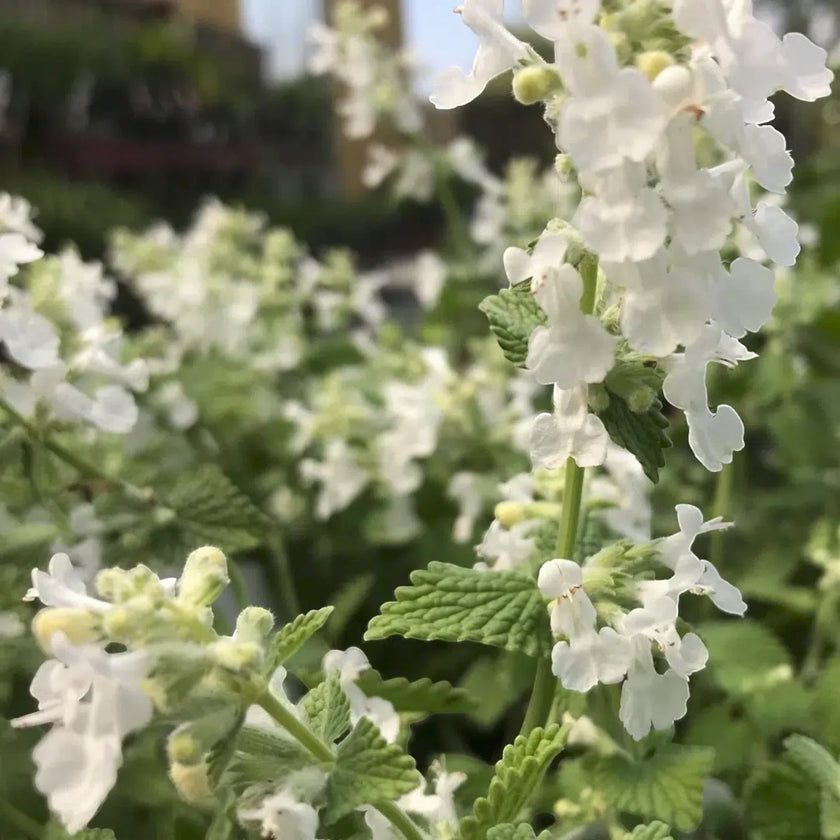
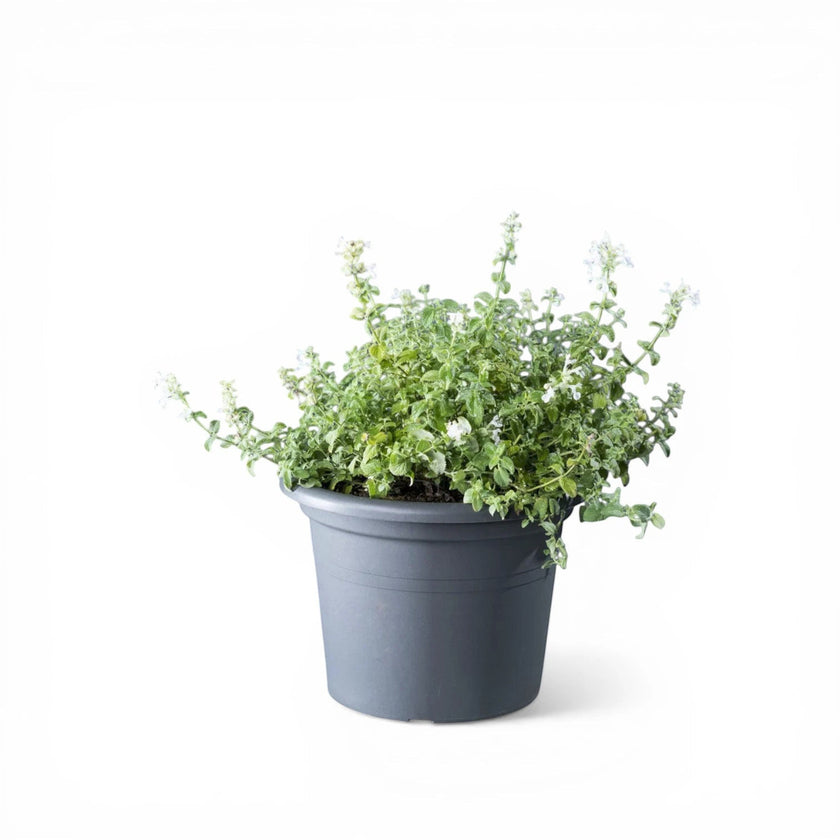
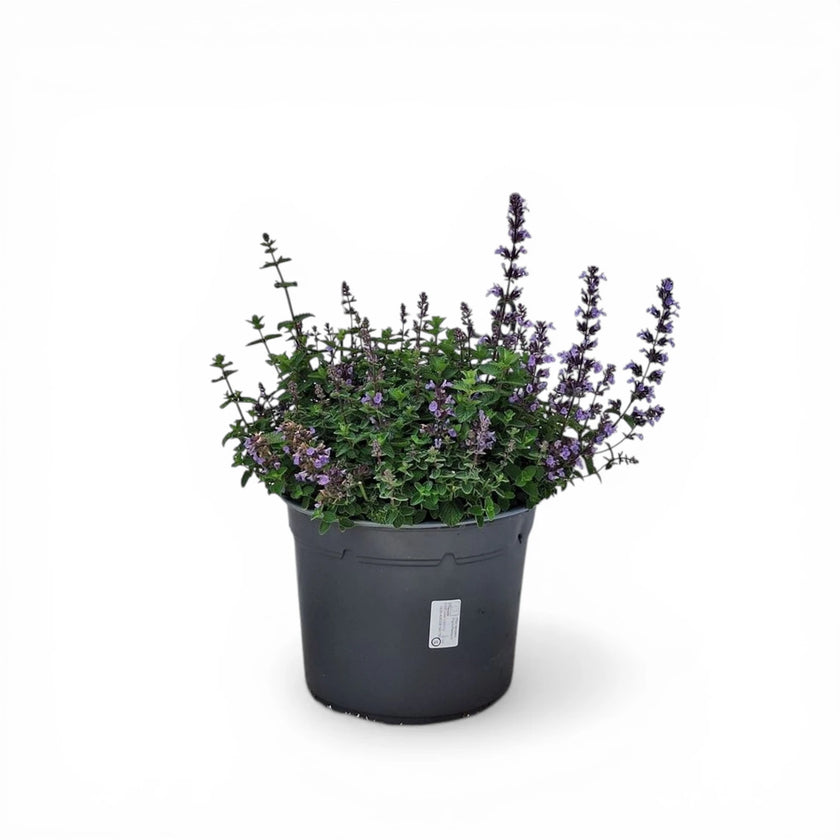
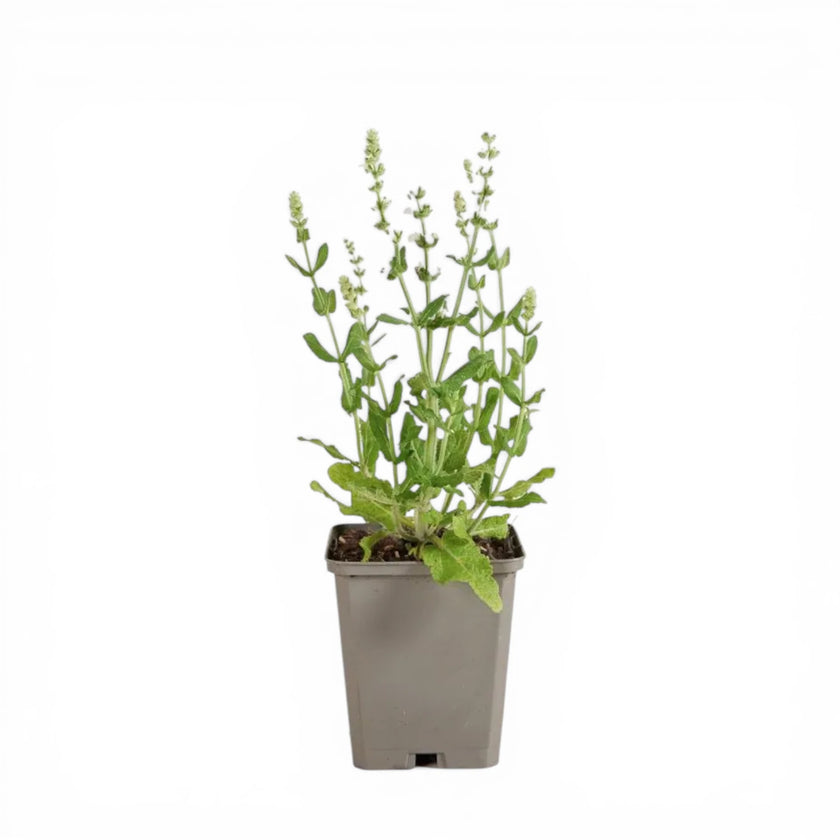
Foliage Factory Nepeta racemosa 'Snowflake' white catmint plant with small flowers and green foliage.
Nepeta racemosa 'Snowflake' Regular price €12,00
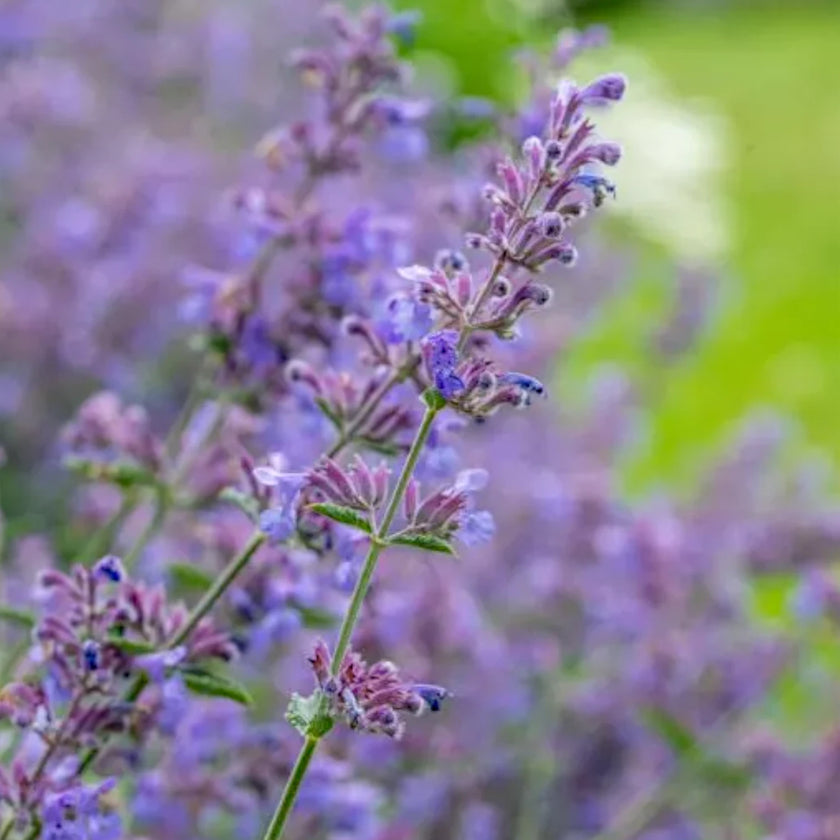
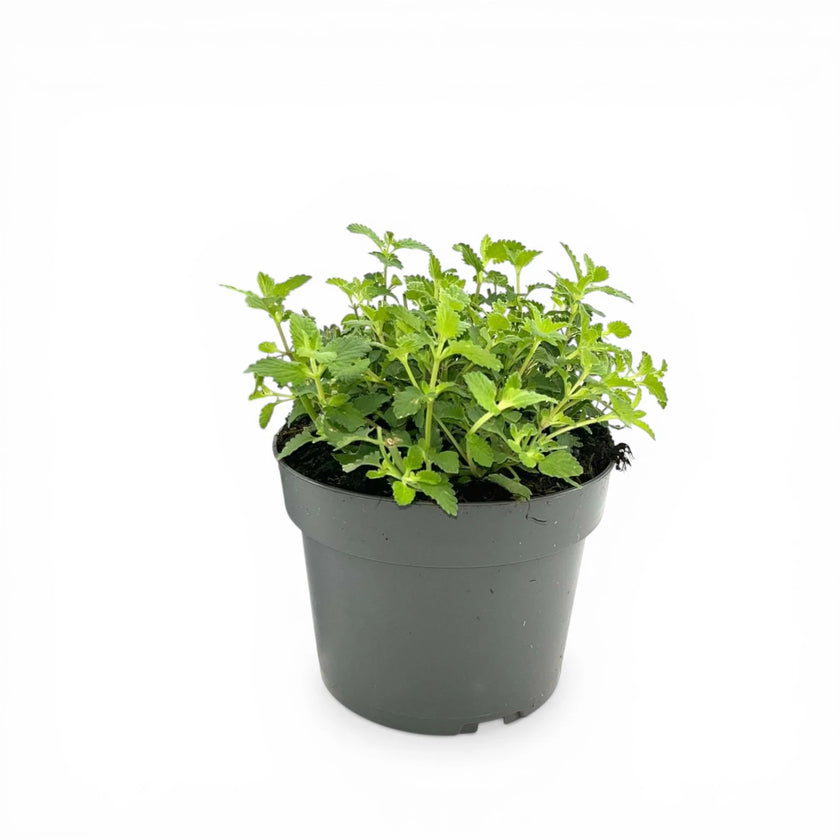
Nepeta × faassenii plant detail.
Nepeta × faassenii Regular price €12,00
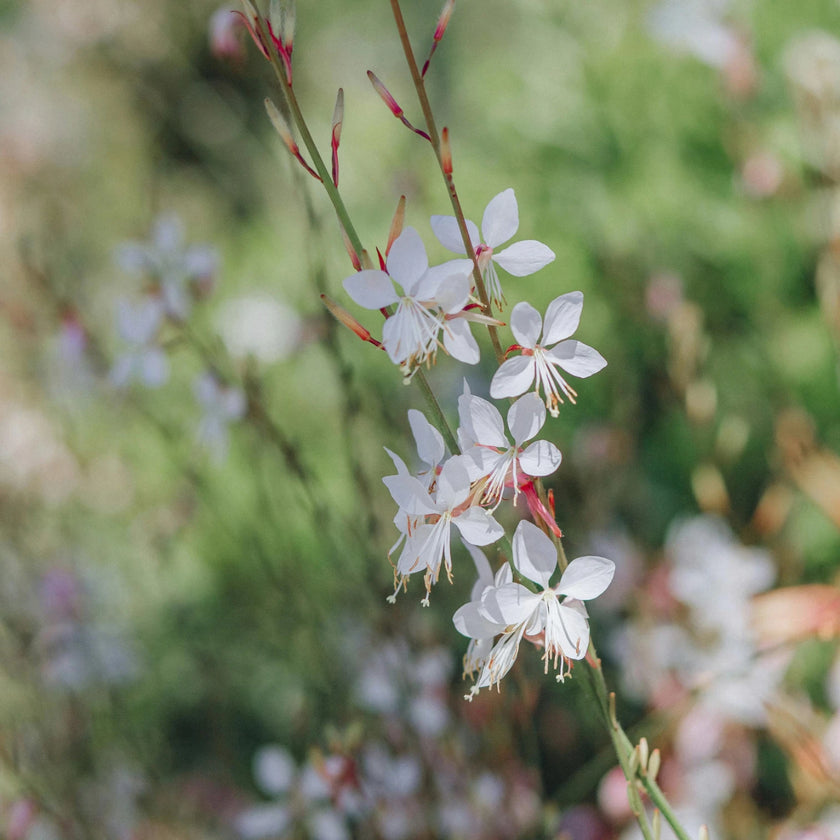
Oenothera lindheimeri detail shot.
Oenothera lindheimeri Regular price €16,00
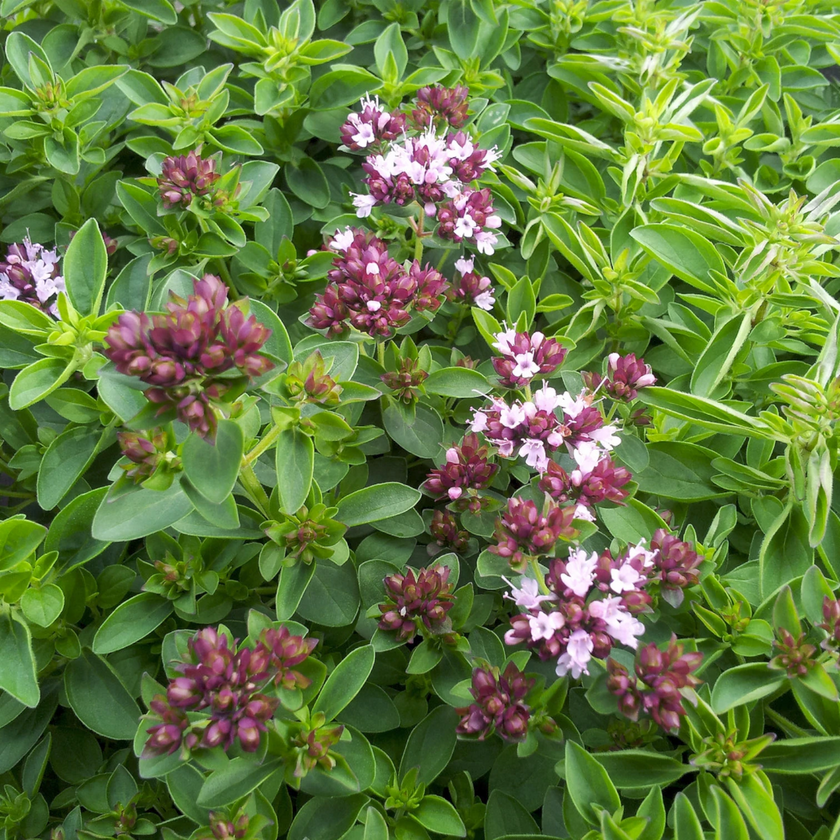
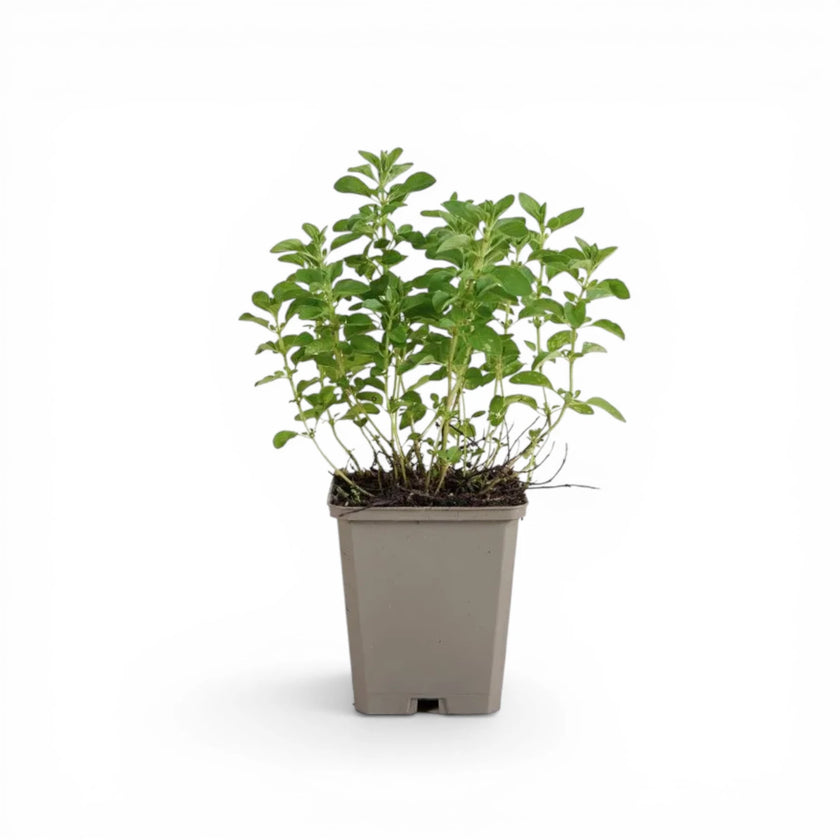
Origanum vulgare 'Compactum' close-up detail.
Origanum vulgare 'Compactum' Regular price €13,50
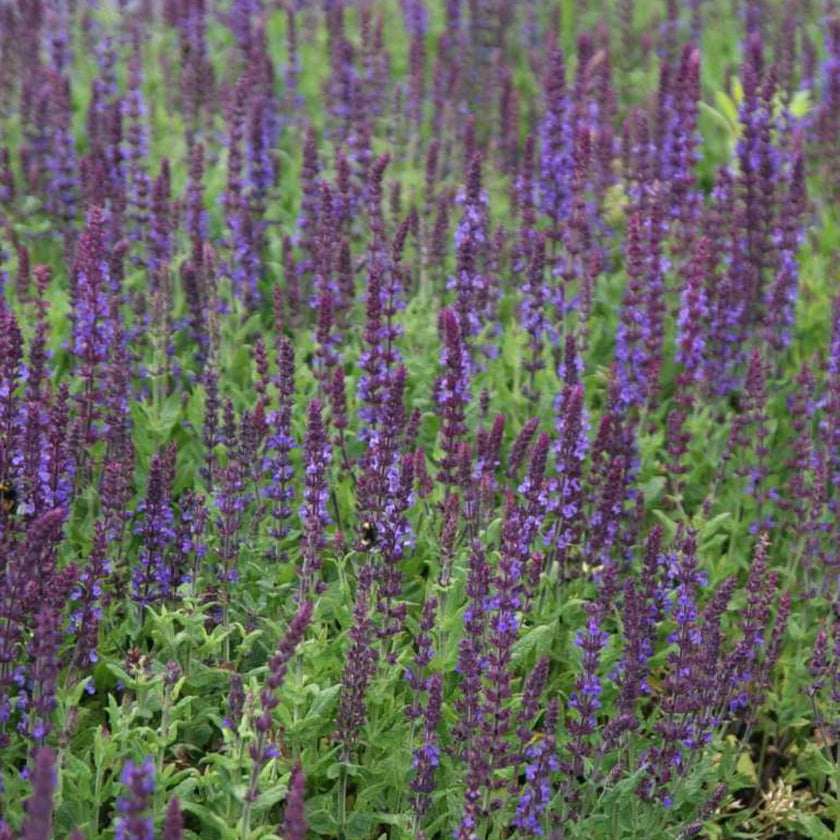
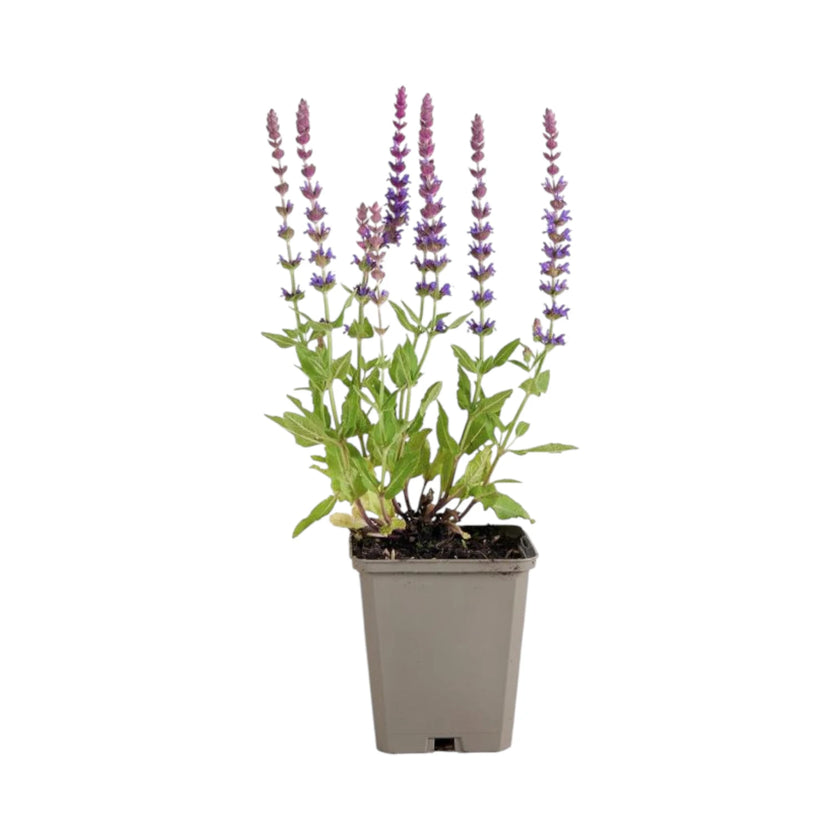
Salvia nemorosa 'Blaukönigin' detail shot.
Salvia nemorosa 'Blaukönigin' Regular price €12,00
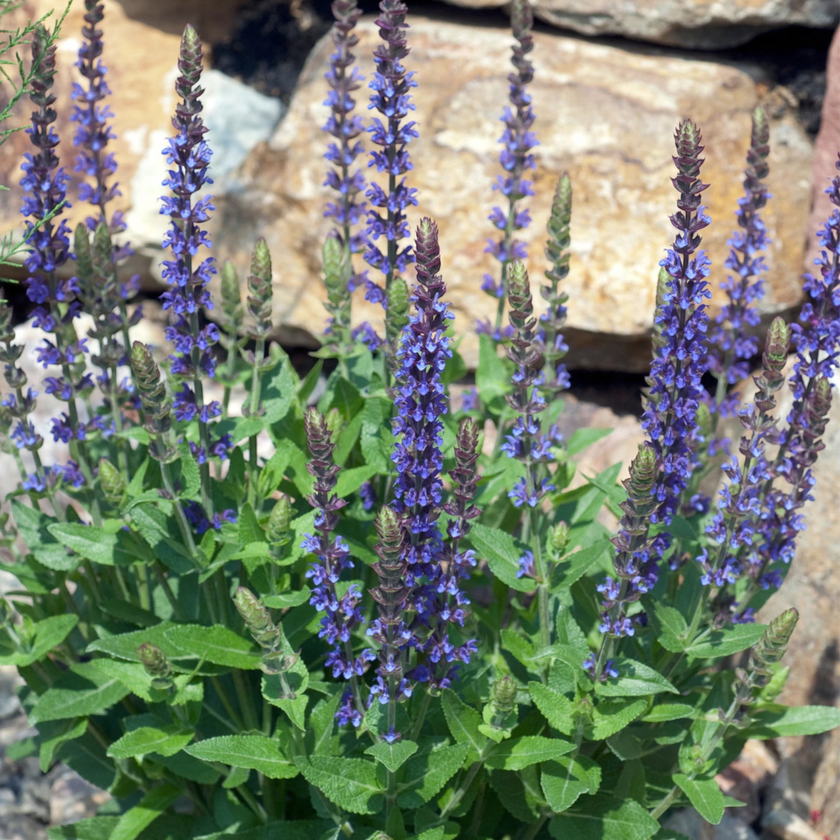
Salvia nemorosa 'Ostfriesland' close-up detail.
Salvia nemorosa 'Ostfriesland' Regular price €13,50
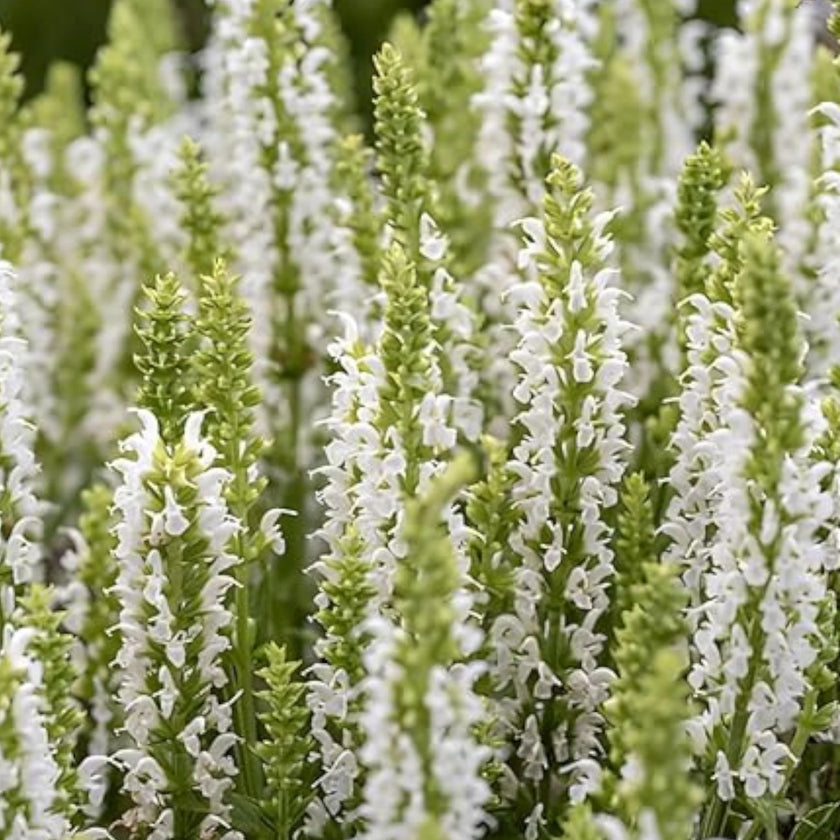
Salvia nemorosa 'Sensation White' detail shot.
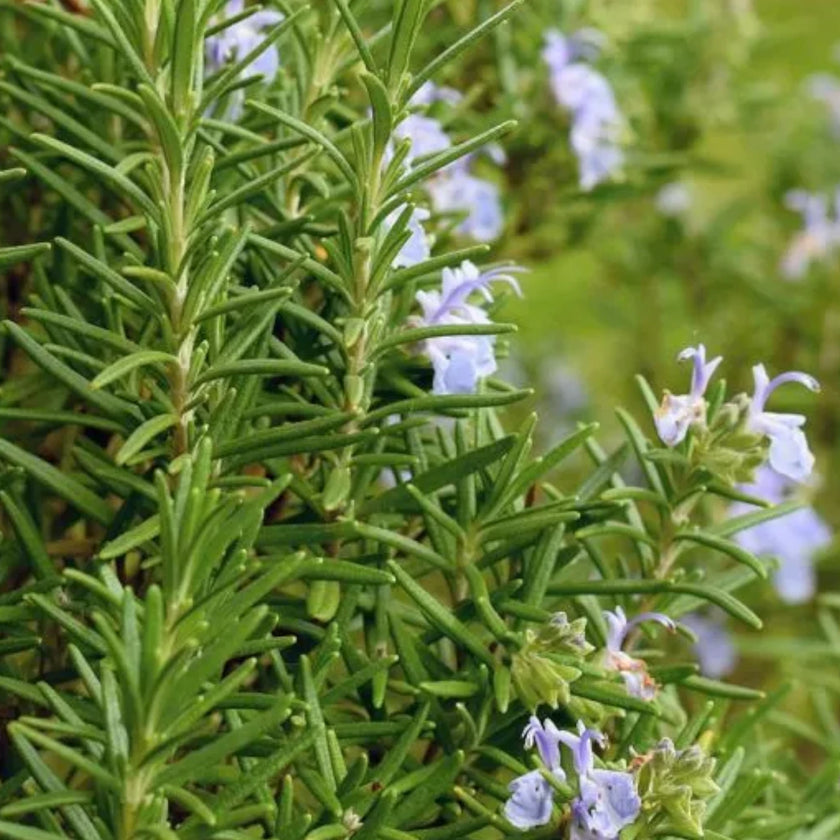
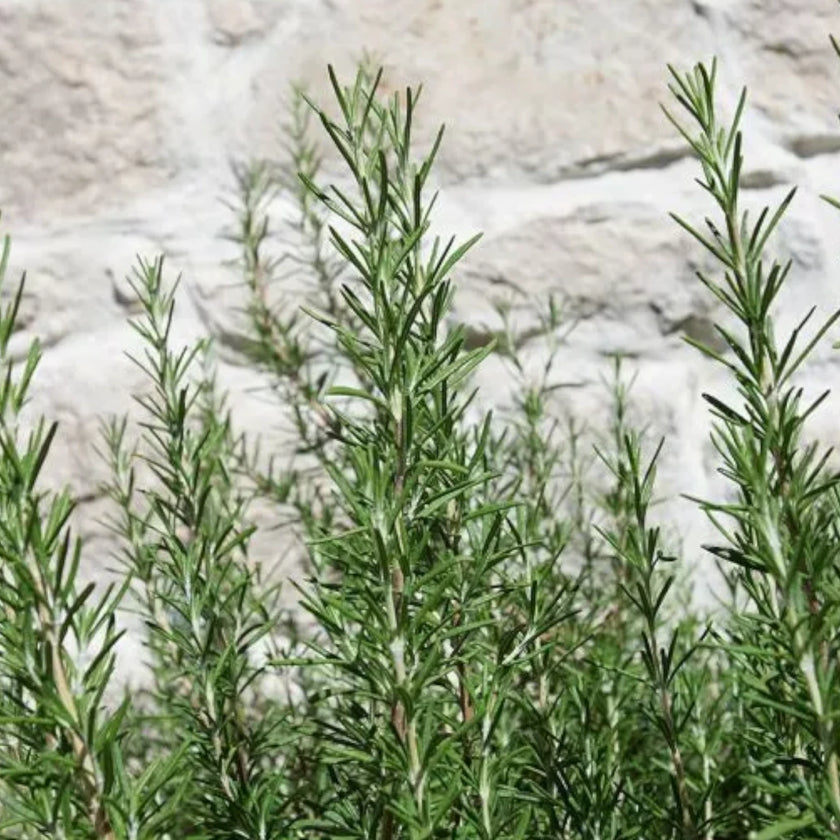
Salvia rosmarinus (Rosmarinus officinalis) detail shot.
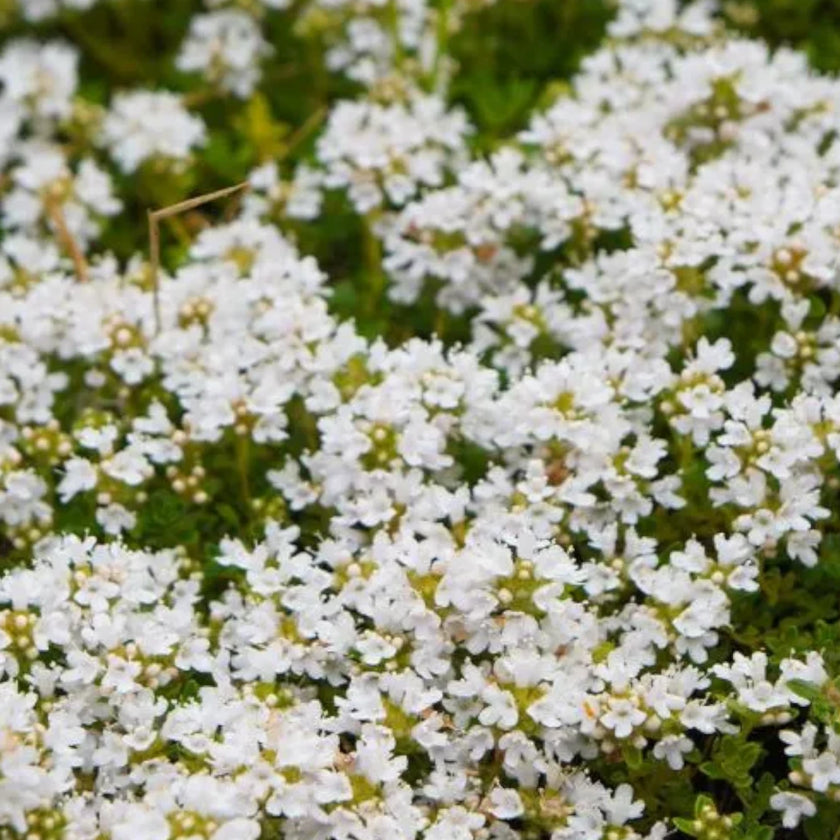
Thymus praecox 'Albiflorus' growing outdoors.
Thymus praecox 'Albiflorus' Regular price €13,50
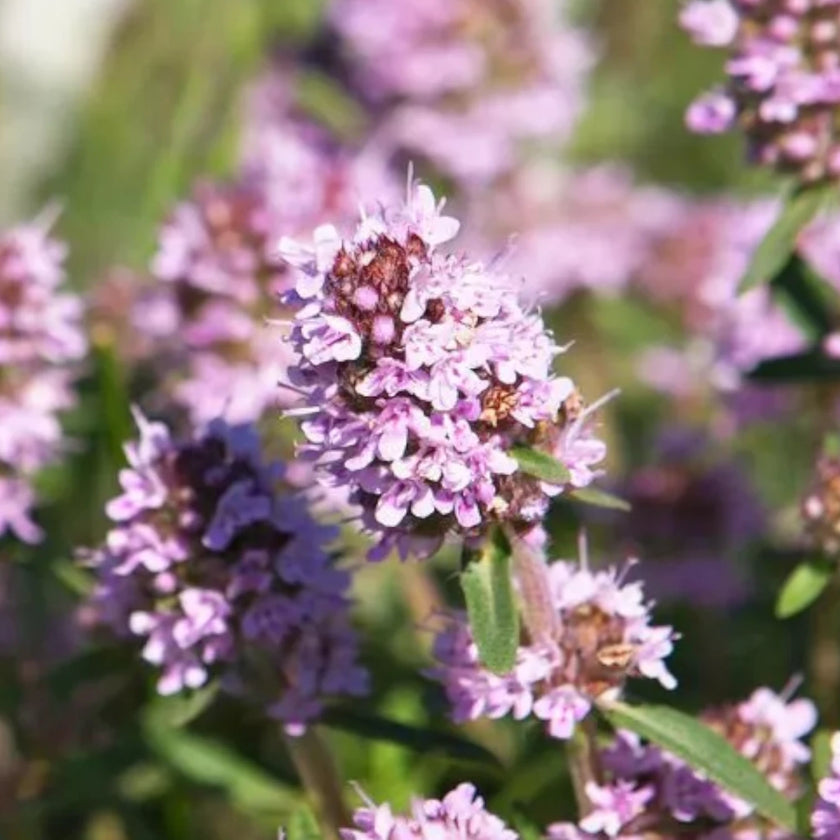
Thymus praecox 'Red Carpet' growing outdoors.
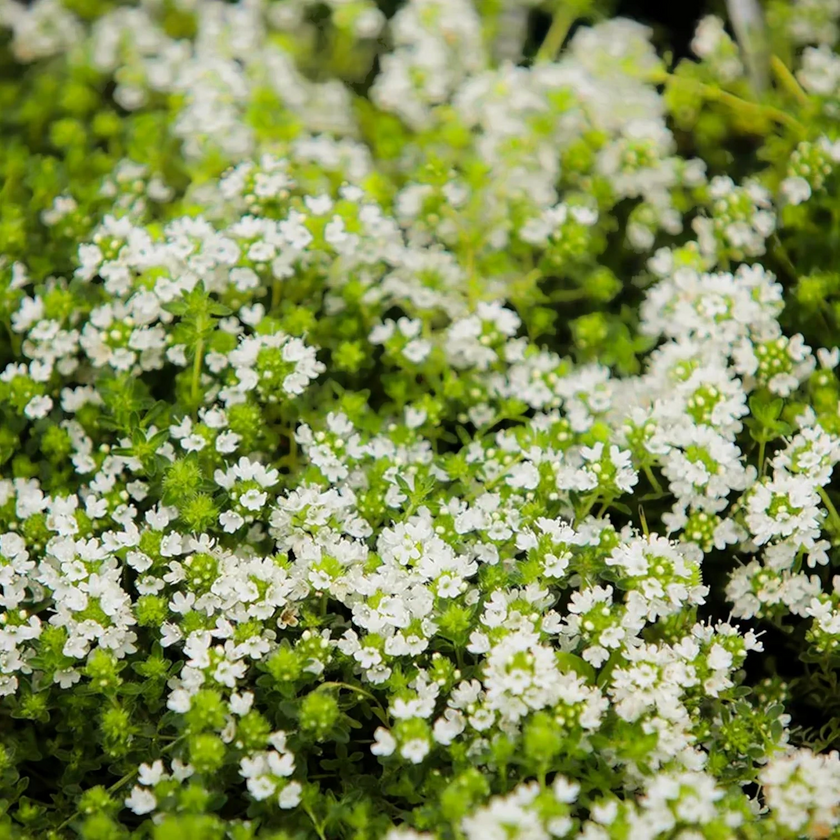
Thymus vulgaris growing outdoors plant photo.
Thymus vulgaris Regular price €12,00

Drought-Tolerant Plants

Quick Overview
  • Built for spots that dry fast, including windy balconies and sandy soils.
  • Drought tolerant does not mean no water, especially in the first season.
  • Deep watering encourages deeper roots and steadier growth.
  • A structured, fast draining mix keeps roots oxygenated during wet spells.
  • Bigger pots buffer heat and reduce the speed of dry down.
  • Wind and reflected heat increase water loss and raise stress quickly.
  • Many drought tolerant plants grow in pulses and may slow down in peak heat.
Details & Care

Drought tolerance starts after establishment

Drought-Tolerant Plants cope better with dry spells once roots have settled into the soil. Newly planted drought-tolerant plants still need careful watering through the first season, especially in containers, raised beds and exposed sunny sites.

  • Establishment: Water deeply while roots move beyond the original pot.
  • Drainage: Many dry-site plants dislike cold wet soil, even if they handle summer dryness.
  • Mulch: Mineral or organic mulch can reduce evaporation depending on plant type.
  • Containers: Pots still dry fast; drought tolerance does not mean no watering.

Foliage type often gives clues: small leaves, silvery surfaces, waxy coatings, aromatic growth or succulent stems can reduce water loss. Those traits help, but site and root space still decide performance.

Where dry-site plants fit

  • Sunny borders: Good for open beds with free-draining soil.
  • Gravel planting: Works when drainage is built through the root zone, not only on the surface.
  • Balconies: Choose larger pots and stable watering during long hot spells.
  • Slopes: Fast drainage suits many drought-adapted plants once established.

Care rhythm

Water less often but more thoroughly, then let the soil dry according to plant needs. Overfeeding can produce soft growth that wilts faster and loses the compact shape that makes many dry-site plants attractive.

Drought-tolerant planting is strongest when plants are grouped by water need. Mixing moisture-loving plants into the same bed or pot makes watering harder for every plant involved.

Drought-tolerant planting performs best when soil, mulch, spacing and watering all support dry-site growth. A drought-adapted plant placed in compacted soil or a tiny hot pot still struggles. Give roots depth, drainage and enough space for air to move around the crown.

Group plants with similar water needs together so one part of the bed is not constantly overwatered to keep another alive.

During prolonged heat, even established dry-site plants benefit from occasional deep watering. The difference is rhythm: less frequent, deeper watering supports stronger roots than repeated light watering.