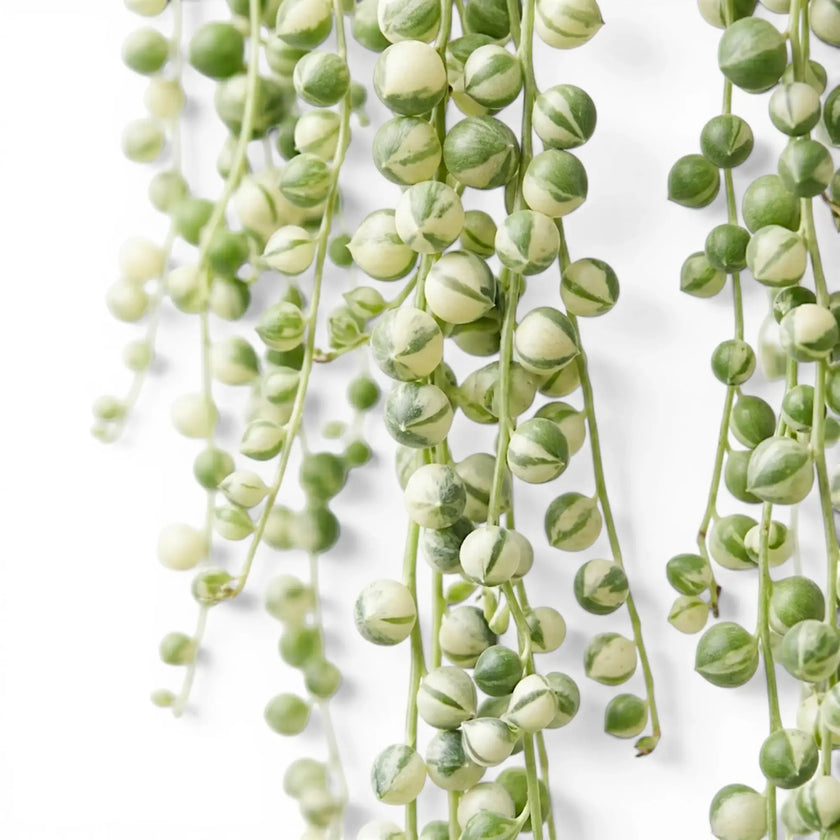
Plants for Open Terrarium
Open terrarium plants for airy glass bowls, wide jars and ventilated displays where moisture does not stay sealed in. Choose compact plants matched to the setup: dry mineral displays for succulents and Tillandsia, or lightly humid, breathable layouts for selected small tropical plants.

About Our Filters
Filters are here to help you get to the right plants faster, without guessing. We keep our filter values consistent across the shop by cross-checking multiple references and sanity-checking them against real-world indoor growing and handling.
Use them as guidance, not guarantees. Two homes can have the same “light level” on paper and still be very different. For the details that matter most, open the product page and read the full description.
How filtering works
- Filters stack: Every selection narrows the results.
- Multiple picks in one filter are usually either/or: Selecting two genera shows plants from either genus.
- Different filter groups work together: For example, Light level + Non-toxic narrows to plants that match both.
- Undo anytime: Click a selected option again (or use the clear/reset option in the filter panel).
Quick start: pick Light level first, then refine by Plant Type and size.
Shop & availability
- Favourite Collections: Curated groups like Bestsellers, Baby Plants, Rare Plants, Easy-Care Plants, Variegated Plants, Classic Houseplants, XL Houseplants, and Plant Sets. These are browsing shortcuts, not strict care categories.
- Availability (In stock only): Hides sold-out items so you only see what can ship right now.
- Price: Narrows by the current listed price range. If a product has multiple sizes/variants, prices can span a wider range.
Pet friendly & safety
- Non-toxic: Plants we classify as not known for relevant chemical toxicity for common pets. Still: chewing can cause irritation or stomach upset even with non-toxic plants.
- Non-toxic & Pet Friendly: A stricter shortlist for curious noses and paws. This isn’t only about chemical toxicity, it also helps you avoid many plants with physical hazards like spines, sharp tips, hooked thorns, stiff bristles, or scratchy textures that can cause discomfort or minor injuries. It’s still not a green light for chewing.
Care-related filters
- Light level: From Low indirect to Full sun/direct. “Indirect” means bright light without sun hitting leaves. “Some direct” means a limited amount of gentle sun. “Full sun/direct” means sustained direct sun.
- Water Needs: Low / Medium / High describes how quickly substrate is typically allowed to dry before watering again in normal indoor conditions.
- Humidity Level: Normal (40–50%), Moist (50–60%), Humid (60–80%+). This is about your usual range and consistency, not short-lived spikes.
Growth habit & training
- Growth Habit: How a plant naturally grows: Climbing, Hanging & trailing, Crawling & spreading, Upright, Self-heading, Clumping (offsets), or Rosette (compact). Use this for placement, training, and pot shape.
- Needs support? “None” holds shape without help. “Optional” means support improves structure/size but isn’t required. “Needed” means a stake, pole, or trellis noticeably improves performance or form.
- Growth Speed: Slow / Average / Fast under decent indoor conditions. Helpful for expectations, not a promise.
Size filters (delivered vs. long-term)
- Pot size (delivered): The nursery pot diameter your plant ships in (⌀).
- Plant height (delivered): The approximate height range of the plant you’ll receive. Natural variation is normal.
- Max. Height Indoors: Realistic long-term height potential indoors with time, care, and training where relevant.
- Max. Spread Indoors: How wide a plant can get long-term (clumping width, rosette width, or overall footprint).
Looks: shape, size, colour
- Leaf Shape & Size: Quick visual categories. “Small/Medium/Large” refers to typical mature leaf size, while shape labels describe the dominant outline.
- Foliage Colour: Dominant tones/patterns (e.g., Silver & grey, Pink & Red, Golden-yellow). Individual plants can vary, and new growth often looks different before it matures.
Botanical browsing
- Plant Type: Broad groups like Aroids, Hoyas, Cacti, Ferns, Succulents, Prayer plants, and more, good for browsing by “plant vibe” and general care style.
- Genus: Filters by botanical genus (e.g., Alocasia, Philodendron, Hoya). Great if you already know what you collect.
- Family: Filters by plant family (e.g., Araceae, Apocynaceae). Useful for deep browsing across related genera.
Want to see what we reference when standardising labels? Plant Care Resources is simply a curated list of the sources we use (POWO, Kew, and more).
Sort by
Filters
Open terrarium plants for breathable glass displays
- Best fit: open bowls, wide glass vessels, ventilated jars and displays with easy access.
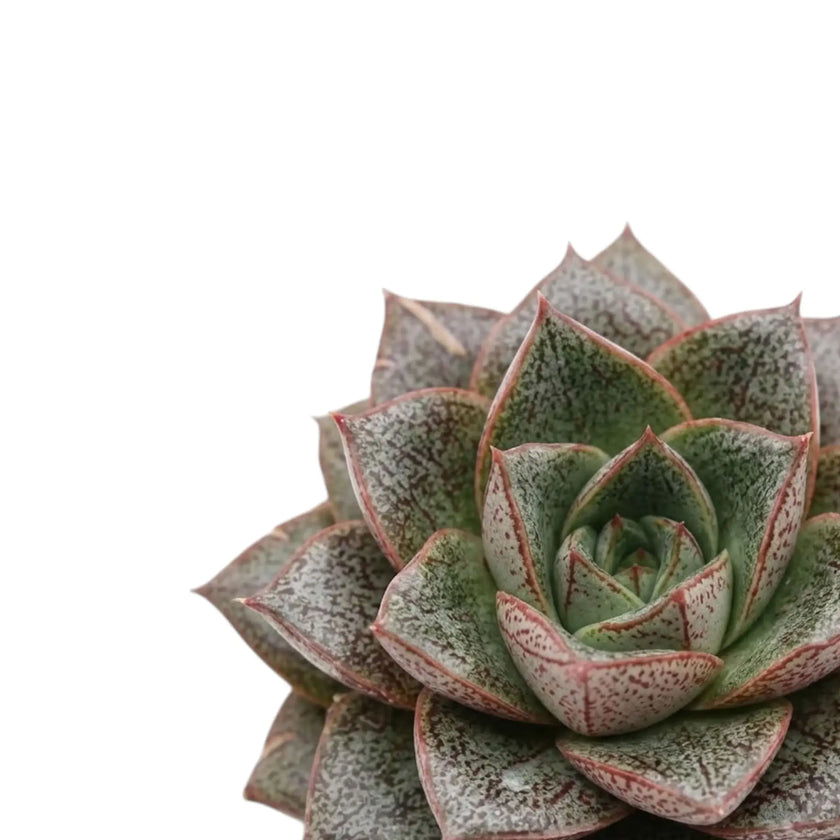
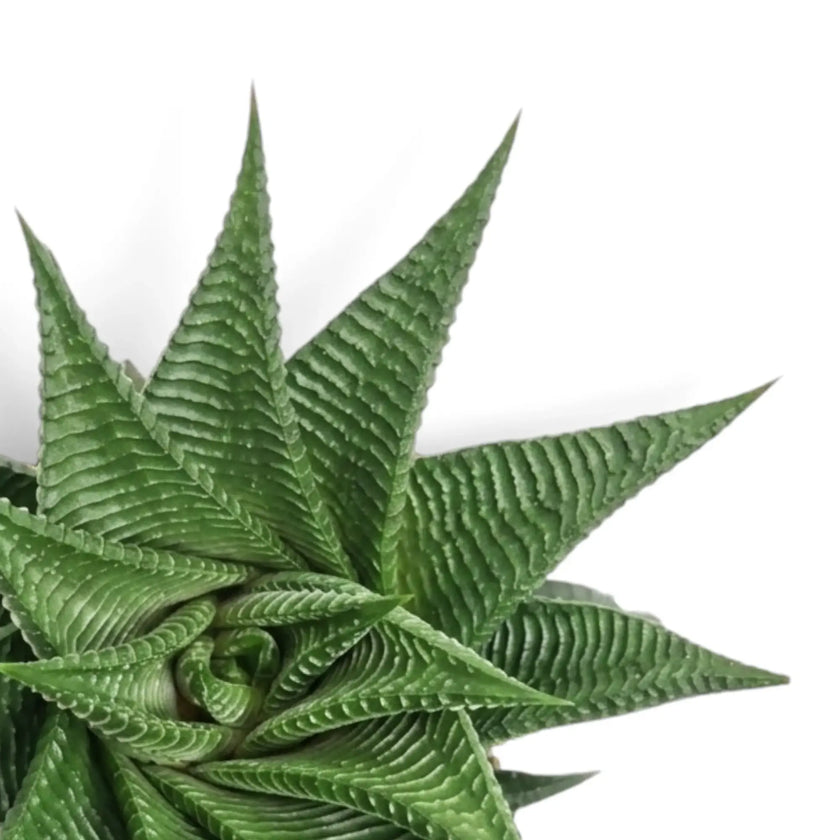
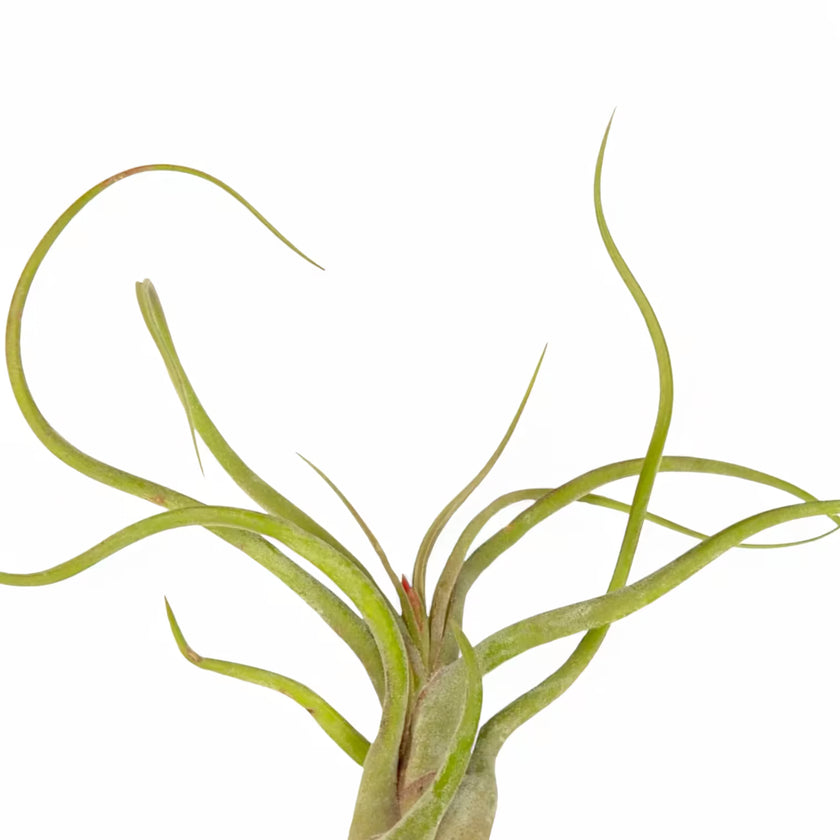
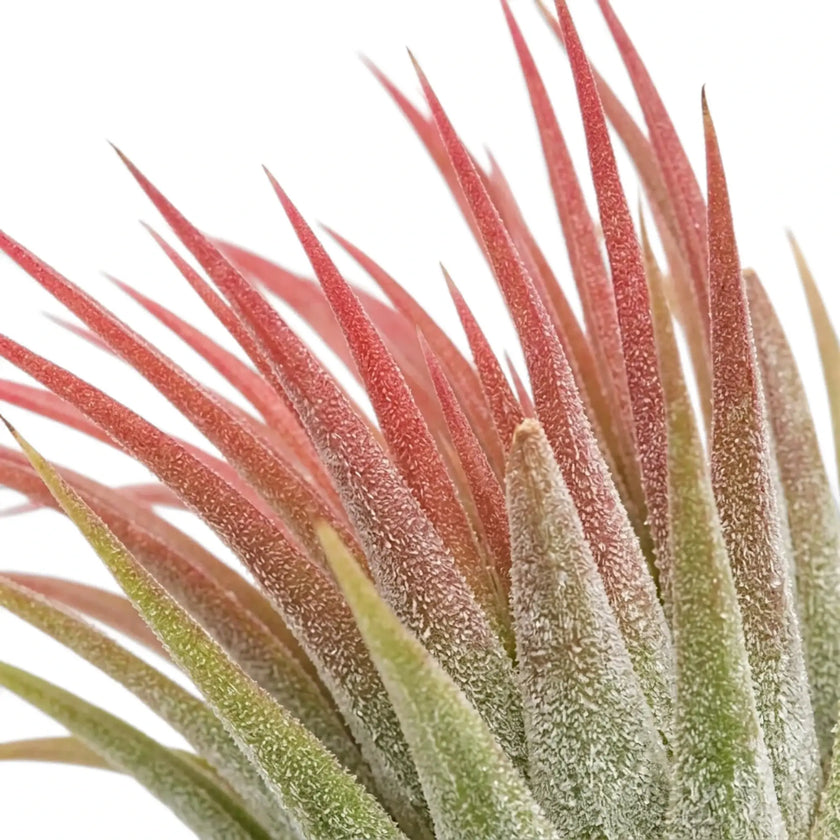
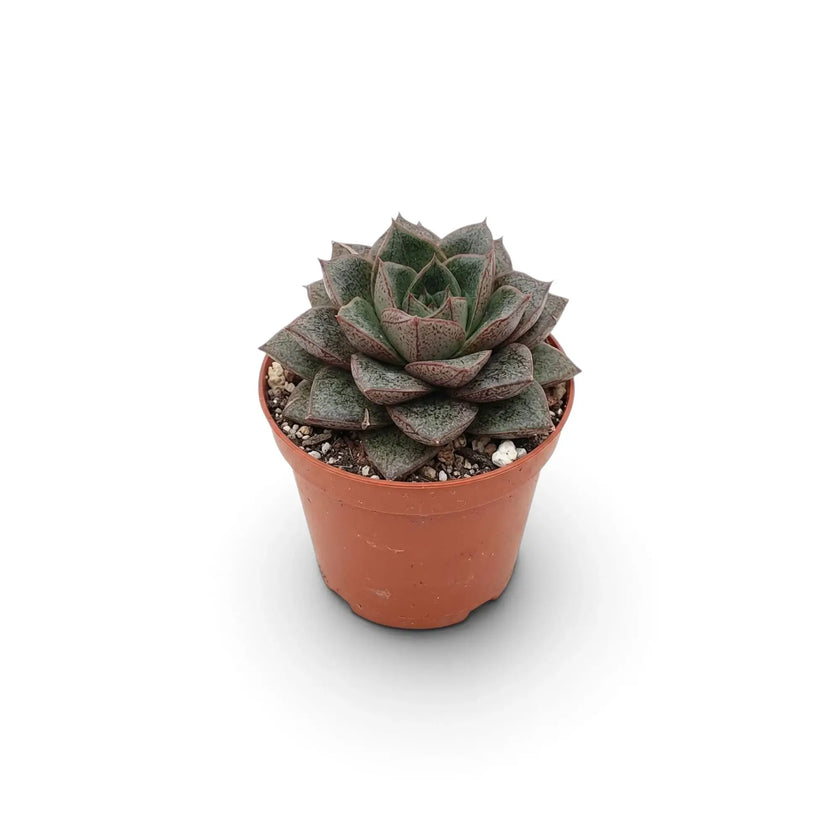
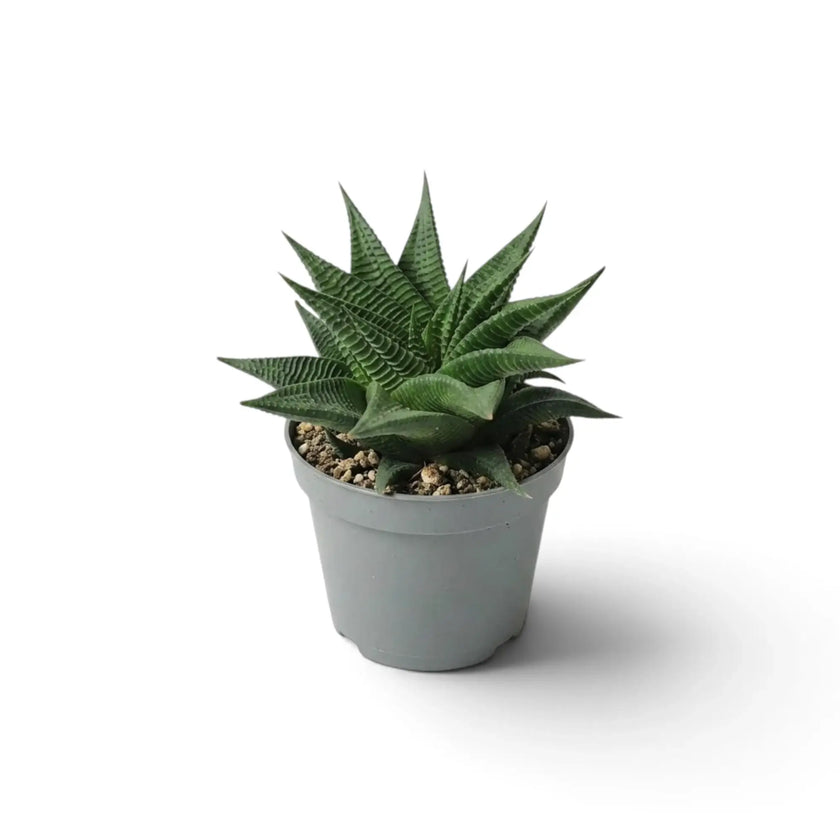
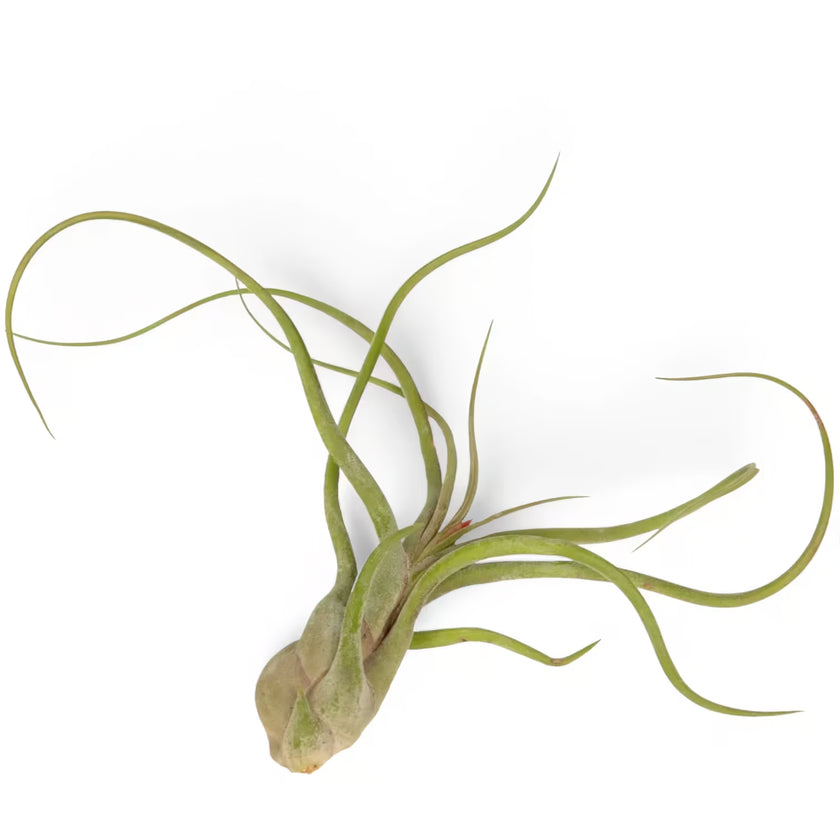
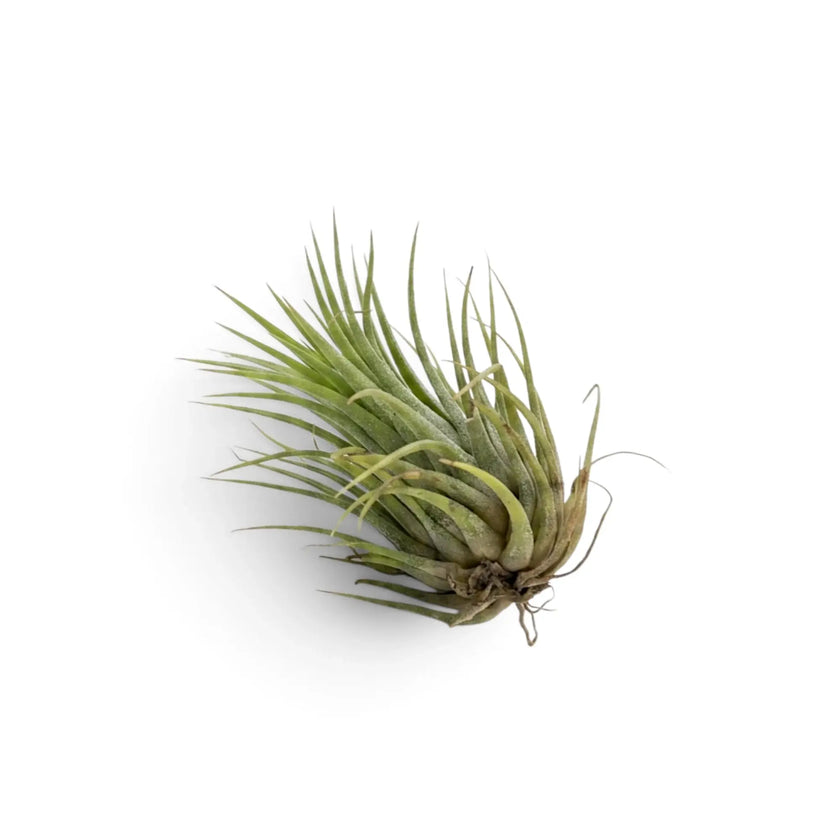
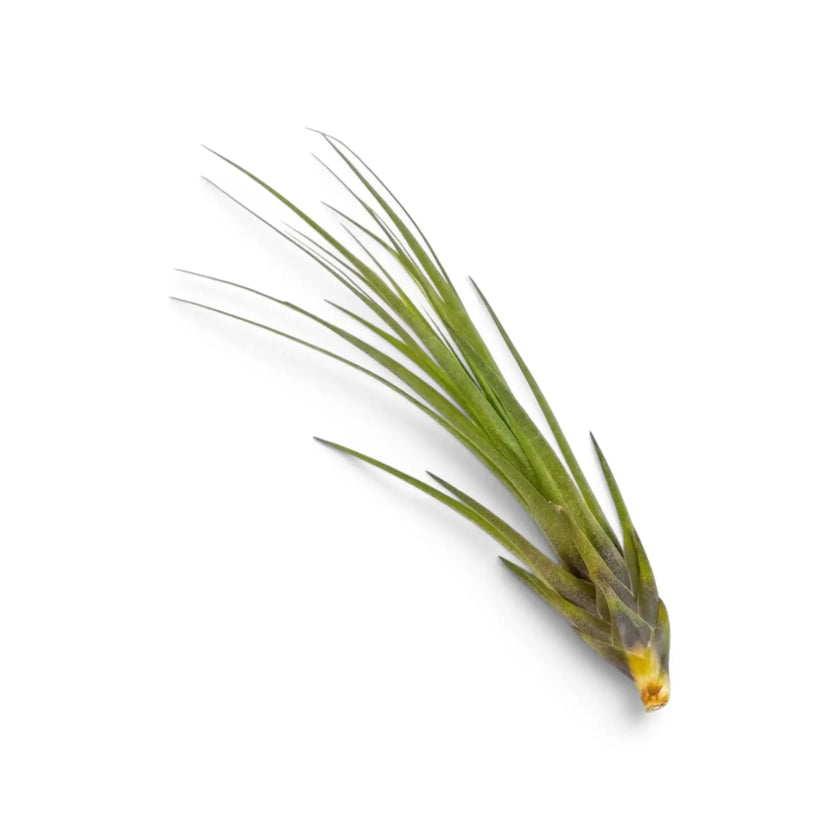
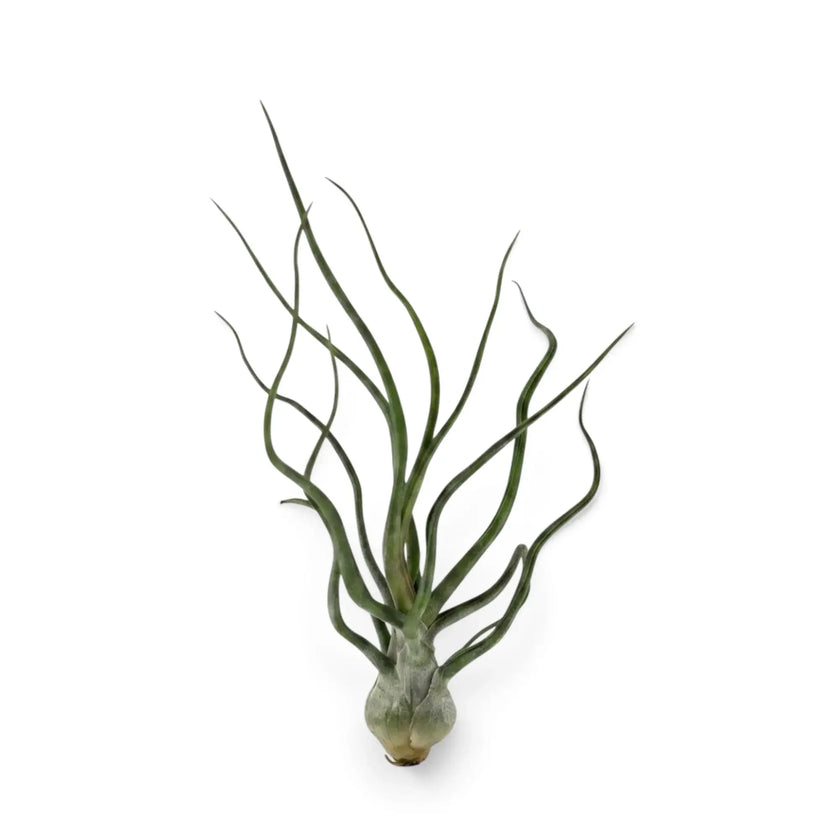
- Dry setups: Haworthia, Gasteria, compact Crassula, small cacti and Tillandsia need open airflow and careful watering.
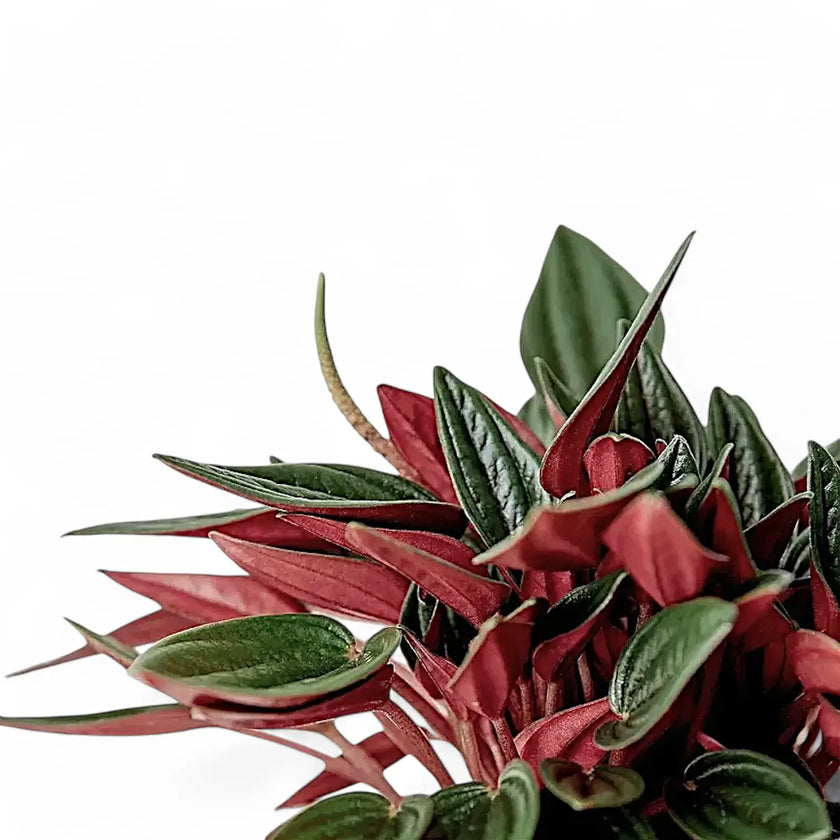
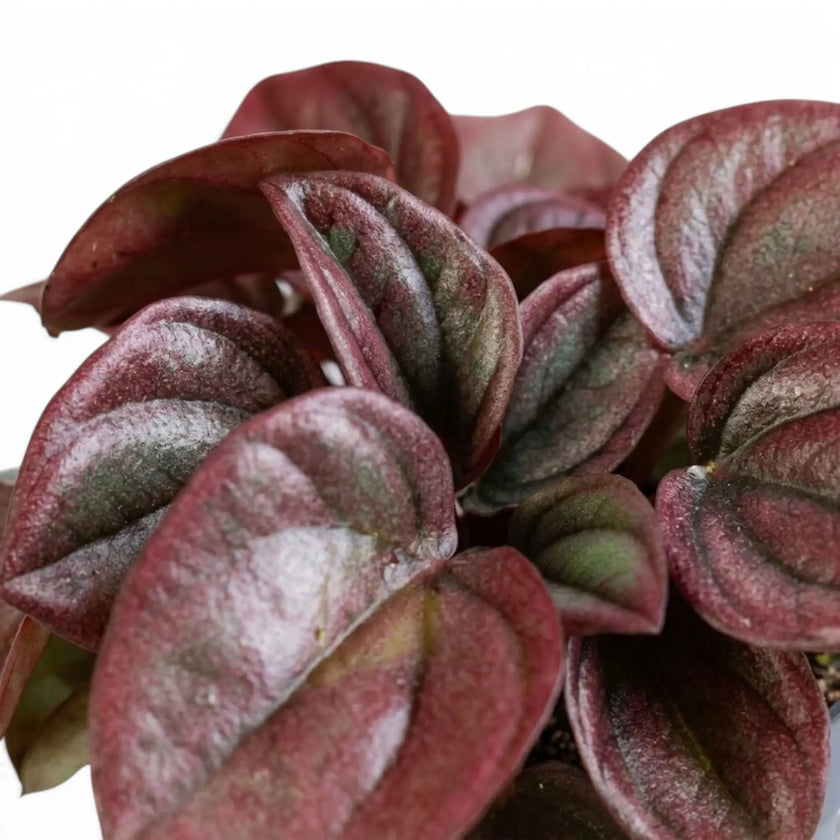
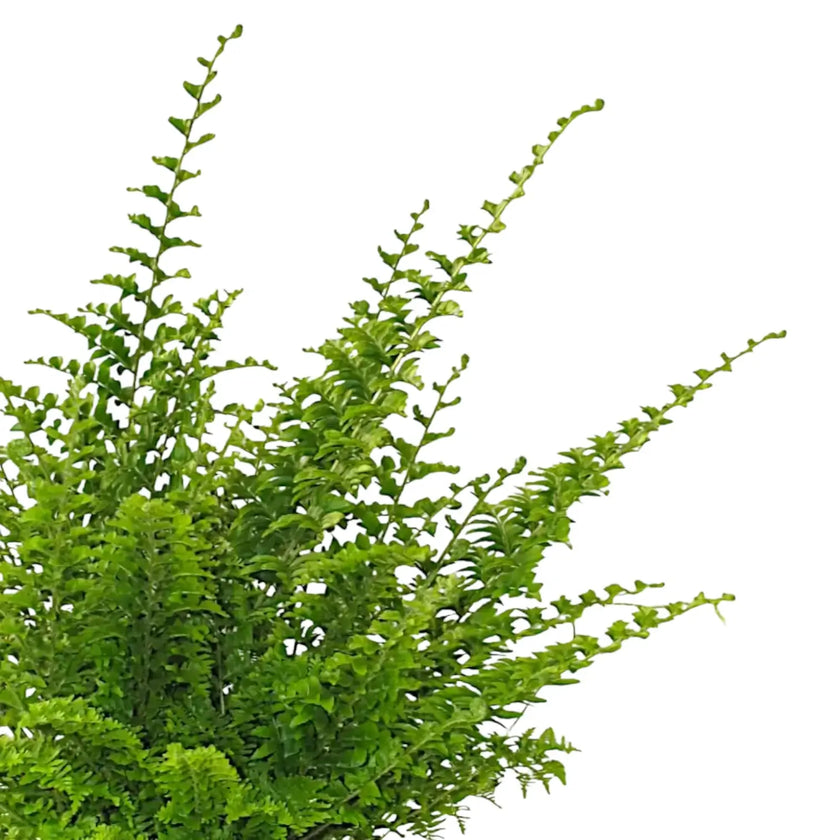
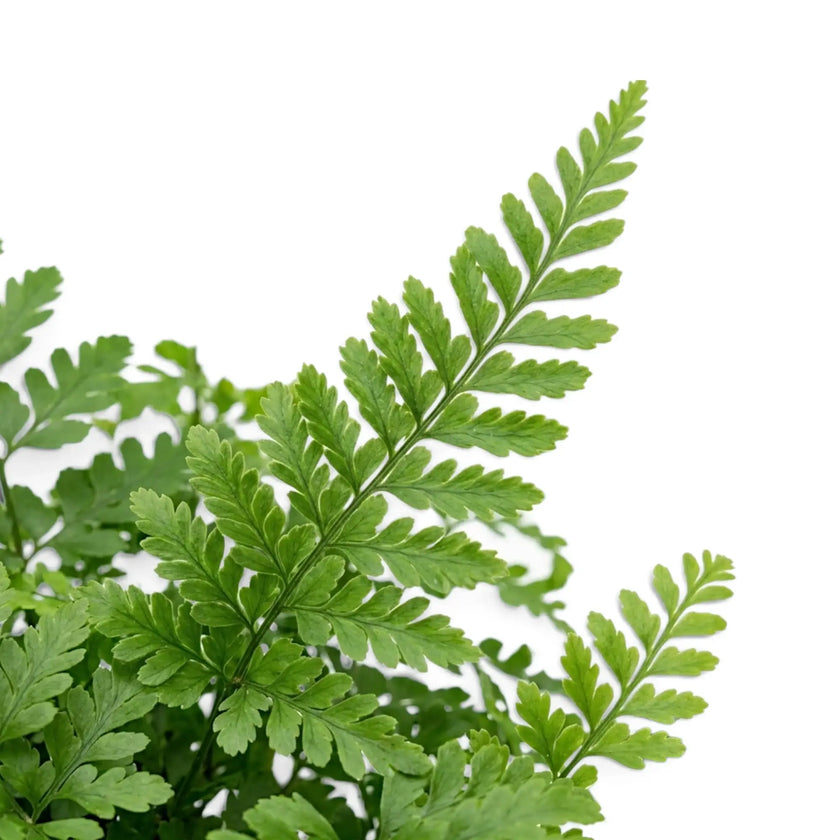
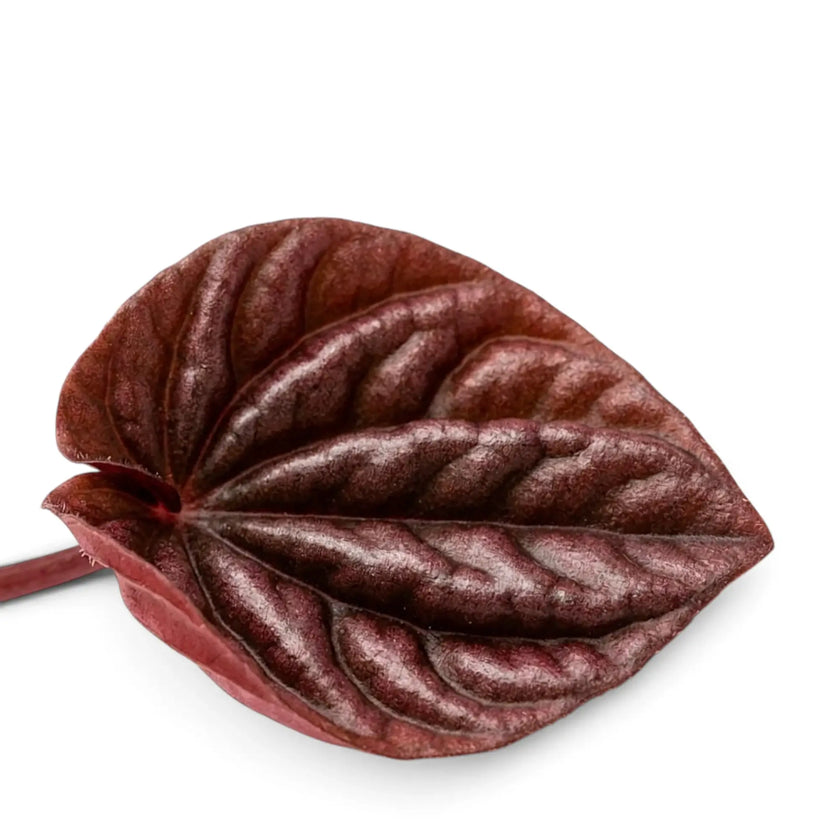
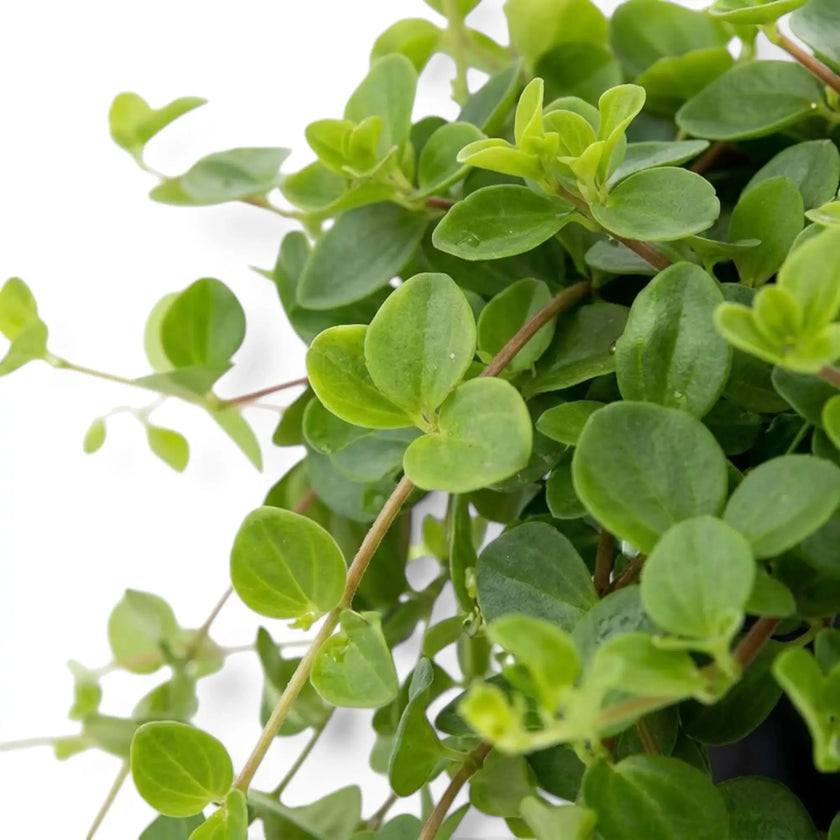
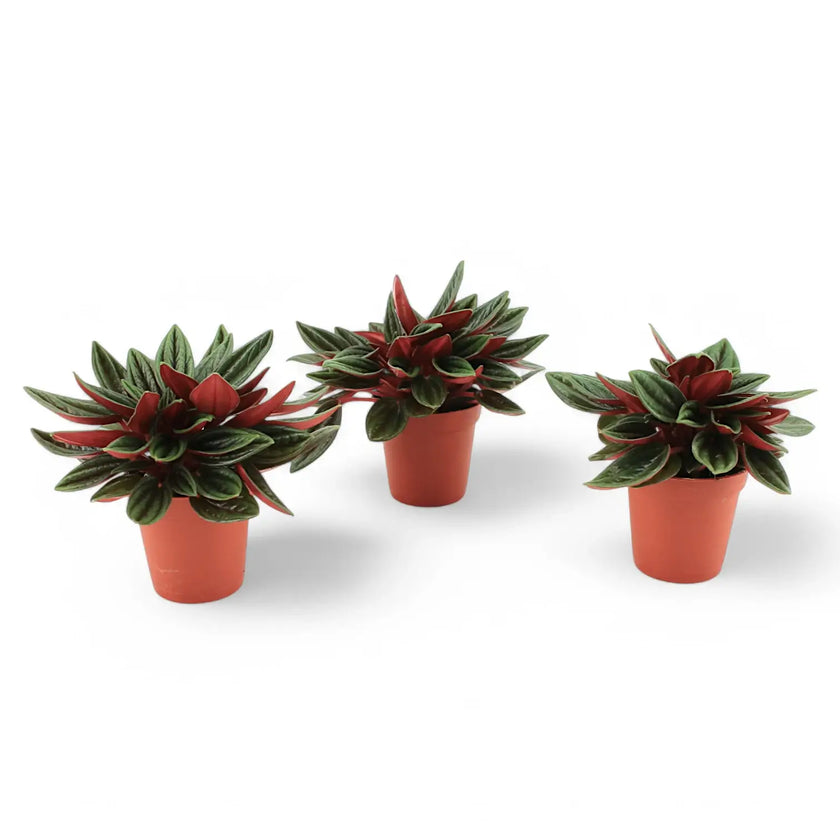
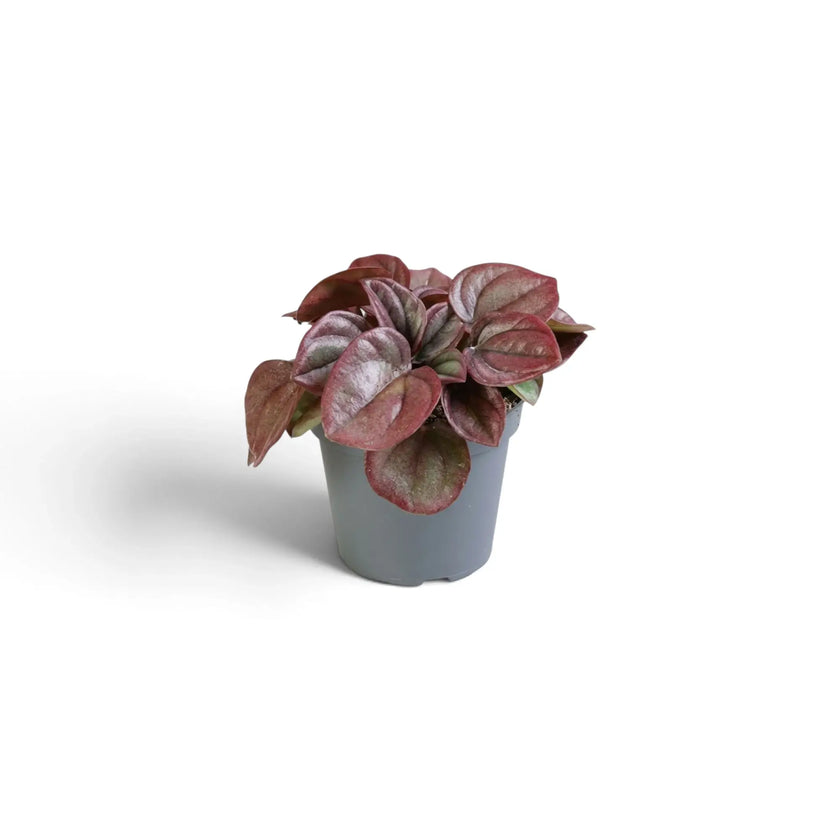
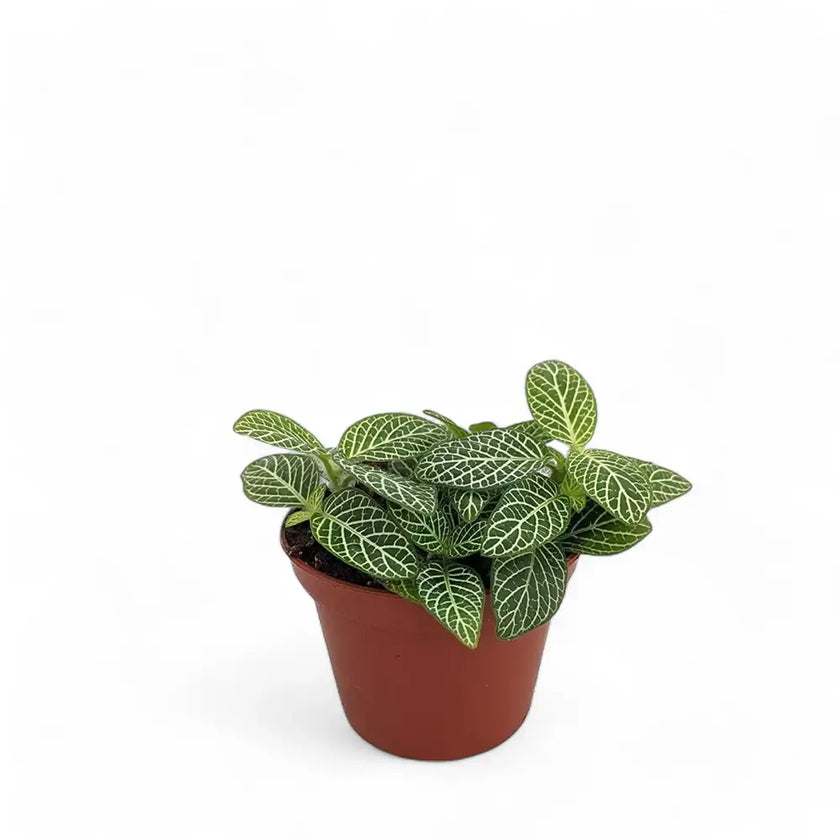
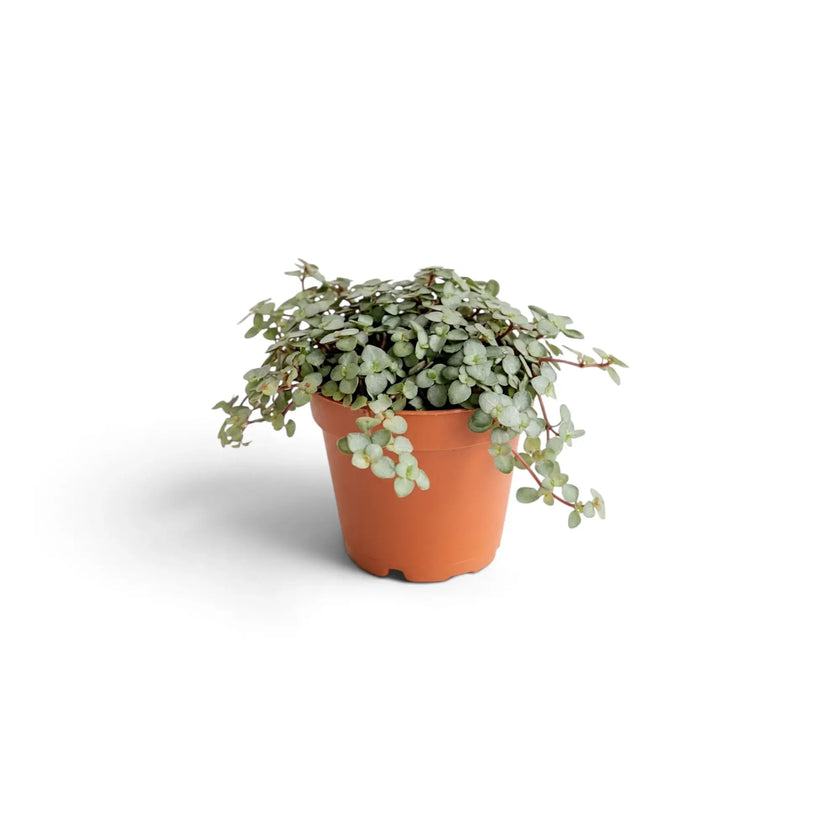
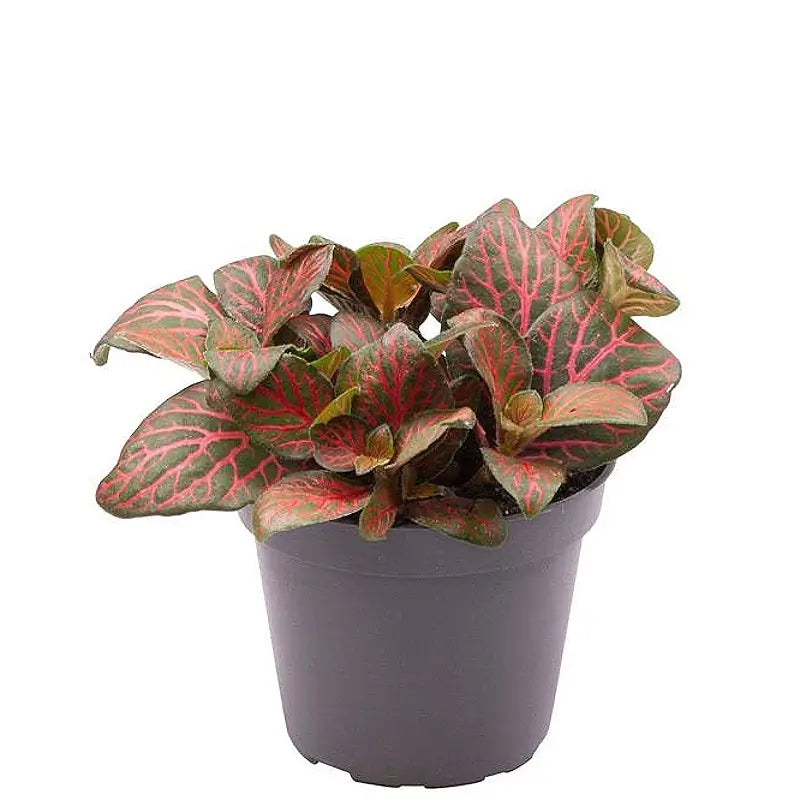
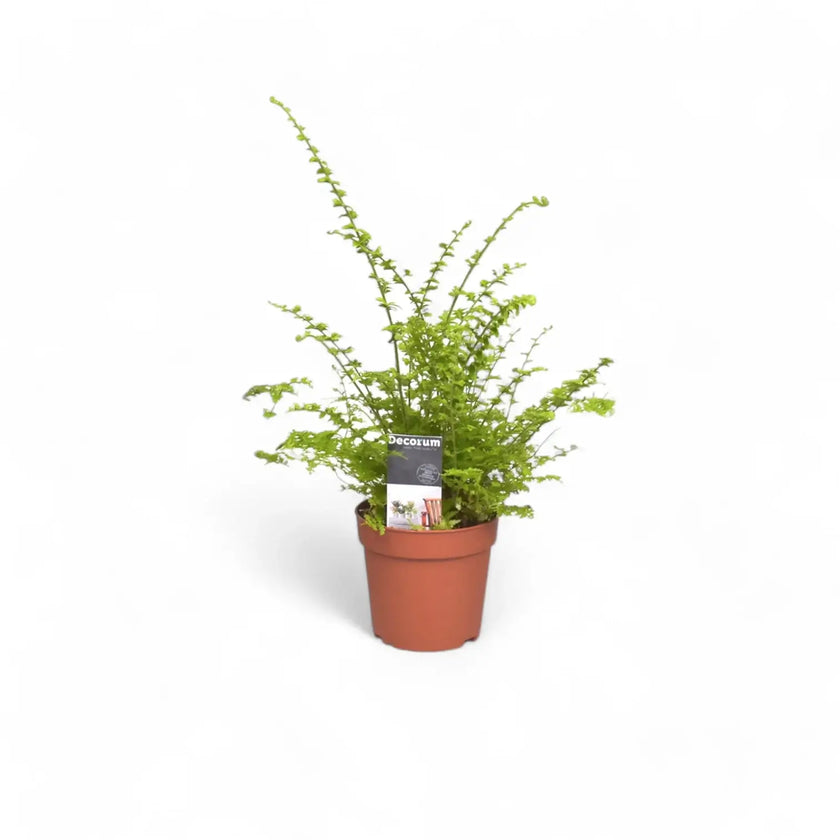
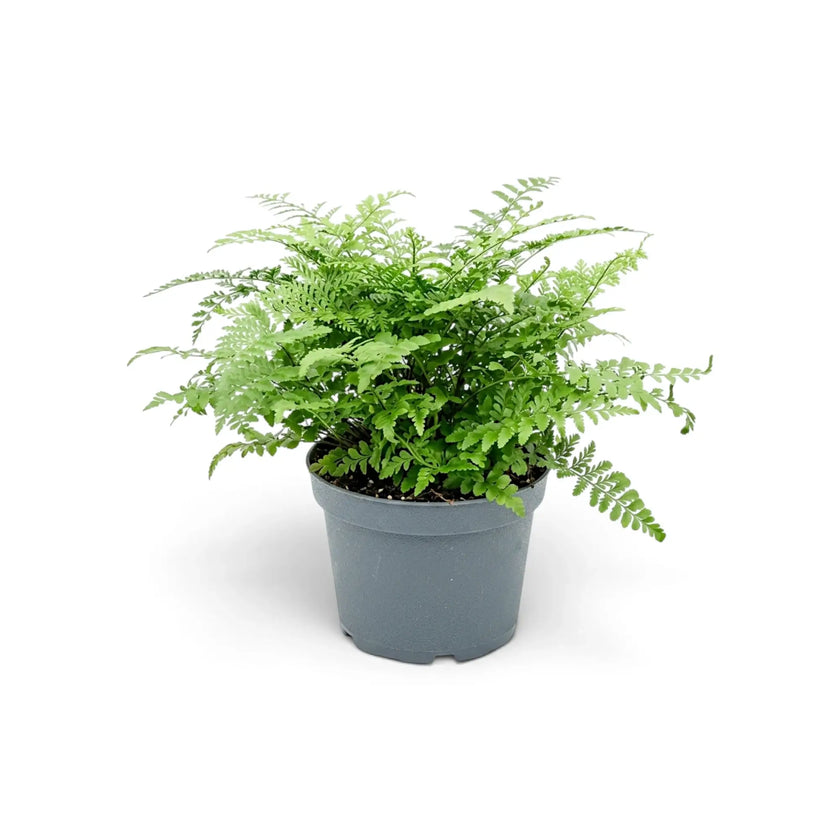
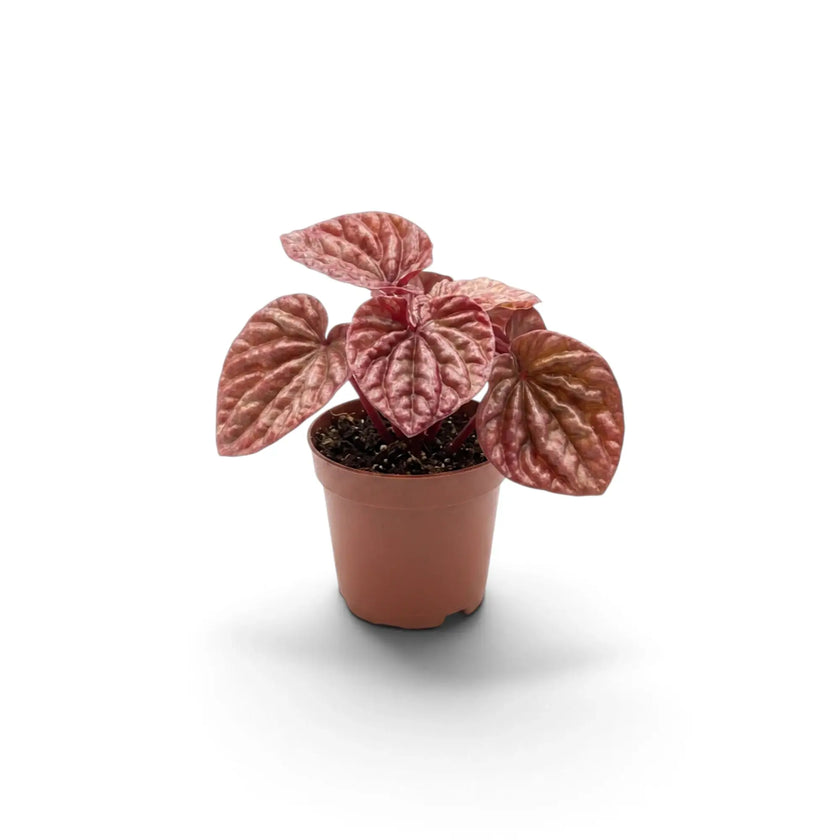
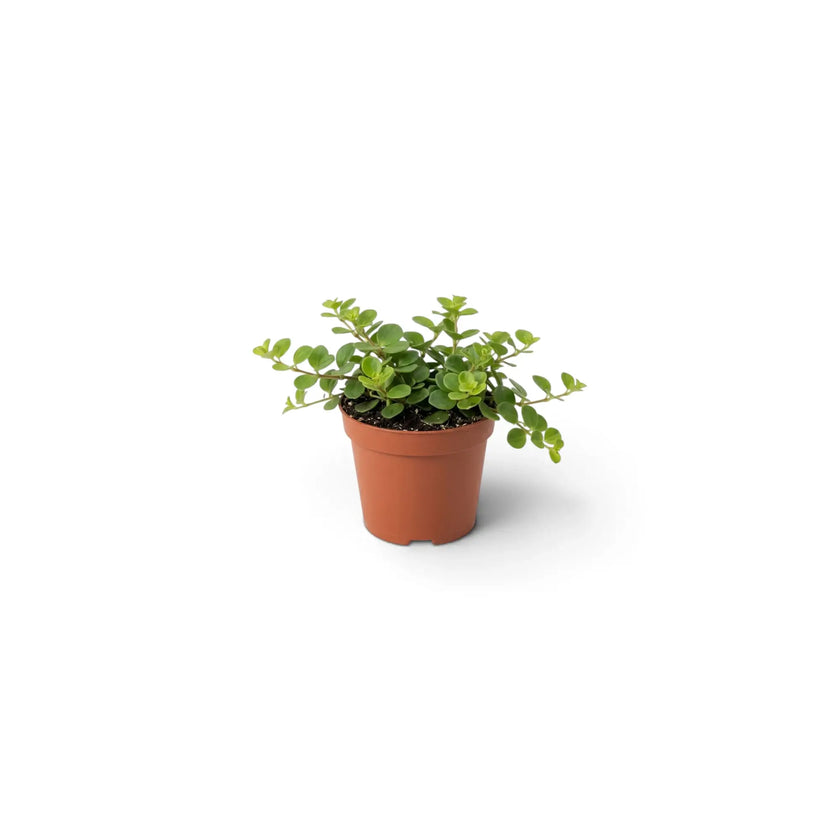
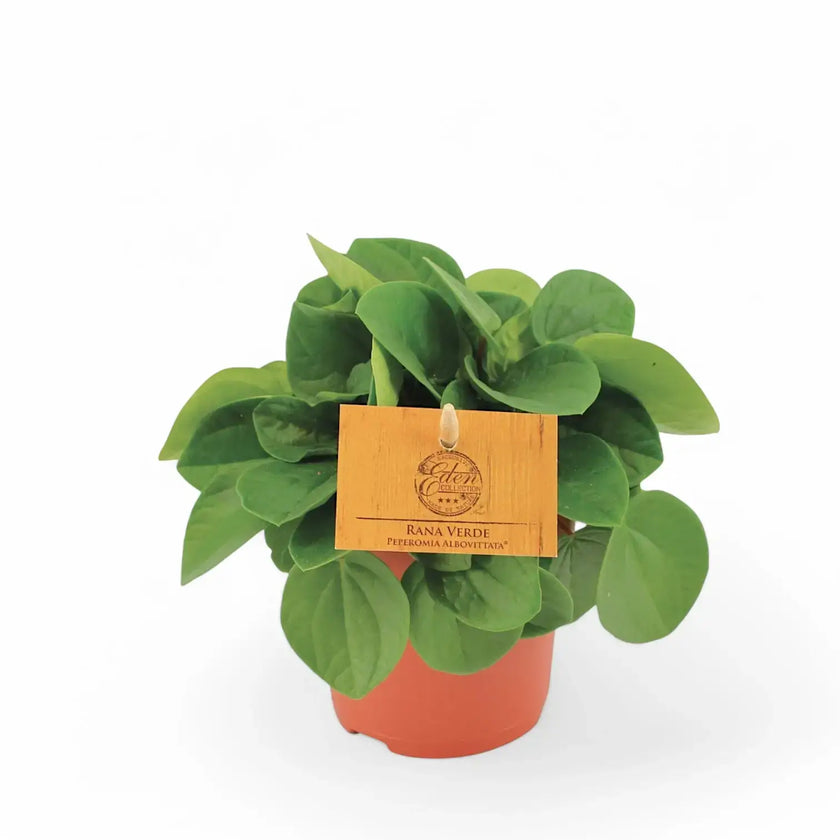
- Humid setups: small Peperomia, compact ferns and trailing tropical accents suit airy, lightly moist glass displays.
- Substrate: use mineral-heavy layers for dry plants and airy moisture-holding mixes for tropical plants.
- Watering: open glass dries faster than closed jars, but excess water still stays in the base if there is no drainage hole.
- Light: succulent and cactus displays need brighter light than humid tropical glass plantings, without hot sun through glass.
- Maintenance: keep plant bases clear, remove fallen leaves, avoid overcrowding and water according to plant type.
Open Terrarium Plants: airy glass displays for dry or lightly humid setups
Open terrarium plants suit glass displays that breathe. Without a sealed lid, moisture escapes into the room, air moves more freely and condensation is usually minimal. That makes open terrariums very different from closed jars. Plant choice needs to match the build from the start: dry mineral displays need different plants from lightly humid tropical glass plantings.
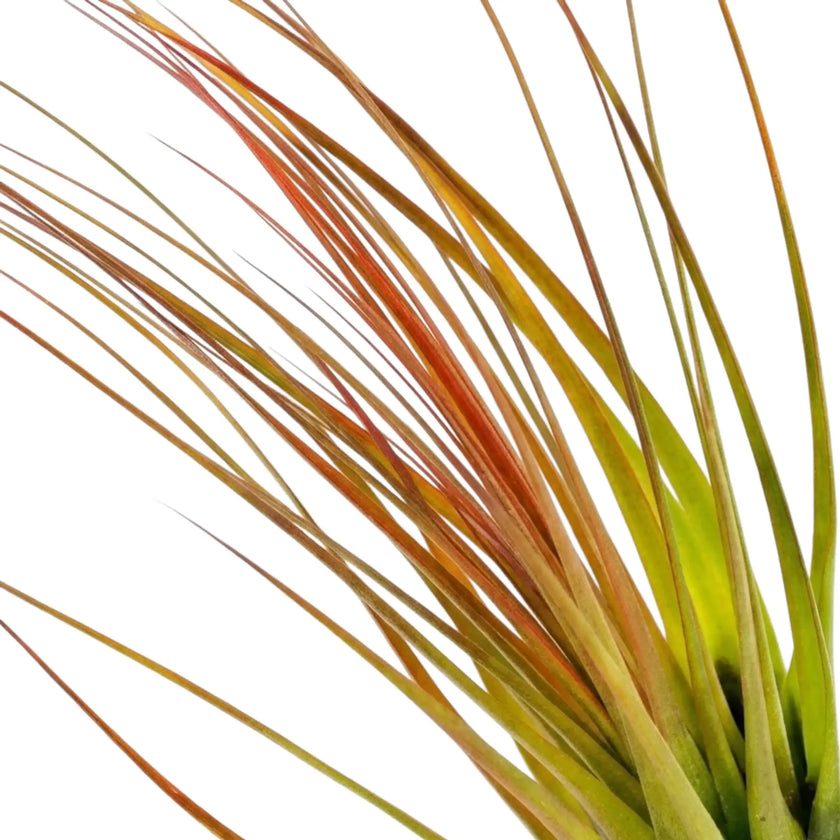
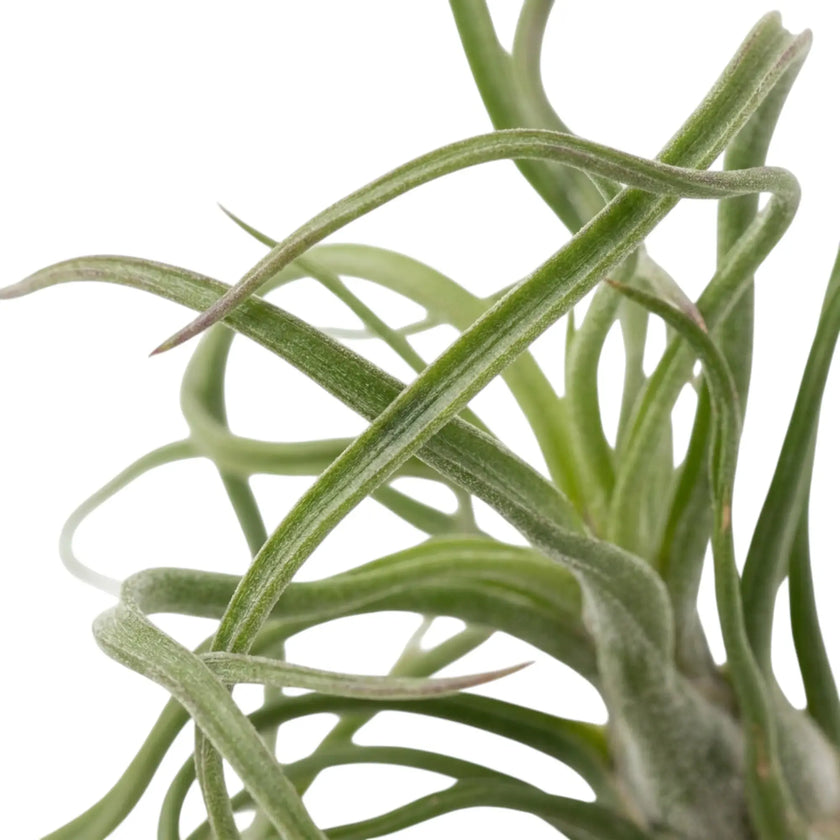
For dry open terrariums, choose compact plants that want airflow and proper dry-downs. Haworthia, Gasteria, compact Crassula, small cacti and Tillandsia work best in open vessels with mineral-heavy layers and restrained watering. Tillandsia should sit above dry materials rather than being buried into wet substrate, so it can be watered separately, dried fully and returned to the display.
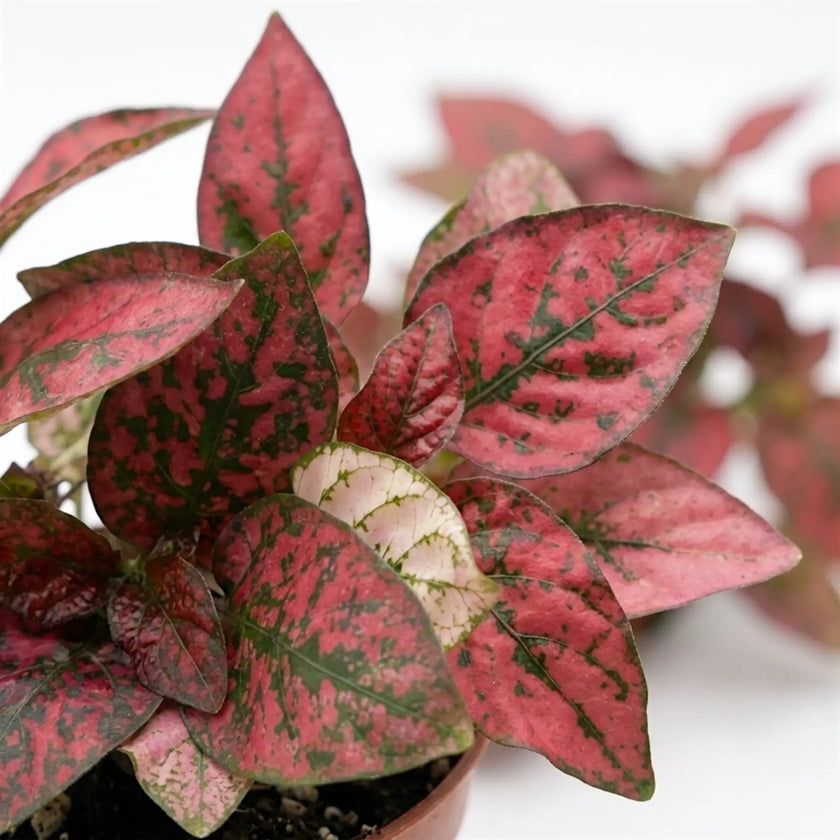
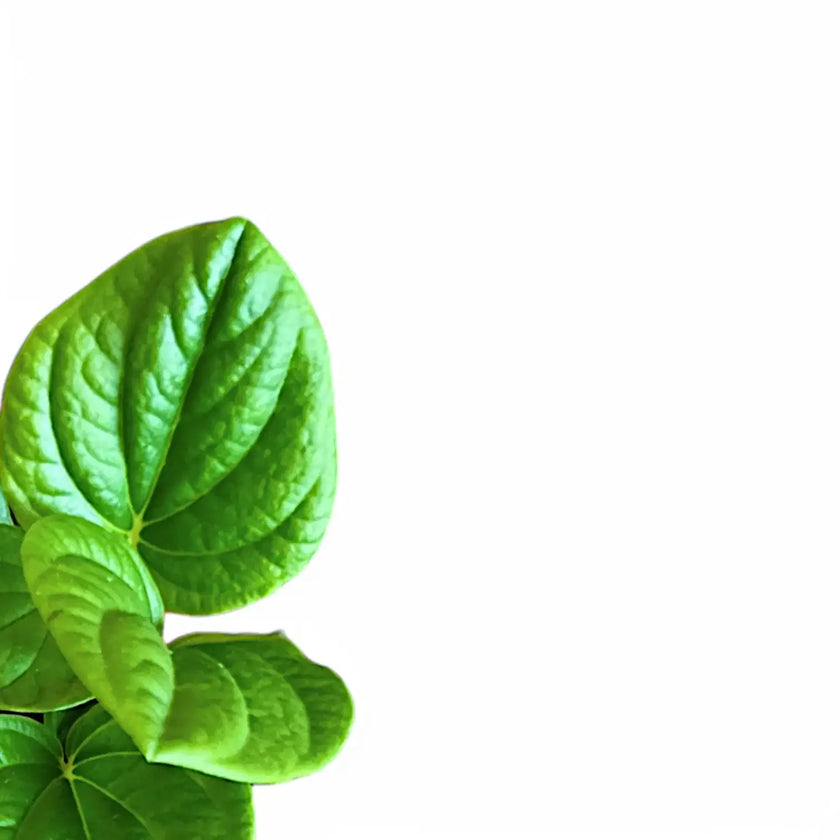
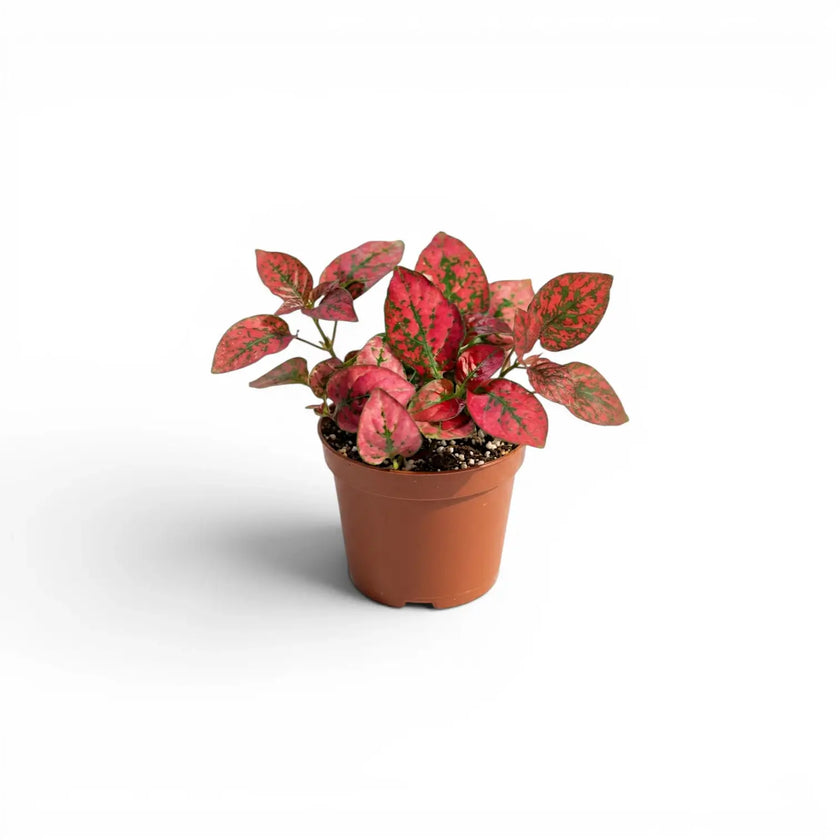
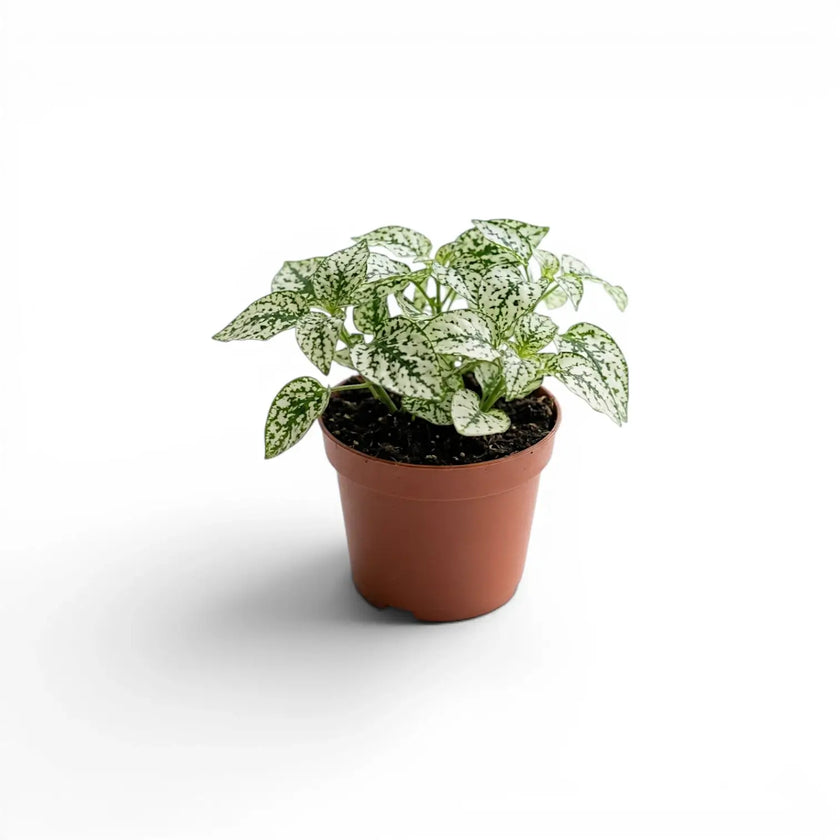
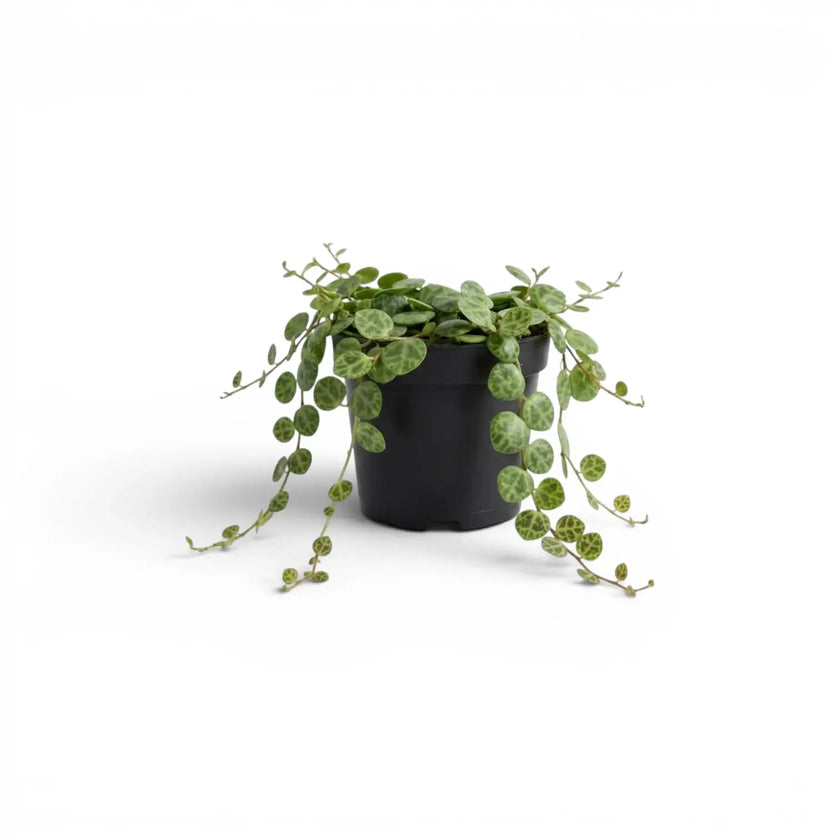
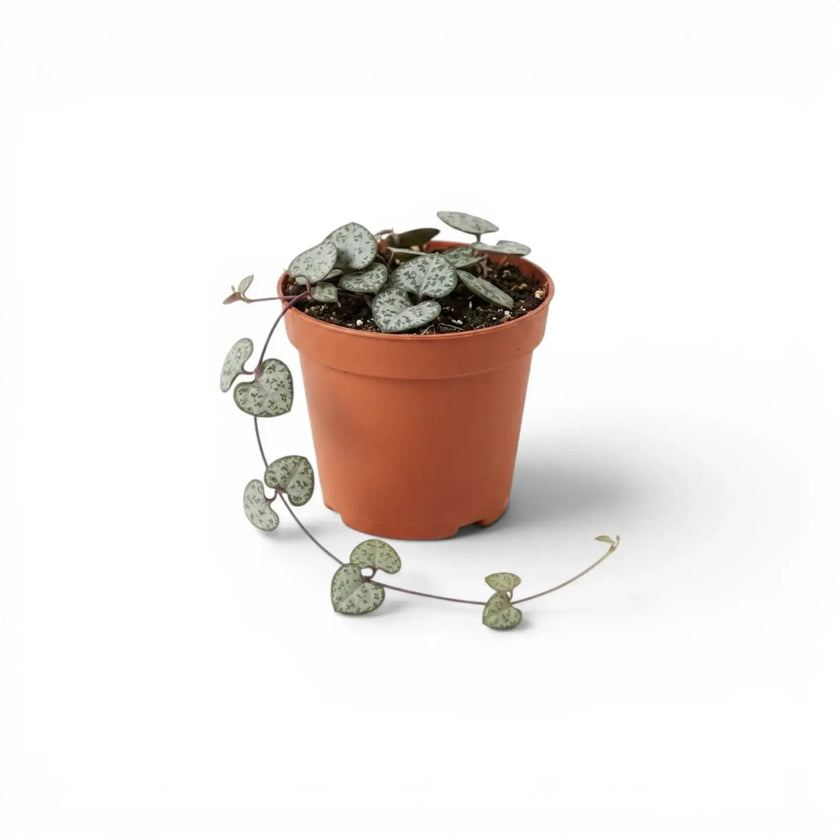
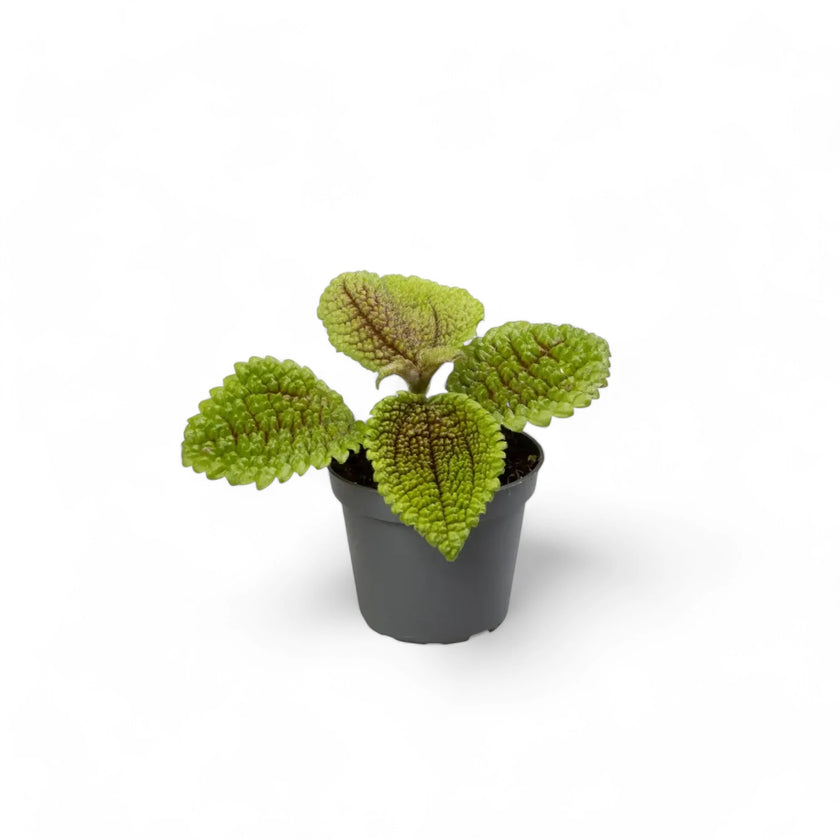
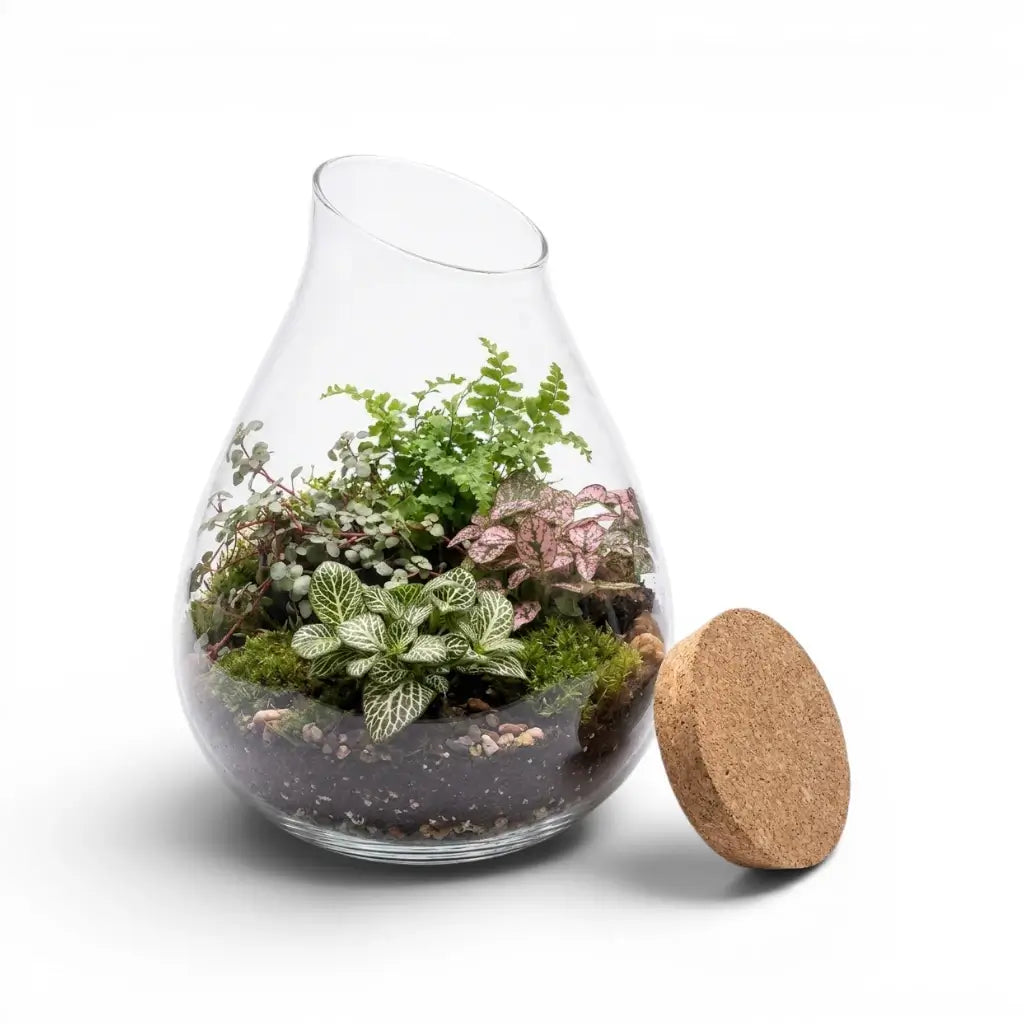
For ventilated humid terrariums, choose small tropical plants that enjoy more moisture than a normal dry room but do not need sealed glass. Compact Peperomia, small ferns, trailing foliage accents and textured tropical plants can work well in wide jars, bowls and airy glass vessels when the substrate holds some moisture without becoming dense or wet. These plants should not be treated like succulents, and succulents should not be treated like humid tropicals.
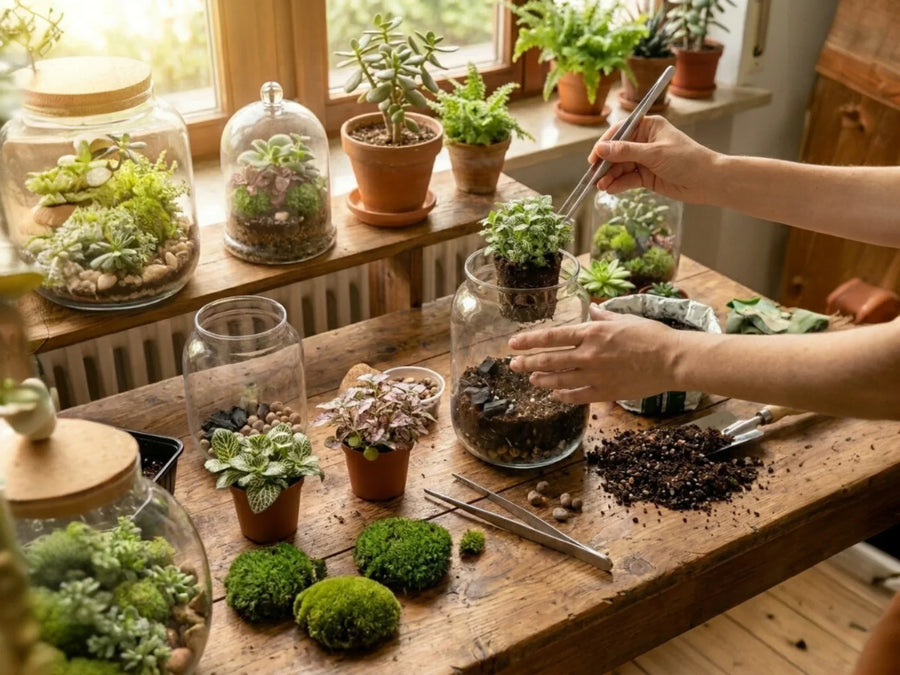
Good open terrarium design starts with scale and spacing. Low plants suit the front, sculptural shapes add structure, trailing stems soften edges and visible base layers give the display depth. Crowding may look full on day one, but it quickly traps moisture, blocks airflow and makes watering harder. Leave enough room around stems and crowns so plants can grow without pressing into glass or each other.
Give open terrarium plants bright, suitable light, avoid hot direct sun through glass and water with restraint. Even open glass often has no drainage hole, so excess water can still collect in the base. Choose open terrarium plants when you want a layered, accessible glass display with more airflow, clearer structure and easier long-term maintenance.
Open Terrarium Plants FAQ
What plants work best in open terrariums?
Open terrariums suit compact plants that enjoy bright, indirect light, moderate to higher humidity and steady airflow. Small ferns, trailing tropical plants, compact Peperomia, selected Pilea, Cryptanthus and other low-growing foliage plants can work well, as long as the vessel stays open or well ventilated.
Are open terrariums easier than closed terrariums?
Open terrariums are usually easier to adjust because you can water, trim and rearrange plants without disturbing a sealed environment. They dry out faster than closed terrariums, so they need more regular checking, but they are also less prone to stale, trapped moisture.
Can I use moss in an open terrarium?
Yes, moss can be used in an open terrarium as a soft surface layer, natural accent or finishing detail. It should not stay constantly soaked, especially in a ventilated setup. Use it to cover bare substrate, soften edges and add texture rather than treating it as a permanently wet carpet.
Worth reading:
Add “Blog post” blocks to show articles here.
Limited discounts, extras, and bundle deals for subscribers.
Get points with every order to redeem them for discounts.
Give your friends 10 € off and get 200 Foliage Points.
Use your 10% code on plants when you're ready to order.