Skip to content

Cart

Your cart is empty

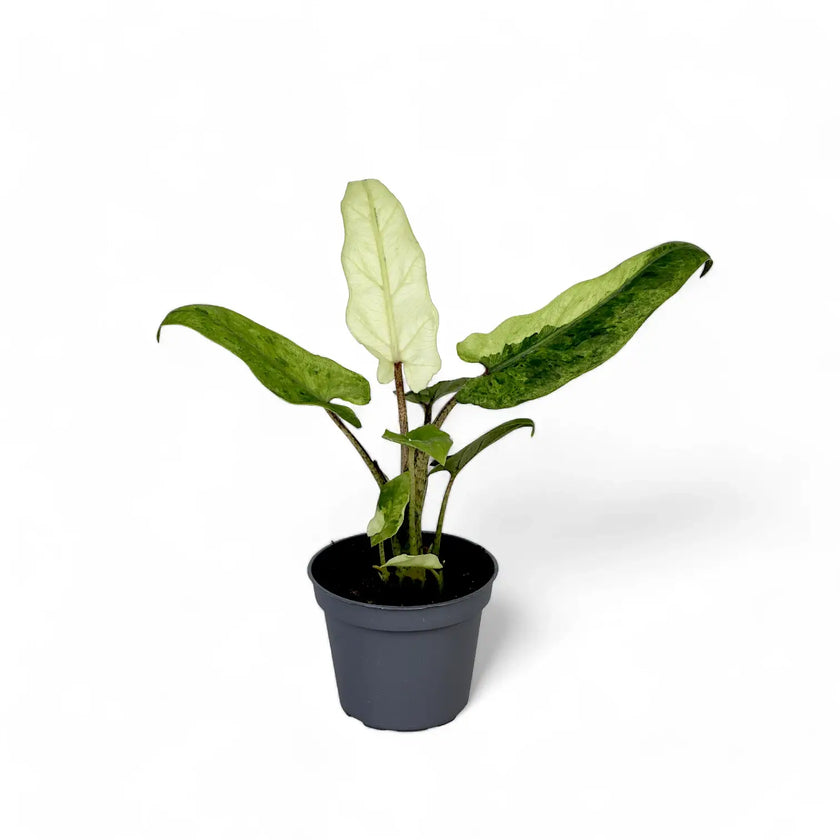
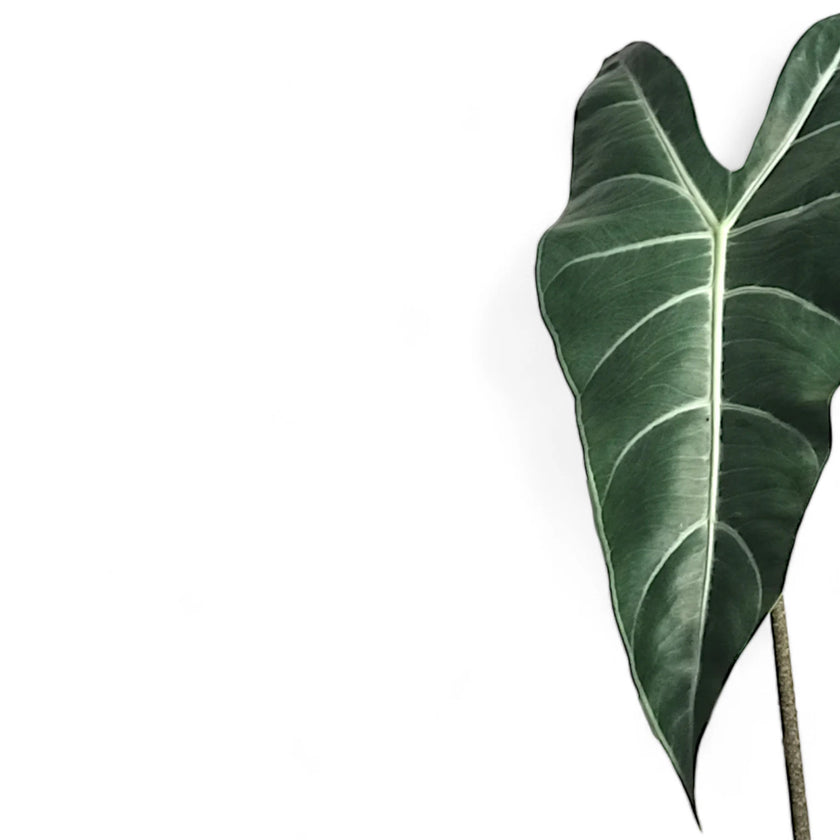
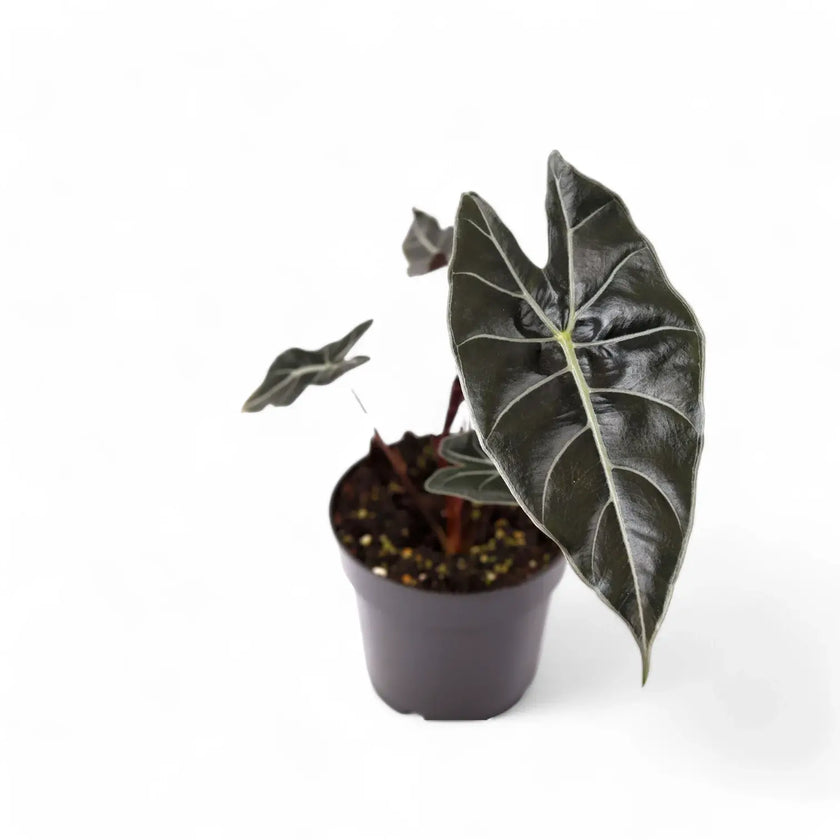
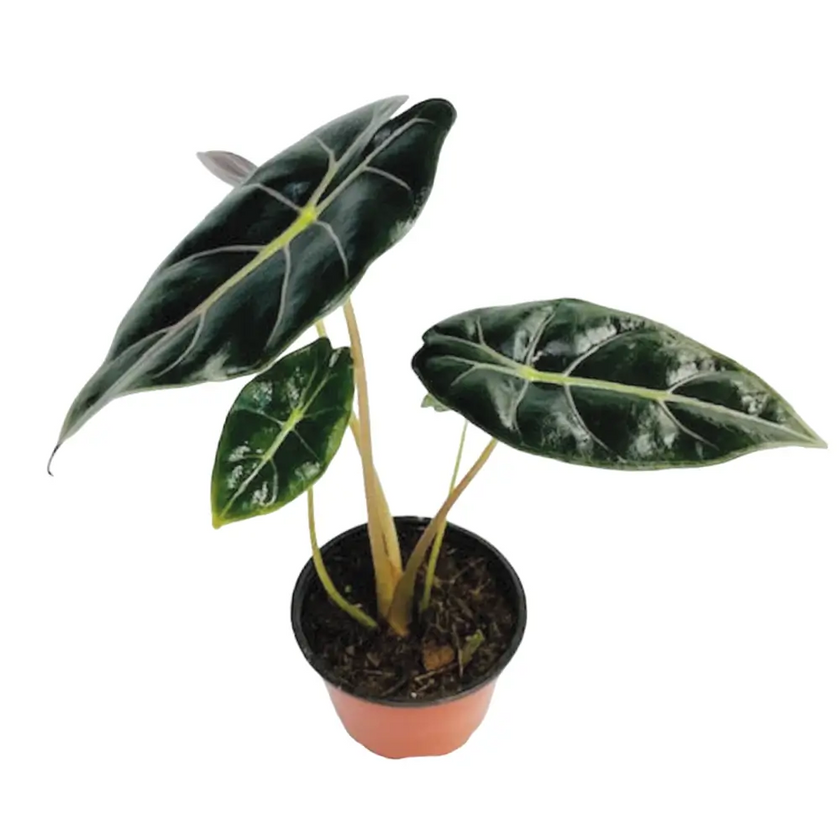
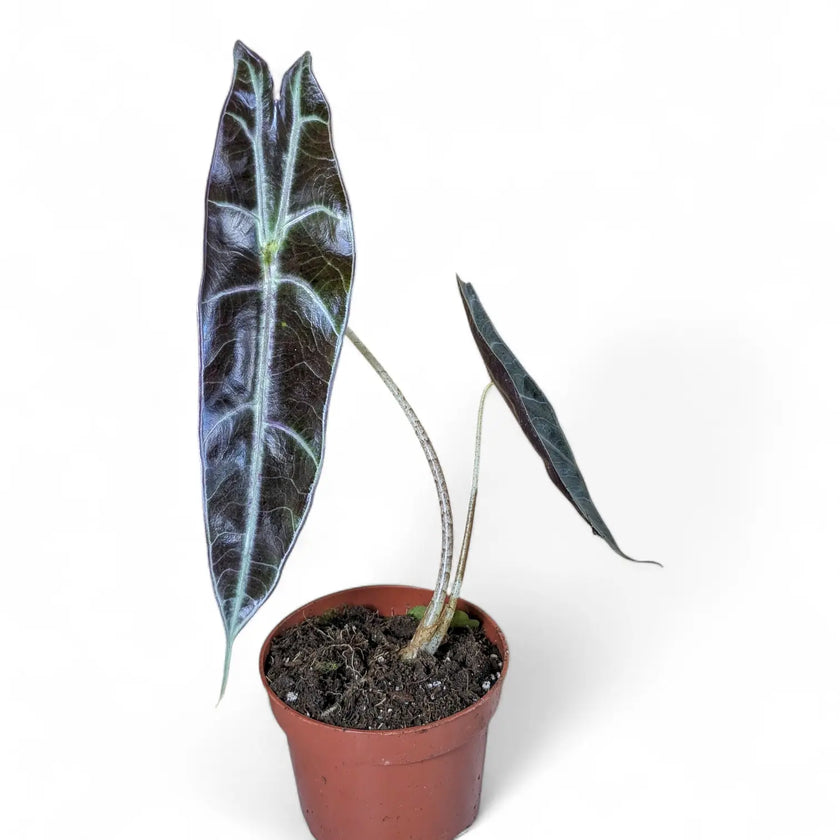
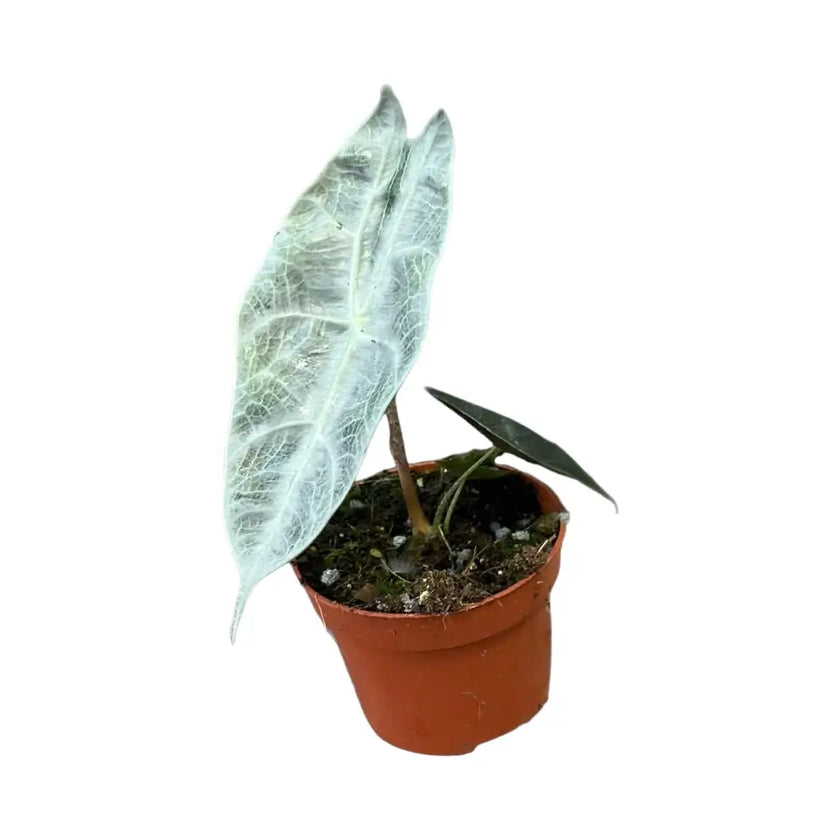
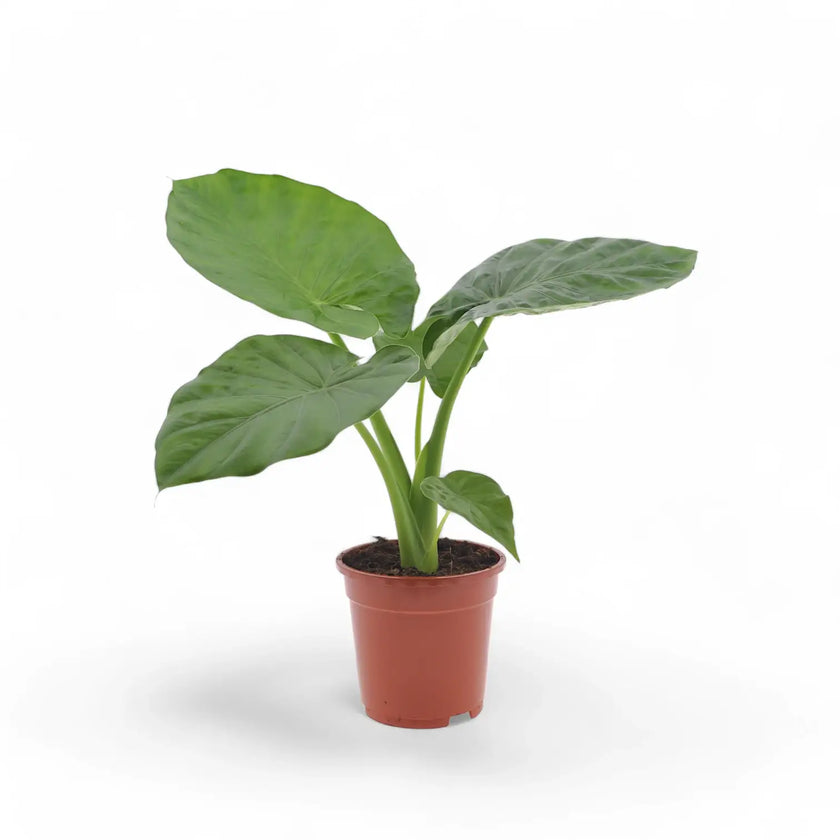
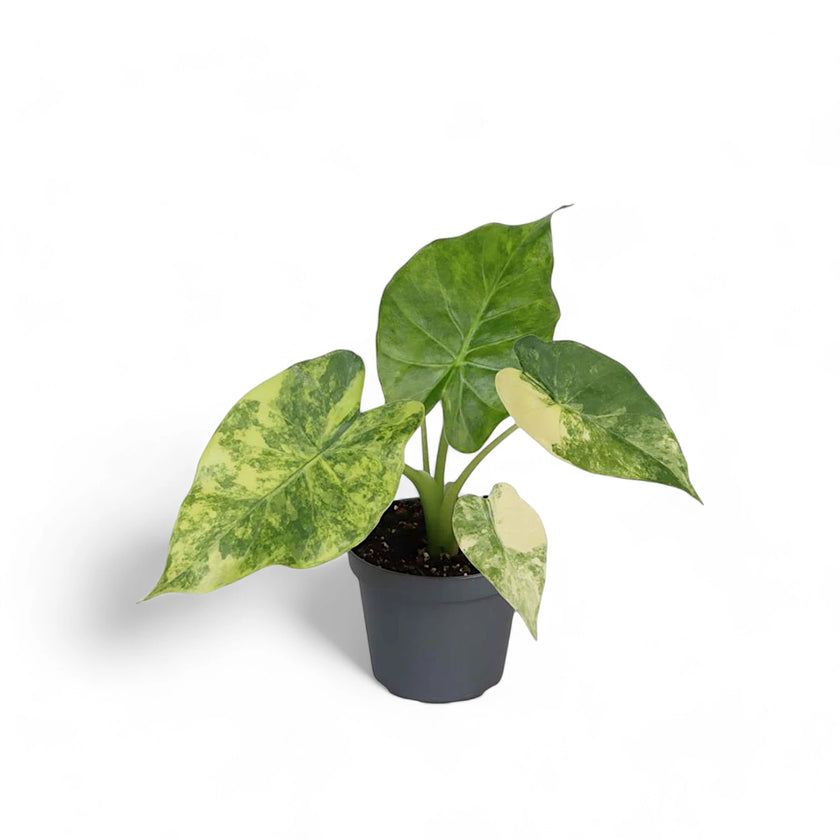
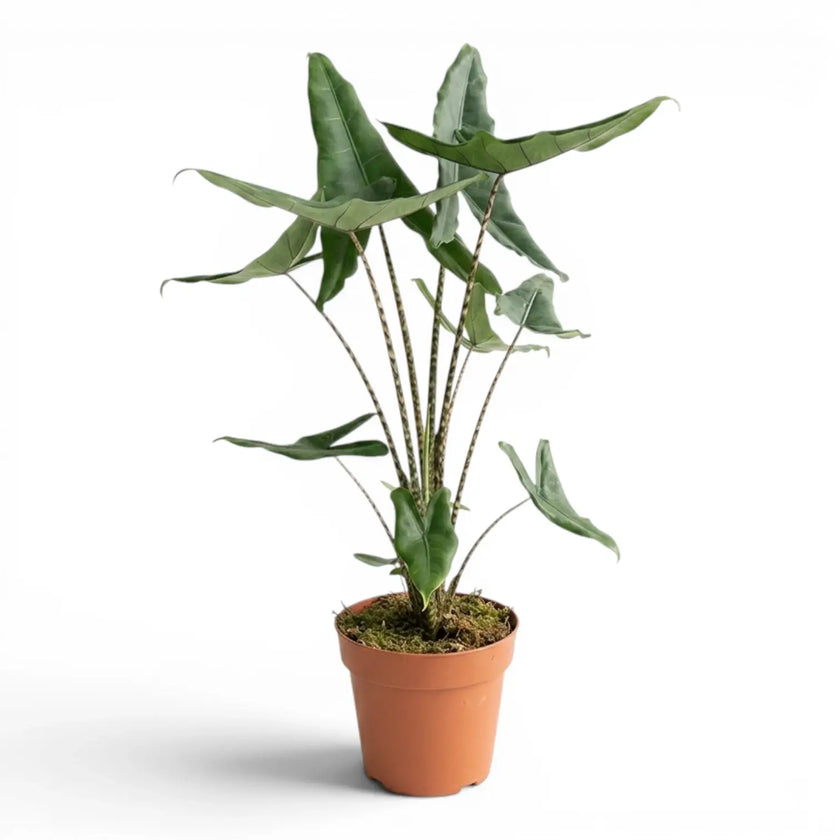
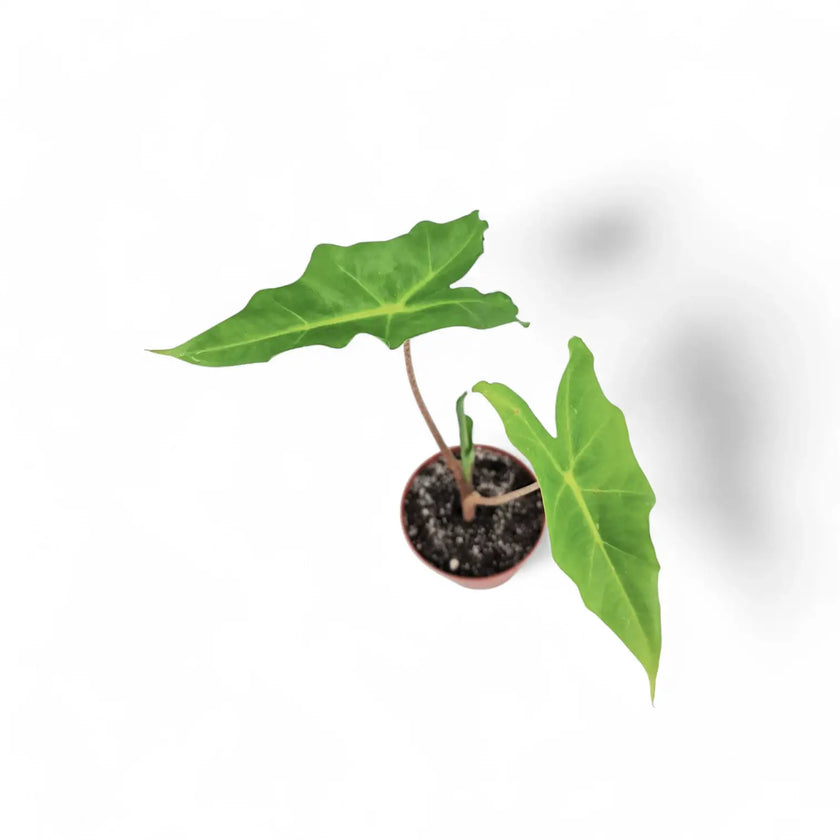
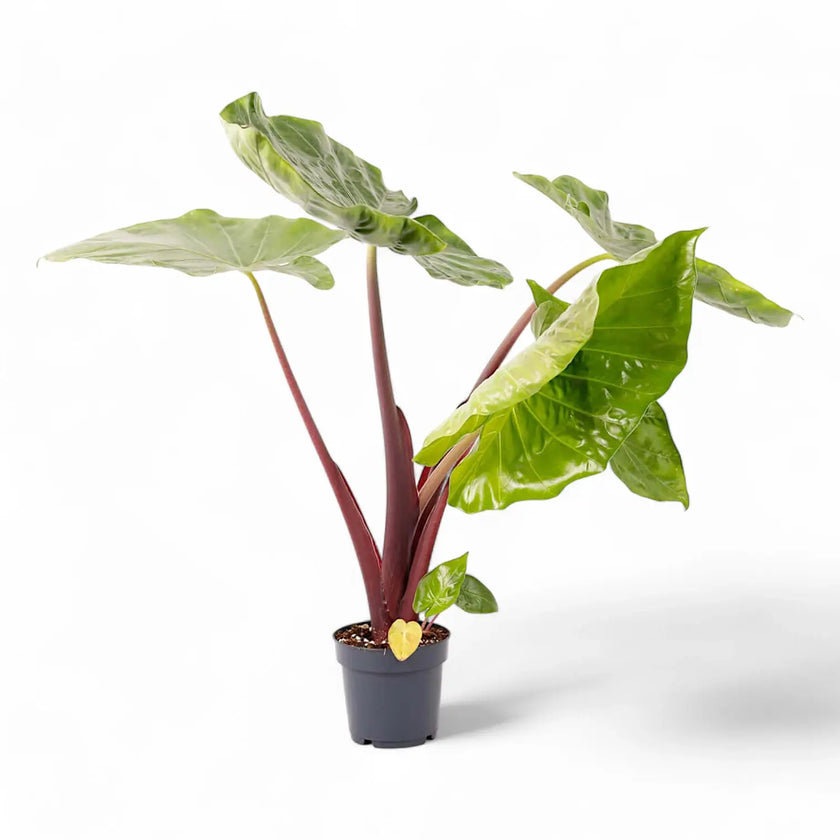
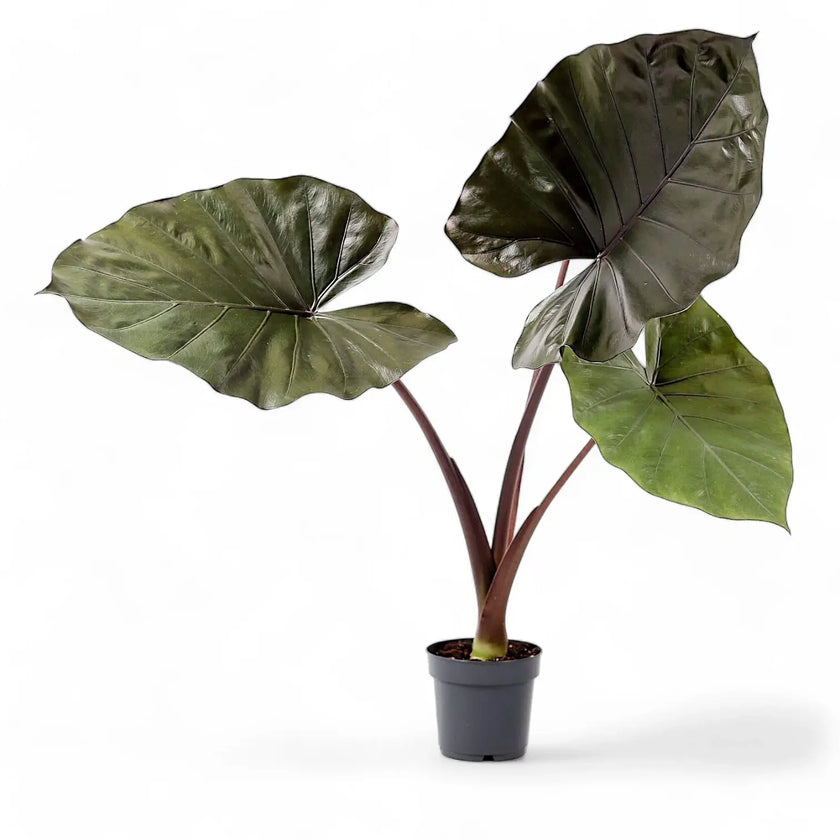
Large-Leaf Houseplants

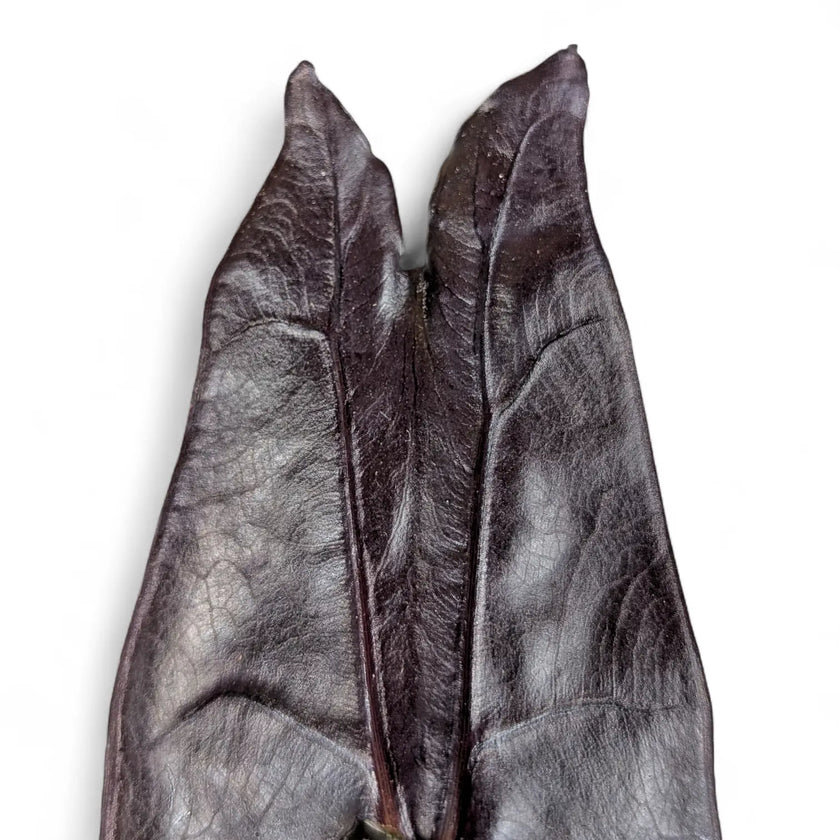
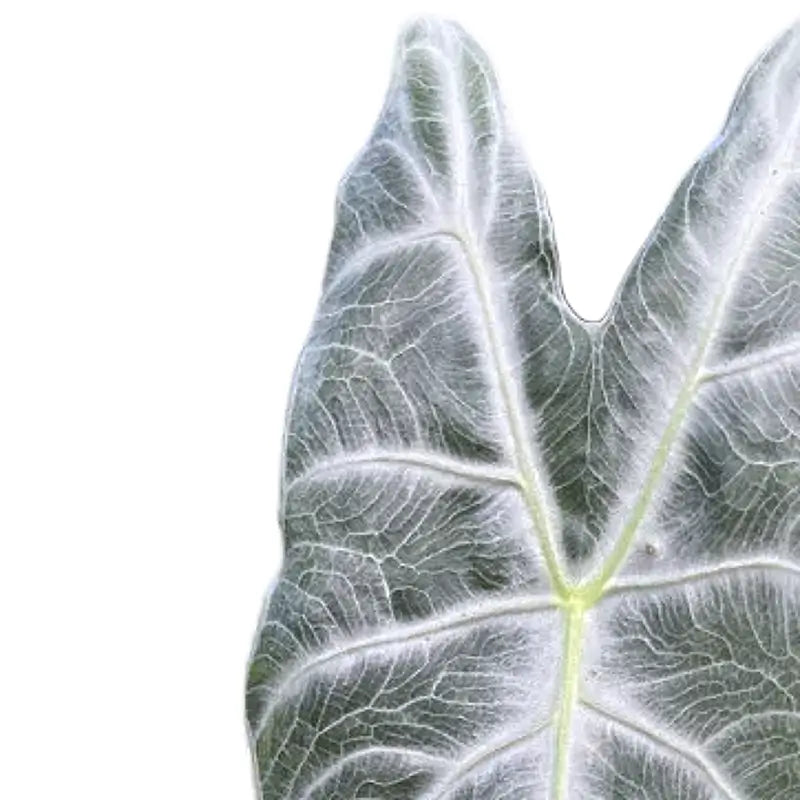
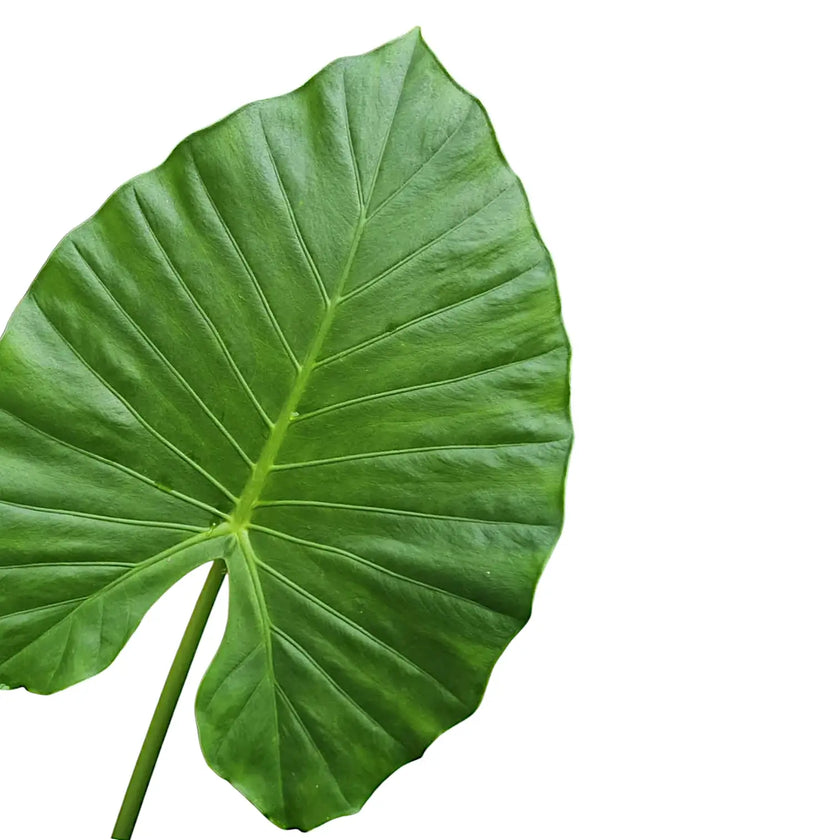
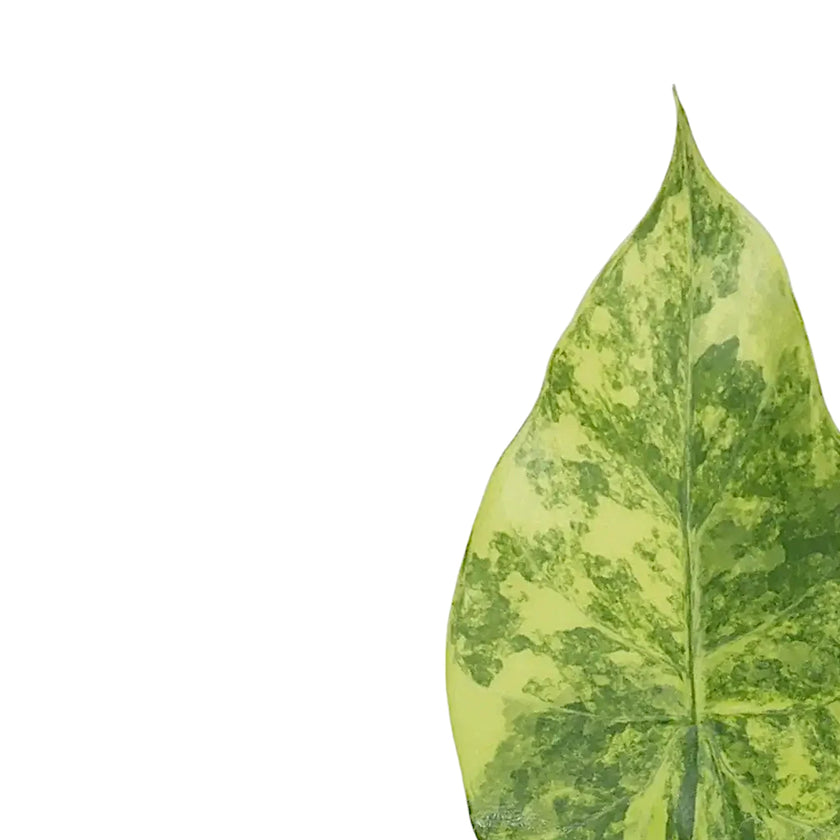
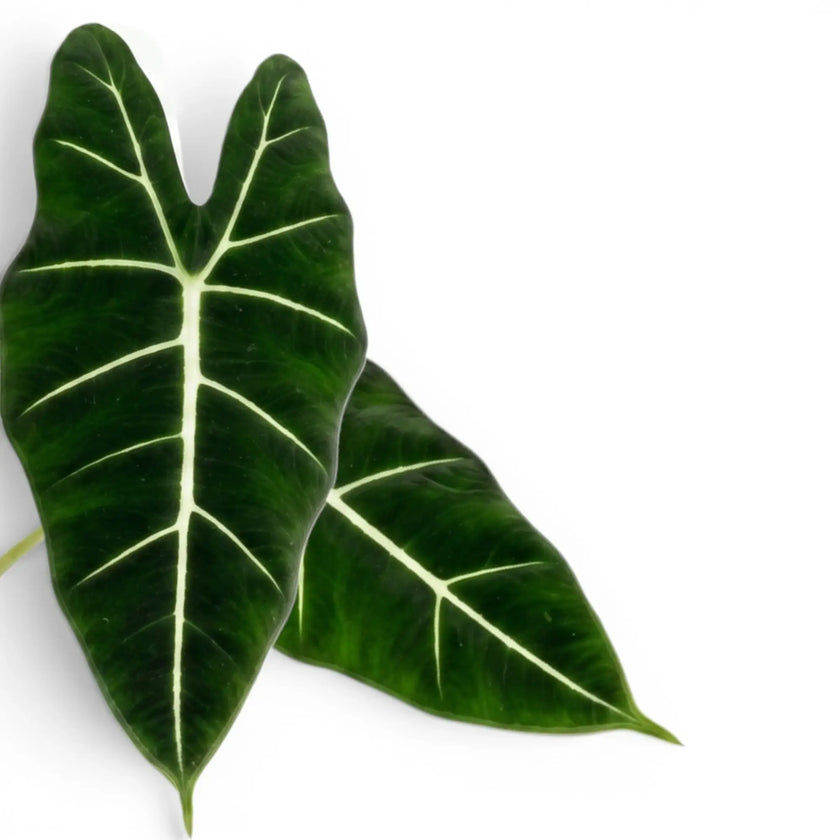
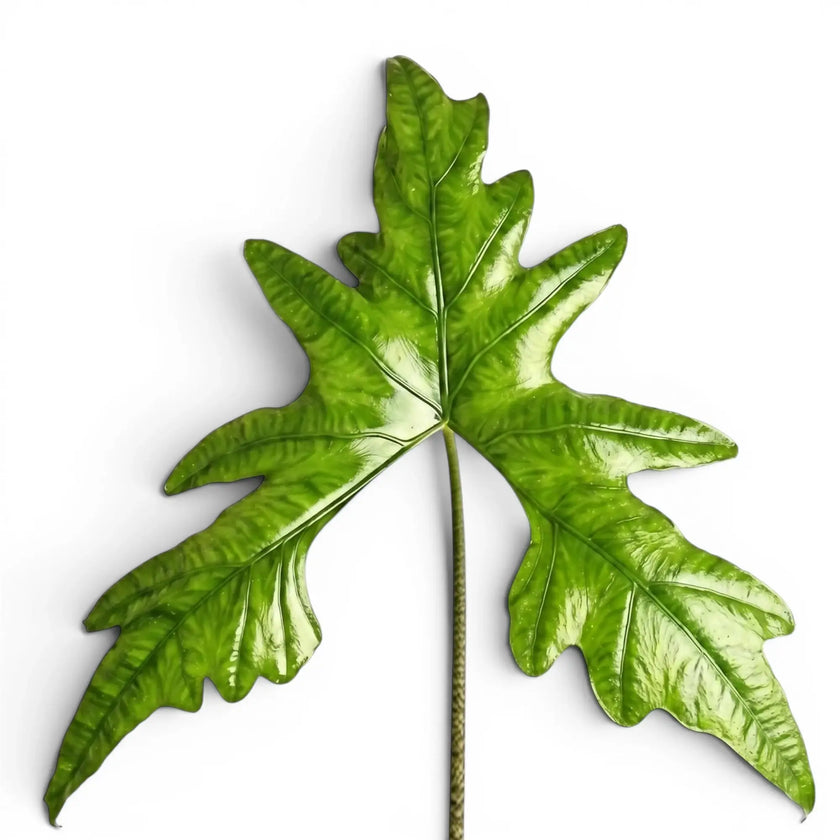
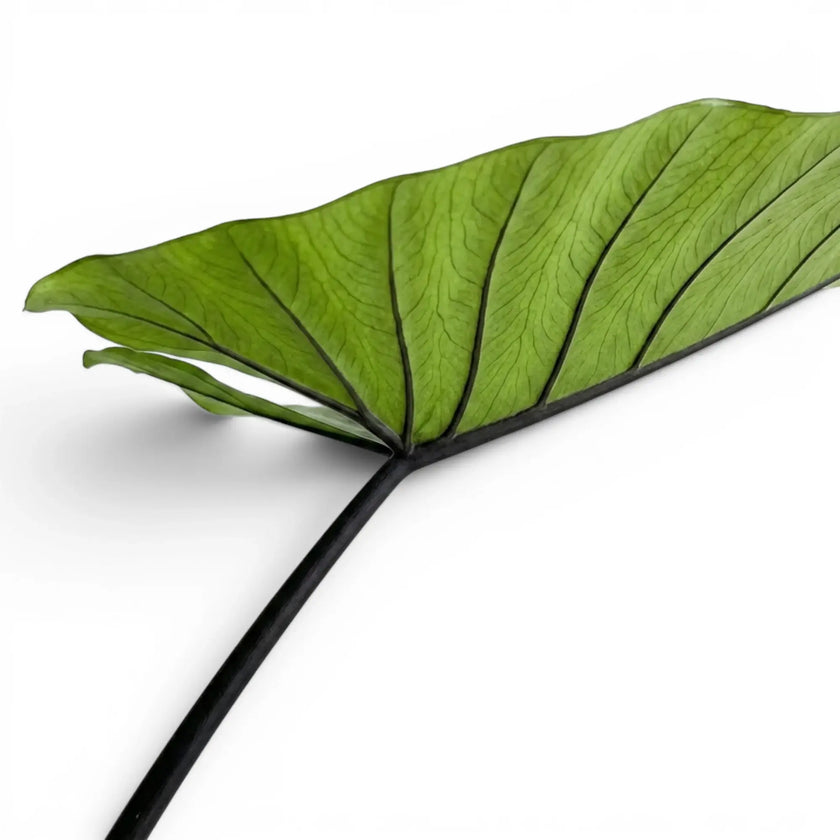
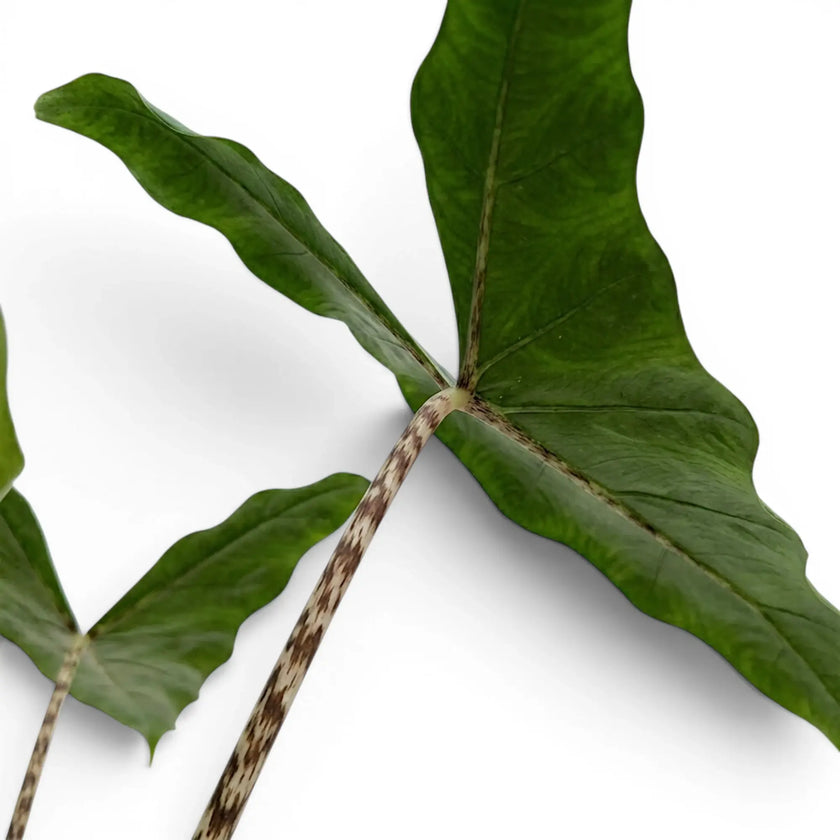
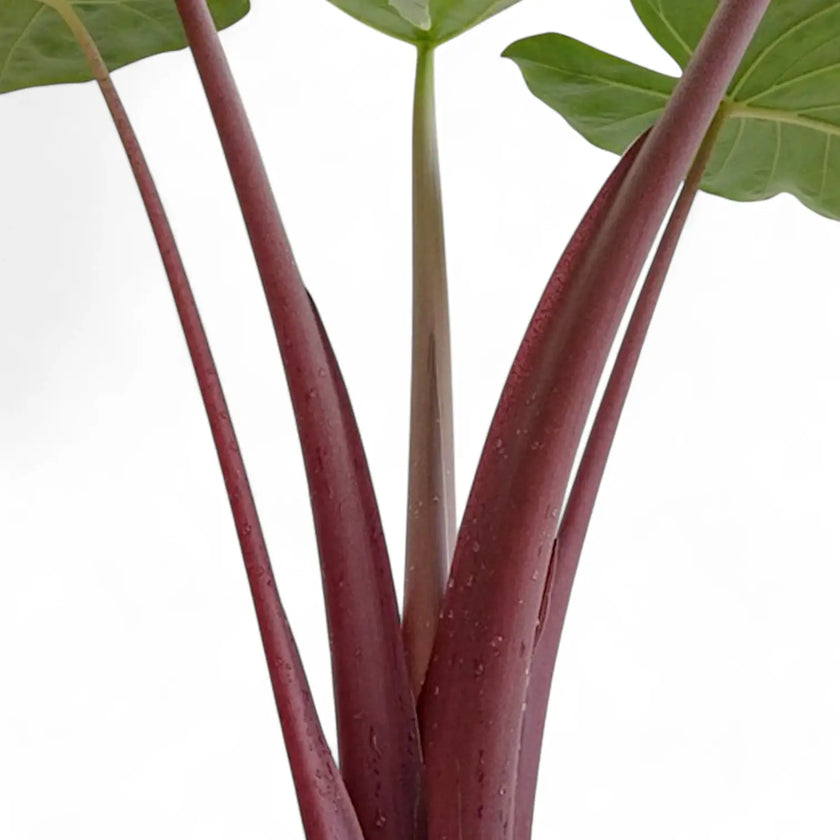
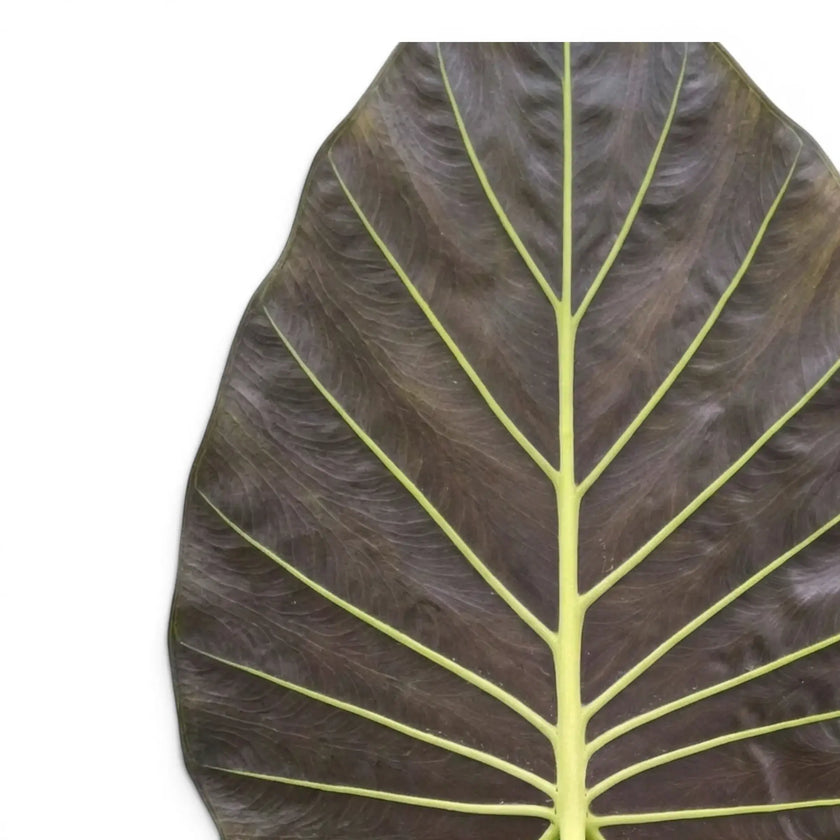
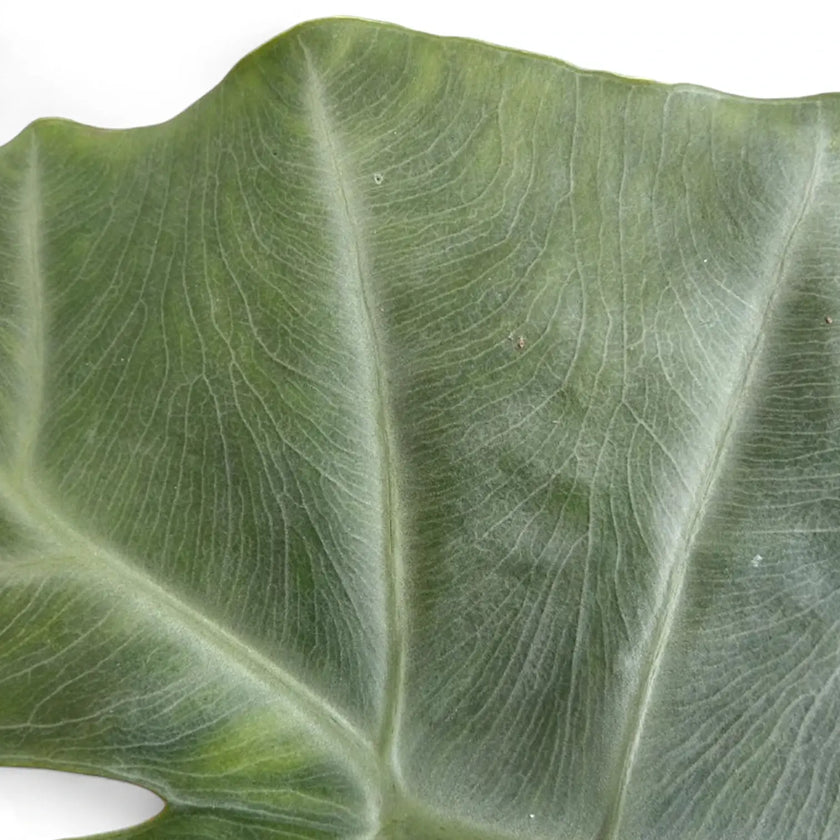
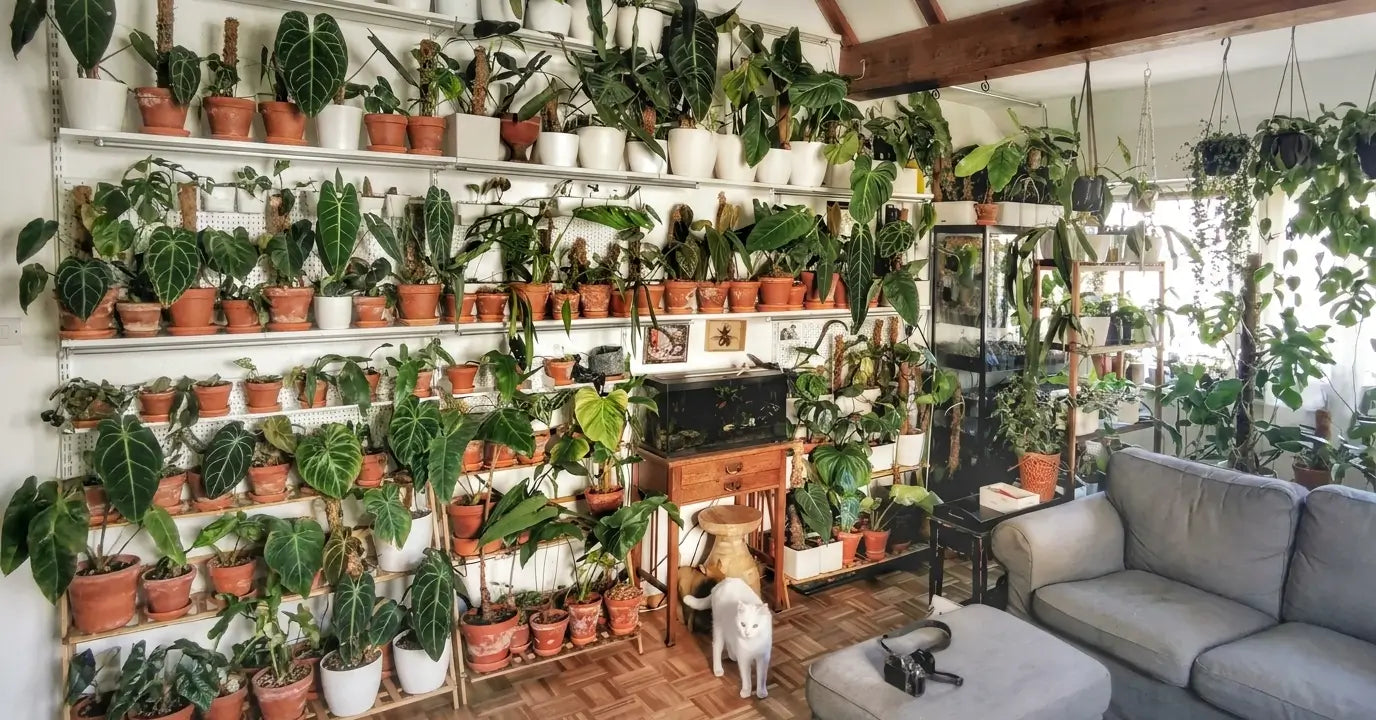
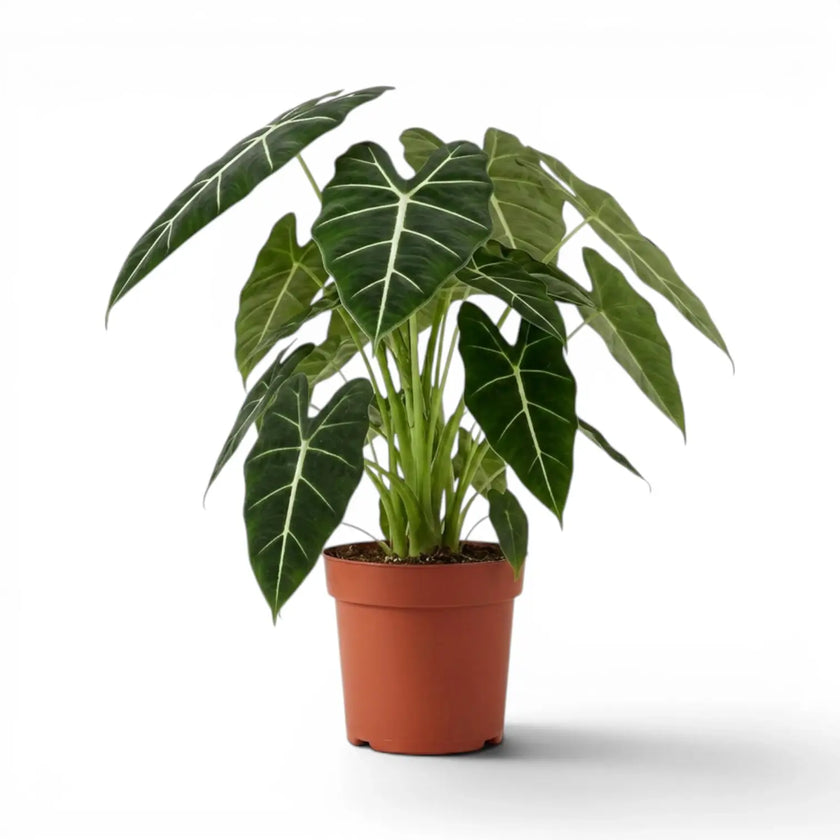
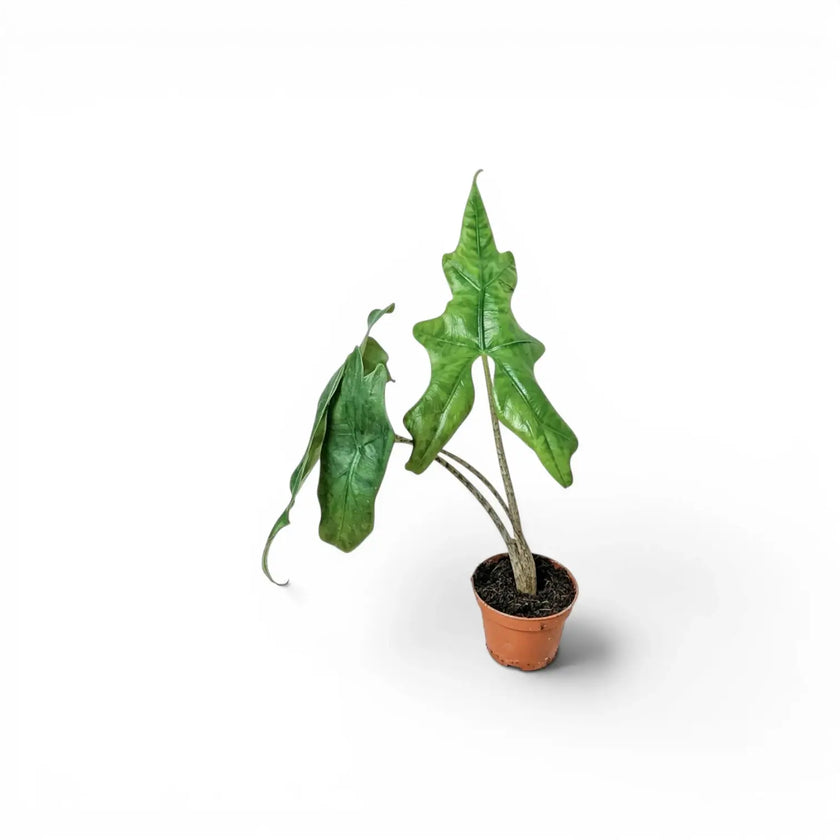
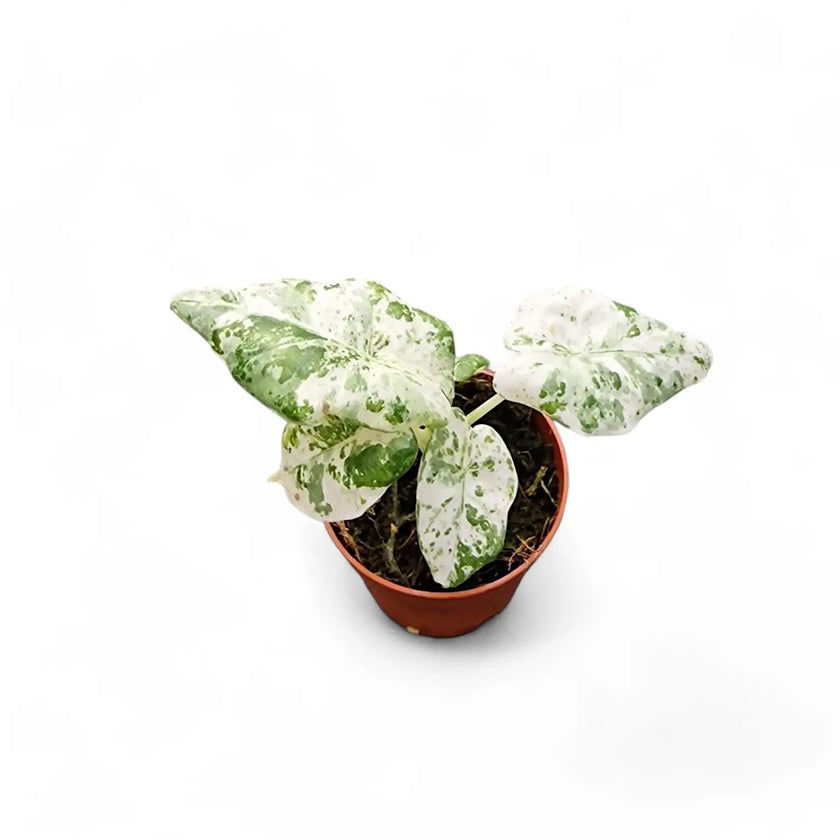
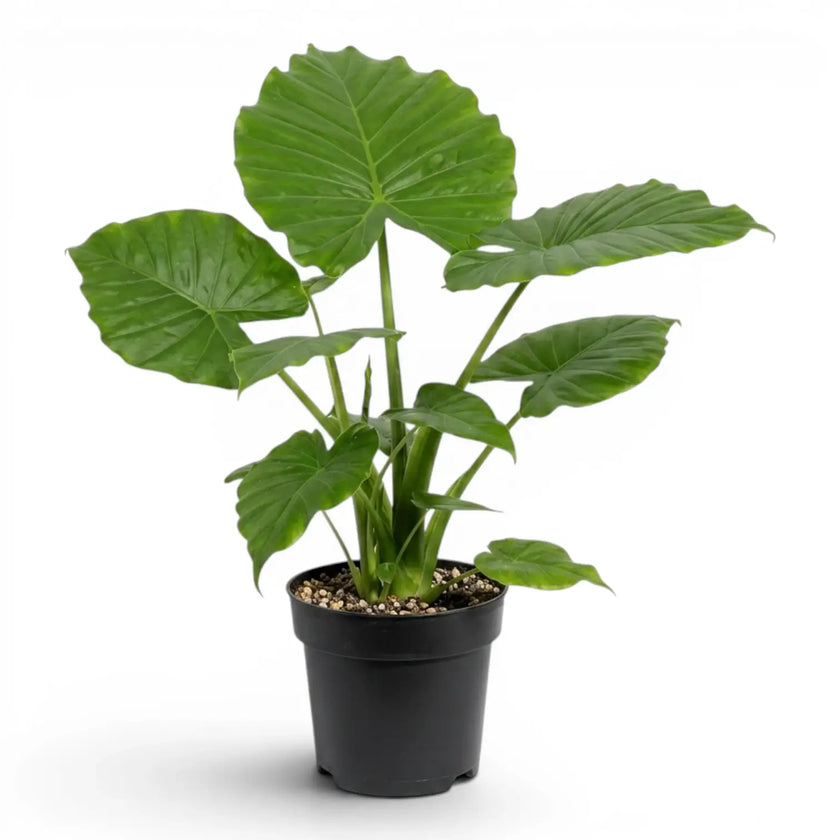
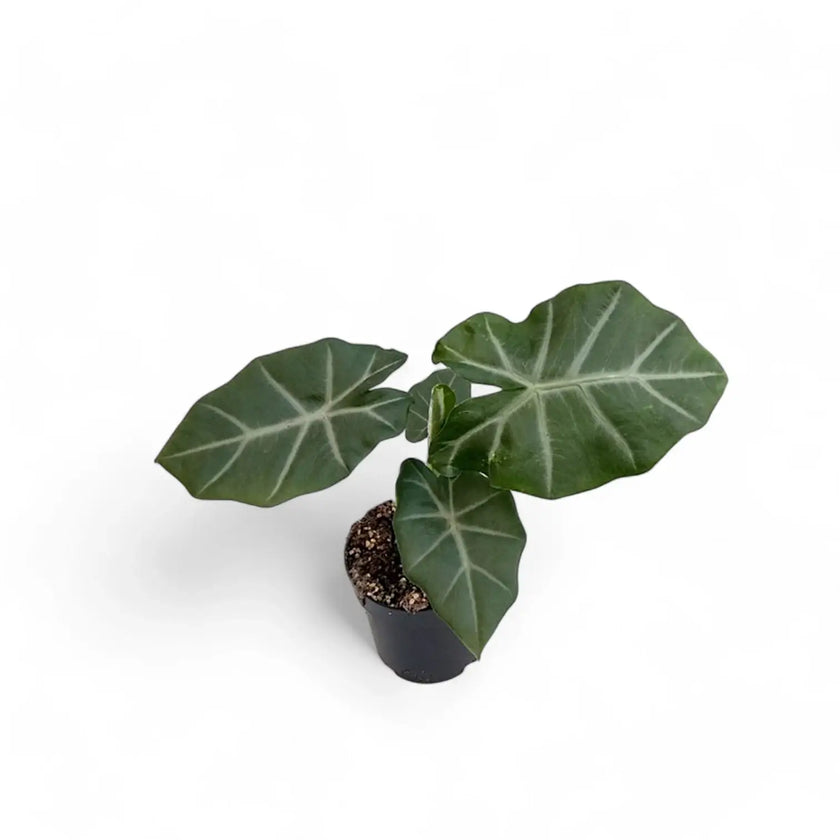
Large-leaf houseplants create impact through scale alone—their broad surfaces open slowly and hold a calm, sculptural presence that smaller foliage cannot replicate. These plants stay at their best in bright, indirect light, where new leaves can unfurl fully without taking burn. A loose, well-draining aroid-style mix keeps the root system active and prevents the weight of wet soil from pulling stems down. Water once the upper layer has dried slightly, and give each plant enough room for the leaves to stretch without folding against nearby objects. Regular dusting keeps the surfaces clear and helps them use light efficiently.

Toxicity: Many large-leaf species belong to aroids or other families containing calcium oxalate or irritant sap. Keep them out of reach of pets and children.

  • Bright, indirect light encourages full, even leaf development
  • Airy substrates stop soil from becoming heavy or compacted
  • Generous spacing prevents creasing and supports natural posture

Choose large-leaf plants when you want a bold, steady focal point with quiet architectural weight.

Sort by

Plant fact: Large leaves often stay on a plant for years, so every clean, fully unfurled blade acts like long-term furniture in the room.

Large-leaf houseplants – big surfaces, bold impact

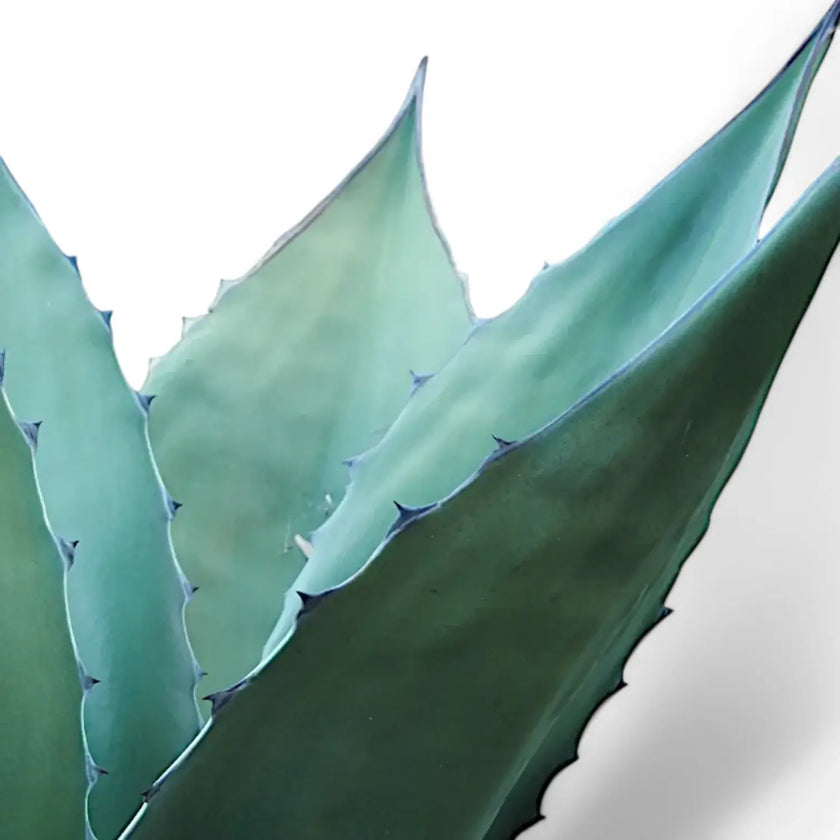
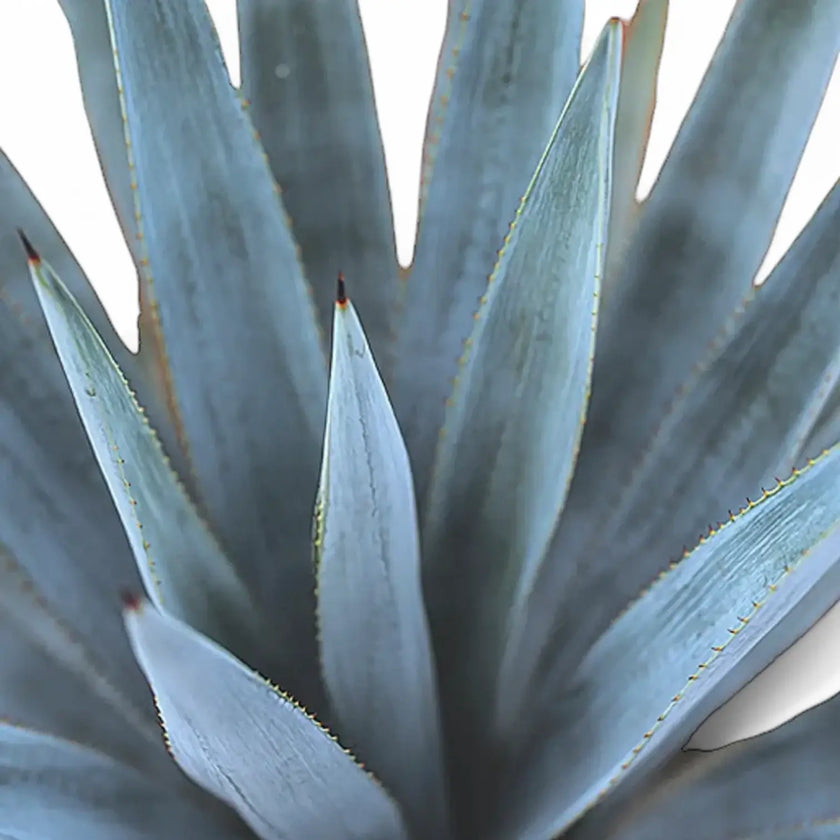
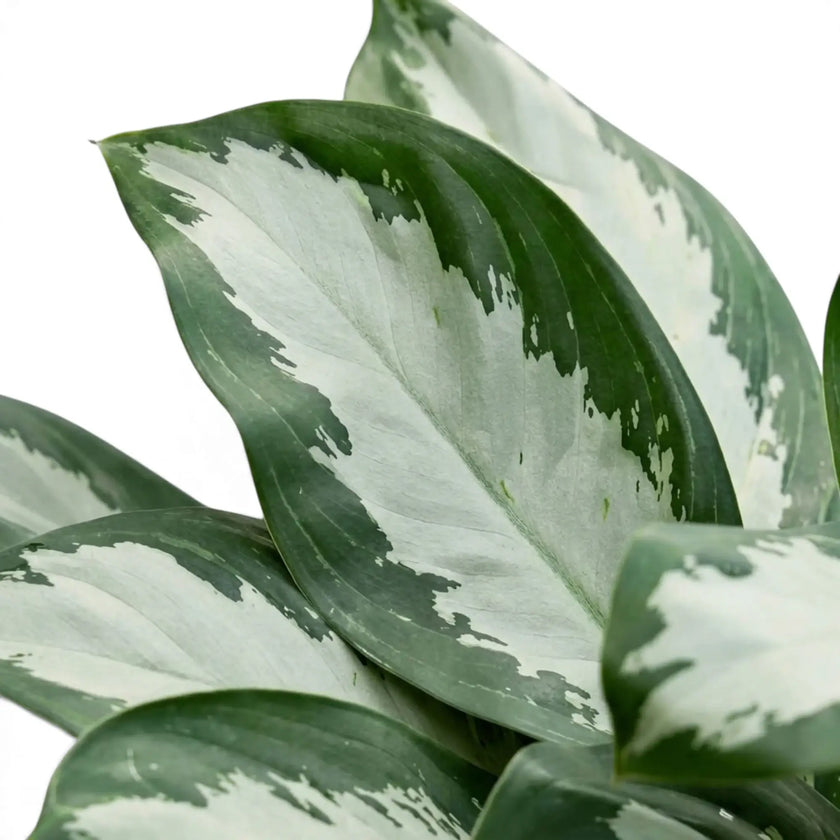
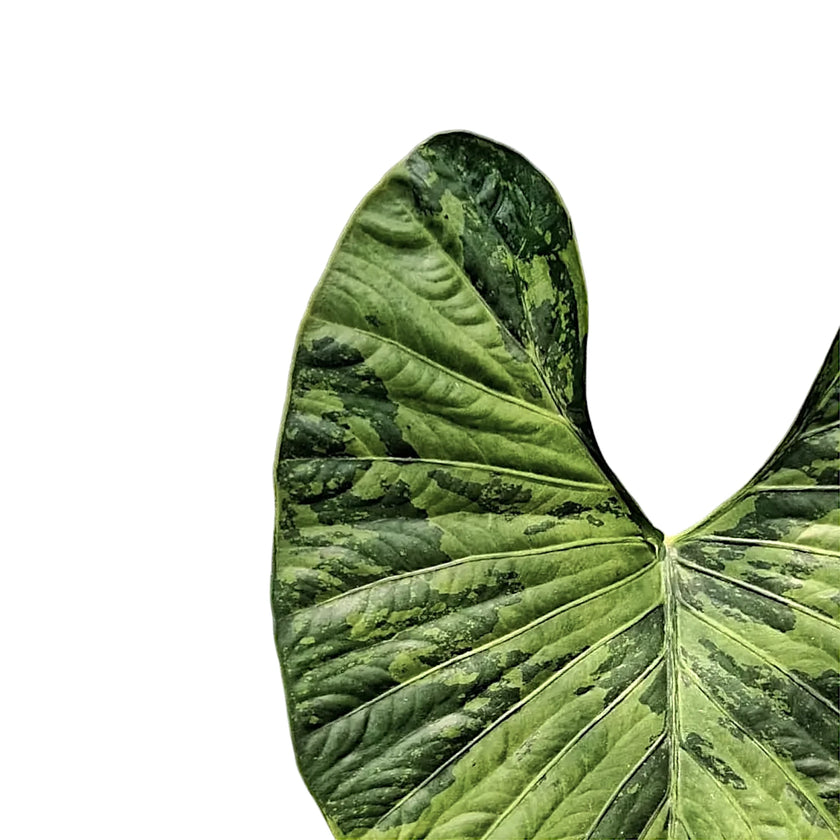
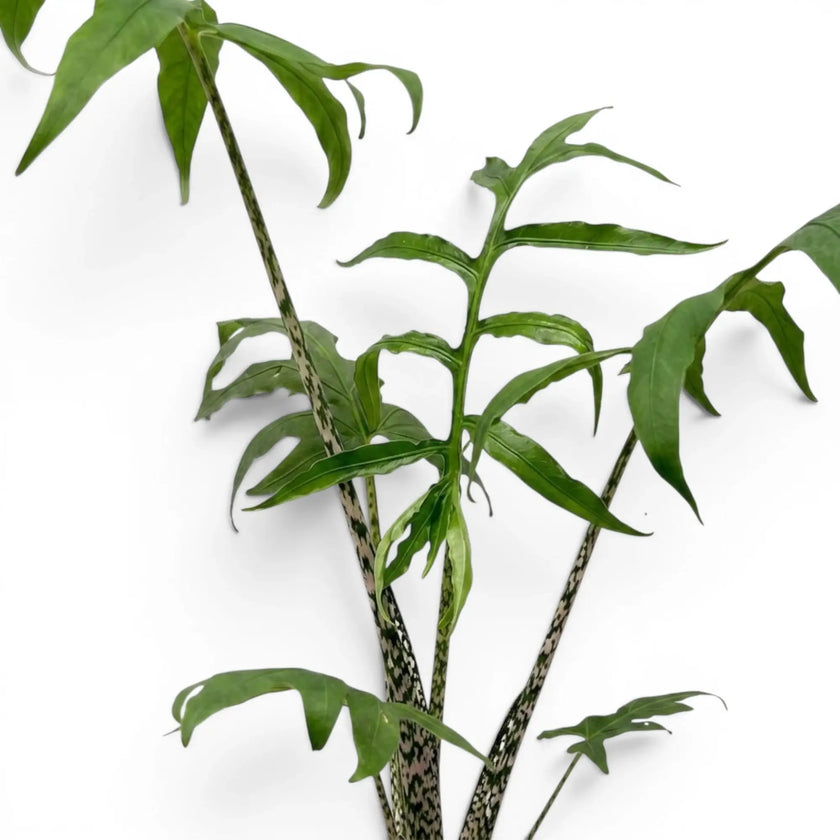
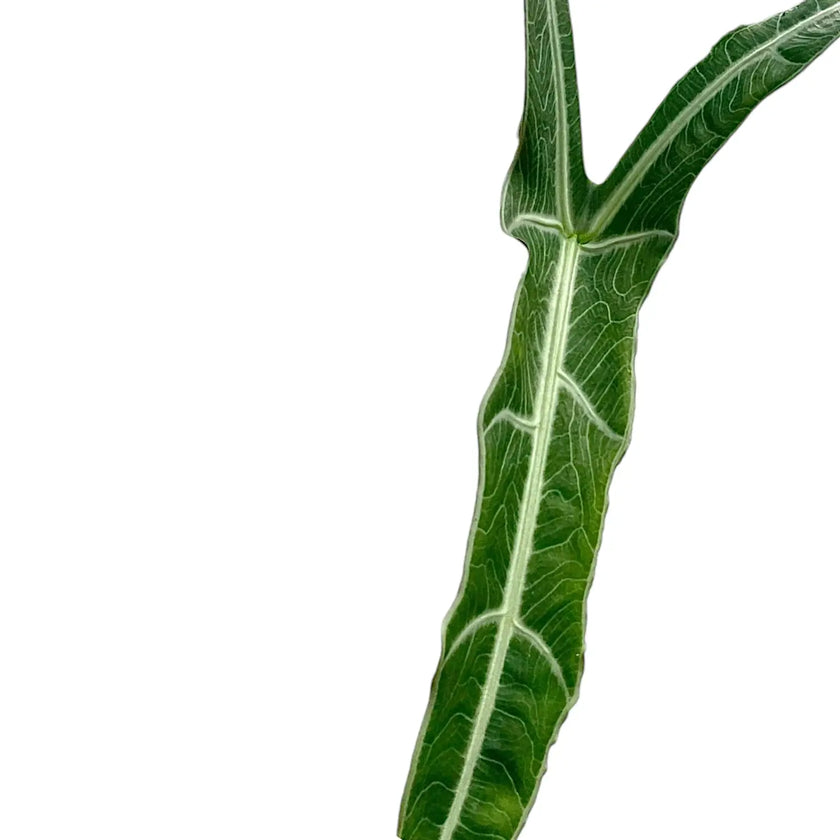
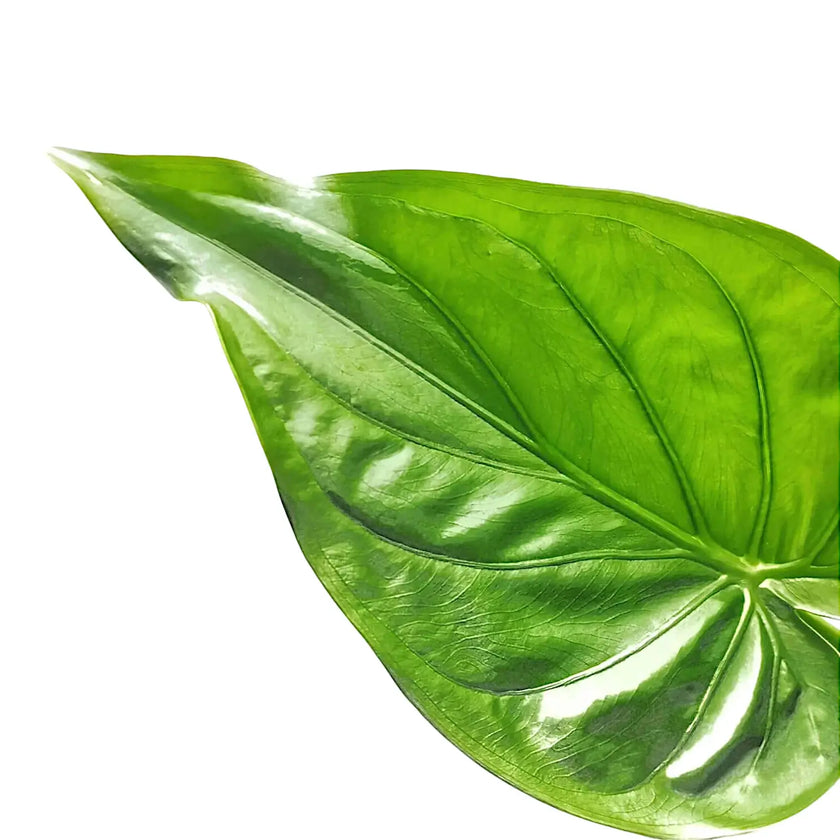
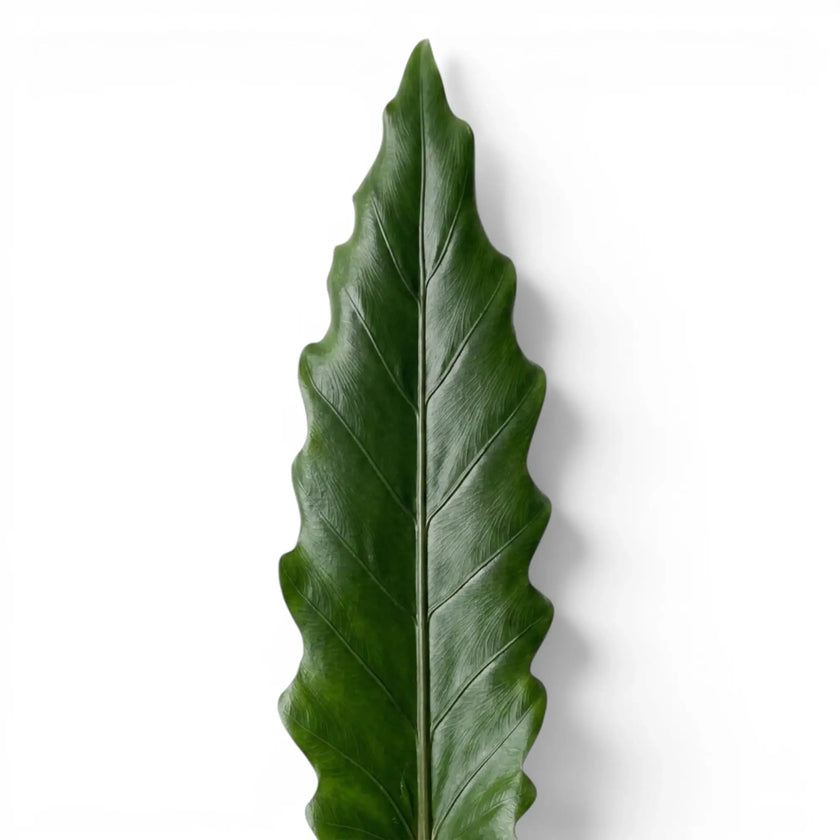
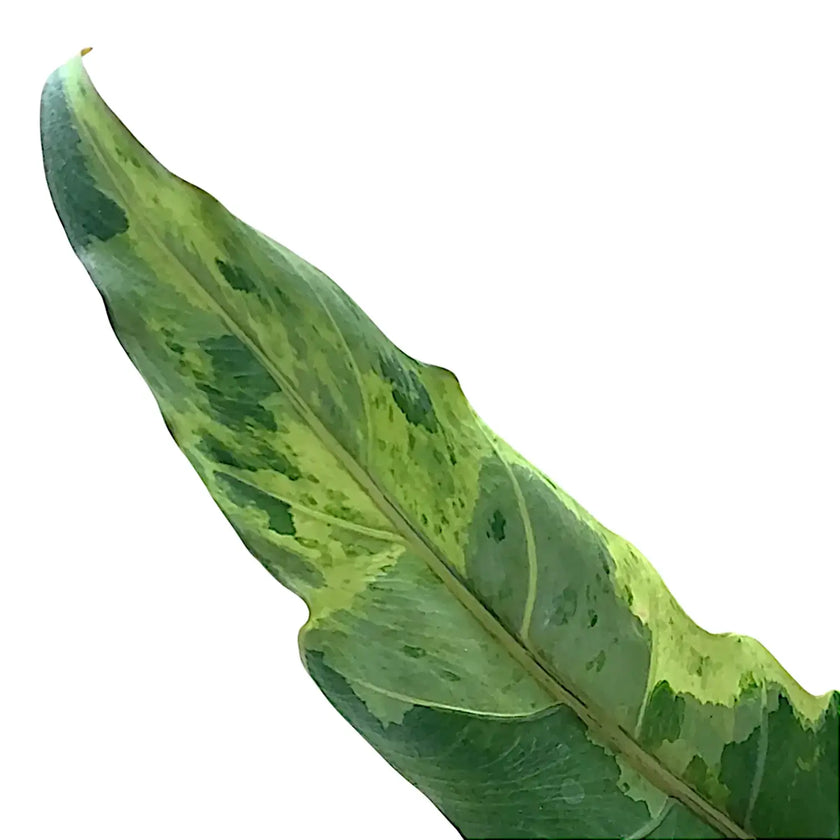
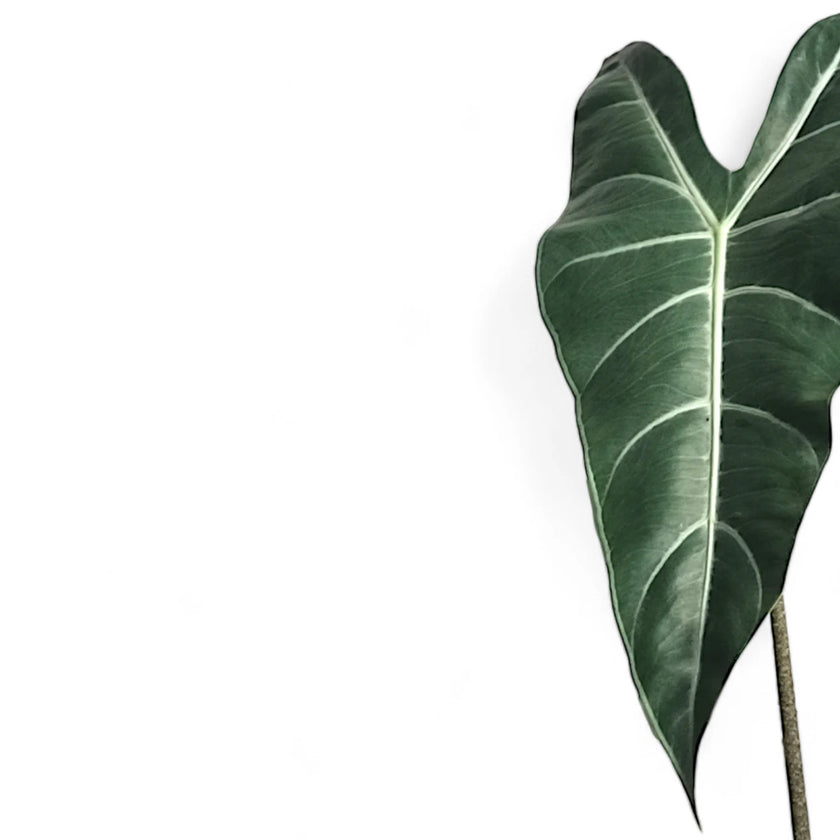
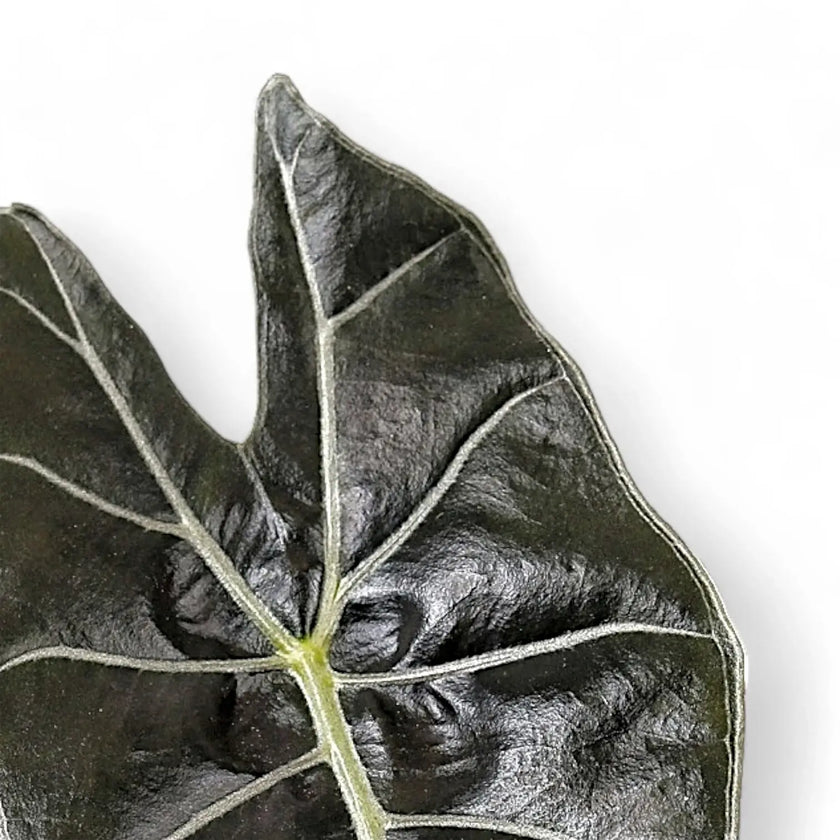
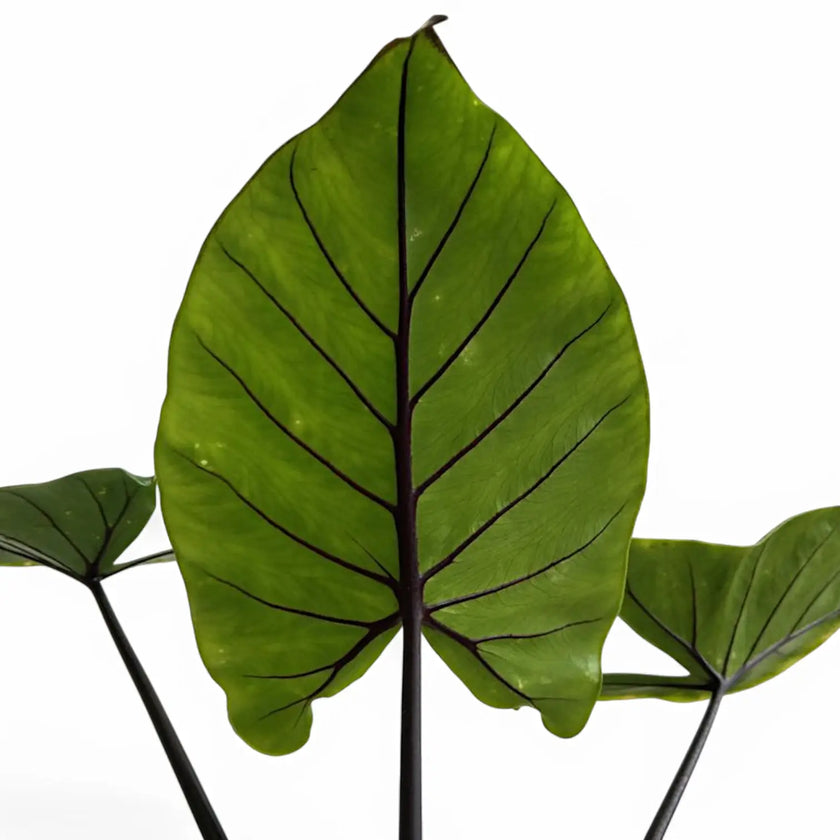
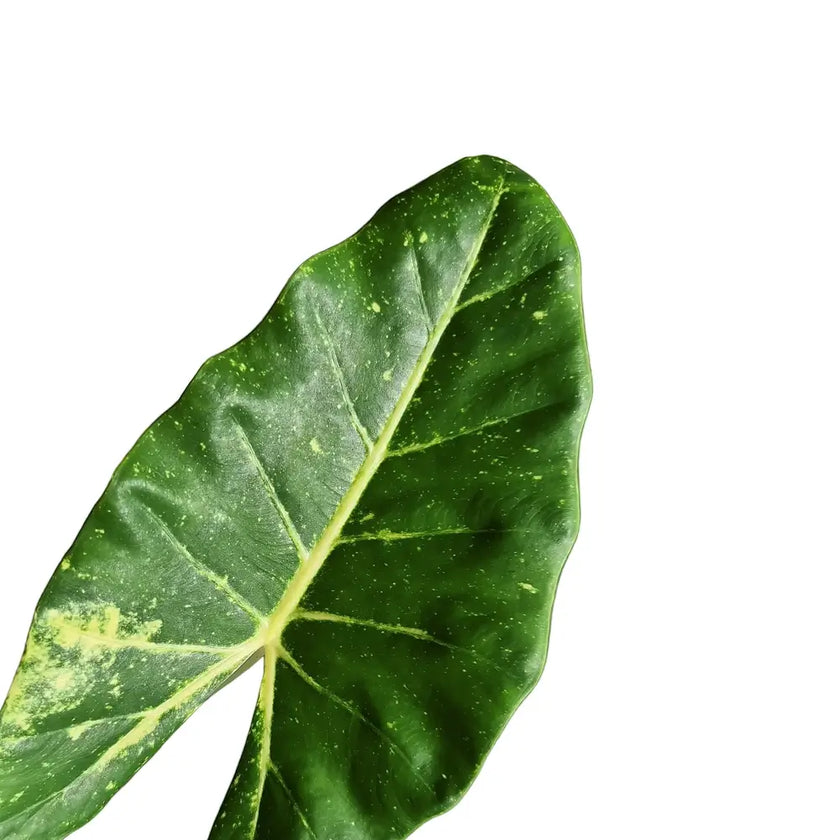
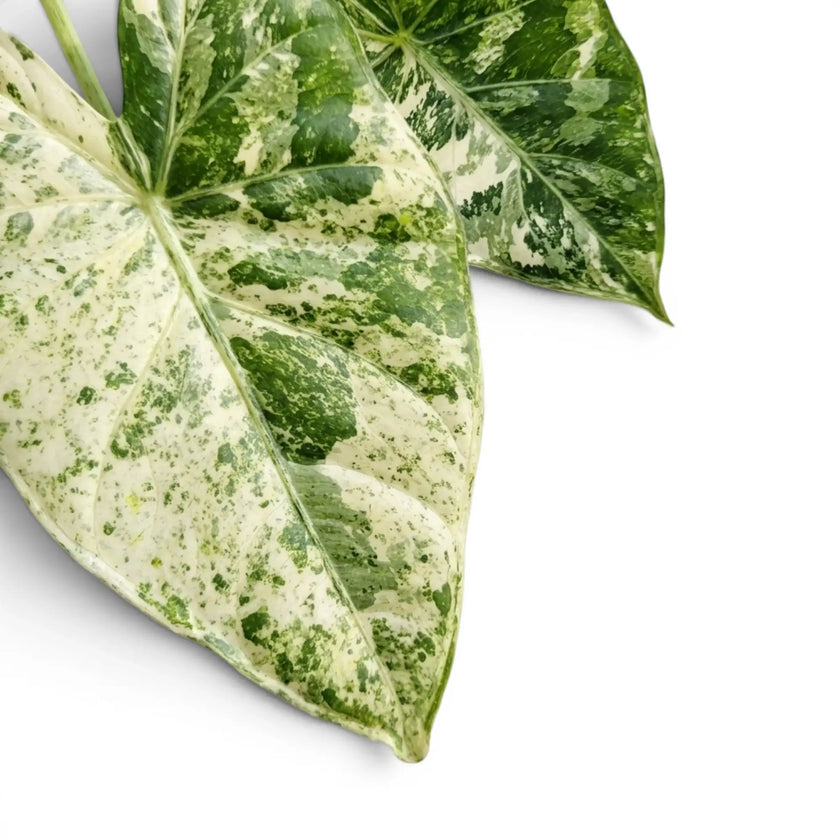
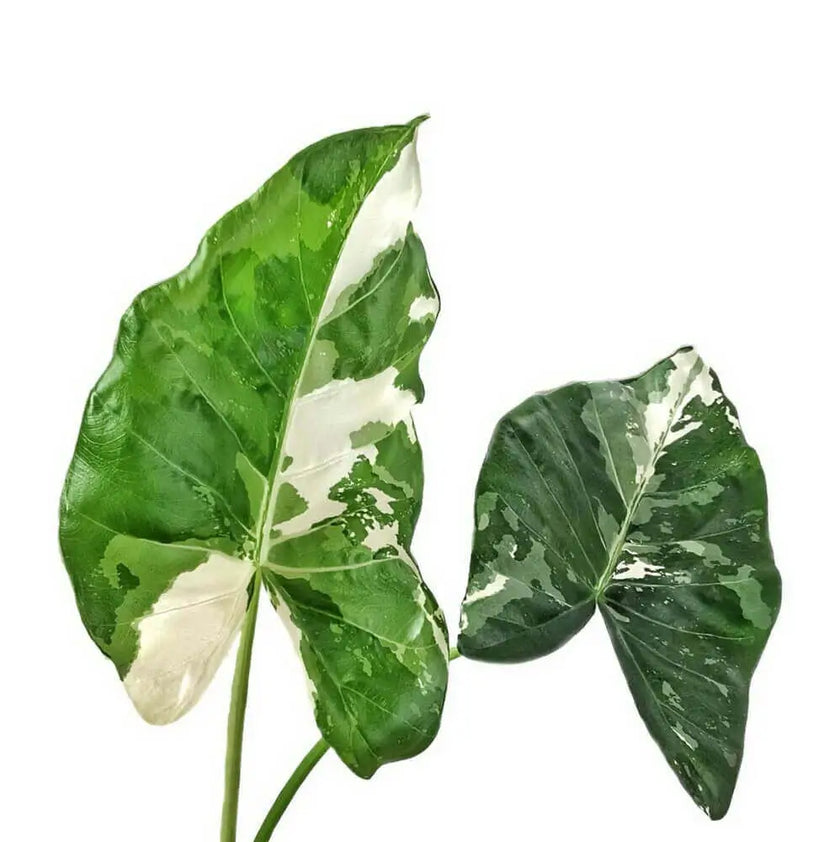
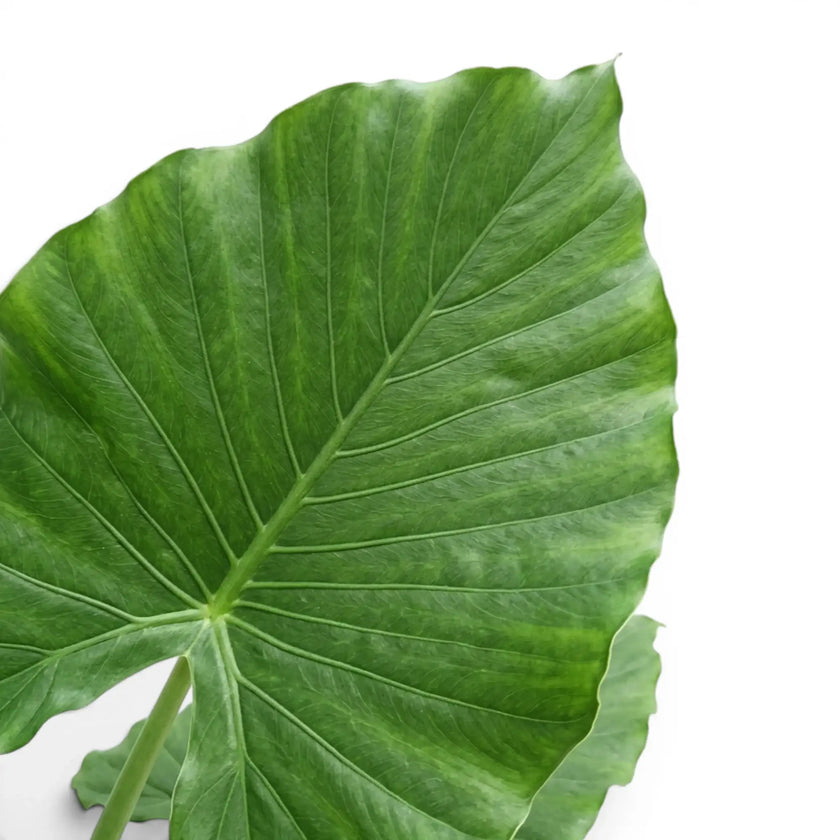
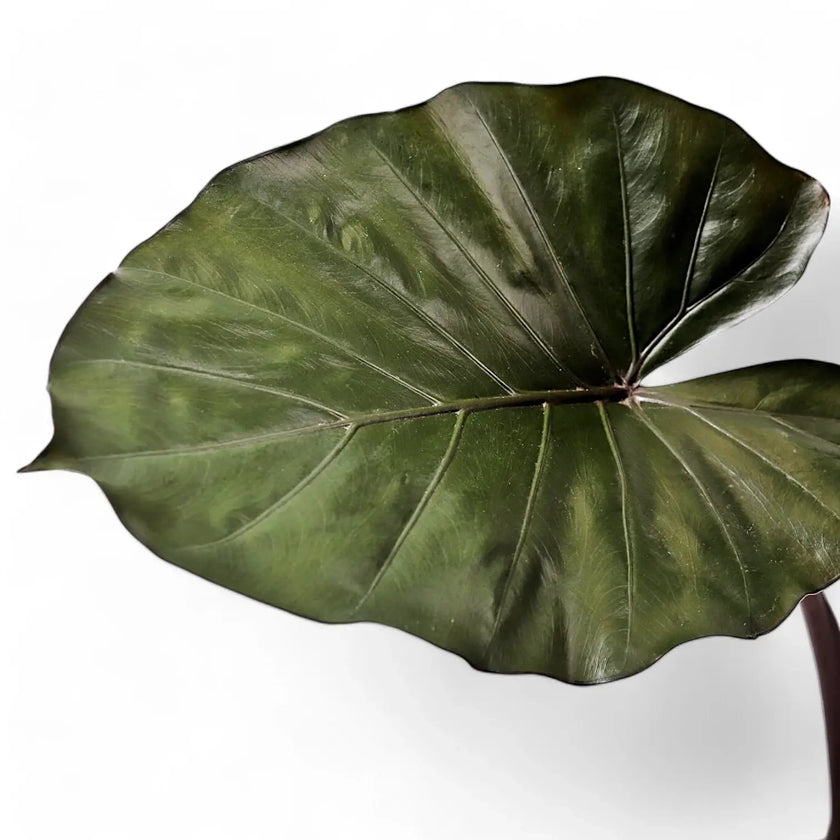
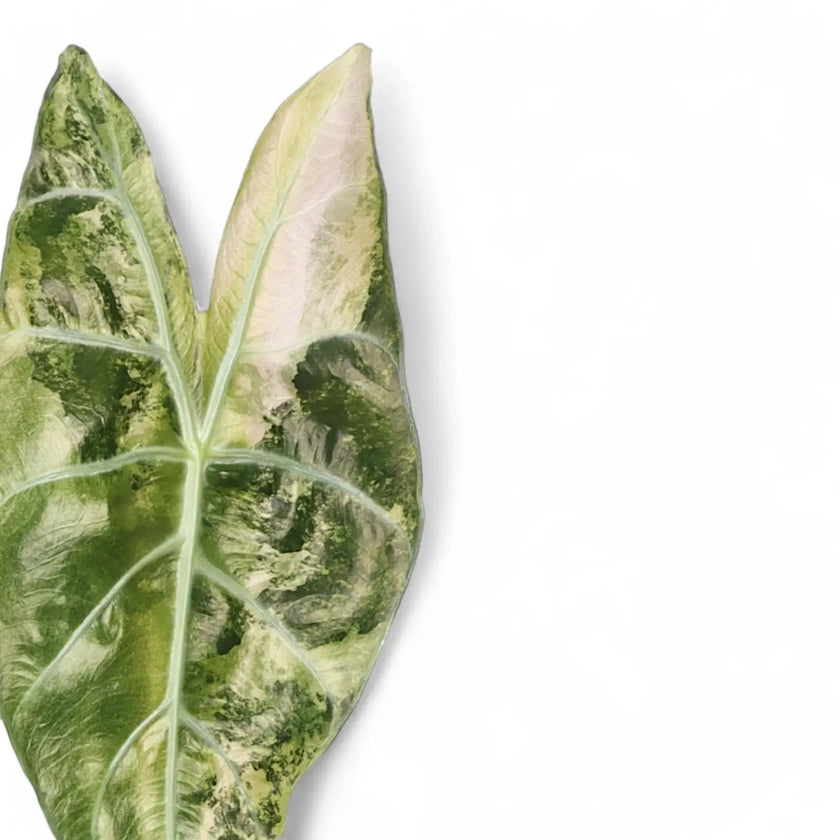
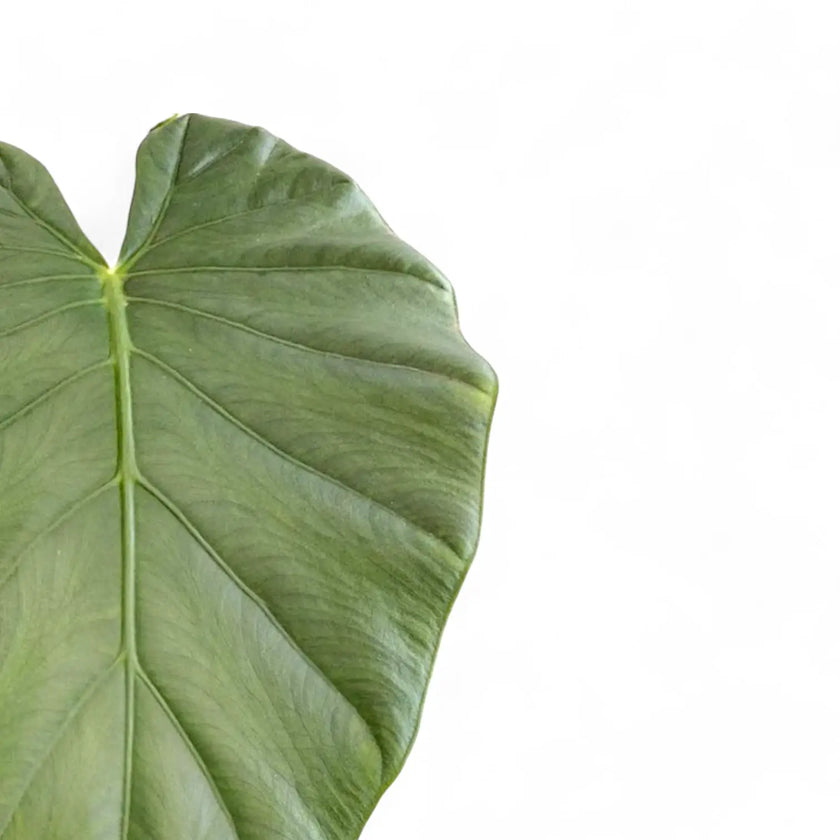
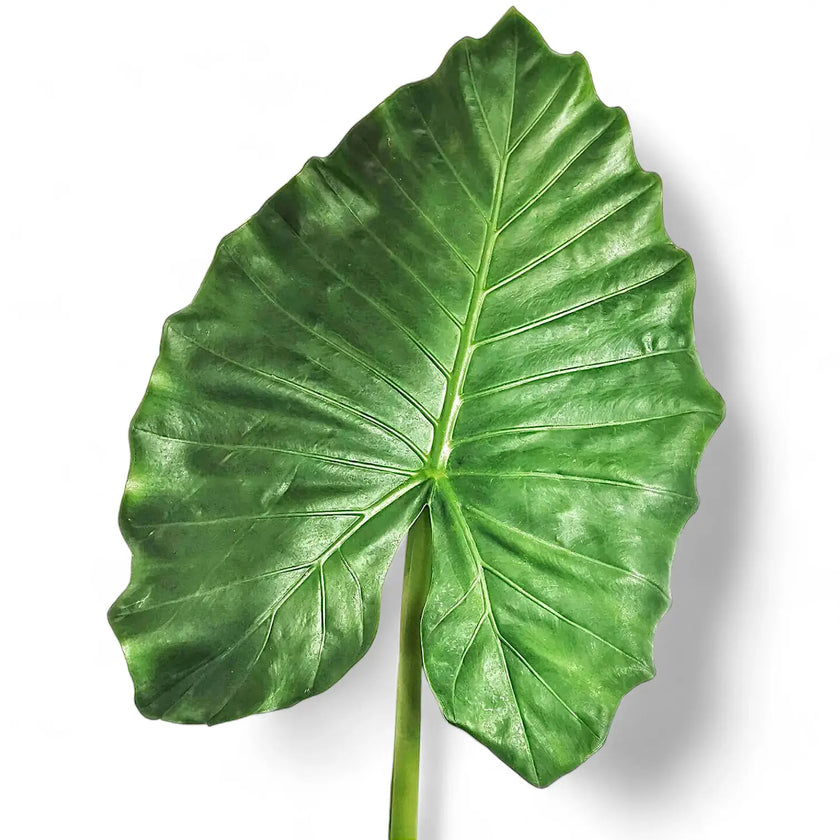
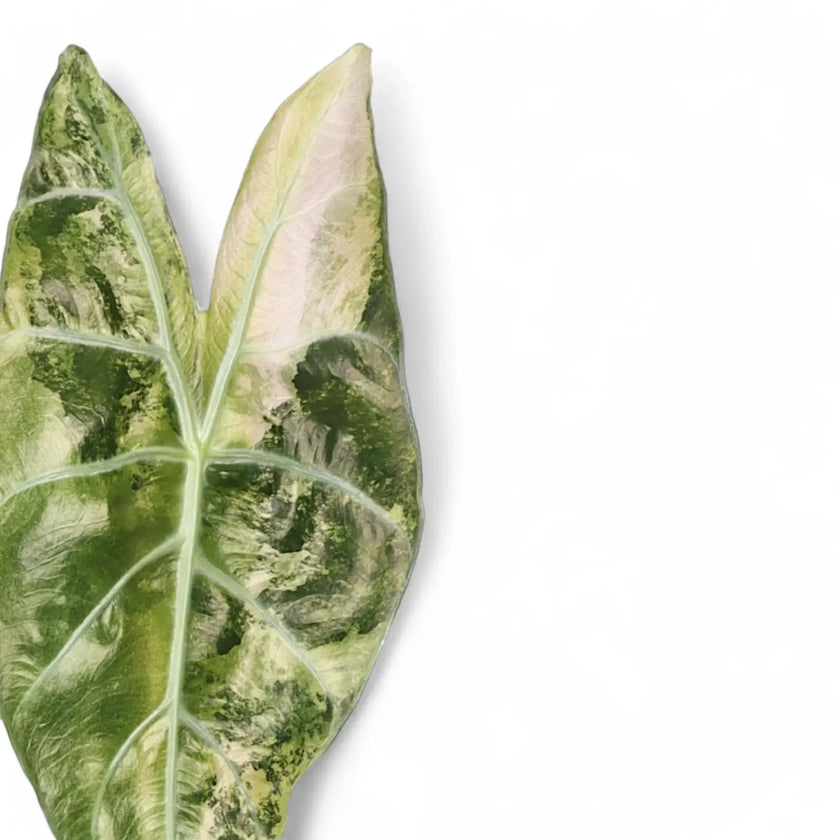
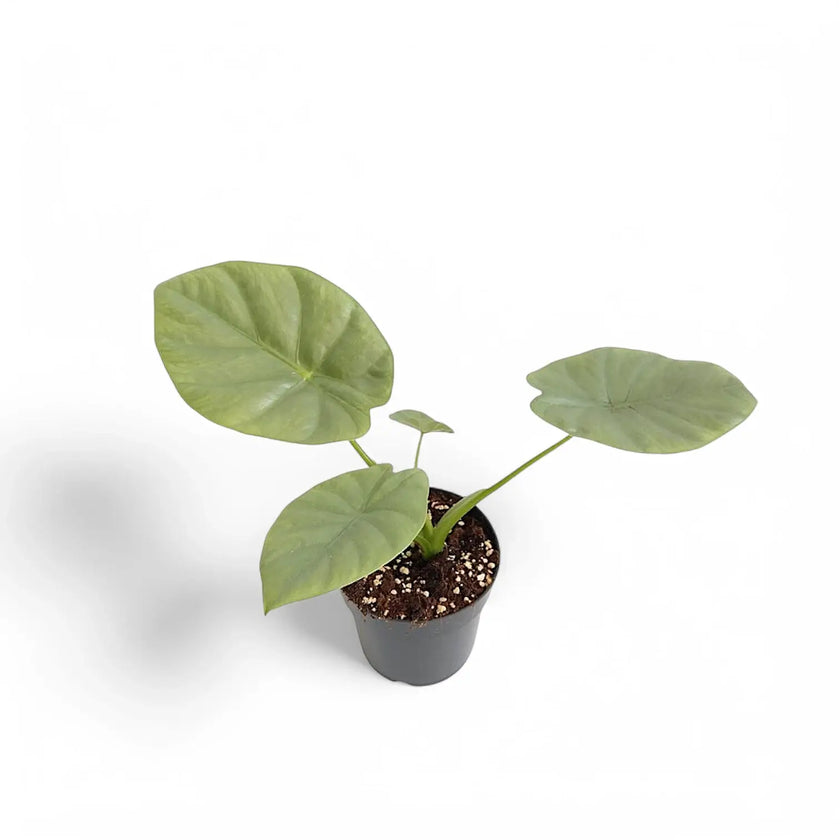
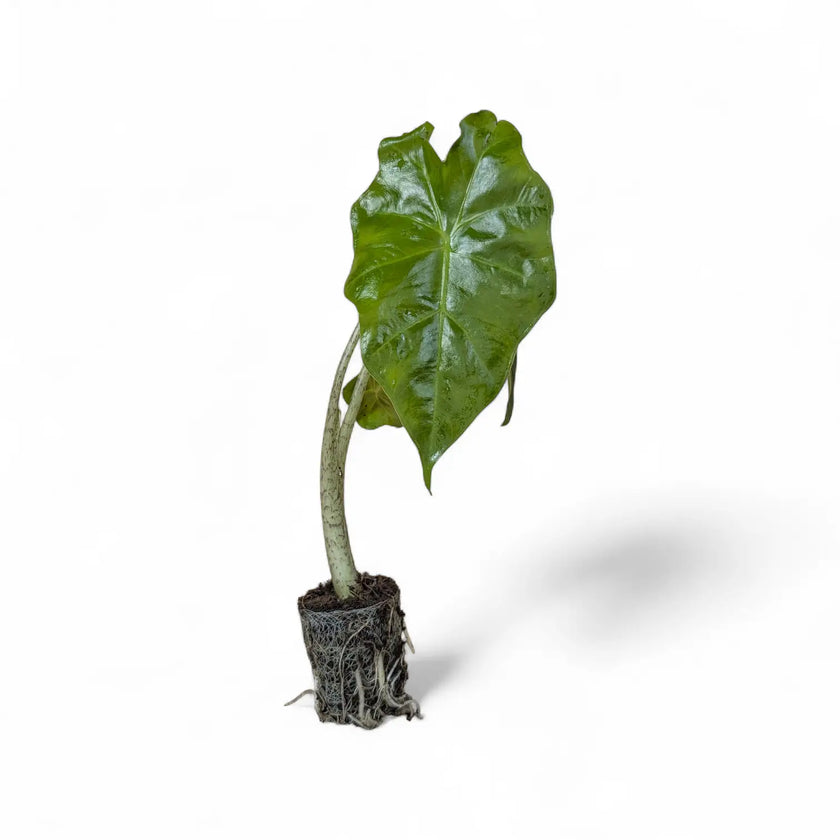
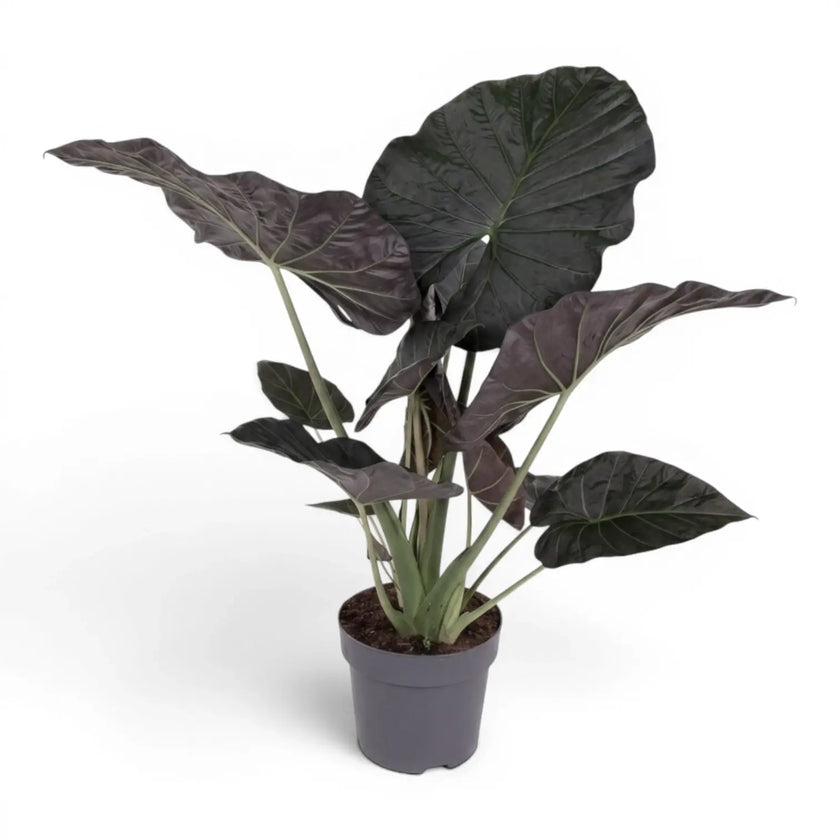
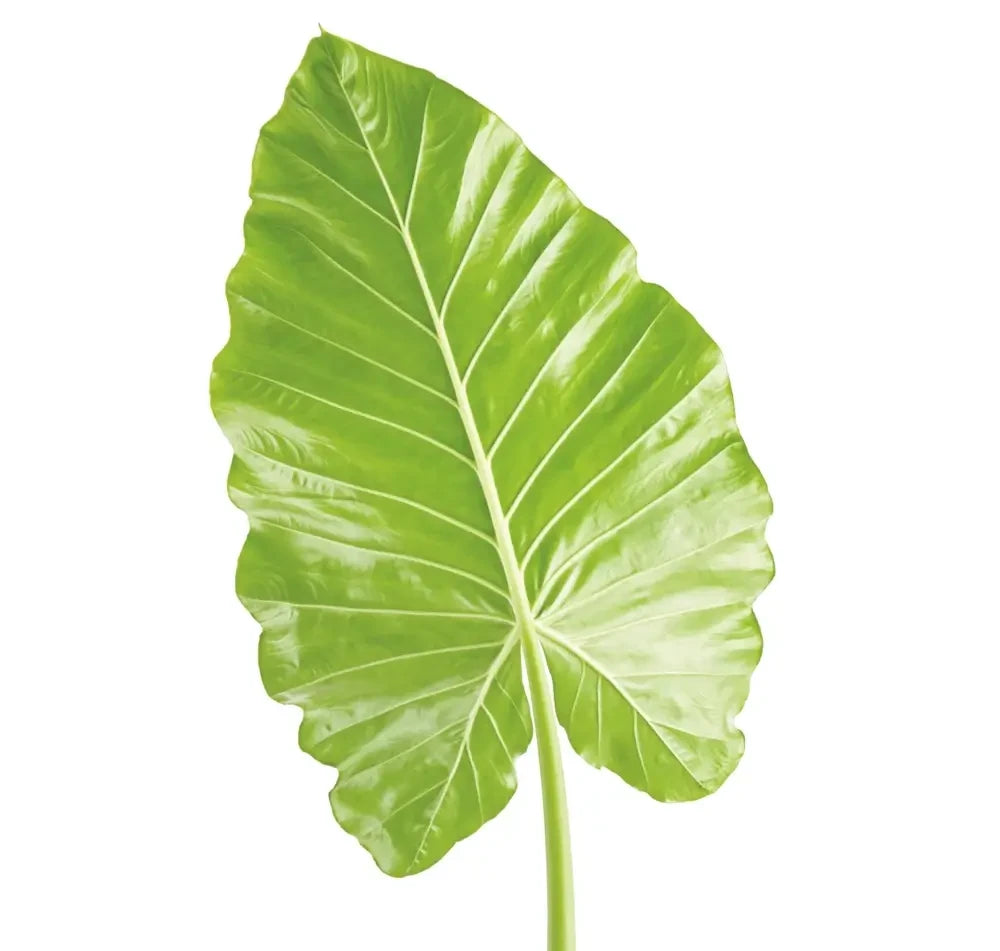
Large-leaf houseplants rely on fewer but much bigger blades, so each leaf becomes part of the room rather than just detail. Broad surfaces catch light, shadow and reflections, which makes them feel closer to furniture scale than to background greenery.

This large-leaf houseplants collection focuses on species that build wide, striking foliage instead of fine texture. They look best where there is clear space around them – on the floor, on solid stands or in wide niches where leaves do not scrape doors, radiators or chair backs.

Many large-leaf plants are tropical types that prefer steady, bright but indirect light and mixes that drain freely. Big blades show every mark, from skipped watering to dust buildup, so a simple, consistent routine matters more than any trick; the precise recipe still sits with each product page.

  • Best used as floor or low-stand focal points against plain walls.
  • Commonly reach around 60 cm to 150 cm in height and spread with time.
  • Need enough clearance so leaves are not crushed or constantly brushed past.
  • Broad surfaces make stress and pests very obvious, which helps with early action.
  • Suit planned placements far more than being squeezed onto crowded shelves.

Reach for large-leaf houseplants only where you genuinely have light, clearance and time to keep those big surfaces in good condition.

Large-leaf houseplants – big foliage, bigger footprint

  • Theme: plants with noticeably oversized leaves for their species – broad blades, big pads or large fronds that dominate the pot visually.
  • Why choose them: one good specimen can fill visual space fast and make a corner feel finished without dozens of small pots.
  • Care reality: a big-leaf aroid, palm, fern and shrub still sit in different care groups; watering rhythm and substrate need to follow their family, not just leaf size.
  • Space check: allow for leaf span as well as pot size – many large-leaf plants press against walls or furniture if you only plan for the container.
  • Light: broad leaves catch more light and more heat; steady usable light without hours of harsh direct sun suits most species.
  • Maintenance: expect extra work wiping dust, trimming damage and giving enough room so leaves are not constantly bumped or creased.

Make Sure To Read:

Guttation: When Plants “Sweat” at Night

Guttation: When Plants “Sweat” at Night

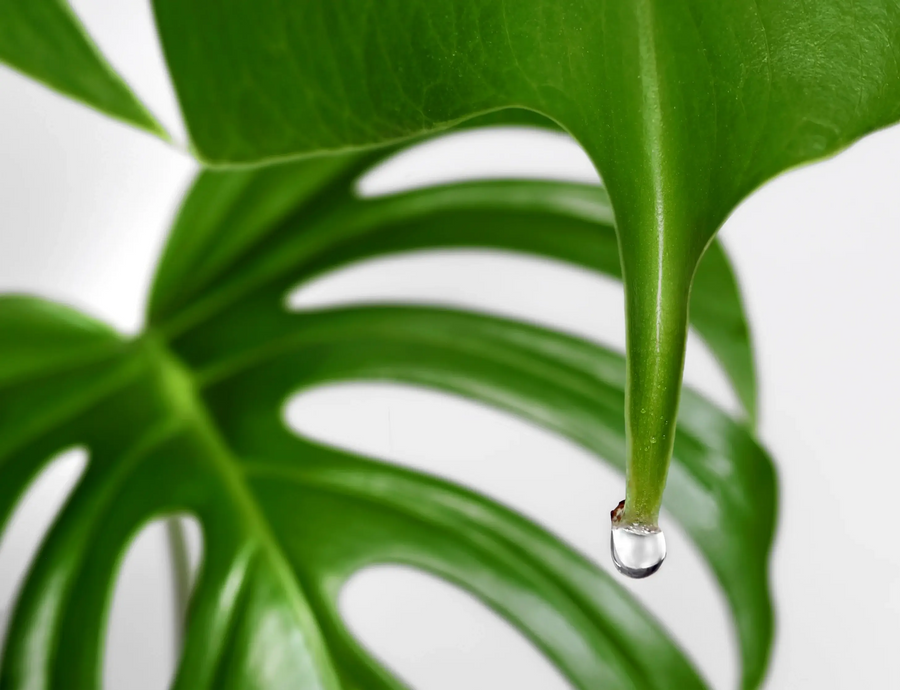
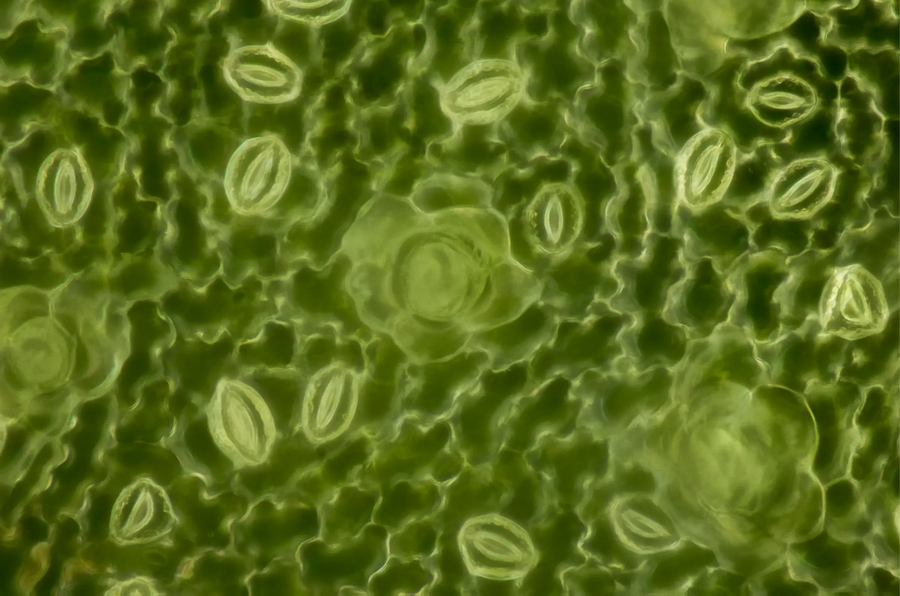
Waking up to droplets on Monstera or Alocasia leaves? It’s usually guttation — a natural release of xylem sap when root pressure builds overnight. Learn how to tell it from dew, why residue happens, and when frequent dripping hints at soggy soil or salt bui...

Read more