Light
Bright indirect • approx. 10,000–20,000 lux


Buy 4 plants, get 1 free
VAT included · plus
Your new plant has just travelled a long way and needs a calm start in its new home. For step-by-step unboxing and first-week care, check our after-delivery care guide. For deeper tips on how your plant settles in over the next weeks, read our houseplant acclimatization guide.
Secure shipping, carefully packed orders with safe delivery across the EU, UK and Switzerland.
28-day plant guarantee, if a plant arrives damaged or fails soon after delivery, we help you make it right.
Free returns, simple, cost-free returns according to our policy.
For full details, please see:
Please head to our FAQ Page or Contact us.
Quick Care Guide
Light
Bright indirect • approx. 10,000–20,000 lux

Watering
Water when ~20–35% dry
Substrate
Aerated • Moisture-buffered • Balanced organic + mineral • Medium
Temperature
Ideal: 22–28 °C • Avoid below: 18 °C
Humidity
Humid 60–80 % +
Growth habit
Upright clumping herbaceous perennial.
Support
not needed
Growth speed
Average
Max size indoors
Max. height: 70 cm • Max. spread: 50 cm
Toxicity & safety
Toxic
Origin & habitat
Cultivar of Alocasia brancifolia; species native to Maluku and New Guinea
Outdoor growing
Outside from 15 °C · sheltered spot
These care values are quick reference points for indoor growing. Use them as a guide, then adjust for pot size, substrate, temperature and how quickly the substrate dries.
For more detail, read the full product description or visit our Plant Care Guides.
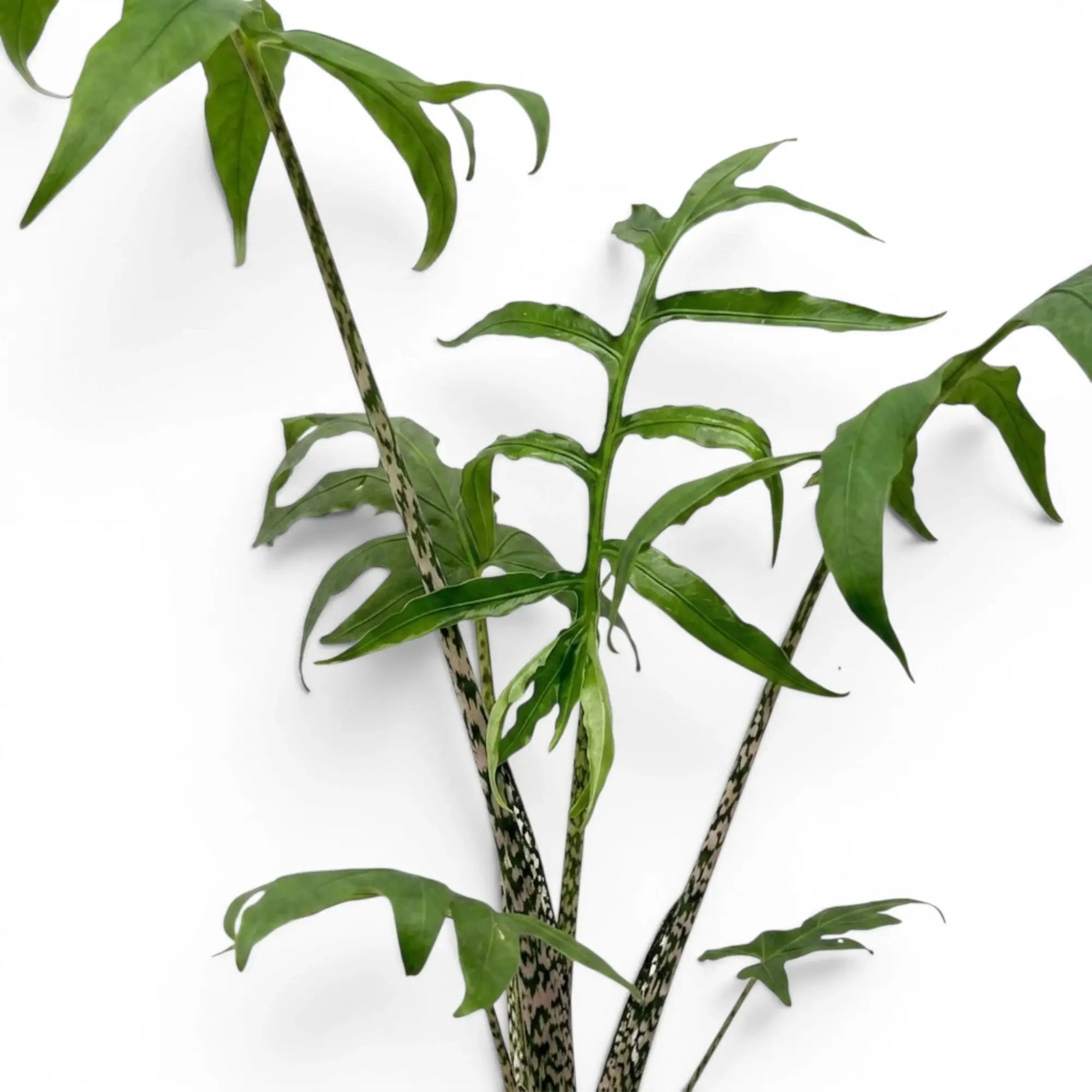
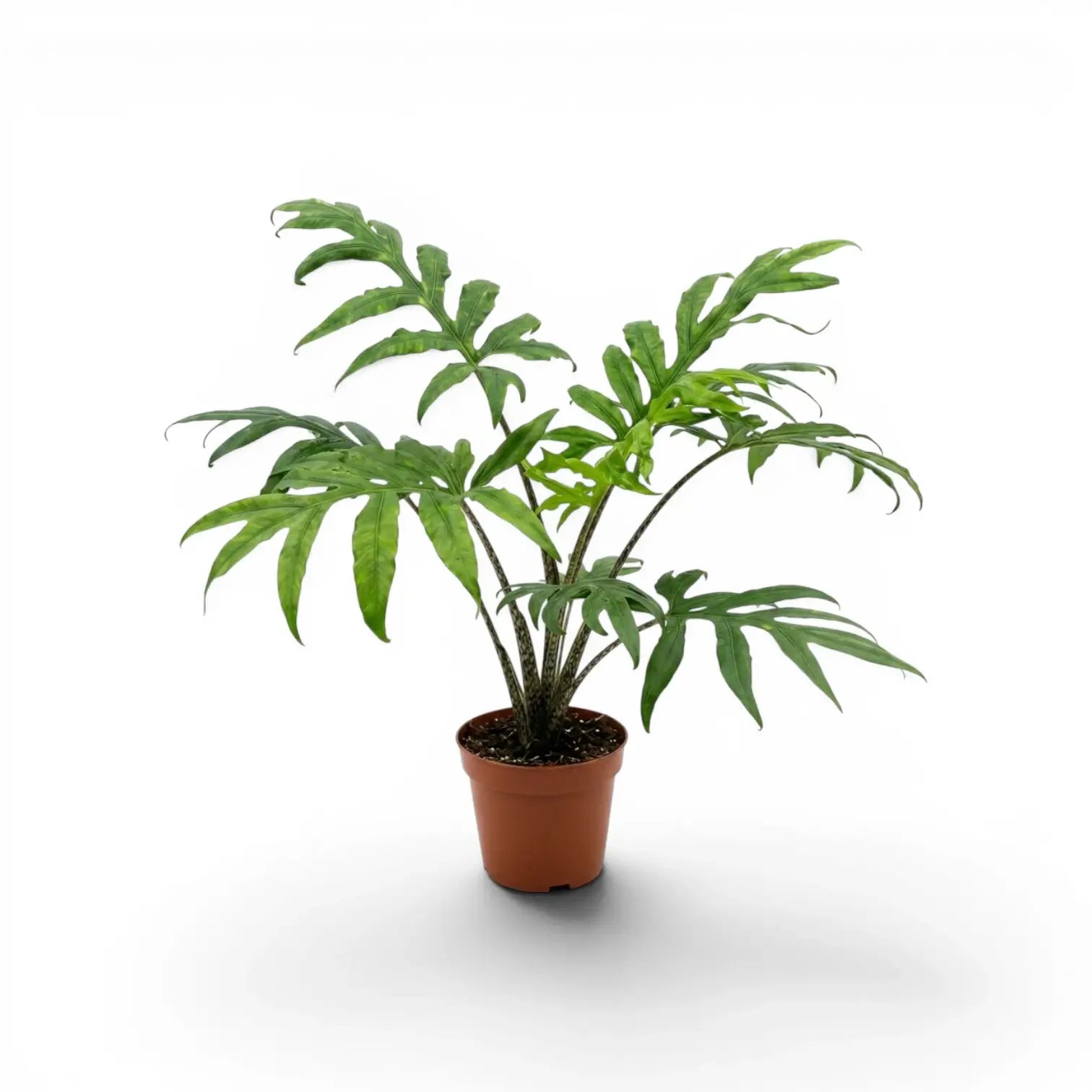
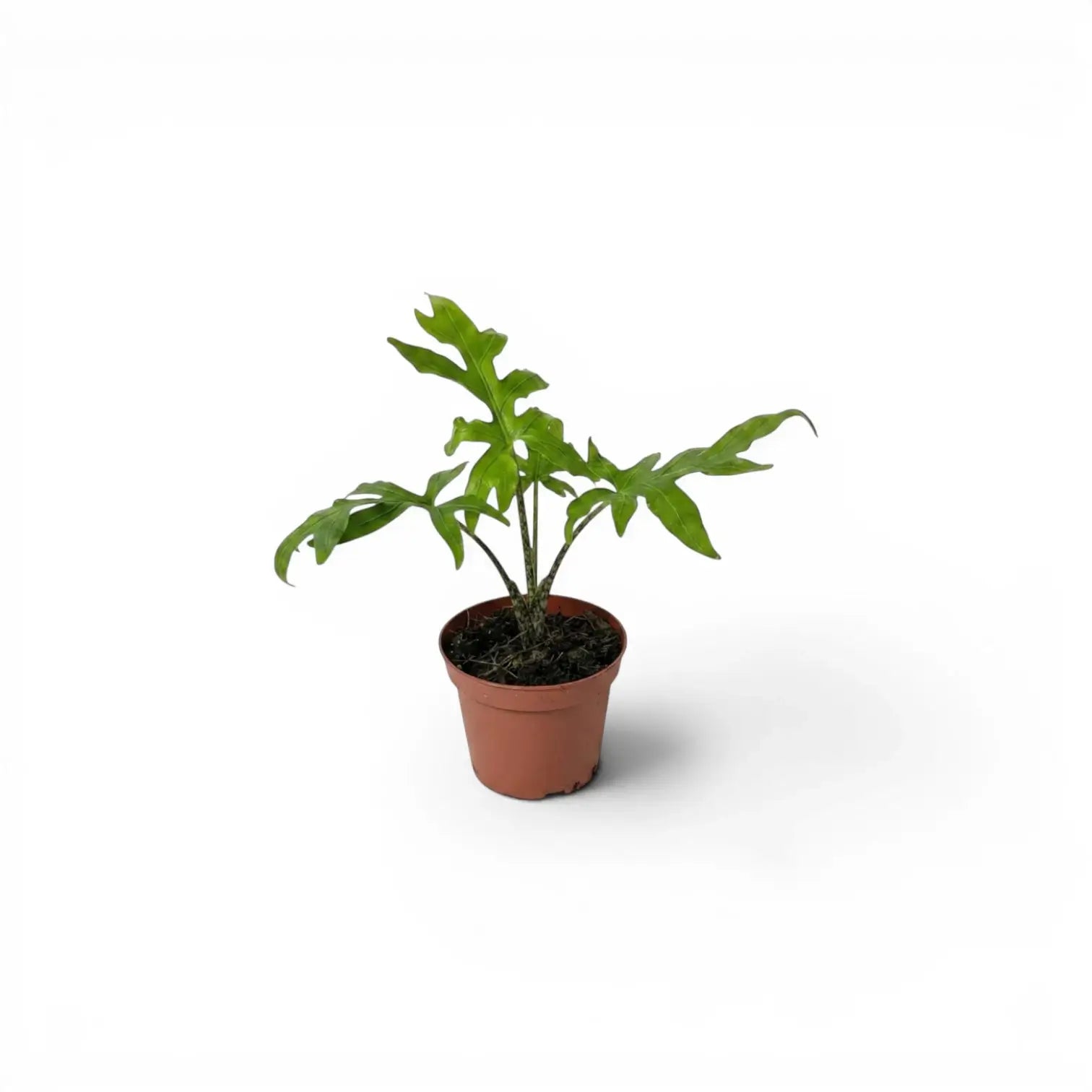
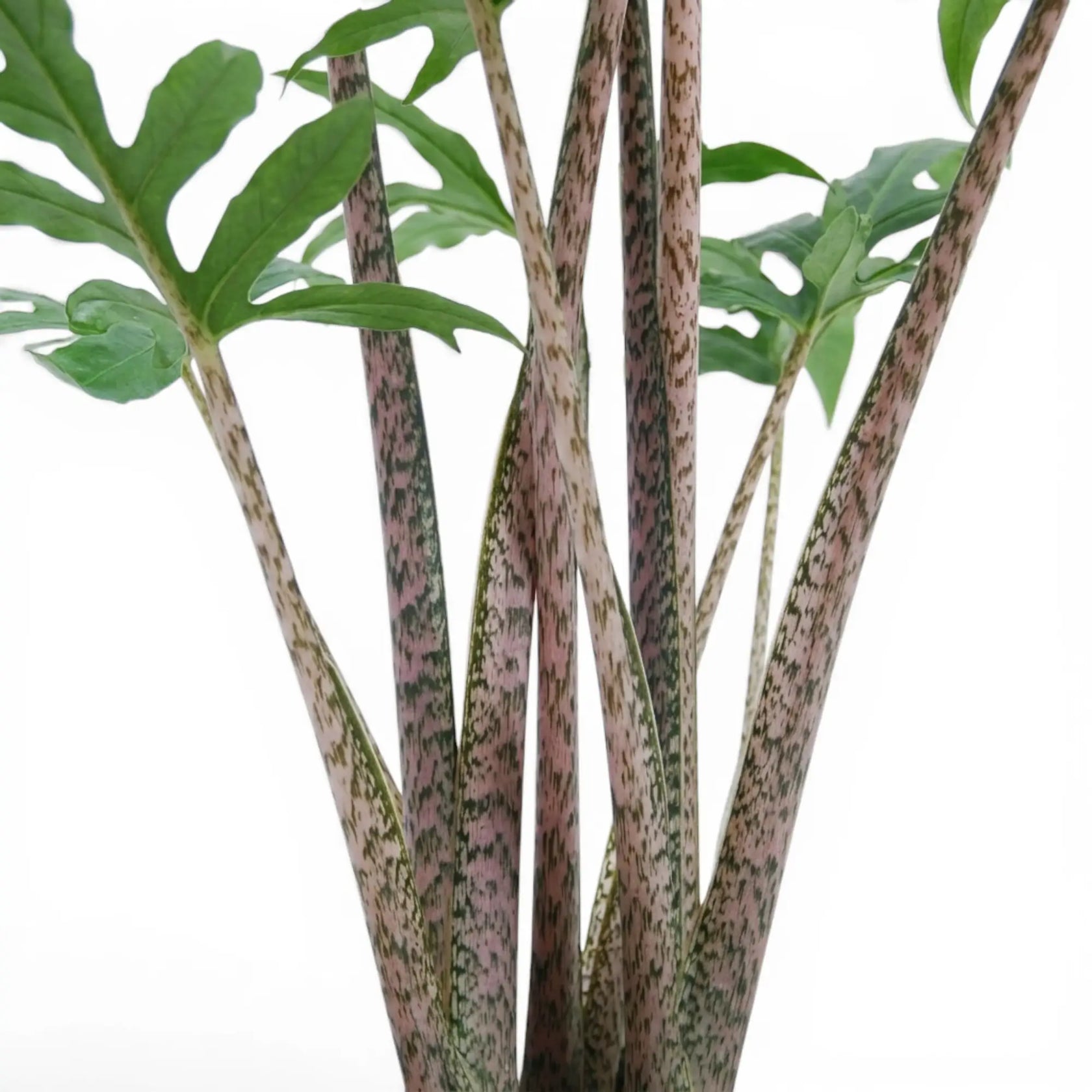
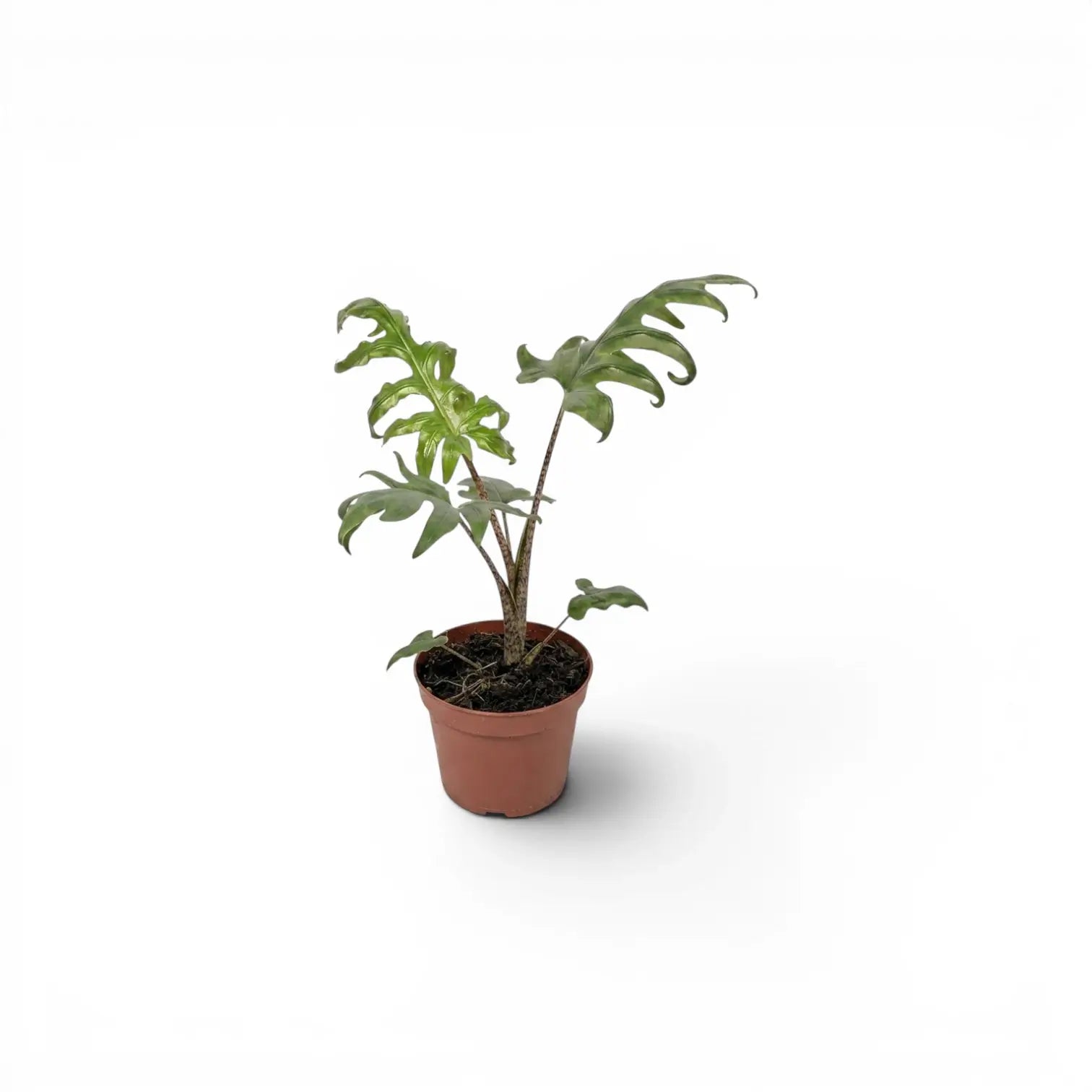
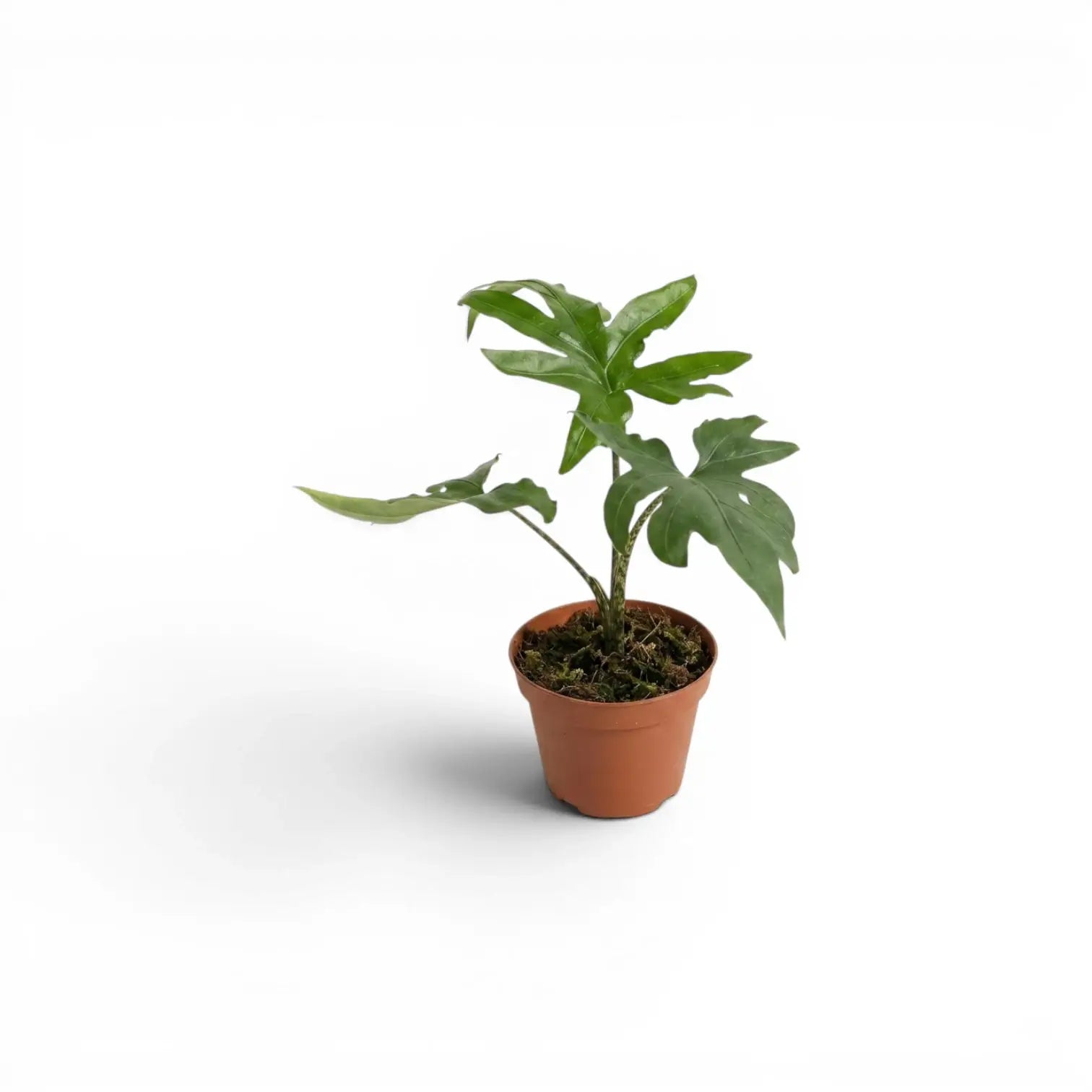
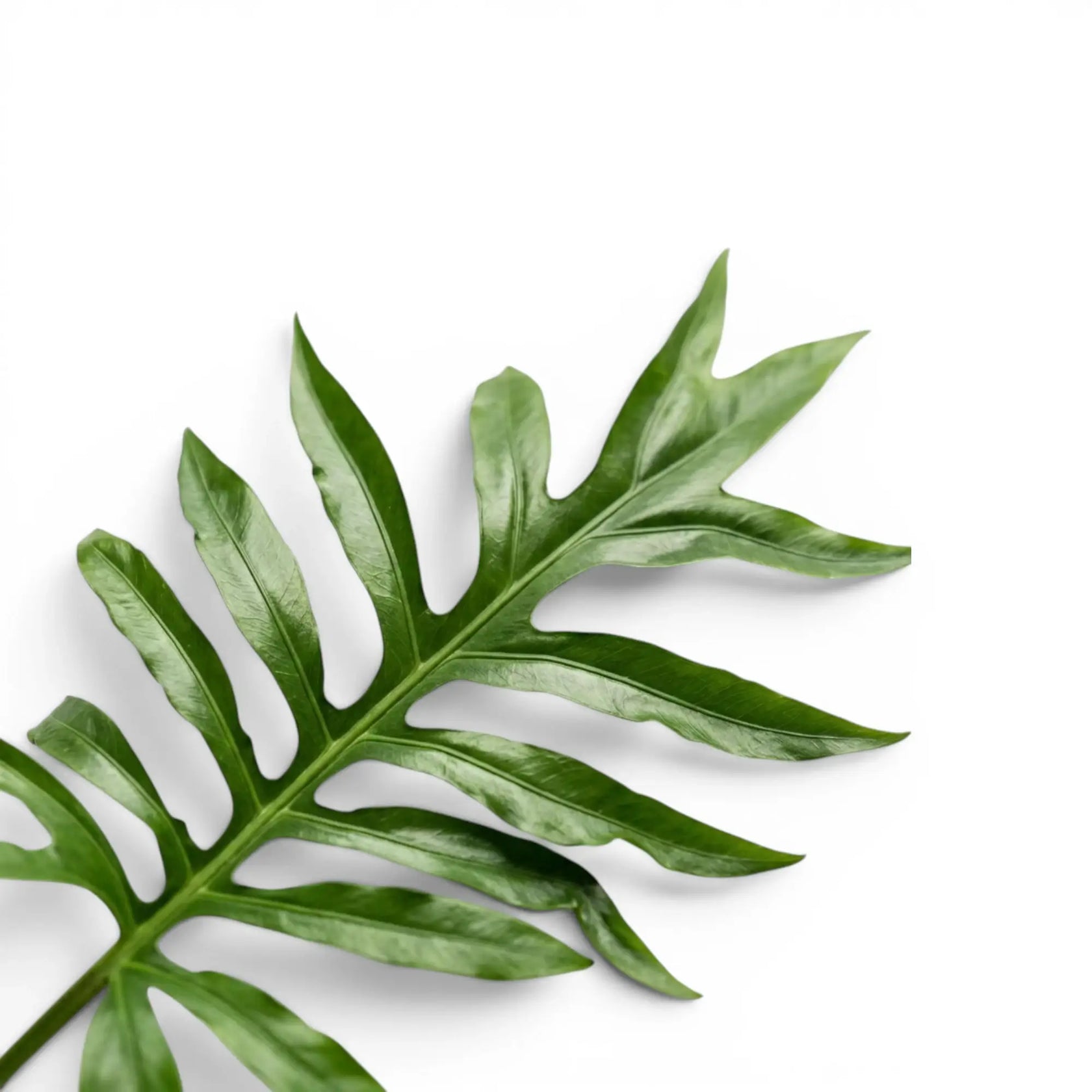
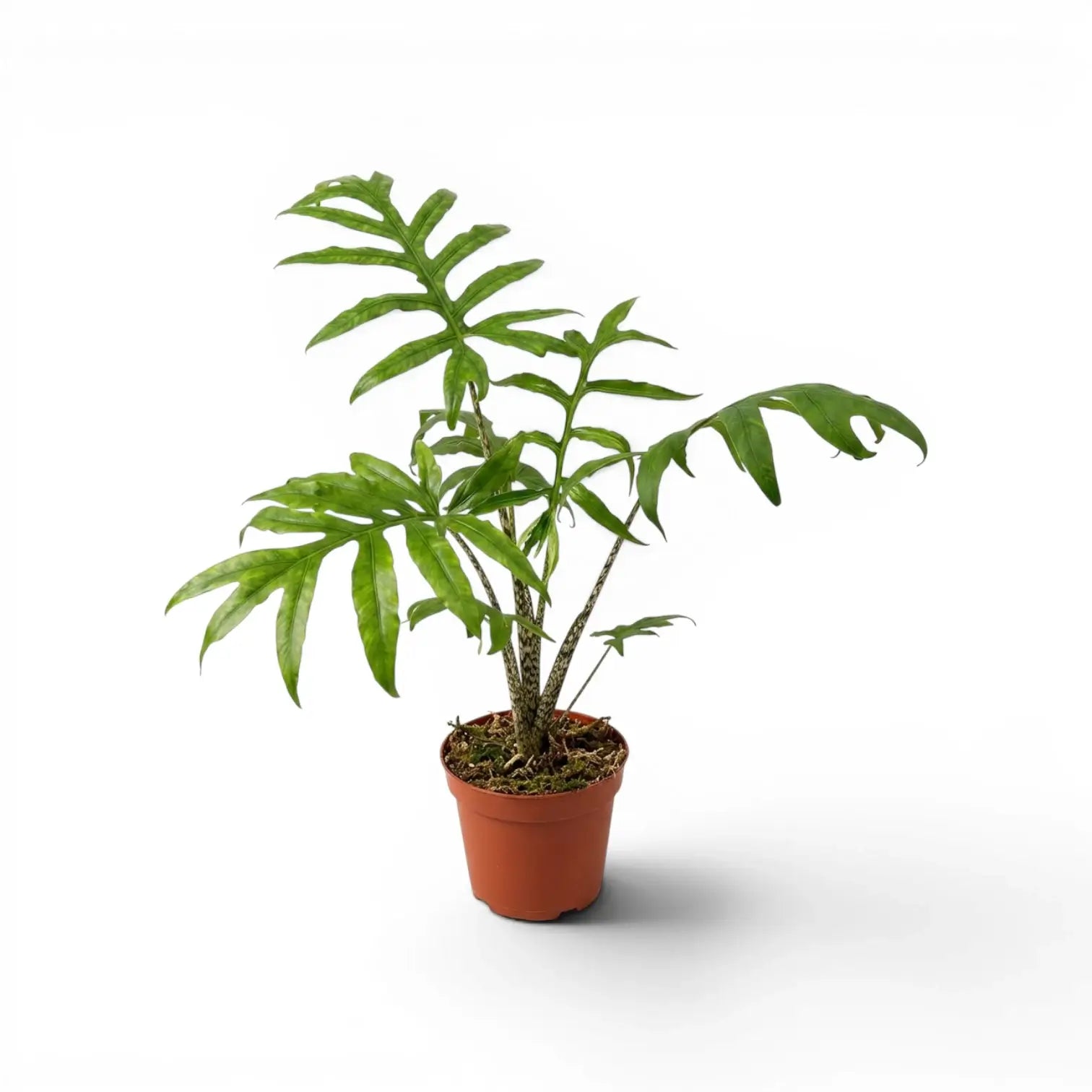
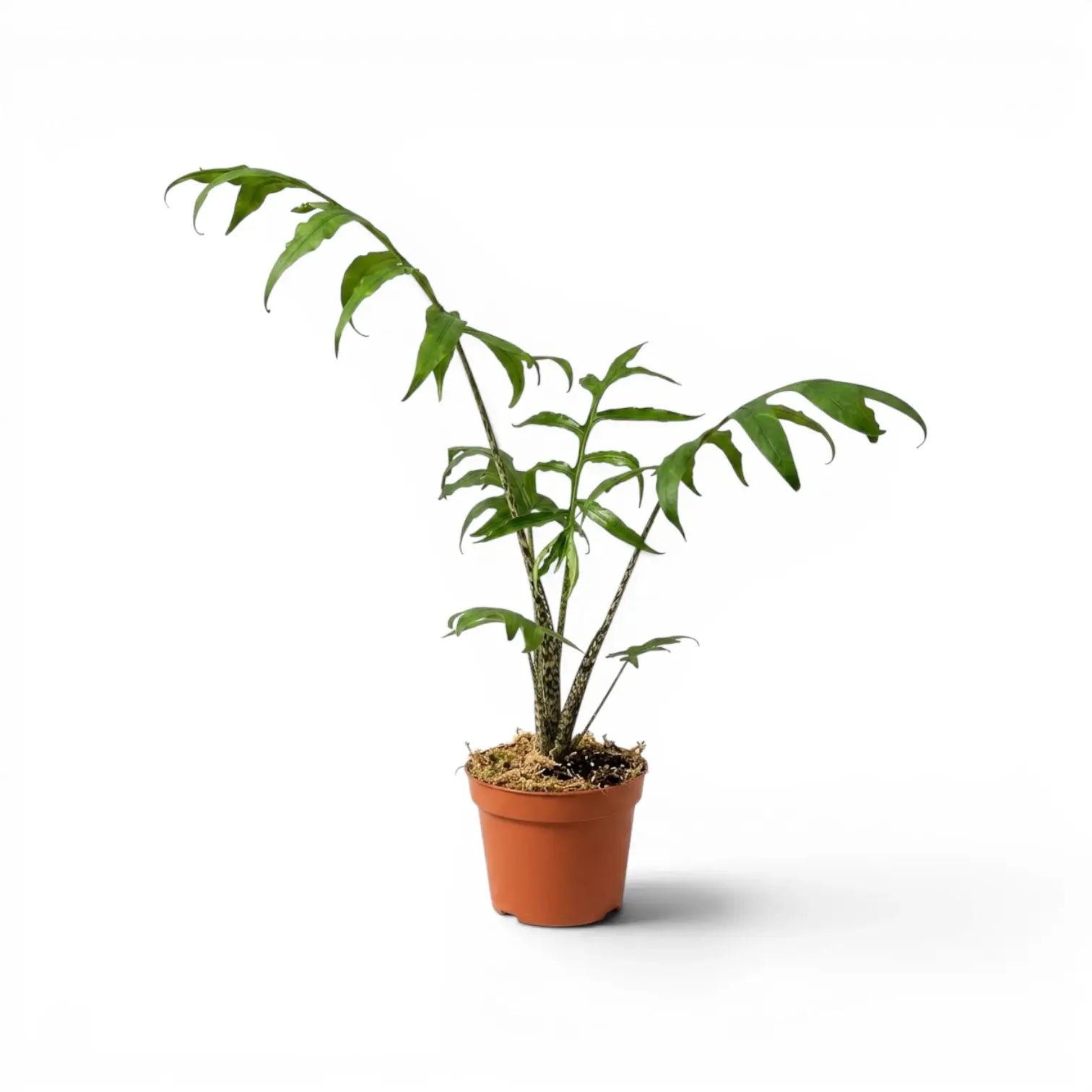
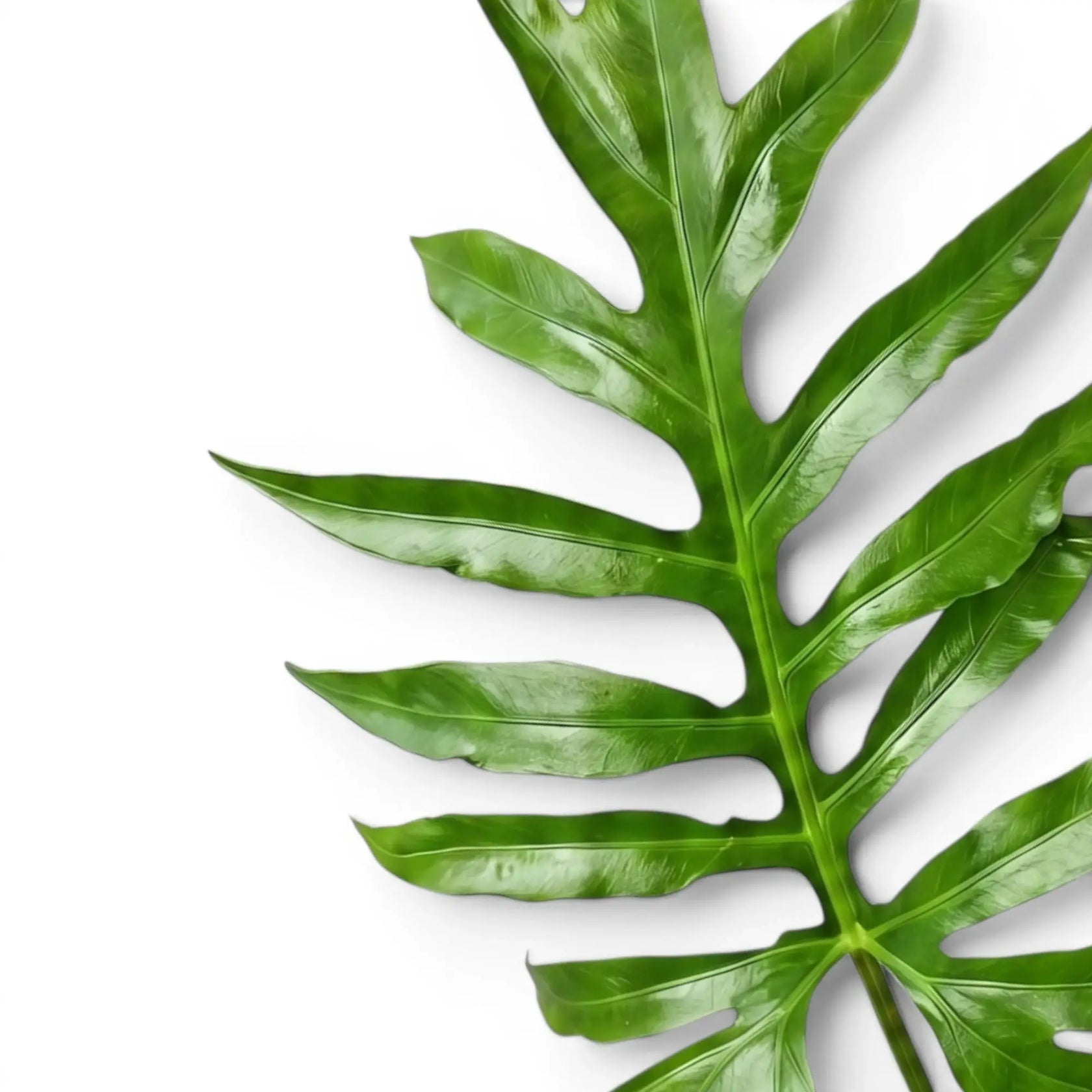
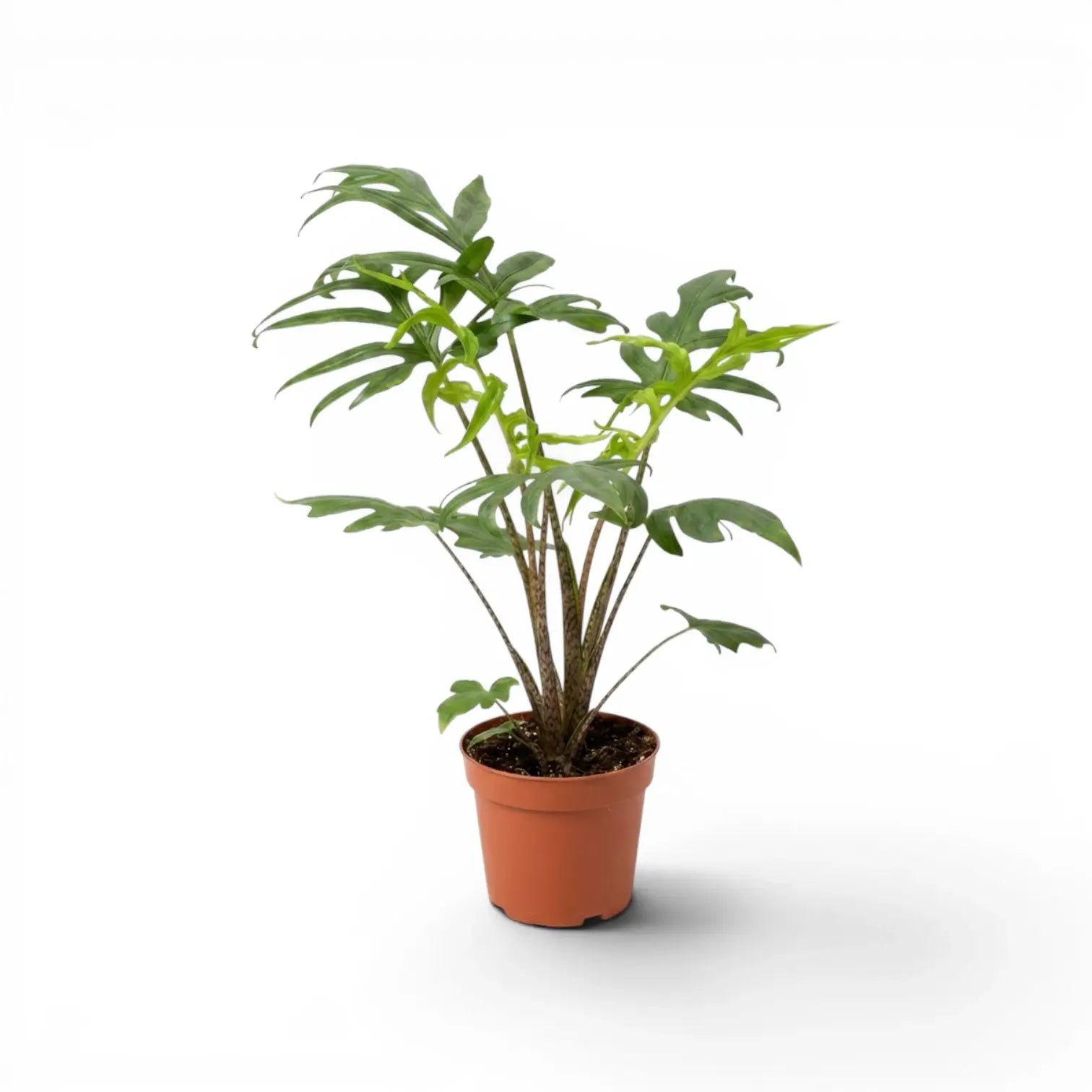
Alocasia brancifolia 'Pink Passion' has deeply divided green leaves and pink-speckled petioles. The leaves are narrow, lobed and claw-like, giving the plant a lighter shape above the pot. Pink markings stand out along the upright leaf stalks below the divided green blades.
Alocasia brancifolia is native to Maluku and New Guinea and grows in wet tropical conditions. In nature, it can become much larger, with an erect brown stem to around 1.2 m and divided leaf blades that can reach around 50 cm long and 30 cm wide. Indoors, Alocasia brancifolia 'Pink Passion' usually stays more contained, but older plants can develop a visible stem, firm petioles and a fuller base.
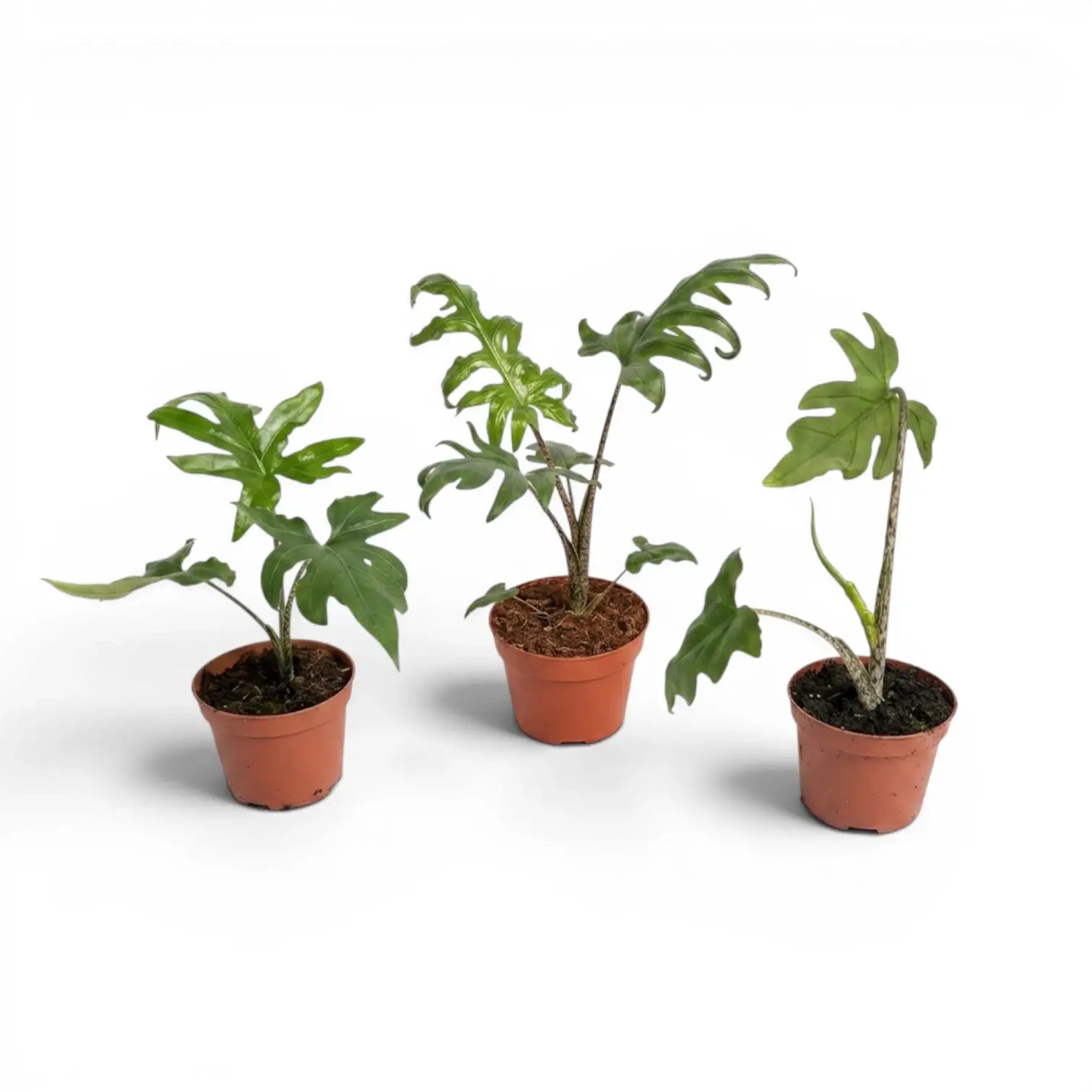
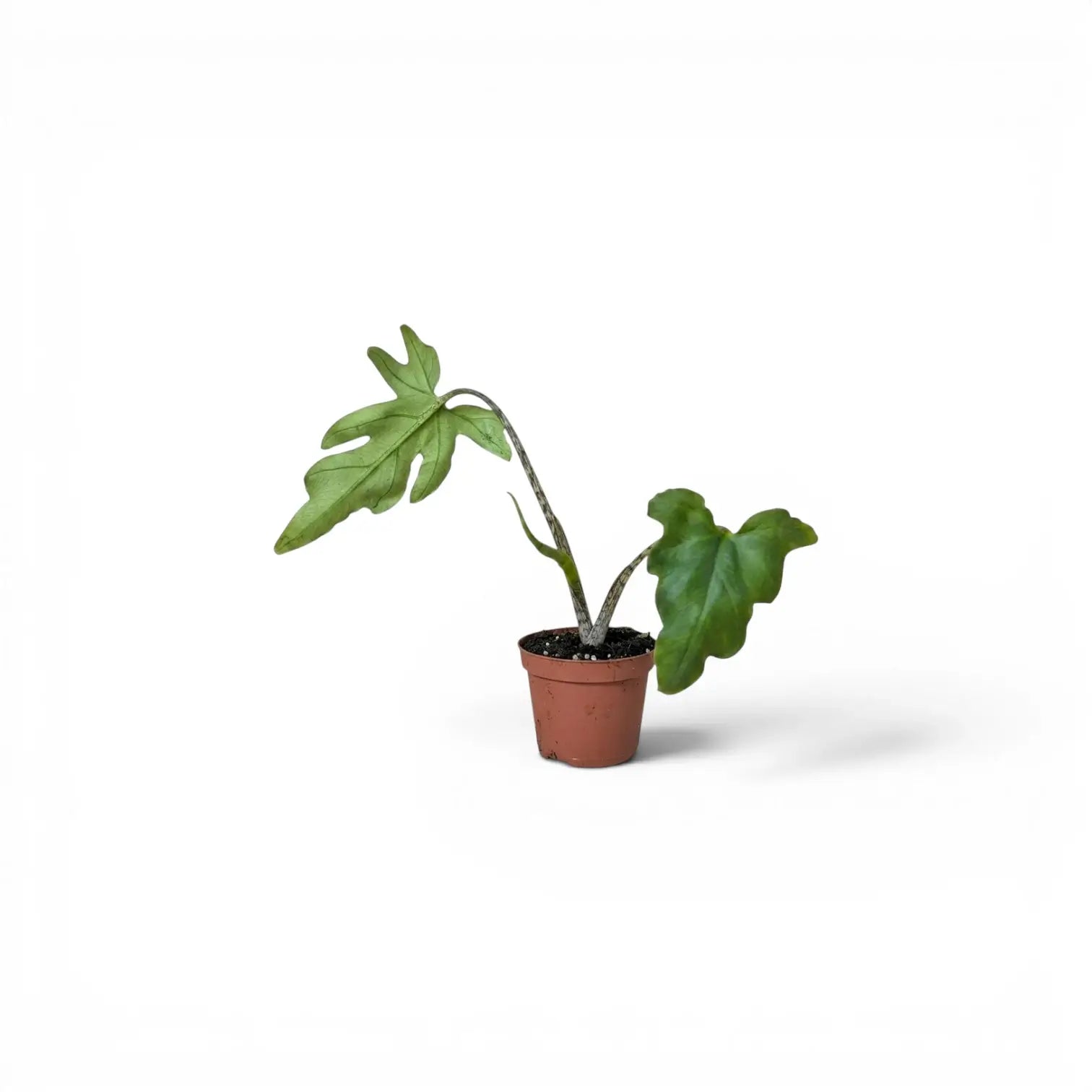
Alocasia brancifolia has sagittate blades with the main lobes divided into narrow segments, often cut deeply toward the midrib. Each mature leaf develops a branched, paw-like or antlered outline. Young plants may begin with simpler leaves, then produce deeper divisions as the stem and root system gain size.
Typical Alocasia brancifolia petioles are green to mottled or zebra-striped with brown. Alocasia brancifolia 'Pink Passion' shows pink speckling and markings along the leaf stalks. The intensity can vary between plants and between leaves. In stronger indirect light, petioles stretch less; harsh direct sun can scorch the divided blades.
Alocasia brancifolia belongs to Araceae and is native to Maluku and New Guinea. It grows in lowland forest understorey, often in very humid, wet tropical places. Indoors, keep the plant warm and water before the whole pot dries out, but use an airy mix so the roots do not rot in wet, compacted substrate.
Older indoor plants may lift their leaves higher above the pot and become more trunk-like than compact Alocasias. Healthy roots usually produce larger, more divided leaves. After a move, repot or low-light period, the next leaves may be smaller while damaged or disturbed roots regrow.
With age, the stem can become more visible and the leaves can sit higher above the pot. The deeply divided blades give the plant a lighter look than broad-leaved Alocasias, even when the plant gains size.
Because the leaves are divided, damage is easy to see along the lobes and tips. Let new leaves expand with minimal handling. The petioles also carry much of the plant’s colour, so rotating the pot occasionally keeps new petioles from leaning strongly toward one side. Keep it away from cold glass, heater blast and air-conditioning streams, as sudden changes can mark soft new petioles.
Remove fully yellowed leaves at the base once they have faded. Older leaves may retire after transport, repotting or a change in light. Keep the stem and base clear of dead tissue, but avoid cutting healthy petioles just to shape the plant. Healthy leaves still feed the roots; removing too many at once can reduce the size of the next leaves.
When light levels drop, Alocasia brancifolia 'Pink Passion' may sit without much visible change for a while. Watering should follow the pot’s drying pattern, because a cooler pot can remain wet deep down while the surface looks ready. Keep the plant warm, avoid cold draughts and wait for new leaves before division or major repotting.
Propagation is usually by division or offsets while the plant is actively rooting. Wait until the plant has a strong root system and separate only firm, viable sections. Small divisions need warmth, humidity and an airy mix so roots regrow before the base softens. Because this species can build a taller stem with age, handle divisions carefully so the plant stays stable while roots re-establish.
Mature Alocasia brancifolia can produce paired inflorescences with a spathe and spadix. After pollination, these can develop orange-red berries. Flowering is uncommon indoors and depends on plant maturity and conditions. Indoor plants show divided leaves and pink-marked petioles even when they do not flower.
Alocasia brancifolia 'Pink Passion' has irritating sap and plant tissue. Keep cut petioles and trimmed leaves away from pets and young children. Wear gloves for pruning, repotting or division if your skin reacts easily.
The accepted botanical name is Alocasia brancifolia (Schott) A.Hay, first published in Aroids of Papua New Guinea in 1990. Xenophya brancifolia Schott is the basionym.
The species epithet combines Latin branca, meaning paw, with folia, meaning leaf. It refers to the divided, paw-like leaf shape.
The divided blades and pink-marked petioles give this Alocasia a lighter shape than broad-leaved types.
Plant names, growth habits, natural habitats and indoor care guidance are checked against trusted botanical, habitat and horticultural references before publication.View our plant care resources and references.