Skip to content

Cart

Your cart is empty

Fenestrated & Split-Leaf Plants

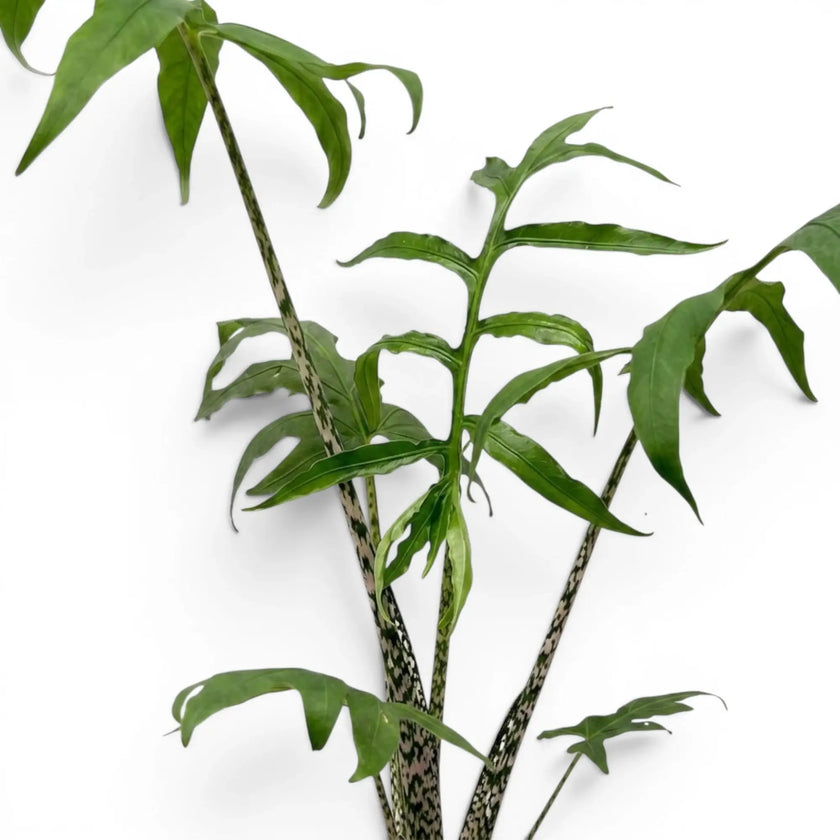
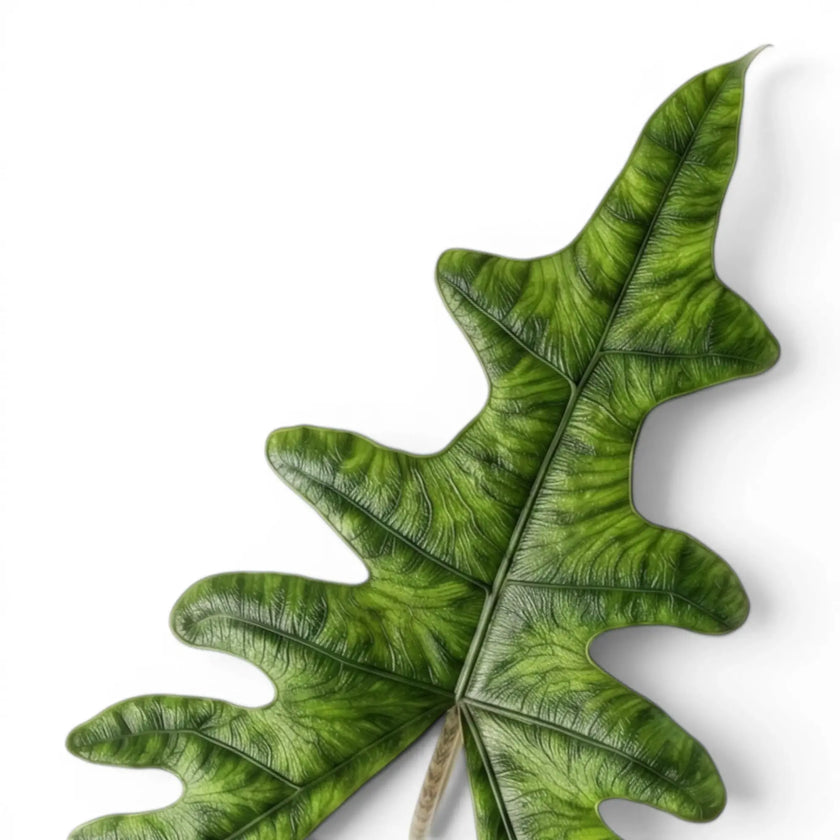
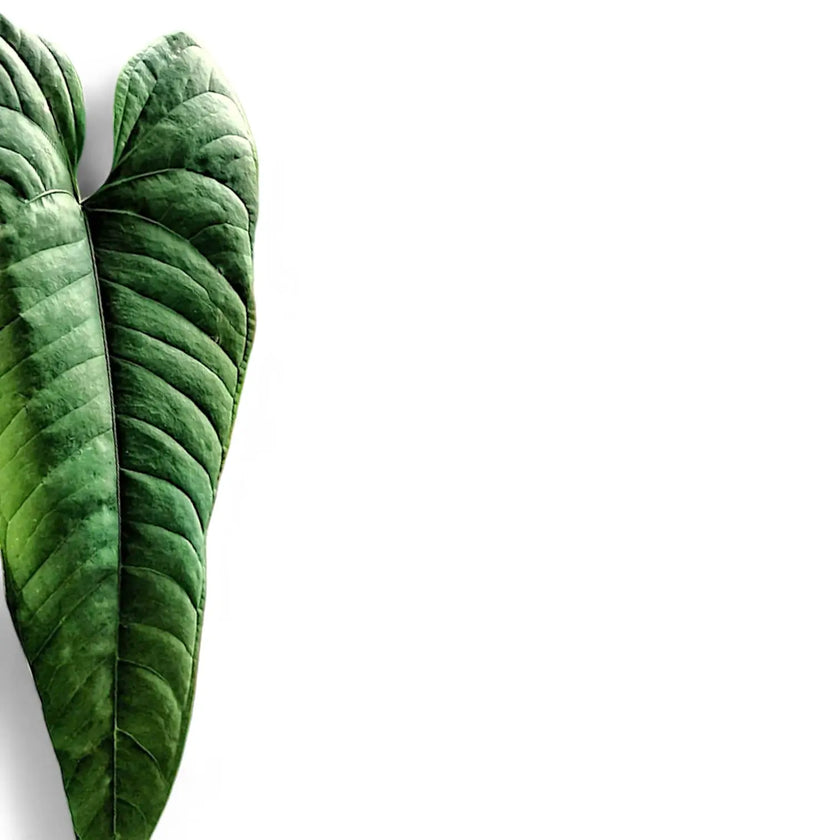
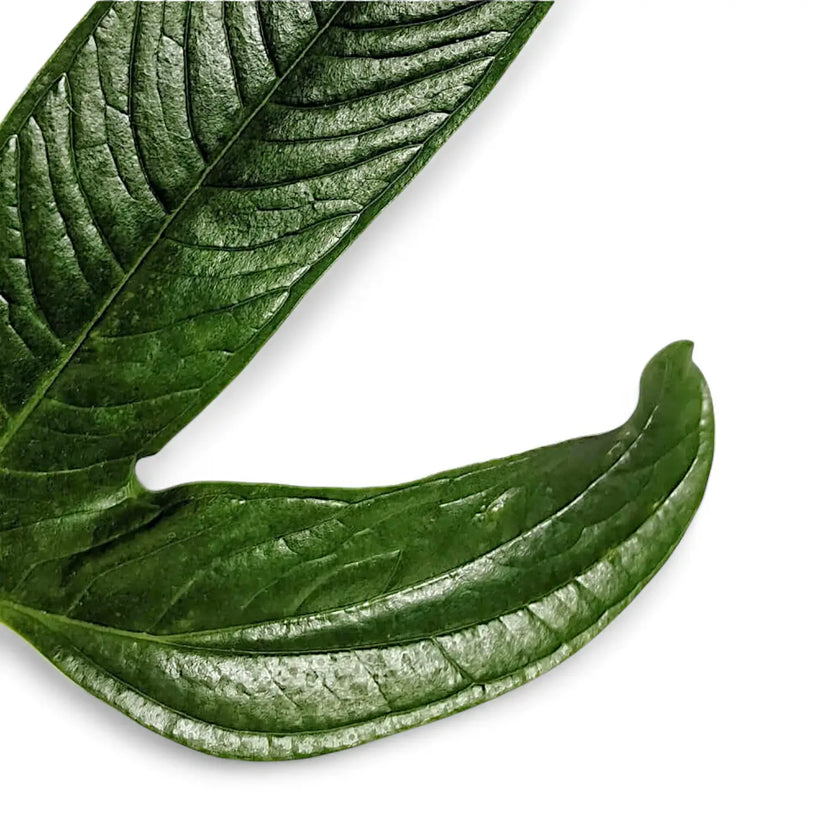
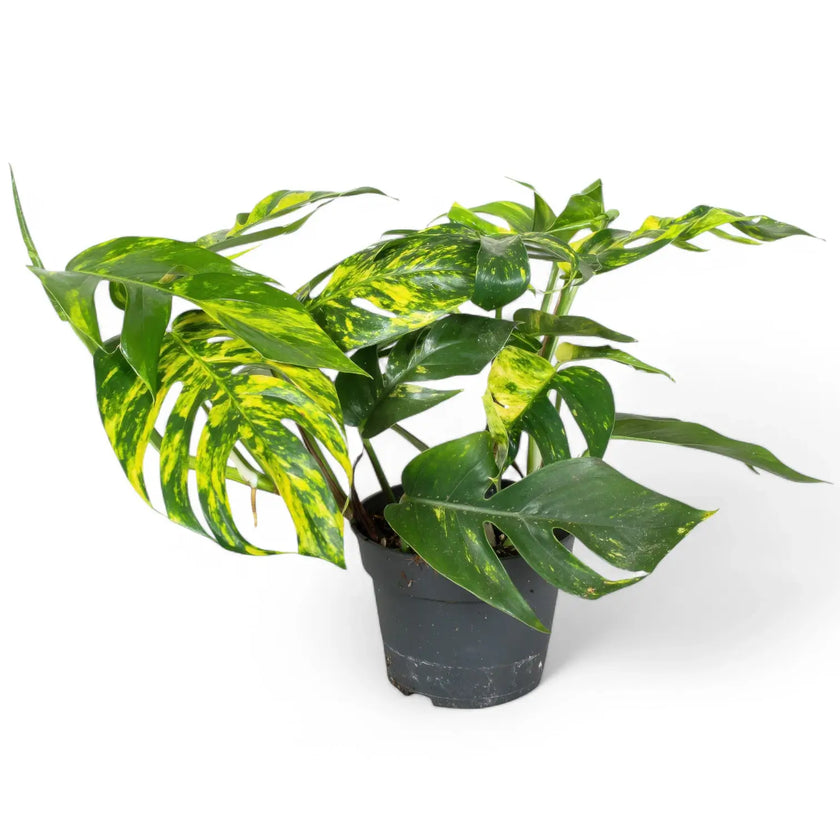
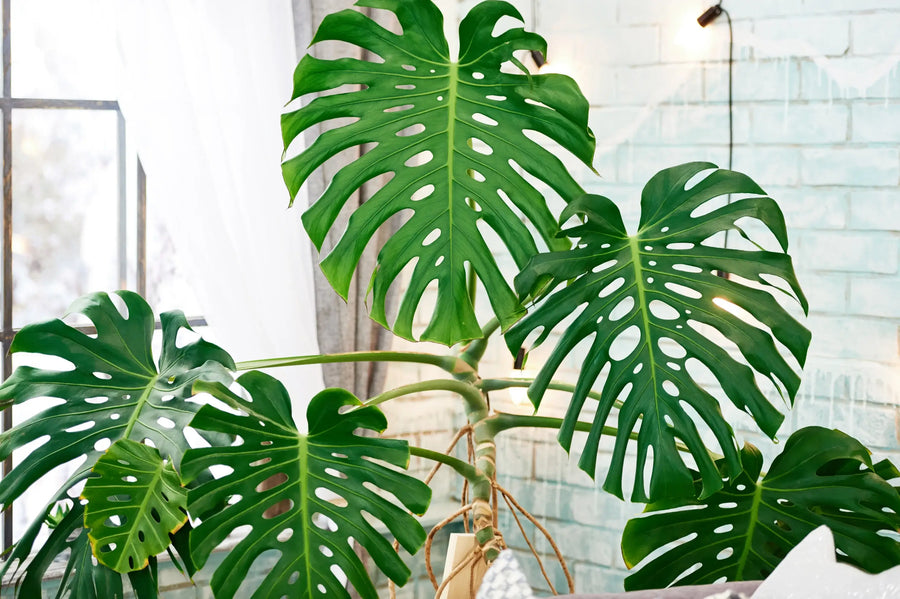
Split and perforated foliage creates an instant sense of depth, and these plants lean into that look as they mature. Many begin with solid leaves before developing splits or windows once light is strong enough and the roots feel secure. Bright, indirect light keeps the outlines defined, while an open aroid mix gives the root zone the air it needs to stay active. Let the surface dry a little between waterings, and offer support if the plant starts to send out climbing stems—individual leaves often become larger and more expressive once they can attach.

Toxicity: Most fenestrated and split-leaf species belong to the aroid family and contain calcium oxalate. Keep them away from pets and children.

  • Bright, indirect light helps splits and windows form consistently
  • Chunky, well-aerated aroid mixes promote confident rooting
  • Climbing support often improves leaf size and structure

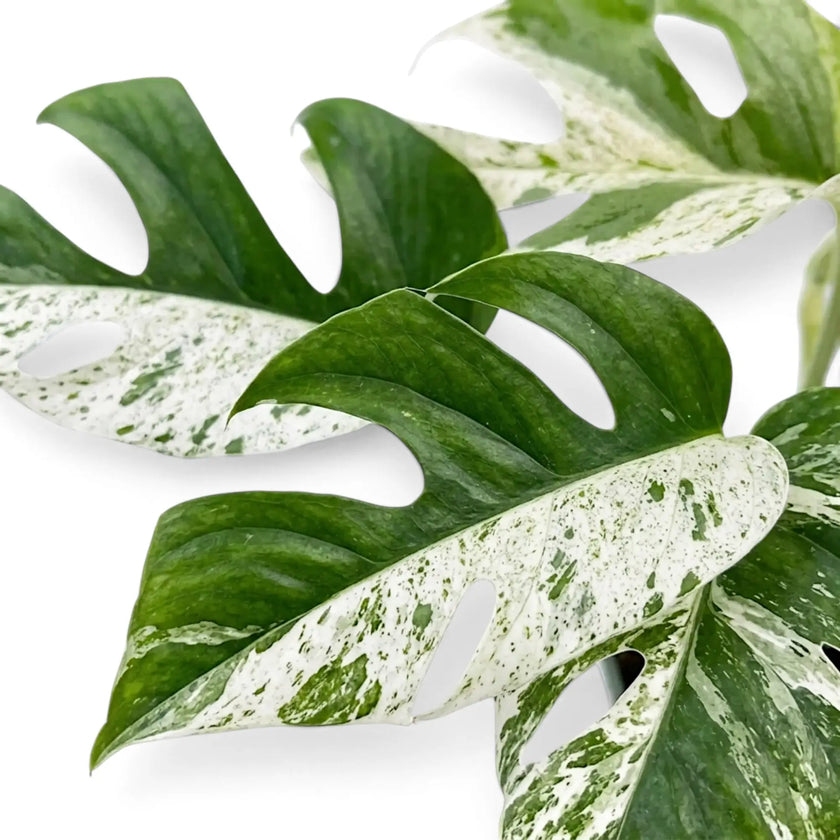
Choose from split-leaf types that add bold texture and strong visual dimension to your space.

Sort by

Fun fact: Splits and holes help large leaves flex in wind outside; indoors they just throw dramatic patches of light and shadow on walls.

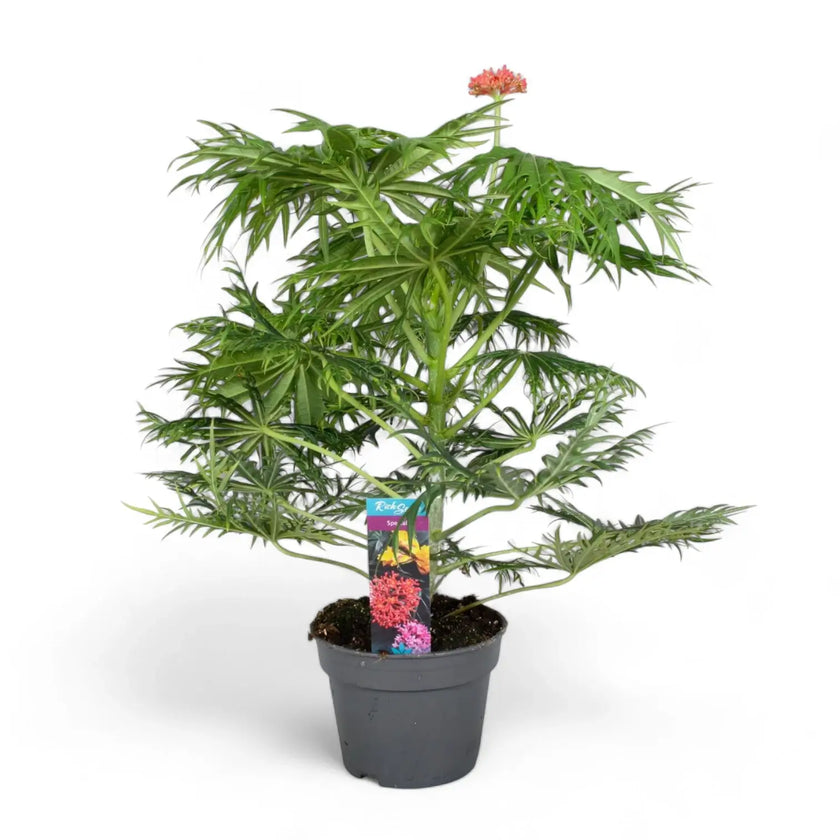
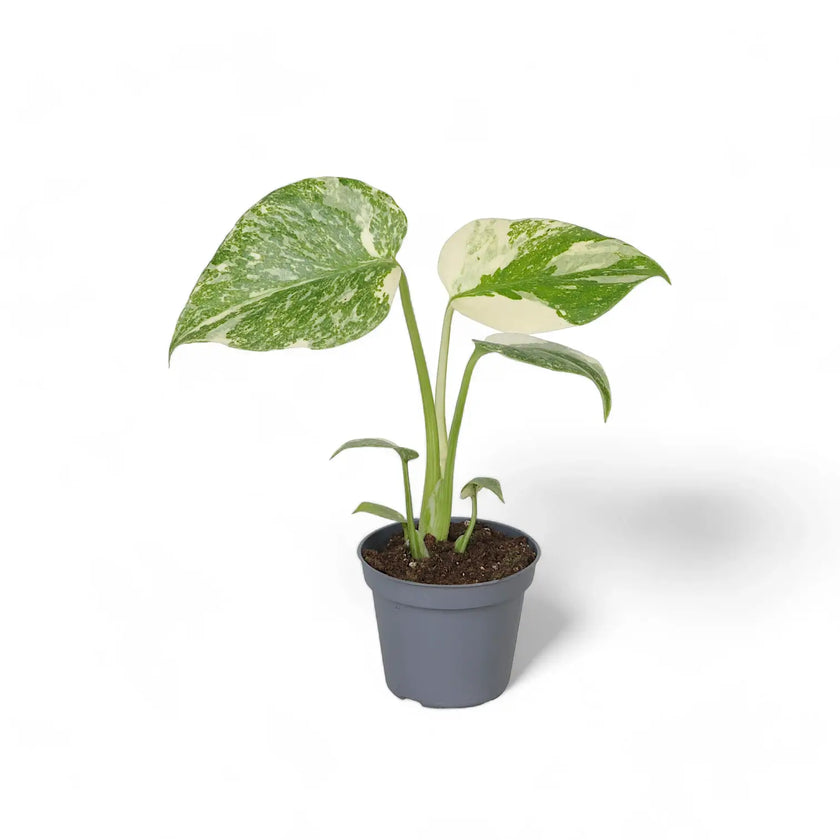
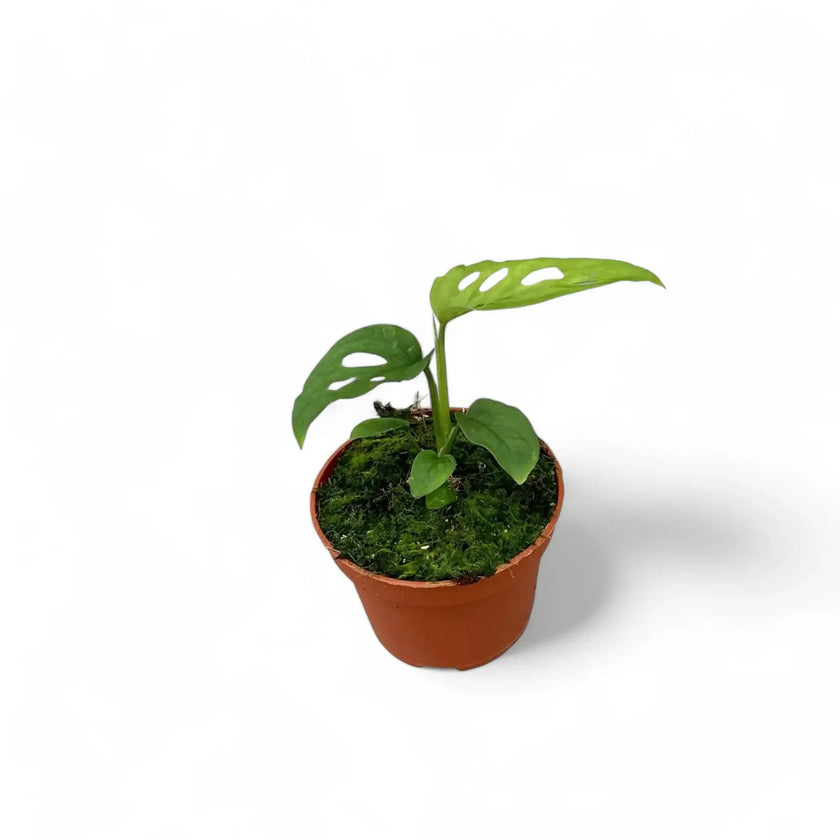
Fenestrated & deeply cut leaves – bold foliage with built-in windows

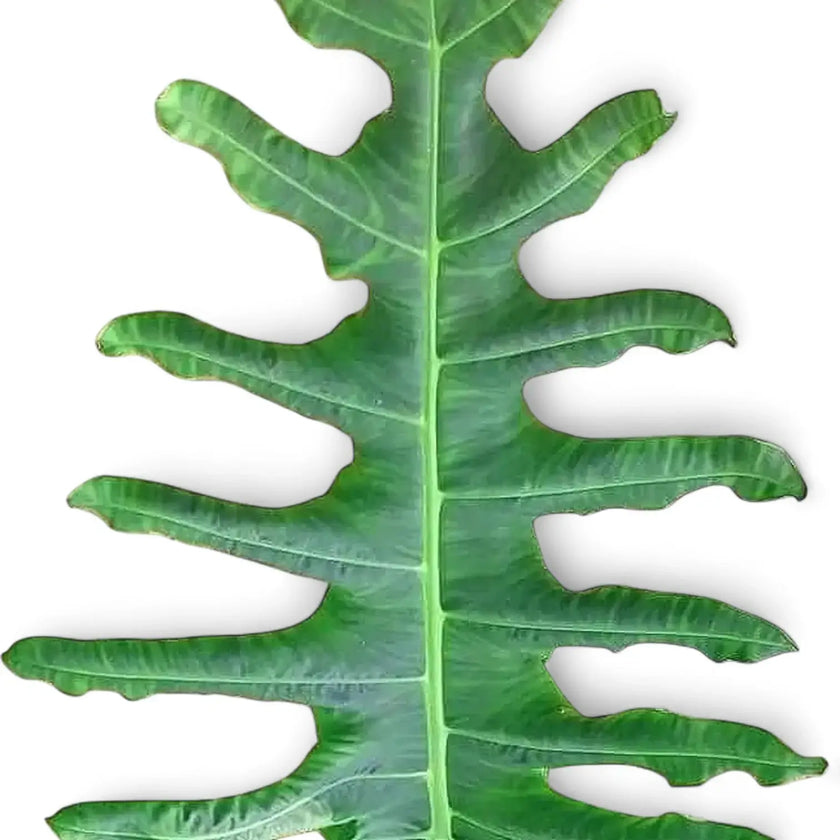
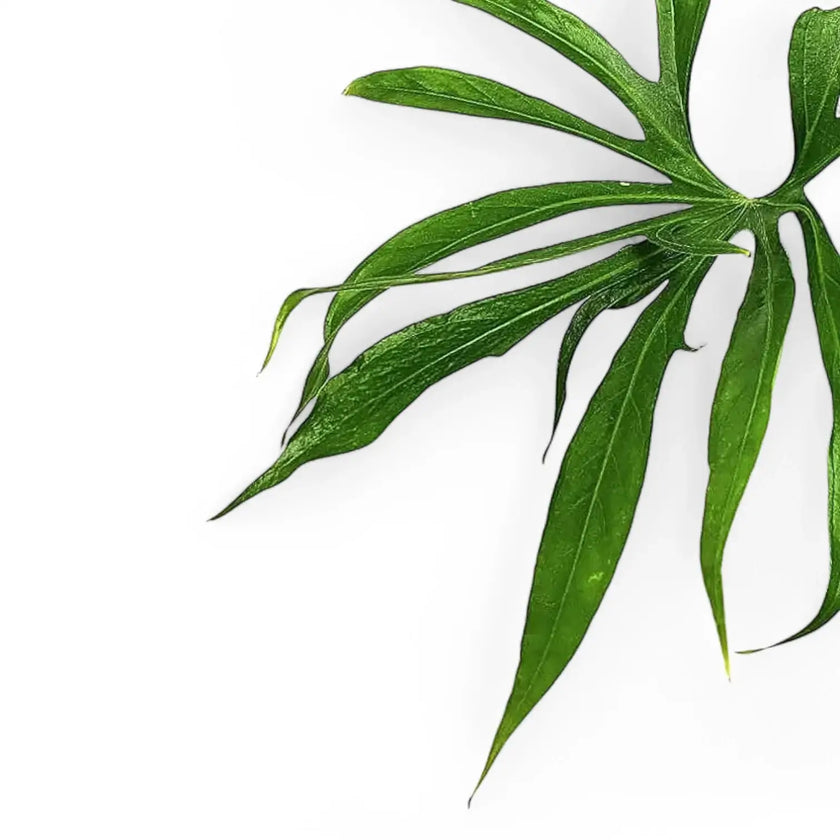
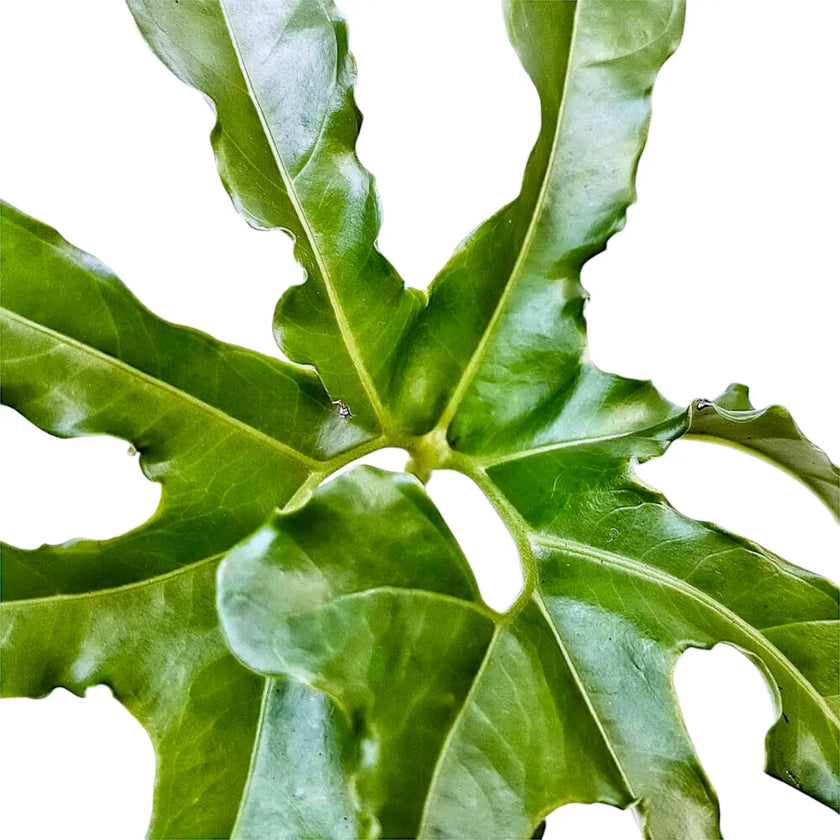
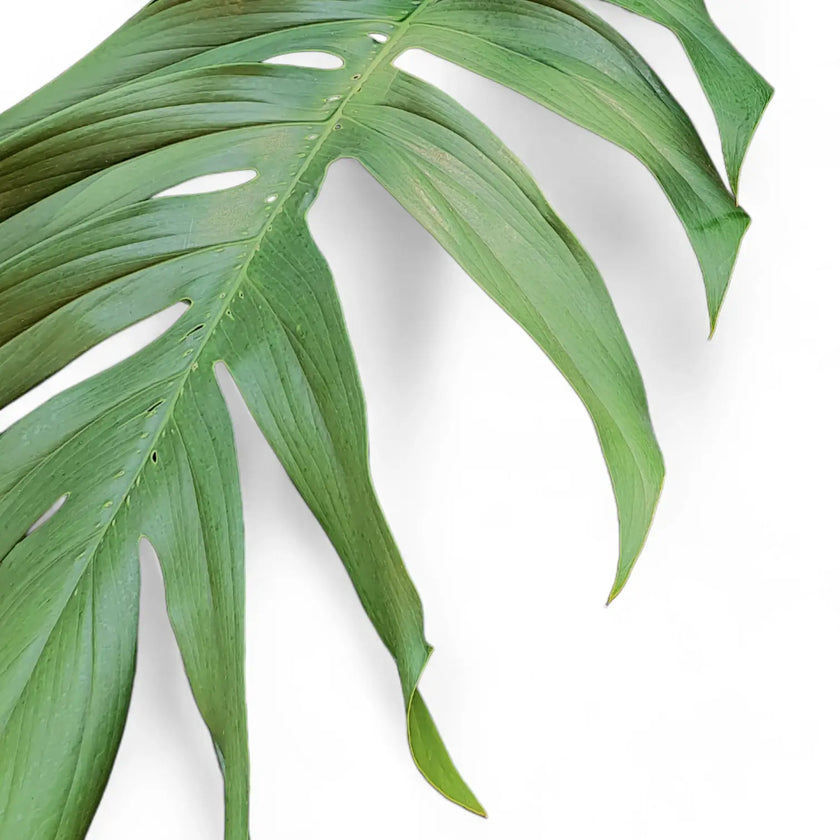
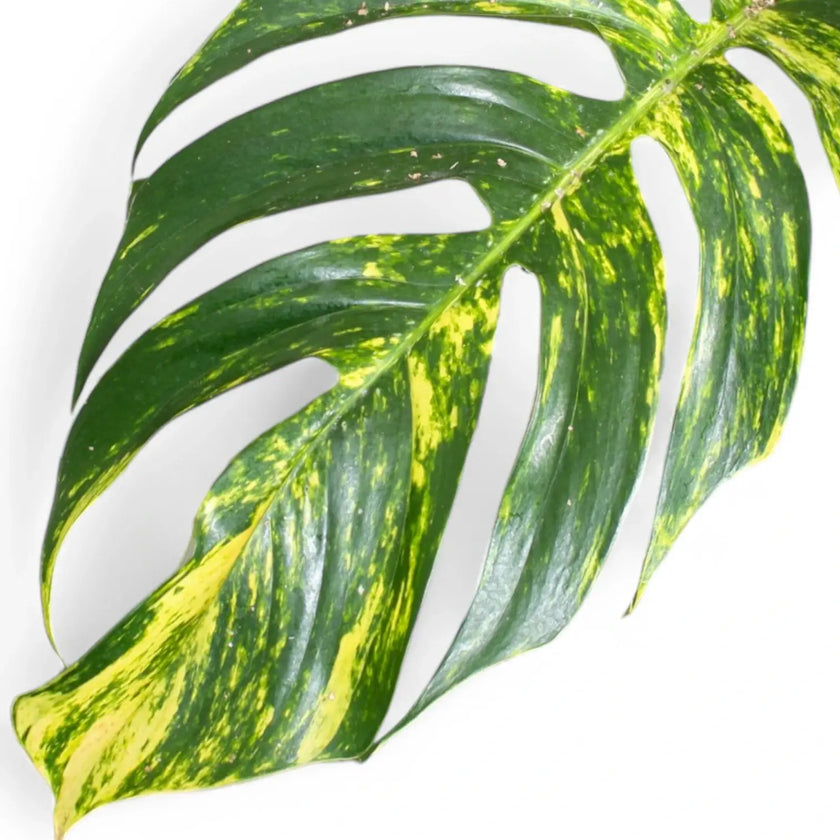
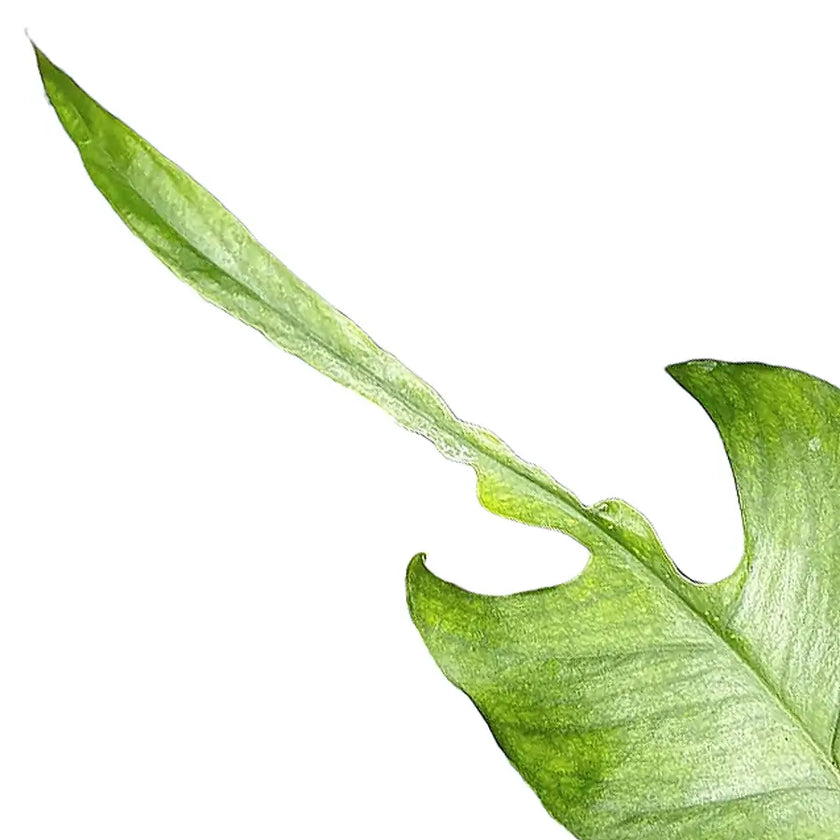
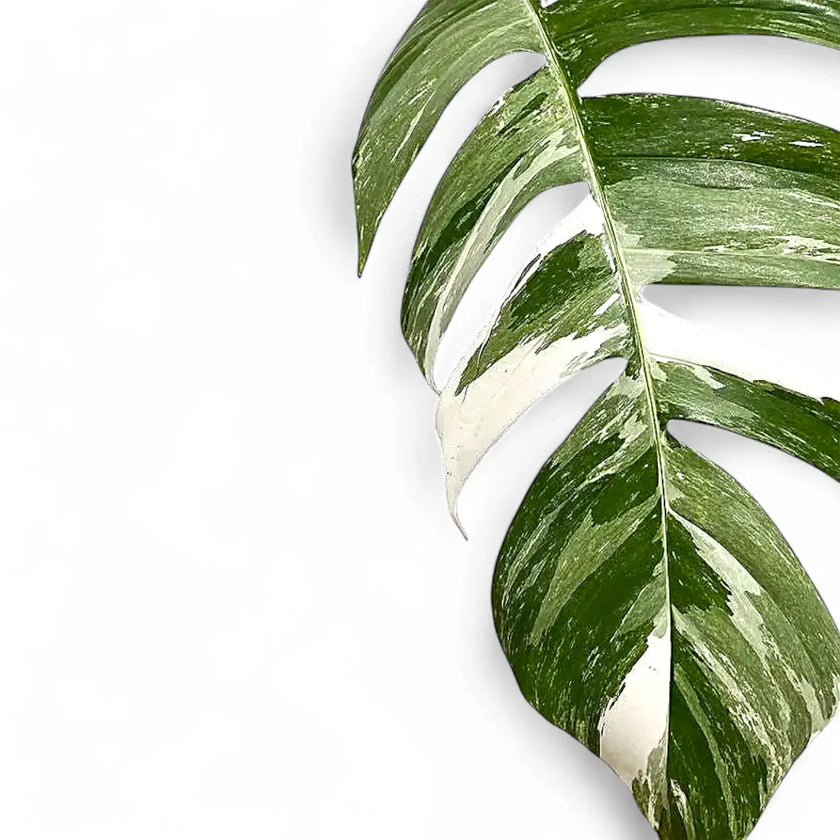
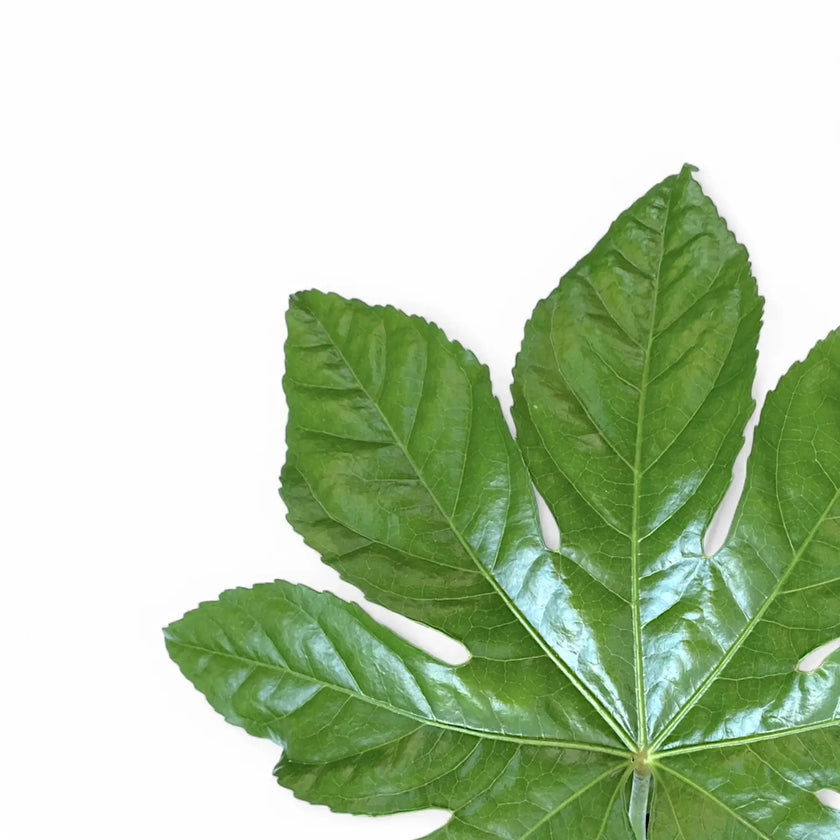
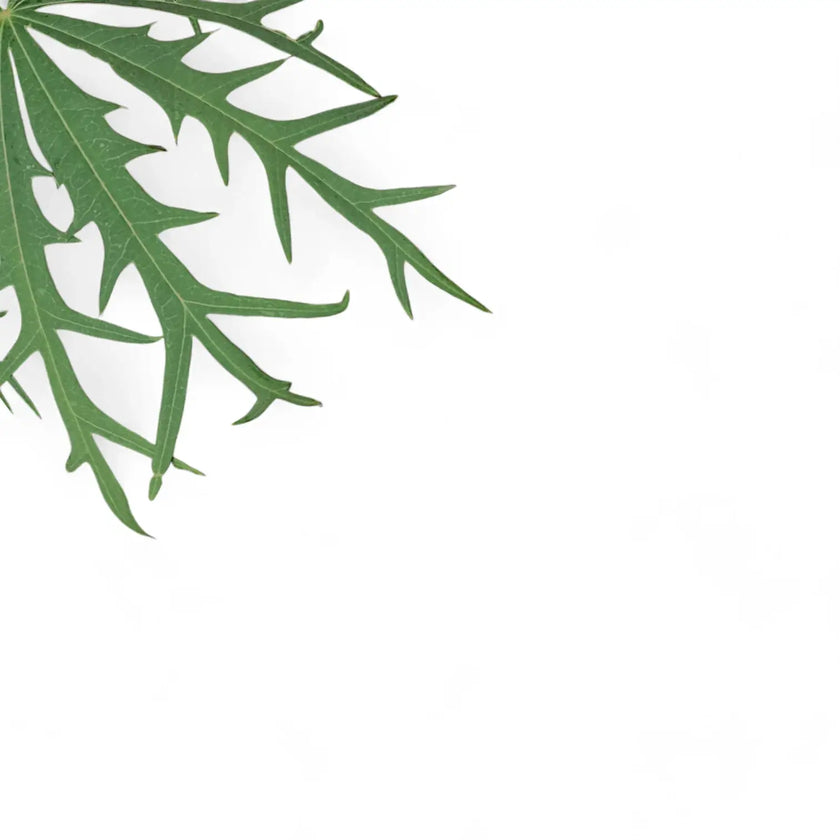
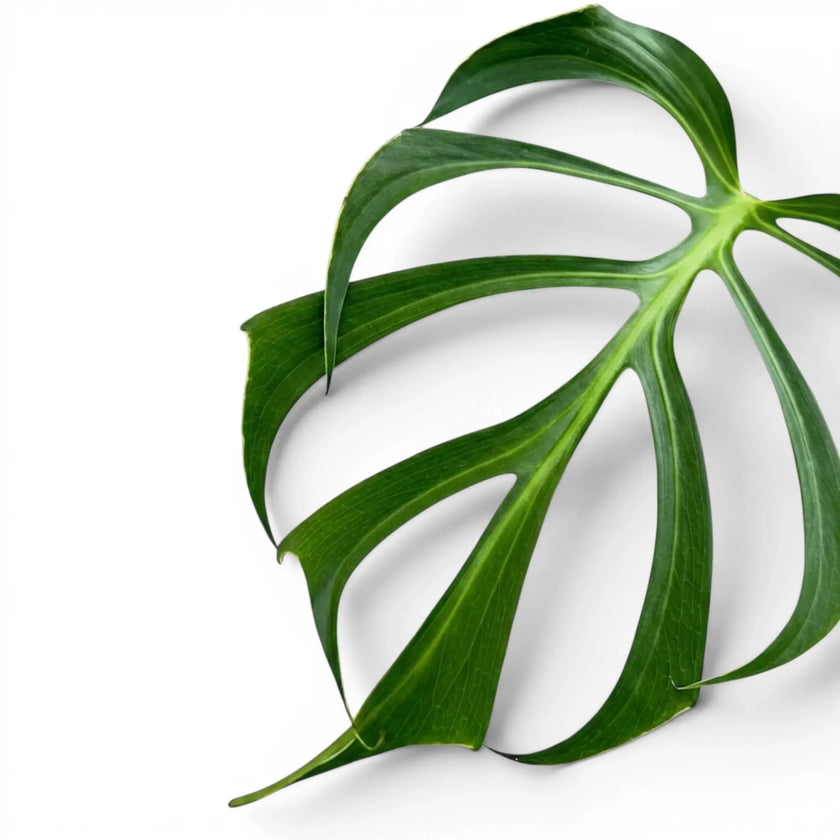
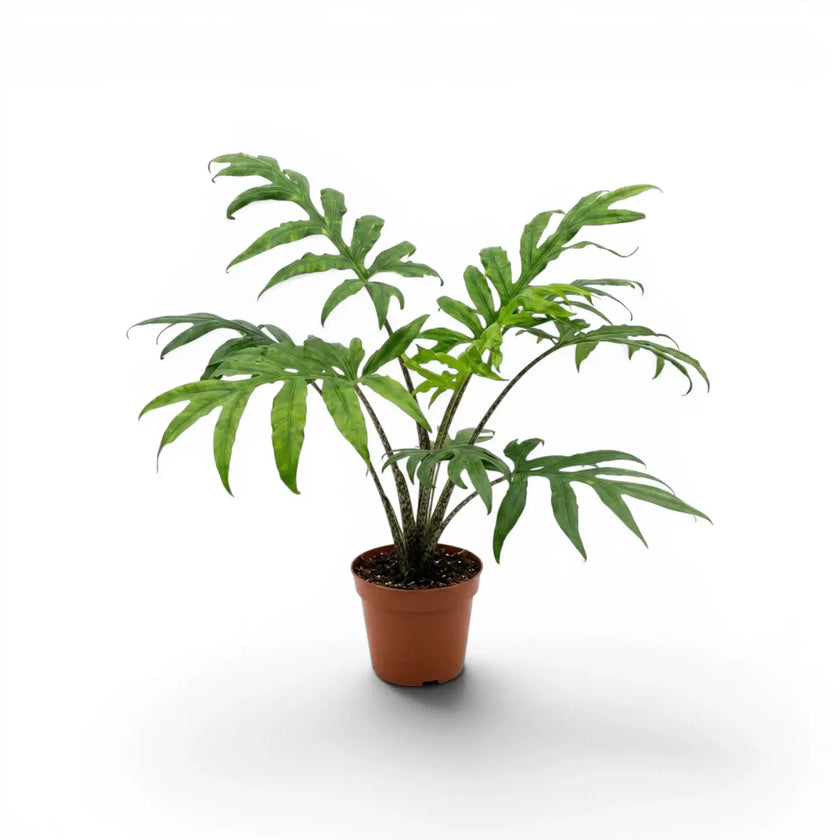
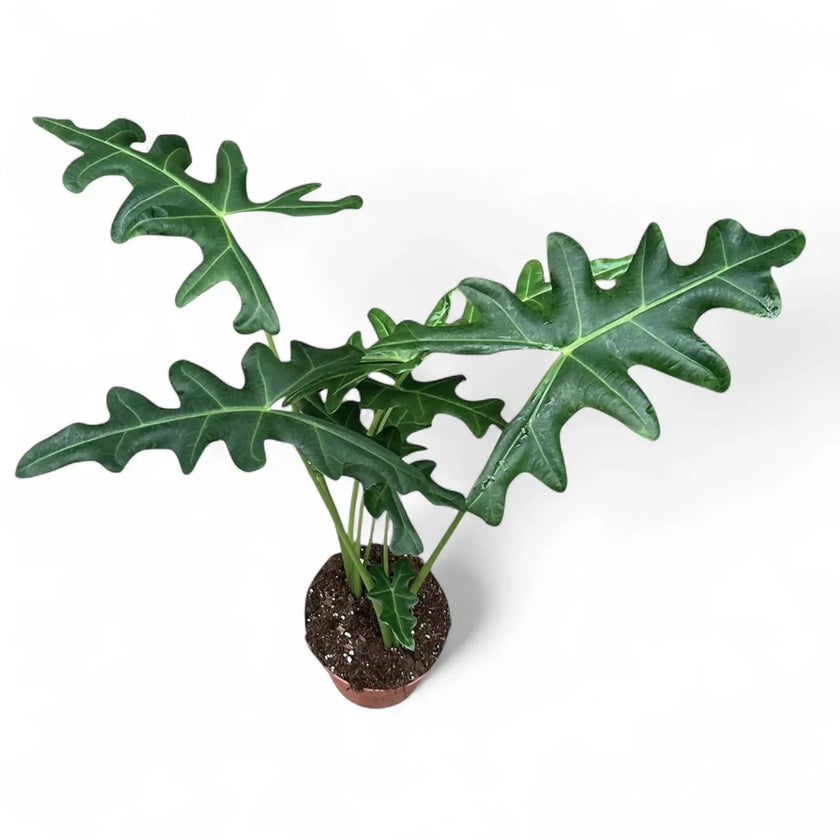
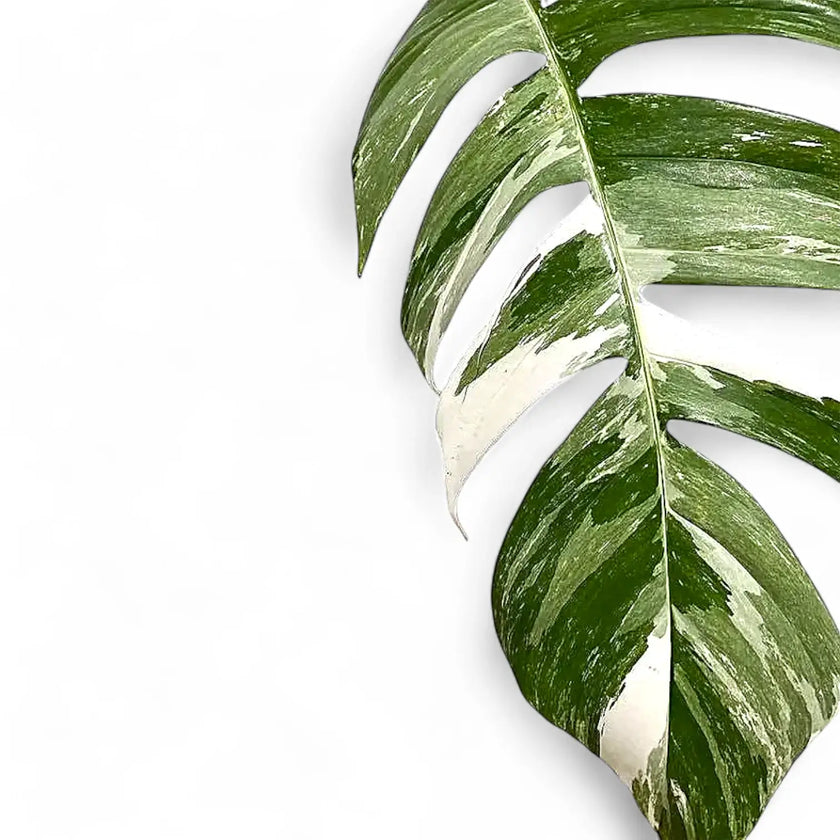
Fenestrated and deeply cut leaves turn each blade into a structure of windows, slits and lobes instead of a solid panel. Light passes through the gaps and throws patterns on nearby surfaces, so a single plant can read as a feature rather than background.

This fenestrated & deeply cut leaves collection focuses on species that show those shapes once they are mature and growing steadily. They look best where leaves have room to expand and stay visible – open corners, beside plain walls or near larger windows – not wedged behind furniture.

Many fenestrated or split-leaf plants are aroids that settle well in bright, indirect light and chunky, draining mixes. Cuts and windows appear as plants reach size under conditions that suit them; ongoing stress often leads back to simpler leaves. Exact expectations for shape, size and care sit with each individual product page.

  • Best for corners and wall sections you want to turn into focal points.
  • Often grow broader than the pot suggests, so sideways reach needs planning.
  • Not ideal for tight corridors where lobes and tips will be brushed or torn.
  • Pair strongly with simpler, smaller foliage that does not compete with the cut-out forms.
  • Good option when you prefer a few strong statement plants over many small ones.

Treat this fenestrated and deeply cut leaf collection as the place to look when you want foliage that does most of the visual work on its own.

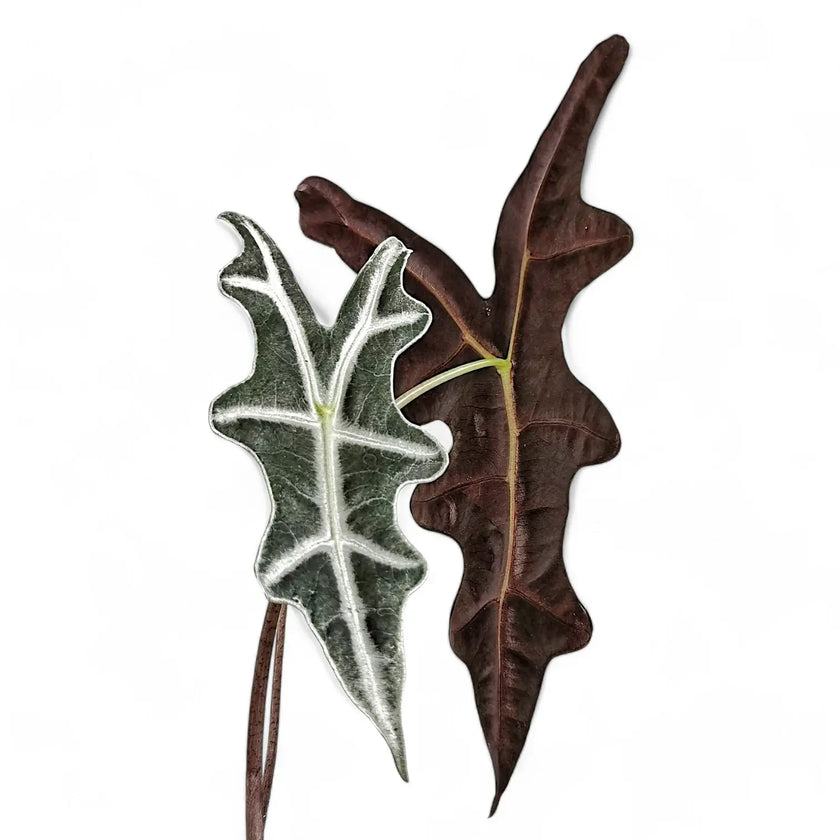
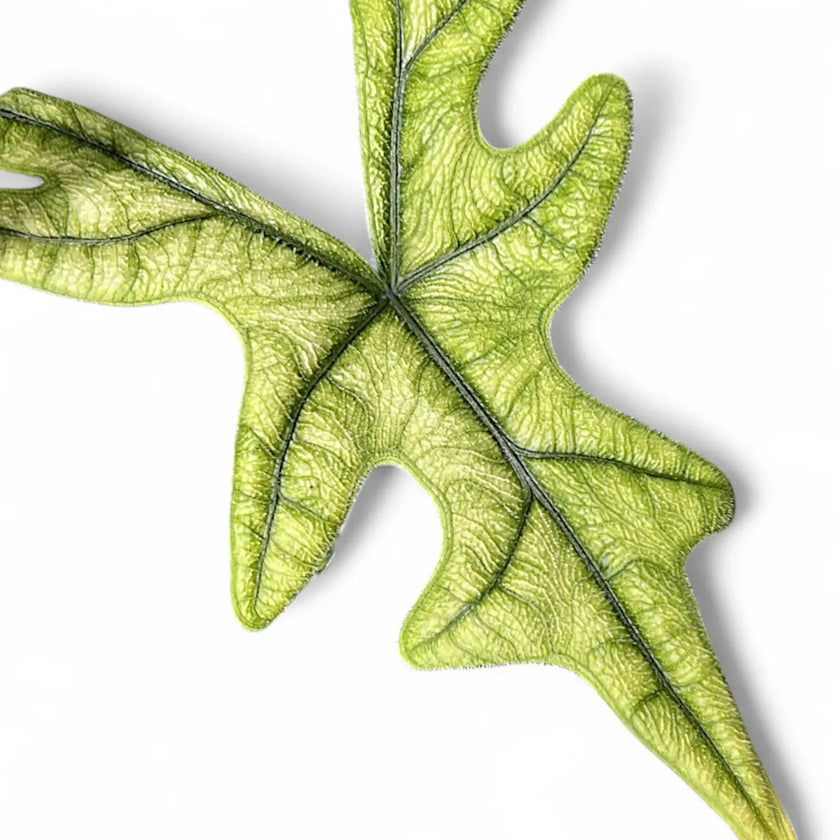
Fenestrated, split & deeply lobed leaves – statement shapes

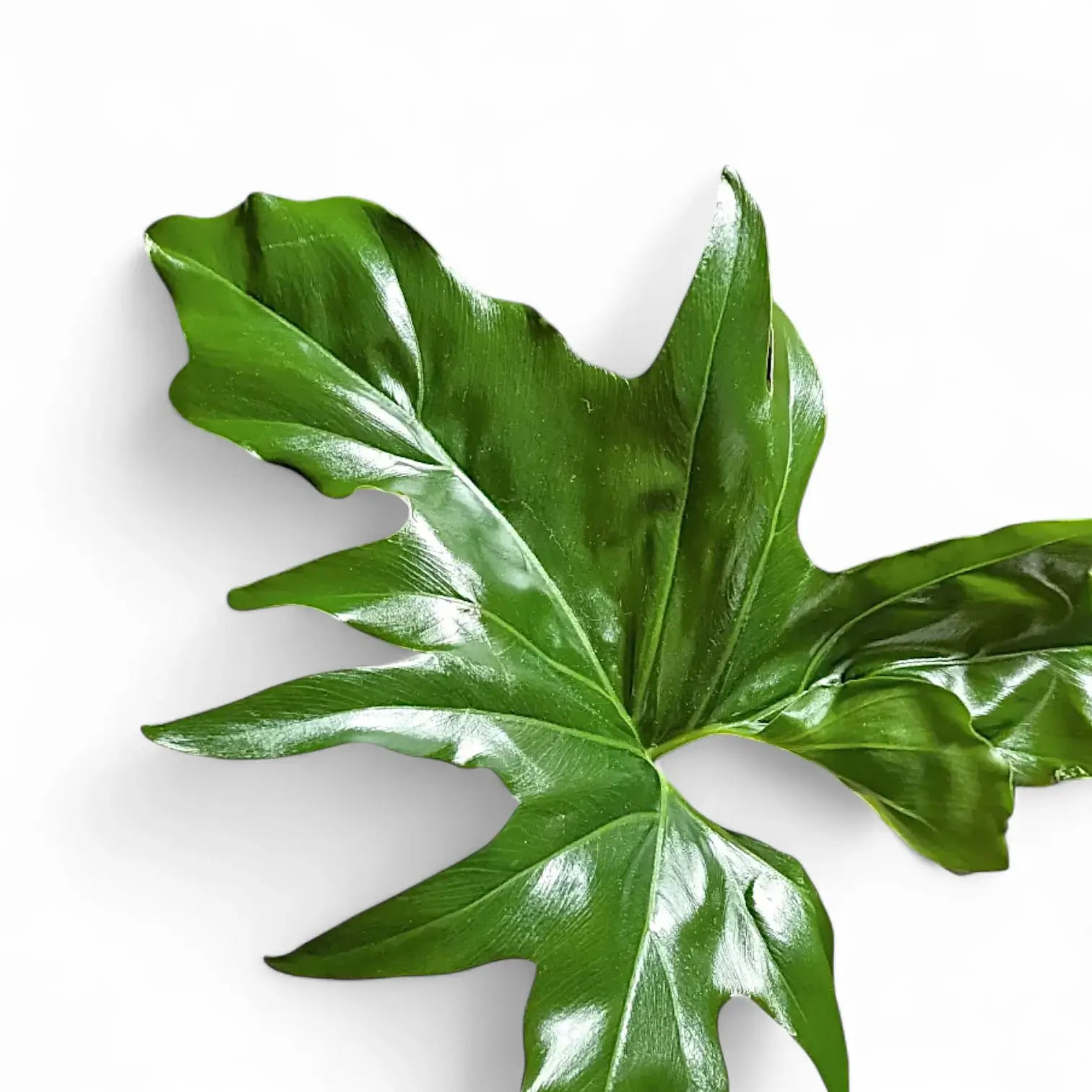
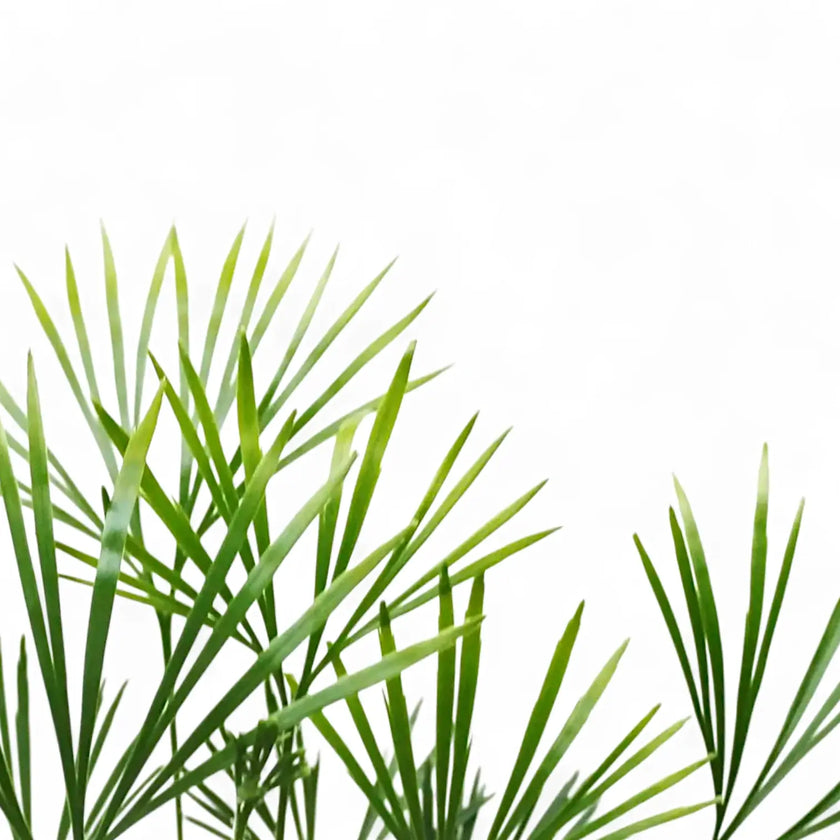
  • Theme: plants whose leaves form natural holes, “windows”, deep cuts or strong lobes – from classic Monsteras to finely divided aroids and other statement foliage.
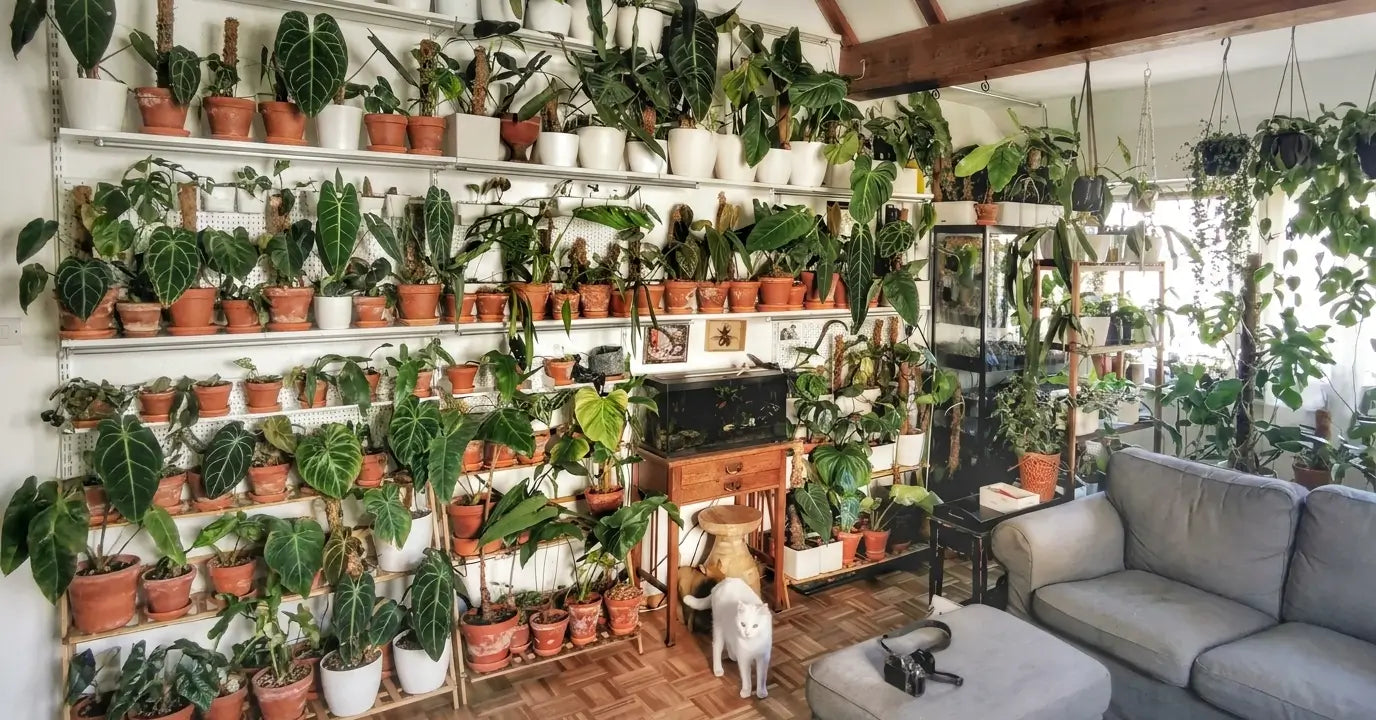
  • Visual impact: one pot can change a whole corner, because leaf shapes frame light and shadow instead of reading as a flat block of green.
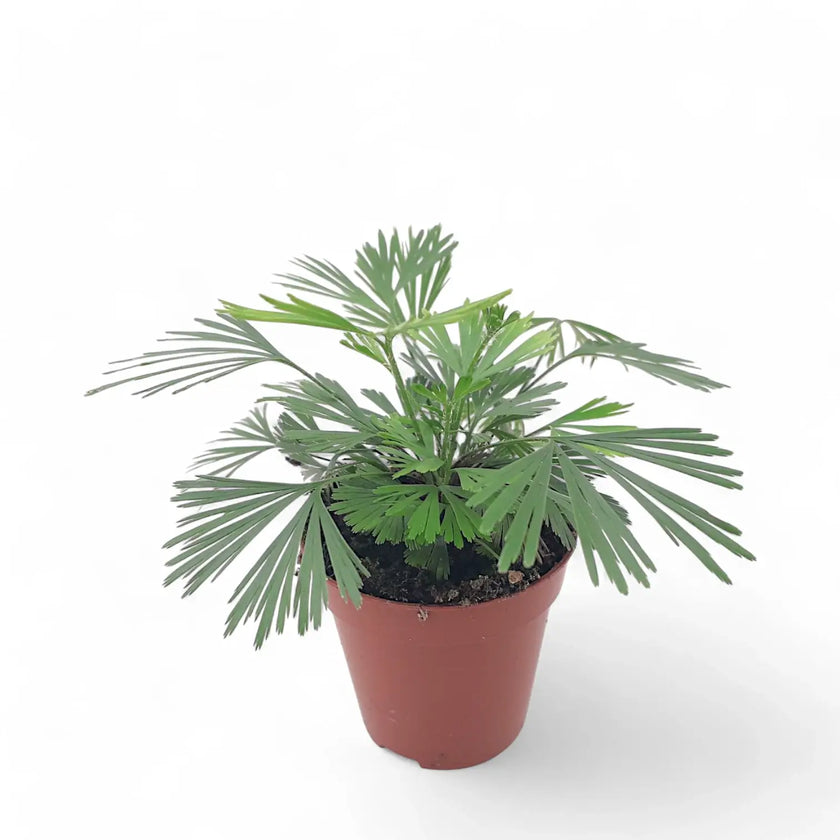
  • Care reality: a fenestrated climber in loose aroid mix does not share watering or substrate with a finely cut fern in moisture-holding soil.
  • How to compare: start with eventual size, growth habit (climber, self-heading, scrambling) and your light situation, then pick the leaf pattern you enjoy most.
  • Space & support: many of these plants want room to spread sideways and, for climbers, a pole or frame; plan width and support before ordering.
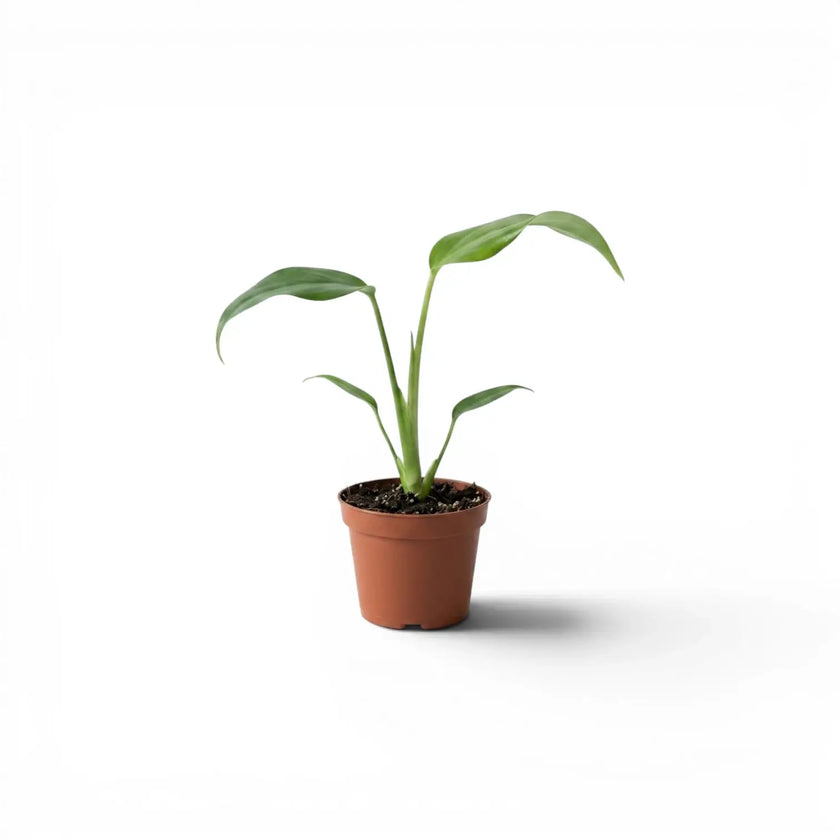
  • Growth stages: it is normal for young plants to show simpler leaves at first; more dramatic fenestrations and lobes usually appear with age and steady conditions.

Make Sure To Read:

Aroids: The Fabulous Arum Family

Aroids: The Fabulous Arum Family

Aroids are more than iconic leaves. This deep dive breaks down what defines Araceae, how different aroids grow and reproduce, where they come from, and why some are major food crops. Includes key genera, cultural context, current research, and a practical FAQ.

Read more