Light
Bright indirect • approx. 10,000–20,000 lux


Buy 4 plants, get 1 free
VAT included · plus
Your new plant has just travelled a long way and needs a calm start in its new home. For step-by-step unboxing and first-week care, check our after-delivery care guide. For deeper tips on how your plant settles in over the next weeks, read our houseplant acclimatization guide.
Secure shipping, carefully packed orders with safe delivery across the EU, UK and Switzerland.
28-day plant guarantee, if a plant arrives damaged or fails soon after delivery, we help you make it right.
Free returns, simple, cost-free returns according to our policy.
For full details, please see:
Please head to our FAQ Page or Contact us.
Quick Care Guide
Light
Bright indirect • approx. 10,000–20,000 lux

Watering
Water when ~20–35% dry
Substrate
Aerated • Moisture-buffered • Balanced organic + mineral • Medium
Temperature
Ideal: 20–30 °C • Avoid below: 15 °C
Humidity
Moist 50–60 %
Growth habit
Upright clumping herbaceous perennial.
Support
not needed
Growth speed
Average
Max size indoors
Max. height: 250 cm • Max. spread: 180 cm
Toxicity & safety
Toxic
Origin & habitat
Native to Luzon, Philippines
Outdoor growing
Outside from 15 °C · sheltered spot
These care values are quick reference points for indoor growing. Use them as a guide, then adjust for pot size, substrate, temperature and how quickly the substrate dries.
For more detail, read the full product description or visit our Plant Care Guides.
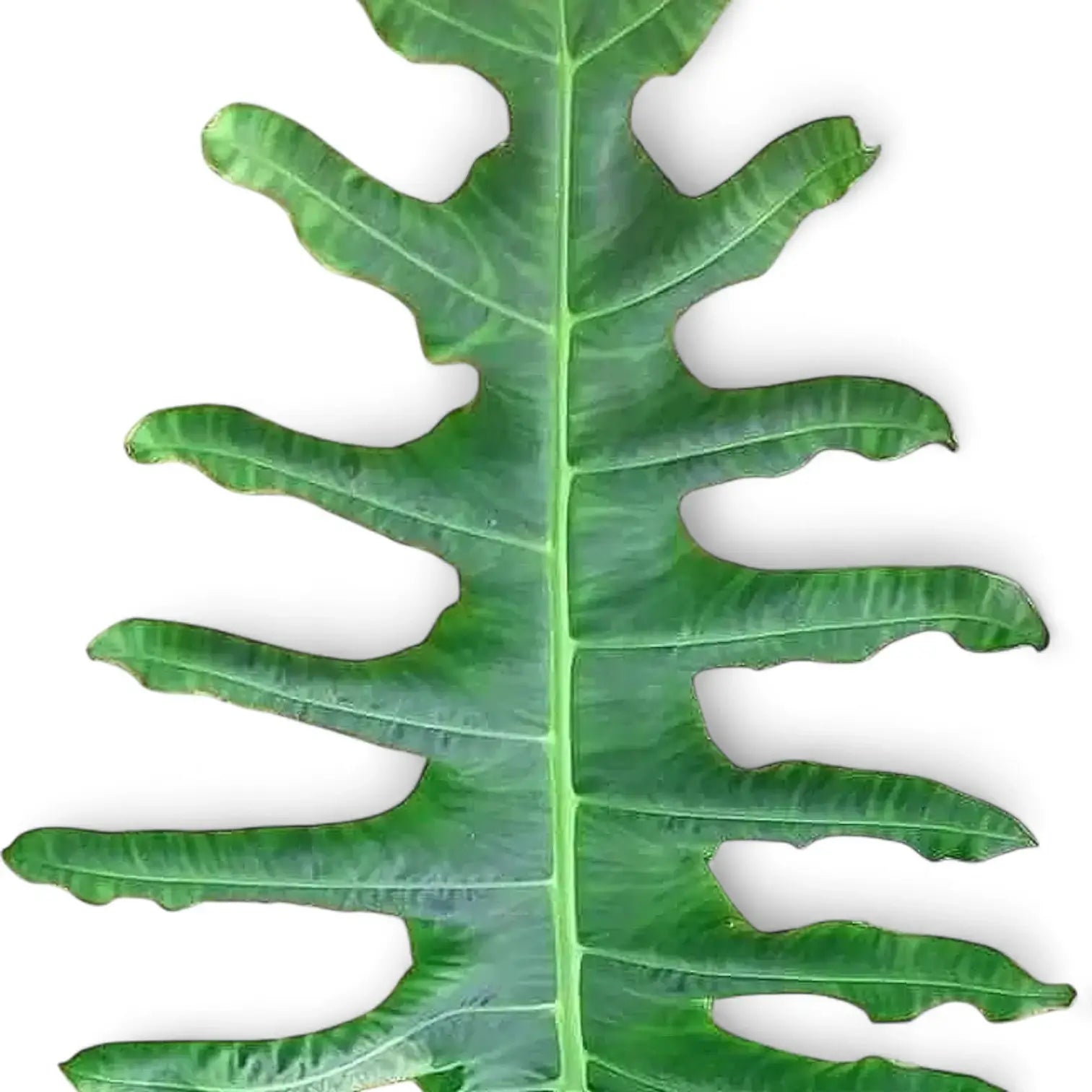
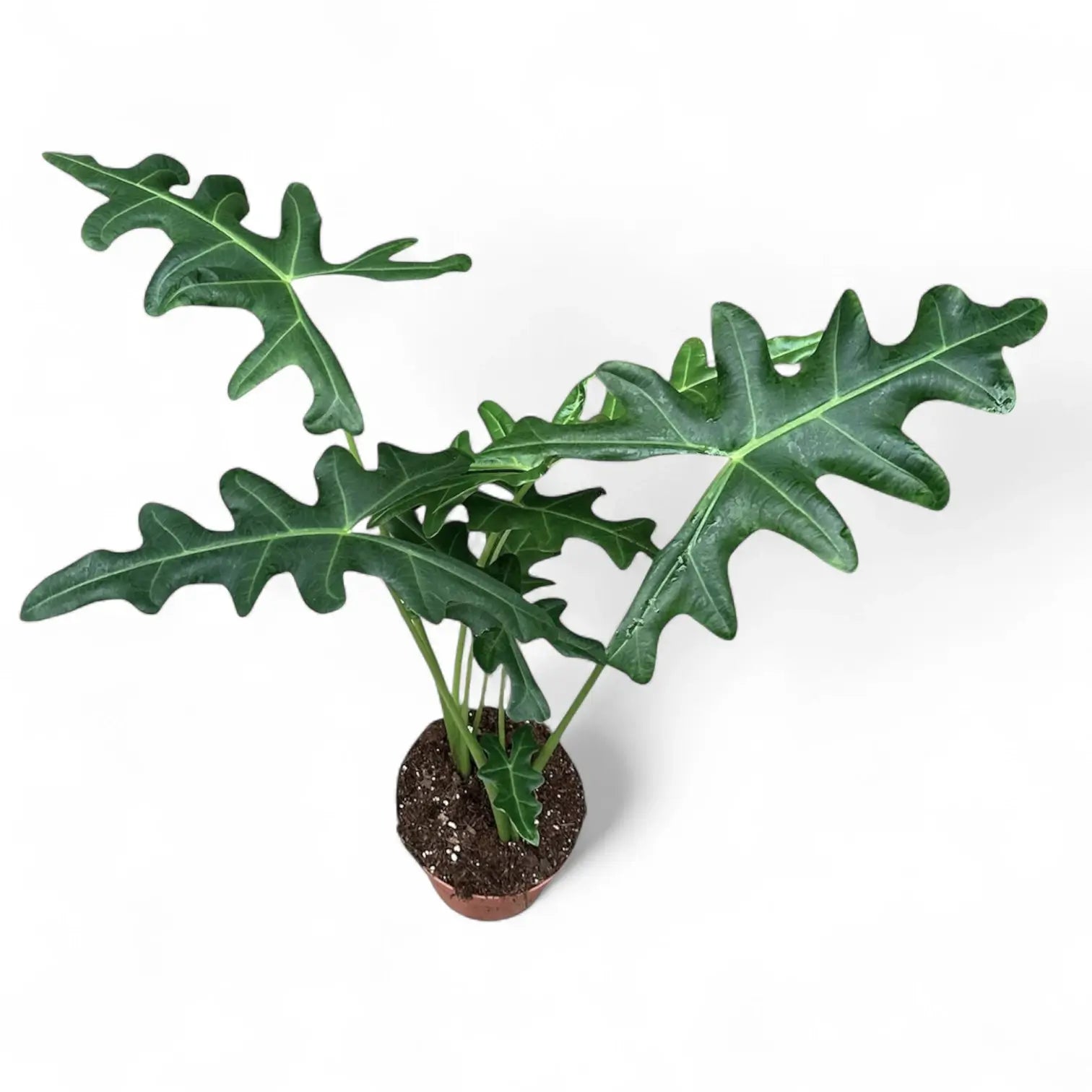
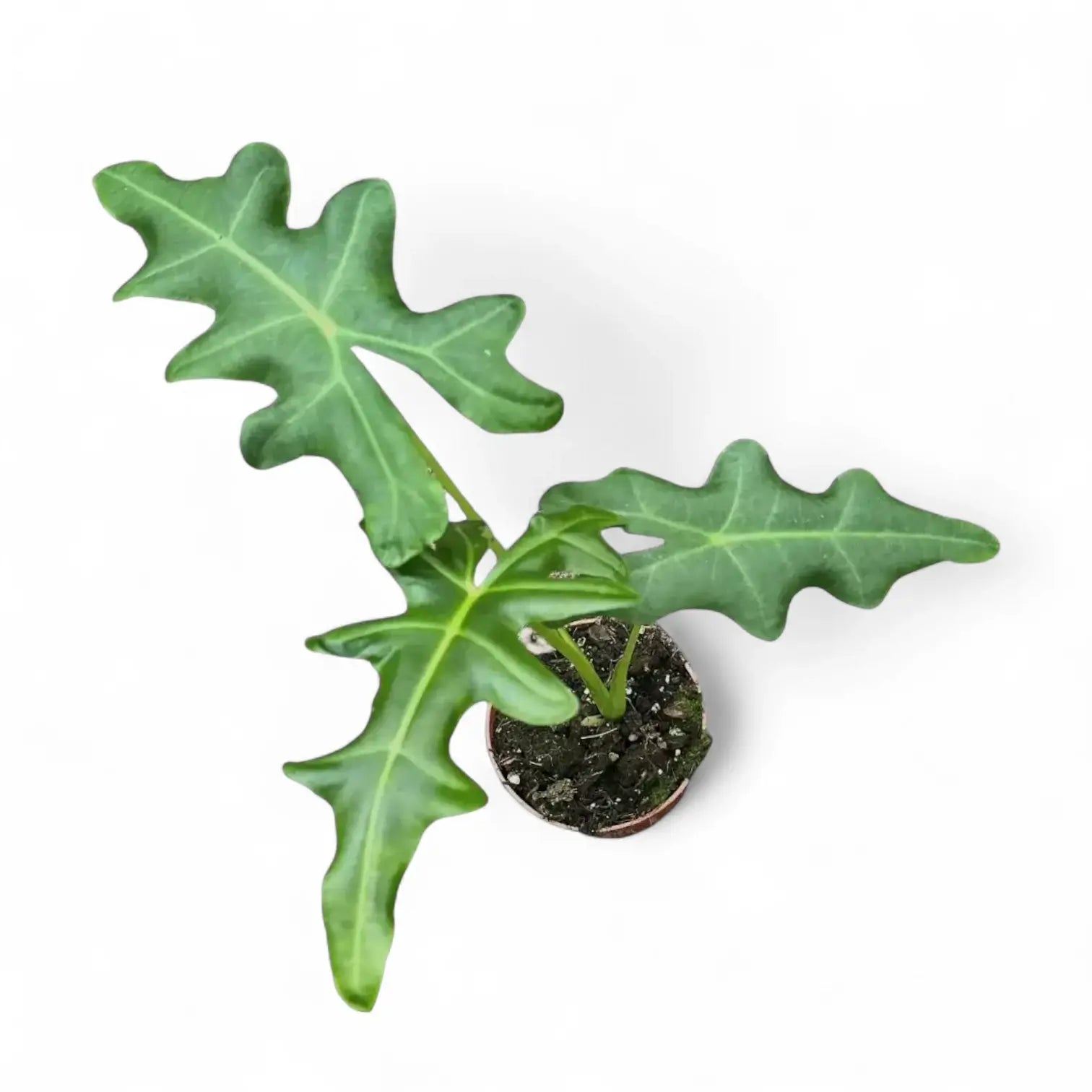
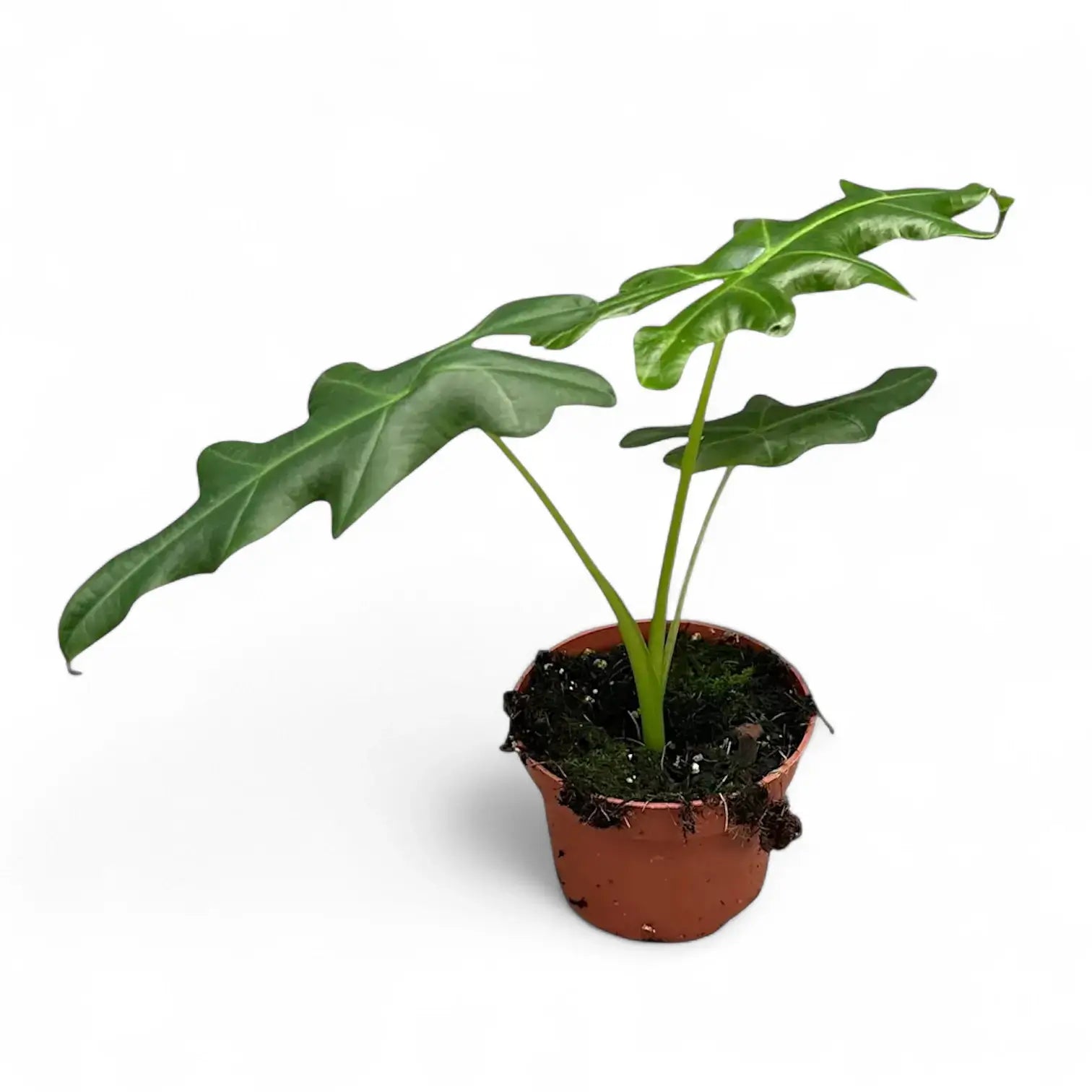
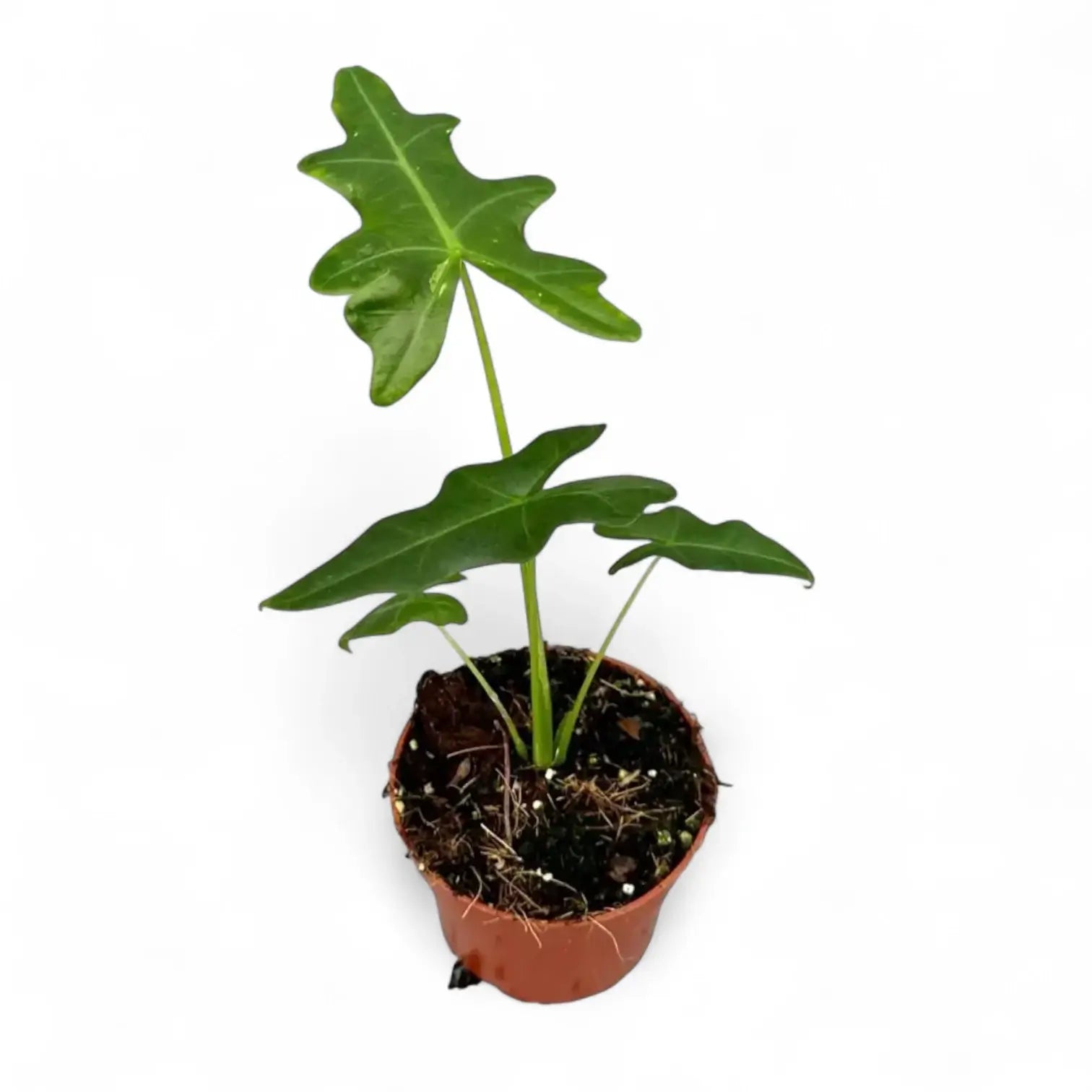
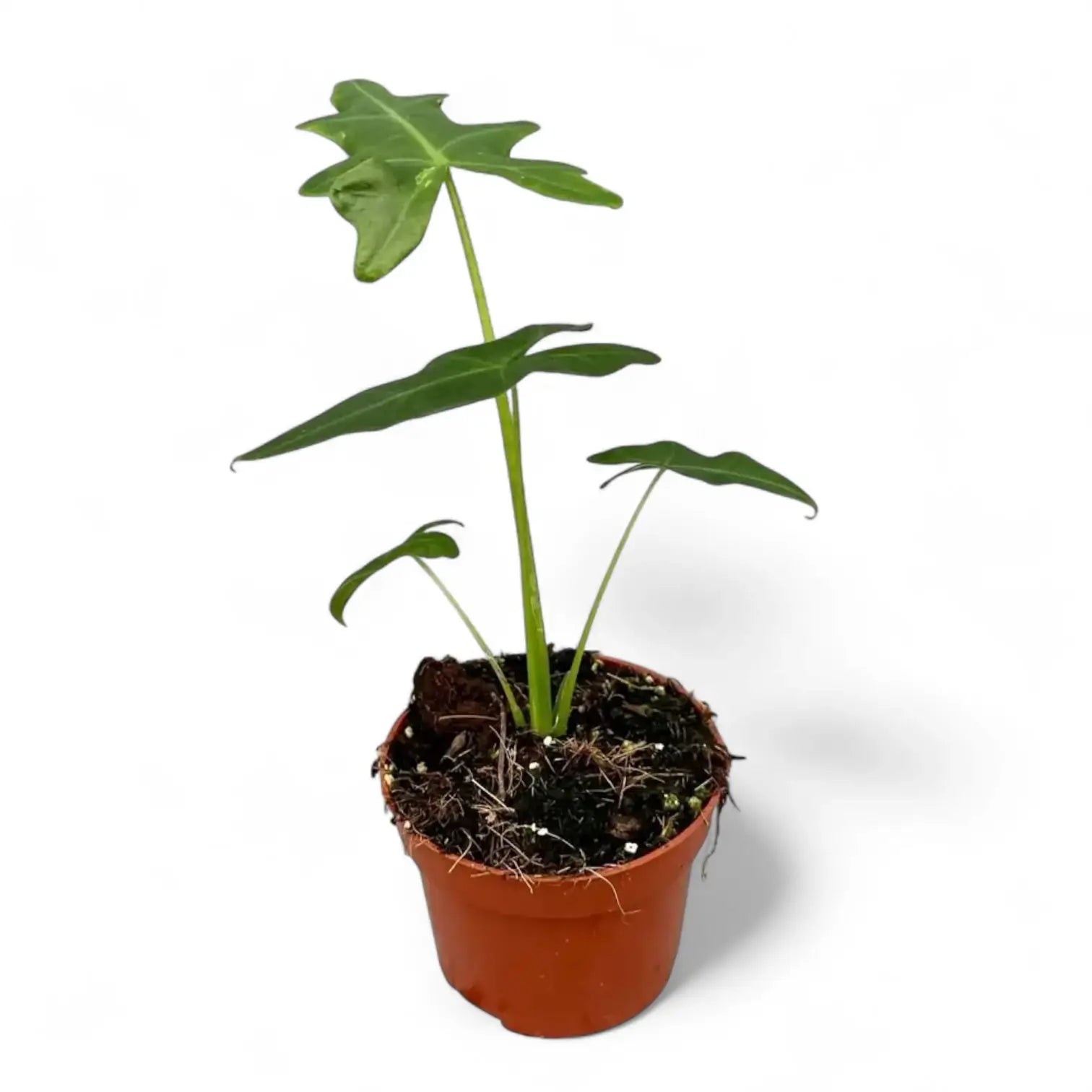
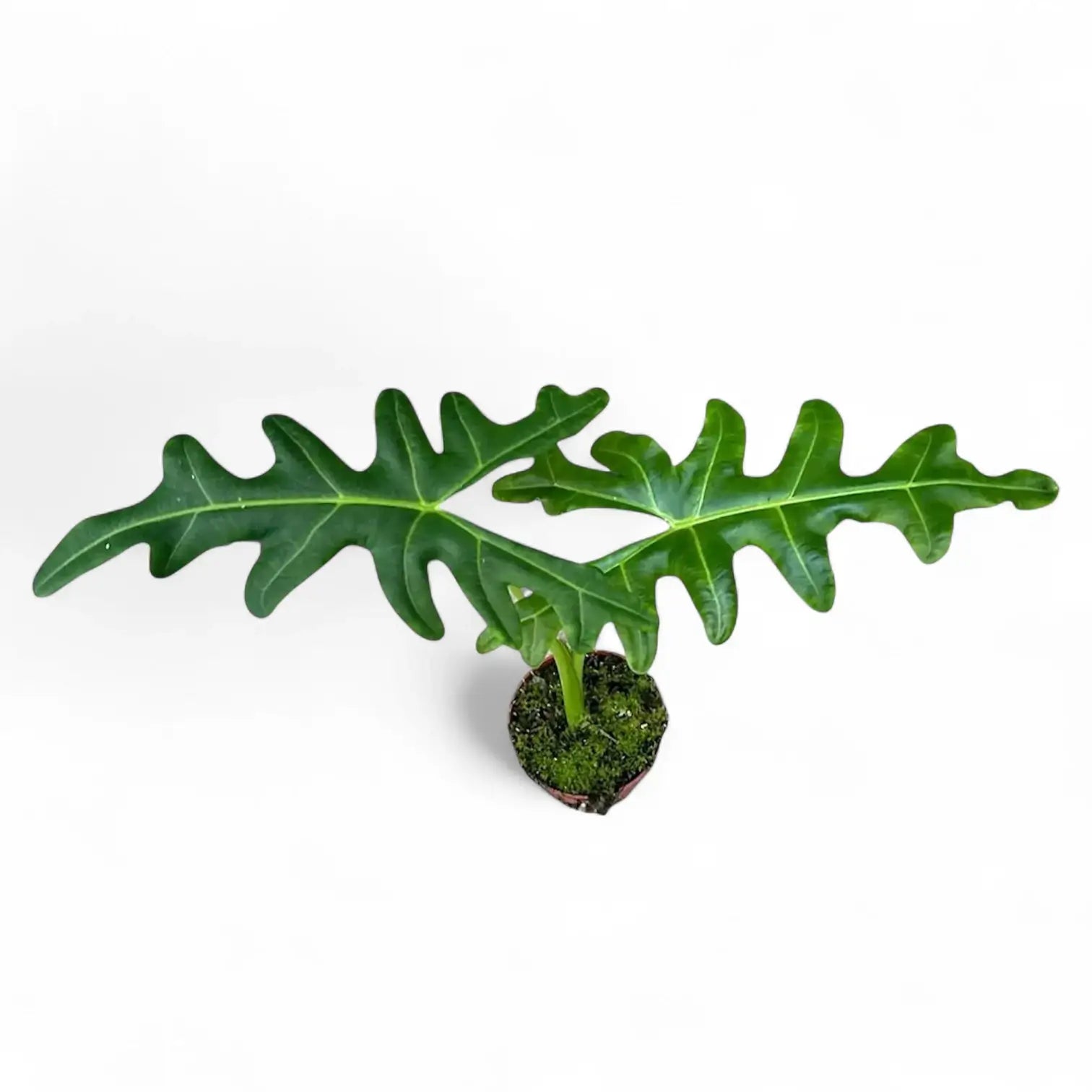
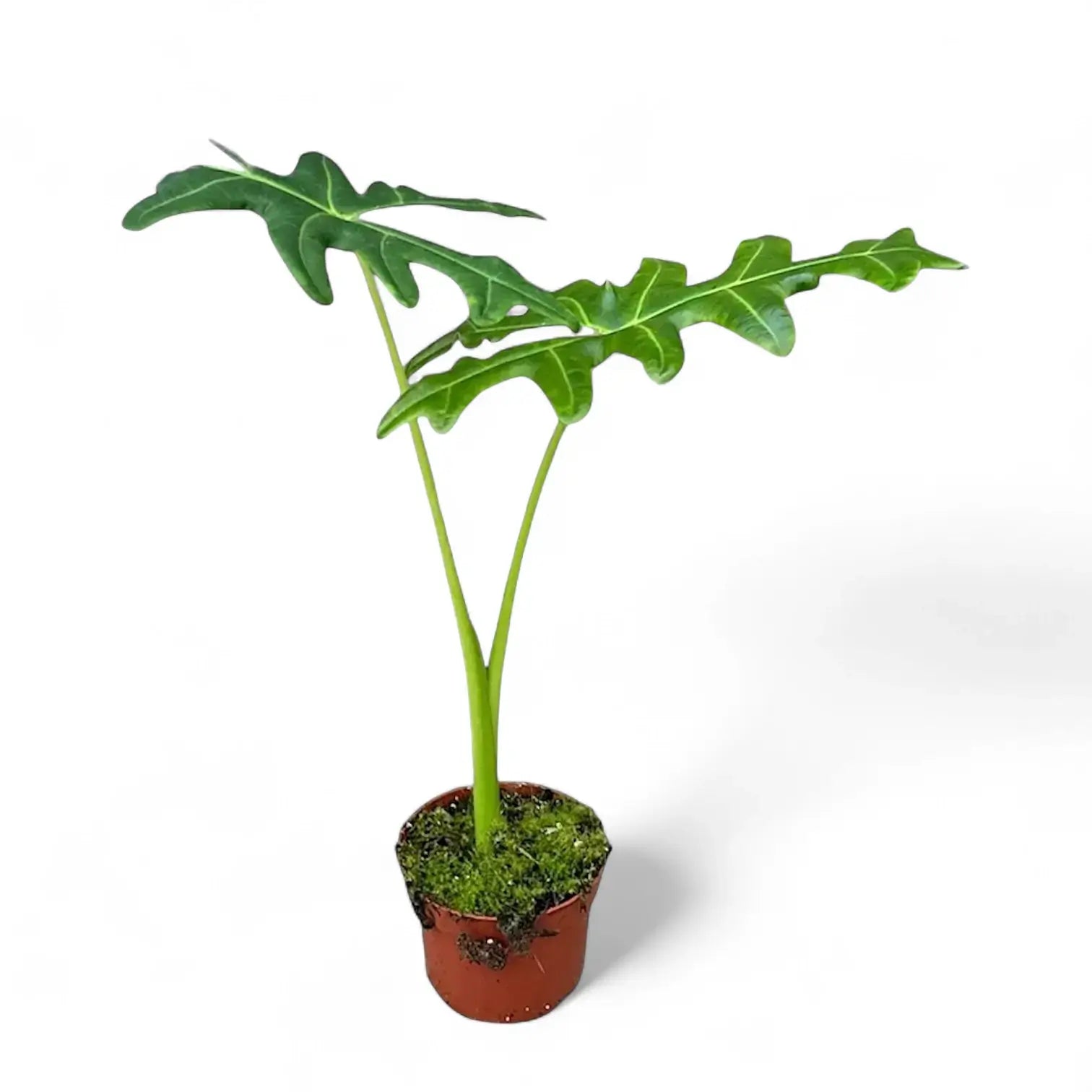
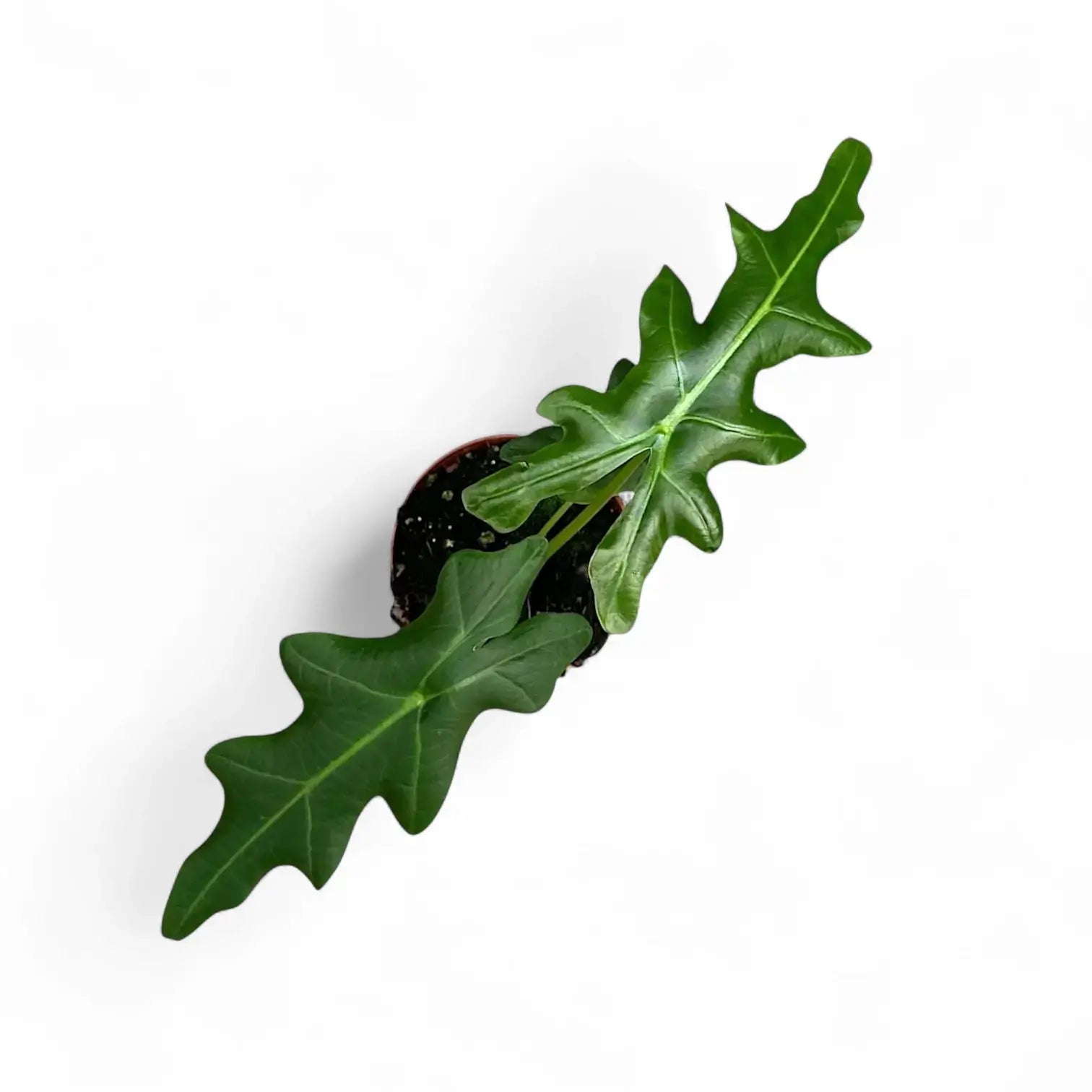
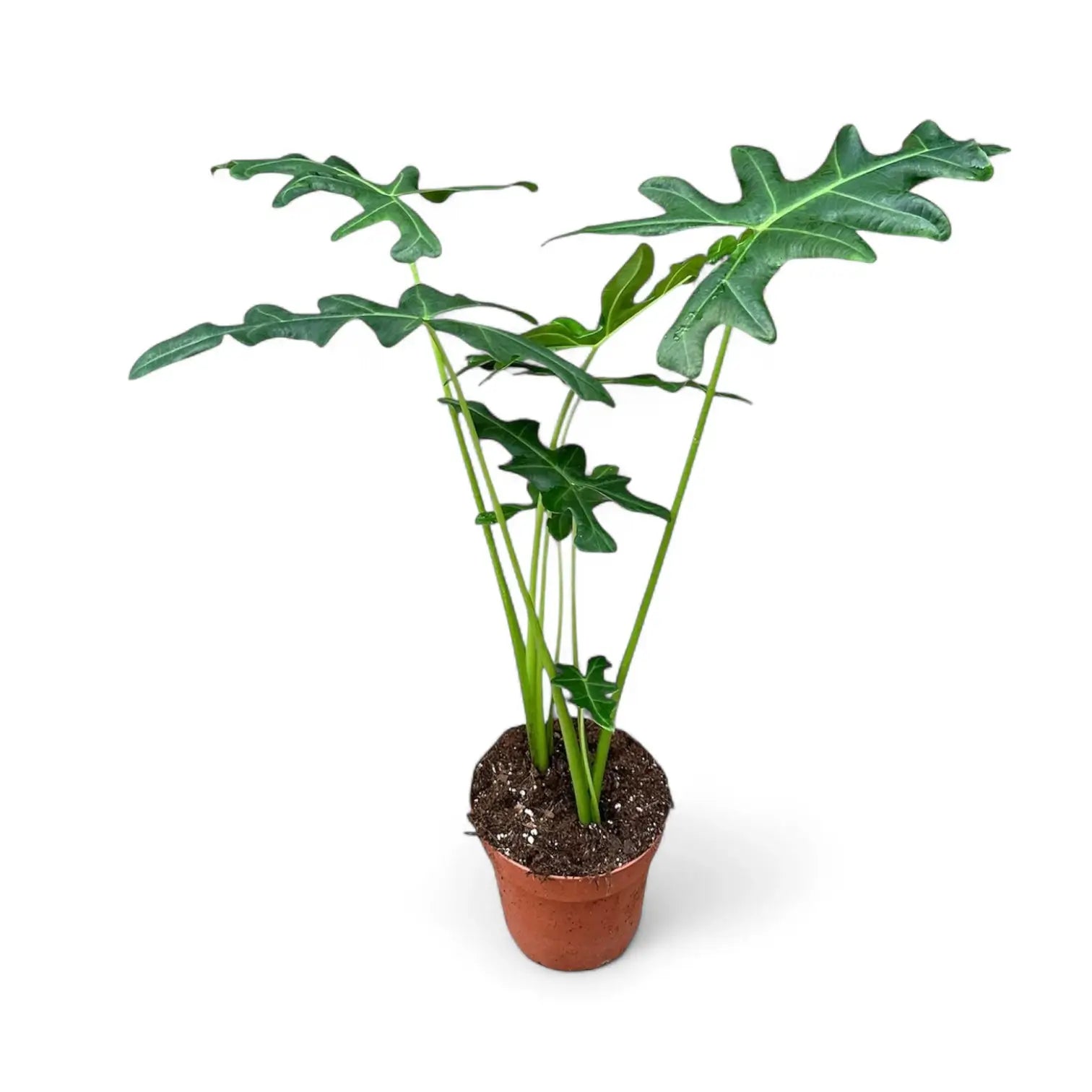
Alocasia portei is a large green-leaved species from Luzon in the Philippines. As it matures, it can form a thick upright stem with long marked petioles and huge leaves divided into narrow segments. Young plants already show the cut leaf shape, while older plants carry a larger crown of segmented blades above the base.
The leaf blade is sagittate and deeply pinnatifid, cut into long narrow sections while still joined along the main blade. Mature leaves can feel firm and leathery, with wavy to crisped edges and clear veins underneath. The petioles are long and often mottled, with darker marks against green or yellow-green tissue. As the stem extends, older leaves can drop and leave marks along the lower stem, while fresh growth continues from the crown.
Alocasia portei is native to Luzon, where it grows in a warm wet tropical climate. It is linked with low to medium elevation forest conditions, including secondary forest, where large leaves can gather filtered light and the root system has space to spread through loose organic ground layers.
Indoors, size becomes important early. A young plant can stay manageable for a while, but mature growth needs floor-level space, headroom and a stable container. Bright filtered light, warmth and root volume help the stem support larger leaves as the crown develops.
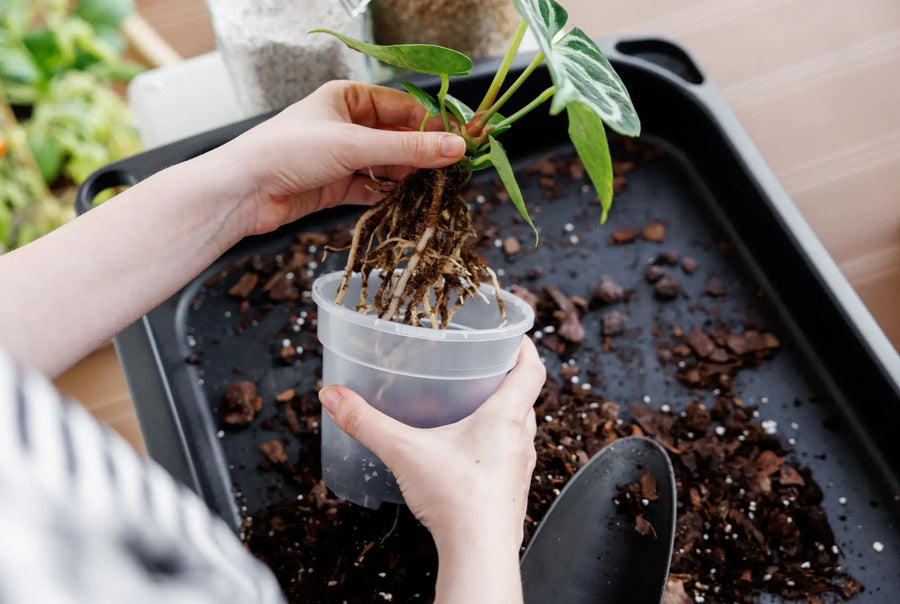
Repot Alocasia portei when the roots have filled the pot, the plant starts leaning, or the substrate has collapsed around the base. Move up gradually rather than jumping into a much larger pot. A wide, heavy container gives the tall stem and long petioles better balance. Keep the stem base at a similar depth and leave it clear of wet mix.
At home, propagation is usually by division when offsets form at the base. Separate only offsets with their own roots and an active growing point. Large rhizome cuts are possible but risky, because thick tissue can rot if it stays wet before new roots form. Use clean tools, warmth and a barely moist airy mix while divisions recover.
Established, well-rooted plants can adapt to mineral substrates or semi-hydroponic setups, but Alocasia portei needs a stable base and plenty of oxygen around the roots. Use a coarse mineral structure and keep the stem base above the wettest layer. Freshly divided or stressed plants are better kept in a lightly moist airy mix until active roots return.
Mature plants can produce paired inflorescences clustered in the leaf crown, with mottled spathes and a spadix shorter than the spathe. This is mainly seen on large, established plants in warm greenhouse-style conditions.
Alocasia portei contains irritating calcium oxalate crystals and is toxic if ingested. Keep the plant out of reach of pets and children, especially once the leaves and stem become large enough to be easy to access.
Alocasia portei was first published by Heinrich Wilhelm Schott in 1862. The species name honours Marius Porte, a French plant collector associated with tropical plant exploration in the nineteenth century. The older name Schizocasia portei appears in botanical history, but Alocasia portei is the accepted name.
As it matures, Alocasia portei needs enough room for the stem, crown and large divided leaves to develop properly.
Plant names, growth habits, natural habitats and indoor care guidance are checked against trusted botanical, habitat and horticultural references before publication.View our plant care resources and references.