Complete Baby Plant Care Guide: What to Do After Purchase,
Baby plants are tiny, not low-maintenance. Learn how to unbox safely, manage the first week, get light and watering right, and fix common issues so they grow strong.
Read more

Cart
Your cart is empty
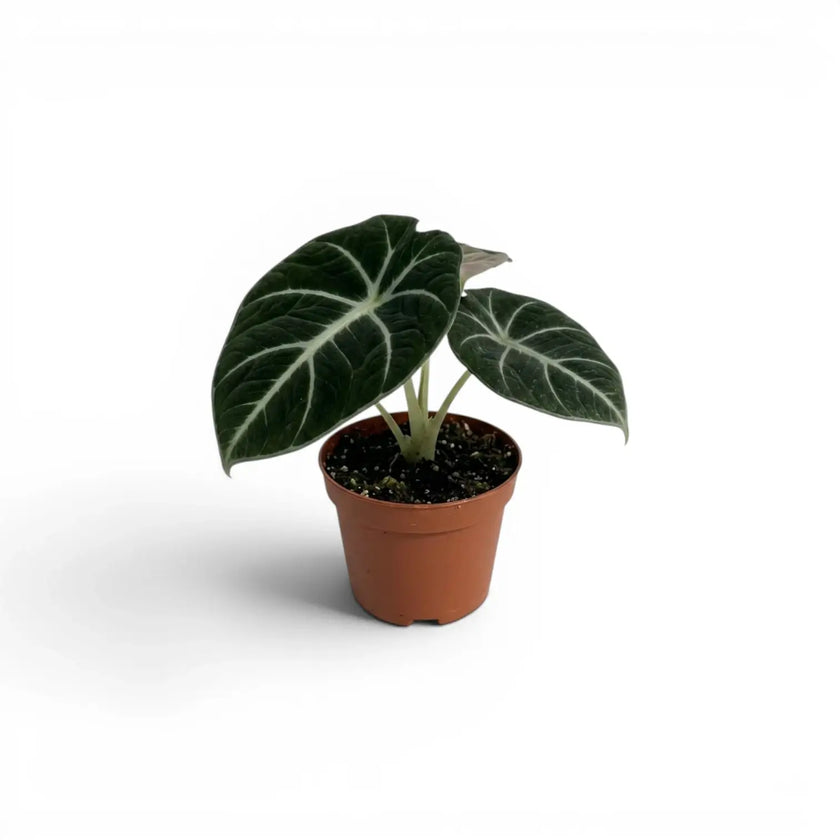
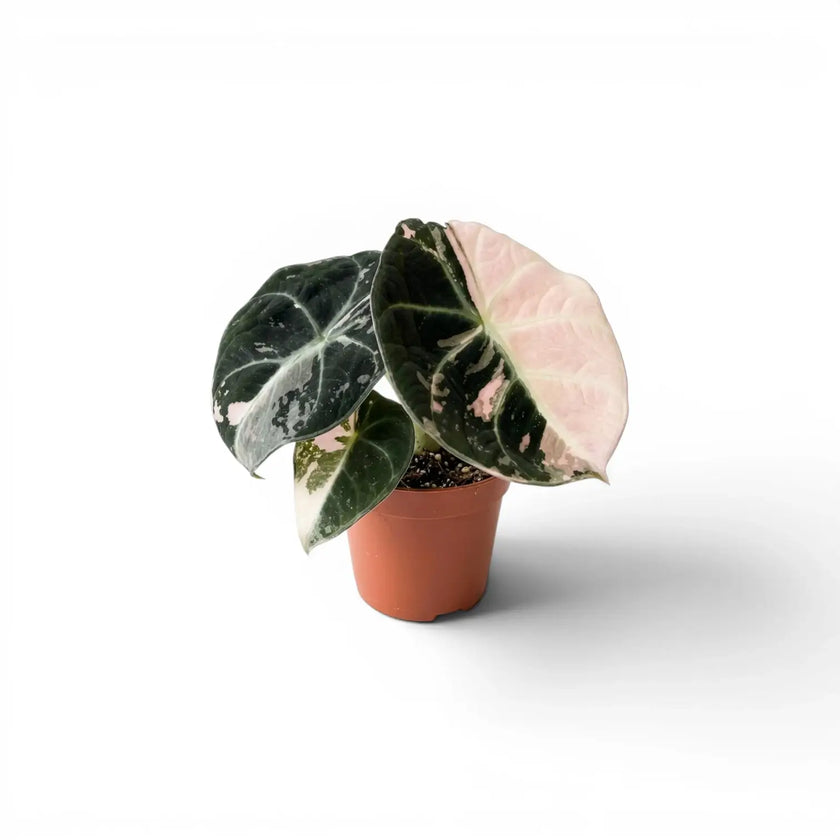
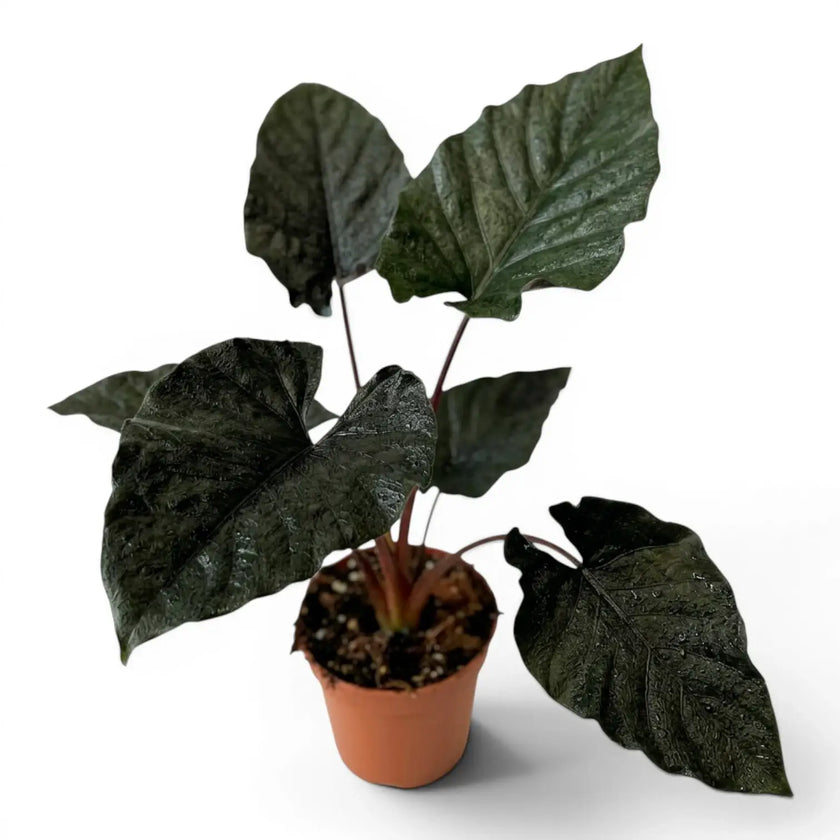
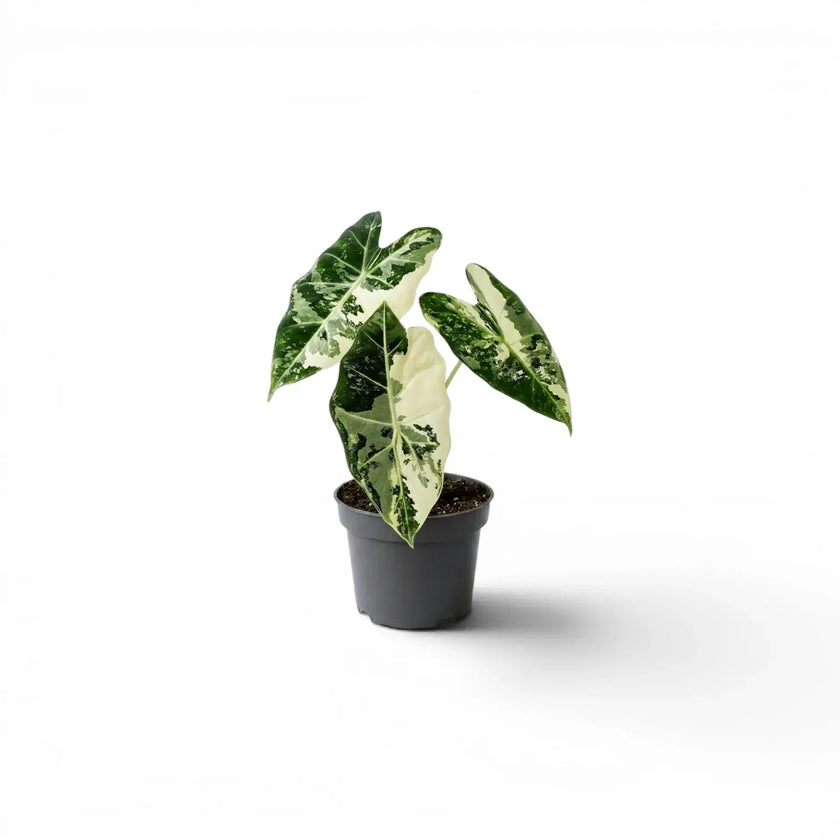
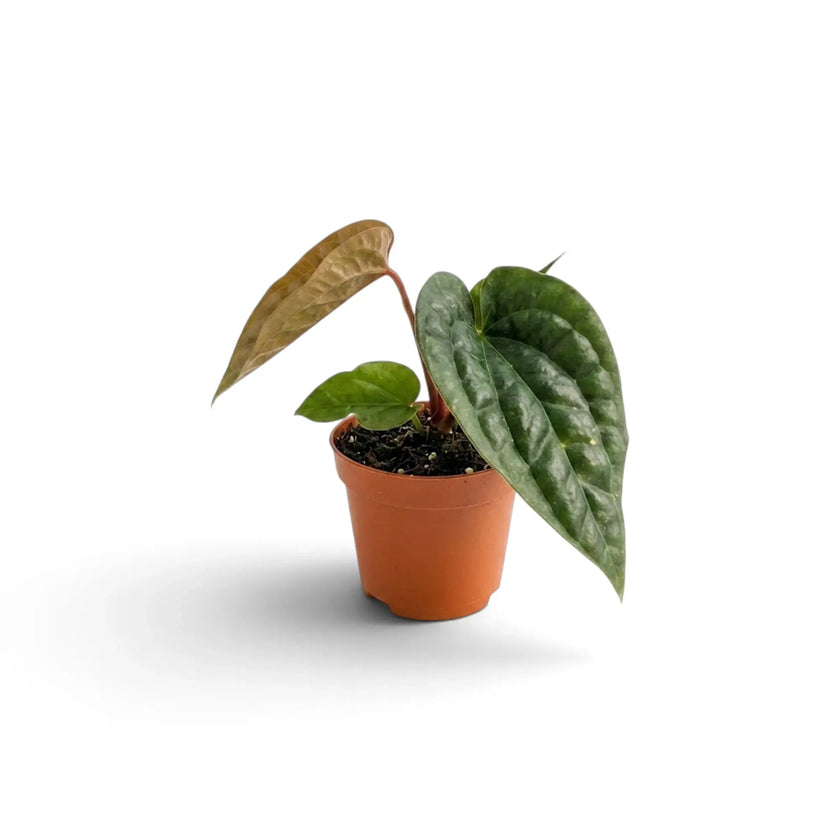
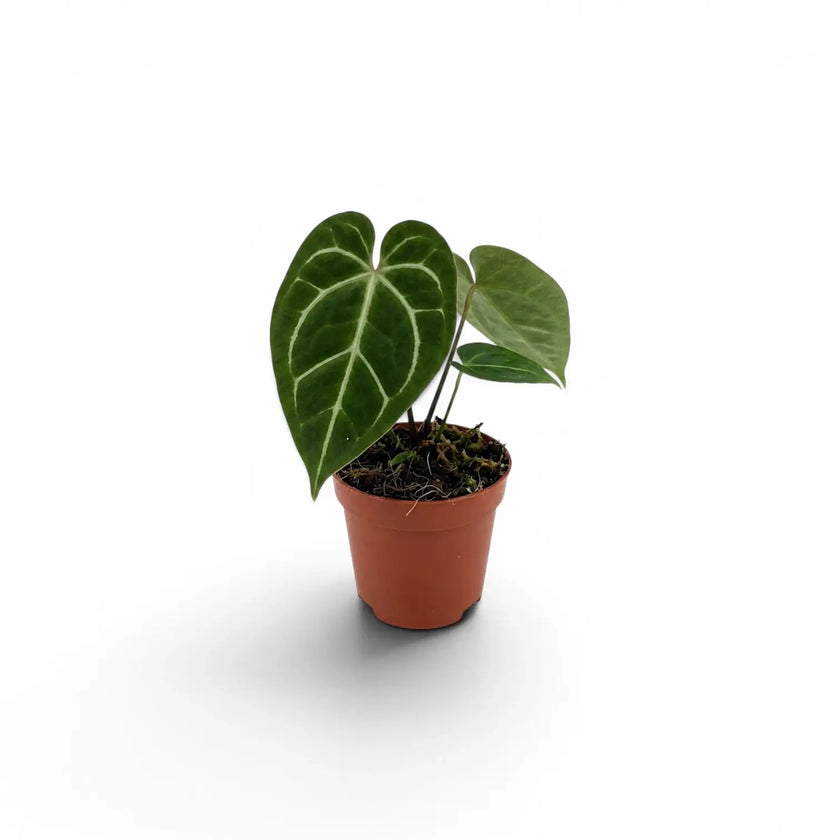
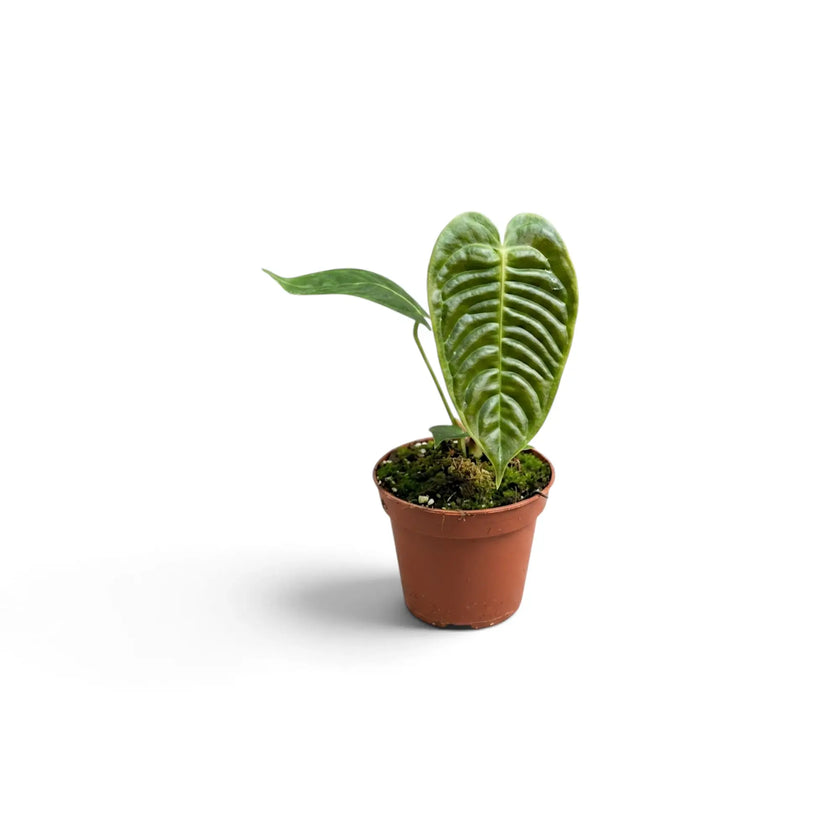
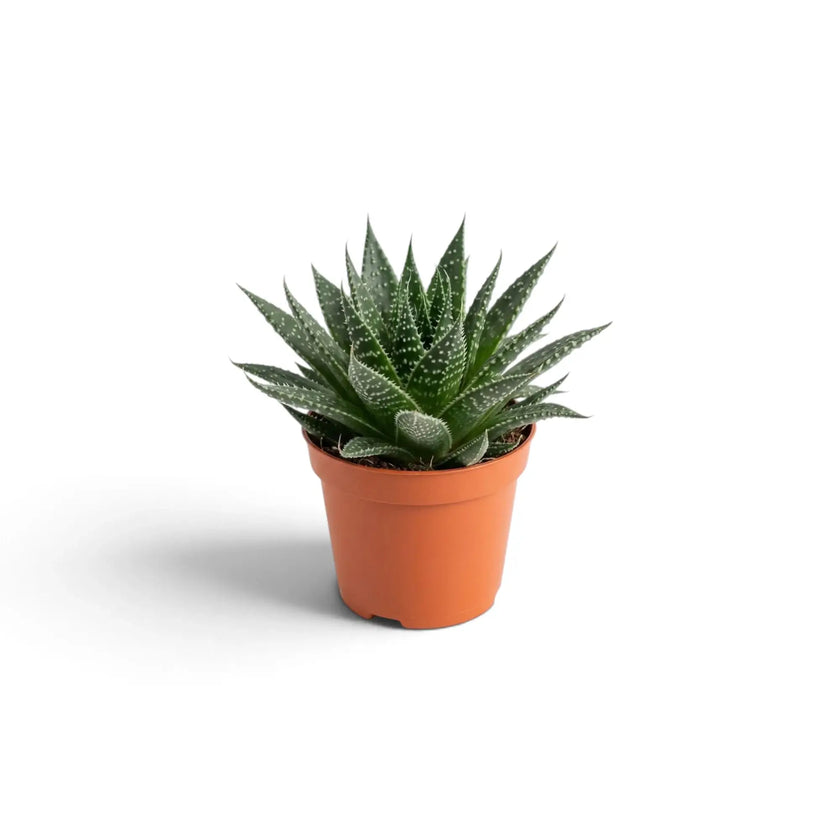
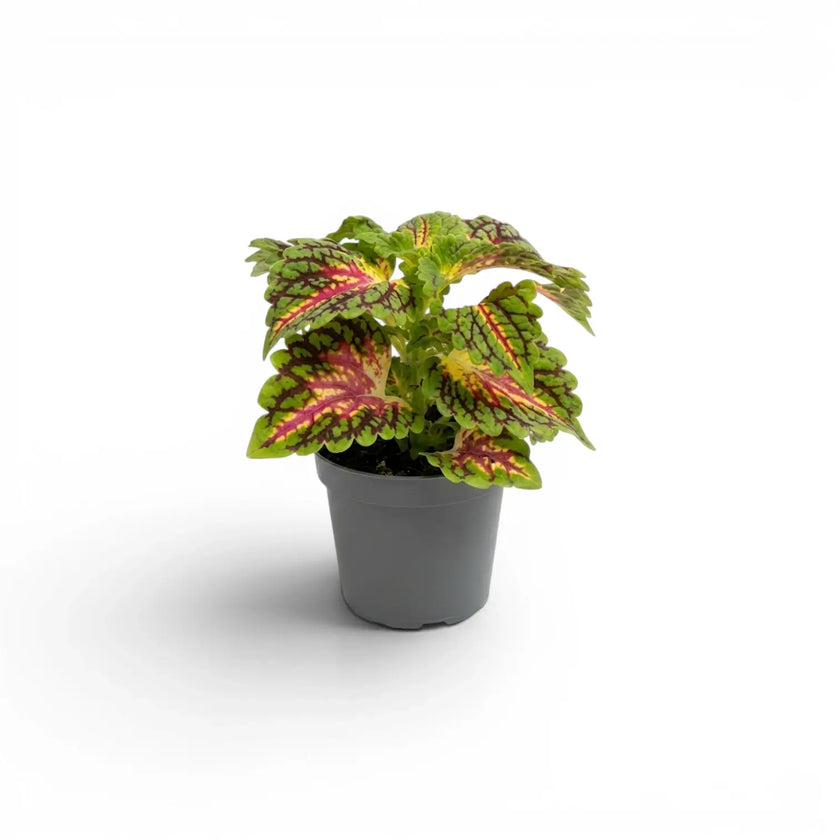
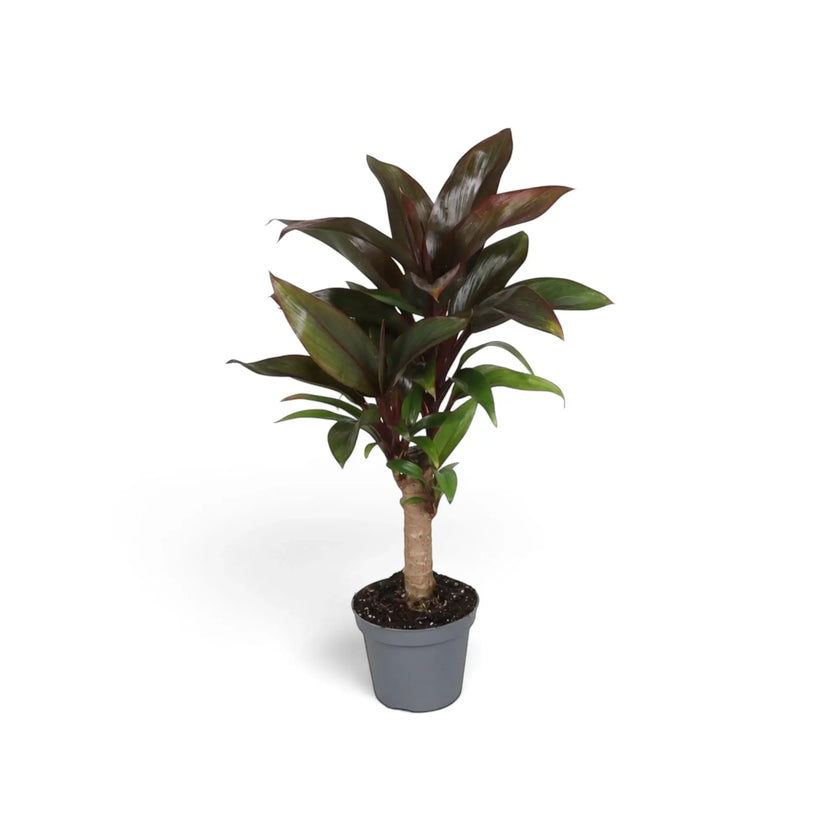
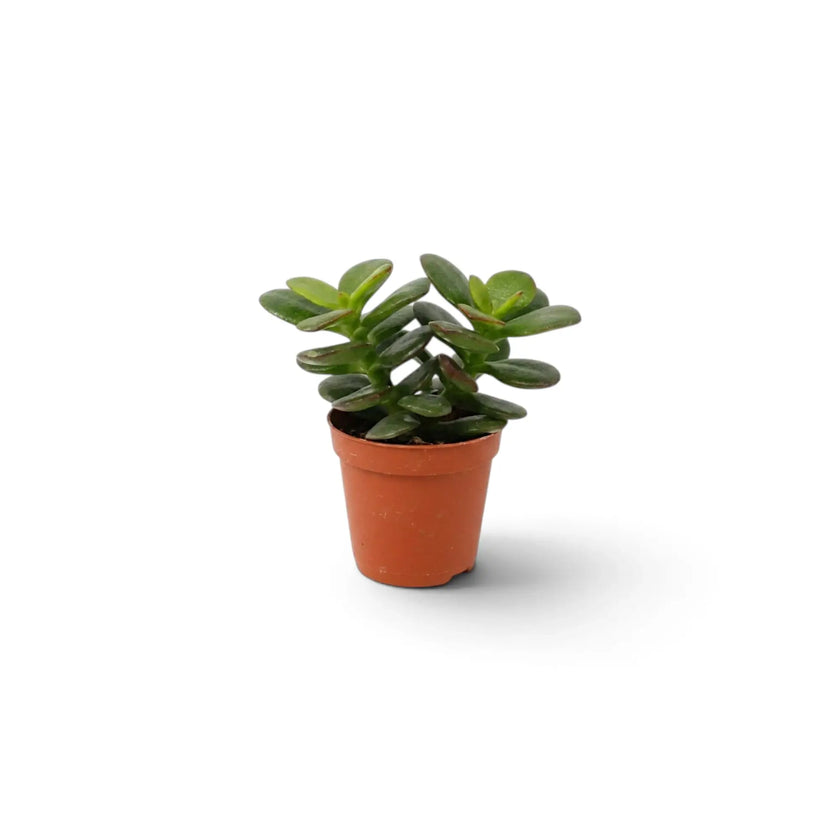
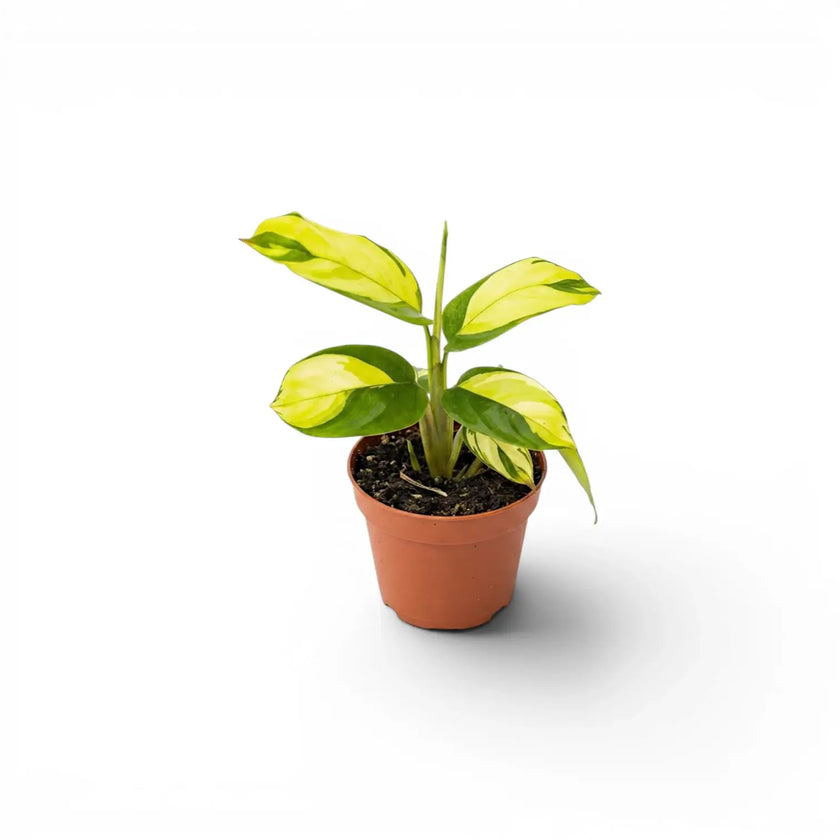
Baby plants are young starter versions of popular houseplants, a practical way to build a collection on a smaller budget while watching each plant mature in your own conditions. They also open the door to varieties that may be harder to justify at larger sizes.
What matters is pace. Small plants have less stored moisture, smaller root systems and less margin for neglect, so they dry faster, scorch faster and react more quickly to care changes than established specimens. They are a lovely choice when you enjoy the process, not just the finished look.

Filters help you narrow things down fast and without guessing. We put a lot of time and effort into keeping filter values consistent across the shop by cross-checking references and validating them against real-world indoor growing and handling.
Use them as guidance, not guarantees. Homes vary a lot, so for the full context (and any exceptions), open the product page and read the description.
If you want to see the references we use, Plant Care Resources is simply a curated list of source links (POWO, Kew, and more).
Sort by
Filters
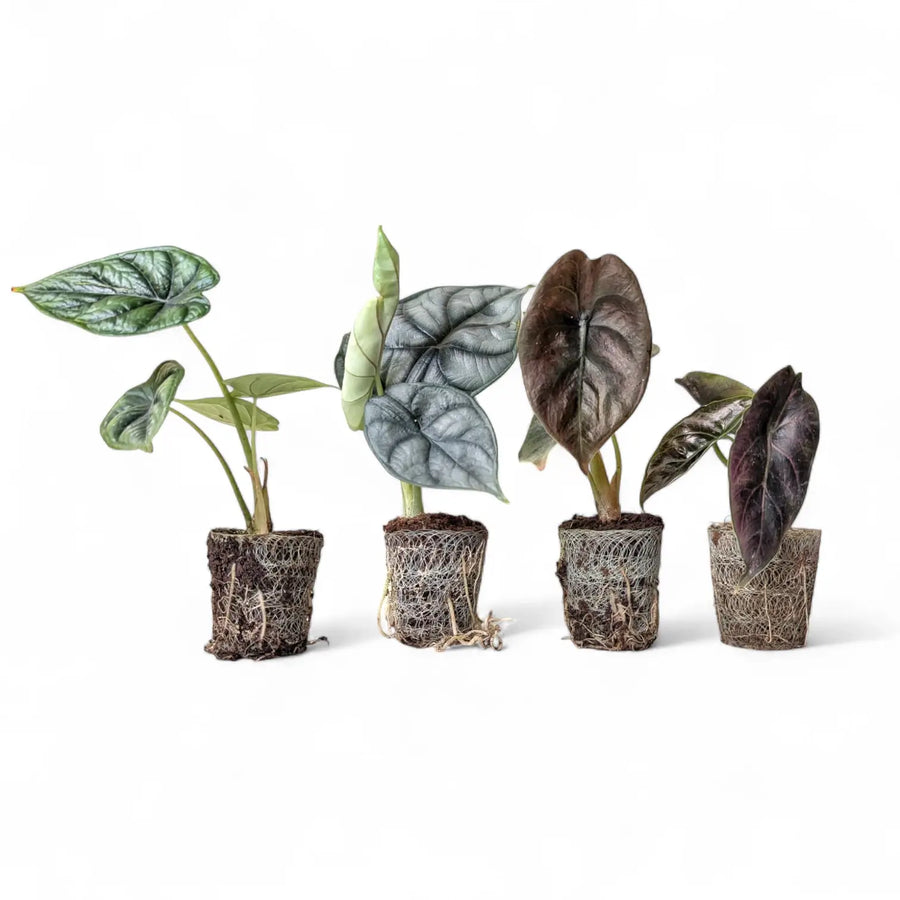
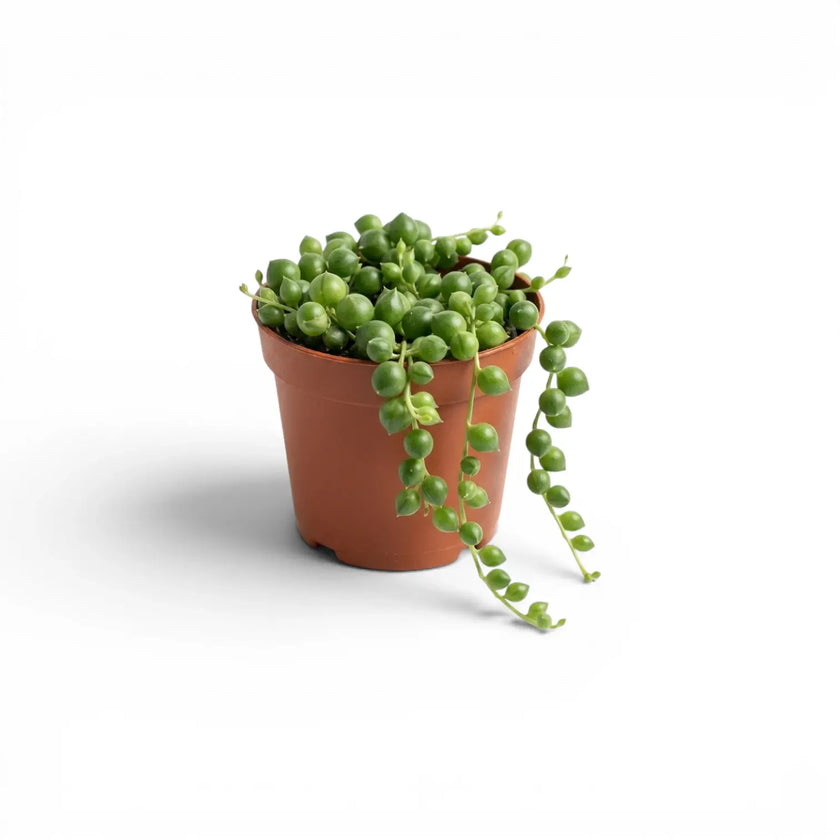
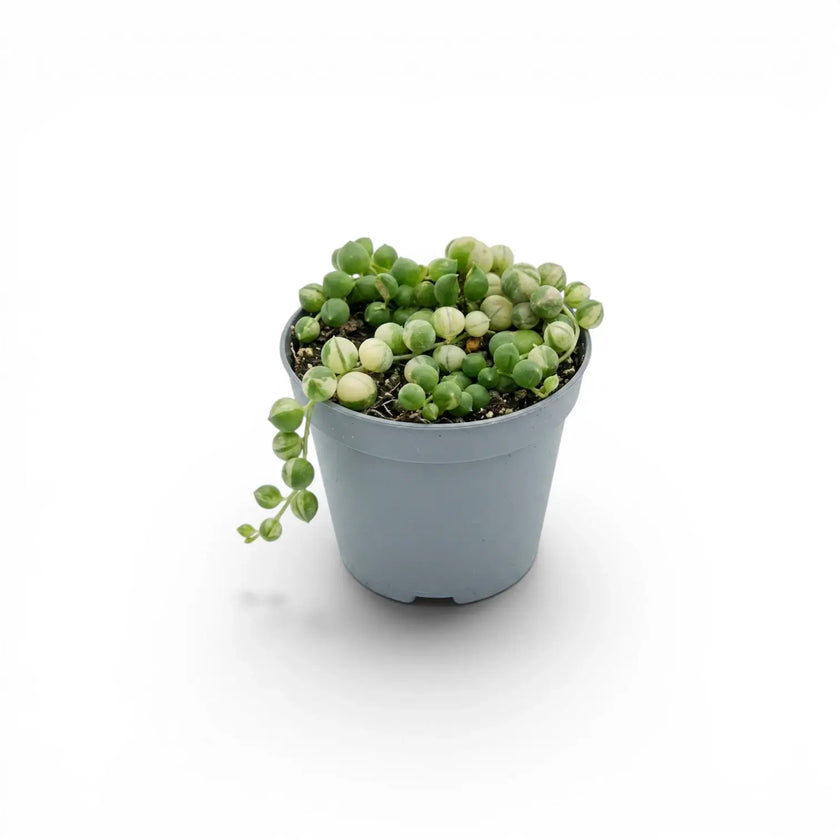
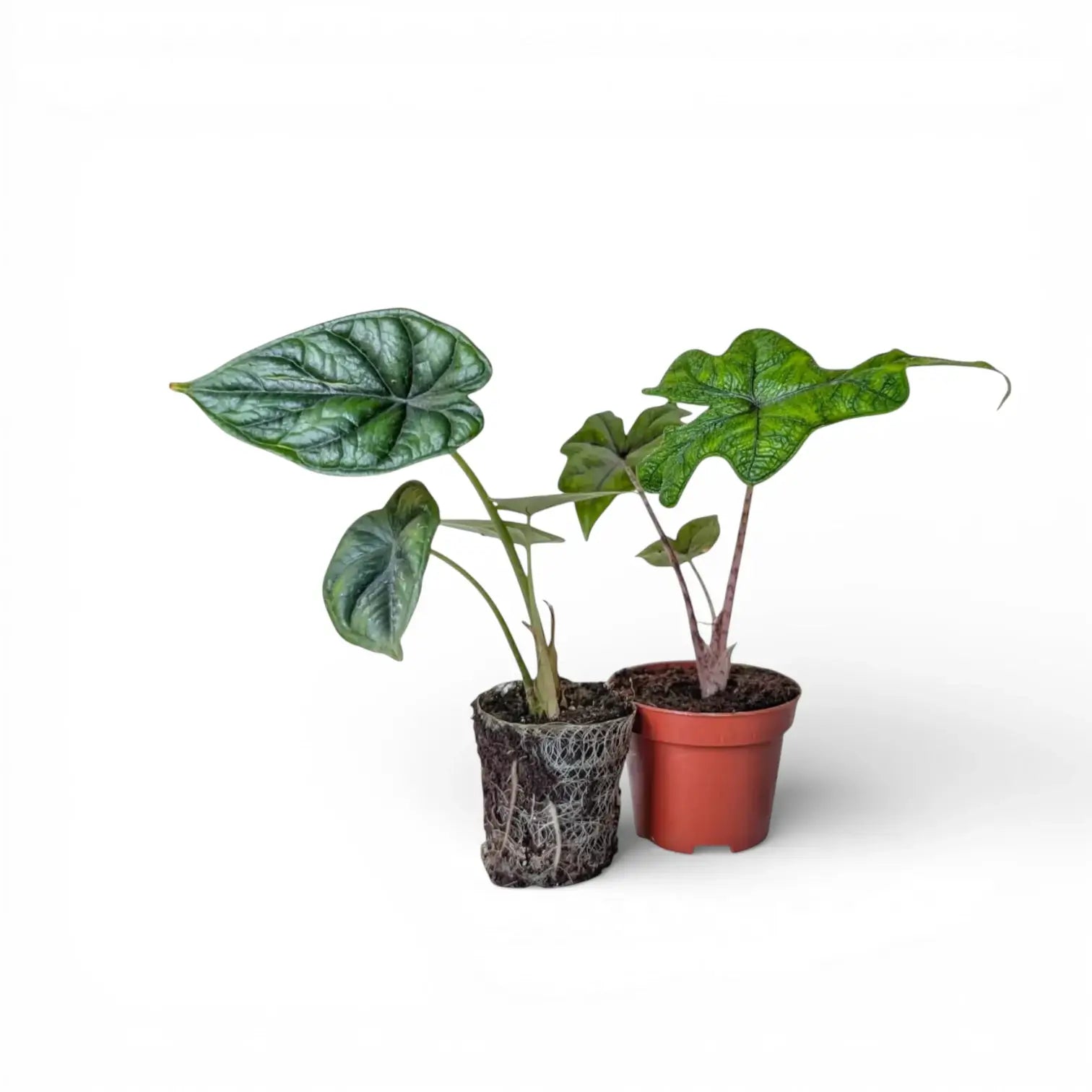
Baby and plug plants are small starter plants of the same houseplant species you see in larger pots: compact tops, young roots and plenty of room to grow. They are a good way to try more indoor plants in less space and to shape the final look from an early stage.
These are not easier versions of a plant. The species are identical to the adult houseplants, just with less stored energy and smaller root systems. Young plants react quickly to missed waterings, harsh sun or heavy substrates, so you see underwatering, overwatering or burn much sooner than on big, settled pots; the practical steps right after unboxing are laid out in Complete Baby Plant Care Guide.
When you pick from Baby Plants & Plug Plants, think ahead to the adult shape and size: climber on a support, trailing plant, compact pot or future floor plant. Start by checking where you have brighter and softer light, then choose species whose mature footprint fits your shelves or stands, and read the product page for how often you will be potting up and adjusting care. For plug-specific behaviour from tissue culture starter to mature plant, see Plug Plants Explained: Indoor Care Guide.
Choose Baby Plants & Plug Plants if you enjoy growing things on from starter size, then filter by light and future footprint so each plant has a clear long-term spot.
Baby and plug plants are small starter plants of the same houseplant species you see in larger pots: compact tops, young roots and plenty of room to grow. They are a good way to try more indoor plants in less space and to shape the final look from an early stage.
These are not easier versions of a plant. The species are identical to the adult houseplants, just with less stored energy and smaller root systems. Young plants react quickly to missed waterings, harsh sun or heavy substrates, so you see underwatering, overwatering or burn much sooner than on big, settled pots; the practical steps right after unboxing are laid out in Complete Baby Plant Care Guide.
When you pick from Baby Plants & Plug Plants, think ahead to the adult shape and size: climber on a support, trailing plant, compact pot or future floor plant. Start by checking where you have brighter and softer light, then choose species whose mature footprint fits your shelves or stands, and read the product page for how often you will be potting up and adjusting care. For plug-specific behaviour from tissue culture starter to mature plant, see Plug Plants Explained: Indoor Care Guide.
Choose Baby Plants & Plug Plants if you enjoy growing things on from starter size, then filter by light and future footprint so each plant has a clear long-term spot.
Not necessarily harder, but they are usually less forgiving. Smaller root systems and smaller pots mean they react faster to missed watering, overwatering, cold drafts, and weak light than a more established plant would.
Usually no. Most baby plants do better if you let them settle, recover from transport, and start growing normally before changing the pot. The main exceptions are a very temporary plug, a failing mix, or a setup that is drying out so fast it is clearly not workable. If that is exactly what you are dealing with, you can read more in this Guide.
Because there is less mix around the roots and less margin for delay. Small pots lose moisture faster, warm rooms dry them out faster, and one missed watering shows up more quickly than it would on a larger plant.
They still need the right light for the species, but they are less tolerant of abrupt change. A baby plant usually handles a gradual move into brighter conditions better than a sudden jump from greenhouse or shipping conditions into hard sun. If you want to reduce that shock, you can read more in this Guide.
Usually no. Wait until the plant has settled and is actively growing before you start feeding regularly. Fresh potting mix often already contains nutrients, and a recently shipped or recently repotted baby plant usually needs stability more than fertilizer.
Baby plants are tiny, not low-maintenance. Learn how to unbox safely, manage the first week, get light and watering right, and fix common issues so they grow strong.
Read more
Plug plants are fully rooted starter houseplants shipped in compact substrate plugs. Learn how to unpack, acclimate, pot, water, light and fertilize them—plus common mistakes, root checks, and genus-specific tips.
Read more
Yellow leaves, curling edges, slowed growth — many healthy plants look worse before they look better. This guide explains what acclimation is, why your home feels like a new ecosystem, how long adjustment takes, and the practical steps that help plants sett...
Read moreThe plants are carefully packaged and arrive in great conditions (I’m based in Spain) and they’re always there to help in any way they can with your purchase.I have and will always recommend Foliage Factory to every friend I can. I’m not only satisfied with their plants and prices, but their customer service is exceptional.
José, ES
Super Service, Gute Auswahl, Preise sind fair. Eine Pflanze kam kaputt an, hab sofort Ersatz bekommen. Danke an den unkomplizierten (und blitzschnellen) Kundenservice!!
Sarah, DE
Beautiful plants and excellent customer service. Had a great time ordering several tropical houseplants from Foilage-factory.com. All but one arrived in great condition. After contacting customer service, I quickly got detailed help nursing the plant back to full health. Never experienced such service before!
Frederik, DK
Envoie très rapide (2 jours), plantes parfaitement emballées et super offres ! Je suis une habituelle j'ai passé 6 ou 7 commandes et je n'en peut être plus satisfaite du service client et de la qualité et variété des plantes offertes
Iris, FR
Die Sendung kam leider in keinem guten Zustand bei mir an, kann passieren. Habe mich darauf hin sofort an Foliage Factory gewandt und habe selten einen so guten, schnellen, freundlichen und kulanten Kundendienst erlebt.
Frauke, DE
Sign up for Foliage Factory newsletter for early access to new arrivals and practical care tips that work in real homes.
Limited-time discounts, extras, and bundle deals for subscribers.
Earn points with every purchase and redeem them later for discounts on your next plant order.
Give your friends 10 € off and get 200 Foliage Points in return.
Newsletter Perk
Use your 10% welcome code on plants and care products when you're ready to order.