Skip to content

Cart

Your cart is empty

Hanging and Trailing Plants

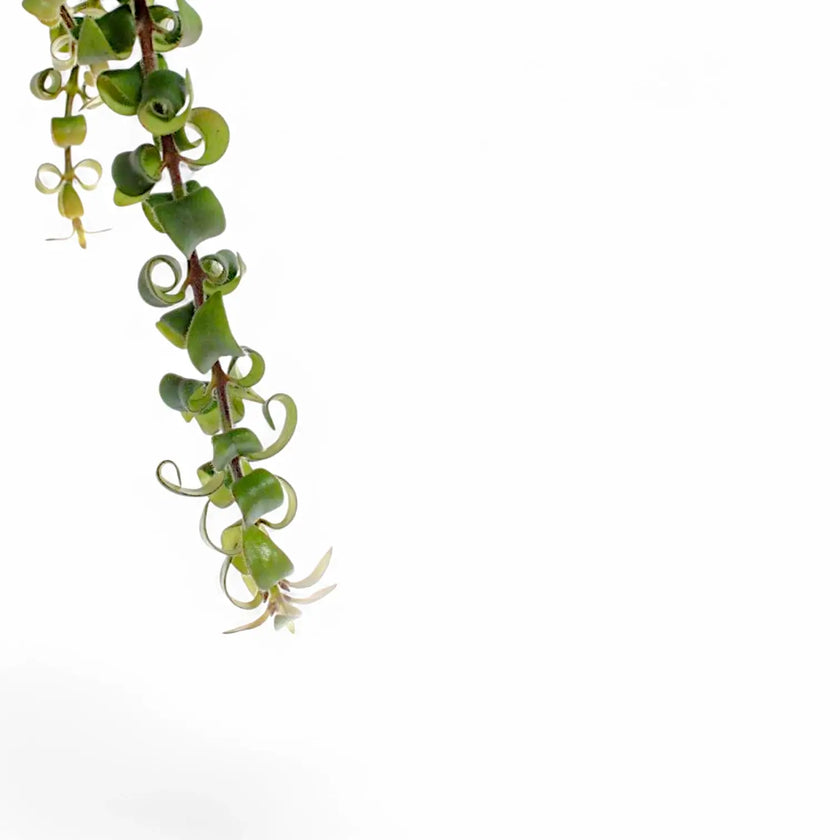
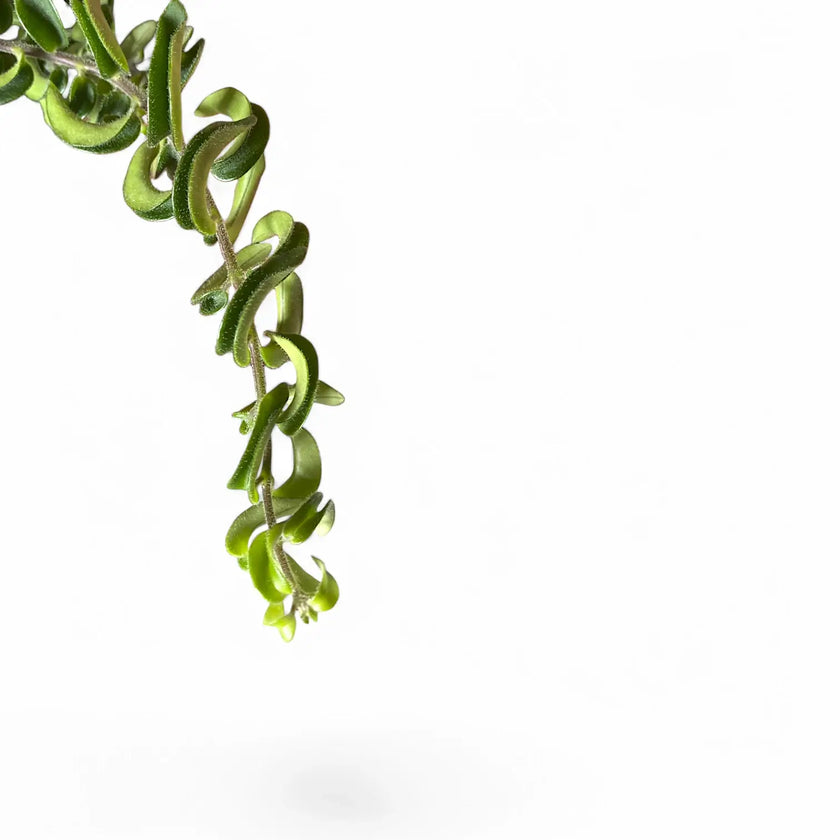
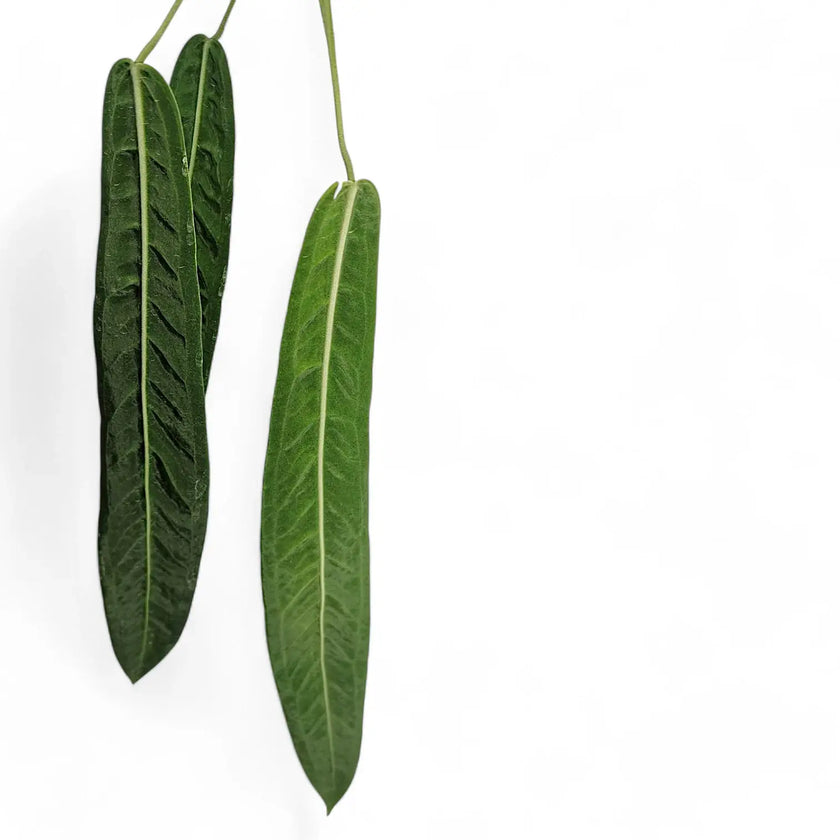
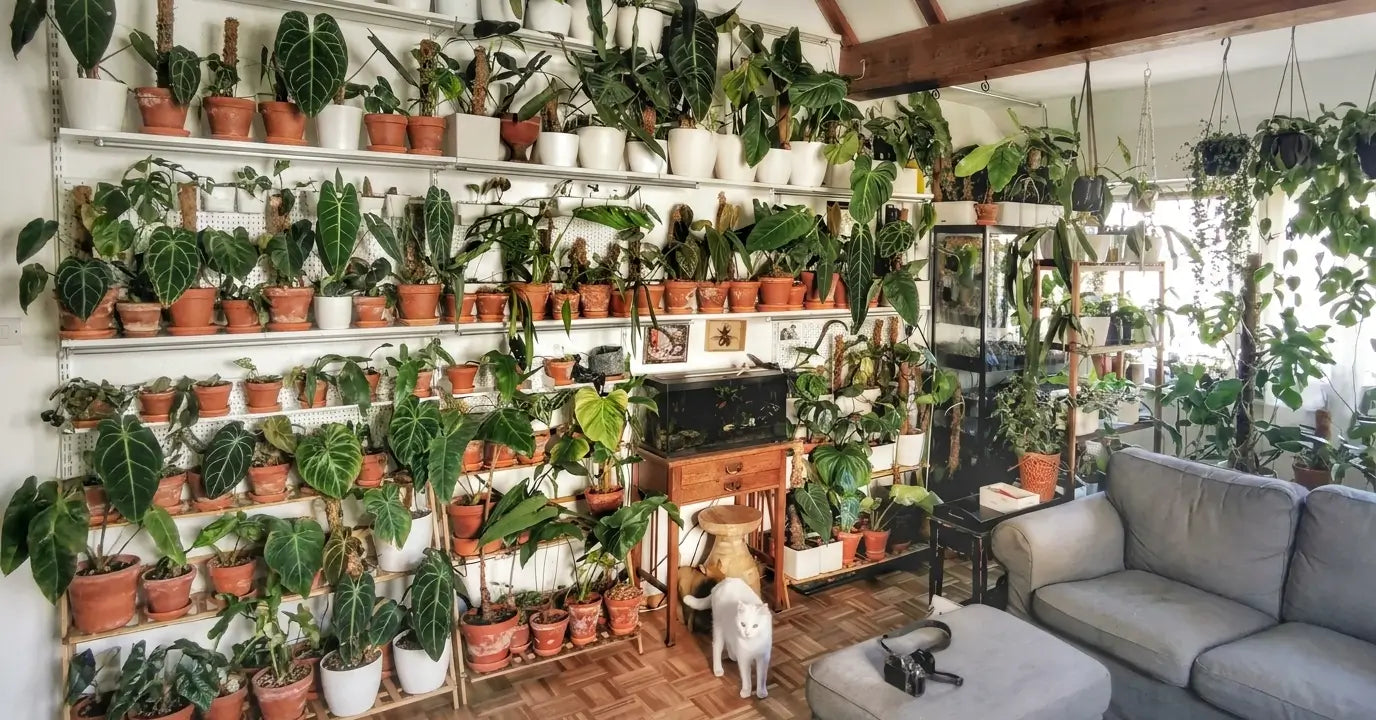
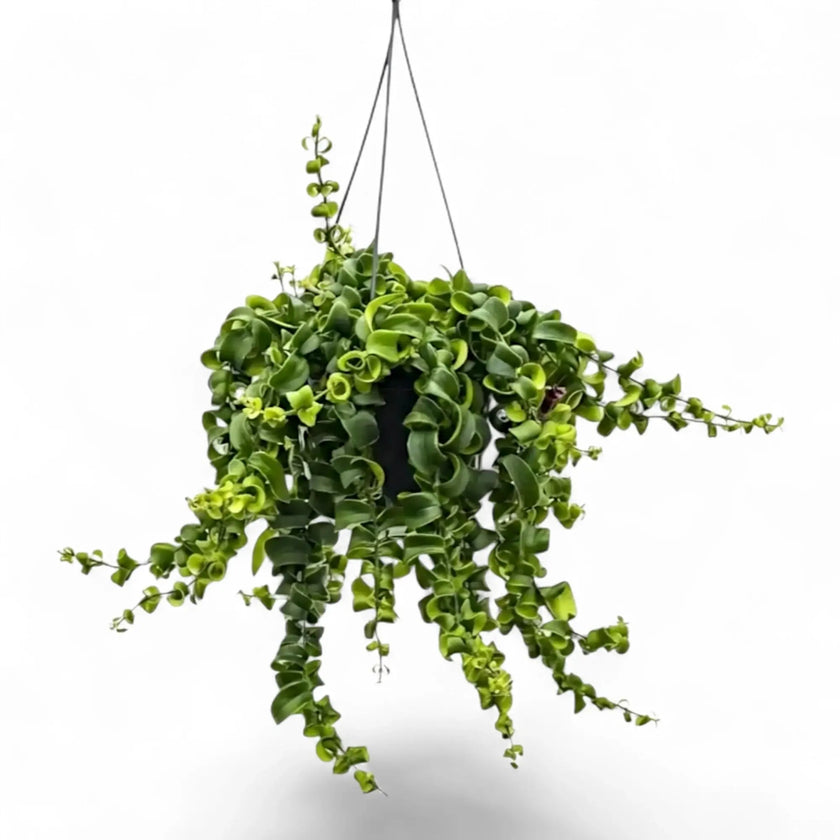
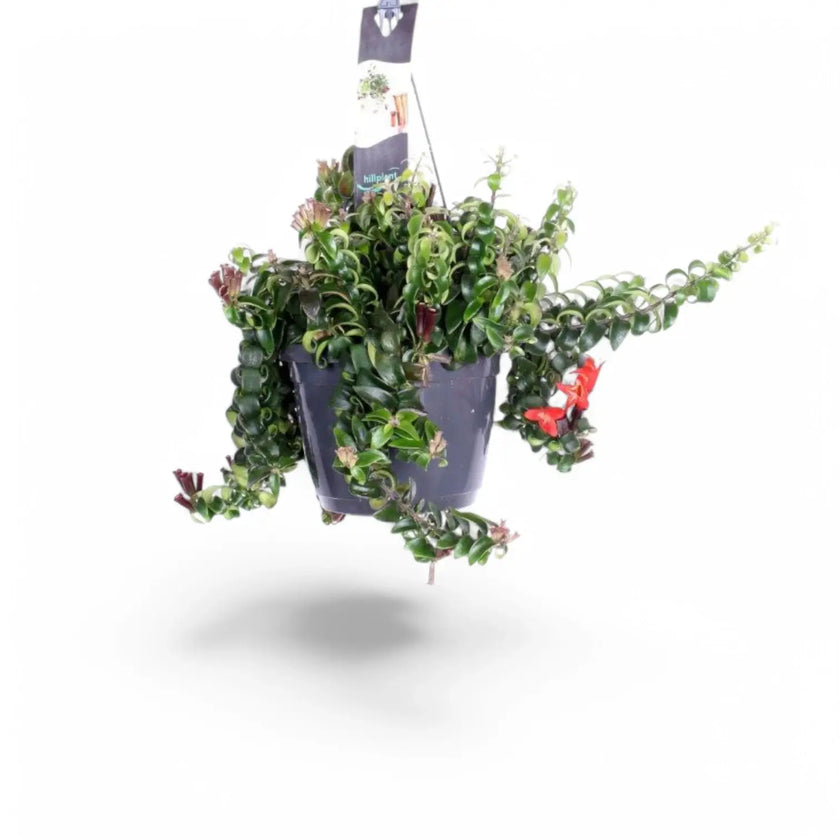
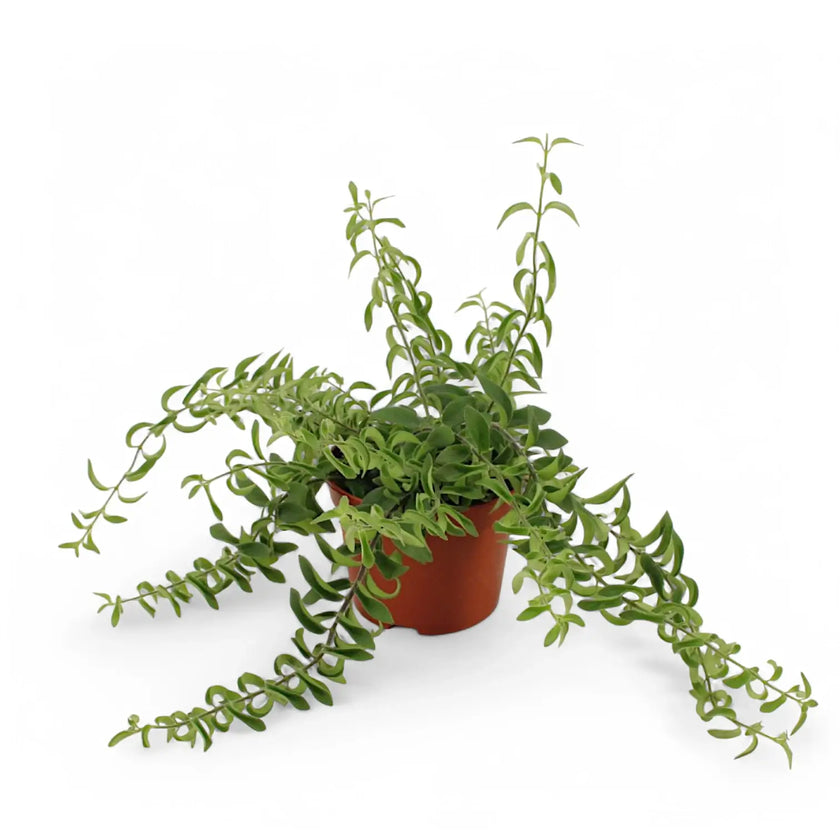
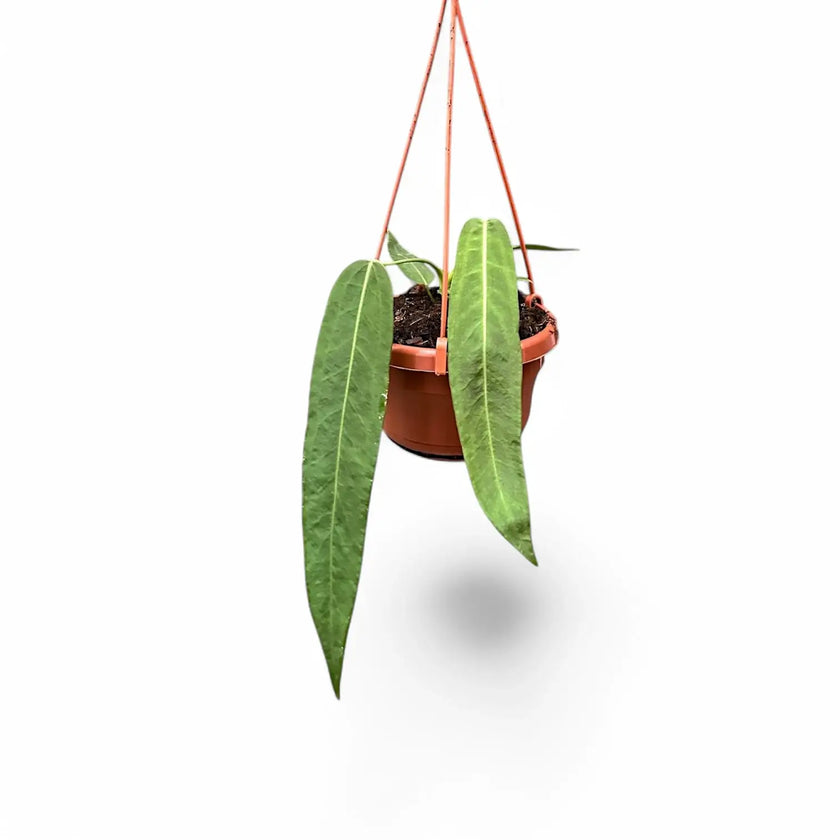
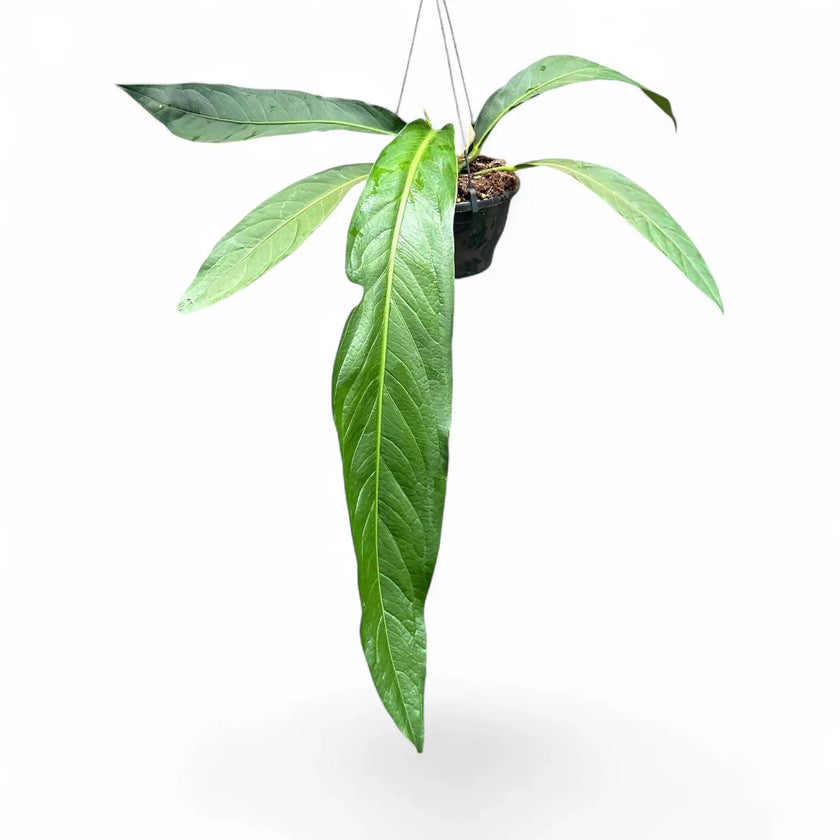
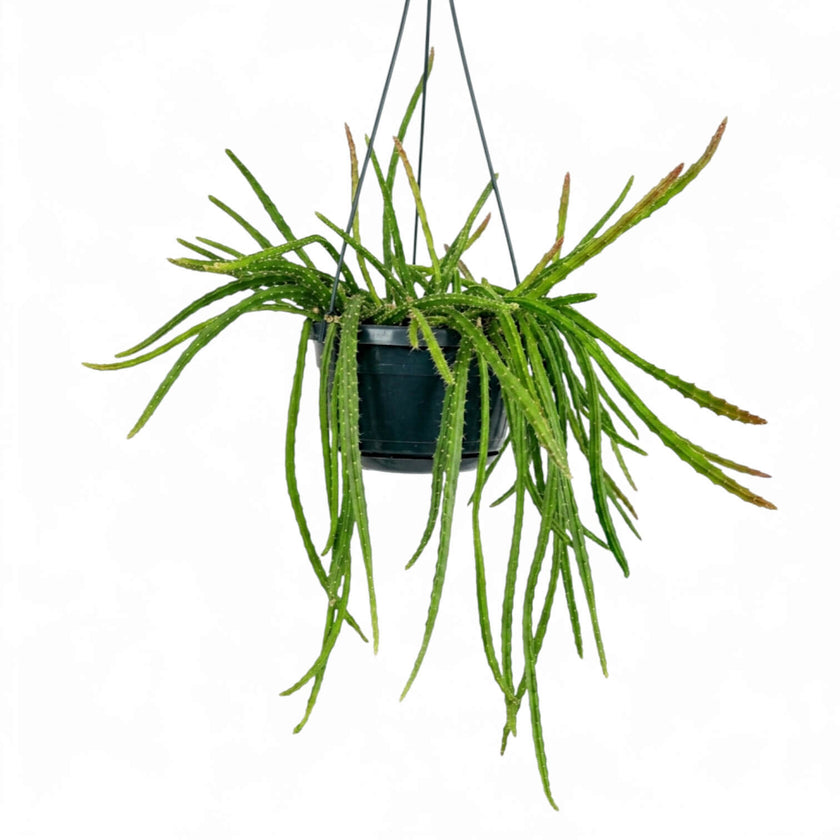
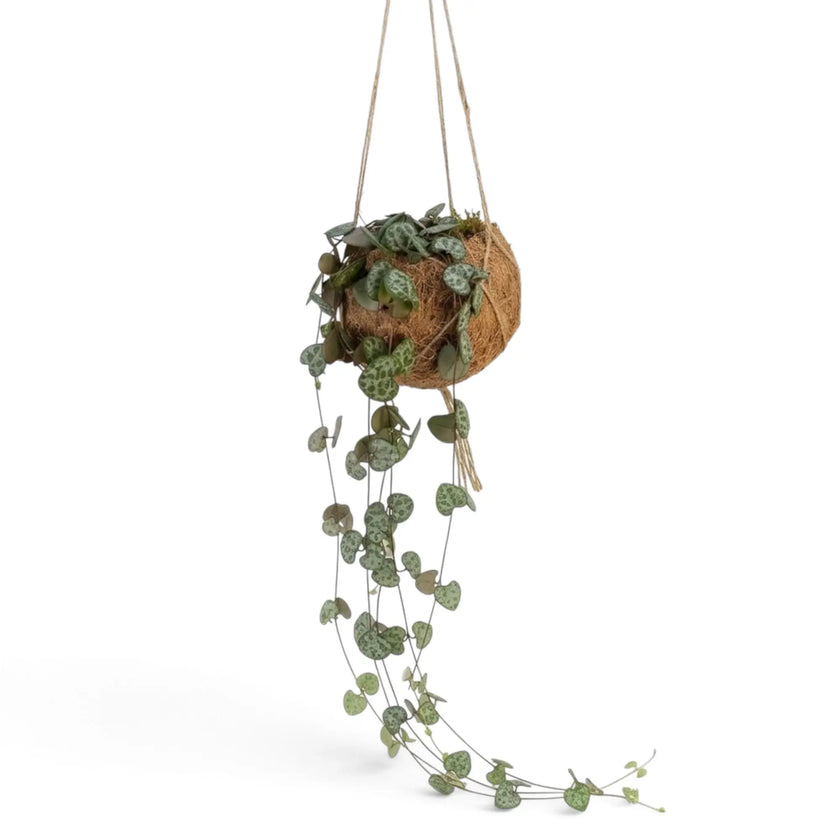
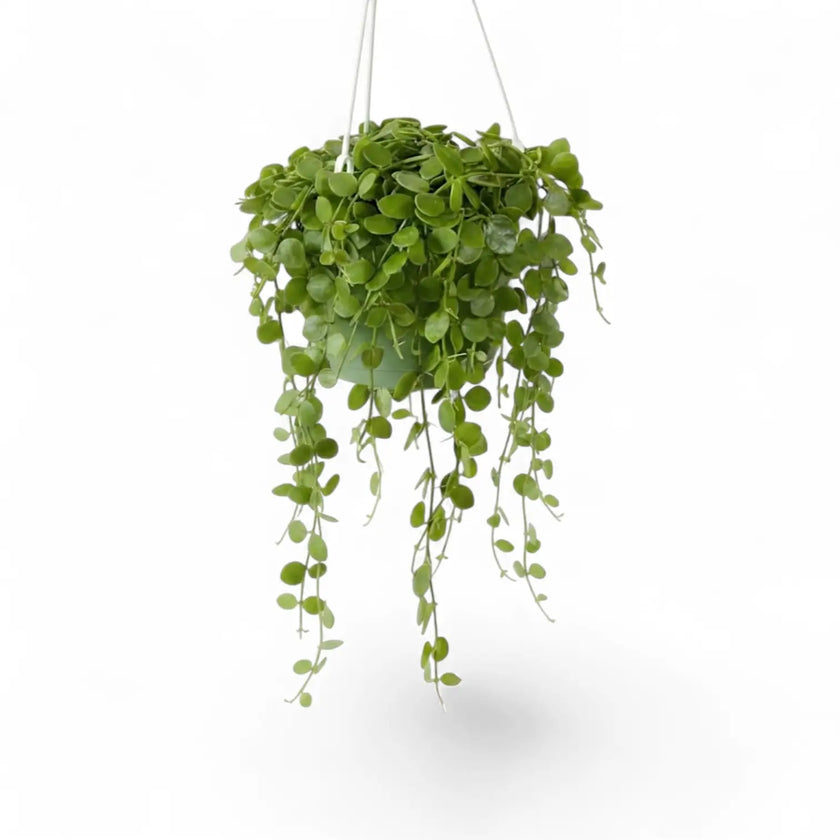
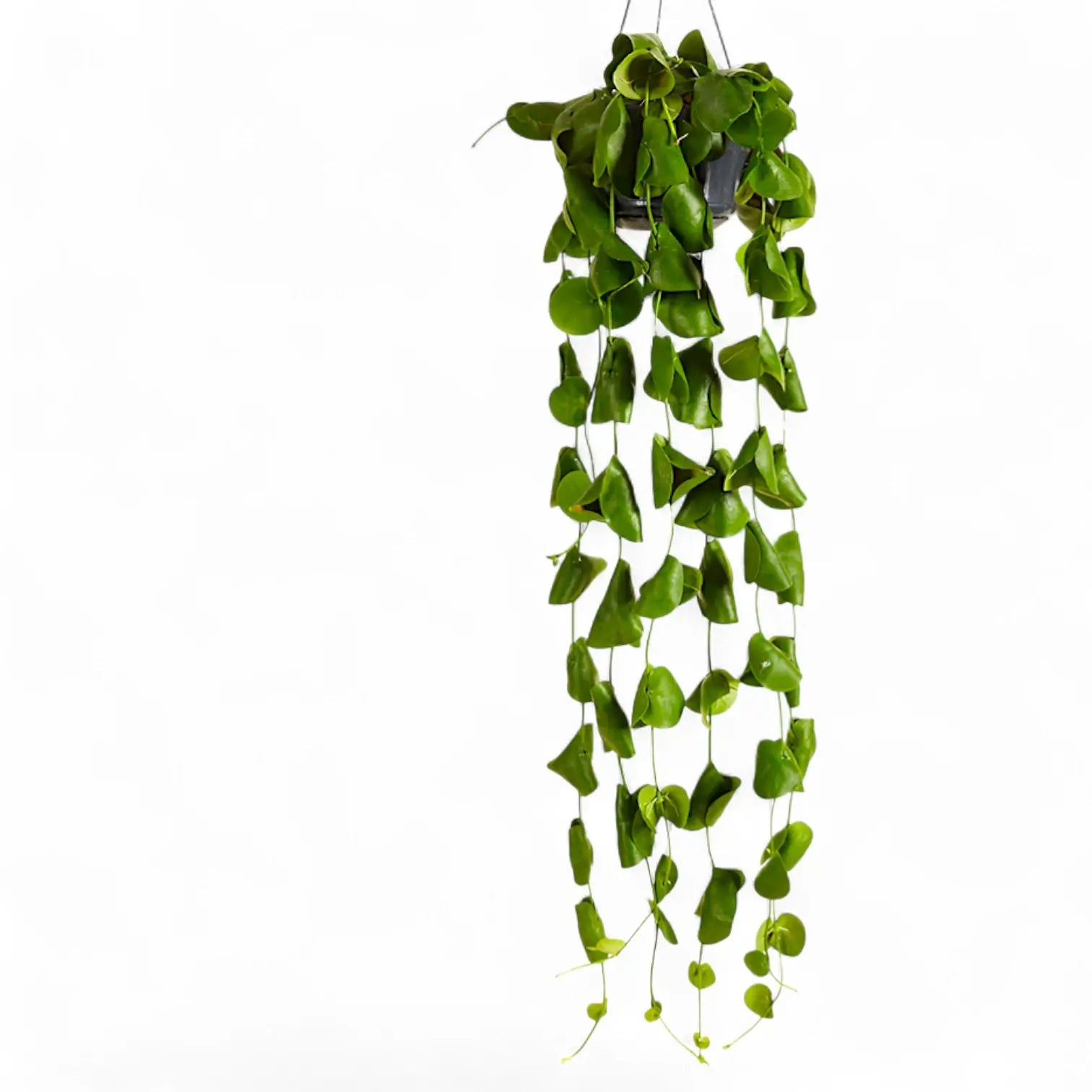
Hanging and trailing plants shift the focus downward, softening hard lines and bringing a sense of flow to higher spaces. Their stems lengthen naturally and fall into loose, graceful shapes when given height to move through. Most trailing species keep dense foliage when the light is bright but indirect and the substrate stays open enough for air to move around the roots. Water thoroughly, then wait for the upper layer of the mix to dry a little before watering again, which keeps growth even along the full length of each vine.

  • Great for ceiling hooks, tall bookcases and upper window areas
  • Airy, draining mixes prevent heaviness around trailing roots
  • Occasional pruning maintains fullness near the crown

Choose trailing plants when you want movement, softness and vertical depth without using floor space.

Sort by

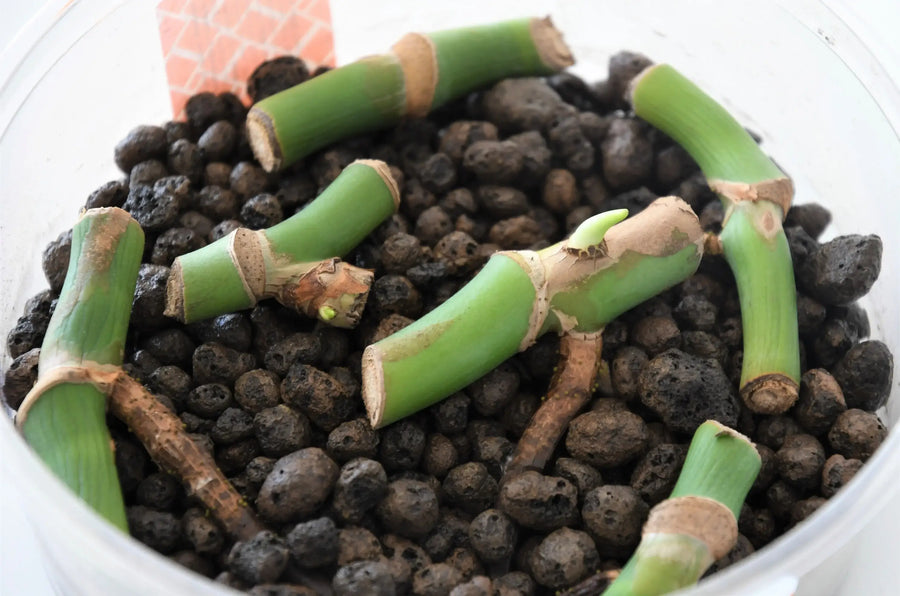
Plant tip: Tip cuttings from trailing plants can root back into the same pot, turning a few long strands into a fuller cascade over time.

Hanging & trailing plants – soft spillover and layered height

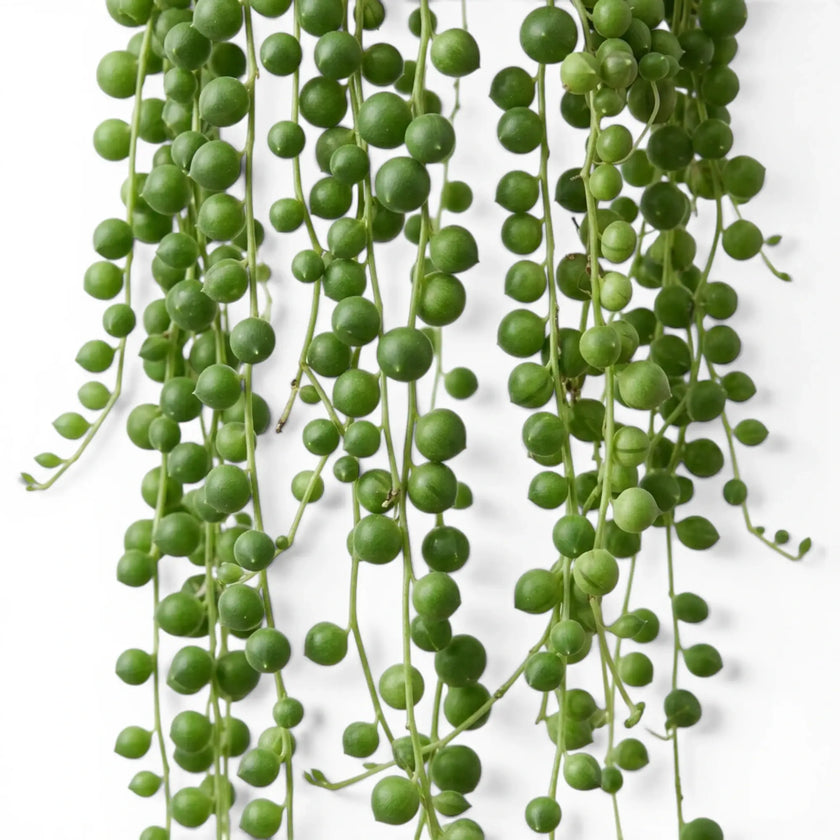
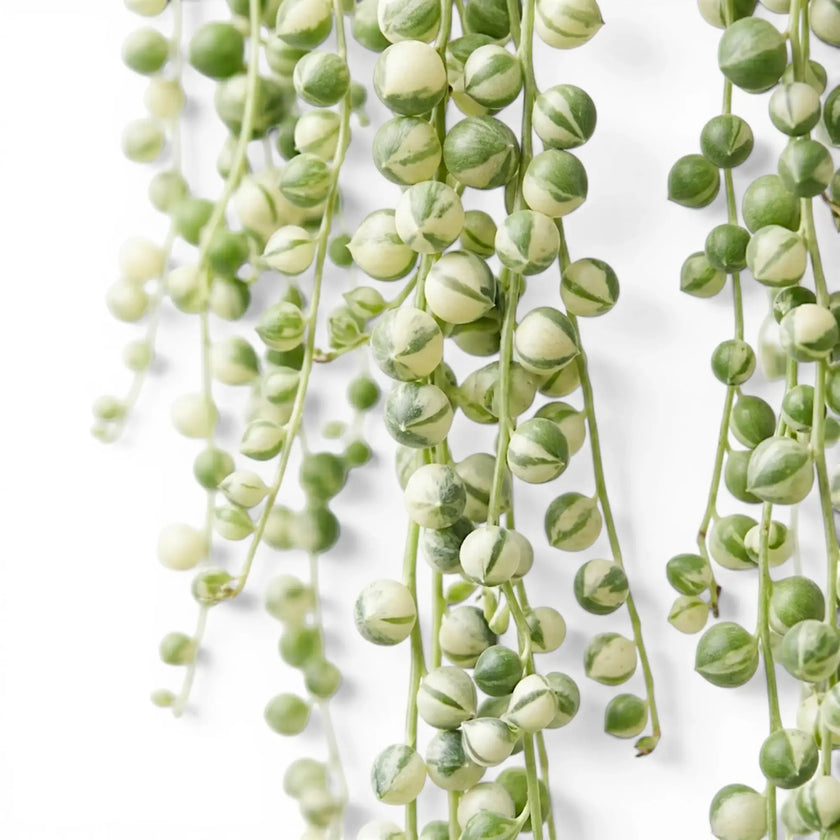
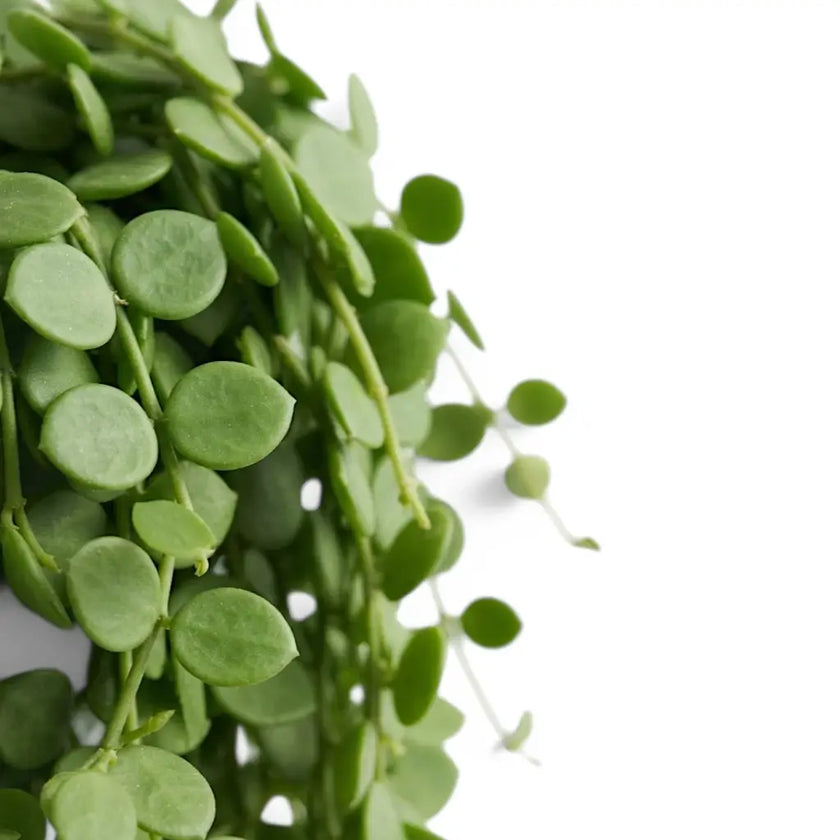
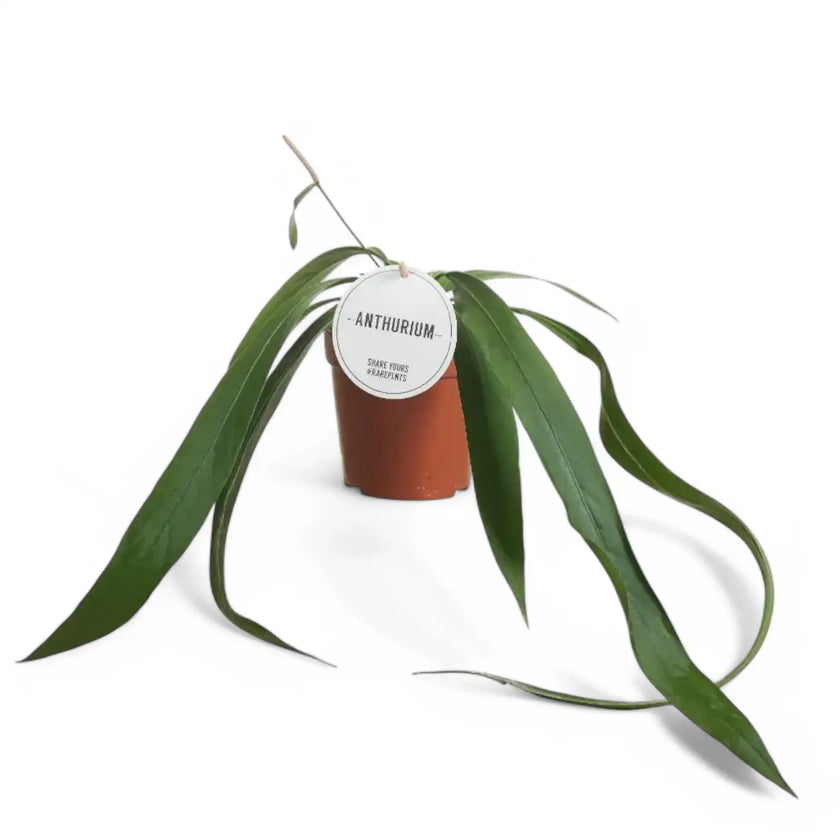
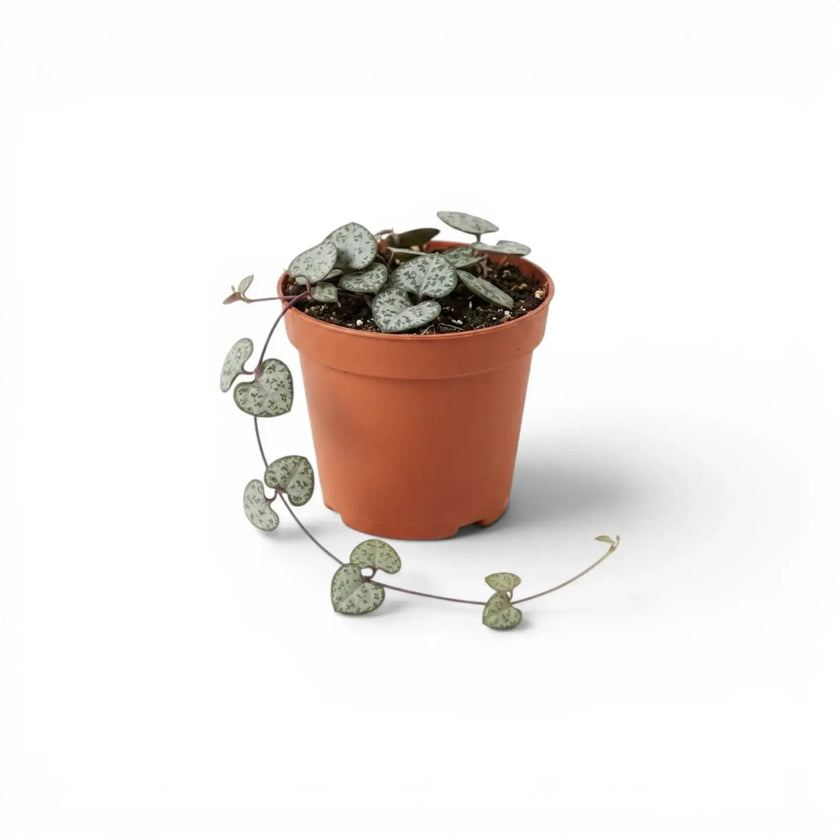
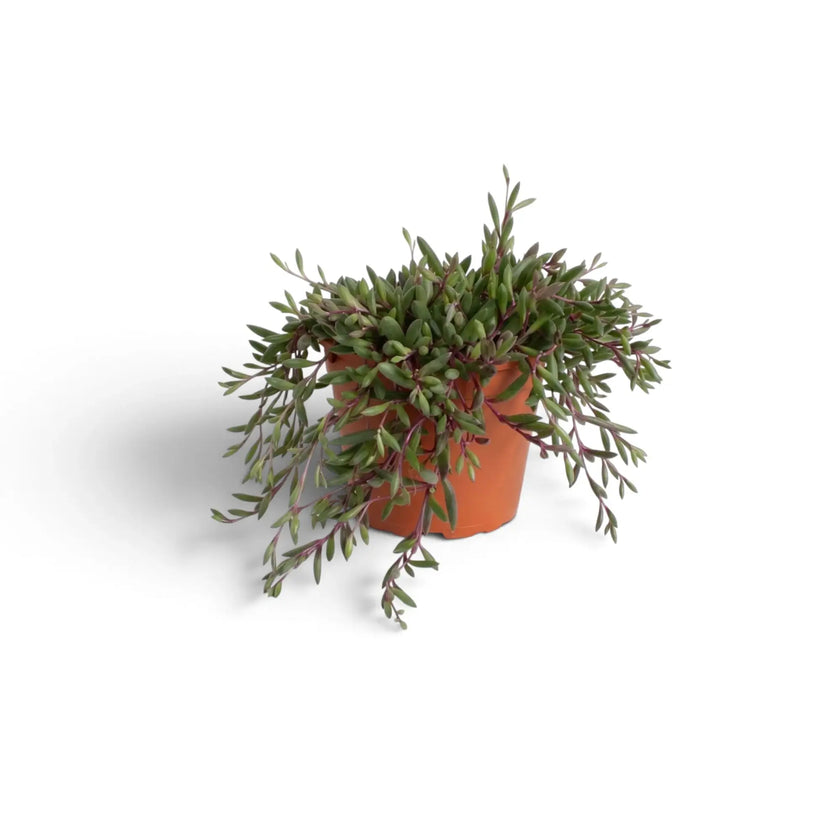
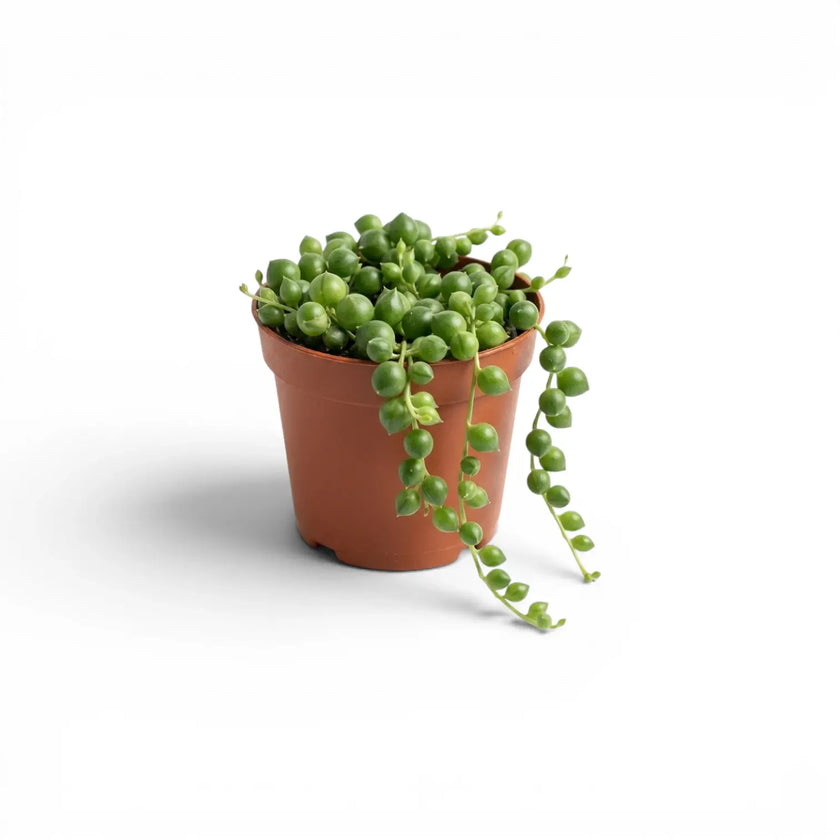
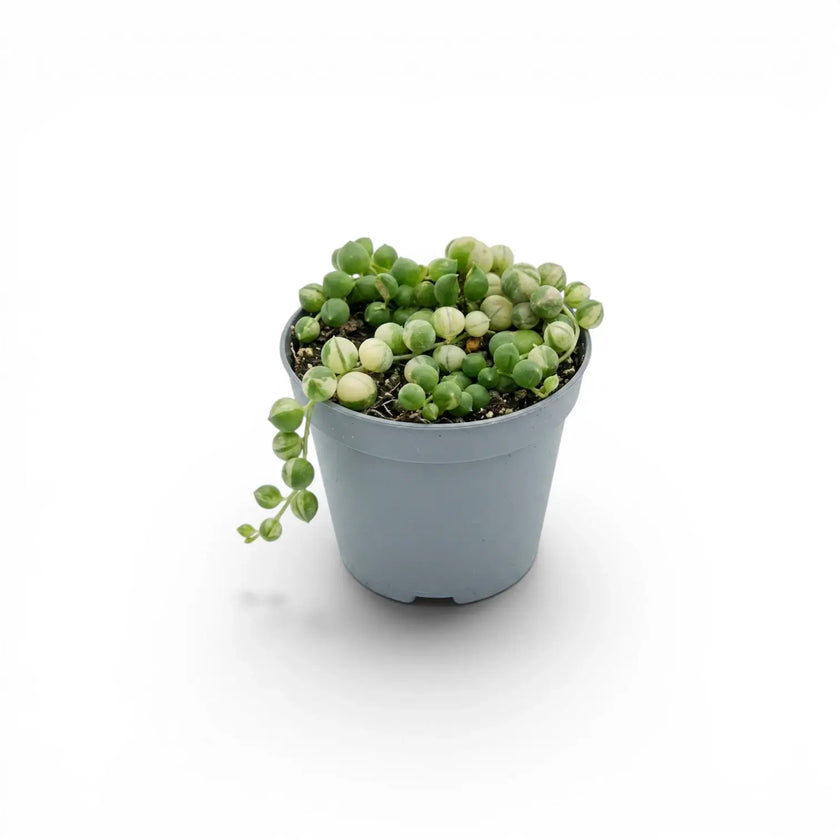
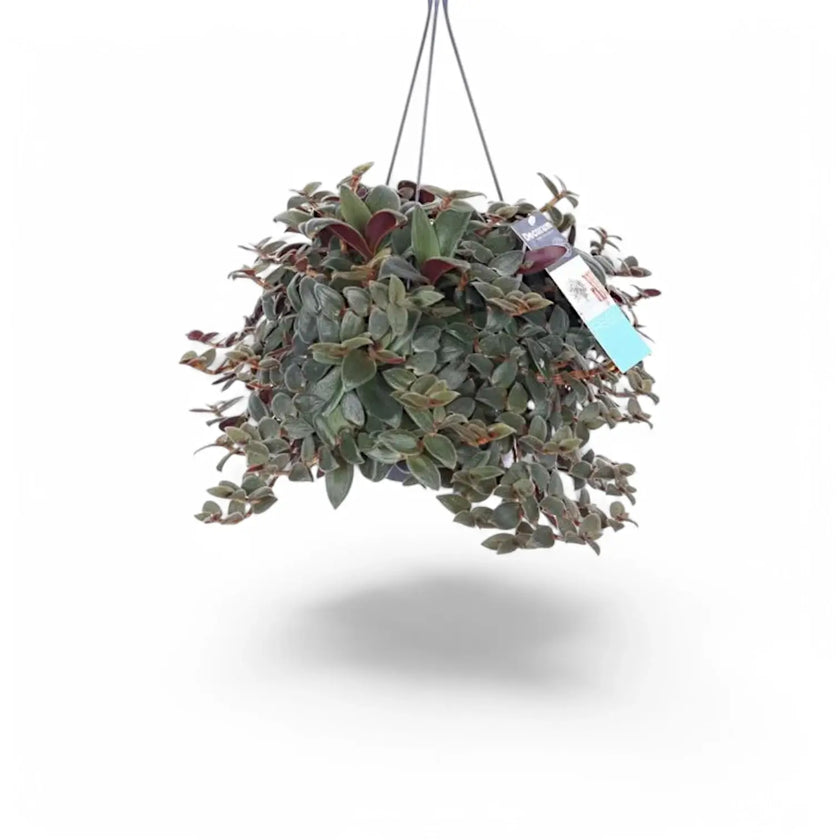
Hanging & trailing plants send stems down instead of up, with foliage forming chains, curtains or loose cascades from the pot rim. That soft spillover breaks up hard lines on shelves and beams and lets you stack greenery at different heights without filling every surface. This hanging & trailing plants collection focuses on species that stay presentable in indoor light rather than collapsing in deep shade.

These plants earn their keep in spots you can comfortably reach: high shelves, wall brackets and ceiling hooks near windows, where stems can hang freely without being in the way. You need a bit of air beneath the pot and a rough idea of how long you want trails before regular trims keep them in check.

As a group, hanging & trailing plants cope well with clean-draining mixes and light that is bright but not harsh. If light drops too low, you tend to get long, bare sections near the pot instead of dense curtains. The fine-tuning sits on each product page; here the main rule is that reachable, bright positions age better than dim, awkward ones.

  • Particularly handy where floor space is tight but vertical wall space and shelf edges are free
  • Strong choice for softening beams, cupboards and high furniture lines
  • Often need occasional tip pruning so the top of the pot stays leafy, not bald
  • Work best in places you can safely reach for watering and trimming
  • Generally look fuller in pots that drain cleanly instead of sitting in heavy, wet substrate

Choose hanging & trailing plants for places you can reach without acrobatics and where light is strong enough that cascades stay dense rather than stringy.

Hanging & trailing plants – quick placement guide

  • Growth style: stems grow out and then fall, forming chains, curtains or loose cascades below the pot rim.
  • Best positions: strong, reachable spots near windows – high shelves, wall brackets or ceiling hooks you can still water safely.
  • Light: bright, indirect light keeps trails dense near the crown; weak light quickly leads to bare, stretched sections at the top.
  • Substrate: freely draining mix that does not stay heavy around the crown helps roots cope with deeper pots and hanging positions.
  • Watering: water thoroughly until excess drains, then wait for the upper layer to dry; check both the crown and mid-trail, not just the pot edge.
  • Maintenance: occasional tip pruning and pinching keep growth fuller at the top instead of only at the very ends of the vines.

Make Sure To Read: