
Filters
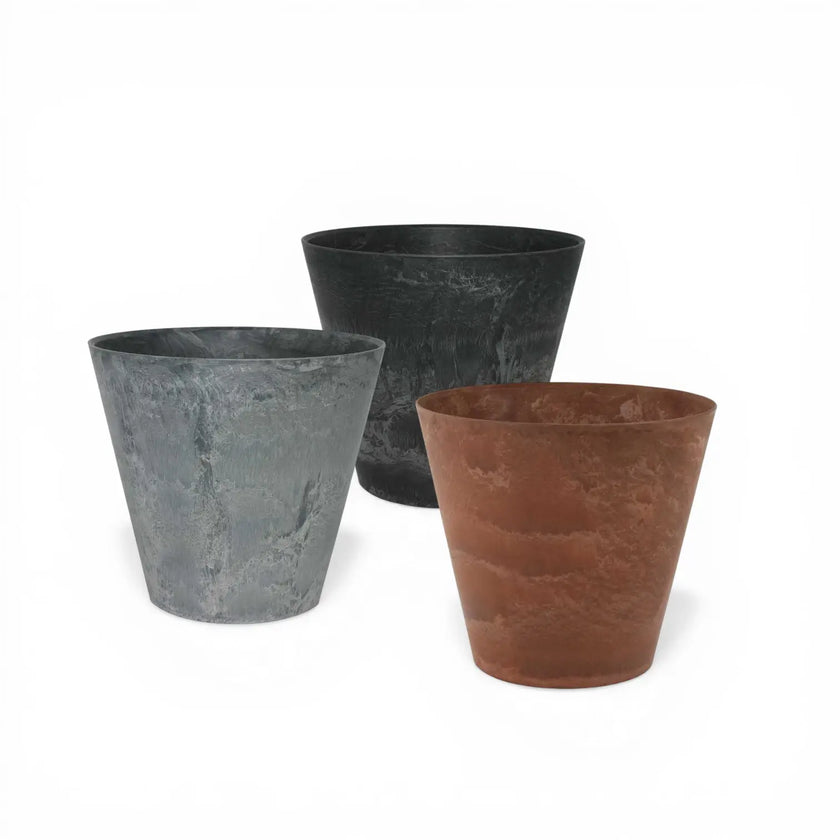
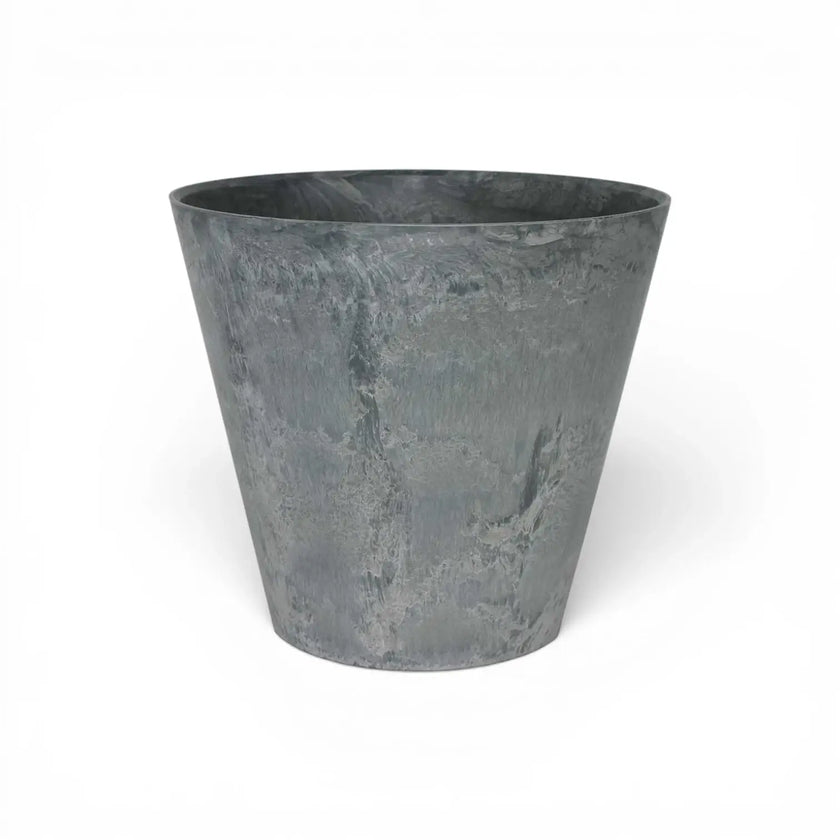
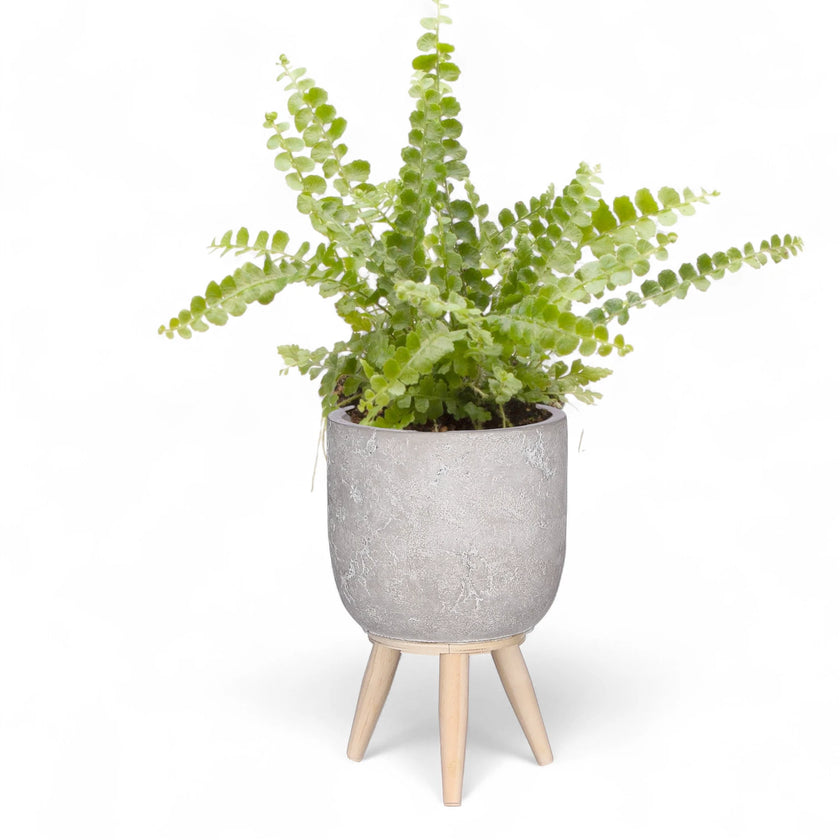
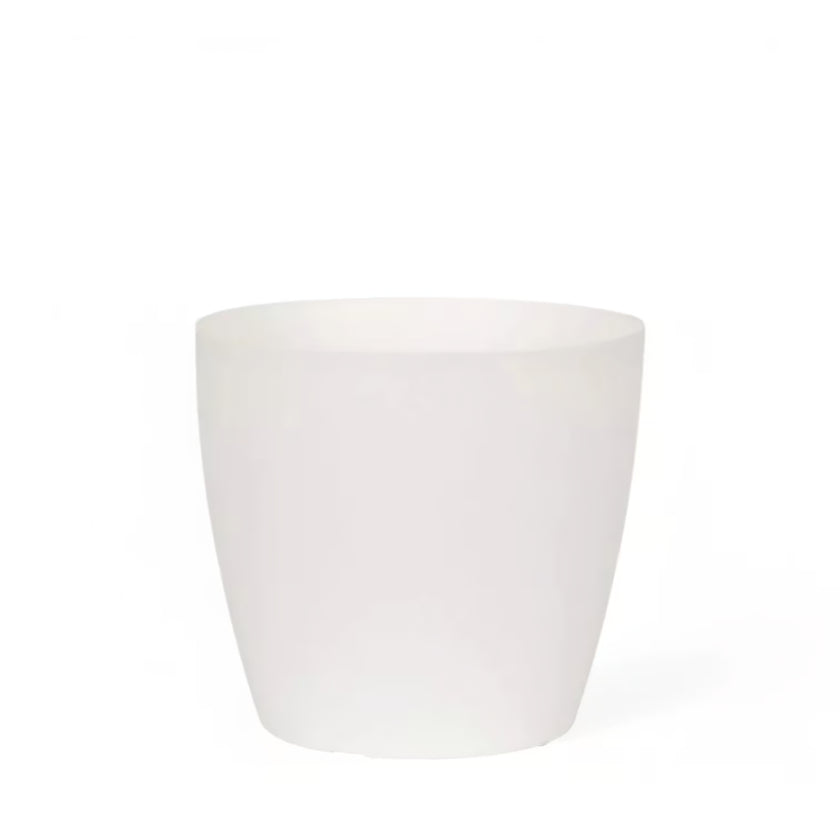
Artstone Planter 'Claire'
Regular price€34,00
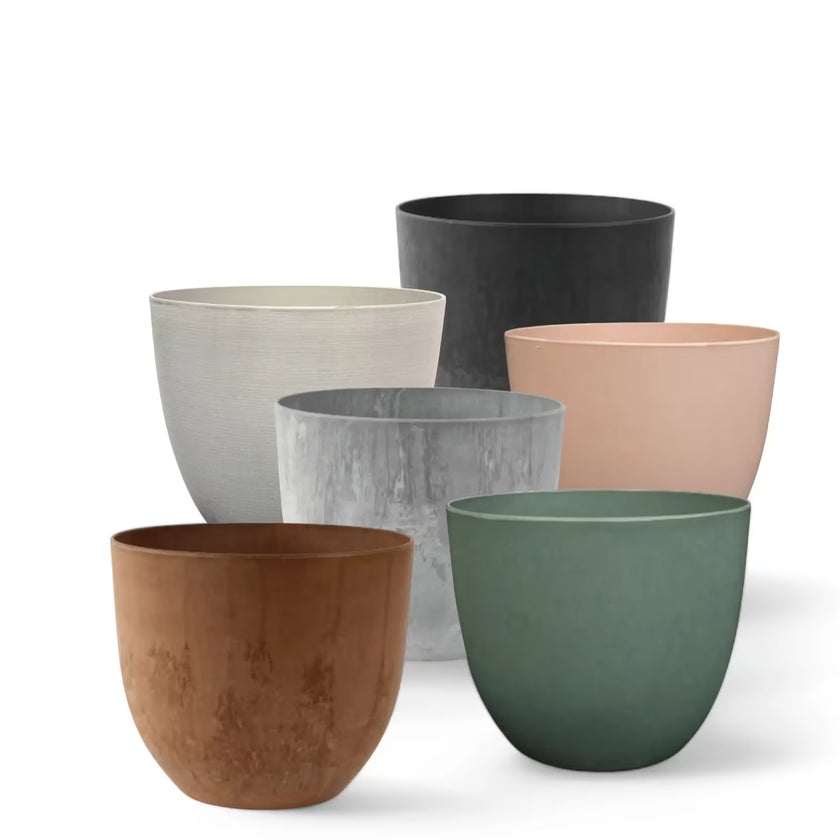
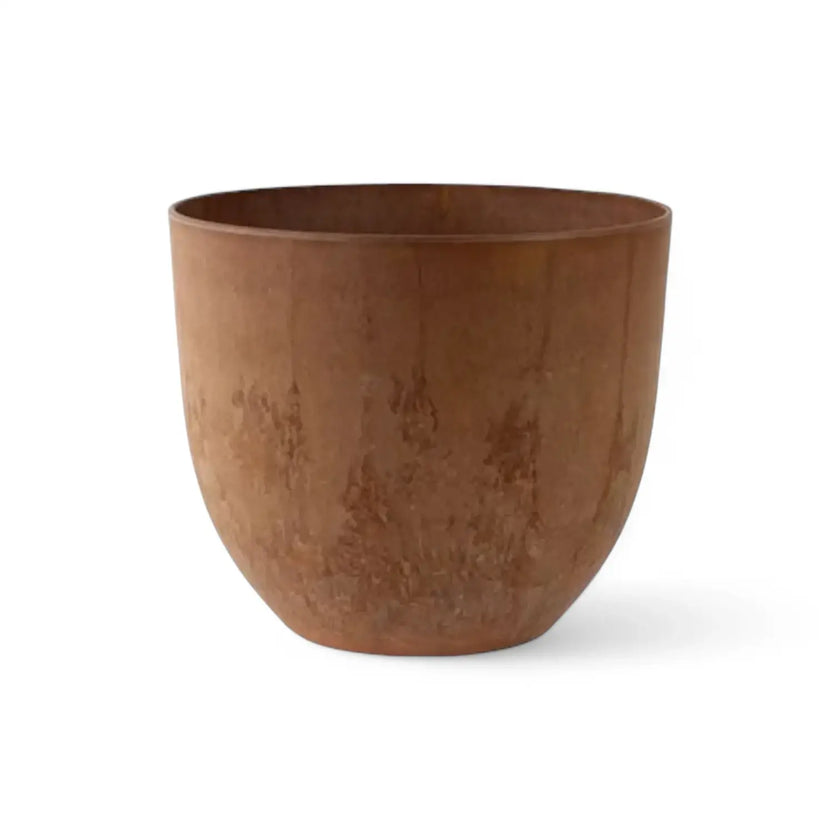
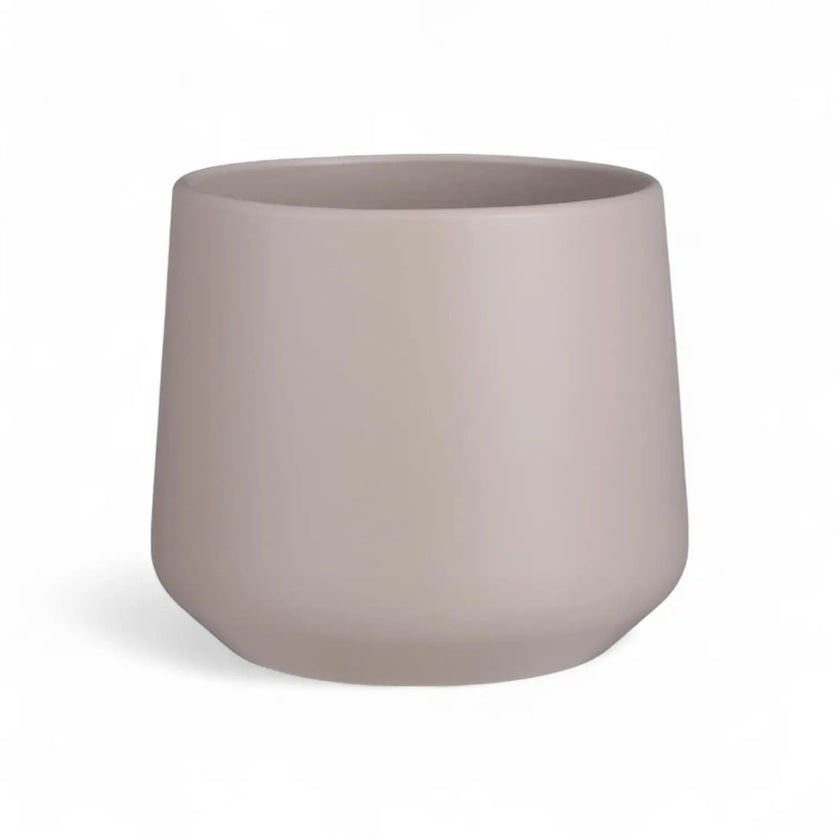
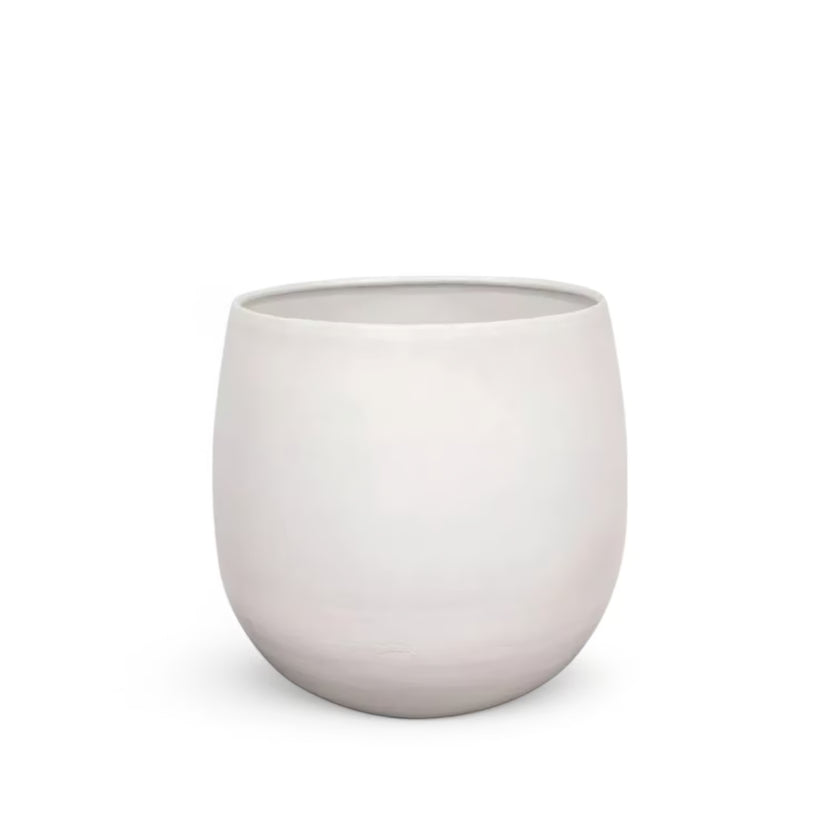
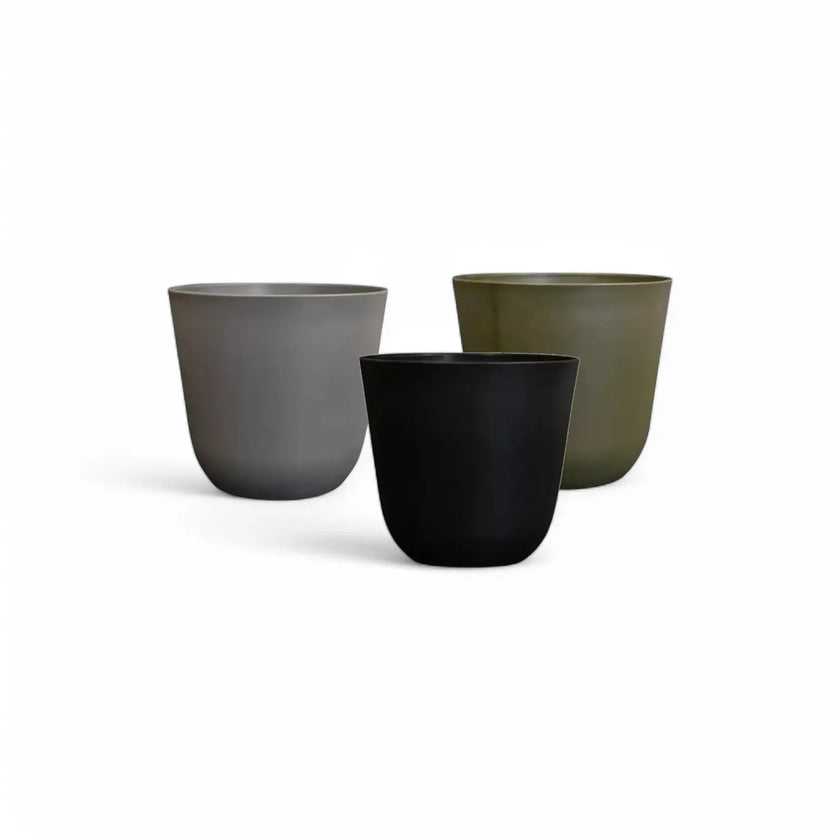
Artstone Pot 'Bola'
Regular priceFrom €13,25
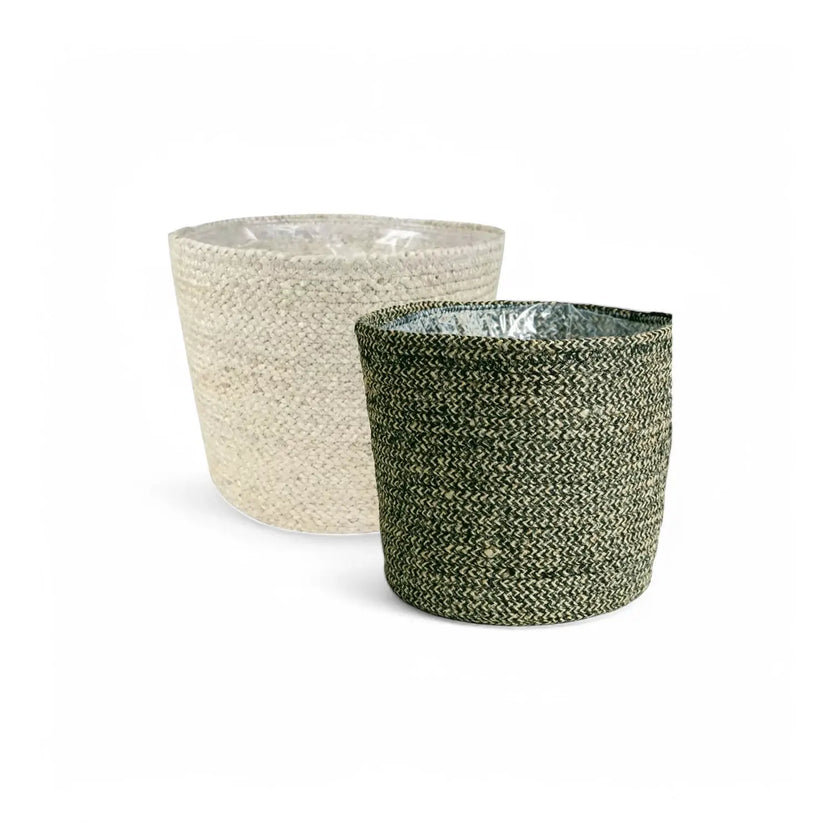
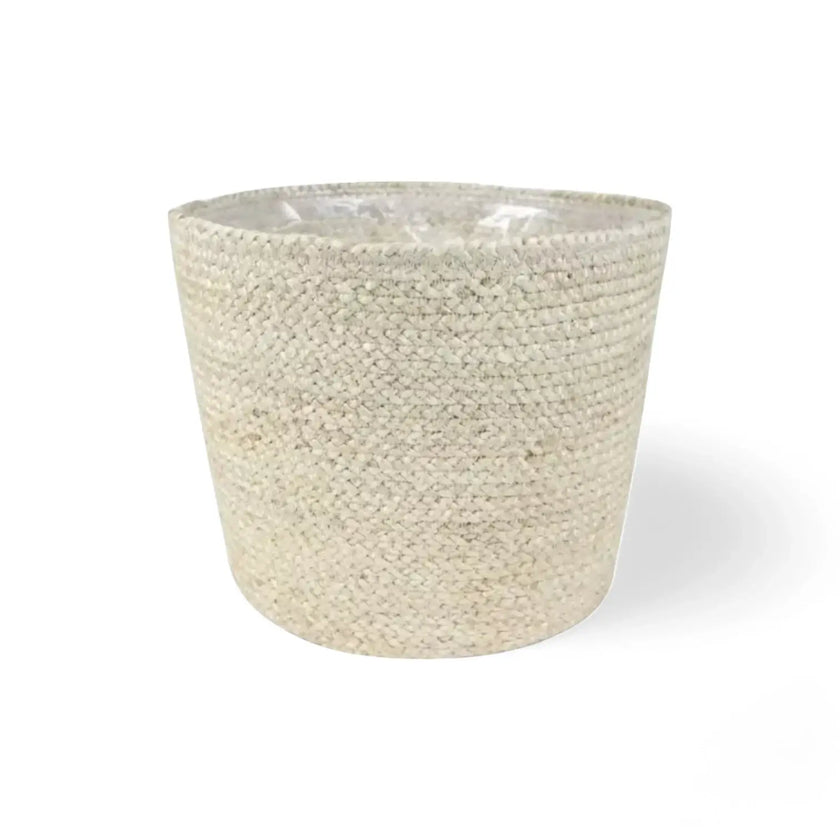
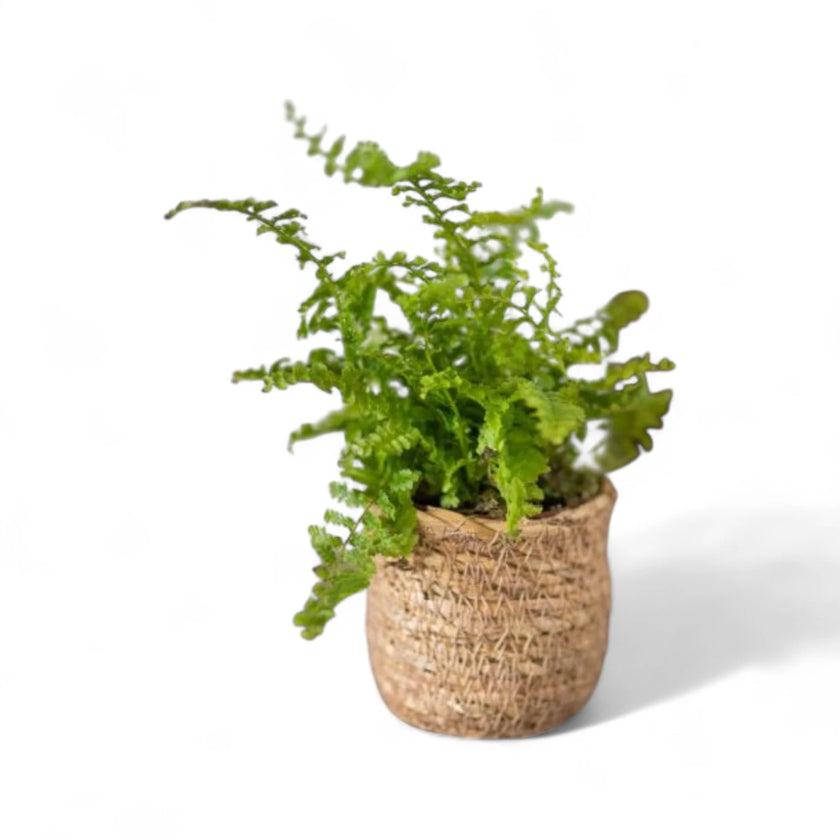
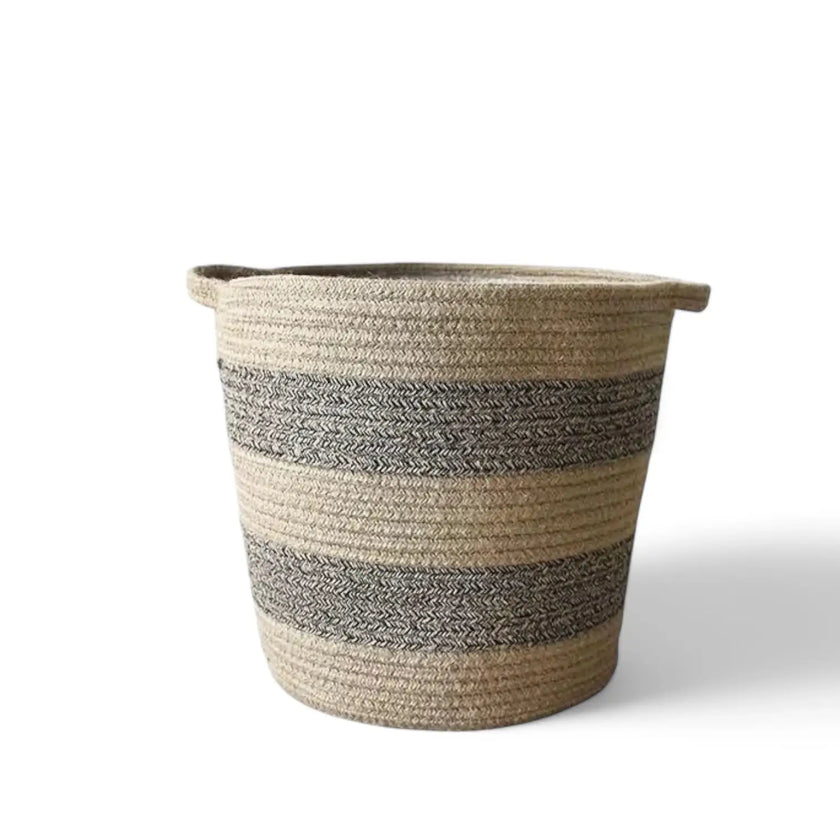
Basket Planter 'Selin'
Regular priceFrom €10,75
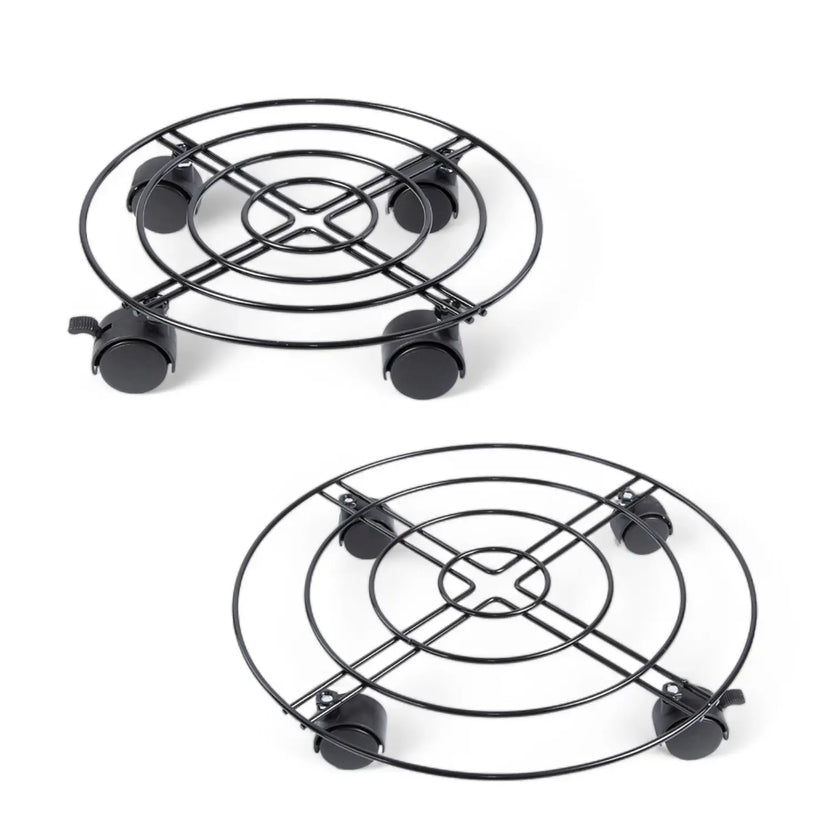
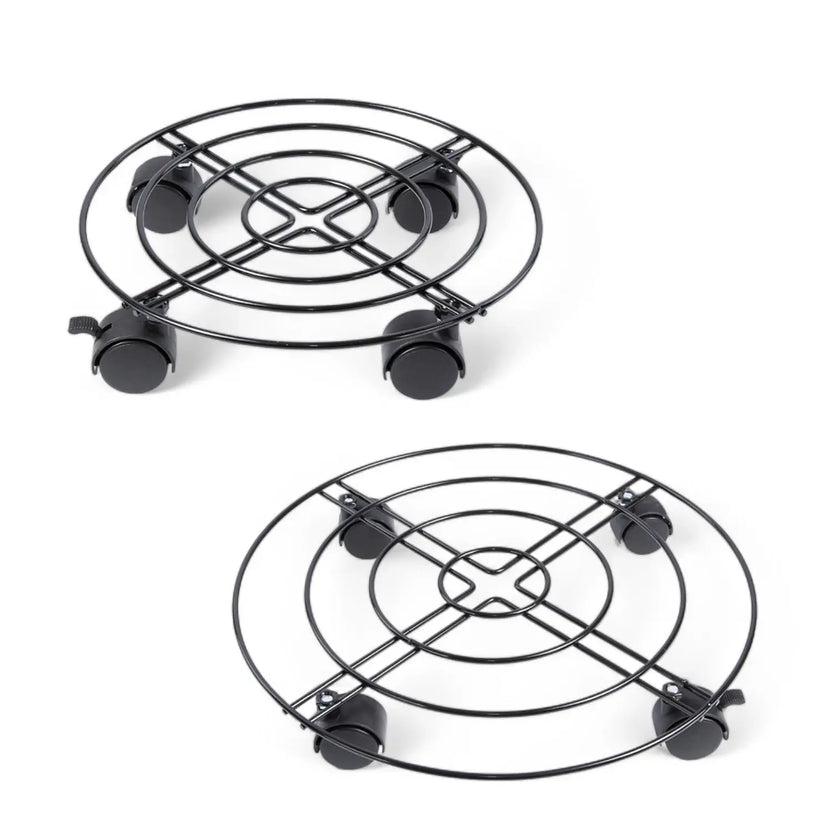
Metal Plant Trolley
Regular priceFrom €31,25
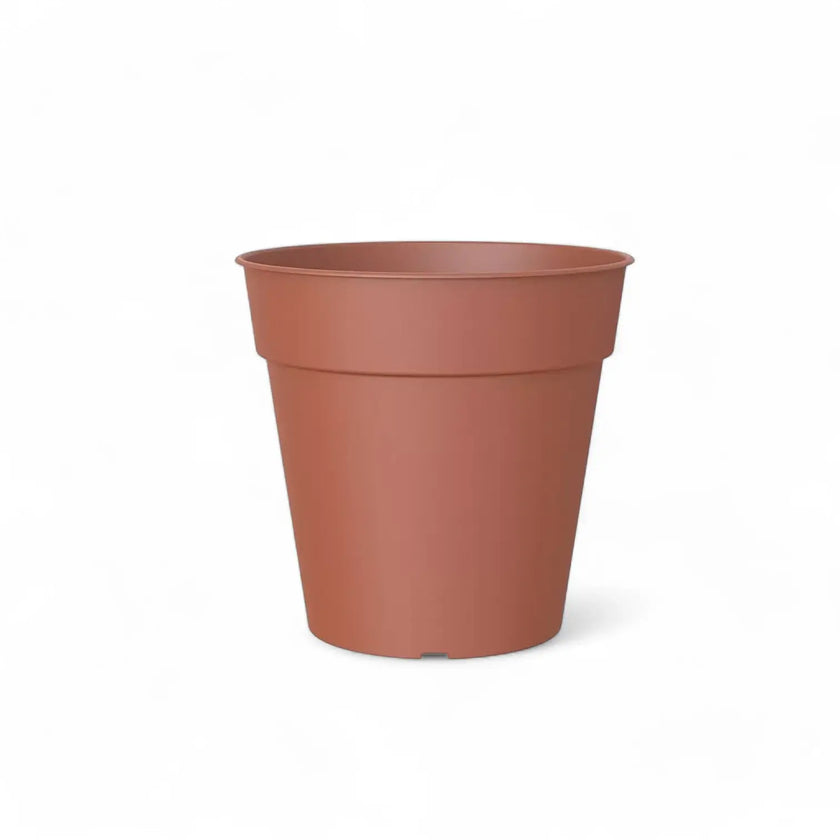
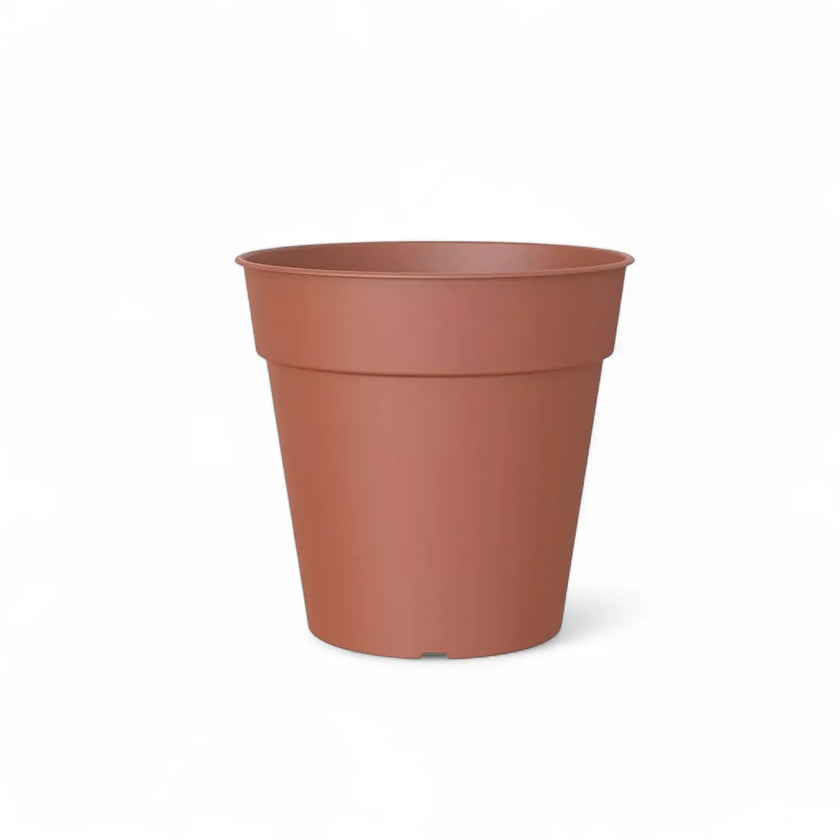
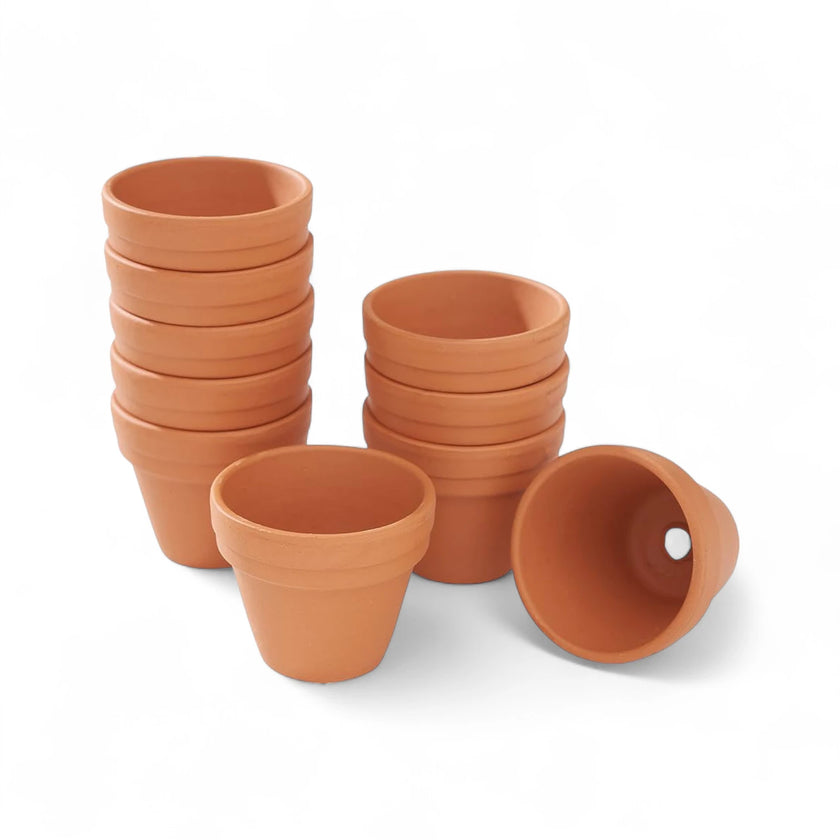
Orange Nursery Planters, Pack of 10
Regular priceFrom €6,00
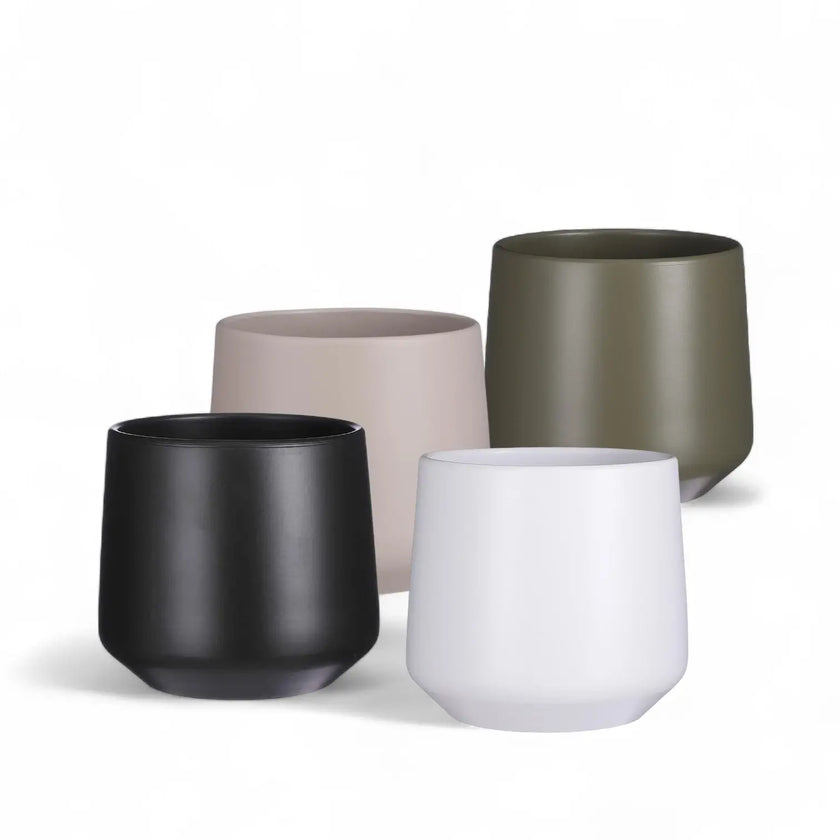
Planter 'Amber'
Regular priceFrom €7,25
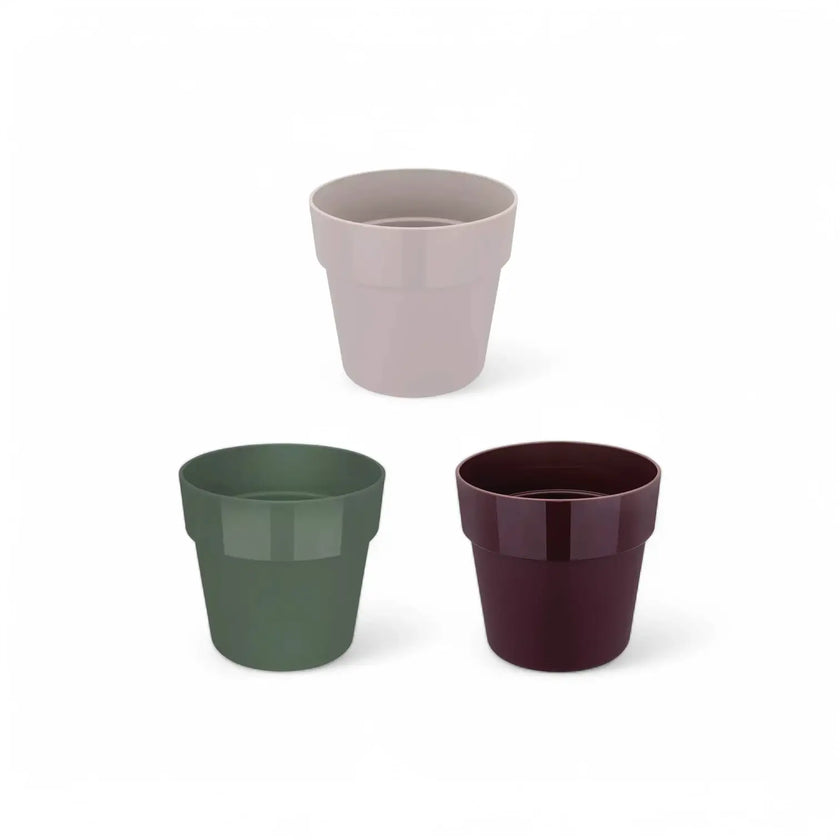
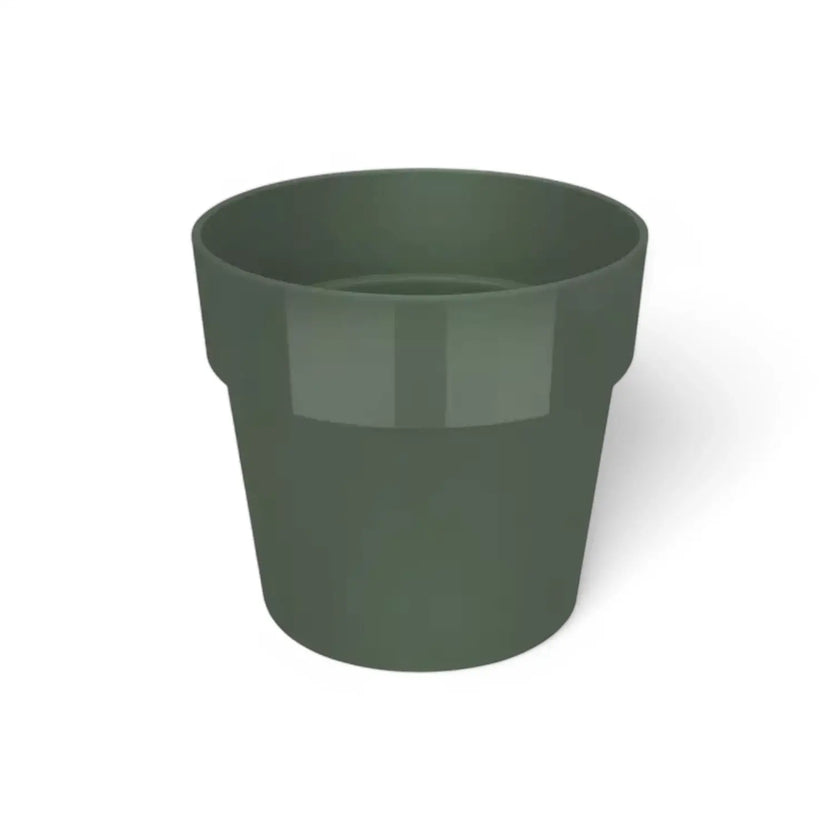
Planter 'b.for original round'
Regular price€76,75
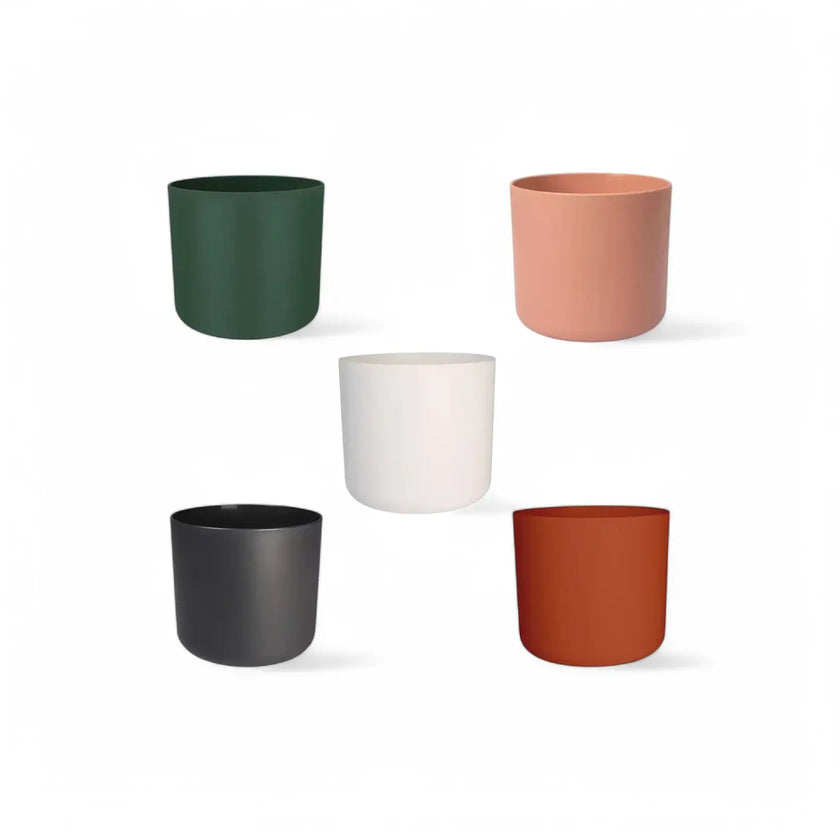
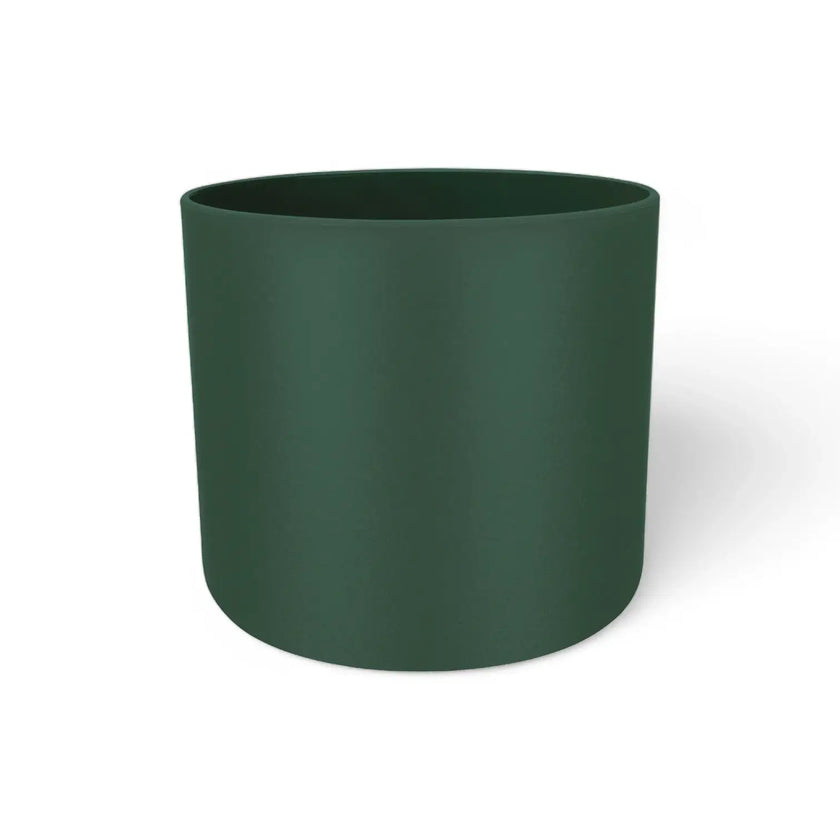
Planter 'b.for soft round'
Regular priceFrom €10,75
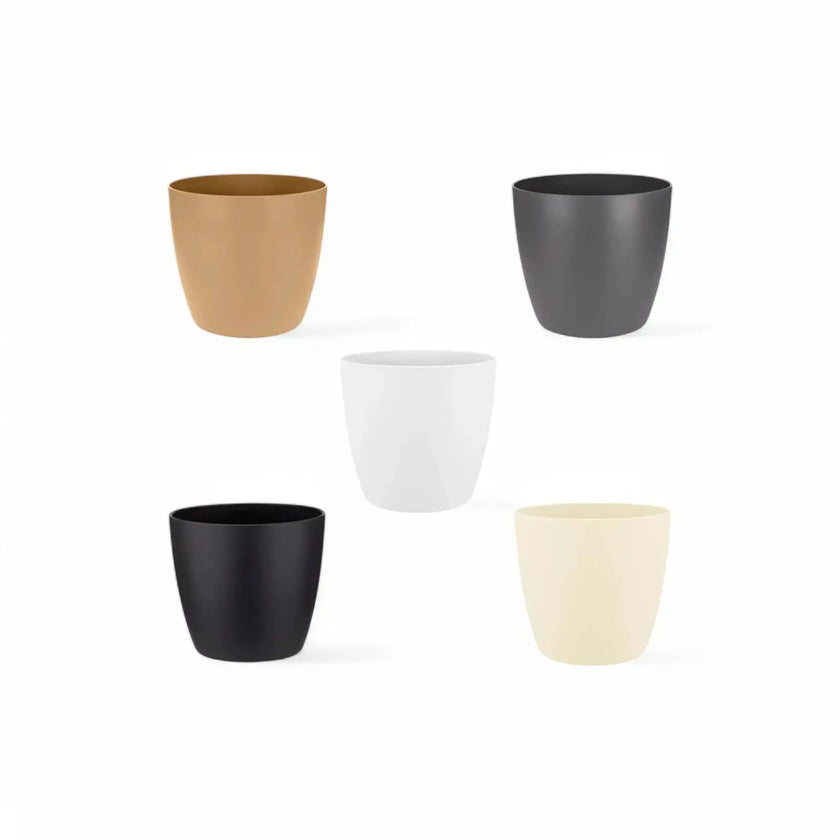
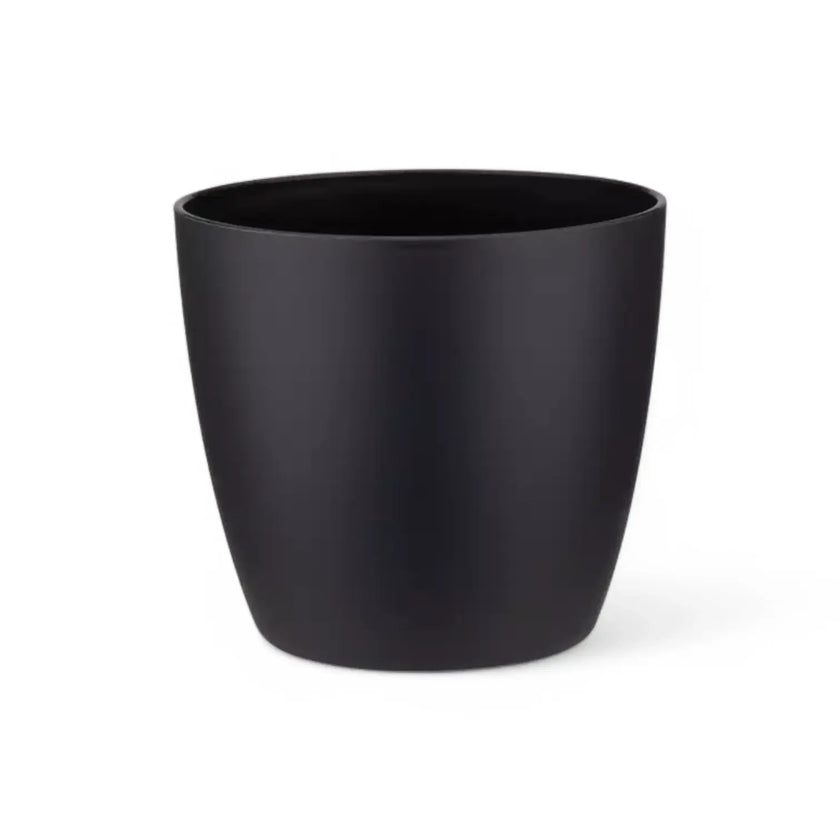
Planter 'Brussels round'
Regular priceFrom €6,00
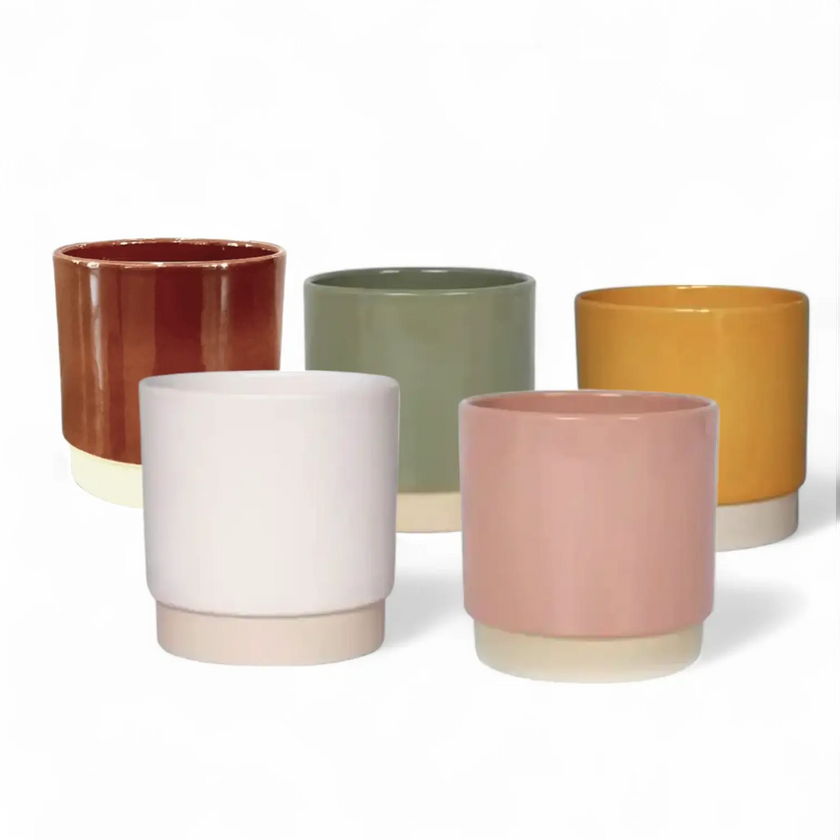
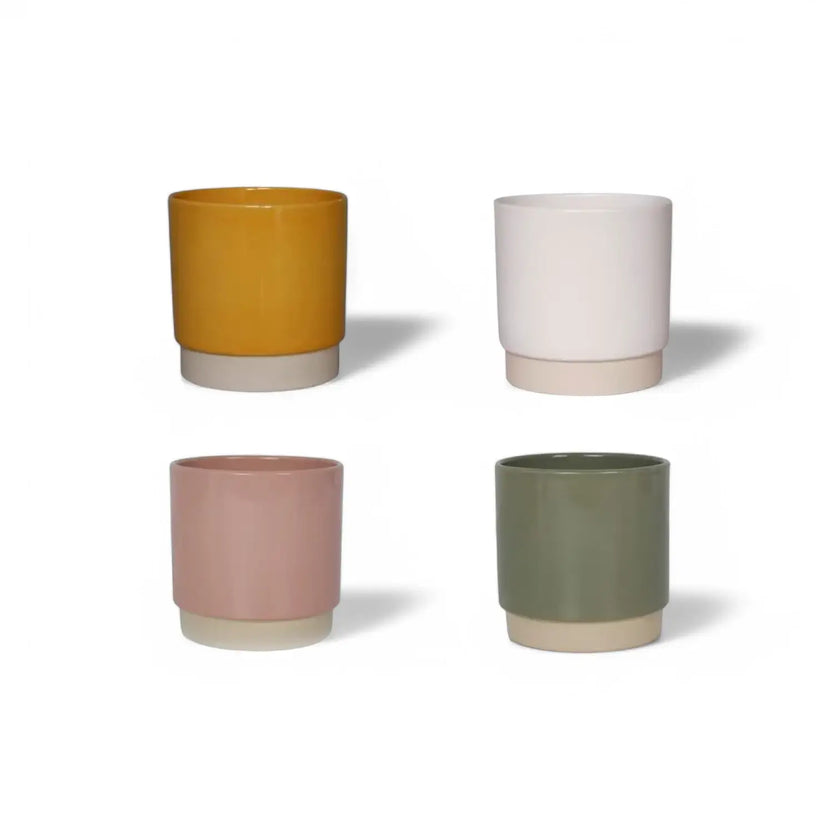
Planter 'Eno Duo'
Regular priceFrom €7,25
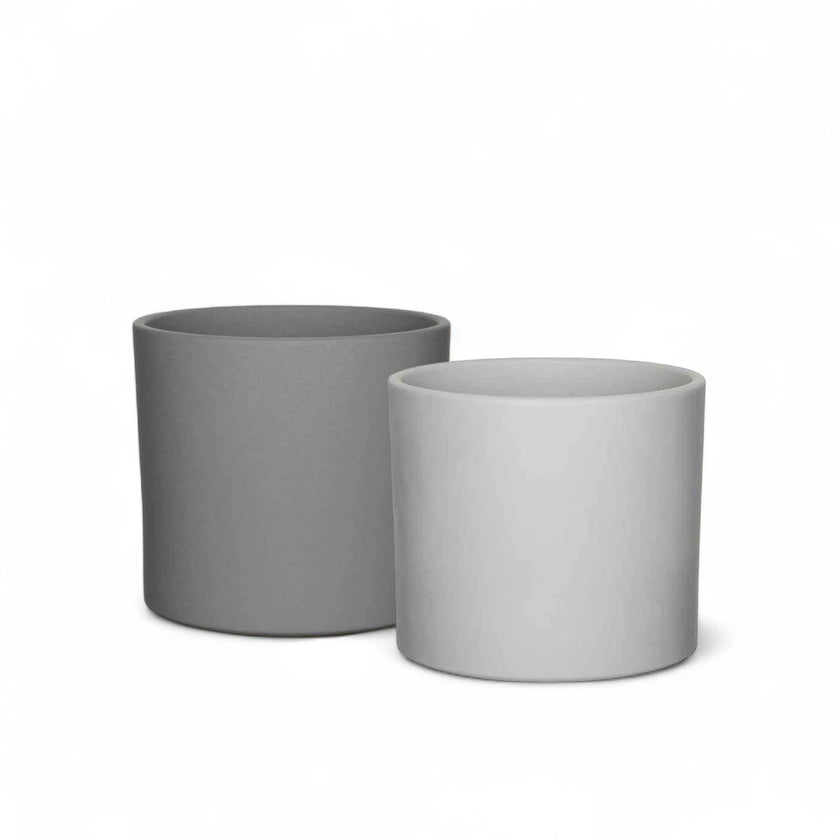
Planter 'Era'
Regular price€7,25
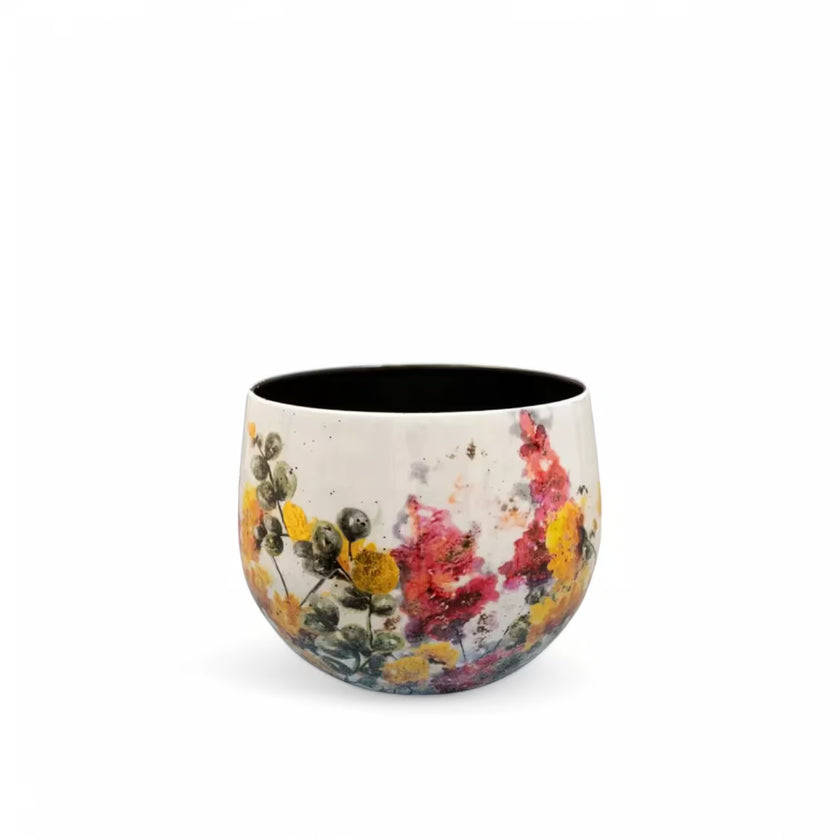
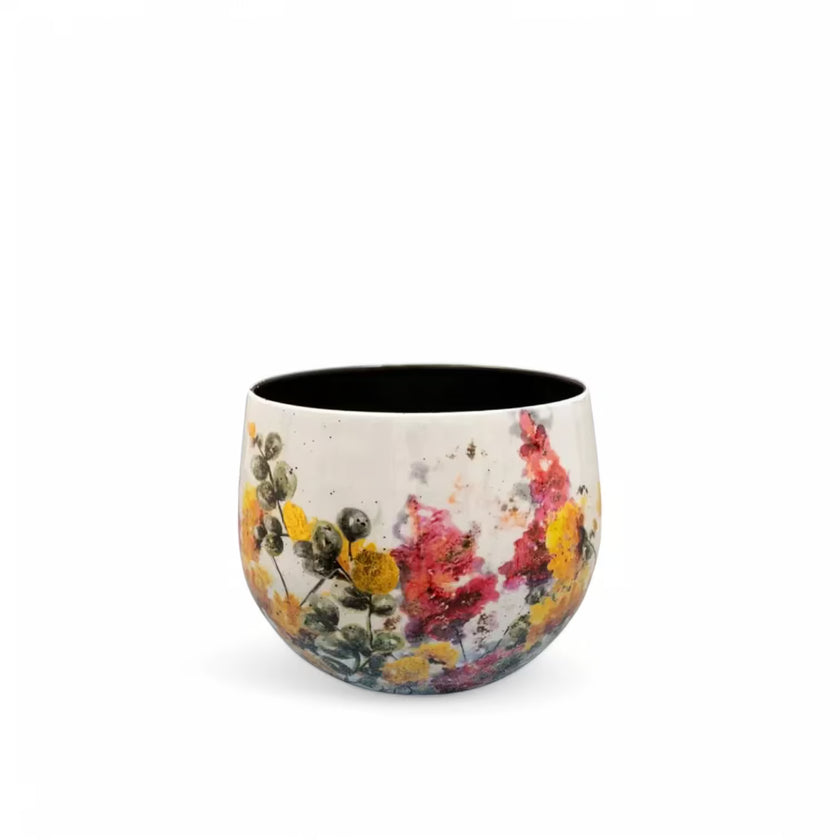
Planter 'Floral White'
Regular price€9,75
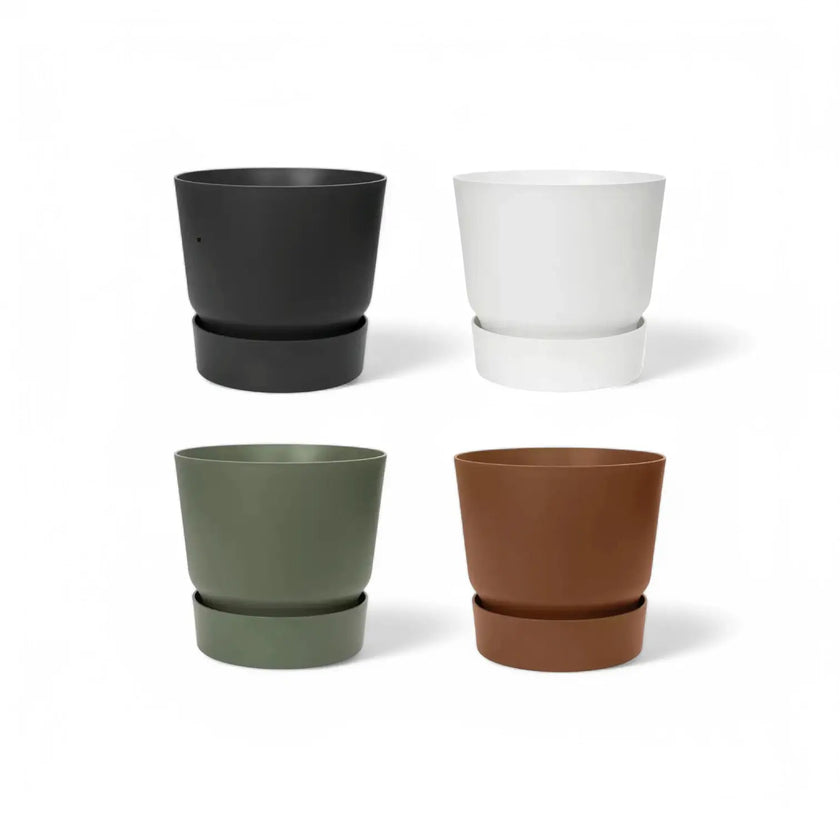
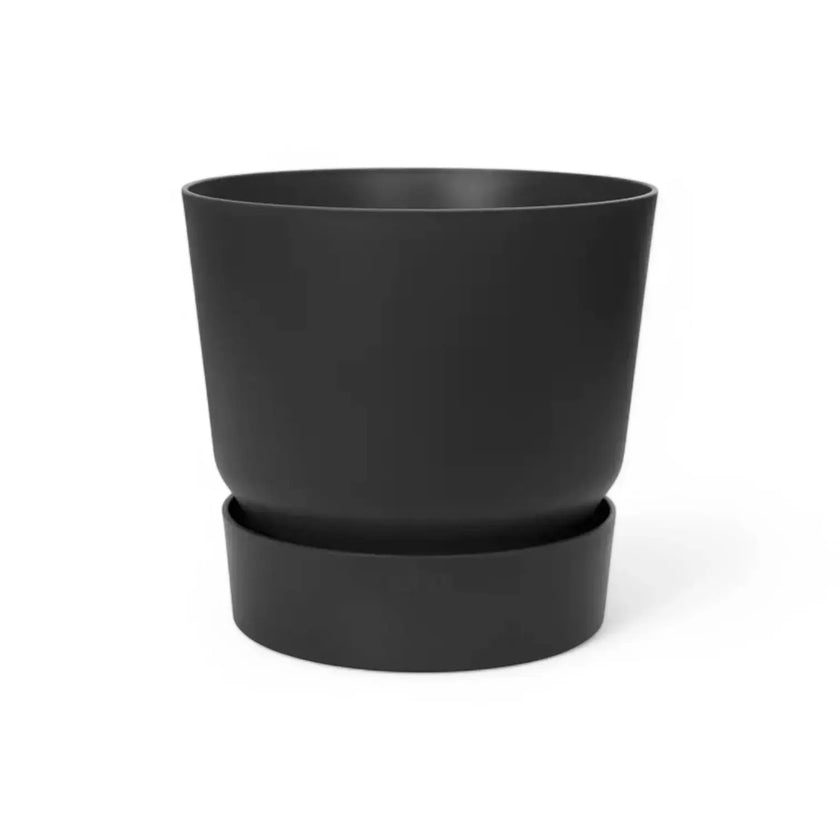
Planter 'Greenville Round'
Regular priceFrom €63,75
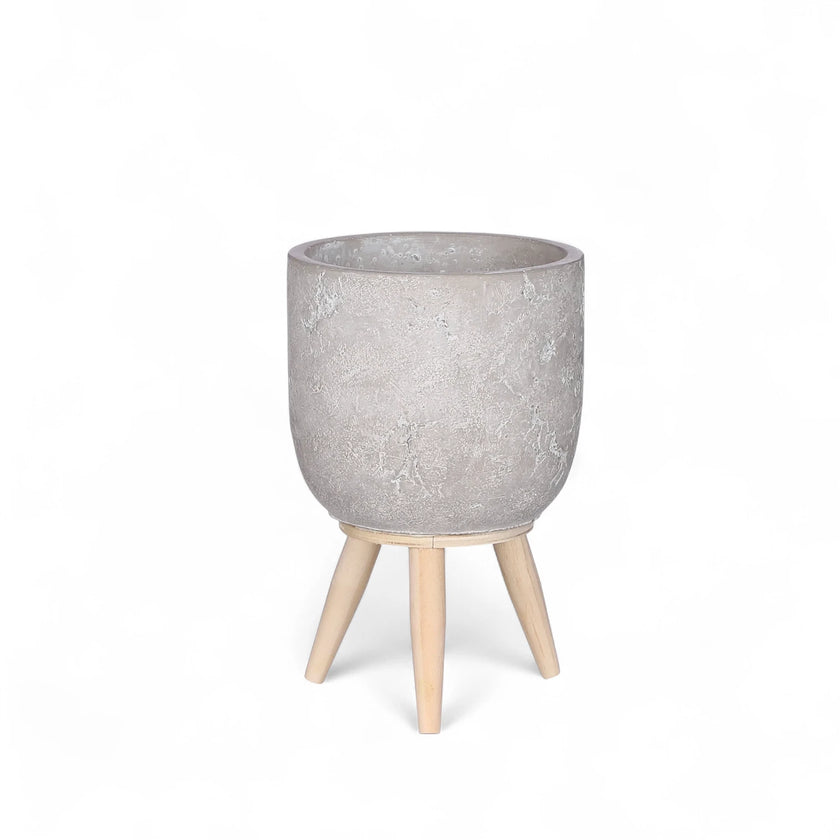
Planter 'Jimmy'
Regular price€8,50
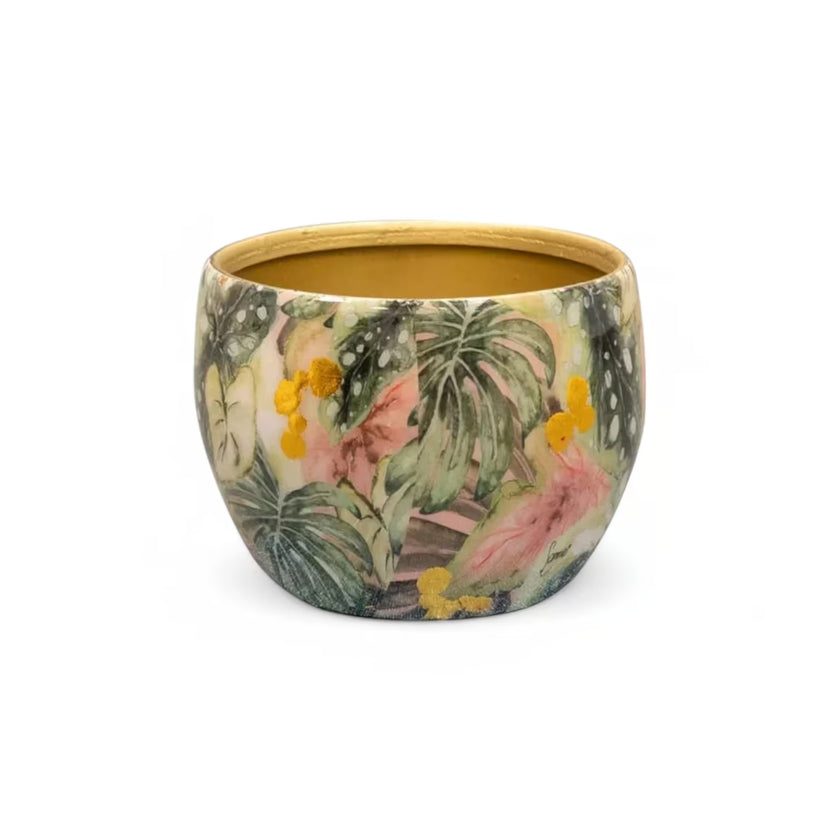
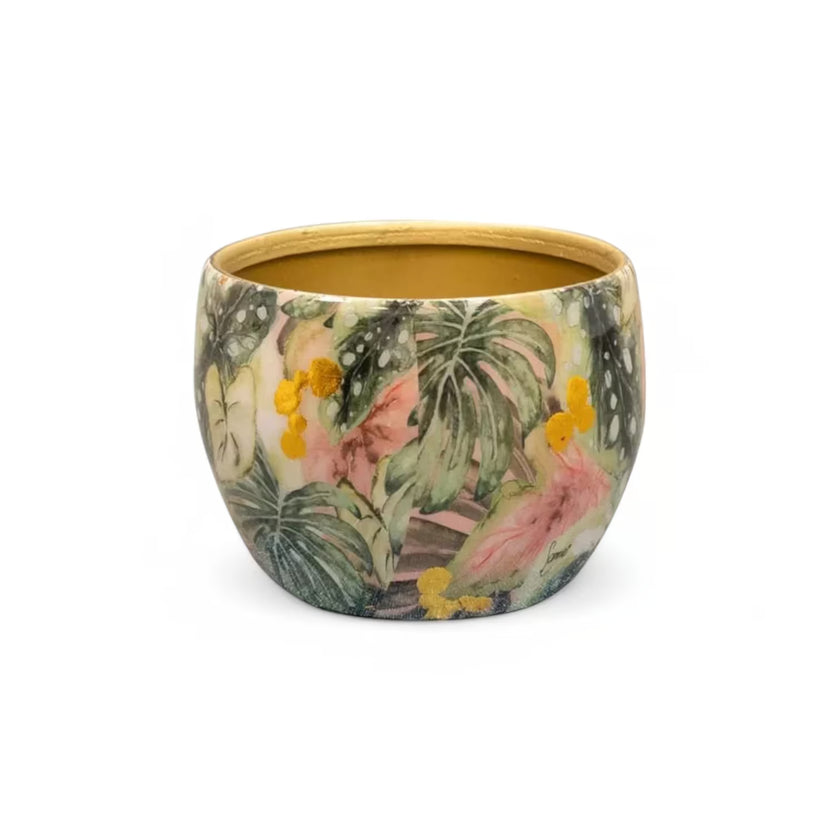
Planter 'Monstera Mystery'
Regular priceFrom €7,25
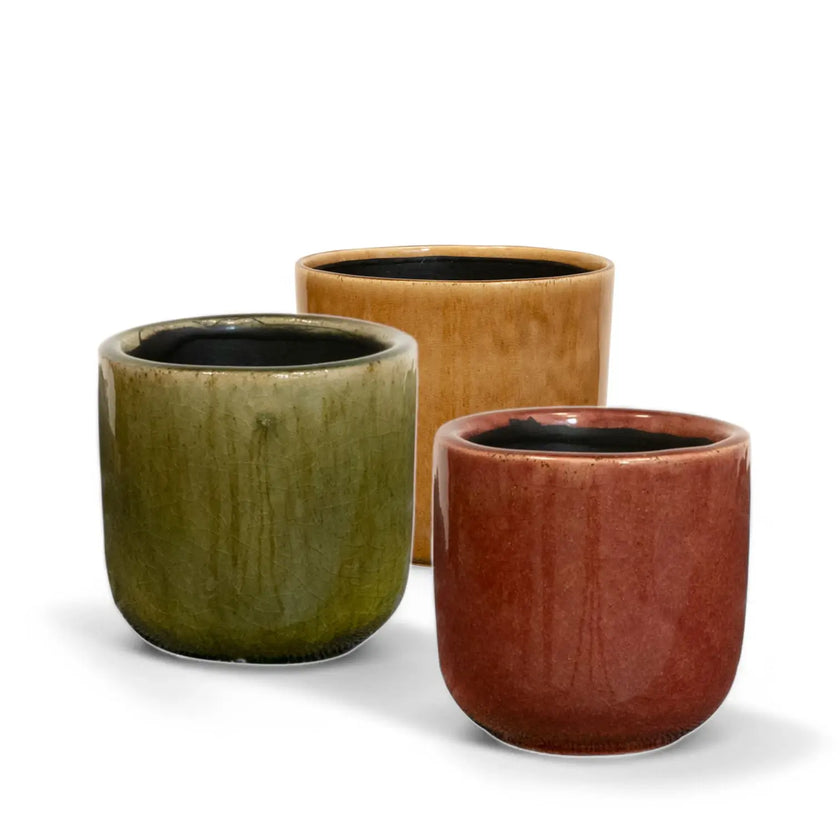
Planter 'Nine'
Regular price€7,25
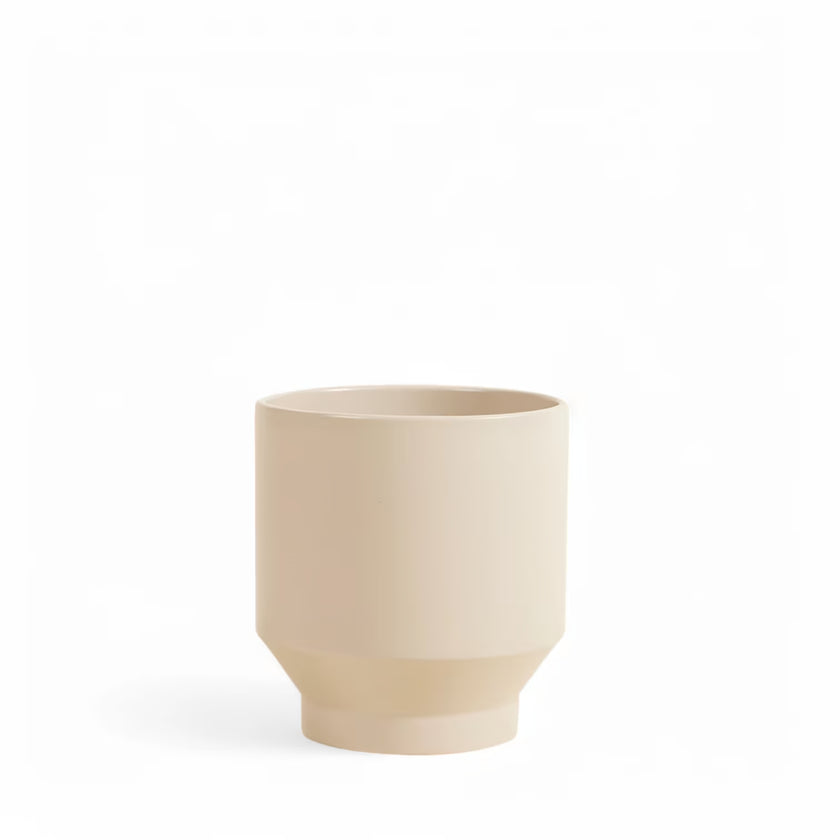
Planter 'Pato'
Regular price€10,75
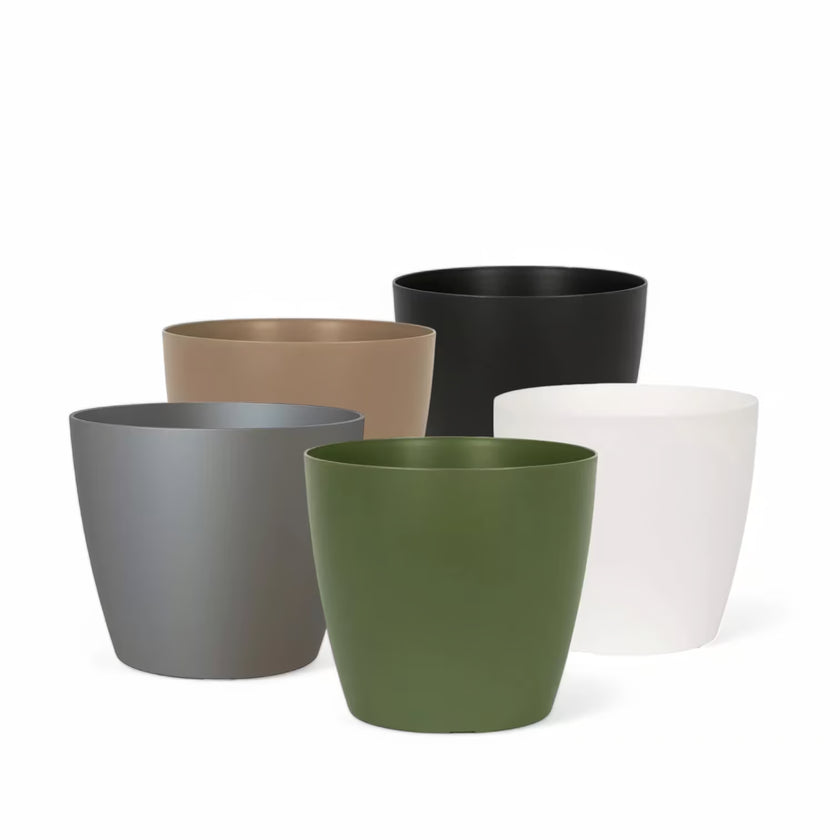
Planter 'San Remo'
Regular priceFrom €6,00
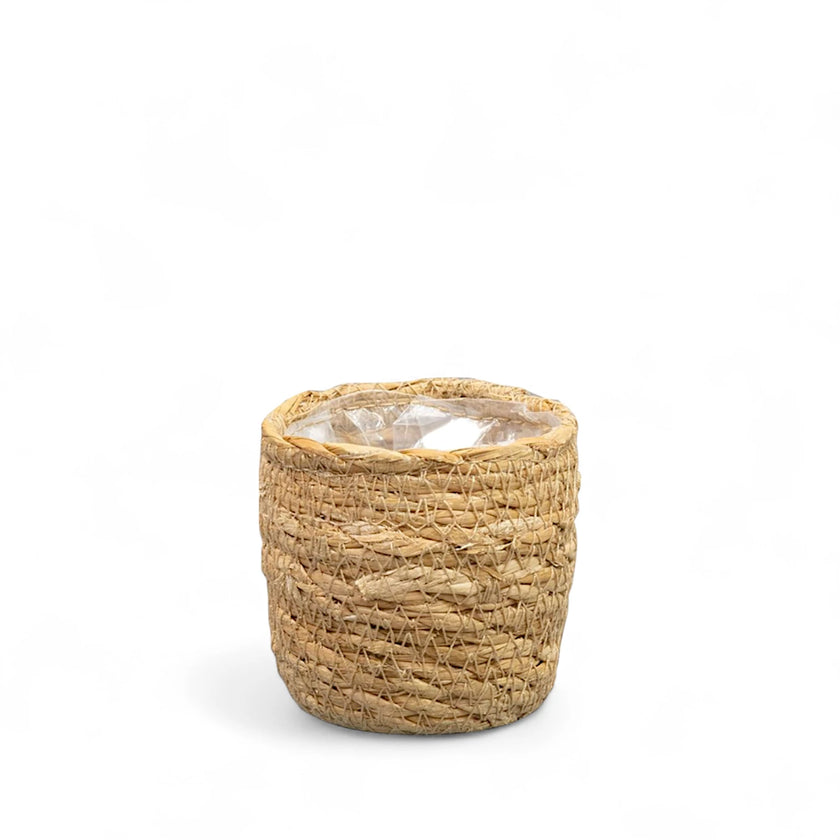
Planter 'Stef'
Regular price€6,00
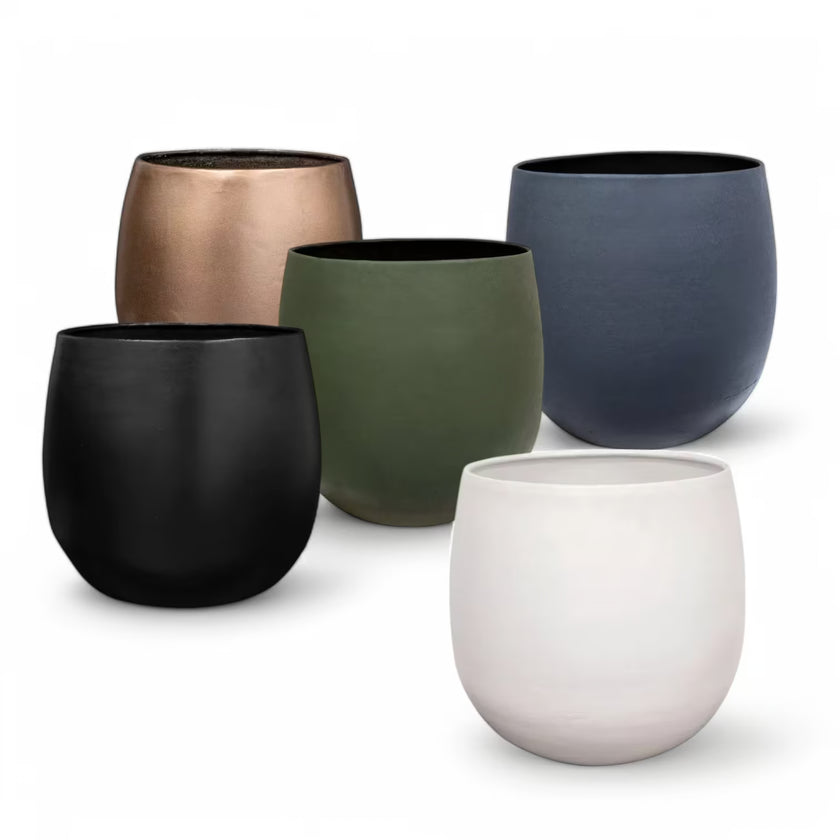
Planter 'Stijn'
Regular priceFrom €34,75
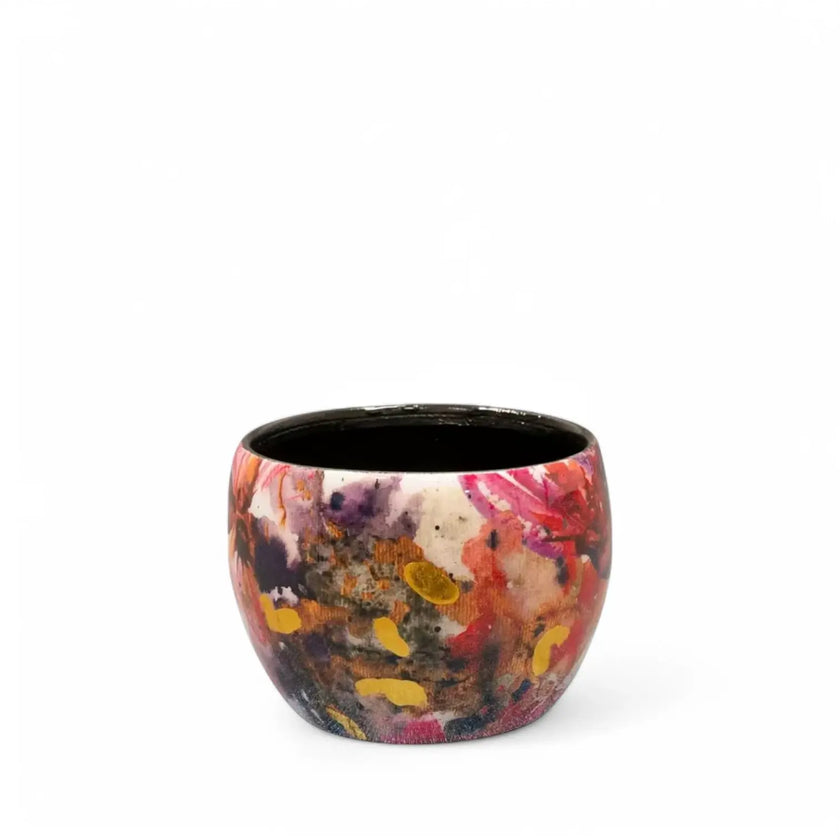
Planter 'Sweet Magnolia'
Regular priceFrom €7,25
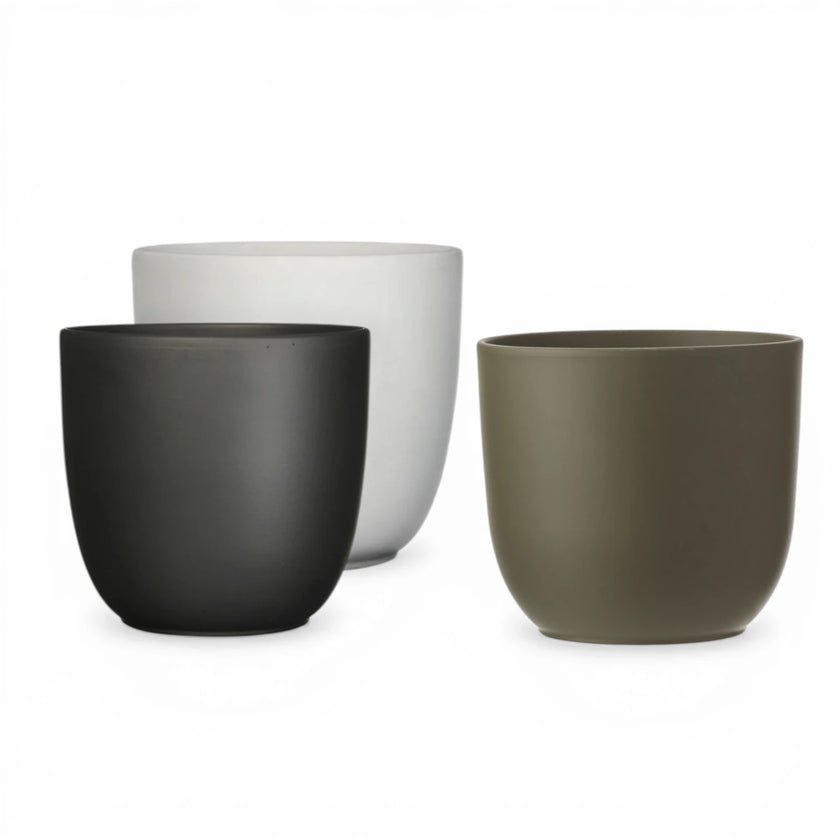
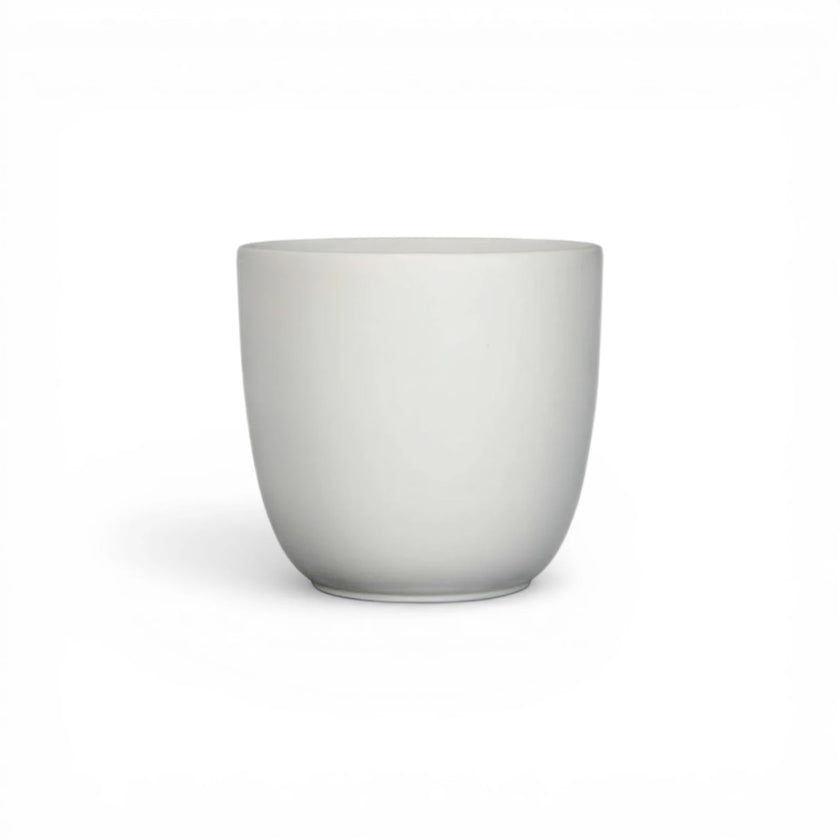
Planter 'Tusca'
Regular priceFrom €10,75
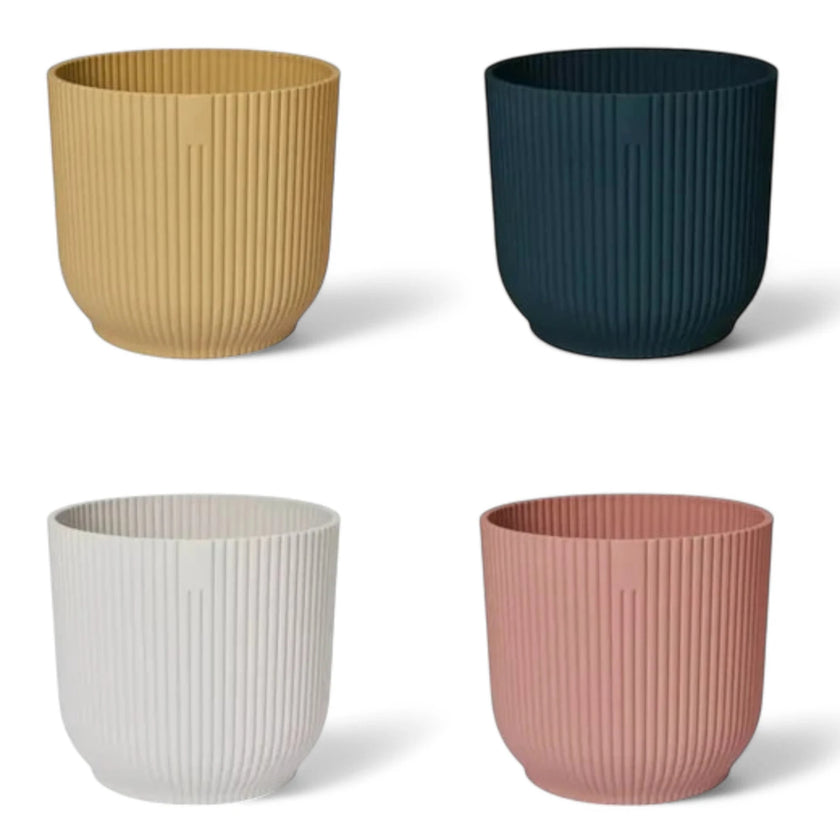
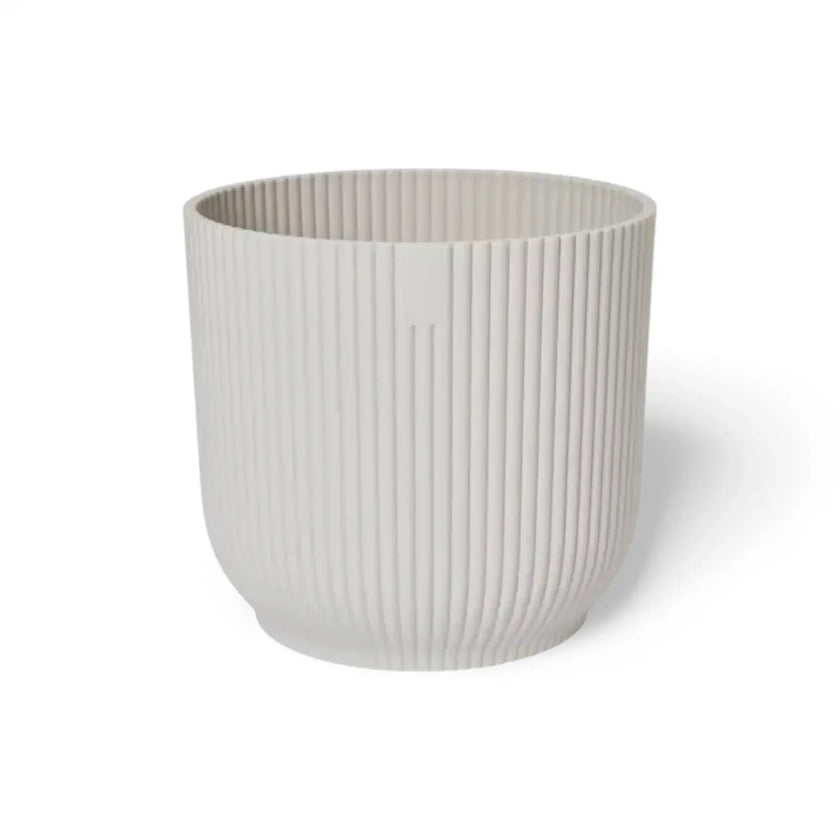
Planter 'Vibes Fold Round'
Regular priceFrom €13,25
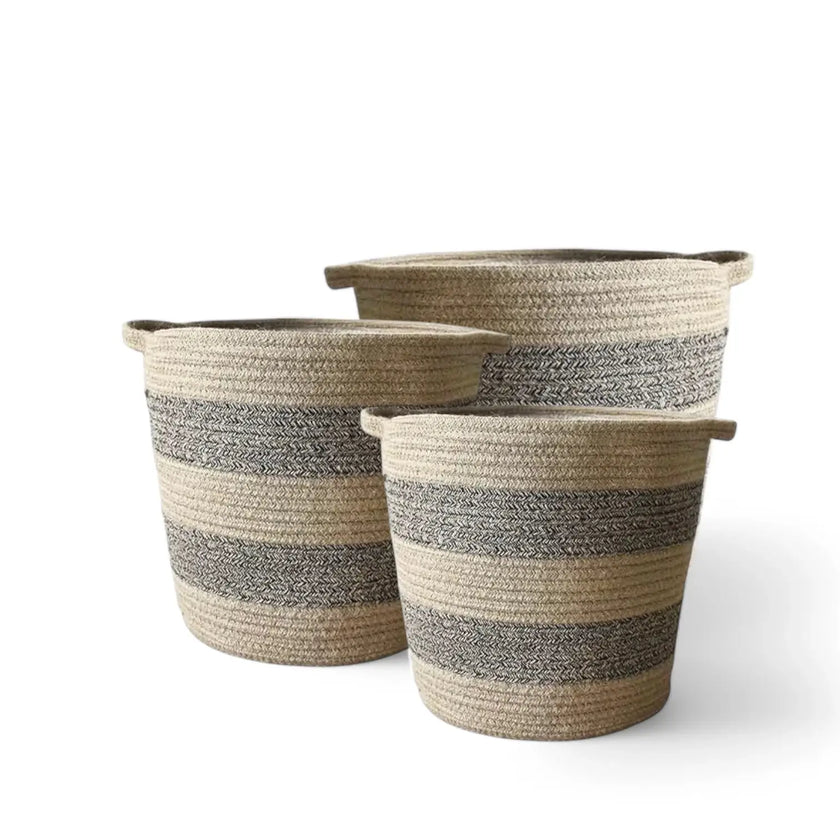
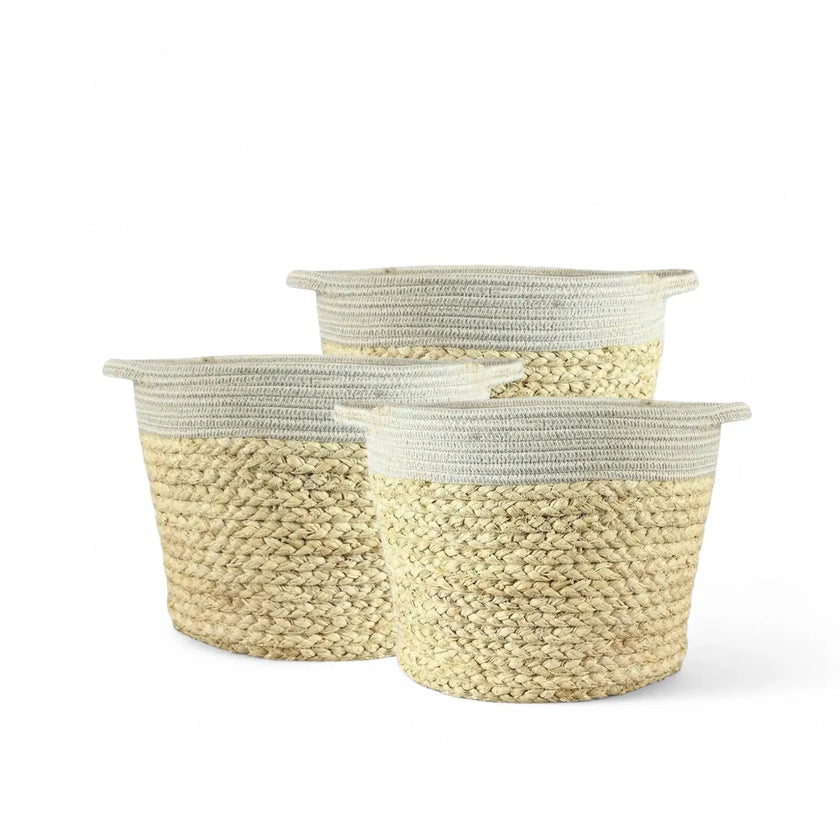
Planter Basket 'Flores'
Regular priceFrom €57,50
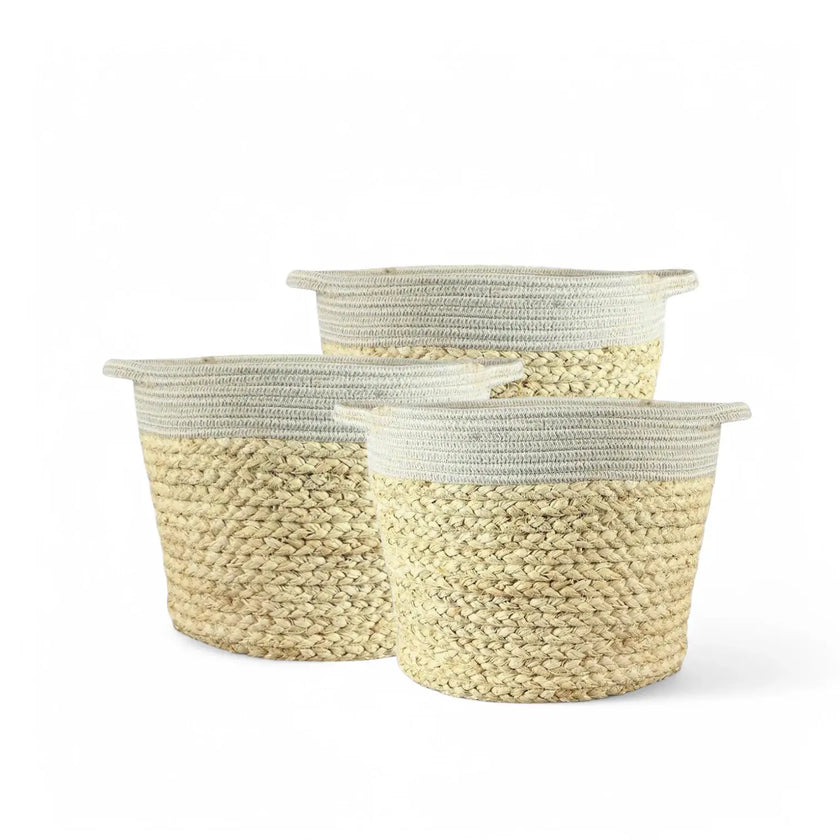
Planter Basket 'Lombok'
Regular price€55,25
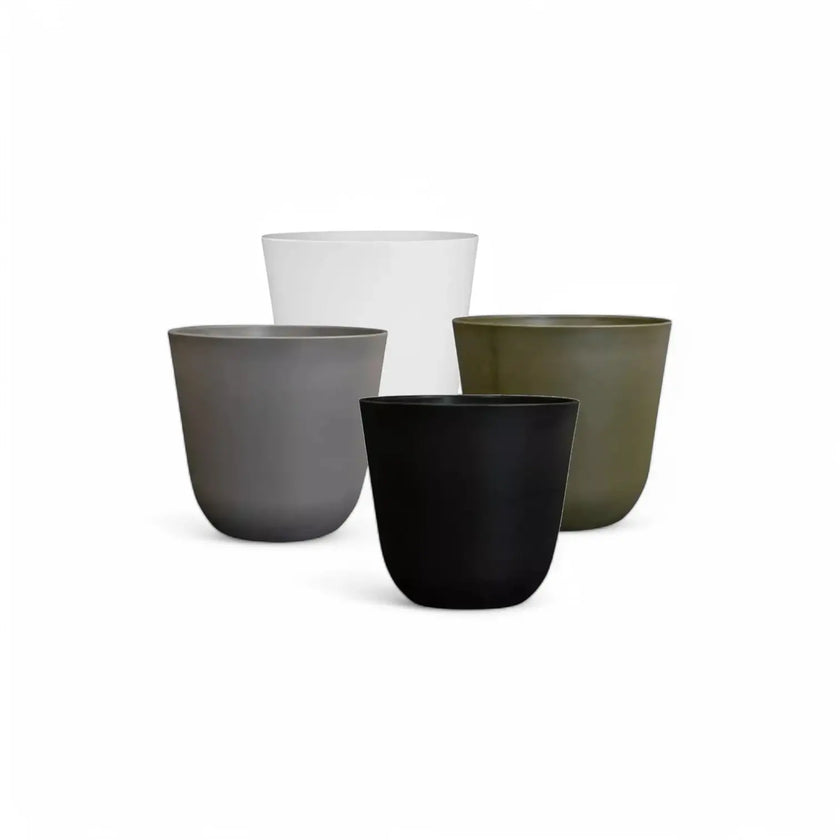
Pot 'Palermo'
Regular priceFrom €12,00
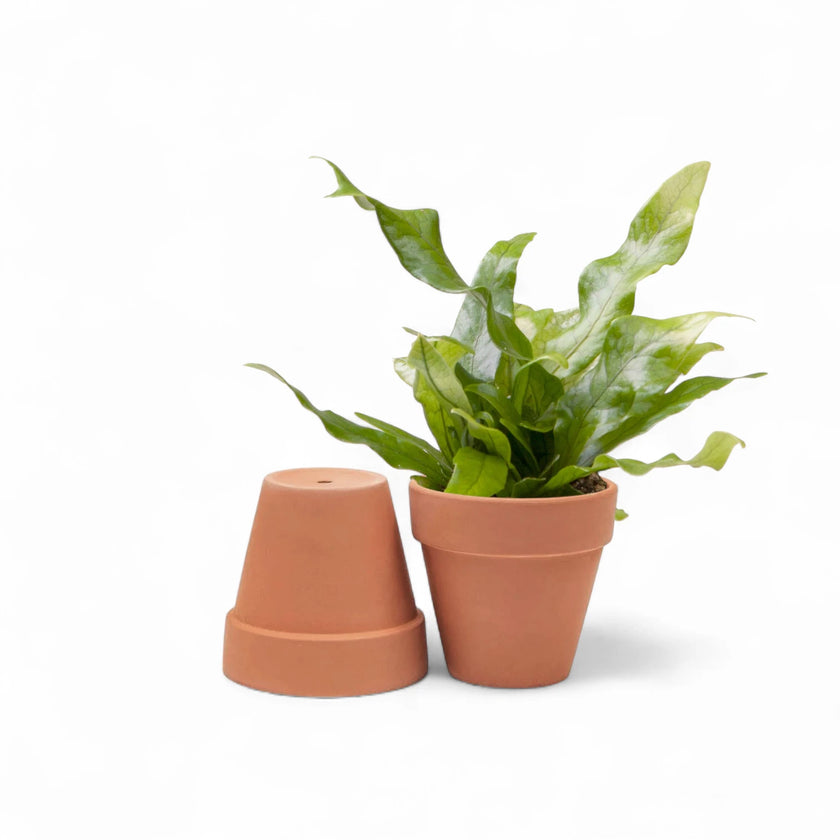
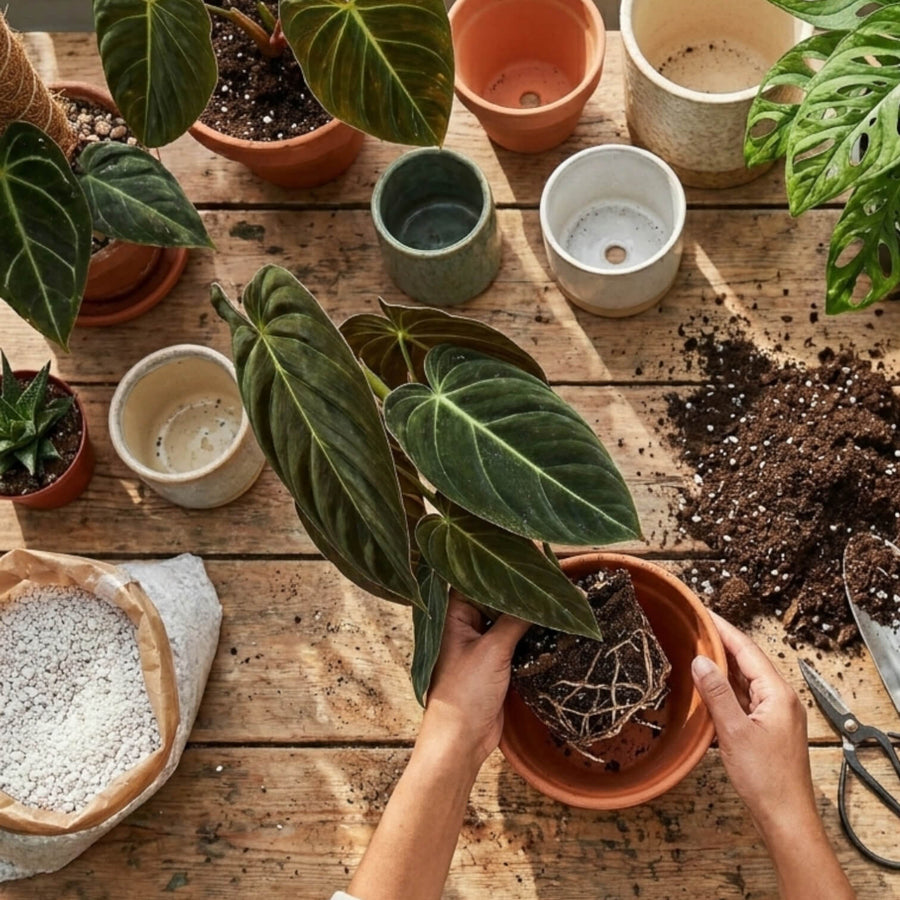
Terracotta pot
Regular price€6,00
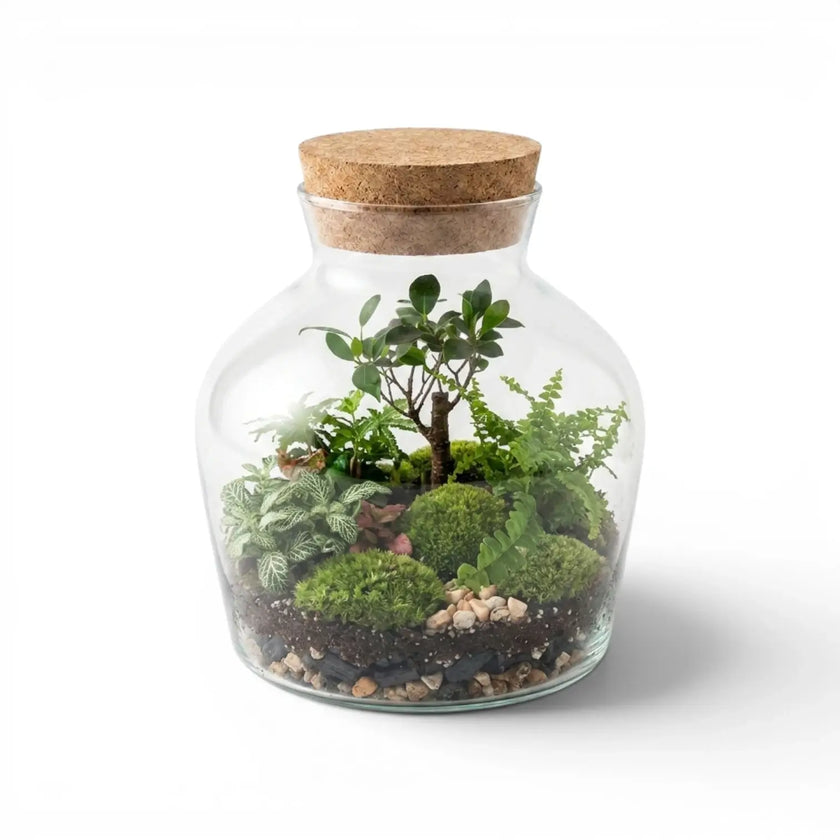
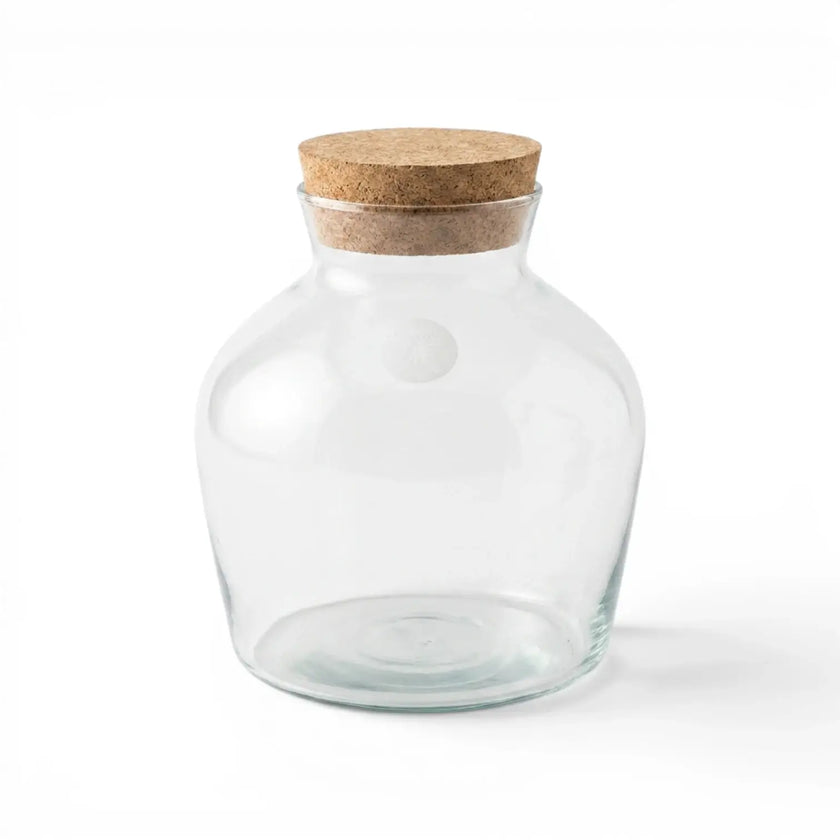
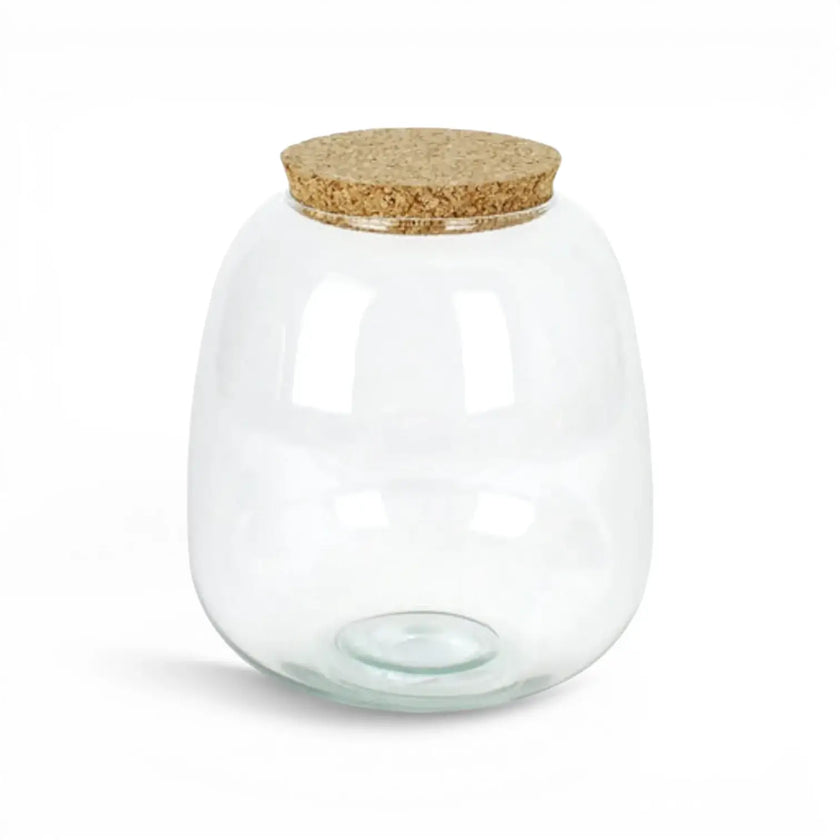
Terrarium jar 'Dean' with cork plug
Regular price€43,25
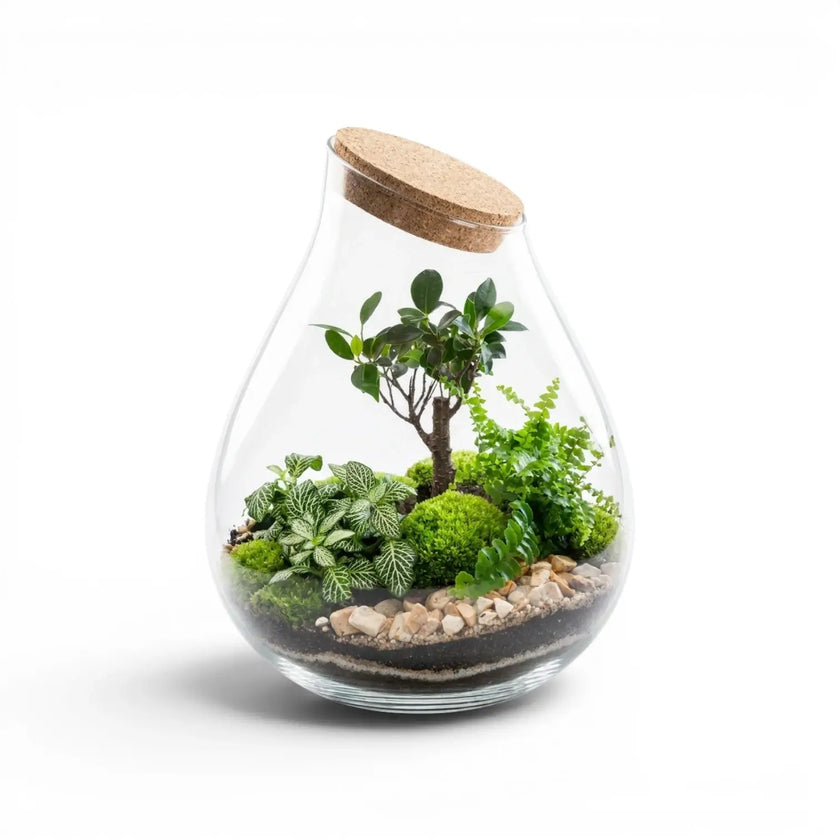
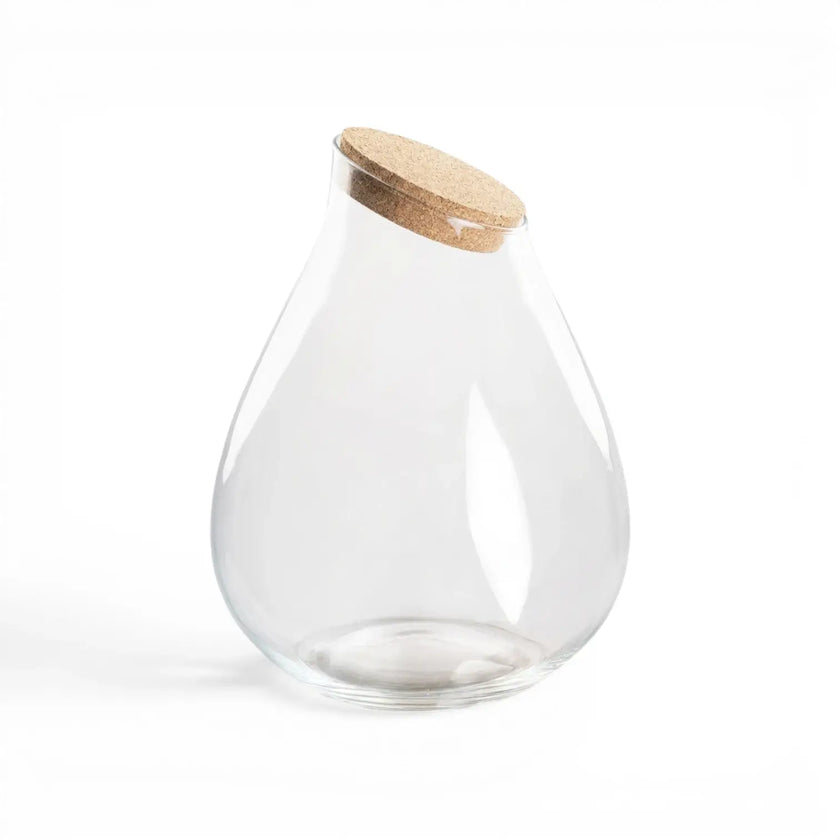
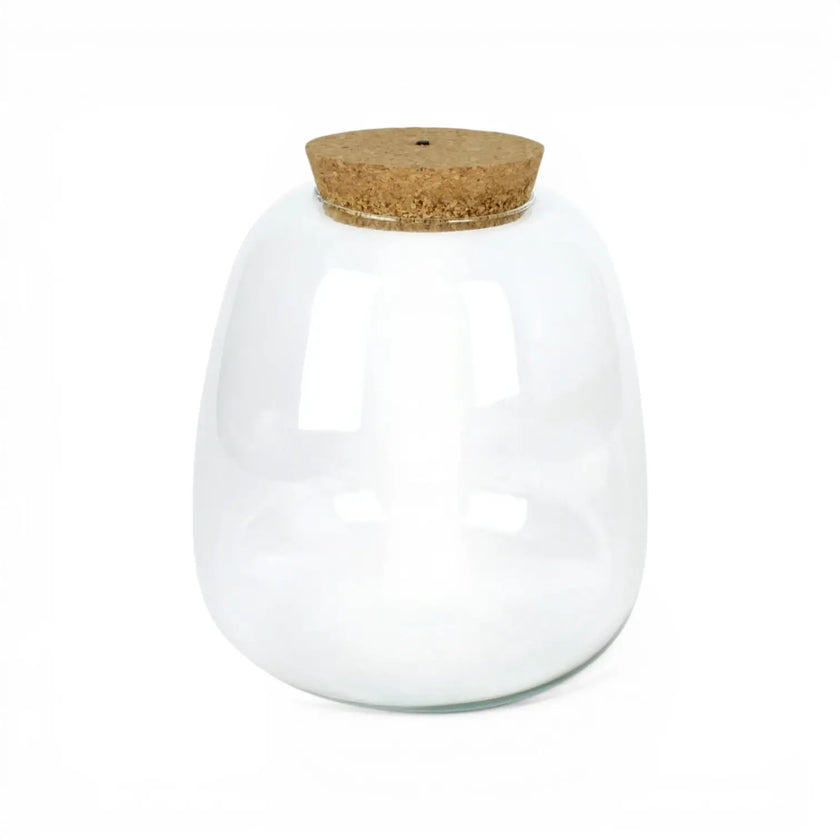
Terrarium jar 'Drop' with cork plug
Regular price€78,00
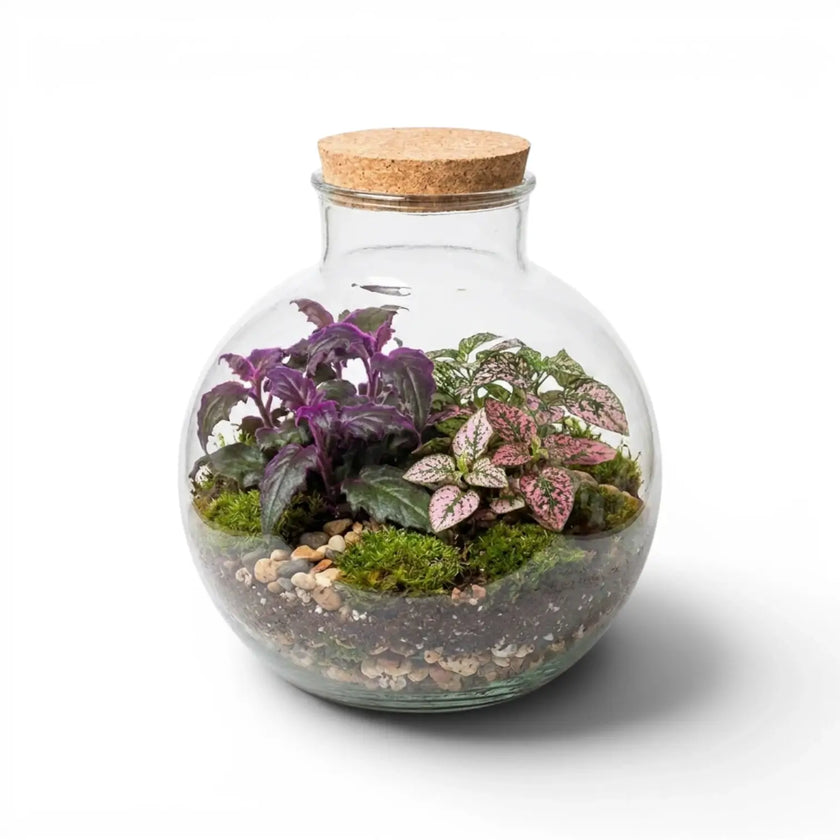
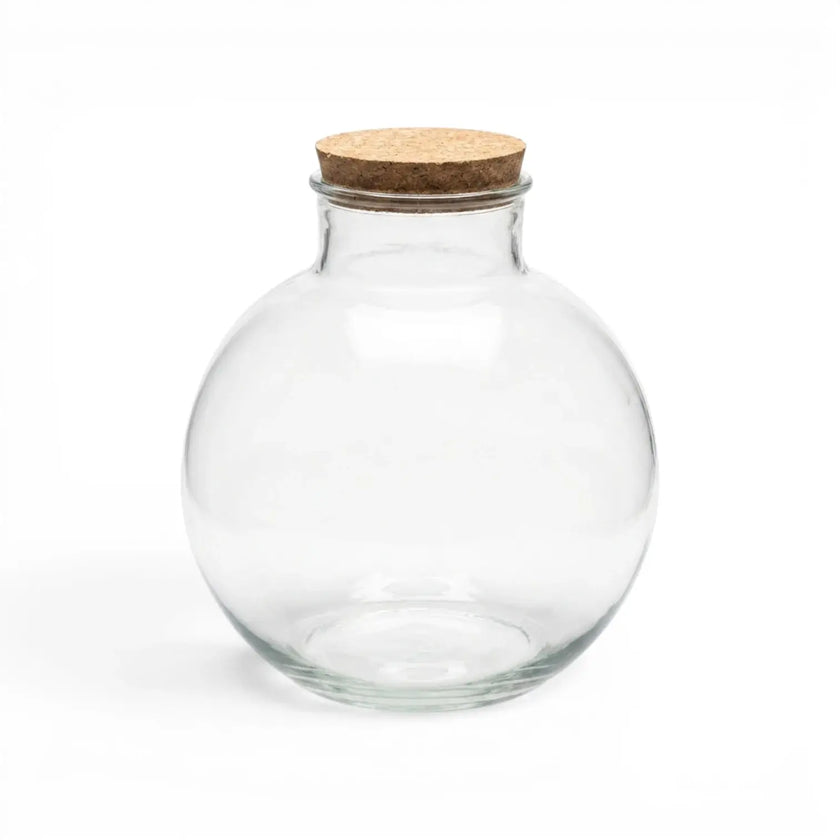
Terrarium jar 'Globe' with cork plug
Regular price€94,75
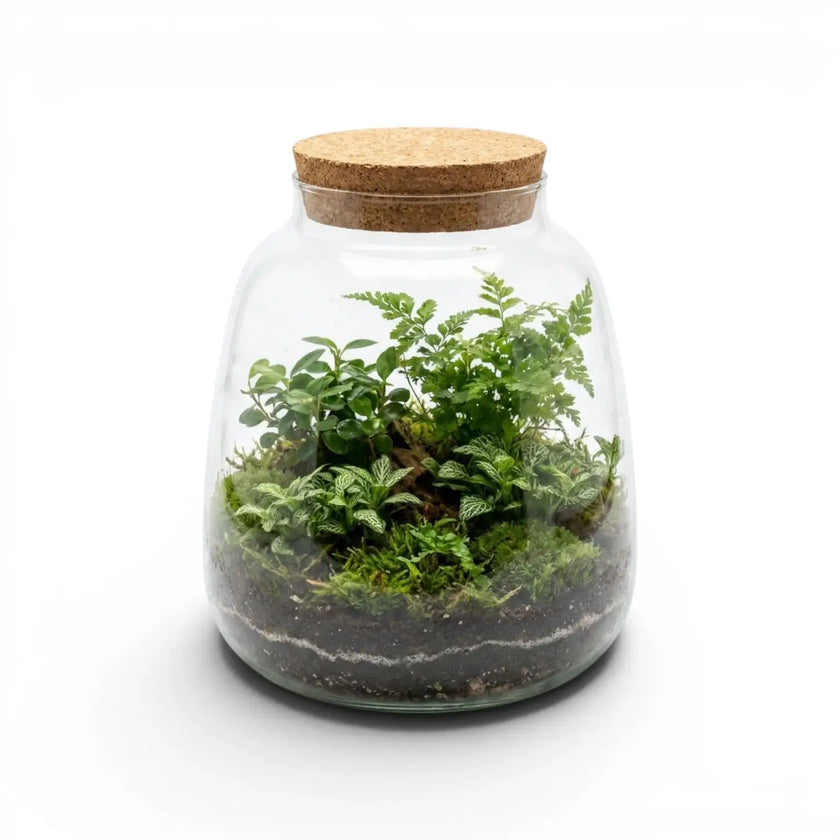
Terrarium jar 'Plant puzzle' with cork plug
Regular price€31,25
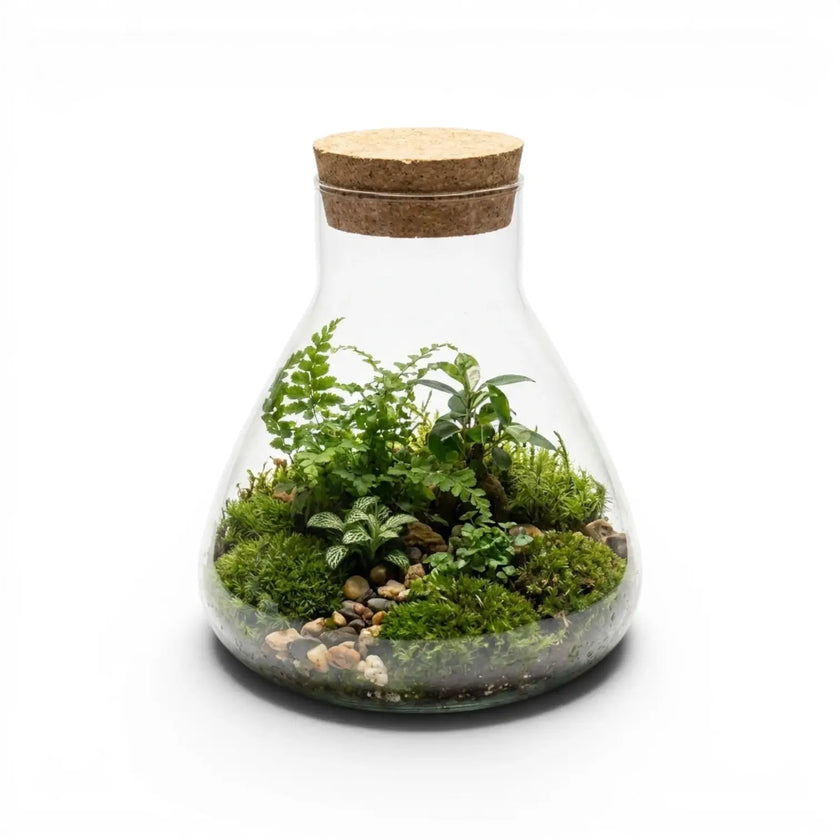
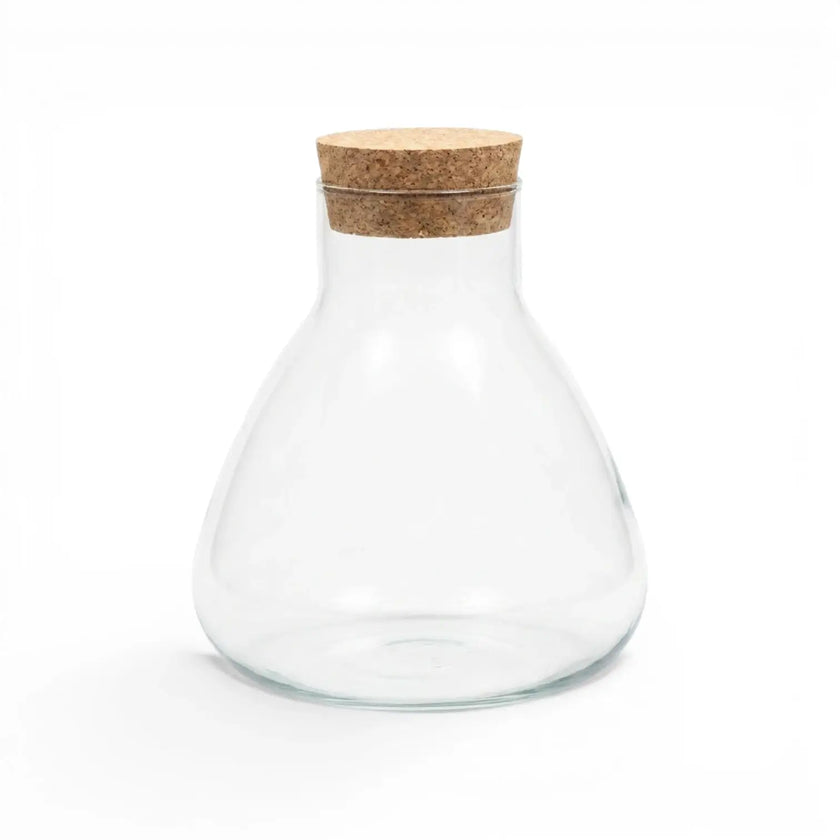
Terrarium jar 'Pyramide' with cork plug
Regular price€42,00
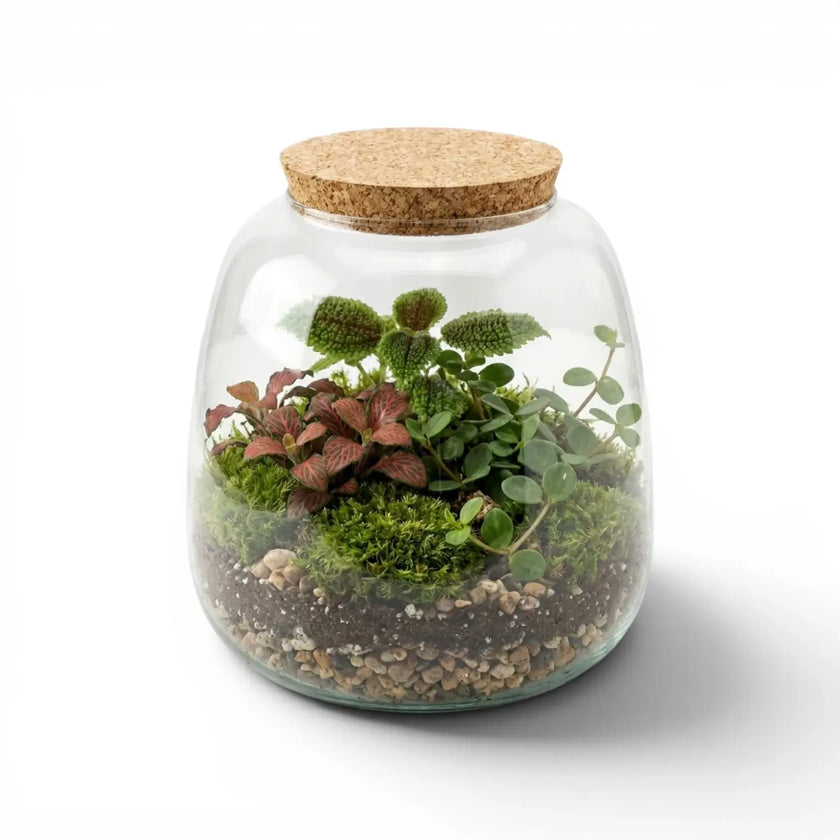
Terrarium jar 'Richmond' with cork plug
Regular price€31,25
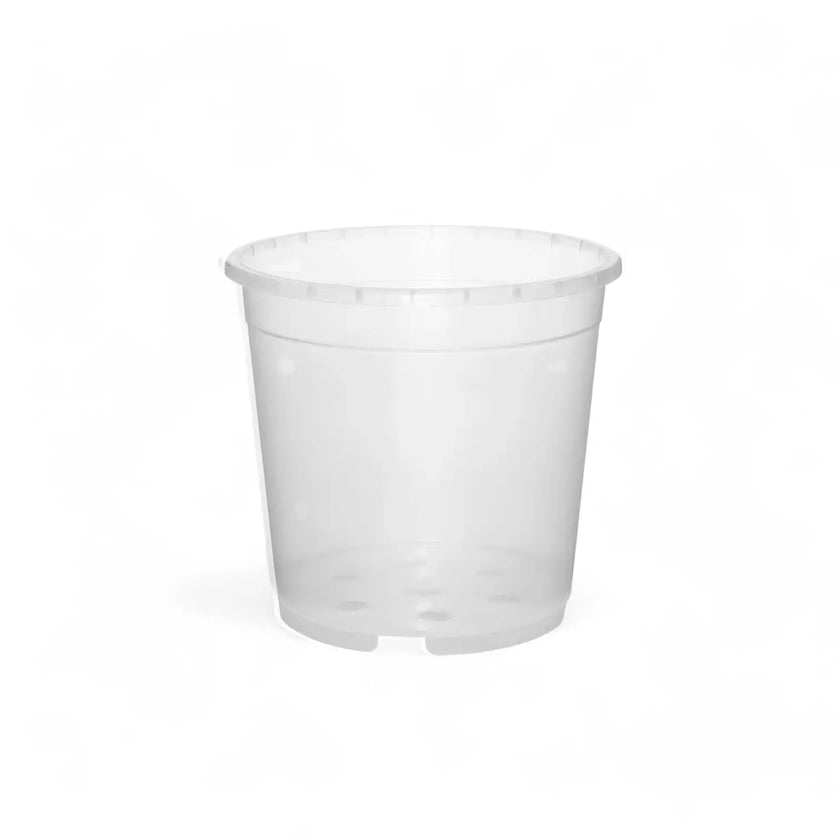
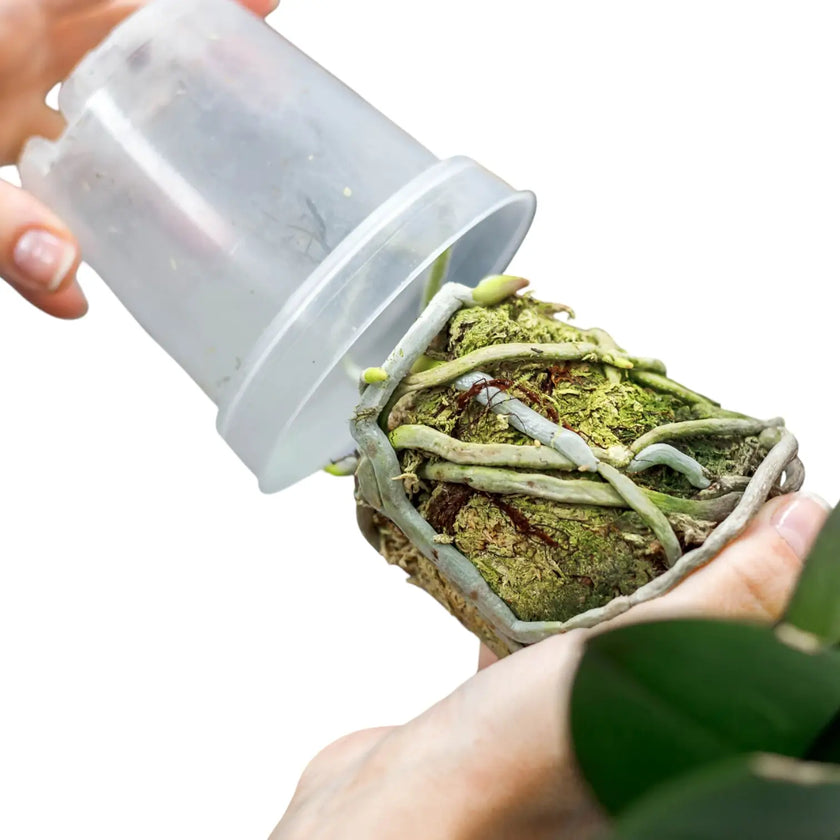
Transparent Nursery Planters, Pack of 10
Regular priceFrom €14,50
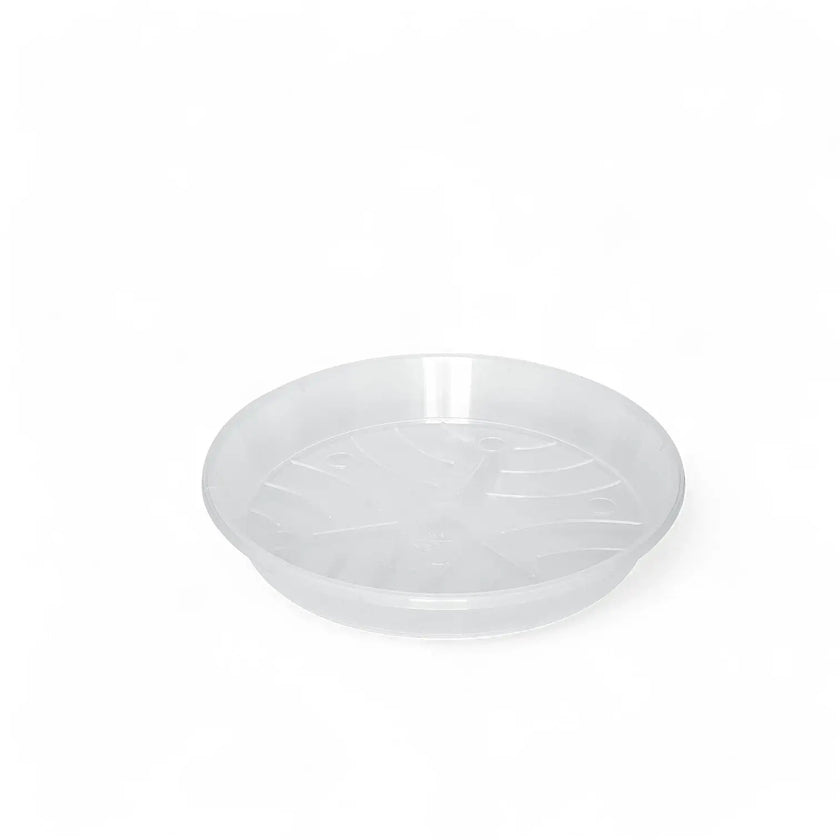
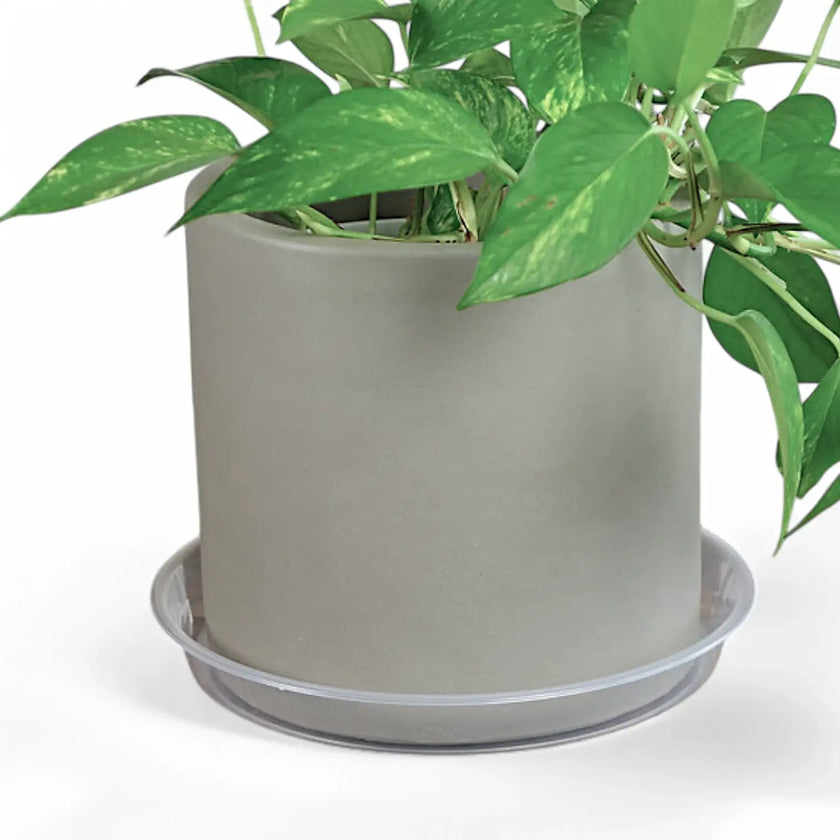
Transparent Plant Saucers, Pack of 10
Regular priceFrom €7,25