









Filters
Adelonema wallisii ‘Emerald Gem’Sold out

Aglaonema ‘Pink Star’Sold out
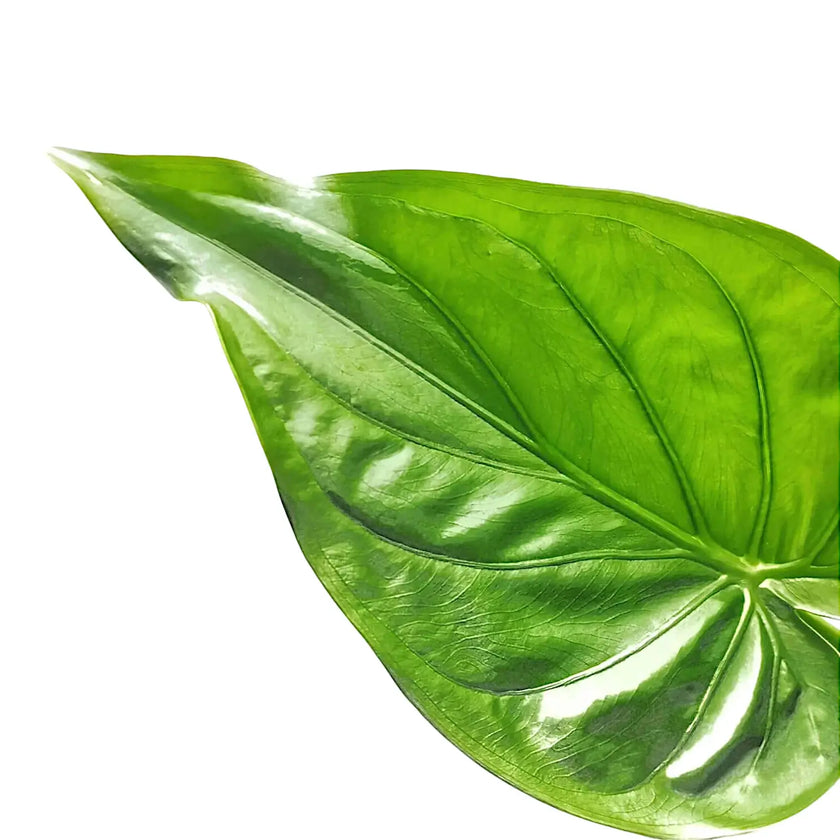
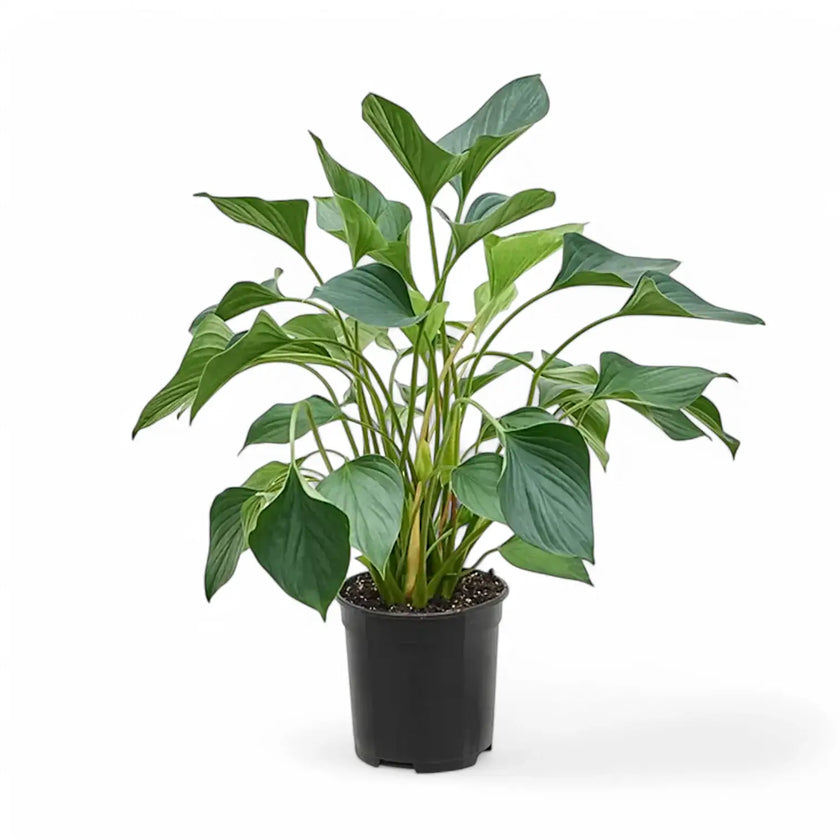
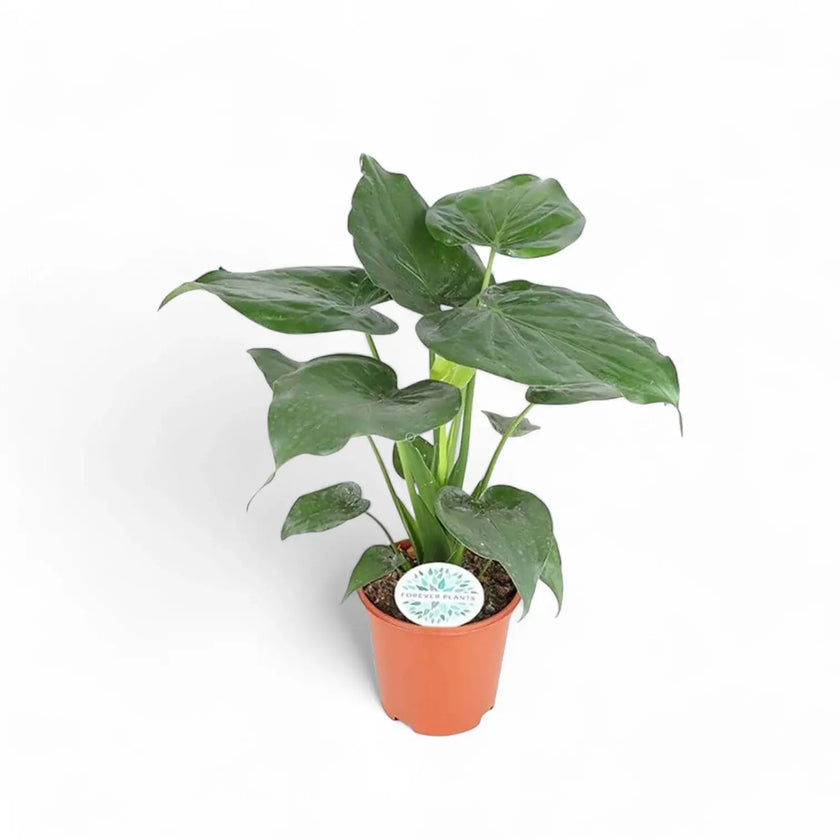
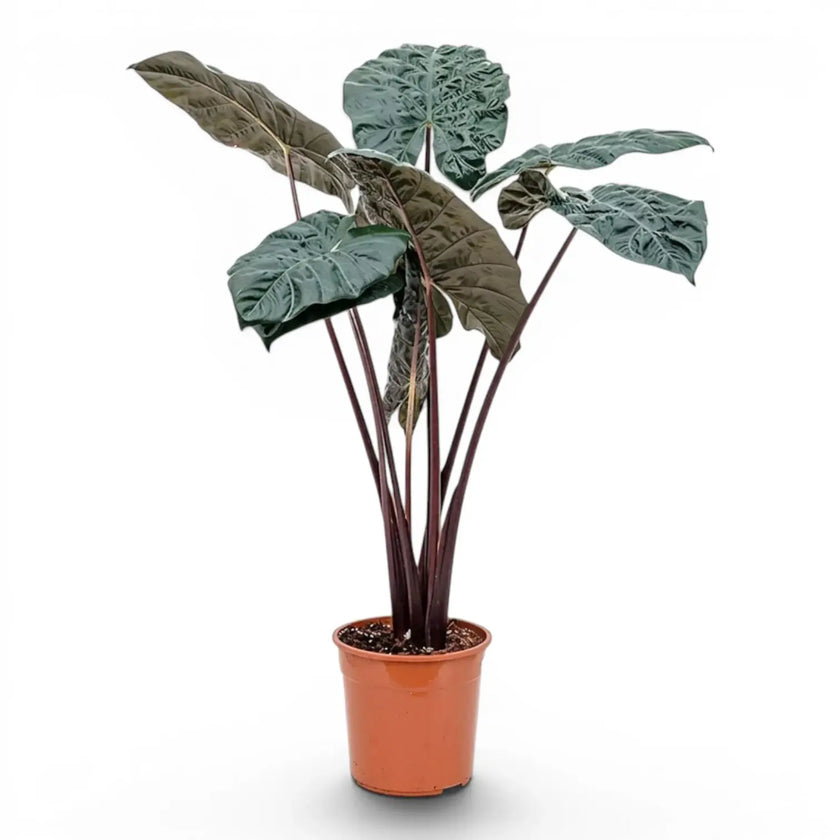
Alocasia cucullata
Sale price€37,25
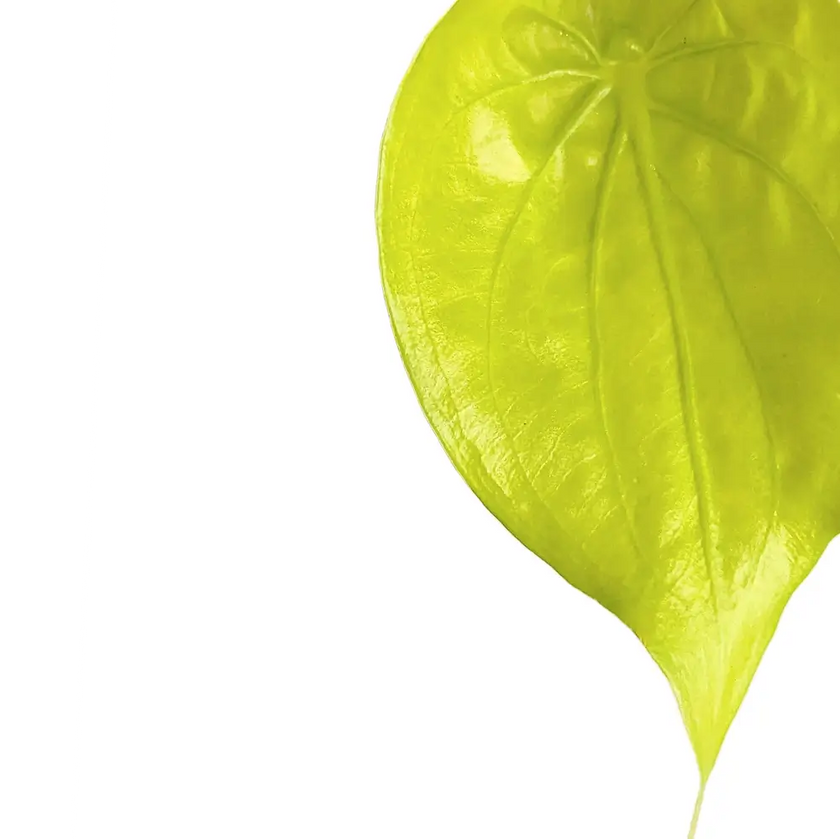
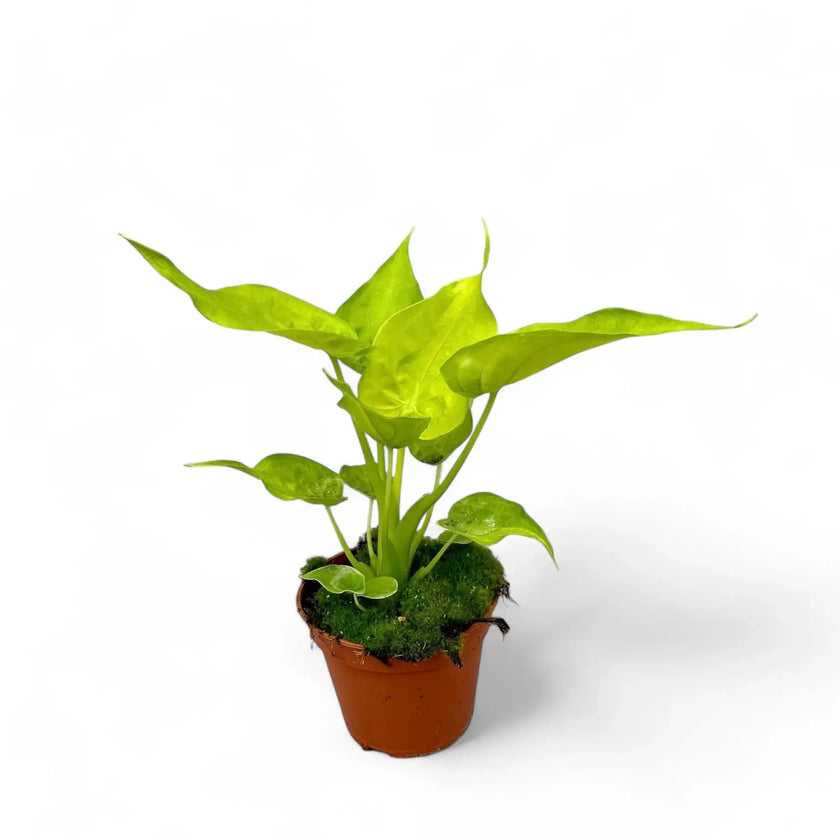
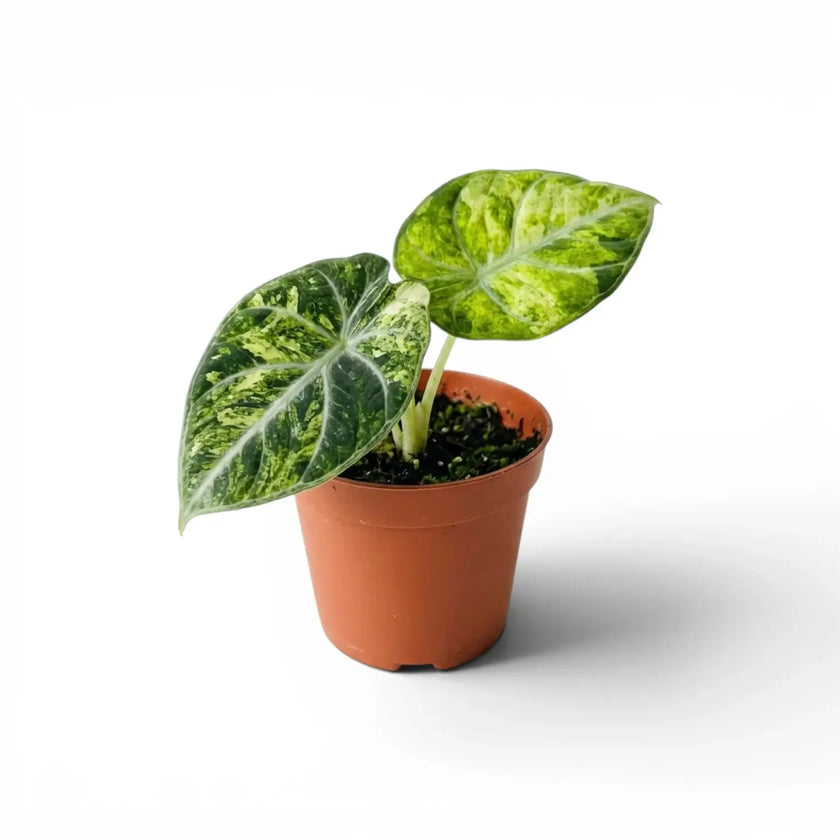
Alocasia cucullata ‘Golden’Sold out
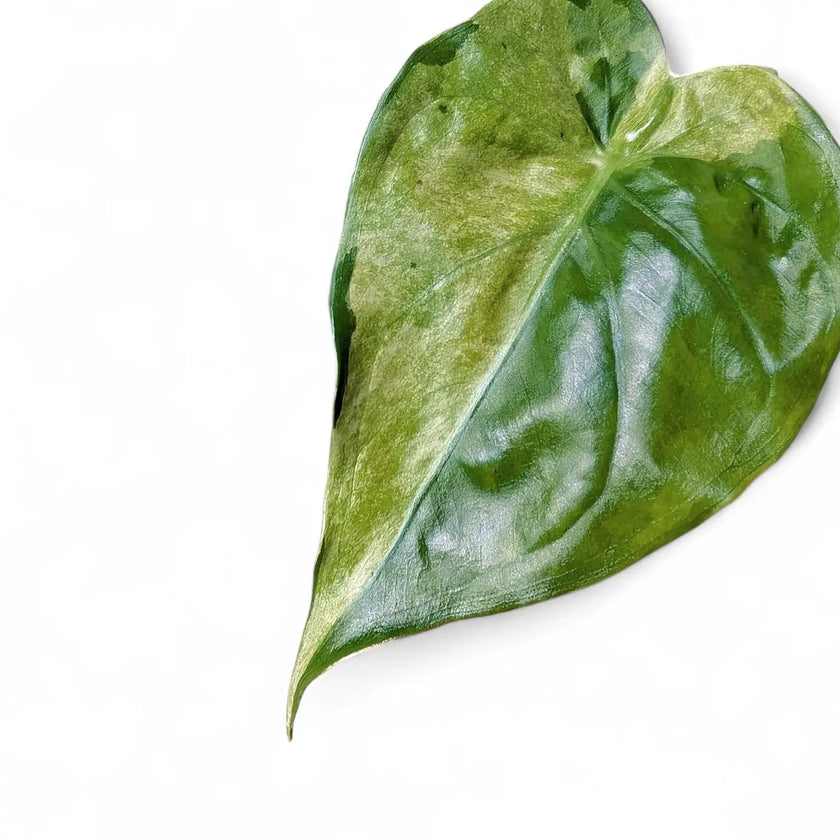
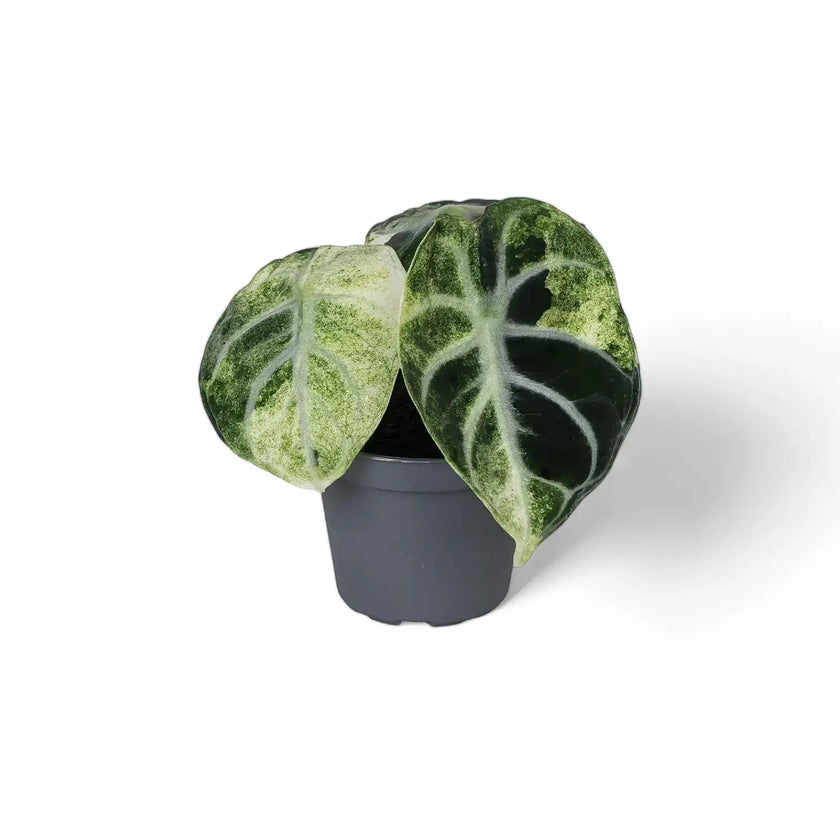
Alocasia cucullata ‘Mint’Sold out
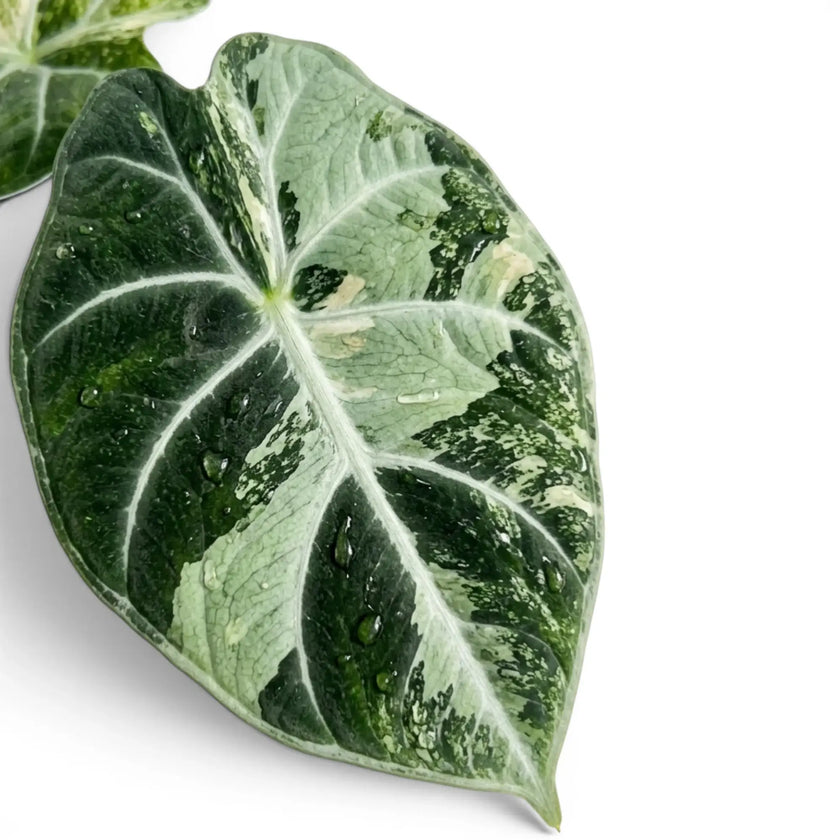
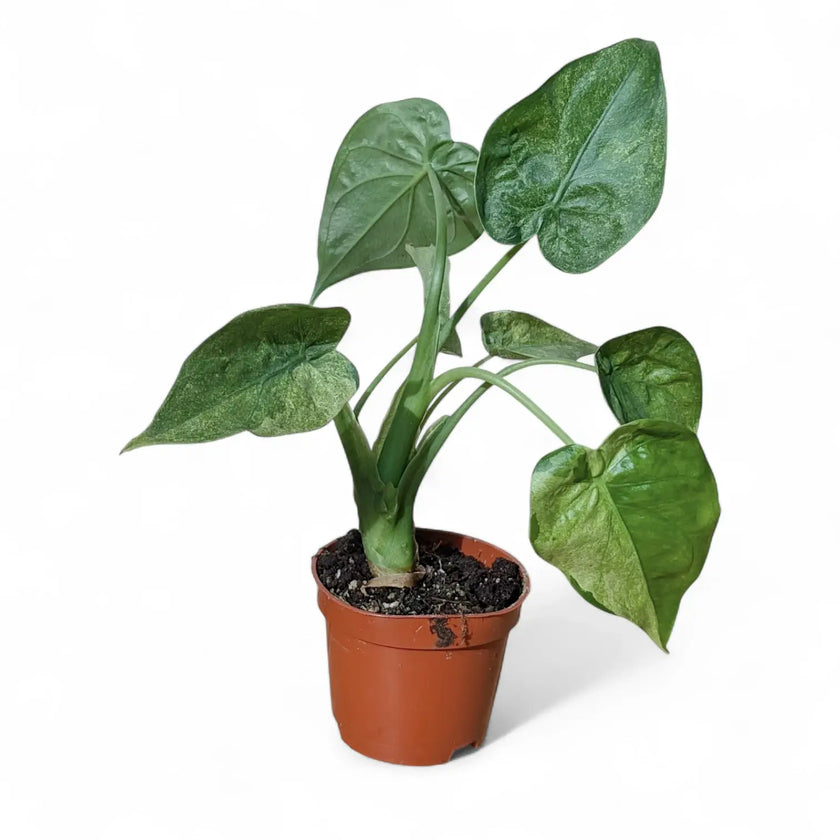
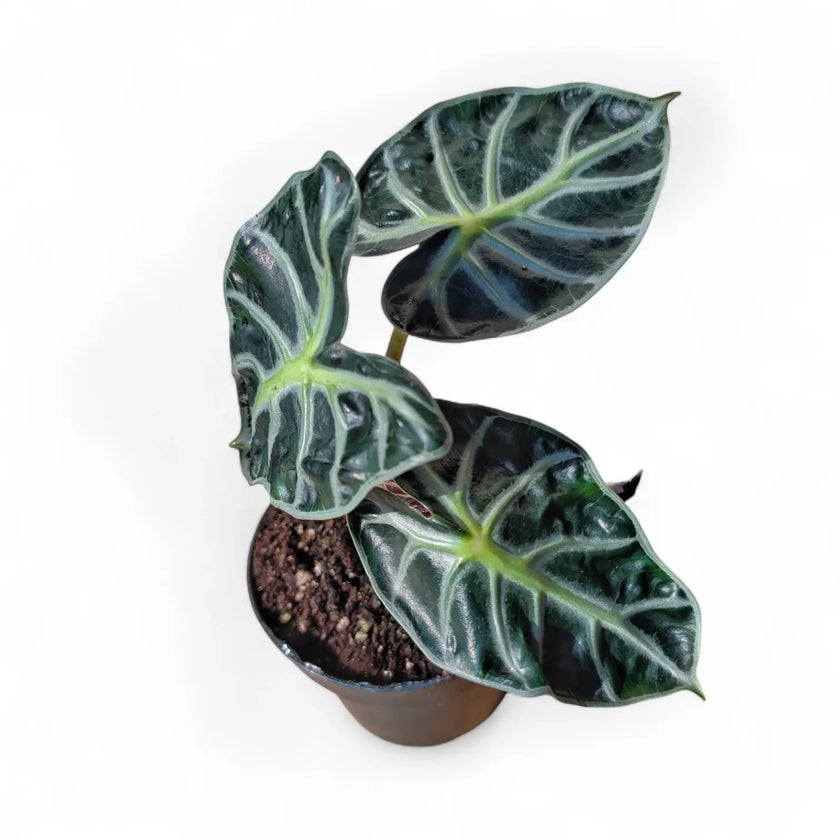
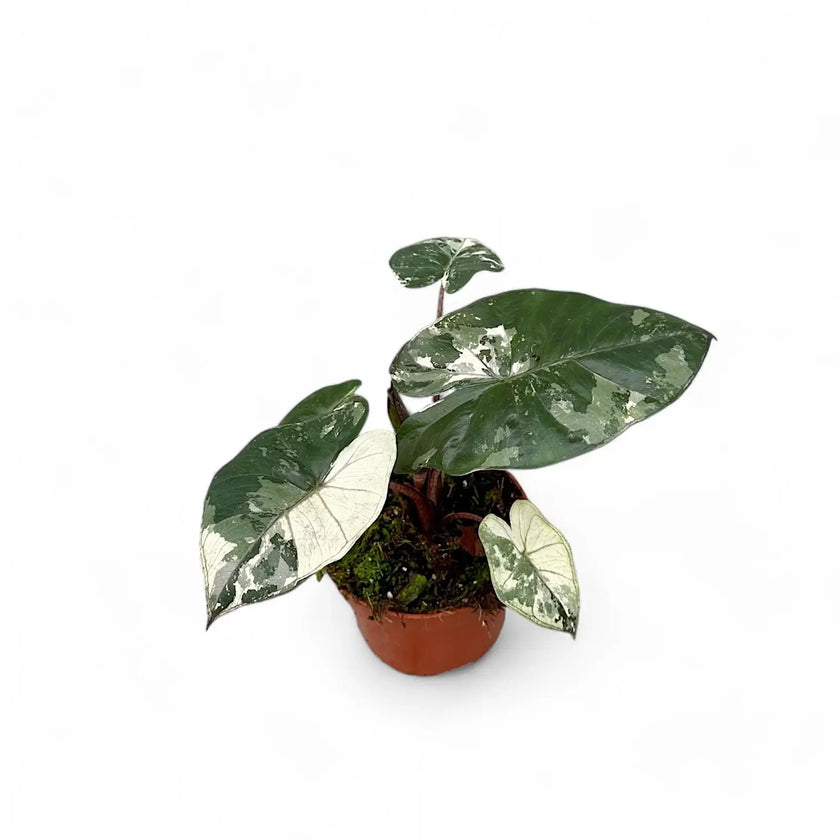
Alocasia reginula ‘Ninja Tricolor’
Sale priceFrom €45,75
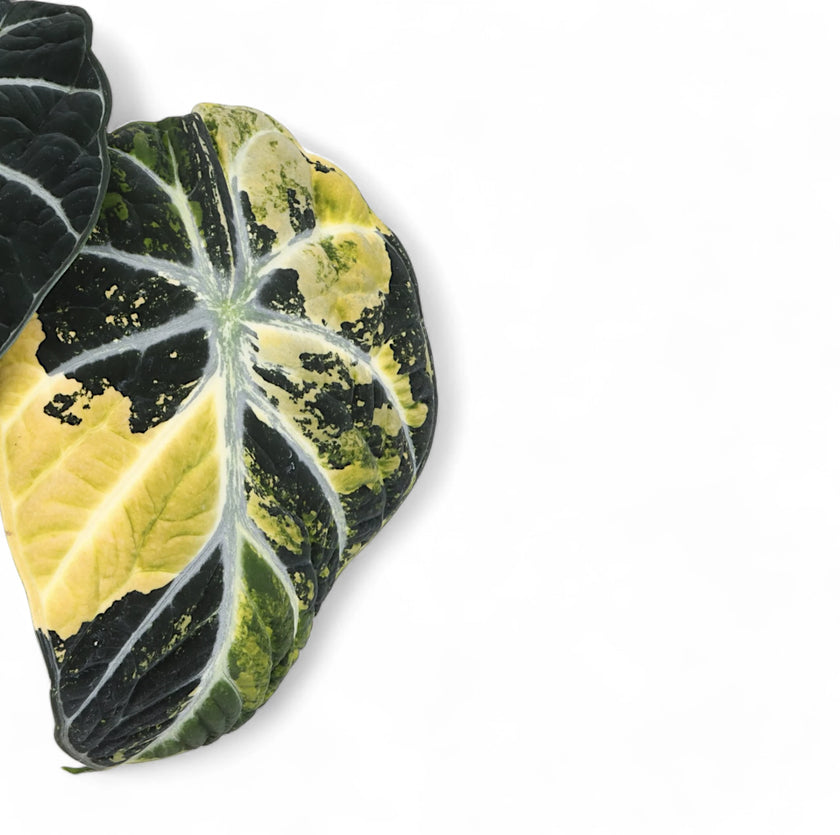
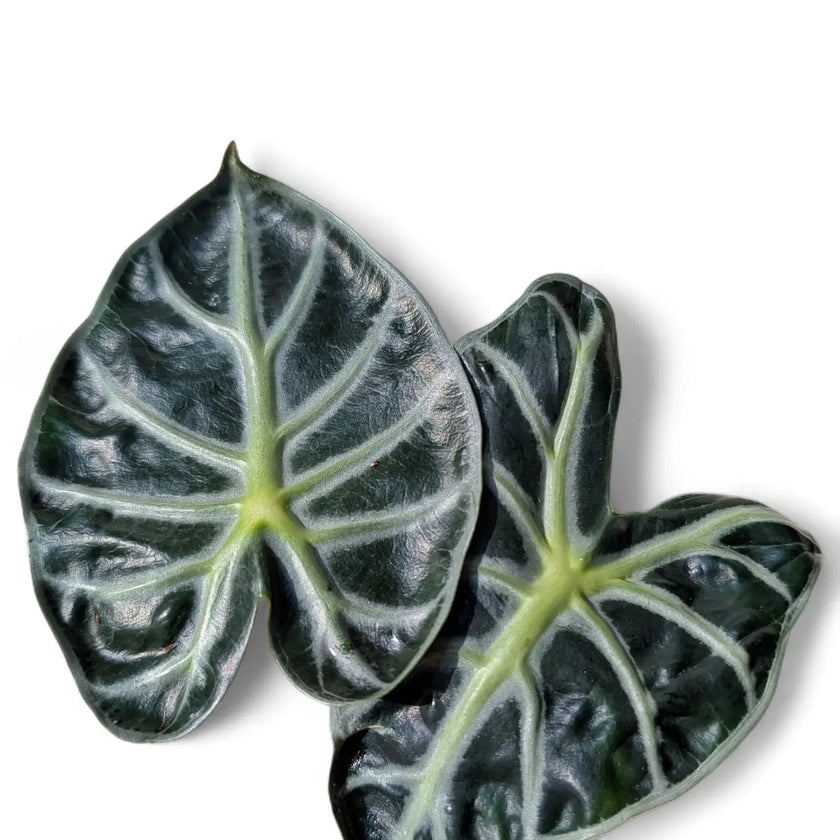
Alocasia ‘Balloon Heart’Sold out

Alocasia ‘Chantrierii’Sold out
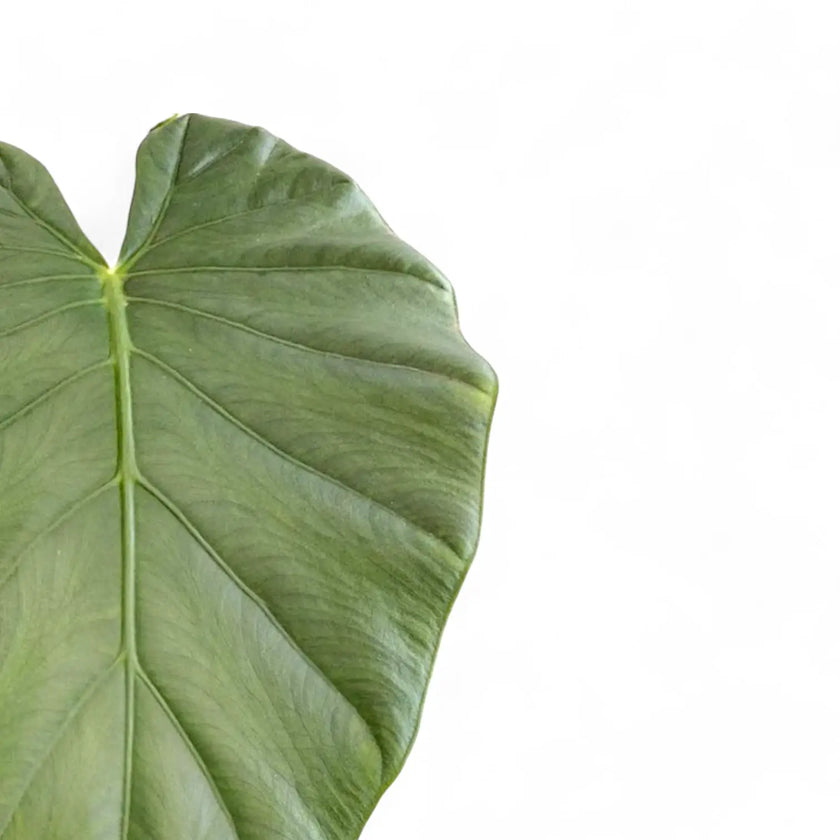
Alocasia ‘Opal Beauty’Sold out
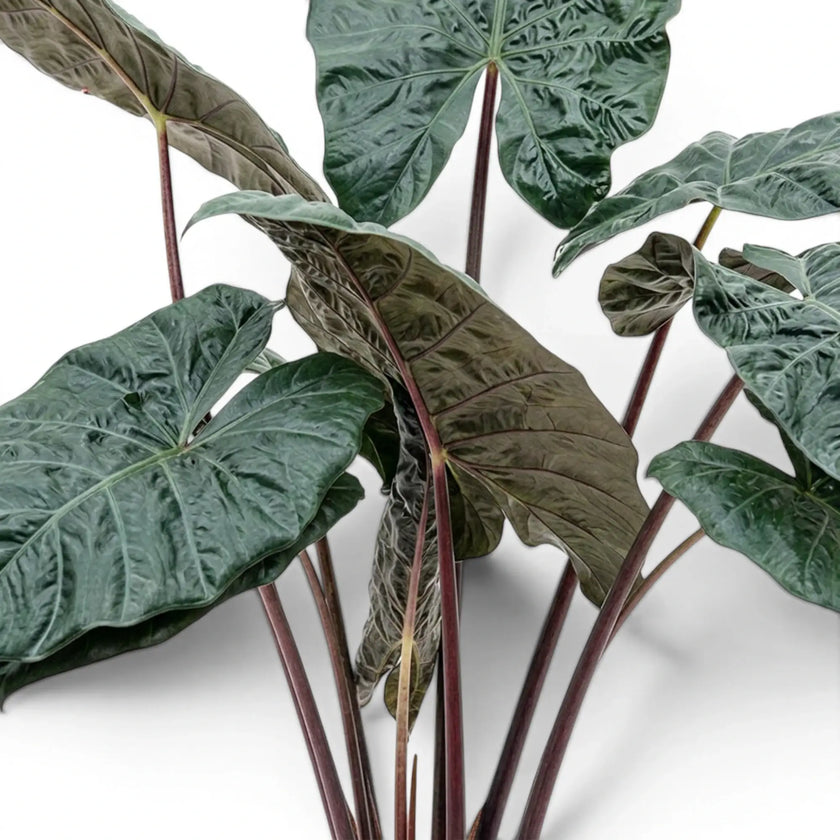
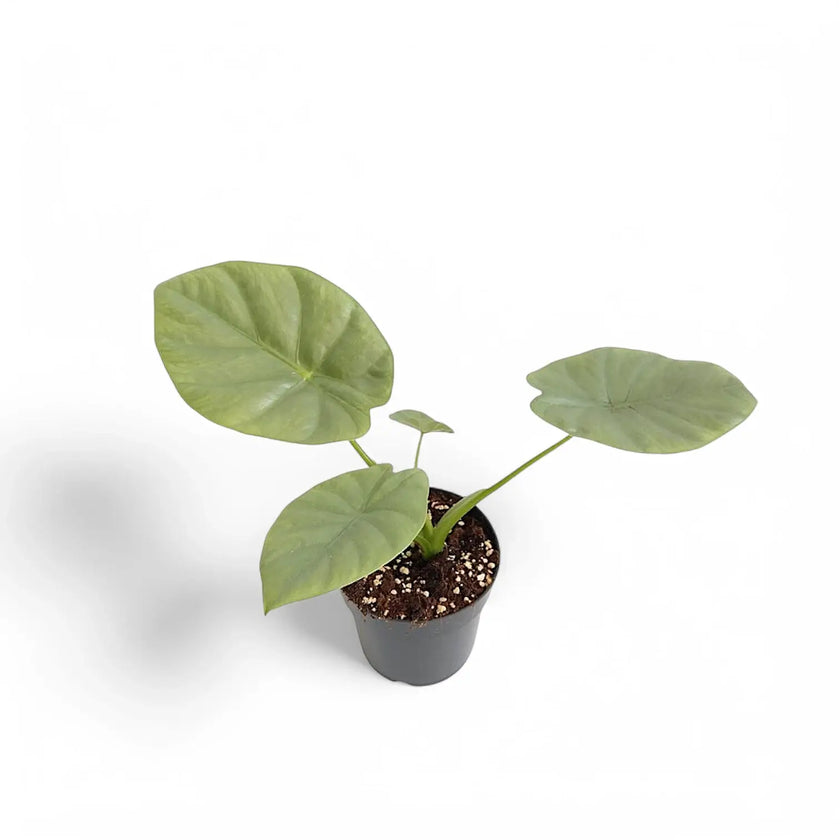
Alocasia ‘Yucatan Princess’
Sale priceFrom €32,50
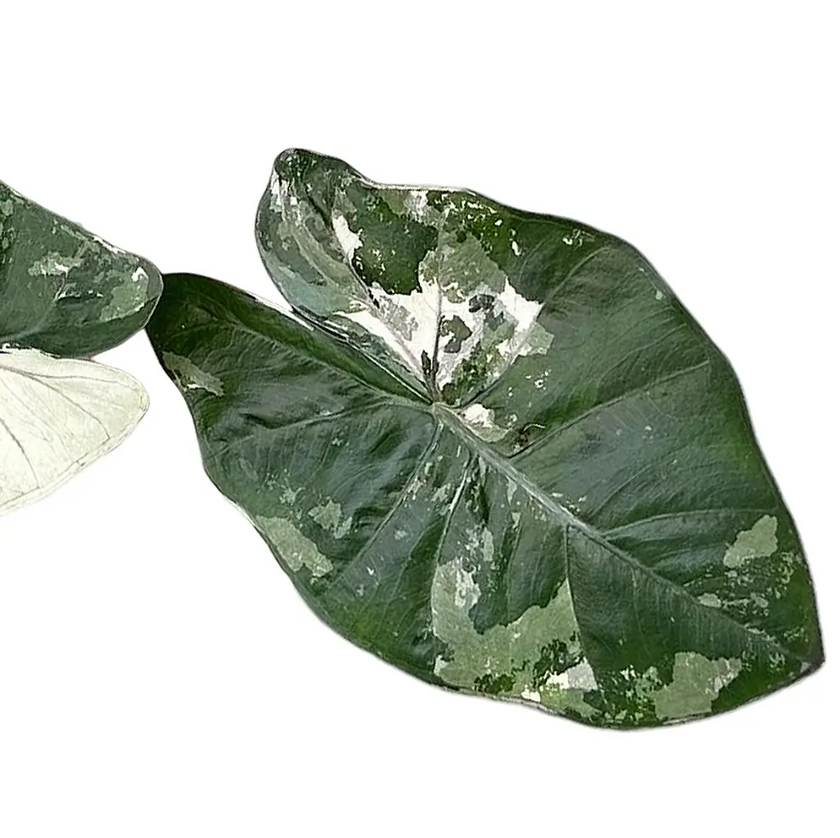
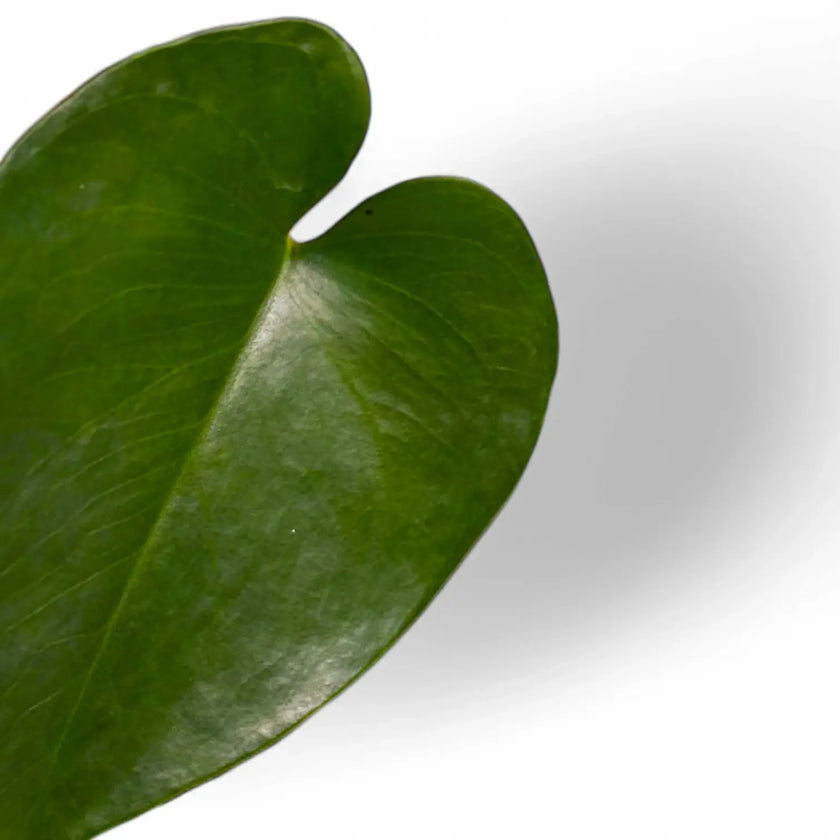
Amydrium humileSold out

Anoectochilus sikkimensisSold out
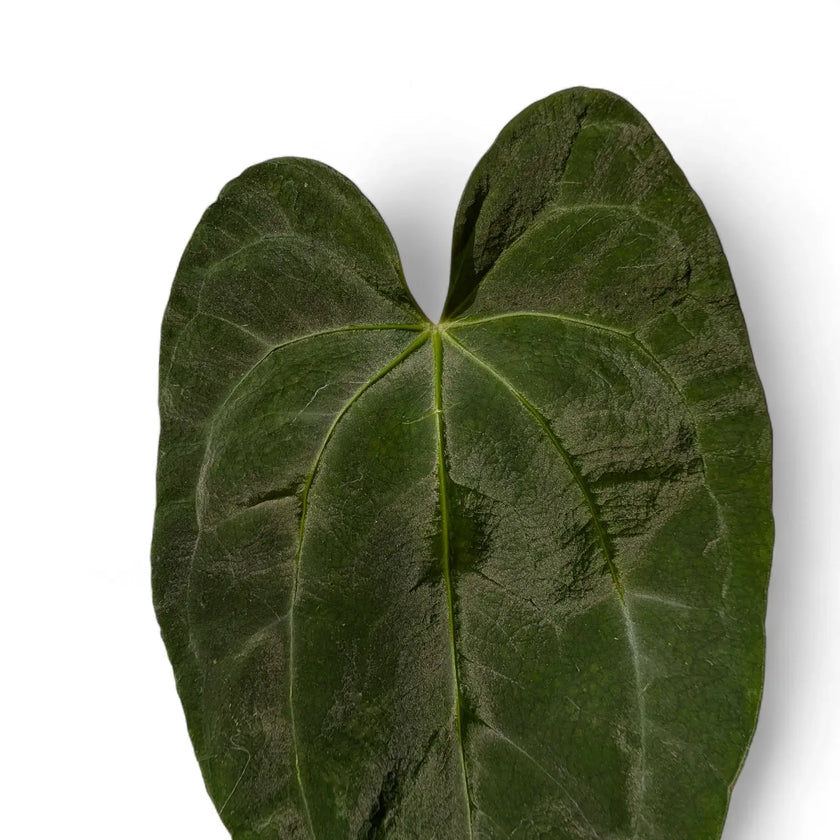
Anthurium 'Dark Phoenix'Sold out
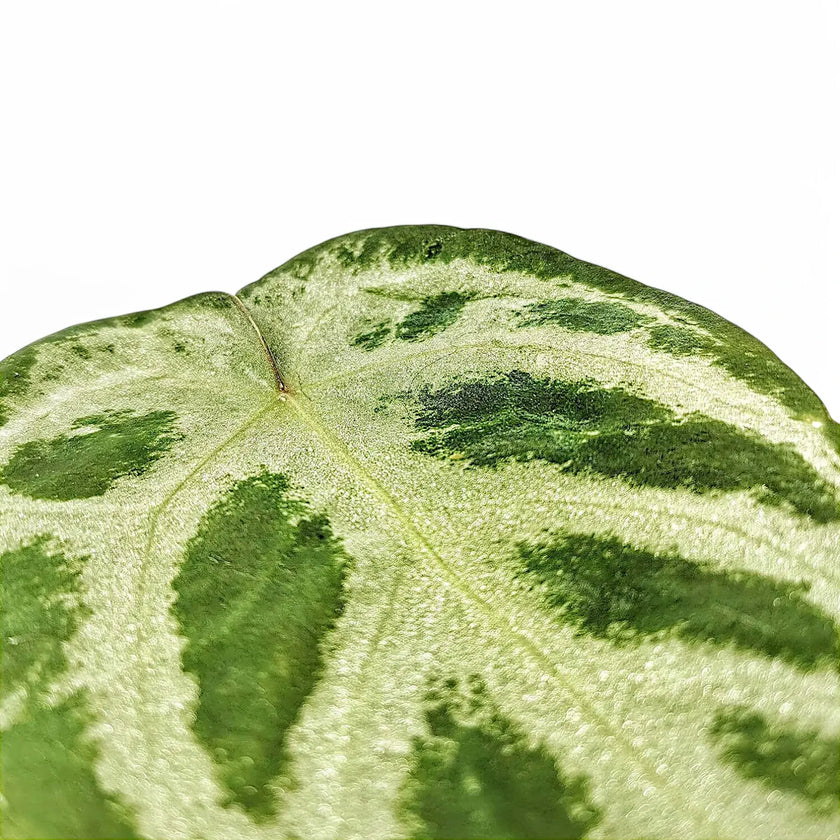
Anthurium 'Dorayaki'Sold out

Anthurium 'Queen of Hearts'Sold out
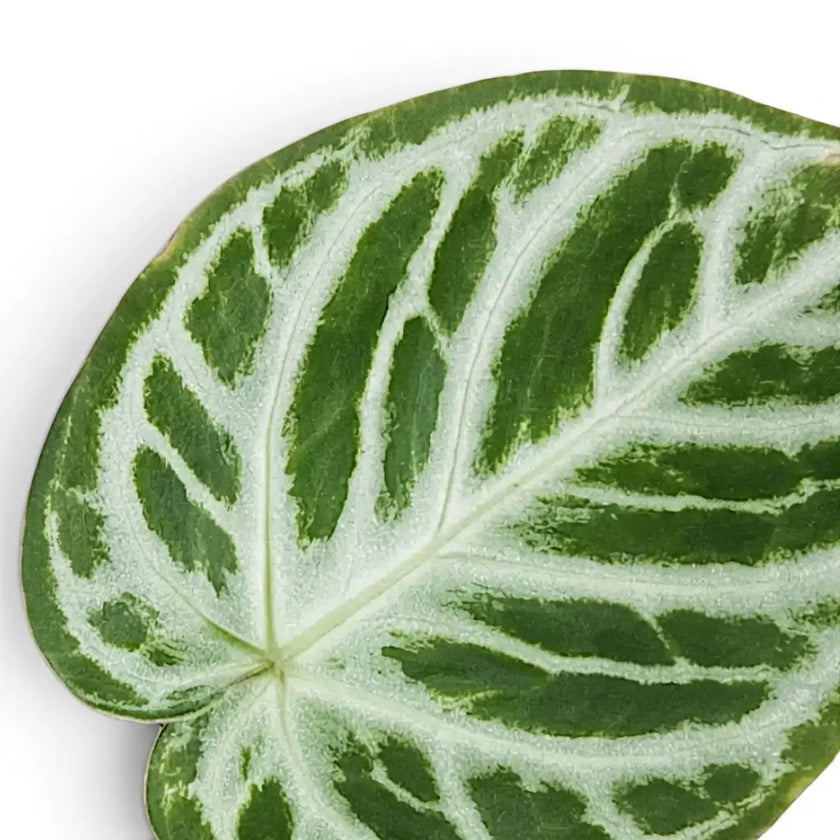
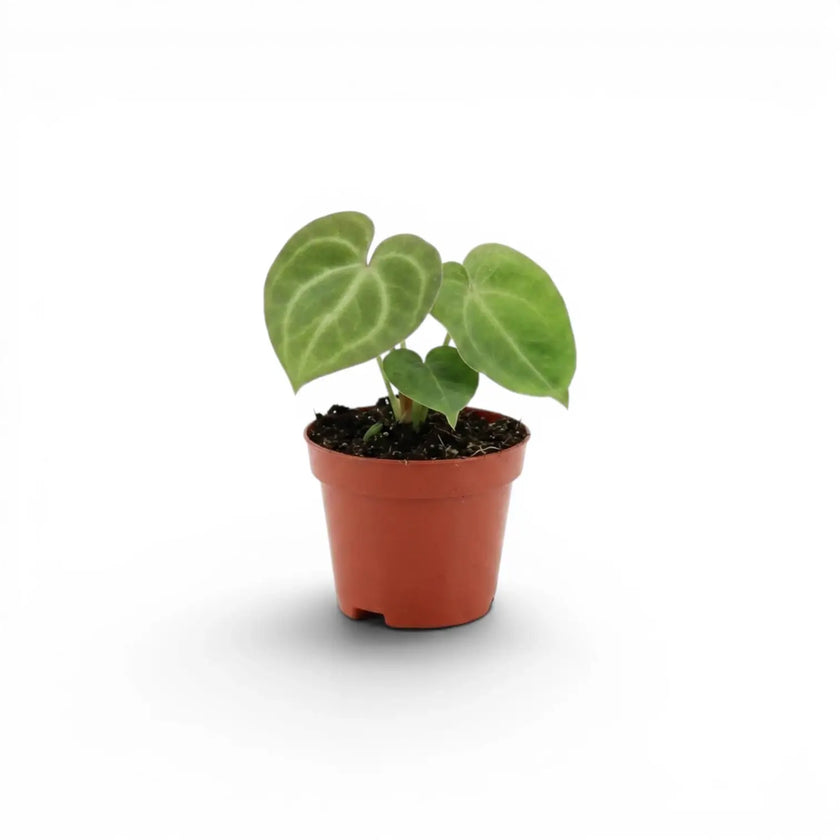
Anthurium 'Silver Blush'
Sale priceFrom €8,50
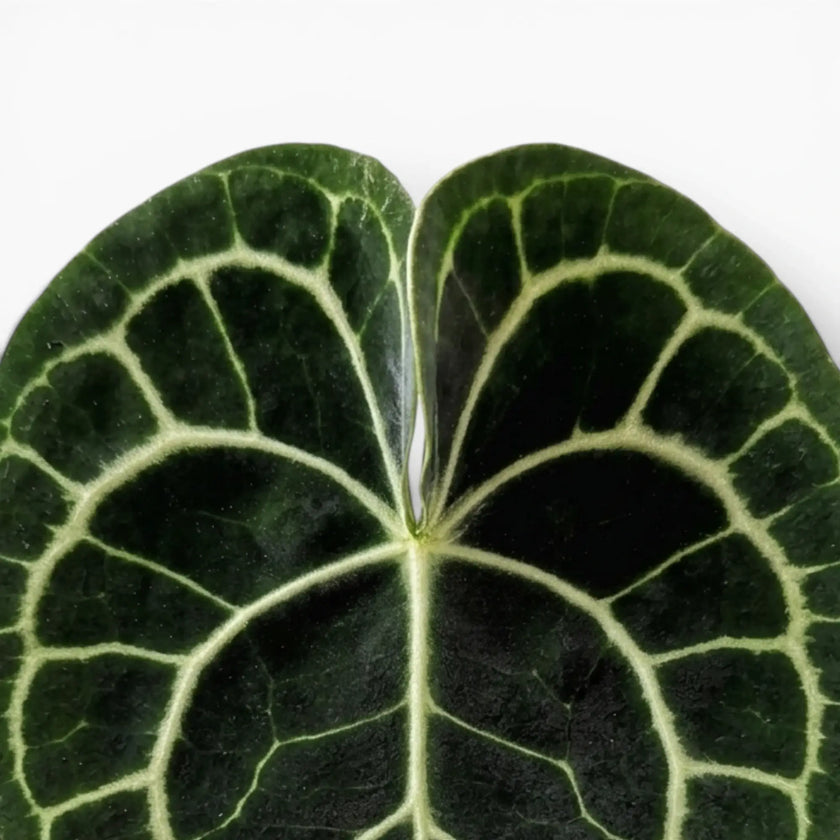
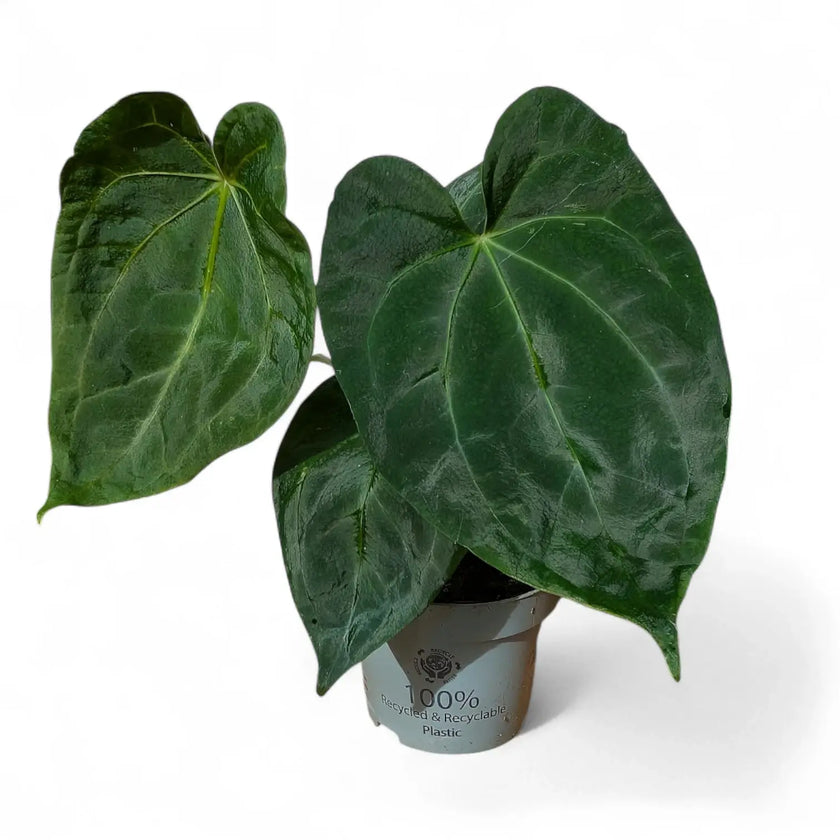
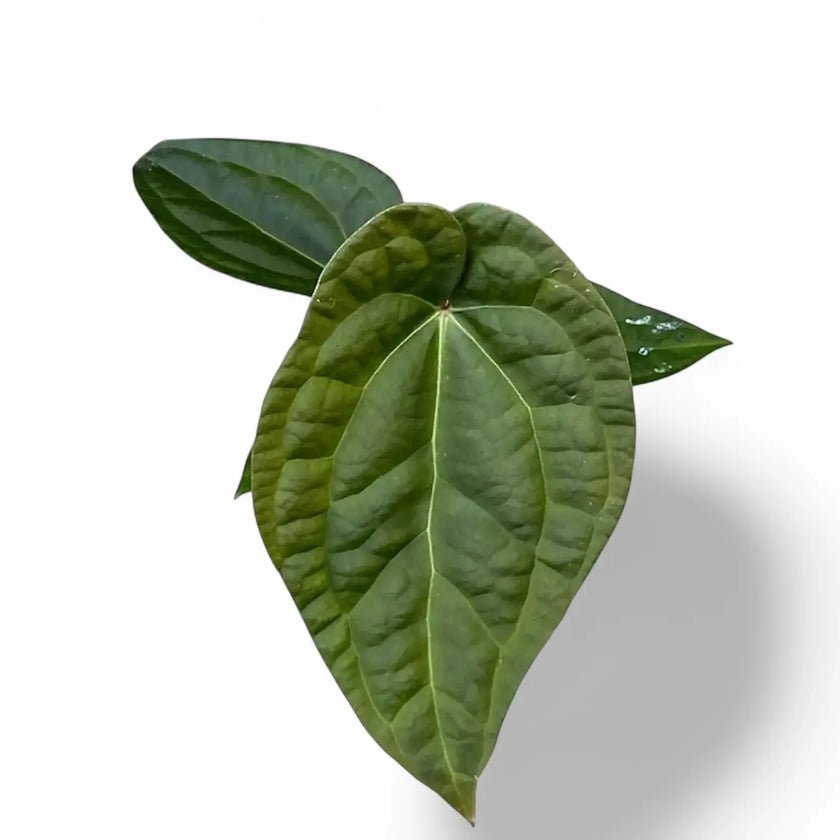
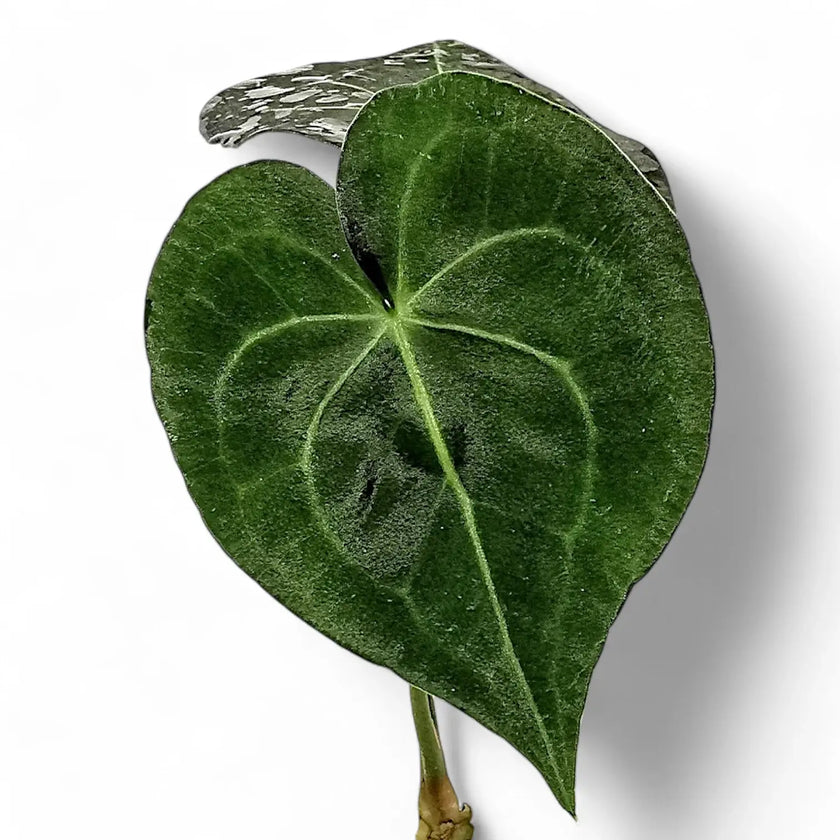
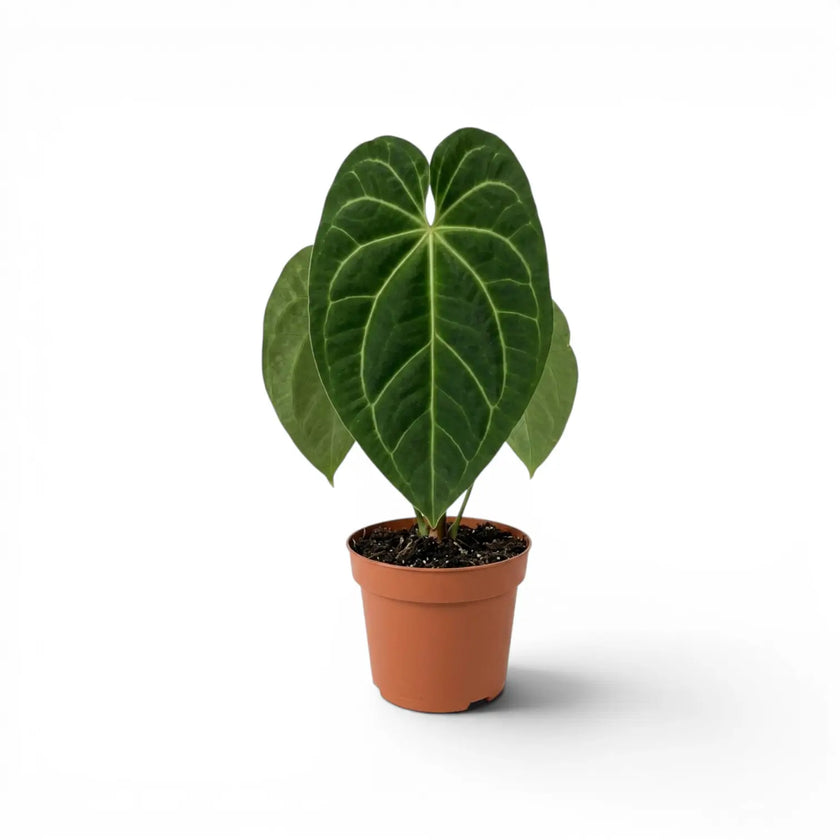
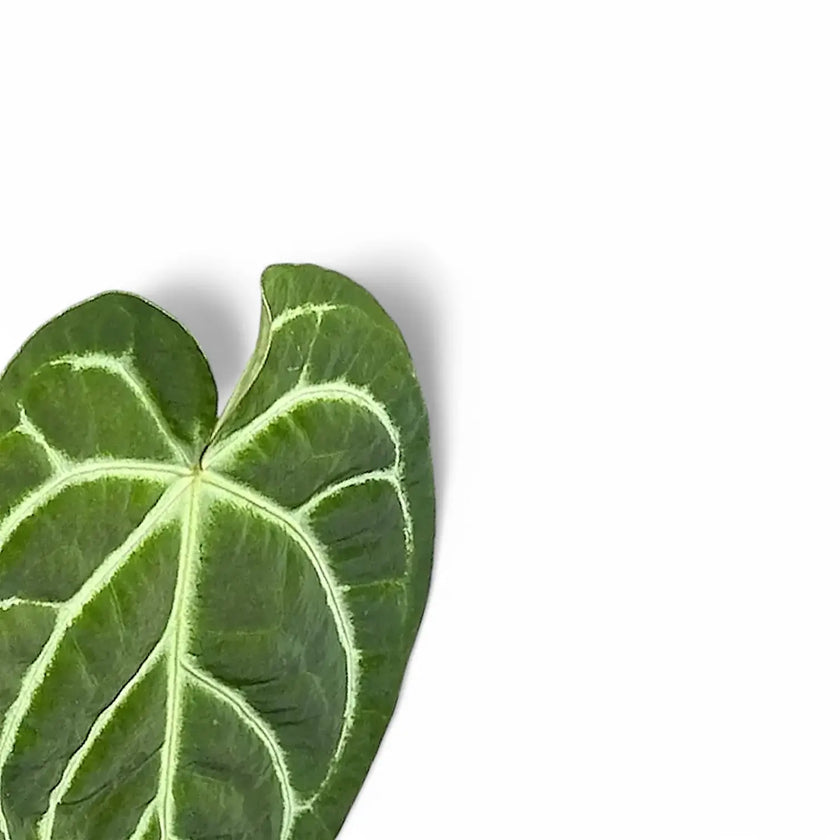
Anthurium clarinervium
Sale priceFrom €9,75

Anthurium clidemioidesSold out
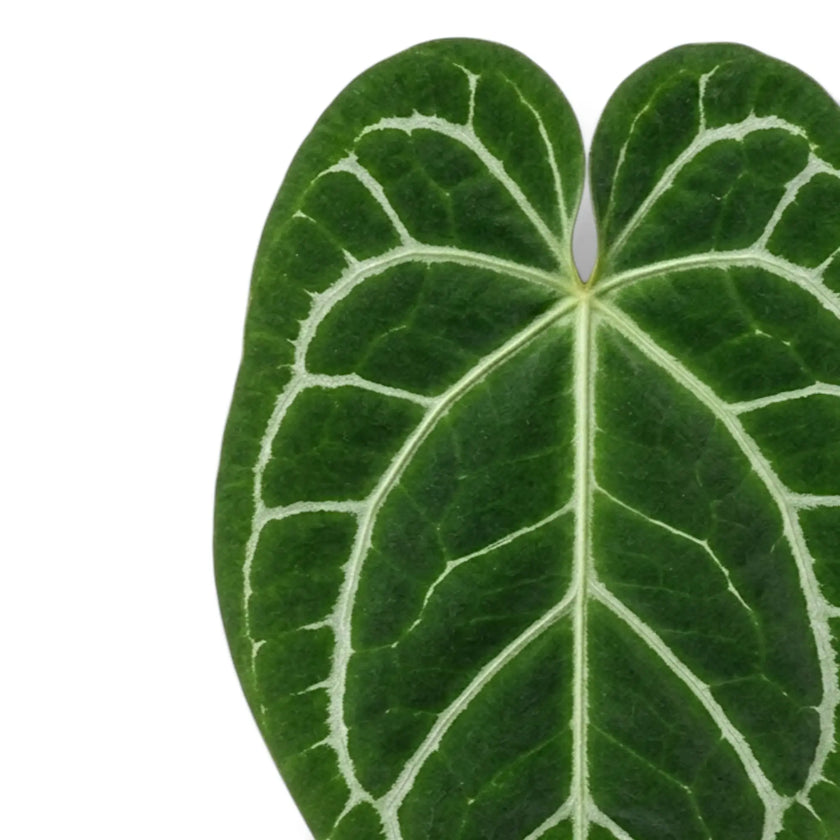
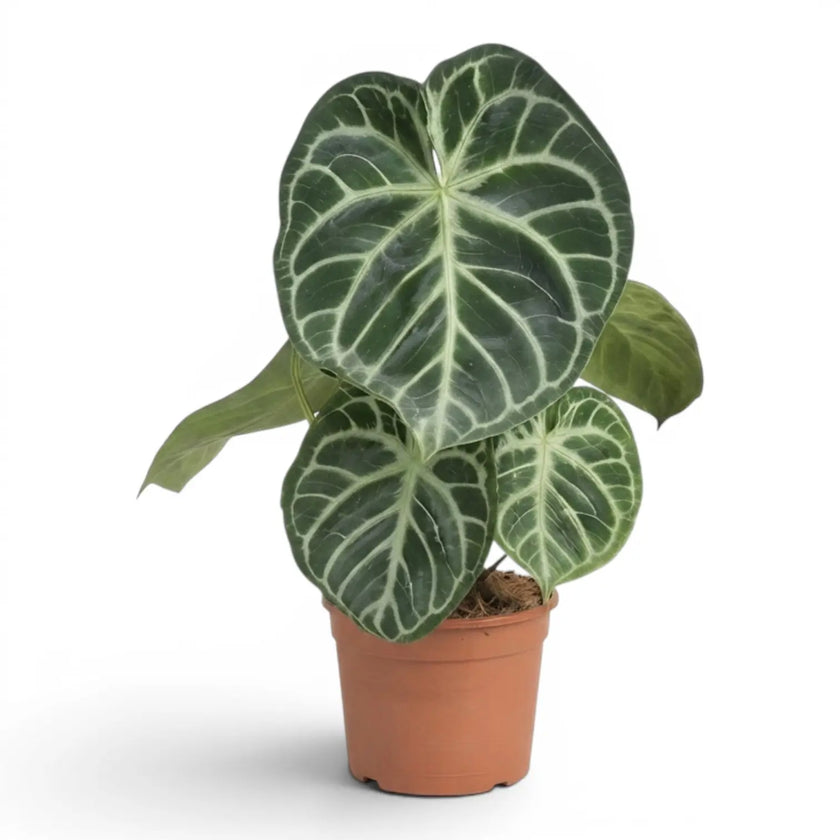
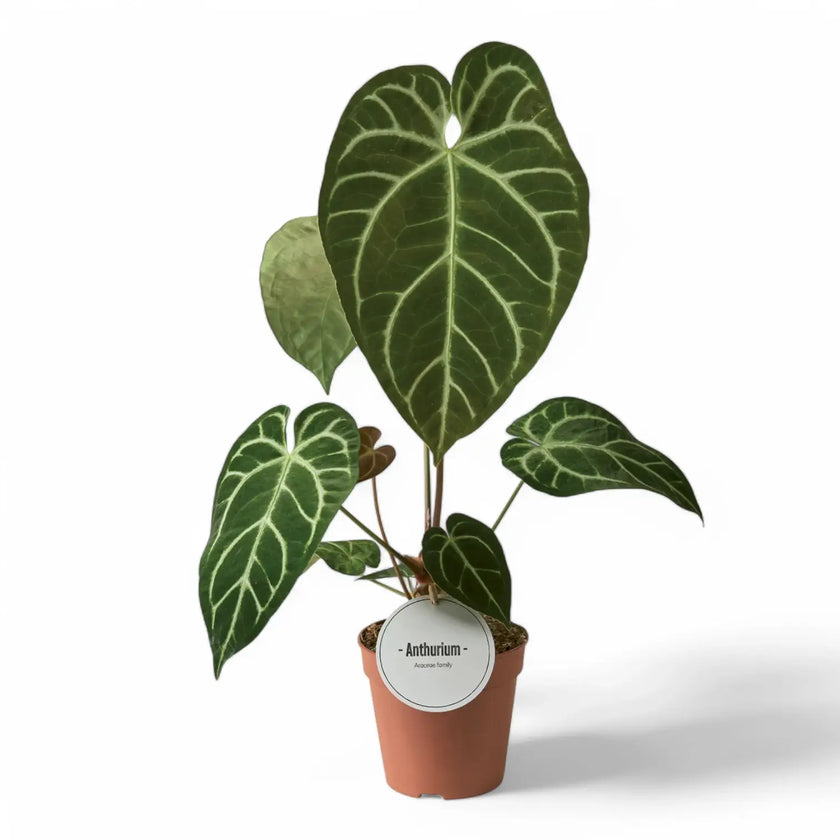
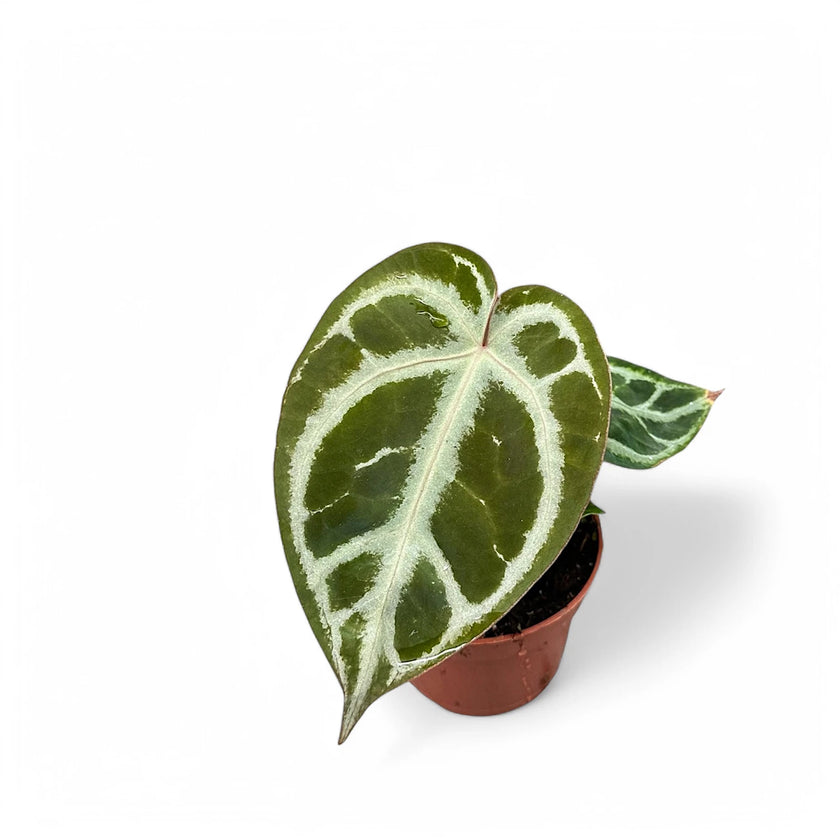
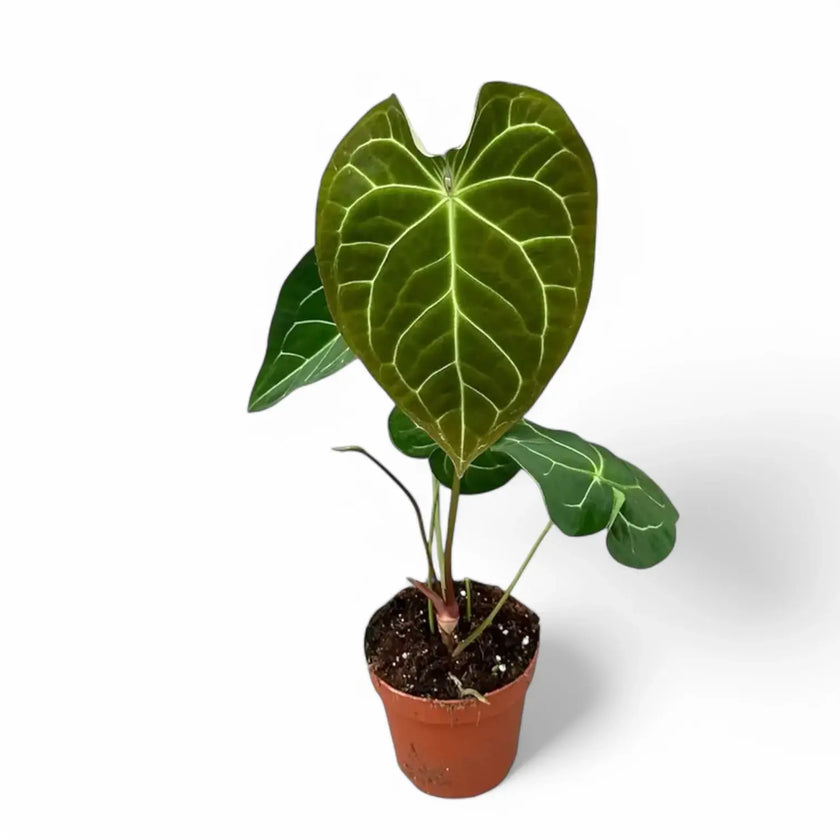
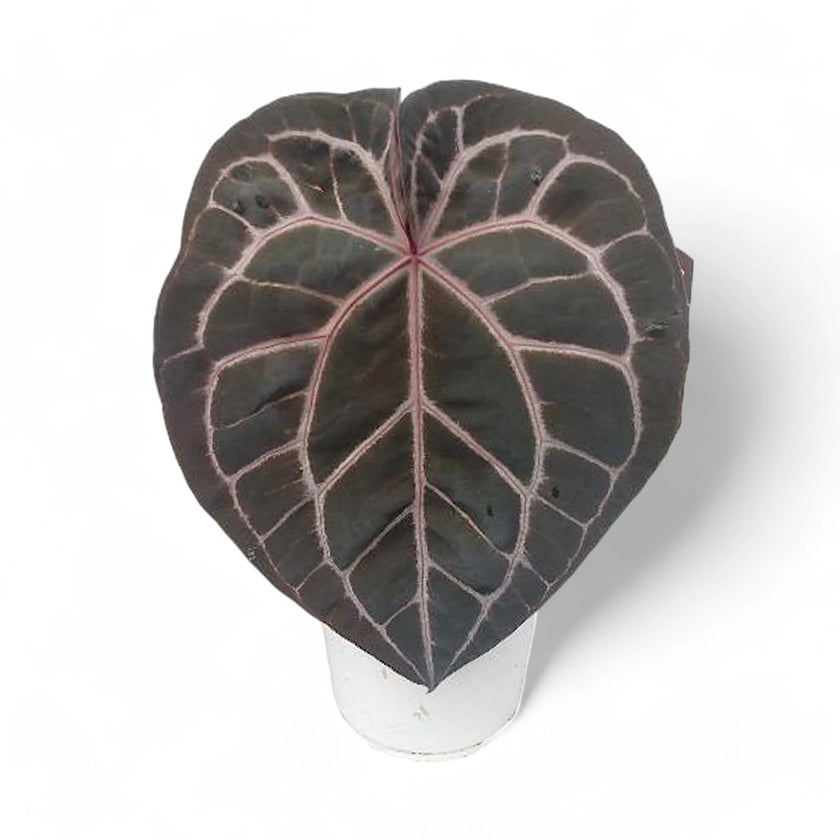
Anthurium crystallinum
Sale priceFrom €8,50
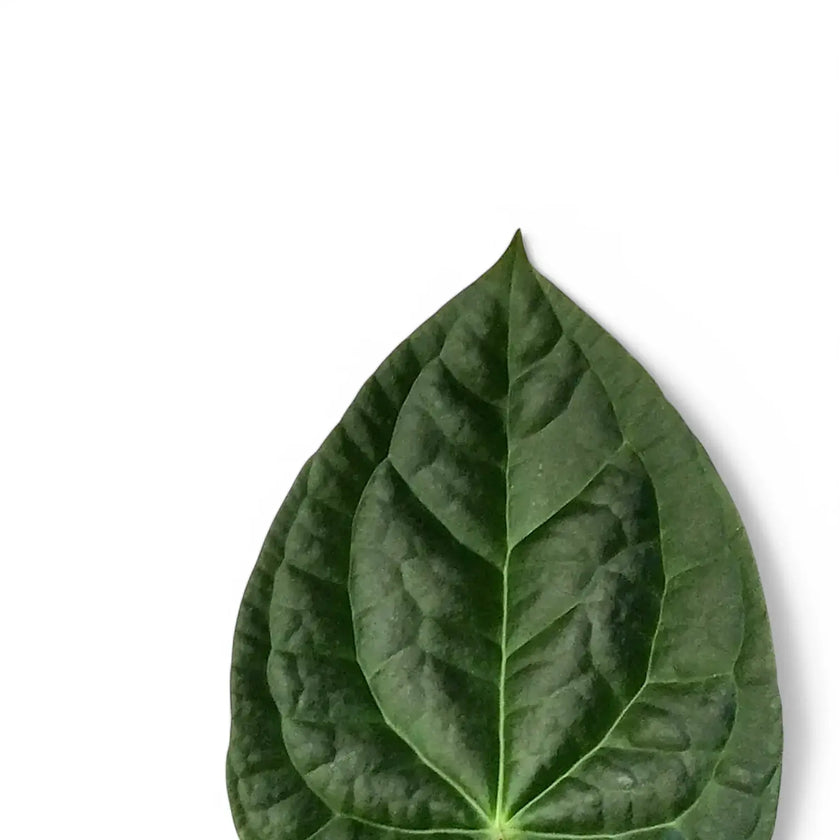
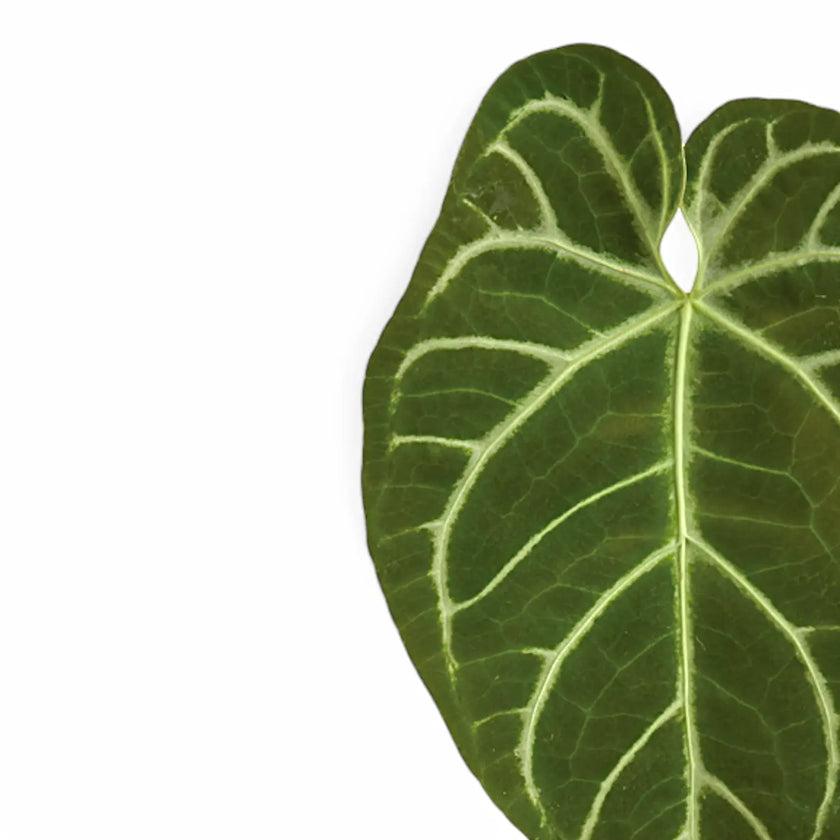
Anthurium crystallinum × regaleSold out
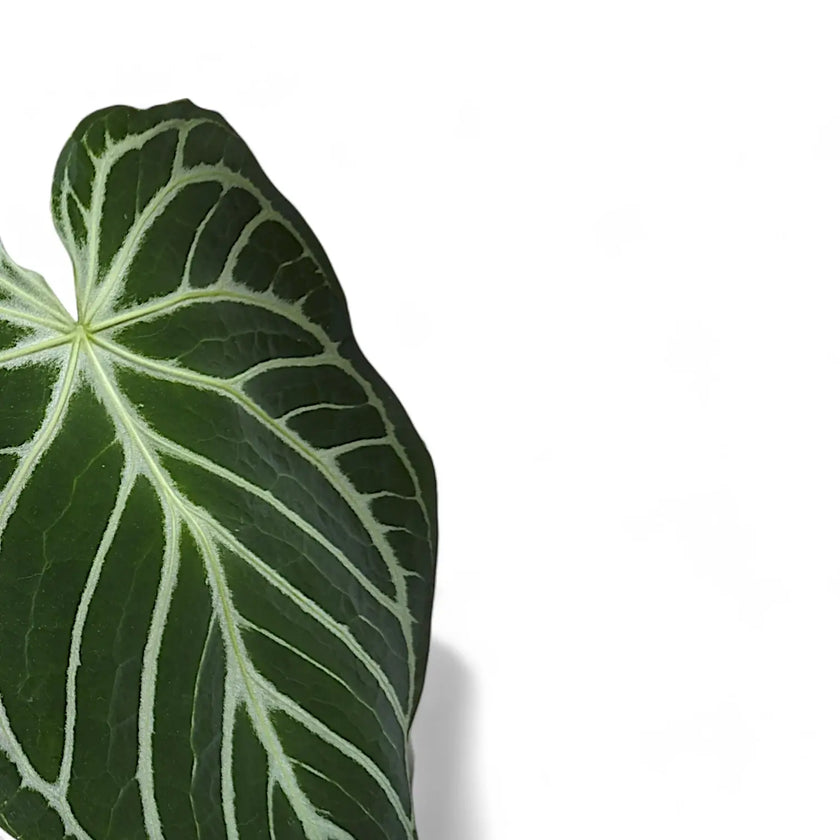
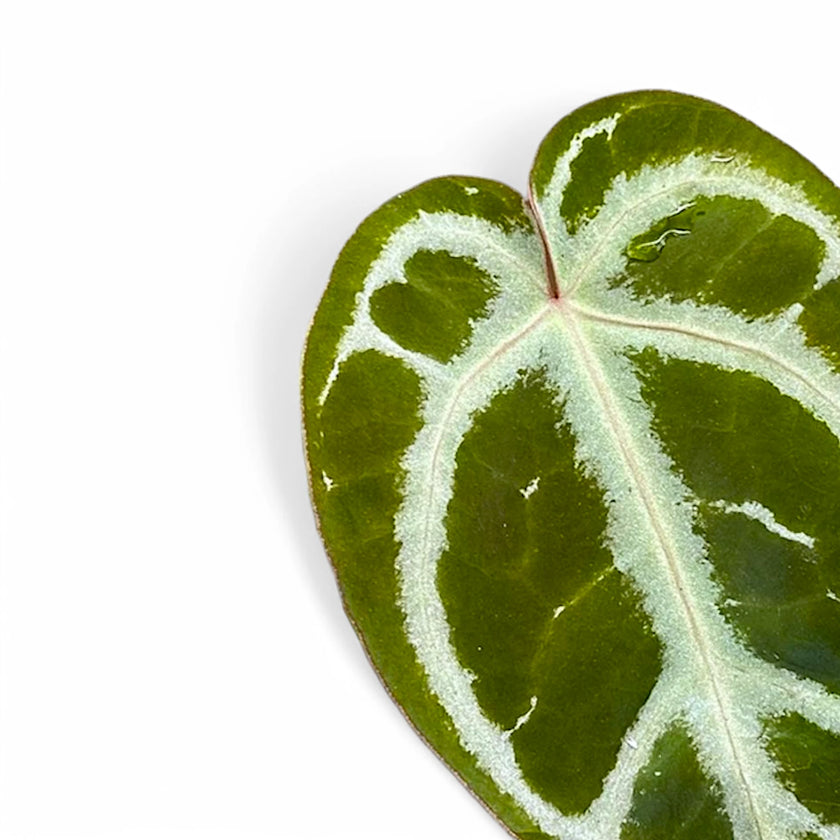
Anthurium crystallinum ‘Silver’Sold out
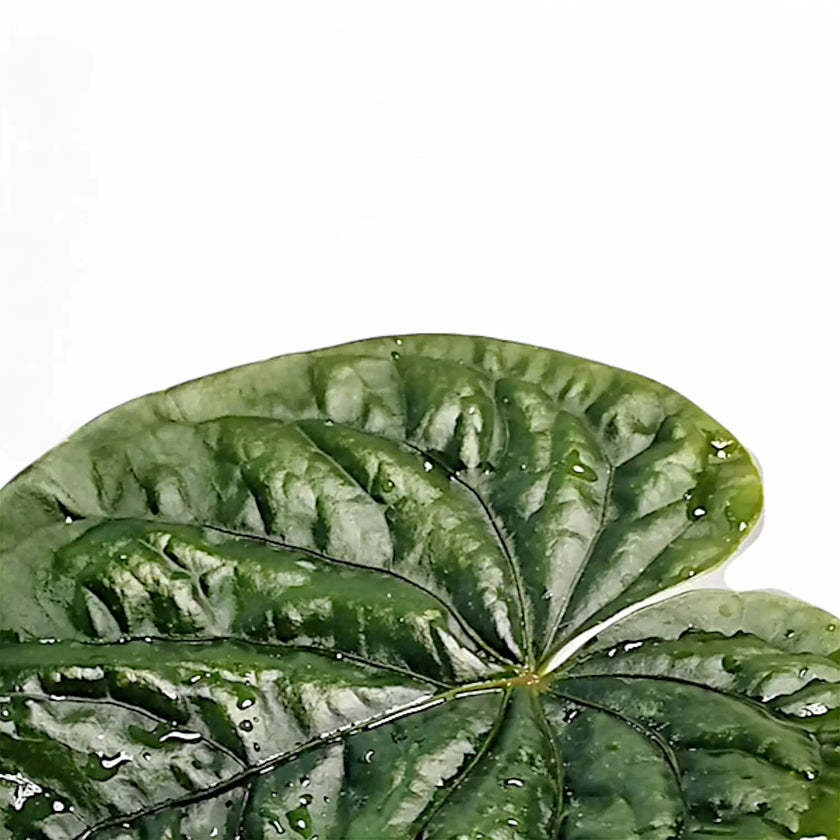
Anthurium debileSold out
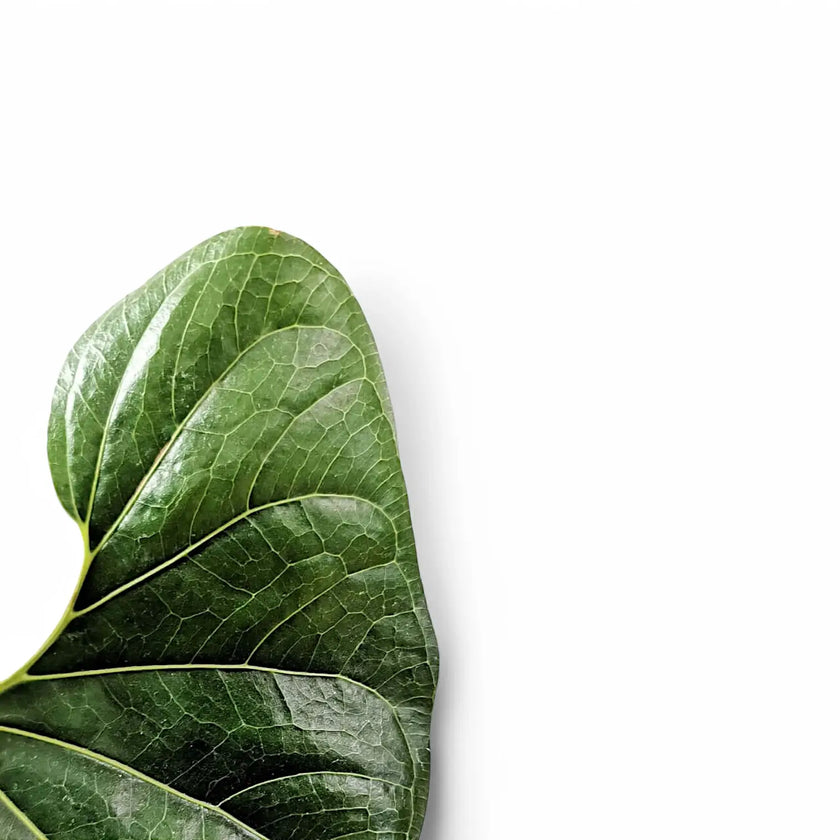
Anthurium decipiensSold out

Anthurium dolichostachyumSold out
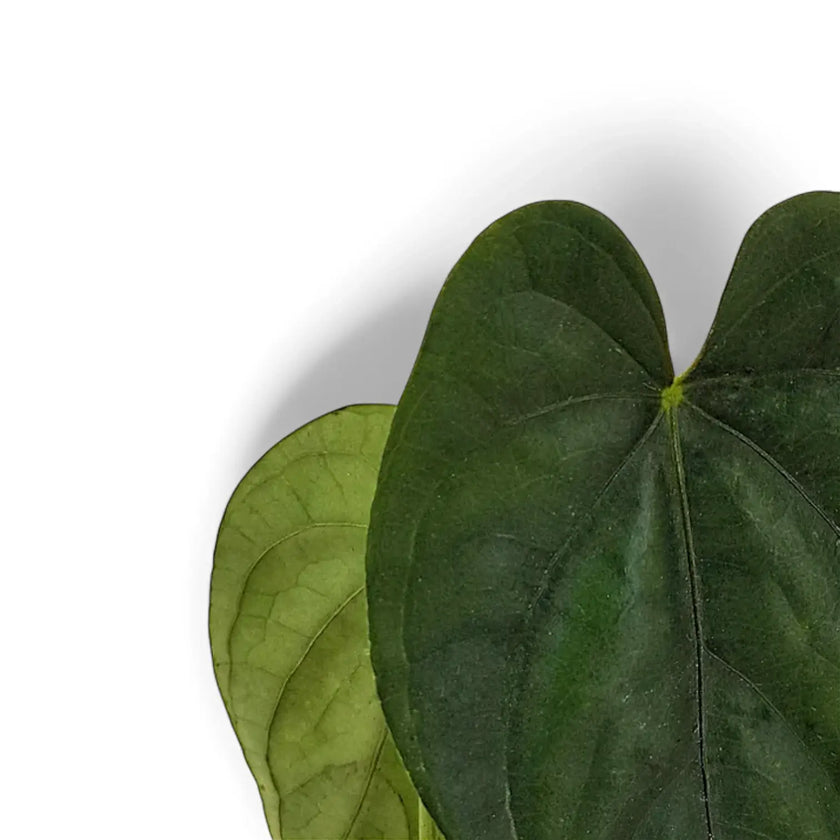
Anthurium esmeraldenseSold out
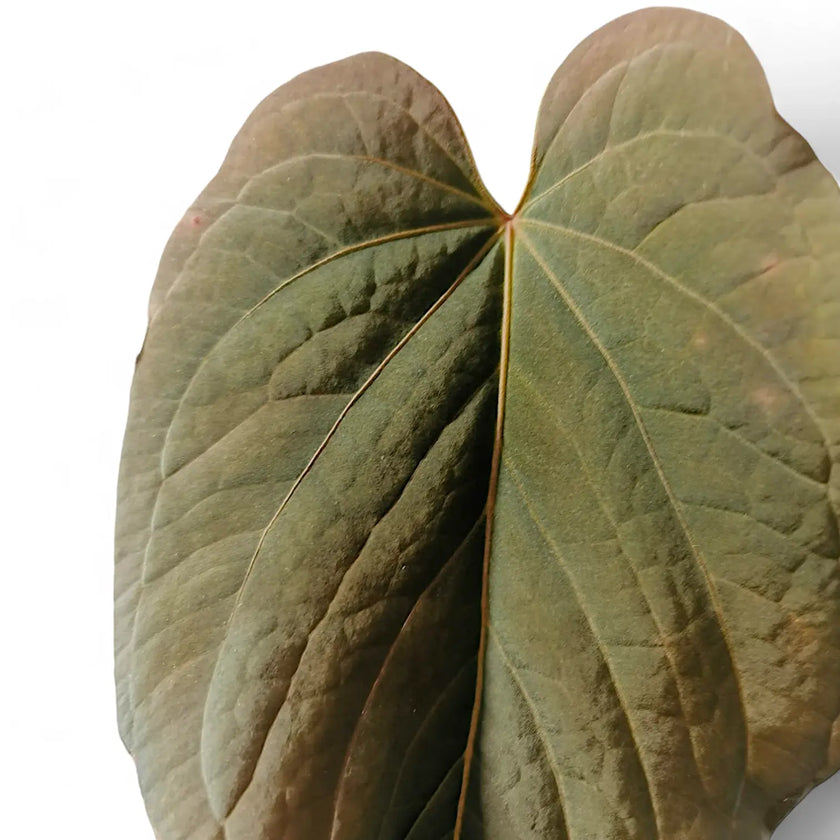
Anthurium kunayalenseSold out
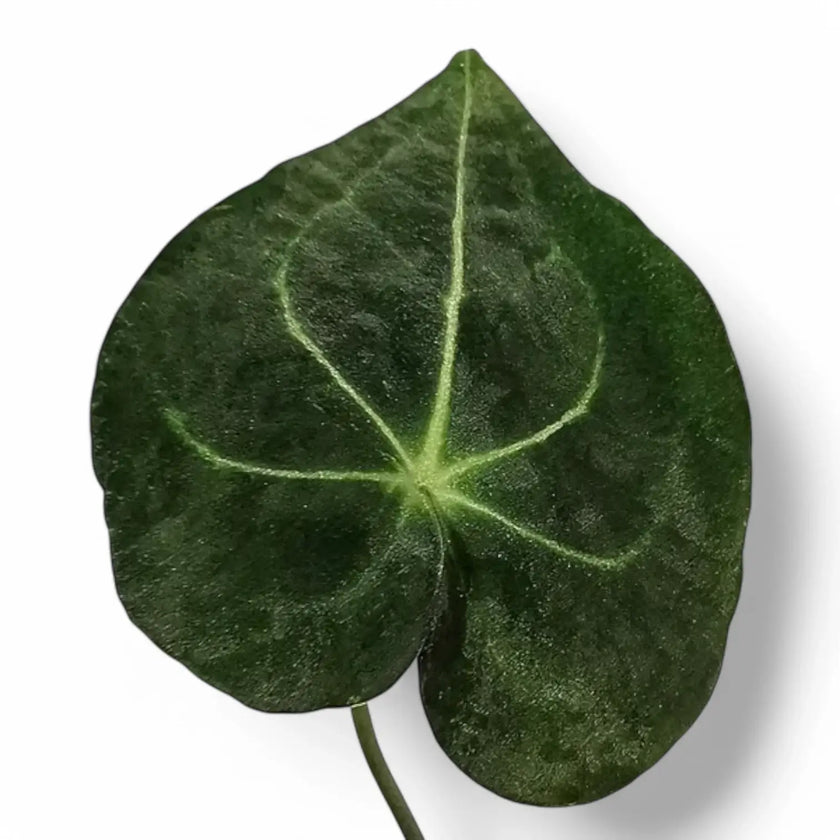
Anthurium leuconeurumSold out
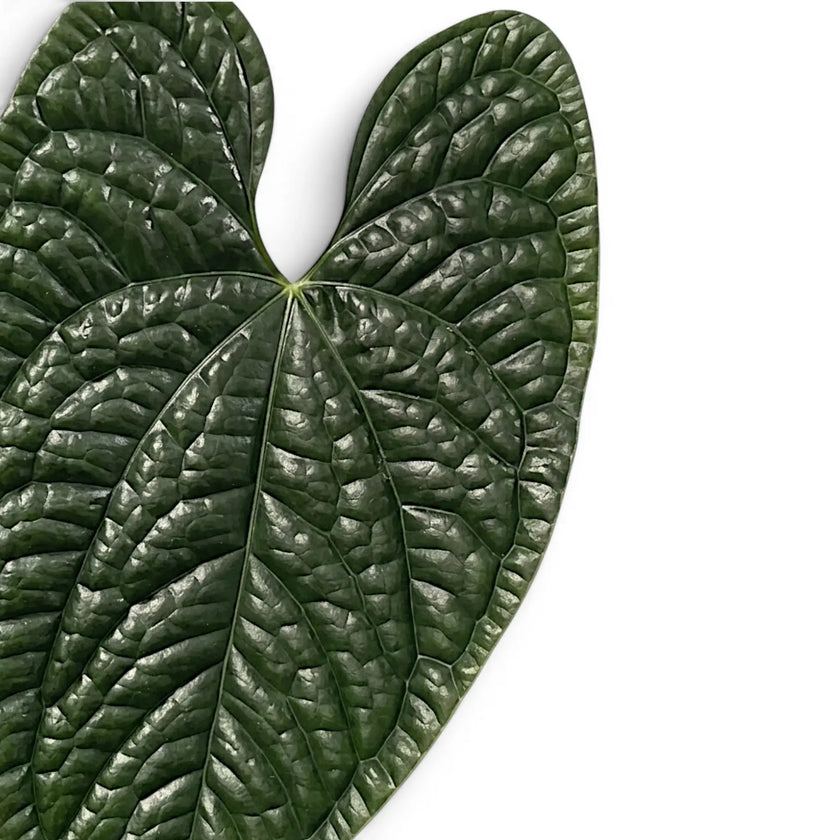
Anthurium luxurians
Sale priceFrom €12,00
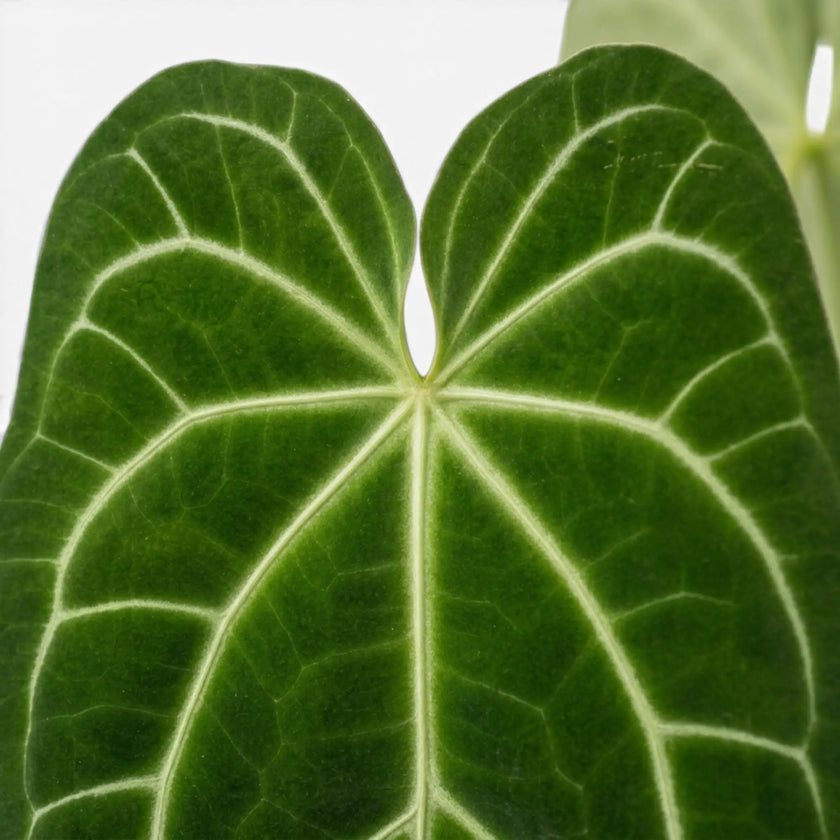
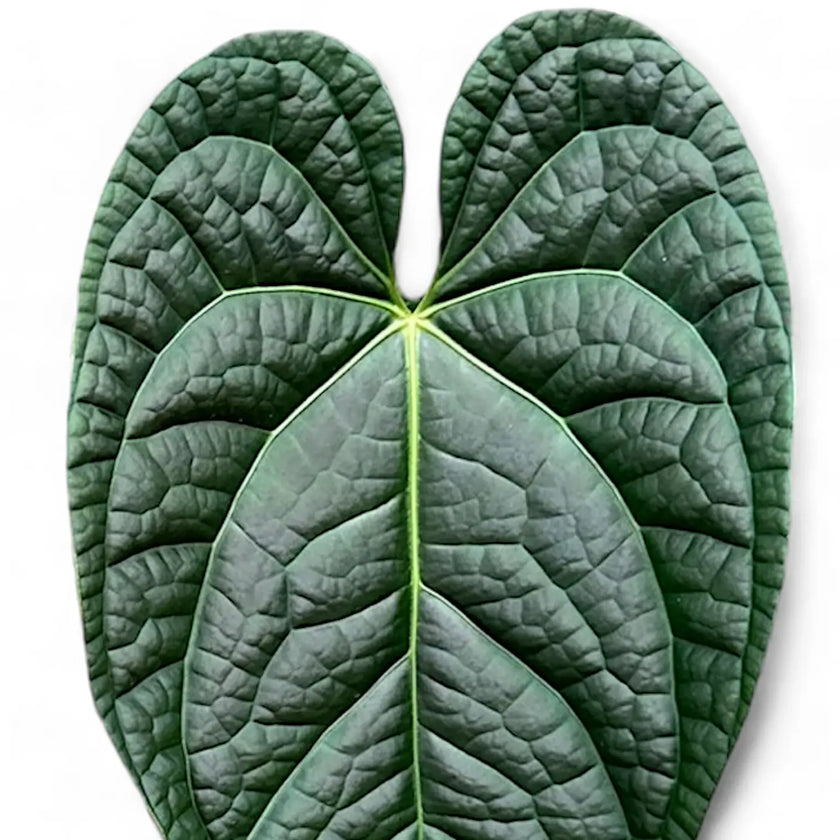
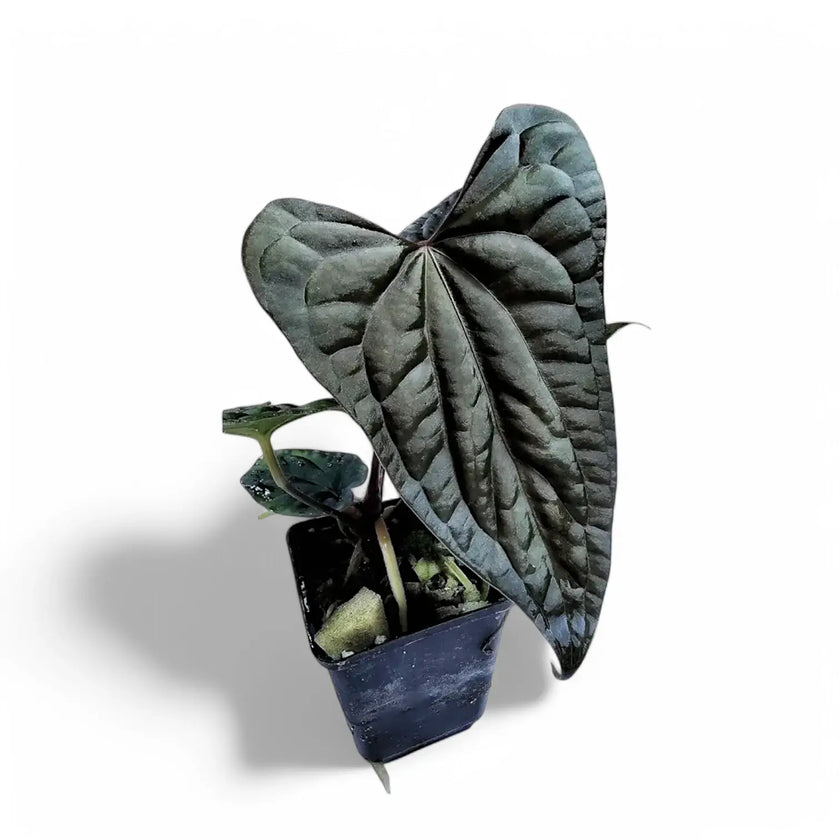
Anthurium magnificum
Sale priceFrom €10,75
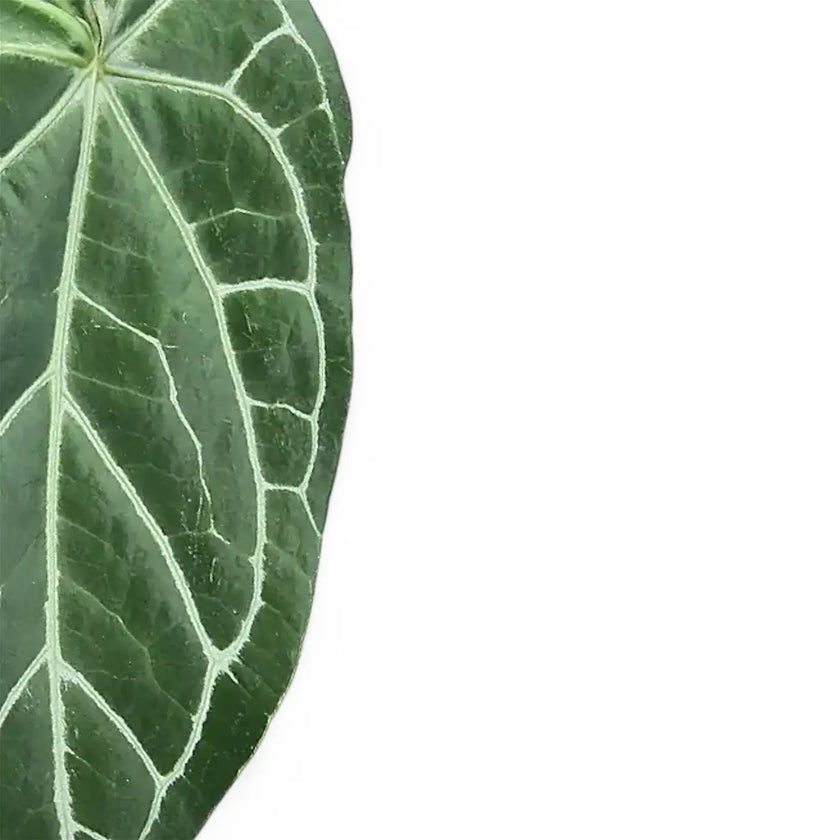
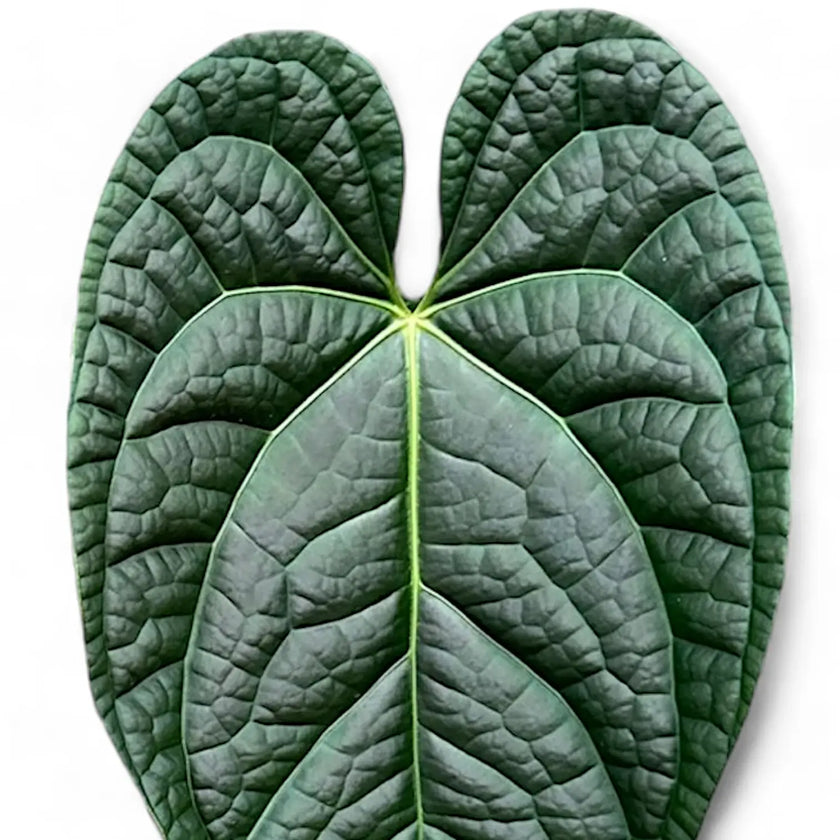
Anthurium magnificum × luxuriansSold out
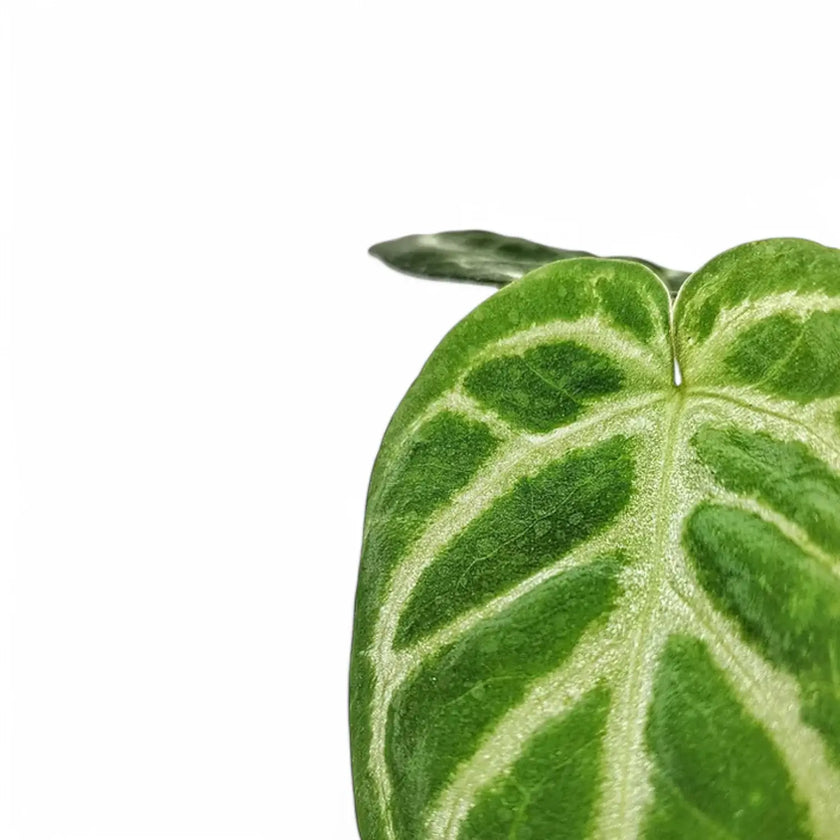
Anthurium magnificum ‘Silver’Sold out

Anthurium marmoratumSold out
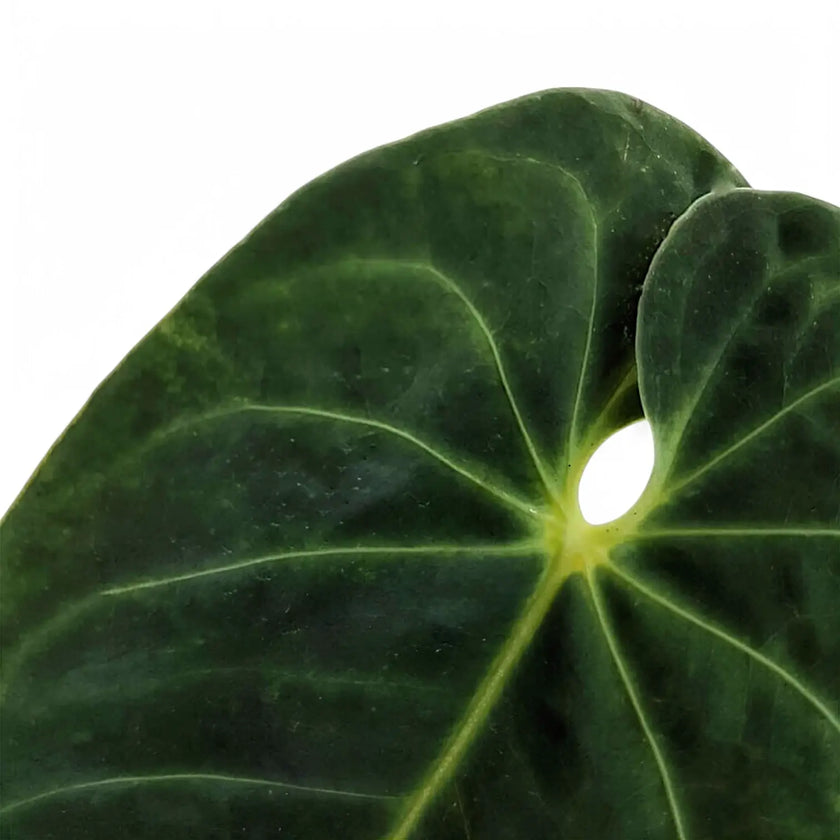
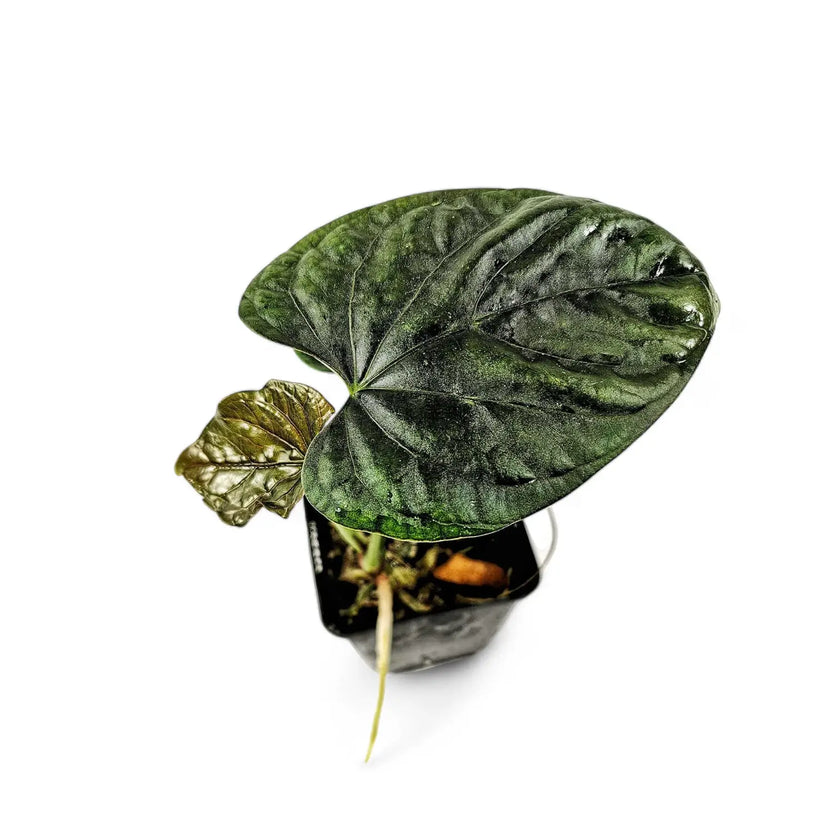
Anthurium metallicumSold out
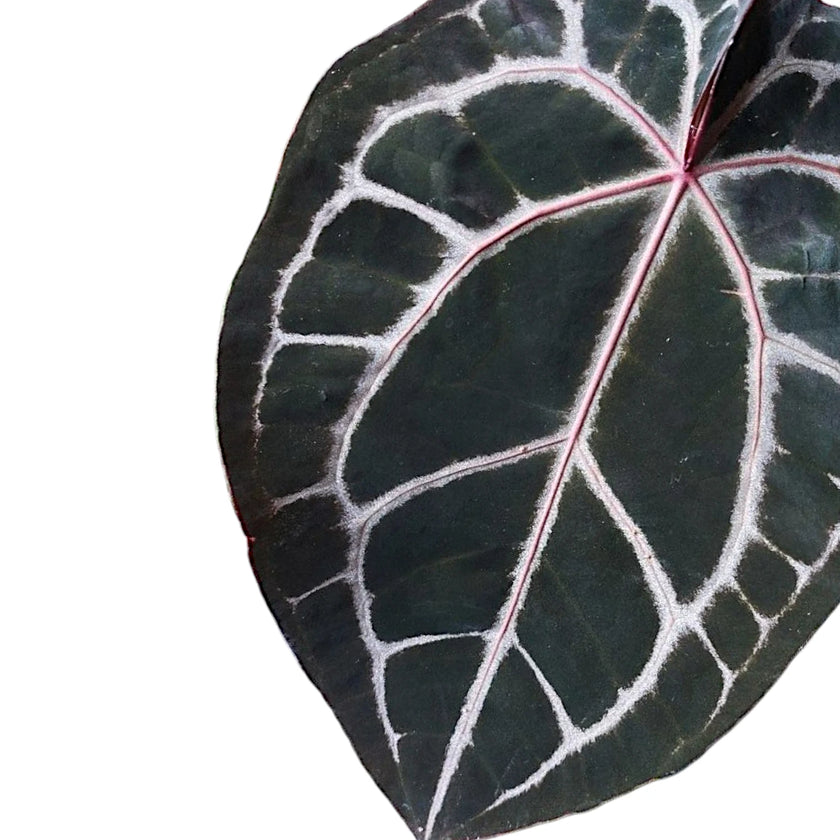
Anthurium Michelle® (DocBlock)Sold out
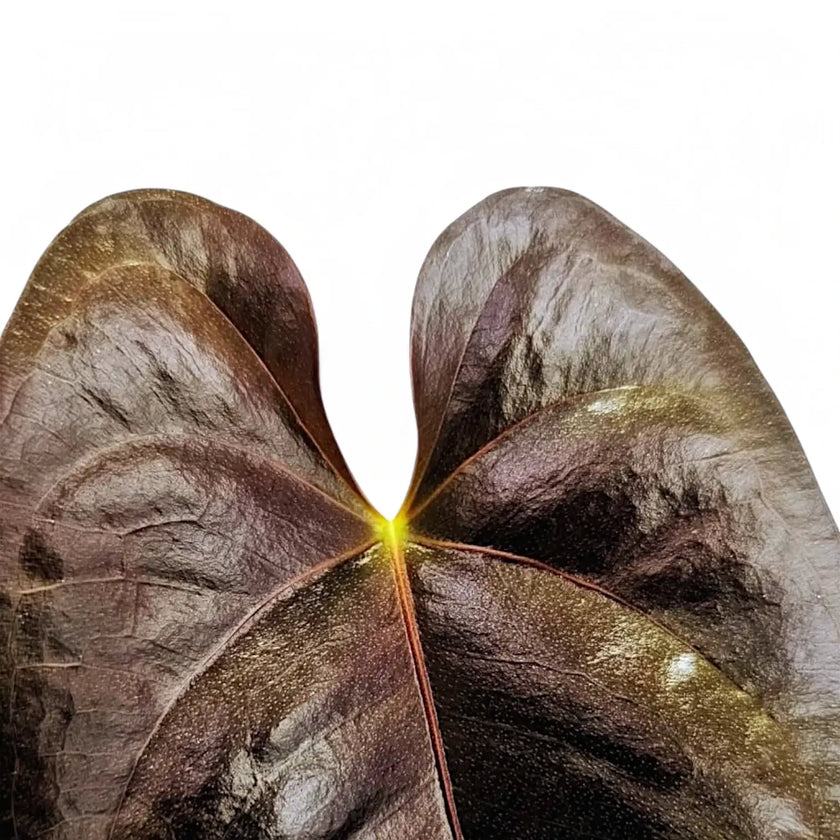
Anthurium moodeanumSold out
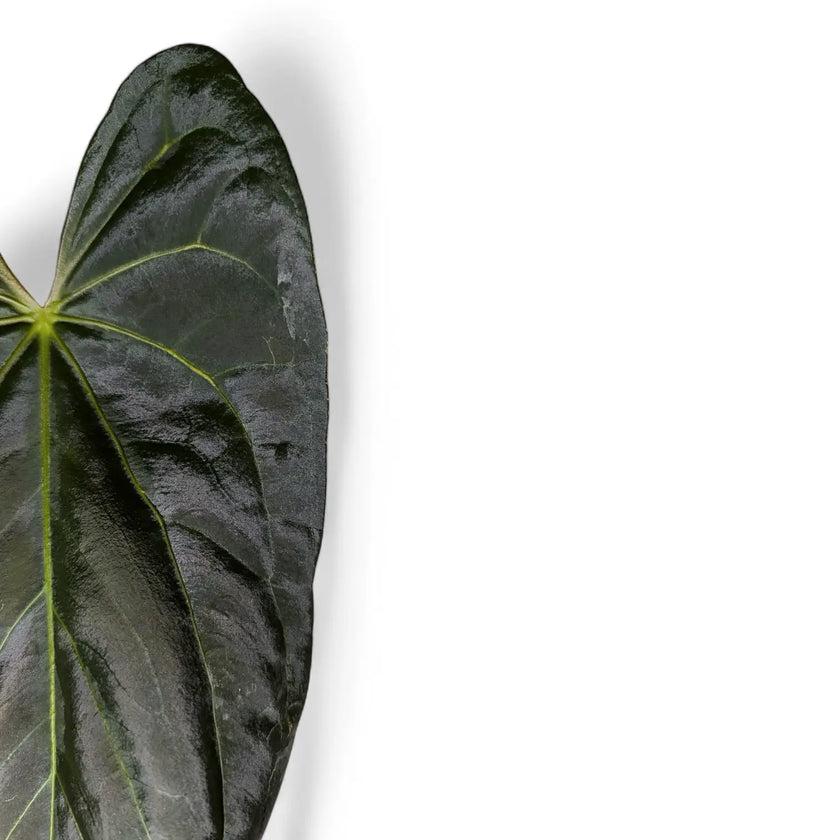
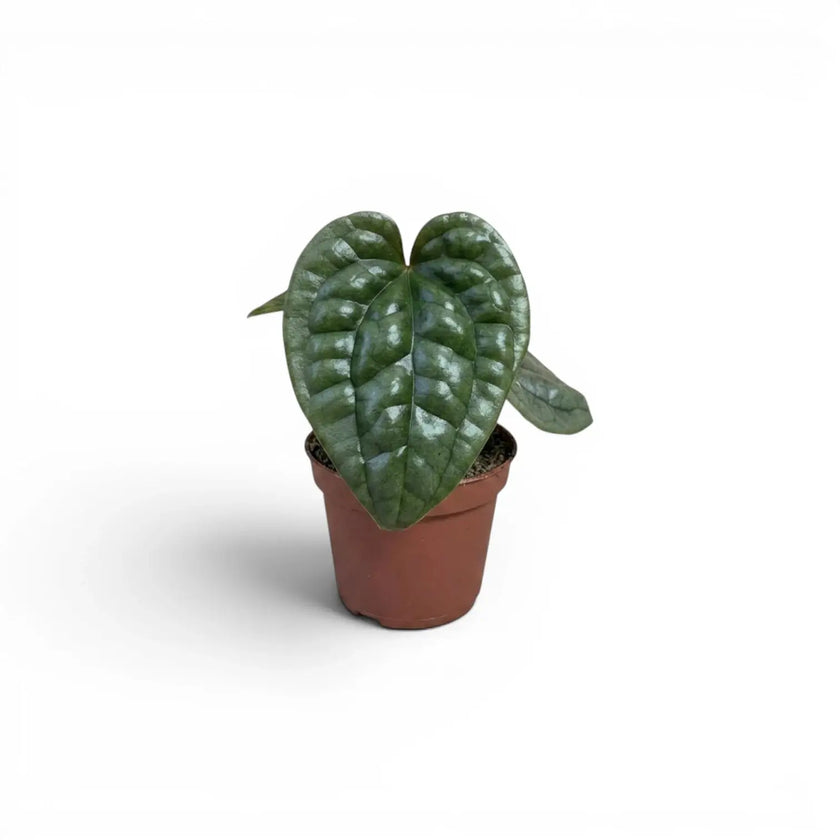
Anthurium papillilaminumSold out
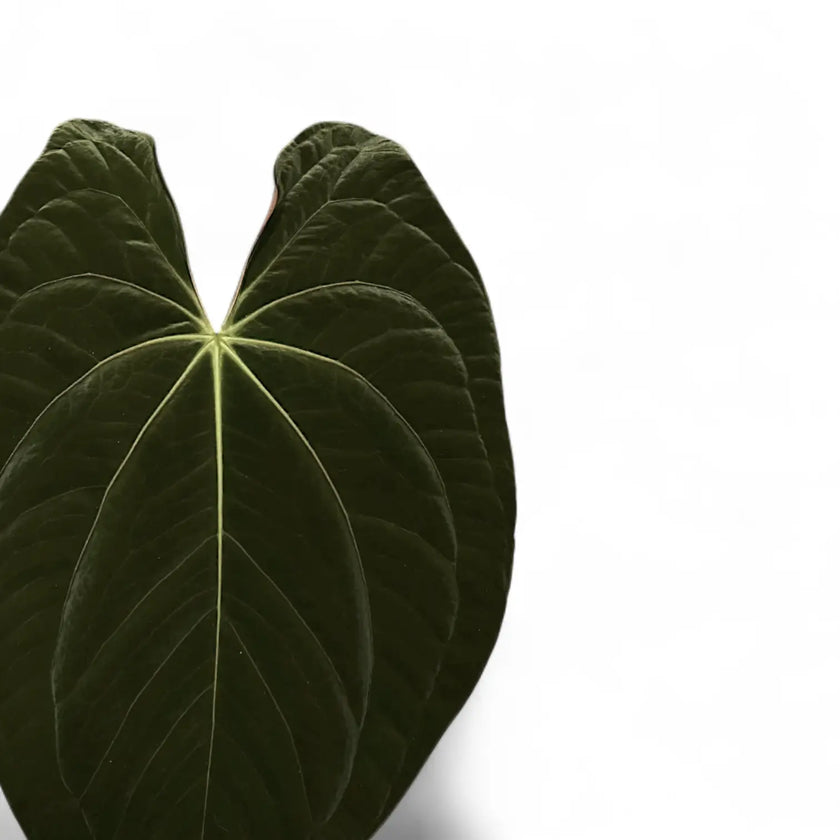
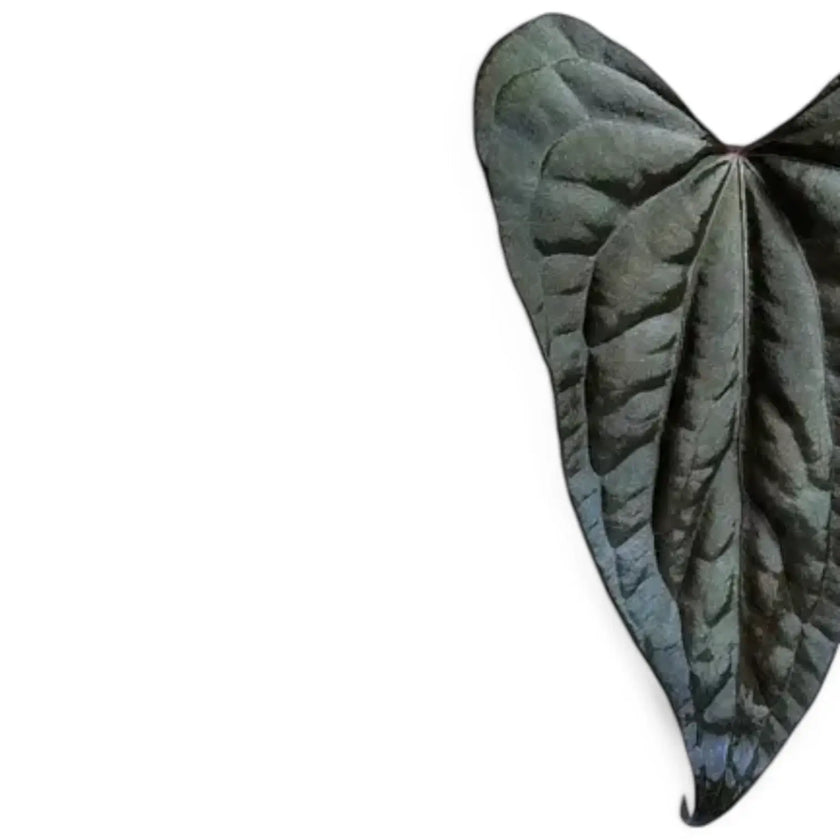
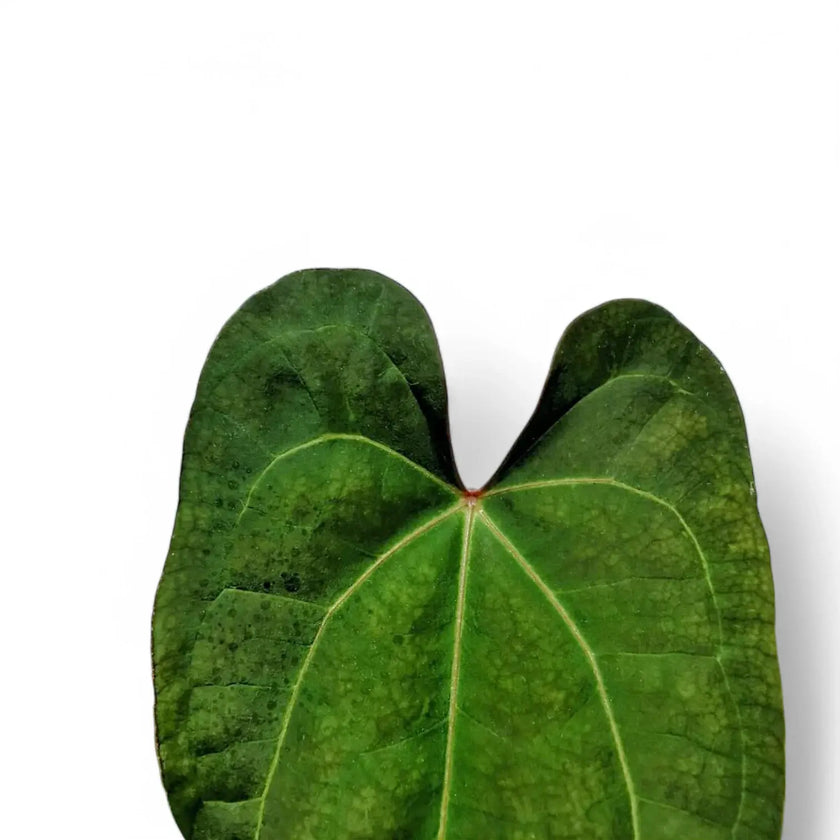
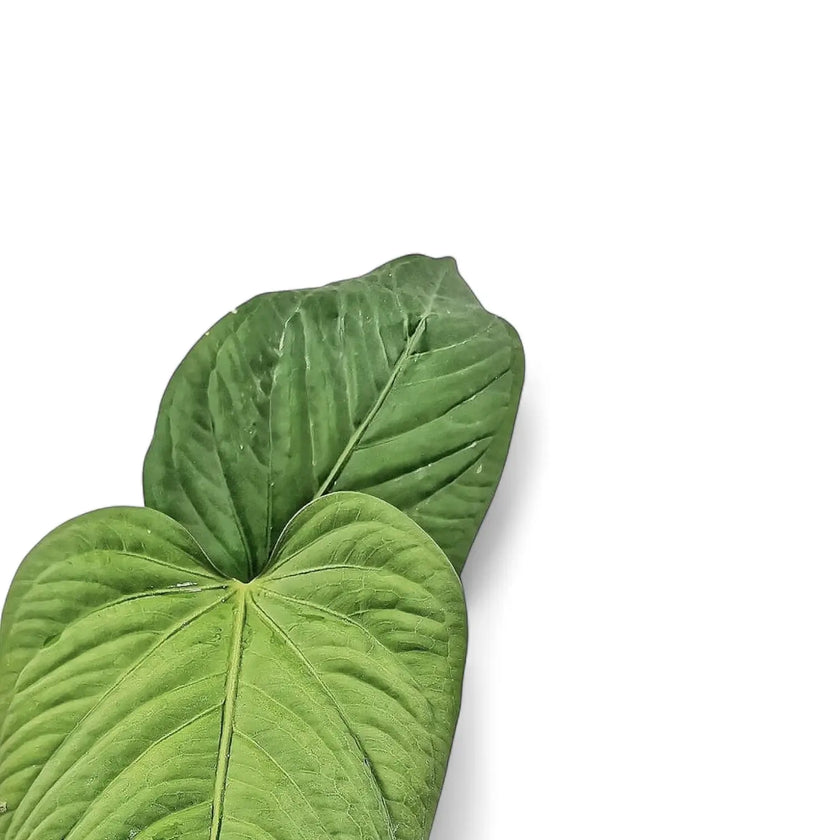
Anthurium pulcachenseSold out

Anthurium radicansSold out
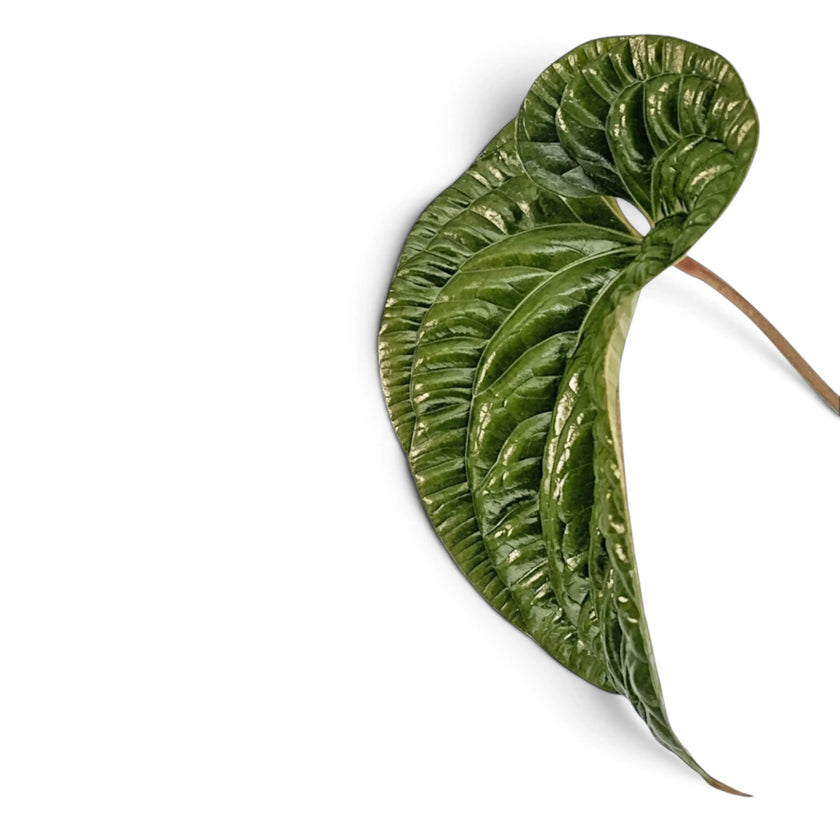
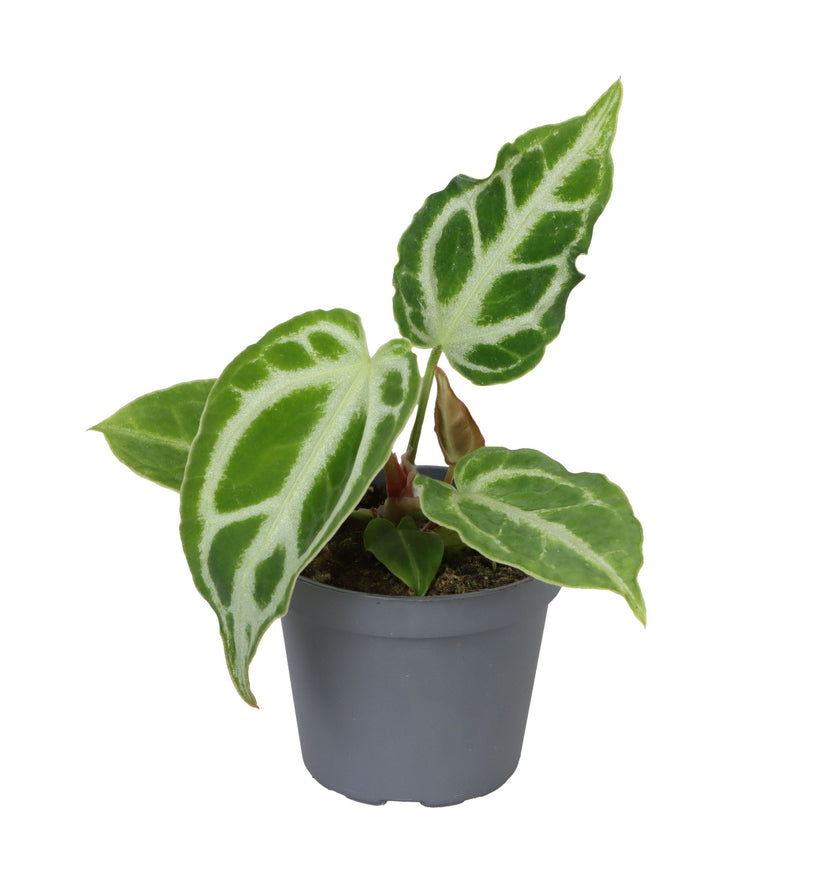
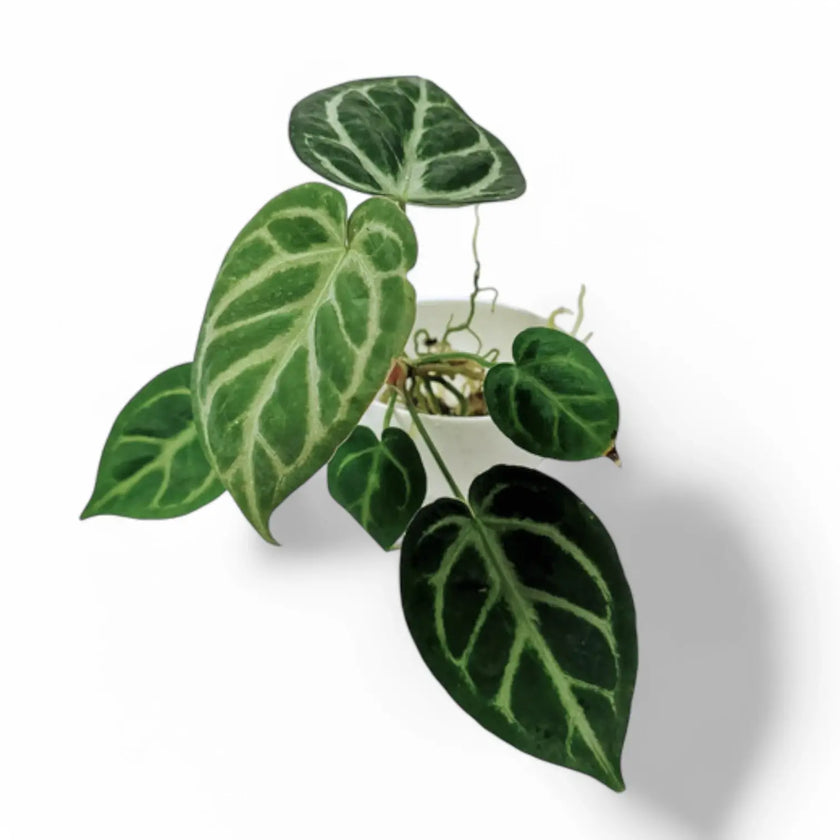
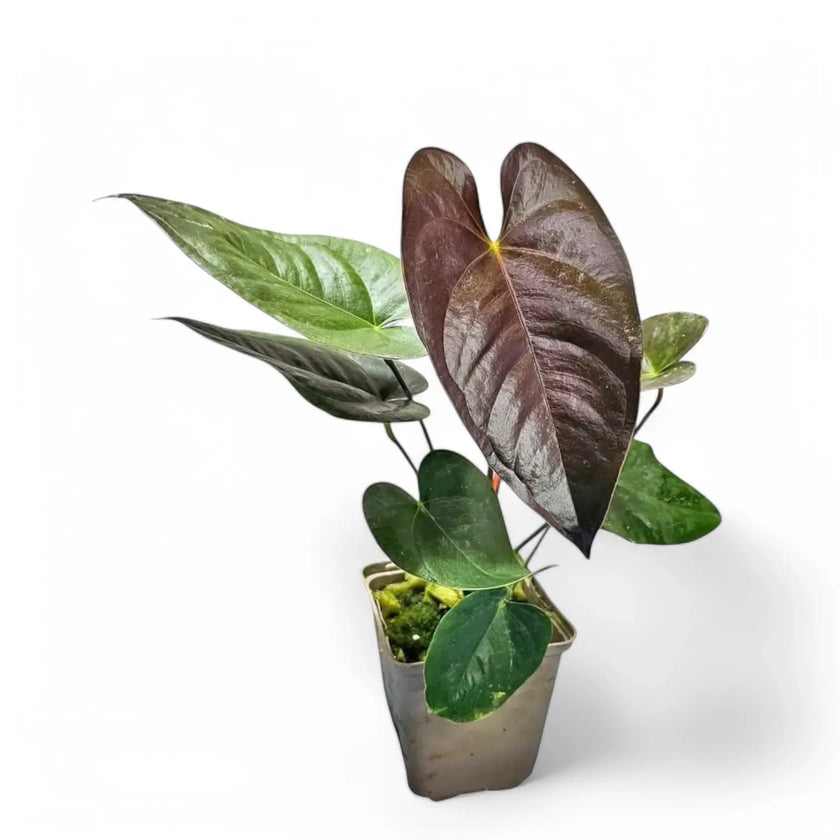
Anthurium radicans x luxurians
Sale priceFrom €16,75
Regular price€28,88
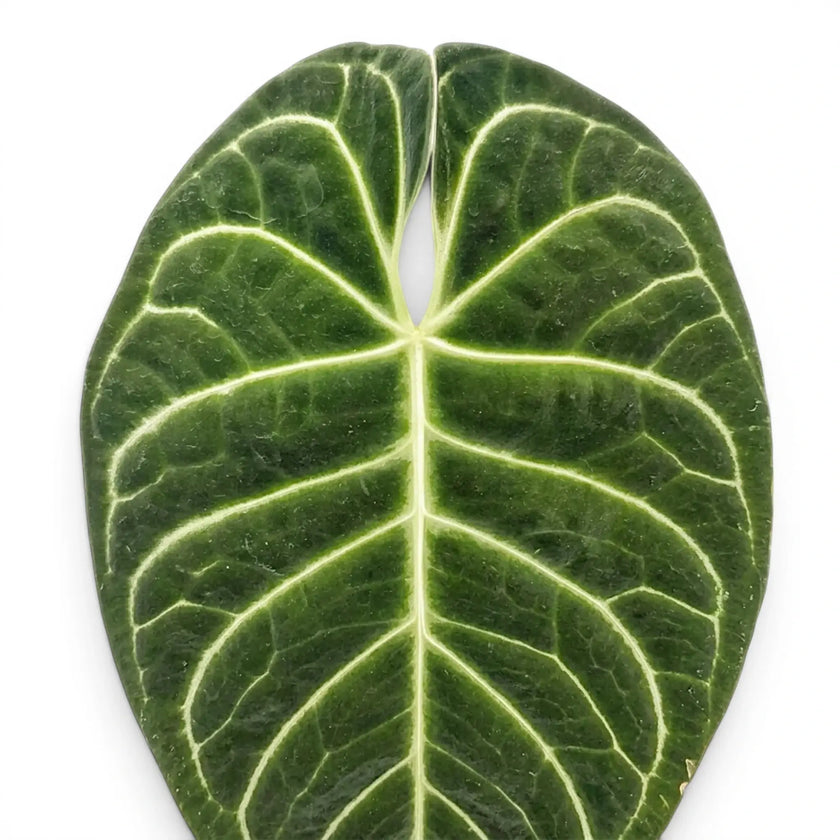
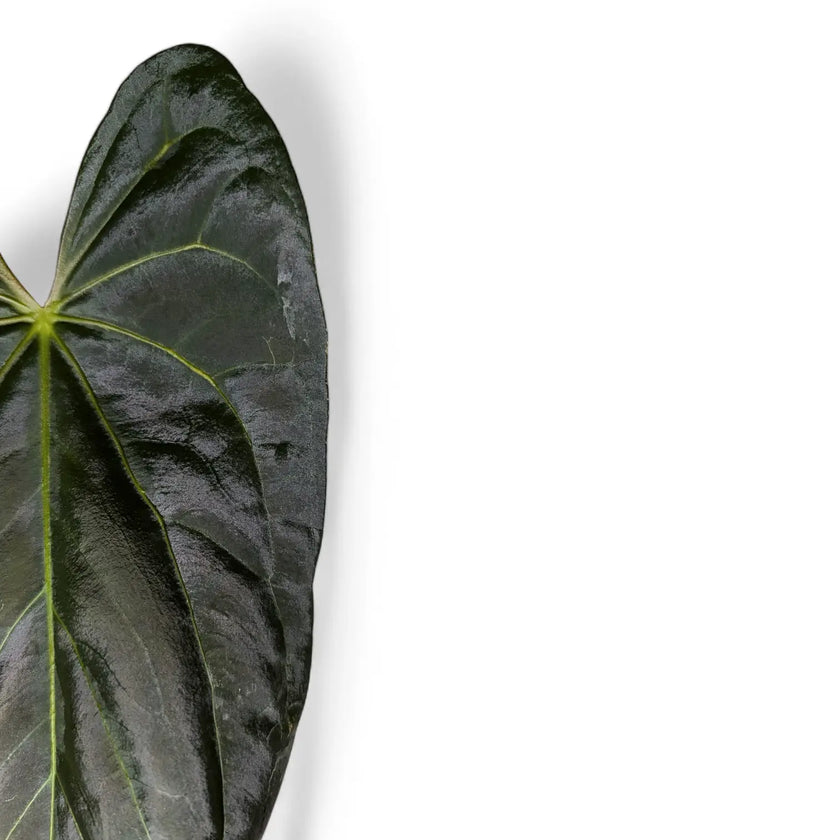
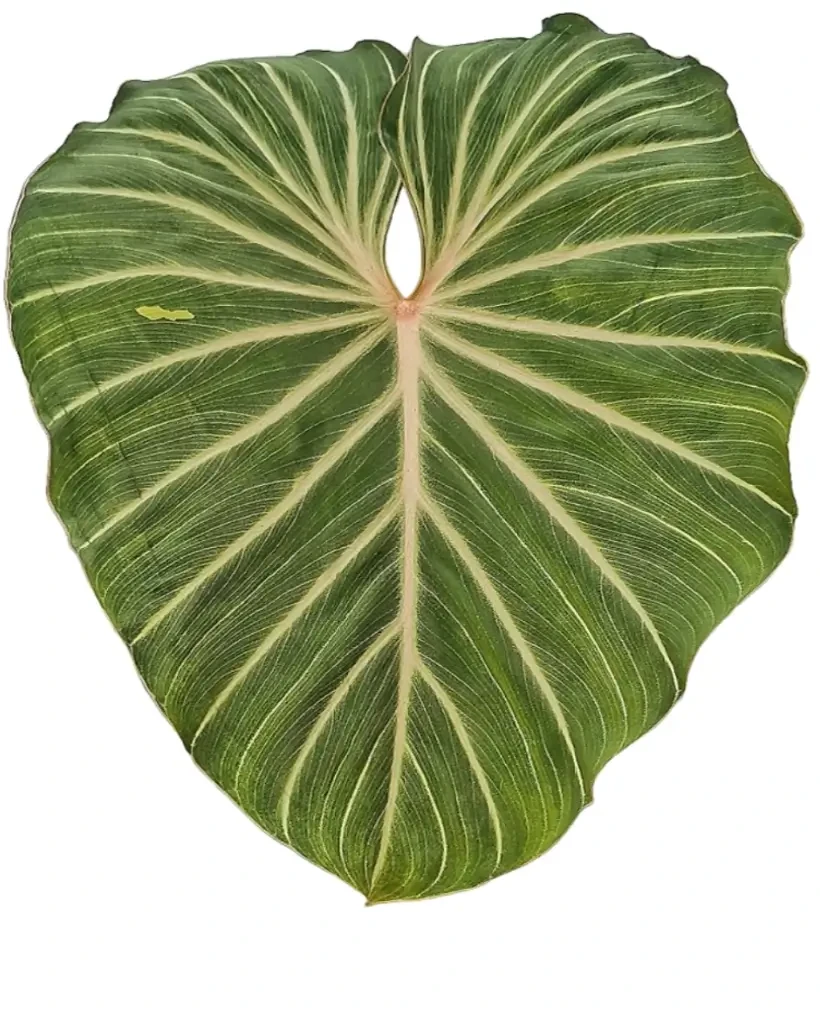
Anthurium regale
Sale priceFrom €10,75
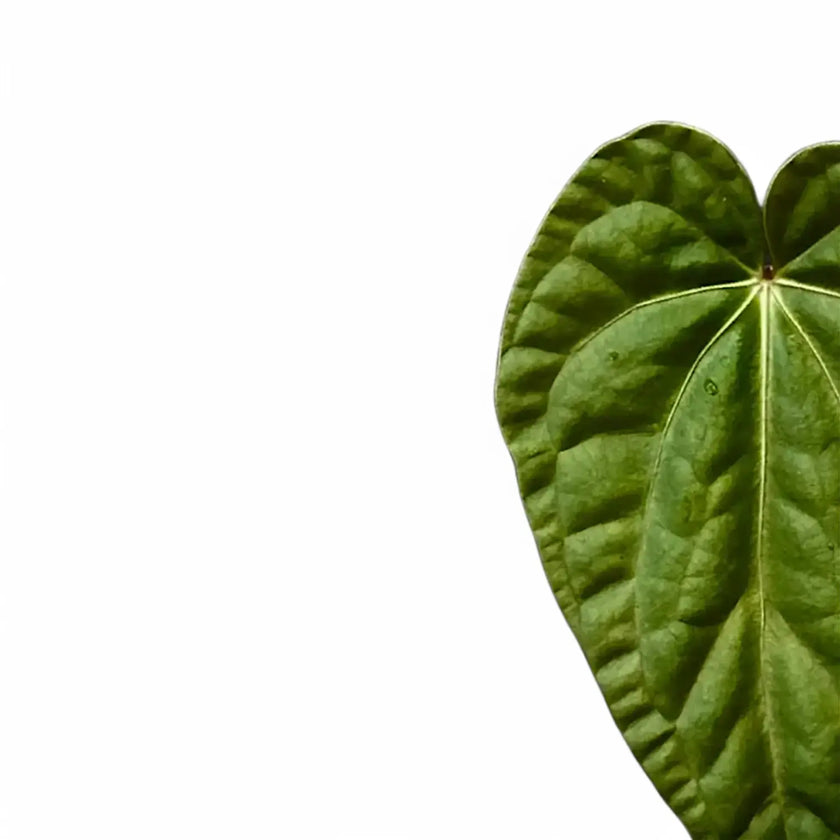
Anthurium regale × luxuriansSold out
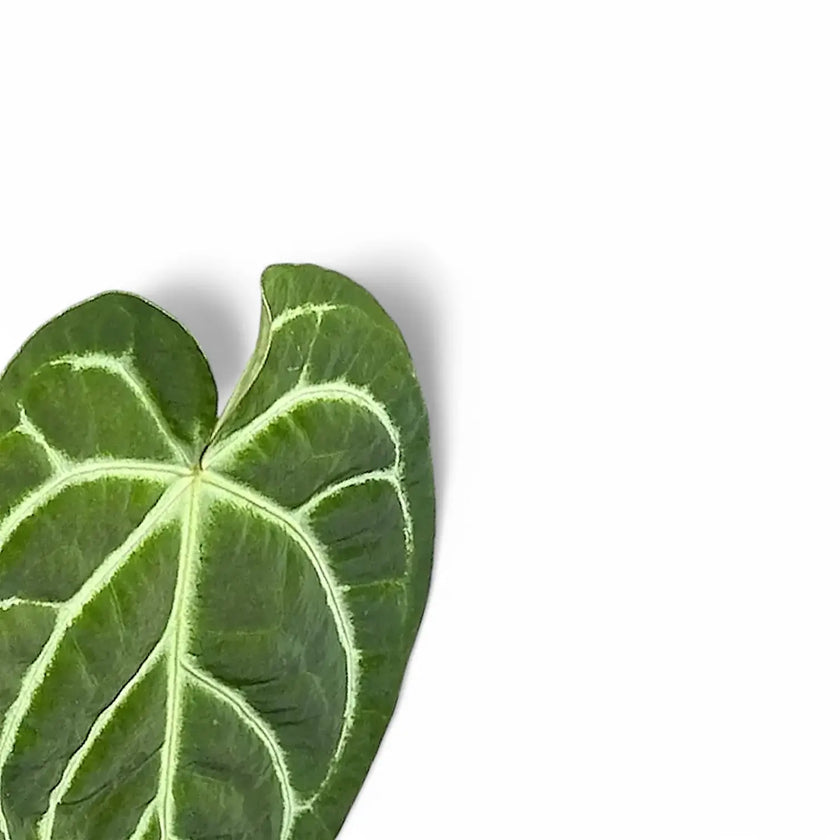
Anthurium regale × magnificumSold out


Sign up for Foliage Factory newsletter for early access to new arrivals and practical care tips that work in real homes.