Skip to content

Cart

Your cart is empty.

Pollinator-Friendly Plants

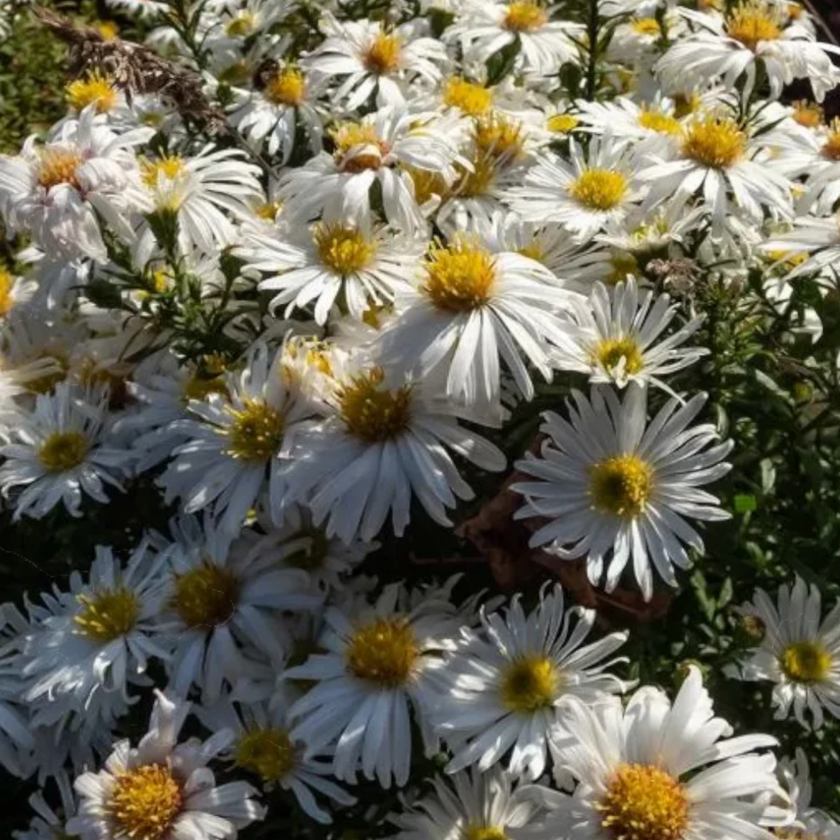
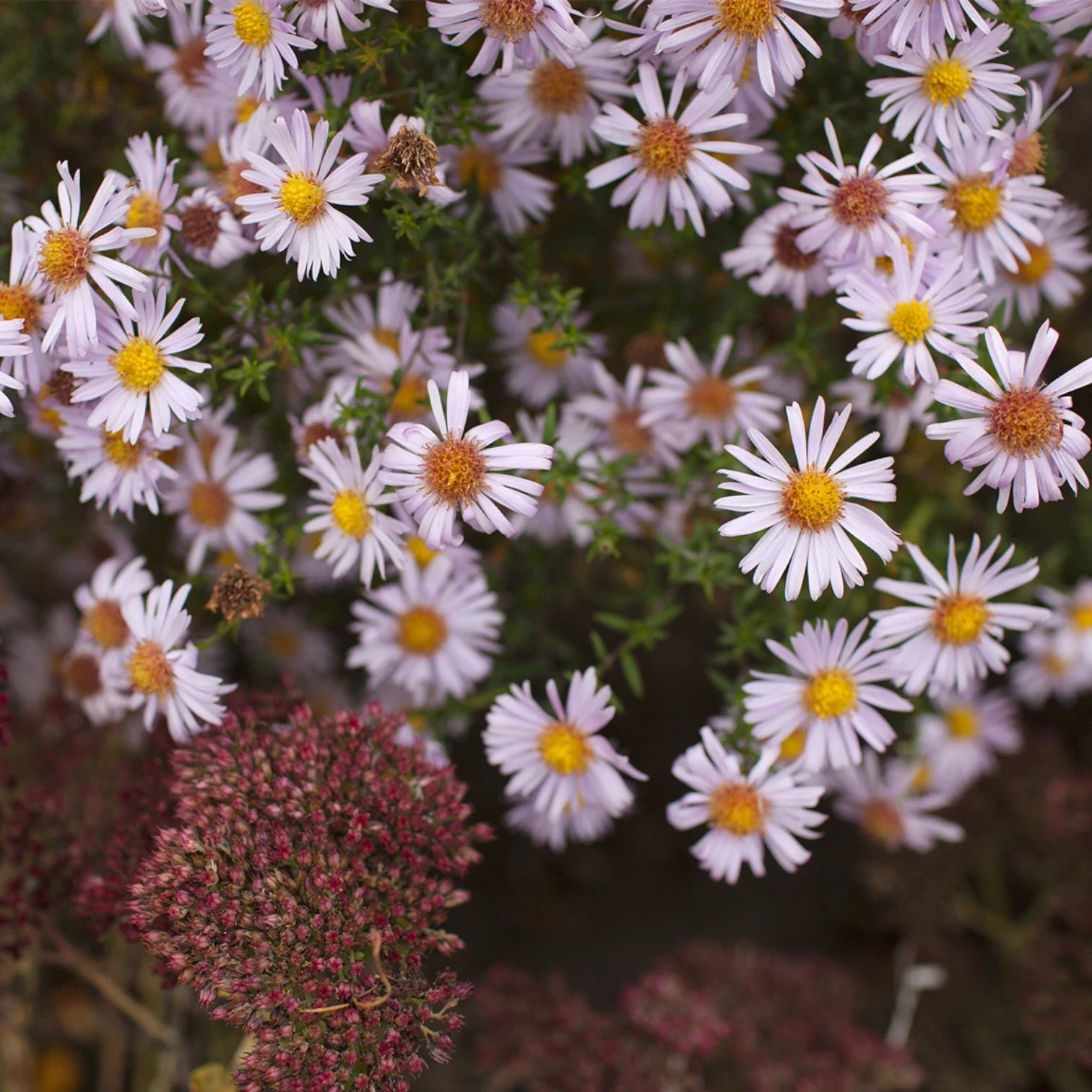
Pollinator-friendly Symphyotrichum dumosum 'Apollo',white flowers

Sort by:

27 products

Filters

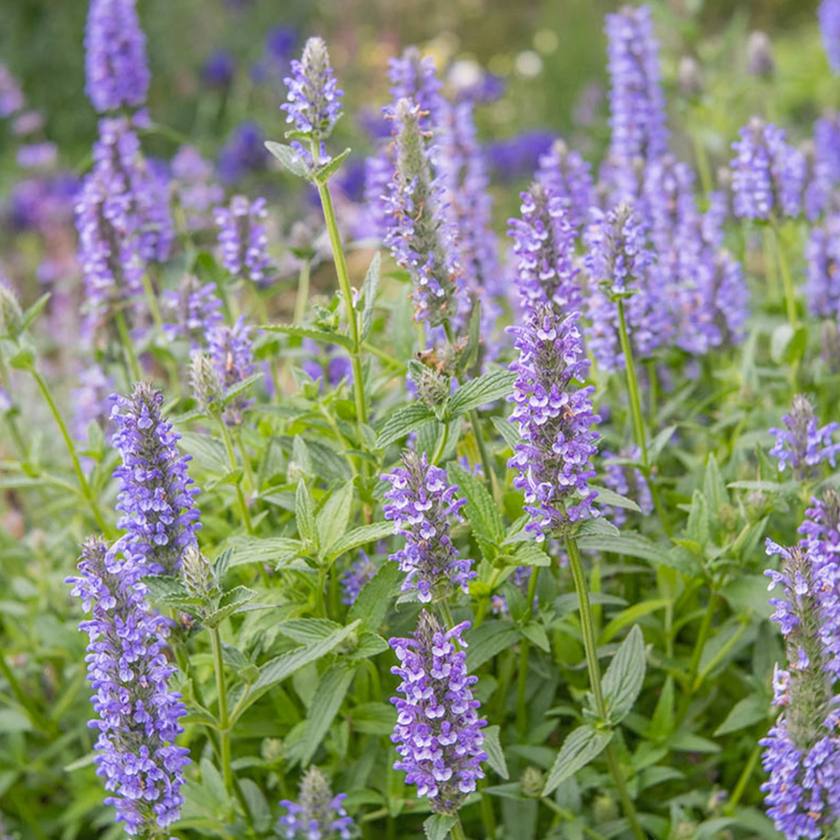
Agastache 'Blue Fortune' detail shot.
Agastache 'Blue Fortune' Regular price From €9,50
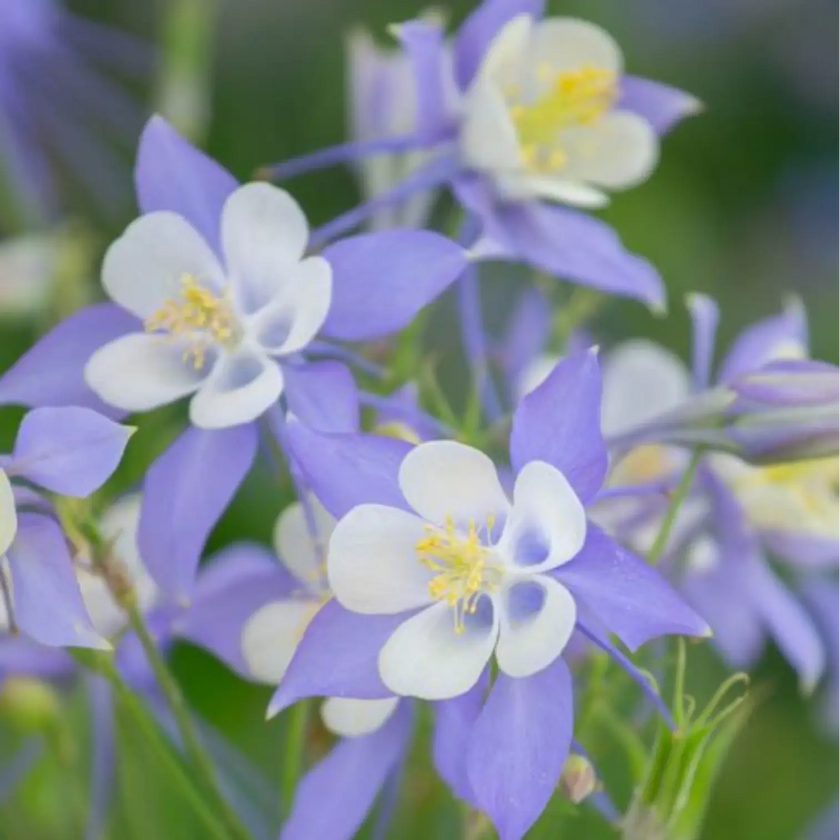
Aquilegia caerulea 'Spring Magic Blue & White' plant detail.
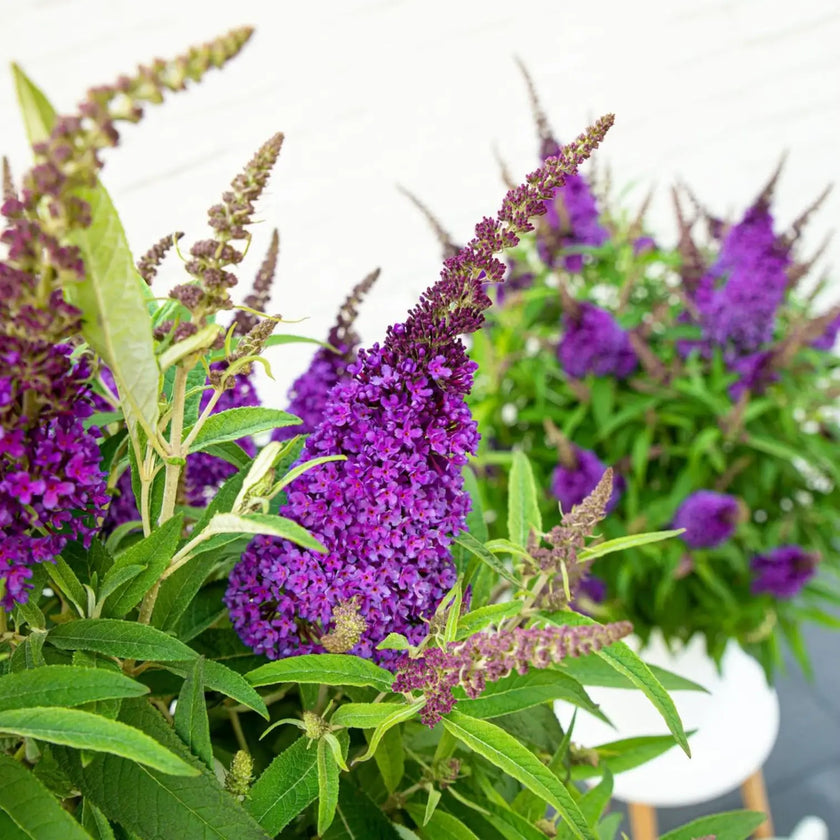
Buddleja davidii Butterfly Candy 'Little Purple' detail shot.
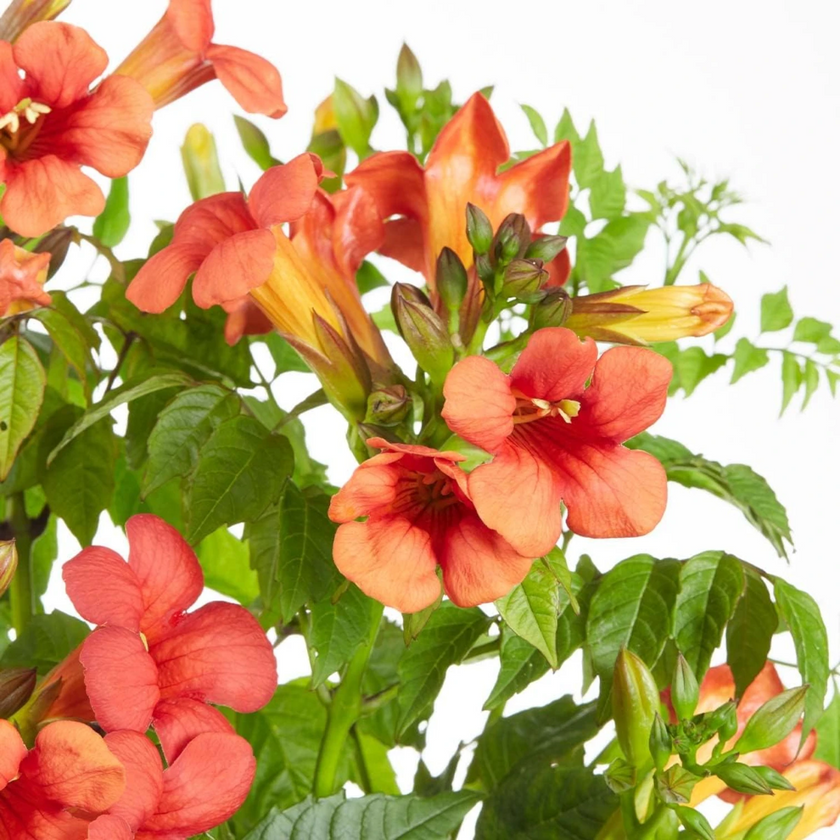
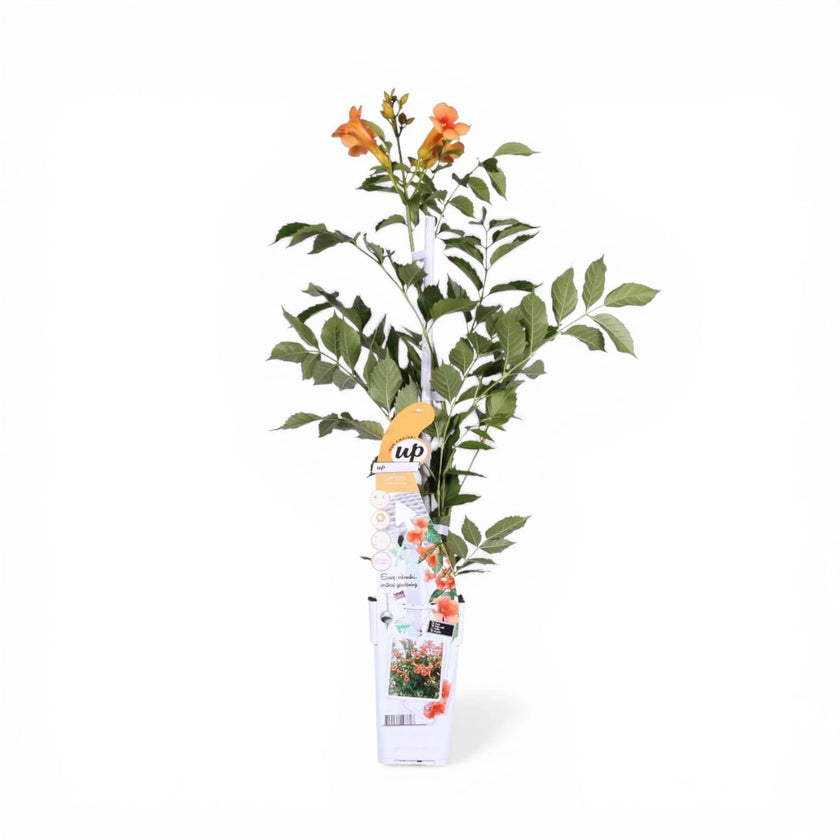
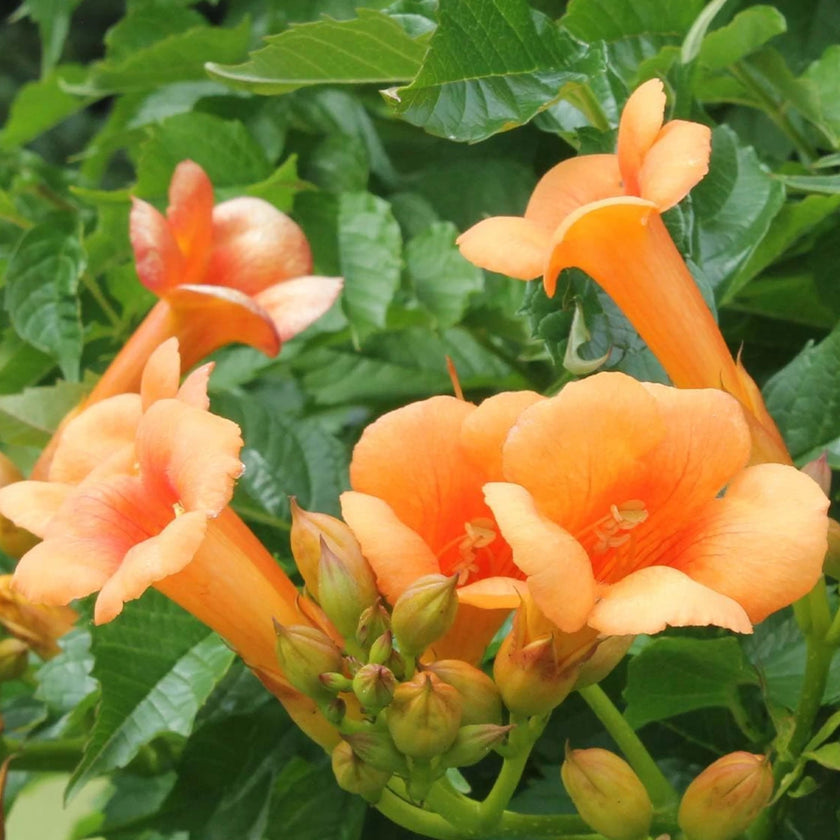
Campsis radicans 'Flamenco' potted plant in nursery pot on white background.
Campsis radicans 'Flamenco' Regular price From €20,00
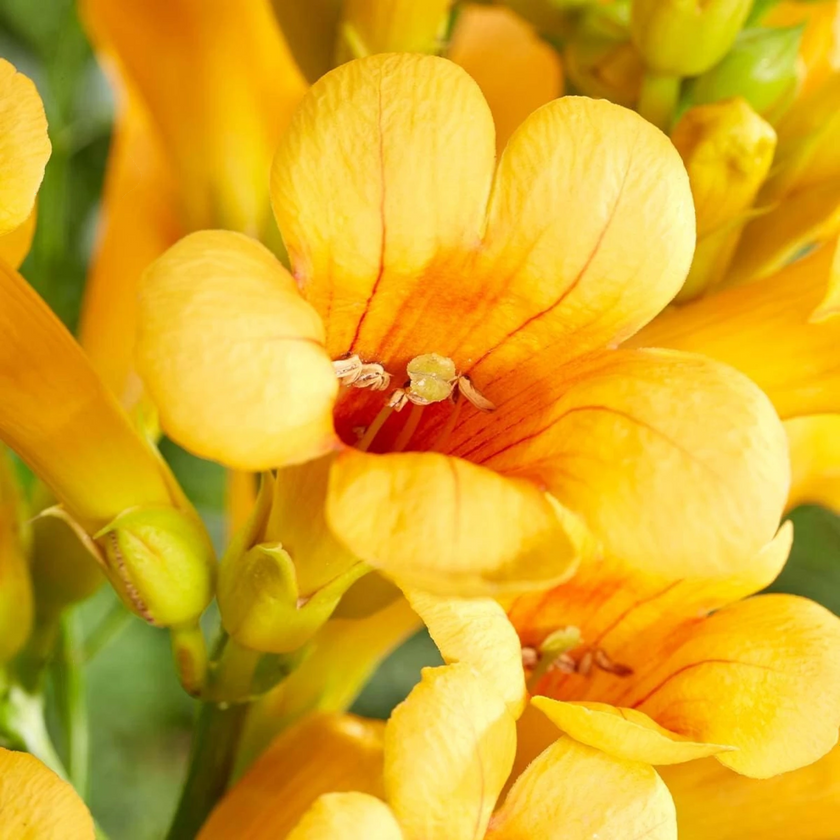
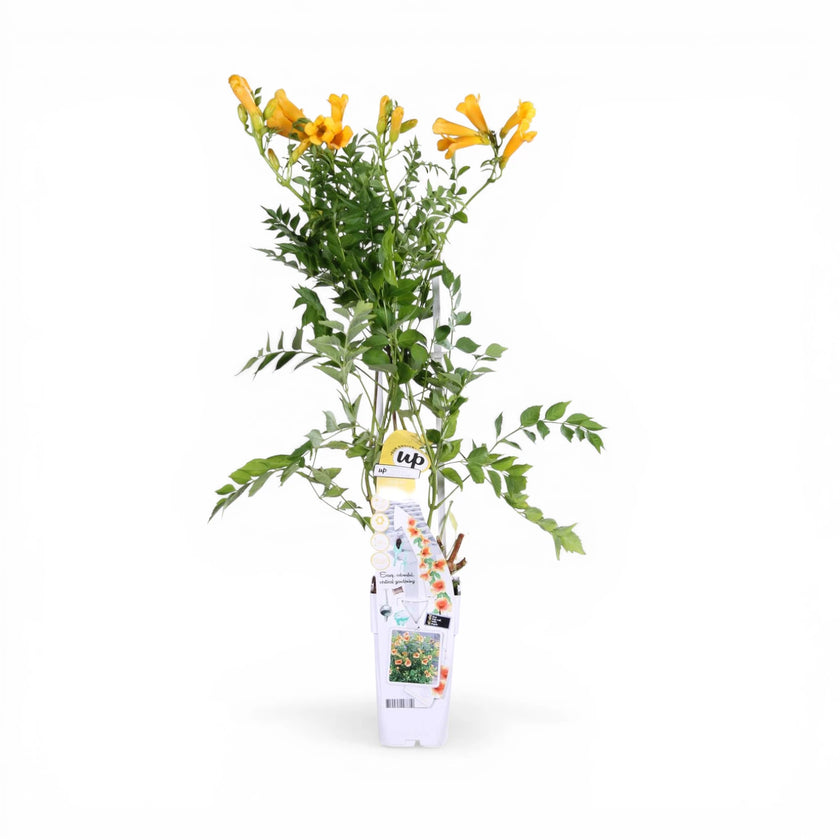
Campsis × tagliabueana 'Golden Trumpet' potted plant in nursery pot on white background.
Campsis × tagliabueana 'Golden Trumpet' Regular price From €20,00
Campsis × tagliabueana 'Madame Galen' potted plant in nursery pot on white background.
Campsis × tagliabueana 'Madame Galen' Regular price From €20,00
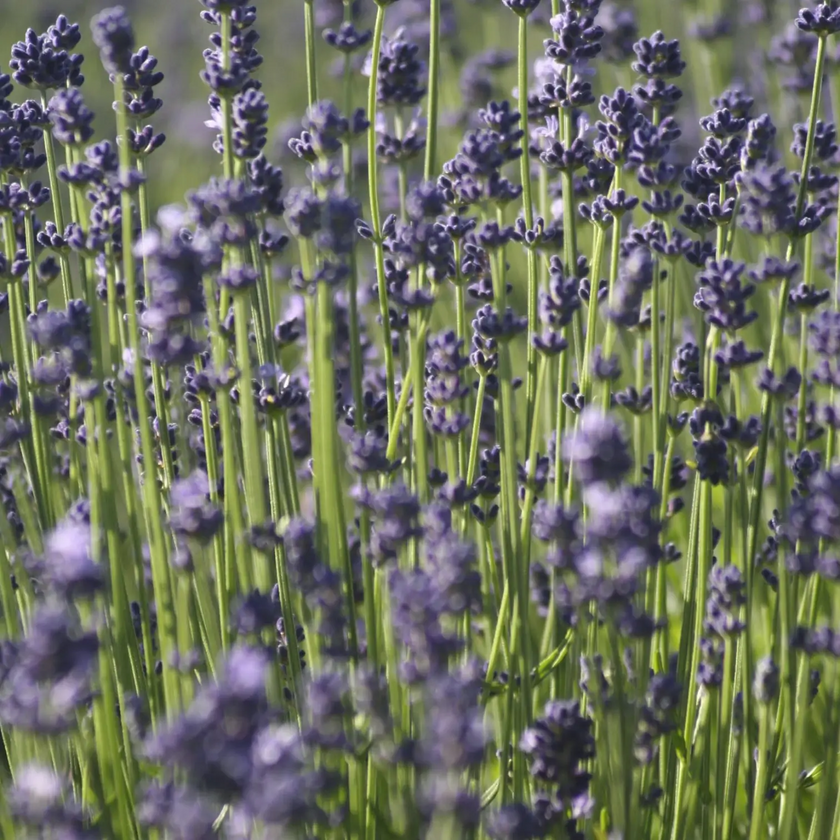
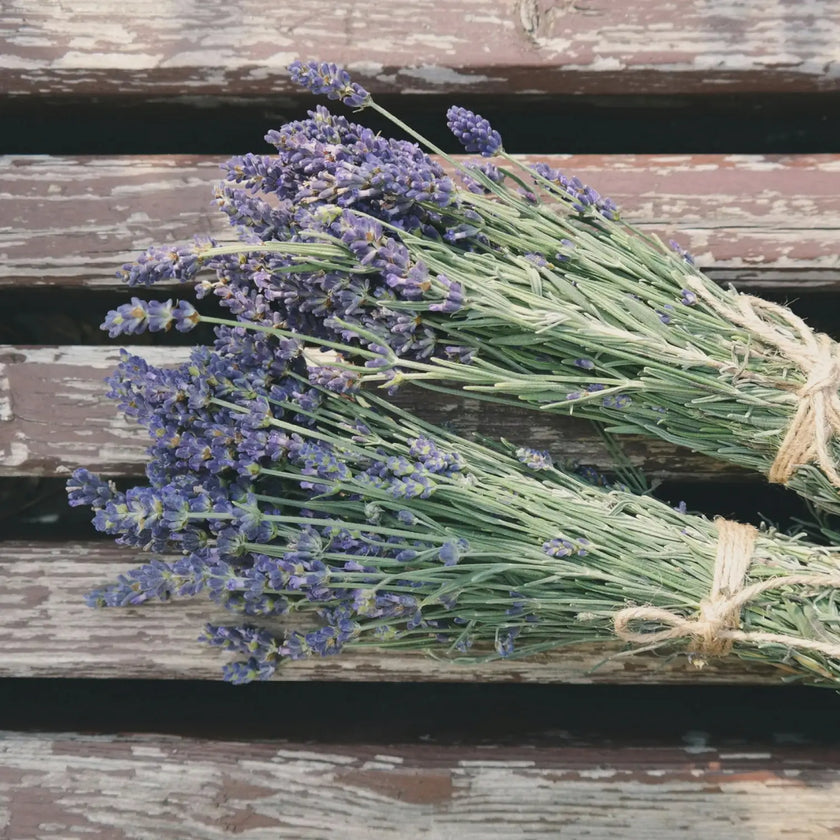
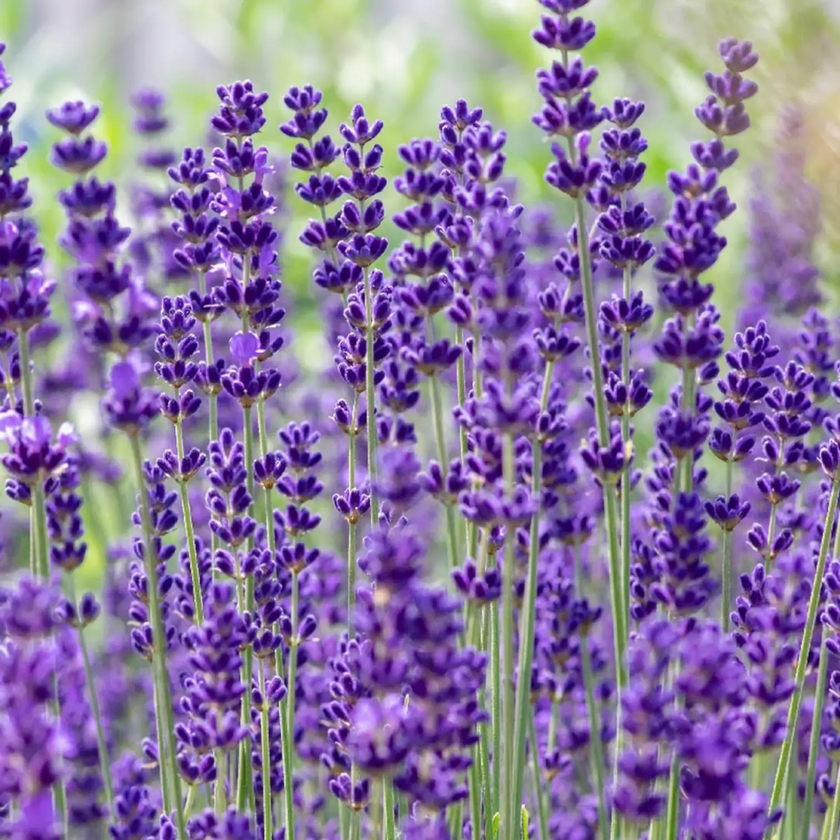
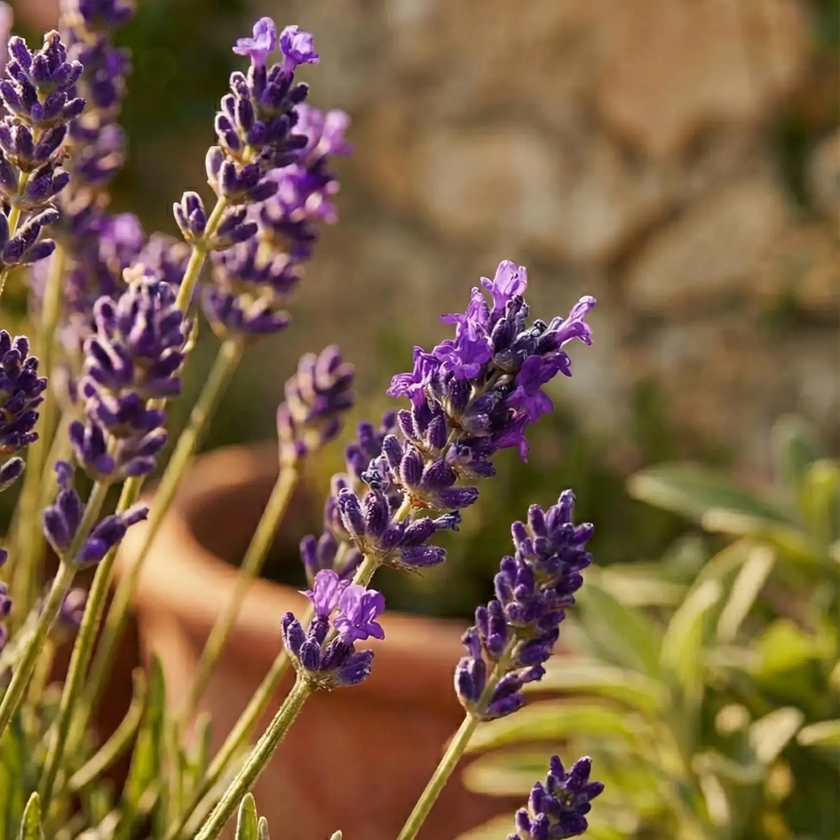
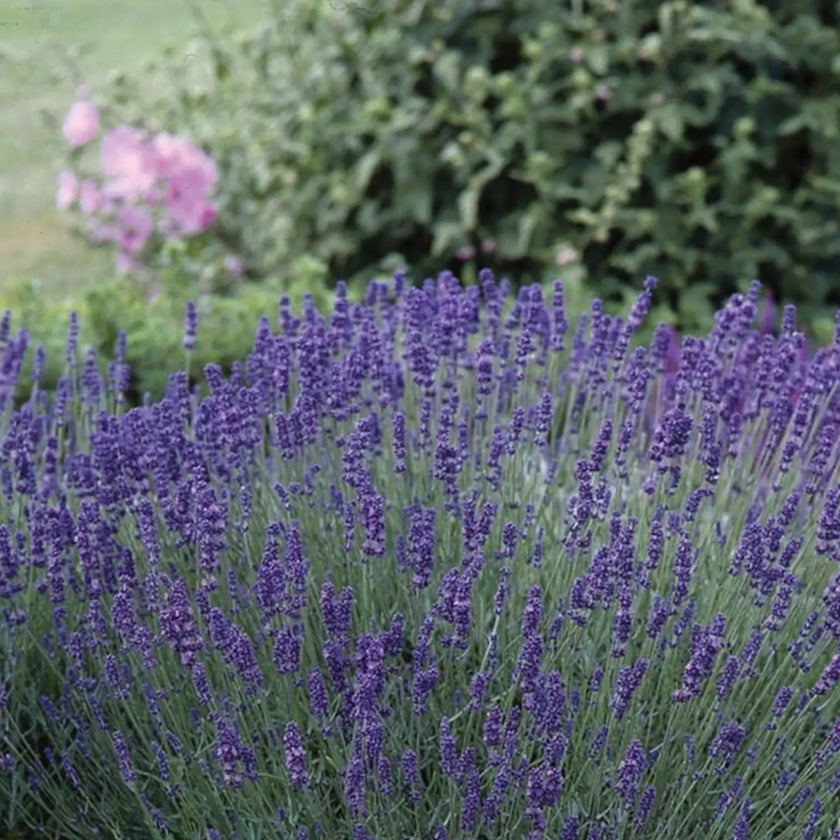
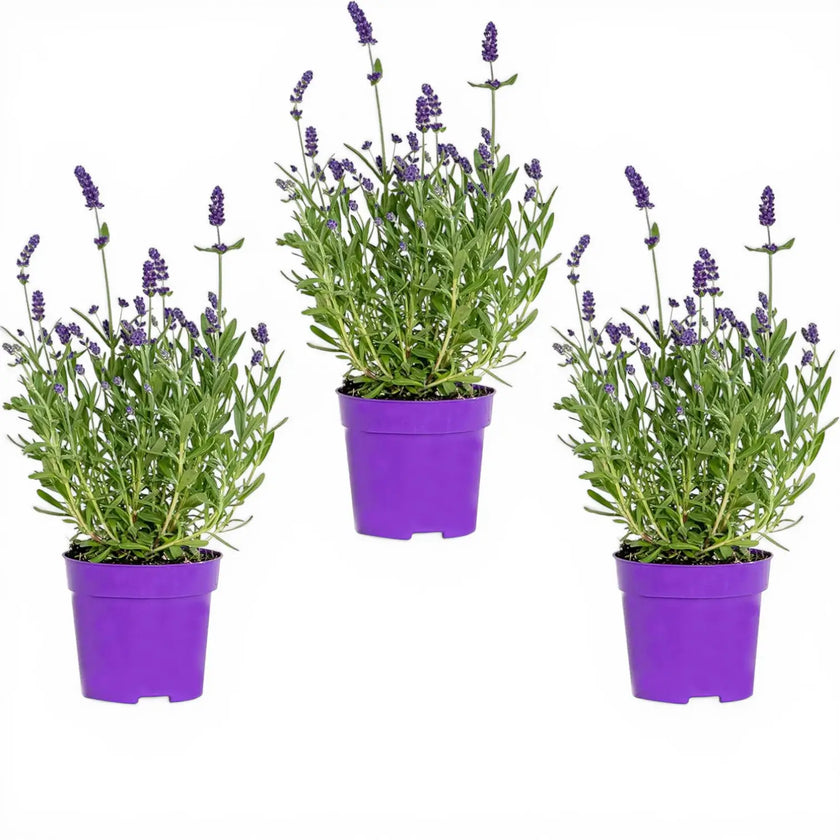
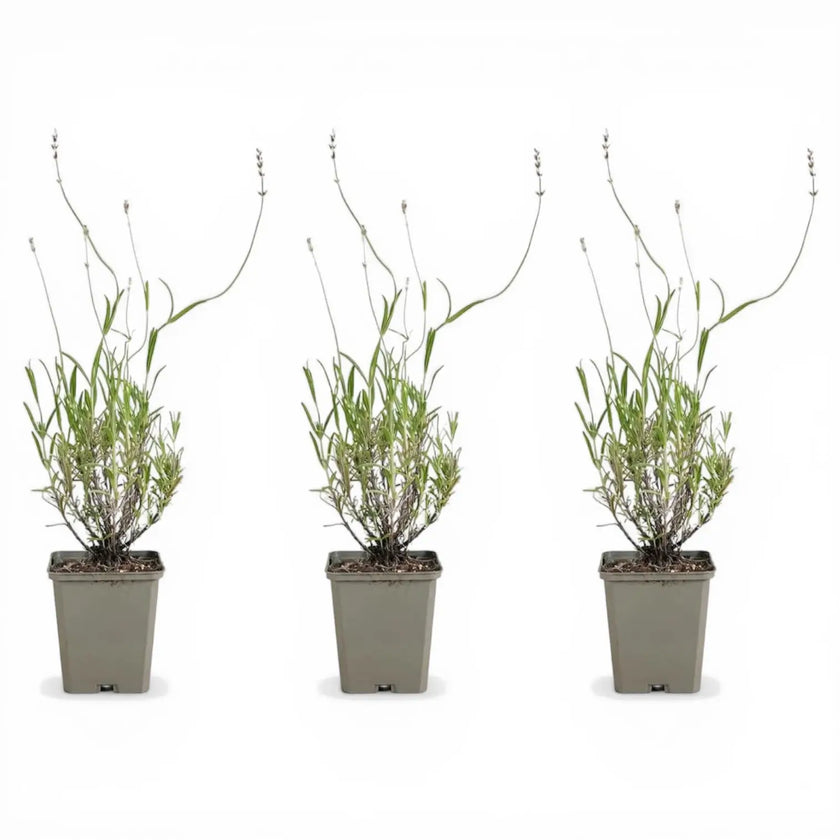
Lavandula angustifolia plant detail.
Lavandula angustifolia Regular price €13,50
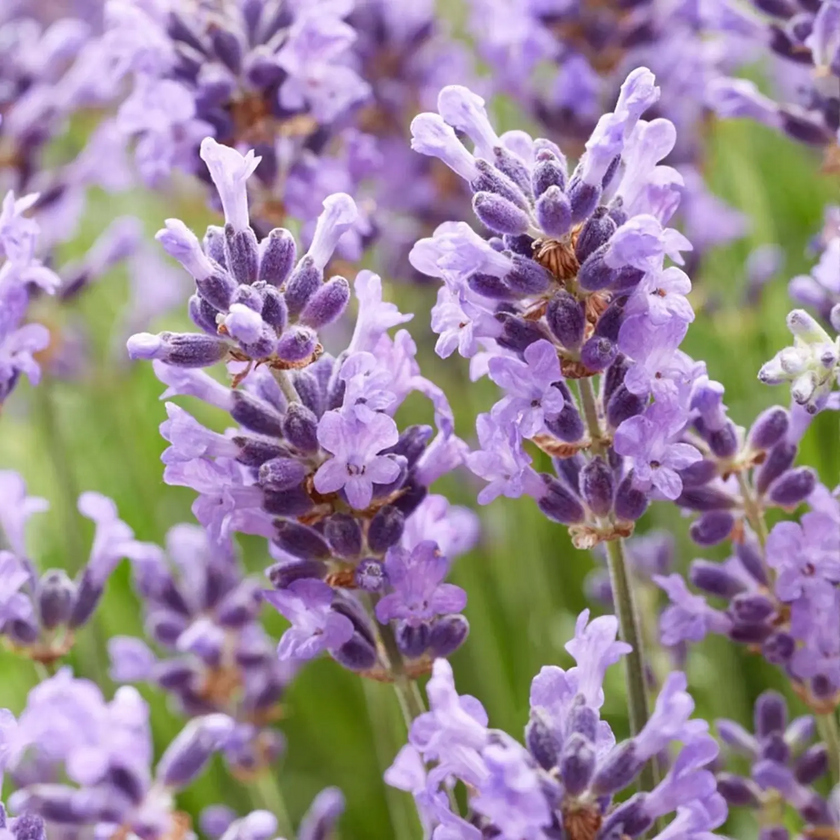
Lavandula angustifolia 'Dwarf Blue' close-up detail.
Lavandula angustifolia 'Dwarf Blue' Regular price €12,00
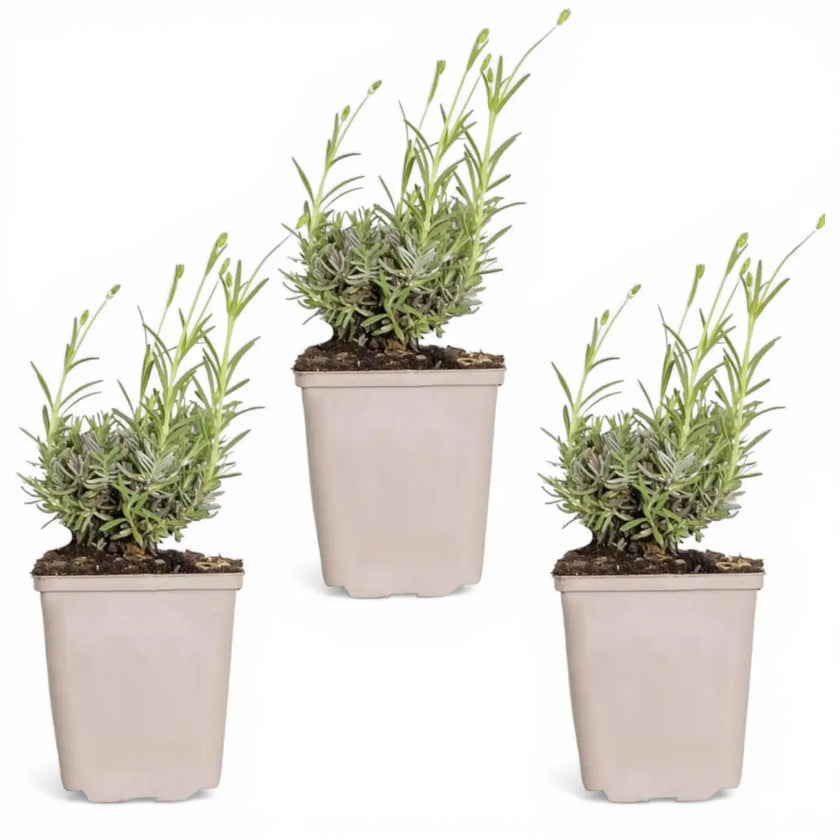
Lavandula angustifolia 'Edelweiss' close-up detail.
Lavandula angustifolia 'Edelweiss' Regular price €12,00
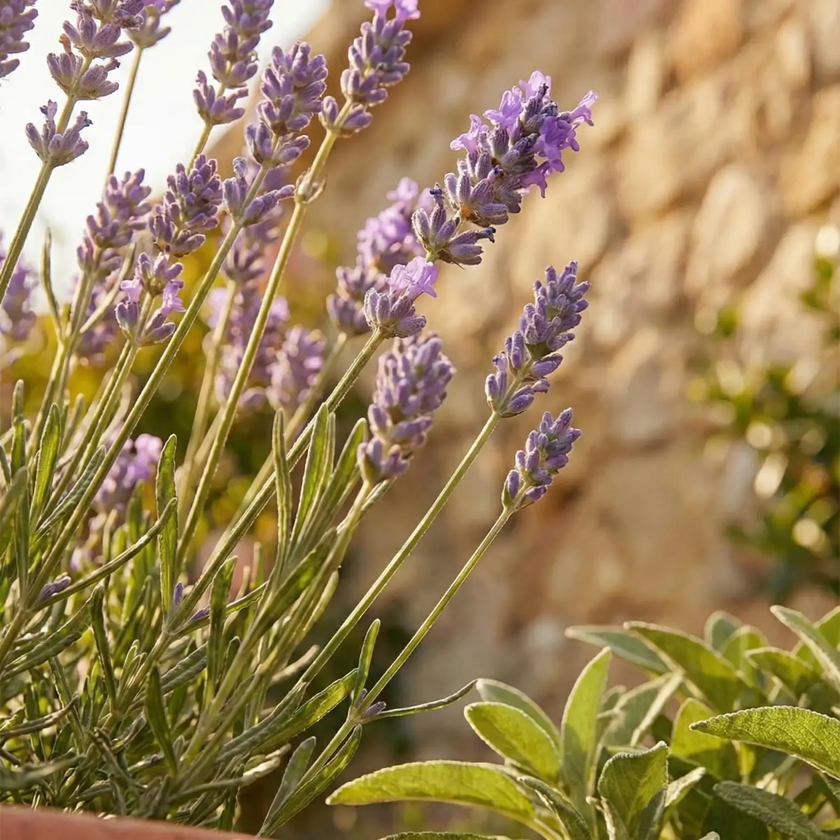
Lavandula angustifolia 'Felice' close-up detail.
Lavandula angustifolia 'Felice' Regular price From €10,75
Lavandula angustifolia 'Hidcote' detail shot.
Lavandula angustifolia 'Hidcote' Regular price €12,00
Lavandula angustifolia 'Munstead' detail shot.
Lavandula angustifolia 'Munstead' Regular price €12,00
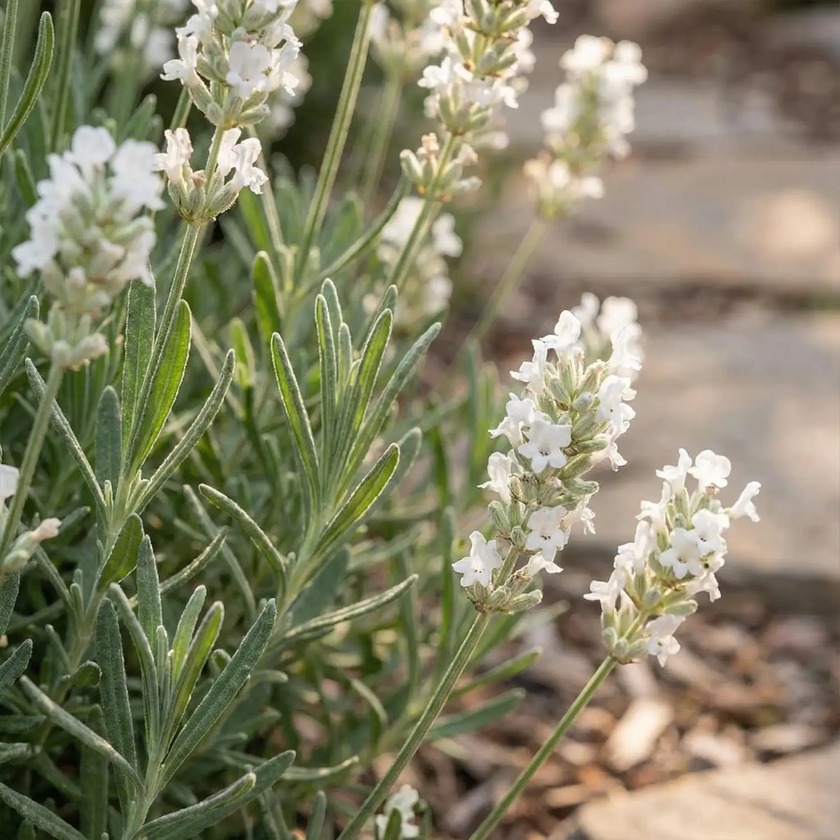
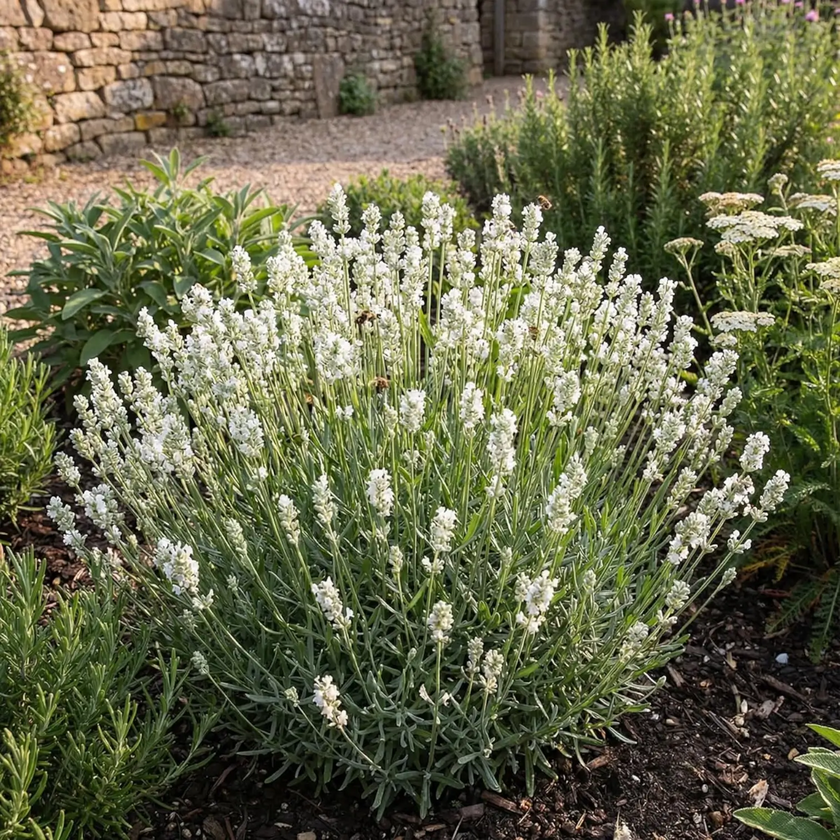
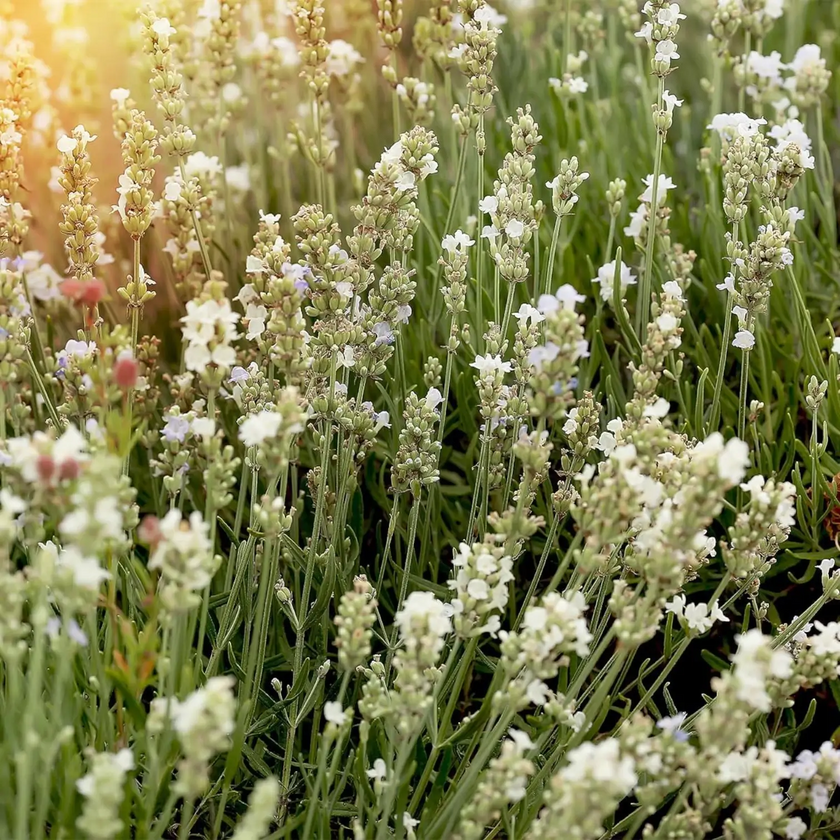
Lavandula angustifolia (white form) close-up detail.
Lavandula angustifolia (white form) Regular price €13,50
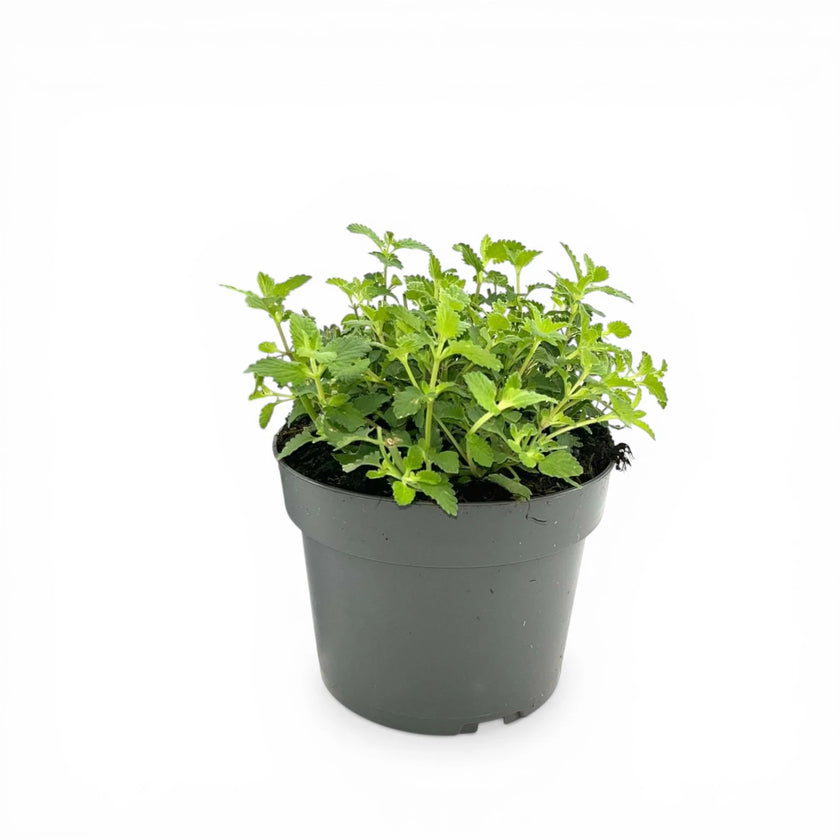
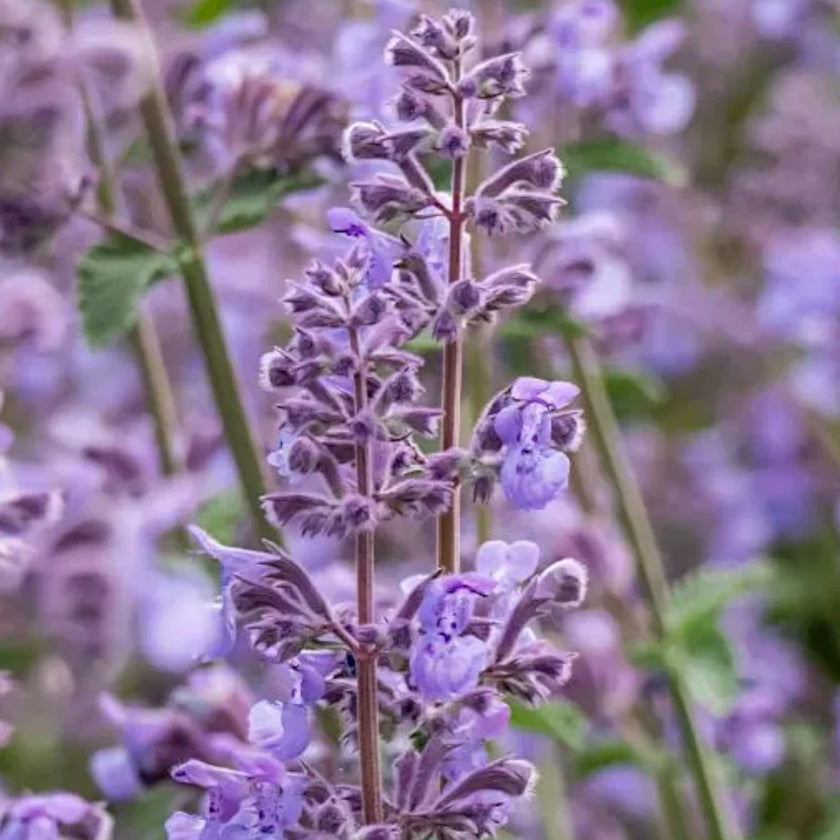
Nepeta 'Walker's Low' detail shot.
Nepeta 'Walker's Low' Regular price €12,00
Nepeta nervosa 'Blue Moon' close-up detail.
Nepeta nervosa 'Blue Moon' Regular price €12,00
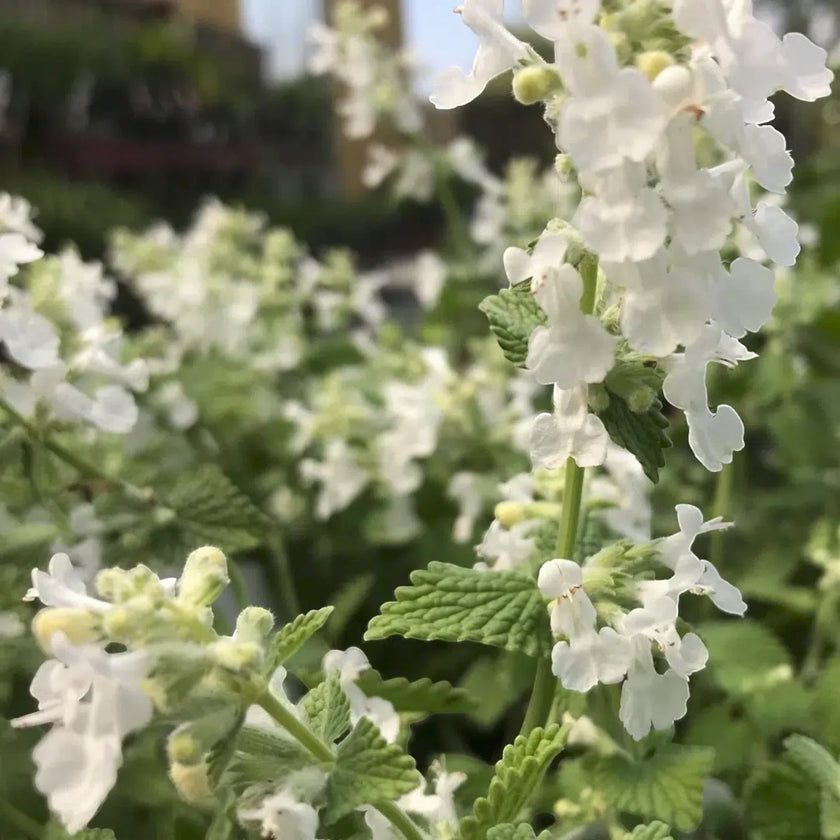
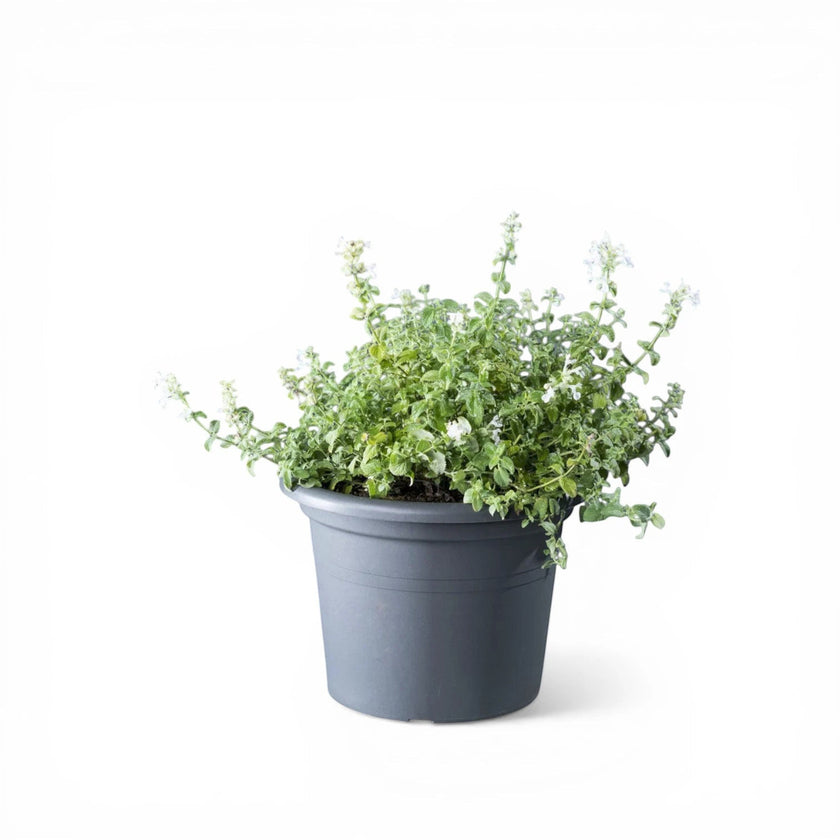
Foliage Factory Nepeta racemosa 'Snowflake' white catmint plant with small flowers and green foliage.
Nepeta racemosa 'Snowflake' Regular price €12,00
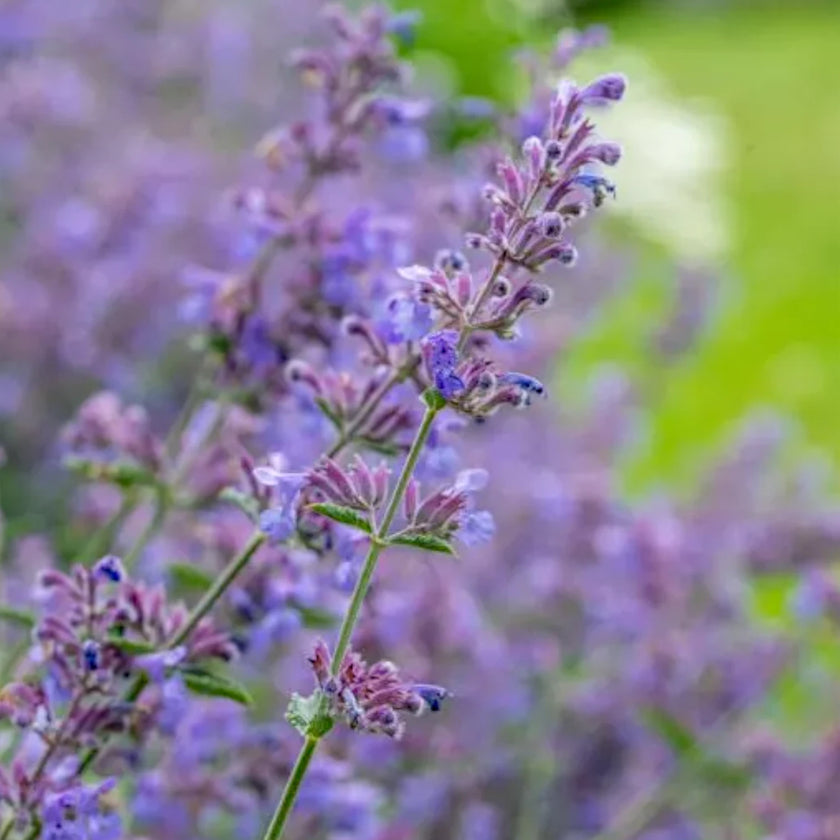
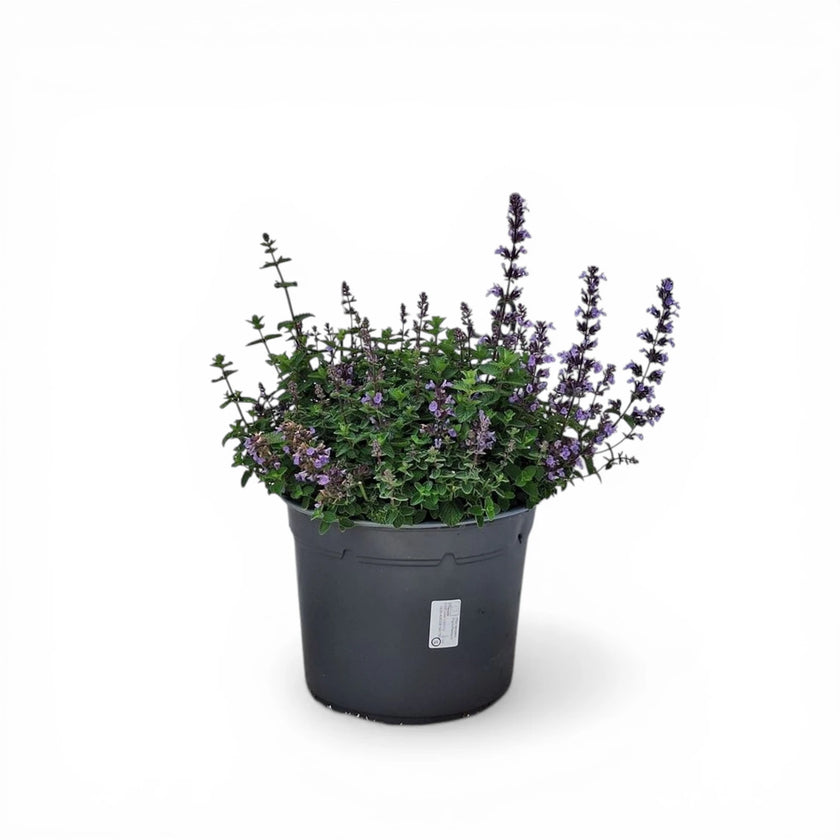
Nepeta × faassenii plant detail.
Nepeta × faassenii Regular price €12,00
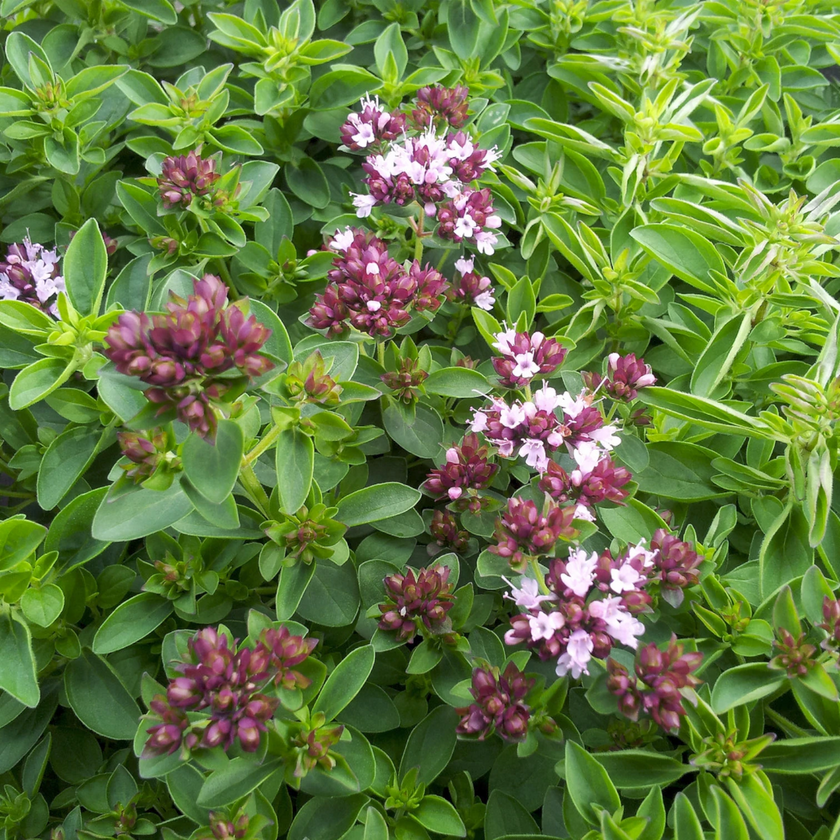
Origanum vulgare 'Compactum' close-up detail.
Origanum vulgare 'Compactum' Regular price €13,50
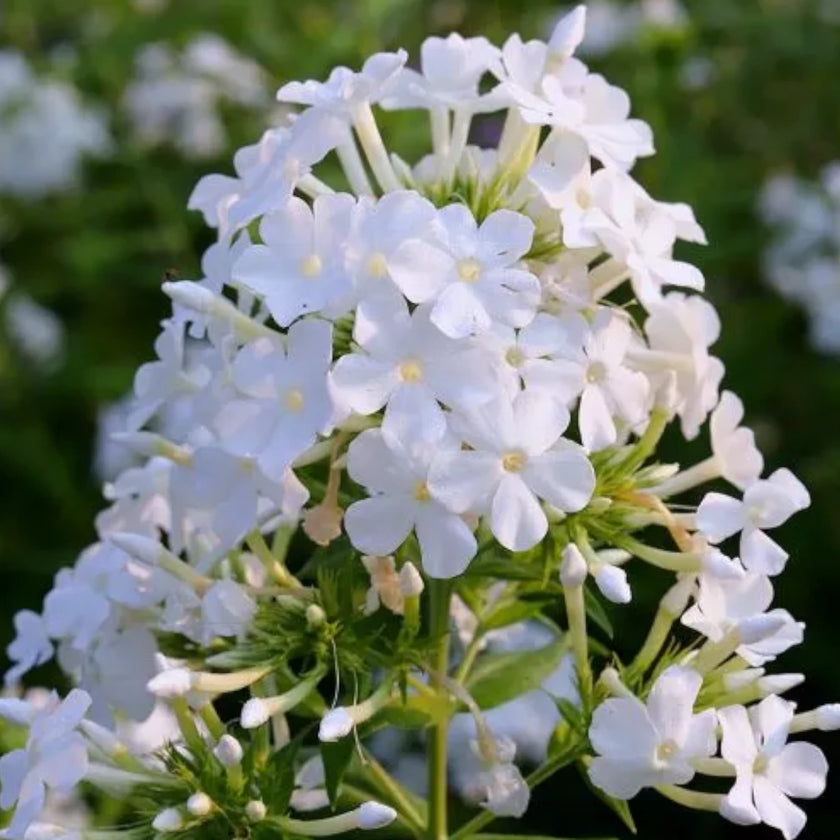
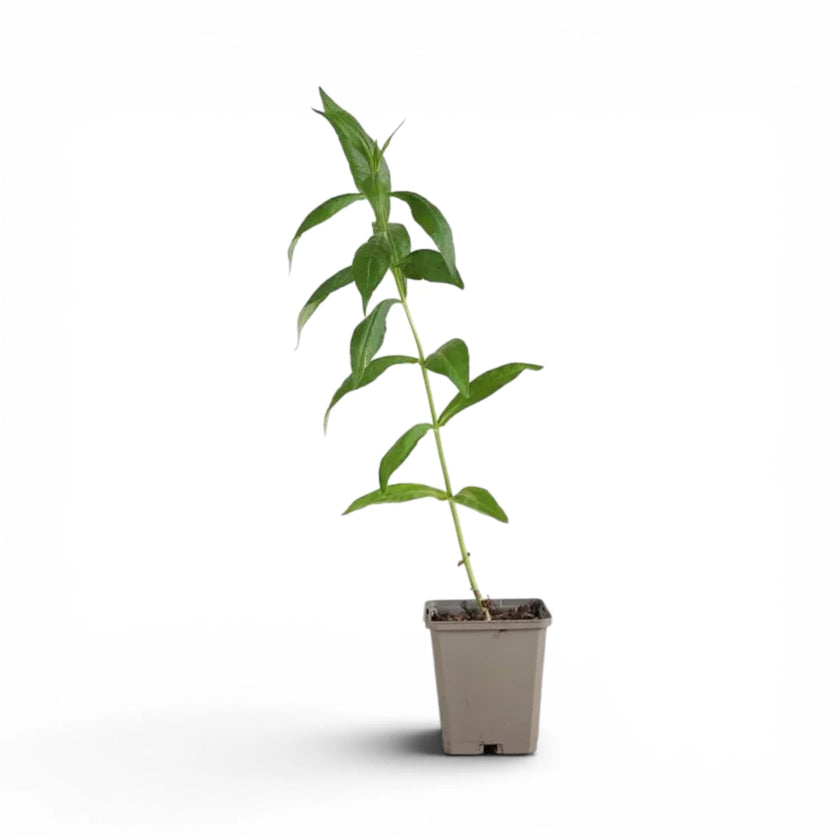
Phlox paniculata 'David' plant detail.
Phlox paniculata 'David' Regular price €13,50
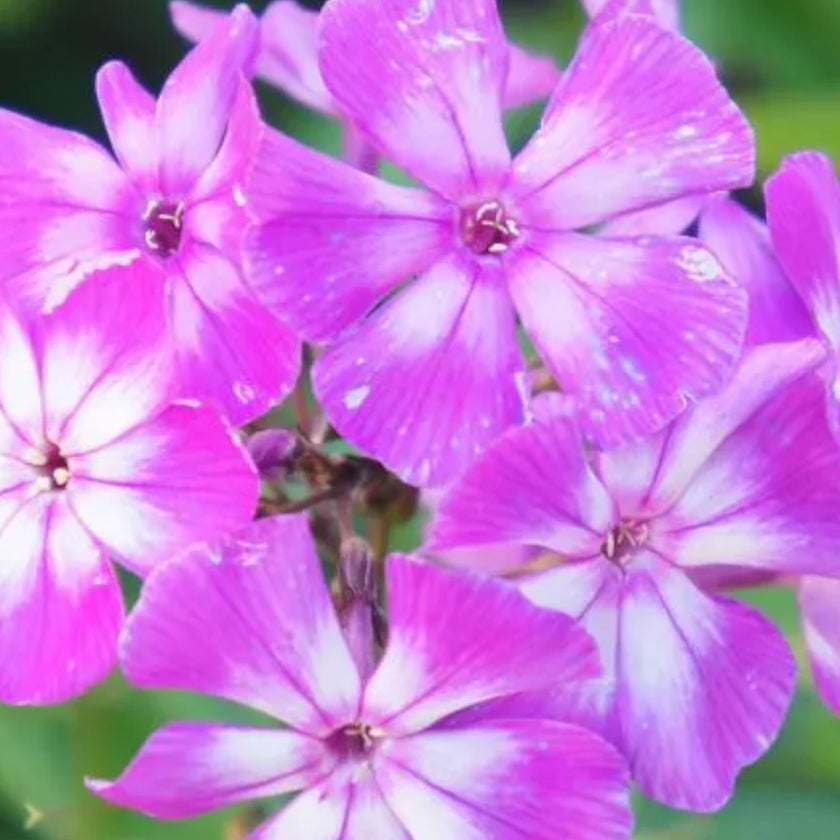
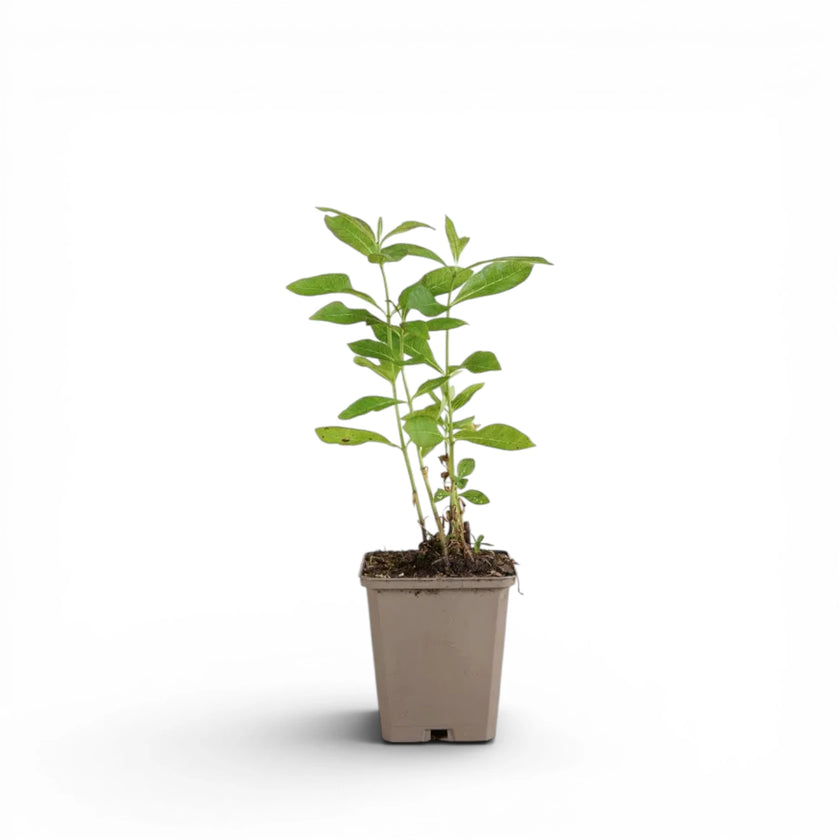
Phlox paniculata 'Laura' plant detail.
Phlox paniculata 'Laura' Regular price €13,50
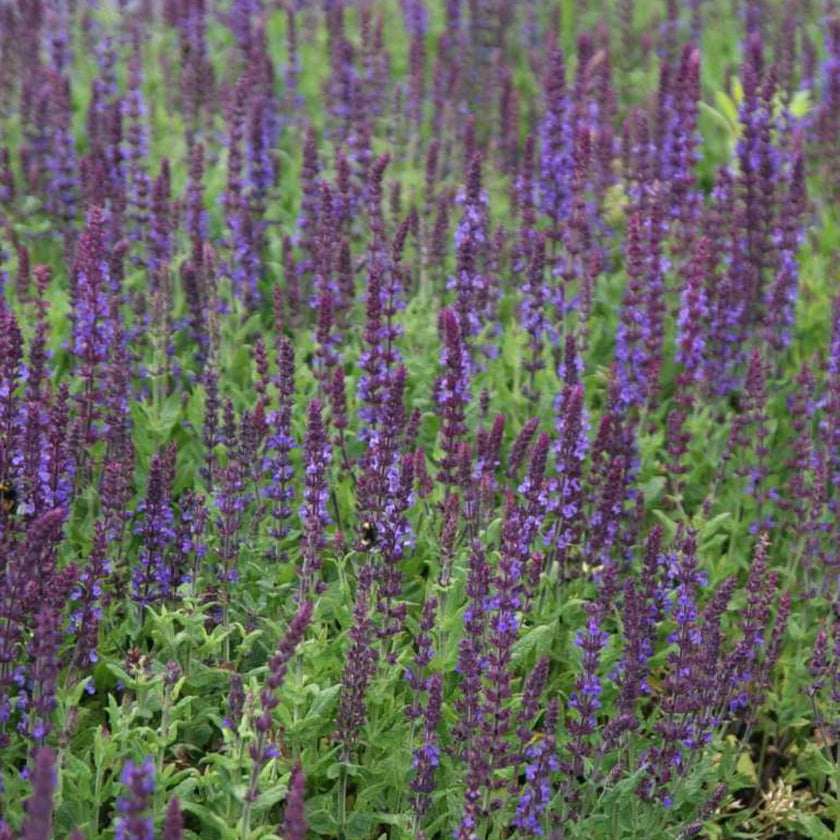
Salvia nemorosa 'Blaukönigin' detail shot.
Salvia nemorosa 'Blaukönigin' Regular price €12,00
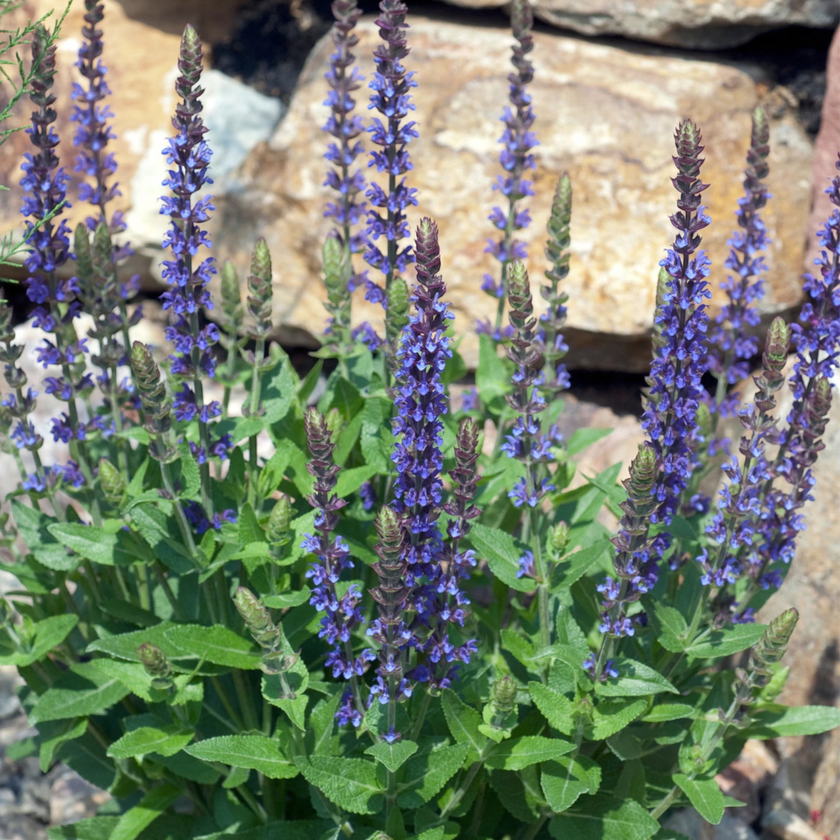
Salvia nemorosa 'Ostfriesland' close-up detail.
Salvia nemorosa 'Ostfriesland' Regular price €13,50
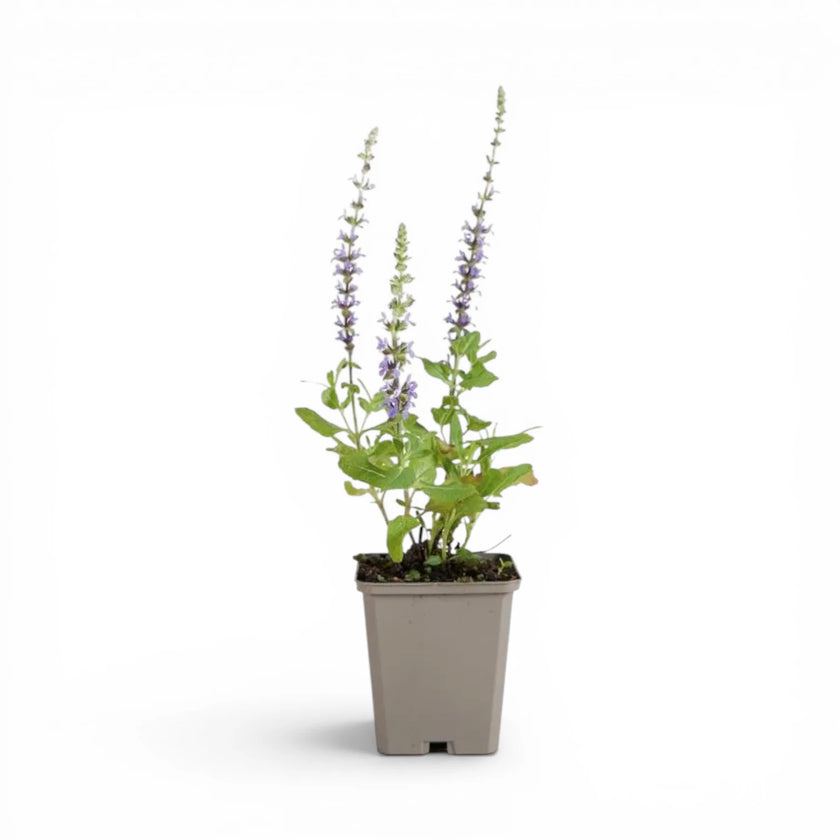
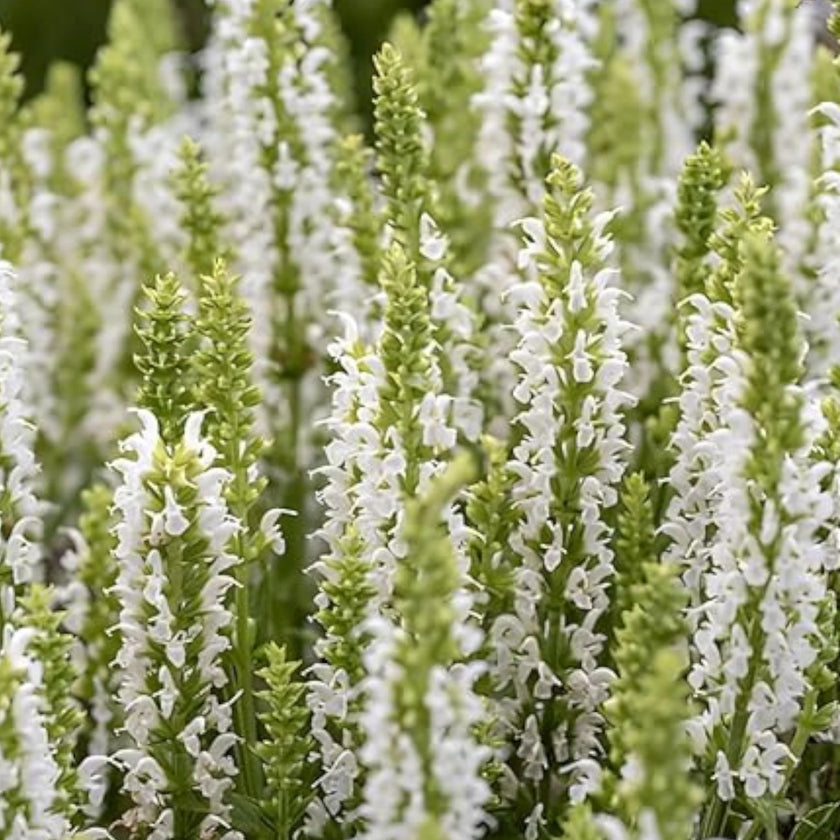
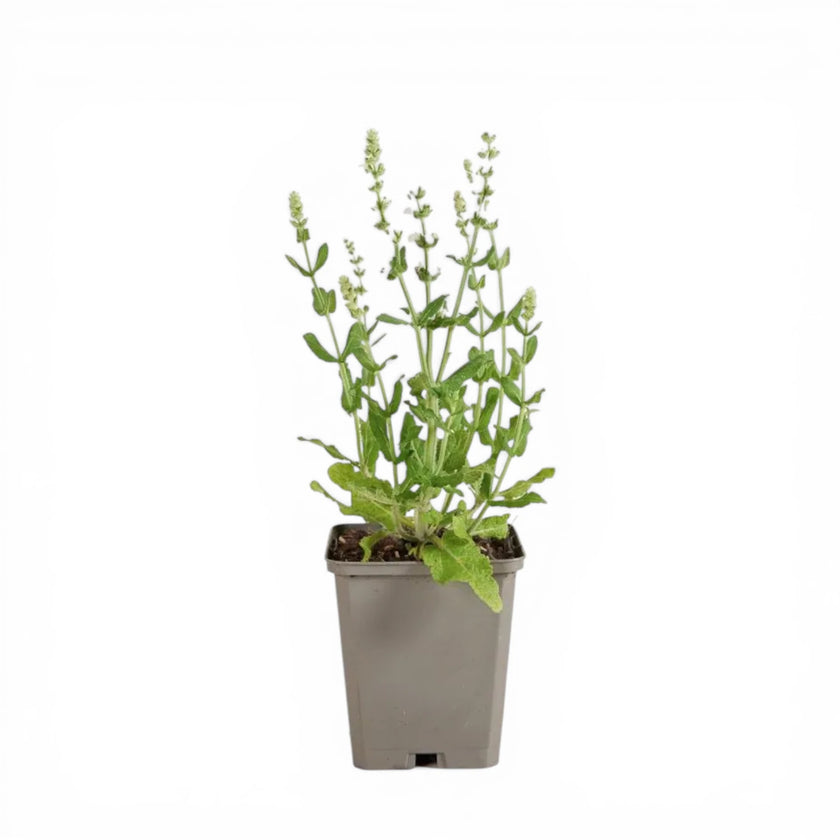
Salvia nemorosa 'Sensation White' detail shot.
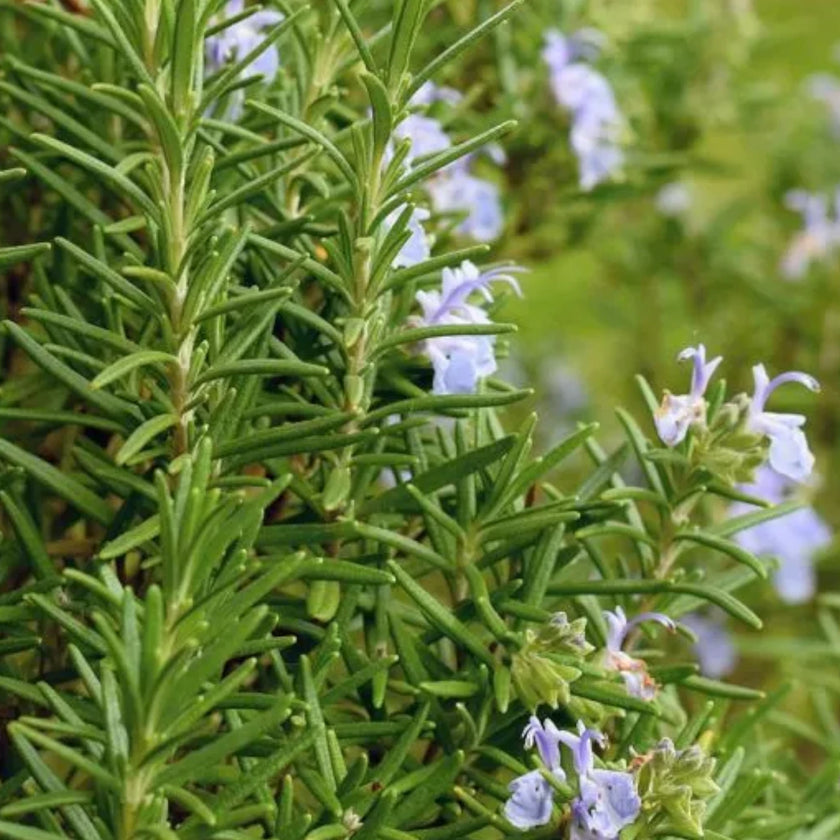
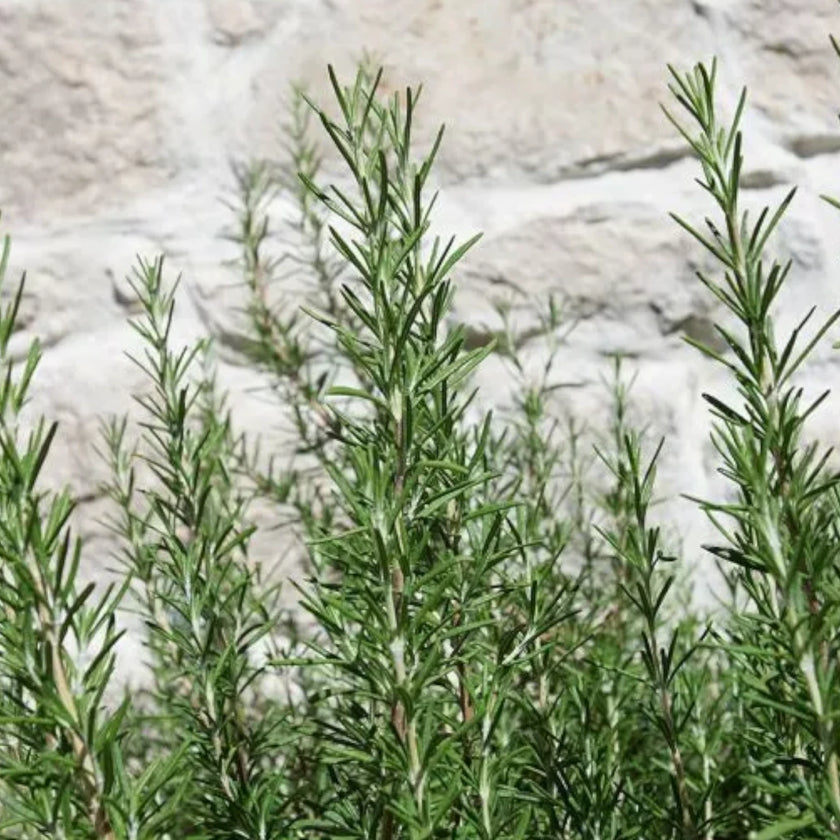
Salvia rosmarinus (Rosmarinus officinalis) detail shot.
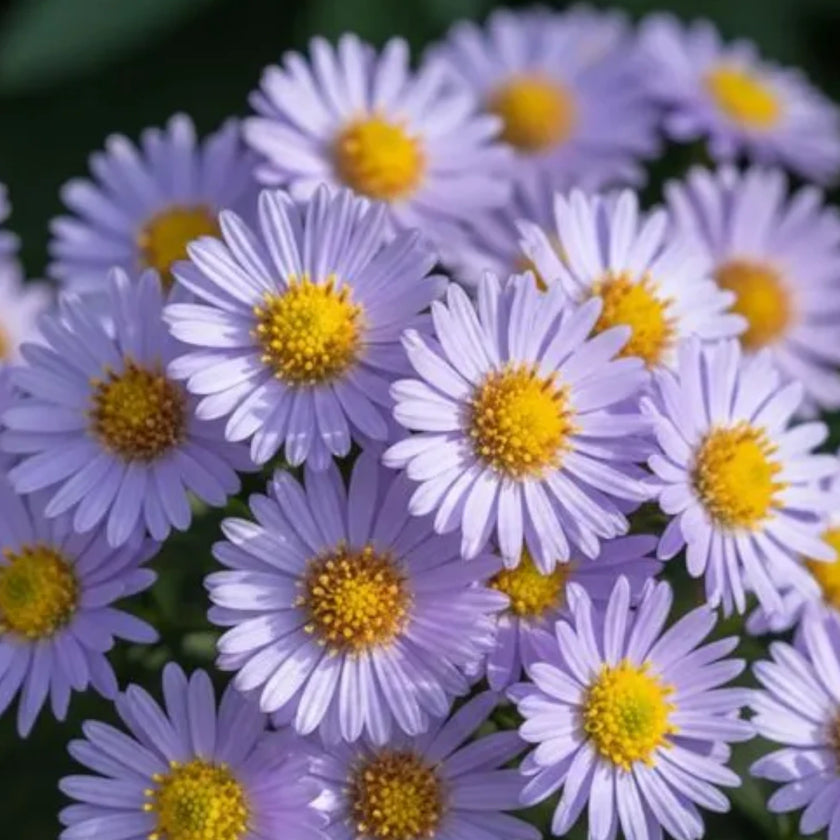
Symphyotrichum dumosum 'Apollo' close-up detail.
Symphyotrichum dumosum 'Apollo' Regular price From €9,50
Symphyotrichum dumosum 'Professor Anton Kippenberg' close-up detail.
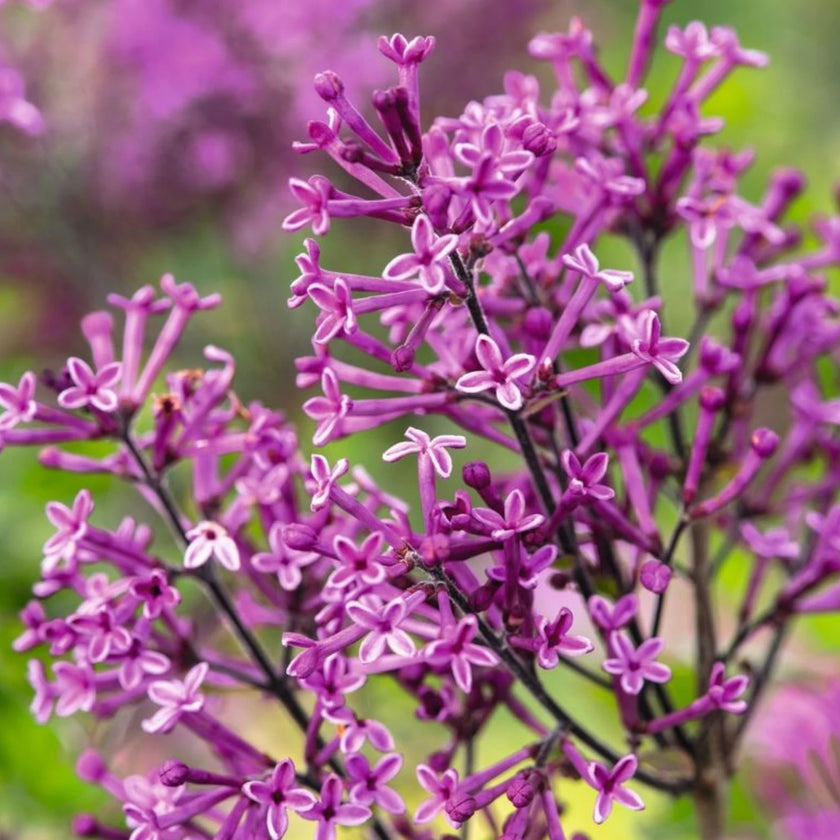
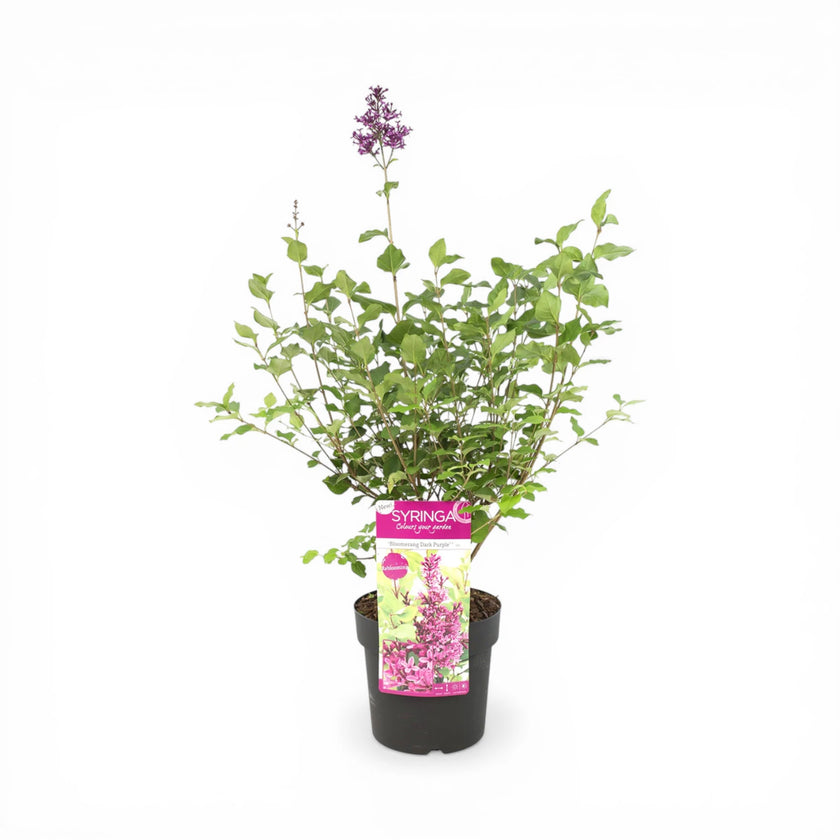
Syringa Bloomerang® Dark Purple detail shot.
Syringa Bloomerang® Dark Purple Regular price €37,50

Pollinator-Friendly Plants

Quick Overview
  • Best results come from flowers spread across the whole season, not one peak week.
  • Open blooms tend to be easier for insects than heavily doubled flowers.
  • Mixing flower shapes supports a wider range of pollinators.
  • Shelter from wind can make a big difference to pollinator activity on balconies.
  • Even moisture supports longer flowering and steadier nectar production.
  • Grouping containers creates a larger target and draws more visitors.
  • Leaving some seedheads later can add food value for birds in autumn.
Details & Care

Pollinator value depends on access and timing

Pollinator-Friendly Plants support visiting insects through accessible flowers, pollen, nectar and seasonal shelter. A good mix includes different flower shapes and overlapping bloom periods, so resources are available beyond one short peak.

  • Flower shape: Open, simple, clustered and tubular flowers serve different insects.
  • Bloom sequence: Early, mid-season and late flowers extend the feeding window.
  • Repeats: Small groups of the same plant are easier to find than isolated single flowers.
  • Shelter: Layered planting with stems, grasses and shrubs offers more cover than bare soil.

Colour alone does not guarantee pollinator value. Flower structure, scent, pollen access and plant health all matter. Very dense double blooms can be less accessible than simpler flowers.

Care for healthy flowering

Avoid unnecessary insecticide use on plants in flower. Keep containers watered during dry spells, because drought stress can shorten bloom. Deadhead plants that respond with repeat flowering, but leave some seedheads where they add later texture or food.

Where to plant for pollinators

  • Sunny borders: Often give the strongest flowering and insect activity.
  • Herb gardens: Flowering herbs can provide rich seasonal resources.
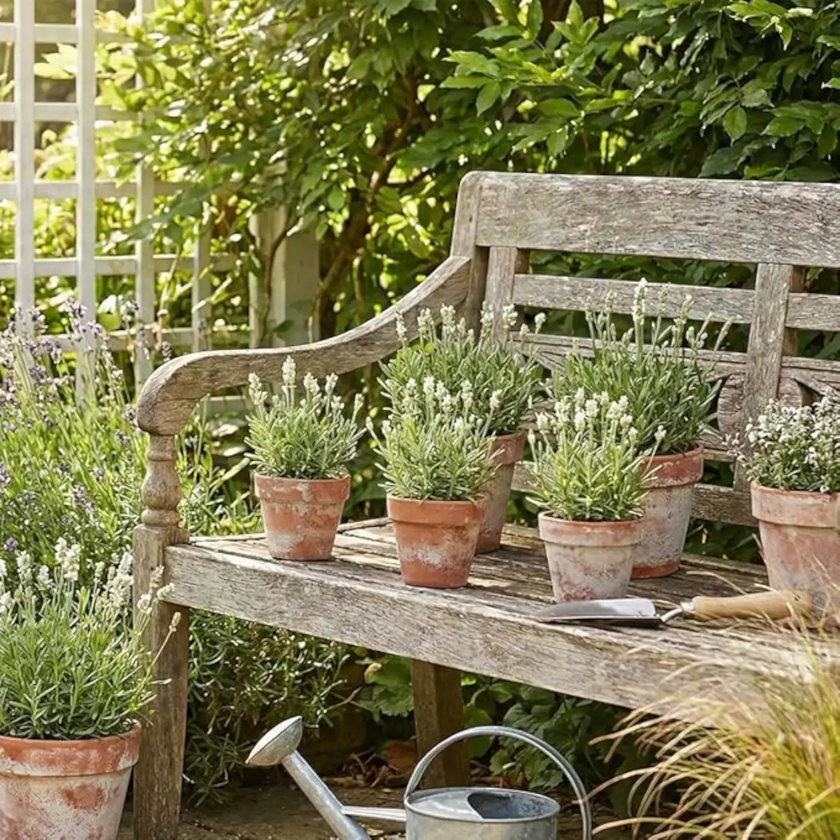
  • Balconies: Grouped pots are more visible than scattered single containers.
  • Mixed planting: Combine perennials, herbs, shrubs and climbers where space allows.

Pollinator-friendly planting is strongest when it works as a sequence: flowers early, during peak summer and into autumn, with enough healthy growth to keep the display going.

Pollinator planting still needs good horticulture. Water stress, cramped pots and poor soil reduce flowering, which reduces value for visiting insects. Repeated groups of healthy plants usually offer more than many single plants squeezed into unsuitable sites.

Leave some stems or seedheads where they add shelter and late-season texture, then tidy them when new growth starts.

Where space is limited, grow fewer pollinator plants in healthier groups. A cluster of flowering herbs or perennials is easier for insects to find than scattered single pots across a balcony.

Letting some plants flower fully may mean harvesting fewer leaves from herbs, so place culinary and pollinator-focused plants with that trade-off in mind.