













Filters

Aeschynanthus pulcherSold out

Amydrium mediumSold out
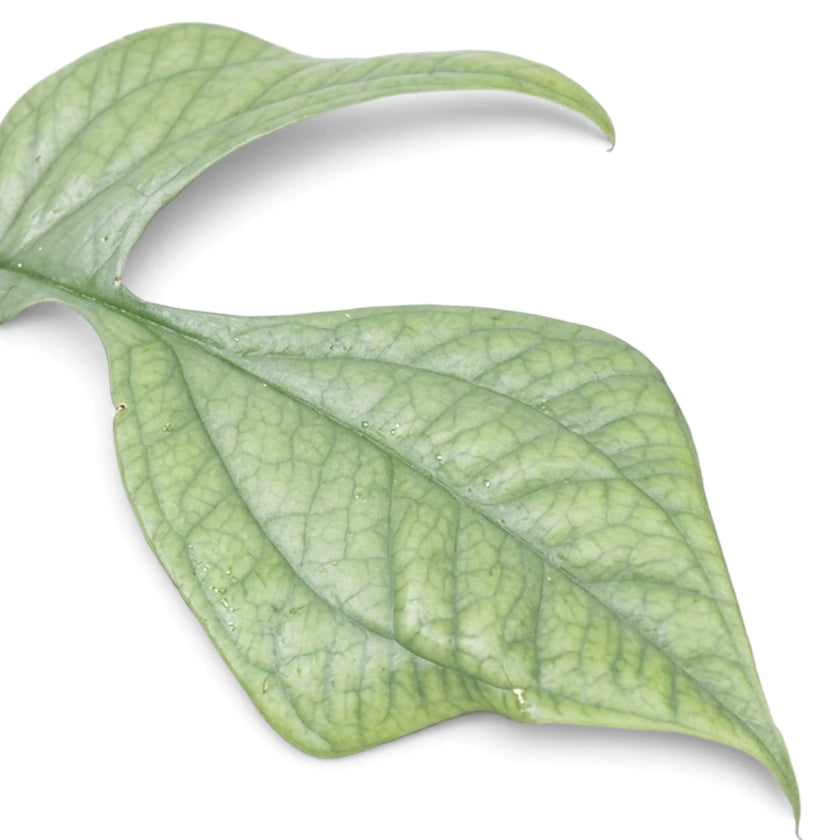

Amydrium zippelianumSold out
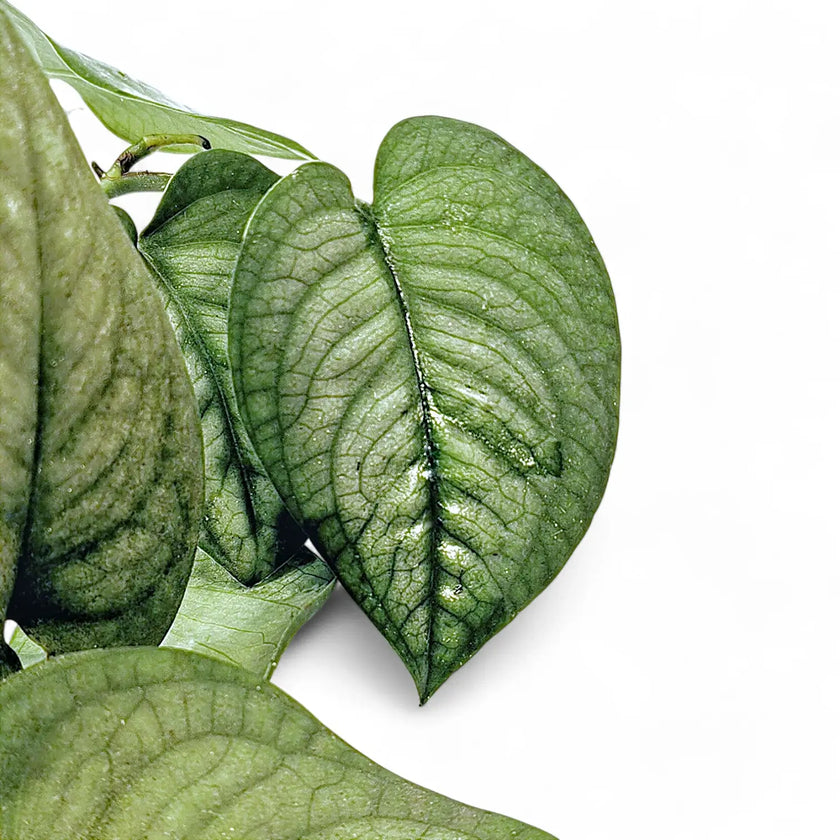
Anadendrum affineSold out

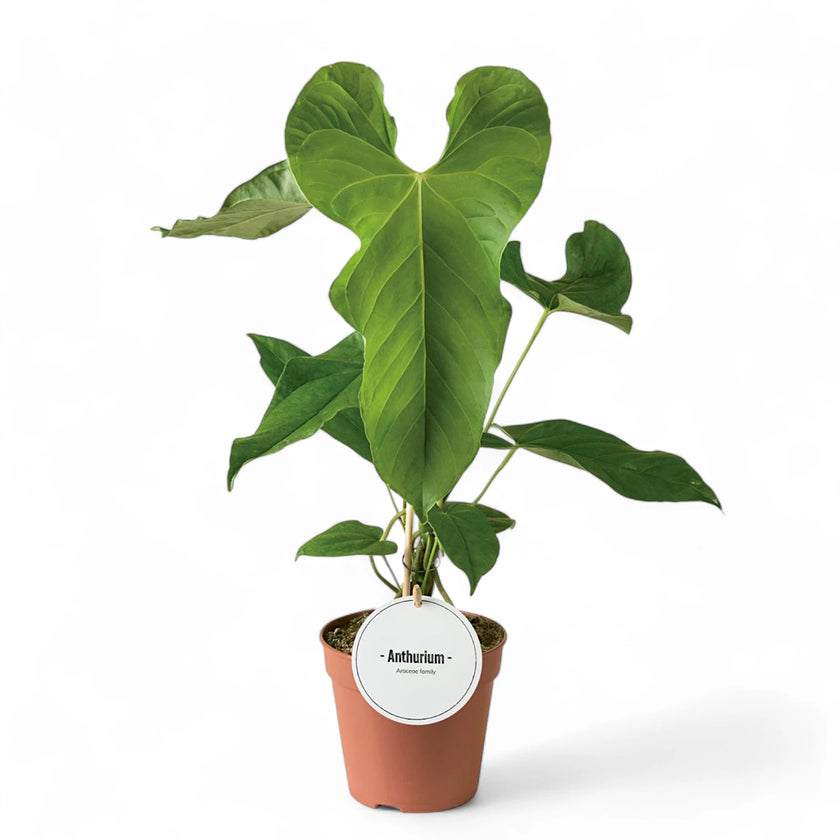
Anthurium arisaemoidesSold out
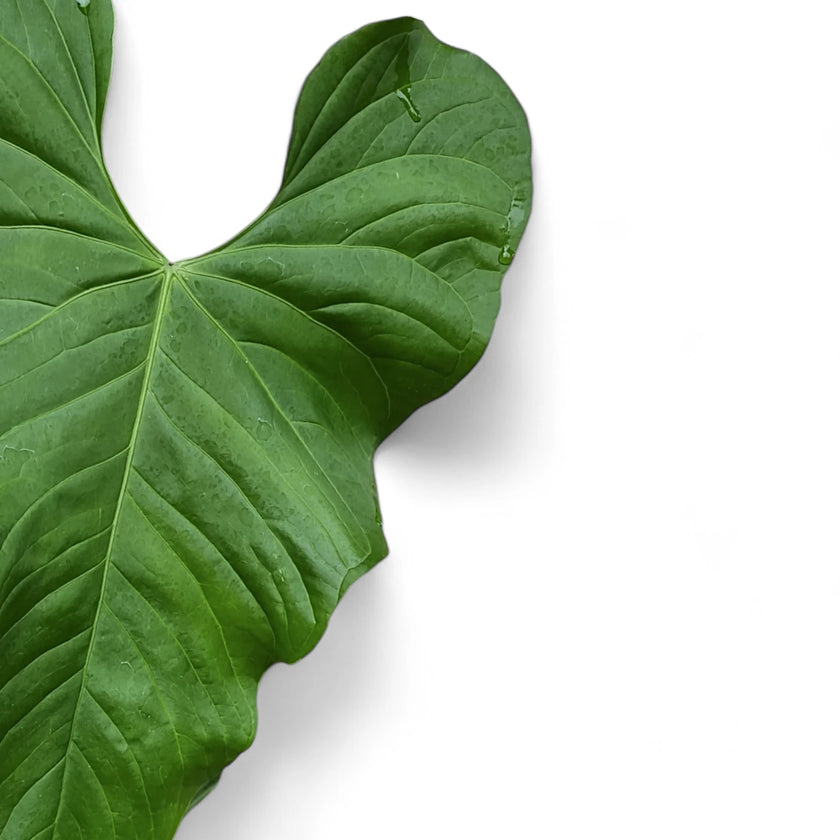
Anthurium balaoanumSold out

Anthurium clavigerumSold out

Anthurium clidemioidesSold out

Anthurium cutucuenseSold out

Anthurium dolichostachyumSold out

Anthurium longissimilobumSold out

Anthurium marmoratumSold out

Anthurium mooneniiSold out
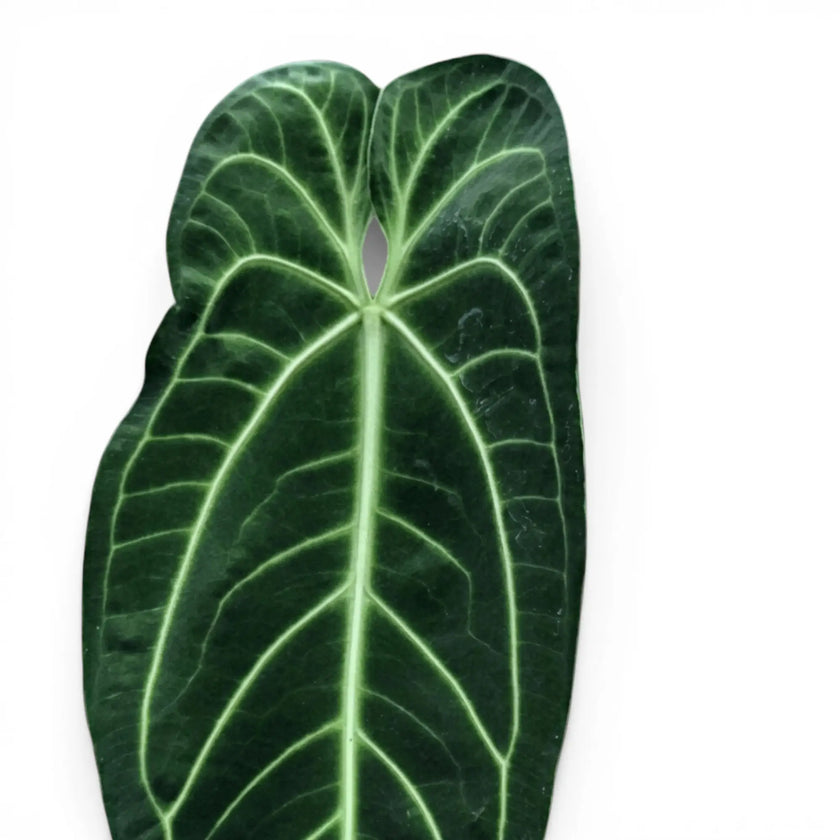
Anthurium warocqueanumSold out

Aristolochia leuconeuraSold out

Asparagus falcatusSold out
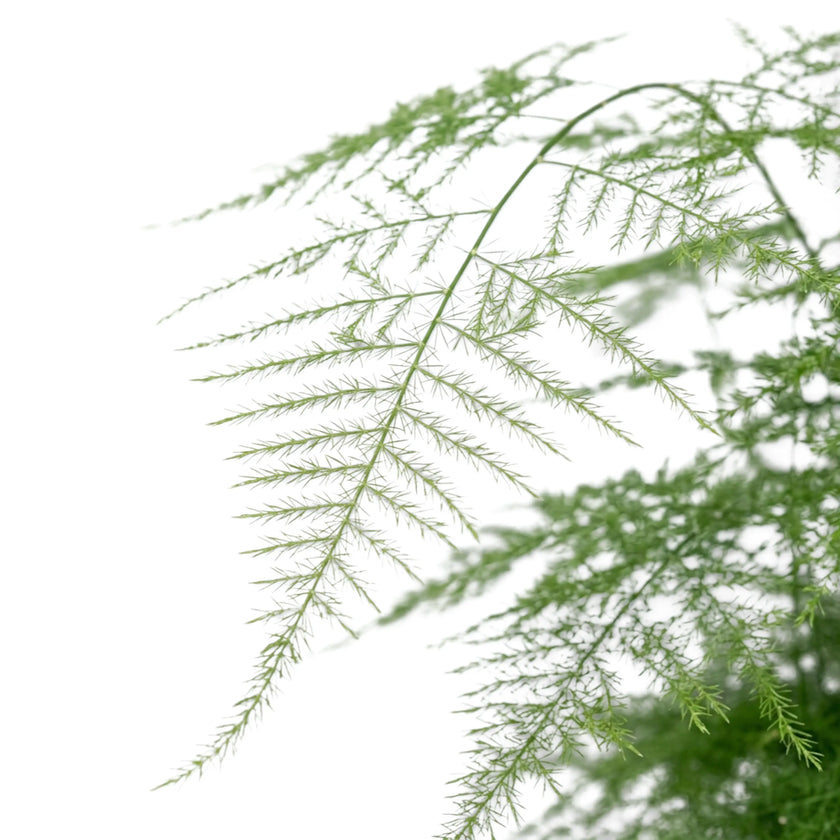
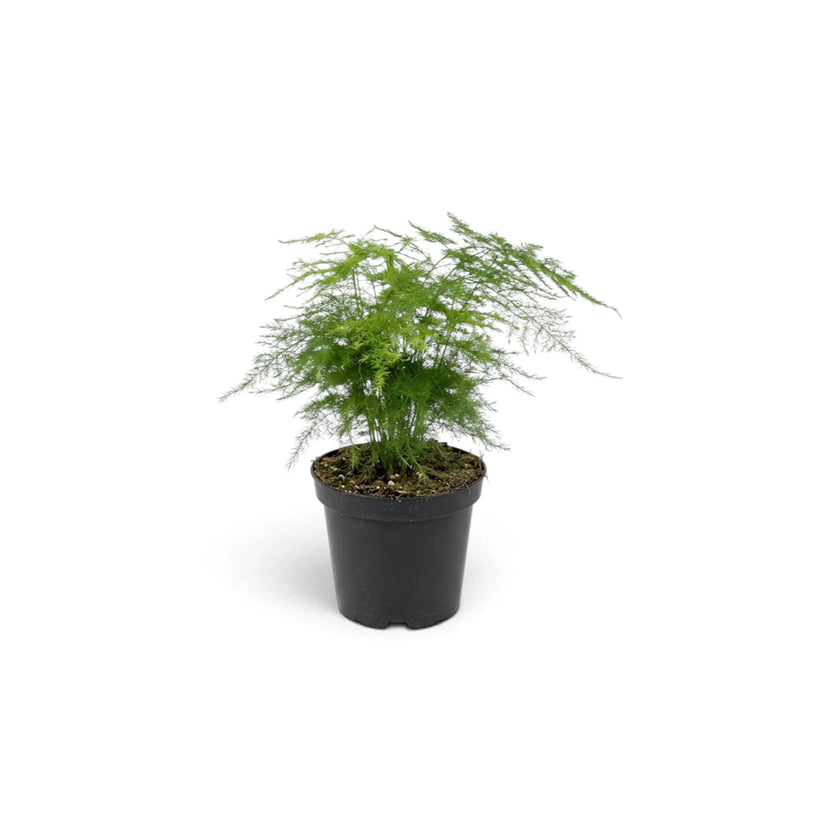
Asparagus setaceus
Sale priceFrom €8,50
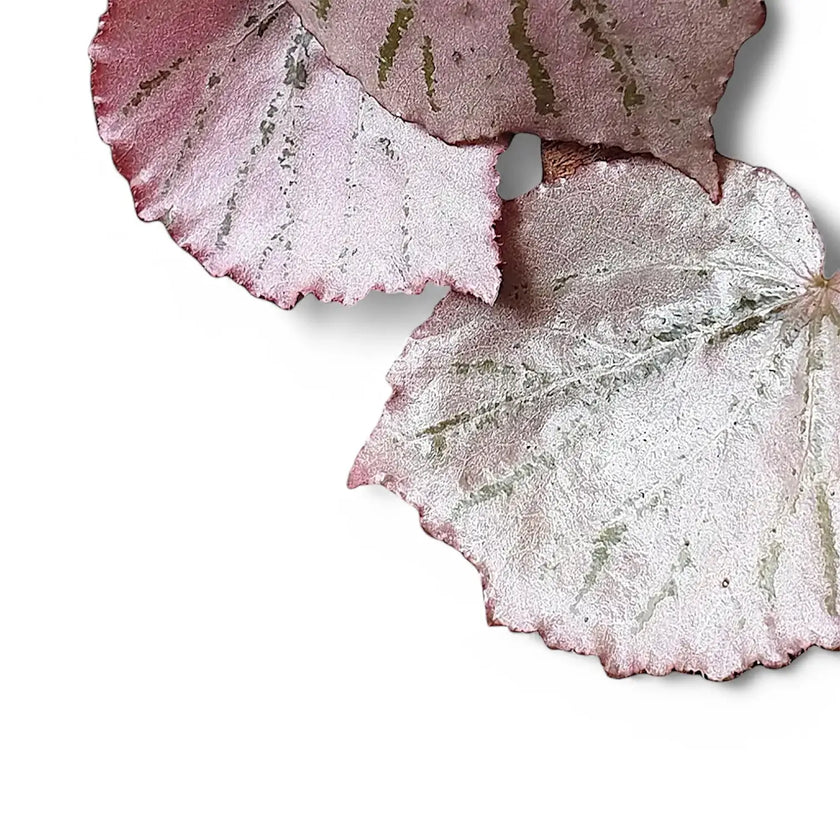
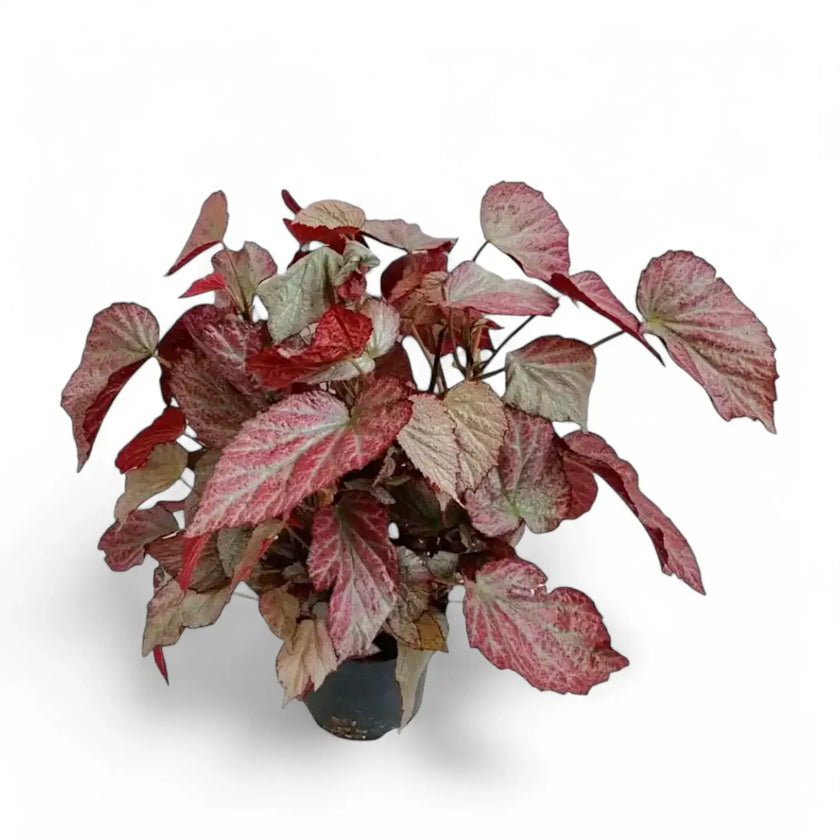
Begonia ‘Martin’s Mystery’Sold out
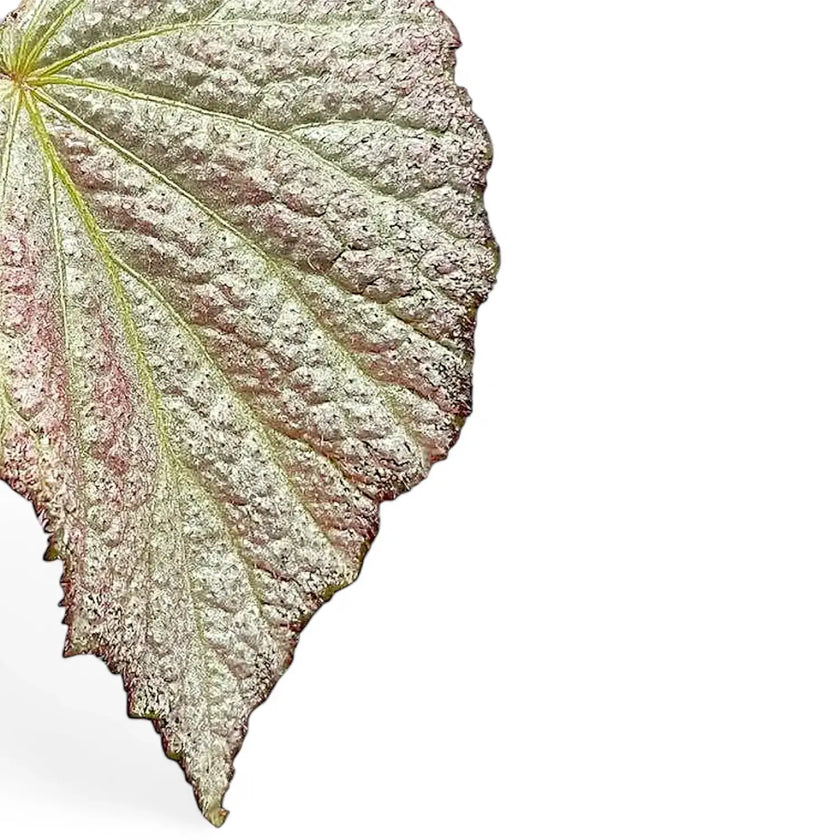
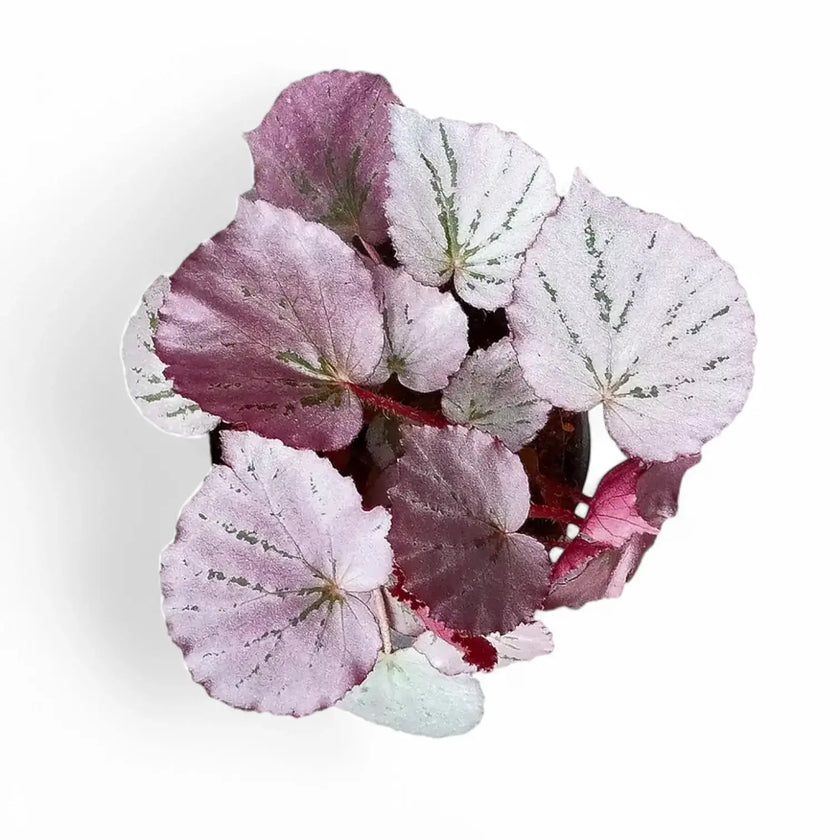
Begonia ‘Two Face’Sold out

Cercestis mirabilisSold out

Cissus alata ‘Ellen Danica’Sold out

Cissus discolorSold out

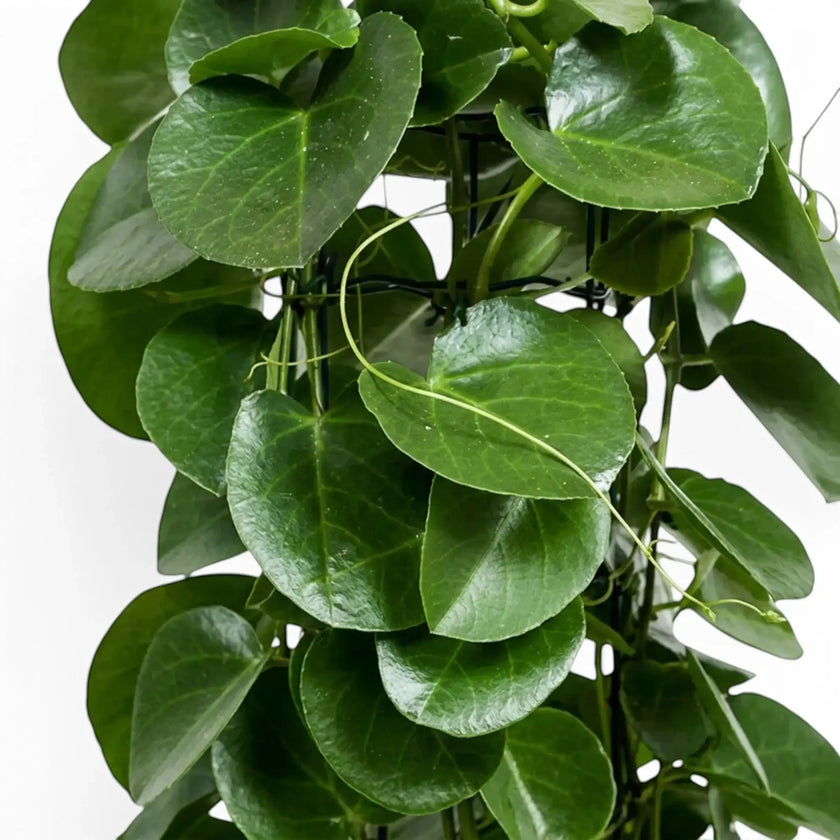
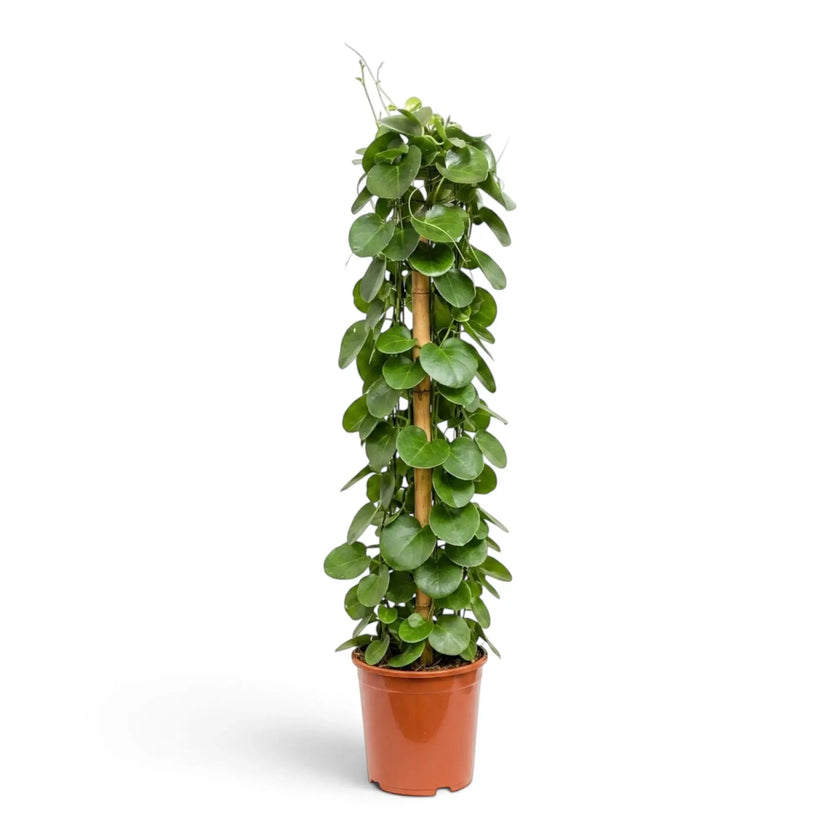
Cissus rotundifolia
Sale price€115,25


Dioscorea discolorSold out


Dioscorea sp. PeruSold out

Dischidia imbricataSold out
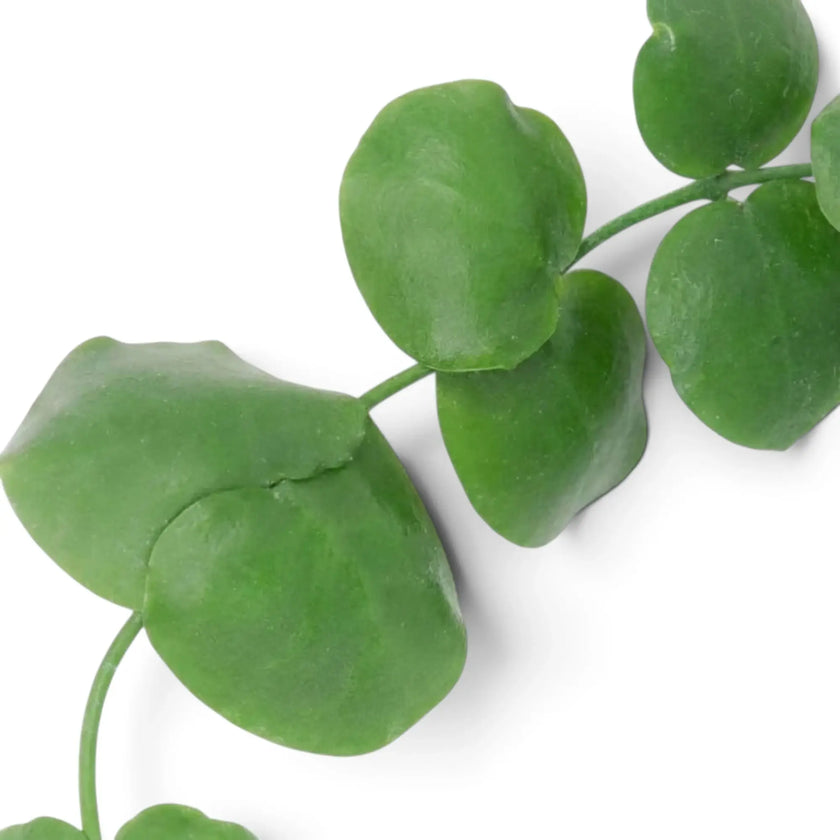
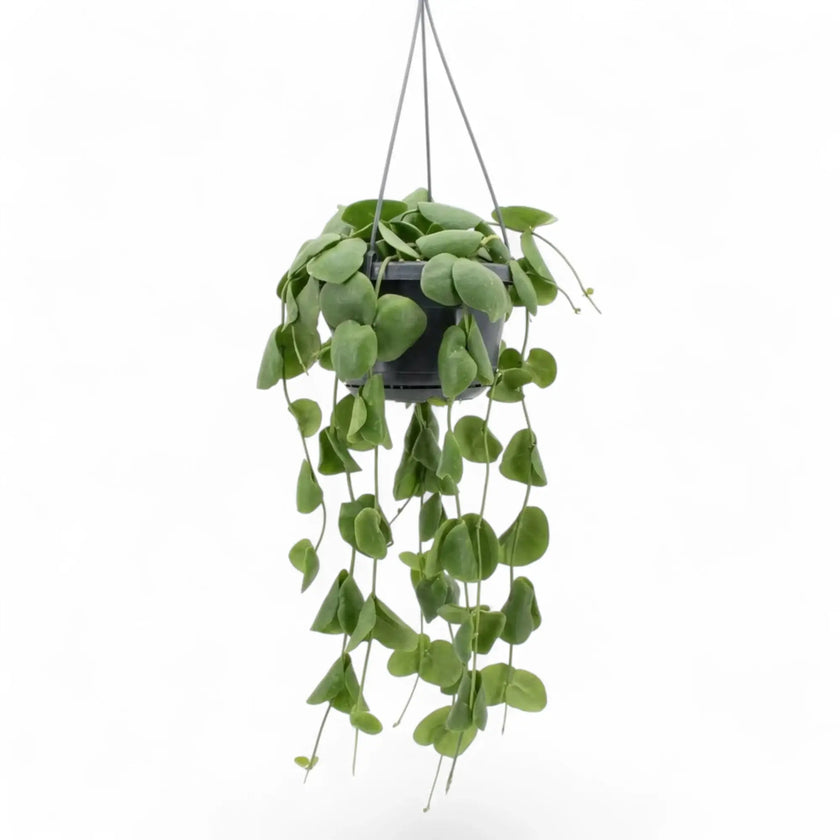
Dischidia platyphylla
Sale price€33,75

Epipremnum amplissimumSold out
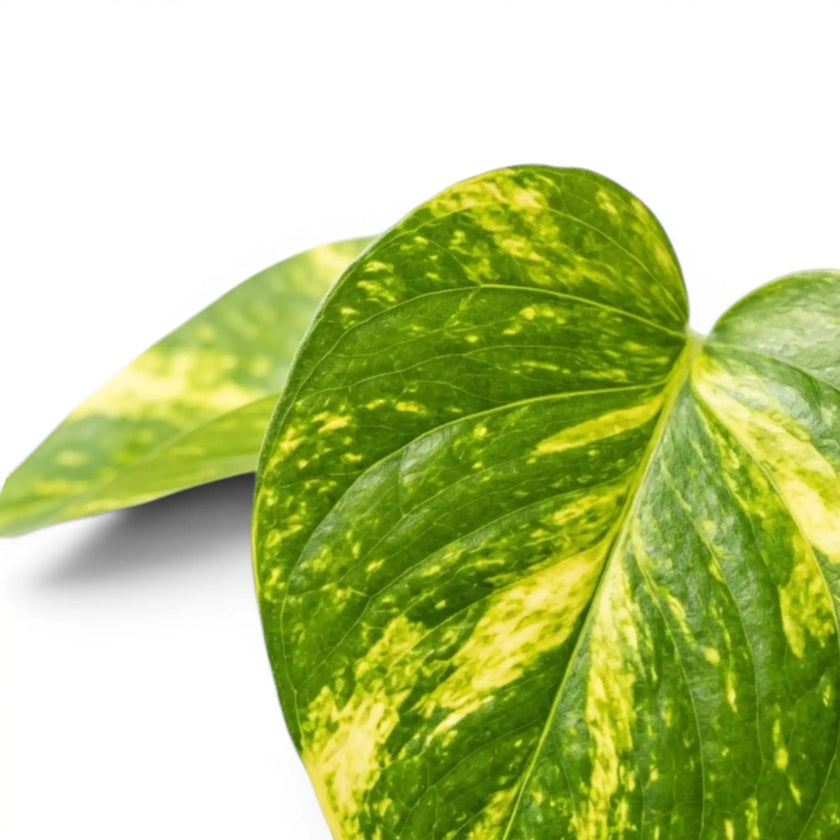
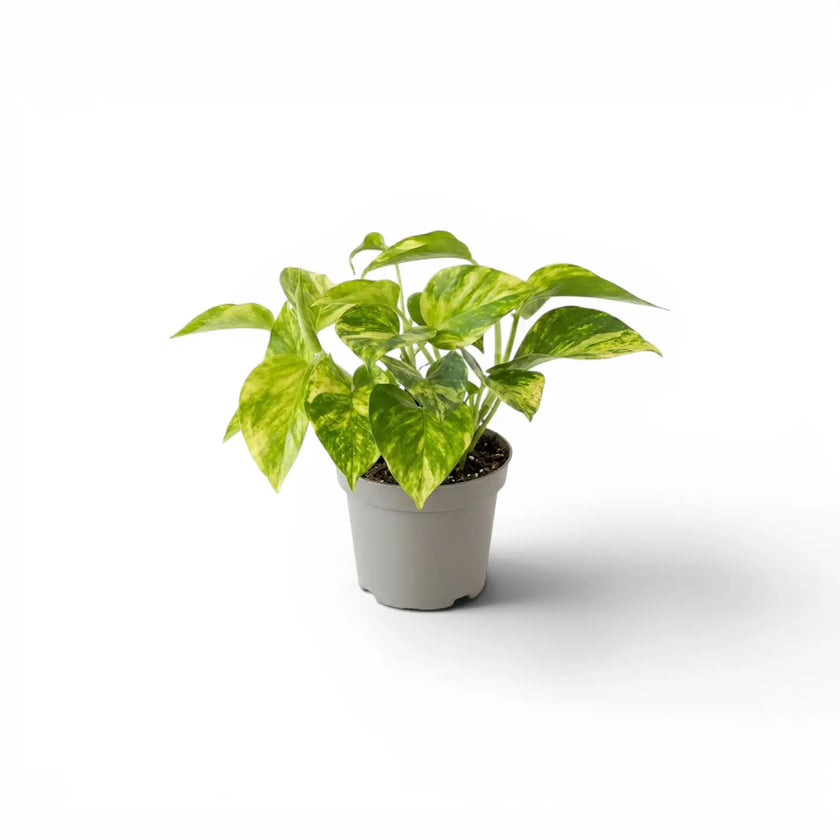
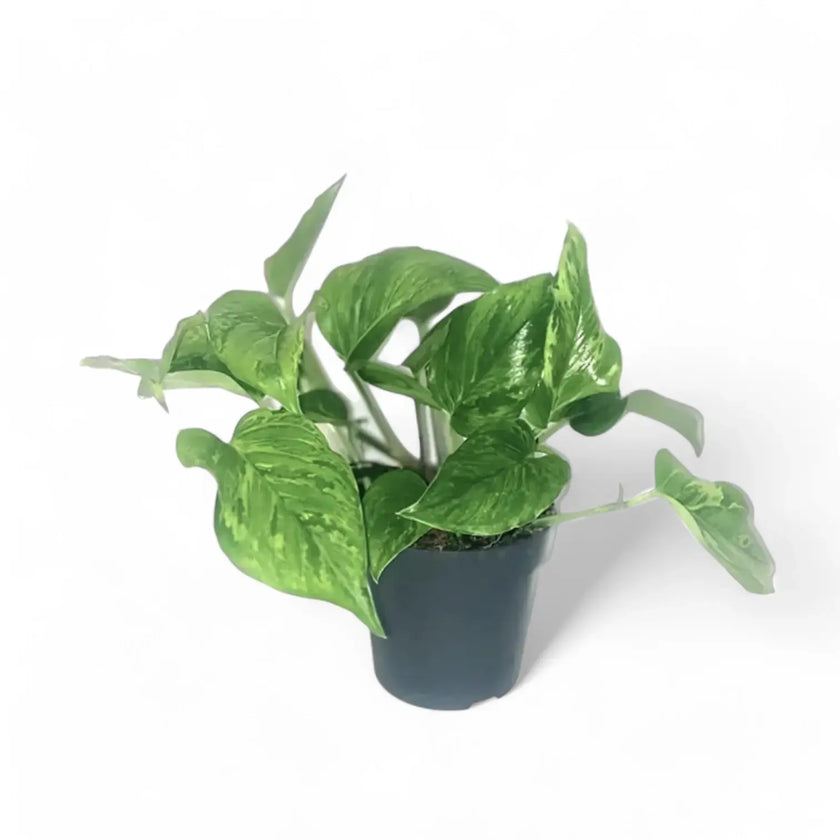
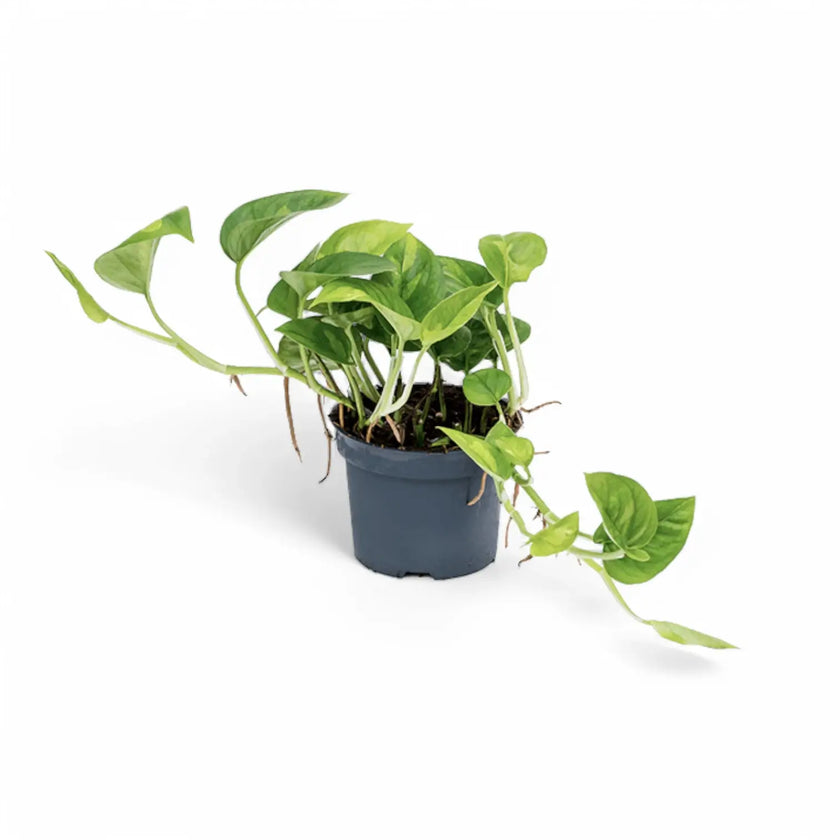
Epipremnum aureum
Sale priceFrom €10,75


Epipremnum aureum 'HiColor'Sold out
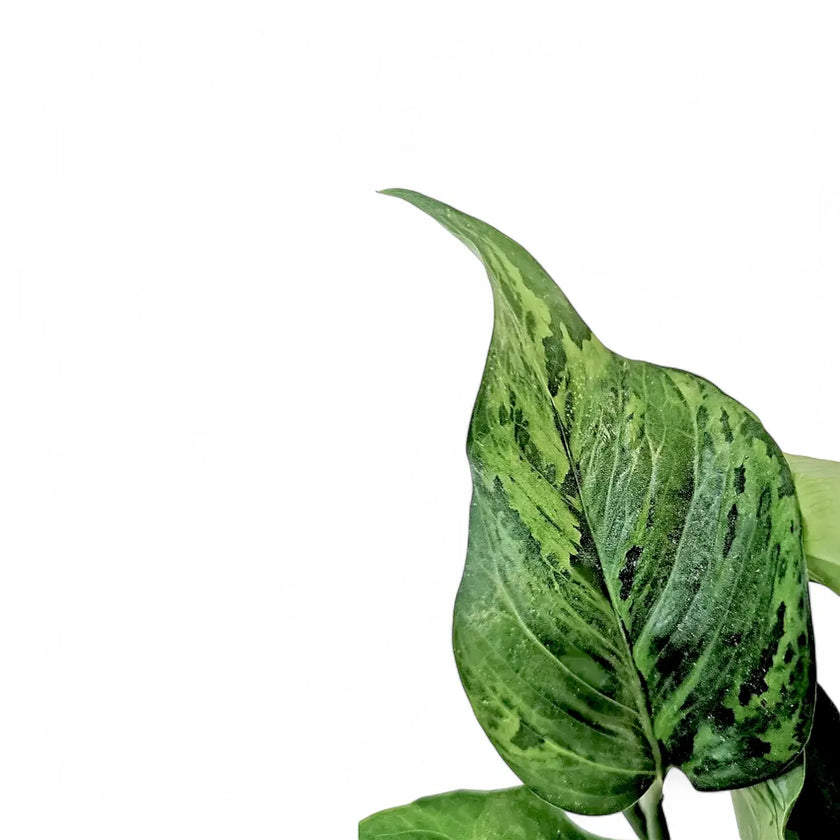
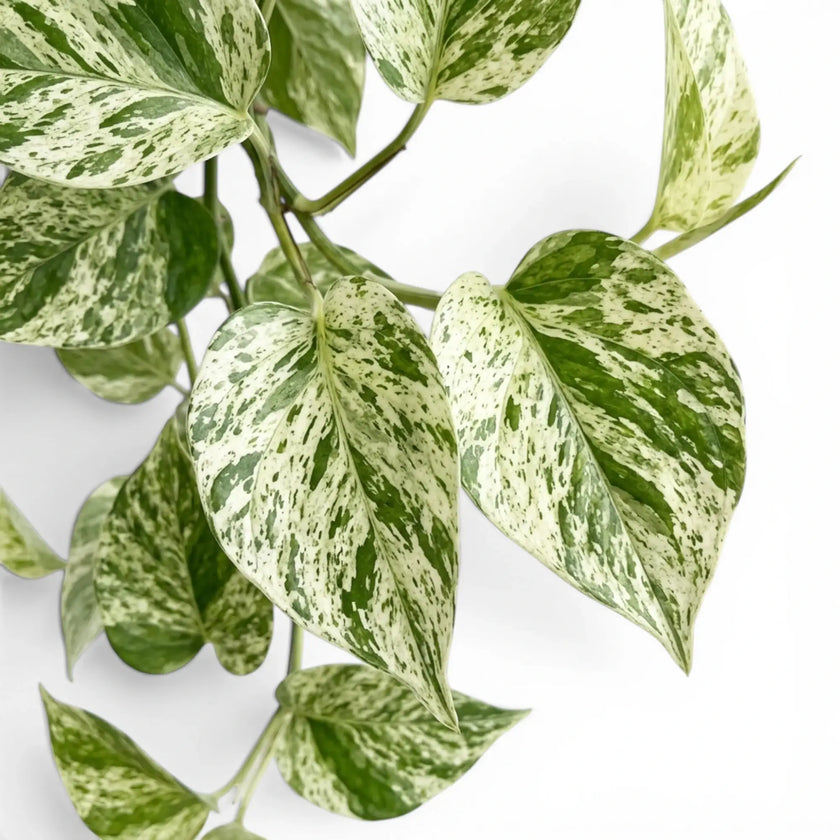
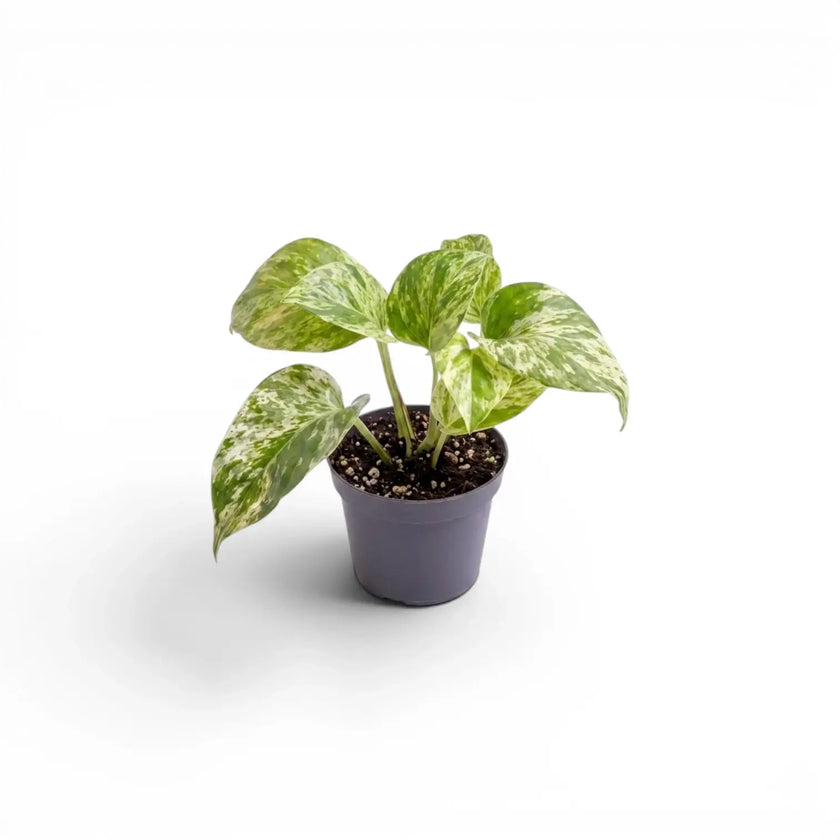
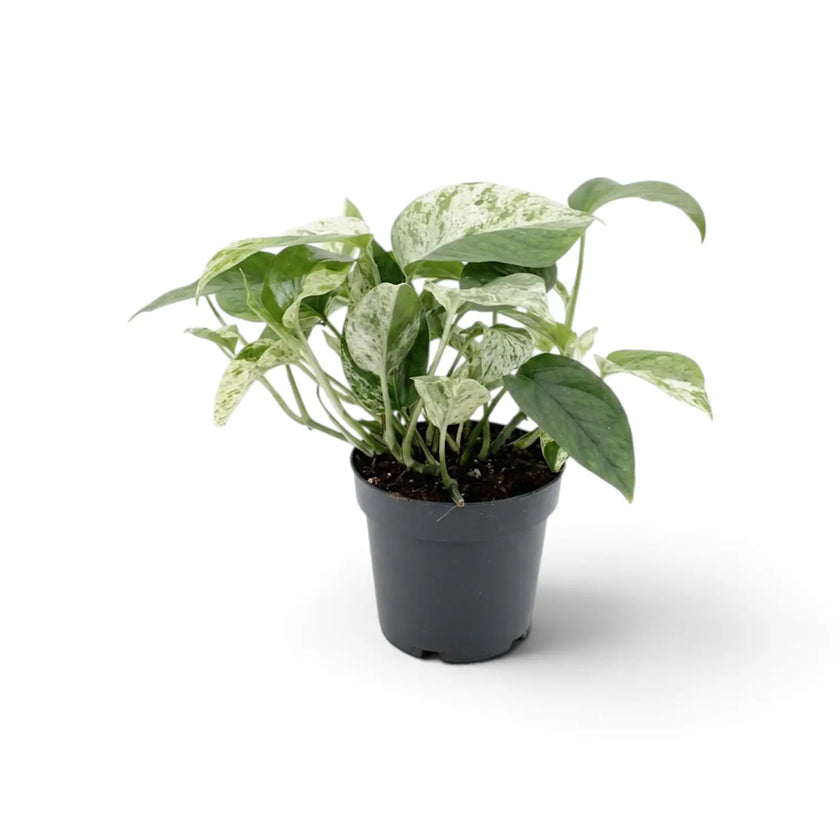
Epipremnum aureum 'Marble Queen'
Sale priceFrom €8,50
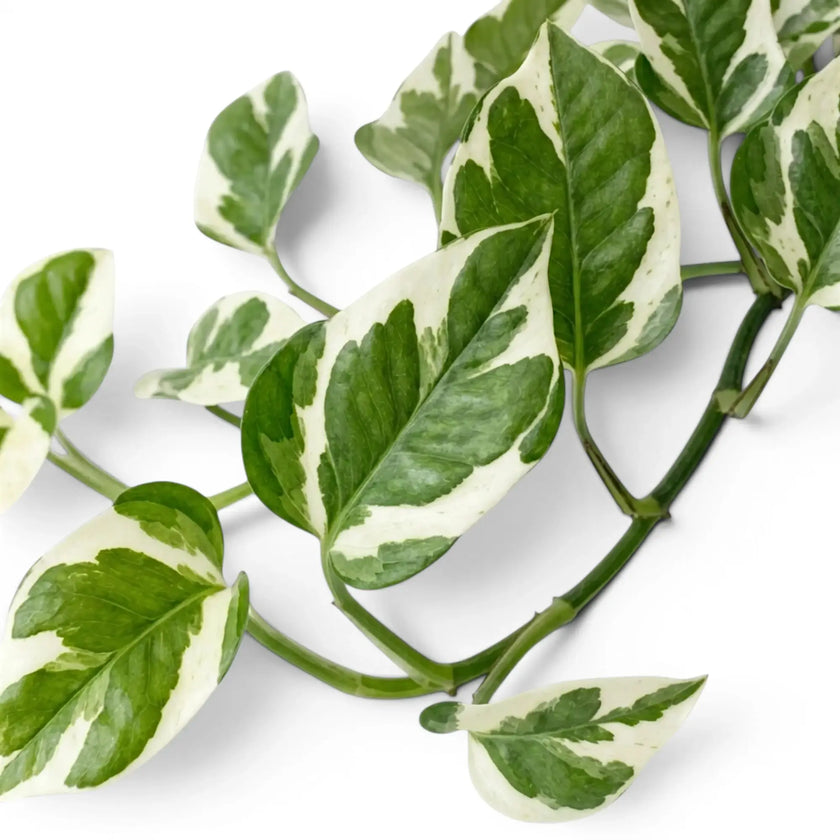
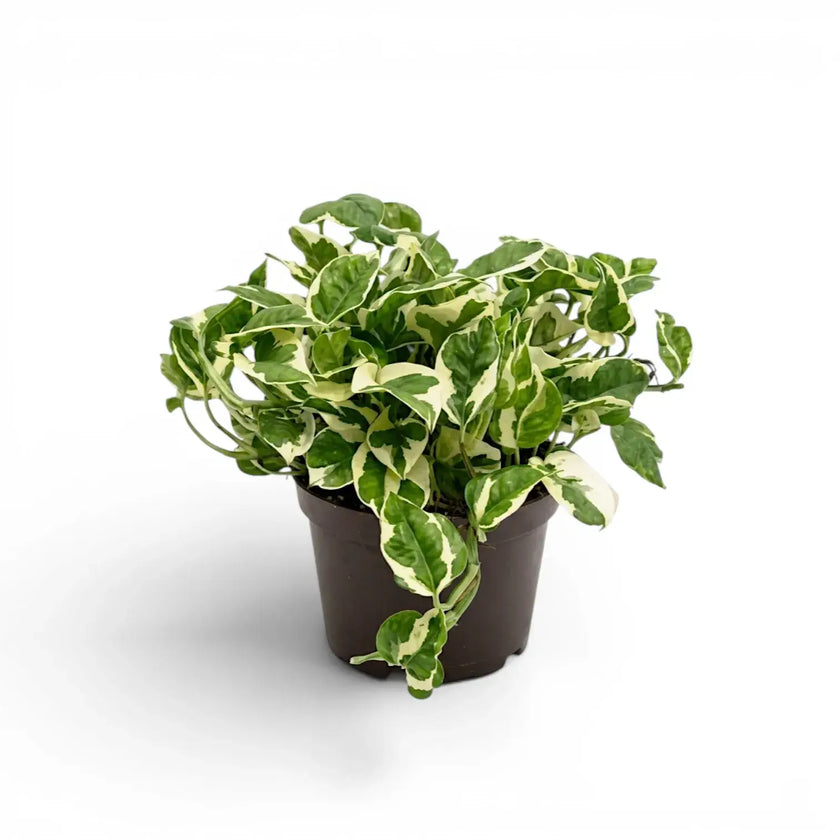
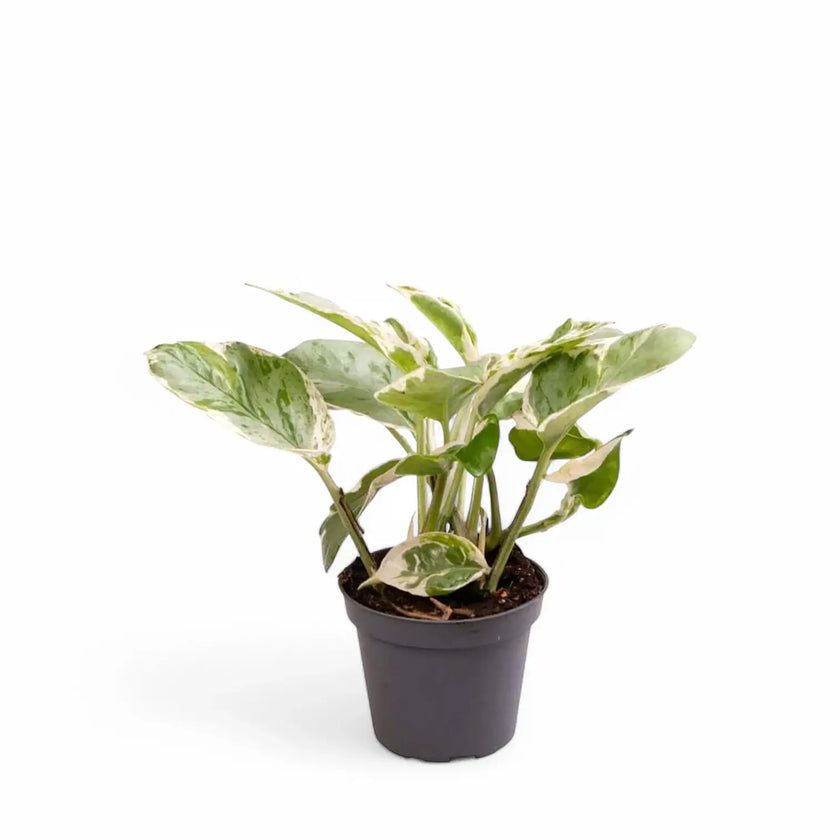
Epipremnum aureum 'N'Joy'
Sale priceFrom €9,25
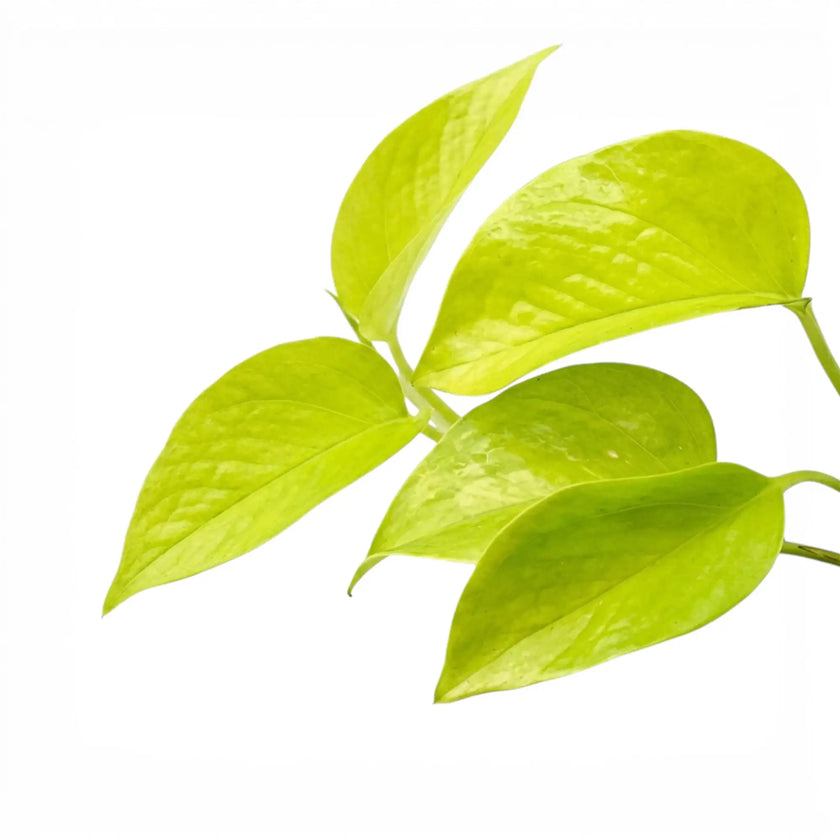
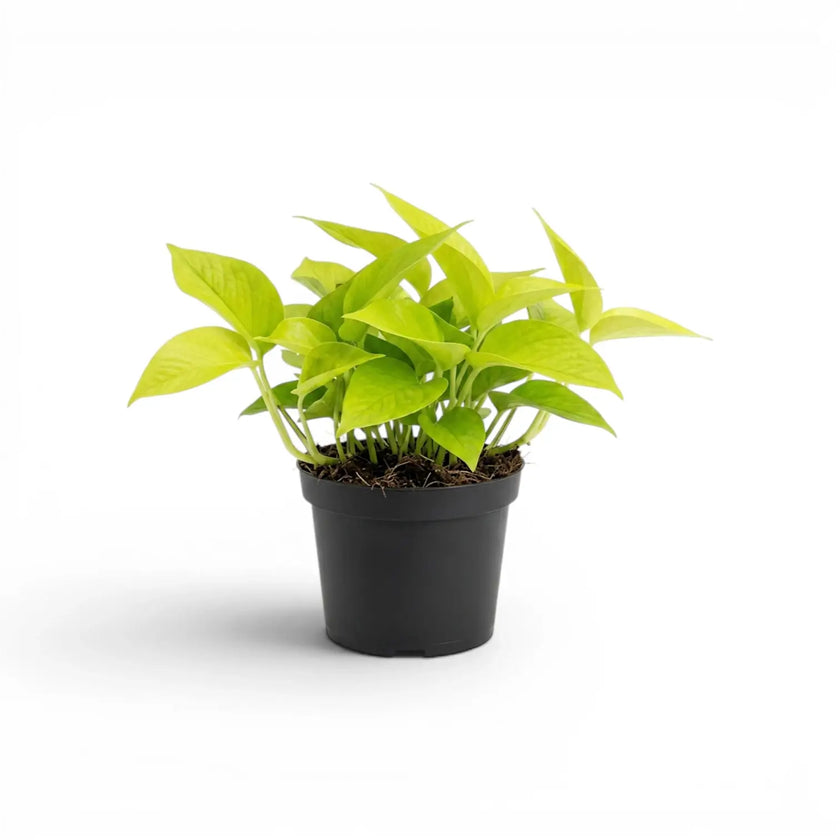
Epipremnum aureum 'Neon' ('Neon Pothos')
Sale priceFrom €10,75
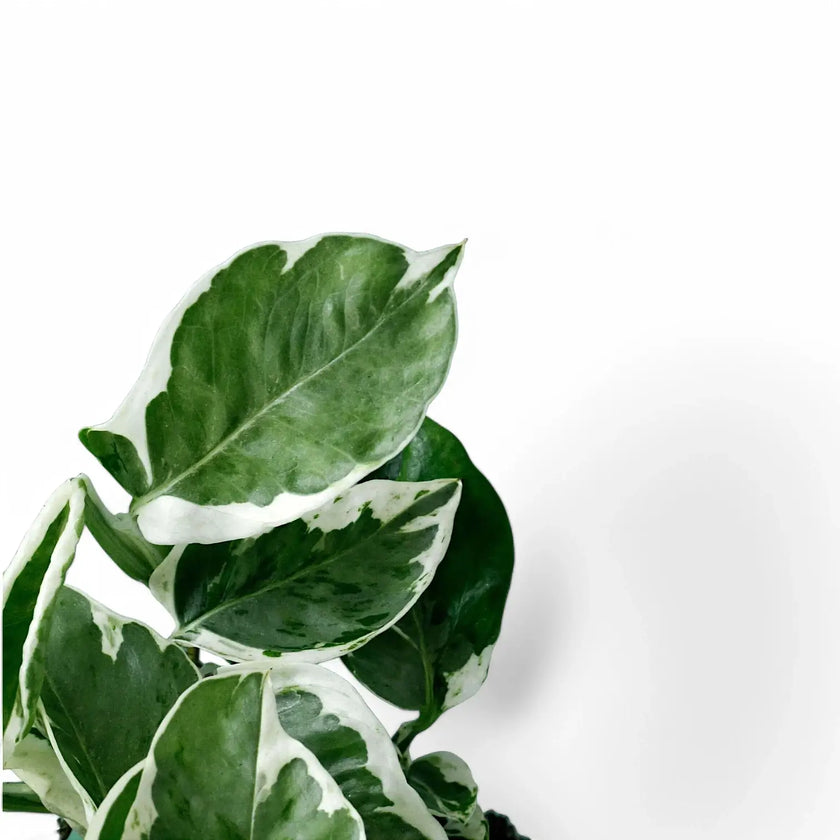
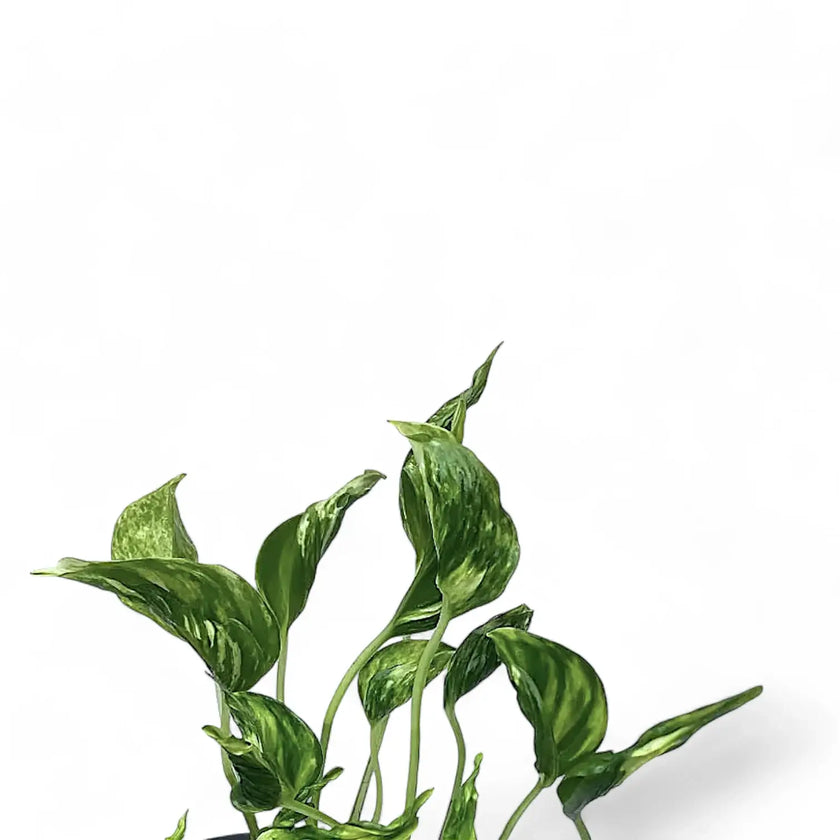
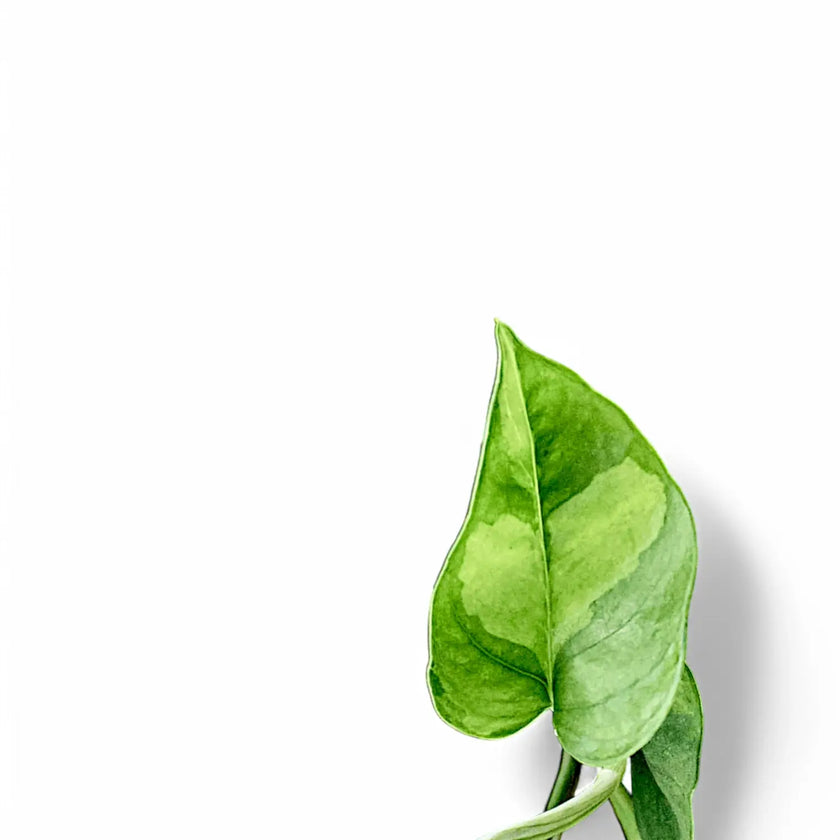
Epipremnum aureum ‘Global Green’Sold out
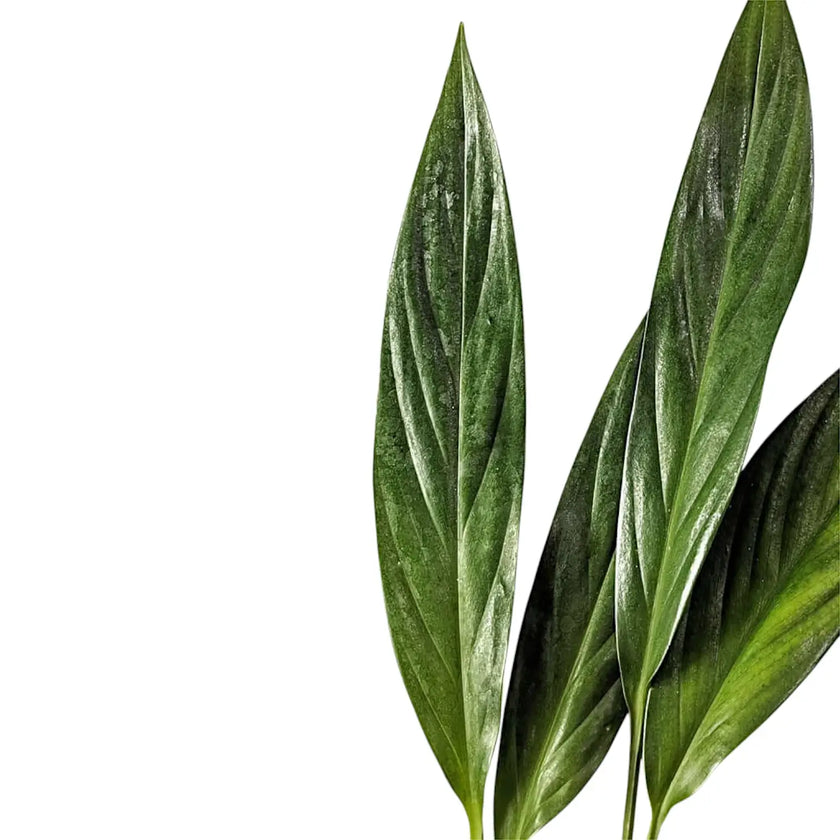
Epipremnum falcifoliumSold out
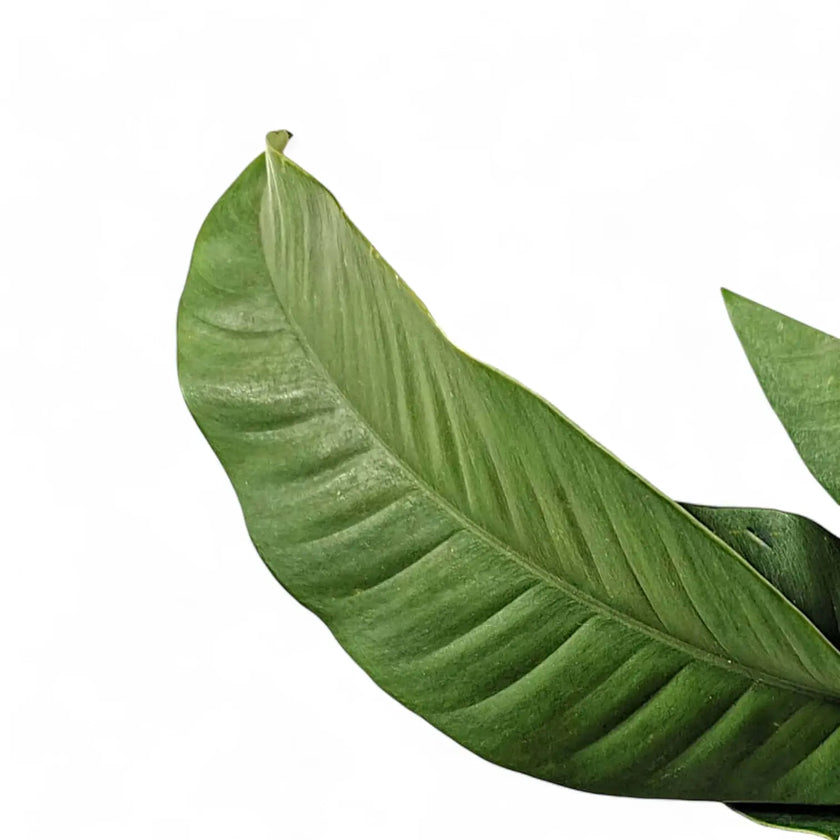
Epipremnum giganteumSold out
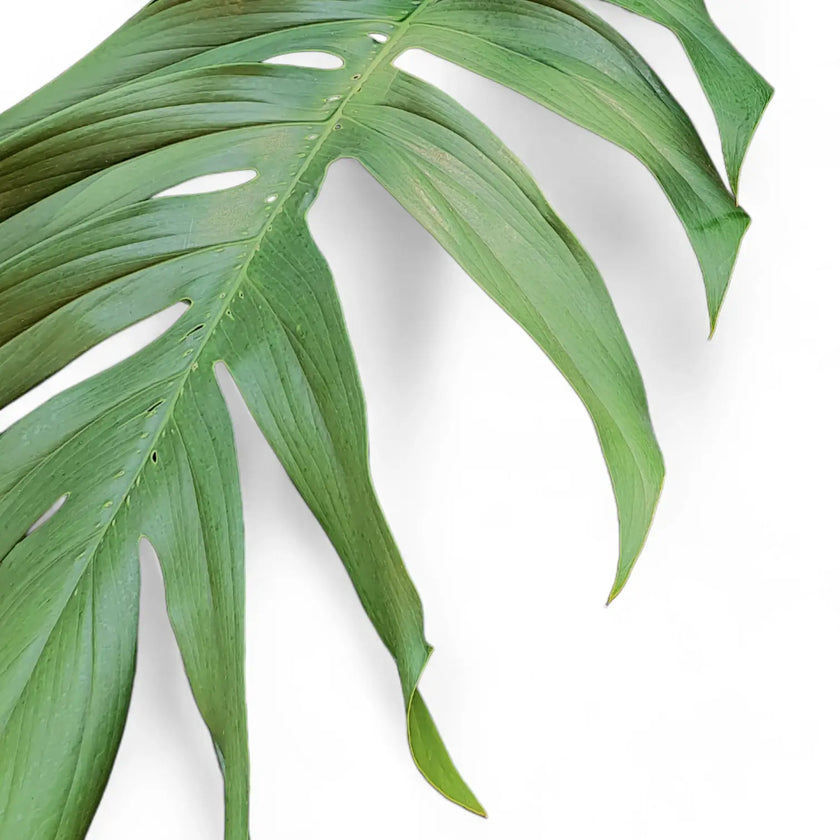
Epipremnum pinnatumSold out

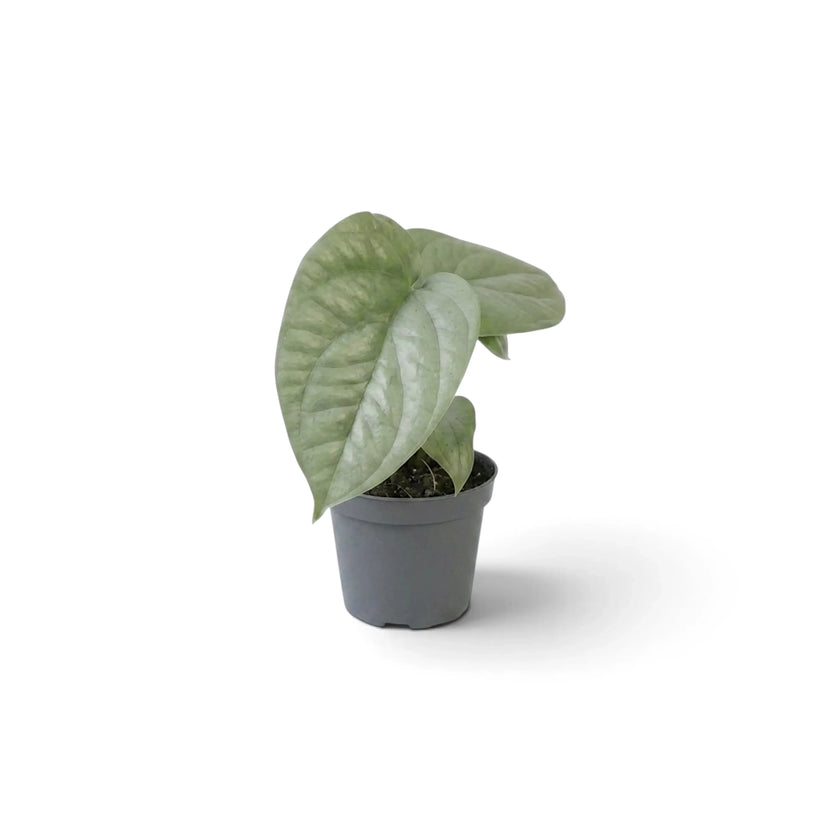
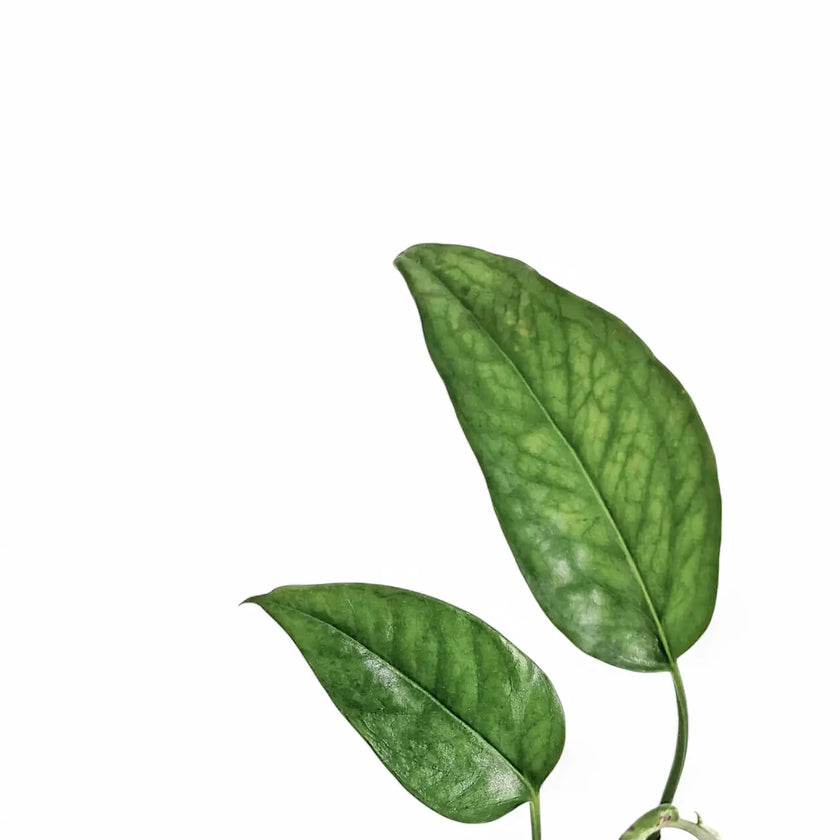
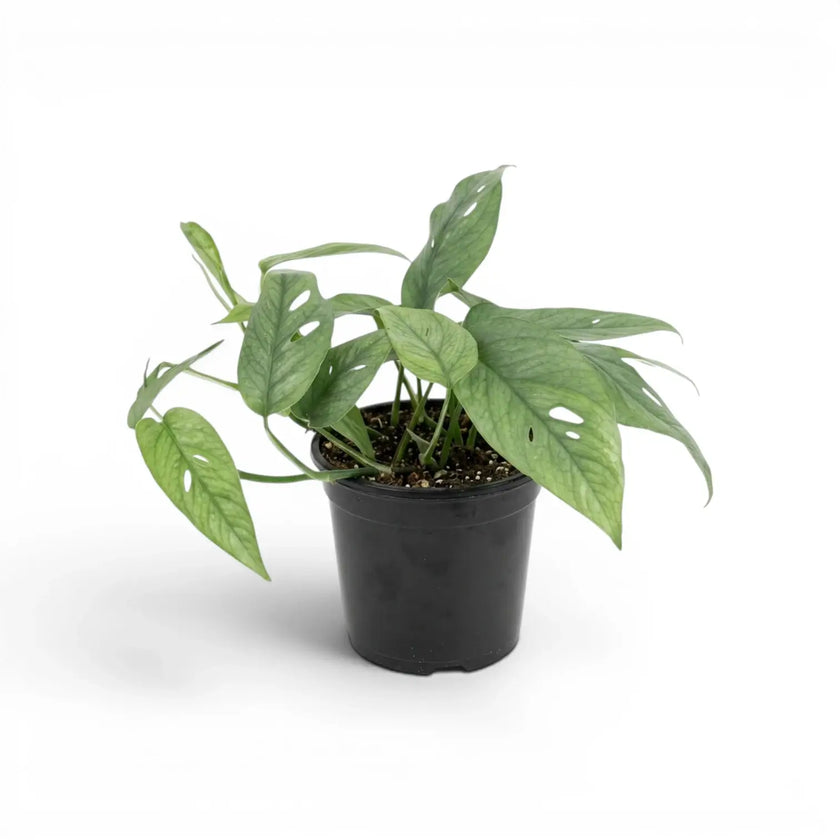
Epipremnum pinnatum 'Cebu Blue'
Sale price€10,75
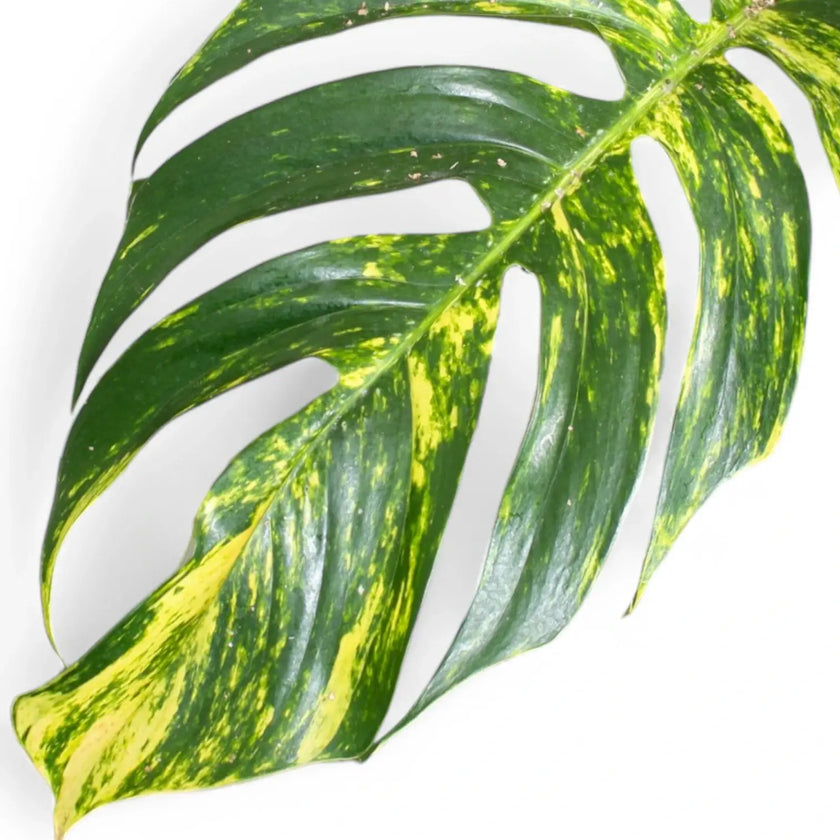
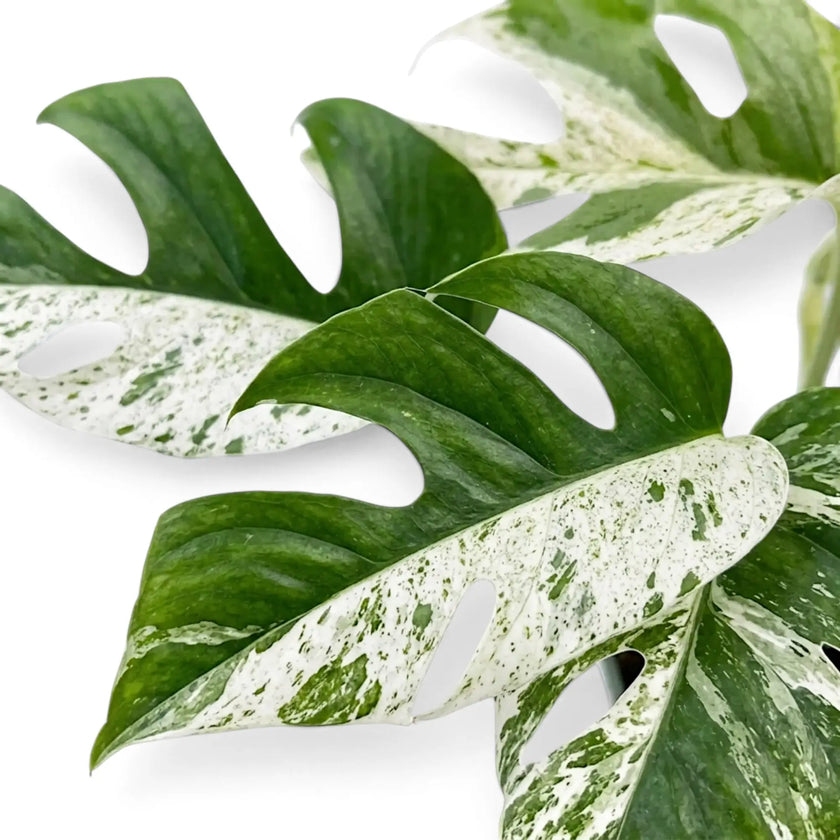
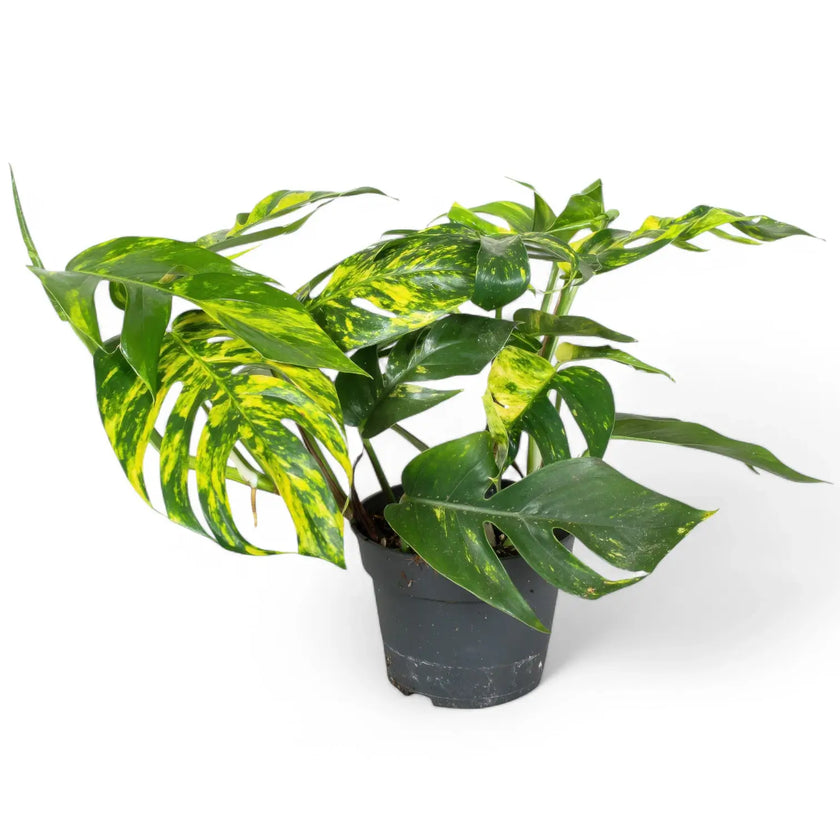
Epipremnum pinnatum 'Marble'
Sale priceFrom €15,75
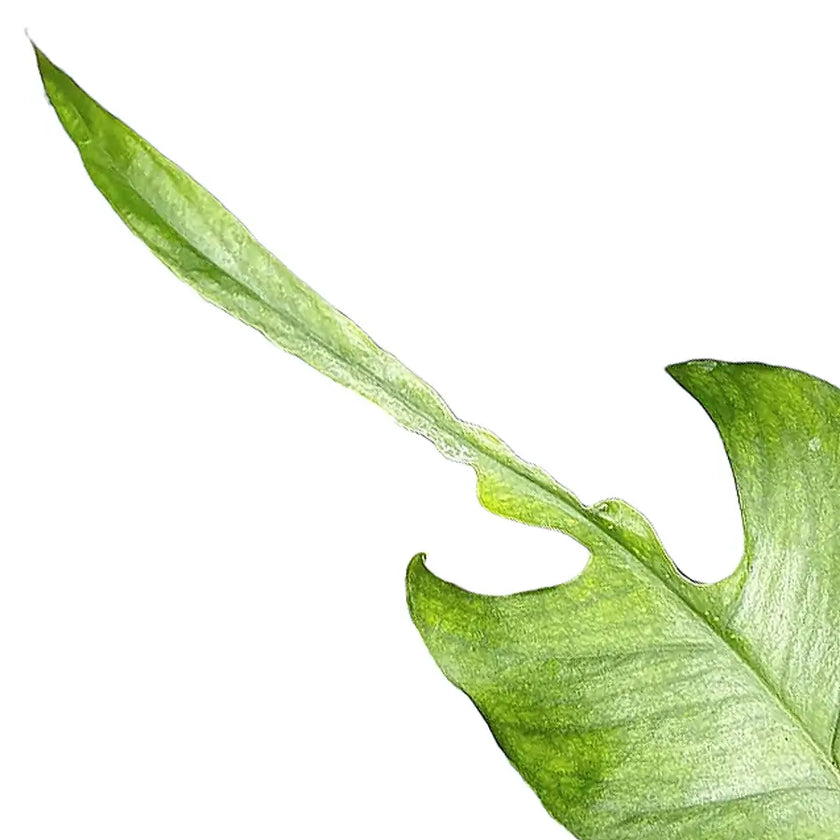
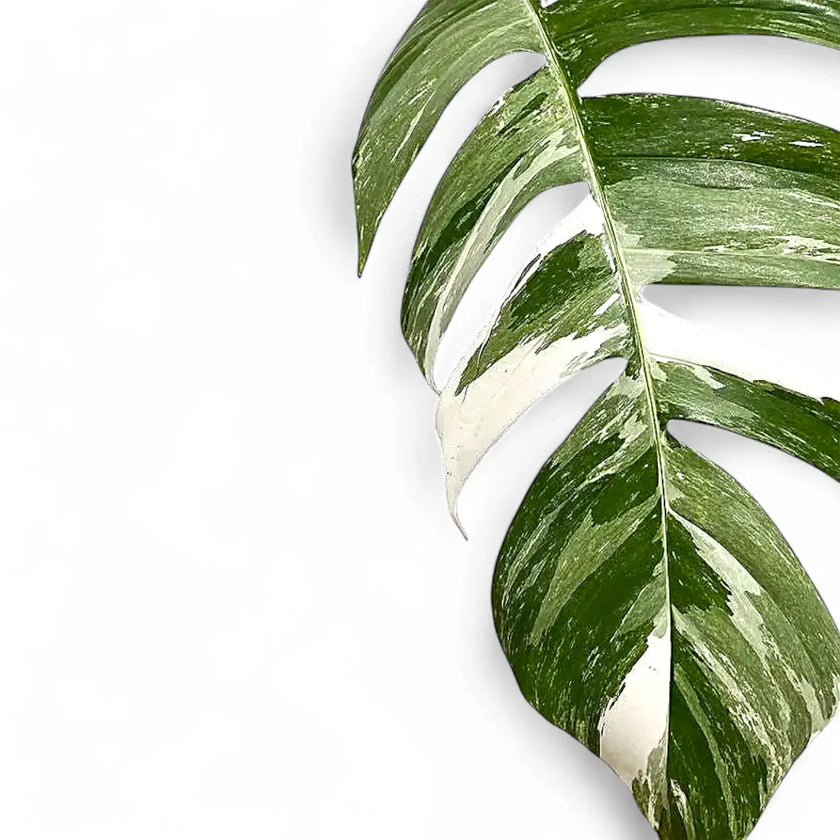
Epipremnum pinnatum variegataSold out
Frequently Asked Questions About Climbing Plants

Sign up for Foliage Factory newsletter for early access to new arrivals and practical care tips that work in real homes.