
Light
Bright indirect • approx. 10,000–20,000 lux


Araceae
Golden Pothos
VAT included · plus
Plant size: Pot Ø 15 cmapprox. 25 cm tall
Sizes are approximate. Height is measured from the bottom of the pot to the top of the plant; diameter at the widest point.
Your plant may need a little time to settle after travelling. Our after-delivery care guide covers unpacking and first-week care. The houseplant acclimatisation guide explains what to expect during the following weeks.
Every order is carefully packed and sent with tracking. If your plant arrives damaged or develops a problem covered by our 28-day guarantee, contact us with photos. Full conditions are available under Guarantee & Returns.
Visit our FAQ or contact customer support for help with orders, delivery or plant care.
Epipremnum aureum 'Happy Leaf' ('Manjula')
Light
Bright indirect • approx. 10,000–20,000 lux
Watering
Water when ~20–35% dry
Substrate
Airy + fast-draining • Light moisture buffer • Bark-based • Medium-chunky
Temperature
Ideal: 18–28 °C • Avoid below: 10 °C
Humidity
Elevated 50–60%
Growth habit
Climbing hemiepiphytic herbaceous perennial.
Support
recommended
Growth speed
High
Cultivated size guide
Height with support: 300 cm • Spread: 90 cm
Toxicity & safety
Toxic
Origin & habitat
Epipremnum aureum ‘HANSOTI14’ (Manjula), selected by Ashish Hansoti near Mumbai, India, in 2010 as a natural branch mutation in a compact Epipremnum line
Outdoor growing
Outside from 15 °C · sheltered spot
These care values give practical guidance for growing the plant. Adjust care for pot size, substrate, temperature and how quickly the substrate dries.
For more detail, read the full product description or visit our Plant Care Guides.
These figures do not describe the size supplied and are not fixed upper limits.
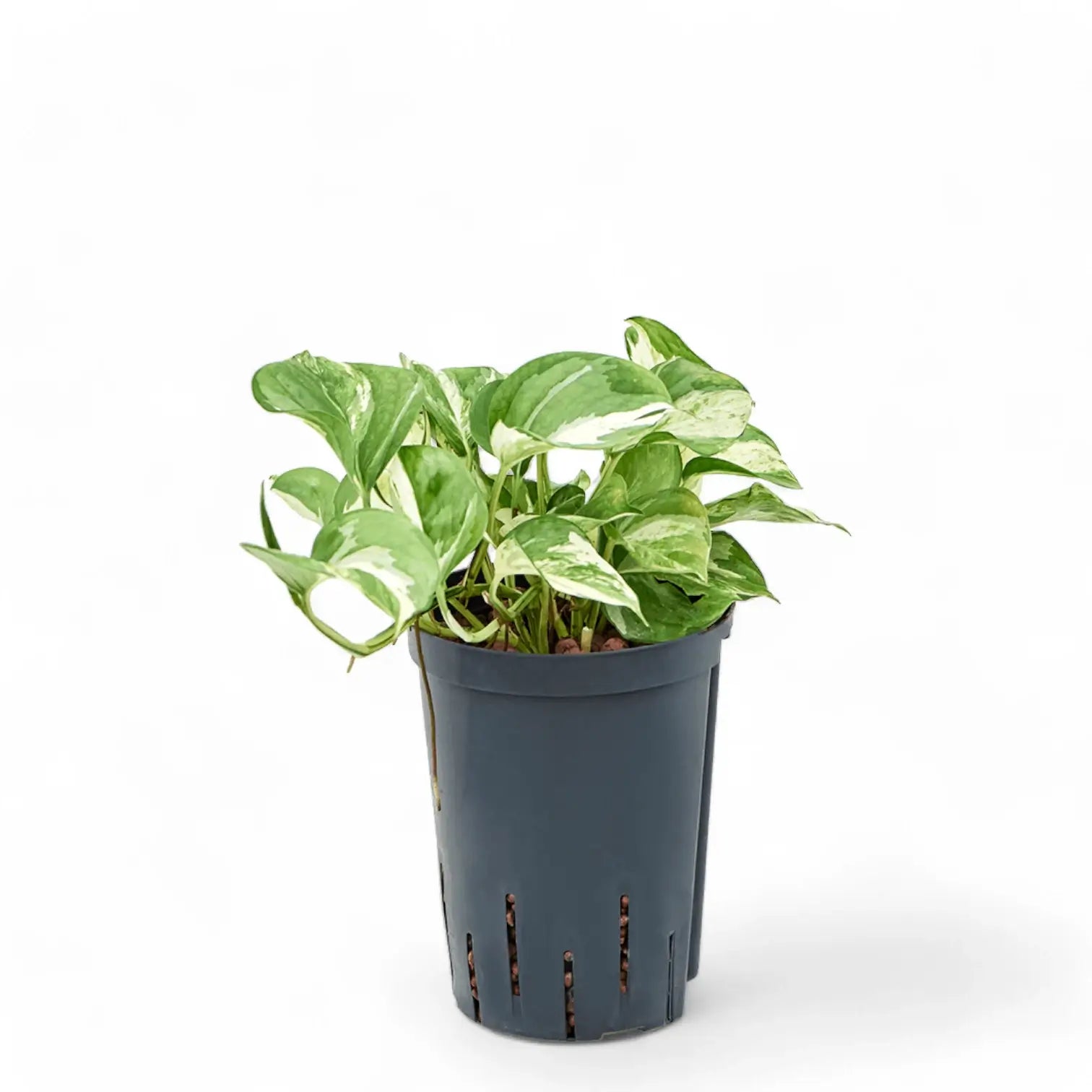
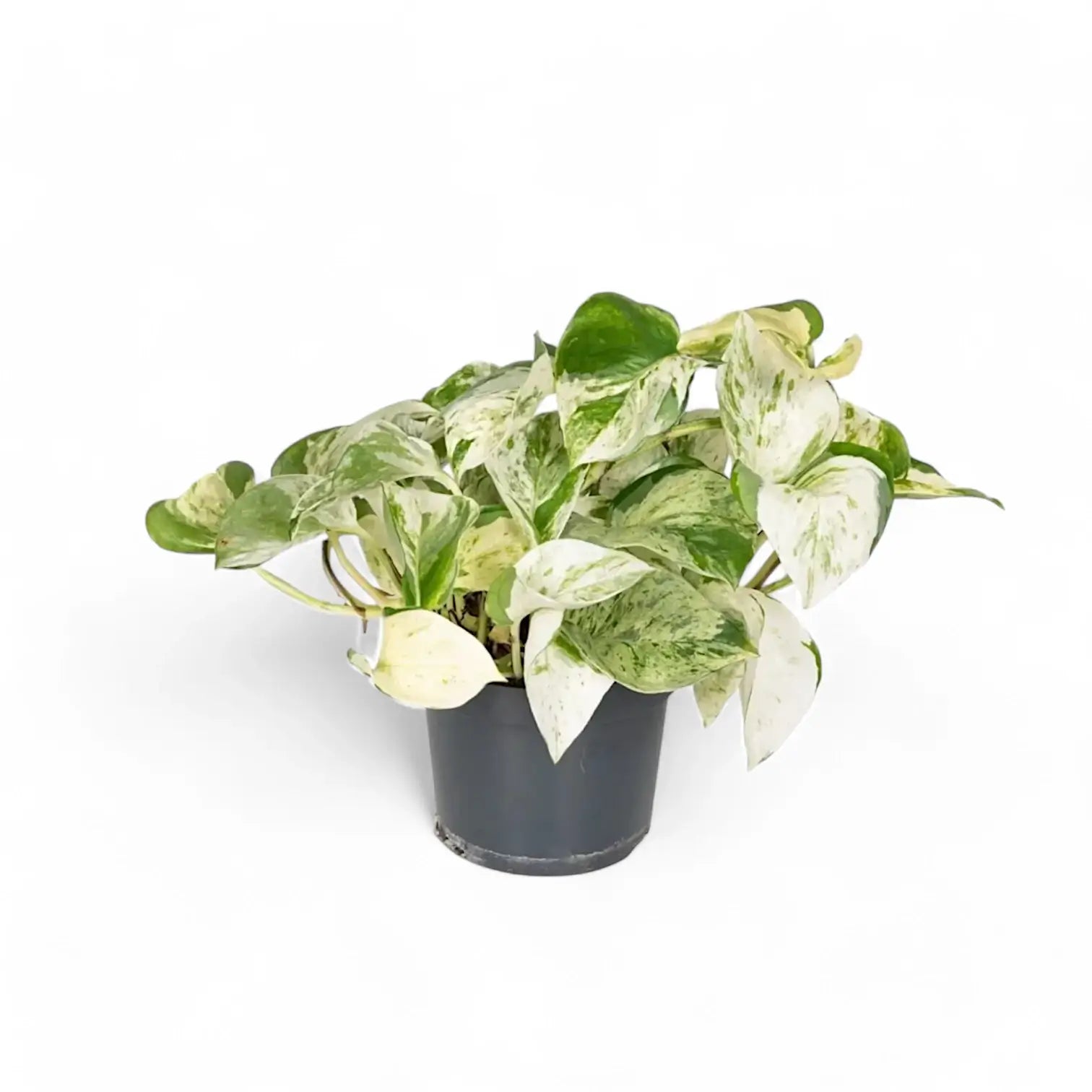
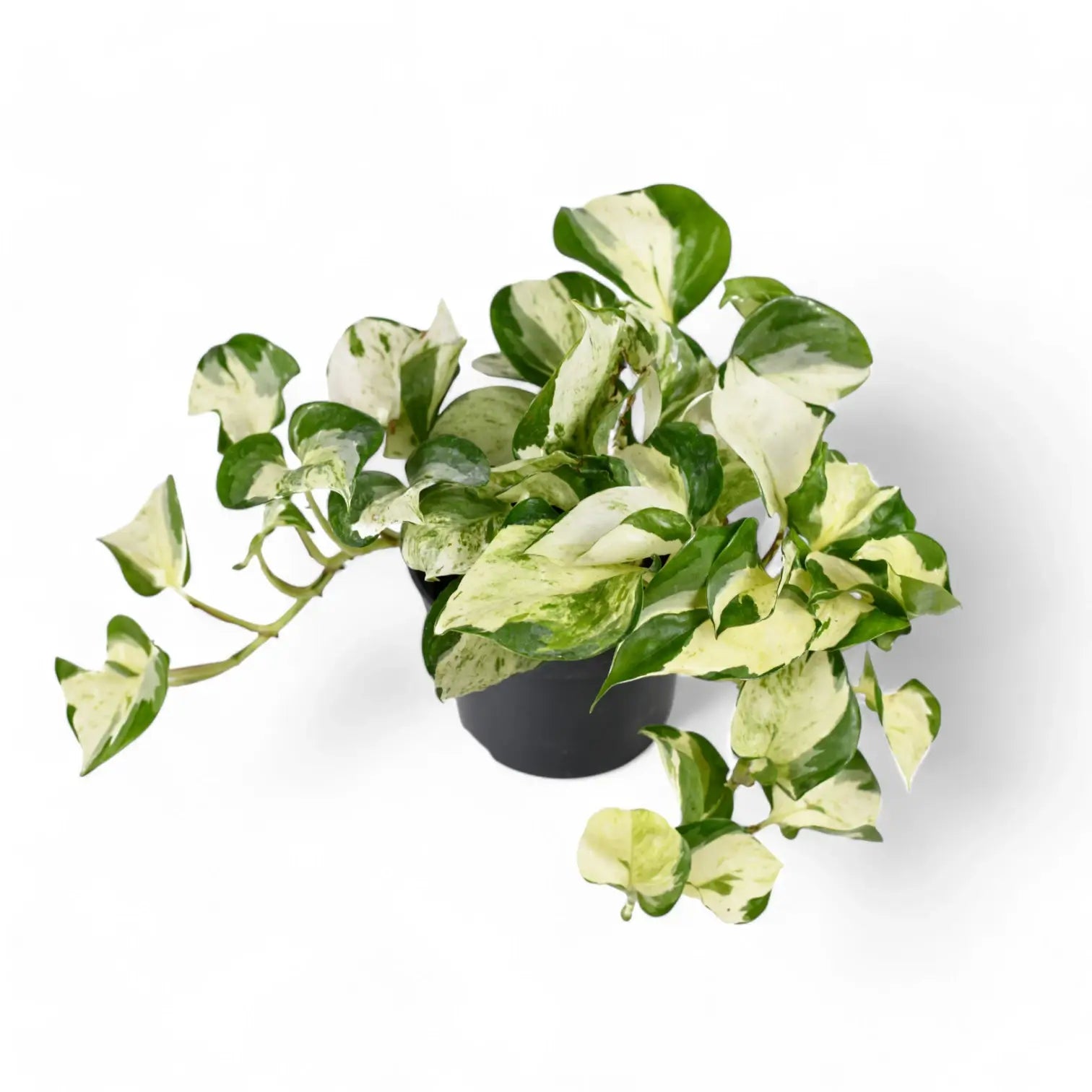
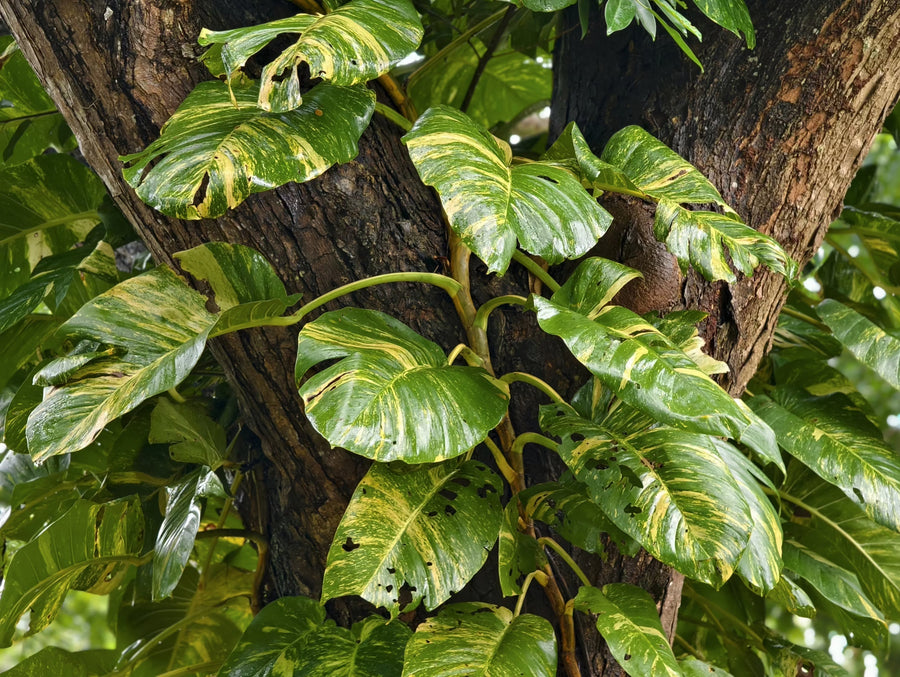
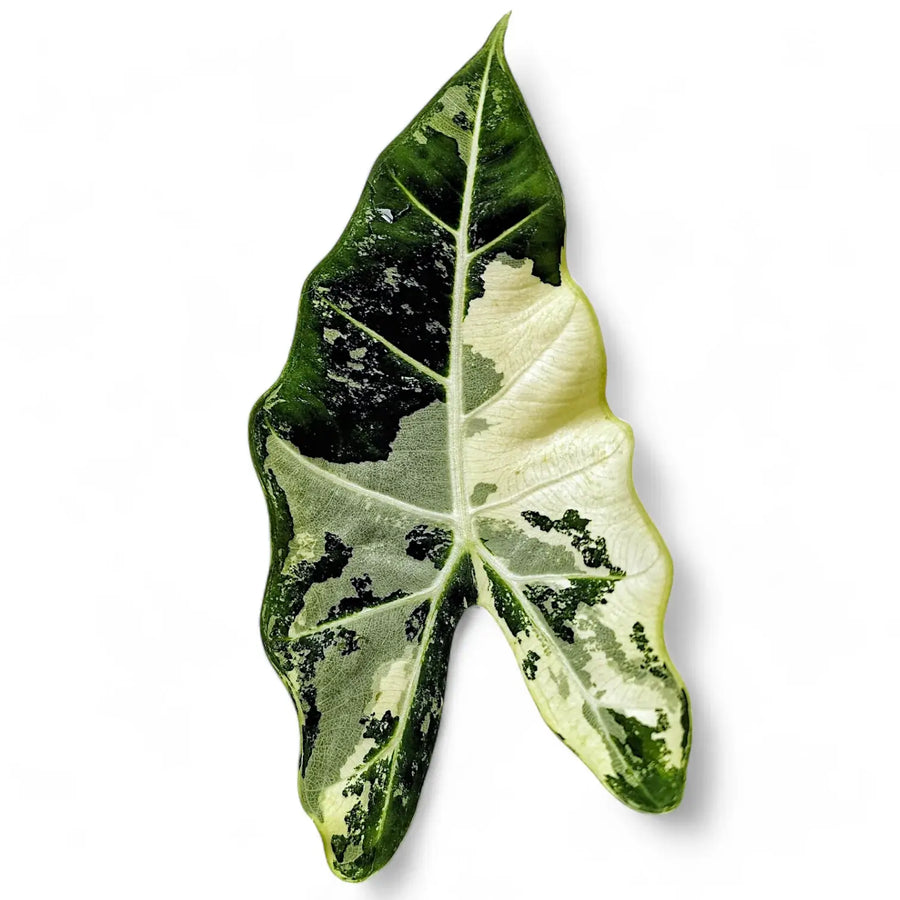
'Happy Leaf' has broad leaves marbled in cream, pale yellow and several greens, with softly blended transitions and gently rippled edges.
Young plants stay compact and full, although the stems lengthen with age. The colour mix varies naturally along the same vine, so the same plant can produce both greener and paler leaves.
Plant names, growth habits, natural habitats and indoor care guidance are checked against trusted botanical, habitat and horticultural references before publication.View our plant care resources and references.
Choose options


Not sure which Epipremnum fits your home?
Sign up for Foliage Factory newsletter for early access to new arrivals and practical care tips that work in real homes.

'Happy%20Leaf'%20has%20broad%20leaves%20marbled%20in%20cream,%20pale%20yellow%20and%20several%20greens,%20with%20softly%20blended%20transitions%20and%20gently%20rippled%20edges.Young%20plants%20stay%20...)