Epipremnum (Pothos)
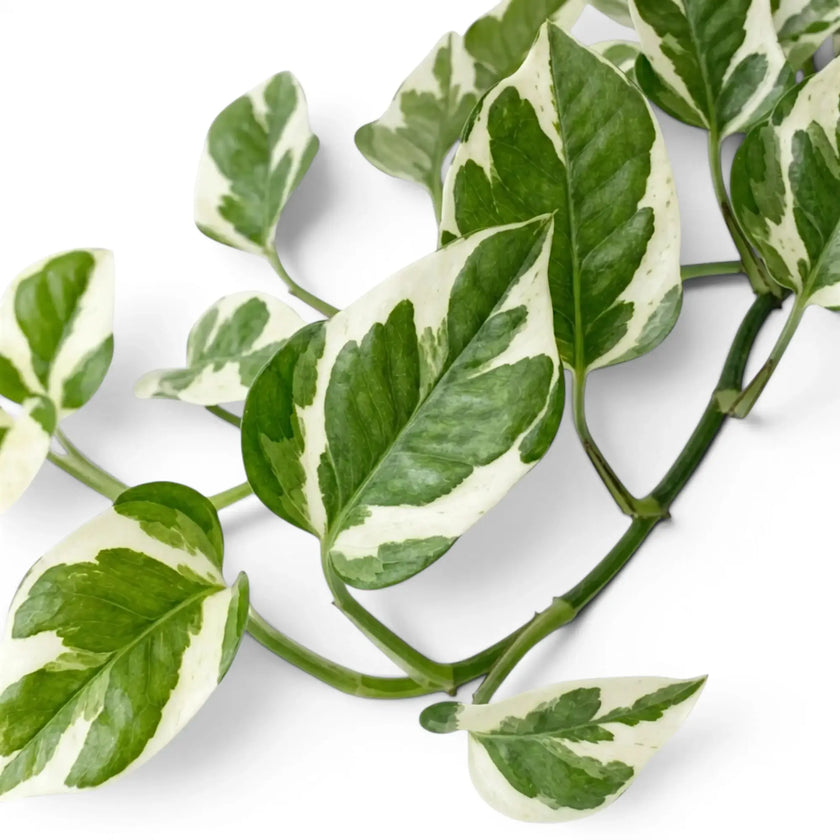
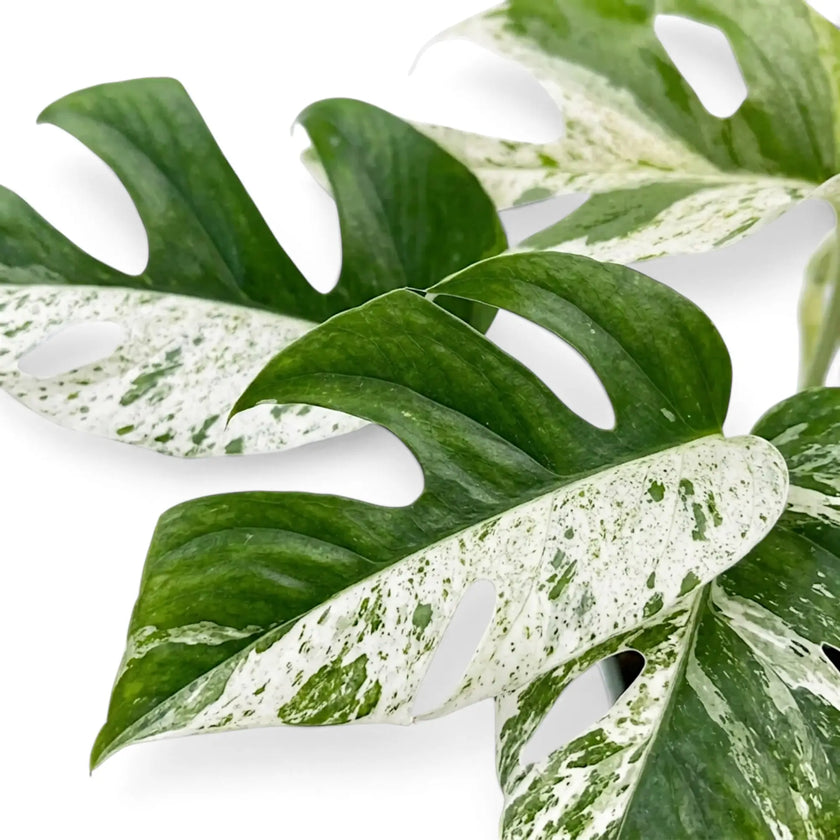
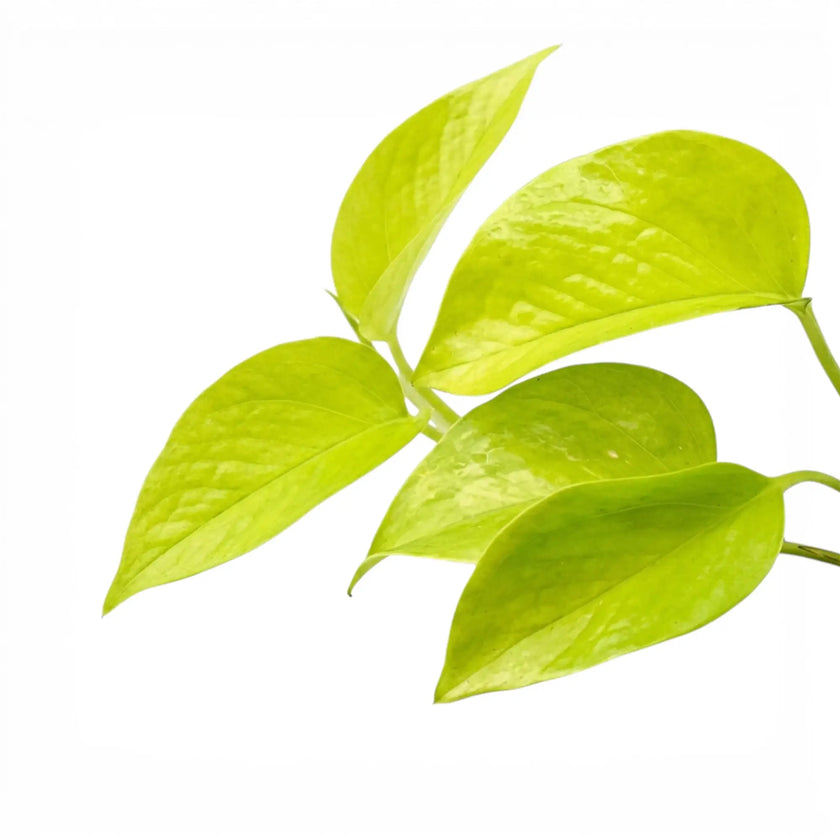
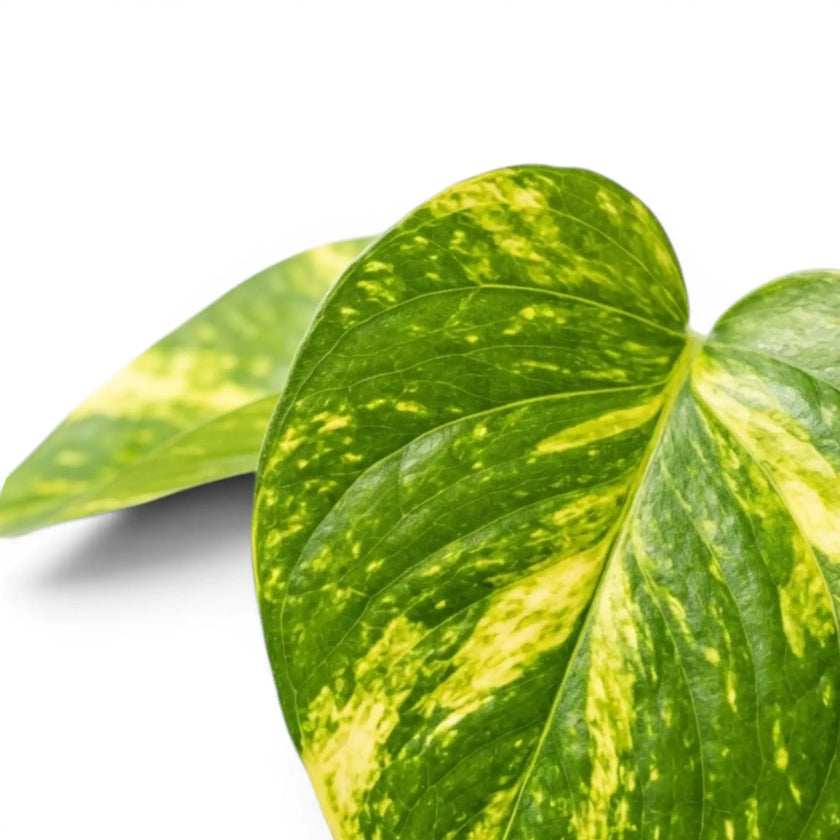
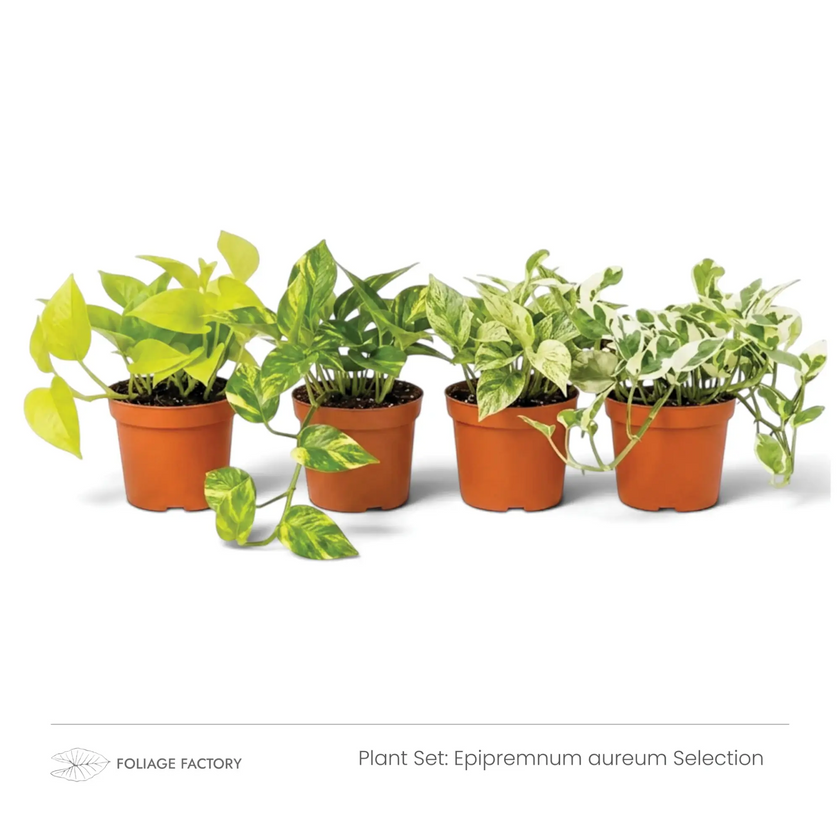
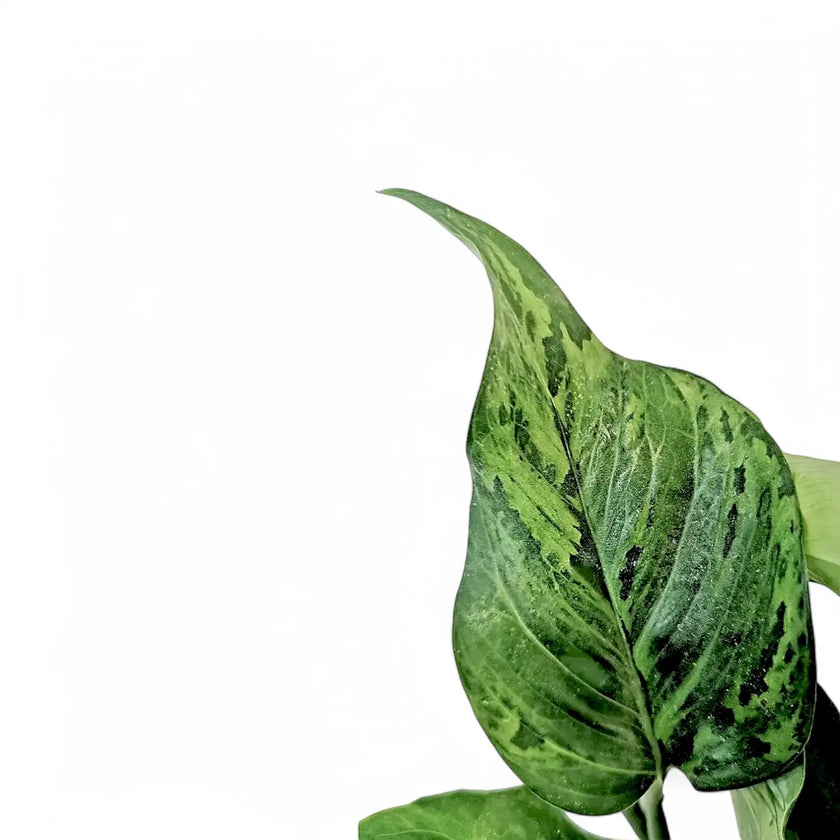
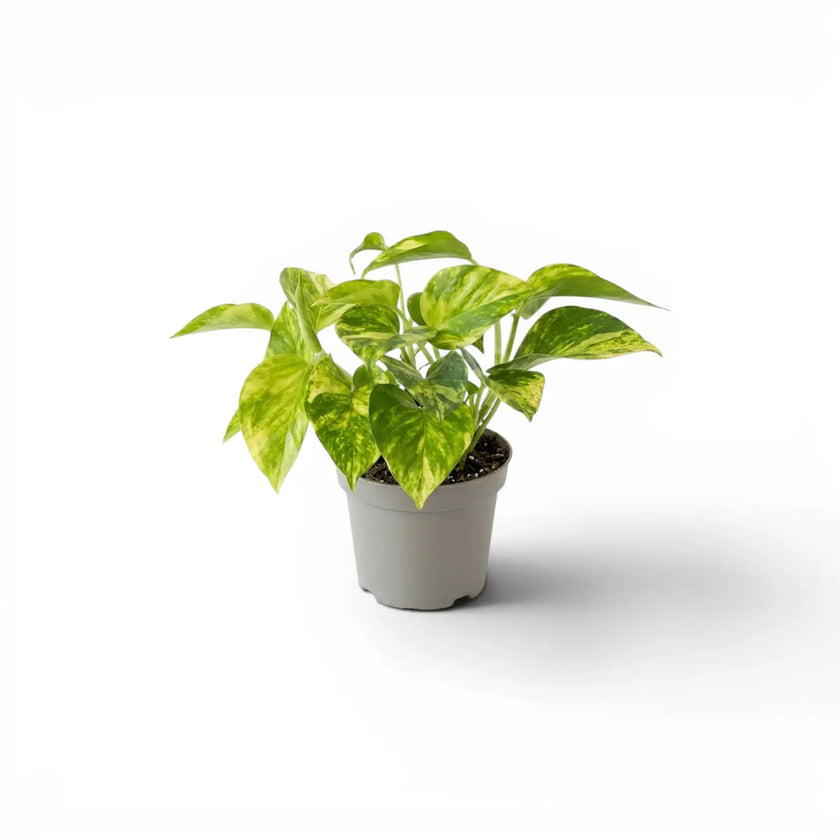
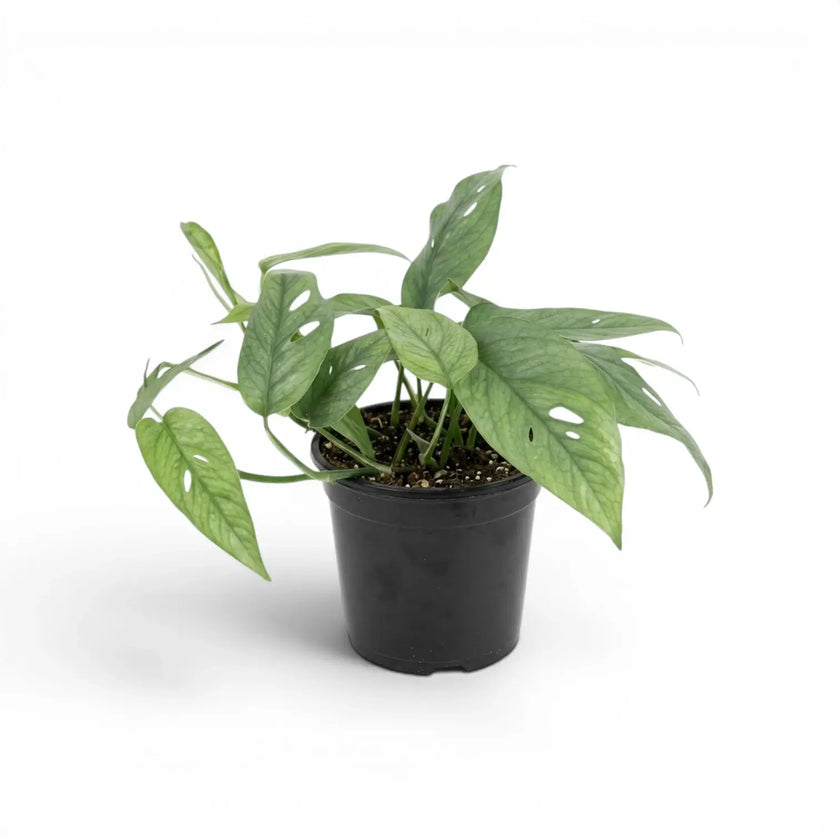
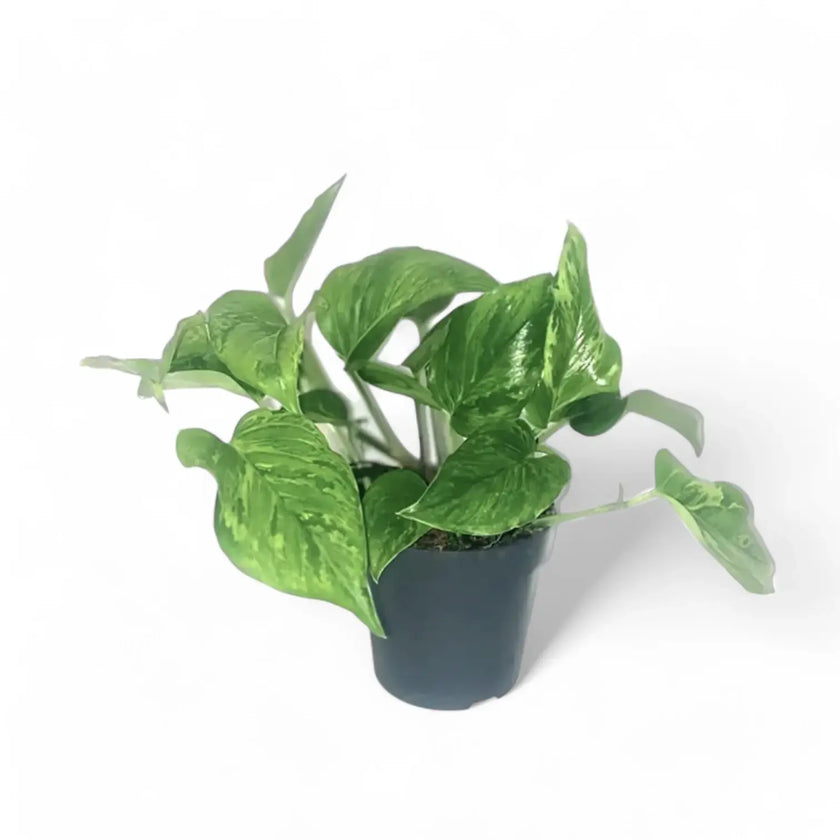
Epipremnum, including familiar pothos, grows on flexible climbing and trailing stems. The range includes bright chartreuse leaves, cream-variegated patterns and slender silvery foliage.

Substrate help
Aroid roots need structure, not dense compost
About Our Filters
Start with the light and space you can offer, then narrow by the plant’s shape or appearance. Check the individual product page for care and size details.
No filter options are available for this collection right now. Open a product to check its details.
Sort by:
Filters
Araceae
Epipremnum (Pothos)
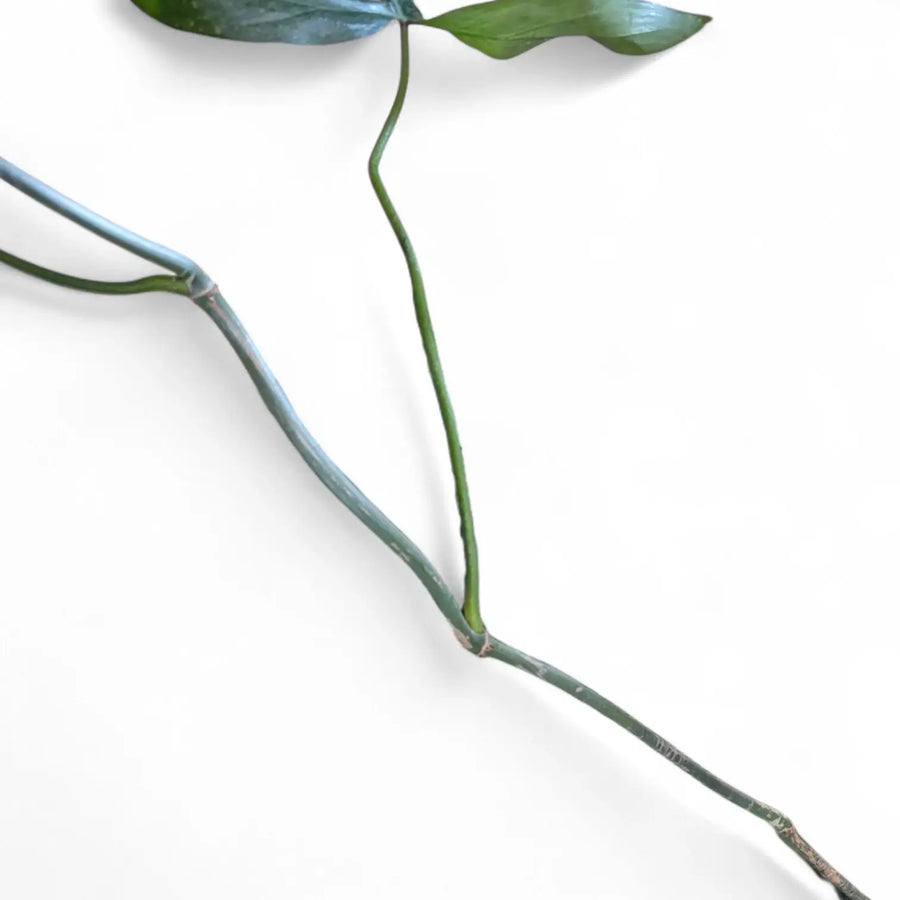
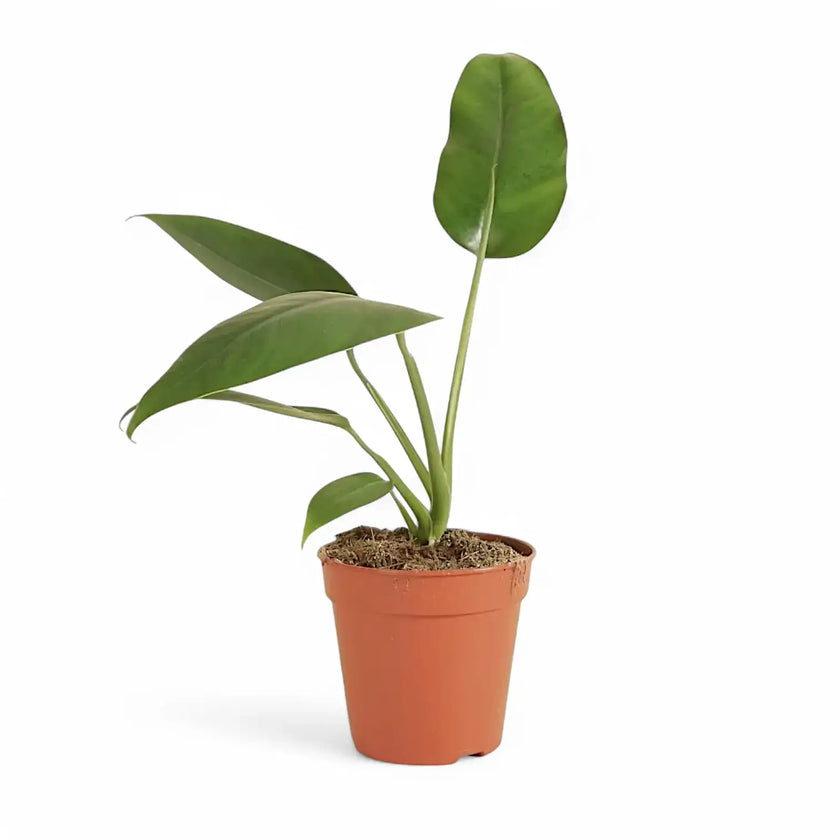
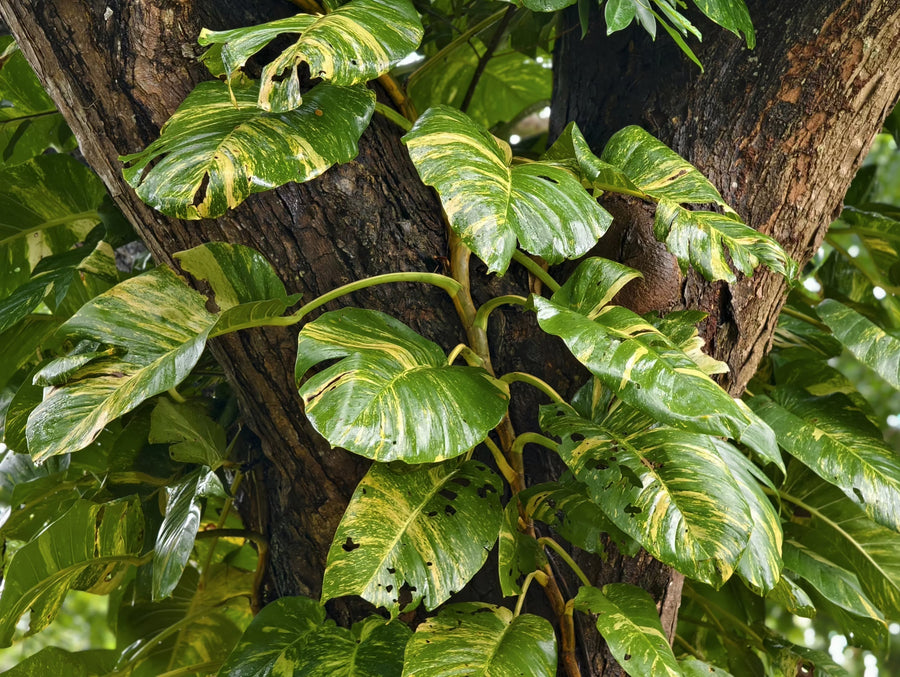
Epipremnum grows in tropical Asian and Pacific forests, where roots along the stem attach the vine to trees and other surfaces. Young shoots often carry smaller, whole leaves close to the ground.
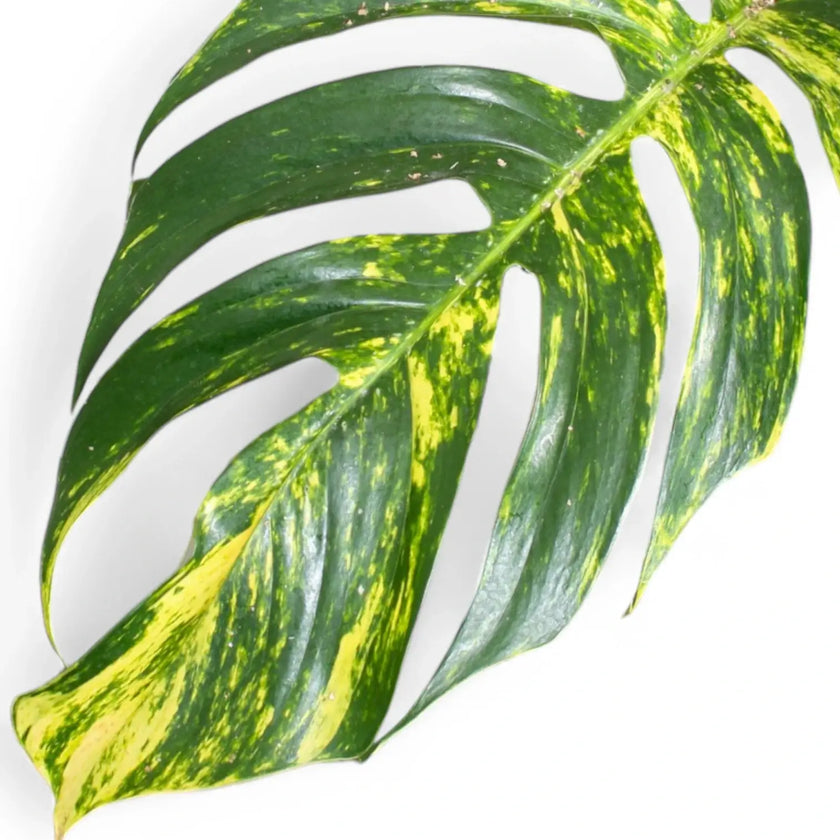
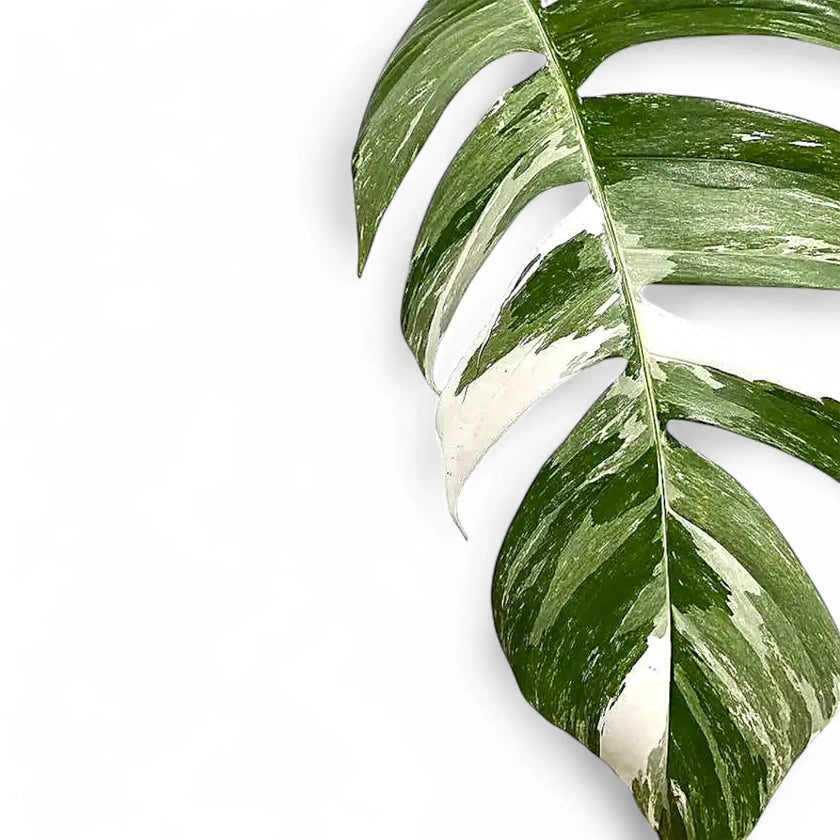
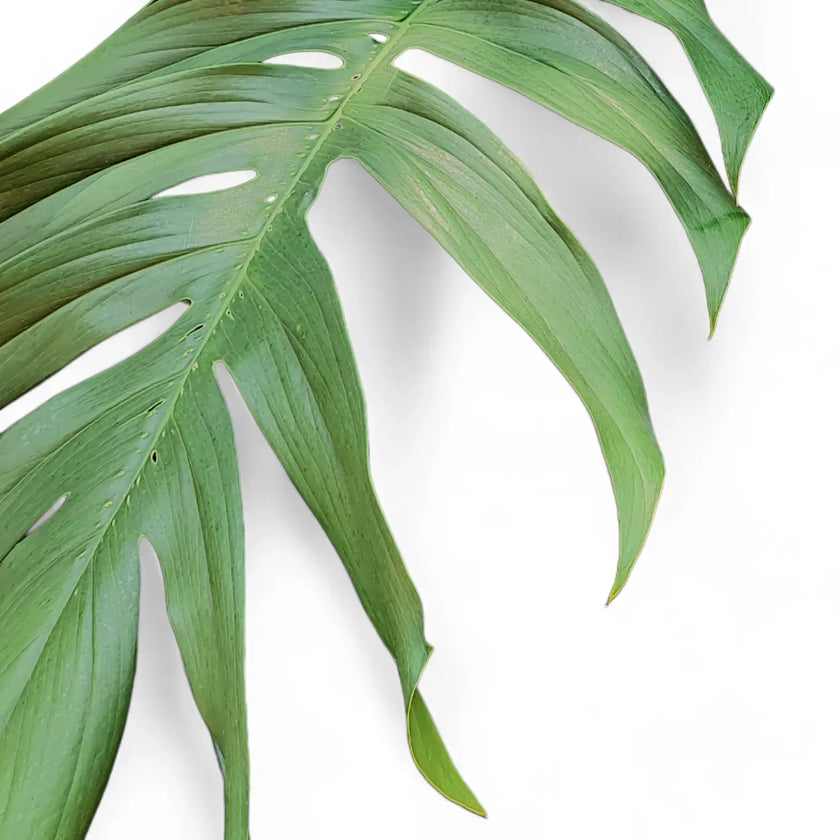
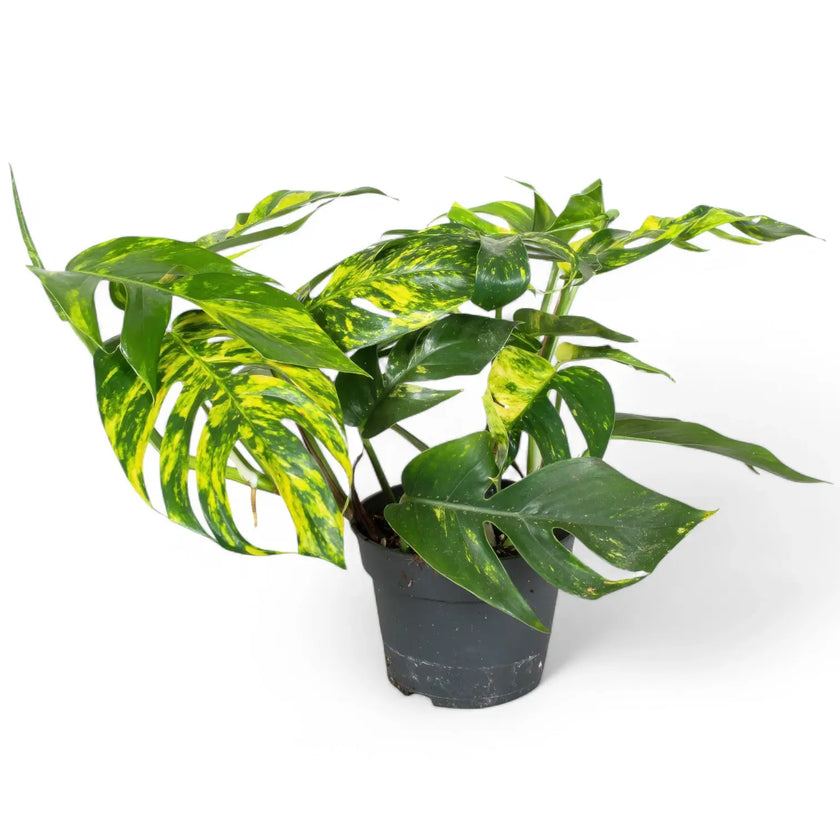
As the vine climbs, new leaves can grow much larger, and some species develop divided foliage at maturity. This change is especially noticeable on well-established climbing stems.
Epipremnum plants
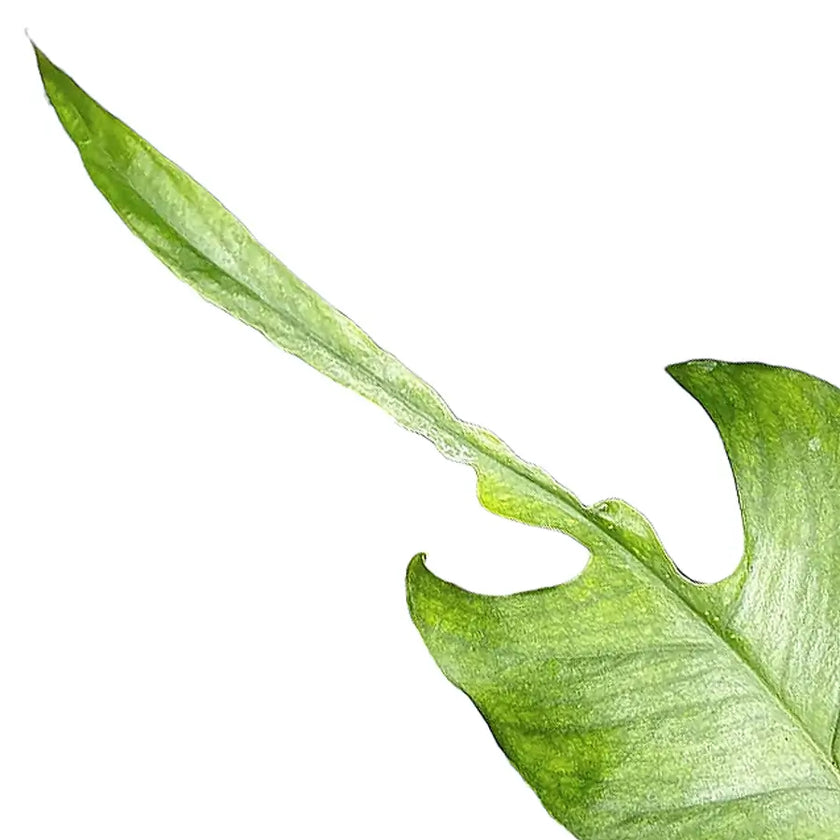
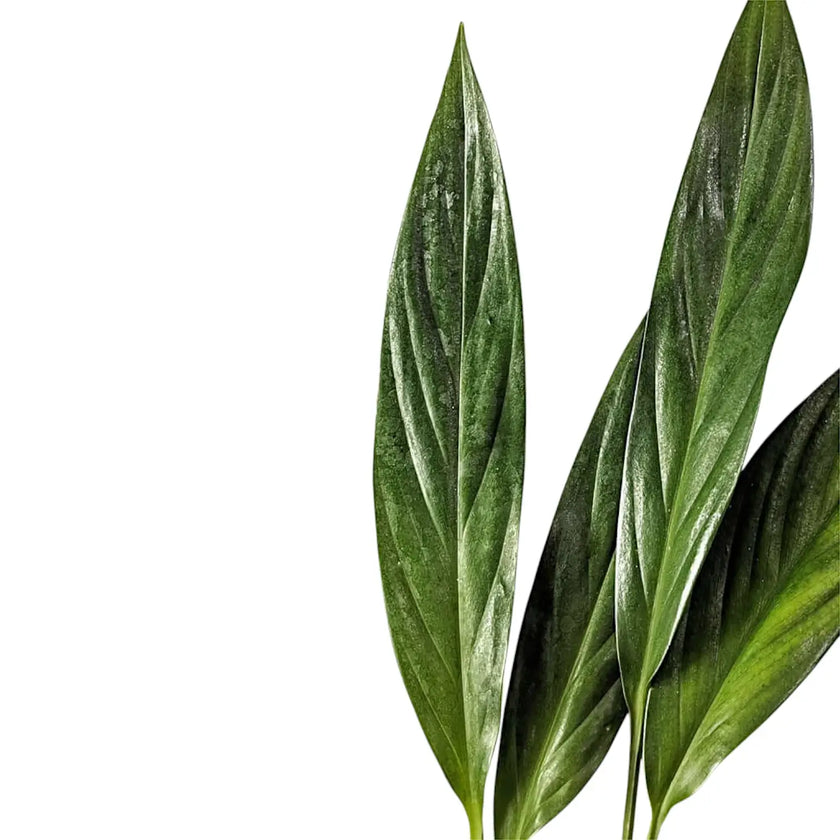
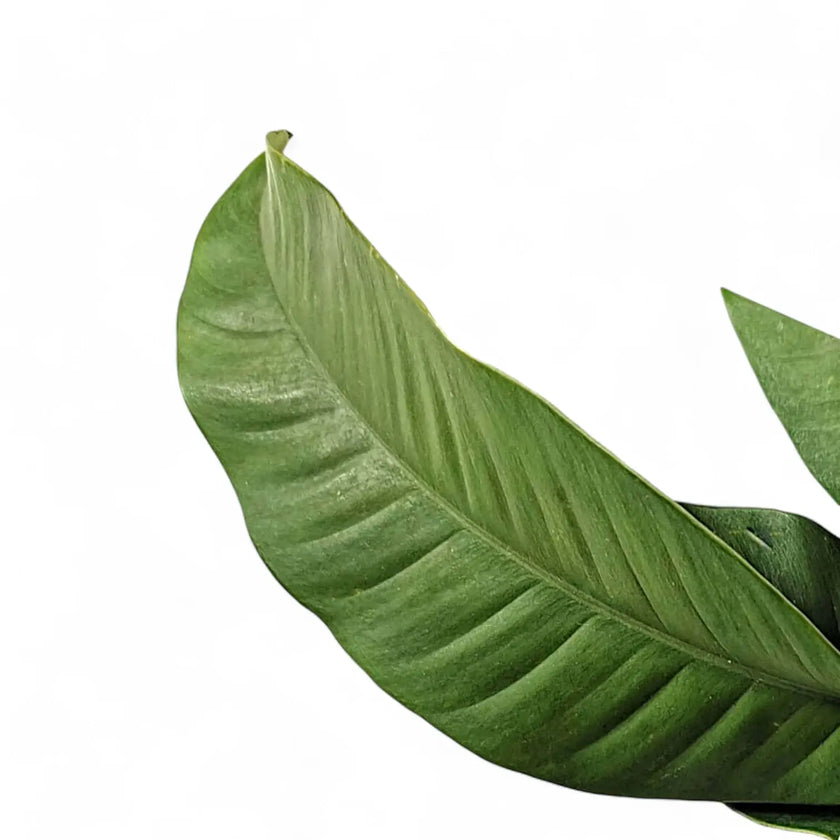
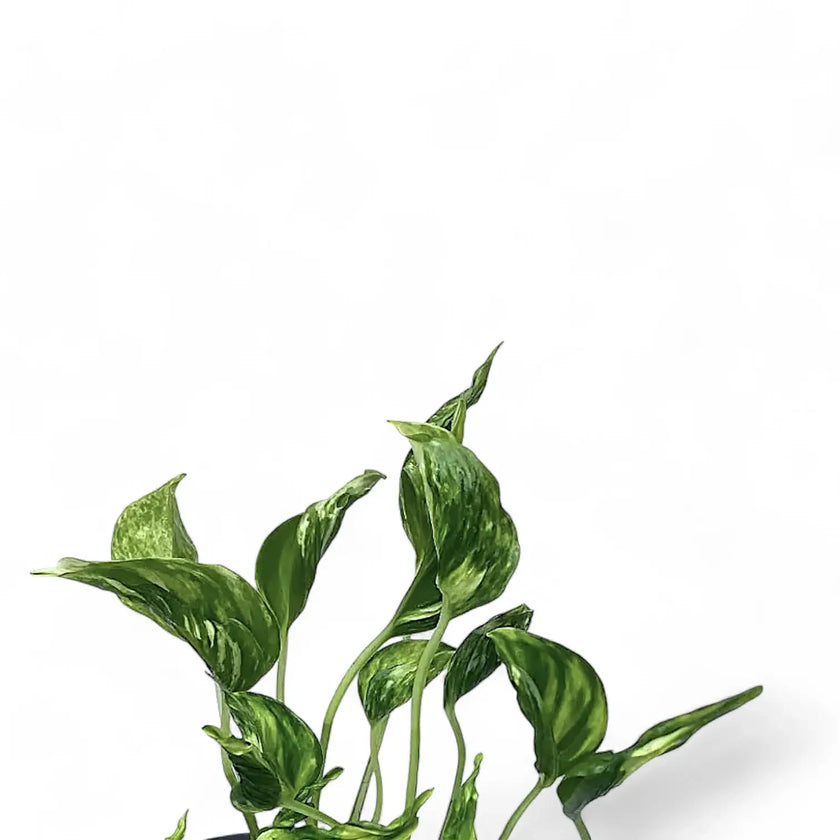
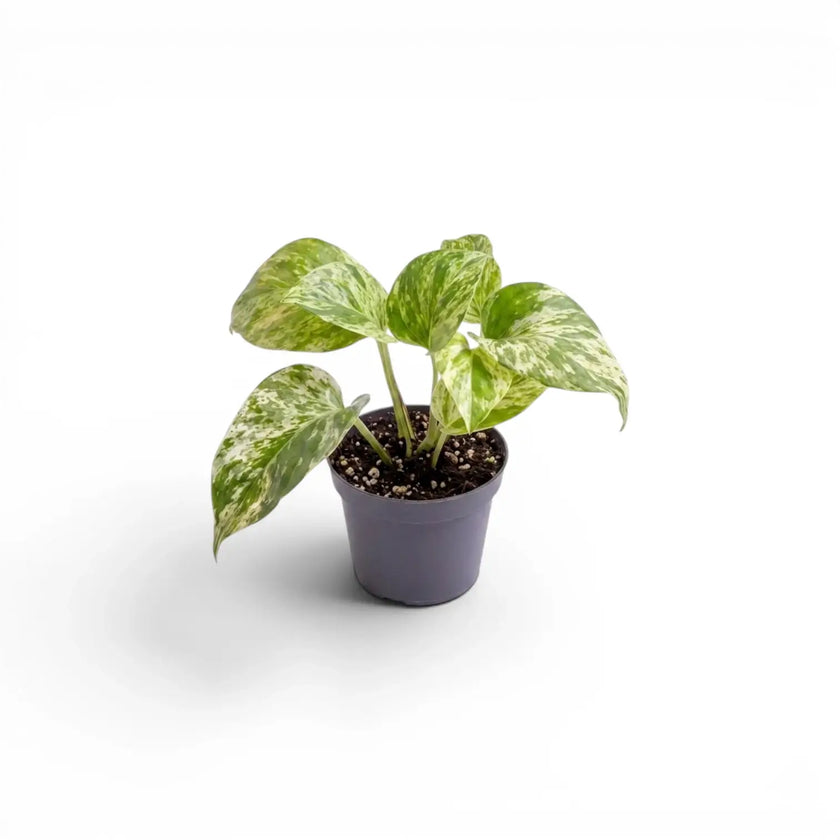
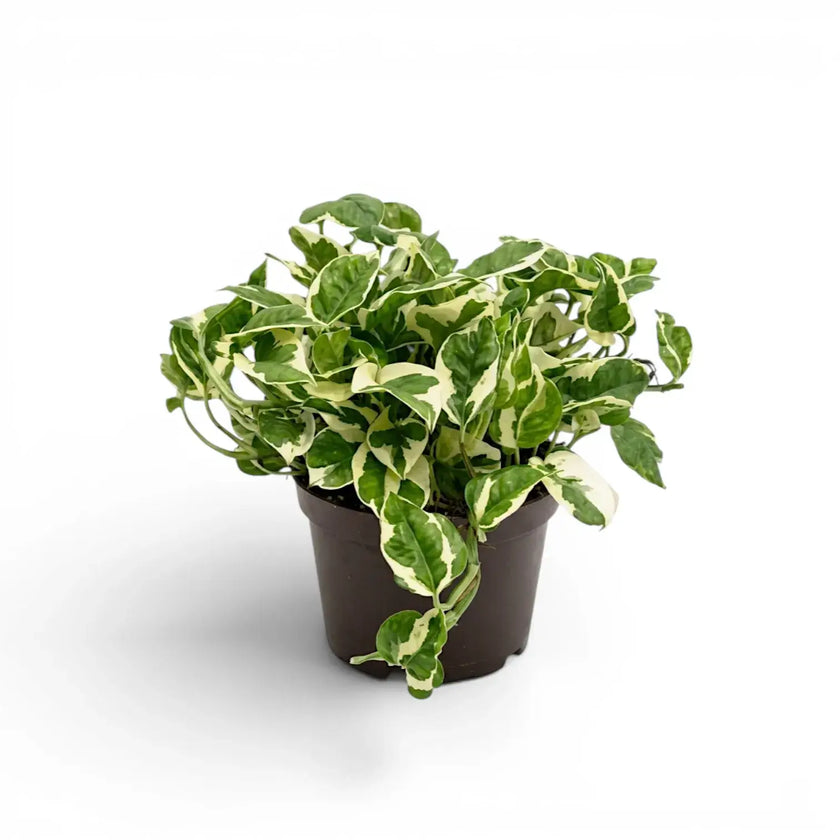
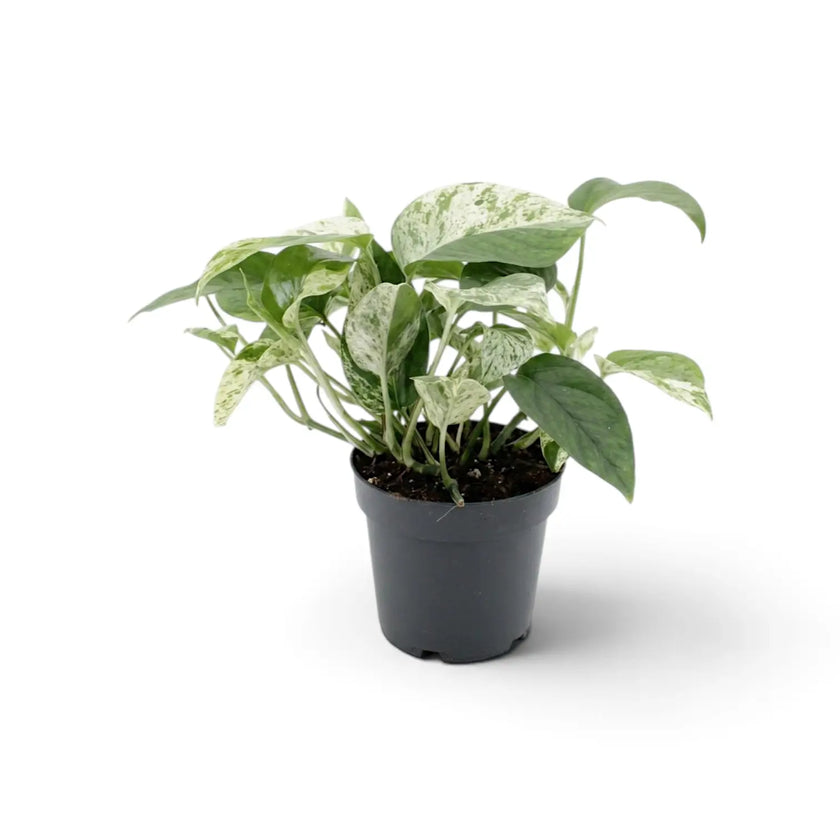
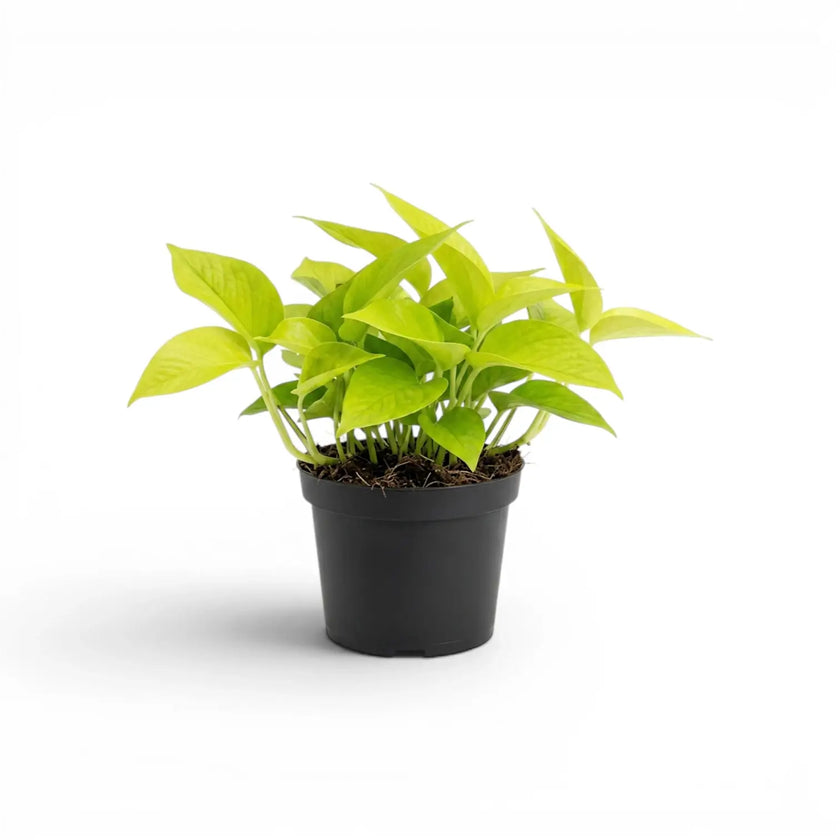
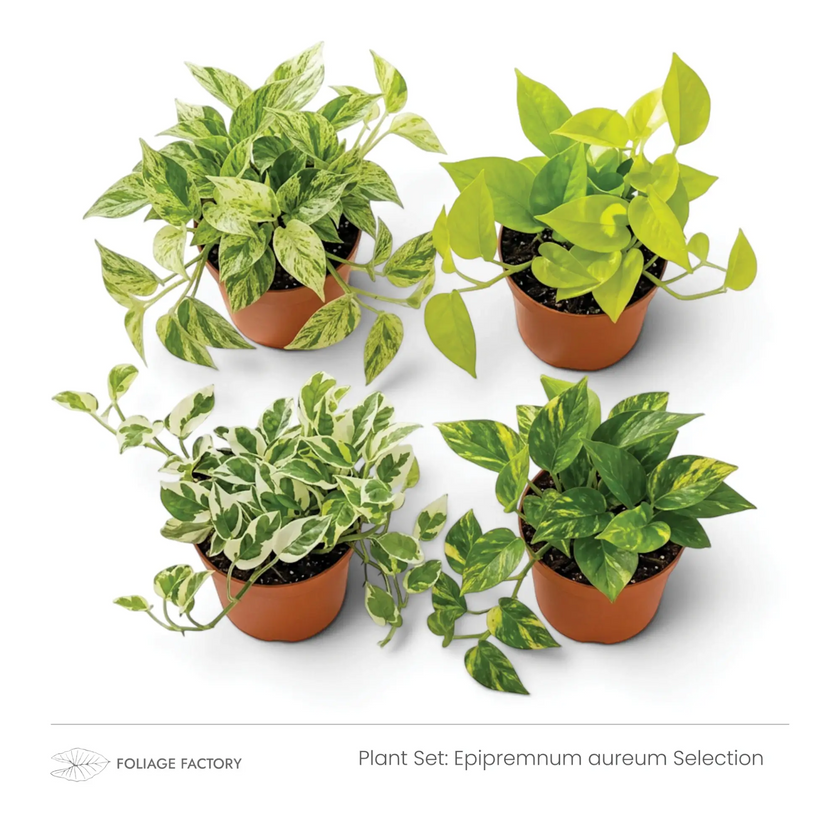
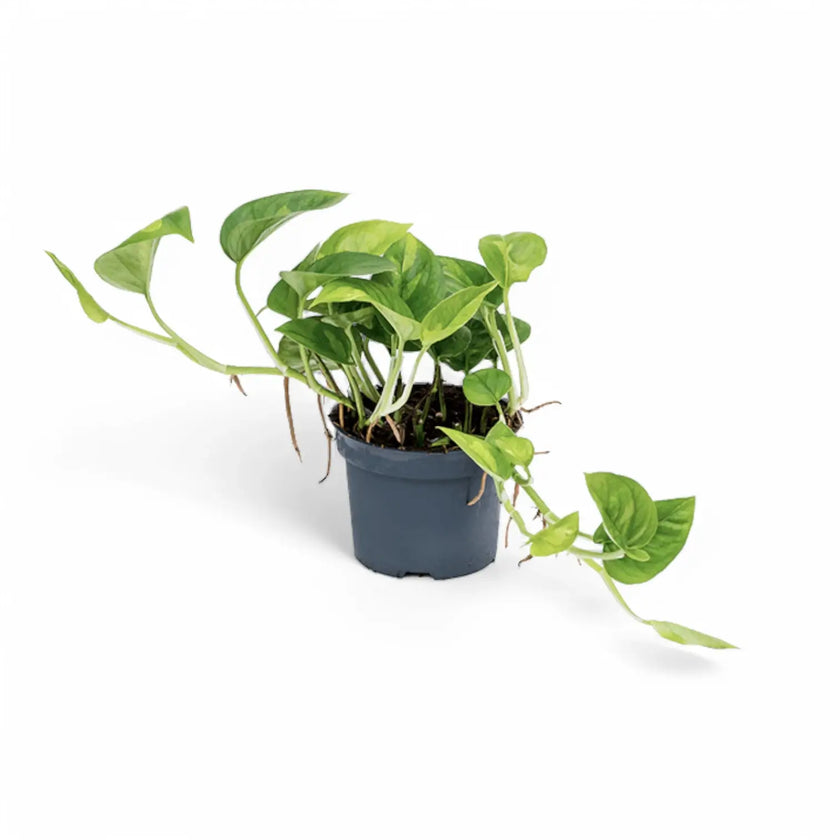
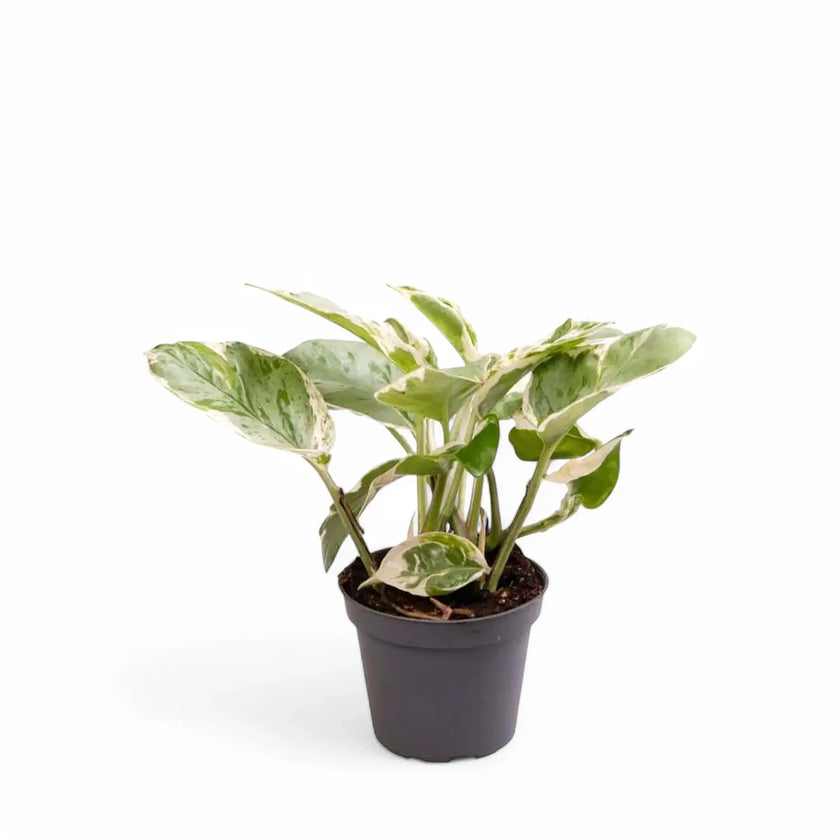
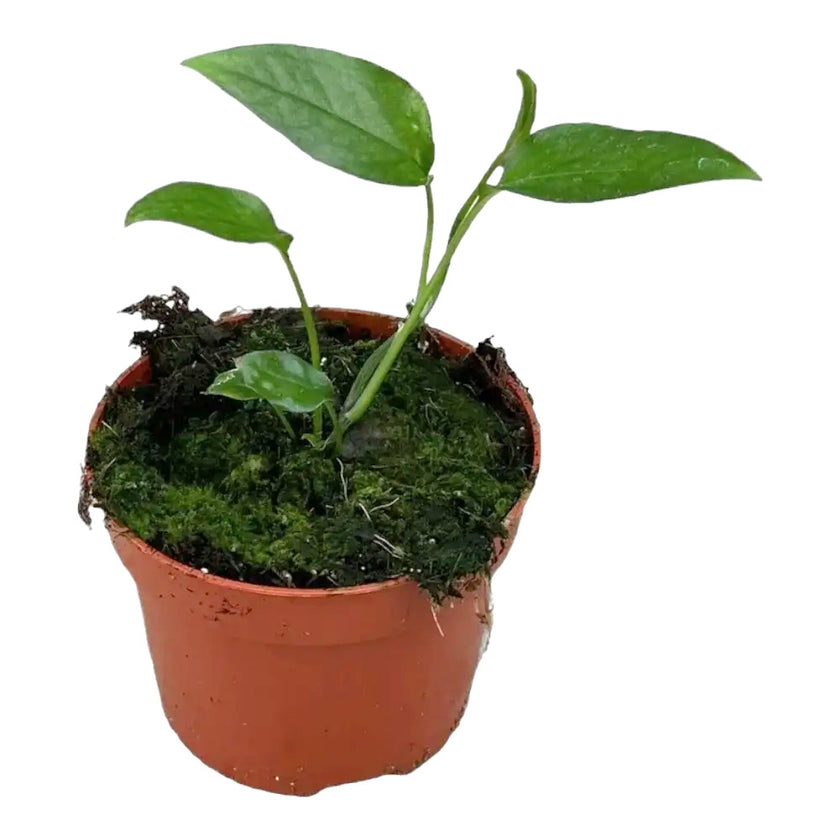
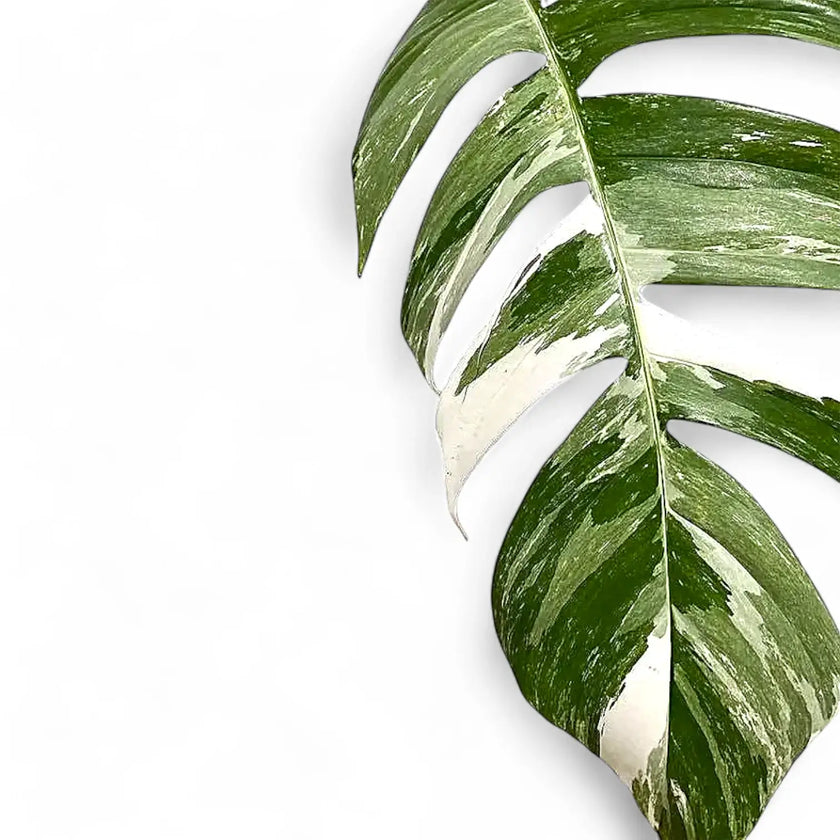
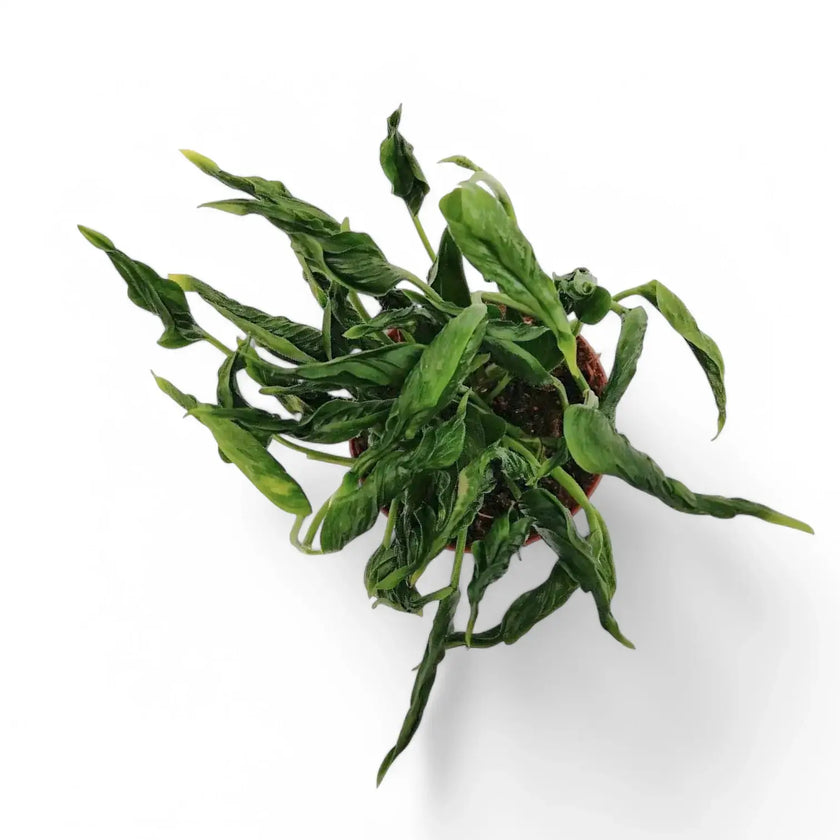
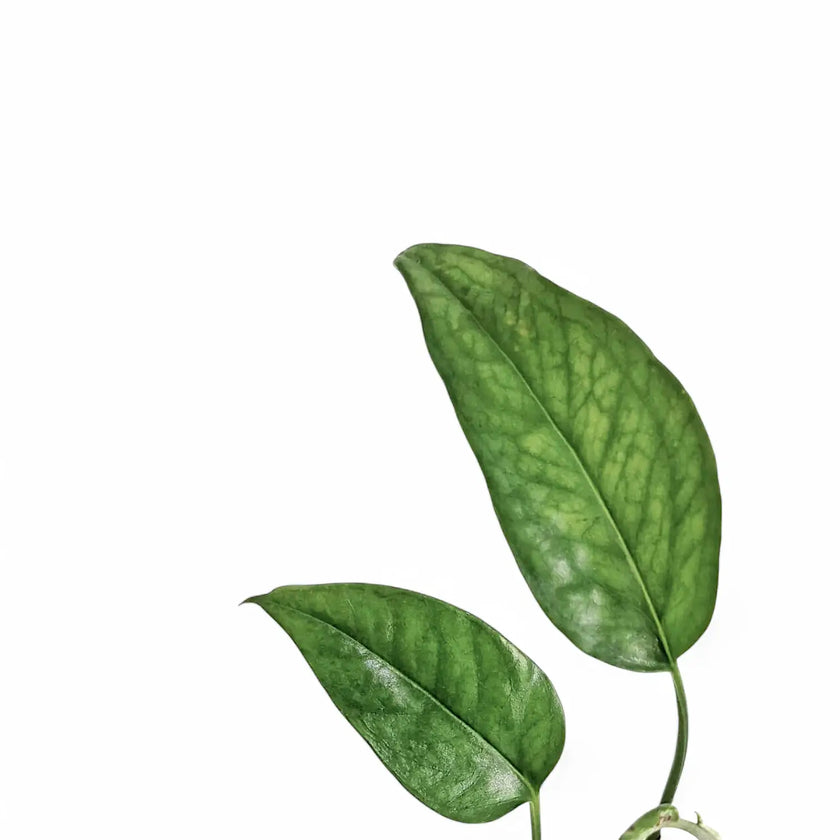
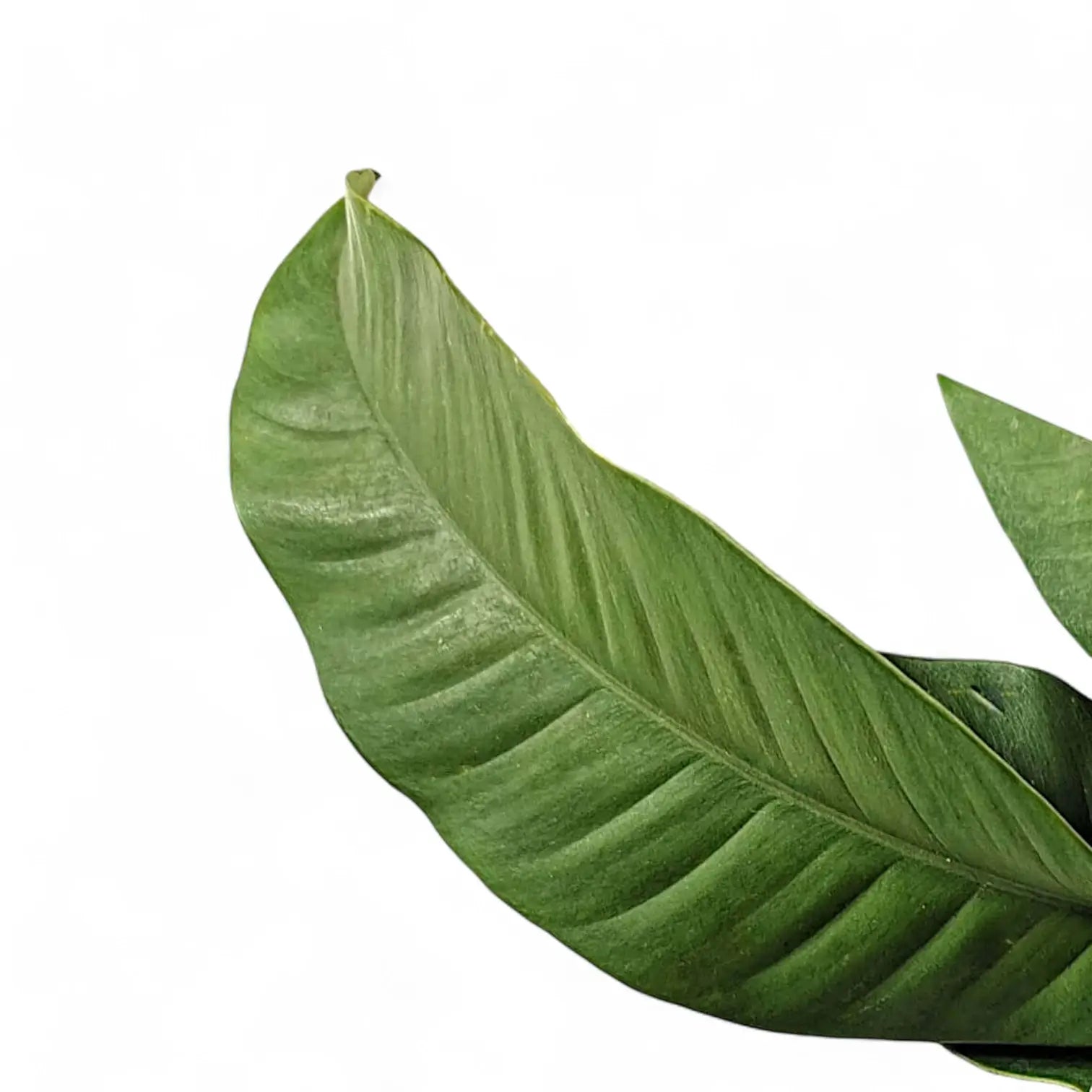
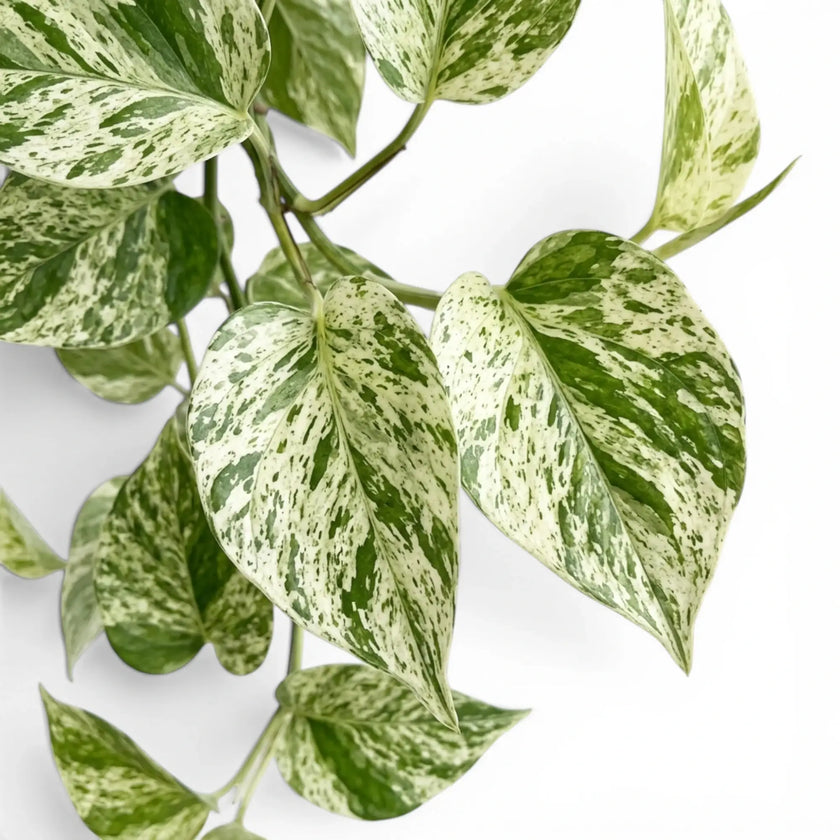
‘Marble Queen’ has cream-splashed leaves, ‘Neon’ carries vivid yellow-green foliage and ‘N’Joy’ has defined pale margins. Epipremnum pinnatum ‘Cebu Blue’ adds longer, narrow leaves with a bluish sheen. The vines can hang from a shelf or grow along a climbing support.
A supported Epipremnum may develop larger leaves as it matures, especially in suitable light. Trailing stems retain a more compact leaf size and can be trimmed to shape a full planter. Bright indirect daylight works well for many of these varieties, and green forms commonly tolerate medium indirect light.
Water when the upper potting mix begins to dry and let excess drain. Epipremnum contains irritating calcium oxalate crystals, so keep leaves away from pets that chew houseplants.
Botanical Profile
Epipremnum grows in tropical Asian and Pacific forests, where roots along the stem attach the vine to trees and other surfaces. Young shoots often carry smaller, whole leaves close to the ground.
As the vine climbs, new leaves can grow much larger, and some species develop divided foliage at maturity. This change is especially noticeable on well-established climbing stems.
Details & Care
Epipremnum plants
‘Marble Queen’ has cream-splashed leaves, ‘Neon’ carries vivid yellow-green foliage and ‘N’Joy’ has defined pale margins. Epipremnum pinnatum ‘Cebu Blue’ adds longer, narrow leaves with a bluish sheen. The vines can hang from a shelf or grow along a climbing support.
A supported Epipremnum may develop larger leaves as it matures, especially in suitable light. Trailing stems retain a more compact leaf size and can be trimmed to shape a full planter. Bright indirect daylight works well for many of these varieties, and green forms commonly tolerate medium indirect light.
Water when the upper potting mix begins to dry and let excess drain. Epipremnum contains irritating calcium oxalate crystals, so keep leaves away from pets that chew houseplants.
Frequently Asked Questions About Epipremnum
Is Epipremnum the plant commonly called pothos?
Yes. Pothos commonly refers to Epipremnum aureum and its cultivars, including ‘Marble Queen’, ‘Neon’ and ‘N’Joy’. Other Epipremnum species are also grown as houseplants.
Will Epipremnum grow larger leaves on a support?
Many climbing Epipremnum develop larger leaves as the stems mature on a pole or plank with enough light. Plants grown with hanging vines often retain smaller, juvenile foliage.
How much light does pothos need?
Medium to bright indirect daylight works well for many Epipremnum. Cream- and white-variegated varieties usually show their markings clearly in brighter filtered daylight.
How should I water Epipremnum?
Water after the upper potting mix begins to dry. Check beneath any dry bark on the surface before watering, and allow excess water to drain out of the pot.
Is Epipremnum safe around pets?
Epipremnum contains calcium oxalate crystals that cause mouth irritation when chewed. Keep the leaves beyond the reach of cats and dogs that investigate houseplants.