




Filters
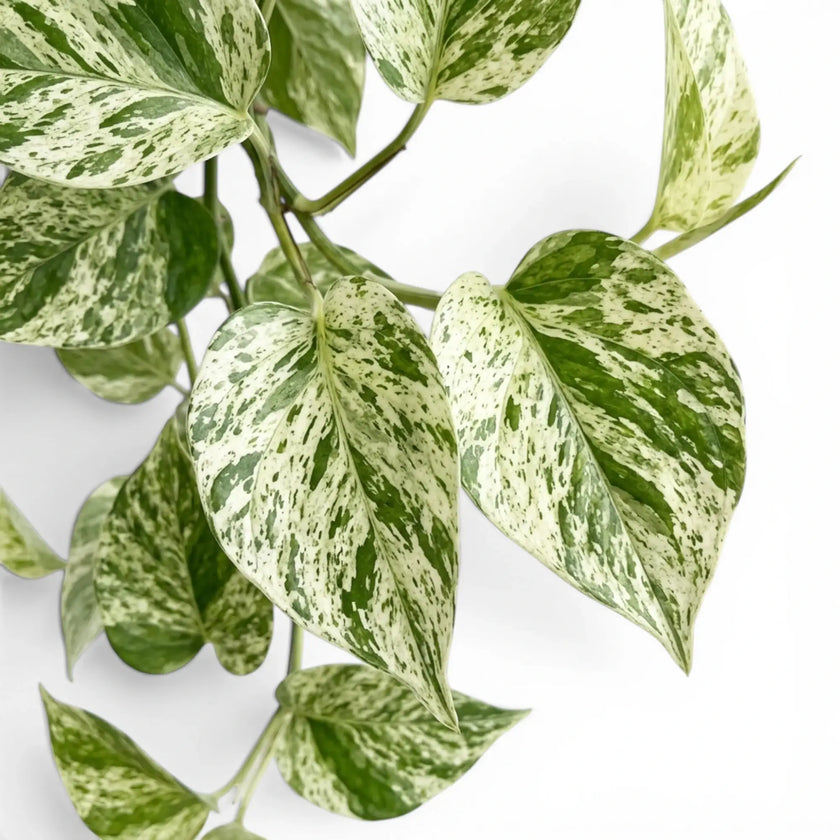
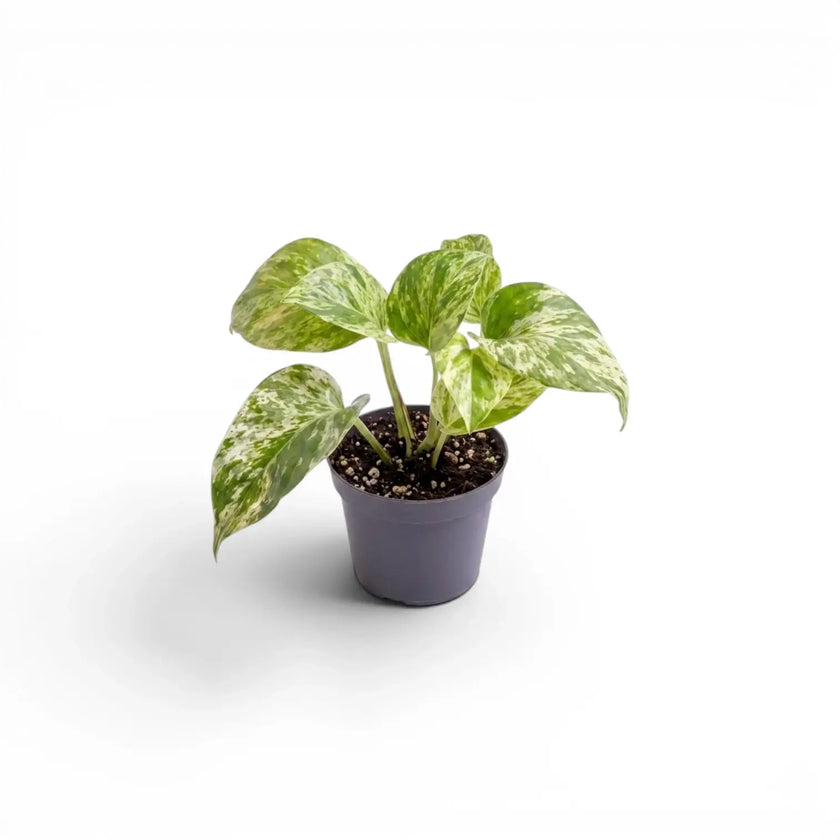
Epipremnum aureum 'Marble Queen'
Sale priceFrom €8,50
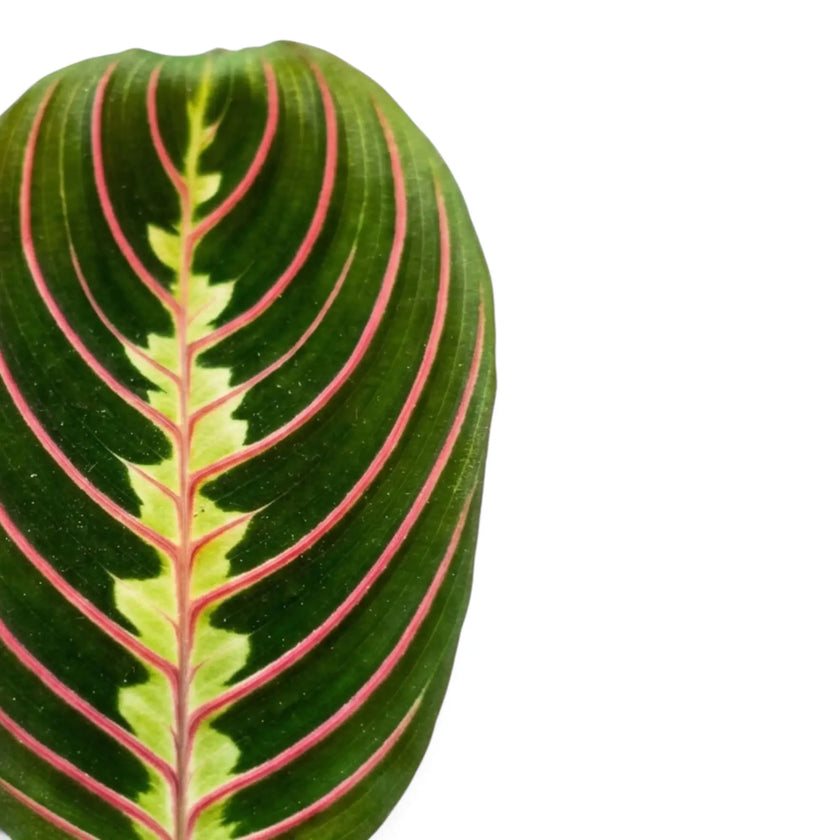
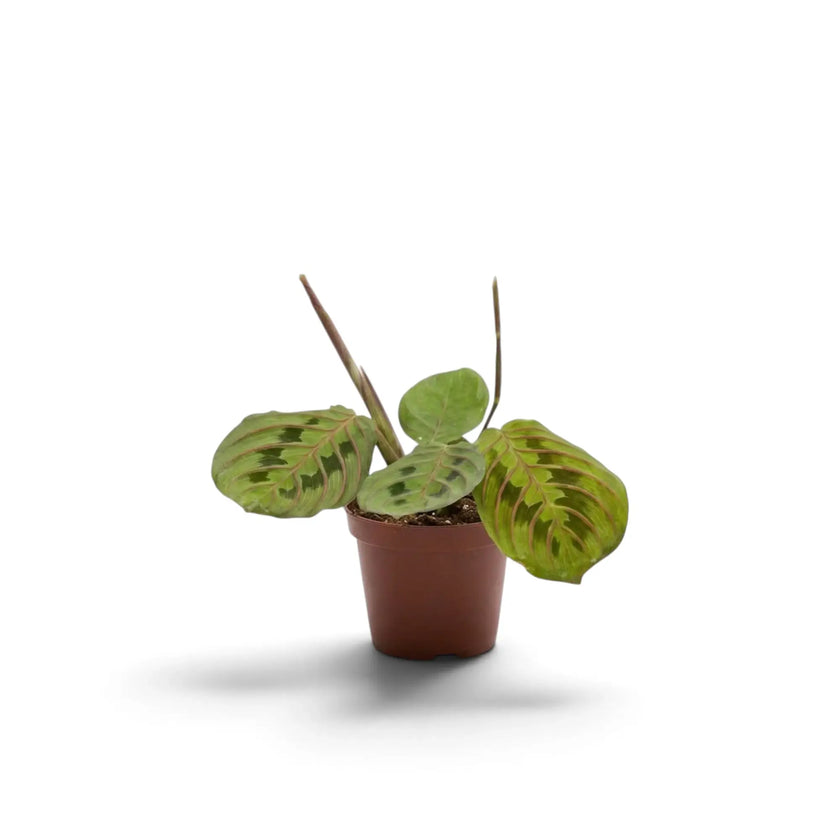
Maranta leuconeura 'Fascinator' ('Tricolor', 'Red Stripe')
Sale priceFrom €8,50
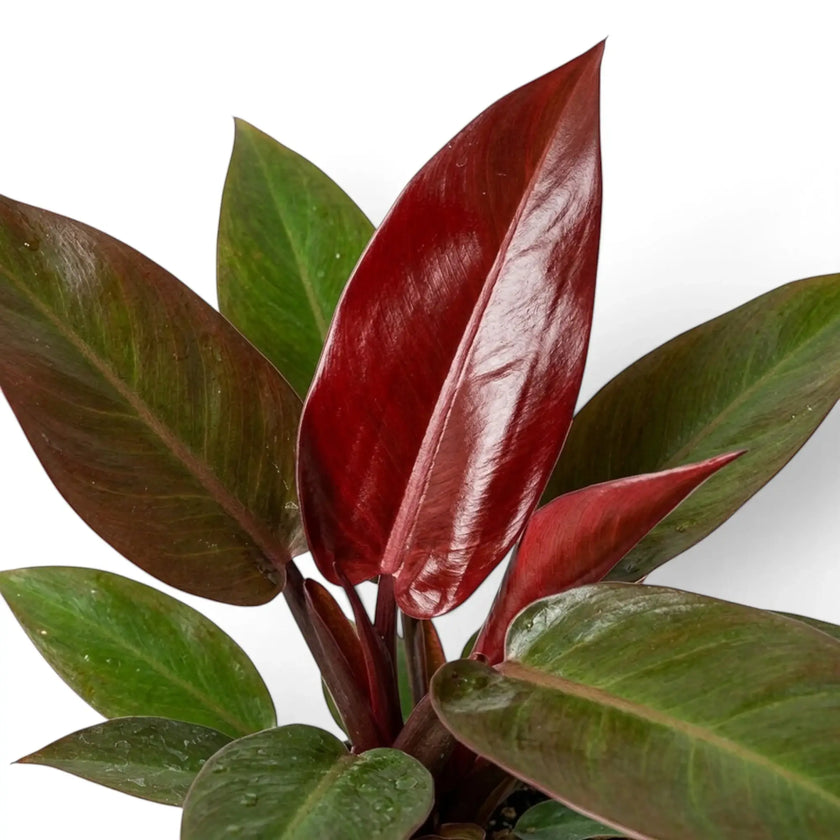
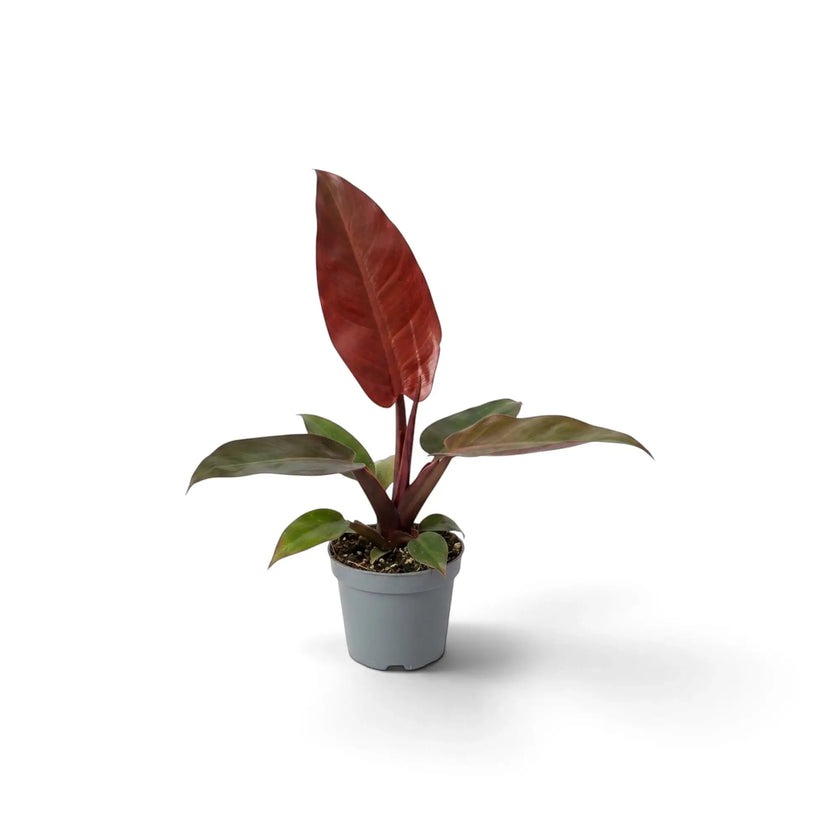
Philodendron ‘Sun Red’
Sale price€9,75
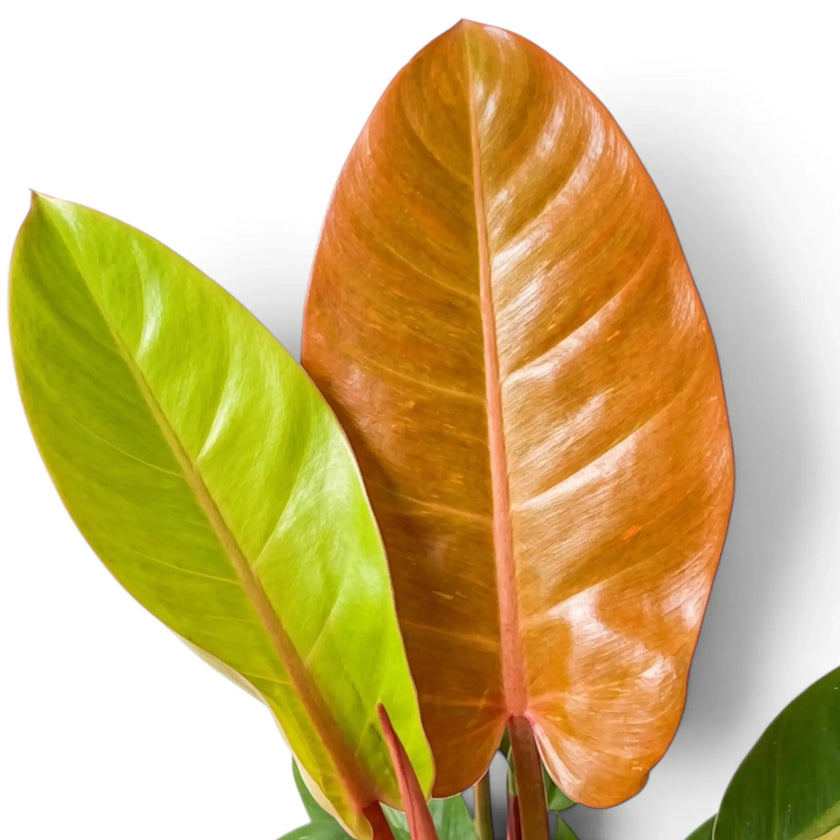
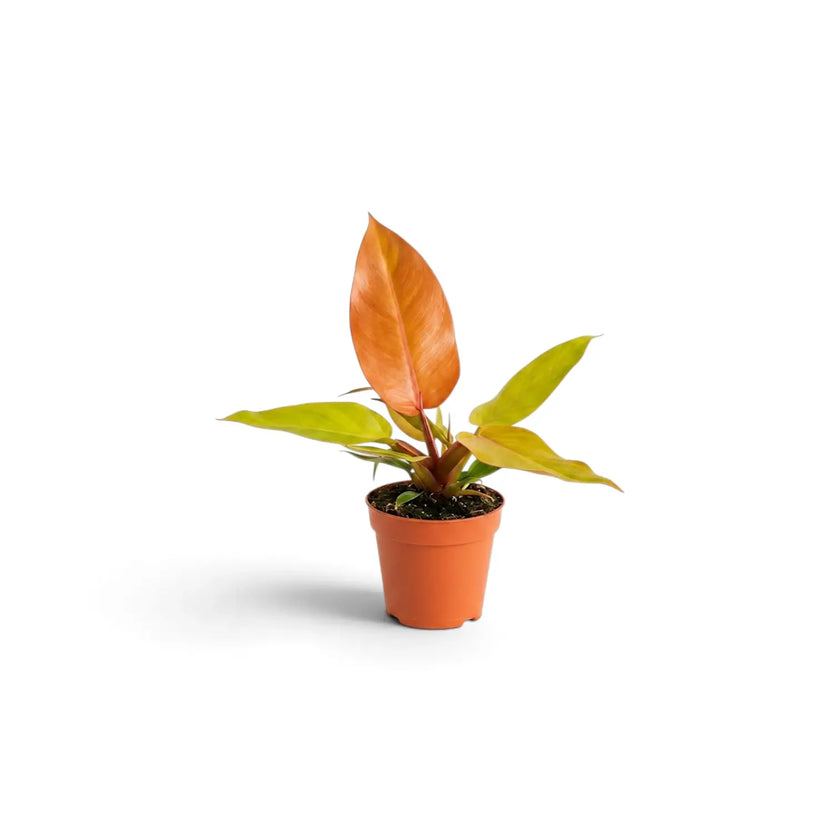
Philodendron ‘Prince of Orange’
Sale priceFrom €8,50
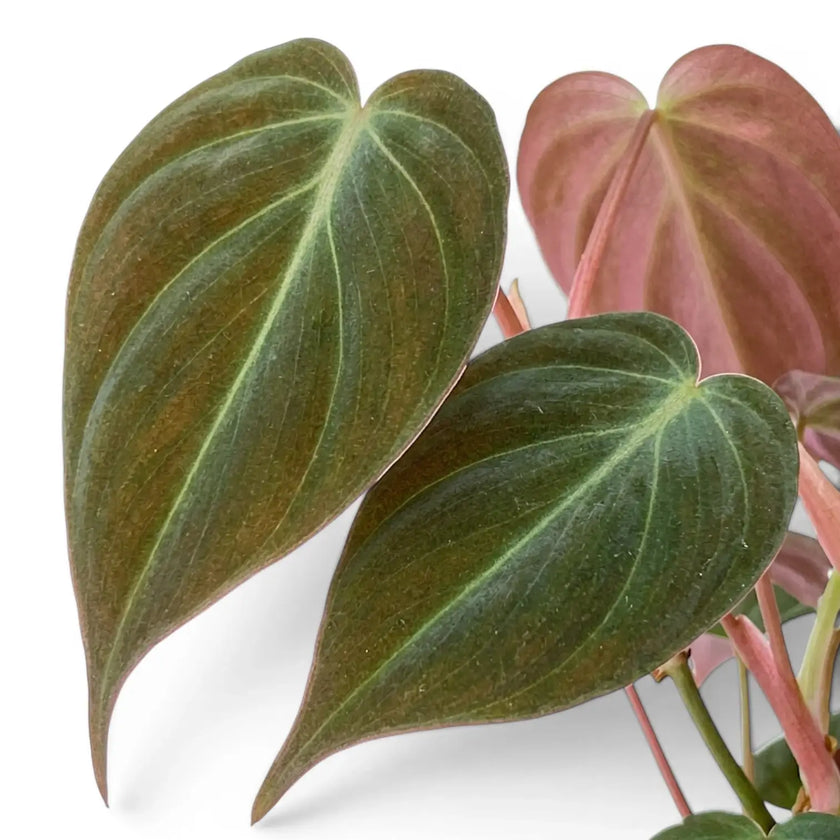
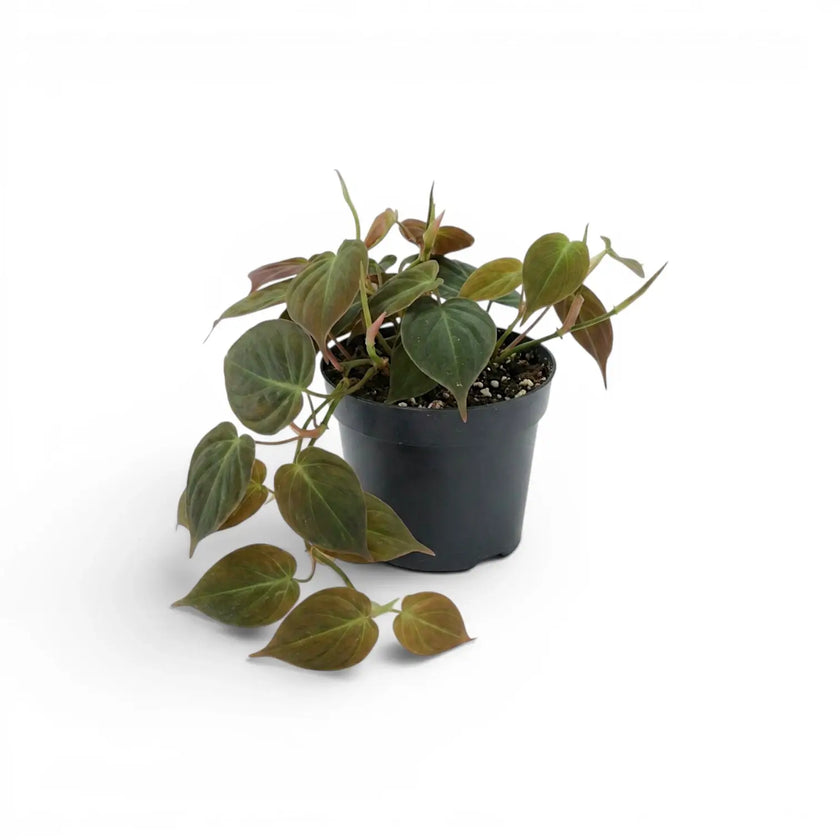
Philodendron micans (Philodendron hederaceum var. hederaceum)
Sale price€14,50
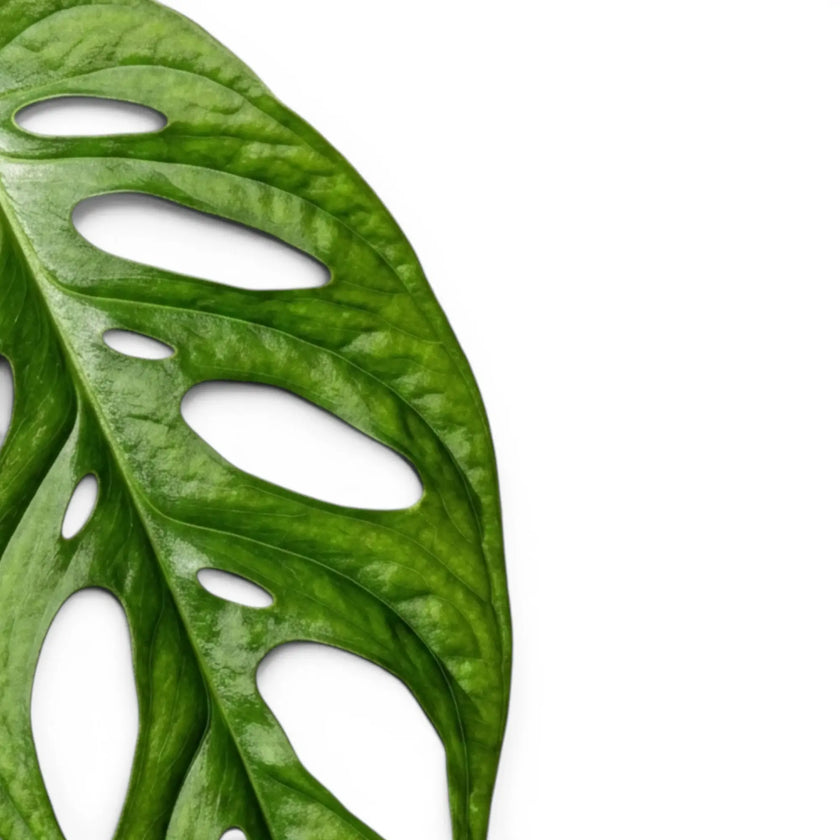
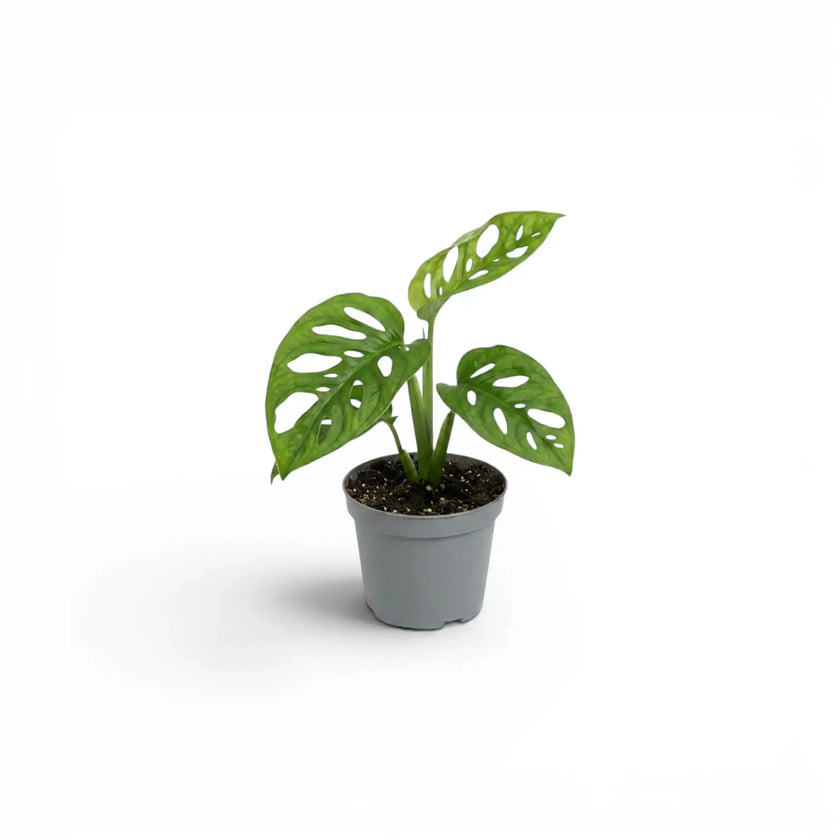
Monstera adansonii 'Monkey leaf'
Sale priceFrom €9,75
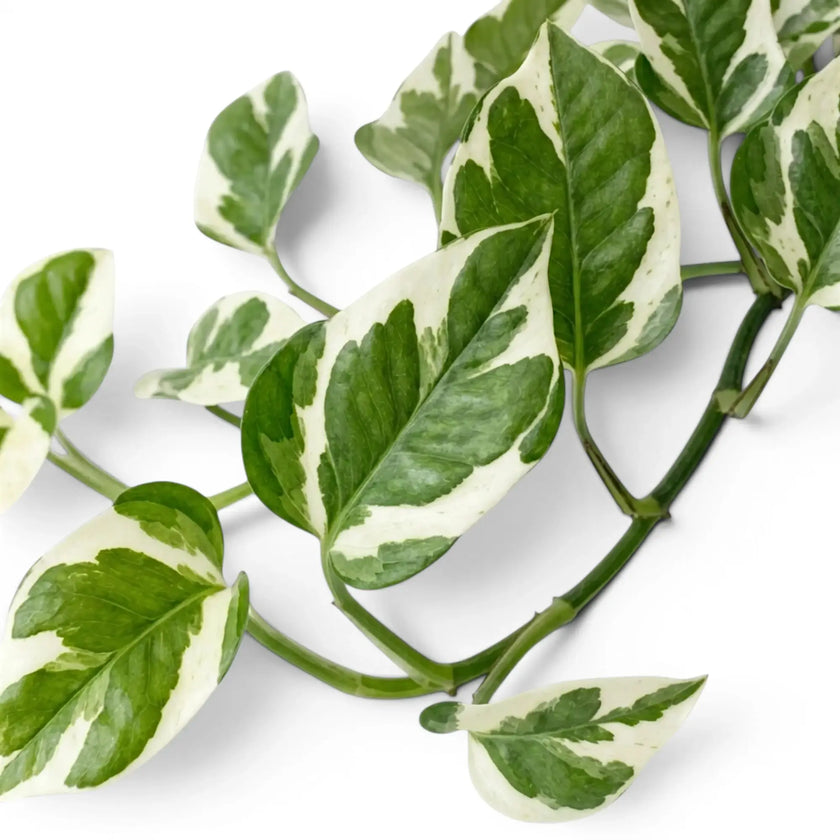
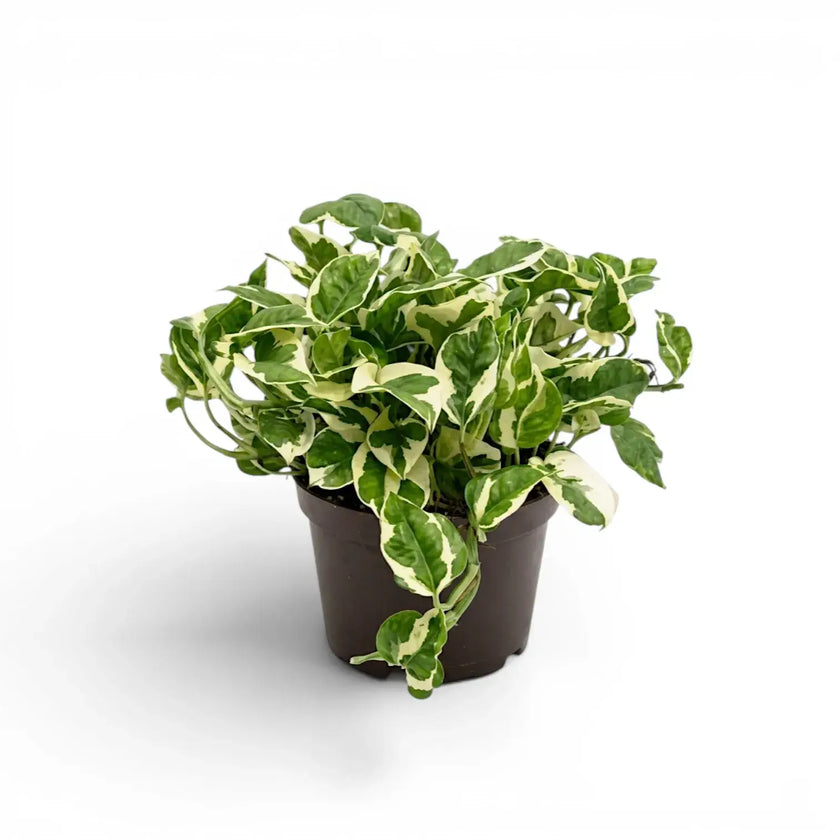
Epipremnum aureum 'N'Joy'
Sale priceFrom €9,25
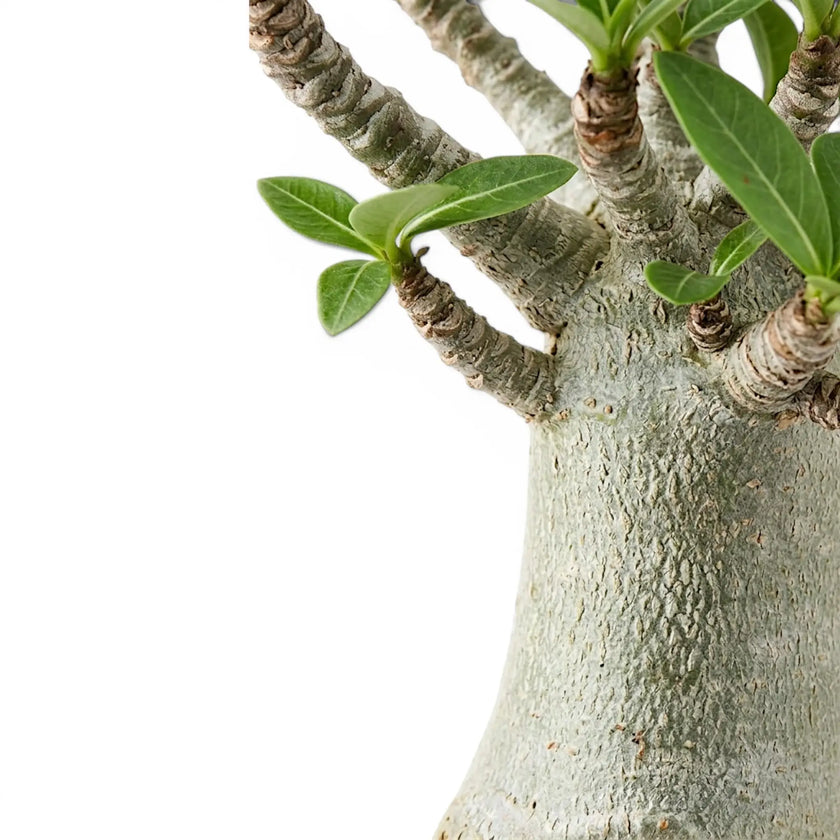
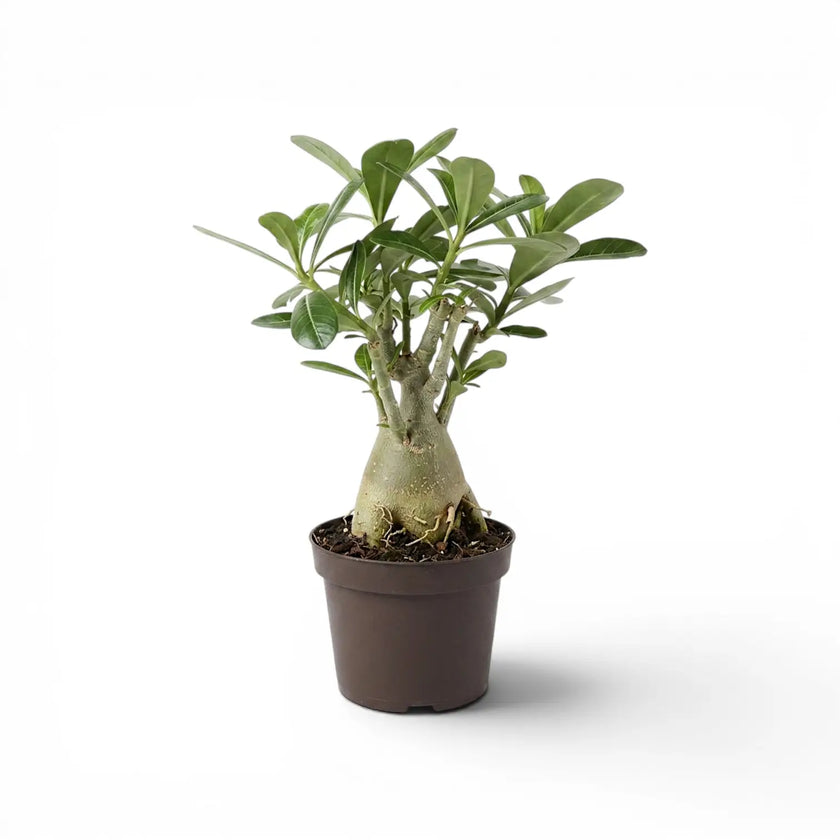
Adenium obesum
Sale priceFrom €9,75

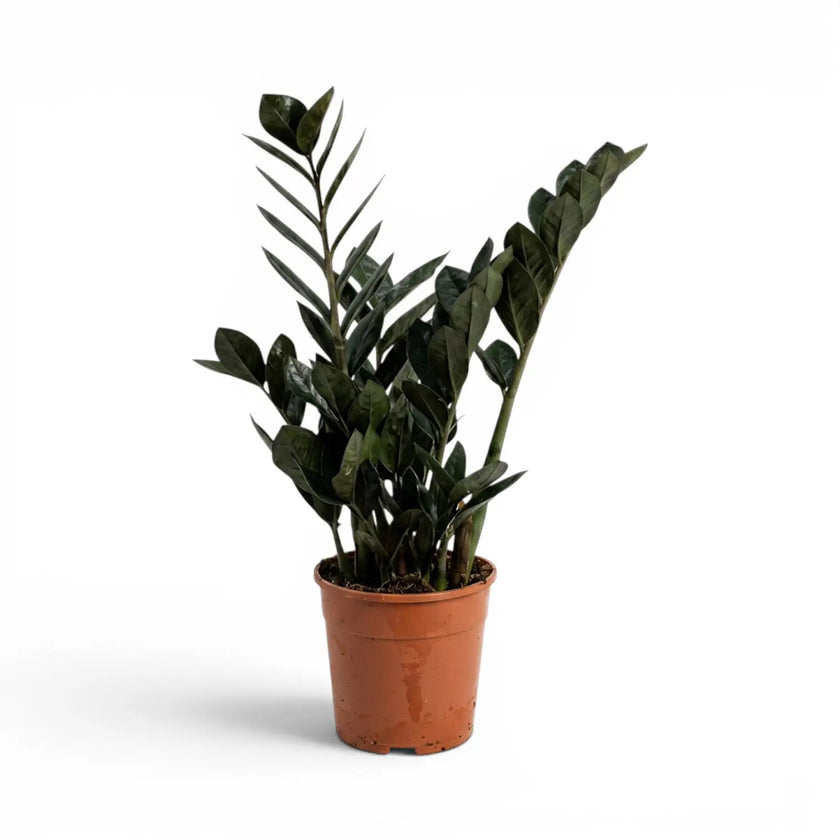
Zamioculcas zamiifolia 'Raven'
Sale price€19,50
Regular price€32,55
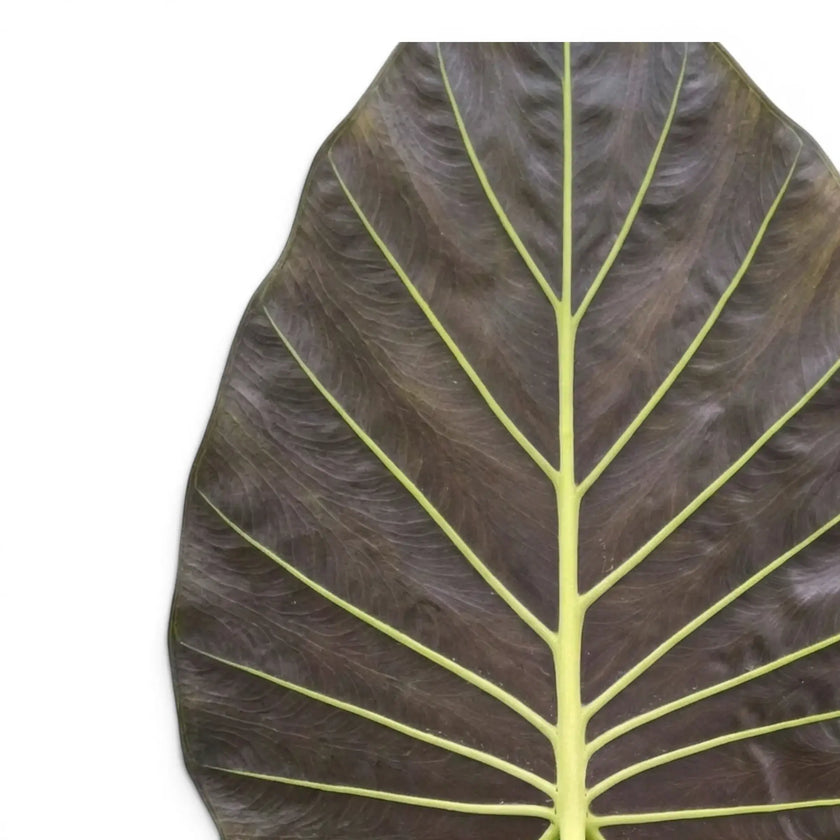
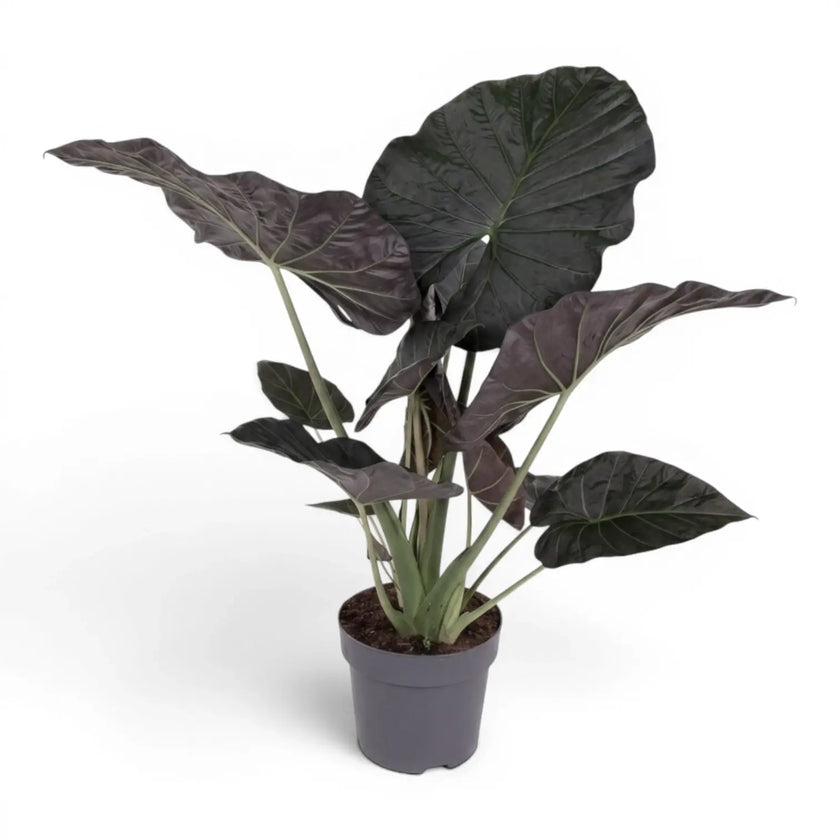
Alocasia ‘Regal Shields’
Sale priceFrom €8,50
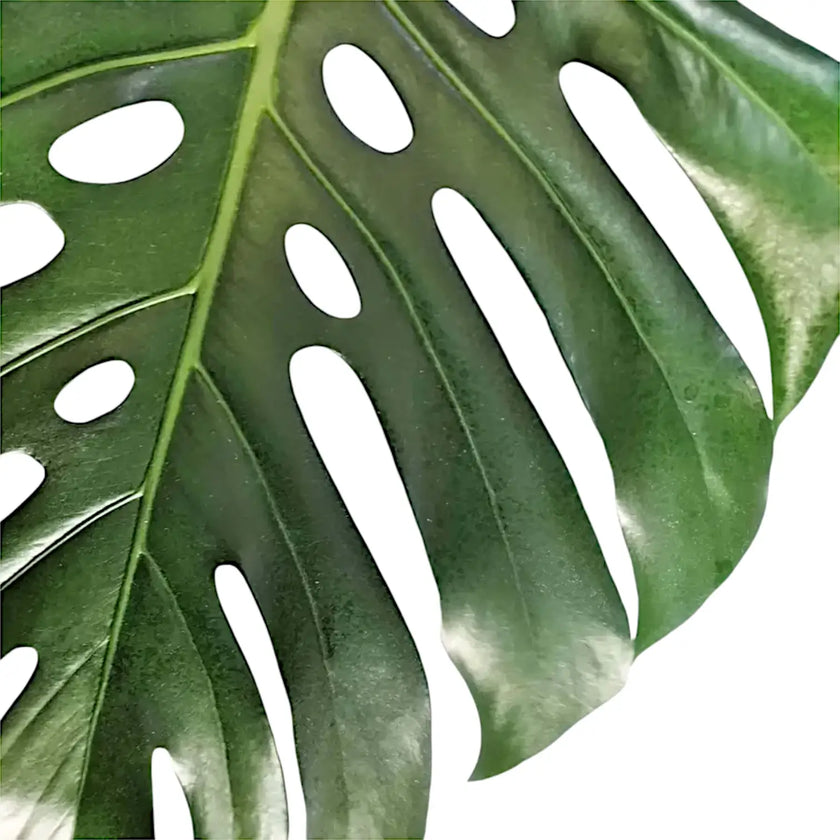
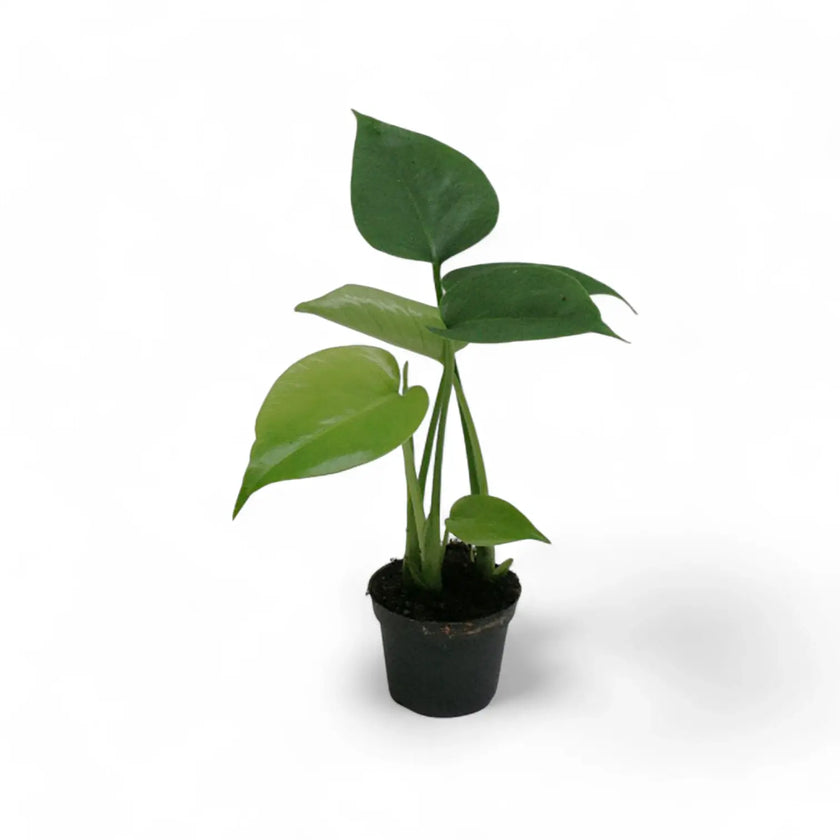
Monstera deliciosa
Sale priceFrom €9,75
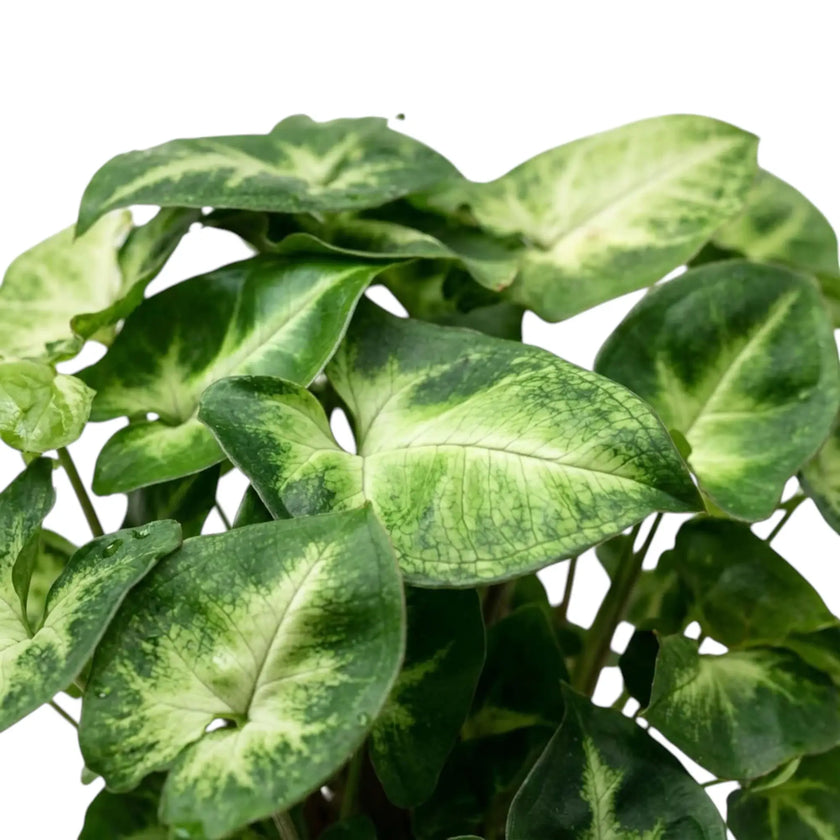
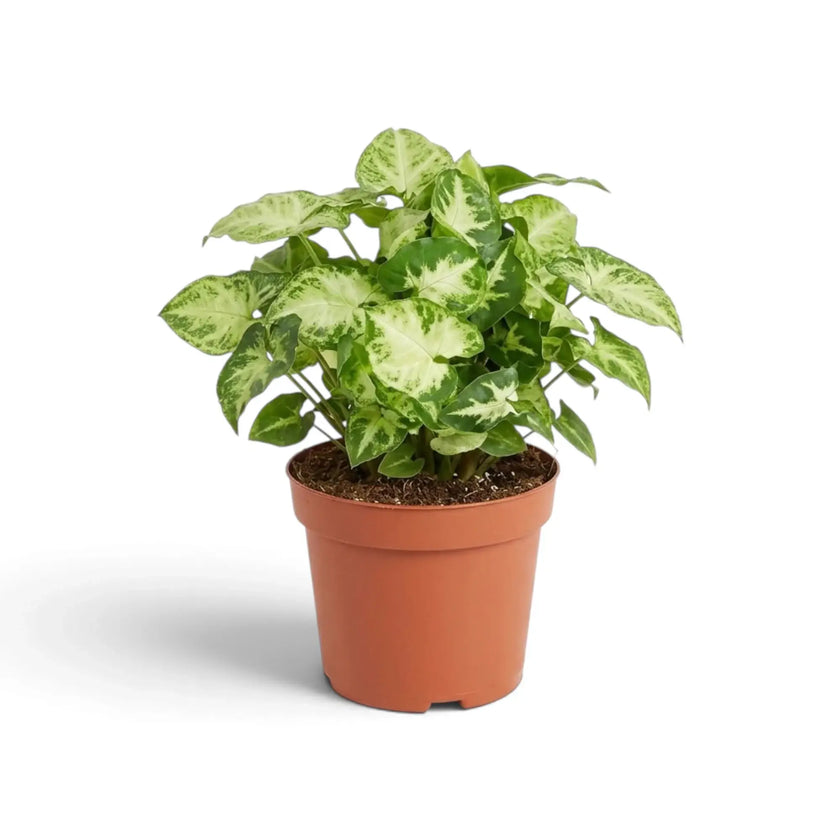
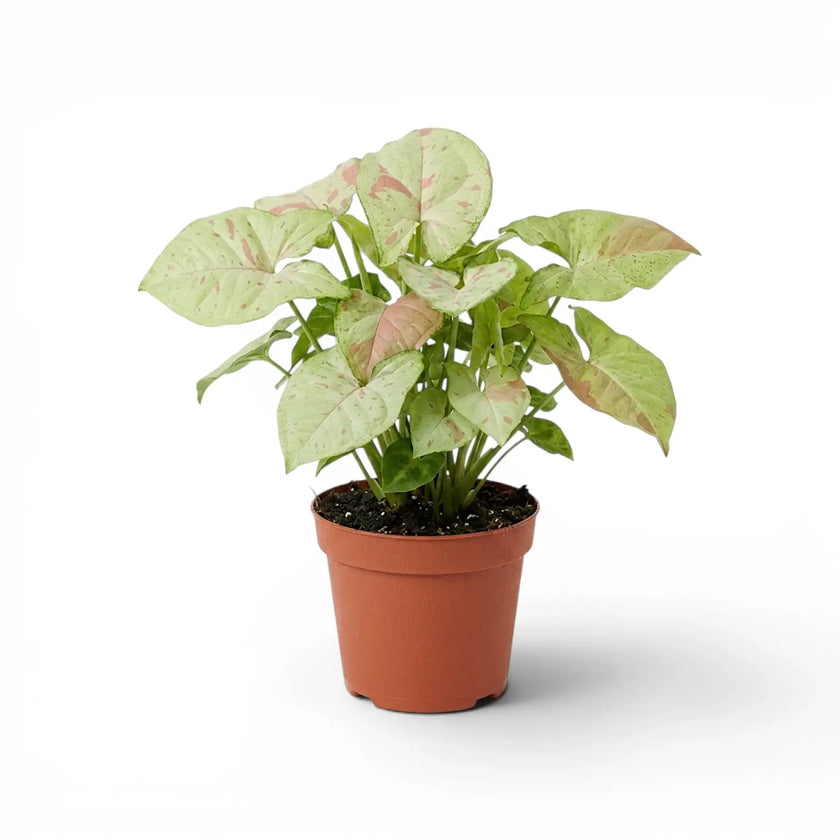
Syngonium podophyllum 'Pixie' aka 'Nana'
Sale priceFrom €8,50
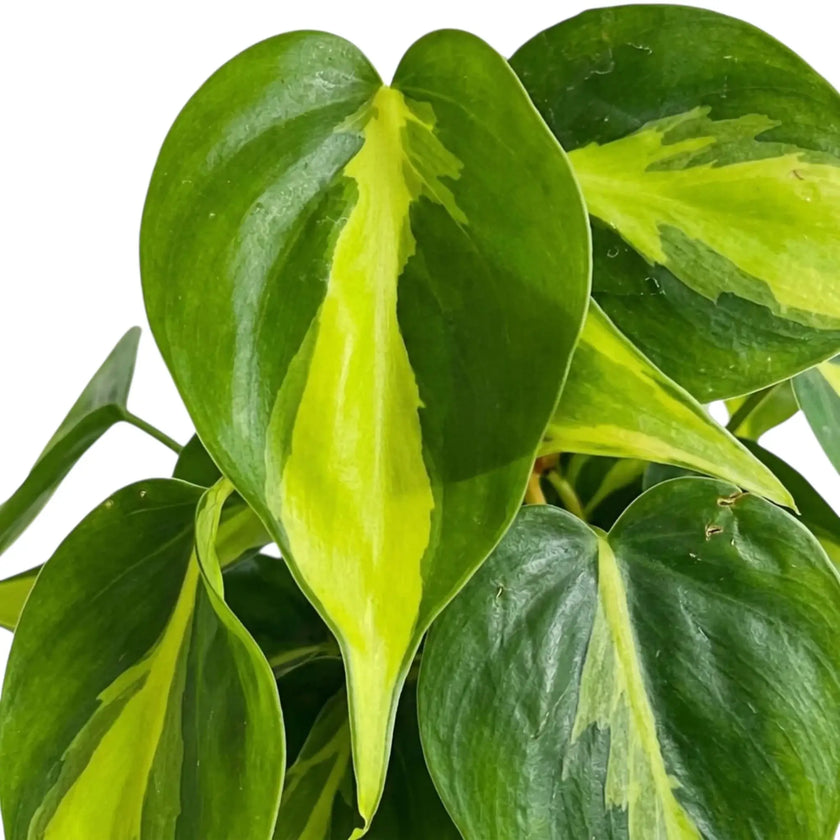
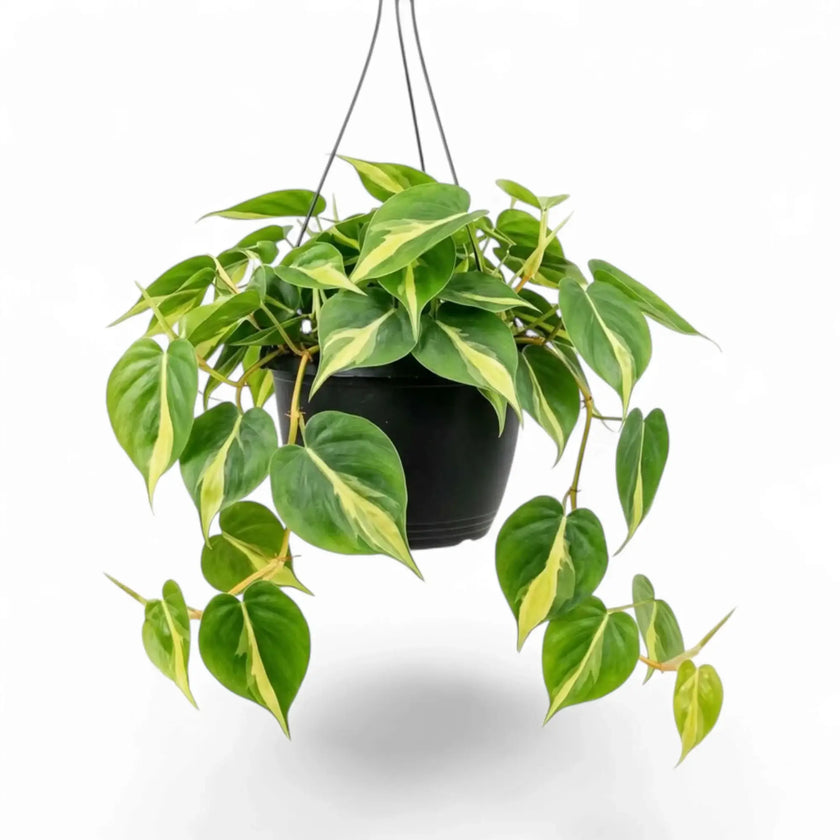
Philodendron hederaceum var. oxycardium ‘Brasil’
Sale priceFrom €8,50
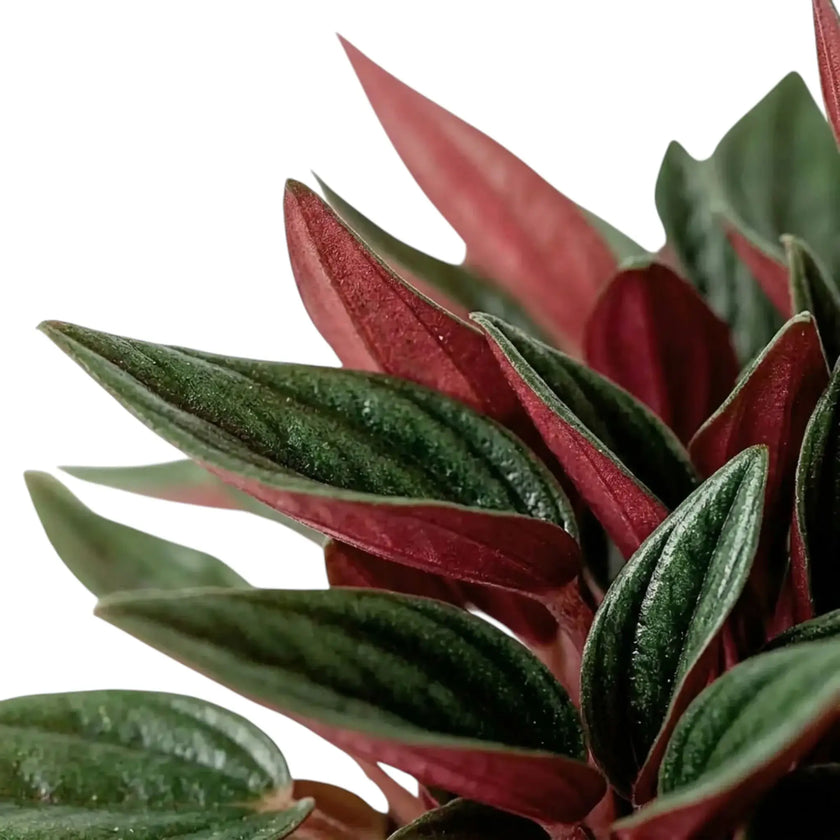
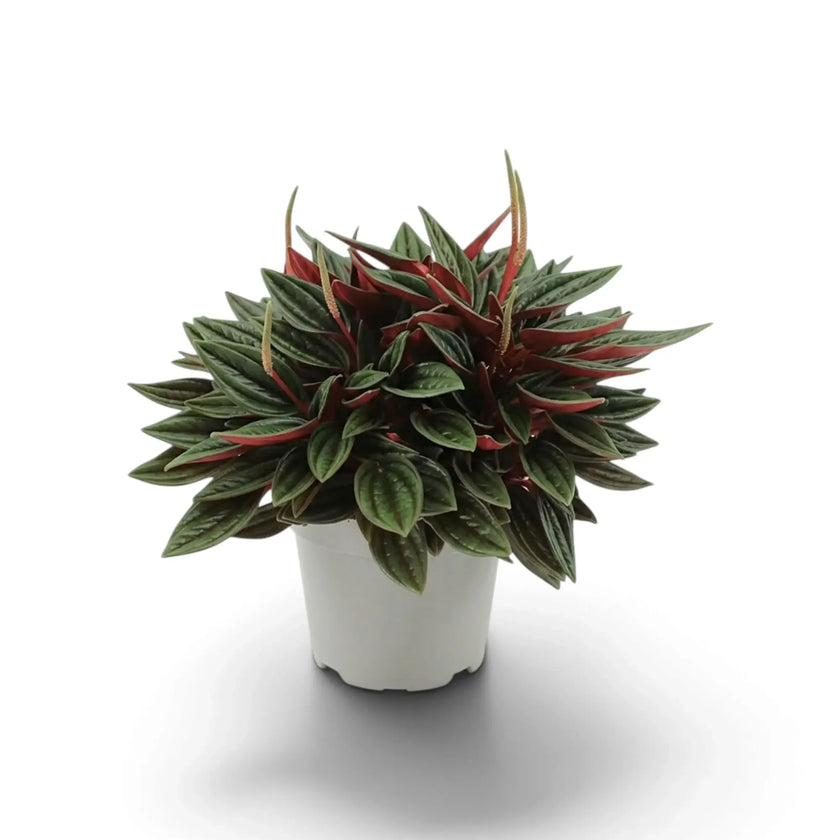
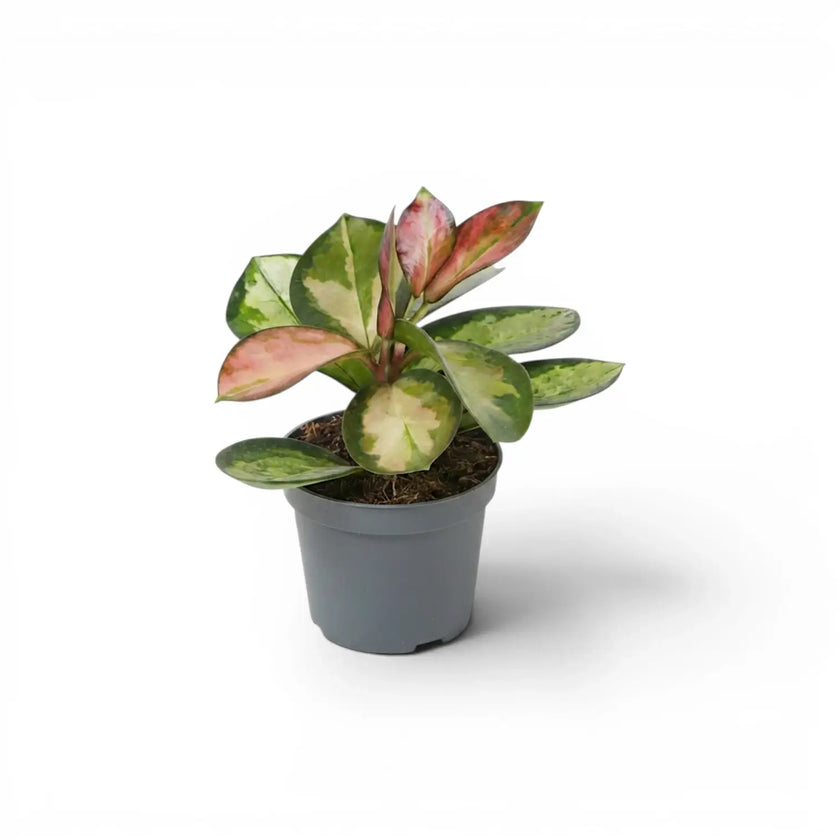
Peperomia ‘Eden Rosso’
Sale priceFrom €8,50
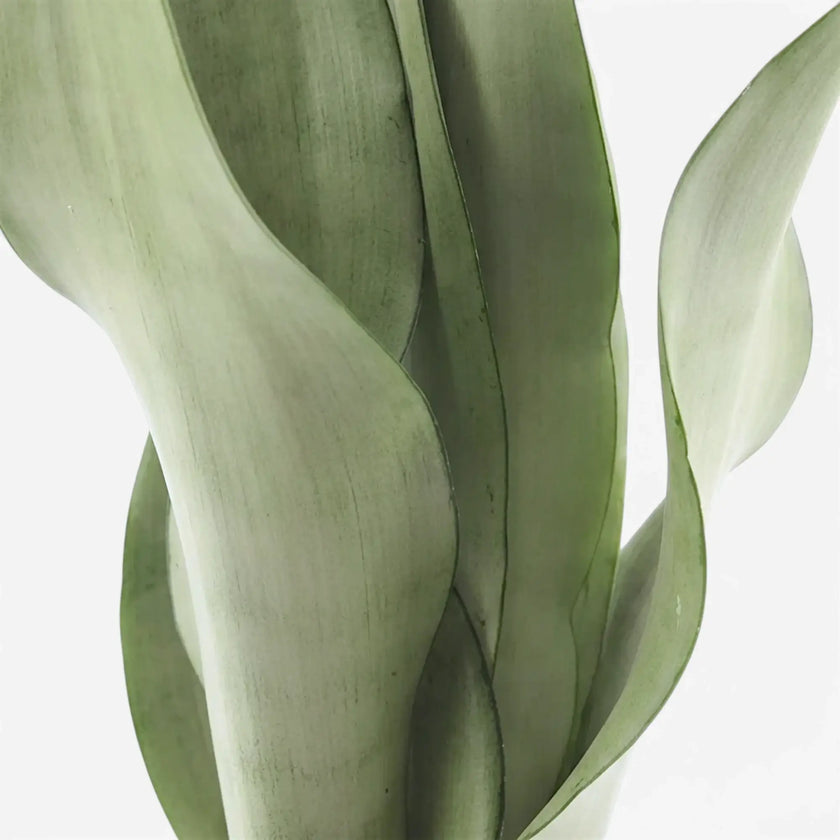
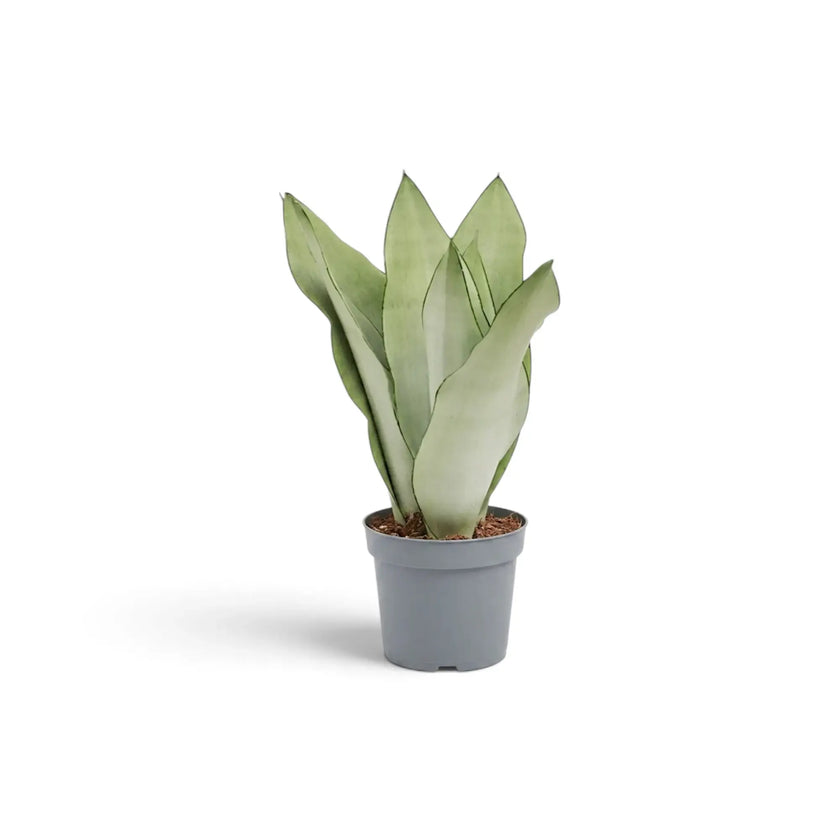
Dracaena trifasciata ‘Moonshine’
Sale priceFrom €12,00

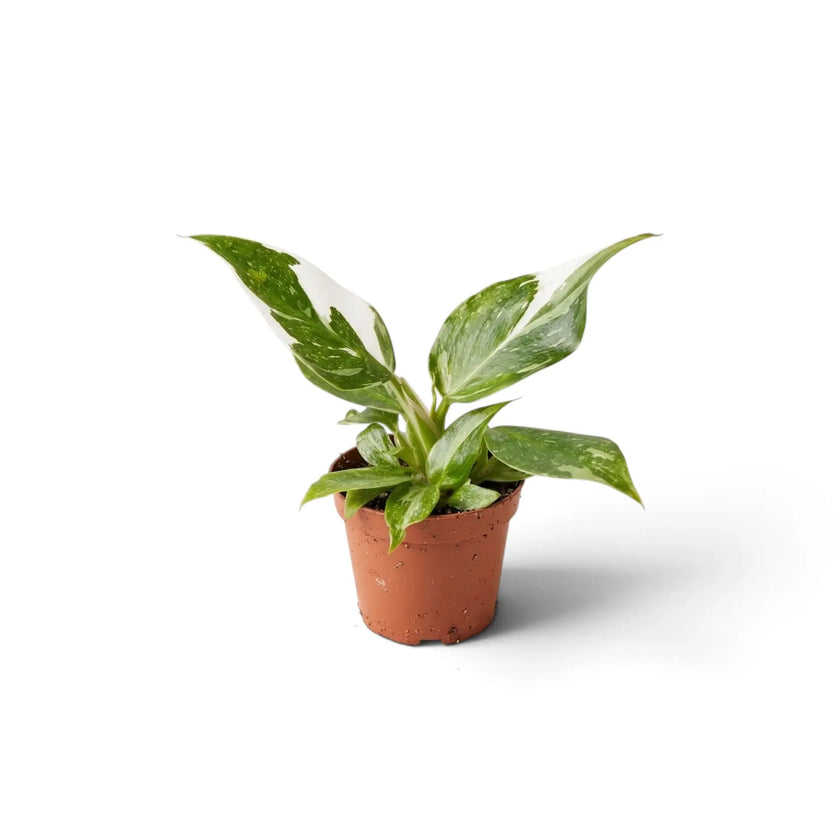
Philodendron ‘White Princess’
Sale priceFrom €8,50
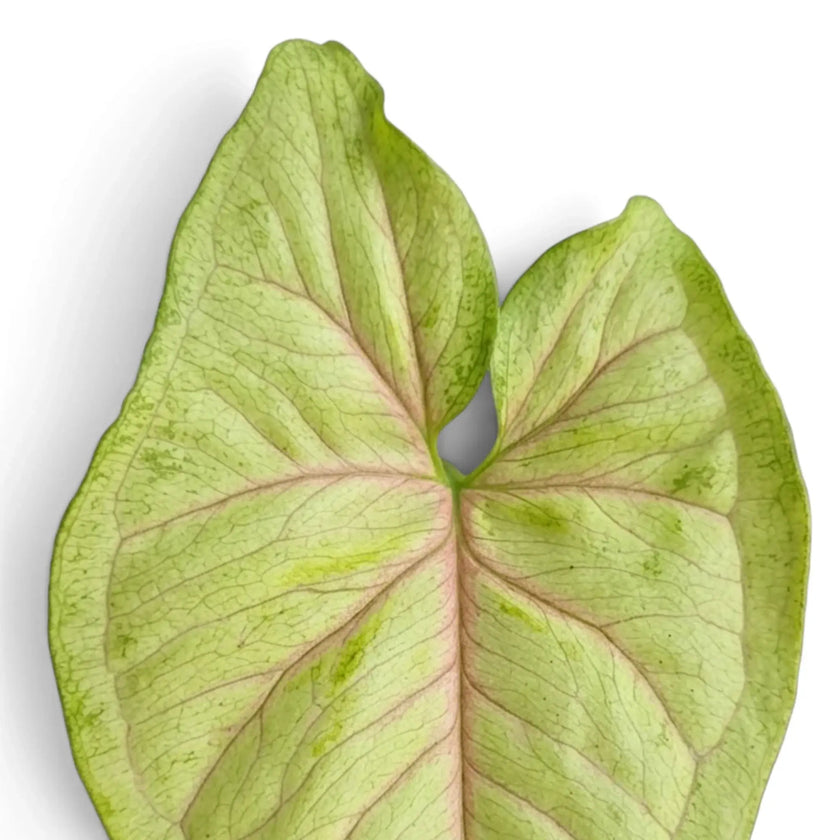
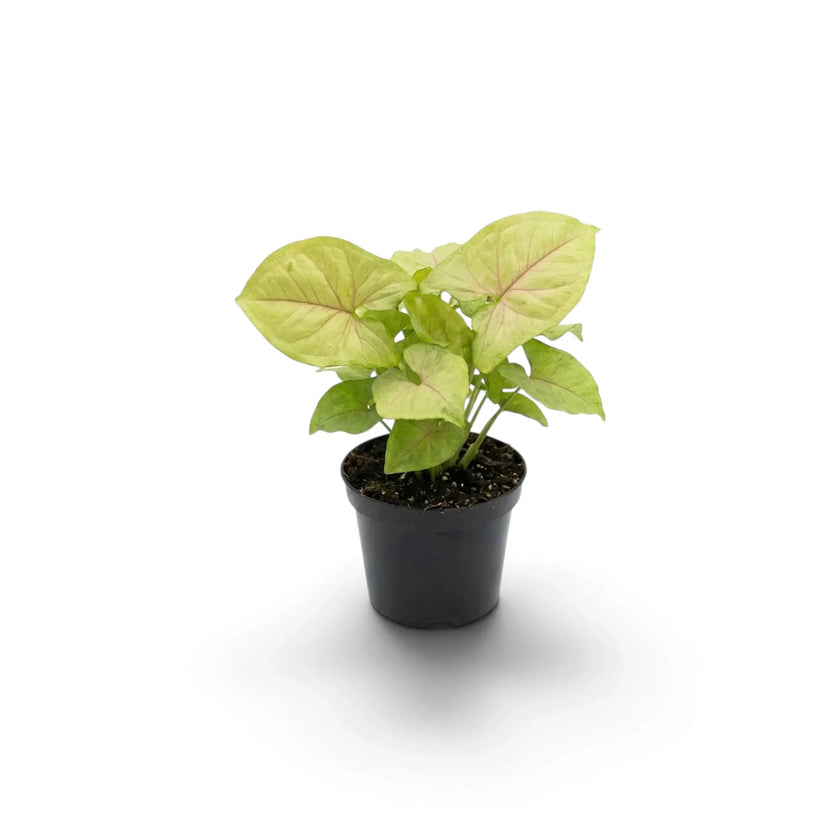
Syngonium podophyllum 'Mango allusion'
Sale price€9,75
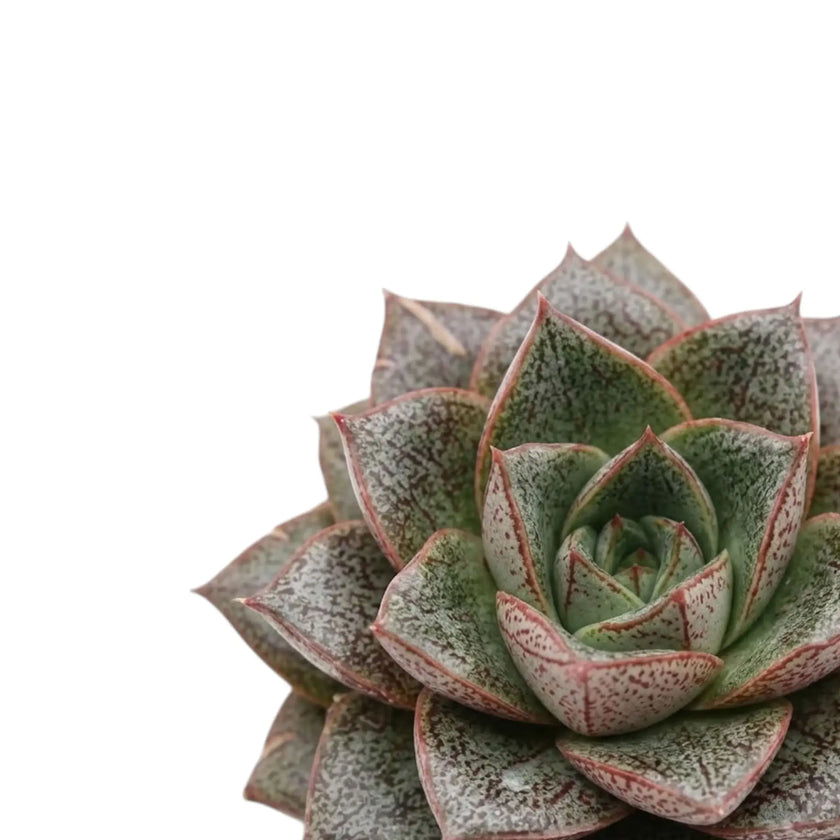
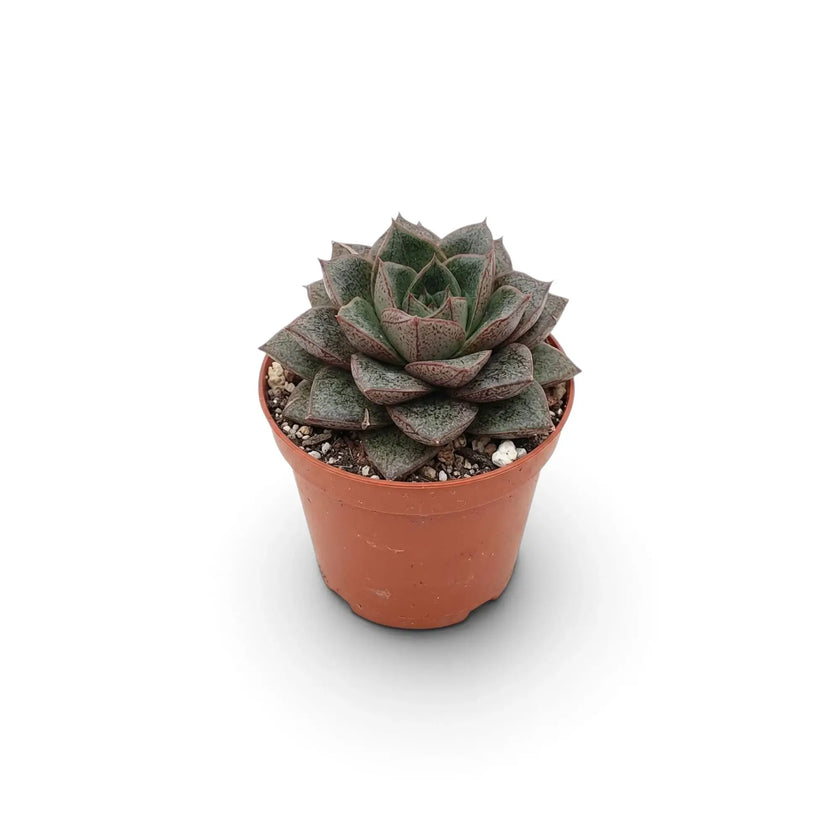
Echeveria purpusiorum
Sale price€8,50
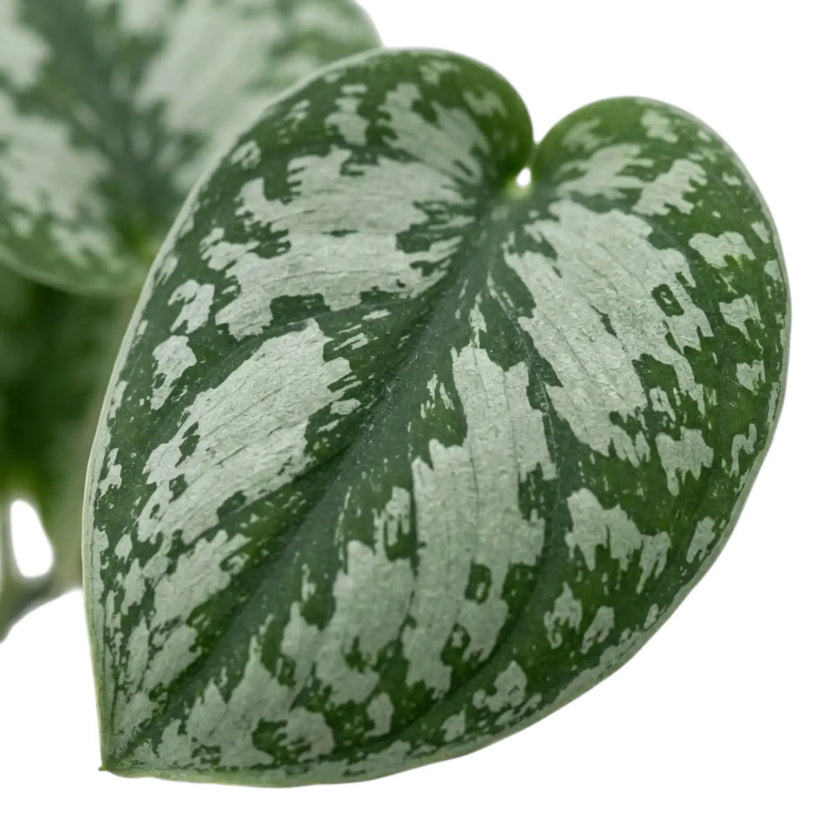
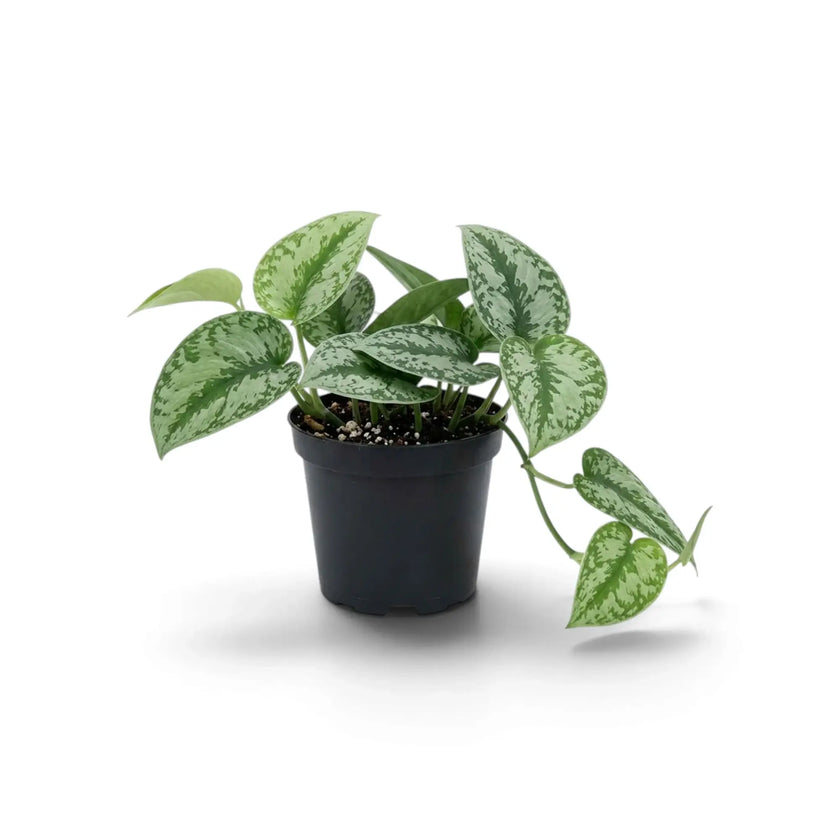
Scindapsus pictus 'Exotica'
Sale price€10,75
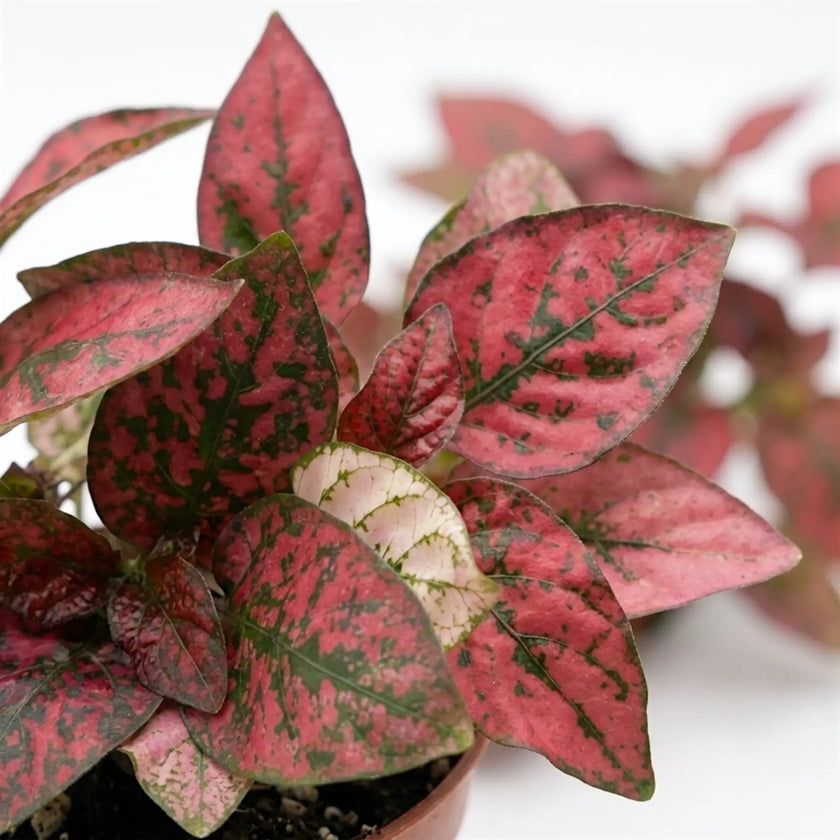
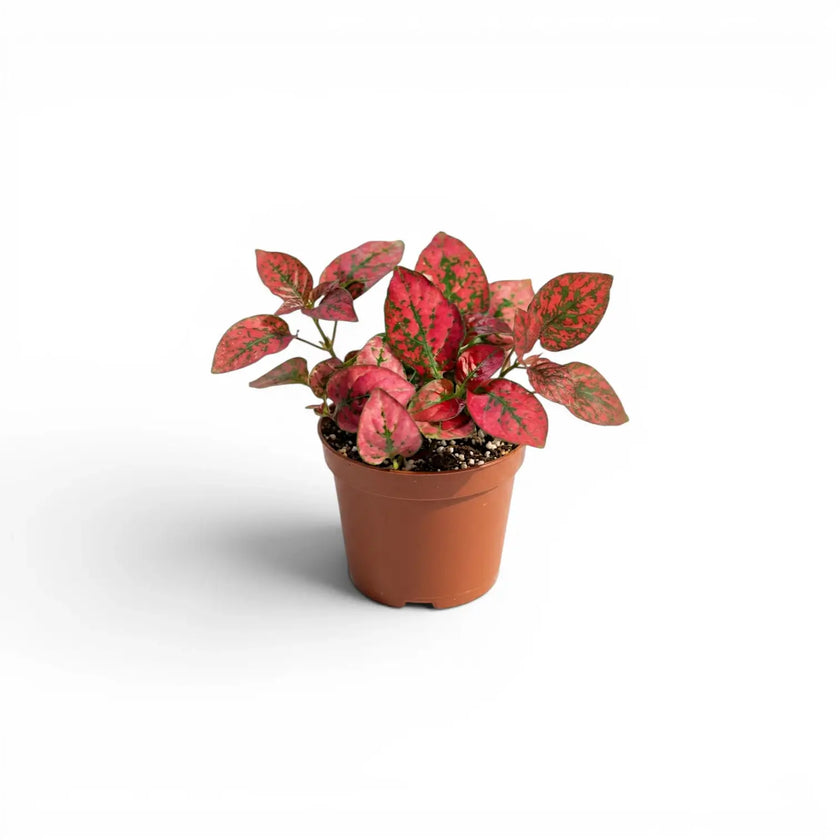
Hypoestes phyllostachya 'Red'
Sale price€8,50
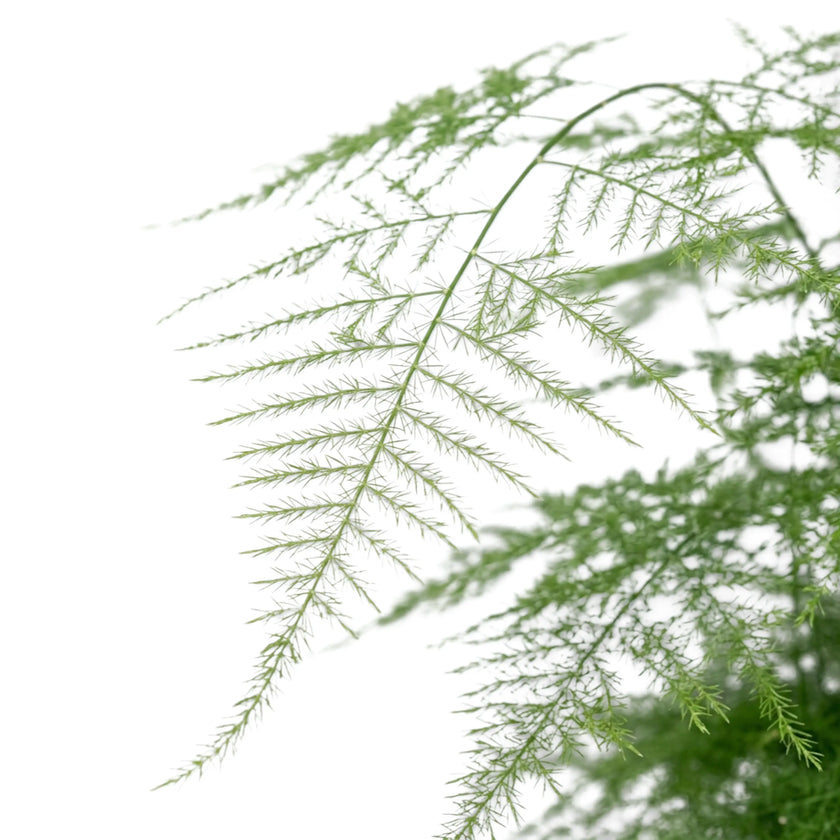
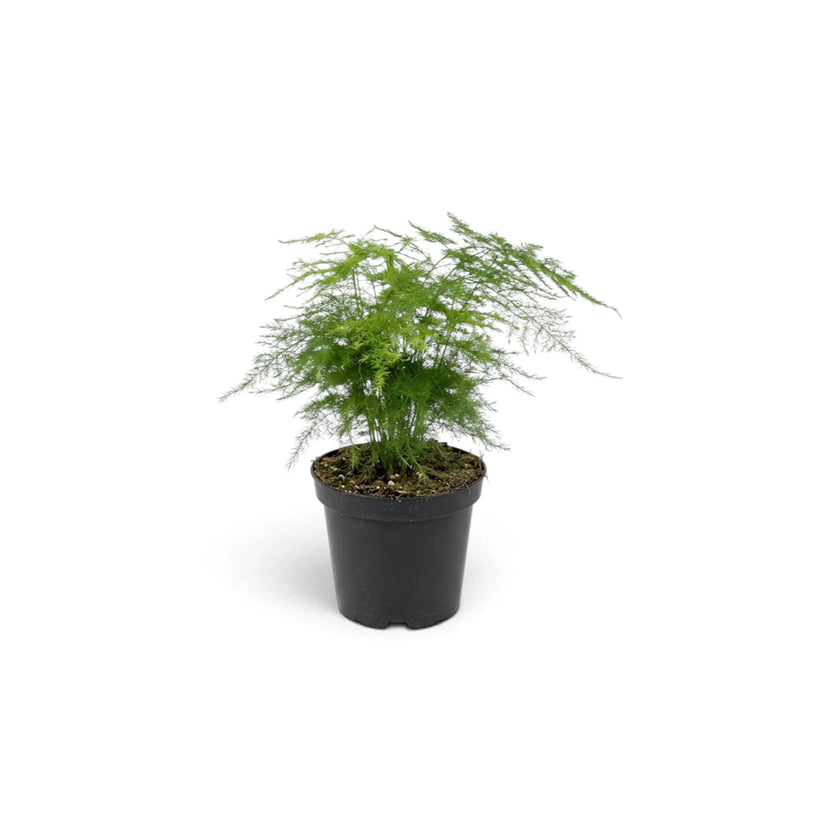
Asparagus setaceus
Sale priceFrom €8,50

Dracaena trifasciata ‘Black Coral’
Sale price€13,25
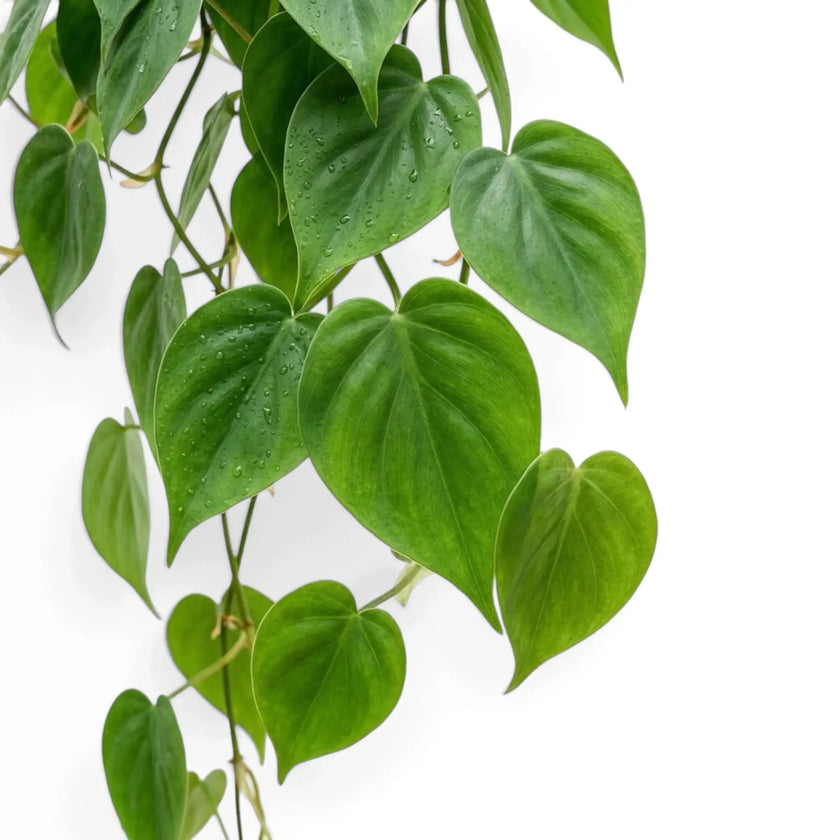
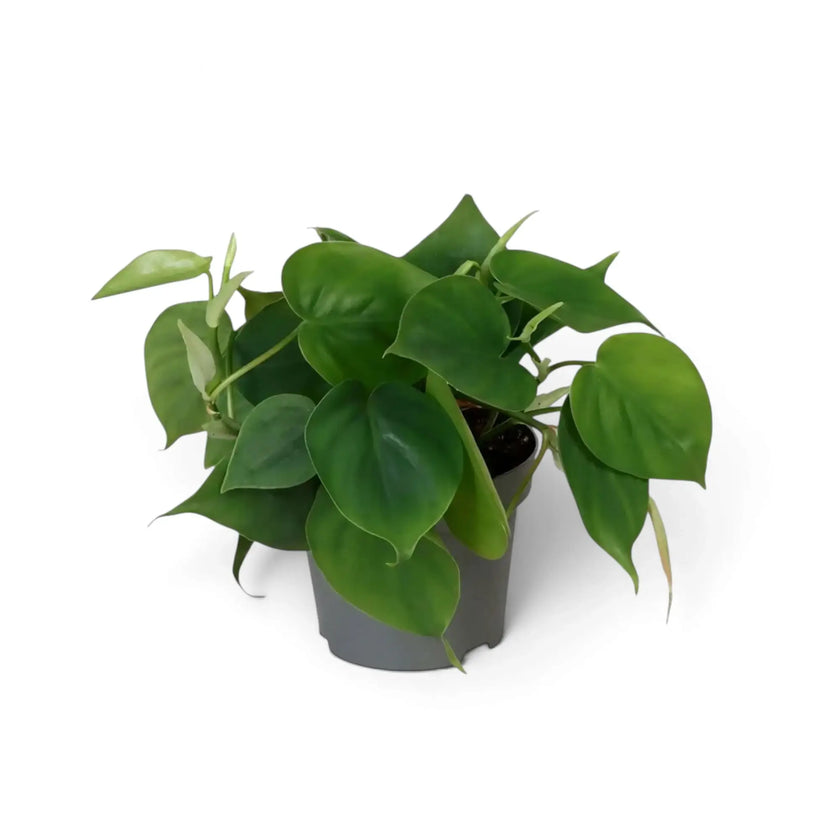
Philodendron hederaceum var. oxycardium
Sale priceFrom €8,50
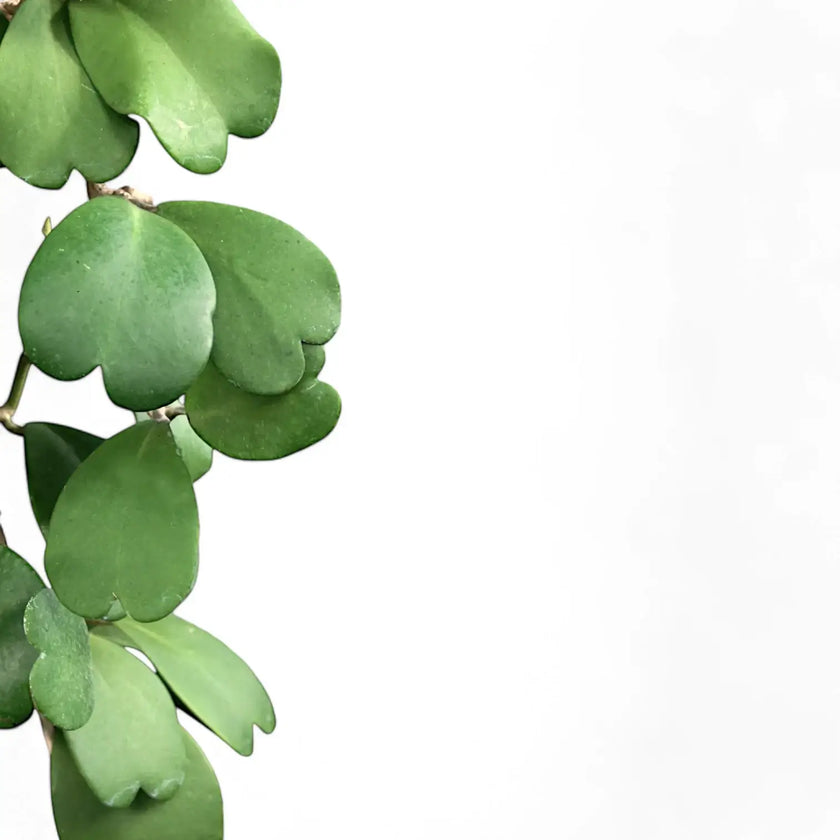
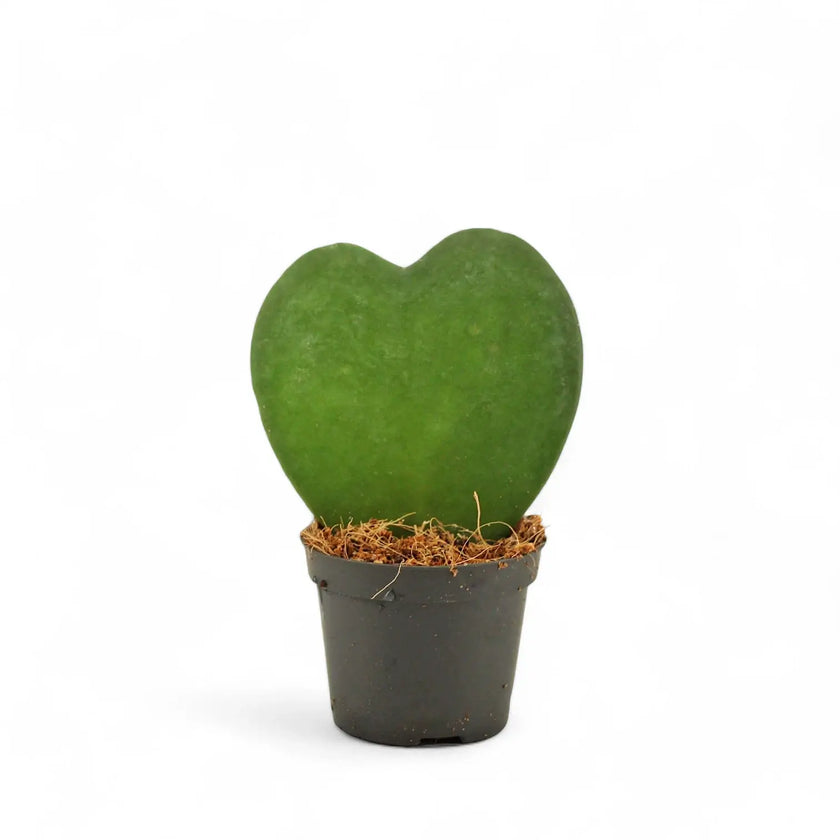
Hoya kerrii
Sale price€9,75
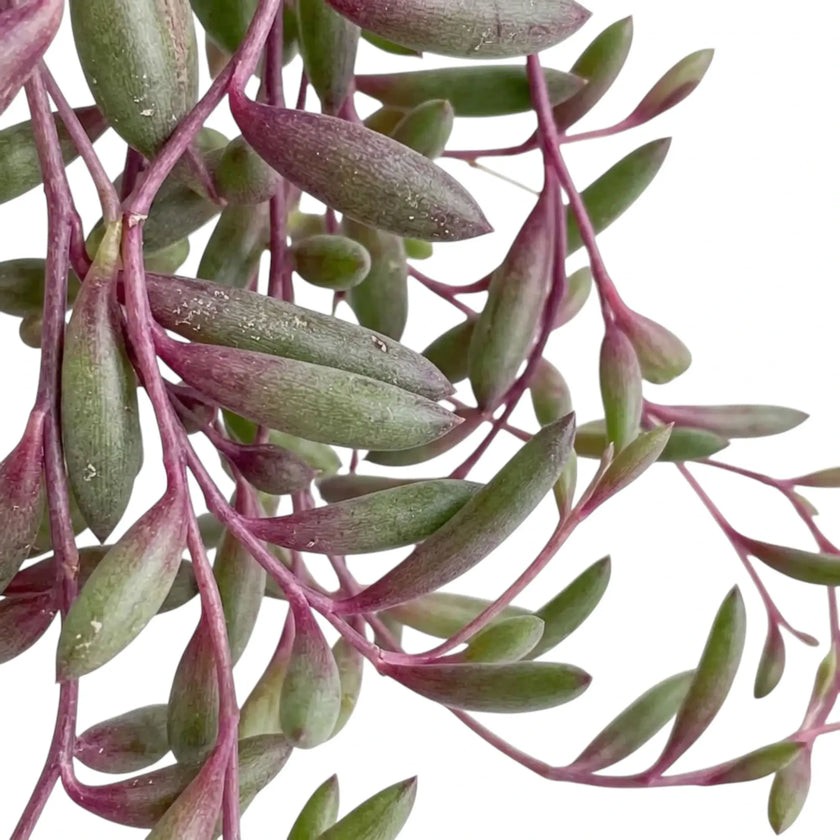
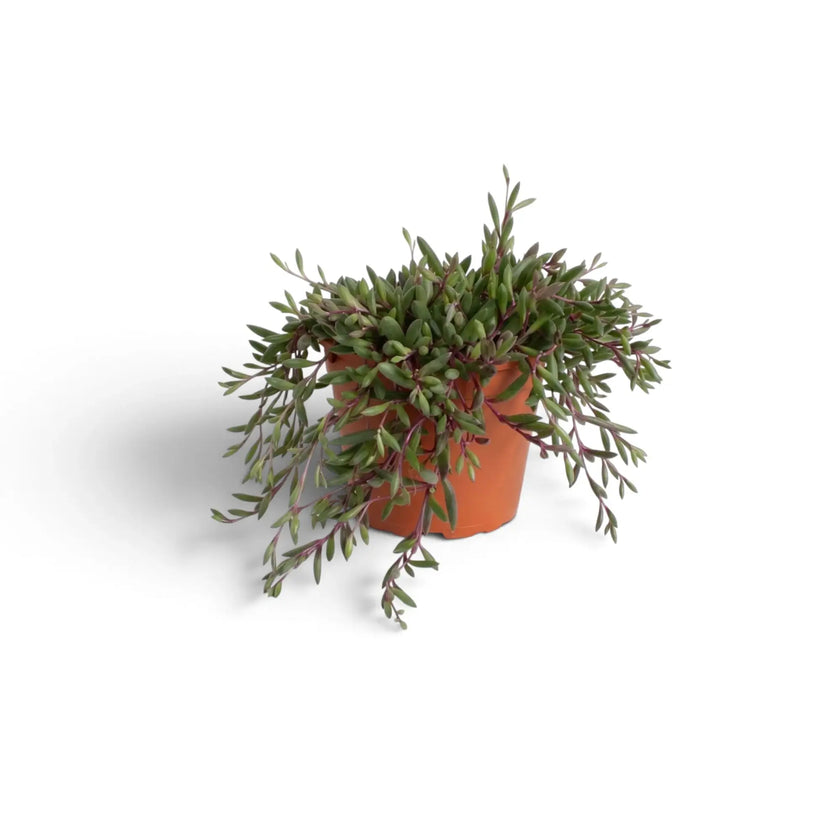
Curio herreanus 'Purple Flush'
Sale priceFrom €12,95
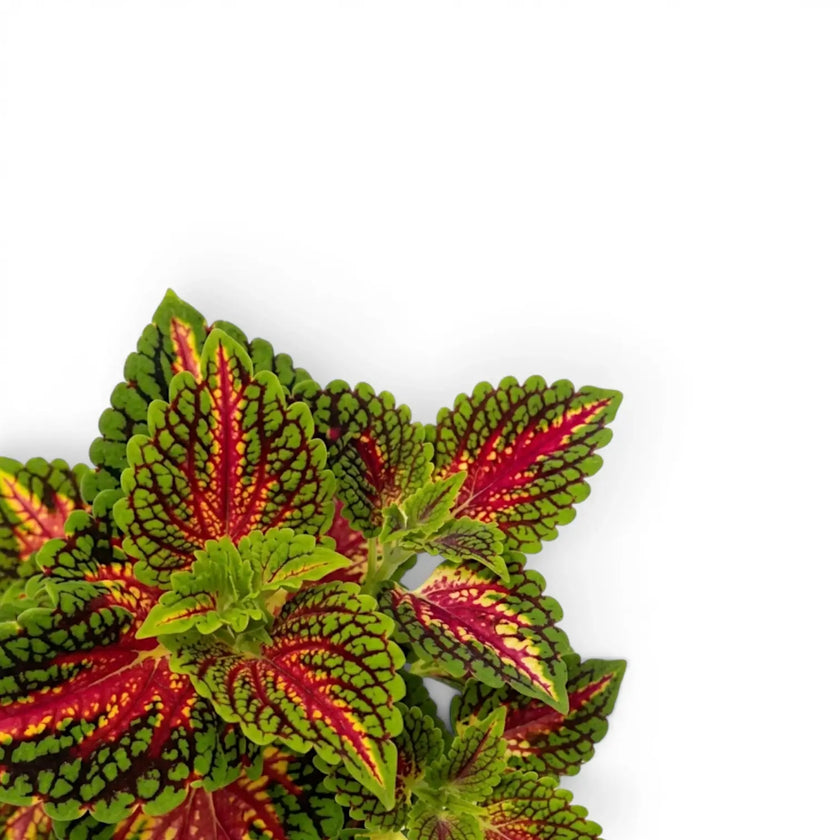
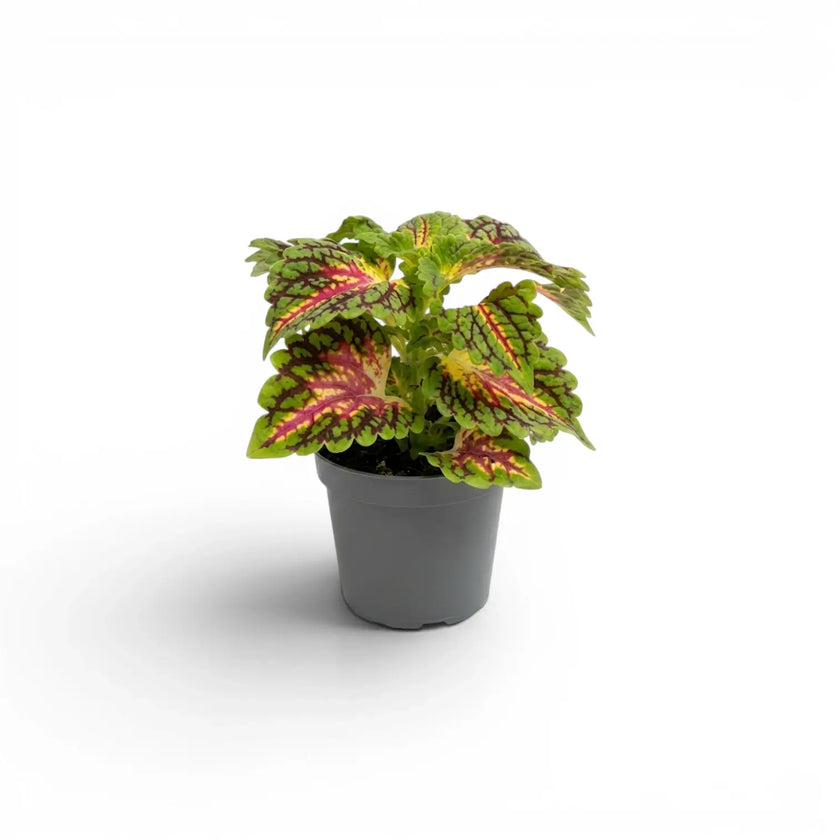
Coleus scutellarioides 'Stained Glassworks Spacecake'
Sale priceFrom €8,50
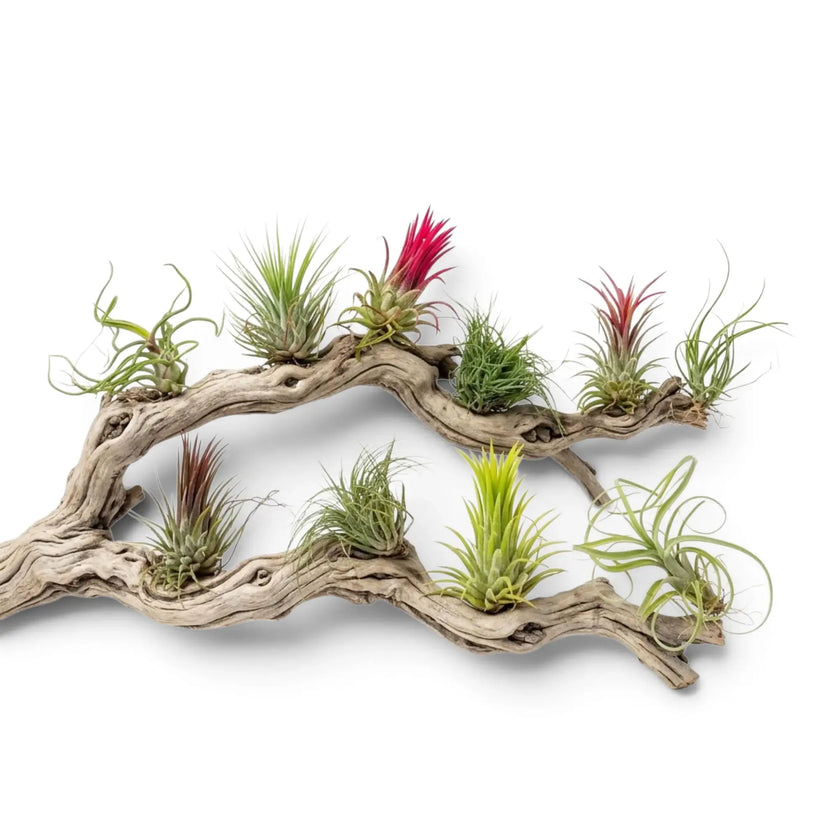
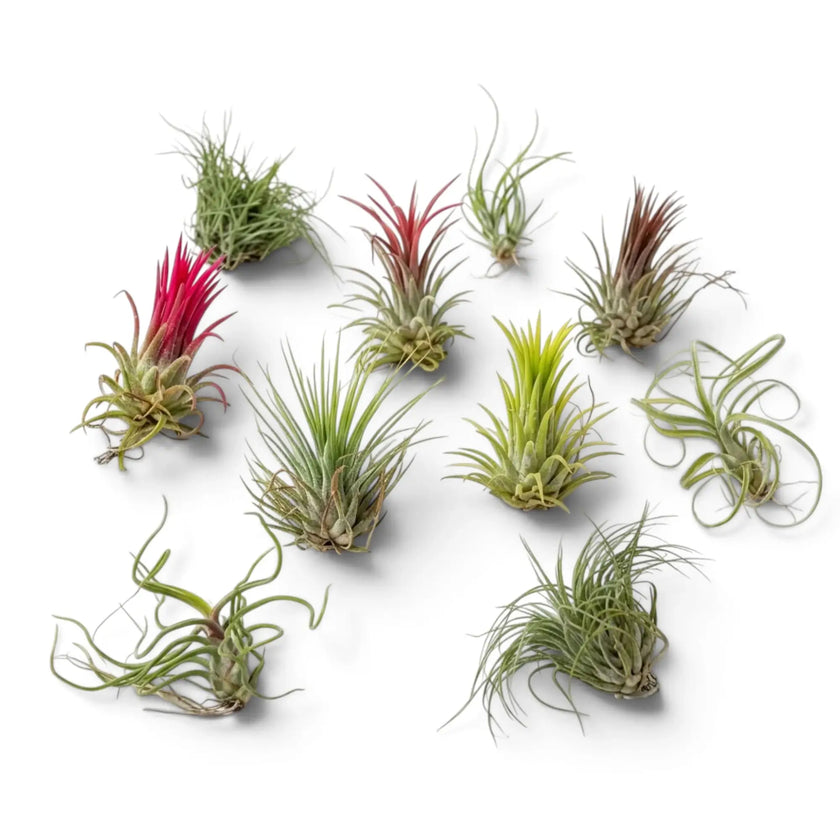
10 × Tillandsia Air Plants
Sale price€31,25
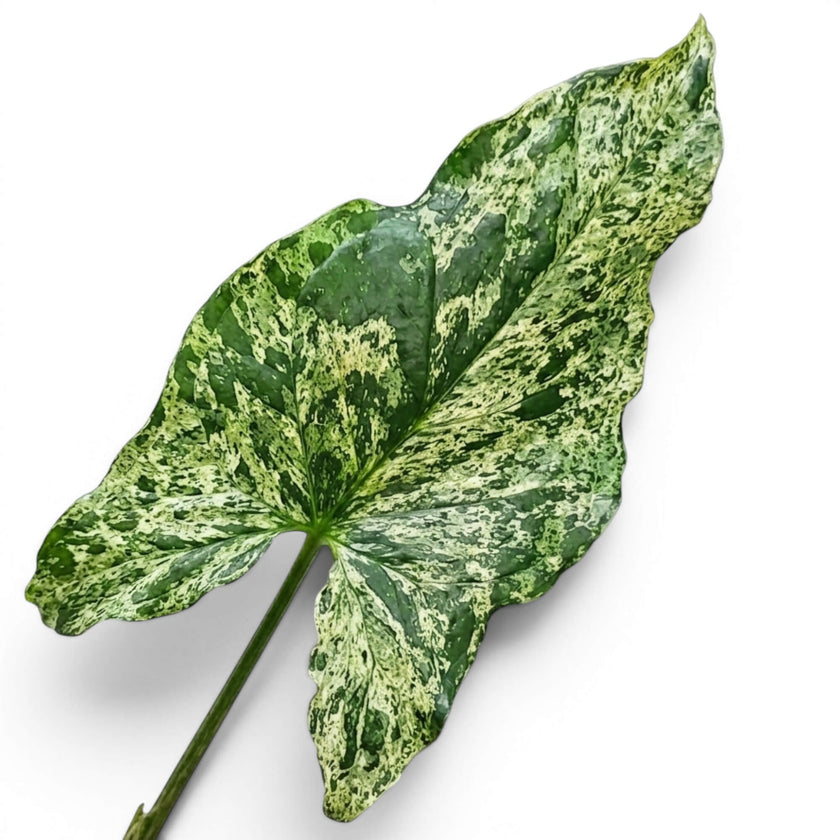
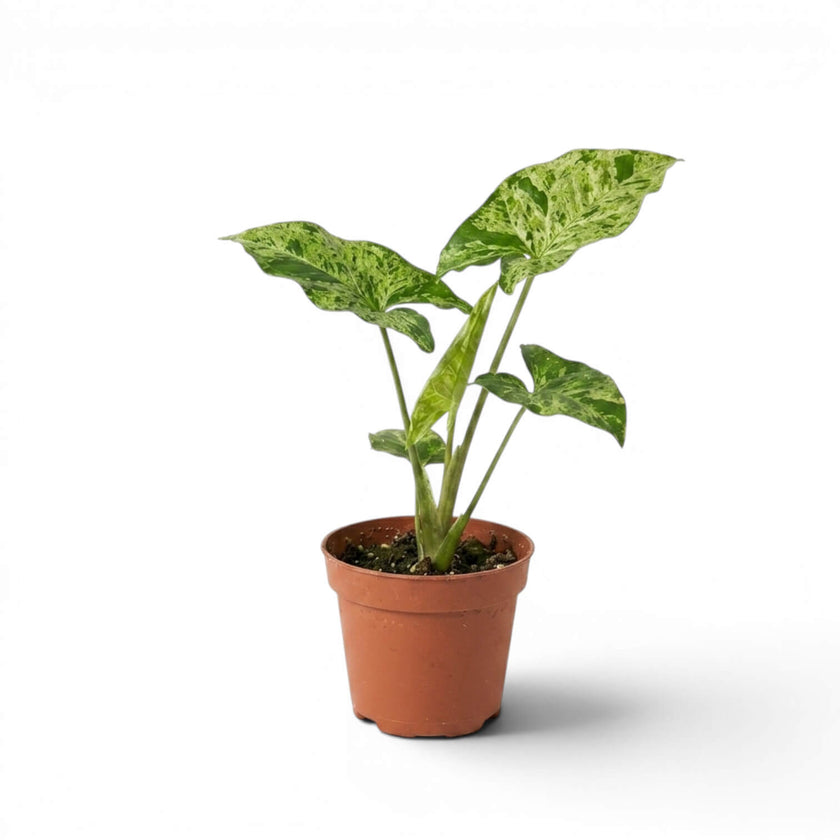
Syngonium podophyllum 'Mottled'
Sale priceFrom €10,75
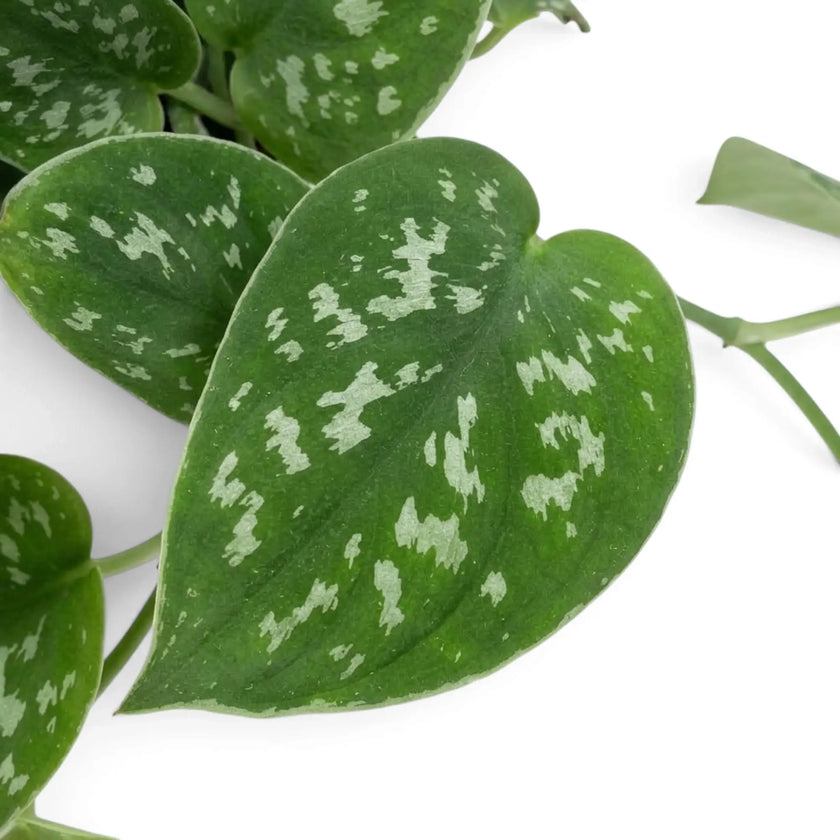
Scindapsus pictus 'Argyraeus'
Sale price€21,00
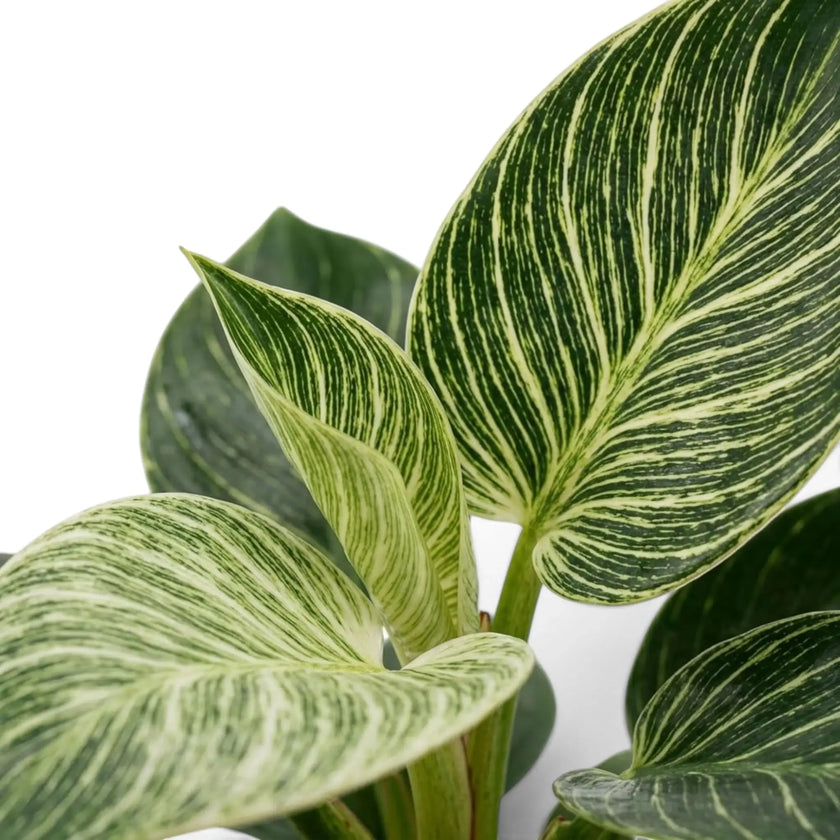
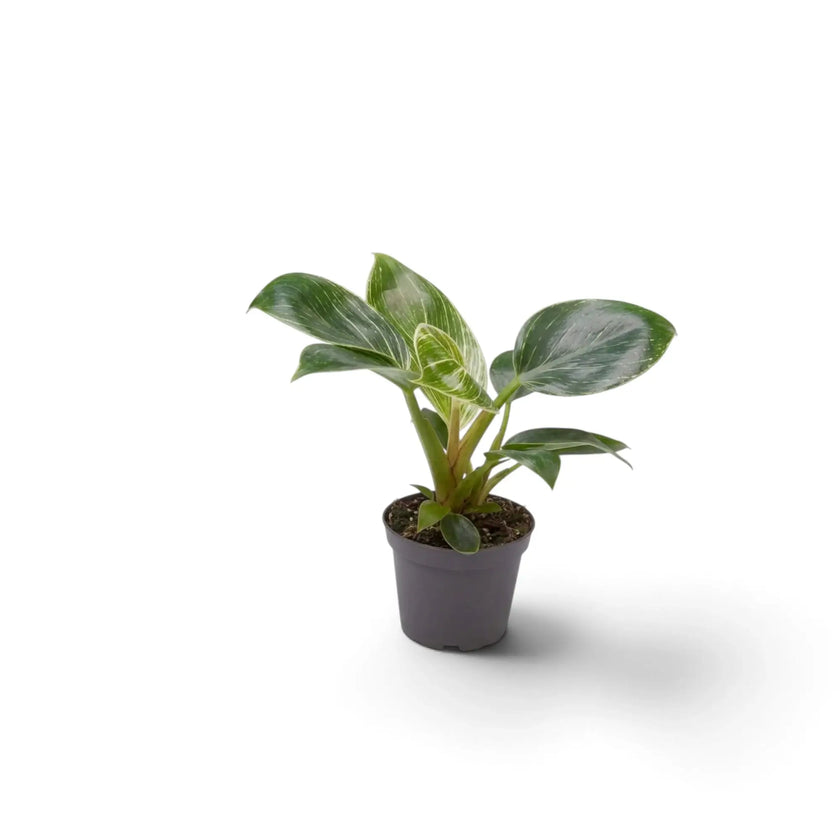
Philodendron ‘Birkin’ (Philodendron ‘White Wave’, Philodendron ‘White Measure’)
Sale priceFrom €9,75
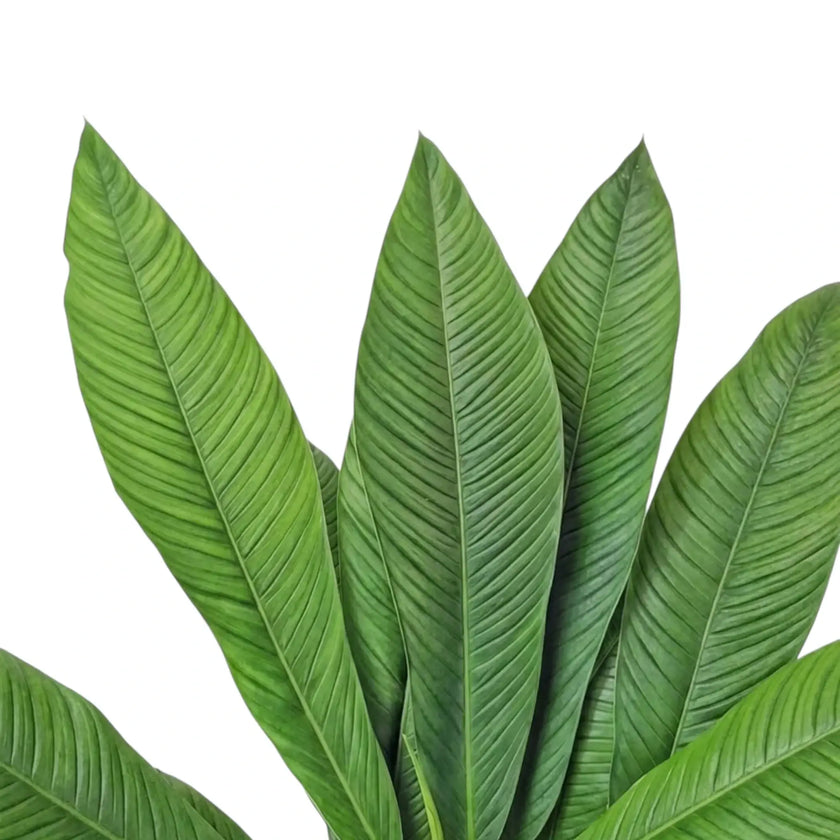
Philodendron campii 'Lynette'
Sale priceFrom €14,50
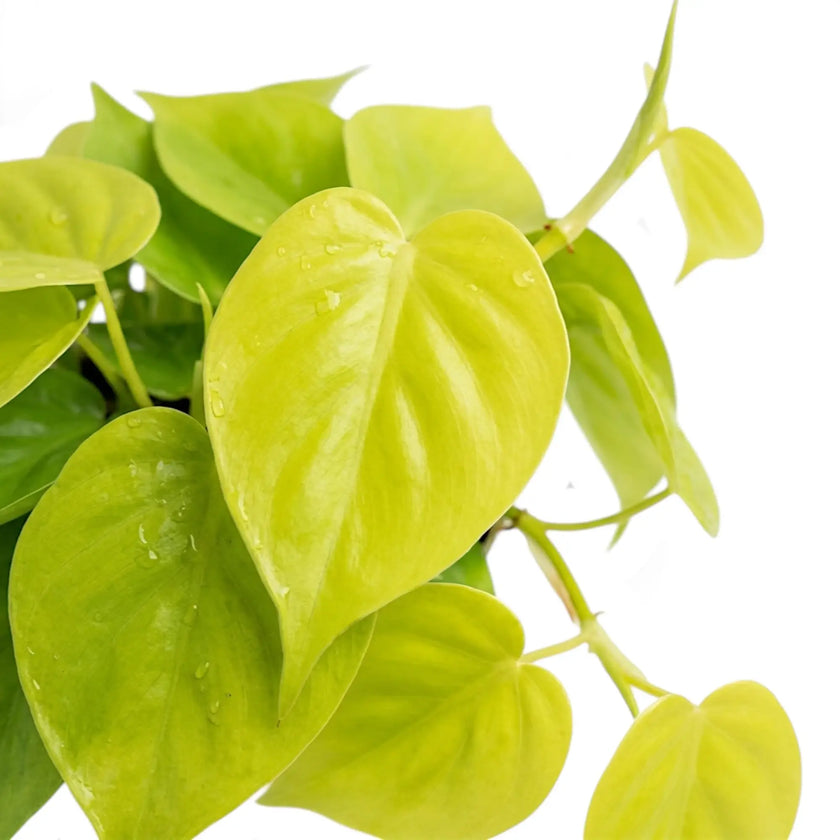
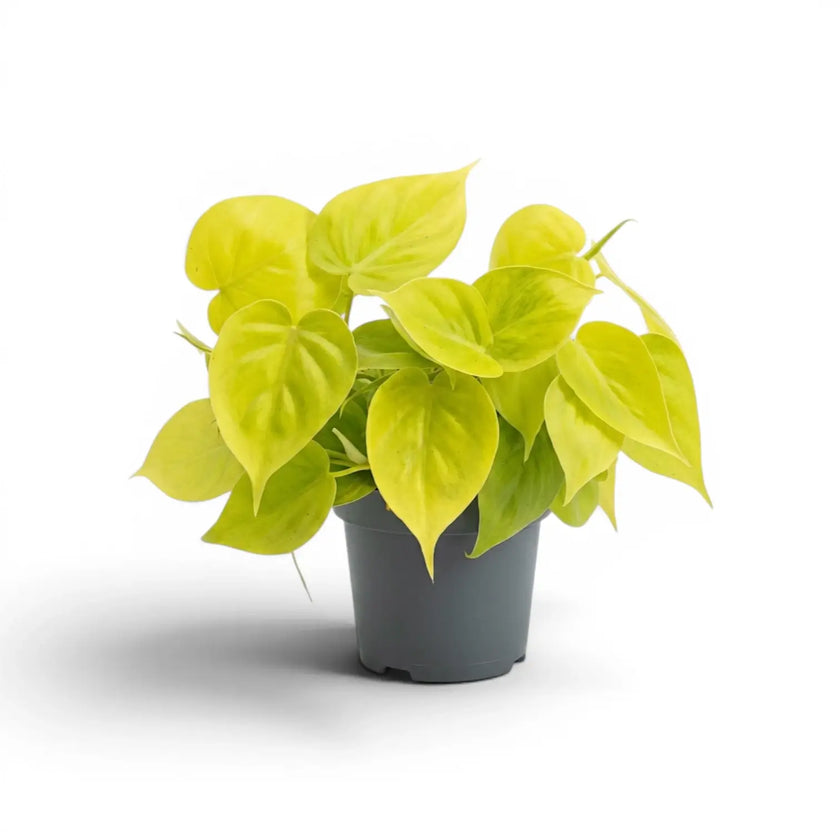
Philodendron hederaceum ‘Lime’ (‘Neon’)
Sale priceFrom €13,25
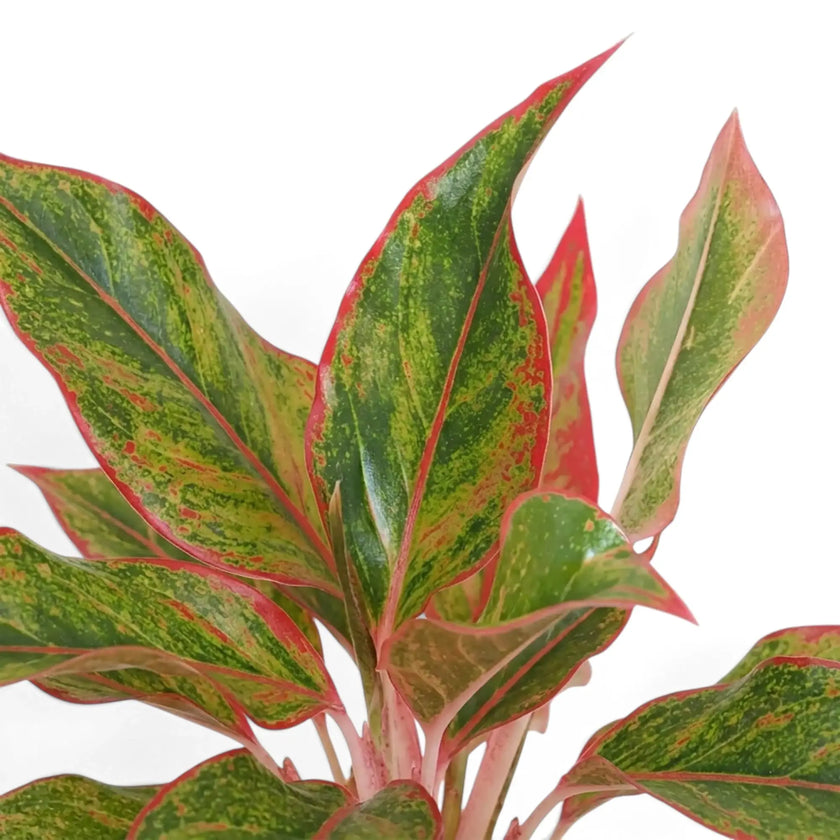
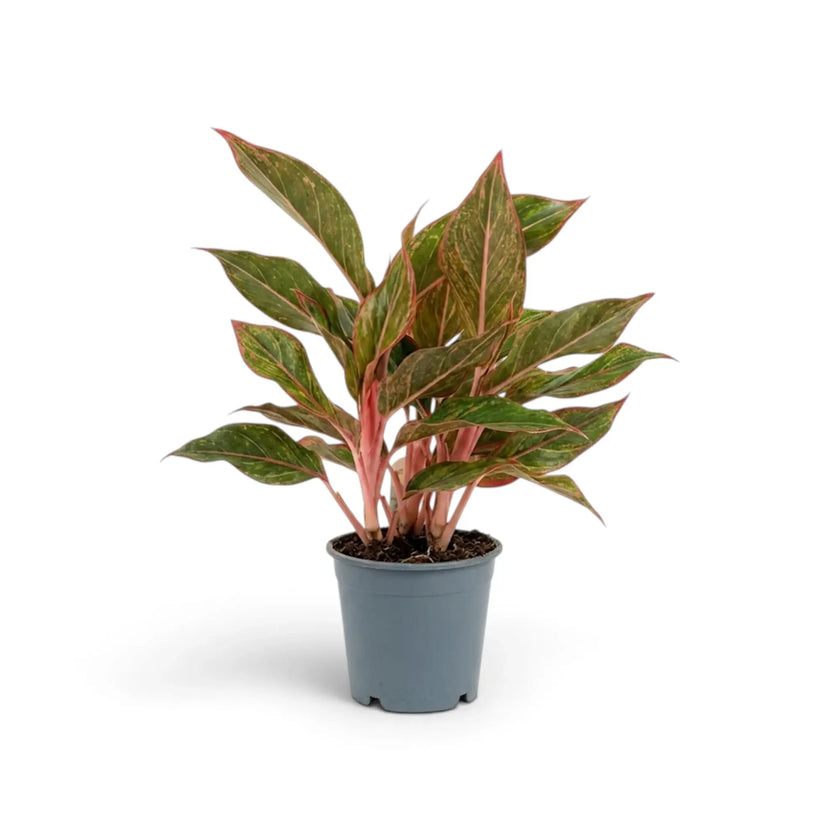
Aglaonema 'Crete' aka 'Siam Aurora' aka 'Jungle Red'
Sale price€15,75
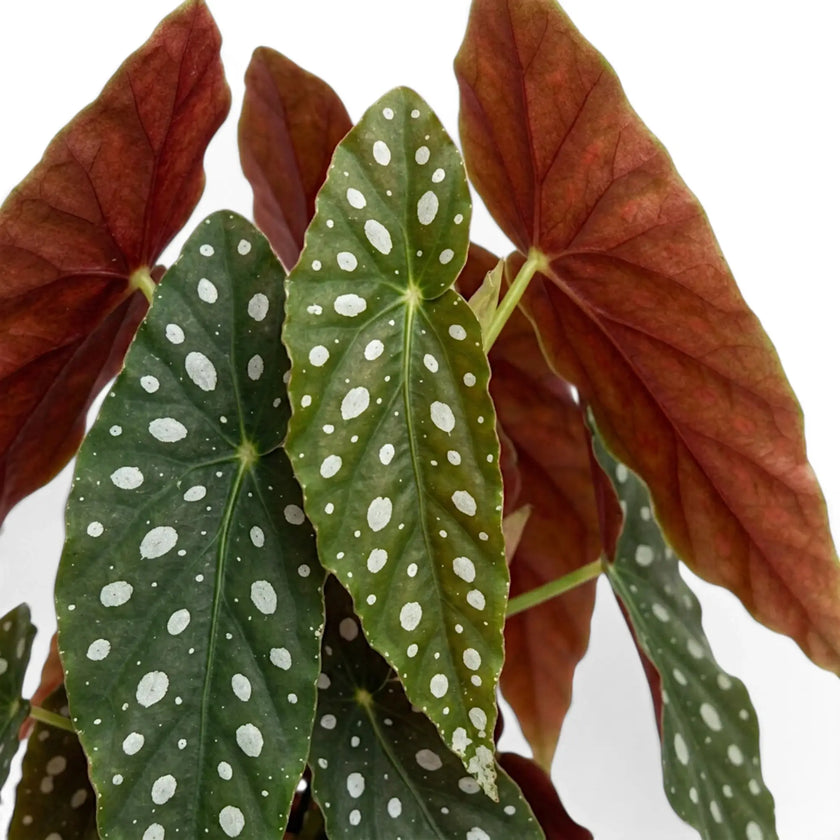
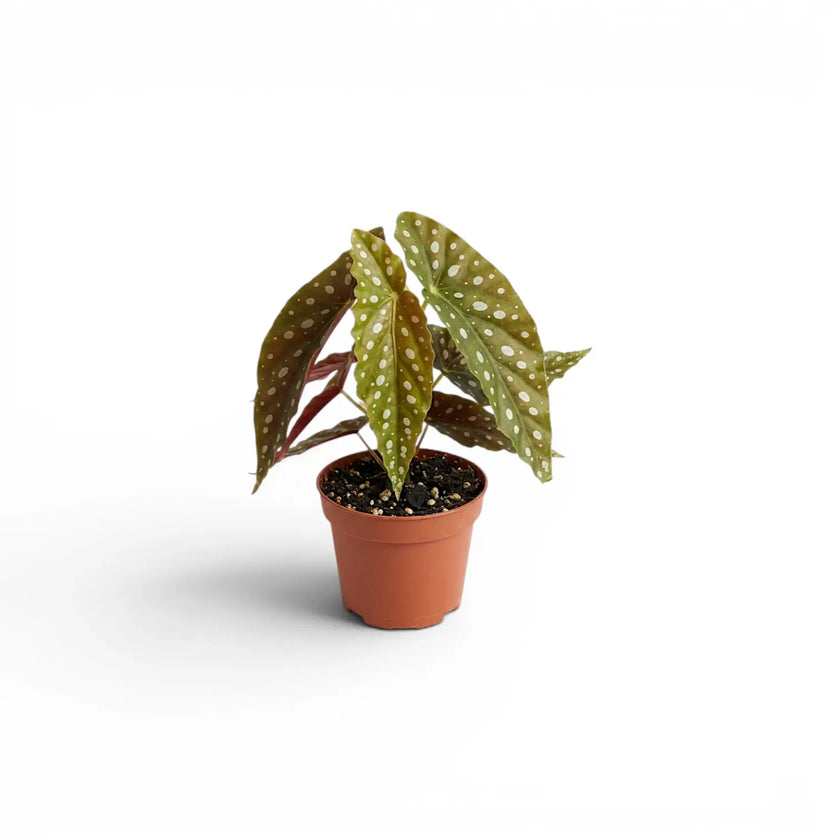
Begonia maculata ‘Polka Dot’
Sale priceFrom €9,75
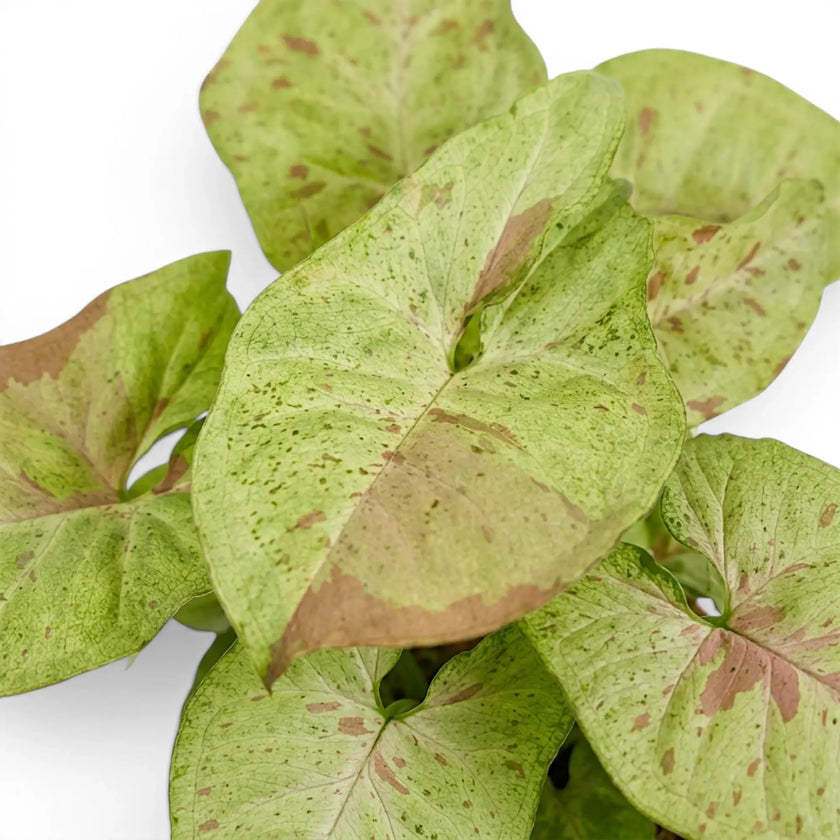
Syngonium podophyllum 'Confetti'
Sale price€10,75
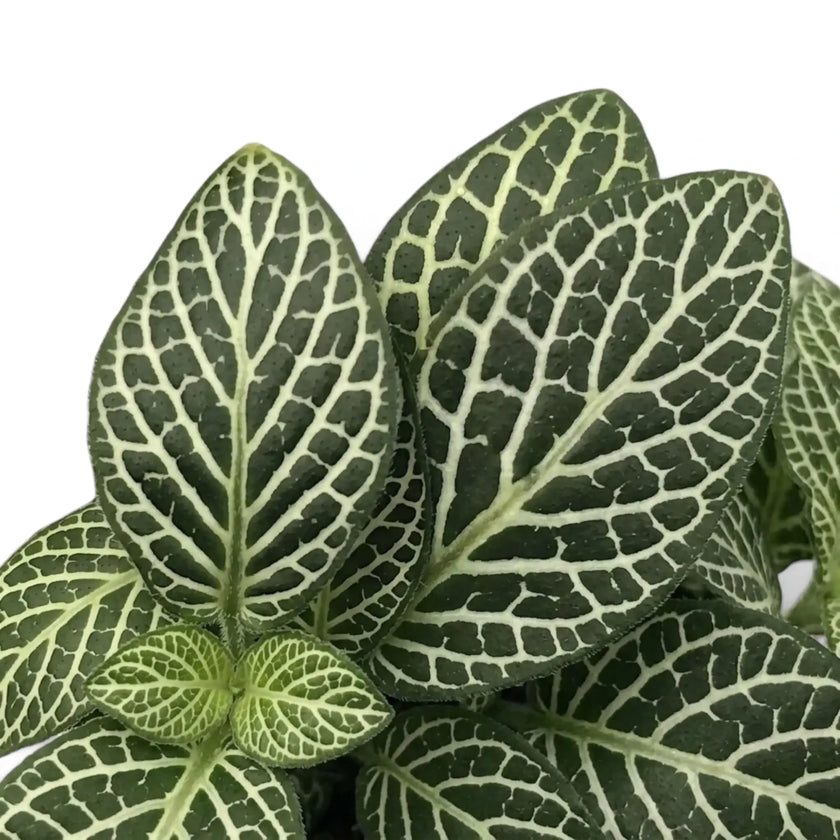
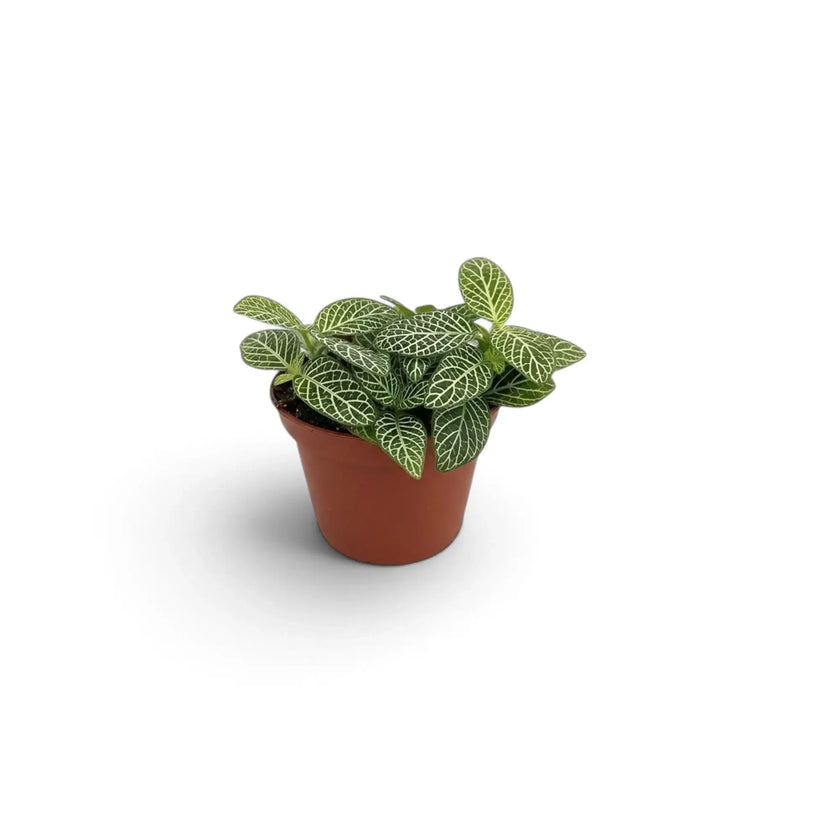
Fittonia albivenis
Sale price€8,50
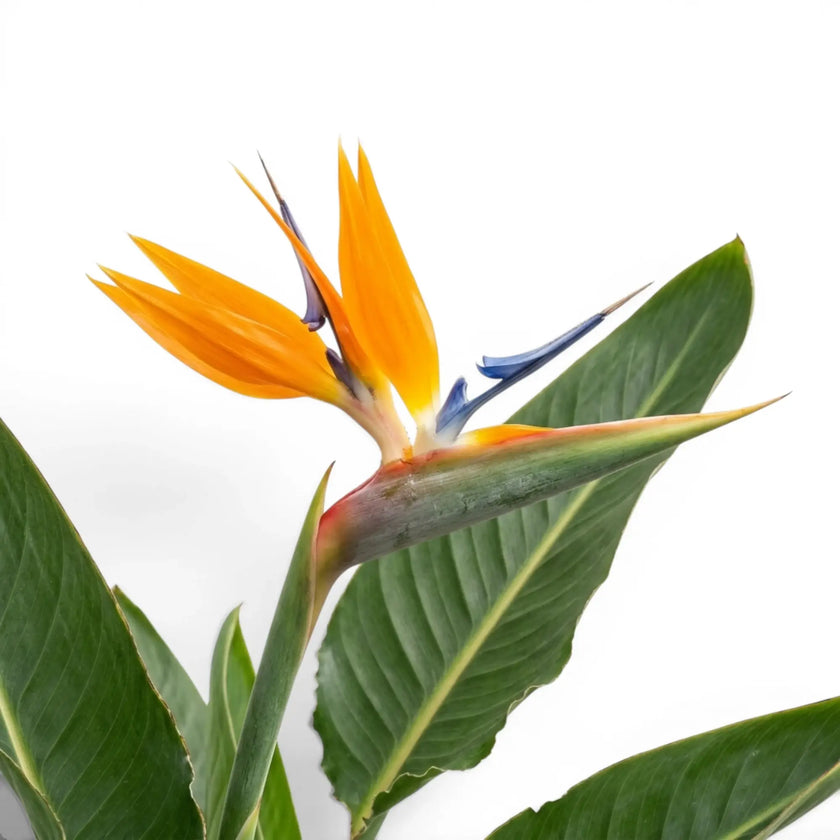
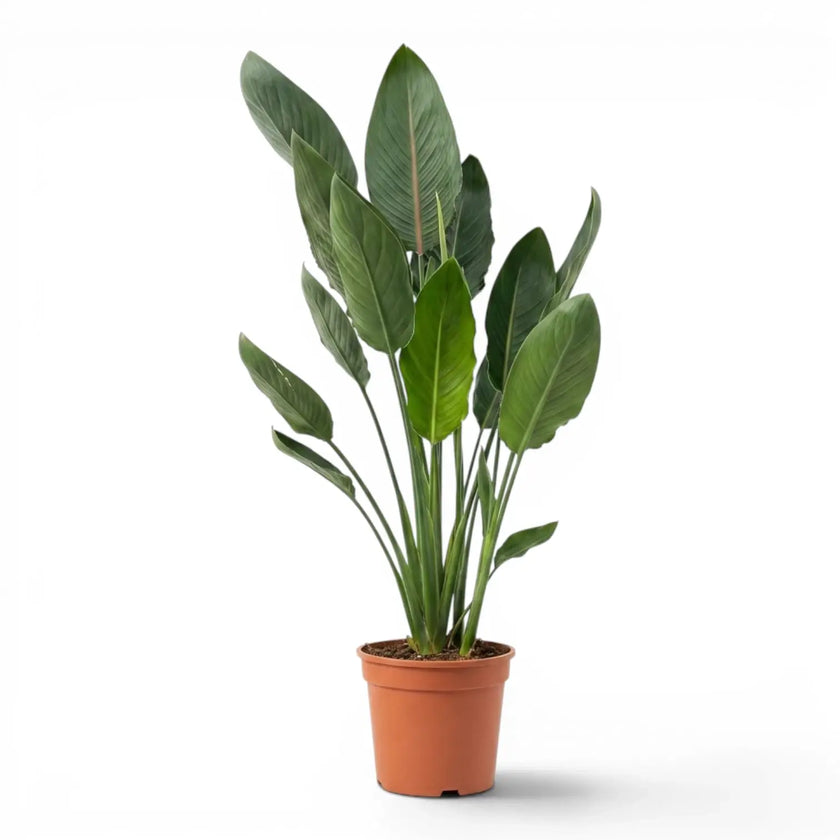
Strelitzia reginae
Sale priceFrom €12,00
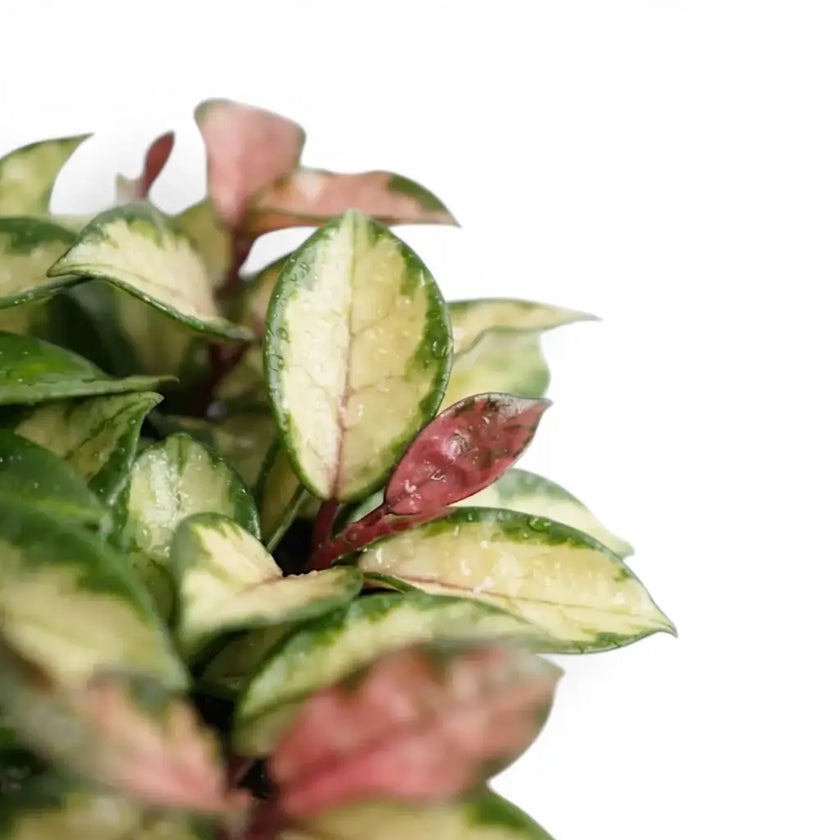
Hoya carnosa 'Tricolor'
Sale priceFrom €9,75
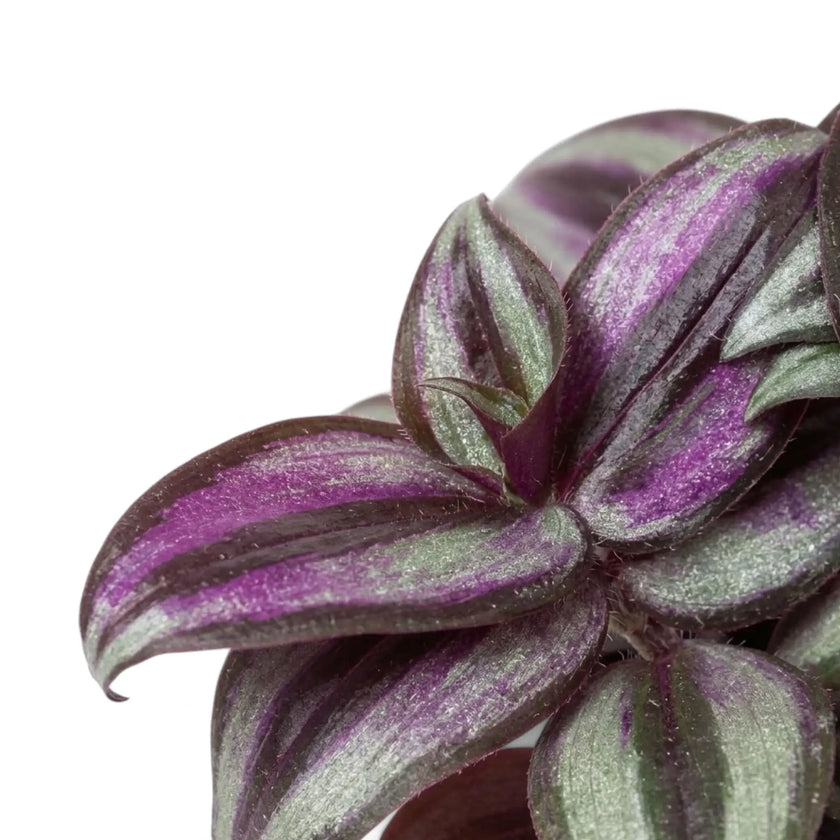
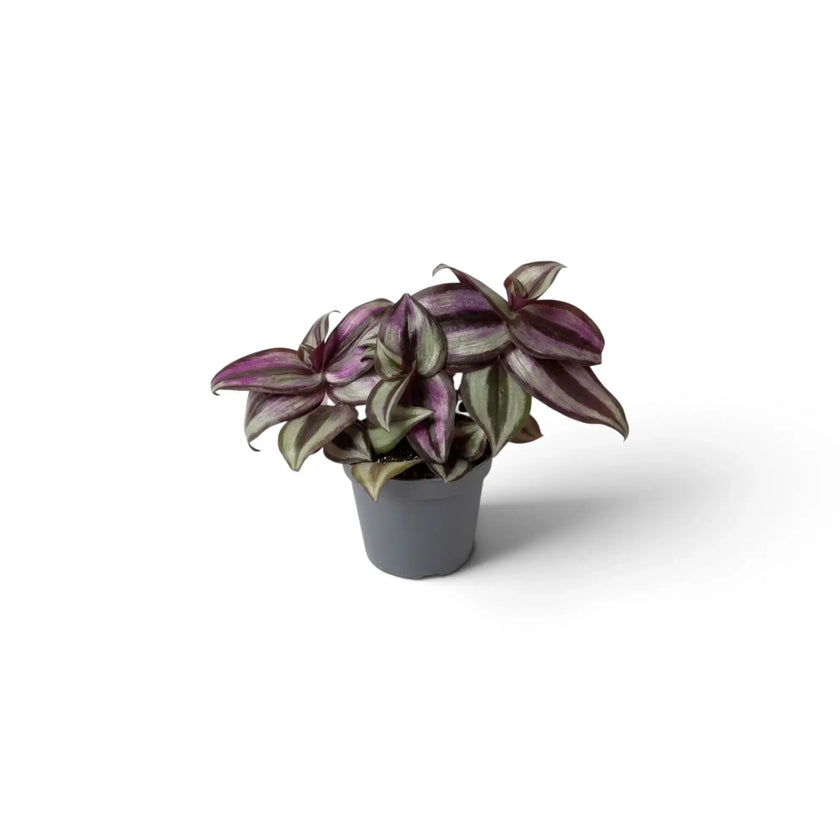
Tradescantia zebrina ‘Violet Hill’ aka 'Pink Joy'
Sale priceFrom €8,50
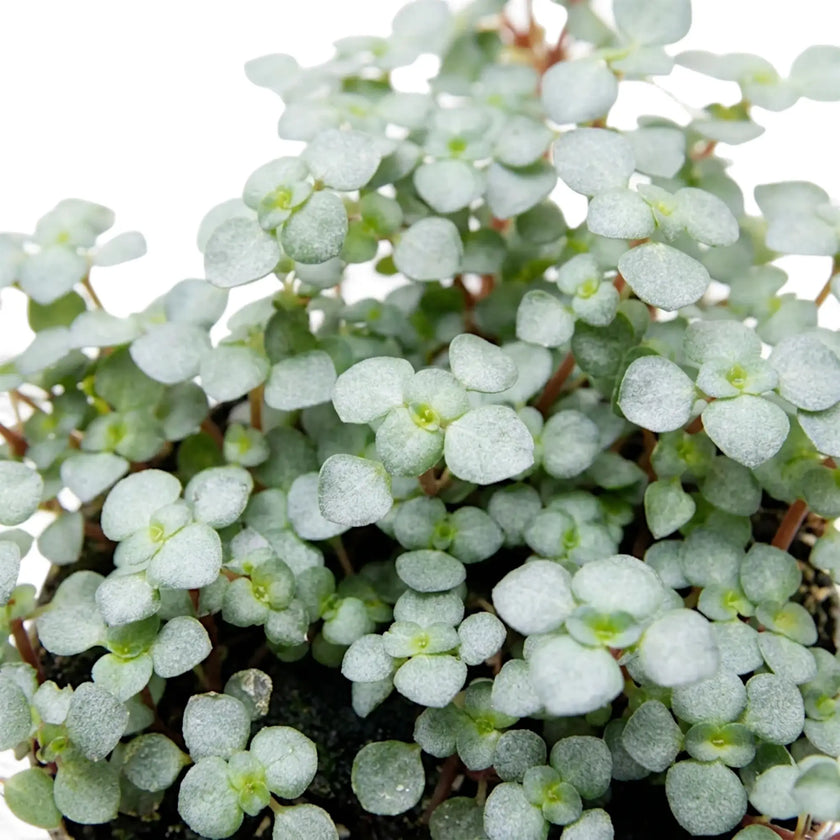
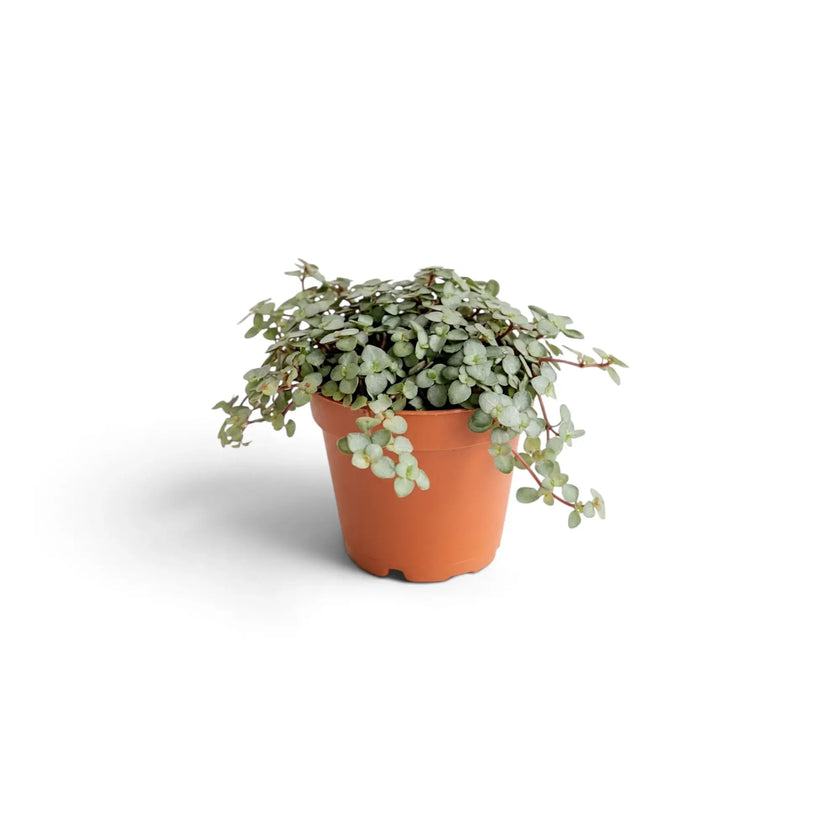
Pilea libanensis 'Greyzy' ('Silver Sparkles')
Sale priceFrom €6,25
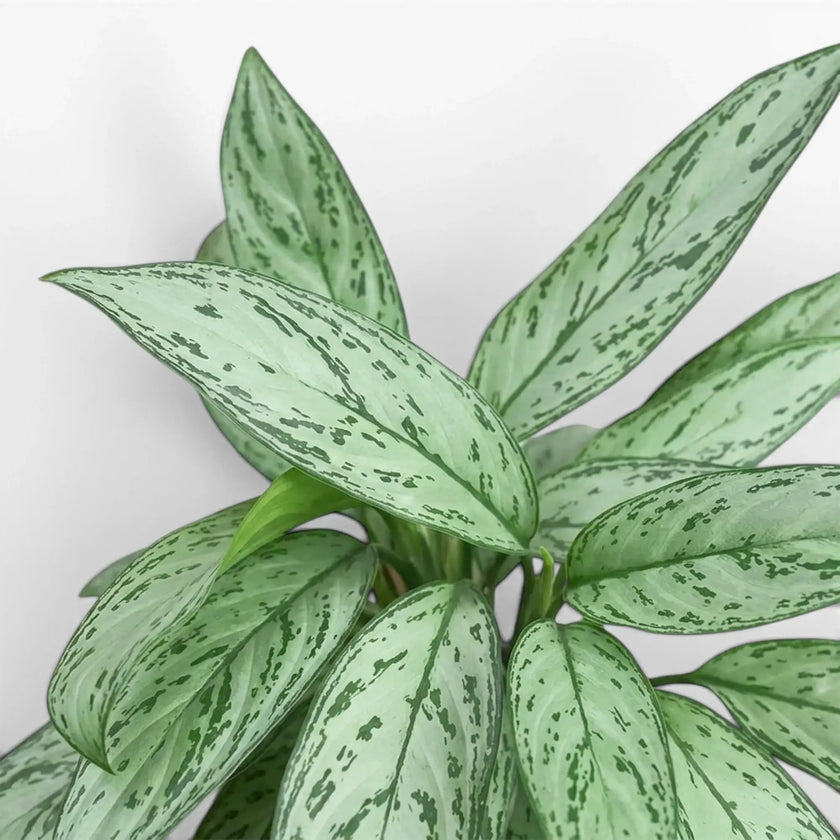
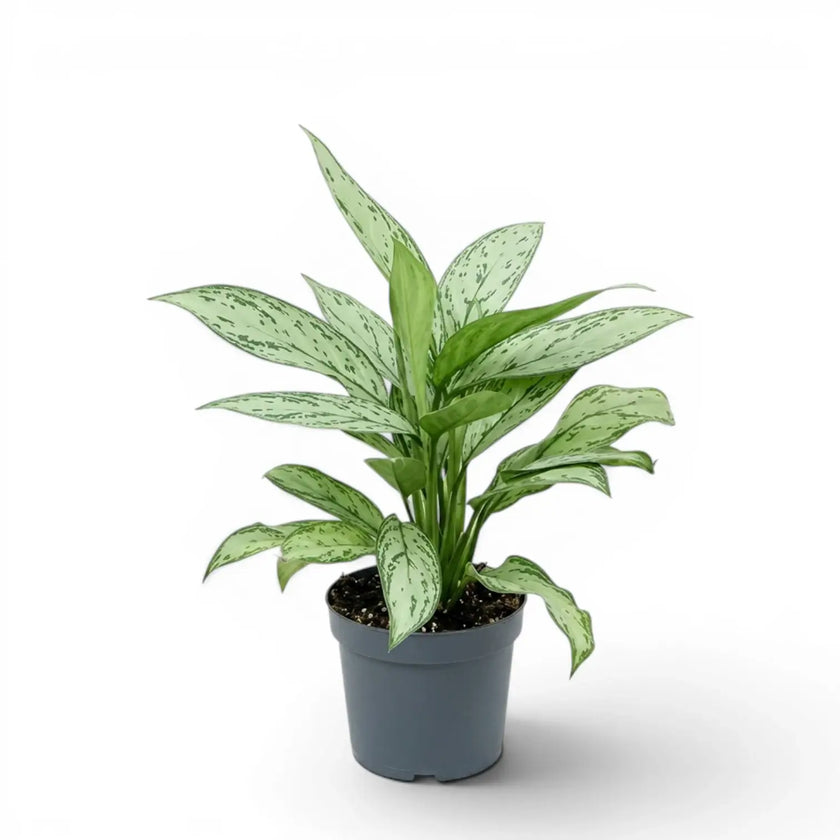
Aglaonema 'Silver Queen'
Sale price€18,00
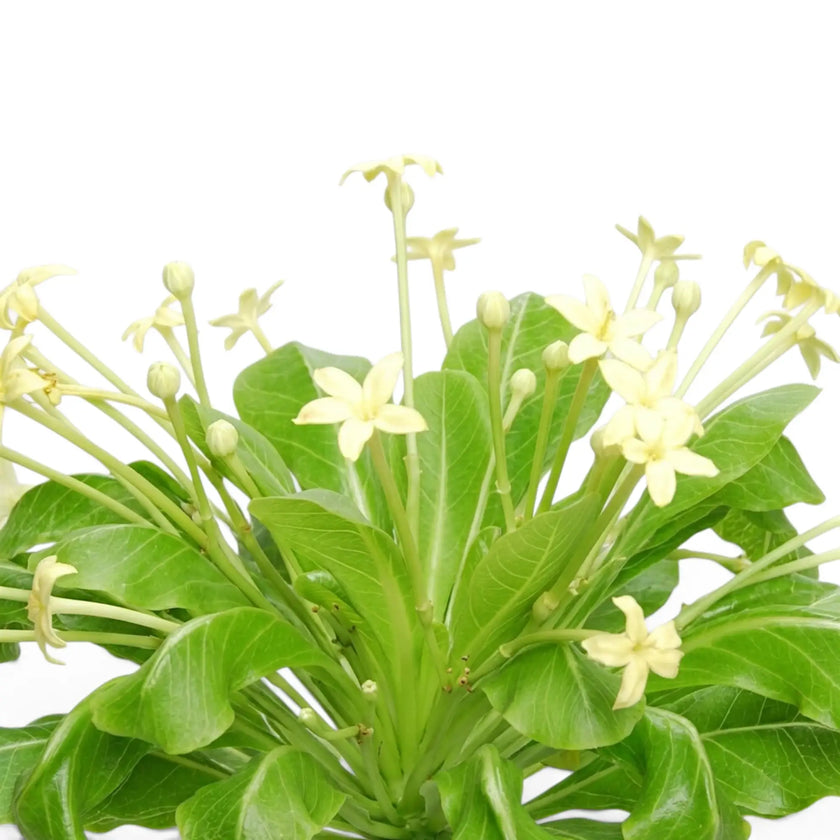
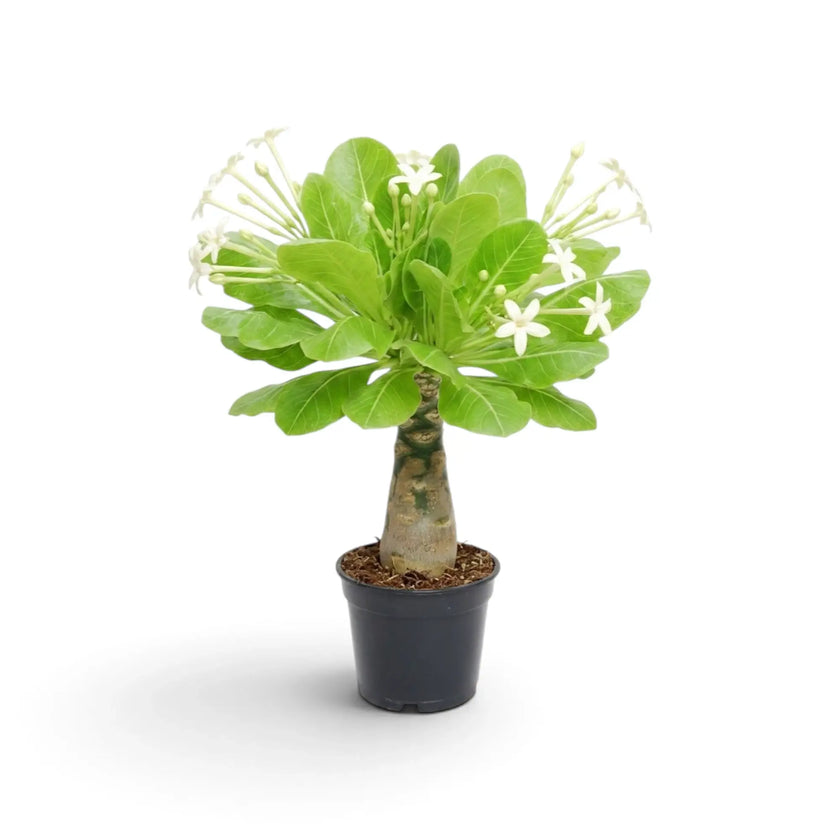
Brighamia insignis 'Hawaii Palm'
Sale price€15,75
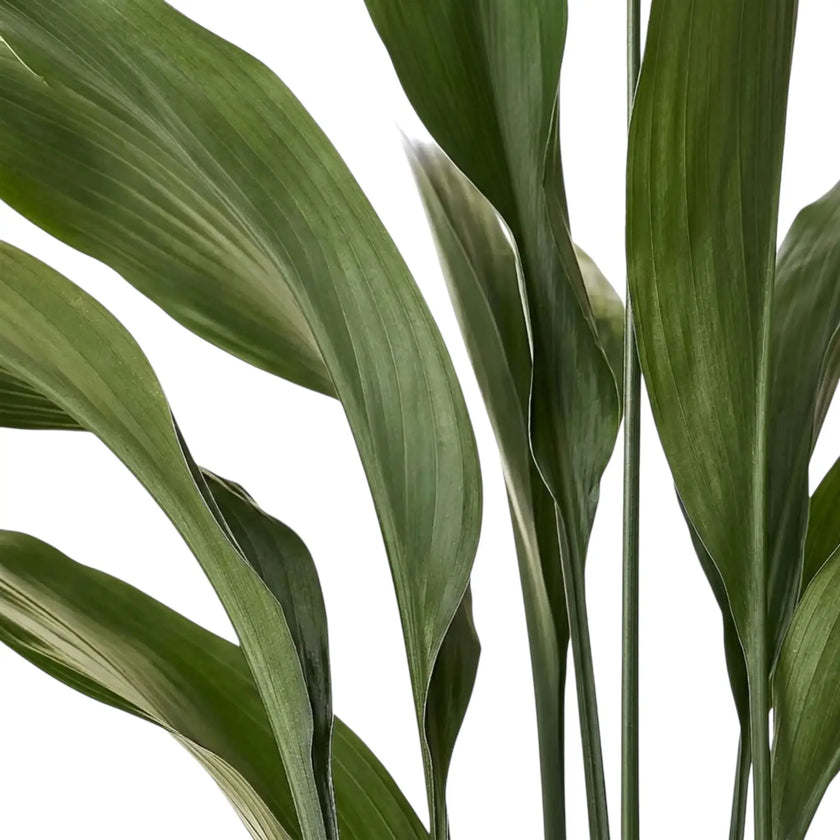
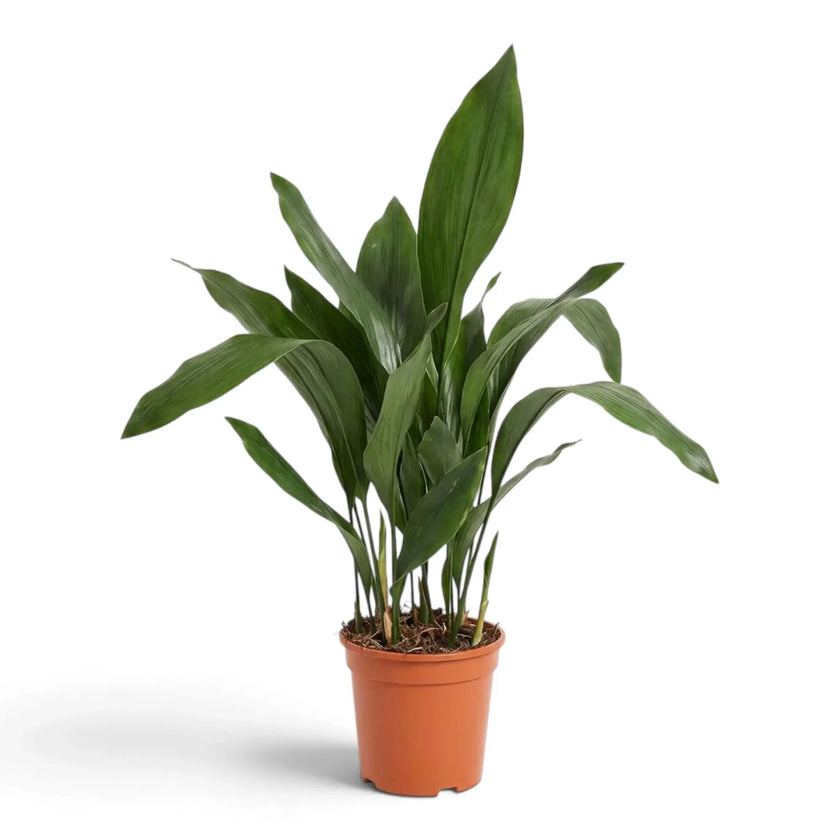
Aspidistra elatior
Sale priceFrom €44,50

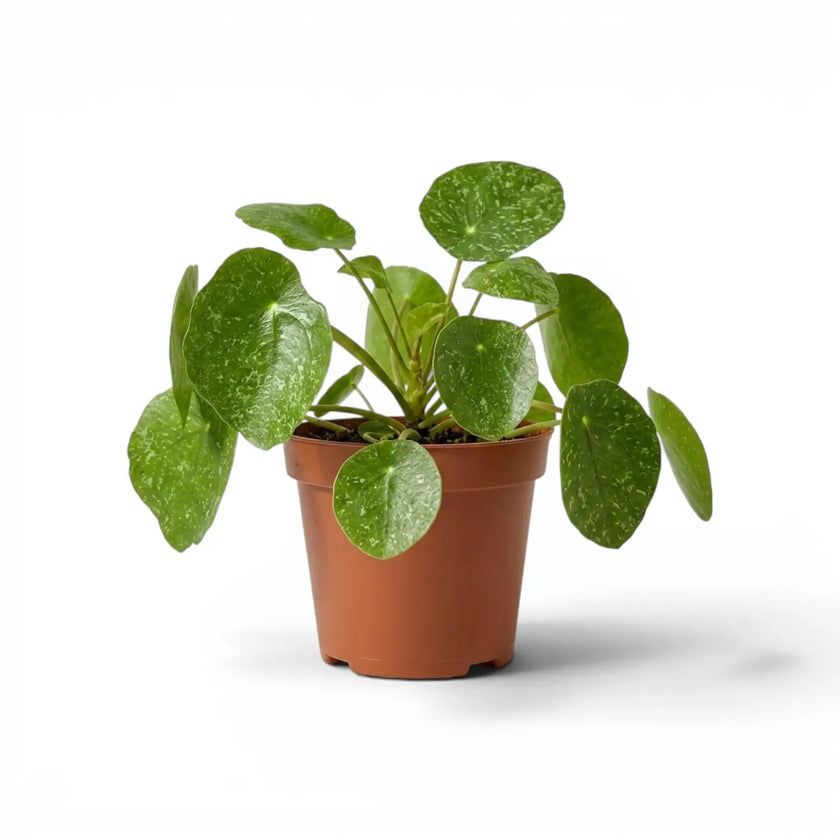
Pilea peperomioides 'Sugar'
Sale price€10,75
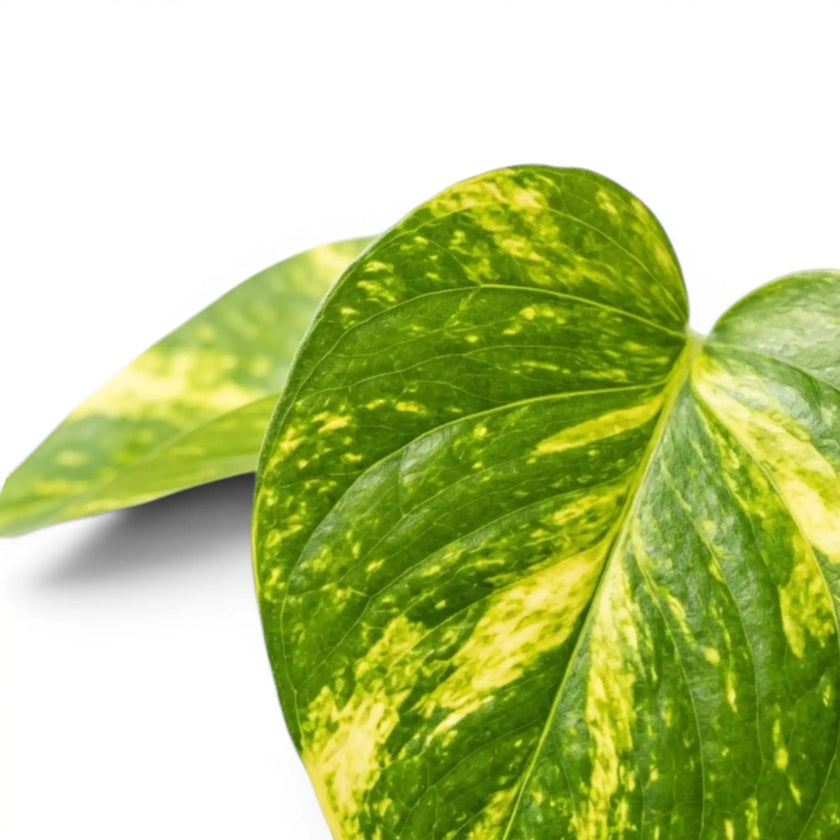
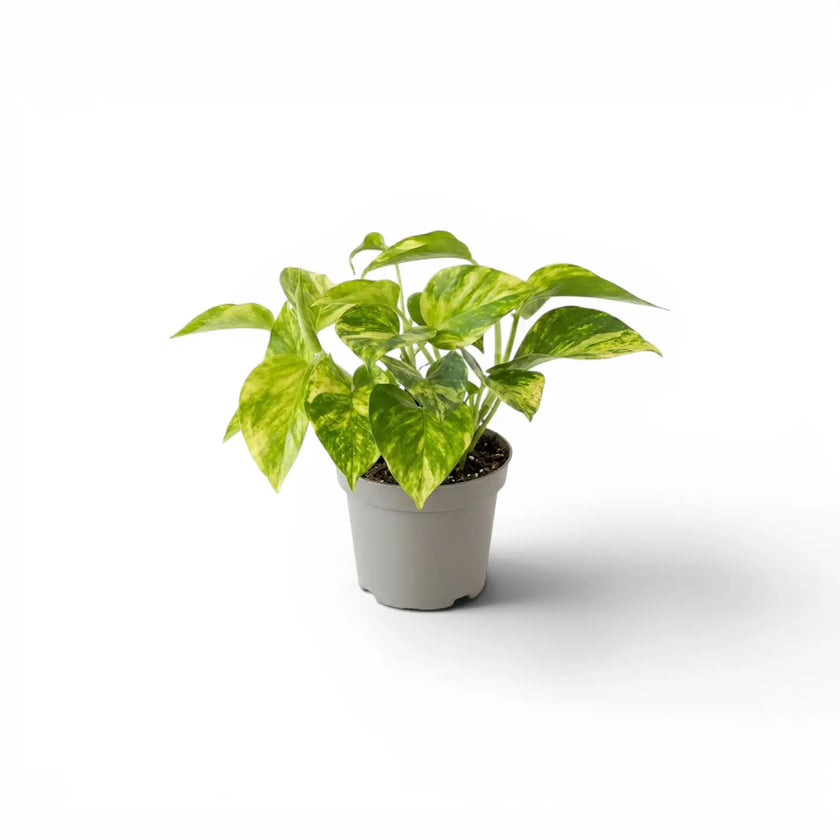
Epipremnum aureum
Sale priceFrom €10,75
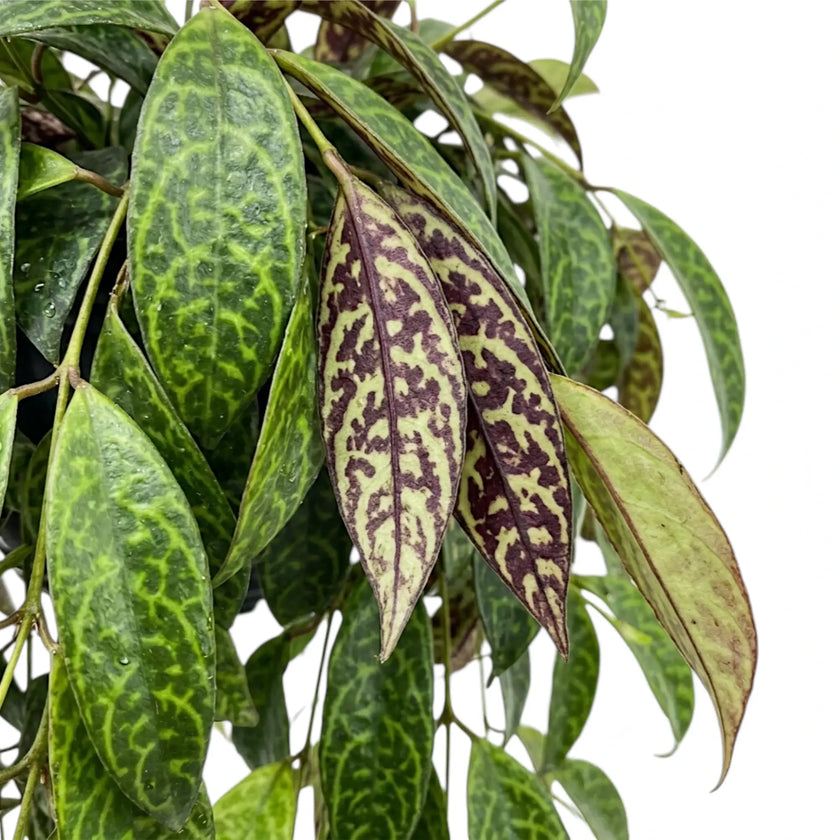
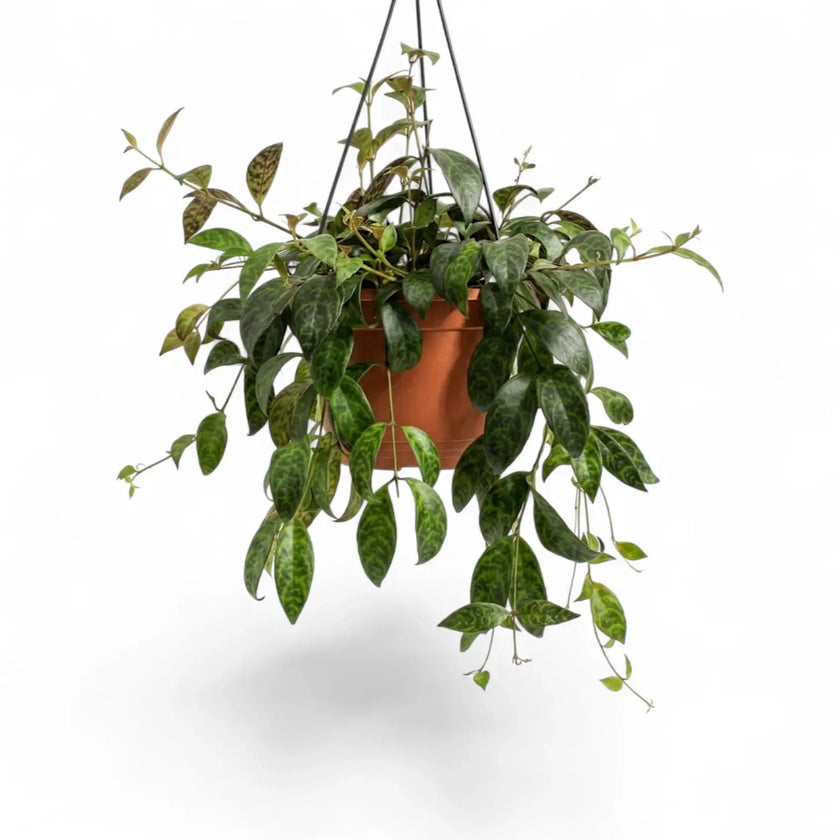
Aeschynanthus longicaulis (marmoratus)
Sale price€31,25

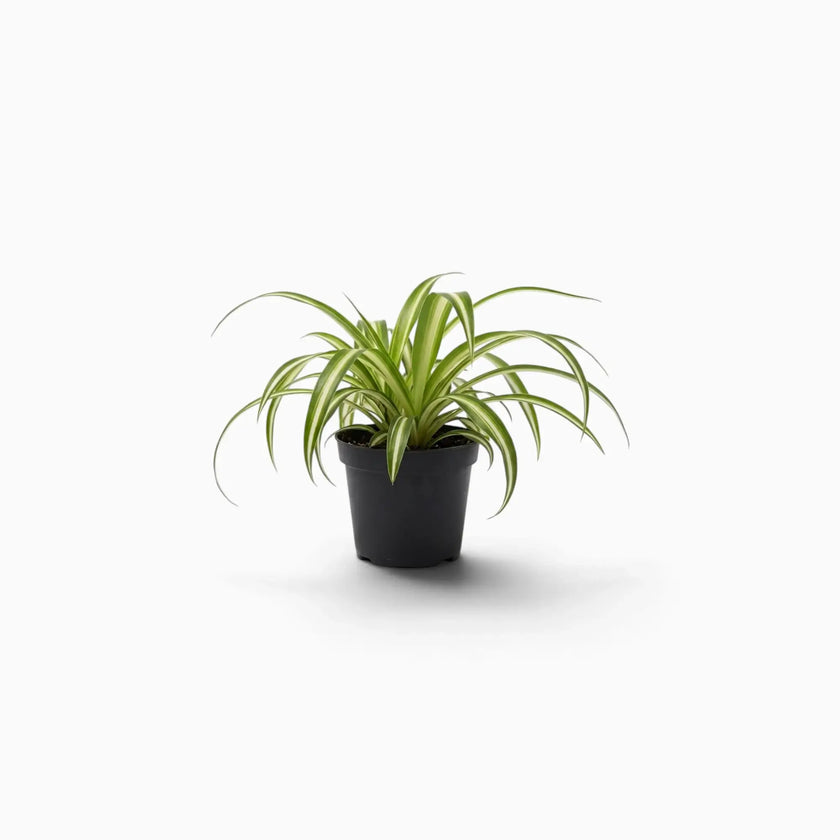
Chlorophytum comosum ‘Variegatum’
Sale priceFrom €8,50
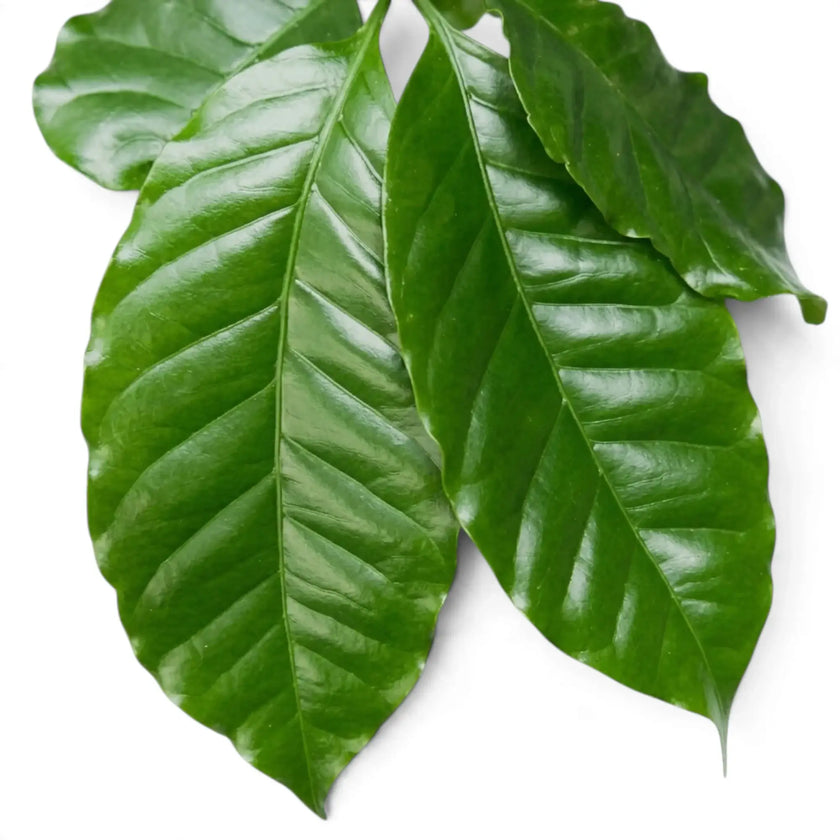
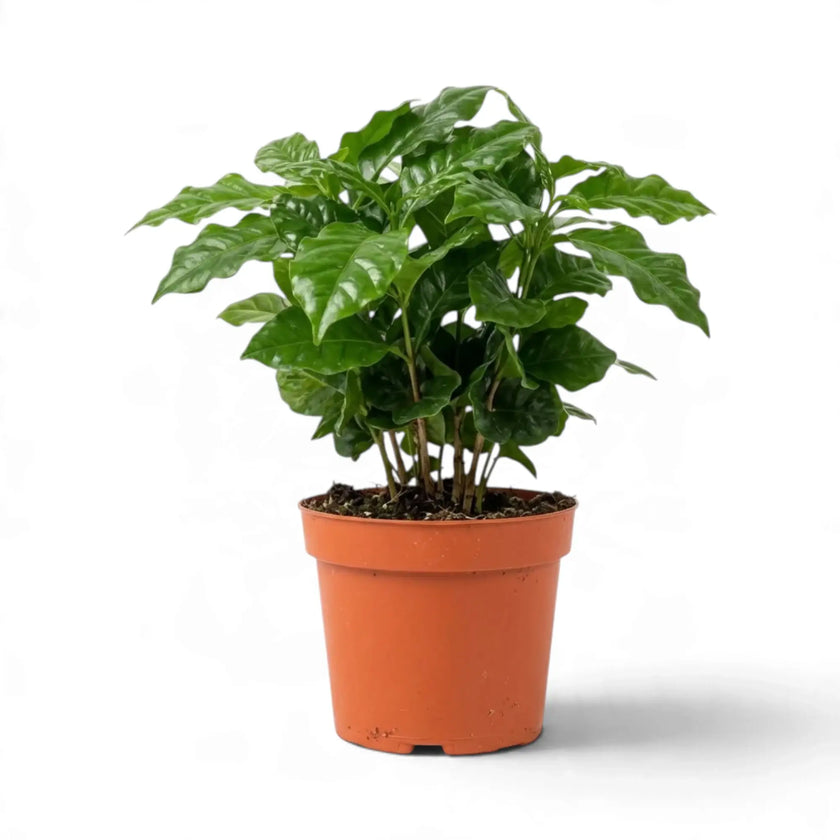
Coffea arabica
Sale priceFrom €8,50
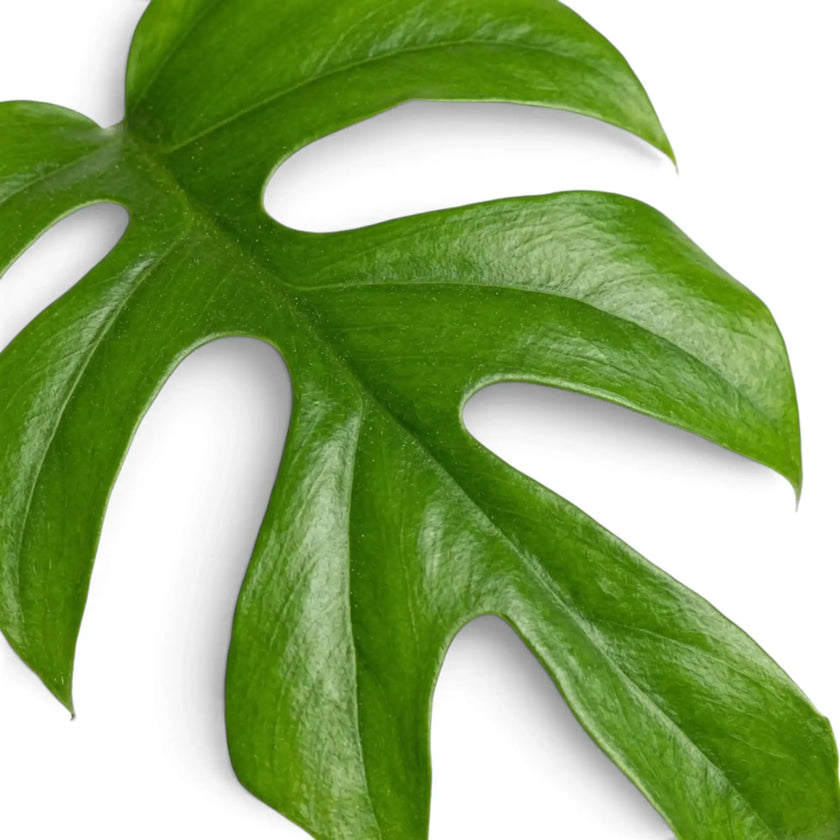
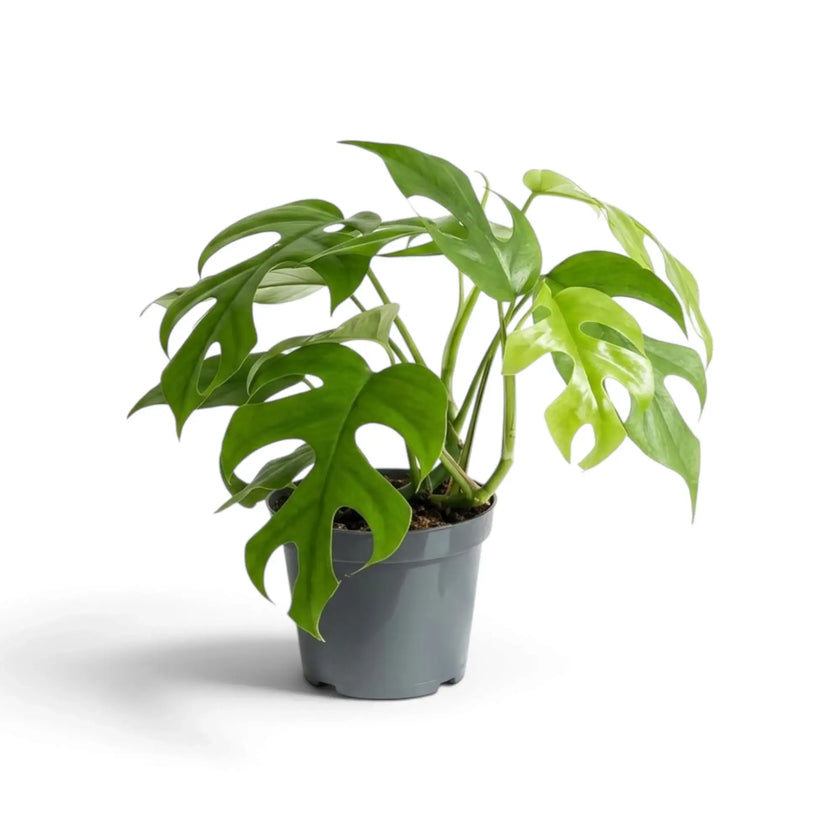
Rhaphidophora tetrasperma
Sale priceFrom €14,50
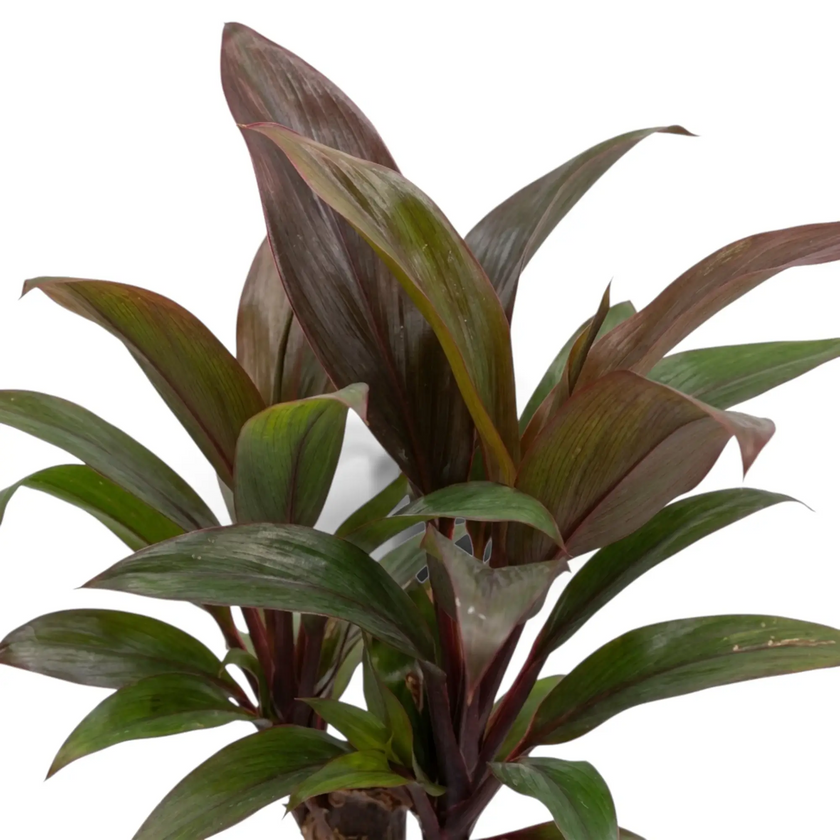
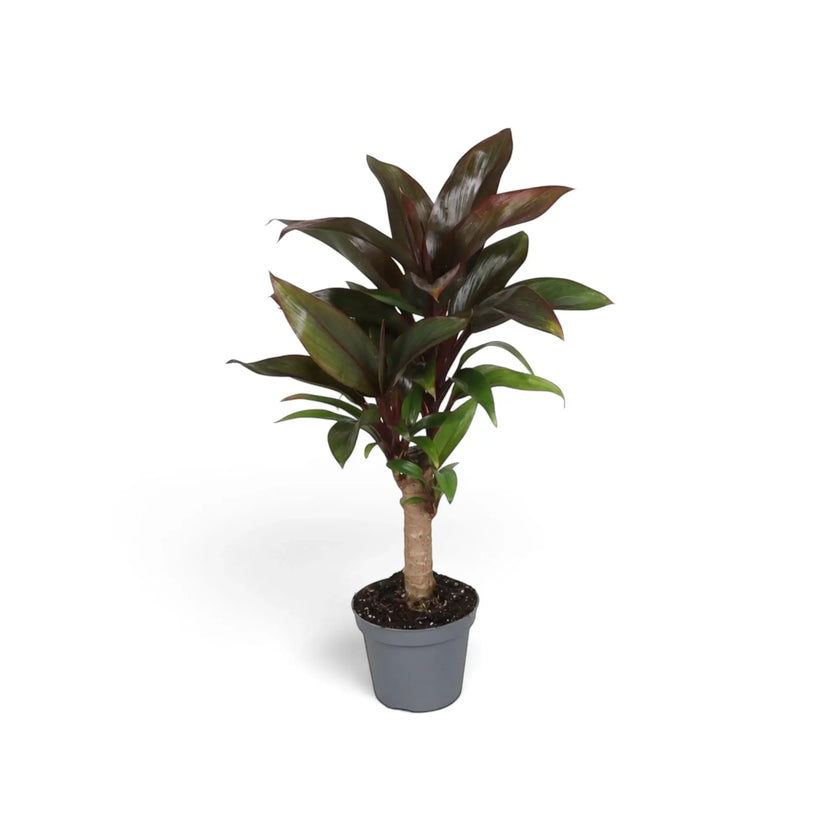
Cordyline fruticosa ‘Purple Compacta’
Sale price€9,75

Sign up for Foliage Factory newsletter for early access to new arrivals and practical care tips that work in real homes.