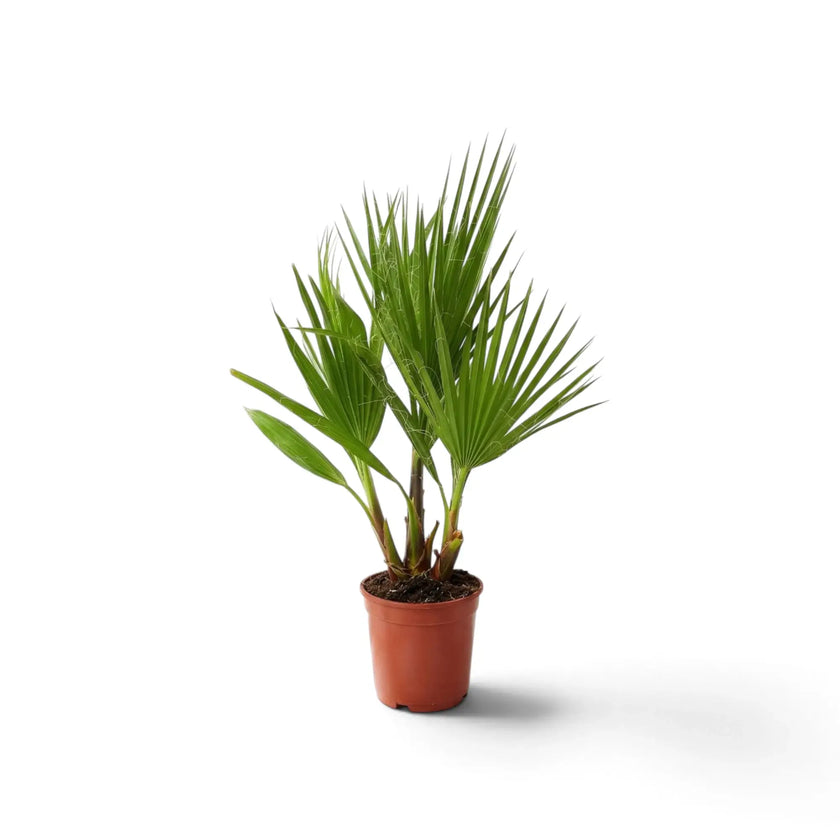
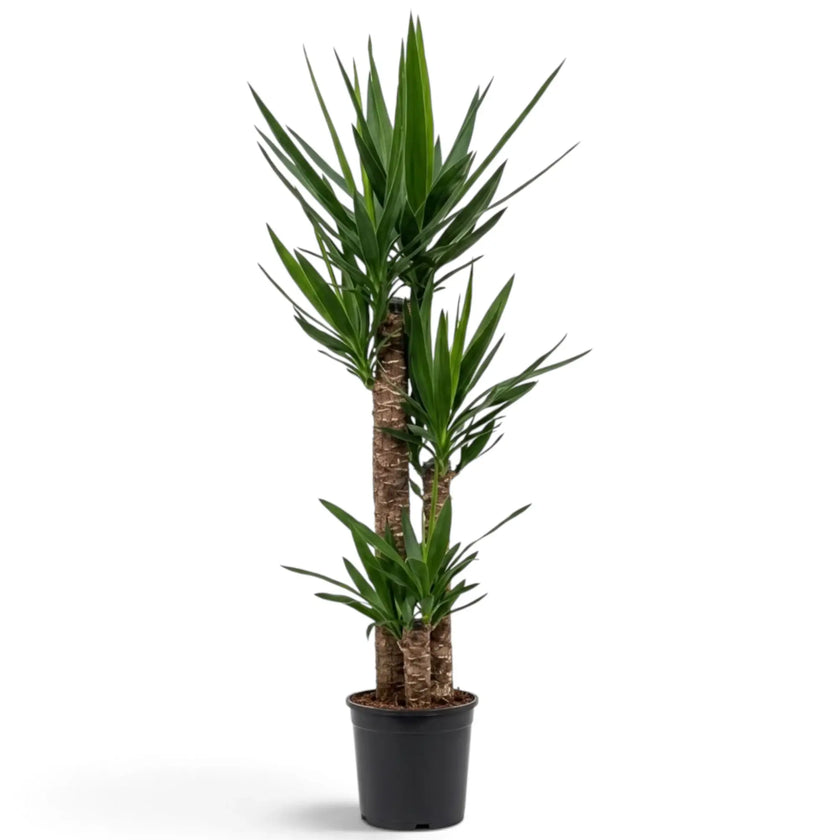
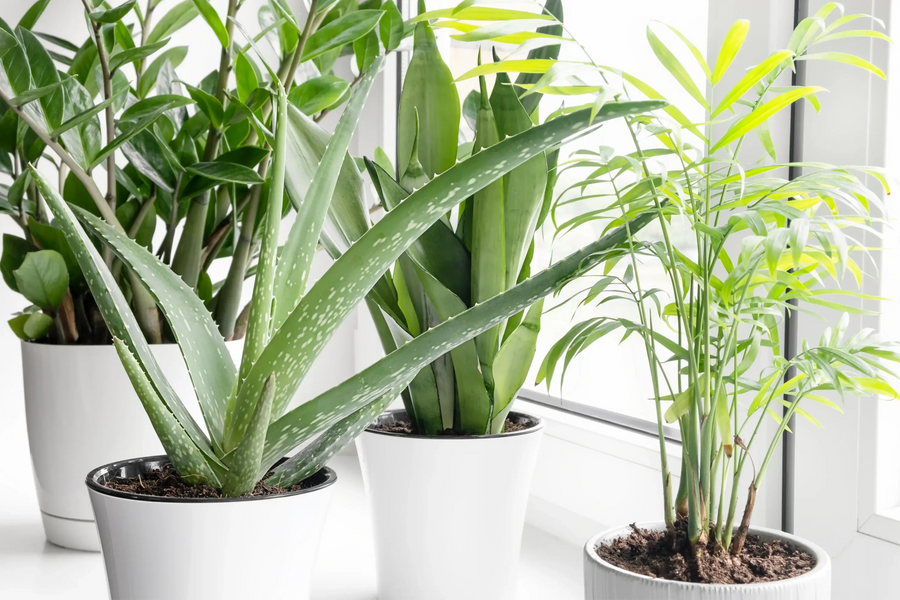
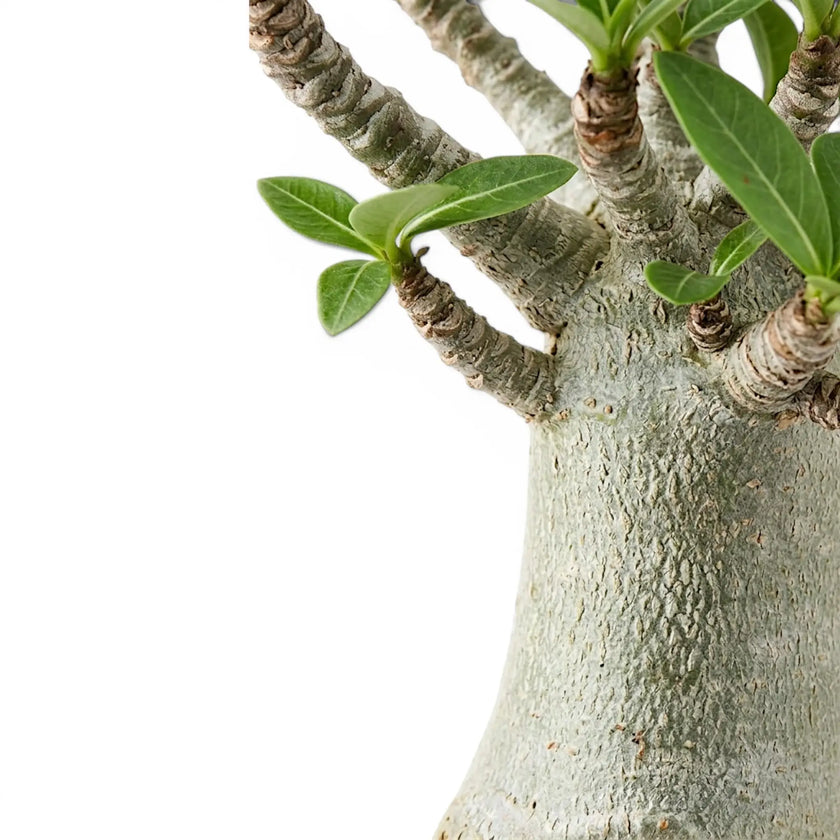
Sun-Loving & High-Light Plants – make use of your brightest spots
Why some plants keep burning in your windows
South and west-facing glass, big balcony doors and strong LEDs give far more light than many indoor plants are used to. Soft understory species react with bleached patches, curled edges and dry scars because they were never built for that intensity, especially when they arrive straight from softer nursery conditions.
Common missteps are simple: putting shade plants straight onto hot sills, keeping heavy, peat-rich substrate constantly moist in full sun or parking pots so close to lamps that leaves cook before they can adapt. None of that means you cannot use those bright spots – it just means you need plants designed for them.
Plants that actually use strong light
This collection concentrates on plants that come from exposed, high-light habitats and respond well when you give them similar conditions indoors:
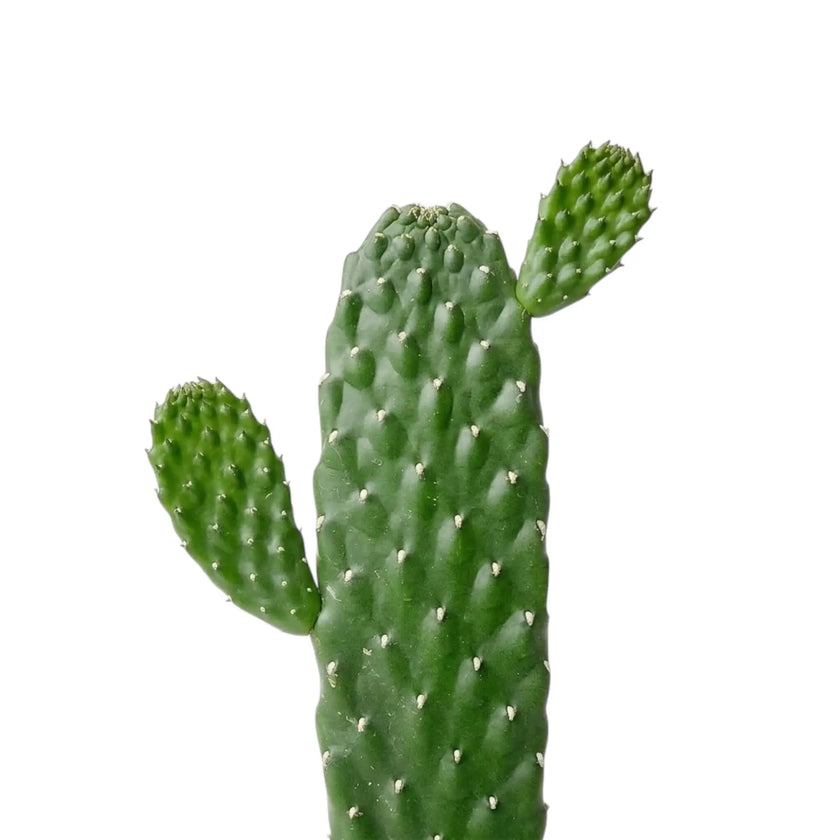
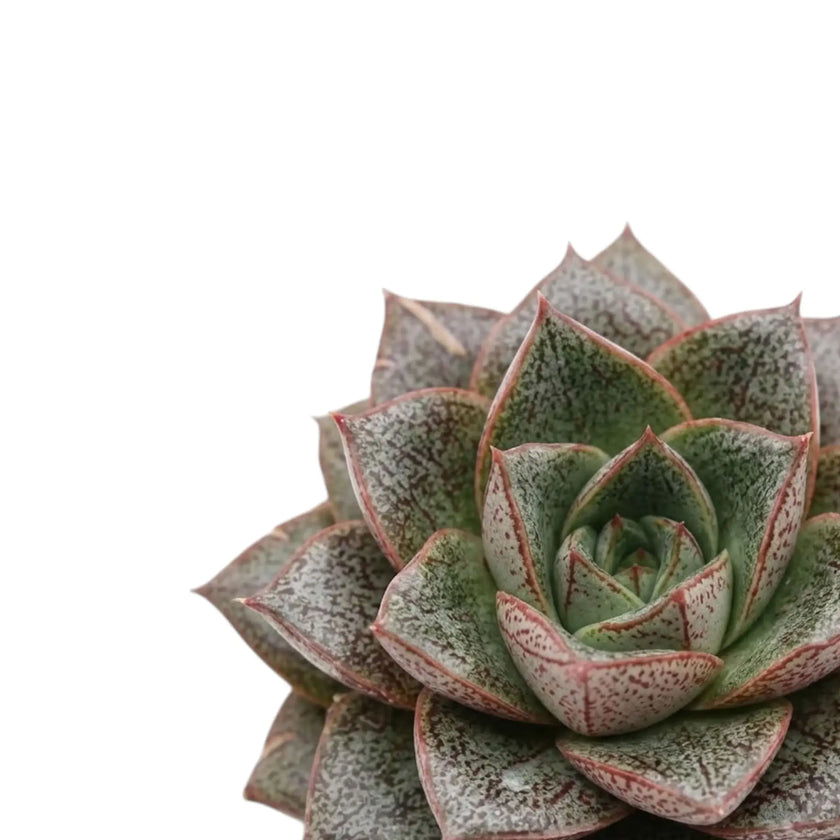
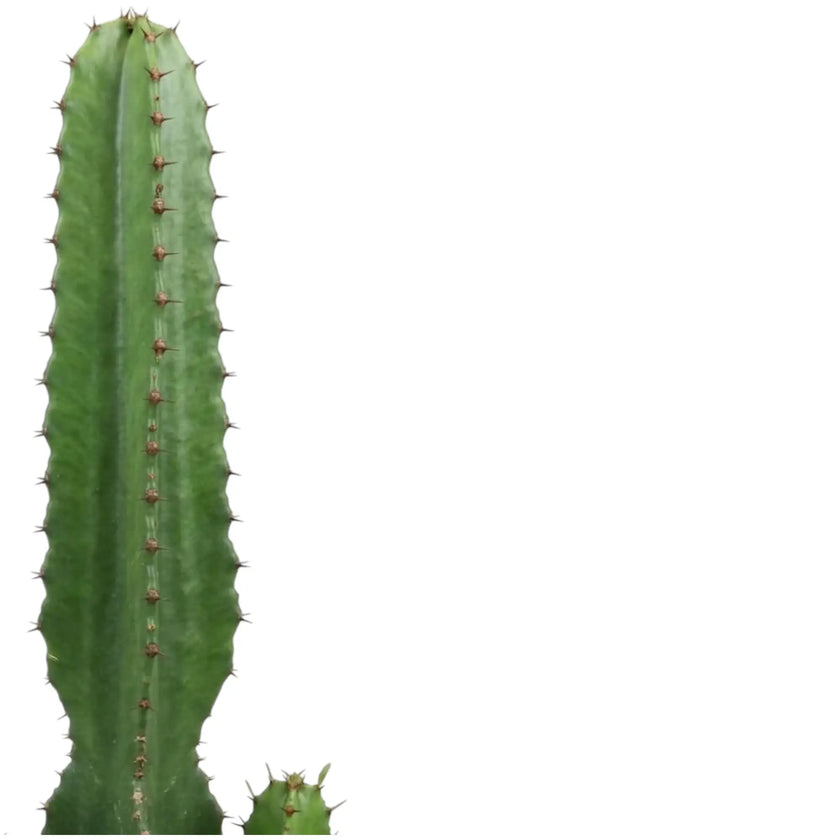
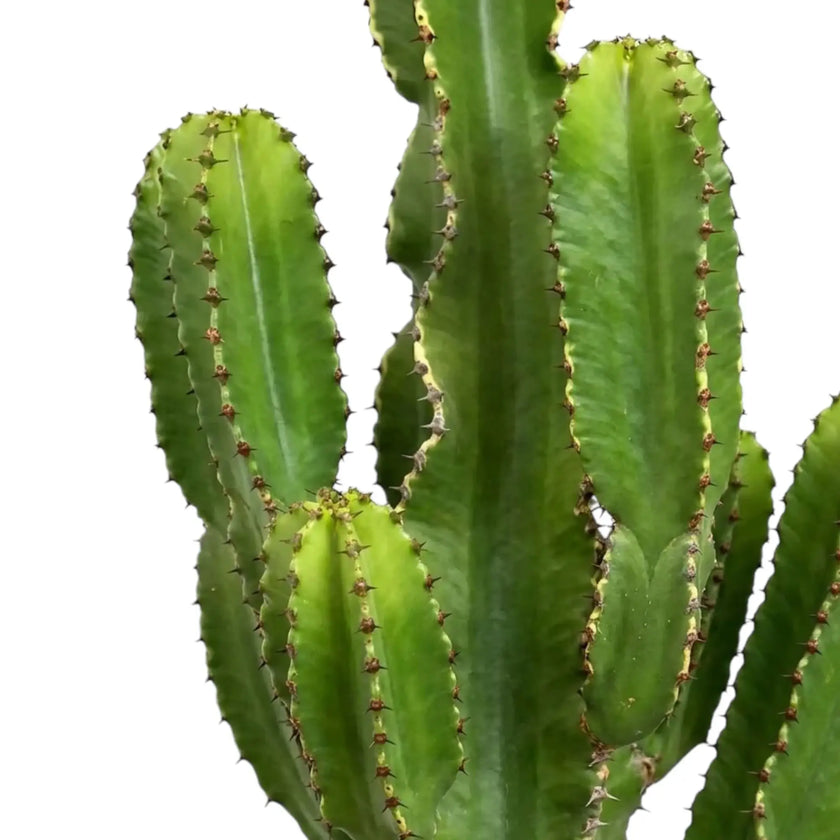
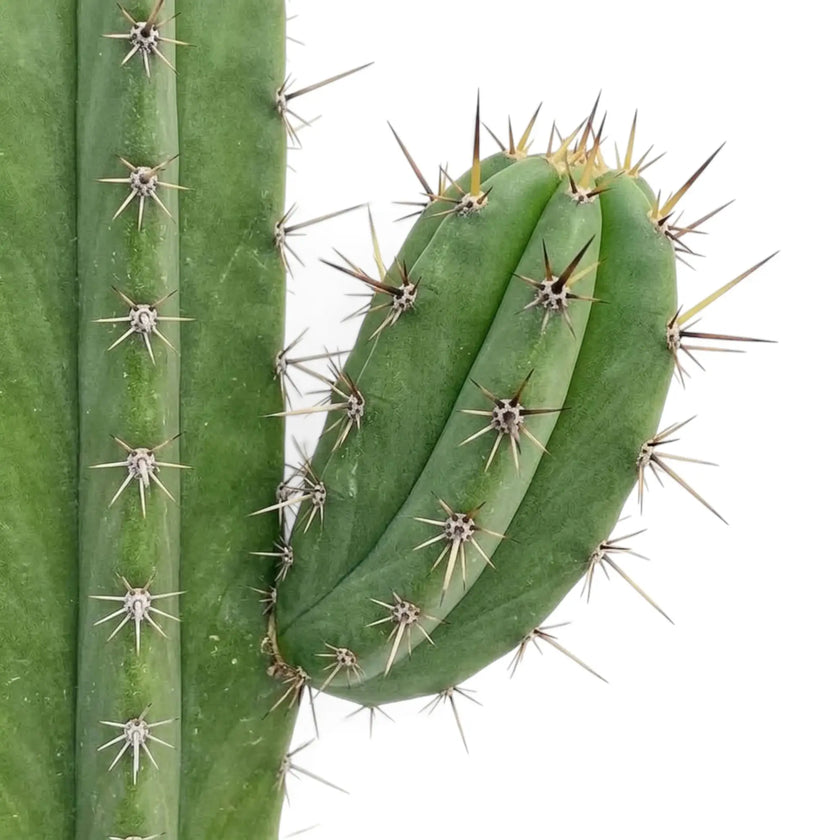
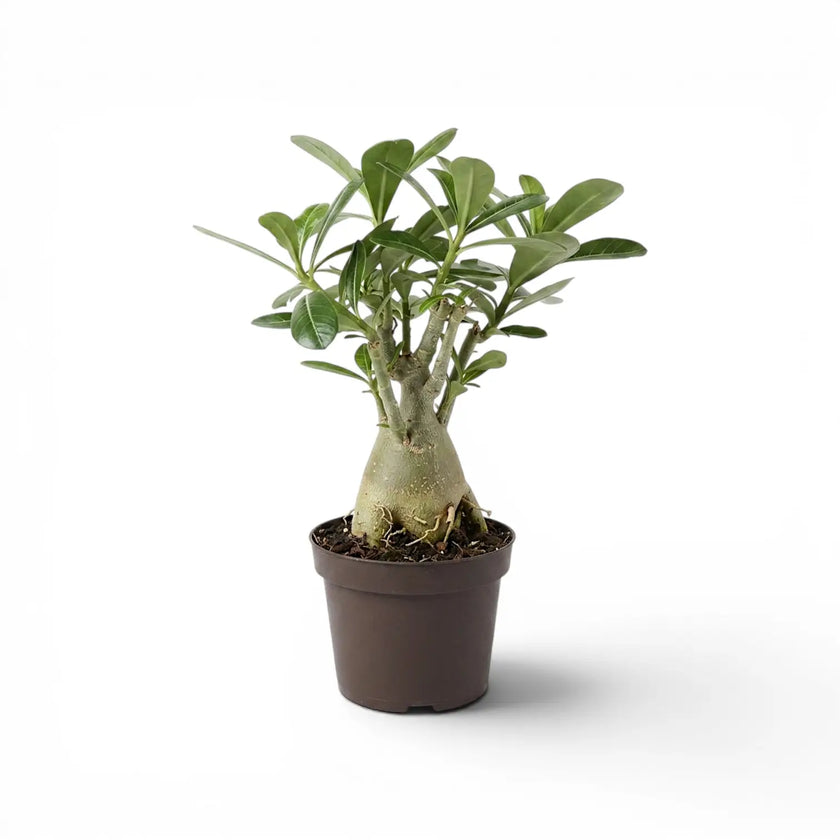
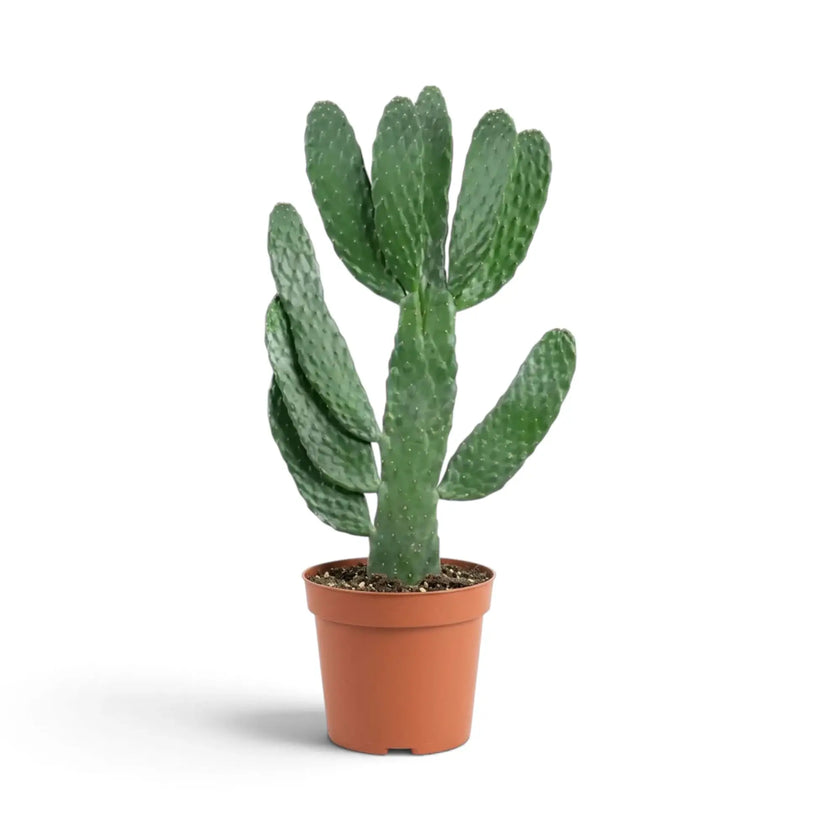
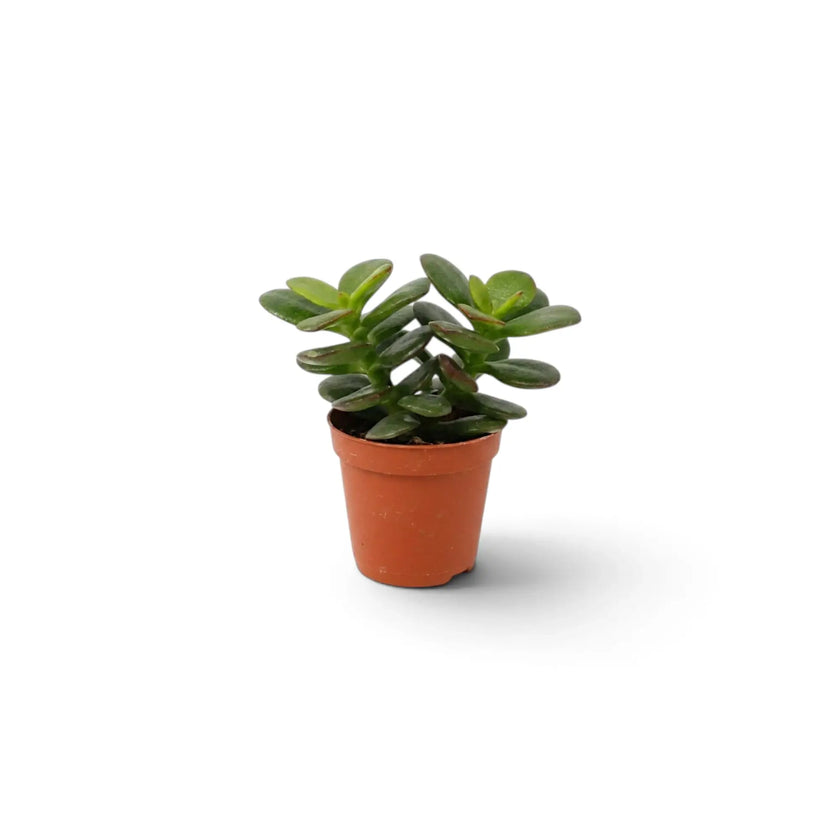
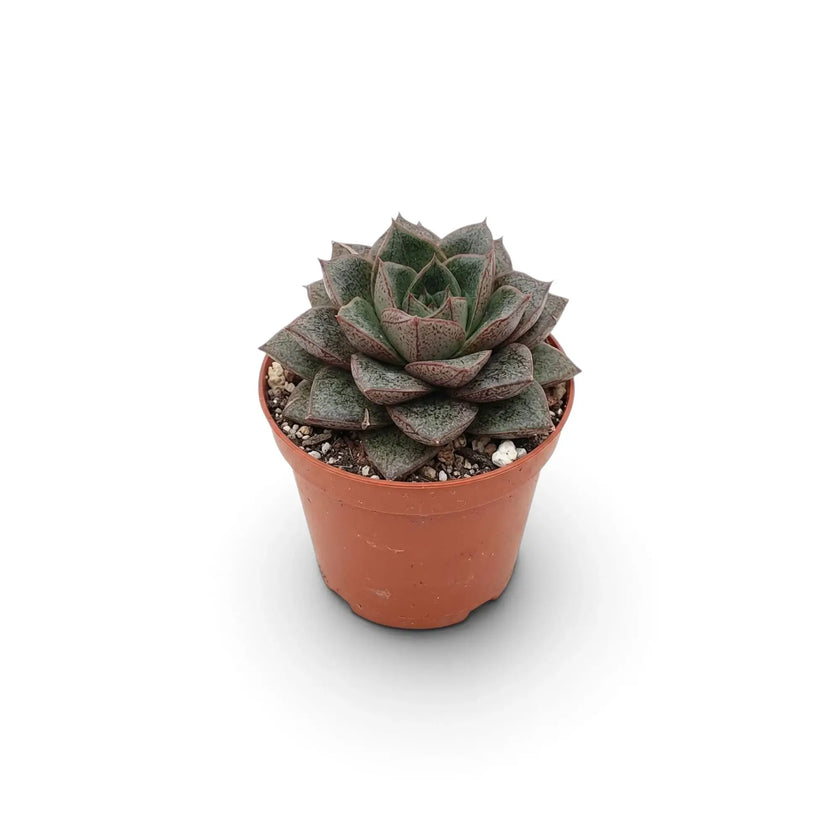
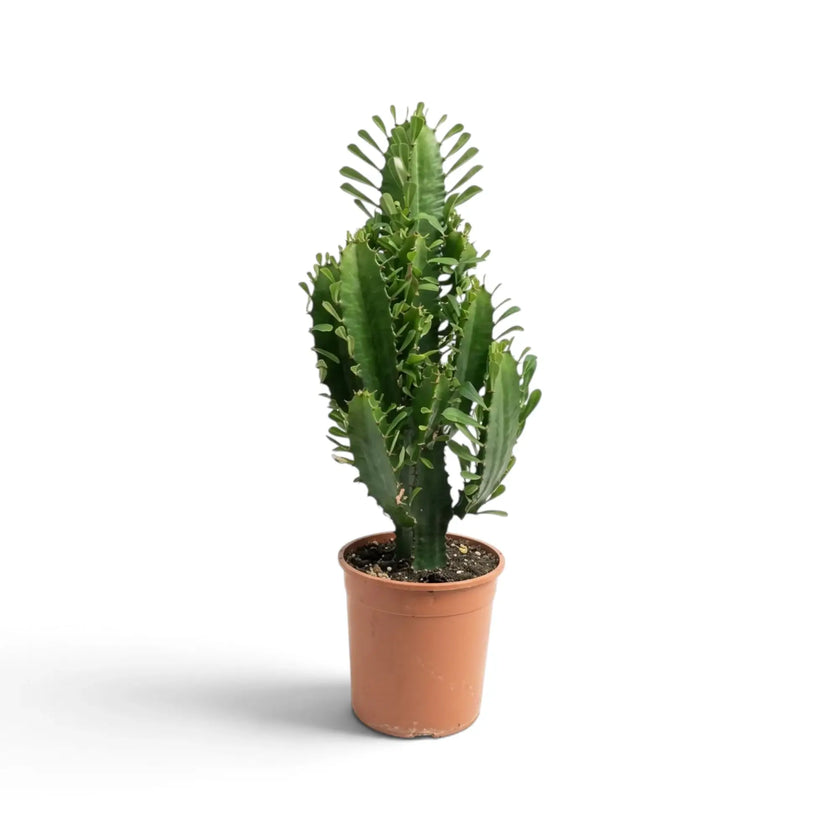
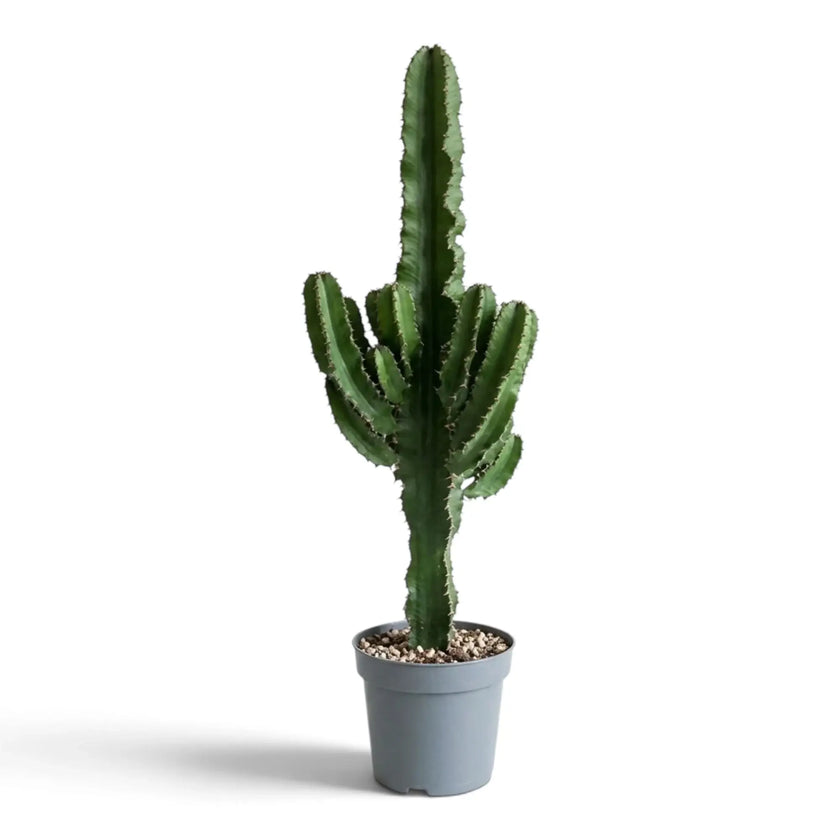
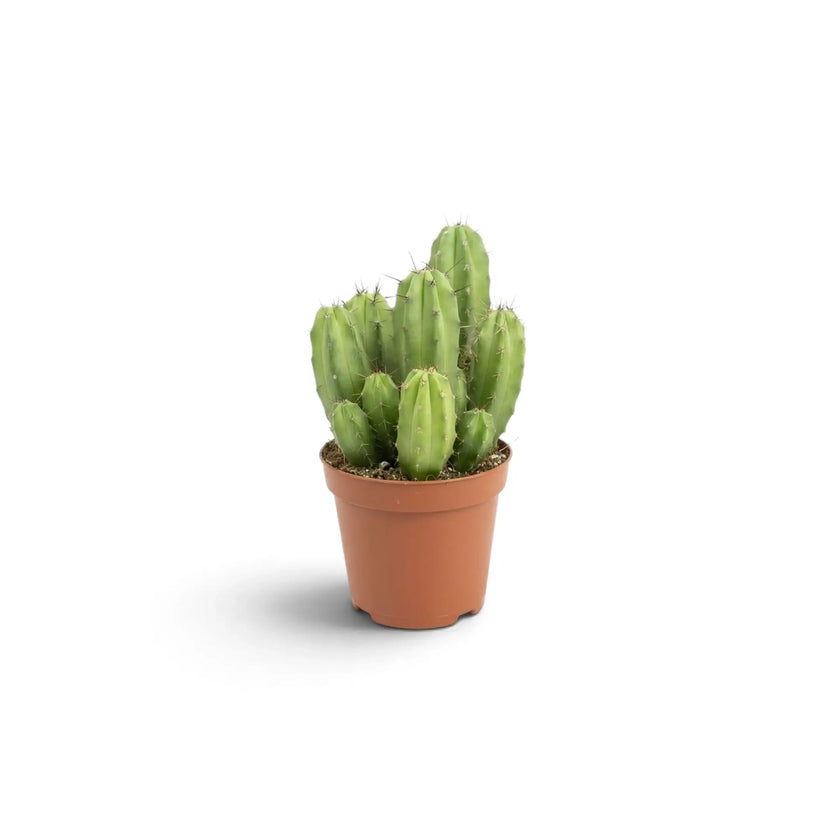
- Succulents and cacti from arid regions: Echeveria, Ferocactus, Gymnocalycium, Kalanchoe, Curio and many shrubby or columnar Euphorbia use thickened tissues to store water and handle intense sun.
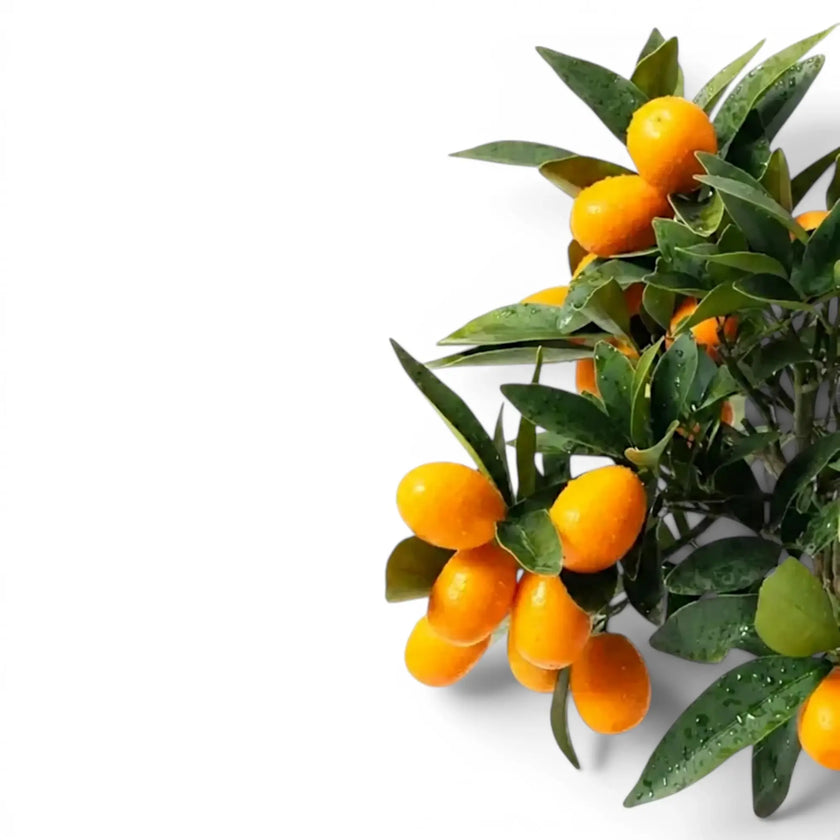
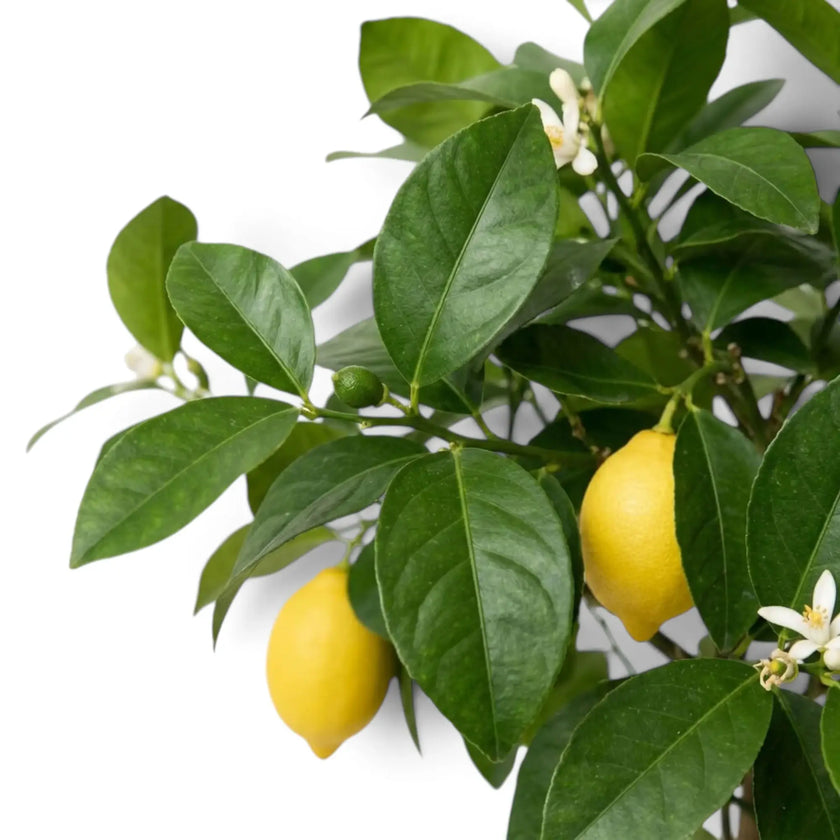
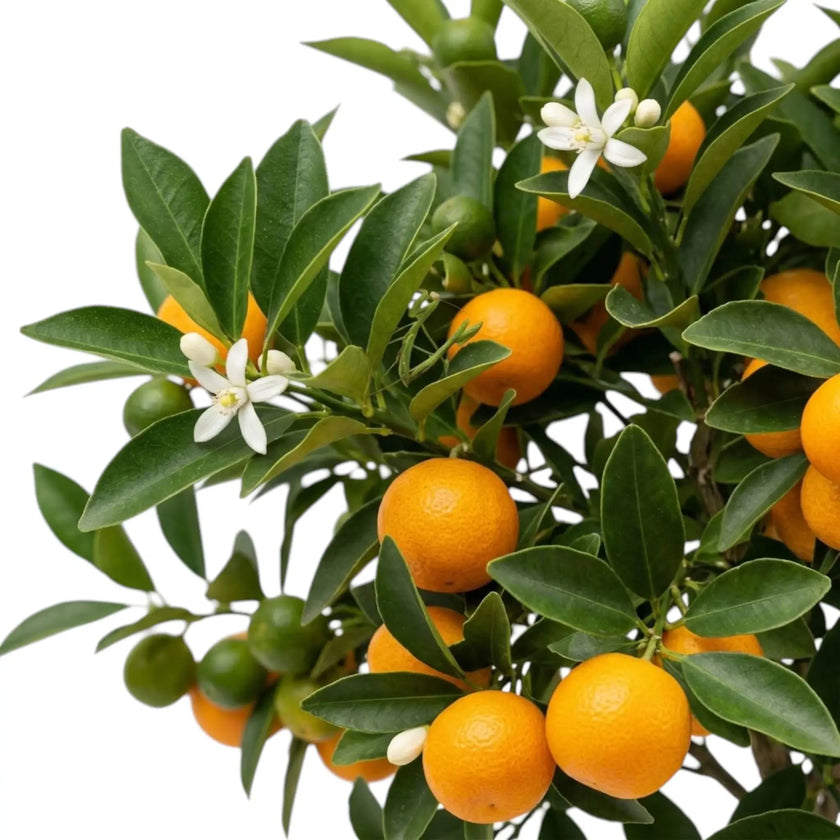
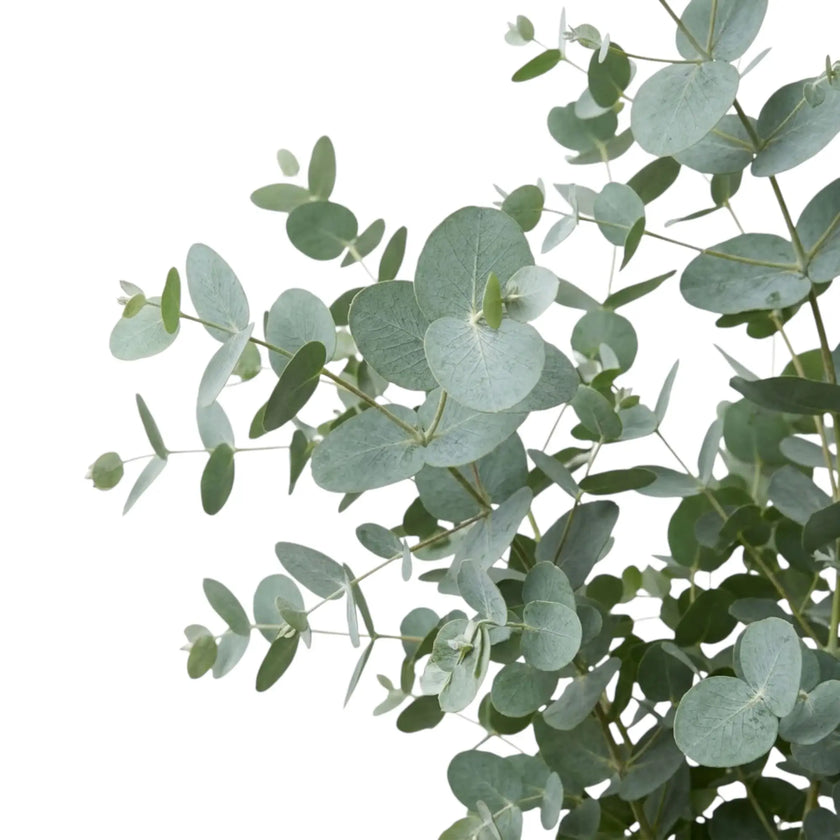
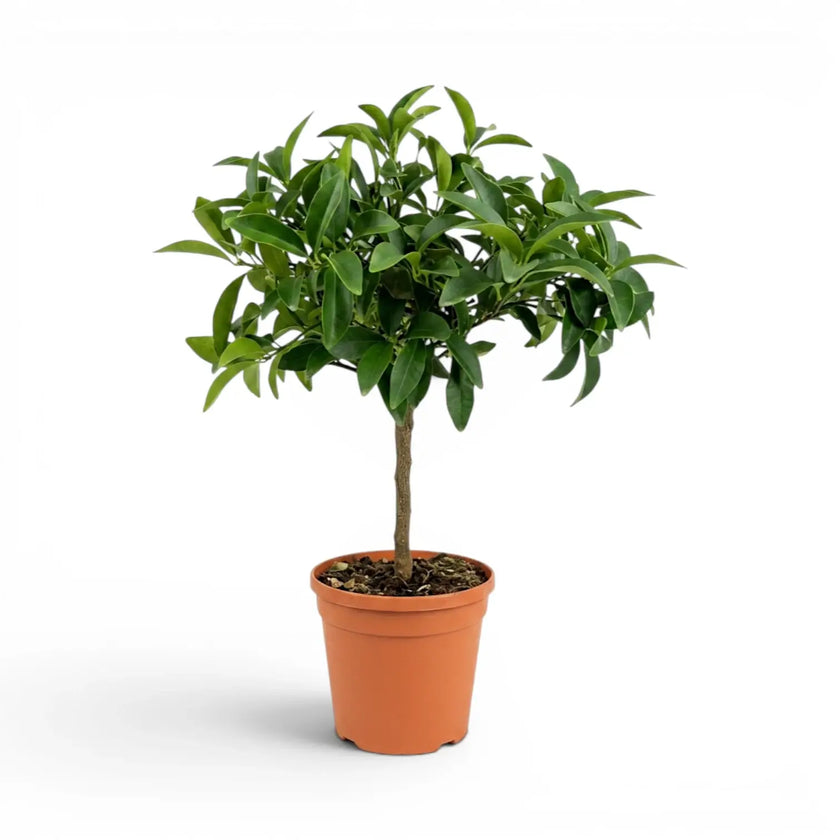
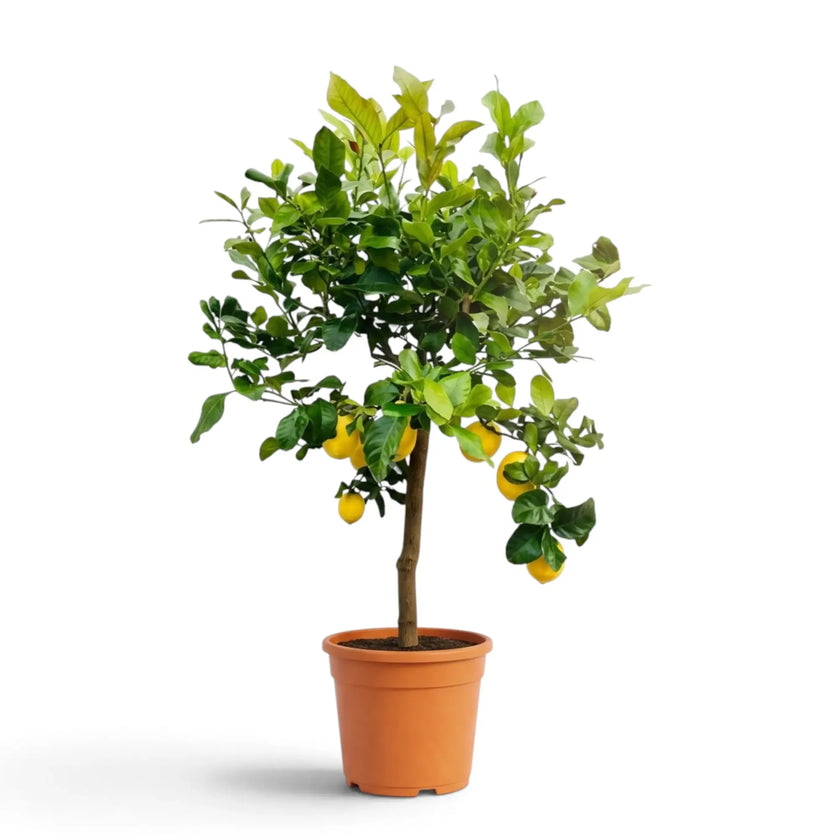
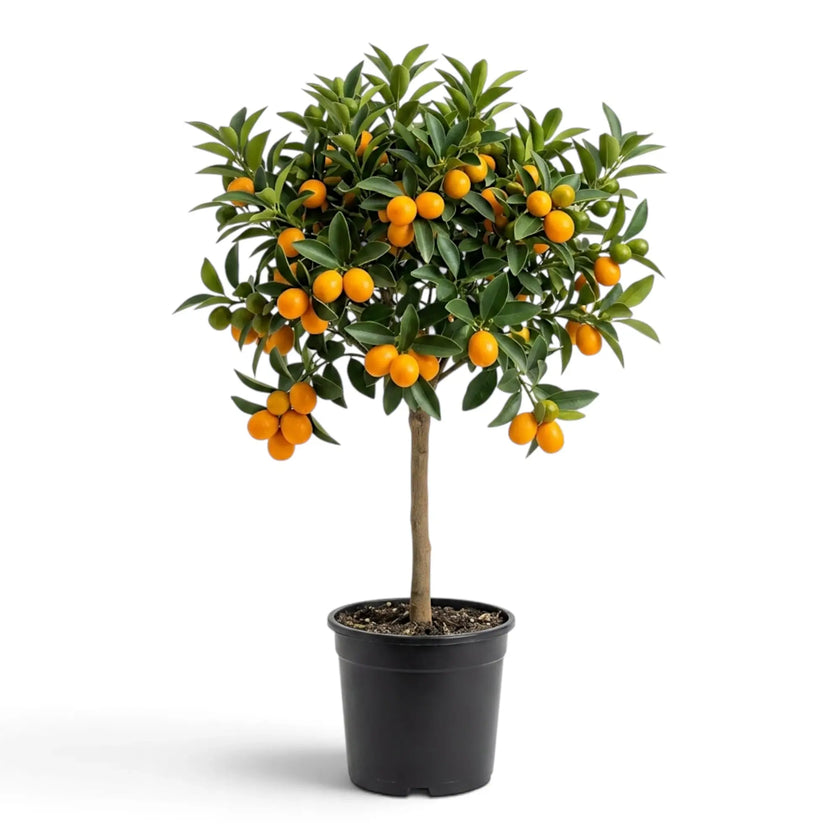
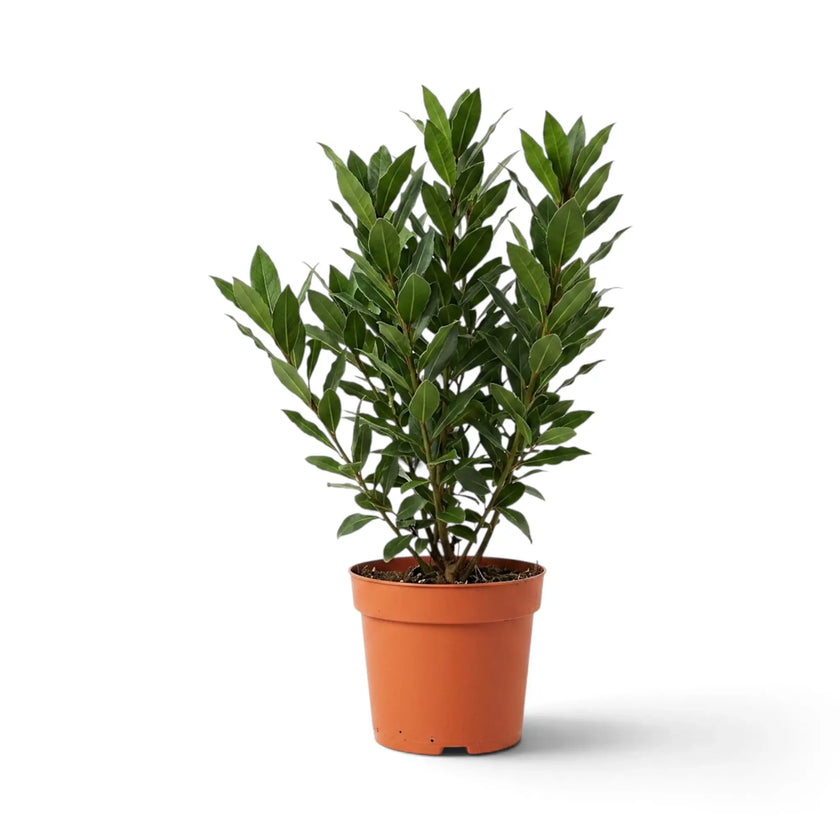
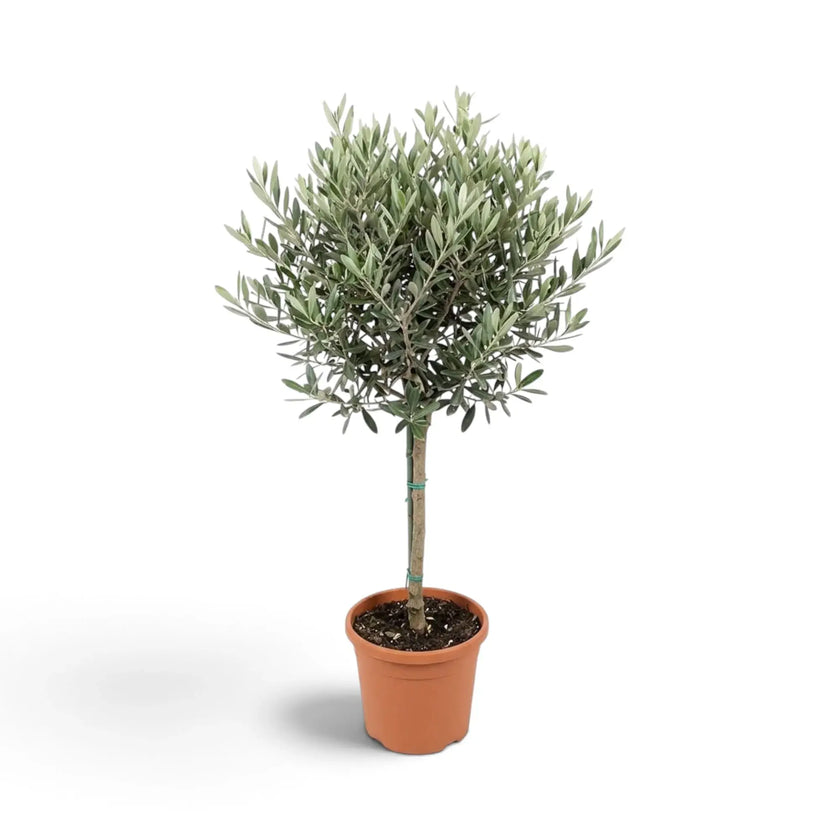
- Sun-tolerant shrubs and small trees: selected Citrus, some Ficus and similar woody species that firm up and branch better with strong light than in low corners.
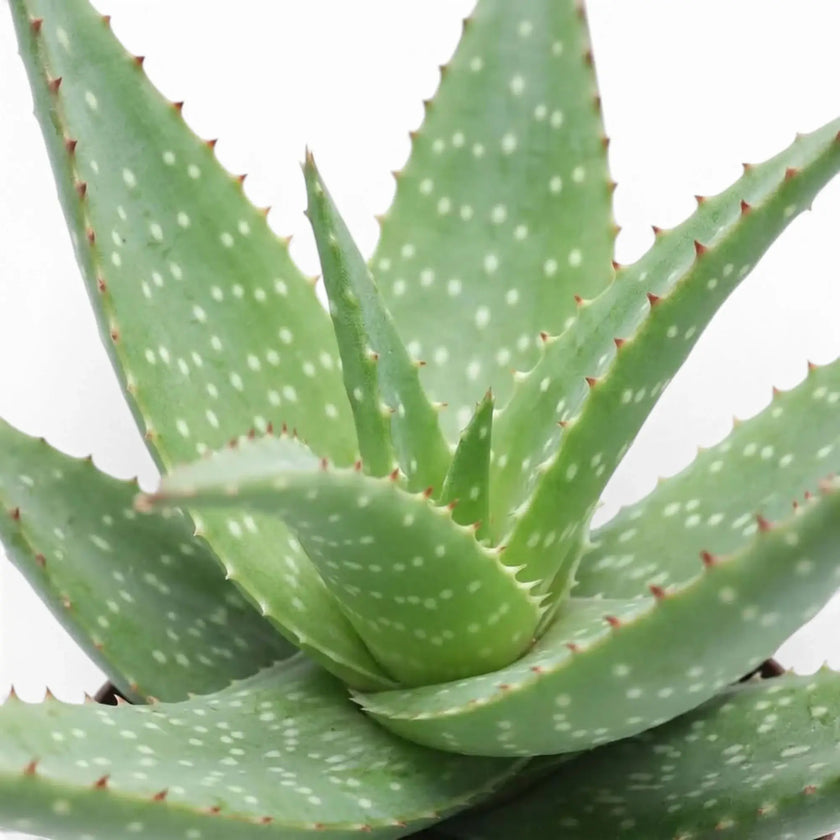
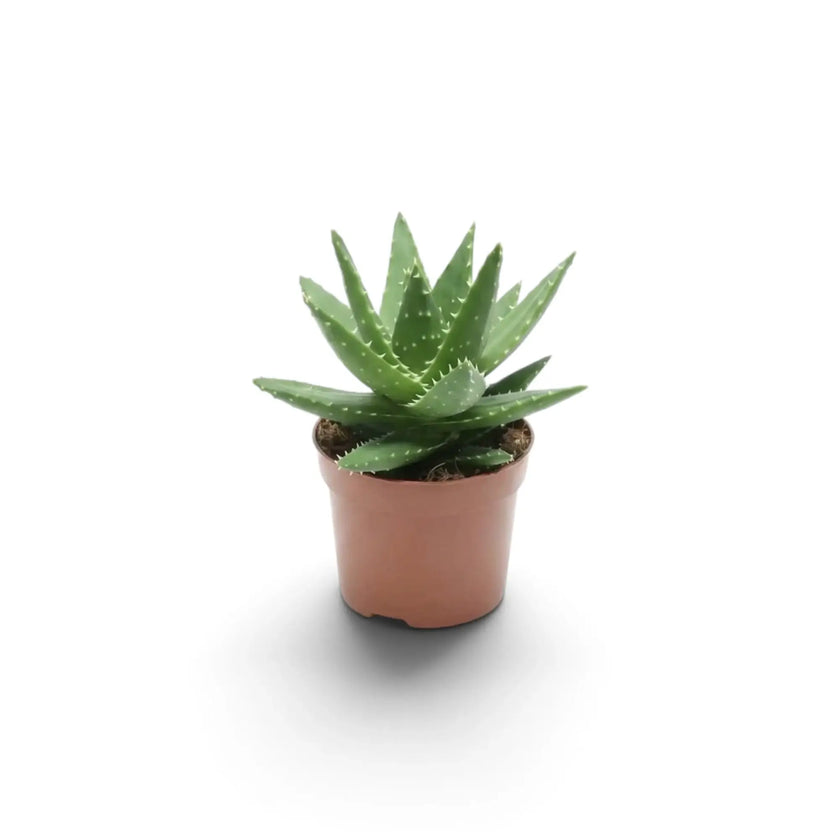
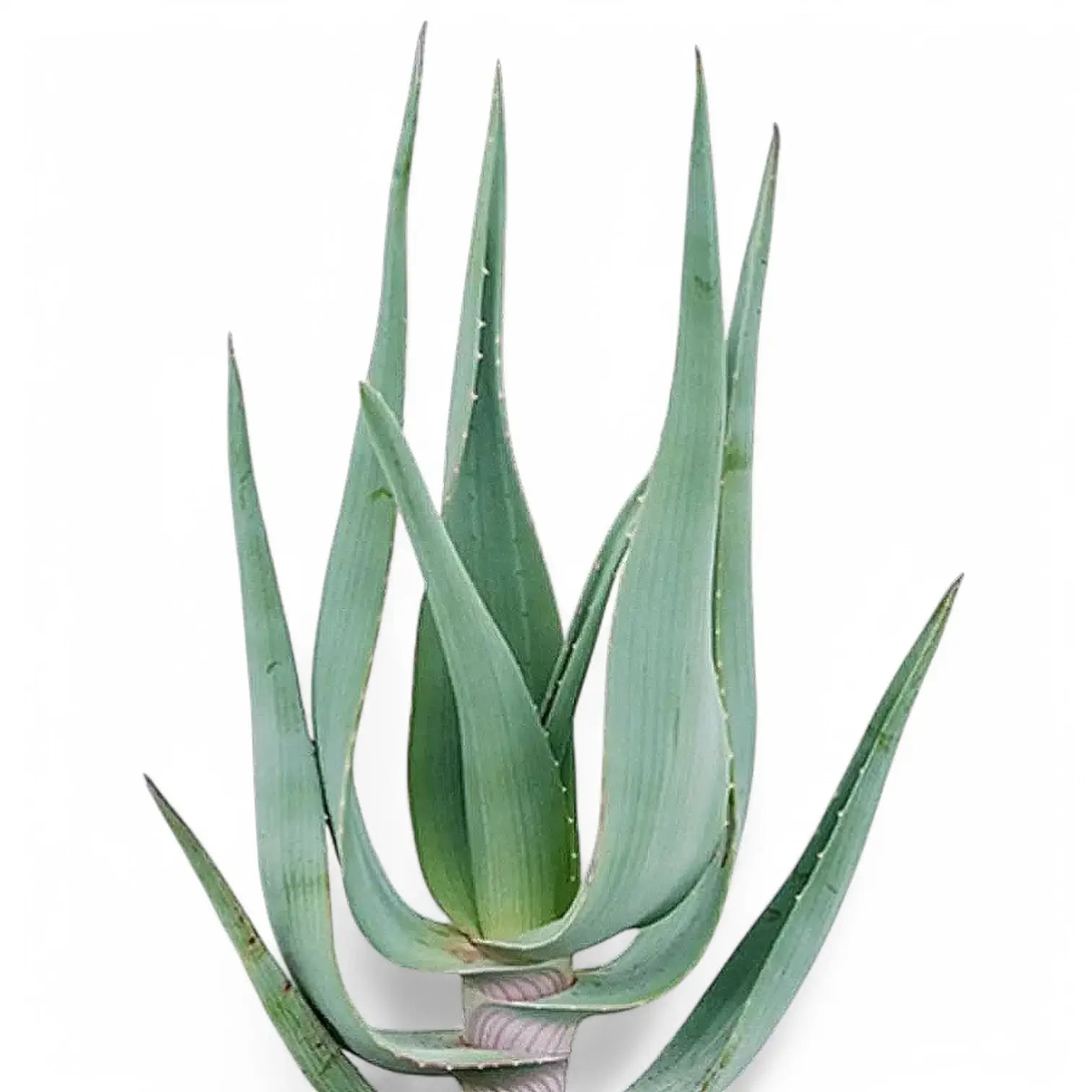
- Bright-loving “edge of jungle” types: robust Aloe, some Agave and other plants that naturally grow in open positions or at the edges of canopies.
These are the candidates for hot sills, bright window tables and shelves mounted directly under proper grow lights. Examples of setups and species options for these conditions are explored in our full-sun houseplants guide.
Setting up high-light spots without frying anything
Once you have the right kind of plant, a few straightforward rules stop damage before it starts. Shift pots into stronger light gradually over several weeks instead of overnight, let substrates dry properly between thorough waterings and choose mixes with a high mineral content so roots get air as well as moisture.
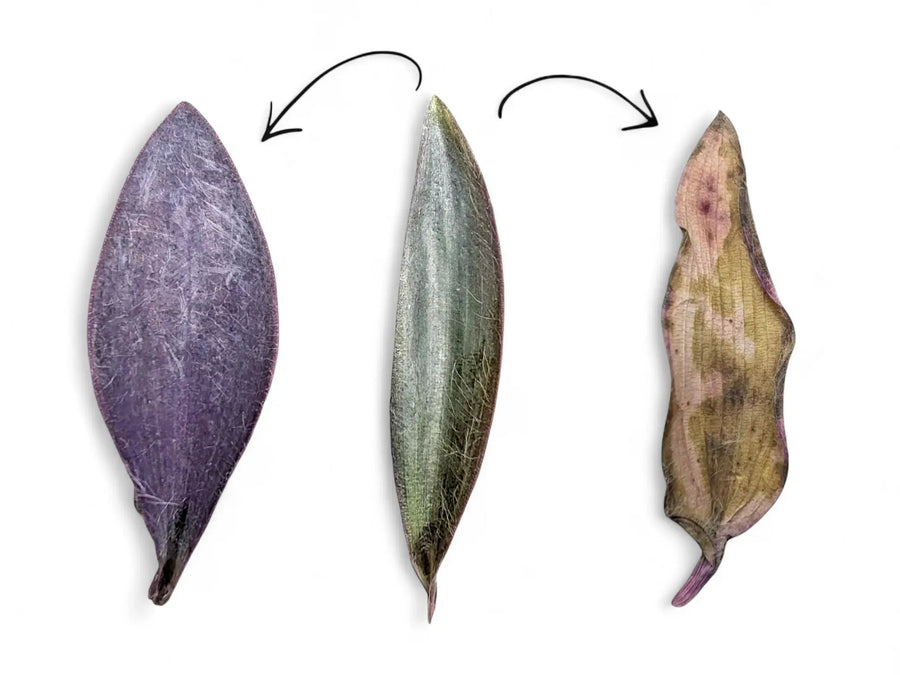
Watch new growth closely. If fresh leaves are smaller, paler or roughened while older leaves look fine, you are likely pushing too hard with light or heat. Stepping plants a little back from glass, using a sheer curtain at midday or raising LEDs by a few centimetres often solves the issue faster than any product.
Sun-Loving & High-Light Plants are for situations where bright exposures are your main asset and shade plants have already proved they are not happy there. Here you can fill those premium spots with species that turn strong light into tighter forms, stronger spines and better branching instead of damage.
If your windows never cast a clear sun patch and rooms feel softly lit rather than intense, Bright-Indirect or Low–Medium Light Houseplants will give you more predictable results than anything planted directly in front of the glass.