
Skip to content

Cart

Your cart is empty

Long and Narrow Leaves

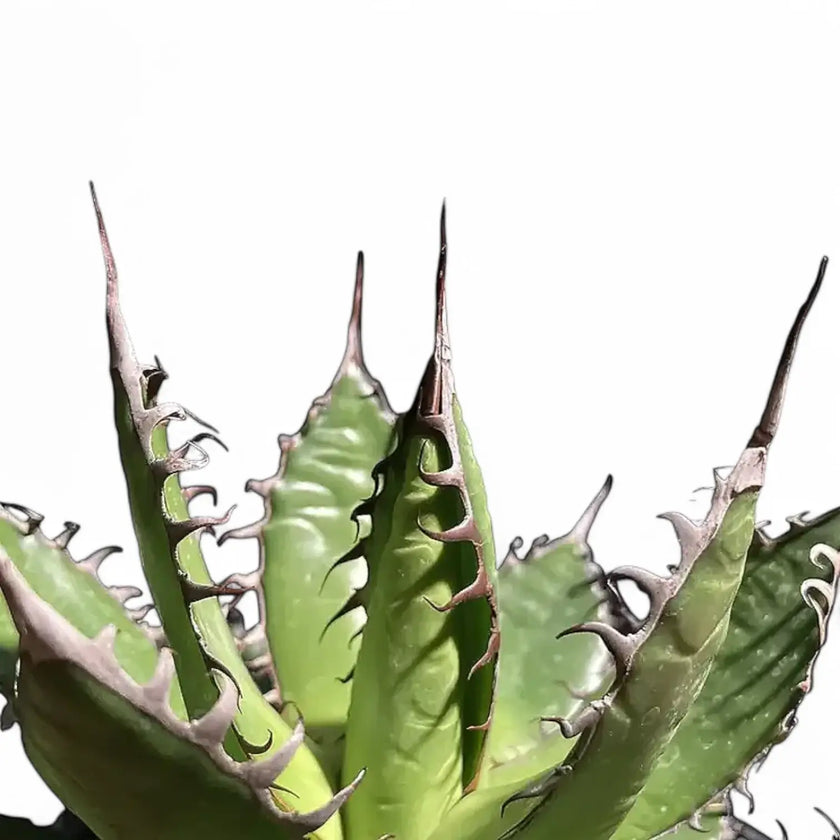
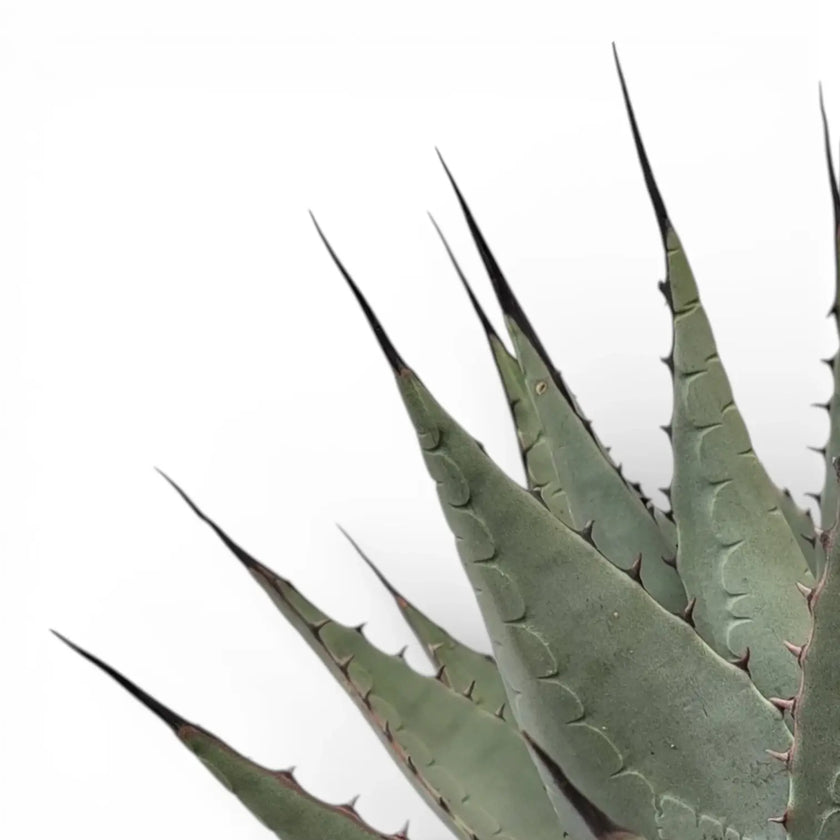
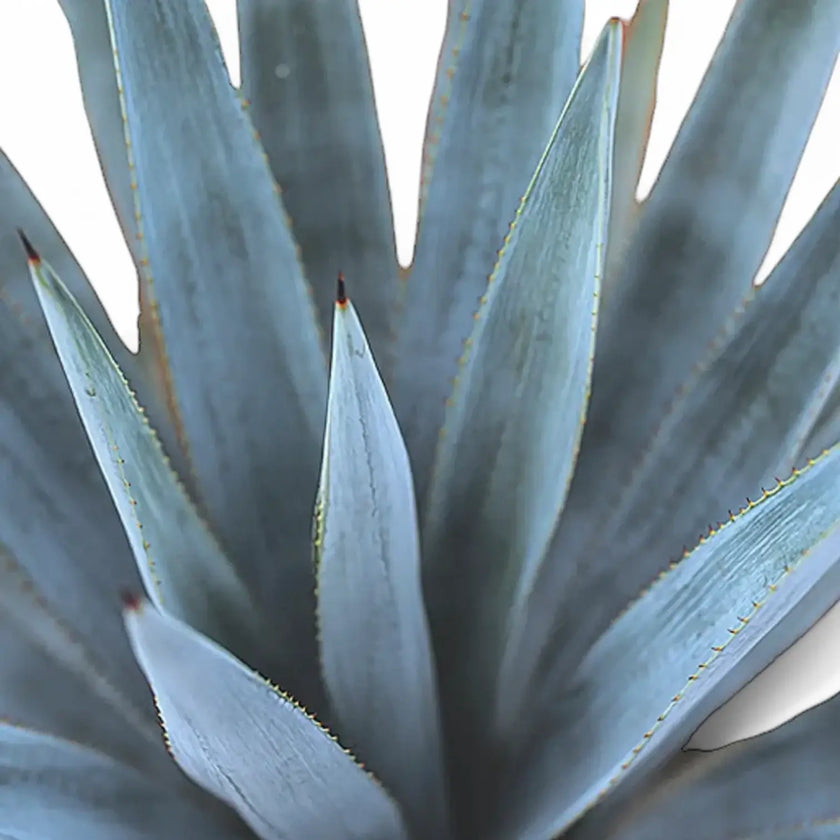
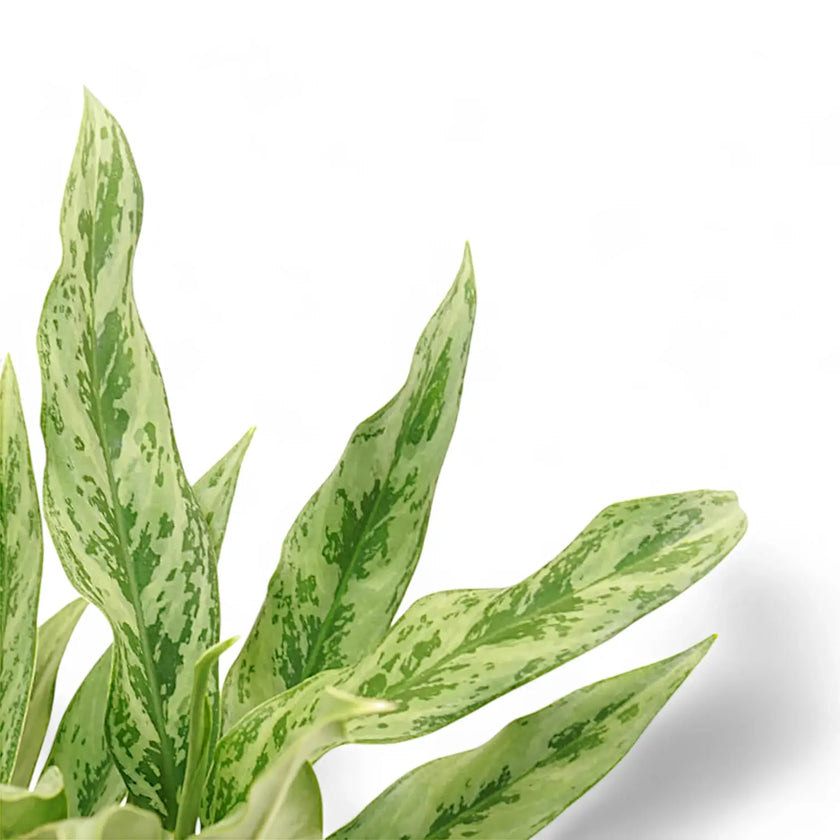
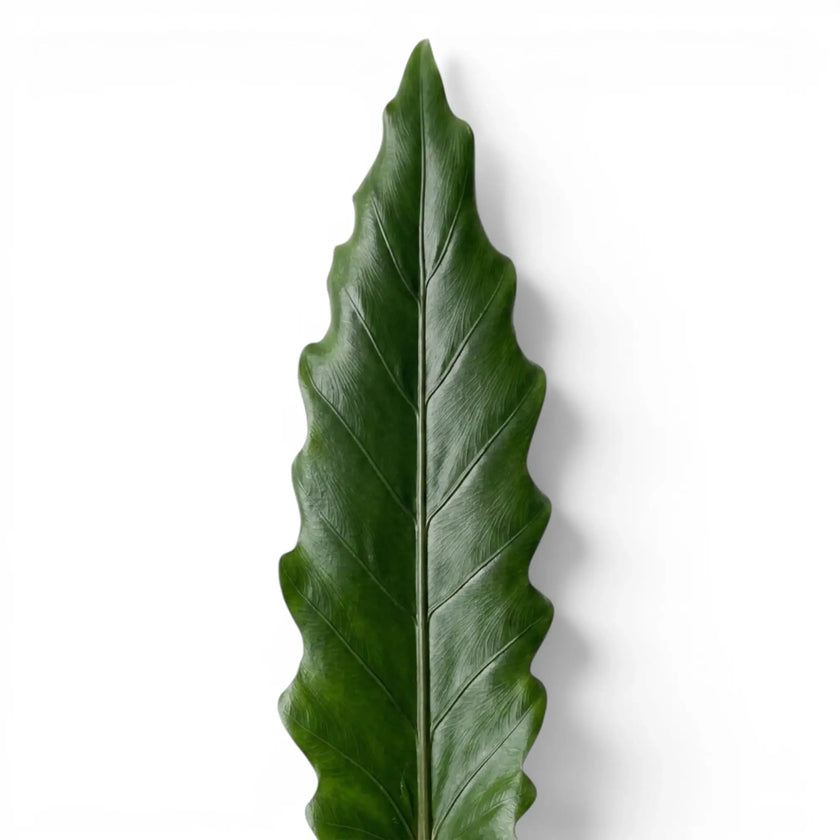
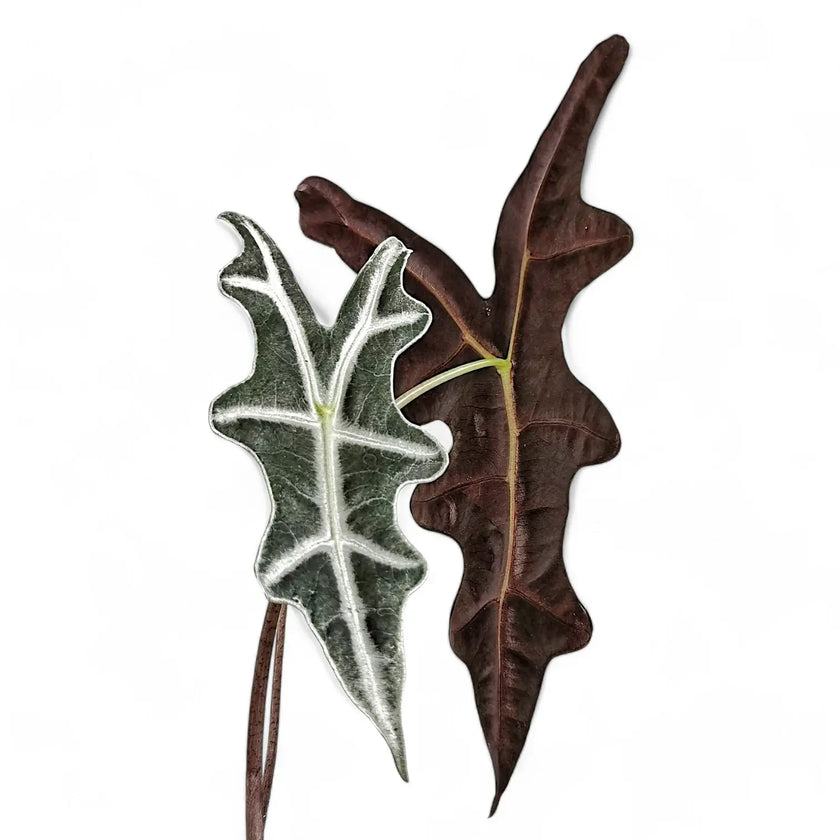
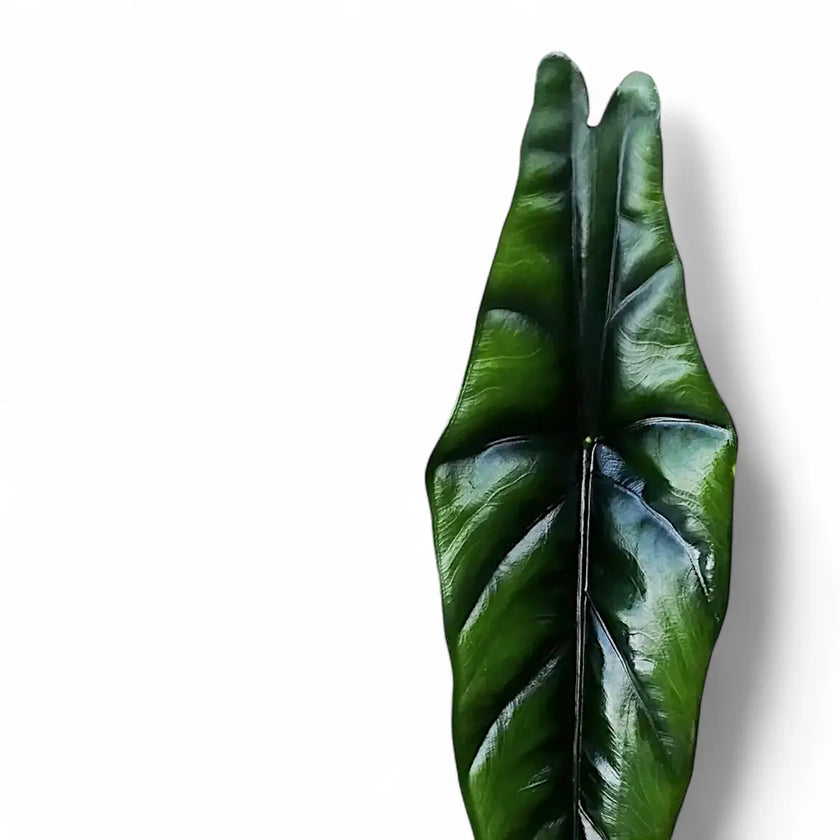
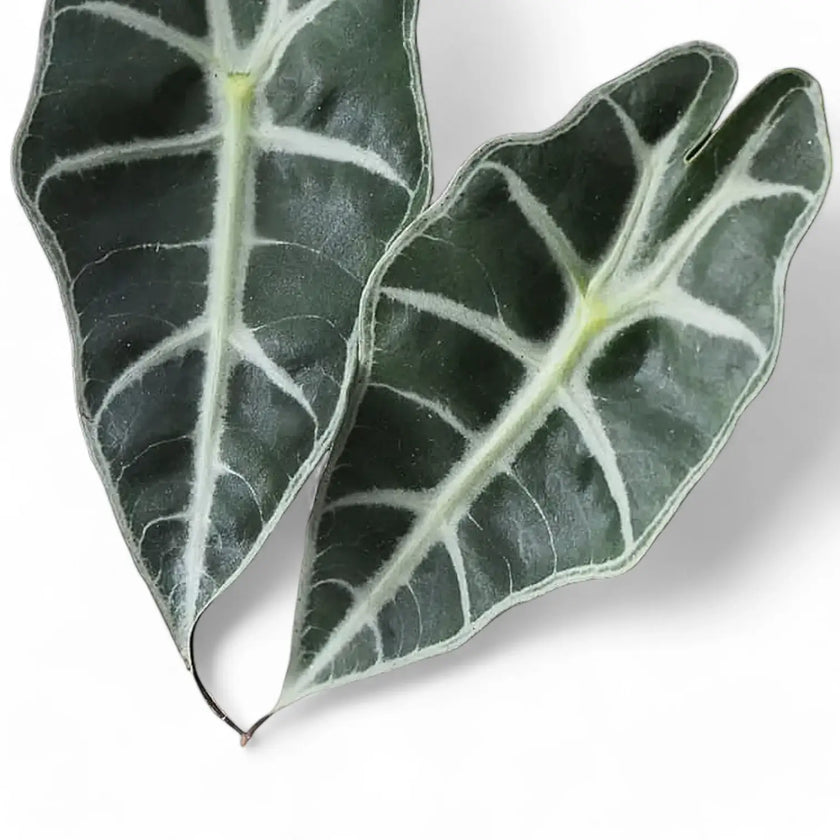
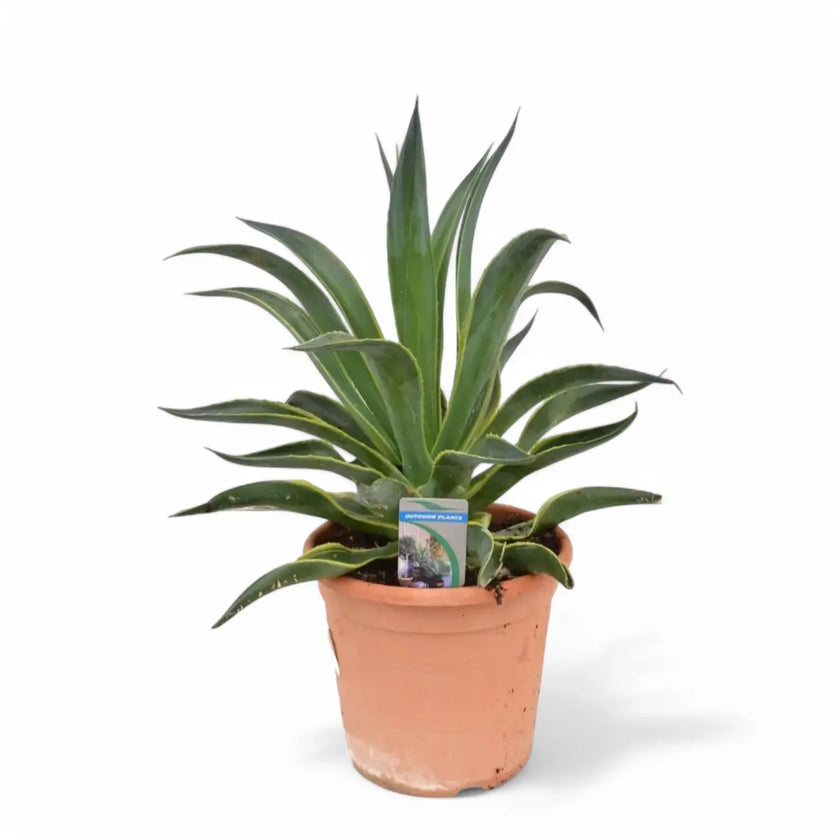
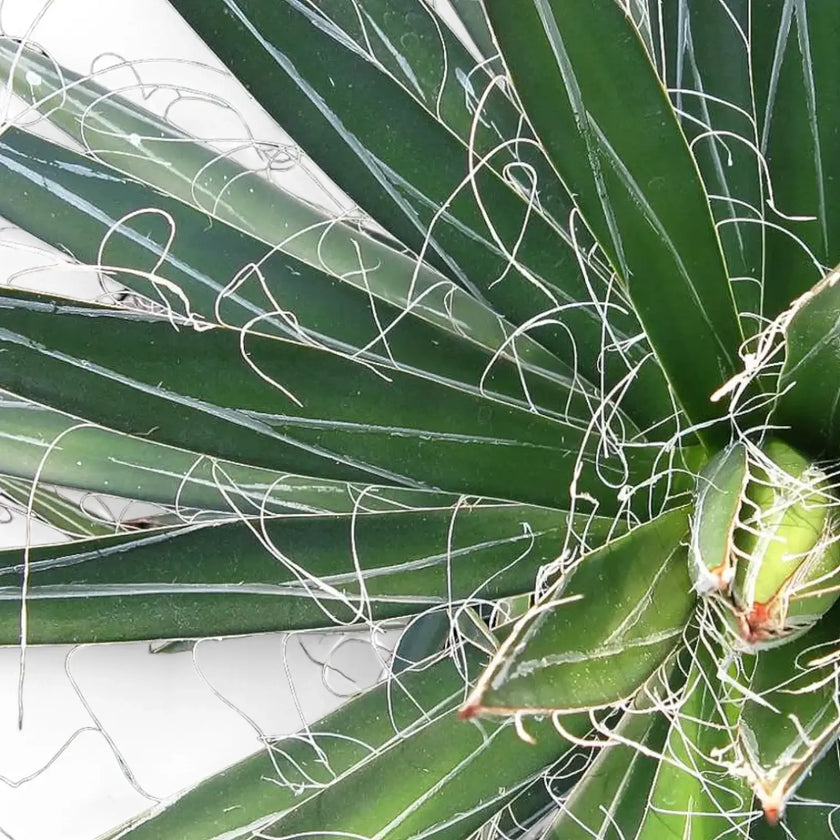
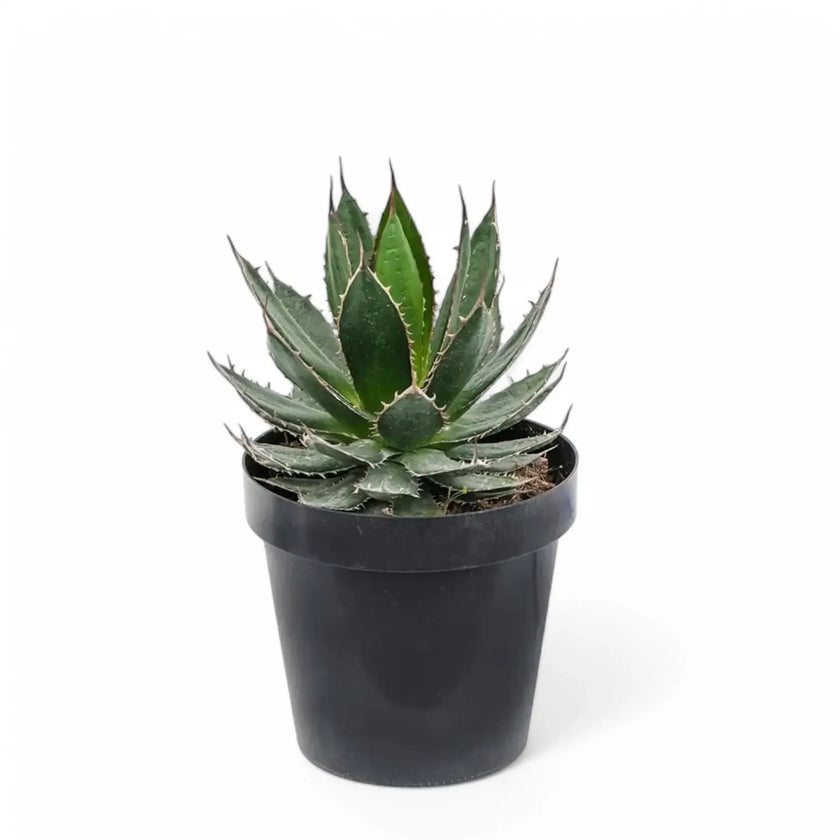
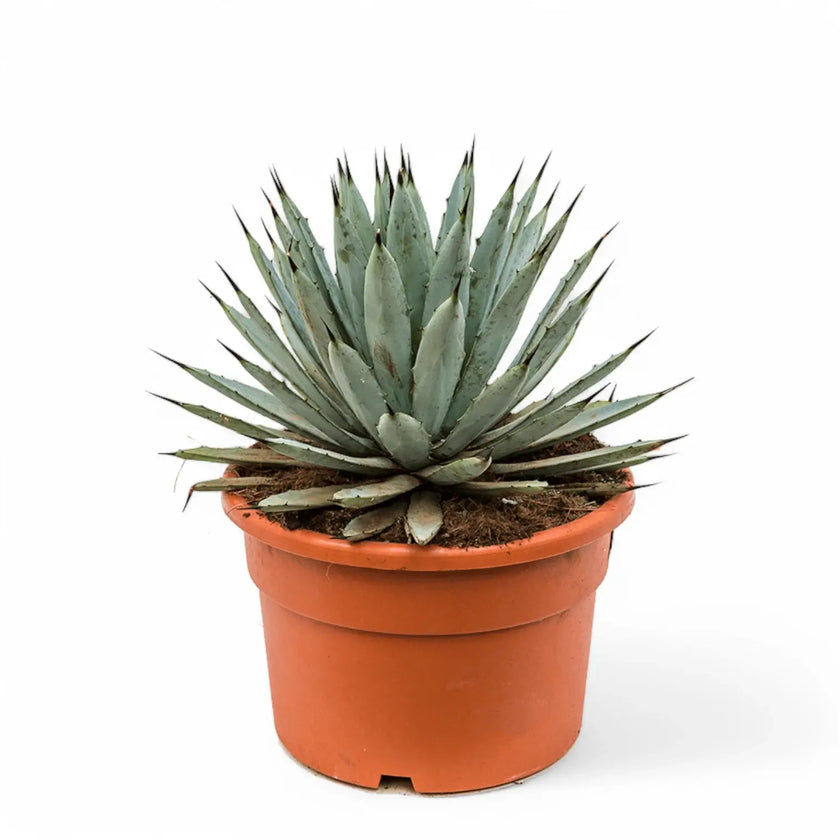
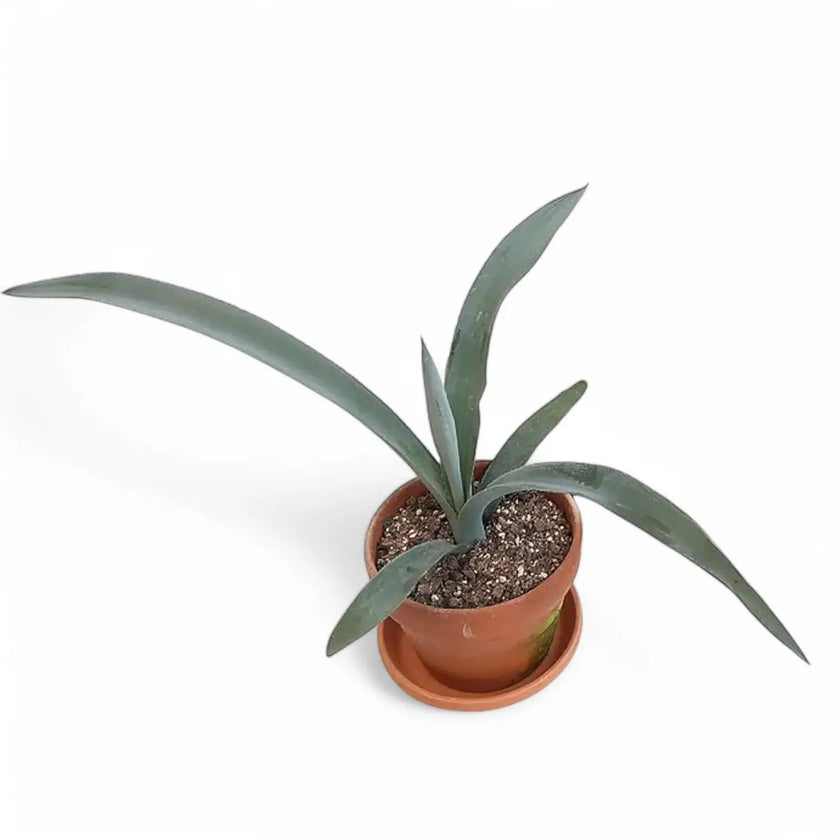
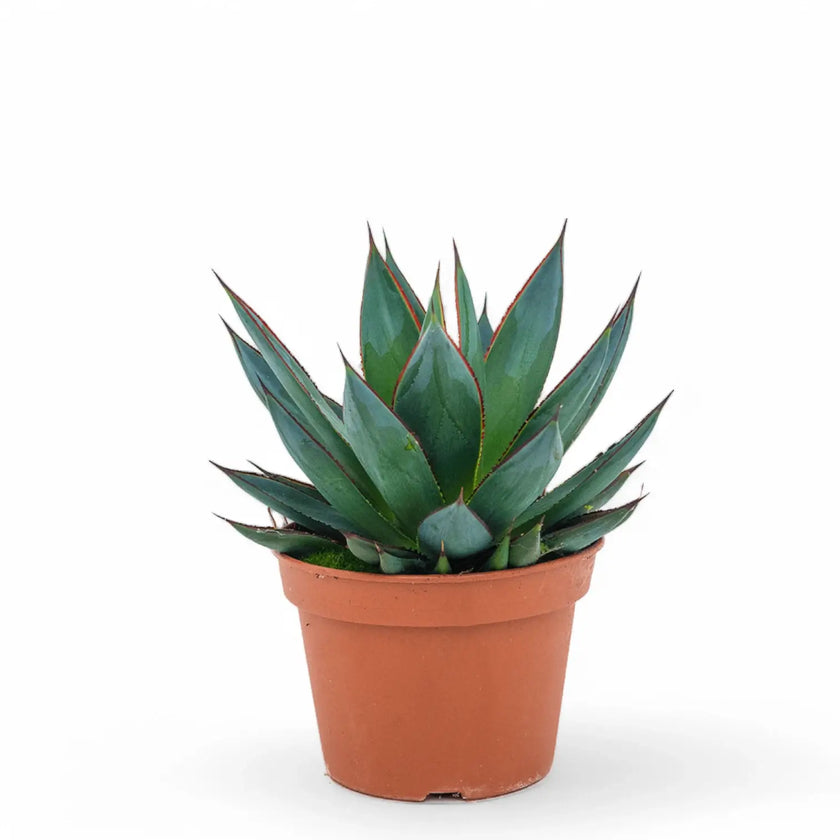
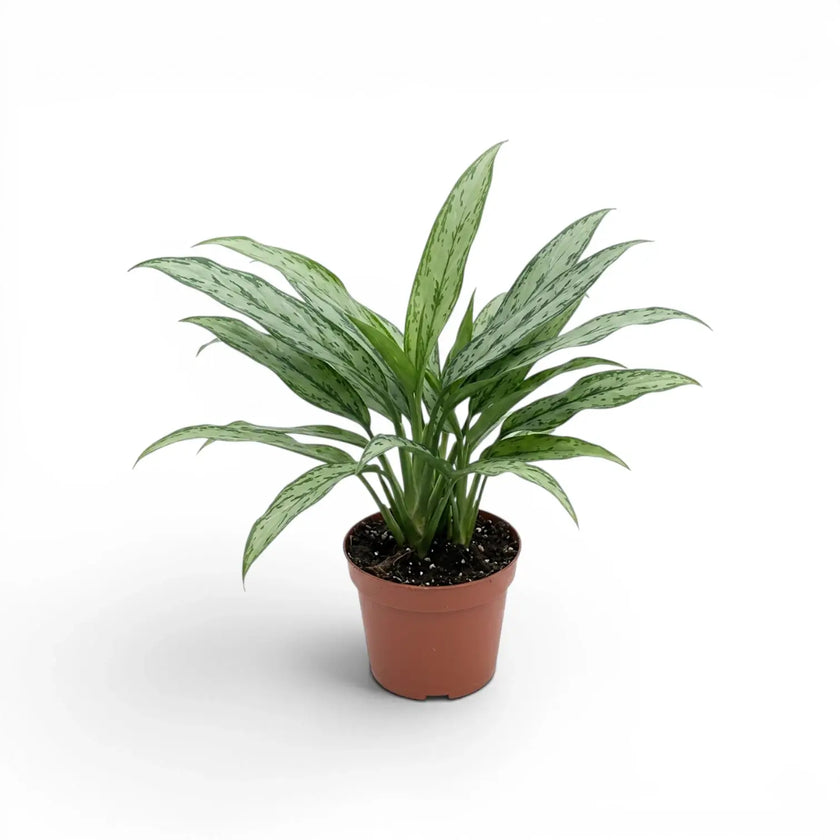
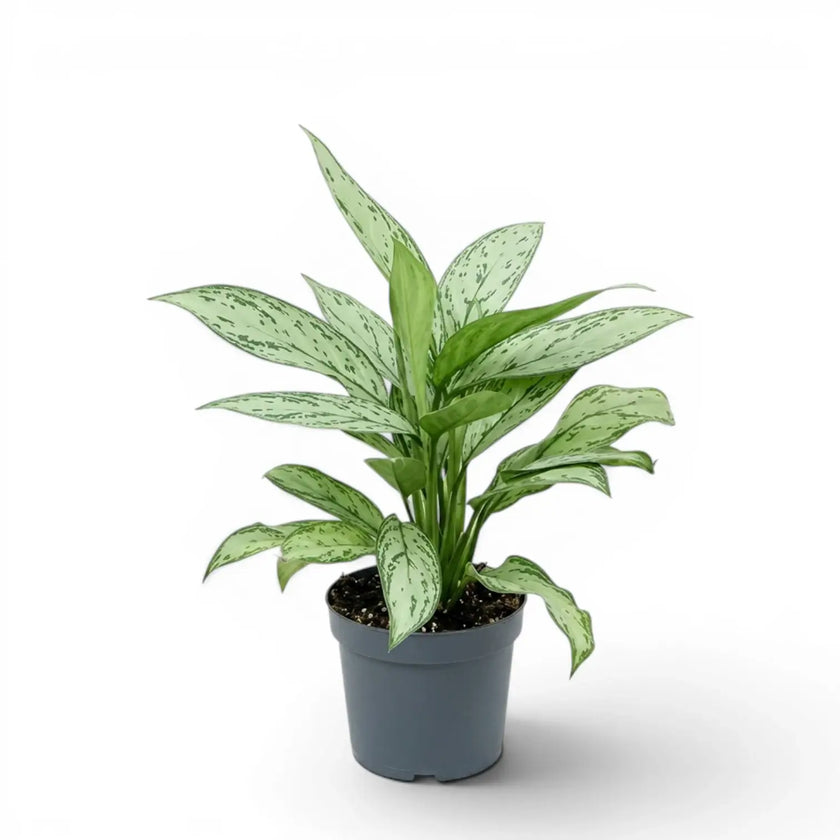
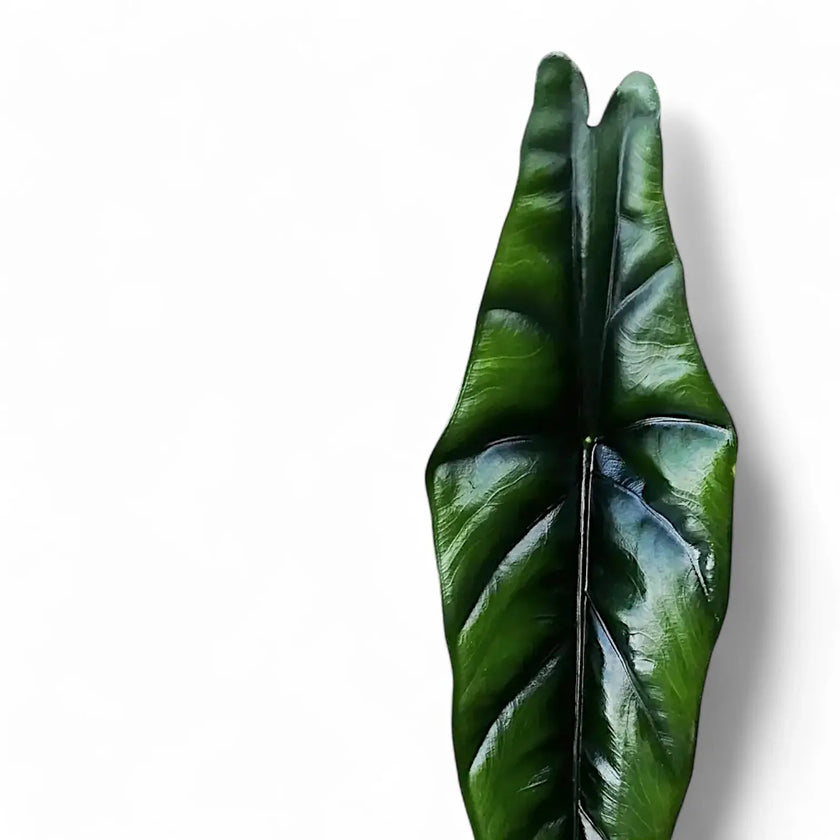
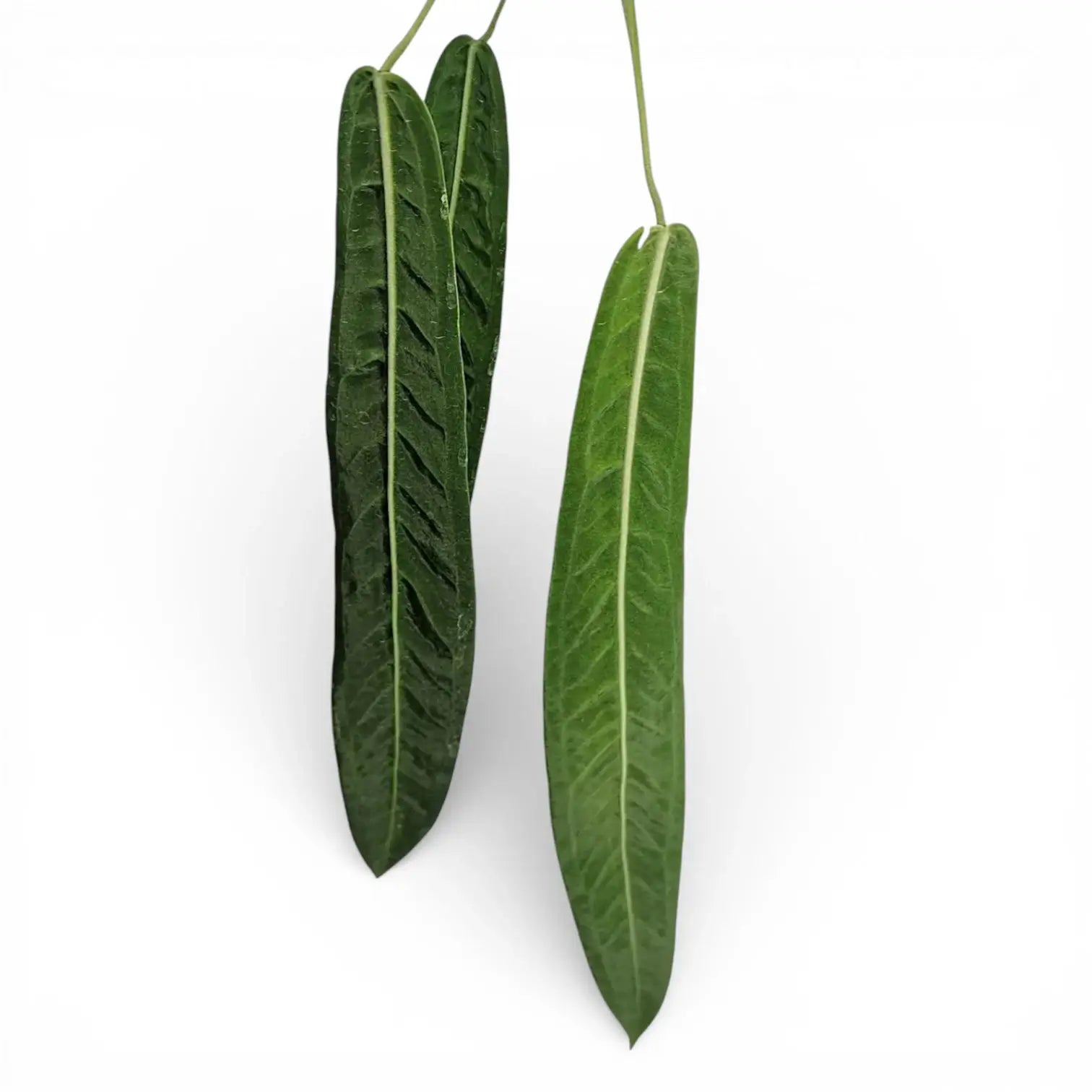
Long, narrow leaves create a clear visual line that adds structure without demanding much space. Their slim silhouettes work especially well in minimal setups or alongside broader foliage where contrast matters. These plants stay neat in bright, indirect light, which keeps the edges defined and prevents the leaves from stretching. A loose, well-draining substrate lets the roots breathe, and watering once the upper layer has begun to dry keeps the foliage firm. Most types stay tidy with light pruning and the occasional turn to maintain even growth.

  • Linear leaf shapes give clean, modern structure
  • Bright, indirect light preserves sharp, compact outlines
  • Airy, fast-draining mixes encourage steady root activity

Choose long, narrow foliage when you want strong lines without overwhelming the room.

Sort by

Worth knowing: Long, narrow leaves shed water quickly along their length, which can make spotting from standing droplets less likely.

Long and narrow leaves – lines and movement in plant displays

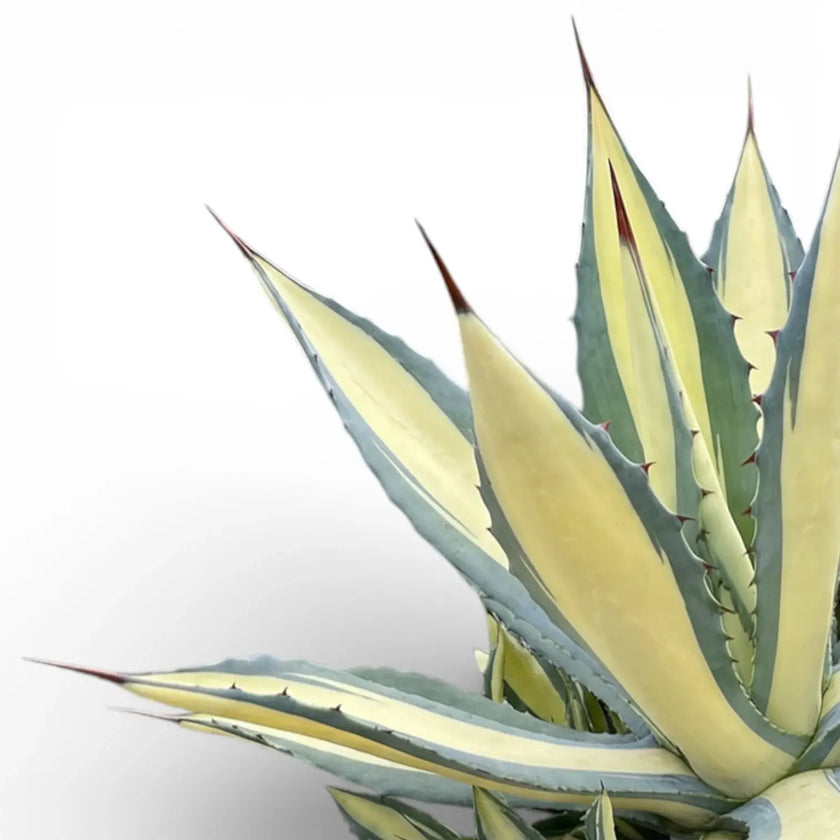
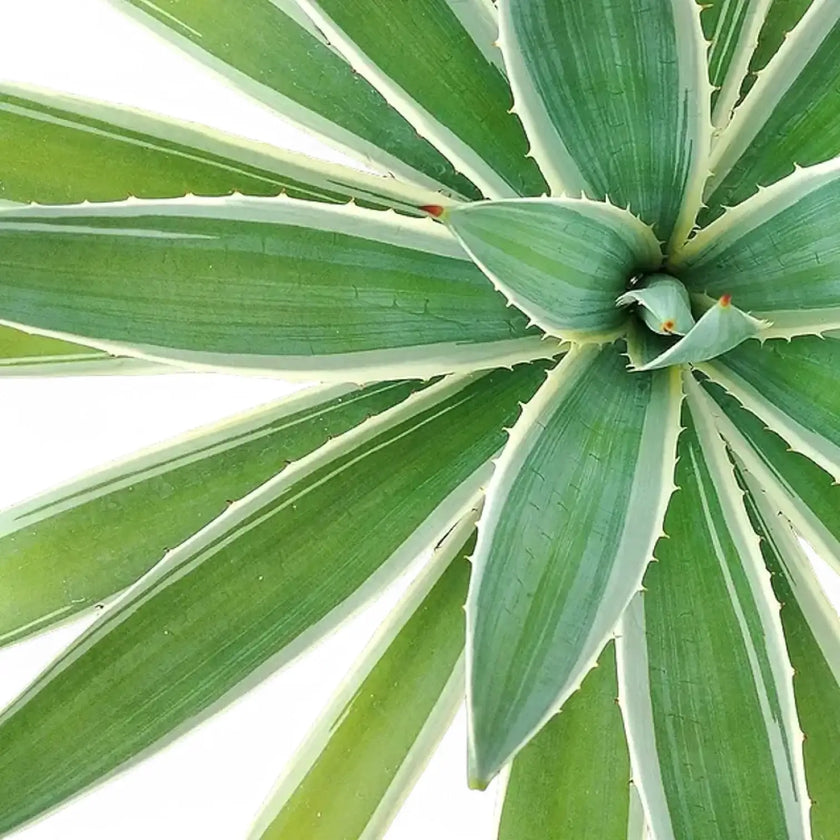
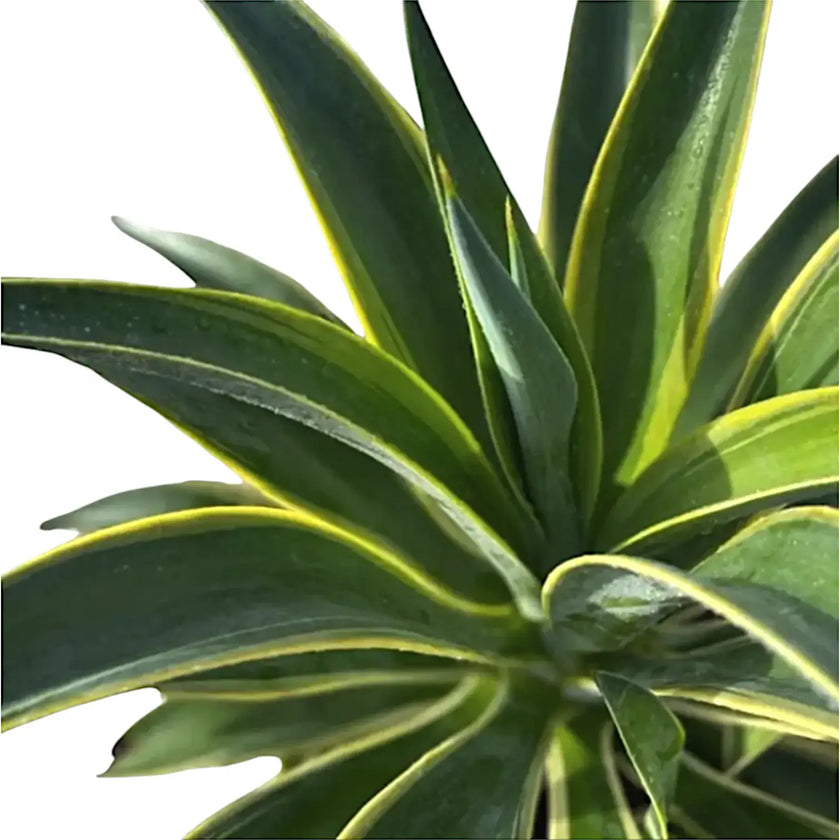
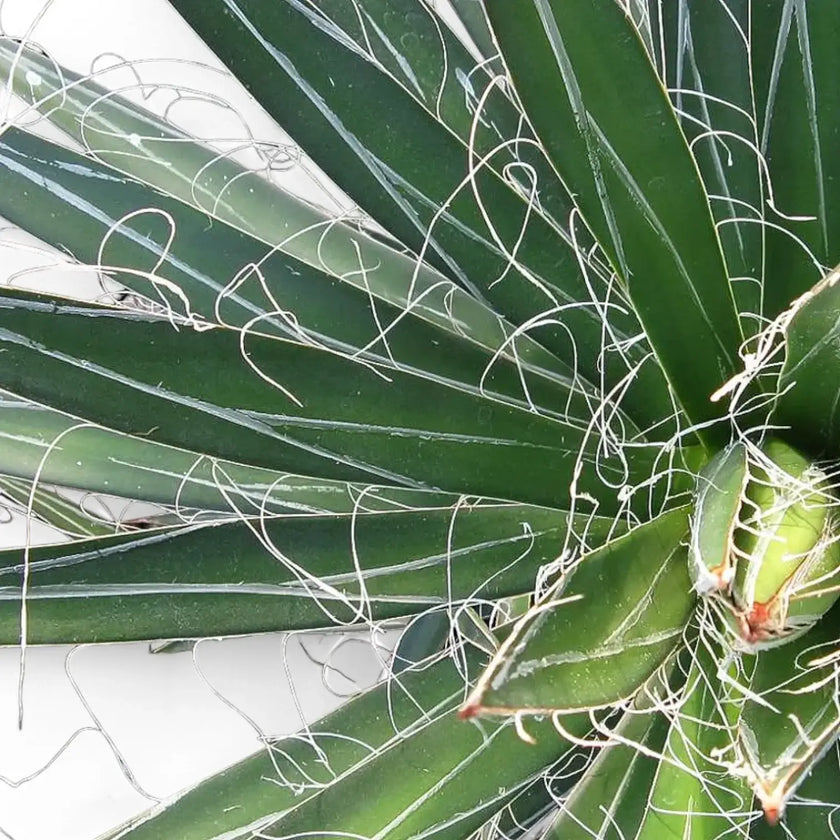
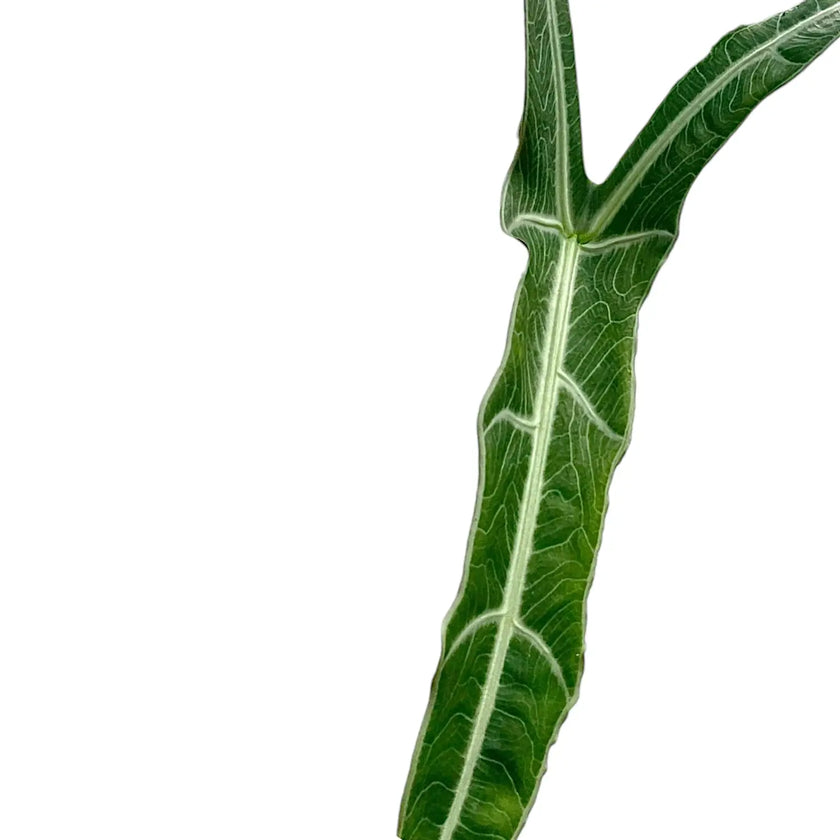
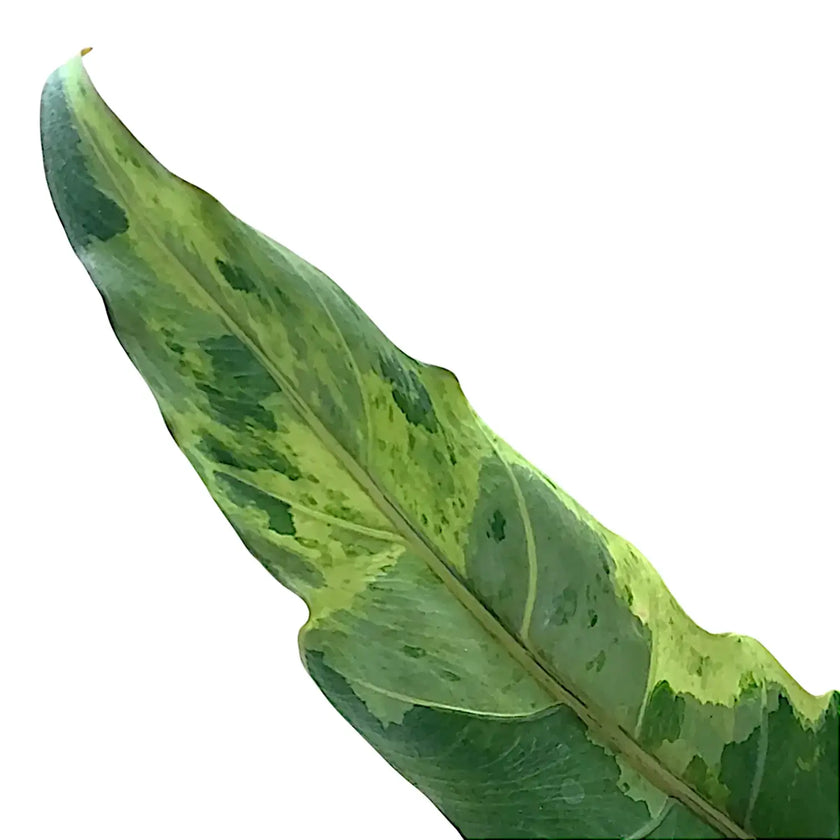
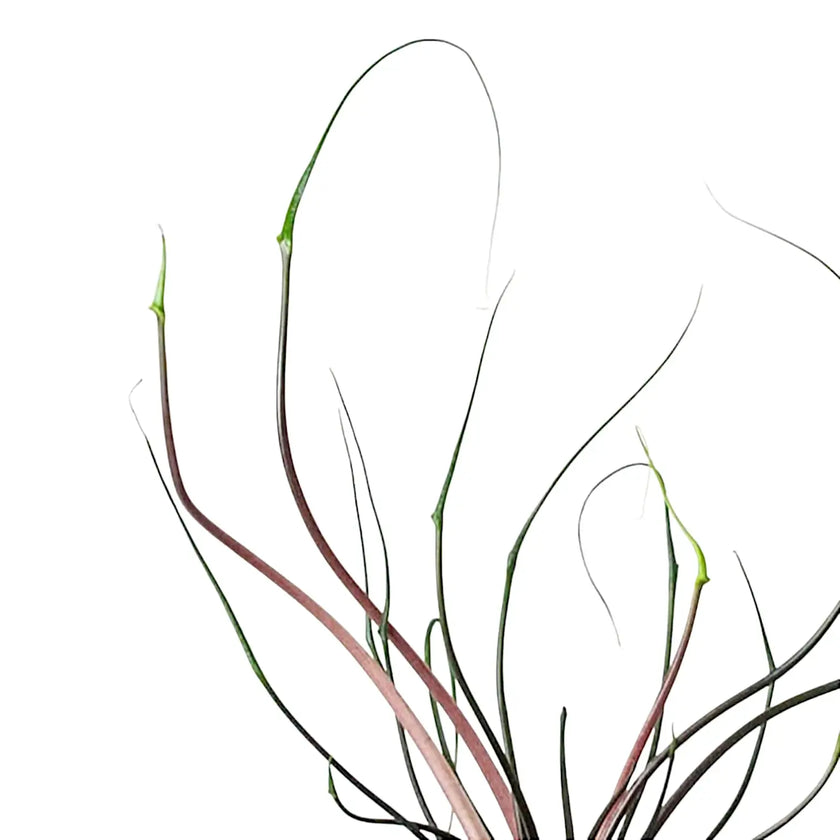
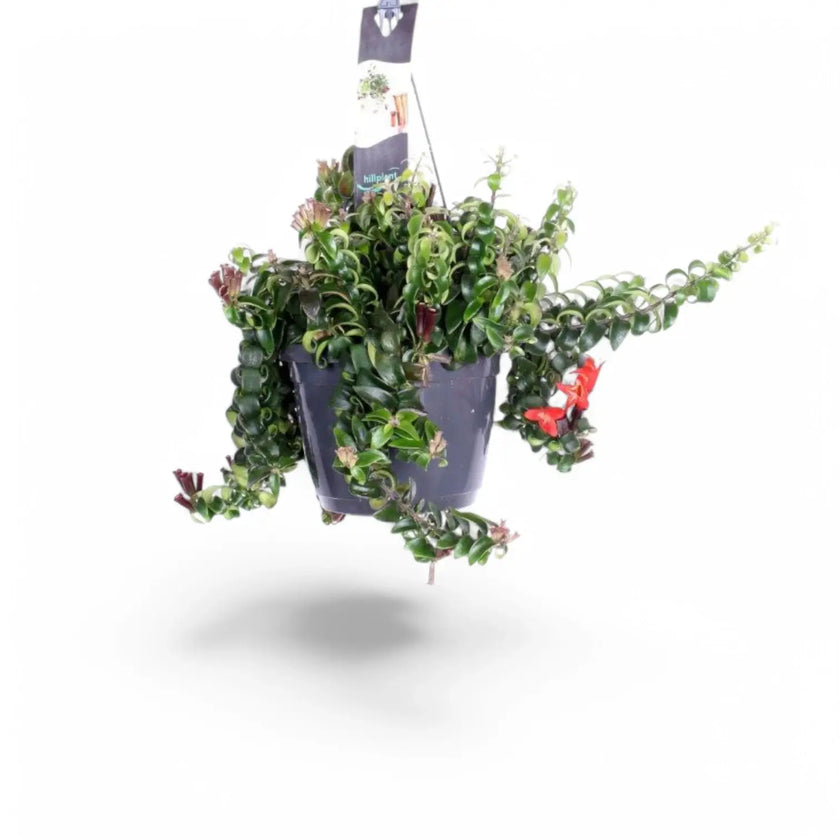
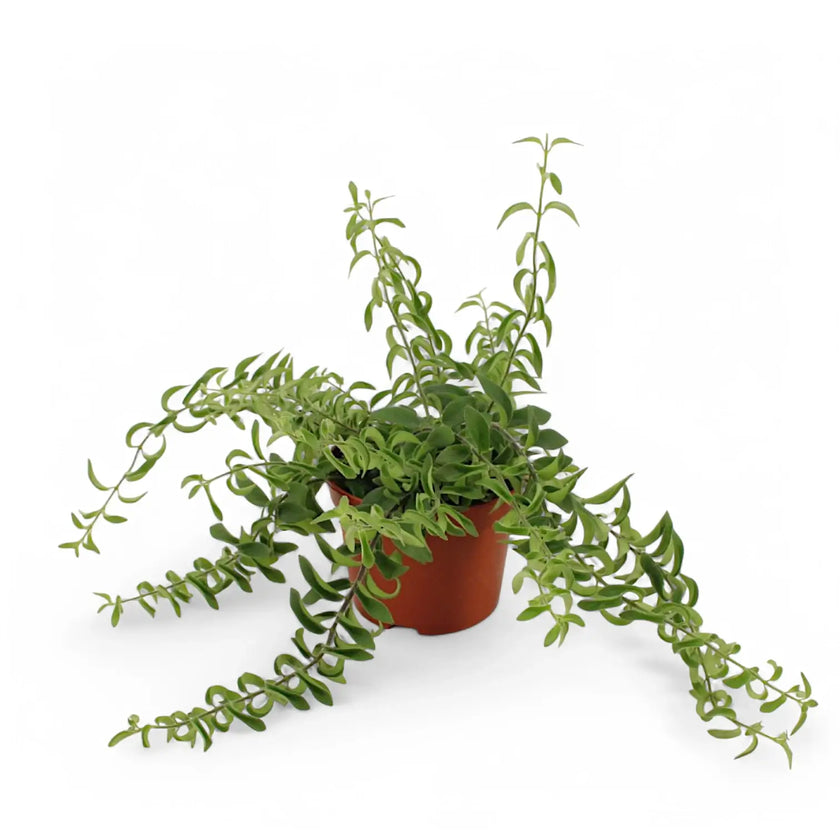
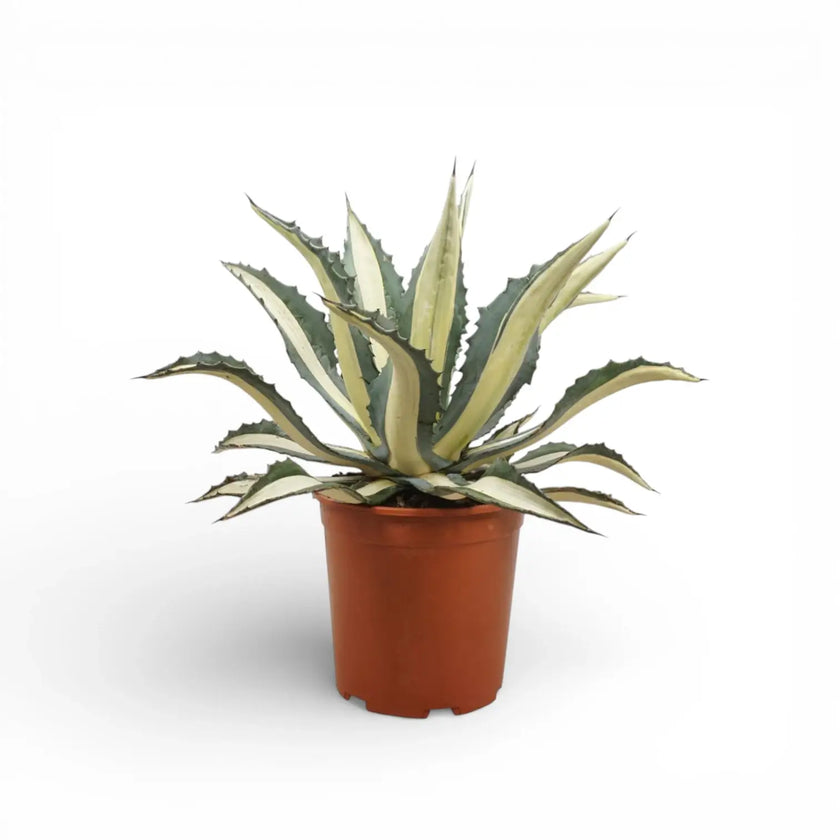
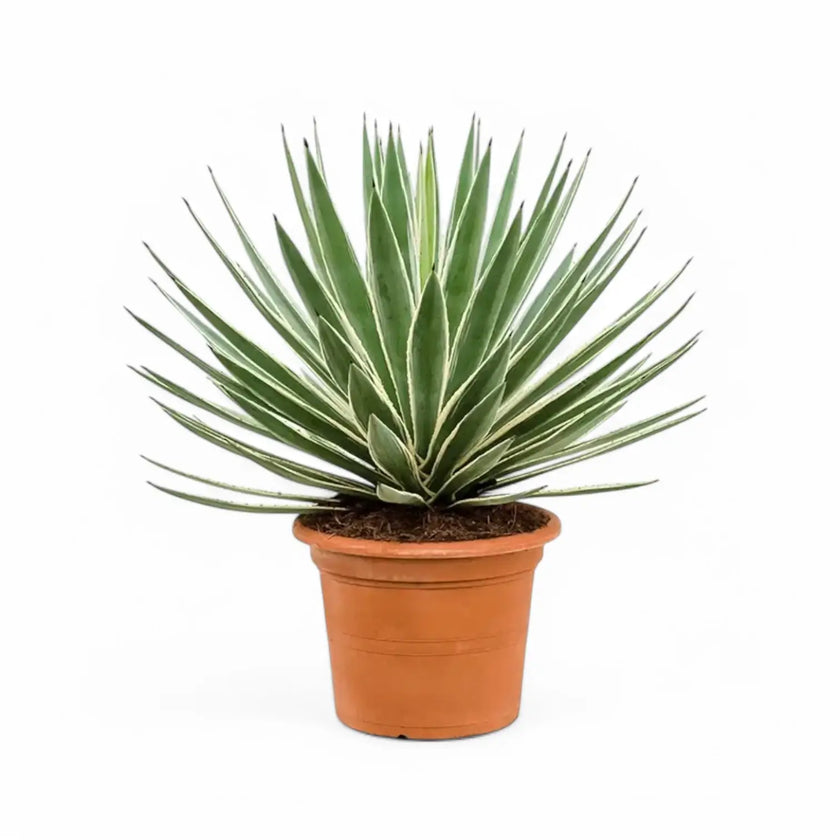
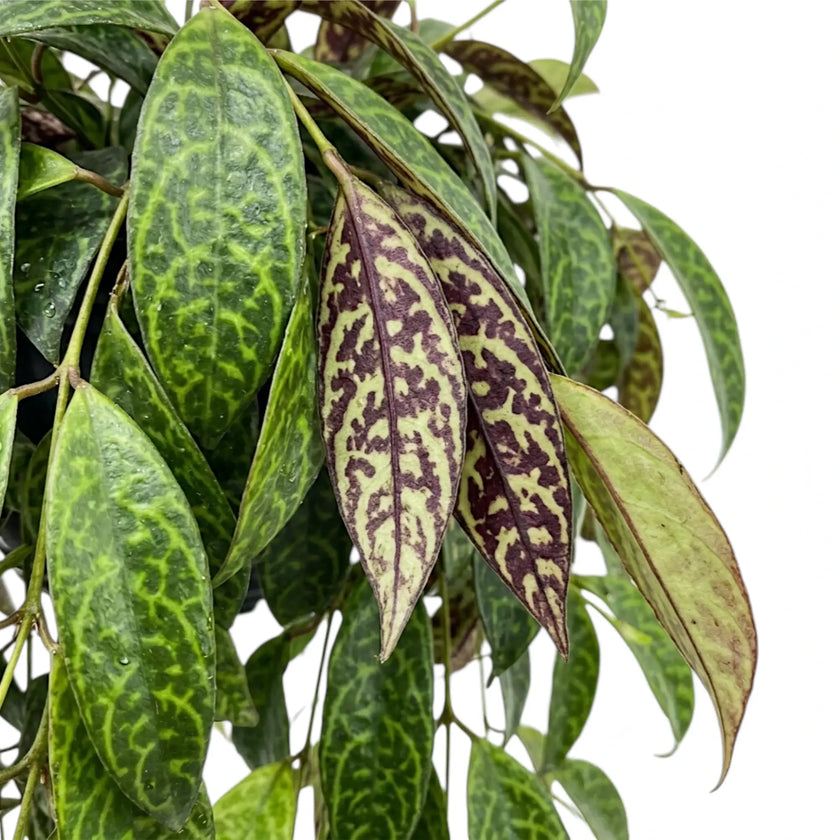
Long and narrow leaves stretch foliage into blades, straps and ribbons instead of broad panels. They draw clear lines through a room, either upright or in arches and fans, adding direction and a bit of tension to mixed plantings.

This long and narrow leaves collection concentrates on species where those slim shapes are the main feature. They shine beside furniture legs, window frames and plain walls, where lines stay readable instead of getting lost in clutter, and they give height without a huge footprint when tips are kept out of traffic paths.

Plants with long leaves come from very different habitats. Some are closer to dryland types and want grittier mixes and clear dry phases; others behave more like forest foliage and prefer evenly moist, breathable substrate. At least bright, indirect light usually keeps blades firm instead of floppy; the finer care points sit with each listing.

  • Best when you want clear vertical or arching lines instead of broad green blocks.
  • Often look strongest against neutral walls or simple, modern furniture.
  • Can add height in narrower spots if leaf tips sit out of main walkways.
  • Leaf ends show stress quickly, so light or water issues are easy to spot.
  • Pair well with round, heart-shaped or deeply cut foliage for contrast.

Choose plants with long and narrow leaves for places where you want visible lines and have enough light to keep those blades strong.

Long and narrow leaves – slim lines through a room

  • Focus: plants whose leaves grow slim and elongated – strappy, lance-shaped or grass-like rather than broad and round.
  • Look & mood: these plants draw fine lines through a room, adding height and structure without feeling visually heavy.
  • Group mix: includes succulents, rainforest species and grassy clumps; they share an outline, not the same watering and light recipe.
  • How to browse: start with mature height, spread and leaf stiffness, then match each plant’s needs to spots you actually have.
  • Watering clues: long leaves often show watering mistakes at the tips first; drying too hard or staying wet for days usually shows there.
  • Best for: people who like calmer silhouettes, vertical emphasis and plants that sit comfortably beside furniture rather than covering it.

Make Sure To Read:

Why Your Houseplants Don’t Care What Room They’re In

Why Your Houseplants Don’t Care What Room They’re In

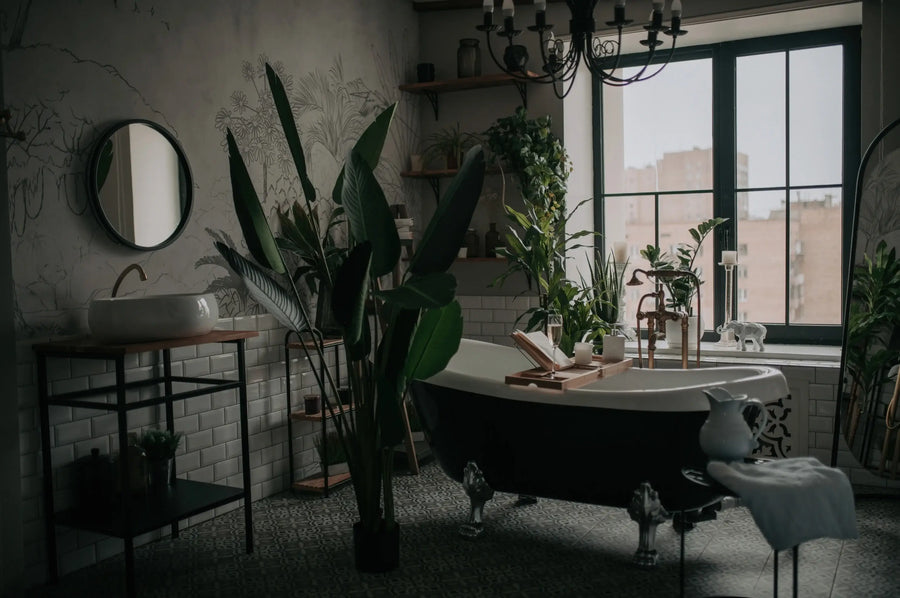
Forget “perfect for bedrooms” and “ideal for bathrooms.” Plants don’t respond to room names — they respond to light, moisture, airflow, temperature, and substrate. This guide explains why room-based advice fails, how indoor microclimates actually work, and ...

Read more