Skip to content

Cart

Your cart is empty

Herbs

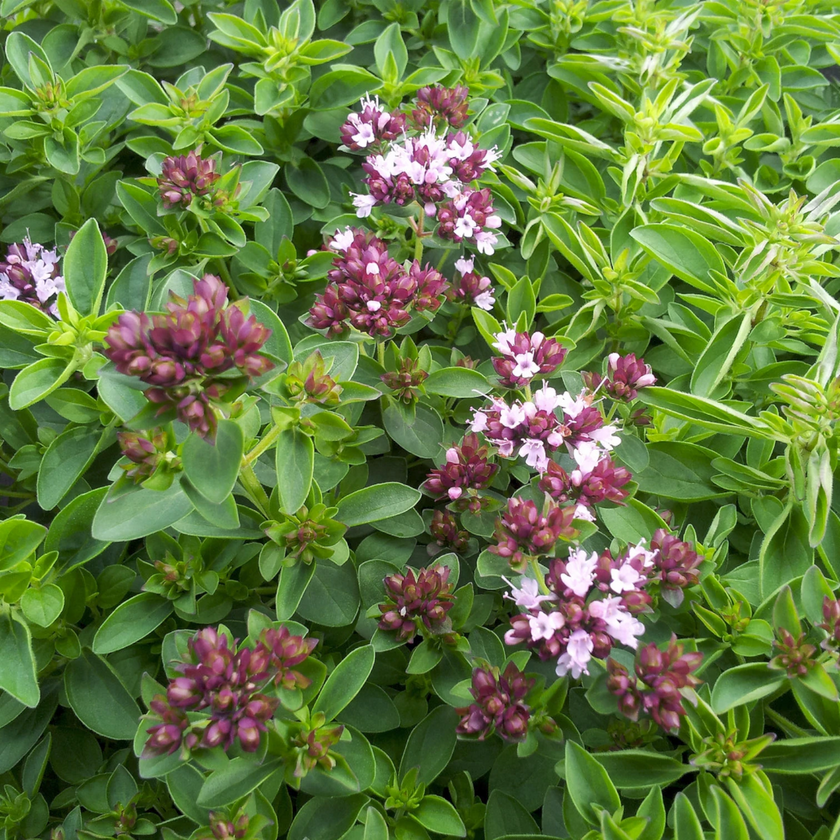
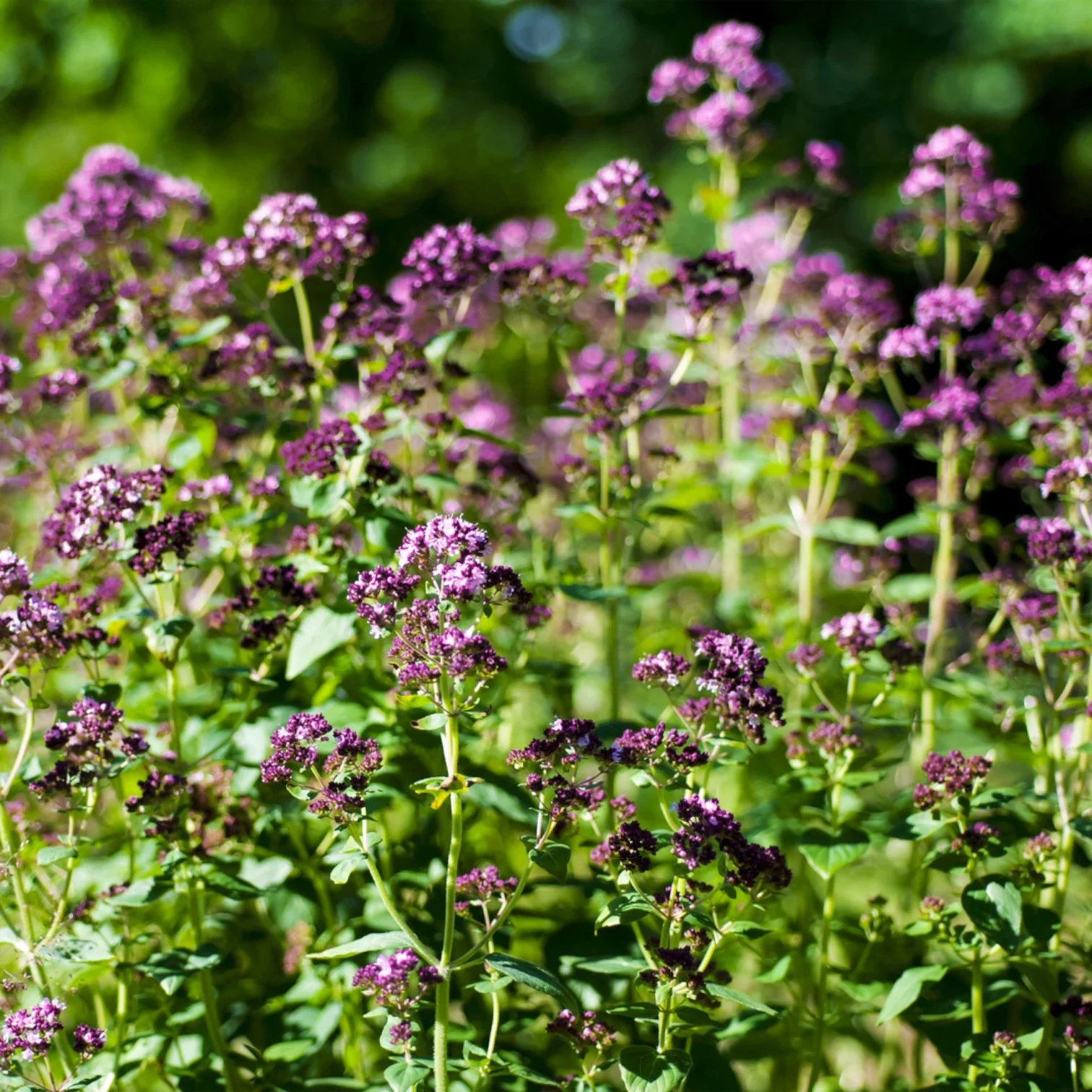
Purple-blooming Origanum vulgare plants

Sort by

9 products

Filters

Levisticum officinale detail shot.Levisticum officinale plant detail.
Levisticum officinale Regular price €11,95
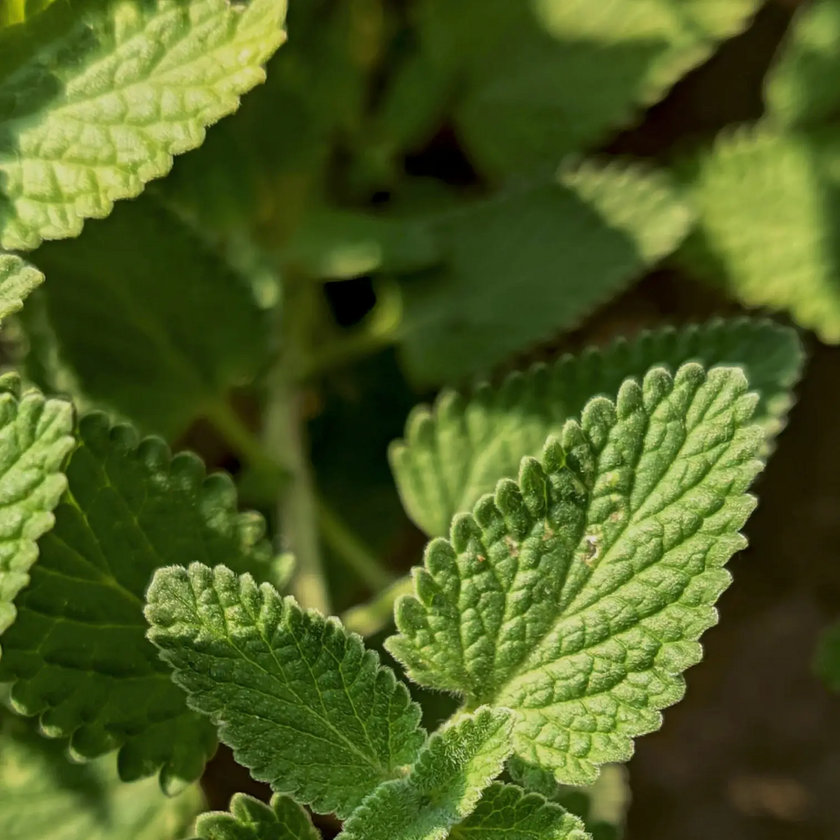
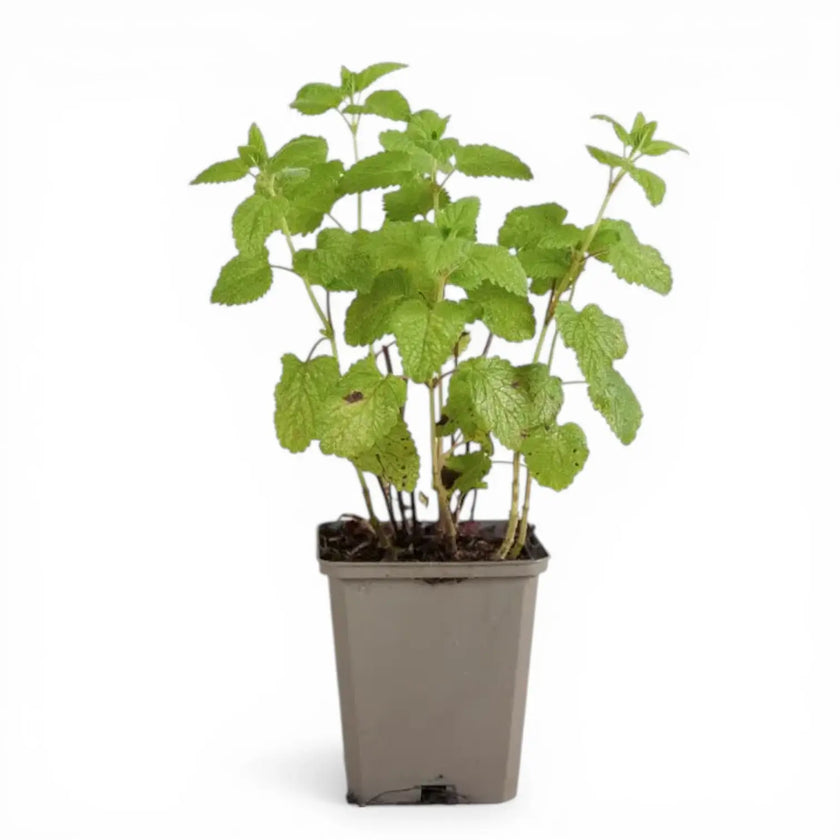
Melissa officinalis close-up detail.Melissa officinalis close-up detail.
Melissa officinalis Regular price €11,95
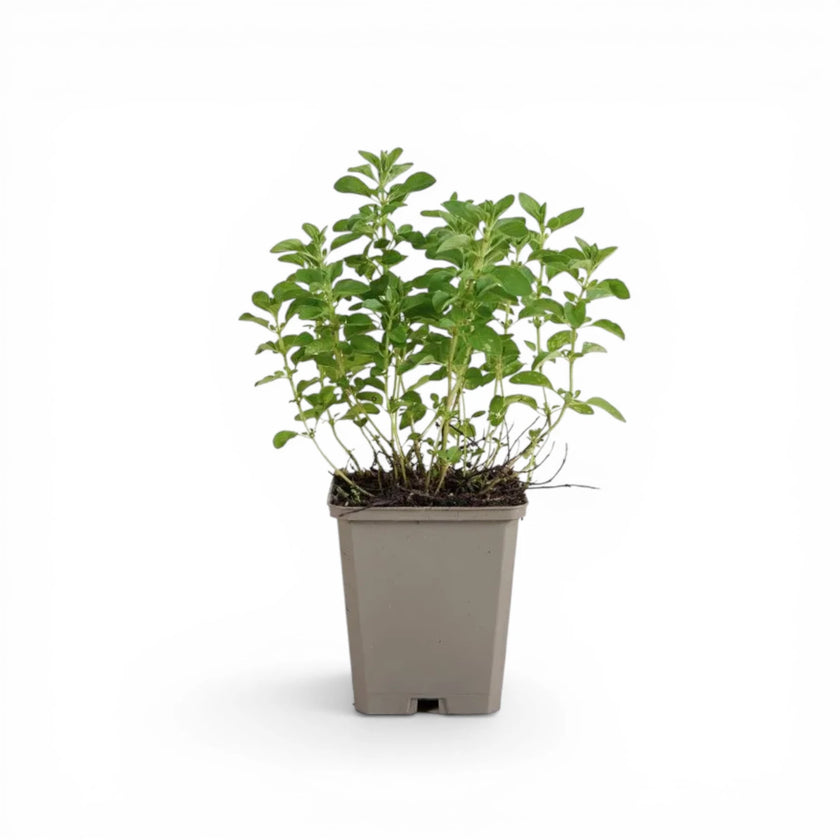
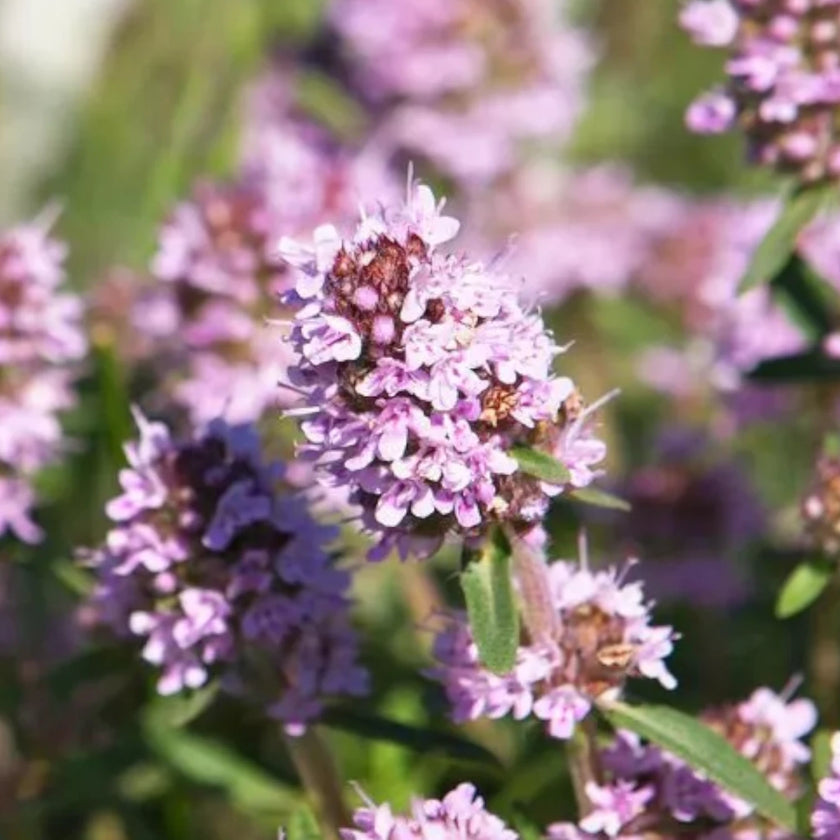
Origanum vulgare plant detail.Origanum vulgare close-up detail.
Origanum vulgare Regular price €12,95
Origanum vulgare 'Compactum' close-up detail.Origanum vulgare 'Compactum' plant detail.
Origanum vulgare 'Compactum' Regular price €13,95
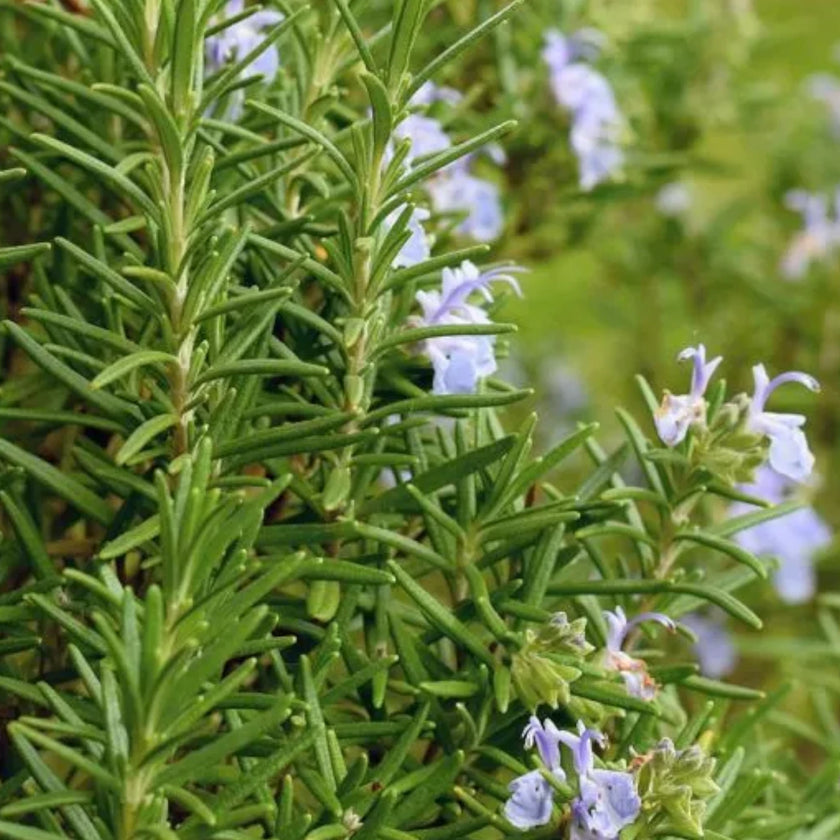
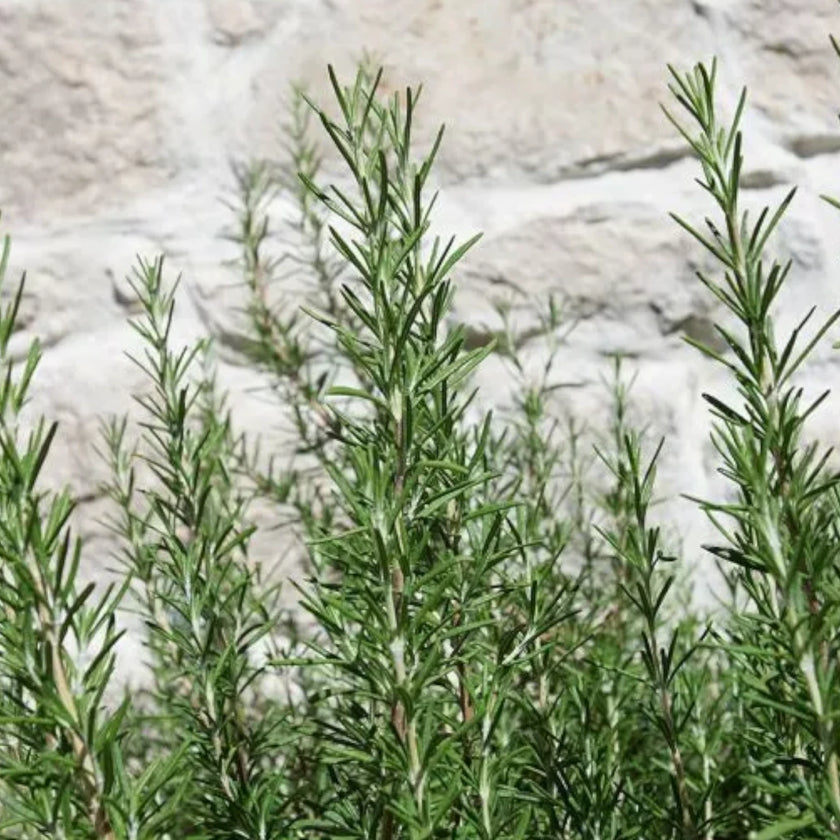
Salvia rosmarinus (Rosmarinus officinalis) detail shot.Salvia rosmarinus (Rosmarinus officinalis) plant detail.
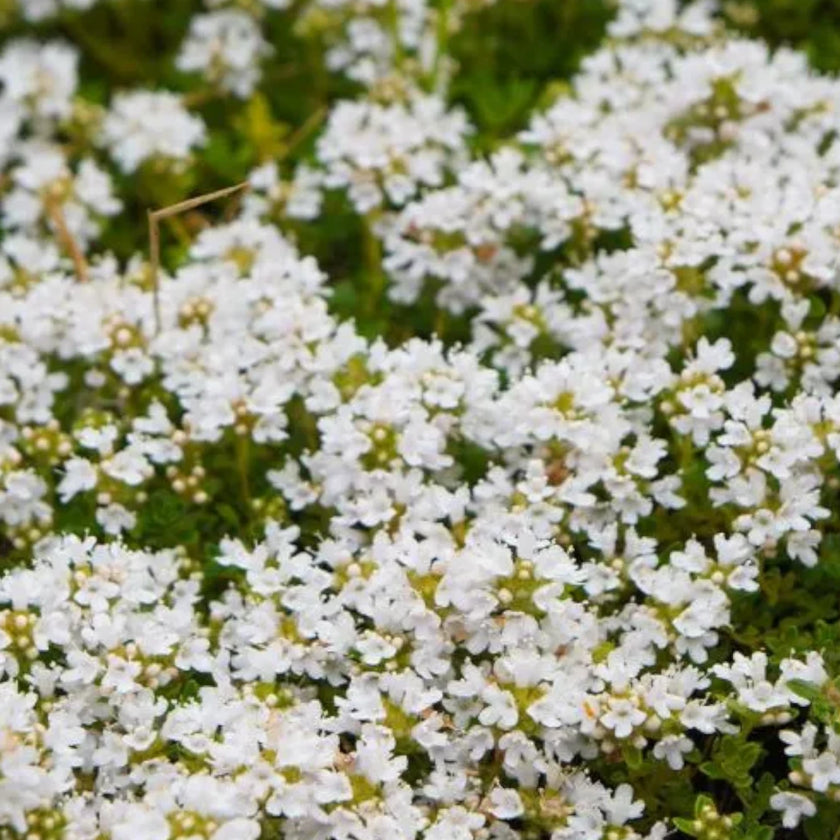
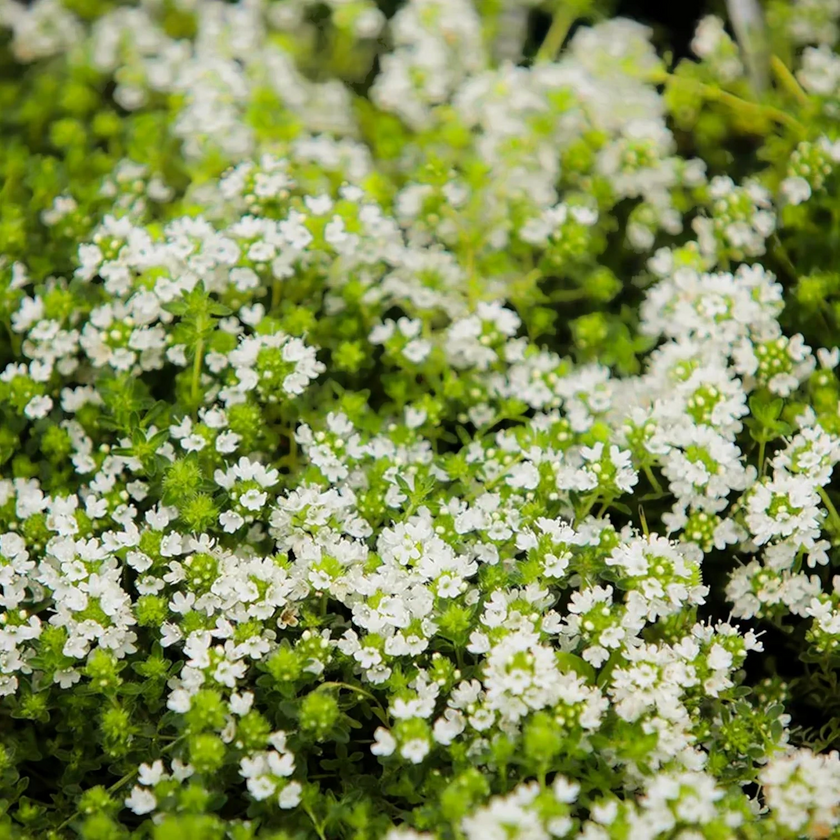
Thymus praecox 'Albiflorus' growing outdoors.Thymus praecox 'Albiflorus' detail shot.
Thymus praecox 'Albiflorus' Regular price €13,95
Thymus praecox 'Red Carpet' growing outdoors.Thymus praecox 'Red Carpet' detail shot.
Thymus praecox 'Red Carpet' Regular price €13,95
Thymus serpyllum detail shot.Thymus serpyllum in nursery pot.
Thymus serpyllum Regular price €13,95
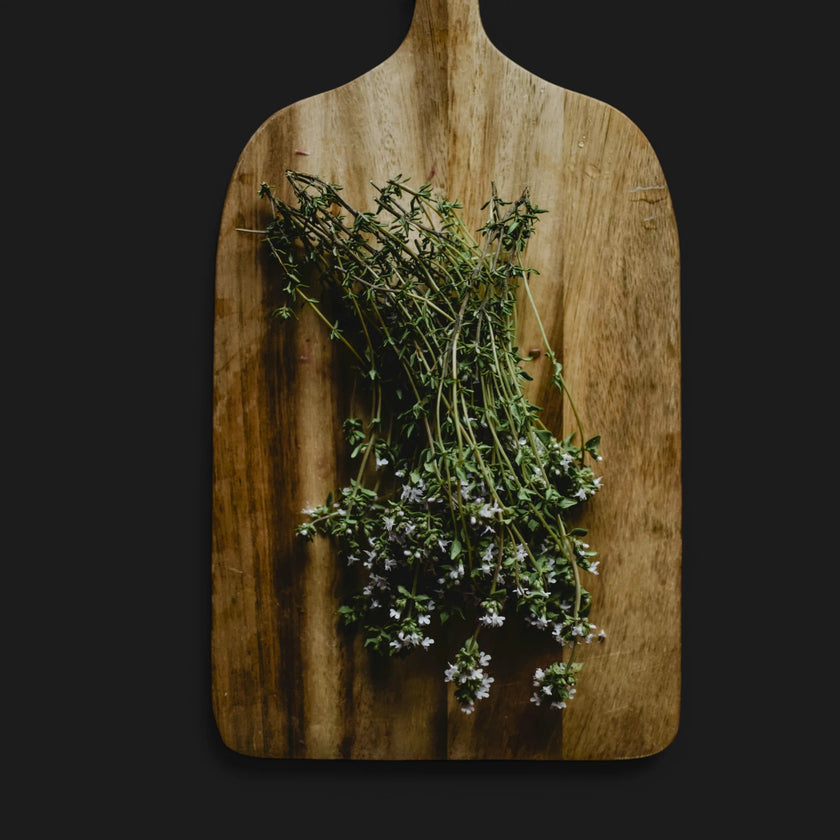
Thymus vulgaris growing outdoors plant photo.Thymus vulgaris in garden setting.
Thymus vulgaris Regular price €12,95

Herbs

Quick Overview
  • Outdoor herbs usually stay sturdier with brighter light and moving air.
  • Group herbs by water needs so you are not forced into one watering routine for everything.
  • Woody herbs prefer leaner, faster draining mixes than soft, leafy herbs.
  • A bigger container keeps moisture steadier and reduces summer stress.
  • Regular cutting encourages bushy growth and keeps many herbs in leaf longer.
  • Sharp drainage matters most through cool, wet weather.
  • Gentle trimming keeps woody herbs compact without cutting into old, bare stems.
Details & Care

Herbs are practical plants: flavour, scent, and fast harvest from a pot or a small bed. Outdoors they usually get the light and airflow they prefer, which supports sturdier growth and stronger aroma.

Grouping herbs by water needs keeps care predictable. Mediterranean style herbs tend to like leaner, faster draining mixes; softer leaved herbs usually prefer more even moisture.

  • Sun and heat: Many culinary herbs stay compact and aromatic with strong sun, while shade leaning herbs appreciate cooler afternoons.
  • Soil style: Lean, gritty mixes suit woody herbs; richer mixes suit herbs that grow fast and stay soft.
  • Pot size: Small pots dry in hours on hot days. Extra soil volume buys a steadier root zone.
  • Water grouping: Keeping similar needs together reduces the chance of overwatering one plant and drying out another.
  • Harvesting: Regular cutting encourages branching and delays flowering in many kitchen herbs.

Drainage is the foundation. Many herbs decline when the root zone stays wet and cool for long periods, which is why container setup matters as much as sunlight.

Harvesting is also a form of shaping. Frequent cutting keeps plants bushier, while letting herbs flower can shift energy away from leafy growth and change flavour.

  • Shaping woody herbs: Gentle trimming keeps growth dense. Cutting back into old, bare stems often gives slow recovery.
  • Feeding: Light, consistent feeding supports leaf production, especially in containers where nutrients wash out.
  • Winter rain: In pots, winter wet can be tougher than cold. Sharp drainage and a sheltered spot protect roots.
  • Mixed pots: Combining herbs with similar growth speed and water demand keeps the pot looking balanced longer.
  • Succession: Fast herbs can be replaced mid season without disturbing slower, woody plants.

Many herbs are short lived in pots, especially if the mix stays wet in winter. Replacing fast growers through summer is normal, while woody herbs improve over time when roots stay dry enough.

If you want a collection you can harvest from weekly, herbs are a practical option. Choose a few staples, give them the right pot setup, and they will keep paying you back in flavour.