Position
Sun to part shade



Melissa
VAT included · plus
Your outdoor plant has just been packed, transported and unpacked, so give it a calm start before planting or placing it permanently. Remove all packaging carefully, check the pot, stems, visible roots and substrate moisture, and settle any loose growing medium back around the root ball. Water if the root ball feels dry, but do not leave the pot standing in water. For the first few days, keep the plant in a sheltered spot suited to its light needs, away from strong midday sun, heavy wind, frost and heat stress.
Do not move the plant straight into full exposure, especially if it is young, newly flushed, evergreen, recently pruned or greenhouse-grown. Gradually introduce more sun, wind and temperature variation over several days. If cold nights, storms, intense sun or hot dry weather are expected, keep the plant protected until conditions are more stable. Do not fertilize immediately after delivery; let the plant settle first and resume feeding only when it is actively growing and conditions are suitable.
Outdoor plants may arrive in different seasonal stages. Depending on the time of year, your plant may be leafy, flowering, newly sprouting, recently pruned, dormant, partly bare or leafless. Adjust care to what the plant is doing: actively growing plants need closer moisture checks, while dormant plants usually need protection from extremes and only light moisture management until growth resumes.
Plant outdoors when the soil is workable and weather conditions suit the plant type. Avoid planting during frost, heatwaves, waterlogged soil or very dry windy periods. It is better to keep the plant protected in its pot for a short time than to plant into stressful conditions. After planting, water thoroughly so the root ball and surrounding soil connect properly, then monitor moisture while the plant establishes.
Secure shipping, carefully packed orders with safe delivery across the EU, UK and Switzerland.
28-day plant guarantee, if a plant arrives damaged or fails soon after delivery, we help you make it right.
Free returns, simple, cost-free returns according to our policy.
For full details, please see:
Please head to our FAQ Page or Contact us.
Herbaceous perennial herb
Position
Sun to part shade
Moisture
Average to moist
Drainage
Moisture-retentive, Well-drained
Hardiness
Fully hardy · -20°C
Mature size
60–120 × 40–60 cm
Winter habit
Herbaceous die-back
Bloom time
Summer
Containers
Good in pots
Pruning
Spring, Summer
Dry open ground, scrub and woodland edges from southern Europe to western Asia.
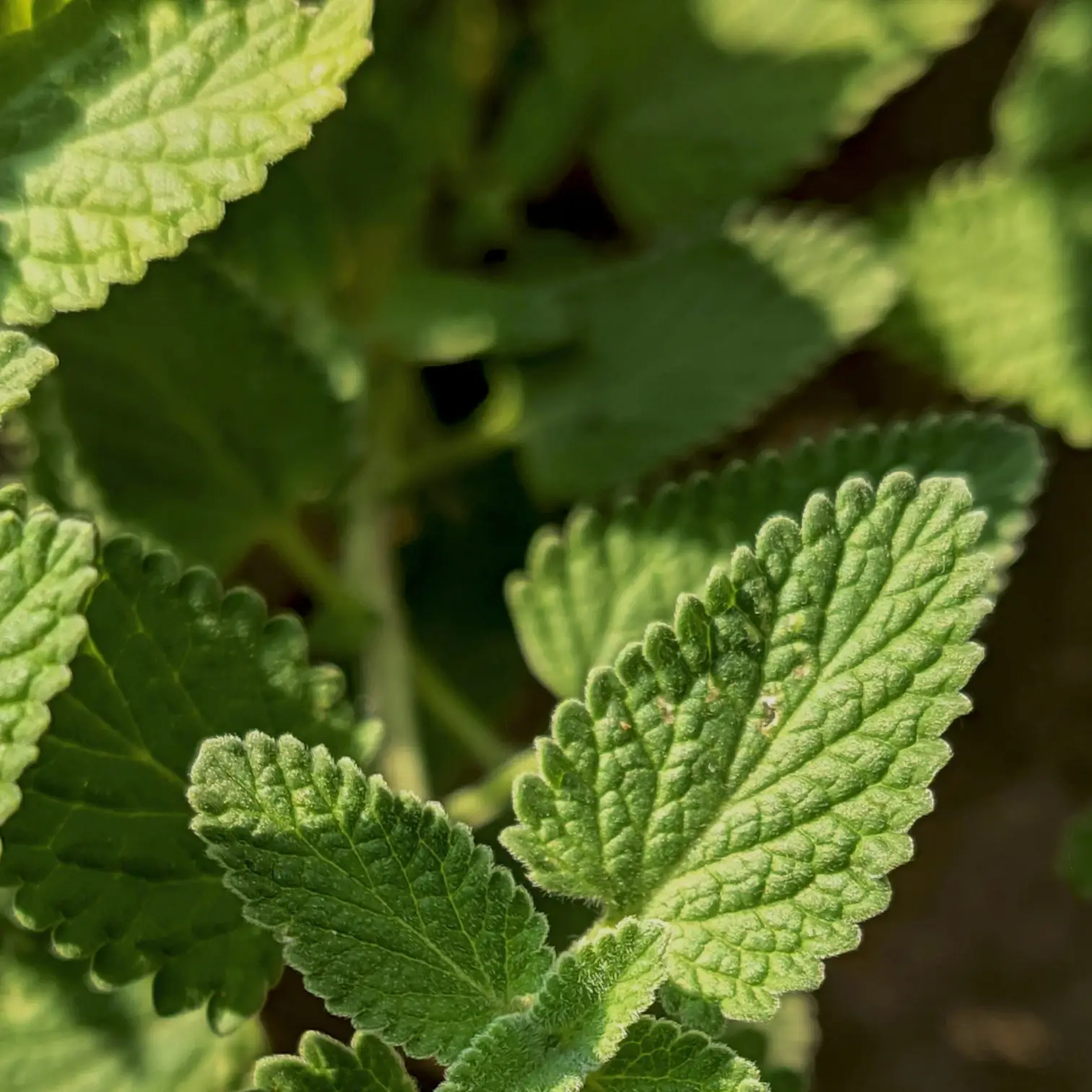
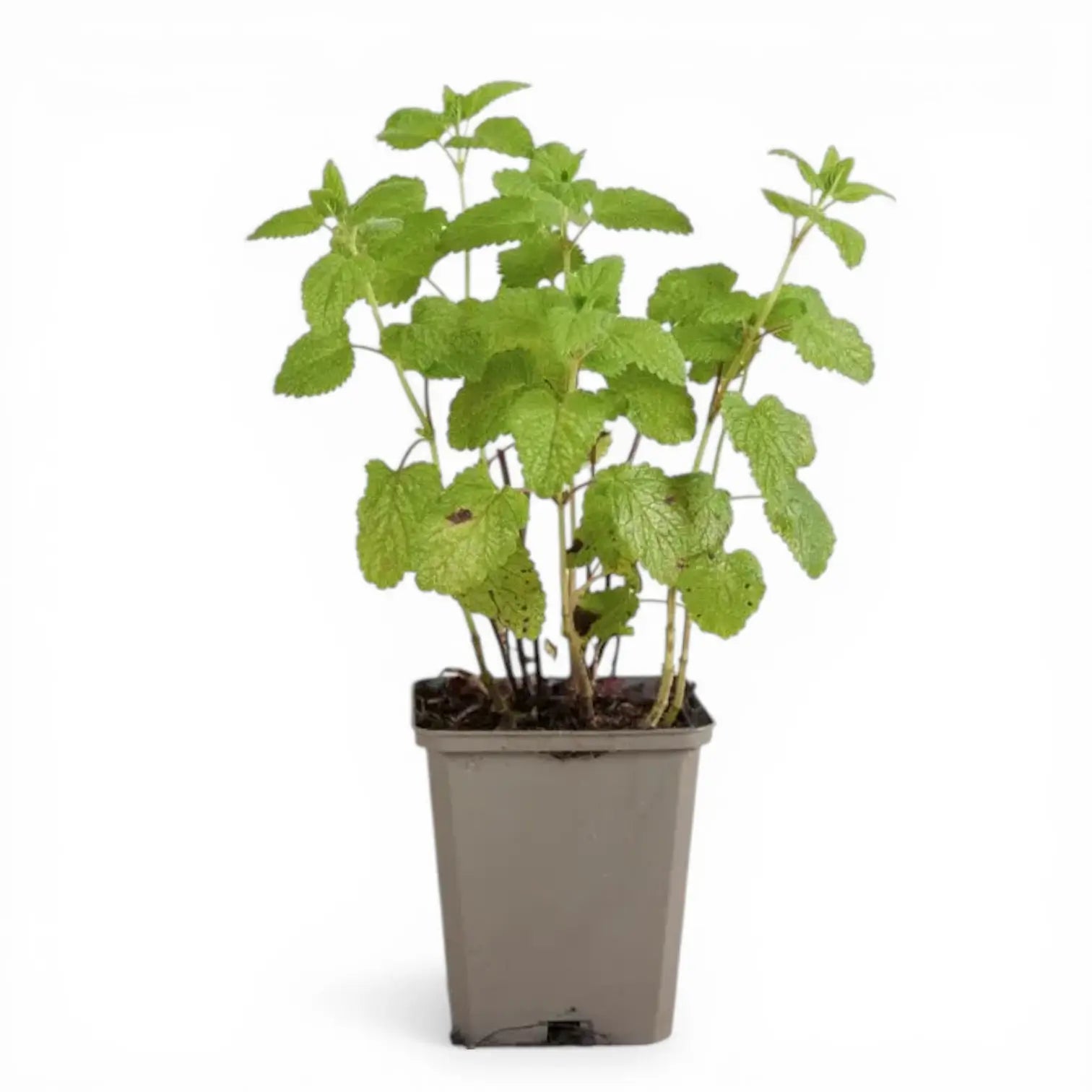
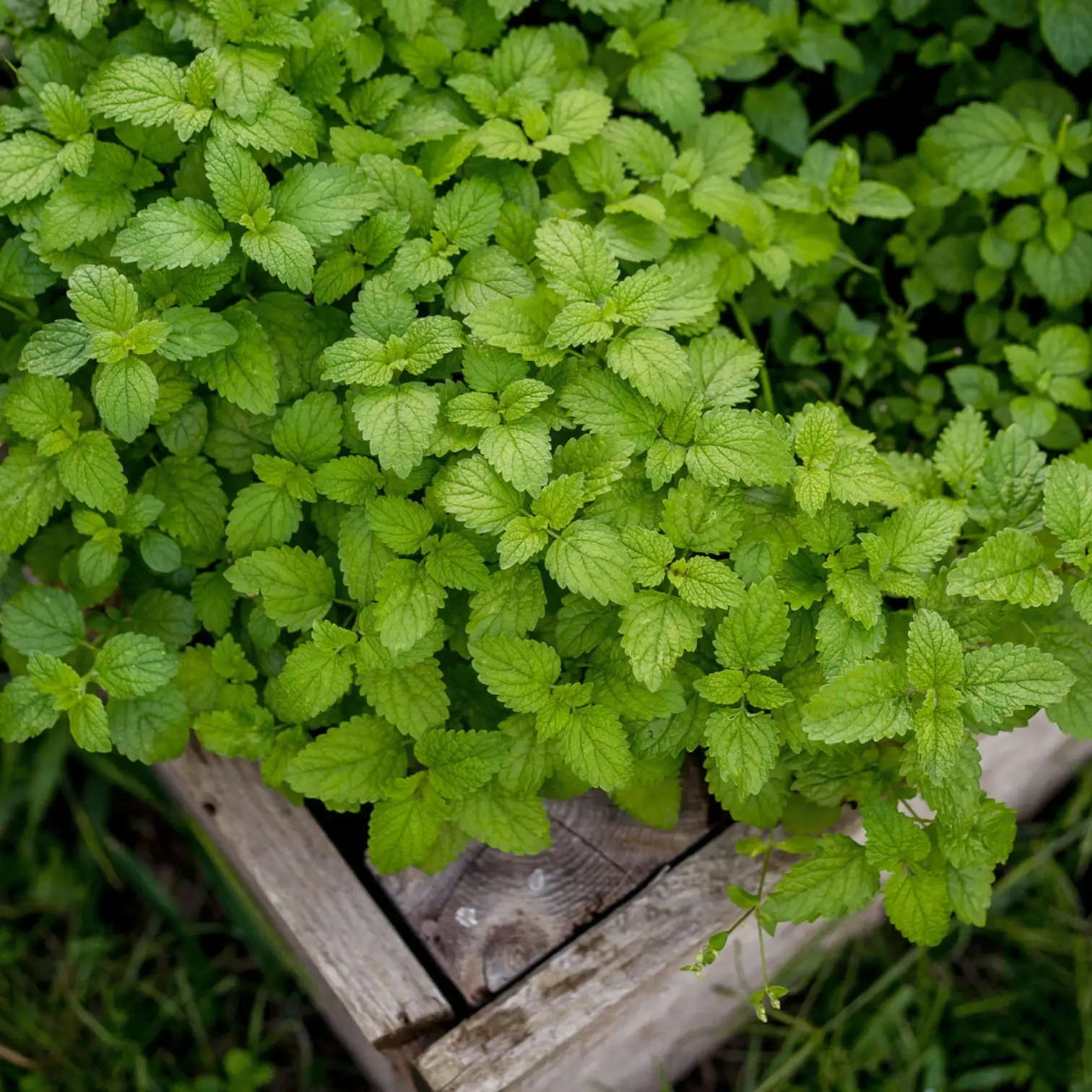
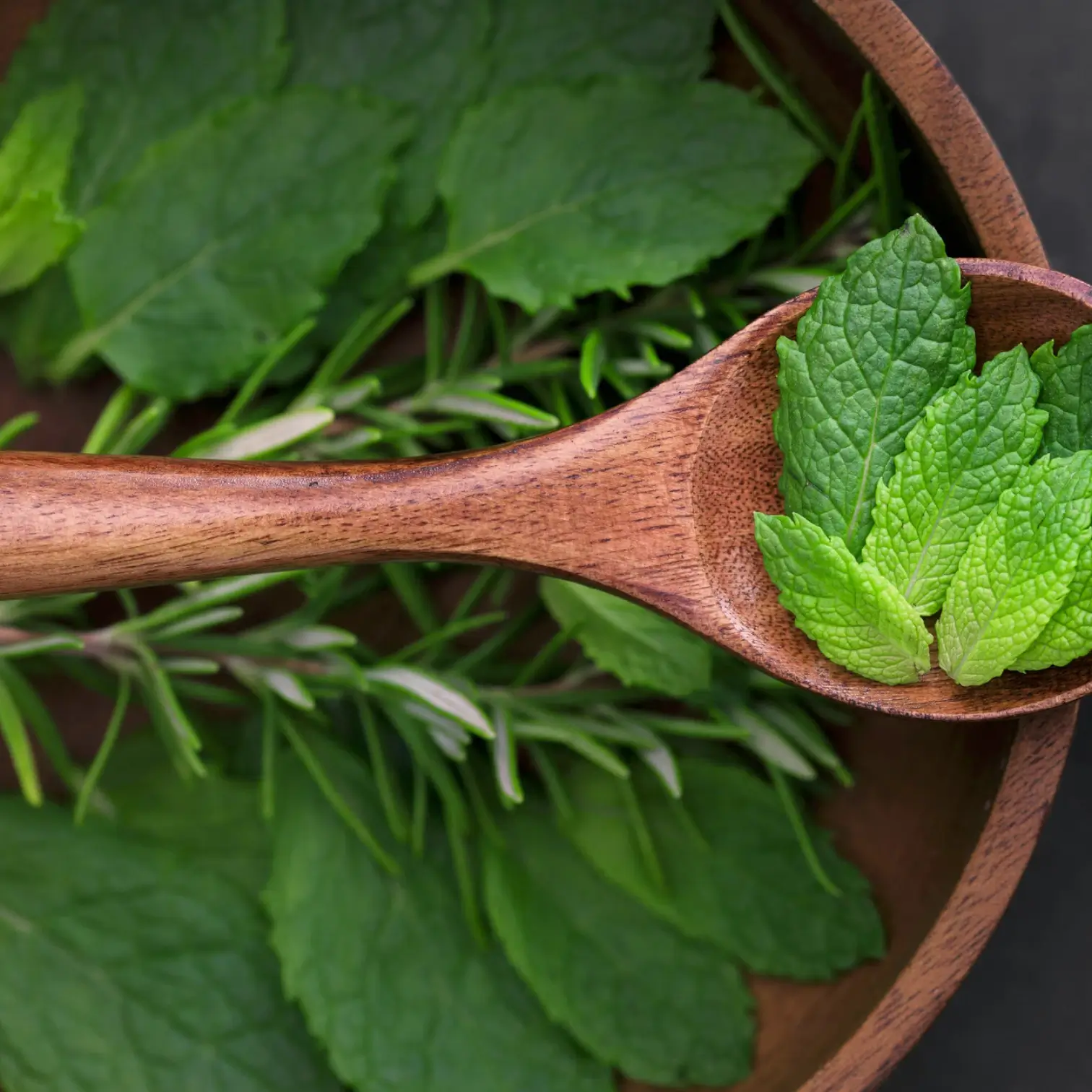
Melissa officinalis is lemon balm, a hardy perennial herb with soft green leaves, a clear lemon scent and small white summer flowers. It is one of the most useful leafy herbs for temperate gardens because it returns every spring, crops over a long season and grows happily in sun or partial shade. The plant has a relaxed, leafy look, so it works in herb beds, edible borders, informal perennial planting and containers.
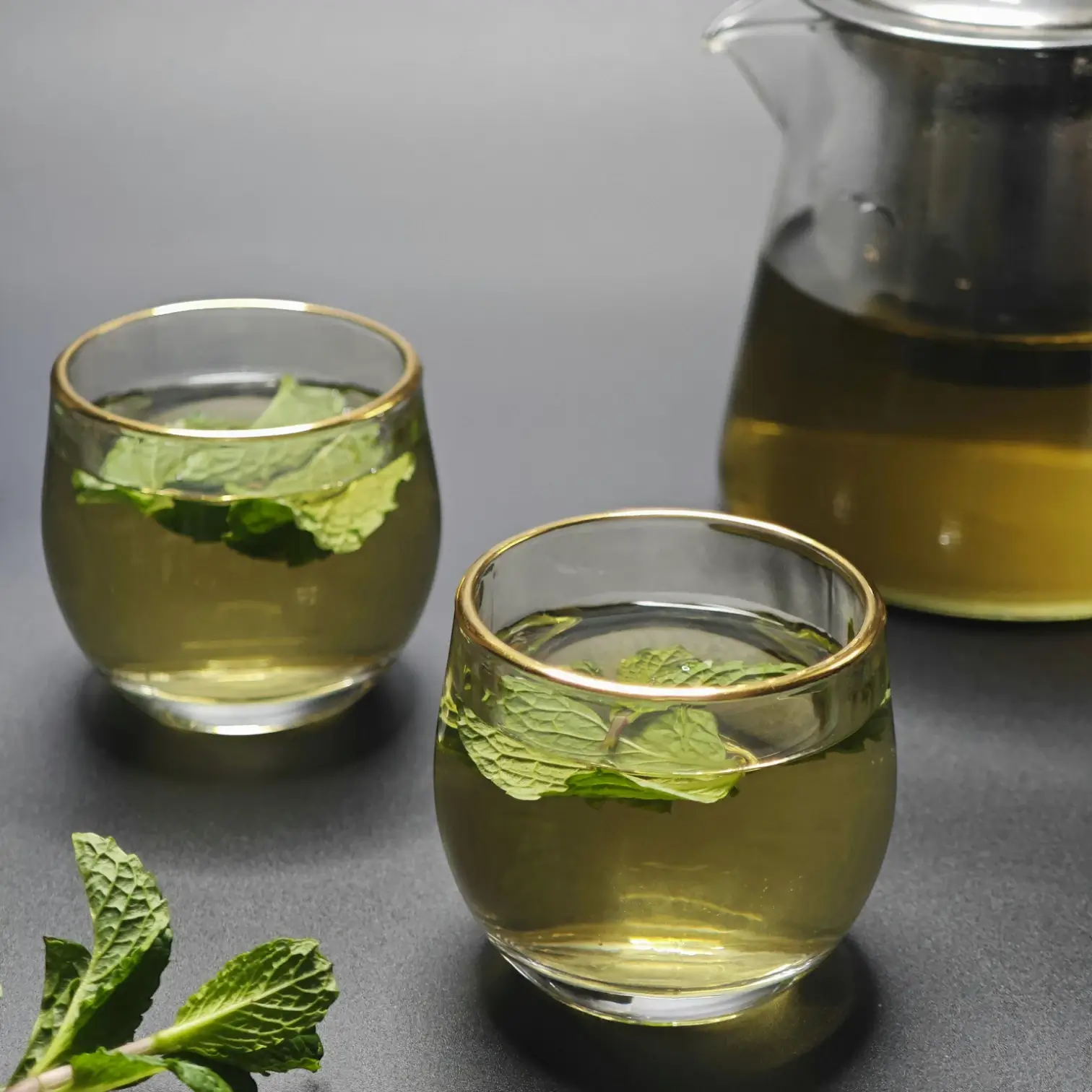
The leaves are the main reason to grow it. When picked young, they have a fresh lemon fragrance that suits teas, cold drinks, salads, desserts and light savoury dishes. The flavour is best from soft new shoots before the plant flowers heavily. Summer flowers are small, but they add value for bees and other flower-visiting insects. After flowering, a trim encourages cleaner new leaves and keeps the clump tidier.
Lemon balm starts into growth in spring from a hardy crown. It forms a leafy clump first, then sends up taller flowering stems in summer. In good soil, flower stems can reach around 90-120 cm, while the leafy base usually stays lower and broader. By late autumn, the top growth dies back, and fresh shoots return in spring.
Melissa officinalis is adaptable, but it is strongest where the soil holds some moisture and the plant receives good light. Full sun gives compact, aromatic growth when water is available. Part shade can be useful in hotter gardens or on balconies where pots dry fast. The plant is vigorous, so placement matters. A defined herb bed, a generous pot or a contained border edge can make harvesting and maintenance easier.
Allow around 60 cm for a mature clump. Lemon balm can spread by short stems and by seed if flower heads mature. That is useful in a natural herb patch, but in a formal bed it is better to cut flowering stems after bloom before seed drops.
Fertile, moisture-retentive and well-drained soil gives the best leafy harvest. Lemon balm can tolerate a range of soils, but harsh drought makes the leaves smaller, tougher and less useful in the kitchen. Compost worked into the planting area helps hold moisture and keeps the spring flush productive. The soil should still drain cleanly after rain.
Containers keep plants smaller and slower than open ground, and they are useful when you want lemon balm within easy reach while keeping its spread limited. Use a peat-free potting mix with enough water-holding capacity for leafy herbs. A generous pot keeps summer moisture steadier and supports softer leafy growth for harvesting.
Regular moisture produces softer leaves and a longer picking window. In open ground, water during dry spells, especially while new shoots are forming after cutting. In containers, check more frequently because leafy herbs lose moisture quickly through foliage.
For pot watering cues, use % of pot depth: water when the top 25-35% of the mix has dried, then soak the pot so the lower roots receive moisture too. During very hot weather, a container may need checking daily. During cool or cloudy spells, the same pot may stay moist for several days.
Pick young shoots from spring into autumn. The most fragrant leaves are usually produced before heavy flowering or after a fresh post-flowering trim. Cut stems just above a node to encourage new side growth. For tea or fresh use, harvest in the morning once leaves are dry. Regular small cuts keep the plant leafy and reduce the need for one hard reset later.
If the plant becomes tall and coarse, cut it back after flowering to encourage a new flush. This also reduces self-seeding. In late autumn, when stems collapse naturally, cut the top growth down and clear it from the crown. A light mulch around the plant can protect soil moisture and support spring regrowth.
A container is a practical way to grow lemon balm near a seating area or kitchen door. Choose a pot with enough width for a leafy clump and enough depth to hold moisture. A container also makes it easier to manage seedlings, because flowers that set seed are less likely to scatter through a whole border. Place the pot where it receives sun for part of the day, with afternoon light shade if heat is intense.
Feed lightly if growth slows after repeated harvests. Fresh compost at potting time plus occasional diluted feeding during active growth is usually enough. Strong, lush growth can have a milder flavour, so aim for steady, aromatic leaf production with moderate feeding.
The small white summer flowers are modest visually, but they are attractive to bees. If you want to support flowering, leave some stems to bloom, then cut them back once the flowers age. If your priority is kitchen leaves, trim earlier and keep the plant producing fresh shoots. Both approaches work; the right timing depends on whether you want flowers, leaves or a balance of both.
Melissa is from Greek and is linked with the honeybee, a fitting name for a herb whose flowers are visited by bees. The species epithet officinalis marks its long history as a useful herb in cultivated gardens and herbal traditions. Lemon balm is native across parts of Europe, western Asia and neighbouring regions, and it has become widely grown wherever hardy, aromatic perennial herbs are valued.
Choose Melissa officinalis if you want a generous, easy perennial herb with fragrance, harvest value and gentle summer flowers. Give it a defined space, steady moisture and regular trimming, and it will return with fresh lemon-scented growth each year.

Choose options
Sign up for Foliage Factory newsletter for early access to new arrivals and practical care tips that work in real homes.