



Choose your care focus
Choose the feeding or support route that matches what your plants need.
Filters
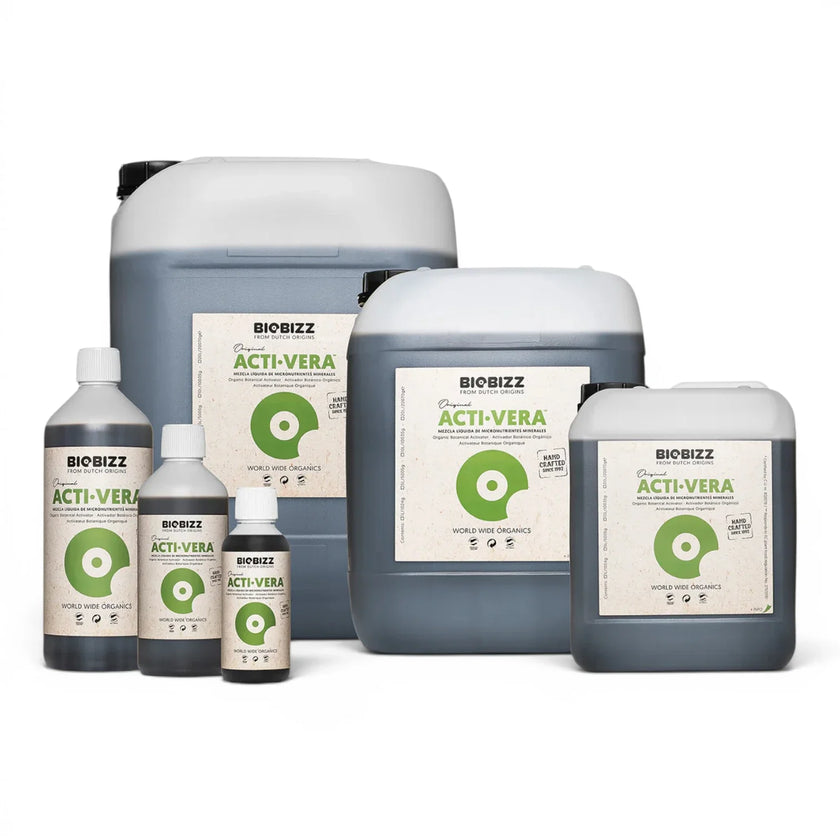
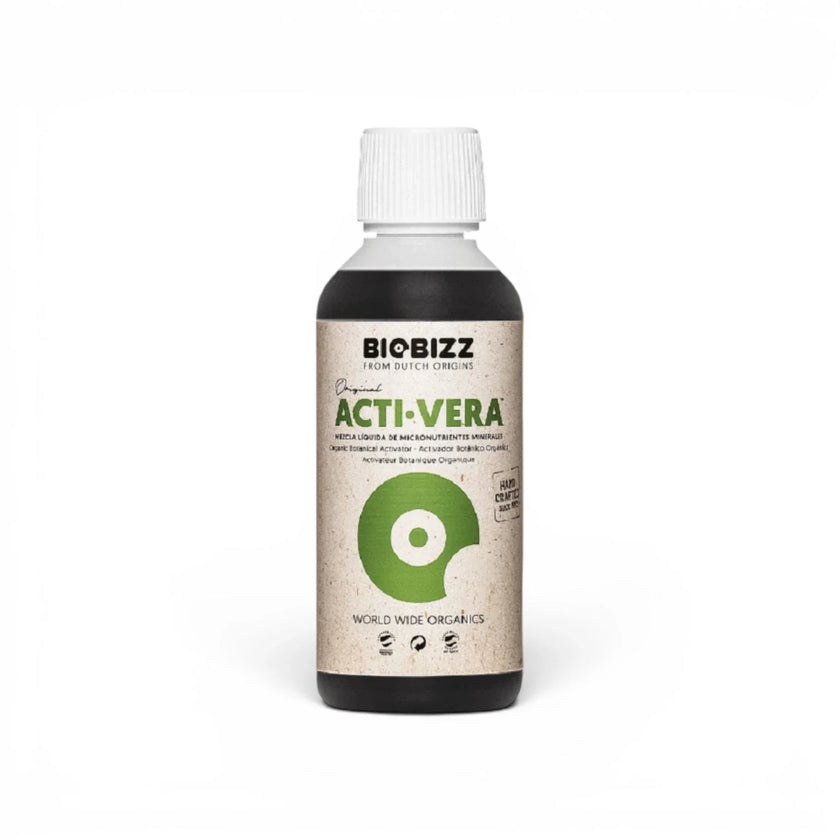
Biobizz Acti Vera
Sale priceFrom €8,00
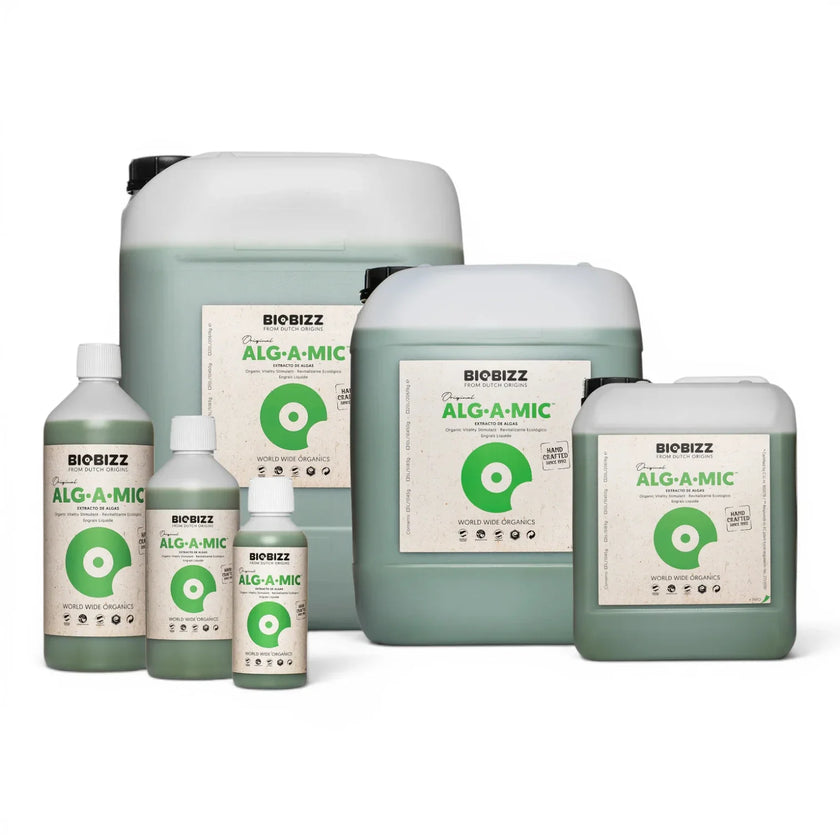
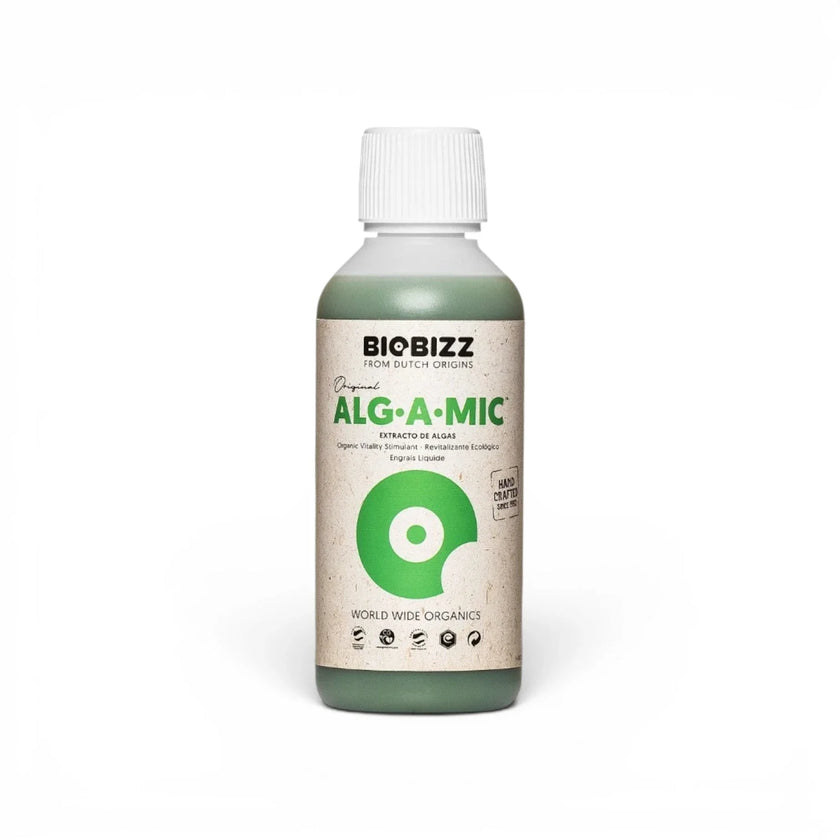
Biobizz Alg A Mic
Sale priceFrom €6,25
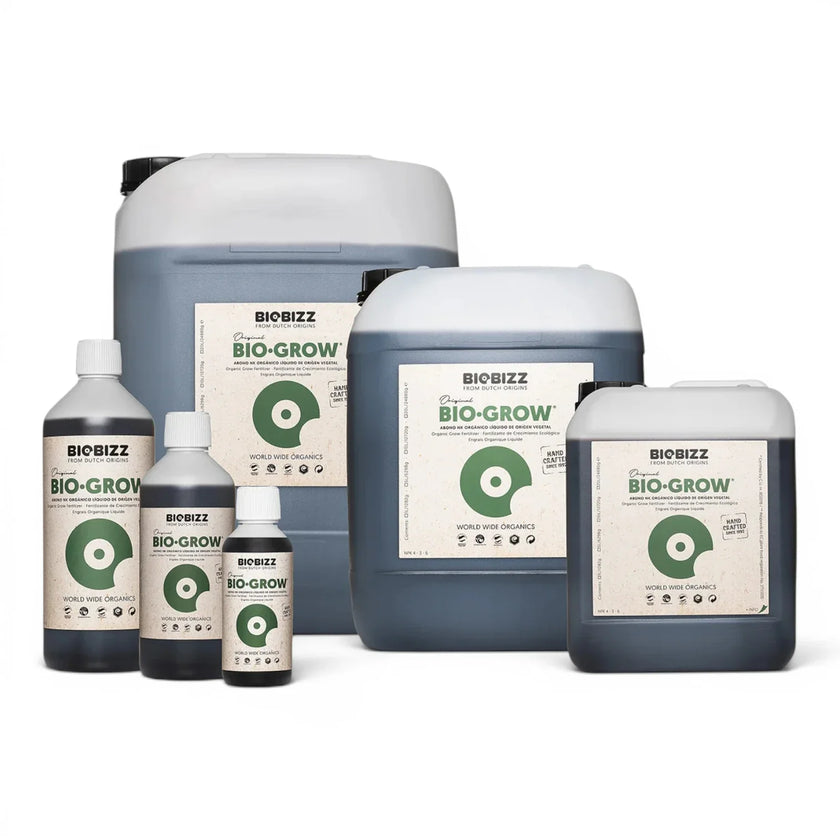
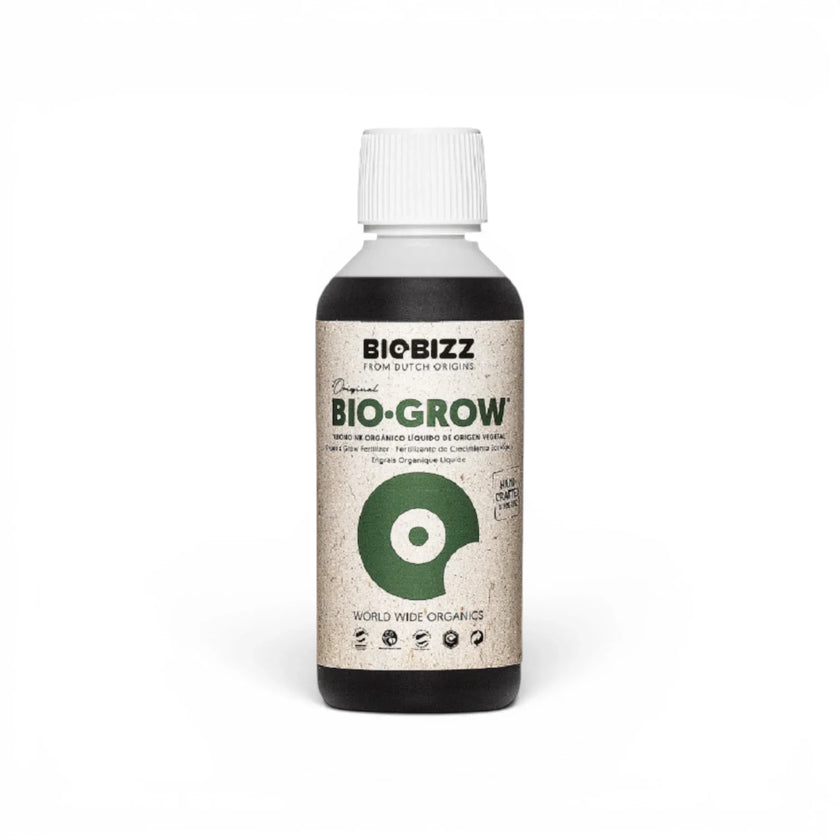
Biobizz Bio Grow
Sale priceFrom €4,00
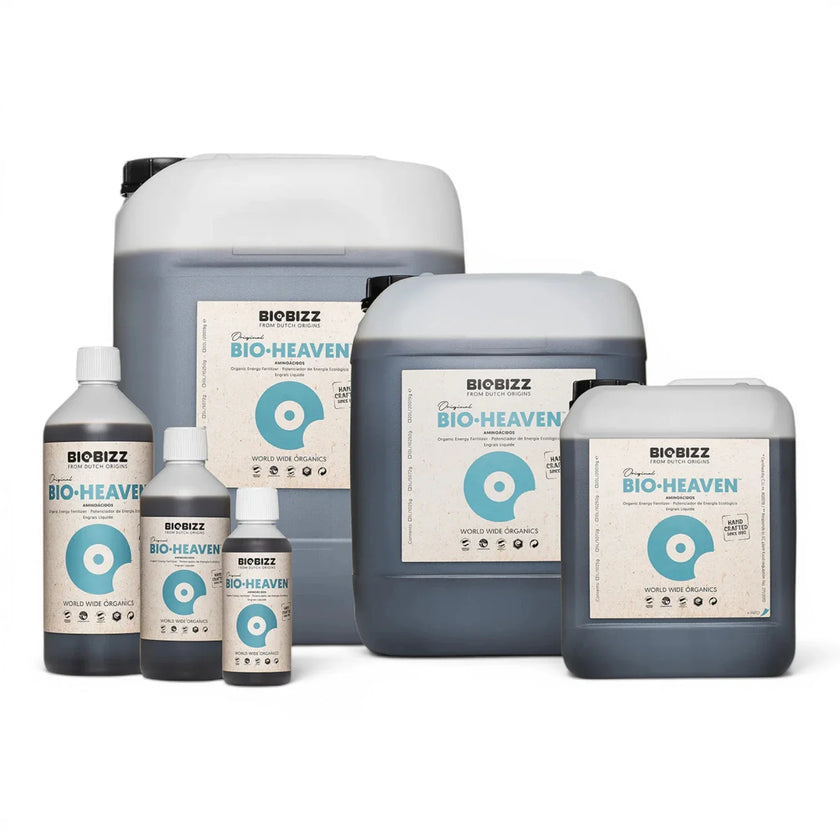
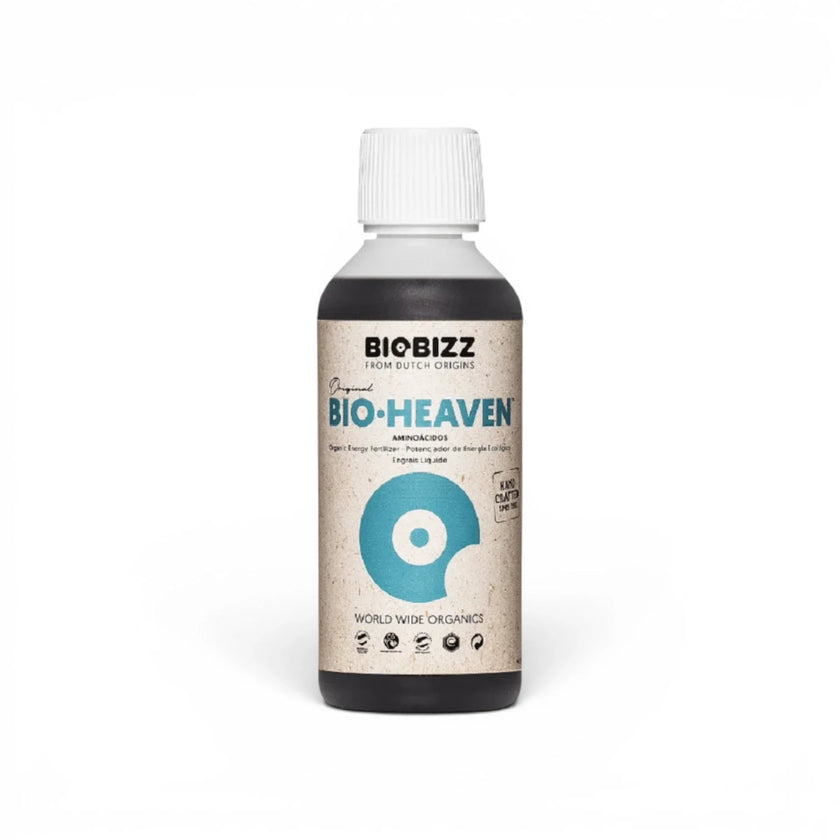
Biobizz Bio Heaven
Sale priceFrom €20,75
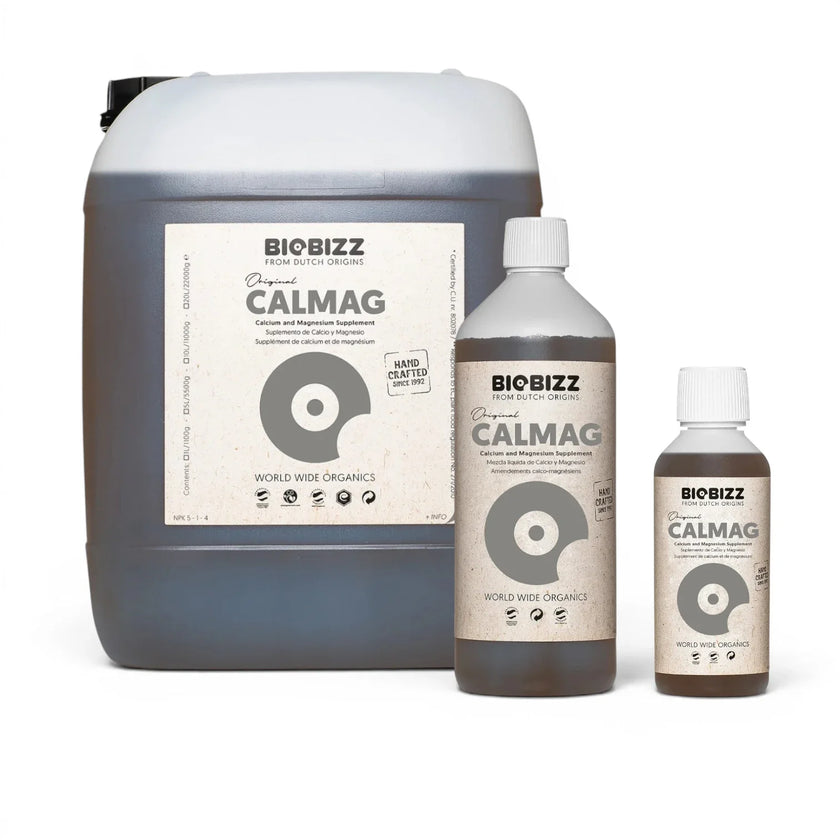
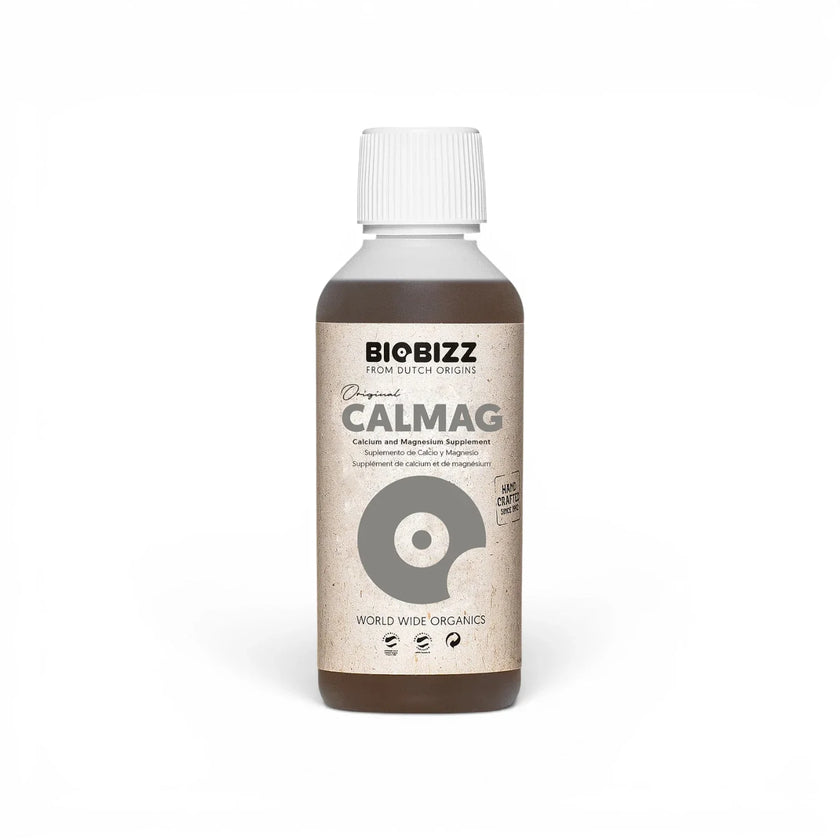
Biobizz Calmag
Sale priceFrom €5,50
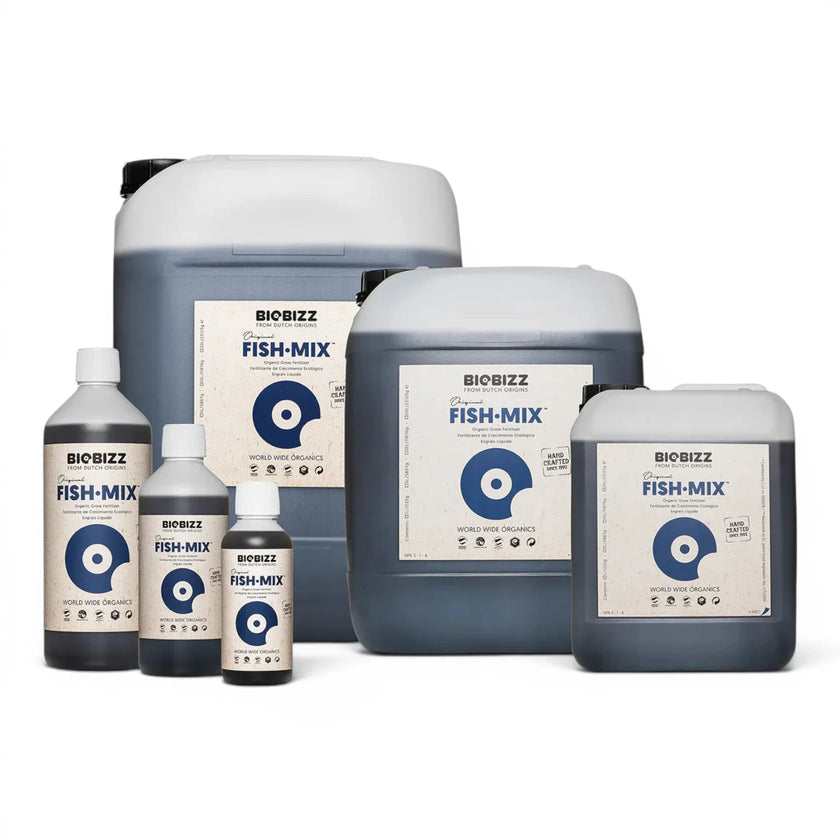
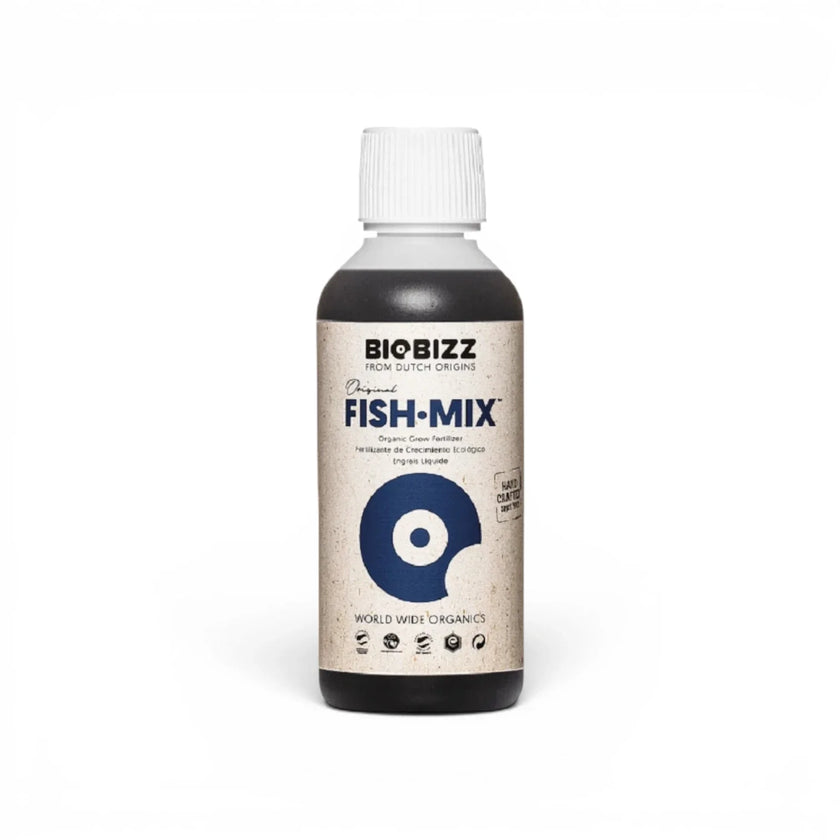
Biobizz Fish Mix
Sale priceFrom €3,75
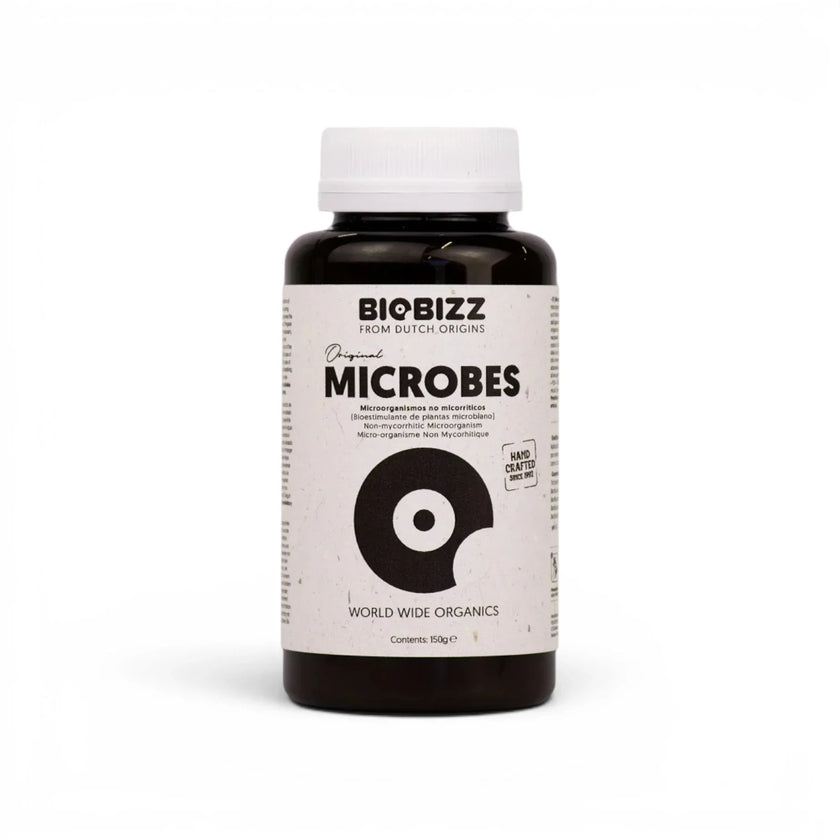
Biobizz Microbes
Sale price€67,75
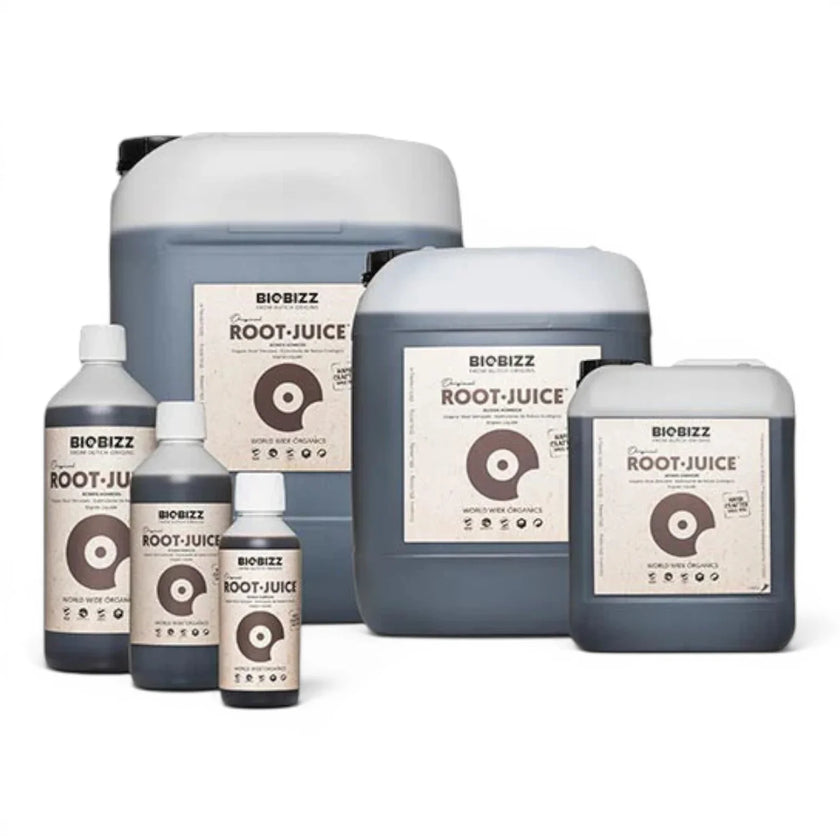
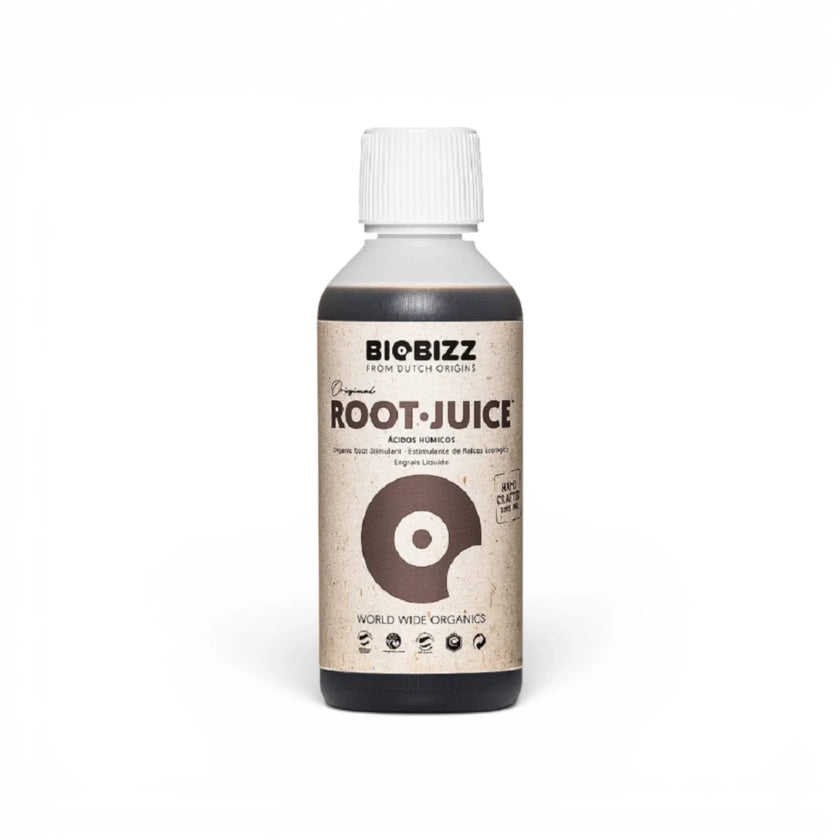
Biobizz Root Juice
Sale priceFrom €14,25
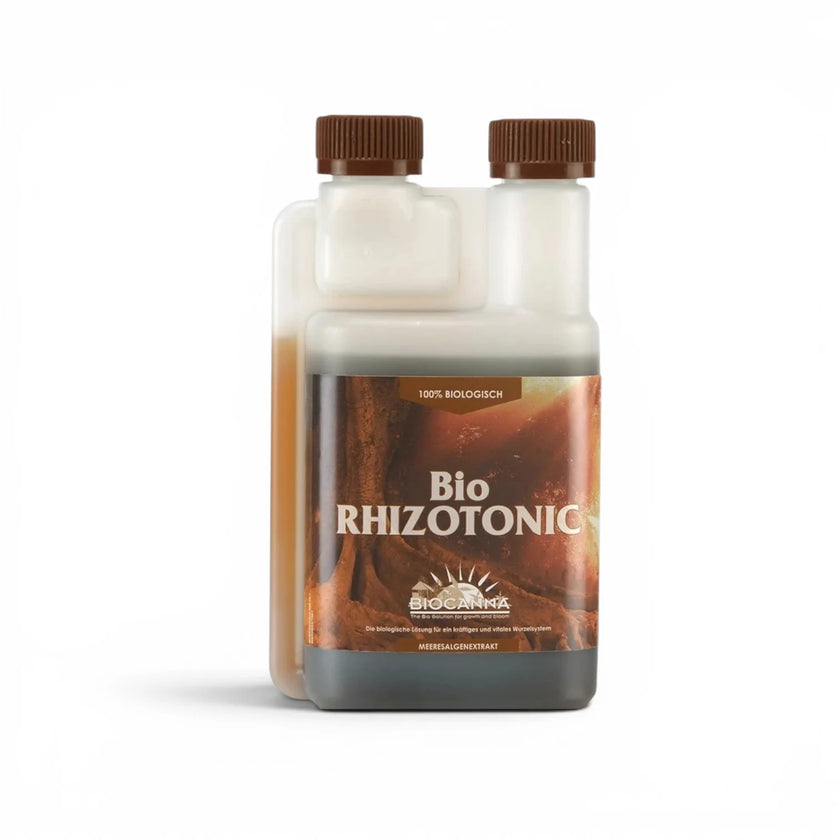
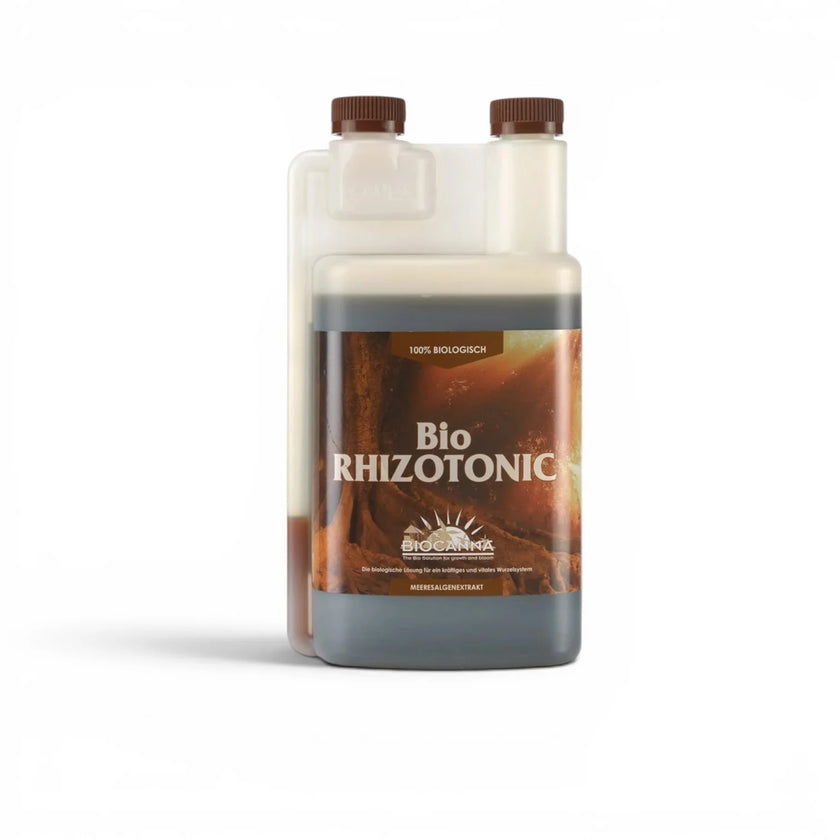
BIOCANNA Bio Rhizotonic
Sale priceFrom €15,25
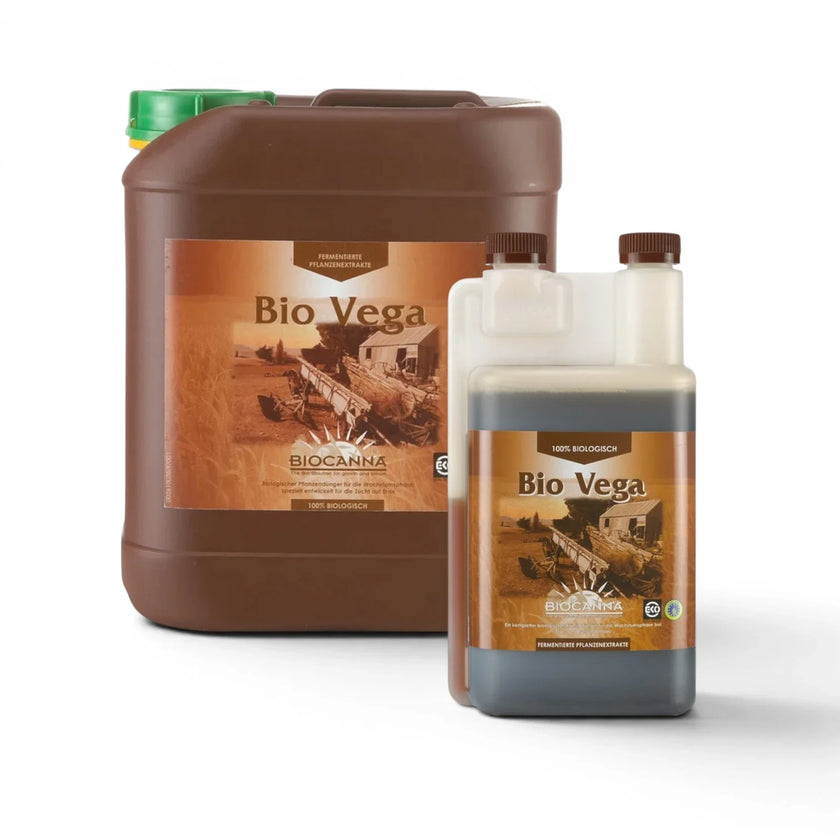
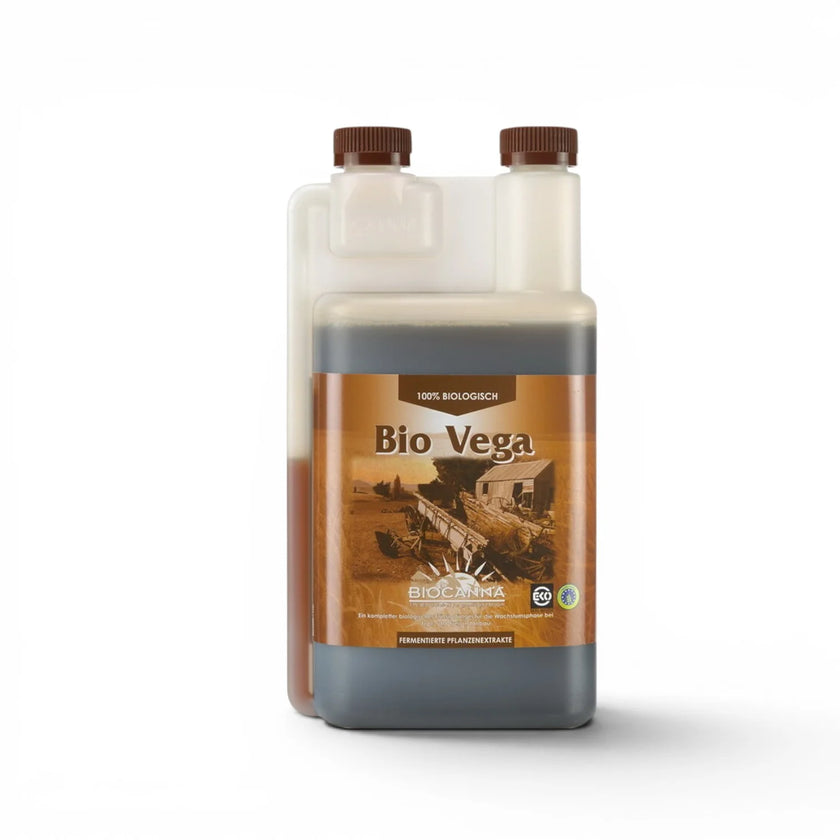
BIOCANNA Bio Vega
Sale priceFrom €14,25
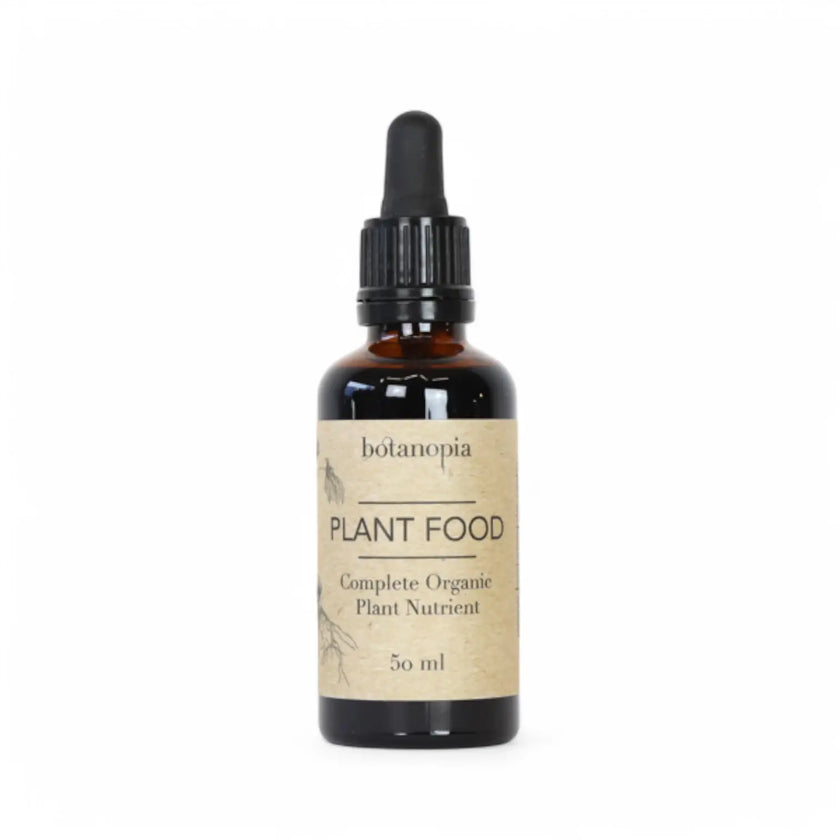
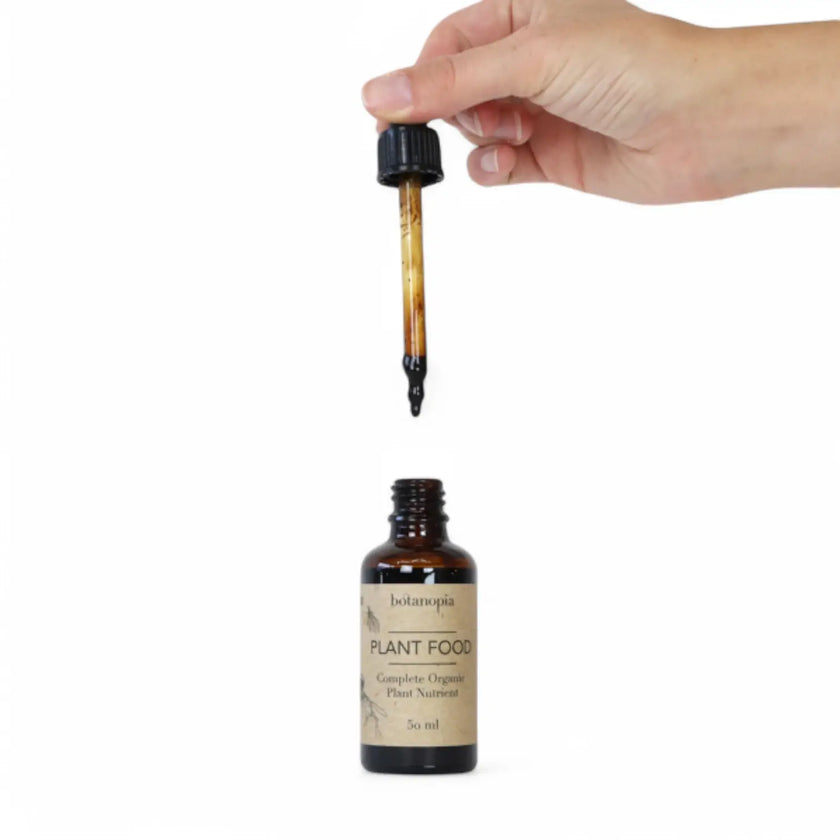
Botanopia Complete Organic Plant Food
Sale price€10,75
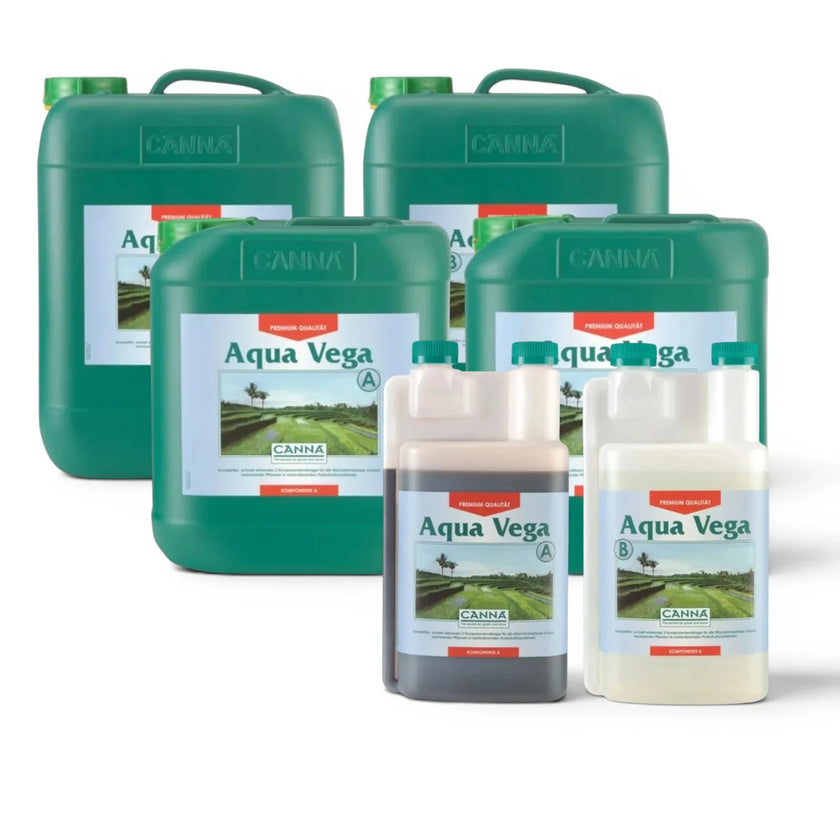
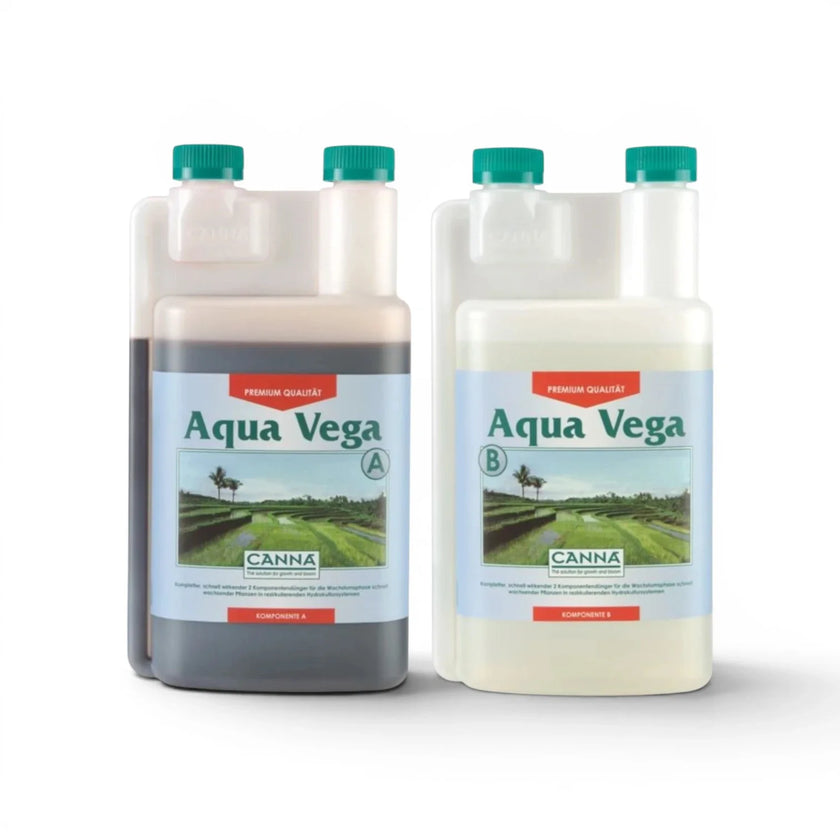
CANNA Aqua Vega A+B
Sale priceFrom €17,00
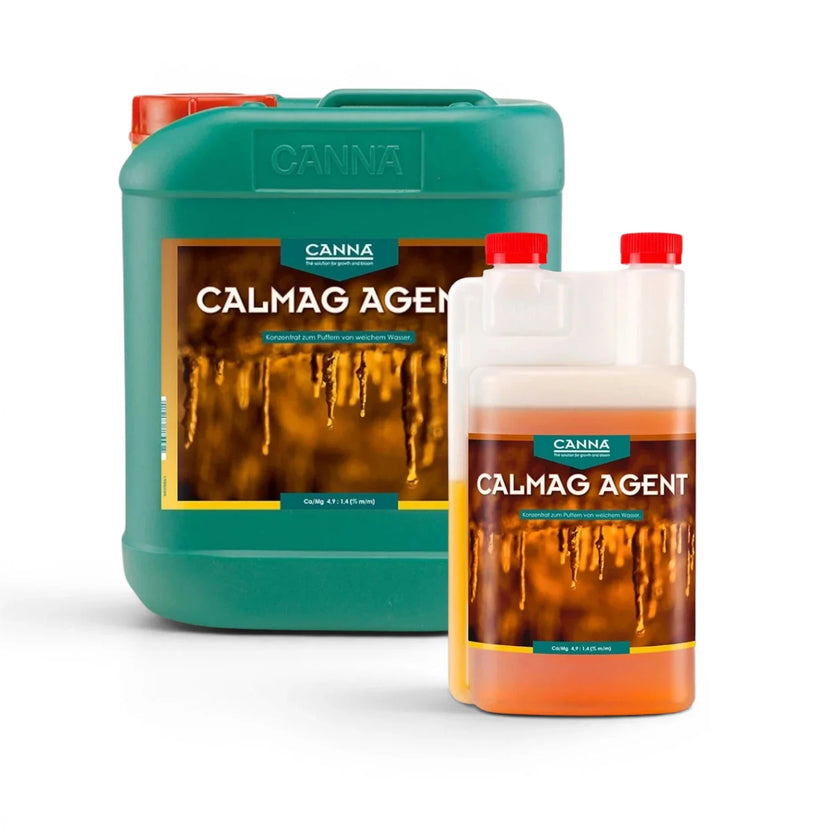
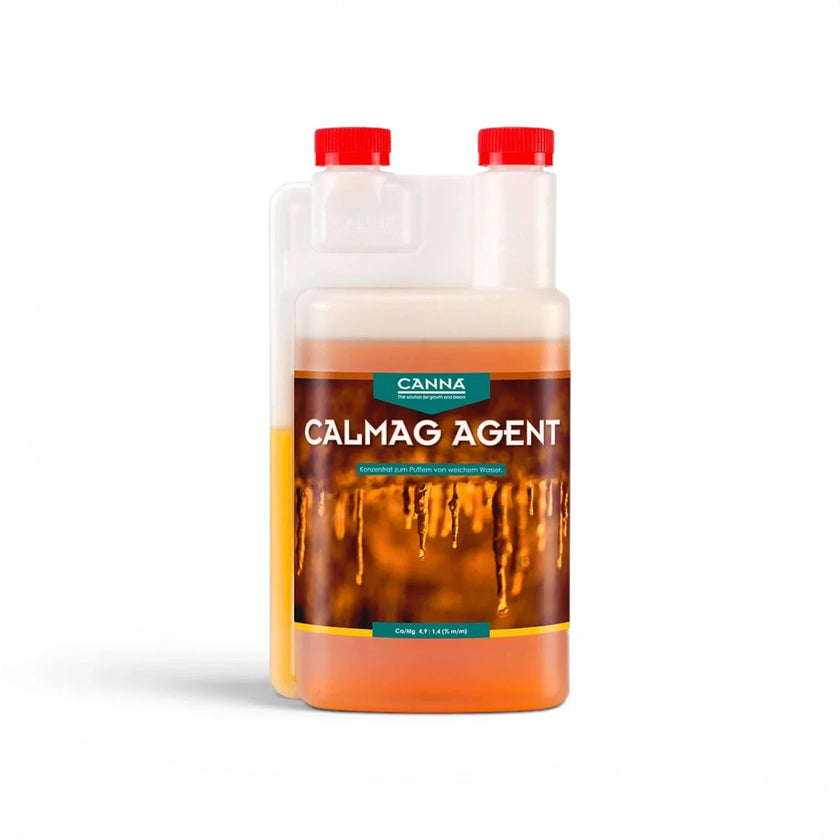
CANNA CalMag Agent
Sale priceFrom €14,25
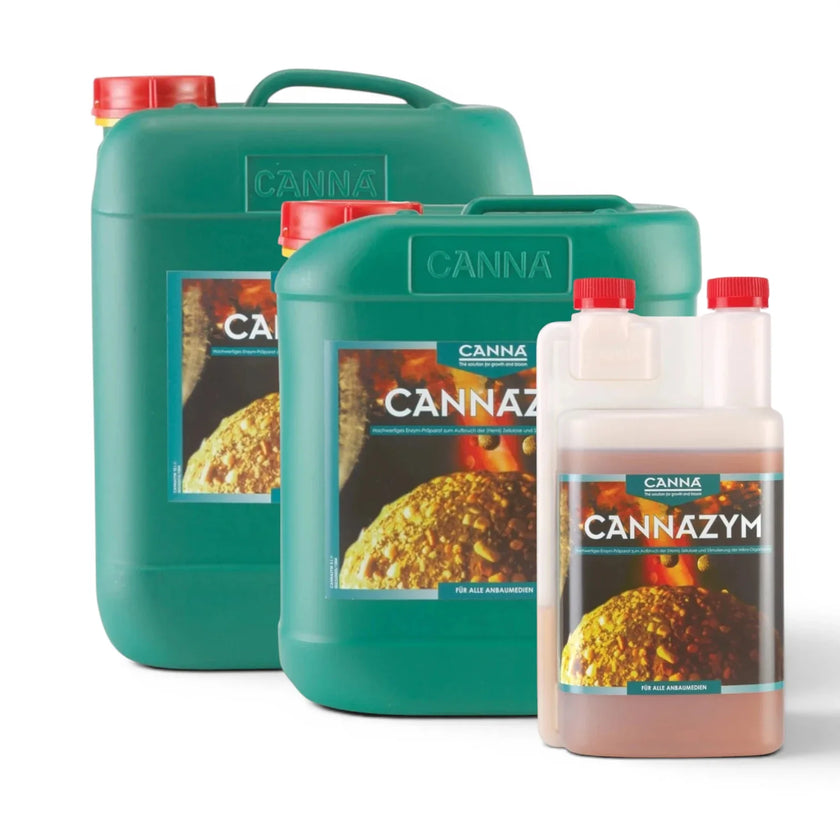
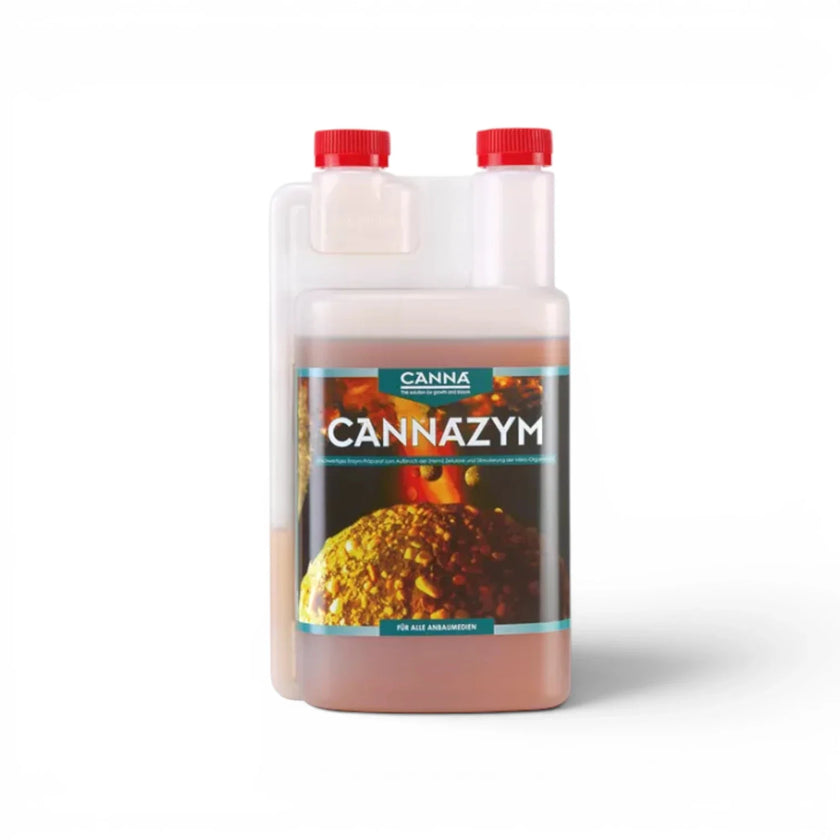
CANNA Cannazym
Sale priceFrom €9,00
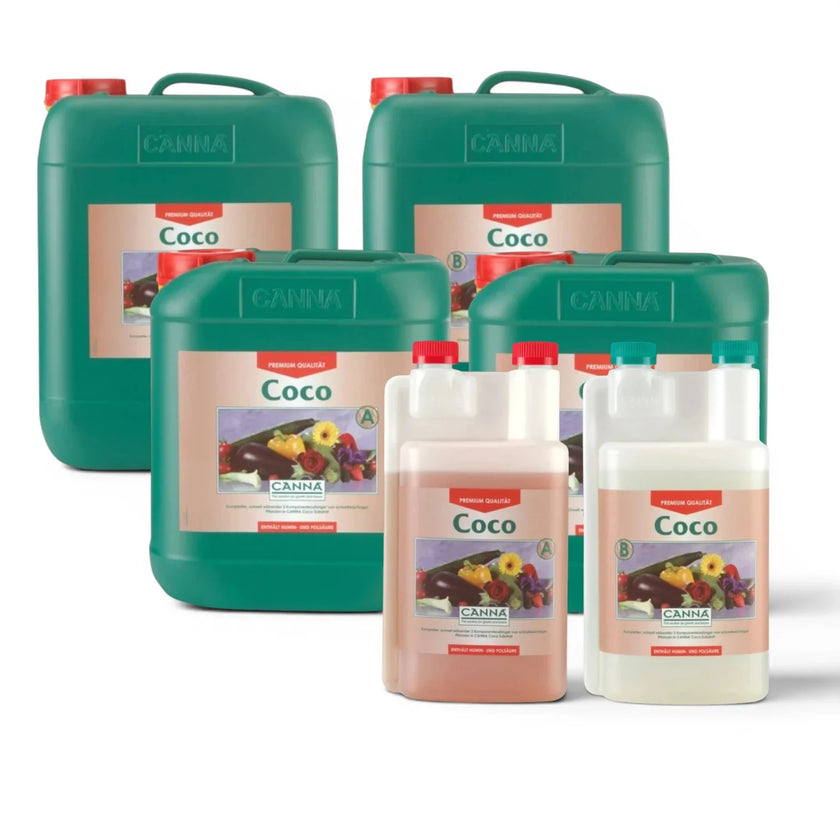
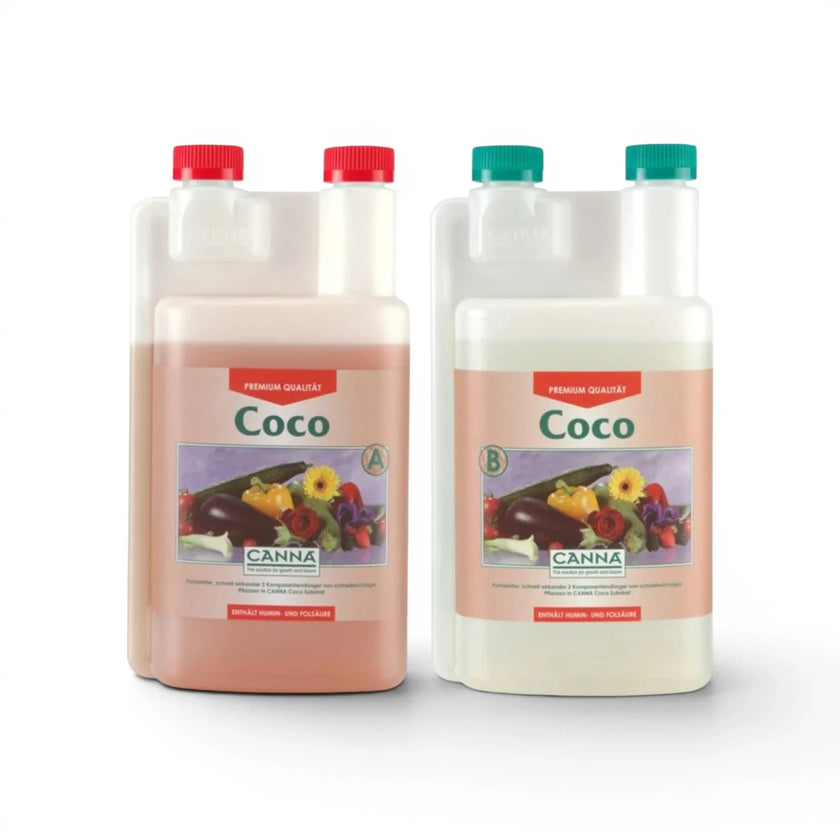
CANNA Coco A+B
Sale priceFrom €15,50
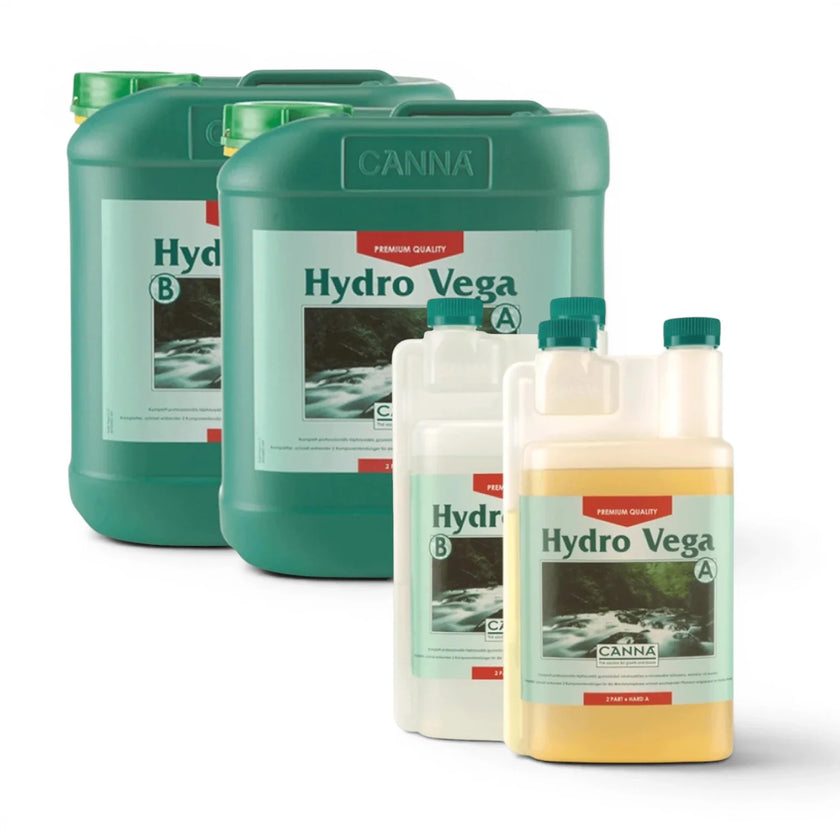
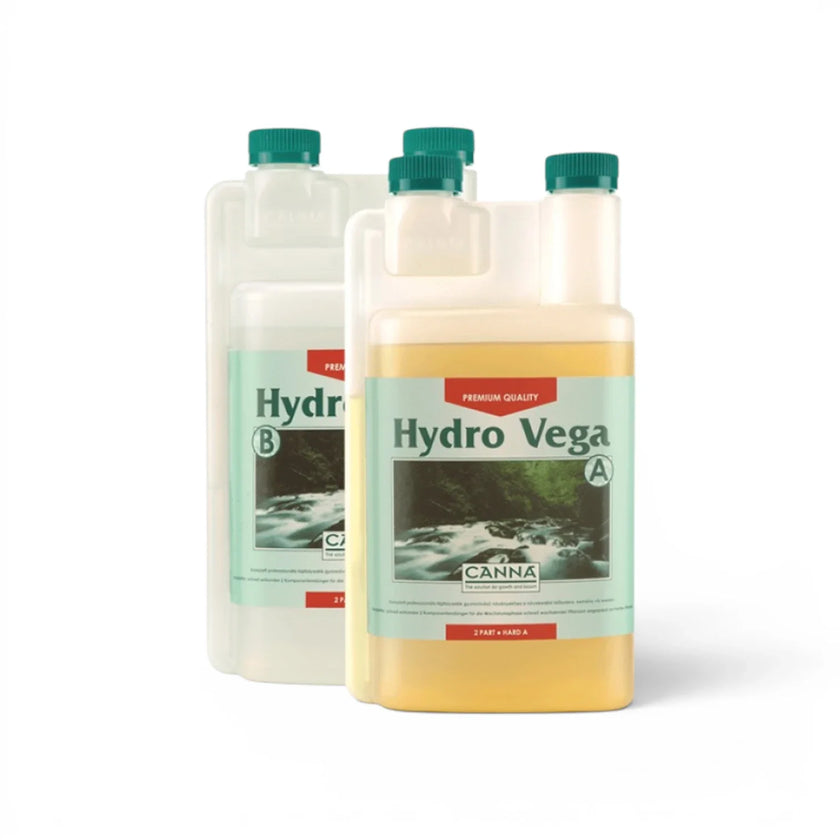
CANNA Hydro Vega A+B
Sale priceFrom €18,25
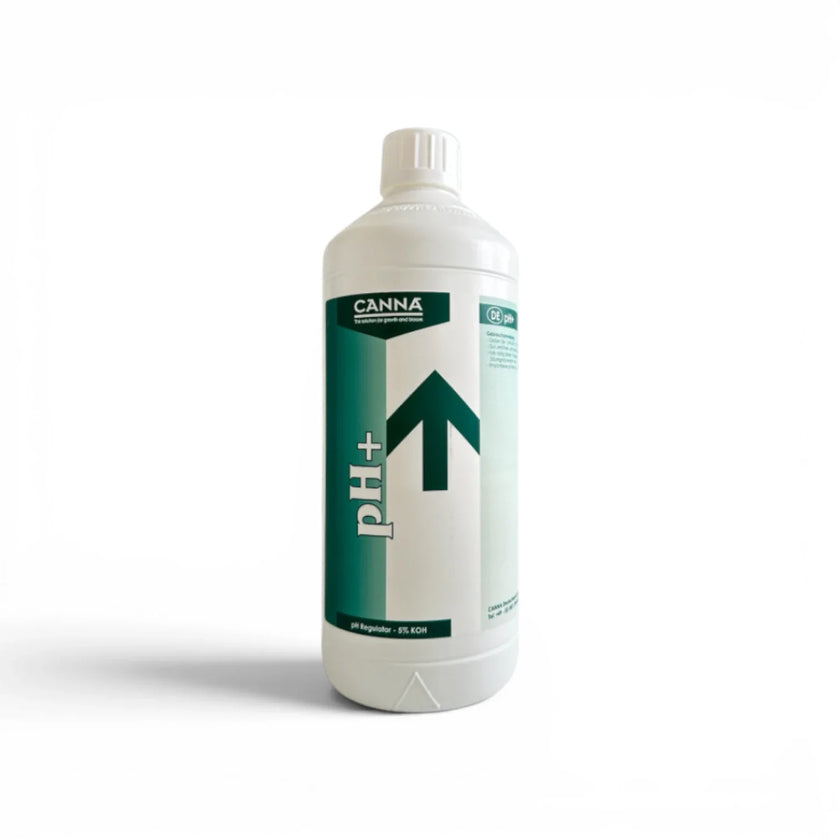
CANNA pH Plus 5%
Sale price€9,75
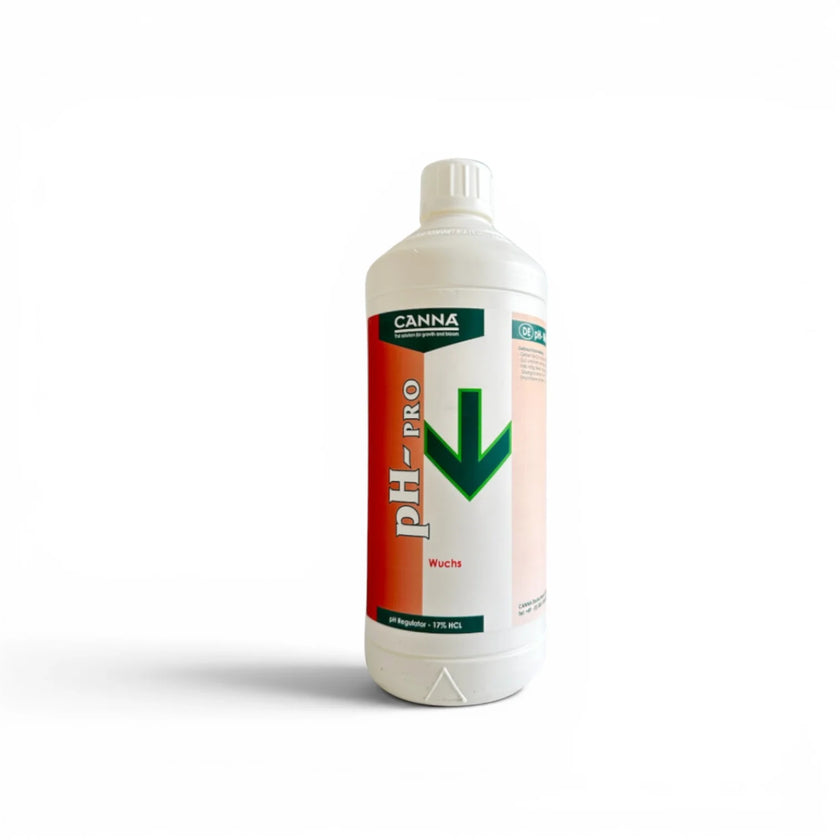
CANNA pH- Growth 17% Pro
Sale price€9,25
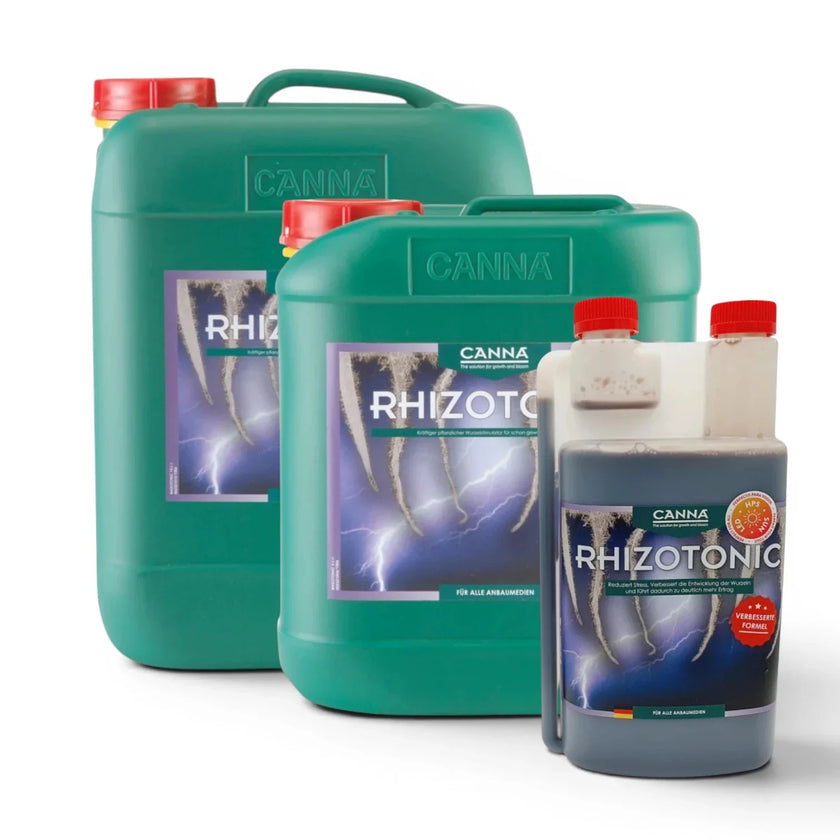
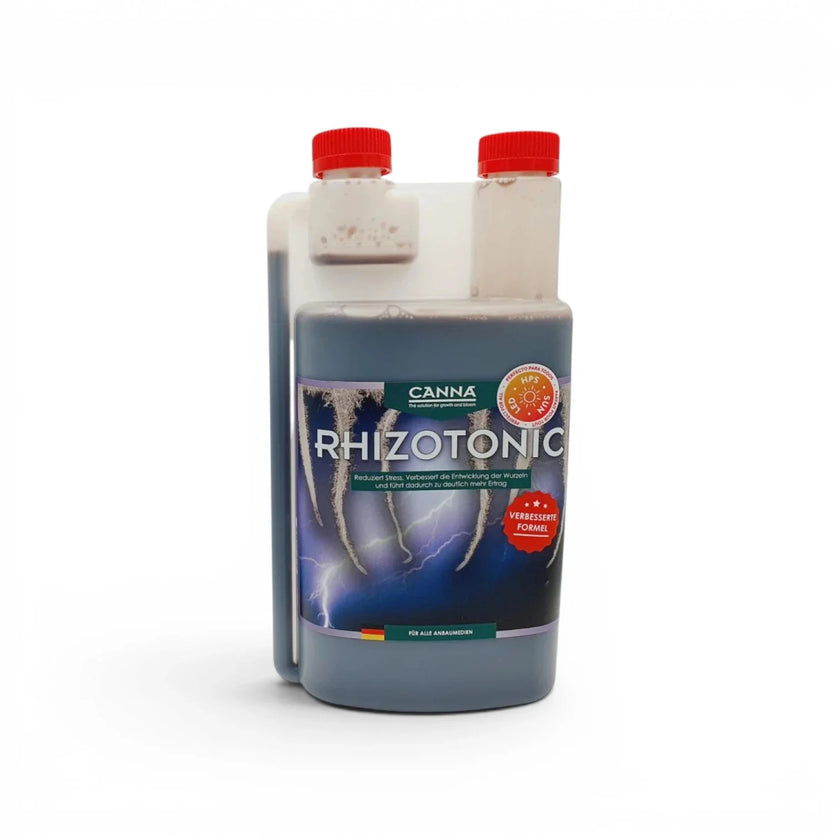
CANNA Rhizotonic
Sale priceFrom €16,00
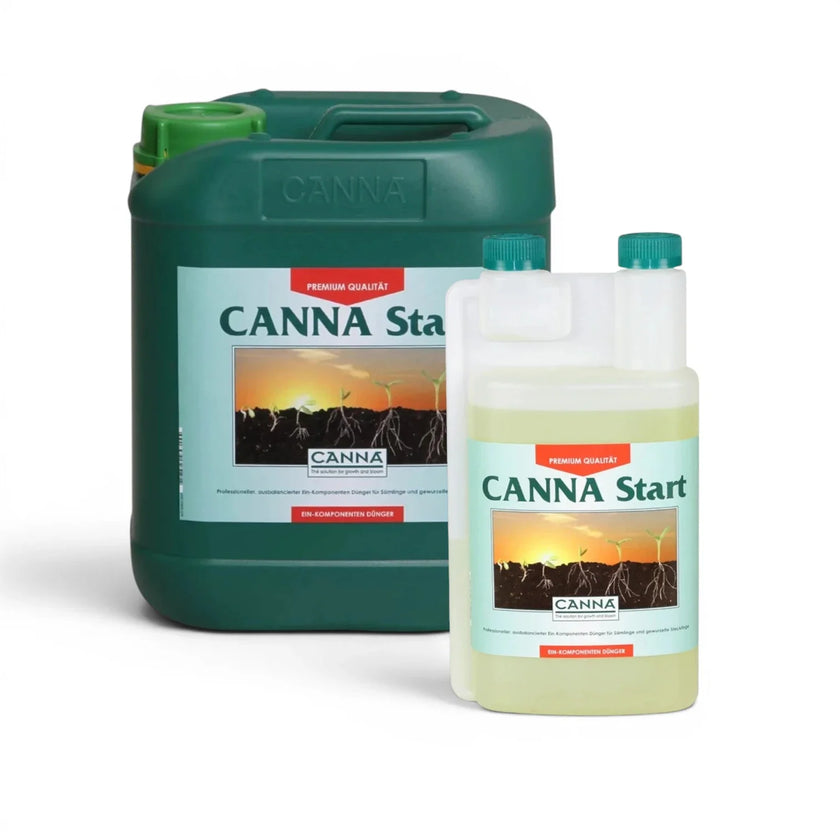
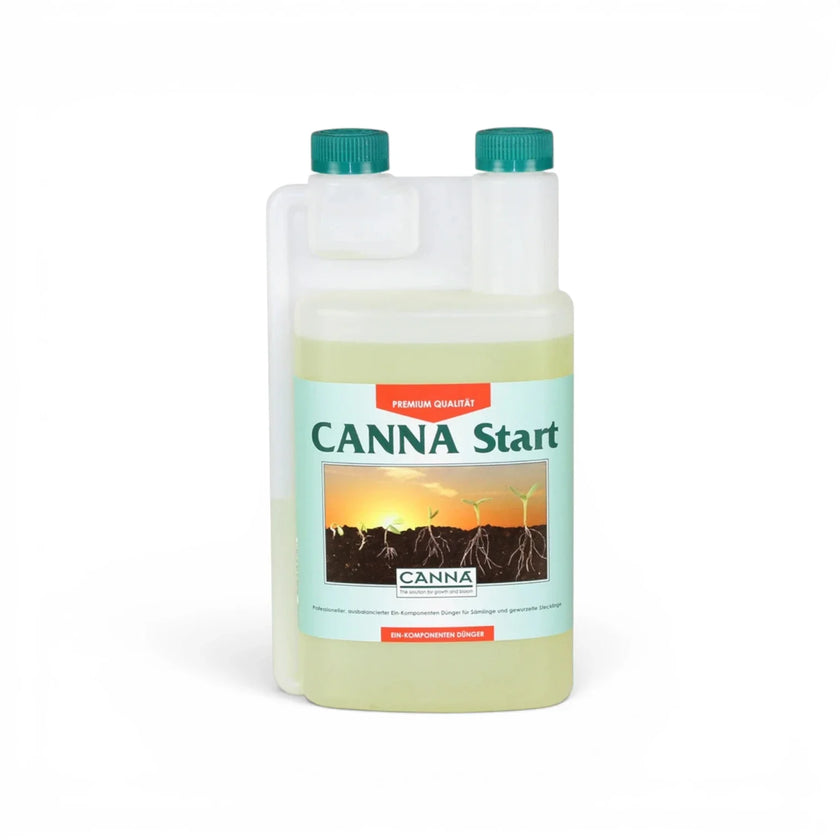
CANNA Start
Sale priceFrom €11,75
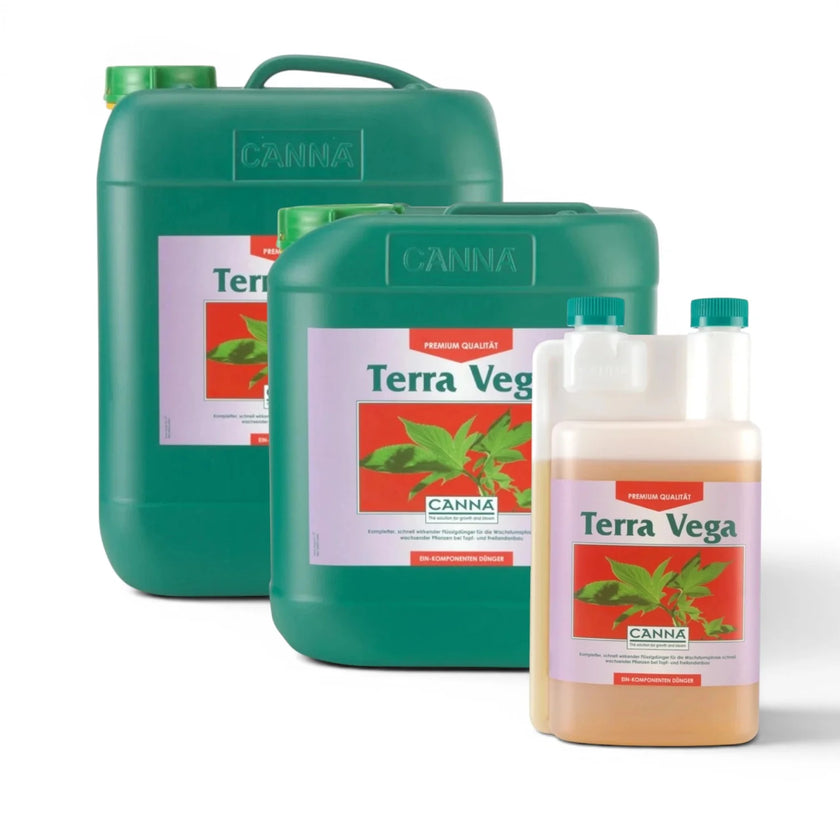
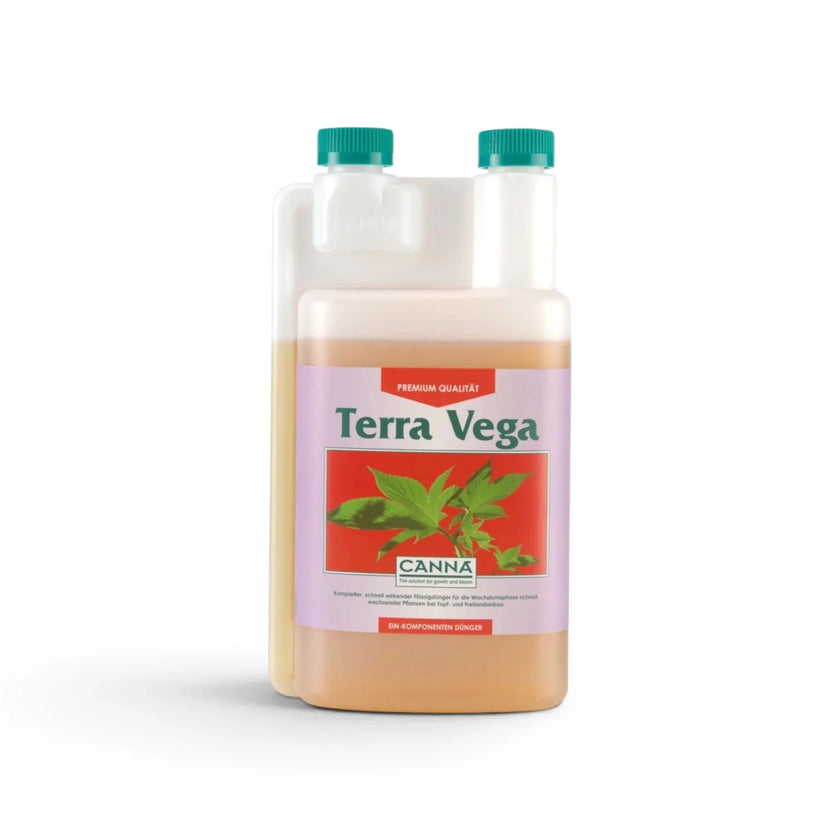
CANNA Terra Vega
Sale priceFrom €12,00
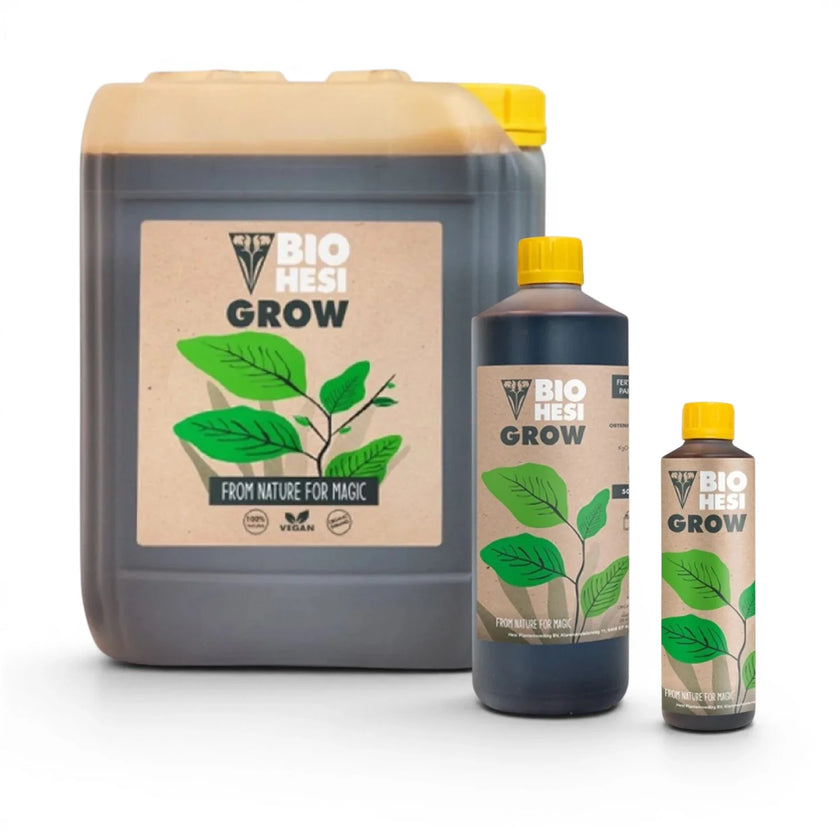
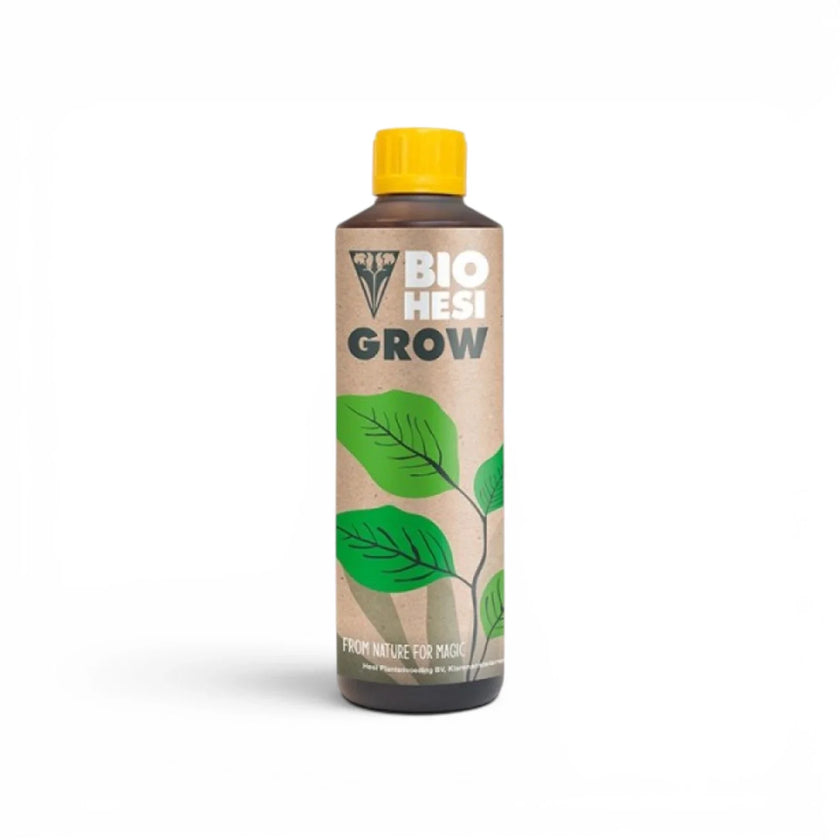
HESI Bio Grow
Sale priceFrom €12,00
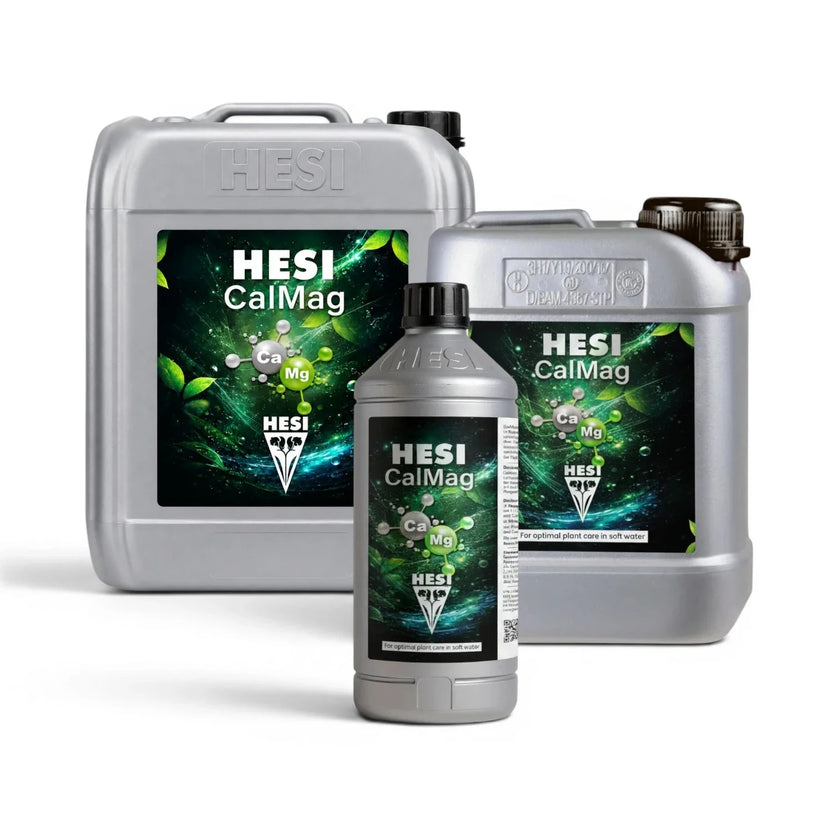
HESI CalMag
Sale priceFrom €7,25
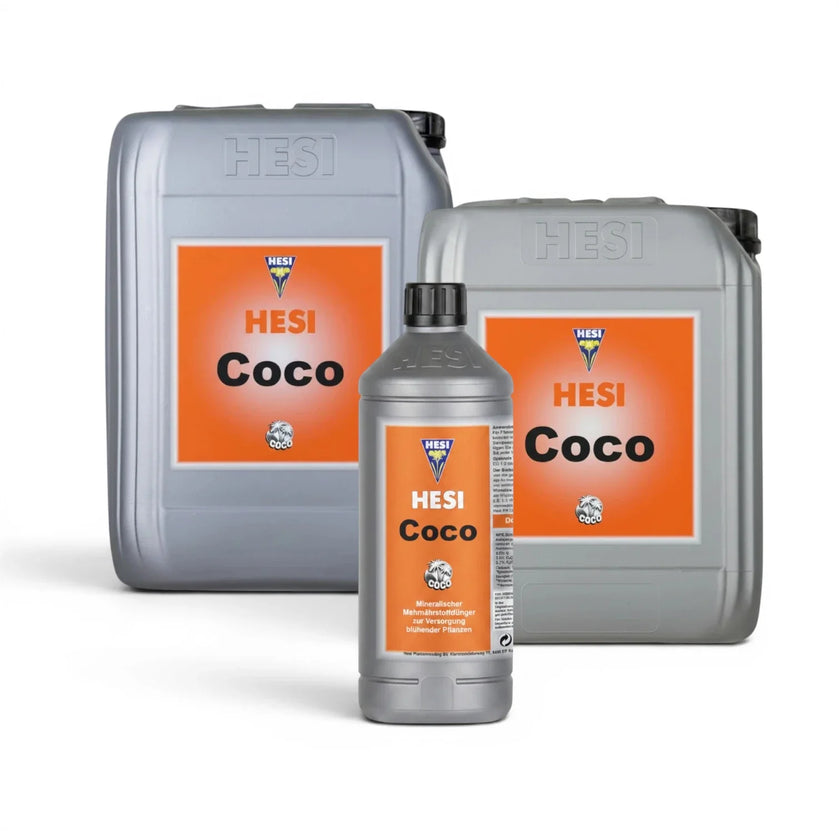
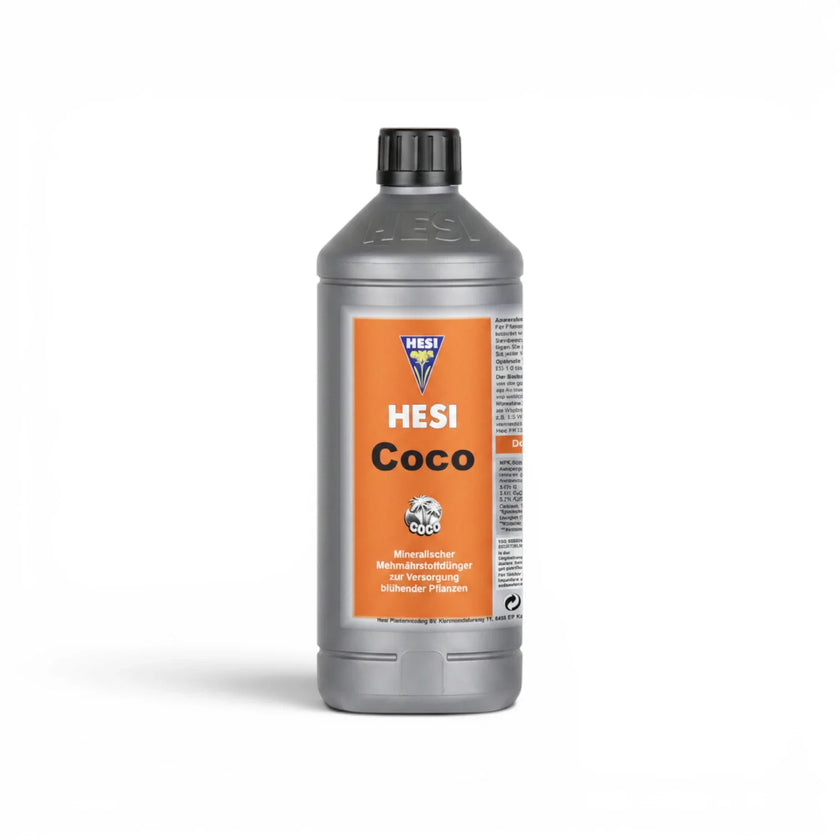
HESI Coco
Sale priceFrom €11,75
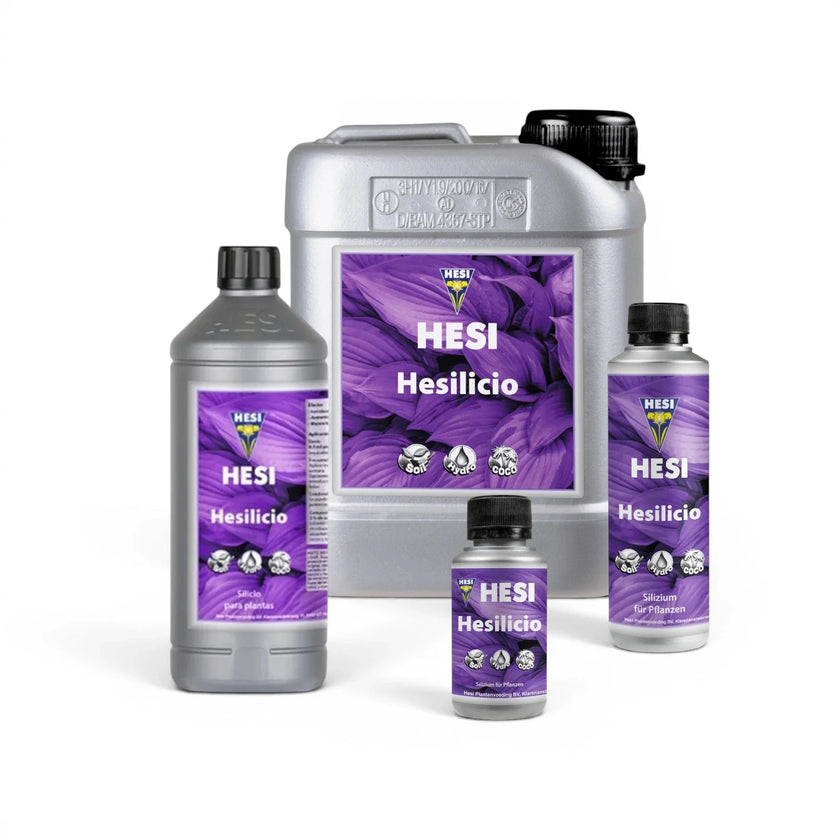
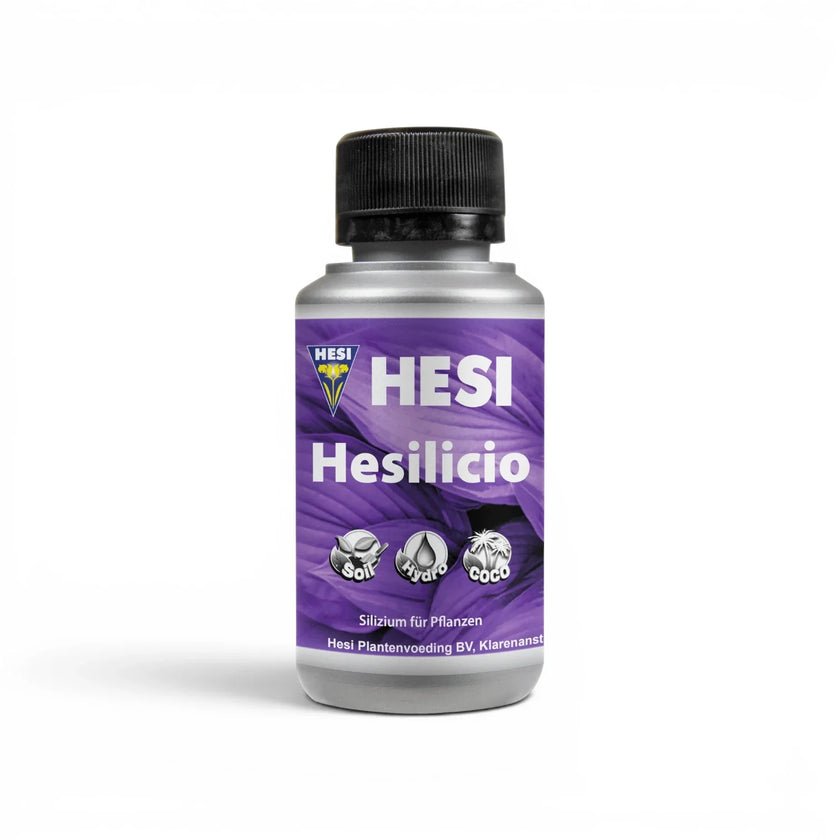
HESI Hesilicio
Sale priceFrom €6,00
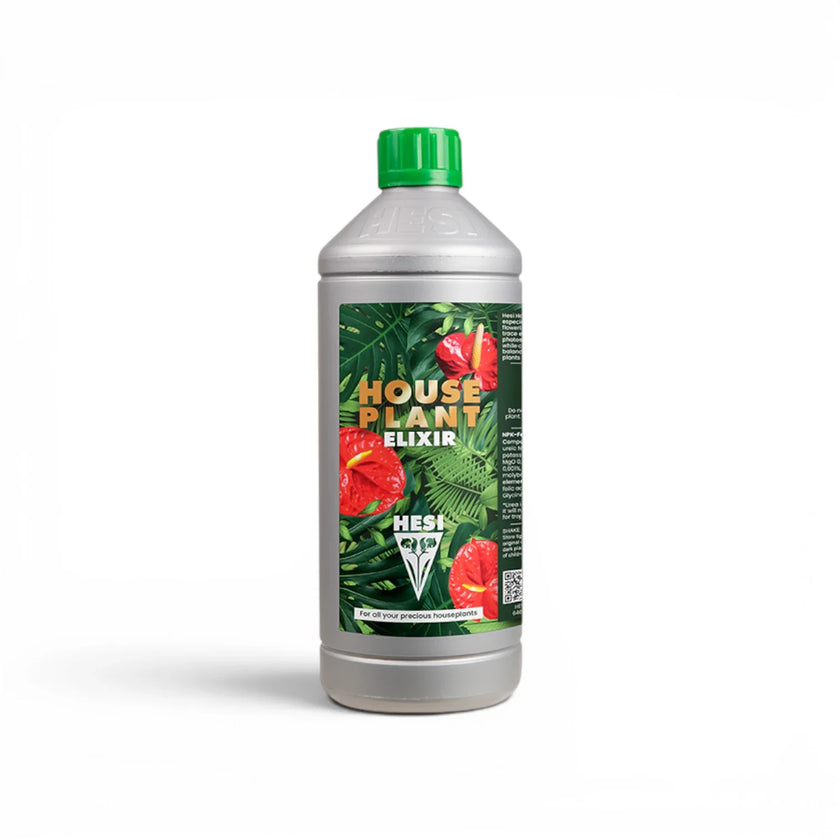
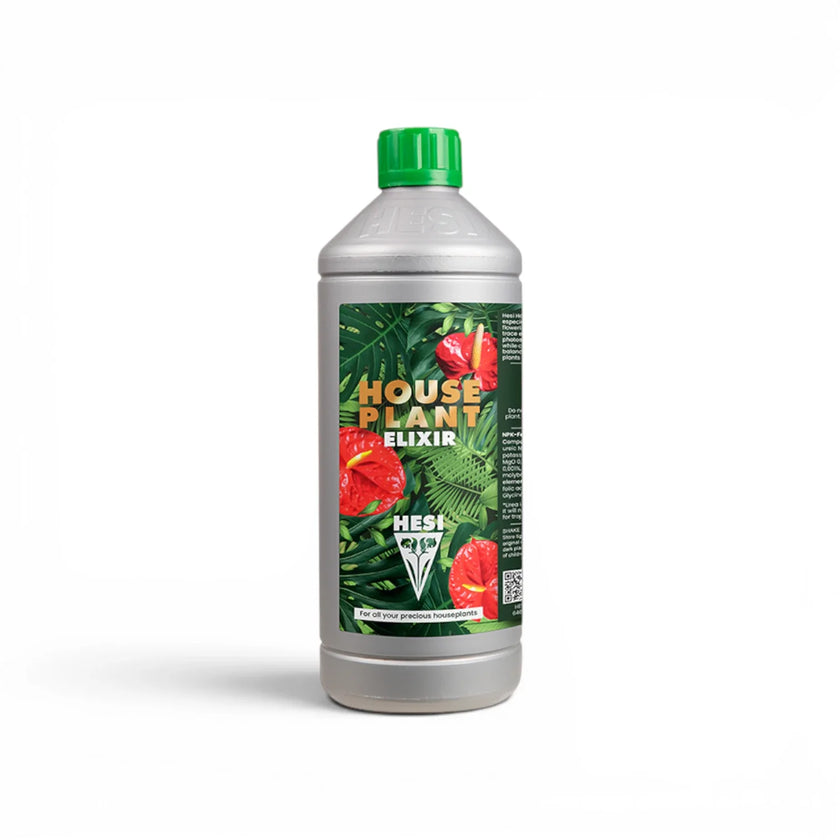
HESI HousePlant Elixir
Sale priceFrom €11,50
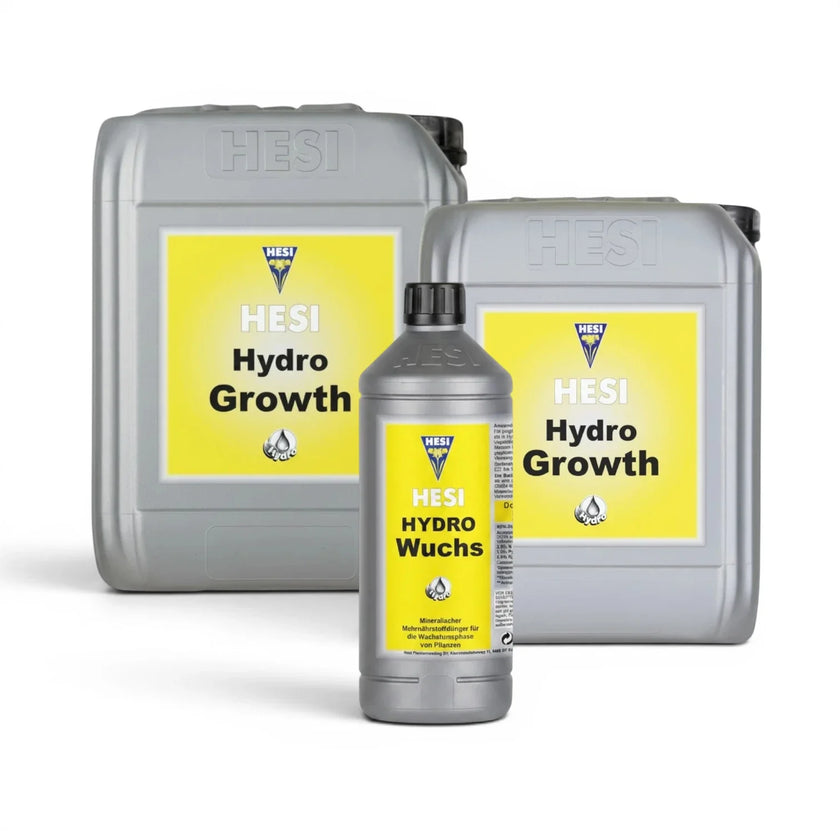
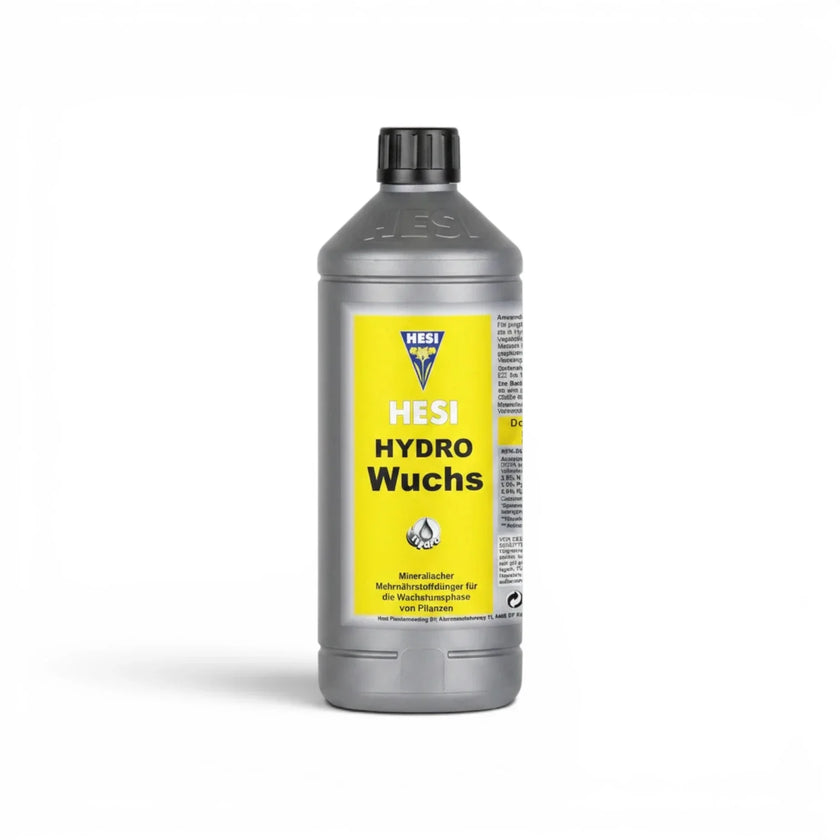
HESI Hydro Growth
Sale priceFrom €11,25
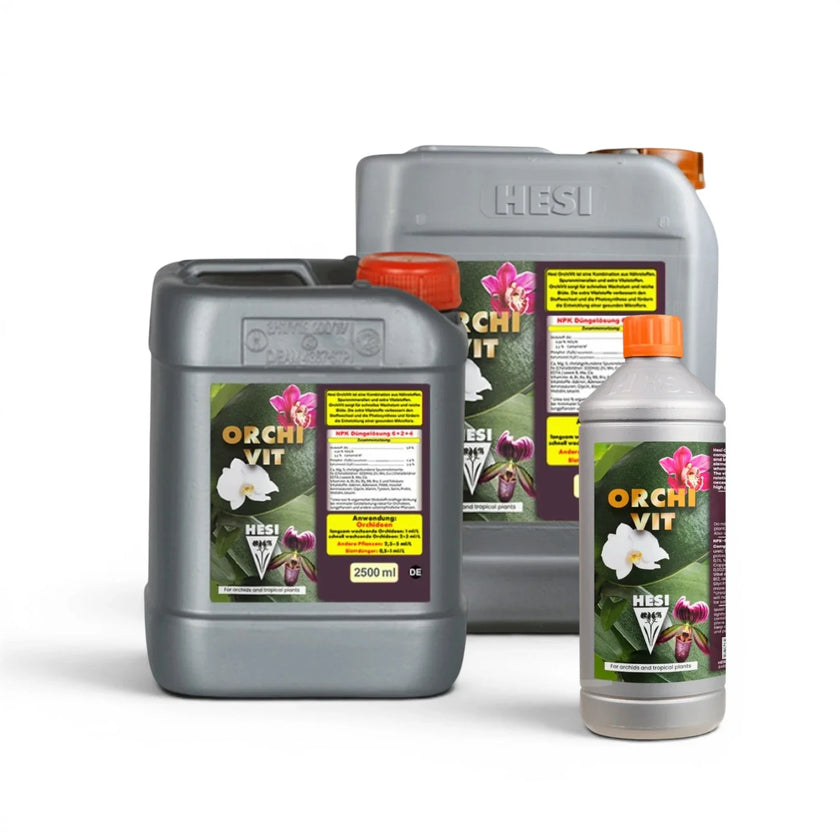
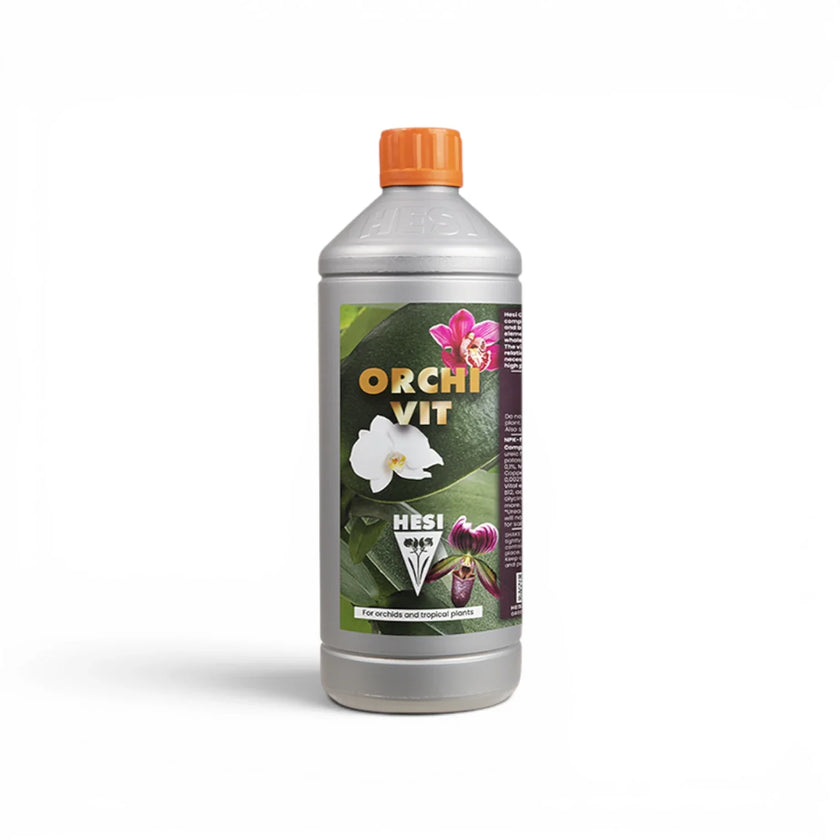
HESI OrchiVit
Sale priceFrom €9,50
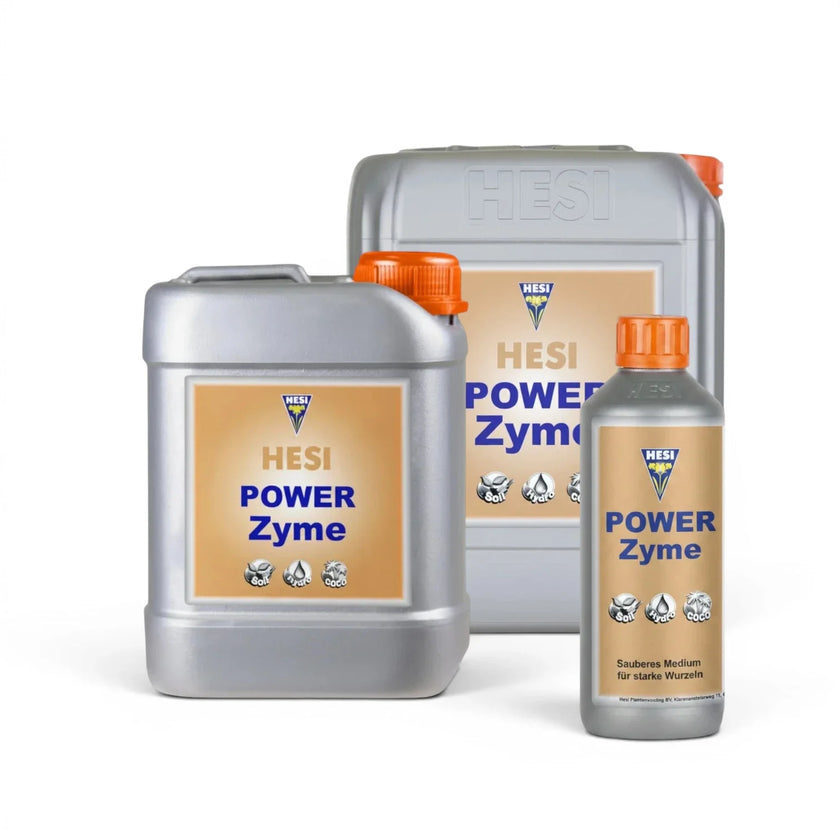
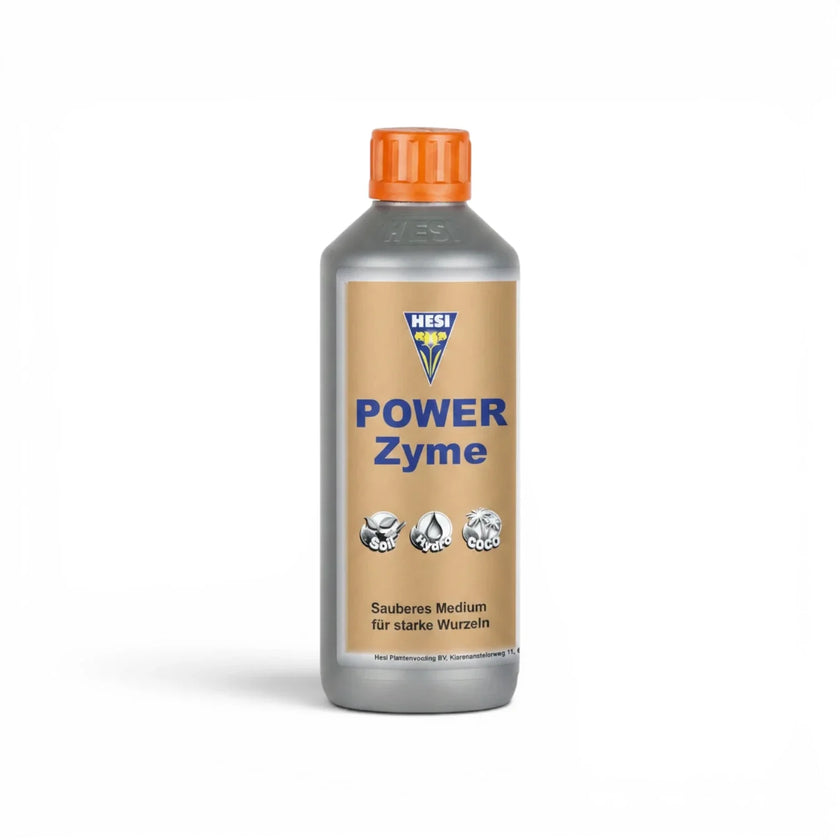
HESI PowerZyme
Sale priceFrom €10,75
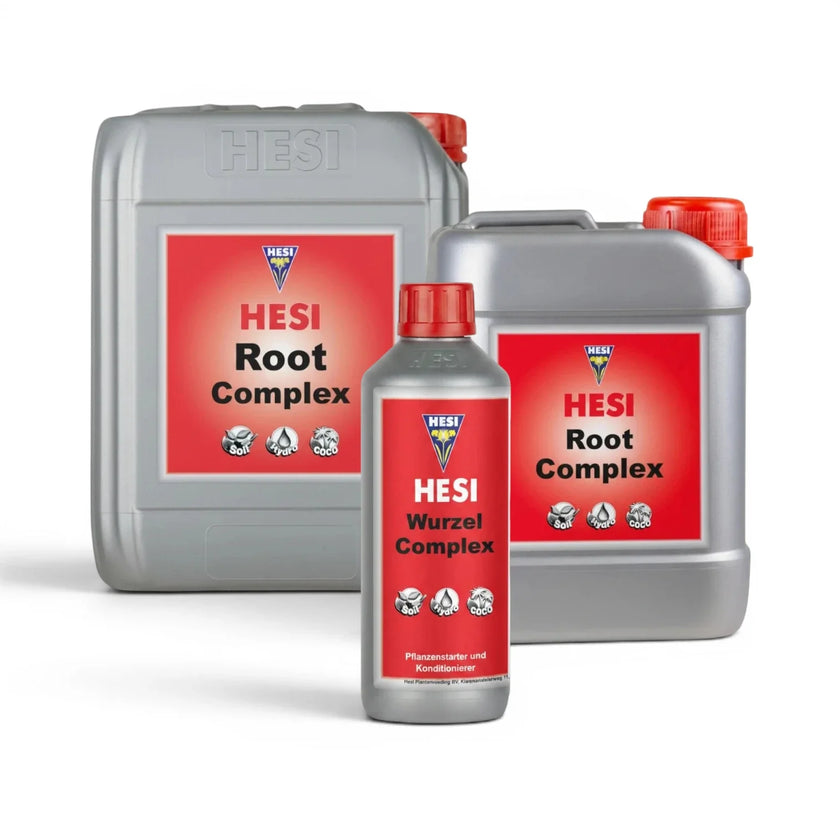
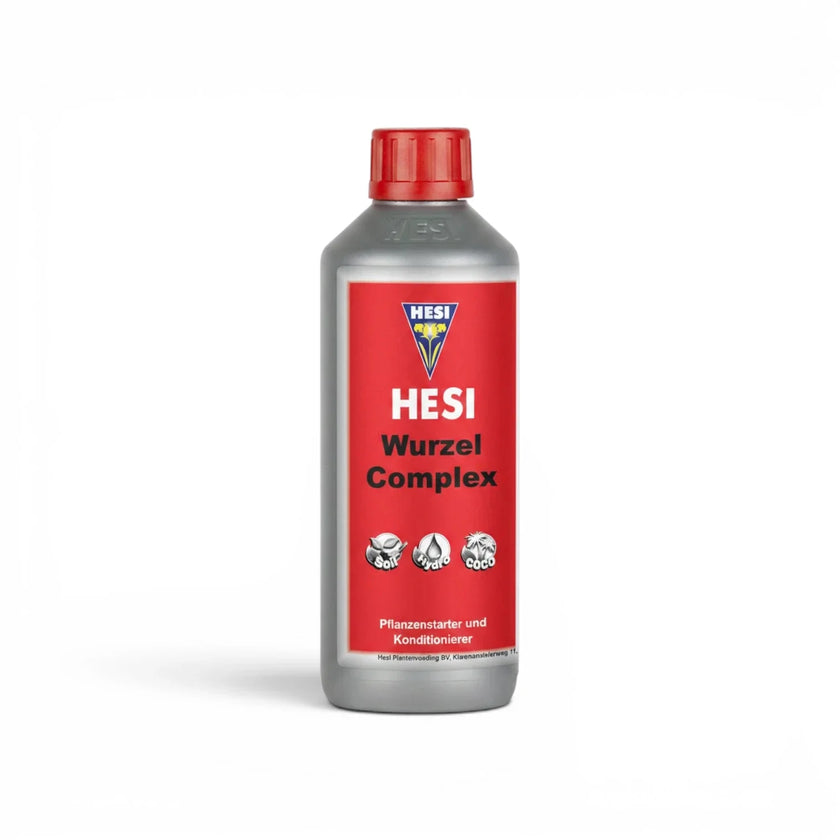
HESI Root Complex
Sale priceFrom €19,25
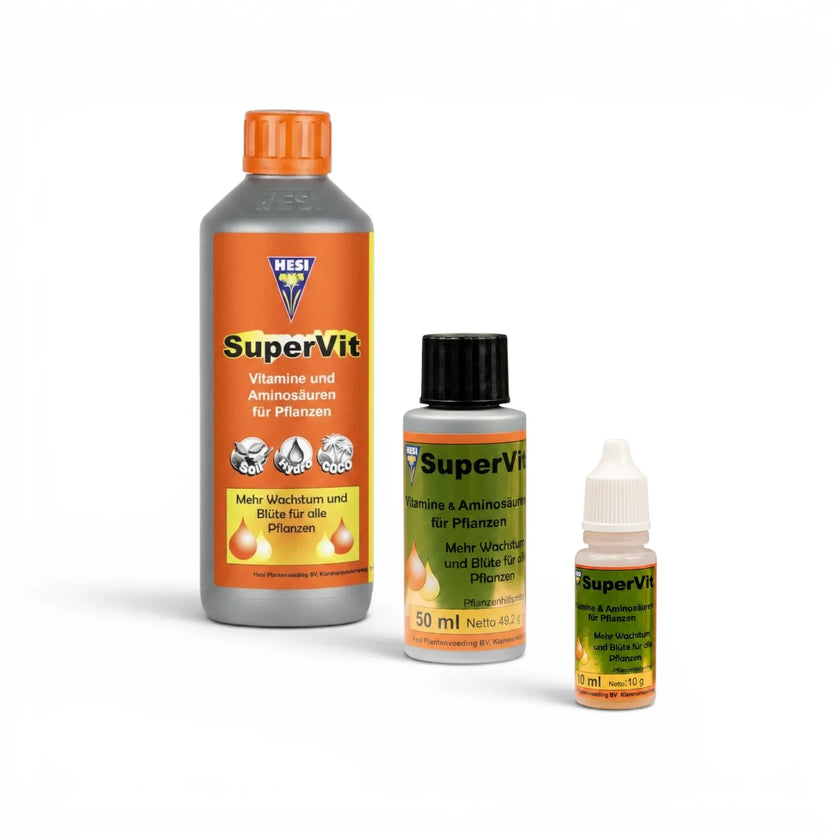
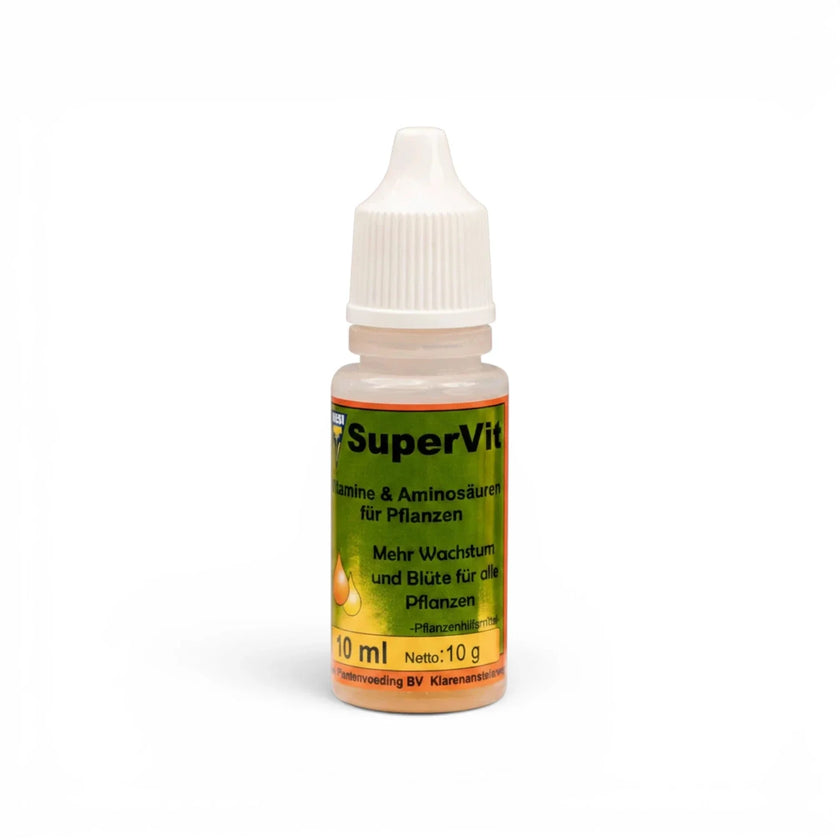
HESI SuperVit
Sale priceFrom €11,75
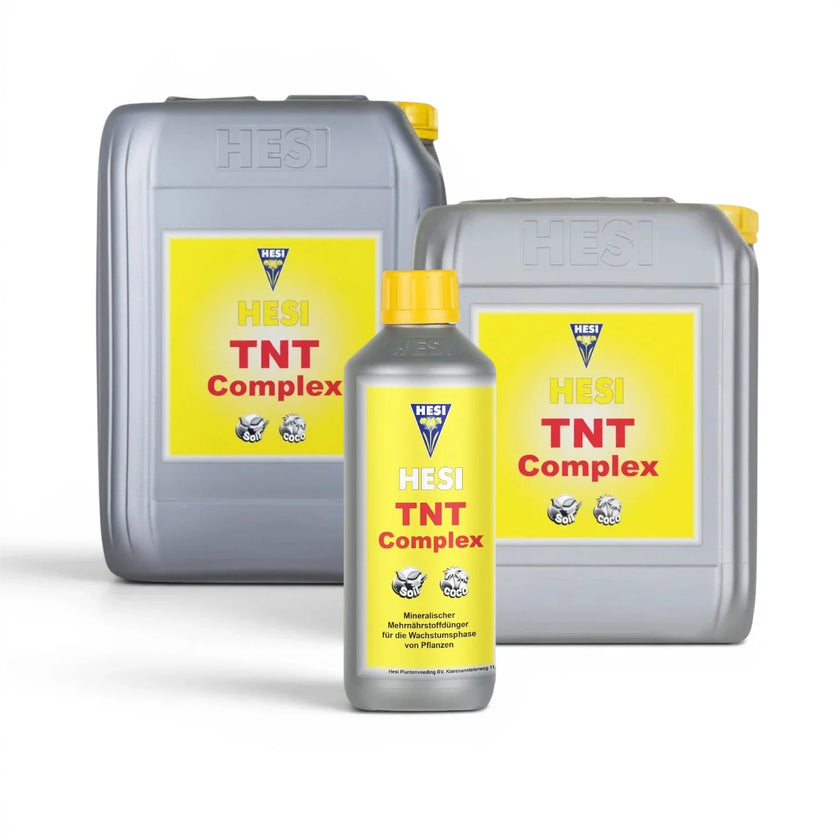
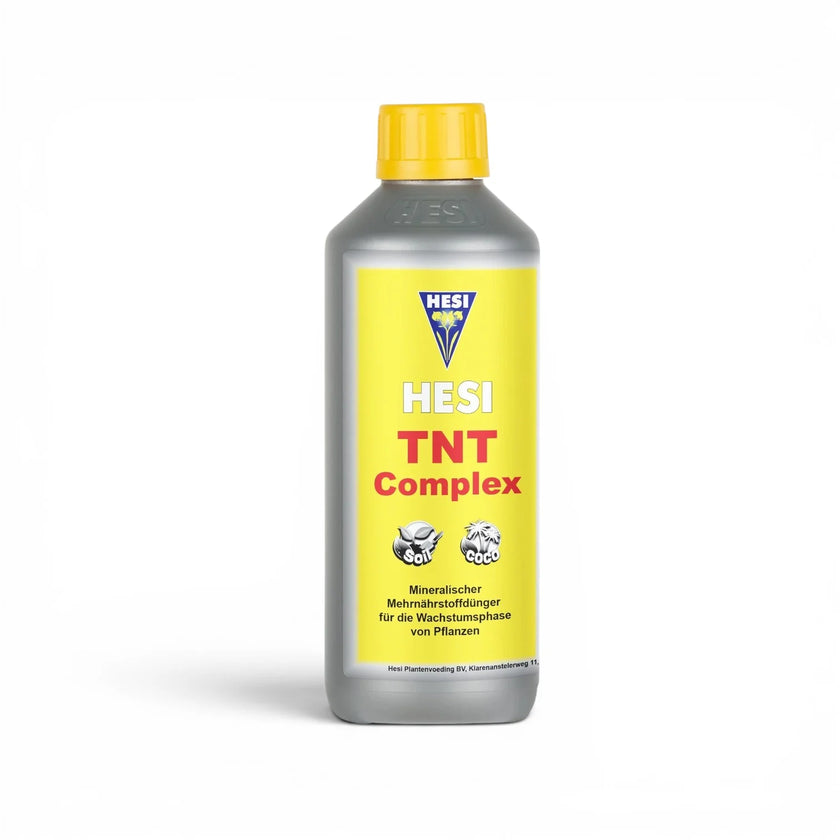
HESI TNT Complex
Sale priceFrom €10,75
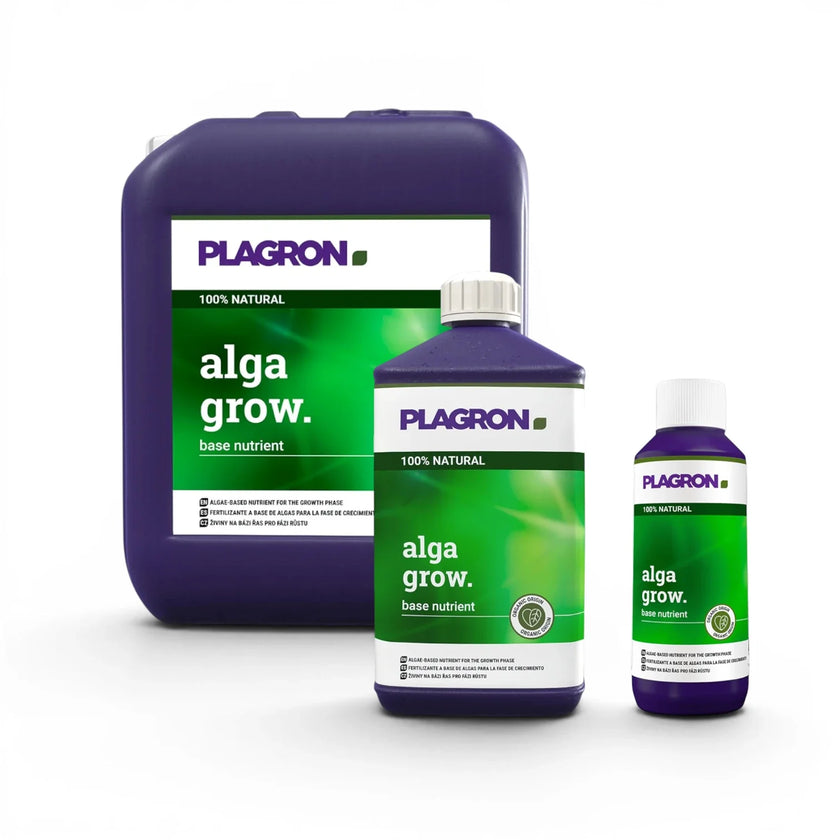
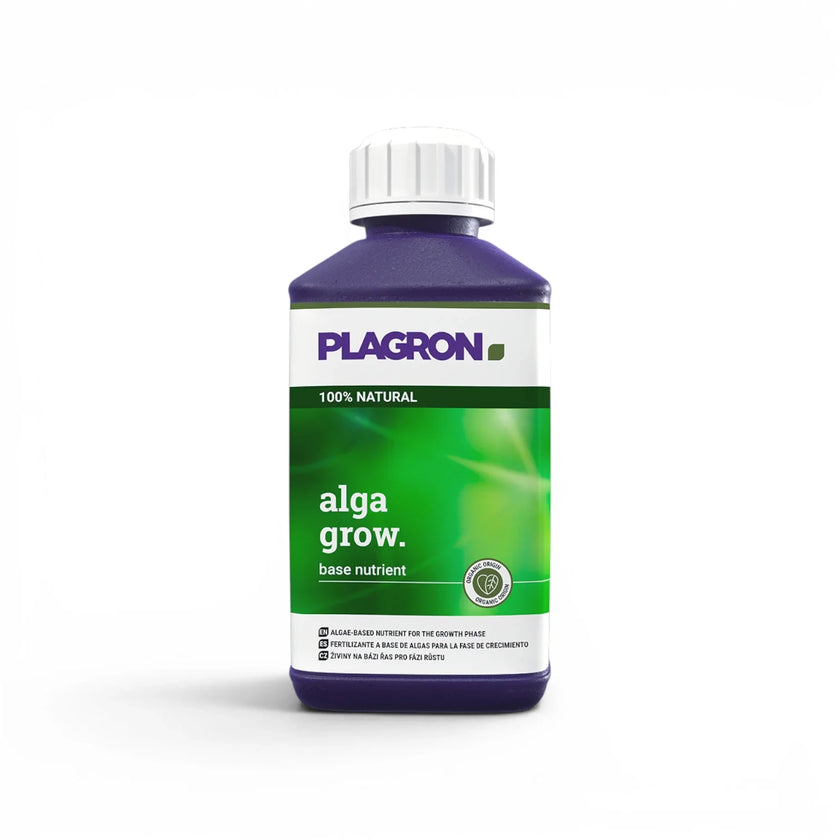
Plagron Alga Grow
Sale priceFrom €7,75
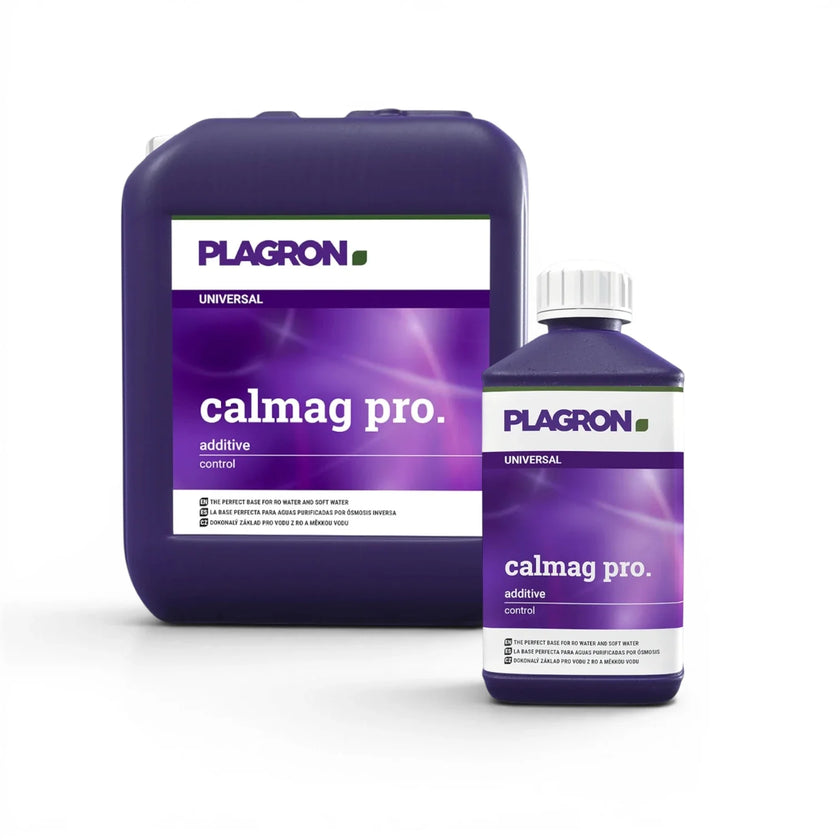
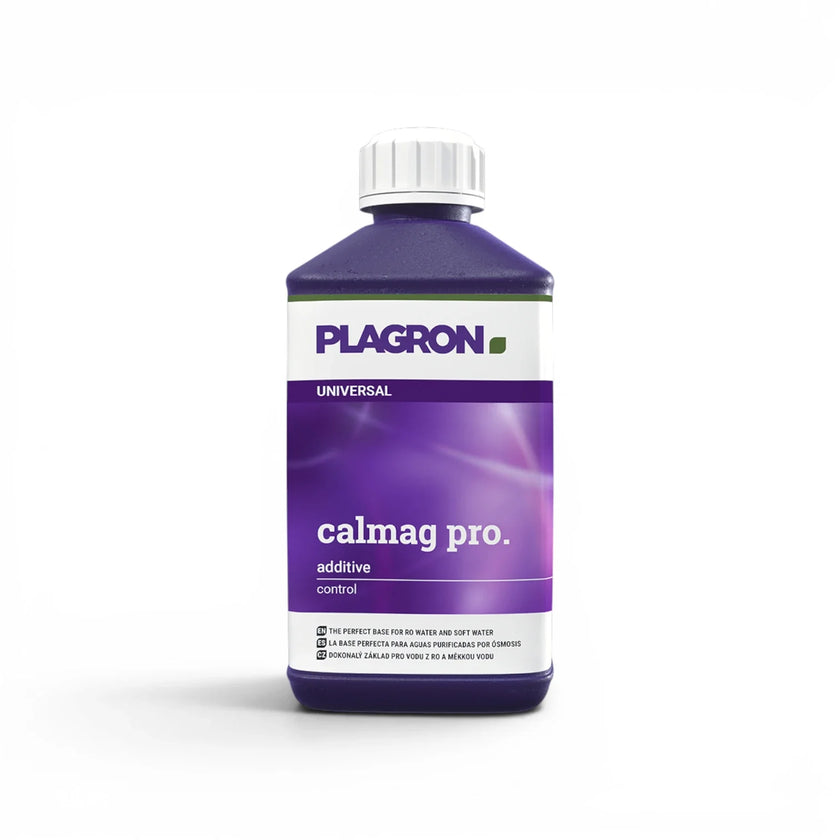
Plagron CalMag Pro
Sale priceFrom €12,00
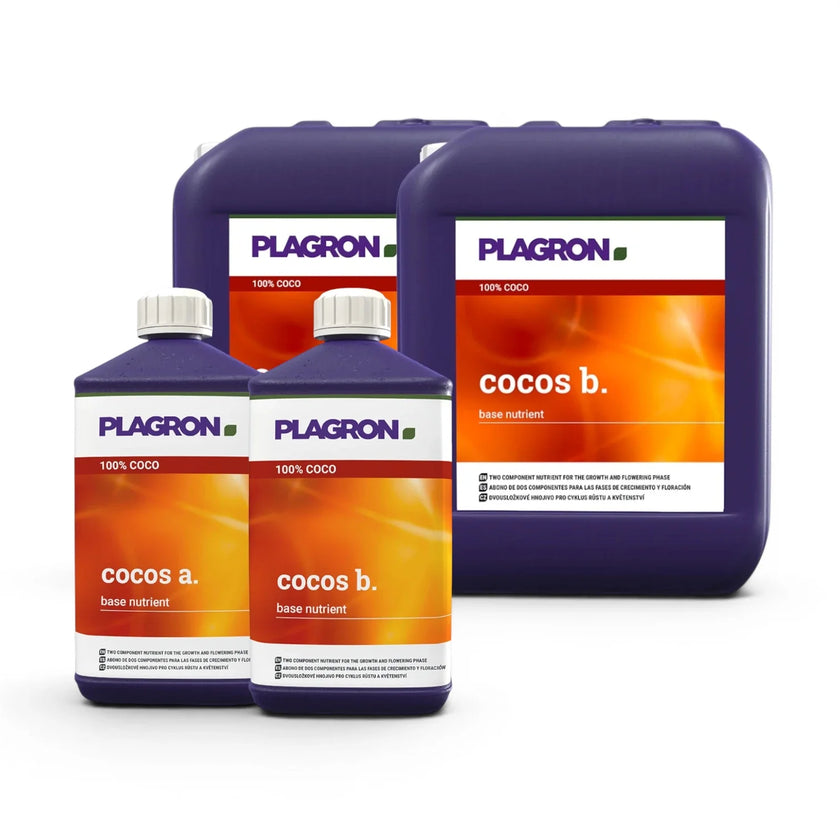
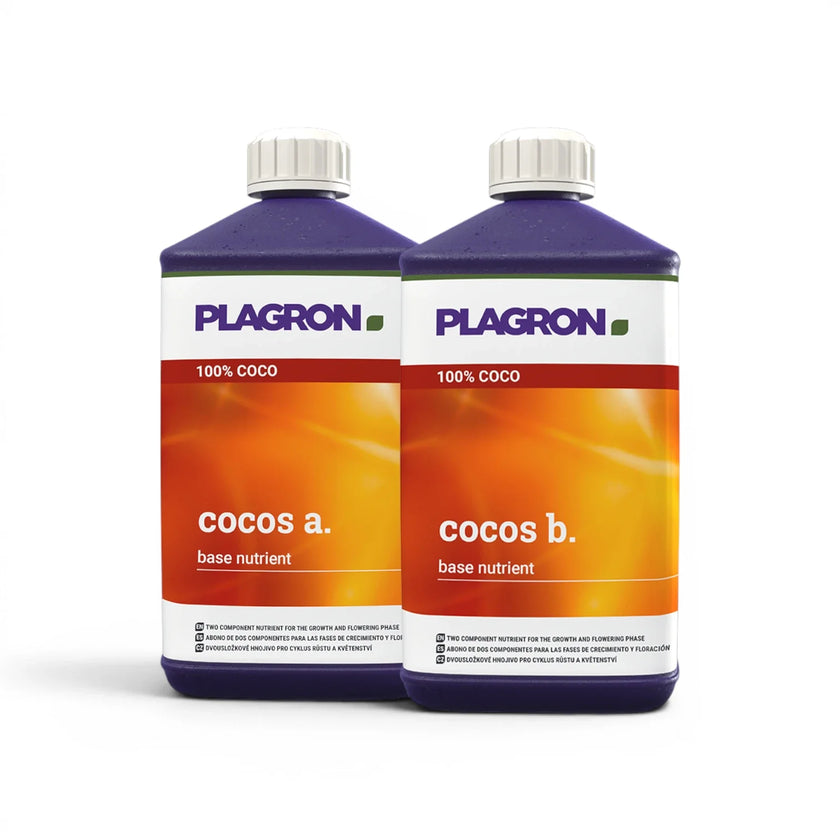
Plagron Cocos A+B
Sale priceFrom €15,25
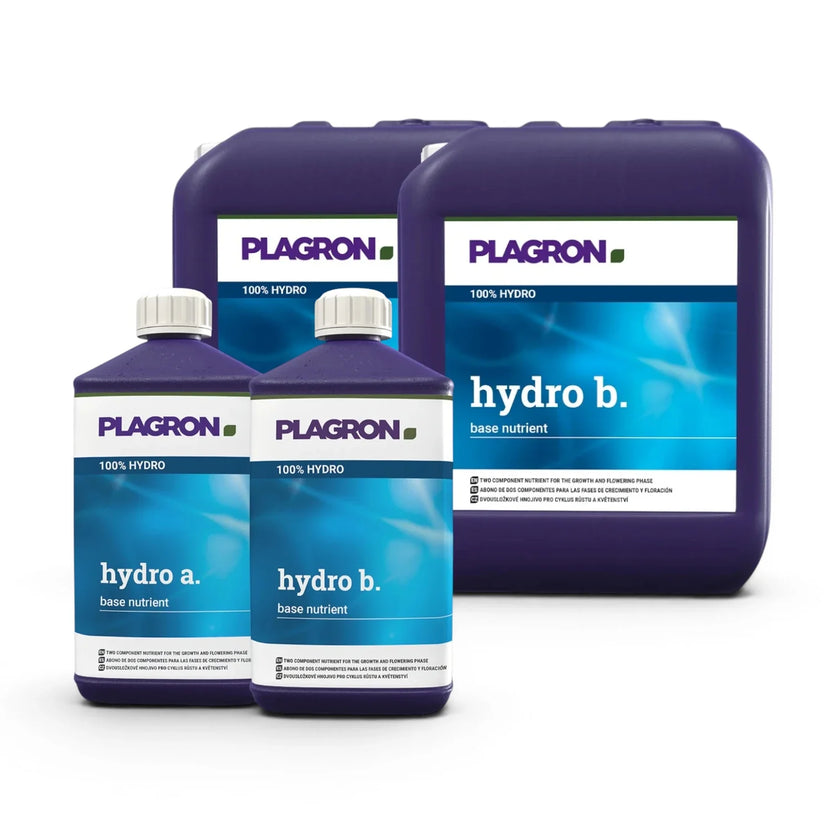
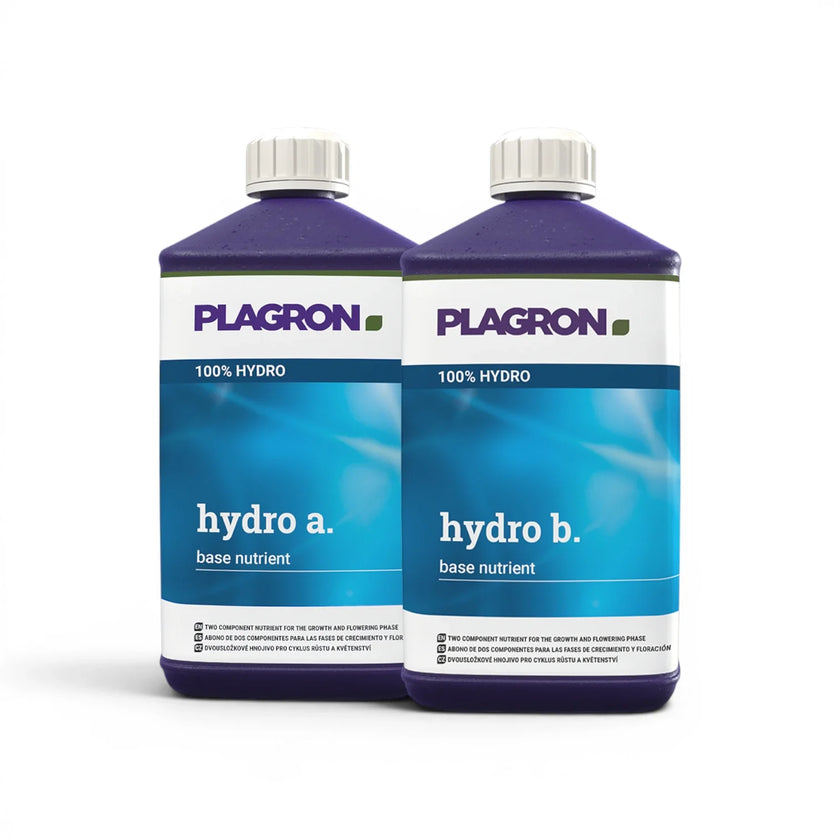
Plagron Hydro A+B
Sale priceFrom €16,50
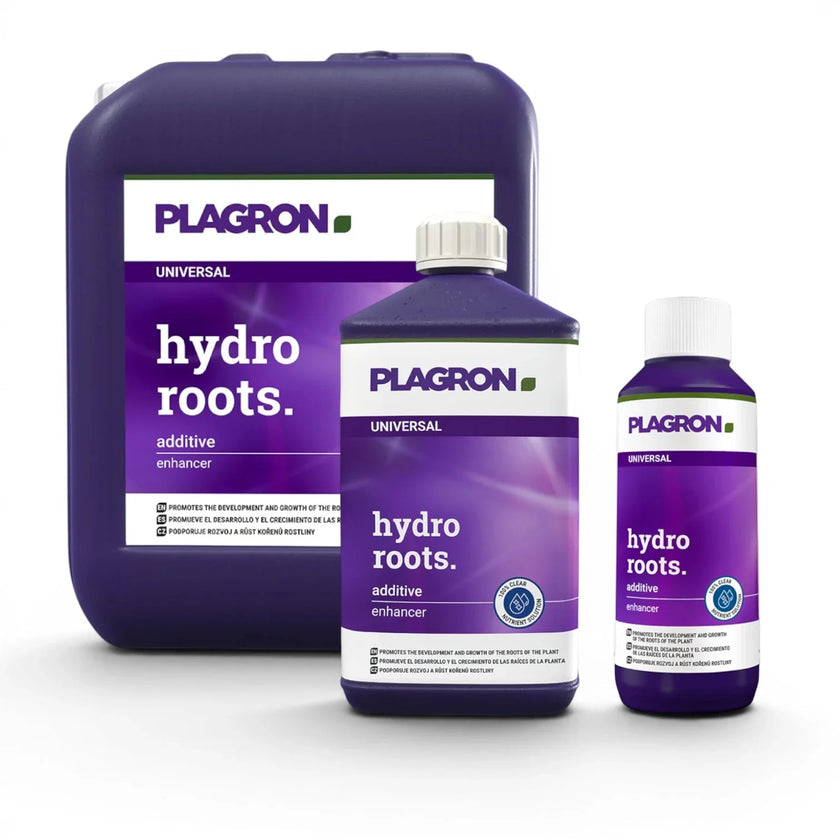
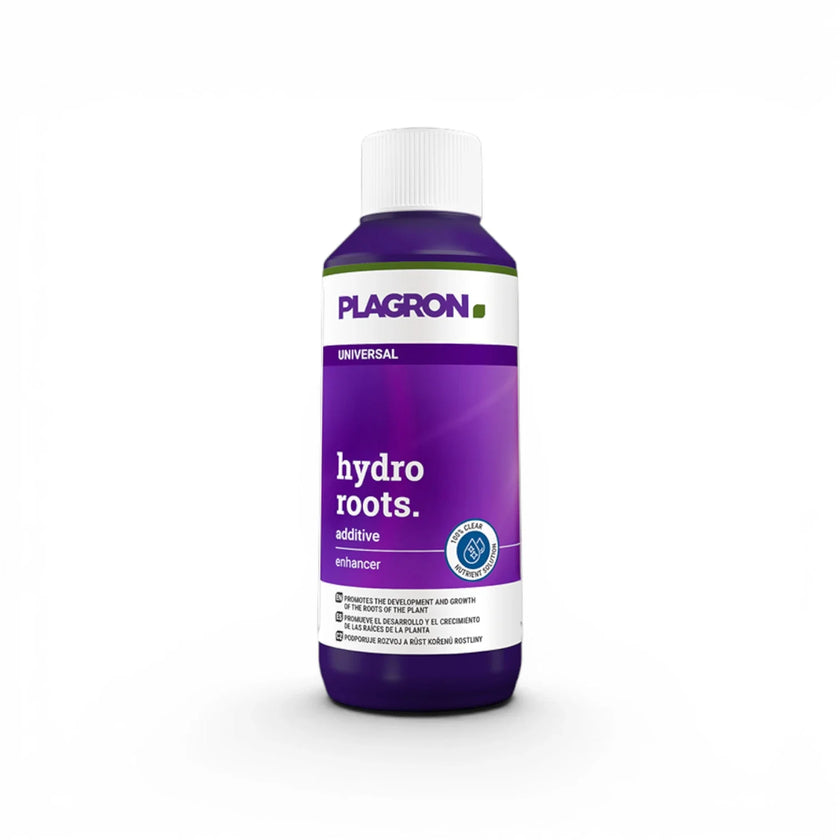
Plagron Hydro Roots
Sale priceFrom €6,50
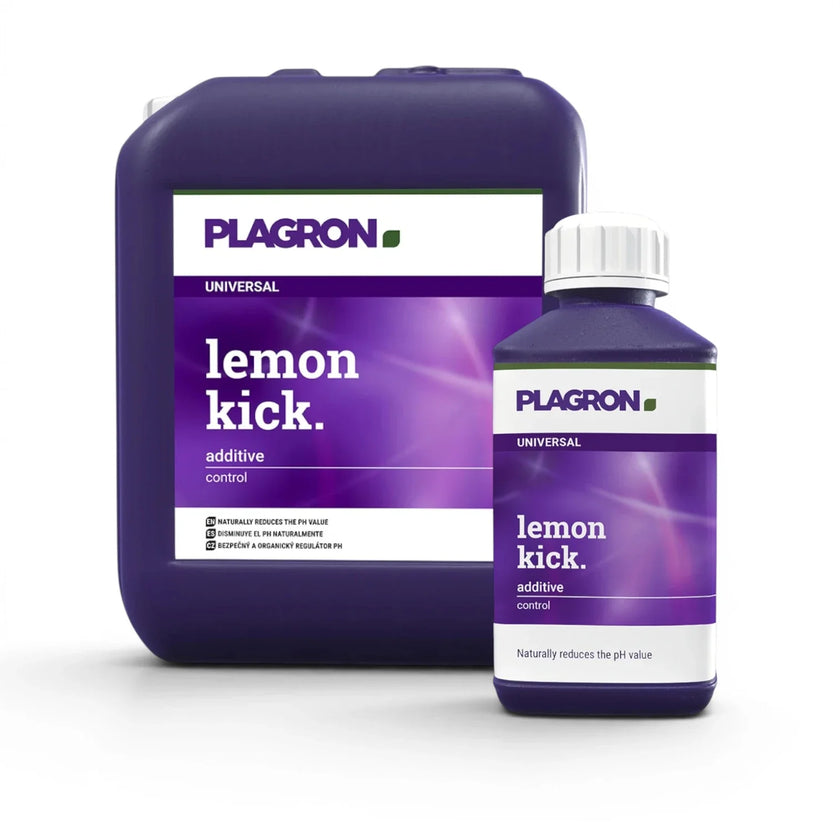
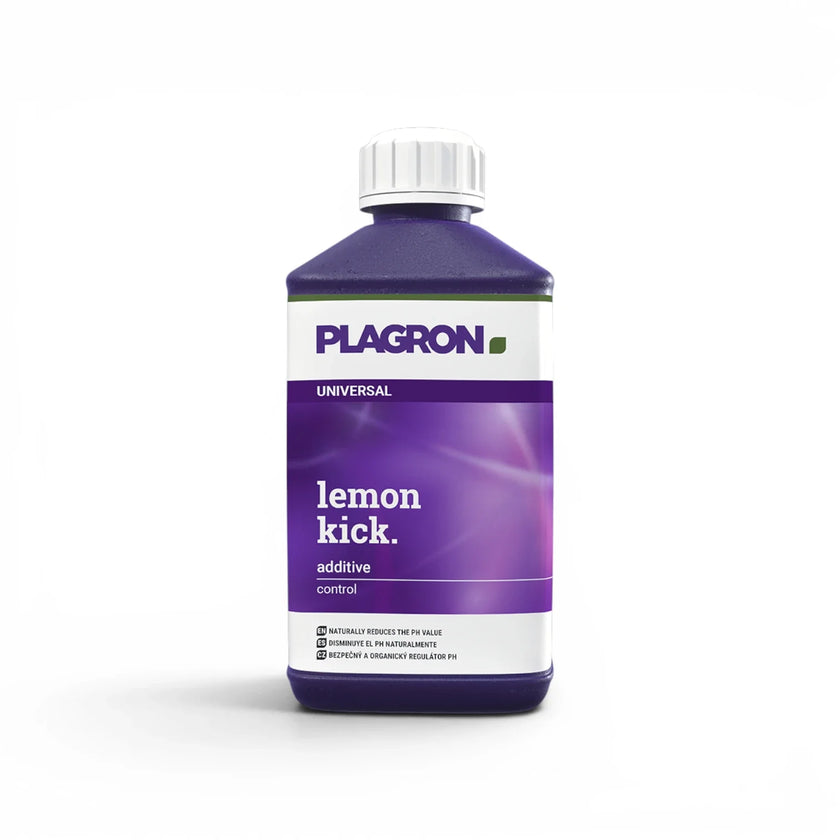
Plagron Lemon Kick
Sale priceFrom €10,50
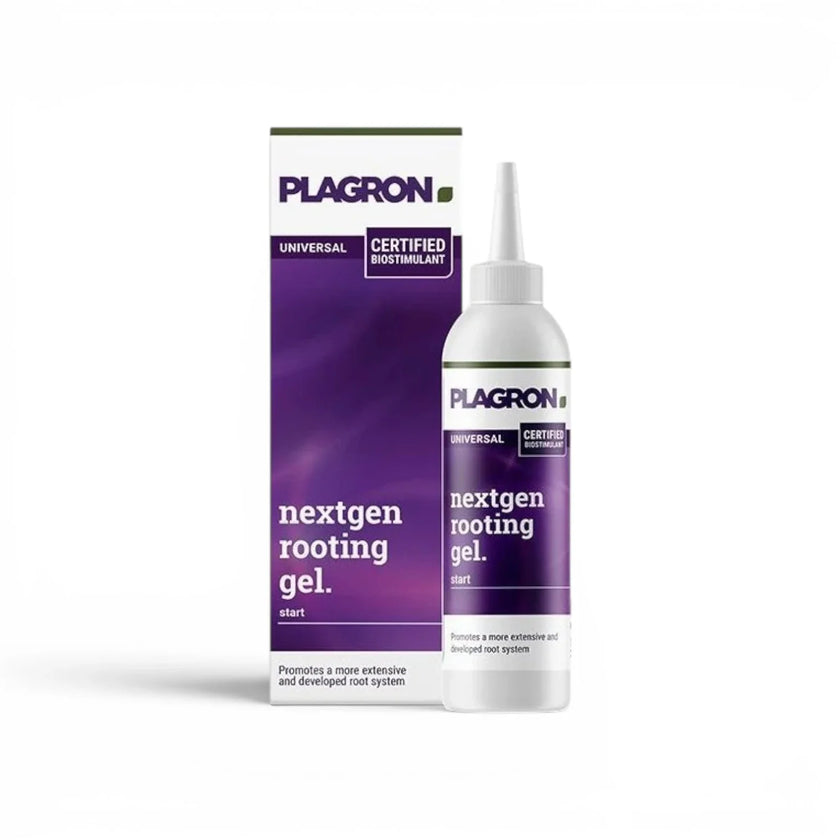
Plagron NextGen Rooting Gel
Sale price€9,50
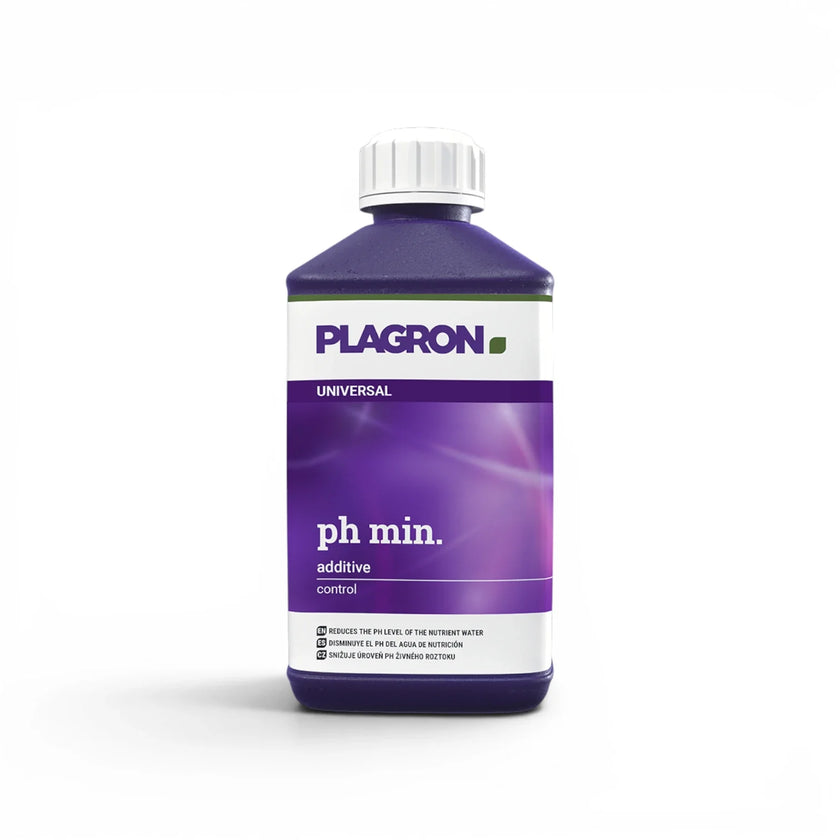
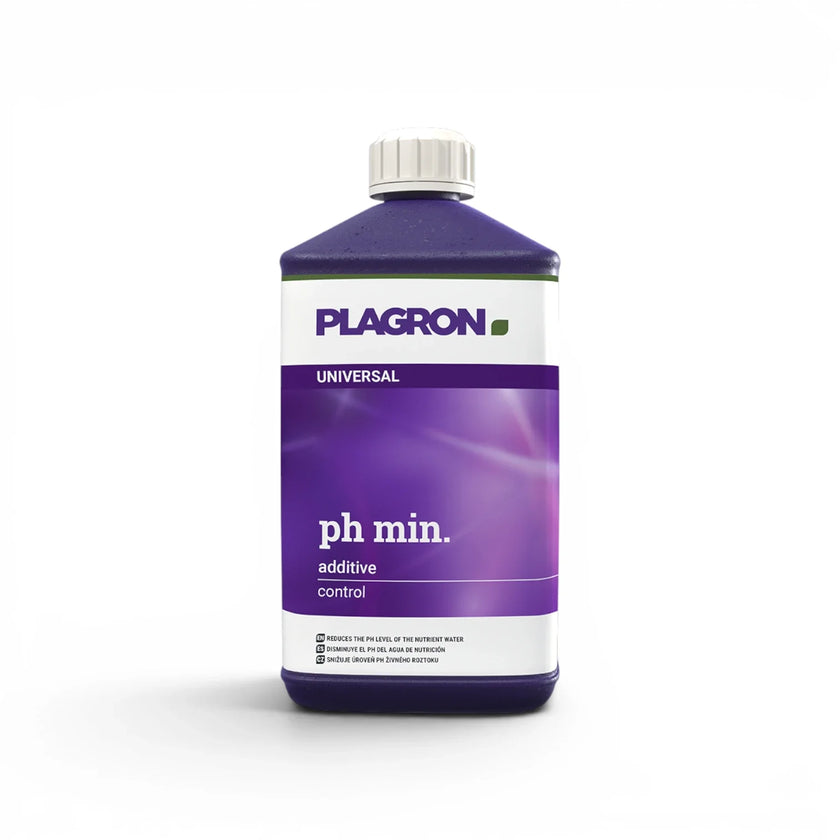
Plagron pH Min
Sale priceFrom €11,50
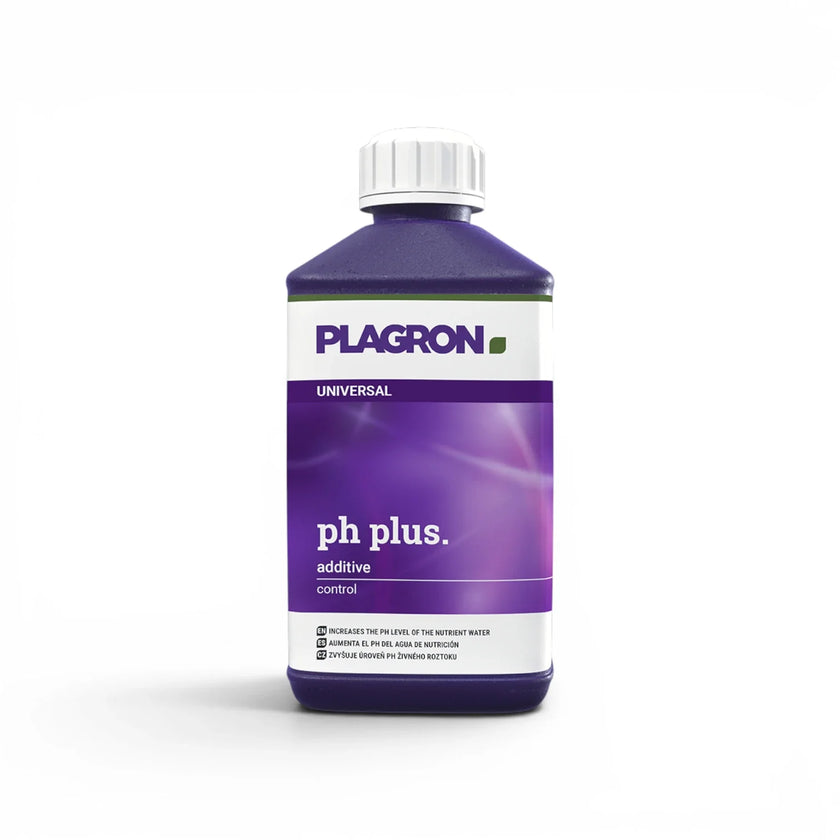
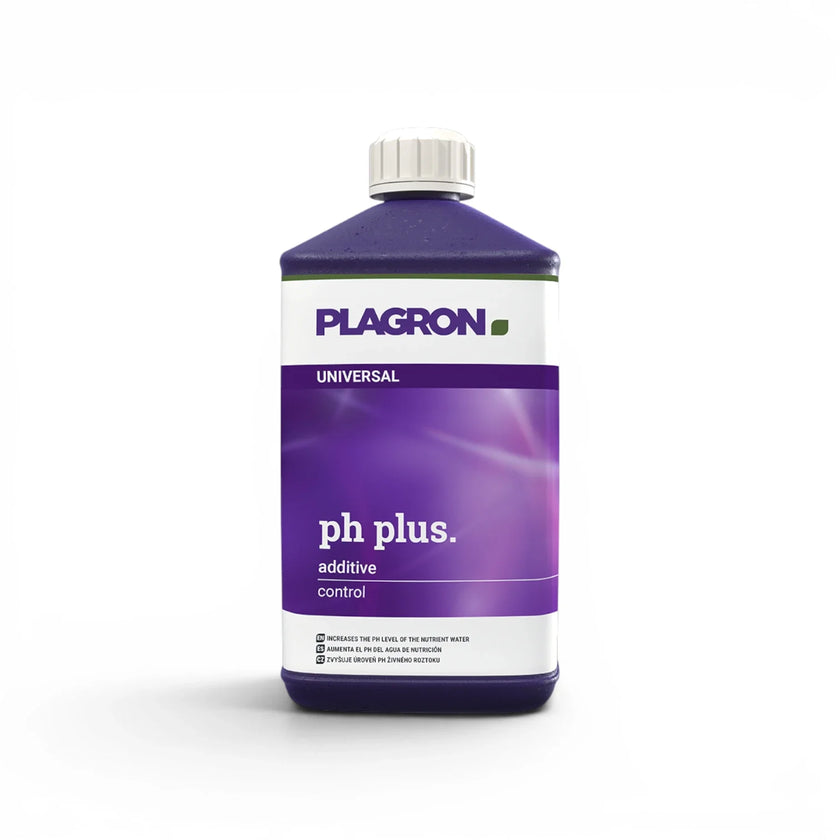
Plagron pH Plus
Sale priceFrom €8,75
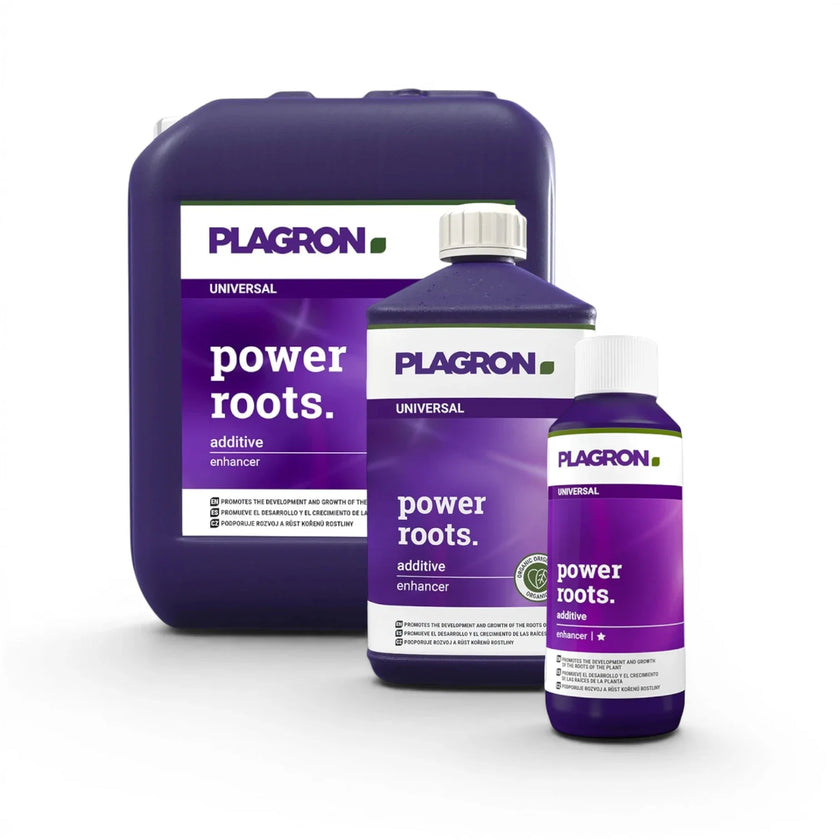
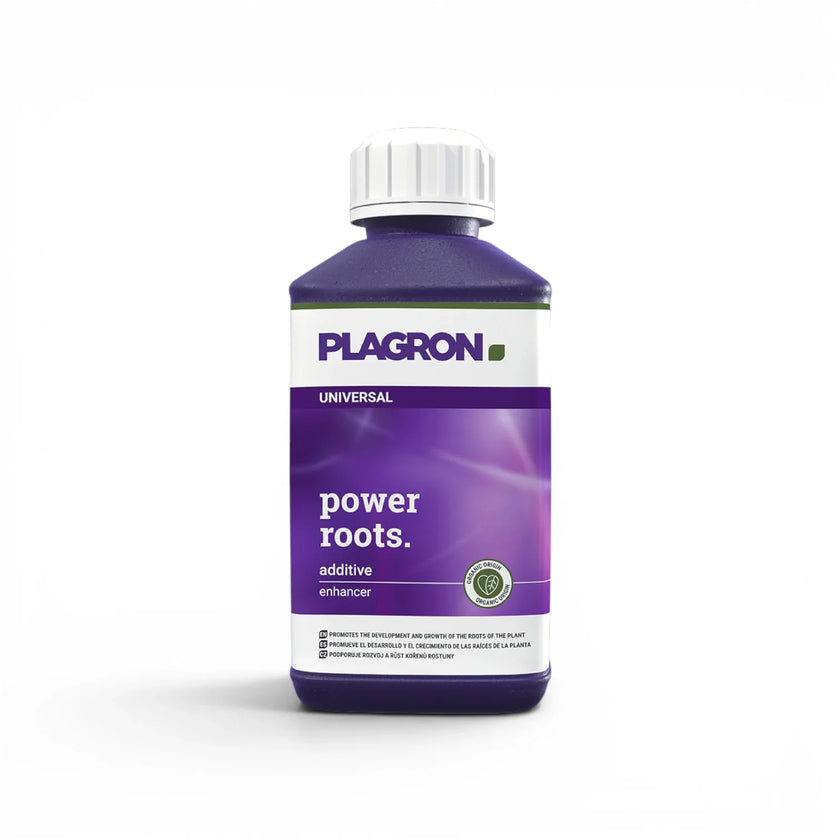
Plagron Power Roots
Sale priceFrom €20,75
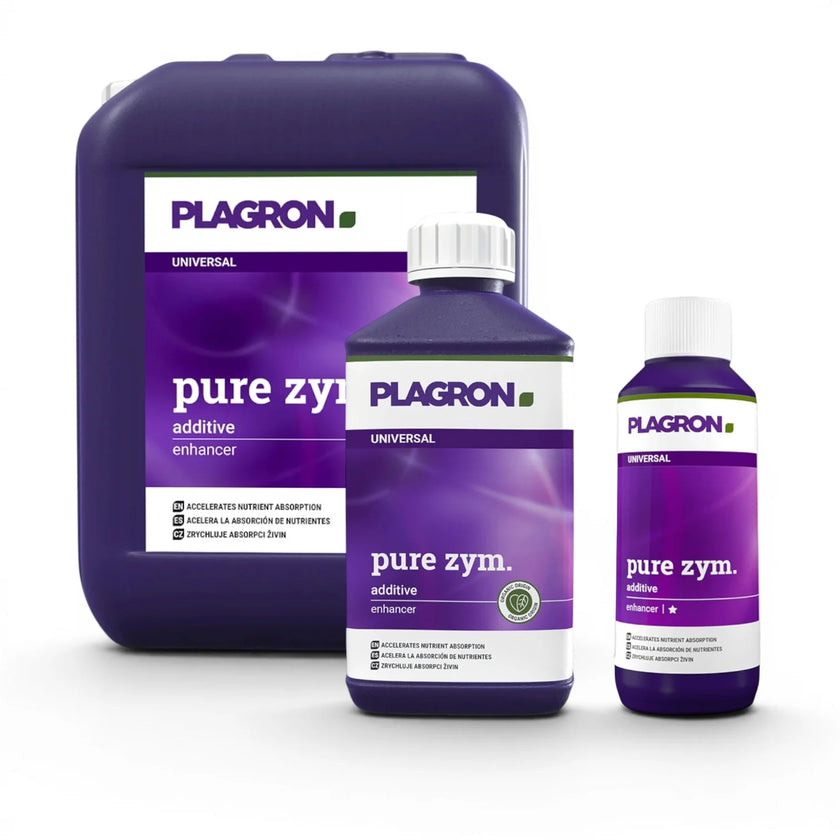
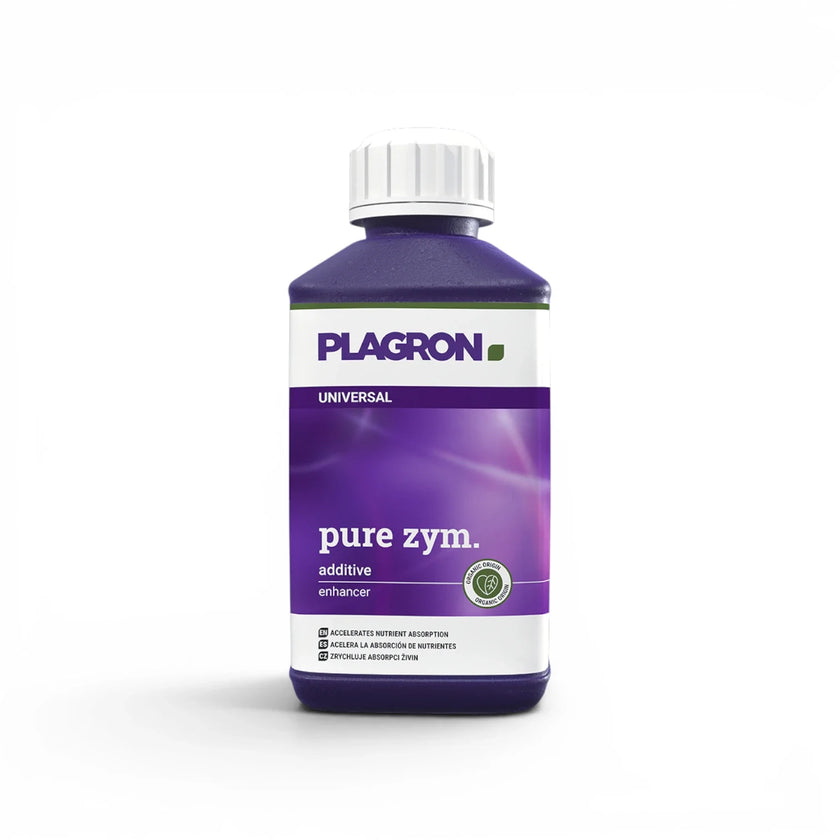
Plagron Pure Zym
Sale priceFrom €11,00
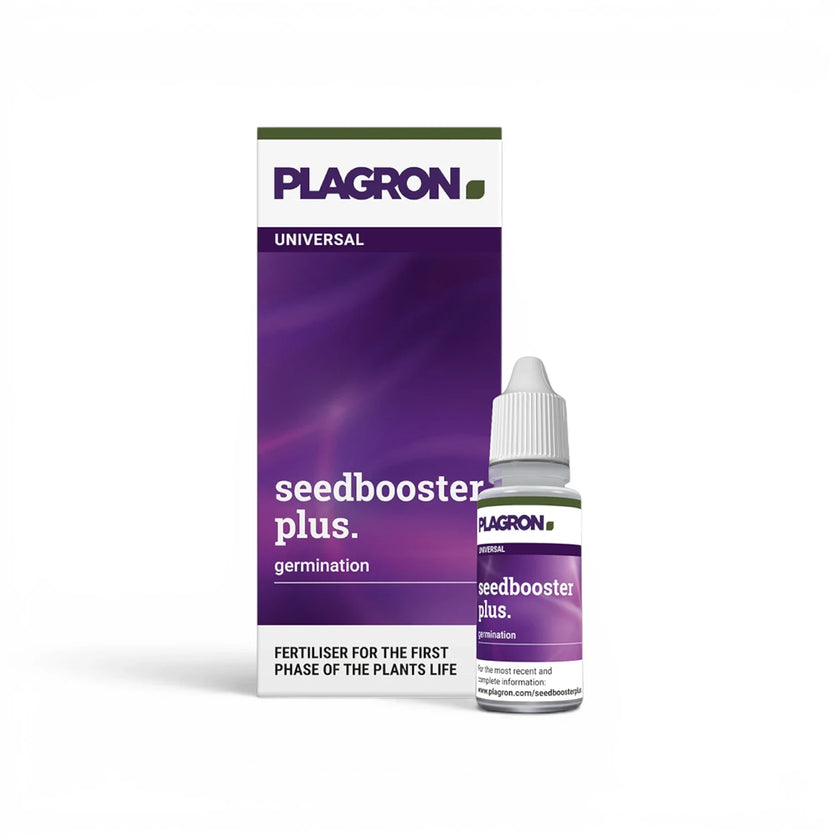
Plagron Seedbooster Plus
Sale price€21,00
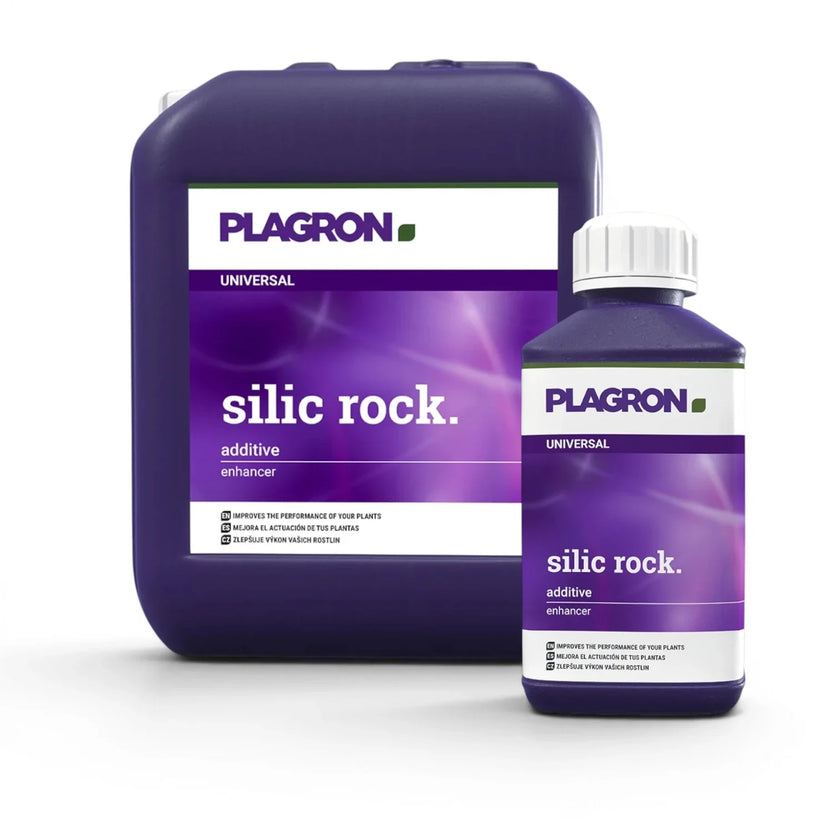
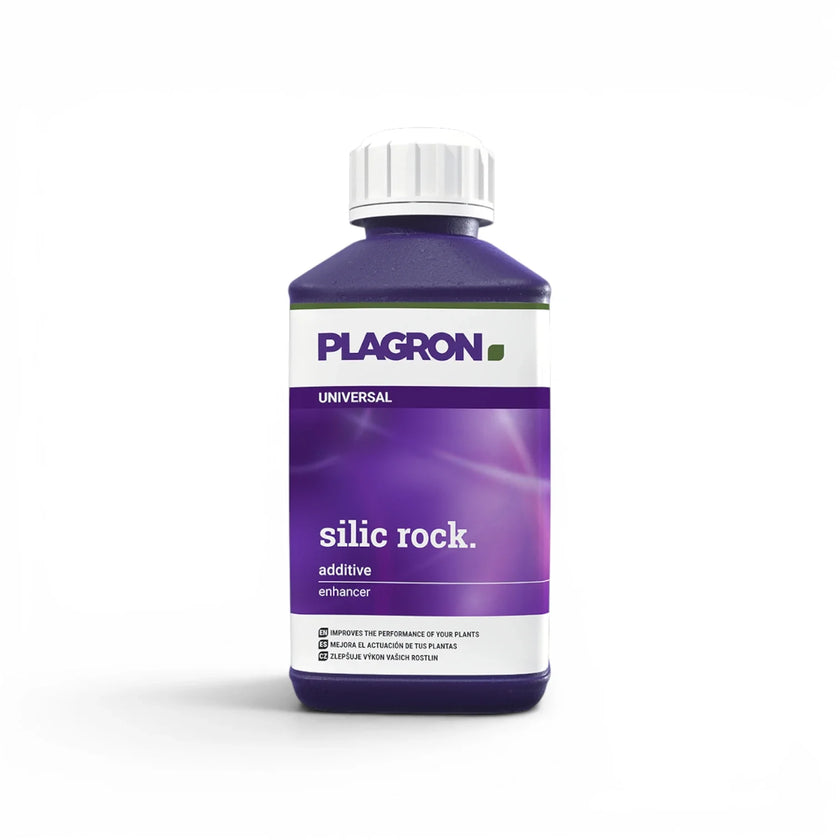
Plagron Silic Rock
Sale priceFrom €8,50
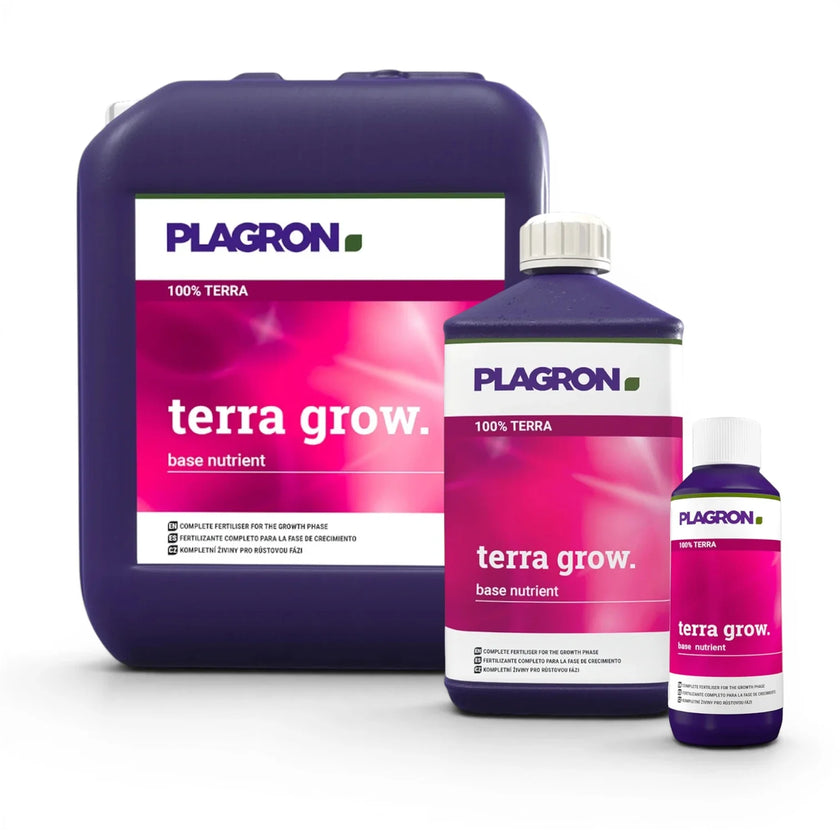
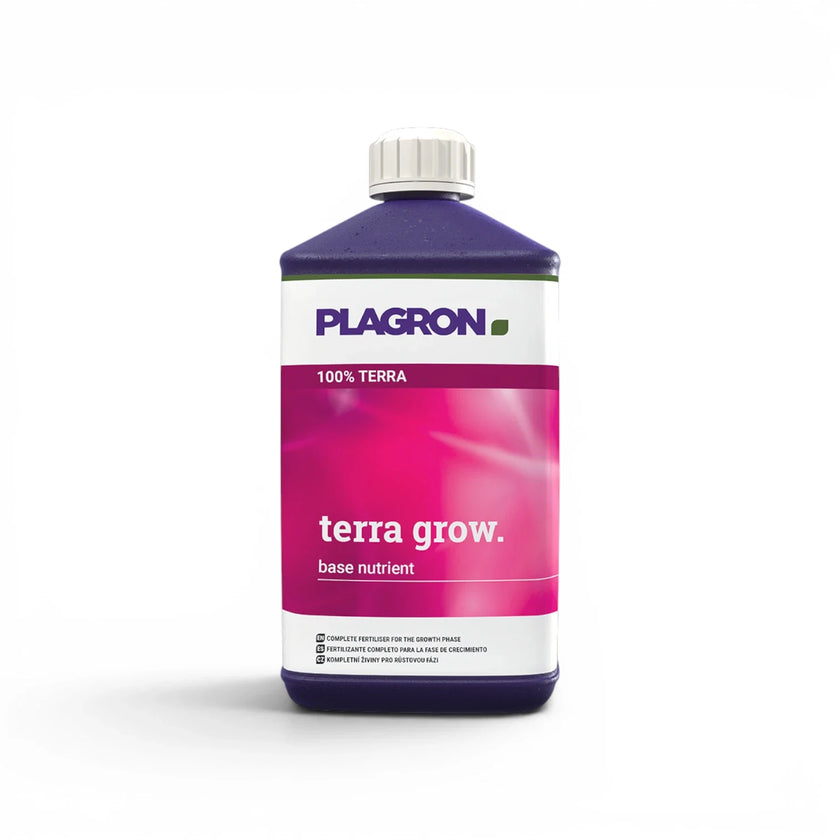
Plagron Terra Grow
Sale priceFrom €10,75
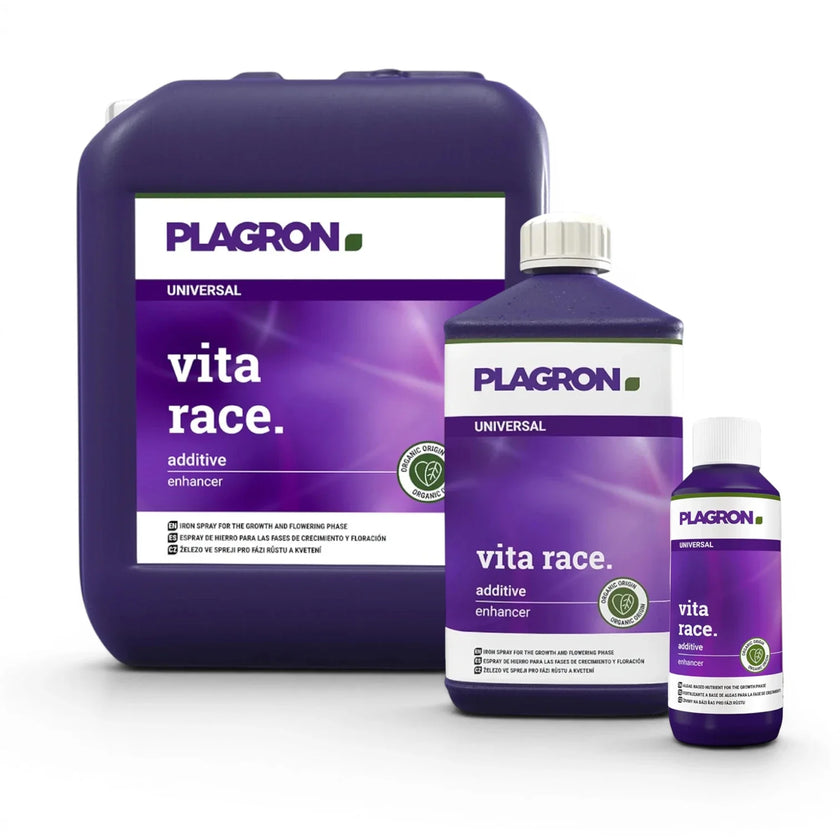
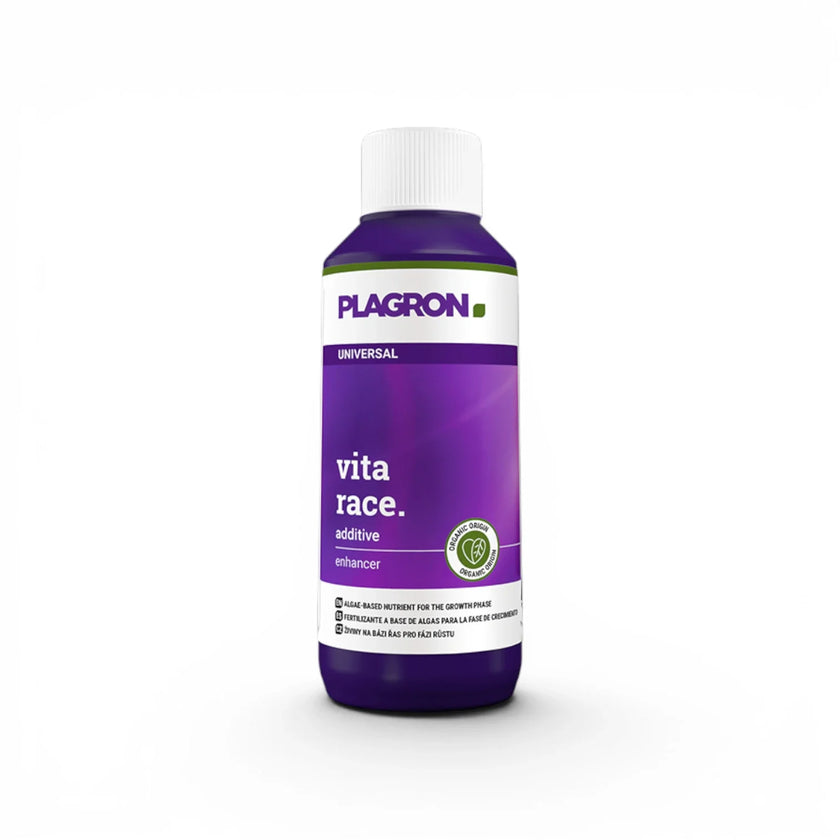
Plagron Vita Race
Sale priceFrom €10,75
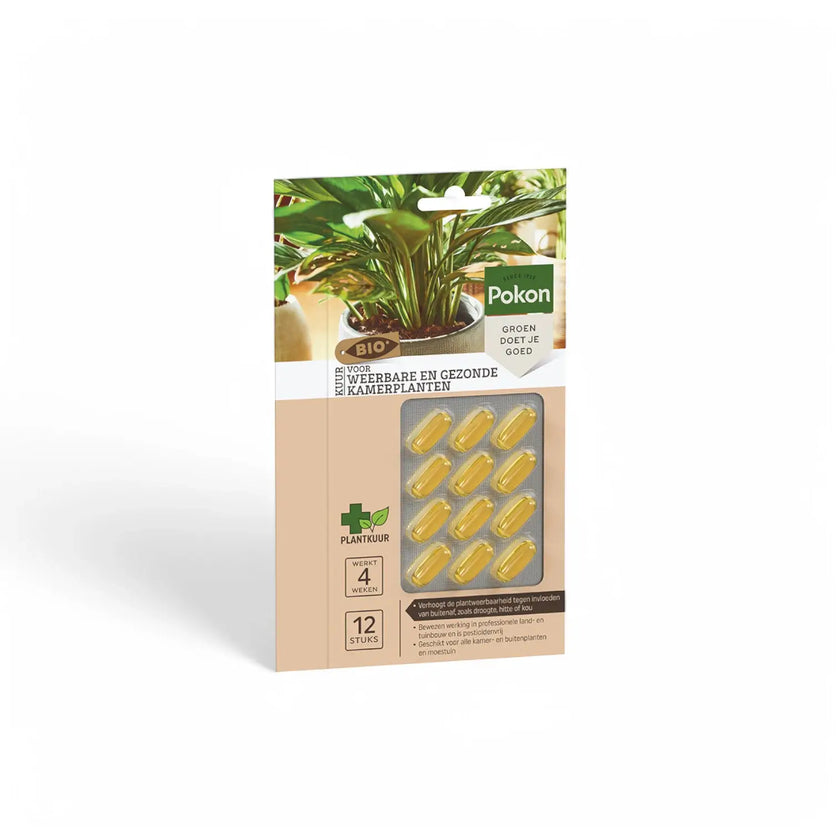
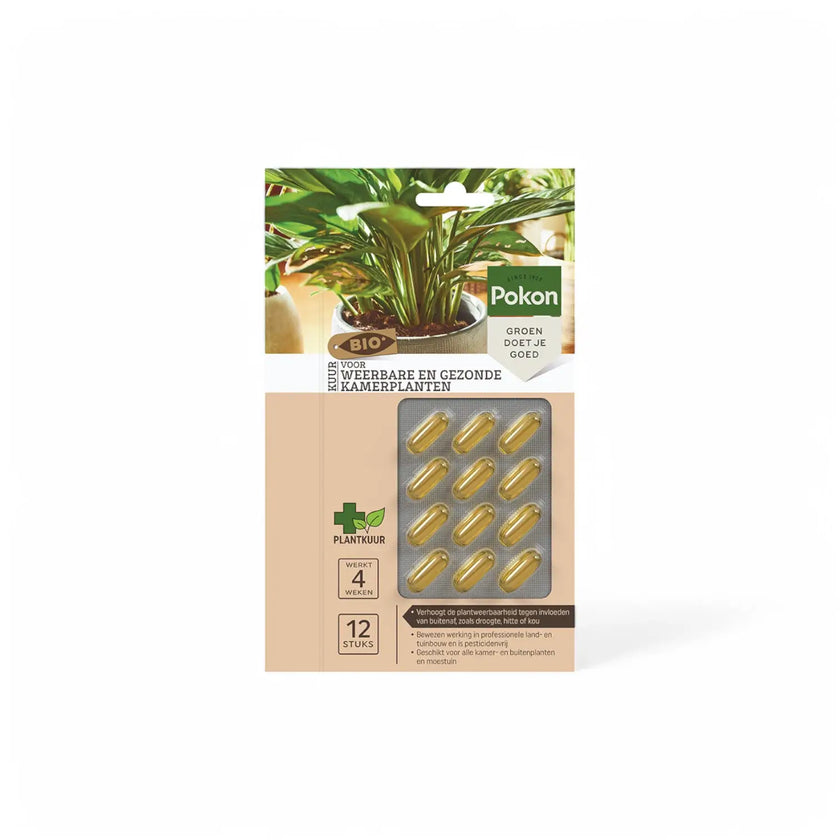
Pokon Bio Plant Cure Capsules
Sale price€10,75

Frequently Asked Questions About Fertilizers

Sign up for Foliage Factory newsletter for early access to new arrivals and practical care tips that work in real homes.