
Ferns
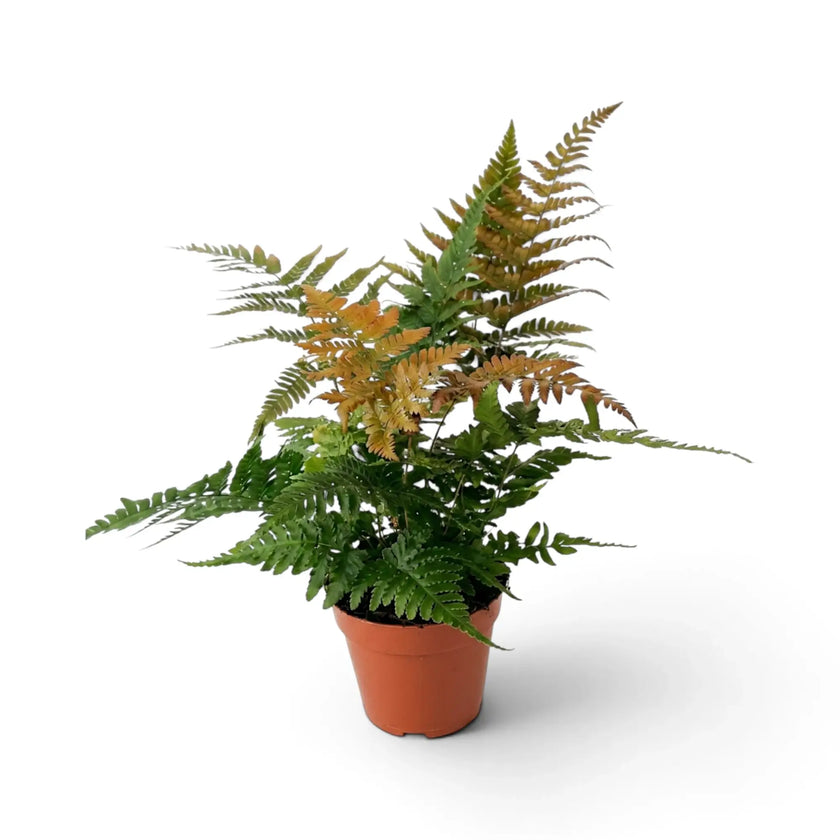
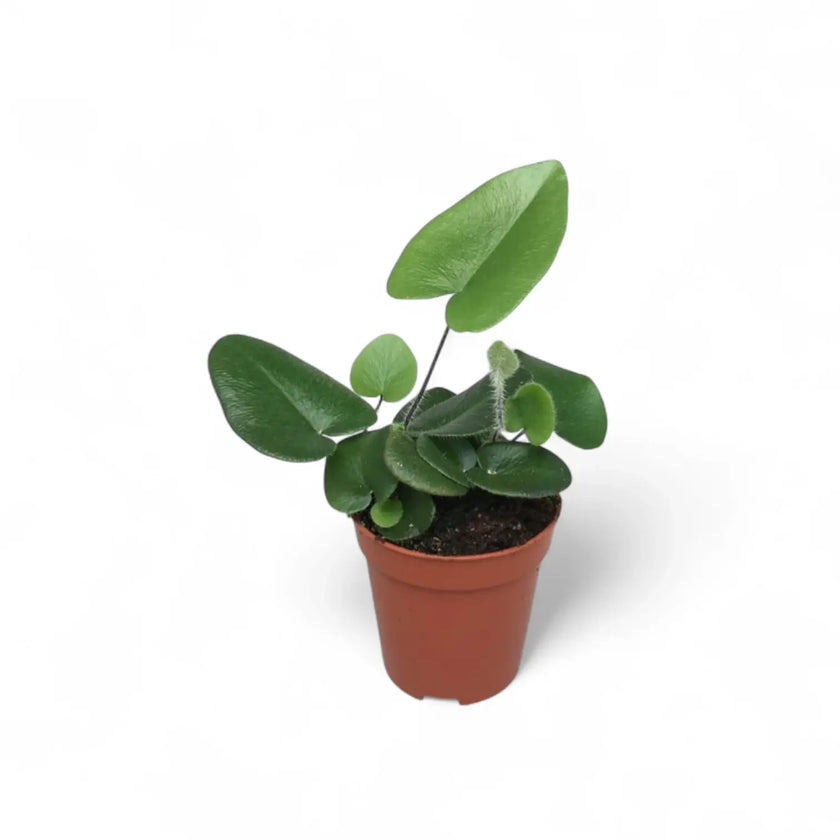
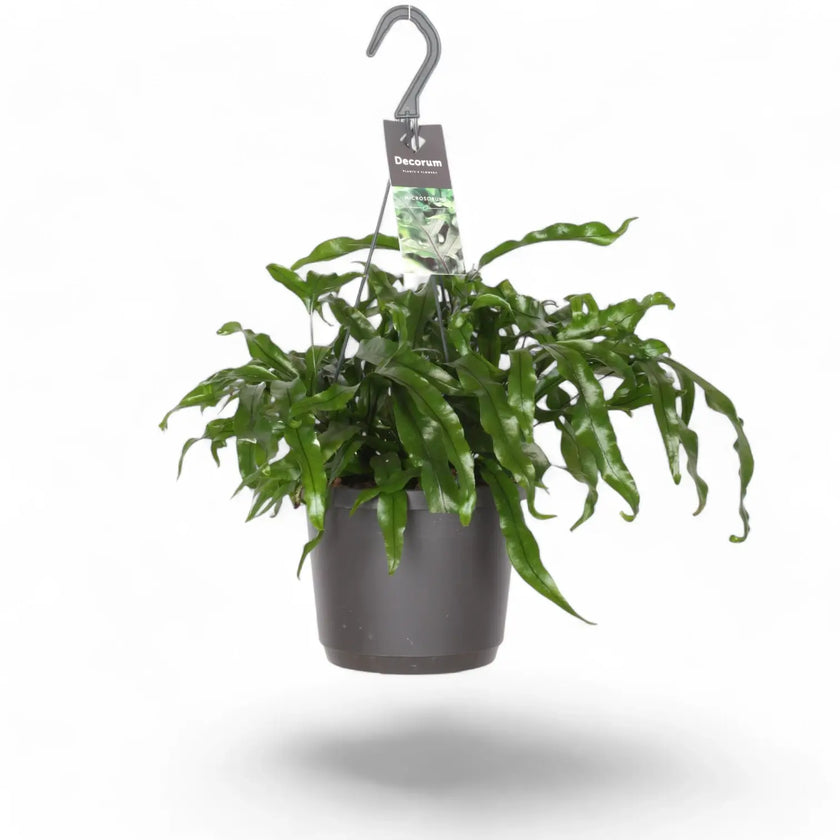
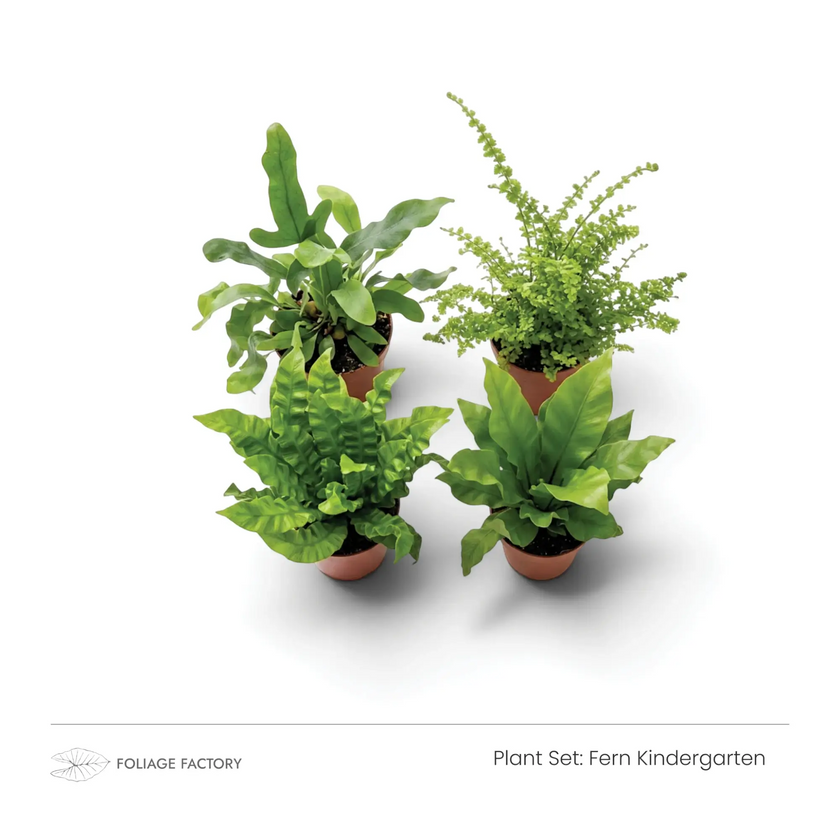
Indoor ferns include broad bird’s-nest crowns, feathery Boston ferns, fine maidenhair leaves and species with creeping rhizomes. Their mature frond size and moisture needs vary across the collection.

About Our Filters
Start with the light and space you can offer, then narrow by the plant’s shape or appearance. Check the individual product page for care and size details.
No filter options are available for this collection right now. Open a product to check its details.
Sort by:
Filters
Ferns
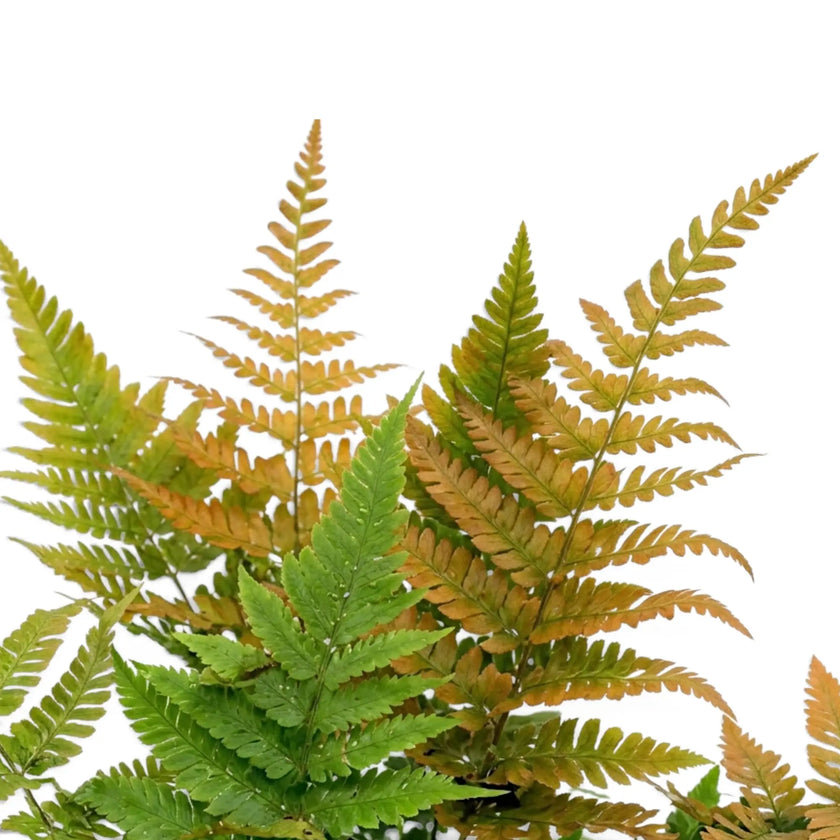
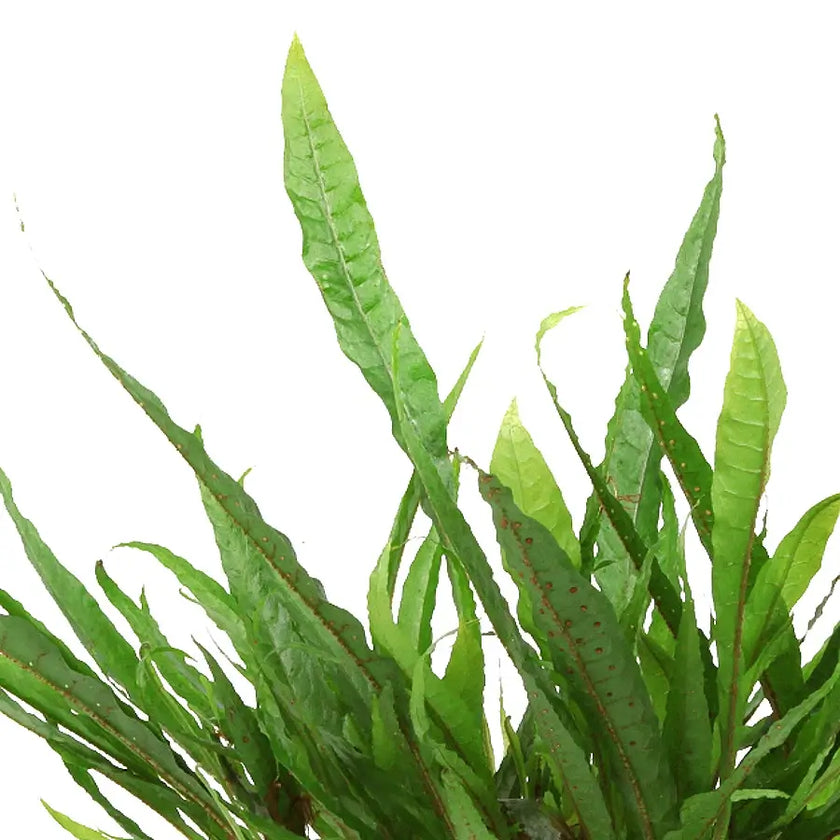
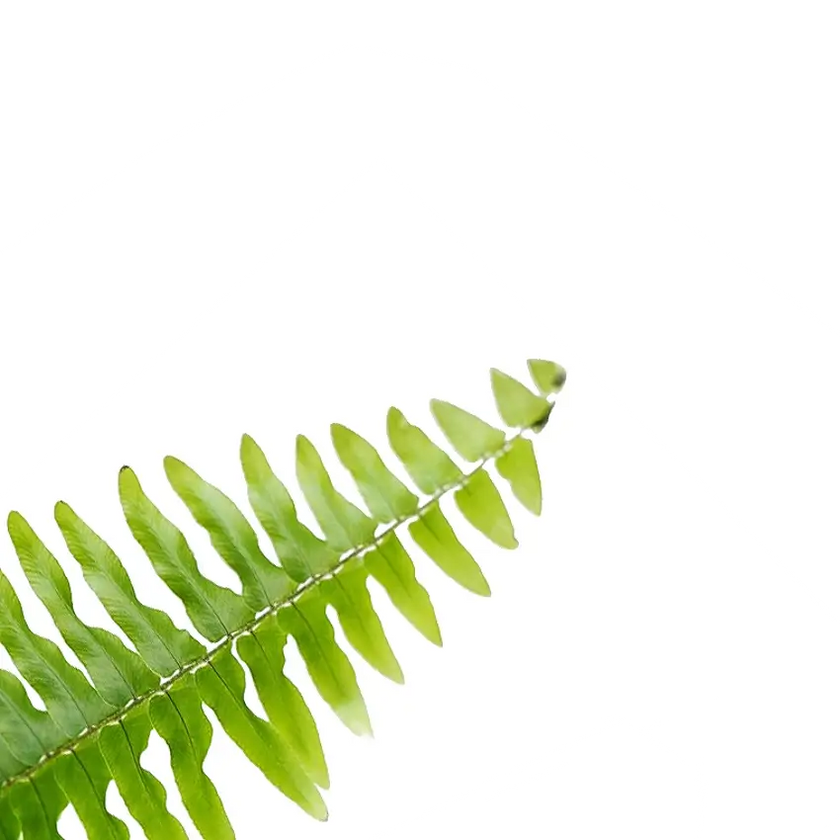
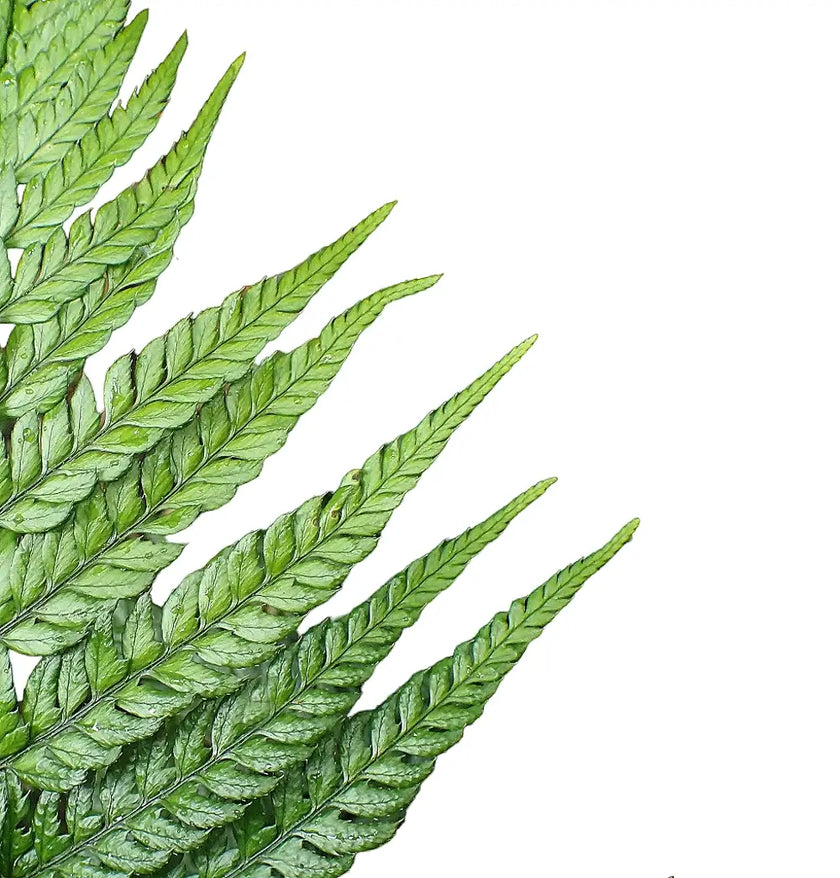
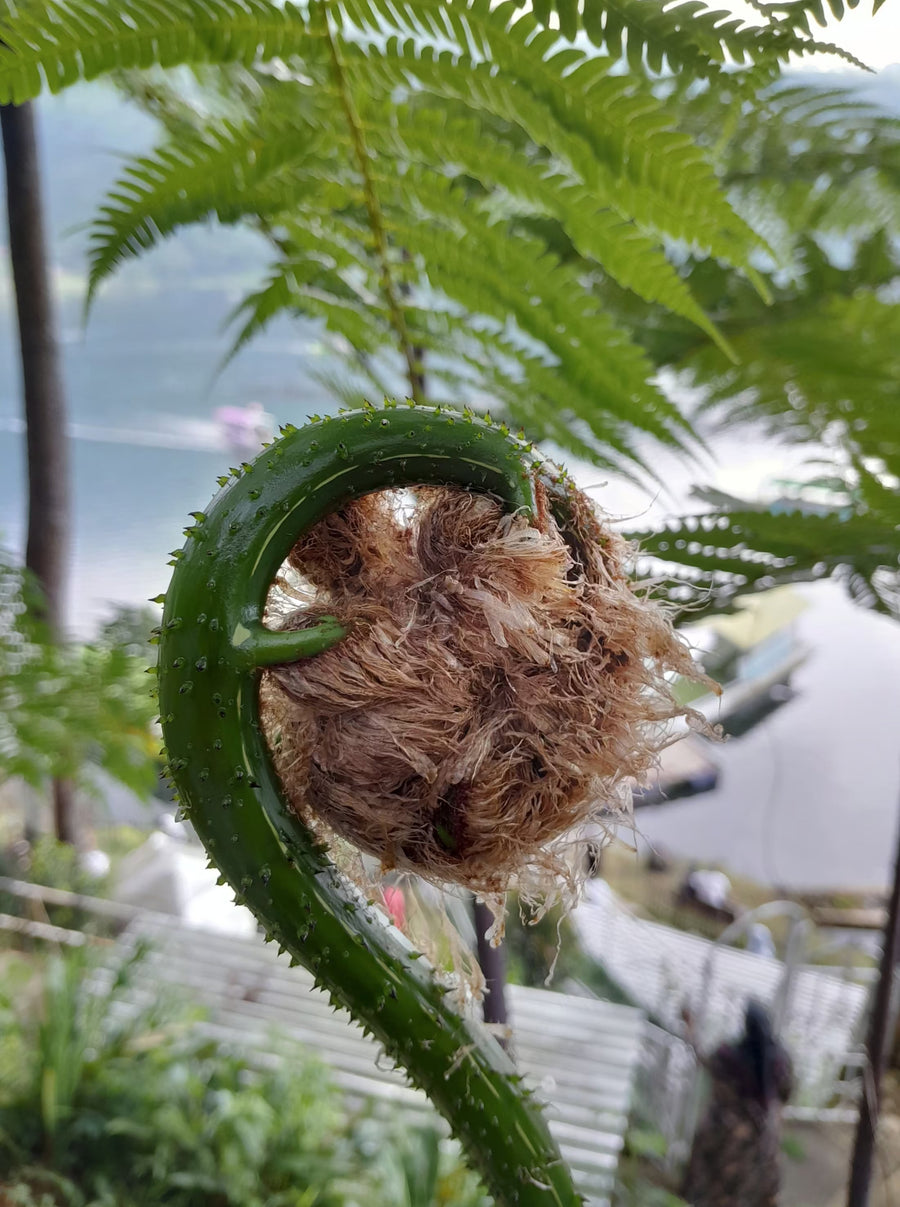
Ferns reproduce through spores, which often develop in small groups on the undersides of mature fronds. These groups are called sori and may look like regular brown spots or lines.
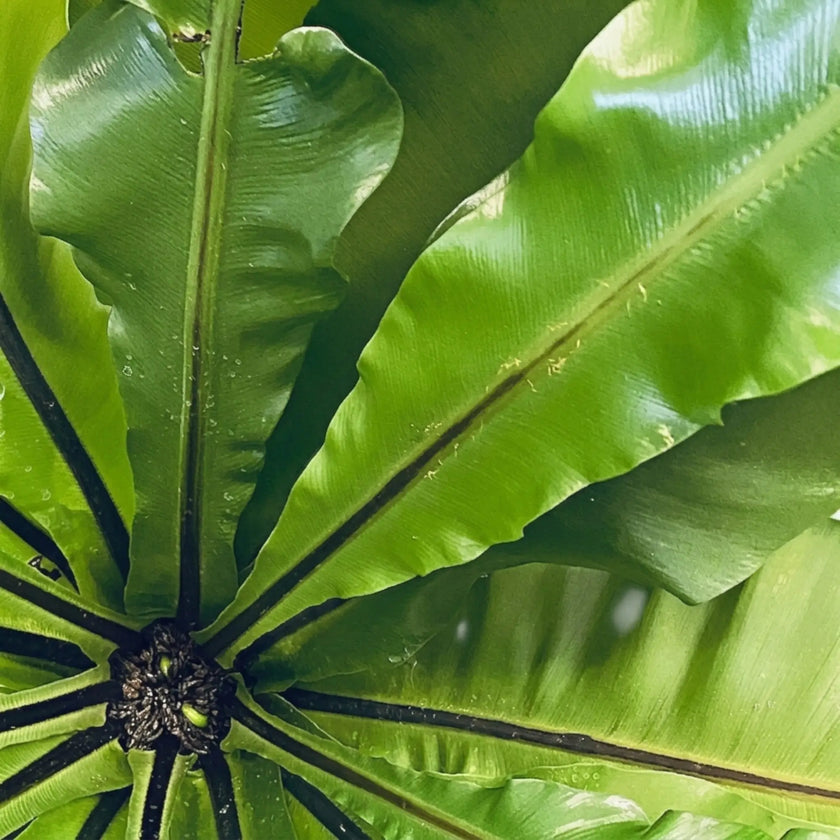
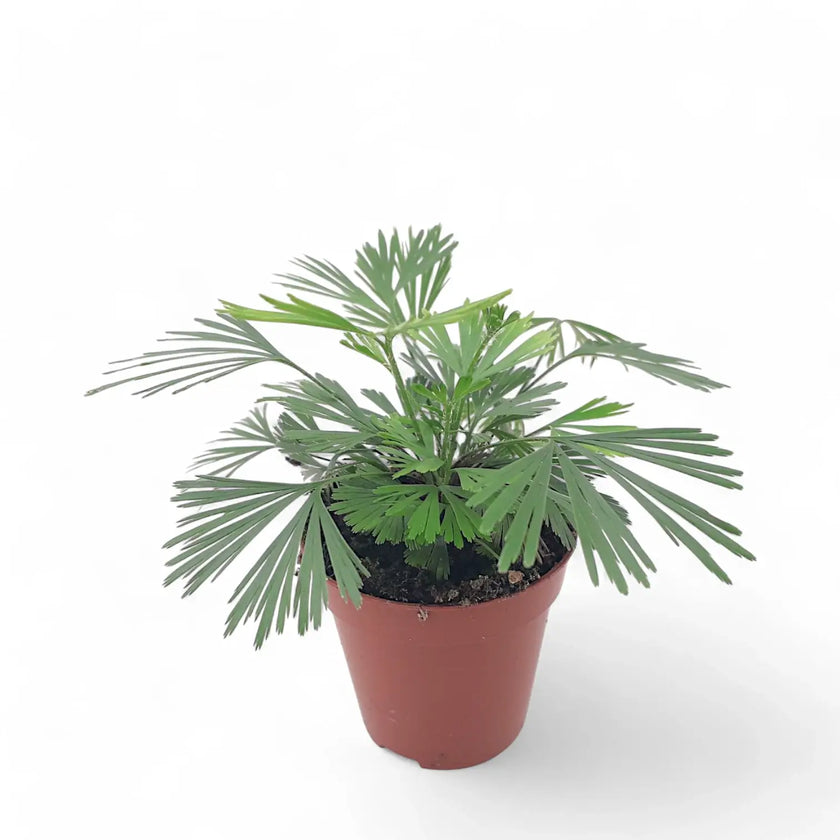
Indoor ferns come from varied habitats, including humid forest ground, tree branches and shaded rock surfaces. Their fronds may emerge as broad crowns, long arches or finely divided leaves.
Indoor ferns
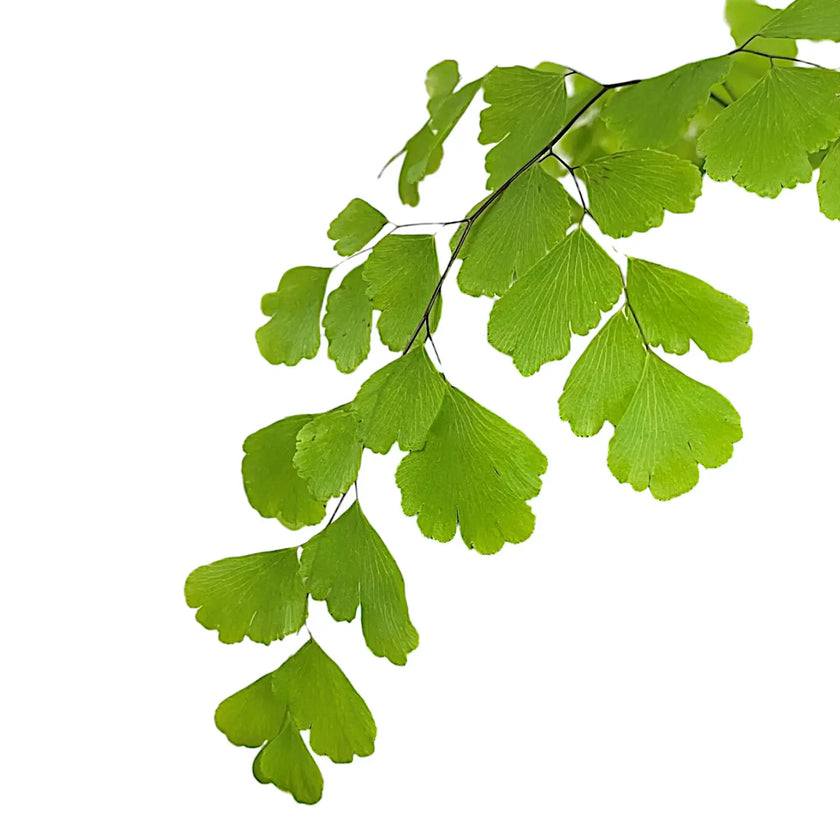
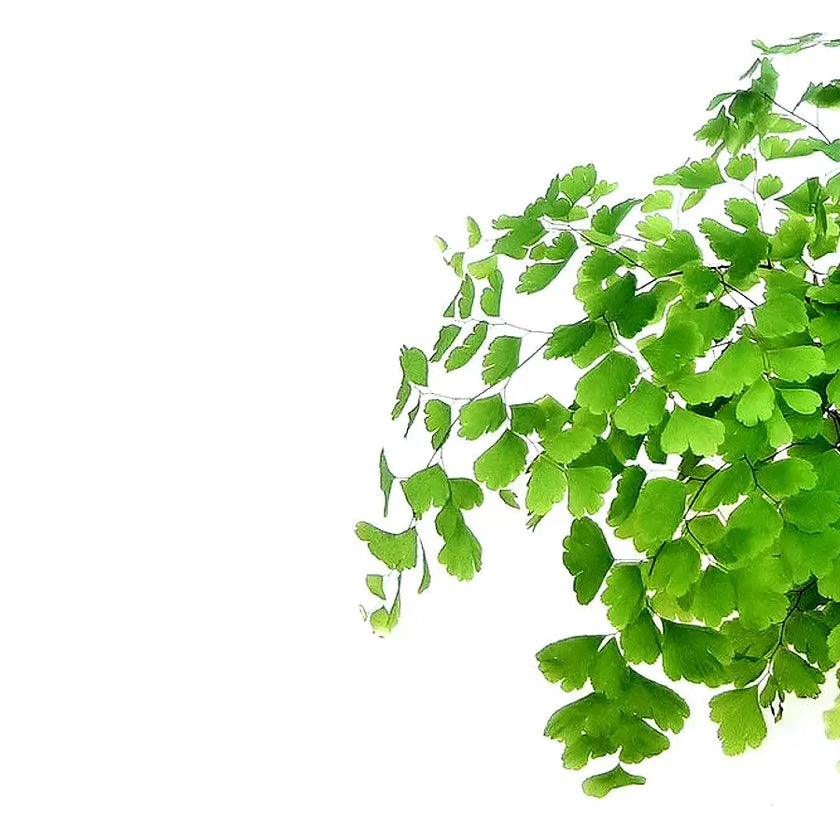
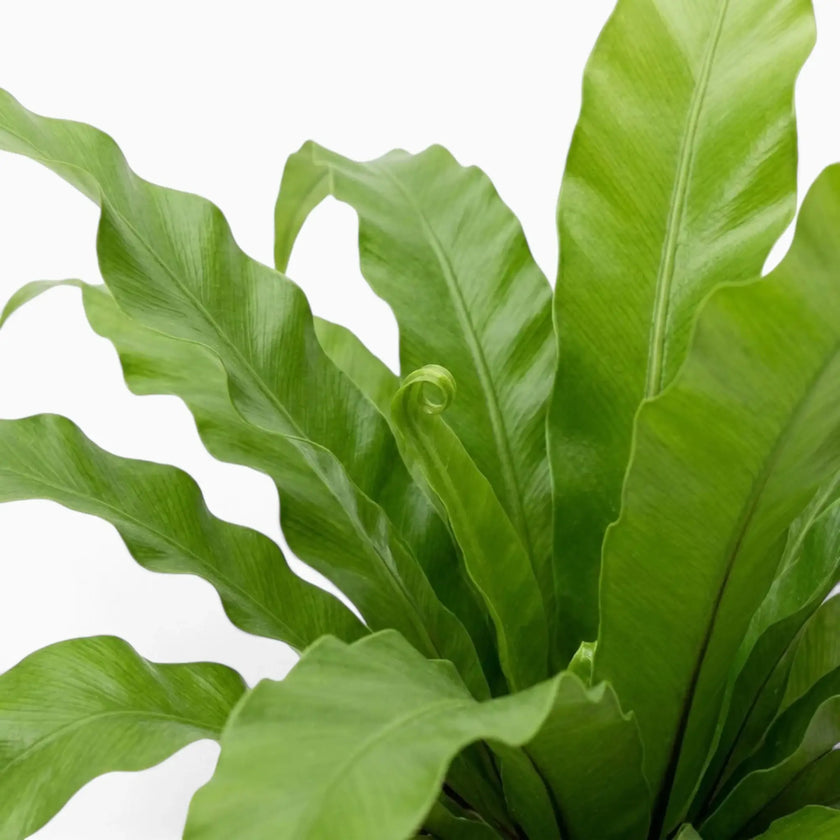
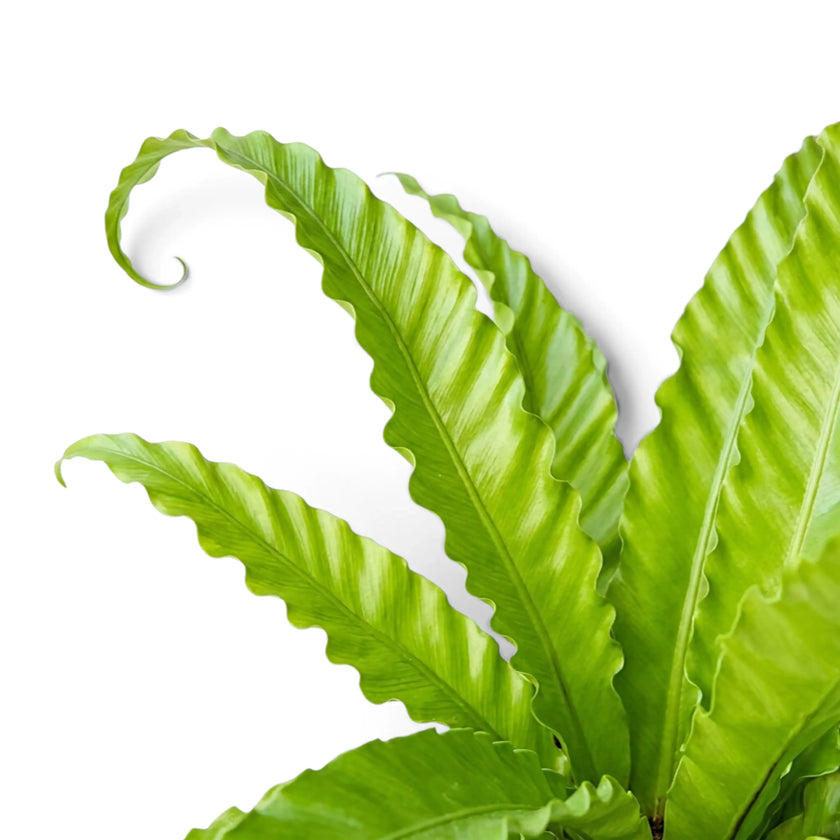
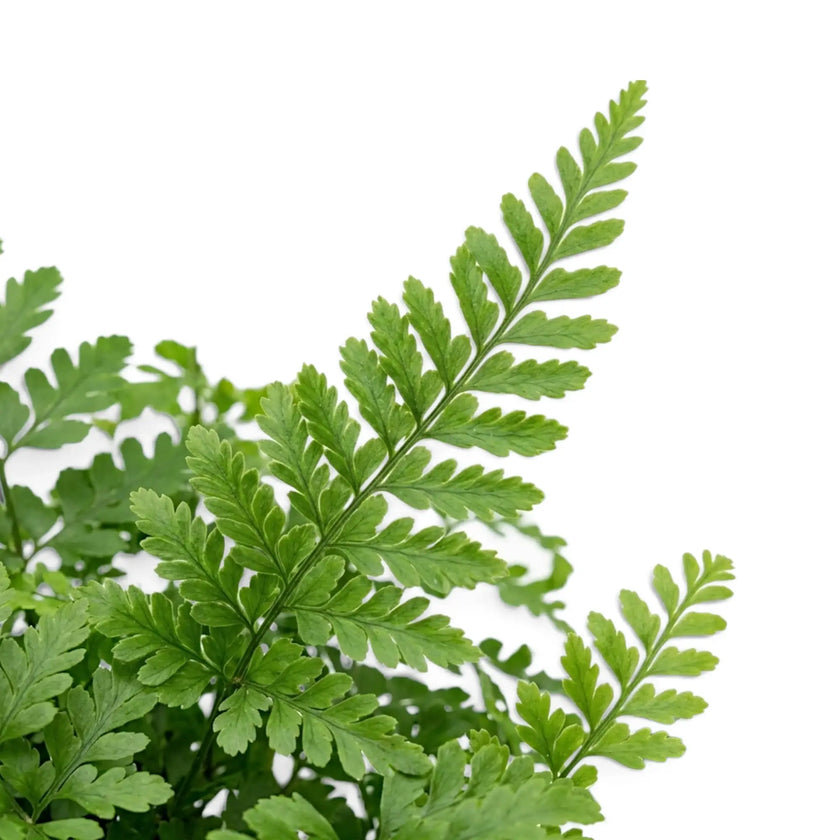
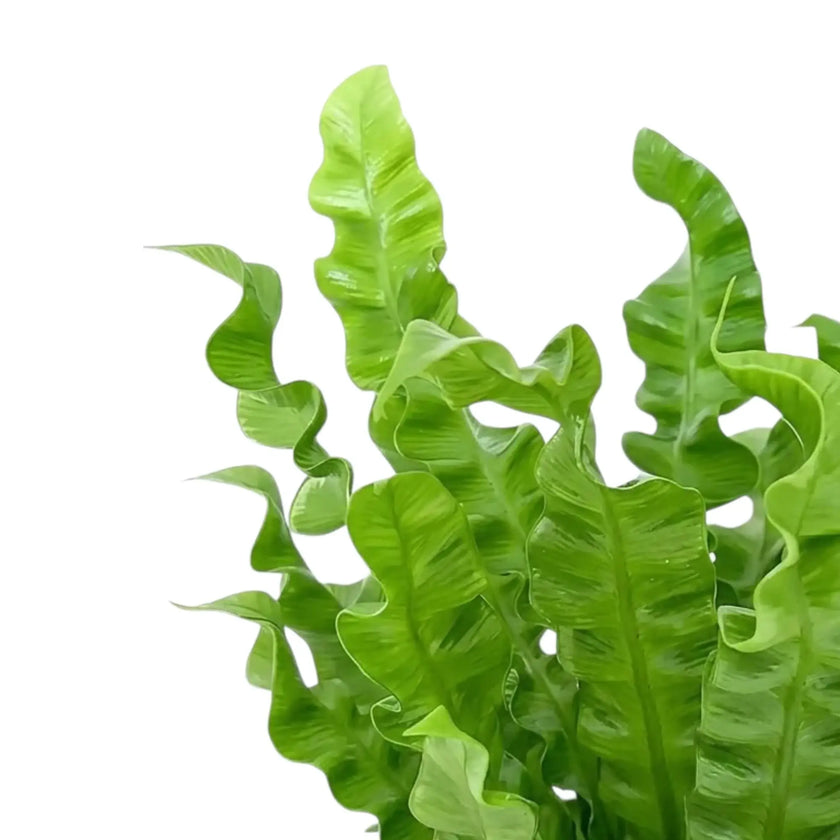
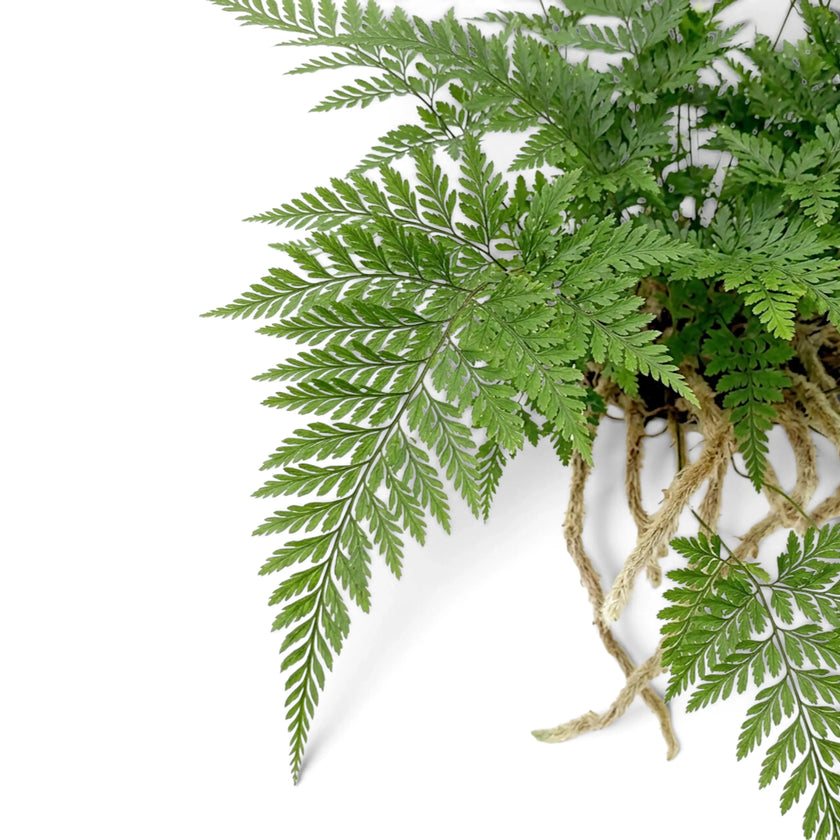
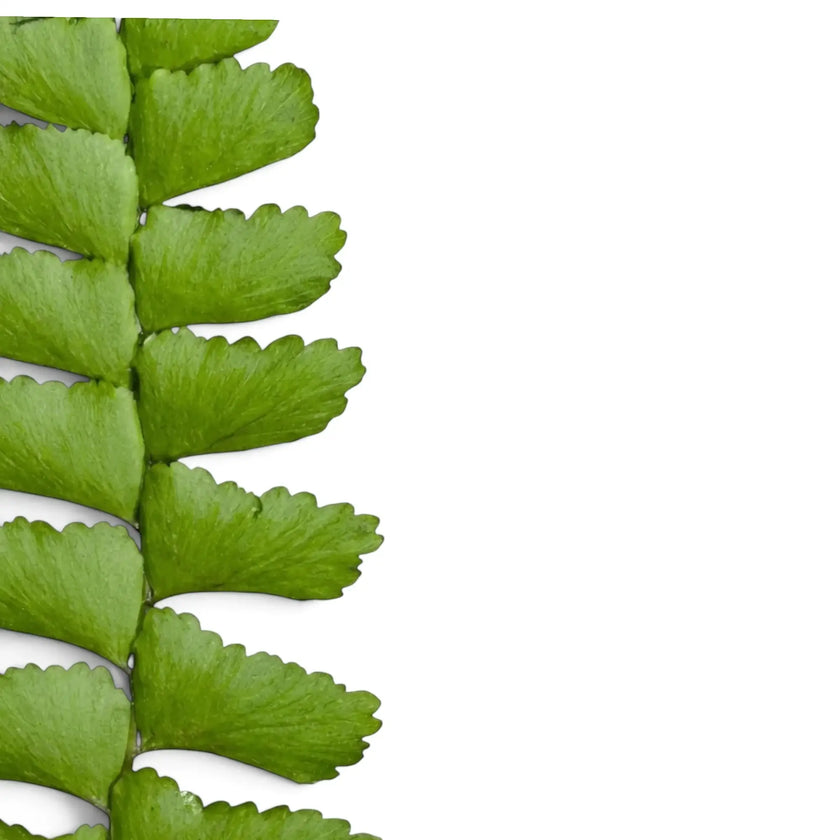
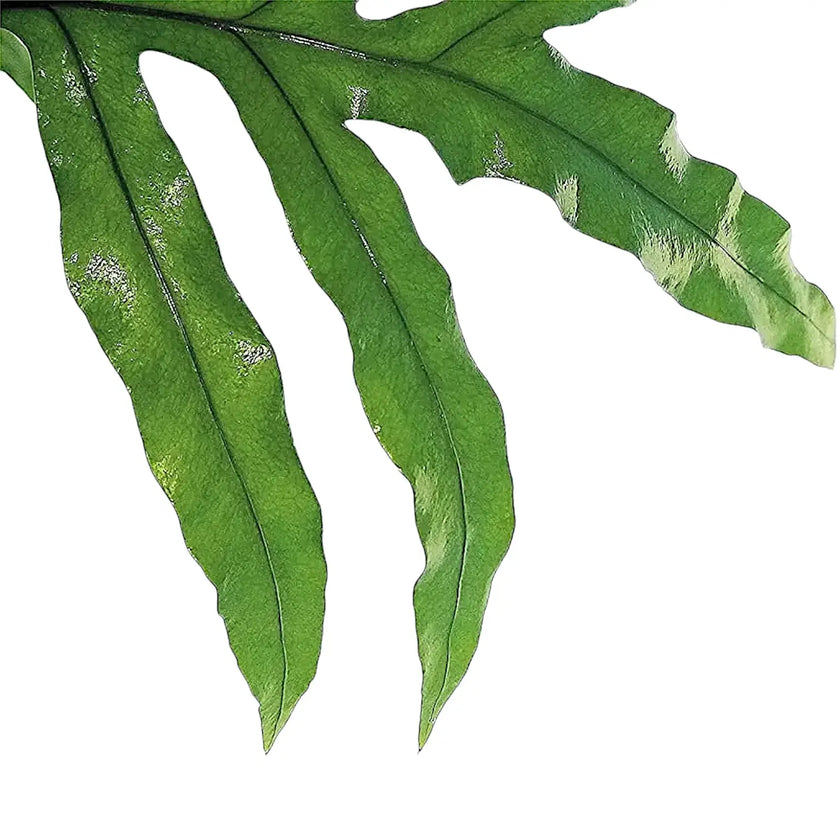
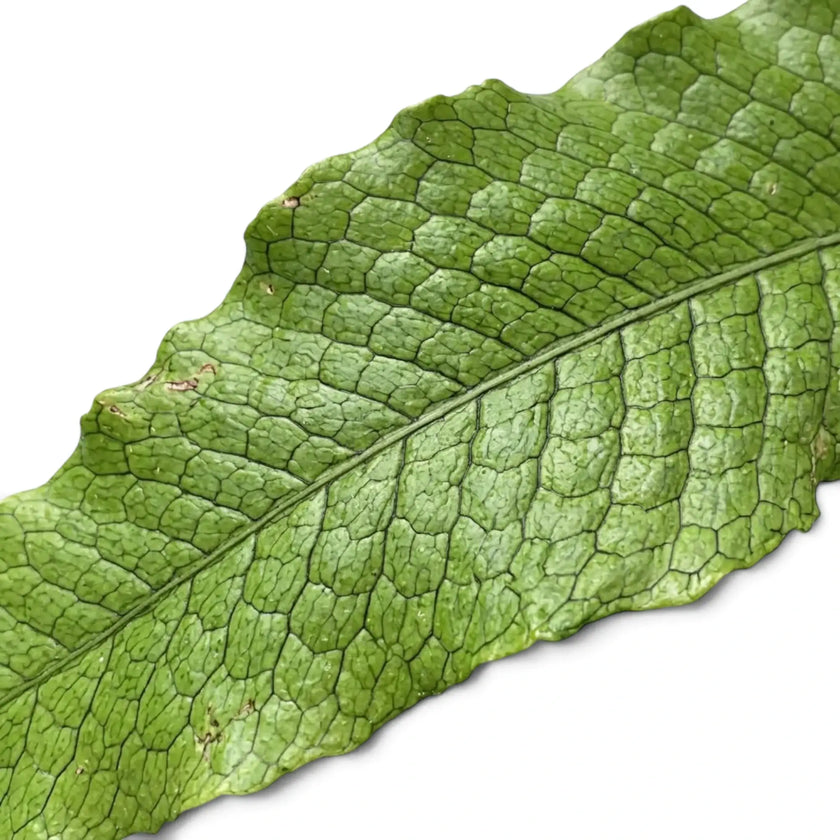
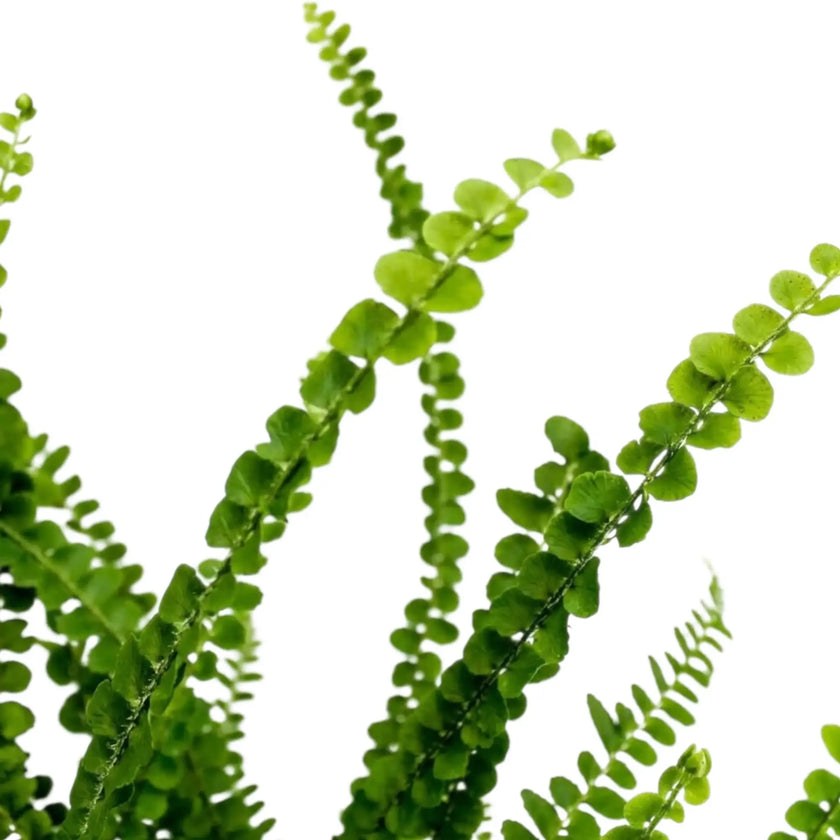
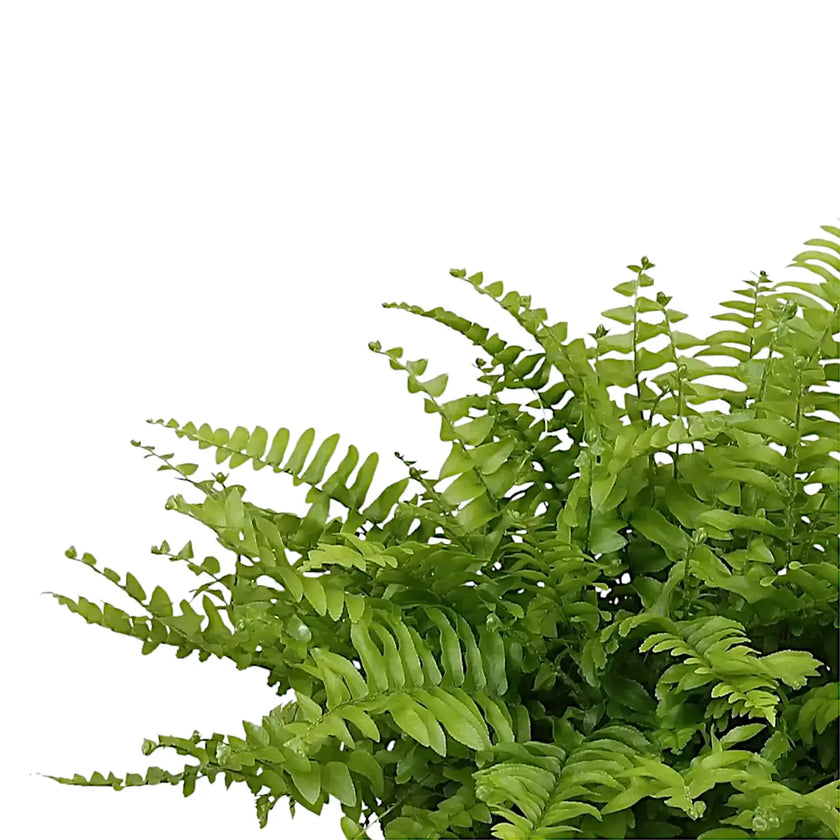
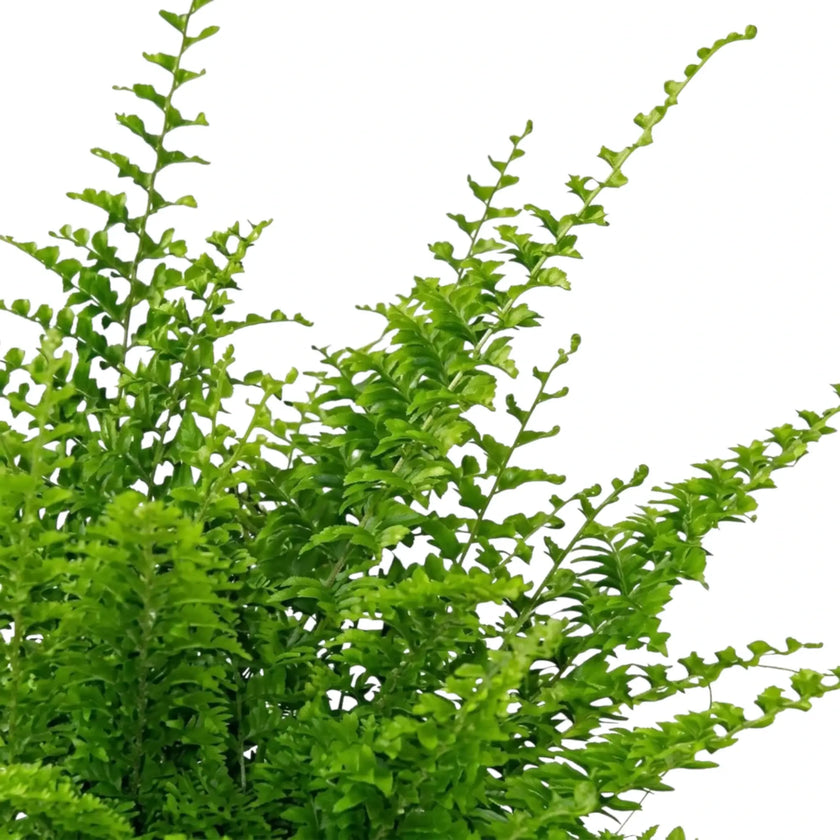
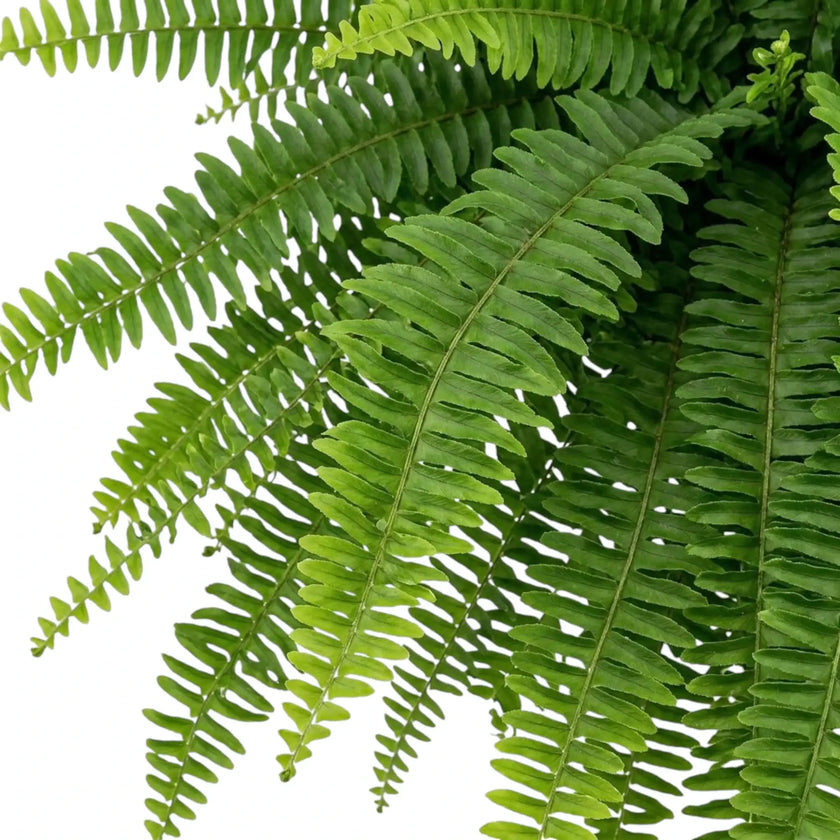
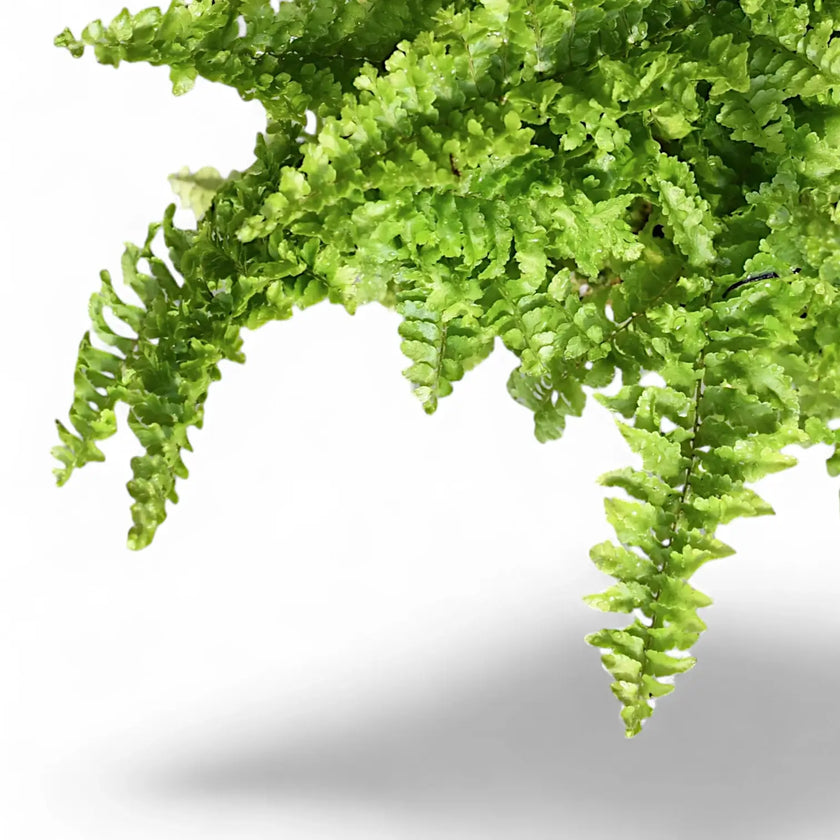
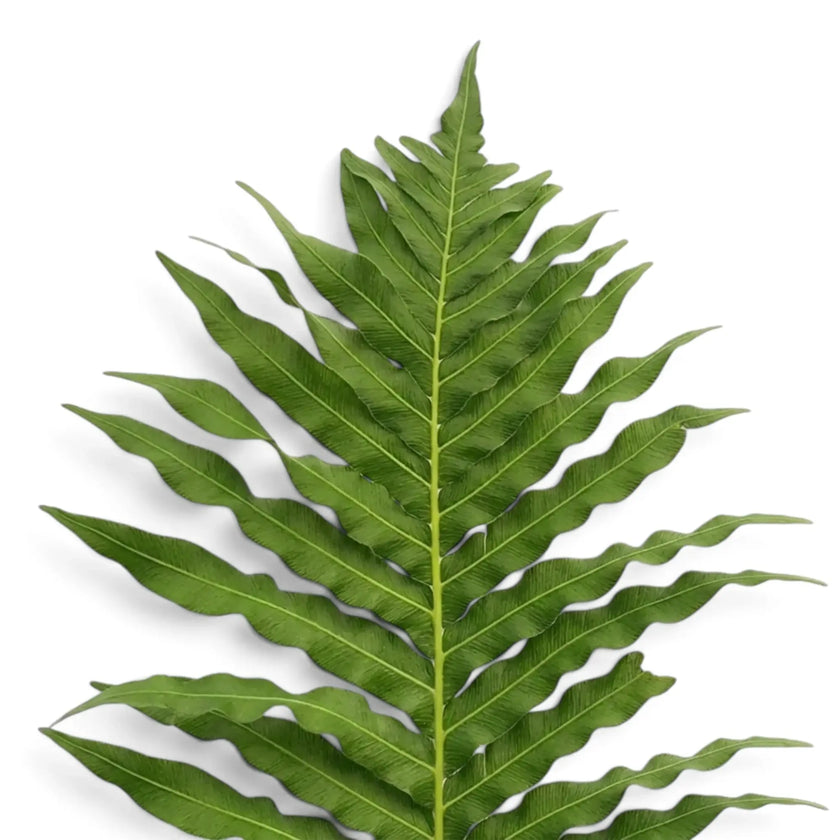
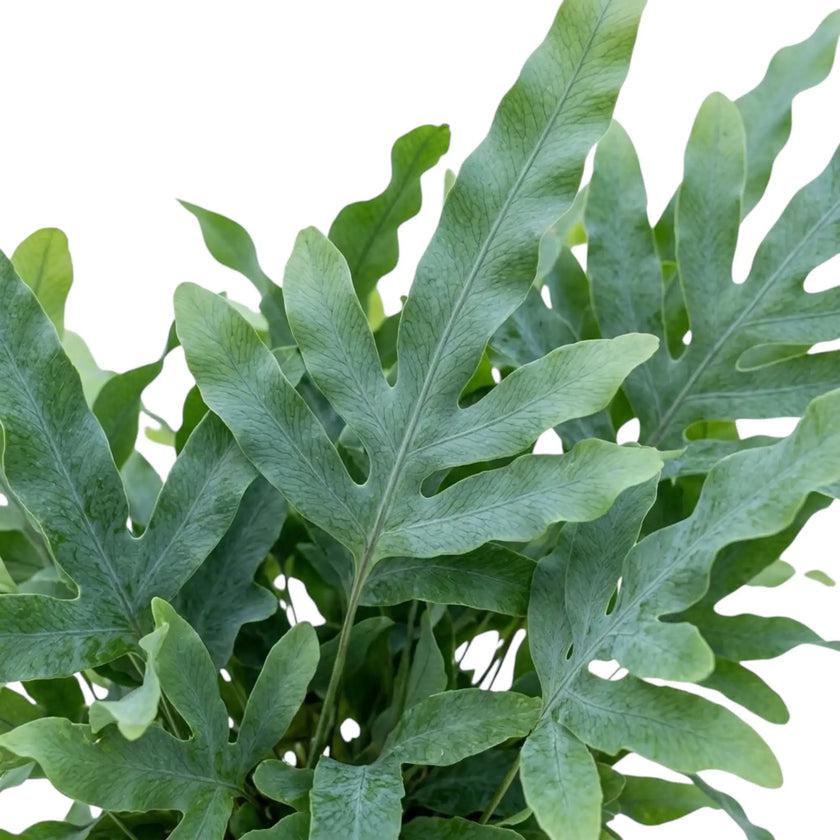
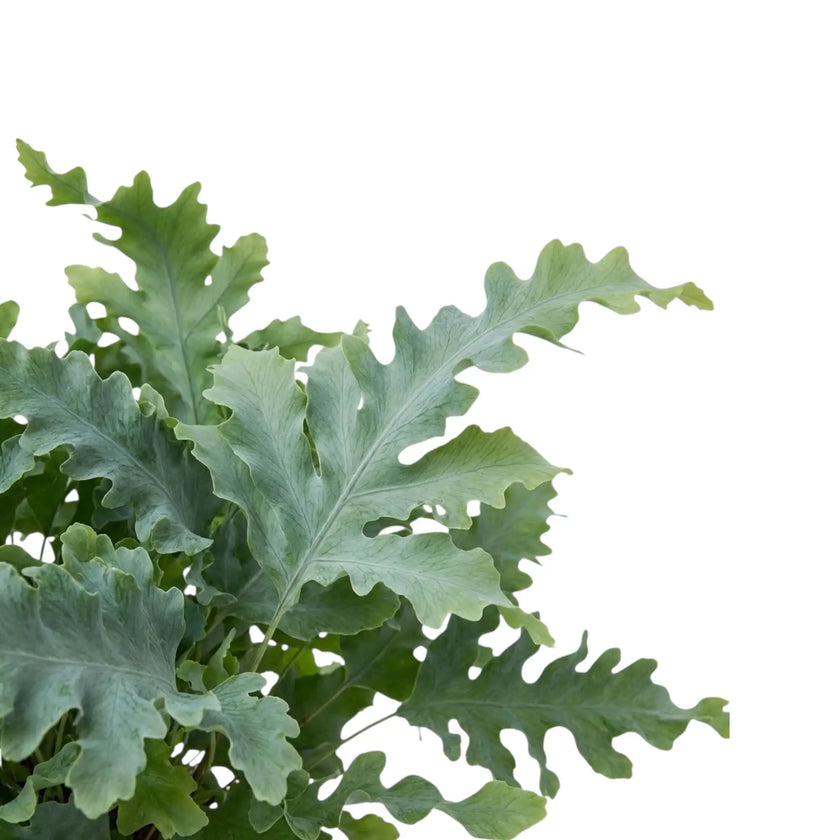
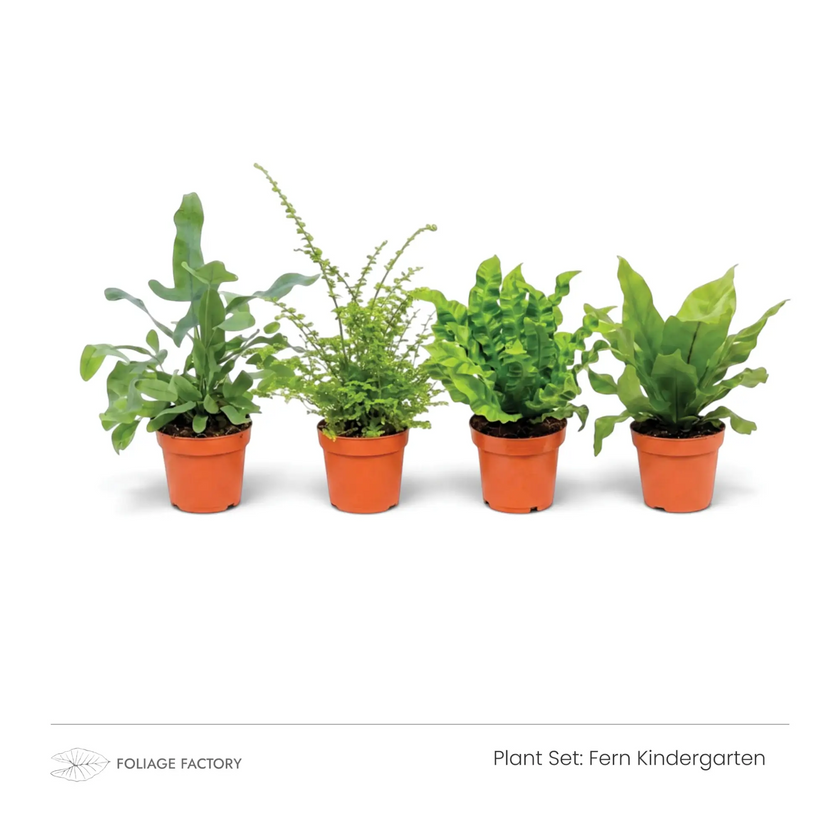
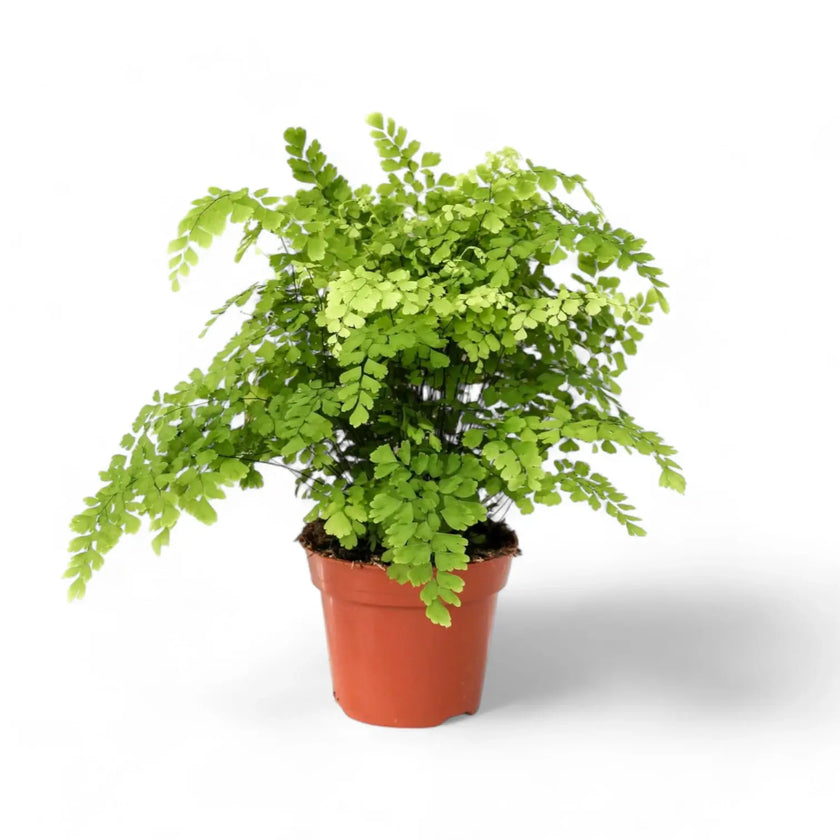
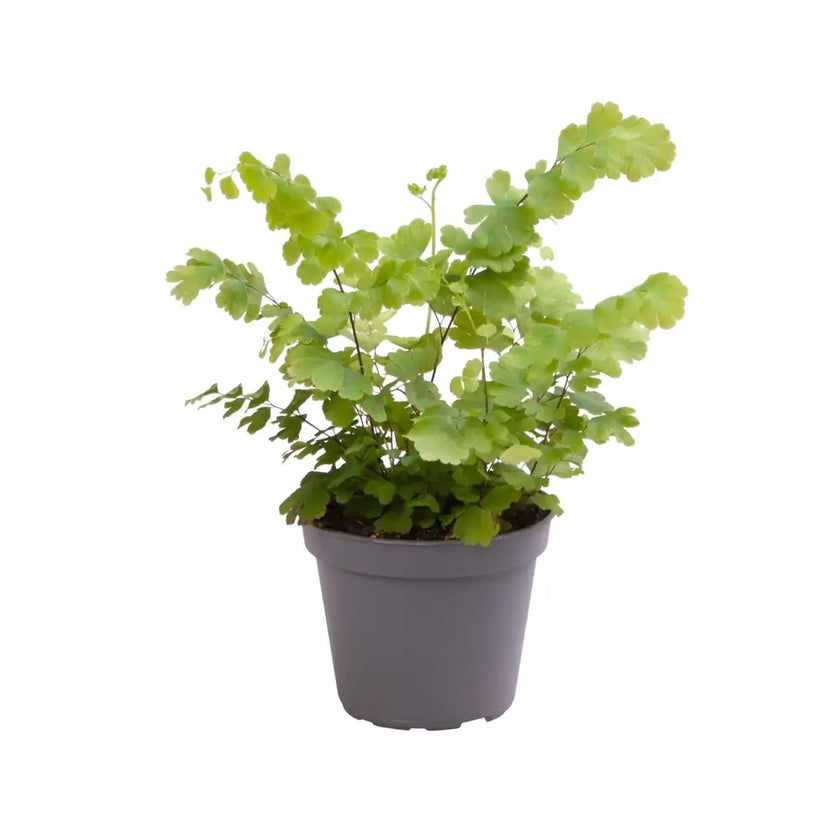
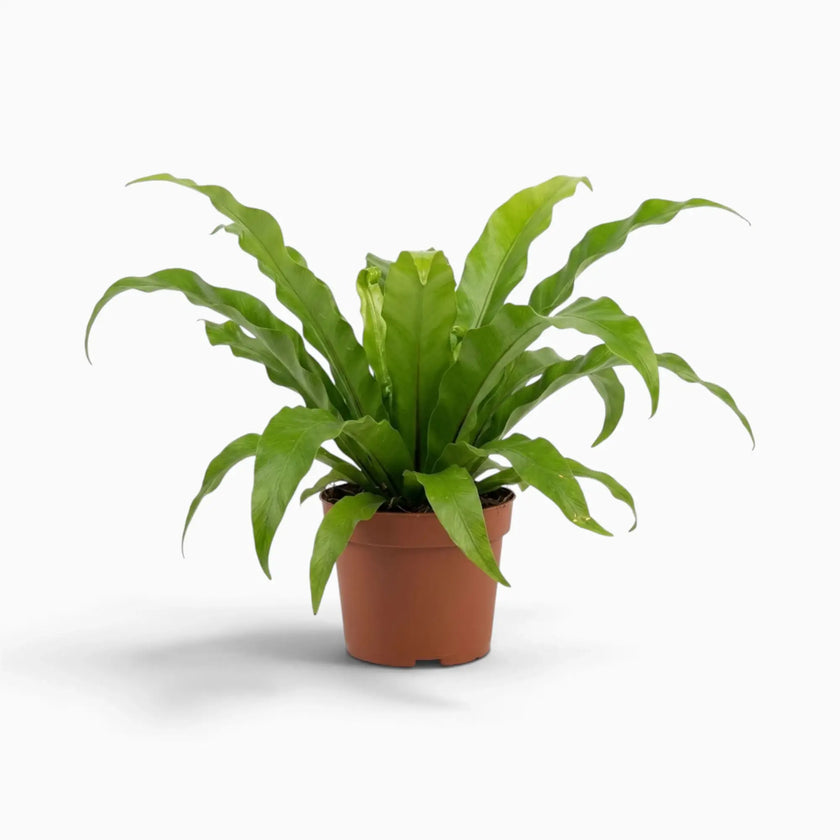
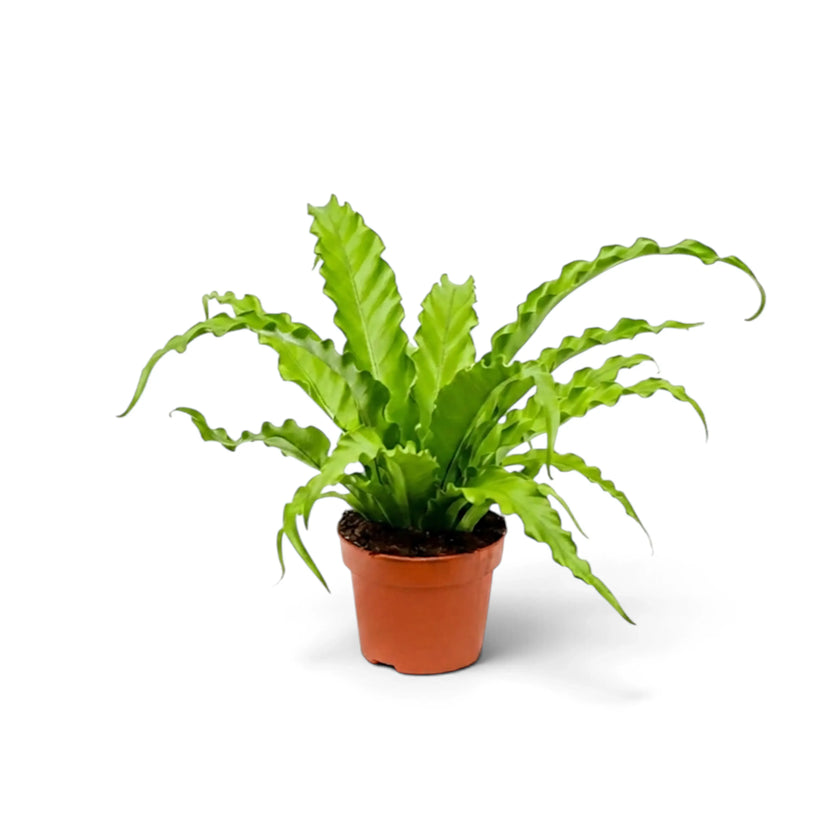
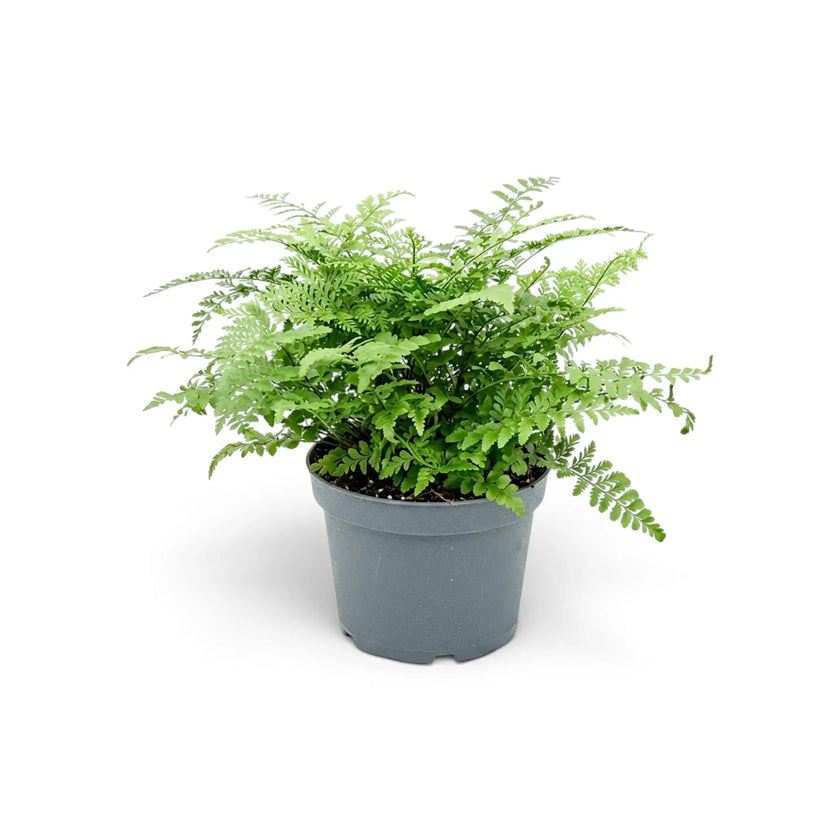
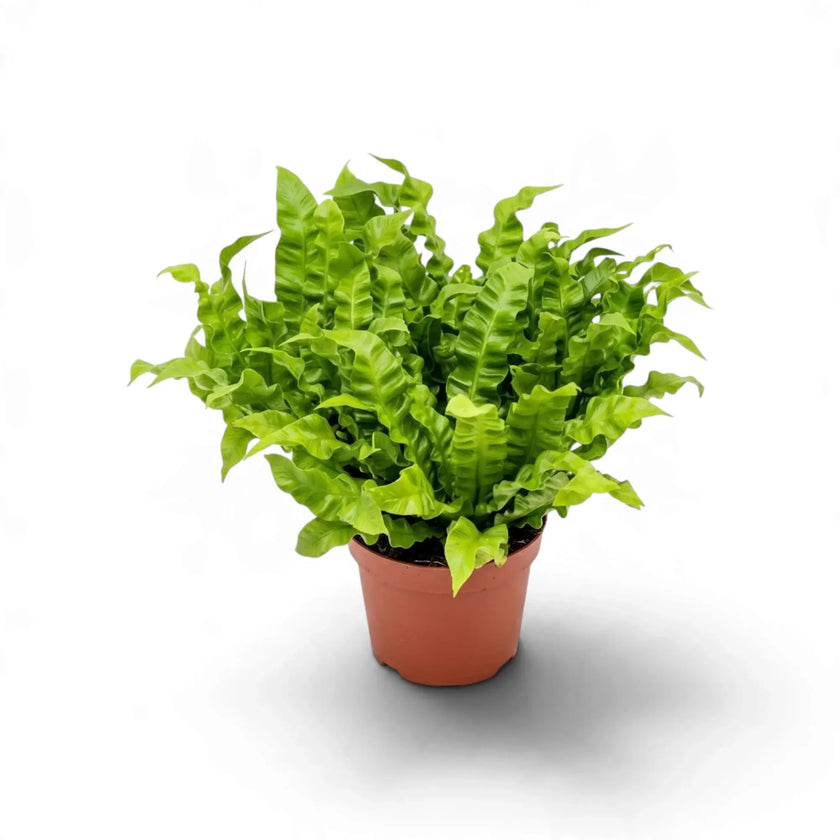
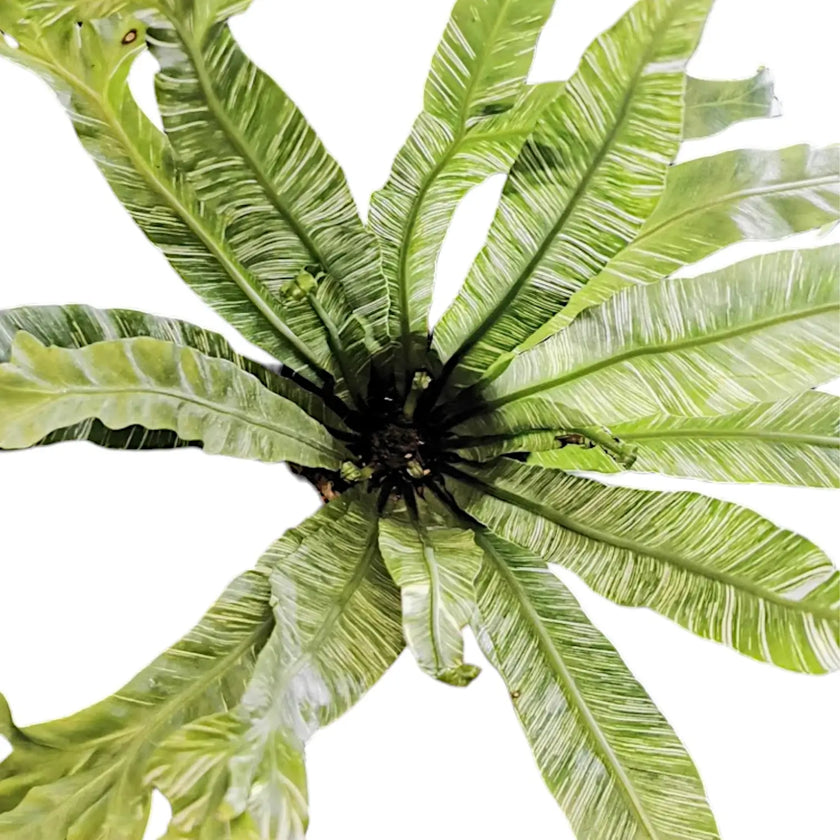
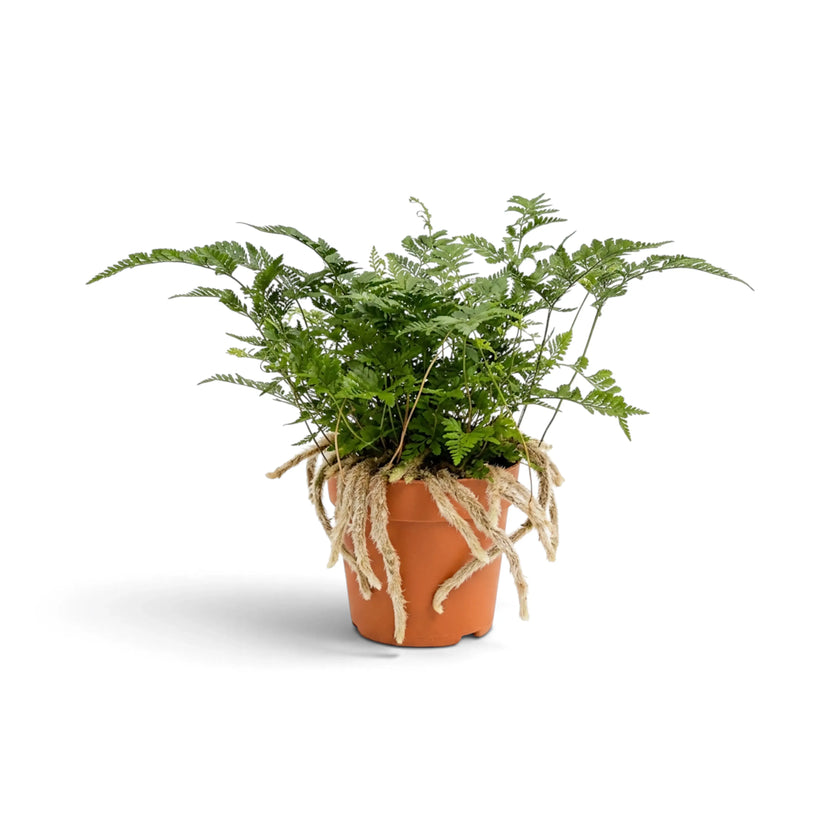
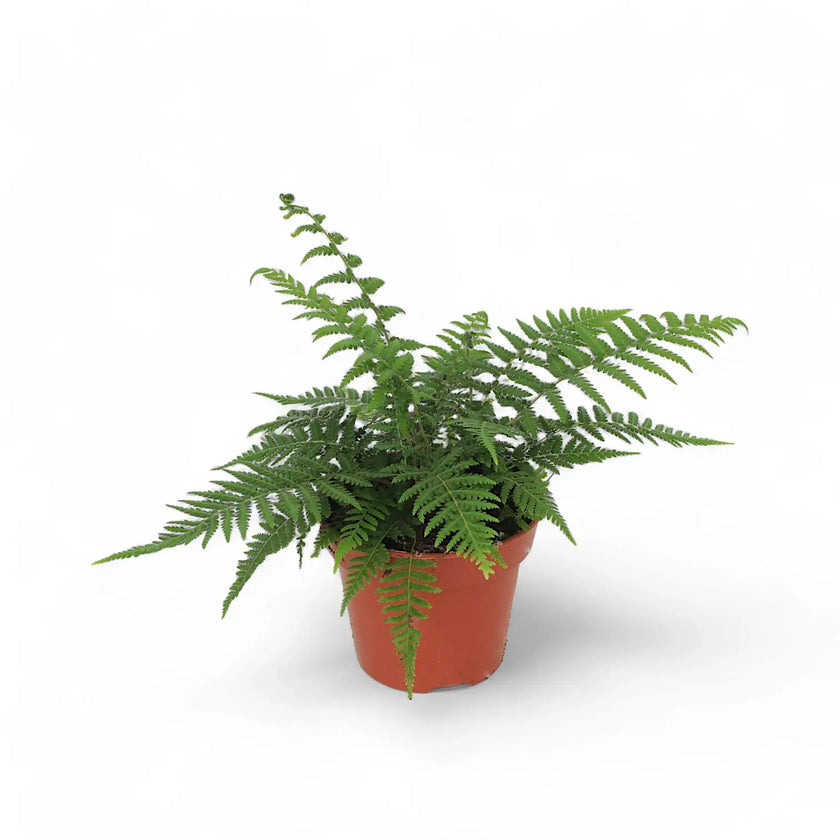
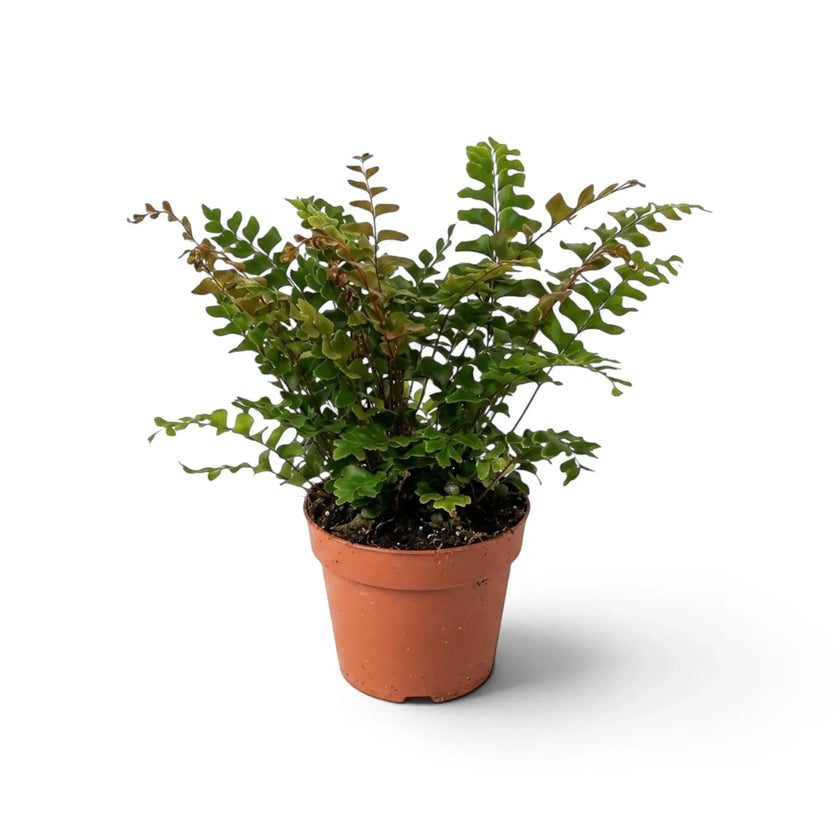
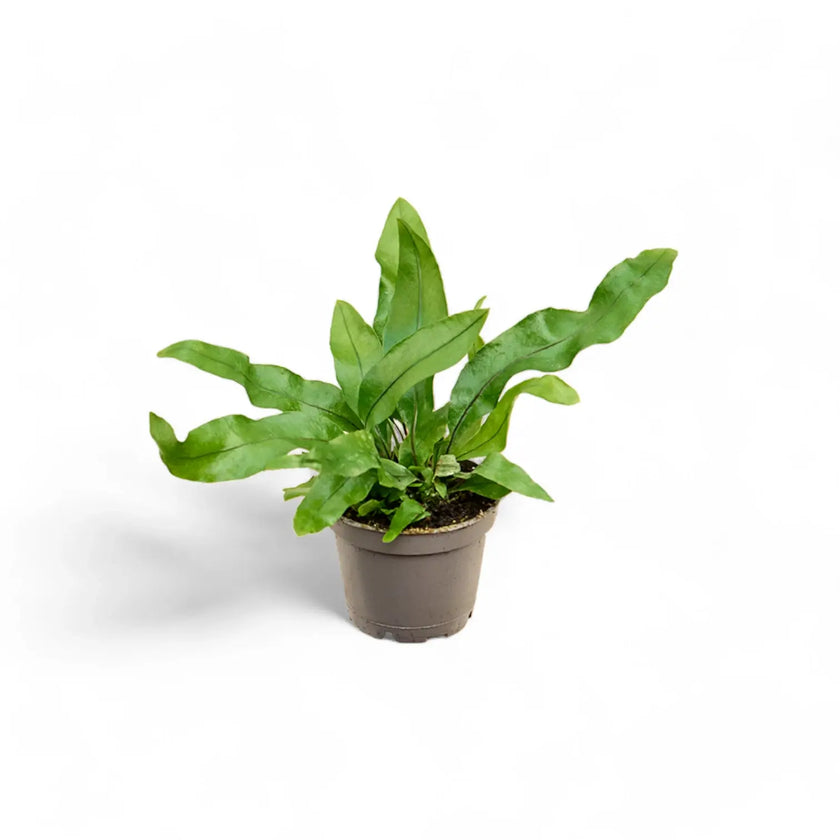
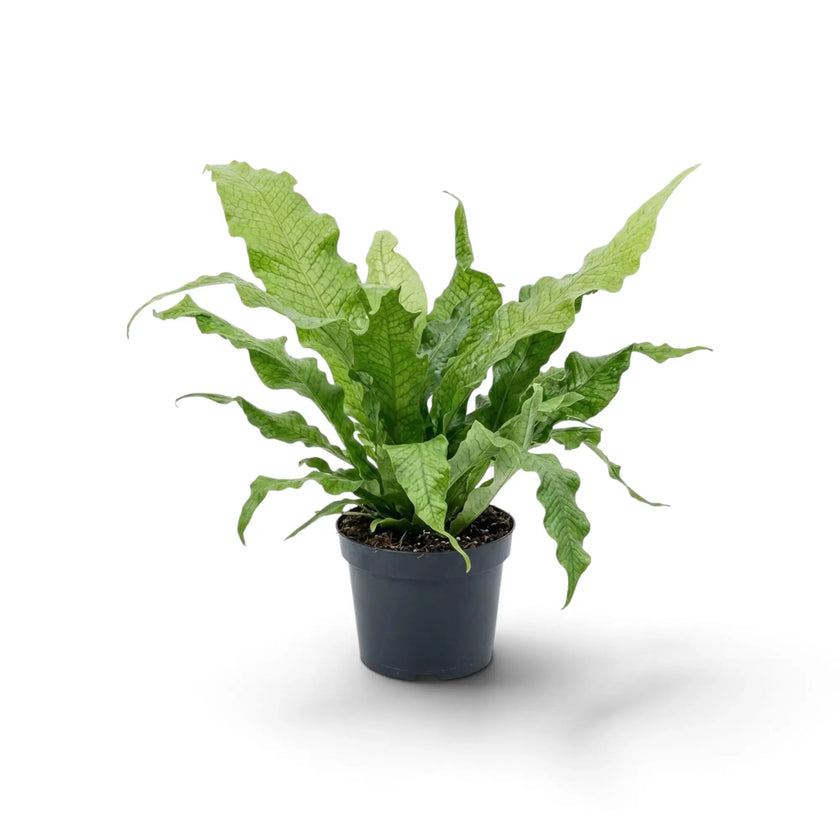
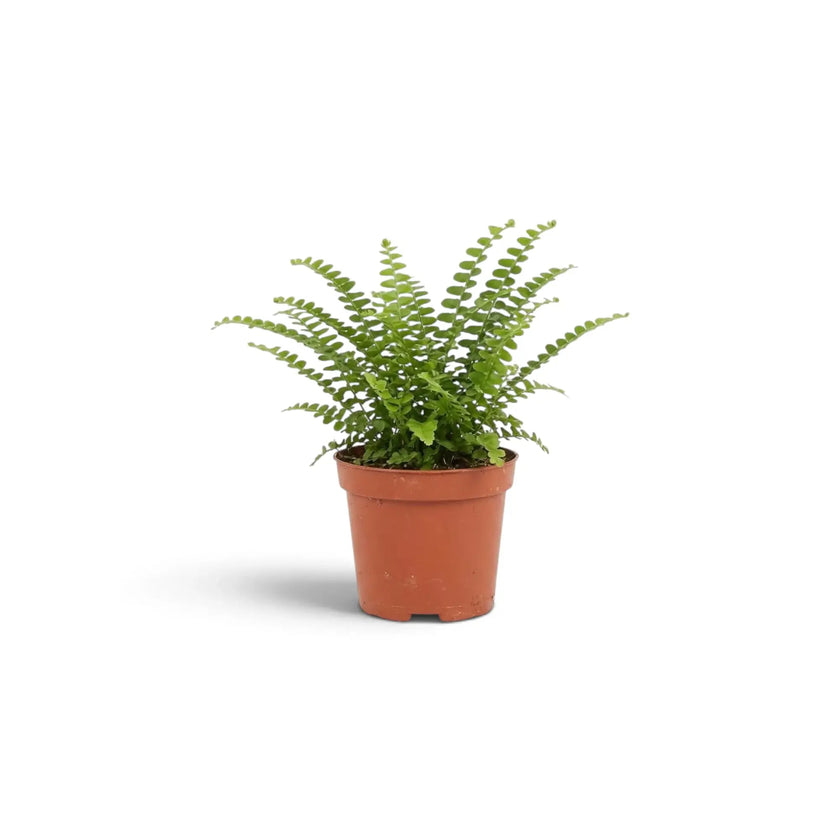
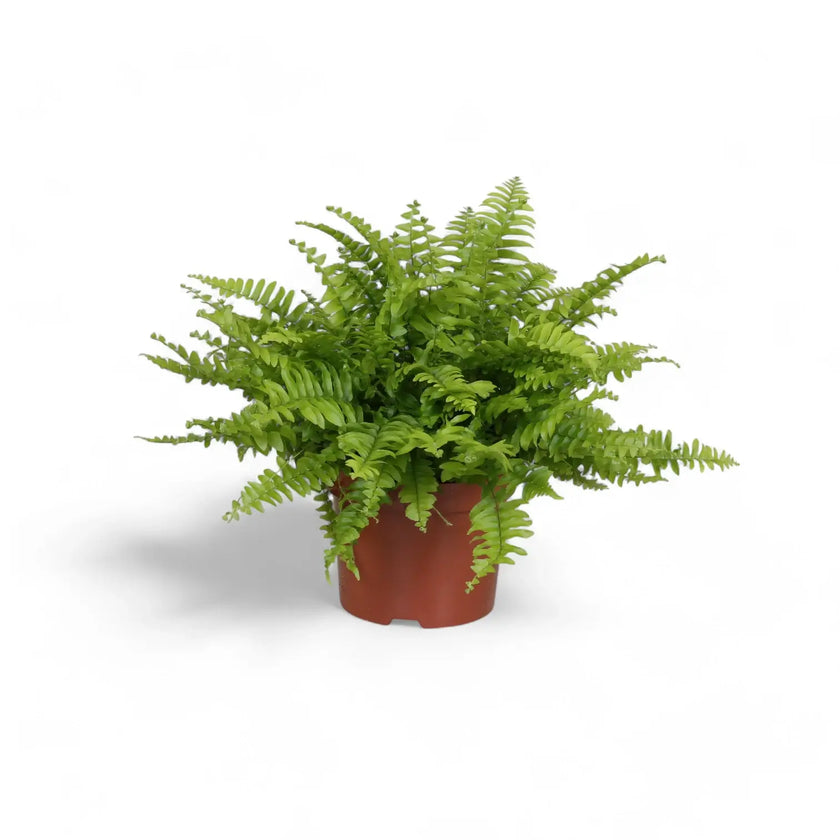
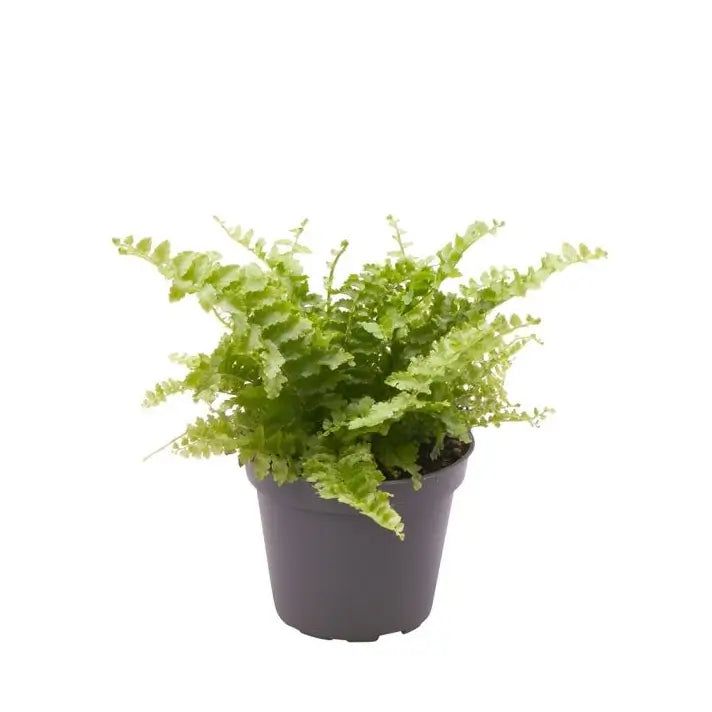
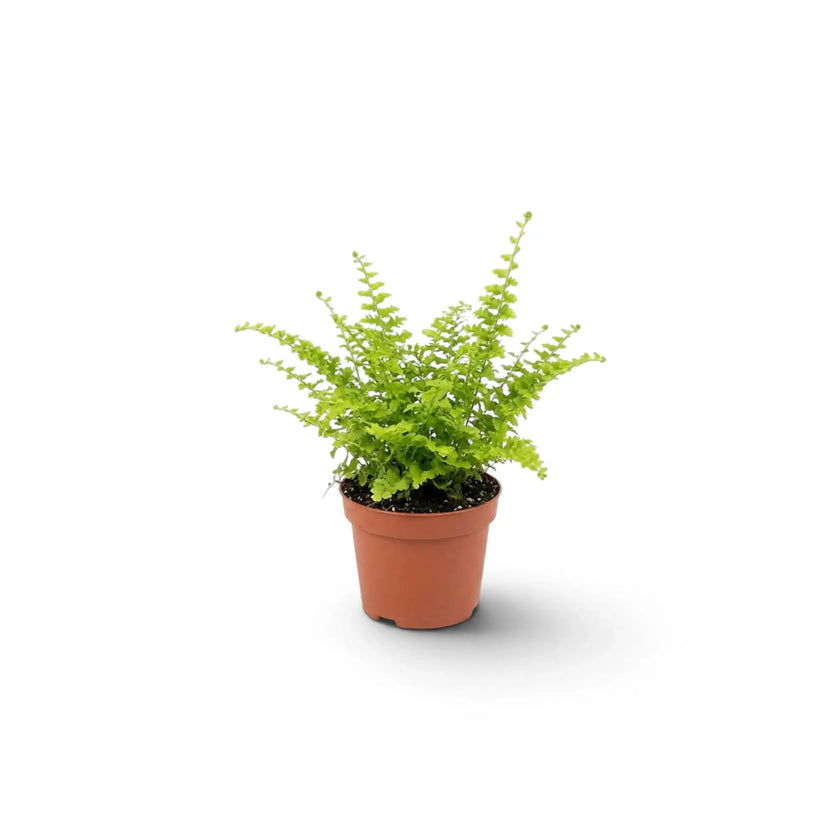
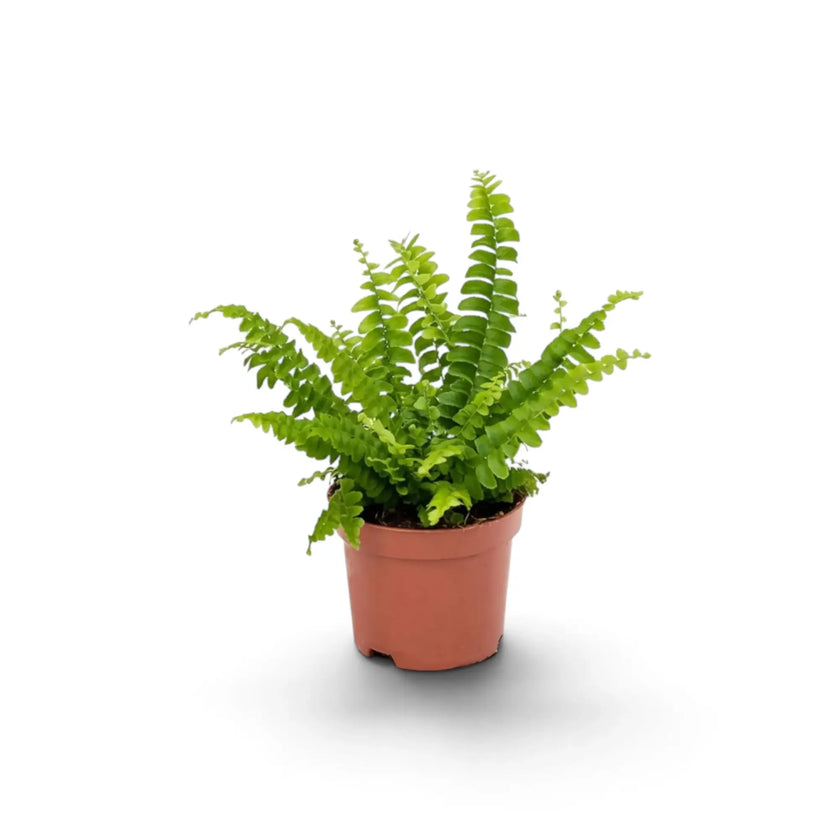
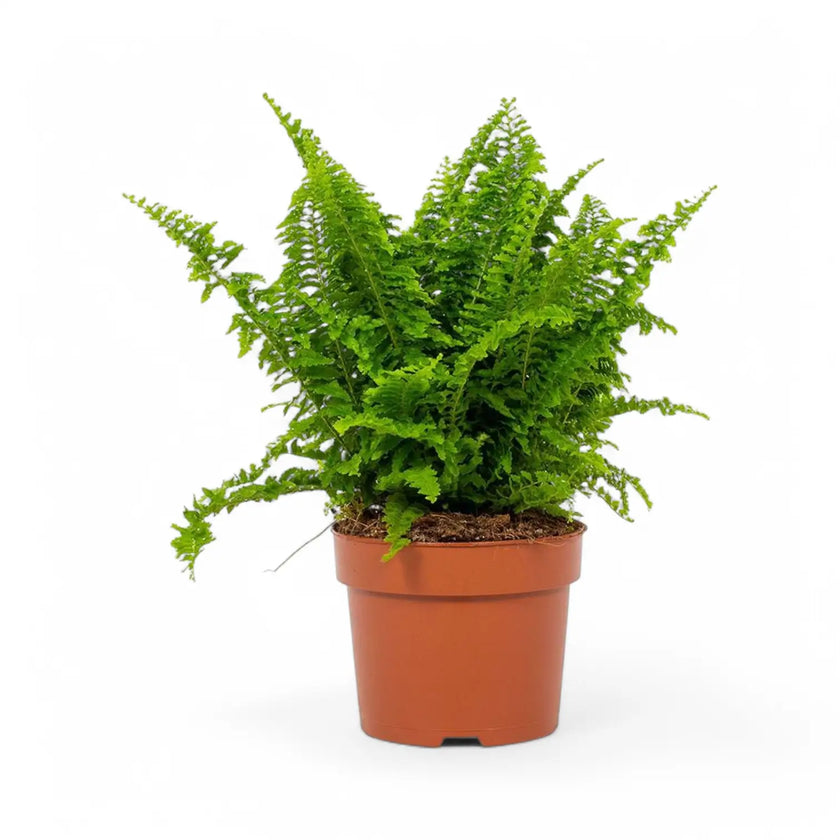
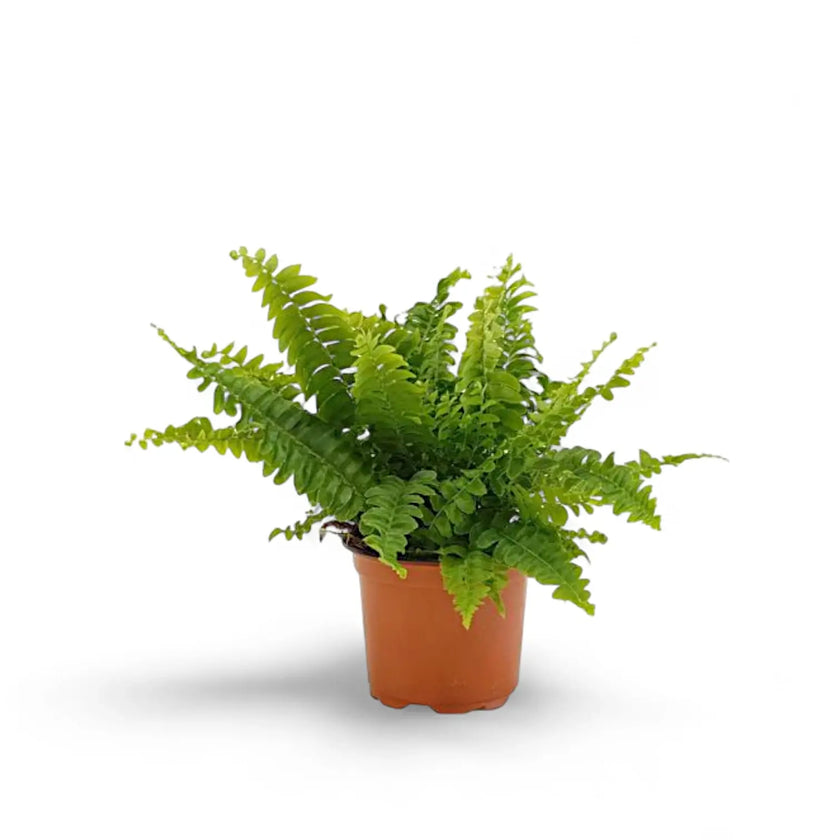
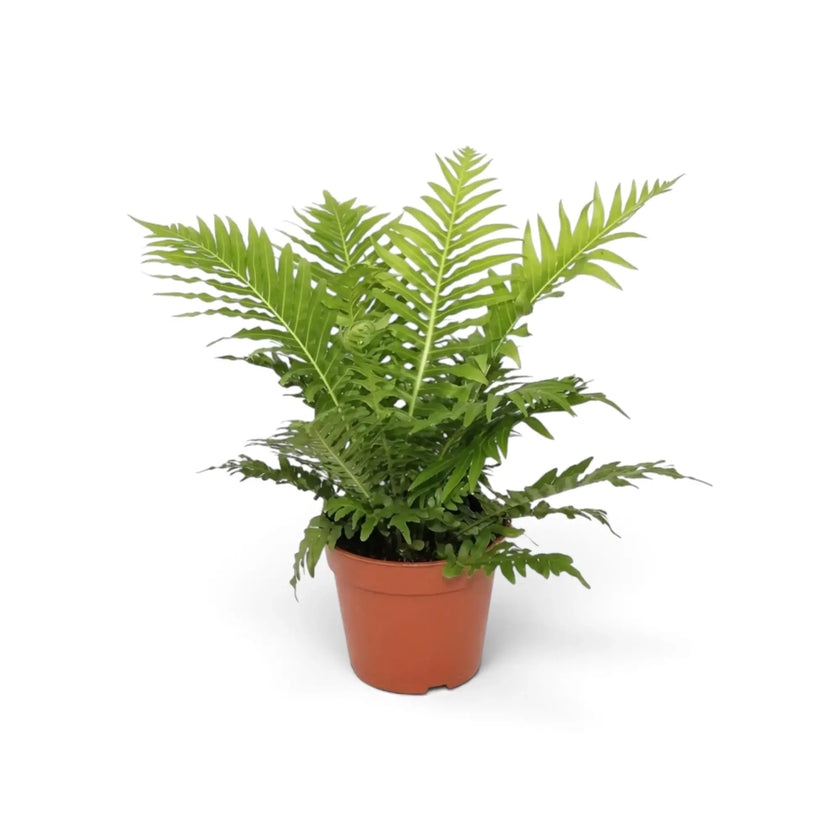
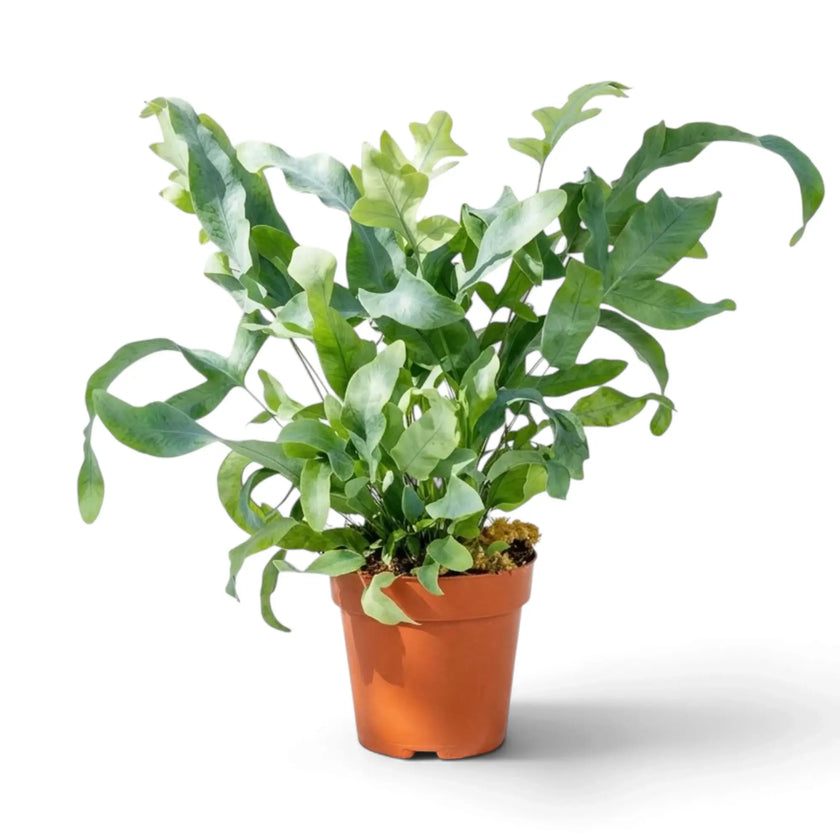
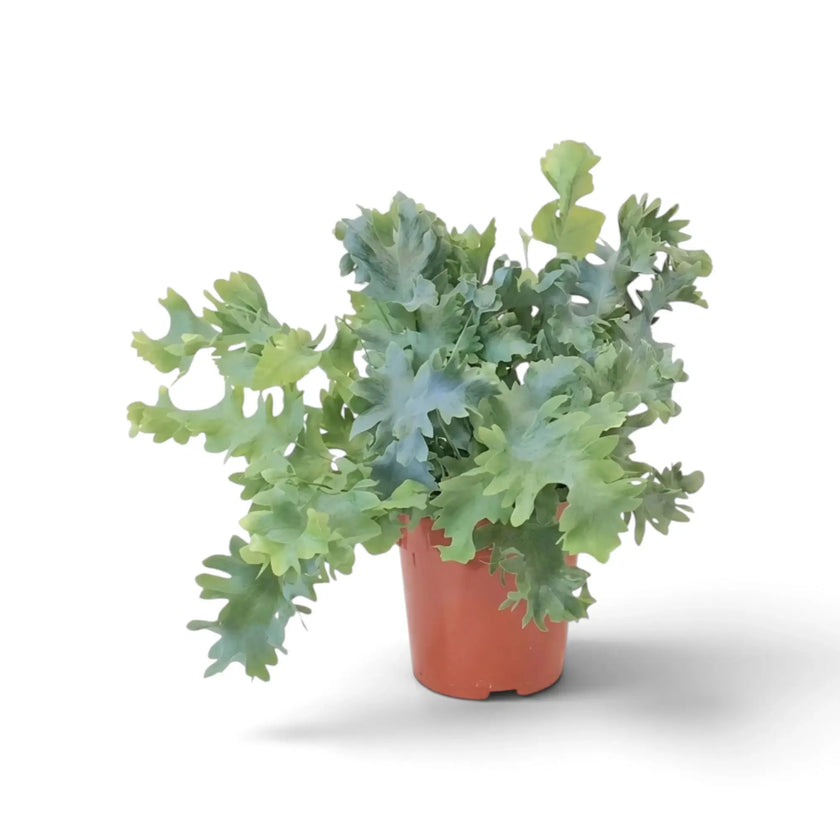
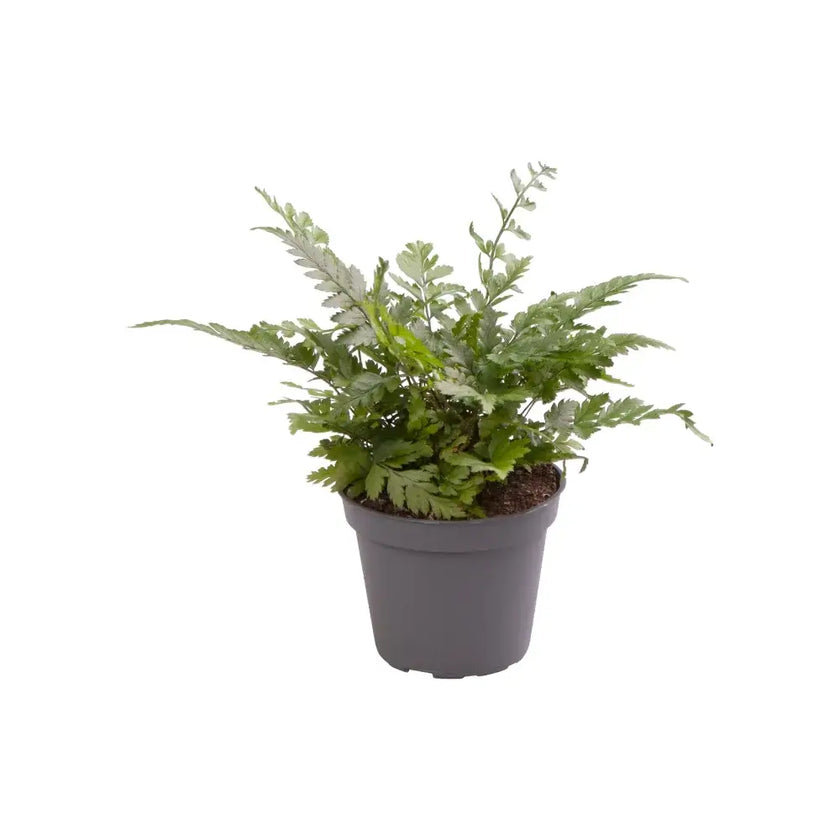
Nephrolepis, including the familiar Boston fern, develops long arching fronds that spread over the edge of a pot. Asplenium ‘Crispy Wave’ grows broad, rippled leaves from a central crown; Adiantum raddianum has finely divided foliage on thin stems. Davallia produces creeping rhizomes that often become visible at the pot edge.
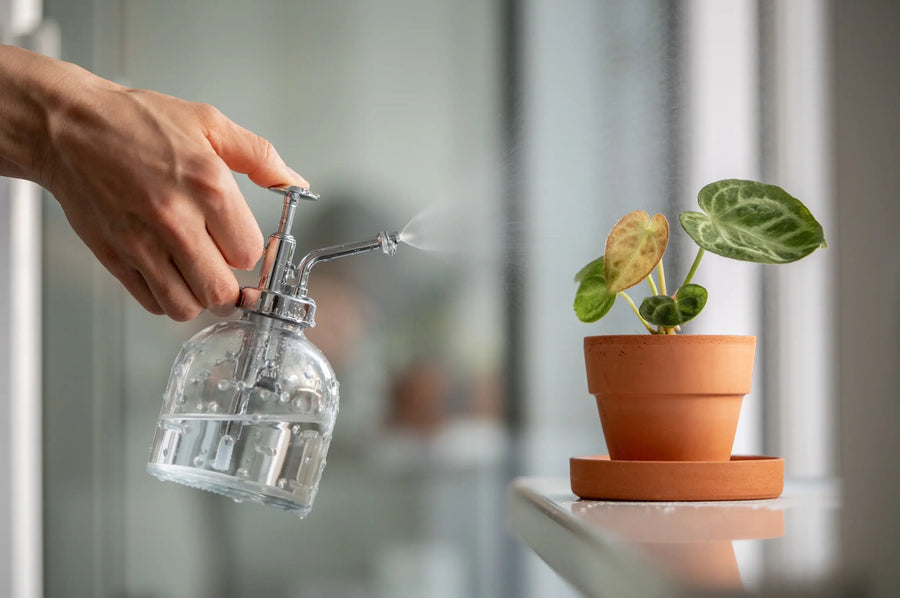
Many indoor ferns grow well in indirect daylight with a growing medium that remains lightly moist. Fine-leaved Adiantum is especially sensitive to long dry spells, while ferns grown on bark or other open material may need their own watering rhythm. Humid air and gentle movement of air are helpful for delicate fronds.
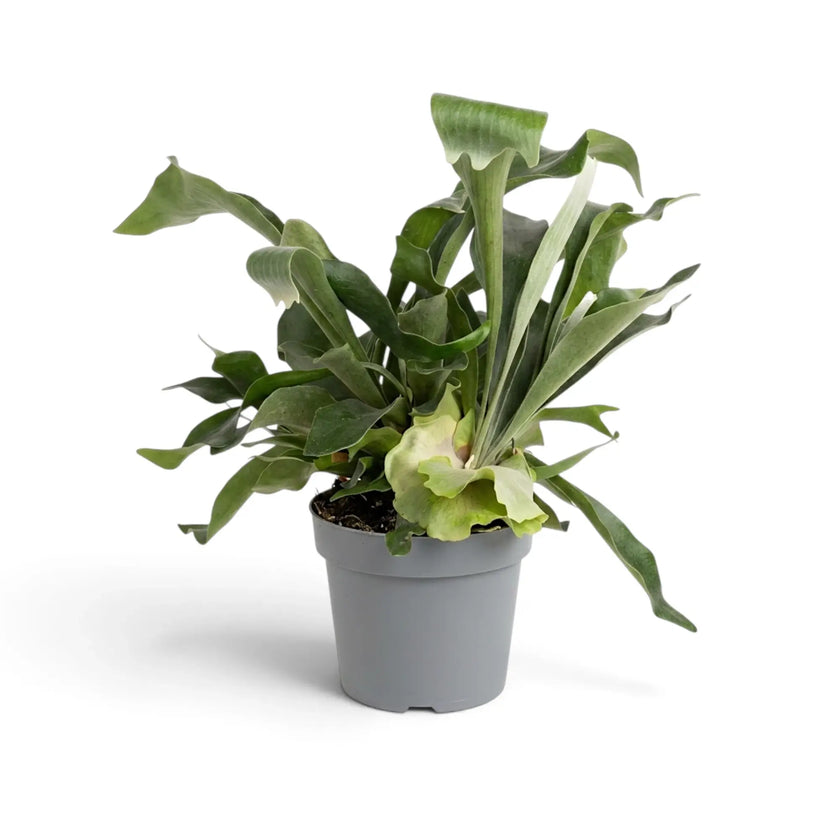
Most familiar true ferns, including Boston and bird’s-nest ferns, are generally considered non-toxic to cats and dogs. Check the botanical identity of any plant sold under a ‘fern’ common name, since the name also appears on unrelated plants.
Botanical Profile
Ferns reproduce through spores, which often develop in small groups on the undersides of mature fronds. These groups are called sori and may look like regular brown spots or lines.
Indoor ferns come from varied habitats, including humid forest ground, tree branches and shaded rock surfaces. Their fronds may emerge as broad crowns, long arches or finely divided leaves.
Details & Care
Indoor ferns
Nephrolepis, including the familiar Boston fern, develops long arching fronds that spread over the edge of a pot. Asplenium ‘Crispy Wave’ grows broad, rippled leaves from a central crown; Adiantum raddianum has finely divided foliage on thin stems. Davallia produces creeping rhizomes that often become visible at the pot edge.
Many indoor ferns grow well in indirect daylight with a growing medium that remains lightly moist. Fine-leaved Adiantum is especially sensitive to long dry spells, while ferns grown on bark or other open material may need their own watering rhythm. Humid air and gentle movement of air are helpful for delicate fronds.
Most familiar true ferns, including Boston and bird’s-nest ferns, are generally considered non-toxic to cats and dogs. Check the botanical identity of any plant sold under a ‘fern’ common name, since the name also appears on unrelated plants.
Frequently Asked Questions About Ferns
Which indoor ferns grow as hanging plants?
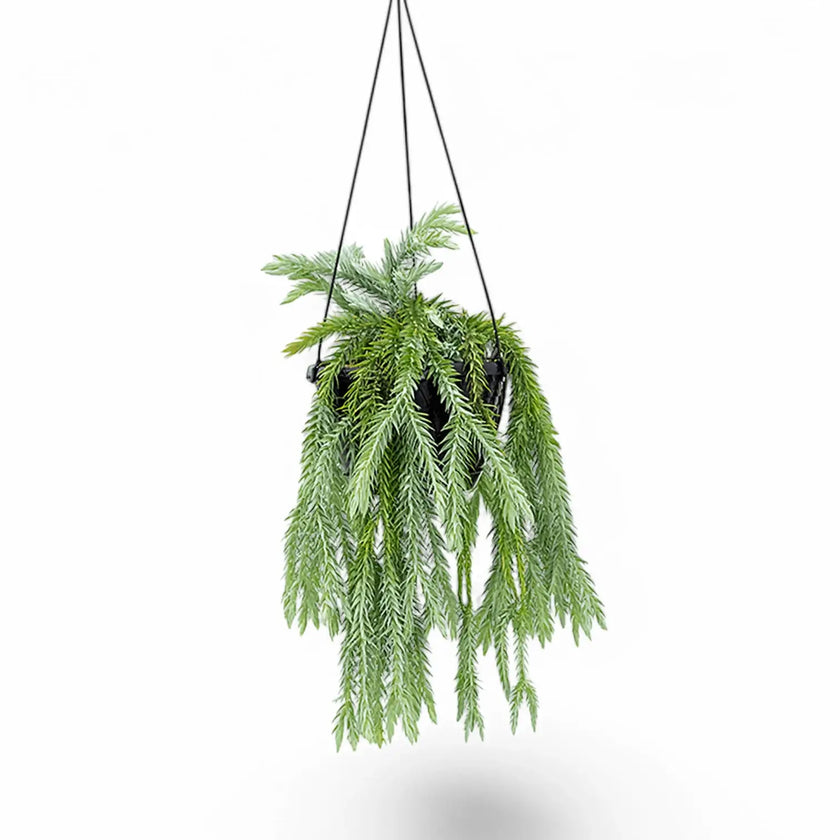
Boston ferns develop long, arching fronds that hang over the pot. Some Davallia and other creeping ferns also spread beyond the container as they mature.
What light do indoor ferns need?
Many indoor ferns grow well in indirect daylight or gentle shade. Strong direct sun can scorch delicate fronds, and very dim rooms slow new growth.
How should I water indoor ferns?
Boston, maidenhair and bird’s-nest ferns generally appreciate lightly moist growing medium. Davallia and some mounted ferns need watering according to their airy root conditions. Check the individual species and allow excess water to drain.
Why are the ends of my fern fronds turning brown?
Dry air, repeated drying of the roots, mineral build-up and excessive sun can all mark frond tips. Check moisture and room conditions, then look at how new fronds develop.
Are indoor ferns safe for cats and dogs?
Many true ferns, including Boston fern and bird’s-nest fern, are listed as non-toxic to pets. Plants called asparagus fern are botanically different and can be harmful. Check the exact botanical name.