Skip to content

Cart

Your cart is empty.

Palms

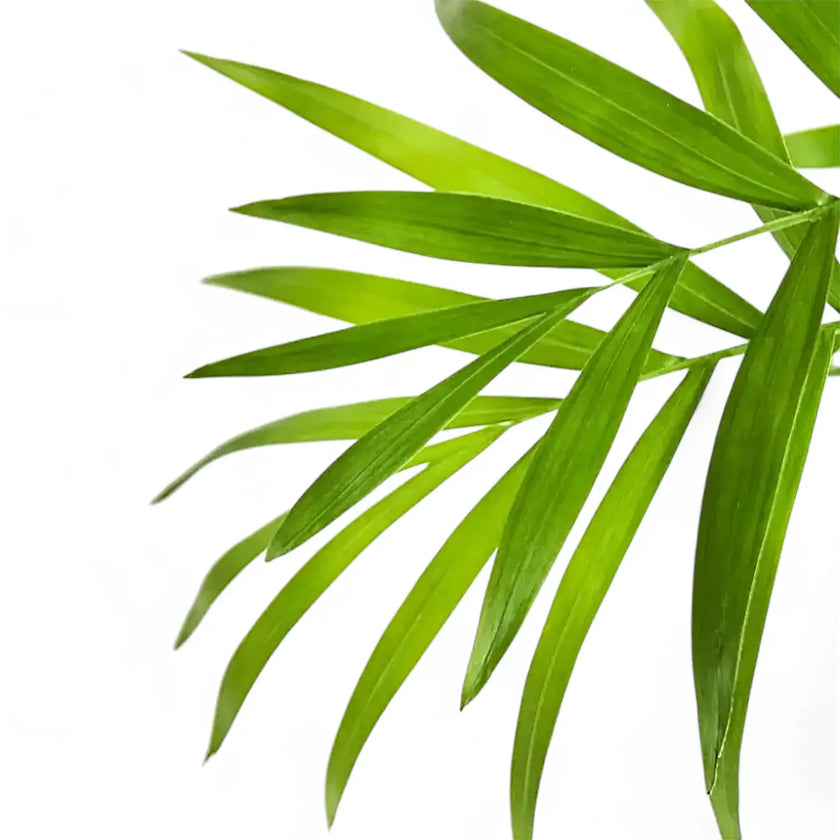
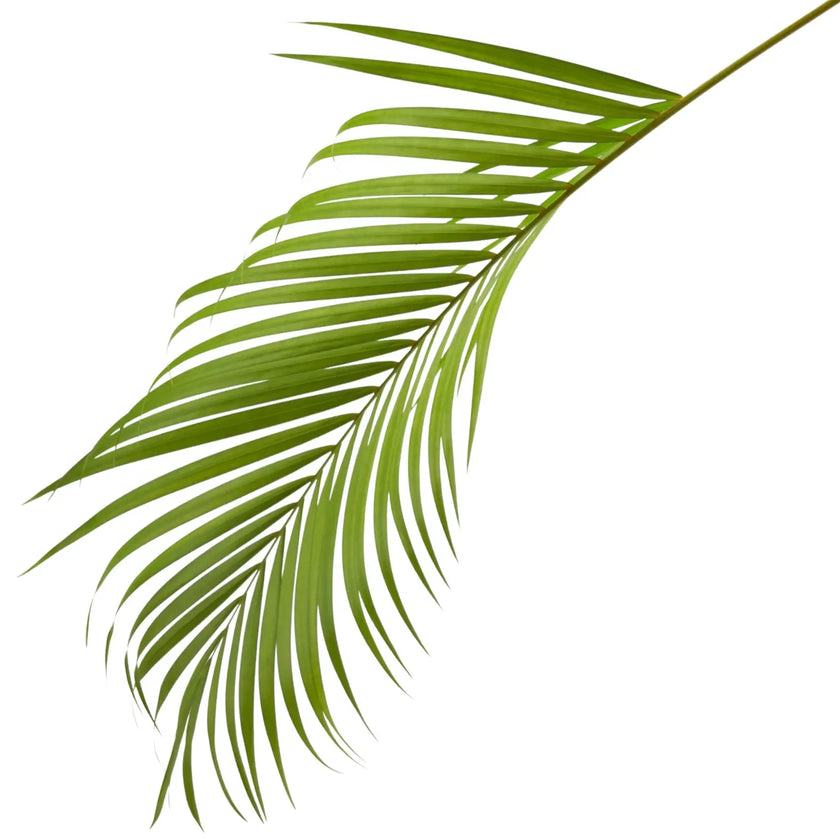
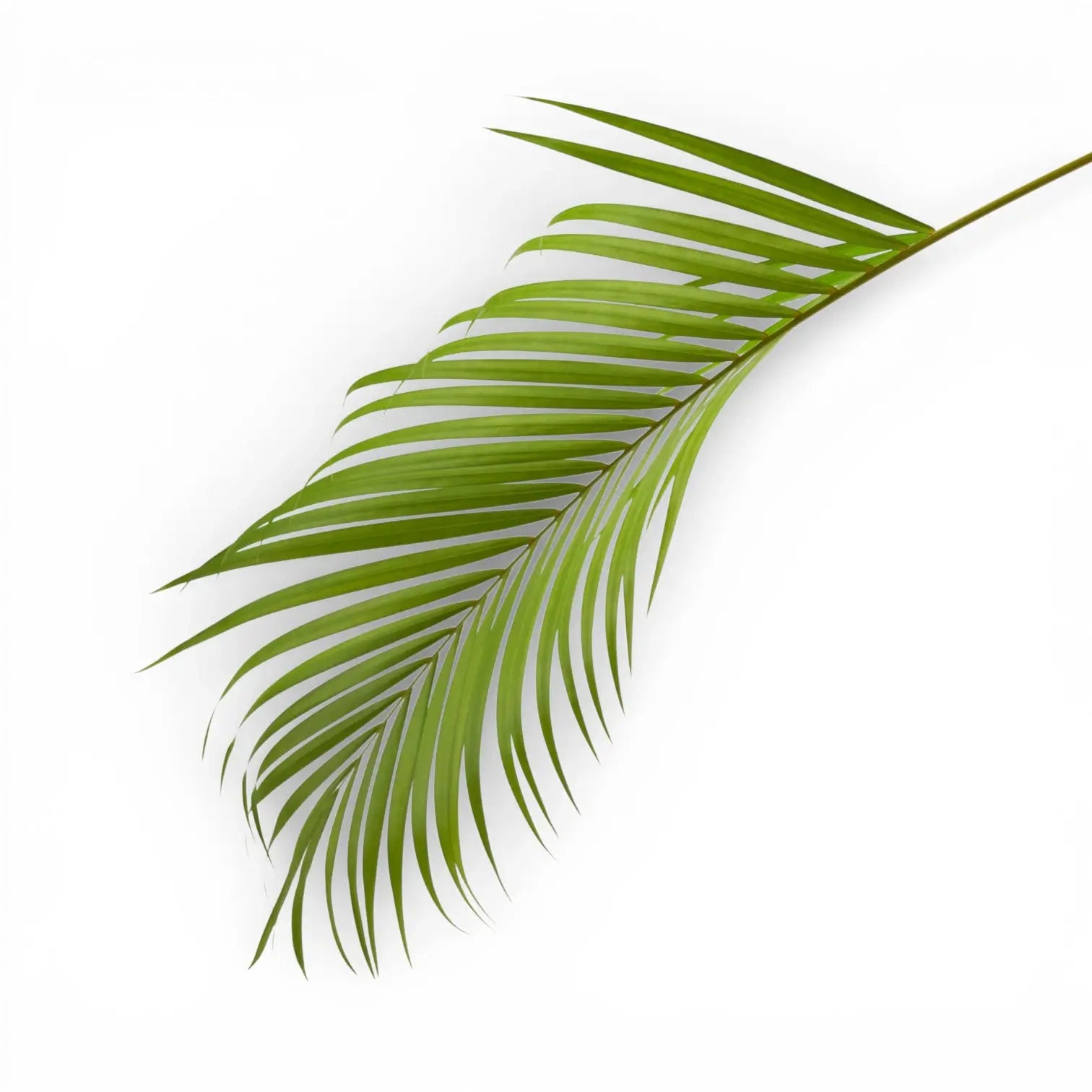
Leaf of a palm Dypsis lutescens on white background

Sort by:

Filters

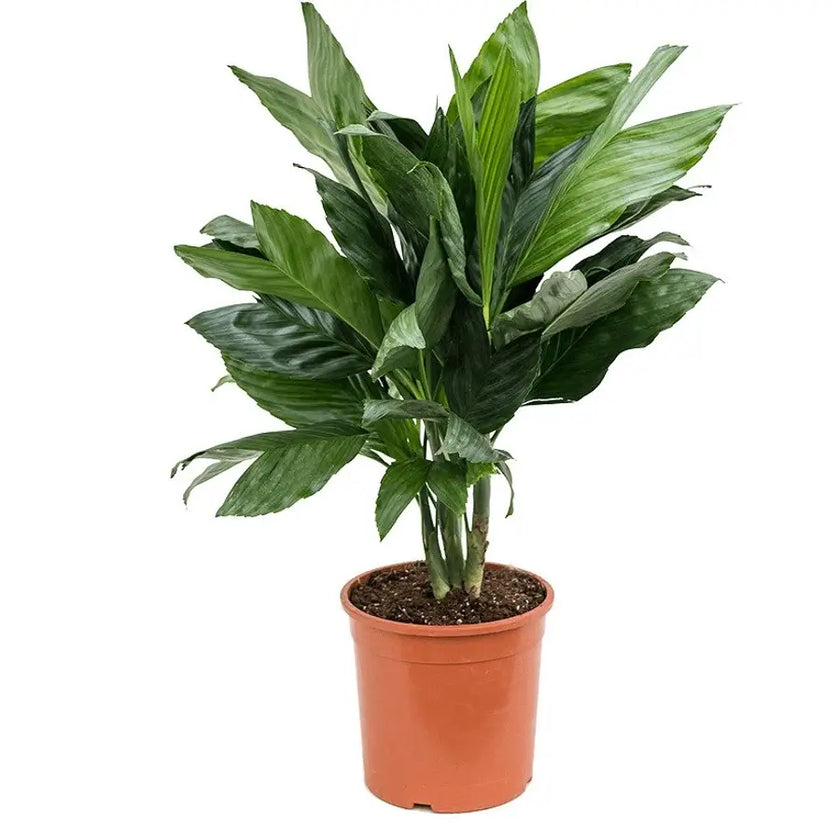
Caryota mitis close-up of leaf on white background.
Caryota mitis Regular price From €94,75
Chamaedorea elegans close-up of leaf on white background.
Chamaedorea elegans Regular price From €9,50
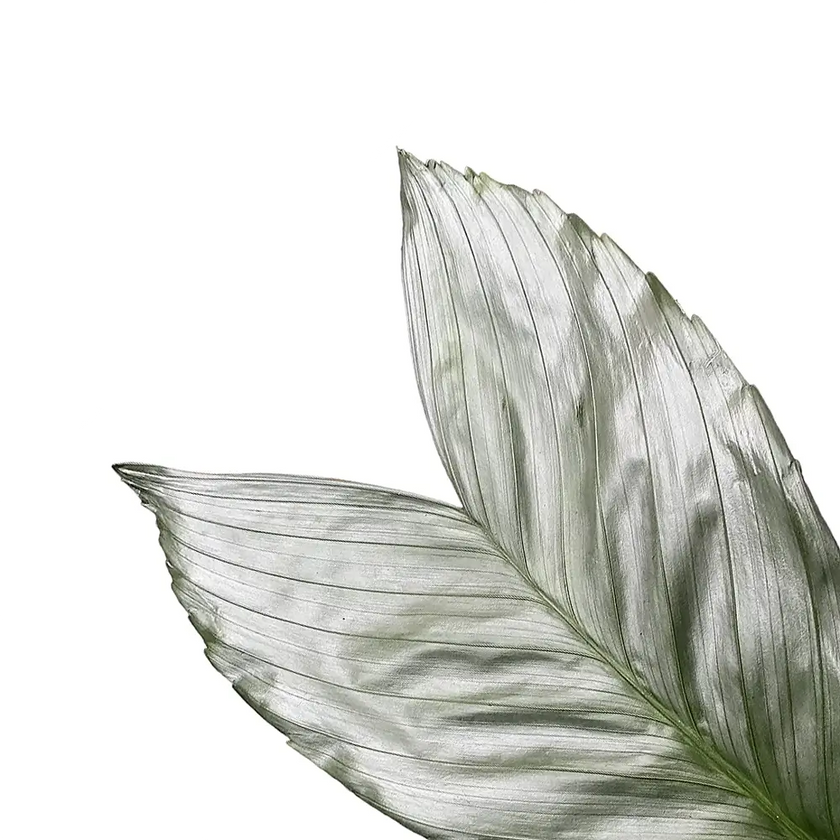
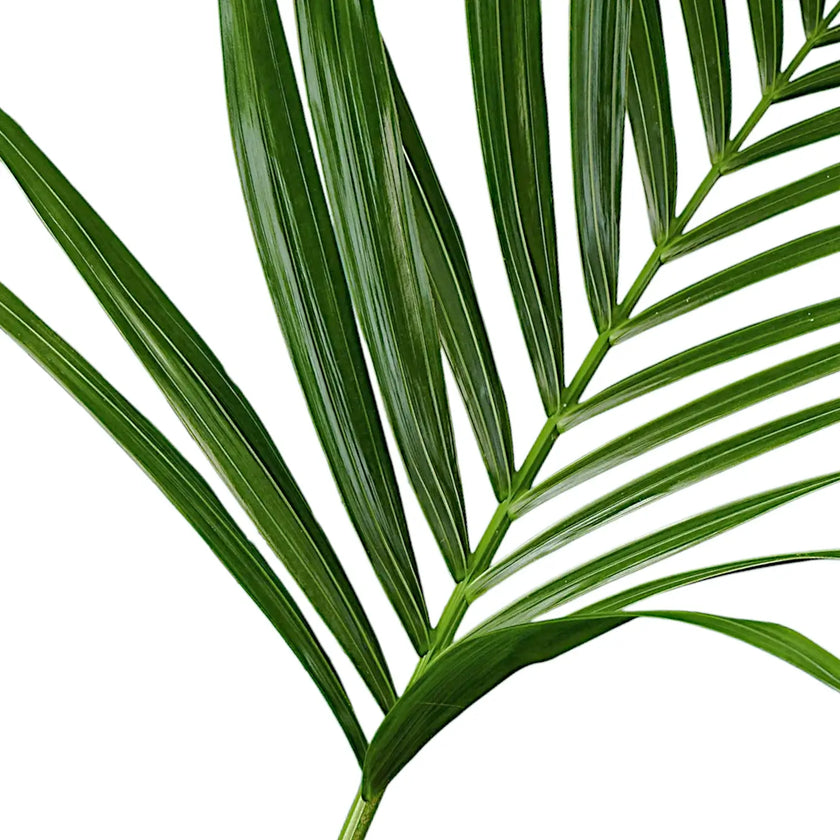
Chamaedorea metallica leaf close-up on white background.
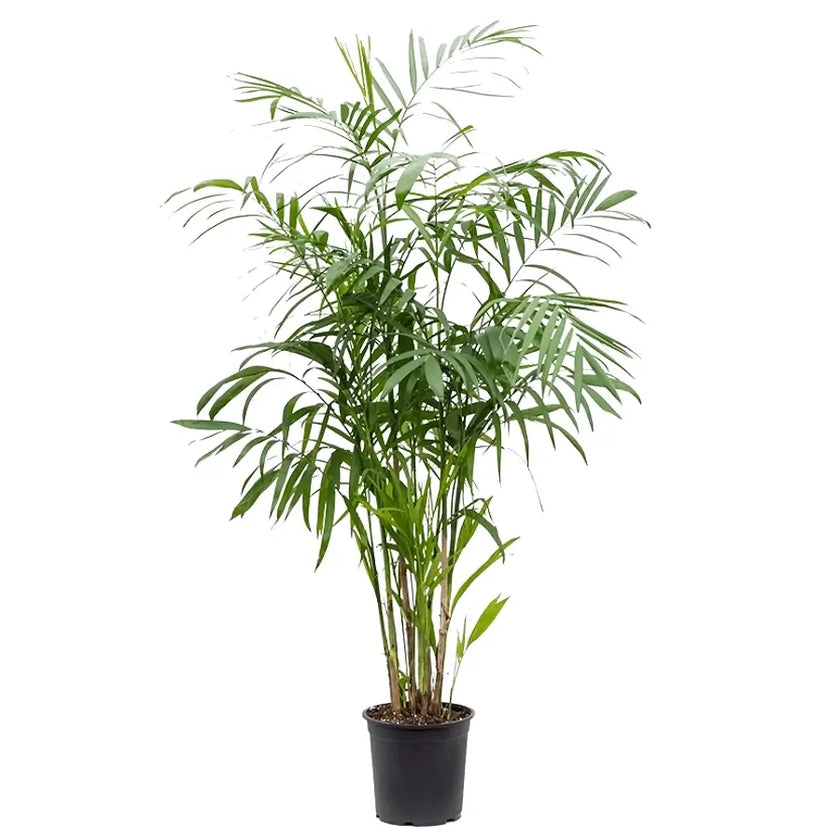
Chamaedorea seifrizii leaf detail on white background.
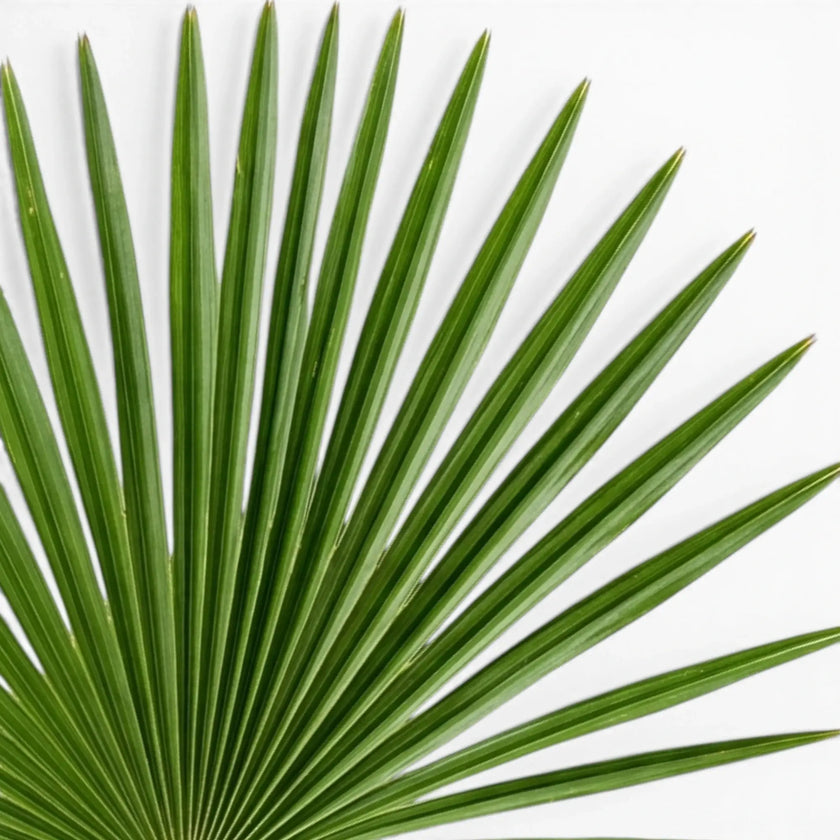
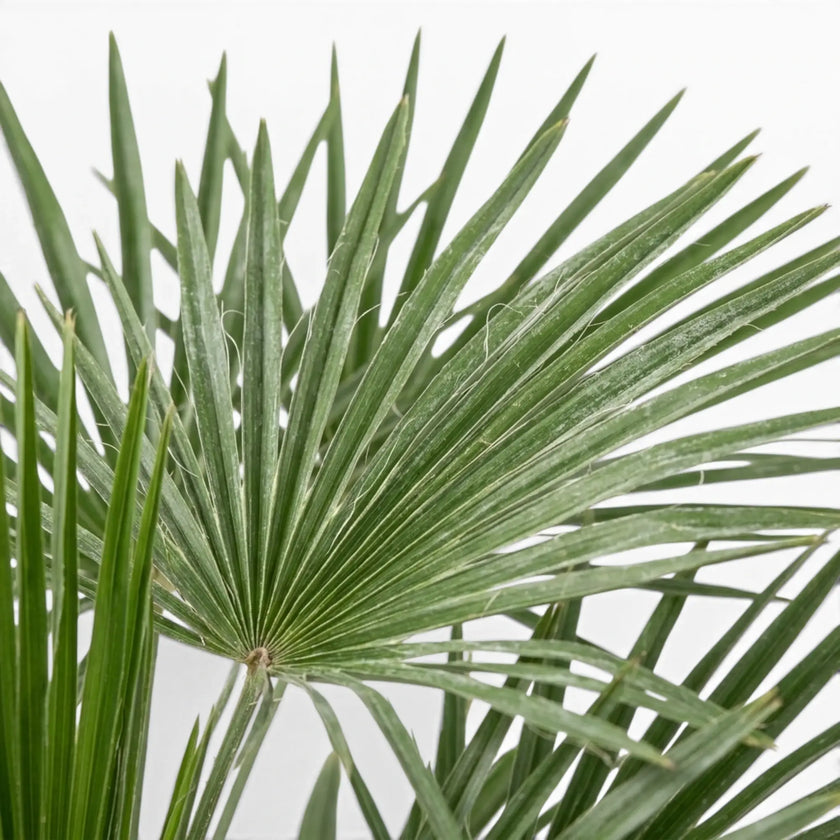
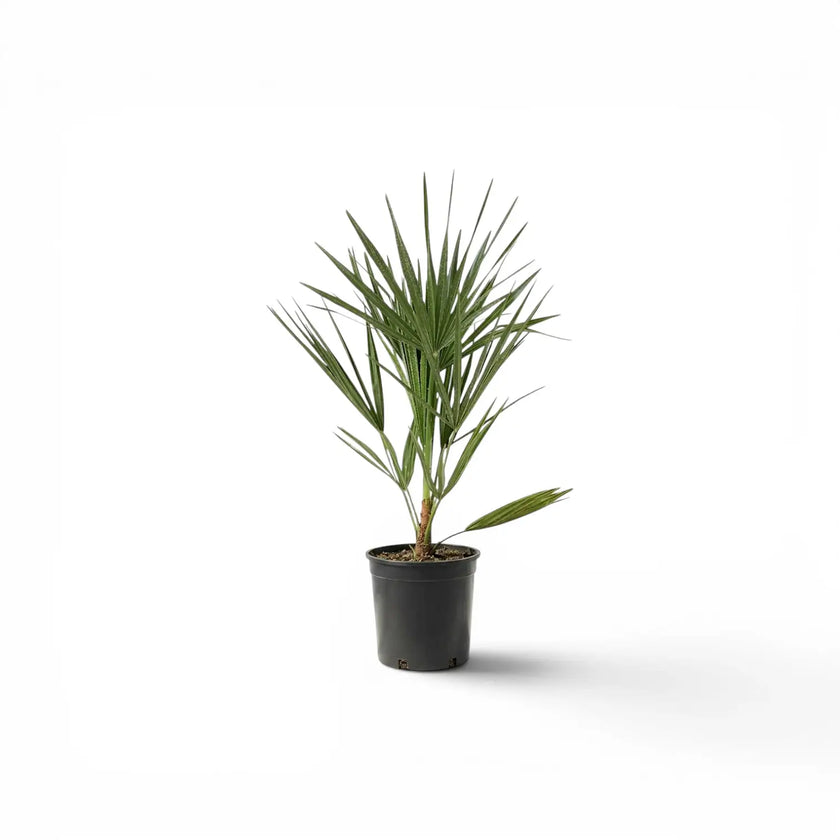
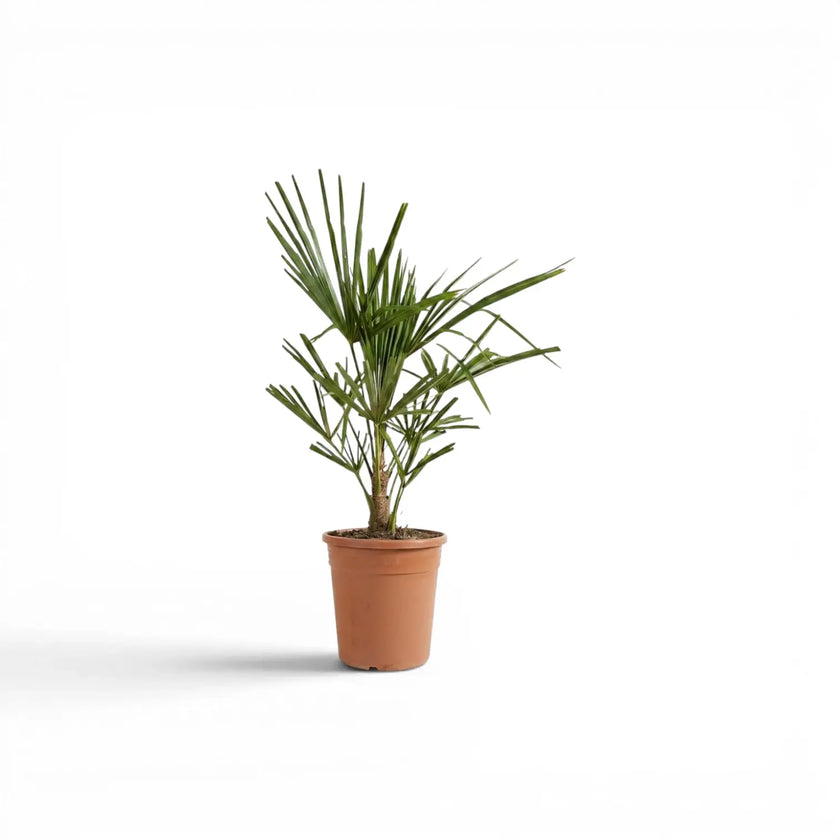
Chamaerops humilis leaf close-up on white background.
Chamaerops humilis Regular price From €18,75
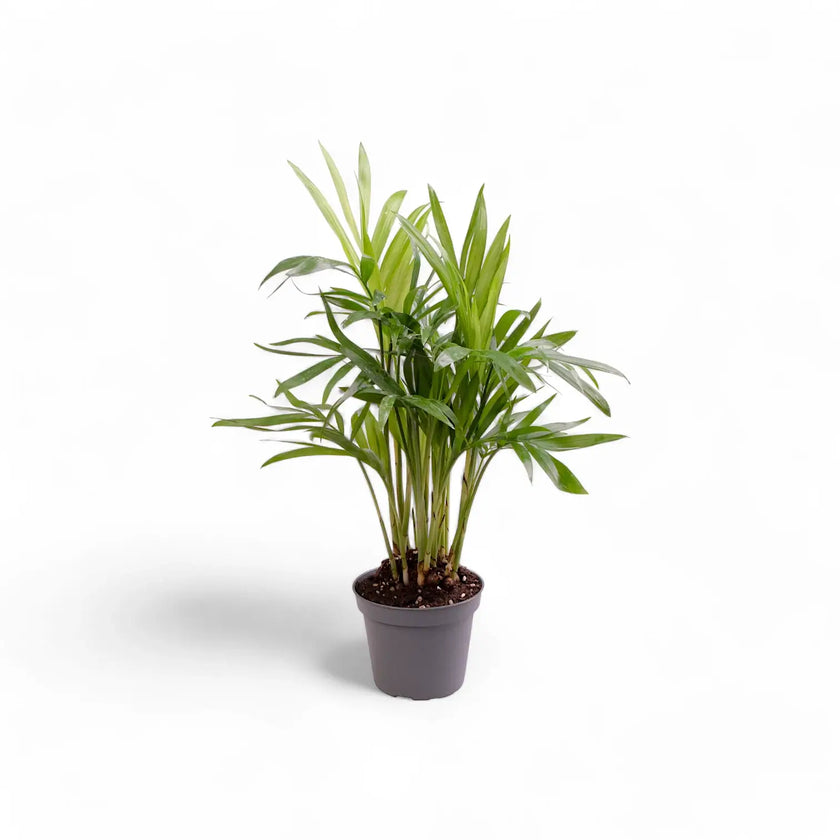
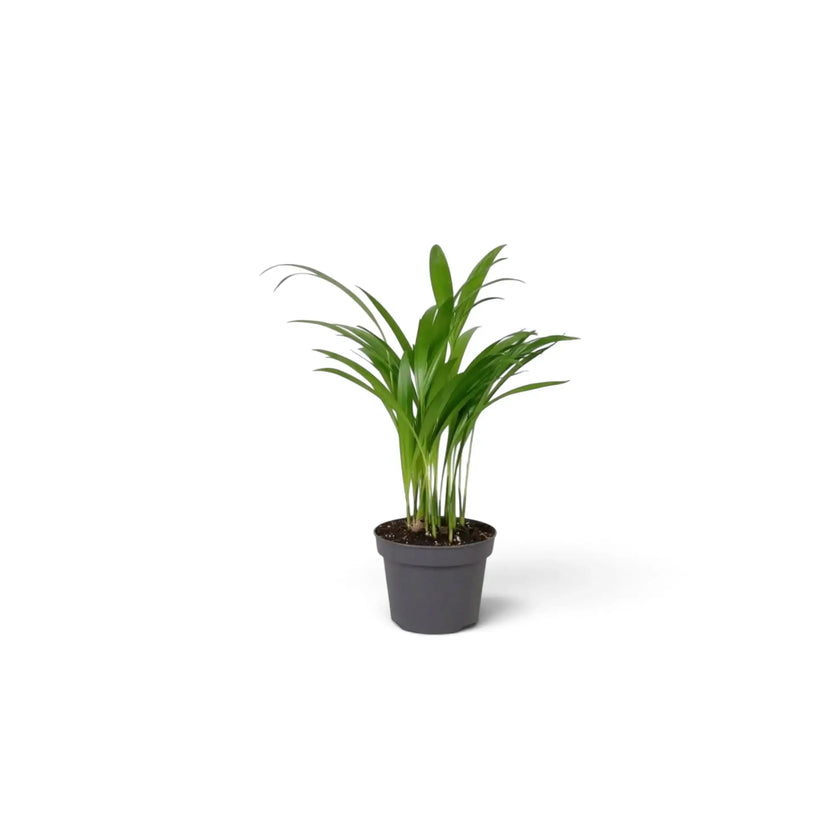
Dypsis lutescens close-up of leaf on white background.
Chrysalidocarpus lutescens Regular price From €9,50
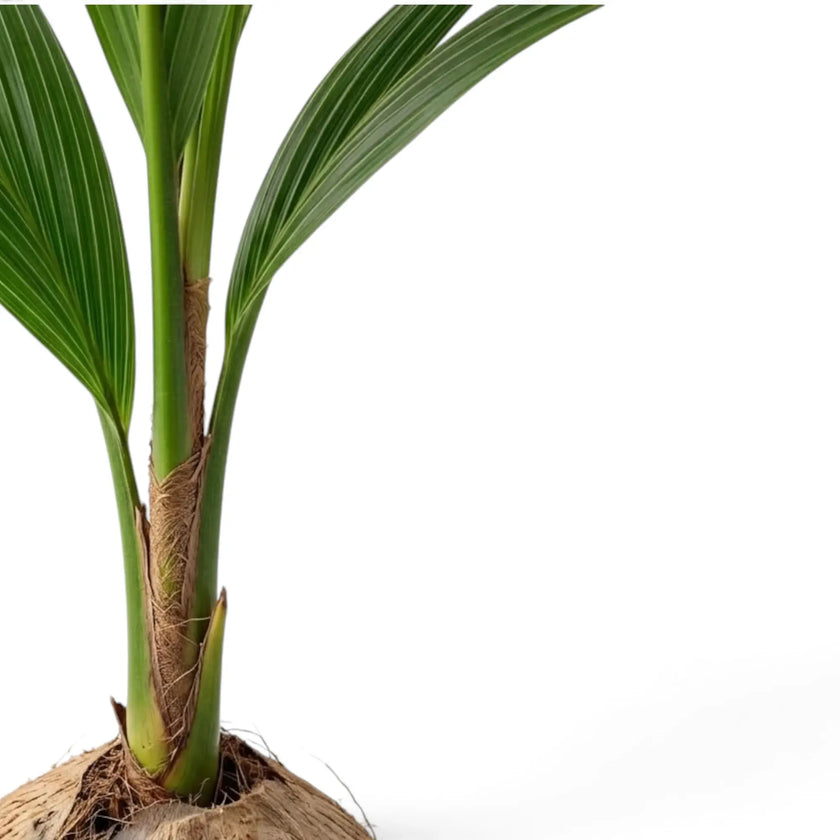
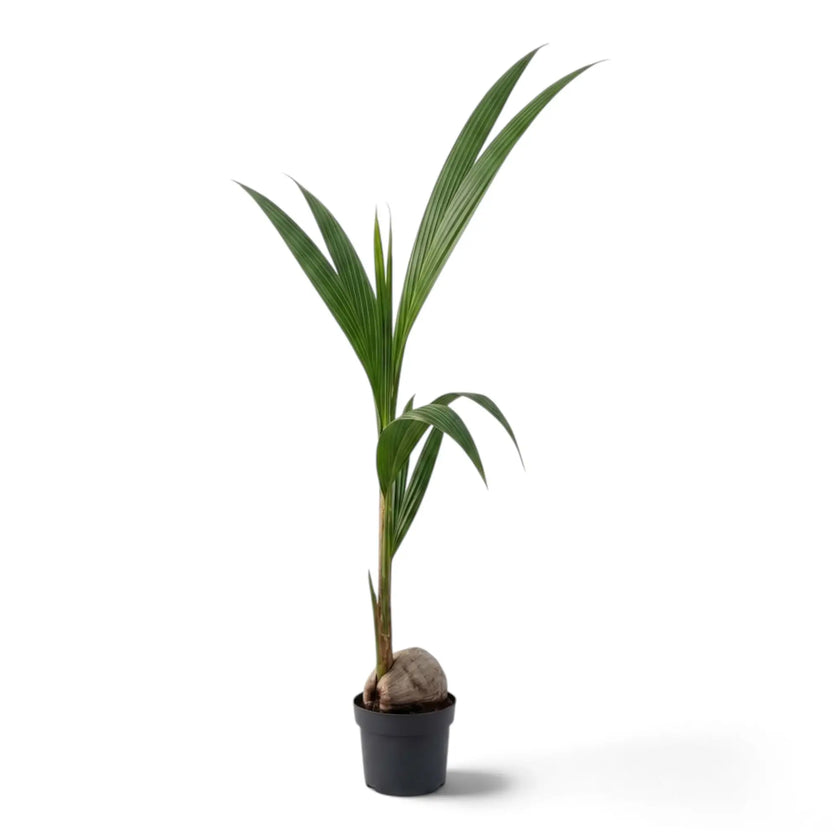
Cocos nucifera leaf close-up on white background.
Cocos nucifera Regular price €66,75
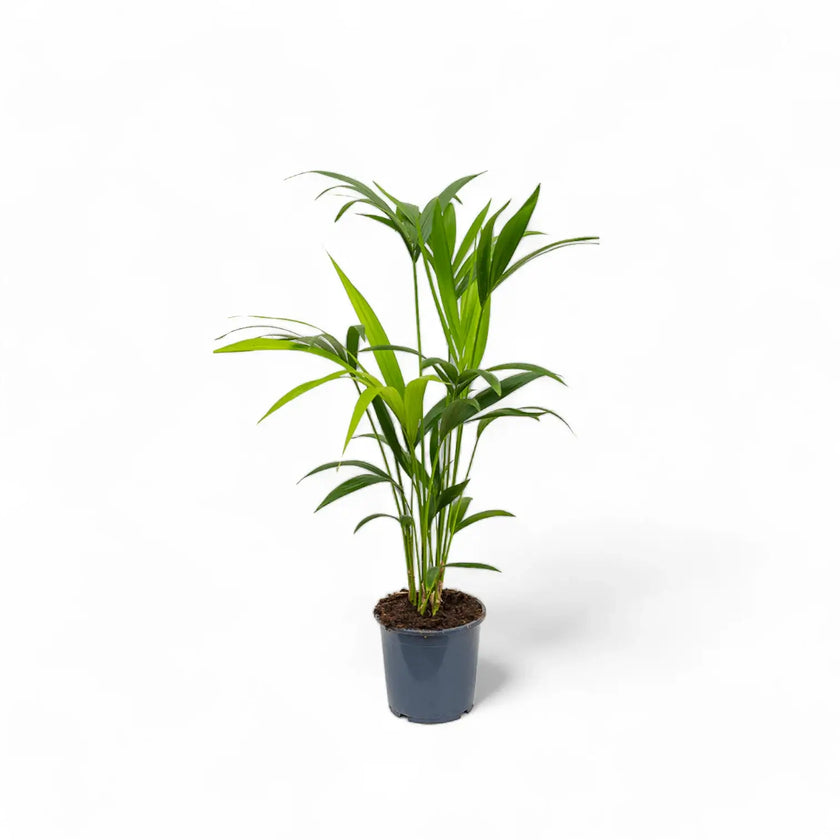
Howea forsteriana leaf detail on white background.
Howea forsteriana Regular price From €36,00
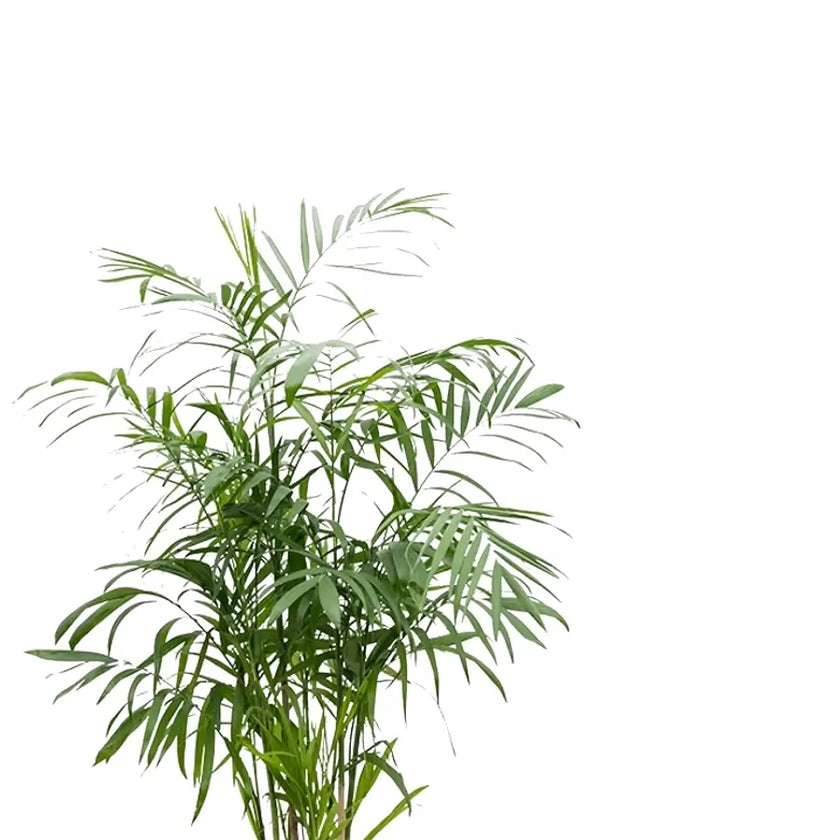
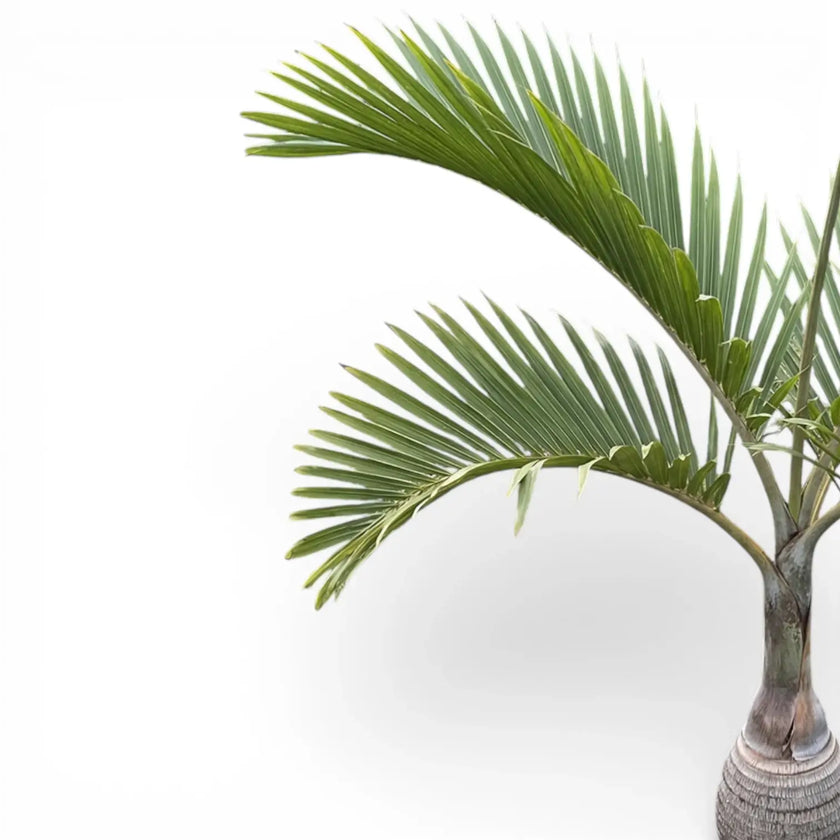
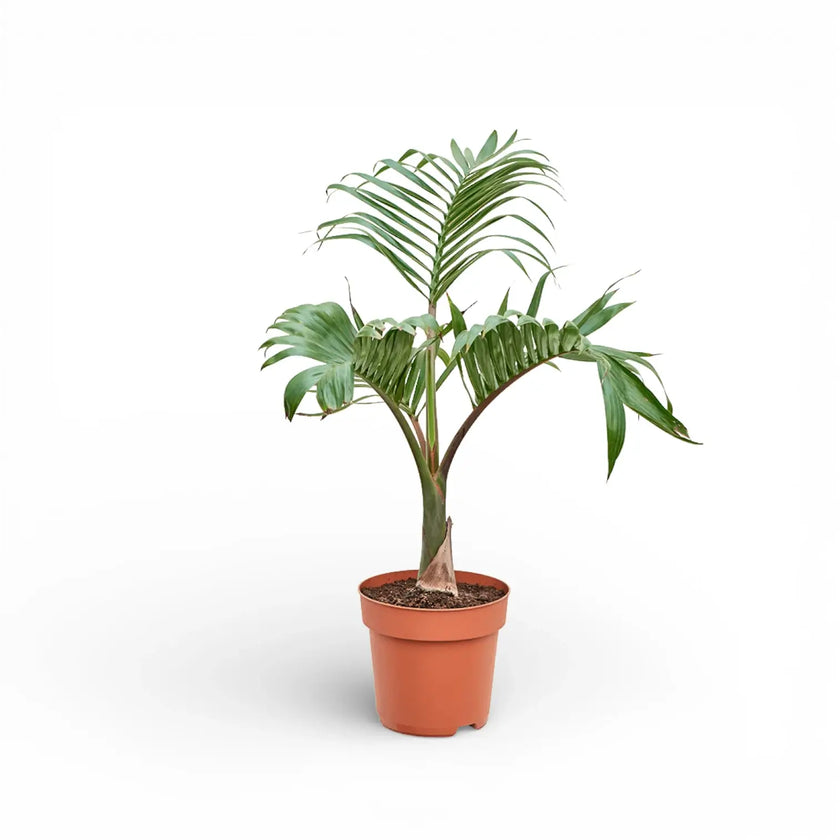
Hyophorbe- lagenicaulis plant with green leaves on a white background.
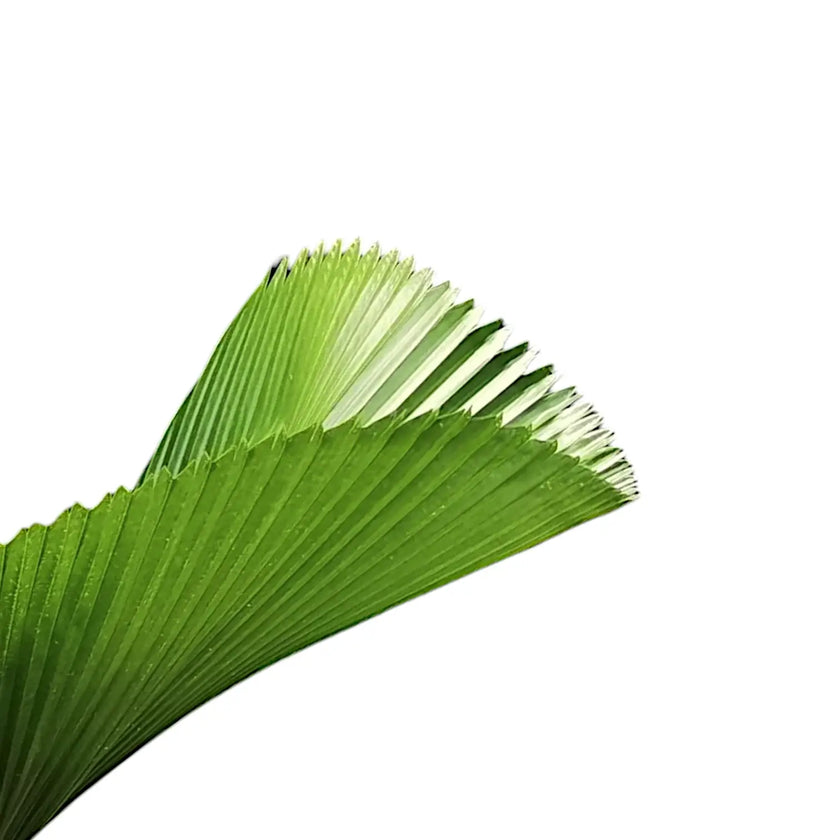
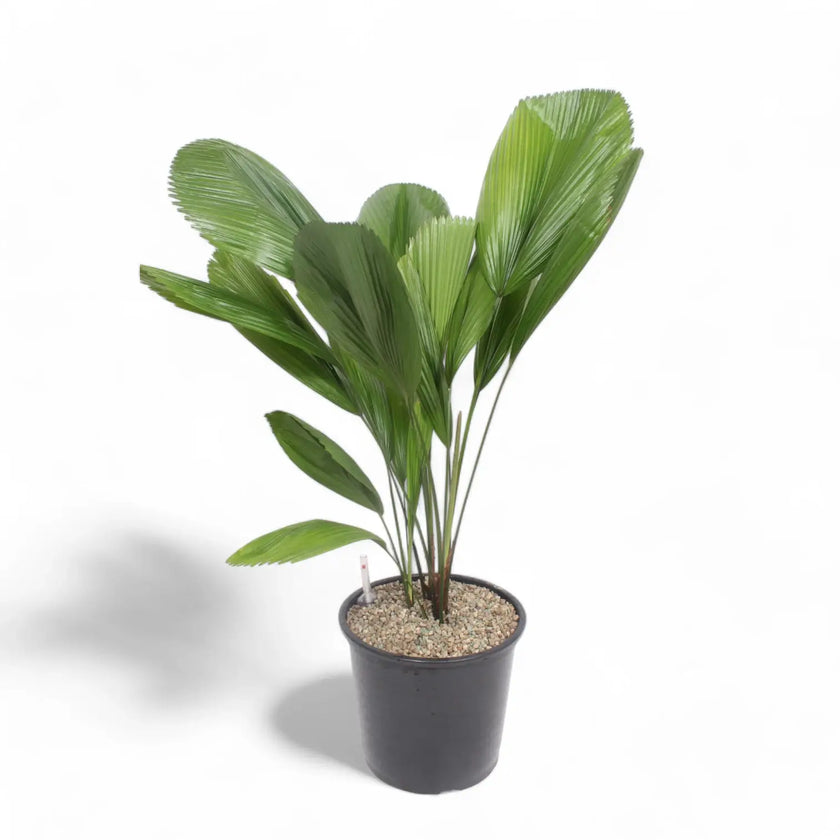
Licuala grandis close-up of leaf on white background.
Licuala grandis Sold out
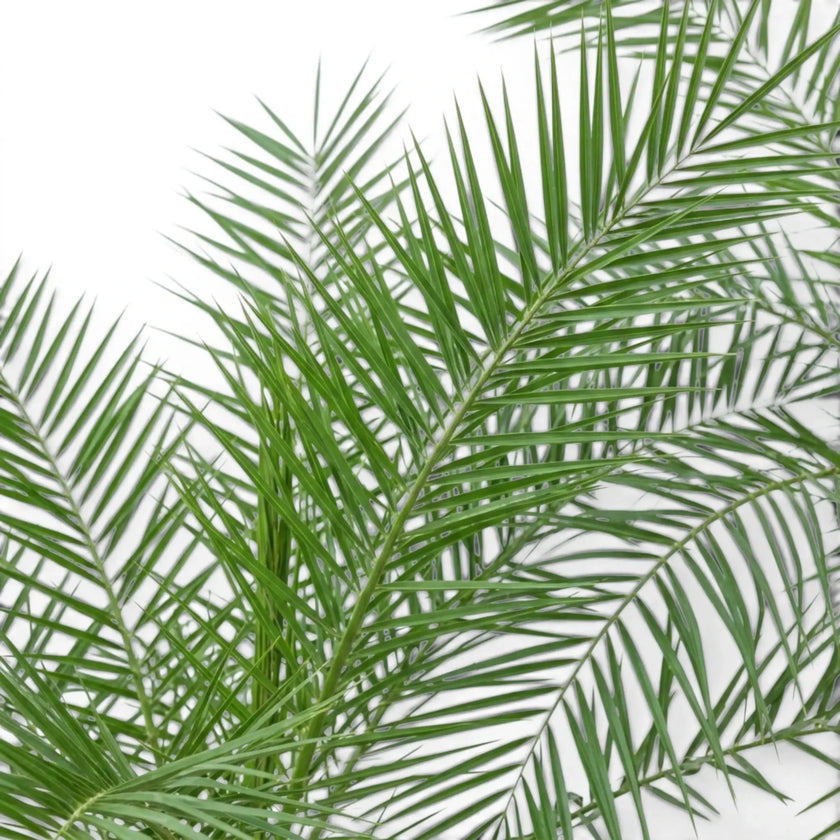
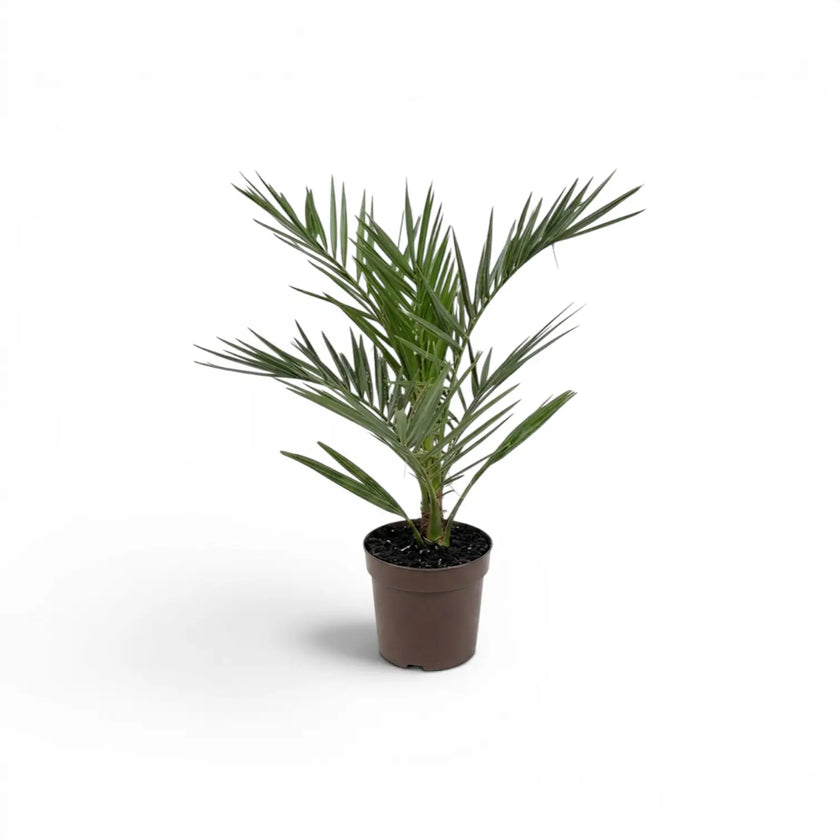
Phoenix canariensis leaf close-up on white background.
Phoenix canariensis Regular price From €17,50
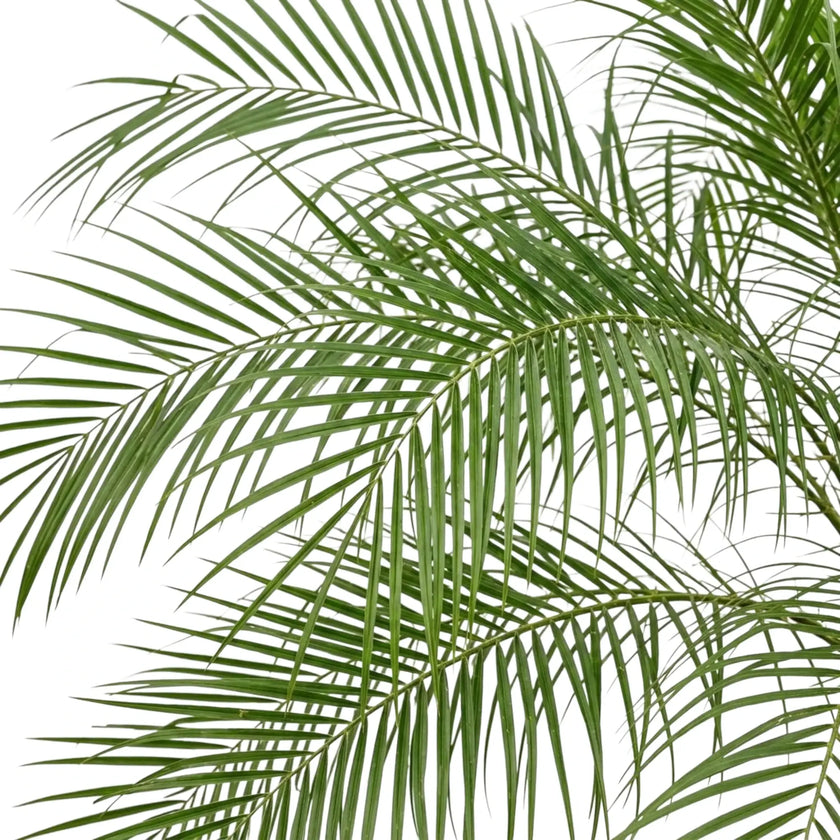
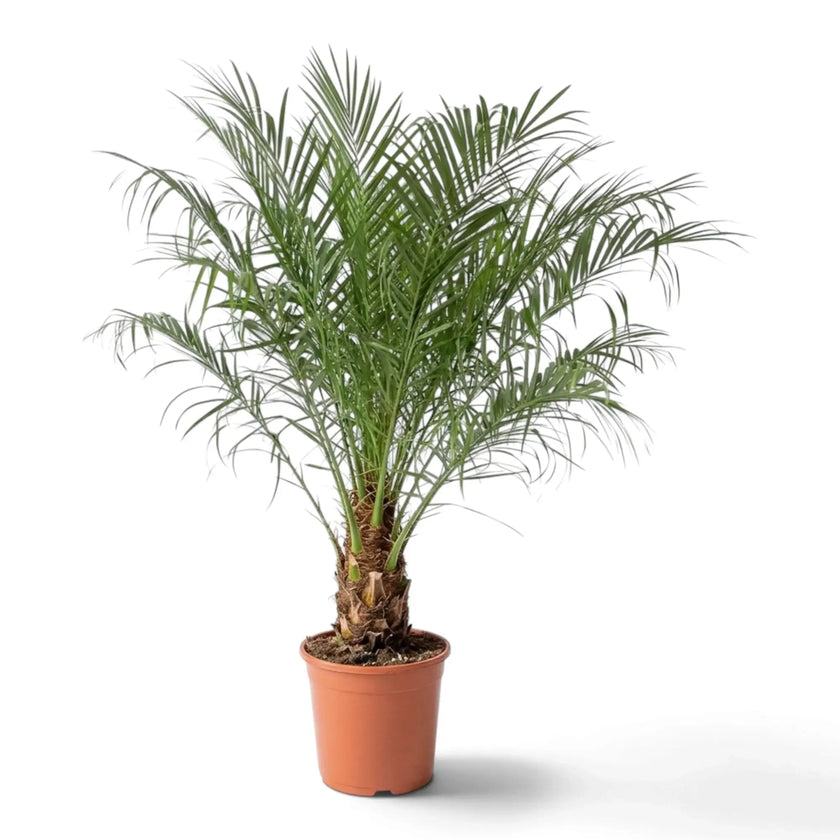
Phoenix roebelenii close-up of leaf on white background.
Phoenix roebelenii Regular price €109,50
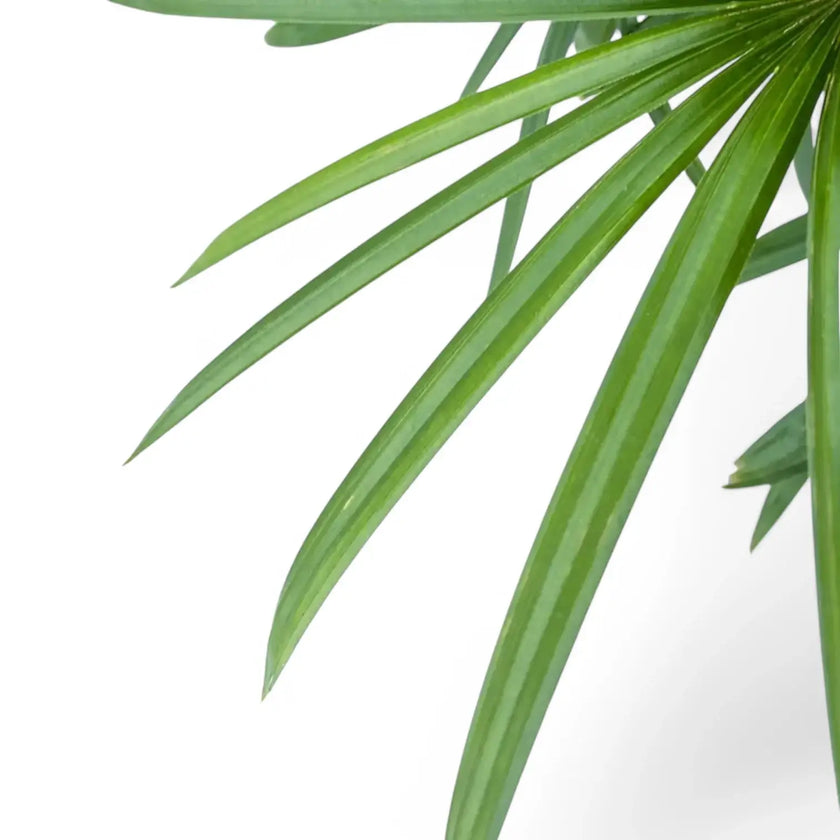
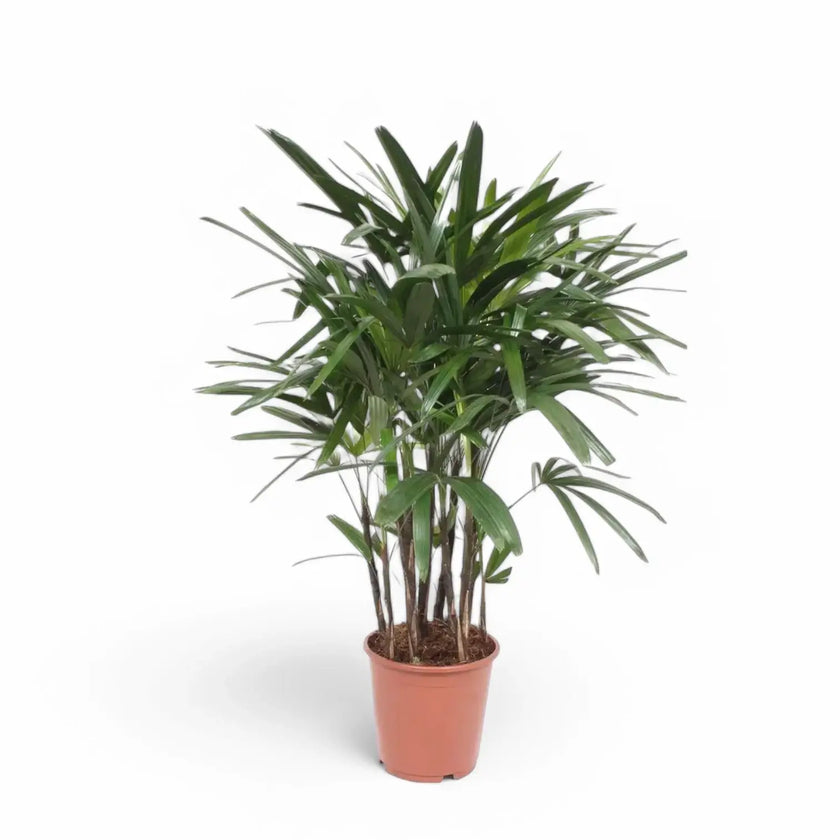
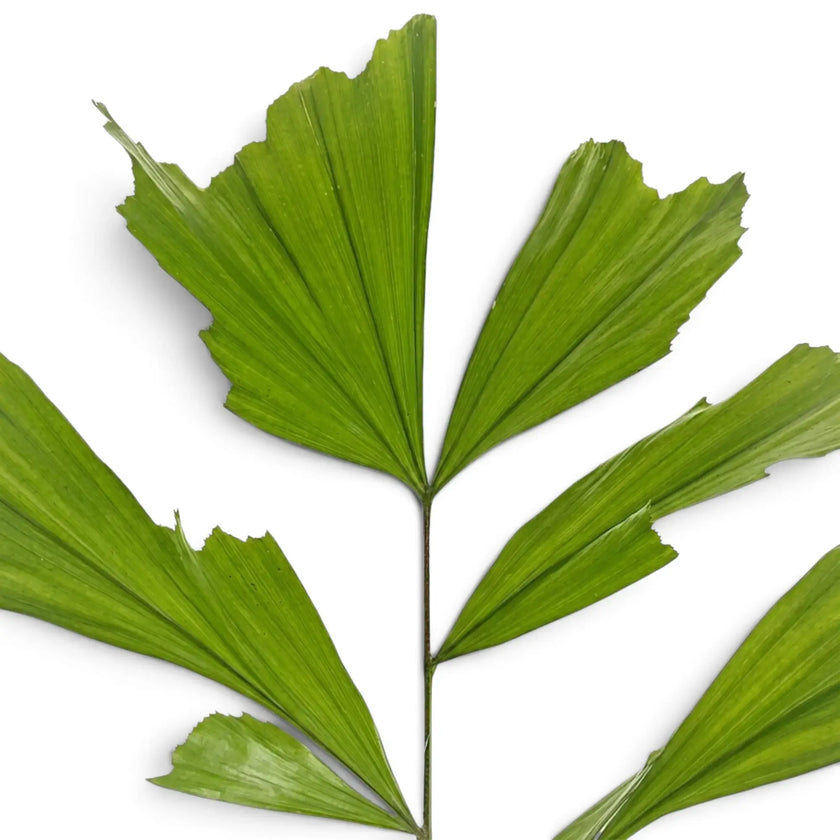
Rhapis excelsa leaf detail on white background.
Rhapis excelsa Sold out
Saribus rotundifolius leaf detail on white background.
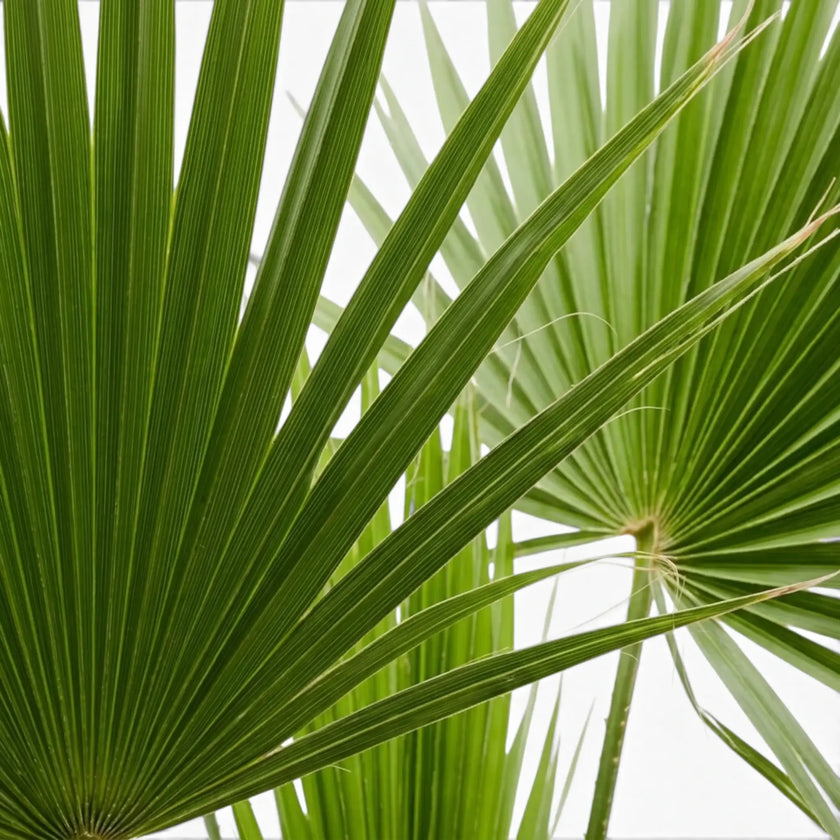
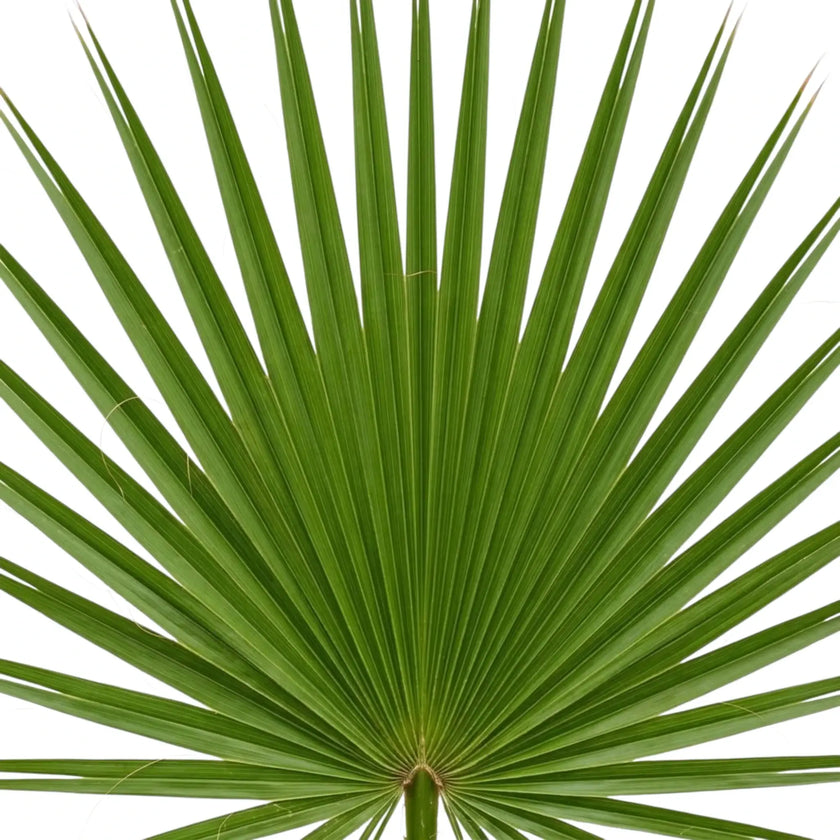
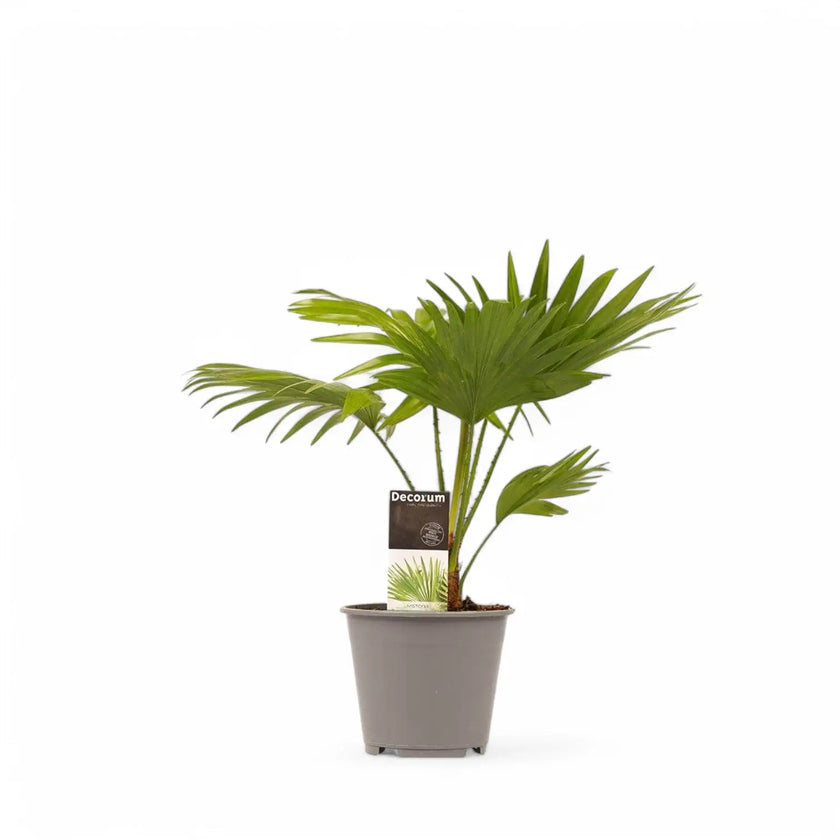
Close-up of a lush, greenTrachycarpus fortunei palm frond with radiating shape on a white background
Trachycarpus fortunei Regular price From €34,75
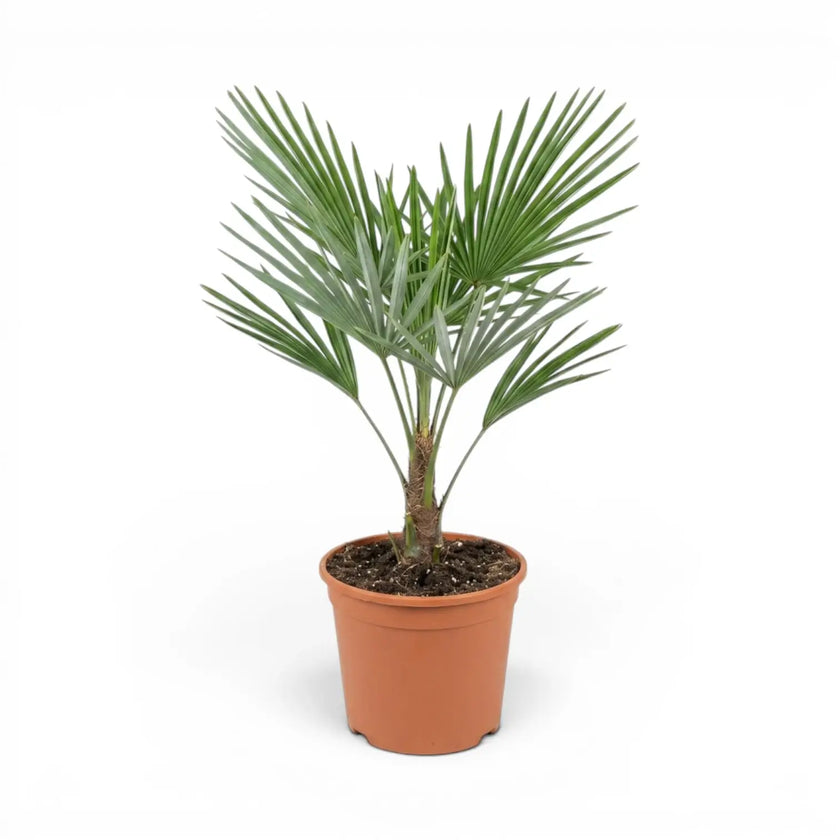
Close-up of Trachycarpus fortunei Frosty palm leaf with a white background
Trachycarpus fortunei 'Frosty' Regular price €120,00
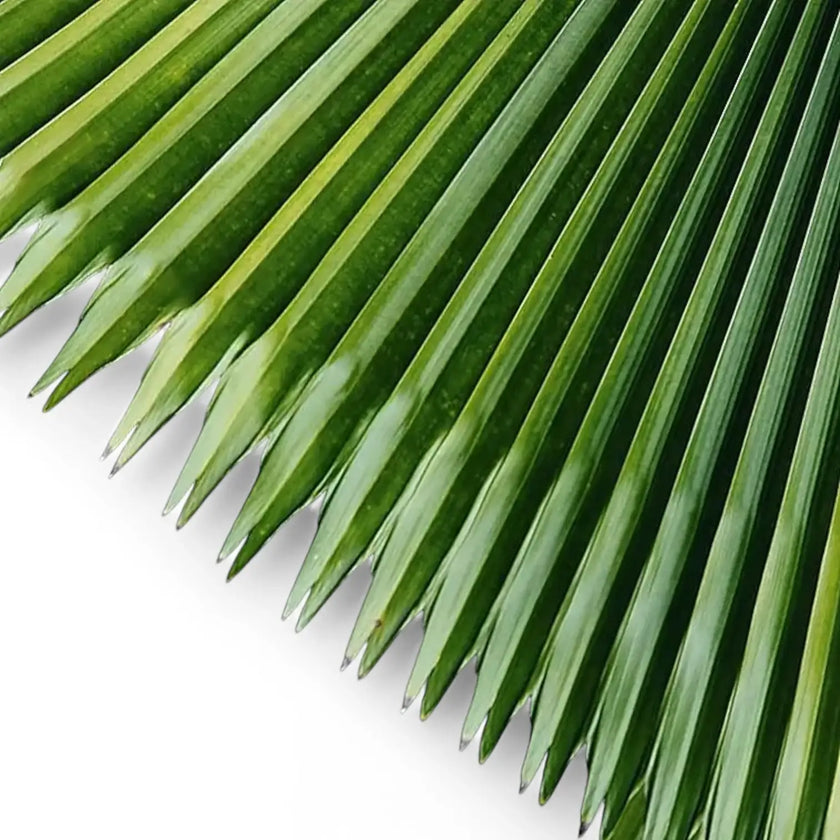
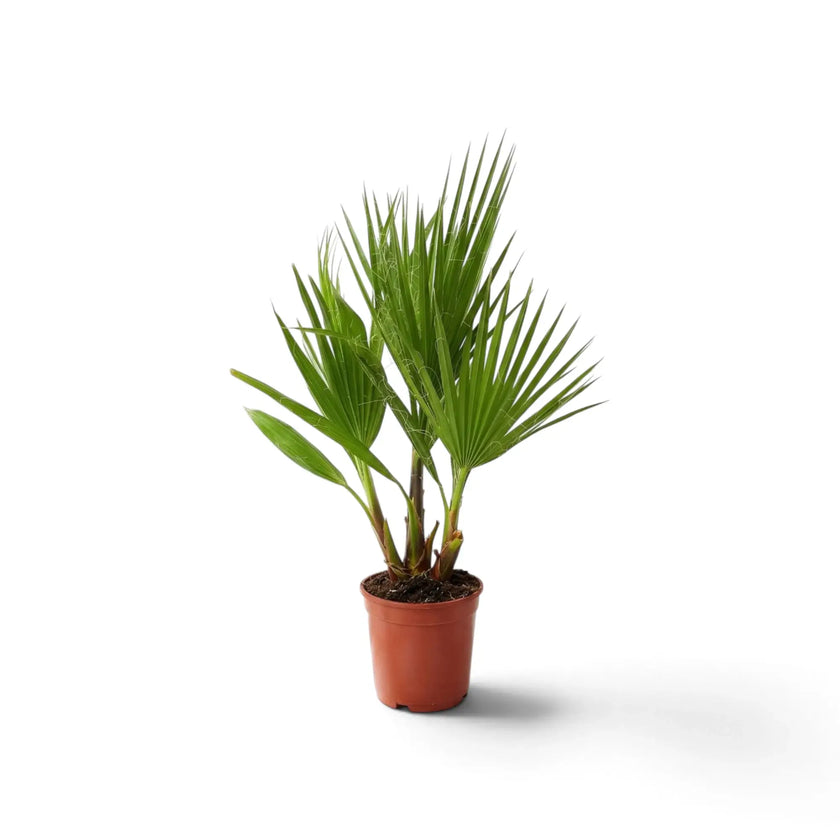
Washingtonia robusta leaf detail on white background.
Washingtonia robusta Regular price From €34,75
Zamia furfuracea leaf close-up on white background.
Zamia furfuracea Sold out

Arecaceae

Palms

Quick Overview

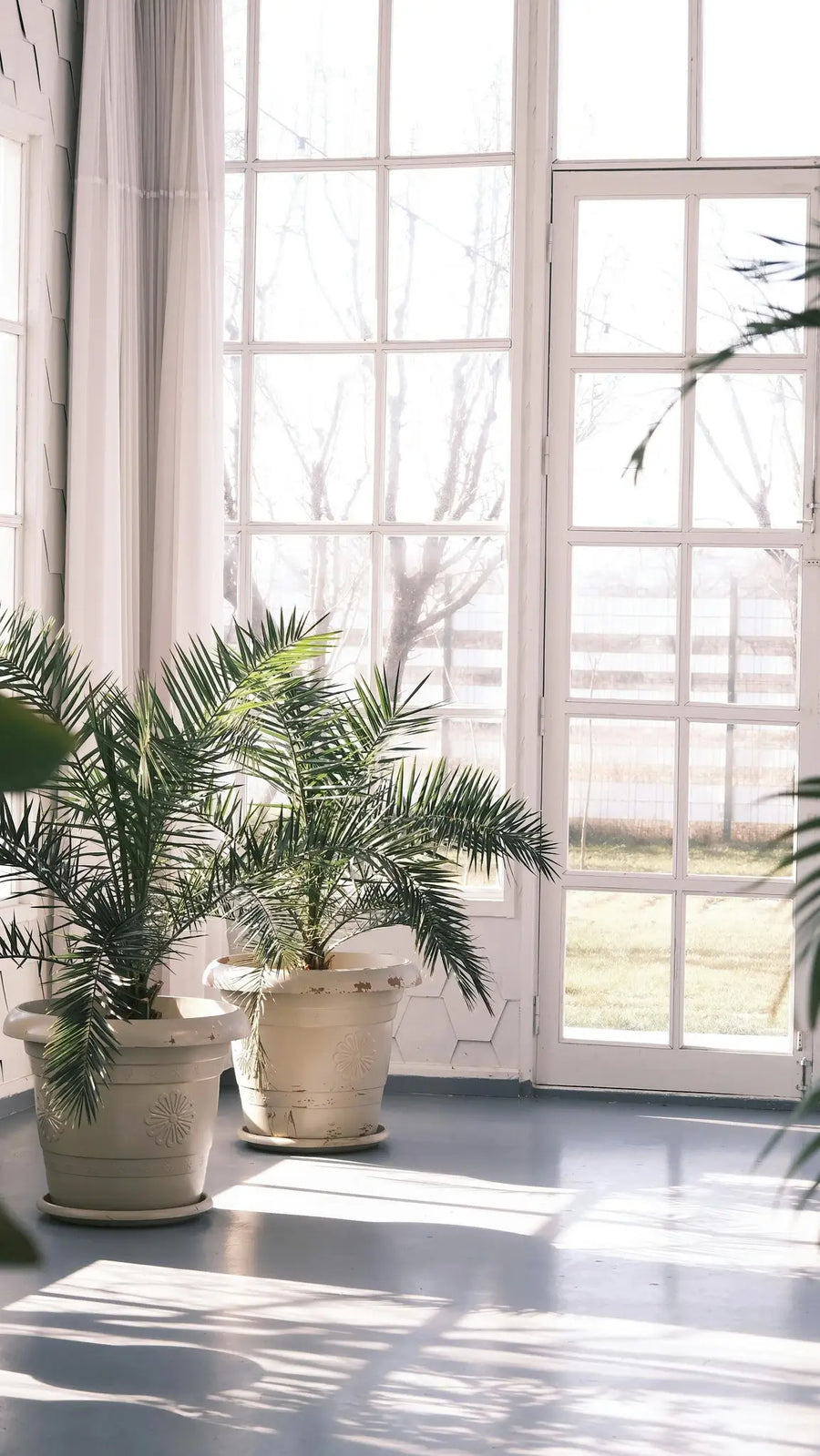
Palms: tall, airy indoor outlines

  • Role: Slender stems with arching fronds that give height without visual heaviness.
  • Light: Bright rooms with some indirect sun; very dim spots thin crowns over time.
  • Watering: Let the top centimetres dry, then drench; constant sogginess pushes root problems.
  • Growth pace: Slow to medium; changes are measured in seasons by seasons, not weeks.
  • Best for: Homes with floor space and owners who want long-term “indoor tree” vibes, not fast churn.
Botanical Profile

Palms belong to Arecaceae. Indoor choices differ widely in crown size, leaf form and light tolerance, so room fit matters as much as species name.

Details & Care

Palms: upright structure, fronds and long-term indoor scale

Palms add height and movement without the heavy block of many broad-leaved tropical plants. Their fronds lift a plant display, soften corners and create an airy outline that suits positions near bright windows, open living spaces and larger containers. Indoor palms come from Arecaceae and grow from protected growing points, so damage, pruning and size management need a different approach from branching houseplants.

The most useful comparison is light and eventual scale. Some palms cope with softer indoor light for a time, while others need brighter positions to keep dense, healthy growth. Many also become wider than expected as fronds arch out from the crown. A palm that looks slim in a nursery pot can need more floor space once new fronds open fully.

Choosing indoor palms by space and light

  • Floor plants: larger palms suit open corners or bright rooms where fronds can spread without constant rubbing or bending.
  • Tabletop palms: smaller young palms can work on stands or low tables, but should still have space for frond expansion.
  • Bright positions: stronger light supports fuller growth, especially for palms that thin out in shaded rooms.
  • Softer positions: shade-tolerant palms still need visible daylight and careful watering because slow growth means slower drying.
  • Pet access: many commonly sold palms are chosen for homes with pets, but product-level safety information should still be checked.

Container choice matters because palms often carry a dense root system and a tall top. A pot that is too light can tip, while a pot that holds too much wet substrate can keep lower roots saturated. Large palms should be watered slowly enough for the root ball to hydrate evenly, then allowed to drain thoroughly.

Care fit for palms indoors

Palms usually prefer a stable routine: bright filtered light where possible, even warmth, a free-draining substrate and watering that reaches the root ball without leaving the lower pot stale. Let the upper part of the substrate dry before watering again, then drain excess water fully. Large containers can stay wet deep down even when the surface looks dry, so pot weight and drainage matter.

Avoid cutting green fronds simply to reshape a palm. Remove only fully brown or badly damaged fronds, because palms do not branch from trimmed stems like many woody houseplants. Brown tips can come from dryness, salts, root stress, old damage or dry air, so check watering pattern and substrate before making major changes. Choose palms when you want vertical structure, open texture and a plant that can hold a room visually over time.

For delivery and placement, think beyond the current pot size. Fronds can be flexible, but repeated bending against walls, shelves or windows can leave marks and uneven growth. Palms usually look best when they have space around the crown and light reaching the full plant. That open placement also makes watering, cleaning and pest checks easier.

Frequently Asked Questions About Palms