












Filters

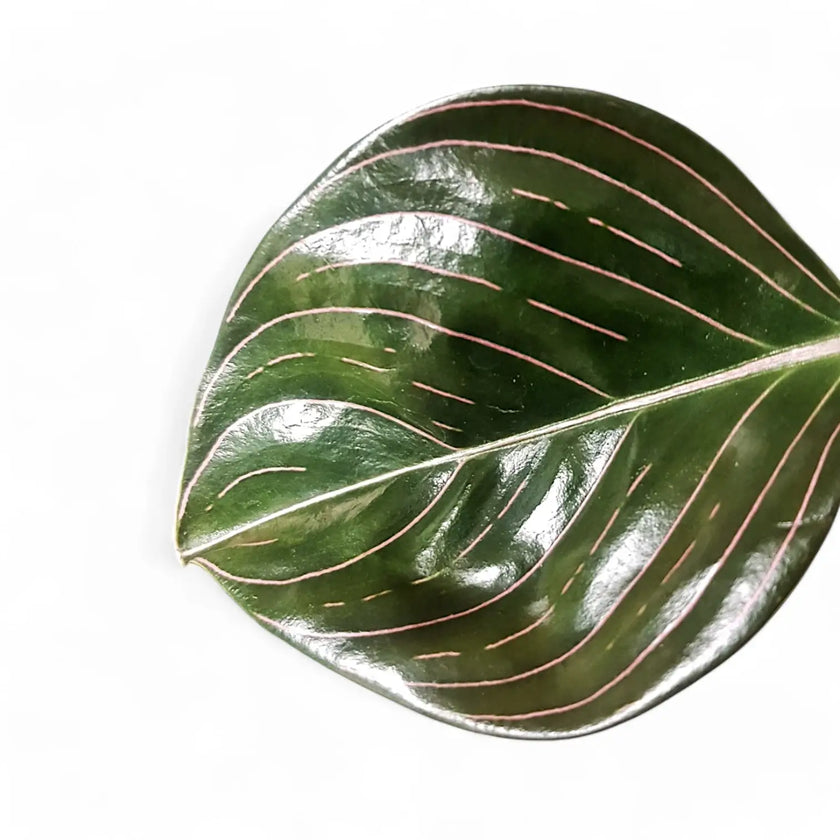
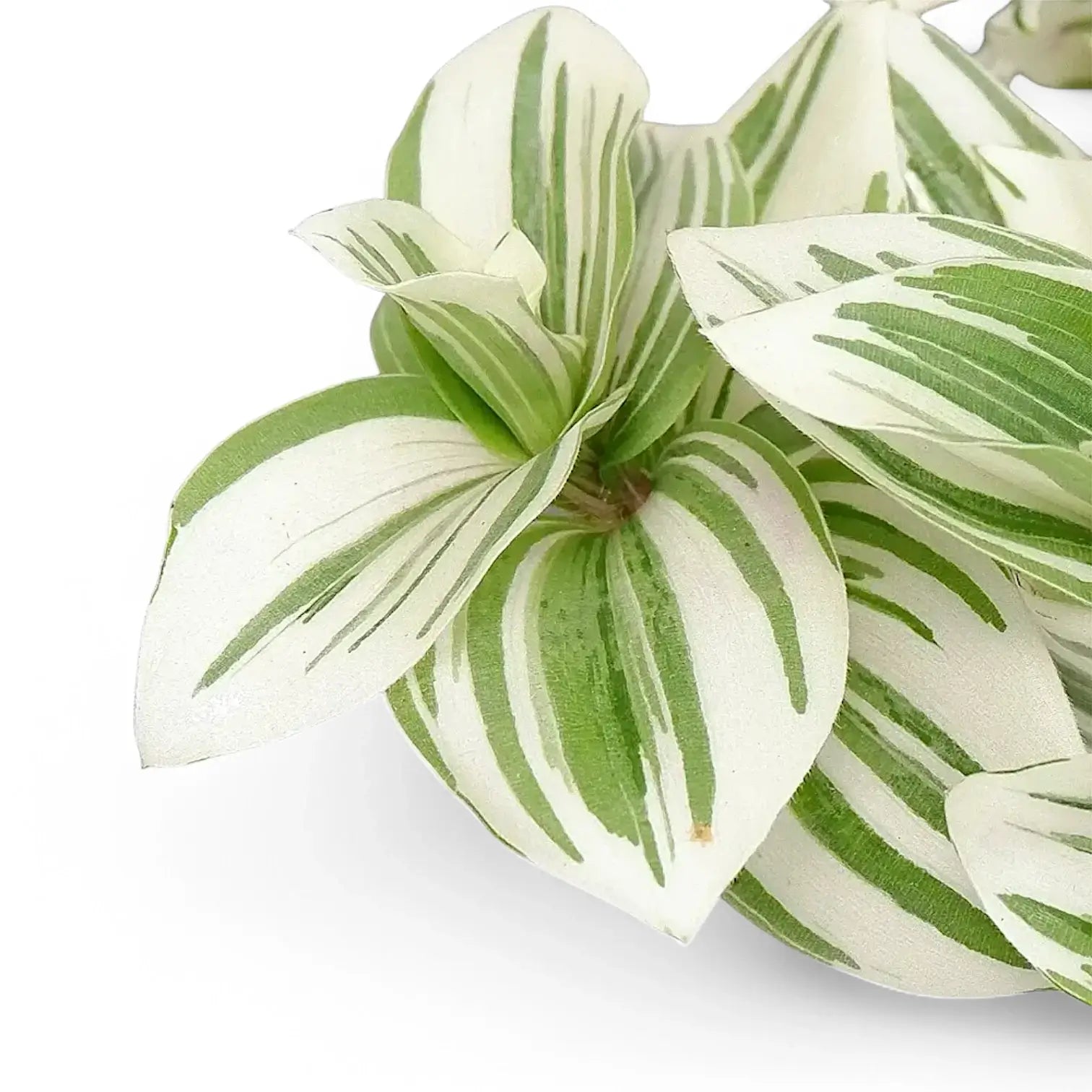
Adelonema picturatumSold out

Aglaonema pumilumSold out
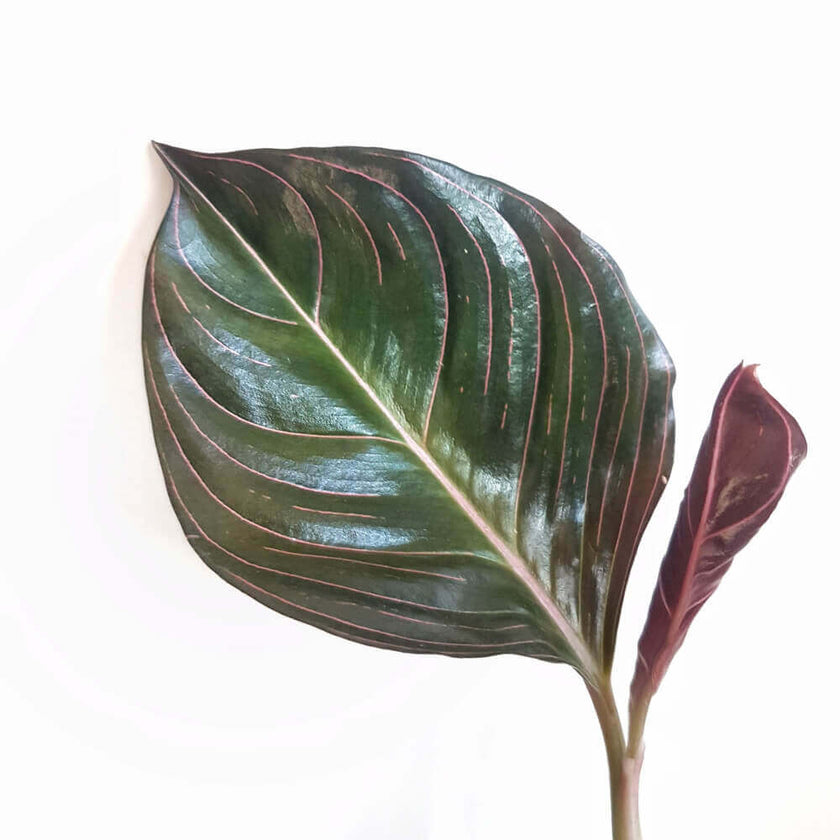
Aglaonema rotundumSold out
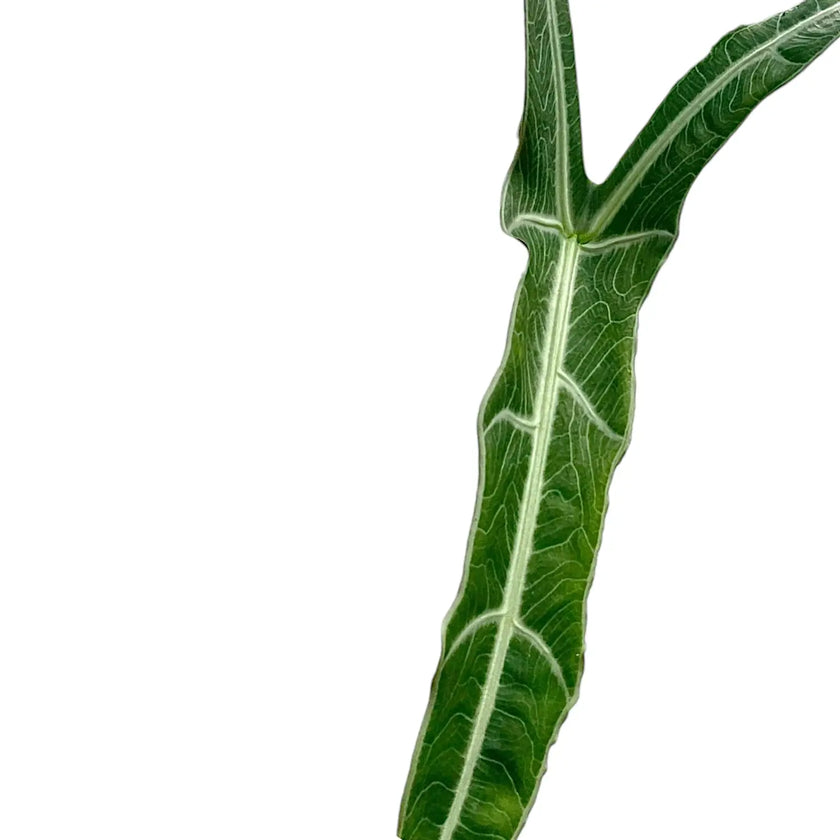
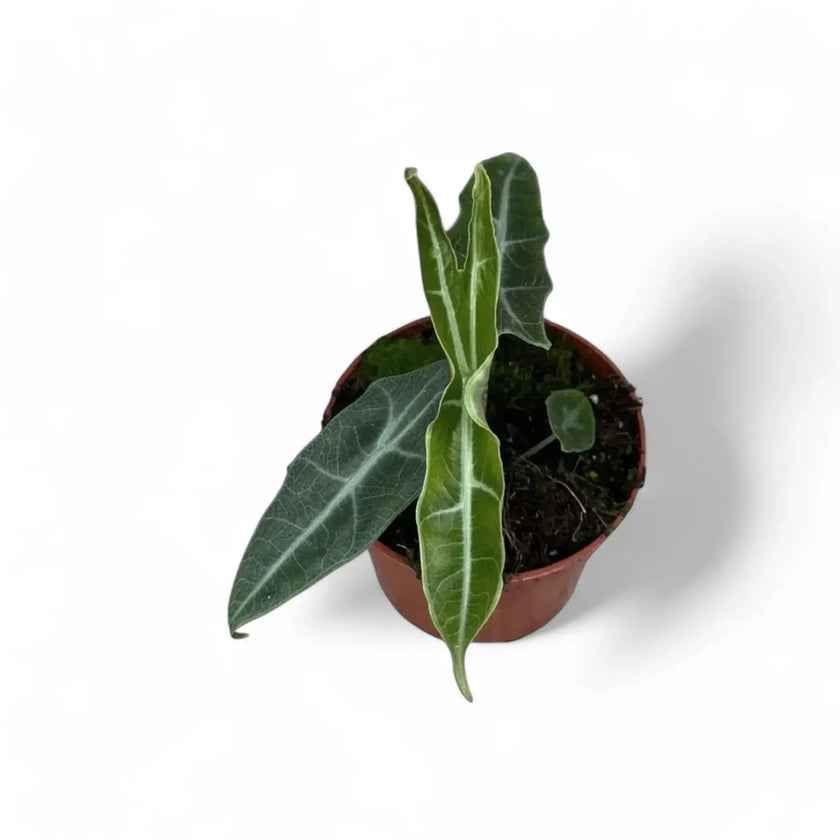
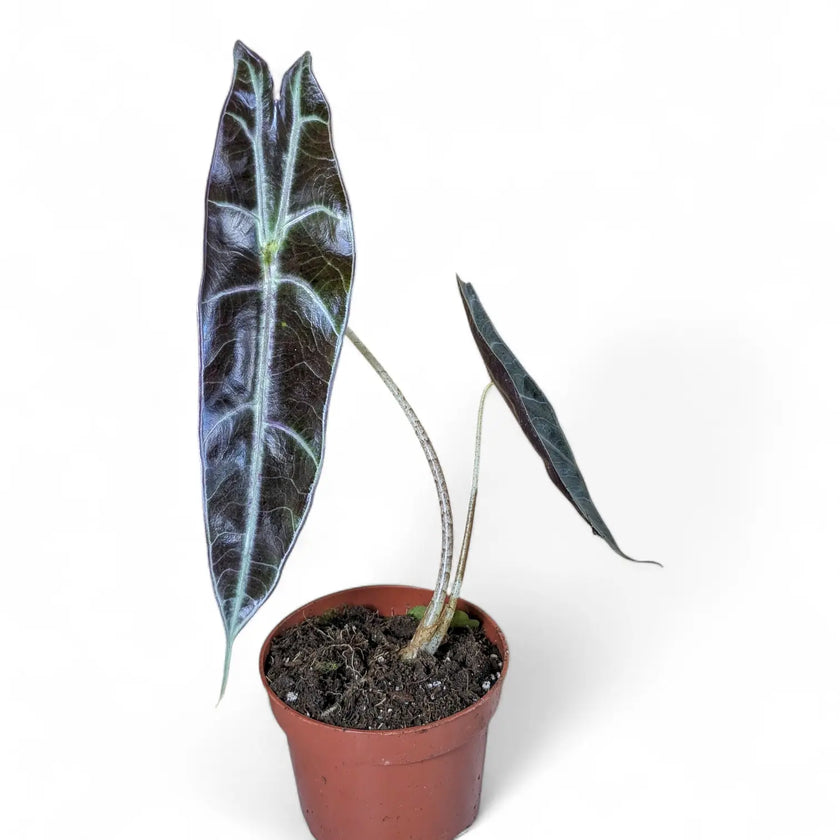
Alocasia cf. longiloba ‘Narrow’Sold out
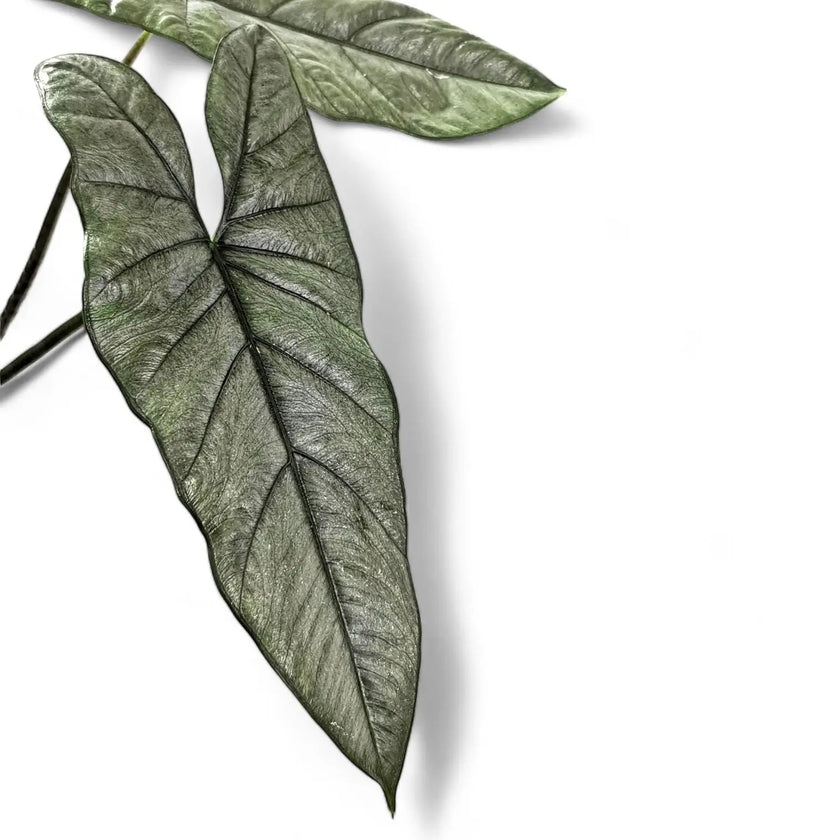
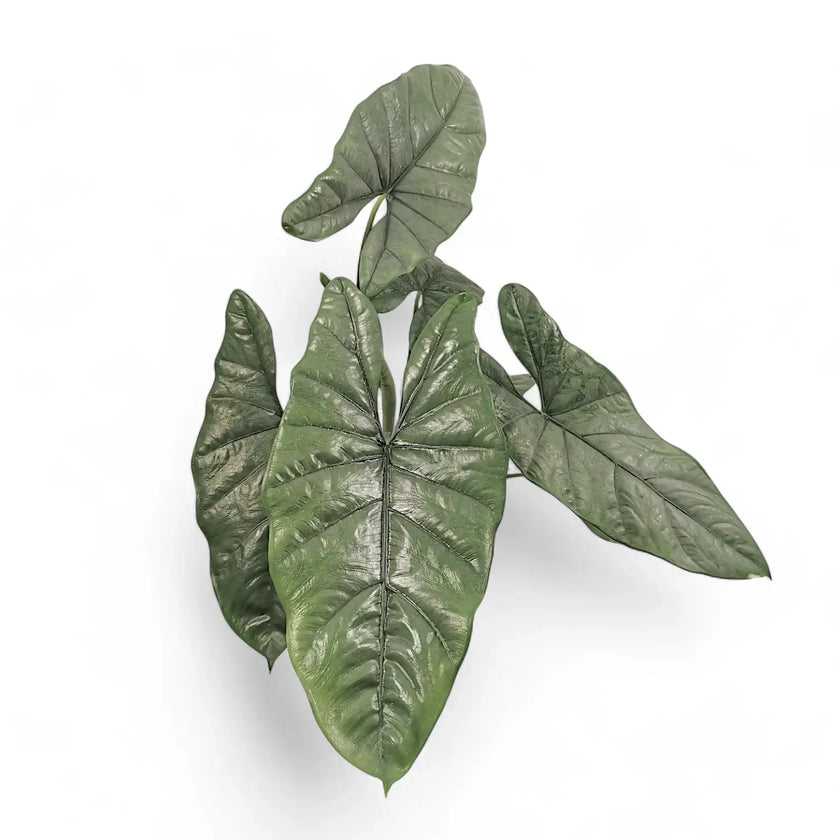
Alocasia heterophyllaSold out
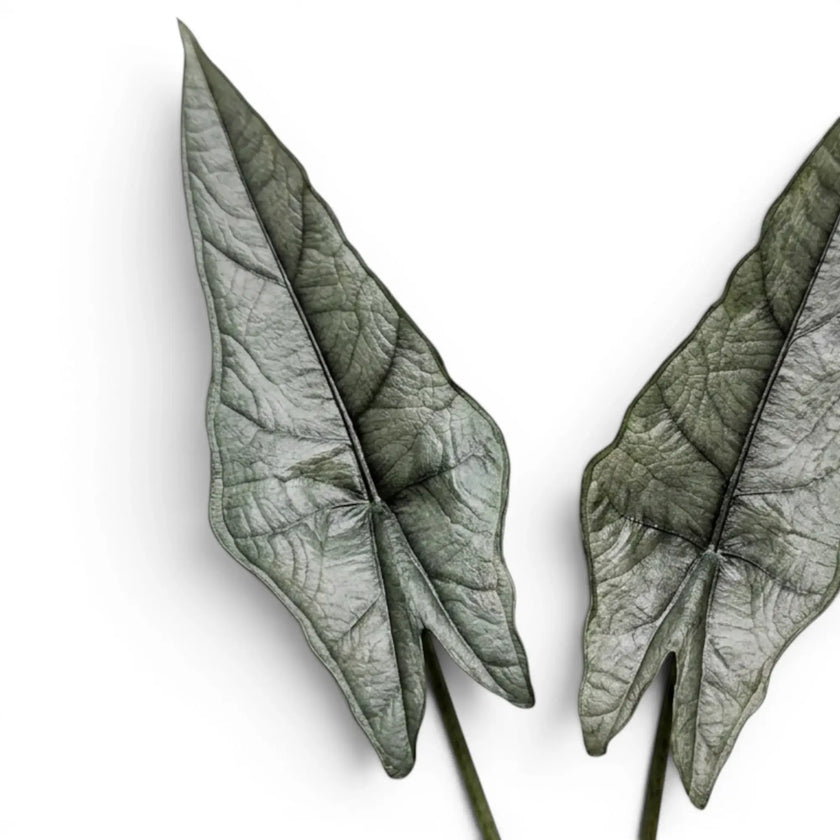
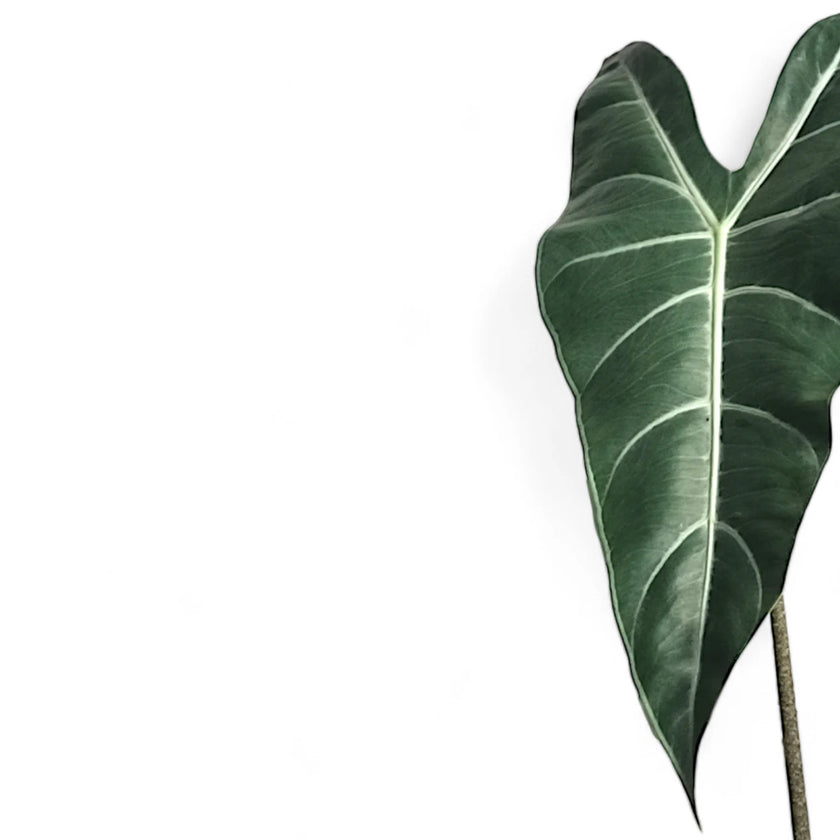
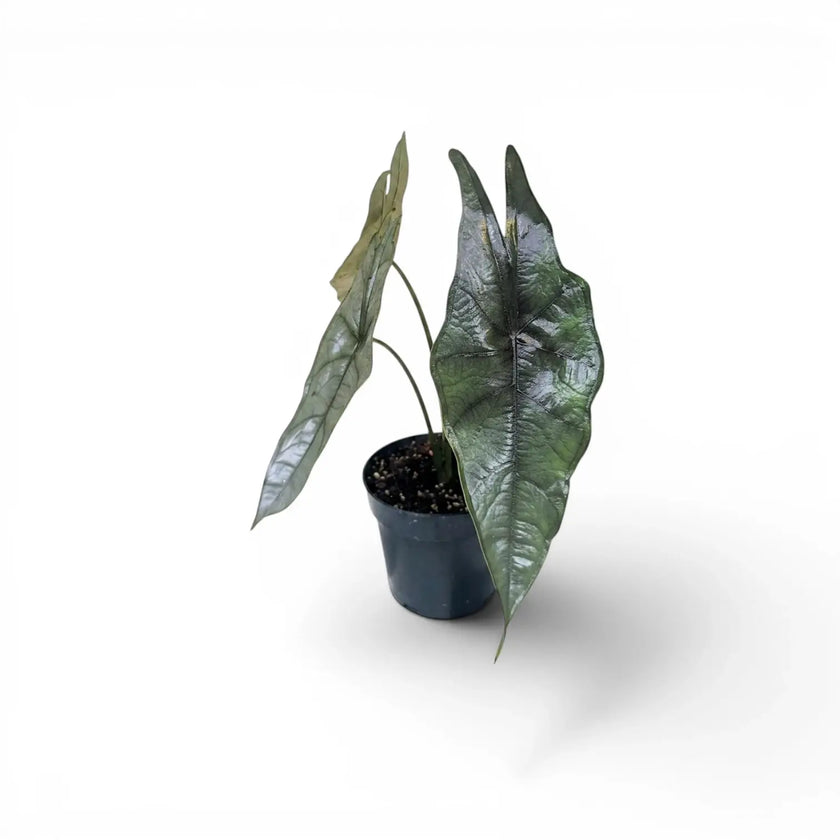
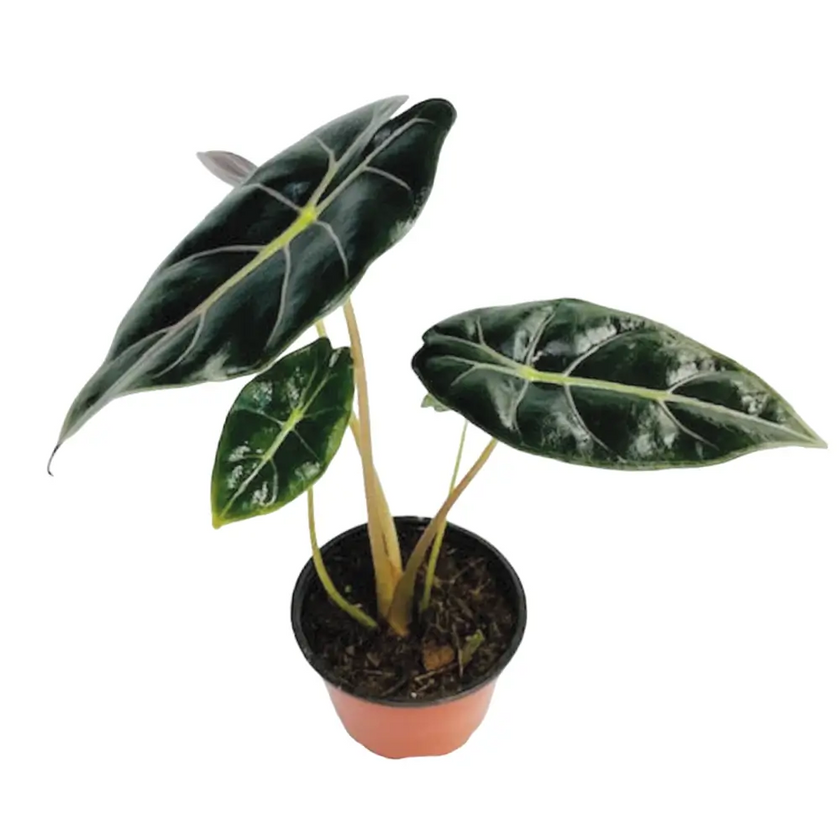
Alocasia longilobaSold out
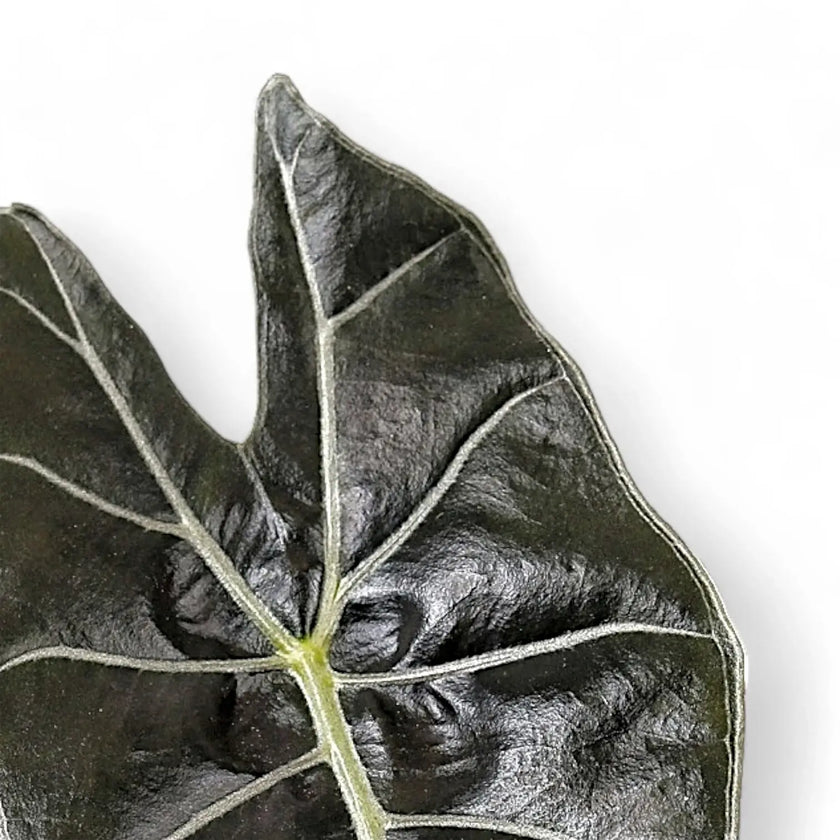
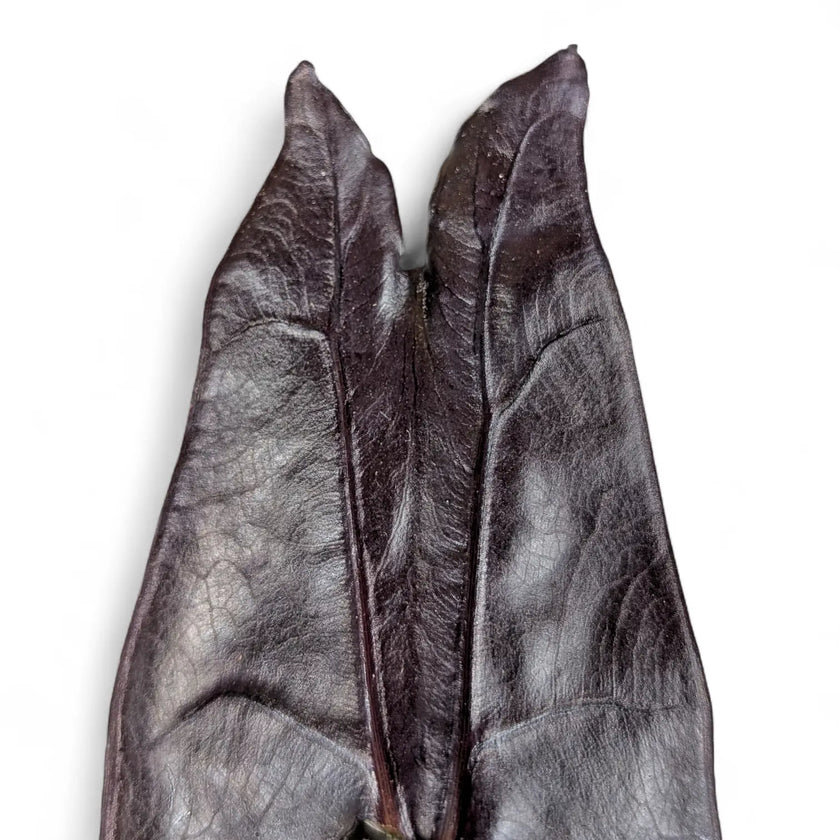
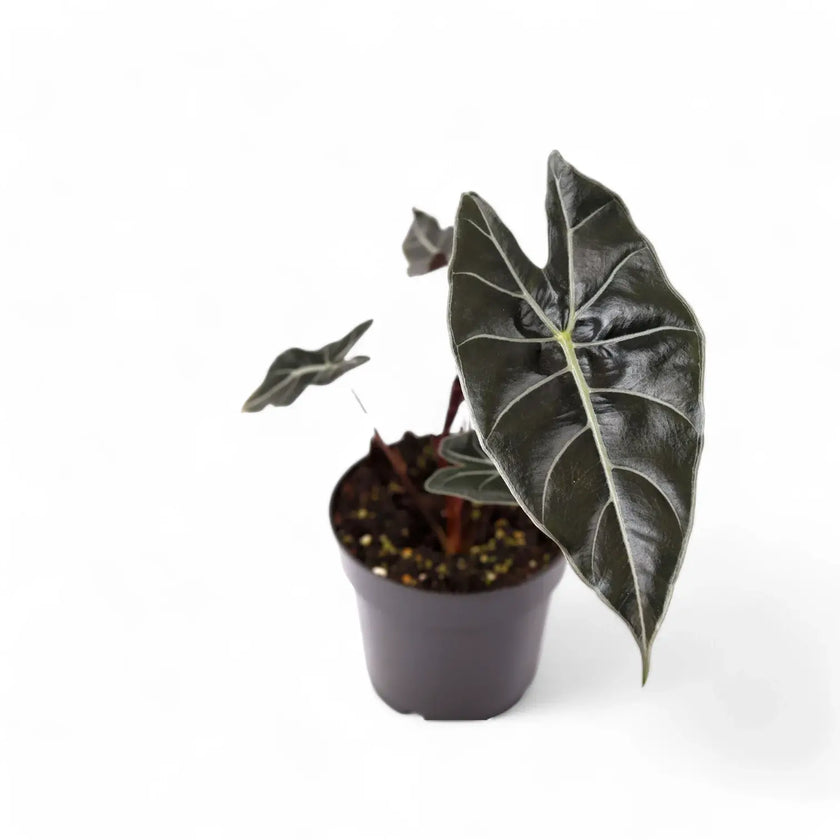
Alocasia longiloba ‘Purple’Sold out
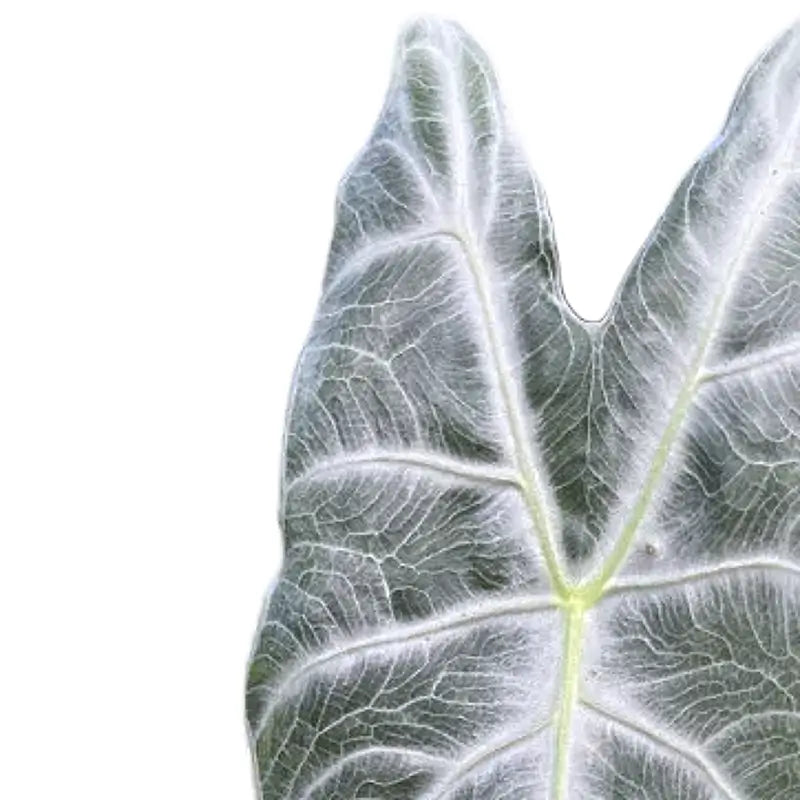
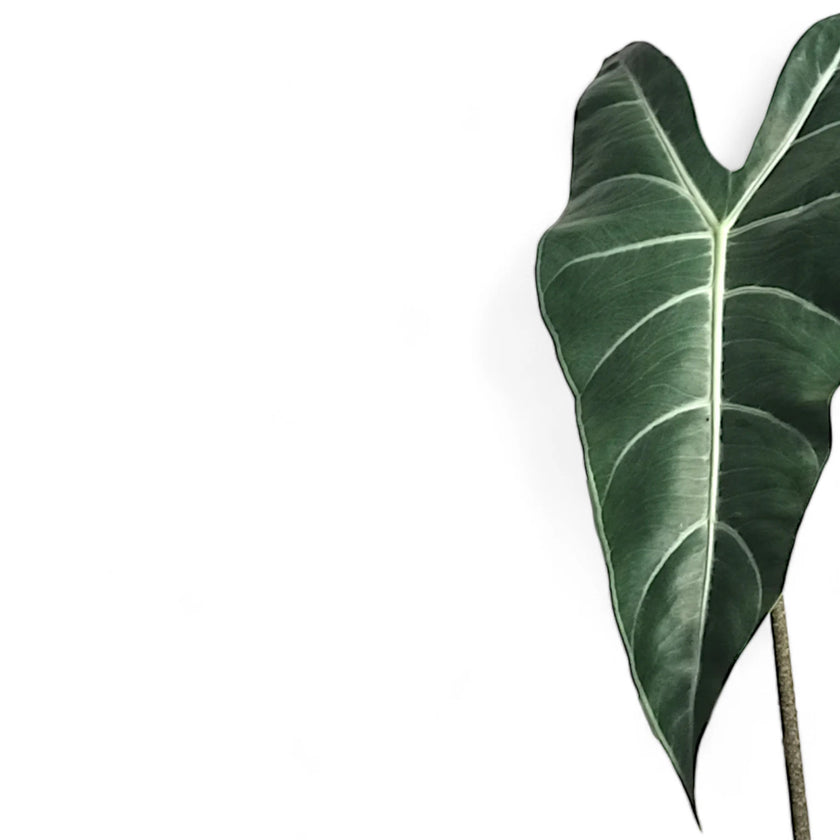
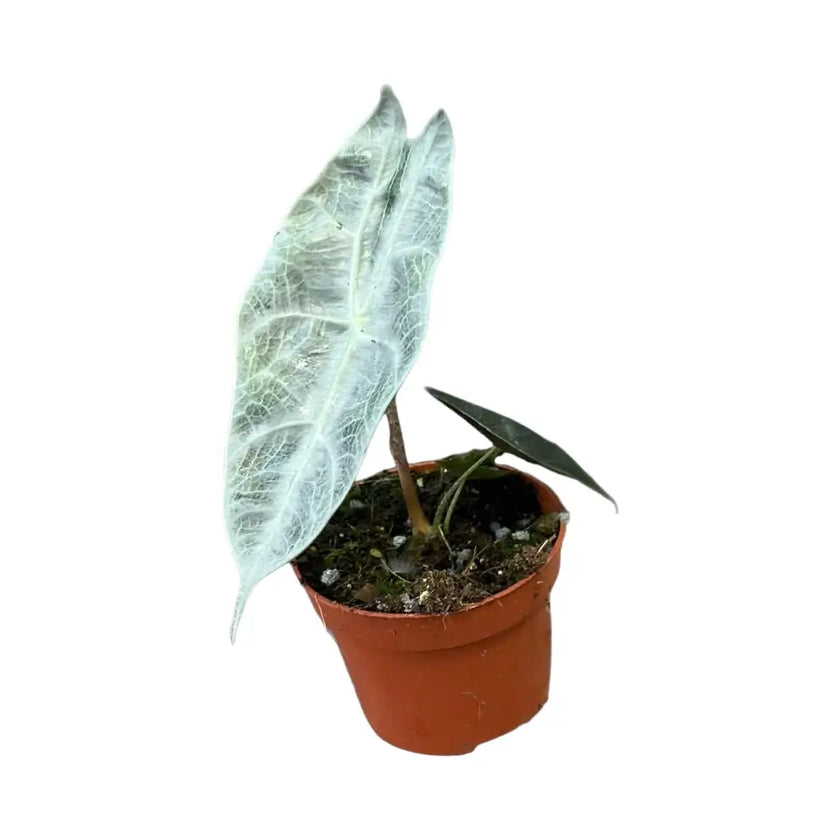
Alocasia longiloba ‘Silver’Sold out

Alocasia longiloba ‘Watsoniana’Sold out
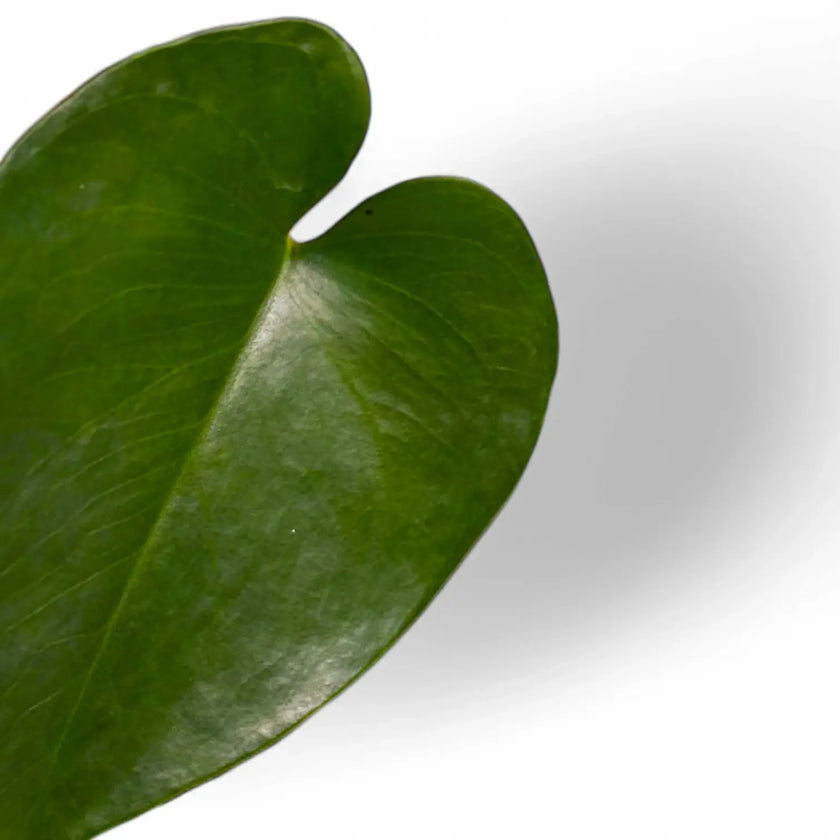
Amydrium humileSold out
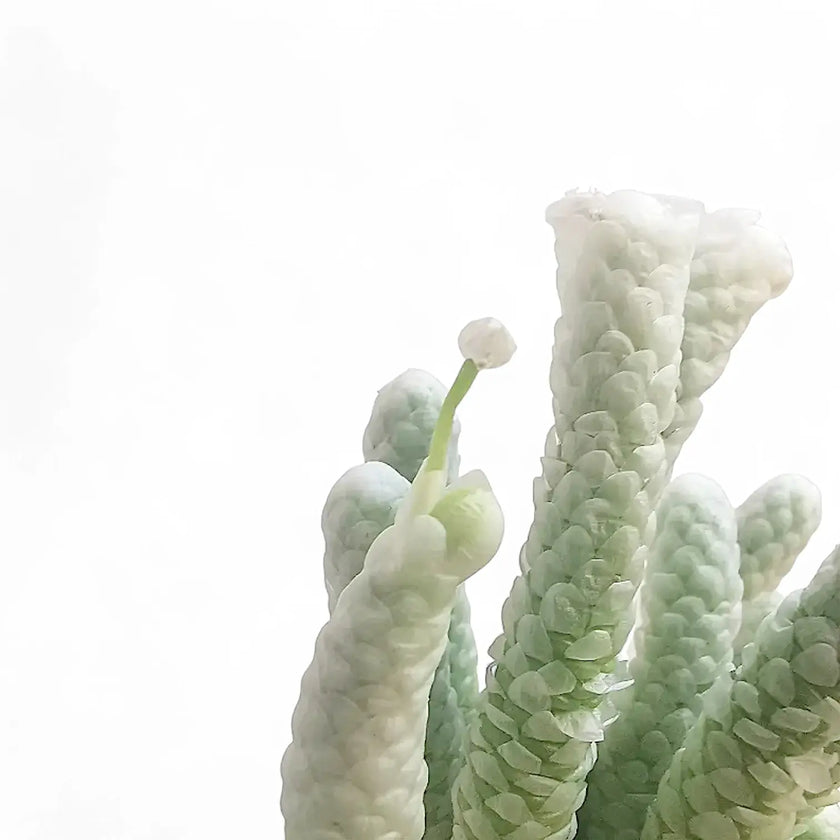
Anacampseros papyraceaSold out
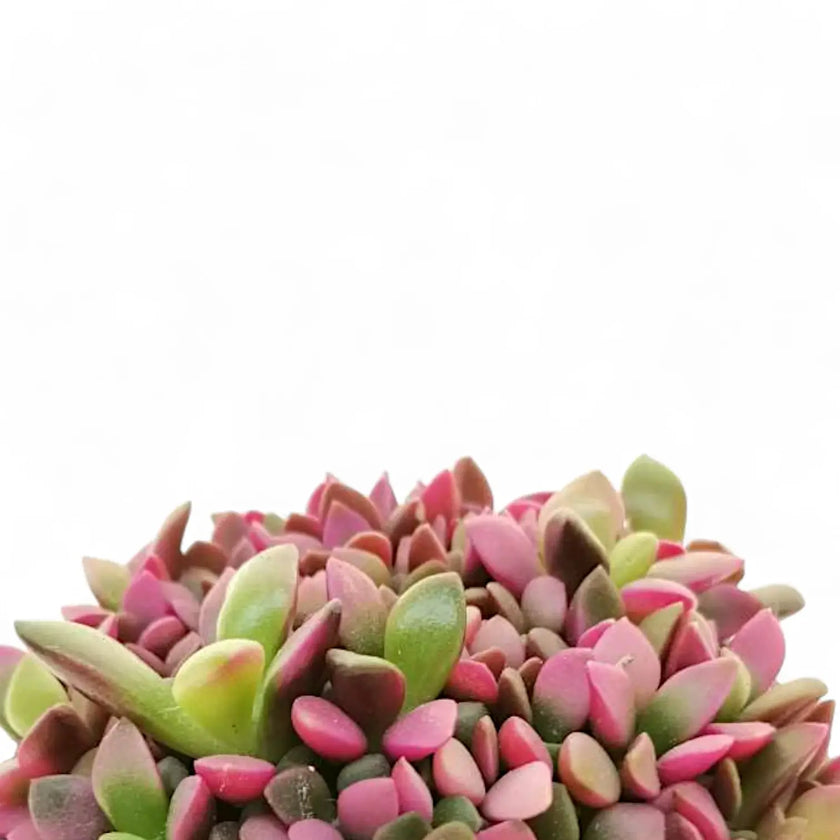

Anoectochilus albolineatusSold out


Anoectochilus brevilabrisSold out

Anoectochilus burmannicusSold out

Anoectochilus lyleiSold out


Anoectochilus sikkimensisSold out

Anthurium arisaemoidesSold out
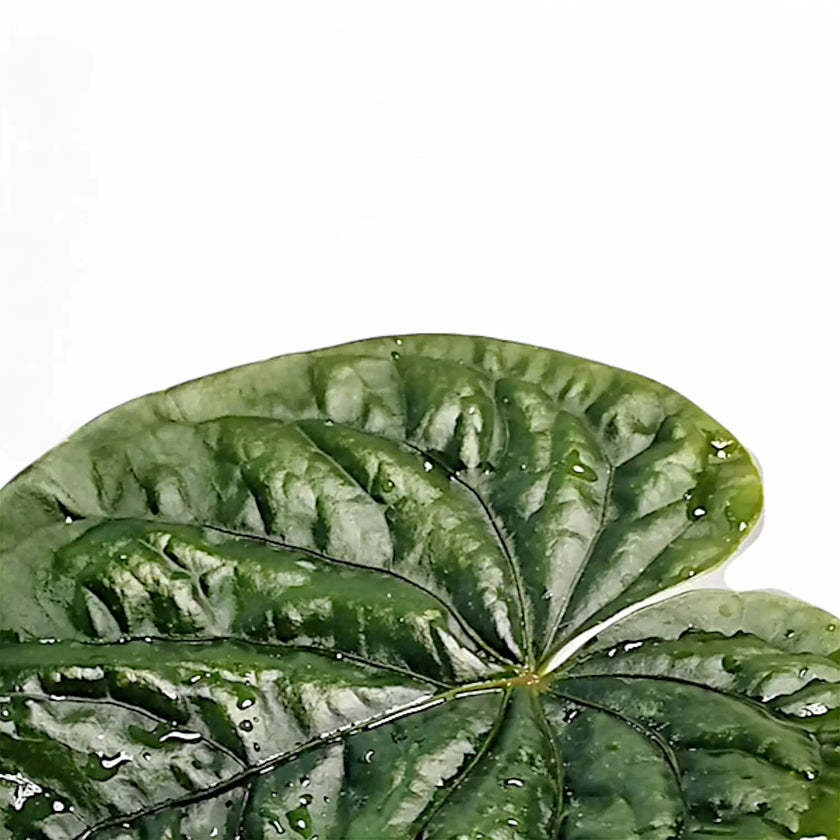
Anthurium debileSold out

Anthurium radicansSold out
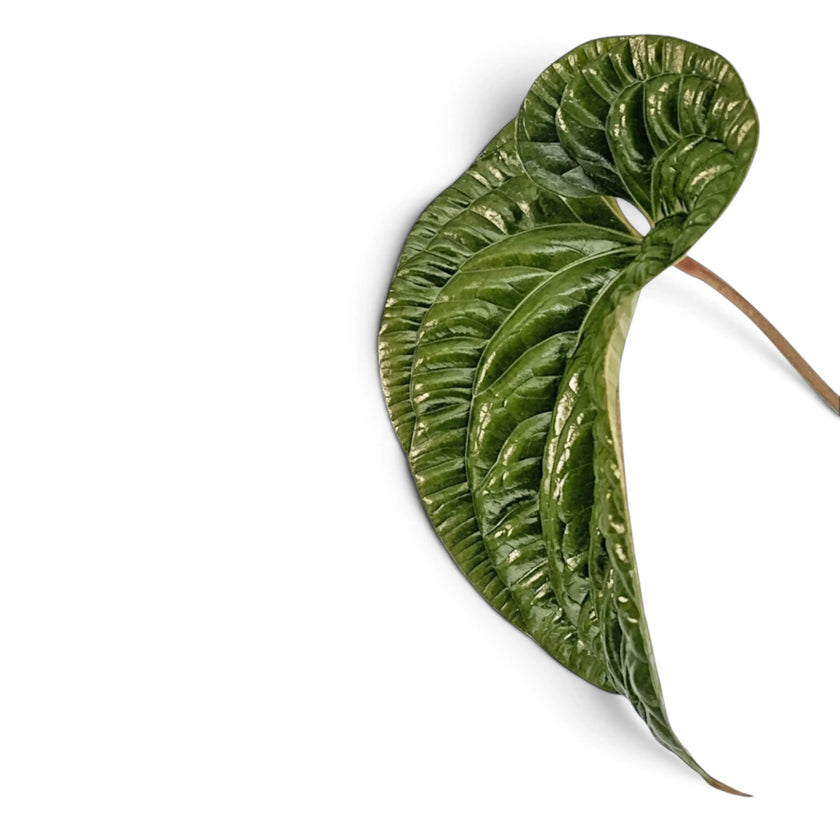
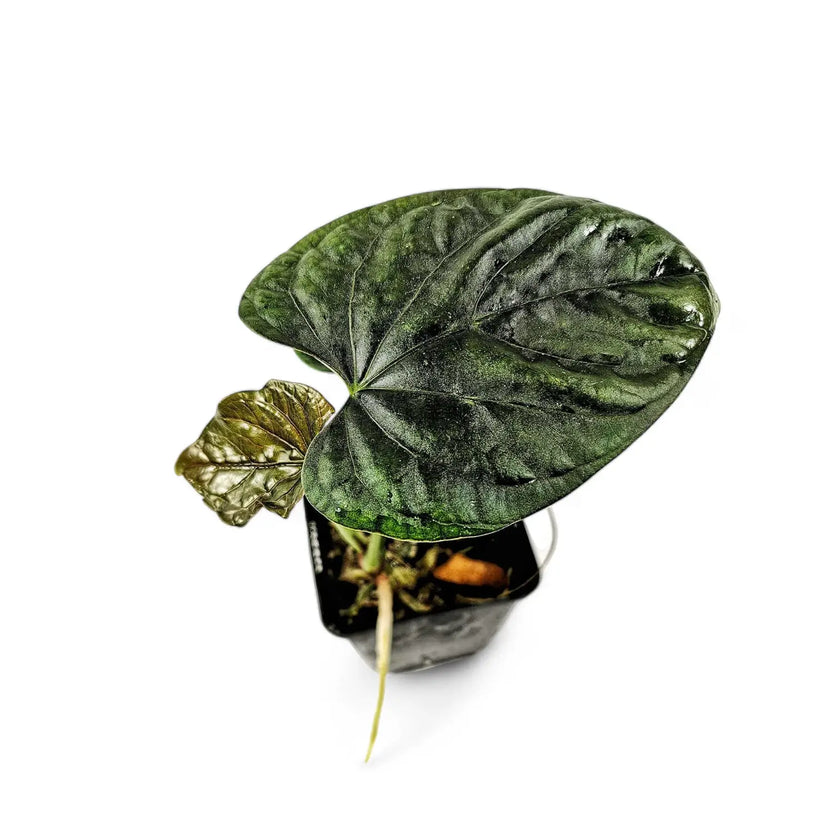
Anthurium radicans x luxurians
Sale priceFrom €16,75
Regular price€28,88

Bau hendrikiiSold out

Bau metallicaSold out

Begonia blancii — mottled formSold out

Begonia bowerae ‘Tiger’Sold out

Begonia bullatifoliaSold out

Begonia burkillii ‘Silver Edge’Sold out

Begonia chingipengiiSold out

Begonia dracopeltaSold out
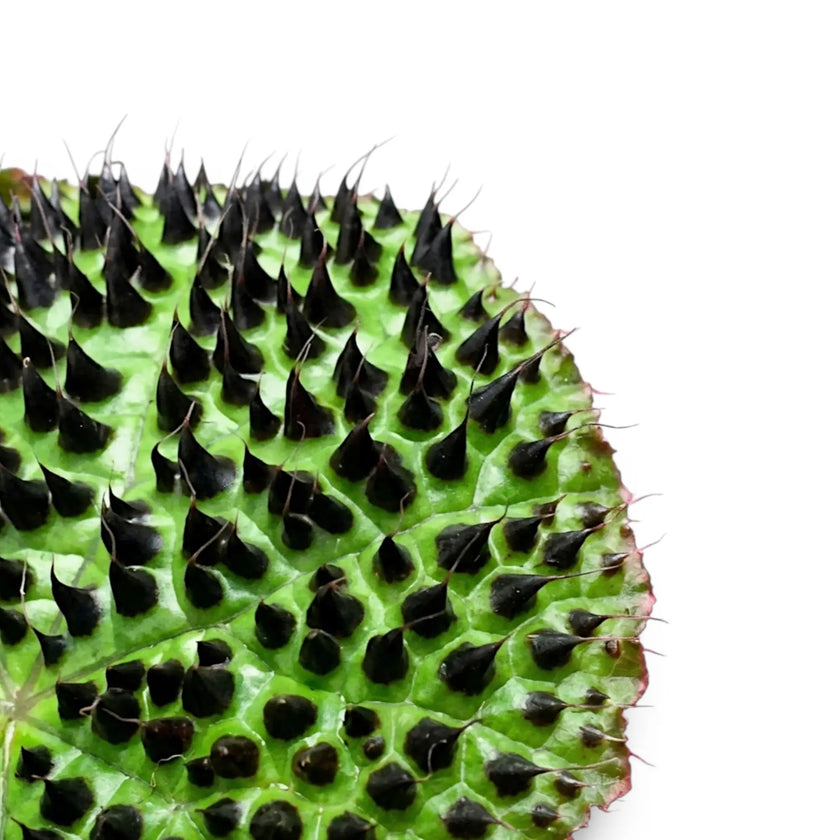
Begonia feroxSold out
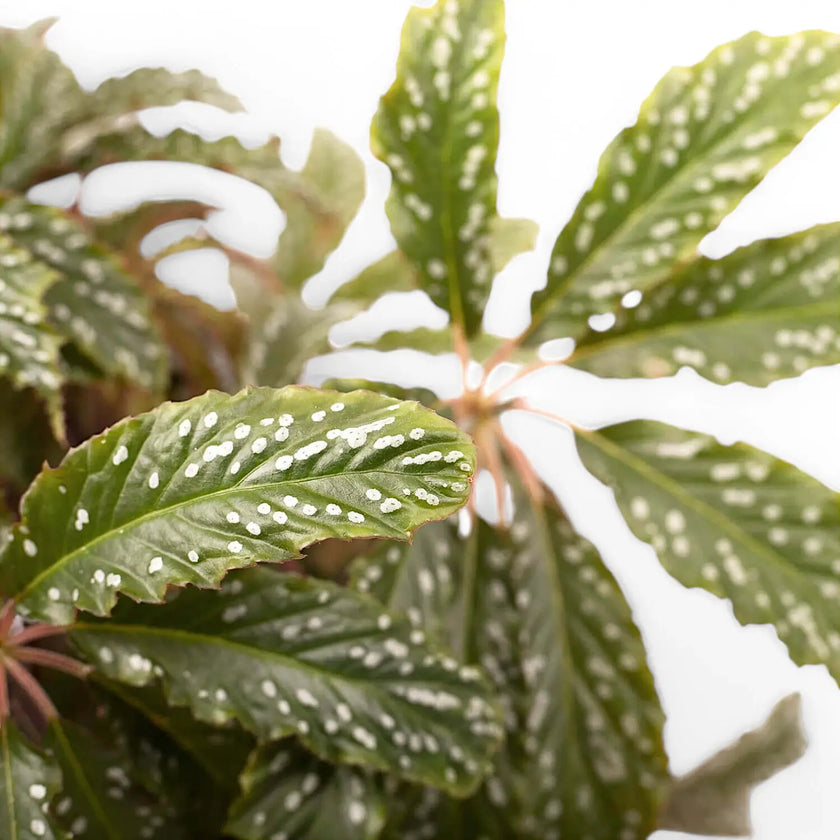
Begonia hemsleyana ‘Silver Dots’Sold out

Begonia kingianaSold out
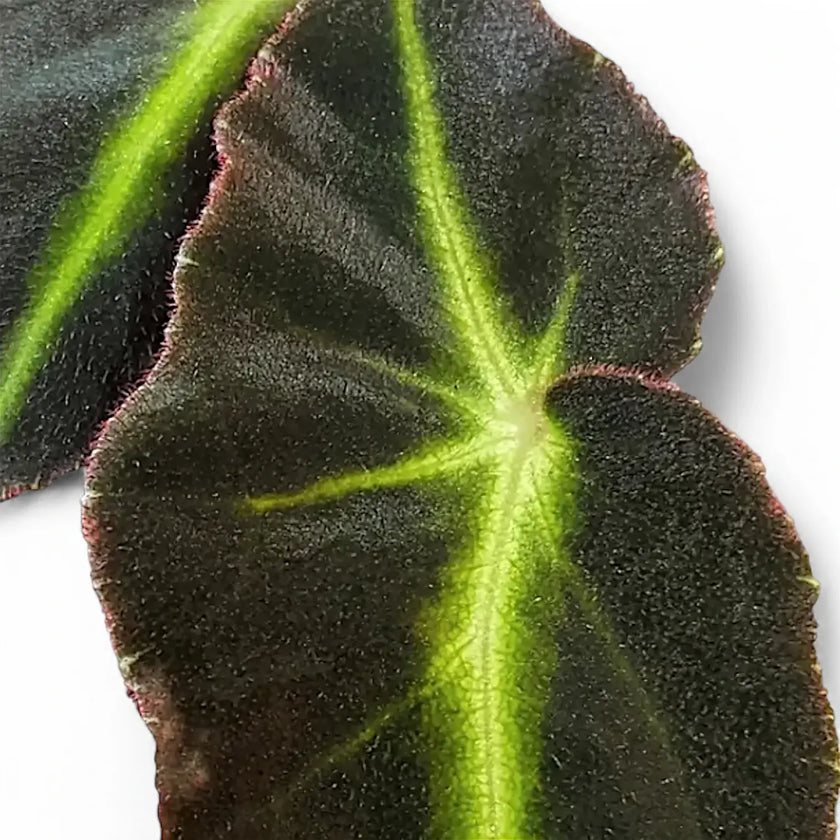
Begonia listadaSold out

Begonia masoniana MountainSold out

Begonia masoniana RockSold out

Begonia masoniana ‘Iron Cross’Sold out

Begonia masoniana ‘Tricolor’Sold out

Begonia melanobullataSold out

Begonia pavoninaSold out
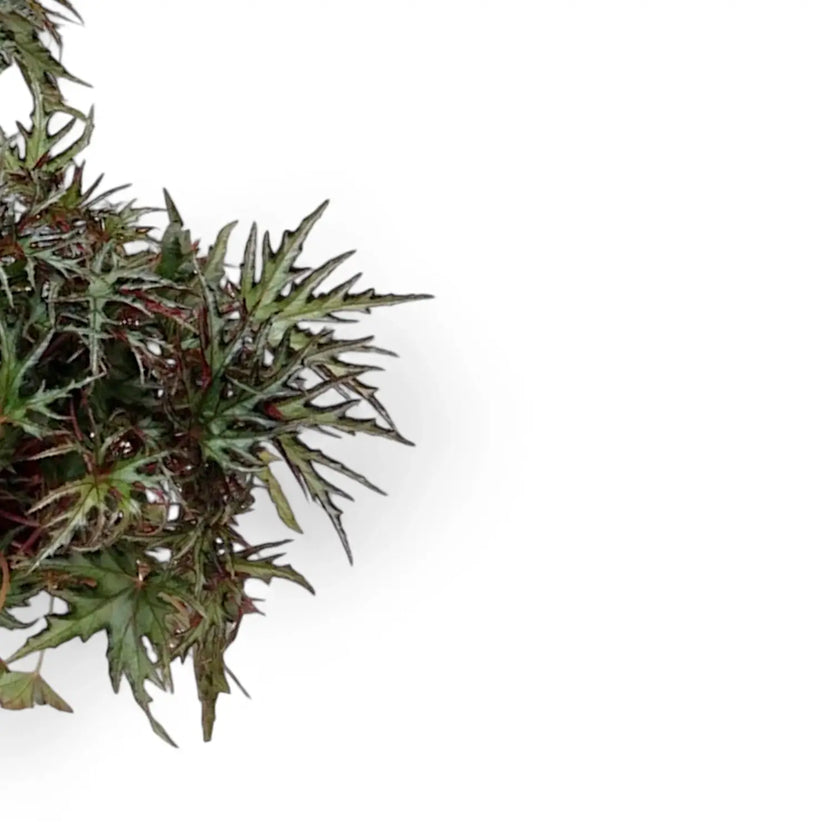

Begonia pustulataSold out
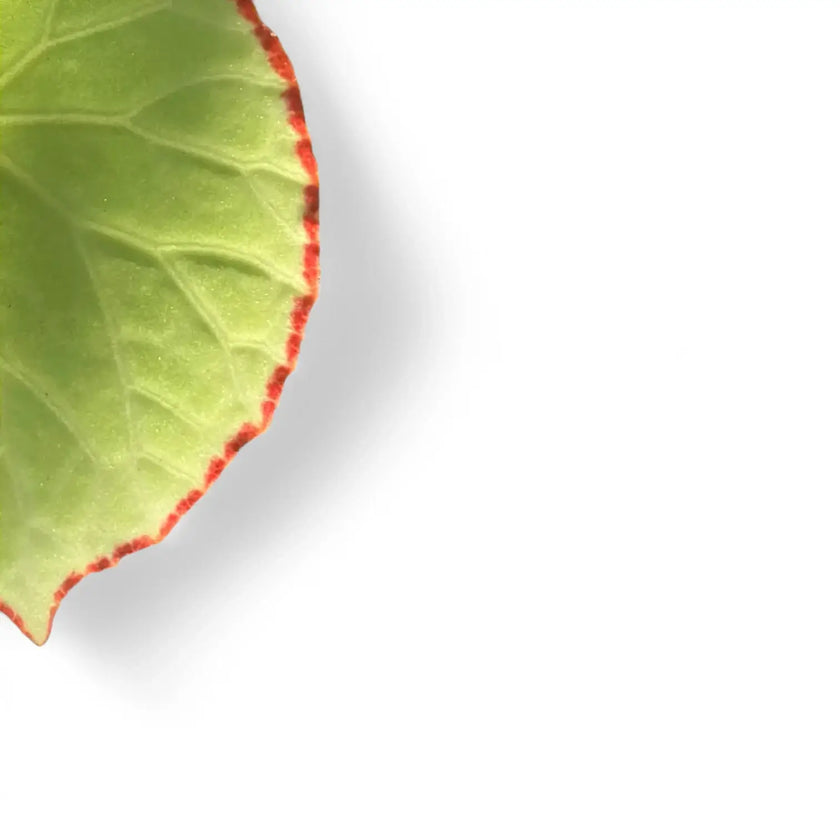
Begonia scapigeraSold out
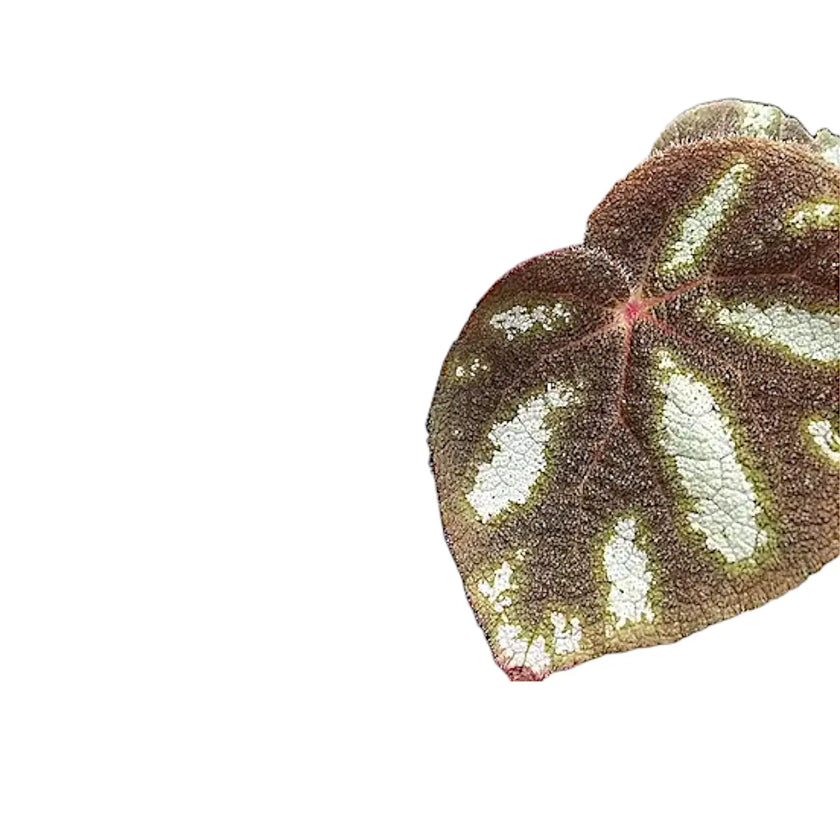
Begonia sp. Ngoc LacSold out
Frequently Asked Questions About Crawling Houseplants


Sign up for Foliage Factory newsletter for early access to new arrivals and practical care tips that work in real homes.