Position
Full sun

Salvia
VAT included · plus
Your outdoor plant has just been packed, transported and unpacked, so give it a calm start before planting or placing it permanently. Remove all packaging carefully, check the pot, stems, visible roots and substrate moisture, and settle any loose growing medium back around the root ball. Water if the root ball feels dry, but do not leave the pot standing in water. For the first few days, keep the plant in a sheltered spot suited to its light needs, away from strong midday sun, heavy wind, frost and heat stress.
Do not move the plant straight into full exposure, especially if it is young, newly flushed, evergreen, recently pruned or greenhouse-grown. Gradually introduce more sun, wind and temperature variation over several days. If cold nights, storms, intense sun or hot dry weather are expected, keep the plant protected until conditions are more stable. Do not fertilize immediately after delivery; let the plant settle first and resume feeding only when it is actively growing and conditions are suitable.
Outdoor plants may arrive in different seasonal stages. Depending on the time of year, your plant may be leafy, flowering, newly sprouting, recently pruned, dormant, partly bare or leafless. Adjust care to what the plant is doing: actively growing plants need closer moisture checks, while dormant plants usually need protection from extremes and only light moisture management until growth resumes.
Plant outdoors when the soil is workable and weather conditions suit the plant type. Avoid planting during frost, heatwaves, waterlogged soil or very dry windy periods. It is better to keep the plant protected in its pot for a short time than to plant into stressful conditions. After planting, water thoroughly so the root ball and surrounding soil connect properly, then monitor moisture while the plant establishes.
Secure shipping, carefully packed orders with safe delivery across the EU, UK and Switzerland.
28-day plant guarantee, if a plant arrives damaged or fails soon after delivery, we help you make it right.
Free returns, simple, cost-free returns according to our policy.
For full details, please see:
Please head to our FAQ Page or Contact us.
Evergreen shrub herb
Position
Full sun
Moisture
Dry to average
Drainage
Free-draining
Hardiness
Hardy with shelter · -8°C
Mature size
60–120 × 60–120 cm
Winter habit
Evergreen
Bloom time
Spring, Summer, Autumn
Containers
Good in pots
Pruning
After flowering, Spring
Dry rocky slopes and coastal scrub around the Mediterranean basin.
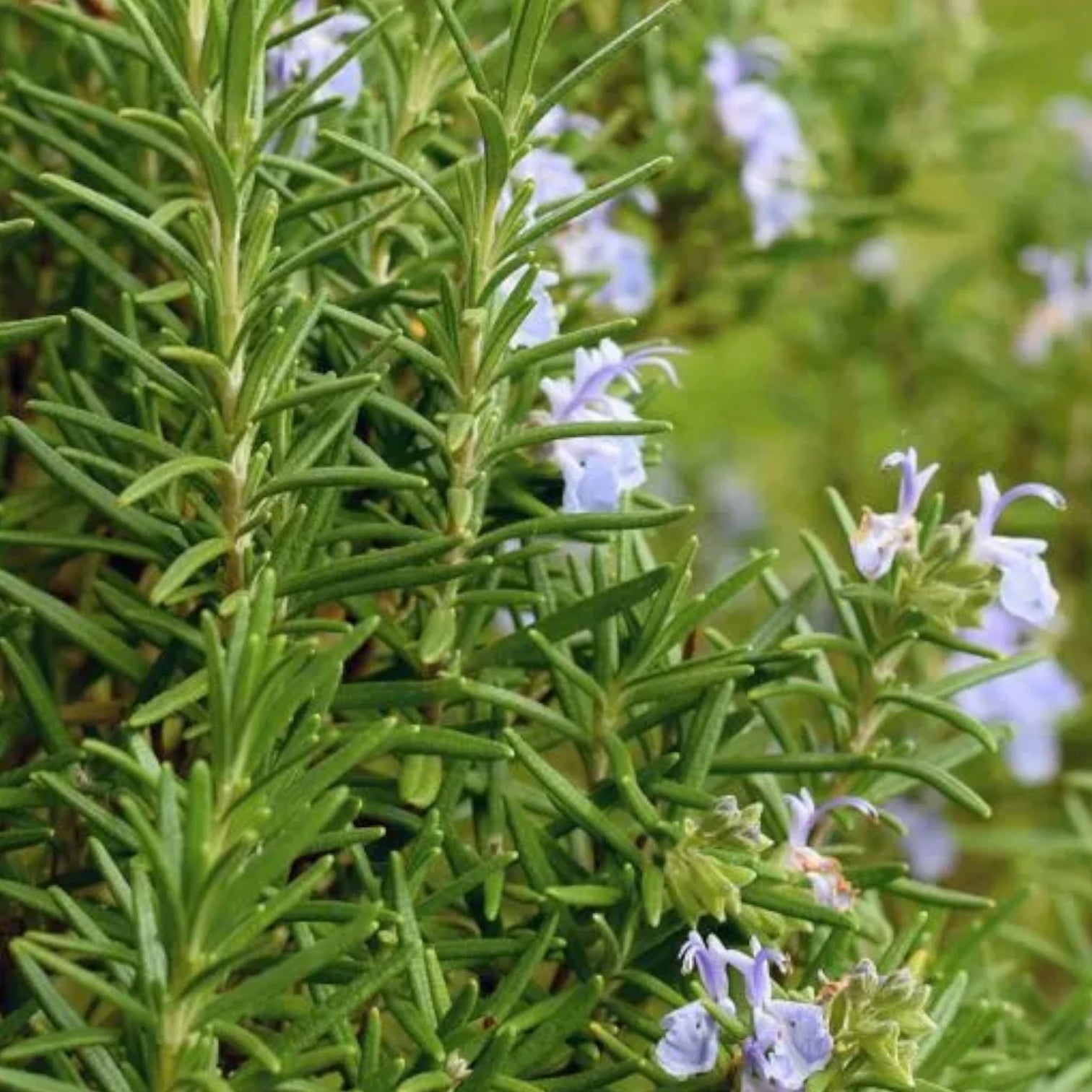
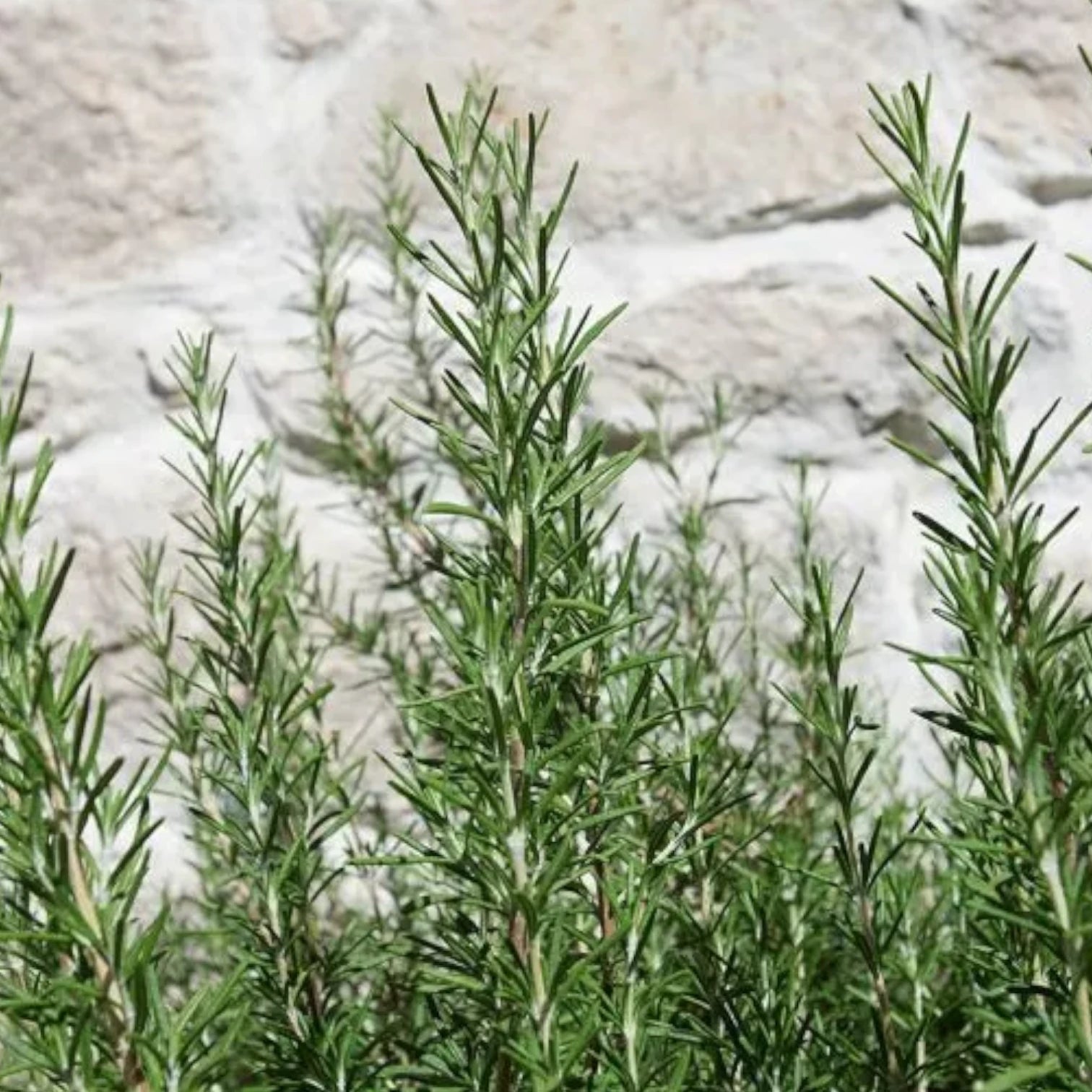
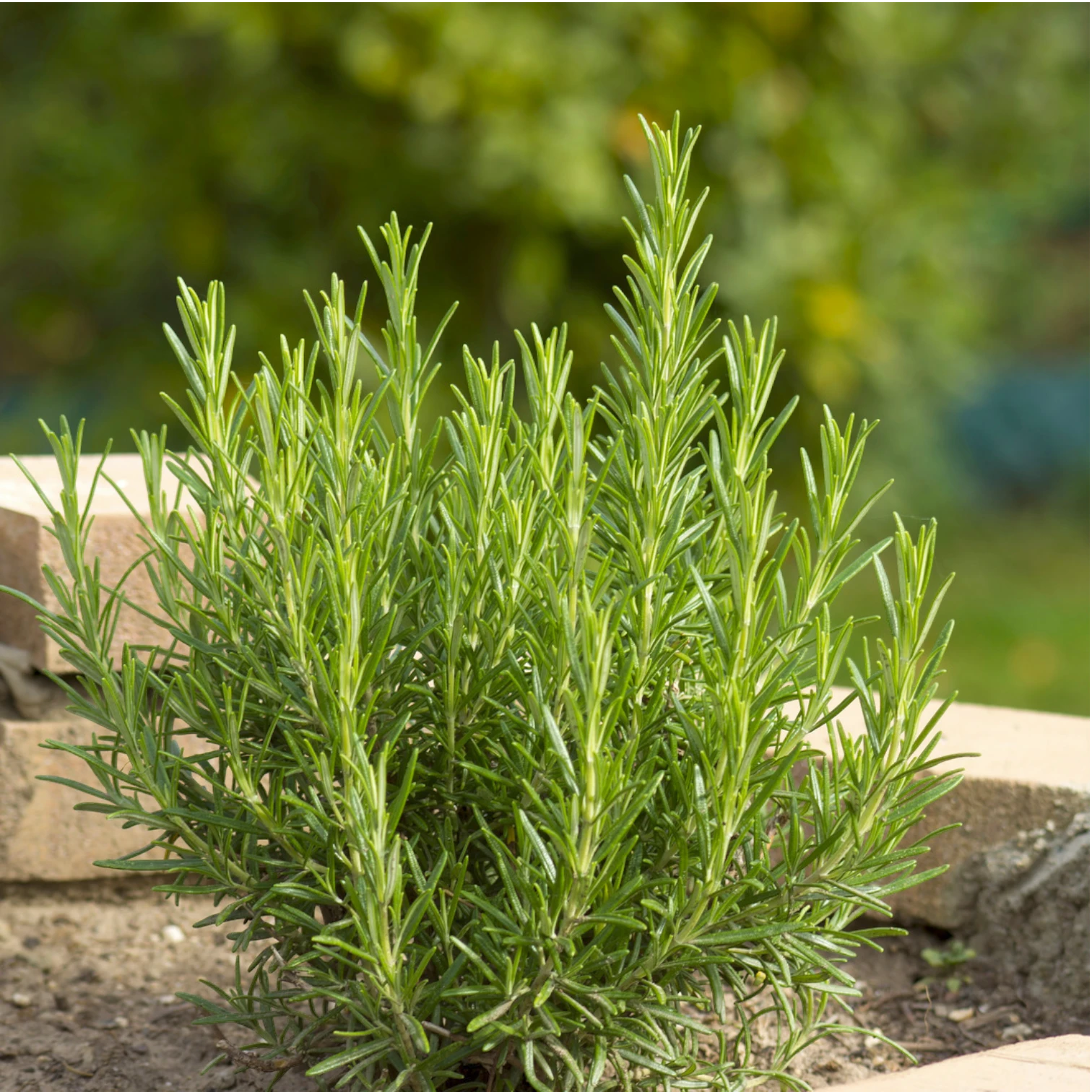
Salvia rosmarinus, still widely known by the synonym Rosmarinus officinalis, is rosemary: a woody evergreen herb with narrow aromatic leaves and pale blue flowers. It brings useful winter structure, kitchen value and a Mediterranean feel to outdoor planting. In a sheltered sunny position, rosemary can become a long-lived shrub with textured stems, resinous foliage and seasonal flowers that attract visiting insects during mild periods.
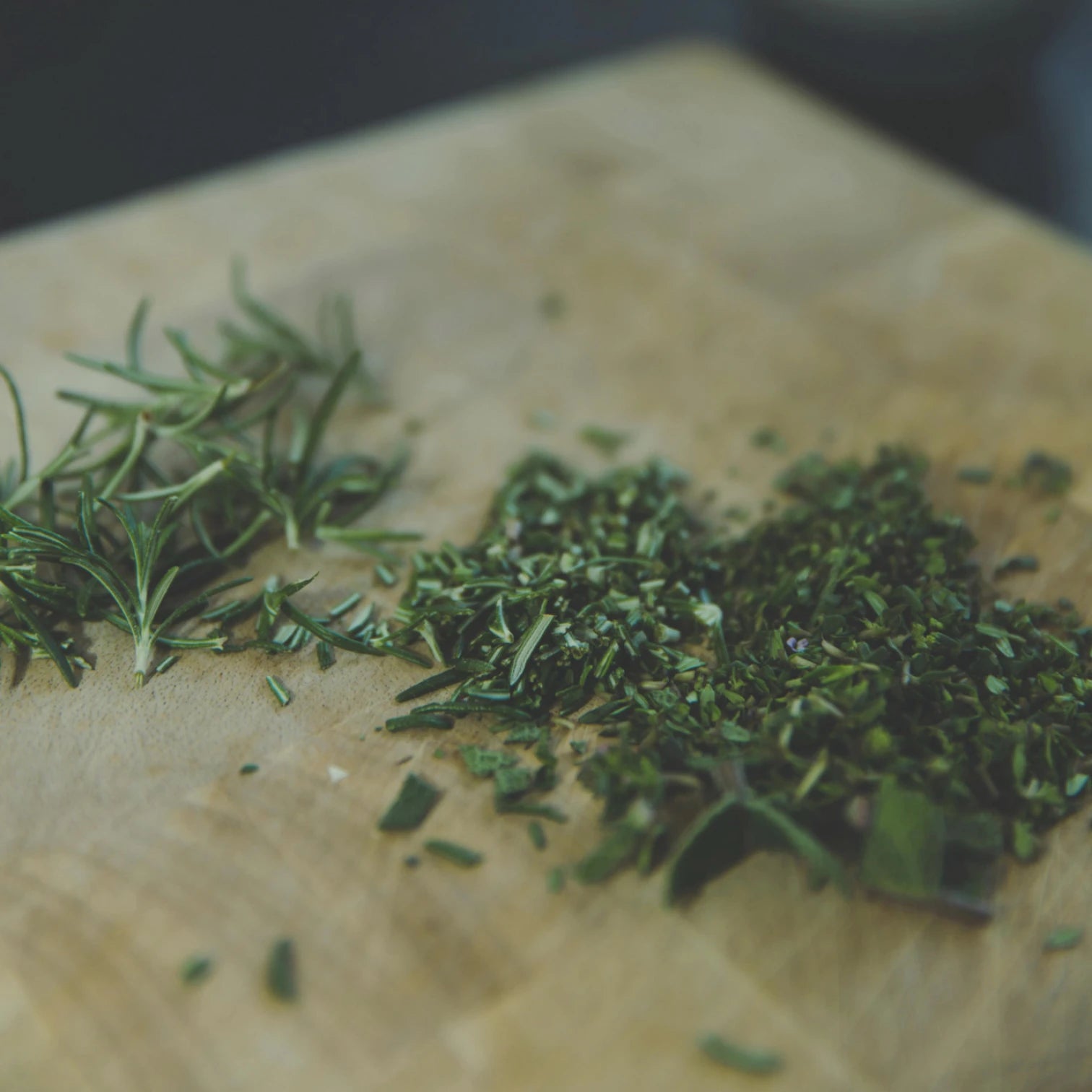
Use Salvia rosmarinus in raised herb beds, sunny terraces, gravel-style borders, terracotta pots and warm courtyard planting. Its evergreen outline stays useful when herbaceous perennials have died back. The leaves can be picked in small amounts through much of the year, and the plant’s scent is strongest in warm sun. It is especially good where a pot or border needs a plant with visible structure in every season.
In open ground, Salvia rosmarinus often settles somewhere around 60 to 120 cm in both height and spread, depending on exposure, pruning, and winter conditions. Young plants are compact and leafy, then gradually develop woody stems and a broader shrub outline. Growth is moderate, especially in cooler climates. In open ground with shelter and drainage, rosemary can become a substantial herb shrub. In exposed cold gardens, growth is slower and winter damage may limit size.
Container culture typically limits size and slows build compared with planting out. Rosemary is very suitable for pots when the container supports both drainage and root volume. Choose a pot with strong drainage holes and enough depth for a woody root system. A mineral-rich peat-free mix helps water move through quickly. In a container, expect a more compact shrub that still needs occasional repotting, surface refreshment and careful winter placement away from severe wet and cold wind.
Full sun is essential for dense growth, strong aroma and steady ripening of stems. A warm, sheltered position is especially valuable in cool or wet regions. Rosemary needs well-drained soil and performs best when roots are kept out of cold, wet conditions for long periods. Chalk, loam and sand all suit it when structure is open. Neutral to alkaline soils are a natural fit, with good drainage carrying the main role.
In open ground, established rosemary handles dry spells well. In containers, the limited root volume dries faster in summer and stays colder in winter, so watering should follow the pot condition and the weather. Soak thoroughly when needed, then let the upper layer dry again. In winter, keep the mix barely moist and well aerated.
Pruning is light and regular. Tip-prune soft new growth after flowering or during harvest to keep the plant bushy. Keep cuts above green leafy wood, because old bare rosemary wood is slow to reshoot. A steady pattern of small harvests keeps the outline leafy and balanced. If a branch is damaged by cold, wait until spring growth starts, then cut back to healthy green tissue.
Do the main tidy after flowering or in mild spring weather once hard frost risk has eased. Remove dead tips, shorten flexible shoots and shape the outline gradually. In pots, rotate the container occasionally so growth stays even. Repot when roots fill the container or when watering runs straight through before the root ball has absorbed moisture. A fresh gritty mix improves oxygen around the roots and supports new growth.
Salvia rosmarinus is hardy with shelter in many gardens, while potted plants experience colder roots in winter. A wall, porch, cold frame or sheltered terrace can make a large difference during wet windy winter periods. The plant is best kept outside where air is bright and cool, with short protection during harsh spells. Indoors, low light and warm dry air can weaken growth over time.
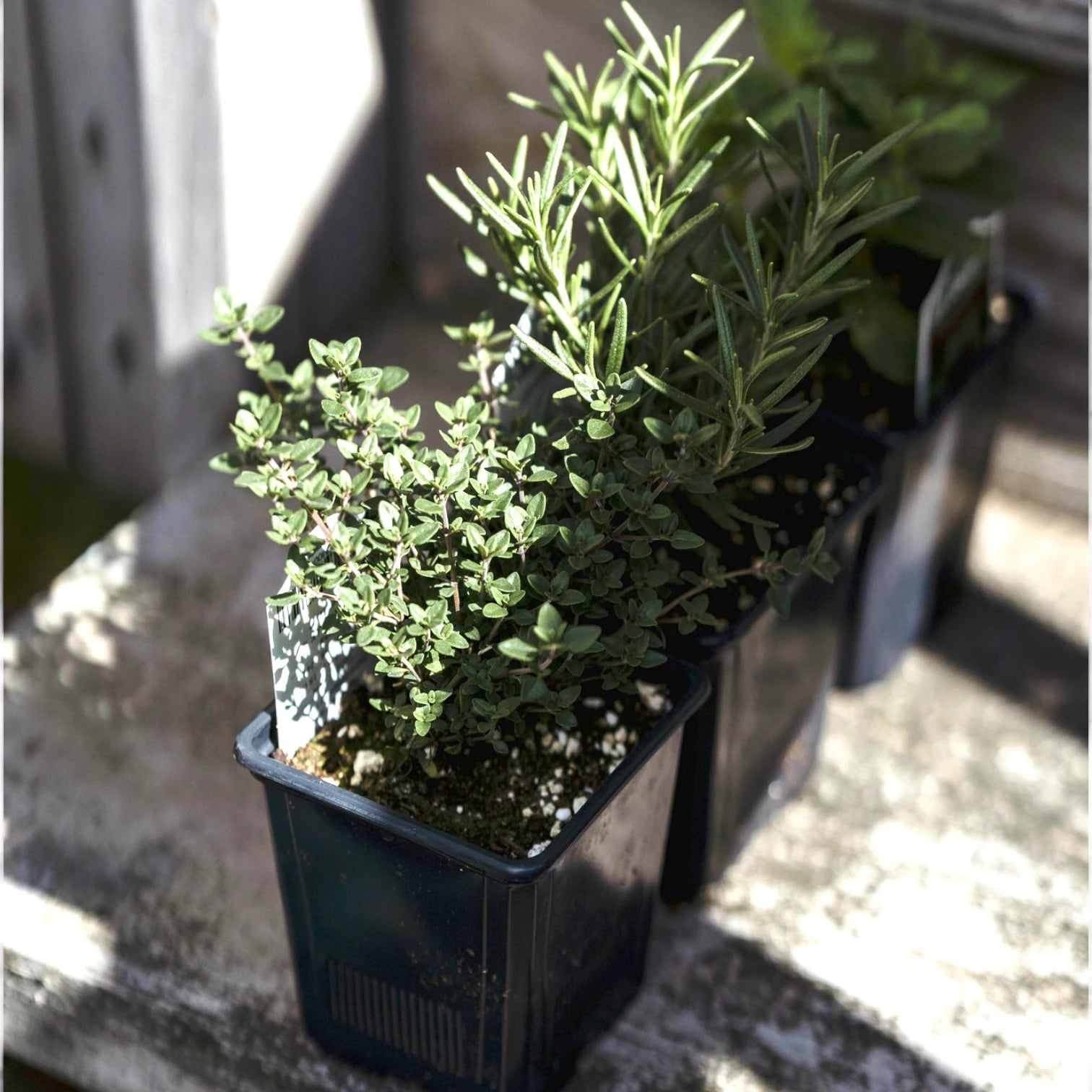
Choose Salvia rosmarinus when you want an evergreen herb that gives shape, scent and harvest from one plant. It works beautifully with thyme, oregano, sage, lavender and drought-tolerant perennials. Give it full sun, sharp drainage and gentle pruning above green wood, and it becomes a durable anchor for outdoor pots and herb beds. Add Salvia rosmarinus to sunny planting when year-round structure and aromatic leaves are central to the display.
A rosemary pot is easiest to manage when it has weight, drainage and winter shelter. Terracotta, stone-look planters or sturdy recycled containers all work when water can leave freely. Position the pot in full sun through the growing season. In winter, move the container near a bright wall, under an overhang or into a cold protected spot during harsh wet spells. The aim is cool, bright protection around the root ball while keeping air moving around the foliage.
Harvesting and pruning can happen together. Take short leafy tips for cooking and use that picking to shape the plant gradually. Keep every cut in green growth, because old bare wood is slow to respond. If the plant becomes one-sided, rotate the pot through the season. If water runs straight down the sides before wetting the root ball, soak more slowly or repot into fresh open mix.
Choose options
Sign up for Foliage Factory newsletter for early access to new arrivals and practical care tips that work in real homes.