









Filters

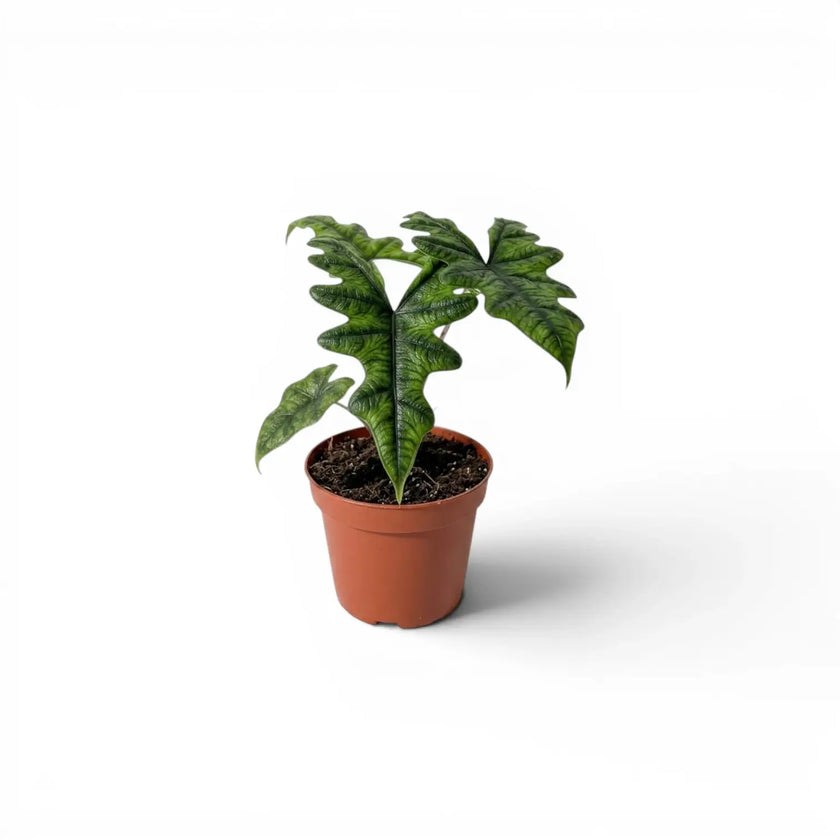
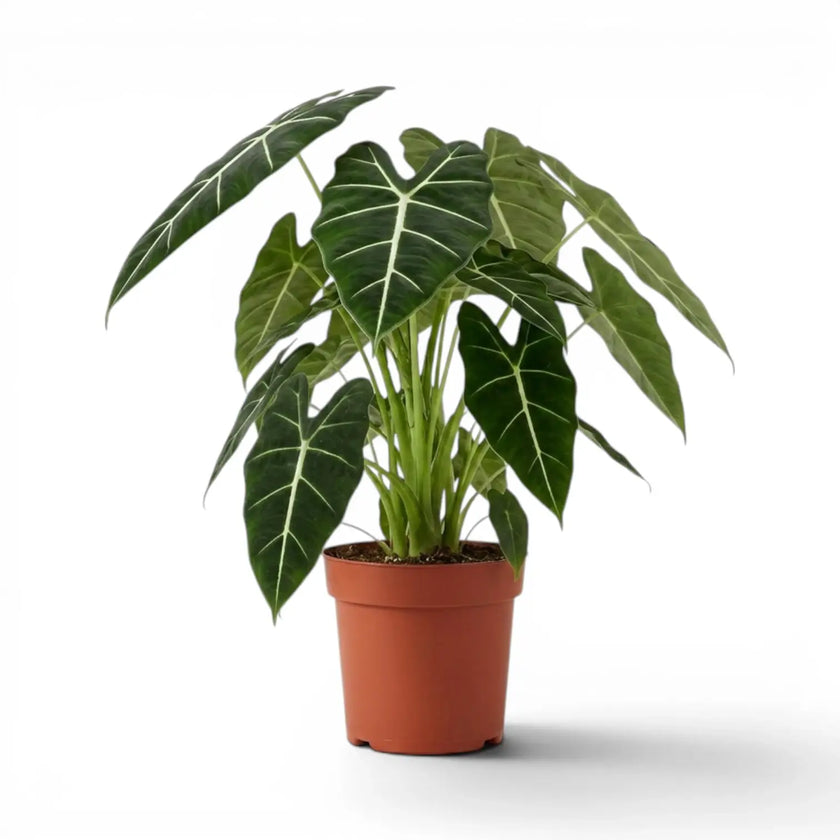
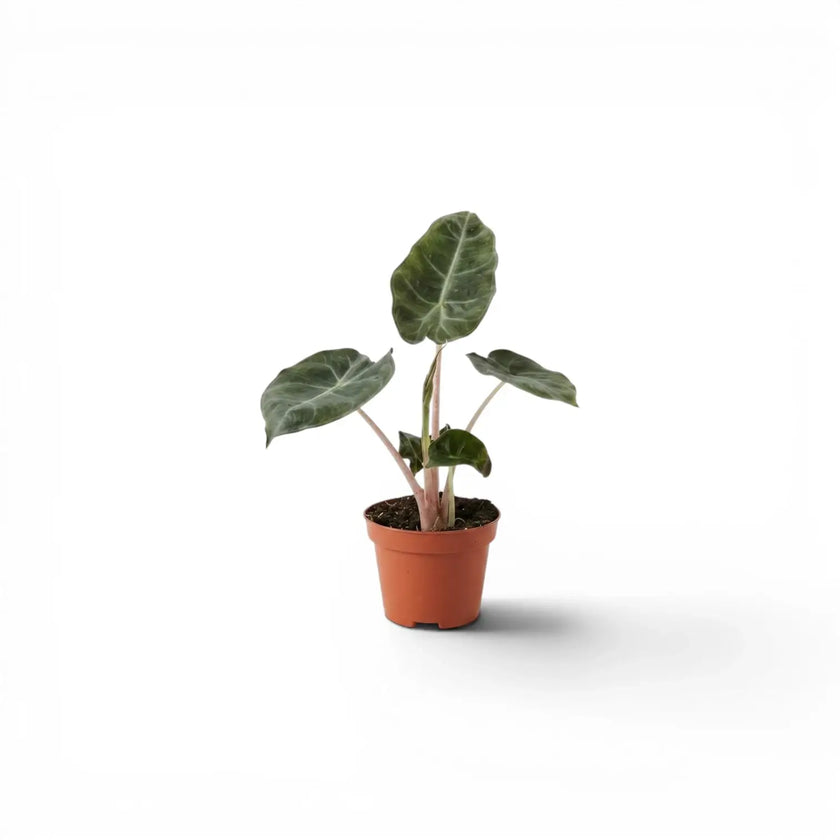
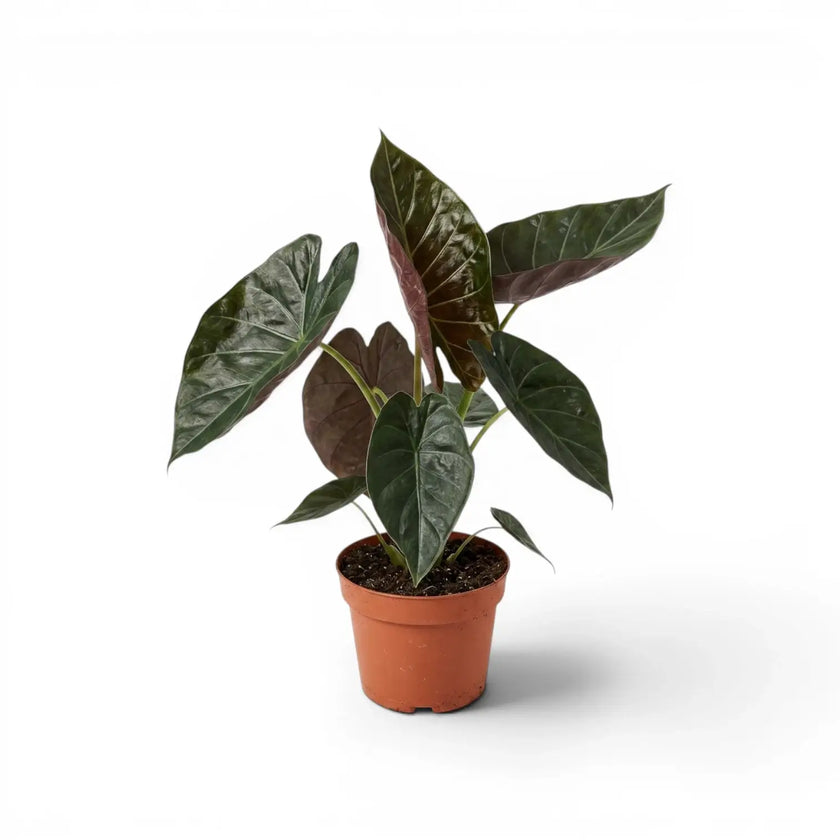
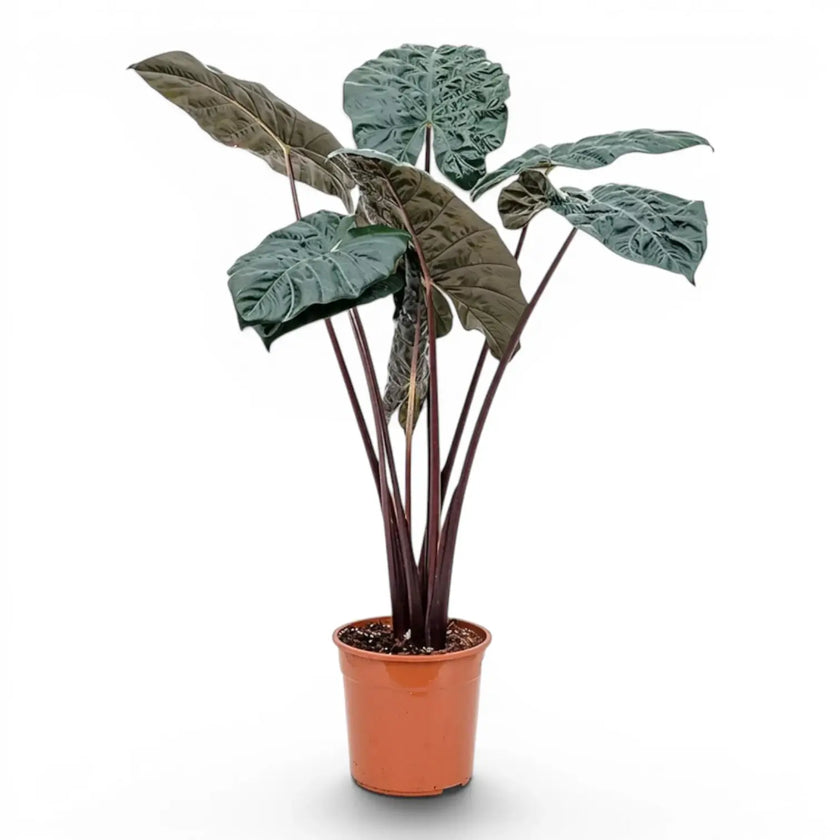
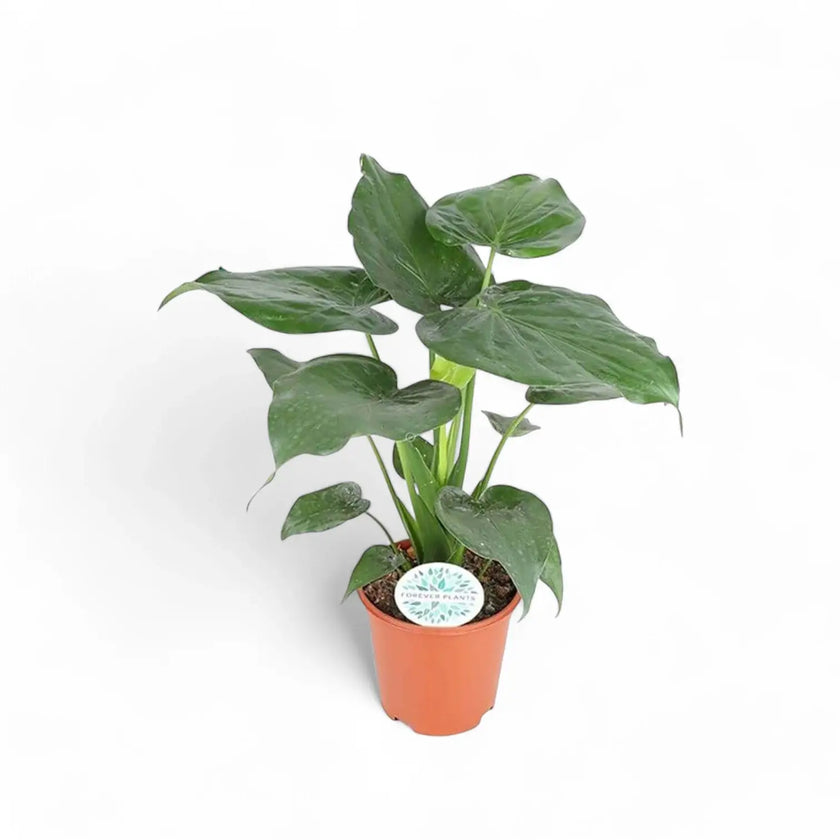
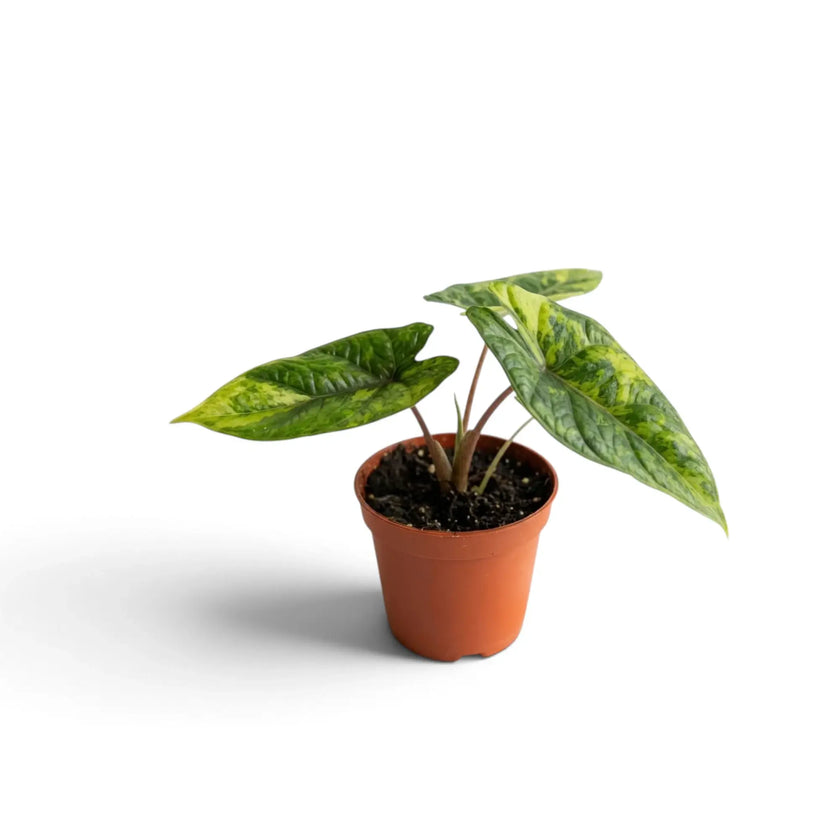
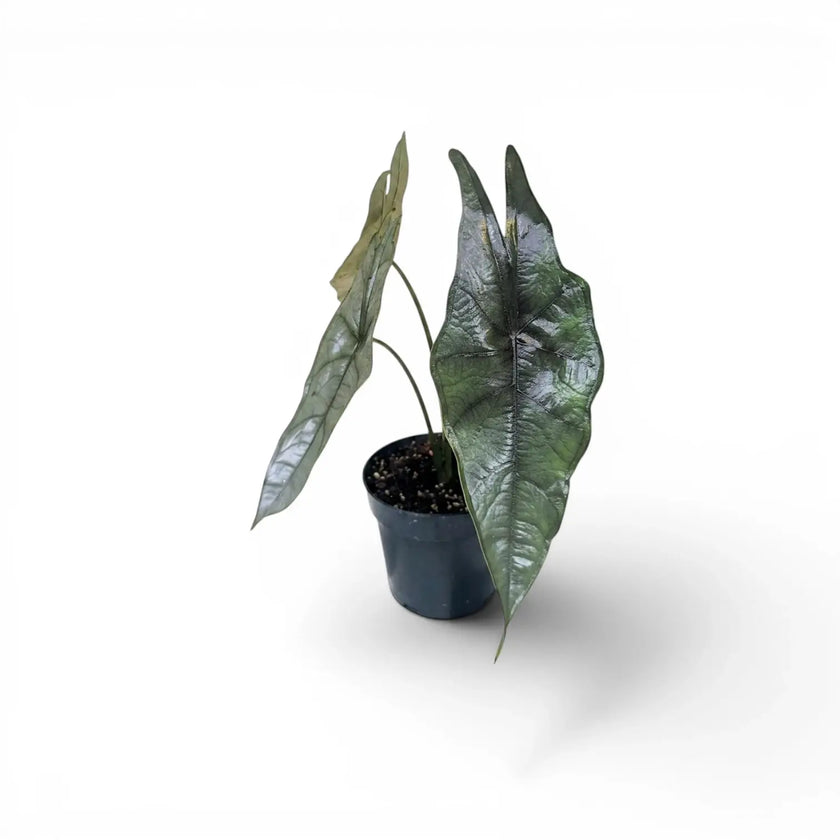
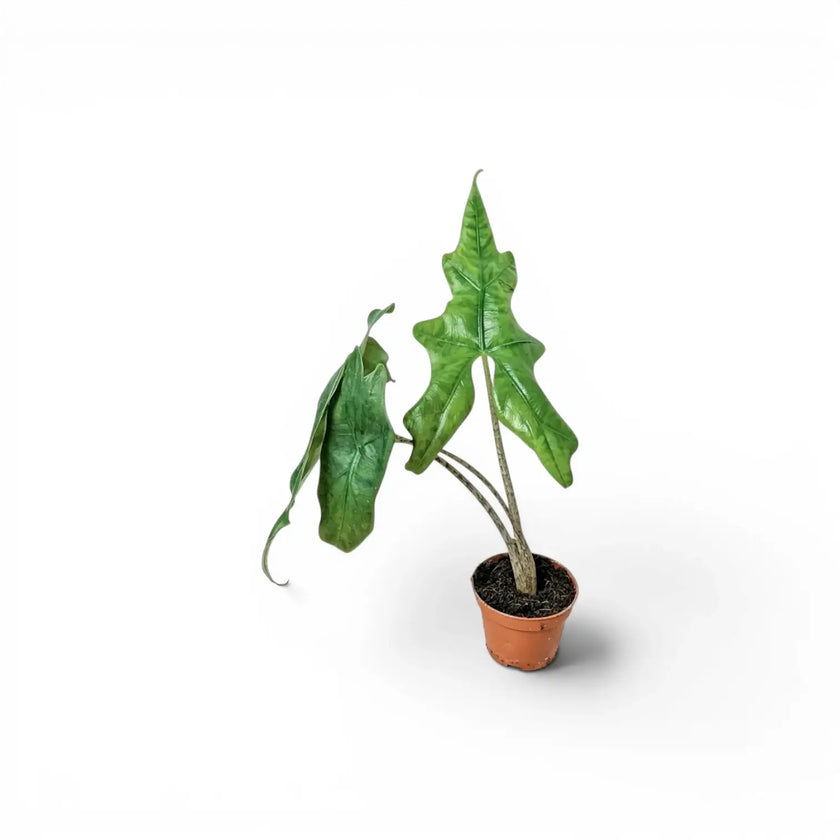
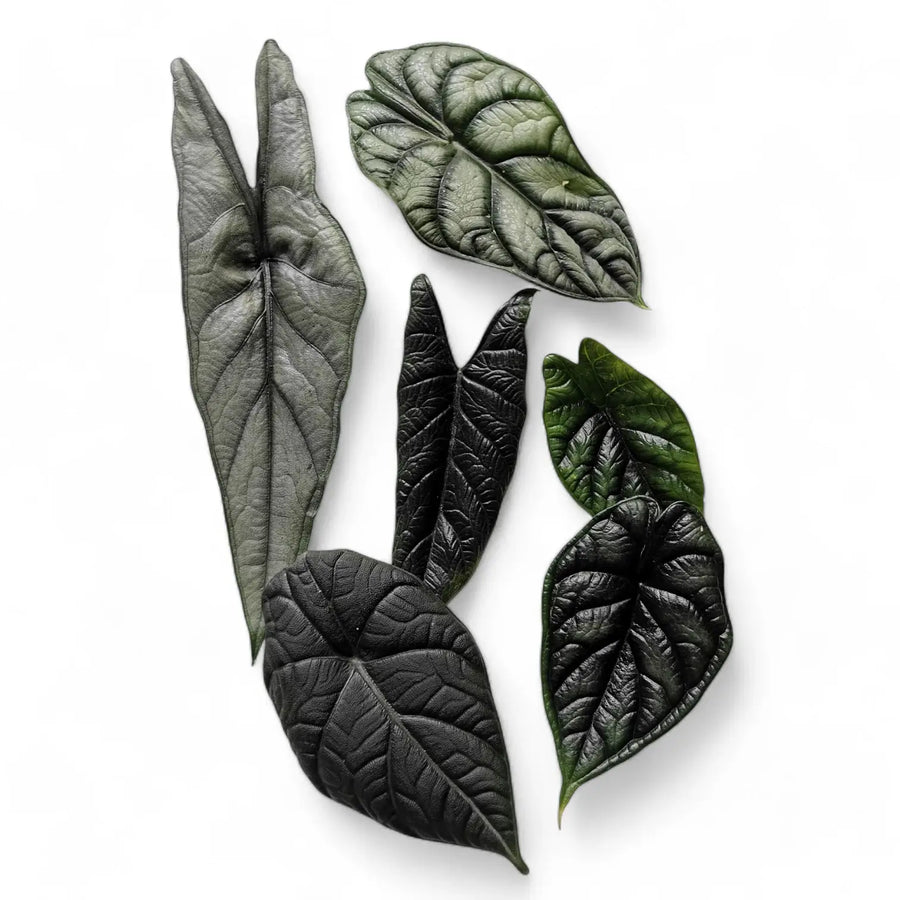
Alocasia ‘Jacklyn’
Sale priceFrom €7,92
Lowest price in the 30 days before this offer€8,00
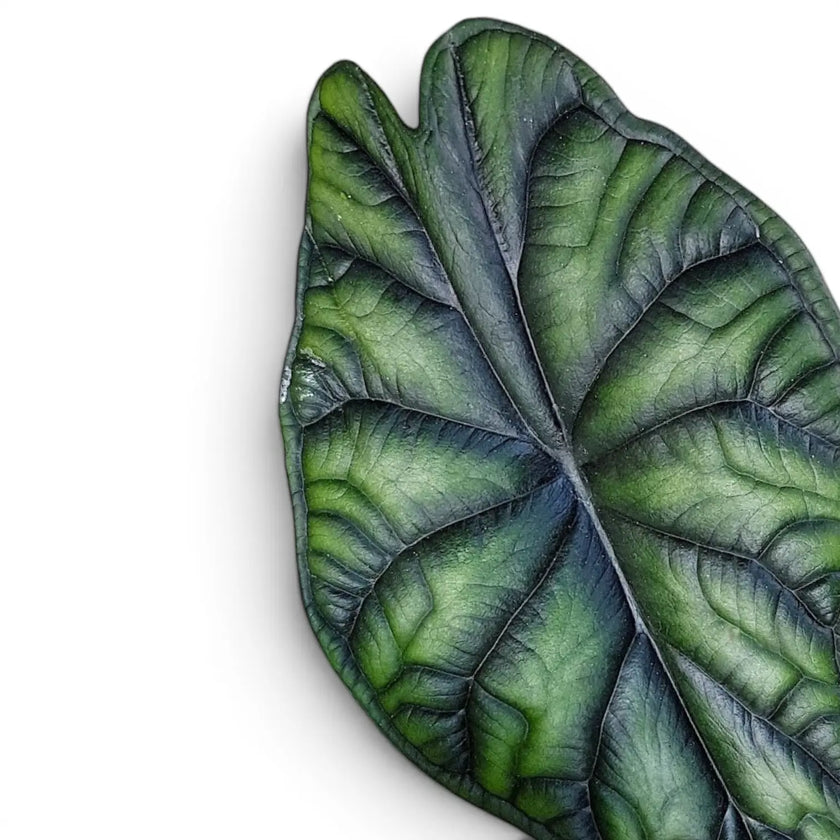
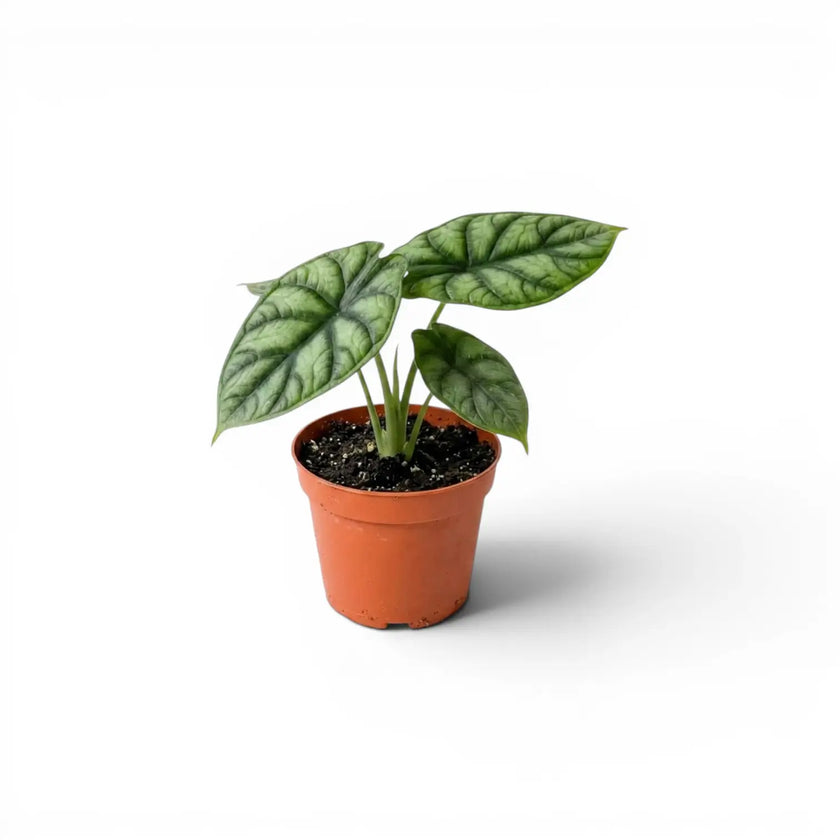
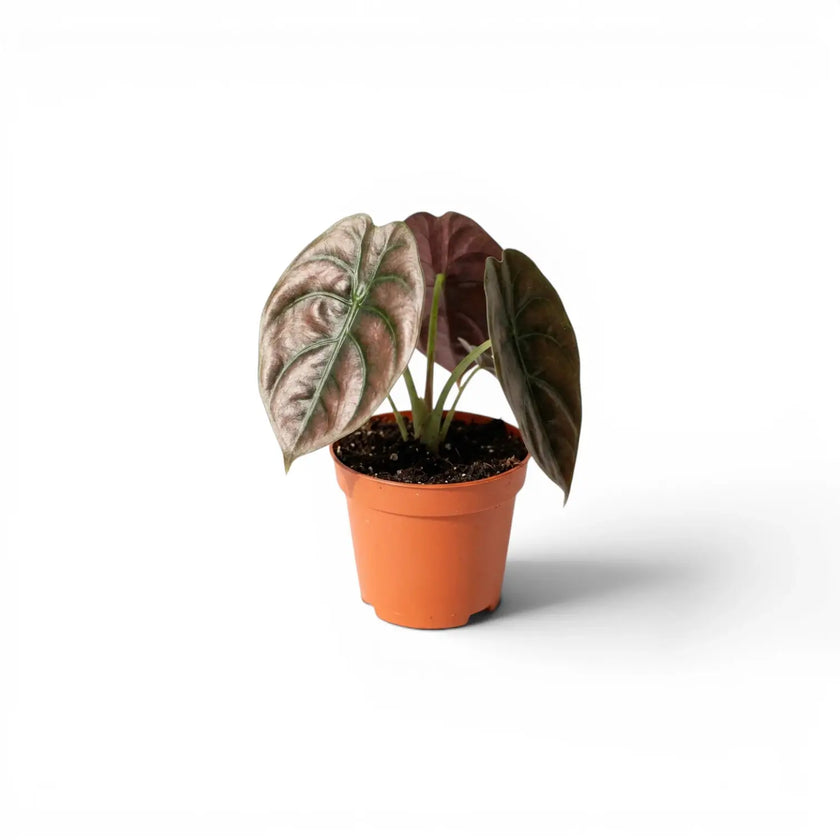
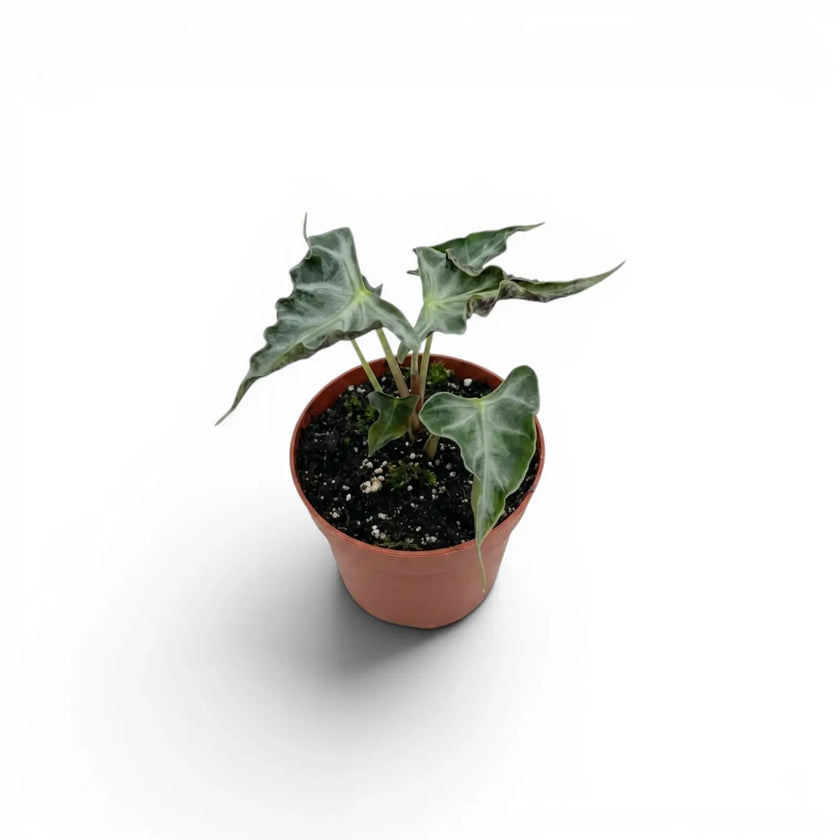
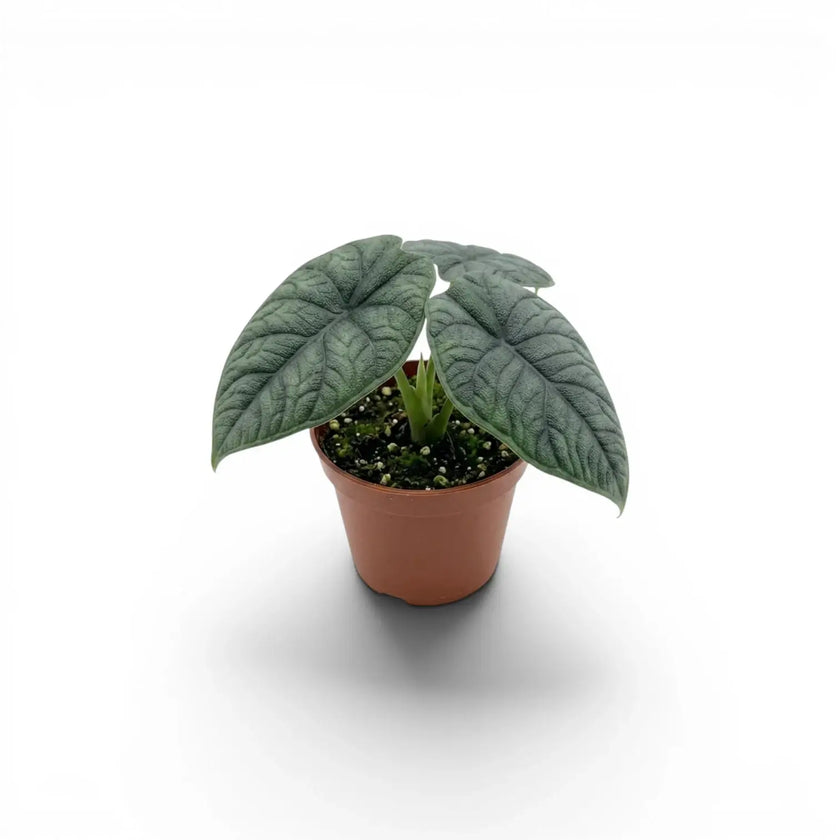
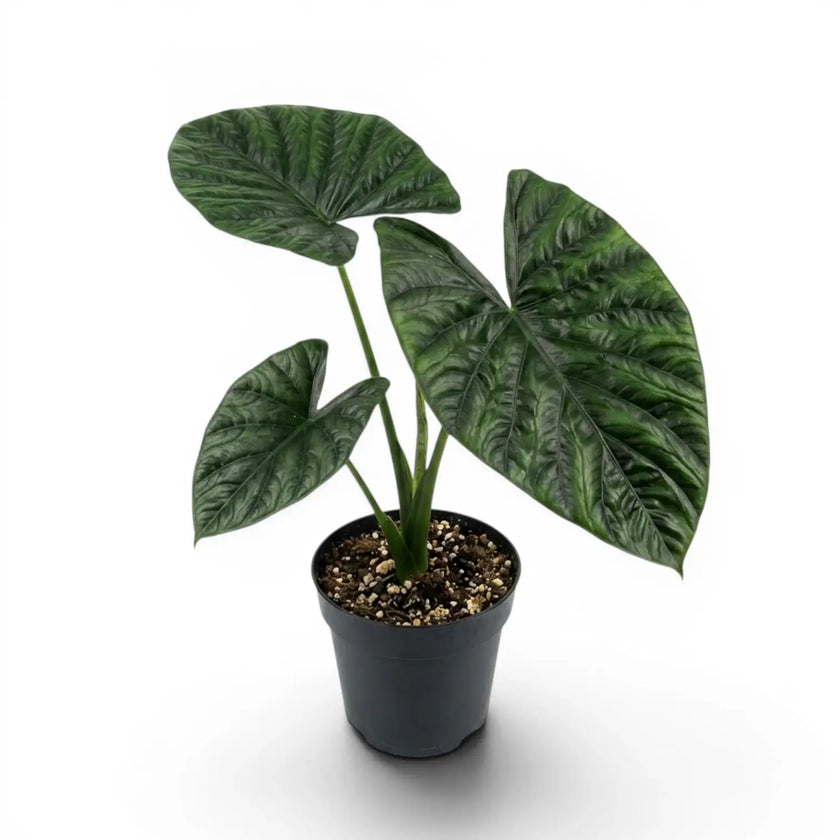
Alocasia baginda ‘Dragon Scale’
Sale priceFrom €6,92
Lowest price in the 30 days before this offer€6,99
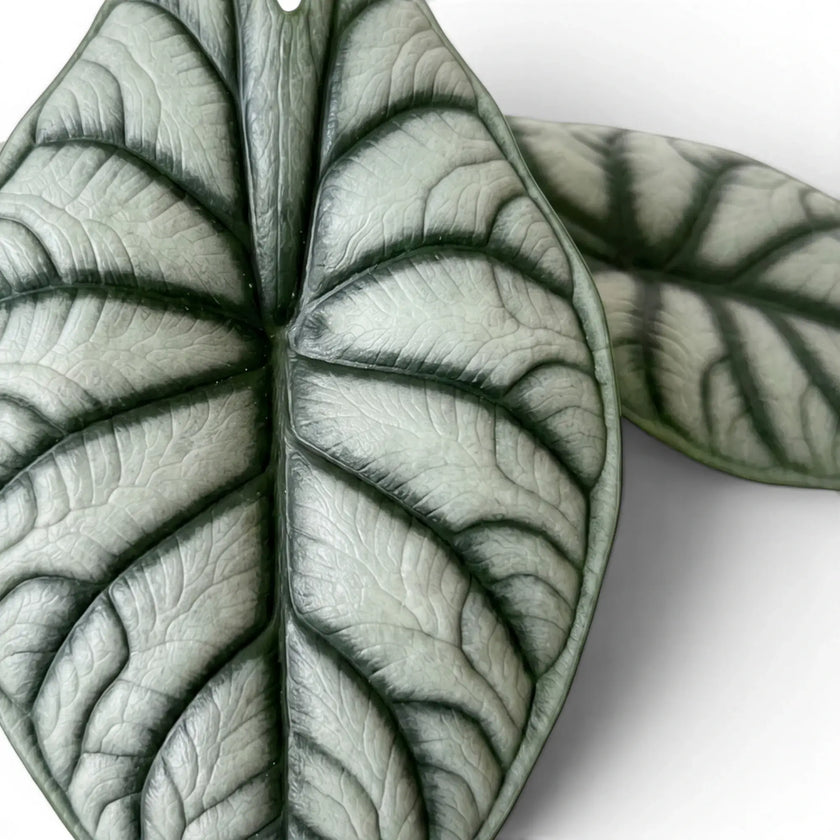
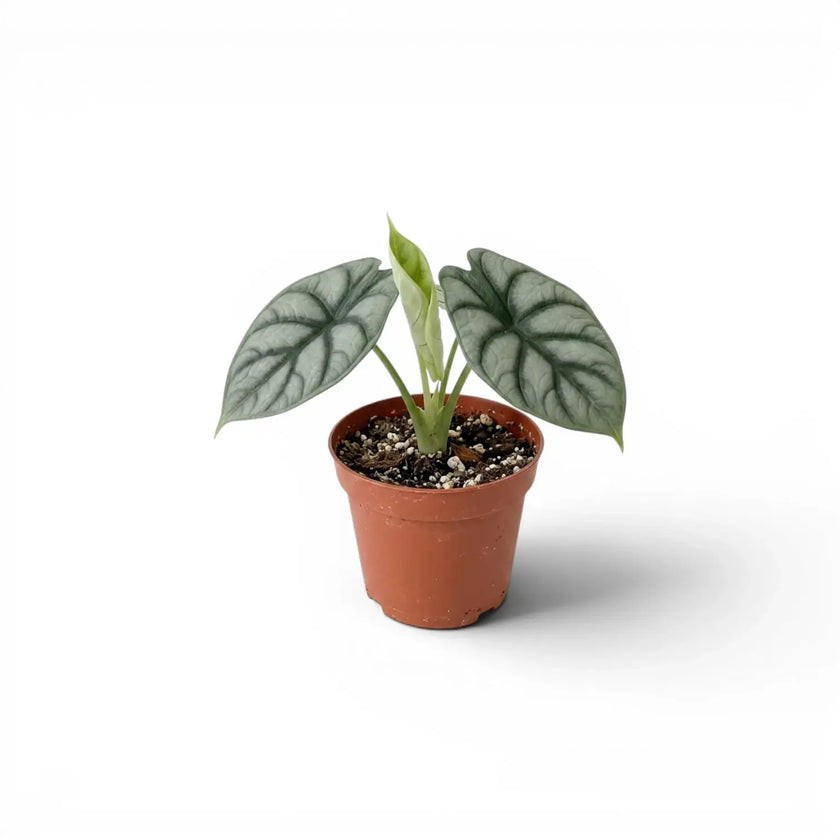
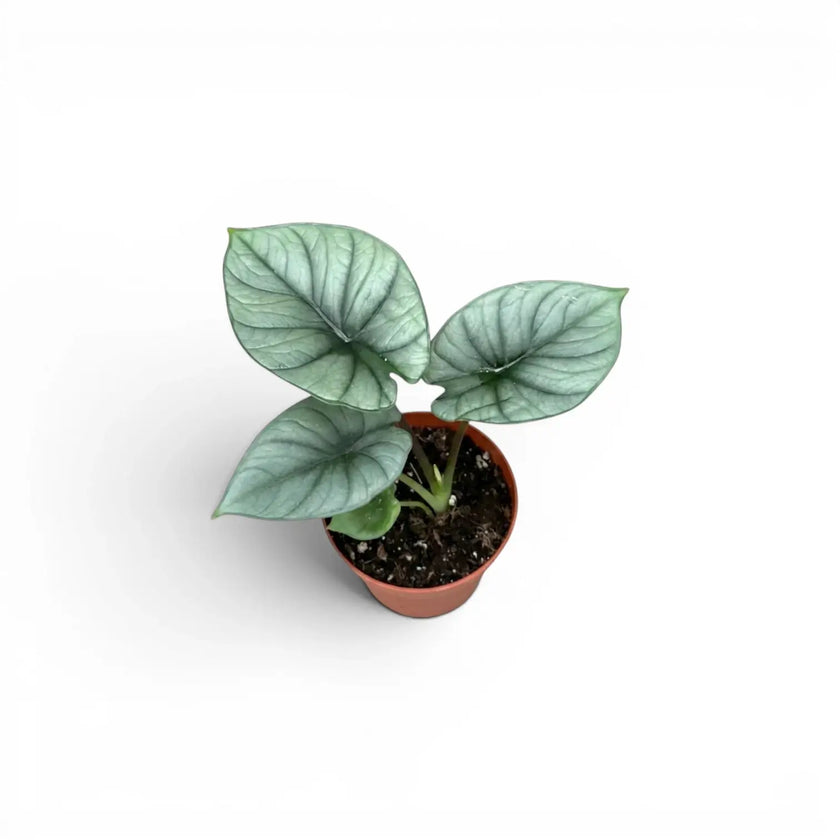
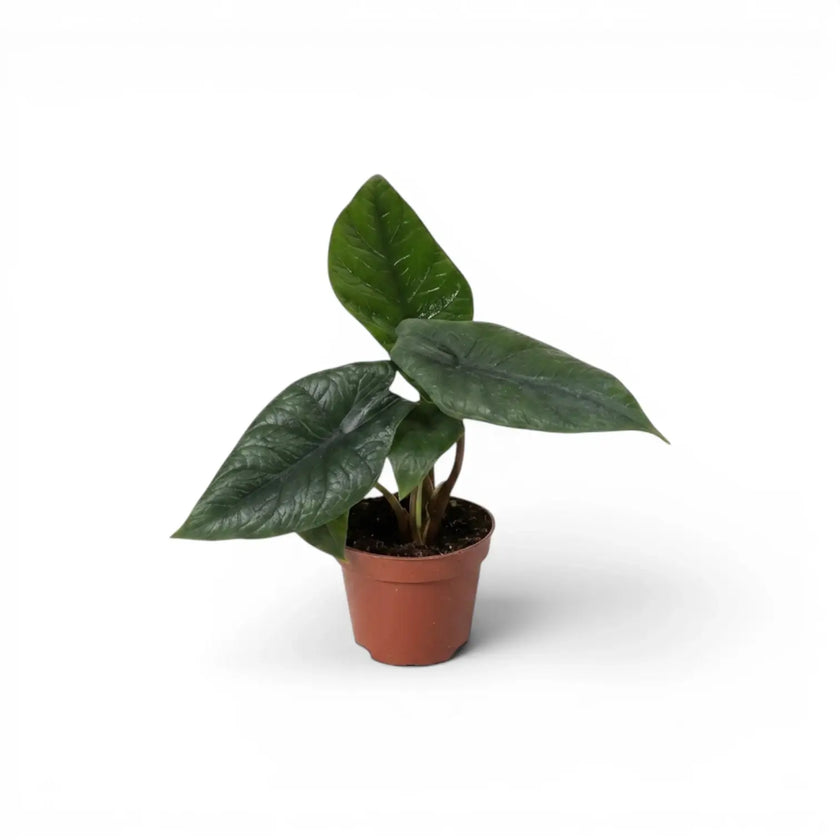
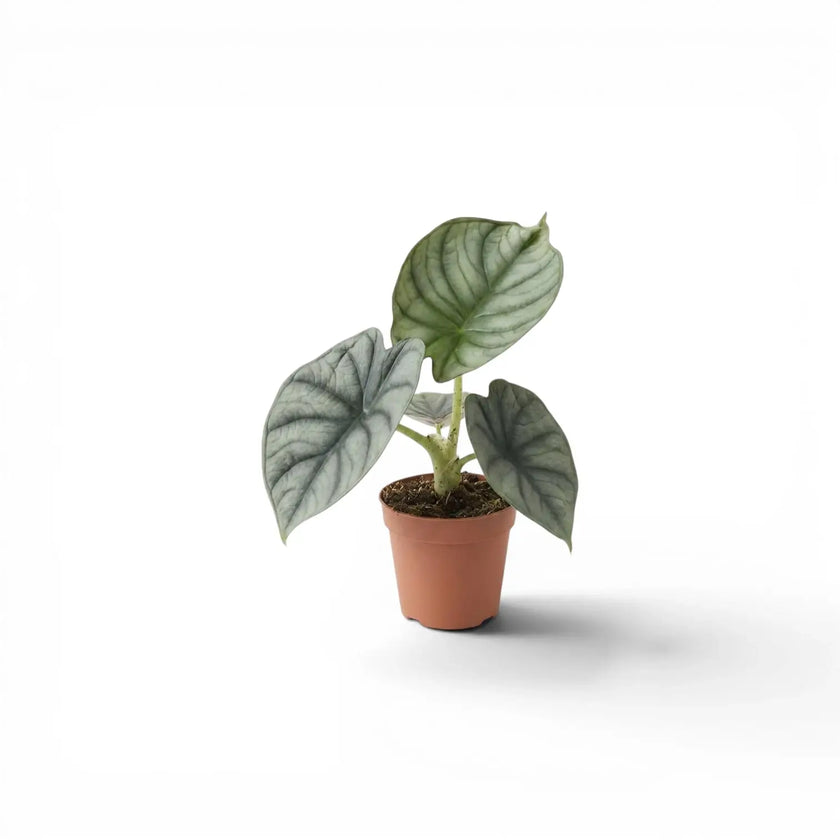
Alocasia baginda ‘Silver Dragon’
Sale priceFrom €6,91
Lowest price in the 30 days before this offer€6,98
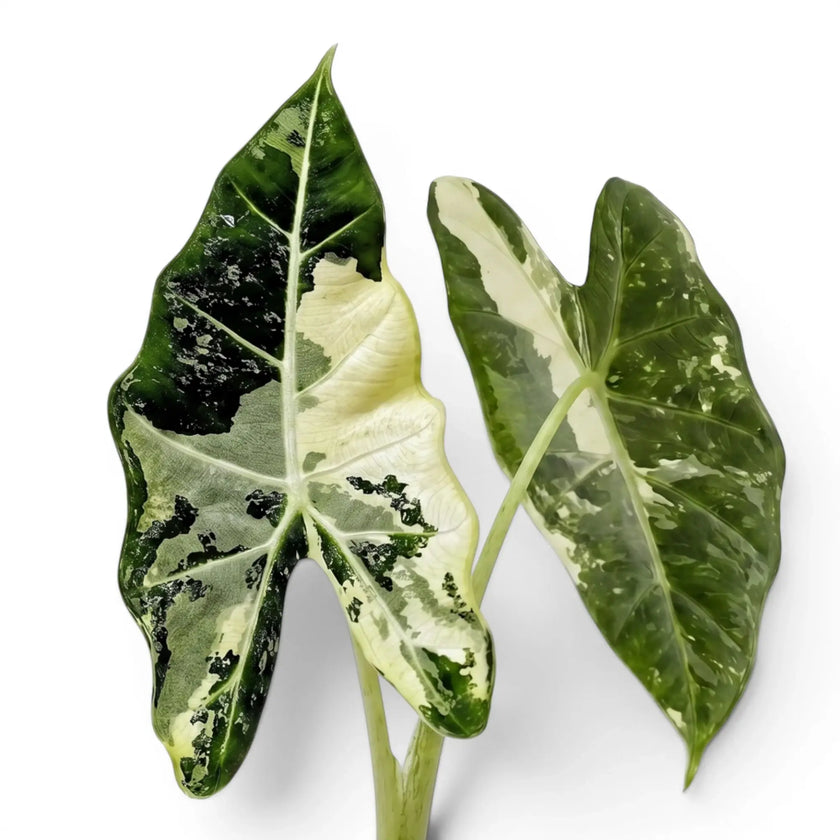
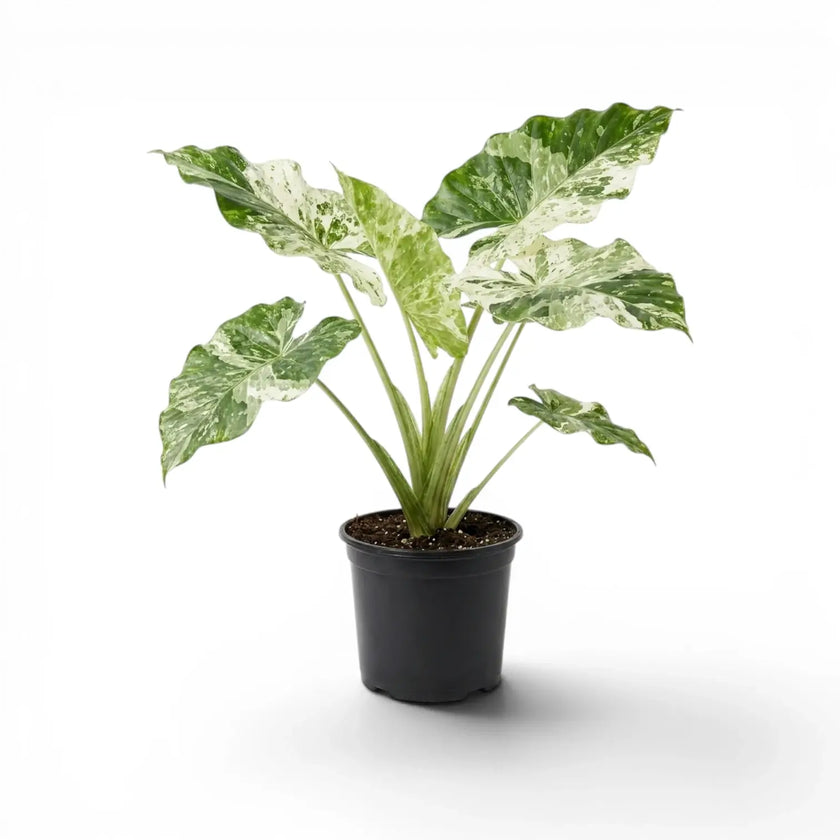
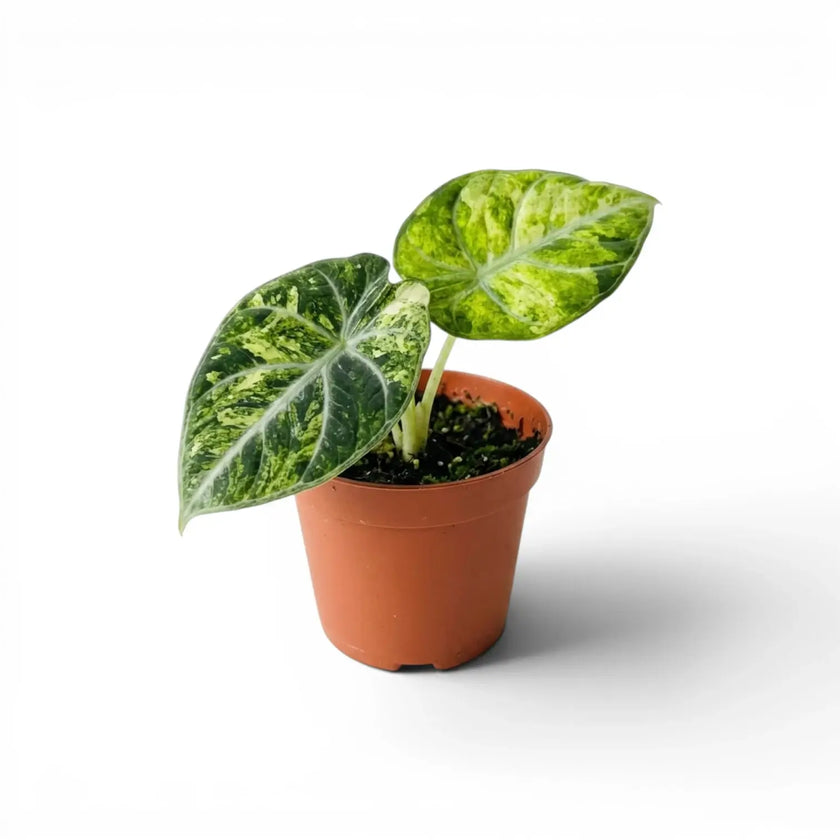
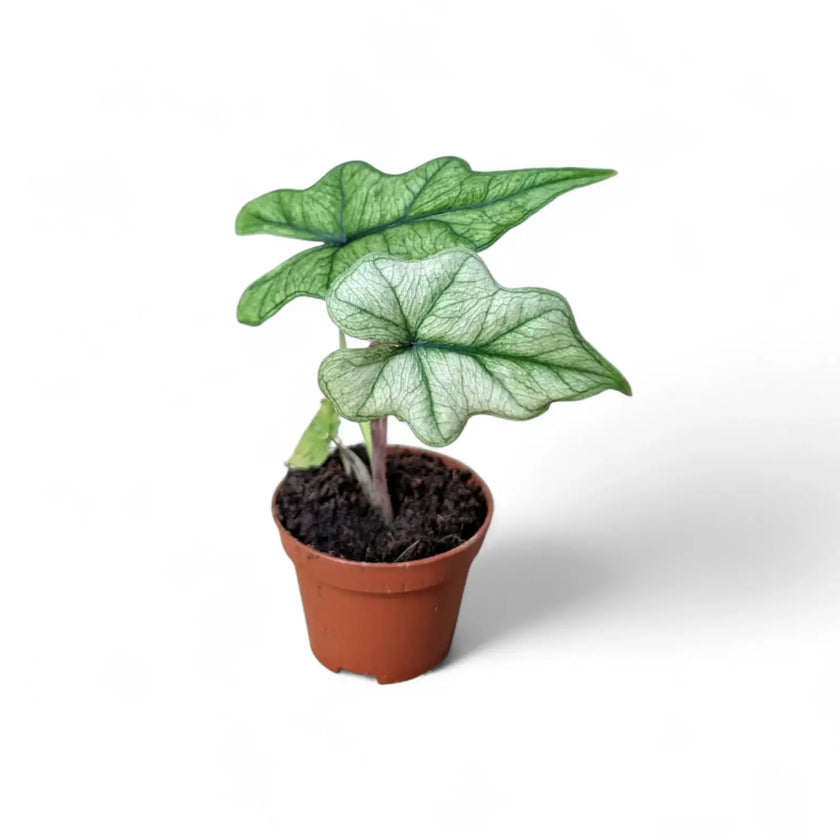
Alocasia ‘Frydek’ variegata
Sale priceFrom €13,95
Lowest price in the 30 days before this offer€19,75
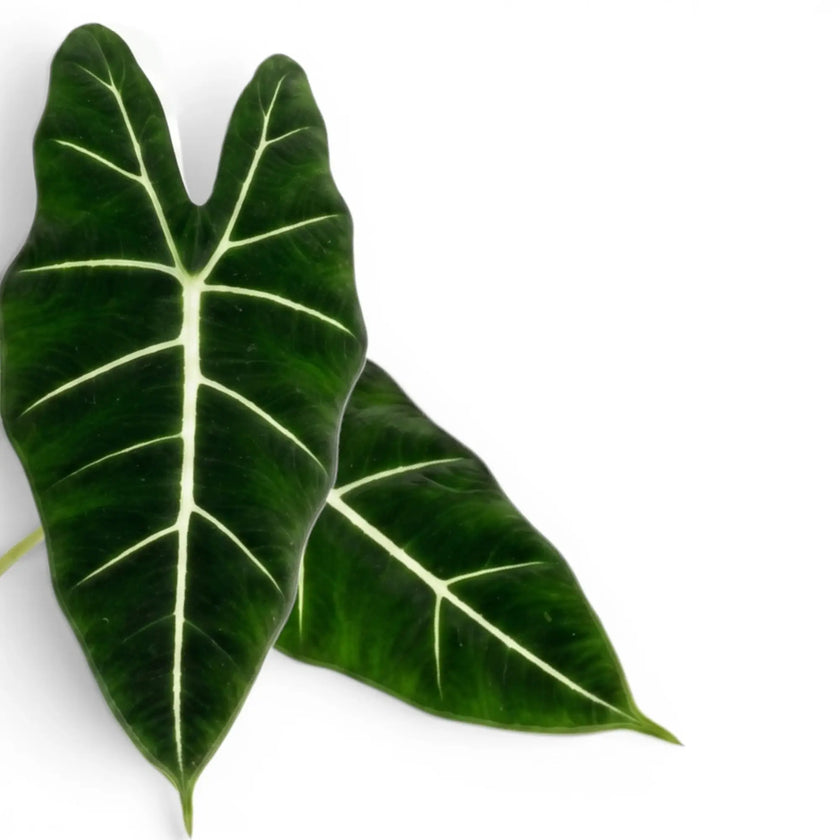
Alocasia micholitziana ‘Green Velvet’ (‘Maxkowskii’)
Sale priceFrom €8,51
Lowest price in the 30 days before this offer€8,60
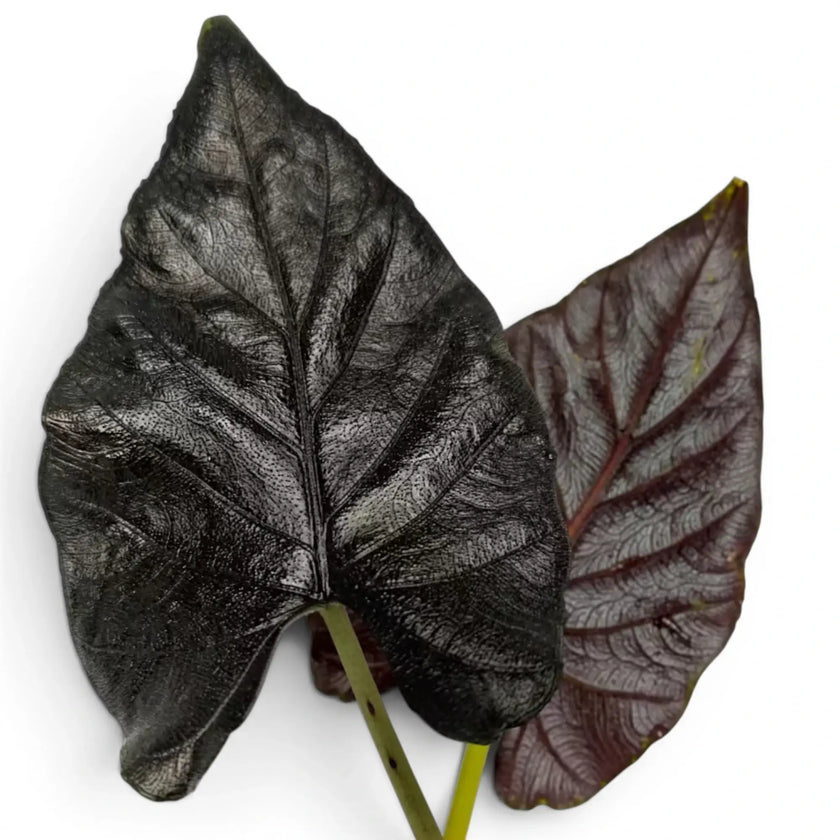
Alocasia ‘Antoro Velvet’
Sale priceFrom €7,80
Lowest price in the 30 days before this offer€9,75
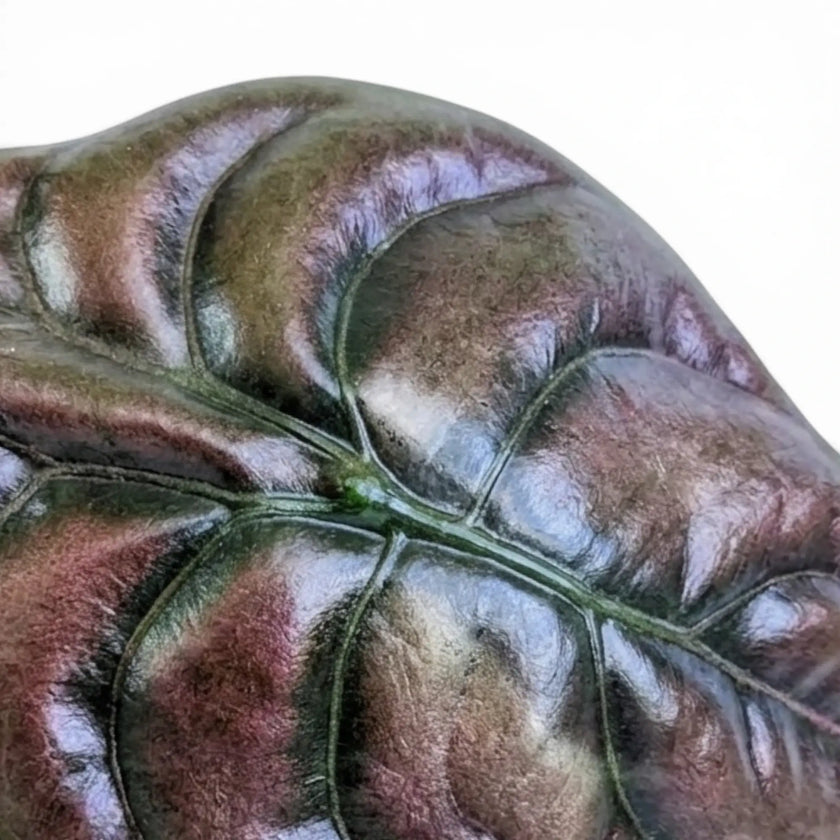
Alocasia cuprea ‘Red Secret’
Sale priceFrom €6,91
Lowest price in the 30 days before this offer€6,98
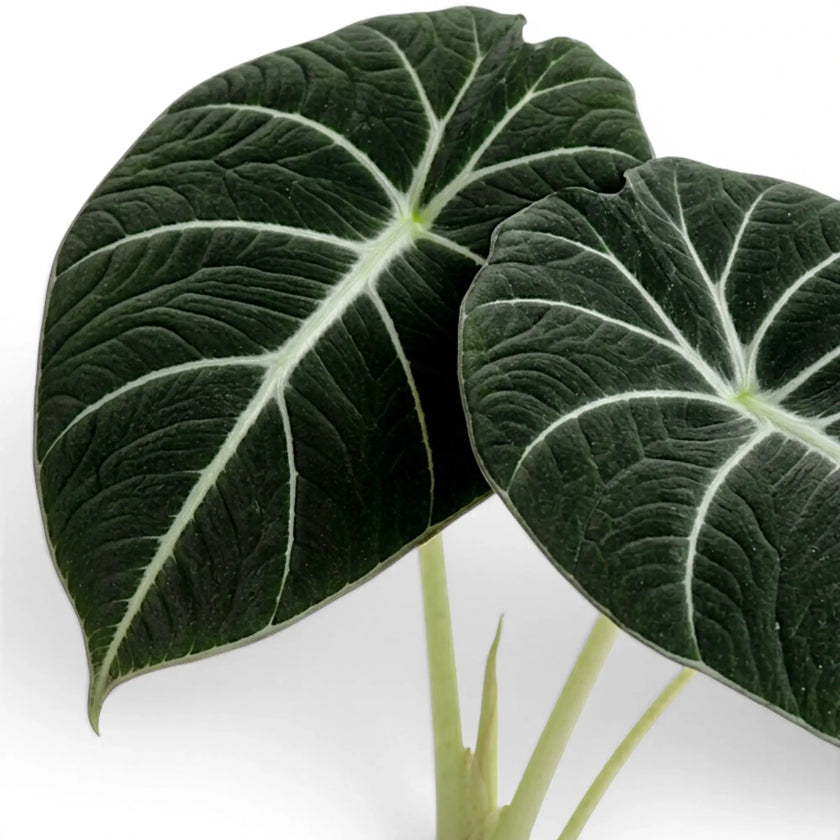
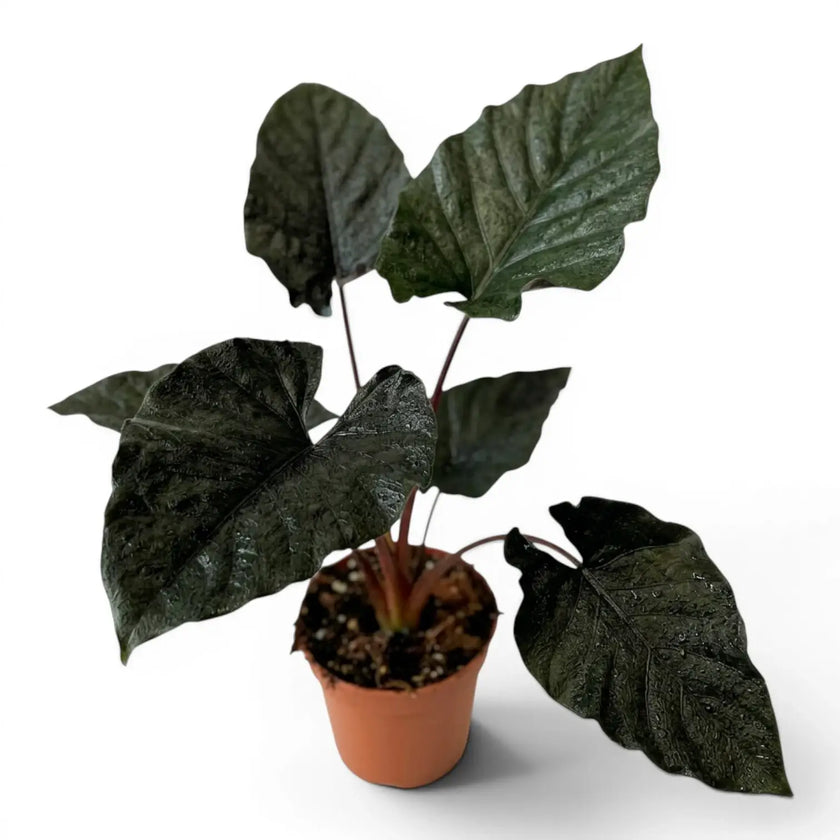
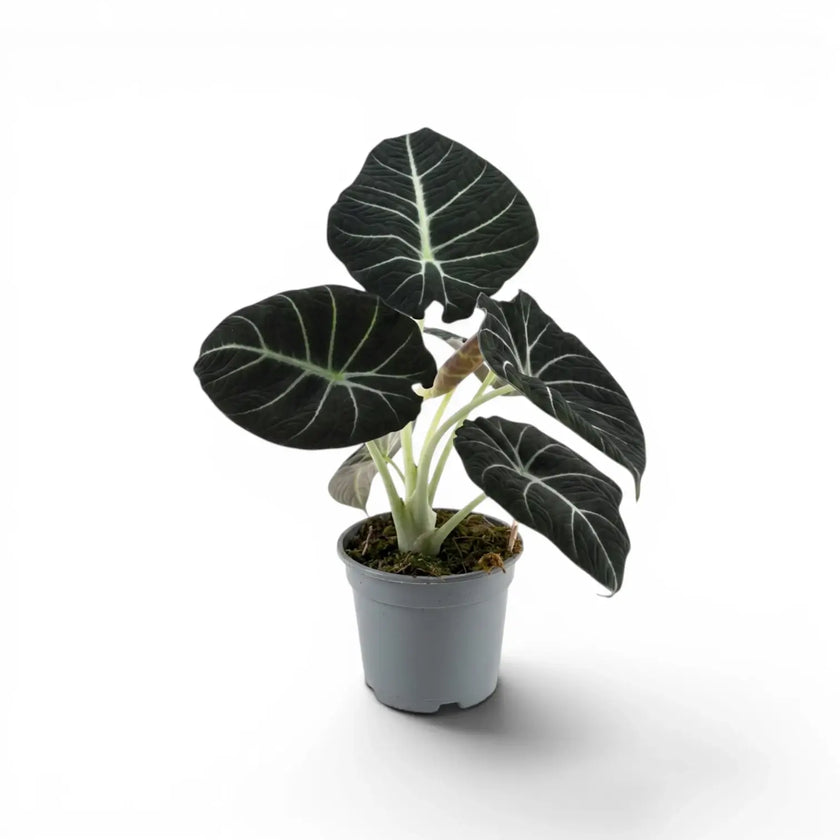
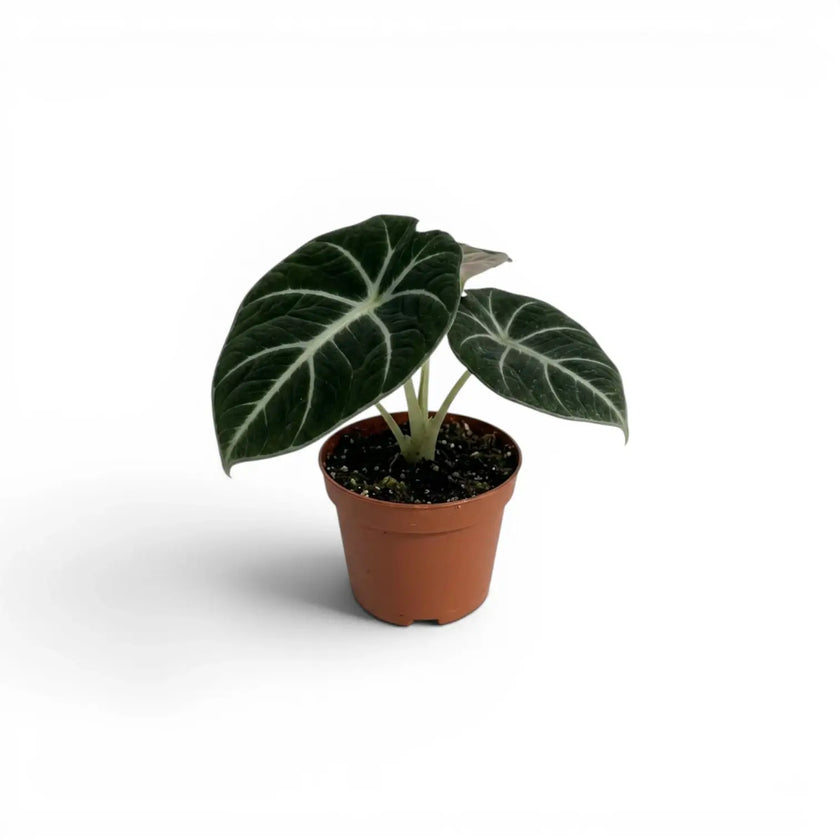
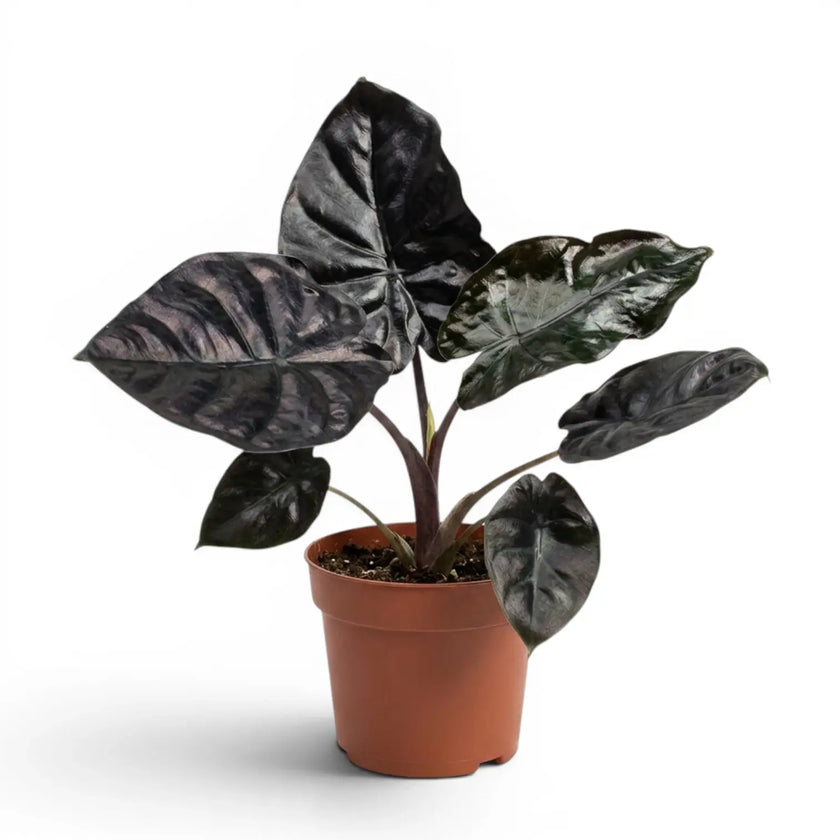
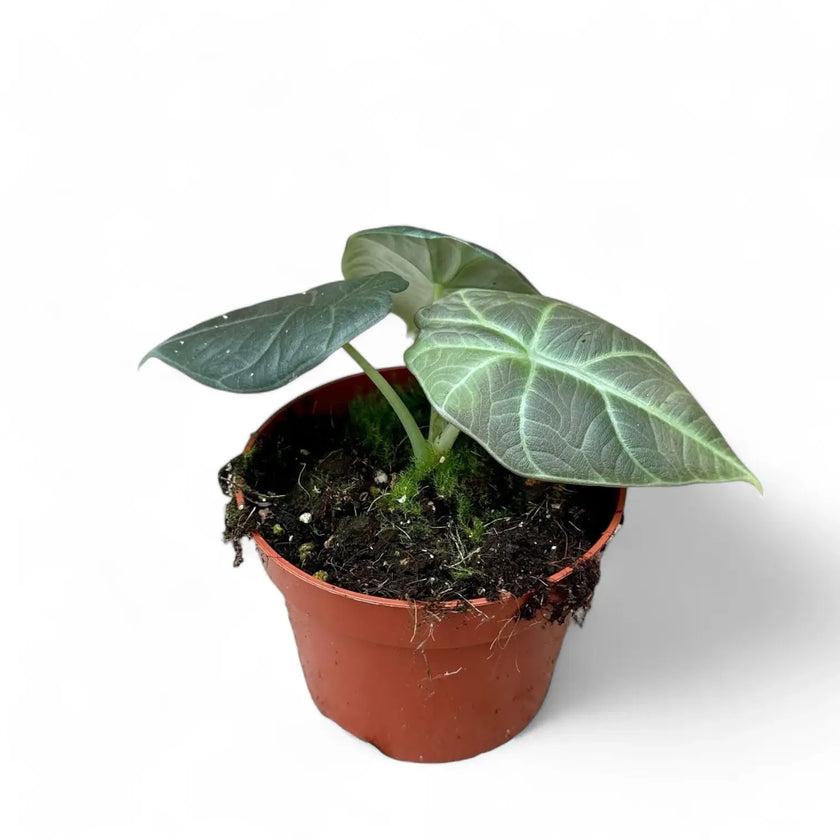
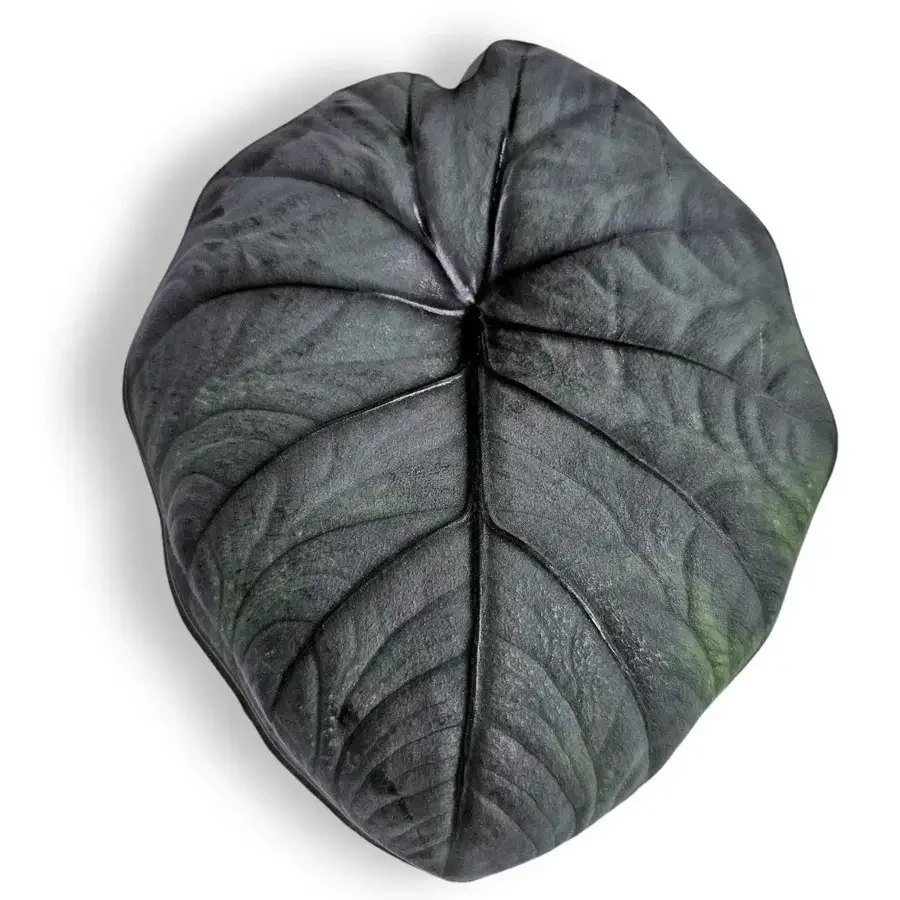
Alocasia reginula 'Black Velvet'
Sale price€14,35
Lowest price in the 30 days before this offer€14,50
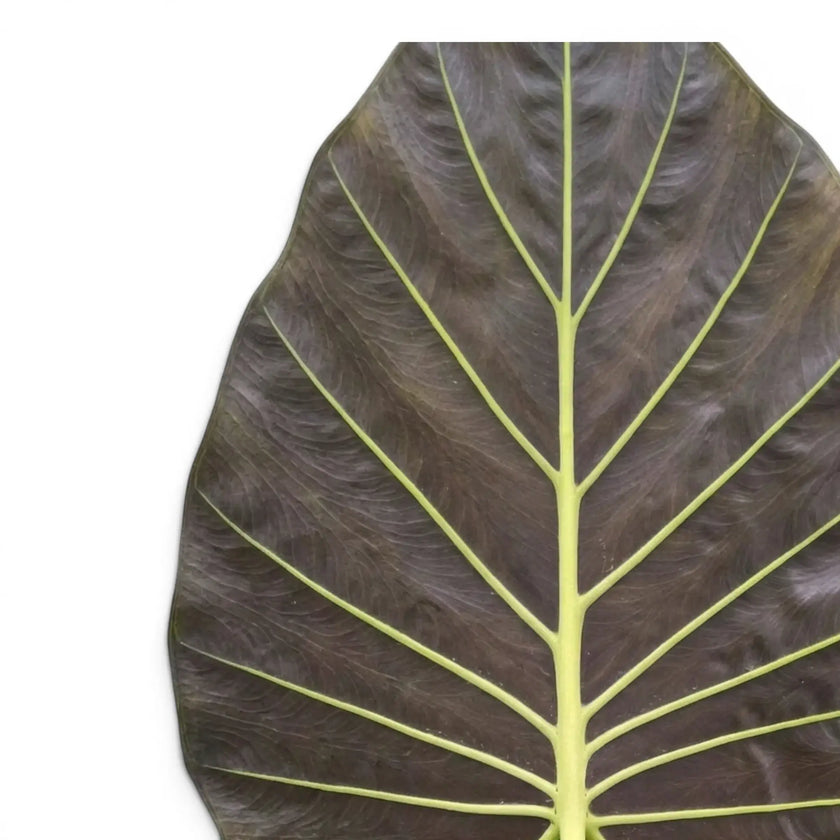
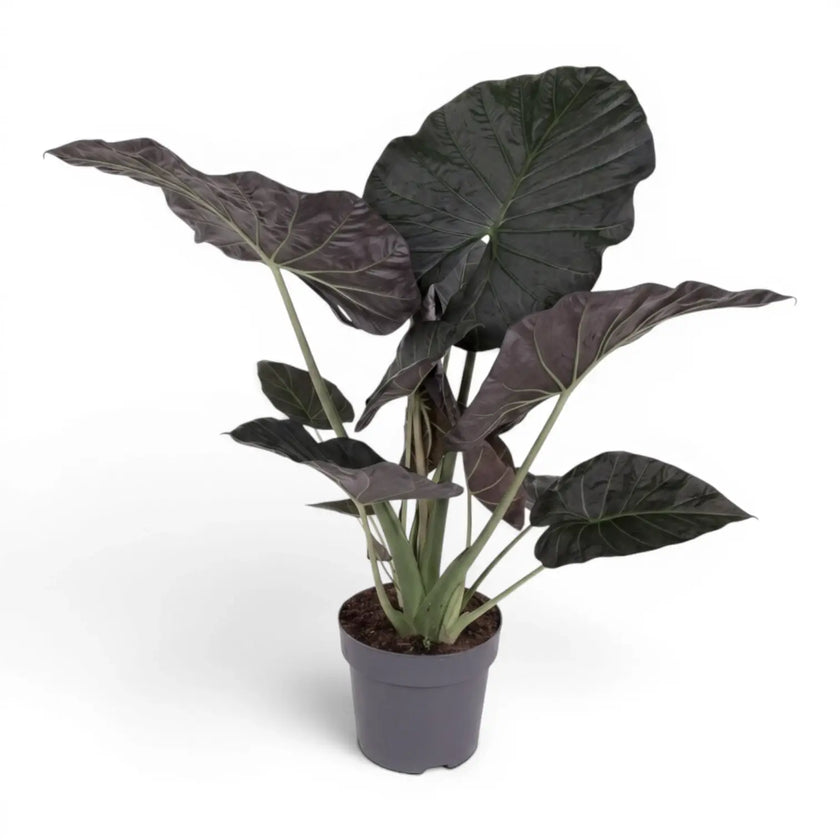
Alocasia ‘Regal Shields’
Sale price€15,30
Lowest price in the 30 days before this offer€18,00
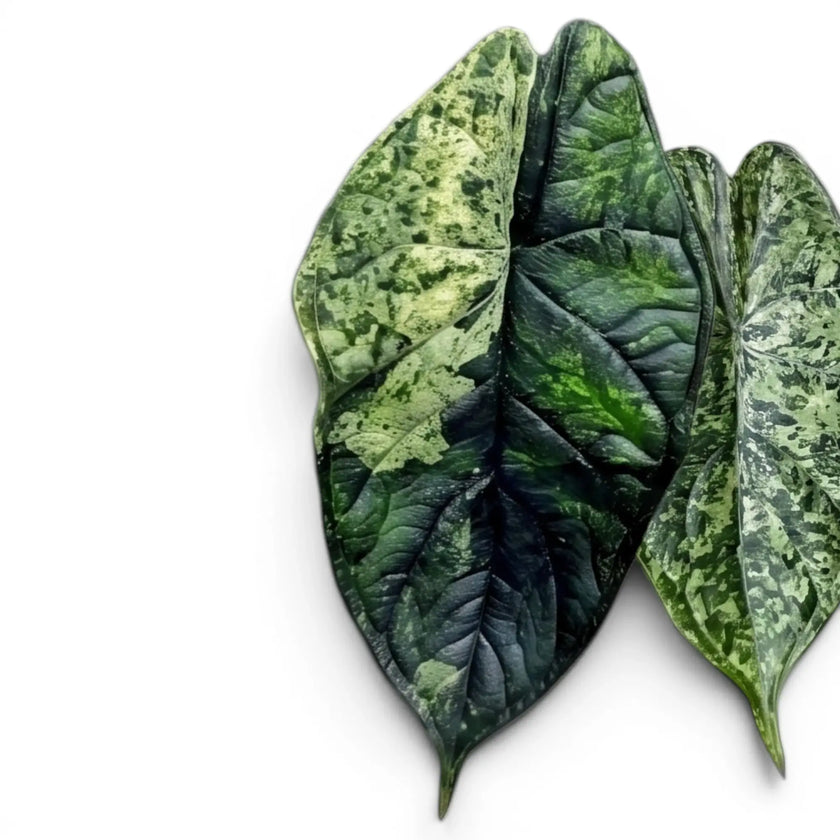
Alocasia baginda ‘Dragon Scale’ Mint Variegata
Sale price€16,63
Lowest price in the 30 days before this offer€23,75
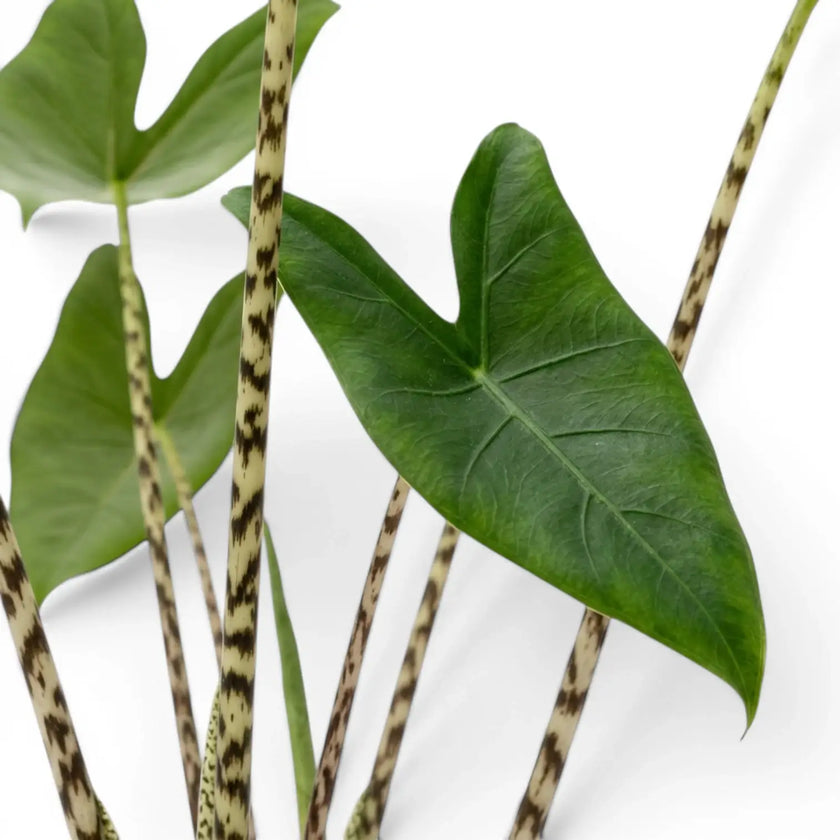
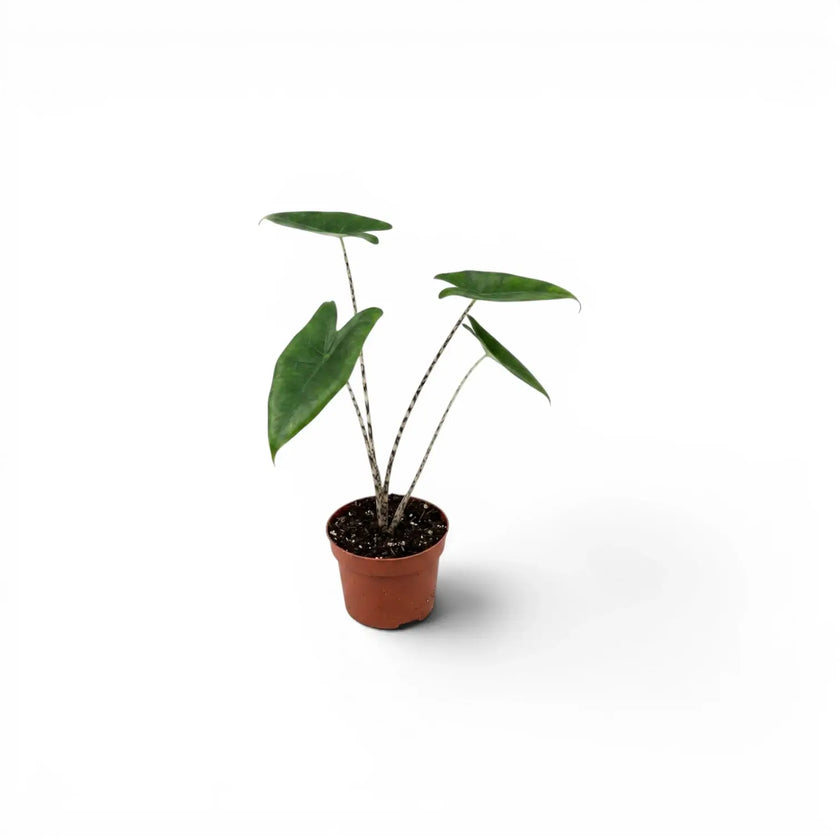
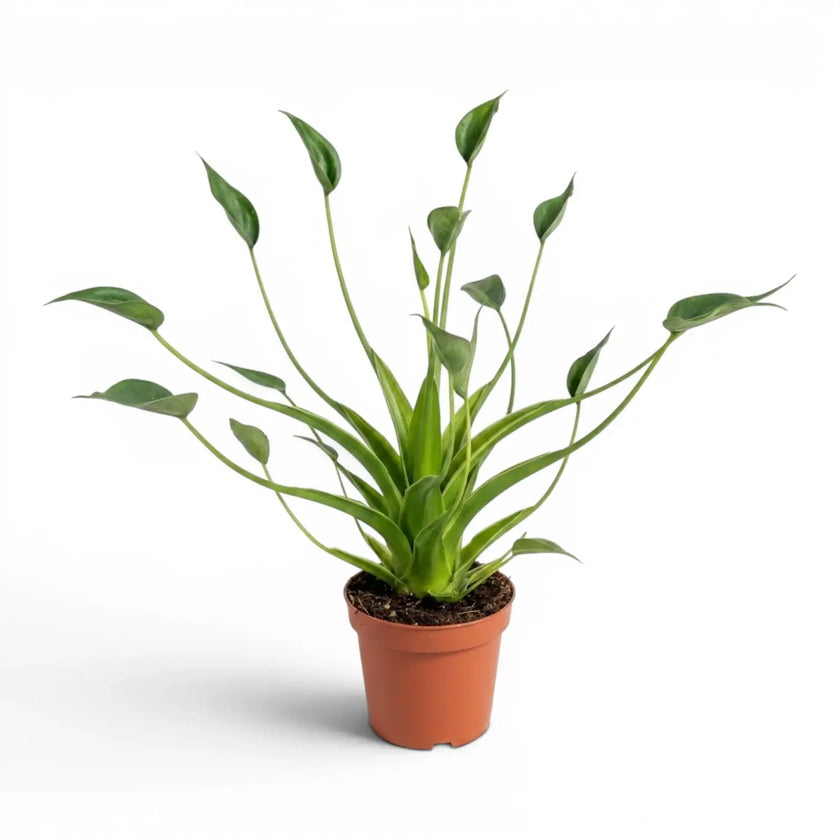
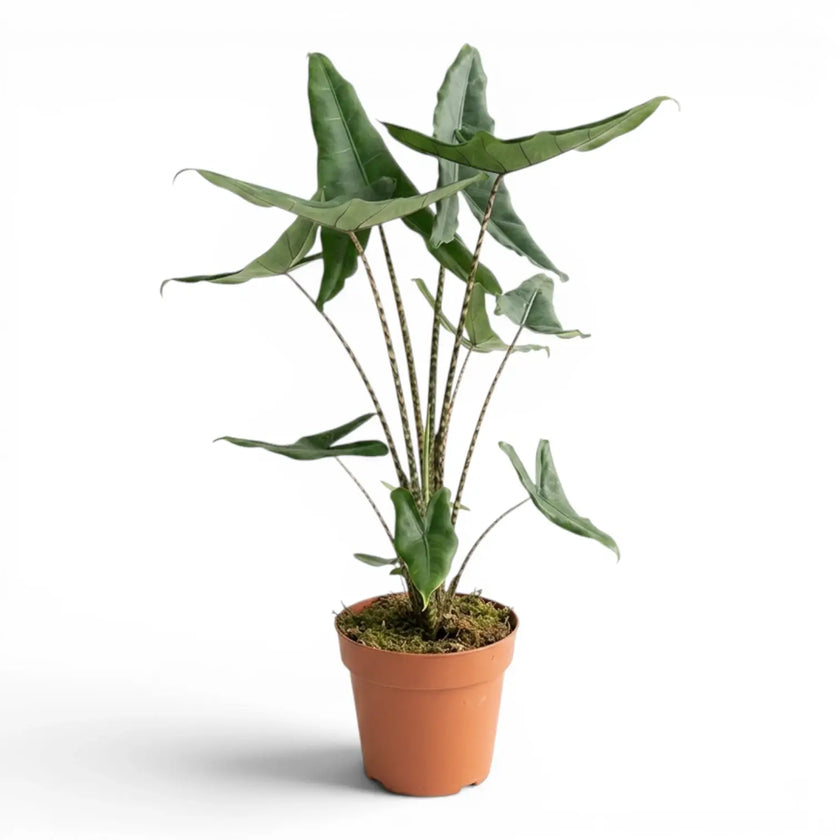
Alocasia zebrina
Sale priceFrom €14,40
Lowest price in the 30 days before this offer€18,00
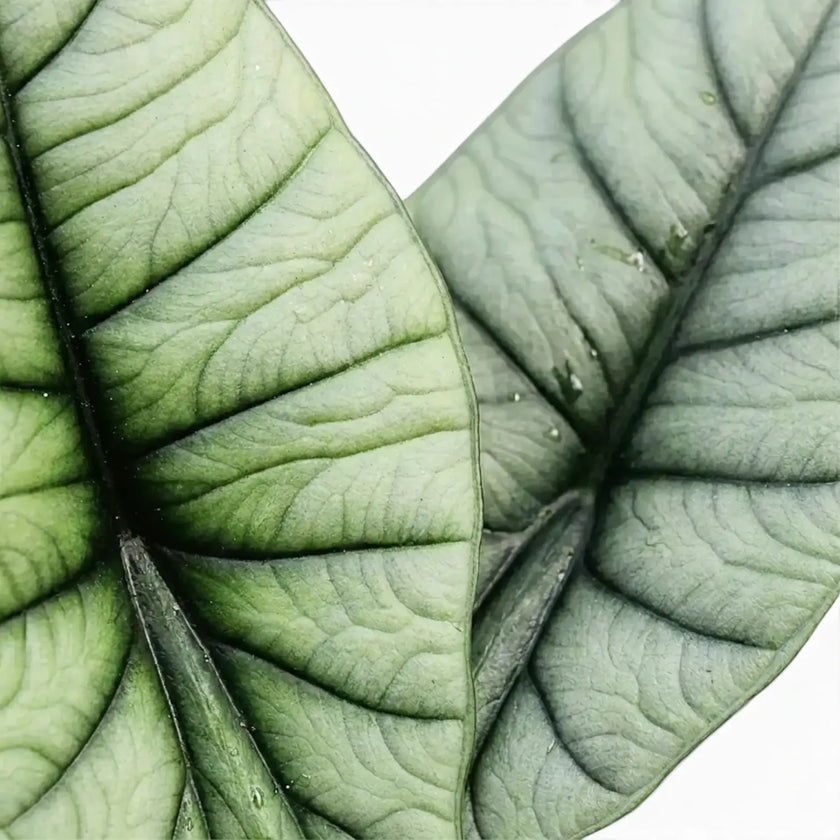
Alocasia 'Platinum'
Sale price€20,00
Lowest price in the 30 days before this offer€25,00
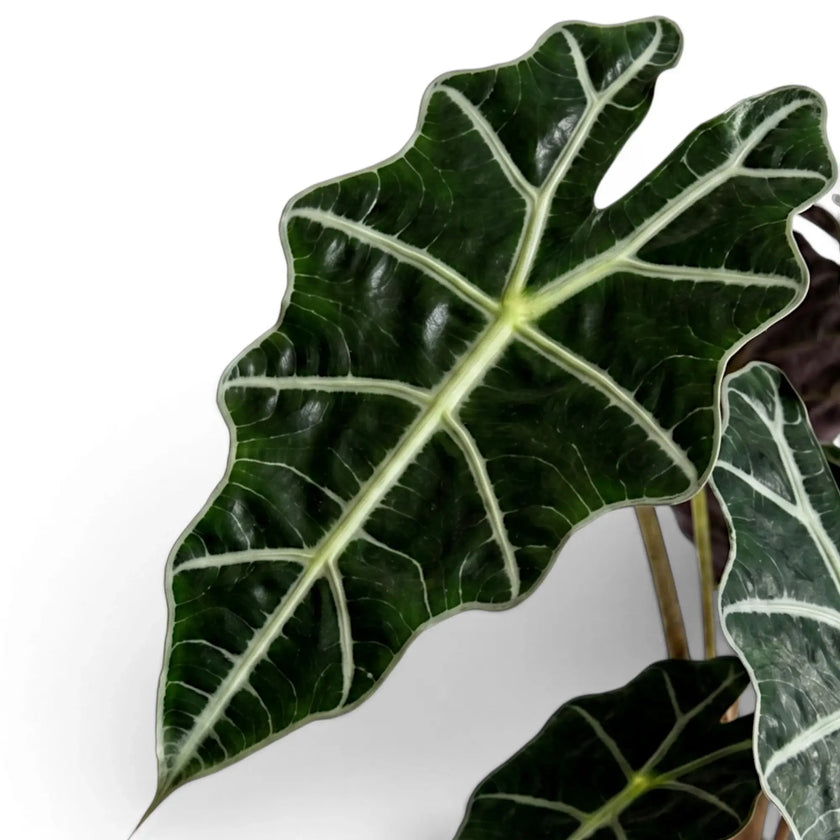
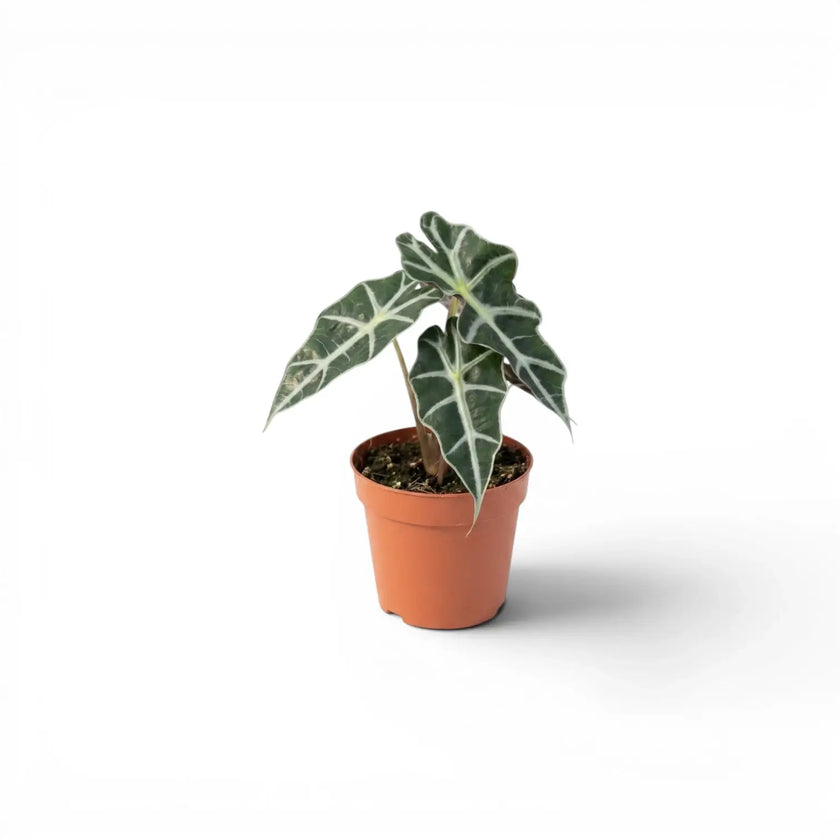
Alocasia ‘Polly’
Sale priceFrom €8,29
Lowest price in the 30 days before this offer€9,75
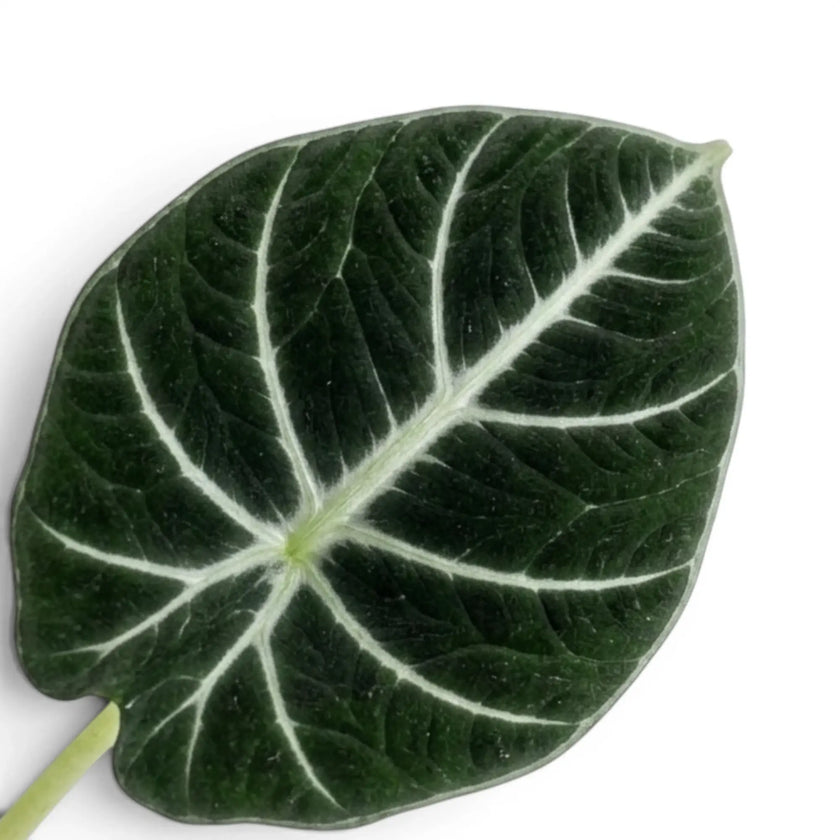
Alocasia reginula ‘Ninja’
Sale price€8,29
Lowest price in the 30 days before this offer€9,75
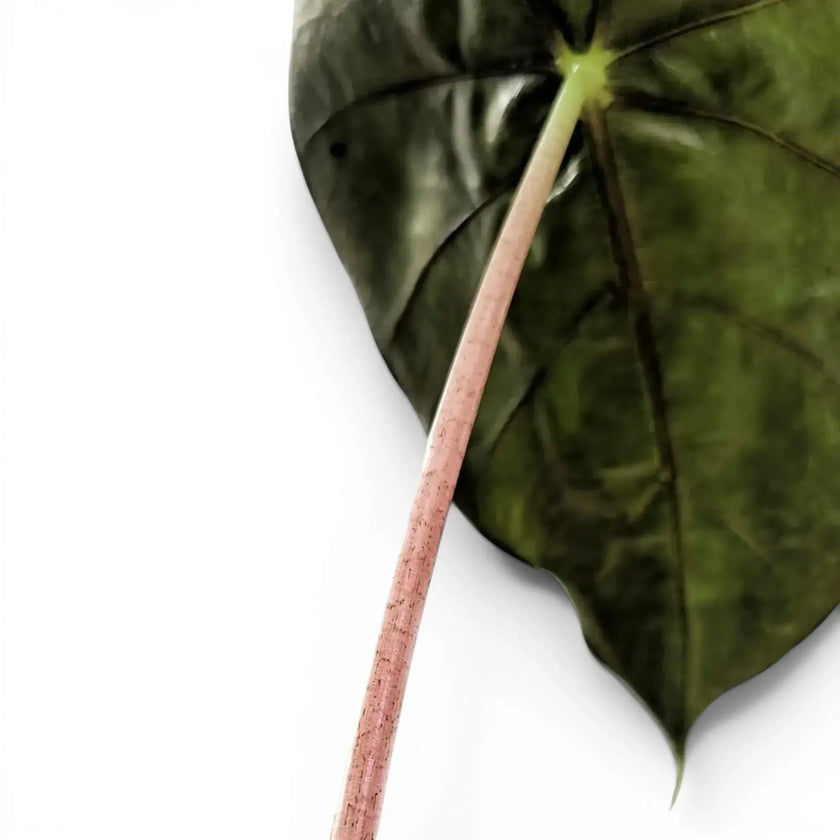
Alocasia ‘Pink Dragon’
Sale price€25,00
Lowest price in the 30 days before this offer€31,25

Alocasia 'Tiny Dancers'
Sale price€12,33
Lowest price in the 30 days before this offer€14,50

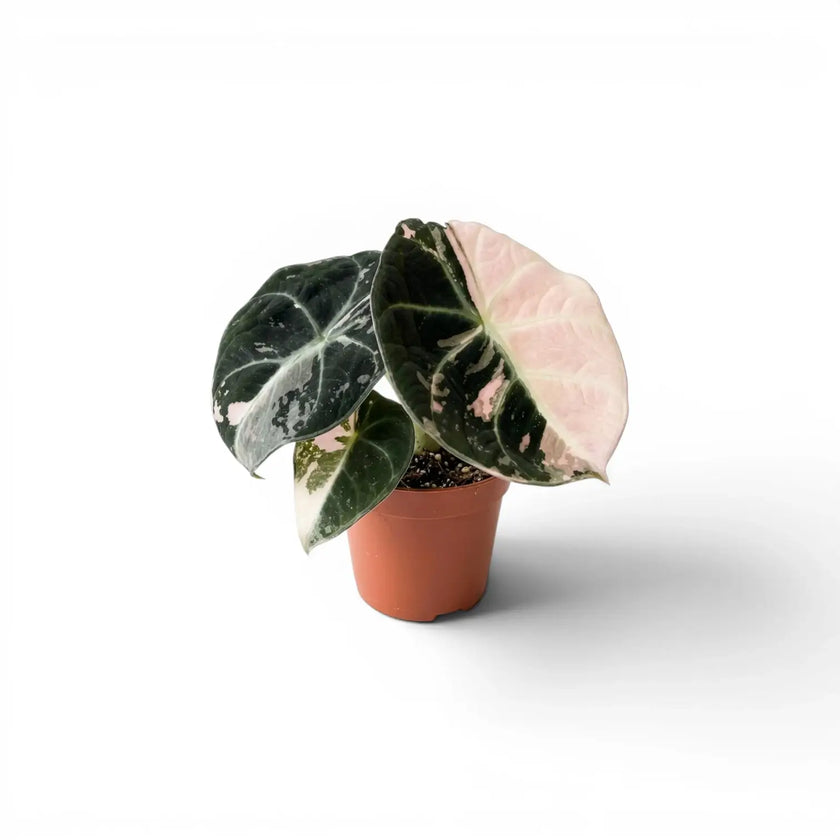
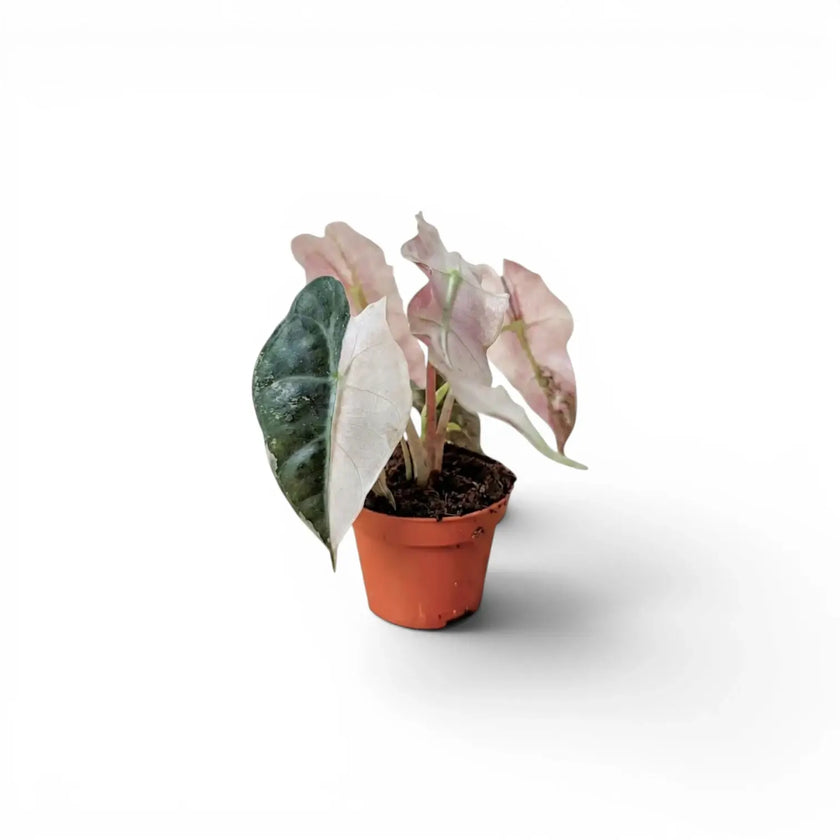
Alocasia reginula ‘Pink Variegated’
Sale price€58,65
Lowest price in the 30 days before this offer€69,00
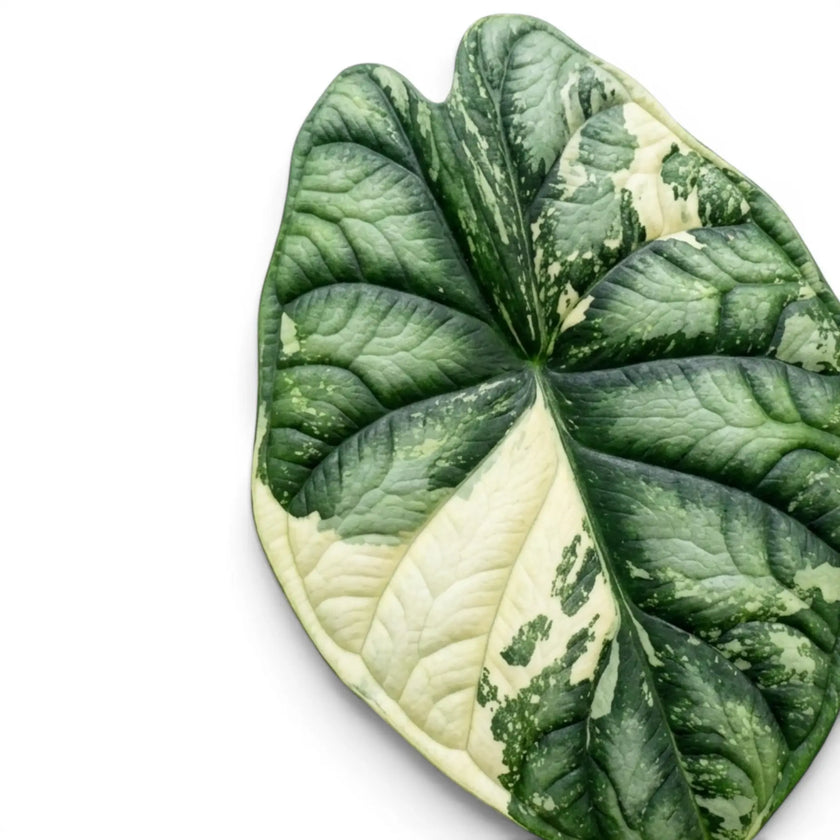
Alocasia baginda ‘Dragon Scale’ Albo-Variegata
Sale price€49,94
Lowest price in the 30 days before this offer€58,75
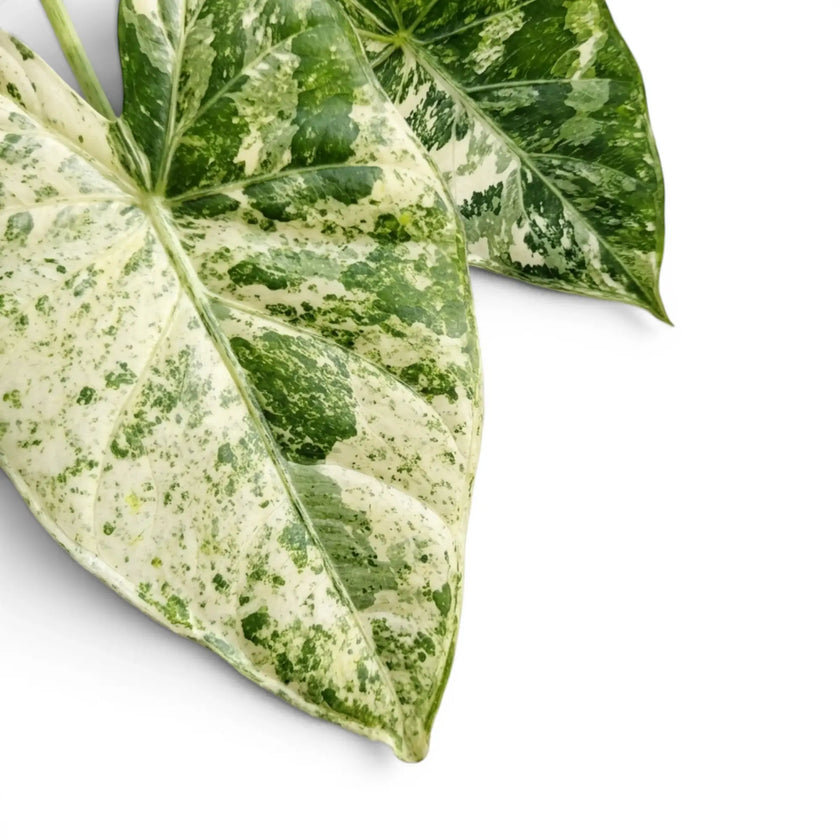
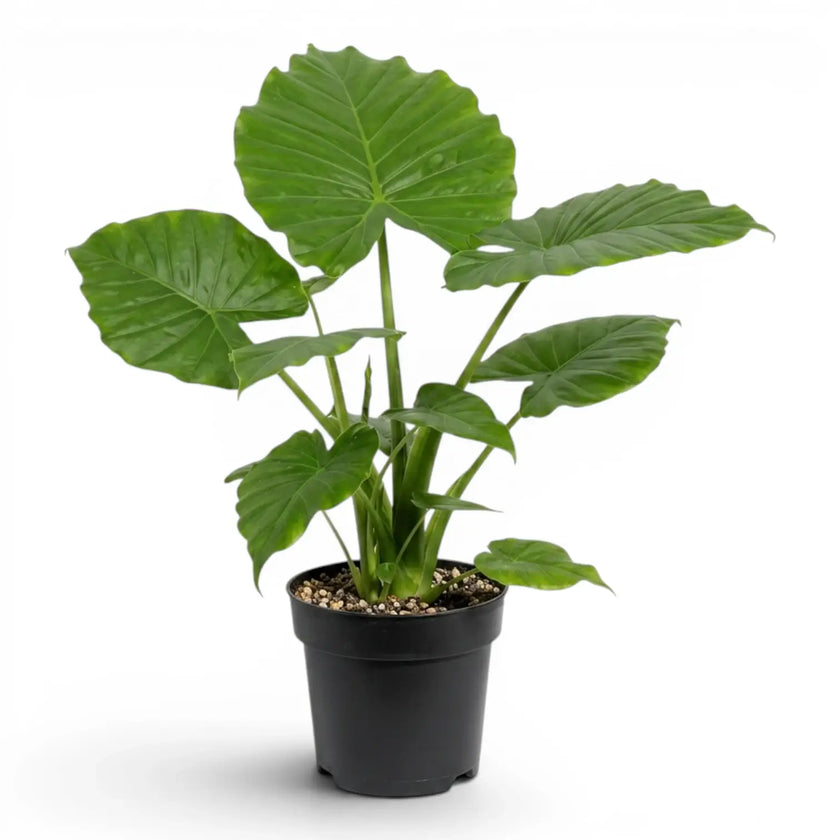
Alocasia macrorrhizos ‘Splash’ (‘Camouflage’)
Sale price€26,80
Lowest price in the 30 days before this offer€33,50
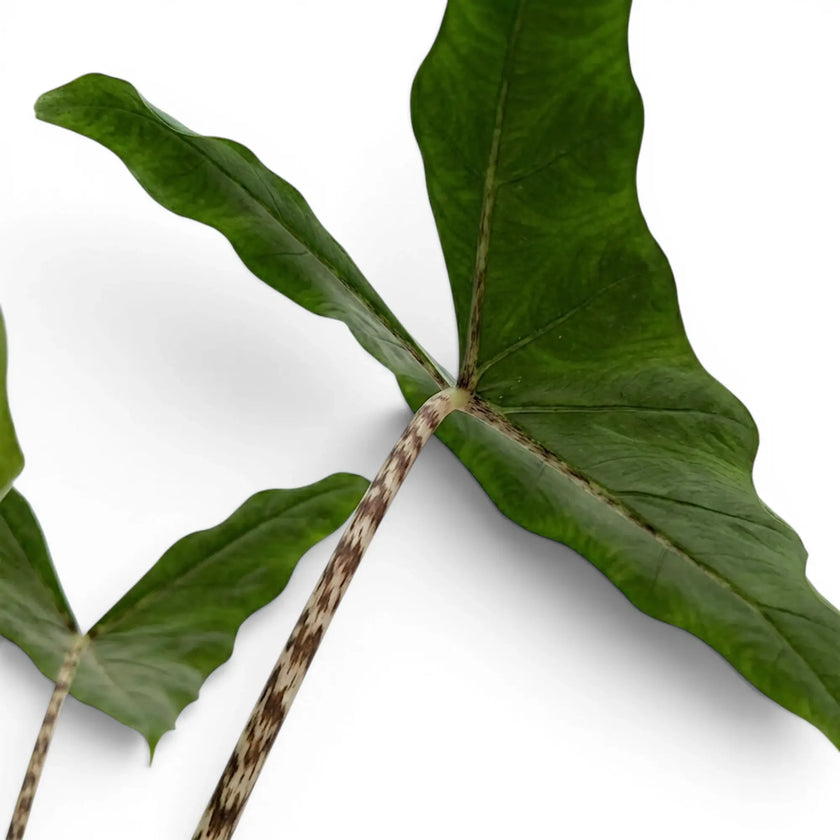
Alocasia zebrina ‘Tigrina Superba’
Sale price€25,00
Lowest price in the 30 days before this offer€31,25
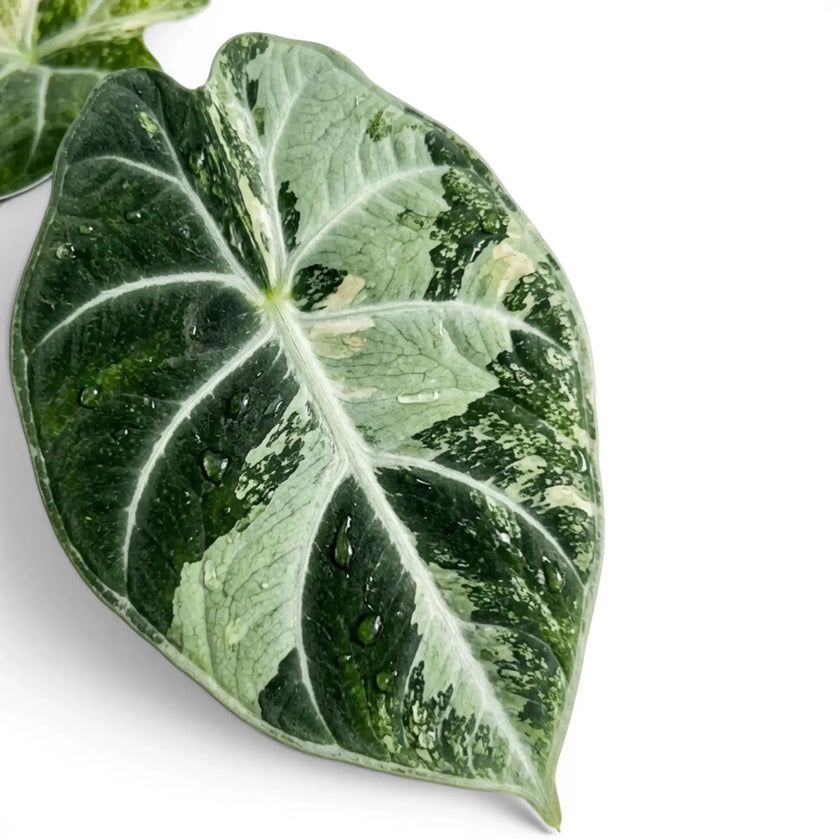
Alocasia reginula ‘Ninja Tricolor’
Sale priceFrom €36,60
Lowest price in the 30 days before this offer€45,75
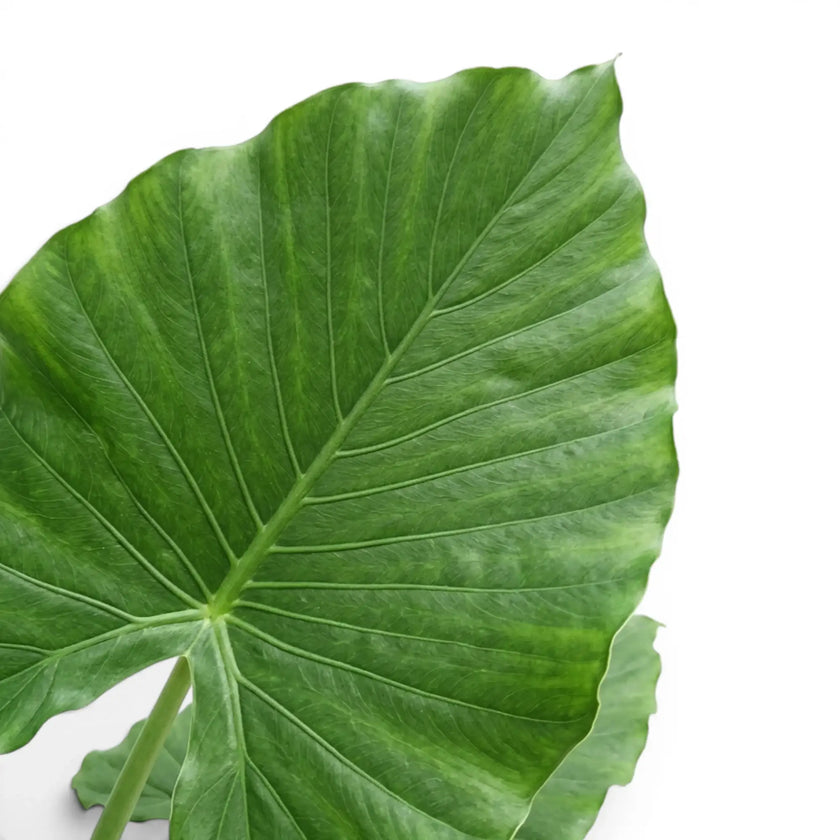
Alocasia odora ‘California’
Sale price€29,80
Lowest price in the 30 days before this offer€37,25
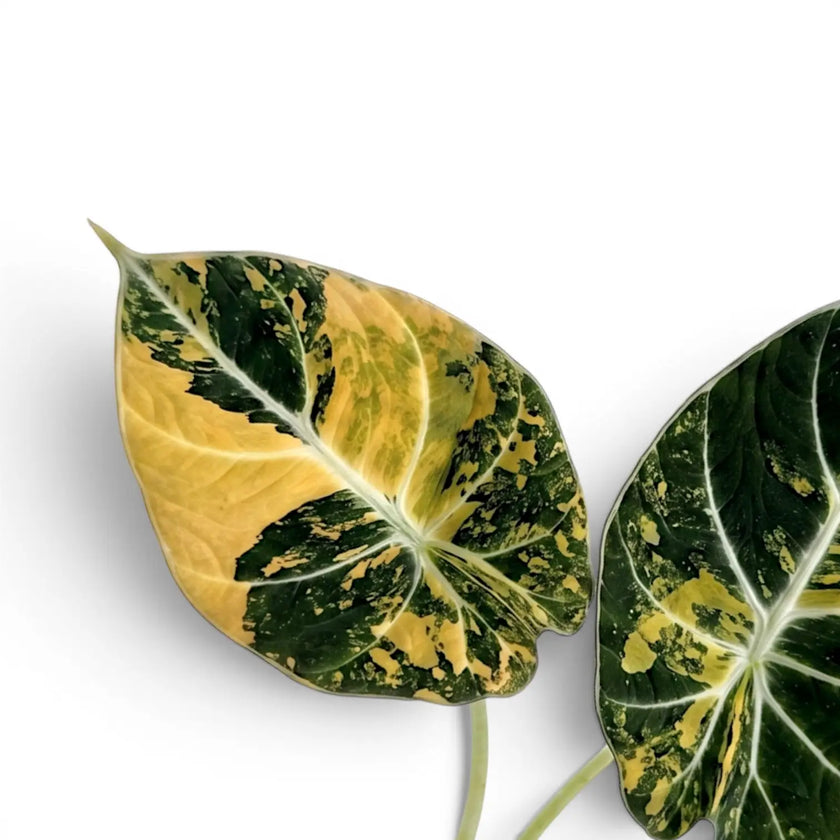
Alocasia reginula ‘Black Velvet Gold’
Sale price€73,53
Lowest price in the 30 days before this offer€86,50

Alocasia ‘Venom’
Sale price€49,94
Lowest price in the 30 days before this offer€58,75
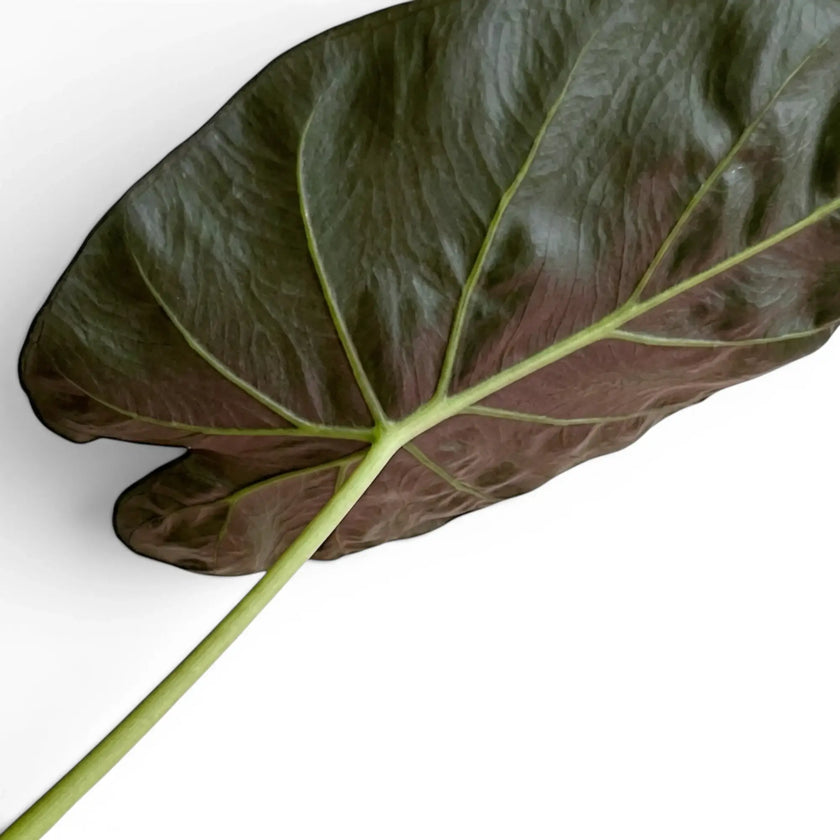
Alocasia ‘Wentii’
Sale price€15,30
Lowest price in the 30 days before this offer€18,00
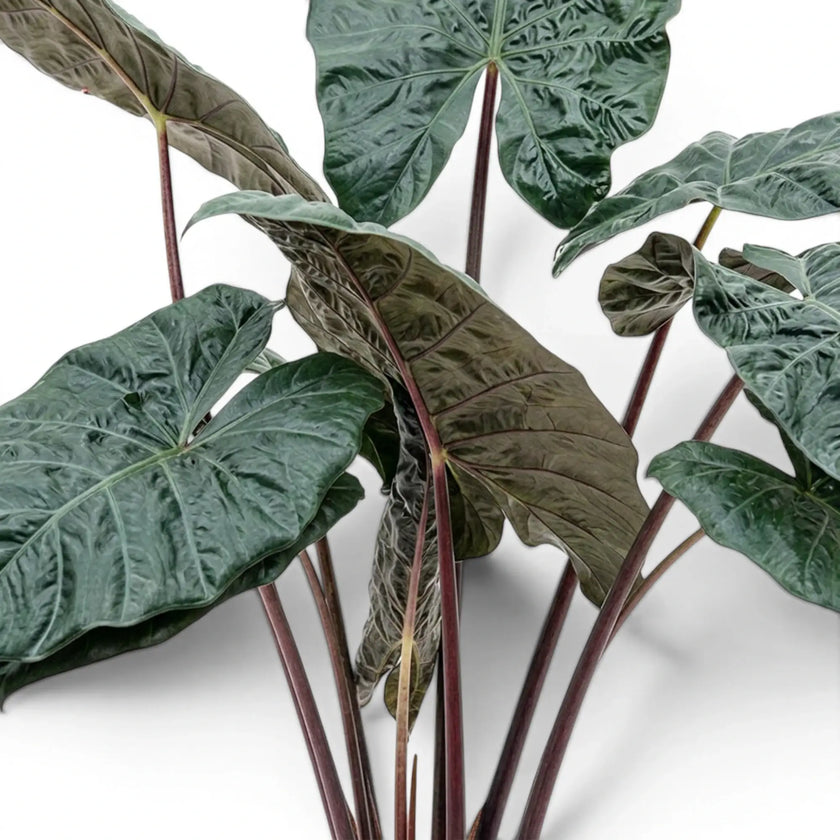
Alocasia ‘Yucatan Princess’
Sale price€95,00
Lowest price in the 30 days before this offer€118,75
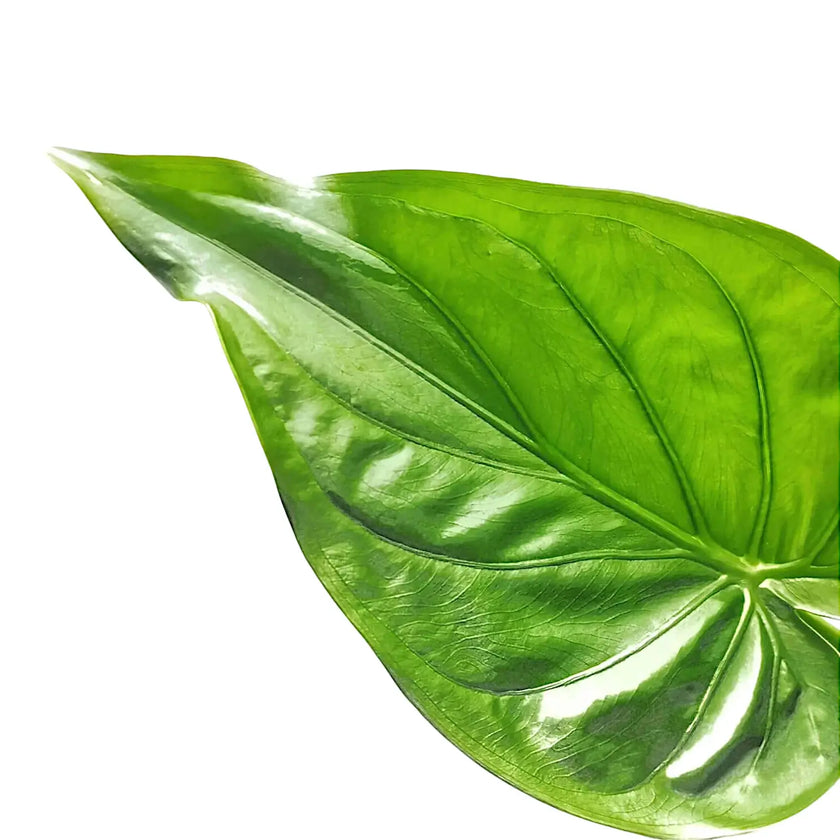
Alocasia cucullata
Sale price€29,80
Lowest price in the 30 days before this offer€37,25
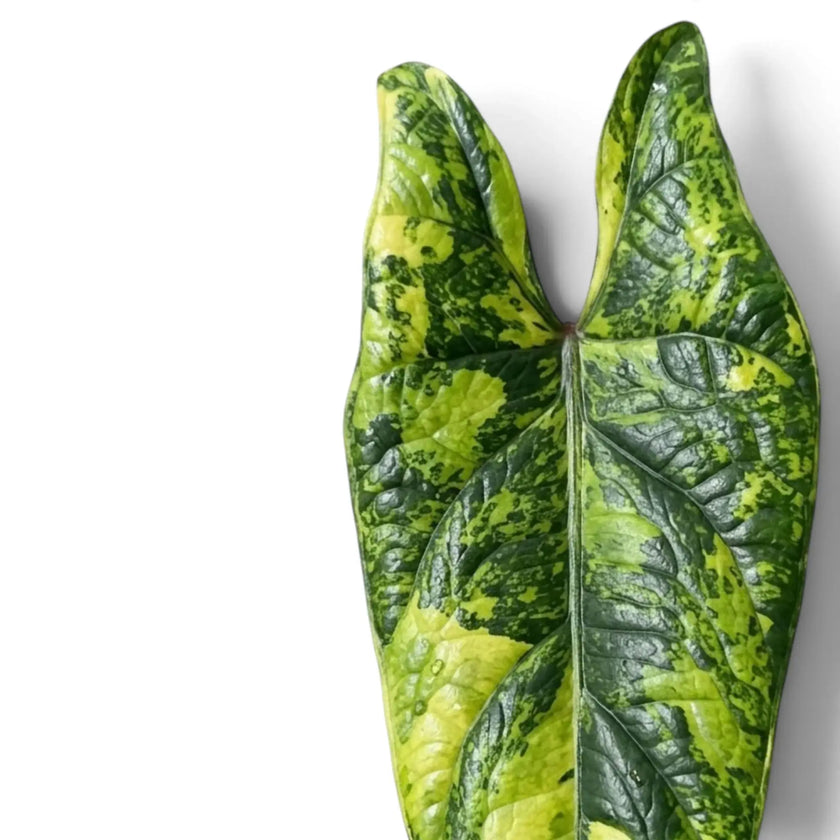
Alocasia scalprum ‘Aurea’
Sale price€50,15
Lowest price in the 30 days before this offer€59,00
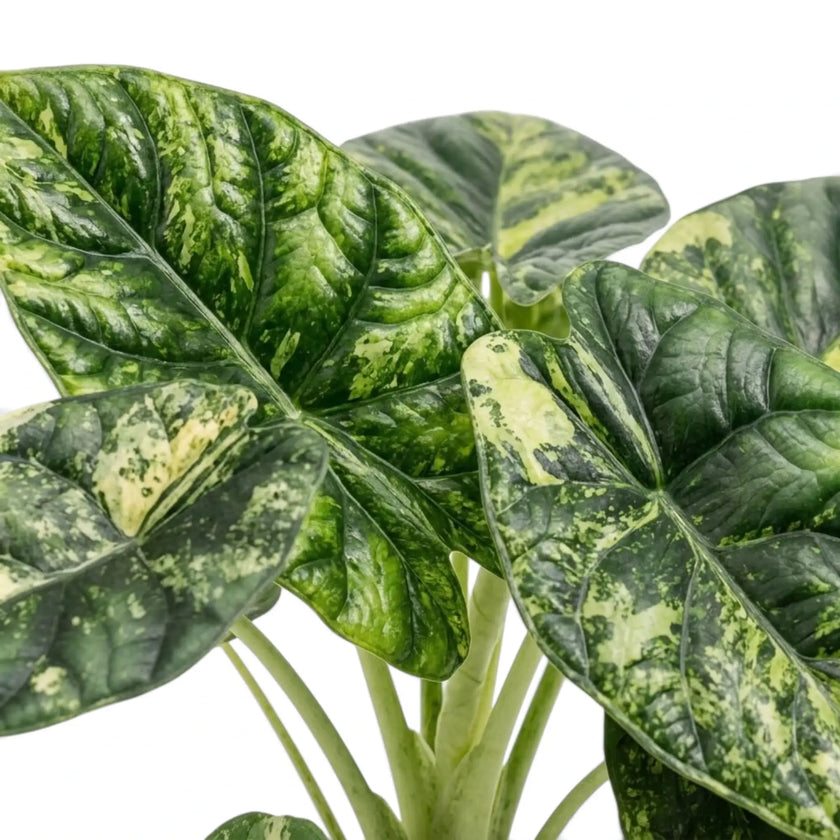
Alocasia sinuata ‘Aurea’
Sale price€50,15
Lowest price in the 30 days before this offer€59,00

Alocasia zebrina ‘Tigrina Variegata’
Sale price€67,15
Lowest price in the 30 days before this offer€79,00

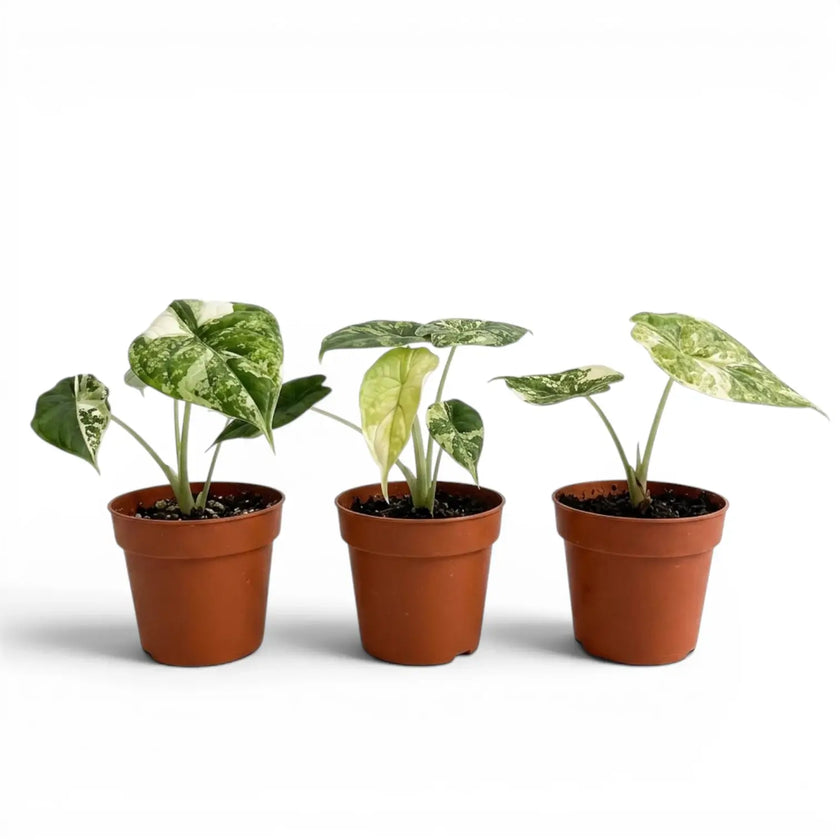
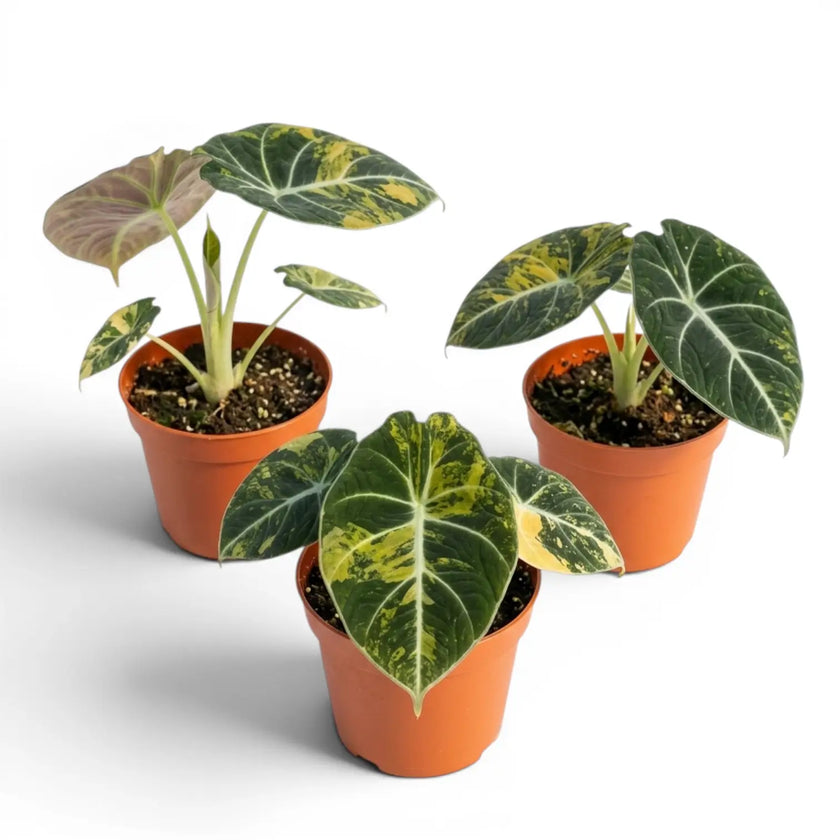
Plant Set: Alocasia Kindergarten
Regular price€28,95
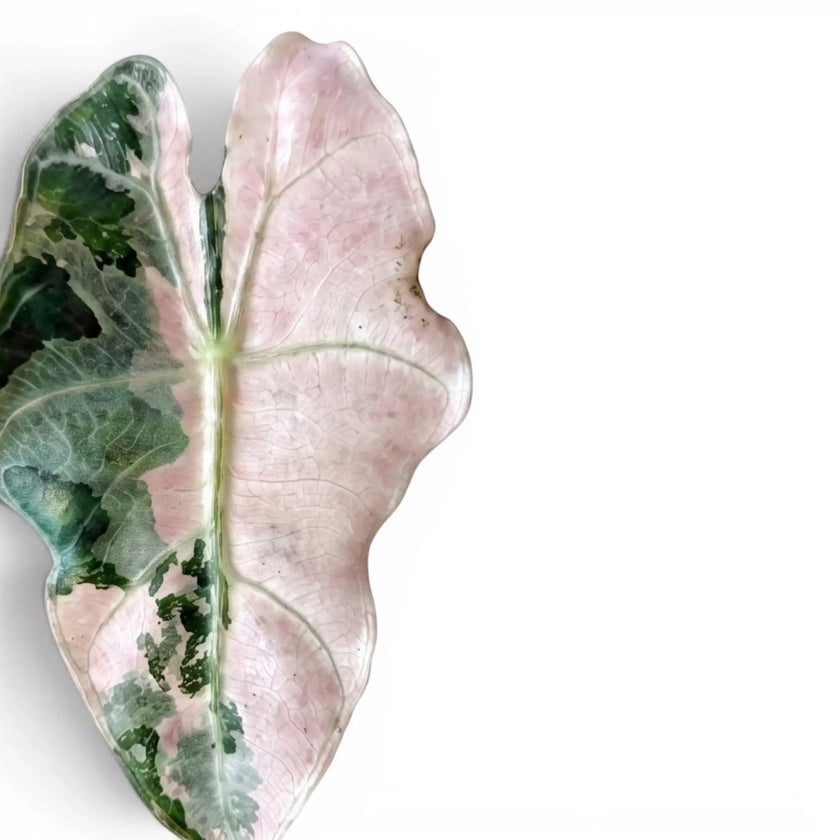
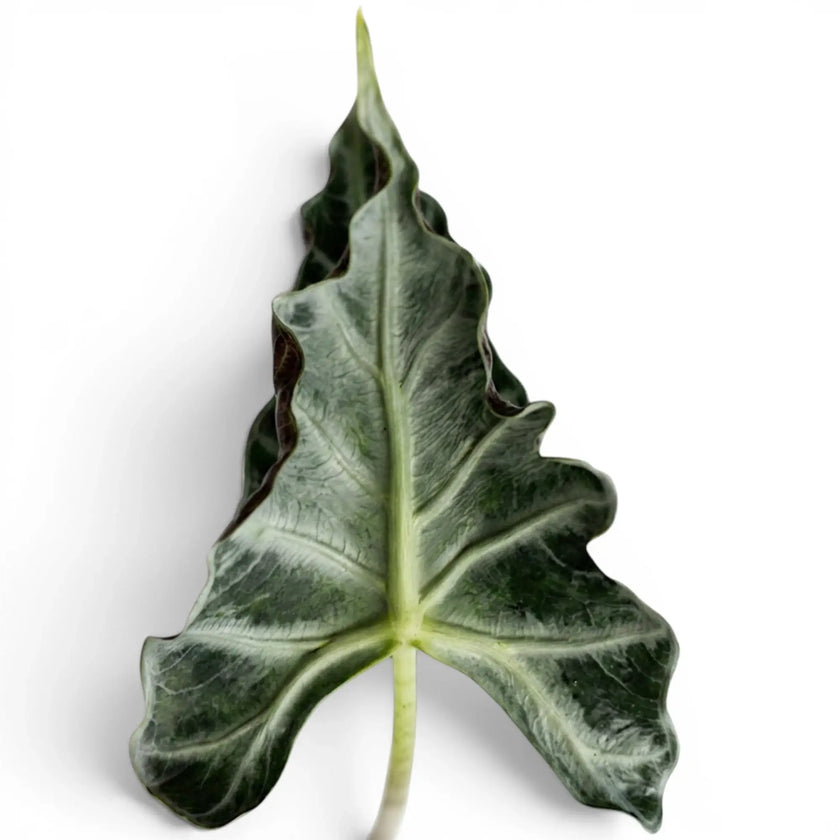
Alocasia 'Loco'Sold out
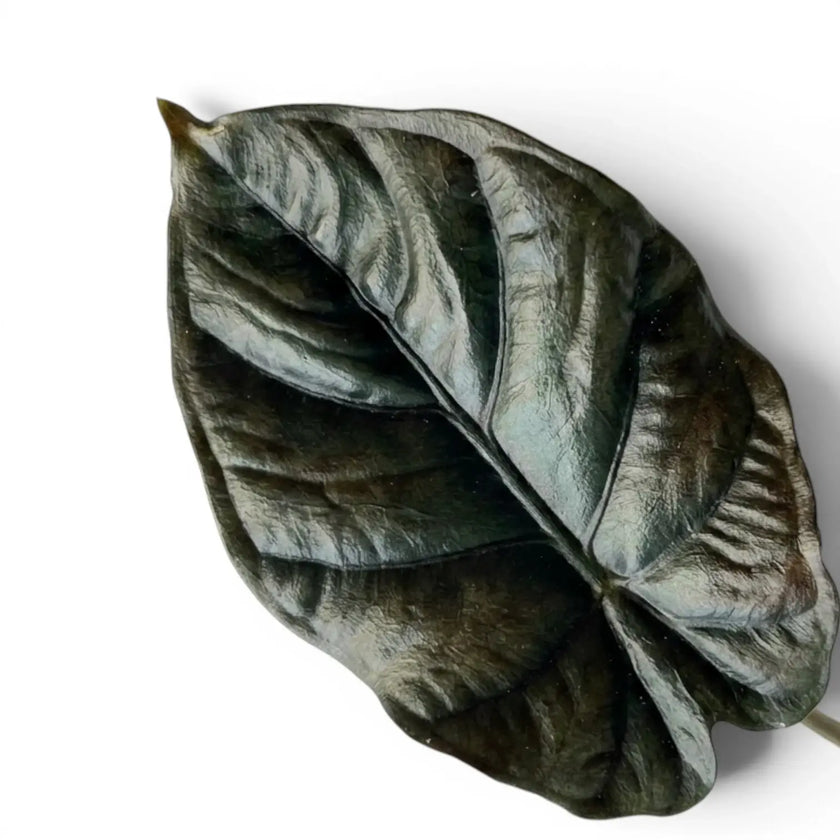
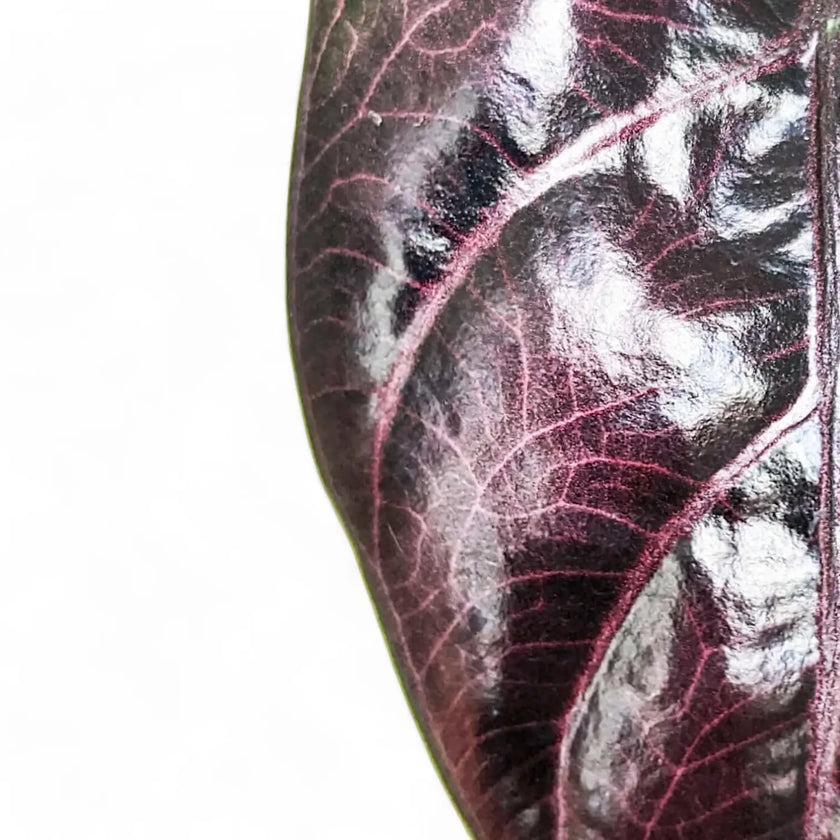
Alocasia azlaniiSold out

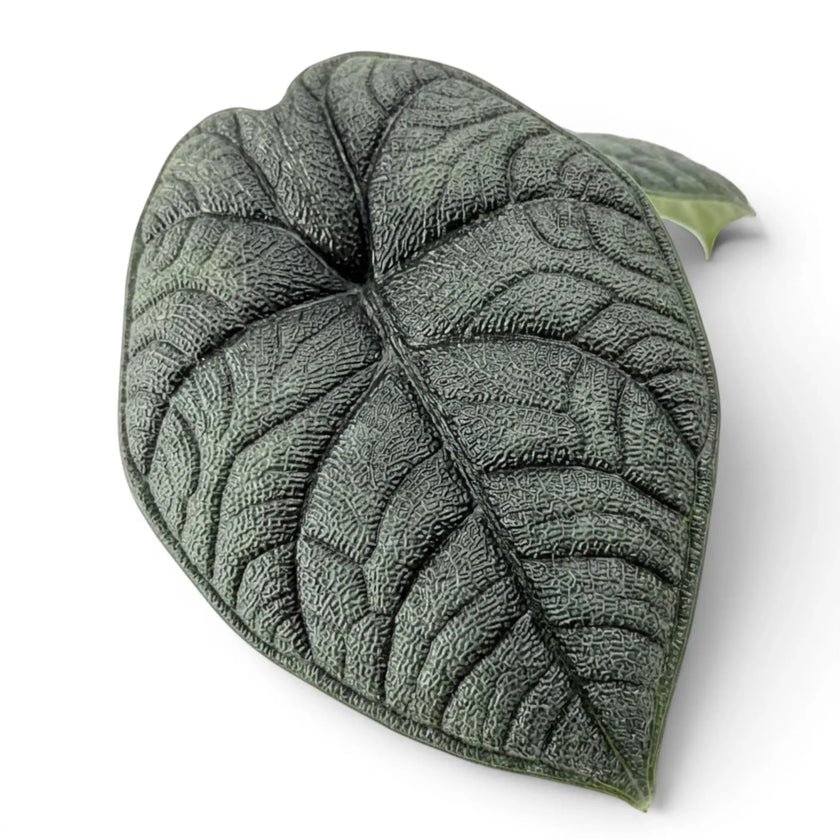
Alocasia meloSold out
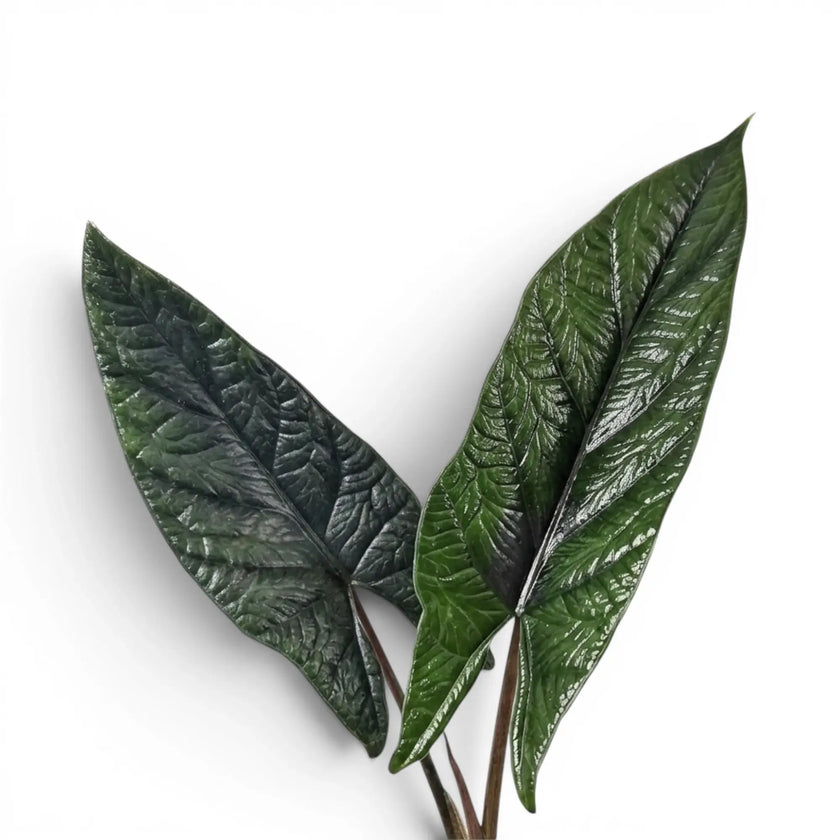
Alocasia scalprumSold out
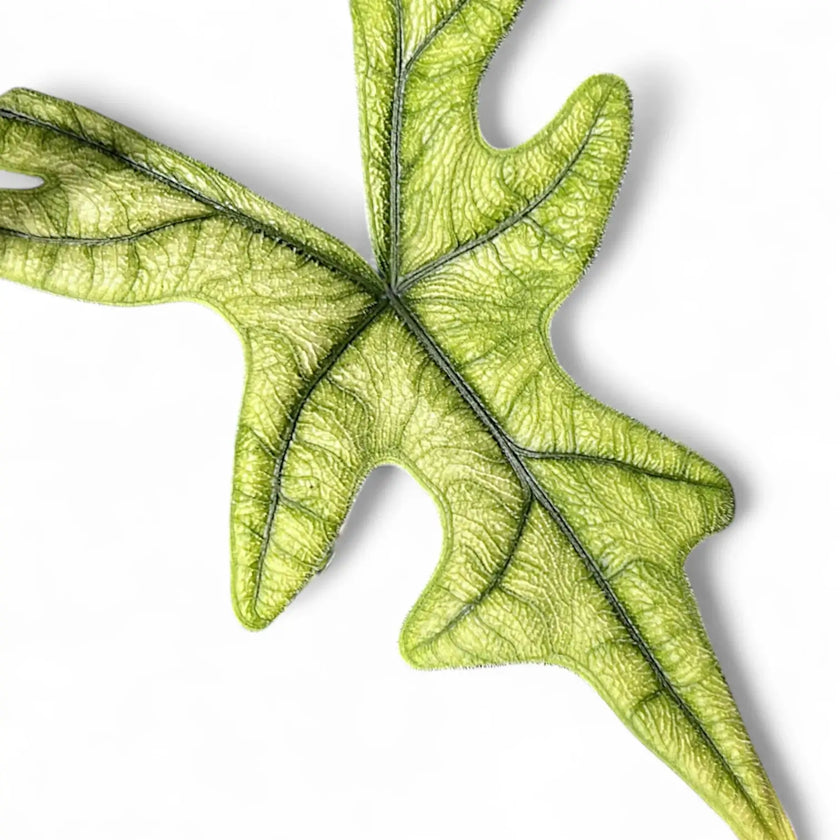
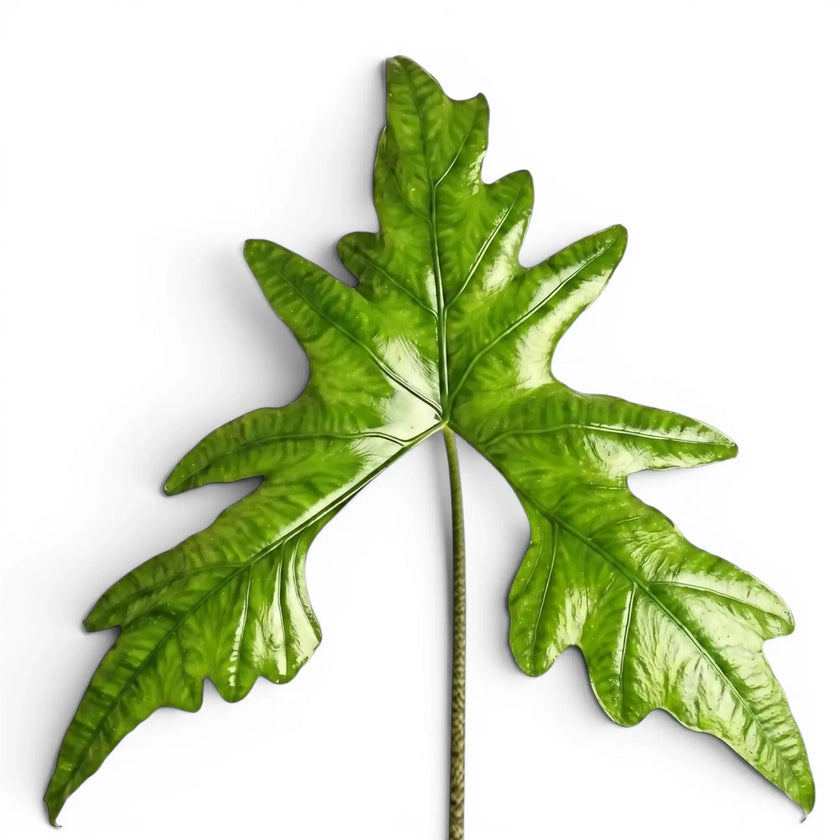
Alocasia nycteris ‘Batwing’Sold out
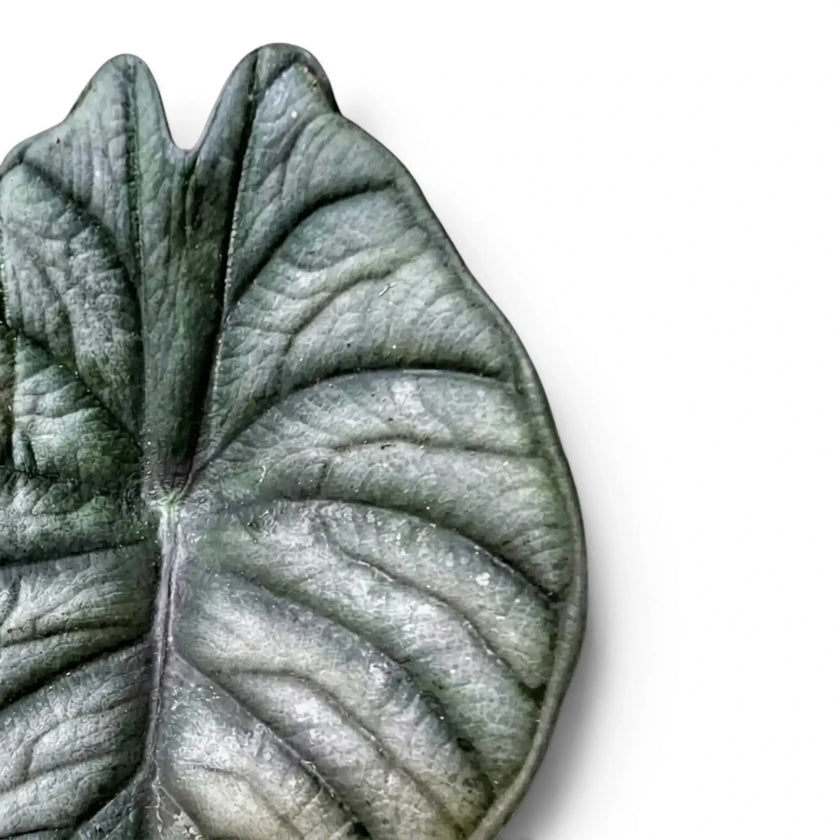

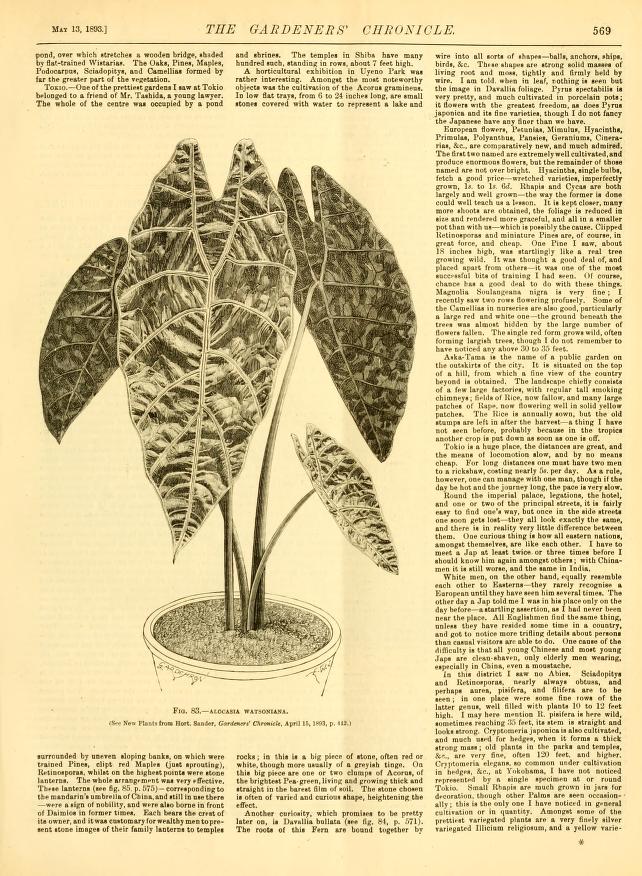
Alocasia longiloba ‘Watsoniana’Sold out

Alocasia 'Maharani'Sold out

Alocasia suhirmanianaSold out
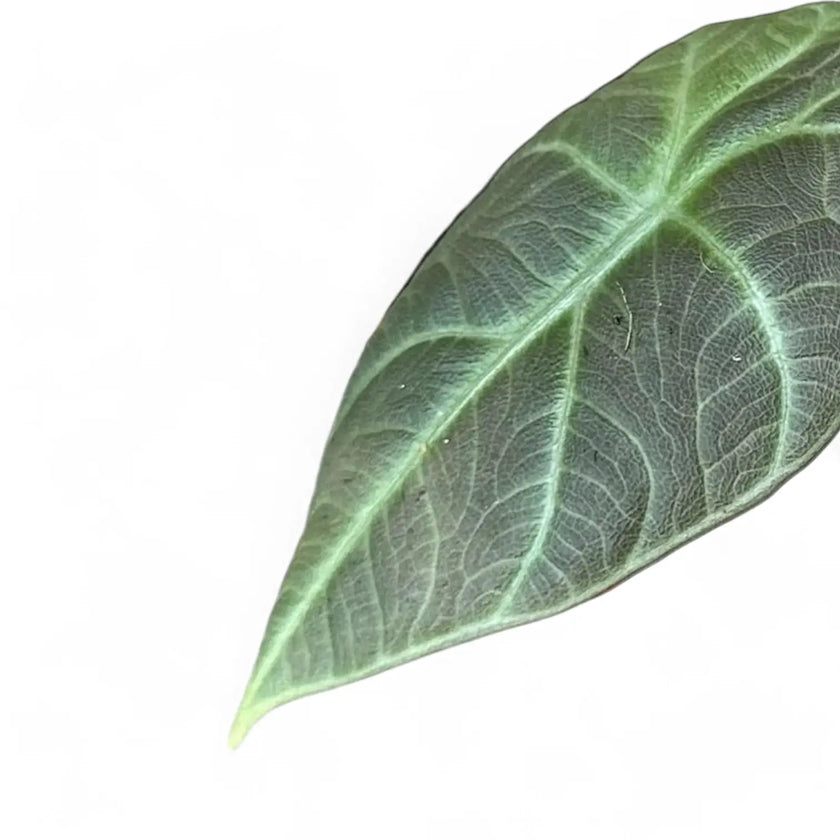
Alocasia ‘Dragon Moon’Sold out
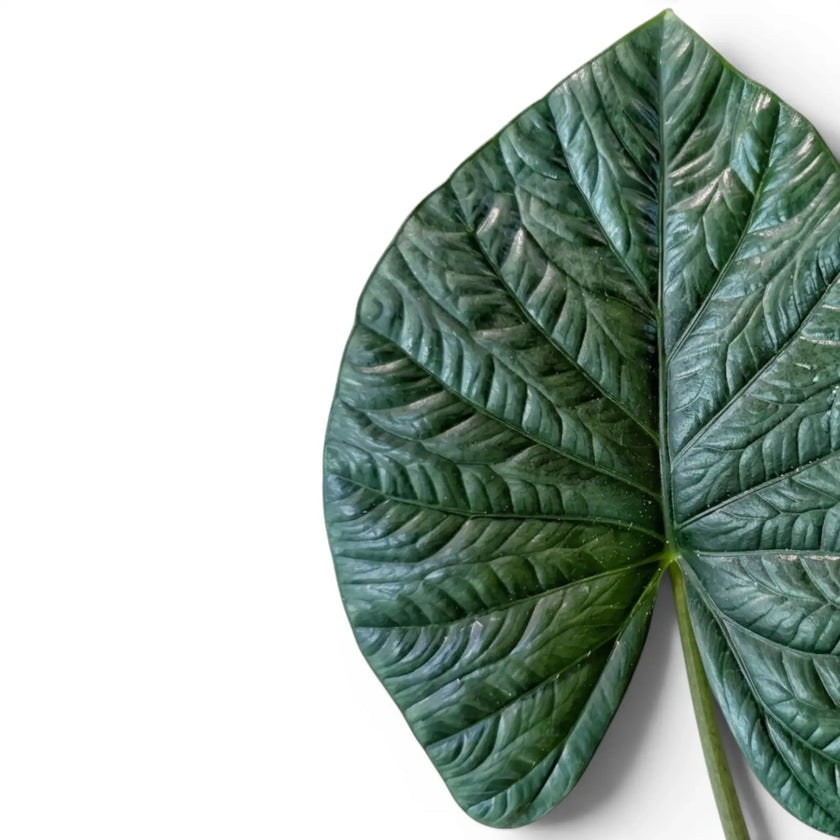

Alocasia reversaSold out

Alocasia ‘Chantrierii’Sold out
Araceae