Skip to content

Cart

Your cart is empty.

Alocasia

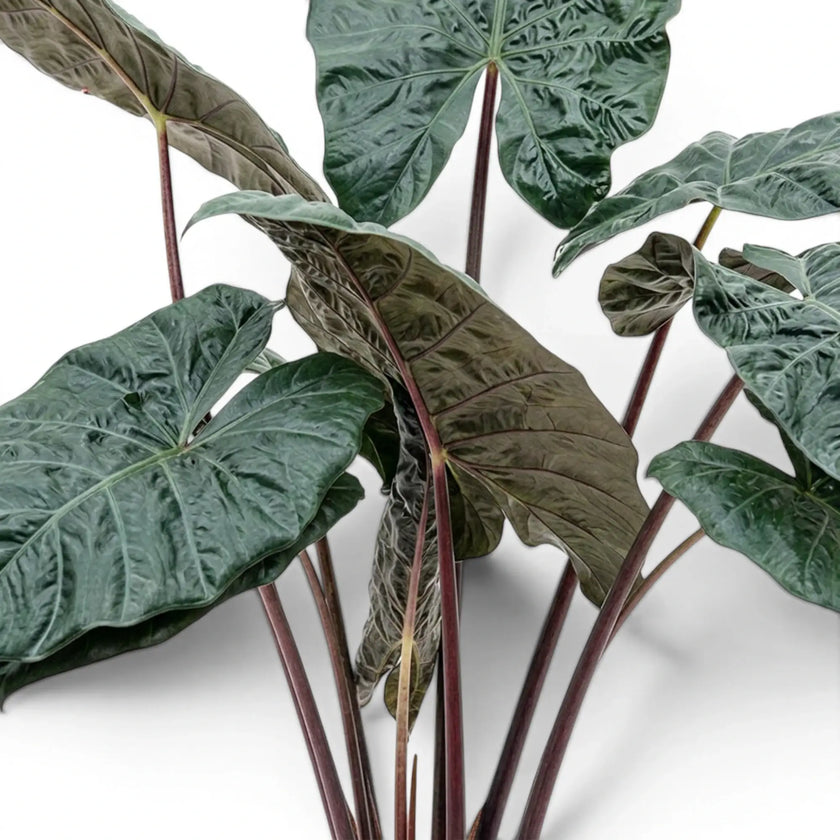
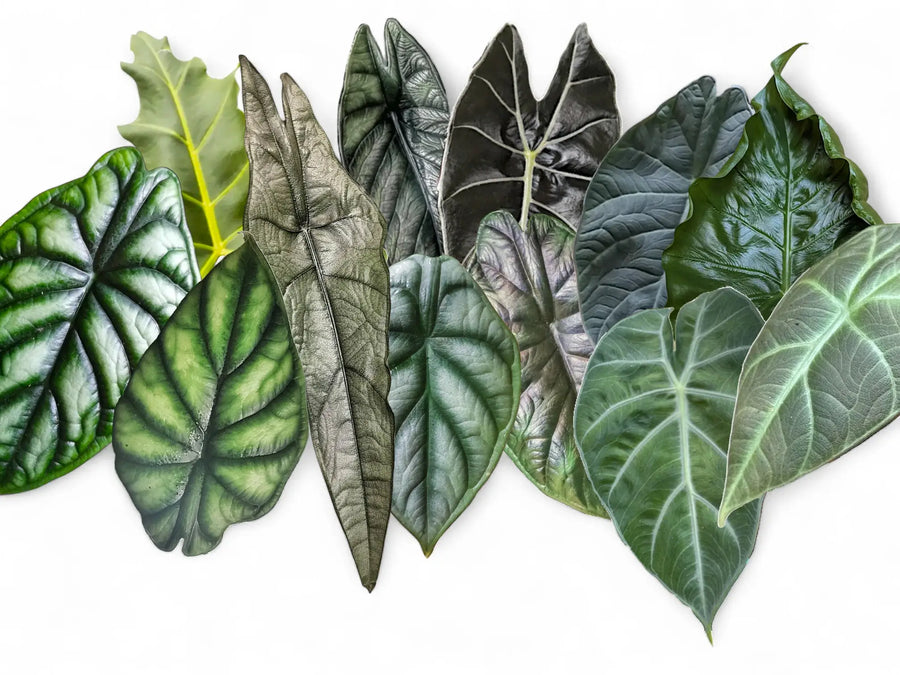
Alocasia foliage on white background

Sort by:

Filters

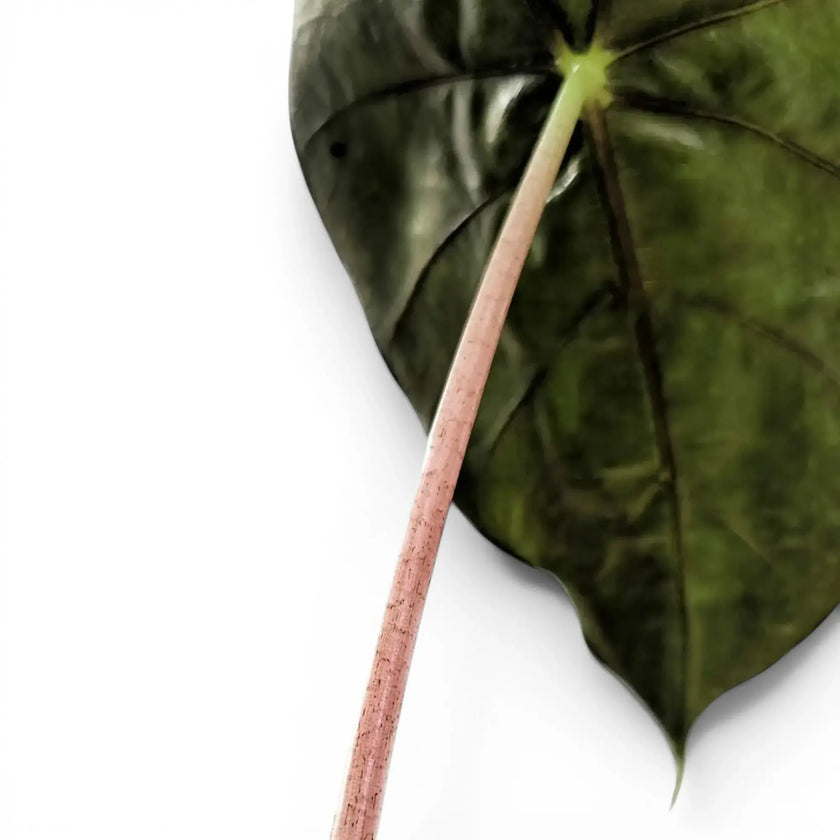
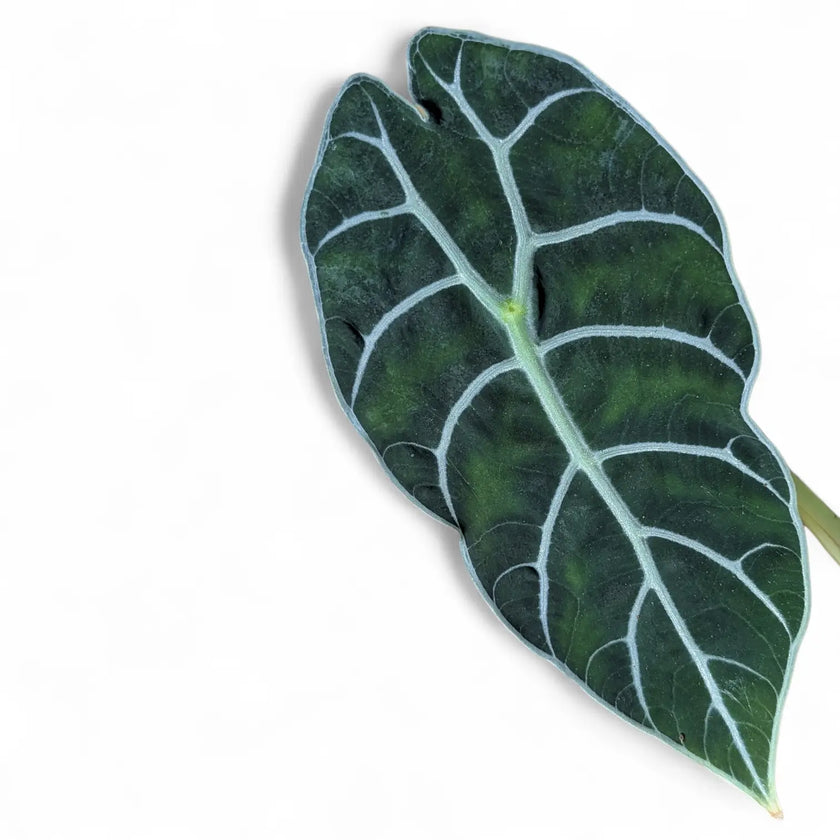
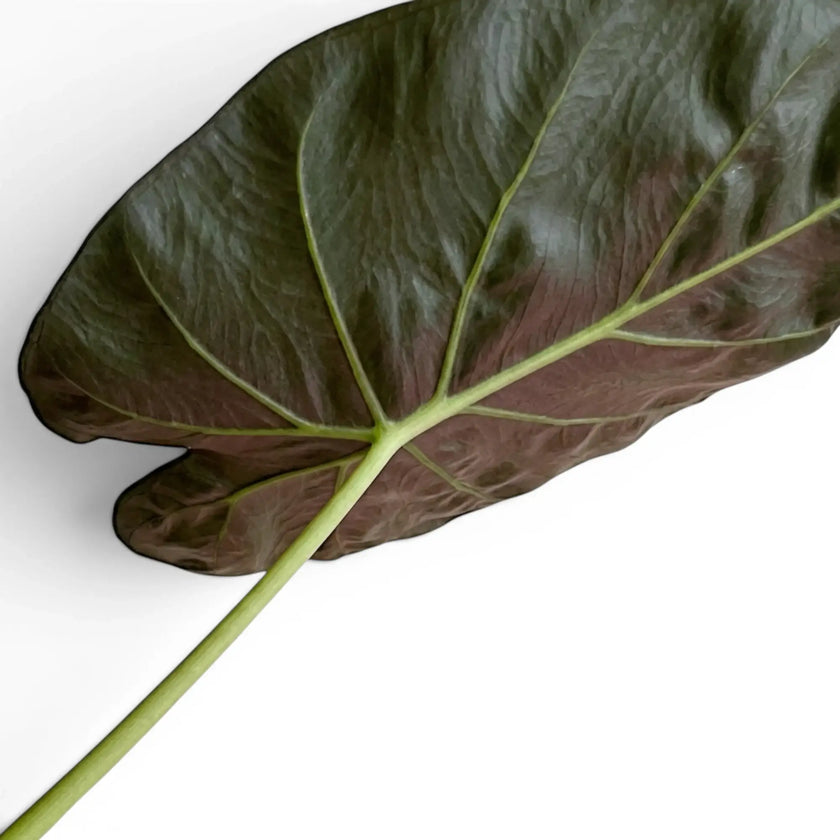
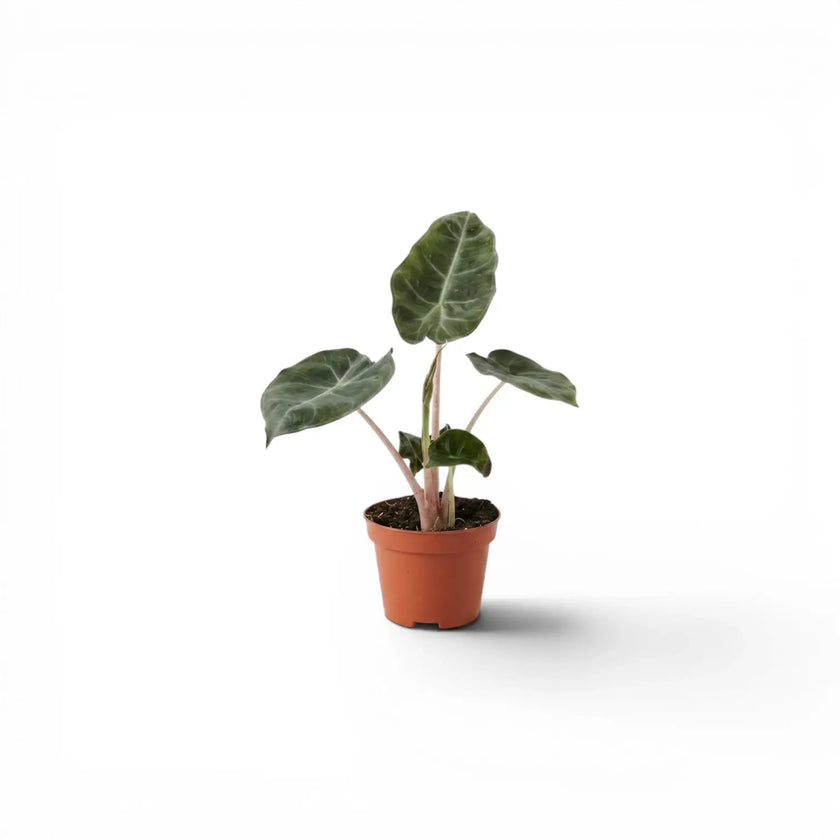
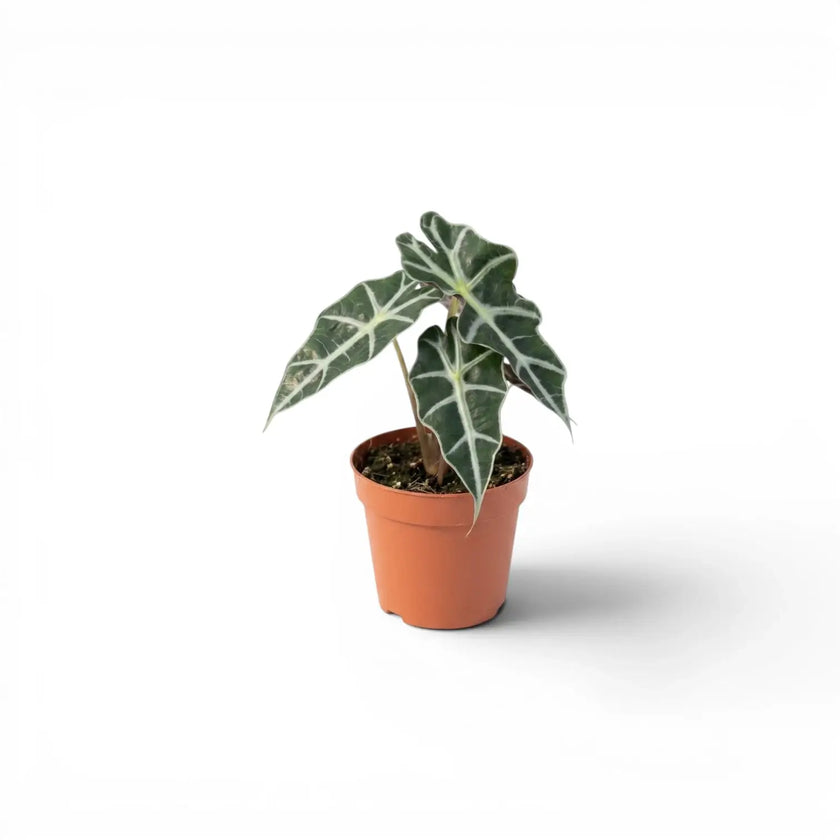
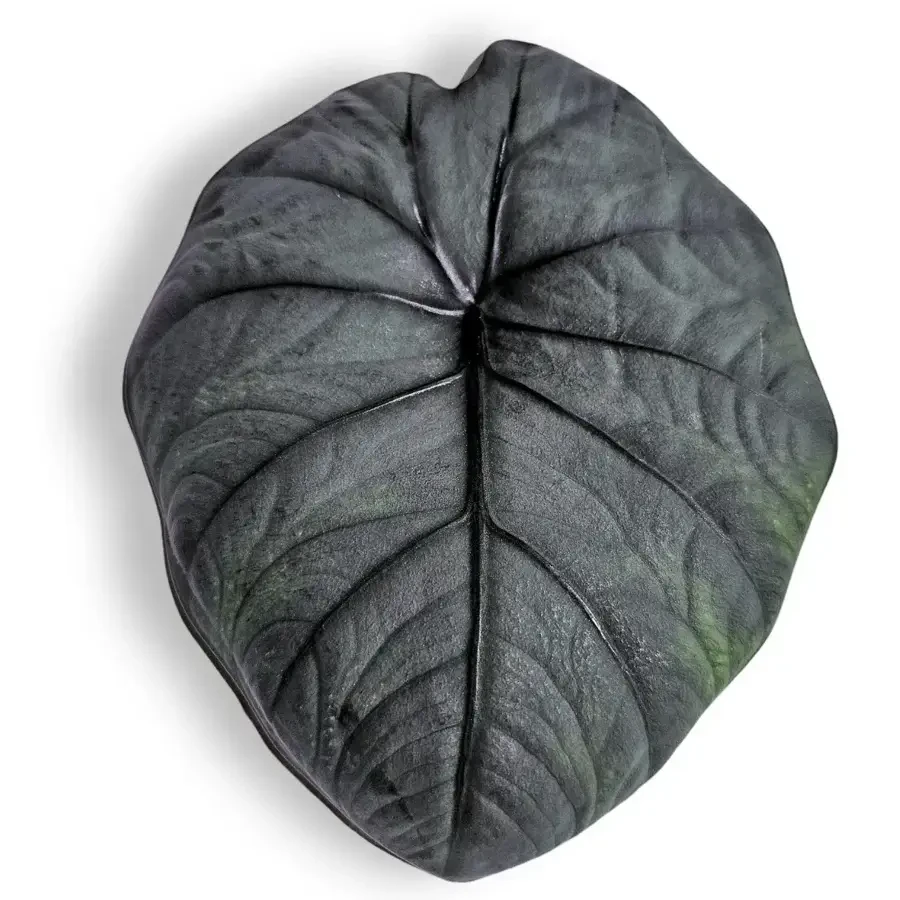
Close-up of Alocasia ninja textured, dark green leaf with white veins on a white background
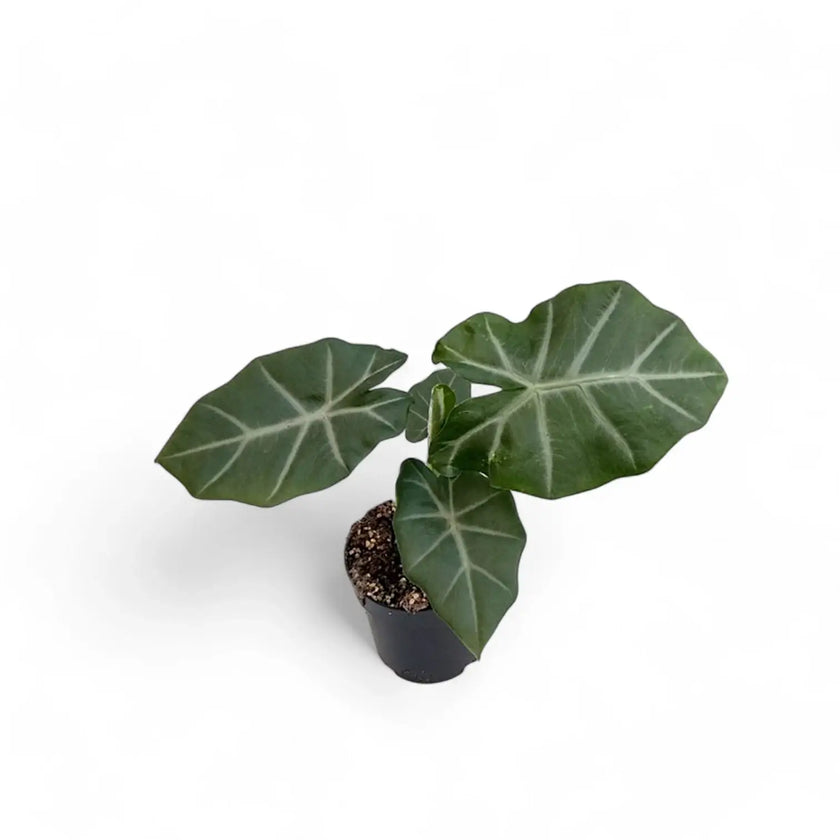
Alocasia reginula 'Ninja' Regular price €10,75
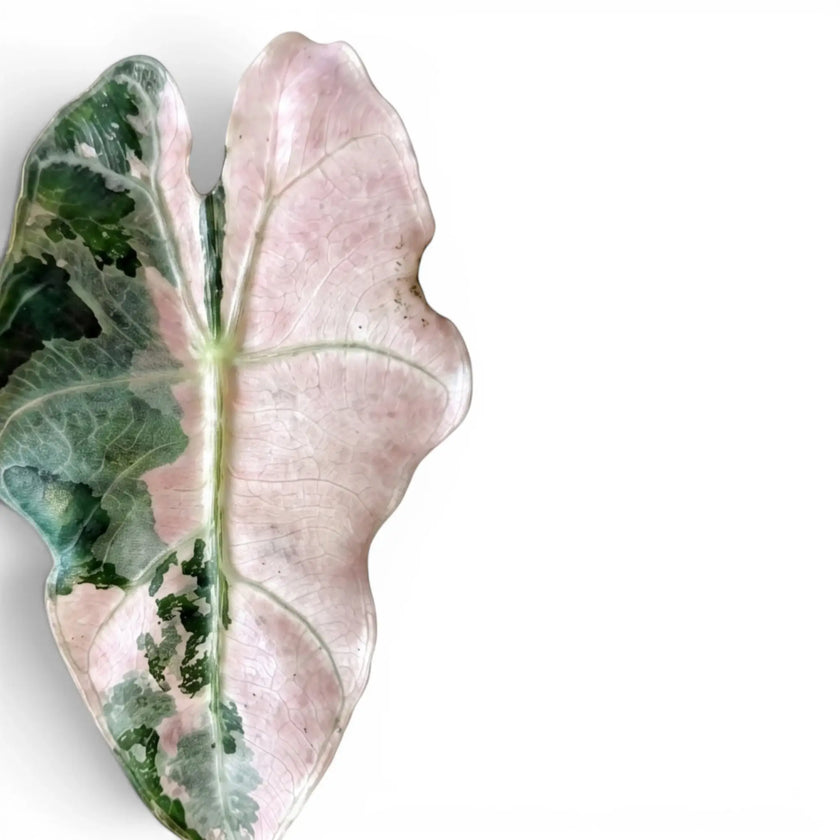
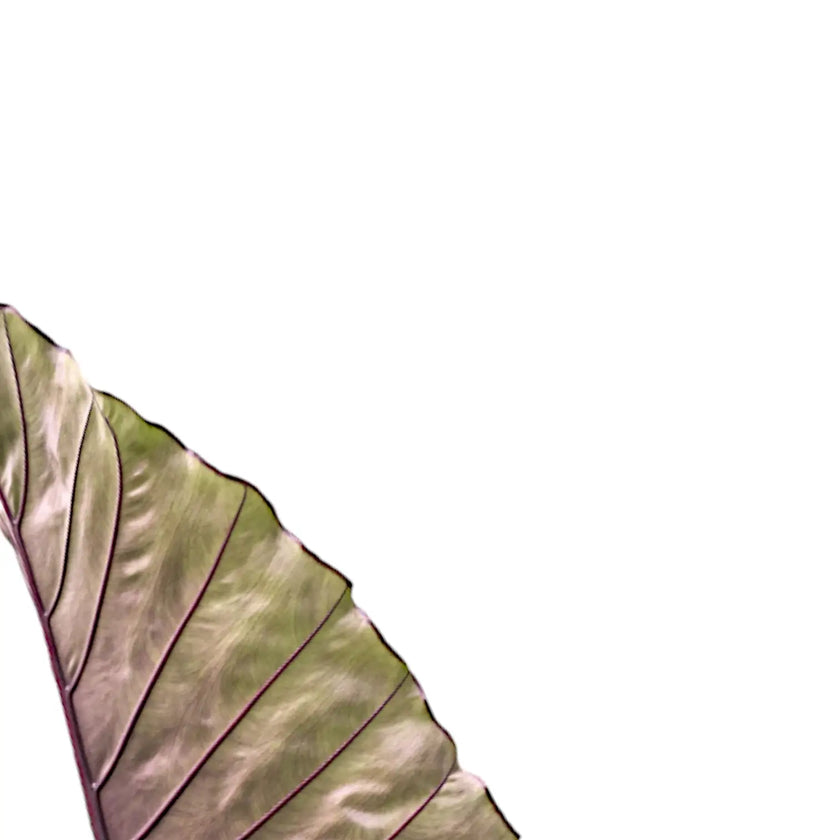
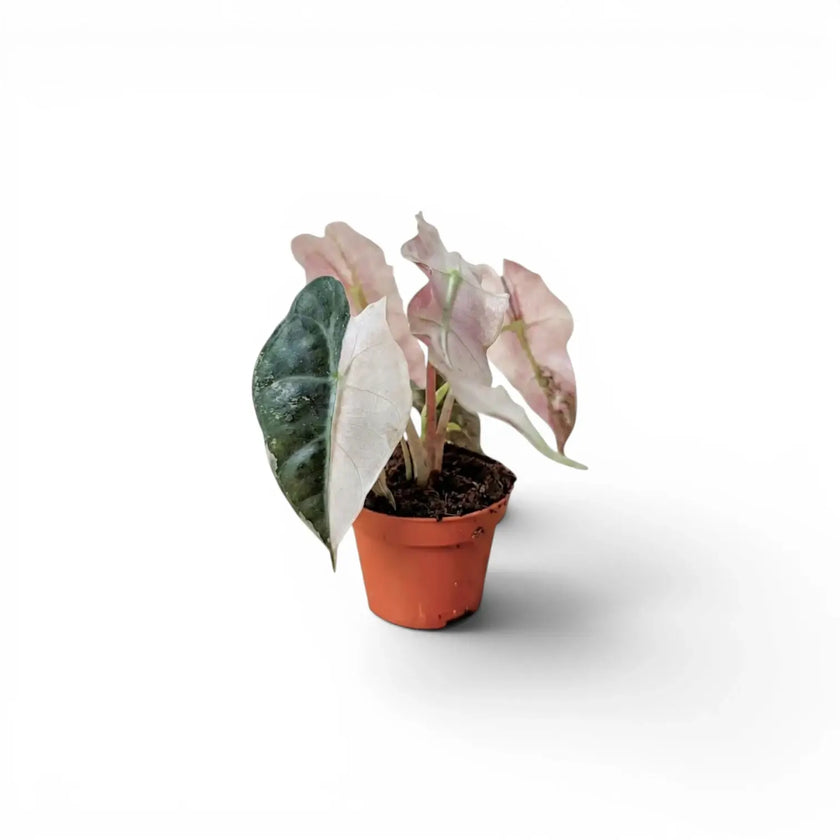
Close up of a dark green and pink variegated leaf of Alocasia reginula pink variegata on white background
Alocasia reginula 'Pink Variegated' Regular price €78,75
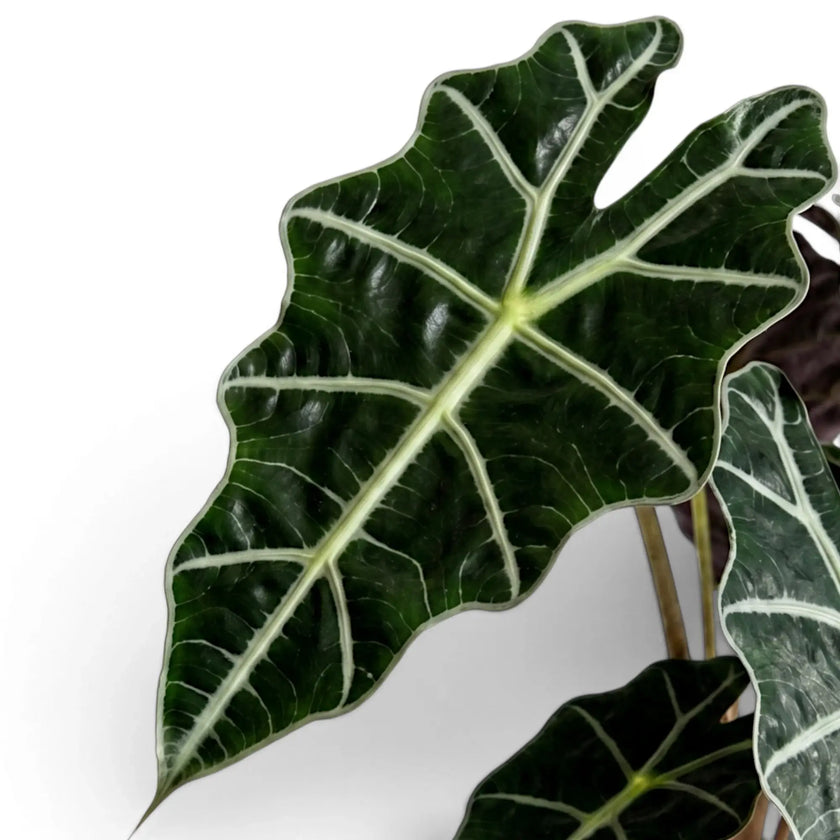
Close-up of Alocasia ninja textured, dark green leaf with white veins on a white background
Alocasia reversa Regular price €9,50
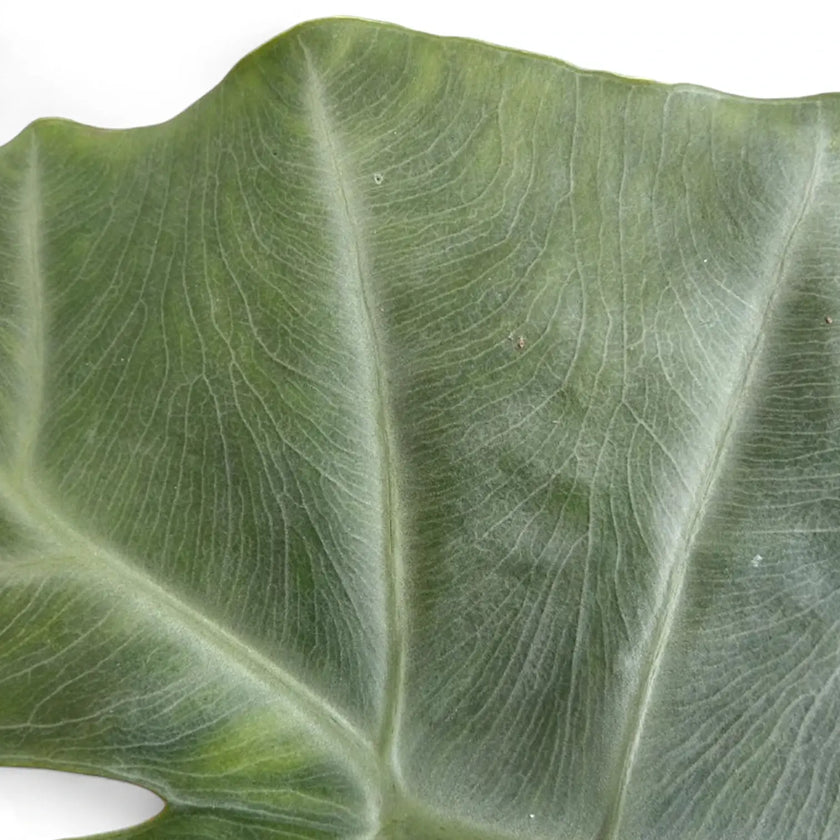
Alocasia sanderiana 'Nobilis' leaf close-up on white background.
Alocasia scabriuscula leaf close-up on white background.
Close-up of Alocasia scalprum lance-shaped leaf with deep texture on a white background
Alocasia scalprum Regular price From €10,75
Alocasia sinuata leaf detail on white background.
Alocasia sinuata Sold out
Alocasia sp. Papua close-up of leaf on white background.
Alocasia sp. Sulawesi leaf detail on white background.
Alocasia sp. Sulawesi 'Green Carpet' leaf detail on white background.
Alocasia sp. Sulawesi 'Sabrina Narrow' leaf detail on white background.
Alocasia suhirmaniana leaf detail on white background.
Alocasia venusta close-up of leaf on white background.
Alocasia venusta Sold out
Close-up of green leaves with striped stems of Alocasia zebrina on a white background
Alocasia zebrina Regular price From €9,50
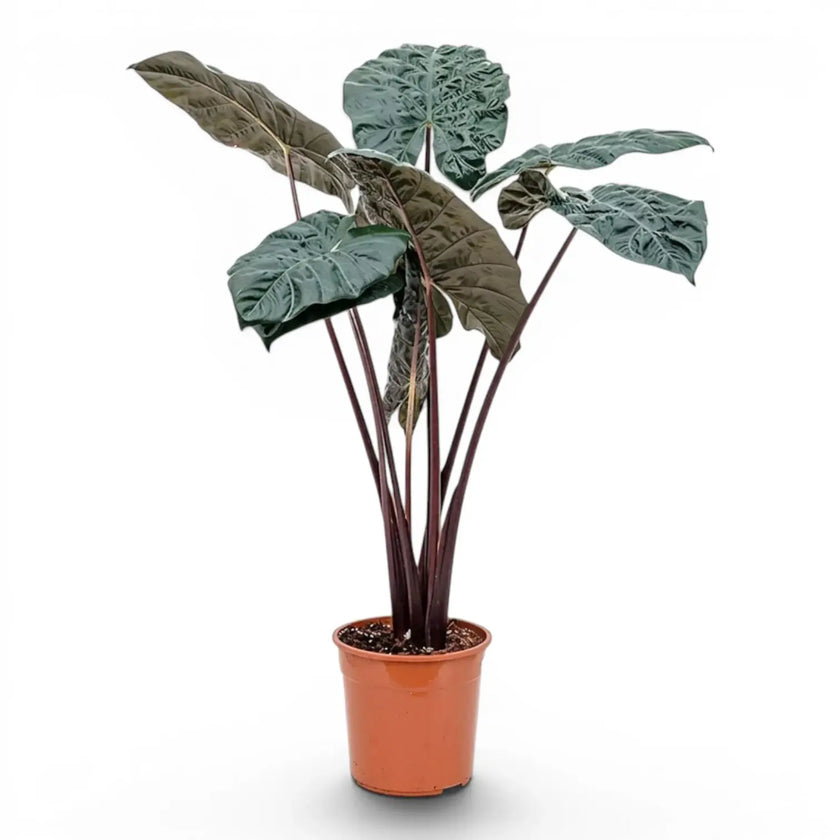
Close-up of Alocasia zebrina Black Stem black petioles and arrow-shaped leaves on a white background
Alocasia zebrina 'Black Stem' Regular price €37,50
Alocasia zebrina 'Reticulata' leaf detail on white background.
Close-up of patterned petioles and dark green, arrow-shaped leaves of Alocasia zebrina Tigrina Superba on white background
Alocasia zebrina 'Tigrina Superba' Regular price €34,75
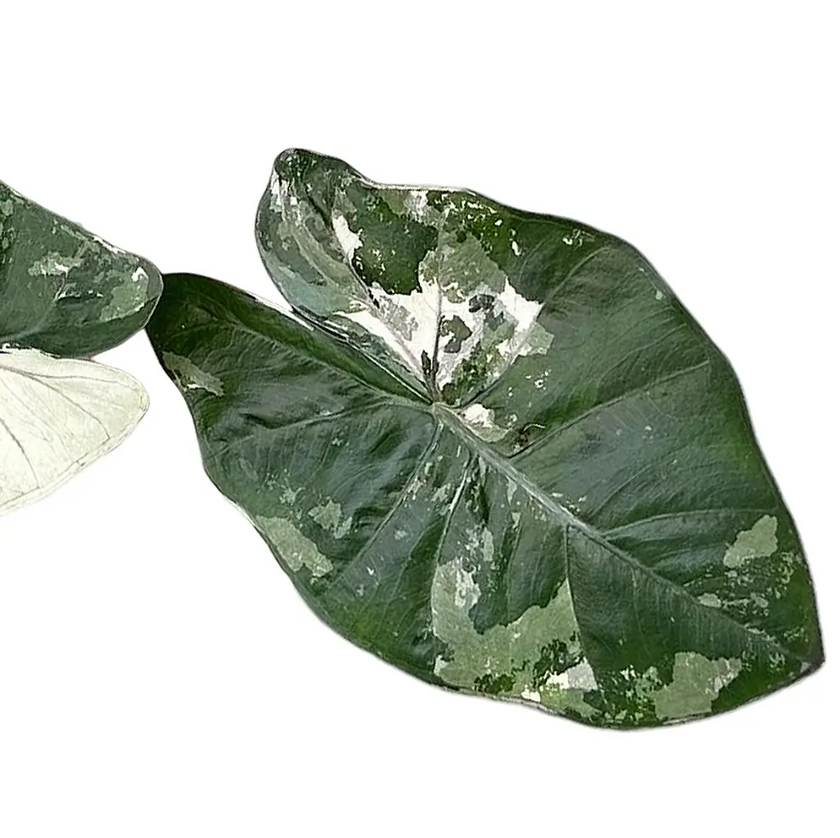
Alocasia ‘Mayan Mask’ ('Williams Hybrid’) leaf close-up on white background.
Alocasia ‘Sedenii’ leaf detail on white background.
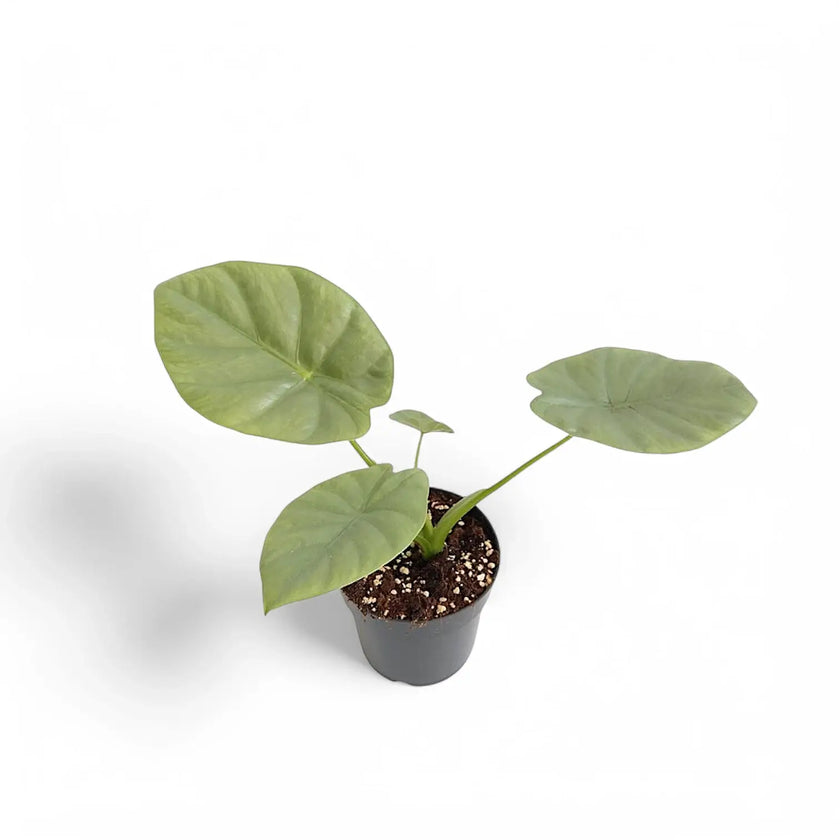
plant set: Alocasia Kindergarten main product photo on white background.
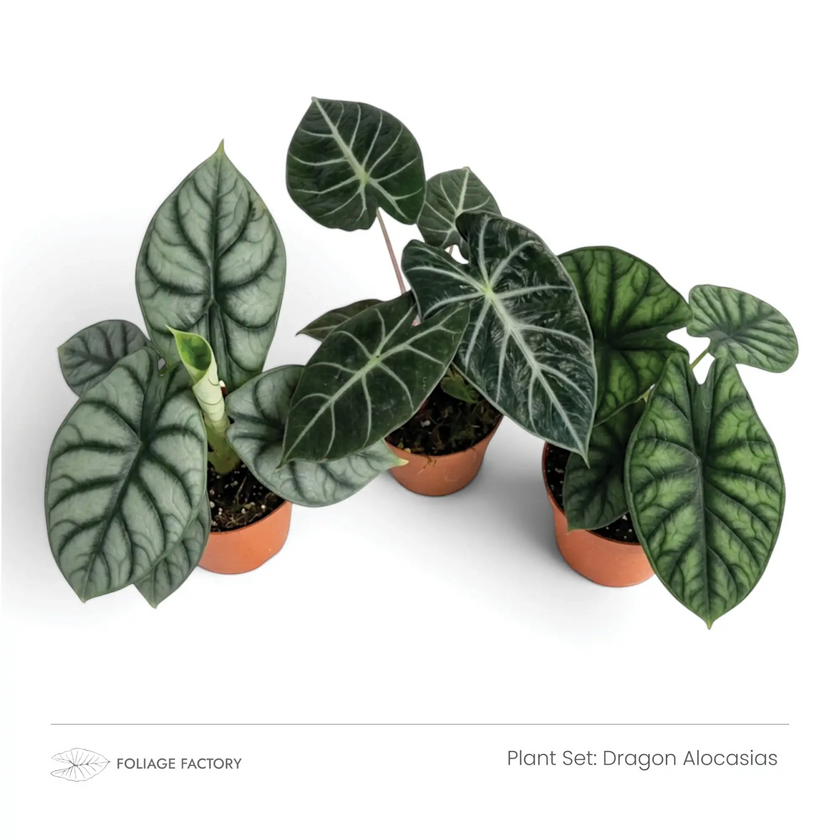
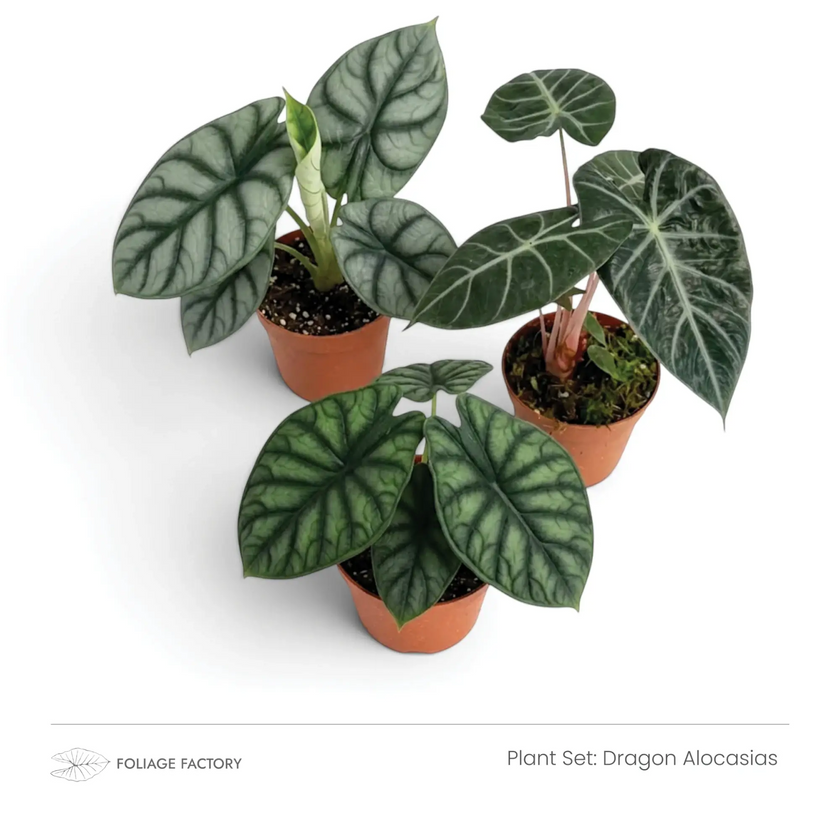
plant set: The Dragon Alocasias close-up of leaf on white background.
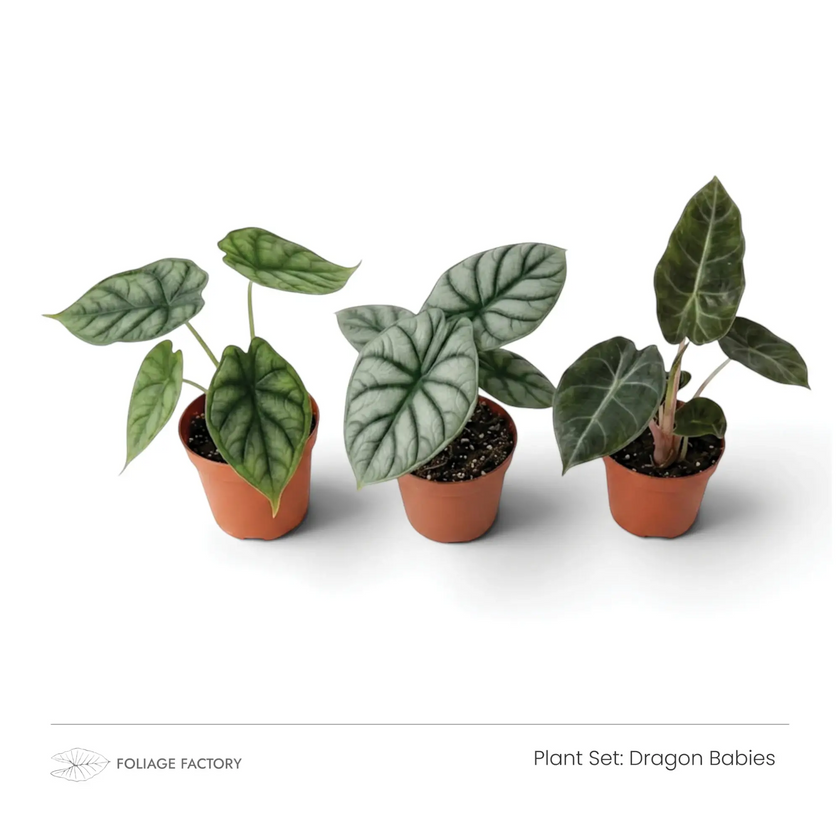
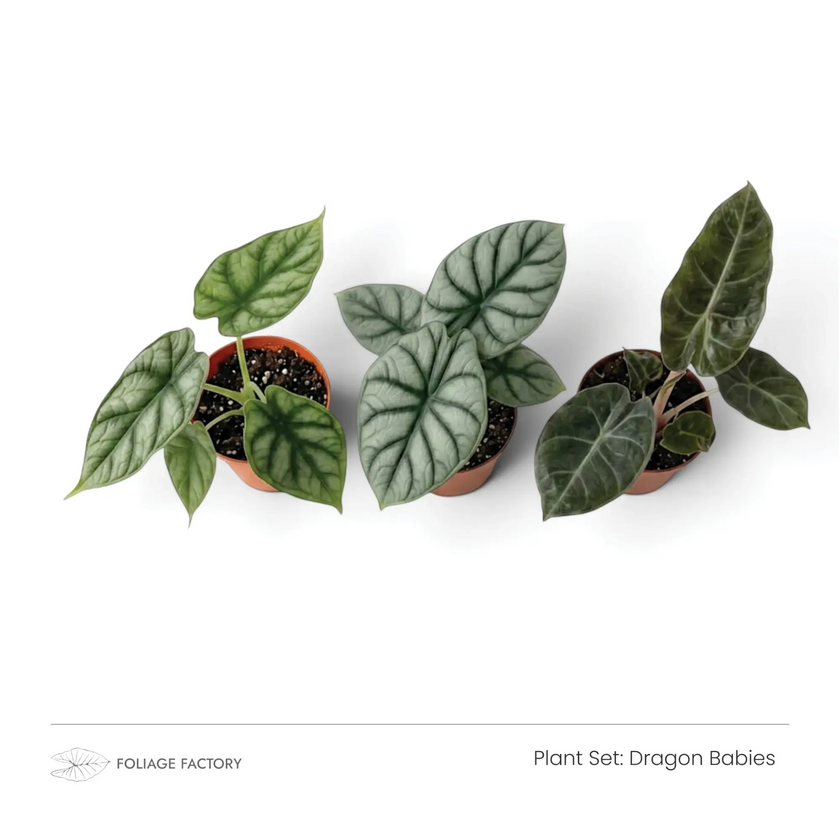
plant set: Dragon Babies leaf detail on white background.
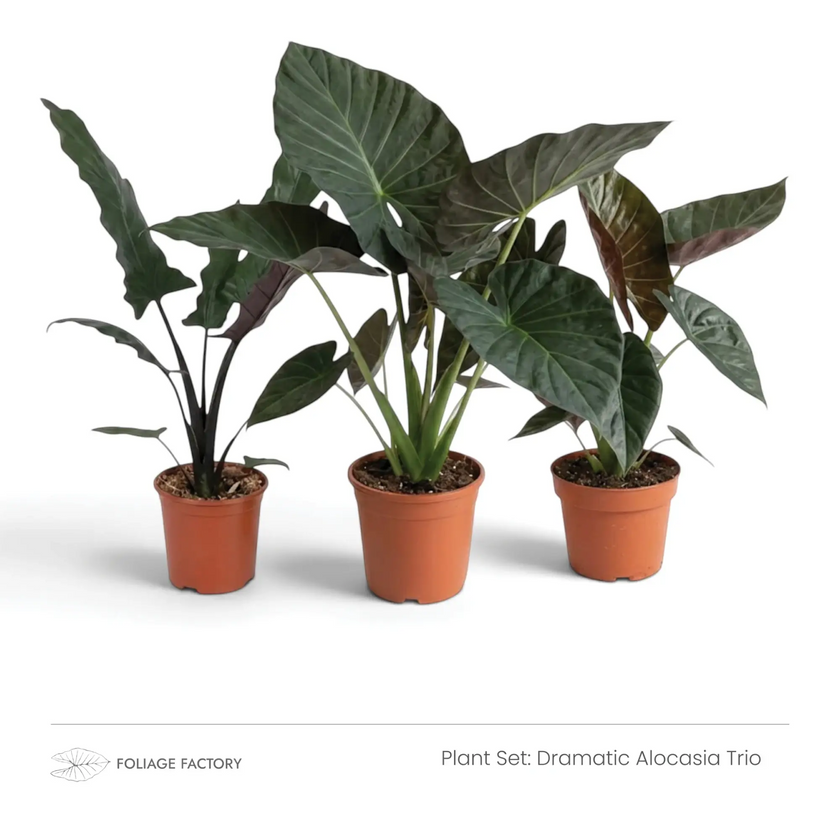
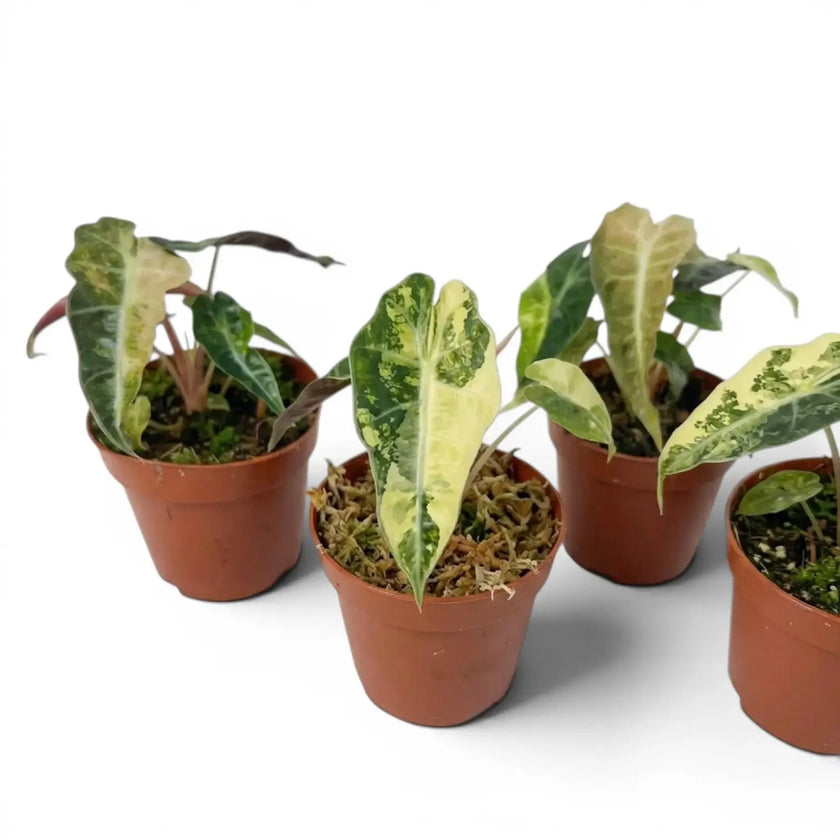
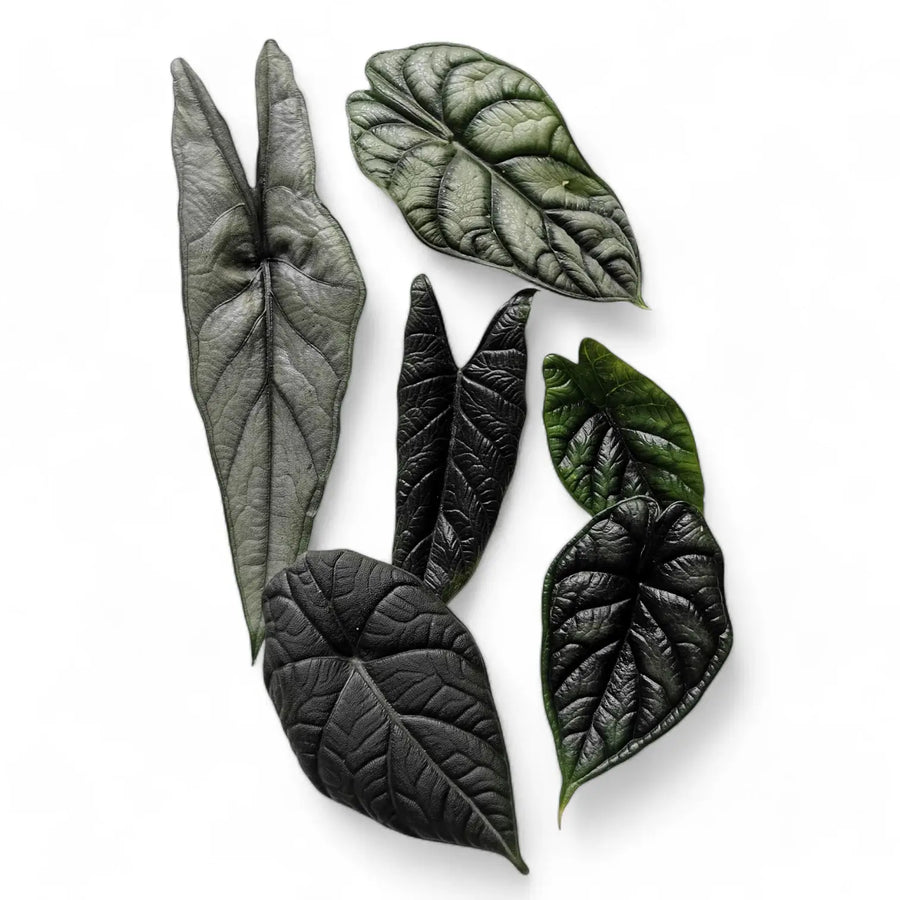
plant Set: The Dramatic Alocasia Trio leaf detail on white background.
Plant Set: Dramatic Alocasia Trio Regular price €66,95
plant set: The Maharani Family close-up of leaf on white background.

Araceae

Alocasia

Quick Overview

Alocasia: pulse-growth aroids with big opinions

  • Growth pattern: corm- or rhizome-based plant that pushes leaves in pulses; losing an old leaf when a new one appears can be normal.
  • Light band: prefers bright, indirect light or gentle morning sun; deep shade shrinks leaves, hard glass sun burns them.
  • Watering: water when the upper few centimetres of substrate have dried, keeping the root zone moist, never boggy or fully dry for long.
  • Substrate choice: needs a chunky aroid mix with bark and mineral structure so roots and corms get air as well as moisture.
  • Climate: behaves best around 18-26 °C with some humidity; cool, wet soil is a faster route to rot than moderate dryness.
  • Safety: all parts are considered toxic if chewed; position away from children and animals that like to nibble foliage.
Botanical Profile

Alocasia: botanical profile for elephant ear aroids

Alocasia is a genus of rhizomatous or tuberous perennial aroids in Araceae, established as a genus by G. Don in 1839 based on earlier work by Schott. Name formation reflects separation from Colocasia and historical association with taro-like plants. Roughly 90 accepted species are recognised, alongside numerous ornamental hybrids prized for striking foliage.

  • Order: Alismatales
  • Family: Araceae
  • Tribe: Colocasieae
  • Genus: Alocasia (Schott) G. Don
  • Type species: Alocasia cucullata (Lour.) G. Don
  • Chromosomes: Polyploid series with reported 2n = 28, 42, 56, 70 and 84, indicating multiple genome duplications

Range & habitat: Native to tropical and subtropical Asia through to eastern Australia, from northeastern India and southern China through Southeast Asia, Indonesia, the Philippines, New Guinea and Queensland. Alocasia species inhabit humid forest understories, stream margins, forest edges and periodically flooded lowlands, with some extending into lower montane zones around 2 000 m.

  • Life form: Rhizomatous or corm-forming perennial herbs, ranging from compact species to taxa with massive petioles and leaf blades.
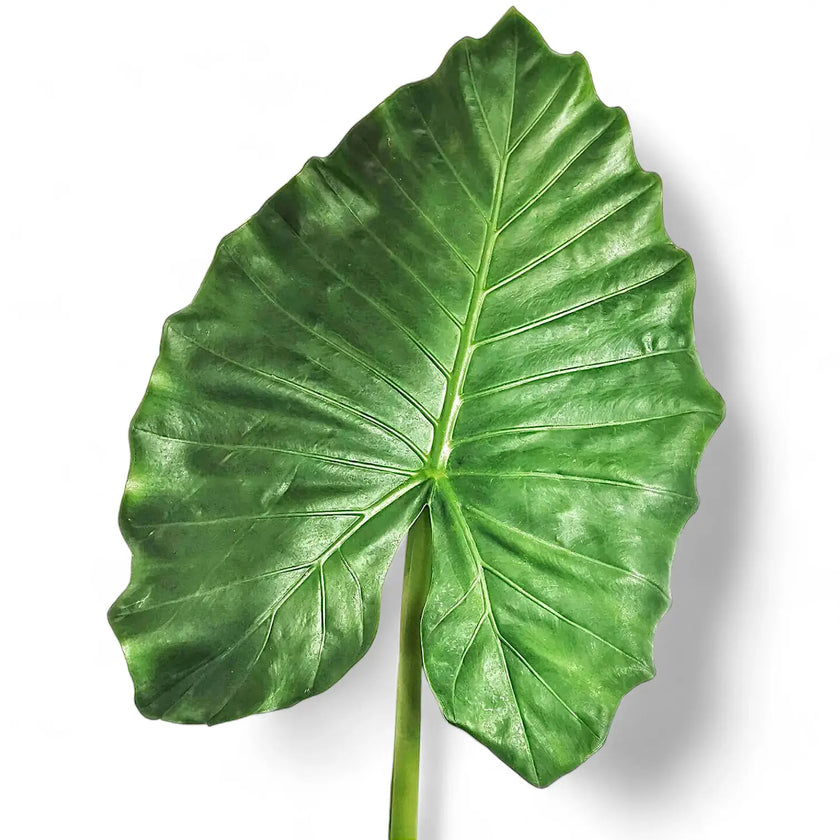
  • Leaf attachment: Long, fleshy petioles attached near the basal sinus of sagittate to cordate blades, giving the characteristic elephant ear silhouette.
  • Leaf size: Many species develop blades 20-90 cm long; in giant forms, single leaves can exceed 1 m with petioles over 1 m tall.
  • Texture & colour: Surfaces vary from glossy mid-green to thick, velvety dark foliage with contrasting pale venation and occasional metallic or bluish tones.
  • Notable adaptation: Broad, angled laminae and flexible petioles adjust orientation with changing light and heavy rain, balancing light capture with mechanical stability in exposed tropical storms.

Inflorescence & fruit: Spadix-and-spathe inflorescences typical of Araceae, often produced in clusters at the rhizome. Many species show protogyny and thermogenesis around the female phase, enhancing insect visitation. Fruits are small berries in dense infructescences, usually ripening to orange or red and enclosing several seeds.

Details & Care

Alocasia: bold leaves, strong veins, compact jewels and elephant-ears

Two broad types you’ll see

Alocasia includes compact, patterned varieties grown for texture and vein contrast, as well as larger “elephant ear” types that build tall petioles and broad blades. Some stay desk-friendly for years; others quickly become floor plants. Across the group, roots like oxygen and warmth, and growth responds quickly when light and the root zone are in balance.

How to choose an Alocasia

  • Mature size: check expected height and leaf spread—compact types can stay tight, while larger forms need real floor space.
  • Leaf texture: velvet leaves look dramatic but can mark more easily; glossy leaves wipe clean and often cope better with drier air.
  • Growth speed: faster growers fill a pot quickly; slower growers often hold denser texture and tighter internodes.
  • Rhythm: some plants pause or drop leaves in cooler, darker periods; steady warmth and light keep growth more continuous.

Care baseline

  • Light: bright, indirect light supports best leaf size and posture; gentle sun can suit many types once acclimated.
  • Substrate: a chunky, fast-draining mix keeps roots airy and reduces the risk of slow, wet periods.
  • Watering: water thoroughly, then let the top part of the mix dry before watering again; adjust the interval as light and temperature change.
  • Warmth: stable warmth keeps roots active and reduces sudden leaf loss.
  • Humidity: average indoor humidity can work, but higher humidity often keeps edges cleaner, especially on velvet-leaved types.
  • Feeding: light, regular feeding during active growth supports steady leaf production.

Common issues to watch

  • Yellowing lower leaves: often tied to root stress from a mix that stays wet too long.
  • Drooping petioles: can show up after dry spells, cold soil, or big swings in moisture.
  • Spider mites: fine webbing and speckling on leaves; checks along the midrib help catch them early.
  • Leaf damage on new growth: usually physical or environmental stress during expansion rather than a permanent change.

Frequently Asked Questions About Alocasia