Position
Full sun, Part shade

Oenothera
VAT included · plus
Your outdoor plant has just been packed, transported and unpacked, so give it a calm start before planting or placing it permanently. Remove all packaging carefully, check the pot, stems, visible roots and substrate moisture, and settle any loose growing medium back around the root ball. Water if the root ball feels dry, but do not leave the pot standing in water. For the first few days, keep the plant in a sheltered spot suited to its light needs, away from strong midday sun, heavy wind, frost and heat stress.
Do not move the plant straight into full exposure, especially if it is young, newly flushed, evergreen, recently pruned or greenhouse-grown. Gradually introduce more sun, wind and temperature variation over several days. If cold nights, storms, intense sun or hot dry weather are expected, keep the plant protected until conditions are more stable. Do not fertilize immediately after delivery; let the plant settle first and resume feeding only when it is actively growing and conditions are suitable.
Outdoor plants may arrive in different seasonal stages. Depending on the time of year, your plant may be leafy, flowering, newly sprouting, recently pruned, dormant, partly bare or leafless. Adjust care to what the plant is doing: actively growing plants need closer moisture checks, while dormant plants usually need protection from extremes and only light moisture management until growth resumes.
Plant outdoors when the soil is workable and weather conditions suit the plant type. Avoid planting during frost, heatwaves, waterlogged soil or very dry windy periods. It is better to keep the plant protected in its pot for a short time than to plant into stressful conditions. After planting, water thoroughly so the root ball and surrounding soil connect properly, then monitor moisture while the plant establishes.
Secure shipping, carefully packed orders with safe delivery across the EU, UK and Switzerland.
28-day plant guarantee, if a plant arrives damaged or fails soon after delivery, we help you make it right.
Free returns, simple, cost-free returns according to our policy.
For full details, please see:
Please head to our FAQ Page or Contact us.
Herbaceous perennial
Position
Full sun, Part shade
Moisture
Dry to average
Drainage
Moisture-retentive, Well-drained
Hardiness
Hardy with drainage · -10°C
Mature size
100–150 × 50–100 cm
Winter habit
Herbaceous die-back
Bloom time
Summer, Autumn
Containers
Good in pots
Pruning
After flowering, Spring
Open prairie, roadside ground and alluvial soils in Texas and Louisiana.
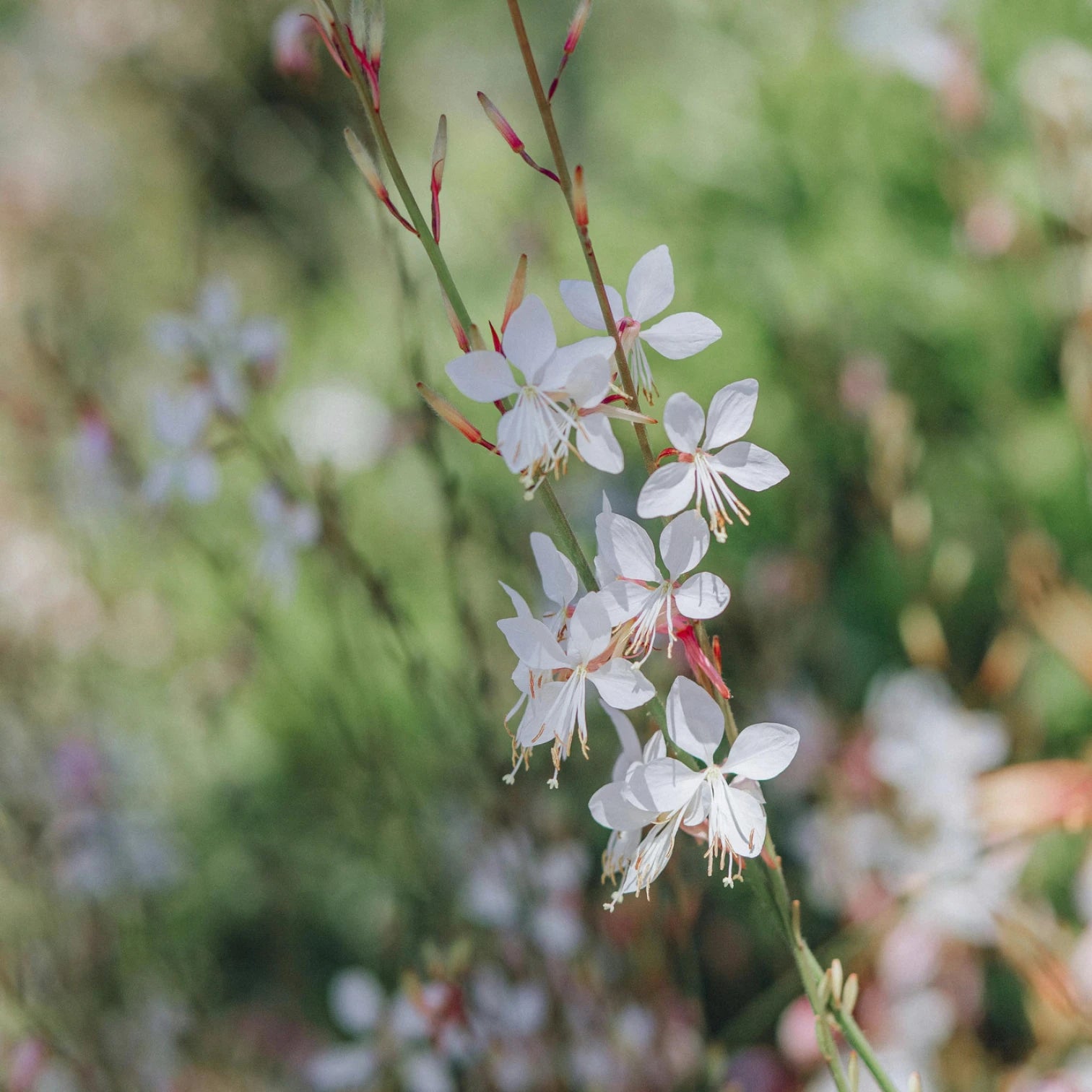
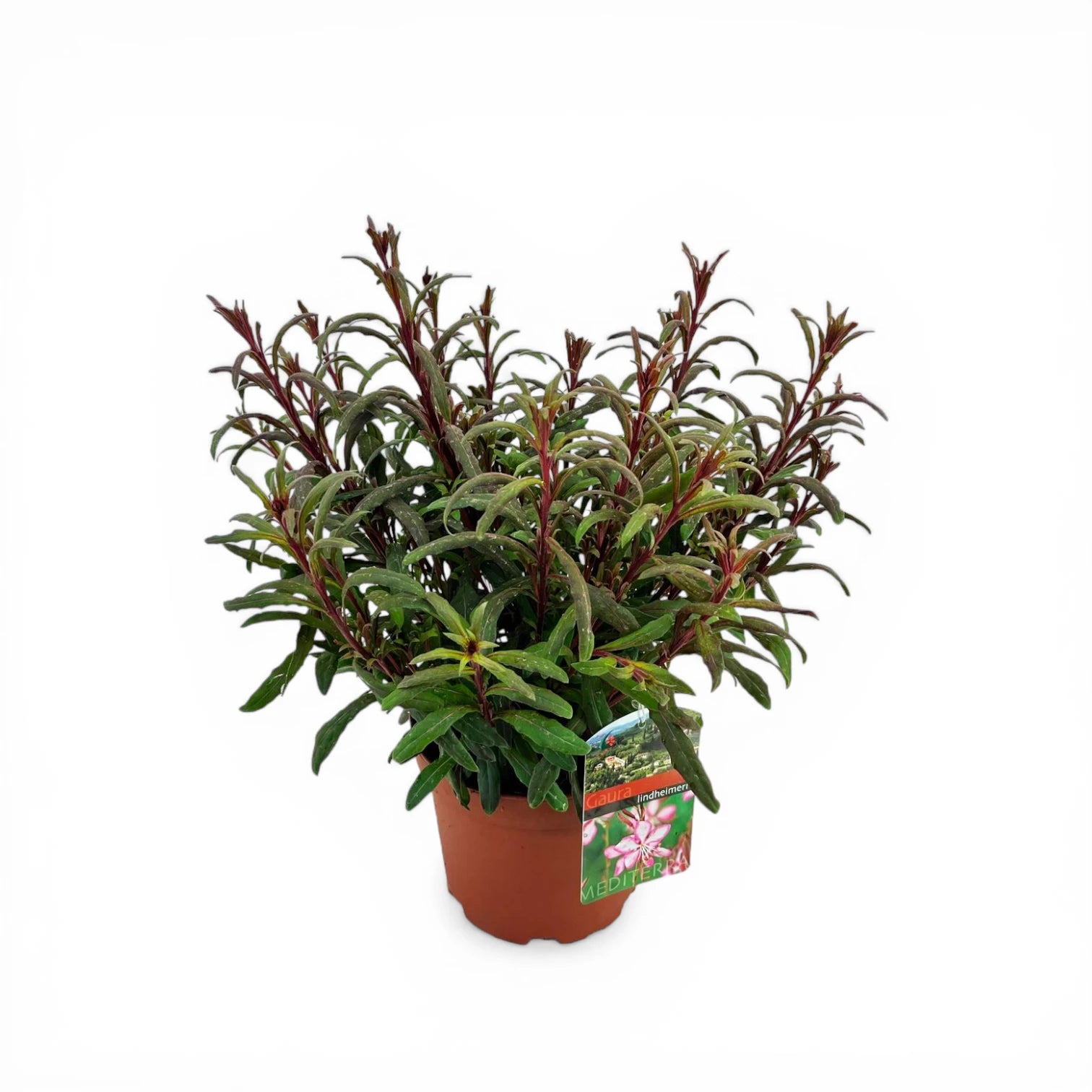
Oenothera lindheimeri is widely known in gardens as “gaura”. The accepted botanical name has shifted, but the plant itself is the same: a long-flowering perennial from open, sunlit landscapes of the southern USA and Mexico that brings height, movement, and a light, open texture to borders.
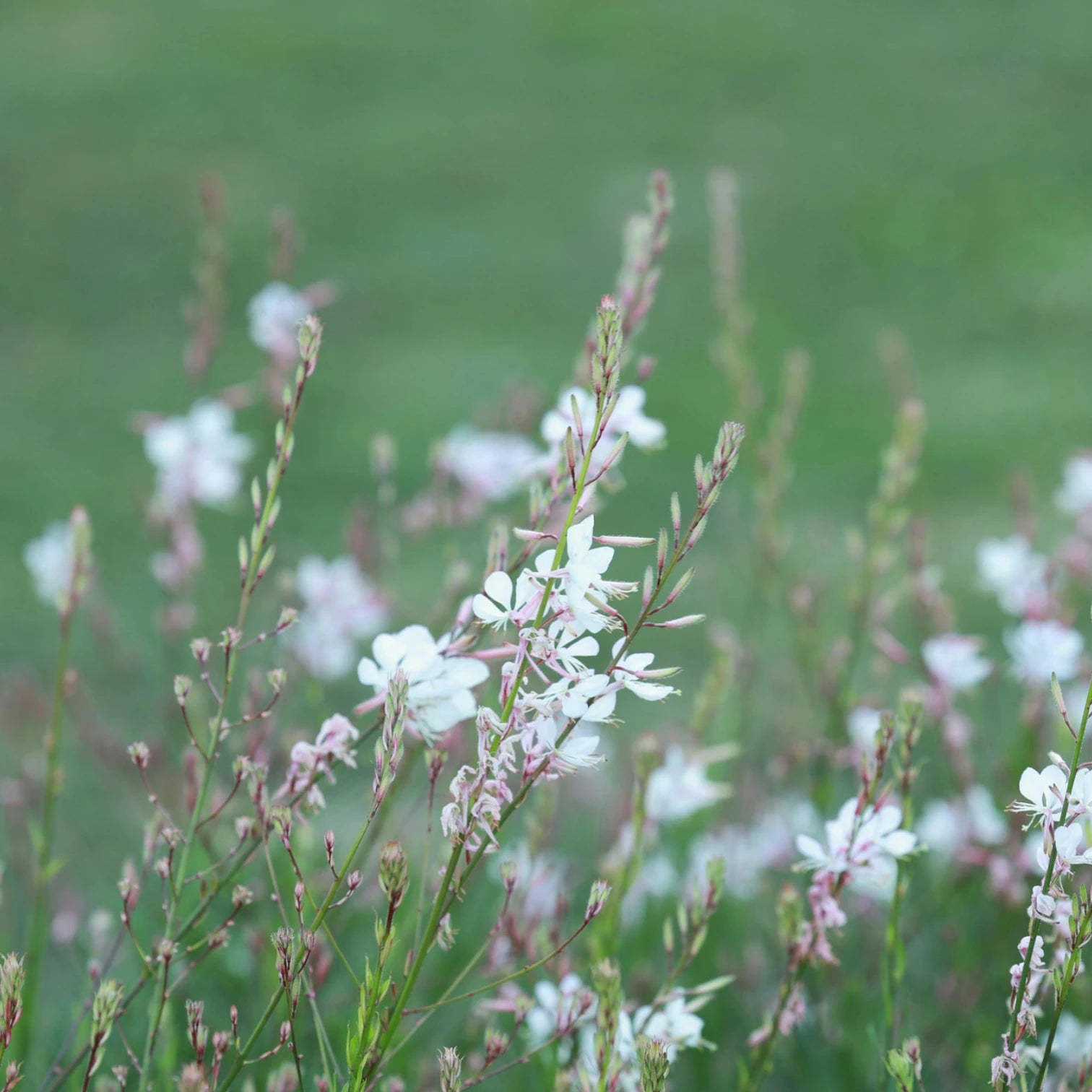
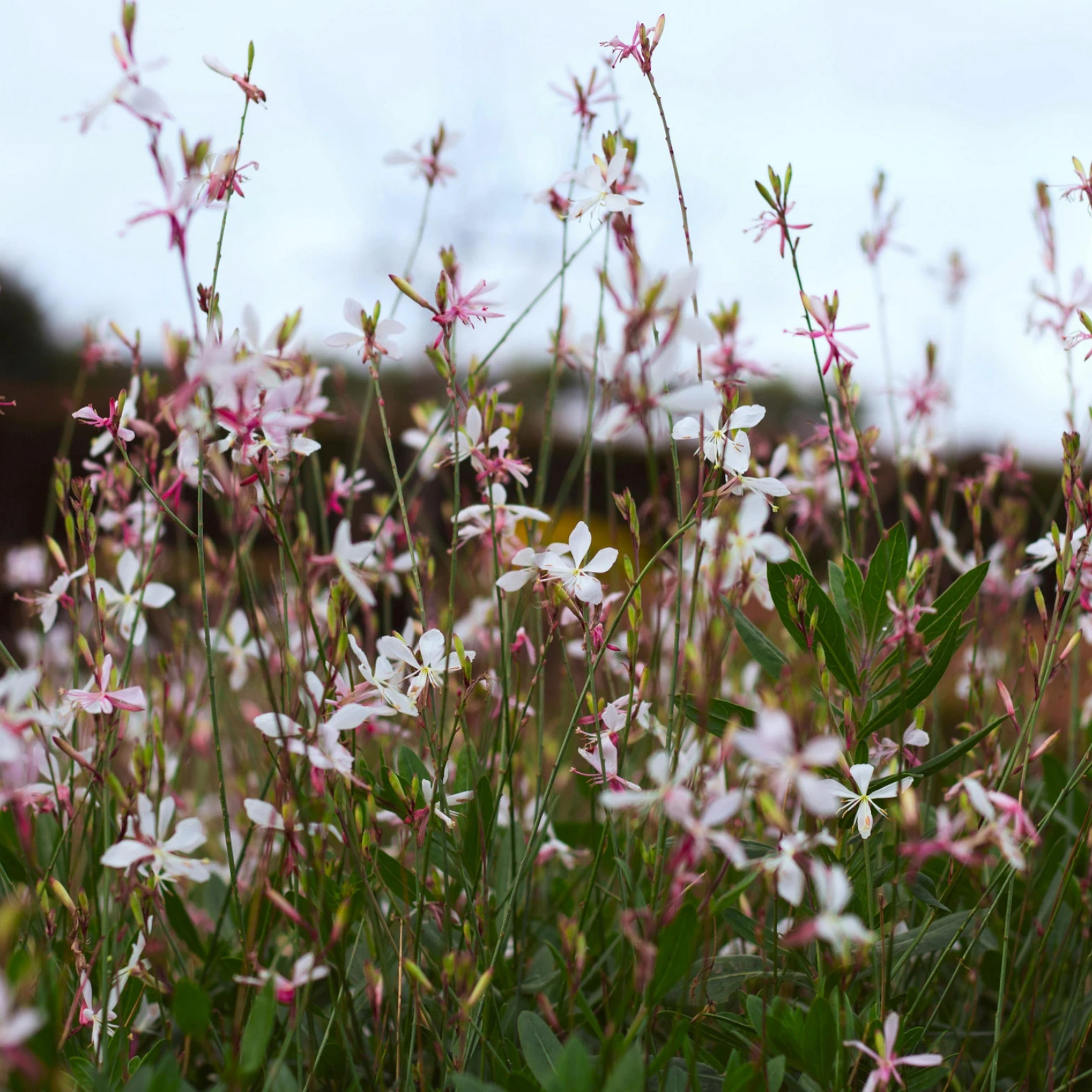
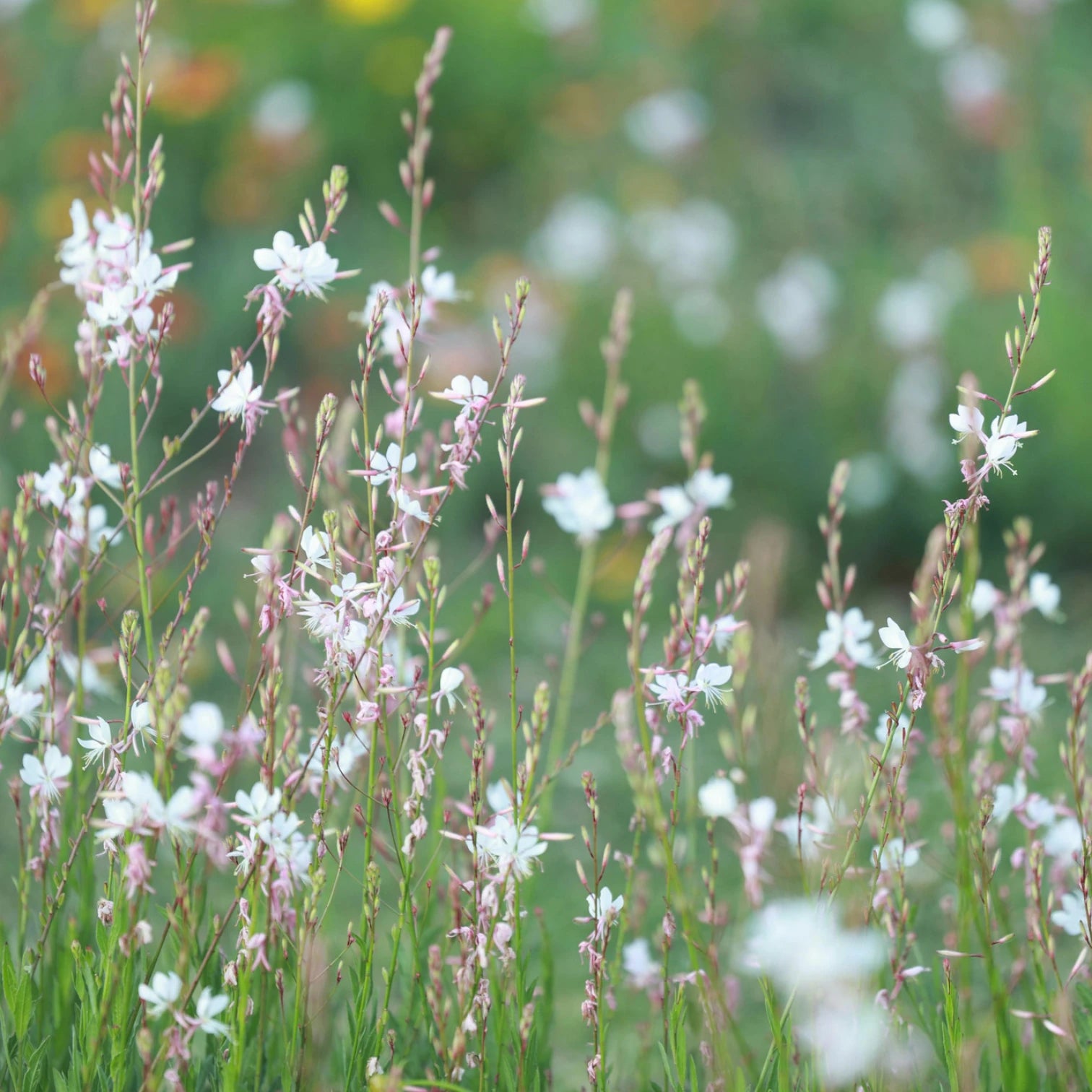
It produces many small blooms along slender stems, opening over weeks. In a mixed border this creates a relaxed, meadow-like feel even in a small space, because the plant occupies height without becoming visually heavy.
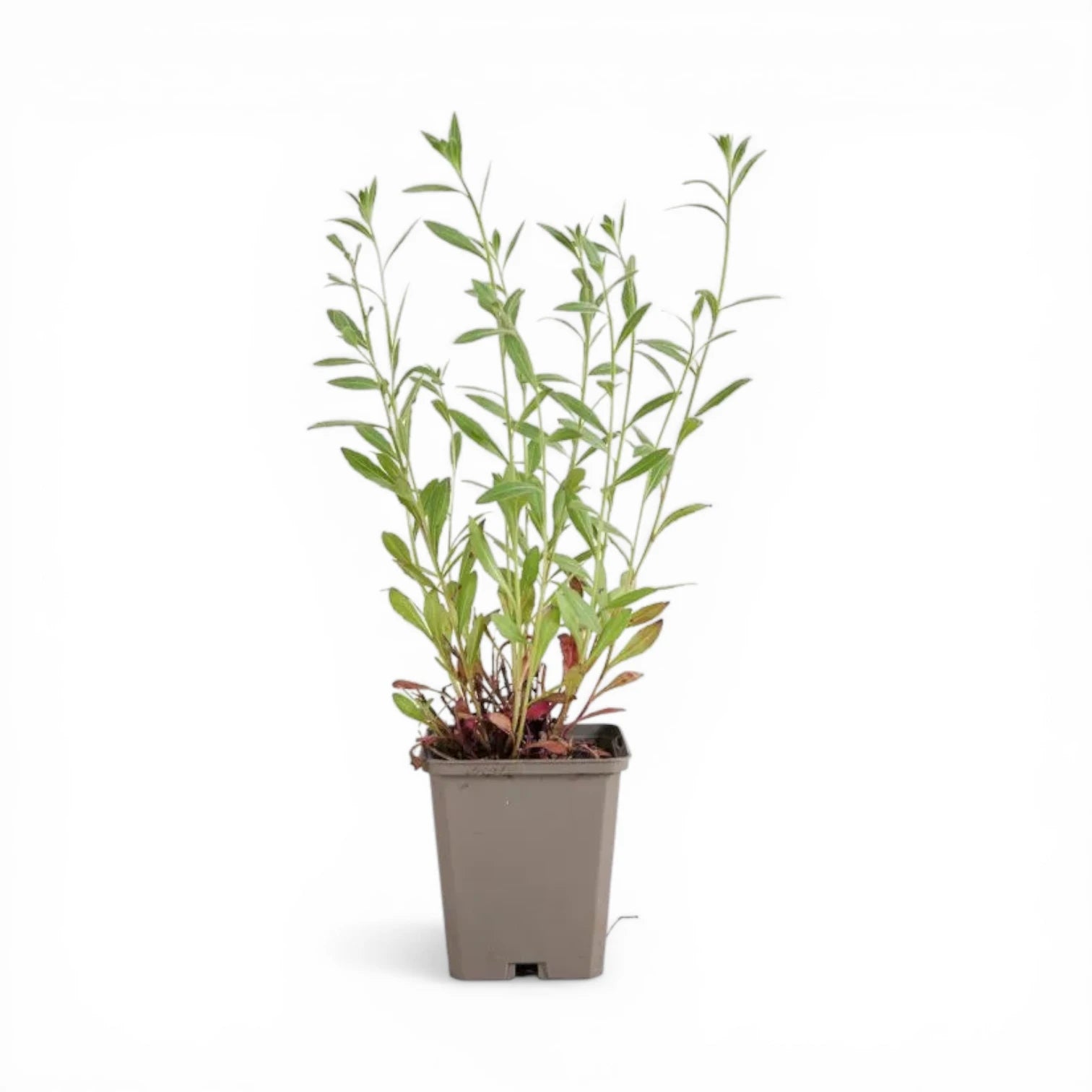
In open ground, Oenothera lindheimeri typically reaches about 100-150 cm in height and spreads 50-100 cm as it branches. Narrow leaves sit on upright, wiry stems, and flowers appear from summer well into autumn when conditions are warm.
The overall look changes gently through the year: fresh growth builds a loose mound in spring, stems extend and branch through early summer, and then flowering takes over for the second half of the season. After frost, the top growth dies back and the plant rests until spring.
Full sun brings the strongest flowering and a sturdier habit, especially where the soil drains well. Light shade also works, particularly in hotter gardens where afternoon sun can be intense. In very exposed sites, the stems can lean, which is part of the plant’s natural movement. In borders, that movement looks best when the plant grows through supportive neighbours such as ornamental grasses or other upright perennials.
Think “moist but well-drained”: soil that holds some moisture for steady growth, yet drains freely after rain. Loam with added compost fits well, and sandy beds benefit from a little organic matter to buffer moisture. The plant tolerates a wide pH range (acid, neutral, or alkaline) and can grow in various textures, including chalky or clay-based soils when structure and drainage are improved.
If your ground is heavy in winter, build drainage into the planting area. A slightly raised planting mound and a gritty amendment keep air moving around the crown, which is the key to longevity in cool, wet winters.
Oenothera lindheimeri responds well to a tidy-up. If flowering slows mid-season, a trim of the stems by about half can encourage fresh branching and another wave of bloom. In spring, cut the plant back hard before new growth starts, removing last year’s stems to make space for fresh shoots.
This plant works surprisingly well in containers when the pot is large enough and drainage is excellent. In containers it stays shorter and slower than in open soil, which suits terraces and balconies where a slightly reduced footprint is useful.
Oenothera lindheimeri suits sunny borders, gravel gardens, prairie-style planting, and mixed perennial beds where you want height with a light touch. It pairs naturally with fine grasses, Echinacea-type summer perennials, salvias, and any planting where movement matters as much as colour.
Add Oenothera lindheimeri to your planting plan for long, airy flowering and a border that stays lively deep into the season.
In the wild, this species grows in open, sunny places with plenty of air movement-often in sandy or rocky ground where water drains quickly after rain. That background explains its garden preferences: sunshine, a crown that stays airy, and soil that never sits heavy for long. In mixed borders, it also appreciates a little room around the base so new shoots can rise cleanly each spring.
Oenothera lindheimeri flowers for months, but it rarely needs strong feeding. A spring top-dress of compost is usually enough on normal garden soil. In very sandy beds, a second light feed in early summer can support repeated flowering, especially if the plant is competing with vigorous neighbours.
Plant it where neighbouring perennials help frame the airy stems without swallowing the base. Ornamental grasses, salvias, echinacea-type daisies, and upright veronicas all make natural partners. For a calmer, greener look, pair it with soft foliage plants such as Alchemilla or low geraniums at the front edge.

Choose options


Sign up for Foliage Factory newsletter for early access to new arrivals and practical care tips that work in real homes.