









Filters
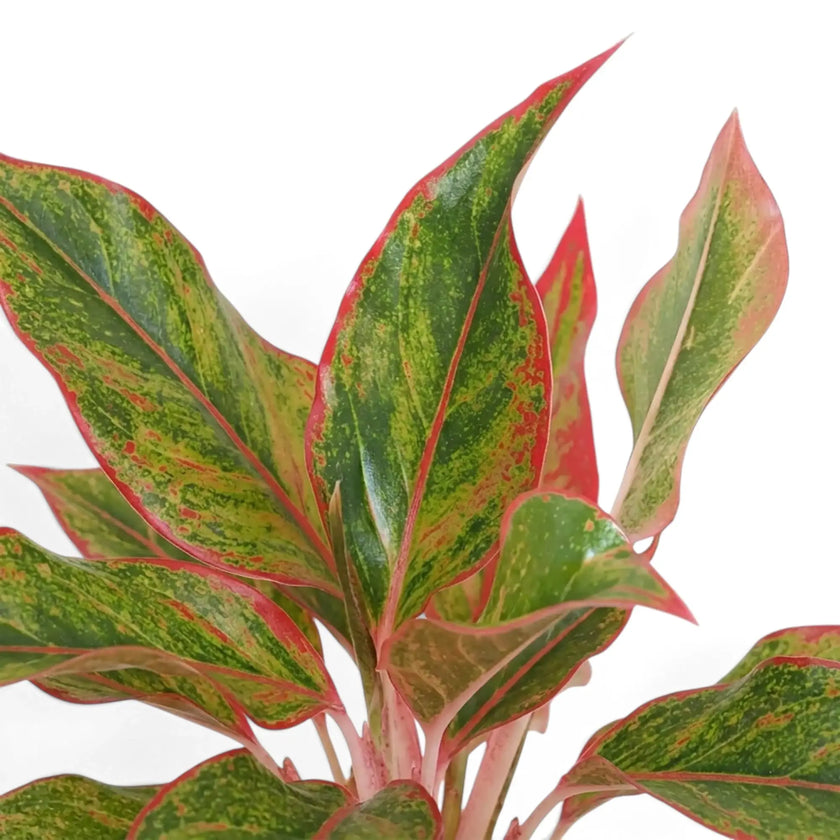
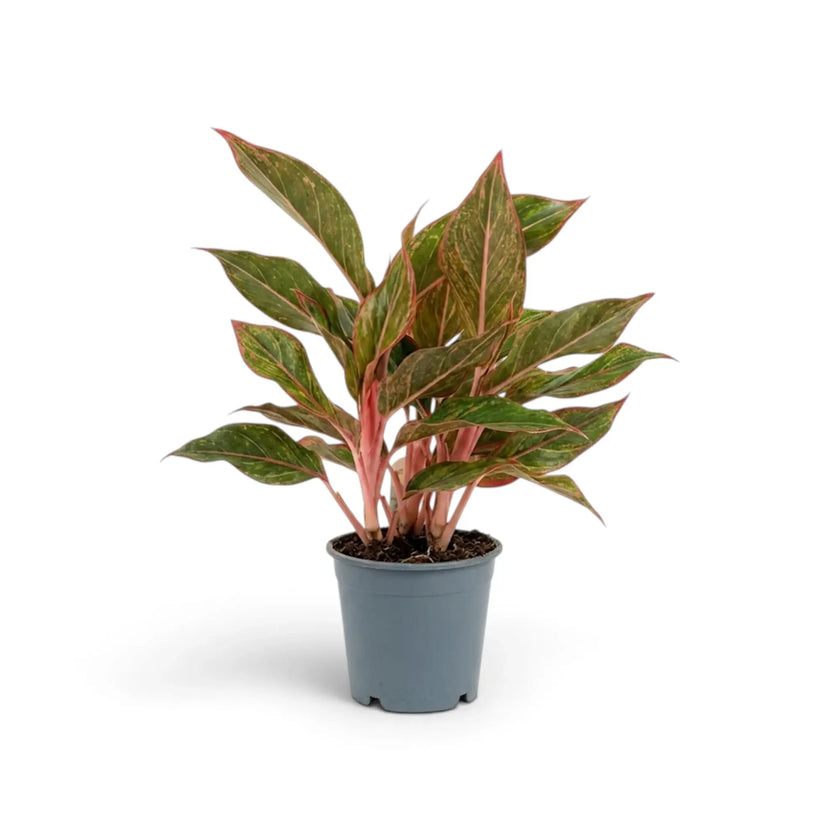
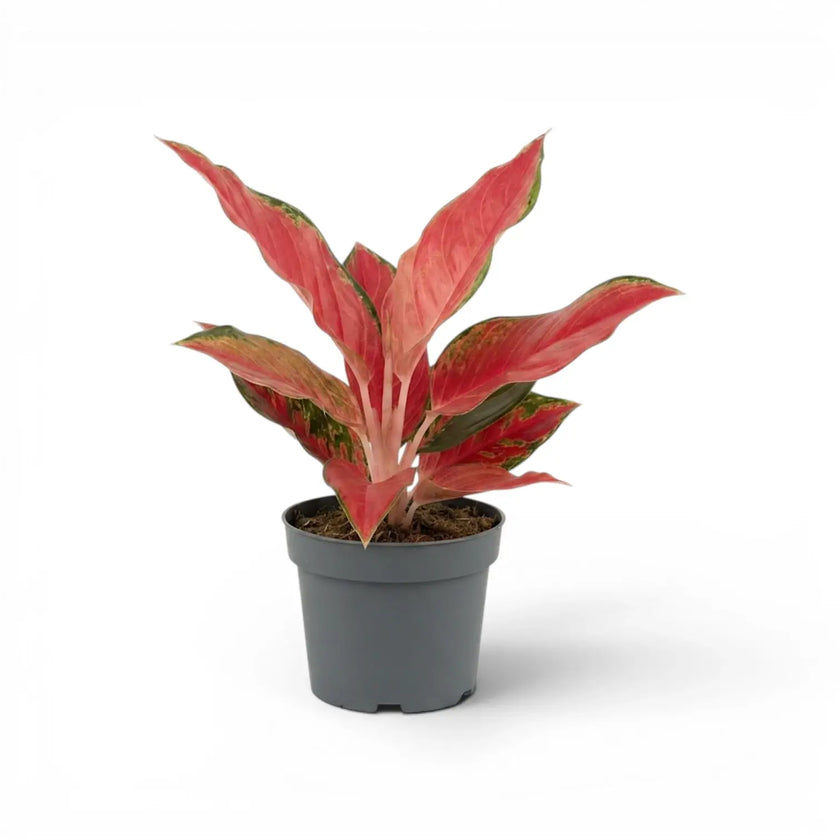
Aglaonema 'Crete' aka 'Siam Aurora' aka 'Jungle Red'
Sale price€15,75
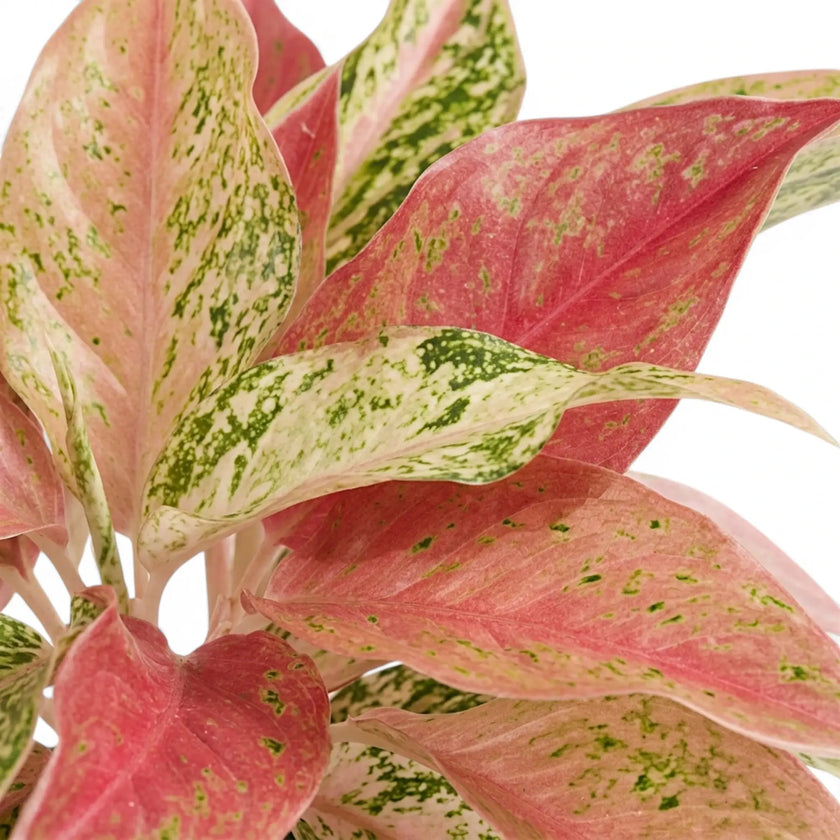
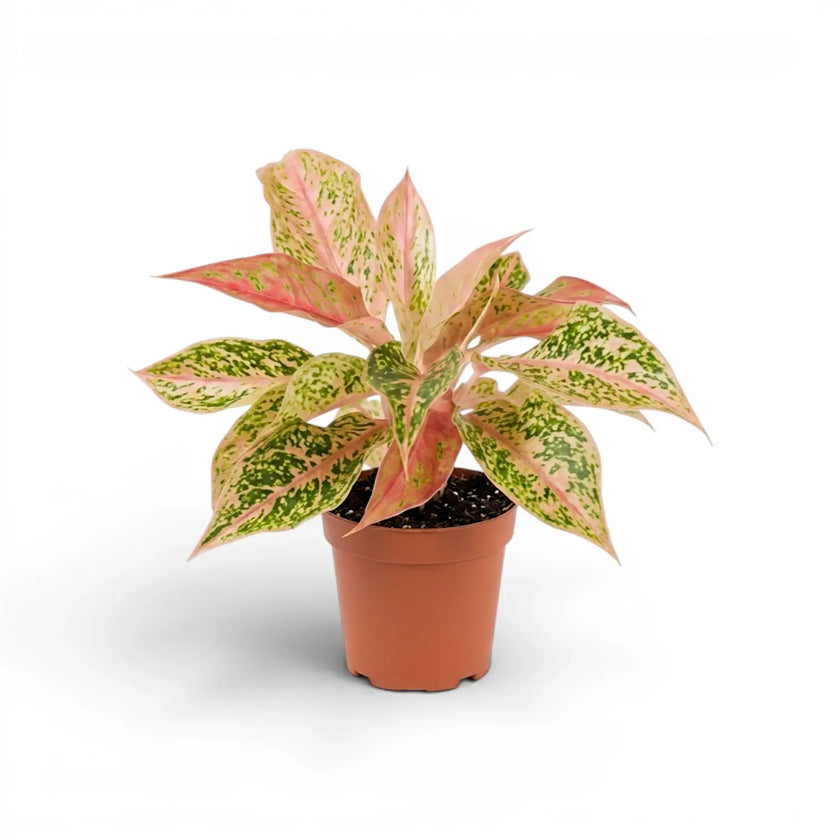
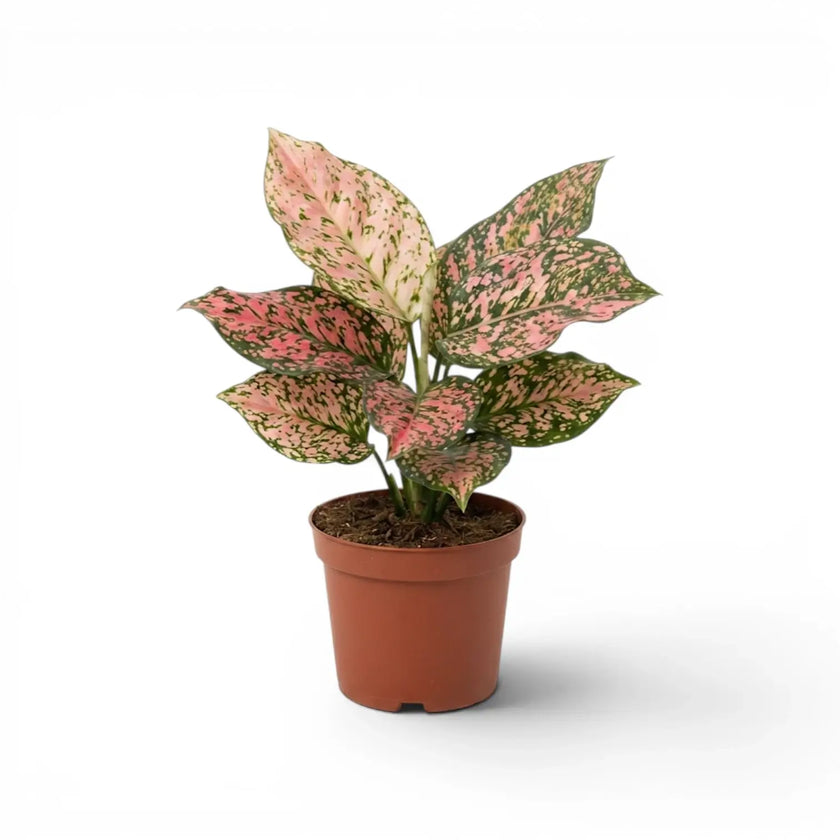
Aglaonema 'Prosperity'
Sale price€16,75
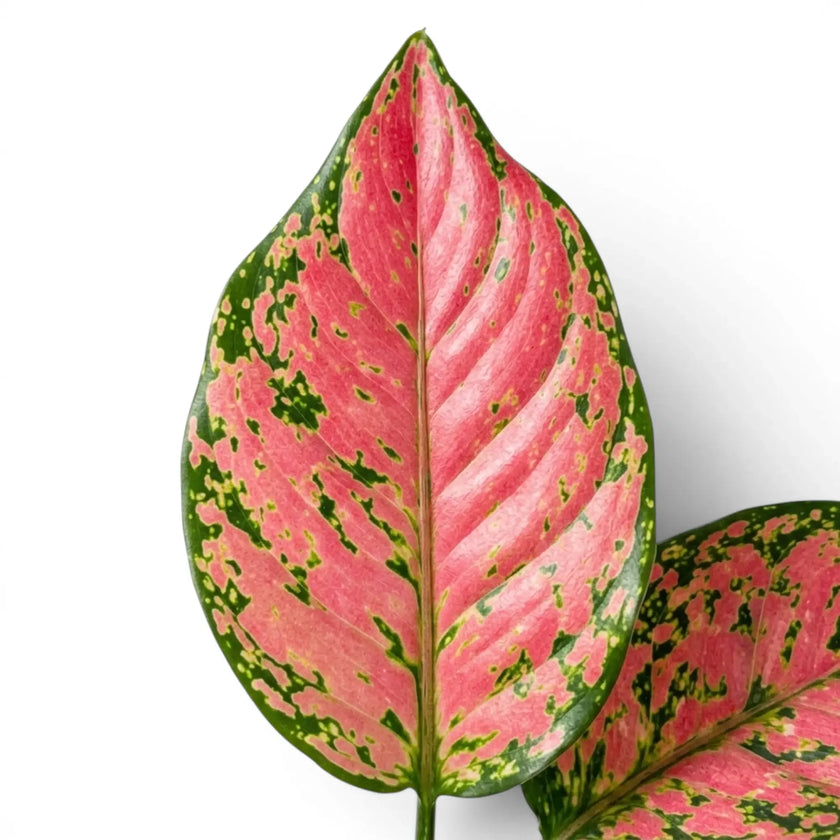
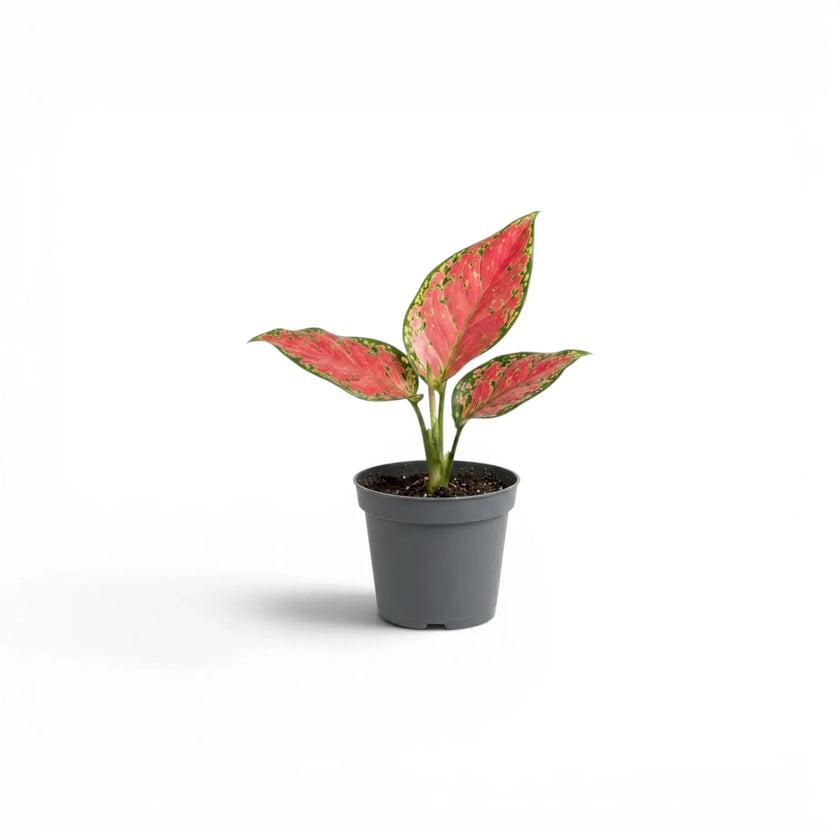
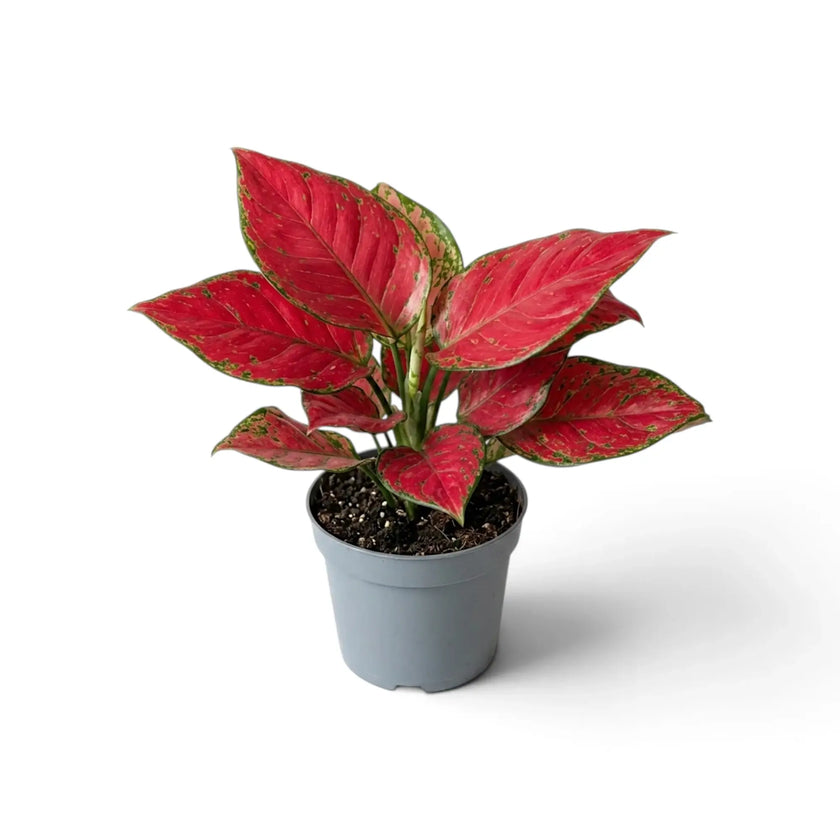
Aglaonema 'Red Valentine'
Sale price€9,75
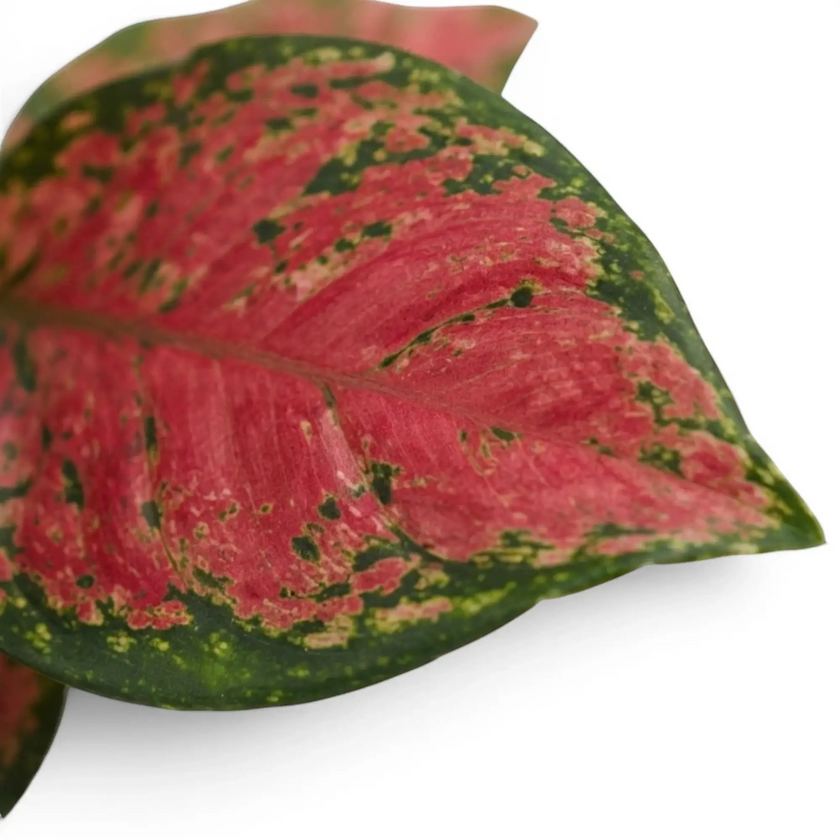
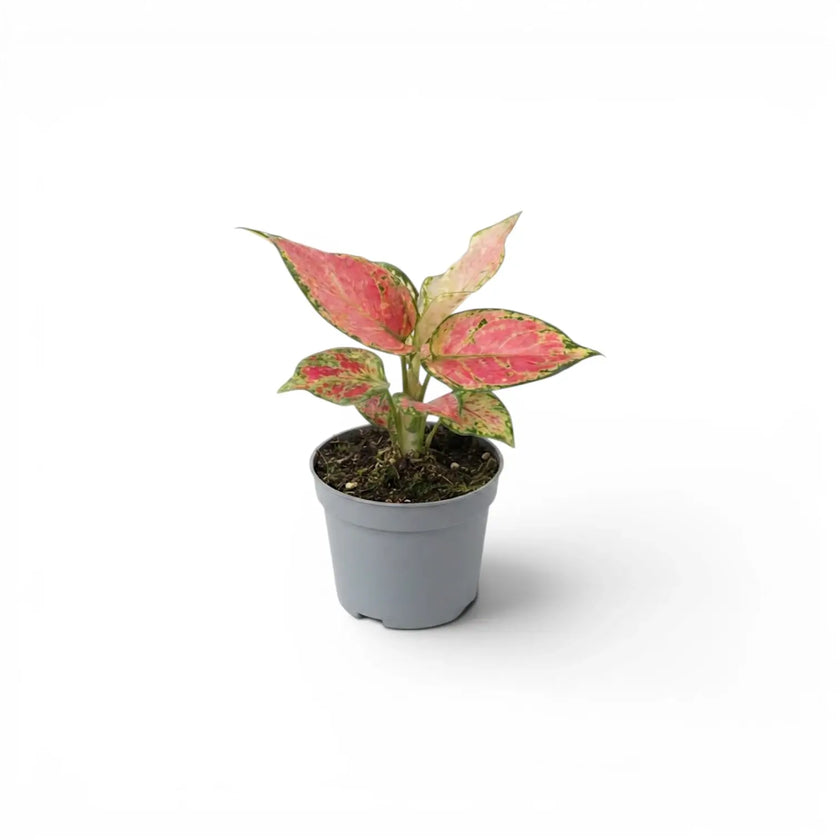
Aglaonema 'Red Zircon'
Sale price€12,00

Aglaonema 'Salmon Fantasy'
Sale price€15,75
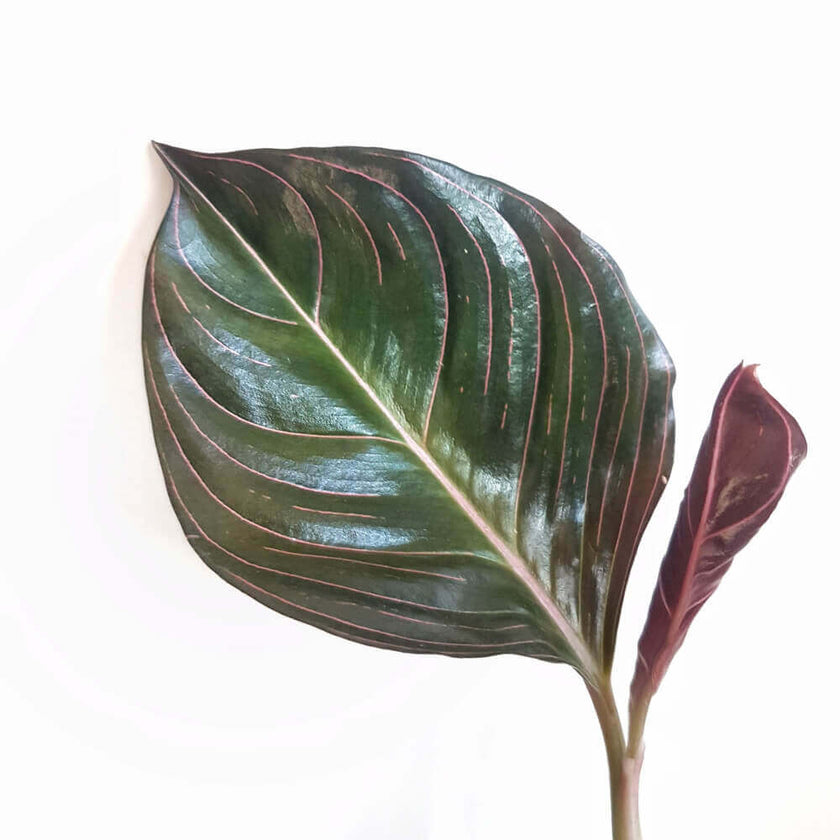
Aglaonema rotundumSold out
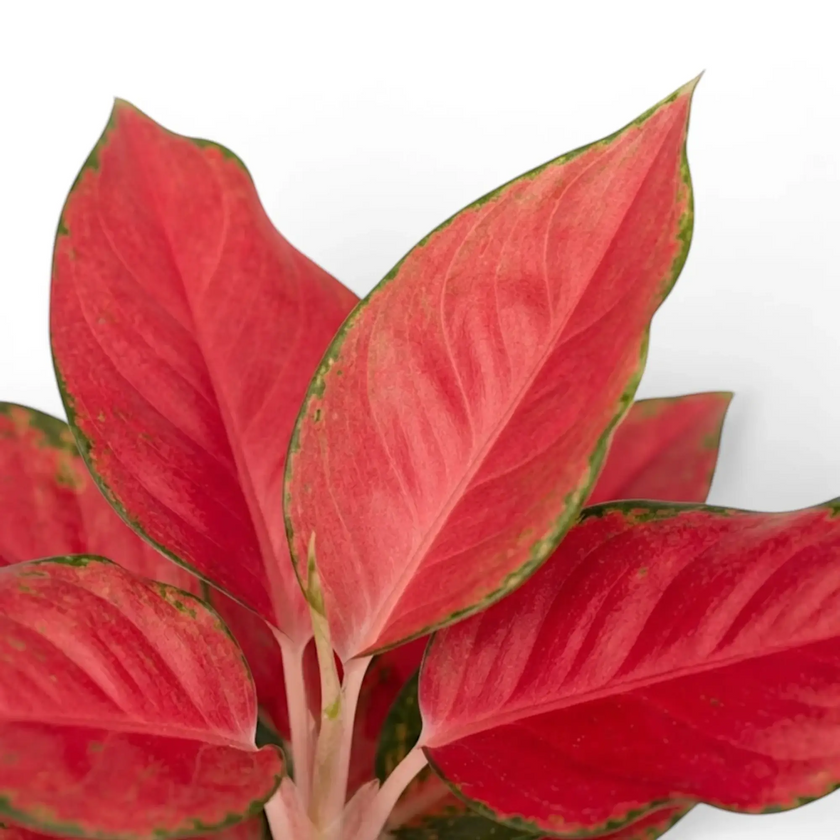
Aglaonema ‘Chili Red’Sold out

Aglaonema ‘Crimson Love’Sold out

Aglaonema ‘Painted Celebration’Sold out

Aglaonema ‘Pink Aurora’Sold out
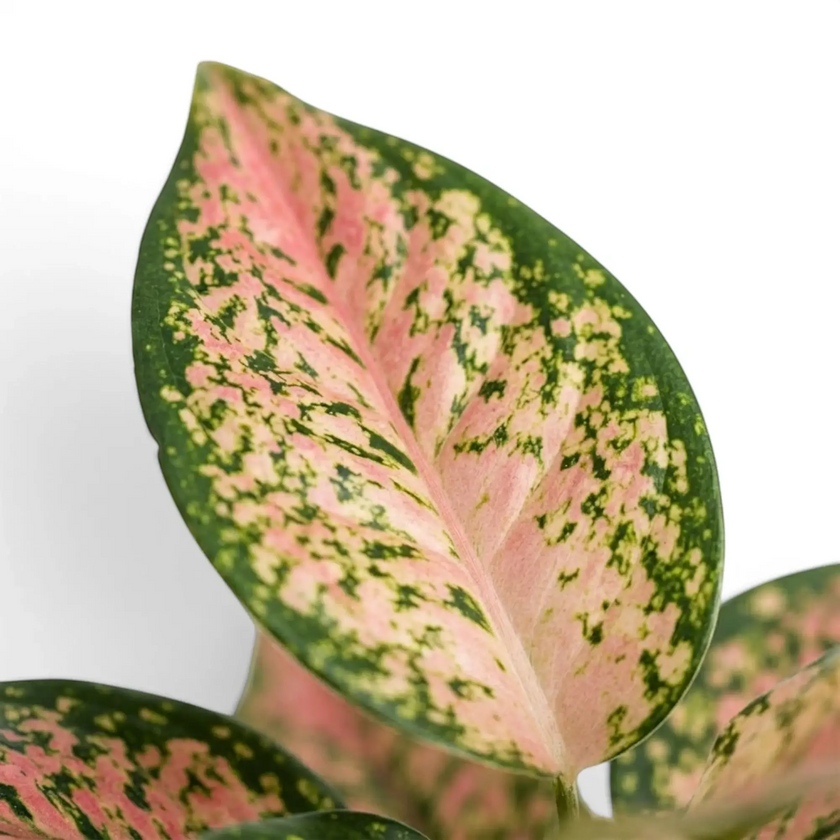
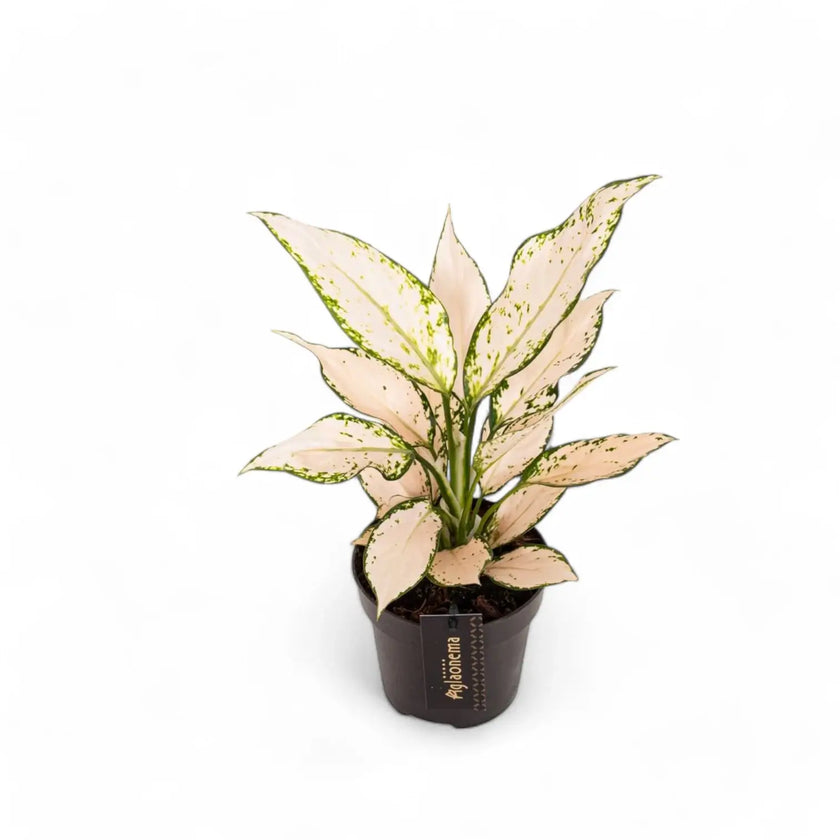
Aglaonema ‘Pink Leopard’
Sale price€31,25

Aglaonema ‘Pink Princess’
Sale price€31,25

Aglaonema ‘Pink Star’Sold out

Aglaonema ‘Red Dragon’Sold out
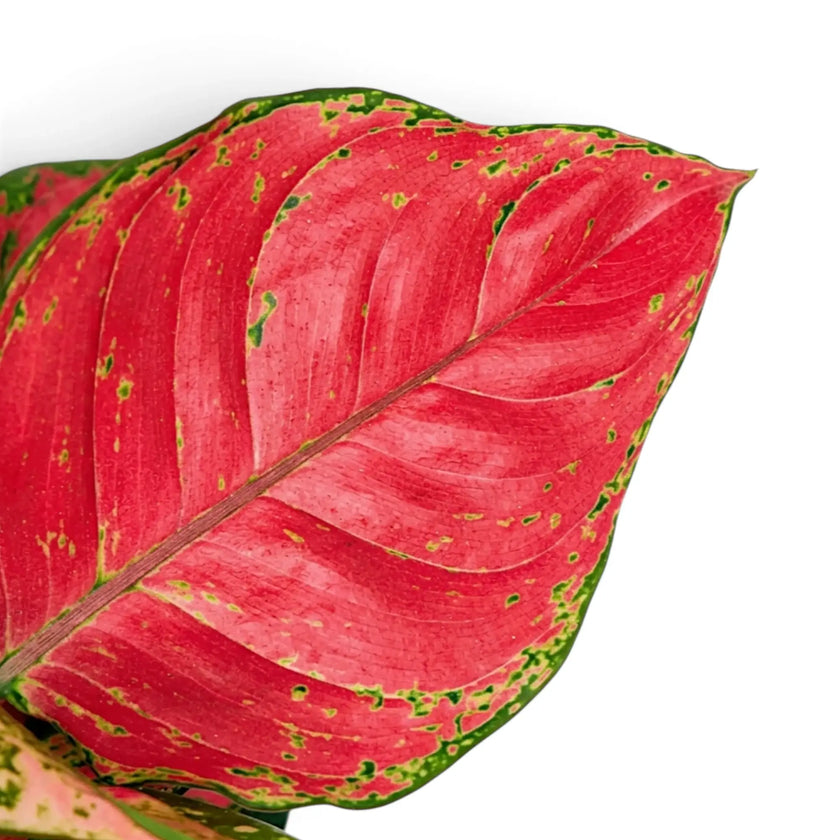
Aglaonema ‘Red Joy’
Sale price€31,25
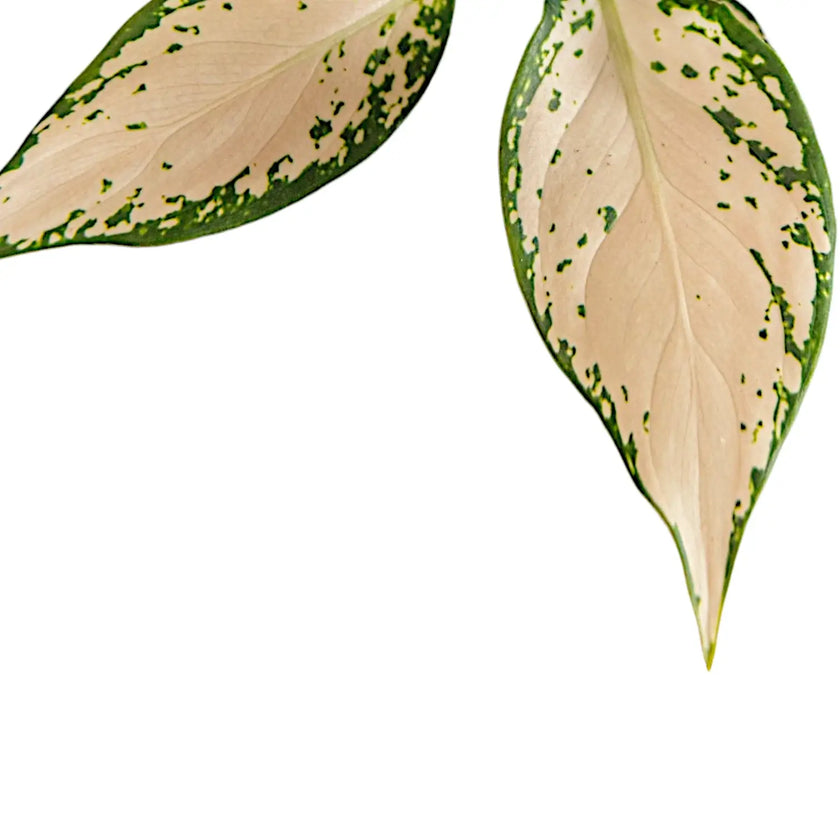
Aglaonema ‘Vanilla Baby’Sold out
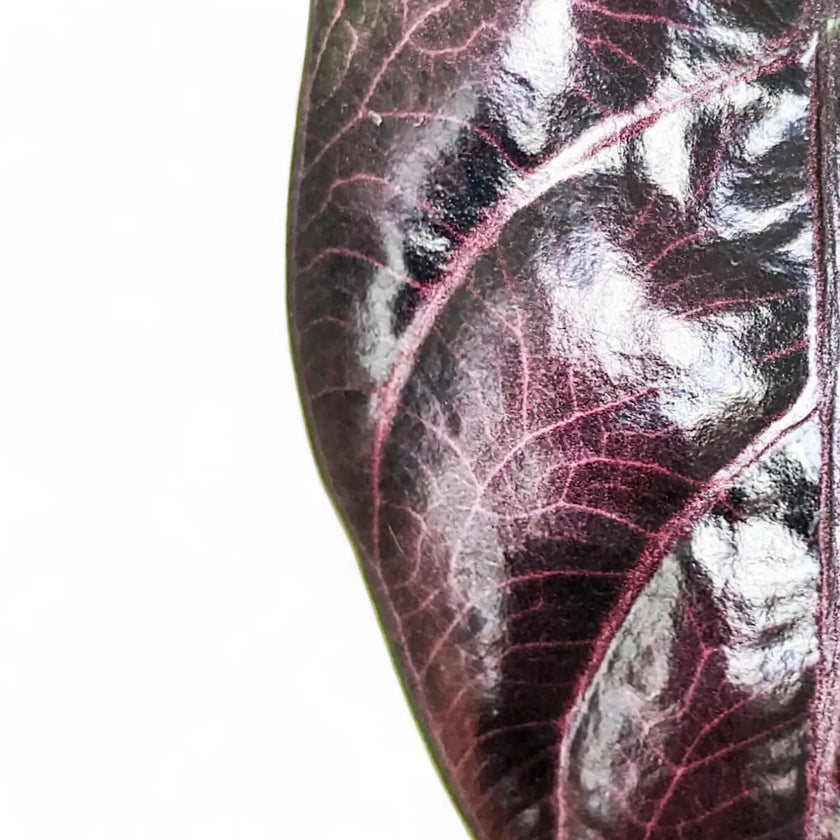
Alocasia azlaniiSold out
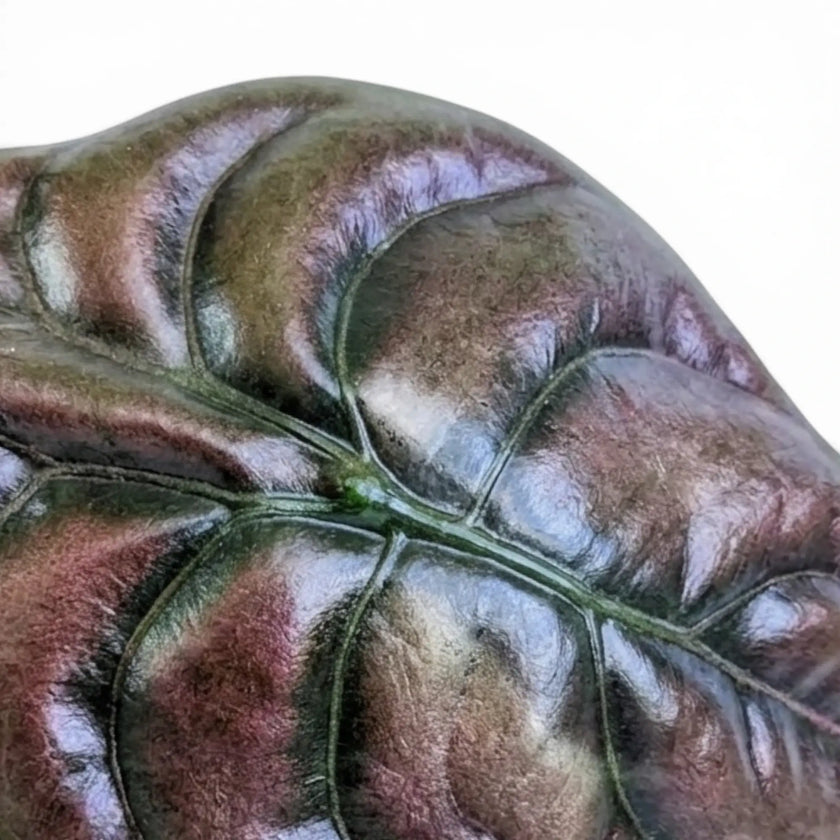
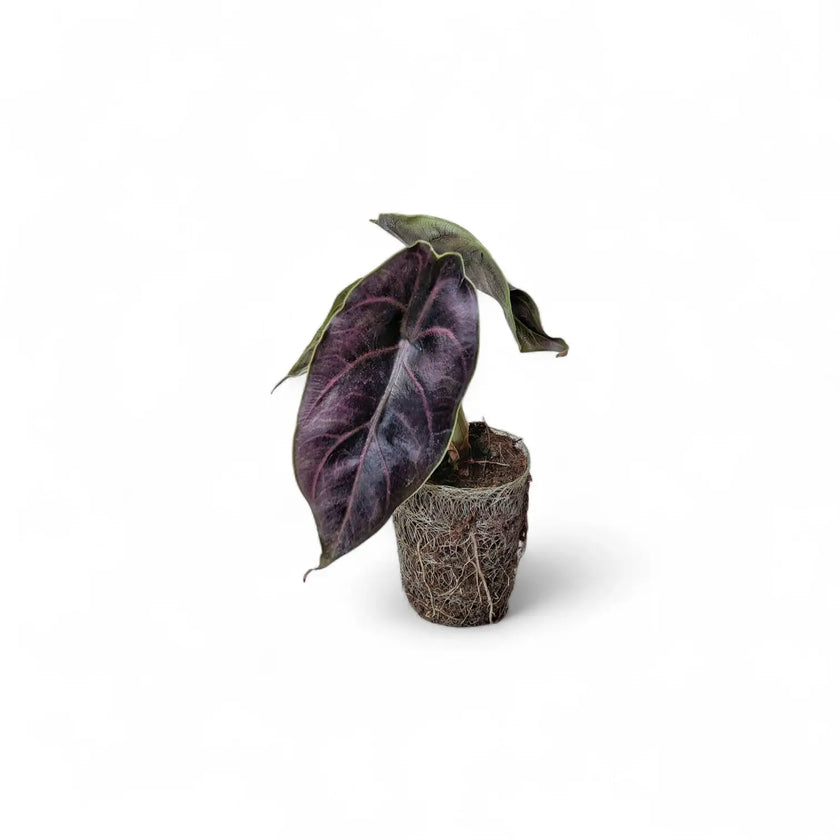
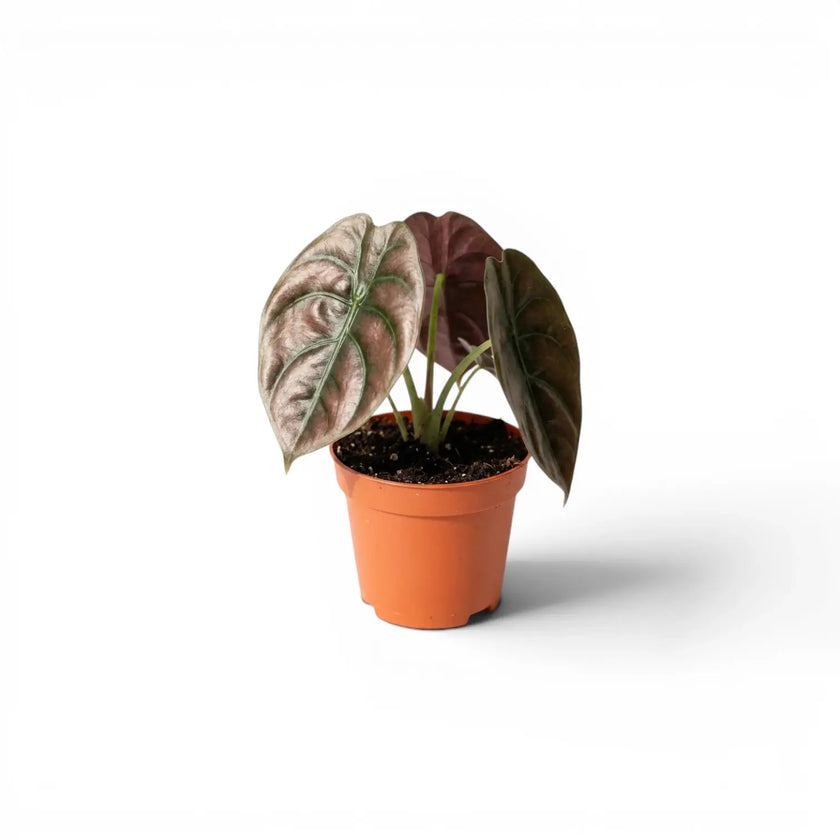
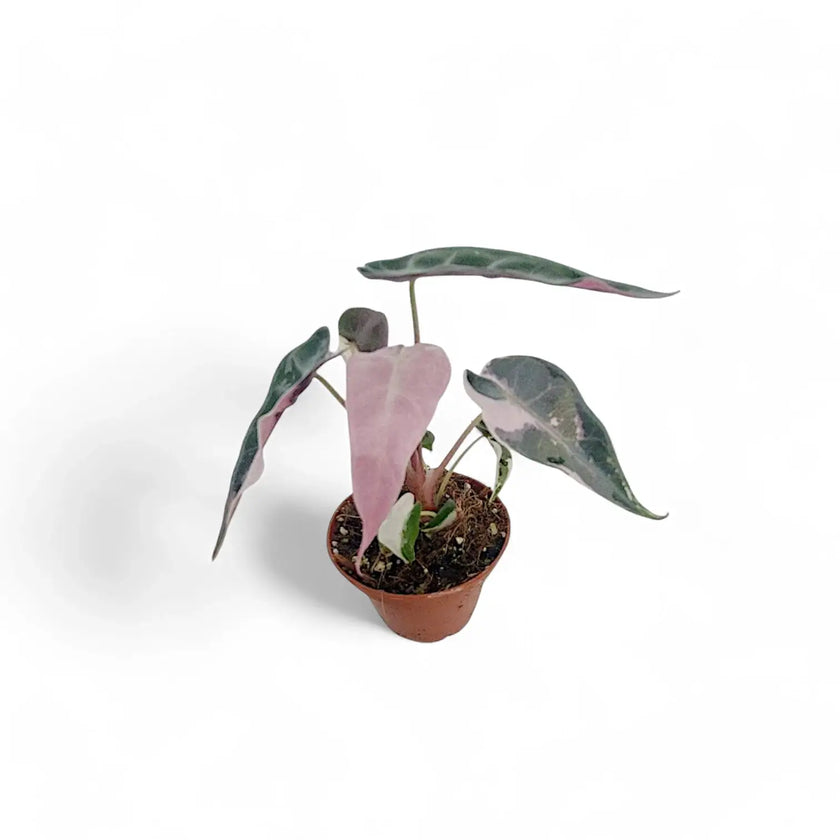
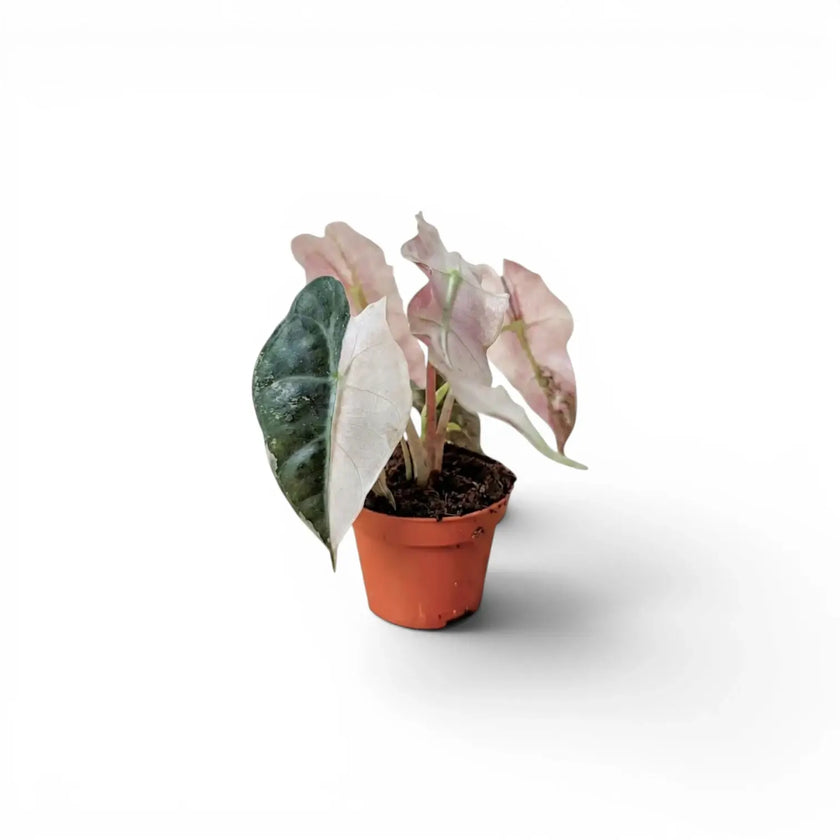
Alocasia cuprea ‘Red Secret’
Sale priceFrom €8,50
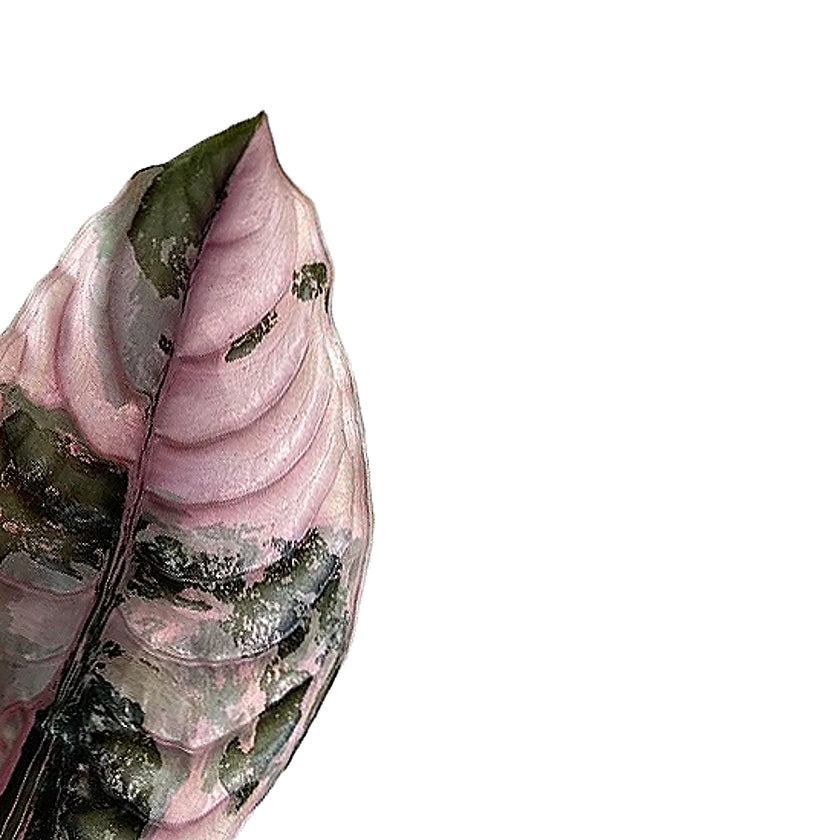
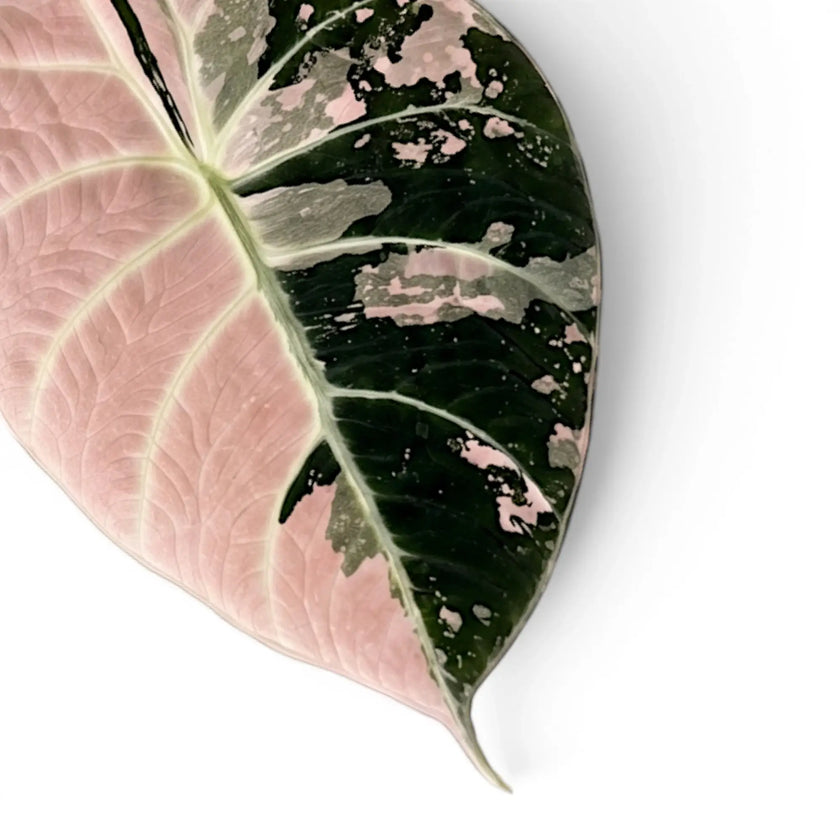
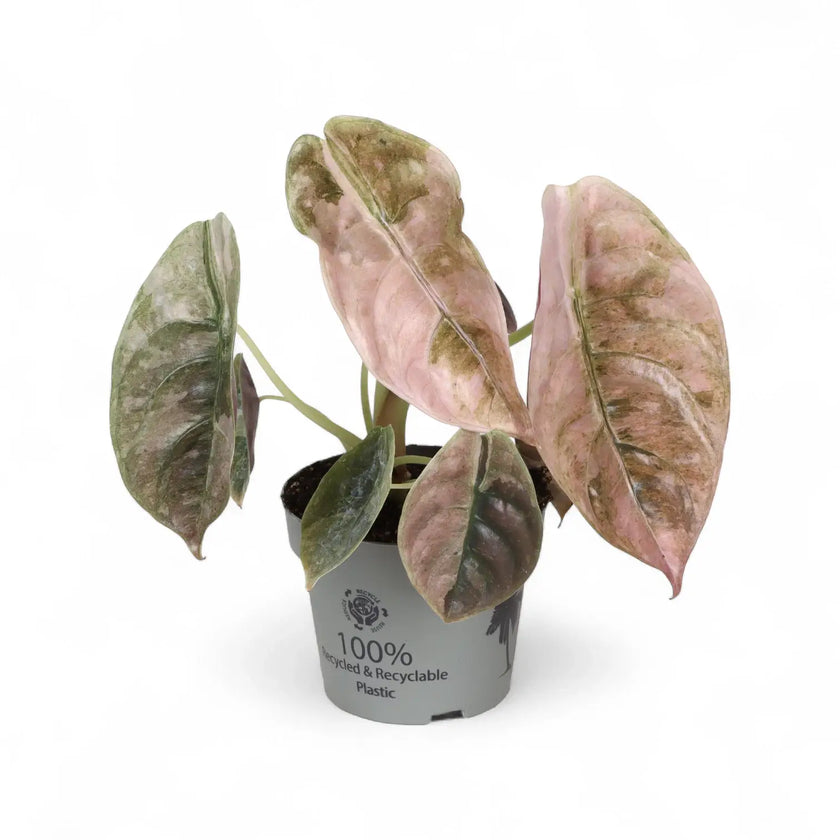
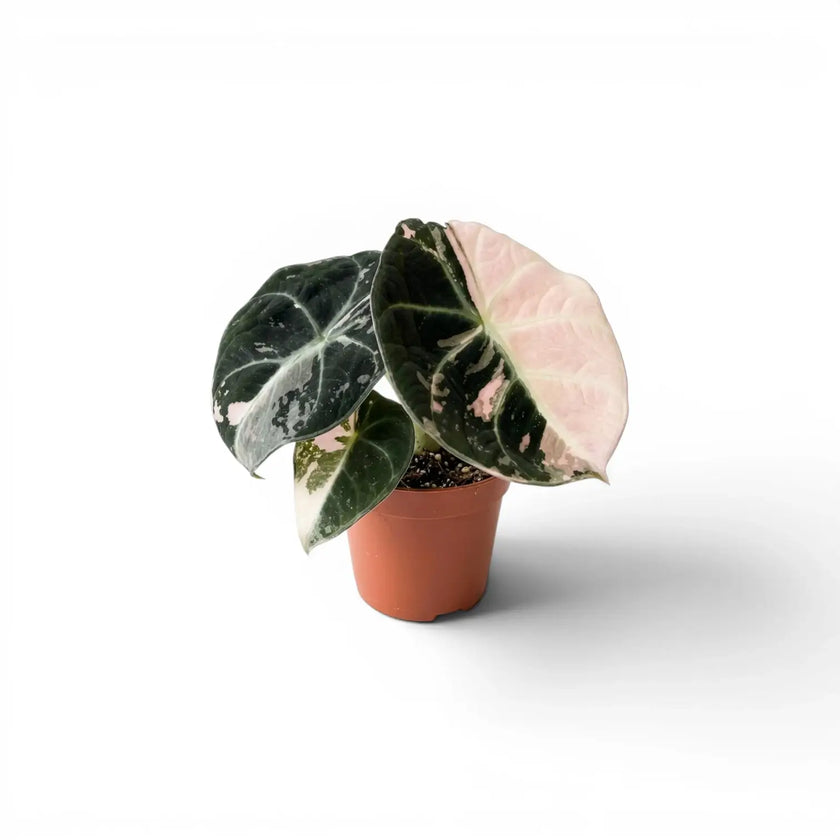
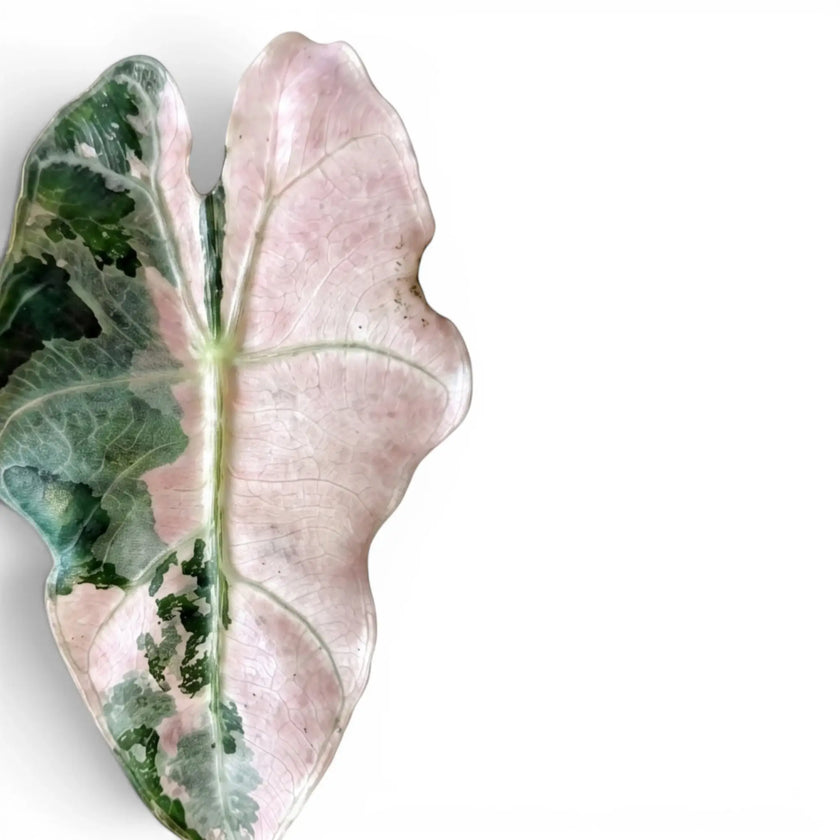
Alocasia reginula ‘Pink Variegated’
Sale price€69,00
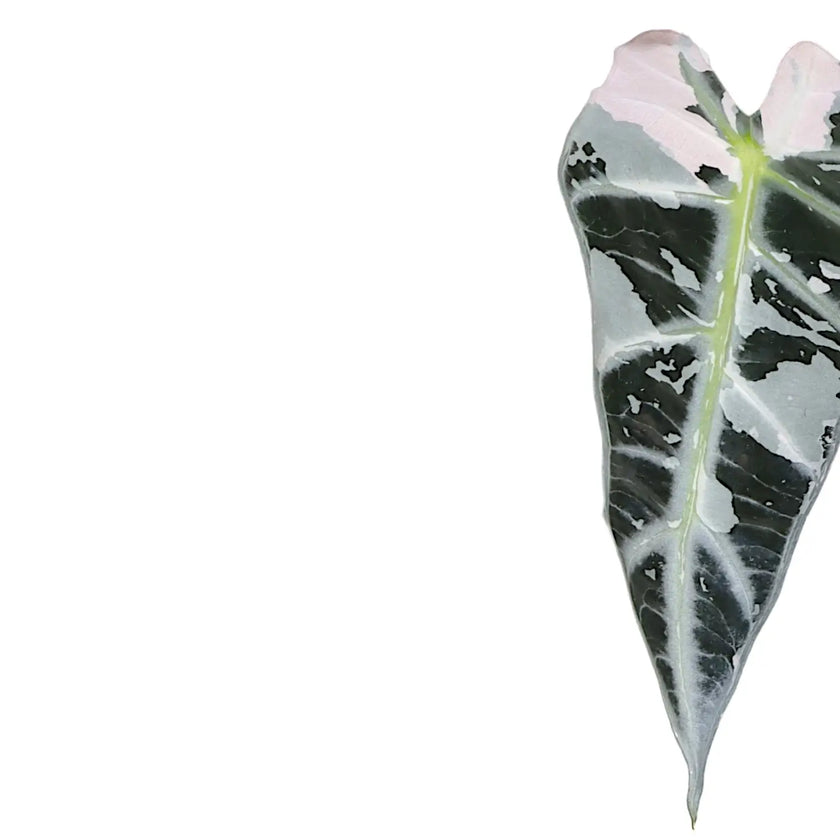
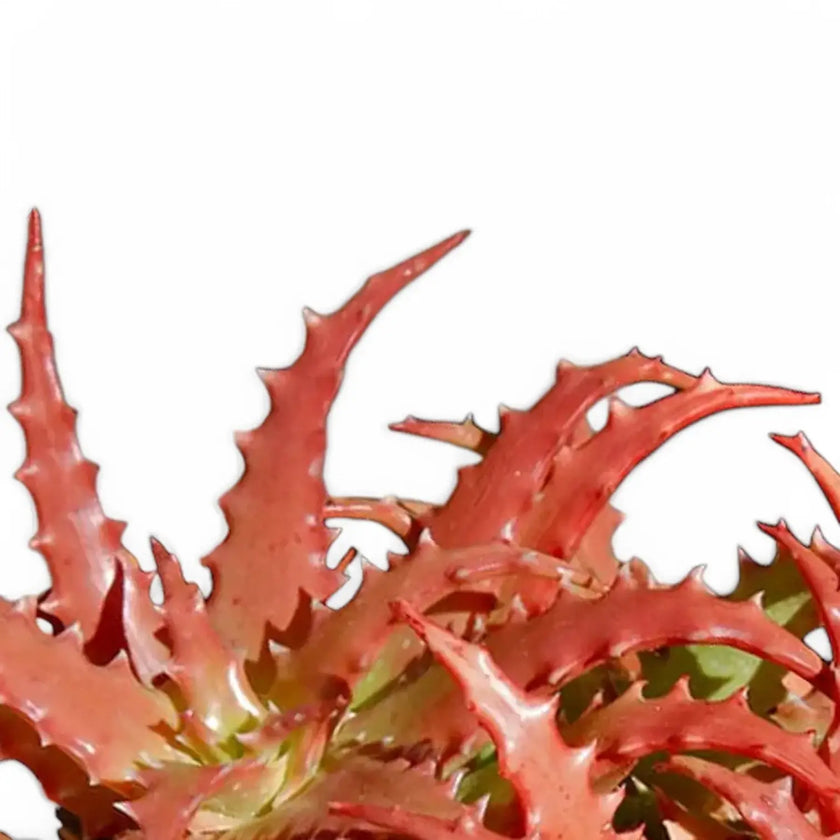
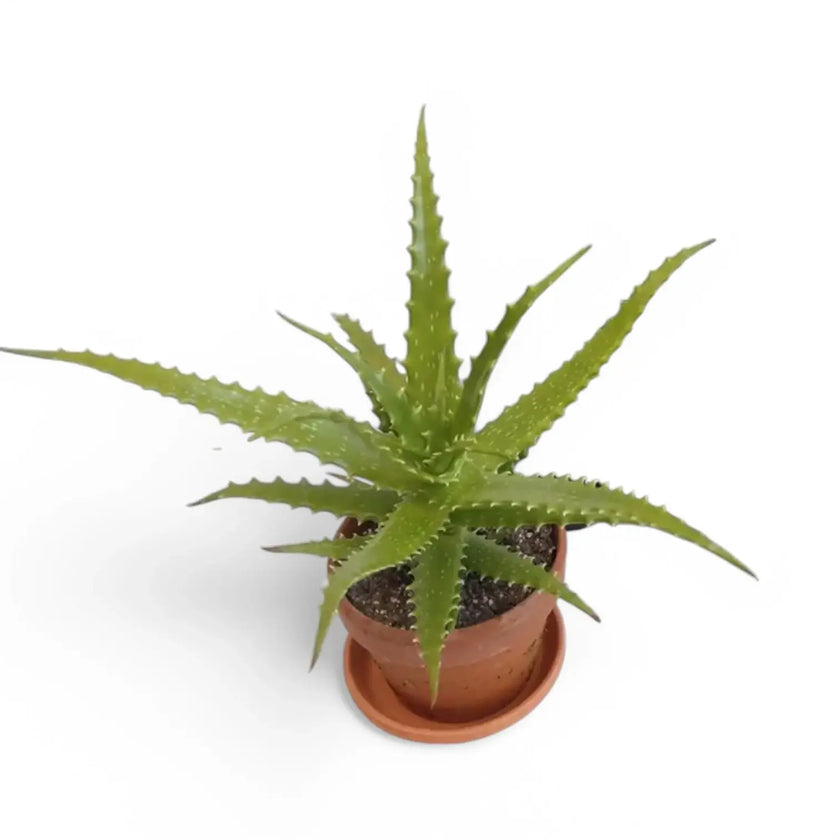
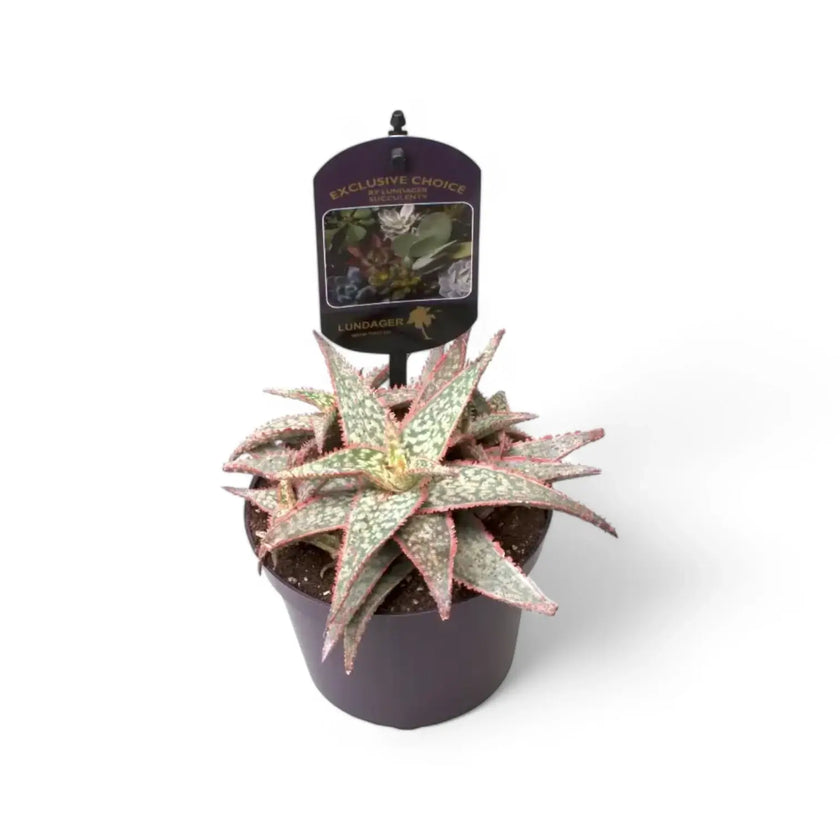
Aloe dorotheae ‘Crimson’Sold out
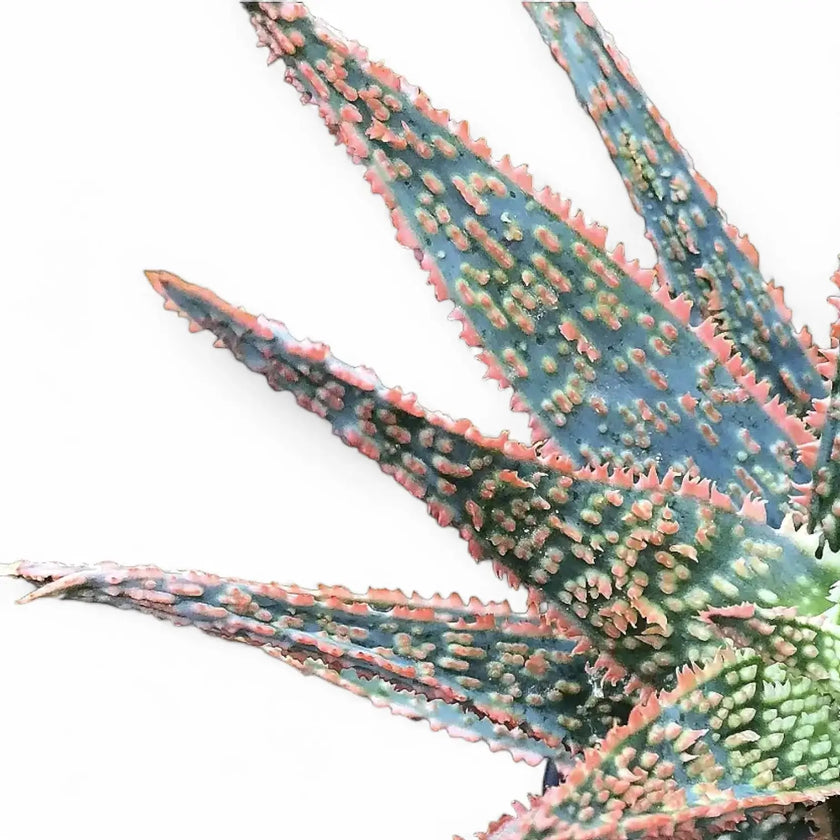
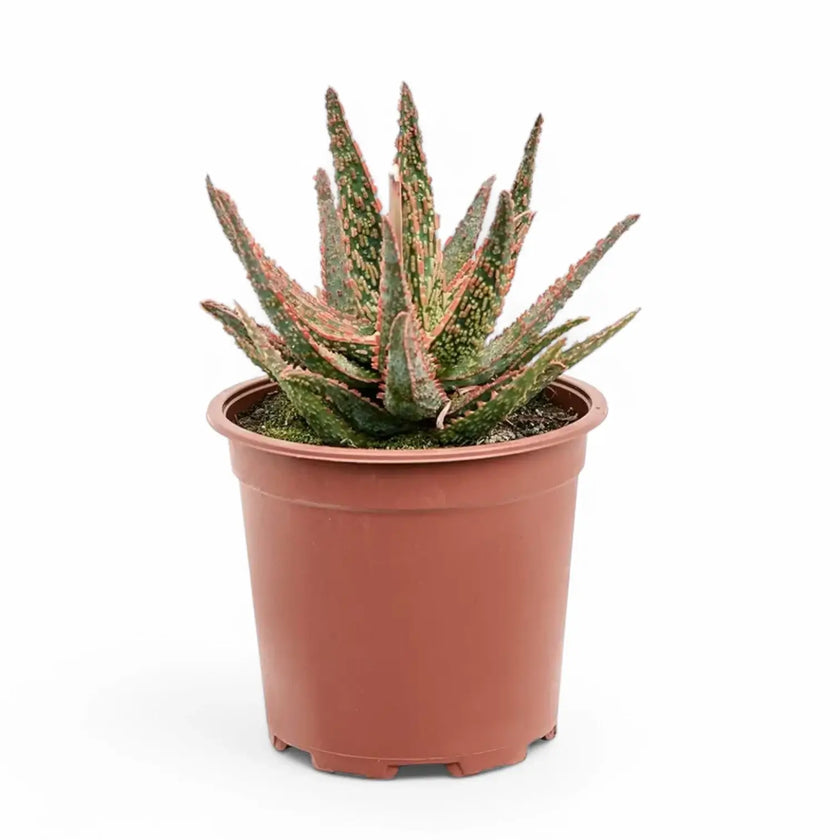
Aloe ‘DZ’Sold out
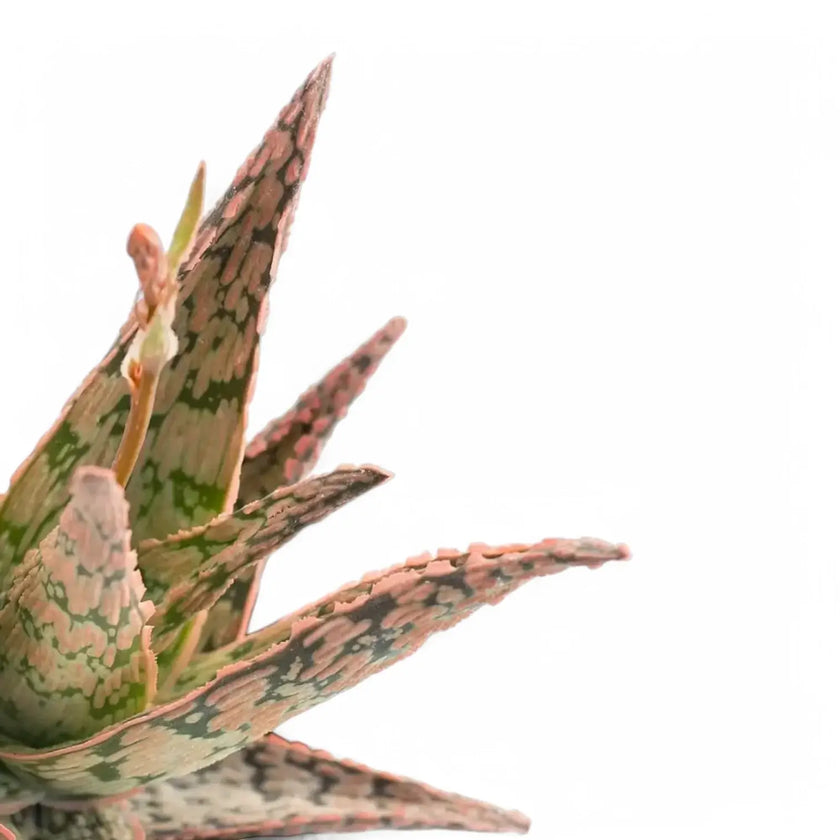
Aloe ‘Pink Blush’Sold out
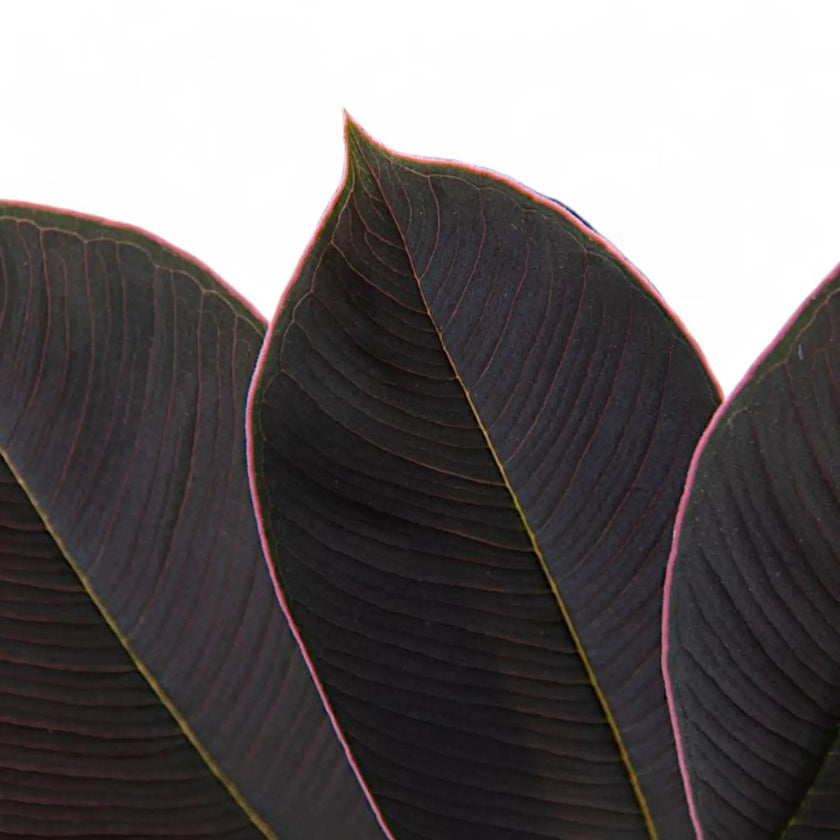
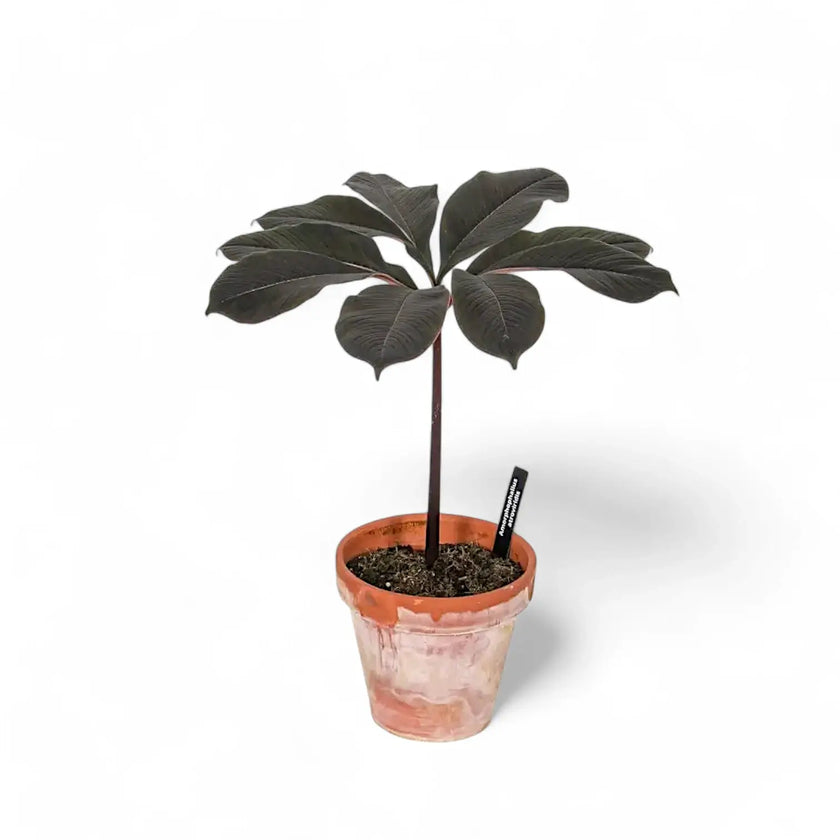
Amorphophallus atroviridisSold out
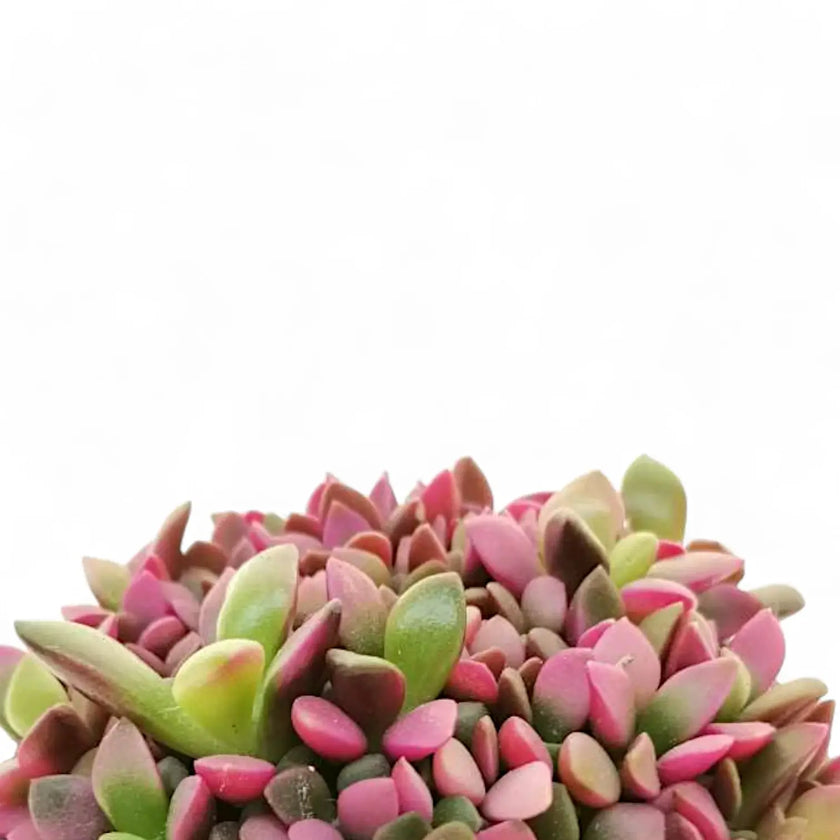

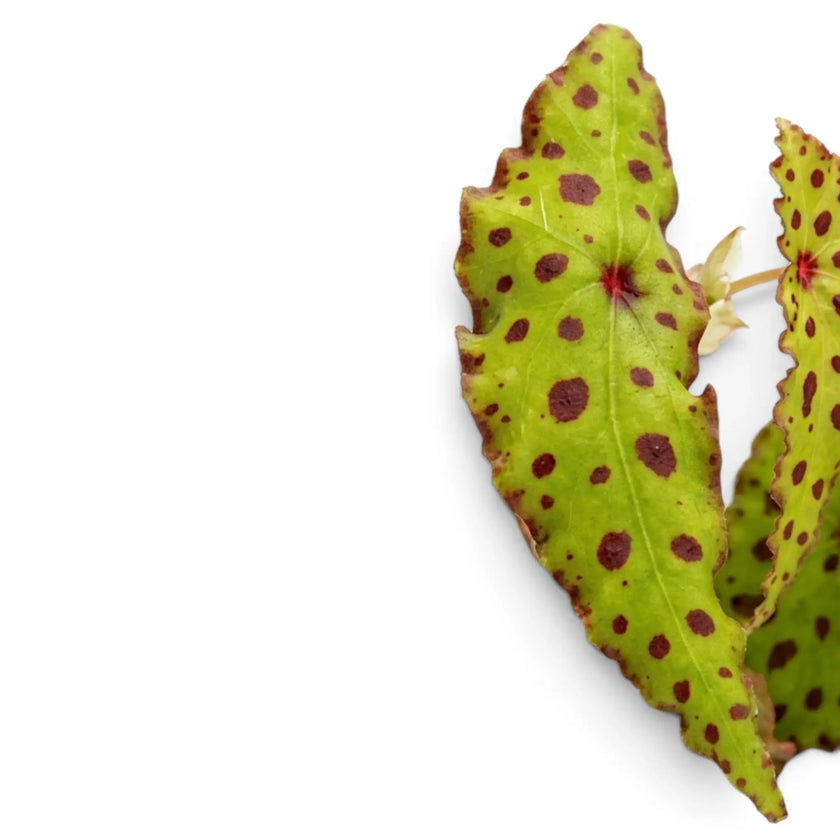
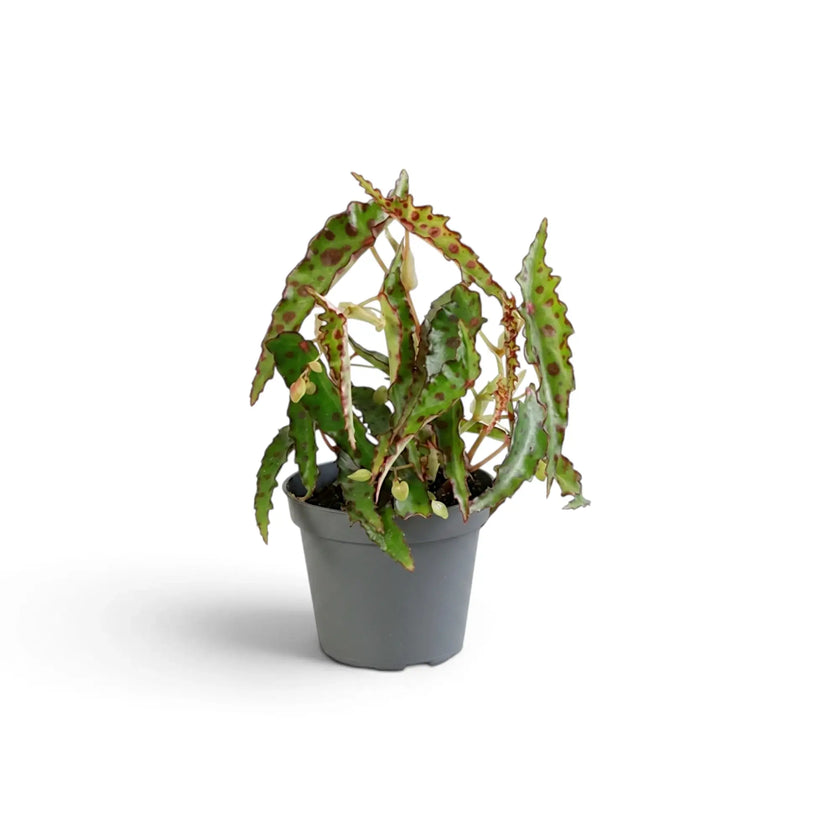
Begonia amphioxus
Sale price€8,50
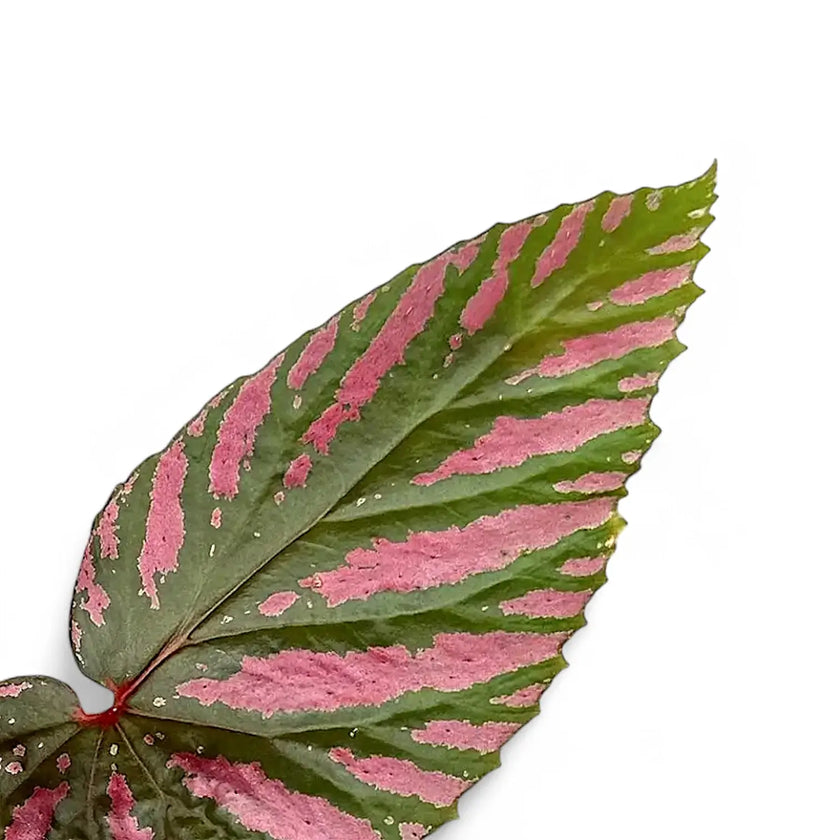

Begonia ‘Autumn Crinkle’Sold out

Begonia ‘Autumn Ember’Sold out

Begonia ‘Balboa’Sold out

Begonia ‘Bostella’Sold out

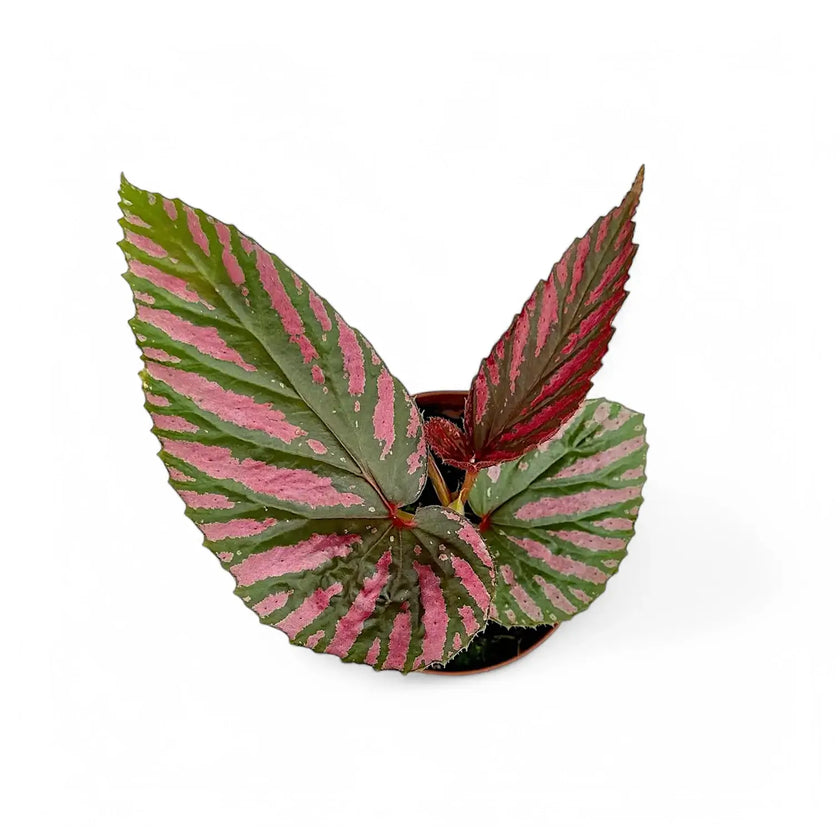
Begonia ‘Chayo’
Sale price€8,50

Begonia ‘Cumbia’Sold out
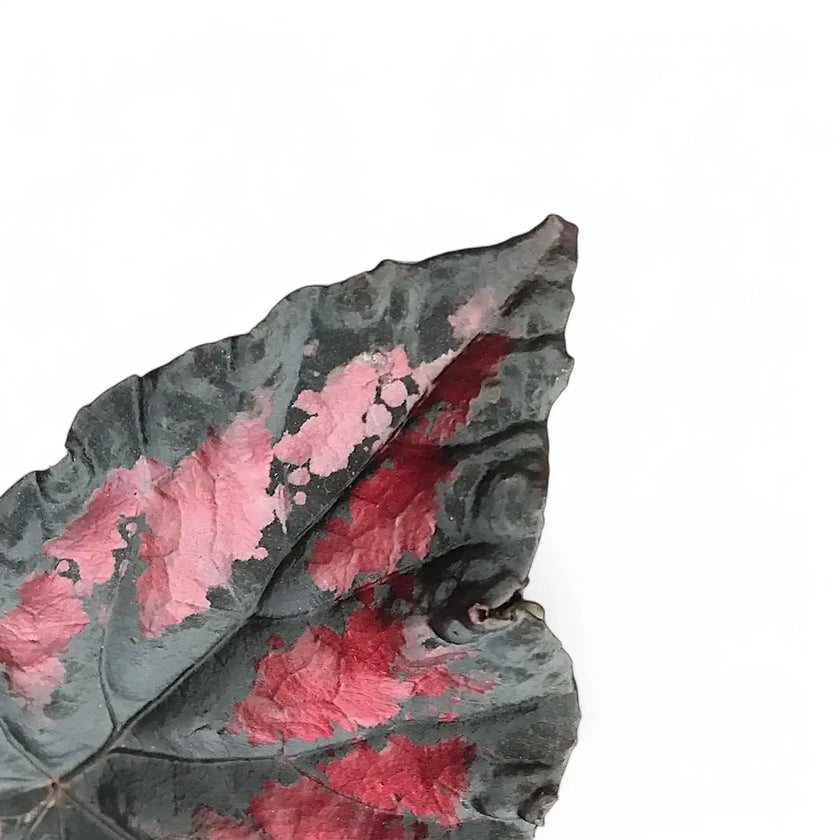
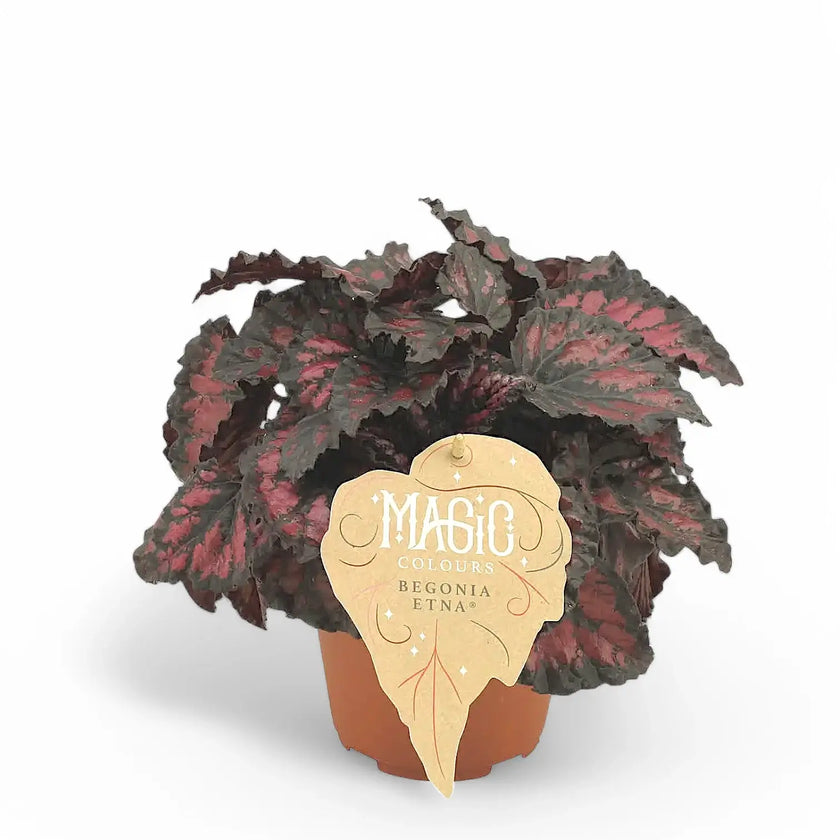
Begonia ‘Etna’Sold out
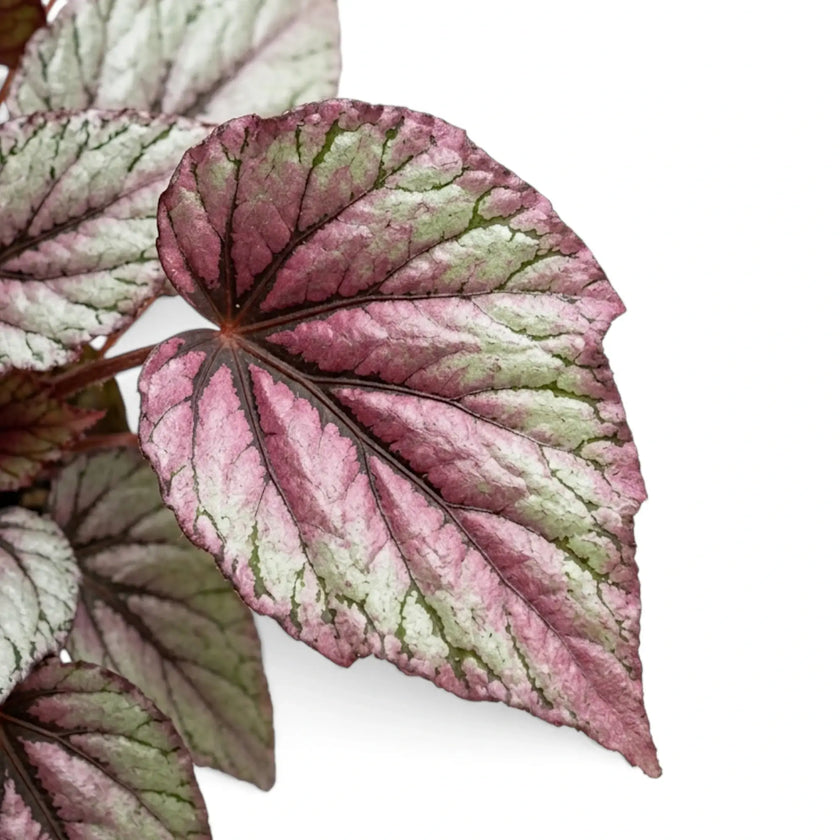
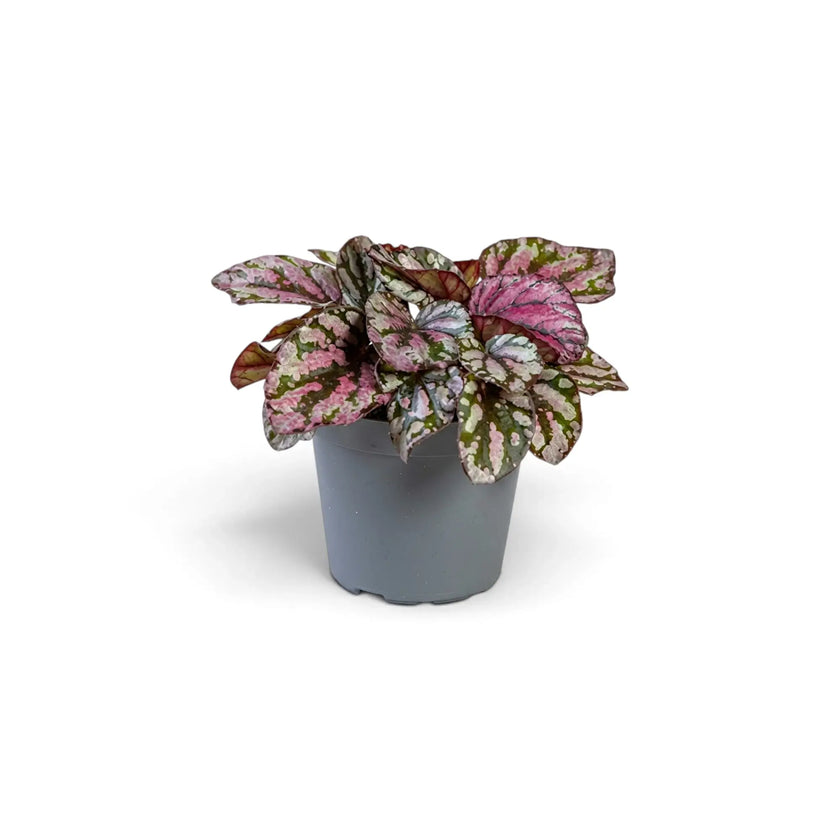
Begonia ‘Hugh McLauchlan’
Sale price€8,50
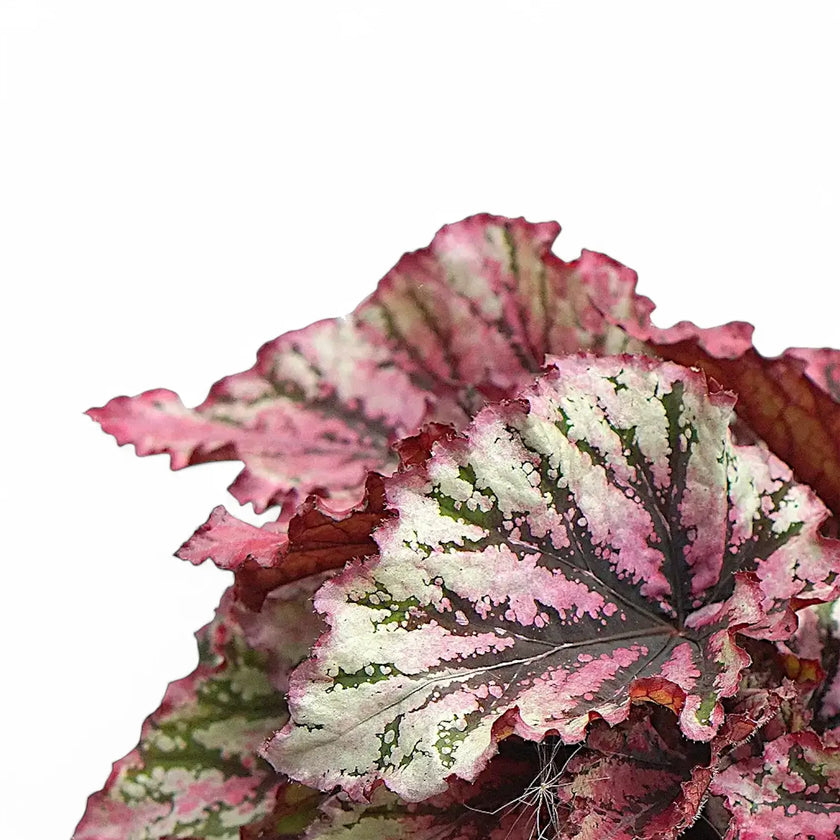
Begonia ‘Lambada’Sold out
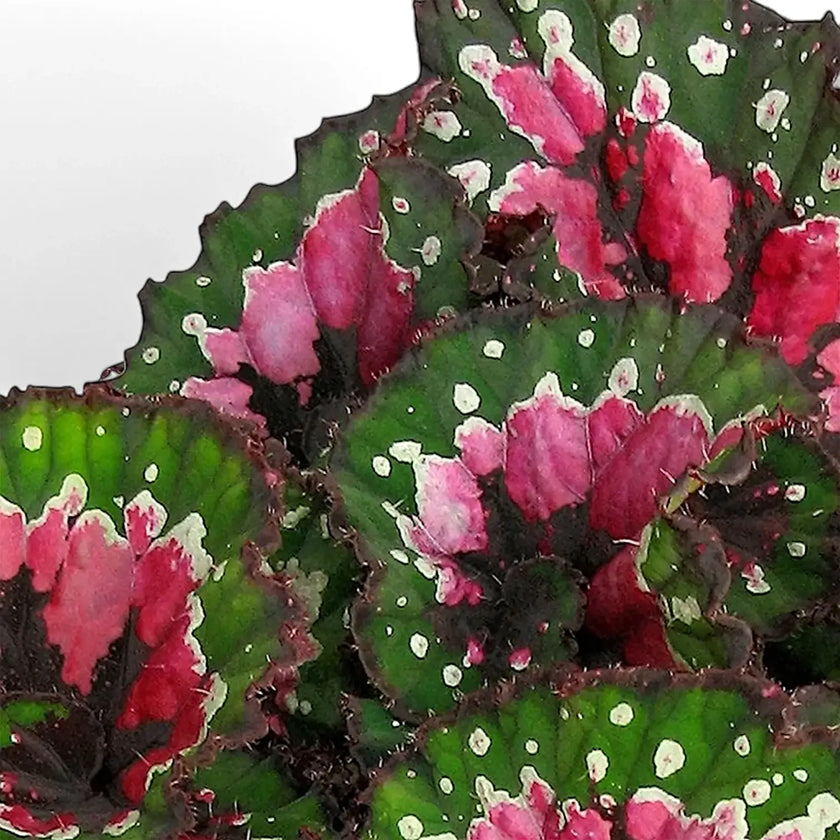
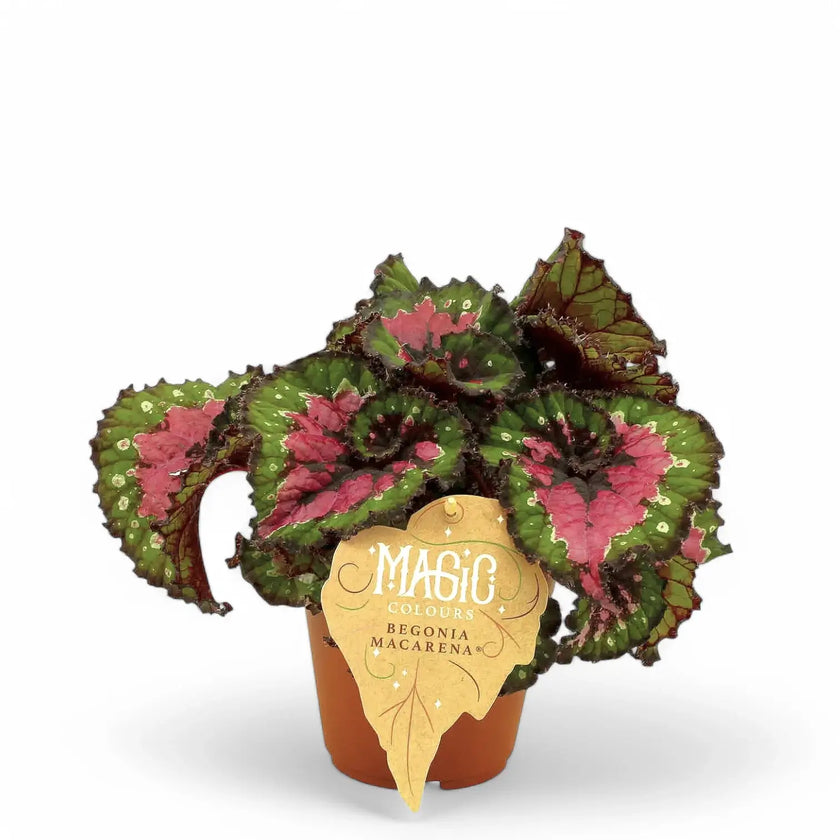
Begonia ‘Macarena’Sold out
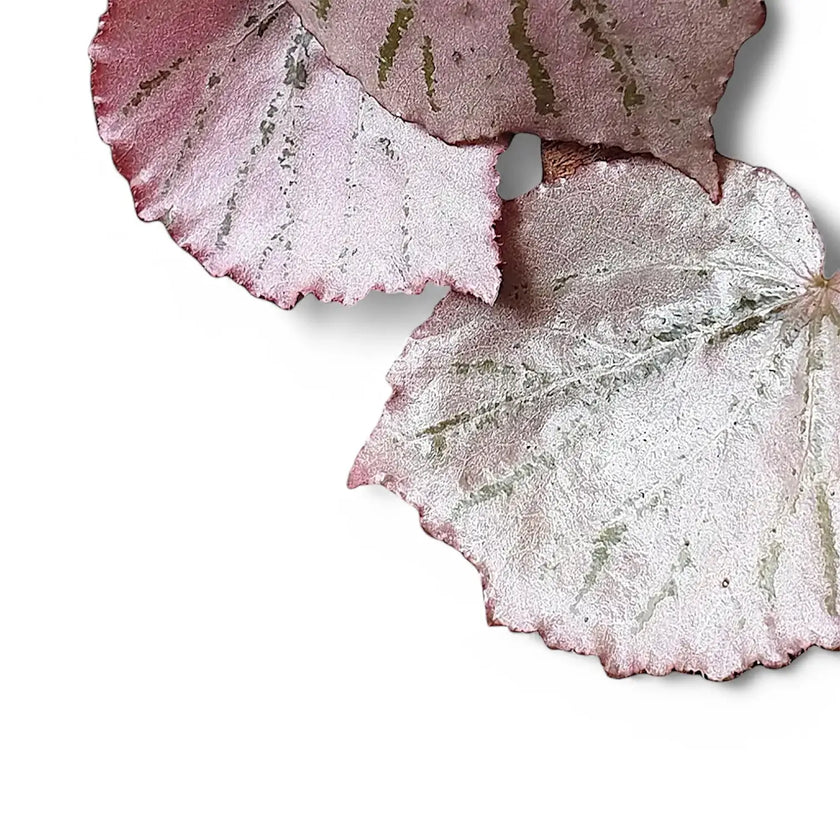
Begonia ‘Martin’s Mystery’Sold out
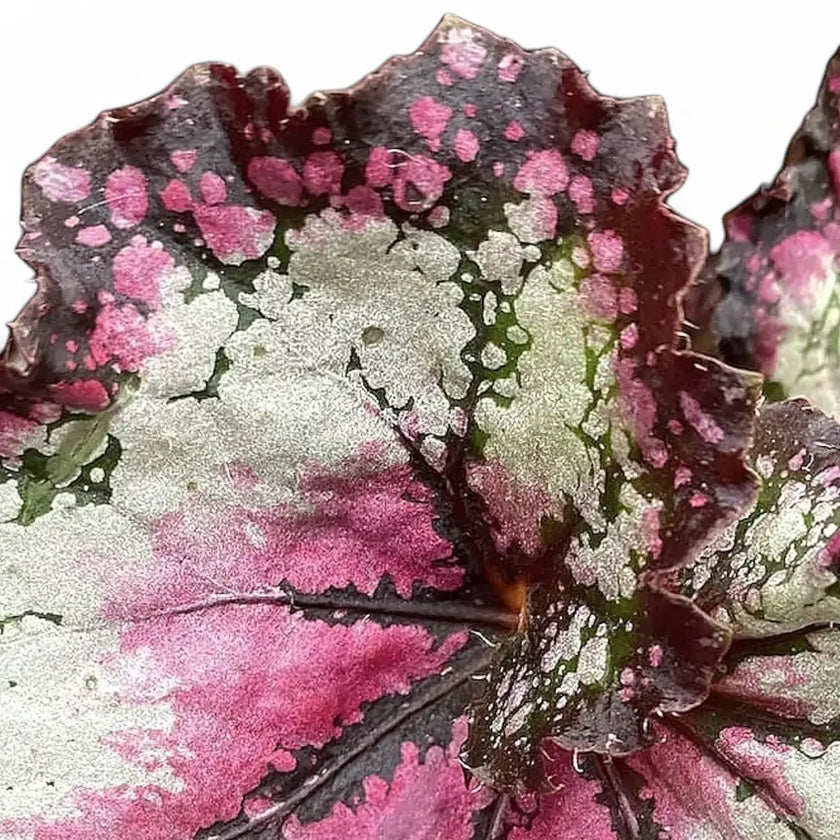
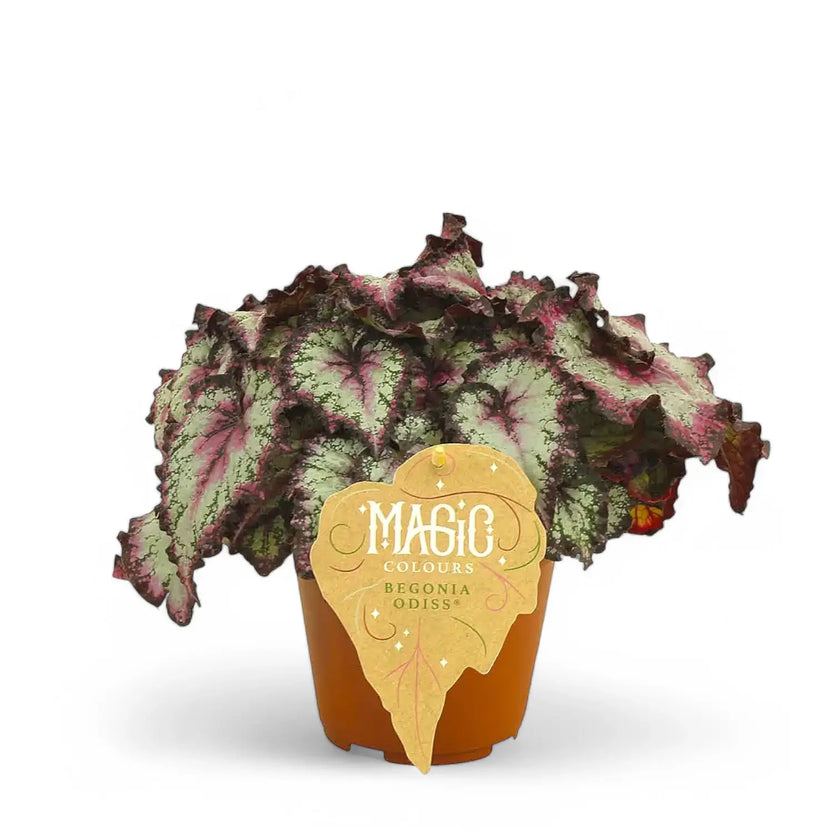
Begonia ‘Odissi’Sold out
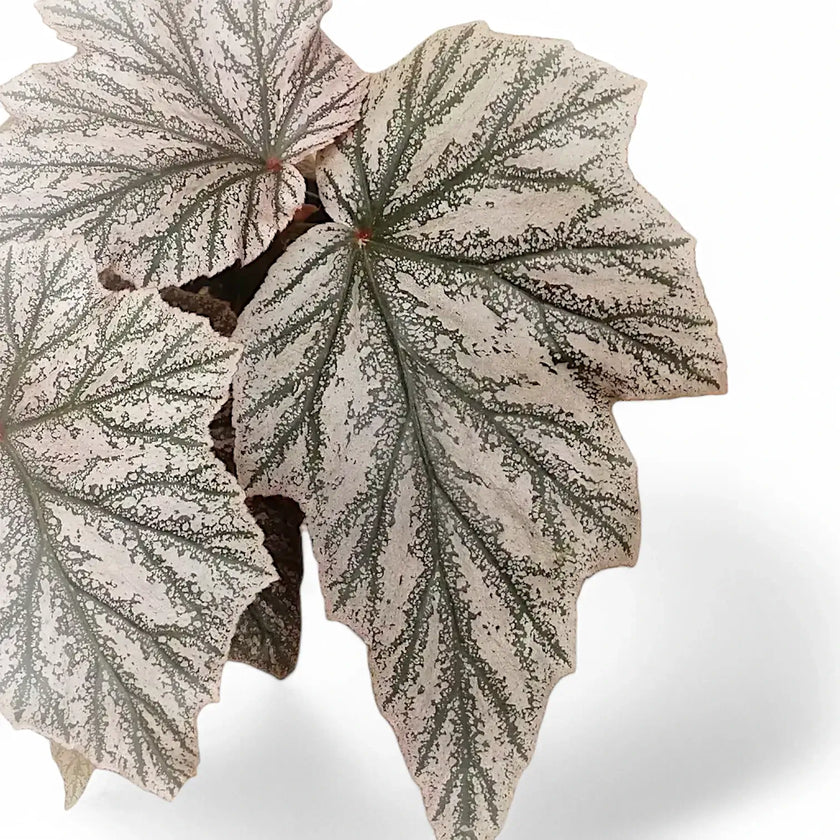
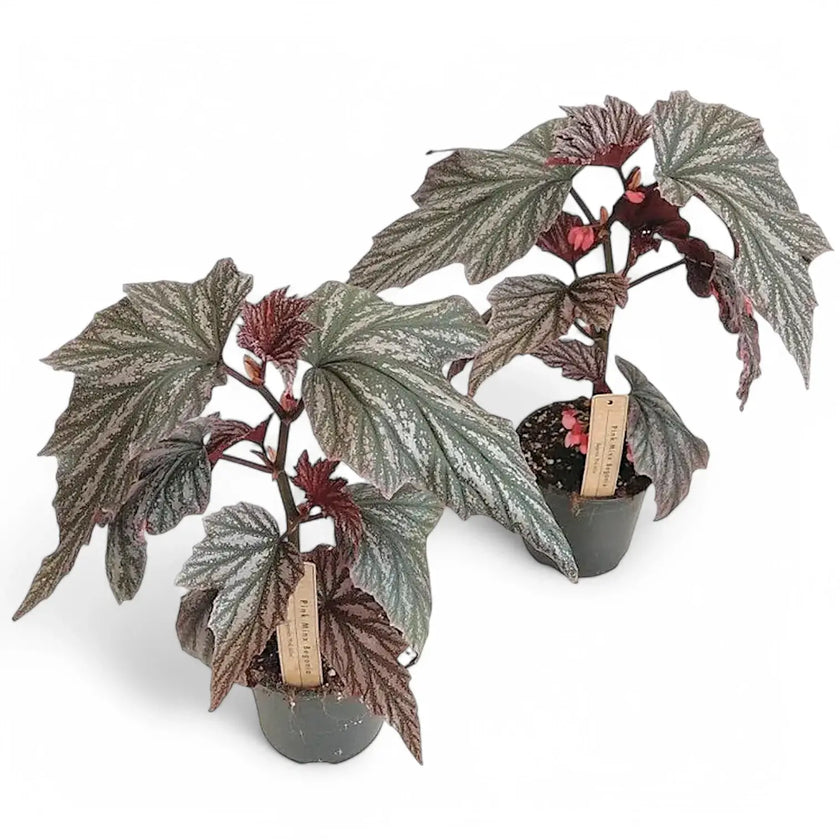
Begonia ‘Pink Minx’Sold out
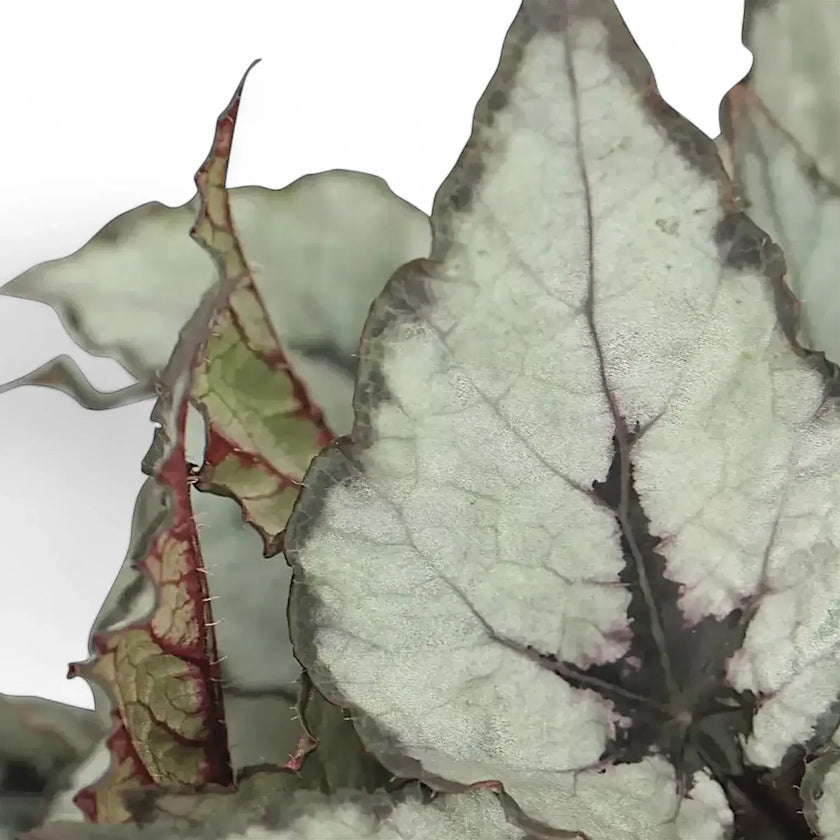
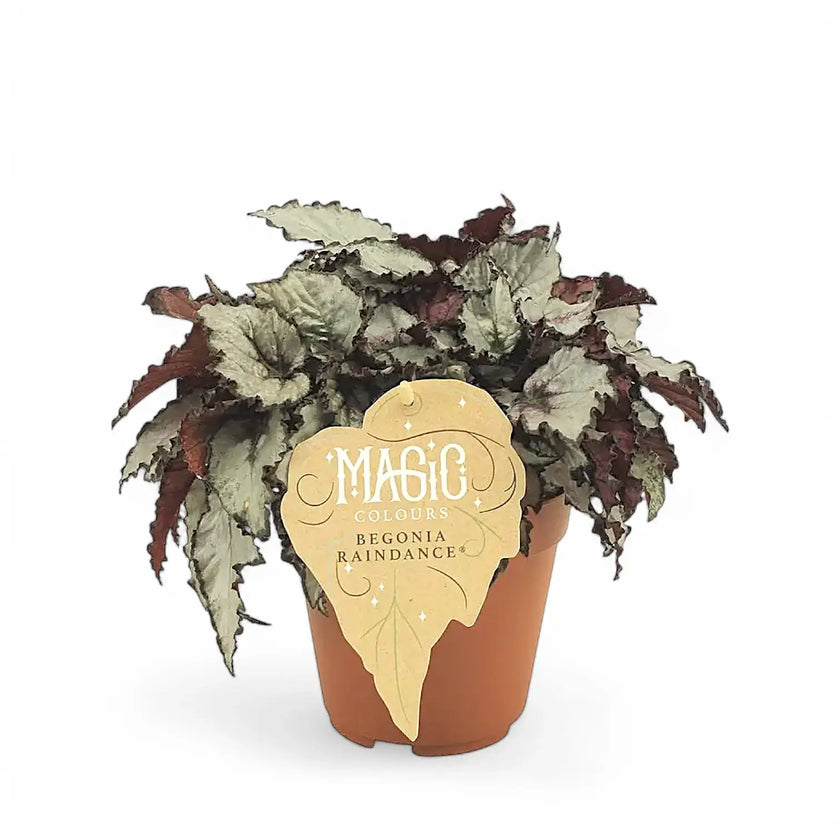
Begonia ‘Raindance’Sold out
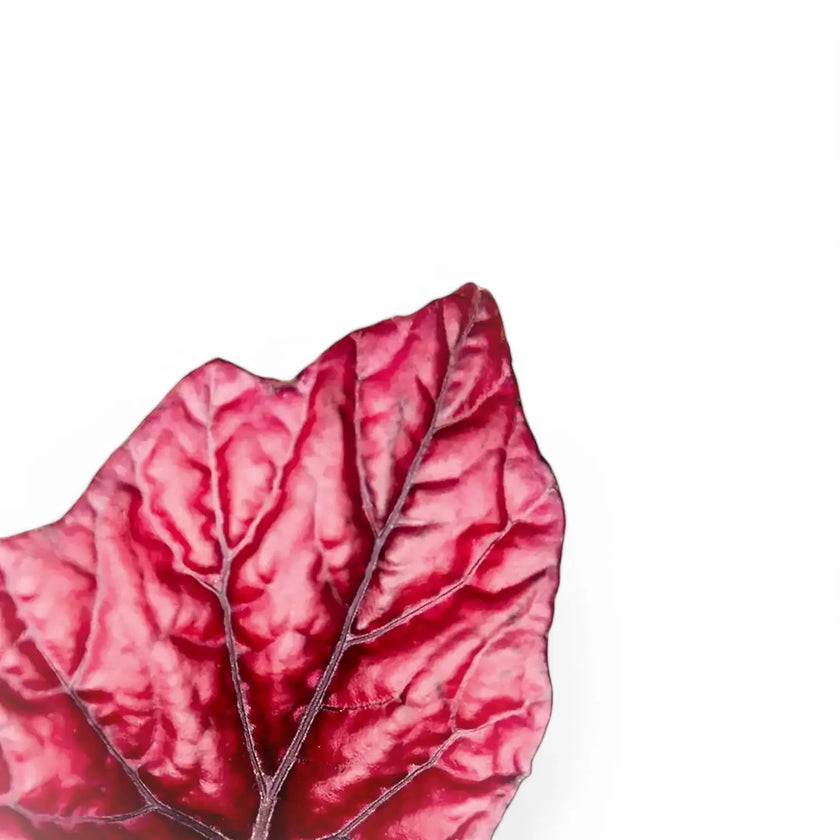
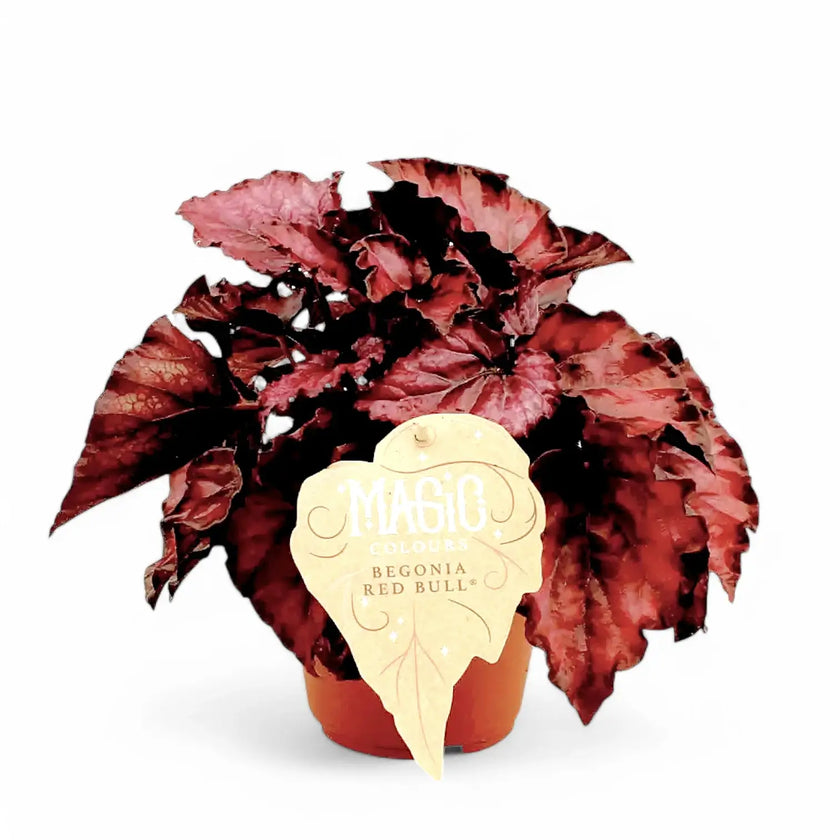
Begonia ‘Red Bull’Sold out
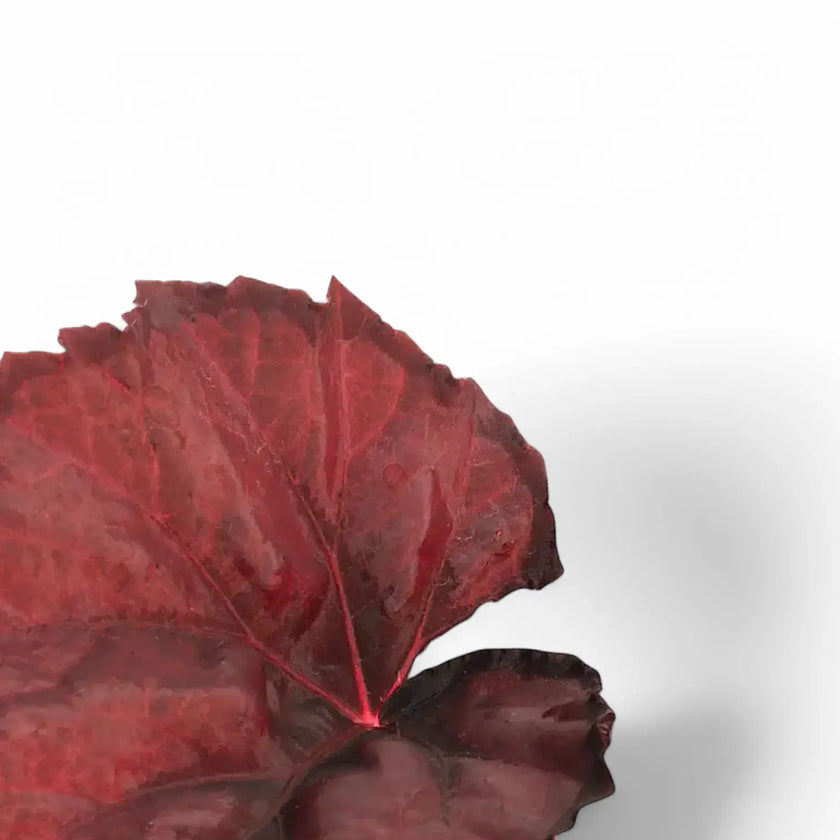
Begonia ‘Red Heart’Sold out
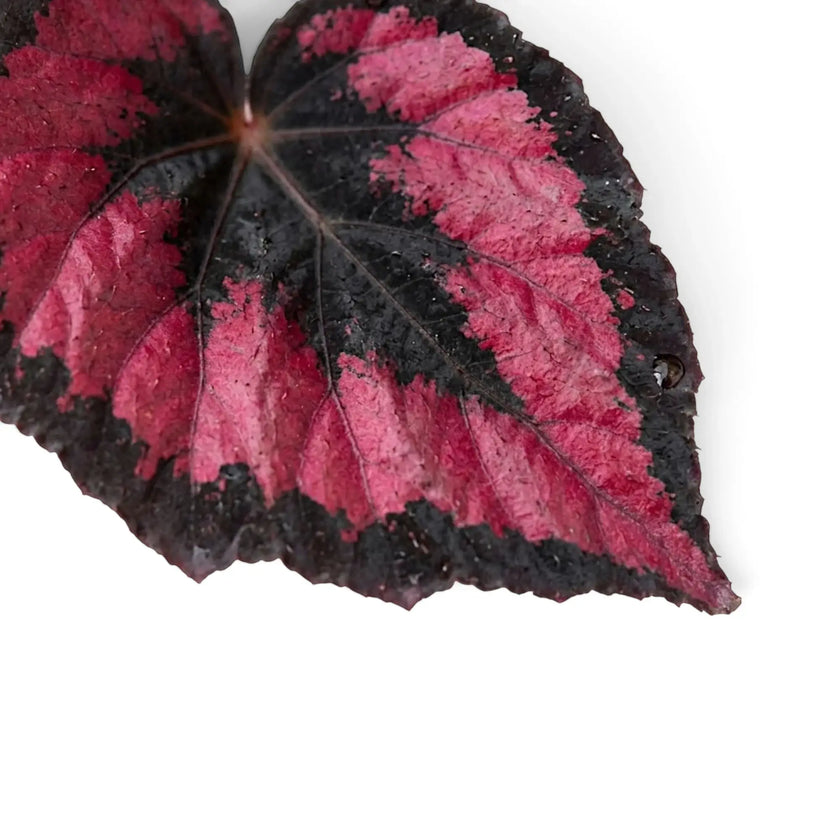
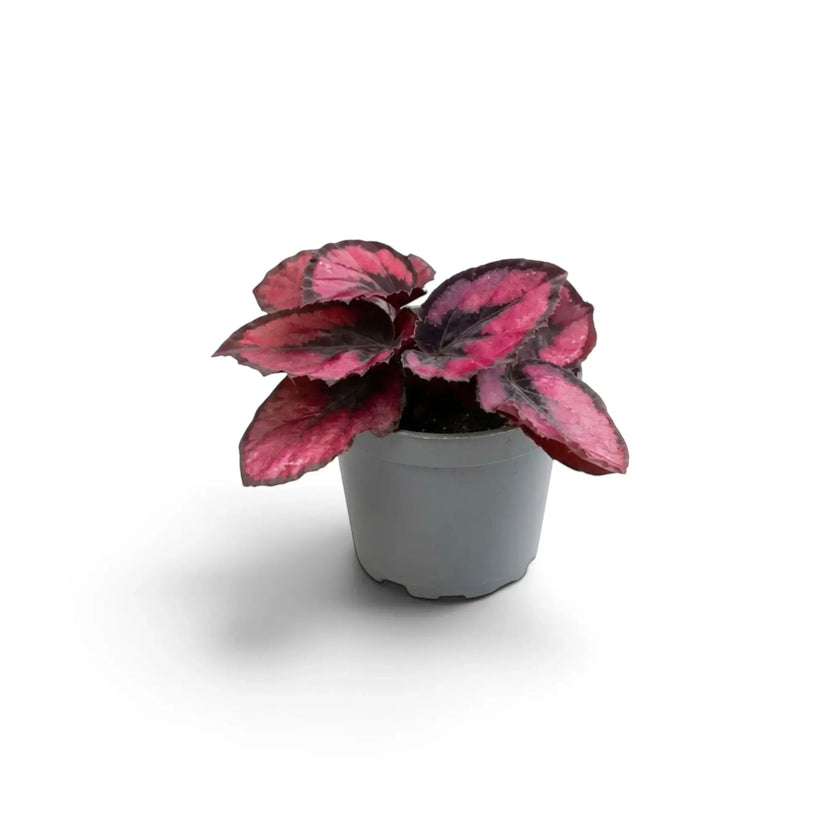
Begonia ‘Red Kiss’
Sale price€8,50
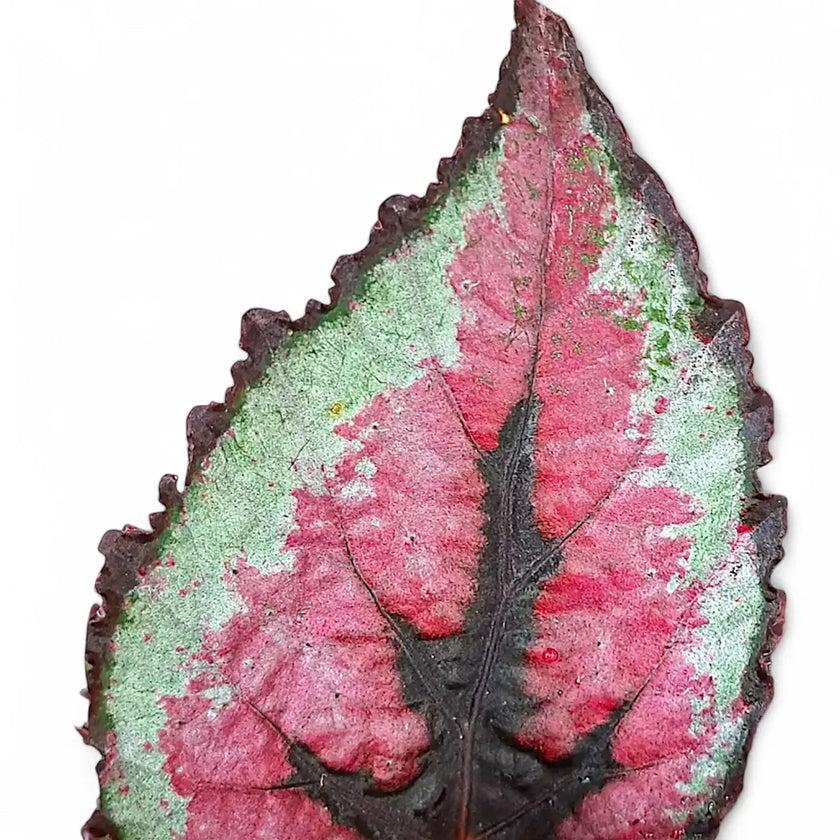
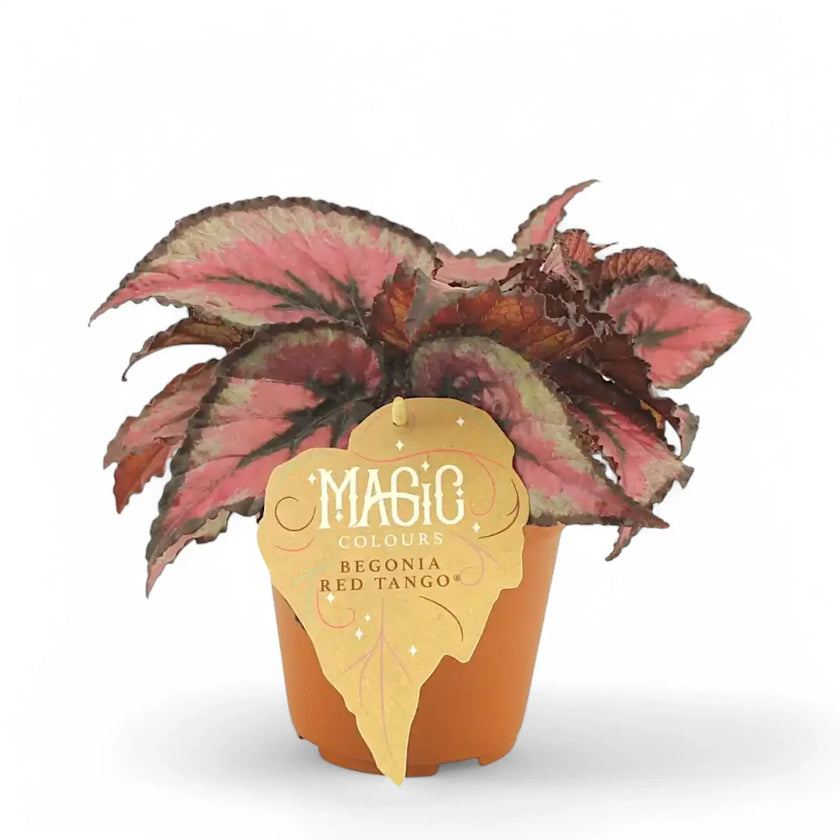
Begonia ‘Red Tango’Sold out
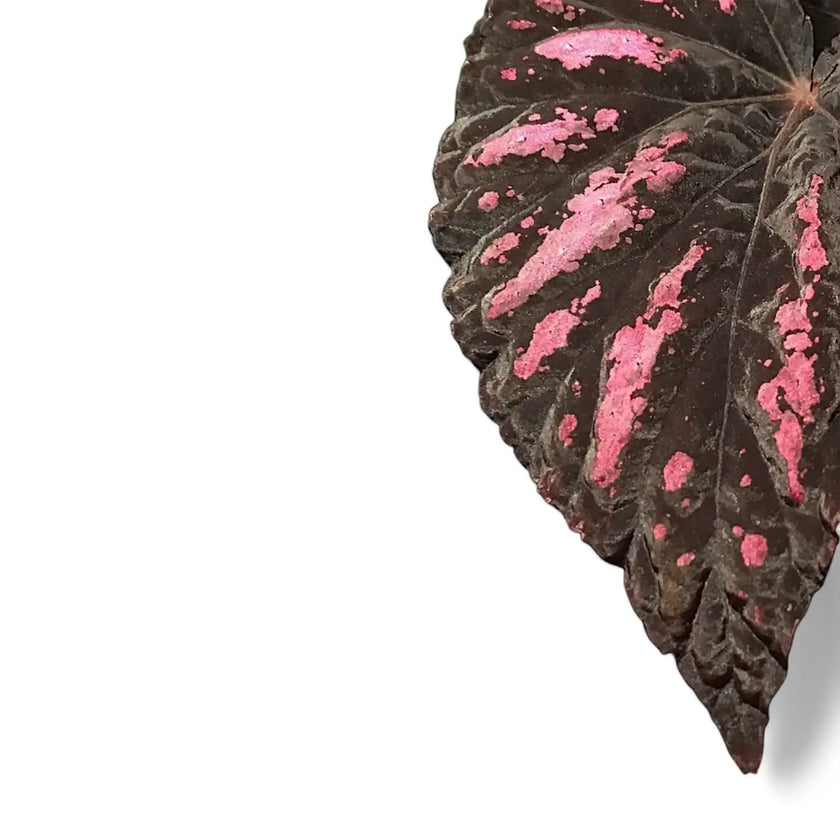
Begonia ‘Rumba’Sold out
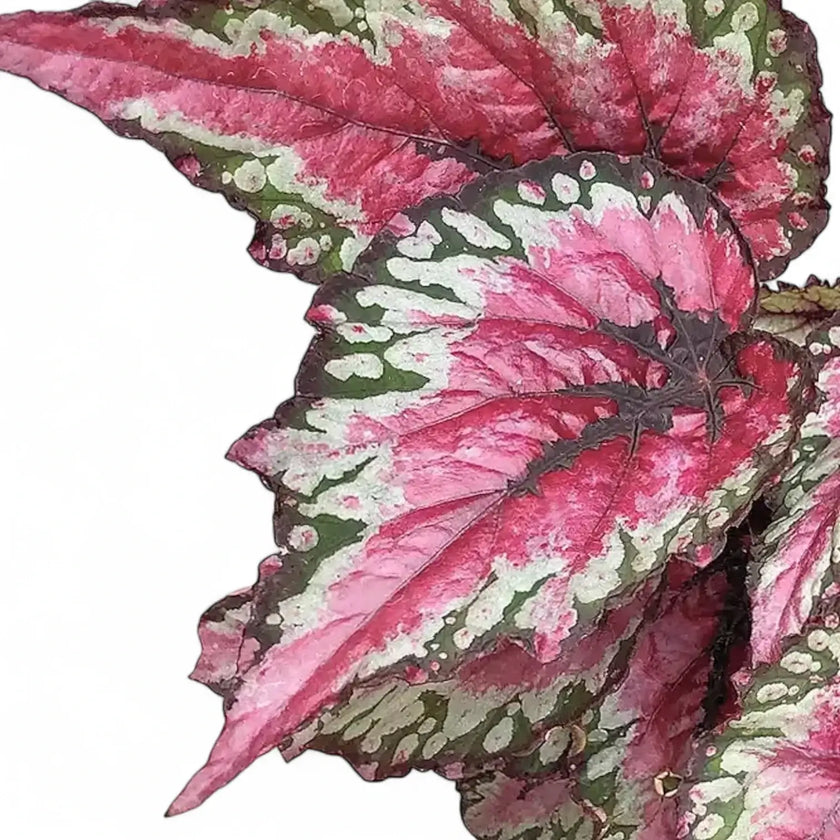
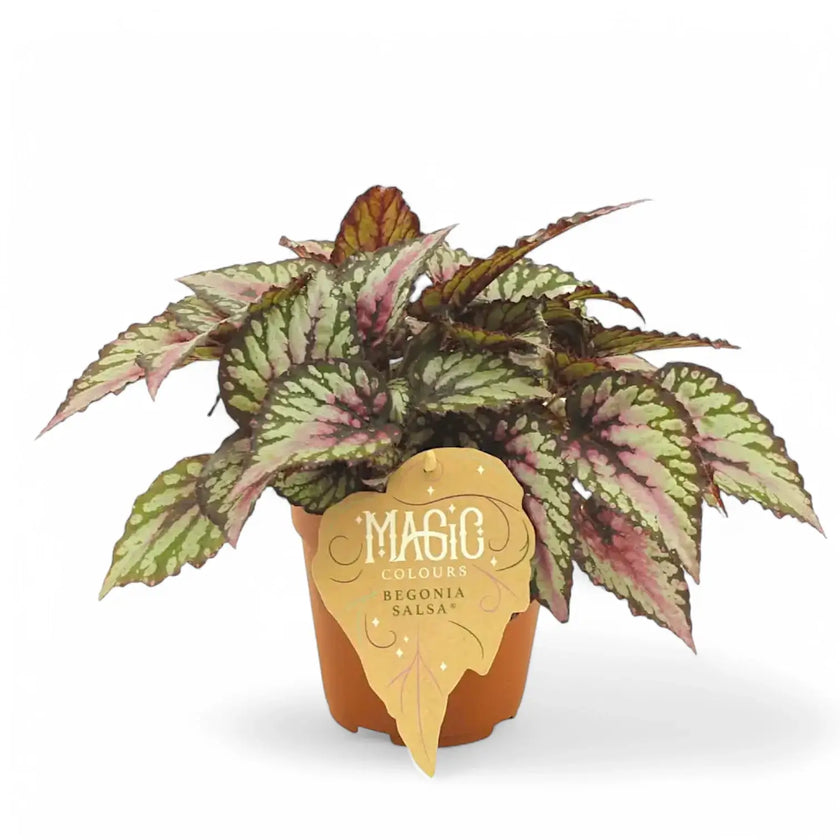
Begonia ‘Salsa’Sold out

Sign up for Foliage Factory newsletter for early access to new arrivals and practical care tips that work in real homes.