Skip to content

Cart

Your cart is empty.

Pink and Red Foliage Plants

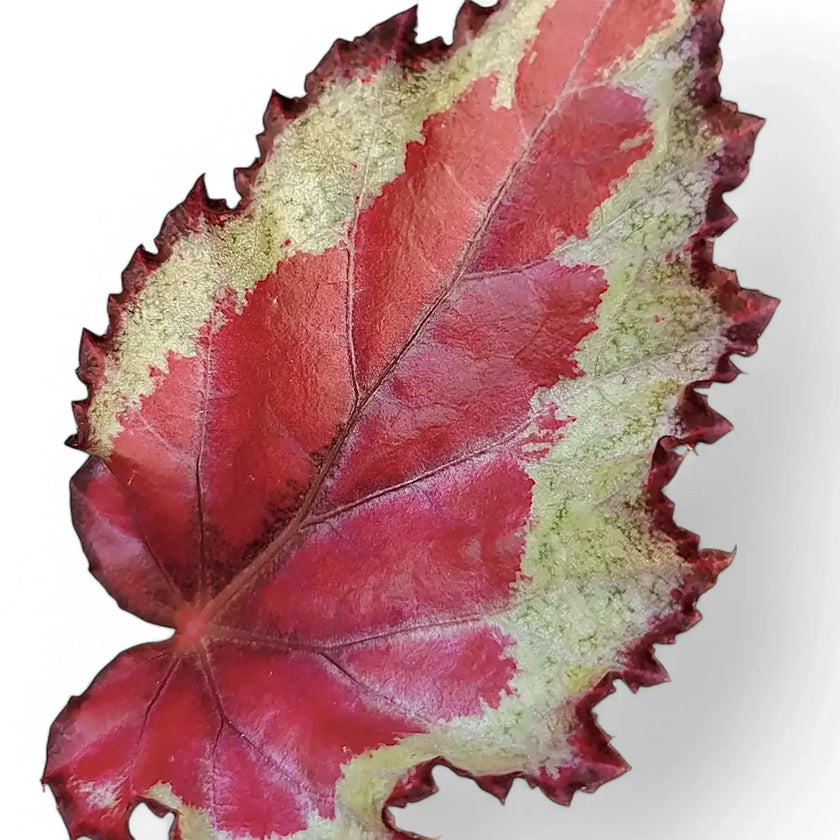
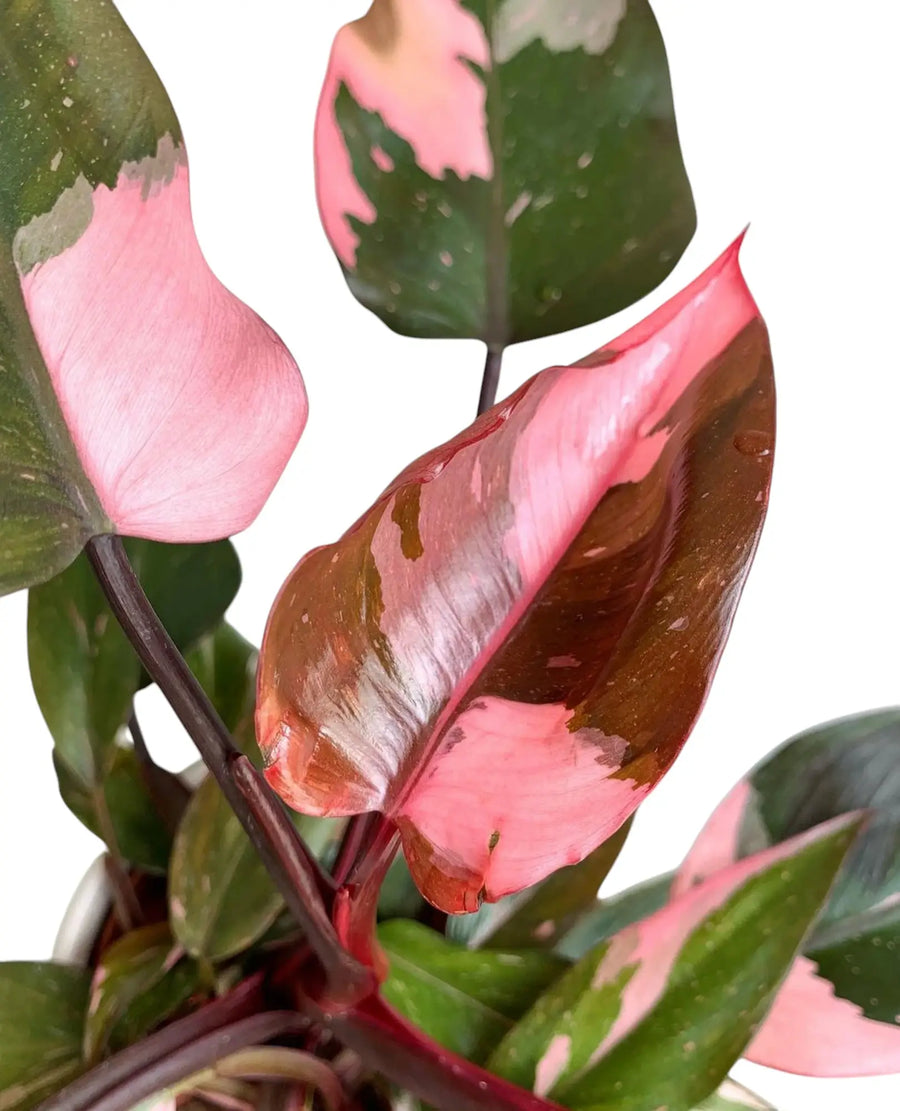
A close up of a juvenile leaf of Philodendron Pink Princess on a white background

Sort by:

Filters

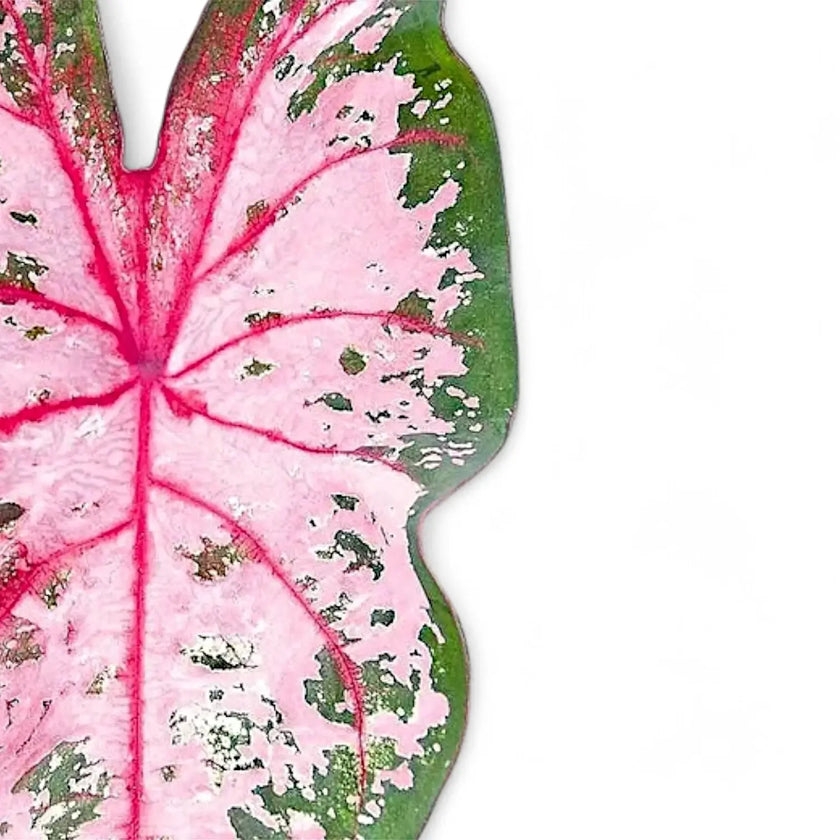
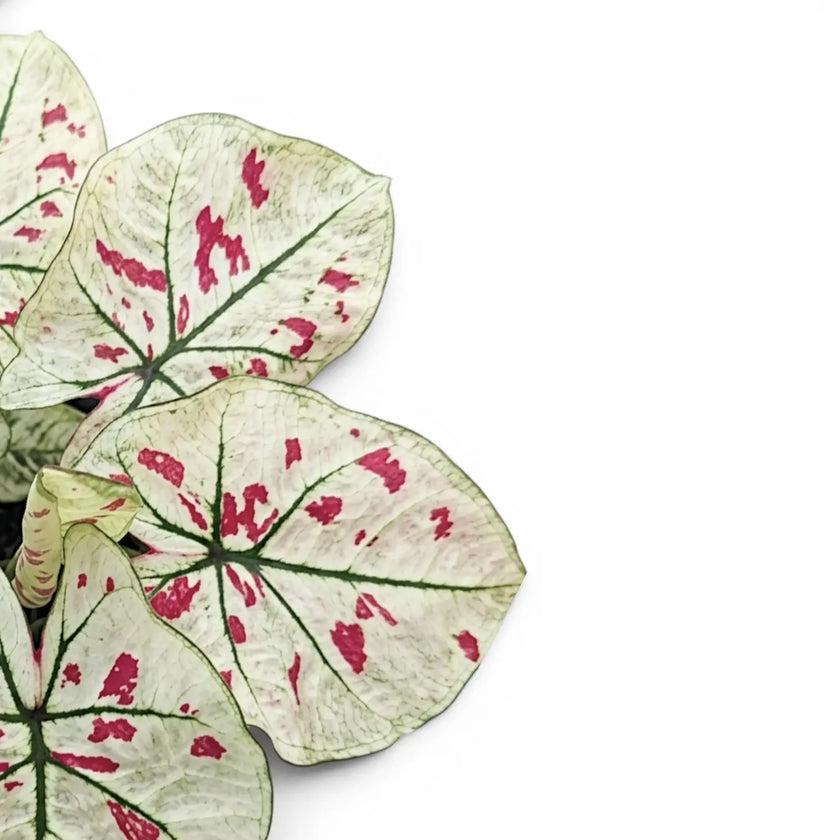
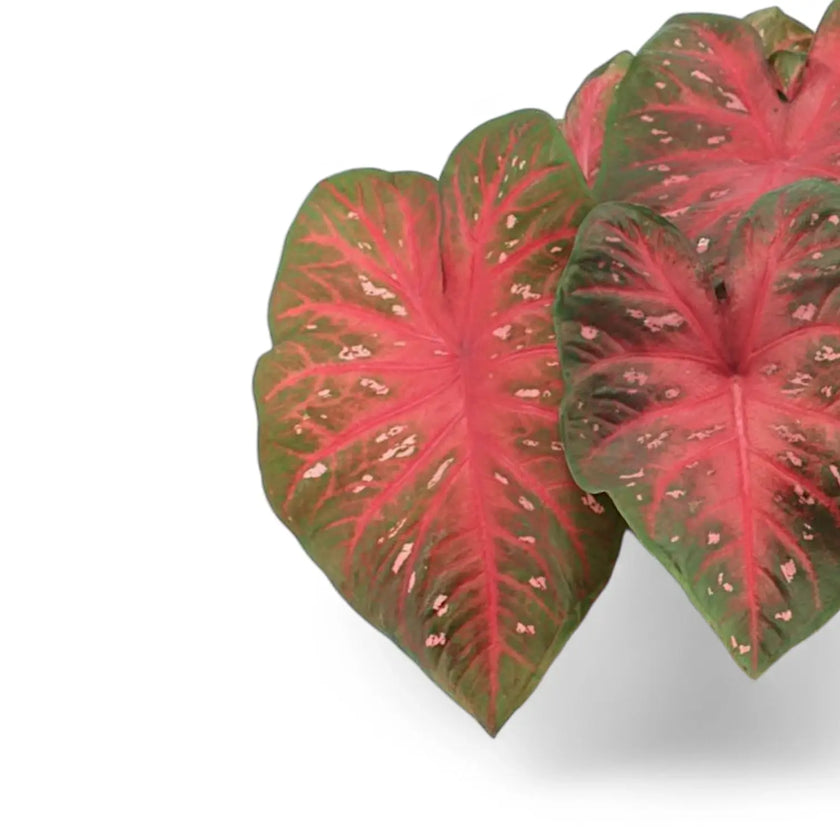
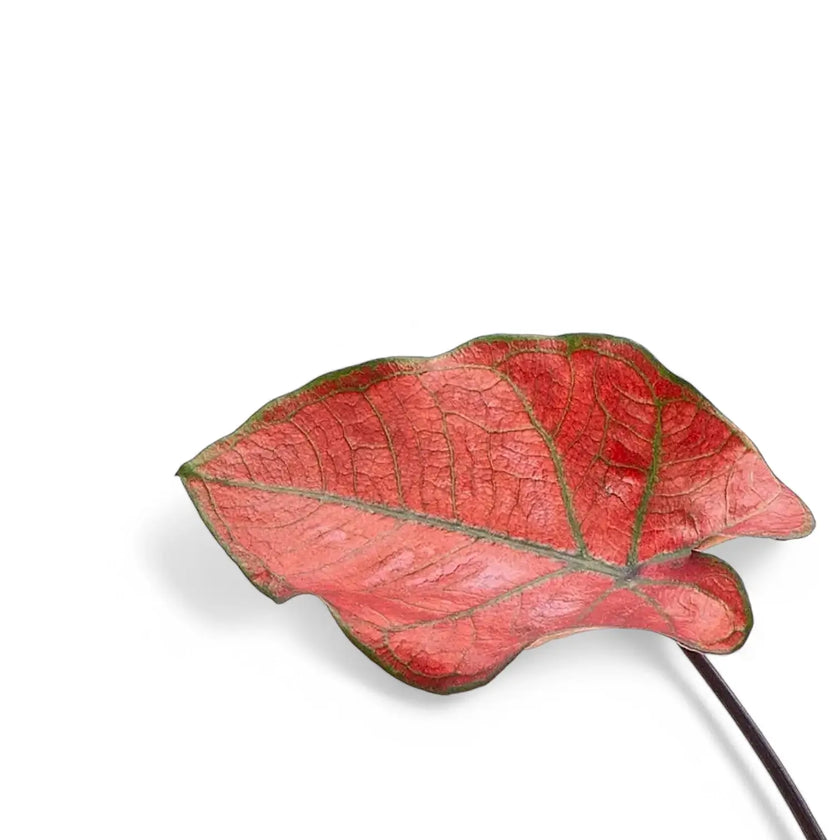
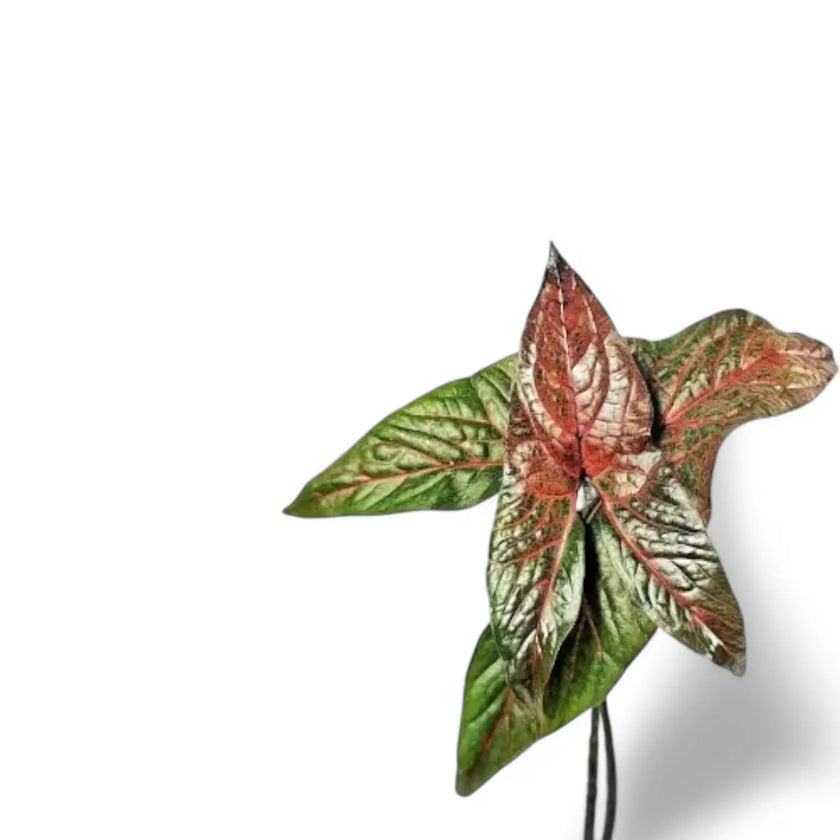
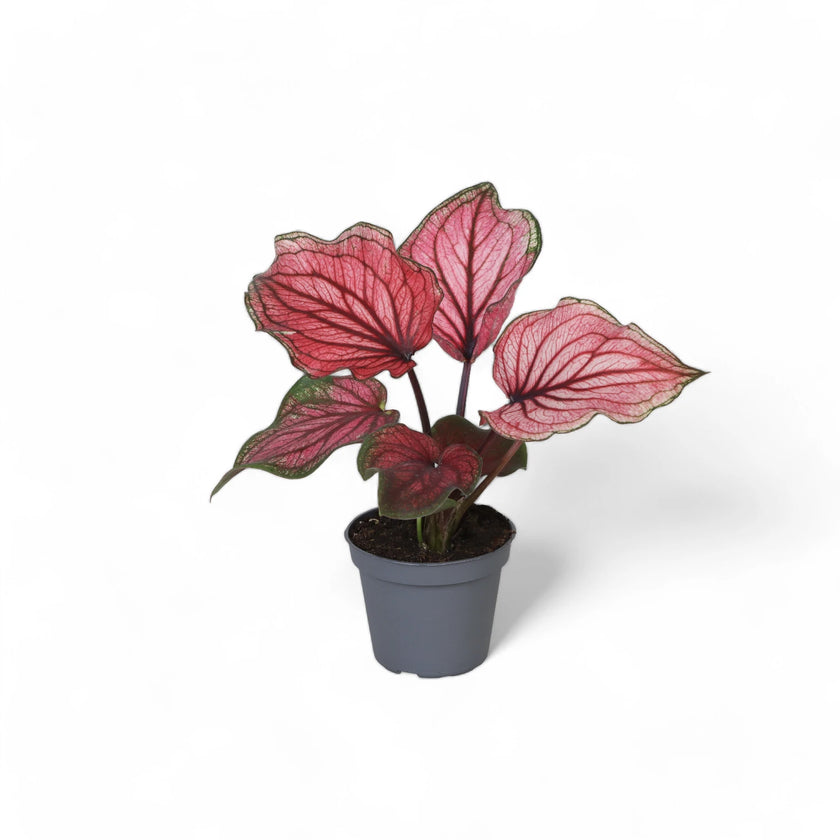
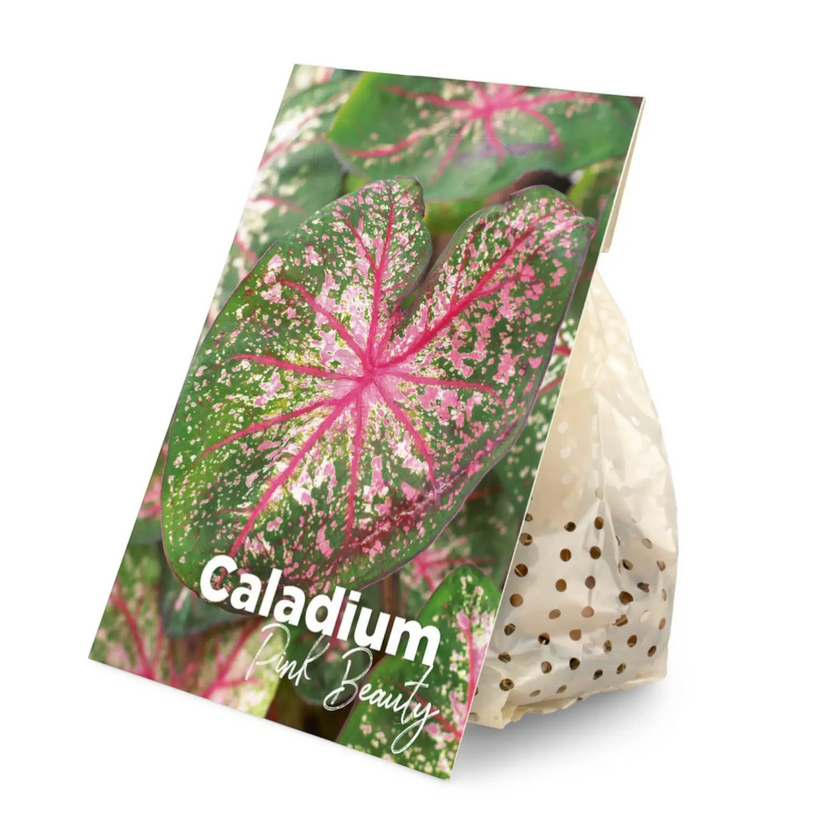
Close-up of Caladium 'Pink Beauty' leaves.
Caladium ‘Pink Beauty’ Regular price €10,00
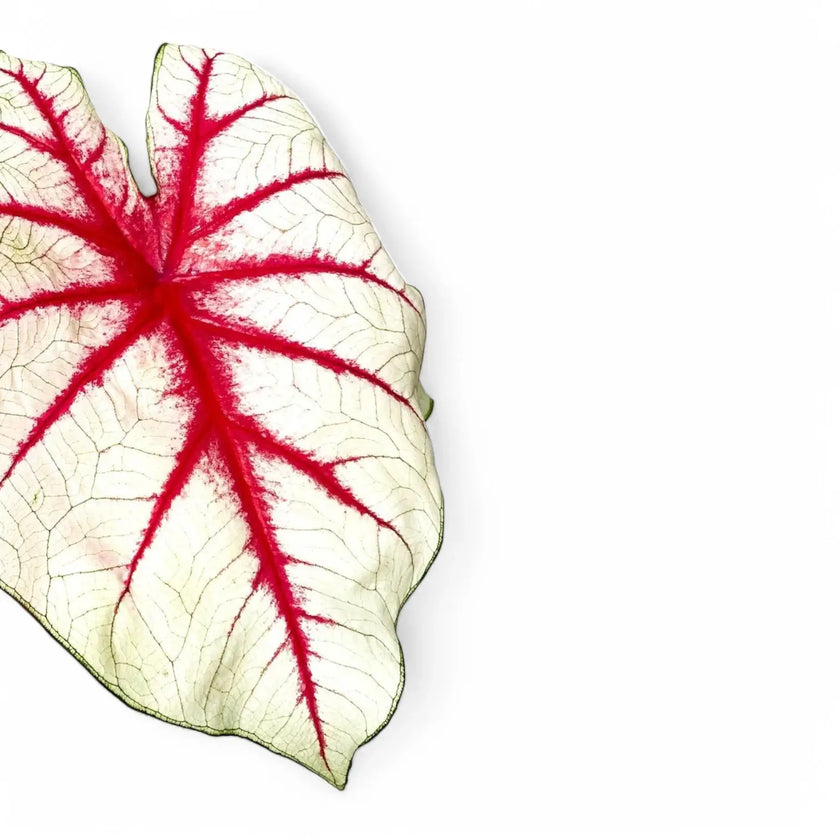
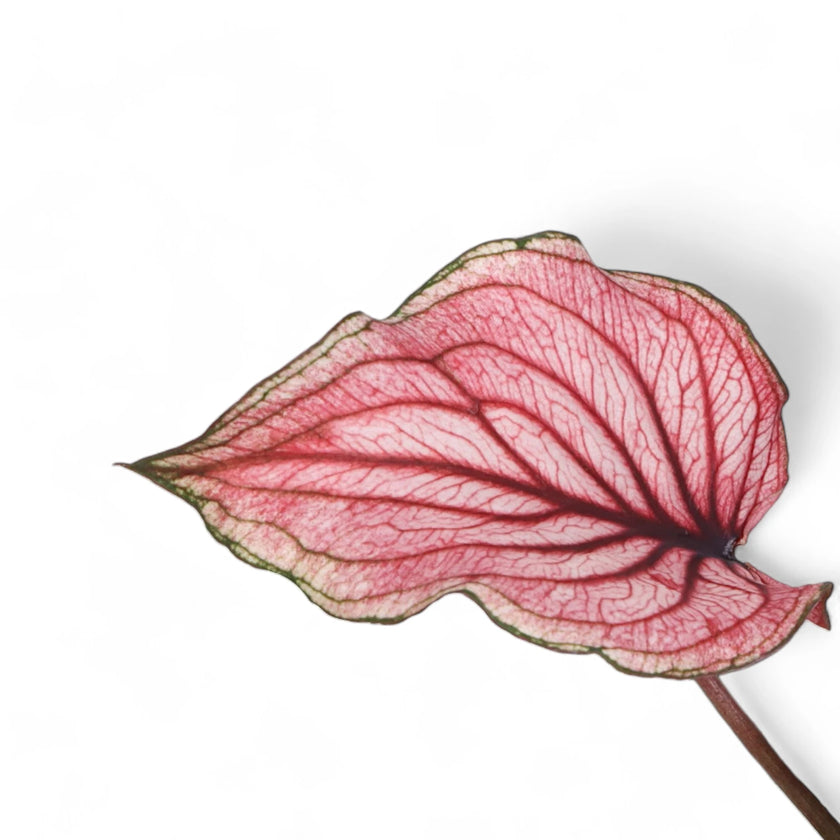
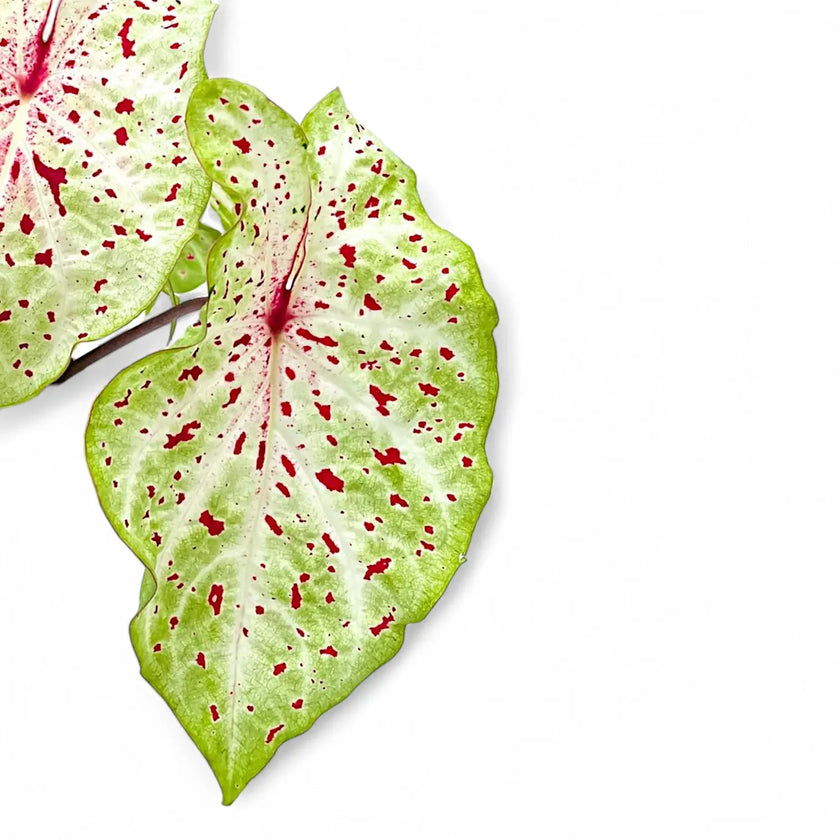
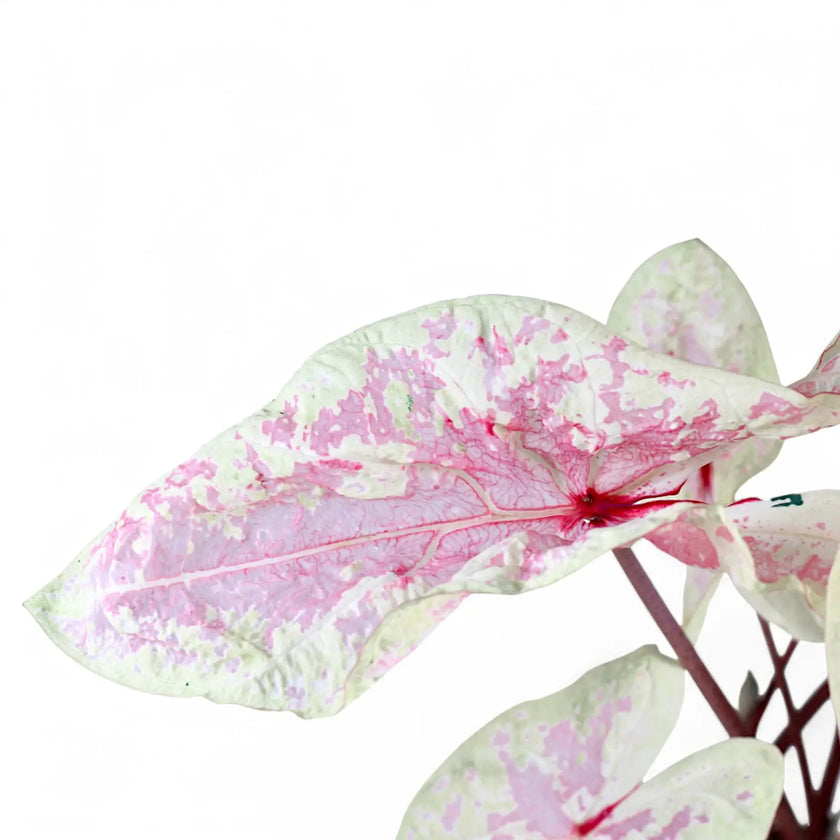
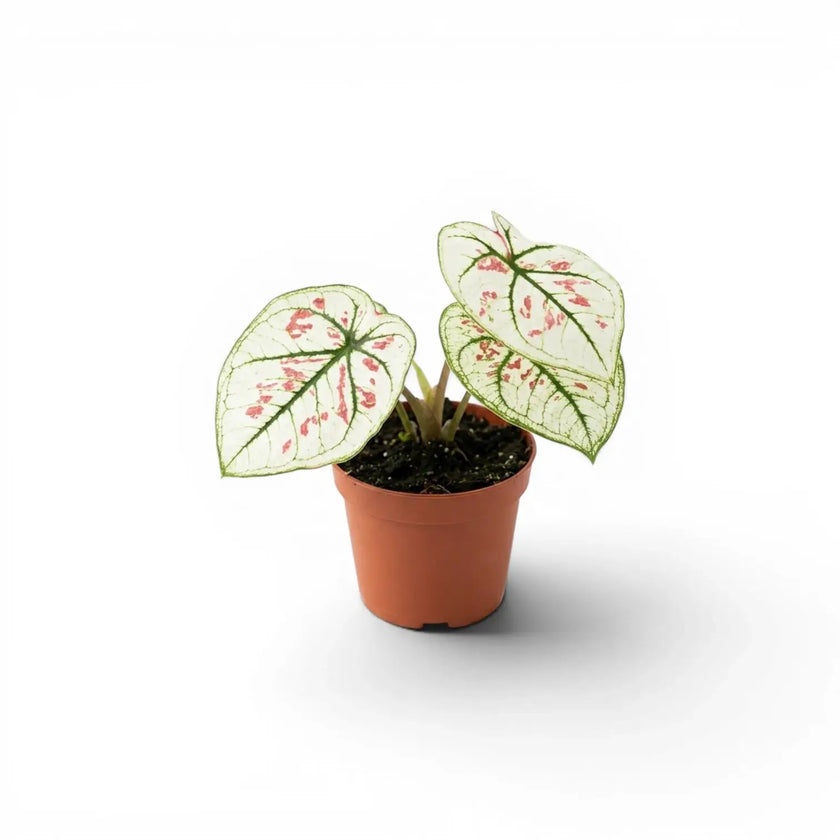
Caladium 'Miss Muffet' leaf close-up on white background.
Caladium ‘Miss Muffet’ Regular price €10,00
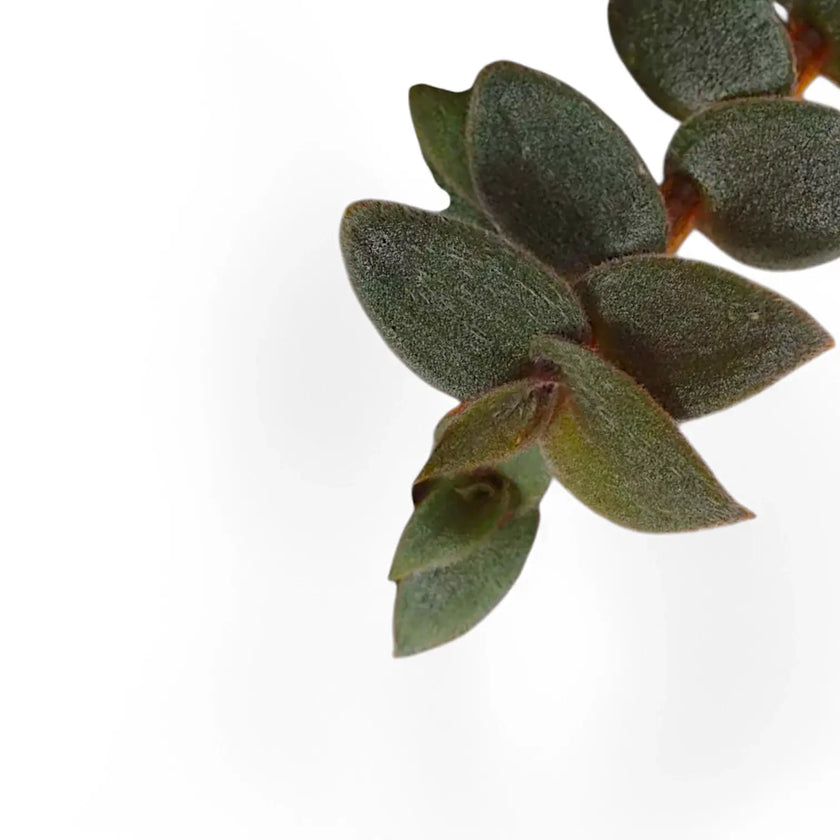
Close-up of Philodendron 'Red Emerald' leaves.
Philodendron erubescens 'Red Emerald' Regular price €38,75
Aglaonema 'Red Joy' leaf detail on white background.
Aglaonema ‘Red Joy’ Regular price €32,50
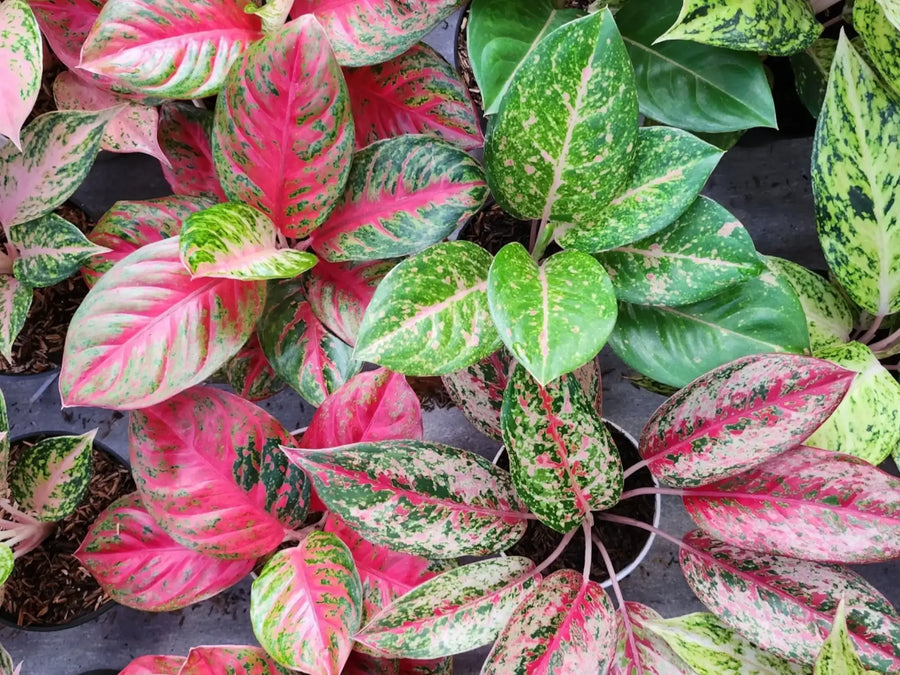
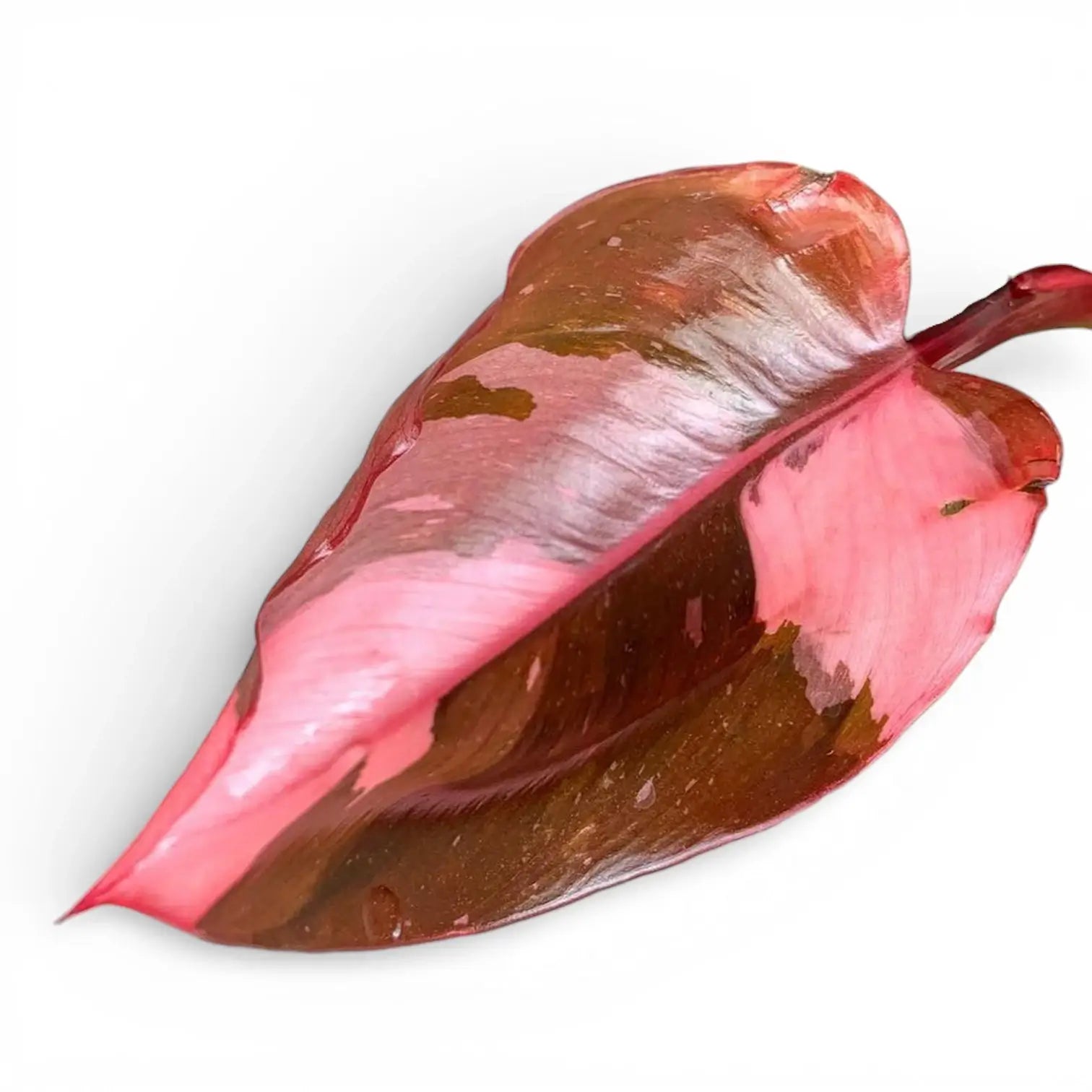
Aglaonema 'Pink Princess' close-up of leaf on white background.
Aglaonema 'Pink Princess' Regular price €18,75
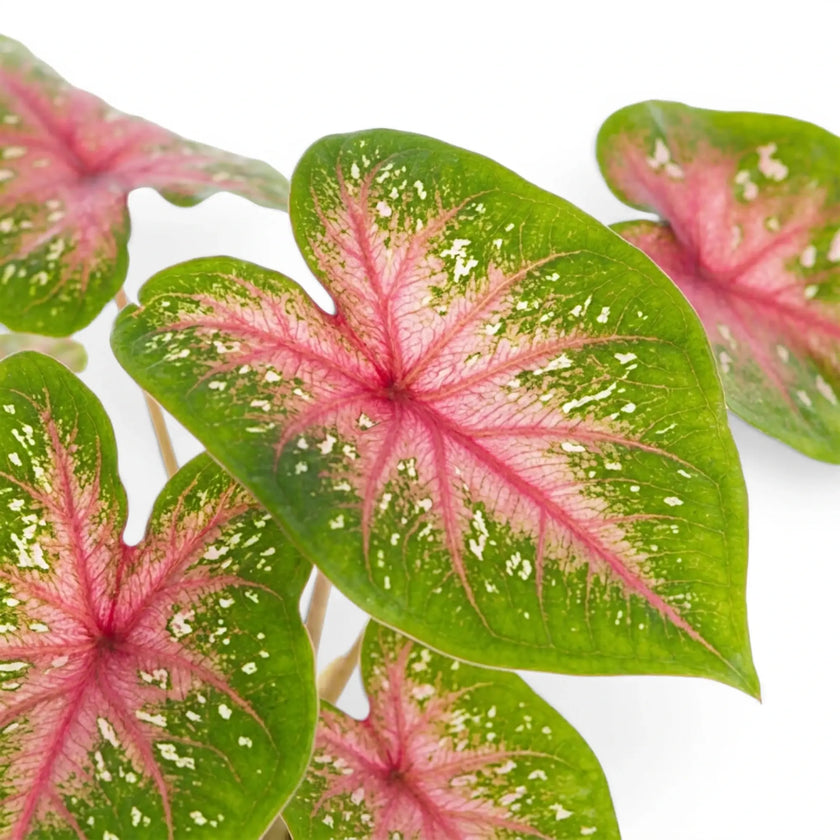
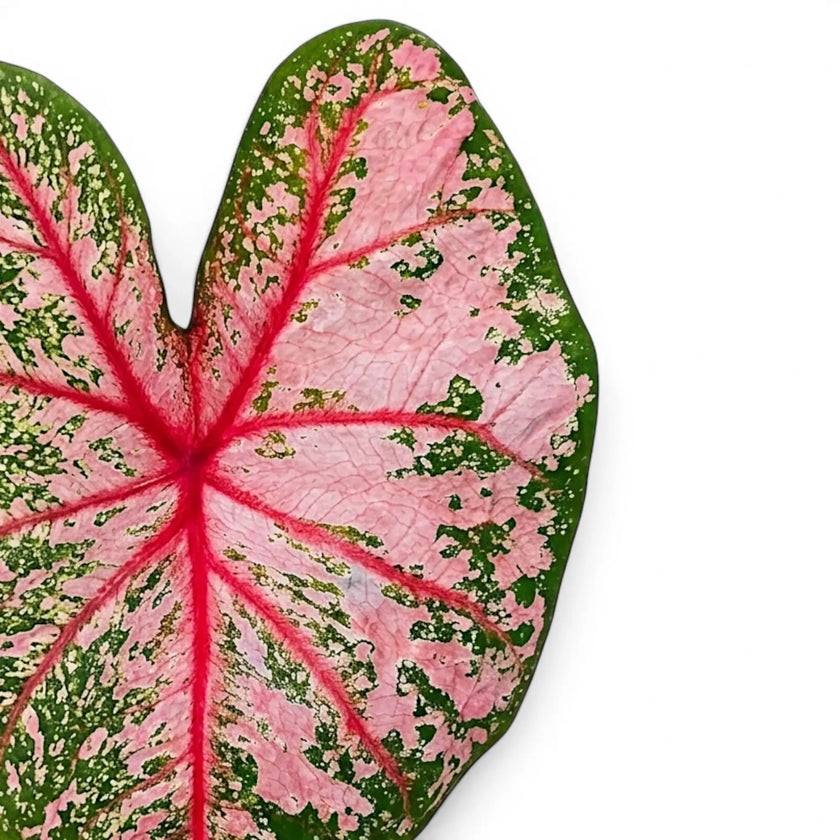
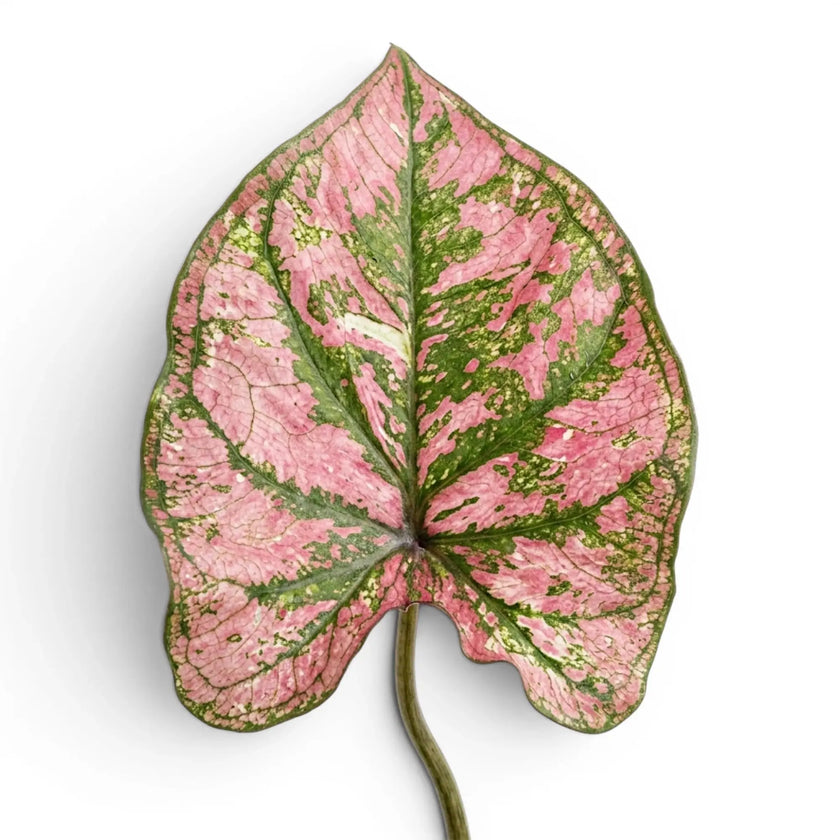
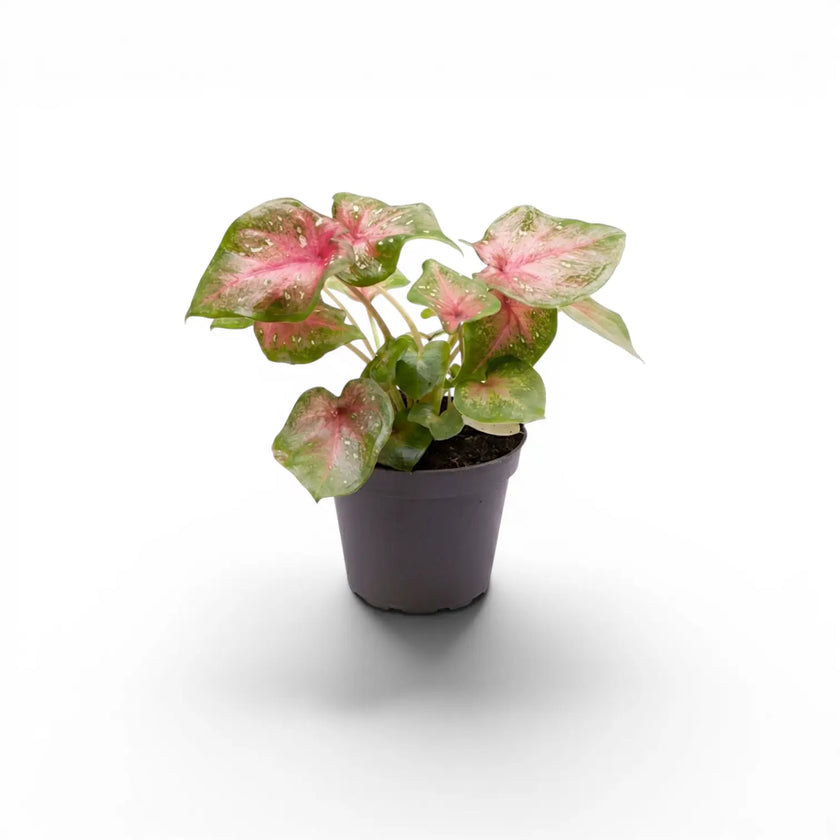
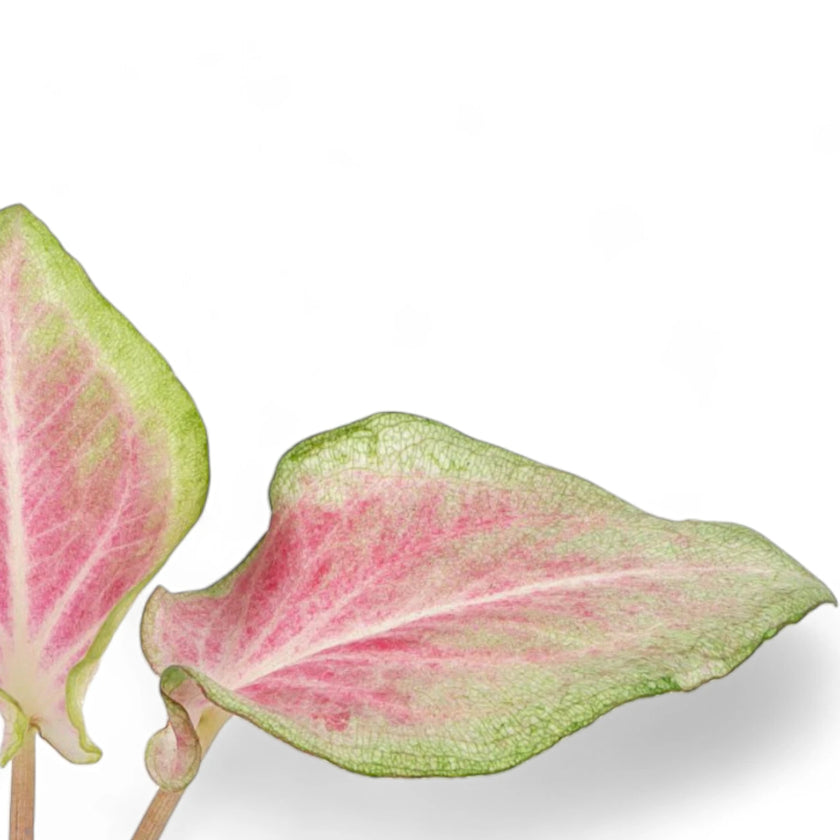
Caladium Casey foliage close-up with pink and green heart-shaped leaves.
Caladium 'Casey' Regular price €10,00
Close-up of variegated leaf of Alocasia Ninja Tricolor with dark green, white and pale yellow colouration on white background
Alocasia reginula 'Ninja Tricolor' Regular price €47,50
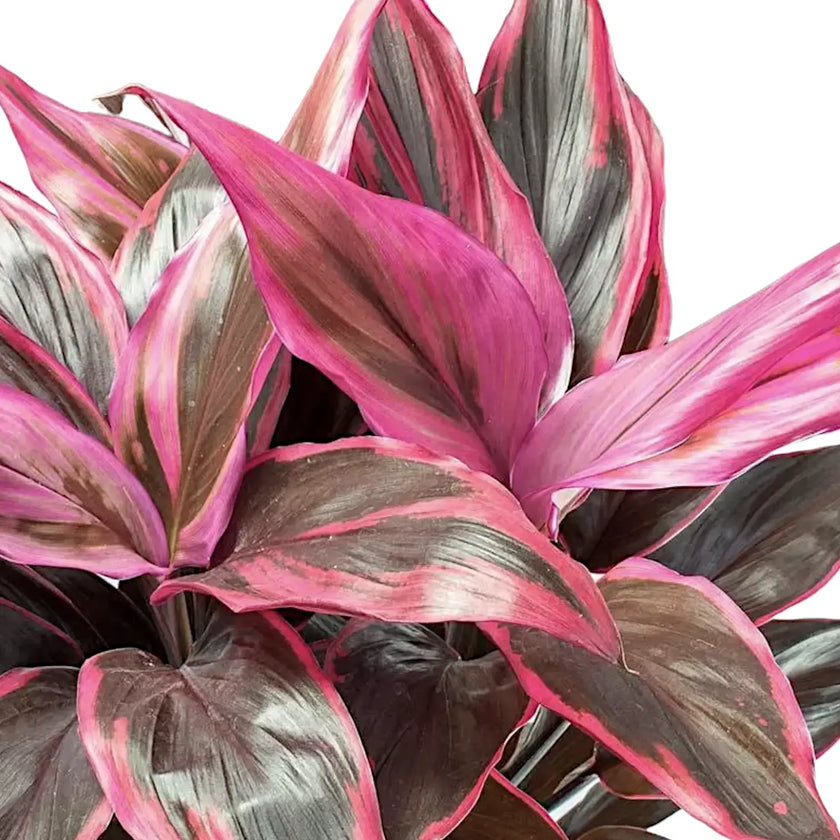
Codiaeum variegatum (Croton) 'Mrs. Iceton' close-up of leaf on white background.
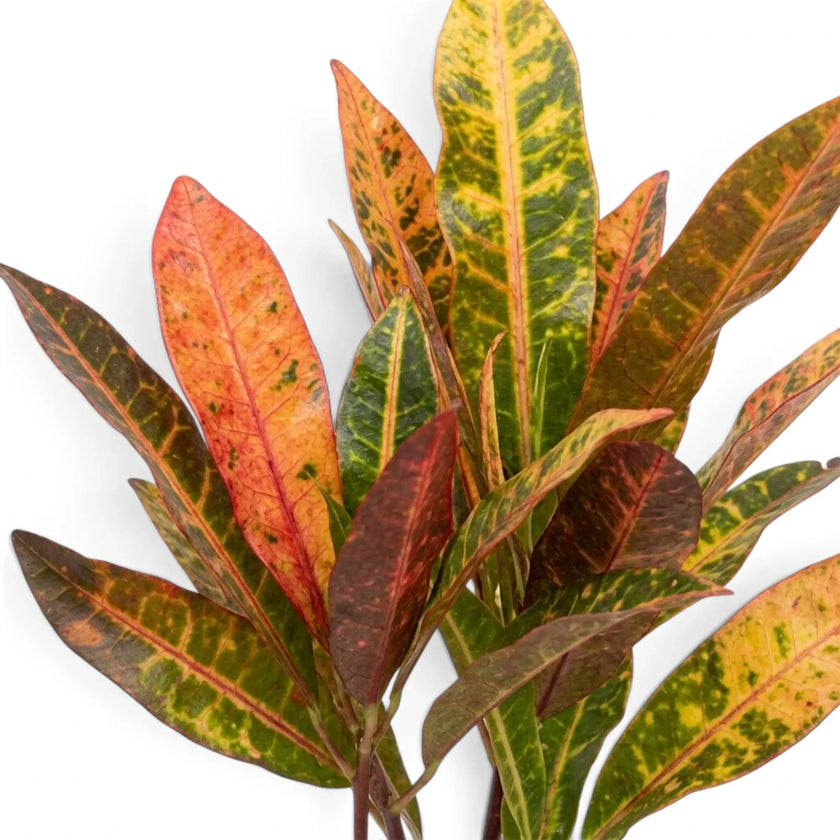
Codiaeum variegatum (Croton) 'Mammi' close-up of leaf on white background.
Codiaeum variegatum (Croton) 'Mammi' Regular price €16,25
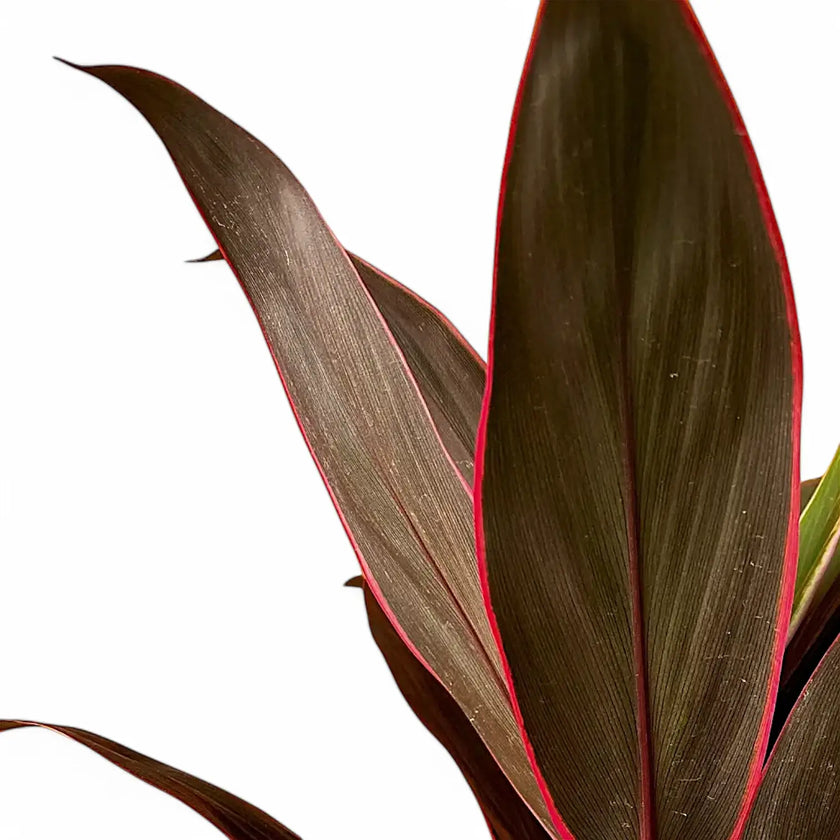
Aglaonema 'Spring Red' leaf close-up on white background.
Aglaonema ‘Spring Red’ Regular price €50,00

Pink & red foliage, what to keep in mind

  • Pigment mix: anthocyanins sit over reduced chlorophyll, tightening the energy budget compared with fully green forms.
  • Light: bright-indirect light usually keeps colour vivid; long, hard sun behind glass roughens and fades delicate patches.
  • Water: repeated deep droughts or constantly wet soil tend to mark the lightest and reddest zones first.
  • Substrate: airy, well-structured mixes give roots enough oxygen to recover from short stress episodes.
  • Growth: many pink and red cultivars grow slower and stay smaller than plain green relatives; that is expected behaviour.

Pink & Red Foliage Plants: warm colour that behaves like foliage

How pink foliage changes a space

Pink foliage houseplants pull warm colour into rooms that lean green, grey or beige. They read almost like flowers but keep working long after a bloom would have faded, and they do it from leaf level without depending on a flowering cycle.

One well-placed pink plant at eye level usually does more for a room than a whole row of anonymous pale green pots.

Keeping colour from sliding into beige

Most pink and red tones sit over thinner or reduced green tissue. Harsh light bleaches them; weak light turns everything dull and brownish. Aim for steady bright-indirect light and a mix that dries at a sensible pace without swinging between soaked and bone dry.

Behaviour, trade-offs and examples for this colour group in particular are unpacked in the Pink Foliage Plants Guide.

Choosing the right kind of pink to live with

Use one clear focal plant with a couple of quieter accents. Strong pinks sit best against deep greens, dark foliage or calm neutrals; if everything nearby is already loud, colour just dissolves into background noise. Shape matters as much as hue-pick forms that sit where you spend time, not hidden behind taller greens.

Use a single pink or red foliage plant that genuinely fits your light, then decide whether the planting needs more.