Skip to content

Cart

Your cart is empty

Black Foliage Plants

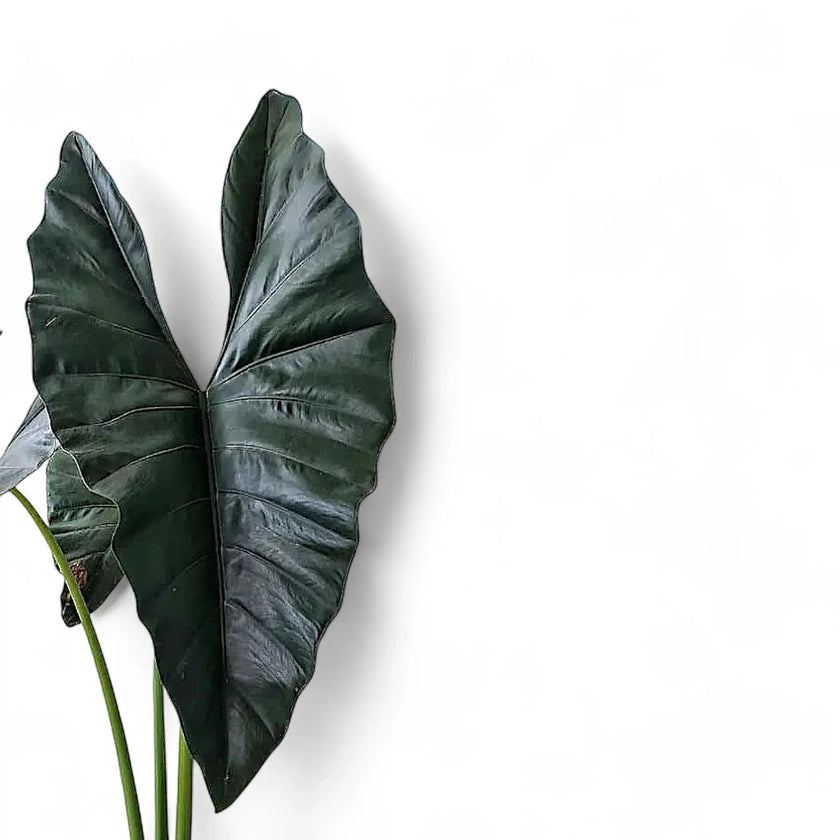
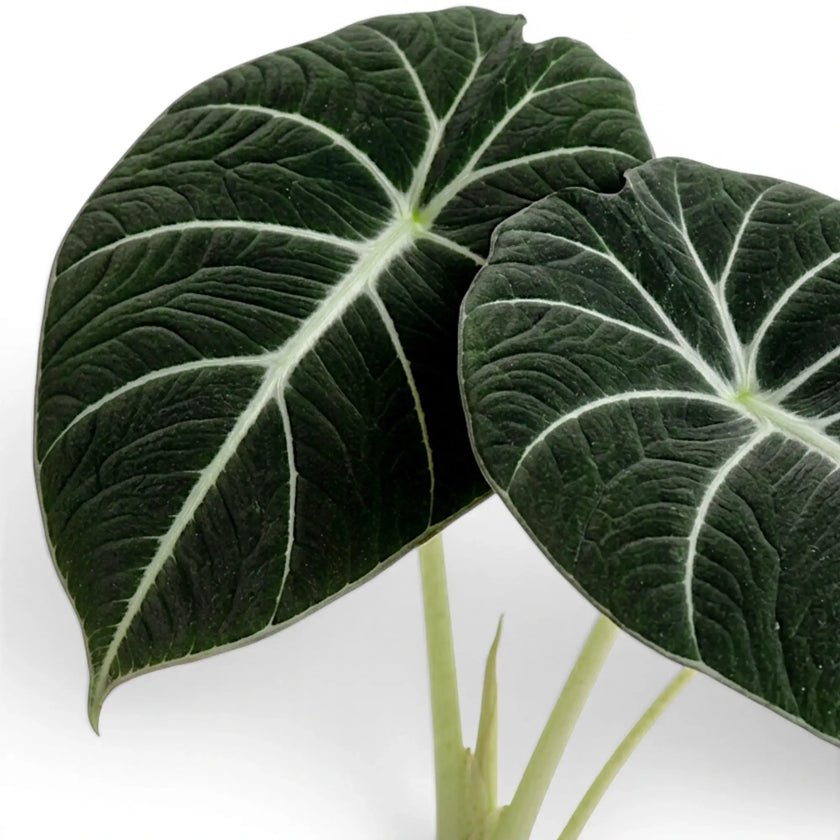
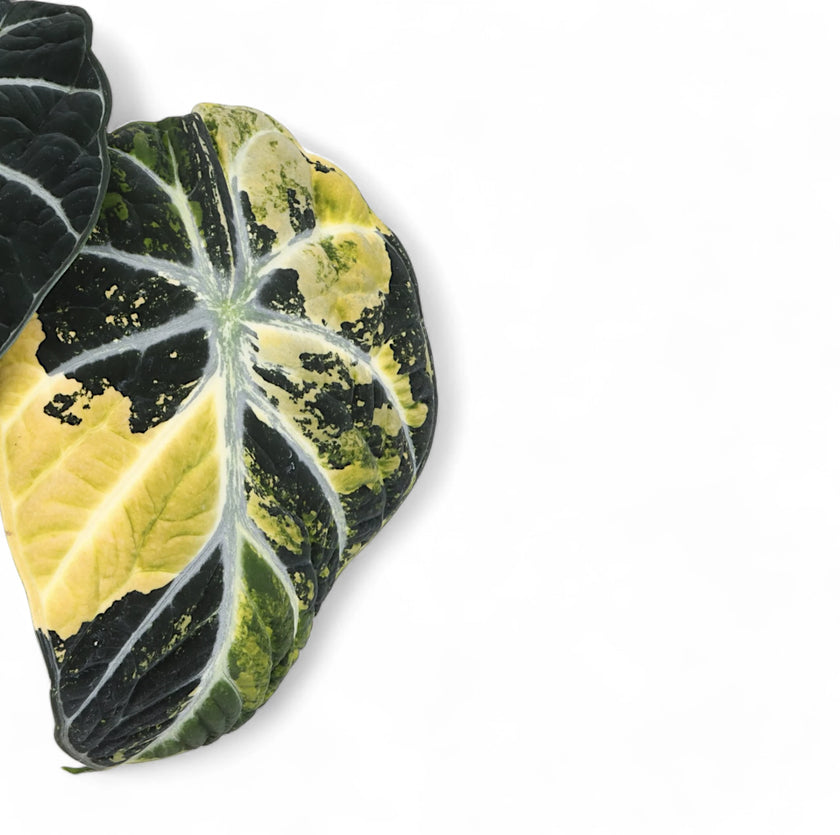
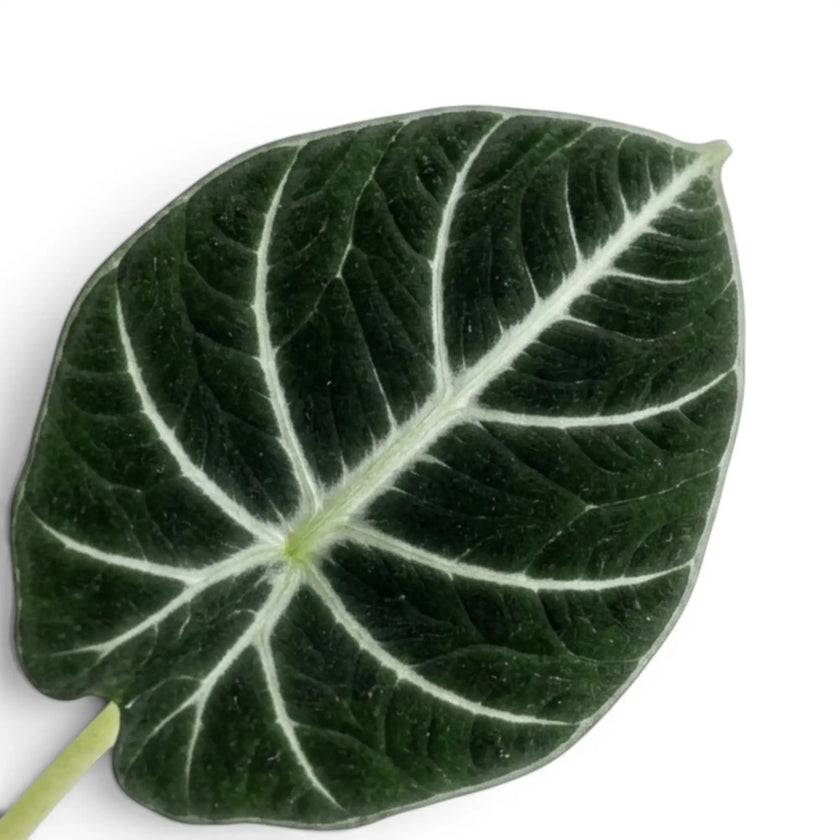
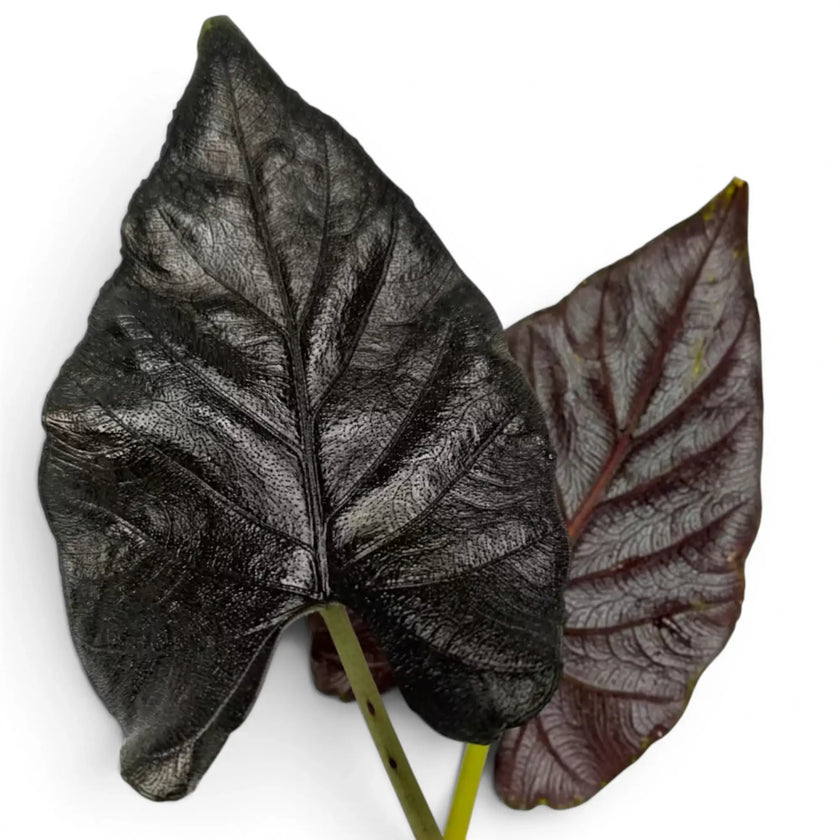
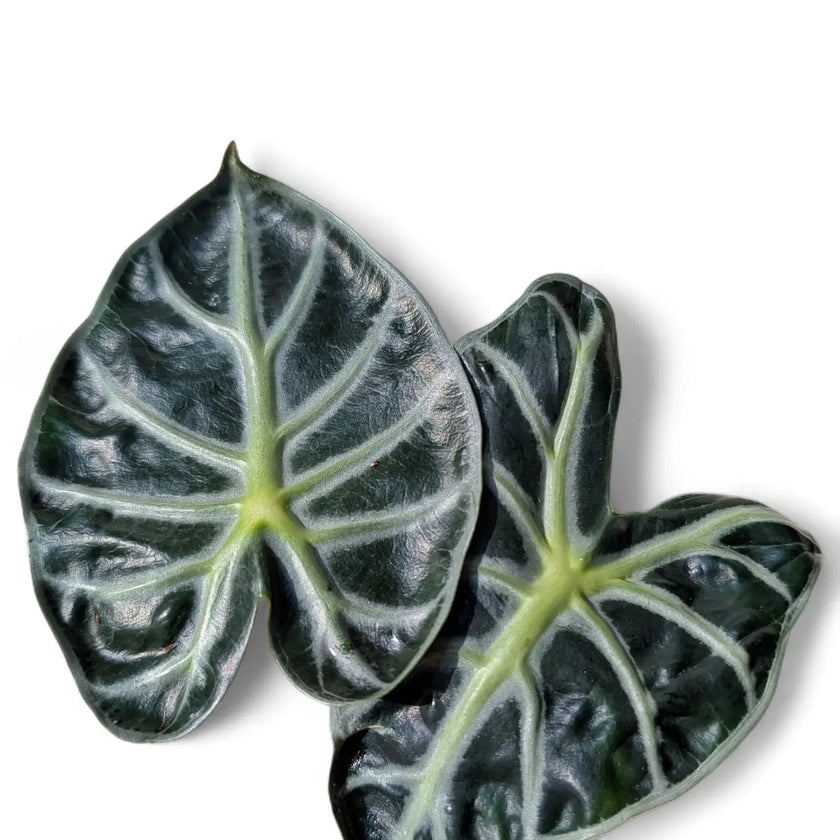
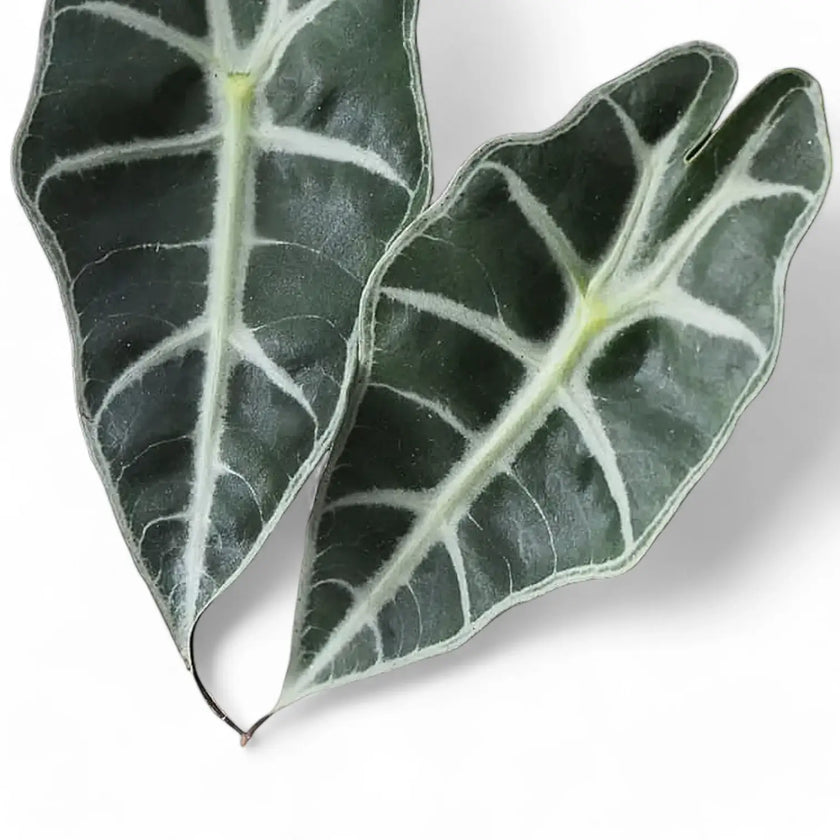
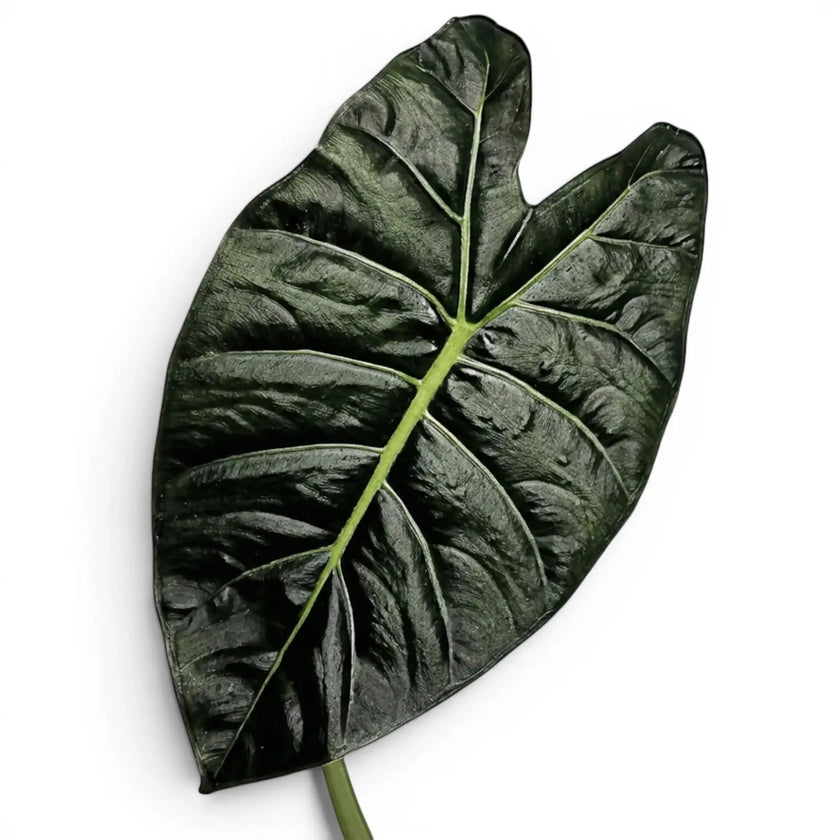
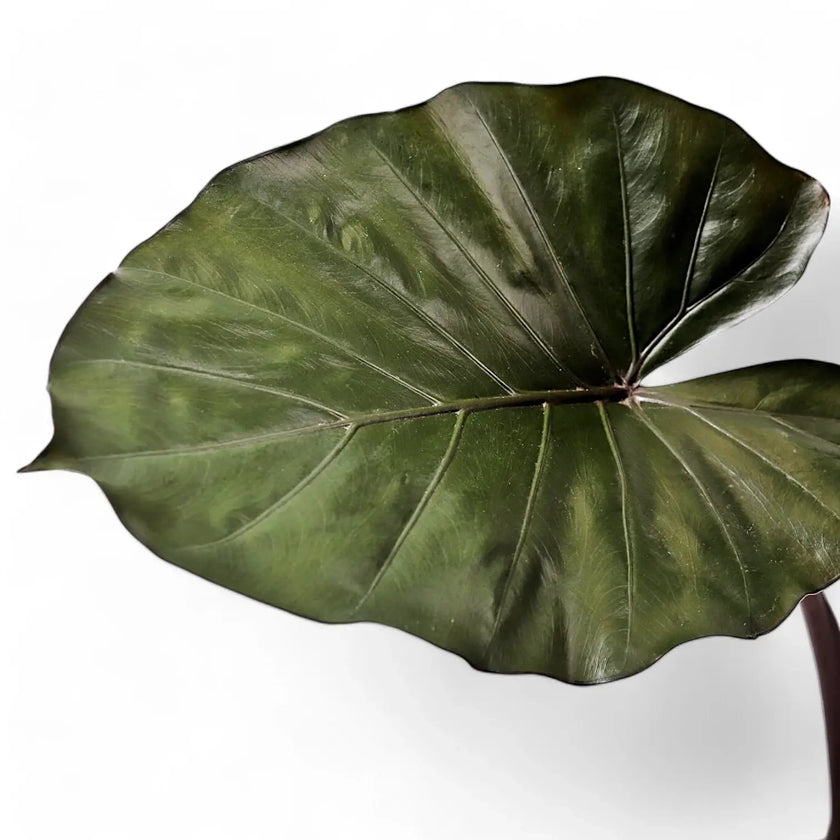
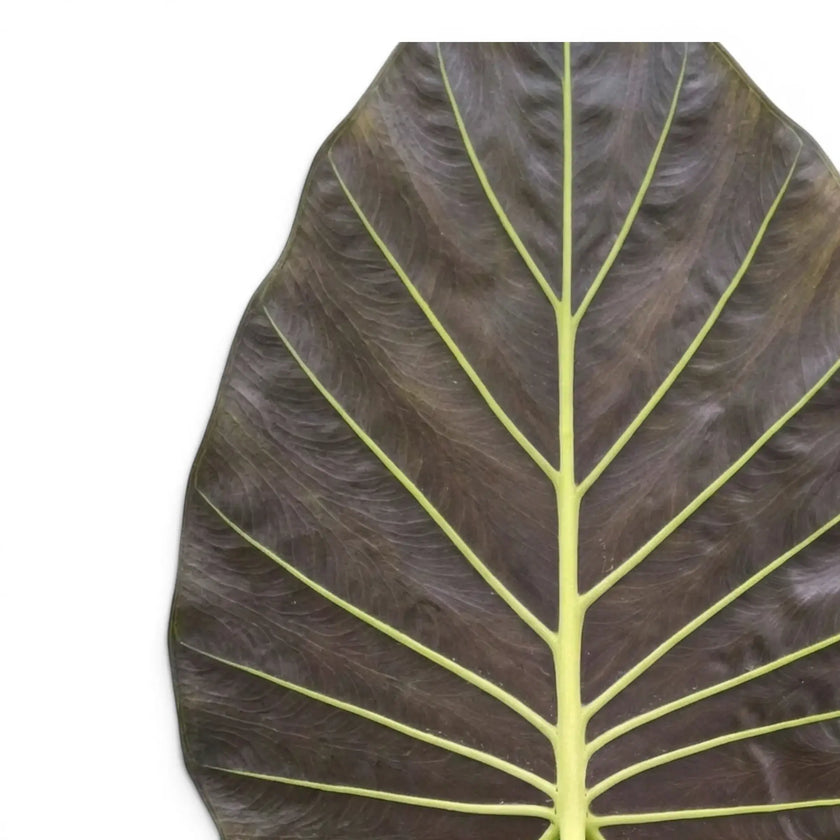
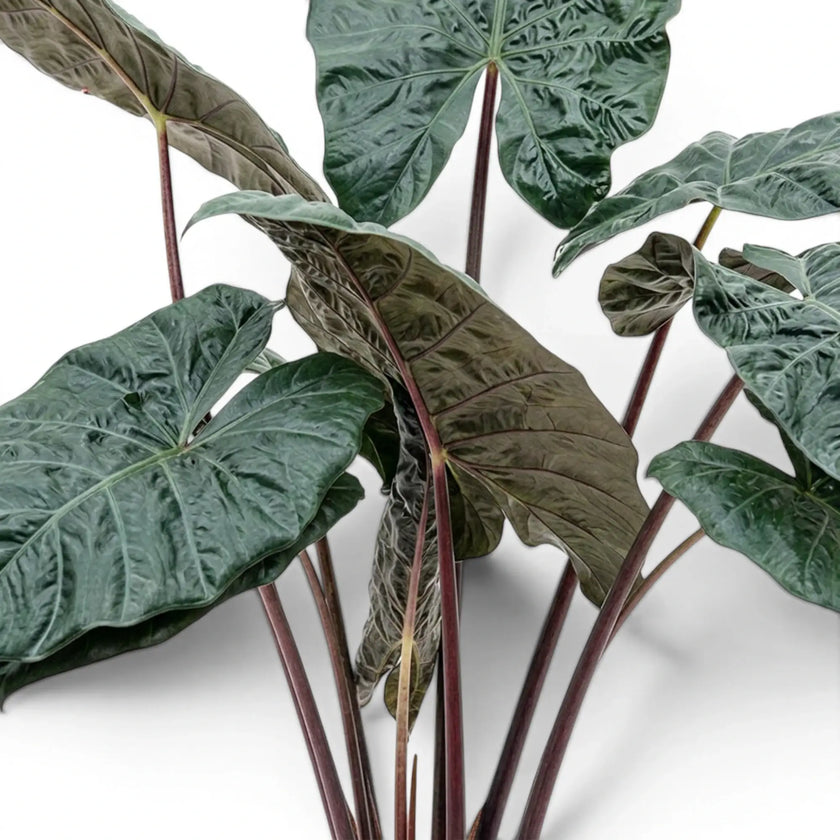
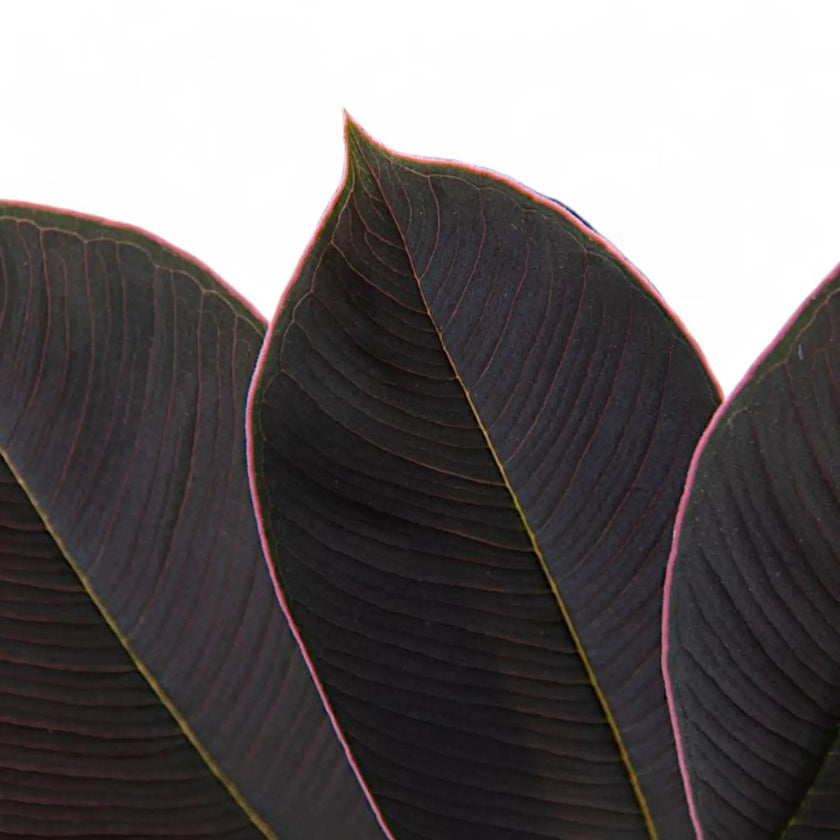
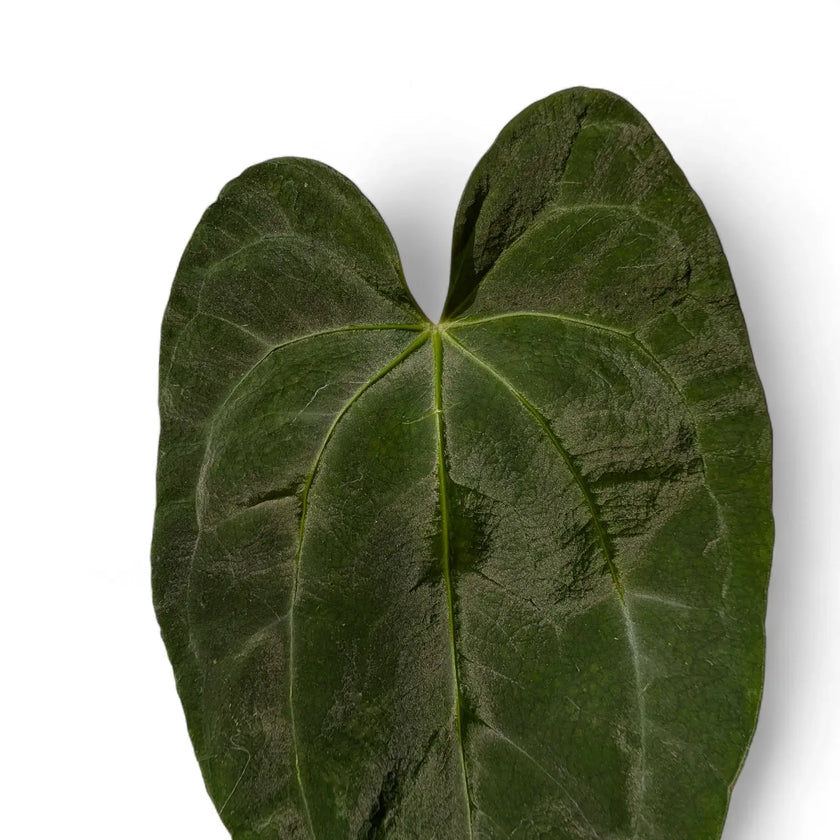
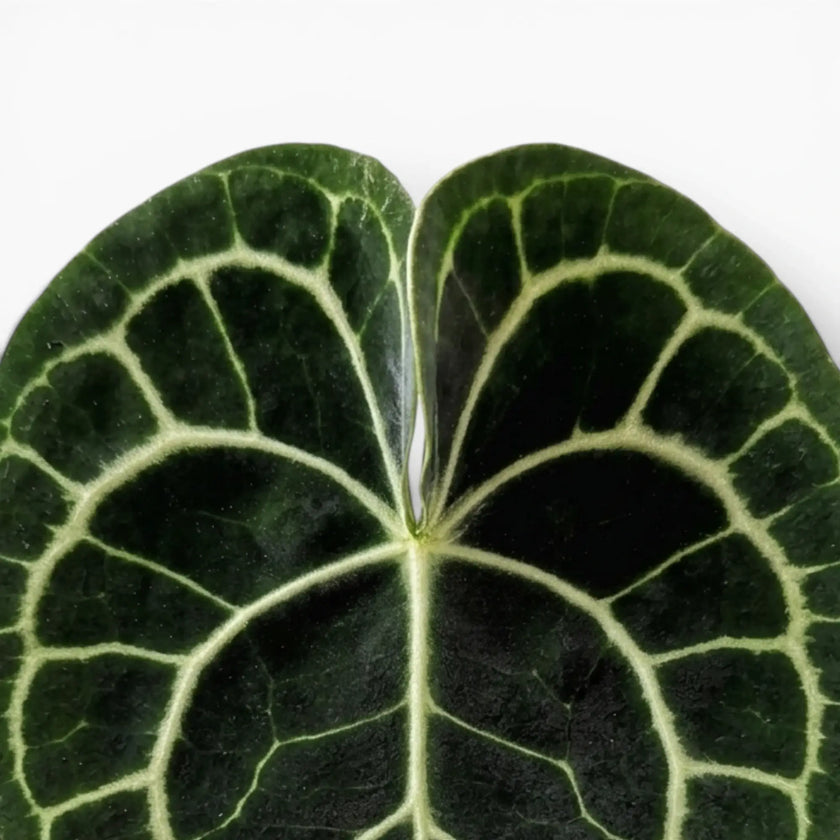
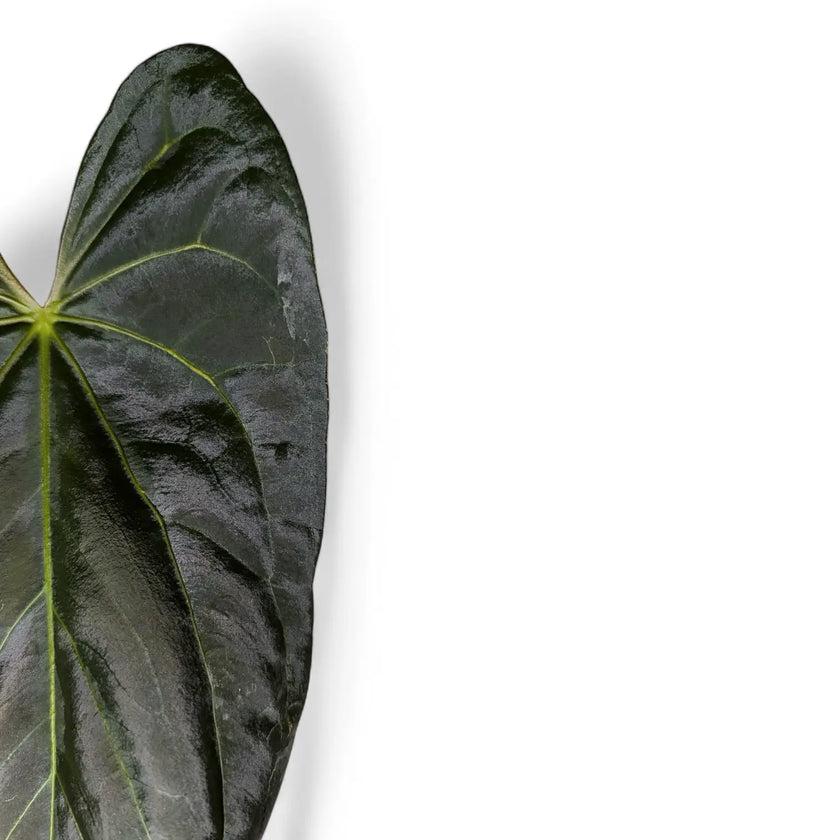
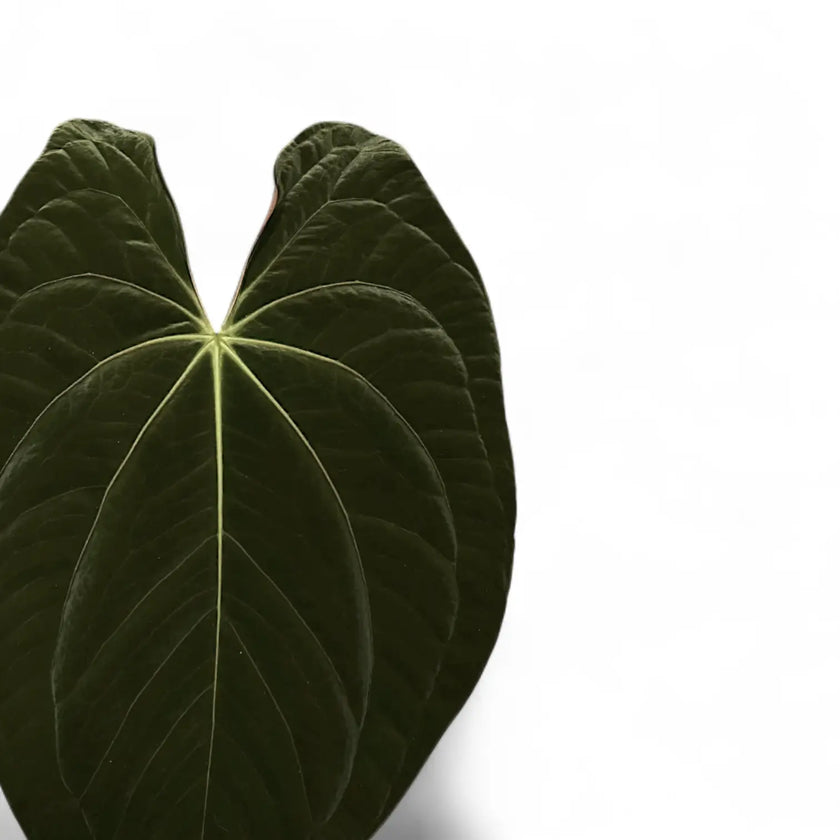
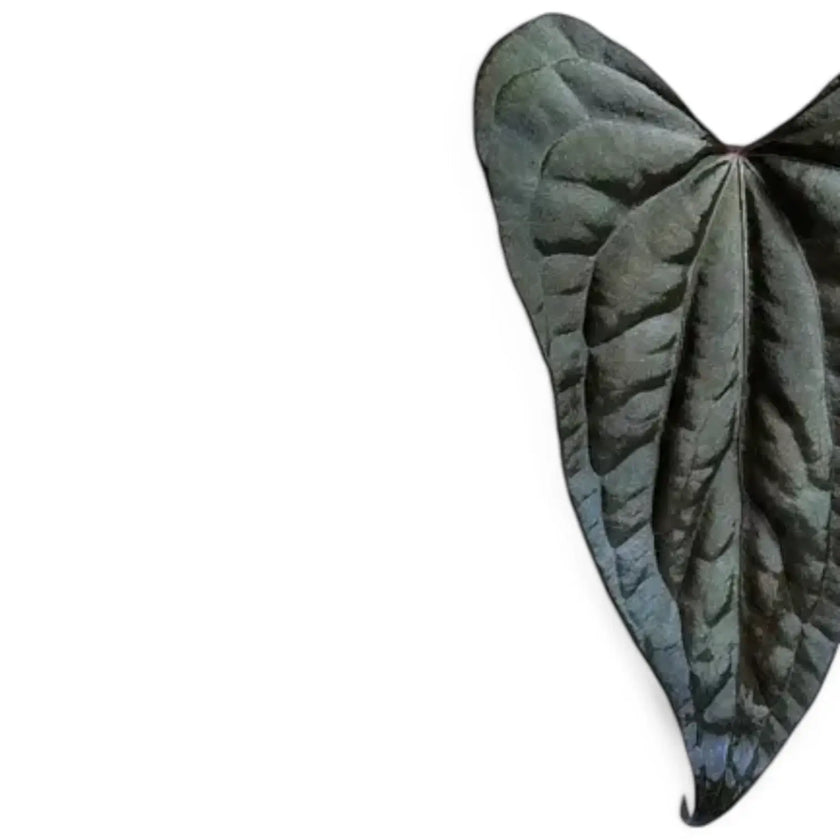
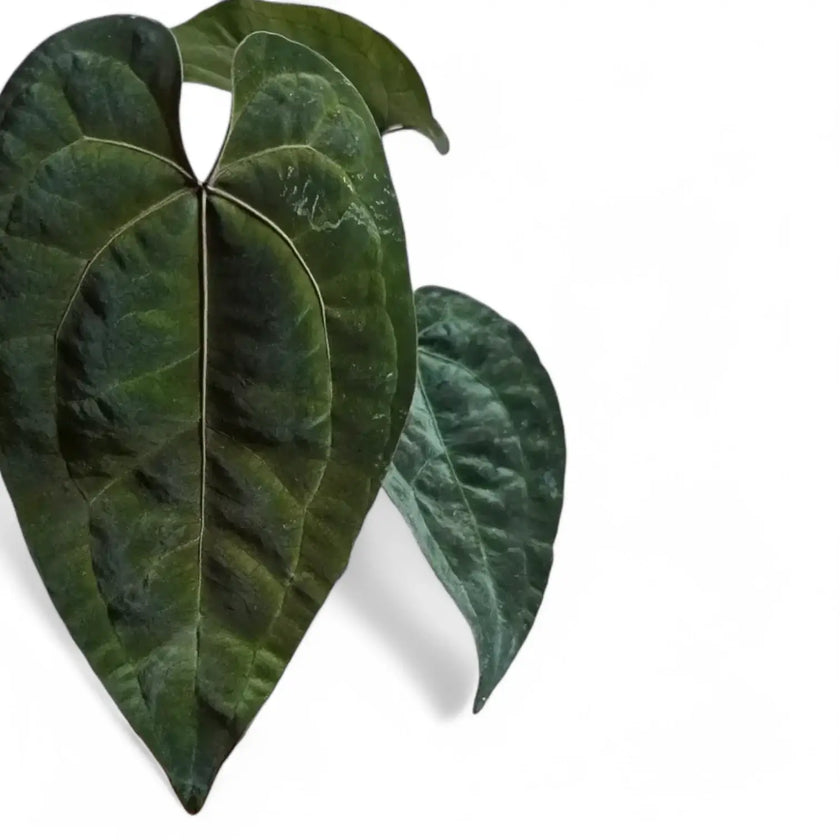
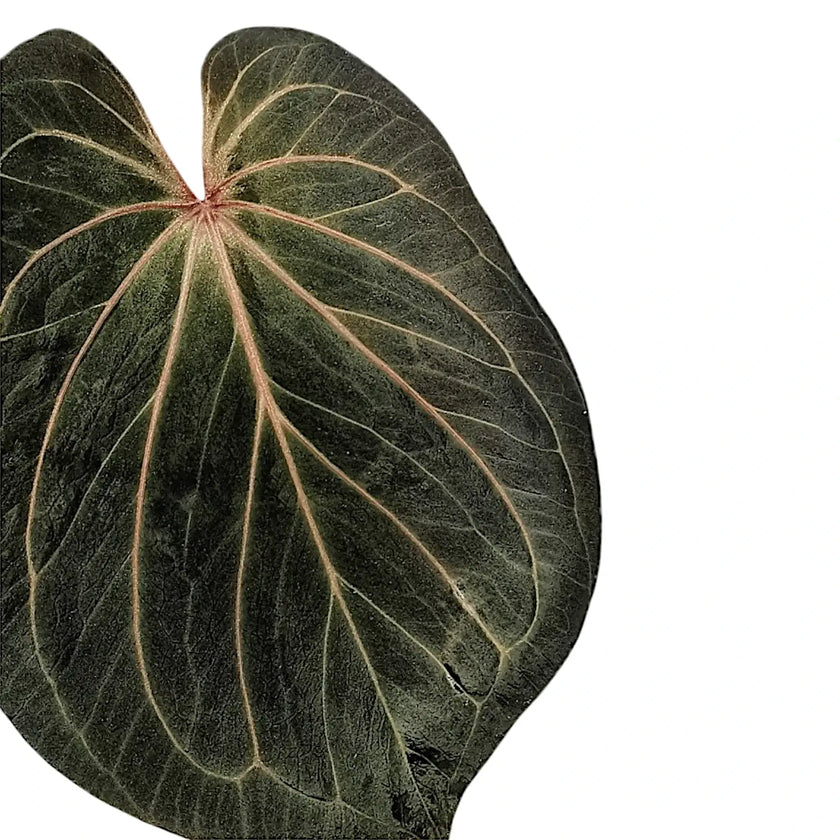
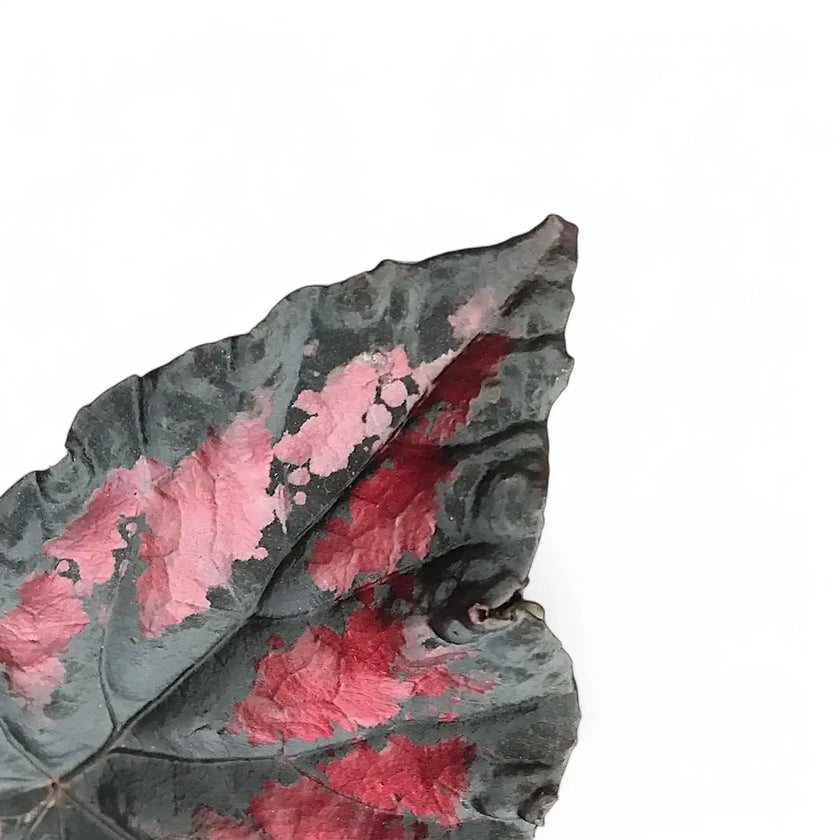
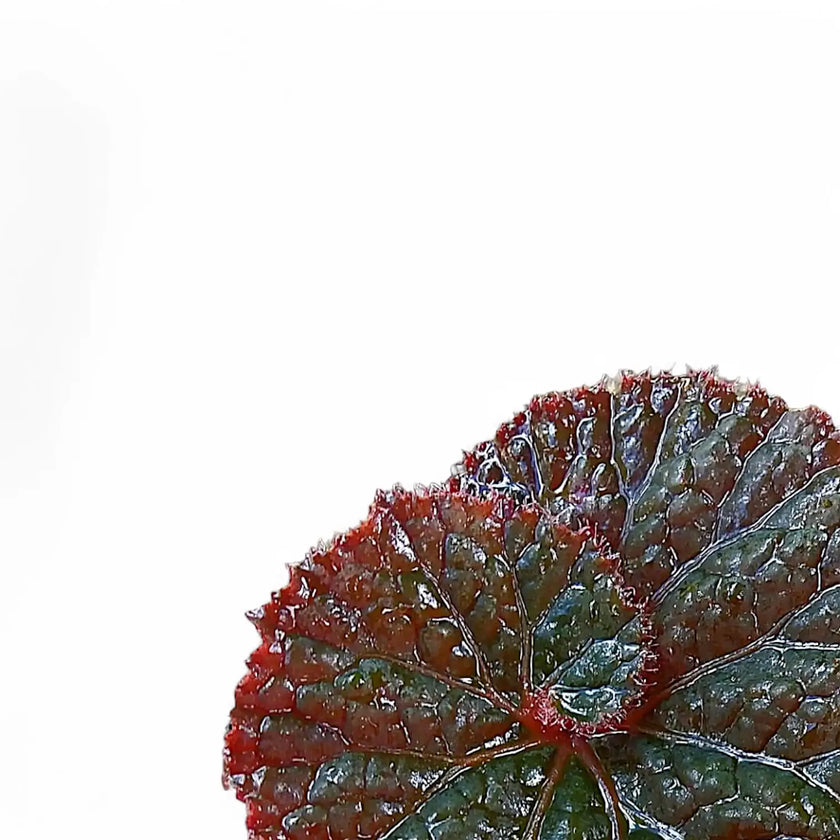
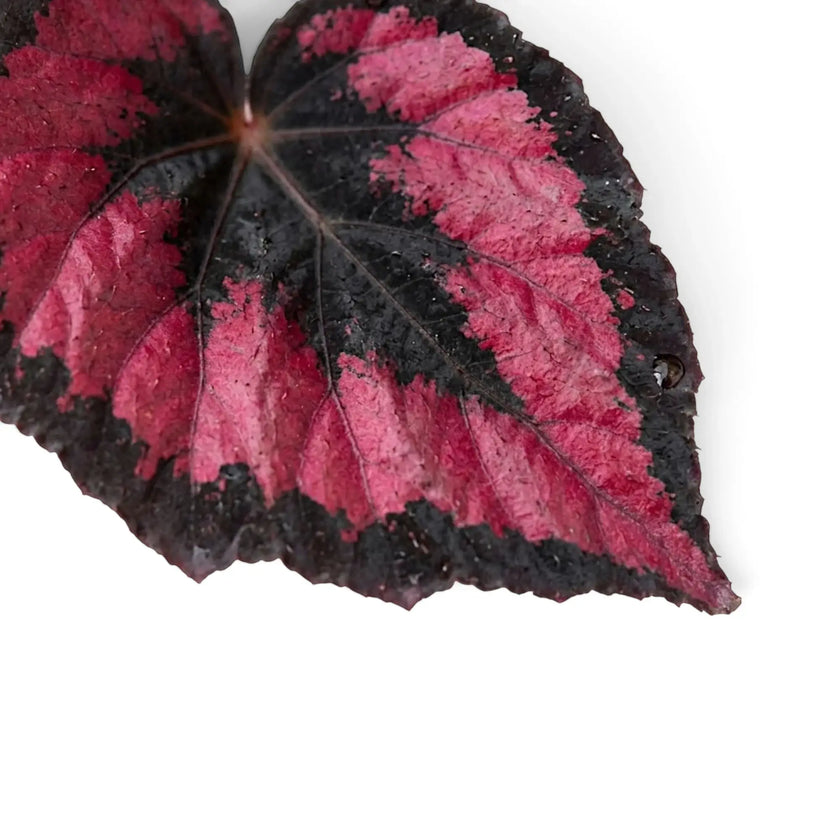
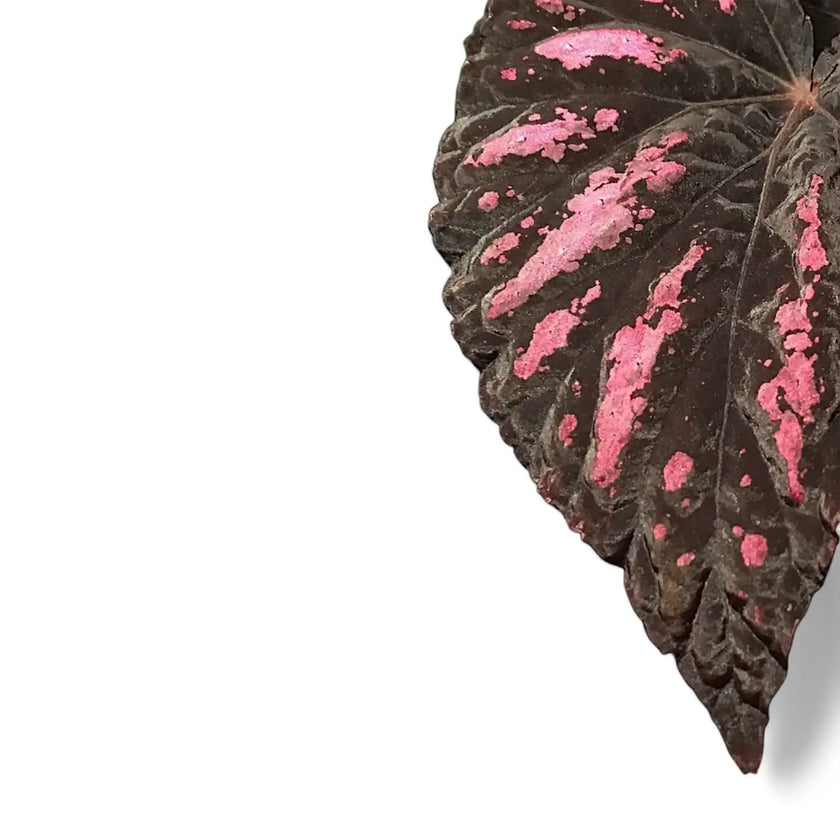
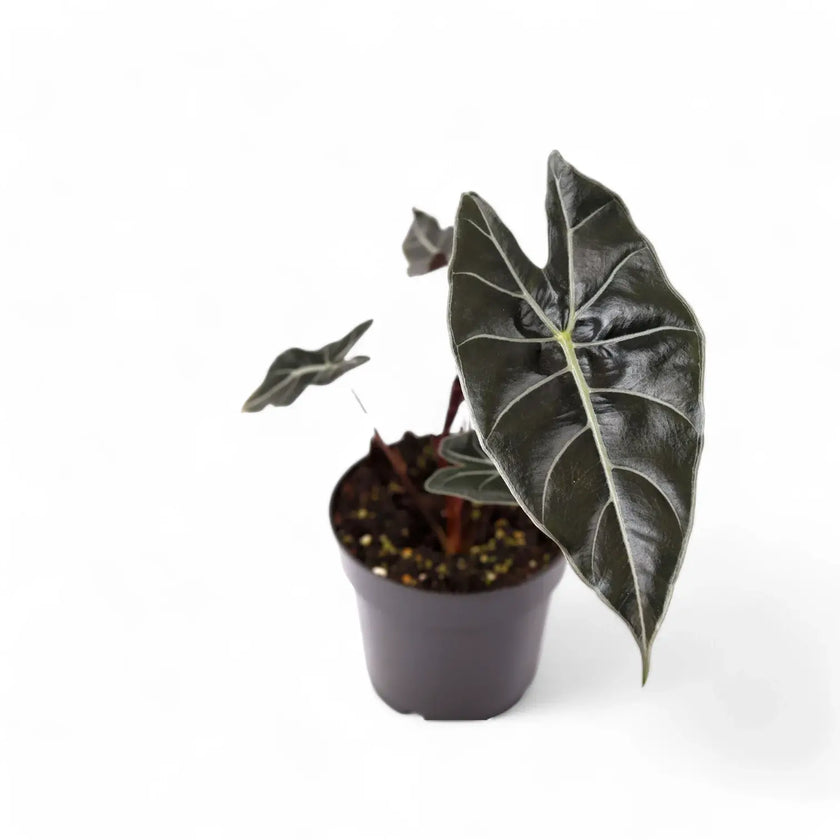
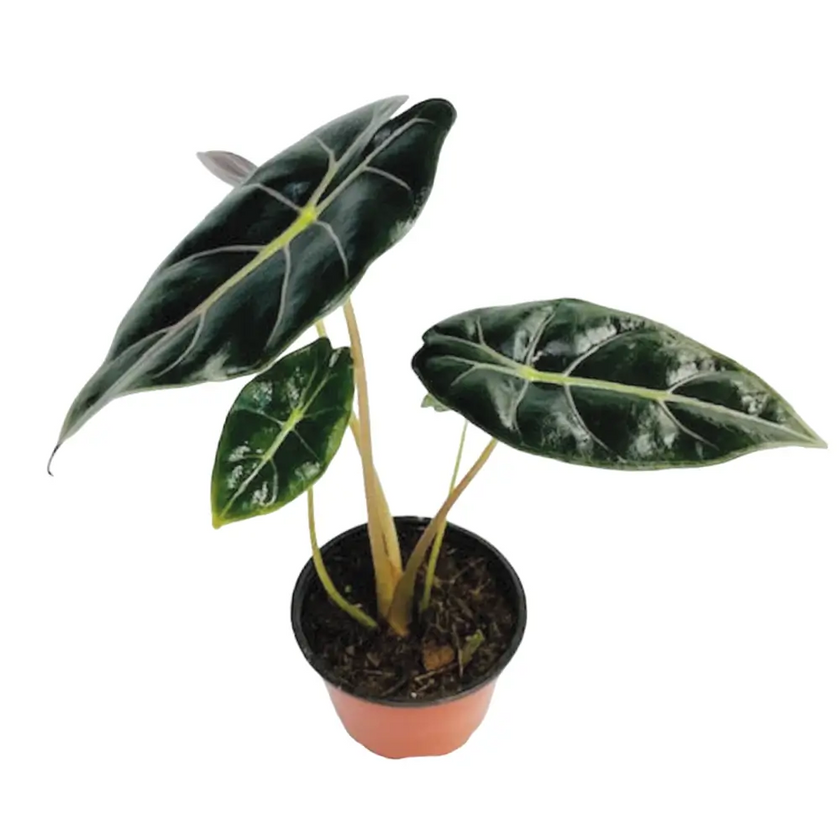
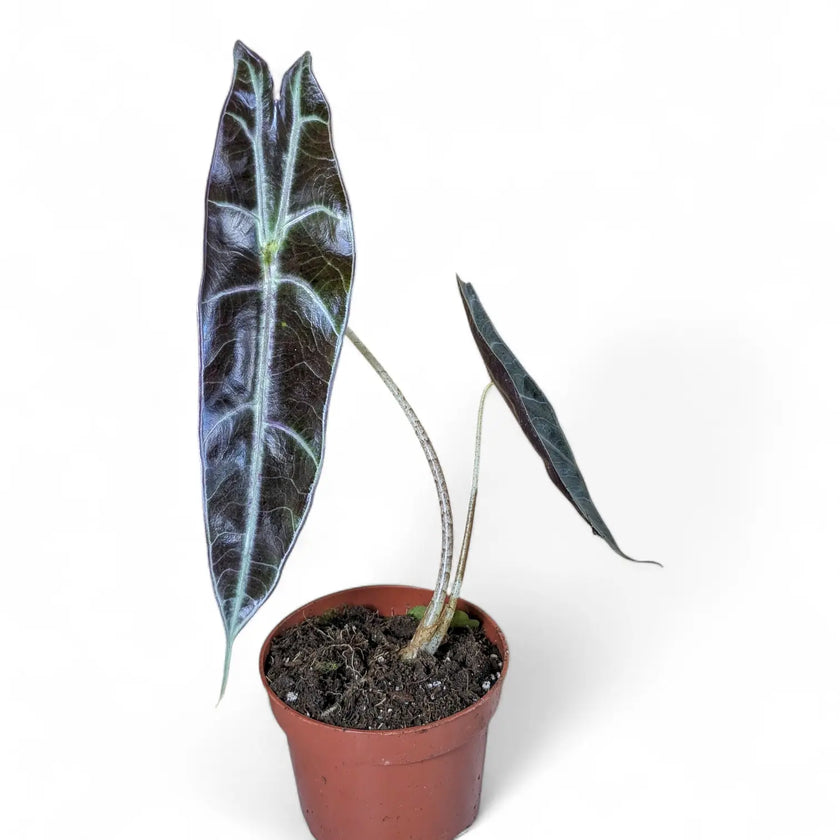
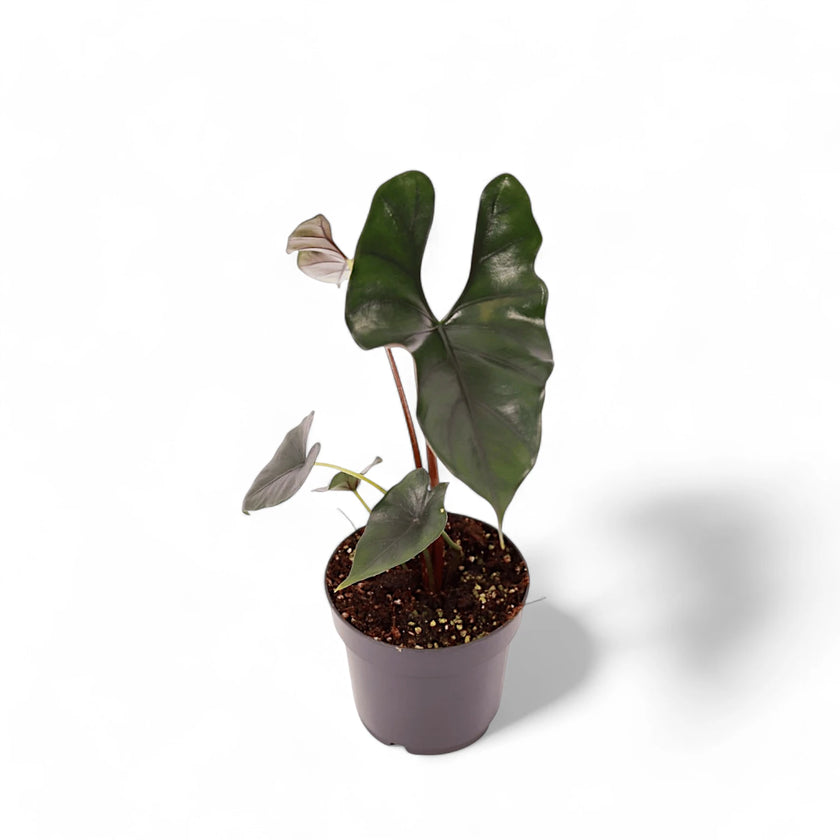
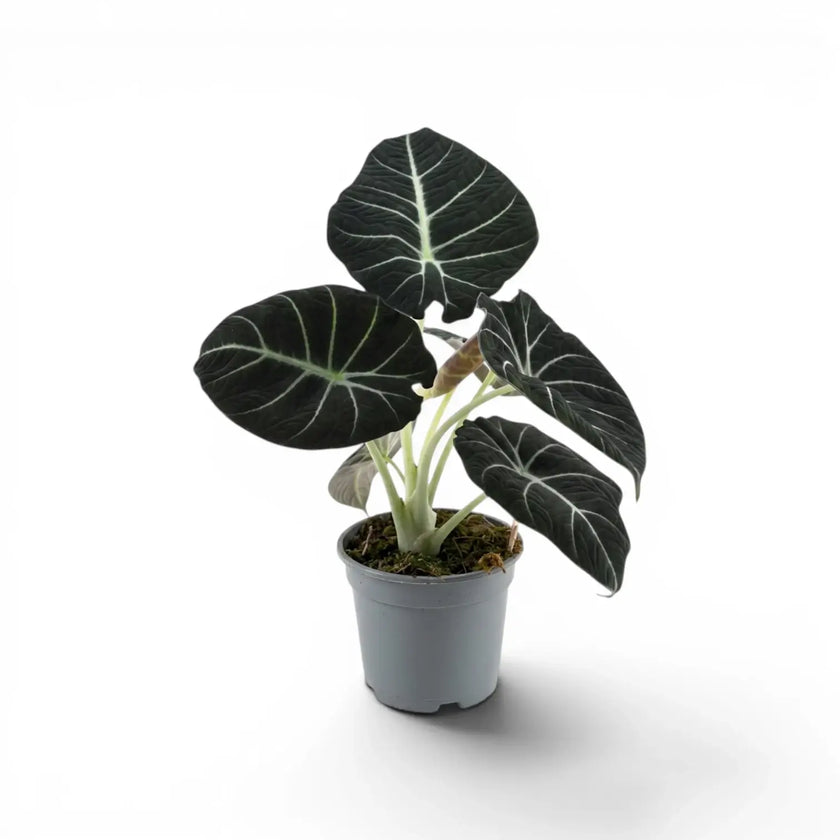
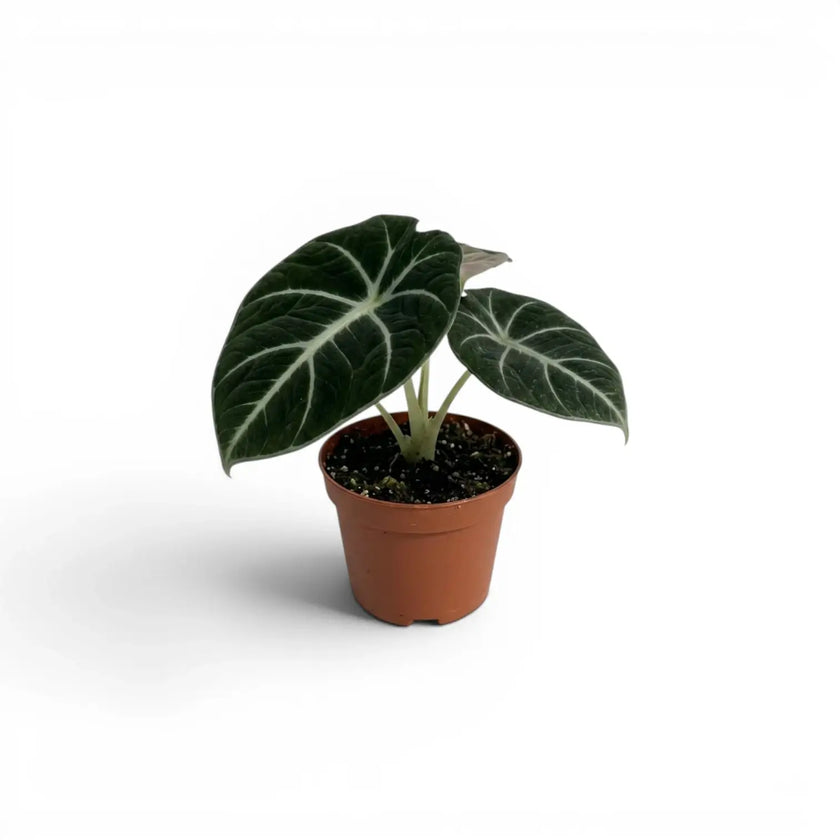
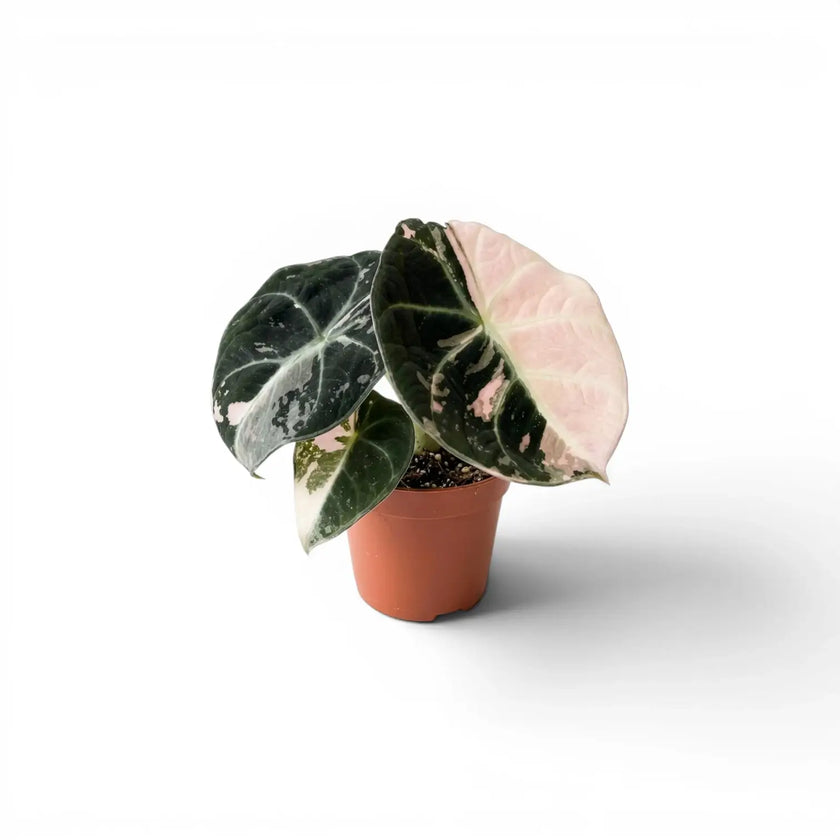
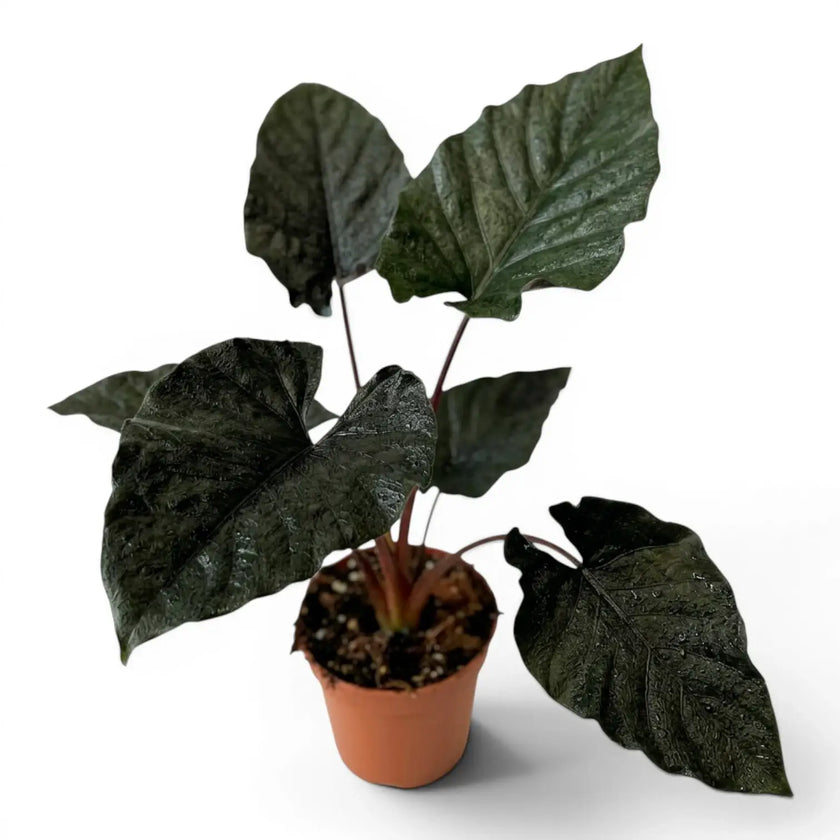
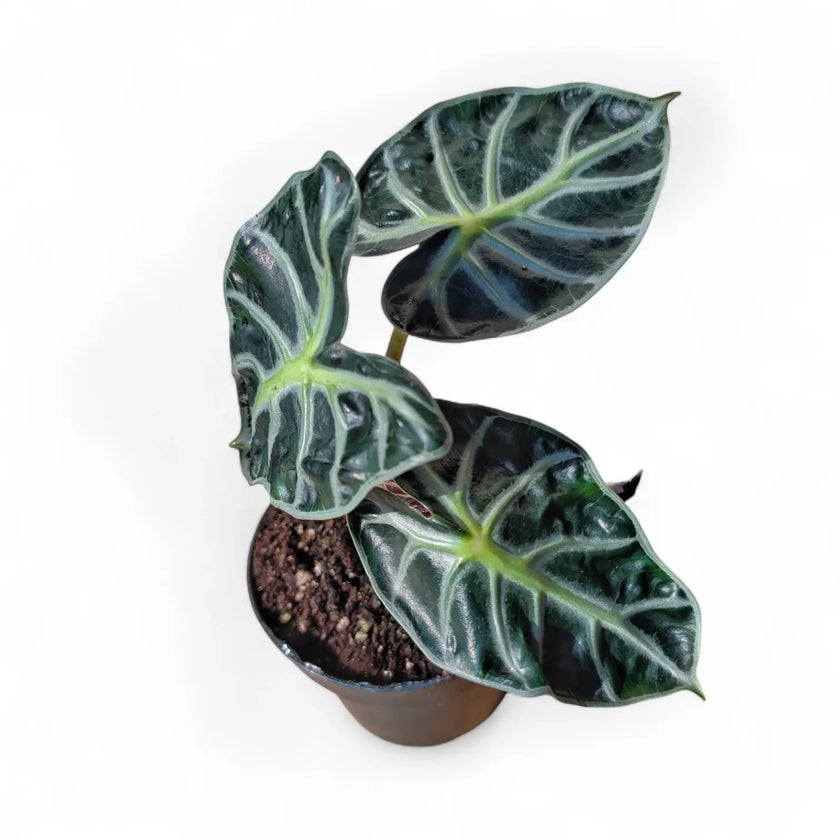
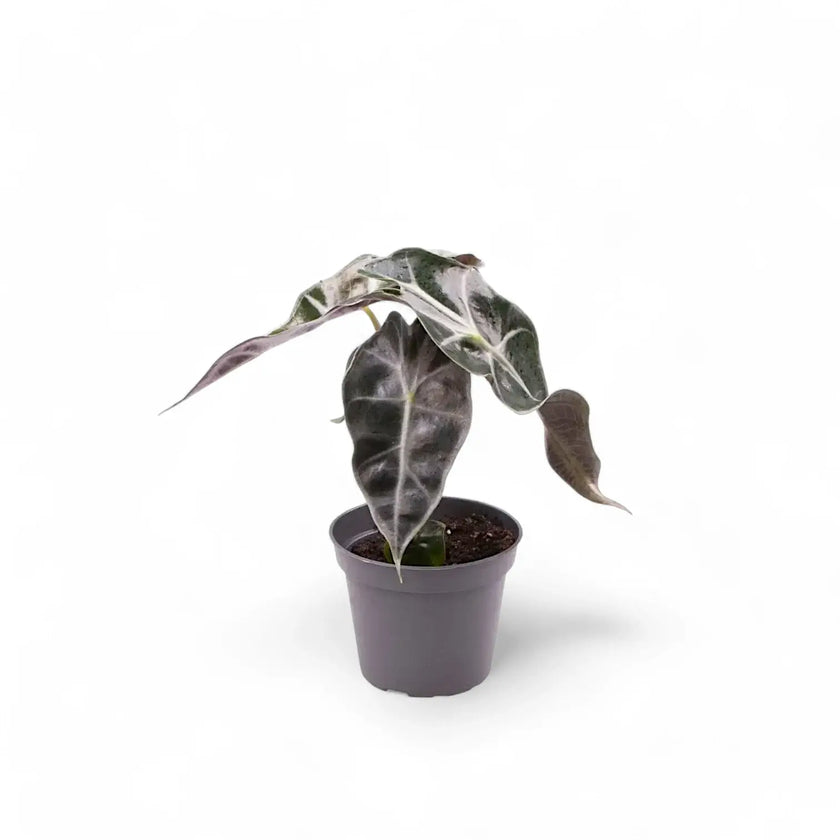
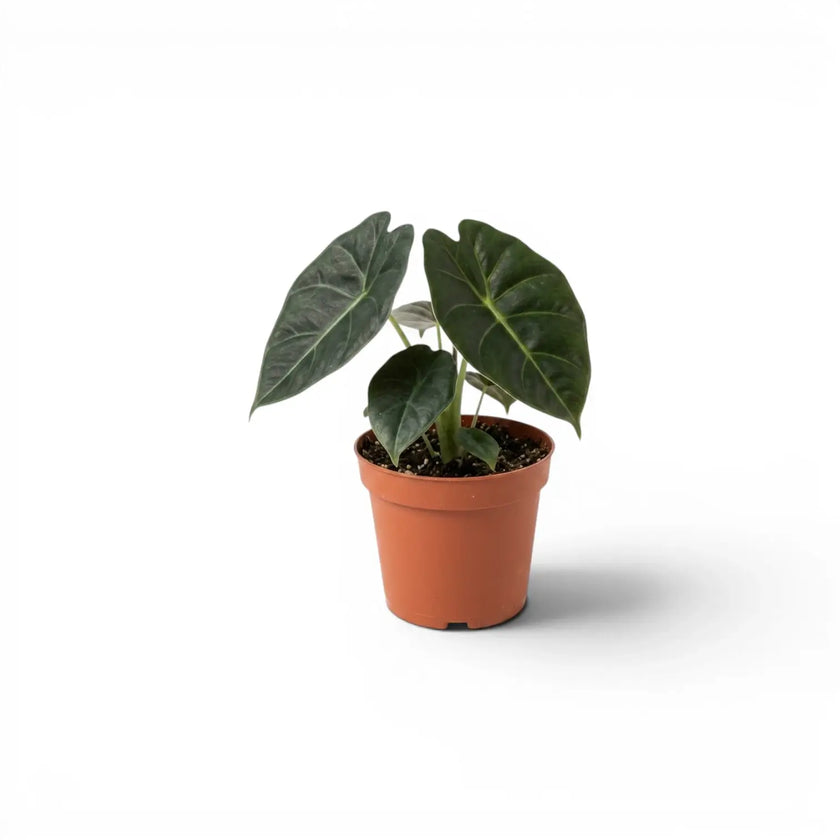
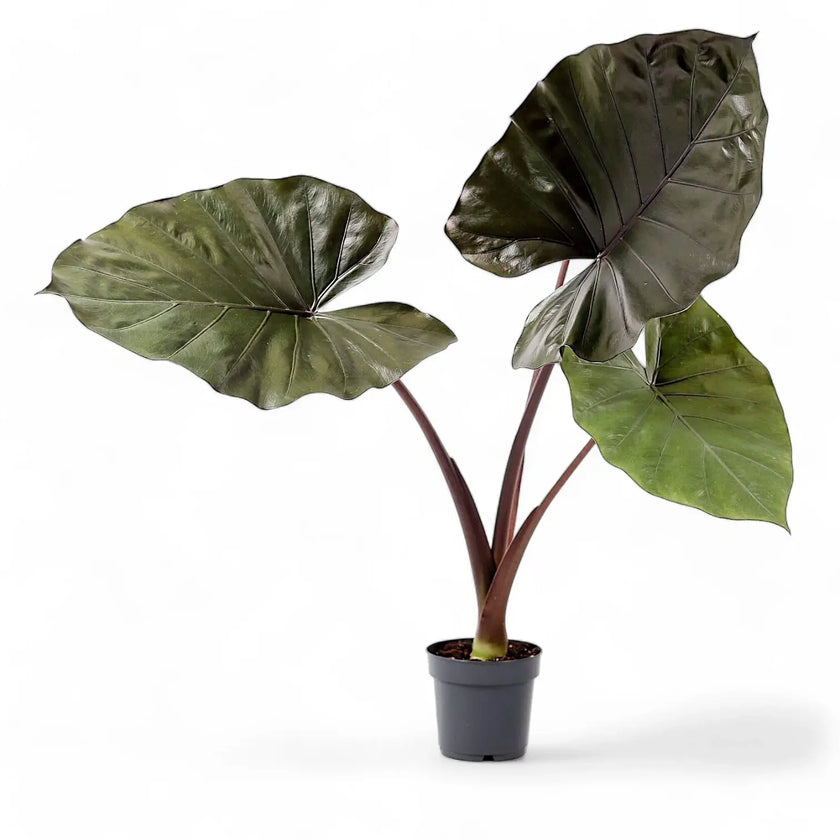
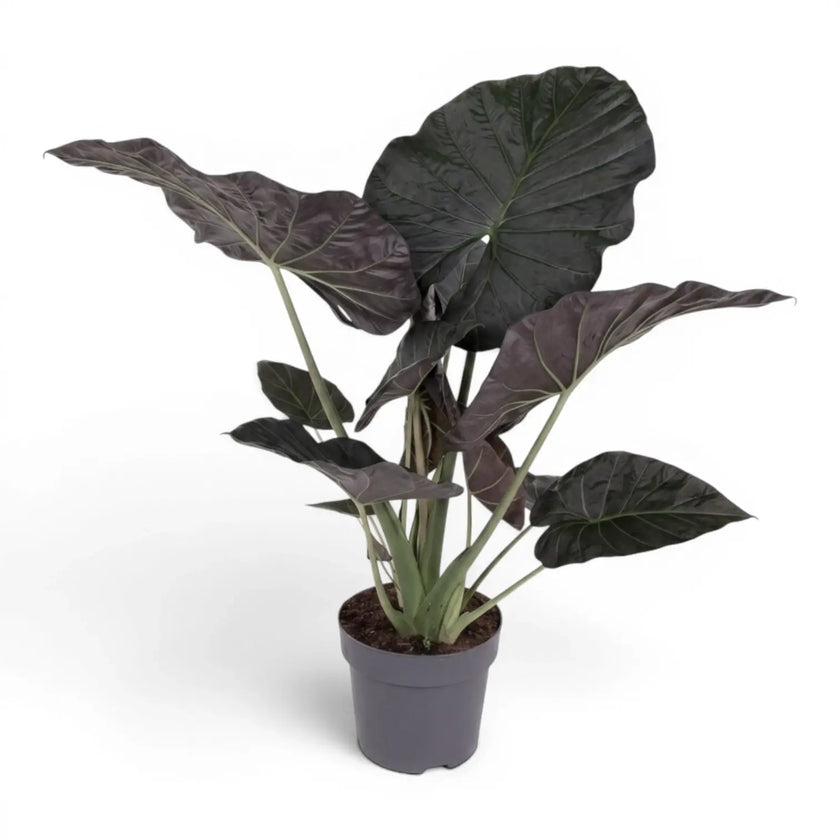
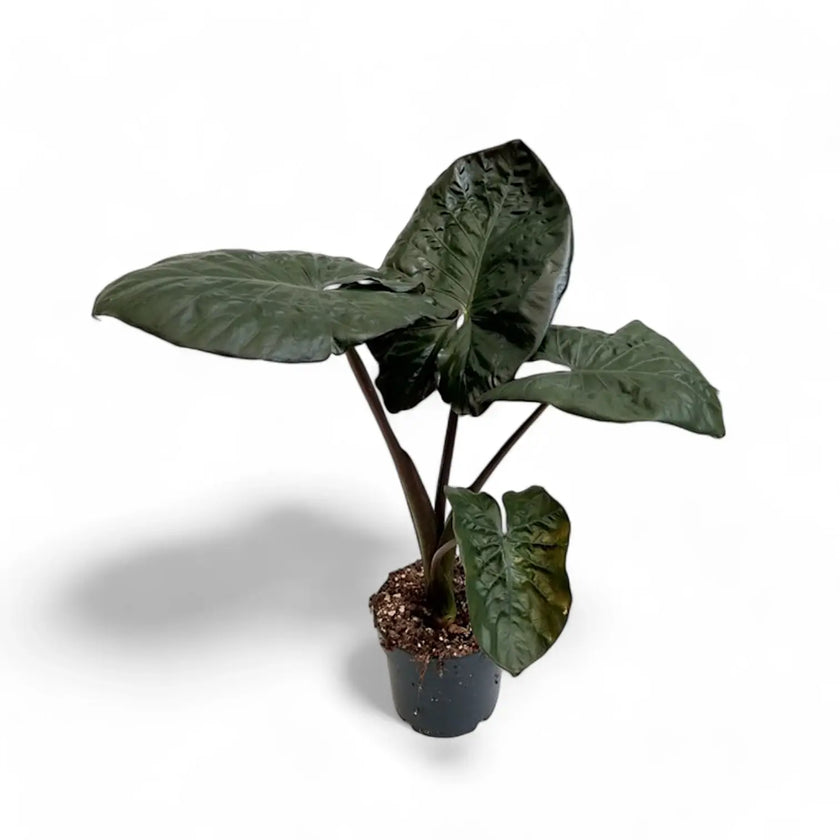
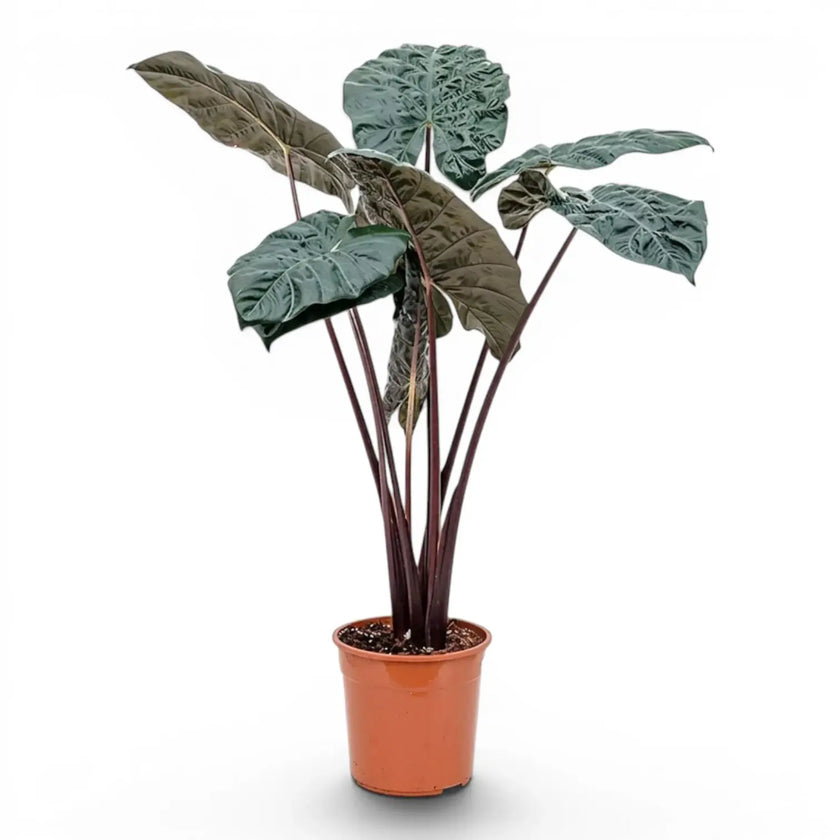
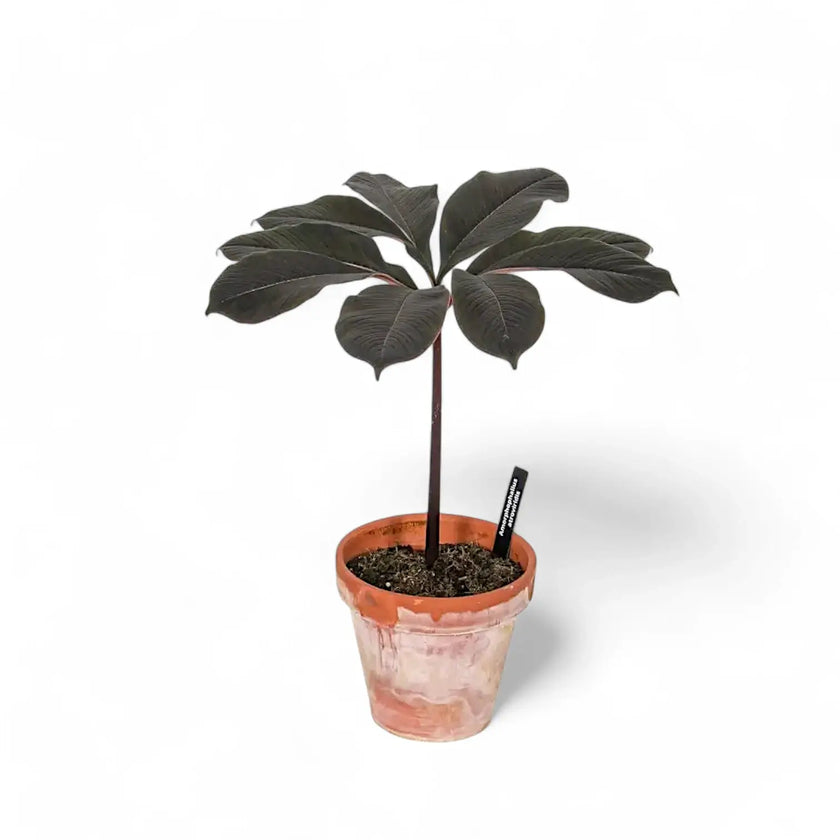
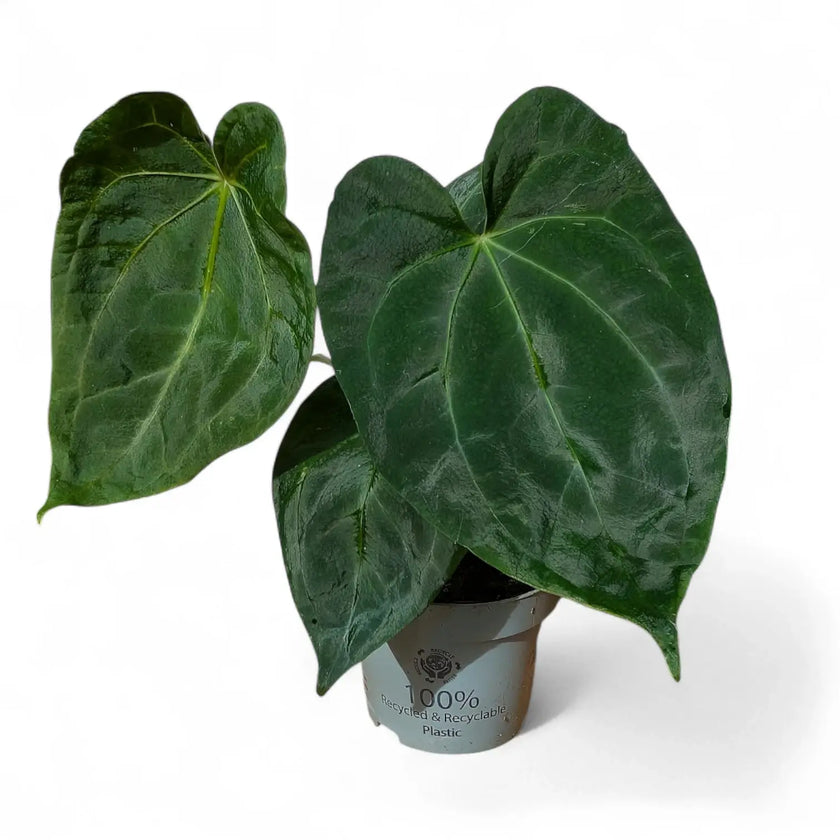
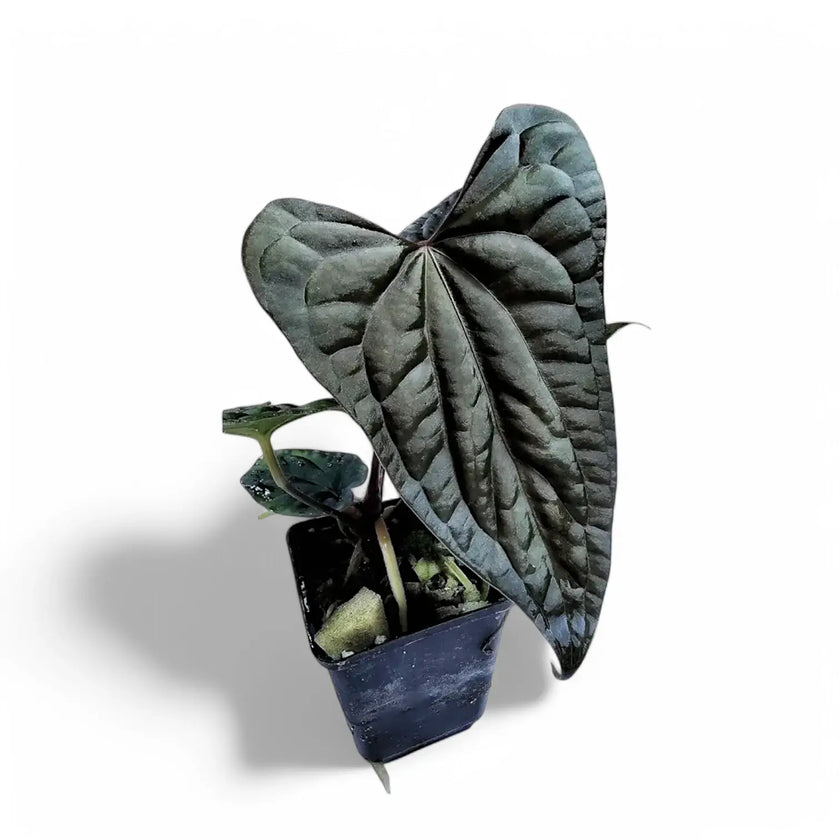
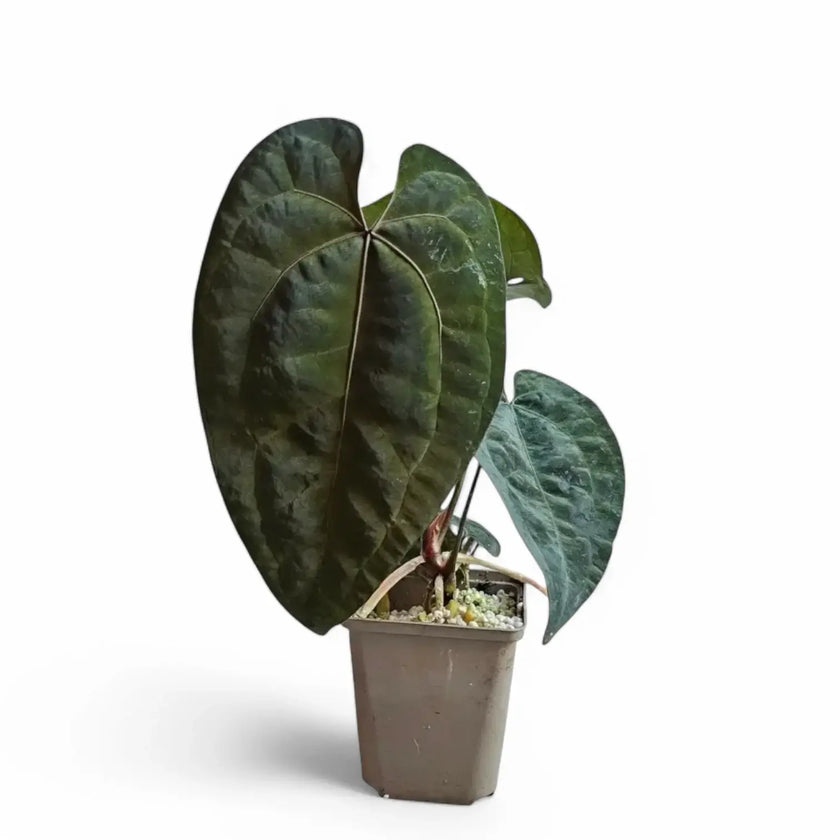
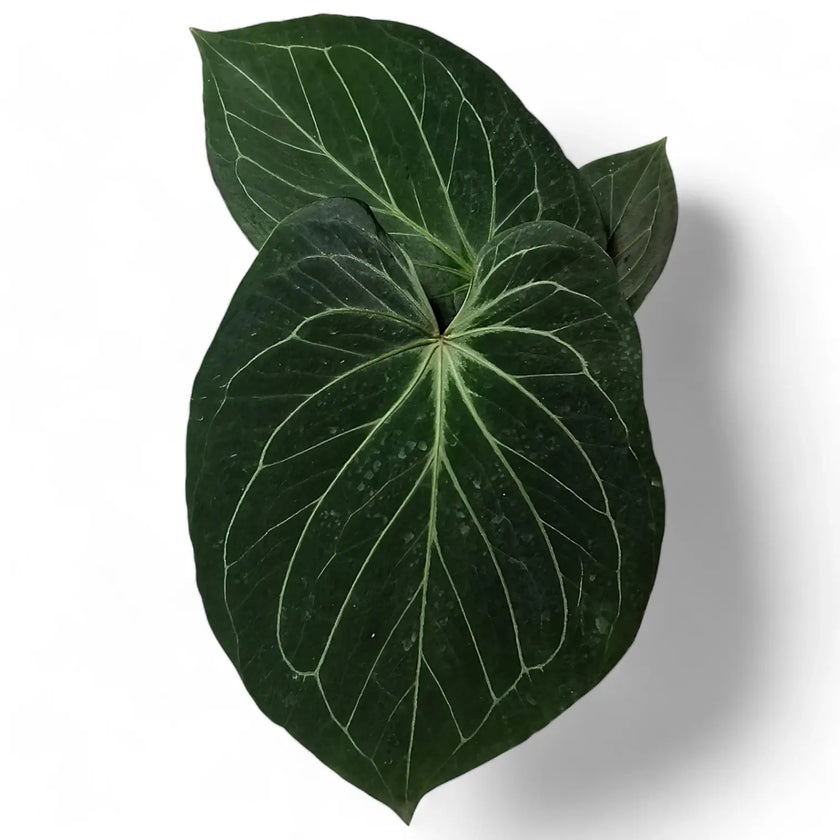
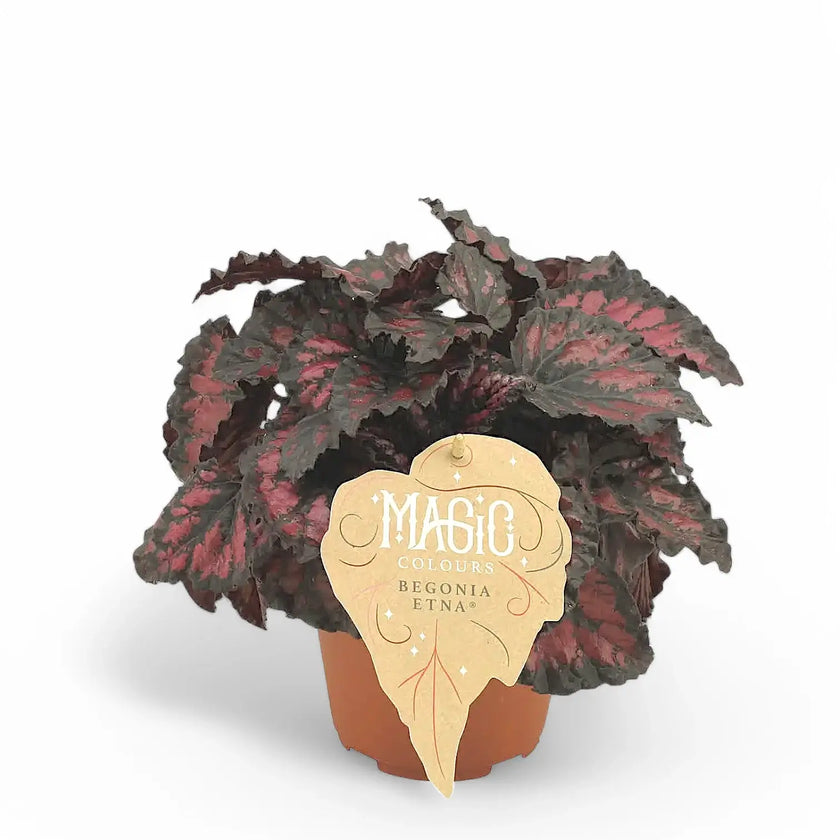
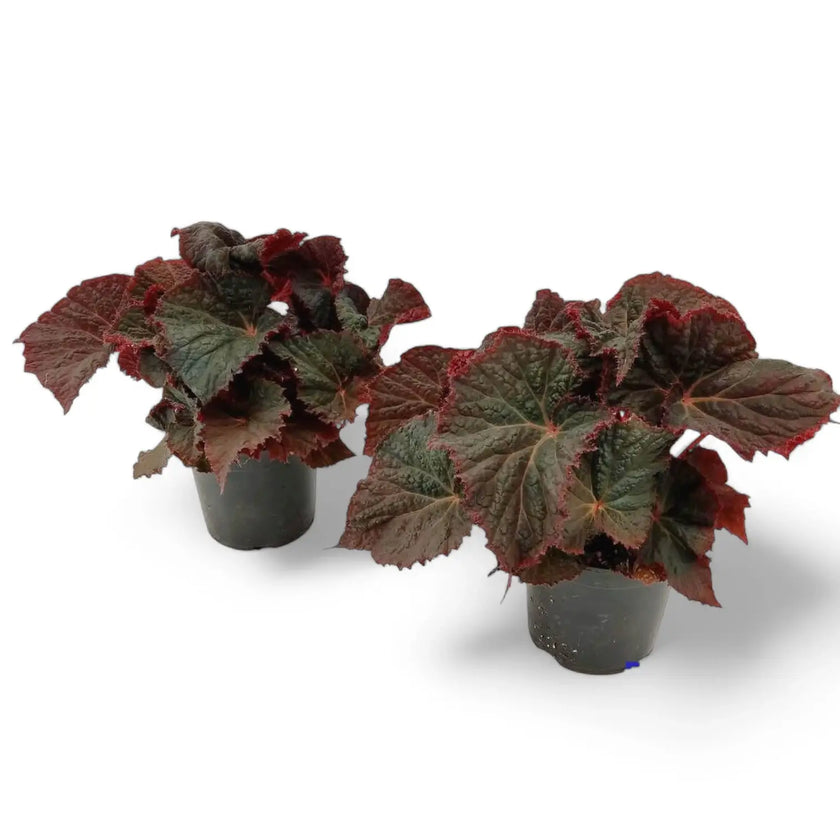
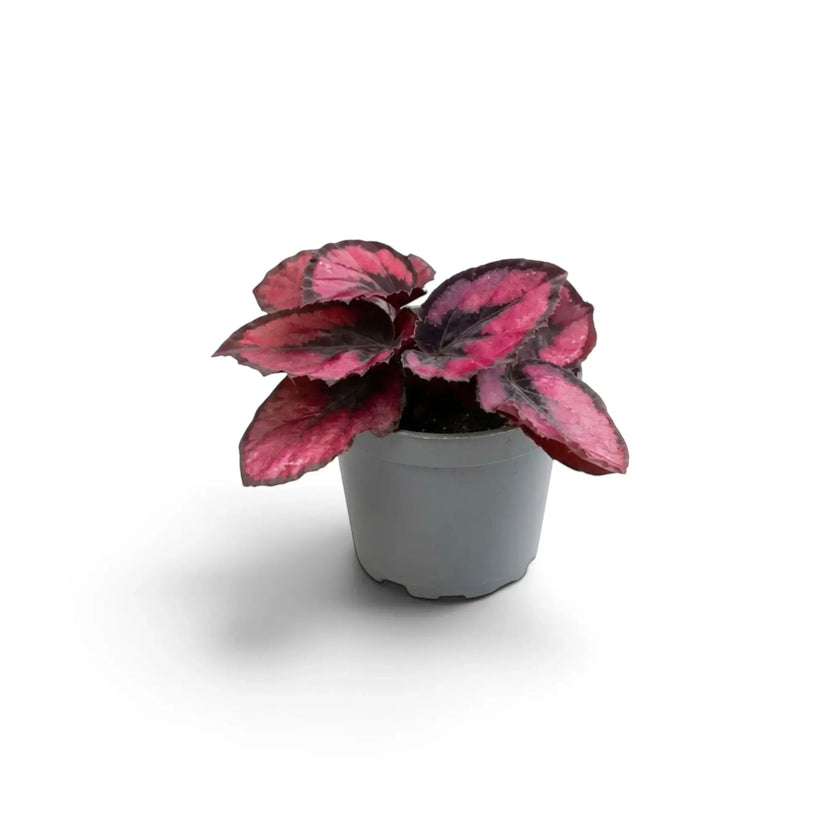
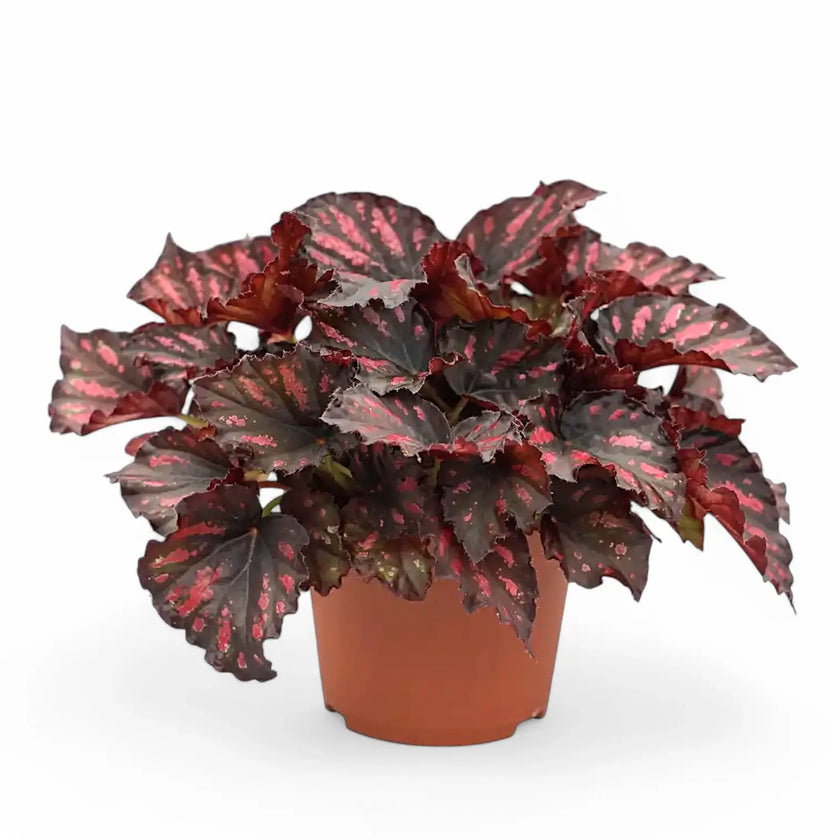
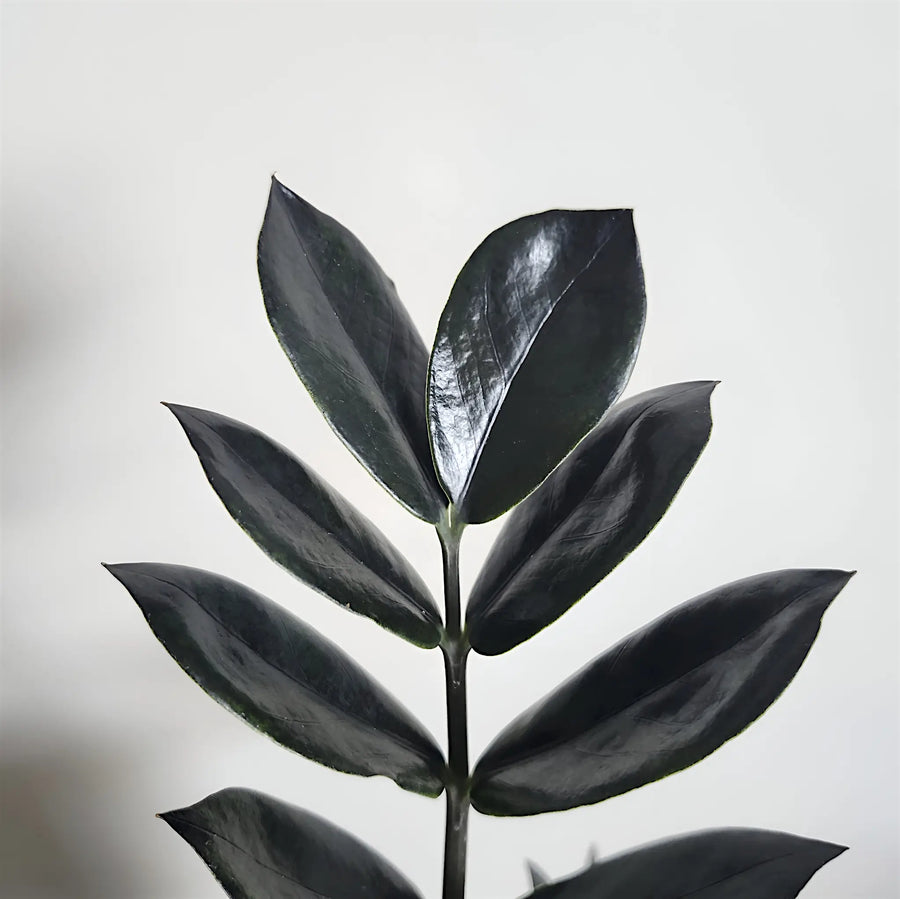
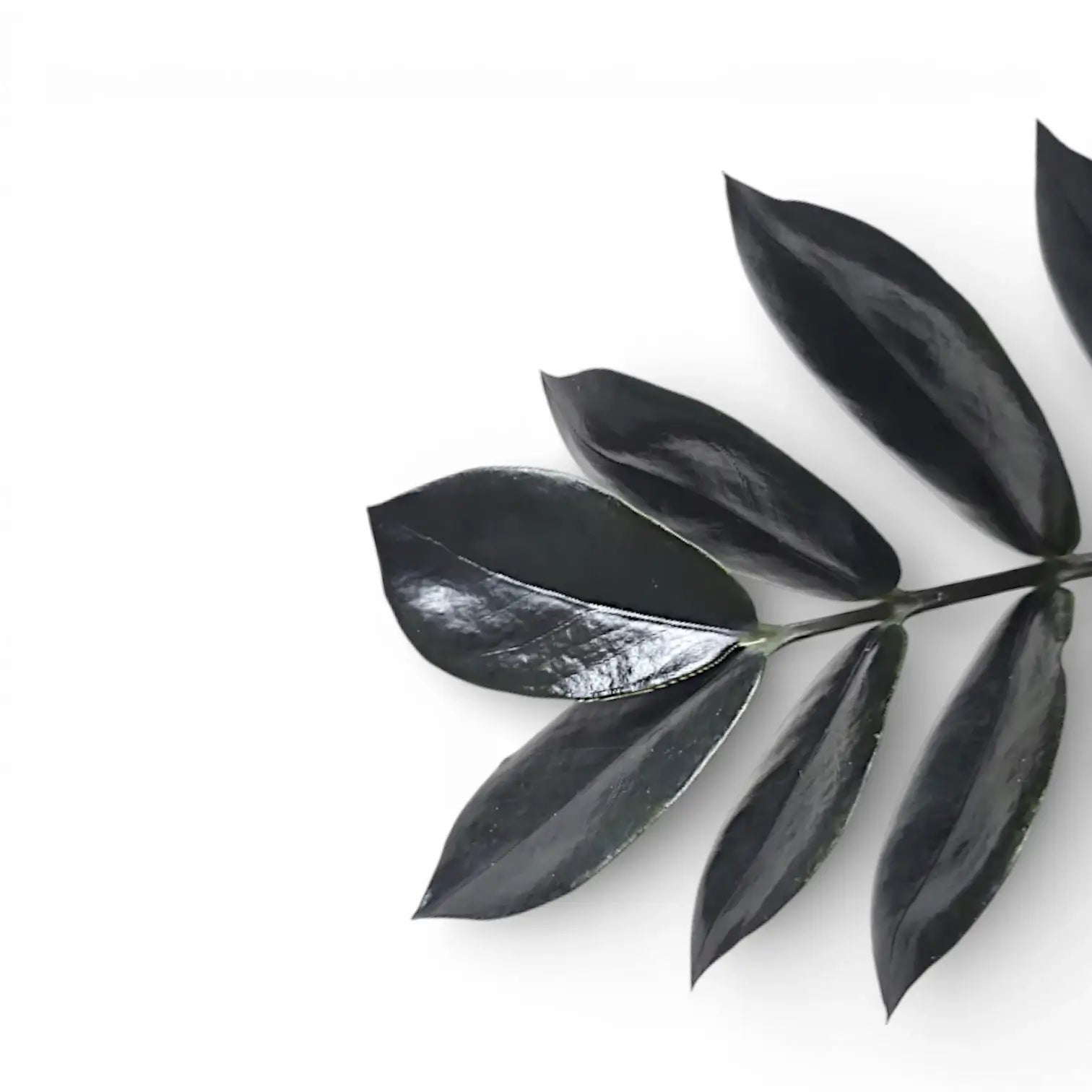
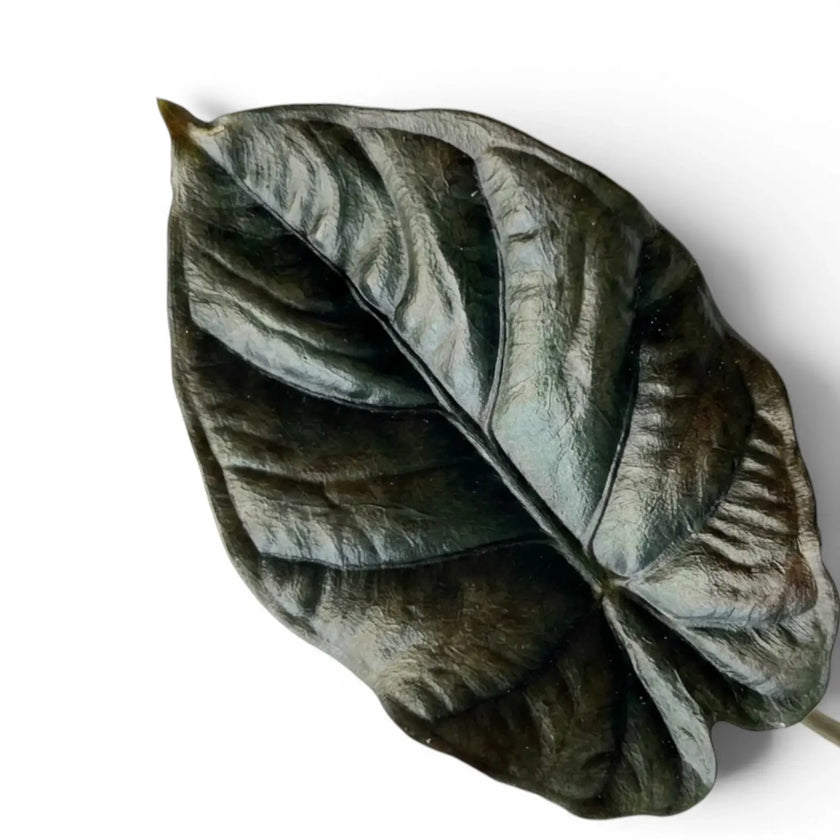
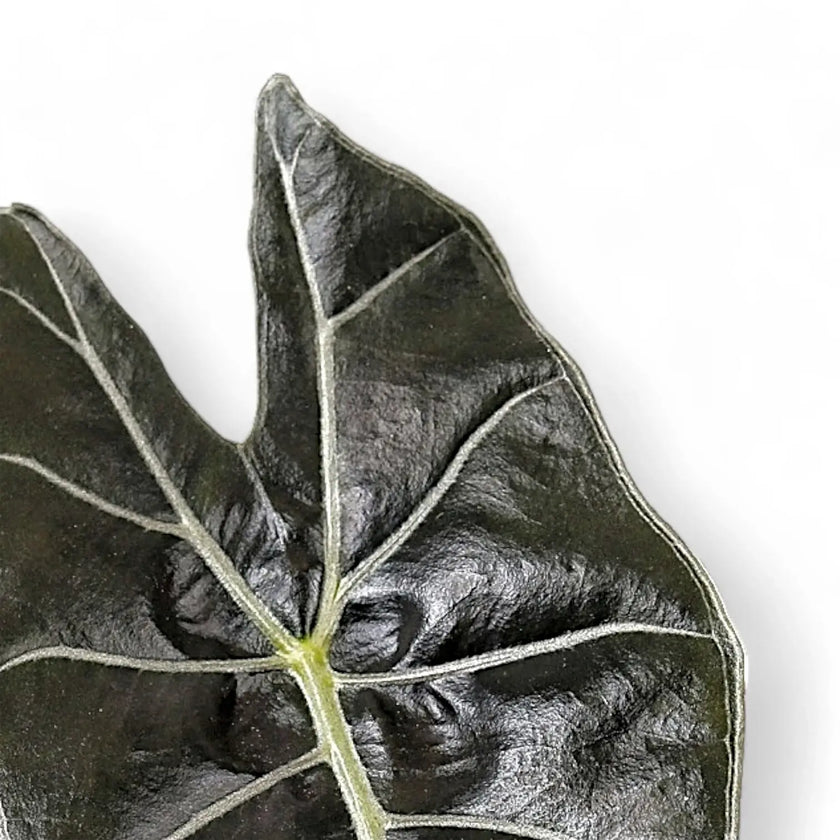
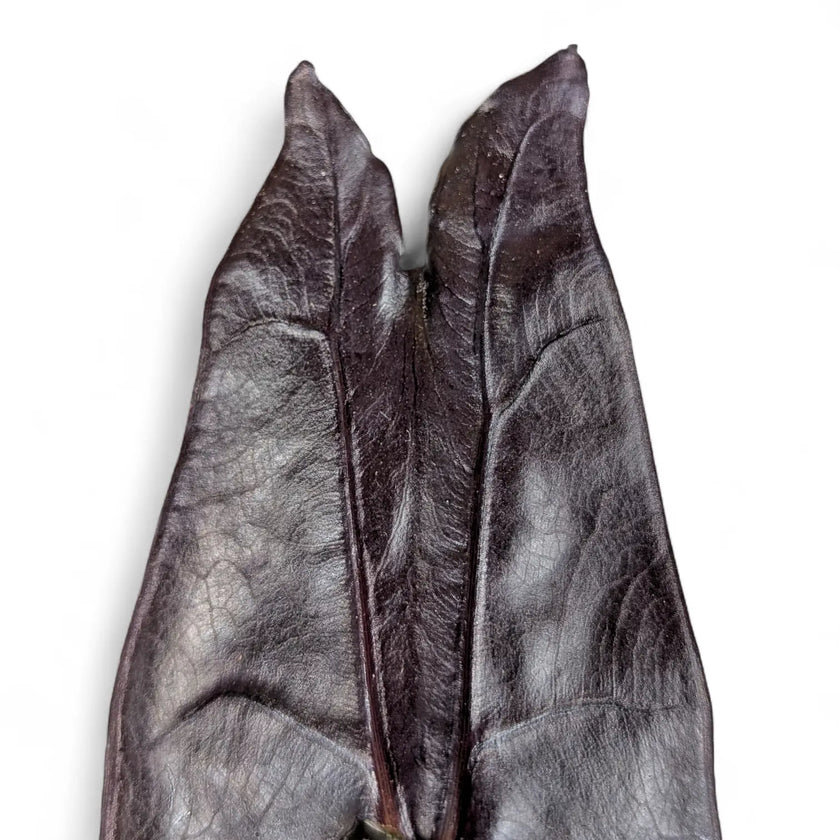
Black foliage plants carry deep, near-black tones that sharpen every surface around them. These saturated shades look most dramatic in bright, indirect light, where they create strong contrast against pale walls, warm clay and simple neutrals without tipping into scorch.

  • Rich, dark colour that stays bold under bright, indirect indoor light
  • Pairs effortlessly with minimalist, neutral or concrete planters
  • Strong visual contrast even from compact pots and smaller specimens

Add one or two black foliage plants to sharpen your display and create clear focal points among softer greens.

Sort by

Filters

Fun fact: Dark foliage carries extra pigment, so it often keeps rich colour in stronger light where softer pastels would already look tired.

Black Foliage Plants – dark anchors that make everything else pop

Where black foliage houseplants earn their keep

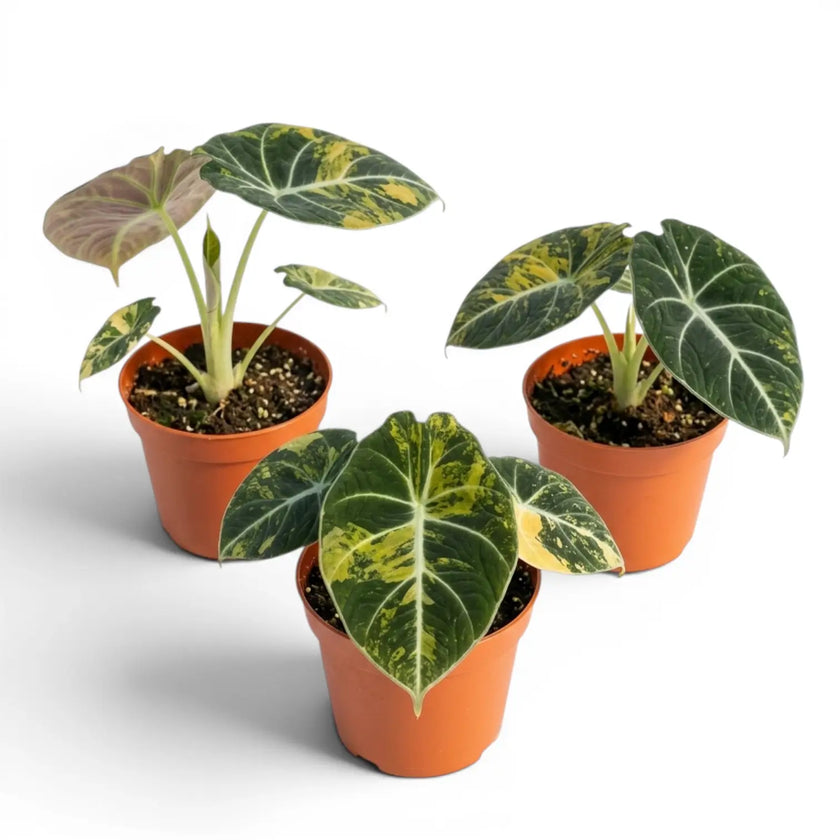
Dark foliage works best where edges and silhouettes are easy to see: near lighter walls, in pale or terracotta pots, or beside white, silver and golden leaves. One black plant at the end of a shelf can frame a whole row of brighter pieces; lost in a dim back corner it is just another murky green pot.

What dark foliage actually does indoors

Most “black” leaves are very dark green layered with extra pigment. Those blades soak up a lot of light and warmth, which gives deep, dramatic colour but also less tolerance for neglect when rooms run cold. With conditions right, they sharpen everything around them and stop a mixed display from turning into a flat green blur.

Non-negotiables for darker leaves

Cold, wet mixes under heavy canopies are a classic trigger for root and stem trouble. Aim for a draining substrate, decent airflow and light that is strong but not burning through glass. Behaviour and placement of dark foliage are unpacked in more detail in The Science and Allure of Black-Leaved Plants.

Treat this collection as punctuation: one or two black foliage plants are usually enough to underline a whole arrangement.

Black foliage care – what changes with darker leaves

  • Pigment load: dense chlorophyll plus extra pigments means strong light and heat absorption.
  • Light band: bright-indirect light usually suits them best; long, direct midday sun through glass often burns patches.
  • Watering: cold, wet substrate under heavy foliage is a common trigger for root and stem issues.
  • Substrate: free-draining mixes with obvious chunky structure help plants bounce back from short-term stress.
  • Growth tempo: often slower and more compact than similar green forms because energy goes into pigment as well as new tissue.
  • Pets: toxicity differs by family; always treat each listing’s notes as the reference before placing near animals.

Make Sure To Read:

The Science and Allure of Black-Leaved Plants

The Science and Allure of Black-Leaved Plants

Black houseplants aren’t painted — they’re powered by anthocyanins, genetic switches, and clever light filtering. This deep-dive explains how “black” foliage actually works, how to keep it dark with the right light, substrate, and feeding, plus profiles of ...

Read more