

Exploring the Differences Between Alocasia melo, Alocasia 'Maharani'and Alocasia 'Dragon Moon'
Compact “jewel” Alocasias can look unreal in person: thick, rigid leaves, pressed-in texture, and metallic-looking patterning that reads almost mineral. Three names come up constantly in this corner of the genus: Alocasia melo (a true species), plus two cultivated hybrids built around it — Alocasia ‘Maharani’ and Alocasia ‘Dragon Moon’.
They’re closely related in leaf feel and growth behaviour, but they’re not interchangeable. Once you know what to check (texture depth, venation contrast, underside colour, and how the plant reacts to moisture), care becomes far more predictable — and it’s much easier to avoid the label mix-ups that follow “dragon” Alocasias around the trade.
Quick comparison: Alocasia melo vs. ‘Maharani’ vs. ‘Dragon Moon’
Fast ID cues: Alocasia melo reads uniform and “stone-like”; ‘Maharani’ usually shows clearer vein contrast and (with maturity) a deep red-purple underside; ‘Dragon Moon’ brings the silver interveinal patterning associated with Alocasia baginda ‘Silver Dragon’.
| Plant | What it is | Quick ID cues |
|---|---|---|
| Alocasia melo | Species (Sabah, Borneo) | Very stiff, strongly bullate; mostly uniform grey-green; pale underside |
| Alocasia ‘Maharani’ | Hybrid: A. reginula × A. melo | Thick and compact; clearer vein contrast; mature plants can show deep red abaxials |
| Alocasia ‘Dragon Moon’ | Hybrid: A. melo × A. baginda ‘Silver Dragon’ | Melo-like heft + silver “dragon” interveinal patterning over darker veins |
What each one is best at (quick pick)
- Alocasia melo: the most monolithic, deeply embossed texture; slow, compact, very sculptural.
- Alocasia ‘Maharani’: melo structure with more graphic contrast; rich undersides once mature.
- Alocasia ‘Dragon Moon’: melo thickness + silver patterning; the most “dragon-scale” look of the three.
Care sensitivity (the part that matters)
- All three: thick leaves don’t equal drought tolerance. The root zone needs oxygen, warmth, and an even drying rhythm.
- Most common failure: a pot/mix combination that stays cool and wet too long (dense substrate, oversized pot, low light).
- Least forgiving: Alocasia melo often reacts fastest when the mix turns airless.
Origins and hybrid background of Alocasia melo, ‘Maharani’, and ‘Dragon Moon’
All three sit in the same visual neighbourhood because melo contributes a distinctive foundation: thick, rigid leaves, strong surface relief, and a compact habit that holds its shape even at smaller sizes.

Alocasia melo: Endemic to Sabah (Malaysian Borneo) and associated with ultramafic substrates. In habitat it’s recorded on thin soil over ultramafic rock along steep banks of fast-flowing streams in lowland rainforest (around 120–400 m). Indoors, that origin points to a plant that prefers warm stability, protection from harsh direct sun, and a root zone that stays airy while remaining evenly hydrated.
Useful size context: mature plants are often compact rather than towering. The original descriptive measurements commonly quoted for cultivated plants place it around 25–35 cm tall with broadly ovate to sub-orbicular blades roughly 18–25 cm long.

Alocasia ‘Maharani’ (reginula × melo): A cultivated hybrid combining the compact, high-contrast character associated with Alocasia reginula with the thick, sculpted texture of Alocasia melo. In cultivation, ‘Maharani’ is known for distinctly lighter venation than melo and for developing deep red abaxials once mature, which makes ID much easier when the plant is well grown.
Hybrid background note: Aroidpedia attributes the creation of ‘Maharani’ to Peter Boyce during his time at Malesiana Tropicals (circa 2009), and also records an interesting cultivation detail: plants long thought to be pollen-sterile have been documented producing pollen in cultivation.

Alocasia ‘Dragon Moon’ (melo × baginda ‘Silver Dragon’): A hybrid that blends melo’s rigid, embossed feel with the silver interveinal patterning associated with Alocasia baginda ‘Silver Dragon’. Aroidpedia notes Degoy Plants (West Java, Indonesia) as an early hybridizer of this cross, and also points out that later repeats of the same parent pairing can yield similar plants that aren’t technically the same named cultivar line.
Naming and label pitfalls: what gets mixed up (and how to avoid it)
These plants sit right in the centre of a common trade problem: labels get recycled fast, and older or misapplied names keep circulating long after taxonomic backbones have moved on.
- “Alocasia rugosa” is a classic trap: in horticulture, “rugosa” is often used for Alocasia melo-type plants because of the rough texture. In major taxonomic backbones, Alocasia rugosa is treated as a synonym of Alocasia cucullata, not Alocasia melo. If you see “rugosa” on a label, confirm by leaf shape and texture rather than trusting the name.
- Other names you may see for melo in cultivation: “Rhino Skin” is commonly applied to melo-type plants. Treat it as a trade label and verify by the heavy bullation and the very uniform, stone-like look.
- “Dragon” is not a botanical group: ‘Dragon Scale’, ‘Silver Dragon’, and other “dragon” names are cultivar labels commonly applied around Alocasia baginda and relatives. Hybrids like ‘Dragon Moon’ borrow that look, but they still share the same root-zone sensitivities.
- Cultivar vs species: Alocasia baginda is the species; ‘Silver Dragon’ is a cultivar of it. Writing it out correctly keeps parentage clear when comparing hybrids.
Quick check when the label is unclear
- Very stiff + very uniform tone + deep embossing: usually points to Alocasia melo-type.
- Clearer contrast veins + mature deep red underside: often points to ‘Maharani’.
- Silver interveinal “scales” over darker veins + heavy melo feel: points to ‘Dragon Moon’ type.
Distinctive visual traits: what makes each one recognizable
They share a compact habit and thick leaves, but they present differently once you pay attention to texture depth, vein contrast, and underside colour.

Alocasia melo: The bullation is the headline — deep, tight embossing with a rigid, almost “carved” feel. Colour tends to read grey-green to blue-green with relatively uniform tonality across the blade. The underside is typically pale. On mature plants the petiole sheath area can show sparse burgundy spotting low down, which can be a subtle extra cue when comparing similar-looking plants.

Alocasia ‘Maharani’: Compared with melo, the surface is usually less aggressively embossed, and the veins stand out more clearly. Mature plants can develop deep red-purple leaf undersides, a practical ID cue that tends to hold once the plant is settled. The overall look is “melo structure” with added contrast and a slightly more refined blade shape.

Alocasia ‘Dragon Moon’: The “dragon” look comes from the baginda side: silver interveinal patterning set against darker veins. Texture stays thick and melo-like, but the surface reads more patterned than monolithic. If the plant looks like ‘Silver Dragon’ but feels more rigid and heavily textured, that combination is the cue.
What published data supports (useful context)
A comparative morpho-anatomy study that included Alocasia melo reported that it showed the greatest relative water content and leaf thickness among the taxa examined, and it produced 2–3 new basal shoots over the study period. That lines up with the “dense leaf, slower pace, offsets over time” behaviour many growers see when the plant is stable.
Essential care tips for Alocasia melo, ‘Maharani’, and ‘Dragon Moon’
These plants do best when the root zone stays warm, airy, and evenly hydrated — not constantly wet, and not bone-dry. Thick leaves mostly mean the plant holds water longer and reacts badly when roots lose oxygen.
Light (strong growth without scorch)
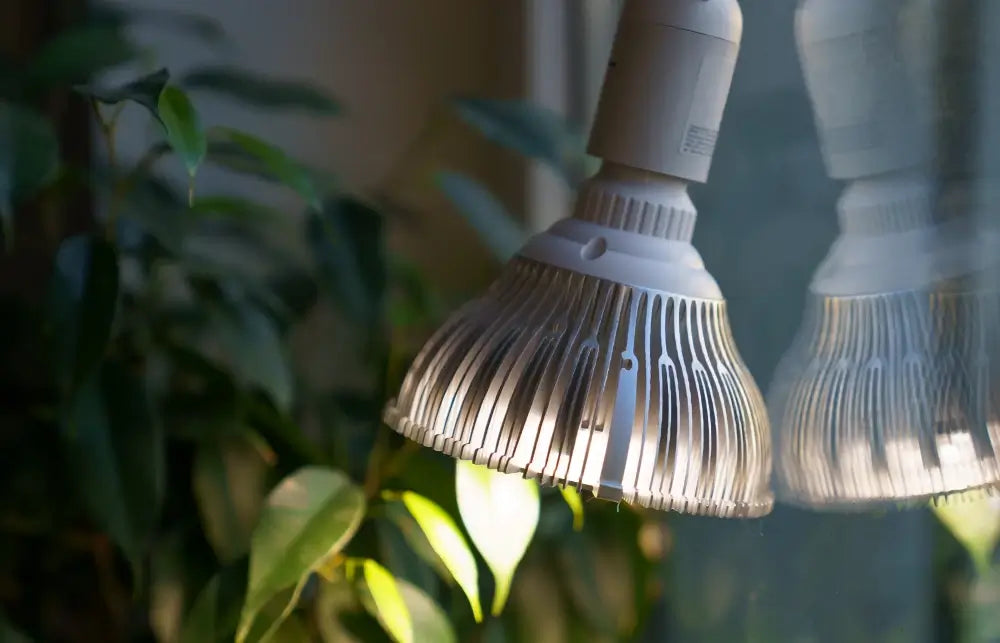
- Best baseline: bright, filtered light that keeps growth compact and leaf texture crisp. Bright indirect light is a useful shorthand, but aim for real intensity rather than a dim corner.
- Direct sun: avoid harsh midday rays on the leaf surface. Gentle morning or late-day sun can be fine if temperatures stay stable and the plant is acclimated.
- Low light: plants often survive, but leaf size, texture definition, and overall pace usually drop. When growth is weak, the fix is typically more usable light, not more water.
Watering (base it on pot depth, not a centimetre)
- Check by pot depth: let roughly the top 20–30% of the pot depth dry before watering again. In a very airy mix, that may be faster; in a finer mix, slower.
- Water thoroughly: soak the substrate until water runs through, then let it drain completely. Avoid leaving water in a cachepot.
- Most common indoor failure: a mix that stays cool and wet for too long. That’s usually pot size + substrate density + low light combined.
- Alocasia melo tends to be the least forgiving: it often collapses faster if the root zone turns airless. Treat “moist” as “evenly hydrated in an airy mix,” not “constantly wet.”
Humidity (useful, not a substitute for root-zone health)
- Comfort zone: moderate to higher humidity helps leaf edges and reduces stress, especially during new leaf expansion.
- What matters just as much: warm stability, an airy substrate, and gentle airflow. A humidifier can help, but it won’t compensate for a stagnant pot.
- Microclimates that can work well: ventilated cabinets/vitrines or plant groupings in a stable, warm spot — with attention paid to drying rhythm.
Temperature (keep roots warm and steady)
- Ideal range: 18–27°C with minimal swings.
- Below ~16°C: growth often slows sharply, and wet substrate becomes risky. If nights are cool, reduce watering and keep the mix airy.
- Drafts: cold air moving over wet substrate is a common trigger for leaf loss even when the room temperature looks acceptable on paper.
Substrate + pot choice (oxygen first)
- Chunky, peat-free mixes: blends that include orchid bark, perlite, and coco coir work well. Your airy, well-draining substrates option fits the same logic.
- Avoid dense, fine soil: standard potting soil compacts easily and holds water too long. That’s where most “mysterious Alocasia decline” starts.
- Pot sizing: keep pots only slightly larger than the root mass. Oversized pots stay wet too long and stall the plant.
- Drainage holes: essential for any setup. These plants react badly to standing water at the base of the pot.
Fertilizing + water quality (growth without salt burn)
- When to feed: fertilize only when the plant is actively producing new leaves. If growth has paused, skip feeding.
- How to feed: a balanced fertilizer at a conservative dose is usually safer than strong, infrequent feeding. Margin browning can show up when salts accumulate.
- Flush occasionally: rinse the substrate with clean water to reduce buildup, especially if using harder tap water.
Semi-hydro and inert substrates (optional, but viable)
- Why people use them: mineral/inert substrates can make water/air balance more predictable and reduce the “stays wet for a week” problem of dense soil.
- Transition caution: switching systems can trigger leaf loss while roots adjust. Warmth and steady moisture usually matter more than tweaks and additives.
Inflorescences (what “blooming” looks like here)
- Alocasia melo: like other Araceae, it produces a spathe and spadix rather than petals. Descriptions commonly note paired inflorescences and an ivory-white spathe (often around 9–16 cm in cultivation).
- ‘Maharani’: Aroidpedia records a green-white spathe; flowering is still inconsistent indoors and usually follows a stretch of stable growth.
- ‘Dragon Moon’: published inflorescence details are limited in cultivation notes; treat flowering as a bonus rather than a care goal.
Safety and handling
- Toxicity: Alocasia tissues contain calcium oxalate crystals and can cause oral irritation if chewed. Keep away from pets and children, and wash hands after sap contact.
- Skin sensitivity varies: if you react to aroids, gloves are a simple fix during repotting.
Growth and propagation of Alocasia melo, ‘Maharani’, and ‘Dragon Moon’
These are rhizomatous/tuberous Alocasias that often produce offsets and small “corm-like” tubers near the base. They don’t propagate reliably from cuttings; division and tuber propagation are the practical routes.
Propagation (division + tubers)
- Division timing: divide when the plant has multiple growth points or obvious offsets and the root mass fills the pot.
- Tubers/corms: small tubers often form near the base or on stolons. Separate only firm, healthy pieces.
- Rooting conditions: warm temperatures, higher humidity, and evenly moist (not wet) media support establishment.
- Patience is normal: tubers can sit for weeks before pushing growth. Keep conditions stable rather than disturbing them to check progress.
Growth pattern (what “normal” looks like)
- Leaf-by-leaf growth: new leaves emerge sequentially; one leaf maturing often coincides with an older leaf fading.
- Alocasia melo pace: typically the slowest and most compact of the three, with very rigid leaves and a conservative growth rhythm.
- Hybrid pace: ‘Maharani’ and ‘Dragon Moon’ can be slightly quicker when conditions are strong, but they still stay compact compared with many Alocasia species in cultivation.
- Offsets over time: stable plants may develop basal shoots; published growth studies on Alocasia melo specifically record new basal shoots under controlled conditions.
Common challenges (and what usually fixes them)
When these plants look rough, the cause is usually traceable. Use symptoms as clues, then adjust one or two variables at a time — light, warmth, substrate airiness, and drying rhythm.
Fast diagnosis table
| Symptom | Most likely cause | What to do |
|---|---|---|
| Yellow leaves starting from older foliage | Normal leaf turnover, or roots staying too wet for too long | Check pot depth moisture; confirm an airy mix; keep warmth stable; avoid upsizing pots too far |
| Leaf edges crisping or browning | Salt buildup, inconsistent moisture, or rapid swings in humidity/temperature | Flush substrate, stabilize watering rhythm, keep warmth steady; check roots if the mix stays wet |
| Drooping with a heavy, “waterlogged” feel | Low root oxygen (dense mix, cold + wet) | Let mix dry further; increase light/heat; repot into a chunkier substrate if the current mix stays wet |
| New leaf stalling or emerging deformed | Low humidity during expansion, pest pressure, or root stress | Check for mites/thrips; stabilize humidity and moisture; avoid moving the plant during leaf emergence |
| Sudden leaf drop with no visible pests | Cold shock, substrate staying wet, or a recent system change | Reduce watering, keep warm, avoid fertilizing until new growth returns; keep the corm firm and stable |
Pest management (realistic and repeatable)
- Common pests: spider mites, mealybugs, and occasionally thrips.
- Inspection habit: check the underside of leaves and along the midrib/petiole junctions; thick, textured leaves can hide early infestations.
- Treatment approach: isolate the plant, wash/wipe foliage, then treat with insecticidal soap or neem oil. Repeat treatments to catch hatch cycles.
- Environment support: keep conditions stable and avoid letting the substrate stay cold and wet; stressed plants get hit harder.
Dormancy and “reset” periods
- What it looks like: growth slows, a leaf drops, or the plant pauses after stress (cool nights, low light, repotting, pests).
- Root-zone rules during pauses: keep the substrate slightly drier than usual, keep temperatures warm, and avoid feeding until you see new growth.
- Firm corms can recover: stability is usually the deciding factor.
FAQs about Alocasia melo, ‘Maharani’, and ‘Dragon Moon’
Is “Alocasia rugosa” the same as Alocasia melo?
In cultivation, “rugosa” is often used for melo-type plants because of the rough texture. In taxonomic backbones, Alocasia rugosa is treated as a synonym of Alocasia cucullata, so it doesn’t reliably point to Alocasia melo. Use leaf shape and texture to confirm what you actually have.
Why are leaf edges turning crispy or brown?
Common triggers are salt buildup (fertilizer or hard water), inconsistent moisture, and sudden swings in humidity/temperature. Flush the substrate, stabilize the watering rhythm, and keep warmth steady. If a new leaf is expanding, avoid moving the plant around until it hardens off.
How can I tell ‘Maharani’ from Alocasia melo when they’re young?
Look for stronger vein contrast in ‘Maharani’ and a generally less “uniform stone” look. As the plant matures, ‘Maharani’ often develops a deeper red-purple underside, while Alocasia melo stays lighter green beneath.
Do these Alocasias need very high humidity?
Higher humidity can help leaf expansion and reduce edge stress, but it won’t compensate for a stagnant root zone. Warm stability, an airy mix, and a sensible drying rhythm usually matter more than chasing a specific humidity number.
How do I know if spider mites are present?
Look for fine webbing, stippling (tiny pale speckles), and a dusty look on the underside of leaves. Thick, textured leaves can hide early signs, so check along veins and around the petiole attachment points.
Will they flower indoors?
They can. Flowers are spathe-and-spadix inflorescences typical of Araceae. Indoor blooming is inconsistent and usually shows up after a period of stable, strong growth.
Are they safe around pets?
No. Like other Alocasia, they contain calcium oxalate crystals and can cause mouth irritation if chewed. Keep them out of reach and handle sap with care.
Choosing between Alocasia melo, ‘Maharani’, and ‘Dragon Moon’
All three deliver that compact “jewel Alocasia” look, but they scratch different itches.
- Alocasia melo: the most monolithic, stone-textured option — slow, compact, and intensely sculptural when grown in strong, stable conditions.
- Alocasia ‘Maharani’: a blend of melo thickness with more graphic contrast and, with maturity, deeper red-purple undersides that make it feel richer and more dramatic.
- Alocasia ‘Dragon Moon’: melo structure plus the silver “dragon” patterning associated with Alocasia baginda ‘Silver Dragon’ — ideal if you want that scaled look in a compact plant.
Whatever name is on the label, the same fundamentals decide success: usable light, warmth, a chunky substrate that holds moisture without turning airless, and a drying rhythm based on pot depth rather than a calendar.
Shop Alocasia plants
Looking for the right one for your space? Shop Alocasia plants and choose between compact jewel types, dragon-scale cultivars, and larger statement growers.
Sources and further reading:
-
Plants of the World Online (Kew): Alocasia melo (accepted name, publication, range)
https://powo.science.kew.org/taxon/urn:lsid:ipni.org:names:995487-1 -
Plants of the World Online (Kew): Alocasia cucullata (synonymy including Alocasia rugosa)
https://powo.science.kew.org/taxon/urn:lsid:ipni.org:names:84151-1 -
Boyce, P.C. (2008). A review of Alocasia (Araceae: Colocasieae) for Thailand including a novel species and new species records from South-West Thailand. Thai Forest Bulletin (Botany), 36, 1–17.
https://www.aroid.org/aroidl-archive/attachments/090903215315-1.pdf -
Boyce, P.C. (2007). Studies on the Alocasia Schott (Araceae-Colocasieae) of Borneo: I. Two new species from Sarawak, Malaysian Borneo. Gardens' Bulletin Singapore, 58(2), 141–154.
https://www.aroid.org/gallery/boyce/Alocasia%20of%20Borneo%20I%20-%20%5BGardens%27%20Bulletin%20Singapore%2058%282%29%2C%20141-154%5D%20-%20Boyce%202007.pdf -
Aroidpedia: Alocasia melo (species profile, ecology, common trade synonyms)
https://www.aroidpedia.com/journal/alocasia-melo -
Aroidpedia: Alocasia ‘Maharani’ (hybrid parentage, ID cues, cultivation notes)
https://www.aroidpedia.com/journal/alocasia-maharani -
Aroidpedia: Alocasia ‘Dragon Moon’ (hybrid parentage, naming notes)
https://www.aroidpedia.com/journal/alocasia-dragon-moon -
Aroidpedia: Alocasia baginda ‘Silver Dragon’ (cultivar background)
https://www.aroidpedia.com/journal/alocasia-baginda-silver-dragon -
Krisantini et al. (2024). Comparative Analysis of Vegetative Development and Leaf Morpho-Anatomy in Three Taxa of Ornamental Alocasia (Araceae). Horticulturae, 10(8): 778. DOI: 10.3390/horticulturae10080778
https://www.mdpi.com/2311-7524/10/8/778 -
ResearchGate: Comparative Analysis of Vegetative Development and Leaf Morpho-Anatomy in Three Taxa of Ornamental Alocasia (Araceae)
https://www.researchgate.net/publication/382518200_Comparative_Analysis_of_Vegetative_Development_and_Leaf_Morpho-Anatomy_in_Three_Taxa_of_Ornamental_Alocasia_Araceae


Leave a comment