






Filters
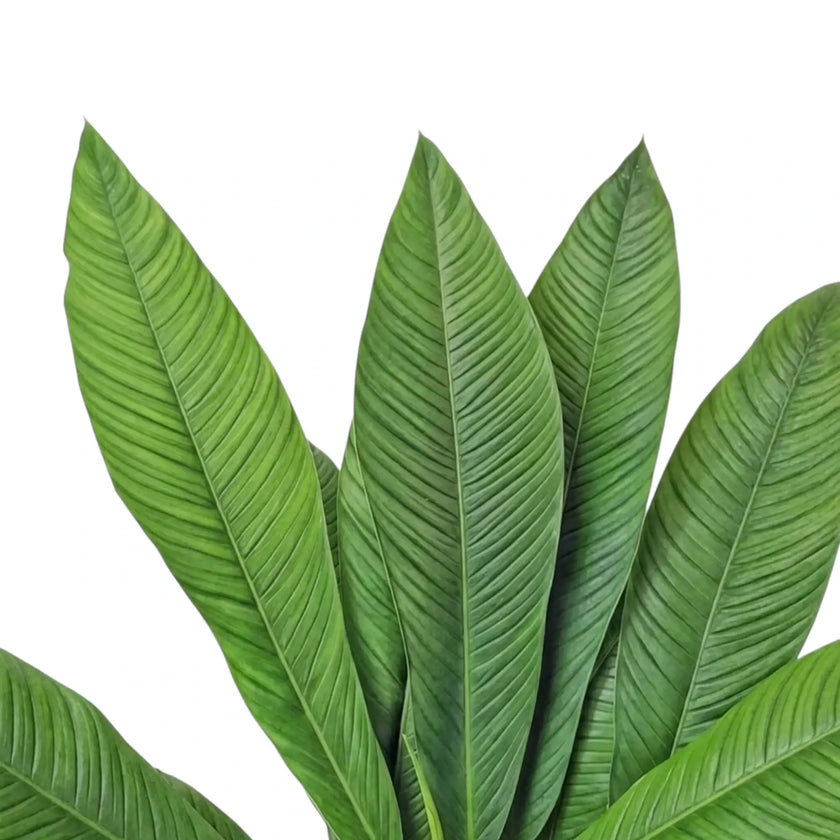
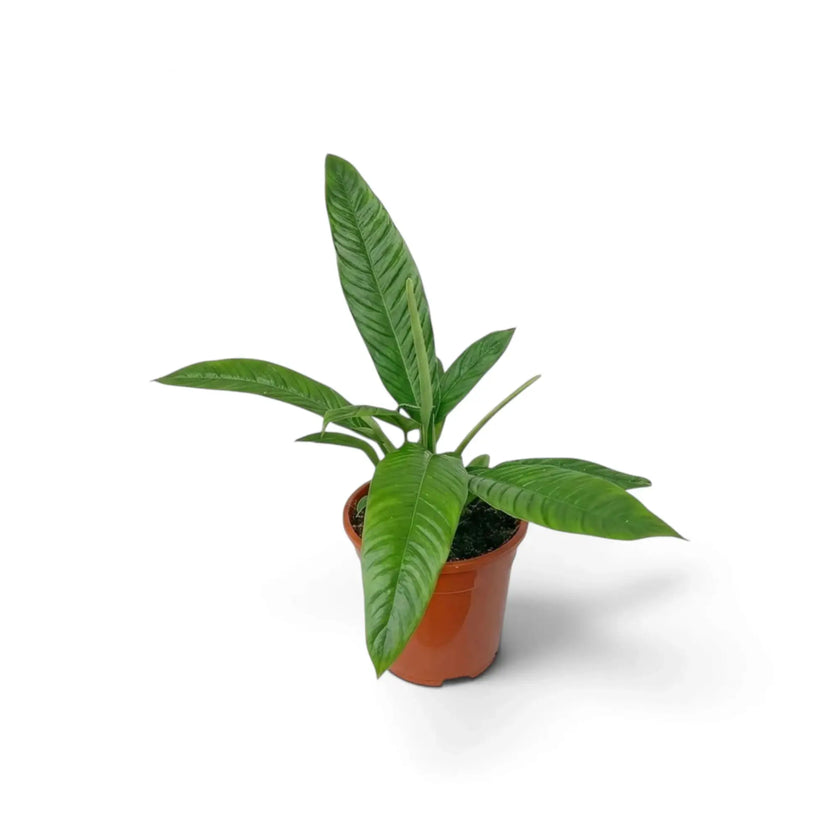
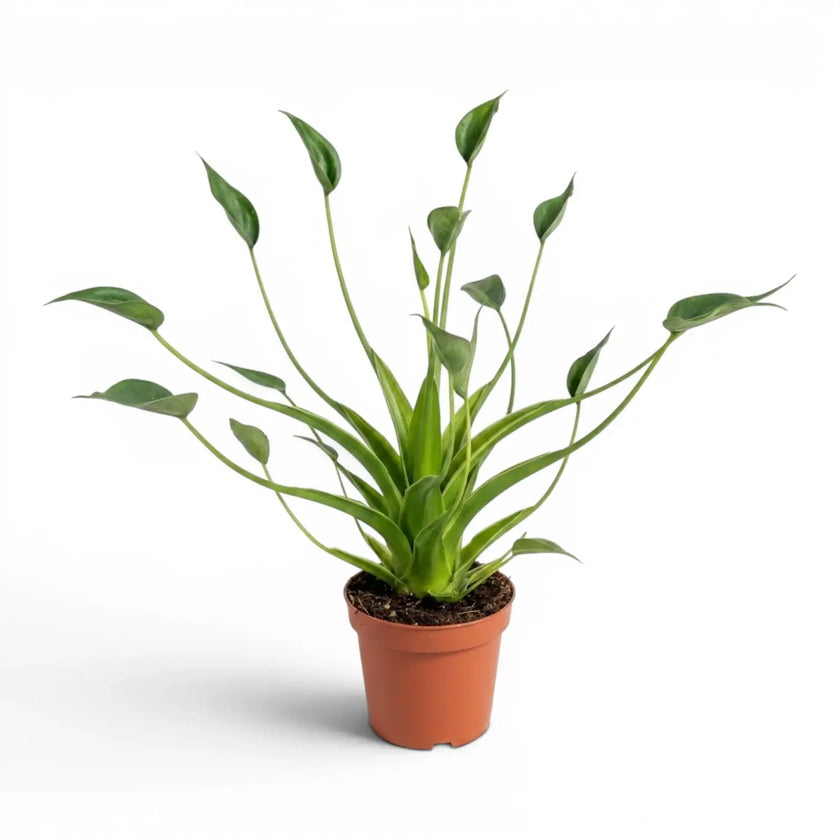
Philodendron campii 'Lynette'
Regular priceFrom €15,00
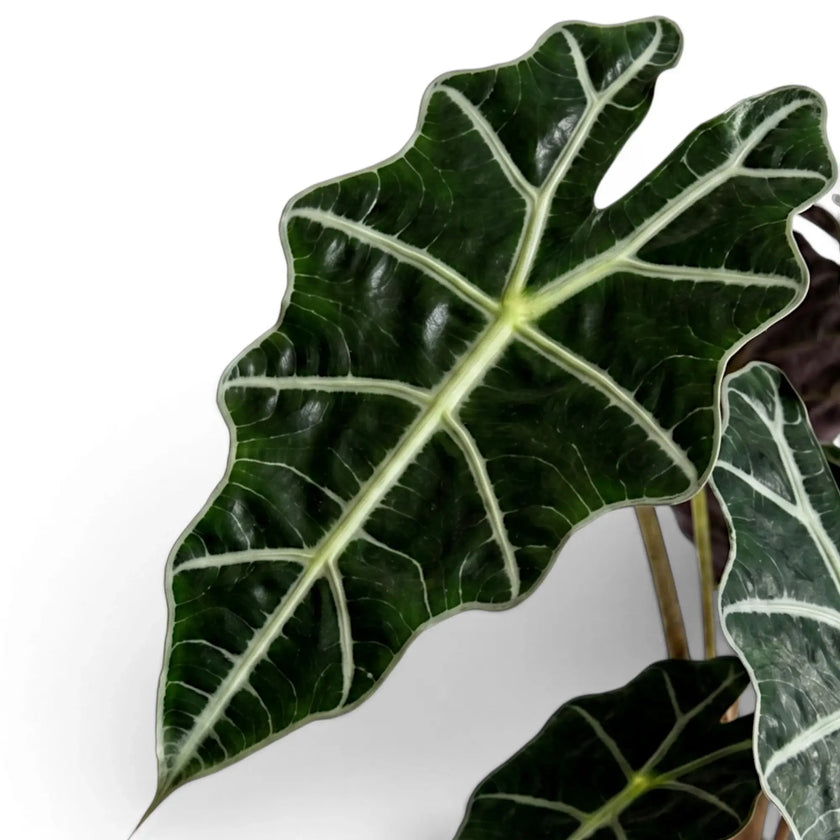
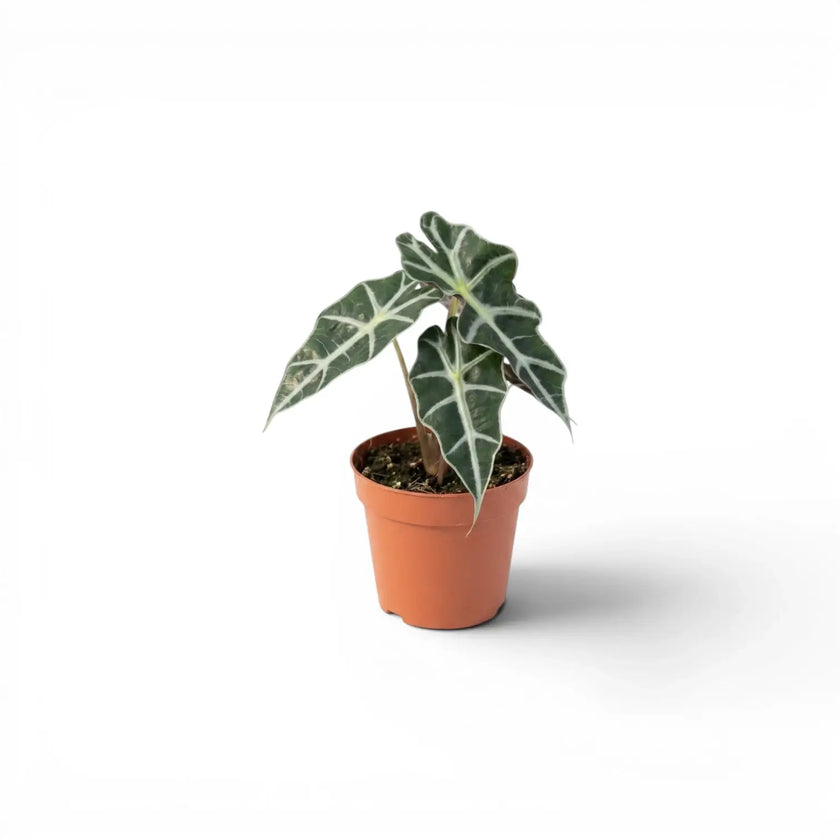
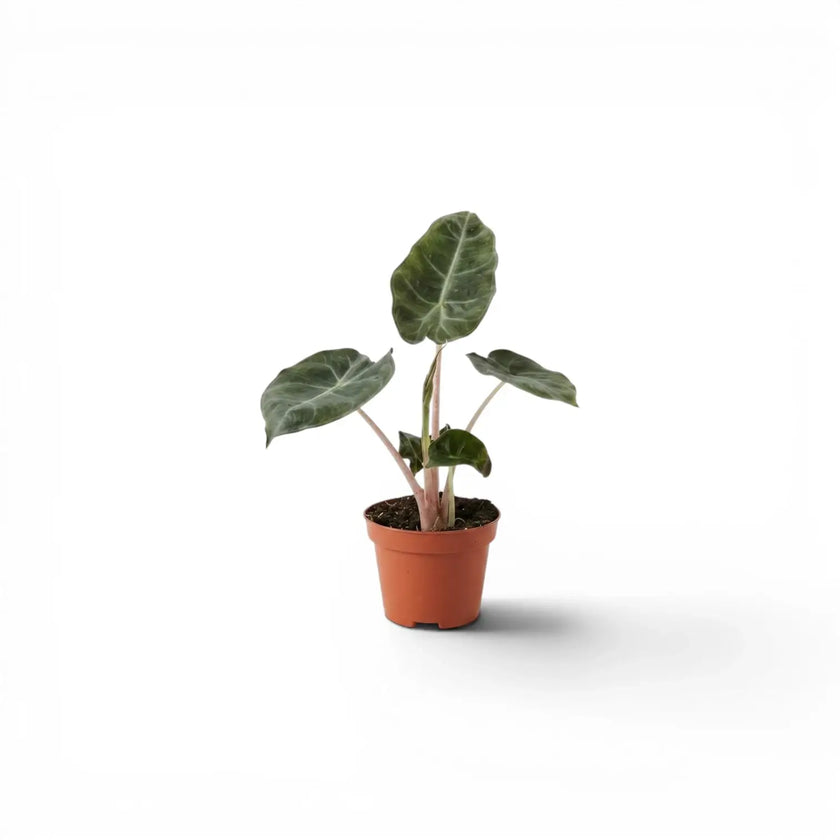
Alocasia ‘Polly’
Regular priceFrom €9,75
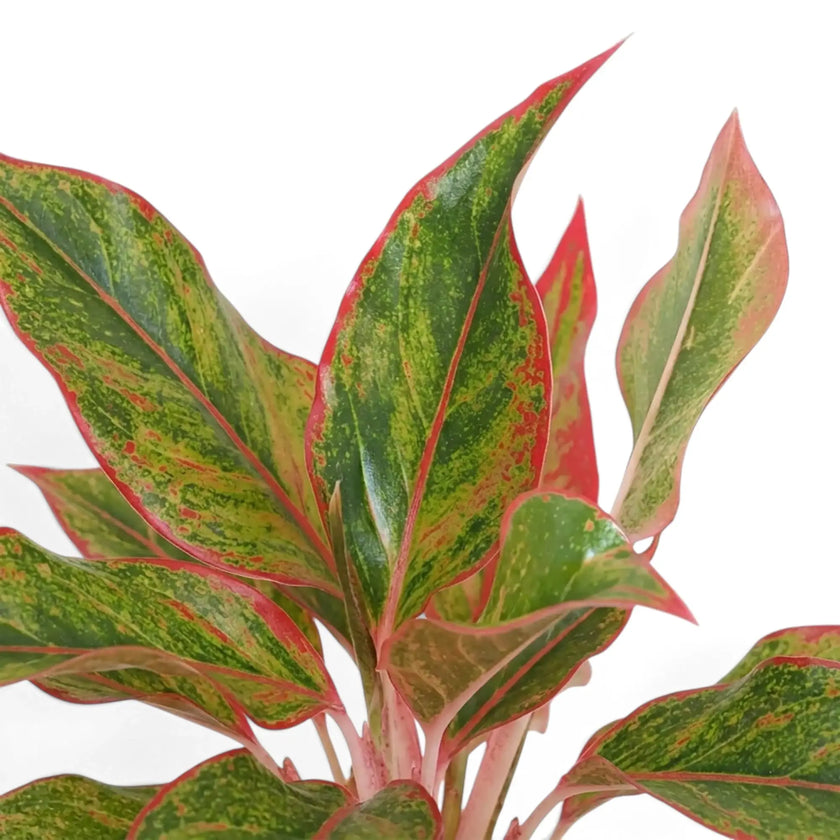
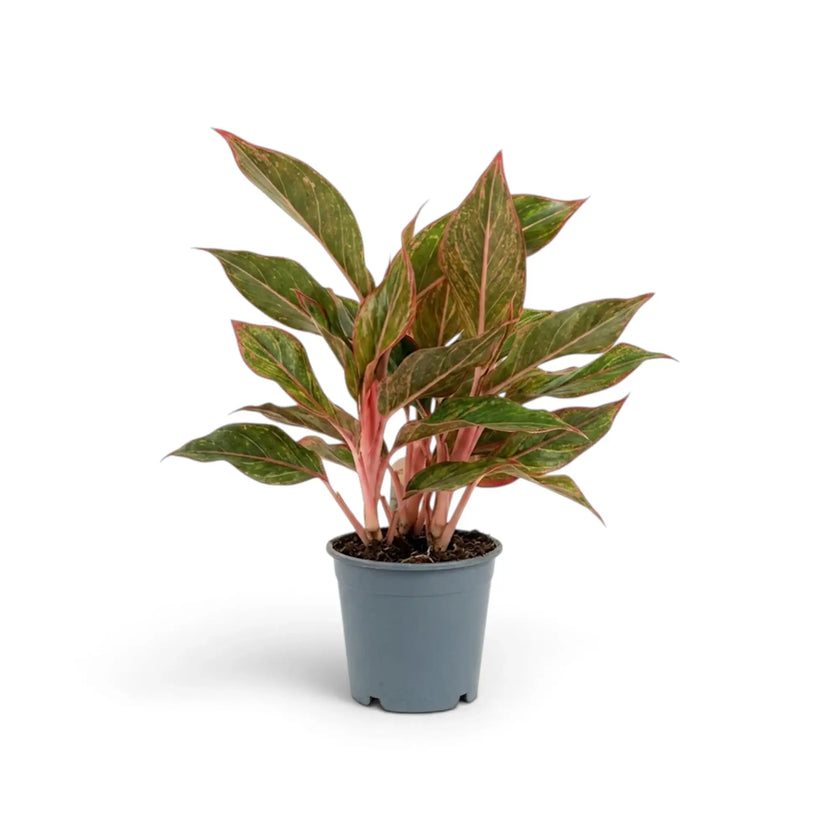
Aglaonema 'Crete' aka 'Siam Aurora' aka 'Jungle Red'
Regular price€15,75
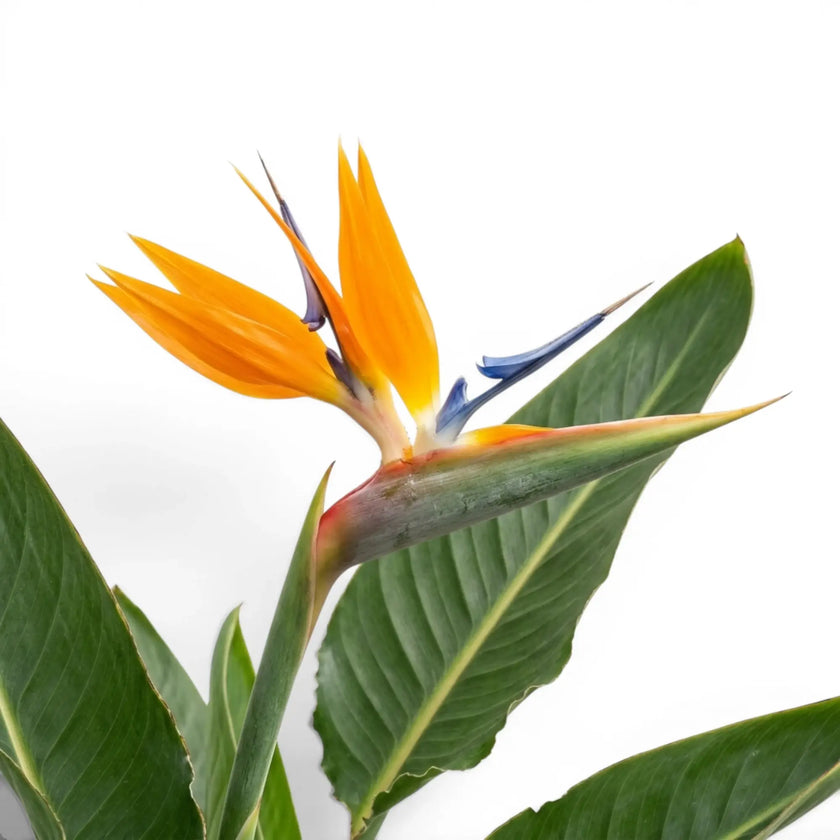
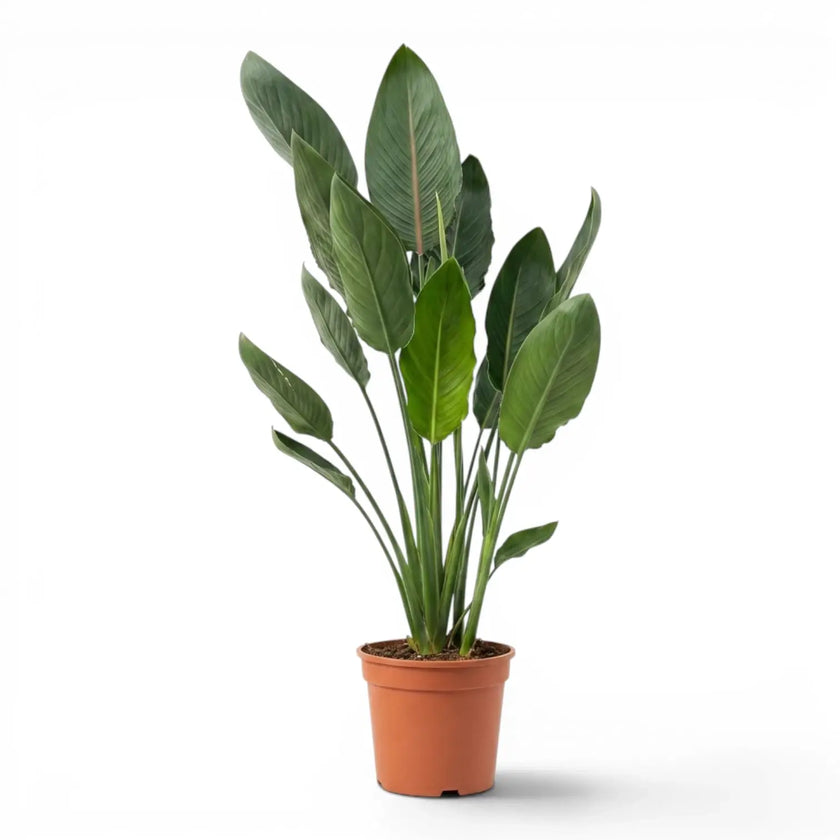
Strelitzia reginae
Regular priceFrom €12,00
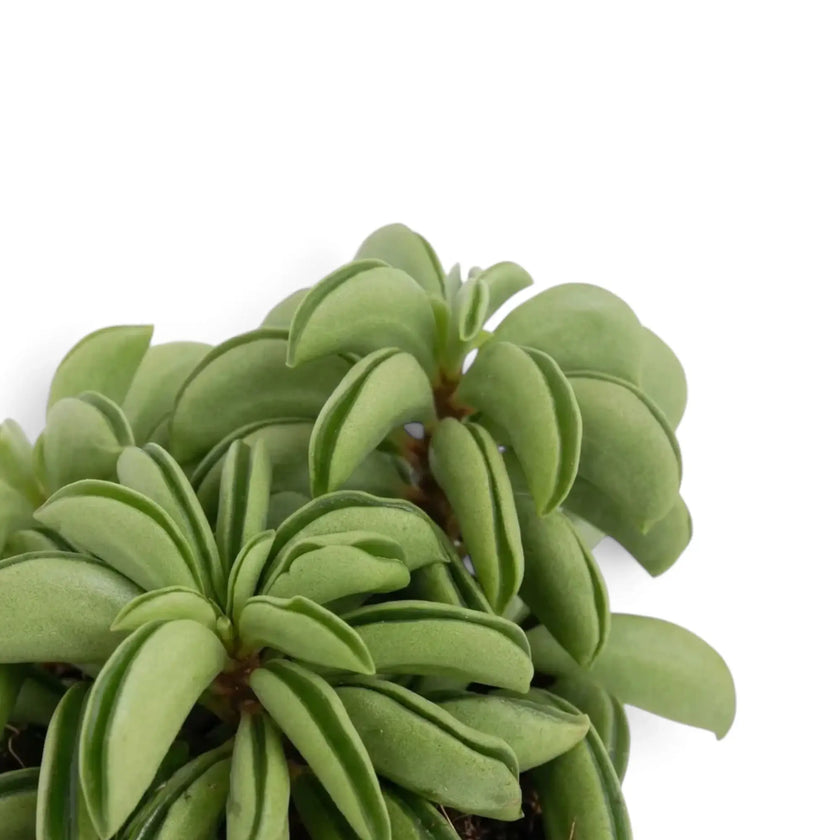
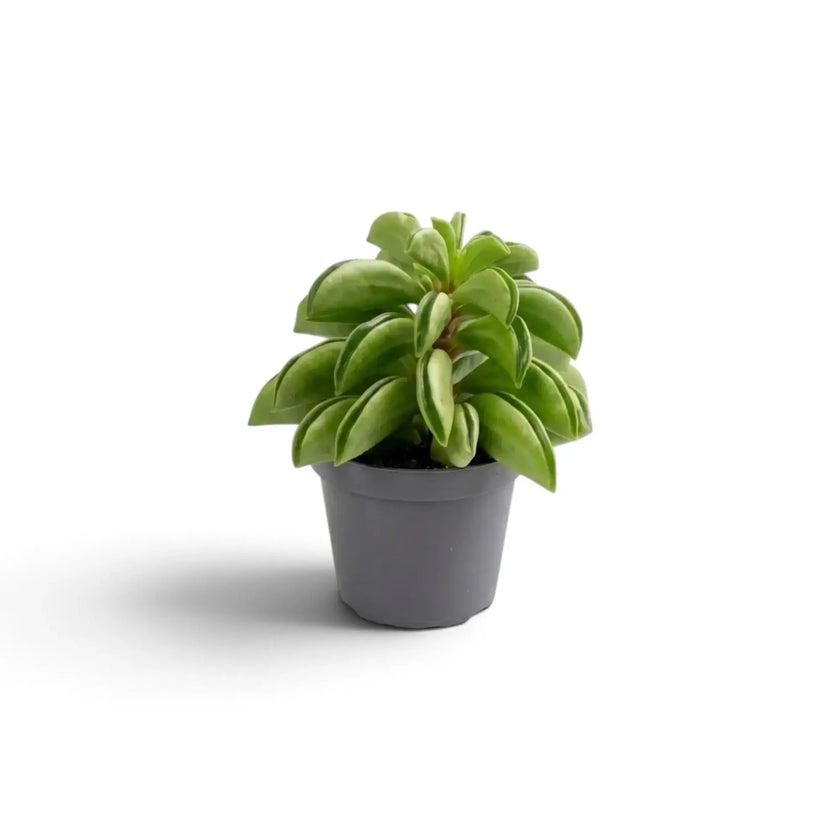
Peperomia dolabriformis 'Fire Sparks'
Regular price€8,50
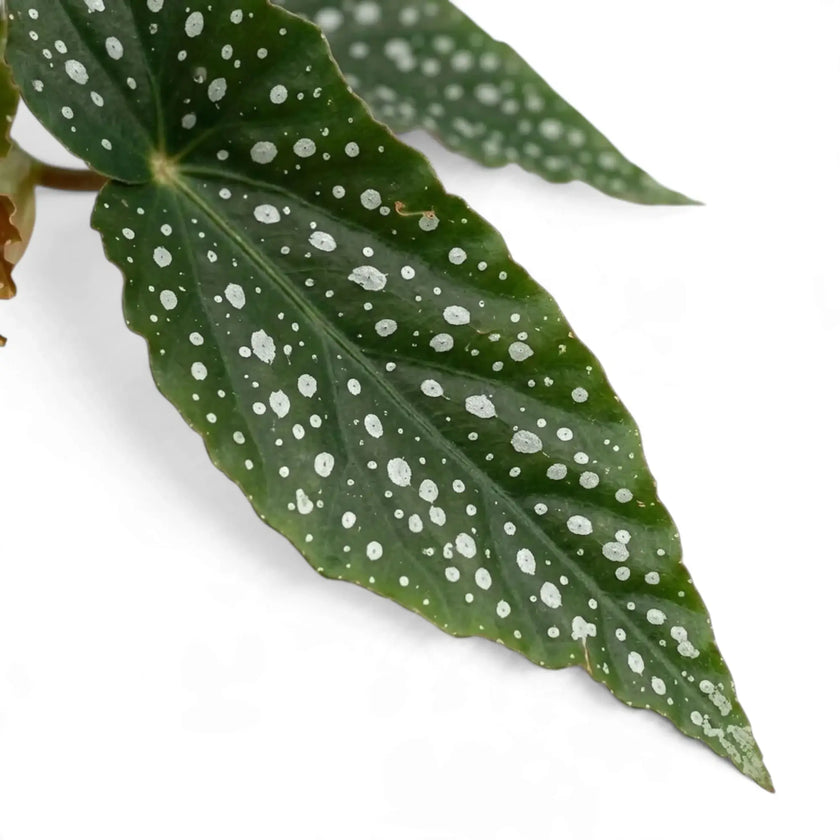
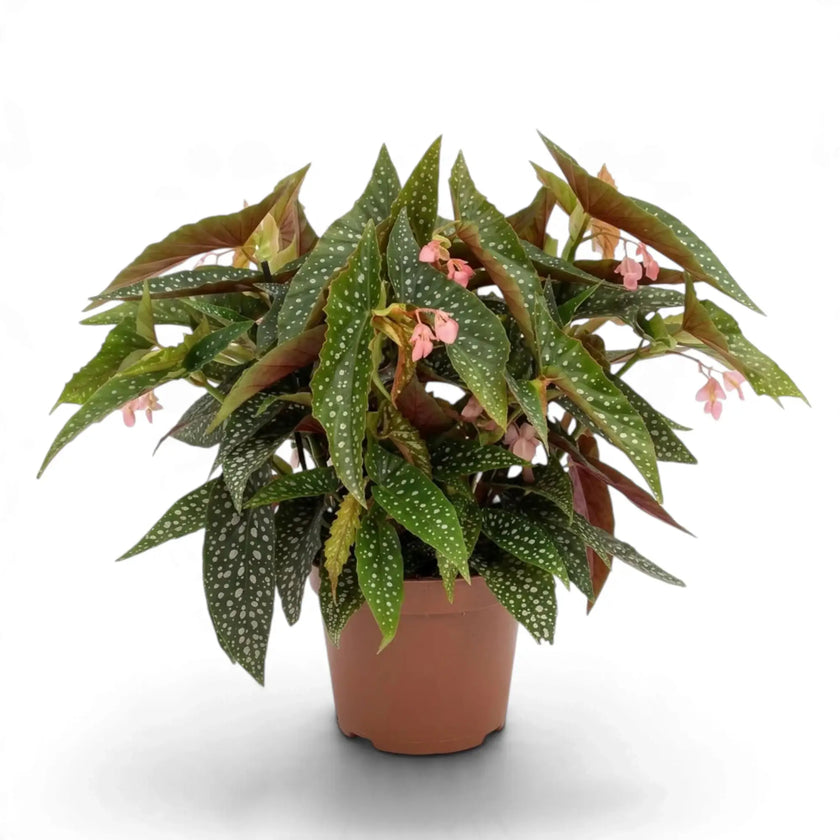
Begonia maculata ‘Double Dot’
Regular price€16,75
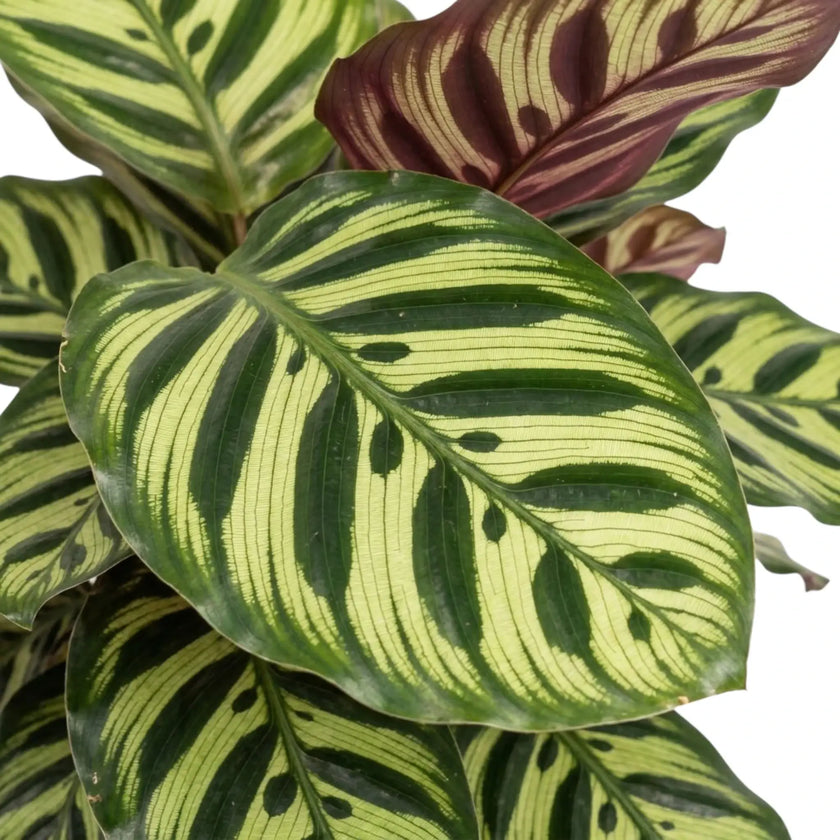
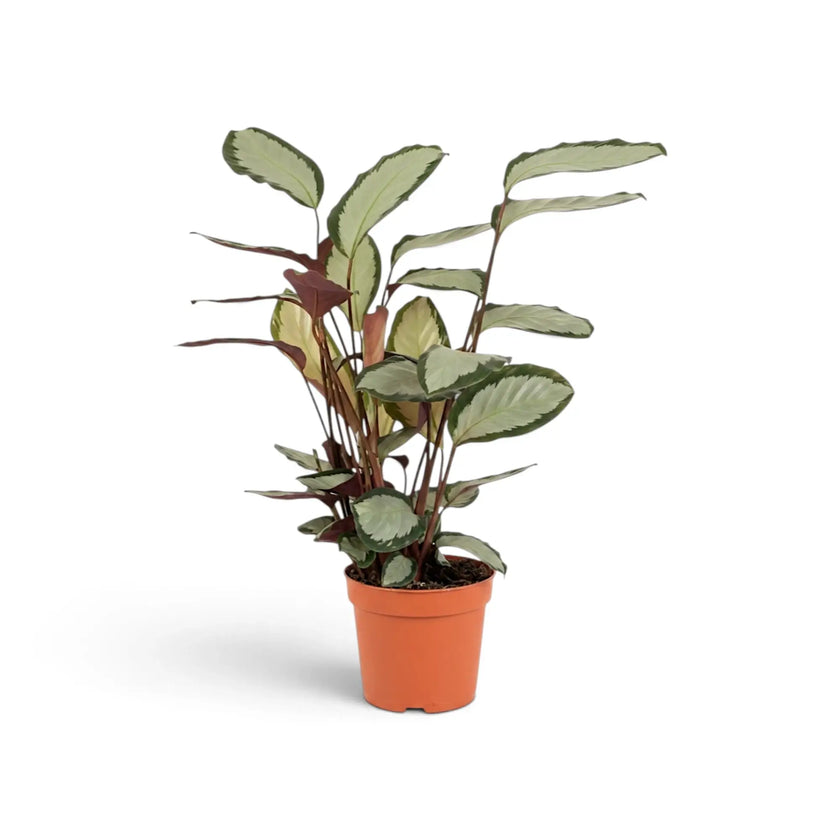
Goeppertia makoyana
Regular priceFrom €9,75
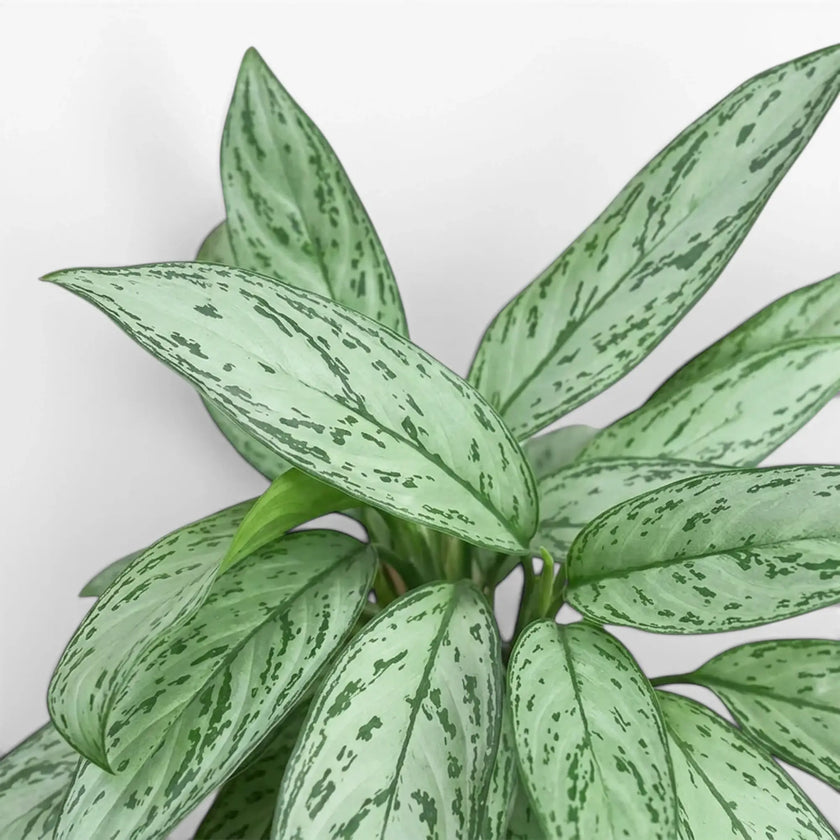
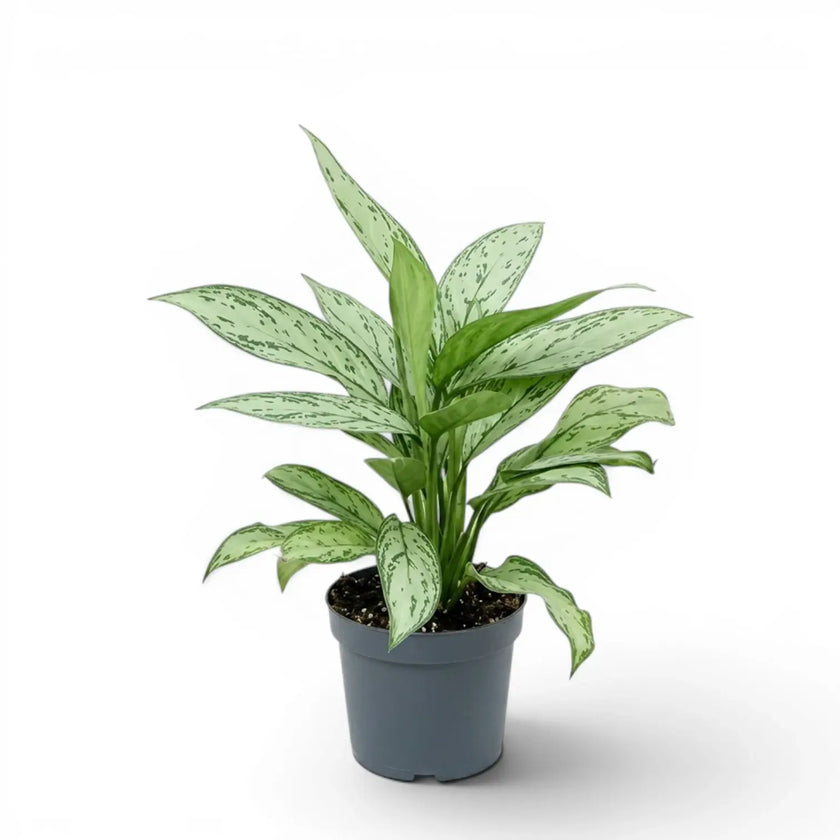
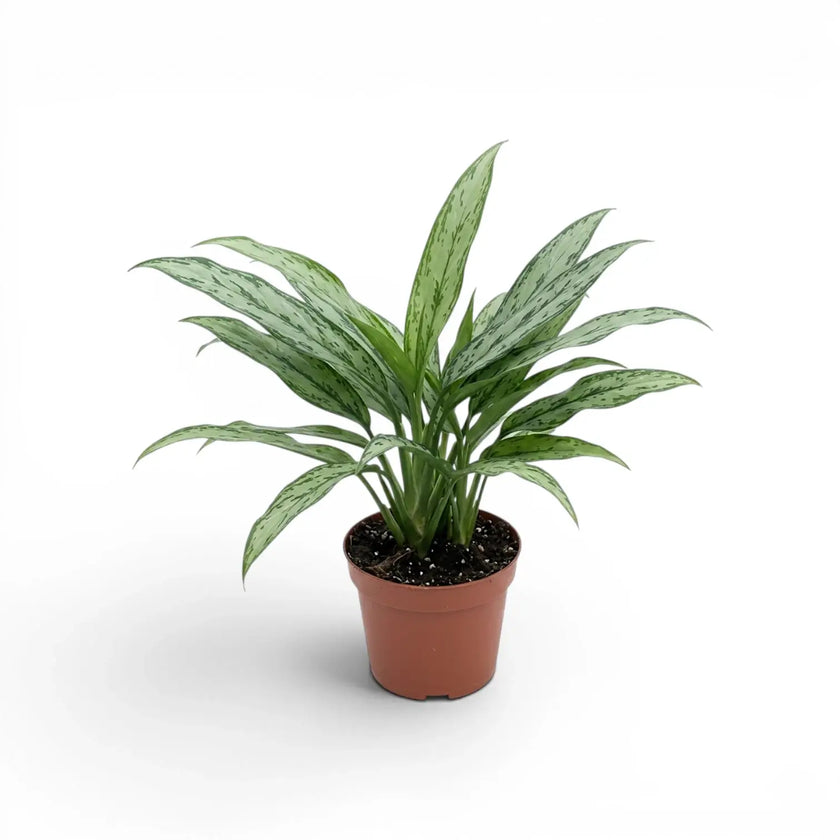
Aglaonema 'Silver Queen'
Regular price€18,00
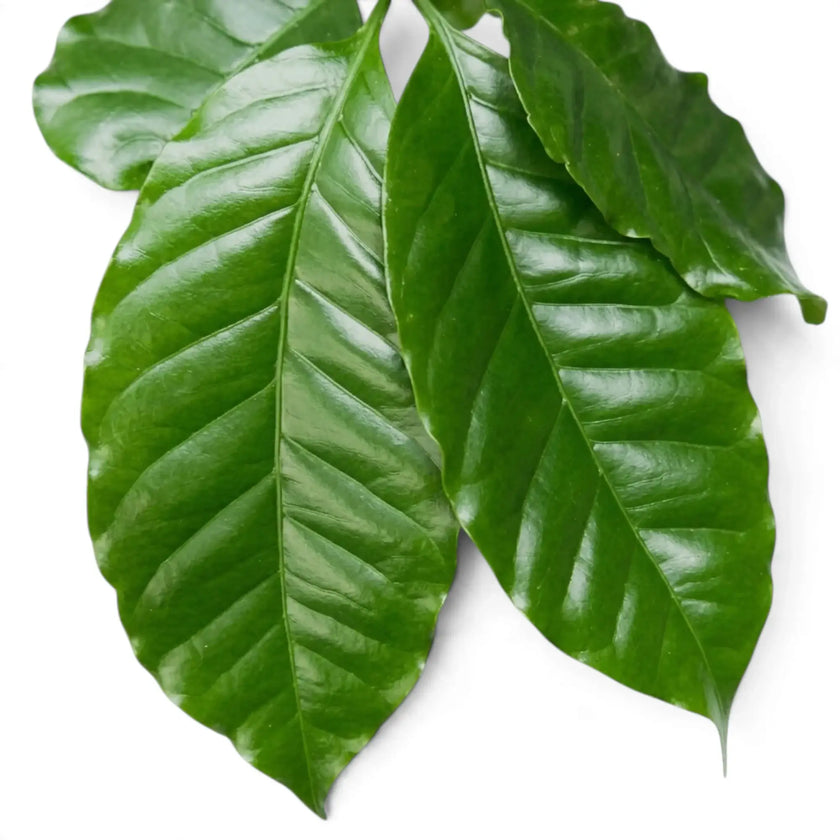
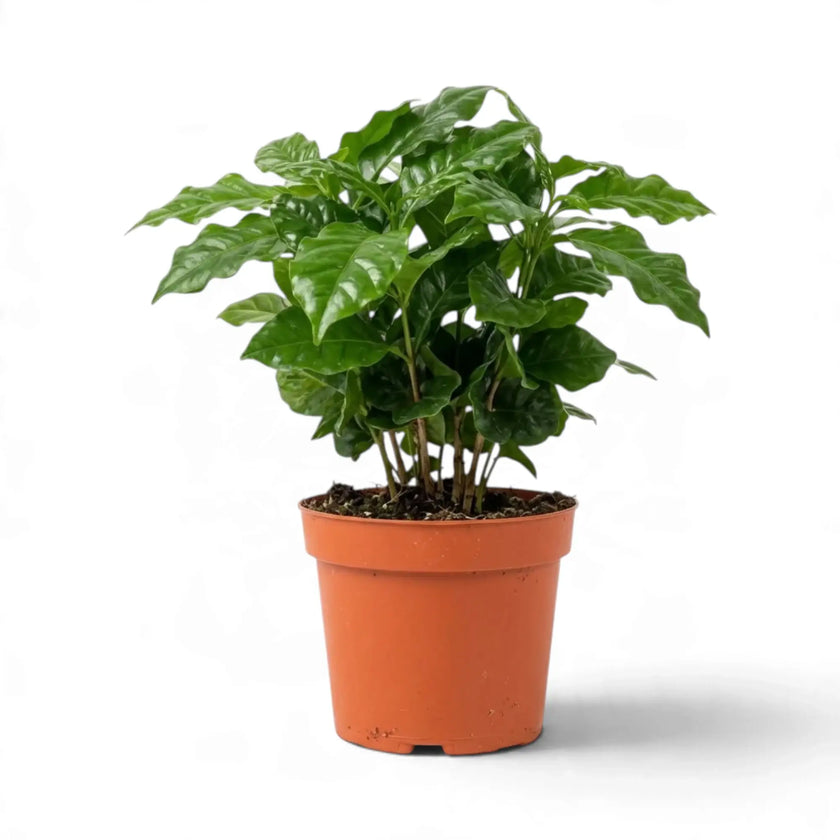
Coffea arabica
Regular priceFrom €8,50
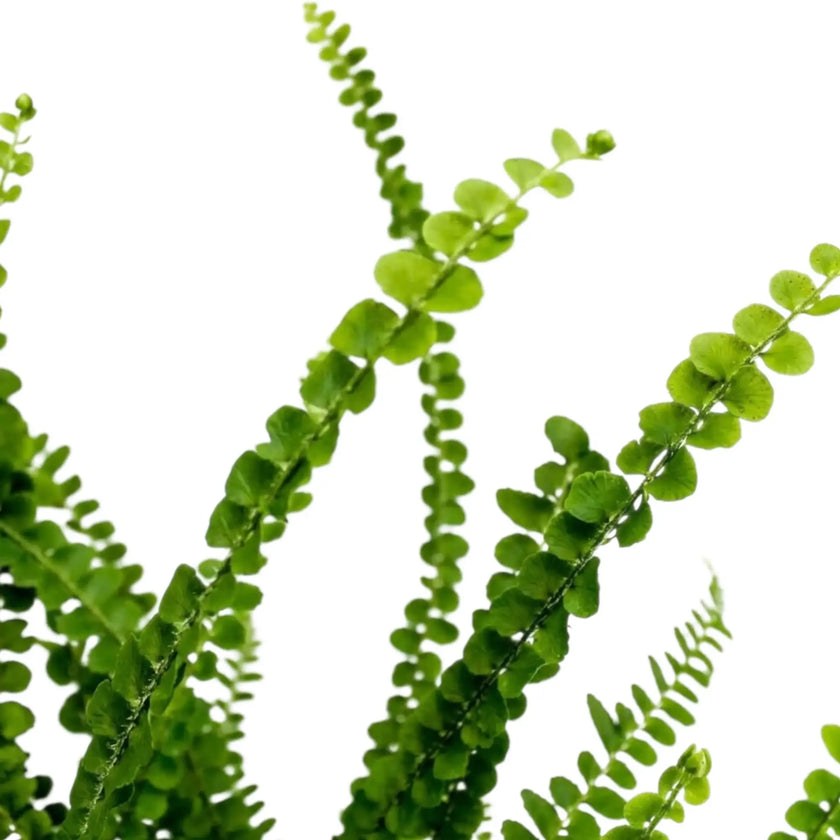
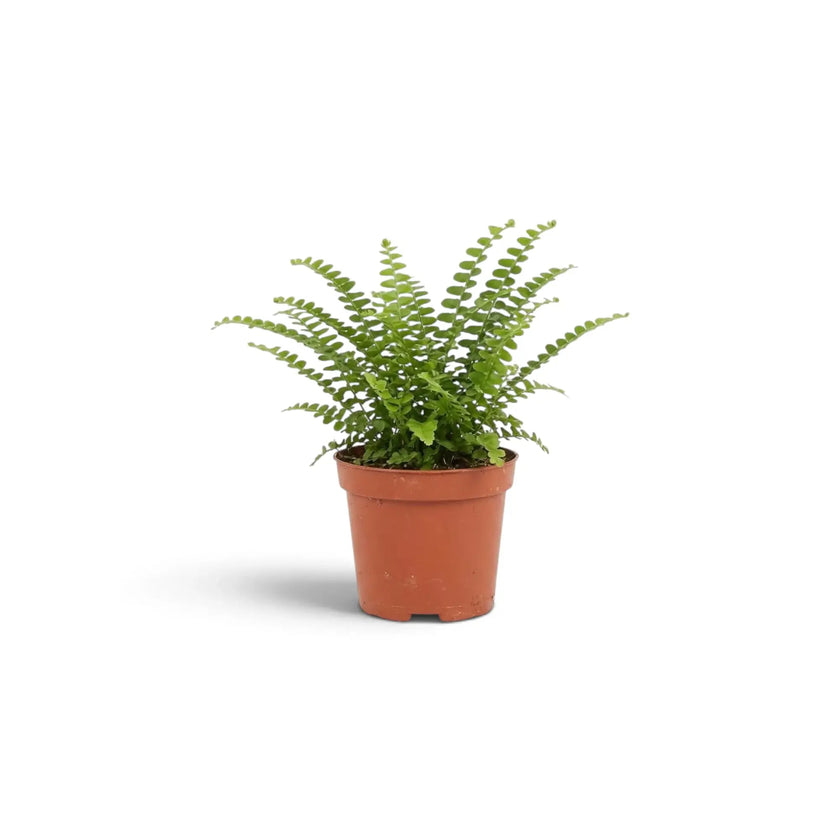
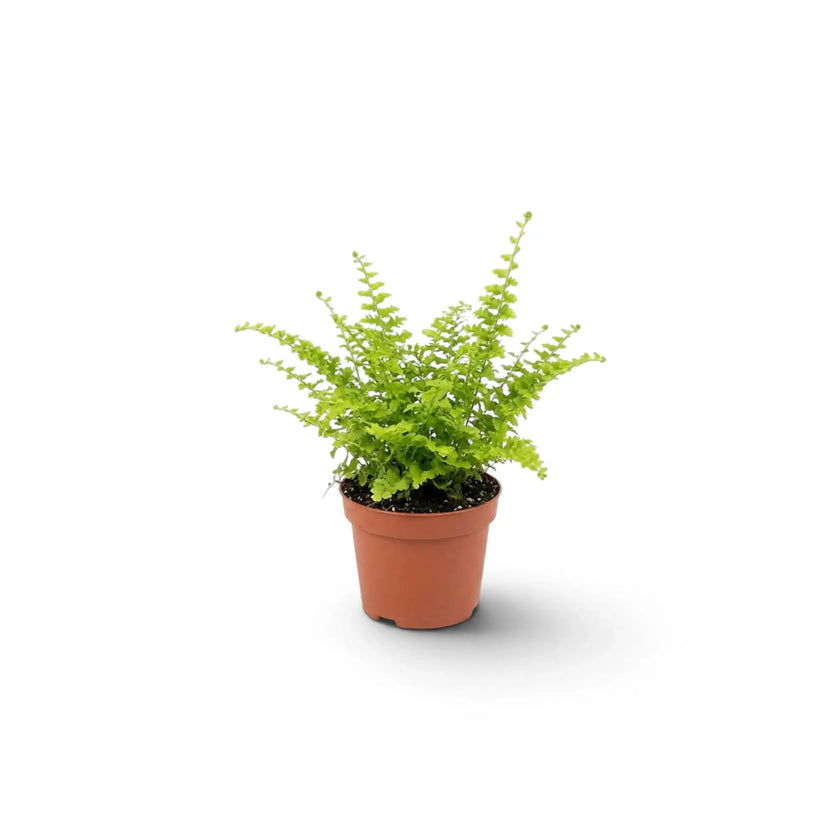
Nephrolepis cordifolia 'Duffii'
Regular priceFrom €8,50
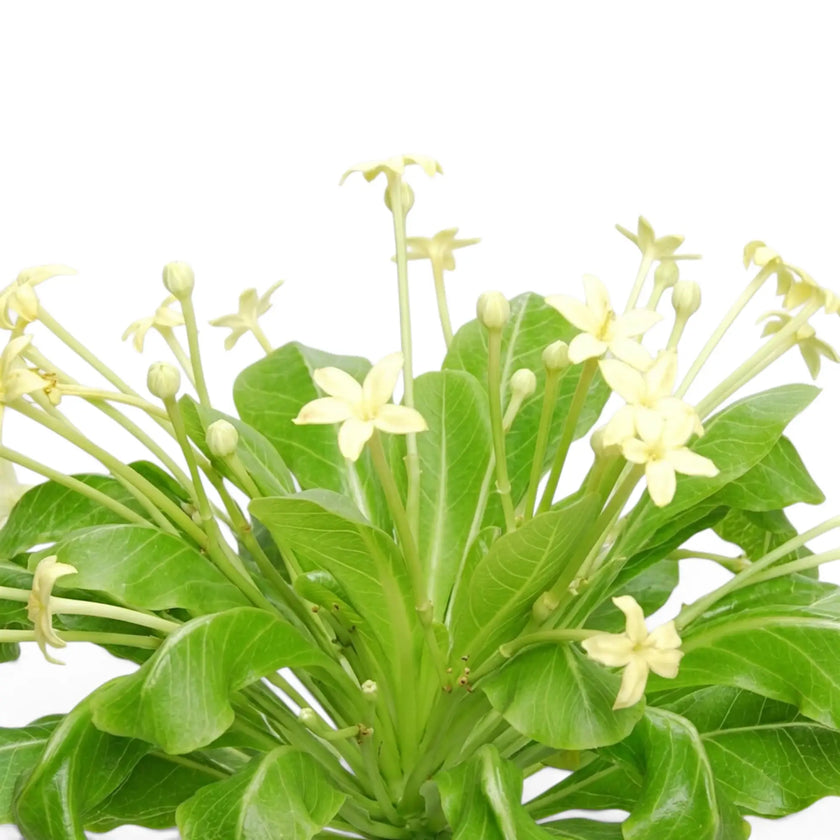
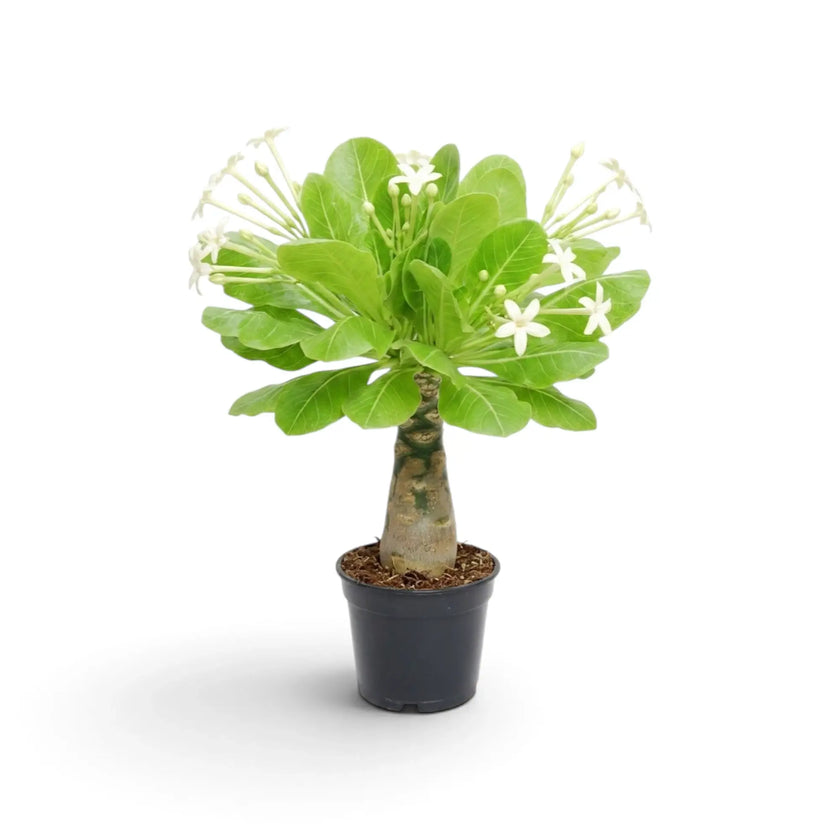
Brighamia insignis 'Hawaii Palm'
Regular price€15,75

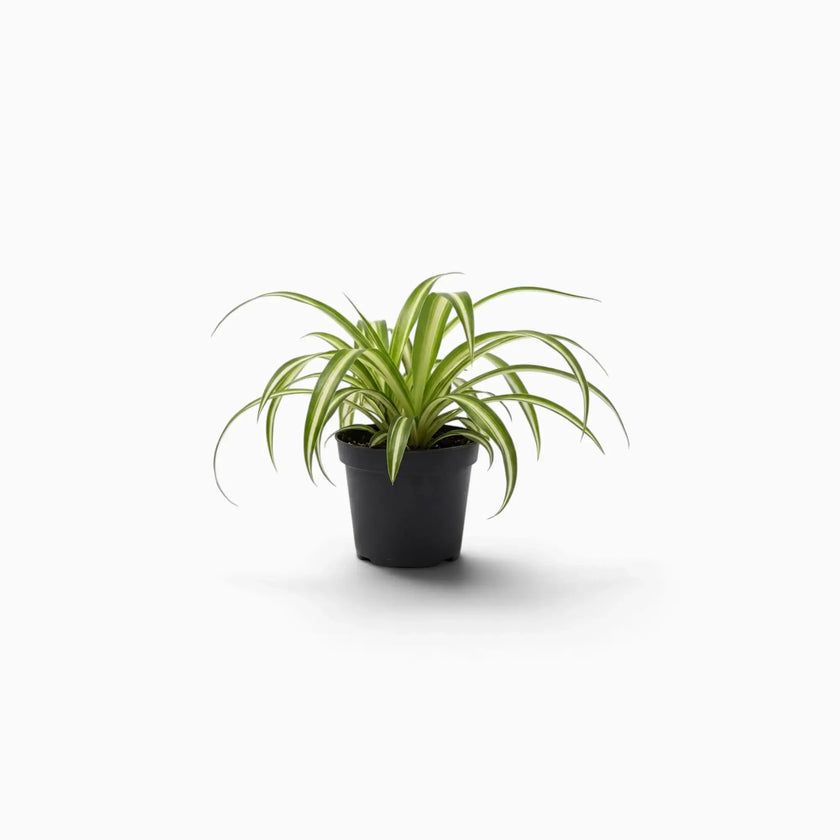
Chlorophytum comosum ‘Variegatum’
Regular priceFrom €8,50
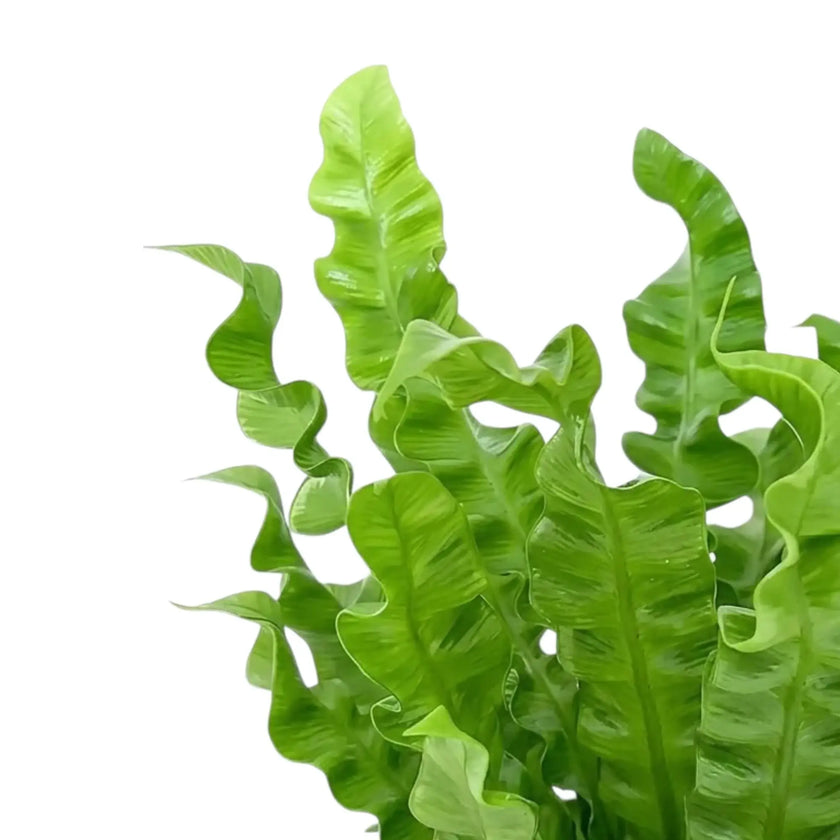
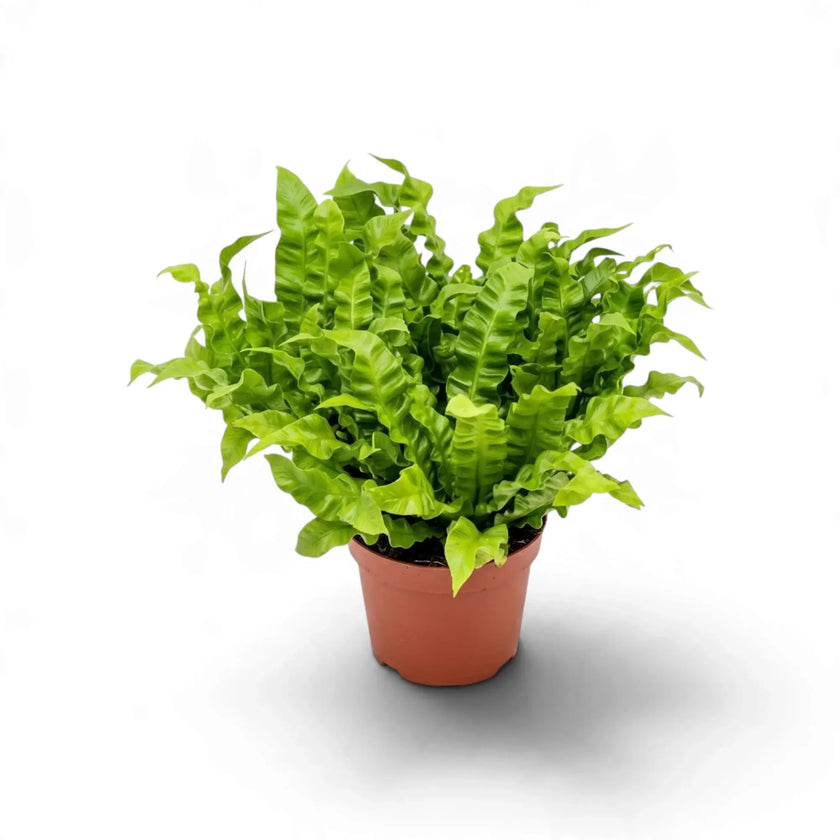
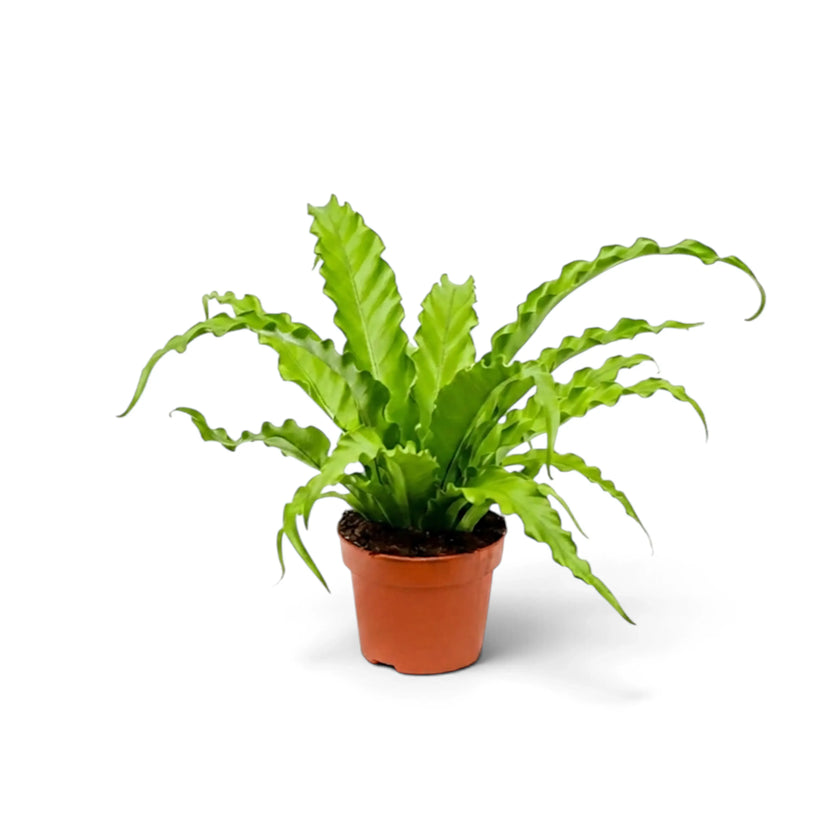
Asplenium nidus 'Crispy Wave'
Regular priceFrom €9,75
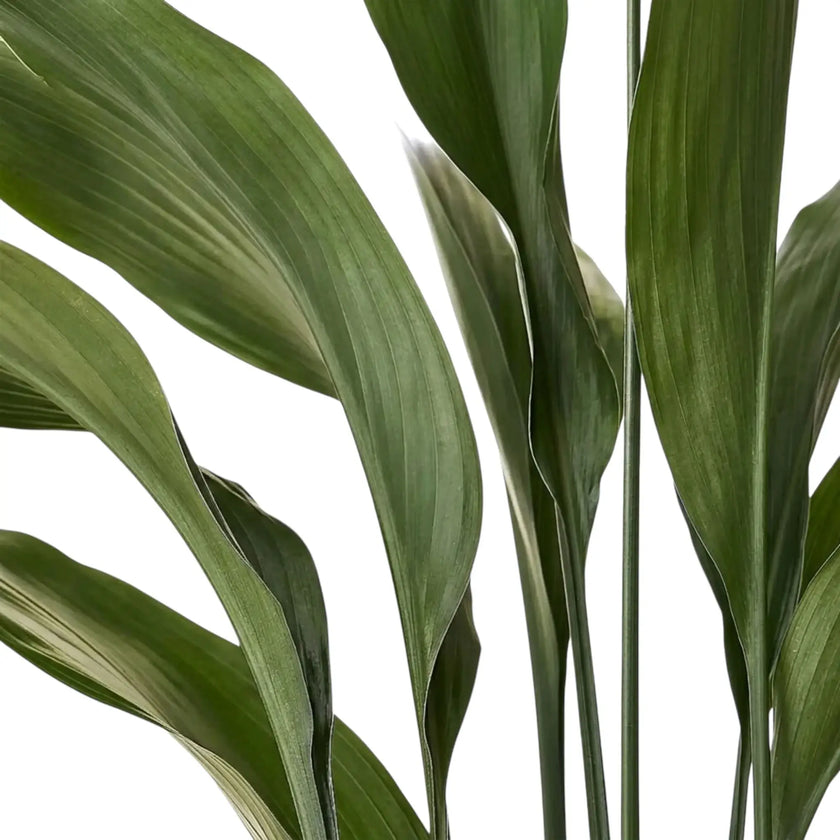
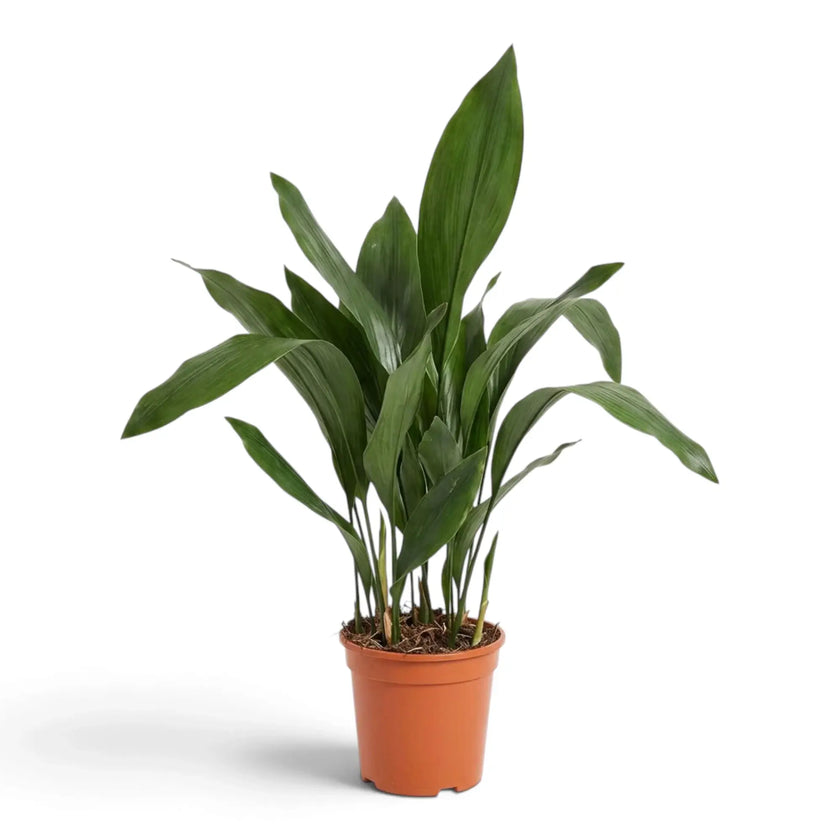
Aspidistra elatior
Regular priceFrom €44,50

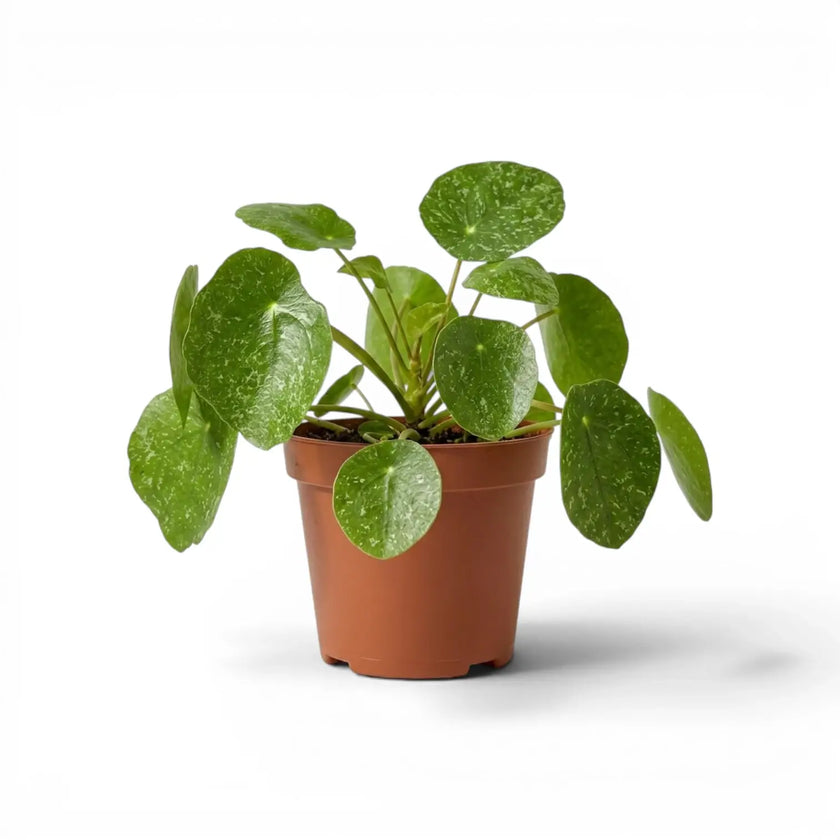
Pilea peperomioides 'Sugar'
Regular price€10,75
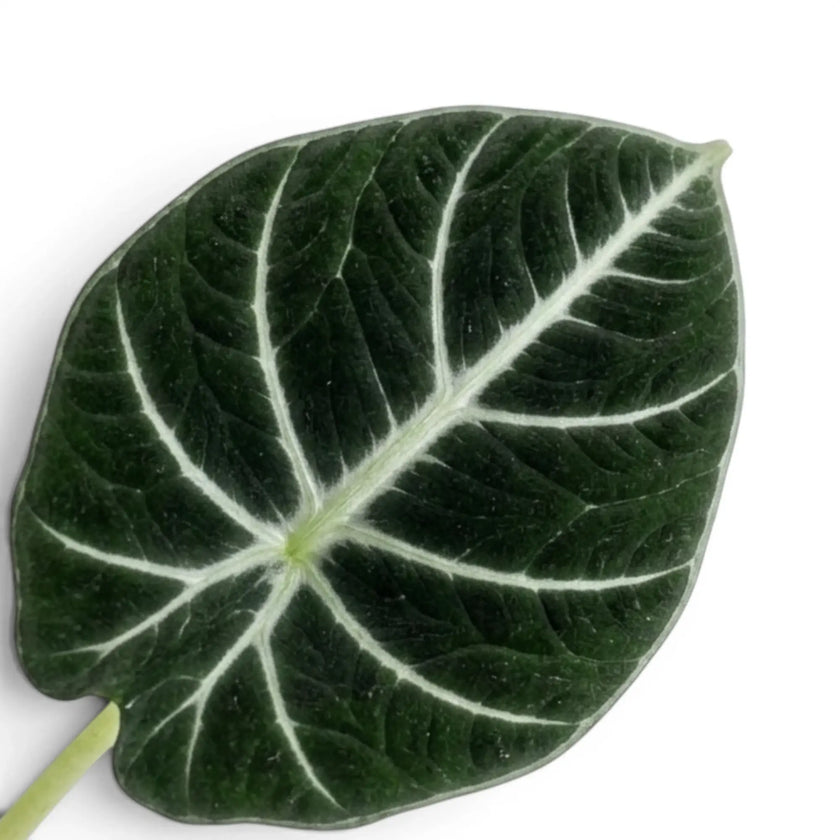
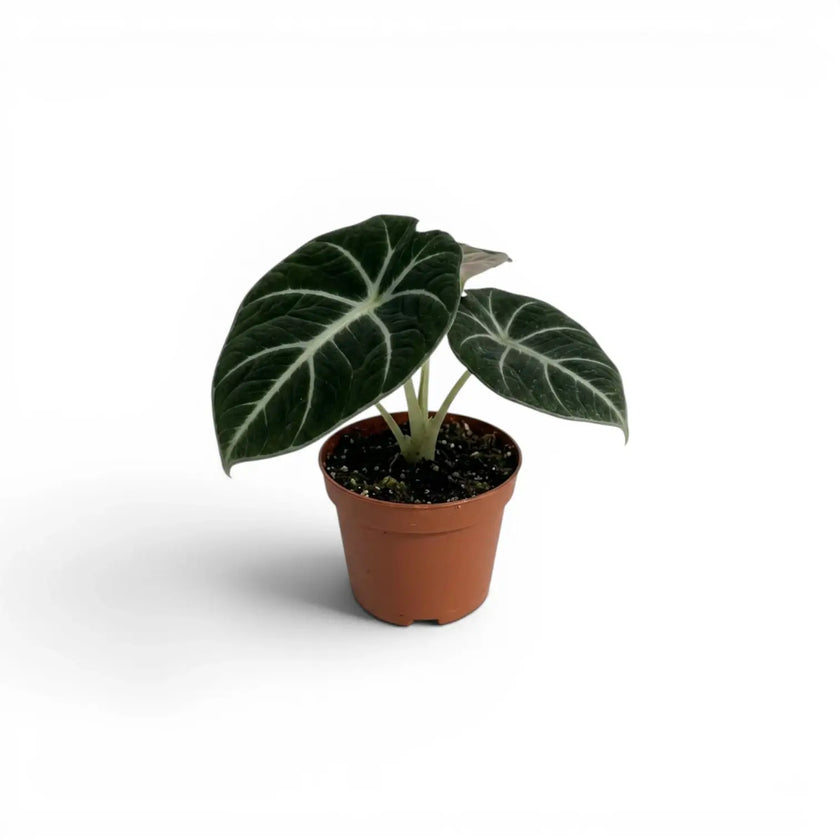
Alocasia reginula ‘Ninja’
Regular price€9,75
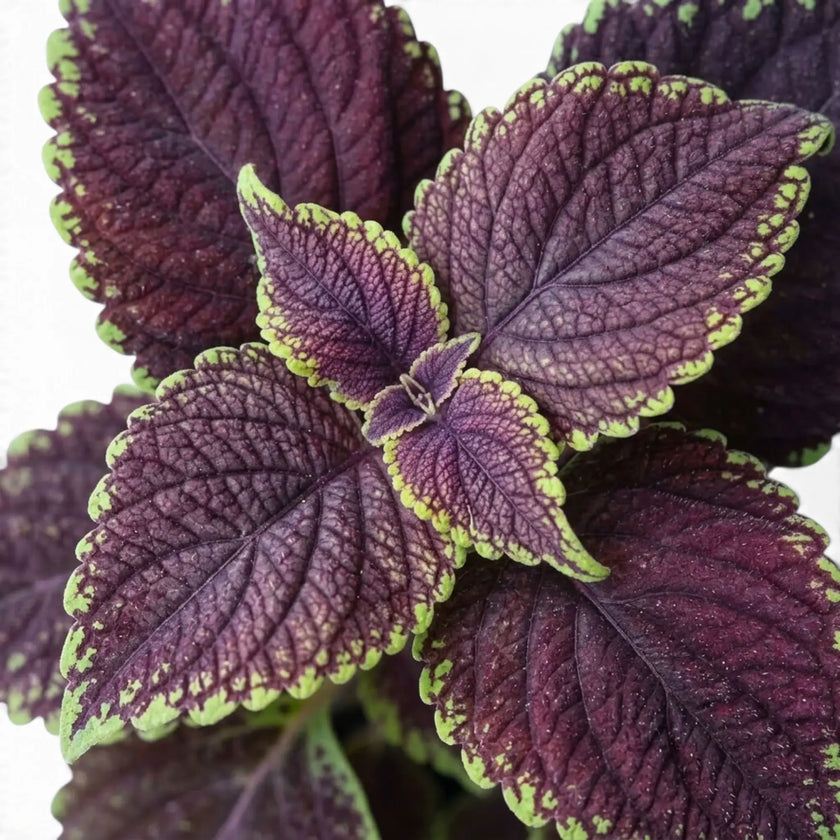
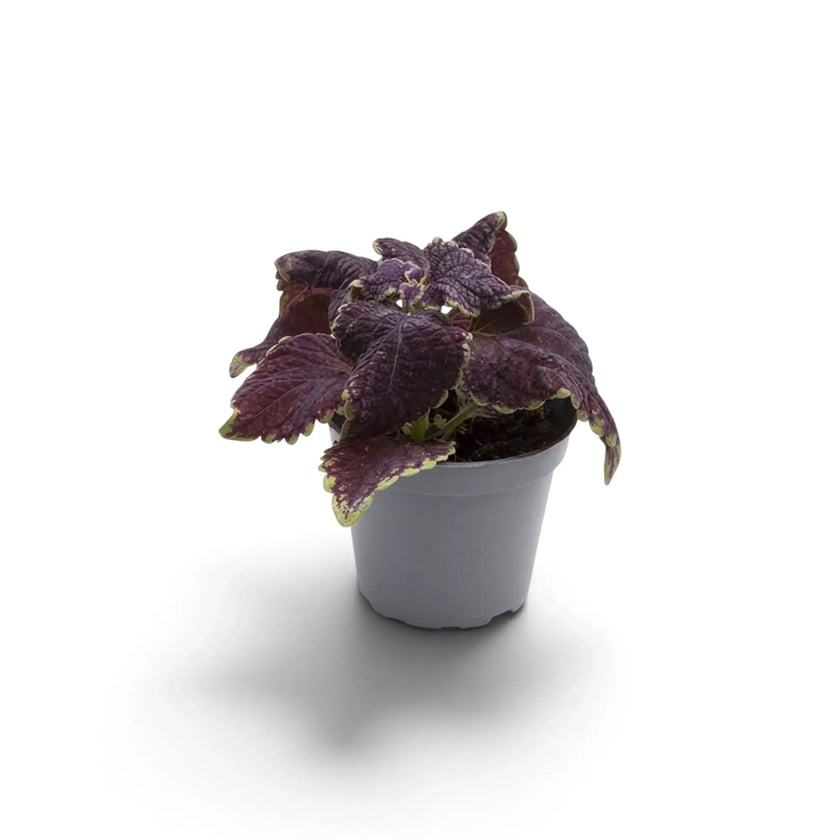
Coleus scutellarioides 'Main Street Abbey Road'
Regular price€8,50

Aglaonema 'Salmon Fantasy'
Regular price€15,75
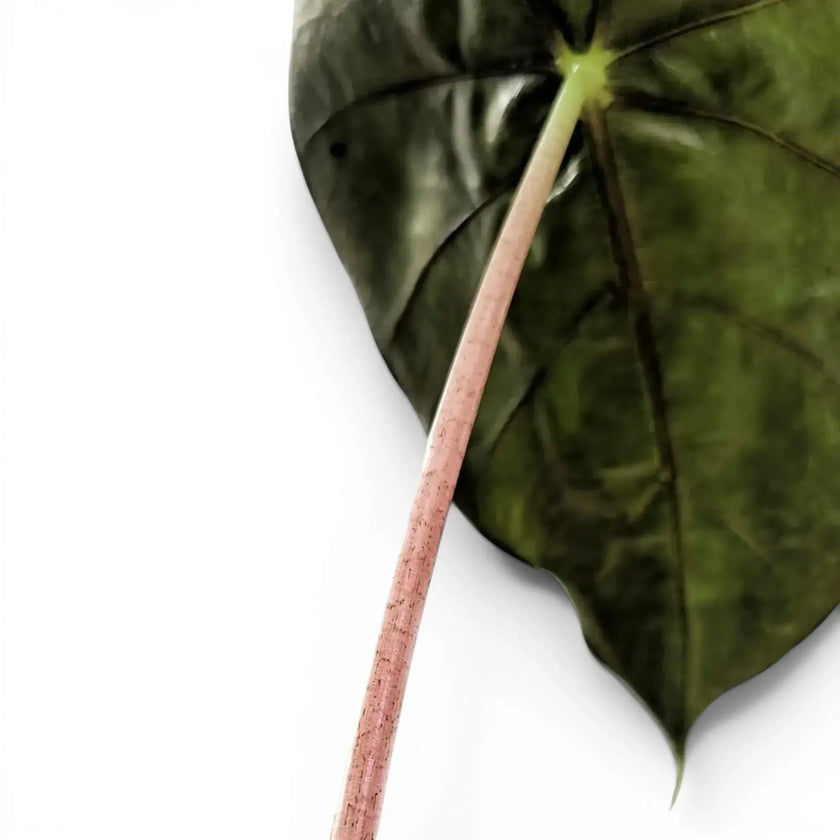
Alocasia ‘Pink Dragon’
Regular price€31,25
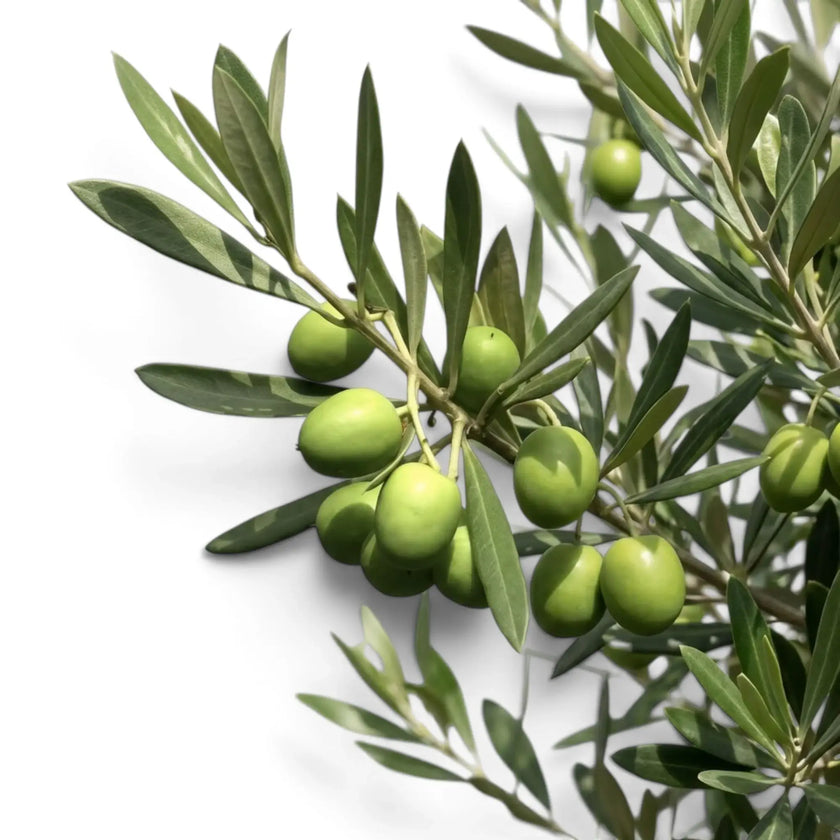
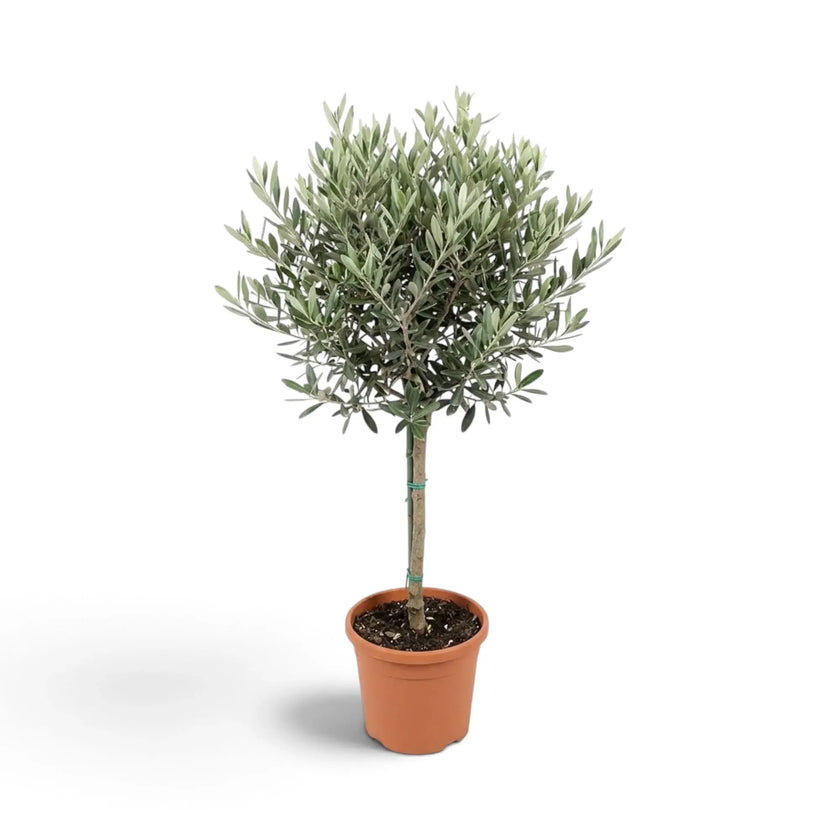
Olea europaea
Regular priceFrom €18,00
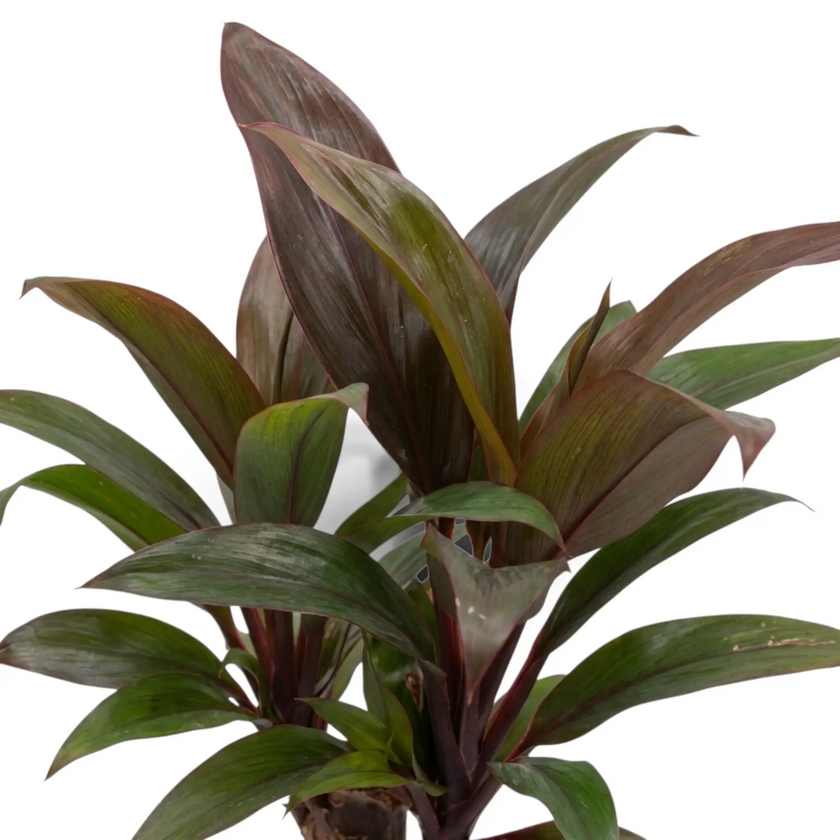
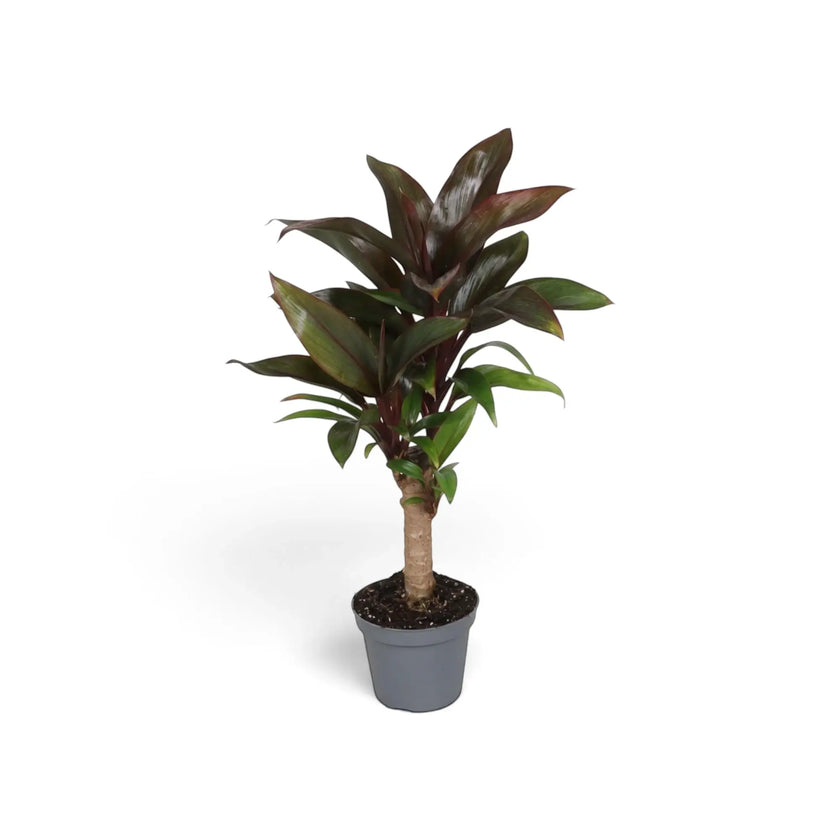
Cordyline fruticosa ‘Purple Compacta’
Regular price€9,75
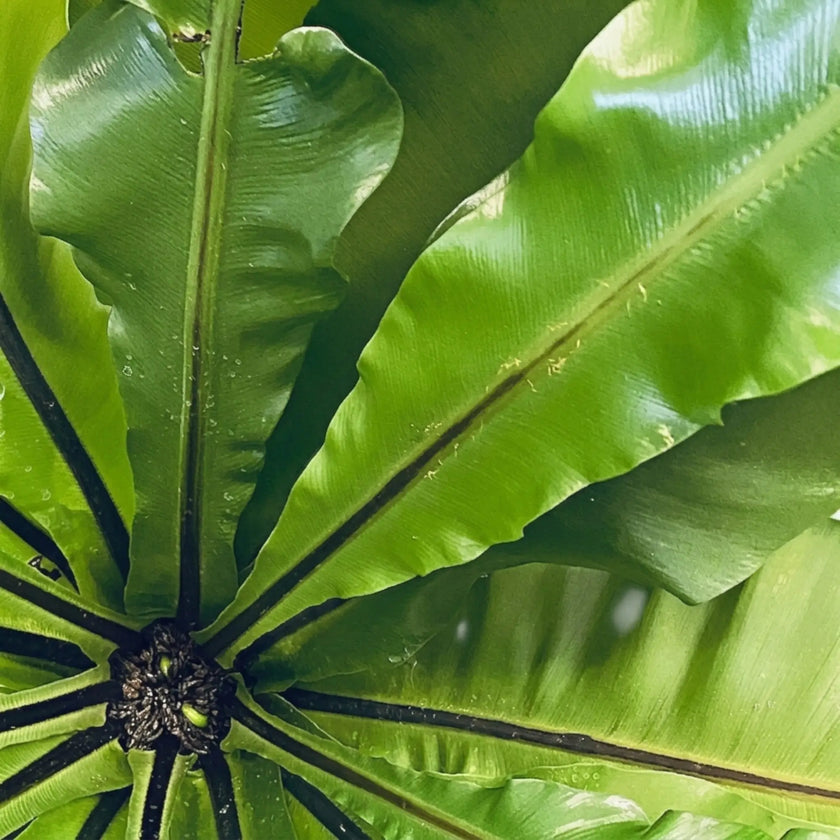
Asplenium nidus
Regular price€8,50

Strelitzia nicolai
Regular priceFrom €19,75

Philodendron ‘McColley’s Finale’
Regular price€10,75
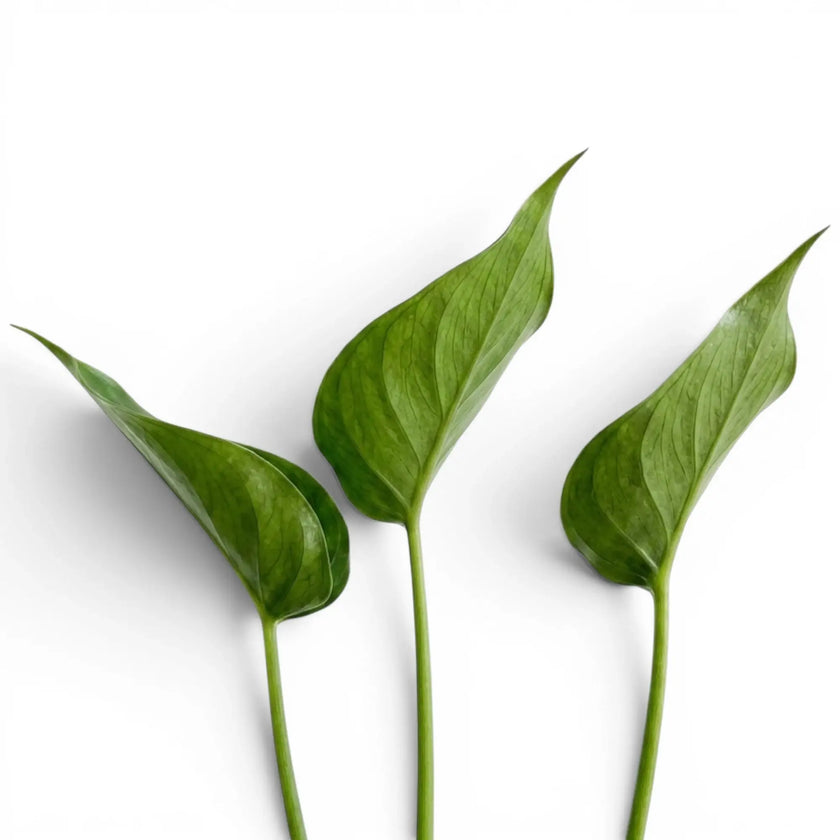
Alocasia 'Tiny Dancers'
Regular price€14,50
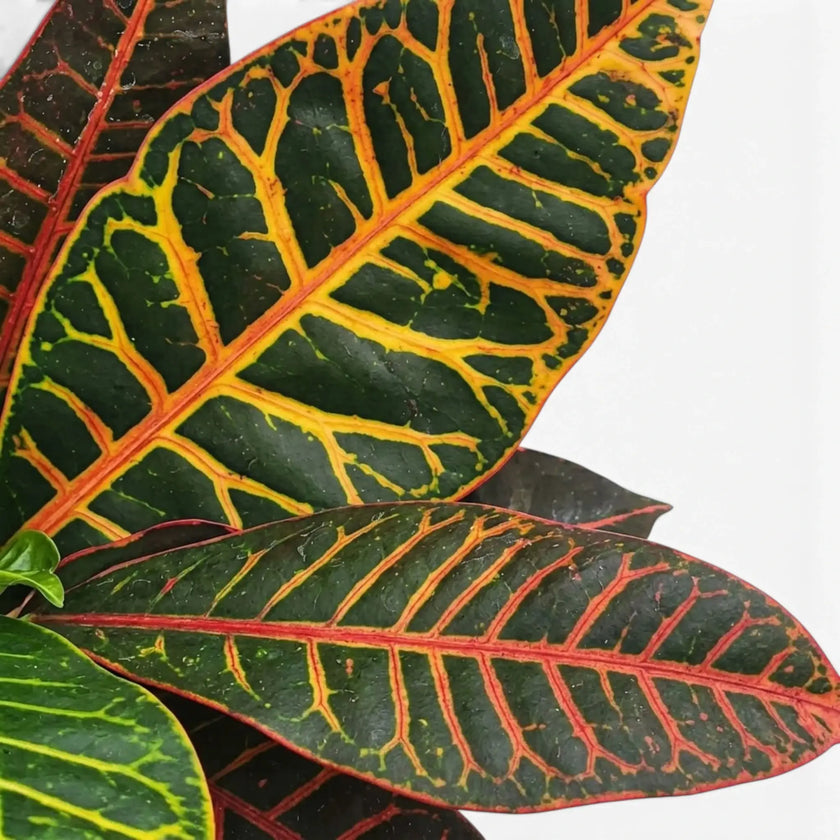
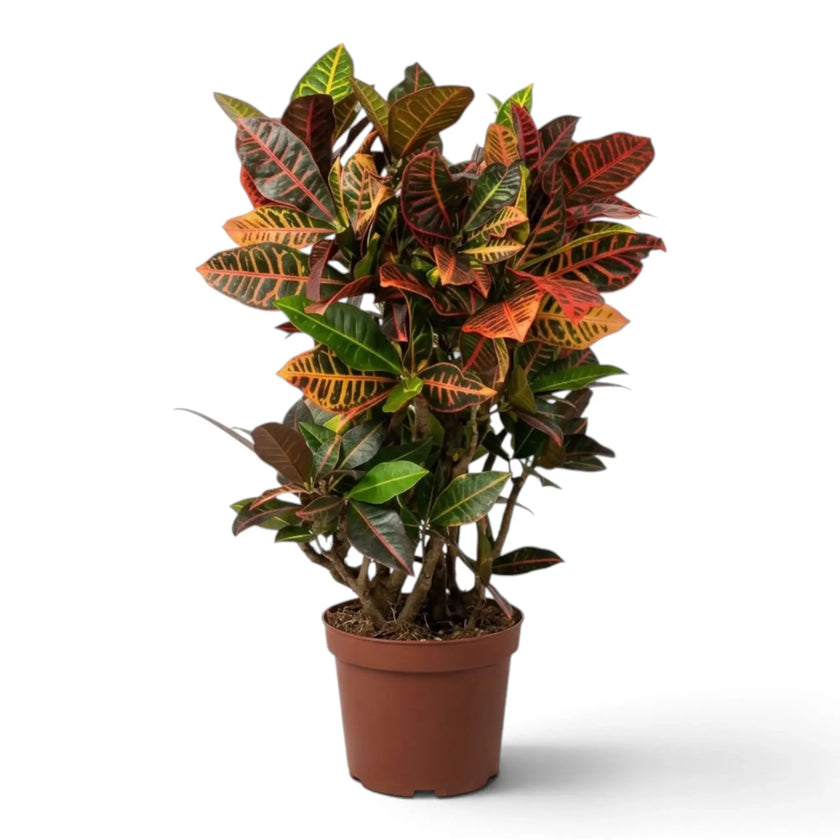
Codiaeum variegatum (Croton) 'Petra'
Regular price€8,50
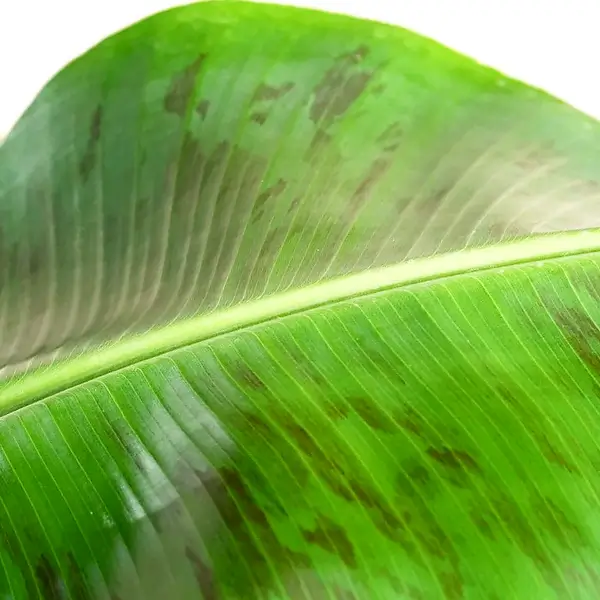
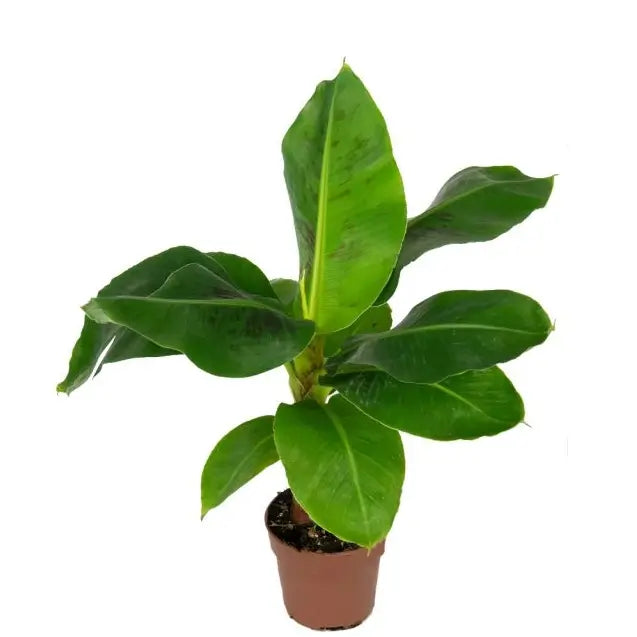
Musa acuminata 'Dwarf Cavendish'
Regular priceFrom €10,75
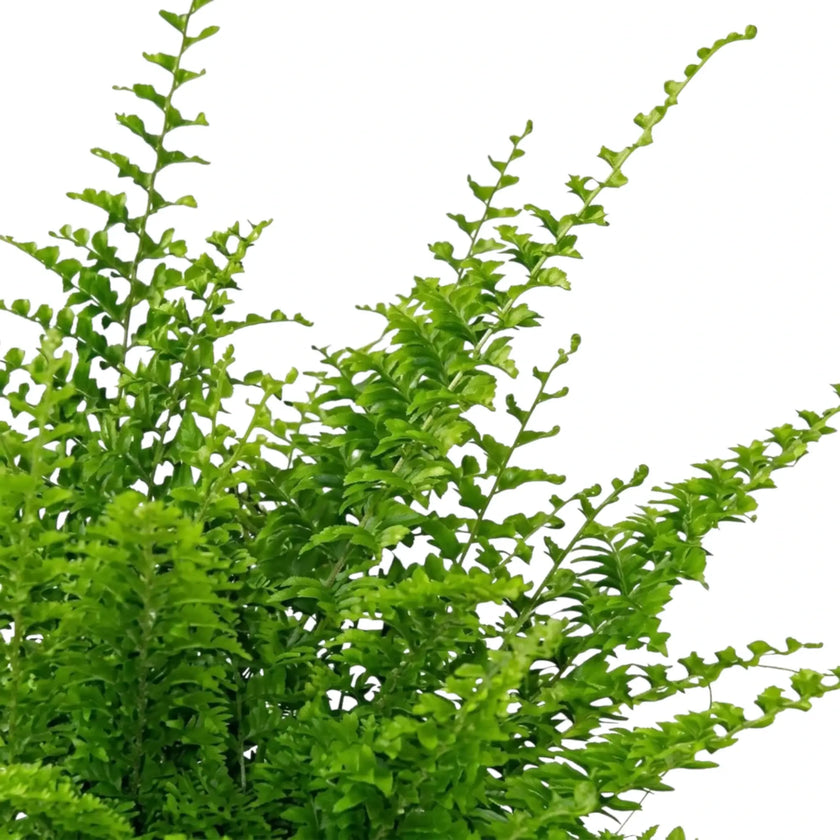
Nephrolepis exaltata 'Green Fantasy'
Regular price€8,50
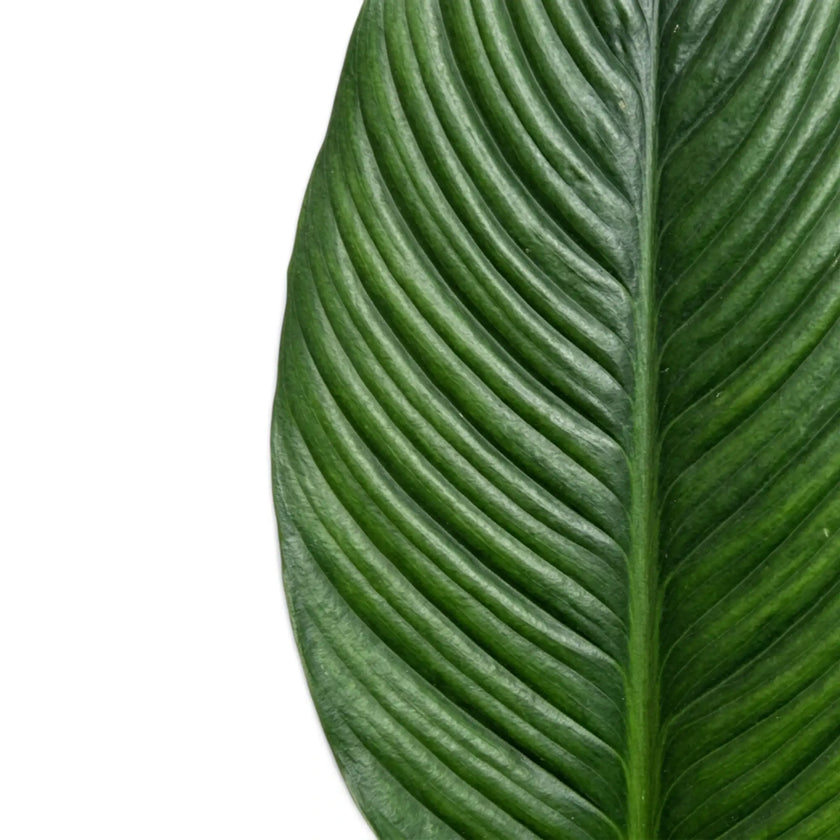
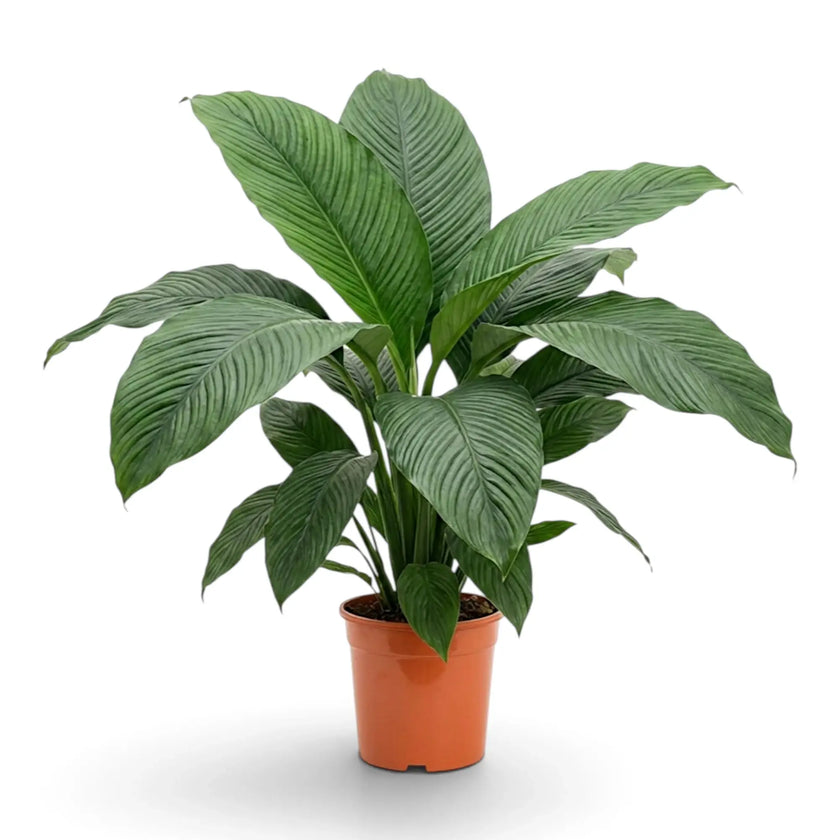
Spathiphyllum Sensation ('Gorgusis No. 1')
Regular price€91,25
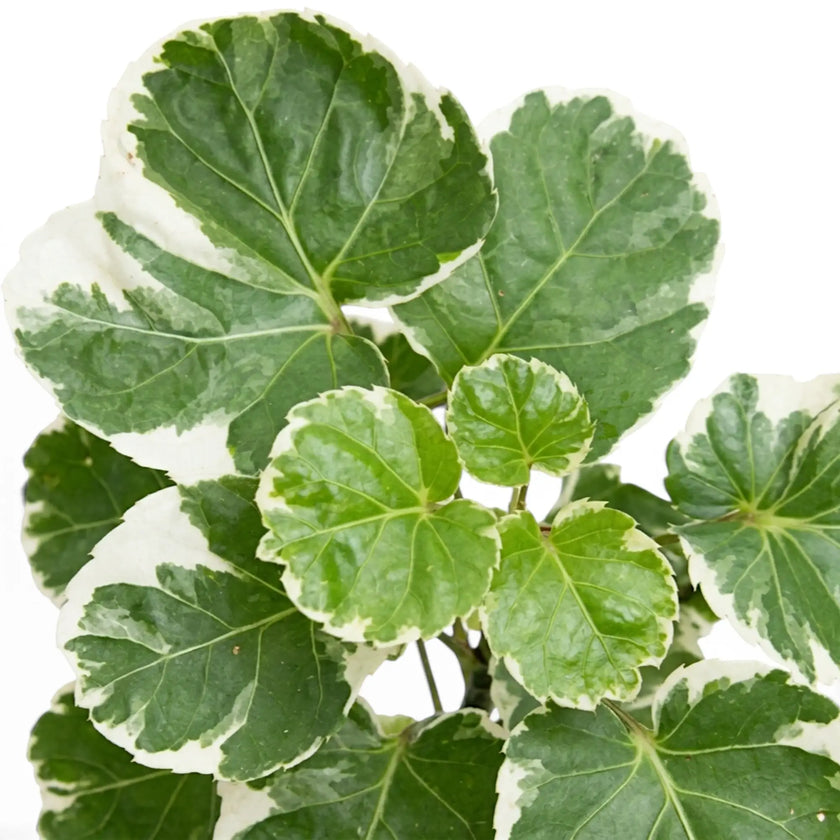
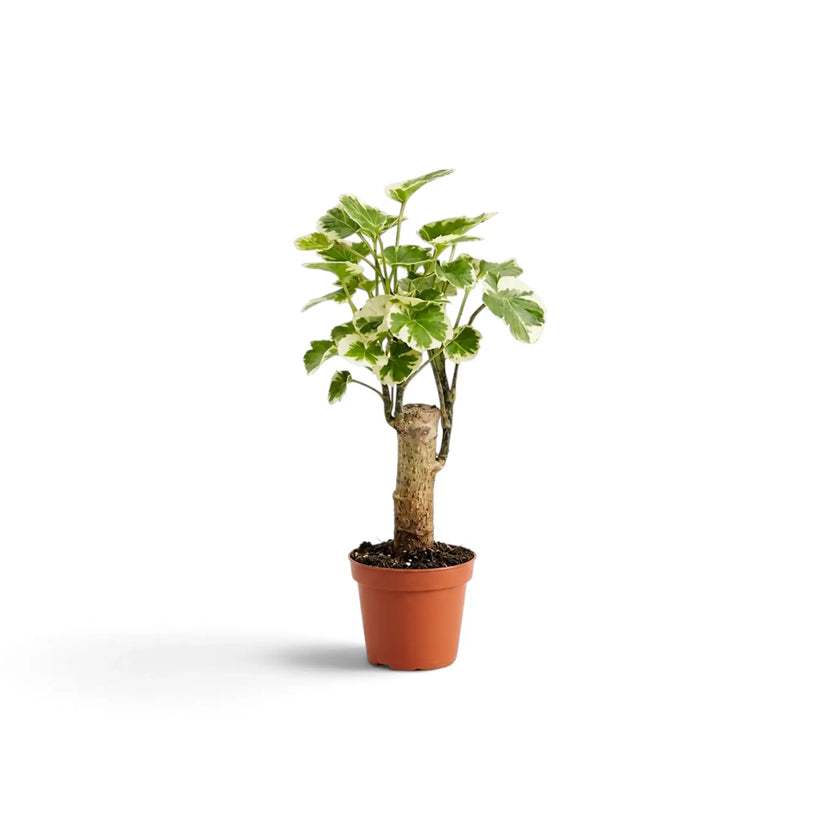
Polyscias balfouriana 'Butterfly'
Regular price€9,75

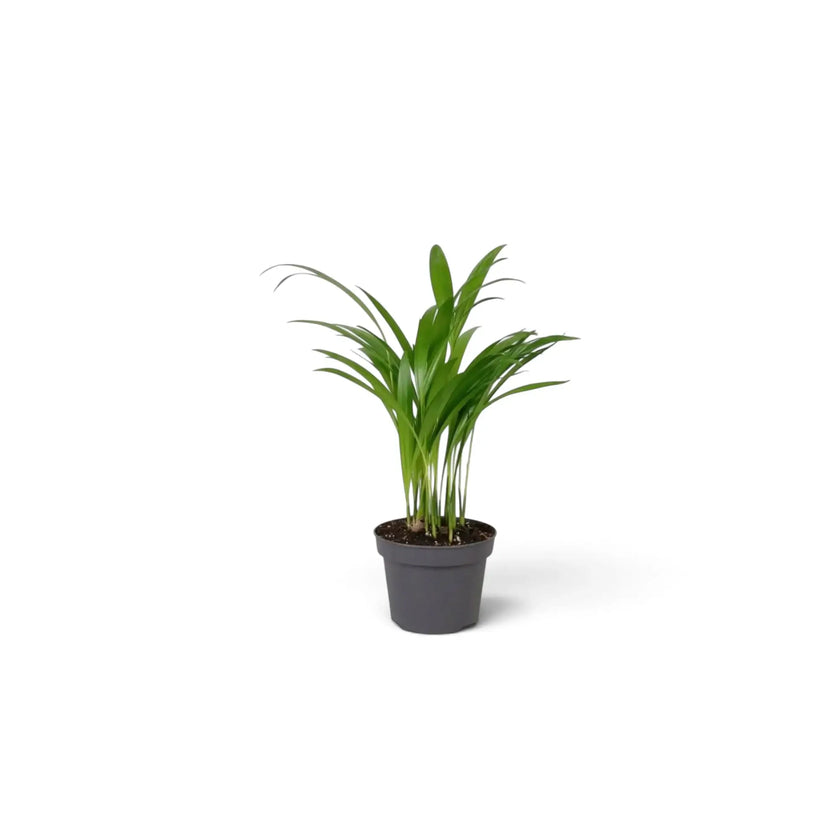
Chrysalidocarpus lutescens
Regular priceFrom €8,50
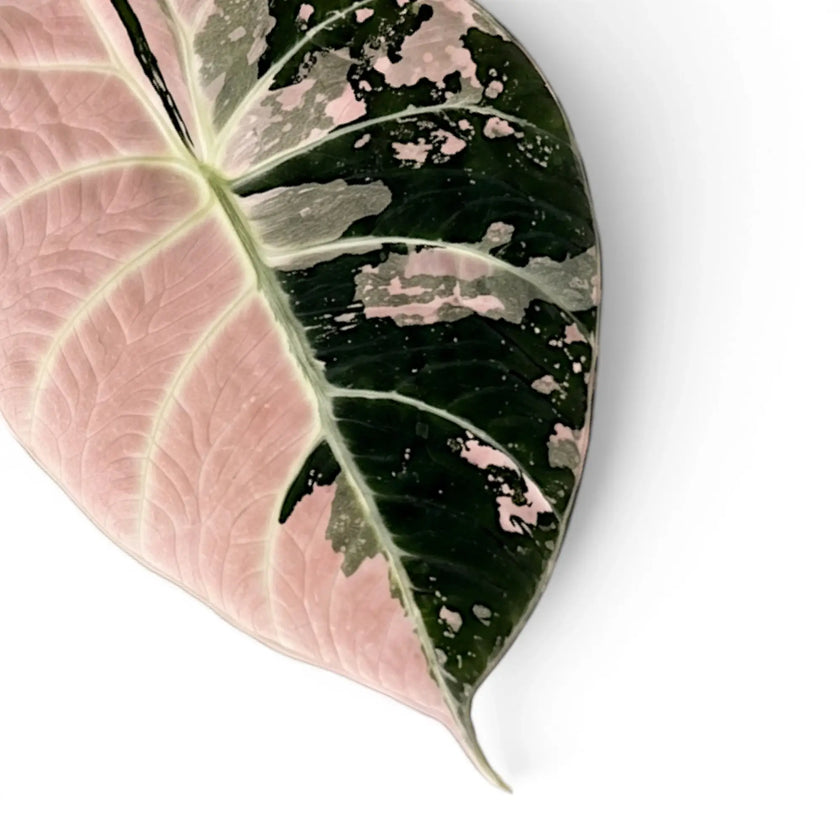
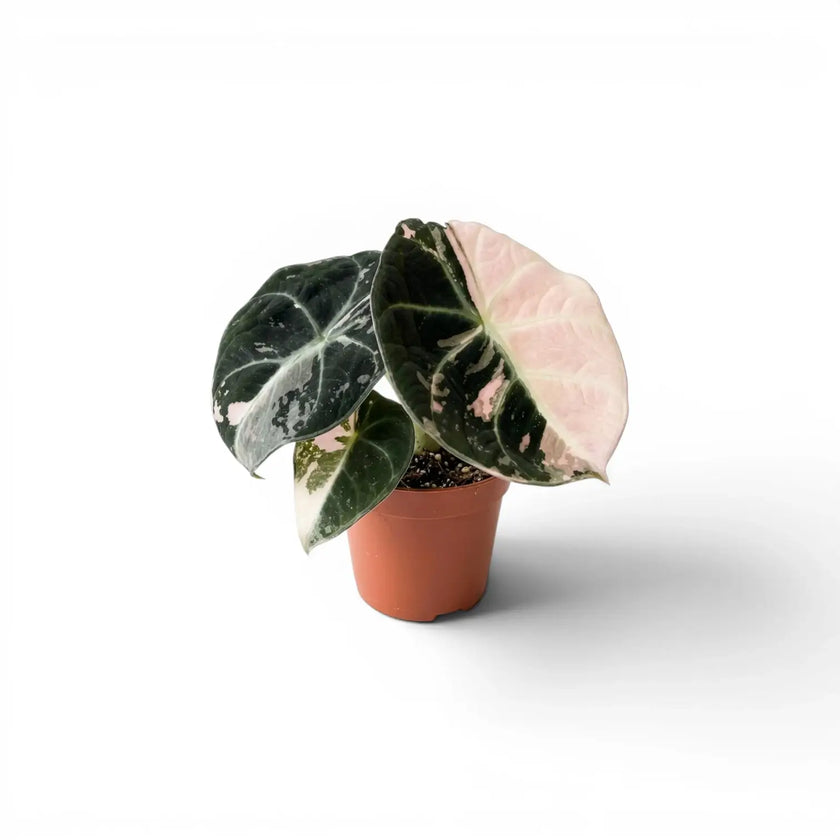
Alocasia reginula ‘Pink Variegated’
Regular price€69,00
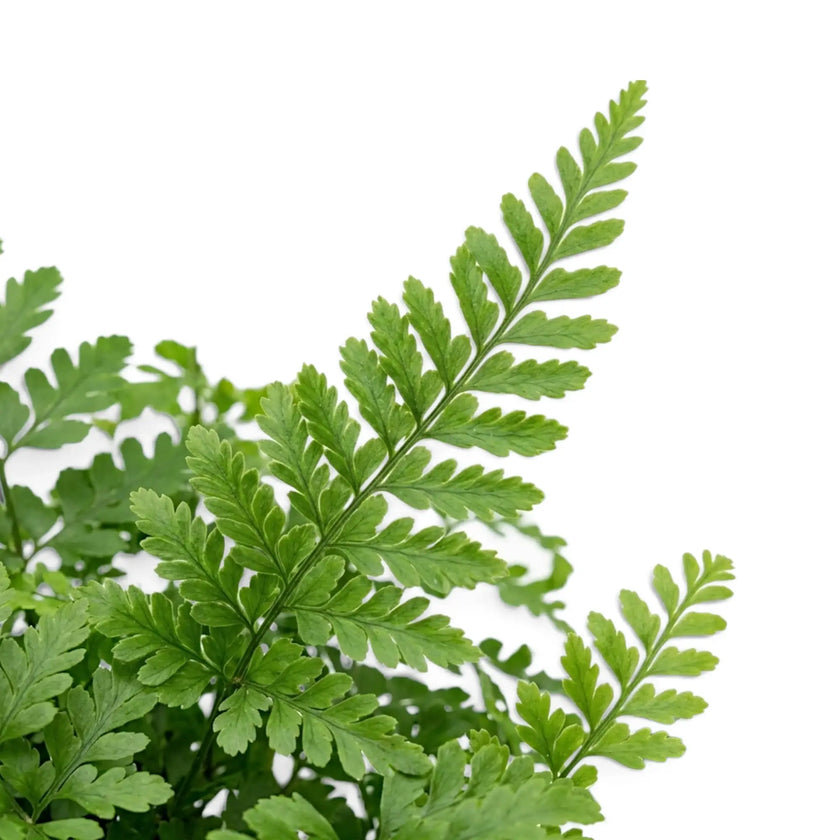
Asplenium dimorphum × difforme ‘Parvati’ (‘Austral Gem’)
Regular price€12,00
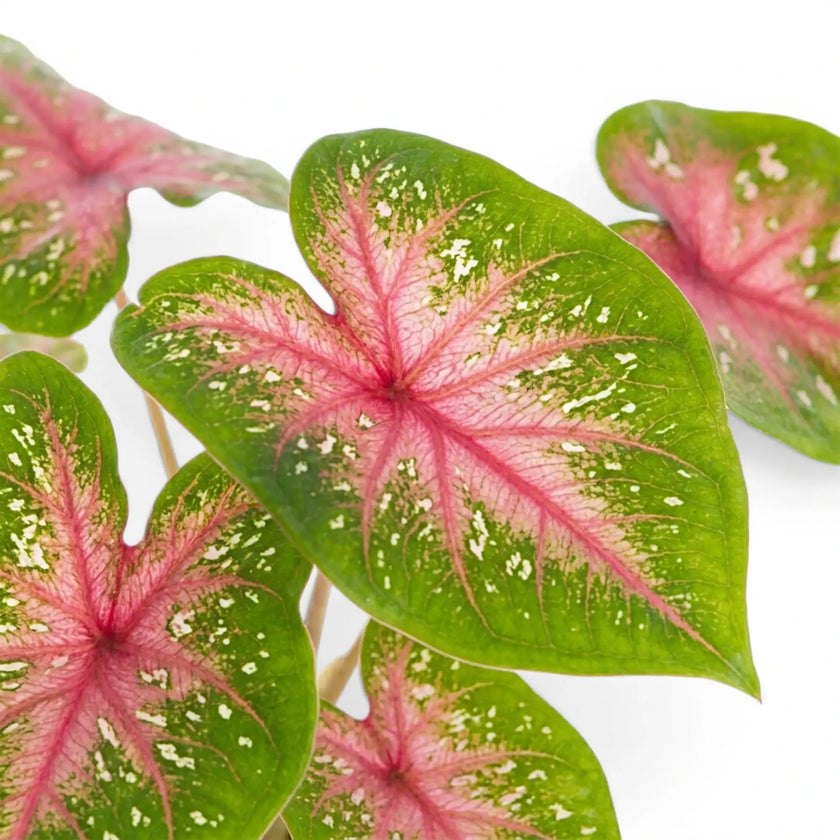
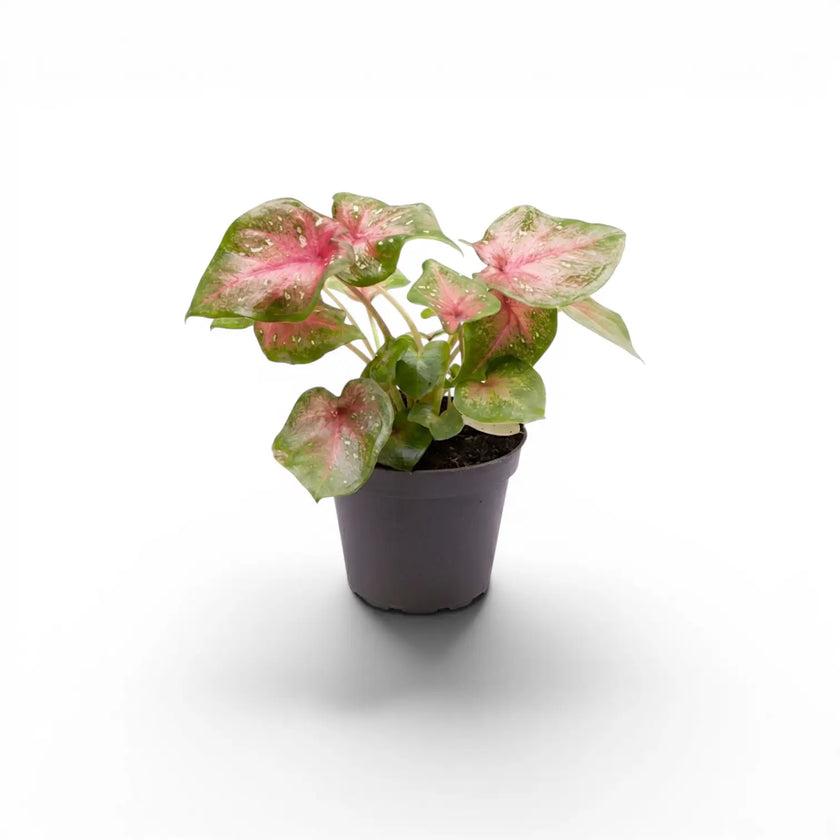
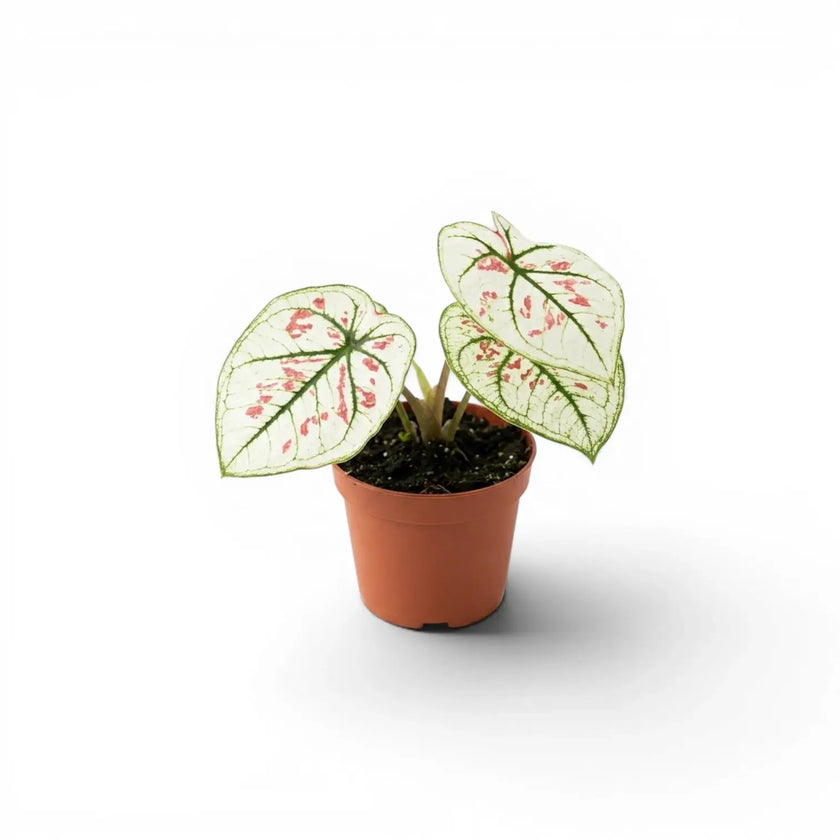
Caladium ‘Casey’
Regular price€9,75
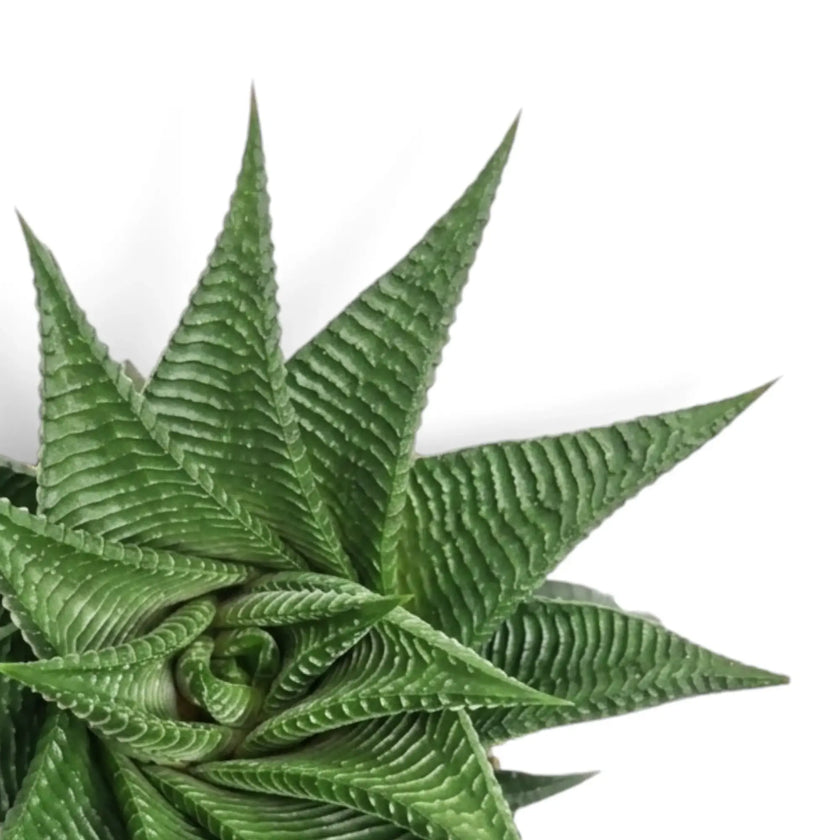
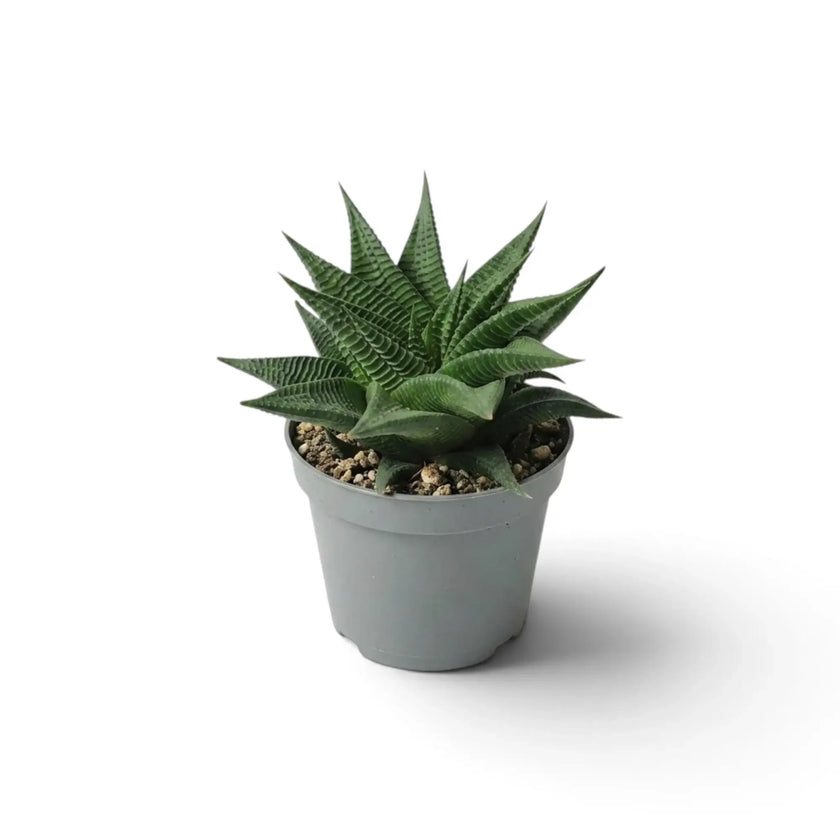
Haworthiopsis limifolia
Regular price€8,50
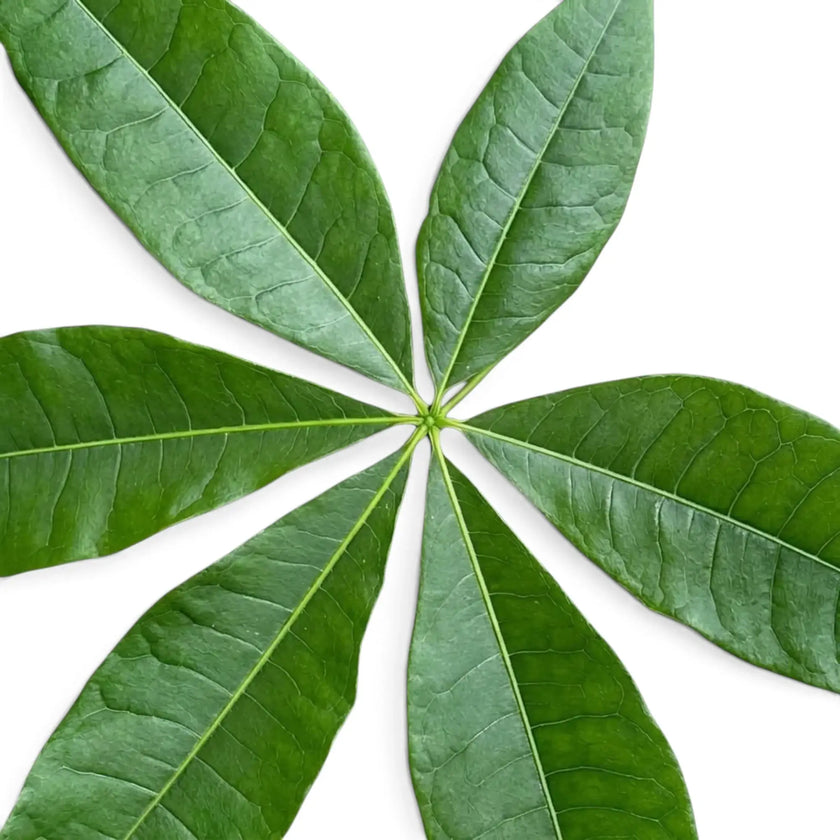
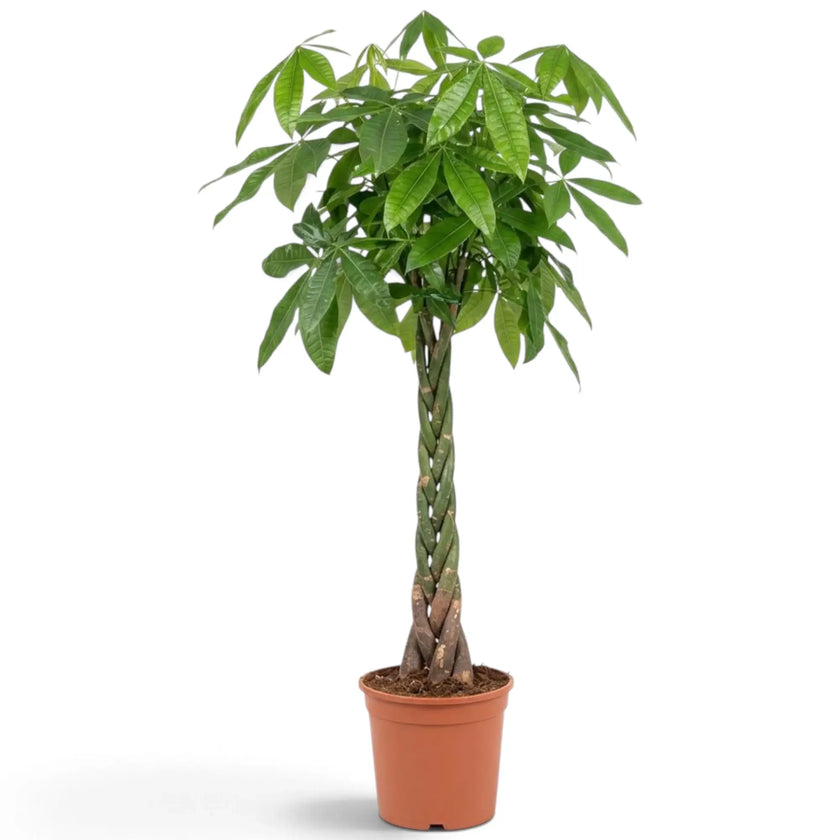
Pachira aquatica
Regular priceFrom €13,75
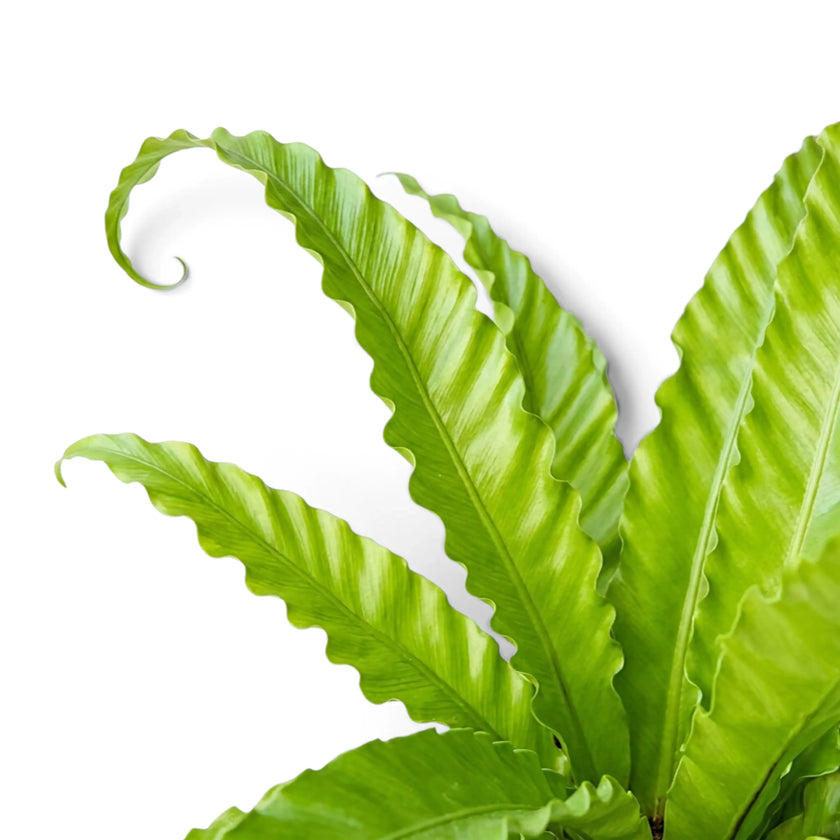
Asplenium antiquum ‘Osaka’
Regular price€10,75
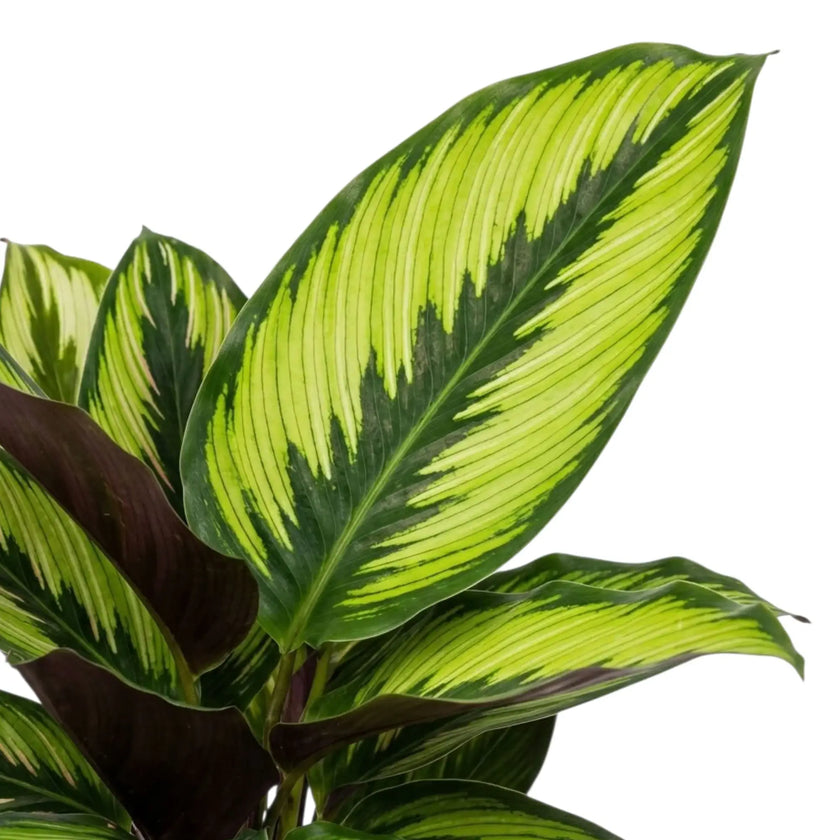
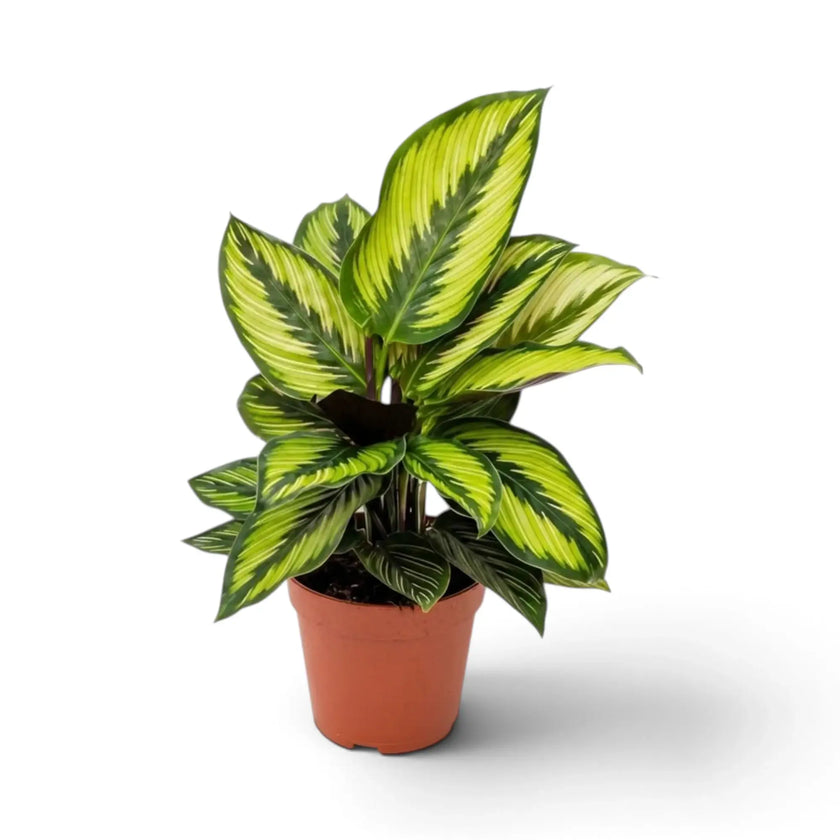
Goeppertia ‘Beauty Star’
Regular price€9,75
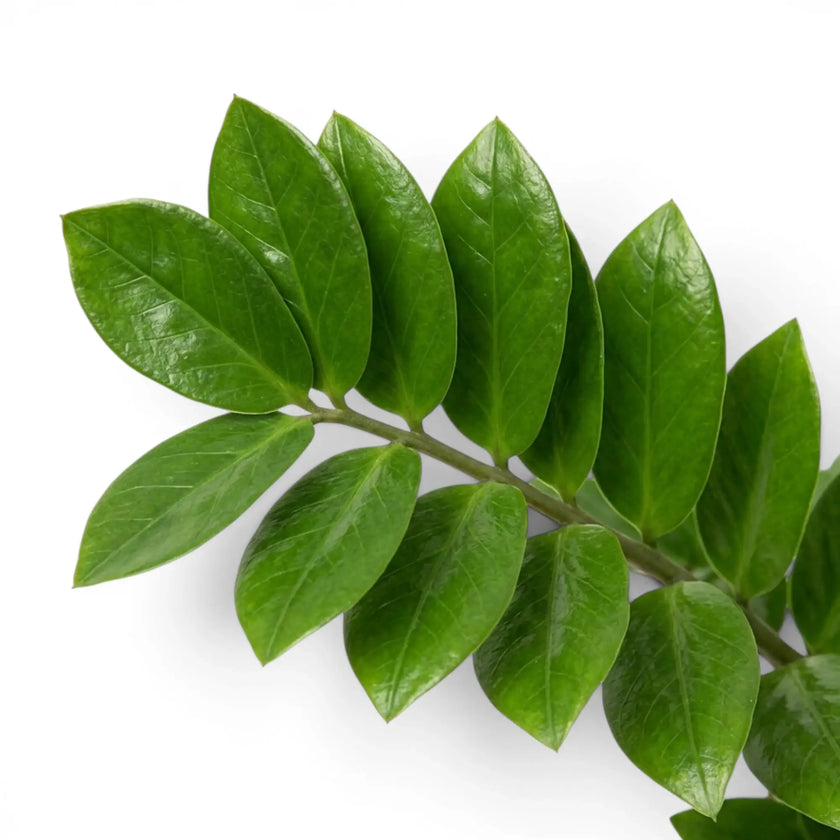
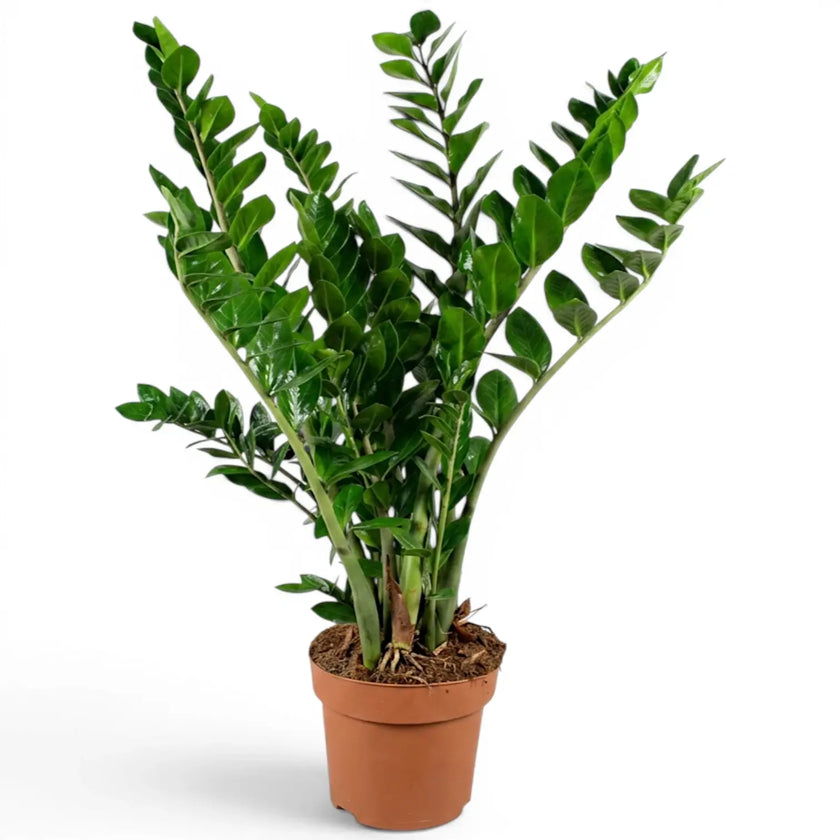
Zamioculcas zamiifolia
Regular priceFrom €10,75
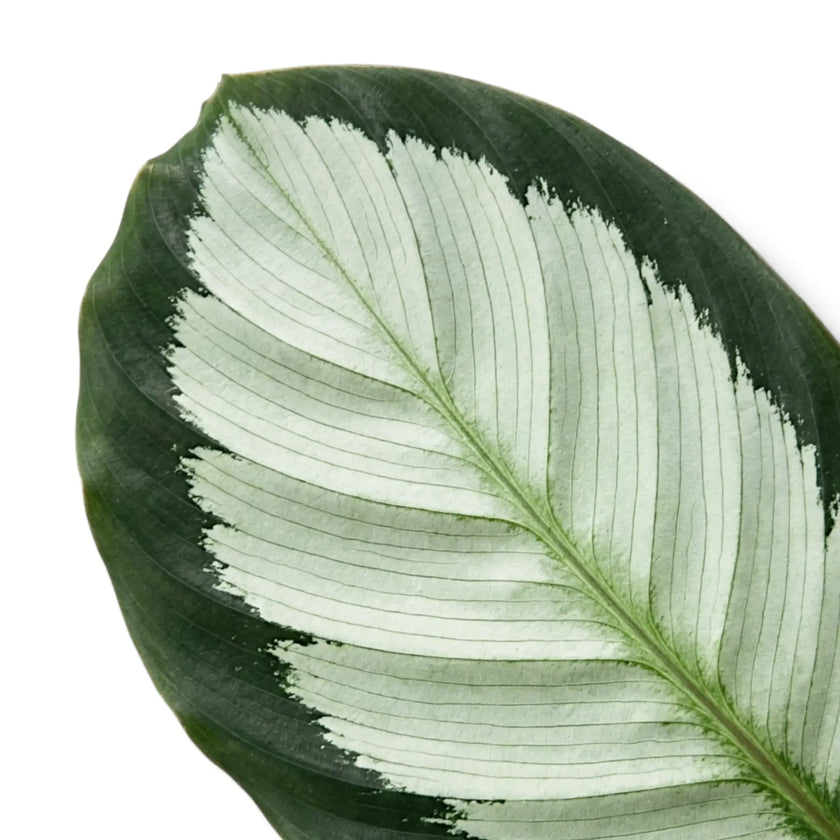
Goeppertia picturata ‘Argentea’
Regular price€31,25

Chamaedorea elegans
Regular priceFrom €8,50
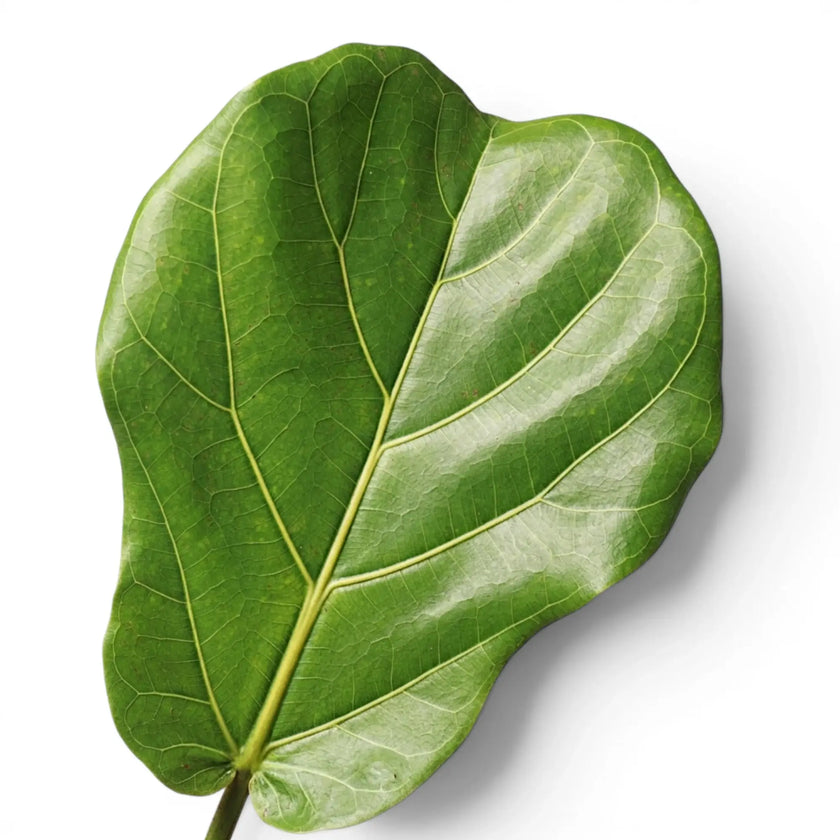
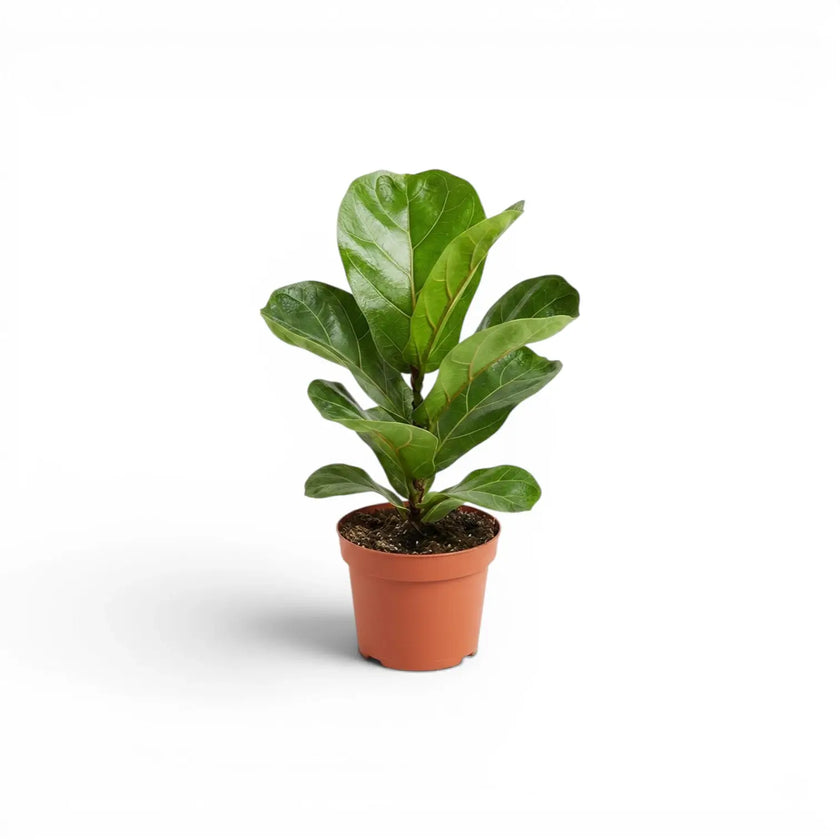
Ficus lyrata
Regular priceFrom €13,25
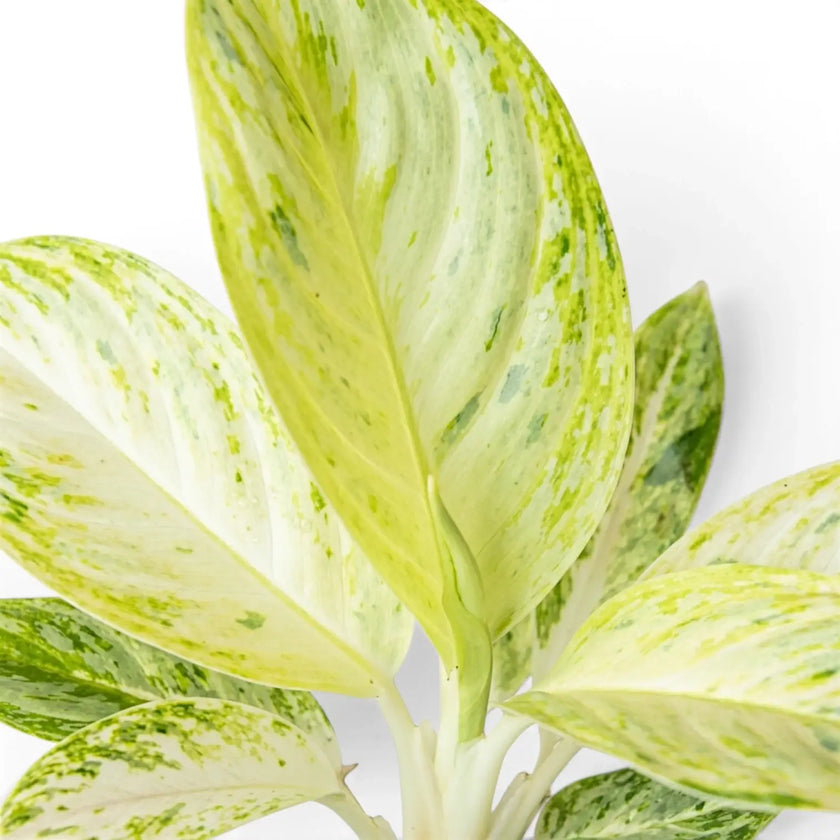
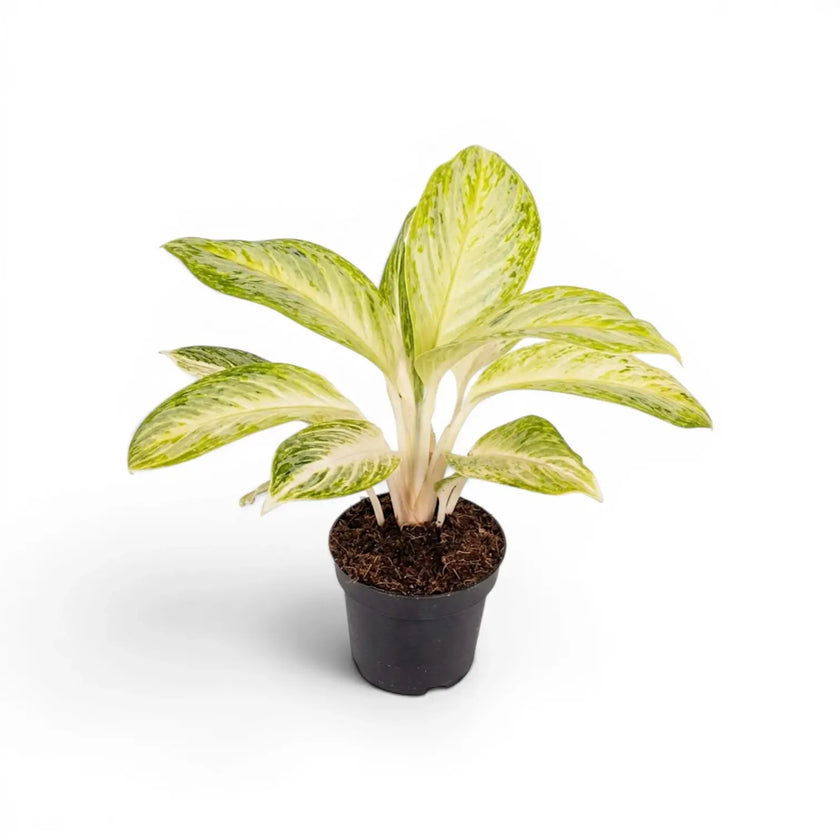
Aglaonema 'Arctic Lime'
Regular price€15,75
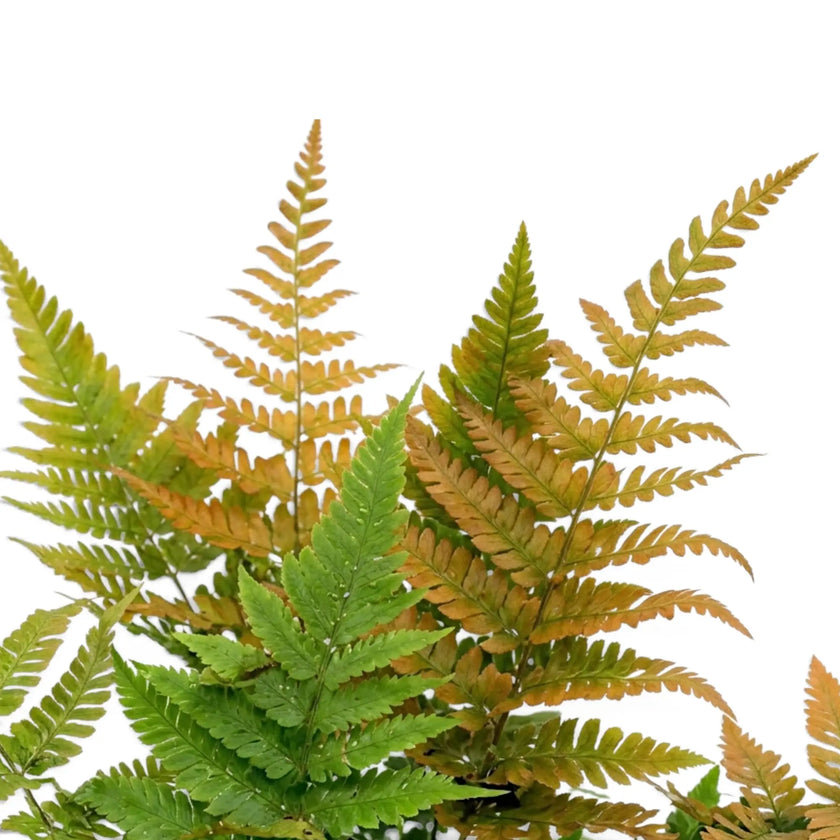
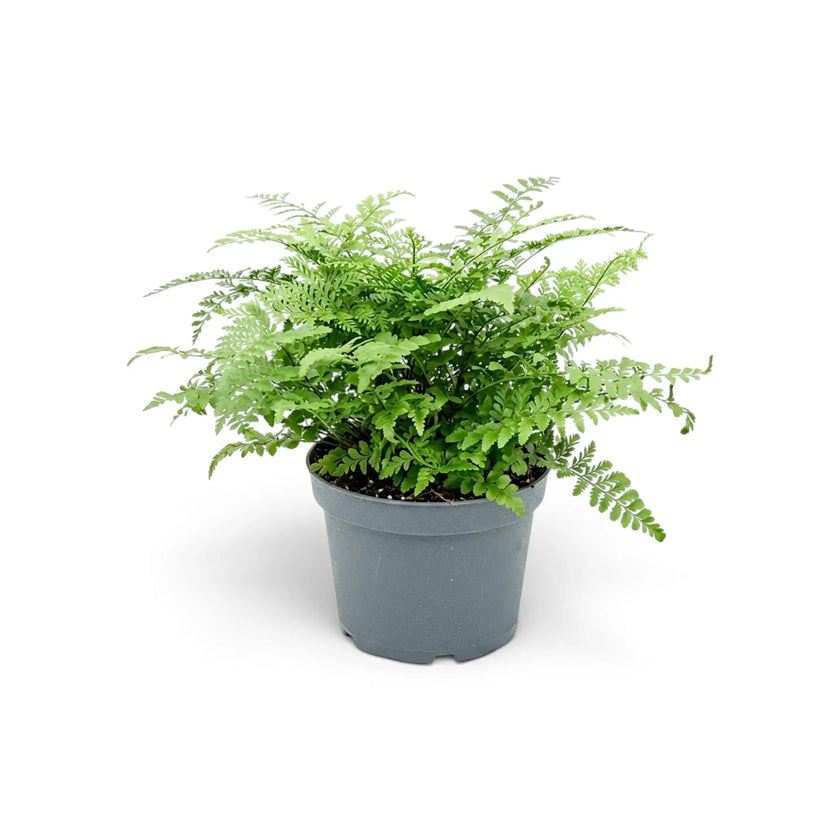
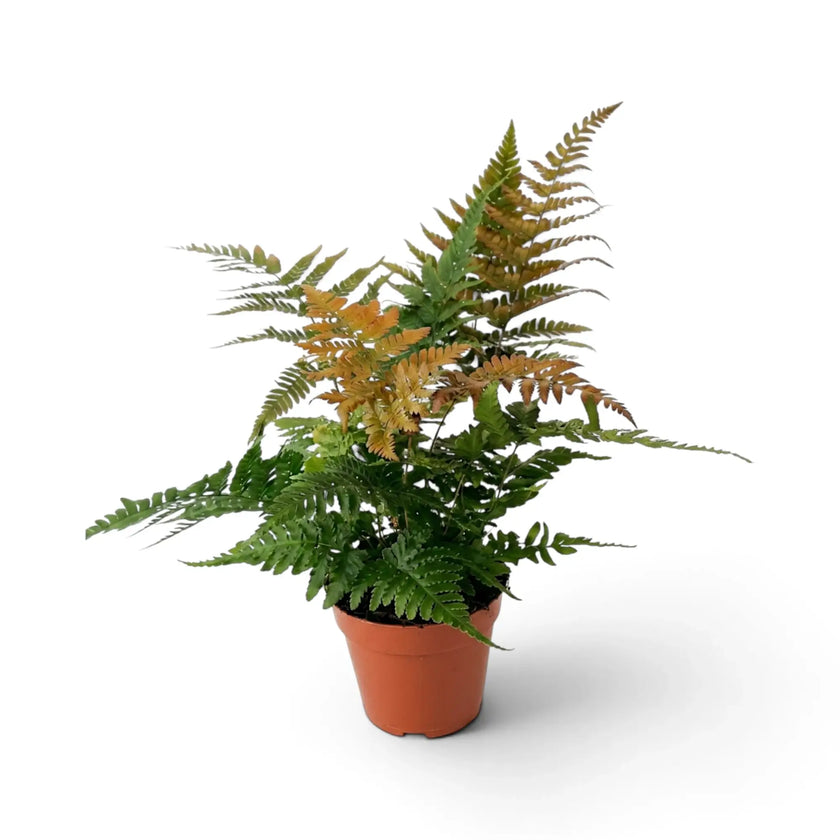
Dryopteris erythrosora
Regular price€10,75
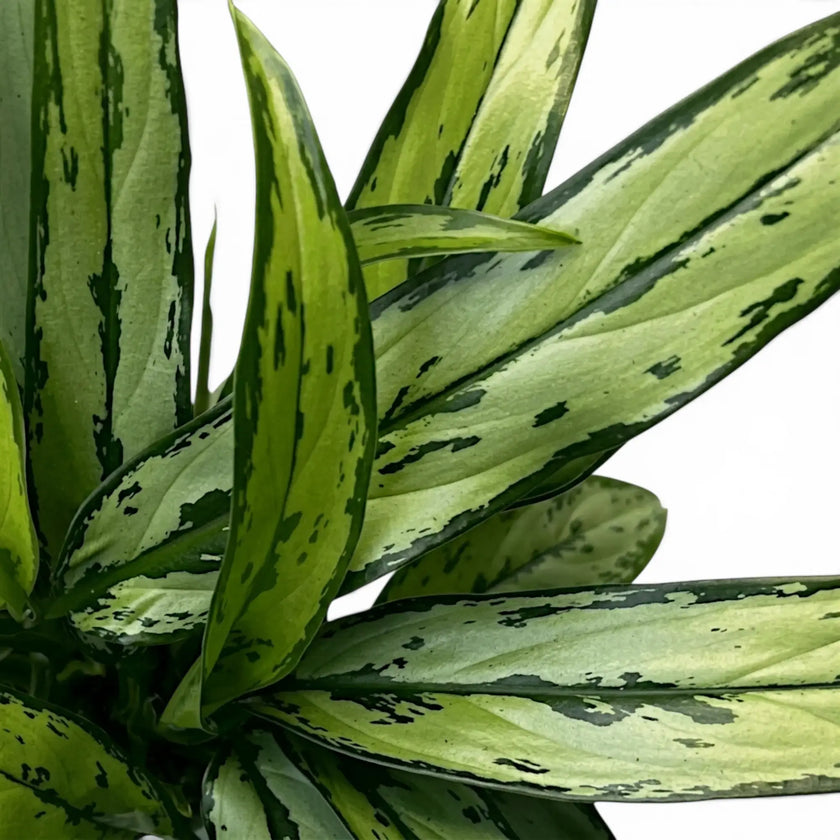
Aglaonema 'Cutlass'
Regular price€15,75
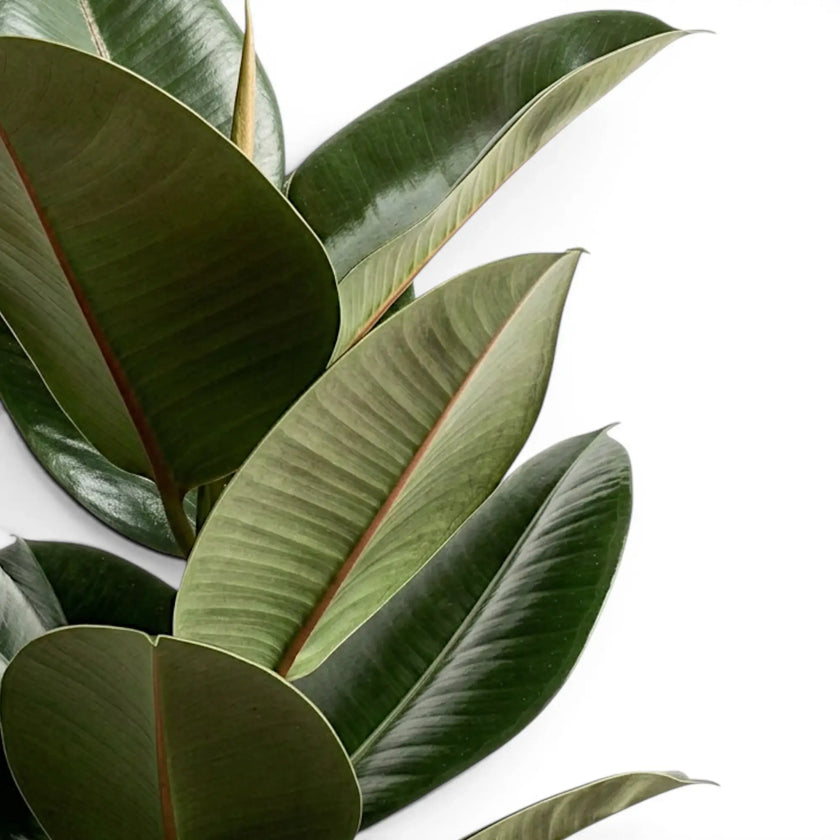
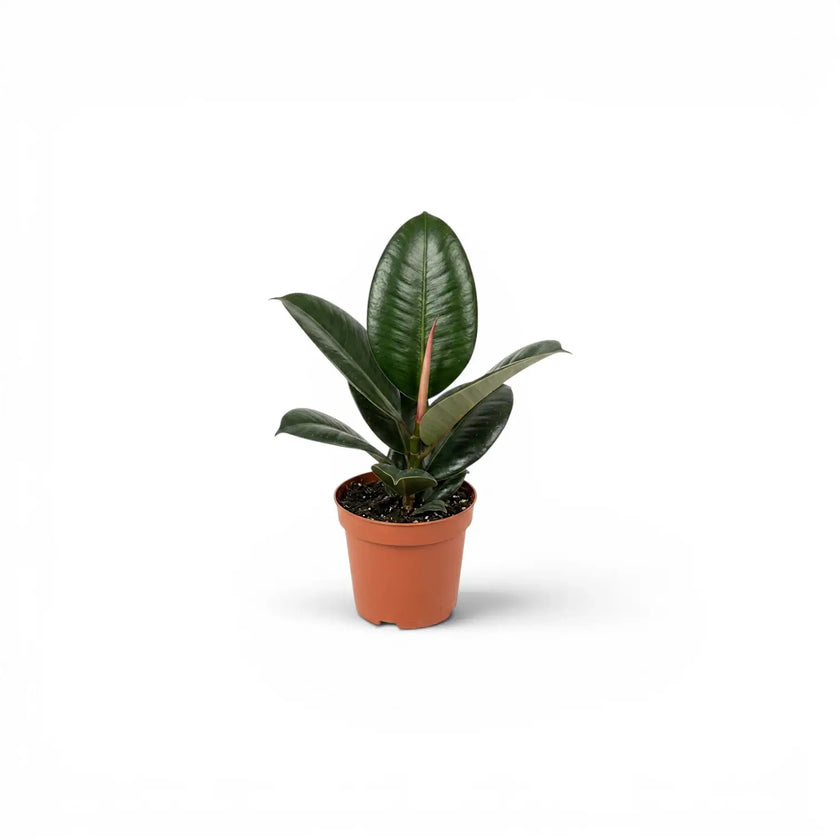
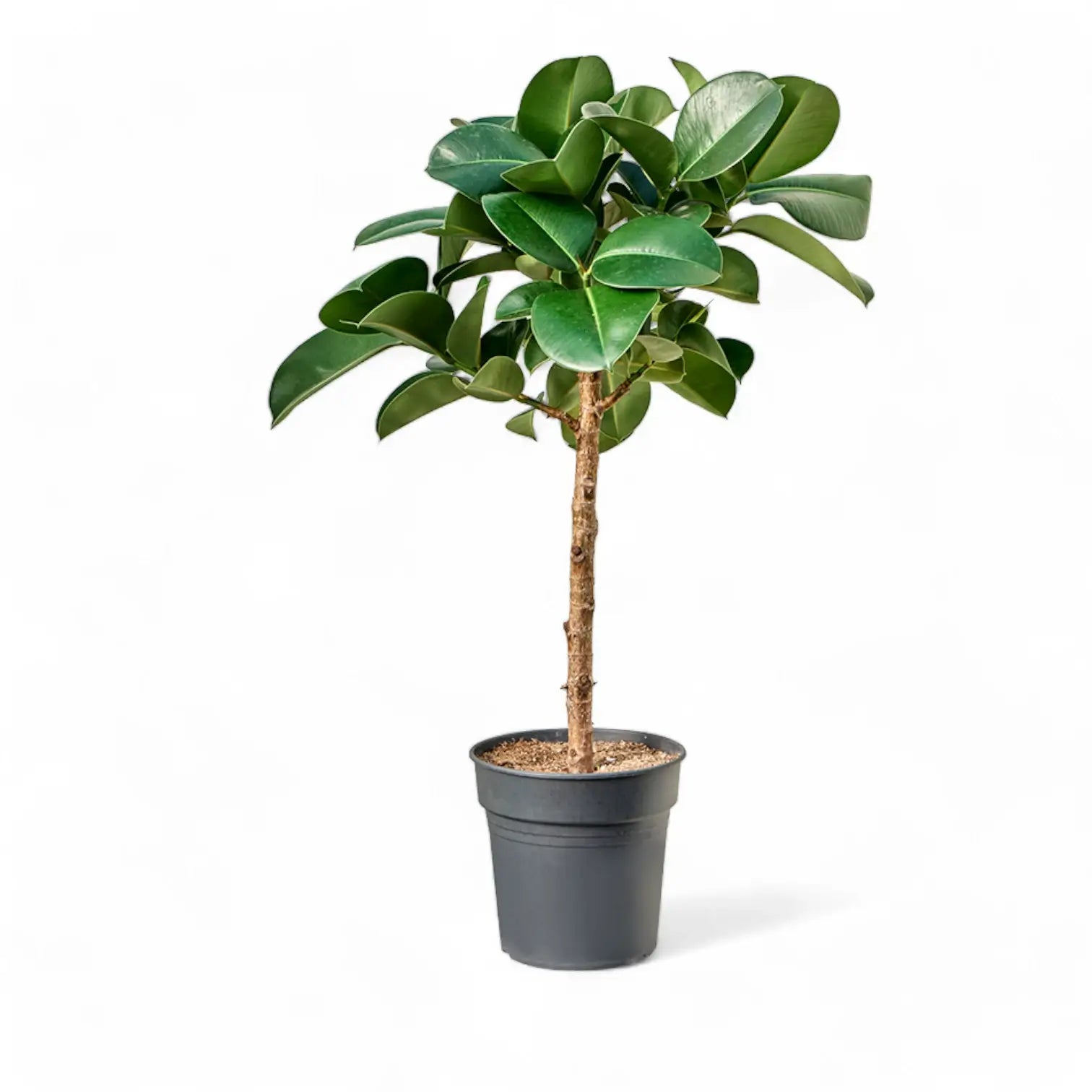
Ficus elastica ‘Robusta’
Regular priceFrom €8,50
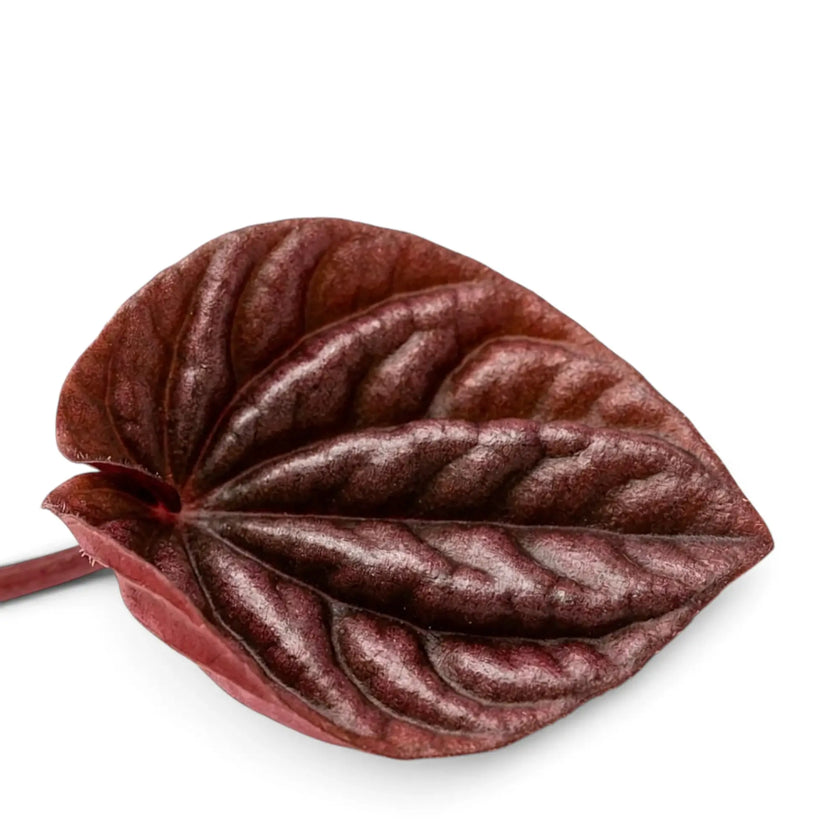
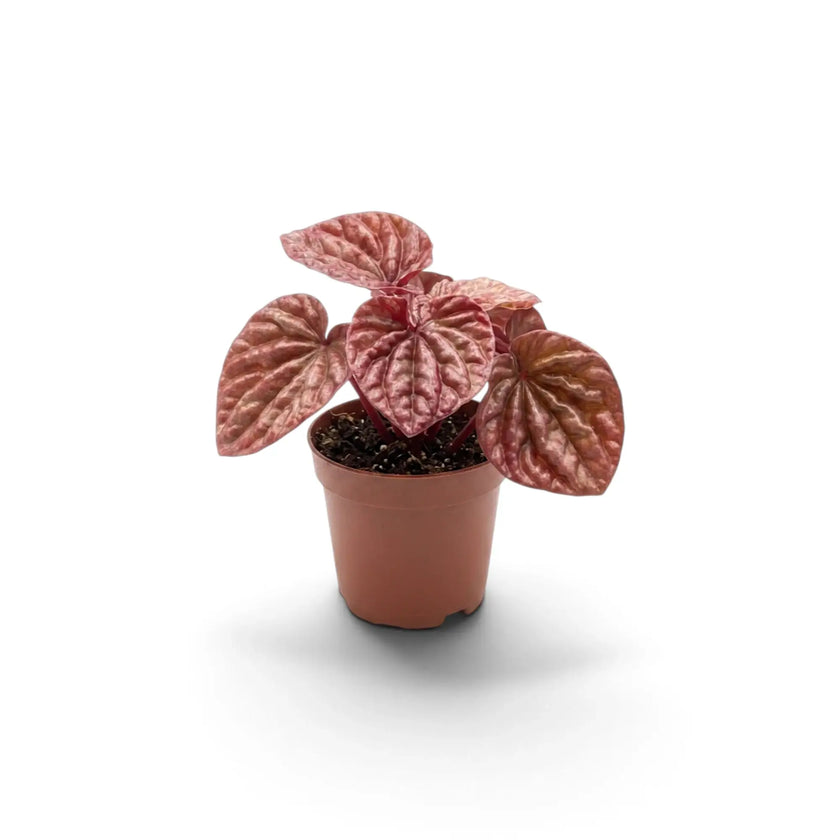
Peperomia ‘Quito’
Regular price€8,50
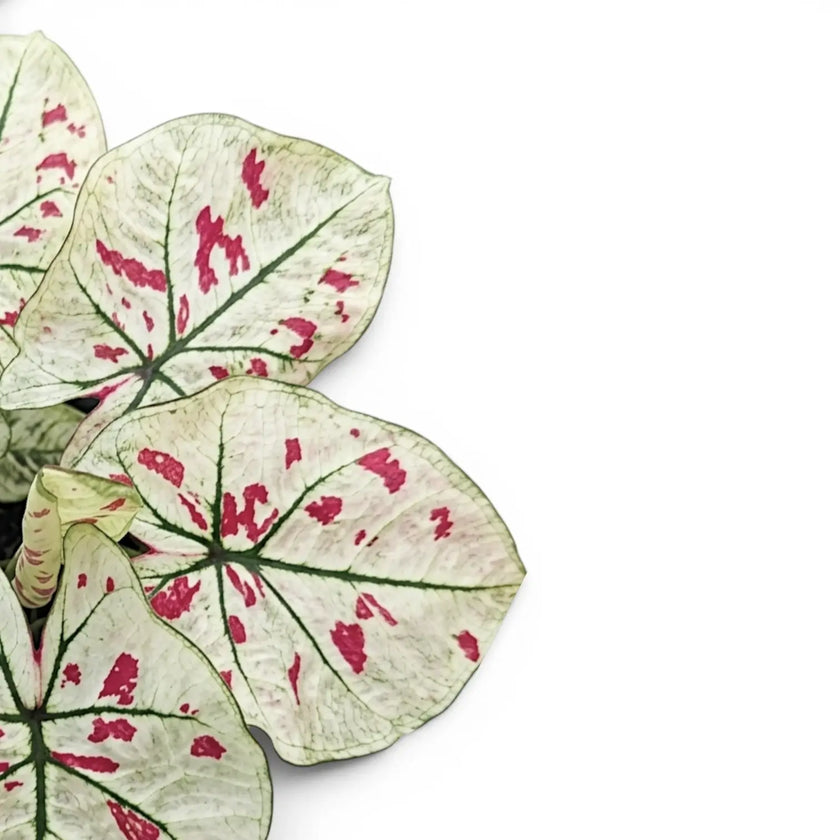
Caladium ‘Kelly’
Regular price€9,75

Dieffenbachia 'Amy'
Regular price€8,50
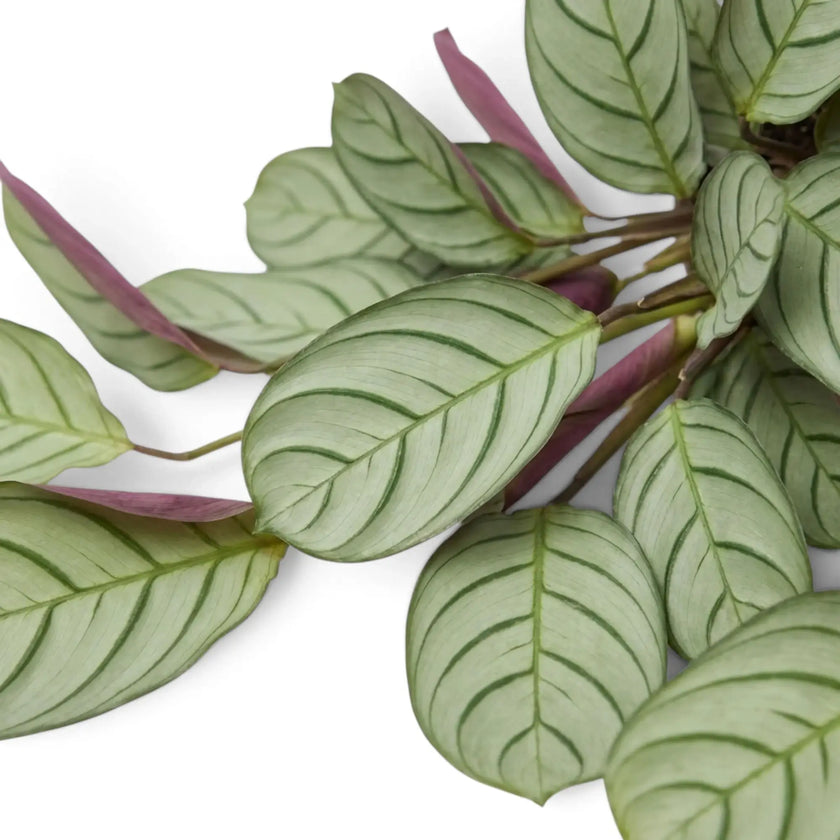
Ctenanthe ‘Amagris’
Regular price€12,00