Skip to content

Cart

Your cart is empty.

Aroids

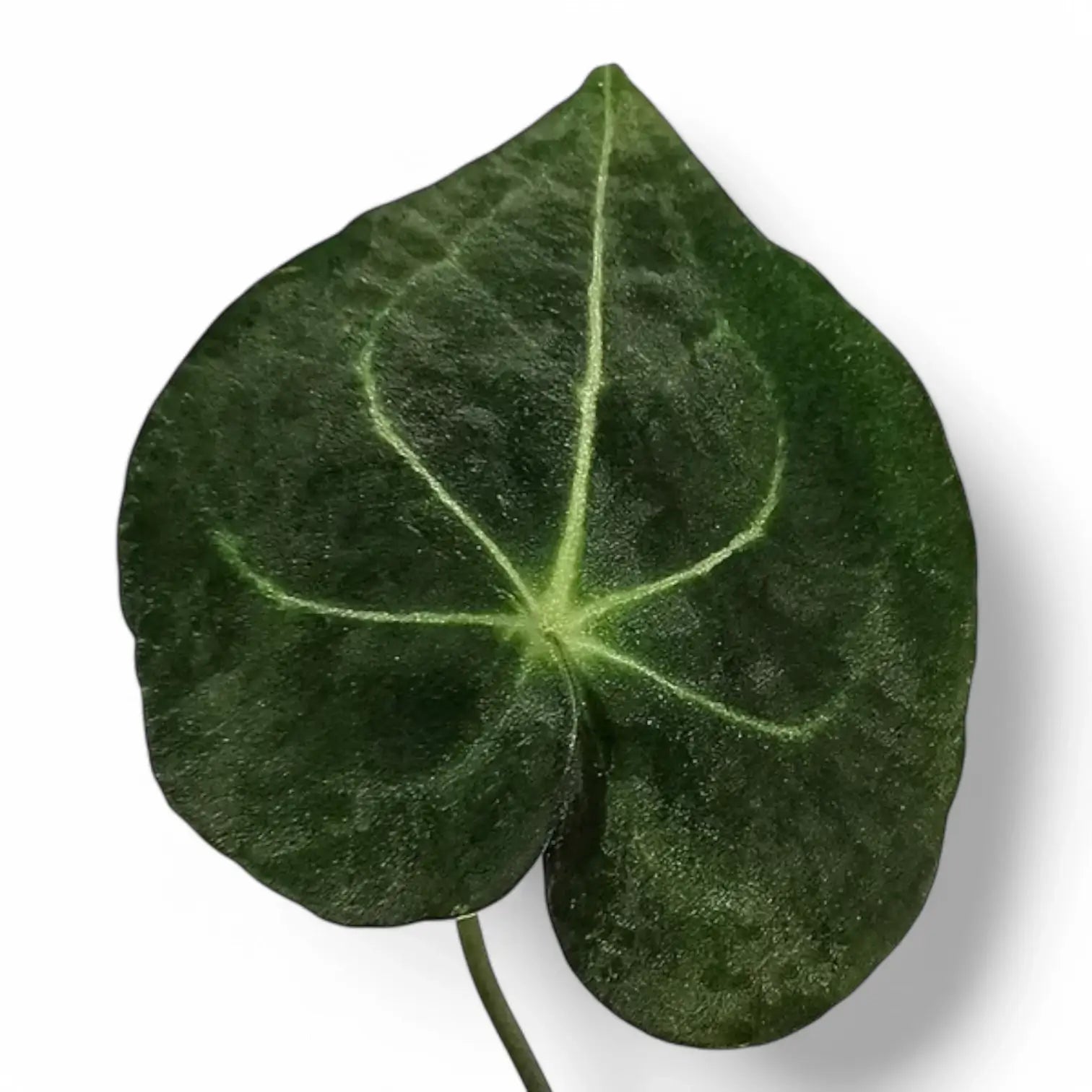
Close up of Anthurium leuconeurum on white background

Substrate help

Aroid roots need structure, not dense compost

Choose airy ingredients and ready-to-mix substrate starters for Monstera, Philodendron, Anthurium and related indoor aroids.

Sort by:

Filters

Scindapsus pictus 'Argyraeus' close-up of leaf on white background.
Scindapsus pictus 'Argyraeus' Regular price From €12,00
Scindapsus pictus 'Exotica' leaf close-up on white background.
Scindapsus pictus 'Exotica' Regular price From €10,00
Scindapsus treubii 'Dark form' ('Nearly Black') close-up of leaf on white background.
Scindapsus treubii 'Moonlight' leaf close-up on white background.
Scindapsus treubii 'Moonlight' Regular price €16,00
Spathiphyllum 'Diamond' close-up of leaf on white background.
Spathiphyllum 'Diamond' Regular price €14,75
Spathiphyllum 'Sweet Lauretta' leaf close-up on white background.
Spathiphyllum 'Sweet Lauretta' Regular price €88,00
Spathiphyllum 'Sweet Sebastiano' leaf detail on white background.
Spathiphyllum 'Sweet Silvana' leaf close-up on white background.
Spathiphyllum 'Sweet Silvana' Regular price €88,00
Spathiphyllum 'Torelli' close-up of leaf on white background.
Spathiphyllum 'Torelli' Regular price €12,00
Spathiphyllum 'Vivaldi' leaf close-up on white background.
Spathiphyllum 'Vivaldi' Regular price €18,75
Spathiphyllum wallisii 'Sensation' leaf close-up on white background.
Spathiphyllum wallisii 'Sensation' Regular price €101,50
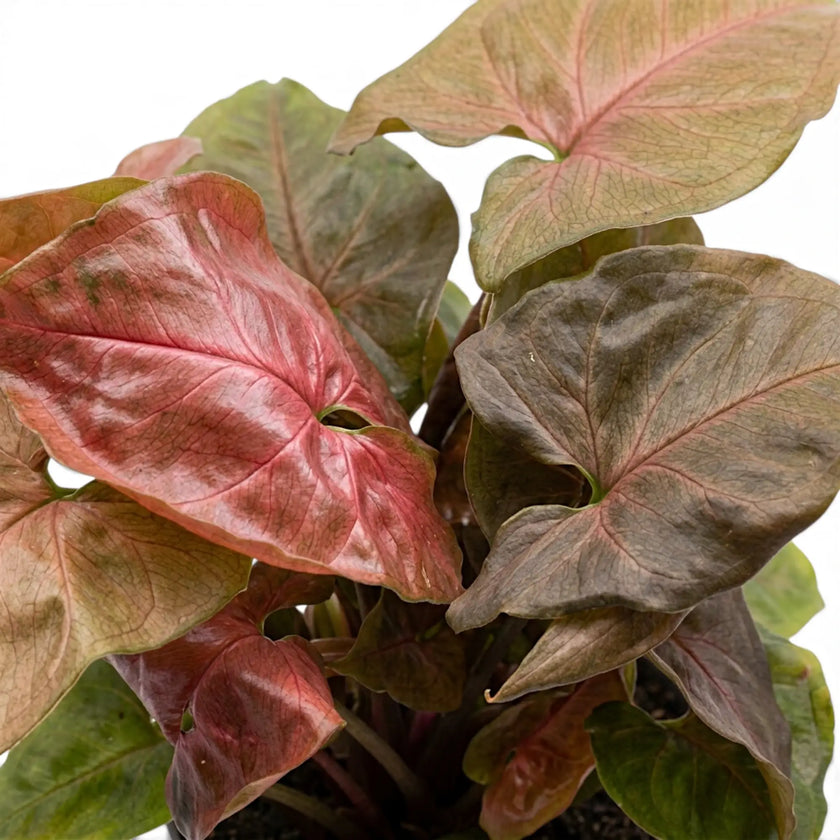
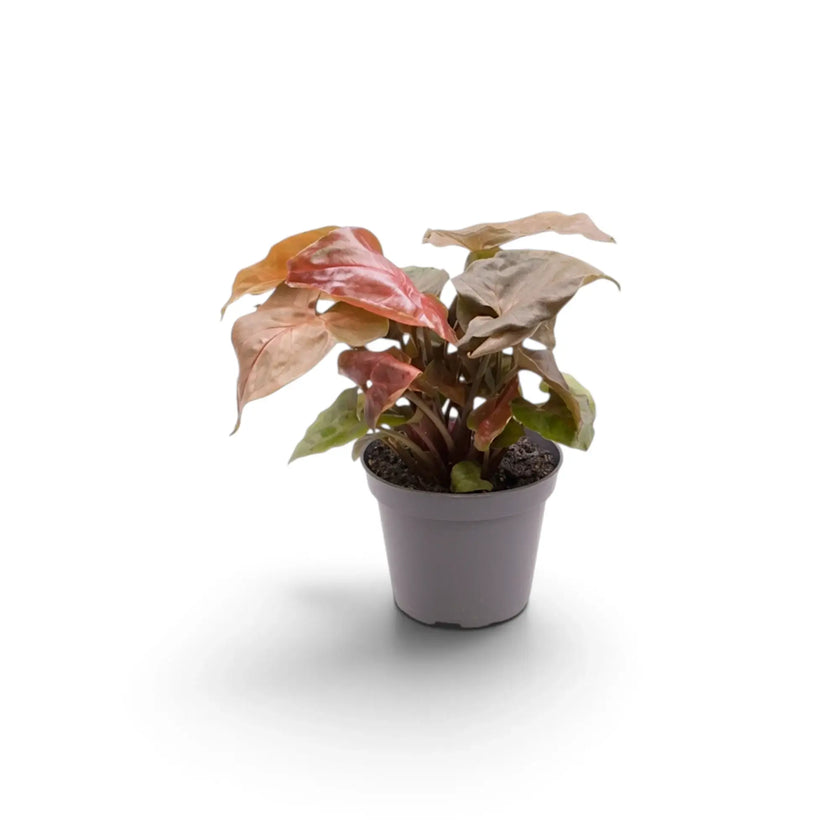
Syngonium erythrophyllum 'Red Arrow' close-up of leaf on white background.
Syngonium erythrophyllum 'Red Arrow' Regular price €16,00
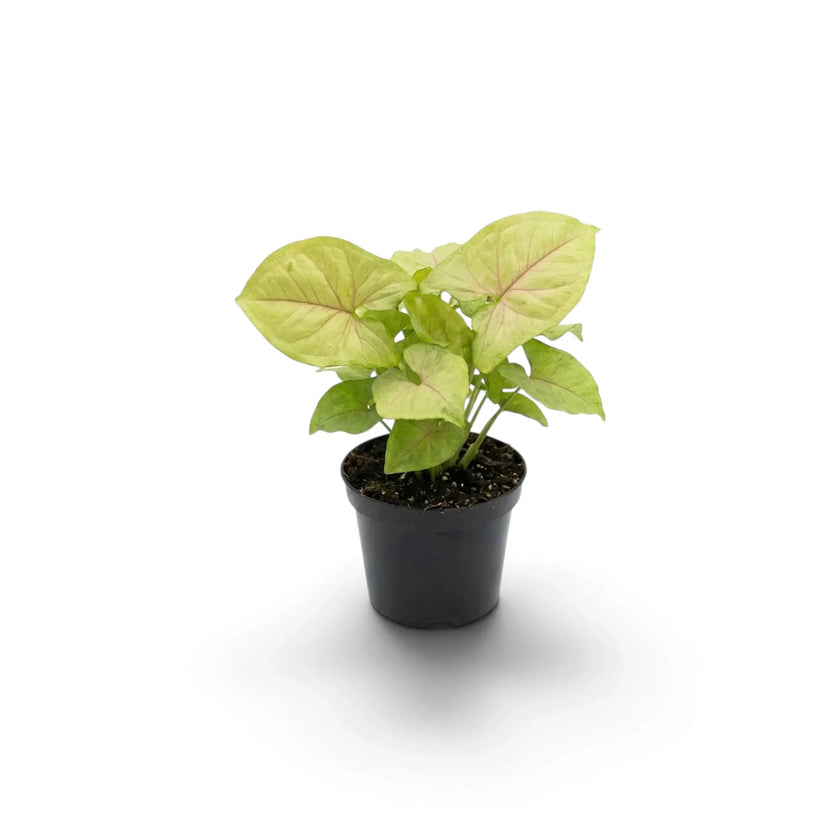
Syngonium podophyllum 'Arrow' leaf close-up on white background.
Syngonium podophyllum 'Arrow' Regular price €12,00
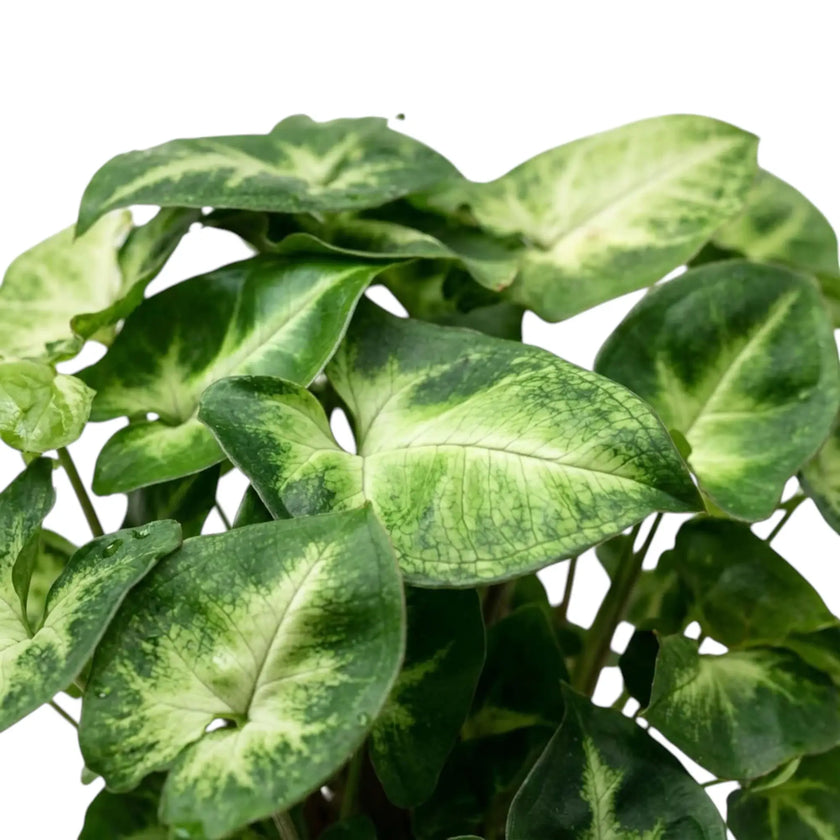
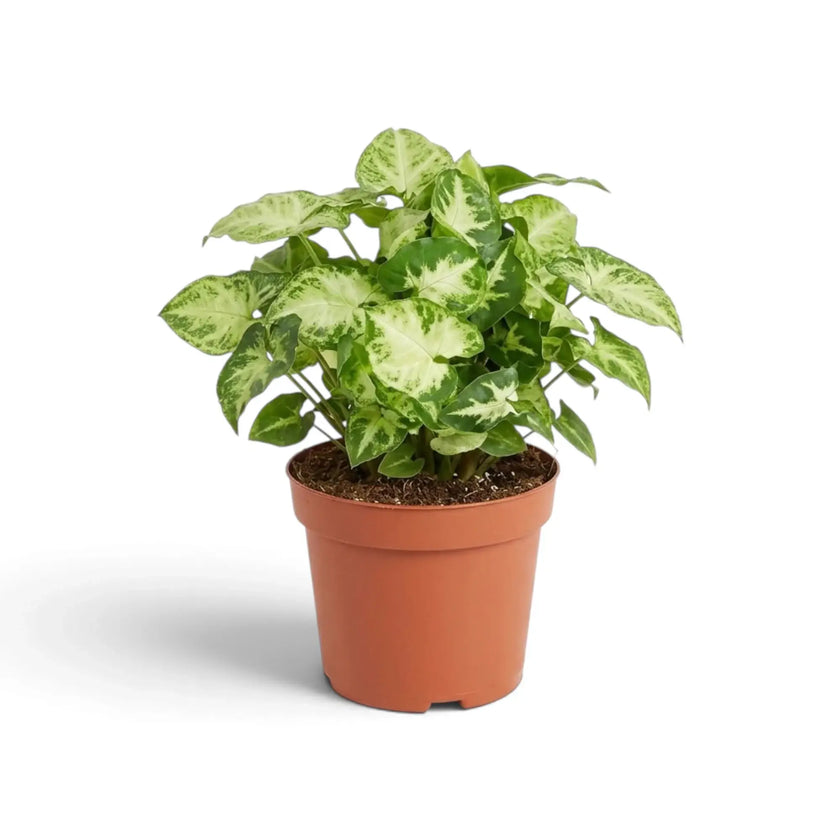
Syngonium podophyllum 'Confetti' leaf detail on white background.
Syngonium podophyllum 'Confetti' Regular price From €13,50
Syngonium podophyllum 'Mango allusion' leaf close-up on white background.
Syngonium podophyllum 'Maria Allusion' leaf close-up on white background.
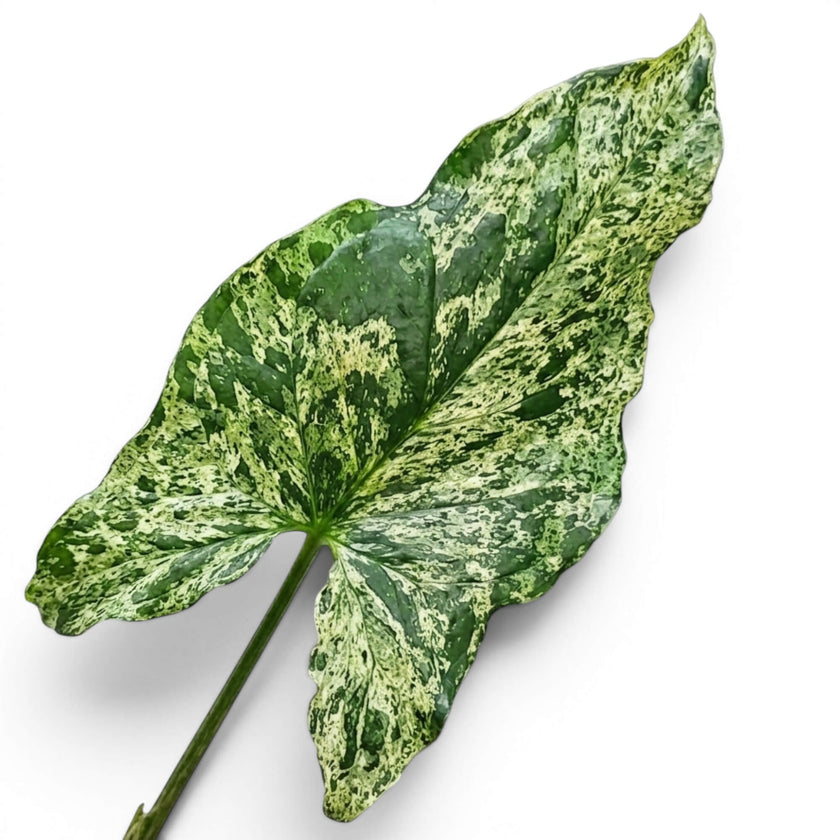
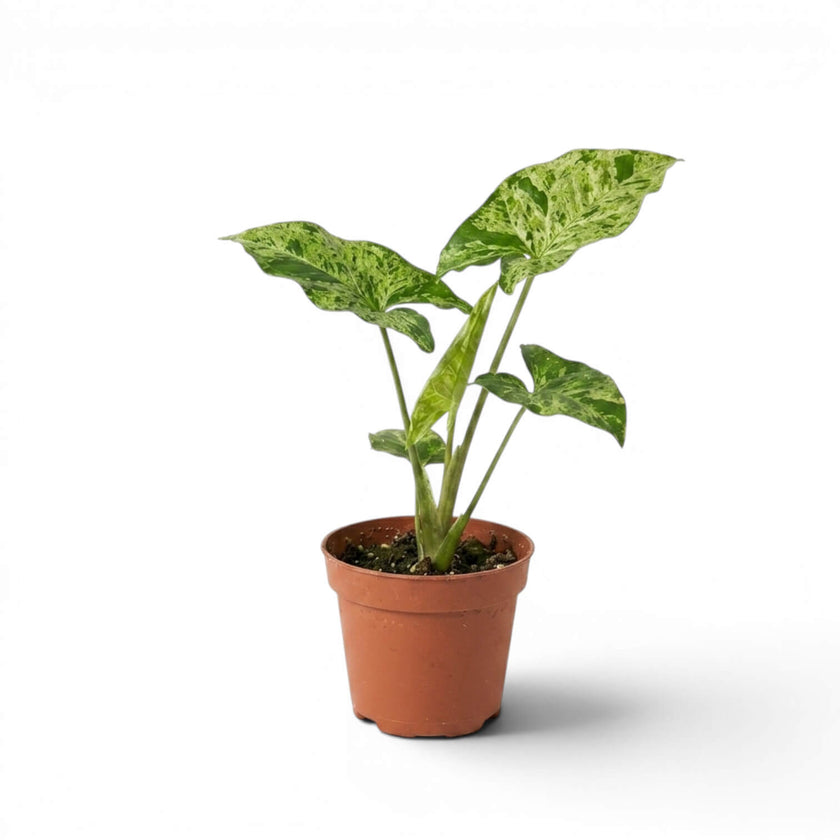
Syngonium podophyllum 'Mottled' leaf detail on white background.
Syngonium podophyllum 'Mottled' Regular price From €9,50
Syngonium podophyllum 'Pixie' aka 'Nana' leaf close-up on white background.
Syngonium podophyllum 'Pixie' aka 'Nana' Regular price From €9,50
Syngonium podophyllum 'Red Spot' ('Pink splash') close-up of leaf on white background.
Syngonium podophyllum ‘Neon' close-up of leaf on white background.
Syngonium podophyllum ‘Neon' Regular price From €9,50
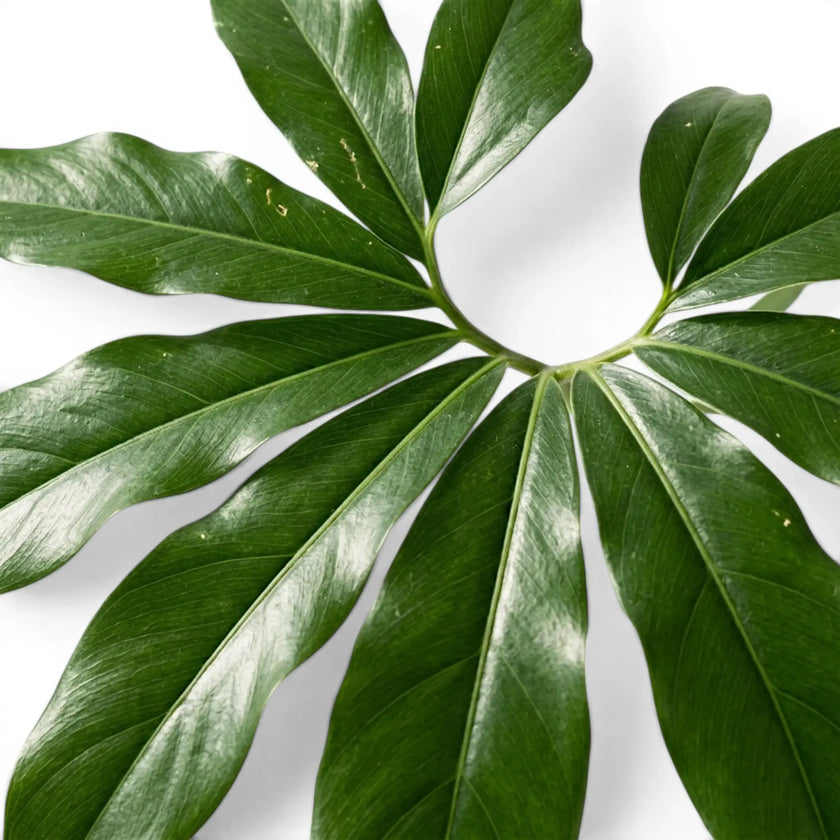
Thaumatophyllum xanadu leaf close-up on white background.
Thaumatophyllum xanadu Regular price €41,50
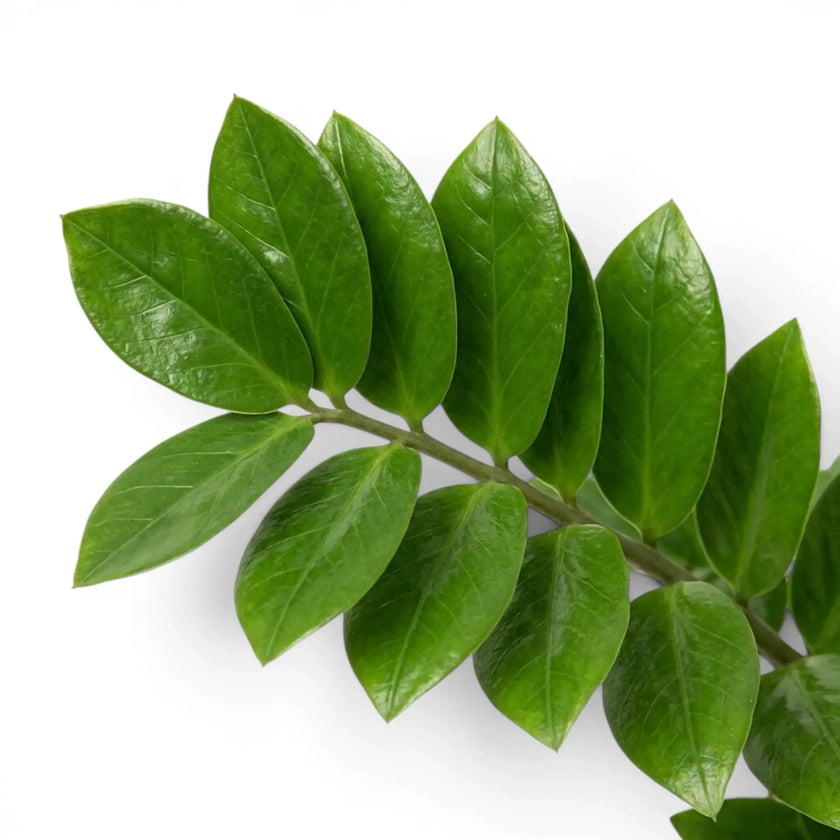
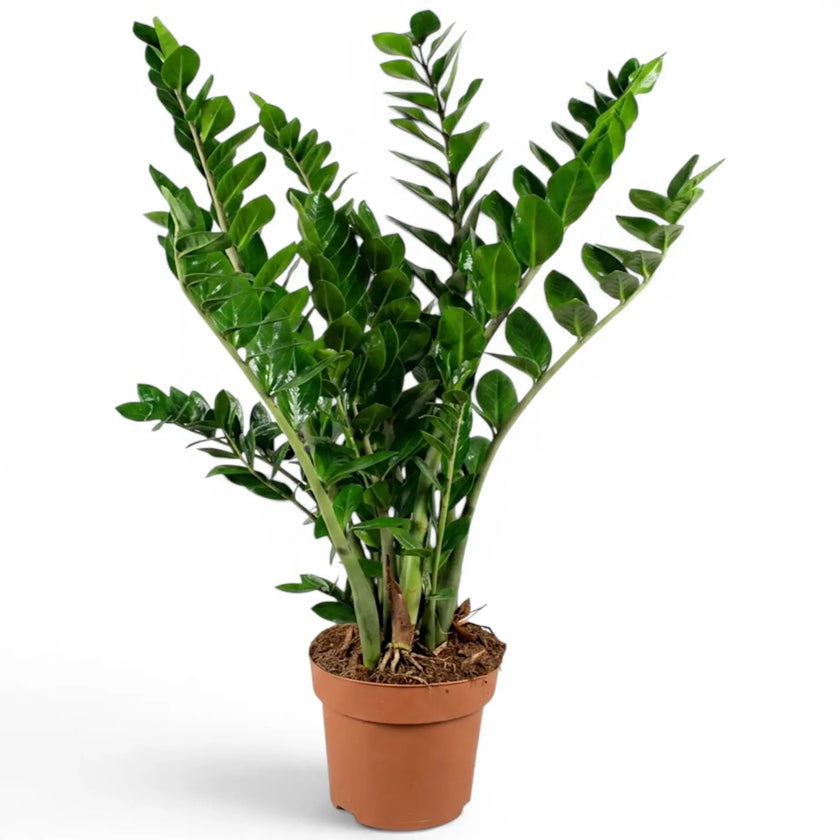
Zamioculcas zamiifolia leaf detail on white background.
Zamioculcas zamiifolia Regular price From €13,50

Araceae

Aroids

Quick Overview

Aroids: core foliage facts

  • Range: Heart-leaf vines, split-leaf giants and velvety foliage all in one plant family.
  • Light: Bright rooms without harsh midday sun; deep shade gives thin stems and small leaves.
  • Roots & watering: Chunky, airy mix; water once the top has dried, not by a fixed calendar.
  • Shape choices: Climbers for poles, crawlers for wide pots and upright forms for floor spots.
  • Best for: Building a main foliage layer with many looks but similar baseline care.
Botanical Profile

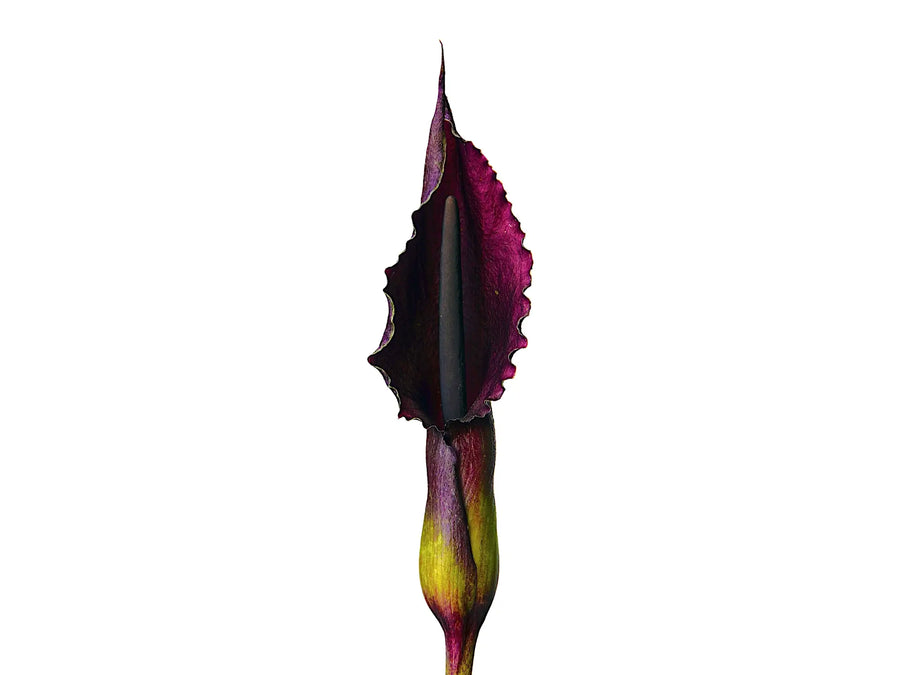
Aroids are members of Araceae, recognised by the spadix-and-spathe inflorescence typical of the family. Indoors, growth habit is usually the most useful way to separate them.

Details & Care

Aroids: Araceae plants with very different indoor habits

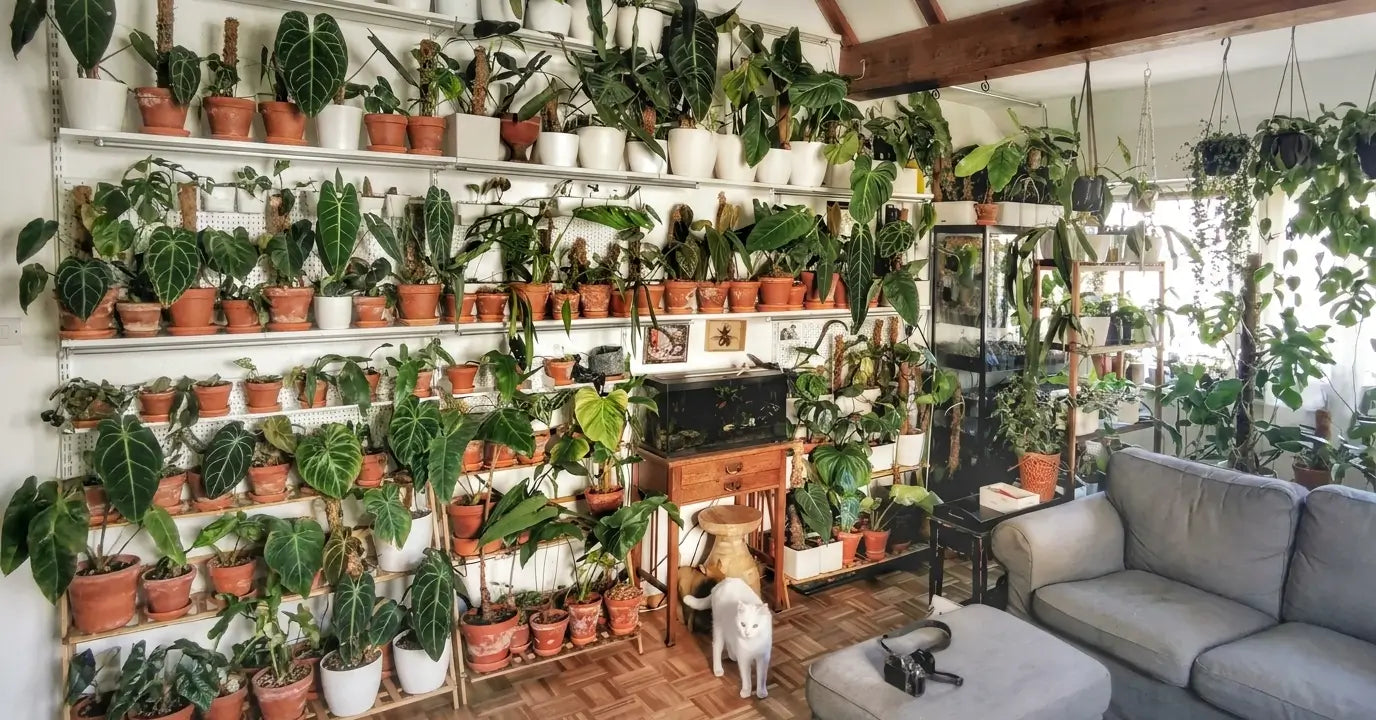
Aroids are members of Araceae, a large plant family that includes many familiar indoor foliage groups: Philodendron, Monstera, Anthurium, Epipremnum, Syngonium, Scindapsus, Alocasia, Spathiphyllum and several smaller collector genera. Their shared family background matters less for shopping than their growth habit. Some climb and size up on a pole, some crawl with visible stems or rhizomes, some grow as compact rosettes, and some form upright clumps.

That variety is why aroids work across many indoor layouts. A climbing Monstera or Philodendron can create vertical structure, a velvet Anthurium adds broad leaf detail, Syngonium gives quicker leafy volume, and compact Spathiphyllum or Homalomena can sit lower in a mixed display. Leaf shape, petiole strength, root style and mature size all change how an aroid should be supported, watered and placed.

How to compare aroids before buying

  • Climbers: Monstera, Epipremnum, Scindapsus and many Philodendron selections benefit from a pole, plank or other support as stems lengthen.
  • Crawlers: some Philodendron and Anthurium types move horizontally and need wider pots or room along the surface, not a narrow support.
  • Rosette and clumping types: Alocasia, Spathiphyllum, Homalomena and some Anthurium stay more centred, making pot stability and root moisture especially important.
  • Velvet and thin leaves: many soft or velvety leaves prefer steadier humidity, careful watering and protection from strong midday sun through glass.
  • Large-leaf potential: juvenile plants may arrive compact but can develop much larger leaves when light, warmth, nutrition and support are consistent.

Care difficulty varies widely inside this family. Epipremnum aureum cultivars and many Syngonium selections are often forgiving in normal rooms, while velvet Anthurium, some Alocasia and rare climbing aroids usually want more stable warmth, humidity and root aeration. Collector value should therefore be checked against setup fit, not only leaf shape or rarity.

Aroid care fit indoors

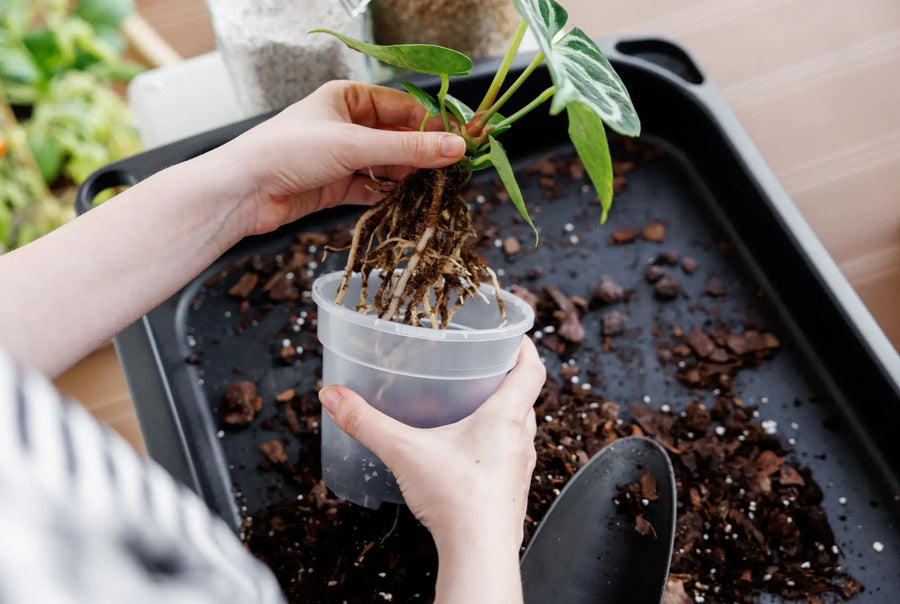
Many aroids prefer bright indirect light, warm rooms and an airy substrate that holds some moisture while leaving oxygen around roots. A chunky mix with bark, coco, perlite, pumice or other structure usually suits climbing and epiphytic-leaning types better than dense compost. Watering should follow pot depth and root activity: active plants in bright positions dry faster than slow plants in cooler, lower-light spots.

Aroids are also relevant for pet placement. Many contain irritating calcium oxalate crystals and should be kept away from animals or children that chew plants. Start with habit first, then refine by light, size and care level. That gives each aroid a setup that matches how it actually grows.

Support and pot shape are part of the decision. A narrow upright pot can suit a pole-grown climber, while a crawler often needs more horizontal room. Large-leaved aroids may also need a heavier container as the top growth expands. These details affect daily care, because unstable plants, cramped stems and dense wet substrate can create problems even when light and watering seem correct.

Frequently Asked Questions About Aroids