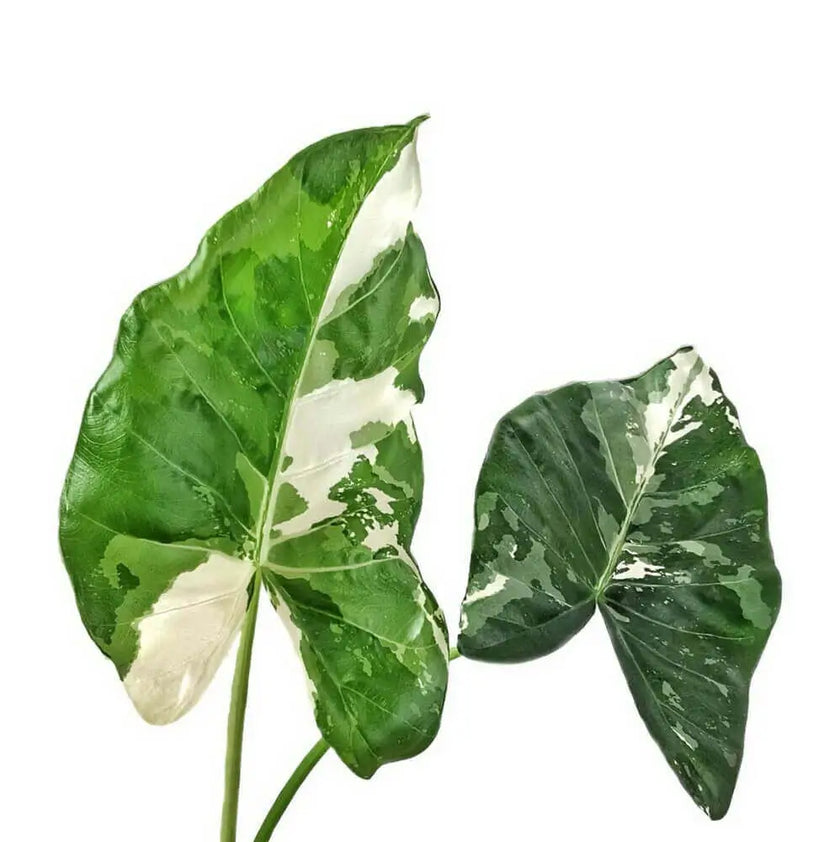
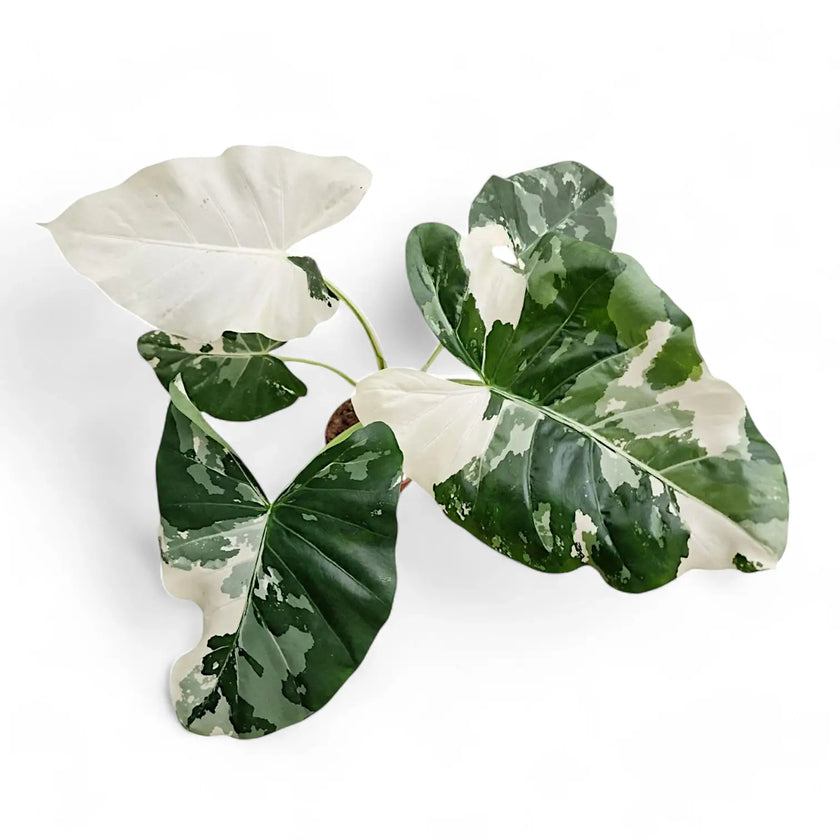
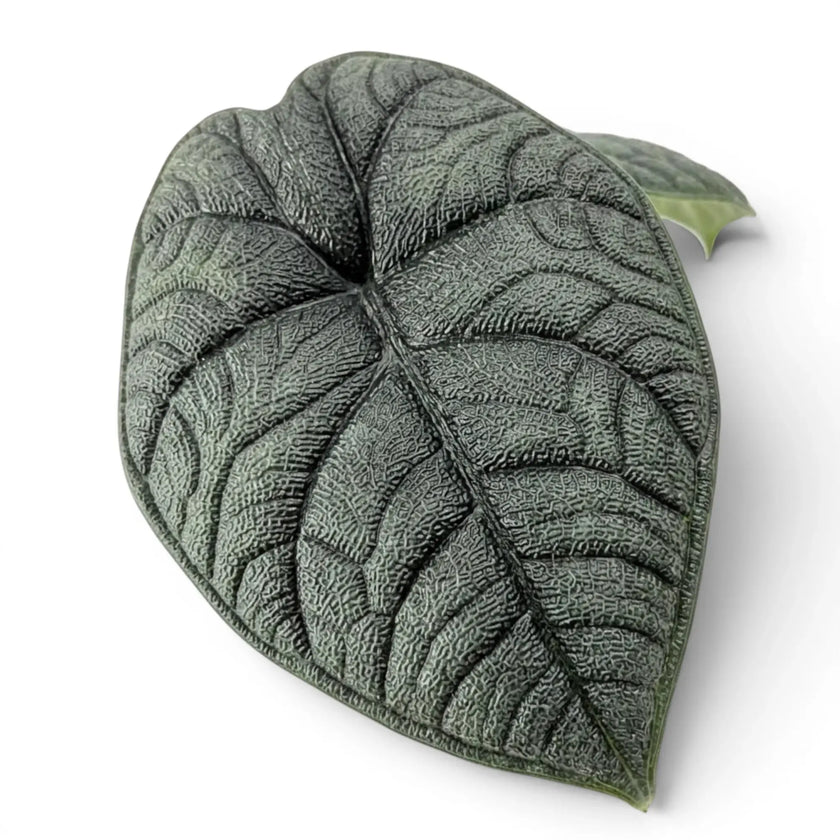
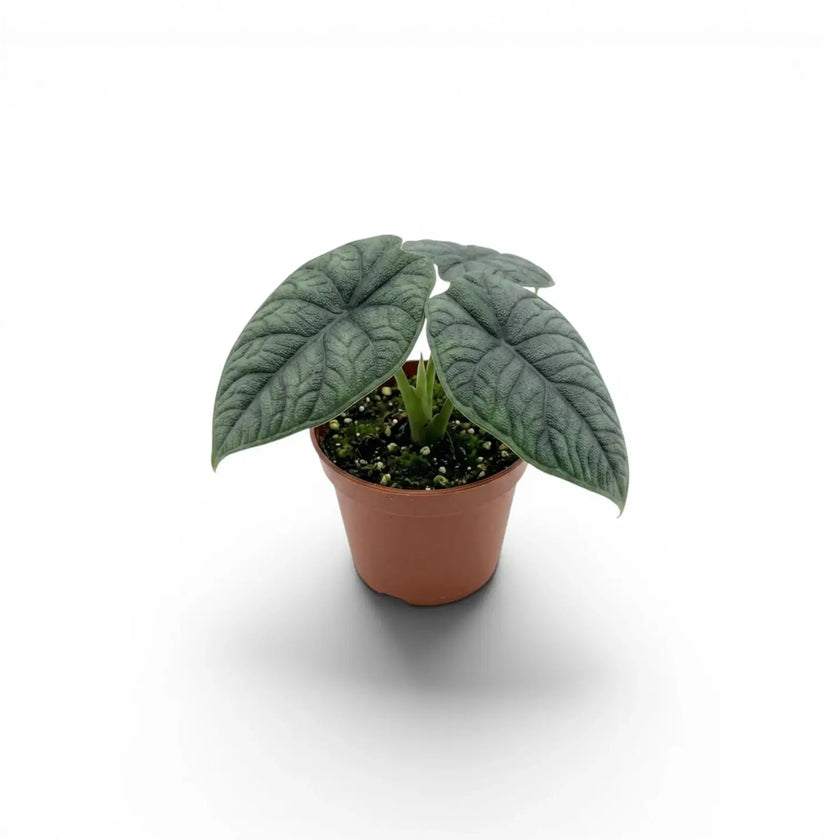
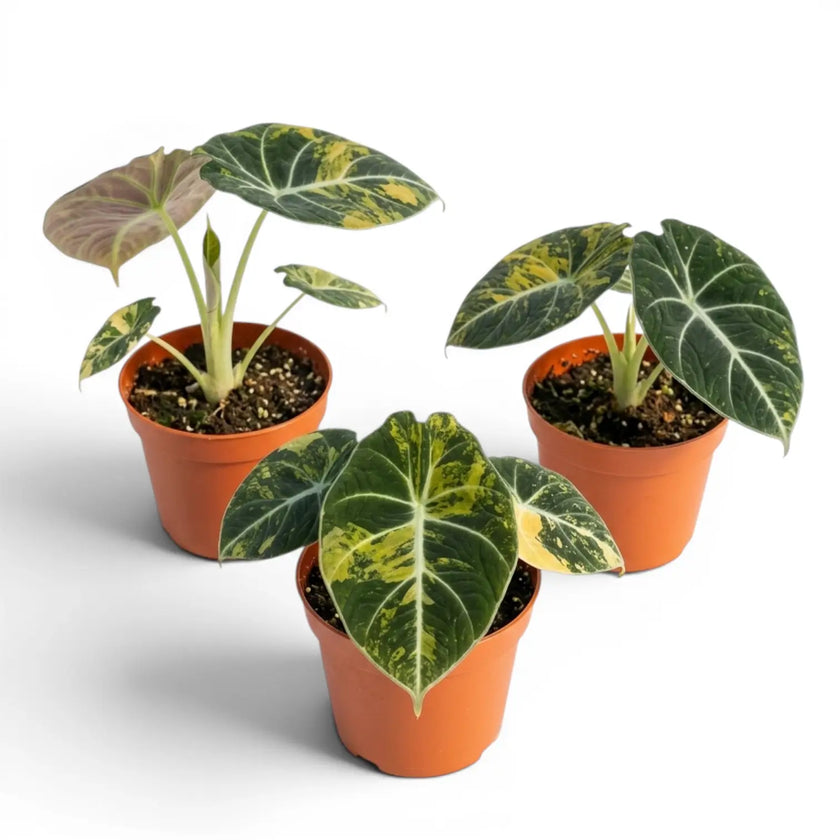
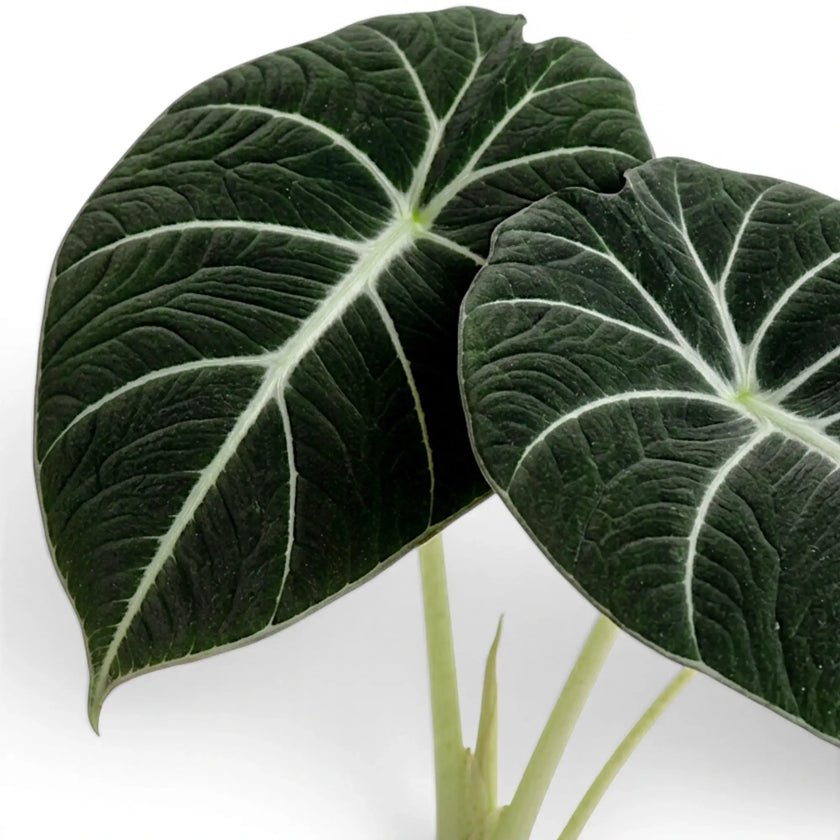
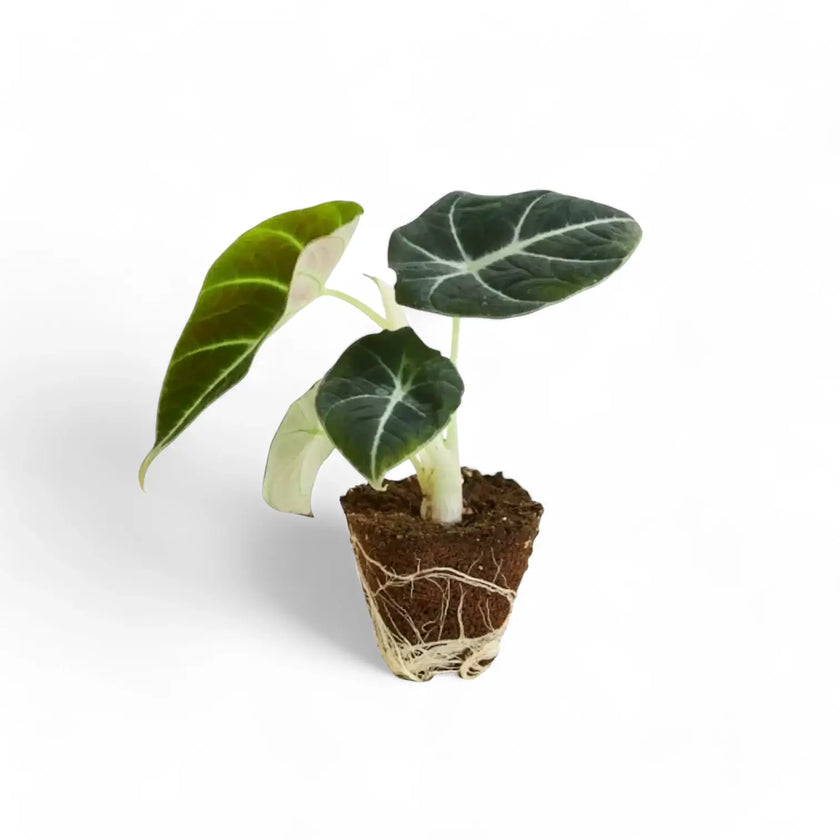
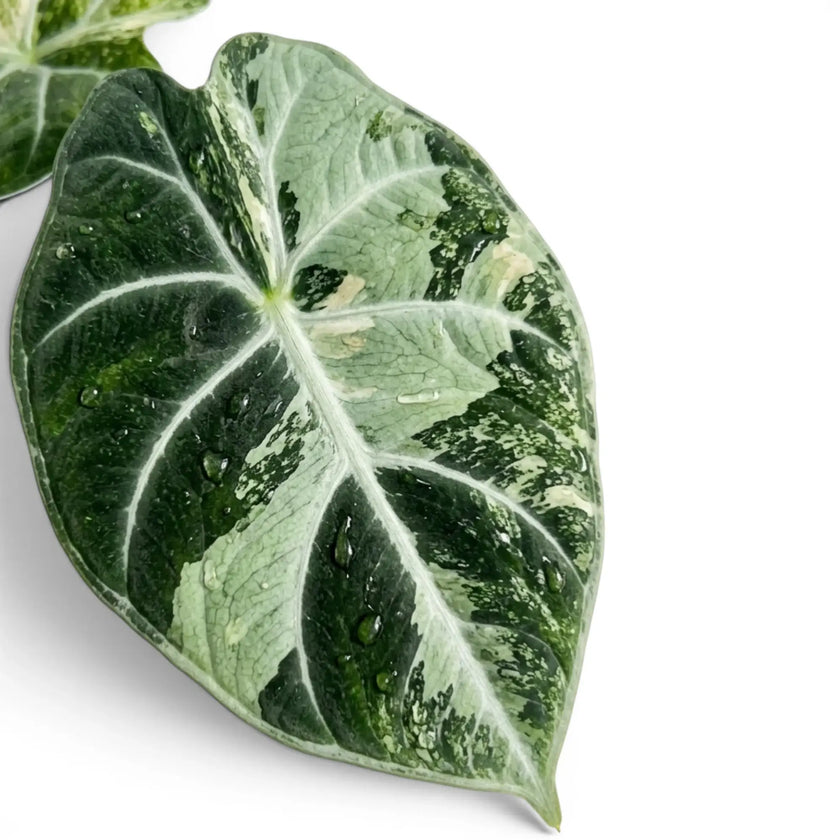
Botanical Profile and Alocasia Naming
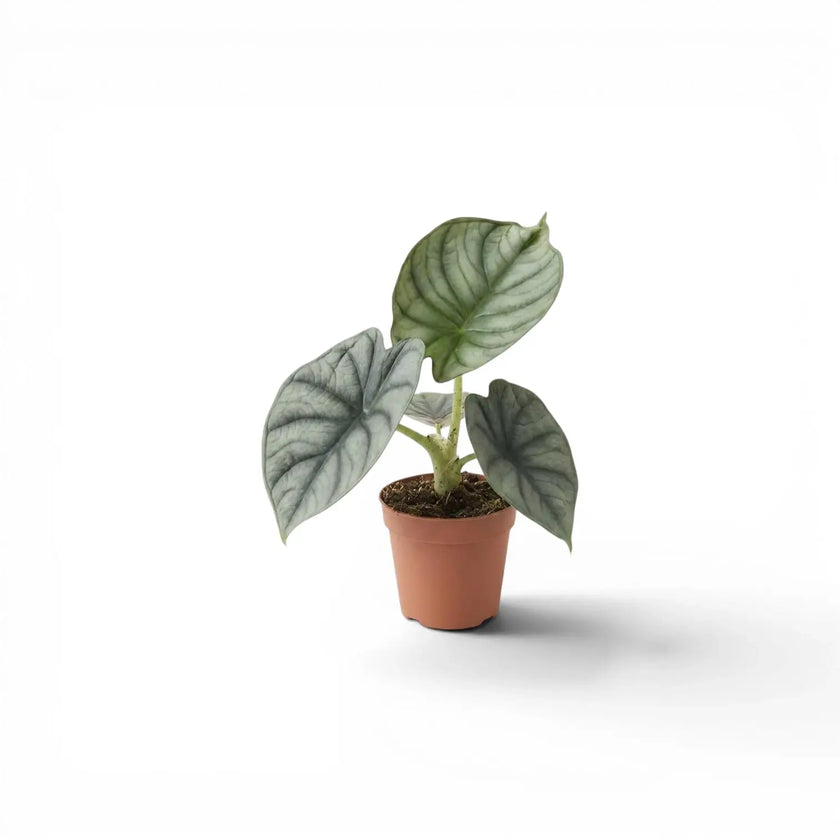
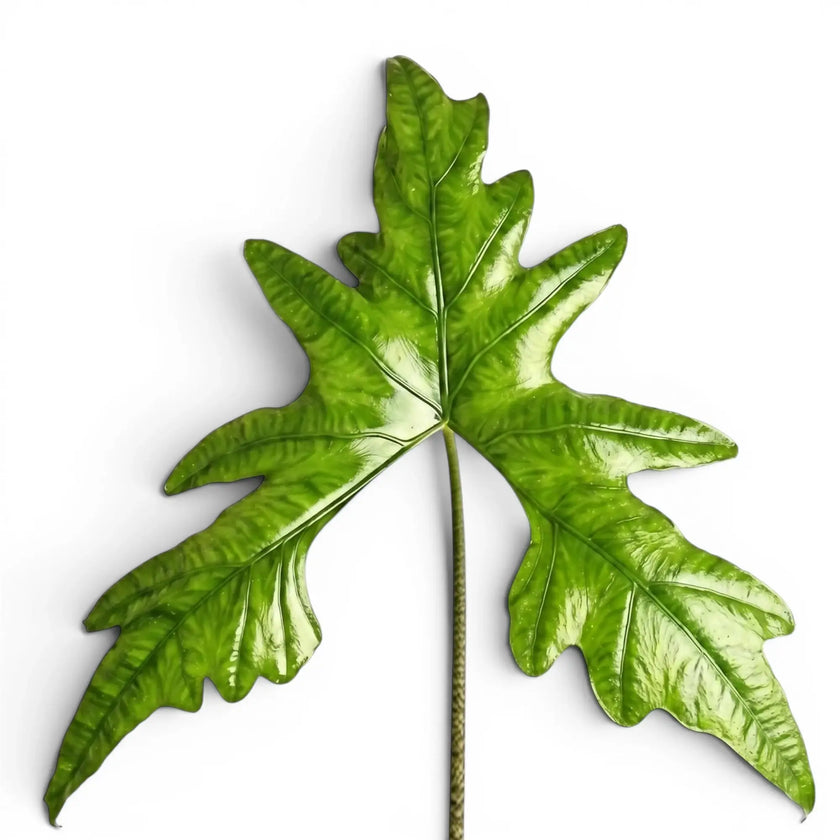
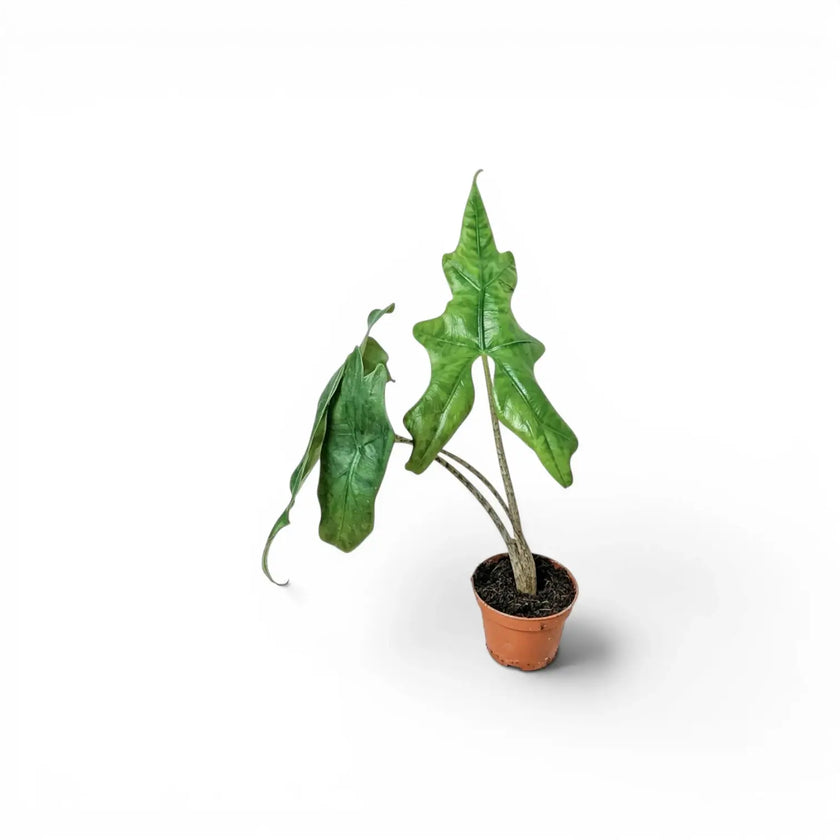
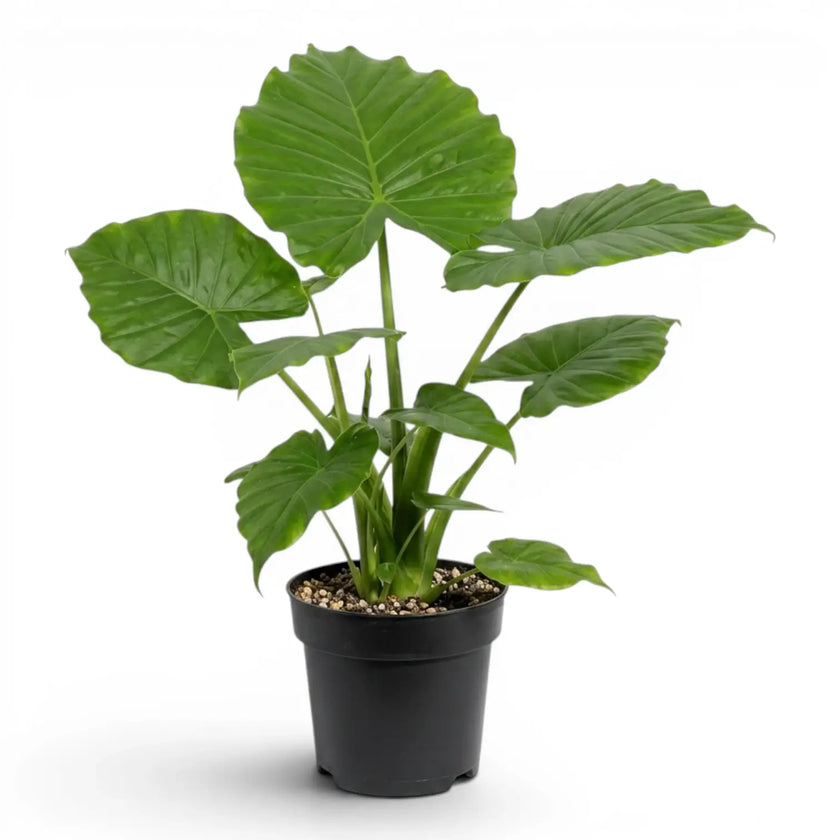
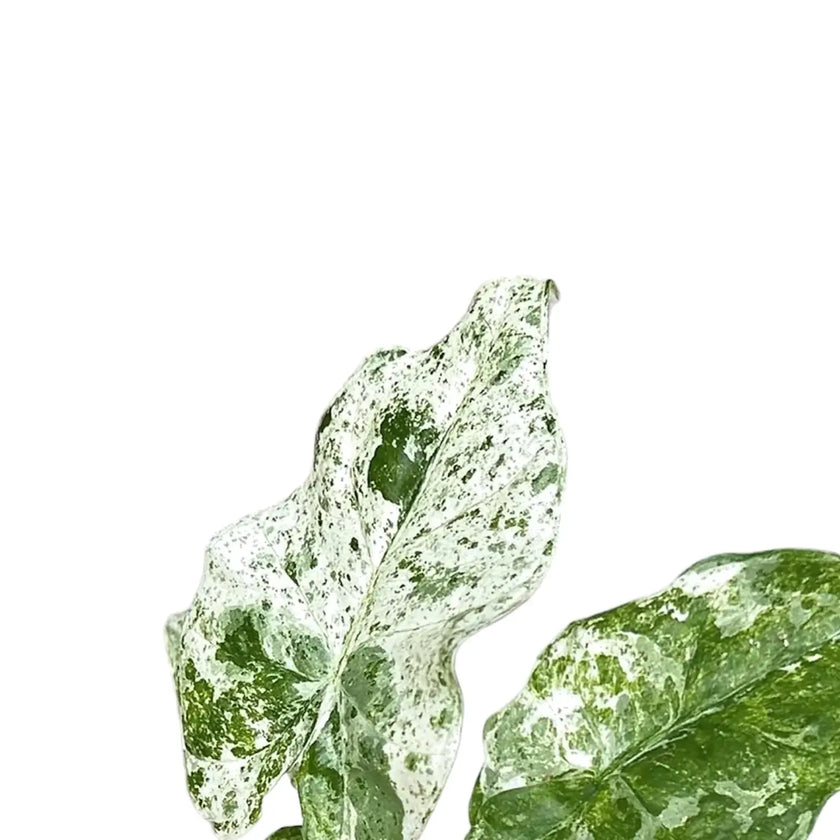
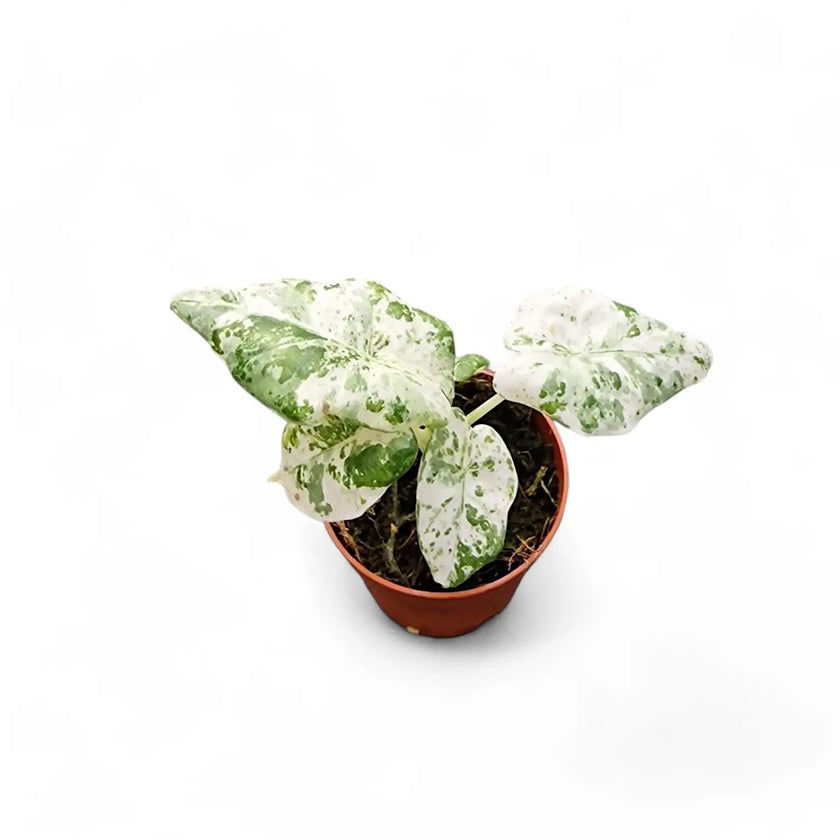
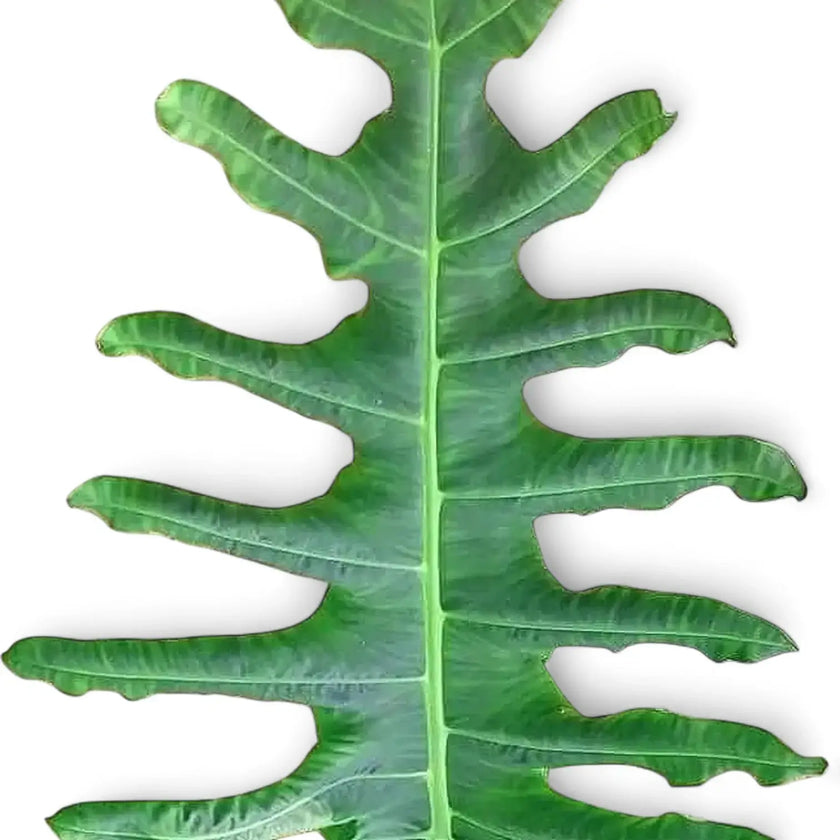
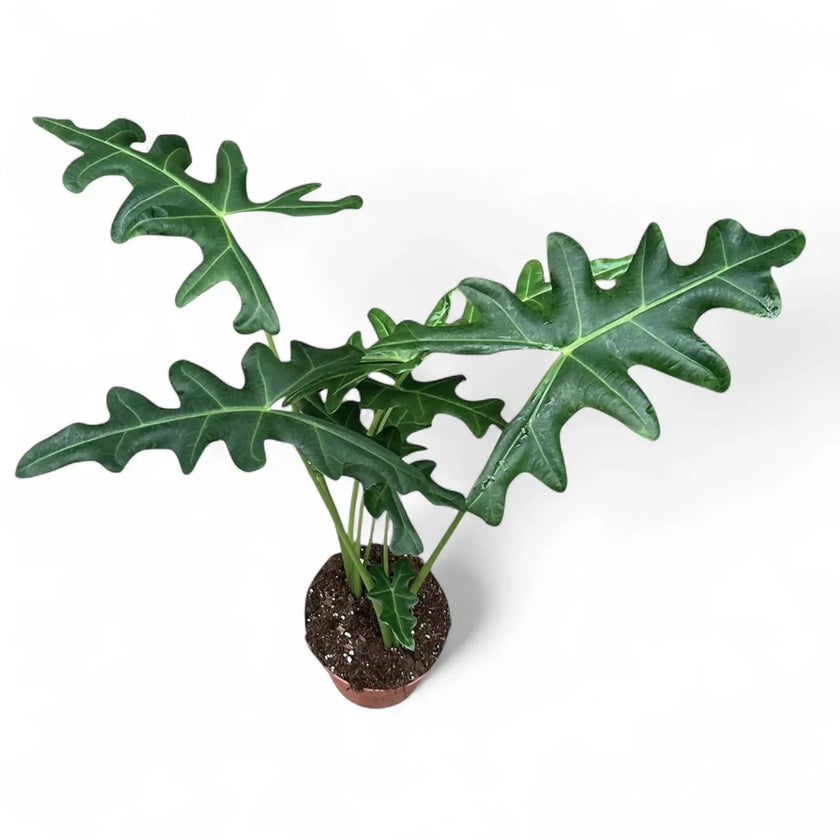
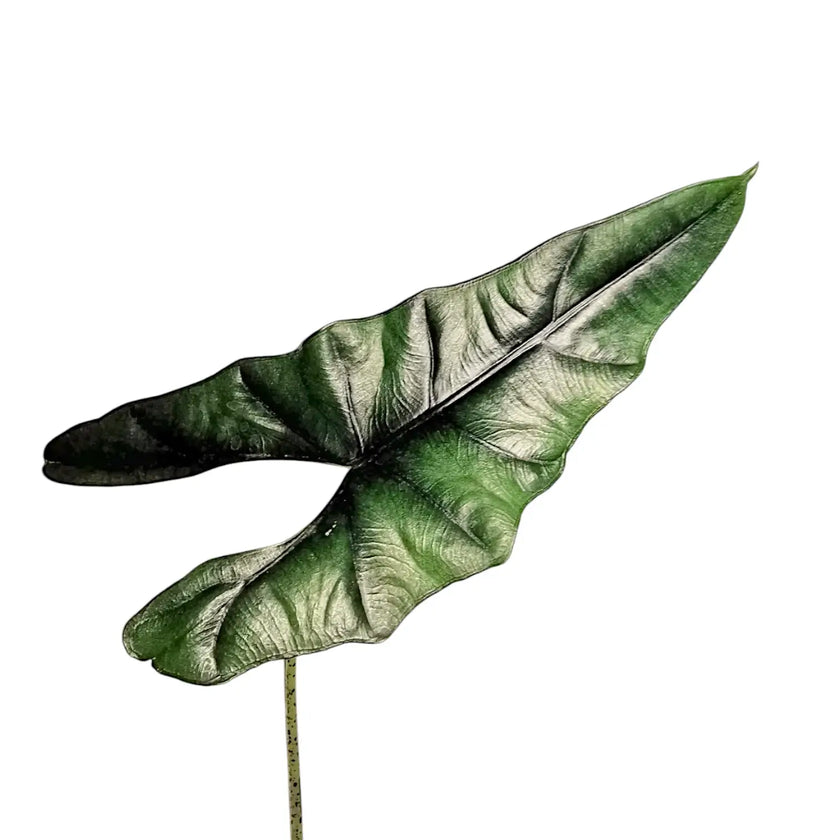
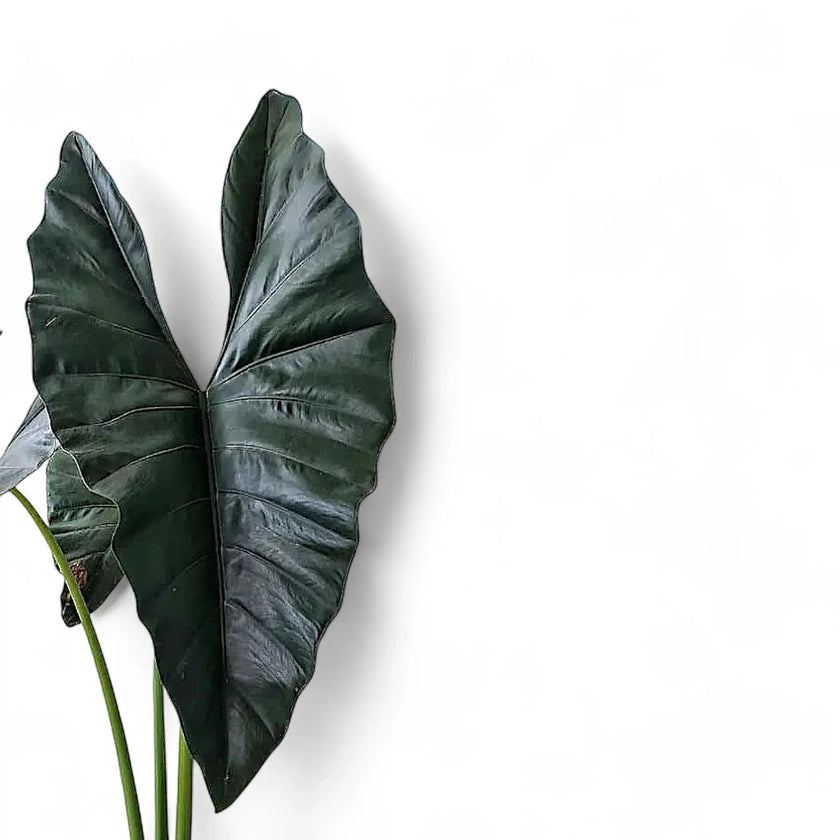
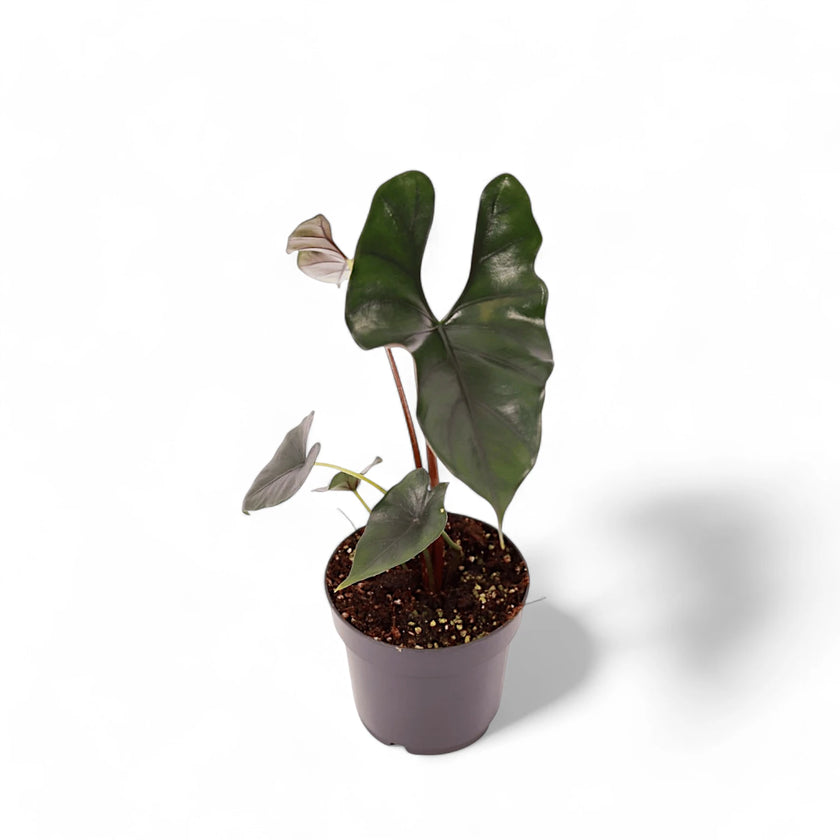
Alocasia moves through horticulture under botanical names, cultivar names, hybrid names, trade labels, and loose common names. That overlap is exactly why “elephant ear” creates confusion: it is a retail umbrella, not an identification.
Reliable labels help predict mature size, growth habit, and indoor behaviour. When a label is uncertain, use structure and growth pattern as your safer guide.
What Alocasia labels usually mean
- Species: naturally occurring taxa, often variable across range and form
- Hybrids: crosses between taxa, sometimes sold as stable horticultural clones
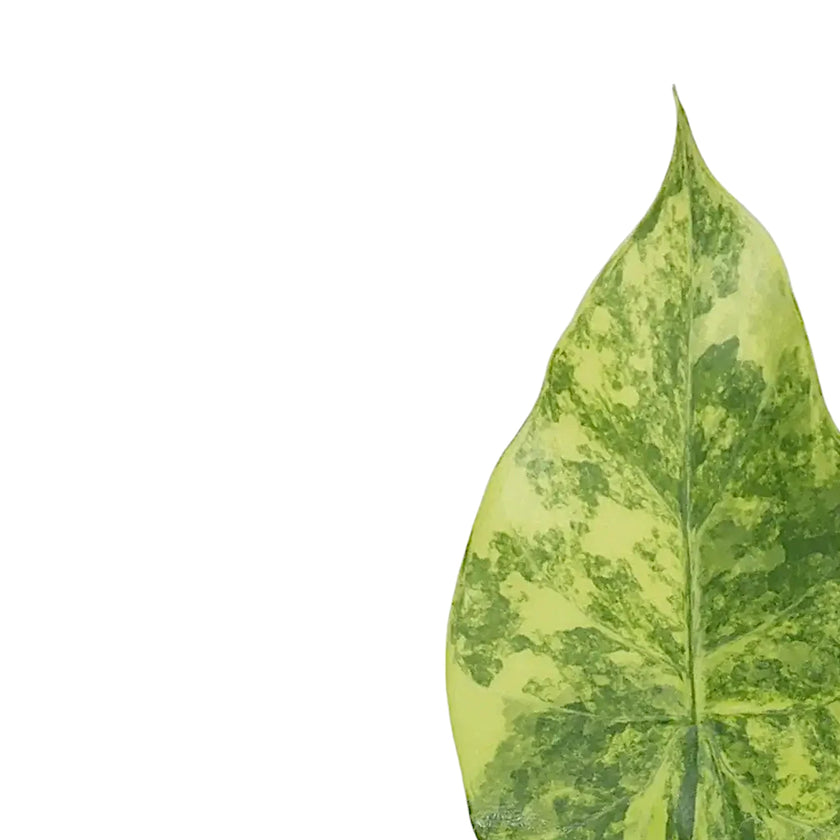
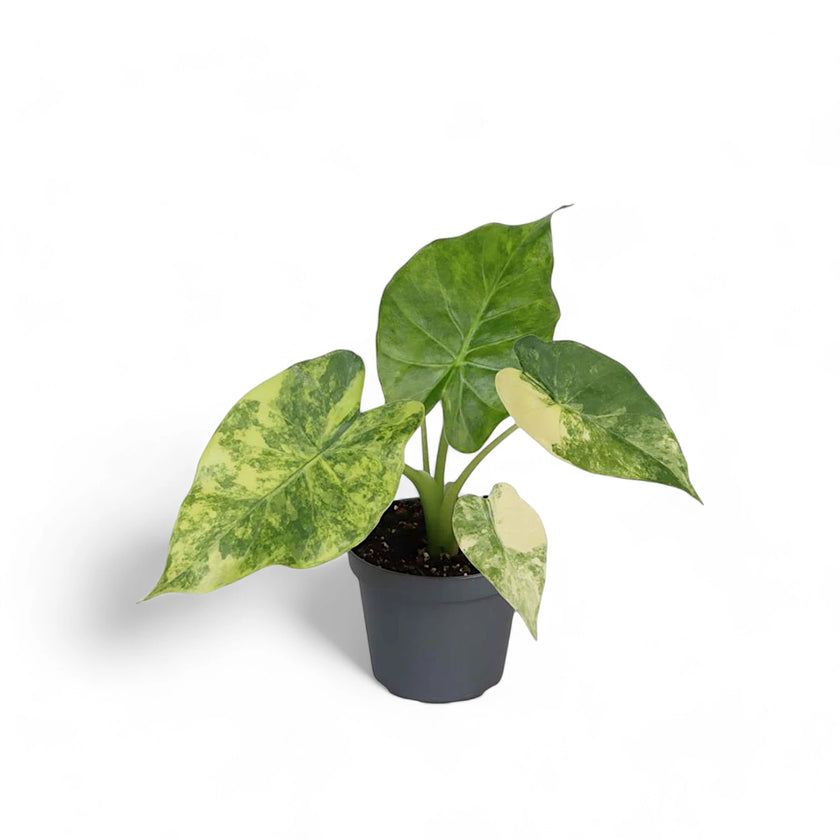
- Cultivars: named cultivated selections in single quotes, with repeatable traits when stable
- Trade names: supplier or marketing shorthand that can drift between regions
Alocasia vs Colocasia vs Xanthosoma
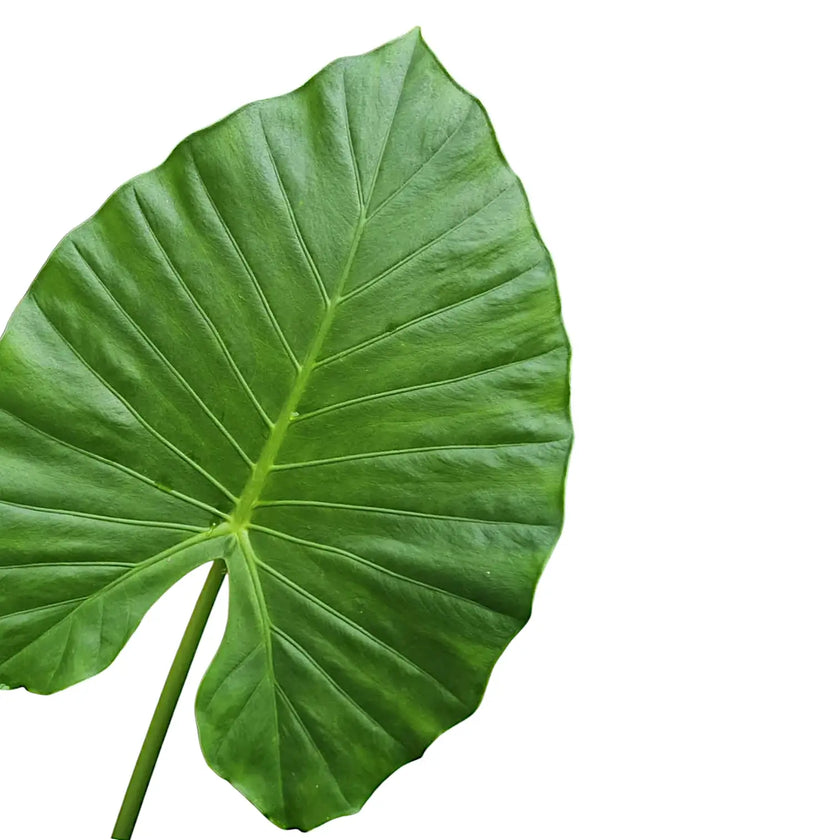
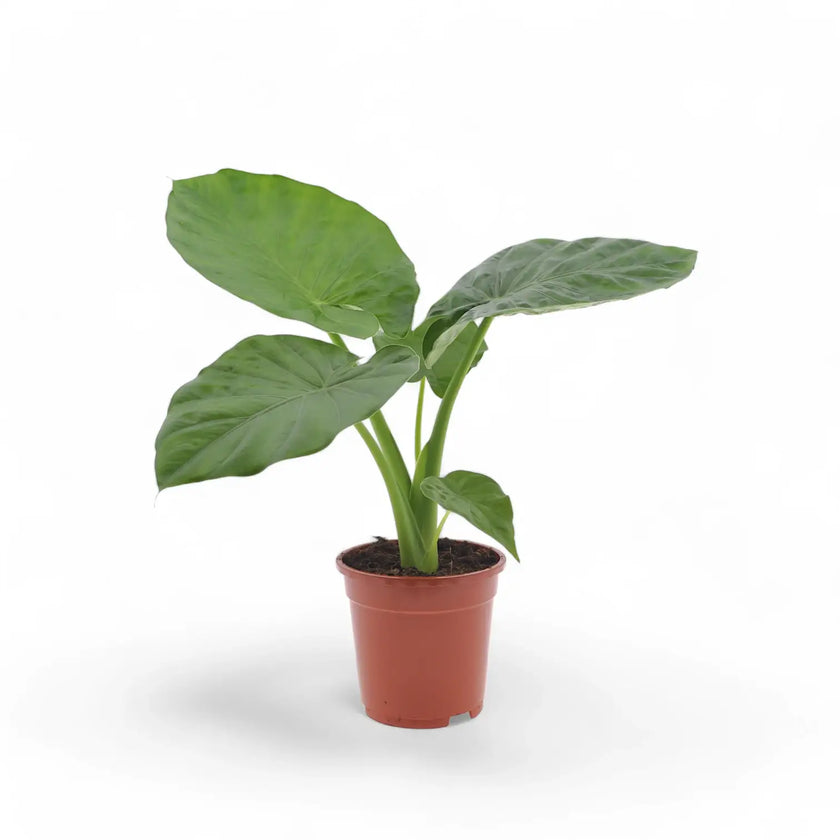
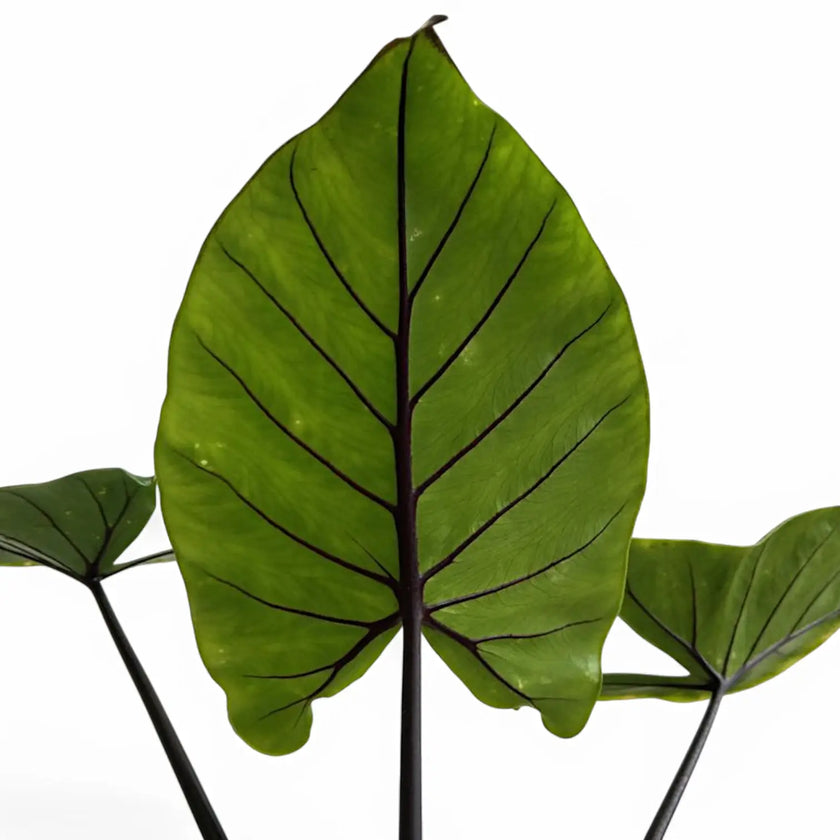
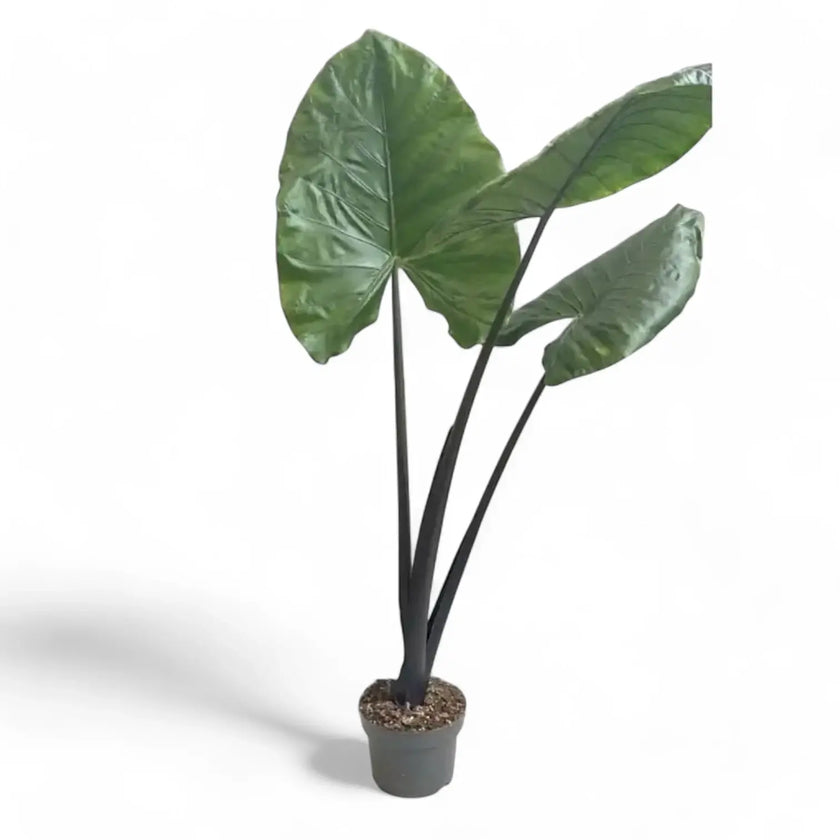
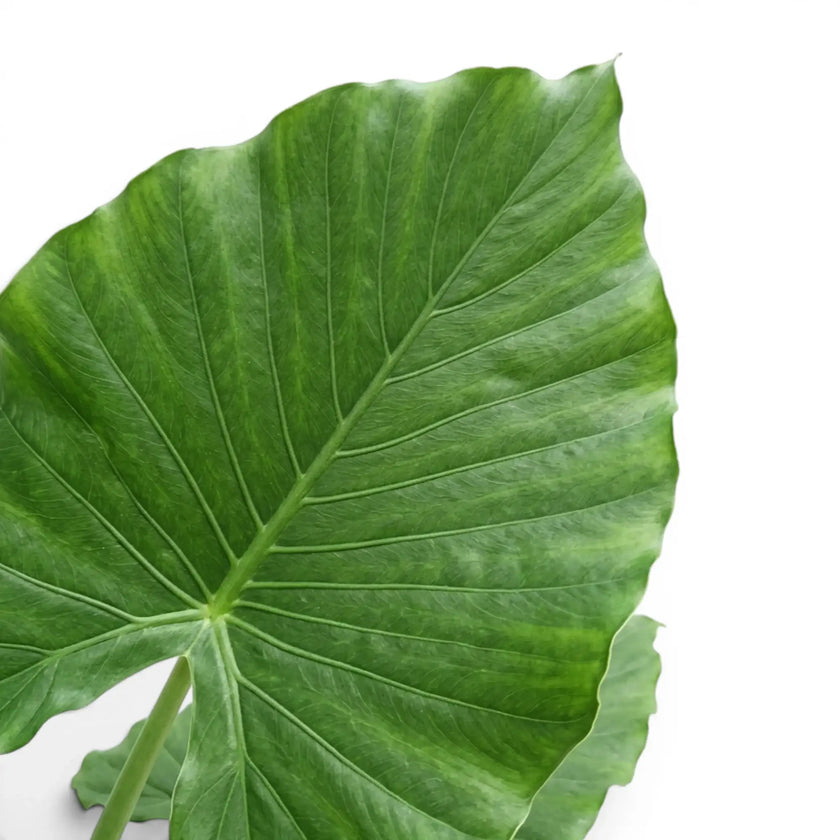
Leaf shape overlap is real. Colocasia is often more drooping and more clearly peltate, while many Alocasia hold leaves more upright and rigidly. That shortcut still fails often enough to cause mis-IDs, so treat “elephant ear” as a starting point and confirm with growth habit, leaf attachment, and how the plant carries itself over time.
Crowns, storage tissue, and cormels
Most indoor Alocasia grow from a crown connected to thickened stem tissue at or just below substrate level. The crown is the active point where leaves and roots emerge, so it should sit at substrate line rather than being buried in wet mix.
- Crown: active growing point; keep level with the substrate surface.
- Storage tissue: firm thickened stem tissue that can support regrowth after stress.
- Cormel: small storage propagule found near the base or pot edge; it needs warmth, oxygen, and controlled moisture before it roots.
Important note
Alocasia macrorrhizos has documented food use in parts of its cultivated range when prepared correctly. Raw tissue is acrid and irritating because of insoluble calcium oxalate crystals. Do not treat this as general Alocasia edibility.