Skip to content

Cart

Your cart is empty.

Caladium

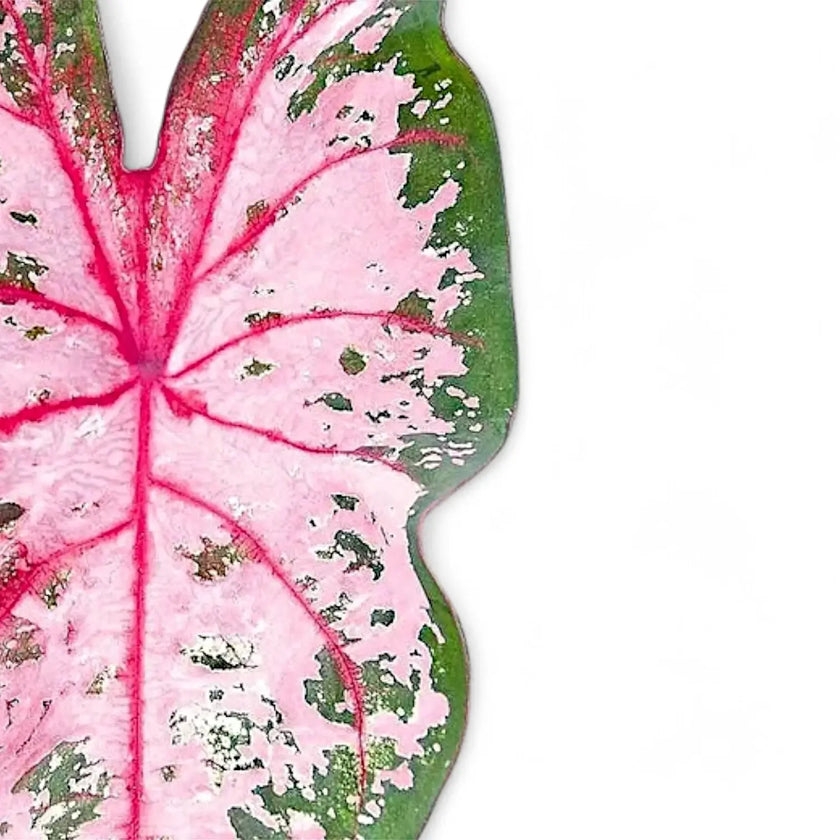
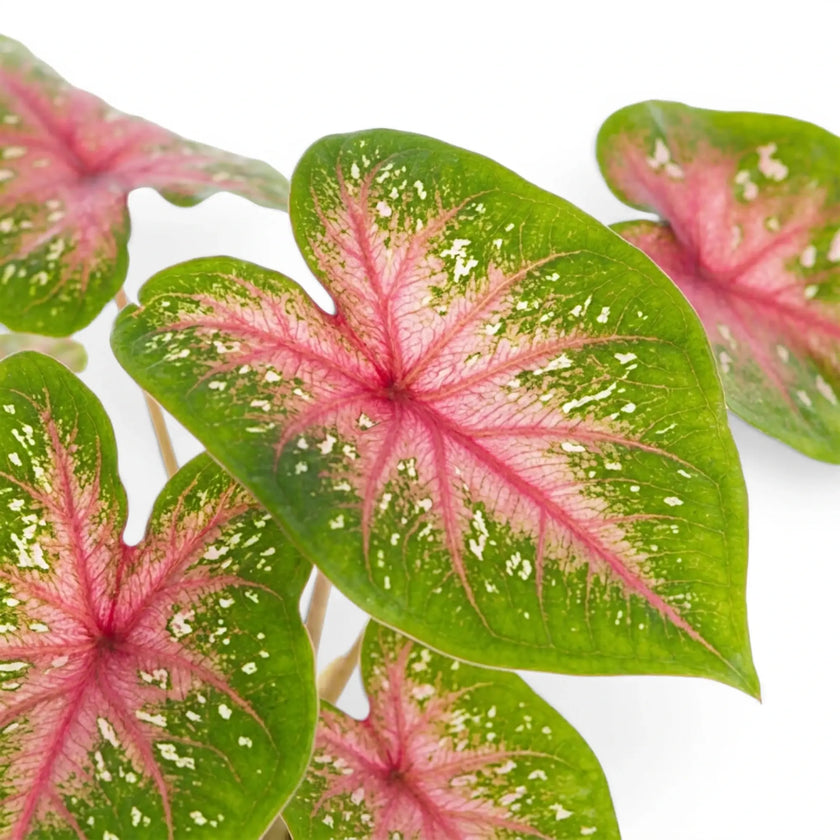
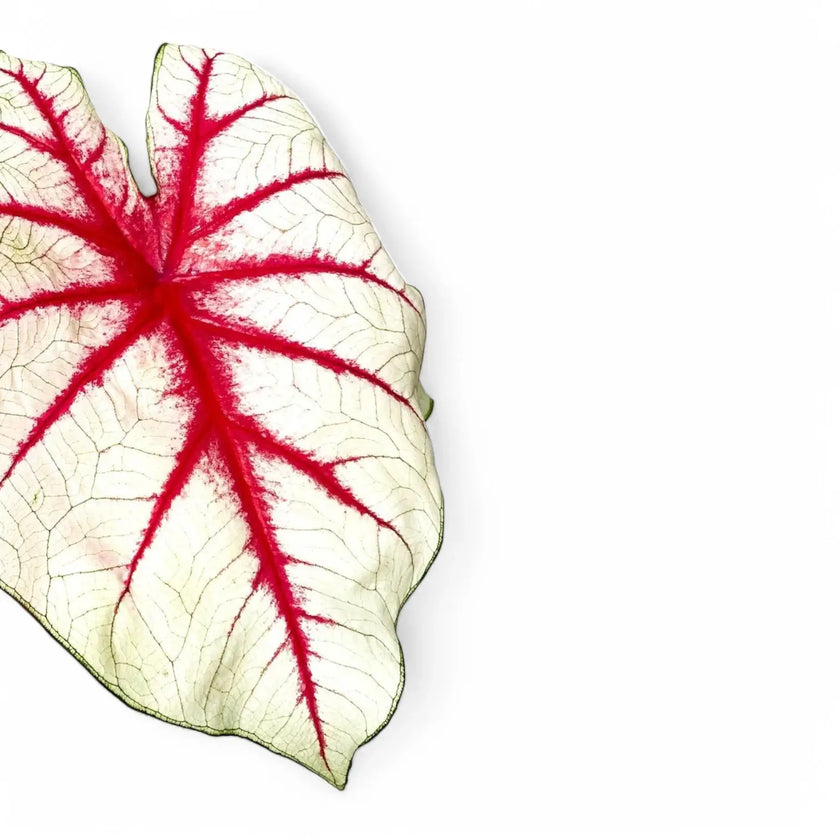
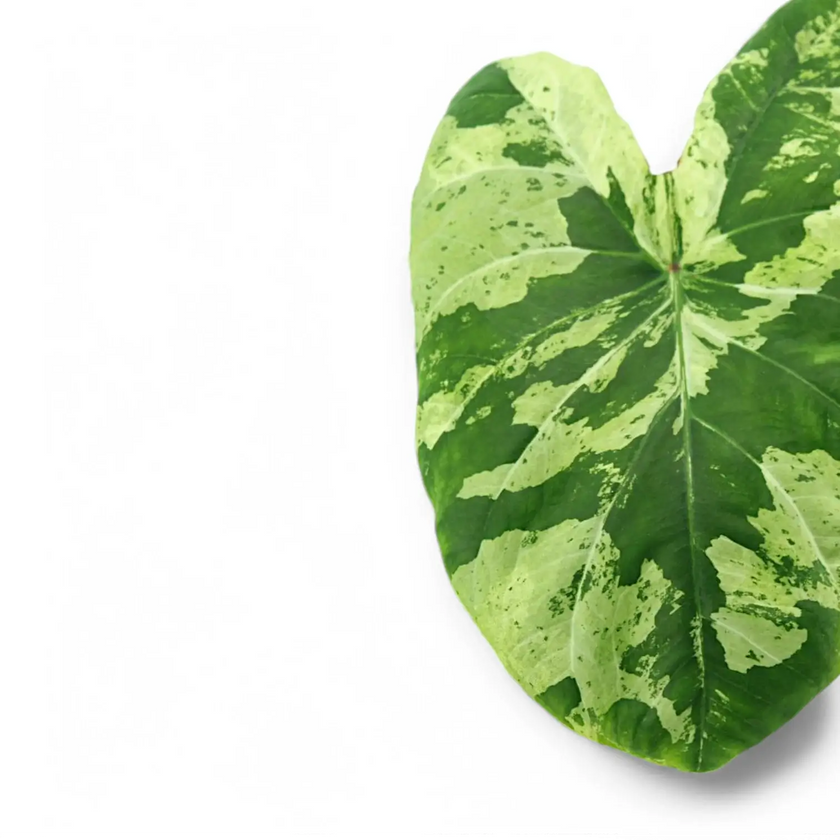
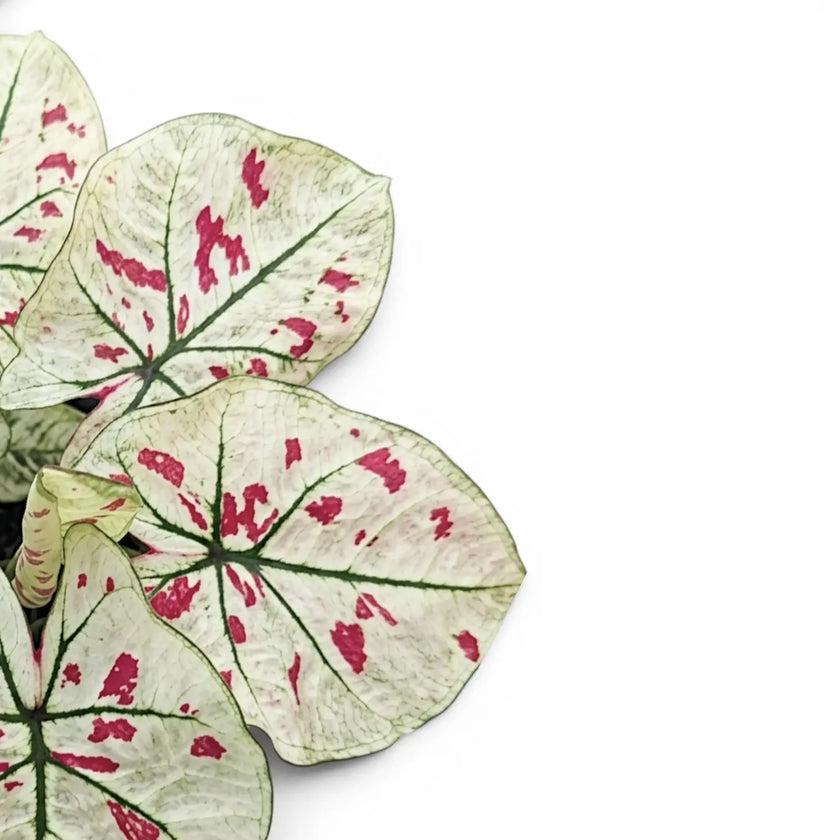
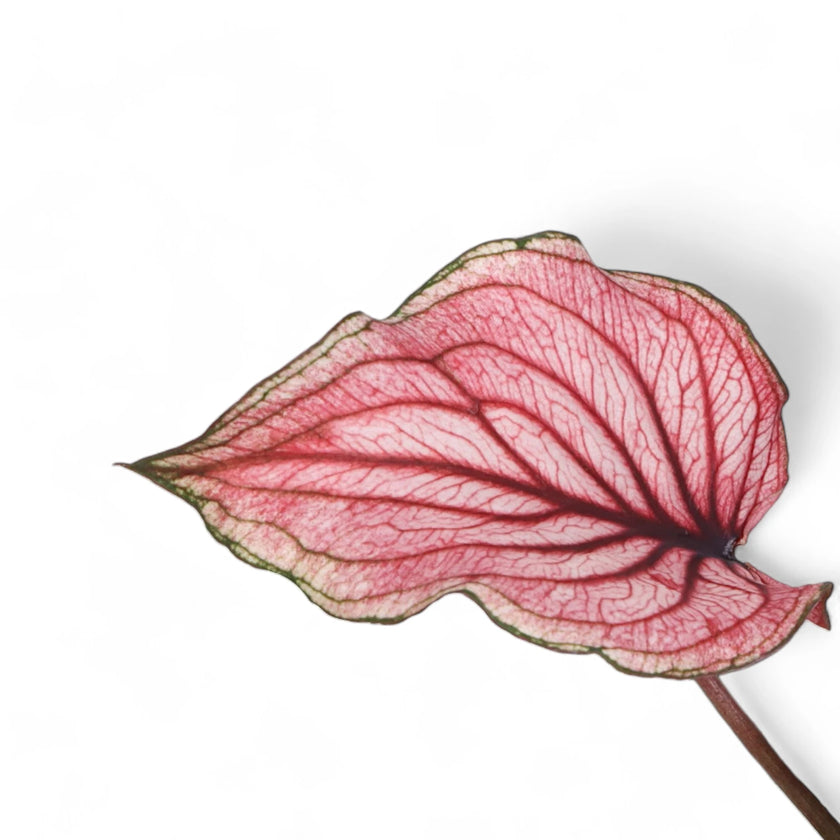
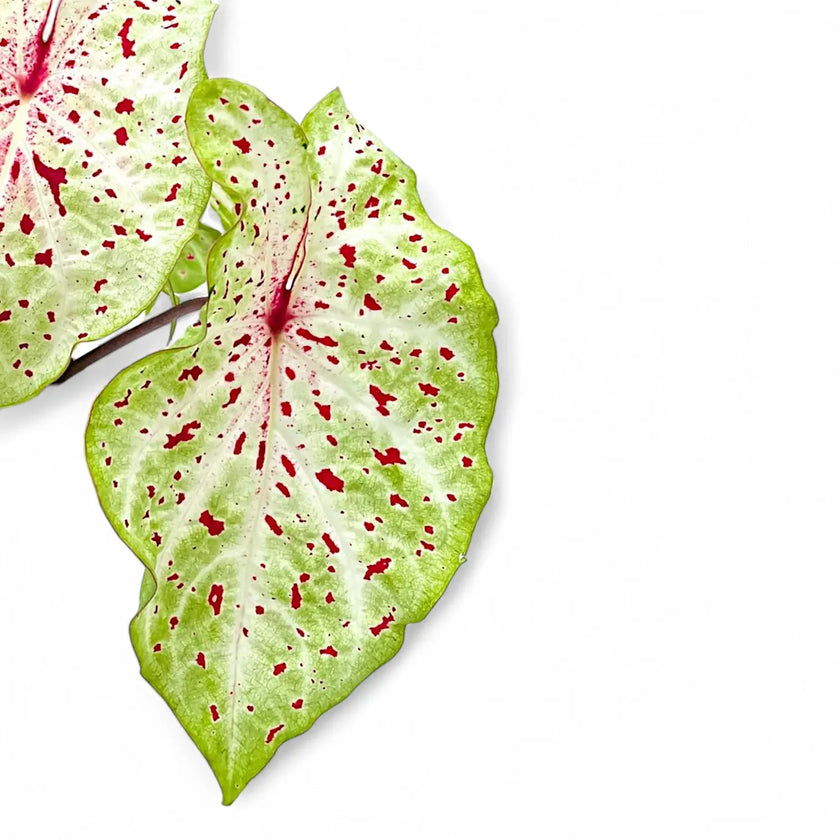
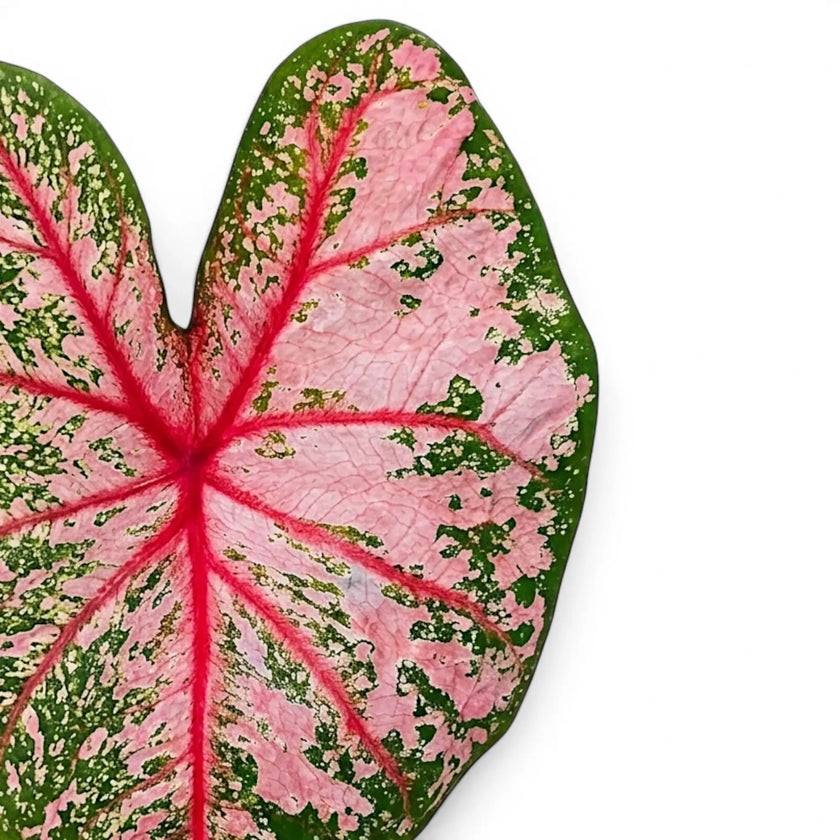
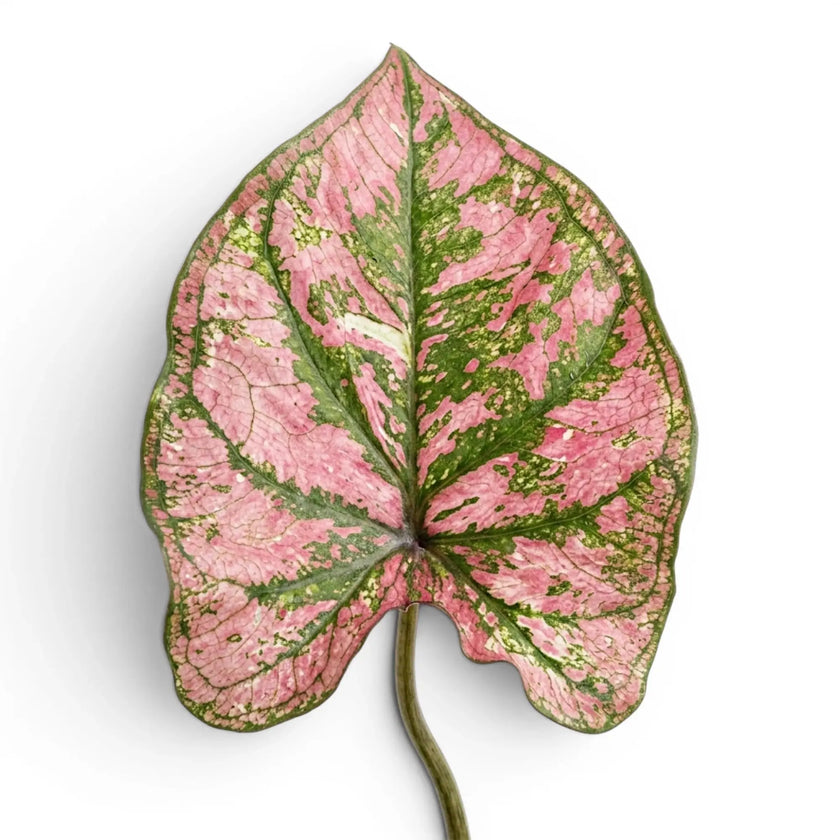
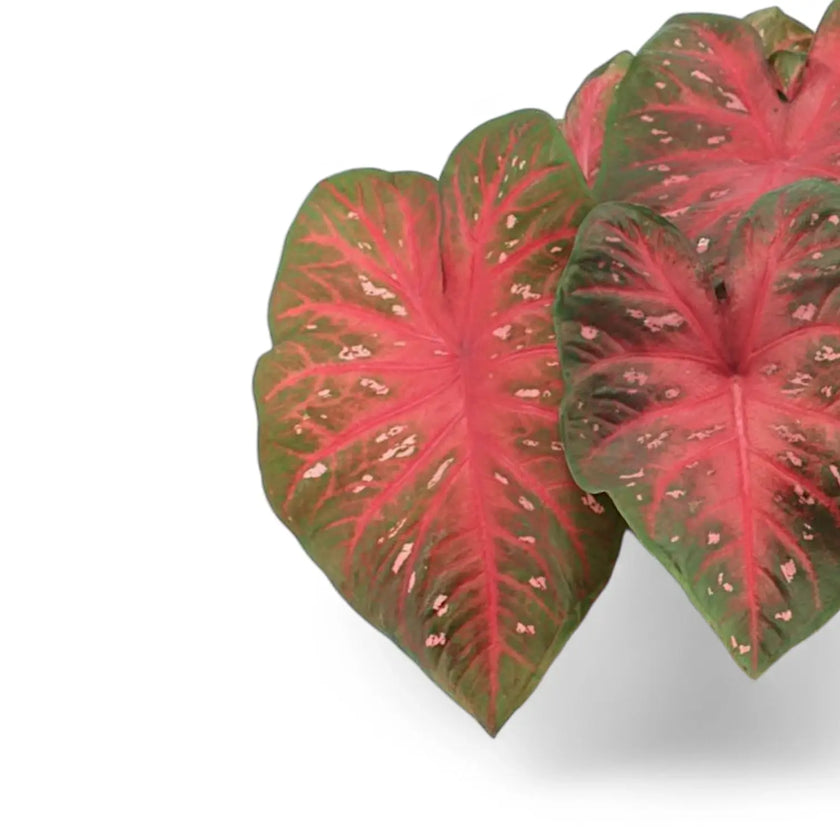
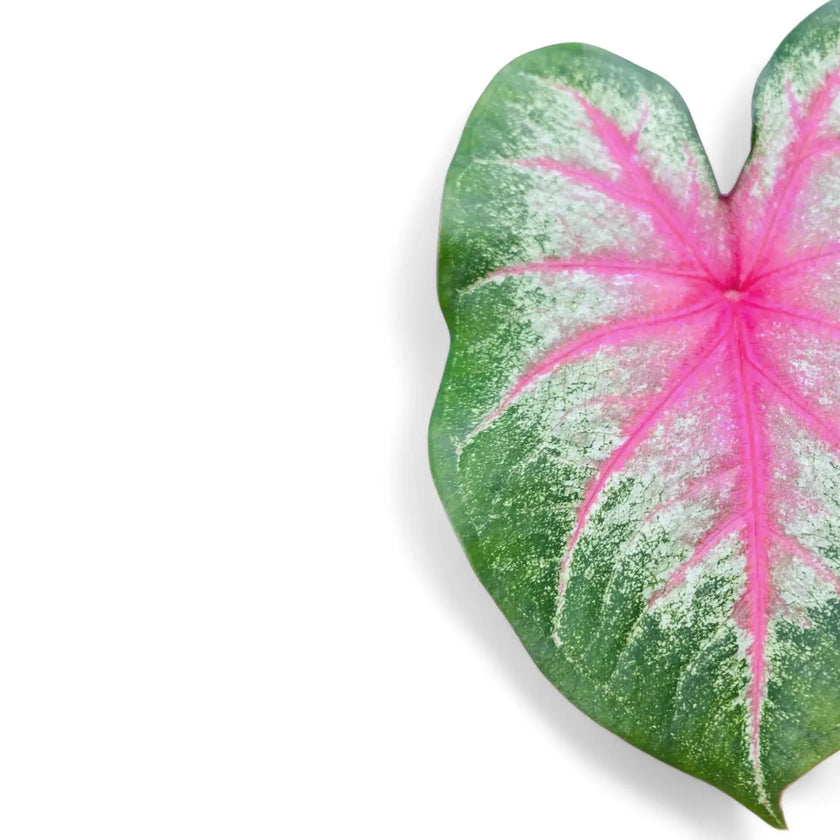
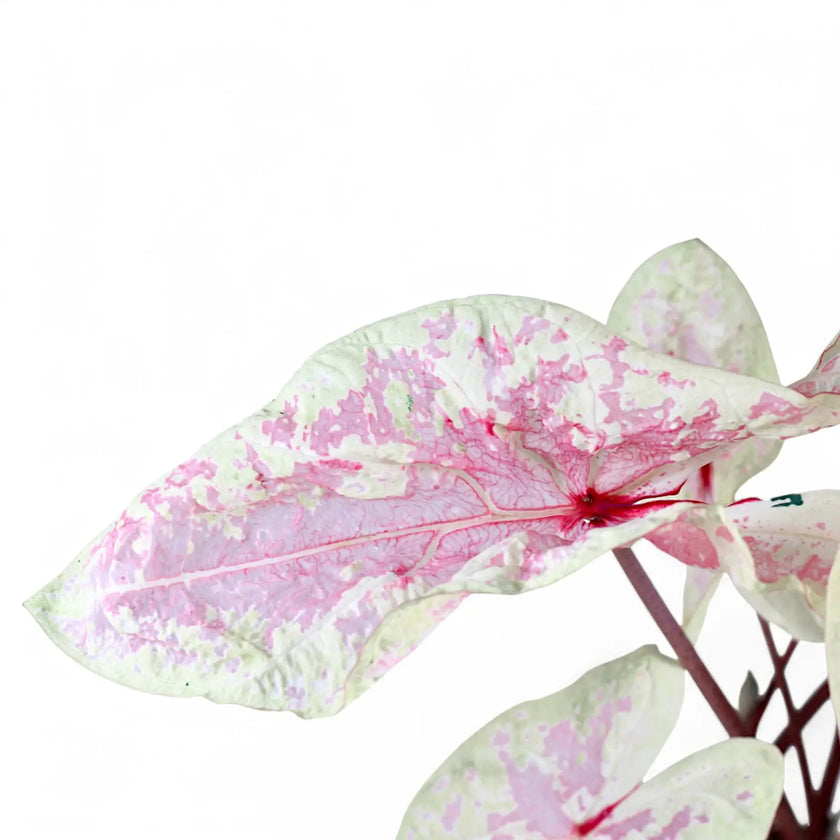
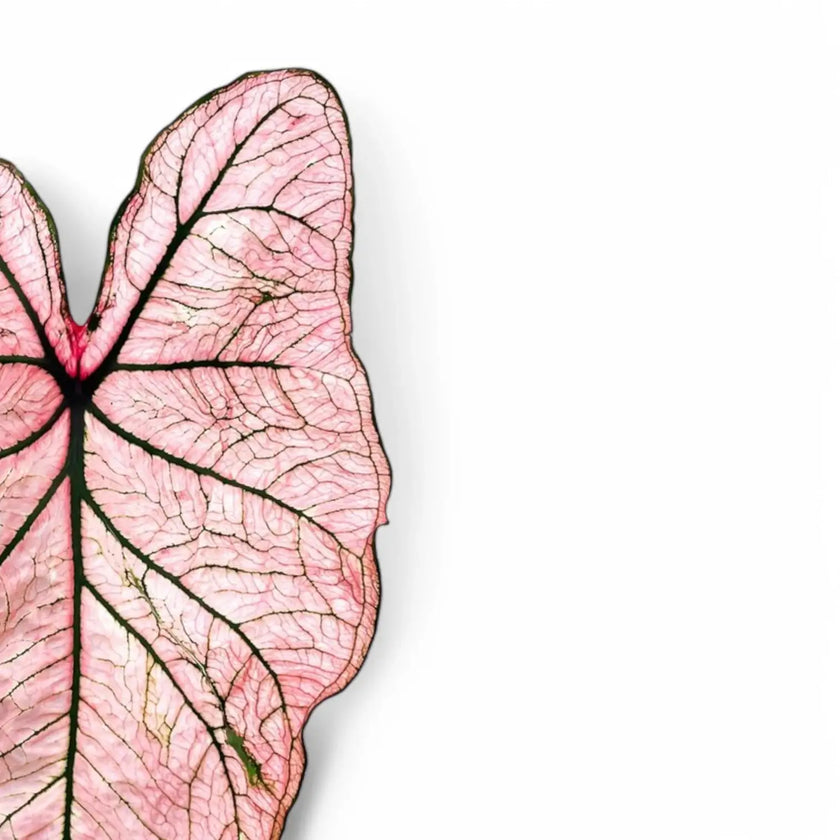
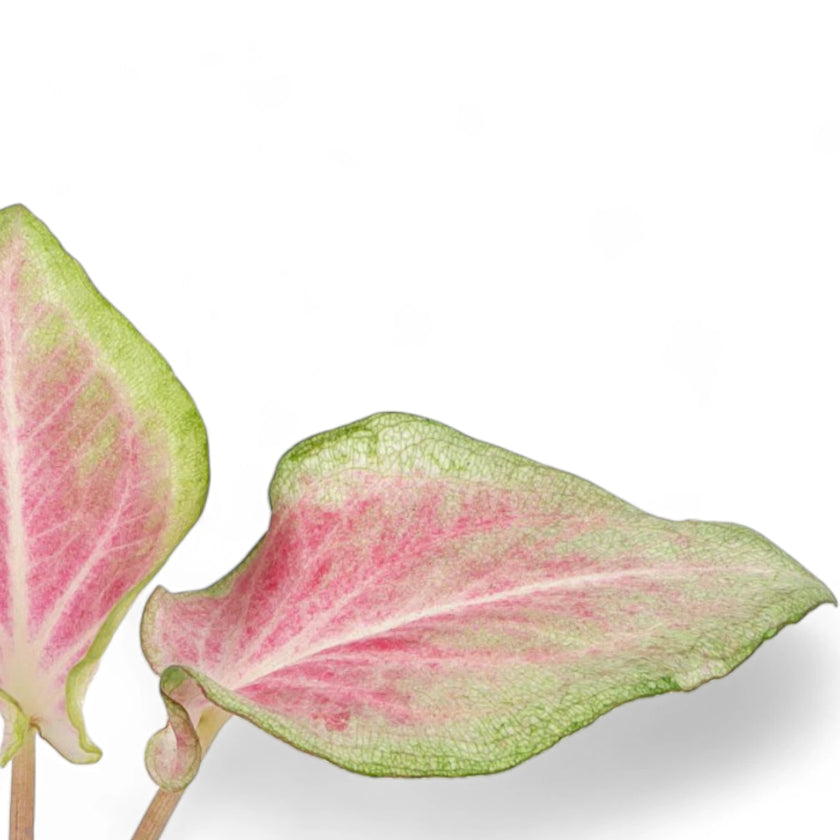
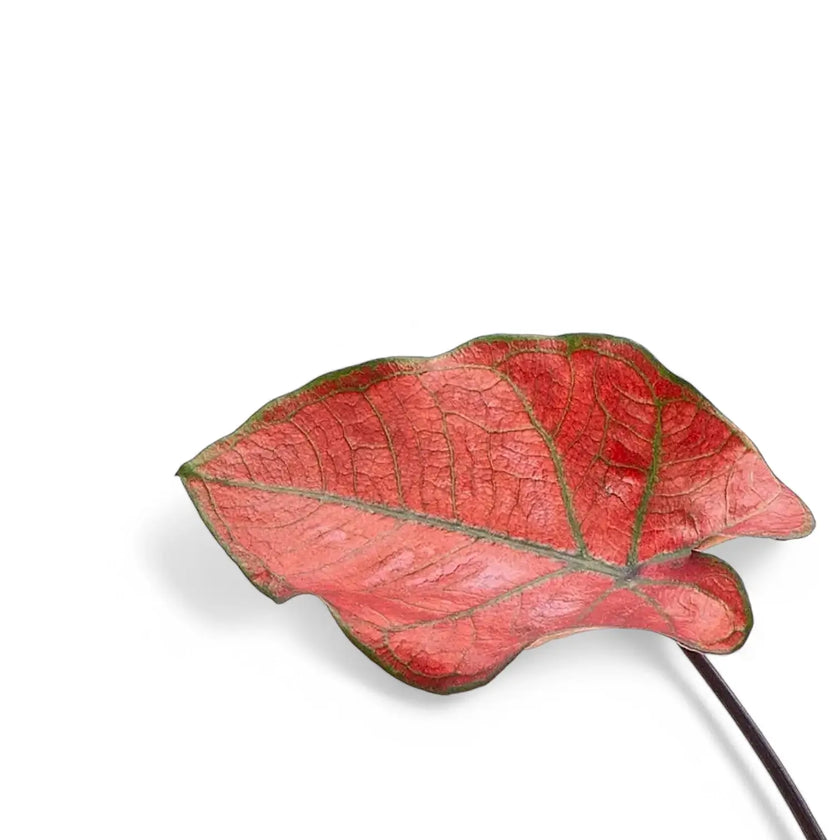
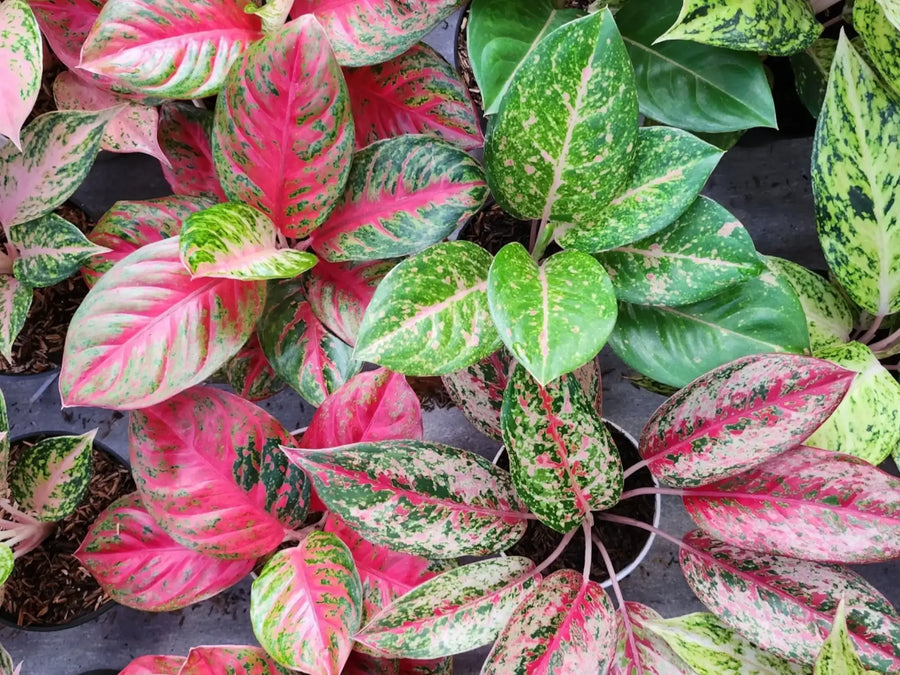
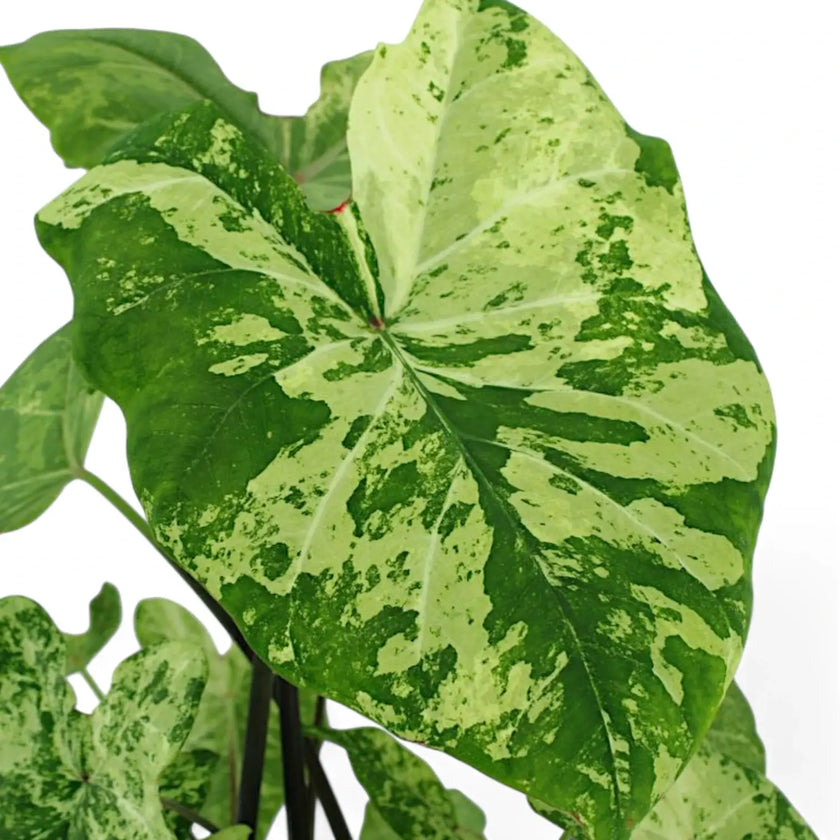
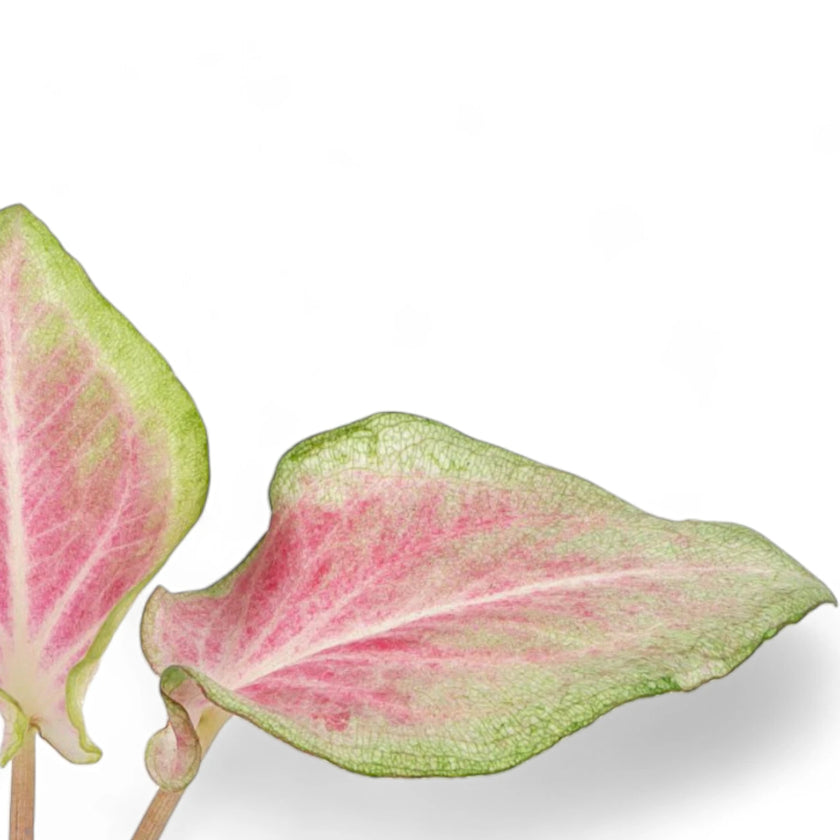
Caladium plant leaf close up on white background

Sort by:

Filters

Caladium 'Candidum' leaf detail on white background.
Caladium 'Carolyn Whorton' leaf detail on white background.
Caladium 'Casey' close-up of leaf on white background.
Caladium 'Casey' Sold out
Caladium 'Fiesta' close-up of leaf on white background.
Caladium 'Frog in a Blender' close-up of leaf on white background.
Caladium 'Gingerland' leaf detail on white background.
Caladium 'Kelly' leaf close-up on white background.
Caladium 'Kelly' Sold out
Caladium 'Lucia' close-up of leaf on white background.
Caladium 'Lucia' Sold out
Caladium 'Miss Muffet' leaf close-up on white background.
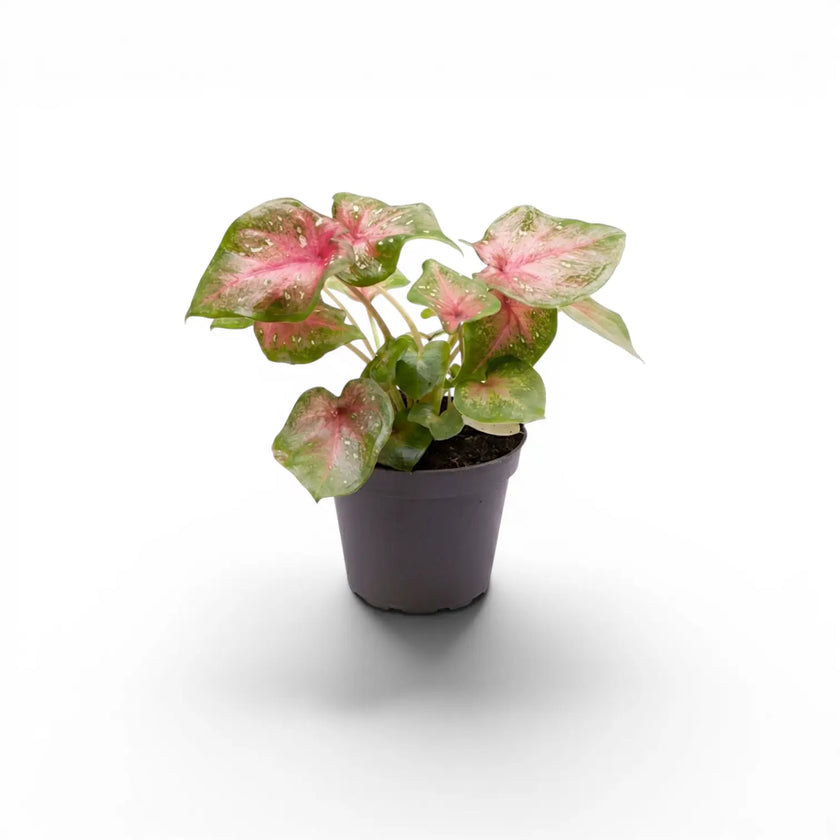
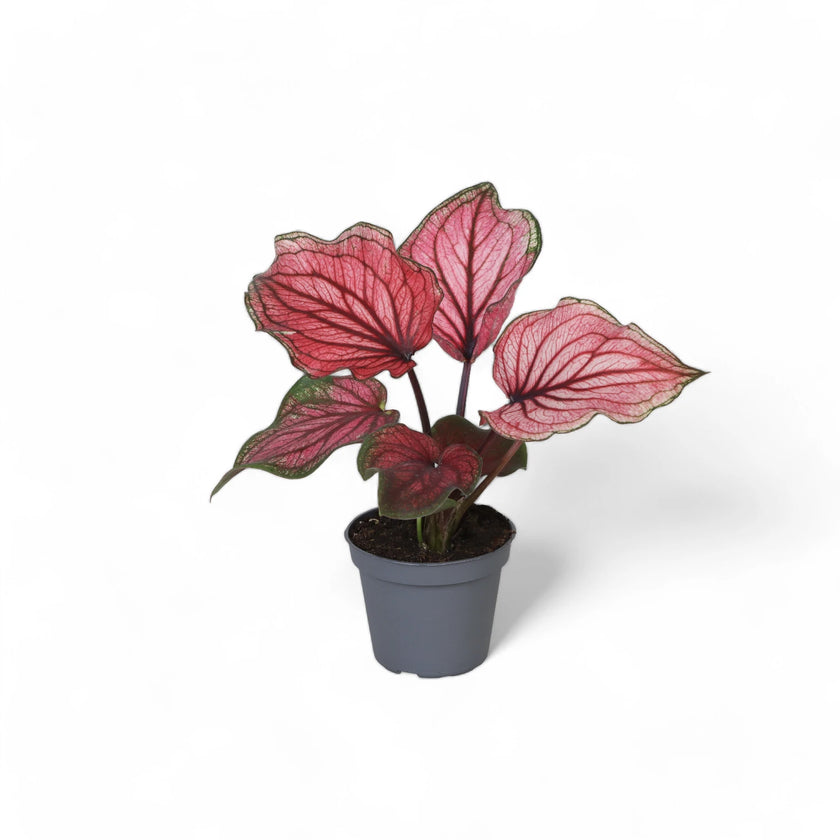
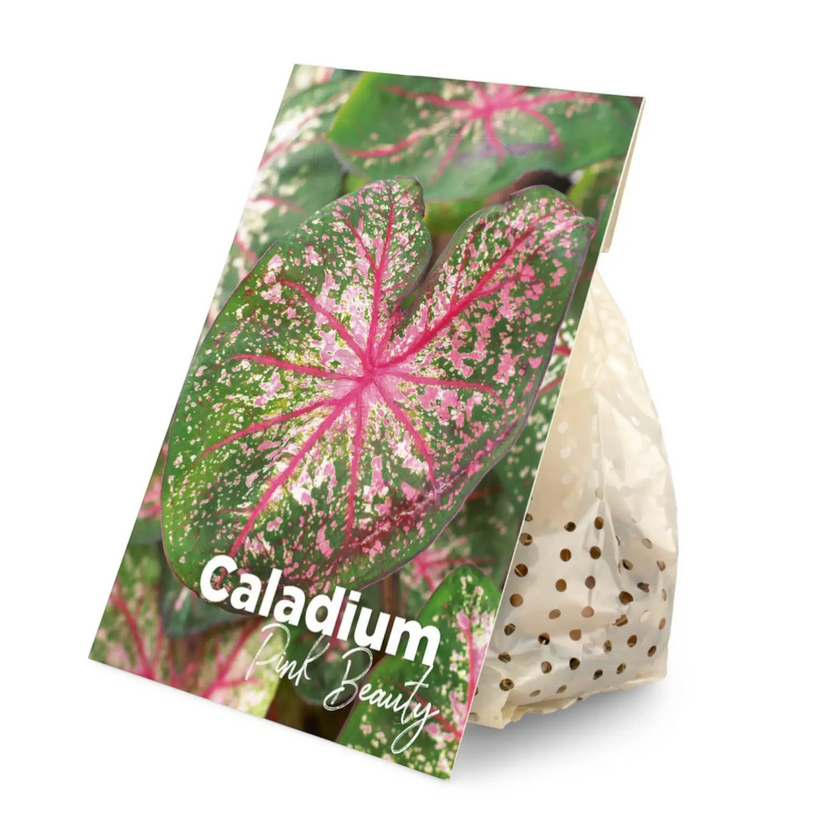
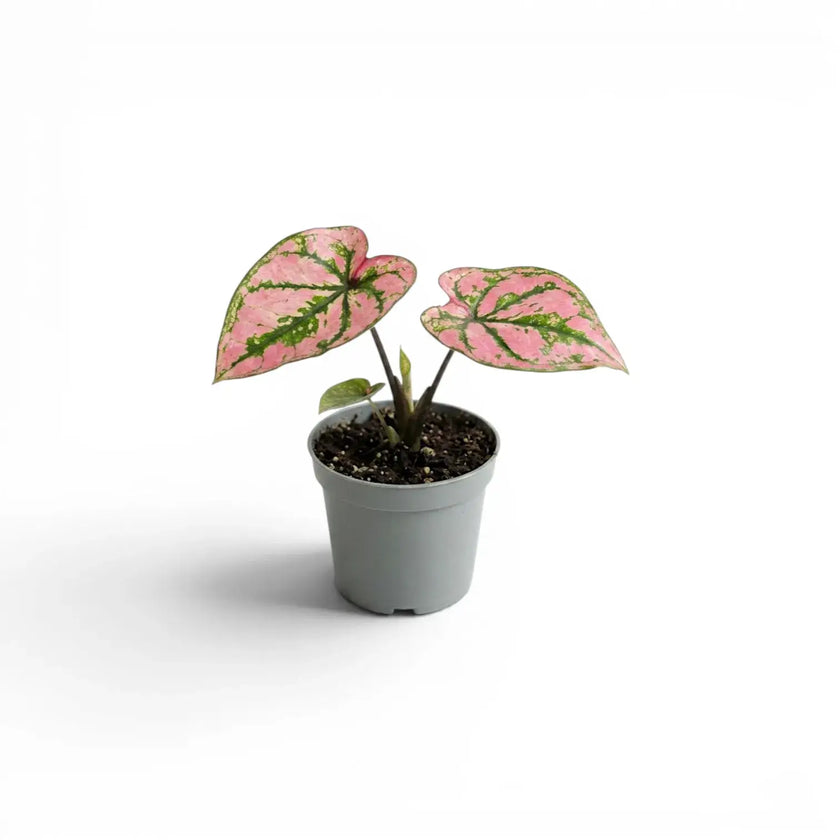
Caladium 'Pink Beauty' leaf detail on white background.
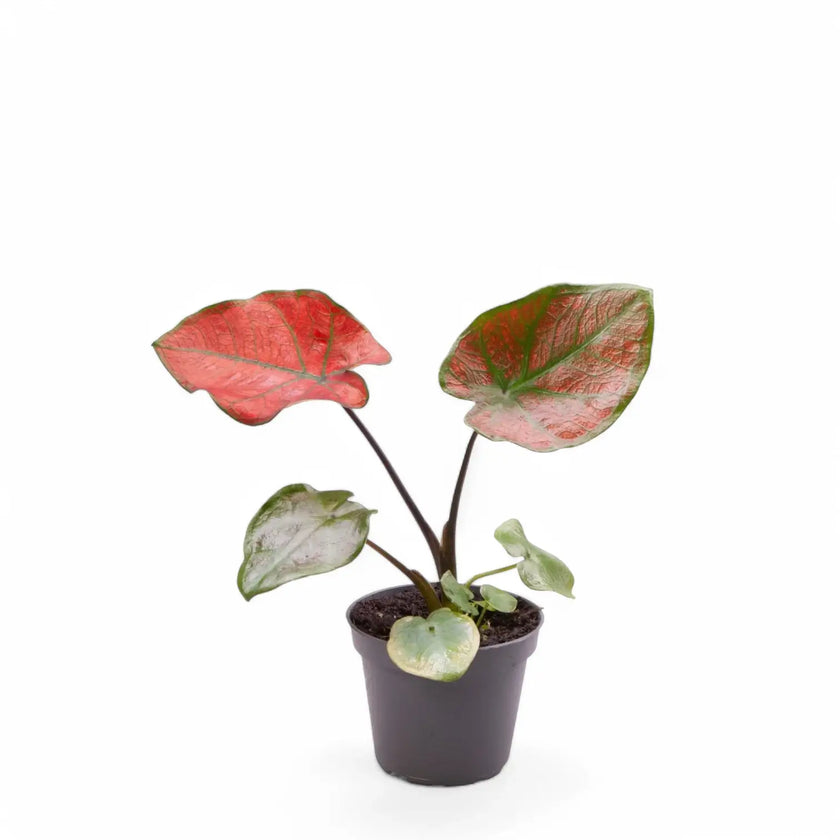
Caladium 'Pink Beauty' Regular price €10,75
Caladium 'Pliage' leaf close-up on white background.
Caladium 'Purple Light' close-up of leaf on white background.
Caladium 'Red Flash' close-up of leaf on white background.
Caladium 'Rosebud' close-up of leaf on white background.
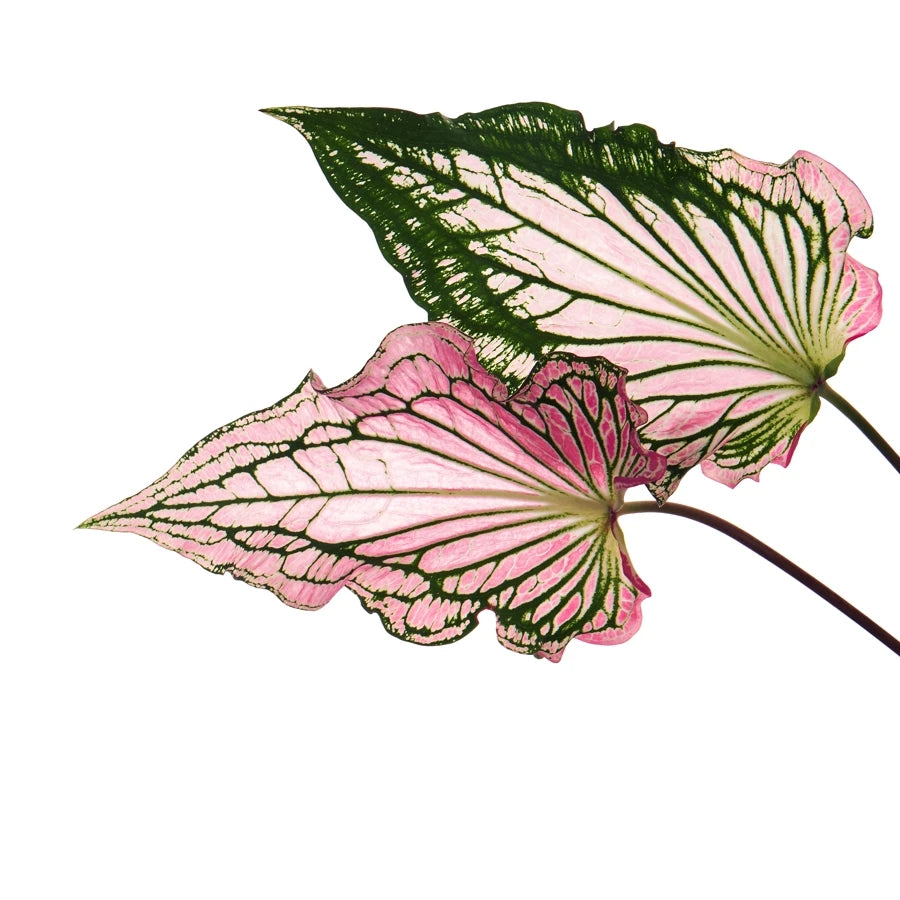
Caladium 'Seafoam Pink' leaf detail on white background.
Caladium 'Spring Fling' leaf close-up on white background.
Caladium 'Tapestry' close-up of leaf on white background.
Caladium 'Va Va Violet' close-up of leaf on white background.
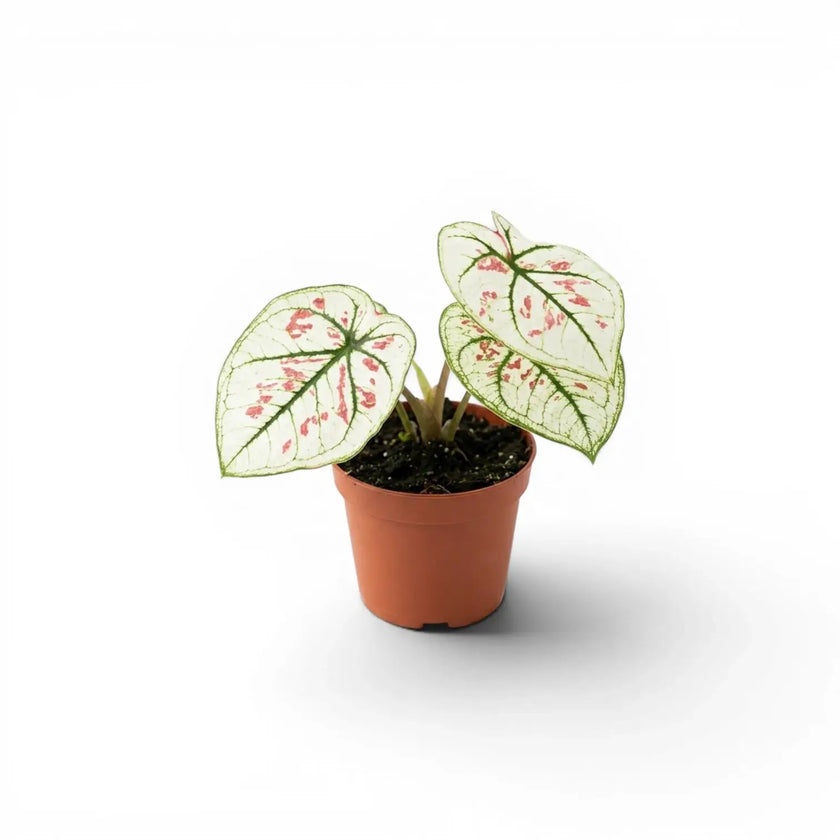
Caladium 'White Christmas' leaf close-up on white background.
Caladium 'White Queen' leaf close-up on white background.
Caladium bicolor 'Valentina' leaf close-up on white background.
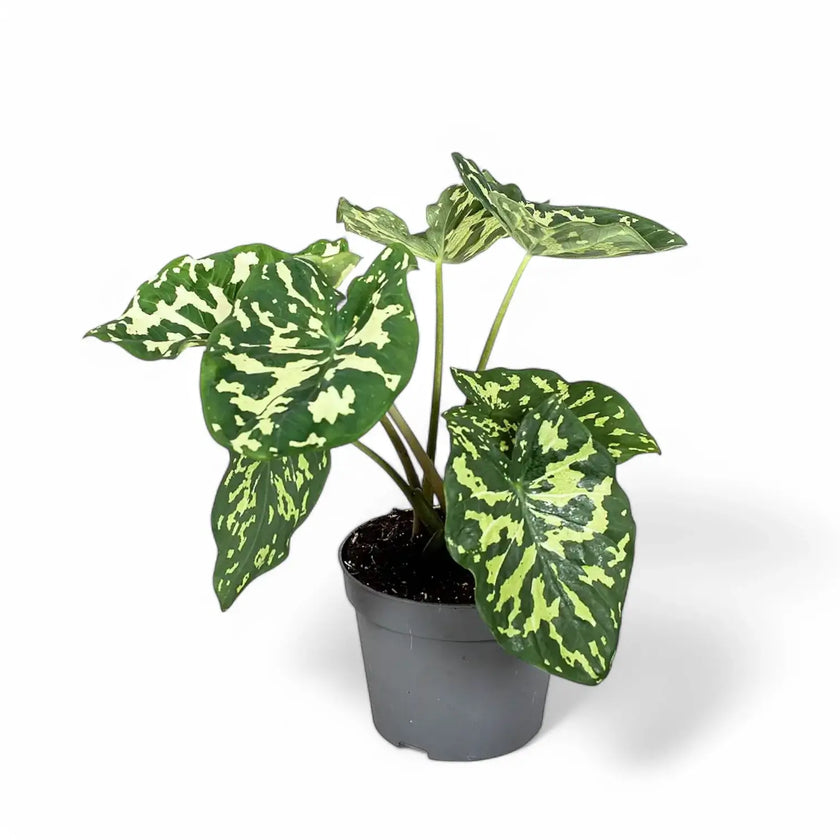
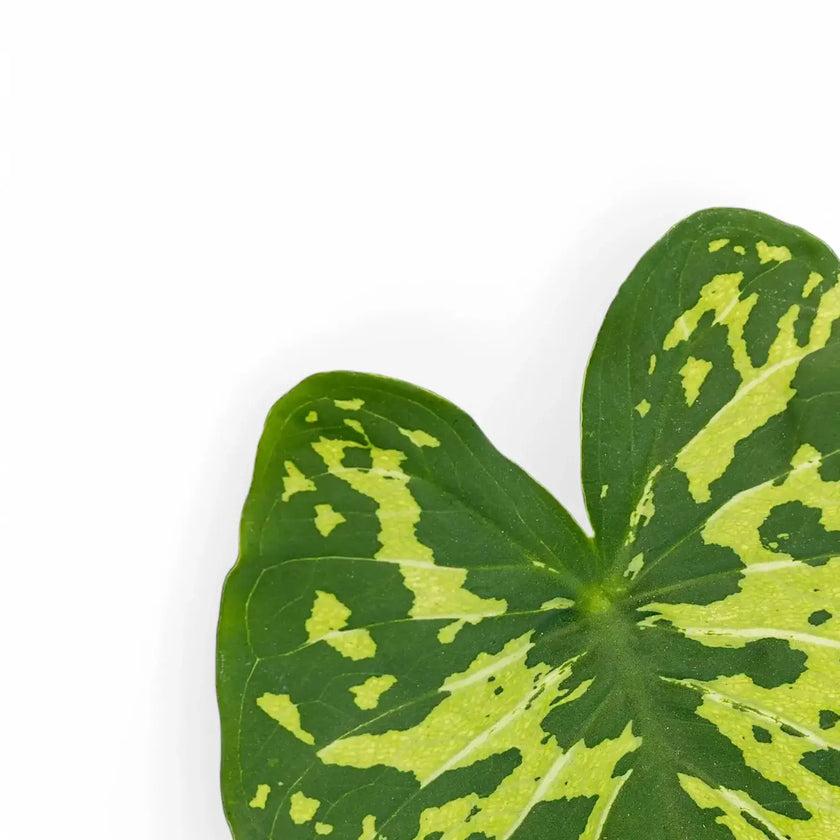
Caladium praetermissum ‘Hilo Beauty’ close-up of leaf on white background.
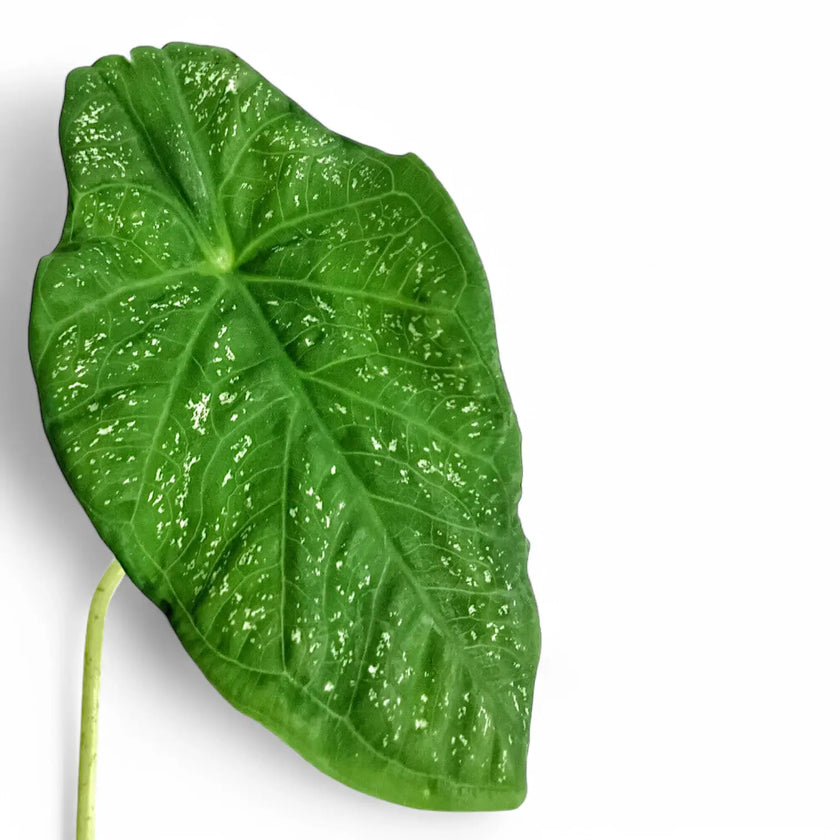
Caladium steudnerifolium leaf detail on white background.

Araceae

Caladium

Quick Overview

Caladium: seasonal foliage from tubers

  • Growth cycle: tuber pushes thin, patterned leaves in warm bright months, then often rests with little or no foliage later.
  • Light: bright, indirect light or very soft sun; deep shade dulls colours, midday beams behind glass scorch fragile blades.
  • Water, tubers: during the active leaf phase keep substrate evenly moist, not swampy; in rest phases pull watering right back.
  • Substrate: responds well to light, organic-rich mix opened with bark and mineral fraction so water does not pool around the tuber.
  • Temperature: prefers warm roots; cool, wet mix is a common trigger for tuber rot and sudden collapse.
  • Toxicity: contains irritant crystals; treat as strictly ornamental indoors.
Botanical Profile

Caladium: botanical profile for tuberous painted aroids

Caladium is a small genus of tuberous aroids in Araceae, best known for hybrids derived largely from Caladium bicolor. The genus was erected by Ventenat in the early nineteenth century. Only around 14-20 species are recognised, but intensive breeding has produced a broad horticultural range of plants with strikingly patterned, paper-thin leaves.

  • Order: Alismatales
  • Family: Araceae
  • Tribe: Caladieae / Colocasieae alliance within subfamily Aroideae
  • Genus: Caladium Vent.
  • Type species: Caladium bicolor (Aiton) Vent.
  • Chromosomes: Somatic counts mostly between 2n = 18 and 38, with evidence for base numbers around x = 9 and multiple polyploid series

Range & habitat: Caladium is native to tropical Central and South America, particularly Brazil and surrounding regions. Species occur in seasonally moist lowland forests, riverine margins and partially open habitats where soils are periodically saturated but not permanently submerged, often passing through a dry-season resting phase underground.

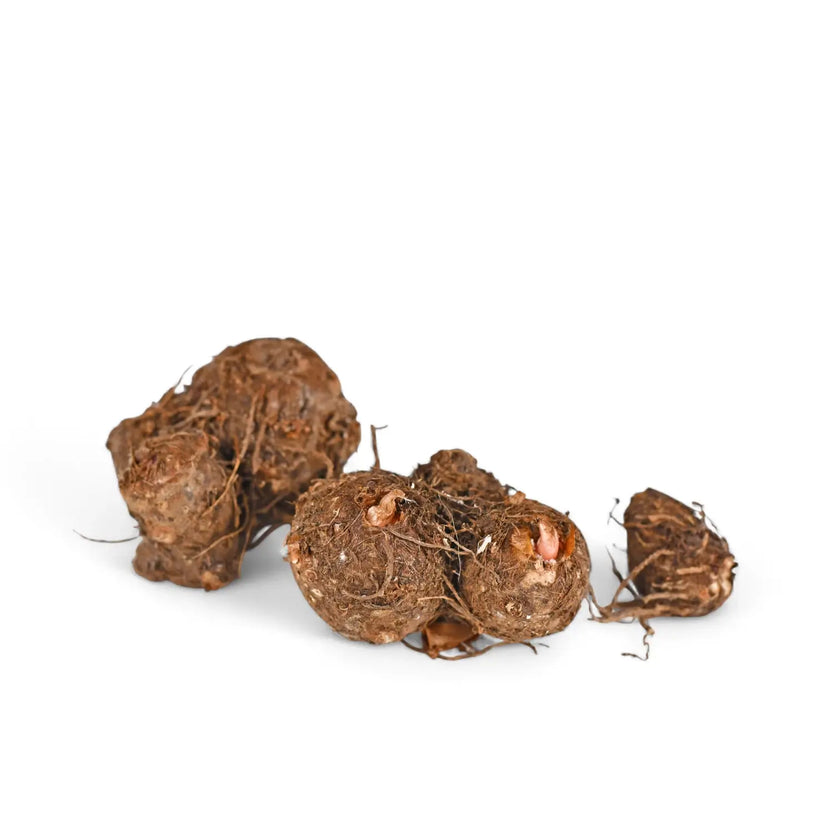
  • Life form: Herbaceous perennials with swollen, underground tubers that drive seasonal flushes of foliage, followed by partial or complete dormancy when conditions dry or cool.
  • Leaf attachment: Petioles arise directly from the tuber and terminate in sagittate to cordate blades, typically with the petiole inserting near the sinus.
  • Leaf size: Many cultivated forms produce blades 15-45 cm long, depending on clone and growing conditions; wild species span smaller to similar ranges.
  • Texture & colour: Thin, almost translucent laminae carry sharply contrasting zones of green, wh
Details & Care

Caladium: painted leaves with a built-in rest mode

Caladium indoors: colour first, then timing

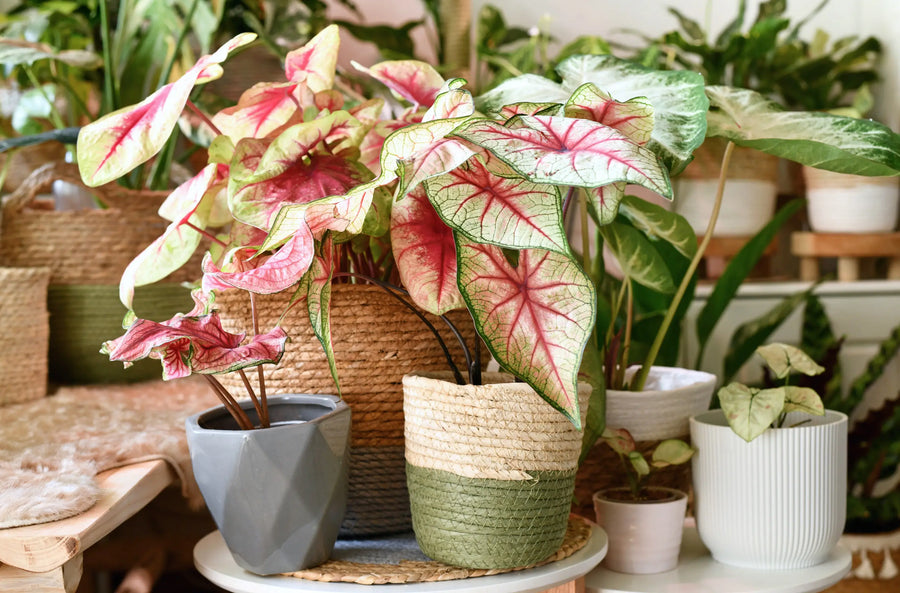
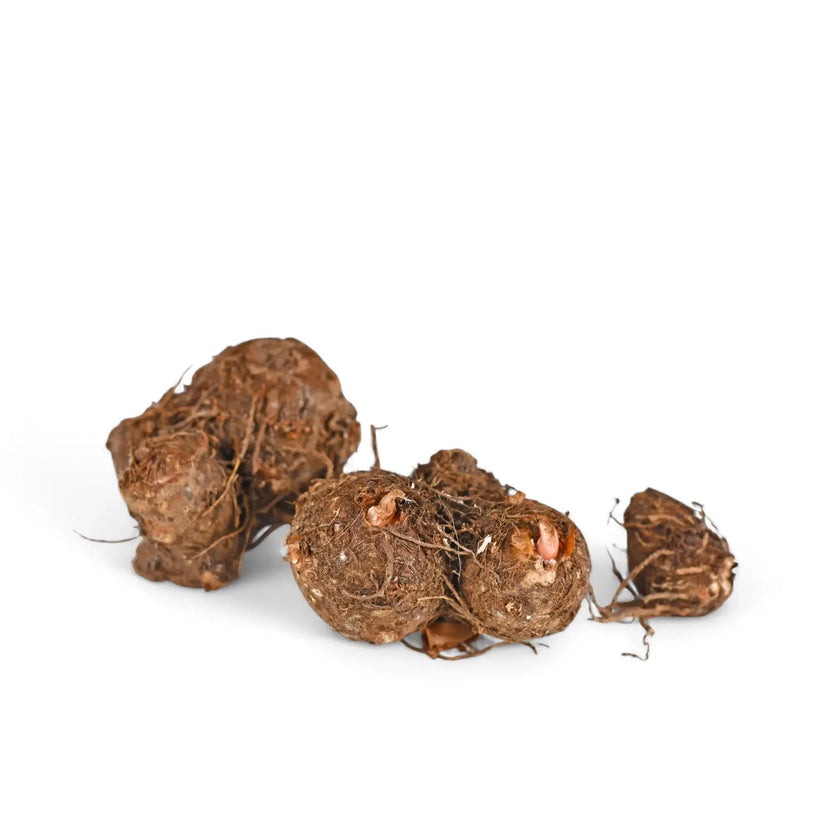
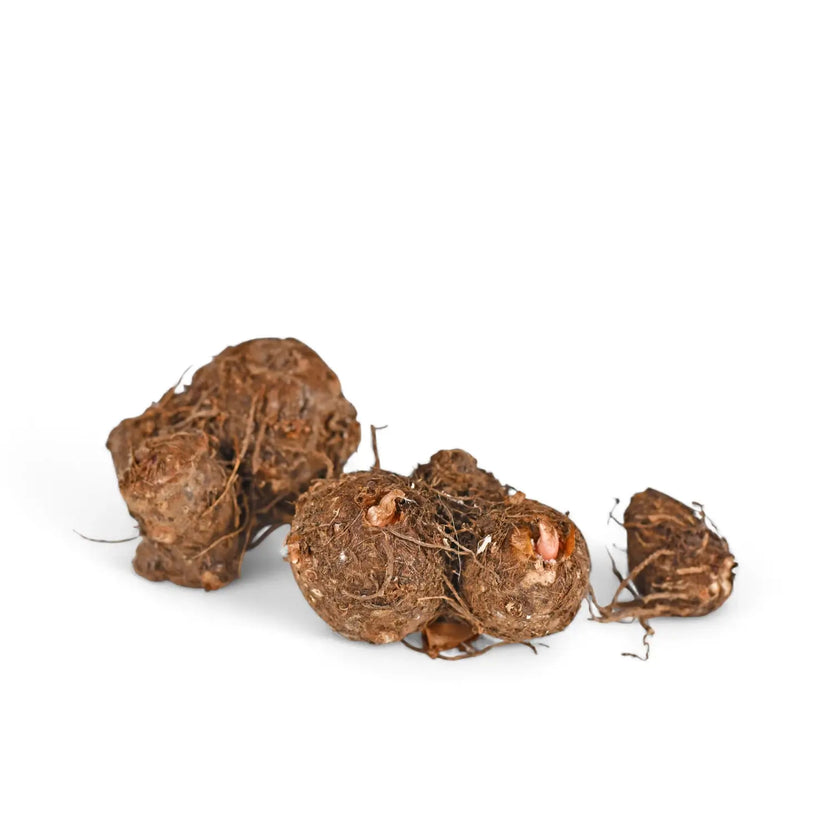
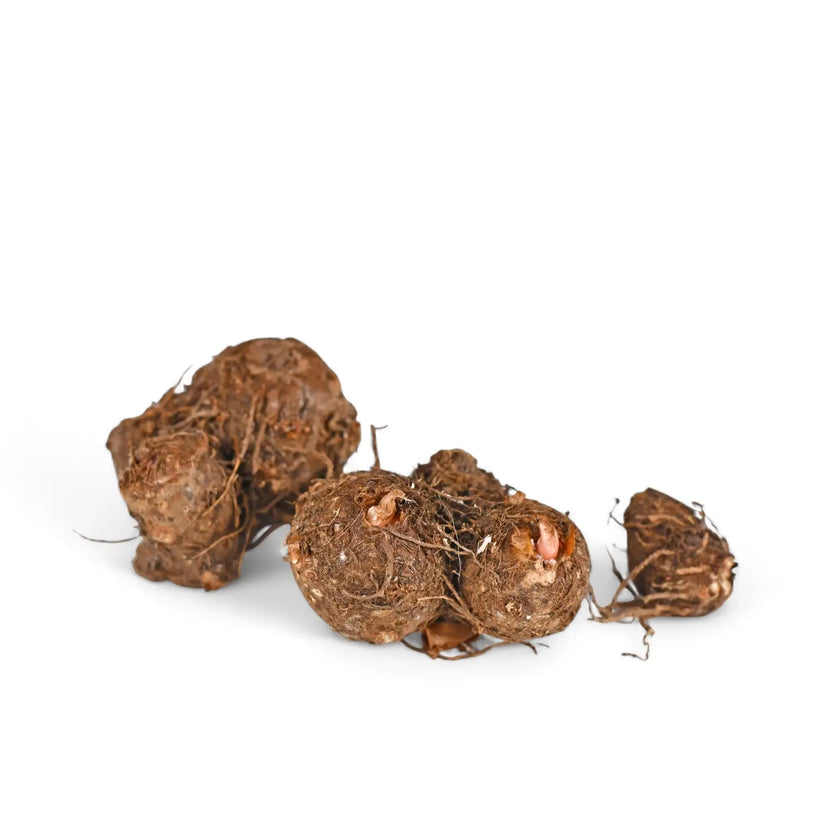
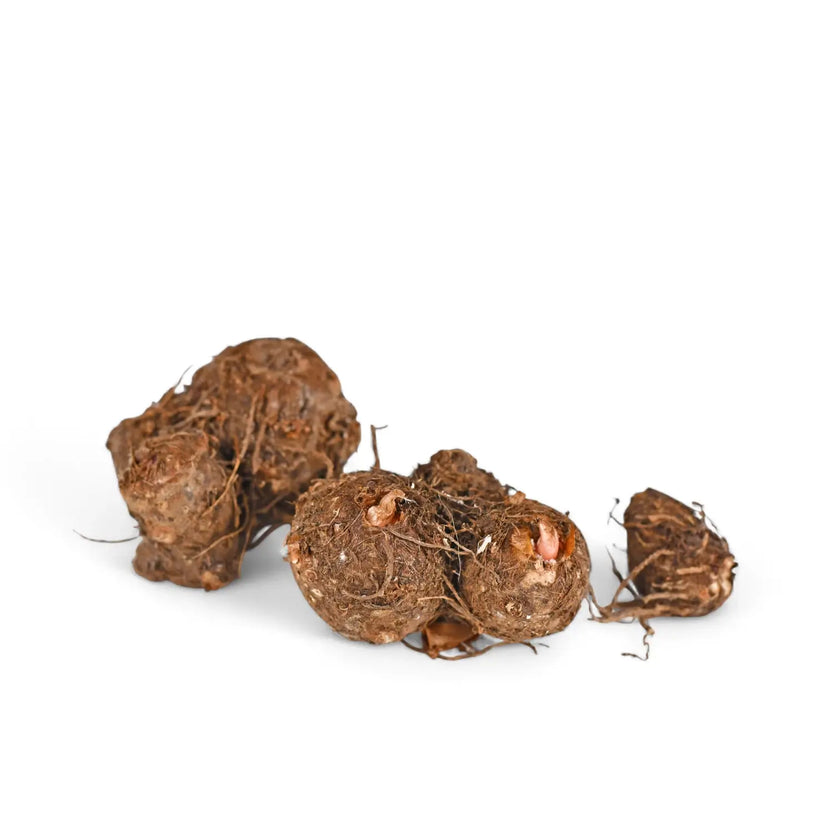
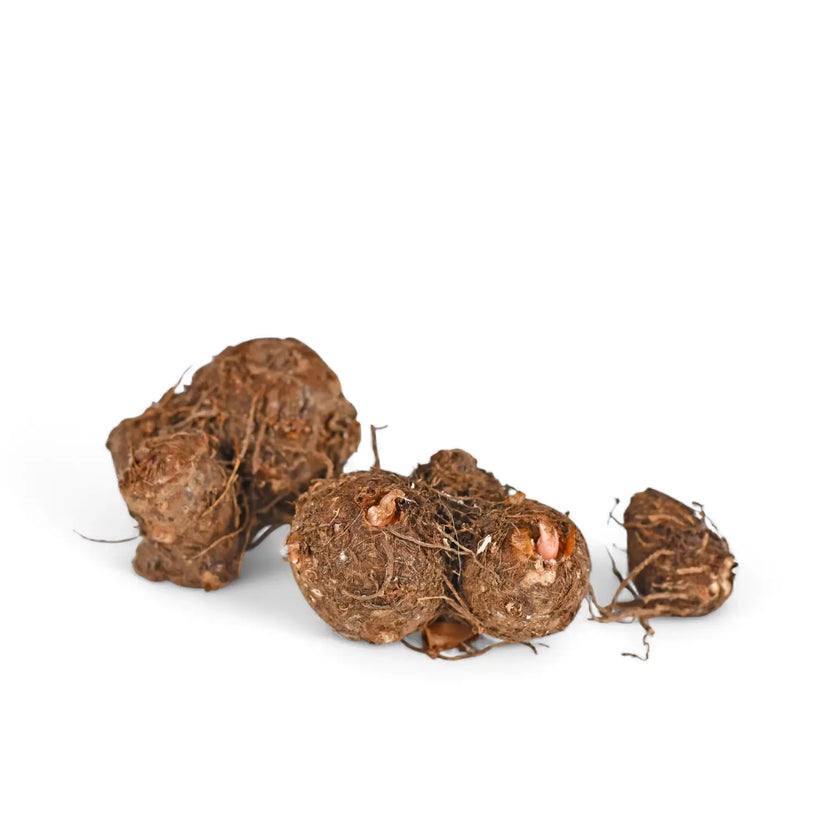
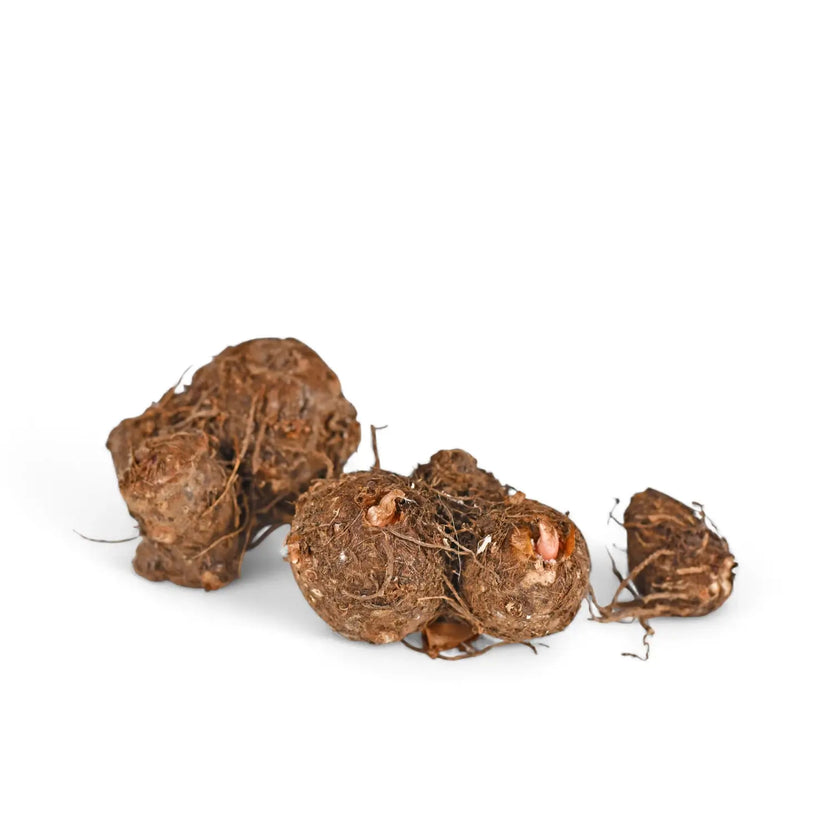
Caladium grows from tubers sitting just under the mix, pushing thin, patterned leaves in waves during its active phase. When light and warmth drop, or when growth slows naturally, leaves can fade and disappear while the tuber stays alive below. Read that rhythm well and Caladium becomes a repeat performer, not a one-season plant.

For a full year-cycle overview, keep a dedicated Caladium care guide close by.

Choosing a Caladium

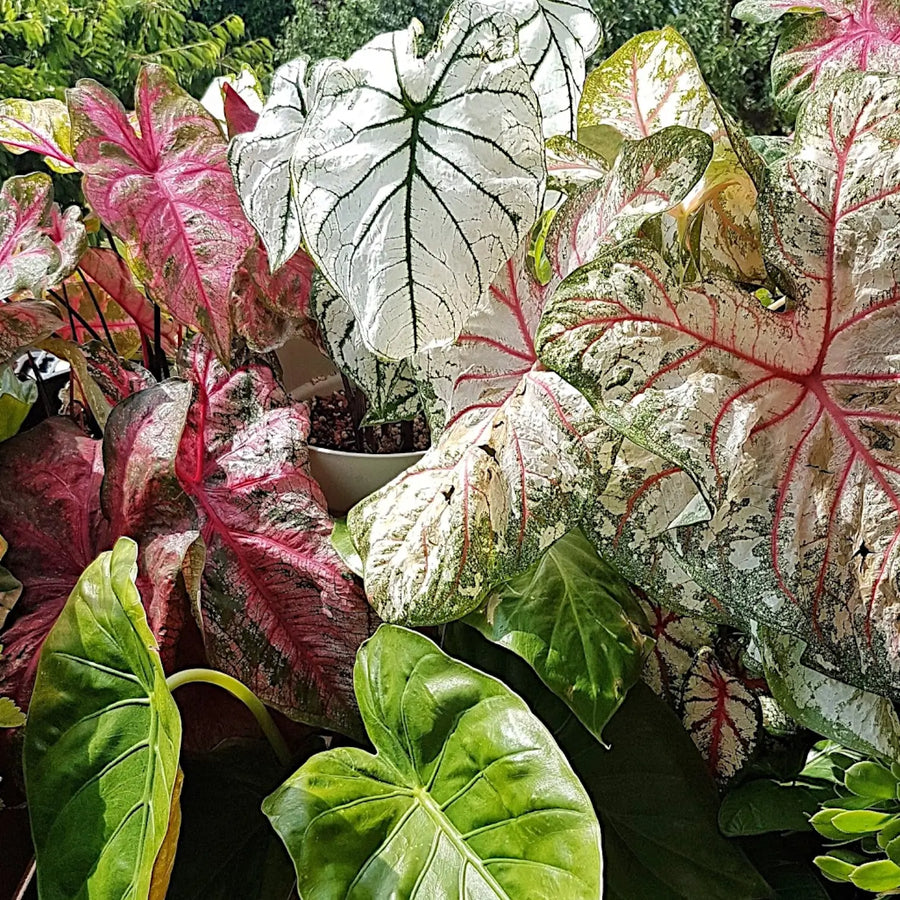
  • Leaf style: fancy-leaf types bring broad heart-shaped panels; strap-leaf types stay narrower and often look more airy.
  • Colour balance: white-heavy forms read brighter; pink and red forms look warmer and often feel bolder from a distance.
  • Plant size: compact pots suit desks and shelves; larger tubers fill a planter faster once growth starts.
  • Pace: high-contrast, heavily patterned selections often grow a little slower than greener forms.

Care baseline during active growth

  • Light: bright but softened light supports colour and leaf size; harsh midday sun can mark thin leaves.
  • Watering: keep the mix evenly moist, but airy; let the top layer dry slightly between thorough waterings.
  • Warmth: steady warmth keeps growth moving and reduces leaf stress.
  • Feeding: light, regular feeding during active growth supports continuous leaf production.
  • Humidity: higher humidity helps leaves stay smoother, especially in warm, bright spots.

When leaves fade: rest or problem?

A quiet phase is normal. Firm tubers and a clean potting mix usually point to rest rather than decline. If you want a deeper read on timing and triggers, see houseplant dormancy explained.

If the tuber turns soft, smells off, or the mix stays wet for long periods, treat it as a drainage and temperature issue rather than a “seasonal” pause. A warmer spot and a faster, airier mix make the difference for the next growth wave.

Frequently Asked Questions About Caladium